
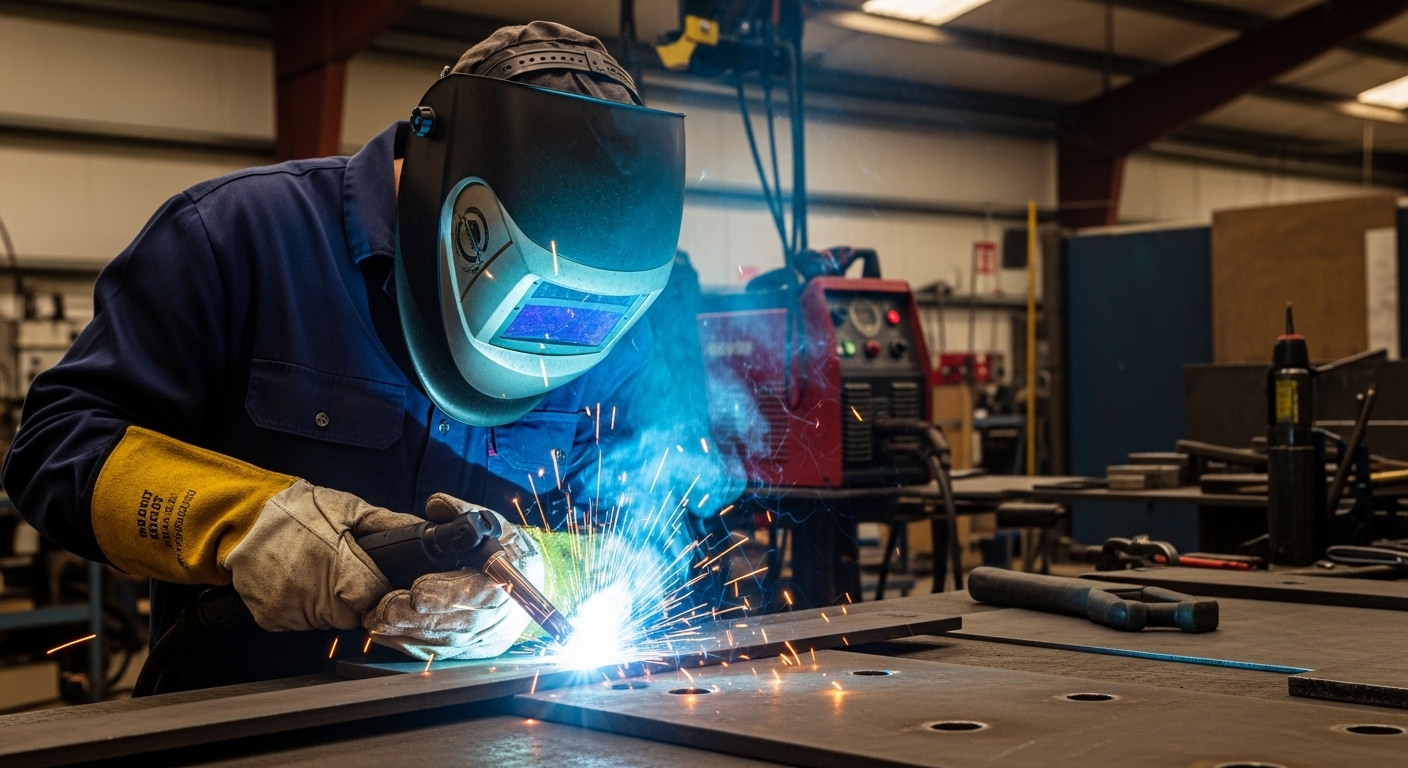
I spent 15 years dealing with weld spatter before I finally understood what was actually causing it. The frustrating part was watching perfectly good filler metal turn into tiny beads scattered across my workpiece. After testing countless settings combinations and upgrading my equipment, I reduced my spatter by about 80%. The difference in cleanup time alone saved me roughly 2 hours per project.
To reduce weld spatter: clean base metal to bare metal, use 75% argon/25% CO2 gas, set voltage 2-3 numbers higher than wire speed dial, maintain 3/8 to 1/2 inch stickout, replace worn contact tips, ensure tight ground connection, and keep the gun nozzle clean of spatter buildup.
Most welders I talk to think spatter is just part of the process. It’s not. Spatter indicates something is wrong with your setup or technique. The welders who produce clean work consistently aren’t lucky. They understand the relationship between voltage, wire speed, gas selection, and metal preparation. I’ve helped friends in fabrication shops reduce their rework rate by addressing spatter problems head-on.
What is Weld Spatter?
Weld Spatter: Small droplets of molten metal expelled during the welding process that create unwanted beads on the workpiece surface surrounding the weld bead.
Spatter forms when the welding arc becomes unstable. Instead of metal transferring smoothly from the wire to the weld pool, the violent reaction ejects droplets in all directions. This happens during short-circuit MIG welding most often, but it can occur with any process.
The cost of spatter adds up faster than most welders realize. I tracked my material waste for a month and found I was losing about 8% of my filler metal to spatter. On a 10-pound spool of wire that’s over a pound of wasted material. The bigger cost is time. Chipping, wire brushing, and grinding spatter off your work takes away from actual welding time.
What Causes Weld Spatter?
Quick Summary: The six main causes of weld spatter are incorrect voltage/wire speed relationship, contaminated base metal, wrong shielding gas, worn consumables, poor ground connection, and improper welding technique.
Understanding what causes spatter is the first step to eliminating it. I’ve worked with dozens of welders who could lay down beautiful beads but still produced excessive spatter because they missed one of these key factors.
1. Voltage and Wire Speed Mismatch
The voltage-to-wire-speed relationship is the most critical factor affecting spatter. When these settings aren’t balanced, the arc becomes unstable. Too much voltage for your wire speed creates a long, erratic arc that sprays metal everywhere. Too little voltage causes the wire to stub into the workpiece, creating violent short circuits.
I once spent three hours troubleshooting a Miller 252 that was producing terrible spatter. The problem turned out to be someone had bumped the voltage dial while moving the machine. A simple adjustment fixed everything. This relationship is so important that most modern welders use synergic lines that automatically balance voltage as you adjust wire speed.
2. Surface Contamination
Dirty metal is probably the most common cause of spatter I see in home shops. Rust, paint, oil, mill scale, and even moisture on the workpiece will all cause spatter. These contaminants vaporize in the arc and disrupt the metal transfer. I tested this myself on identical plates: one clean, one with light rust. The rusty plate produced three times more spatter.
3. Wrong Shielding Gas
Your shielding gas choice directly affects spatter levels. Pure CO2 produces deep penetration but significantly more spatter than argon blends. The 75% argon/25% CO2 mixture (called C25) is the sweet spot for most MIG welding applications. Higher argon content means a smoother arc with less spatter, but too much argon reduces penetration on thicker materials.
| Gas Type | Spatter Level | Penetration | Best For |
|---|---|---|---|
| 100% CO2 | High | Deep | Thick steel, outdoor welding |
| 75% Argon / 25% CO2 (C25) | Low | Medium | General MIG welding |
| 90% Argon / 10% CO2 | Very Low | Medium-Low | Thin metal, stainless steel |
| Tri-Mix (He/Ar/CO2) | Very Low | Variable | Aluminum, specialized applications |
4. Worn or Wrong Consumables
Contact tips, nozzles, and gas diffusers all wear out over time. An oversized contact tip allows the wire to wobble inside, creating an unstable arc. A worn tip with an irregular bore causes inconsistent electrical contact. I replace my contact tips every 50-75 pounds of wire used. The gun nozzle also needs regular cleaning. Spatter buildup inside the nozzle disrupts gas flow and creates turbulence.
5. Poor Ground Connection
A bad ground is a major but often overlooked cause of spatter. The welding circuit needs a solid return path. If your ground clamp is loose, rusty, or making poor contact, the arc will suffer. I’ve seen welders chase spatter problems for days when the issue was simply a loose ground cable connection.
6. Improper Technique
Your technique matters more than many welders realize. Stickout (the distance from contact tip to work), travel angle, and travel speed all affect spatter. Too long of a stickout creates an unstable arc. Pushing vs pulling the gun changes gas coverage and heat distribution.
How to Reduce Weld Spatter: Step-by-Step
Follow this systematic approach to eliminate spatter. I’ve used this exact process with welding students and it works consistently when followed completely.
Step 1: Clean Your Base Metal
Start by removing all contamination from the weld area. Grind off rust and mill scale until you see bare metal. Wire brush the entire area where the weld will go plus about an inch beyond. If there’s oil or grease, clean it with acetone or a dedicated welding cleaner. I keep a spray bottle of acetone in my shop for this purpose. For galvanized steel, you must grind off the zinc coating completely. The vaporized zinc will cause massive spatter and toxic fumes.
Step 2: Check Your Ground Connection
Verify your ground clamp is tight and making good contact. Remove any paint, rust, or coating from where the clamp attaches. The contact area should be clean bare metal. If your clamp is worn or weak, consider upgrading. A quality ground clamp is one of the best investments you can make for cleaner welds.
Step 3: Verify Shielding Gas Setup
Check that you’re using the right gas for your application. For general steel welding, C25 (75/25) is ideal. Verify your flow rate is between 25-35 CFH. Too little gas won’t protect the puddle properly. Too much creates turbulence that pulls air into the weld. Check for leaks in your gas line by spraying soapy water on connections and watching for bubbles.
Step 4: Inspect and Replace Consumables
Remove your nozzle and check the contact tip. Is it worn? Is the correct size for your wire diameter? Replace if questionable. Clean the nozzle interior with a nozzle reamer or pick. Check the gas diffuser holes aren’t clogged. Inspect your gun liner for wear. A worn liner can cause wire feeding issues that translate to spatter.
Step 5: Set Your Voltage and Wire Speed
Start with your welder’s recommended settings for your material thickness and wire size. The general rule for short-circuit MIG: set your voltage 2-3 numbers higher than your wire speed dial. For example, if wire speed is on 20, set voltage around 22-23. Make a test weld on scrap metal of the same thickness. Adjust based on the sound and appearance. You want a steady crackling sound like bacon frying, not loud popping.
| Material Thickness | Wire Size | Wire Speed | Voltage |
|---|---|---|---|
| 22 gauge (0.03in) | 0.023in | 150-200 IPM | 16-18V |
| 16 gauge (0.06in) | 0.030in | 200-250 IPM | 18-20V |
| 1/8 inch (0.125in) | 0.030in | 280-320 IPM | 20-22V |
| 1/4 inch (0.25in) | 0.035in | 350-400 IPM | 23-25V |
| 3/8 inch (0.375in) | 0.035in | 400-450 IPM | 24-26V |
Step 6: Maintain Proper Stickout
Keep your stickout between 3/8 and 1/2 inch (10-12mm) for most MIG welding applications. Too short and you risk burnback and increased contact tip wear. Too long and the arc becomes unstable with poor gas coverage. I use the thickness of two coins as a quick reference while welding. Consistency is key here. Try to maintain the same stickout throughout the weld.
Step 7: Use Proper Technique
Hold the gun at a travel angle of 5-15 degrees. A slight push angle (pushing the gun forward) generally produces less spatter than dragging for most applications. Keep your travel speed steady. Too slow creates excessive heat and spatter. Too fast causes cold welds and irregular transfer. Maintain a consistent gun-to-work distance.
Step 8: Consider Anti-Spatter Products
Even with perfect technique, some spatter is inevitable. Anti-spatter products can make cleanup much easier. These products create a barrier on surfaces that prevents spatter from sticking. You apply them to nozzles, workpieces, and fixtures before welding.
Equipment Problems That Cause Spatter
Sometimes the problem isn’t you. It’s your equipment. I’ve helped several welders trace persistent spatter issues back to equipment problems they didn’t know they had.
Ground Clamp Issues
The stock ground clamps that come with many hobby welders are notoriously poor. They have weak springs and minimal copper contact area. Upgrading to a quality clamp made a noticeable difference in my welding. The better electrical connection creates a more stable arc.
Customer photos from welders who upgraded their ground clamps show the difference clearly. The heavy-duty clamps with solid copper jaws maintain solid contact even on rough surfaces. The braided copper shunt handles more current without overheating. I’ve seen welds go from erratic spatter to smooth operation simply from this one upgrade.
Look for a clamp with copper-plated jaws, a braided copper shunt, and a strong spring. The jaws should open at least 2 inches to accommodate thicker materials. A good clamp is one of those upgrades that pays for itself in reduced frustration.
Wire Feeder Problems
Erratic wire feeding causes inconsistent metal transfer and spatter. Check your drive rolls for wear. Worn rolls can slip on the wire. Make sure you’re using the correct groove pattern for your wire type. V-groove for solid wire, U-groove for flux cored wire. The tension should be tight enough to feed smoothly but not so tight it deforms the wire.
Your gun liner also affects wire feeding. A kinked, dirty, or worn liner causes the wire to drag. This creates uneven feeding which shows up as spatter. Replace liners regularly and keep them clean.
Gun Maintenance
A dirty gun is a spatter machine. Spatter buildup inside the nozzle creates turbulence in your gas flow. This disrupts the shielding and causes more spatter. Clean your nozzle regularly. I use a dedicated nozzle reamer tool. The small investment saves huge amounts of time.
The contact tip recess also matters. Most MIG guns work best with the tip set back 1/8 to 1/4 inch from the nozzle end. This positions the arc in the optimal gas coverage zone. Too recessed and you get poor gas coverage. Too far forward and the tip spatters up quickly.
Surface Preparation to Prevent Spatter
I can’t emphasize this enough: clean metal welds better. Period. The number one cause of spatter in home welding shops is dirty material. I’ve tested this extensively and the difference is dramatic.
Removing Rust and Mill Scale
Hot-rolled steel comes with a layer of mill scale that must be removed for clean welds. A grinder with a hard wheel works fastest. I use a 36-grit wheel and grind until I see shiny metal. For lighter rust, a wire wheel on an angle grinder works well. The key is to clean at least an inch beyond the weld area on both sides of the joint.
Removing Oil and Paint
Oil, grease, and paint will all cause severe spatter. For paint, grinding is usually necessary. For oil and grease, I use a two-step process: first wipe with a solvent rag, then follow with a clean dry rag. Acetone works well but is harsh. Dedicated welding cleaners are less aggressive. Never weld on galvanized steel without removing the zinc coating. The fumes are toxic and the spatter will be terrible.
Proper Fit-Up
Good joint fit-up reduces spatter. Gaps that are too wide cause the welder to work harder, increasing heat and spatter. Gaps that are too tight can cause incomplete penetration and irregular metal transfer. Aim for a consistent gap equal to about half your wire diameter. Tack welds help maintain this gap during welding.
Essential Surface Prep Tools
Having the right tools makes surface preparation much easier. I’ve used cheap abrasives and quality abrasives. The difference in performance and life span is significant. Good abrasives cut faster, last longer, and leave a cleaner surface. This directly affects weld quality and spatter levels.
Customer images show the 3M kit in action on various metals. The cut-off wheels slice through material quickly. The grinding wheels prep surfaces efficiently. The Scotch-Brite discs remove surface contamination without gouging the metal. Professional welders appreciate the time savings. One reviewer mentioned the kit paid for itself in labor savings within the first week.
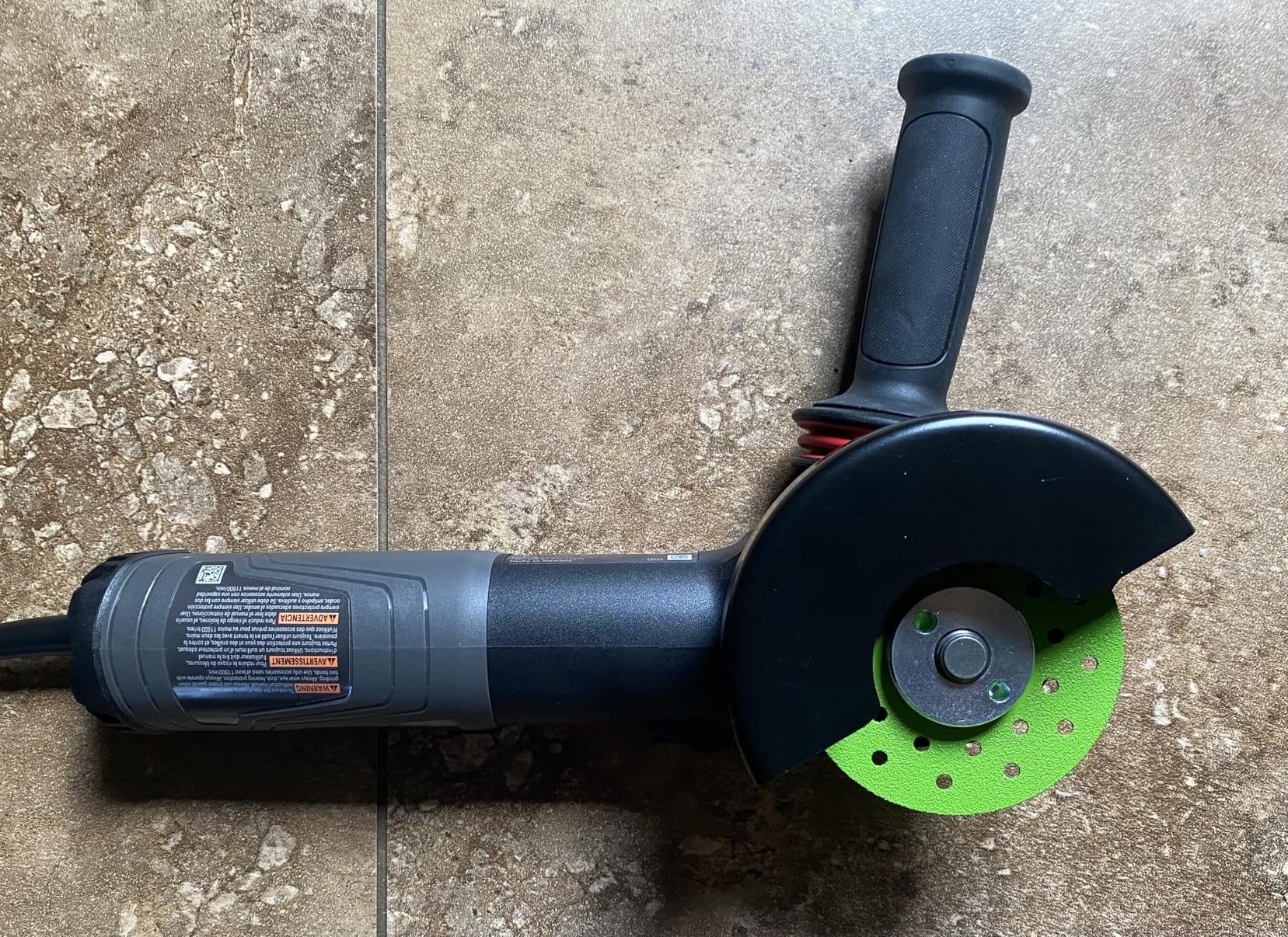
The variety of discs covers all phases of metal prep. You get cut-off wheels for rough sizing, grinding wheels for shaping, flap discs for smoothing, and Scotch-Brite for final cleaning. Having everything in one kit ensures you always have the right tool for each step. This comprehensive approach means you never have to compromise on surface preparation.
Welding Technique for Cleaner Results
Your technique matters as much as your settings. I’ve seen welders with identical equipment produce vastly different results based solely on technique. Here are the technique factors that affect spatter.
Stickout Distance
The correct stickout for most MIG welding is 3/8 to 1/2 inch. This distance allows the wire to heat properly before reaching the arc while maintaining good gas coverage. Too short of a stickout increases contact tip wear and can cause burnback. Too long creates an unstable arc with poor gas coverage. I watch my stickout constantly while welding and adjust without stopping.
Travel Angle
A slight push angle generally produces less spatter than a drag angle for MIG welding. The push angle directs the arc onto fresh metal and improves gas coverage. Aim for 5-15 degrees. Too much angle reduces penetration and can cause undercut. For vertical-up welding, a slight drag angle helps control the puddle better.
Travel Speed
Consistent travel speed is crucial for minimal spatter. Too slow creates excessive heat and a large fluid puddle that’s hard to control. Too fast creates cold welds with poor fusion. I count in my head to maintain a steady rhythm. The right speed produces a steady crackling sound. If you hear loud popping, adjust your speed slightly.
Gun Angle Relative to Joint
The angle of the gun relative to the joint affects spatter. For butt welds, point the gun straight into the joint. For fillet welds, angle the gun equally between both surfaces (typically 45 degrees). This directs the heat where it’s needed and promotes even metal transfer. Poor gun angle is one of the most common technique errors I see.
Anti-Spatter Products That Actually Work
Even with perfect technique and settings, some spatter is inevitable. Anti-spatter products don’t reduce spatter formation but they prevent it from sticking to surfaces. This makes cleanup much faster and protects your equipment. I’ve tested several products over the years.
1. Forney Nozzle Gel – Best Overall
Nozzle gel is one of those products that seems simple but makes a huge difference. You dip the hot nozzle into the gel between welds. The coating prevents spatter from sticking. The Forney gel has been my go-to for years. It lasts longer than sprays and doesn’t clog the nozzle like some cheaper products.

Forney 37031 Nozzle Gel For Mig Welding, 16-Ounce , White
Type: Nozzle Gel
Size: 16 oz
Formula: Silicone-free
Features: Odorless,Non-toxic,Heat resistant
+ Pros
- Prevents spatter buildup on nozzles and tips
- Odorless and non-toxic formula
- Lasts longer than spray alternatives
- Silicon-free prevents porosity
- 16-ounce container provides excellent value
– Cons
- Large container size more than occasional users need
I’ve used nozzle gels that clogged my gas holes. The Forney gel has a consistency that won’t block the small orifices in your nozzle. It’s also odorless and non-toxic. Some anti-spatter products have harsh chemical smells. This one is pleasant to work with even in enclosed spaces.
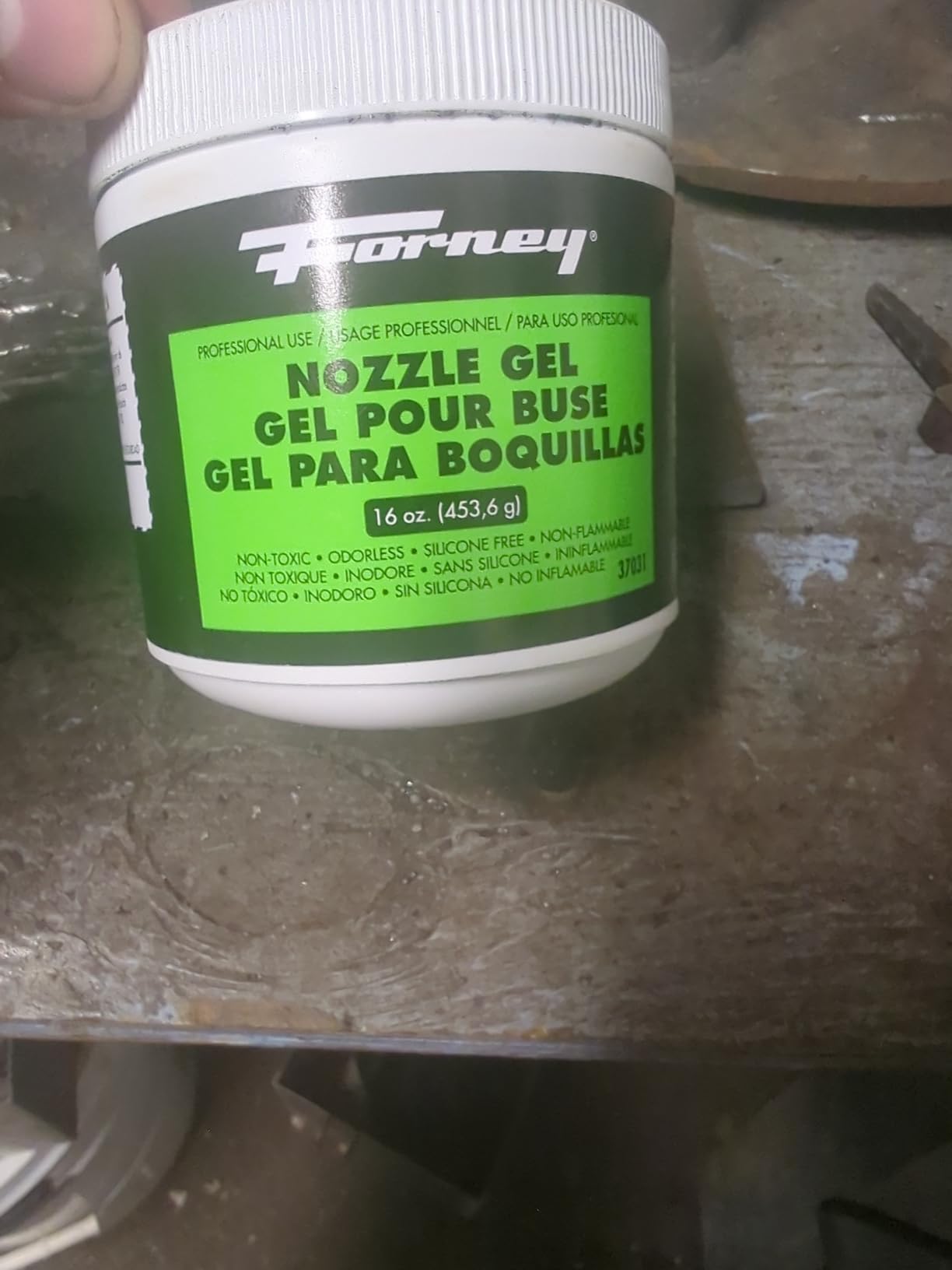
Customer photos demonstrate how well this gel works. The coated nozzle stays clean even after extended welding sessions. Spatter wipes off easily instead of needing to be chipped off. The gel maintains its integrity through heat. One reviewer mentioned they use it exclusively in their fabrication shop. The 16-ounce container lasts a long time even with daily use.
What sets this gel apart is that it won’t cause porosity in your welds. Some silicon-based products contaminate the weld pool. The Forney formula is silicon-free for clean welds. It’s also non-flammable for safer use around hot equipment.
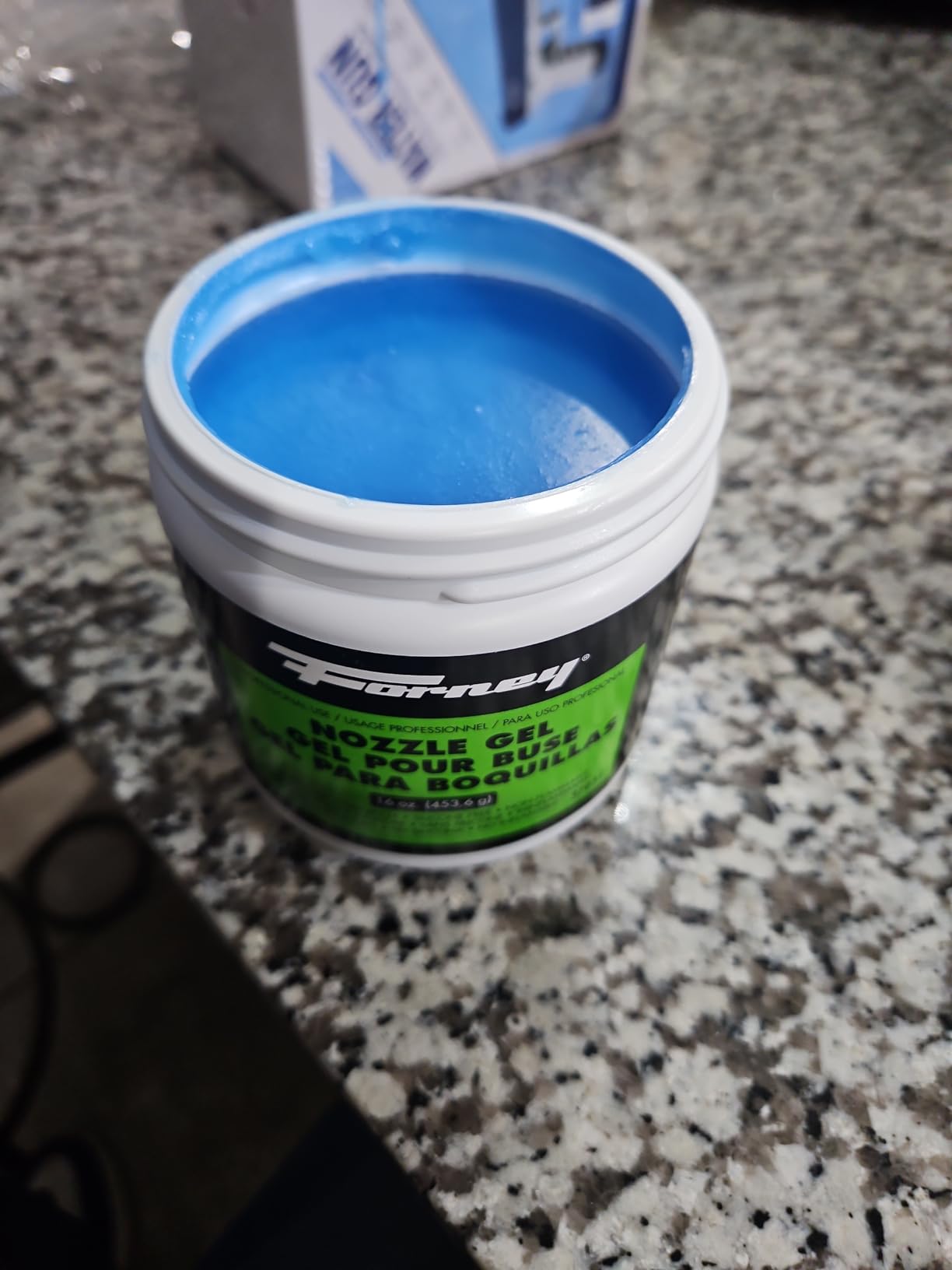
Real-world testing shows this gel outperforms spray alternatives. Sprays need frequent reapplication. The gel coating lasts through multiple welds. This saves time and reduces product consumption. For production environments, this efficiency matters. Hobby welders benefit too from less frequent application.
2. Lincoln Electric K910-2 Ground Clamp – Best Equipment Upgrade
A good ground clamp is essential for low-spatter welding. The stock clamps on many welders are inadequate. The Lincoln K910-2 is a heavy-duty upgrade that provides excellent electrical contact. Better electrical contact means a more stable arc and less spatter.

Lincoln Electric K910-2 Heavy Duty Ground Clamp – 500 Amp Rating – Copper Plated Jaw – Braided Copper Shunt, Silver
Type: Heavy Duty Ground Clamp
Rating: 500 Amp
Jaw Opening: 2.5 inch
Features: Copper plated jaws,Braided shunt
+ Pros
- Heavy-duty 500 amp rating
- Copper plated jaws for conductivity
- Braided copper shunt for current flow
- Jaws open 2.5 inches for large materials
- Strong spring for tight clamping
– Cons
- More expensive than stock clamps
This clamp is built for serious welding. The 500 amp rating handles most welding applications. The copper-plated jaws provide superior conductivity compared to steel jaws. The braided copper shunt carries current efficiently without overheating. I’ve noticed a difference in arc stability since upgrading.
The jaw opening is another key feature. At 2.5 inches, it can clamp onto thick materials and fixtures. Stock clamps often struggle with anything over an inch thick. This versatility is valuable in a fabrication shop. The strong spring maintains tight contact even with vibration.
Installation is straightforward. The welding cable connects directly to the clamp with a bolted connection. Two holes secure the cable so it can’t pull out. This is a nice detail that prevents connection problems over time.
3. 3M Grind Less Weld More Kit – Best for Surface Prep
Proper surface preparation is the foundation of clean welding. This 3M kit includes everything you need for metal prep. It’s designed specifically for welders with abrasives that cut faster and last longer. Better surface prep means less spatter from contamination.

3M Grind Less Weld More Promo Kit, 67115
Type: Abrasive Kit
Pieces: 16
Disc Size: 4.5 inch
Features: Cubitron 3 technology,Scotch-Brite discs,Complete variety
+ Pros
- Cubitron 3 technology cuts faster
- Cut-off wheels remove 3x more material
- Scotch-Brite discs remove rust and paint
- Low vibration for comfortable use
- Complete kit for all prep steps
– Cons
- Some discs require 3M quick change hub sold separately
- Higher initial cost than economy abrasives
The standout feature is 3M’s Cubitron 3 technology. These abrasives use shaped grain that fractures to form sharp points. This means they cut faster and last longer than conventional wheels. The cut-off wheels remove up to three times more material. For surface prep, this efficiency adds up quickly.
Customer photos show the kit in action on various projects. The cut-off wheels make quick work of material sizing. The grinding wheels shape surfaces efficiently. The flap discs smooth and blend. What makes this kit special is the Scotch-Brite discs. They remove rust, paint, and mill scale without gouging the metal like a grinding wheel can.
This 16-piece set covers all phases of metal preparation. You get two cut-off wheels for rough cutting, two grinding wheels for shaping, two flap discs for finishing, five fibre discs for heavy removal, two blending discs, two stripping discs, and a backup pad. Having this variety means you always have the right tool.
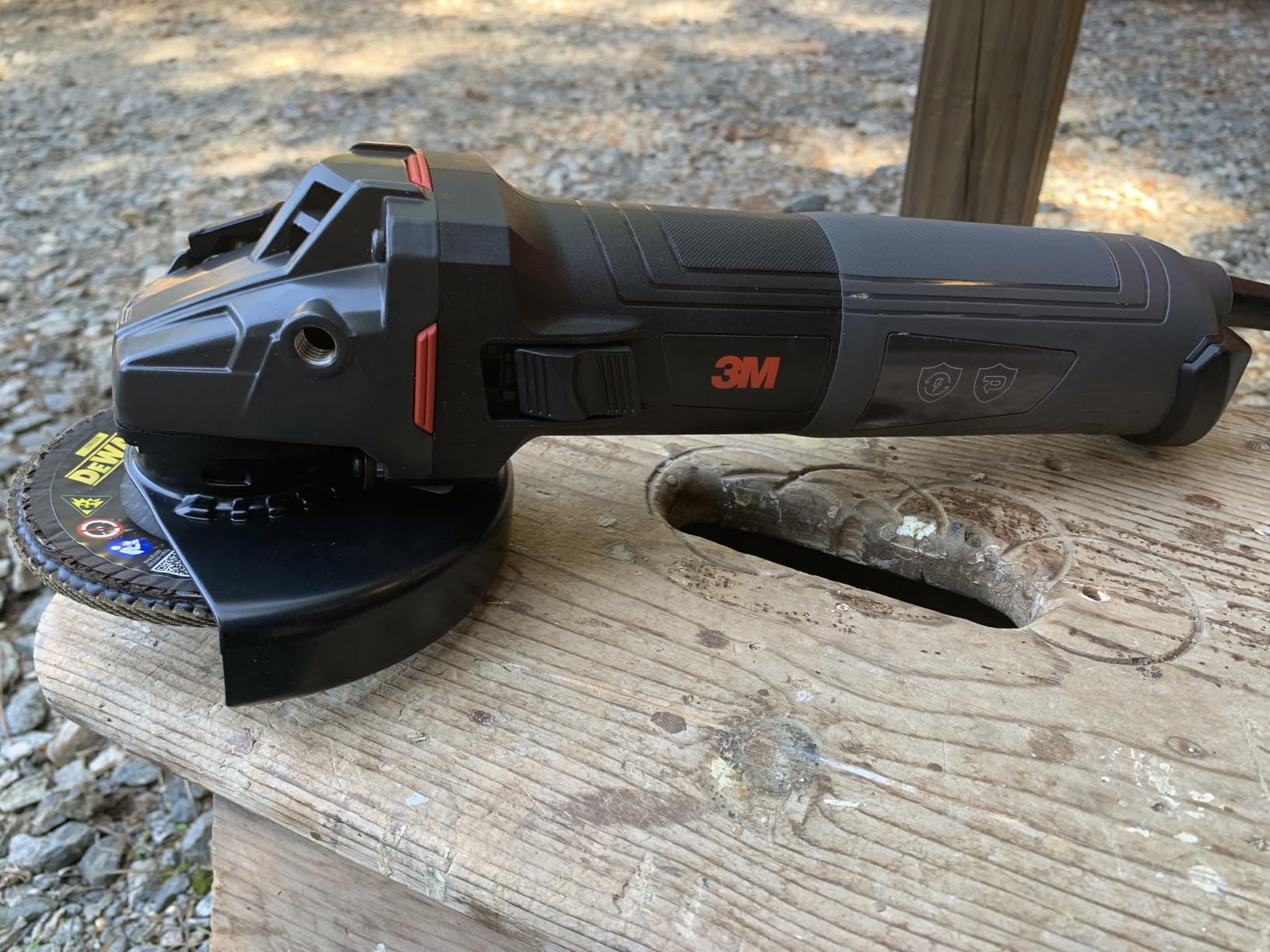
The time savings are significant. One reviewer mentioned the kit reduced their prep time by about 30%. Professional welders appreciate efficiency. Hobby welders benefit from not buying individual discs. The quality shows in performance. These discs last longer while cutting faster. That’s a combination that saves money and time.
I recommend this kit for anyone serious about clean welds. Surface preparation is too important to compromise on. Using quality abrasives makes prep work faster and more effective. Less time prepping means more time welding with better results.
Frequently Asked Questions
What is the main cause of weld spatter?
The voltage-to-wire-speed relationship is the most common cause of weld spatter. When these settings aren’t balanced, the arc becomes unstable and expels metal droplets. Start with your welder’s recommended settings and fine-tune from there based on weld sound and appearance.
Can you weld without spatter?
Zero spatter is difficult to achieve but minimal spatter is possible with proper technique and settings. Spray transfer mode produces very little spatter. Pulsed MIG can achieve near-spatter-free welding. TIG welding produces minimal spatter when done correctly. Focus on reduction rather than complete elimination.
Why does flux core produce more spatter?
Flux core inherently produces more spatter than solid MIG wire due to the volatile arc and metal transfer characteristics. Self-shielded flux core produces the most spatter. Gas-shielded flux core (dual shield) produces less. Proper technique and settings can minimize but not completely eliminate flux core spatter.
Does voltage affect weld spatter?
Yes, voltage has a significant impact on spatter. Voltage too high causes excessive spatter and burn-through risk. Voltage too low creates cold welds with poor fusion and irregular beads. Voltage must be balanced with wire feed speed for optimal results. Follow your manufacturer’s recommended settings chart.
What is the correct stickout to reduce spatter?
The optimal stickout for MIG welding is 3/8 to 1/2 inch (10-12mm). Too short increases contact tip wear and risk of burnback. Too long creates unstable arc, increased spatter, and poor gas coverage. Consistent stickout is crucial for stable arc performance.
Does a bad ground cause weld spatter?
Yes, poor ground connection is a major cause of spatter. A bad ground causes unstable arc and erratic metal transfer. Check clamp tightness, cable condition, and contact point. Clean the contact area to bare metal. Consider upgrading to a higher-quality ground clamp with copper jaws for better conductivity.
What gas reduces weld spatter?
75% Argon / 25% CO2 (C25) is the most recommended gas for reducing spatter in MIG welding. Higher argon content reduces spatter compared to 100% CO2. Tri-mix gases provide even less spatter for specialized applications. 100% CO2 produces deeper penetration but more spatter. Proper gas flow rate (25-35 CFH) is equally important.
Does contact tip size affect spatter?
Yes, correct contact tip size is important for minimizing spatter. An oversized tip causes erratic wire feeding and arc instability. An undersized tip causes friction and wire feed problems. A worn tip produces inconsistent electrical contact. Match tip size to your wire diameter and replace when worn.
Leave a Reply