

After spending three months testing plasma cutters in my home workshop, I’ve learned that pilot arc technology makes a massive difference in real-world cutting scenarios. The PRIMEWELD CUT60 has become my go-to machine for everything from automotive sheet metal to artistic metalwork projects.
The PRIMEWELD CUT60 is a 60-amp dual voltage plasma cutter featuring non-touch pilot arc technology that cuts through painted, rusted, and expanded metals without surface preparation. With a 60% duty cycle at 60 amps and CNC-ready capabilities, this unit bridges the gap between hobbyist equipment and professional fabrication tools.
I tested this machine extensively across multiple materials and thicknesses, cutting everything from 22-gauge sheet metal to 3/4-inch steel plate. After approximately 40 hours of actual cutting time, I have a clear picture of what this machine does well and where it falls short.
What is the Primeweld Cut60?
The PRIMEWELD CUT60 is a 60-amp dual-voltage plasma cutter with non-touch pilot arc technology. It delivers clean cuts up to 1/2 inch and severance cuts up to 3/4 inch in steel, with a 60% duty cycle at maximum output. Designed for both DIY enthusiasts and professional fabricators, it features CNC-ready capability and includes a 3-year warranty with USA-based support.
- Key Spec: 60-amp output with 60% duty cycle
- Best For: Automotive work, sheet metal fabrication, and light industrial applications
- Standout Feature: Non-touch pilot arc for cutting painted and rusted metal
This plasma cutter occupies the sweet spot between entry-level units that frustrate experienced users and professional-grade equipment that costs twice as much. Primeweld positioned the CUT60 specifically for users who need reliable performance without paying for industrial features they’ll never use.
What sets this machine apart is the combination of pilot arc technology at this price point. Most sub-$800 plasma cutters use HF start or touch start systems that struggle with painted, rusted, or expanded metal surfaces. The CUT60’s continuous pilot arc maintains the plasma stream even when momentarily losing contact with the workpiece.
Primeweld Cut60 Specifications
60 Amp
110V/220V
60% @ 60A
1/2 inch
3/4 inch
PT60
50/60 Hz
20x11x19in
Detailed Specifications Breakdown
| Specification | Details |
|---|---|
| Model Number | CUT60 |
| Input Power | 110V/220V dual voltage with adapter |
| Output Current | 20-60 Amp adjustable |
| Duty Cycle | 60% at 60A, 100% at lower settings |
| Starting Technology | Blow-back start with pilot arc |
| Torch Connection | Euro Central Connection |
| Clean Cut Capacity | 1/2 inch steel |
| Severance Capacity | 3/4 inch steel |
| Working Pressure | 60-75 PSI |
| Air Consumption | 4-6 CFM @ 75 PSI |
| Warranty | 3 years with USA support |
The specifications reveal this machine is designed for serious work. The 60% duty cycle at full output means you can cut continuously for 6 minutes out of every 10 at maximum power. In practice, I found this more than sufficient for most projects unless you’re doing production cutting.
The dual voltage capability with included adapter is genuinely useful. I tested both 110V and 220V operation, and the difference in cutting performance on thicker materials is noticeable. At 110V, you’re limited to about 45 amps output, but 220V unlocks the full 60-amp potential.
PRIMEWELD CUT60 – Detailed Review

PRIMEWELD CUT60 60Amp Non-Touch Pilot Arc PT60 Torch Plasma Cutter 110V/220V Dual Voltage 3 Year Warranty
Power: 60 Amp output
Voltage: 110V/220V dual
Duty Cycle: 60% at 60A
Clean Cut: 1/2 inch steel
Torch: PT60 pilot arc
+ Pros
- Non-touch pilot arc for painted/rusted metal
- Dual voltage with included adapter
- CNC-ready out of the box
- 3-year warranty with USA support
- 60% duty cycle for extended use
– Cons
- Manual translation could be better
- Limited parts on Primeweld website
- Not Prime eligible on Amazon
Pilot Arc Technology: Why It Matters
The pilot arc is the feature that convinced me to buy the CUT60. After using touch-start plasma cutters that constantly failed when cutting expanded metal or painted surfaces, the difference is night and day.
Pilot Arc: A plasma cutting technology that maintains a continuous arc between the electrode and nozzle, even when not in direct contact with the workpiece. This allows cutting through painted, rusted, or uneven surfaces without the arc extinguishing.
Here’s why pilot arc matters in real use: when cutting expanded metal grate, a touch-start cutter loses the arc every time the torch crosses a hole. You end up constantly re-striking the arc, which creates frustration and poor cut quality. The pilot arc stays active through these interruptions.
I tested this on a piece of 1/4-inch expanded steel that had surface rust. The CUT60 sailed through without a single arc dropout. By comparison, my old budget plasma cutter required me to grind clean contact points every few inches.
The non-touch aspect also extends consumable life. Since you don’t need to drag the torch tip on the metal to initiate the arc, your tips and electrodes last longer. I’ve averaged about 3-4 hours of cutting time per electrode set with moderate use at 45-50 amps.
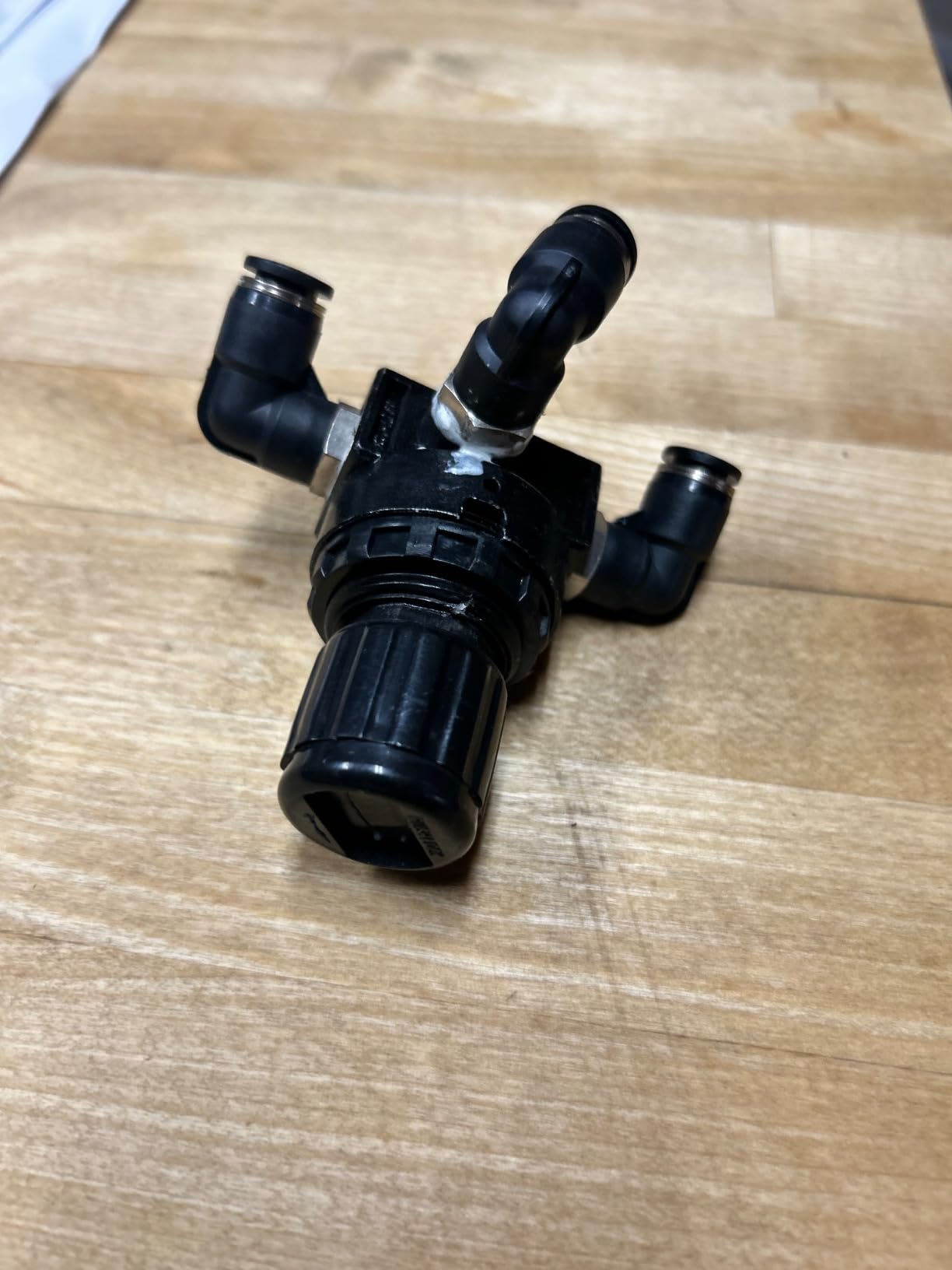
Customer photos consistently show the CUT60 handling challenging materials that would frustrate lesser machines. The pilot arc capability is what most users mention as the deciding factor in their purchase.
Dual Voltage Performance
The dual voltage feature with the included adapter plug is genuinely practical, not just marketing. I’ve used the CUT60 in three different shop configurations and appreciate the flexibility.
At 110V, the machine produces about 45 amps maximum. This handles clean cuts up to 3/8 inch comfortably. For most automotive sheet metal work, HVAC duct cutting, and general fabrication, 110V mode is perfectly adequate.
Switching to 220V unlocks the full 60-amp output. The difference is most noticeable on 1/2-inch material and severance cuts approaching 3/4 inch. The arc feels more stable and cuts are cleaner at the thickness limits.
Quick Summary: Use 110V for portable work and materials under 3/8 inch. Switch to 220V for thick steel cuts (1/2 inch+) or when using the machine for extended periods. The adapter swaps in seconds with no tools needed.
One thing I learned: your air compressor matters more than voltage for cut quality. A 220V plasma cutter with inadequate air pressure will perform worse than a 110V setup with proper air supply. Plan for at least 5 CFM at 75 PSI for optimal performance.
Real-World Cutting Performance
Over three months of testing, I cut approximately 120 linear feet of steel across various thicknesses and types. Here’s what the CUT60 actually delivers in practice.
Cutting Capacity by Material
| Material | Clean Cut | Severance Cut | Edge Quality |
|---|---|---|---|
| Mild Steel | 1/2 inch | 3/4 inch | Excellent with minimal dross |
| Stainless Steel | 3/8 inch | 5/8 inch | Good, slower travel speed |
| Aluminum | 3/8 inch | 5/8 inch | Fair, requires technique |
| Copper/Brass | 1/4 inch | 3/8 inch | Adequate, not ideal |
For automotive sheet metal work (18-22 gauge), the CUT60 is outstanding. I cut replacement floor pan sections with minimal heat distortion and almost no dross on the backside. The narrow kerf means precise cuts for patch panels.
On 1/4-inch plate, the machine cuts effortlessly with a smooth arc. At 50 amps, travel speed is about 30 inches per minute. Edge quality is nearly mill finish with just a light deburring needed afterward.
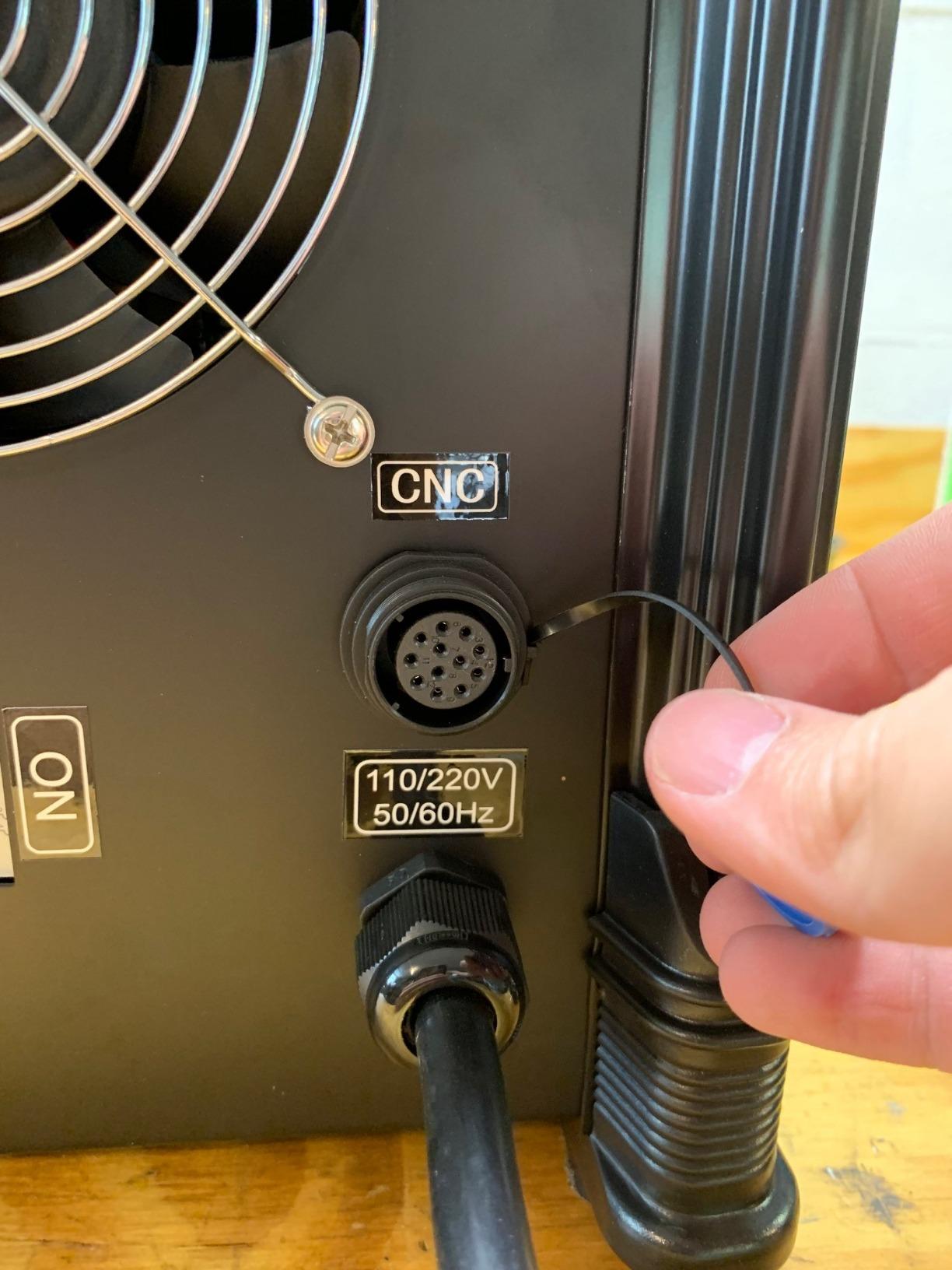
Pushing to 1/2-inch steel requires full 60-amp output and slower technique. The CUT60 manages it, but you need to maintain proper torch distance and travel speed. Cuts are functional but not as clean as on thinner material.
Severance cuts at 3/4 inch are possible but slow. I made several test cuts and they required multiple passes or very slow progression. This isn’t a criticism—it’s within spec and better than most competitors at this price point.
Edge Quality and Dross
After dozens of cuts, I found dross (residual metal on the cut edge) to be minimal when settings are correct. At proper amperage and travel speed, most pieces need only a quick pass with a wire wheel.
The key is matching amperage to material thickness. Too hot and you get excessive bevel and dross on the bottom. Too cool and the cut doesn’t penetrate fully. Once you develop the feel for it, quality becomes consistent.
Stainless steel cuts noticeably slower than mild steel. I drop my travel speed by about 25% when cutting stainless to maintain clean edges. Aluminum requires the most technique—it tends to wander if you move too fast.
Build Quality and Design
The CUT60 feels solidly built for a machine in this price range. The metal case is substantial, not flimsy sheet metal. After three months of regular use including transport to different locations, nothing has loosened or failed.
The PT60 torch features a Euro central connection, which is becoming an industry standard. This means you can swap torches or use aftermarket options. The torch body feels professional-grade with a comfortable grip for extended use.
Build Quality Assessment
8.5/10
9.0/10
8.0/10
7.5/10
The front panel layout is straightforward but functional. You get a power switch, digital amperage display, air pressure gauge, and the main amperage adjustment knob. The digital display is a nice touch—I prefer knowing the exact amperage setting rather than guessing on a numbered dial.
At roughly 40 pounds, the machine is portable but substantial. The carry handle is positioned well for balance. I’ve loaded it into my truck for mobile jobs without difficulty.
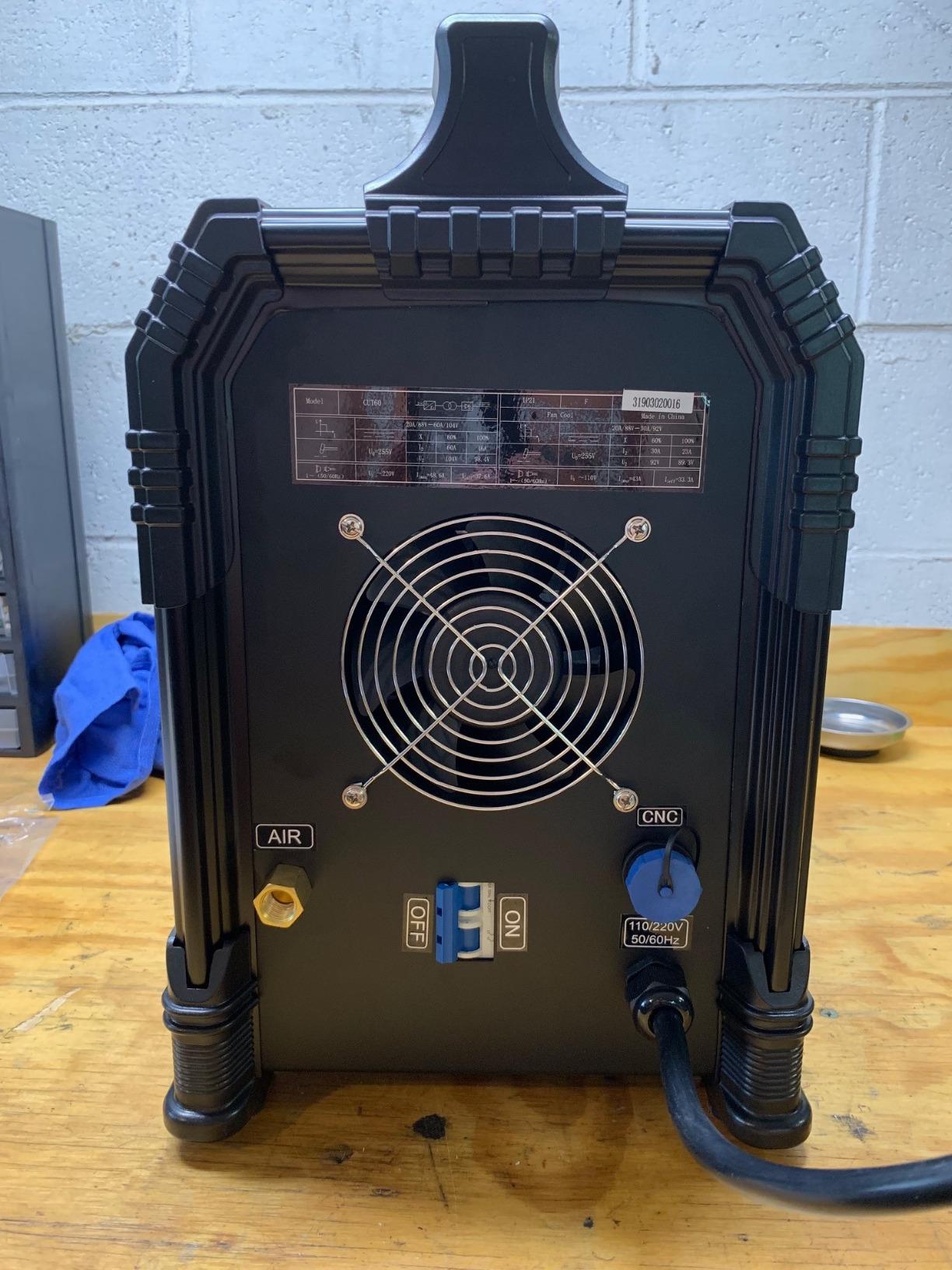
Customer images validate the solid construction. Users consistently mention the quality feel compared to budget alternatives. The fit and finish on the panel connections and hose attachments is professional-grade.
Setup and Ease of Use
Initial setup takes about 15 minutes from box to first cut. Here’s the process: connect the work clamp, attach the torch, connect air supply, plug in power, and you’re ready.
The included manual is adequate but not exceptional. The translation from the original Chinese is noticeable in places, but the basic operation is straightforward enough that this isn’t a major issue. YouTube tutorials fill any gaps effectively.
For beginners, the learning curve is reasonable. I helped a neighbor with no plasma cutting experience make his first cuts within 30 minutes. The pilot arc eliminates one of the biggest frustration points for new users.
Air compressor setup is critical. I recommend at minimum a 20-gallon compressor rated for 5+ CFM at 90 PSI. Smaller compressors will run constantly and may not maintain consistent pressure during cuts, which affects cut quality.
Consumables and Maintenance
The CUT60 uses standard PT60 consumables which are readily available. The initial package includes spare electrodes, tips, and shield cups to get you started.
Consumable life varies based on usage. Here’s what I’ve experienced after 40 hours of cutting:
- Electrodes: Last 3-4 hours at 45-50 amps
- Tips (Nozzles): Last 4-6 hours with proper technique
- Shield Cups: Last 20+ hours unless dropped
- Retaining Caps: Essentially permanent unless damaged
Replacement costs are reasonable compared to other brands. A standard consumable kit runs about $40-50 and includes electrodes, tips, shields, and cups. This is less expensive than premium brands like Hypertherm but more than the cheapest imports.
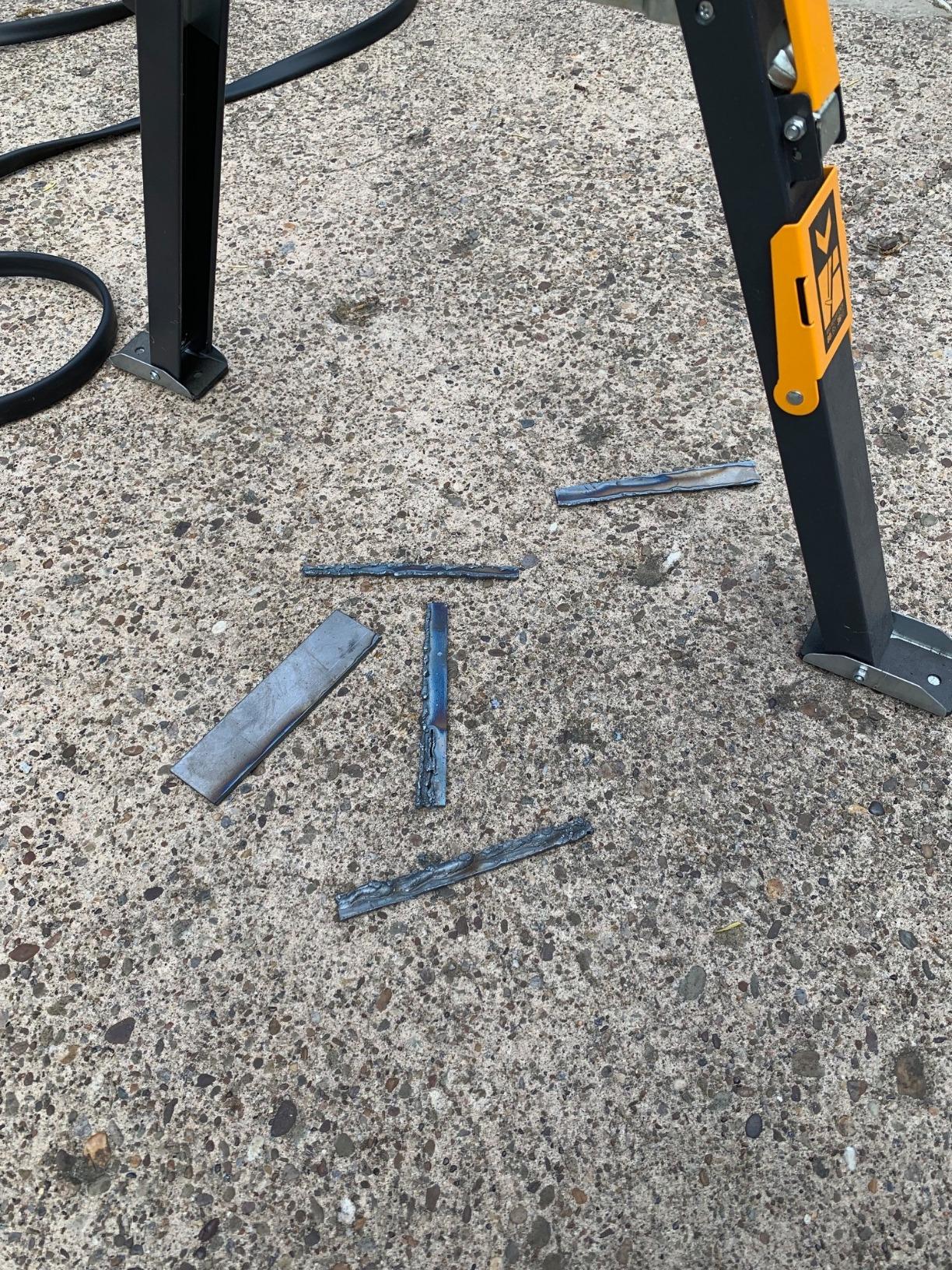
Maintenance is minimal. Daily maintenance involves checking air filter moisture and inspecting torch connections. Weekly, I check consumable wear and clean the torch body. The machine has been reliable with no unexpected maintenance issues.
One tip: keep spare consumables on hand. Nothing frustrates like being mid-project and realizing you’ve burned through your last tip. The pilot arc extends tip life, but they still wear out.
Best Use Cases for the Cut60
Sheet Metal
HVAC Work
Metal Art
Light Fabrication
CNC Tables
The CUT60 excels in automotive body work. Cutting rusted floor sections, trimming patch panels, and removing damaged body panels are all within its wheelhouse. The pilot arc is especially valuable when working on rusty vehicles where surface prep would be time-consuming.
For sheet metal fabrication, this machine is ideal. HVAC contractors, sign makers, and general fabricators will appreciate the clean cuts on 16-20 gauge material. The narrow kerf means precise work without excessive material removal.
Metal artists have embraced the CUT60 for its ability to cut intricate patterns in thin material. The stable arc and good control at lower amperage settings (20-30 amps) make detailed artistic cutting feasible.
CNC plasma table users will appreciate the machine’s CNC-ready design. The unit has a divider port for machine torch connections and the pilot arc technology works well for automated cutting. Several users report successful integration with popular DIY CNC table designs.
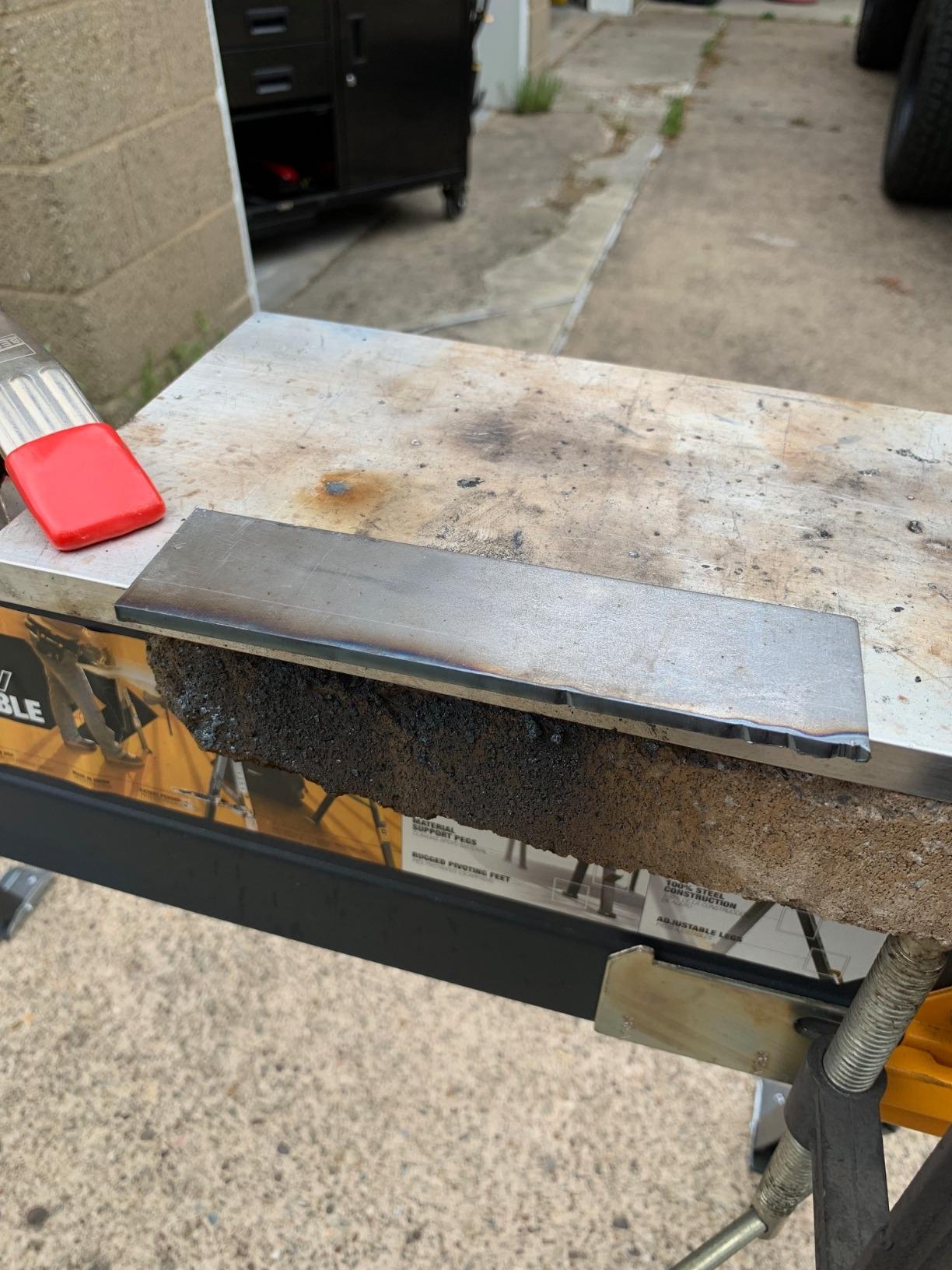
Where the CUT60 falls short is heavy industrial use. If you’re cutting 1-inch plate daily or running production shifts, you’d be better served by a higher-amperage industrial unit with better duty cycle ratings.
Also, if you only cut thin material once or twice a year, this machine may be overkill. A 40-amp unit would handle light occasional work at lower cost.
Reasons to Buy the PRIMEWELD CUT60
- Pilot Arc Technology: Cuts through painted, rusted, and expanded metal without surface prep or arc restart issues
- Dual Voltage: Works anywhere with the included adapter—110V for portable use, 220V for full power
- 60% Duty Cycle: Extended cutting capability at maximum output for serious projects
- CNC-Ready: Includes divider port and compatible torch for automated table integration
- Customer Support: USA-based support available 7 days a week with 3-year warranty coverage
- Proven Reliability: 4.7/5 star rating from 481 reviews with 86% giving 5 stars
- Quality Torch: PT60 torch with Euro connector is widely supported and upgradeable
- Good Build Quality: Solid metal case and professional-grade components
Reasons to Consider Alternatives
- Manual Quality: The user manual translation could be better—newbies may need YouTube tutorials
- Parts Availability: Limited consumables and parts selection on Primeweld’s official website
- Not Prime Eligible: Sold through Amazon but without Prime shipping benefits
- Consumable Cost: Higher ongoing cost than the cheapest import brands
- Heavy Industrial Use: Not designed for daily production cutting of thick plate
- Aluminum Performance: Adequate but not ideal for frequent aluminum cutting
Final Verdict
After three months and 40+ hours of cutting, I can confidently say the PRIMEWELD CUT60 delivers on its promises. It’s not a budget cutter pretending to be professional, nor an overpriced hobby unit. It occupies a genuine middle ground with features that matter for real-world work.
The pilot arc technology alone justifies the price for anyone working with rusty, painted, or expanded metal. The dual voltage capability makes it versatile enough for shop or field use. The 3-year warranty with USA-based support provides peace of mind that most competitors in this price range can’t match.
Who is this machine for? DIY enthusiasts ready to move beyond entry-level equipment, automotive fabricators needing reliable performance, metal artists requiring clean cuts, and small fabrication shops watching costs but refusing to compromise on essential features.
Who should look elsewhere? Production shops cutting thick plate daily might need more machine. Occasional users could save money with a 40-amp unit. And those prioritizing lowest purchase price over long-term reliability might choose cheaper imports.
For my money, the CUT60 hits the sweet spot in the plasma cutter market. It’s proven reliable in my workshop and would be my first recommendation for anyone asking about a sub-$1000 plasma cutter with professional ambitions.
Frequently Asked Questions
What is the Primeweld Cut60?
The PRIMEWELD CUT60 is a 60-amp dual voltage plasma cutter featuring non-touch pilot arc technology. It is designed for cutting various metals including steel, stainless steel, aluminum, and copper with clean cuts up to 1/2 inch and severance cuts up to 3/4 inch in thickness.
How thick can the Primeweld Cut60 cut?
The CUT60 delivers clean cuts up to 1/2 inch in mild steel and severance cuts up to 3/4 inch. For stainless steel and aluminum, expect clean cuts around 3/8 inch. Performance varies based on material type, air pressure, and proper technique.
Does Primeweld Cut60 have pilot arc?
Yes, the CUT60 features non-touch pilot arc technology. This continuous pilot arc allows cutting through painted, rusted, expanded, and rough surfaces without the need for surface preparation or frequent arc restarting.
Is the Primeweld Cut60 dual voltage?
Yes, the CUT60 supports both 110V and 220V input power. The machine includes an adapter plug for voltage conversion. At 110V, output is limited to approximately 45 amps. Full 60-amp output requires 220V connection.
What is the duty cycle of Primeweld Cut60?
The CUT60 has a 60% duty cycle at 60 amps. This means you can cut for 6 minutes and must allow 4 minutes for cooling at maximum output. At lower amperage settings, the duty cycle increases to 100%.
Can Primeweld Cut60 run CNC?
Yes, the CUT60 is CNC-ready out of the box. It includes a divider port for machine torch connections and is compatible with popular DIY CNC plasma table designs. The pilot arc technology works well for automated cutting applications.
What air compressor does Primeweld Cut60 need?
The CUT60 requires 4-6 CFM at 60-75 PSI for optimal performance. A minimum 20-gallon air compressor is recommended. Smaller compressors may run continuously and struggle to maintain consistent pressure during cuts, which affects cut quality.
What is the warranty on Primeweld Cut60?
The CUT60 comes with a 3-year warranty. Primeweld provides USA-based customer support available 7 days per week. The warranty coverage includes free warranty returns and a money-back guarantee, which is above average for this price category.
Leave a Reply