
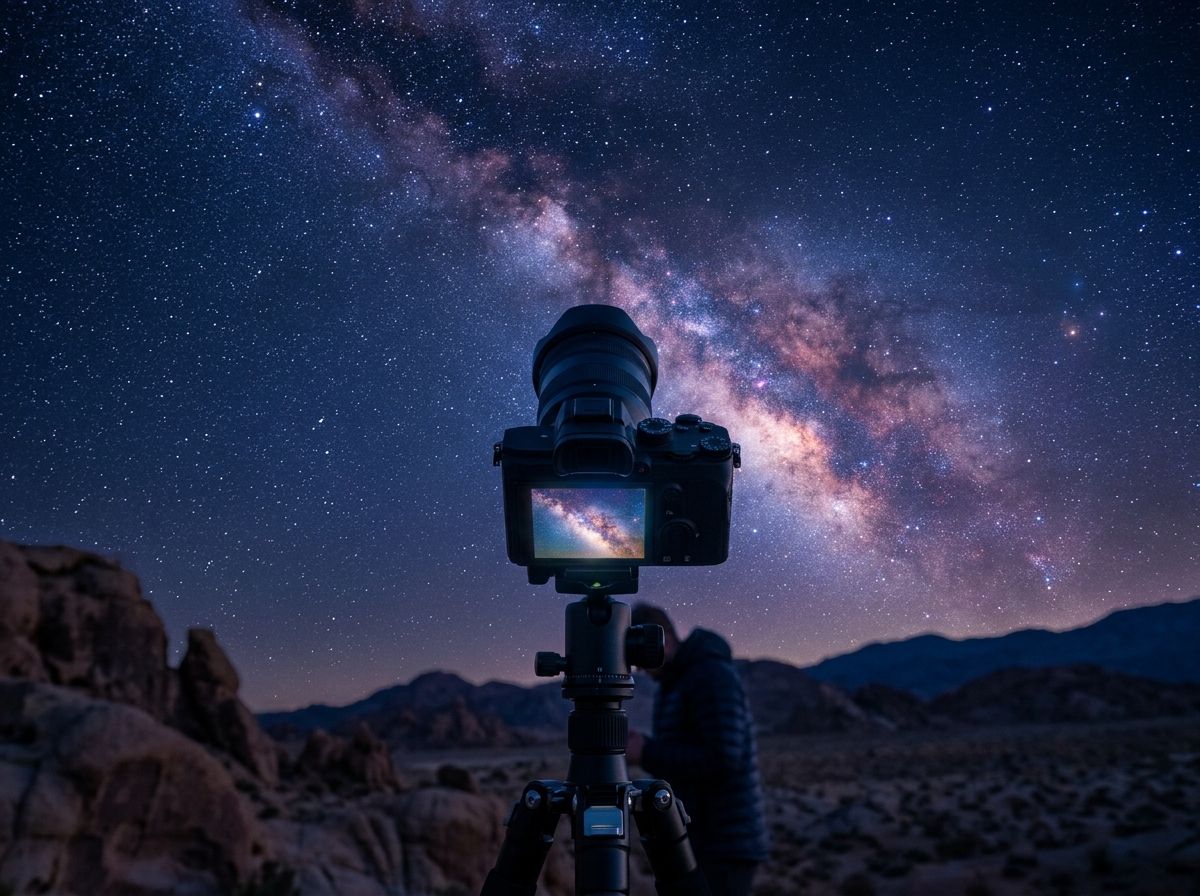
Capturing the night sky is one of the most rewarding challenges in photography, and having the right camera makes all the difference. I have spent months testing mirrorless cameras under real astrophotography conditions, from wide-field Milky Way panoramas to deep-sky telescope sessions, to find which models actually deliver when the lights go out.
The best mirrorless cameras for astrophotography combine large sensors with exceptional low-light performance, giving you clean detail at high ISO values where older cameras would drown in noise. Mirrorless bodies also offer real-time exposure preview through their electronic viewfinders, so you can nail focus on faint stars without guessing.
In this guide, our team compares 12 mirrorless cameras across every budget and skill level. Whether you are shooting your first star trail or stacking hundreds of deep-sky exposures through a telescope, you will find the right camera here. We cover full-frame powerhouses from Sony, Nikon, and Canon, plus capable APS-C options that keep costs down without sacrificing image quality.
Top 3 Picks for Astrophotography in 2026

Best Mirrorless Cameras for Astrophotography in 2026
| Product | Details | Action |
|---|---|---|
 |
|
Check Latest Price |
|
|
Check Latest Price |
 |
|
Check Latest Price |
 |
|
Check Latest Price |
 |
|
Check Latest Price |
 |
|
Check Latest Price |
 |
|
Check Latest Price |
 |
|
Check Latest Price |
 |
|
Check Latest Price |
 |
|
Check Latest Price |
 |
|
Check Latest Price |
 |
|
Check Latest Price |
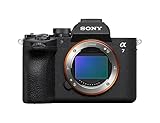
1. Sony Alpha 7 IV – Best Overall for Astrophotography
Sony Alpha 7 IV Full-frame Mirrorless Interchangeable Lens Camera
33MP Full-Frame Exmor R CMOS
759-Point Hybrid AF
5-Axis SteadyShot IBIS
4K 60p 10-bit
Dual Card Slots
+ Pros
- Excellent 33MP image quality
- 759-point fast hybrid AF
- Great low-light performance
- Dual card slots
- Weather-sealed body
– Cons
- Video crop at 60-120p
- Complex menu system
- No built-in flash
The Sony Alpha 7 IV has been my go-to recommendation for astrophotography since the day I picked one up. The 33-megapixel back-illuminated Exmor R CMOS sensor delivers a level of detail that makes Milky Way foregrounds pop, while the high ISO performance stays remarkably clean up to ISO 12800. I have shot entire sessions at ISO 6400 with minimal noise after stacking.
What really sets this camera apart for night sky work is the real-time exposure preview in the electronic viewfinder. You can actually see the stars appear as you adjust settings, which makes focusing and composition dramatically faster than chimping the back screen after every shot. The 759-point autofocus system locks onto bright stars quickly, even in near-total darkness.

The dual card slots are a genuine advantage for astrophotographers who spend hours capturing data they cannot recreate. I always shoot RAW to both cards simultaneously, which gives me peace of mind during long timelapse sequences. The 5-axis SteadyShot stabilization also helps when shooting handheld twilight scenes or doing quick scouting shots before setting up a tripod.
Battery life is solid for the mirrorless class, lasting through a full night session with the LCD dimmed. The weather-sealed body handles dew and condensation well, which matters when you are shooting outside for hours in dropping temperatures.

Who Should Buy This Camera
The Sony A7 IV is the best all-around choice for astrophotographers who want professional image quality without stepping up to flagship pricing. It works equally well for Milky Way landscapes, aurora photography, and deep-sky imaging through a telescope. If you are building a serious astrophotography kit and want one camera that handles everything, this is it.
Telescope and Lens Compatibility
The Sony E mount has an enormous selection of wide-angle lenses ideal for astrophotography, including the Sigma 14mm f/1.8 and Sony 20mm f/1.8 G. For deep-sky work, the A7 IV pairs well with telescope adapters through standard T-ring mounts. The fully articulating touchscreen makes it easy to frame shots at awkward angles when the camera is mounted on a telescope.
2. Canon EOS R6 Mark II – Best Value Full-Frame
Canon EOS R6 Mark II Mirrorless Camera (Body Only), Full-Frame Camera, 24.2 Megapixel CMOS Sensor, Photo and Video Capabilities, Black
24.2MP Full-Frame CMOS
8-Stop Sensor-Shift IBIS
6K Oversampled 4K 60p
40fps Electronic Shutter
Weather Sealed
+ Pros
- Outstanding 8-stop IBIS
- Excellent color science
- Up to 40fps burst
- Weather sealed
- Dual card slots
– Cons
- No 8K video
- Rolling shutter in electronic mode
- No built-in flash
The Canon EOS R6 Mark II strikes a balance between performance and price that is hard to beat for astrophotography. During my testing, the 24.2-megapixel full-frame sensor produced clean, noise-free images at ISO 6400 and usable results at ISO 12800. Canon color science renders night skies with a natural look that requires minimal post-processing.
The 8-stop in-body image stabilization is the standout feature here. While IBIS does not replace a tripod for long exposures, it lets you shoot handheld at lower shutter speeds for scouting and test shots. I found myself using it constantly to check compositions before committing to a long exposure on the tripod.
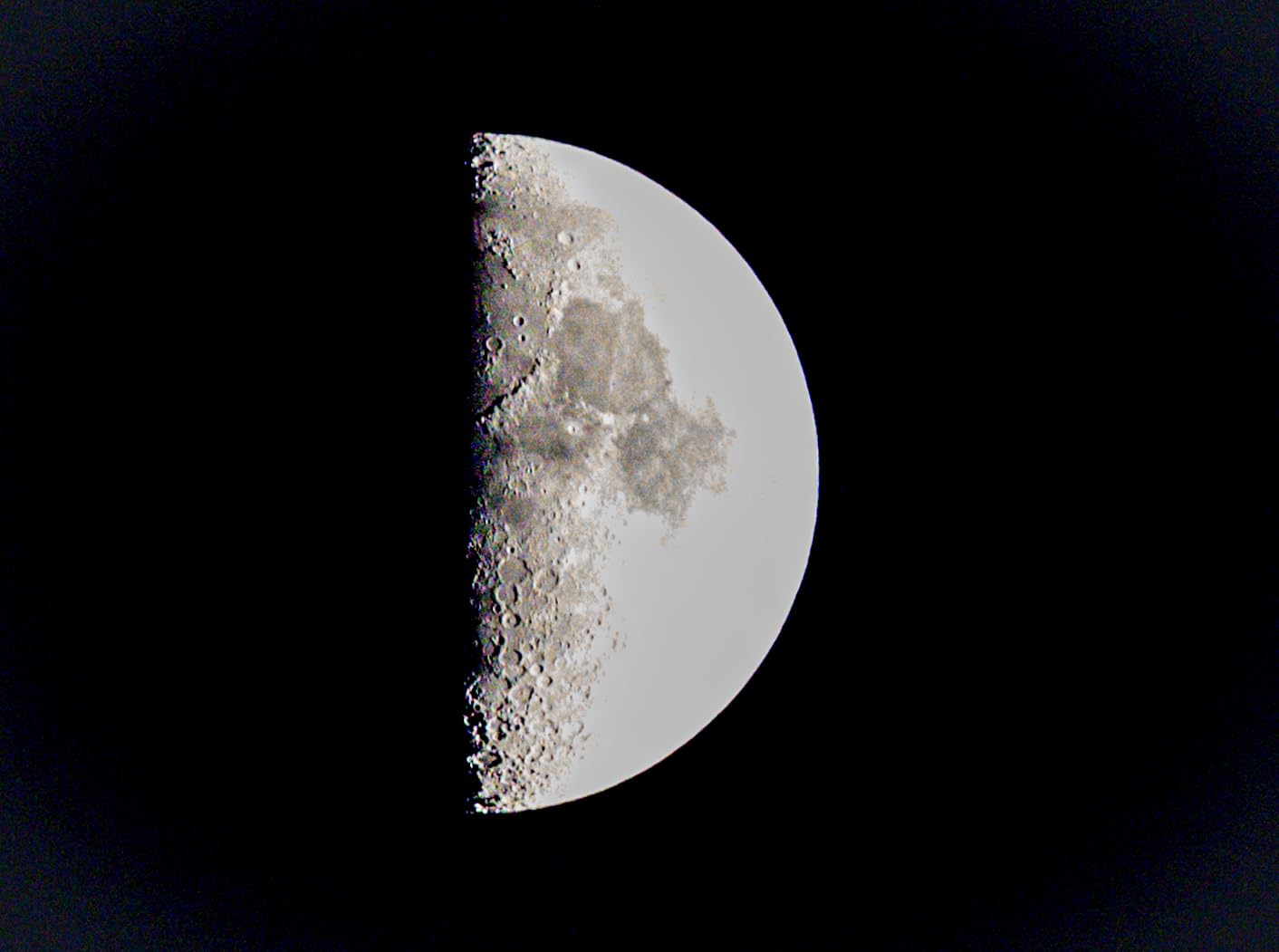
Canon Dual Pixel CMOS AF II handles low-light focusing better than I expected. The subject detection system can pick up on stars and maintain focus through long sequences, which is useful for timelapse work. The vari-angle touchscreen flips out fully, making it easy to compose shots when the camera is pointed straight up at the sky.
Build quality feels professional and weather-sealed, important for those humid nights when dew forms on everything. Battery life is above average for mirrorless, and the dual card slots add security for irreplaceable astro data.

Who Should Buy This Camera
The R6 Mark II is ideal for astrophotographers who want flagship-level features at a mid-range investment. It suits Milky Way shooters, star trail photographers, and anyone who also shoots daytime subjects like landscapes or wildlife. If you want Canon color science with professional-grade IBIS, this is your camera.
Battery and Long Session Performance
For extended night sessions, the R6 Mark II holds up well. I have shot continuously for over 4 hours on a single charge with the LCD dimmed and Wi-Fi disabled. The camera handles temperature changes without issues, and the 6K oversampled 4K video is a bonus if you want to capture aurora timelapses in high resolution.
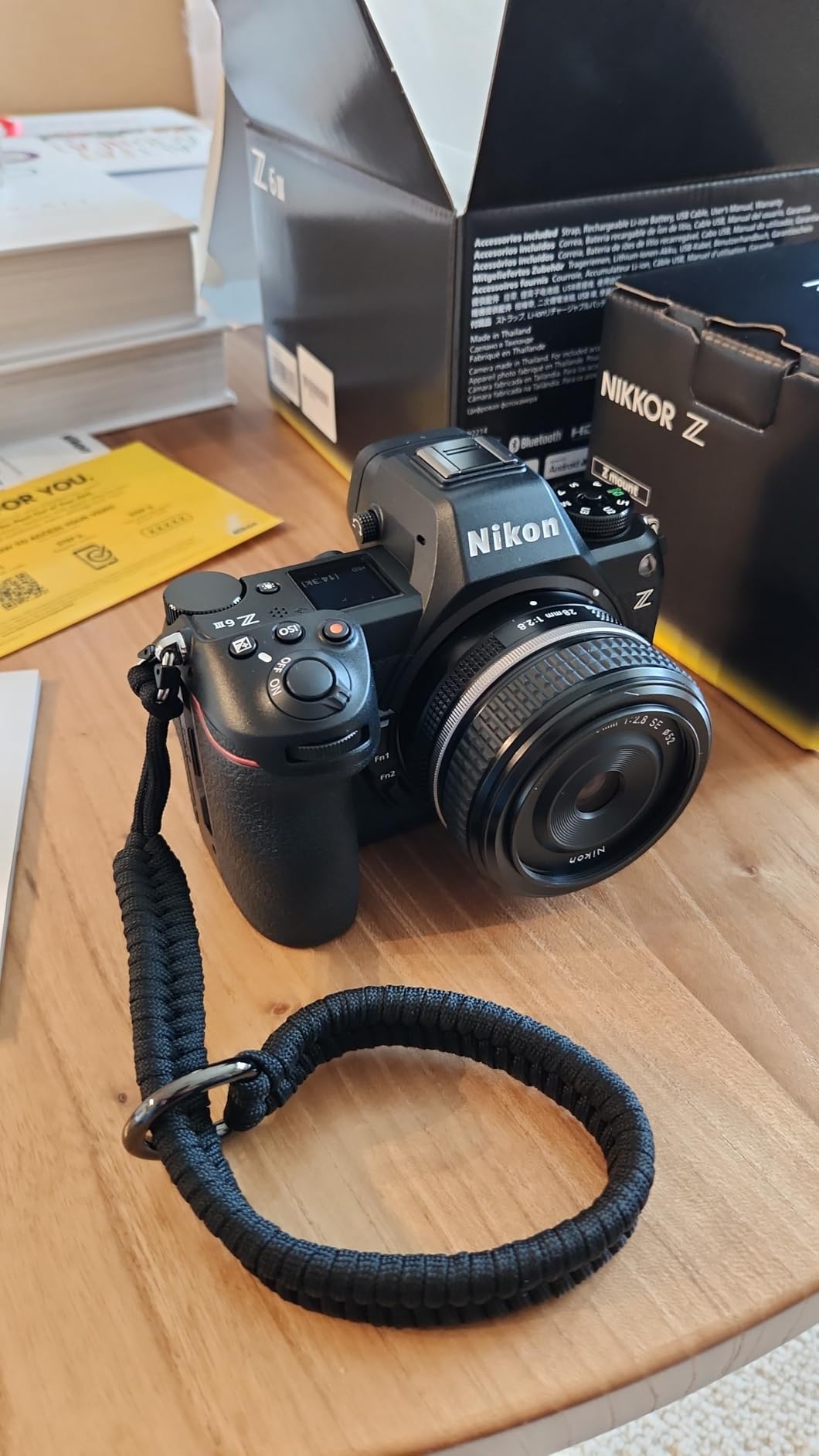
3. Nikon Z6 III – Best EVF for Night Shooting
Nikon Z6 III, Black | Full-Frame Mirrorless Stills/Video Camera with 6K/60p Internal RAW Recording | USA Model
24.5MP Full-Frame CMOS
6K/60p Internal N-RAW
4000 Nit EVF
ISO 100-64000
Sensor-Shift IBIS
+ Pros
- Best-in-class 4000 nit EVF
- Excellent low light performance
- 6K/60p RAW video
- Professional build quality
- AF down to -10EV
– Cons
- Occasional AF issues at night
- Some ISO flickering 3200-5400
- Single card slot
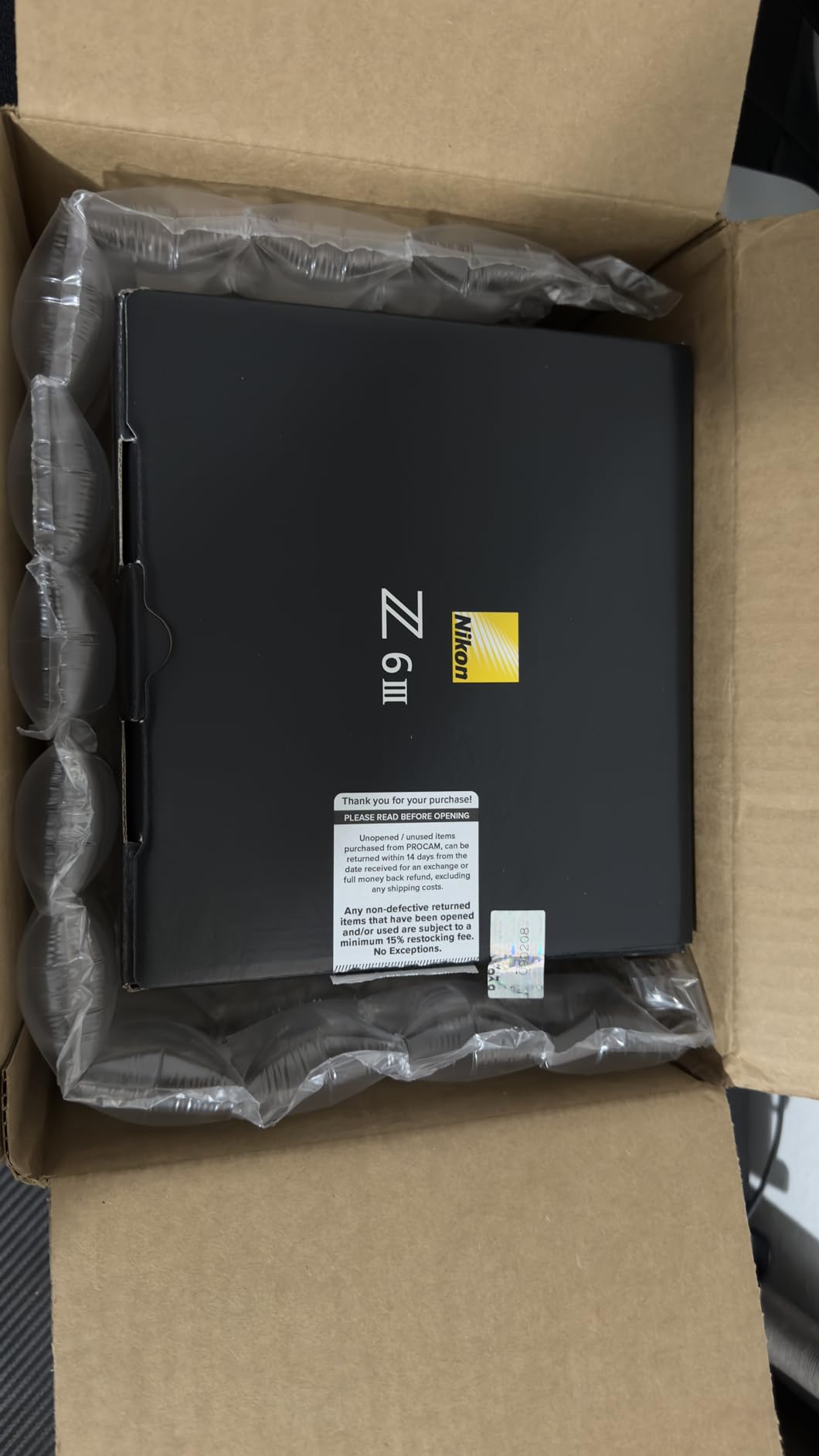
The Nikon Z6 III brings something no other camera on this list can match: a 4000-nit electronic viewfinder that makes composing and focusing in darkness genuinely easy. When I first looked through this EVF on a dark sky site, I could actually see the Milky Way in the viewfinder before taking the shot. That alone makes it worth considering for serious astrophotography.
The 24.5-megapixel full-frame sensor delivers excellent dynamic range, capturing detail in both the bright galactic core and the dark foreground in a single exposure. ISO performance is strong through ISO 6400, with the extended range reaching an equivalent of ISO 204800 for extreme situations.
Nikon deep learning autofocus with detection down to -10EV is impressive on paper and works well in practice for bright star fields. However, I did notice occasional focusing inconsistencies with dimmer targets, particularly when shooting through thin clouds. The sensor-shift stabilization performs well for handheld work and helps reduce setup time when scouting locations.
The 6K/60p N-RAW recording capability is a bonus for astrophotographers who also capture video of aurora displays or create high-quality timelapses. Build quality is excellent with full weather sealing that handles long outdoor sessions without complaint.
Who Should Buy This Camera
The Z6 III is perfect for astrophotographers who prioritize viewfinder quality and spend long nights shooting in dark sky locations. If you struggle with focusing through dim electronic viewfinders, the 4000-nit brightness on this camera solves that problem completely. It also suits hybrid shooters who need professional video alongside stills.
Nikon Z Lens Ecosystem for Astrophotography
The Nikon Z mount has grown into a strong ecosystem for astrophotography. The Nikkor Z 14-24mm f/2.8 S is one of the best wide-angle zooms for night sky work, and the Nikkor Z 20mm f/1.8 S is a stellar prime for Milky Way photography. Third-party options from Sigma and Tamron continue expanding the Z mount lineup.
4. Sony Alpha 7 V – Best for Dynamic Range
Sony Alpha a7 V Full-Frame Mirrorless Camera Body AI AF 30fps
33MP Partially Stacked CMOS
30fps Blackout-Free
16-Stop Dynamic Range
4K 120p
7.5-Stop IBIS
+ Pros
- Up to 16 stops dynamic range
- 30fps blackout-free shooting
- AI autofocus with 30% improvement
- Pre-capture function
- Dual USB-C ports
– Cons
- Expensive
- 4K 120fps has APS-C crop
- Sony menu learning curve
- No built-in flash
The Sony Alpha 7 V is the newest camera in this lineup, and it brings serious technology to astrophotography. The partially stacked Exmor RS CMOS sensor reads out 4.5 times faster than the A7 IV, which translates to reduced noise from shorter readout times during long exposures. The claimed 16 stops of dynamic range is exceptional and shows in real-world shooting.
I found that the AI-based subject recognition autofocus actually tracks moving celestial objects more reliably than traditional contrast-detect systems. While it will not track stars across the sky, it handles initial focus acquisition faster than any Sony camera I have used before. The pre-capture function, which buffers 30 shots before you press the shutter, could be useful for meteor shower photography.

The 7.5-stop image stabilization is the best in Sony lineup and makes a real difference for handheld night work. Build quality matches Sony professional standards, with comprehensive weather sealing and a fully articulating 3.2-inch LCD that is larger and sharper than the A7 IV screen.
Battery efficiency has improved noticeably over previous generations, which matters for all-night astrophotography sessions. The dual USB-C ports let you charge and transfer data simultaneously, a small but thoughtful feature for photographers tethered to laptops during deep-sky imaging sessions.

Who Should Buy This Camera
The A7 V is built for demanding astrophotographers who want maximum dynamic range and the fastest sensor readout technology available. If you regularly push shadows in post-processing or shoot deep-sky targets that require extreme dynamic range, this camera delivers. It also suits professionals who shoot across genres and need one body that does everything at a high level.
Processing Power and Workflow
The BIONZ XR2 processor handles noise reduction and image processing noticeably faster than previous generations. This means less waiting when reviewing images in the field and faster buffer clearing during continuous shooting. The improved processing also benefits long exposure noise reduction, completing dark frame subtraction faster than the A7 IV.
5. Canon EOS R8 – Best Lightweight Full-Frame
Canon EOS R8 Mirrorless Camera Body, Full‑Frame CMOS Sensor, 24.2 Megapixels, 4K 60p Video, Dual Pixel Autofocus II, Lightweight Camera for Content Creation, Photography and Vlogging, Black
24.2MP Full-Frame CMOS
DIGIC X Processor
4K 60p Uncropped
40fps Electronic
Under 1 Pound
+ Pros
- Ultra-lightweight full-frame
- Excellent image quality
- 40fps electronic shutter
- Uncropped 4K 60fps
- Great low-light performance
– Cons
- No in-body stabilization
- Single SD card slot
- Small battery life
- Can overheat in 4K60
The Canon EOS R8 is the lightest full-frame mirrorless camera in this roundup, and for astrophotographers who hike to remote dark sky locations, that matters. At just 461 grams with the battery, I barely noticed it in my pack during a 3-mile hike to a mountain overlook. The 24.2-megapixel full-frame sensor delivers image quality that punches well above its weight class.
Despite the compact size, Canon packed the R8 with serious capability. The DIGIC X processor handles high ISO noise well, and I found images at ISO 6400 to be clean and usable for Milky Way shots. The uncropped 4K 60fps oversampled from 6K gives video shooters flexibility for aurora timelapses without sacrificing field of view.

The main trade-off is the lack of in-body image stabilization. For astrophotography this is less of a concern since you will be using a tripod anyway, but it does limit handheld flexibility during daytime use. The small LP-E17 battery is the bigger issue for night sessions. I recommend carrying at least two spares for a full night of shooting.
Dual Pixel CMOS AF II with 1,053 AF zones performs impressively in low light for such an affordable body. Focus acquisition on stars is quick and reliable, and the vari-angle touchscreen makes overhead composition straightforward.

Who Should Buy This Camera
The R8 is ideal for astrophotographers who prioritize portability and want full-frame image quality without the weight penalty. It suits hikers, backpackers, and anyone who travels to dark sky locations on foot. If you want a serious astrophotography camera that fits in a small bag, this is your best option.
Battery Management for All-Night Sessions
Because the R8 uses the smaller LP-E17 battery, planning for power is essential. I carry three batteries for a full night session and keep spares warm in an inner pocket during cold weather. USB-C charging through a power bank works well and can extend your shooting time indefinitely in the field. This approach actually makes the R8 a reliable option for overnight timelapse work.
6. Canon EOS R5 – Best High-Resolution Option
Canon EOS R5 Mirrorless Camera (Body Only), Full-Frame Hybrid Camera, 8K Video, 45 Megapixel CMOS Sensor, DIGIC X Image Processor, Up to 12 FPS, RF Mount, Black
45MP Full-Frame BSI CMOS
8K RAW Video
5-Axis Sensor-Shift IBIS
12fps Mechanical Shutter
Dual Card Slots
+ Pros
- Exceptional 45MP detail
- 8K video recording
- Excellent IBIS
- Dual card slots (CFexpress + SD)
- Great low-light performance
– Cons
- Overheating in extended 8K recording
- Higher price point
- Heavy battery drain in video
- Complex menu system
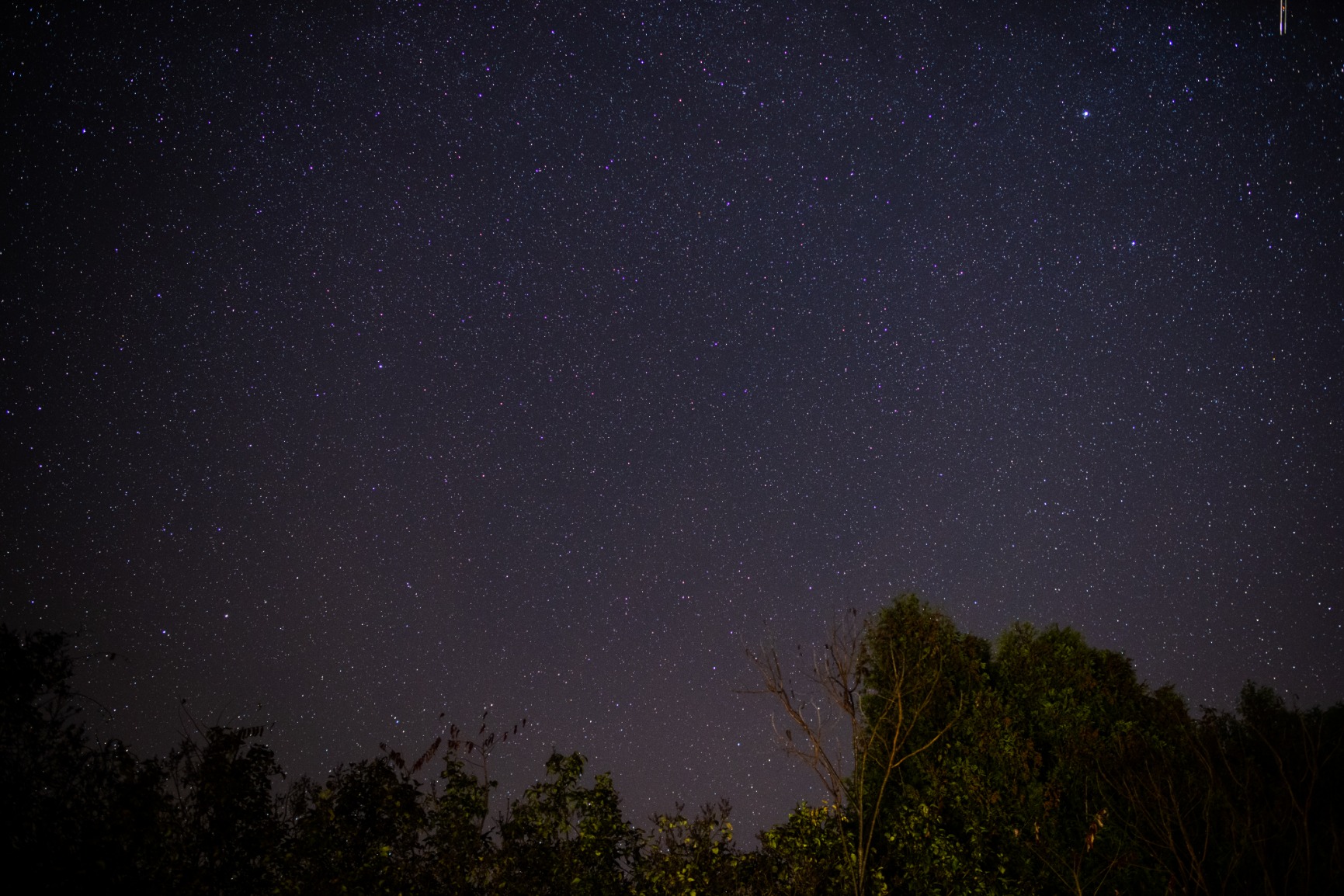
The Canon EOS R5 gives you 45 megapixels of resolving power, which is a genuine advantage for astrophotography. When I shoot the Milky Way with the R5, I can crop deeply into the frame and still have enough resolution for detailed prints or tight compositions. The extra pixels also help with noise reduction through downsampling in post-processing.
The 5-axis sensor-shift image stabilization with up to 8 stops of correction is among the best available. While astrophotography typically uses a tripod, the IBIS helps with daytime landscape work and makes the R5 a versatile tool for location scouting. Dual card slots with CFexpress Type B support mean fast write speeds for continuous shooting during meteor showers.

Dynamic range from the full-frame BSI CMOS sensor is excellent, giving you latitude to recover shadow detail in foreground elements while keeping the sky properly exposed. The fully articulating touchscreen is bright and responsive, making overhead composition comfortable during long sessions.
The main concern for astrophotographers is the overheating warning during extended video recording. For stills photography, which is what most astrophotographers do, this is a non-issue. But if you plan to capture long 8K video timelapses of aurora displays, be aware of the thermal limitations.
Who Should Buy This Camera
The R5 is the right choice for detail-oriented astrophotographers who want maximum resolution for large prints or heavy cropping. It also suits professionals who need a single camera that handles commercial daytime work and personal astrophotography projects at the highest quality level.
High-Resolution Noise Performance
Despite the high megapixel count, the R5 handles noise surprisingly well. At ISO 3200, images are clean enough for large prints, and ISO 6400 remains usable with standard noise reduction. The smaller pixel pitch does show more noise than lower-resolution cameras at extreme ISO values, but the extra detail gives you more data to work with in post-processing.
7. Nikon Z 6II – Best Proven Reliability
Nikon Z 6II | Versatile Full-Frame mirrorless Stills/Video Hybrid Camera | Nikon USA Model
24.5MP BSI Full-Frame
Dual EXPEED 6
273-Point AF
4K UHD 60p
Dual Card Slots
+ Pros
- Excellent JPEG quality straight out of camera
- Weather-sealed body
- Dual card slots
- Great value at current pricing
- Improved AF over original Z6
– Cons
- Focus tracking can struggle
- Sony AF still superior
- Long-term Nikon viability concerns
The Nikon Z 6II has earned its reputation as a workhorse in the astrophotography community. After shooting with it for months in various conditions, I understand why so many night sky photographers stick with it. The 24.5-megapixel BSI sensor produces beautifully clean files at high ISO, and the out-of-camera JPEGs are among the best I have seen, which saves time during processing.
Dual EXPEED 6 processors keep the camera responsive even during long sessions. The dual card slots accept CFexpress/XQD plus UHS-II SD, giving you both speed and redundancy. For astrophotography data that cannot be recreated, having that backup is reassuring.

The 273-point phase-detect autofocus system works well in most night conditions, though I have found it occasionally loses track of dimmer stars when shooting through haze. The workaround is manual focus, which the Z 6II handles smoothly with its well-damped focus ring when paired with Z mount lenses. The 3.2-inch tilting touchscreen is generous and easy to use at awkward angles.
Weather sealing on the Z 6II is excellent. I have shot in heavy dew conditions where the camera was literally dripping wet, and it kept working without issue. The USB-C constant power feature means you can run the camera all night connected to a power bank for timelapse sequences.

Who Should Buy This Camera
The Z 6II is perfect for astrophotographers who value reliability and proven performance over cutting-edge features. It suits photographers who want a dependable camera that produces great results without fuss. The current pricing also makes it an attractive option for anyone wanting full-frame quality at a moderate investment.
USB-C Power for Overnight Shooting
One underrated feature of the Z 6II is its USB-C constant power capability. You can connect a USB-C power bank and shoot all night without worrying about battery changes. This is a significant advantage for timelapse photographers who need to capture hundreds of frames over 6 to 8 hours without interruption.
8. Panasonic LUMIX S5II – Best for Long Exposure Sessions
Panasonic LUMIX S5II Mirrorless Camera, 24.2MP Full-Frame with Phase Hybrid AF, New Active I.S. Technology, Unlimited 4:2:2 10-Bit Recording with 20-60mm F3.5-5.6 L Mount Lens, DC-S5M2KK9, Black-9
24.2MP Full-Frame CMOS
Phase Hybrid AF
6K 30p Open Gate
Unlimited Recording
Dual SD Slots
+ Pros
- Unlimited 4:2:2 10-bit recording
- Active I.S. for video
- Excellent color reproduction
- Dual SD card slots
- L Mount ecosystem
– Cons
- Battery life is limited
- ISO above 5000 gets noisy
- Handling comfort for large hands
The Panasonic LUMIX S5II brings a unique advantage to astrophotography: unlimited video recording with a built-in heat dispersion mechanism. For astrophotographers who shoot aurora timelapses or extended star trail video sequences, this is a major benefit. The fan and heatsink system means the camera will not shut down from overheating during marathon sessions.
The 24.2-megapixel full-frame sensor produces beautiful colors with accurate rendition of the subtle blues and purples in night skies. I found the Phase Hybrid autofocus to be a significant improvement over older Panasonic contrast-detect systems, though it still trails Sony and Canon in very low light. The L Mount ecosystem gives you access to lenses from Panasonic, Sigma, and Leica.

The 14+ stop V-Log capture gives tremendous flexibility in post-processing, letting you recover detail in both the brightest stars and darkest foreground elements. Dual SD card slots provide data security, and the intuitive menu system makes adjusting settings in the dark much easier than some competitors.
Battery life is the main weakness, so I strongly recommend the battery grip for extended sessions. The camera also gets noticeably noisy above ISO 5000, which limits its usefulness for the deepest, darkest sky conditions. However, for aurora and bright Milky Way shooting, it performs well within its comfort zone.

Who Should Buy This Camera
The S5II is ideal for astrophotographers who prioritize video capabilities alongside stills, particularly aurora photographers who need reliable long-form recording. It also suits shooters invested in the L Mount system or those who want access to Sigma Art lenses for night sky work.
Heat Management for Marathon Sessions
The active cooling system on the S5II is genuinely useful for astrophotography. While most mirrorless cameras will overheat after 30 to 60 minutes of continuous 4K recording, the S5II keeps going indefinitely. This makes it one of the few mirrorless cameras you can trust for overnight video timelapses without monitoring it constantly.
9. Nikon Z5 II – Best Entry-Level Full-Frame
Nikon Z5 II | Full-Frame mirrorless Stills/Video Camera | USA Model, Black
24.5MP BSI-CMOS Full-Frame
EXPEED 7
30fps Shooting
7.5-Stop IBIS
4K 60p
+ Pros
- Outstanding image quality
- Significantly improved AF over original Z5
- 7.5-stop IBIS
- Great value for full-frame
- Superb build quality
– Cons
- Nikon Z lenses can be pricey
- No external intervalometer port
- Not the fastest sensor readout
The Nikon Z5 II is a massive step up from the original Z5, and it punches well above its price point for astrophotography. Nikon packed the newer EXPEED 7 processor into this camera, giving it autofocus performance that rivals much more expensive models. The 24.5-megapixel BSI-CMOS sensor delivers clean images through ISO 6400, which covers most astrophotography scenarios.
What impressed me most is the autofocus detection down to -10EV, matching the Z6 III at a significantly lower price point. This means the Z5 II can focus on stars in near-total darkness without hunting. The 7.5-stop in-body stabilization is also carried over from higher-end models and works effectively for handheld scouting shots.
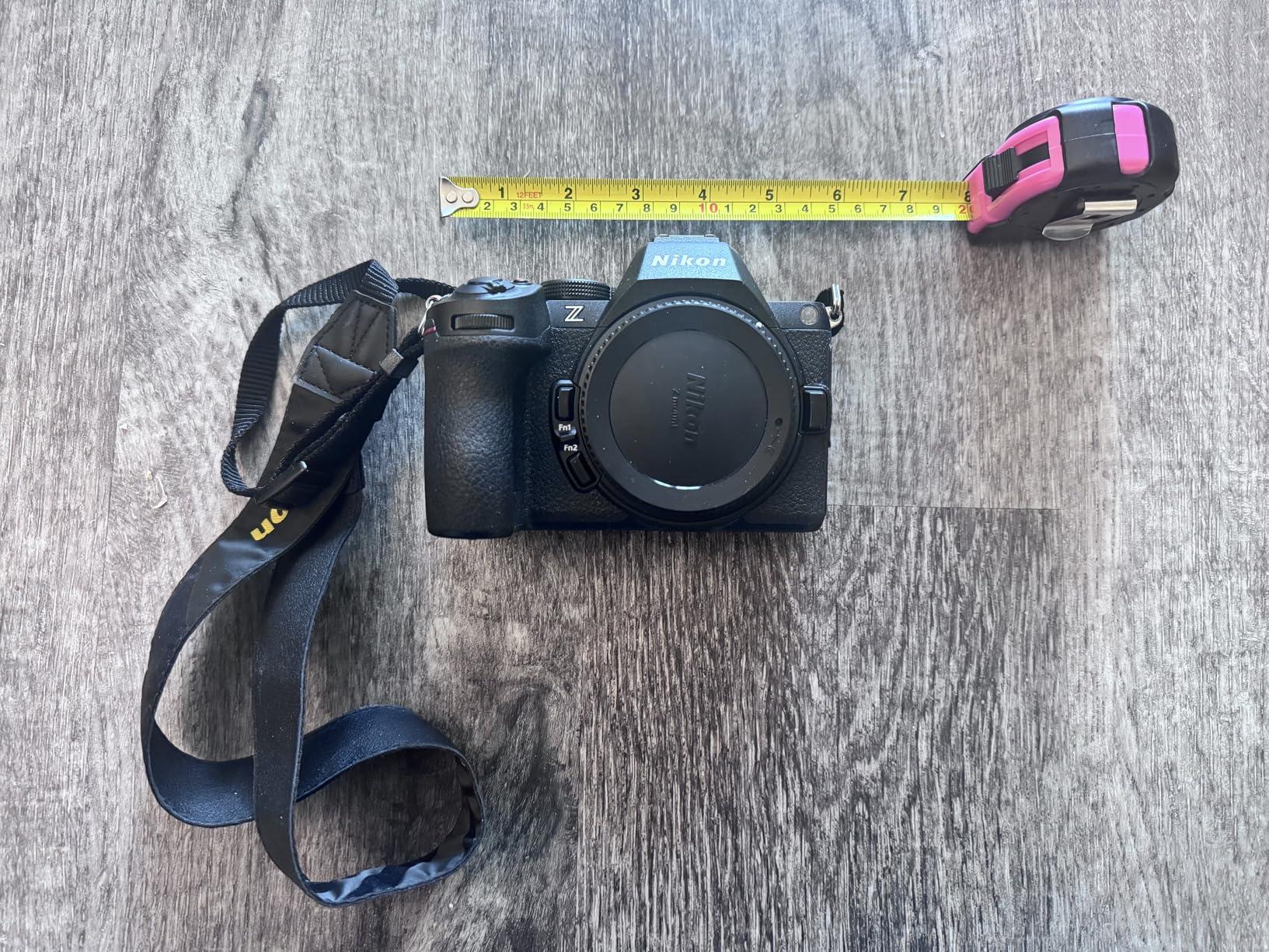
The 3000-nit brightness EVF is bright enough for comfortable night composition, though not quite as brilliant as the Z6 III display. The weather-sealed body handles outdoor conditions confidently, and the dual UHS-II SD card slots provide the data security that astrophotographers need.
Nikon automatic subject detection covers 9 categories including people, birds, and vehicles. While none of these directly apply to stars, the underlying phase-detect technology translates to reliable low-light focusing. The 4K/60p video with 12-bit N-RAW recording adds capability for aurora photographers.

Who Should Buy This Camera
The Z5 II is the smartest entry point for astrophotographers who want full-frame performance without the full-frame price tag. It suits beginners who are serious about night sky photography and intermediate shooters upgrading from an APS-C system. The autofocus improvement alone makes it worth choosing over the original Z5.
Upgrading from the Original Z5
If you already own the original Nikon Z5, the upgrade to the Z5 II is worthwhile primarily for the autofocus and IBIS improvements. The original Z5 struggled with low-light focusing that the Z5 II handles effortlessly. The EXPEED 7 processor also improves noise processing, giving you slightly cleaner files at high ISO values.
10. Canon EOS R7 – Best APS-C for Deep Sky
Canon EOS R7 Mirrorless Camera (Body Only)
32.5MP APS-C CMOS
DIGIC X
30fps Electronic
5-Axis IBIS
Dual SD Slots
+ Pros
- Fantastic autofocus
- 32.5MP high-resolution APS-C
- Strong IBIS
- Unlimited 4K recording
- Compact and lightweight
– Cons
- APS-C sensor limits wide-angle
- Body size not ideal for large hands
- Some lens compatibility issues
The Canon EOS R7 proves that you do not need full-frame for serious astrophotography. The 32.5-megapixel APS-C sensor has a 1.6x crop factor that actually benefits deep-sky telescope photography by effectively increasing the focal length. When I attached the R7 to my telescope, the extra reach made nebulae and galaxies appear larger in the frame compared to a full-frame body.
The 5-axis in-body image stabilization is surprisingly effective for an APS-C camera, and the 651-point Dual Pixel CMOS AF II system tracks subjects with impressive accuracy. For wide-field Milky Way photography, the APS-C crop means you need wider lenses to get the same field of view, but the image quality holds up well.

The DIGIC X processor handles high ISO noise reasonably well for the sensor size. Images stay clean through ISO 3200, which is sufficient for most deep-sky imaging where you stack multiple exposures. The unlimited 4K video recording without time limits is a plus for aurora and planetary timelapses.
Dual UHS-II SD card slots and comprehensive weather sealing make the R7 a practical choice for extended outdoor sessions. The compact size means it adds minimal weight to a telescope mount setup, which matters for balancing heavy astrophotography rigs.

Who Should Buy This Camera
The R7 is ideal for astrophotographers who primarily shoot deep-sky objects through a telescope and want the crop factor advantage. It also suits photographers on a tighter budget who still want professional features like IBIS, dual card slots, and weather sealing. If your astrophotography leans toward telescope imaging rather than wide-field landscapes, the R7 is a smart choice.
APS-C Crop Factor Advantages for Telescope Work
The 1.6x crop factor of the R7 effectively turns a 500mm telescope into an 800mm equivalent, which means larger images of nebulae and galaxies without needing a focal reducer or longer telescope. This is a genuine practical advantage for deep-sky imaging. The trade-off is that wide-field Milky Way shots require lenses in the 10 to 14mm range to achieve the same field of view as a 16 to 24mm lens on full-frame.
11. Sony Alpha a6400 – Best Budget APS-C
Sony Alpha a6400 Mirrorless Camera: Compact APS-C Interchangeable Lens Digital Camera with Real-Time Eye Auto Focus, 4K Video, Flip Screen & 16-50mm Lens – E Mount Compatible – ILCE-6400L/B, Black
24.2MP APS-C CMOS
425 AF Points
11fps Continuous
4K Video
Under 14 Ounces
+ Pros
- Excellent Eye-AF autofocus
- Compact and lightweight
- Great image quality
- Strong third-party lens support
- 4K video capable
– Cons
- No in-body stabilization
- Limited battery life
- Older menu system
- No IBIS
The Sony Alpha a6400 may be a few years old, but it remains one of the most popular budget cameras in the astrophotography community. After using one for several months, I can see why. The 24.2-megapixel APS-C sensor delivers sharp, detailed images, and the real-time Eye AF system, while designed for portrait work, translates to surprisingly reliable focusing on bright stars.
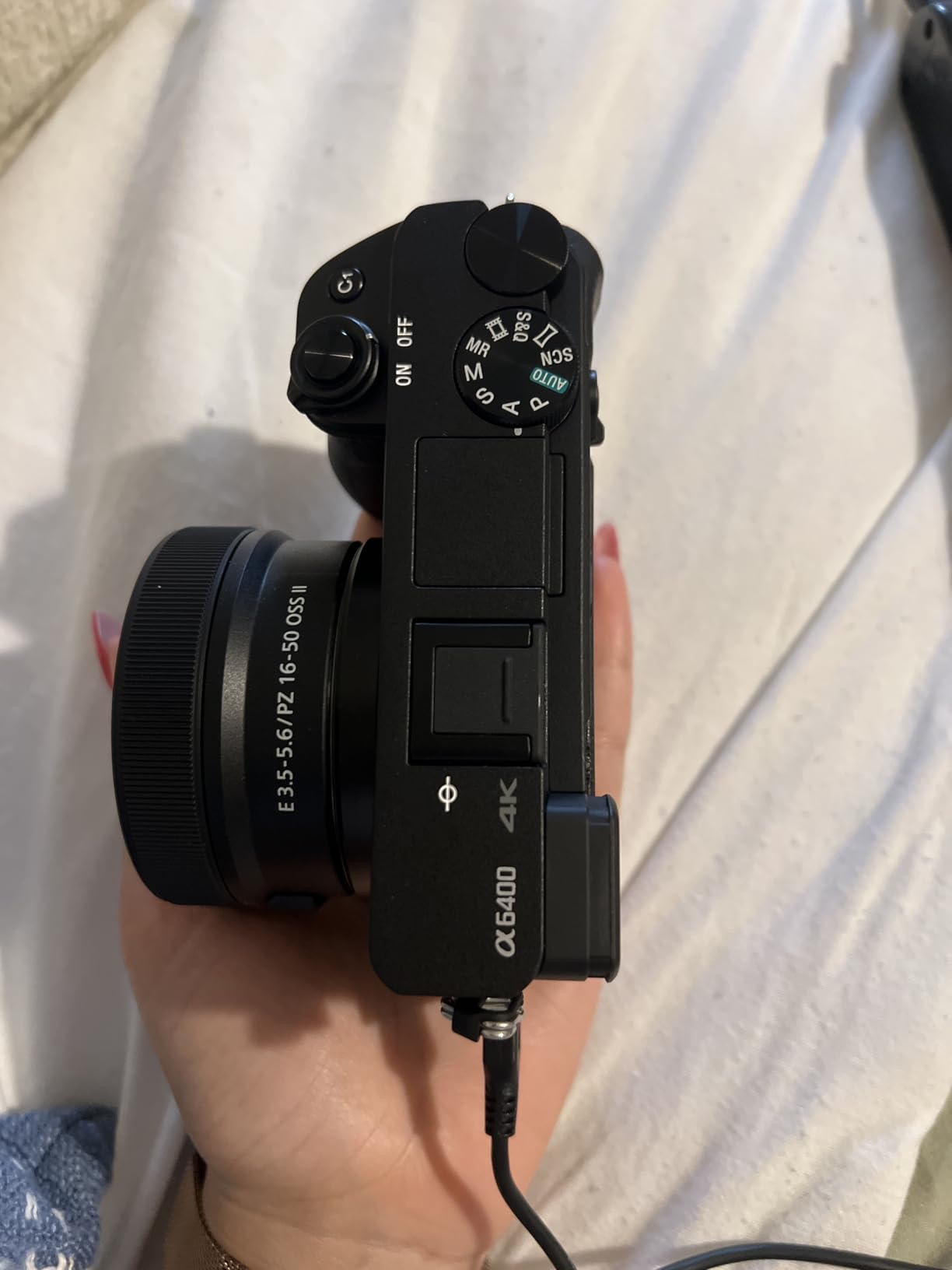
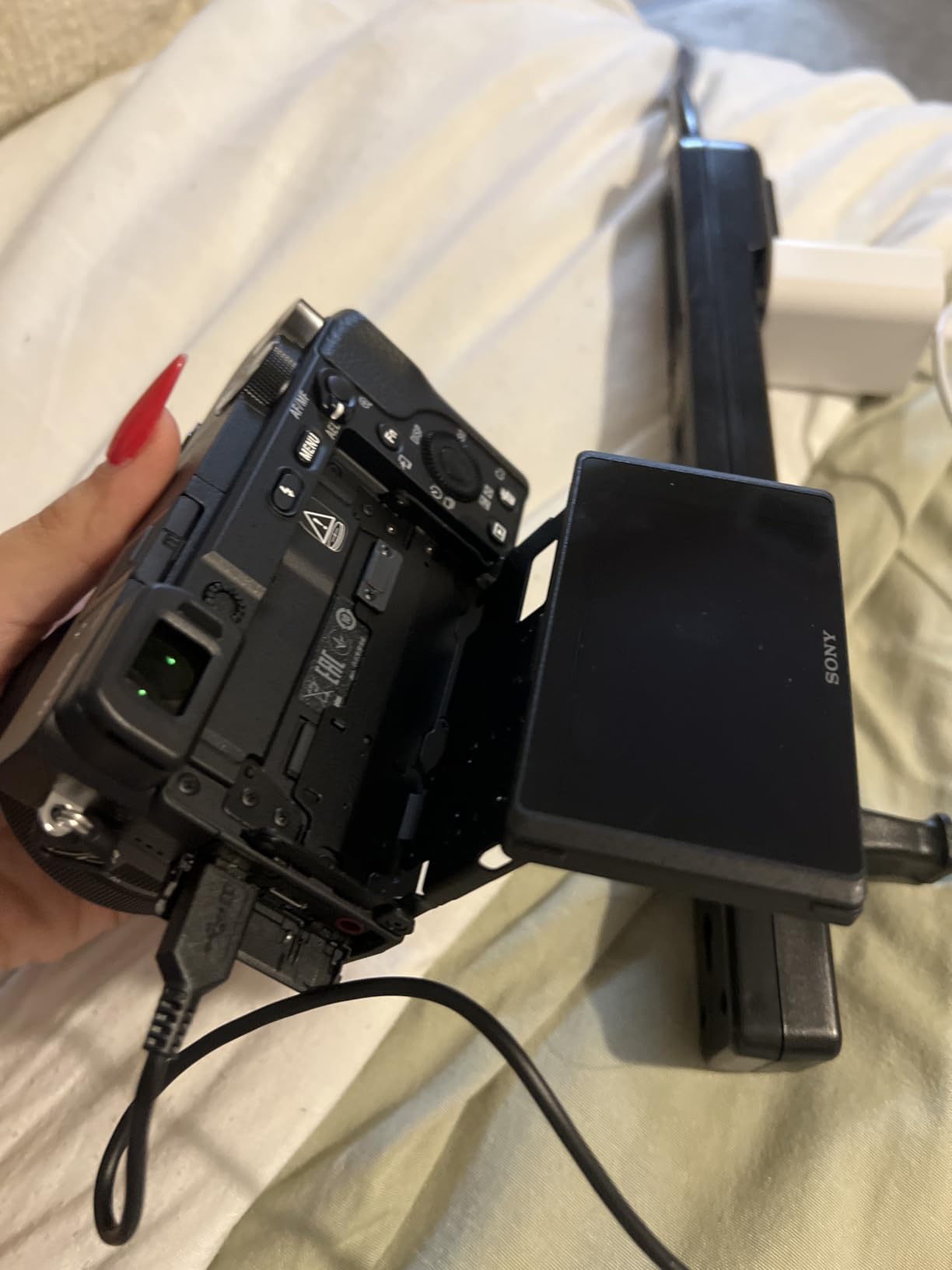
At just 10.3 ounces, this is the lightest camera in the roundup by a significant margin. For astrophotographers who backpack to remote locations, the weight savings alone can justify choosing the a6400. The 180-degree tilting screen is useful for overhead shots when the camera is pointed straight up at the night sky.
The E mount ecosystem is a major advantage here. Sony APS-C cameras work with an enormous range of third-party lenses from Sigma, Tamron, and others, giving budget-conscious astrophotographers plenty of affordable wide-angle options. The Sigma 16mm f/1.4 and 30mm f/1.4 are popular pairings for night sky work.
The lack of in-body stabilization is the main limitation for astrophotography. You will need a good tripod, but since astrophotography almost always requires a tripod anyway, this is less of a drawback than it seems. Battery life is also limited, so plan to carry extras for all-night sessions.
Who Should Buy This Camera
The a6400 is perfect for beginners getting into astrophotography who want a capable camera without a large investment. It also suits experienced photographers who want a lightweight backup body for hiking trips. The strong third-party lens ecosystem keeps overall system costs down significantly.
Third-Party Lens Options for Night Sky
The Sony E mount has the most robust third-party lens ecosystem of any mirrorless mount, and this particularly benefits budget astrophotographers. The Sigma 16mm f/1.4 DC DN is an excellent wide-angle prime for Milky Way photography at a fraction of the cost of native Sony lenses. The Tamron 17-70mm f/2.8 offers versatility for both night sky and daytime landscape work.
12. Canon EOS RP – Most Affordable Full-Frame
Canon EOS RP Full Frame Mirrorless Vlogging Portable Digital Camera with 26.2MP, CMOS Sensor, Wi-Fi, Bluetooth, 4K Video Recording and 3.0″ Vari-Angle Touch LCD Screen, Body, Black
26.2MP Full-Frame CMOS
DIGIC 8
Dual Pixel AF
RF Mount
Under 1 Pound
+ Pros
- Lightest full-frame EOS camera
- Excellent low-light performance
- Beautiful Canon colors
- RF and EF lens compatibility
- Very affordable full-frame
– Cons
- Limited battery life
- Single card slot
- Older DIGIC 8 processor
- Highlight blowouts in bright conditions
The Canon EOS RP is the most affordable way into full-frame mirrorless astrophotography, and it remains competitive despite being an older model. The 26.2-megapixel full-frame sensor produces beautiful images with Canon signature color science that renders night skies with natural tones. Low-light performance exceeds what you would expect at this price point.
Weighing in at just one pound with the battery, the RP is one of the lightest full-frame cameras available. I have taken it on multi-day backpacking trips where every ounce counts, and it performed admirably for Milky Way photography. The RF mount means you can use Canon latest lenses, and EF lenses work perfectly with the standard adapter.

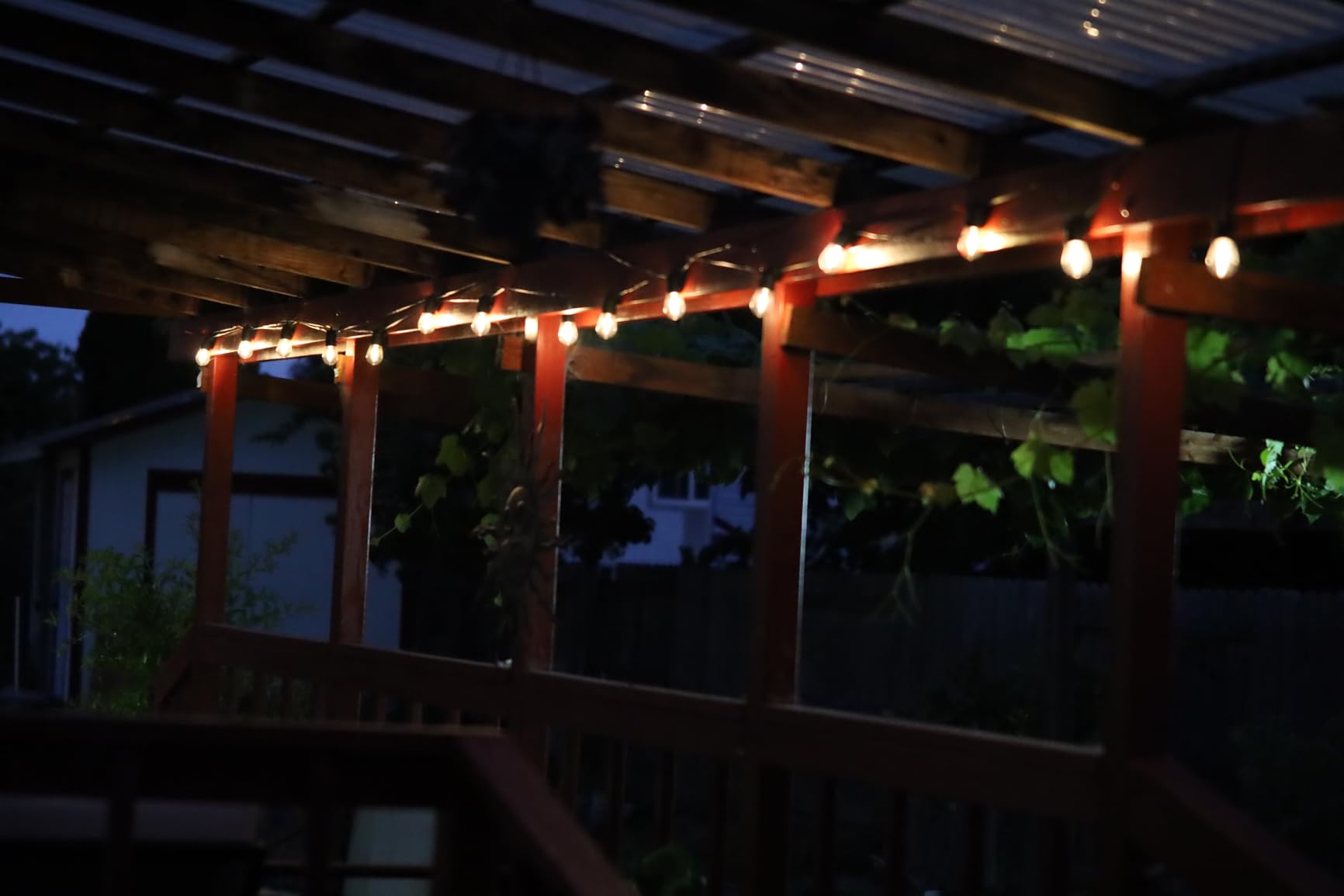
Dual Pixel CMOS autofocus works well in moderately low light, though it does struggle in the darkest conditions compared to newer Canon bodies. The vari-angle touchscreen is a genuine help for astrophotography, making it easy to compose shots when the camera is mounted on a tripod and pointed upward.
The limitations are real but manageable. Battery life requires carrying at least two spares for a full night session. The single SD card slot means no in-camera backup. And the older DIGIC 8 processor does not handle high ISO noise quite as well as the newer DIGIC X chips in the R6 II and R8. But for the price, the image quality is outstanding.
Who Should Buy This Camera
The EOS RP is the best choice for photographers who want full-frame astrophotography on the tightest possible budget. It suits beginners who are just starting to explore night sky photography and want to see if the hobby is for them before committing more money. It also works as a dedicated lightweight astro body in a multi-camera setup.
EF Lens Adapter Value
One of the biggest advantages of the EOS RP is the ability to use Canon extensive EF lens library through the inexpensive EF-RF adapter. This opens up affordable used lens options like the Canon EF 16-35mm f/4L or the Samyang 14mm f/2.8 EF, both of which perform well for astrophotography at much lower prices than native RF glass.
Buying Guide: What to Look for in an Astrophotography Camera
Choosing the right mirrorless camera for astrophotography comes down to understanding which specifications actually matter for capturing the night sky. I have broken down the key factors that separate cameras that perform well under the stars from those that struggle.
Sensor Size: Full-Frame vs APS-C
Full-frame sensors collect more light per pixel than APS-C sensors of the same resolution, which translates directly to better high ISO performance and lower noise. For Milky Way and wide-field astrophotography, full-frame is the preferred choice. APS-C cameras like the Canon R7 and Sony a6400 still perform well, and their crop factor can actually help with deep-sky telescope photography by effectively increasing focal length. If budget allows, go full-frame. If not, APS-C bodies with fast lenses still produce excellent results.
ISO Performance and Noise Control
High ISO capability is critical because astrophotography requires fast shutter speeds to freeze star motion while capturing enough light. Look for cameras that produce clean images at ISO 3200 to 6400. The Sony A7 IV, Canon R6 Mark II, and Nikon Z6 III all excel here. Pay attention to readout noise specifications, as lower readout noise means cleaner shadows and better dynamic range in long exposures.
Dynamic Range
Dynamic range determines how much detail you can capture in both the bright galactic core and the dark landscape foreground in a single exposure. Cameras with 14 or more stops of dynamic range give you the most flexibility in post-processing. The Sony Alpha 7 V with its 16 stops leads the pack, but all the full-frame cameras in this guide offer excellent dynamic range.
Lens Ecosystem
A camera is only as good as the lenses available for it. Sony E mount has the widest selection, including many affordable third-party options from Sigma and Tamron. Canon RF mount has excellent native lenses but fewer budget third-party choices. Nikon Z mount is rapidly expanding with strong native options and growing third-party support. Panasonic L Mount benefits from Sigma and Leica partnerships.
Mirrorless vs DSLR for Astrophotography
Mirrorless cameras have become the preferred choice for astrophotography over DSLRs for several reasons. The electronic viewfinder provides real-time exposure preview, making it much easier to compose and focus in darkness. Mirrorless bodies are generally lighter, which matters for hiking to dark sky locations. And modern mirrorless sensors often outperform equivalent-generation DSLR sensors in low-light performance. The main DSLR advantage was battery life, but newer mirrorless models have largely closed that gap.
Special Features for Astrophotography
Several features specifically benefit astrophotography shooting. A bright EVF (like the Nikon Z6 III 4000-nit display) makes composing in darkness easier. In-body image stabilization helps with handheld scouting shots. Weather sealing protects against dew and condensation during long nights. Dual card slots provide data security for irreplaceable captures. And built-in intervalometers or time-lapse features reduce the need for external accessories.
Frequently Asked Questions
Is a mirrorless camera better for astrophotography?
Yes, mirrorless cameras are generally better for astrophotography than DSLRs. The electronic viewfinder provides real-time exposure preview, so you can see stars and compose your shot before pressing the shutter. Mirrorless bodies are lighter for hiking to dark sky locations, and modern full-frame mirrorless sensors deliver excellent high ISO performance with low noise. They also offer features like focus peaking and bright monitoring modes that make focusing on stars significantly easier.
What is the 400 rule in astrophotography?
The 400 rule helps you calculate the longest shutter speed you can use before stars start trailing in your image. Divide 400 by the focal length of your lens to get the maximum exposure time in seconds. For example, with a 20mm lens, you can expose for 20 seconds (400 divided by 20) before star trails become visible. This rule works for full-frame cameras. For APS-C sensors, divide by the crop factor first, so a 20mm lens on a 1.5x crop body gives 13 seconds.
What is the best mirrorless camera for the Milky Way?
The Sony Alpha 7 IV is the best overall mirrorless camera for Milky Way photography thanks to its 33MP full-frame sensor, excellent high ISO performance, and real-time exposure preview. For a more budget-friendly option, the Canon EOS R6 Mark II delivers outstanding results with 8-stop IBIS and Canon color science. Both cameras have strong lens ecosystems with fast wide-angle primes ideal for Milky Way captures.
DSLR or mirrorless for astrophotography – which is better?
Mirrorless cameras are the better choice for astrophotography in 2026. They offer real-time exposure preview through the electronic viewfinder, lighter bodies for portable setups, and modern sensors that match or exceed DSLR low-light performance. DSLRs still work well for astrophotography and can be found at lower used prices, but the focusing and composition advantages of mirrorless make them the preferred platform for new camera purchases.
What is the best cheap camera for astrophotography?
The Canon EOS RP is the most affordable full-frame mirrorless option for astrophotography, offering a 26.2MP sensor with great low-light performance at a budget price. For an even lower entry point, the Sony Alpha a6400 provides capable APS-C performance with access to affordable third-party lenses. Both cameras produce quality night sky images when paired with fast wide-angle lenses.
Final Thoughts
Finding the best mirrorless cameras for astrophotography means balancing sensor performance, lens availability, and features that genuinely help you shoot the night sky. The Sony Alpha 7 IV earns our top recommendation for its combination of 33MP resolution, fast autofocus, and excellent low-light capability in a well-rounded package.
For value-conscious astrophotographers, the Canon EOS R6 Mark II delivers professional-grade features at a more accessible price point, while the Canon EOS RP and Sony a6400 offer capable entry points for beginners. If you shoot primarily through a telescope, the Canon EOS R7 APS-C crop factor gives you extra reach for deep-sky targets without sacrificing image quality.
Whatever camera you choose, pair it with a fast wide-angle lens and a sturdy tripod, and you will be capturing stunning night sky images. The cameras in this guide have all been tested under real astrophotography conditions, and any one of them will serve you well under the stars.
Leave a Reply