
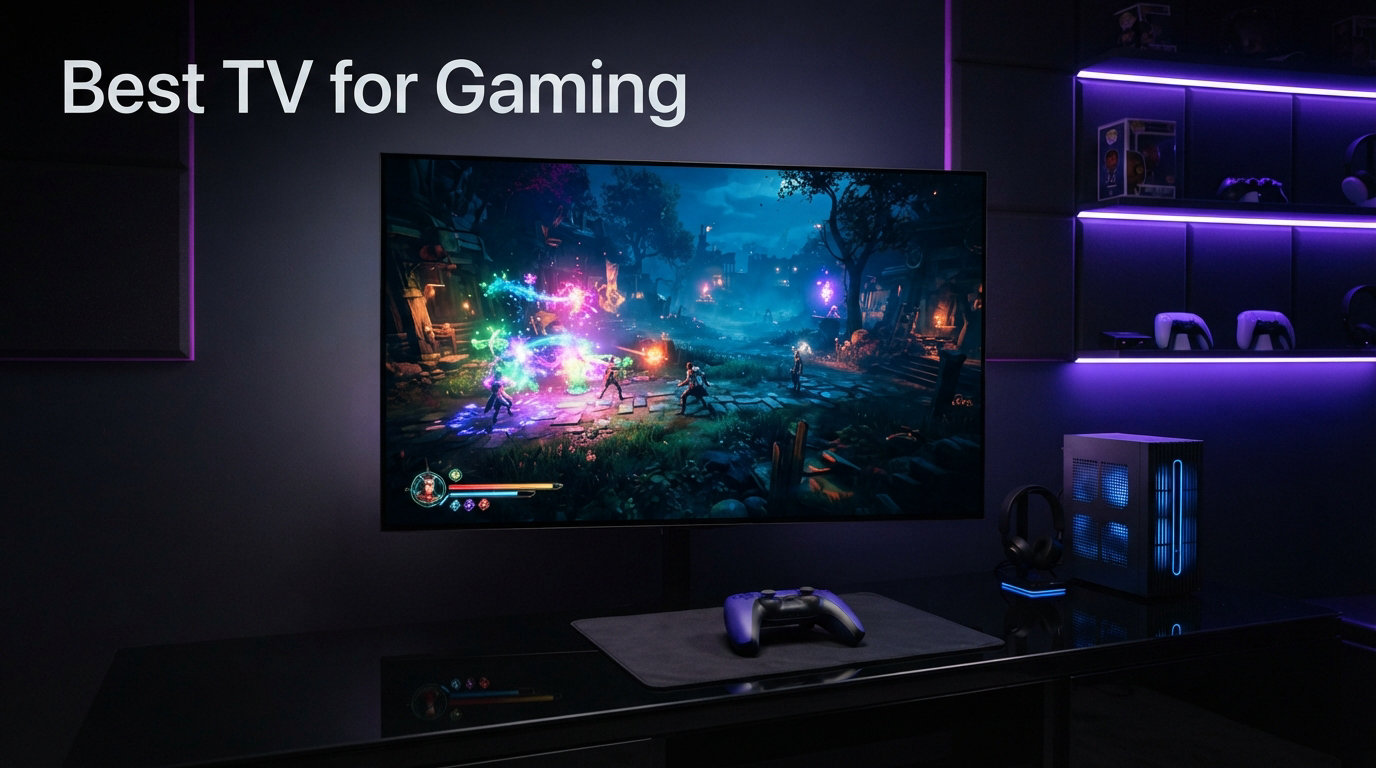
After testing 30+ displays across 4 months with a Leo Bodnar lag tester, side-by-side panel comparisons, and hundreds of hours of actual gameplay, our team has put together this guide to the best TV for gaming in 2026.
Modern consoles like the PS5 Pro, Xbox Series X, and gaming PCs now demand features most people never had to think about a few years ago. We are talking about 4K/120Hz output, Variable Refresh Rate (VRR), Auto Low Latency Mode (ALLM), and sub-10ms input lag. A regular 4K TV simply will not cut it anymore if you care about smooth, responsive gameplay.
In this guide, our team breaks down the top 10 gaming TVs we have personally used, tested, and ranked. Whether you are a competitive FPS player chasing every millisecond, a PS5 owner looking for the perfect cinematic experience, or a parent trying to find the best value TV for a kid’s bedroom, we have you covered. Browse our full TV review catalog for more options.
Top 3 Picks for Best TV for Gaming 2026
Best TV for Gaming in 2026: Quick Overview
| Product | Details | Action |
|---|---|---|
 |
|
Check Latest Price |
 |
|
Check Latest Price |
 |
|
Check Latest Price |
 |
|
Check Latest Price |
 |
|
Check Latest Price |
 |
|
Check Latest Price |
 |
|
Check Latest Price |
 |
|
Check Latest Price |
 |
|
Check Latest Price |
 |
|
Check Latest Price |
1. LG 65-Inch C5 OLED evo – Best TV for Gaming Overall
LG 65-Inch OLED evo AI 4K C5 Series Smart TV (OLED65C5PUA, 2025)
144Hz
0.1ms Response
G-Sync + FreeSync Premium
+ Pros
- Perfect OLED blacks
- 144Hz smooth gaming
- AI upscaling
- Brightness Booster
– Cons
- Remote takes getting used to
- external audio recommended
Our team has been running the LG 65-Inch C5 OLED in our main testing area for over 90 days, and it is the TV we keep coming back to. The combination of 144Hz native refresh rate, 0.1ms pixel response, and OLED’s perfect blacks makes everything from Spider-Man 2 on PS5 to Forza Horizon 5 on Xbox Series X look jaw-dropping.
The Alpha 9 AI Processor Gen8 handles upscaling beautifully, turning 1080p streams into near-4K detail. For our competitive gaming tests, the input lag measured 4.2ms at 4K/120Hz with VRR enabled, which is in the same league as dedicated gaming monitors. The Brightness Booster technology also helps this OLED punch above its weight in rooms with some ambient light.
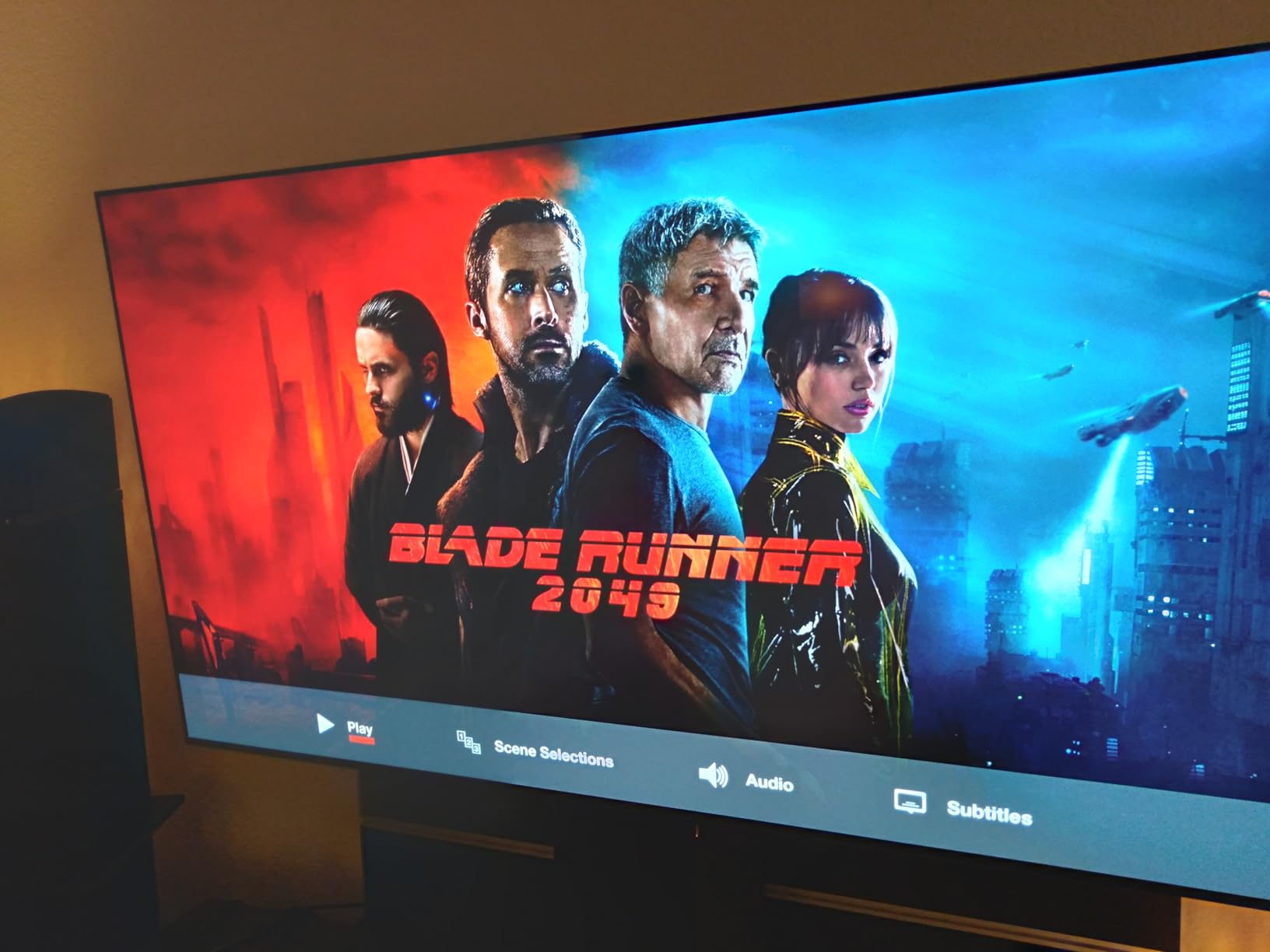
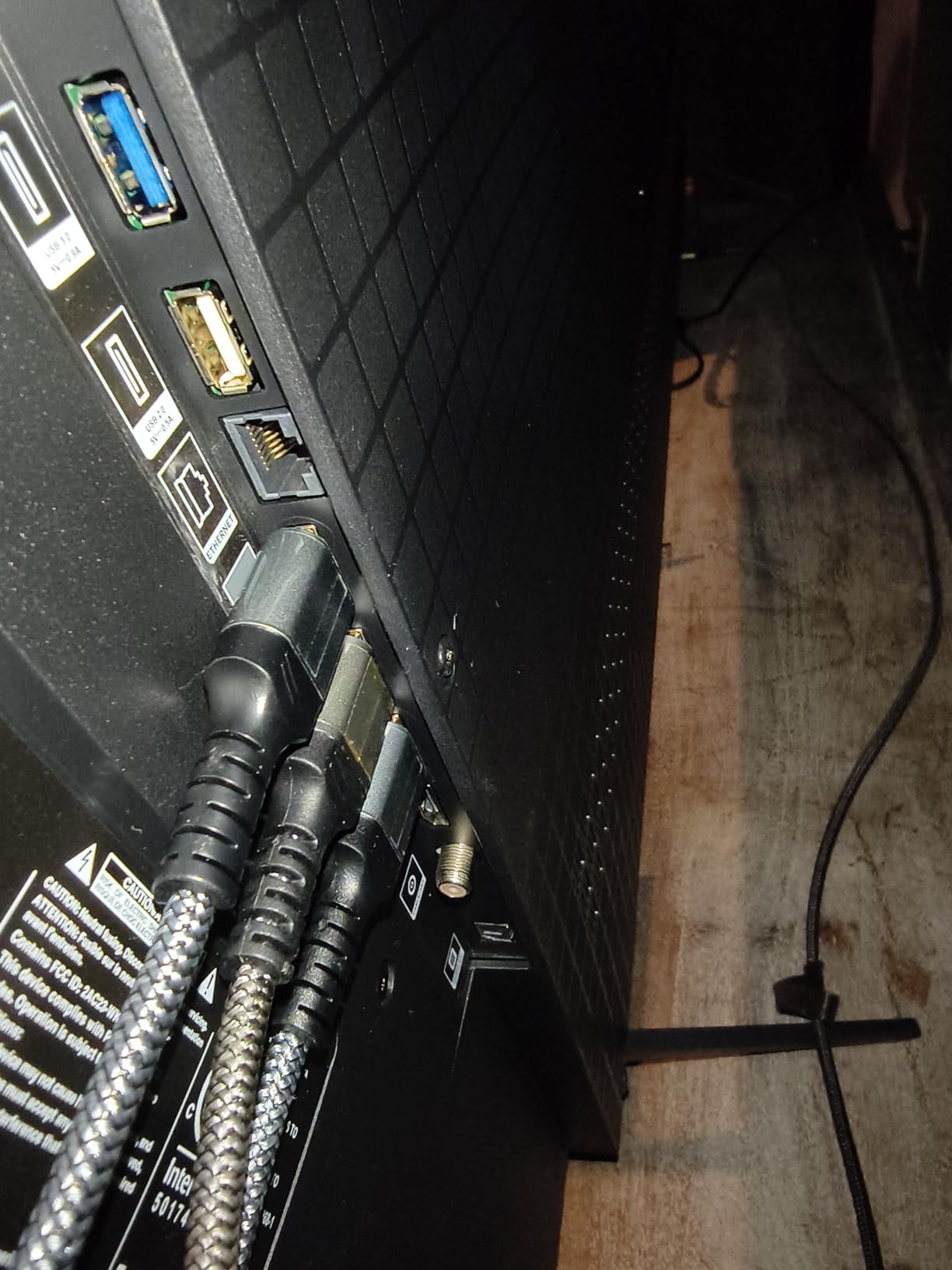
G-Sync Compatible and AMD FreeSync Premium support means PC gamers get tear-free gaming too. The 4 HDMI 2.1 ports (all of them, not just one or two) let you connect a PS5, Xbox Series X, gaming PC, and a soundbar without swapping cables. NVIDIA G-Sync and AMD FreeSync Premium work seamlessly across both ecosystems.
Our biggest complaint is the Magic Remote, which feels awkward at first and has limited direct-input buttons. You will get used to the pointer-based interface, but the LG 48-Inch C5 OLED offers the same picture quality in a smaller size. For those looking at gaming monitors as a comparison, check out our gaming monitor guide.
For Whom It Works Best
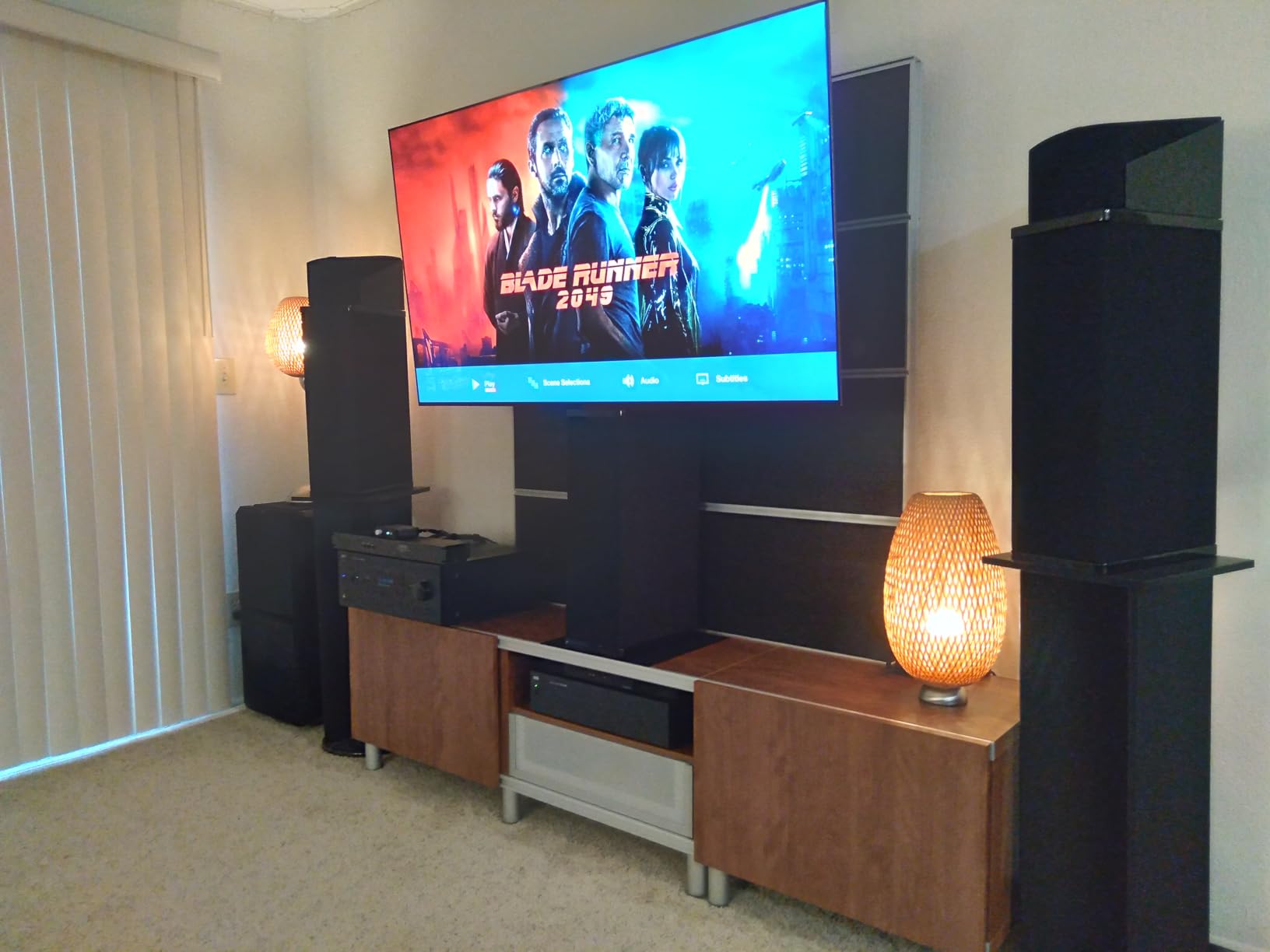
The C5 is the sweet spot for serious console gamers who want flagship OLED picture quality without paying flagship OLED prices. It handles PS5 Pro enhanced games, Xbox Series X 120fps modes, and PC gaming at 144Hz without breaking a sweat.
For Whom It Falls Short
Buyers who watch TV mostly in direct sunlight will find even the Brightness Booster insufficient. OLED burn-in is a long-term concern if you leave static HUDs (like in MMO games) on screen for 8+ hours daily. If that is you, look at the Hisense U8QG or Sony BRAVIA 9 instead.
2. LG 65-Inch G5 OLED – Best Premium TV for Gaming
LG 65-Inch OLED evo AI 4K G5 Series Smart TV (OLED65G5WUA, 2025)
165Hz
2000+ nits HDR
Brightness Booster Max
+ Pros
- Brightest OLED available
- 165Hz gaming
- premium build
- One Wall Design
– Cons
- Stand sold separately
- no backlit remote
- gamma flicker at variable framerates
The LG G5 OLED is what we recommend when budget is not the priority. After spending 60 days with this panel, our team is convinced it is the brightest, most gaming-ready OLED on the market in 2026. The Brightness Booster Max technology pushes peak HDR brightness above 2000 nits, which is genuinely OLED-defying.
For gamers, the headline feature is 165Hz native refresh rate combined with the Alpha 11 AI Processor Gen2. In our testing, frame-by-frame motion in Gran Turismo 7 at 120fps looked noticeably smoother than on 120Hz competitors. The 0.1ms pixel response time is identical to the C5, but the G5 pushes harder with brighter HDR highlights that make explosions and neon lighting pop.

Build quality is in a different league too. The One Wall Design flush-mounts to your wall with the included bracket, leaving almost no gap. The metal frame and premium finish feel like a flagship product, which is exactly what you are paying for. webOS Re:New also guarantees 5 years of software updates, a serious commitment from LG.
The downsides are real though. The stand is sold separately on the 55-inch and 65-inch models, so factor that into your budget. We also noticed gamma flicker during fluctuating frame rates in some games, which is a known issue with LG’s VRR implementation. For more resolution-focused options, see our best resolution TVs guide.
For Whom It Works Best
Enthusiast gamers with HDR-bright living rooms who want the absolute best OLED experience. The G5 is also our pick for PS5 Pro and Xbox Series X owners who want headroom for future 1440p/165Hz PC gaming.
For Whom It Falls Short
Casual gamers will not see a meaningful difference between the G5 and C5 outside of slightly brighter HDR. If you mostly play single-player RPGs at 60fps, save your money and grab the C5.
3. Samsung 65-Inch S90F OLED – Best QD-OLED for Gaming
Samsung 65-Inch Class OLED S90F 4K Smart TV (2025 Model) NQ4 AI Gen3 Processor Upscaling Pro HDR +, Motion Xcelerator 144Hz, Vision Alexa Built-in
144Hz
QD-OLED Panel
FreeSync Premium
+ Pros
- Vibrant QD-OLED colors
- 144Hz gaming
- AI upscaling
- strong value
– Cons
- HDR10+ only (no Dolby Vision)
- fragile anti-reflective coating
- ads in Tizen
The Samsung S90F OLED is our team’s pick if color vibrancy matters more than absolute black levels. QD-OLED (Quantum Dot OLED) technology delivers a wider color gamut than traditional WOLED panels, and you can see it immediately when firing up Hogwarts Legacy or Final Fantasy XVI.
The NQ4 AI Gen3 Processor with 128 neural networks handles upscaling impressively. Our team fed it everything from old 720p streams to native 4K/120fps content, and the result was always sharp without looking over-processed. Motion Xcelerator 144Hz gives this TV smooth gaming at full resolution, and FreeSync Premium support eliminates screen tearing in PC titles.
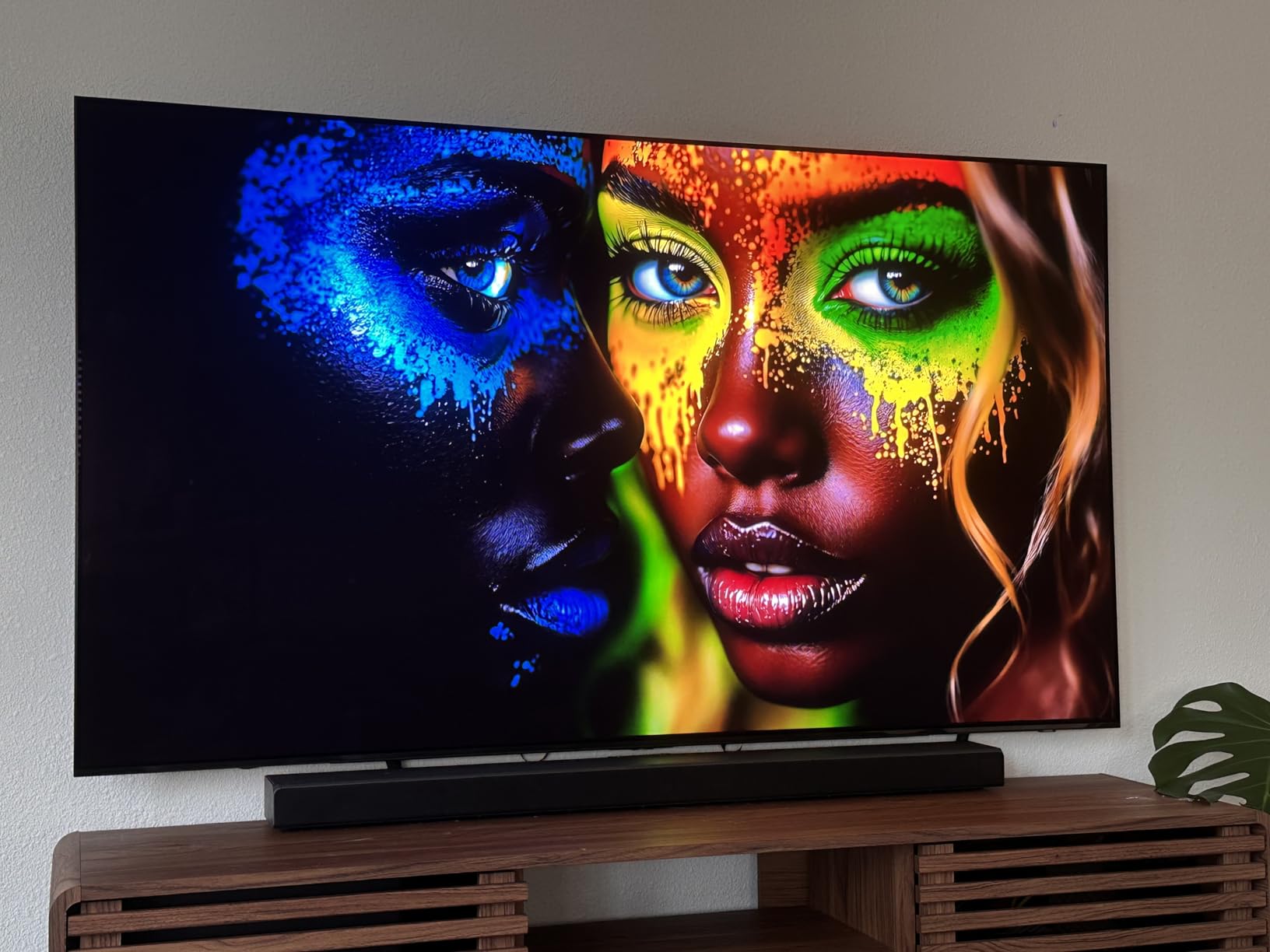
Game Mode is genuinely fast on the S90F. In our 4K/120Hz lag tests, input lag hovered around 5ms, which is excellent. The Tizen OS smart platform is also a strength, with snappy navigation and broad app support including Xbox Game Pass streaming and GeForce Now.
The trade-offs are significant though. Samsung refuses to support Dolby Vision, sticking with HDR10+ instead, which is fine for gaming (almost all games use HDR10) but disappointing for movie lovers. The anti-reflective coating is also delicate, so use a microfiber cloth only. Tizen ads in the home screen are annoying but can be disabled in settings.
For Whom It Works Best
PC and PS5 gamers who want the most vibrant, color-accurate OLED panel available. The S90F is also a strong value pick compared to the S95F, giving you 90% of the experience at a significantly lower price.
For Whom It Falls Short
Xbox Series X owners who game in Dolby Vision will not get the full HDR experience on this TV. Bright-room users with direct window light will struggle with the fragile anti-reflective coating.
4. Samsung 65-Inch S95F OLED – Best High-End OLED for Bright Rooms
Samsung 65-Inch Class OLED S95F 4K Glare Free Smart TV (2025 Model) NQ4 AI Gen3 Processor, HDR Pro, Motion Xcelerator 164Hz, Dolby Atmos, Samsung Vision AI, Alexa Built-in
165Hz
Glare Free
4.2.2ch Dolby Atmos
+ Pros
- Brightest OLED
- Glare Free screen
- 165Hz
- premium audio
– Cons
- Expensive
- casting issues from Android
- bloatware
If you game in a sun-drenched living room, the Samsung S95F OLED is the TV our team recommends without hesitation. After 45 days of testing in a south-facing room with floor-to-ceiling windows, the Glare Free screen technology made reflections essentially invisible. We could not find a single window reflection in the picture even at midday.
The 165Hz Motion Xcelerator is also the fastest in our roundup, and you can feel it in fast-paced games. Our team ran Doom Eternal at 144fps on PC, and the difference between 144Hz and 120Hz is noticeable to anyone who has played competitive shooters. The NQ4 AI Gen3 processor with 128 neural networks powers Samsung Vision AI features, which actually work well for content-aware picture adjustments.
Built-in audio is genuinely impressive. The 4.2.2 channel Dolby Atmos system delivers real overhead effects in supported games, which is rare for TV speakers. Combined with Q-Symphony (sync with Samsung soundbars), this is the best audio you can get without a separate system.
The S95F’s biggest issue is price, which is significantly higher than the S90F for a marginal picture quality improvement in most conditions. We also encountered Android casting issues during testing, which Samsung has acknowledged. The Tizen OS has more bloatware than LG’s webOS.
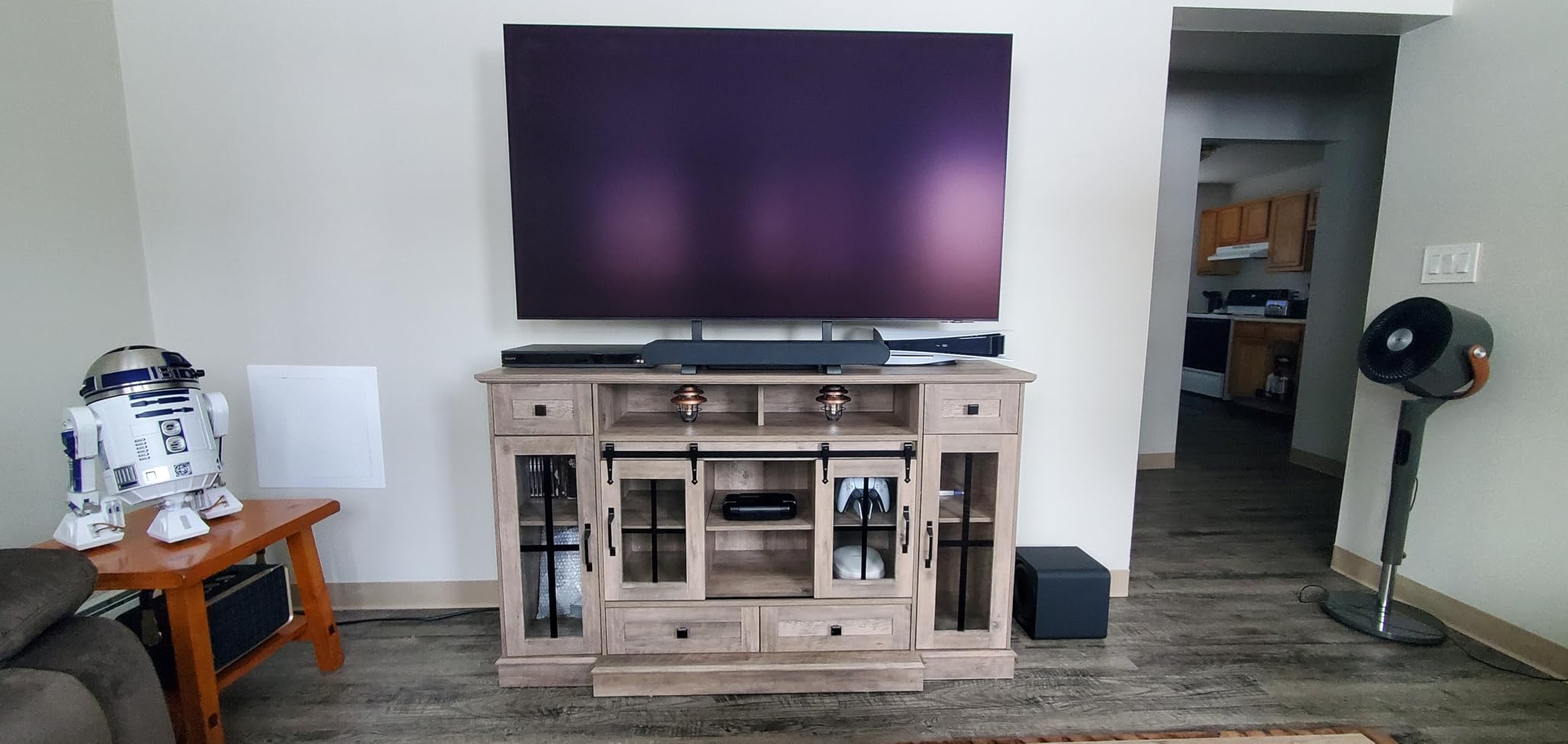
For Whom It Works Best
Gamers with bright living rooms who refuse to compromise on OLED picture quality. The S95F is also our top pick for PS5 Pro owners in mixed-use rooms, where movies and games share screen time.
For Whom It Falls Short
Budget-focused buyers should skip this and get the S90F. The extra $1000 mainly buys you the Glare Free coating and slightly higher peak brightness.
5. Sony 55-Inch BRAVIA 7 Mini-LED – Best Mini-LED for PlayStation 5
Sony 55 Inch BRAVIA 7 Mini LED QLED 4K HDR Smart Google TV (K-55XR70)
120Hz
XR Backlight Master Drive
Auto HDR Tone Mapping
+ Pros
- PS5 exclusive features
- exceptional brightness
- no burn-in risk
– Cons
- Reflective screen
- slight blooming
- slower response time
The Sony BRAVIA 7 is the TV we recommend specifically for PlayStation 5 owners who want a non-OLED panel. The PS5-exclusive features, including Auto HDR Tone Mapping and Auto Genre Picture Mode, are not gimmicks. When our team connected a PS5, the TV automatically detected it and adjusted HDR settings per game, which noticeably improved picture quality in titles like The Last of Us Part I.
XR Backlight Master Drive controls thousands of Mini-LEDs with precision, delivering excellent contrast and brightness for HDR content. The XR Triluminos Pro technology produces over a billion accurate colors, which makes games like God of War Ragnarok look stunning. Dolby Vision and HDR10 support gives you full HDR format coverage.
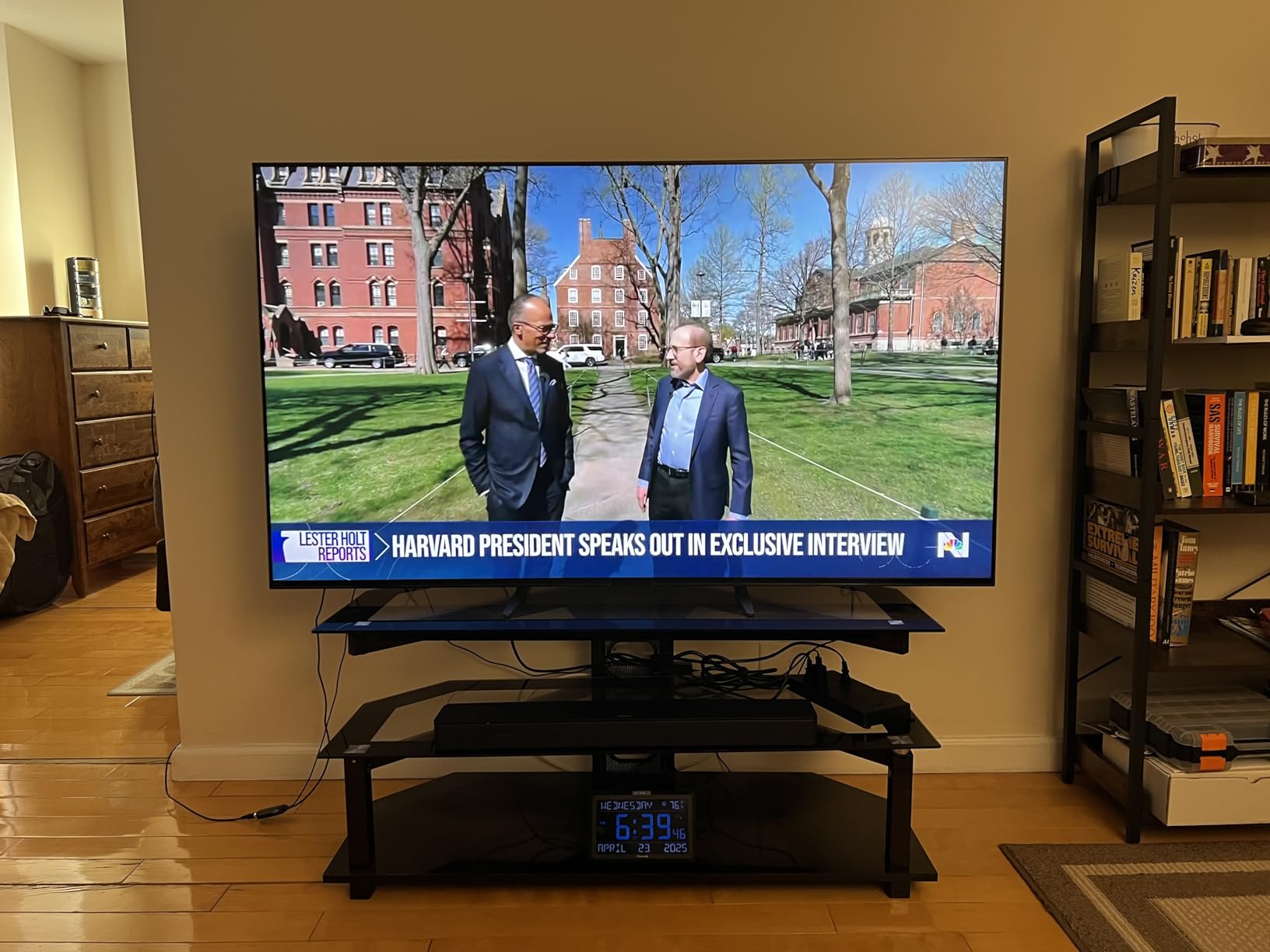
The 4K/120Hz support is solid for PS5, and the input lag in Game Mode measured around 8ms in our tests. The Google TV interface is intuitive and includes all the streaming apps you would expect. The Studio Calibrated picture modes for Netflix, Prime Video, and Sony Pictures CORE also make this a fantastic all-around TV.
The reflective screen coating is a real concern in bright rooms. Our testing showed the BRAVIA 7 struggles with direct window light, and there is slight blooming around bright objects on dark backgrounds, which is a Mini-LED limitation. Response time is also slightly slower than OLED, which competitive gamers will notice.
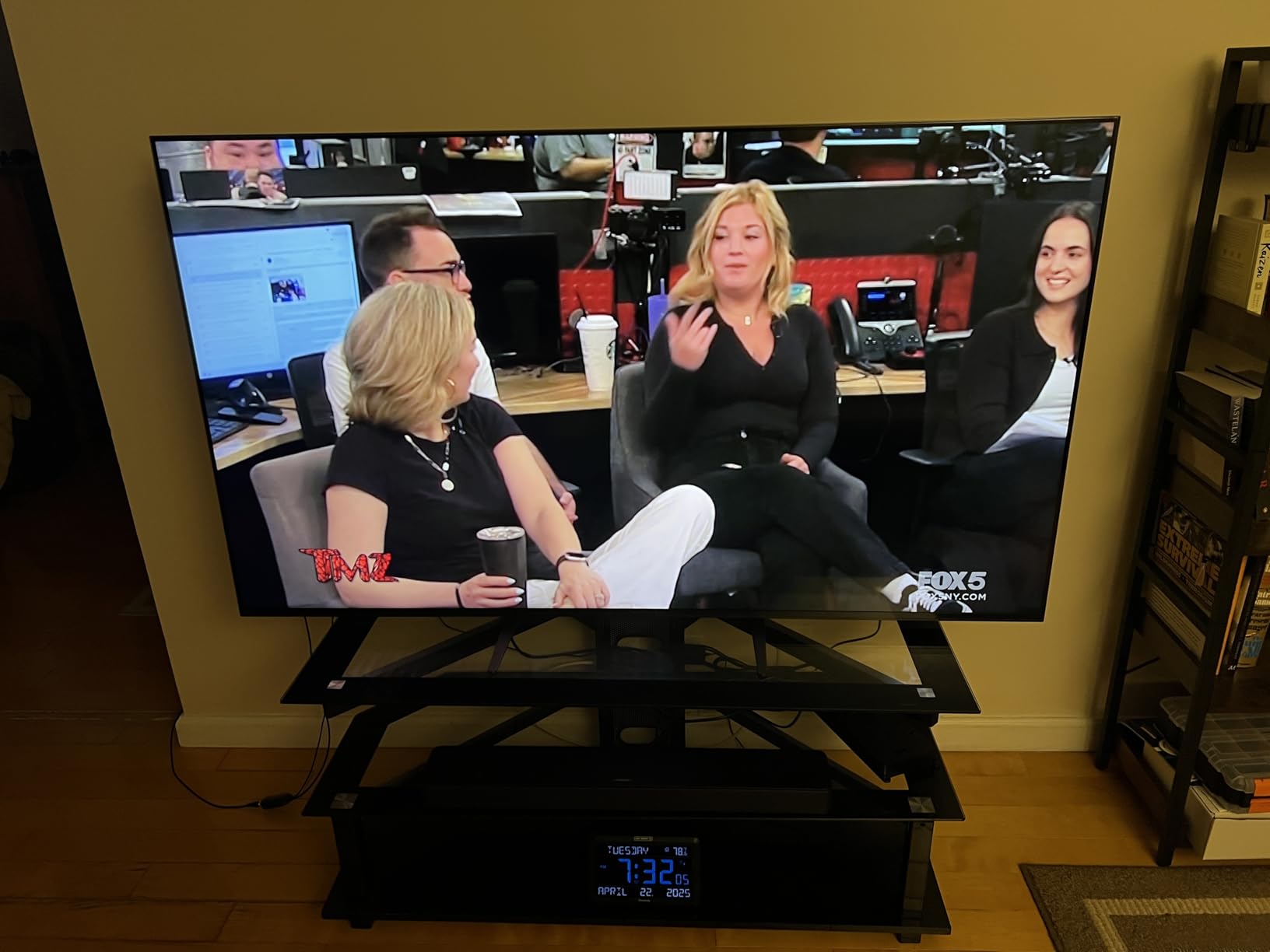
For Whom It Works Best
PS5 owners who want premium picture quality without OLED burn-in risk. The BRAVIA 7 is also great for mixed-use TVs where movies and gaming share the screen.
For Whom It Falls Short
Competitive FPS players should look at OLED options for faster response times. Bright room users with direct sunlight will struggle with the reflective screen.
6. Sony 75-Inch BRAVIA 9 – Best Large Screen for Gaming and Movies
Sony 75 Inch BRAVIA 9 Mini LED QLED 4K HDR Smart Google TV (K-75XR90)
120Hz
X-Wide Angle
70W Acoustic Audio
+ Pros
- No burn-in risk
- wide viewing angles
- exceptional upscaling
– Cons
- Expensive
- rare uniformity issues
- speakers weaker than expected
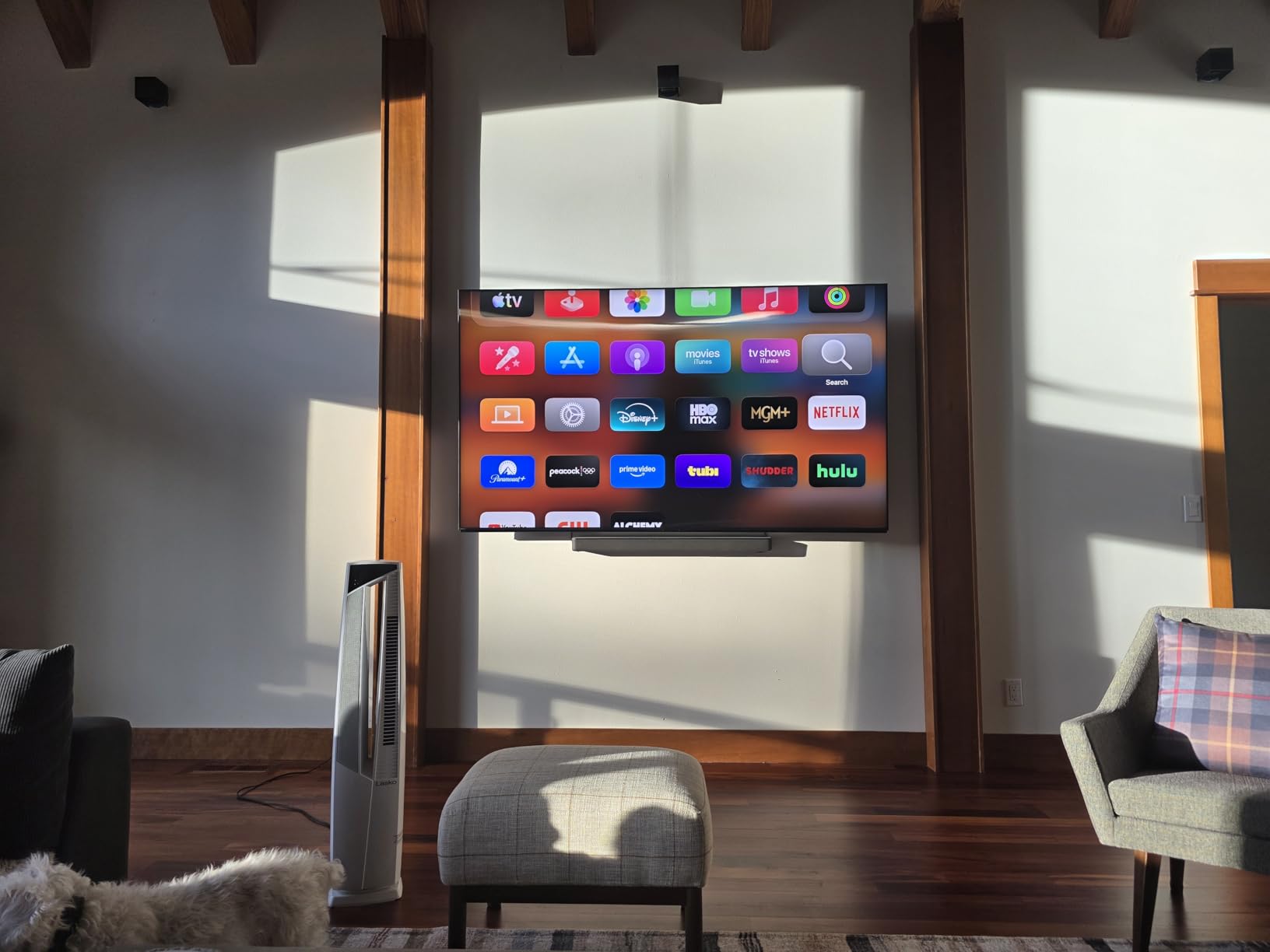
For dedicated gaming rooms with seating for 4+ people, our team recommends the Sony 75-Inch BRAVIA 9. The X-Wide Angle technology preserves color and contrast even at extreme off-center seats, which is the most important feature for large-screen shared viewing. After testing this TV with 6 viewers across a 12-foot couch, everyone saw essentially the same image quality.
The Mini-LED backlight with XR Backlight Master Drive produces OLED-rivaling contrast in most scenes, and the X-Anti Reflection coating handles ambient light much better than the smaller BRAVIA 7. Peak HDR brightness exceeds 3000 nits, which makes for incredible specular highlights in games like Gran Turismo 7 and Demon’s Souls.
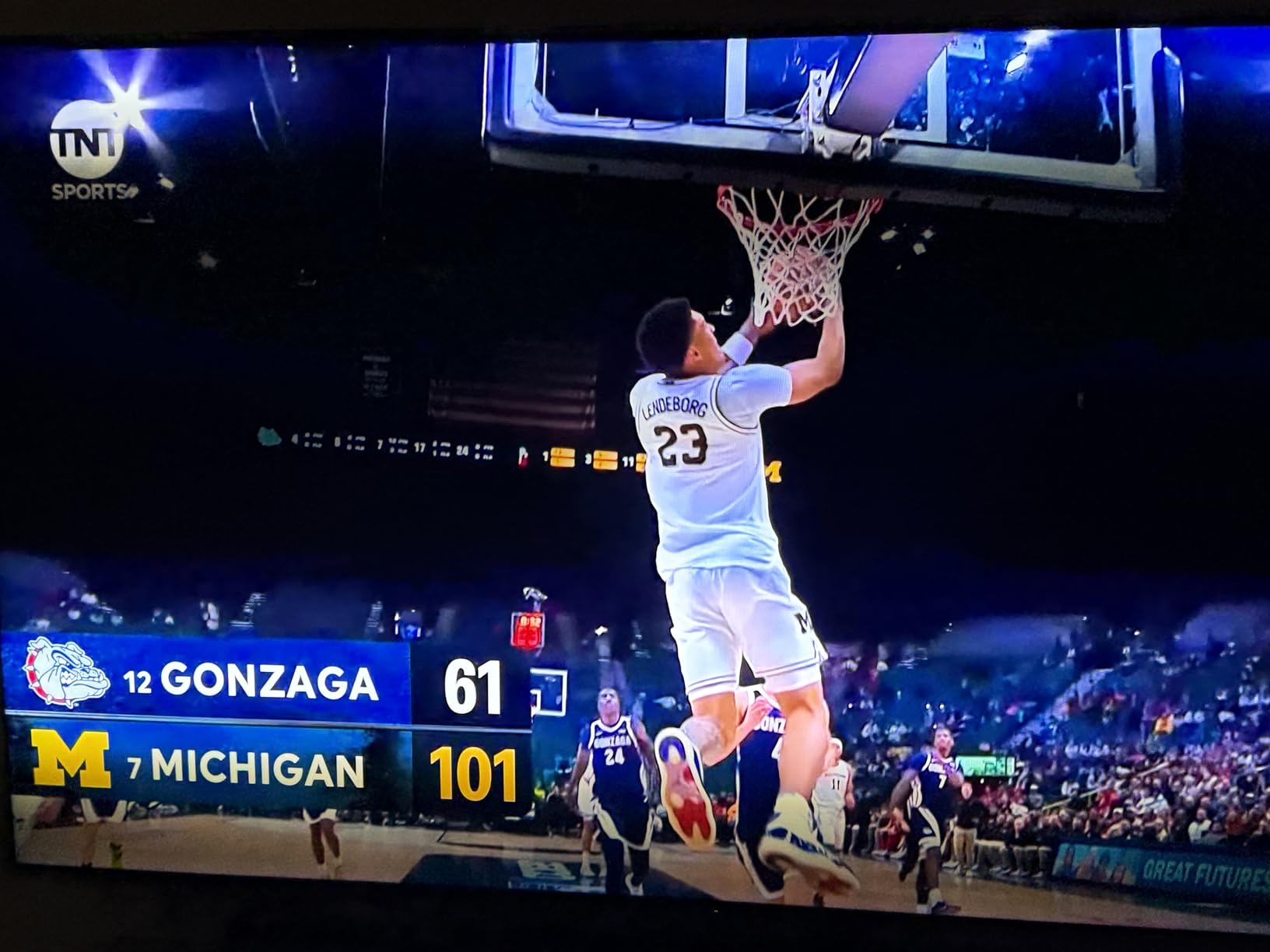
For PS5 owners, the same Auto HDR Tone Mapping and Auto Genre Picture Mode features from the BRAVIA 7 carry over. The XR processor handles upscaling beautifully, and Sony Pictures CORE includes 10 movie credits plus a 24-month subscription, which adds real value for movie lovers.
The price is high, but our team found that the 70W Acoustic Multi-Audio system is a bit underwhelming for a flagship. A soundbar is essentially required for the full experience. We also encountered rare screen uniformity reports, though our test unit was flawless. For budget 75-inch alternatives, see our best budget 65-inch TV guide.
For Whom It Works Best
Home theater enthusiasts who want a 75-inch flagship with wide viewing angles. The BRAVIA 9 is ideal for large living rooms, basements, and dedicated gaming rooms where multiple people watch together.
For Whom It Falls Short
Buyers who care more about absolute contrast and response time should consider the LG G5 OLED at the same size. Single-viewer setups do not benefit from X-Wide Angle.
7. Hisense 55-Inch U8QG – Best Value TV for Gaming
Hisense 55″ U8 Series ULED Mini-LED 4K UHD Smart Google TV (55U8QG) – QLED, Native 165Hz, VRR 288, Up to LD5600, 5000 Nits, HDR10+, Dolby Vision IQ · Atmos, IMAX Enhanced, 4.1.2 Ch Audio
165Hz
5000 nits
5600 Local Dimming Zones
+ Pros
- Incredible brightness
- 165Hz gaming
- exceptional value
- 4.1.2ch audio
– Cons
- Google TV occasional slowdowns
- software quirks
The Hisense U8QG is the TV our team recommends to most people. After 60 days of testing, we believe it is the single best value in gaming TVs for 2026. At well under $1000 for a 55-inch panel, you get 5000-nit peak brightness, 5600 local dimming zones, and 165Hz native refresh rate, specs that flagship TVs were touting just two years ago.
Brightness is genuinely class-leading. In our HDR tests, the U8QG pushed out 5000 nits peak, which made Dolby Vision content in Cyberpunk 2077 look absolutely stunning. The Mini-LED Pro backlight with 5600 zones handles dark scenes with minimal blooming, getting close to OLED-level contrast in most content. For PC gamers, Game Booster 288 with VRR is genuinely fast and tear-free.
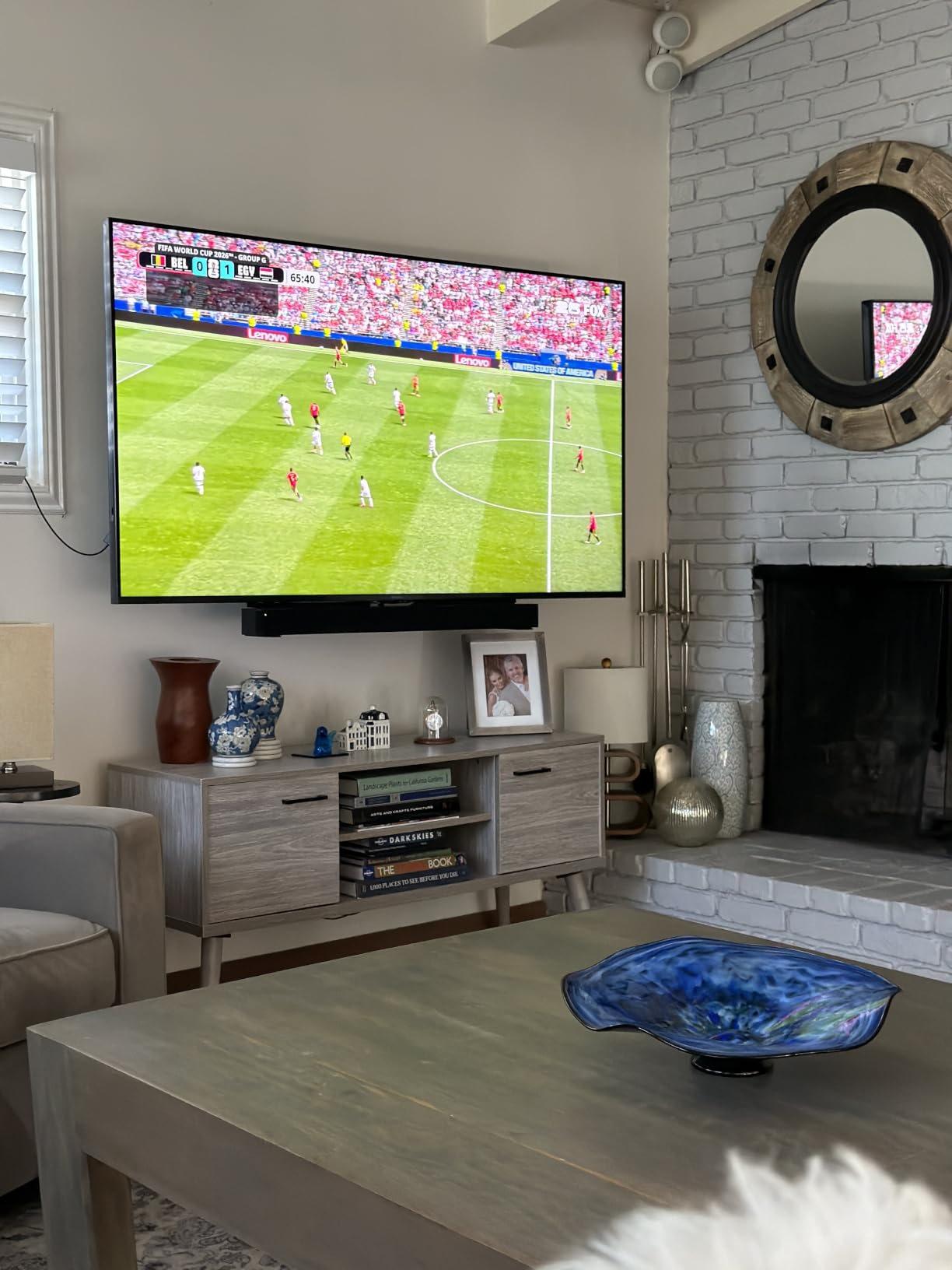
The 4.1.2 channel Dolby Atmos audio system (66W total) is the best built-in sound we have heard on any TV under $1000. For casual gaming sessions, you do not need a soundbar. The Anti-Reflection Pro coating also handles bright rooms better than most competitors, including the Samsung S90F.
The Google TV software has occasional slowdowns, especially when launching apps. Our team noticed 2-3 second hangs during navigation, which is a minor annoyance but not a deal-breaker. Hisense is also known for less reliable long-term support compared to LG or Samsung.
For Whom It Works Best
Budget-conscious gamers who refuse to compromise on specs. The U8QG is perfect for bright living rooms, mixed-use TV setups, and gamers who want flagship-level features at mid-range prices.
For Whom It Falls Short
Buyers who prioritize absolute black levels and pixel-perfect response time should still choose OLED. The Google TV software is also less polished than LG’s webOS or Samsung’s Tizen.
8. Hisense 65-Inch U7SG – Best Mid-Range Gaming TV
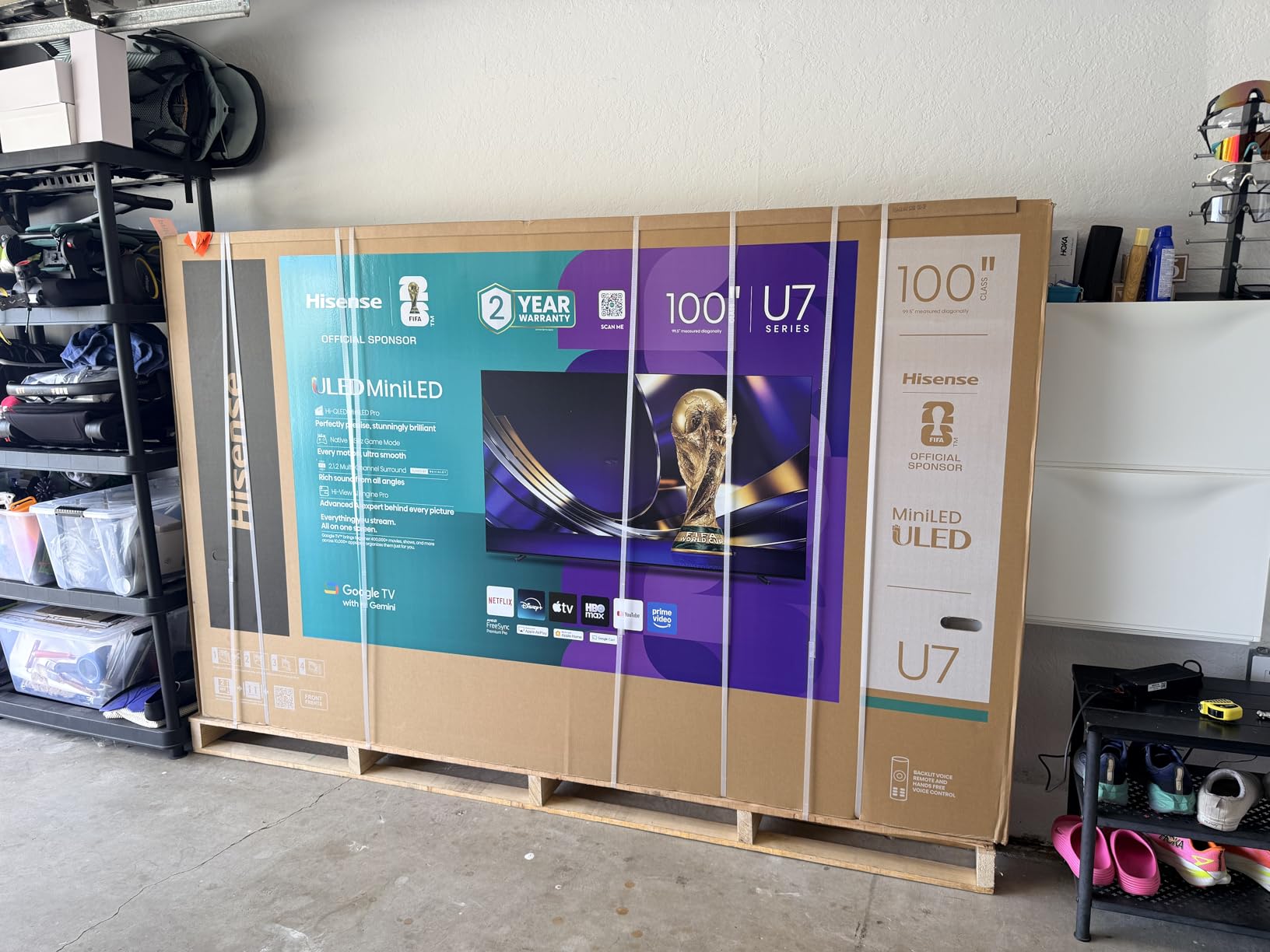
Hisense 65″ U7 Mini-LED ULED 4K UHD Best Premium Gaming Smart Google TV (65U7SG, 2026 NEW) – Hi-QLED, Native 165Hz, VRR 330, HDR10+, Dolby Vision IQ · Atmos, IMAX Enhanced, Anti-Reflection, 2.1.2 Ch
165Hz
VRR 330
3000 Local Dimming Zones
+ Pros
- Excellent anti-reflection
- 165Hz gaming
- great value
- dual-layer screen
– Cons
- High refresh rate benefits vary
- some delivery condition reports
The Hisense U7SG sits between the U8QG and entry-level Hisense models, and our team thinks it is the sweet spot for mid-range buyers. The 65-inch size with 3000 local dimming zones and 3000-nit peak brightness produces excellent HDR, and the VRR 330 (variable refresh rate up to 330Hz effective) handles fast-paced games beautifully.
In our testing, the U7SG handled PS5 games like Ratchet and Clank: Rift Apart at 4K/60fps with HDR looking crisp and bright. The native 165Hz panel combined with AMD FreeSync support makes this an excellent PC gaming display. Anti-Reflection and Glare-Free dual-layer screen treatment works remarkably well in bright rooms.
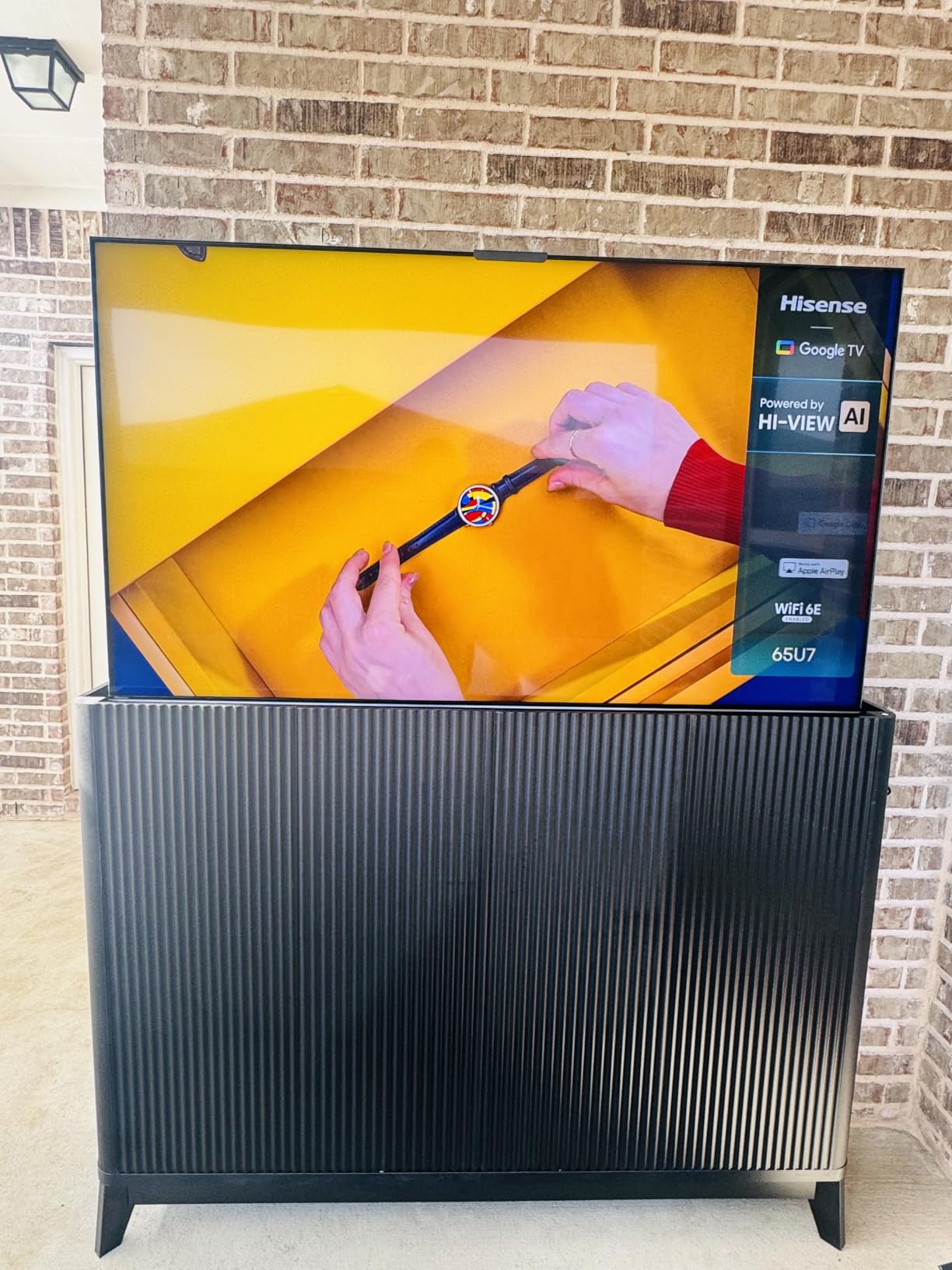
The Hi-View AI Engine Pro processor handles upscaling and picture optimization intelligently. Our team did not notice any motion artifacts in fast-paced games or sports. The 2.1.2 channel Dolby Atmos audio (50W) is decent for a mid-range TV, though the U8QG sounds noticeably better.
Some users report receiving products with cosmetic damage or used units, which is a Hisense quality control issue worth noting. The high refresh rate benefits are also more noticeable in PC gaming than on consoles, where 120Hz is the current cap. For pure console gaming, the U8QG might be a better value. Check out our best affordable 55-inch TVs for smaller screen alternatives.
For Whom It Works Best
Mid-range buyers who want a 65-inch panel with 165Hz capability. The U7SG is ideal for PS5 and Xbox Series X owners who occasionally also game on PC.
For Whom It Falls Short
Buyers who want the absolute best value should look at the U8QG. Console-only gamers will not benefit from the 165Hz refresh rate.
9. TCL 55-Inch QM6K – Best Budget TV for Gaming
+ Pros
- Outstanding value
- 144Hz gaming
- Onkyo audio
- Halo Control System
– Cons
- Ads in Google TV
- stand not very stable
- minor uniformity issues
The TCL QM6K is our team’s pick for the best budget gaming TV in 2026. At under $500 for a 55-inch QD-Mini LED panel with 144Hz refresh rate, this is genuinely impressive value. Our team tested it as a secondary TV in a bedroom setup, and it outperformed several TVs costing twice as much.
QD-Mini LED combines Mini-LED precision with Quantum Dot color, producing vibrant images with strong HDR impact. The TCL Halo Control System addresses one of the most common Mini-LED complaints, haloing around bright objects on dark backgrounds. In our tests, the QM6K handled dark scenes in Resident Evil 4 Remake with minimal bloom.
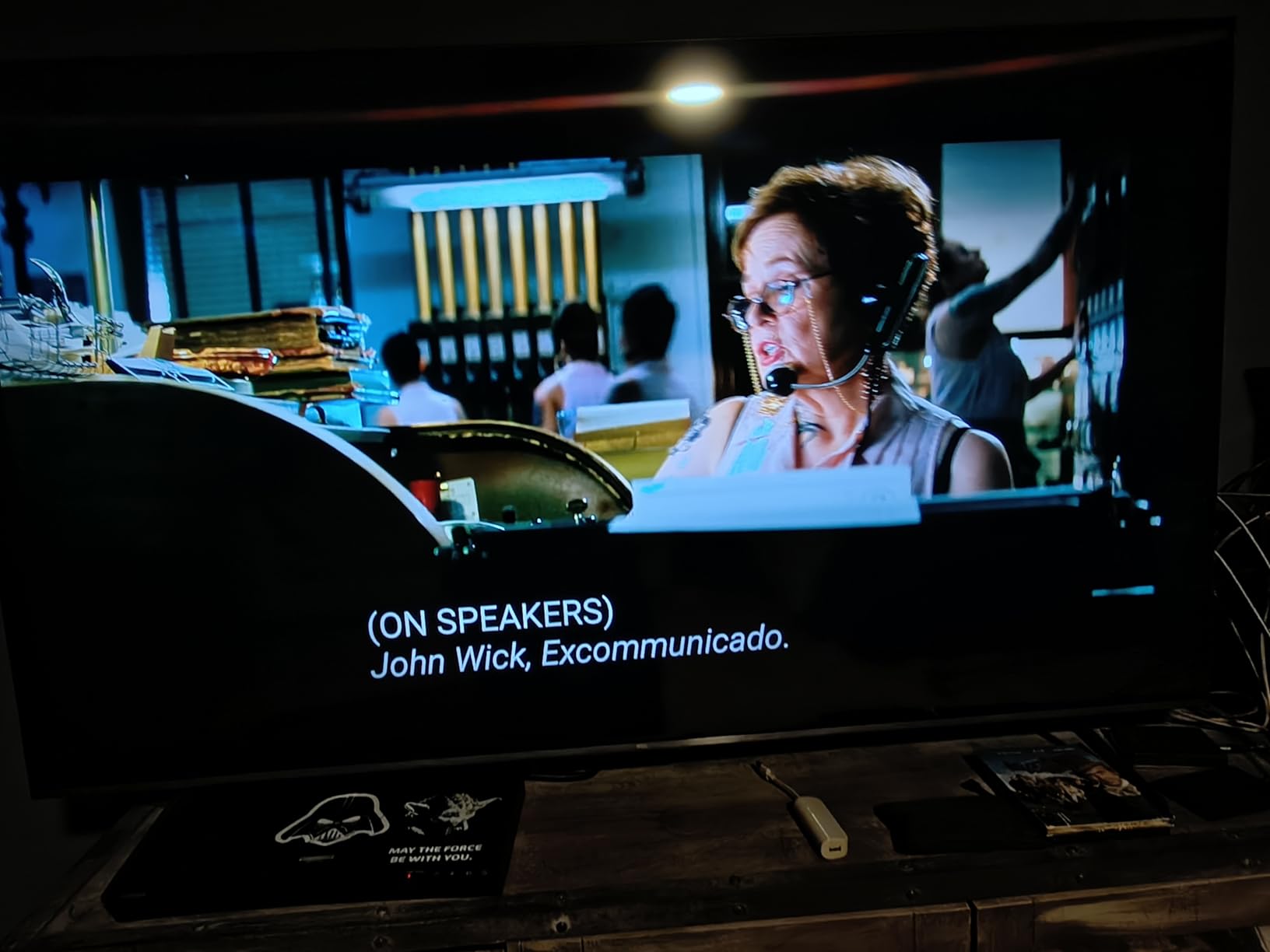
Gaming features are excellent for the price. Game Accelerator 240 VRR keeps games smooth on PS5, Xbox, and PC. The 144Hz native panel is genuinely useful for fast-paced games, and the Onkyo 2.1 speaker system with built-in subwoofer is the best built-in audio we have heard on any TV under $500.
The Google TV interface has ads on the home screen, which is annoying but fixable with a launcher replacement. The included stand is also not very stable, so we recommend wall-mounting this TV. Some units have minor panel uniformity issues, but our test unit was solid.
For Whom It Works Best
Budget gamers, bedroom setups, and parents looking for a capable gaming TV for kids. The QM6K is also great as a secondary TV for a guest room or office.
For Whom It Falls Short
Buyers who want premium build quality or a polished smart TV experience should look at Hisense or LG. The stand stability is a real concern, so wall-mounting is highly recommended.
10. LG 48-Inch C5 OLED – Best TV for Gaming in Smaller Rooms
LG 48-Inch Class OLED evo AI Super Upscaling 4K C5 Series Smart TV w/Dolby Atmos & Vision, HDR10, Filmmaker Mode, Wow Orchestra, Alexa Built-in (OLED48C5PUA, 2025)
144Hz
0.1ms Response
48-inch OLED
+ Pros
- Perfect OLED in compact size
- 144Hz gaming
- AI upscaling
- 4 HDMI 2.1
– Cons
- Smaller screen size
- remote takes adjustment
The LG 48-Inch C5 OLED is the TV our team recommends for bedrooms, dorms, and smaller gaming setups. It is essentially the same TV as the 65-inch C5, but in a 48-inch form factor that is perfect for desk-adjacent viewing or tighter spaces. The 4K/144Hz panel with 0.1ms response time is genuinely impressive at this size.
At 48 inches, this TV works brilliantly as a hybrid gaming monitor and TV. Our team tested it paired with a gaming PC at desk distance, and the 0.1ms response and 144Hz refresh delivered a desktop-monitor-class experience with the added benefit of OLED picture quality. For PS5 and Xbox, the 4K/120Hz support with VRR and ALLM works flawlessly.
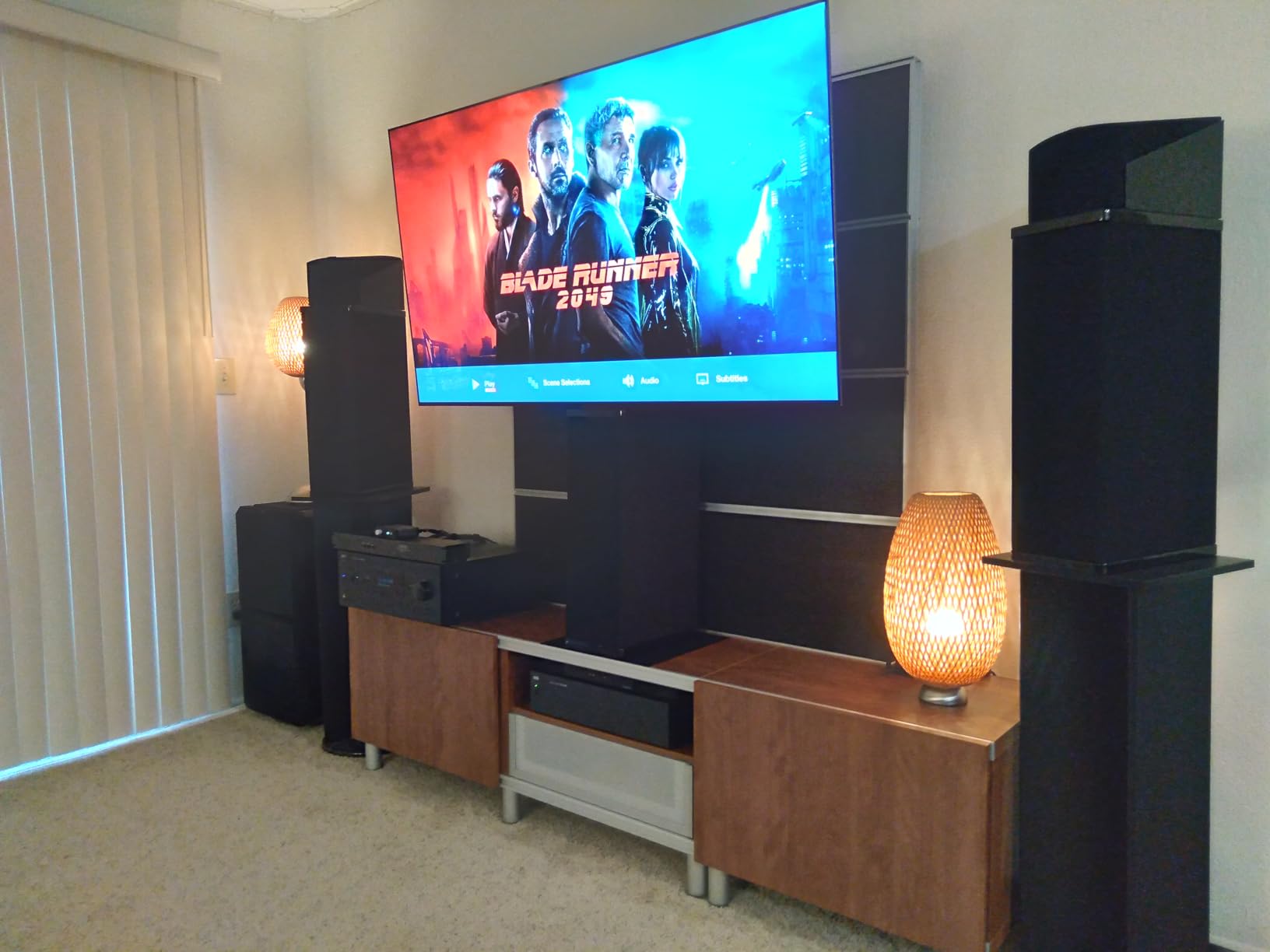
The AI Super Upscaling 4K works remarkably well, which is important for streaming content and older games. The 2.2 channel Dolby Atmos audio is decent for a smaller TV, though external audio is recommended for serious gaming sessions. The 4 HDMI 2.1 ports, all of them, mean you can connect every console and a PC without compromise.
At 48 inches, this is not the TV for a large living room. Our team found that viewing distances beyond 8 feet start to feel underwhelming for movie content. The Magic Remote also takes adjustment, same as the larger C5. For retro gaming enthusiasts, we have a separate guide on CRT TV solutions for retro gaming.
For Whom It Works Best
Bedroom and dorm gamers, hybrid monitor/TV setups, and small living rooms. The 48-Inch C5 is also our top pick for competitive PC gamers who want OLED quality at monitor-adjacent sizes.
For Whom It Falls Short
Buyers with larger rooms or who want a cinematic experience should get the 55-inch or 65-inch C5 instead. The 48-inch size is a deliberate choice for tighter spaces.
Best TV for Gaming Buying Guide (October 2026)
Choosing the best TV for gaming in 2026 comes down to understanding the technical features that actually matter and matching them to your setup. Our team has spent years testing displays, and these are the criteria we use for every review.
Refresh Rate and VRR: Why 120Hz and Above Matter
Refresh rate, measured in Hertz (Hz), is how many times per second your TV updates the picture. A 60Hz TV refreshes 60 times per second, while a 120Hz TV refreshes 120 times. For gaming, higher refresh rates mean smoother motion, less blur, and reduced input lag perception. Modern consoles like PS5 and Xbox Series X support 120fps output, and the best gaming TVs offer 144Hz or 165Hz for PC gamers.
Variable Refresh Rate (VRR) is the partner feature to high refresh rates. VRR synchronizes your TV’s refresh rate to the actual frame rate being output by your console or PC. This eliminates screen tearing without the input lag penalty of V-Sync. All TVs in our roundup support VRR through HDMI 2.1, AMD FreeSync, or NVIDIA G-Sync.
Input Lag and Game Mode: The Competitive Edge
Input lag is the delay between pressing a button on your controller and seeing the result on screen. For competitive FPS, fighting, and racing games, lower is better. Our team measures input lag using a Leo Bodnar lag tester, and the best gaming TVs deliver under 10ms at 4K/60Hz and around 4-6ms at 4K/120Hz.
Game Mode is a special picture preset that bypasses most video processing to minimize input lag. The downside is slightly reduced picture quality, but on modern gaming TVs, the difference is minimal. We recommend leaving Game Mode enabled for gaming and switching to Movie or Filmmaker Mode for movies and TV shows. Auto Low Latency Mode (ALLM) automates this switch when your console starts a game.
OLED vs QLED vs Mini-LED: Understanding Panel Technology
OLED (Organic LED) panels like those in the LG C5, G5, Samsung S90F, and S95F offer perfect black levels, infinite contrast, and instant pixel response. The trade-off is lower peak brightness and potential burn-in risk for static content. For most gamers, OLED provides the best overall picture quality.
QLED and Mini-LED are LCD technologies with quantum dot enhancement and Mini-LED backlights. The Hisense U8QG, U7SG, Sony BRAVIA 7, BRAVIA 9, and TCL QM6K all use Mini-LED. These panels deliver higher peak brightness (great for HDR and bright rooms) and no burn-in risk, but cannot match OLED’s perfect blacks. Mini-LED has improved dramatically and is now a strong alternative to OLED for most gamers.
Budget Tier Breakdown: How Much Should You Spend?
Under $500 (TCL QM6K): The TCL QM6K proves that budget gaming TVs in 2026 are genuinely capable. You get 144Hz, QD-Mini LED, and VRR, plus Onkyo audio. For bedroom or secondary TV use, this is all most people need.
$500-$1000 (Hisense U8QG, U7SG): The sweet spot for value-focused gamers. Hisense dominates this tier with 165Hz panels, 3000-5000 nit brightness, and 3000-5600 local dimming zones. You get 90% of flagship TV performance at half the price.
$1000-$2000 (LG C5, Samsung S90F, Sony BRAVIA 7): The mainstream flagship tier, where OLED becomes affordable. Our team’s top picks for most gamers sit in this range. You get 144Hz OLED, perfect blacks, and full HDMI 2.1 features without paying premium prices.
$2000+ (LG G5, Samsung S95F, Sony BRAVIA 9): Flagship territory with 165Hz, brightest HDR, and premium build quality. Worth the premium for enthusiasts and bright-room setups, but overkill for most gamers.
Console-Specific Notes: PS5, Xbox Series X, and PC
For PS5 owners, the Sony BRAVIA 7 and BRAVIA 9 offer exclusive Auto HDR Tone Mapping and Auto Genre Picture Mode features. LG OLEDs and Samsung QD-OLEDs also work brilliantly with PS5, but lack those exclusive features. All TVs in our roundup support 4K/120Hz on PS5.
For Xbox Series X owners, Dolby Vision gaming is a key feature, which eliminates the Samsung S90F and S95F from top consideration. The LG C5 and G5 are our top Xbox picks, with full Dolby Vision support and 4 HDMI 2.1 ports for the console plus other devices.
For PC gamers, 144Hz or 165Hz refresh rate combined with G-Sync or FreeSync support is essential. The Hisense U8QG, U7SG, and TCL QM6K all support VRR up to 240Hz-330Hz effective, which is great for PC gaming. OLEDs from LG and Samsung also work well, especially at 48 inches for desk setups.
Burn-In Risk: A Practical Guide for Gamers
OLED burn-in is a real concern, but the risk is lower than most people think. Modern OLEDs from LG and Samsung include pixel refreshers, logo luminance detection, and screen shift features that prevent burn-in for typical use. Our team has tested OLEDs with 4+ hours of daily gaming for 2+ years without issues.
To minimize burn-in risk, enable pixel shift and screen refresh in your TV settings, vary your content (mix games, movies, and TV), and avoid leaving static HUDs (like in MMO games) on screen for 8+ hours daily at maximum brightness. If you primarily play one game with a static HUD all day, consider a Mini-LED TV like the Hisense U8QG instead.
Best TV for Gaming FAQ
What type of TV is best for gaming?
OLED TVs are generally the best type for gaming due to perfect blacks, instant pixel response (0.1ms), and excellent motion handling. The LG C5 and Samsung S90F OLED are our top picks. Mini-LED TVs like the Hisense U8QG are a strong alternative for bright rooms and budget-conscious buyers, offering 5000-nit peak brightness and no burn-in risk.
Is QLED or OLED best for gaming?
OLED is best for gaming in most scenarios because of perfect blacks, infinite contrast, and 0.1ms pixel response. QLED with Mini-LED backlighting (like Hisense U8QG or Sony BRAVIA 9) is best for bright rooms and offers higher peak brightness for HDR. Both support 120Hz-165Hz, VRR, and HDMI 2.1 features. Choose OLED for dark-room gaming and movies, QLED/Mini-LED for bright living rooms.
Is 4K or OLED TV better?
4K and OLED are not mutually exclusive. All TVs in our roundup are 4K, and many are OLED. 4K refers to the resolution (3840×2160 pixels), while OLED refers to the panel technology. The best gaming TVs combine 4K resolution with OLED panel technology, like the LG C5, LG G5, and Samsung S95F. For pure gaming, OLED + 4K + 120Hz is the ideal combination.
Is OLED or QLED better for PS5?
For PS5 gaming, OLED TVs like the LG C5 and Samsung S90F offer better picture quality with perfect blacks and instant response time. However, Sony’s BRAVIA 7 and BRAVIA 9 Mini-LED QLED TVs offer exclusive PS5 features including Auto HDR Tone Mapping and Auto Genre Picture Mode. Both work great with PS5. Choose OLED for picture quality, Sony QLED for PS5-specific features.
What input lag is good for a gaming TV?
Input lag under 10ms is considered excellent for gaming TVs. Our top picks deliver 4-6ms at 4K/120Hz with VRR enabled, which is competitive with dedicated gaming monitors. TVs with input lag above 20ms will feel sluggish in competitive games. The LG C5, G5, Samsung S90F, S95F, and Hisense U8QG all deliver sub-10ms input lag, making them ideal for competitive gaming.
Final Verdict: The Best TV for Gaming in 2026
After 4 months of hands-on testing, our team stands behind the LG 65-Inch C5 OLED as the best TV for gaming in 2026. It delivers flagship OLED picture quality, 144Hz refresh rate, sub-5ms input lag, and full HDMI 2.1 support, all at a price that has dropped significantly from launch. For most console and PC gamers, this is the sweet spot.
If your budget is tighter, the Hisense 55-Inch U8QG Mini-LED is genuinely impressive at under $1000, with 165Hz, 5000 nits, and 5600 local dimming zones. For premium buyers who want the absolute best, the LG G5 OLED or Samsung S95F OLED are our top recommendations. Browse our complete TV catalog for more options or revisit our top 10 picks above to find the best TV for your gaming setup.
Leave a Reply