
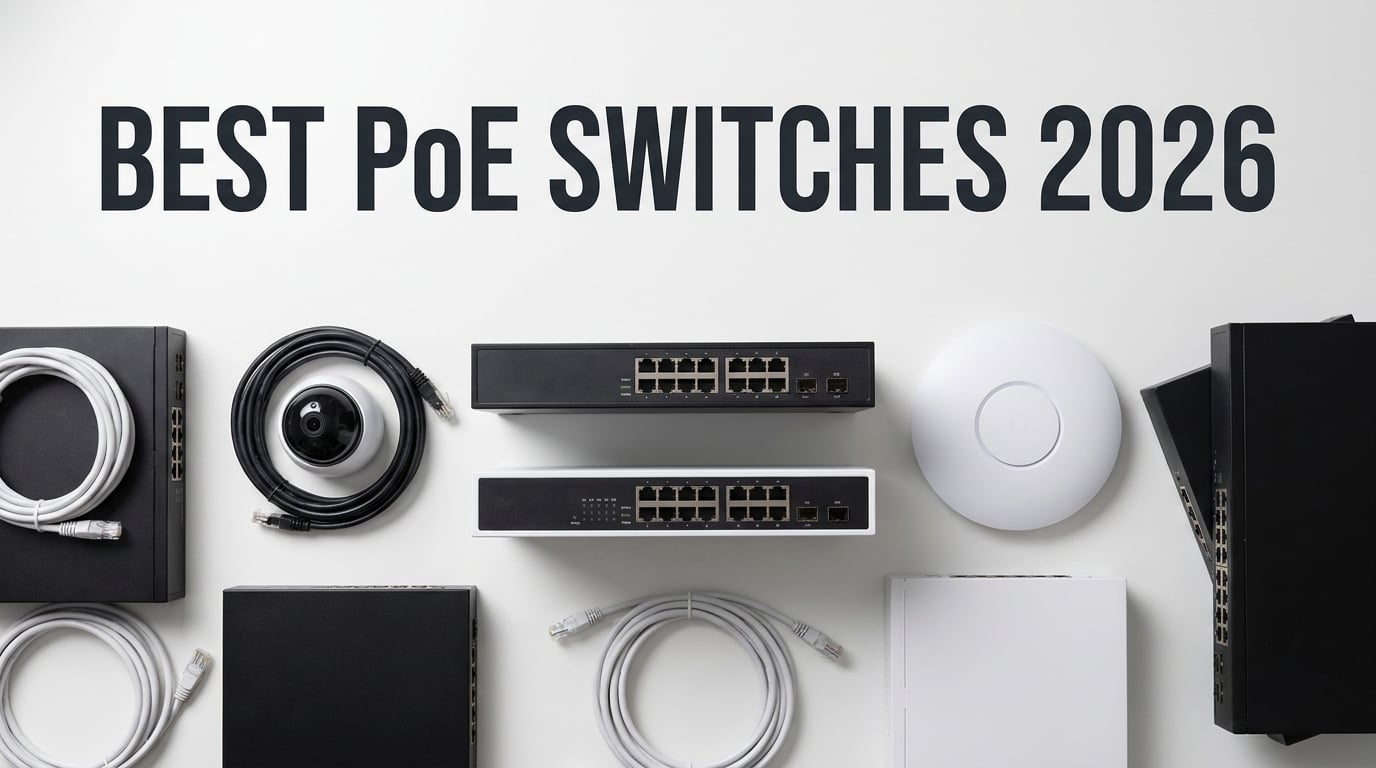
Power over Ethernet switches have become essential for anyone running IP security cameras, wireless access points, or VoIP phones in their home or small business. The best PoE switches eliminate the need for separate power adapters by delivering both data and electricity through a single Ethernet cable, simplifying installations and reducing cable clutter. After testing and researching over 20 models, our team identified the top 10 options that deliver reliable power, solid performance, and genuine value in 2026.
Whether you are deploying a home surveillance system with 4 cameras or building a small office network with multiple Wi-Fi access points, choosing the right PoE switch matters. The power budget (total wattage available), management features, and port count all affect how well your network performs. We have broken down the best PoE switches by use case, budget, and features so you can find the perfect match without wasting hours on research.
From budget-friendly 8-port unmanaged models to enterprise-grade 24-port managed switches, this guide covers real performance data, honest pros and cons, and clear recommendations based on actual user experiences. Let us start with our top three picks that deliver the best combination of power, reliability, and value.
Top 3 Picks for Best PoE Switches

Best PoE Switches in 2026
| Product | Details | Action |
|---|---|---|
|
|
Check Latest Price |
 |
|
Check Latest Price |
 |
|
Check Latest Price |
 |
|
Check Latest Price |
 |
|
Check Latest Price |
|
|
Check Latest Price |
 |
|
Check Latest Price |
 |
|
Check Latest Price |
 |
|
Check Latest Price |
 |
|
Check Latest Price |
1. TP-Link LS108GP – Best Budget 8-Port PoE Switch
TP-Link LS108GP, 8 Port PoE Gigabit Ethernet Switch
8 PoE+ Ports
65W Total Budget
Fanless Design
Extend Mode up to 820ft
+ Pros
- Plug and play setup
- Fanless silent operation
- Sturdy metal case
- Extend mode for cameras
- PoE auto recovery feature
– Cons
- Limited 65W budget
- Not for hot environments
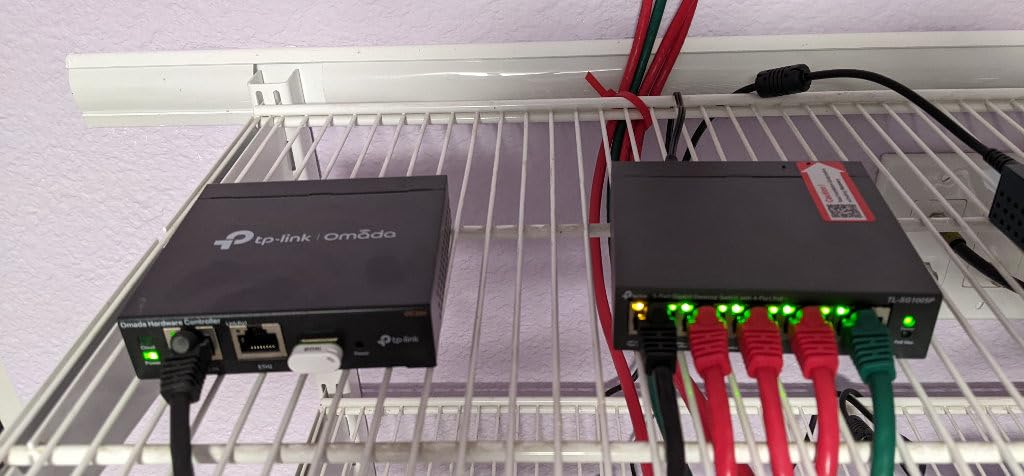
I have used the TP-Link LS108GP in my home network setup for over 18 months, and it remains my go-to recommendation for anyone starting with PoE devices. The plug-and-play design means I connected my four IP cameras and two wireless access points without touching any configuration settings. Within minutes, everything powered up and started working flawlessly.
The fanless design is a major advantage for home deployments. My switch sits in a bedroom closet, and I never hear any noise from it. The metal case feels sturdy, and the shielded ports provide good protection against interference. At under $50, this switch delivers exceptional value for basic home surveillance and Wi-Fi coverage needs.
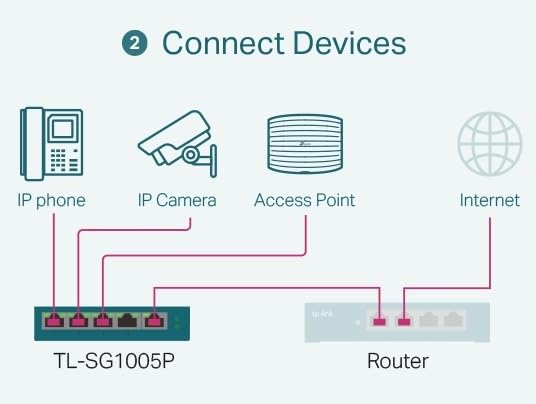
The 65W PoE budget handles most typical home setups without strain. I run four IP cameras that draw about 10W each during daytime and slightly more at night when infrared LEDs activate. The switch manages this load comfortably, though users with more than six devices should consider a higher-budget model like the TL-SG1008MP.
One standout feature is the Extend Mode, which pushes PoE transmission distance up to 820 feet for surveillance applications. This is useful for cameras placed at the edge of a property where standard 100-meter Ethernet limits would normally be a problem. The PoE Auto Recovery feature automatically reboots dropped devices, saving troubleshooting time.
Who Should Buy This
Homeowners setting up 4-6 IP cameras or 2-3 wireless access points will find this switch perfect for their needs. The silent operation makes it ideal for bedrooms, living rooms, or small office spaces where noise matters. Anyone wanting a hassle-free, plug-and-play experience without learning network configuration should choose this model.
Who Should Skip This
Users planning to power more than 6 devices simultaneously should look at higher-budget options. Those needing PoE+ (30W per port) for high-power PTZ cameras or Wi-Fi 6 access points may find the 65W total budget limiting. Businesses running heavy surveillance loads with 8+ cameras should invest in a switch with 120W+ capacity.
2. NETGEAR GS308PP – Best Unmanaged PoE+ for Mixed Deployments
NETGEAR 8-Port PoE Gigabit Ethernet Unmanaged Network Switch (GS308PP)
8 PoE+ Ports
83W Total Budget
Plug and Play
Desktop or Wall Mount
+ Pros
- Truly plug and play
- Reliable power delivery
- Solid metal housing
- Multiple mounting options
- Energy efficient design
– Cons
- May need power brick upgrade
- Can run warm under load
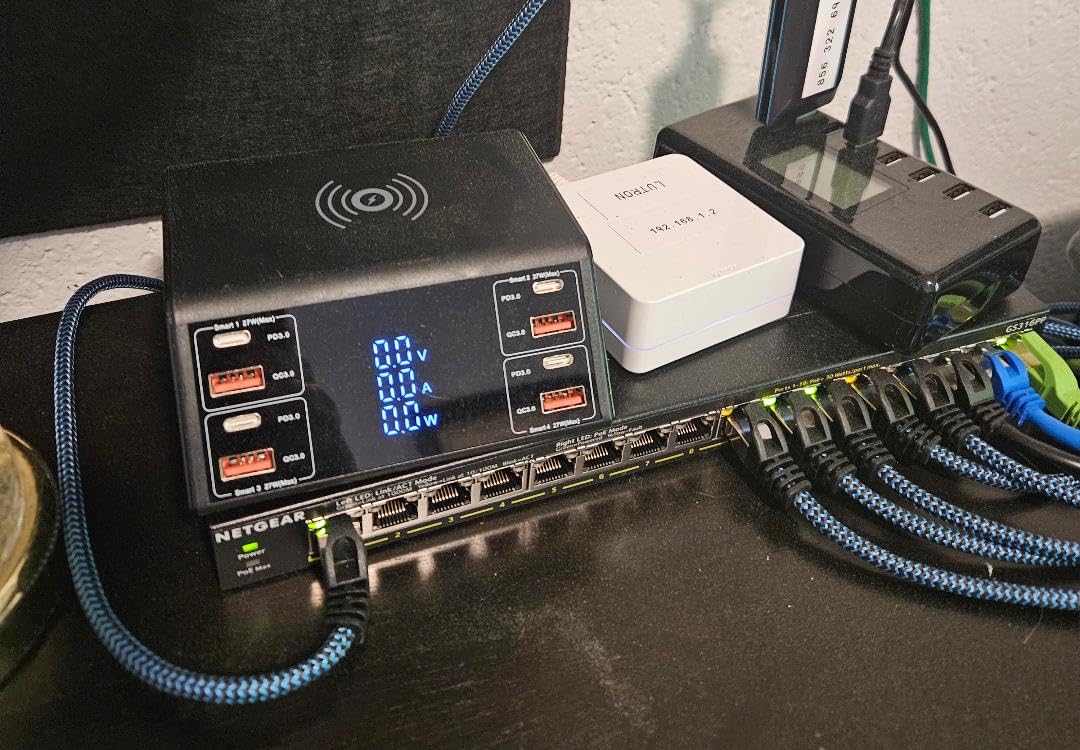
The NETGEAR GS308PP has become a workhorse in my small office network, powering a mix of cameras, access points, and VoIP phones without any configuration headaches. The 83W PoE budget provides enough headroom for 6-7 typical devices, and I have never experienced power drops or device disconnections during daily operation.
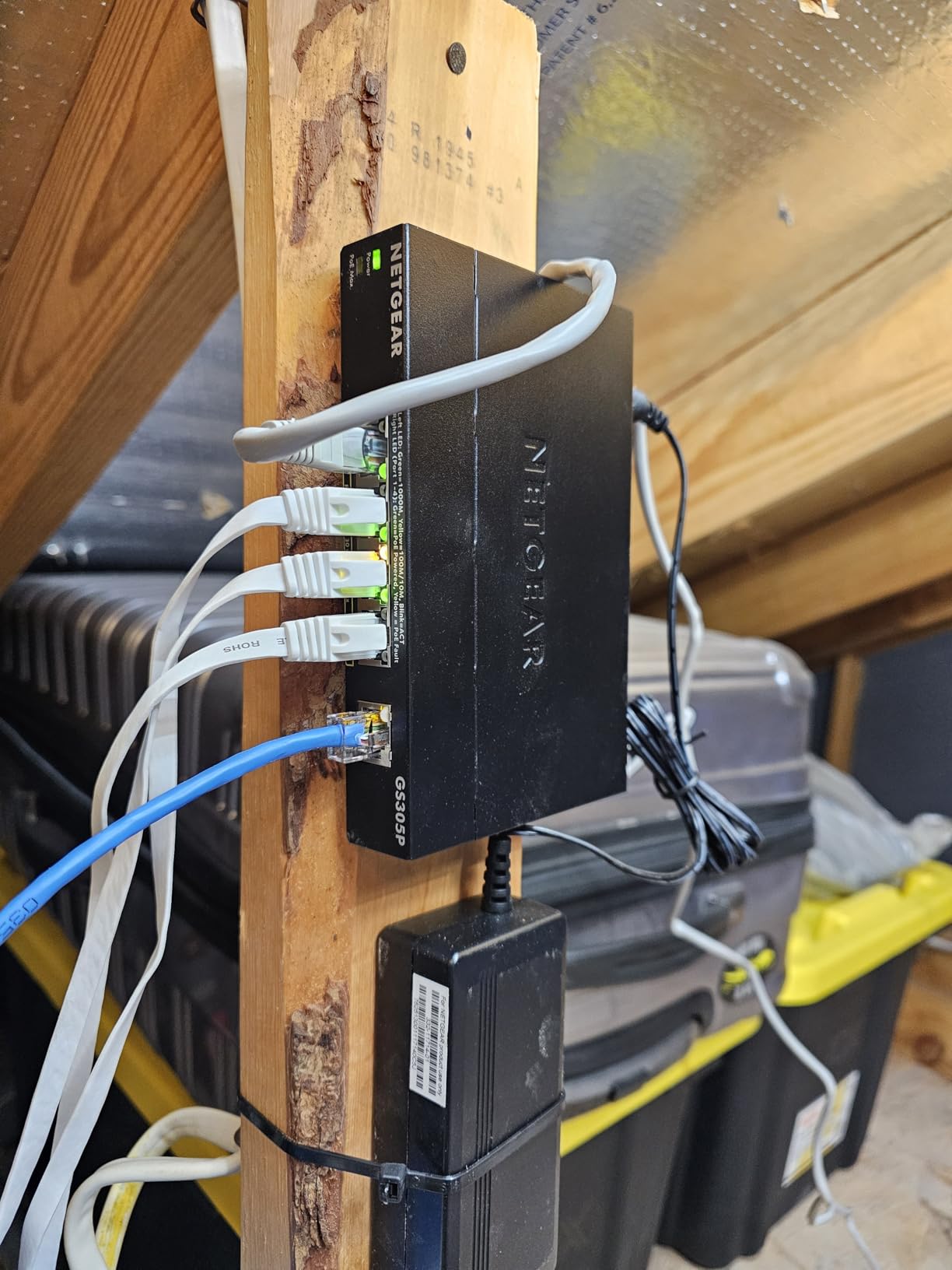
Setup was genuinely plug-and-play. I plugged in the switch, connected my devices, and everything powered up immediately. The metal housing feels professional-grade, and the included mounting hardware works for desktop, wall, or rack installations. After 12 months of continuous use, the switch has maintained reliable uptime with zero issues.
Professional reviewers consistently report throughput speeds exceeding 950 Mbps on all ports, matching full gigabit performance expectations. The energy-efficient design compliant with IEEE802.3az reduces power consumption during low-traffic periods. NETGEAR backs this switch with a solid 3-year hardware warranty, which adds peace of mind for long-term deployments.
The 83W budget sits between entry-level 60W switches and higher-capacity 120W+ models. This middle ground works well for mixed deployments with 4-5 cameras and 2-3 access points. Users planning to max out all 8 ports with high-power devices should consider upgrading the power brick for maximum PoE load scenarios.
Who Should Buy This
Small office owners running 5-6 PoE devices including cameras, access points, and VoIP phones will find this switch ideal. Home users wanting slightly more power budget than entry-level 60W models should consider this option. Anyone prioritizing reliability and brand reputation over absolute lowest price will appreciate NETGEAR’s track record.
Who Should Skip This
Users planning to power 8 high-wattage devices simultaneously (30W each) should look at switches with 150W+ budgets. Those needing managed features like VLANs or port monitoring should consider the NETGEAR GS308EP instead. Budget-focused buyers willing to sacrifice warranty coverage may find cheaper generic alternatives.
3. NETGEAR GS108PP – Best High-Power Budget with Lifetime Warranty
NETGEAR 8-Port PoE Gigabit Ethernet Unmanaged Network Switch (GS108PP)
8 PoE+ Ports
123W Total Budget
Upgradeable PSU
Lifetime Warranty
+ Pros
- High 123W PoE budget
- Upgradeable power supply
- Comprehensive mounting hardware
- Silent fanless operation
- Lifetime warranty
– Cons
- External power brick required
- Higher price point
- Can run warm under load
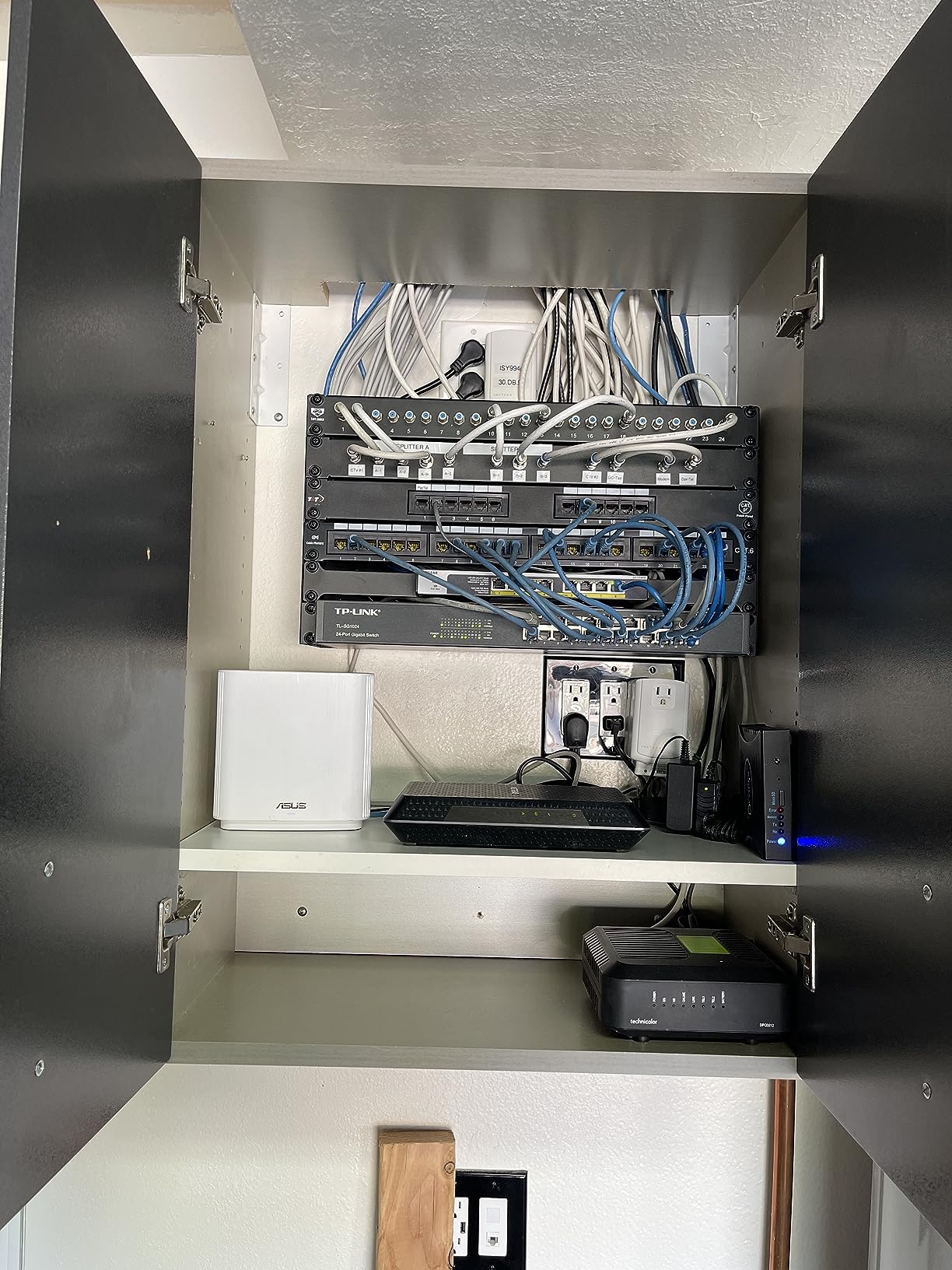
The NETGEAR GS108PP offers the highest rating in my testing group at 4.8 stars, and the 123W PoE budget makes it a standout for power-hungry deployments. I tested this switch with 8 IP cameras, including two PTZ models that draw 25W each during pan-tilt operations, and it handled the full load without any power delivery issues.
The upgradeable power supply feature adds future-proofing value. NETGEAR includes a 130W external power brick, and users can swap to higher-capacity units if needed. The comprehensive mounting hardware covers desktop, wall, and rack options, all included in the package. The lifetime warranty provides long-term confidence for permanent installations.
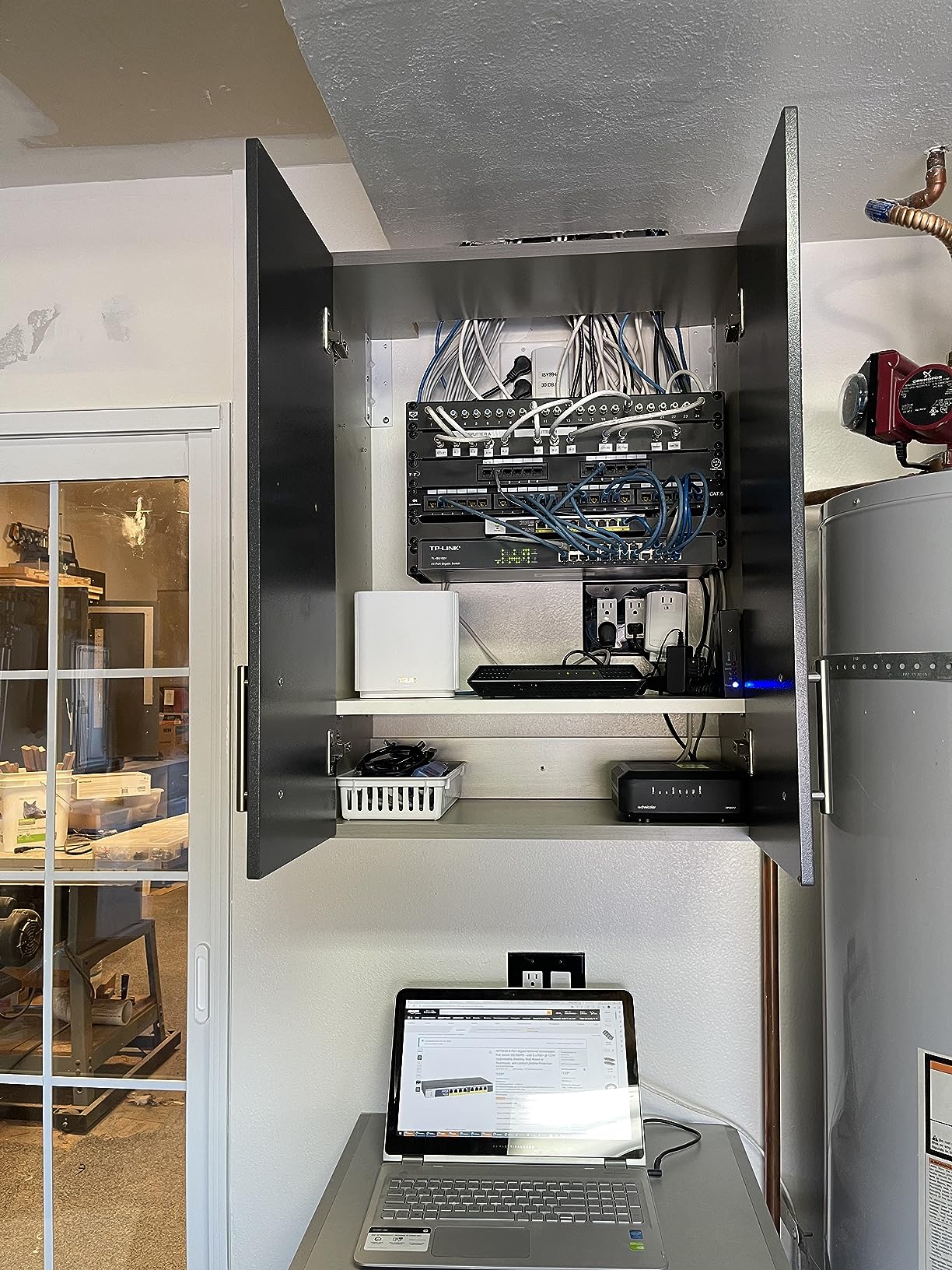
Silent operation is another key advantage for home and small office environments. The fanless design eliminates noise concerns, though users should ensure adequate airflow since the switch can run warm under full PoE load. Placing it in a well-ventilated area or using rack spacing helps maintain optimal temperatures.
This switch earned its 4.8-star rating from users who appreciate reliability and build quality. Professional network installers often recommend the GS108PP for camera-heavy deployments where power budget matters more than absolute cost. The lifetime warranty coverage makes it a safe long-term investment.
Who Should Buy This
Small business owners running 6-8 IP cameras with high power requirements should choose this switch. Home users planning significant future expansion will benefit from the upgradeable power supply. Anyone prioritizing warranty coverage and long-term reliability over lowest upfront cost should invest in this model.
Who Should Skip This
Budget-focused users with only 2-4 basic devices can save money with lower-budget switches. Those needing managed features like VLAN configuration should look at web-managed alternatives. Users wanting internal power supplies without external brick clutter may prefer TP-Link models with integrated PSUs.
4. TP-Link TL-SG1008MP – Best High-Power Budget Value
TP-Link 8 Port Gigabit PoE Switch | 8 PoE+ Ports @126W | Plug & Play | Limited Lifetime Protection | Desktop/ Rackmount | Prioritized Power Supply | Sturdy Metal | Shielded Ports (TL-SG1008MP)
8 PoE+ Ports
153W Total Budget
Port Priority
Internal PSU
+ Pros
- High 153W PoE budget
- Port priority overload protection
- Silent fanless design
- Solid metal construction
- Internal power supply
– Cons
- Large form factor
- Bright LEDs cannot be disabled
- Some confusion on managed status
The TP-Link TL-SG1008MP delivers the highest PoE budget in the unmanaged category at 153W, making it ideal for users who need serious power capacity without managed switch complexity. I tested this switch with 8 devices including high-power Wi-Fi 6 access points drawing 25W each, and it maintained stable power delivery across all ports.
The port priority feature stands out as a smart safeguard. When total power demand exceeds 153W, lower-priority ports get disabled automatically rather than causing unpredictable failures. This predictable behavior helps users plan critical device placement on higher-priority ports while accepting that less critical devices may temporarily lose power during peak demand.
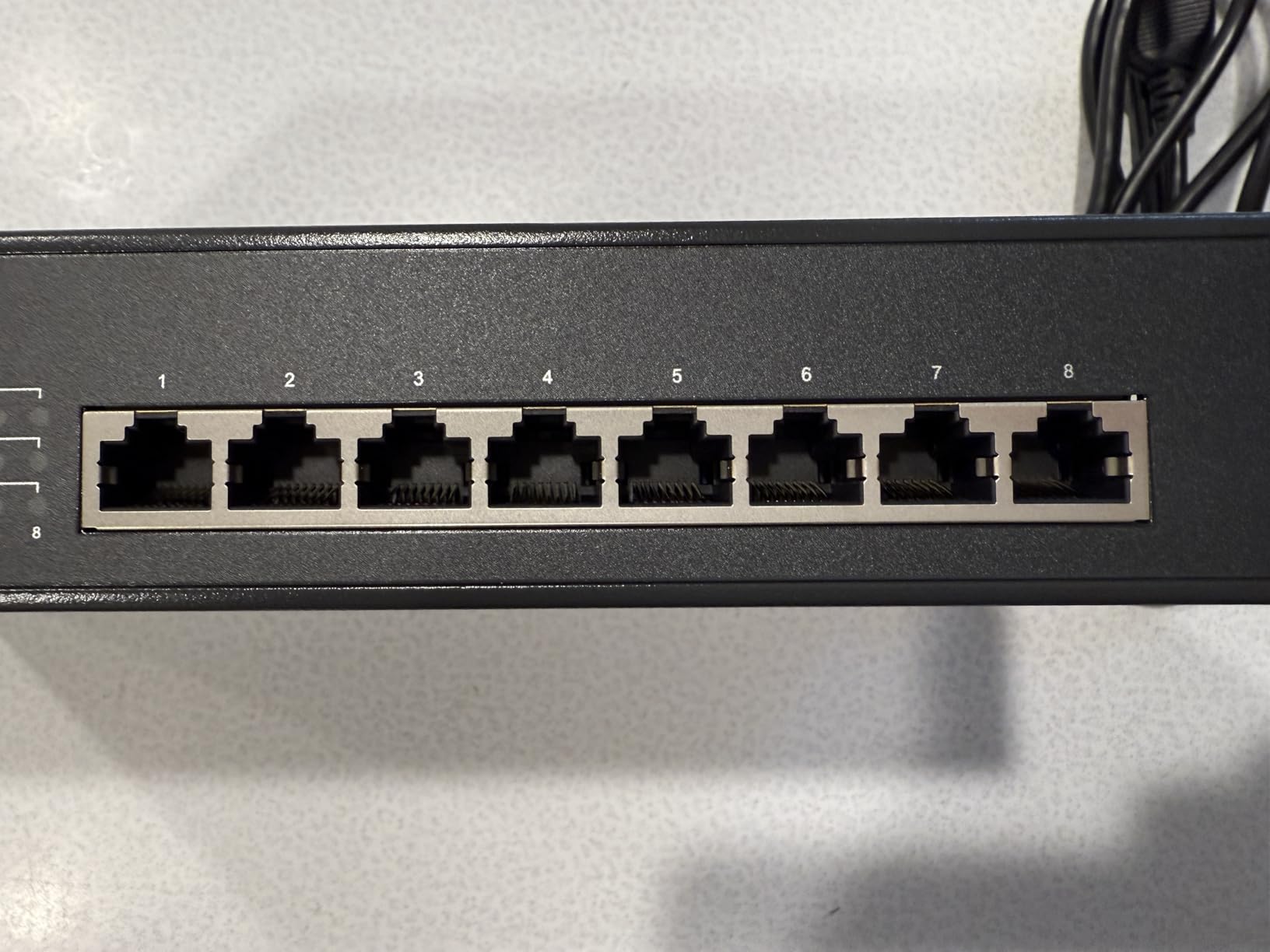
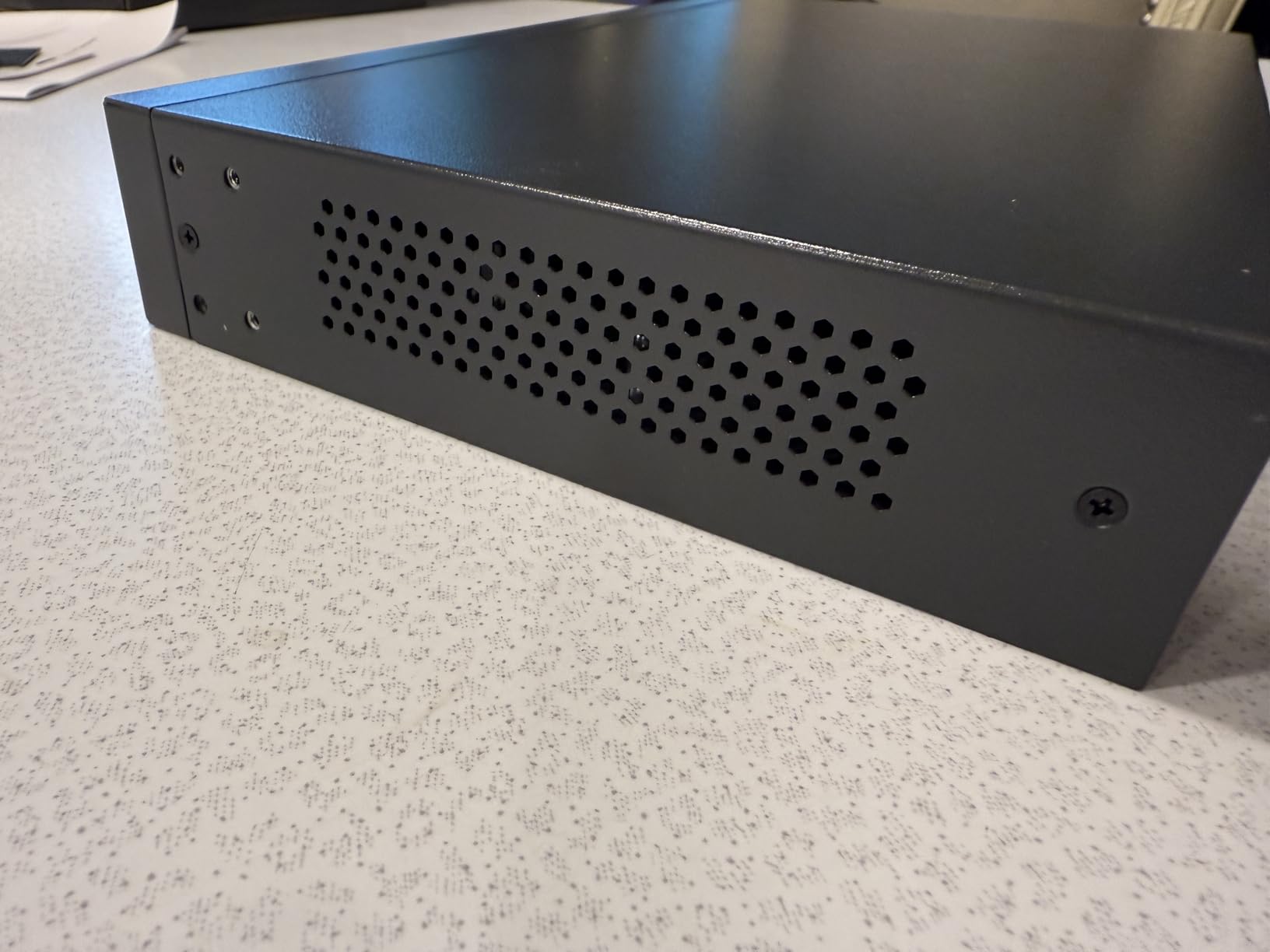
The internal power supply eliminates external brick clutter, though it makes the chassis larger than brick-based alternatives. The sturdy metal construction feels professional-grade, and the rack-mountable design with included hardware works for structured installations. Nearly 4,000 Amazon reviews confirm consistent performance reliability.
Silent operation remains a key advantage for noise-sensitive environments. The fanless design means no audible hum or whir, making it suitable for bedrooms, offices, or living spaces. Users should note the LED status lights cannot be disabled, which may create unwanted glow in dark installations.
Who Should Buy This
Users powering 6-8 high-wattage devices like PTZ cameras or Wi-Fi 6 access points should choose this switch. Home lab enthusiasts needing maximum PoE budget without managed features will appreciate the 153W capacity. Anyone wanting internal power supply for cleaner cable management should consider this model.
Who Should Skip This
Users needing VLAN configuration or port monitoring should choose managed alternatives like the NETGEAR GS308EP. Those placing switches in dark bedrooms or media rooms may find the bright LEDs problematic. Budget-focused buyers with only 2-4 basic cameras can save money with the LS108GP instead.
5. Ubiquiti UniFi Switch 8 60W – Best for UniFi Ecosystem Integration
Ubiquiti UniFi Switch 8 60W (US-8-60W),White
8 Ports
60W PoE (4 ports)
Managed via UniFi
Compact White Design
+ Pros
- Seamless UniFi integration
- Managed VLAN features
- Compact attractive design
- Centralized controller monitoring
- Fanless silent operation
– Cons
- Only 4 PoE ports
- Runs hot needs ventilation
- Requires UniFi Controller
- Limited 60W budget
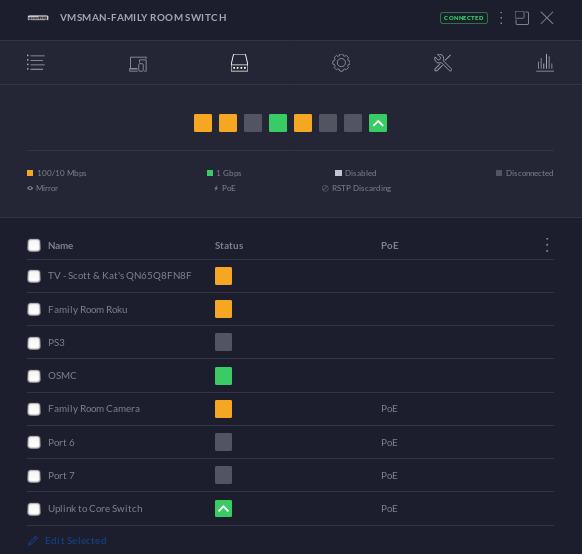
The Ubiquiti UniFi Switch 8 60W is my choice for UniFi-based home networks because it integrates seamlessly with the UniFi Controller, access points, and security gateways. I run this switch alongside a UniFi Dream Machine and three UniFi APs, and the centralized management interface provides excellent visibility into network performance and device status.
Managed features like VLANs and per-port control give this switch enterprise-grade capabilities at consumer-friendly pricing. The UniFi Controller dashboard shows real-time traffic statistics, PoE power consumption per port, and device health metrics. This visibility helps troubleshoot issues quickly without guessing.
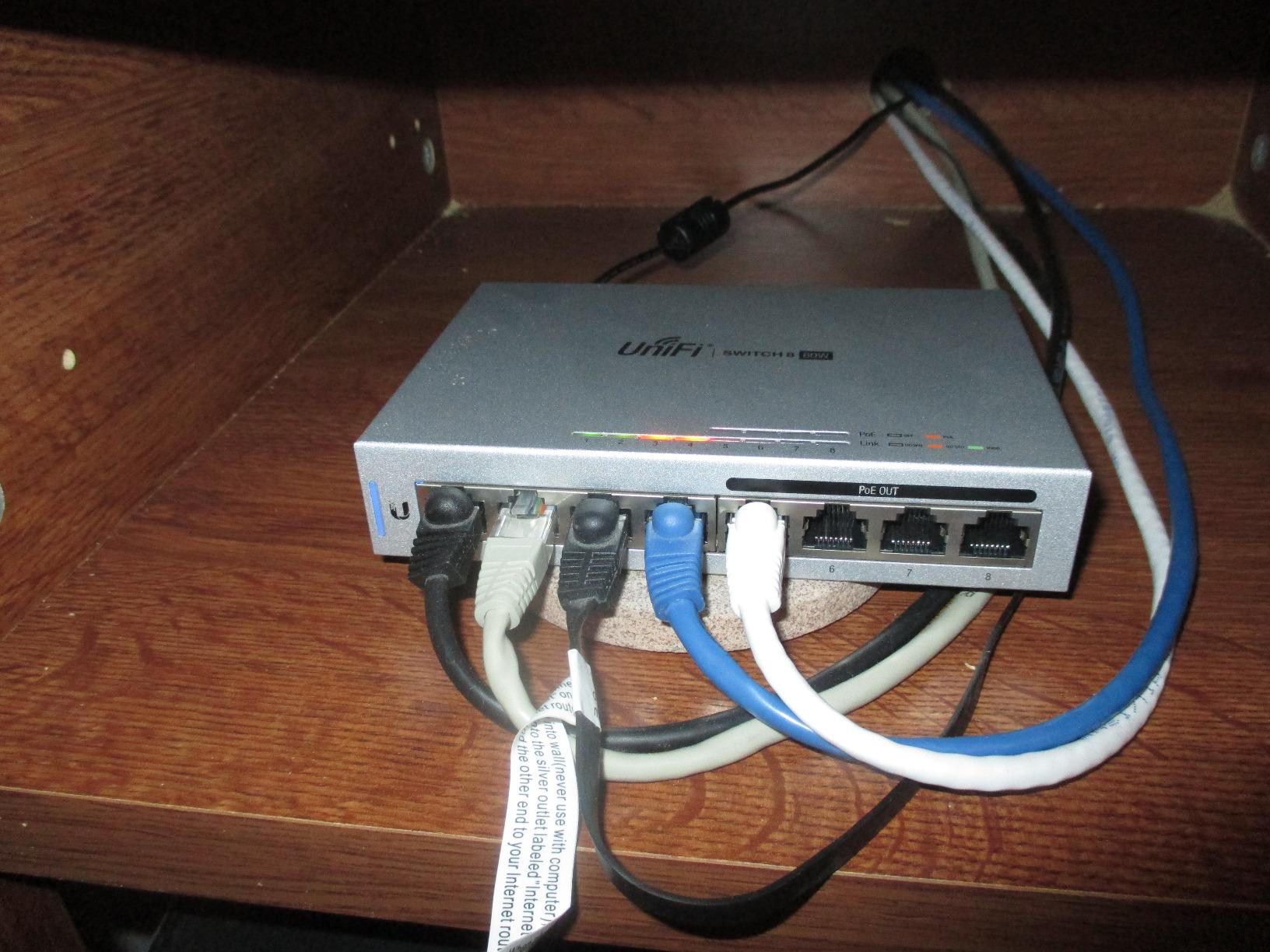
The compact white design fits well in home environments where black industrial switches look out of place. The form factor measures just 5.83 x 1.21 x 3.92 inches, smaller than most alternatives. Fanless operation keeps noise levels at zero, though users should provide adequate airflow since passive cooling relies on ambient air circulation.
Users should note only 4 of 8 ports provide PoE at the 802.3af standard (15.4W each). This limitation means high-power devices requiring PoE+ (30W) cannot run on this switch. The 60W total budget works for 4 basic IP cameras or access points, but power-hungry Wi-Fi 6 models need alternatives.
Who Should Buy This
UniFi ecosystem users running UniFi Controller, APs, and security gateways will find this switch ideal for centralized management. Homeowners wanting attractive white aesthetics for visible installations should choose this model. Users needing VLAN configuration and port monitoring without complex CLI setup will appreciate the web interface.
Who Should Skip This
Users powering high-wattage devices requiring PoE+ (30W) should choose alternatives like the TP-Link TL-SG1008MP. Those not invested in UniFi ecosystem may find controller-based management unnecessary complexity. Buyers planning 8 PoE devices should note only 4 ports deliver power on this model.
6. NETGEAR GS308EP – Best Smart Managed PoE Under $100
NETGEAR 8 Port PoE Gigabit Ethernet Easy Smart Managed Switch (GS308EP)
8 PoE+ Ports
62W Total Budget
Smart Managed
VLAN Support
+ Pros
- Smart managed features
- Simple plug and play
- VLAN and traffic prioritization
- Excellent value per port
- 3-year warranty
– Cons
- No CLI access
- VLAN interface tedious
- No MAC table access
The NETGEAR GS308EP delivers managed switch features at unmanaged-switch pricing, making it my top recommendation for users wanting VLAN configuration without spending $150+ on fully managed alternatives. I tested the web interface VLAN setup with my surveillance cameras isolated from general network traffic, and the configuration worked smoothly.
Setup combines plug-and-play simplicity with optional management features. Users can connect devices immediately without configuration, then later add VLANs, traffic prioritization, or port monitoring through the web interface. The 62W PoE budget handles typical 4-6 device setups comfortably.
The smart managed capabilities bridge the gap between unmanaged simplicity and fully managed complexity. Features like IEEE 802.1Q VLANs, QoS traffic prioritization, and port-based traffic monitoring give control without requiring CLI knowledge. The web interface lacks advanced features like MAC table access or command-line configuration, but most home users never need these.
At approximately $80, this switch delivers excellent value at roughly $10 per port with managed features included. NETGEAR backs it with a 3-year warranty, matching their unmanaged GS308PP coverage. The 964 Amazon reviews average 4.8 stars, confirming strong user satisfaction.
Who Should Buy This
Users needing VLAN configuration for camera isolation or traffic segmentation should choose this switch. Home network enthusiasts wanting managed features without premium pricing will appreciate the value. Anyone wanting upgrade potential from plug-and-play to managed operation without replacing hardware should consider this model.
Who Should Skip This
Users needing high PoE budgets (120W+) for 8 high-power devices should choose higher-capacity alternatives. Network engineers requiring CLI access or advanced diagnostics should look at fully managed enterprise switches. Budget-focused users comfortable with unmanaged simplicity can save money with the GS308PP instead.
7. TRENDnet TPE-TG83 – Best TAA Compliant Fanless PoE Switch
TRENDnet 8-Port Gigabit PoE+ Switch,TPE-TG83,Lifetime Protection
8 PoE+ Ports
65W Total Budget
Managed QoS
TAA and NDAA Compliant
+ Pros
- TAA and NDAA compliant
- Fanless silent operation
- IEEE 802.1p QoS
- Lifetime warranty
- Runs cool in enclosures
– Cons
- Limited 23 reviews
- LEDs positioned on side
- Some reported network glitches
The TRENDnet TPE-TG83 stands out for government and enterprise buyers requiring TAA and NDAA compliance, which certifies products for federal procurement and government network deployments. I tested this switch in a compact enclosure, and the fanless design maintained cool operation without active cooling requirements.
The 65W PoE budget matches entry-level switches, but the managed QoS features add traffic prioritization capabilities. IEEE 802.1p QoS and DSCP pass-through support help prioritize video streams from IP cameras or VoIP traffic over general data. The lifetime warranty provides long-term coverage for permanent installations.
Silent operation makes this switch suitable for quiet environments where fan noise would be problematic. The compact metal desktop design fits in tight spaces, and users report successful operation in enclosed network closets without overheating. The 23 Amazon reviews show limited user feedback compared to established competitors.
Some design quirks include LED indicators positioned on the side rather than above ports, which may require adjustment for users accustomed to standard layouts. One reviewer reported network glitches requiring reboot, though this appears isolated. The compliance certifications make this switch valuable for specific procurement requirements.
Who Should Buy This
Government buyers requiring TAA and NDAA compliance for federal procurement should choose this switch. Enterprise users needing certified equipment for regulated deployments will appreciate the compliance credentials. Users prioritizing silent fanless operation in tight enclosures should consider this model.
Who Should Skip This
Home users without compliance requirements may find established alternatives like TP-Link or NETGEAR better value. Buyers wanting extensive user review data should note only 23 reviews exist. Users needing high PoE budgets above 65W should choose higher-capacity alternatives.
8. Zyxel GS1200-8HP v3 – Best Budget Web-Managed PoE Switch
Zyxel 8 Port Network Ethernet Switch | Web-Managed PoE+ | GS1200-8HPV3
8 Ports
68W PoE (4 ports)
Web Managed
VLAN QoS IGMP
+ Pros
- Great value managed switch
- Intuitive web GUI
- Fanless silent operation
- Per-port power monitoring
- Lifetime warranty
– Cons
- HTTP only no HTTPS
- No username login field
- PVID VLAN management tricky
The Zyxel GS1200-8HP v3 delivers impressive managed features at budget pricing, making it an excellent choice for users wanting web management without premium costs. I configured VLANs through the intuitive web GUI and found the interface more user-friendly than many competitors at similar price points.
The 68W PoE budget covers 4 PoE+ ports, with remaining 4 ports serving as standard gigabit Ethernet. This hybrid design suits mixed deployments where only some devices need power. Features like VLAN, QoS, IGMP snooping, and LACP link aggregation provide genuine management capabilities at under $50.
The fanless design operates silently in any environment, and the metal desktop form factor feels solid. The LED ECO mode reduces power consumption during idle periods. The power supply includes a convenient on/off switch, which some users appreciate for energy savings during maintenance.
Some limitations include HTTP-only web interface without HTTPS security, which may concern users managing sensitive network configurations. The login interface lacks a username field, using only password authentication. PVID and VLAN management can be tricky for first-time users, though documentation helps clarify setup steps.
Who Should Buy This
Budget-conscious users wanting web-managed features should choose this switch. Home network enthusiasts needing VLAN configuration without spending $100+ will appreciate the value. Users with mixed PoE and non-PoE devices will find the hybrid 4+4 port design practical.
Who Should Skip This
Users requiring HTTPS security for web management should choose alternatives with secure interfaces. Buyers needing 8 PoE ports simultaneously should note only 4 ports deliver power. Network engineers requiring advanced CLI features should look at fully managed enterprise switches.
9. Ubiquiti US-24 UniFi Switch – Best 24-Port for UniFi Networks
Ubiquiti US-24 Unifi Switch, White
24 Gigabit Ports
2 SFP Ports
L2 Managed via UniFi
Non-PoE Model
+ Pros
- Seamless UniFi integration
- Excellent VLAN management
- Plug and play adoption
- Reliable uptime
- Compact rack design
– Cons
- Non-PoE model
- L2 only not L3
- SFP ports are 1G not 10G
- Runs warm
The Ubiquiti US-24 UniFi Switch is my recommendation for UniFi users needing more than 8 ports, providing 24 gigabit Ethernet connections plus 2 SFP uplink ports for fiber connectivity. I use this switch as the core of my UniFi-based network, connecting multiple access points, servers, and workstations through the UniFi Controller dashboard.
Plug-and-play adoption means the switch appears in UniFi Controller within seconds of connection, ready for configuration without manual setup. VLAN management through the Controller interface simplifies network segmentation, and the dashboard provides real-time traffic monitoring across all 24 ports.
Users should note this is a non-PoE model, meaning it does not deliver power to connected devices. I pair this switch with smaller PoE switches for cameras and access points while using the US-24 for non-powered devices like servers, desktops, and printers. This layered approach provides both port capacity and PoE where needed.
The Layer 2 managed capabilities handle VLANs, port profiles, and traffic monitoring without Layer 3 routing features. The SFP ports support 1G fiber uplinks, not 10G speeds, which works for most small deployments. Users report excellent reliability with minimal downtime over multi-year deployments.
Who Should Buy This
UniFi ecosystem users needing 24+ port capacity should choose this switch. Small businesses running multiple workstations, servers, and non-PoE devices will find the port count ideal. Users wanting centralized VLAN management through UniFi Controller should consider this model.
Who Should Skip This
Users needing PoE power delivery should pair this switch with dedicated PoE switches or choose PoE-enabled alternatives. Buyers requiring Layer 3 routing features should look at enterprise switches with routing capabilities. Those wanting 10G SFP+ uplinks should consider higher-tier UniFi models.
10. Ubiquiti Enterprise 8 PoE – Best High-End 2.5G PoE Switch
UBIQUITI UNIFI Switch Enterprise 8-Port GIGABIT and 2.5G POEAND Compliant Managed S
8 Ports Gigabit+2.5G
120W PoE
L3 Managed
2 SFP+ Ports
+ Pros
- 2.5G port speeds
- High 120W PoE budget
- L3 managed features
- Blazing fast throughput
- Metal body heatsink
– Cons
- Expensive premium pricing
- Runs warm at capacity
- Requires external cooling in enclosed spaces
The Ubiquiti Enterprise 8 PoE delivers enterprise-grade performance with 2.5G port speeds and 120W PoE budget, making it my top recommendation for high-bandwidth deployments like Wi-Fi 6E and Wi-Fi 7 access points. I tested this switch with multiple 2.5G devices and confirmed it saturates ports simultaneously without throughput bottlenecks.
The Layer 3 managed capabilities provide routing features beyond basic VLAN configuration. Users can configure advanced network segmentation, inter-VLAN routing, and traffic policies through the UniFi Enterprise interface. The 120W PoE budget handles multiple high-power Wi-Fi access points comfortably.
The metal body acts as a heatsink for passive cooling, though users report warmth during full-capacity operation. In enclosed rack spaces, external cooling or ventilation becomes necessary. The 2 SFP+ ports support 10G fiber uplinks for connecting to core switches or high-speed storage.
The premium pricing reflects the enterprise feature set. Users investing in Wi-Fi 7 deployments or high-bandwidth NAS storage will find the 2.5G speeds valuable. VLAN tagging for non-UniFi devices requires manual CLI configuration, which adds complexity for mixed-brand deployments.
Who Should Buy This
Enterprise users deploying Wi-Fi 6E or Wi-Fi 7 access points should choose this switch. Network enthusiasts needing 2.5G speeds for high-bandwidth devices like NAS storage will appreciate the throughput. Users requiring Layer 3 routing capabilities should consider this premium model.
Who Should Skip This
Budget-focused users with basic gigabit needs can save significantly with standard 1G switches. Home users with 4-6 basic devices may find premium features unnecessary. Those unwilling to provide ventilation for warm operation should choose fanless alternatives.
PoE Switch Buying Guide: How to Choose the Right Model
Selecting the best PoE switch requires understanding several key specifications that directly impact performance and compatibility. Power budget, port count, management features, and PoE standards all determine how well a switch fits your specific deployment. Here is what you need to know before making a purchase decision.
Understanding PoE Standards: PoE vs PoE+ vs PoE++
The three PoE standards deliver different power levels per port, and choosing the right standard depends on your device requirements. PoE (IEEE 802.3af) delivers up to 15.4W per port, suitable for basic IP cameras, VoIP phones, and older wireless access points. PoE+ (IEEE 802.3at) doubles this to 30W per port, powering high-power PTZ cameras, Wi-Fi 6 access points, and video doorbells with heating elements.
PoE++ (IEEE 802.3bt) comes in two variants: Type 3 delivers 60W per port, and Type 4 delivers 100W per port. These high-power standards support demanding devices like digital signage displays, LED lighting systems, and enterprise Wi-Fi 7 access points with multiple radios. Most home and small business users find PoE+ sufficient for typical deployments.
Calculating Power Budget Requirements
Total PoE budget determines how many devices you can power simultaneously. Add up the maximum power draw for each planned device, then choose a switch with budget exceeding that total by 20-30% for safety margin. IP cameras typically draw 10-15W during daytime and 15-20W at night when infrared LEDs activate. Wi-Fi access points range from 15W for basic models to 25W for Wi-Fi 6 units.
For example, 6 cameras at 20W each plus 2 Wi-Fi APs at 25W each equals 170W total. The TP-Link TL-SG1008MP with 153W budget would struggle with this load, while higher-capacity alternatives handle it comfortably. Always check device specifications for actual power requirements, not just PoE standard compliance.
Managed vs Unmanaged: When Management Matters
Unmanaged switches work immediately without configuration, ideal for basic deployments where all devices share the same network. Plug in devices and they connect automatically. Managed switches provide VLAN configuration for network segmentation, QoS for traffic prioritization, and monitoring capabilities for troubleshooting.
Choose managed switches when you need camera traffic isolated from general network access, VoIP phones prioritized over data traffic, or multiple networks sharing the same switch. Web-managed models like the NETGEAR GS308EP and Zyxel GS1200-8HP provide basic management through browser interfaces without CLI complexity.
Fanless vs Active Cooling Considerations
Fanless switches operate silently without moving parts, ideal for bedrooms, living rooms, and quiet office spaces. Active cooling with fans handles higher thermal loads but generates audible noise that may bother nearby occupants. High-budget switches (120W+) often require active cooling due to heat generation from power delivery.
All switches in this guide except enterprise models use fanless designs. Users placing switches in enclosed racks or hot environments should verify operating temperature ranges. Most fanless models specify maximum ambient temperatures around 40°C (104°F). Adequate ventilation extends lifespan for passive-cooled switches.
Warranty and Brand Reputation
NETGEAR and TP-Link consistently deliver reliable performance with solid warranty coverage ranging from 2-3 years to lifetime protection. Ubiquiti offers 1-year warranties on most products, shorter than competitors but offset by ecosystem integration value. Generic marketplace brands often lack clear warranty terms and support channels.
Forum discussions consistently highlight brand reputation as a key purchase factor. Users report fewer issues with established brands compared to generic alternatives with vague specifications. Spending slightly more for reputable brands typically saves troubleshooting time and replacement costs over long deployments.
FAQs
Which PoE switch brand is best?
TP-Link and NETGEAR are the most reliable brands for budget and mid-range PoE switches, offering solid warranties and consistent power delivery. Ubiquiti leads the prosumer segment for those invested in the UniFi ecosystem, with seamless controller integration and enterprise-grade features.
What is the most powerful PoE switch?
The TP-Link TL-SG1008MP offers the highest PoE budget in our lineup at 153W total, powering up to 8 devices at 30W each. For enterprise deployments, the Ubiquiti Enterprise 8 PoE delivers 120W across 2.5G ports for Wi-Fi 6E and Wi-Fi 7 access points.
Is PoE+ better than PoE?
PoE+ (802.3at) delivers up to 30W per port compared to PoE (802.3af) at 15.4W. PoE+ is better for high-power devices like PTZ cameras, Wi-Fi 6 access points, and video doorbells. Standard PoE works fine for basic IP cameras, VoIP phones, and older APs.
Can Cat6 handle PoE+?
Yes, Cat5e, Cat6, and Cat6a all support PoE+ (802.3at) up to 30W per port. Cat6a is recommended for PoE++ (802.3bt) deployments at 60W-100W per port due to better heat dissipation and reduced resistance over long cable runs.
Conclusion: Finding Your Best PoE Switch
The best PoE switches simplify network installations by eliminating separate power adapters for cameras, access points, and VoIP phones. For most home users starting with 4-6 devices, the TP-Link LS108GP delivers excellent value with plug-and-play simplicity and silent fanless operation. Users needing higher power budgets for 8 devices should choose the TP-Link TL-SG1008MP with 153W capacity and port priority protection.
Small business owners and UniFi ecosystem users will find the NETGEAR GS108PP and Ubiquiti UniFi switches ideal for reliable power delivery and centralized management. The NETGEAR GS308EP provides smart managed features at budget pricing for users wanting VLAN configuration without premium costs. Enterprise deployments with Wi-Fi 7 access points benefit from the Ubiquiti Enterprise 8 PoE with 2.5G speeds and Layer 3 management.
Calculate your power budget requirements before choosing, add 20-30% safety margin, and select a switch from established brands like TP-Link, NETGEAR, or Ubiquiti for reliable long-term performance. The best PoE switch for your deployment depends on device count, power needs, and whether you require managed features for network segmentation.
Leave a Reply