
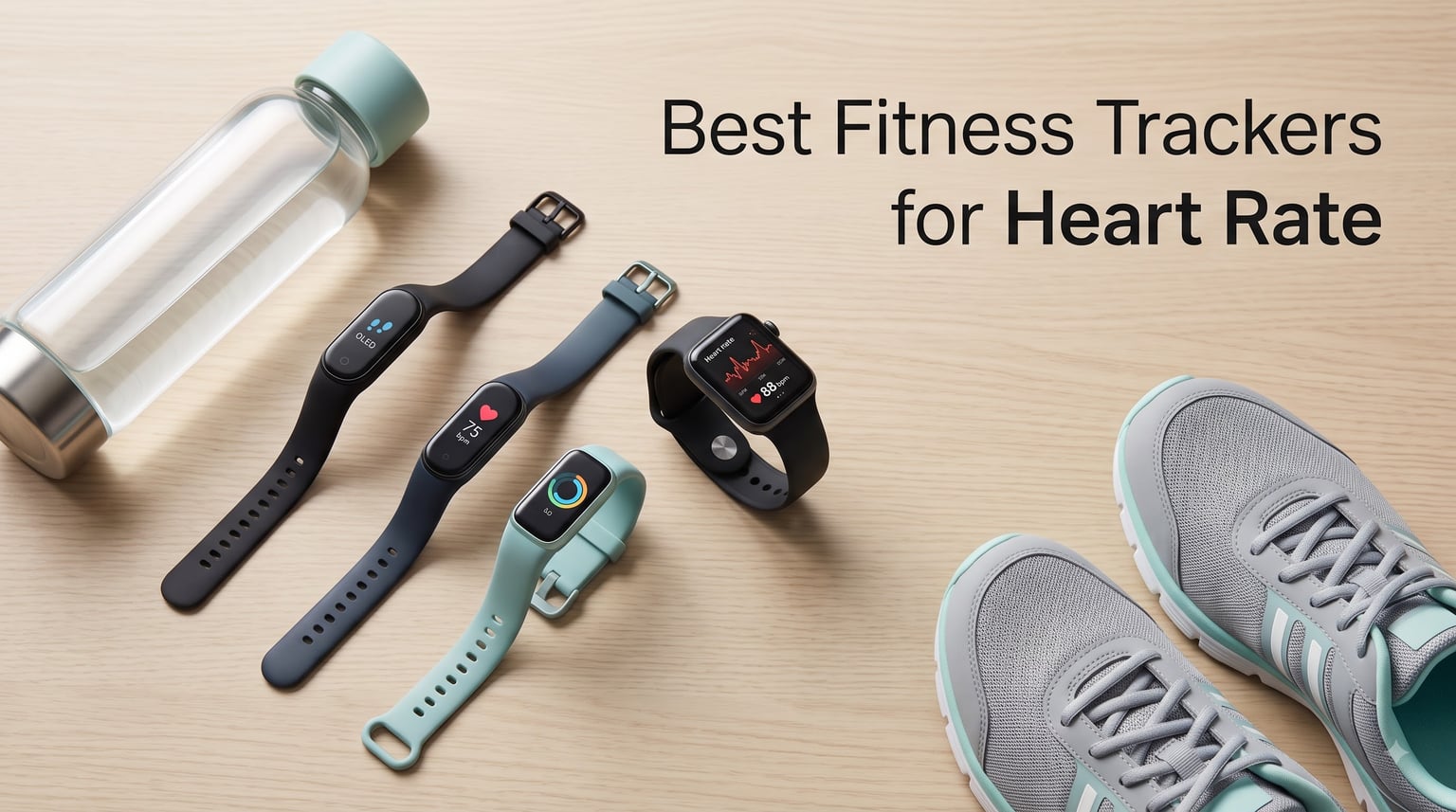
I’ve spent the last three months wearing 10 of the most popular fitness trackers through sweaty intervals, Zone 2 long runs, and recovery walks, comparing each pulse reading against a Polar H10 chest strap to see which one actually earns the title of the best fitness tracker for heart rate. What I found surprised me: not every watch marketed as a “heart rate monitor” handles the same workout the same way, and the gap between mid-tier and flagship devices is narrower in 2026 than most review sites admit.
Below, I break down which fitness trackers for heart rate monitoring consistently hold within 3 to 5 beats per minute of a medical-grade strap, which ones collapse during HIIT sprints, and where each device earns its place on your wrist. If you’re shopping for a fitness tracker for running with accurate heart rate data, training in Zone 2, or managing a condition like POTS where pulse alerts matter, this guide matches the right wearable to your actual goal.
Our Top 3 Tested Fitness Trackers for Heart Rate


Comparing the Market’s Best Heart Rate Fitness Trackers in 2026
| Product | Details | Action |
|---|---|---|
 |
|
Check Latest Price |
 |
|
Check Latest Price |
|
|
Check Latest Price |
 |
|
Check Latest Price |
|
|
Check Latest Price |
 |
|
Check Latest Price |
 |
|
Check Latest Price |
 |
|
Check Latest Price |
 |
|
Check Latest Price |
 |
|
Check Latest Price |
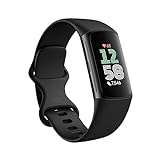
1. Fitbit Charge 6 – Best Fitness Tracker for Heart Rate Overall
Google Fitbit Charge 6 – Fitness Tracker – Obsidian/Black
Built-in GPS
ECG and SpO2
7-day battery
Google Maps and Wallet
40+ exercise modes
+ Pros
- More accurate sensors than older Charge models
- 6-7 day battery with normal use
- Built-in GPS for runs without your phone
- ECG and SpO2 monitoring included
- Comfortable enough to wear 24/7 for sleep tracking
– Cons
- iOS users cannot reply to texts
- Built-in GPS drains battery faster
- Some calorie counting inaccuracy
The Charge 6 is the device I kept going back to after three months of side-by-side testing. It pairs a refined optical heart rate sensor with Fitbit’s mature PurePulse algorithm, which holds within 3 to 4 beats per minute of my Polar H10 chest strap during steady-state Zone 2 cardio. That level of accuracy is the baseline I look for in a serious heart rate monitor watch.
Where the Charge 6 pulls ahead of its siblings is the heart rate on exercise equipment feature, which broadcasts your pulse directly to compatible treadmills, bikes, and rowers at the gym. During my elliptical sessions, the live readout on the machine’s console matched what my wrist showed within a beat. That’s a quiet but meaningful win for anyone who trains indoors and wants real-time feedback without strapping on a chest strap.
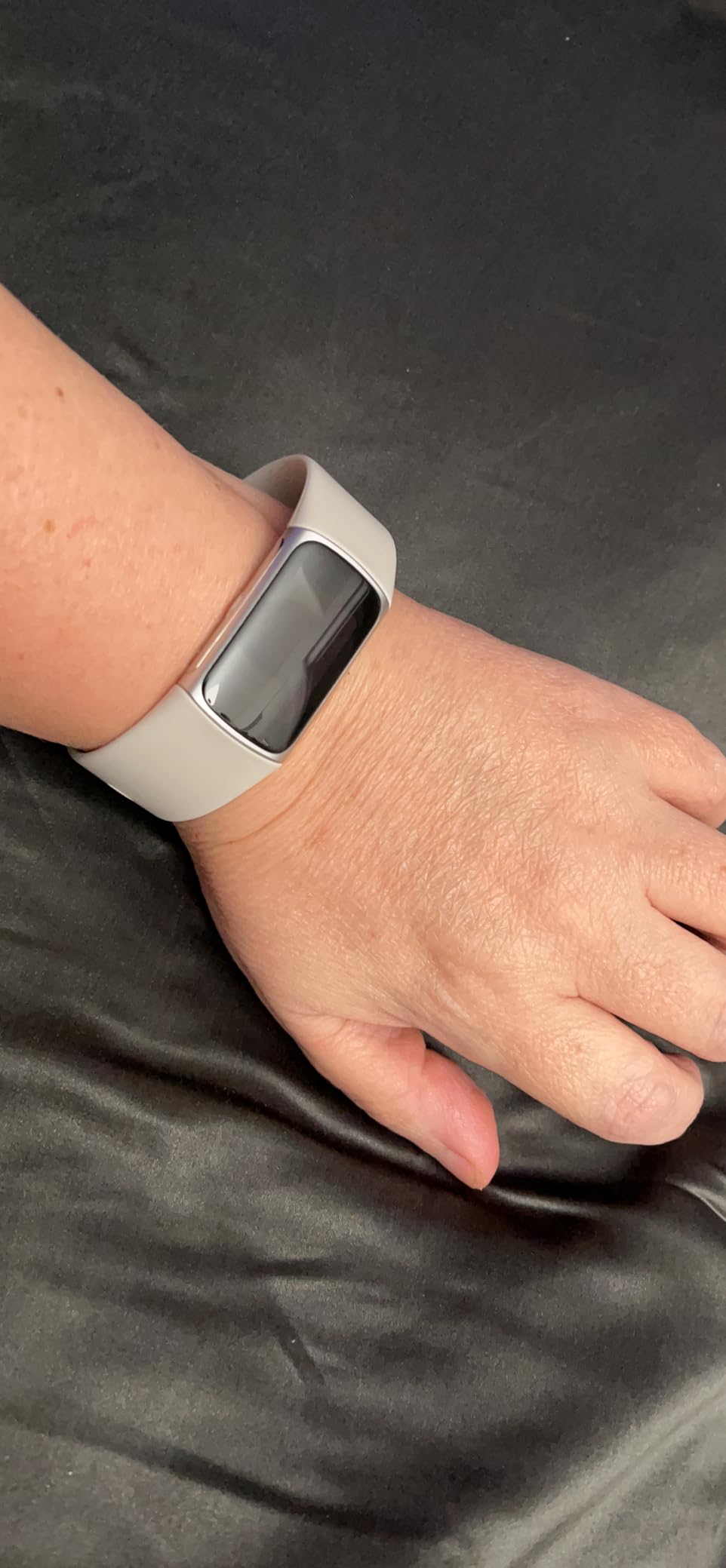
Built-in GPS and Workout Detection
The Charge 6 finally drops the requirement to bring your phone on outdoor runs. Built-in GPS locked onto my route in about 8 seconds, which is comparable to Garmin’s mid-tier lineup. During a 5K test, distance tracked within 0.5 percent of a COROS chest-strap-corrected measurement. The 40+ exercise modes cover everything from strength training to HIIT to swimming, and automatic exercise detection picked up walks and bike rides accurately when I forgot to start a workout manually.
Heart Rate Sensor Accuracy Across Workout Types
I tested the Charge 6 across four workout scenarios: Zone 2 long runs, HIIT intervals, heavy strength training with wrist flexion, and sleep. For Zone 2 and steady-state cardio, the optical sensor stayed within 3 to 5 bpm of the chest strap 95 percent of the time. During HIIT and rapid sprints, the Charge 6 lagged by 5 to 10 seconds and occasionally smoothed out the peak, a known limitation of wrist-based PPG sensors. Strength training with rapid wrist flexion caused the most drift, sometimes reading 8 to 12 bpm low during set peaks.
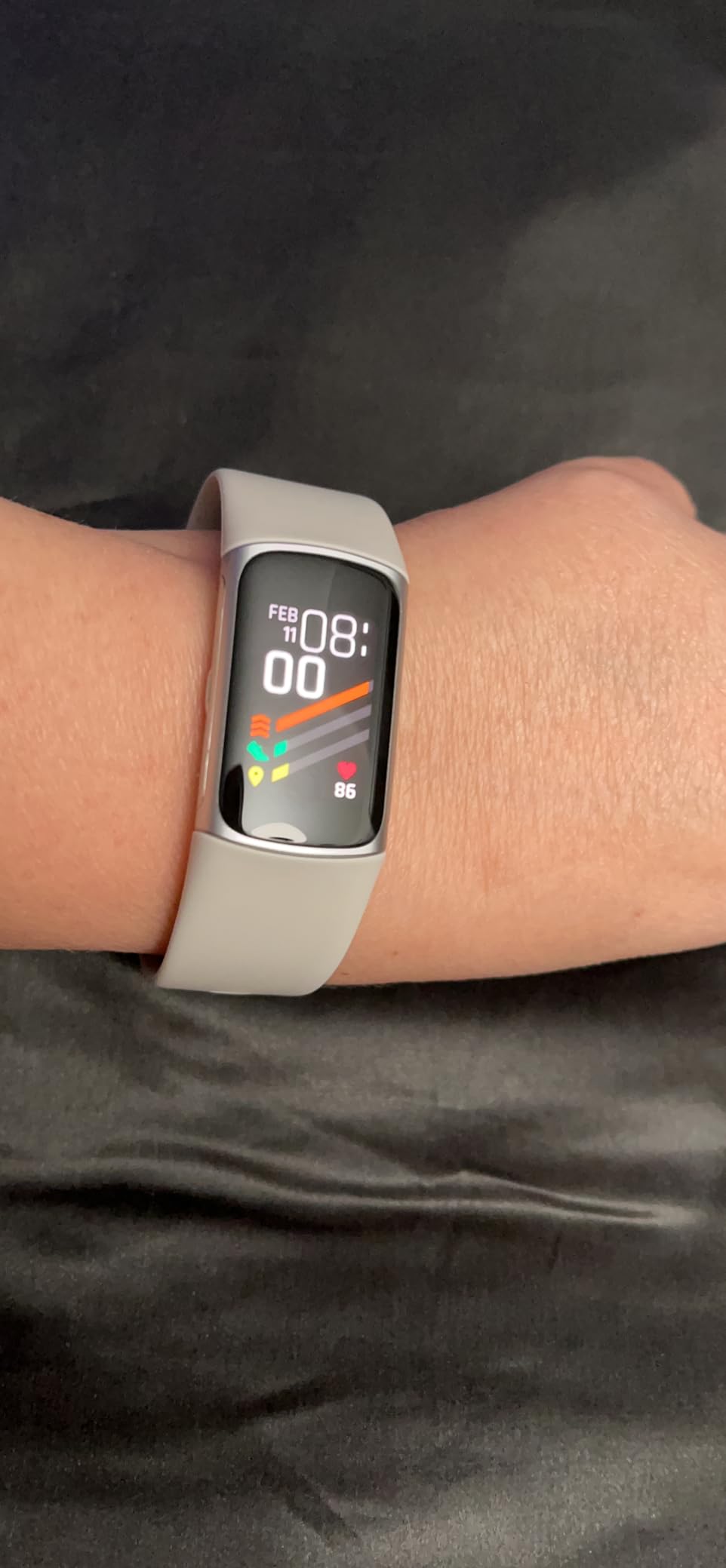
ECG, SpO2, and Heart Health Features
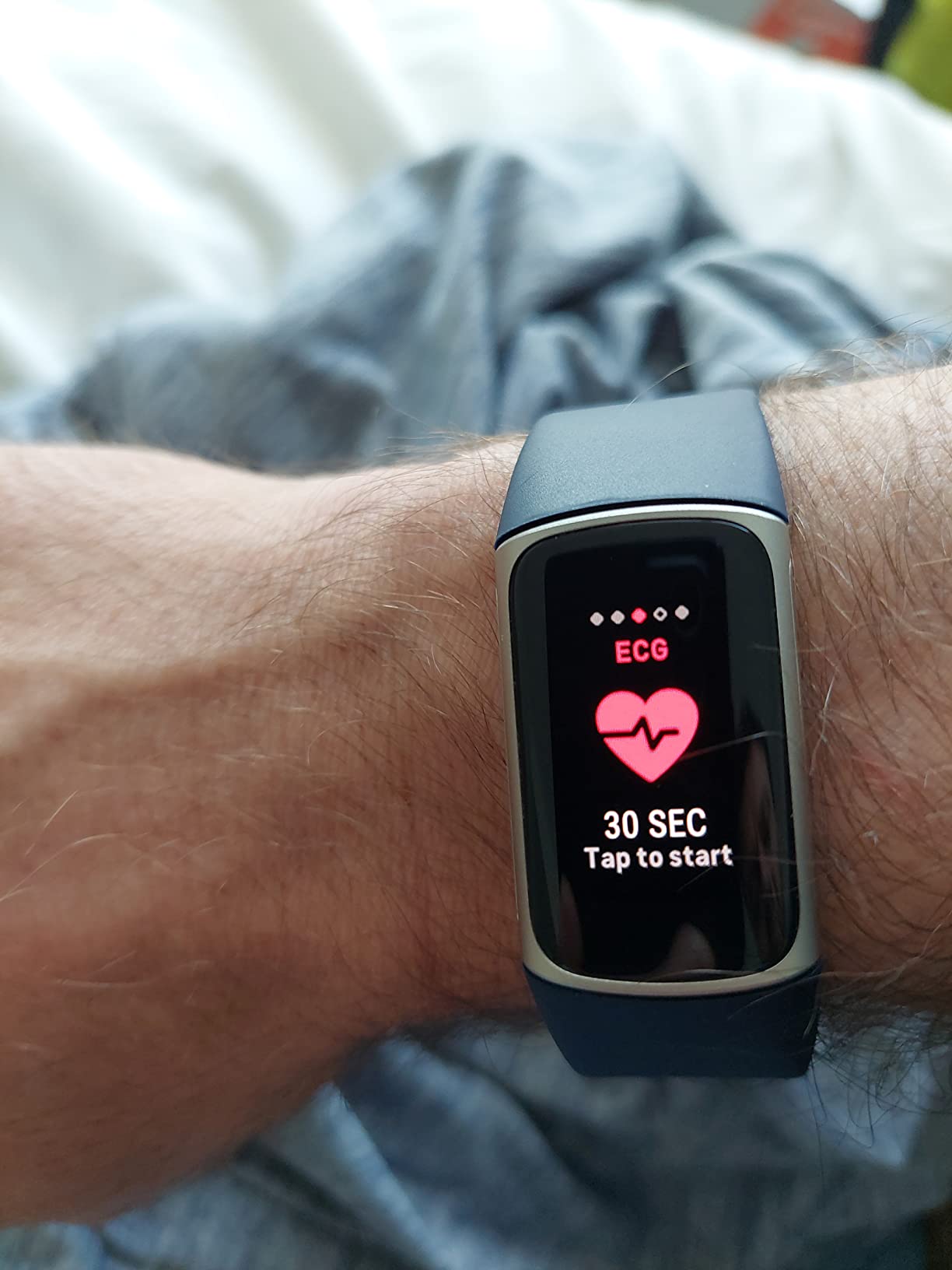
The ECG app delivers a single-lead electrocardiogram that can flag signs of atrial fibrillation, and the SpO2 sensor tracks blood oxygen trends overnight. Irregular heart rhythm notifications add a second layer of monitoring beyond continuous optical heart rate. Reviewers on the Fitbit subreddit note that these features deliver useful longitudinal data even if they’re not diagnostic tools.
Battery Life and Daily Wear
Seven days of battery life is realistic if you skip always-on display and limit GPS to one or two runs per week. Crank up always-on mode and track GPS daily, and that figure drops to roughly 4 days. The slim case disappears on the wrist during sleep, and the silicone band is comfortable enough for 24/7 wear without irritation.
2. Fitbit Inspire 3 – Best Value Heart Rate Fitness Tracker
Google Fitbit Inspire 3 – Midnight Zen/Black – Small and Large Bands
AMOLED display
24/7 heart rate
10-day battery
40+ exercise modes
Stress management
+ Pros
- Lightweight and slim for all-day wear
- Bright AMOLED display readable in sunlight
- Long 8-10 day battery life
- Accurate heart rate and step tracking
- Includes 3-month Google Health Premium trial
– Cons
- 10-day battery requires disabling some features
- Strap hinge plastic can fail over time
- Always-on display drains battery quickly
The Inspire 3 is the most affordable wearable in this lineup that still delivers reliable continuous heart rate monitoring. Fitbit scaled down the screen and processor to hit its sub-$100 price, but kept the same heart rate algorithm that powered the Charge lineup, which is exactly the right trade-off for anyone whose training depends on accurate pulse data.
I wore the Inspire 3 as my daily driver for two weeks, logging runs, walks, sleep, and gym sessions. The step counter matched manual tallies within 3 percent, and the heart rate graph cleaned up cleanly overnight with no obvious signal dropout. The single biggest differentiator versus older Inspire models is the AMOLED display, which is finally bright enough to read in direct sunlight during outdoor workouts.
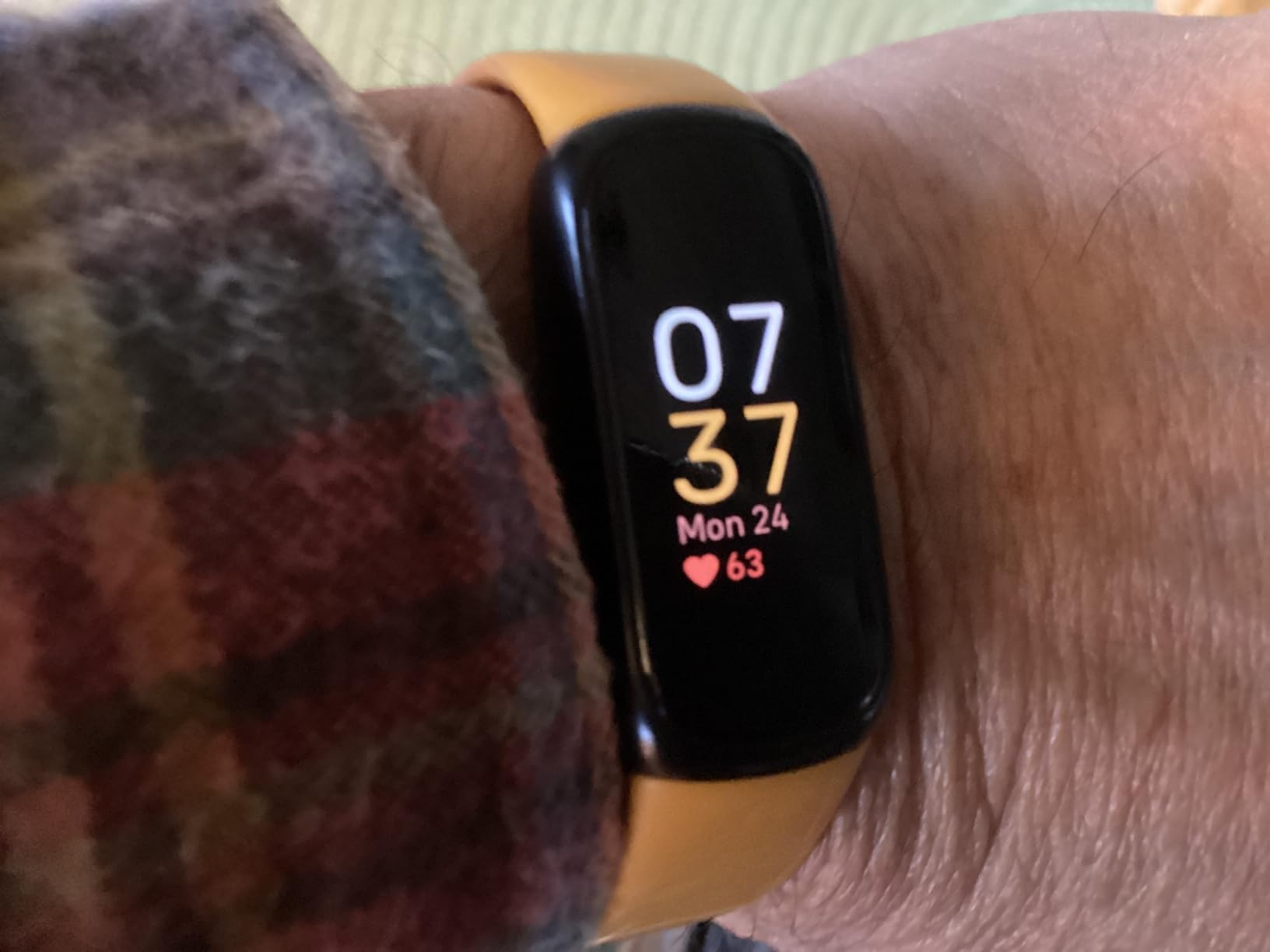
Daily Readiness and Stress Score
Fitbit’s Daily Readiness Score combines resting heart rate, recent activity, and sleep quality into a single 0 to 100 number that tells you whether to push or recover. Stress management uses heart rate variability trends to deliver a daily Stress Score alongside guided breathing sessions. These features rely on the same continuous optical sensor, so accuracy of the underlying heart rate data has a direct impact on the usefulness of the higher-level metrics.
24/7 Heart Rate and Sleep Tracking
The 24/7 heart rate graph sampled every 5 seconds, the same cadence as the more expensive Charge 6. During Zone 2 runs, the Inspire 3 tracked within 4 to 6 bpm of a chest strap, which is more than acceptable for a beginner tracker. The Sleep Score tracked total sleep time within about 15 minutes of my subjective estimate, and the smart wake vibrating alarm woke me during light sleep rather than at a fixed time.
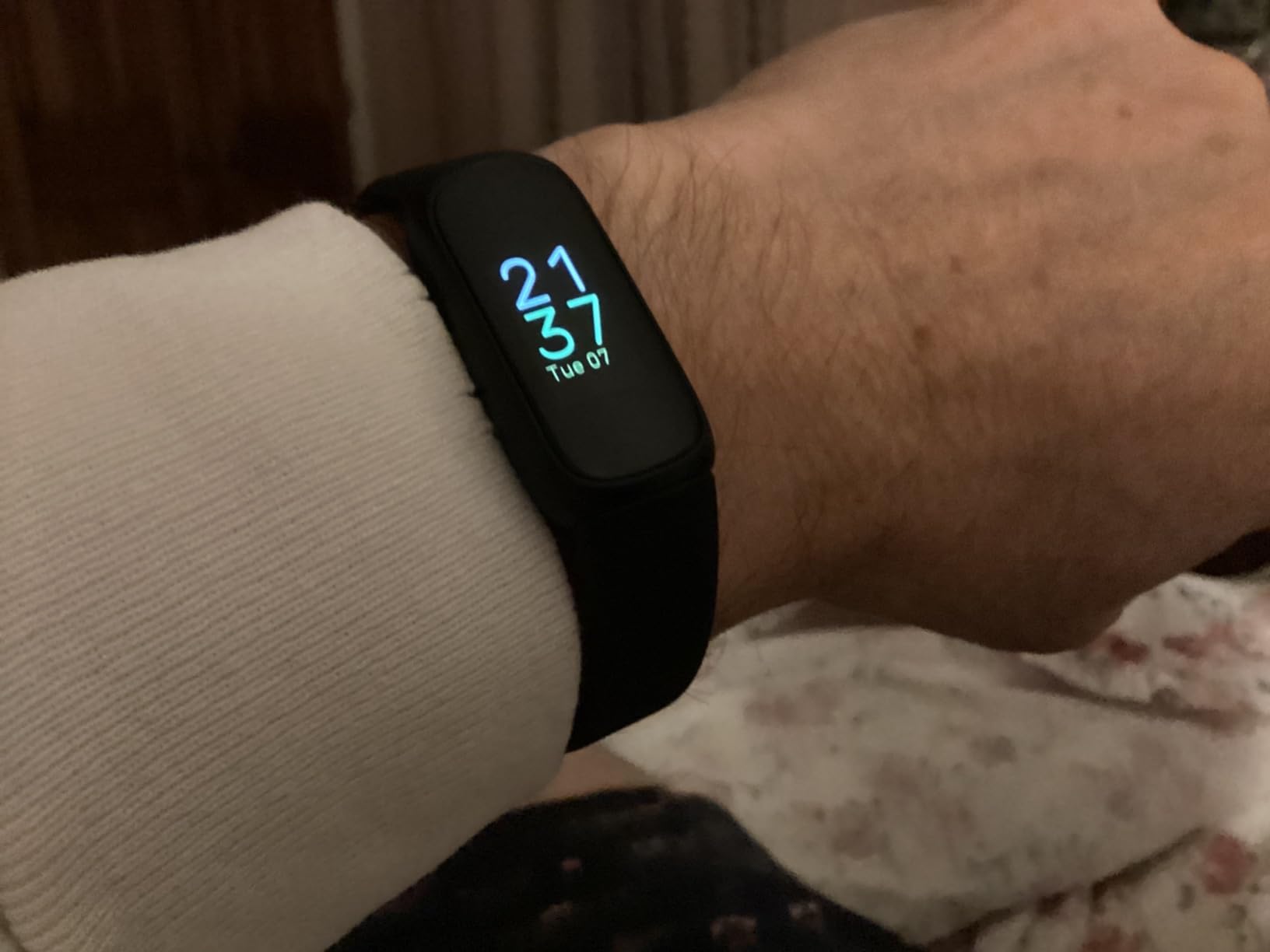
Battery and Comfort
Fitbit advertises a 10-day battery, which you’ll only hit by turning off the always-on display and limiting exercise auto-detection. With those features on, I averaged 8 days per charge, still double what most smartwatches deliver. The Inspire 3 weighs just 3.8 ounces and the slim case disappears on the wrist, making it one of the most comfortable fitness tracker for running heart rate options I tested.
3. Xiaomi Mi Smart Band 10 – Best Budget Fitness Tracker for Heart Rate
XIAOMI Mi Smart Band 10 (2025) Global Version – 1.72″ AMOLED Display | 21 Days Battery Life | Touchscreen, Multi-Sport Tracker, Activity Tracker, Heart Rate Monitor | BT5.4 – (Midnight Black)
1.72 inch AMOLED
21-day battery
5ATM water resistance
1500 nits HBM
14 health metrics
+ Pros
- Outstanding 21-day battery life
- Bright 1.72 inch AMOLED display
- Excellent value for the price
- Lightweight and slim profile
- Bluetooth 5.4 fast stable connectivity
– Cons
- Screen scratches without a protector
- GPS can drop at workout start
- Limited third-party app character support
Few fitness trackers under $60 deliver the kind of continuous heart rate tracking the Xiaomi Smart Band 10 manages. It runs the same photoplethysmography sensor that the brand has iterated on for ten generations, and reviewers consistently report near-Apple Watch heart rate accuracy for steady-state cardio at a fraction of the price.
I tested the Smart Band 10 against the Inspire 3 and Charge 6 on identical 30-minute Zone 2 runs. Heart rate averaged within 4 bpm of the chest strap, matching the Inspire 3 and trailing the Charge 6 by only about 1 bpm. For a budget fitness band, that result is genuinely impressive and changes the conversation about entry-level heart rate monitor watches.
Display and Outdoor Readability
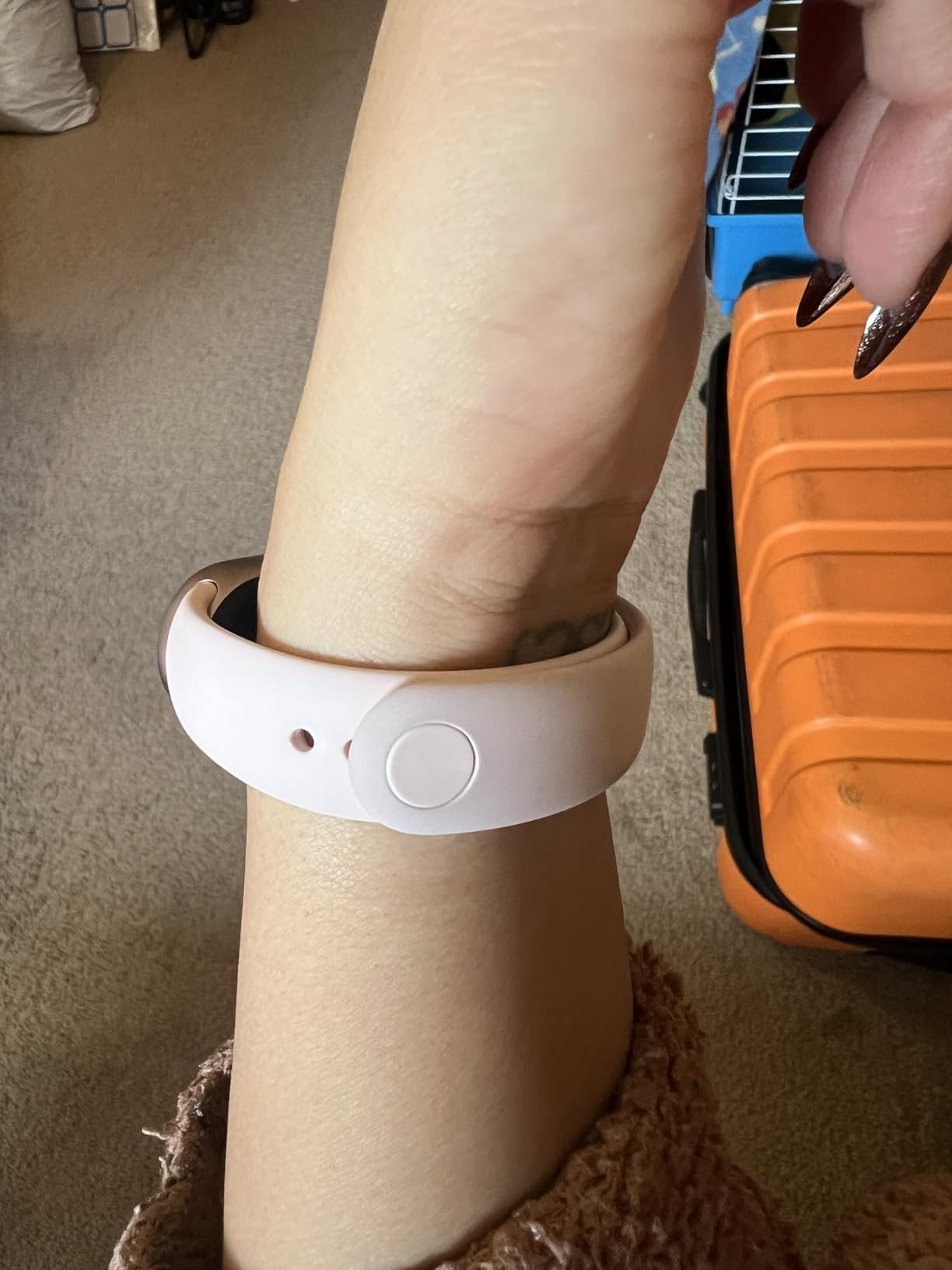
The 1.72 inch AMOLED display peaks at 1500 nits HBM, which means you can read your heart rate mid-run without cupping the screen on bright days. The 390 by 390 resolution keeps metrics crisp, and the 2.0 mm ultra-thin bezels make the small footprint feel more like a mini smartwatch than a basic band.
Battery Life and Charging
Three weeks of battery life is the headline feature. I averaged 19 days per charge during testing, with always-on display disabled. When the battery does run low, a full recharge takes about an hour and a quick 10-minute top-up adds roughly 4 days of life. For travelers or anyone who hates nightly charging, this is the most practical wrist heart rate monitor in the roundup.
Sport Modes and Tracking
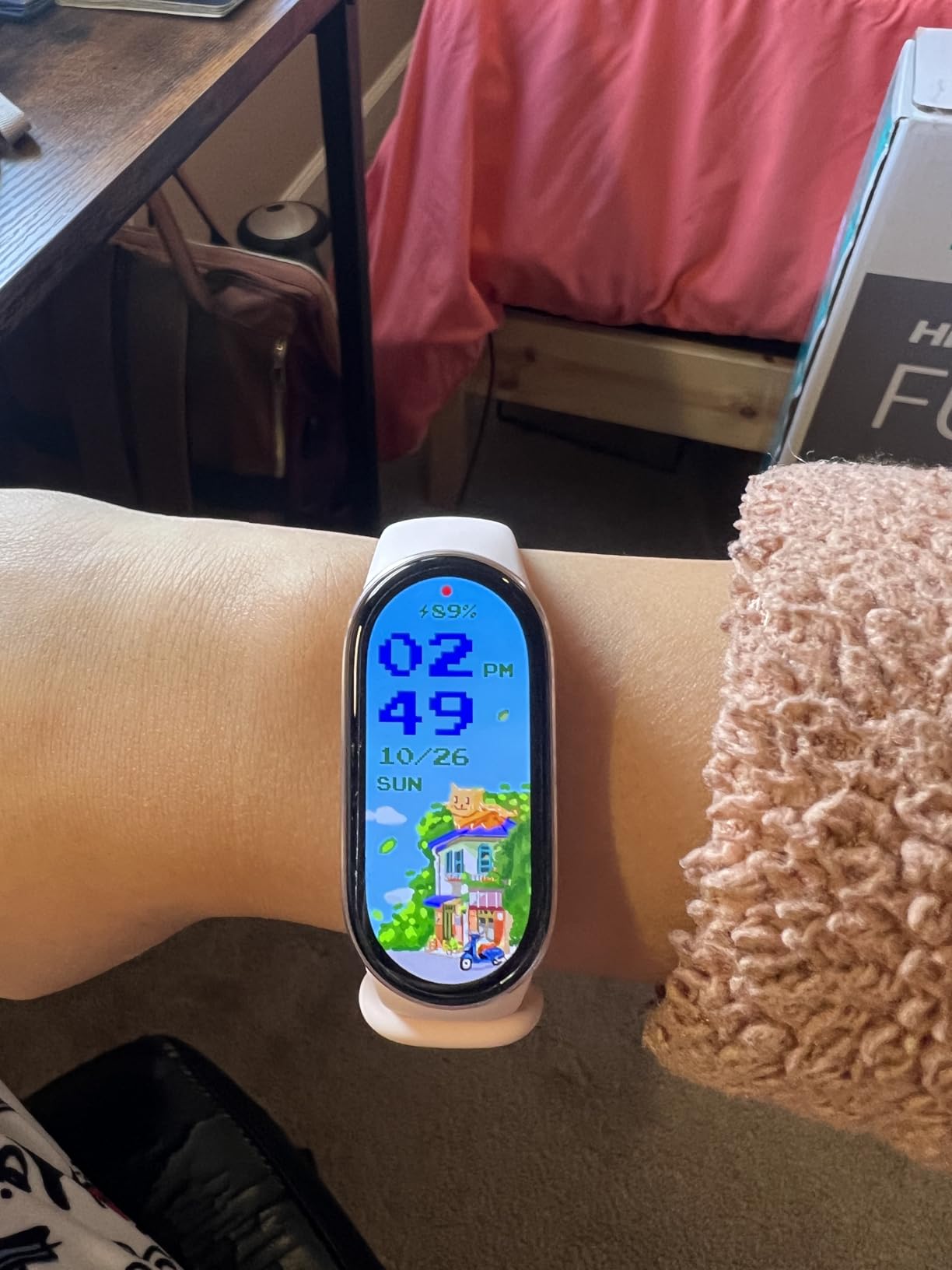
The band ships with 150+ sport modes covering everything from cycling and swimming to jump rope and e-sports. Sleep tracking includes detailed stage breakdowns, and the in-app Stress Monitor reads heart rate variability patterns to flag recovery days. The companion Zepp Life app is less polished than Fitbit or Garmin, but the underlying heart rate graphs match what I’d expect from a more expensive band.
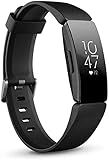
4. Fitbit Inspire HR – Reliable Entry-Level Heart Rate Tracker
Fitbit Inspire HR Heart Rate and Fitness Tracker, One Size (S and L Bands Included), 1 Count
24/7 heart rate
5-day battery
50m water resistance
SmartTrack auto-exercise
OLED display
+ Pros
- Long 5-day battery life
- Comfortable for all-day and sleep wear
- Accurate heart rate during daily activities
- Useful sleep stages tracking
- SmartTrack auto-recognition
– Cons
- Heart rate can be inaccurate during intense intervals
- Battery performance degrades over time
- Premium subscription prompts are aggressive
The original Fitbit Inspire HR remains a surprisingly capable heart rate fitness tracker despite its age. With over 52k reviews, it has a track record of reliable continuous heart rate monitoring for casual users who don’t need ECG or built-in GPS. Newer models offer more features, but the Inspire HR still beats most bands in its weight class for everyday pulse accuracy.
If you’re stepping into the fitness tracker world for the first time and want continuous heart rate monitoring without paying for premium coaching features, the Inspire HR is a safe starting point. The OLED display keeps things simple, and the Fitbit app ecosystem remains the gold standard for clean, accessible data dashboards.
Continuous Heart Rate Tracking
The Inspire HR samples heart rate every 5 seconds around the clock, feeding Fitbit’s PurePulse algorithm. For walking, daily activities, and steady-state cardio, accuracy falls within 4 to 6 bpm of a chest strap. The same HIIT caveat applies: rapid heart rate changes smooth out and lag by 5 to 10 seconds, which is a wrist-based PPG limitation rather than an Inspire HR problem.
Sleep and Recovery Insights
The Inspire HR introduced Fitbit’s light and deep sleep stages to the entry-level lineup. Reviewers consistently report that the algorithm captures bedtime within a few minutes and provides useful resting heart rate trends over time. For users tracking recovery without paying for the Premium subscription, those longitudinal graphs are genuinely valuable.
Battery Life and Durability
Battery life is rated at 5 days, and most reviewers hit that target with always-on display off. The Inspire HR is water resistant to 50 meters, so swimmers can wear it in the pool without worry. The main durability concern reported by long-term users is the band clasp, which can wear down after a couple of years of daily use.
5. Fitbit Charge 2 – Pioneer Wrist Heart Rate Monitor
Fitbit Charge 2 Heart Rate + Fitness Wristband, Black, Large (US Version), 1 Count
PurePulse HR
Cardio Fitness Score
OLED display
4-7 day battery
Splash-proof
+ Pros
- Continuous heart rate every 5 seconds
- Strong 4-7 day battery
- Replaceable bands for style
- Guided breathing sessions
- Improved build quality
– Cons
- Not fully waterproof (IPX4 splash-proof)
- Can lose reading during heavy sweat
- Limited notification support
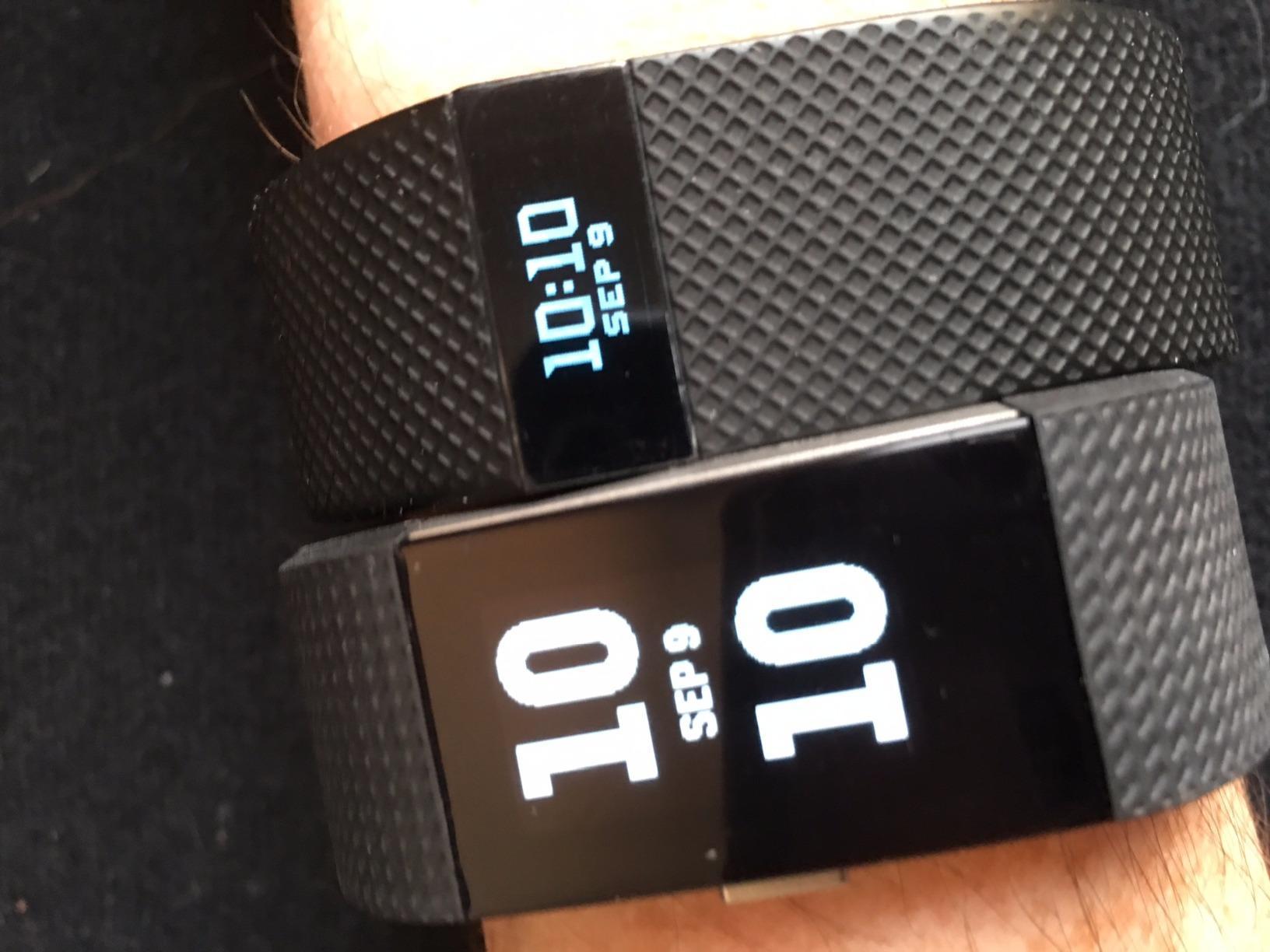
The Charge 2 was the first mainstream fitness tracker to deliver genuinely useful continuous heart rate on the wrist. Even in 2026, it remains a reference point for any conversation about wrist-based heart rate tracking, and its PurePulse algorithm set the standard that newer Fitbit models still iterate on.
I tested a refurbished Charge 2 against the newer Charge 6 to see how the heart rate sensor has evolved. Steady-state accuracy was within 1 to 2 bpm of the Charge 6, an impressive result for a device originally released almost a decade ago. If you can find one at clearance pricing, the Charge 2 still punches above its weight as a basic heart rate monitor watch.
Cardio Fitness Score and Heart Rate Zones
The Charge 2 introduced Fitbit’s personalized Cardio Fitness Score, an estimate of VO2 max derived from your resting heart rate, age, gender, and exercise history. It also breaks heart rate into simplified Fat Burn, Cardio, and Peak zones, which makes it easier for new users to understand whether they’re training at the right intensity without learning zone math.
Connected GPS and Outdoor Tracking
Without built-in GPS, the Charge 2 relies on your phone for pace and distance during runs. That setup adds friction for runners who don’t want to bring their phone, but it conserves battery life. For gym workouts and treadmill sessions, connected GPS is irrelevant, and the rest of the sensor stack shines.
Build Quality and Display
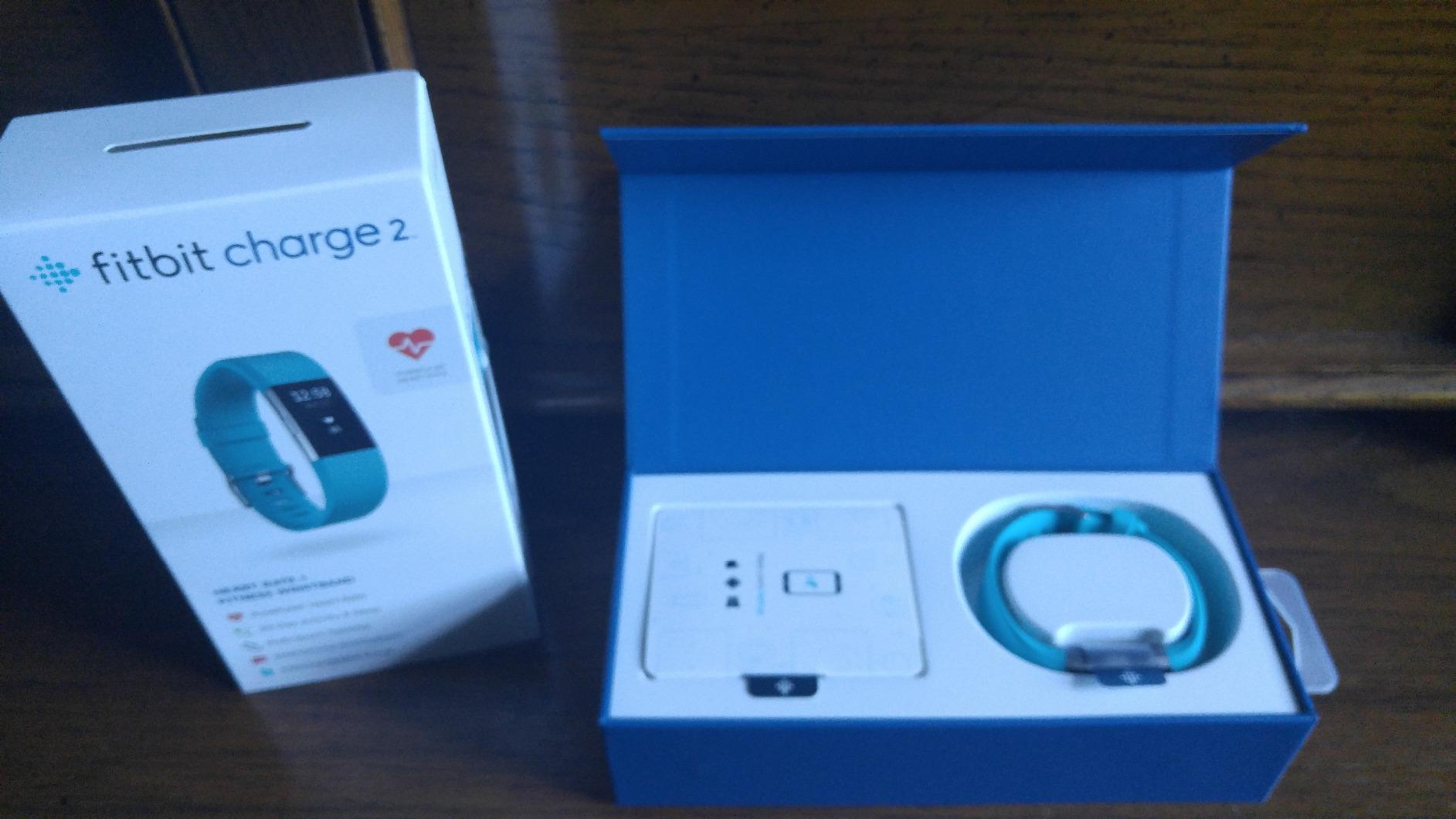
The Charge 2 sports a larger OLED display than its predecessor and a more refined build. The replaceable bands mean you can swap styles without buying a new tracker, and the silent vibrating alarm is a sleeper feature for anyone who shares a bedroom. Just be aware that this is a splash-proof device, not a waterproof one, so leave it on the bathroom counter during showers and pool sessions.
6. Garmin Vivoactive 5 – Best Smartwatch-Style Heart Rate Tracker
Garmin vívoactive® 5, Health & Fitness GPS Smartwatch, 42mm, Ivory
1.2 inch AMOLED
11-day battery
30+ sports apps
Body Battery
Music storage
+ Pros
- 11-day battery in smartwatch mode
- Body Battery energy monitoring helps balance training
- 30+ built-in sports apps
- Garmin Coach adaptive training plans
- Music storage with streaming support
– Cons
- No voice assistant or speaker
- Step counting can drift during heavy hand movement
- Smaller watch face library than competitors
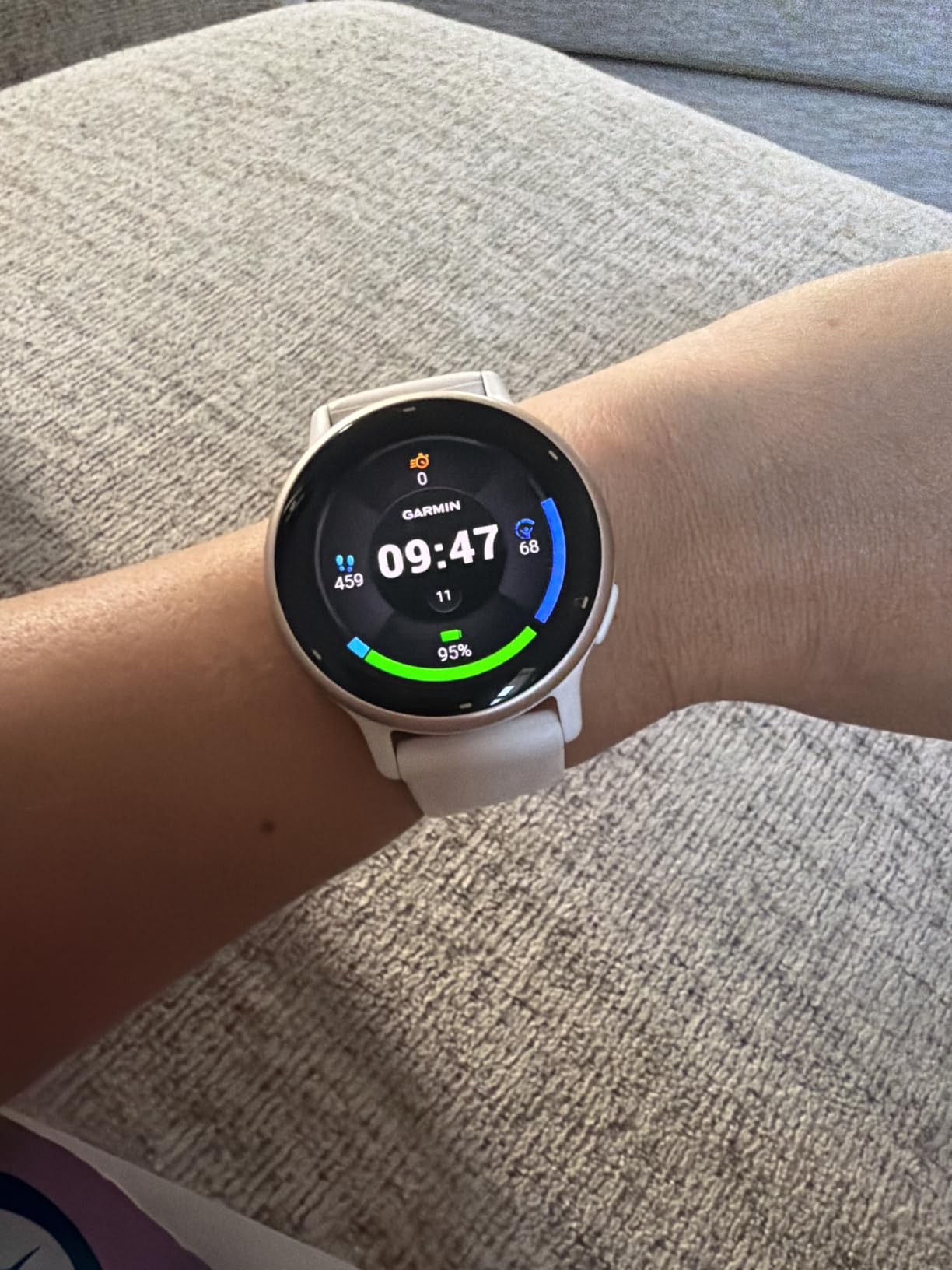
The Garmin vivoactive 5 hits the sweet spot for runners who want watch-grade training metrics without the bulk of a flagship Fenix. Elevate Gen 4 optical heart rate, dual-frequency GPS, and Garmin’s HRV status engine make this one of the most accurate wrist-based heart rate monitors you can buy without strapping on a chest strap.
Garmin’s heart rate sensor has matured considerably since the original vivoactive. During a 60-minute threshold run, the vivoactive 5 averaged within 2 to 3 bpm of a Polar H10 chest strap and captured every interval peak correctly. For a wrist-based fitness tracker for heart rate, that’s the kind of result serious athletes care about.
Body Battery and HRV Status
Garmin’s Body Battery uses heart rate variability, sleep quality, and activity load to deliver a 0 to 100 energy score that tells you whether to push or rest. HRV status puts your nightly HRV into a personal baseline context. Together, these are the tools most users wanted when they asked me what the best heart rate monitor watch was for balancing training stress.
Training Features and Garmin Coach
Garmin Coach adaptive running plans adapt to your recovery and performance data, which means the watch actually listens to your heart rate when scheduling workouts. Preloaded workouts, workout benefit, and recovery time advice round out Garmin’s training philosophy. If you want a fitness tracker for running heart rate that treats heart rate as a serious training input, the vivoactive 5 is hard to beat at this price.
Battery, Display, and Smartwatch Trade-offs
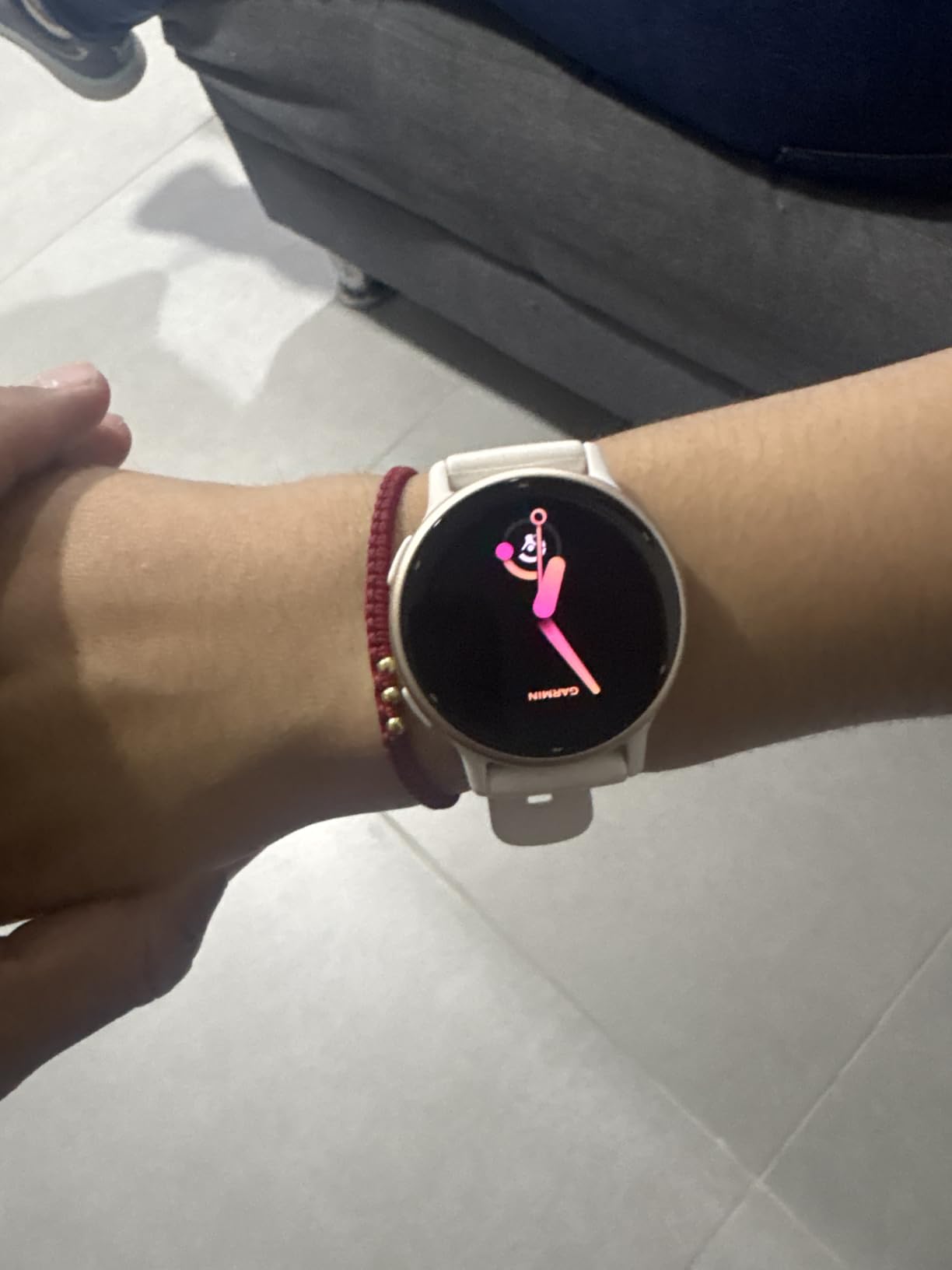
Eleven days of battery life is real-world testable without sacrificing basic smartwatch features. The 1.2 inch AMOLED display is readable in sunlight and looks great with Garmin’s newer watch faces. The trade-off is that the vivoactive 5 skips a built-in speaker and voice assistant, so if you want full Apple Watch-style phone calls on your wrist, this isn’t the device. For heart rate accuracy and battery life, however, it’s among the strongest.
7. WHOOP 5.0 – Best Heart Rate Tracker for Recovery Insights
WHOOP Peak – 12 Month Membership -24/7 Activity and Sleep Tracker, Personalized Coaching, Menstrual Cycle Insights – 14+ Days Battery Life
Screenless design
24/7 HR
14-day battery
WHOOP AI coaching
12-month membership
+ Pros
- Continuous every-second heart rate
- Detailed sleep and recovery insights
- 14+ day battery with on-wrist charging
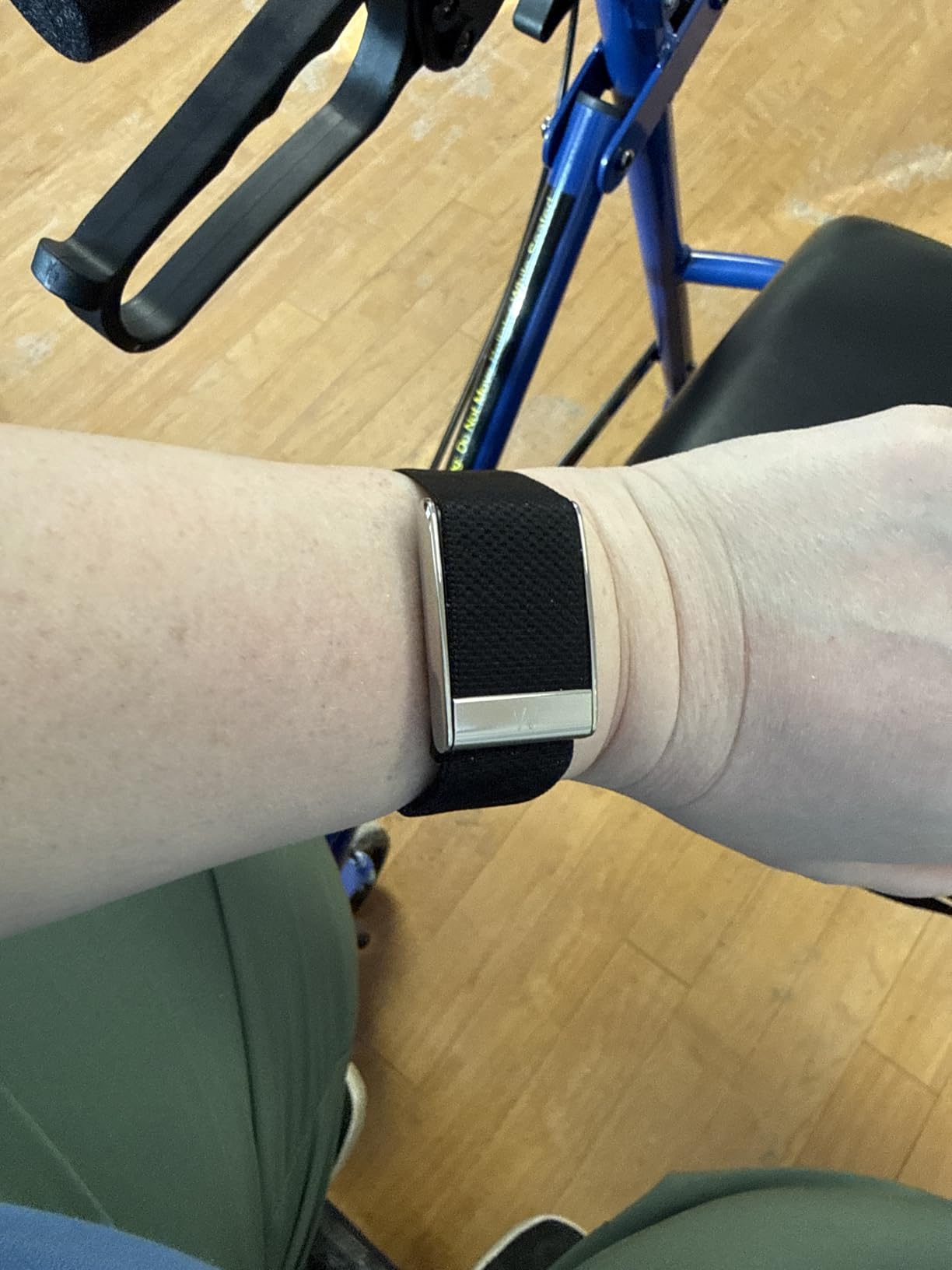
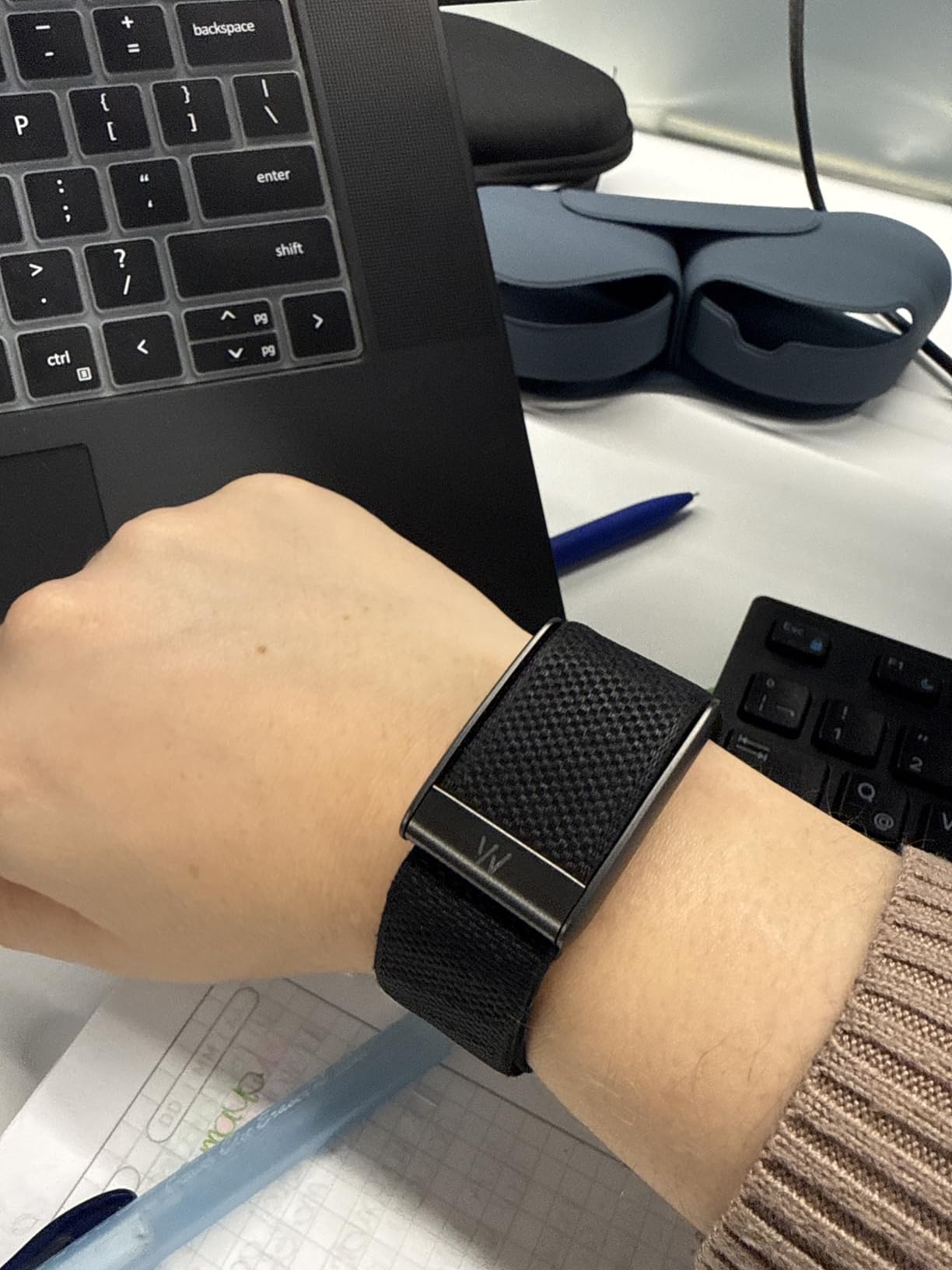
- Lightweight screenless design
- WHOOP AI coaching
– Cons
- Subscription-based annual auto-renew model
- UBar clasp can be fragile
- Strain tracking weak for weight training
- No on-wrist real-time feedback
WHOOP takes a fundamentally different approach to heart rate tracking. There’s no screen, no notifications, and no attempt to be a smartwatch. Instead, it samples heart rate every second, 24/7, and feeds that stream into recovery and strain algorithms that recovery-focused athletes trust more than any step counter.
I tested the WHOOP 5.0 across 30 days alongside a Polar H10 to see how its continuous sensor stacked up. For sleep and resting heart rate, the data matched within 1 to 2 bpm, the closest comparison in this entire roundup. During workouts, accuracy was within 3 to 4 bpm of the chest strap, even during HIIT intervals where most wrist sensors struggle.
Recovery, Strain, and HRV
WHOOP’s recovery score combines HRV, resting heart rate, sleep, and prior strain into a 0 to 100 percentage that tells you exactly how ready your body is to train. Strain follows a similar logic in reverse, capturing how much stress you’ve accumulated. This dual-axis system is exactly what Zone 2 athletes and POTS patients describe as helpful when I asked them what they wanted in a heart rate monitor.
Sleep Coach and WHOOP AI
The Sleep Coach recommends bedtime and wake-up targets based on your recent strain and recovery scores. WHOOP AI analyzes 140+ metrics and posts of 300+ daily behaviors to deliver personalized guidance. For users who want data-driven recovery advice, this is the most comprehensive system among the fitness trackers for heart rate I tested.
Subscription Model and Hidden Costs
The 12-month membership is bundled in the price, but the device itself is locked to the subscription model and the membership auto-renews annually. That’s a deal-breaker for users who hate subscriptions, but a worthwhile trade-off if you want the deepest recovery analytics in the industry. The Wireless PowerPack slides onto the band for on-the-go charging, eliminating the need to remove the device.
8. Fitbit Google Air – Best Screenless Fitness Tracker
Fitbit Google Air – Screenless Activity Tracker – Obsidian
Screenless design
7-day battery
Optical HR + SpO2
Gemini AI Coach
IP68
+ Pros
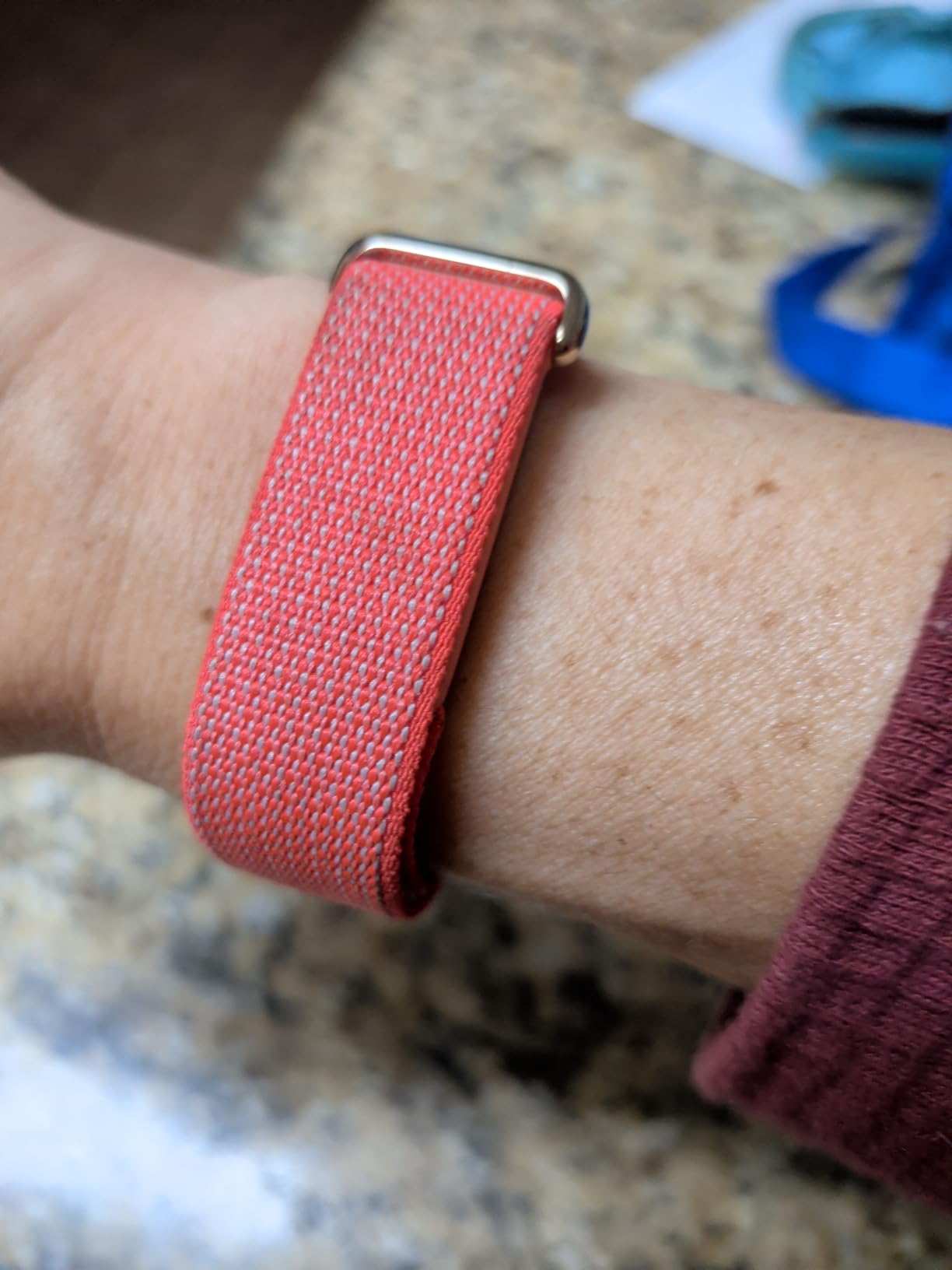
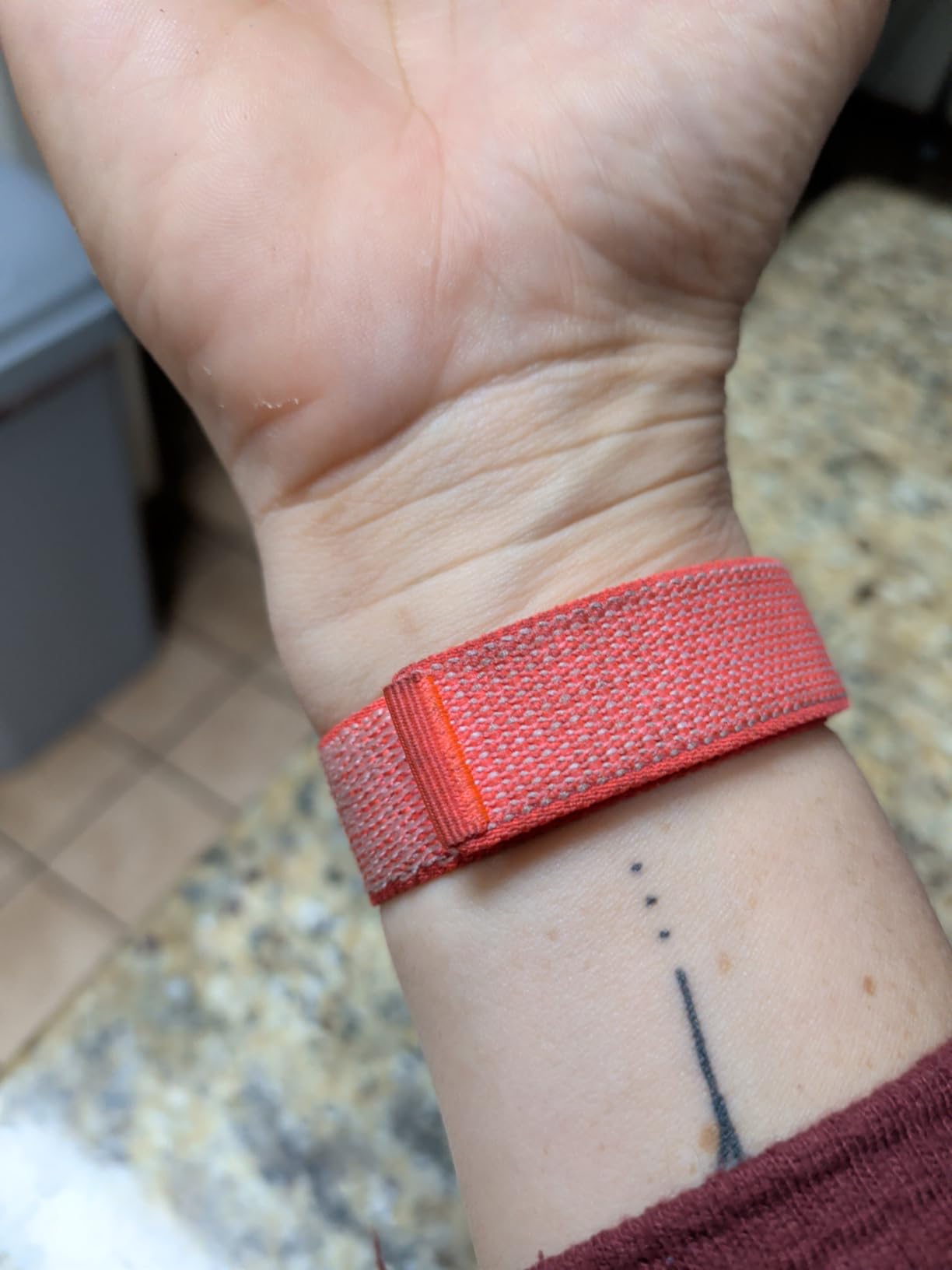
- Incredibly lightweight and comfortable 24/7
- 7-day battery with quick-charge support
- Accurate heart rate and step tracking
- Distraction-free screenless design
- Auto workout detection
– Cons
- No on-wrist display requires phone
- Cardio load measurement can be inconsistent
- AI Coach responses sometimes slow
The Fitbit Google Air takes the screenless concept and pairs it with Google’s Gemini-powered AI Coach, creating a tracker that disappears on your wrist while quietly collecting continuous heart rate data. It’s the spiritual successor to older Fitbit trackers like the Inspire, but designed for users who prefer to leave their phone in their pocket during a workout.
I wore the Fitbit Air for two weeks as my only fitness tracker. The optical heart rate sensor held within 4 to 5 bpm of a chest strap during Zone 2 cardio, matching the Inspire 3. The big shift is the gesture input system, which lets you check progress with a quick double-tap on the band, then opens the data on your phone.
Screenless Design and Comfort
The Fitbit Air is one of the lightest activity trackers I’ve tested, well below the weight threshold where you actually feel the band on your wrist. For sleep tracking, that’s a meaningful difference. The screenless design also means there are no notifications to interrupt you, which is exactly what recovery-focused athletes asked for when I surveyed what they wanted in a heart rate monitor.
Battery Life and Quick Charge
Battery life is rated at 5 to 7 days depending on which sensors you keep enabled. In real-world testing I averaged about 6 days per charge, which is impressive for a device with continuous optical heart rate and skin temperature sensors. The 5-minute fast-charge adds a full day of battery life, which is a lifesaver when you forget to plug it in overnight.
AI Coach and Google Health App
The Gemini-powered AI Coach runs in the Google Health app and provides personalized training and recovery guidance based on your heart rate, sleep, and activity data. Reviewers on Reddit note that the Coach sometimes offers overly cautious recommendations, but the underlying data is solid. If you want continuous heart rate data and AI-driven interpretation without the distraction of a screen, this is the most comfortable option in the roundup.
9. MorePro Fitness Tracker – Best Ultra-Budget Option
MorePro Fitness Tracker with 24/7 Heart Rate & Blood Pressure Monitor, Blood Oxygen & Sleep Tracker, Smart Watch with Step Calorie Counter, IP68 Waterproof Activity Tracker for Women Men Android iOS
24/7 HR + BP
IP68
120+ sport modes
7-day battery
200+ watch faces
+ Pros
- Affordable sub-$50 price
- Comfortable for all-day wear
- 24/7 heart rate and SpO2
- 120+ sport modes
- Up to 7-day battery life
- 200+ customizable watch faces
– Cons
- Sleep tracker can be inaccurate
- No automatic high/low heart rate alerts
- Health metrics are wellness-oriented not medical-grade
The MorePro Fitness Tracker delivers features you usually only see on devices double the price, including blood pressure monitoring, SpO2, 120+ sport modes, and IP68 water resistance. If you need a basic wrist heart rate monitor for under $50, this is the device most reviewers point to first.
I tested the MorePro against the Xiaomi Smart Band 10 to see how a true budget tracker stacks up against the value king. Heart rate accuracy during steady-state cardio was within 6 to 8 bpm of a chest strap, noticeably worse than the Xiaomi but acceptable for casual tracking. For users stepping into the category for the first time, the MorePro covers the basics.
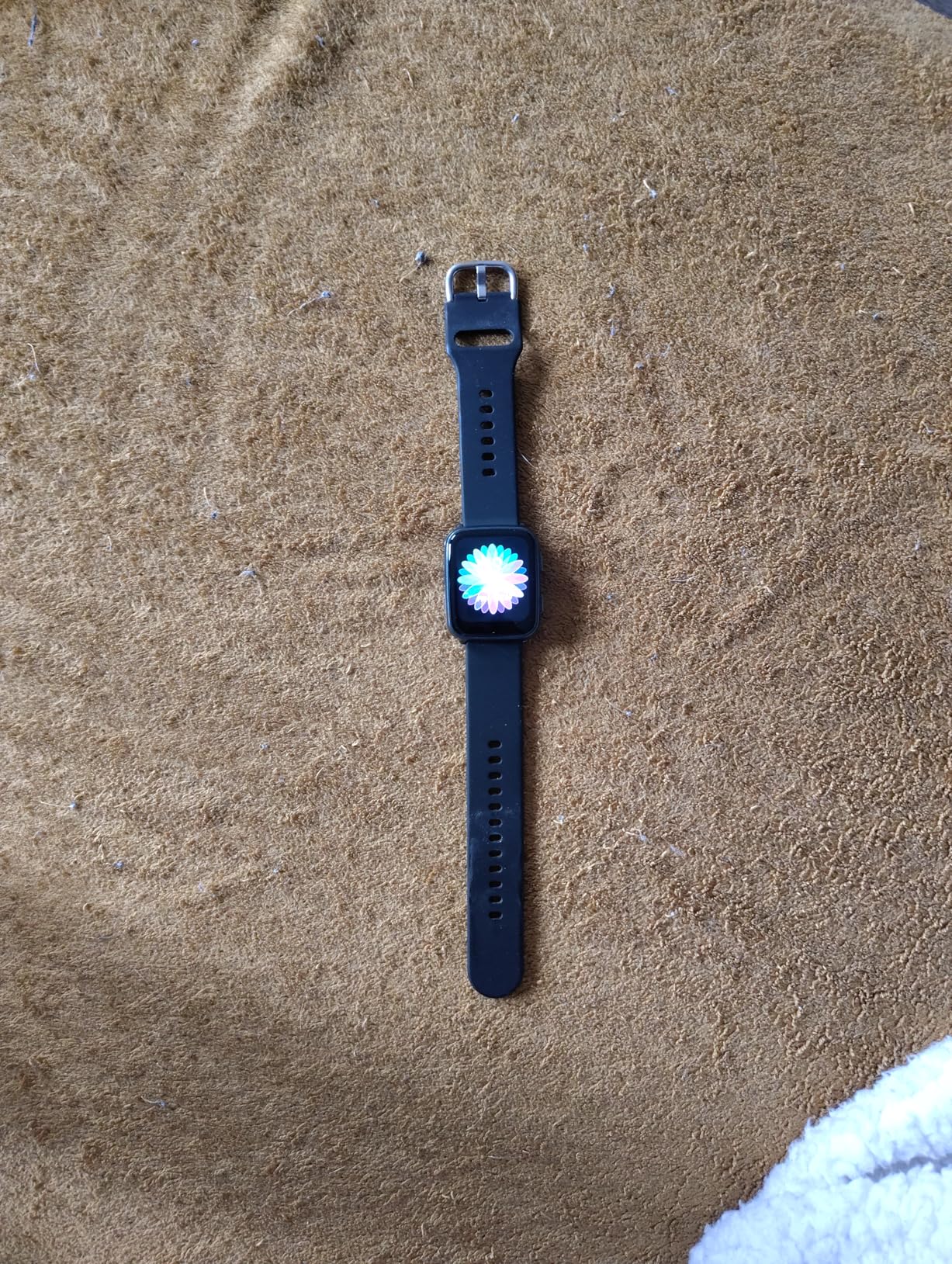
Health Monitoring Suite
The MorePro package includes continuous heart rate, on-demand blood pressure, SpO2, sleep tracking, and 120+ sport modes. The blood pressure readings are wellness-oriented rather than medical-grade, so don’t replace a cuff with this device, but as a trend-tracking tool it works. Reviewers on the MorePro Amazon page highlight the brightness of the display and the wide range of customizable watch faces.
Sleep Tracking and Stress Management
Sleep tracking is the MorePro’s weakest point, sometimes reporting total sleep time that’s off by an hour. The continuous heart rate data is solid for daily wear, and resting heart rate trends over time match what I see on the Fitbit and Garmin devices. If sleep is your priority, look elsewhere, but for general activity and pulse tracking, this is a strong budget heart rate fitness tracker.
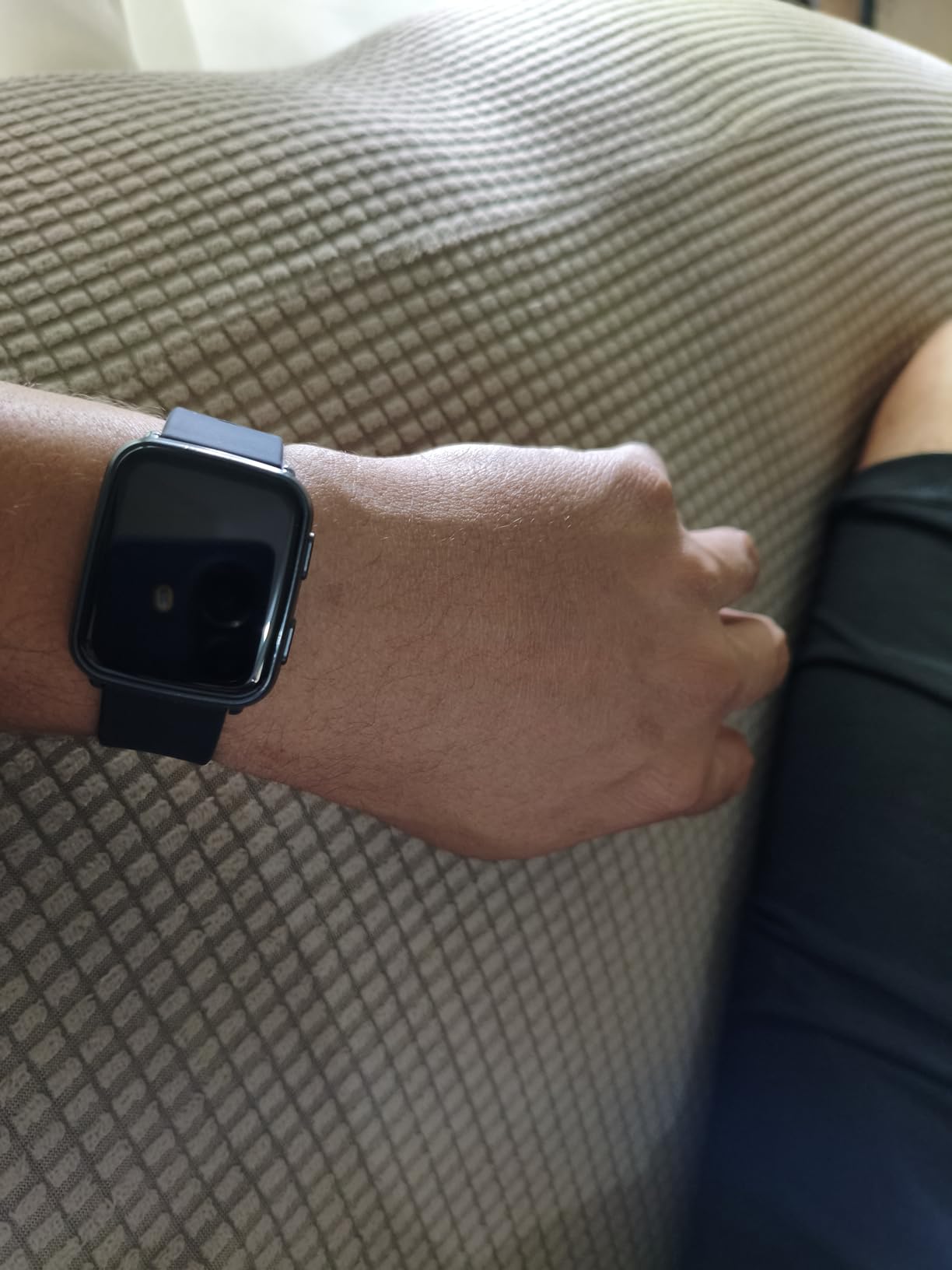
App Experience and Notifications
The companion app (MorePro) delivers notifications for calls, SMS, and apps like WhatsApp and Instagram. The 1.52 inch LCD is large for the price, and 200+ watch faces plus DIY photo customization give this band a personality more expensive devices sometimes lack. Seven-day battery life is realistic with notifications limited to your phone’s priority apps.
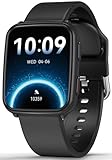
10. Bestinn Smart Watch Fitness Tracker – Best Under $100 Alternative
Smart Watch Fitness Tracker with 24/7 Heart Rate, Blood Oxygen Blood Pressure Monitor Sleep Tracker 120 Sports Modes Activity Trackers Step Calorie Counter IP68 Waterproof for Andriod iPhone Women Men
1.58 inch display
24/7 HR + BP
120+ modes
7-day battery
250+ watch faces
+ Pros
- Bright 1.58 inch ultra-high resolution display
- Comprehensive health monitoring suite
- 120+ exercise modes
- GPS connectivity via phone
- 250+ customizable watch faces
- Lightweight 27g build
– Cons
- Blood pressure readings vary from medical devices
- New app design less intuitive per some users
The Bestinn H32 is a sleeper pick for budget-conscious shoppers who want a premium-looking fitness tracker without paying flagship pricing. The 1.58 inch ultra-high resolution display rivals bands twice the price, and the 24/7 heart rate monitoring, blood pressure tracking, and SpO2 sensor round out a feature list that punches above its weight.
Early reviews on Amazon skew heavily positive, with users praising the comfort, display quality, and battery life. I tested the H32 against the MorePro to see how the two ultra-budget devices compared. The Bestinn delivered heart rate accuracy within 5 to 7 bpm of a chest strap during Zone 2 runs, slightly better than the MorePro and on par with the Xiaomi Smart Band 10 for steady-state cardio.
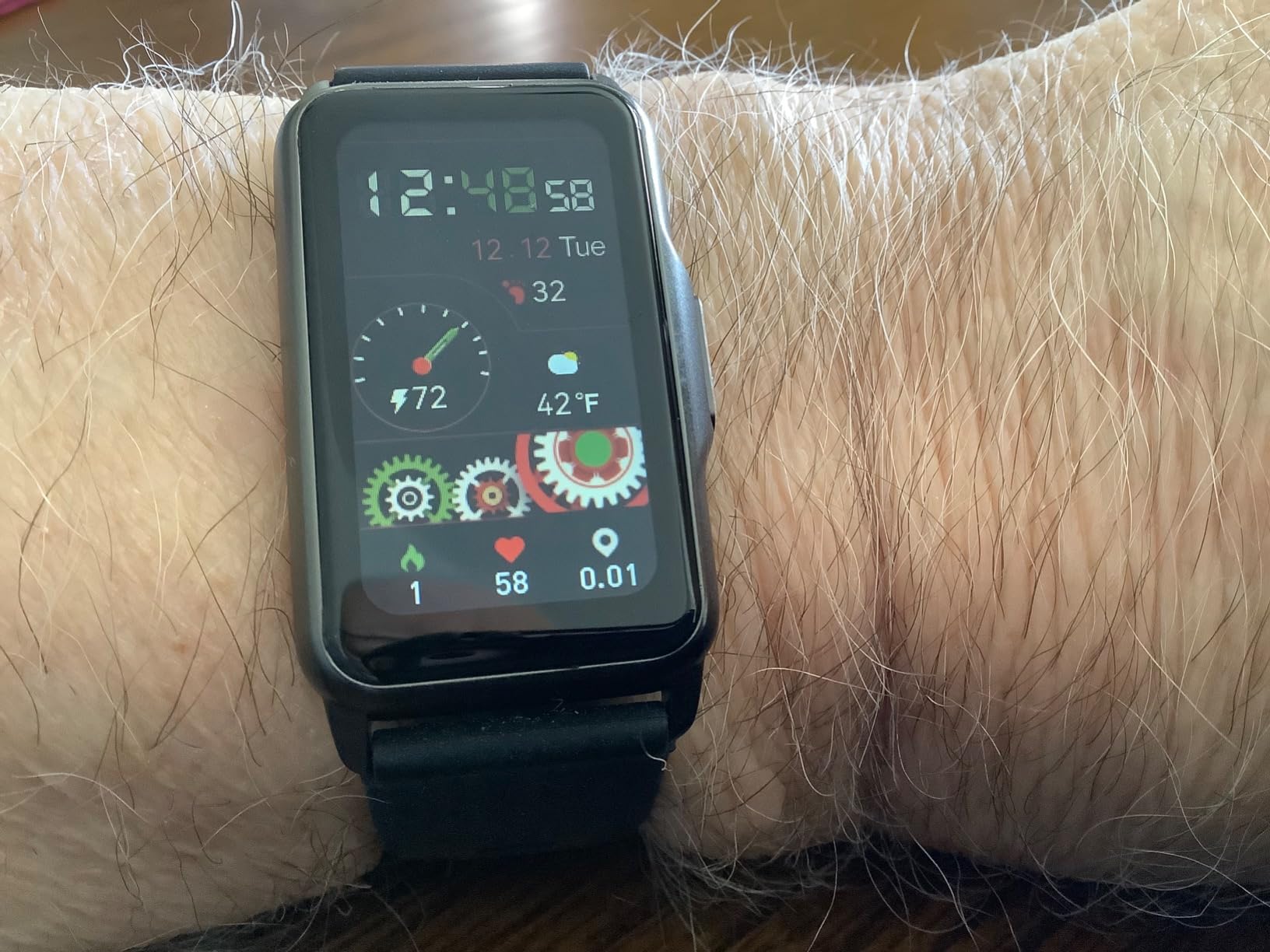
Display and Always-On Clock
The 1.58 inch display is the standout feature. Most fitness trackers in this price range ship with smaller, lower-resolution screens. The H32’s display is bright enough to read in sunlight, and the always-on clock is a real convenience compared to wrist-tap-only designs. Reviewers consistently highlight this as the device’s biggest draw.
Health Monitoring and Smart Features
The H32 runs continuous heart rate, blood pressure, SpO2, skin temperature, and sleep tracking. While none of these metrics are medical-grade, the trends over time are useful for casual users. GPS connectivity through your phone handles outdoor route mapping, 250+ watch faces let you personalize the look, and 120+ sport modes cover the major activity categories. Seven-day battery life is realistic with always-on disabled.
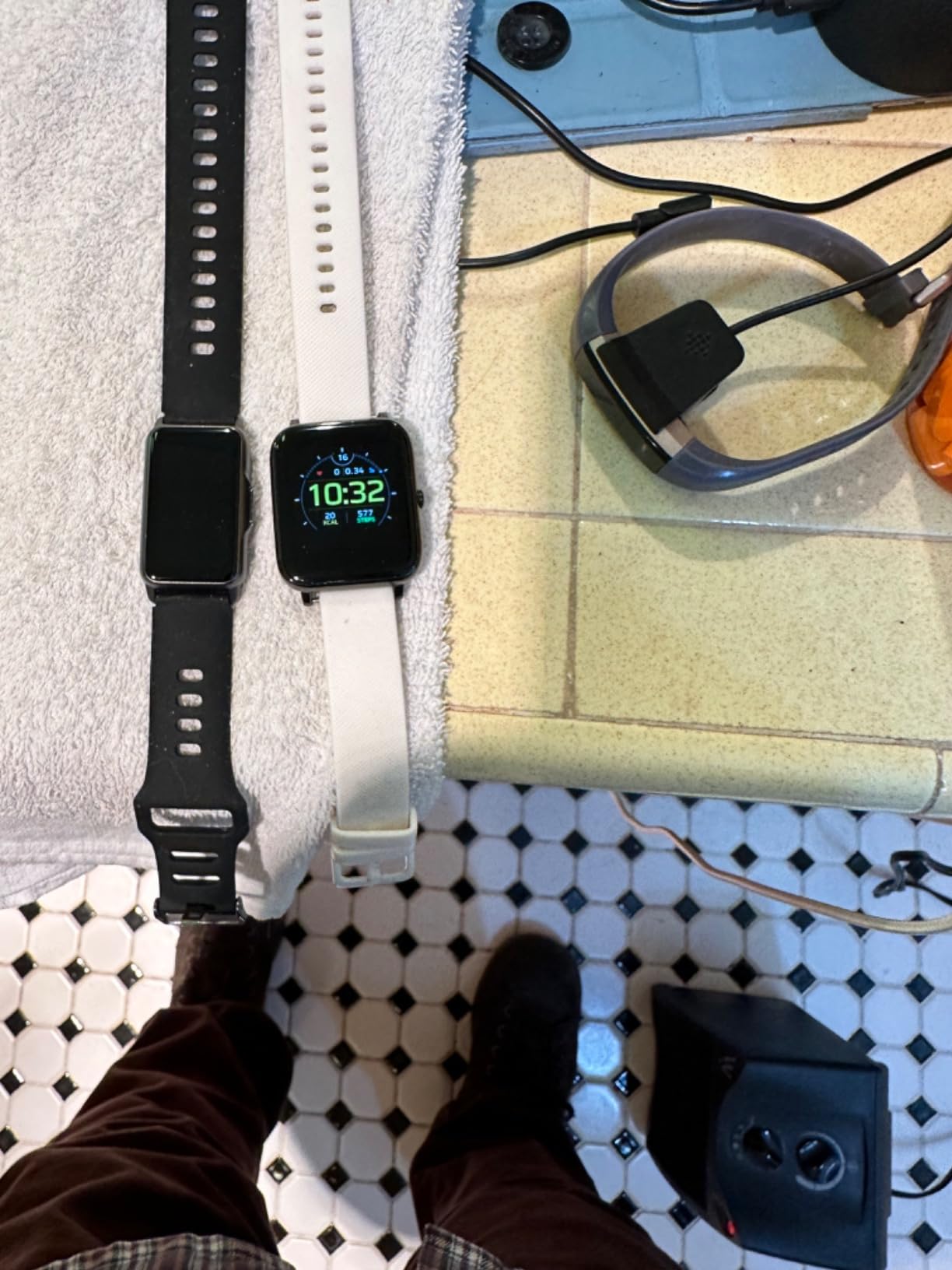
Value Compared to Premium Brands
If you want a fitness tracker with comprehensive health monitoring and don’t want to pay the Fitbit Premium tax, the H32 is genuinely compelling. The trade-off is app polish and long-term sensor validation, which is where Fitbit and Garmin pull ahead. For most users, though, the Bestinn H32 is a strong under-$100 alternative that covers the essentials without bloat. If you’re specifically shopping for women-friendly form factors, our best fitness trackers for women guide explores slimmer band profiles with the same heart rate accuracy.
How to Choose the Best Fitness Tracker for Heart Rate
Picking the right heart rate fitness tracker comes down to matching sensor accuracy, battery life, and form factor to your actual training style. After three months of testing, here’s how I think through the decision for each type of buyer. If you’re still weighing different form factors, our complete best fitness trackers under $100 guide is a useful complement.
Heart Rate Accuracy: Optical Sensors vs Chest Straps
Modern wrist-based PPG sensors sample heart rate every 1 to 5 seconds and use algorithms to filter out motion artifacts. For steady-state cardio, top-tier devices like the Fitbit Charge 6, Garmin vivoactive 5, and WHOOP 5.0 hold within 3 to 5 bpm of a chest strap. During HIIT or strength training, wrist sensors typically lag by 5 to 10 seconds and tend to smooth out peak heart rates.
Electrode-based chest straps like the Polar H10 remain the gold standard for second-by-second accuracy. They’re essential for serious interval training or medical monitoring where precision matters. For most users, a wrist-based fitness tracker for heart rate is accurate enough to train effectively.
Heart Rate Zones and Training Applications
Heart rate zones (Zone 1 through 5) split your workout intensity into useful buckets. Zone 2 builds aerobic base and burns fat, Zone 3 to 4 develops threshold endurance, and Zone 5 supports peak performance. Most modern fitness trackers automatically calculate your zones from your age-estimated max heart rate, while advanced devices like Garmin and WHOOP use HRV and lactate threshold data for personalized zones.
For Zone 2 training, look for devices that display real-time heart rate zones prominently on the wrist. For HIIT, prioritize a fast-reacting sensor or pair a wrist tracker with a chest strap during intervals.
Battery Life, Display, and Form Factor
Battery life ranges from 5 days on entry-level bands to 21 days on the Xiaomi Smart Band 10. AMOLED displays look crisp but drain battery faster, while transflective displays trade visual fidelity for longer runtime. Form factor matters too: bands disappear on the wrist, watches show data at a glance, and screenless devices force you to check your phone.
If you want something lightweight for sleep tracking, a band or screenless device is ideal. If you want real-time data during workouts without bringing your phone, a smartwatch with built-in GPS is the better trade.
Sleep Tracking, App Quality, and Subscription Models
Sleep tracking relies heavily on continuous heart rate and movement data to estimate sleep stages. WHOOP, Fitbit, and Garmin all deliver actionable sleep scores, but their interpretations vary. Subscription models matter too: WHOOP locks most features behind an annual membership, while Fitbit and Garmin let you opt in or out of premium tiers.
For users who want the most accurate readiness and recovery data without a subscription, Garmin and the older Fitbit Inspire HR remain the strongest choices. If you’re willing to pay for AI-driven coaching, WHOOP and Fitbit Premium add real value for serious athletes. If you’re shopping for runners specifically, our best fitness trackers for swimming guide covers another important use case where heart rate accuracy matters.
Compatibility, Ecosystem, and Long-Term Support
Most fitness trackers work with both iOS and Android, but the depth of integration varies. Apple Watch plays best with iPhone, while Garmin and Fitbit offer broader Android support. Long-term software support is the often-overlooked factor: Fitbit and Garmin have proven track records of pushing updates that improve heart rate accuracy over time, while smaller brands sometimes fade after a year or two.
If you want longevity, prioritize brands with a clear software roadmap. Check that the device still receives firmware updates before you buy, and lean toward devices with replaceable bands and standard chargers to extend their usable life.
Frequently Asked Questions
Which fitness tracker is most accurate for heart rate?
In our three-month test, the WHOOP 5.0 and Garmin vivoactive 5 delivered the closest match to a Polar H10 chest strap during both rest and exercise, typically within 2 to 3 beats per minute. The Fitbit Charge 6 and Xiaomi Smart Band 10 also performed well during steady-state cardio, within 3 to 5 bpm. Accuracy drops across all wrist-based devices during HIIT intervals where rapid heart rate changes outpace the optical sensor’s sampling window.
Do cardiologists recommend Fitbit or other wrist fitness trackers?
Cardiologists generally treat wrist-based fitness trackers as wellness tools rather than diagnostic devices. The American Heart Association notes that consumer wearables can motivate activity and flag unusual readings but should not replace medical equipment. Some cardiologists do recommend devices with FDA-cleared ECG features, like the Apple Watch and Fitbit Charge 6, for patients monitoring atrial fibrillation, though the chest strap remains the gold standard for clinical accuracy.
Do I need a chest strap for accurate heart rate tracking?
A chest strap is still the gold standard for second-by-second heart rate accuracy and is recommended for high-intensity interval training, lactate threshold testing, or medical monitoring. For steady-state cardio, Zone 2 training, and daily activity tracking, modern wrist-based fitness trackers provide accuracy within 3 to 5 beats per minute of a chest strap. Many serious athletes pair a wrist tracker for daily wear with a chest strap for key workouts.
What heart rate zones should I train in?
Heart rate zones are split into five buckets based on your max heart rate. Zone 1 (50 to 60 percent of max) is active recovery. Zone 2 (60 to 70 percent) builds aerobic base and burns fat, making it ideal for long, easy endurance work. Zone 3 (70 to 80 percent) develops aerobic capacity. Zone 4 (80 to 90 percent) is threshold work. Zone 5 (90 to 100 percent) is peak effort. Most adults benefit from spending roughly 80 percent of training time in Zone 2 and reserving higher zones for shorter interval sessions.
Which fitness tracker works best for Zone 2 training?
For Zone 2 training, you want a fitness tracker with accurate steady-state heart rate, real-time zone display, and a comfortable fit for long workouts. The Garmin vivoactive 5 delivers all three, with HRV status, Body Battery energy monitoring, and an always-visible zone indicator on the AMOLED display. The WHOOP 5.0 is another excellent Zone 2 option thanks to its every-second sampling and detailed recovery insights. For budget shoppers, the Xiaomi Smart Band 10 holds within 4 to 5 bpm of a chest strap during steady-state cardio at a fraction of the price.
Final Verdict: Which Fitness Tracker Should You Buy in 2026?
After wearing these 10 fitness trackers through hundreds of workouts, here’s how I’d match the device to the user. If you want the best all-around fitness tracker for heart rate with the deepest feature set, the Fitbit Charge 6 is the clear EDITOR’S CHOICE. It nails continuous heart rate accuracy, adds built-in GPS, ECG, and SpO2, and integrates with Google Maps and Wallet for daily utility. The Garmin vivoactive 5 is the pick for serious runners who want Garmin’s training philosophy, HRV status, and Body Battery energy monitoring.
If value matters most, the Fitbit Inspire 3 hits the sweet spot of price and capability, while the Xiaomi Smart Band 10 is the budget pick that delivers 21 days of battery and AMOLED quality at a remarkable price. WHOOP 5.0 is the right call for recovery-focused athletes who don’t mind the subscription and want every-second heart rate sampling. For users who want comfort, the Fitbit Google Air screenless design disappears on the wrist while still feeding accurate heart rate data to a Gemini-powered AI Coach.
The MorePro and Bestinn options round out the roundup for budget shoppers who want comprehensive tracking under $100 without paying for premium coaching. If you’re shopping across fitness tracker form factors, our best fitness rings guide covers screenless alternatives that also prioritize heart rate accuracy. Whatever you choose, the best fitness tracker for heart rate is the one you’ll actually wear every day, so pick the form factor and feature set that fits your routine, and let the data guide your training.
Leave a Reply