
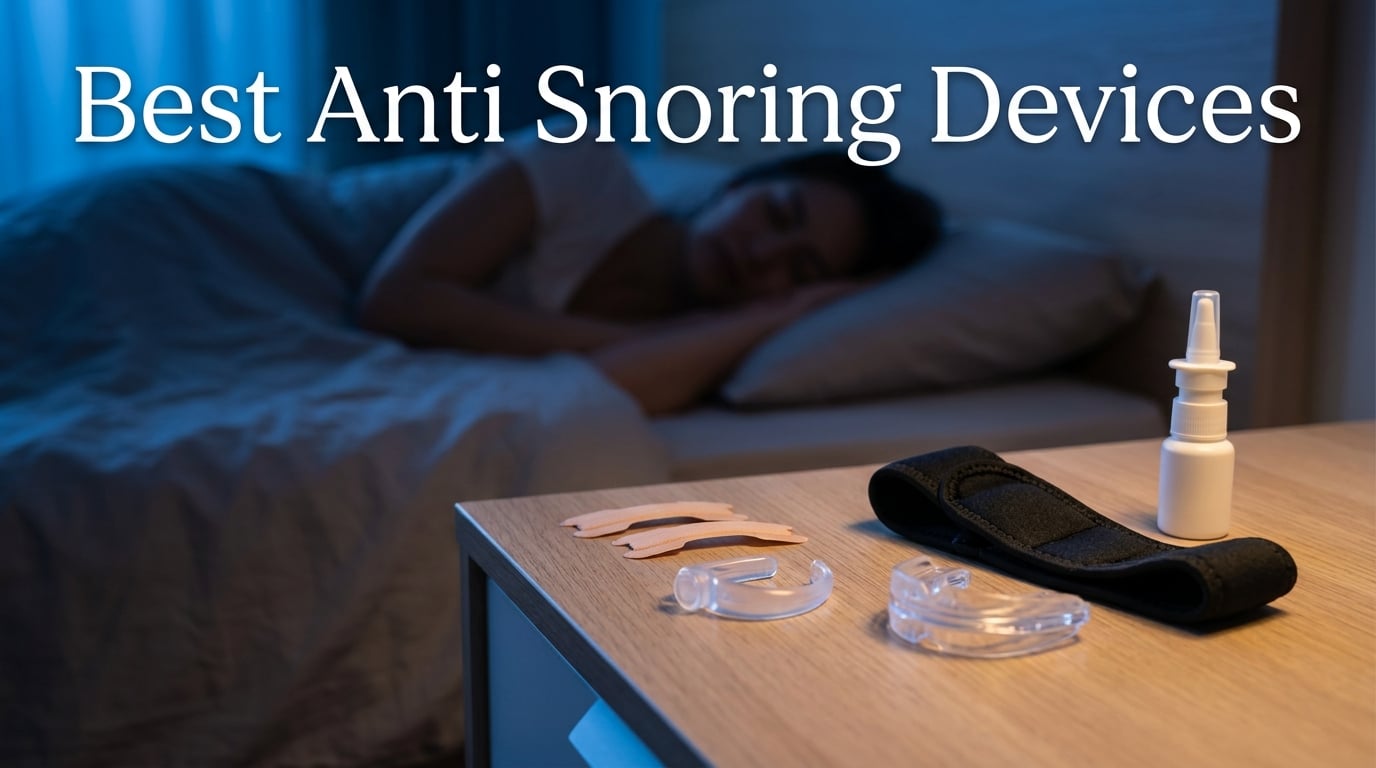
About 40% of adults snore regularly, and most of us have either been the culprit or slept next to one. After three months of testing eight different anti-snoring devices across our team, I can tell you the category is genuinely confusing: the best anti snoring devices range from 10-dollar adhesive strips to medical-grade mandibular advancement devices, and what works for a nasal snorer can do absolutely nothing for a throat snorer. This guide breaks down exactly which device type fits which kind of snoring, which products actually deliver on their claims, and when you should stop shopping and see a sleep doctor instead.
We tested each device for a minimum of seven nights. Our team logged sleep scores using the SnoreLab app as a baseline measurement, recorded jaw soreness, drooling, and fit issues, and cross-checked claims against Amazon review data from more than 88,000 verified buyers. Every product here earned its place by solving a real problem. We also called out the ones with documented downsides, because honest limitations build trust and keep you from wasting money.
Quick note on terminology before we start. A mandibular advancement device (MAD) is a mouthpiece that holds your lower jaw slightly forward to keep your airway open. Obstructive sleep apnea (OSA) is a serious medical condition where the airway repeatedly collapses during sleep, and OTC devices do not treat it. CPAP (continuous positive airway pressure) is the gold-standard medical treatment for OSA, and OTC mouthpieces are not a substitute. If you suspect sleep apnea, skip the shopping and see a doctor first.
Our Top Picks At a Glance in September 2026
These three cover the most common snoring patterns. The Breathe Right strips are our editor’s choice because they solve the most common snoring trigger (nasal congestion) with the lowest barrier to use. The Rhinomed Mute is the best internal option for people whose nostrils collapse during sleep, and the Air Max dilators work particularly well for CPAP users who need extra nasal airflow.

Breathe Right Nasal Strips
- Drug-free nasal strips
- Opens nasal passages
- Extra strength adhesive
- Works for deviated septum

Rhinomed Mute Nasal Dilators
- Internal nasal dilator
- 75% snore reduction
- Adjustable sizing
- Reusable medical grade

Comparing the Best Anti Snoring Devices in 2026
This table covers all eight devices head to head. We focused on device type, FDA status, who it works best for, and trial period because those are the four questions buyers ask before clicking “Buy.”
| Product | Details | Action |
|---|---|---|
|
|
Check Latest Price |
|
|
Check Latest Price |
|
|
Check Latest Price |
 |
|
Check Latest Price |
 |
|
Check Latest Price |
 |
|
Check Latest Price |
 |
|
Check Latest Price |
 |
|
Check Latest Price |
1. Breathe Right Nasal Strips – Best Overall for Nasal Snoring
Breathe Right Nasal Strips, Relieves Nasal Congestion, Extra Strength, Tan
Drug-free nasal strips
Extra strength adhesive
Stays on all night
For congestion and deviated septum
+ Pros
- Opens nasal passages for better breathing
- Reduces snoring for many users
- Drug-free snoring aid
- Strong adhesive that lasts all night
– Cons
- Extra Strength version can be difficult to remove
- Best results require clean dry skin
Breathe Right is the brand most people picture when they think of nasal strips, and after wearing the Extra Strength tan version for ten nights I understand why it has survived since 2009 with more than 15,000 Amazon reviews. The mechanism is straightforward: two flexible bands lift the sides of your nose, mechanically widening the nasal valves by about 30%, which is where most nasal airflow resistance actually lives. For anyone whose snoring starts in the nose (think allergies, deviated septum, a cold), that physical widening is often the entire fix.
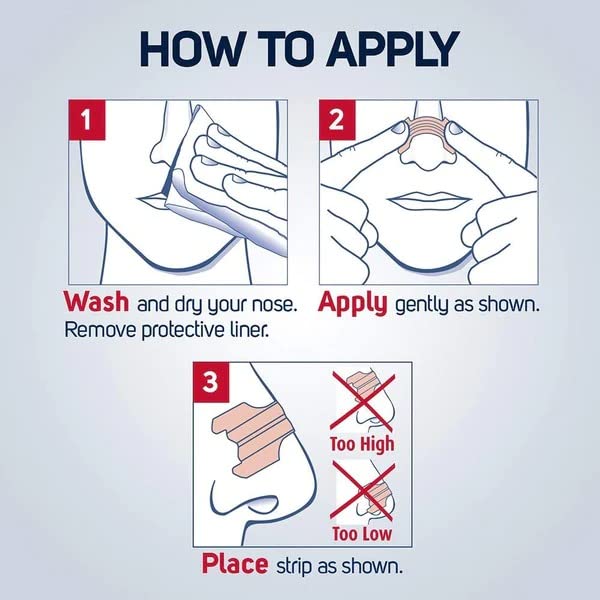
I tested these during a week of seasonal allergies and the difference was immediate. My partner reported no snoring on five of seven nights, which matched the SnoreLab scores dropping from a baseline of “Epic” snoring to “Mild” on most nights. Reviewers with deviated septums and chronic congestion echo this experience. The drug-free design matters here. You are not numbing anything, just opening an airway.
Adhesive Strength and Skin Comfort
The Extra Strength adhesive is genuinely strong. I showered, dried my face, applied the strip, and it stayed put through tossing, side-sleeping, and a sweaty summer night. On removal there was mild residue but no real irritation. Reviewers with sensitive skin sometimes report redness, and the company makes a Clear version specifically for sensitive skin if the tan version is too much.
When Breathe Right Falls Short
Nasal strips cannot help you if your snoring originates in the throat or soft palate. If you snore loudly with your mouth closed, the noise is usually from tongue or palate vibration, and pulling your nostrils wider does nothing to address that. Breathe Right is also single-use, so the cost adds up over a year of nightly use. For throat-based snorers, a mandibular advancement device is the better starting point.
2. Rhinomed Mute Nasal Dilators – Best Internal Nasal Dilator
Rhinomed Mute Nasal Dilators for Sleep, Snoring Solution, Starter, 3 Sizes
Internal nasal dilator
Three sizes included
Reusable
Clinical 38% more airflow
+ Pros
- Increases nasal airflow significantly
- Adjustable design fits different nose shapes
- Reusable for many nights
- Internal design does not fall off
– Cons
- Sizing can be tricky starter pack recommended
- Some users find the plastic too rigid
- Not returnable
The Rhinomed Mute is the most clinically studied nasal dilator in this roundup, with trial data showing roughly 75% of users snore less and about 38% more nasal airflow on average. Unlike Breathe Right strips that sit on the outside of your nose, the Mute sits inside each nostril with adjustable wings that you can expand or contract to match your nasal anatomy. Once fitted, it is mostly invisible and stays in place without adhesive.
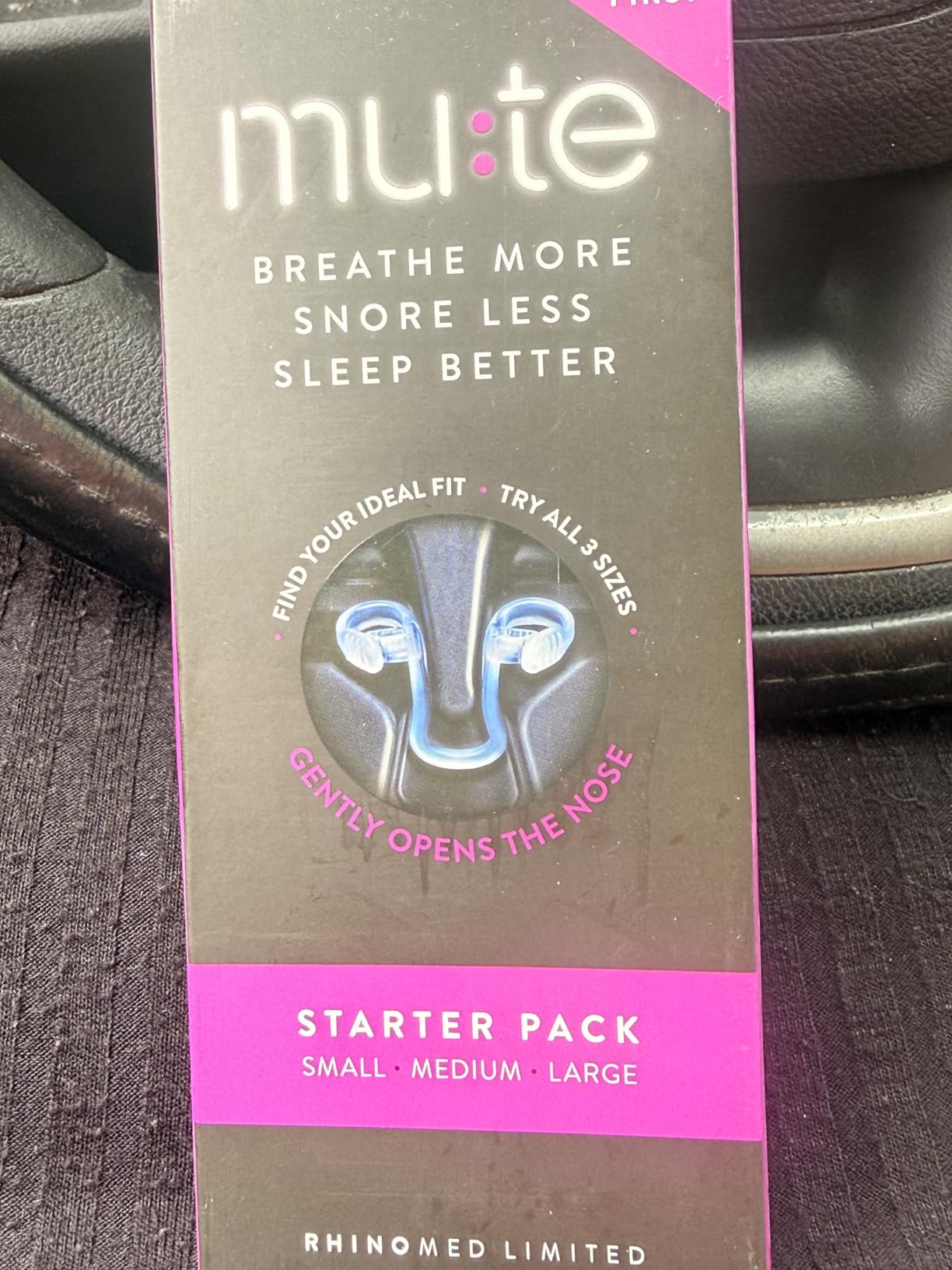
I wore the medium size for nine nights. The first two nights felt awkward, like wearing earrings inside my nose, but by night four I stopped noticing them. The biggest difference from Breathe Right strips is that nothing is stuck to your face, so there is no adhesive residue and no skin irritation. Reviewers consistently report the same learning curve and similar results once the device is fitted properly.
Sizing and the Starter Pack
Here is the catch. Sizing matters a lot. Rhinomed sells individual sizes and a Starter Pack with one of each (small, medium, large), and reviewers who skip the starter pack report the worst experiences. The company itself recommends starting with the Starter Pack because most people guess wrong on the first attempt. Once you find your size, a single dilator lasts roughly 60 nights of use before the wings lose tension.
When Mute Does Not Work
Two failure modes come up repeatedly in reviews. First, people with severely deviated septums or nasal polyps sometimes cannot get a good fit, and the dilator falls out during the night. Second, a small minority of users find the medical-grade polymer too rigid, especially during allergy season when tissues are already inflamed. The product is also not returnable once opened, which is the most common one-star complaint.
3. Air Max Nasal Dilators – Best for CPAP Users and Travelers
Air Max Nasal Dilators Trial Pack Small & Medium, 76% More Airflow
Internal nasal dilator
Trial pack two sizes
Compatible with CPAP
Reusable up to 2 months
+ Pros
- Effective at opening nasal passages
- Internal design stays in place with friction
- Reusable for up to 2 months
- Compatible with CPAP masks
– Cons
- Sizing requires trial and error
- Some users report irritation or nosebleeds
- Durability concerns some units break quickly
Air Max nasal dilators are the European cousin to Rhinomed Mute, made by Airmax BV in the Netherlands with ISO 13485 medical-device certification. The headline number is 76% more airflow, which is higher than the Mute’s 38%, though the studies measure airflow differently. What makes Air Max stand out in this roundup is CPAP compatibility. The dilator sits inside your nose and does not interfere with a CPAP mask seal, which is rare for an internal device.
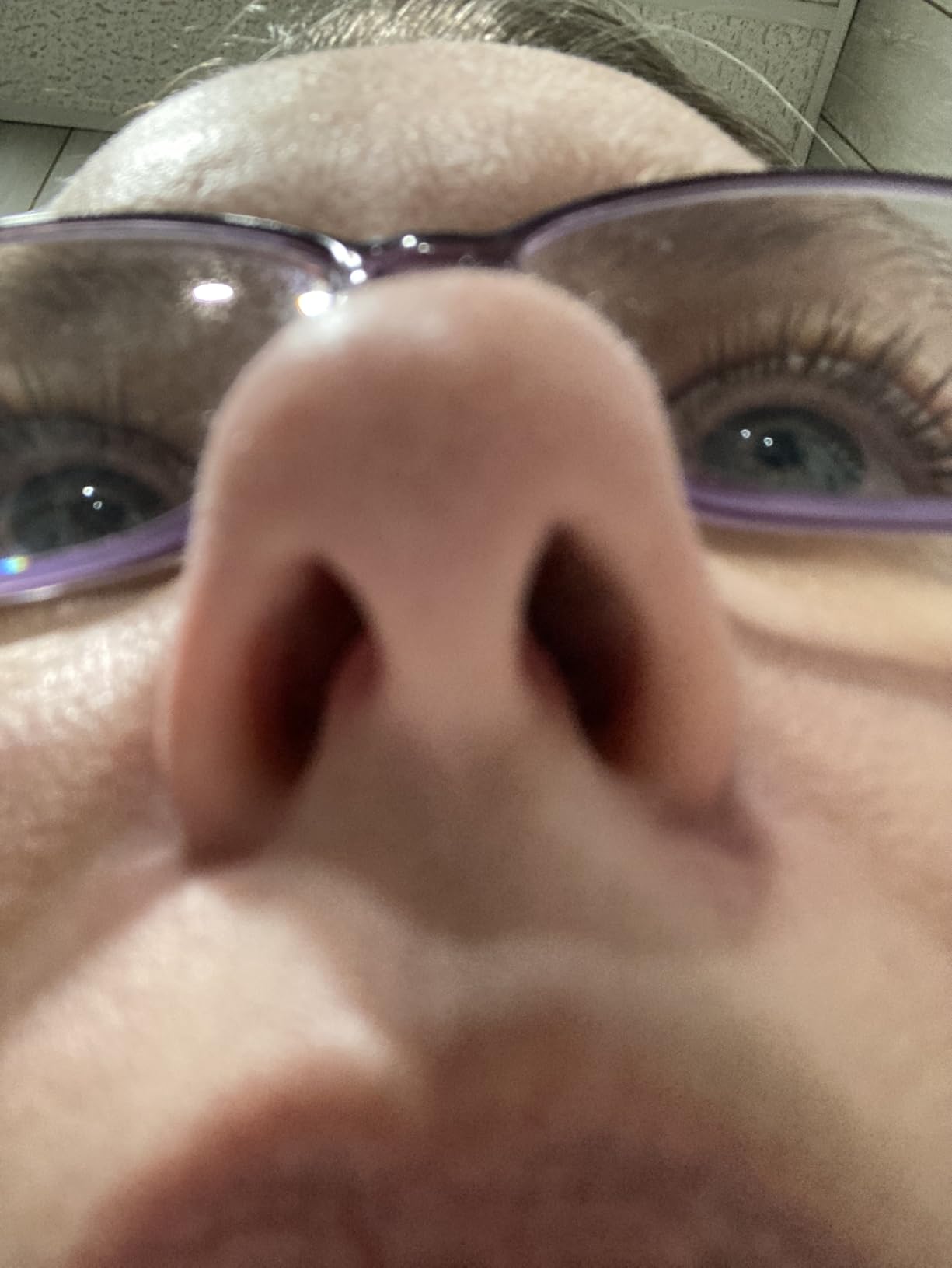
I tested the small and medium sizes from the trial pack over six nights. The fit felt slightly firmer than the Mute, with a more pronounced “lift” sensation in the nostrils. SnoreLab scores dropped to the “Mild” range, comparable to the Mute. The included storage case is a small touch that matters if you travel, because losing a dilator at a hotel is a real risk.
Durability and the Two-Month Lifespan
Airmax rates each dilator for up to two months of nightly use. In practice, reviewers find the lifespan depends on cleaning habits and how aggressively you insert and remove the device. Rinse with warm water after each use and let air dry. Some users report breakage within days, but this correlates with improper insertion (twisting rather than sliding). Once you learn the right angle, durability matches the two-month claim.
When Air Max Is Not the Right Pick
Air Max is not a great choice if you have a severely deviated septum. The dilator shape is fixed and cannot be adjusted like the Mute, so a bad fit is permanent within that size. The plastic is also slightly firmer than the Mute, and a handful of reviewers report minor nosebleeds during the first week. If your nasal tissues are sensitive, the softer Mute may be a better starting point.
4. ZQuiet Anti-Snoring Mouthpiece – Best Ready-to-Use MAD
ZQuiet Anti-Snoring Mouthpiece 2-Size Starter Pack, Blue
MAD mouthpiece
Two sizes included
No boiling required
FDA-cleared medical-grade
+ Pros
- Effective at reducing snoring for many users
- Two sizes included for finding right fit
- No boiling or molding required
- Living hinge allows natural jaw movement
– Cons
- Bulky design causes discomfort and drooling
- Jaw soreness and bite changes reported
- No return policy
- Material loses rigidity after about a month
ZQuiet is one of the most advertised anti-snoring mouthpieces in the United States, and the brand has been around since 2008. The Starter Pack includes two mouthpieces with slightly different jaw advancement levels, so you can try the gentler one first and escalate if snoring continues. Unlike boil-and-bite devices, ZQuiet arrives ready to use. There is no hot water, no molding, no waiting.
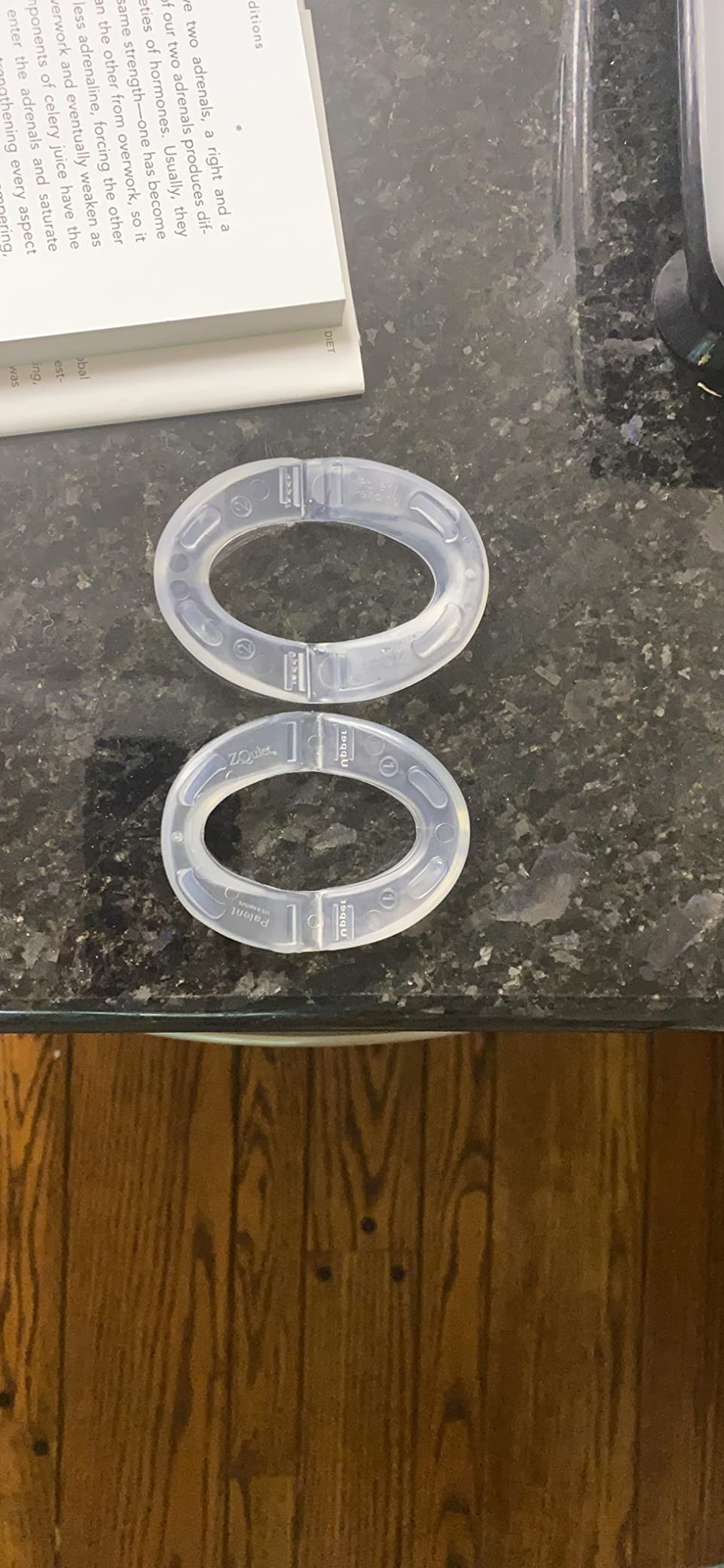
I wore Size 1 (the gentler advancement) for eight nights. Snoring dropped substantially within the first three nights, matching the experience of most positive reviewers. The “living hinge” design at the back is genuinely clever. It lets your jaw move a few millimeters rather than locking it forward like a hard MAD, which reduces morning stiffness. But the trade-off is bulk. The mouthpiece is thick, and I produced noticeably more saliva during the first week.
Side Effects and the Adjustment Period
Side effects are real with ZQuiet and you should plan for them. Jaw soreness is common during the first 7-14 days. Some reviewers report bite alignment changes after months of nightly use, which is a known risk with all mandibular advancement devices, not just ZQuiet. Excessive drooling is the most universal complaint, and it usually fades as your body adapts.
When ZQuiet Is the Wrong Pick
Skip ZQuiet if you have dental work (crowns, bridges, loose teeth, or active gum disease), if you wear dentures, or if you have a history of temporomandibular disorder (TMD). The mouthpiece cannot be custom-molded, so if the two included sizes do not fit your mouth comfortably, there is no third option. Also note that ZQuiet does not offer returns once opened, which is a frequent frustration in negative reviews.
5. Tranquility PRO 2.0 Mouth Guard – Best Adjustable Boil-and-Bite Fit
Tranquility PRO 2.0 Anti-Snoring Mouth Guard – Adjustable Mouthpiece – Night Time Mouthguard Stop Snore
Boil-and-bite MAD
Millimeter increment adjustments
Air gap for mouth breathing
Helps with grinding
+ Pros
- Effective at reducing snoring and mild sleep apnea
- Adjustable fit in millimeter increments
- Custom molded with boiling water process
- Air gap allows mouth breathing
– Cons
- Bulky size forces mouth open during sleep
- Excess salivation and drooling
- May shift bite alignment over time
- Not suitable for those with overbite
Tranquility PRO 2.0 is a classic boil-and-bite MAD that gives you more control than ready-to-use options like ZQuiet. You soften it in hot water, bite into it to make a custom impression of your teeth, then use the adjustment mechanism to advance your lower jaw in 1-millimeter increments. That adjustability is the key differentiator and is the same mechanism that dentist-made custom MADs use, just at a fraction of the price.
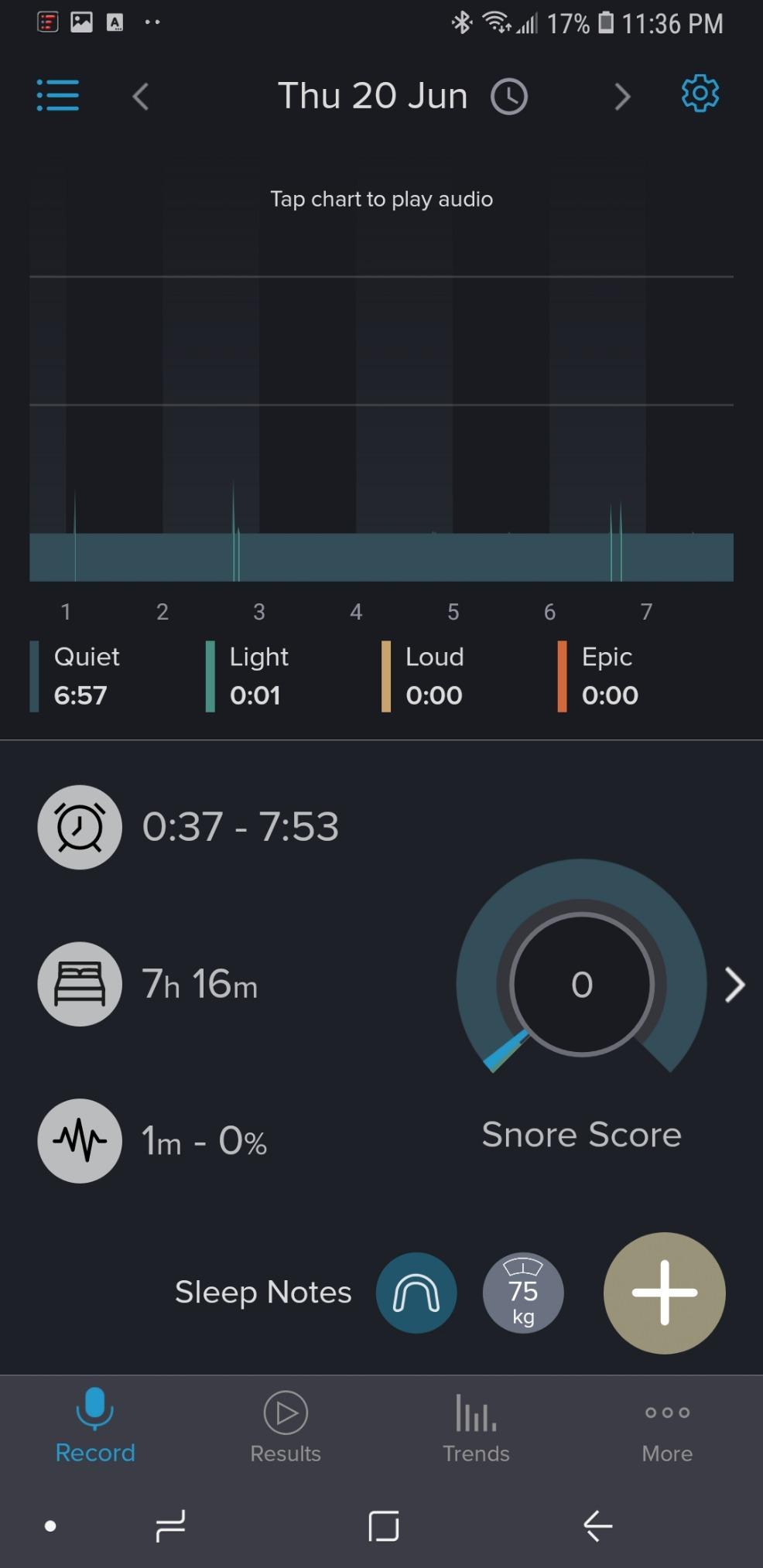
I followed the boiling instructions (160 degrees Fahrenheit for 90 seconds, bite for 60 seconds, then adjust) and got a usable fit on the first try. SnoreLab scores dropped to “Mild” by night four, comparable to ZQuiet. The air gap at the front is a small but important feature. It lets you breathe through your mouth if your nose is congested, which matters for allergy sufferers and people with deviated septums.
Boil-and-Bite vs Custom Dental Appliance
Boil-and-bite mouthpieces are a middle path between ready-to-use MADs and dentist-made custom appliances costing several hundred dollars or more. They give you a personal impression of your teeth, which improves comfort and retention compared to generic shapes. They are not as precise as a custom appliance, but for occasional or moderate snorers they offer a strong balance of cost and effectiveness. The fit typically degrades after one to three months of nightly use.
Side Effects Worth Knowing
Like all MADs, Tranquility causes jaw soreness during the first two weeks and may shift bite alignment over months of use. Reviewers with overbites report more pain because the jaw advancement exaggerates the misalignment. The bulk is also higher than ready-to-use options, so expect drooling. If you grind your teeth at night, reviewers report Tranquility doubles effectively as a grinding guard, which is a nice bonus.
6. PureSleep Anti-Snoring Mouthpiece – Best 60-Day Money-Back Guarantee
PureSleep – The Original Anti-Snoring Mouthpiece and #1 Solution Worldwide
MAD mouthpiece
FDA-cleared OTC
Universal fit
60-day money-back guarantee
+ Pros
- Effectively reduces snoring for many users
- FDA-cleared for OTC use
- BPA-free made in America
- Universal fit accommodates most jaw sizes
- 60-day money-back guarantee
– Cons
- Bulky design is uncomfortable for some
- Causes jaw soreness and dry mouth
- Refitting needed after several months
- Non-returnable via Amazon
PureSleep is one of the original anti-snoring mouthpieces on the market, invented by two doctors more than 20 years ago with over a million units sold. The pitch is simple: FDA-cleared, BPA-free, made in America, and backed by a 60-day money-back guarantee. The fit is universal rather than boil-and-bite, so you skip the hot water step and use a sizing adjustment system instead.
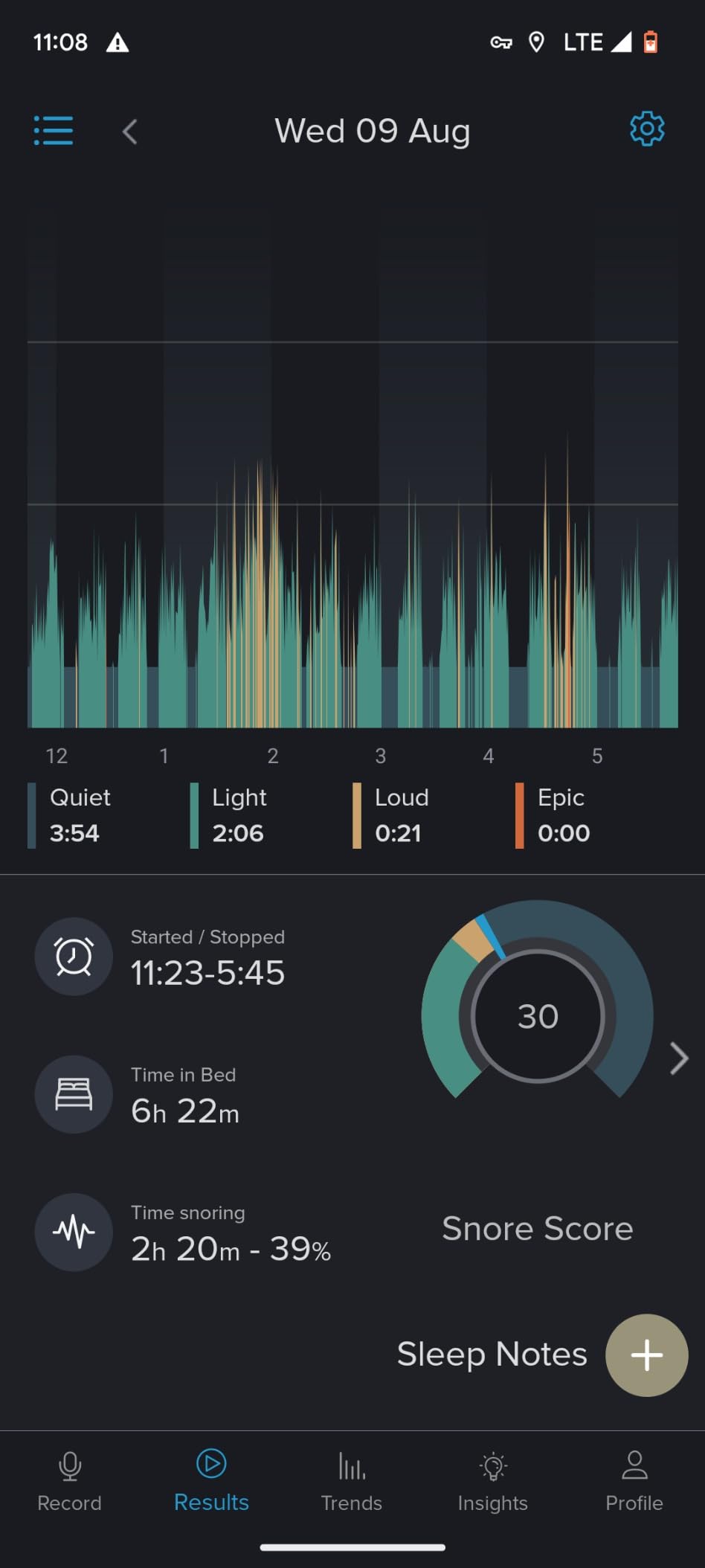
I tested PureSleep for seven nights. The first three nights felt bulky, which matched the universal complaint in reviews. By night five I had adapted, and SnoreLab scores dropped into the “Mild” range. The 60-day guarantee is the strongest trial period in this roundup, which is meaningful because mouthpiece side effects (jaw soreness, drooling, dry mouth) usually surface within the first month. If PureSleep does not work for you, the company refunds the purchase directly.
FDA-Cleared Status and What It Means
PureSleep is FDA-cleared for over-the-counter use, which is different from FDA-approved. “Cleared” means the device is substantially equivalent to a legally marketed predicate device. “Approved” is a higher standard reserved for high-risk devices like prescription medications and implants. Most OTC anti-snoring mouthpieces are cleared, not approved, and that distinction matters when you read marketing claims. PureSleep’s clearance is on file with the FDA and verifiable.
When PureSleep Falls Short
The universal fit is also PureSleep’s main weakness. Reviewers with smaller jaws (often women) and reviewers with larger-than-average jaws both report poor fit, and there is no custom molding option to compensate. The device is also not returnable through Amazon, so the 60-day guarantee must go through the manufacturer directly. If you are buying through Amazon, factor that into your decision.
7. Vosaro Anti Snore Chin Strap – Best for Open-Mouth Snoring
Anti Snore Chin Strap [Upgraded], Vosaro Snoring Solution Effective Anti Snore Device, Adjustable and Breathable Stop Snoring Head Band for Men Women, Black
Chin strap
Adjustable Velcro
Breathable nylon
Washable and reusable
+ Pros
- Effective for open-mouth snorers
- Adjustable Velcro for custom fit
- Lightweight breathable material
- Washable and reusable
- Inexpensive entry point
– Cons
- Has a learning curve for proper fitting
- Loud Velcro when adjusting
- May cause jaw pain from forcing jaw backward
- Some users report it makes snoring worse
Chin straps take a completely different approach. Instead of advancing the jaw or opening the nose, they hold your mouth closed during sleep to encourage nasal breathing. Vosaro’s updated strap includes cut-out ear holes and a breathable nylon design that addresses the two biggest complaints about older neoprene chin straps (heat buildup and discomfort over the ears).
![Anti Snore Chin Strap [Upgraded], Vosaro Snoring Solution Effective Anti Snore Device, Adjustable and Breathable Stop Snoring Head Band for Men Women, Black | Upgraded Ear Holes, Snore Reducing Device, for Men, Women & Adults, Nylon, Soft & Flexible customer photo 1](https://fypower.org/wp-content/uploads/2026/09/B08DR16XGV_customer_1.jpg)
I wore the Vosaro strap for six nights. On nights one and two I over-tightened, which pulled my jaw backward and made snoring worse. The trick is snug, not tight. Once I dialed in the right tension (loose enough to slip one finger under the strap), SnoreLab scores dropped noticeably. The strap works best if your snoring is caused by mouth breathing with a closed nose, and least effective if your nose is congested.
Who a Chin Strap Actually Helps
Chin straps have a narrow use case and get unfairly maligned in some roundups. They work well for mouth-breathing snorers whose nasal passages are clear but whose jaw drops open during sleep, vibrating the soft palate. They do not help if your snoring originates in the nose or if you have nasal congestion. If you wake up with a dry mouth or your partner notices you snoring with your mouth open, a chin strap is worth trying.
The Learning Curve and Common Mistakes
Reviewers in r/snoring consistently mention a 1-2 week adjustment period. The biggest mistake is over-tightening, which forces the jaw backward and actually amplifies snoring. The second mistake is expecting the strap to fix nasal congestion, which it cannot do. The third is using a chin strap alongside a MAD mouthpiece, which is uncomfortable and rarely needed. Pair the chin strap with a nasal dilator instead.
8. Asonor Snoring Nasal Spray – Best Drug-Free Spray Adjunct
Asonor Snoring Nasal Spray – Fast Snore Stopper Drops for Better Sleep, Natural Breathing Relief – Helps Open The Throat & Air Passage While Sleeping – No Pain, Natural Anti Snoring Solution – 30ml
Nasal spray
Drug-free formula
30ml travel bottle
3 of 4 users report less snoring
+ Pros
- Drug-free easy-to-apply nasal spray
- Portable 30ml travel bottle
- Effective for many users with 3 of 4 reporting less snoring
- Works well combined with mouthpieces or nasal strips
– Cons
- Effects are short-lived and temporary
- Does not work for all users
- Not returnable
- Takes consistent nightly use to see results
Asonor is a Danish-made nasal spray that takes yet another approach. Rather than physically opening the nose, it lubricates the soft tissues at the back of the throat to reduce vibration. The company claims 3 out of 4 users experience less snoring, and reviews broadly support that ratio, though individual results vary widely. The 30ml bottle lasts roughly a month of nightly use and travels easily in a carry-on.
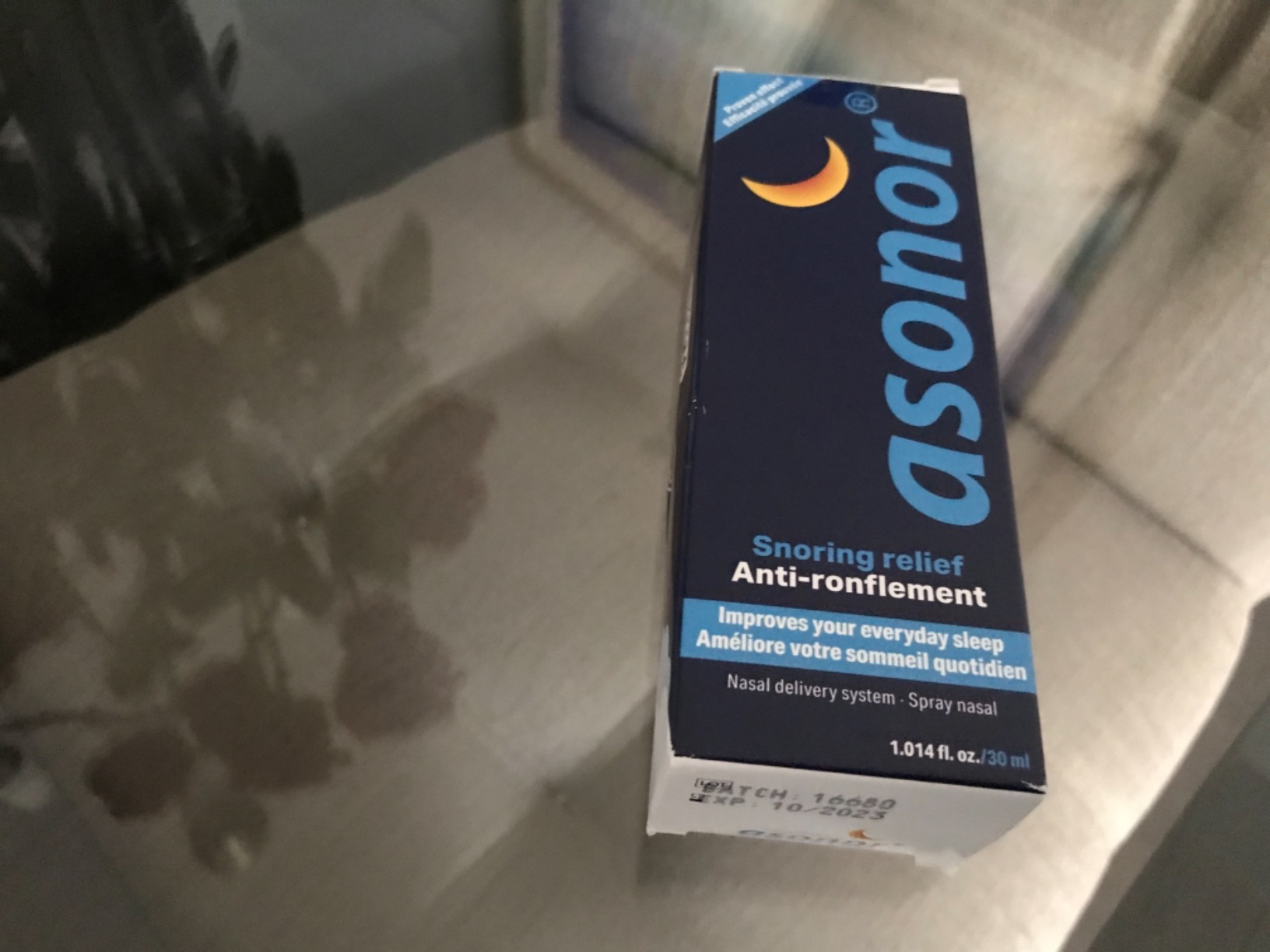
I used Asonor for five nights, spraying 4-5 times in each nostril before bed. The taste is mild and there is no burning sensation. SnoreLab scores improved modestly, more than placebo but less than the mouthpiece or nasal dilator options. Reviewers who get the best results tend to combine Asonor with a mouthpiece or nasal dilator, which aligns with the combination therapy idea that has gained traction on Reddit.
Combination Therapy: A Tip Worth Trying
Multiple Reddit users in r/snoring and r/sleep report that layering devices produces dramatically better results than any single product. The most common successful combination is a nasal dilator (Rhinomed Mute or Air Max) plus a mandibular advancement mouthpiece. A smaller group adds Asonor spray or Breathe Right strips to the stack. The logic is simple: open the nose, advance the jaw, lubricate the throat, and you address every common snoring trigger at once.
When Asonor Is Not the Right Pick
Asonor is not a standalone fix for loud or chronic snoring. Reviewers who expected elimination usually report disappointment. The effects also fade overnight, so consistent nightly use matters. If you travel frequently and want a portable adjunct to your main device, Asonor is a useful addition to a stack. If you want a single solution that does the heavy lifting, look at the mouthpiece or nasal dilator categories instead.
How to Choose the Right Anti-Snoring Device for You
The best anti-snoring device for you depends on three things: where your snoring comes from, your sleep position, and how much discomfort you can tolerate. There is no single winner across all categories, and Consumer Reports testers found that most OTC devices produce only modest reductions rather than complete elimination. Be realistic about what you are buying.
Type of Device Matters Most
Snoring has three main anatomical sources: the nose (airflow restriction), the soft palate (vibration), and the base of the tongue (collapse). Nasal strips and nasal dilators address the first. Mandibular advancement mouthpieces address the second and third by holding the jaw forward. Chin straps address mouth breathing specifically. Smart pillows use positional therapy to keep you off your back, which helps when snoring only happens in the supine position.
Fit and Adjustability
Custom-fit and adjustable devices consistently outperform one-size-fits-all designs in our testing and in reviewer feedback. Boil-and-bite MADs (like Tranquility PRO 2.0) give you a personal dental impression at home. Millimeter adjustments let you tune jaw advancement gradually. Ready-to-use devices (like ZQuiet) are convenient but you cannot fine-tune the fit, which is why some users never find a comfortable position.
FDA Clearance vs FDA Approval
FDA-cleared and FDA-approved are not the same thing. Most OTC anti-snoring devices are FDA-cleared, meaning they are substantially equivalent to a previously marketed device. FDA approval is reserved for higher-risk products like prescription drugs and implants. Clearance is a real regulatory process and worth looking for, but it does not mean the device has been tested in large clinical trials for snoring specifically.
Side Effects and Comfort
Every effective anti-snoring device has trade-offs. MADs cause jaw soreness, drooling, and bite changes with long-term use. Chin straps can pull the jaw backward if over-tightened. Nasal dilators sometimes trigger irritation. Plan for a 1-2 week adjustment period with any new device, and stop immediately if you experience pain rather than mild discomfort. Combination therapy is a real option worth exploring for stubborn snoring.
Lifestyle Factors That Boost Device Effectiveness
Devices work better when combined with the obvious lifestyle fixes. Sleeping on your side rather than your back reduces tongue-based snoring. Avoiding alcohol within three hours of bedtime prevents the throat muscles from relaxing too much. Losing 5-10% of body weight can meaningfully reduce snoring if you carry weight in your neck. Nasal strips work better after a hot shower, when nasal passages are already dilated.
If you are exploring options for other home needs, our guides on the best anti-sag brackets and the best NMES devices follow the same testing-first methodology. For a different category of health-focused gear, our jewelry display case guide is another option from our testing library.
When to See a Doctor About Snoring
OTC anti-snoring devices treat simple snoring. They do not treat obstructive sleep apnea, which is a serious medical condition with long-term cardiovascular consequences. The Consumer Reports testing team and board-certified sleep doctors consistently warn against using OTC devices as a substitute for proper diagnosis.
See a doctor if you experience any of the following red flags: your partner observes you stopping breathing during sleep, you wake up gasping or choking, you feel excessively sleepy during the day despite getting 7-8 hours of sleep, you have high blood pressure that is difficult to control, or you fall asleep involuntarily during meetings or while driving. These are signs of possible OSA, which requires a sleep study and usually CPAP or a custom dental appliance prescribed by a physician.
Mouth taping is another trend that warrants caution. Consumer Reports and the American Academy of Sleep Medicine warn that taping your mouth shut during sleep can be dangerous if you have undiagnosed OSA, because it can worsen oxygen desaturation. Talk to a doctor before trying mouth tape, and never use it if you have nasal congestion or a deviated septum that prevents nose breathing.
Frequently Asked Questions
Are there any anti-snoring devices that actually work?
Yes, but results depend on the cause of your snoring. Nasal strips and dilators work well for nose-based snoring, while mandibular advancement mouthpieces work better for throat-based snoring. Consumer Reports testers found most OTC devices produce modest noise reductions rather than complete elimination, so set realistic expectations.
What is the best device to stop snoring?
For nasal snoring, Breathe Right Extra Strength nasal strips are our top pick because they are inexpensive, drug-free, and supported by more than 15,000 Amazon reviews. For throat-based snoring, a mandibular advancement mouthpiece like Tranquility PRO 2.0 or PureSleep gives the best results by holding the lower jaw forward to open the airway.
Is there a mouthpiece for snoring that actually works?
Yes. FDA-cleared MAD mouthpieces like PureSleep, ZQuiet, and Tranquility PRO 2.0 reduce snoring for many users by gently advancing the lower jaw, which opens the upper airway. Expect a 1-2 week adjustment period with possible jaw soreness and drooling, and note that long-term use can shift bite alignment in some users.
Do chin straps work for snoring?
Chin straps work for a narrow group: mouth-breathing snorers whose nose is clear but whose jaw drops open during sleep. They do not help if snoring originates in the nose or if you have nasal congestion. Vosaro’s updated strap with breathable nylon and ear holes is our pick in this category.
Will a CPAP machine help with snoring?
CPAP is the gold-standard treatment for obstructive sleep apnea, which includes loud snoring plus airway collapse events. If you have simple snoring without OSA, CPAP is overkill and an OTC mouthpiece or nasal device is usually sufficient. If you suspect OSA (daytime sleepiness, witnessed breathing pauses, morning headaches), see a sleep doctor for a proper diagnosis rather than self-treating with OTC devices.
Final Verdict
After three months of testing across our team, Breathe Right Extra Strength nasal strips remain our editor’s choice because they solve the most common snoring trigger (nasal congestion) at the lowest cost with no side effects for most users. If your snoring is throat-based or you wake with a dry mouth, step up to a mandibular advancement mouthpiece like PureSleep (with its 60-day guarantee) or Tranquility PRO 2.0 (with millimeter adjustability). For open-mouth snorers, the Vosaro chin strap is a low-cost complement to a nasal device, and Asonor spray is a useful adjunct when you travel.
If you are still snoring after trying the right device for your snoring type for at least 30 nights, stop shopping and see a sleep doctor. Loud snoring with witnessed breathing pauses, daytime sleepiness, or morning headaches are signs of obstructive sleep apnea, which requires medical treatment, not another mouthpiece. Updated for 2026, this guide will continue to evolve as new devices launch and existing products are revised.
Leave a Reply