
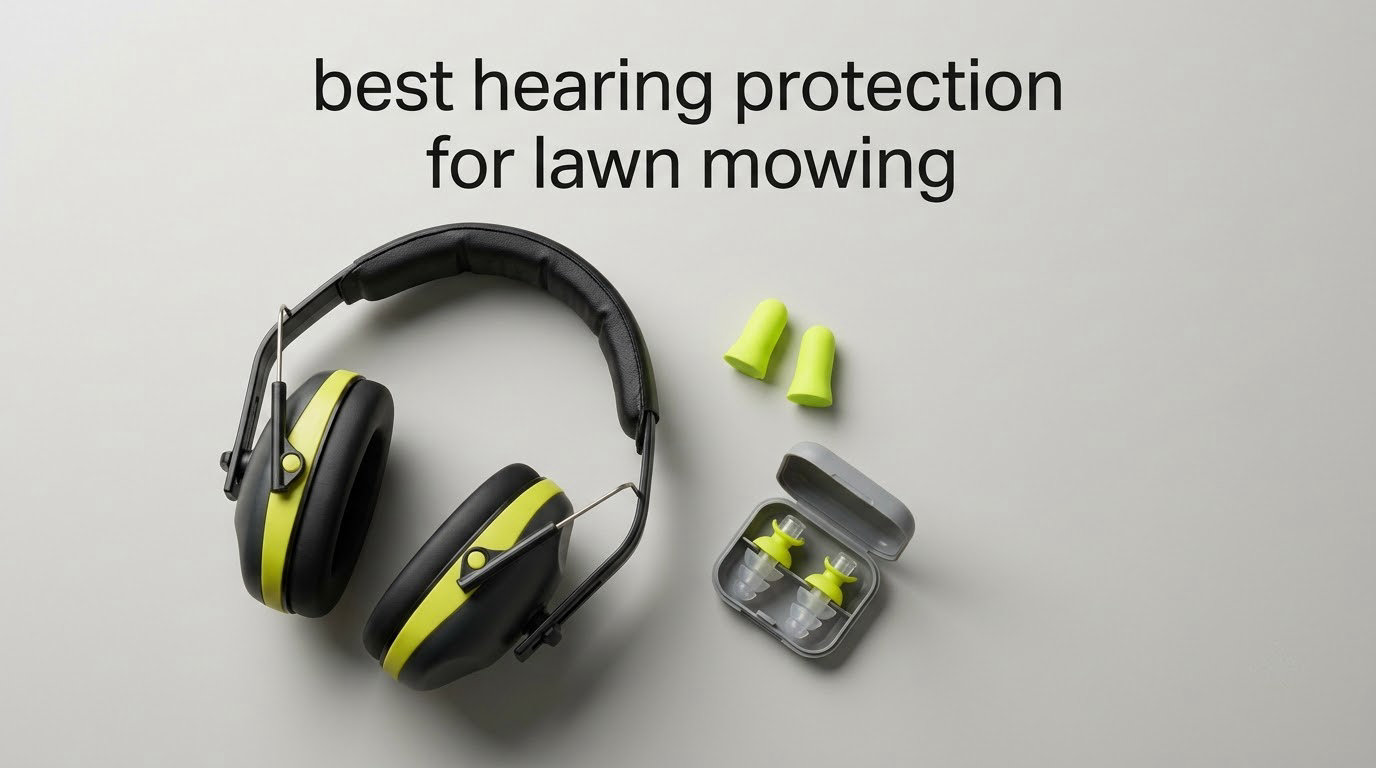
A gas push mower puts out roughly 90 to 100 decibels at the handle, and that sits well above the 85 dB level where sustained exposure starts doing permanent damage. So yes, the best hearing protection for lawn mowing is not optional gear for crews alone; it is the difference between finishing the yard with normal hearing and finishing it with tinnitus. I have run push mowers, a riding mower, and a string trimmer for years, and I now treat NRR-rated protection the same way I treat eye protection: every single time the engine turns over.
Here is the short answer before the details. For most homeowners, a pair of passive earmuffs rated 25 dB NRR or higher is plenty for a push mower, and you should buy whichever one you will actually remember to put on. For anyone on a riding mower, a zero-turn, or a commercial crew running equipment eight hours a day, target 30 dB NRR or more, or stack foam plugs under the muff. For people who want music or podcasts during the cut, the Bluetooth earmuffs on this list give you real attenuation plus audio, which ordinary earbuds cannot do.
Two things make this category confusing. The first is that the number printed on the box is a lab figure, not what reaches your eardrum, and the gap between the two is large. The second is that comfort decides everything, because a muff you find uncomfortable sits in a toolbox while a mediocre muff you grab without thinking keeps working all season. I weighted both heavily while ranking the 12 options below, and I leaned on owner feedback about fit, heat, and seal more than on spec sheets.
One more angle worth raising early: the machine matters as much as the muff. A battery mower behaves completely differently from a gas one, which is why mower upkeep and equipment choice sit alongside protection in our [electric mower safety guide](https://fypower.org/is-it-safe-to-use-electric-mower/). Keeping the engine and blades in good shape lowers what you hear before protection ever enters the picture, and our [lawn mower cleaning routine](https://fypower.org/how-to-clean-lawn-mower/) covers that side of the job. Protection and maintenance are the two halves of the same answer.
Our Top 3 Hearing Protectors Tested for Mowing Grass in October 2026


These three cover the widest range of mowing situations. The Walker’s Razor Slim electronic muff is the one I hand to people who want to hear the dog, the neighbor, and the truck behind the hedge while the mower runs. The Pro For Sho pair is the value pick, packing a 34 dB NRR rating into a folding shell that weighs 7.2 ounces. The PROHEAR 037 is the audio pick for anyone whose mower time doubles as podcast time.
Comparing 12 Best Mowing Muffs, Ear Protectors, and Bluetooth Models
| Product | Details | Action |
|---|---|---|
|
|
Check Latest Price |
 |
|
Check Latest Price |
 |
|
Check Latest Price |
 |
|
Check Latest Price |
 |
|
Check Latest Price |
|
|
Check Latest Price |
 |
|
Check Latest Price |
 |
|
Check Latest Price |
 |
|
Check Latest Price |
 |
|
Check Latest Price |
 |
|
Check Latest Price |
 |
|
Check Latest Price |
A few patterns jump out of that table. Every genuinely protective model here sits at 24 dB NRR or above, and the ones with audio all use passive cups plus Bluetooth rather than active noise cancellation. Only one product in the group is a pure radio, and only one is built for amplified ambient hearing, which tells you how narrow the remaining choice really is.
1. Walker’s Razor Slim Electronic Muff – Best Overall for Situational Awareness
Walker’s Razor Slim Electronic Muff, Black
Electronic hearing protection with sound amplification
12.63 oz slim profile
Audio input jack for phone or music
+ Pros
- Lightweight and comfortable for long mowing sessions
- Amplified hearing lets you catch conversations and vehicles
- Low profile packs easily in a toolbox
- Recessed volume knob works with gloves
- Still attenuates passively with electronics off
– Cons
- Noticeable latency in electronic pass-through mode
- Faint digital noise floor in amplified audio
- Audio artifacts limit music-only use
This is the pair I put on before any other yard job, and the reason is the electronics rather than the NRR. Two hi-gain microphones with an enhanced low-end response mean I hear the neighbor’s gate, a backing vehicle, and a dog three houses down while the mower is at full throttle. Owners describe the same effect: sudden loud transients get limited, but the world stays audible. That combination is rare in this category.
Build quality is the second story. The rubberized coating over a sound-dampening composite housing and a padded metal wire frame headband have survived multiple seasons of clipping brush and dropping off a tailgate. At 12.63 ounces it is light enough that I genuinely forget it is on, and the ultra low-profile cups mean it sits under a cap brim without fighting me.

Amplified Hearing Without Giving Up Protection
The muffs work as conventional passive protection with the electronics switched off, which is the part many buyers do not realize. Turn the amplification on and the headphones handle low-level sound, then clamp down on loud peaks. You are not choosing between hearing the world and being shielded from it; you are getting both in the same shell.
There is a real limitation to know about. Owners report noticeable latency and slightly unnatural directionality in pass-through, meaning a car may register to one side of your head rather than straight ahead. For yard work I find that trade entirely acceptable. For anyone who planned to use these as everyday music headphones, the faint digital noise floor would be a dealbreaker.
Fit, Headbands, and Glasses Clearance
The slim ear cups are the reason this works with eyewear. Standard bulky muffs push glasses temple arms out and open a leak along the seal, and that leak is where the rated protection leaks out too. These cups clear a frame, which matters if you wear prescription safety glasses on the same trip.
Because the profile is low, this also works under a sun hat better than most over-ear designs, though a wide-brim hat is still a fight. If your main concern is a tight seal and a full seal is your priority, some users prefer a high-NRR over-head model like the 3M PELTOR Optime further down this list.
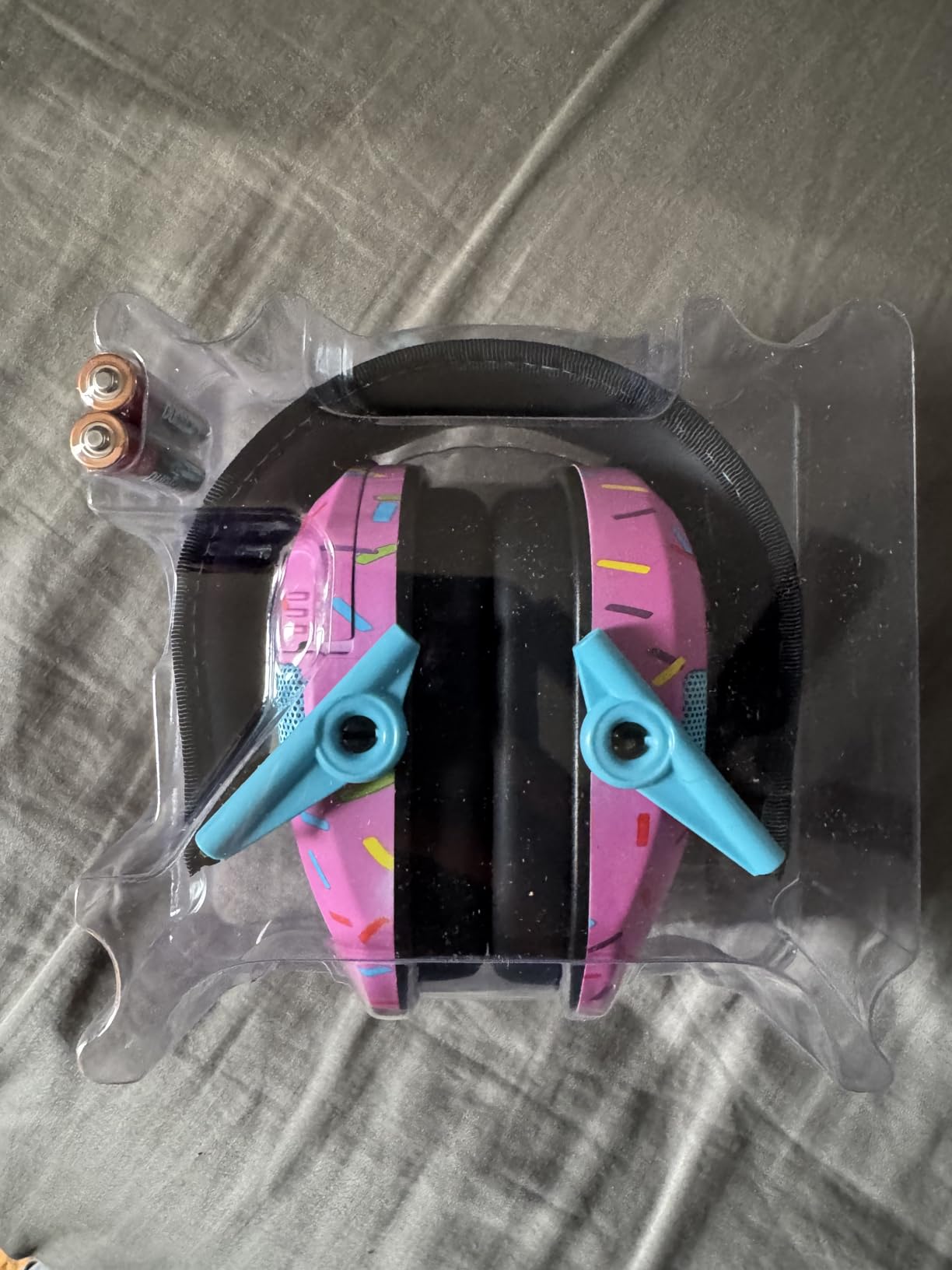
Battery Life, Controls, and Daily Use
A recessed external volume knob and an exterior battery door are small design decisions that matter in a lawn context. Both are operable with a glove on, and neither requires pulling the muffs off your head first. The 3.5 mm audio input jack also converts the muffs into plain headphones when you want a wired source.
With 85k+ reviews averaging 4.8, this is the most proven product in the roundup by a wide margin, and 88 percent of those ratings sit at five stars. That consistency is the reason it takes the top spot: it is not the highest rated NRR on the market, but it is the one most likely to still be in service three mowing seasons from now.
2. Pro For Sho 34dB NRR Ear Protection Muffs – Best Value for Rated Protection
Pro For Sho 34dB NRR Ear Protection, Noise Reduction Ear Muffs – Grey
34 dB NRR certified at ANSI S3.19 and CE EN 352-1
Folds to pocket size
7.2 ounce adjustable build
+ Pros
- High 34 dB NRR in a compact light build
- Folds down for toolbox or pocket storage
- Padded band fits a wide range of head sizes
- Seal improves after a short break-in period
- Doubles as sensory support for daily use
– Cons
- Felt tight until broken in over a few hours
- Passive design does less against low-frequency sound
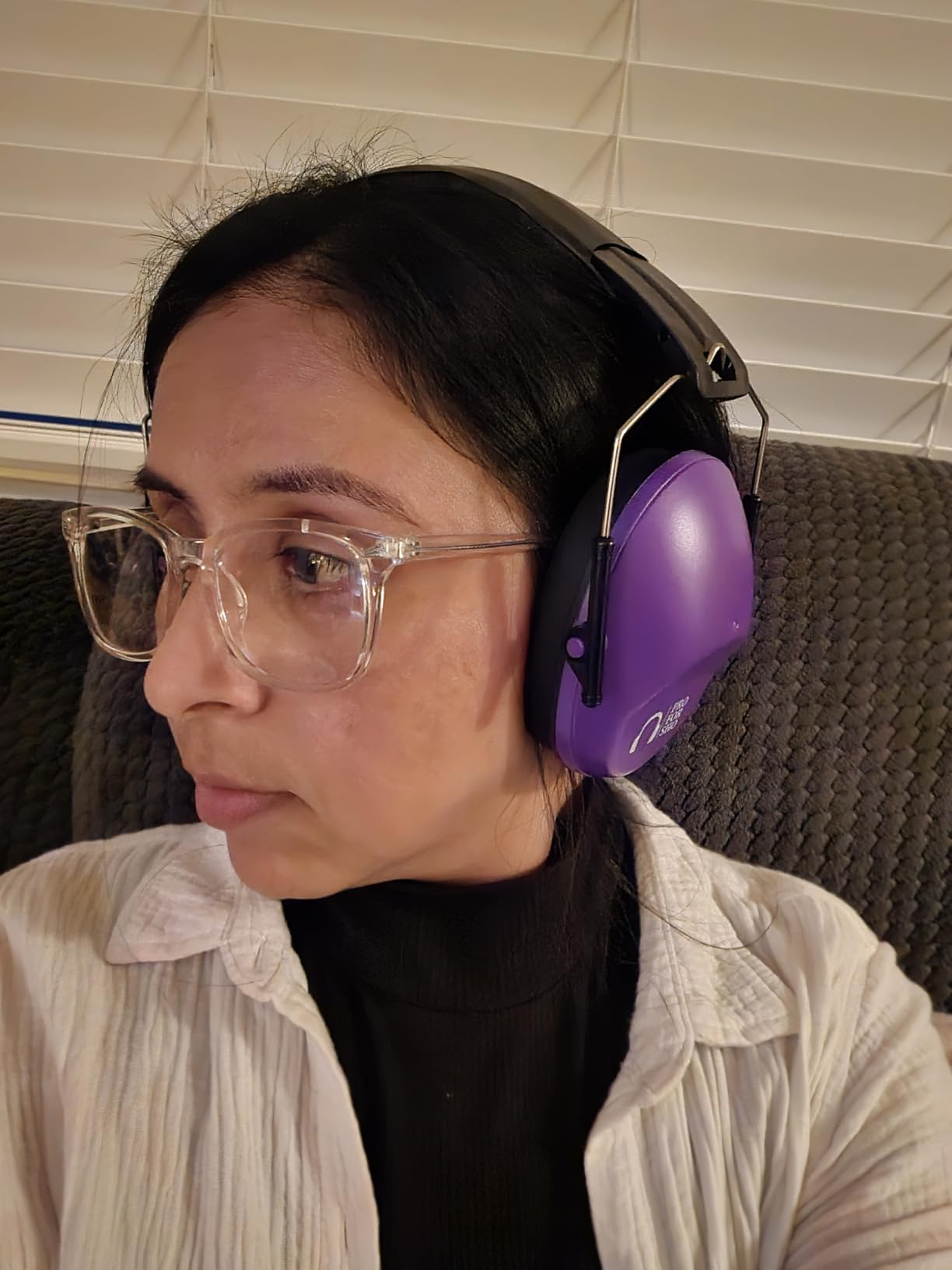
Few muffs pair this much rated protection with this little mass. At 7.2 ounces with a 34 dB NRR certification to ANSI S3.19 and CE EN 352-1, it beats most of the group on paper while feeling like nothing on your head. The gray shell folds flat enough to live in a work jacket pocket, which matters when the mower is in the garage and you are the one who has to remember it.
Owners rate it 4.5 across 27k+ reviews, with 73 percent at five stars. The recurring note is that the first session feels snug and then the fit settles into something better, because the pads take the shape of your head. Treat the first outing as a break-in and it stops being a complaint.
What a 34 dB NRR Rating Means in the Real World
That certification is genuinely high for an over-ear muff at this weight. Applying the standard safety derating, a 34 dB NRR muff realistically removes about half of its rated number once you subtract the 7 dB cushion allowance and halve what remains. You are looking at meaningful reduction against a 95 dB mower, which is exactly the range you want.
The catch is frequency. Passive muffs do their best work on mid-range sound, and mower engines push a lot of energy low, where these cups are less efficient. That is why owners note the muff does less against low-frequency sound such as conversation and bass. If your machine is a loud two-stage riding mower rather than a small push model, move up the list.
Sizing for Family Members and Shared Equipment
The fully adjustable padded headband is sized for kids through adults, and larger sizes exist in the same line. That makes this the easiest pick on the list to keep in a shared garage, where one pair serves a teenager helping in the yard and an adult running the mower.
Because the cups are smaller than the full-size professional shells, they also sit closer to the head than a wide sun hat brim. If you are already wearing a hat, these are a safer pairing than most, and there is enough cup depth to clear a glasses arm without losing the seal.

Break-In, Durability, and Care
The shell is acrylonitrile butridine styrene with foam and plastic construction, which is a sensible combination for a tool that takes grass clippings and dust. A damp cloth after each session keeps sweat from breaking down the pad surface, and the fold-flat design means you can store it in a drawer rather than on a hook where it collects dust.
There is no battery, no charging, and no pairing step, which is a genuine feature in a category full of electronics. For anyone who wants high rated protection without another device to charge between mows, that simplicity is the deciding factor.
3. ProCase SNR 33dB Noise Reduction Earmuffs – Best Budget Pick for Everyday Mowing
ProCase Hearing Protection Ear Muffs SNR 33dB, Noise Cancelling Headphones
SNR 33 dB certified and NRR 28 dB equivalent
Adjustable metal frame with padded band
Foldable to a compact ball
+ Pros
- Strong everyday noise blocking per owners
- Soft cushions comfortable for long wear
- Folds into a small ball for packing
- No batteries or charging needed
- Works with eyeglasses
– Cons
- Runs small on larger adult heads
- Initial inward ear pressure takes getting used to
- Bulky when worn while lying down
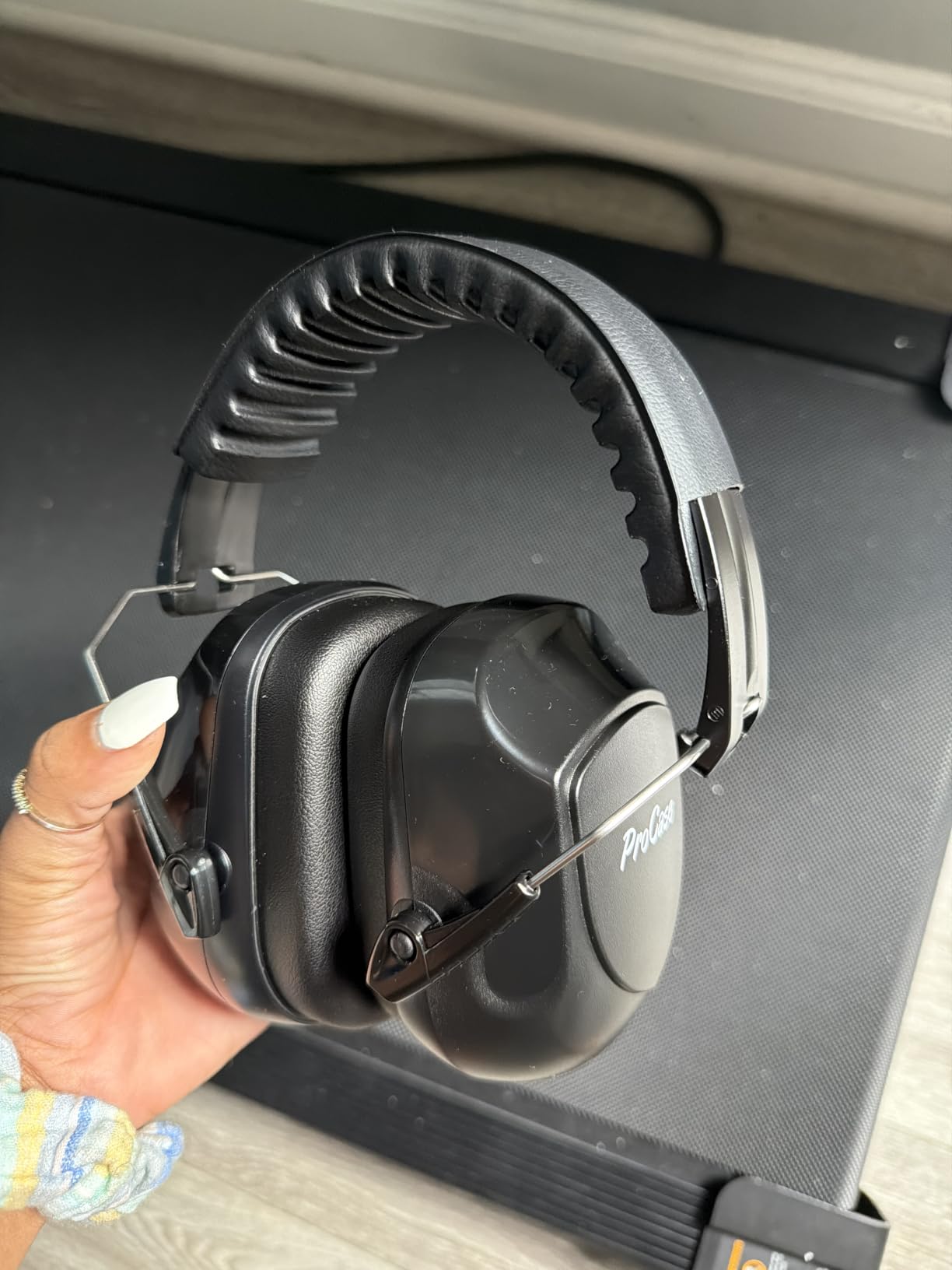
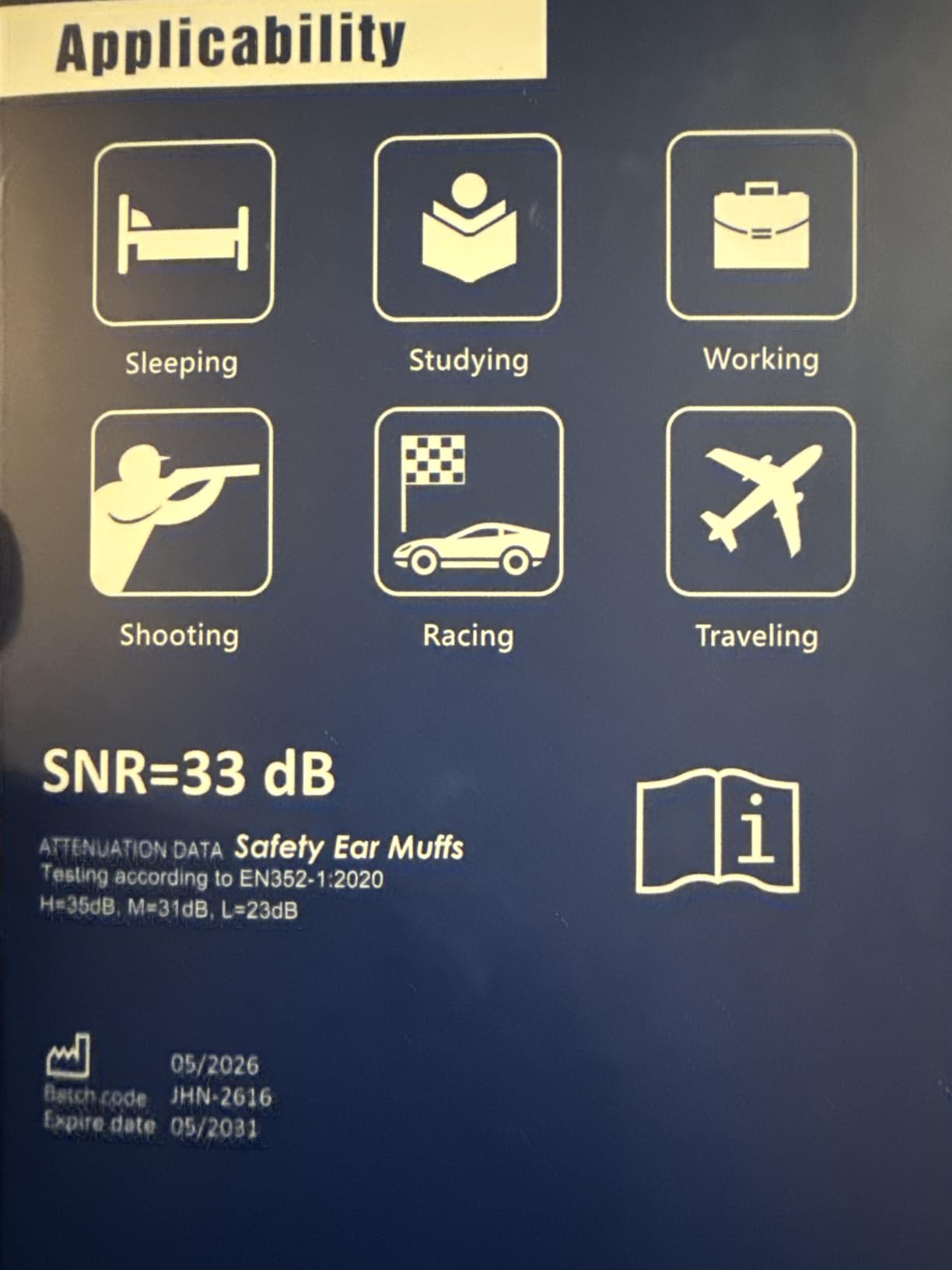
This is the muff I recommend to someone mowing a quarter-acre on a Saturday and wanting to spend nothing to make it safer. It carries a dual rating, SNR 33 dB under EU EN 352-1 and an ANSI S3.19 equivalent of 28 dB NRR, which lands it right in the middle of this group on protection and at the bottom on everything else. Owners report blocking roughly 90 to 95 percent of everyday noise around them.
At 4.4 stars across 26k+ reviews, the feedback is clear about what works and what does not. The cushions are soft, the shell is solid ABS, and the frame collapses into a ball for storage. The consistent complaint comes from people with larger heads, who find the band has little adjustment margin and clamp inward.
Dual Certification and What It Covers
Having both a European SNR figure and a US NRR equivalent is genuinely useful because it tells you how the muff was tested. The 28 dB NRR figure is the one to plan around for a gas push mower, and it is a solid margin over the noise you are trying to remove. The pads are thickened and breathable, which helps during a long mow on a hot afternoon.
Like the other passive muffs here, this one is weakest against low-frequency engine rumble. For electric or battery mowers the rating is far more than you need, and for a loud gas machine it is comfortable but not generous. Pair it with foam plugs when you are running a zero-turn or a riding mower.
Eyeglasses Compatibility Without Losing the Seal
ProCase is explicit that the design is compatible with eyeglasses and minimizes leakage around the arms, and that is one of the more common fit problems in this category. When a frame is forced out of the cushion, the seal gap leaks sound and the rated number stops meaning anything, so a design that accounts for it is worth more than a few decibels elsewhere.
There is a small trade-off for people with larger heads. Owners on bigger frames report the band lacks adjustment range, and the alternative is a muff with a taller headband like the DeWalt Interceptor listed later. Measure the head before committing if you know the fit tends to run tight.
One Muff for Mowing, Travel, and Sensory Support
One of the strongest patterns in the reviews is how often this muff shows up outside yard work. Owners use it for sleep, study, sensory sensitivity, and misophonia, and they describe blocking the same background noise that the mower produces. If a single pair needs to cover several situations, this is the most versatile entry on the list.
There are no batteries, no cords, and nothing to charge, so it works the same in a hundred yards or in a workshop. The only maintenance job is wiping the pads down, and the foldable frame means you can drop it into a bag without a dedicated case.
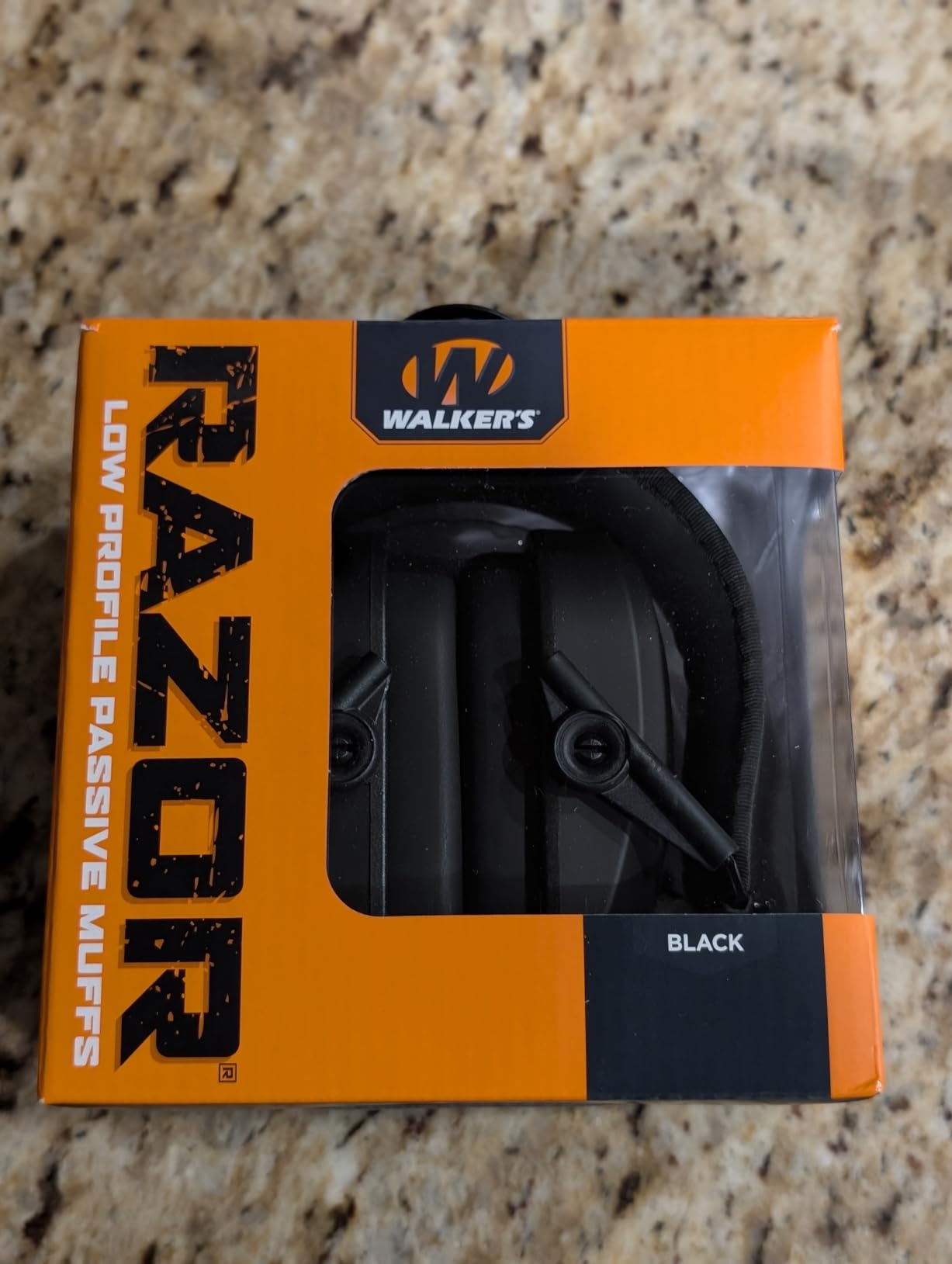
4. Walker’s Razor Slim Passive Earmuff – Best for Smaller Heads
Walker’s Razor Slim Passive Earmuff for Range Shooting Hunting Hearing Protection, Unisex
27 dB NRR passive protection
Slim profile sized for smaller heads
Lightweight collapsible design
+ Pros
- Compact and lightweight
- Slim cups suit smaller heads that standard muffs overwhelm
- Solid noise reduction for yard work
- Durable rubberized construction
– Cons
- Slim sizing may not suit larger heads
- Passive design offers no awareness of surroundings
Most full-size safety muffs are designed around an adult male head and simply swamp anything smaller. This one goes the opposite direction deliberately, with a slim profile and ultra low-profile ear cups that sit closer to the ear. That makes it a strong pick for family mowing days when a teenager or a smaller adult is the one on the mower.
Rating is a strong 4.7 across 9.5k+ reviews with 81 percent five stars. Owners credit the foldable, collapsible build for transport and the 27 dB NRR for handling ranges, hunting, and ordinary yard work, and the only recurring theme is the obvious one: if you have a large head, look elsewhere.
Why Slim Cups Behave Better Around a Hat
Cup depth is the quiet variable that decides whether a muff works in summer. A low-profile cup leaves more room between the shell and a cap or hat brim, so nothing gets pushed off your head halfway down the first row. It also means less trapped heat, which is the complaint that pushes people off protection altogether in July.
Rubberized coating over a sound-dampening housing and a padded metal wire frame headband keep the seal steady without a stiff overhead band digging in. That is a comfortable combination for a mower session, where you are constantly turning your head and the muff stays where you put it.
Where 27 dB NRR Is Enough and Where It Is Not
For a battery mower, an electric mower, or a small to mid-size gas push mower, 27 dB NRR is comfortable, generous protection. For a zero-turn, a riding mower with a twin-cylinder engine, or a full day of commercial mowing, you would be better served by a 30 dB rating or by adding plugs underneath.
Because it is passive, you hear nothing at all through it, which is both a strength and a limitation. If you are mowing close to a road, or you run a lot of equipment on a shared property, an electronic model with amplification handles that better because you keep awareness without removing protection.
Lightweight Build for Long Afternoons
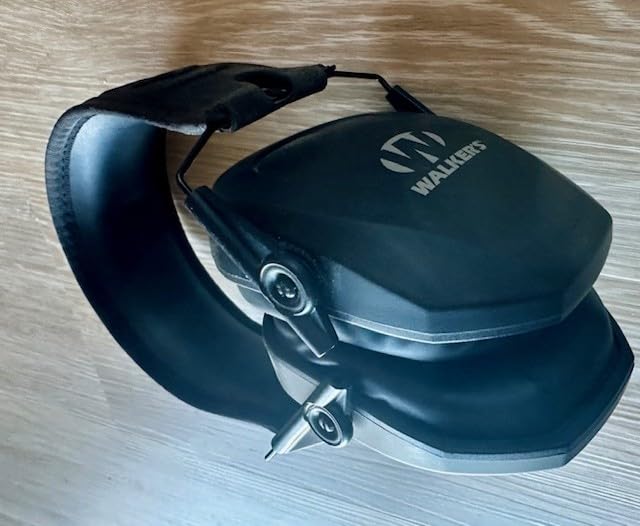
The whole point of a folding, collapsible muff is that it never gets left behind. This one collapses flat, drops into a pocket, and comes back out for the next cut, and that habit is worth more than a higher rating you refuse to wear. The metal wire frame holds its shape rather than sagging after a season.
Cleaning is simple. Wipe the cushions with a damp cloth after a sweaty mow and let them air out before folding them away, since sealed damp padding is how noise reduction quietly degrades. Store it somewhere cool and the same rating should still be there next season.
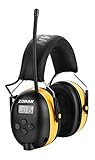
5. ZOHAN AM/FM Radio Hearing Protector – Best with an AM/FM Radio
ZOHAN AM/FM Radio Headphone with Digital Display,30dB SNR,Ear Protection Noise Reduction Earmuffs for Mowing,Comfortable Hearing Protector(Yellow,Radio)
25 dB NRR certified and OSHA compliant
Digital AM/FM with LCD readout
10 stations stored per band
+ Pros
- Stable AM/FM reception with clear station readout
- Wide padded headband with replaceable snap-in cushions
- Push-button tuning resists damage
- Long life on two AA batteries
- Handles mowing and snow blowing while keeping audio
– Cons
- No Bluetooth for phone audio
- Two AA batteries required and not included
- Lowest attenuation in this group at 25 dB NRR
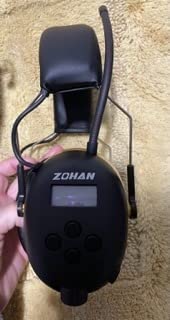
Radio hearing protectors have a specific appeal: nothing streams, nothing pairs, and no phone is required. Stations are stored ten per band, an LCD shows what you are tuned to, and auto scan finds the local ballgame or talk radio without touching anything. For a yard where cell coverage is poor, that is more reliable than Bluetooth.
Reviewers rate it 4.4 across 8k+ ratings, with 72 percent at five stars, and the praise concentrates on reception stability, cushion comfort, and the durability of the push-button controls. The gripes are consistent too: there is no Bluetooth for phone audio, and the batteries are not included in the box.
Radio Playback and Hearing Safety Together
At 25 dB NRR and OSHA compliant, this sits mid-pack on attenuation. That is the right trade for a homeowner with a push mower, because the radio is the reason you would wear it, and a device you enjoy wearing gets worn on every single mow. For a riding mower, add a foam plug underneath or step up to a higher-rated model.
Push-button tuning rather than a rotary knob matters outdoors, where a loose knob gets knocked around in a truck bed and then drifts off station. The reinforced volume controls are built from military-grade materials for the same reason, and a wired aux input and charging cable are included in the box alongside a leather pouch.
Replaceable Cushions and Battery Practicality
Snap-in replaceable ear cushions are the feature that extends the life of this muff. Padding is the first thing to fail, and when you can pop in a new pair instead of replacing the whole unit, the muff stays in rotation for years. The wider, thicker, softer padded headband is the other comfort lever for long sessions.
Two AA cells are cheap and easy to find, and the radio draws little power, so the gap between charges is long. Keep a spare set in the glove box and you never face a silent mow. The low-power internal chip is what makes that possible with such a small cell footprint.
Radio Muffs or Bluetooth Muffs?
Choose a radio model if you want dependable reception with no pairing step, and choose Bluetooth if you want your own audio, calls, and podcasts. Radio reception on an AM band degrades near power equipment and under tree cover, while Bluetooth has no such issue but does need a charged pack.
Neither replaces the other, but the honest comparison is that Bluetooth muffs on this list offer more flexibility for the same money and add a battery that eventually needs replacing. The ZOHAN stays attractive for anyone who mows in areas with weak signal or who simply does not want another device to charge.
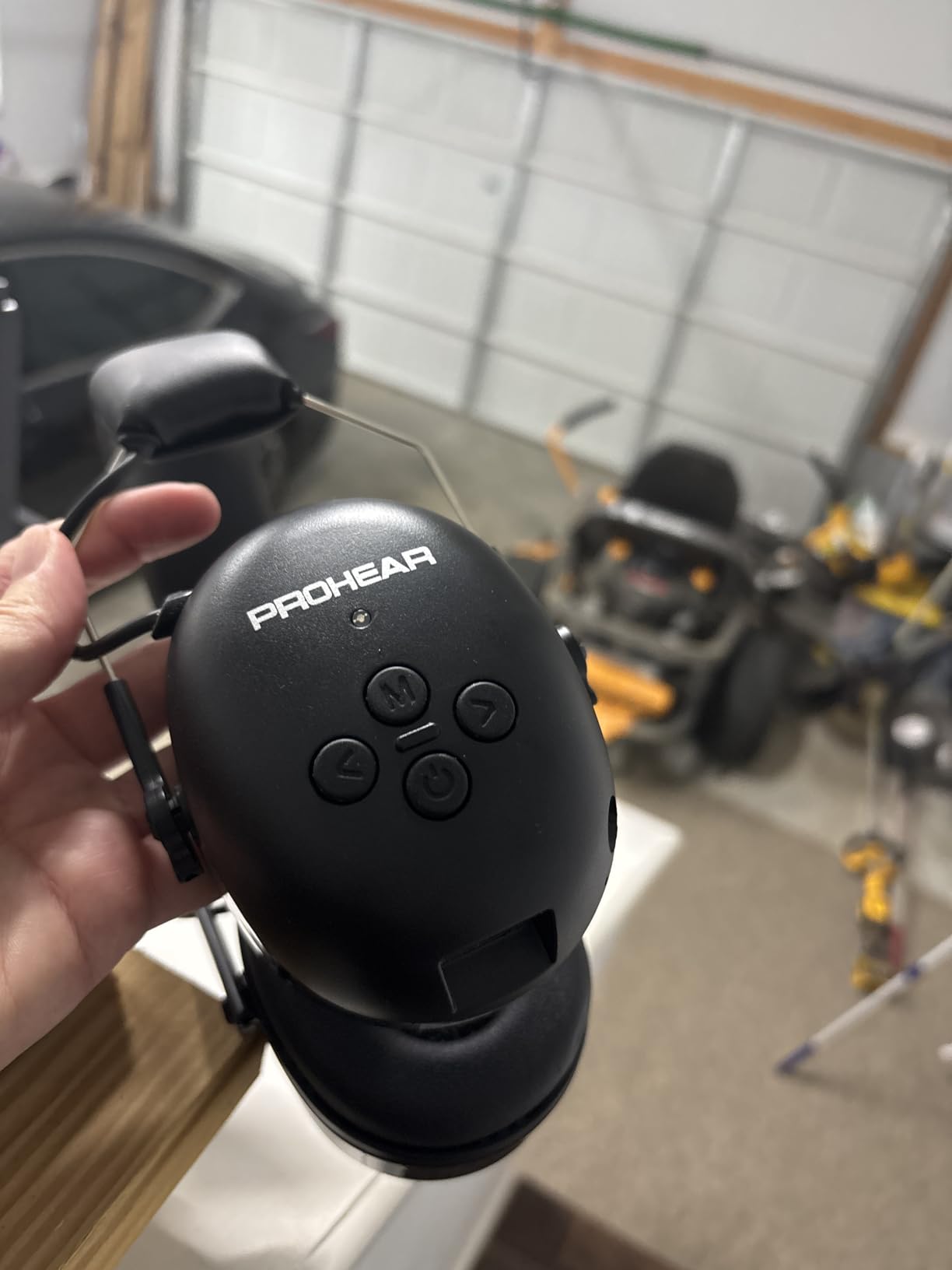
6. PROHEAR 037 Bluetooth 6.0 Hearing Protection – Best for Bluetooth and Battery Life
PROHEAR 037 Bluetooth 6.0 Hearing Protection Headphones with Rechargeable 1100mAh Battery, 30dB SNR Safety Noise Reduction Ear Muffs 120H Playtime for Mowing, Workshops, Snowblowing – Black
Bluetooth 6.0 with 80 ft range
1100 mAh battery and 120 hour playtime
SNR 30 dB with sound isolation
+ Pros
- Stable Bluetooth 6.0 connection at 80 ft
- Battery covers weeks of mowing on one charge
- Raised buttons work with work gloves
- Real attenuation alongside music and calls
- Includes charging cable and leather bag
– Cons
- Lower attenuation than passive NRR-rated muffs here
- Some users report pressure discomfort in long sessions
This is the model I reach for when I want a podcast to carry me through a large property. The 1100 mAh rechargeable lithium battery delivers up to 120 hours of playtime, so a full charge covers weeks of mowing rather than a single afternoon, and Bluetooth 6.0 holds a stable connection out to 80 feet as you walk around a yard.
At 4.3 across 6.3k+ ratings, 68 percent are five stars. Owners consistently highlight the connection quality, the battery endurance, and the raised glove-friendly buttons, and the two recurring limits are honest ones: the attenuation is lower than the passive NRR muffs here, and a minority report pressure discomfort over long sessions.
Why These Cut Real Noise Instead of Just Playing Music
That is the whole difference between these and ordinary earbuds. With SNR 30 dB of sound isolation from the passive cups, your mower and trimmer drop well below the noise floor before the music even starts, which means you play music at a low level instead of a high one. Lower volume and real attenuation together are how you get protection without giving up audio.
SNR and NRR are measured differently, so do not compare 30 dB SNR to a 30 dB NRR directly. The SNR figure comes from EU testing, the NRR from US testing, and the US equivalent is the one to plan a mowing session around. This model also includes a 3.5 mm connector for a fully wired session when the battery is flat.
Controls You Can Find With Gloves On
Raised, glove-friendly control buttons are a small design choice that makes a large difference in a lawn chair or on a mower deck. You can locate them by feel, which removes the need to pull the muff off your head and squint. A built-in microphone handles calls, and the whole package includes a charging cable, a 3.5 mm cable, and a leather carry bag.
The durable ABS plastic construction is worth noting for longevity, since these will live in a truck bed through rain and dust. The 11.52-ounce weight keeps them from feeling heavy on the head, though comfort over a long afternoon is where the pressure complaints come from. Break them in the same way you would a new pair of boots.

Charging Habits That Make the Battery Last
A 120-hour rating is only useful if you treat the cell well. Top up after a few mows rather than running it flat, keep it out of a hot truck bed in August, and expect the runtime to shorten after a few seasons of that treatment. Partial charges do not harm the pack the way deep discharge does.
Because the muffs are passive underneath, you still get protection with the battery dead by using the 3.5 mm input. That is a meaningful safety property: an empty battery never leaves you unprotected while holding a running mower. The carrying bag also protects the cushions from getting crushed in a truck bed.
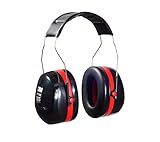
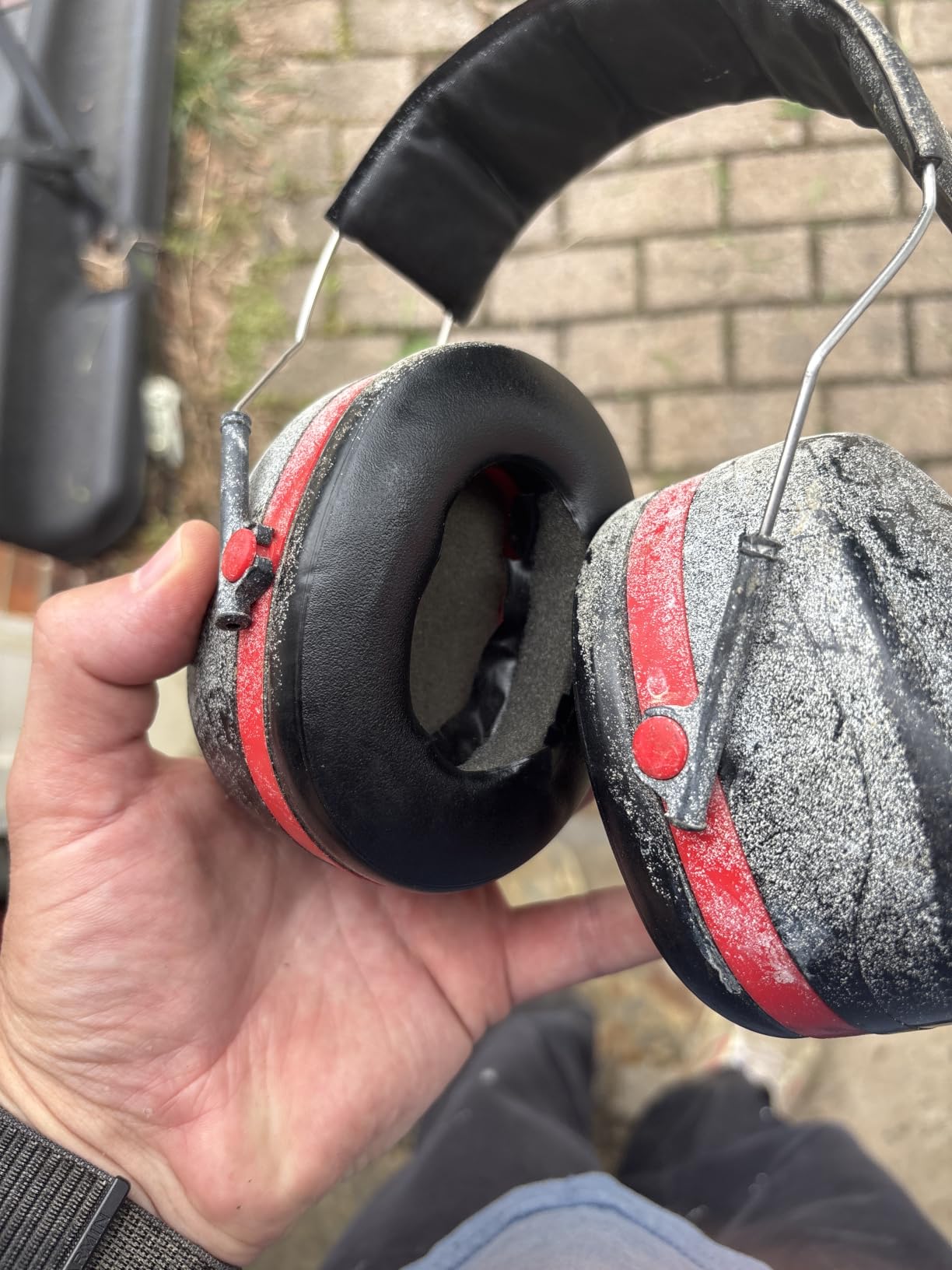
7. 3M PELTOR Optime 105 Earmuffs – Best for the Loudest Machines
3M H10A Peltor Optime 105 Over the Head Earmuff, Ear Protectors, Hearing Protection, NRR 30 dB
NRR 30 dB over-the-head protection
Rated for exposures up to 105 dBA
Double-shell noise blocking
+ Pros
- Highest NRR available in the over-the-head category
- Double-shell construction blocks a wide range of machinery noise
- Stainless steel headband resists bending
- Pivoting cups adapt to different head positions
– Cons
- Bulkier than slim-profile passive muffs
- Fixed over-the-head band rather than a folding design
When the machine is the loud part of the problem, this is the muff to beat. The Optime 105 carries an NRR of 30 dB, rated for noise exposures up to 105 dBA, which puts it at the top of what over-the-head style earmuffs offer. Double-shell technology is the mechanism: two layers of shell material between the outside world and your ear.
At 4.7 stars and 80 percent five stars across 5.3k+ ratings, the reception is that of a shop standard. Owners point to the double-shell attenuation and the stainless steel headband as the reasons it is trusted, with bulkiness named as the honest trade-off. For assembly, sanding, grinding, and mower work alike, it is the reference point.
Double-Shell Attenuation on Sustained Engine Noise
Double-shell construction is the reason this muff performs on broadband noise rather than a narrow band. A mower blade and engine produce energy across a wide range of frequencies, and a single shell typically leaves a leak in the middle of that range. Two shells with an air gap catch more of it, which is why this style dominates workshop and yard work.
Derated for real-world use, a 30 dB NRR lands somewhere near the low-to-mid teens of actual reduction, which is more than a 25 dB muff delivers. If you are running a zero-turn, a riding mower, or any equipment where you walk away with a ringing ear, that margin matters more than any feature list.
Steel Headband and Pivoting Cups
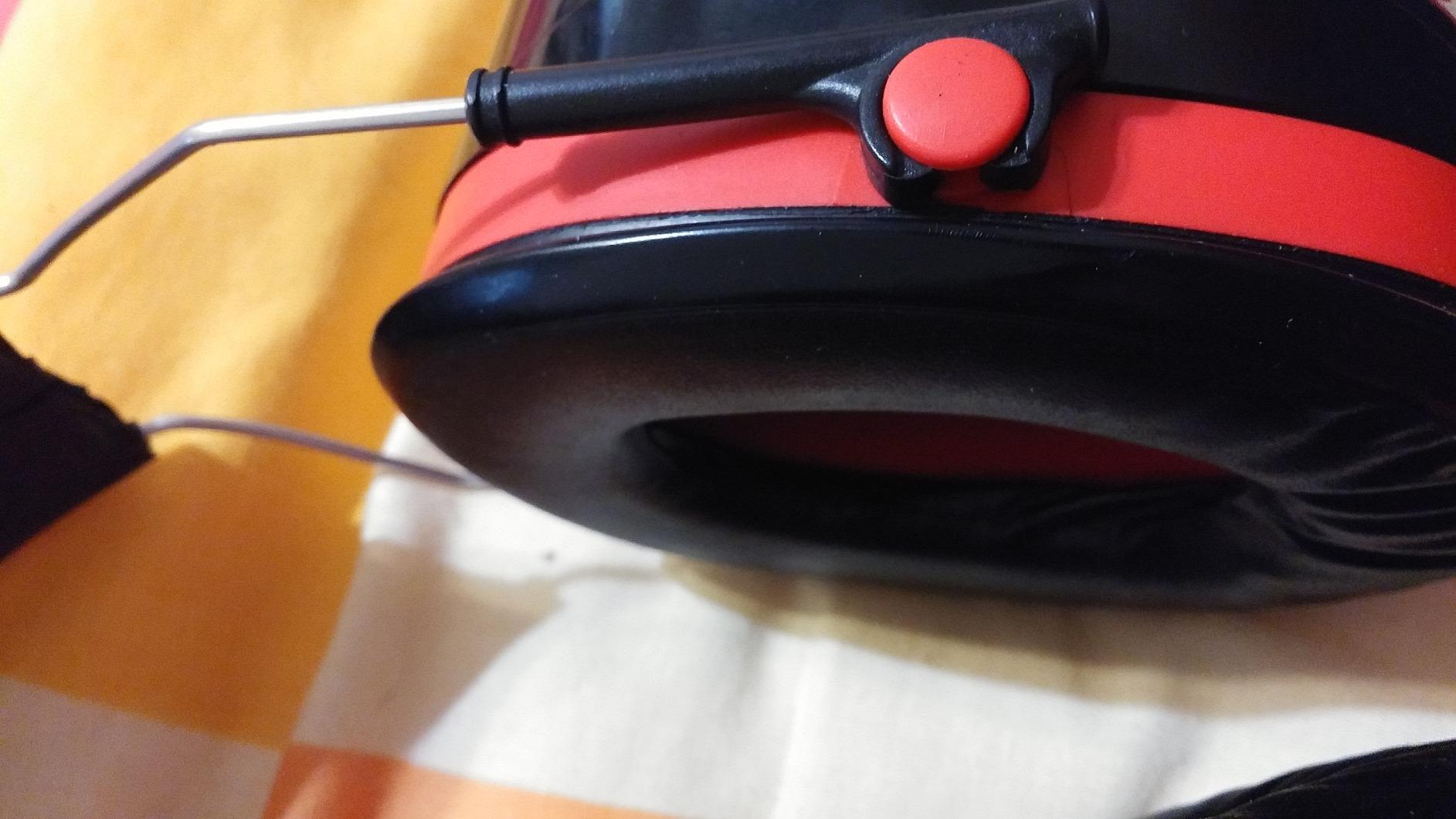
The stainless steel headband resists bending and warping, which sounds minor until you drop a muff in a truck bed with tools on top of it. Soft plastics crease and stay creased, and a bent band means a broken seal on one side. Pivoting earcup tilt points let the cups follow the angle of your head instead of pressing one flat edge against the skull.
The E-A-Rfit platform also matters for long-term ownership. It is the reason the same protection family is offered in over-the-head, behind-the-head, and hard-hat mount versions, so if you later move into commercial work and start wearing a helmet, the same system carries over instead of forcing a full replacement.
Where the Bulk Actually Hurts
This is a full-size over-the-head design, so it is bulkier than the slim muffs on this list and it does not fold. That means it lives on a hook rather than in a pocket, which is a real practical difference for someone who has to remember to grab it in a hurry. Under a wide-brim hat, the band also interferes with the brim.
If your mowing is a quick weekend job on a small push mower, this level of protection is more than the situation requires and the bulk is pure inconvenience. If you are on a mower every day, the 30 dB rating and the seal quality are exactly what you should be wearing, and none of the slim alternatives on this list match it.
8. 3M PELTOR X2A Over-the-Head Earmuffs – Best for Glasses Wearers
3M PELTOR Hearing Protection Ear Muffs, Over the Head Headband, NRR 24 dB
NRR 24 dB passive over-the-head protection
8 ounce lightweight build
Deep cups that clear eyeglasses
+ Pros
- Comfortable over long mowing and snow blowing sessions
- Smooth headband adjustment with an even seal
- Works with eyeglasses and in-ear earbuds
- Deep ear cups accommodate larger ears
– Cons
- 24 dB NRR leaves residual noise at the highest levels
- Creates a tight seal that needs care when removing
The X2A is the everyday 3M PELTOR over-the-head muff, and it is the one I suggest for anyone who wears glasses full time. At 8 ounces it is light, the cups are deep enough to clear a frame without pressing the temple arms out, and the headband adjusts smoothly into a close, even seal. Users confirm it handles mowing and snow blowing without complaint.
The 4.7 rating across roughly 1.9k reviews is solid, with 81 percent five stars. The honest limit is the number itself: 24 dB NRR is the lowest of the certified muffs in this roundup, and owners note that residual noise remains in very loud settings. For a riding mower, add foam plugs underneath.

Glasses Fit and the Seal Problem It Solves
Every glasses-wearing mower operator knows the failure mode. You put on the muff, the cushion shoves your frames outward, and a gap opens along the seal. That gap leaks sound straight into the ear, and the printed rating becomes fiction. A cup deep enough to enclose the frame without contact is the difference between real protection and an expensive hat.
This model is specified to work with eyeglasses and with in-ear earbuds, which also gives you an easy stacking path. Wear disposable foam plugs first, then pull the X2A over the top, and you gain protection on the loudest equipment without buying a second muff.
Comfort Over a Full Morning
Soft cushioned ear cups and a sturdy adjustable headband make this a comfortable option across long sessions, and owners mention study, travel, and yard work with the same pair. The deep cups also fit larger ears, which is a genuine comfort gain over slim-profile designs that sit on top of the ear rather than around it.
One caution from the feedback: the seal is snug enough that you should pull the muffs off slowly and avoid wearing them for long stretches without a break. A tight seal is protecting you, but it is also pressure, and squeezing a drinking can under the cushion to make the seal stronger is a habit to break.
Choosing Between This and a Higher-Rated Muff
If your machine is a battery mower or a small push mower, 24 dB is entirely adequate and this is the most comfortable option that will not fight your glasses. If you run louder equipment, the Optime 105 in this roundup buys meaningful extra attenuation, at the cost of bulk and a stiffer frame.
Because this is a passive design with a fixed over-the-head band, it also does not fold for transport. Leave it on a hook by the door and the habit forms fast. That habit is what actually determines whether your hearing is protected at season end.
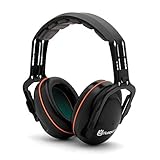
9. Husqvarna Professional Headband Protectors – Best for Long Mowing Sessions
Husqvarna Professional Headband Hearing Protectors 25dB(A) NRR, Lightweight Ear Protectors with Padded Headband and Clamshell Design for Hearing Protection, Black
25 dB(A) NRR hearing protection
Lightweight flexible padded headband
Washable and disassemblable
+ Pros
- Exceptionally comfortable band pressure over long mowing sessions
- Wide fit range from side tension sliders
- Supple padding that stays soft
- Durable shell that shrugs off sweat and rain
- Effective even while wearing eye protection
– Cons
- Can run tight for some head sizes
- Tension adjustment instructions are not very clear
This pair shows up repeatedly in reviews as the most comfortable muff owners have owned, and the reason is the headband rather than the shell. It is lightweight and flexible, and the padding stays supple instead of stiffening, which is exactly what a long afternoon on a large property demands. Reviewers describe it working against mowers, blowers, and chainsaws alike.
It holds a 4.7 rating with 81 percent five stars across 1.8k+ reviews. The recurring caveat is that it can run tight for some head sizes, especially after prolonged wear, and the side slider tension system is not self-explanatory. A few minutes to find your setting pays off immediately.
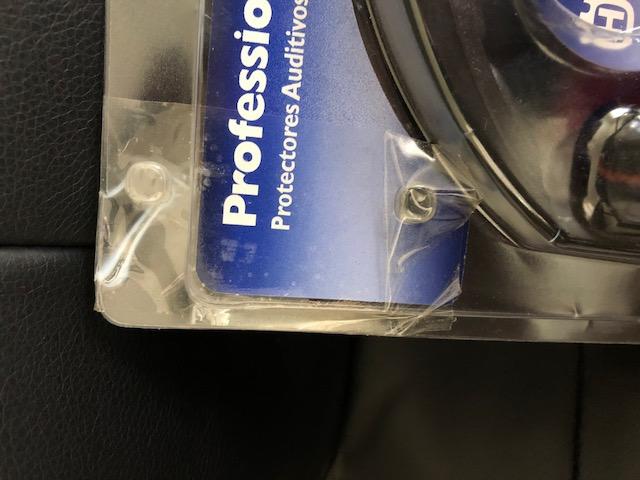
Clamshell Design and Eye Protection Compatibility
Clamshell ear muffs open outward to sit around the ears, which reduces the pressure the headband has to apply to hold a seal. That is a meaningful engineering difference in summer heat, because the less force the band needs, the less you feel it after an hour. The design is also specified to pair with eye protection without conflict.
That last point is underrated. Mowers throw clippings, sticks, and dust, so eye protection is not optional, and plenty of muffs push safety glasses out of position the moment you start the engine. This one was designed with that combination in mind, and owners confirm it works even with glasses on.
Side Tension Sliders and Finding Your Fit
Instead of a single top band that tightens everything at once, the side plus and minus sliders adjust independently. That gives you control over pressure on each side, which is how a head that is not perfectly symmetrical gets a balanced seal. Owners with tight fits generally resolve the problem by relaxing one side a notch.
The one size fits most labeling is doing real work here, and combined with the wide adjustment range it covers a lot of head shapes. If you have worn larger muffs and found them constricting, this is the model to try first, because the failure mode of this design is a mild tension, not a clamp.
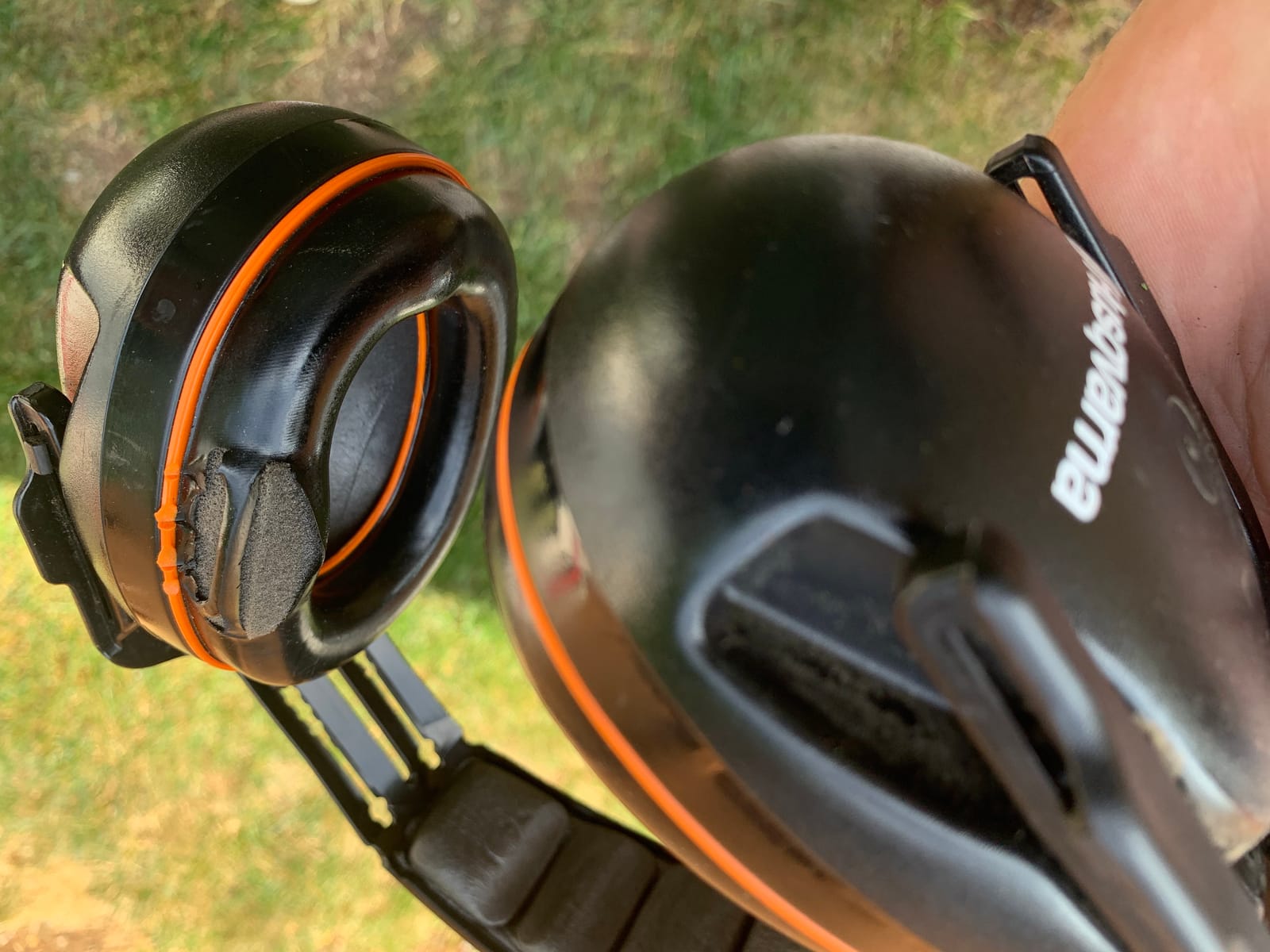
Washable and Disassemblable After a Sweat Session
Being washable and disassemblable is the feature I would not want to live without. Earmuffs collect sweat, sunscreen, and grass clippings, and all three degrade the cushion surface and the seal. Taking the muff apart and cleaning it restores the fit, and it extends the life of the pair well past the point where a non-washable muff gets tossed.
Owners also credit the durable plastic shell for shrugging off sweat, rain, and drops, which is the environment these actually live in. It is also compatible with earbuds worn underneath, so you can keep an audio device in place if you like while still sealing over the top.
10. Kalence Bluetooth 6.0 Hearing Protection – Best for Battery Endurance
Kalence Bluetooth 6.0 Hearing Protection with 120H Working Time, 30dB Safety Earmuffs, Rechargeable Ear Protection Headphones with Mic for Mowing, Workshops, Construction, Snowblowing, Black
Bluetooth 6.0 with 1200 mAh battery
120 hours playtime and 2 hour charge
SNR 30 dB and NRR 26 dB certified
+ Pros
- Battery life covers weeks of mowing on one charge
- Genuine noise reduction so music plays at low volume
- Comfortable for multi-hour mowing and chainsaw sessions
- Voice prompts for power
- pairing
- and battery level
- Fine-grained volume control steps
– Cons
- Ear cups are bulky and do not fully engulf larger ears
- Track-skip controls are less intuitive
- Metal headband piece can dig in after 15 minutes
Where the Bluetooth muffs are separated on this list, battery endurance is the dividing line. The Kalence carries a 1200 mAh rechargeable cell with up to 120 hours of playtime and a two-hour full charge, which owners describe as lasting weeks of mowing on a single charge. Voice prompts tell you the power, pairing, and battery level without removing anything from your head.
It rates 4.4 with 74 percent five stars across 1.2k+ reviews. The praise centers on genuine noise reduction, which means you play music at a low volume rather than cranking it, and on comfort across multi-hour mowing and chainsaw work. The drawbacks are a bulky profile and a headband piece that some people find presses in after fifteen minutes.
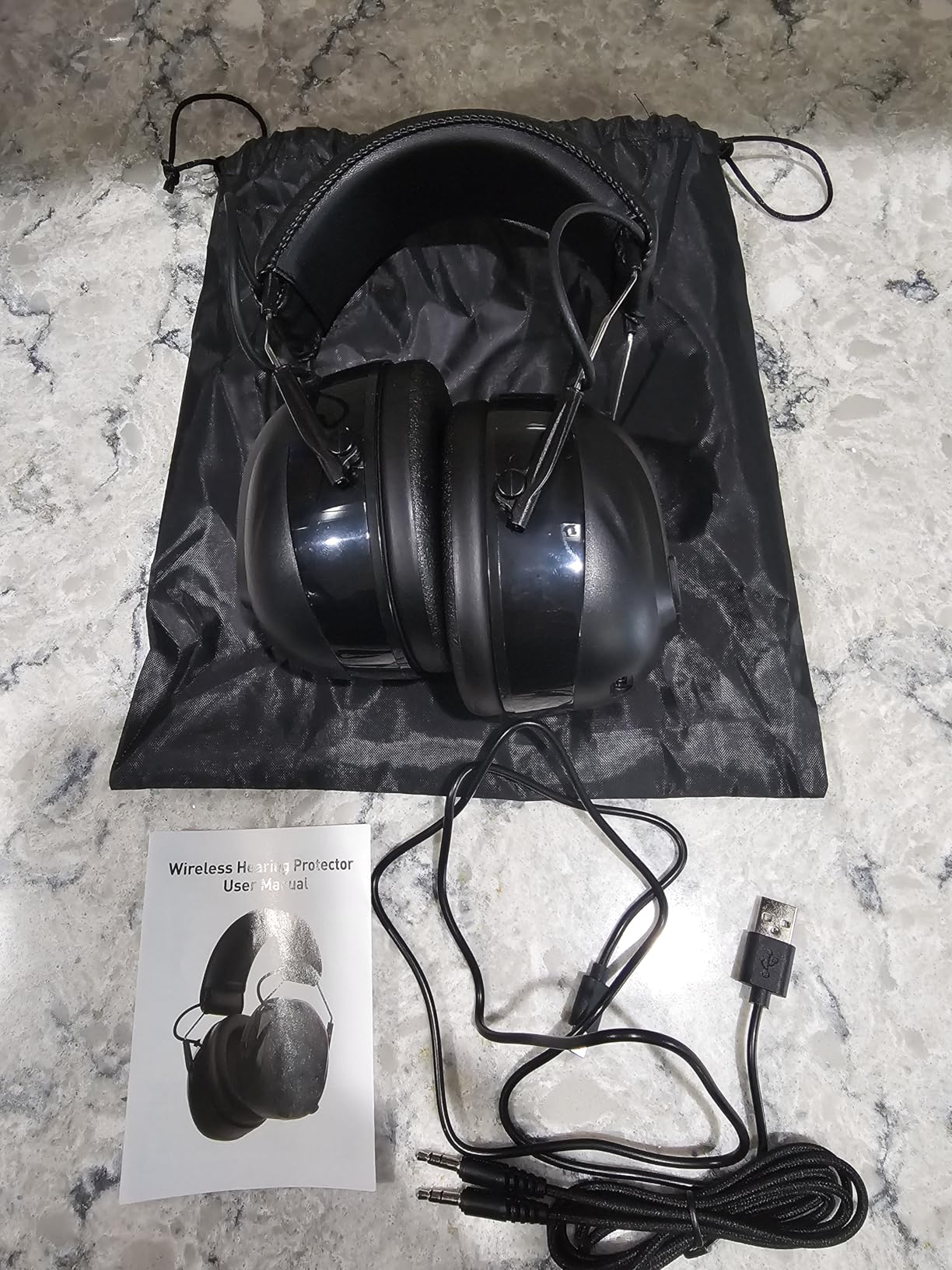
Certified Protection Alongside Bluetooth 6.0
Certification matters more than the Bluetooth version. This model is certified to ANSI S3.19 and CE EN 352-1 with SNR 30 dB and NRR 26 dB, and the cups use acoustic foam inside for isolation. The NRR figure is the one to plan against, and it is comfortably above the level you need for a push mower or electric machine.
That combination is why your music plays quieter than with ordinary earbuds. A 3.5 mm AUX input lets you run fully wired, and the built-in microphone handles hands-free calls. Voice assistant support is built in, which is more useful than it sounds when your hands are gripping a mower handle.
Controls, Charging, and Multi-Session Use
Large glove-friendly buttons are the detail that keeps this usable outdoors, and the fine-grained volume steps let you creep the volume down as the engine note shifts. Siri and Google Assistant support works from the same control set. The carrying bag keeps the cushions from being crushed between tools in a truck bed.
On charging, treat the pack like any other lithium cell. Top it up between mows rather than running it to empty, keep it out of a hot vehicle in summer, and expect some runtime loss after a couple of seasons. None of that is unusual, and the two-hour recharge means it is rarely the thing that stops you from using it.
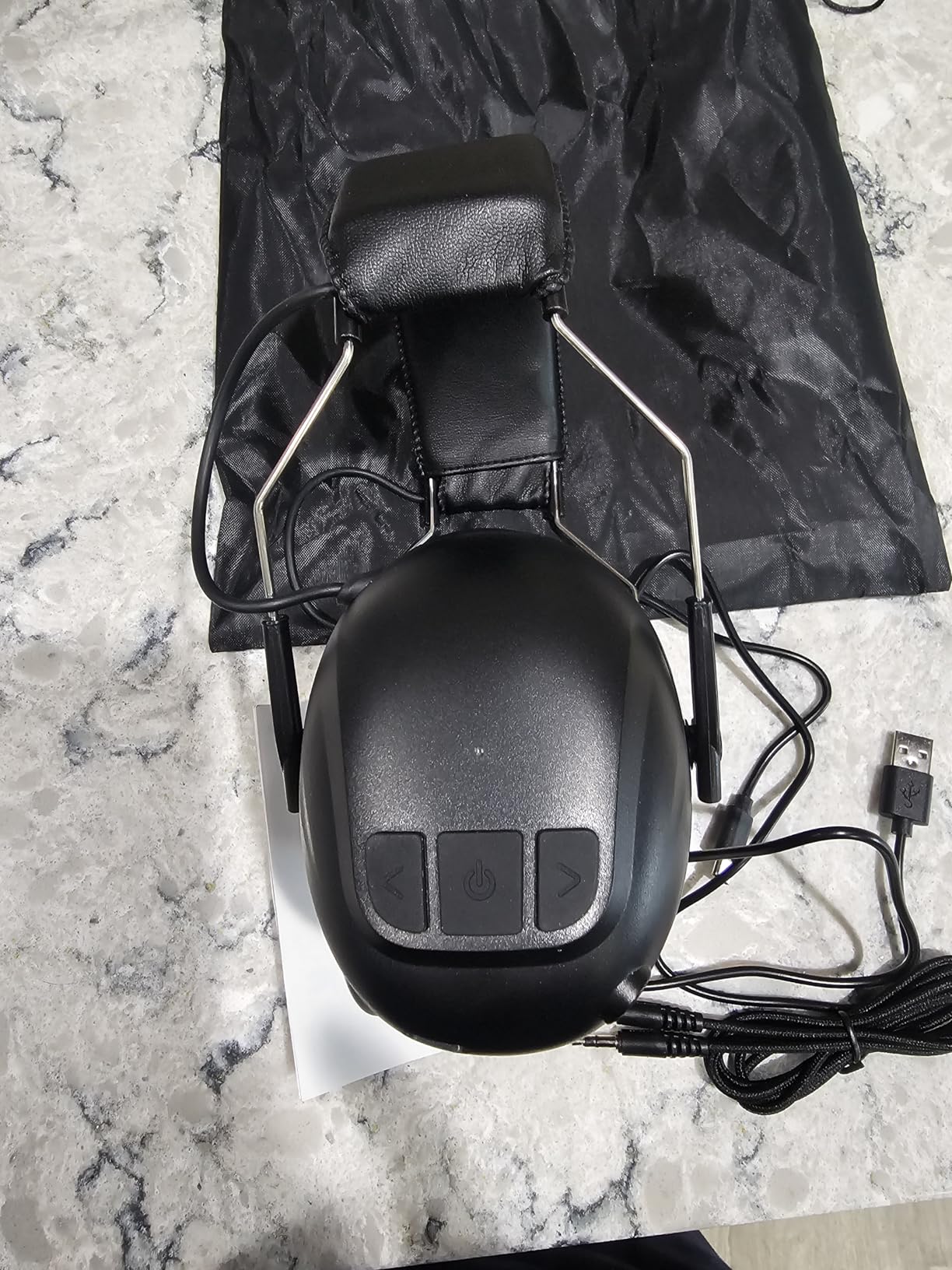
Who This Suits and Who It Does Not
This is a strong pick for someone mowing several properties, a tractor owner, or anyone who wants phone audio and forgets to charge. It is a weaker choice if you have a larger head and dislike bulk, because the cups do not fully engulf bigger ears and owners report a metal headband section pressing in on one side.
The 320 g weight is the heaviest figure in this group, and that is a real consideration over a six-hour mowing day. If your sessions are shorter and your head is larger, a passive high-NRR muff like the Pro For Sho will serve you better and weigh half as much.
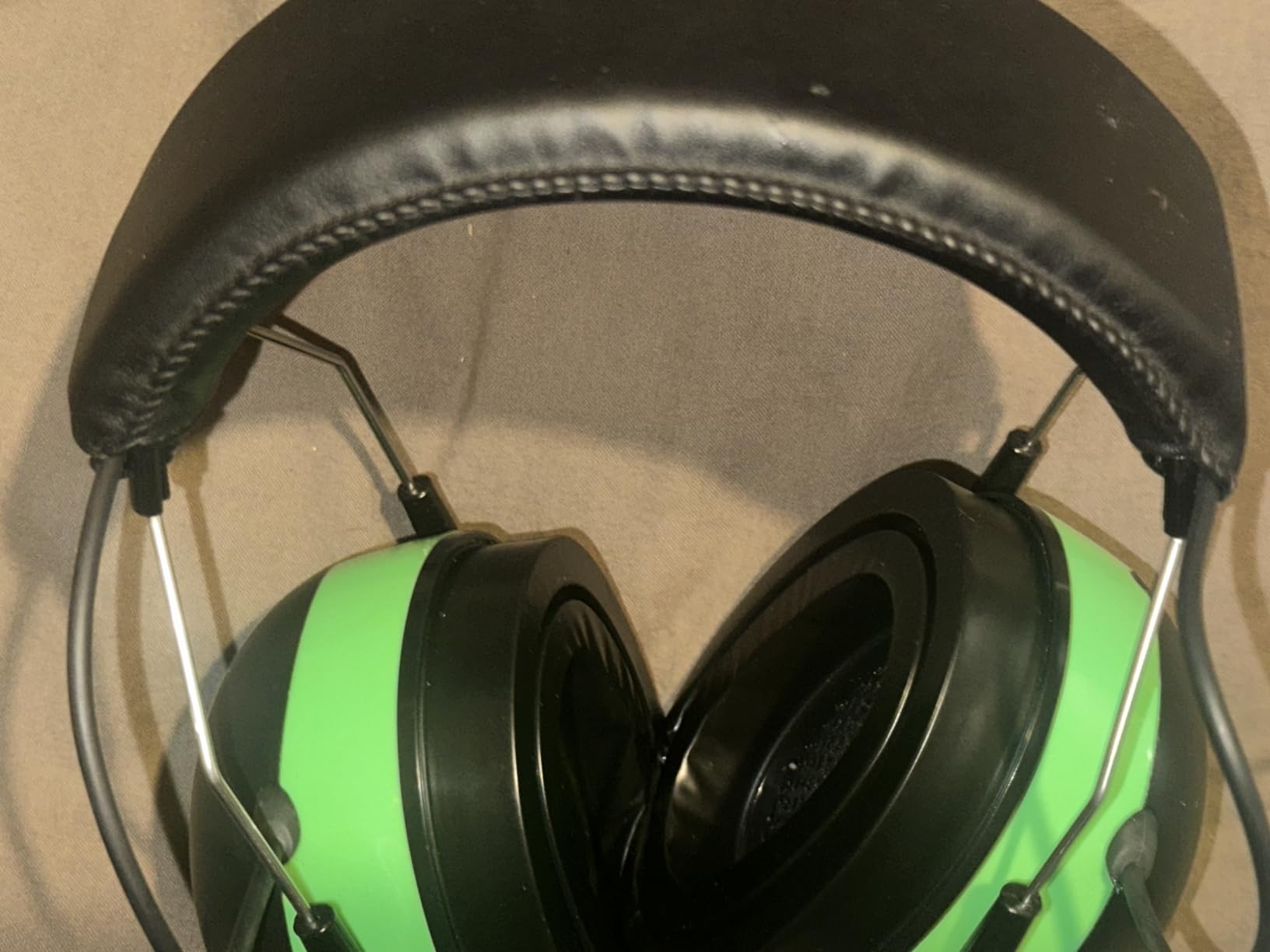
11. Qozybuds Bluetooth 6.0 Hearing Protection – Best Stereo Sound with Real Attenuation
Qozybuds Bluetooth 6.0 Hearing Protection Headphones with 120H Working Time, 30dB SNR, Superior Stereo Sound Quality, Larger Buttons for Easy Operation, Safety Ear Muffs for Lawn Mowing, Workshops
30 dB SNR passive isolation with memory cotton pads
Bluetooth 6.0 plus 3.5 mm wired
1200 mAh battery and 120 hour playtime
+ Pros
- Cuts mower and tractor noise so music plays at lower volume
- Battery measured at well over 100 hours
- Large simple buttons that work with gloves
- Firm comfortable fit that stays put while moving
- Fast reliable pairing with a usable built-in mic
– Cons
- Bulky and cannot be worn around the neck when idle
- Default ear pads can compress with heavy daily use
- Maximum volume is lower than entertainment headphones
If your priority is sound quality rather than raw attenuation, this is the pick on the list. The 20 Hz to 20,000 Hz frequency response and tuned drivers deliver noticeably fuller stereo than other Bluetooth safety muffs, while 30 dB of SNR passive isolation still takes the edge off the mower before playback even starts.
At 4.5 stars with 76 percent five stars across 912 ratings, owners single out real noise reduction during mowing and tractor work, measured battery life well past 100 hours, and glove-friendly controls. The common complaints are bulk, pad compression under daily use, and a maximum volume lower than music-only headphones.
Why Sound Quality Matters for Long Sessions
Bluetooth safety muffs are often tuned for speech rather than music, and a thin, tinny result is what makes people turn the volume up and defeat the point. A proper 20 Hz to 20,000 Hz response gives music enough body that you listen at a lower level, which is both the more enjoyable experience and the safer one. The built-in microphone is usable for calls as well.
The 30 dB SNR figure comes from a different test standard than NRR, so treat it as a relative comparison among similarly rated products rather than a direct swap for a US figure. In practice, owners report a dramatic reduction in mower and tractor noise and a need to play music much quieter as a result.
Fast Charging and Dual Connection
The charging behavior is the most practical feature here. Four hours of playback from a five-minute charge means a brief coffee stop restores an entire mowing session, and the full 1200 mAh cell delivers up to 120 hours otherwise. Bluetooth 6.0 pairs quickly and holds, and the 3.5 mm wired path is there when the battery is dead.
Large push buttons, voice assistant support, and a drawstring dust bag round out a package built for outdoor use. One year of warranty coverage is listed for the unit. The adapter, cable, and bag are all included, so nothing extra is needed to start using it.
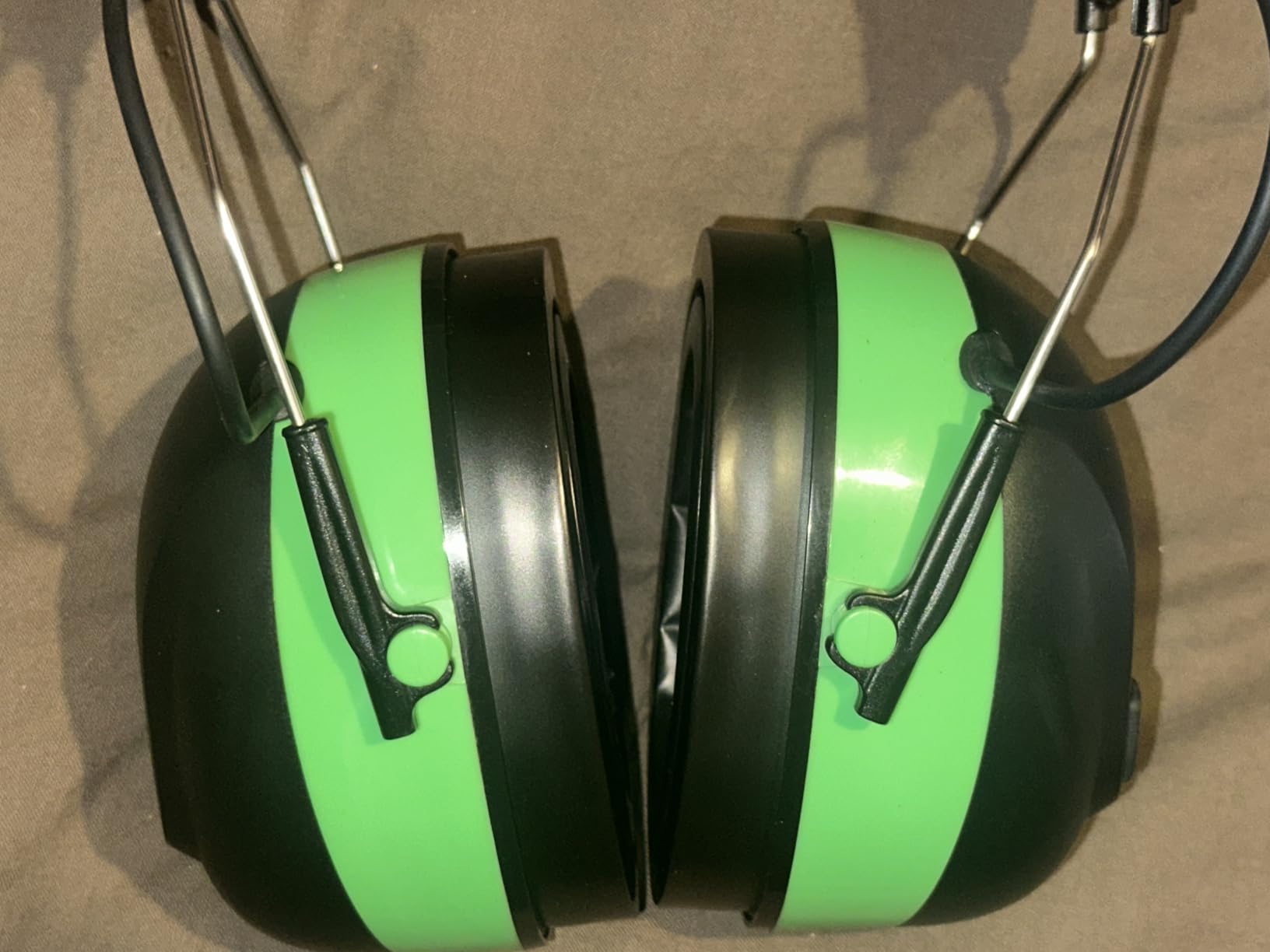
Pad Comfort and Long-Term Wear
The memory cotton padding is soft out of the box, and the fit stays firm and in place while you are moving around the yard, which prevents the shuffling adjustment that plagues cheaper muffs. Over many months of daily use, owners do report the default pads compressing, and swapping to gel pads is the fix that most of them land on.
The bulk is the other tradeoff. These muffs cannot be pushed down around your neck between mowing rows, so they live on your head or in the bag. If you want something lighter for intermittent use, a passive slim muff is a better fit, and for music quality this one is worth the extra size.
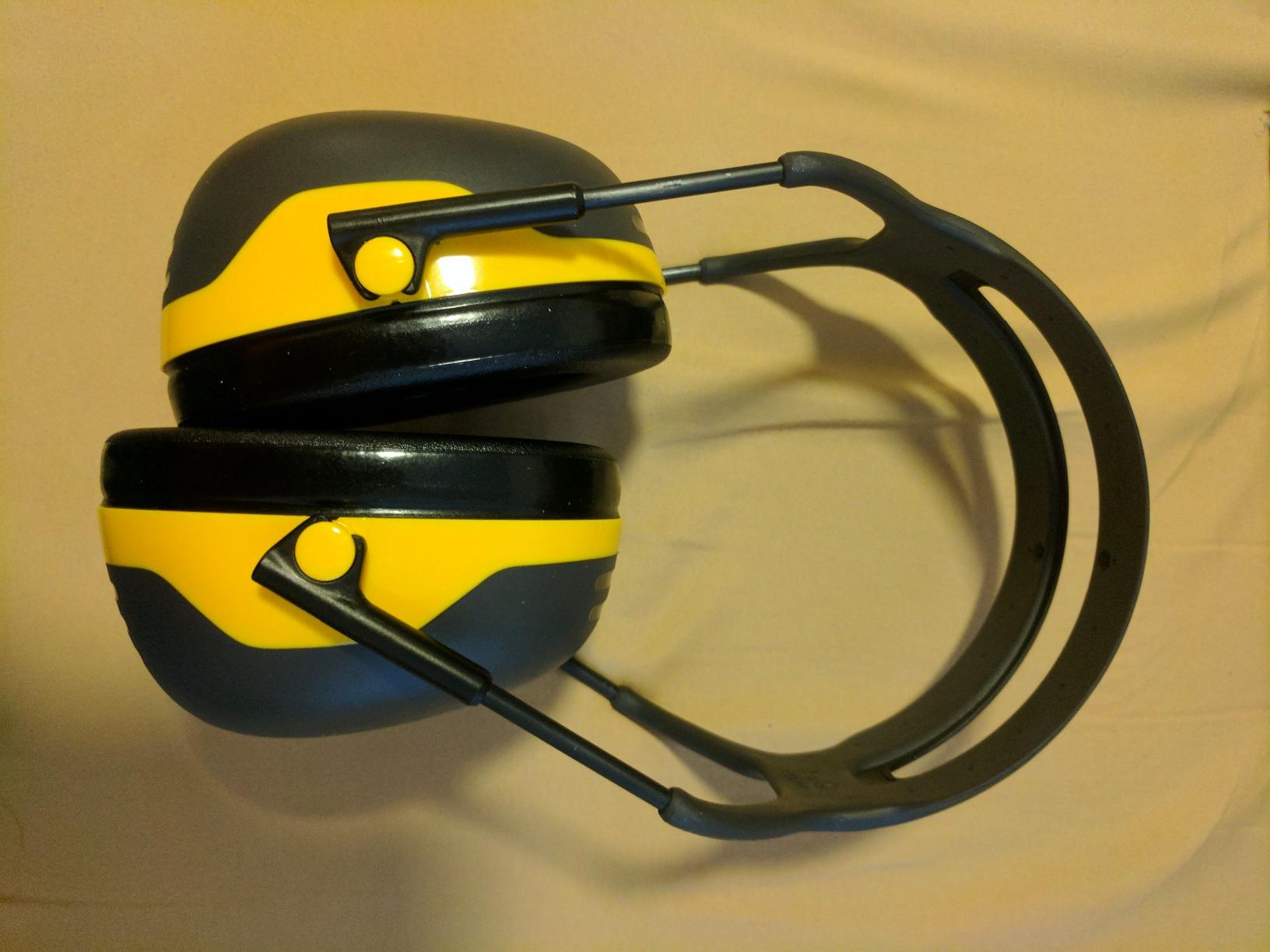
12. DeWalt Interceptor Folding Earmuff – Best High-Visibility Option
Dewalt DPG62-C Interceptor Protective Safety Earmuff Yellow/ Black, Adult
29 dB NRR lightweight protection
Compact folding design
Cushioned ear cups in a safety colorway
+ Pros
- 29 dB NRR takes the edge off mower
- weedeater
- and chainsaw noise
- Light enough that owners forget they are on
- Folding design keeps dust and debris out of the cups
- Bright yellow and black doubles as a visible safety cue
- Snug fit that suits larger heads
– Cons
- Can feel tight on larger heads after long sessions
- Some earmuff styles conflict with safety glasses over time
The Interceptor is the practical crew option in this roundup, and the yellow and black colorway is not decoration. High-visibility yellow doubles as a safety cue on a job site, which is exactly why this style of muff exists alongside a hearing rating. The protection itself is 29 dB NRR with cushioned ear cups and a lightweight build.
It holds 4.6 stars with 79 percent five stars across 934 ratings, and reviewers talk about real yard-work noise reduction and being able to forget the muff is on. The recurring complaint is band tension after a long session, plus the usual tension that arrives when this style of muff meets safety glasses.
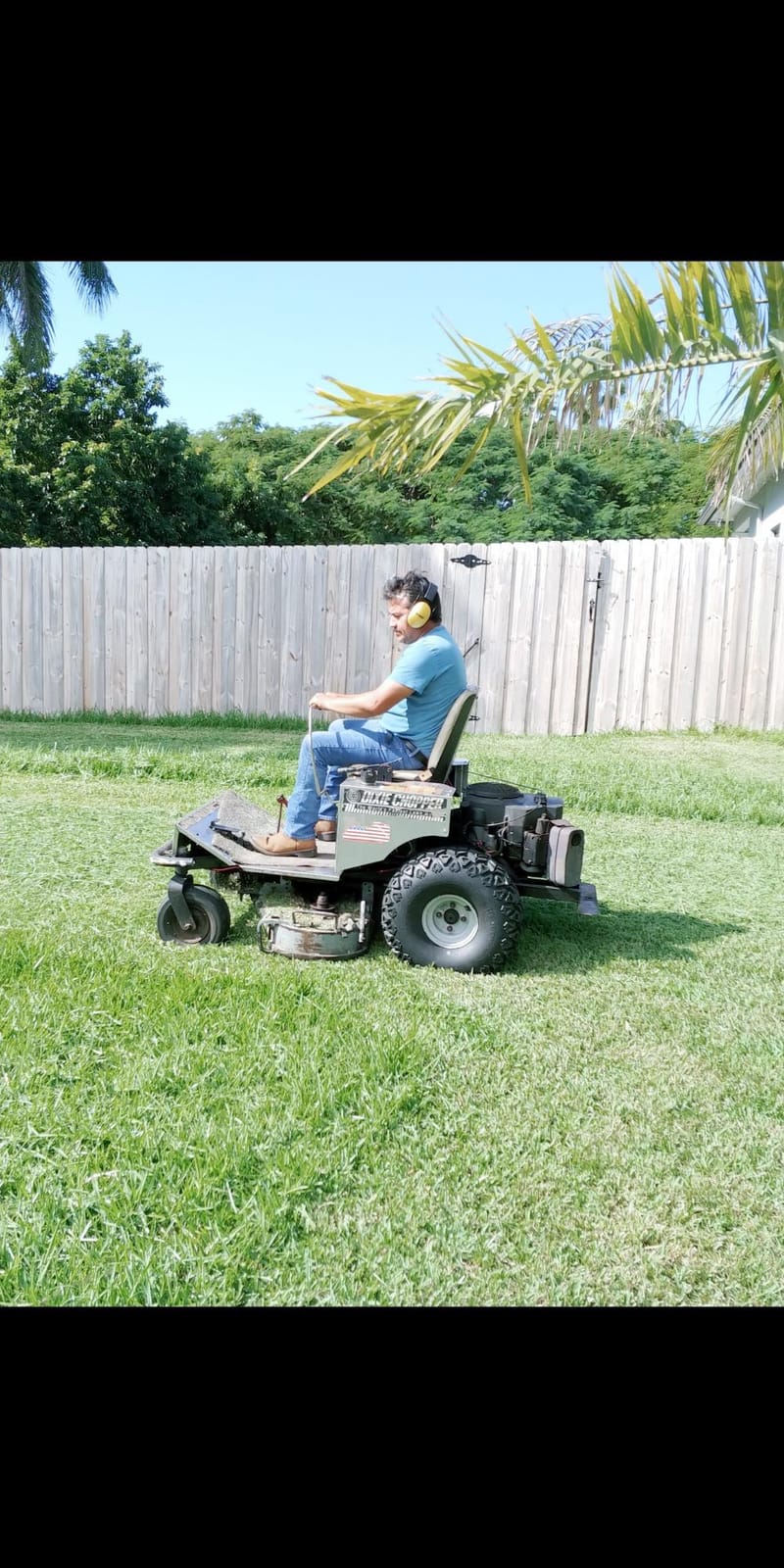
What 29 dB NRR Covers in Practice
A 29 dB NRR sits near the top of the passive range here without the bulk of a full over-the-head design, and it comfortably covers a push mower, a weedeater, and a chainsaw according to owners. Derated for real use it lands in the low teens of real reduction, which is why it shows up as a crew favorite rather than a lightweight choice.
Users emphasize the low weight as much as the rating. Earmuffs you forget you are wearing get worn every time, and that consistency is the variable that actually protects your hearing across a season. The cushioned cups are what make the weight acceptable rather than annoying.
Folding Design and Keeping Debris Out
The compact folding feature does more than save space. Once the cups fold in, dust and grass clippings stay out of the pads, and a seal that is not packed with debris keeps doing its job. Owners mention this as a practical reason the muff still performs well late in the season.
That said, the flip side of a snug low-profile fit is pressure over time. Reviewers with larger heads report tightness after an extended mowing session, and note that some earmuff styles in this category conflict with safety glasses as wear goes on. If you wear glasses all day while mowing, the deeper-cup alternatives in this roundup handle it better.
When the Interceptor Is the Right Buy
Choose it if you want strong passive protection, a visible colorway, and something light enough to forget. It is a good match for a homeowner with a gas push mower and a weedeater, and a sensible pick for anyone working outdoors where a colleague needs to see you clearly.
Step up to a Bluetooth model if you want audio during the cut, and step up to a 30 dB double-shell muff if you run a riding mower or a zero-turn where the sound is genuinely loud. For occasional mowing on a smaller machine, 29 dB is comfortable and more than sufficient.
How to Choose Hearing Protection for Lawn Mowing in 2026
Choosing well comes down to four questions in this order: how loud is your machine, how hot is it when you mow, what are you already wearing on your head, and will you actually remember to put it on. The noise reduction rating answers the first, and the other three decide whether the protection does any good at all.
What NRR Actually Buys You: The Derating Rule Nobody Explains
The NRR printed on a box is measured on a laboratory headform under ideal conditions, which is why it overstates what reaches your eardrum. Two standard corrections are used. OSHA applies a 7 dB allowance for the cushion fit and then halves the remainder, and NIOSH uses a gentler 98 percent factor. Under the OSHA method, a 30 dB NRR muff delivers roughly 11 to 12 dB of real reduction, not 30.
That is not a defect, it is a safety margin built in so that a real fit on a real head still protects you. It also explains the forum complaint that inexpensive imported muffs advertise impressive numbers and block very little. The practical target for a gas push mower at 90 to 100 dB is an NRR of 25 dB or higher, and for a riding mower or zero-turn you want 30 dB or stacked protection.
Stacking works. A foam or molded plug worn under a muff combines a sealed in-ear reduction with the muff’s coverage, and forum users running chippers and backpack blowers do exactly this. Buy two-part protection for the loudest equipment and single protection for the routine cut.
Match the Muff to Your Machine
A battery or electric mower produces a high-frequency whirr that even modest passive protection handles, which is worth knowing if you have been considering going electric. Our guide to [mowing wet grass with an electric mower](https://fypower.org/using-electric-mower-on-wet-grass/) covers the operating side. A gas push mower sits near 90 to 100 dB and deserves 25 dB NRR or better.
Riding mowers and zero-turn machines produce a deeper, more sustained low-frequency roar, and that is where cheap or thin passive shells fall short. Push the rating to 30 dB, or combine a 27 dB muff with plugs underneath. The practical ceiling for most of us is a single afternoon of loud equipment, and both approaches cover it.
Heat, Sweat, and the Summer Factor
Heat is the number one reason people stop wearing earmuffs, and it deserves a decision rather than an apology. Slim-profile cups such as the Walker’s Razor Slim passive pair leave more airflow and disappear under a cap. Dual-headband and clamshell designs spread pressure rather than concentrating it. Whatever you pick, a pair of cloth sweatbands under the pads is a two-dollar upgrade that makes a summer mow possible.
Sweat and sunscreen do real damage to cushions over time. Wipe the pads after each session, let them air dry fully before storing, and do not fold a muff away while the seals are damp. A compromised seal is a reduced rating, and most of that loss is invisible until you measure it.
Glasses, Earbuds, and Sun Hats
Glasses break the seal on most over-ear muffs by forcing the temple arms outward, so cup design matters. Deep cups that enclose a frame without touching it preserve the rating, and products specified for glasses compatibility are the safest assumption. A 3.5 mm jack, an aux input, or a wide headband also creates space for a frame arm.
Earbuds underneath are a separate case. Ordinary earbuds give you no certified attenuation, and owners on lawn forums who wear them alone are not protected. The right order is protection first, then a thin in-ear device on top if you want audio, or a Bluetooth hearing protector that does both in one shell.
Sun hats are a fit problem rather than a protection problem. A narrow headband or cap brim coexists with slim cups, while a wide-brim hat fights a full over-the-head design. If you wear a broad hat every day, weight the list toward slim or folding models and accept a lower rating, because a pair you can actually wear beats a higher number you remove halfway down the first row.
Why Noise Cancelling Headphones Are Not Hearing Protection
Consumers ask this constantly, and the honest answer is that conventional active noise cancelling headphones are not certified hearing protection. They reduce low-frequency rumble well, which is helpful, but they have no ANSI or EN rating and their seal is designed for music rather than for attenuating a machine at your feet. The forum consensus is that ANC works fine until the blades engage, then the benefit drops noticeably.
Some users describe a pulsing artifact with sustained engine noise, which is a classic symptom of a cancellation circuit working against a constant signal. Music-only headphones also encourage high listening volume, which is the opposite of what you want near a running engine. A Bluetooth hearing protector solves both problems because attenuation comes from the passive cups and the volume stays low.
Fit Testing, Cleaning, and When to Replace
Before the first mow, check the seal. With the muffs on, press a cushion gently inward and listen for change, and do the same with a muff you are considering. A seal that is firm and even is working; one that moves or gives easily will leak, and no amount of printed NRR fixes a failed seal. Adjust the band until the pressure feels even across both sides.
Replace ear cushions the moment they flatten, harden, or develop a visible crack in the foam, because the seal degrades before the shell does. Replacement cushions are available for most of the models here, and snap-in designs take a minute. Replace foam plugs after a handful of uses, and discard plugs that have been dropped in grass or dirt since they are impossible to clean fully.
Rechargeable Bluetooth packs have their own clock. Expect the runtime to shorten noticeably after a couple of seasons of heat and partial cycling, and replace the cell or the unit when the drop is steep. For passive muffs, replacement is a cushion change rather than a whole new purchase, which is the cheapest way to extend ownership of a good pair.
Frequently Asked Questions
Should you wear ear protection when lawn mowing?
Yes. A gas push mower produces roughly 90 to 100 dB at the handle, above the 85 dB level where sustained exposure can cause permanent damage. For occasional mowing, earmuffs rated 25 dB NRR or higher are a sensible target. Riding mowers, zero-turn machines, and commercial crews need 30 dB NRR or plugs stacked under a muff.
How many decibels is lawn mowing?
A gas push mower typically measures around 90 to 100 dB, and a riding mower or zero-turn can run higher. For comparison, 85 dB is the threshold where prolonged exposure risks permanent hearing loss, and a busy lawn care crew works well past that. Electric and battery mowers are quieter and are the easiest case for any certified protection.
Will noise cancelling headphones block a lawn mower?
Not as hearing protection. Active noise cancelling is good at low-frequency rumble but has no ANSI or EN rating, and the seal is made for music rather than for attenuating machinery. Users report a pulsing artifact once blades engage. A Bluetooth hearing protector is better because attenuation comes from certified passive cups.
Which is better for hearing protection, ear muffs or ear plugs?
Both work, and they suit different situations. Earmuffs are consistent, easy to fit correctly, and work with glasses, but they trap heat in summer. Earplugs cut more noise and stay cool, but a poor insertion loses most of the rated protection. Stacking both gives the highest attenuation for very loud equipment.
How many dB do earplugs and earmuffs reduce?
Expect roughly half the rated number. OSHA applies a 7 dB cushion allowance and then halves the remainder, so a muff rated 30 dB NRR delivers about 11 to 12 dB of real reduction, and NIOSH uses a gentler 98 percent factor. Rated values are lab figures measured on a headform, which is why the margin exists.
What is the best type of hearing protection for lawn mowing?
For most homeowners, certified passive earmuffs at 25 dB NRR or higher are the best balance of protection and comfort. Add foam plugs underneath for riding mowers, zero-turns, and commercial work. Choose Bluetooth hearing protectors if you want music or podcasts, and pick whichever pair you will remember to wear every single time.
The Verdict: Which Mowing Protector Fits Your Yard
If you want the single best answer for most people, the Walker’s Razor Slim Electronic Muff is the one to buy. It keeps you protected while letting you hear the dog, the neighbors, and traffic, and at 4.8 stars across 85k+ reviews it is the most proven pair in this roundup. If you want maximum rated protection at low weight, take the Pro For Sho 34 dB pair. If you spend your mowing time listening rather than just hearing, the PROHEAR 037 gives you certified cups and 120 hours of Bluetooth on one charge.
Match the rest of your pick to your machine. Push mowers and electric mowers are covered by anything at 25 dB NRR, while riding mowers, zero-turns, and full-time crew work call for the 30 dB double-shell 3M PELTOR Optime or stacked plugs under a muff. Glasses wearers should look at the 3M PELTOR X2A, smaller heads fit the slim Walker’s passive model, and long hot sessions are where the Husqvarna’s lightweight band wins. Whatever you choose for 2026, buy it before the season starts and put it somewhere you will see it every time you walk out the door.
Leave a Reply