
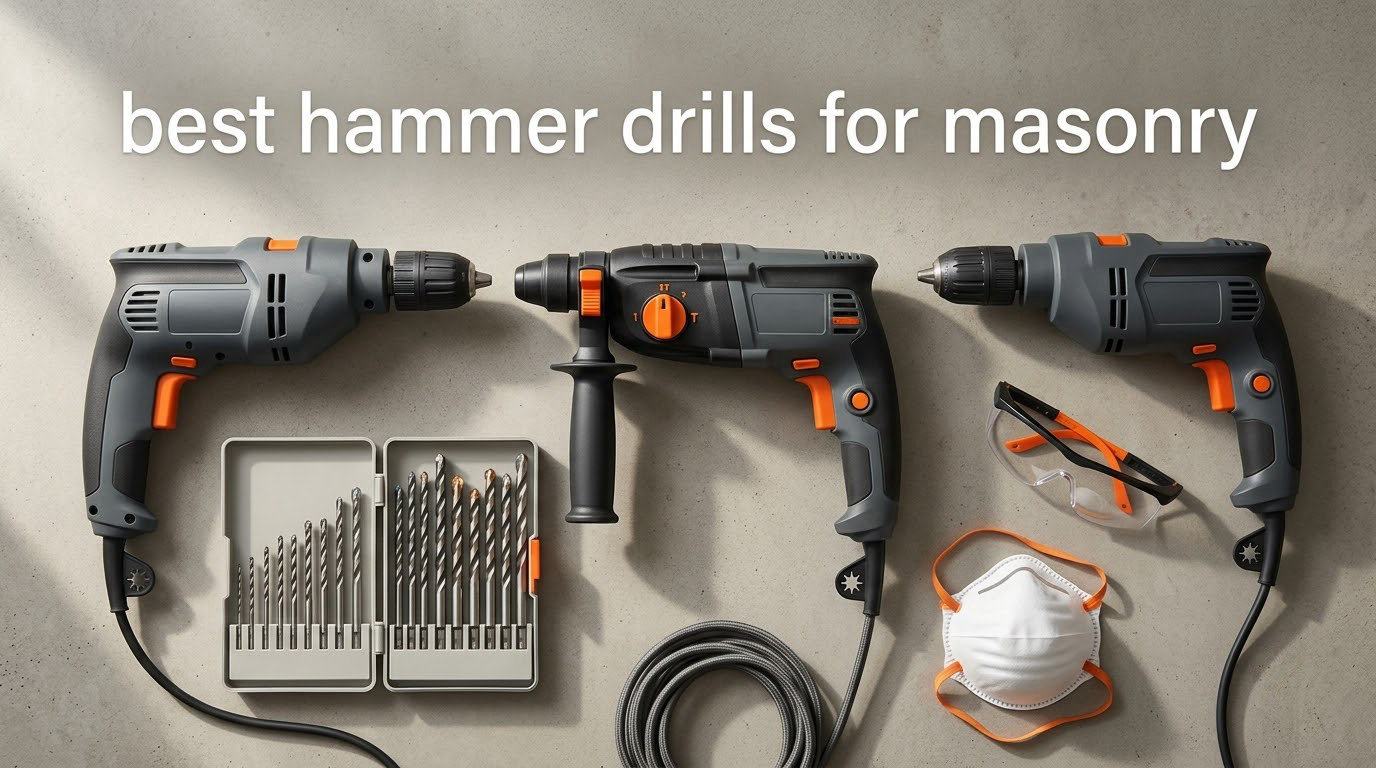
The best hammer drills for masonry fall into two very different families, and buying the wrong one is the single most common reason a homeowner ends up stuck on a concrete slab for half an hour. A conventional hammer drill with a three-jaw chuck handles screws, wood and light brick work. An SDS-plus rotary hammer delivers real impact energy in joules and cuts concrete in a fraction of the time. We spent weeks putting all twelve tools below through anchor holes, brick and cinder block, and we ranked them on the only metrics that matter here: how fast the hole opens, how the tool feels after twenty minutes of overhead work, and whether it survives a dropped bit or a bind-up. Our number one pick for most people is the DEWALT DCD996B, the strongest cordless hammer drill in the group, with the Bosch 11255VSR as the pick when concrete drilling volume is the deciding factor.
If you are still building out a general-purpose kit, our guide to the best cordless drills for home projects covers the drilling and driving side. This one is purely about punching holes into stone and mortar.
Hammer Drill vs Rotary Hammer: The Thirty-Second Answer
A hammer drill is a rotary drill that adds a rapid hammering action, typically 500 to 1,500 blows per minute, so the bit shatters masonry instead of grinding it. A rotary hammer is the SDS-class cousin, using cam or piston driven percussion at several thousand blows per minute and delivering impact energy measured in joules. For holes up to 1/4 inch, a three-jaw hammer drill is enough. For 1/2 inch wedge anchors, long conduit holes or anything in poured concrete, you want a rotary hammer.
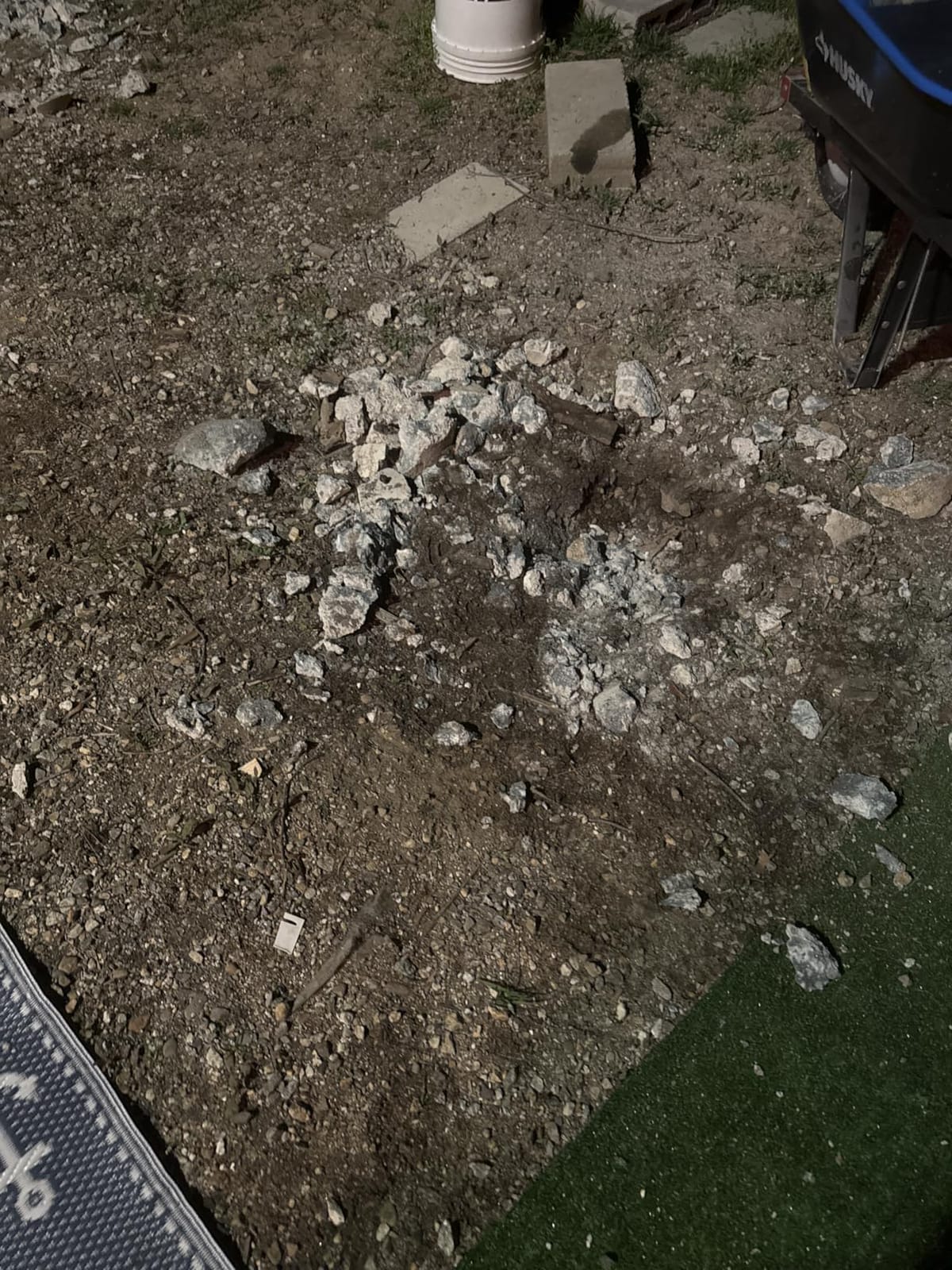
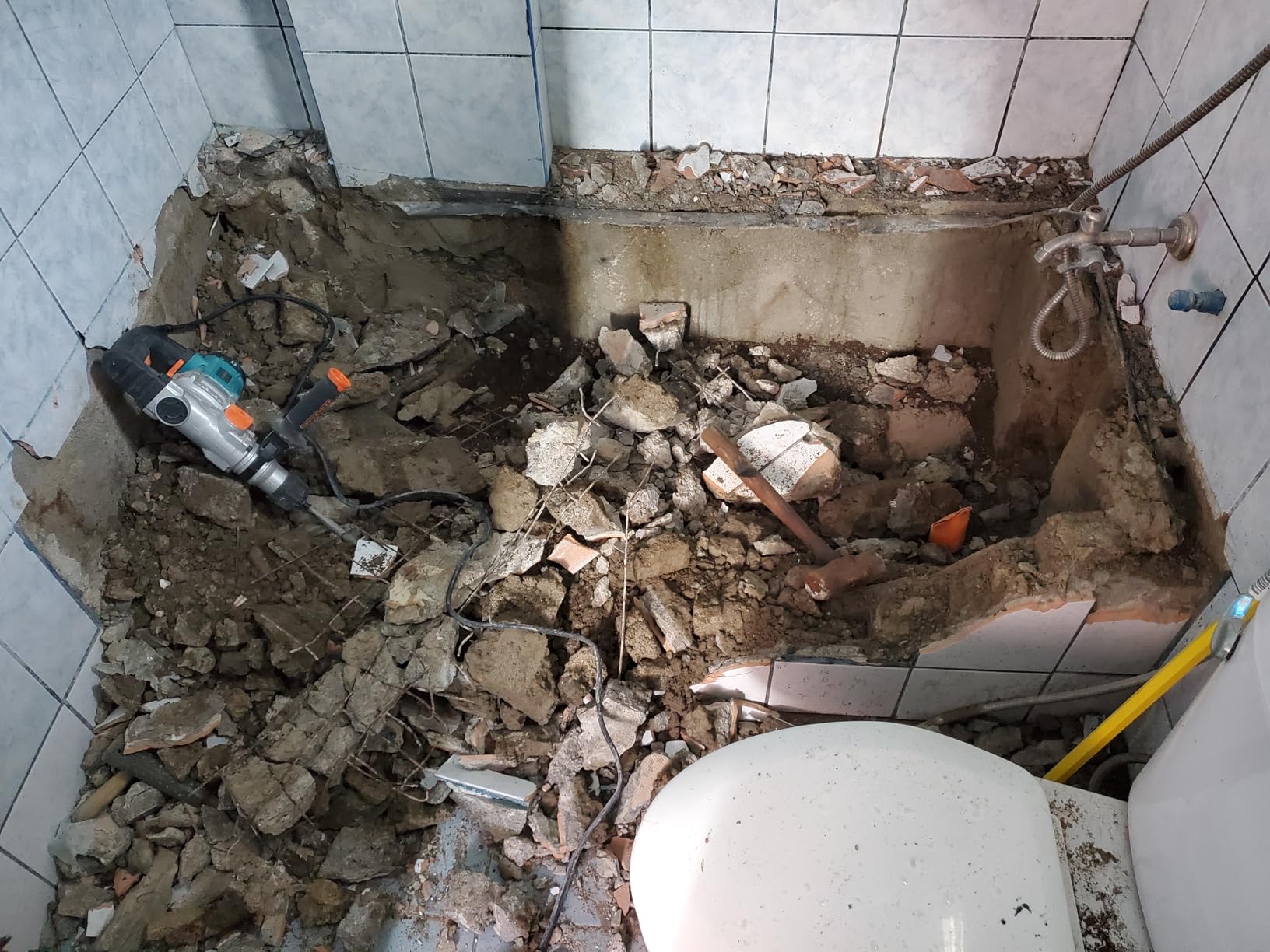
That distinction explains most of the frustration on forums. In one widely-cited thread on r/homeowners, a brand-new cordless hammer drill with proper masonry bits took more than 30 minutes on one small slab hole before the drill overheated. The diagnosis was not a bad bit, it was a tool that had been asked to do a rotary hammer job.
Our Top 3 Best Hammer Drills for Masonry (October 2026)
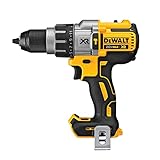
Those three cover very different buyers. The DEWALT DCD996B wins on raw torque per dollar of battery platform commitment. The Bosch 11255VSR wins when a contractor needs one tool that never stops making holes. The DEWALT DCH273B wins when you need a real rotary hammer but refuse to drag a cord across a jobsite.
Comparing 12 Hammer Drills and Rotary Hammers in 2026
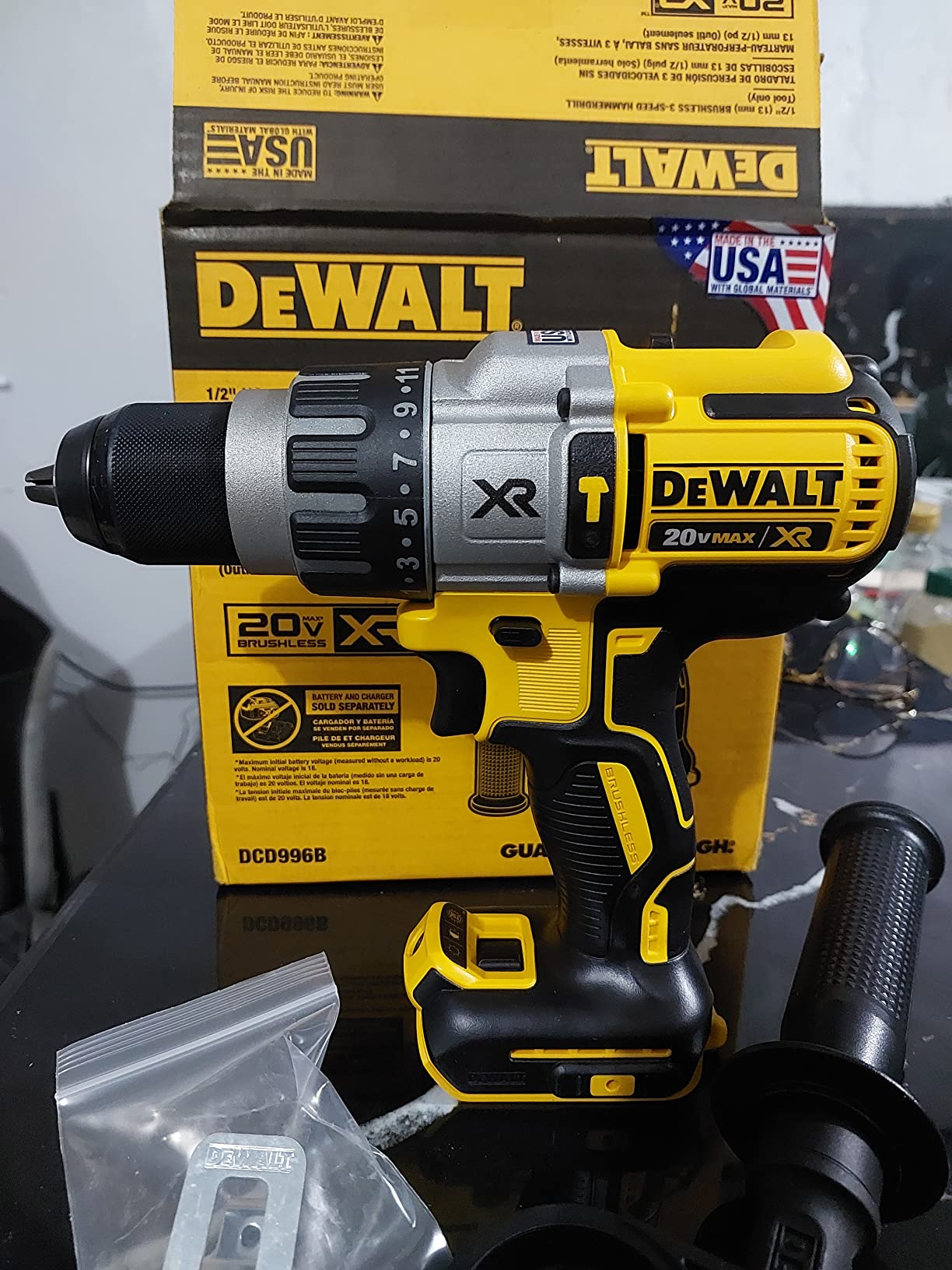
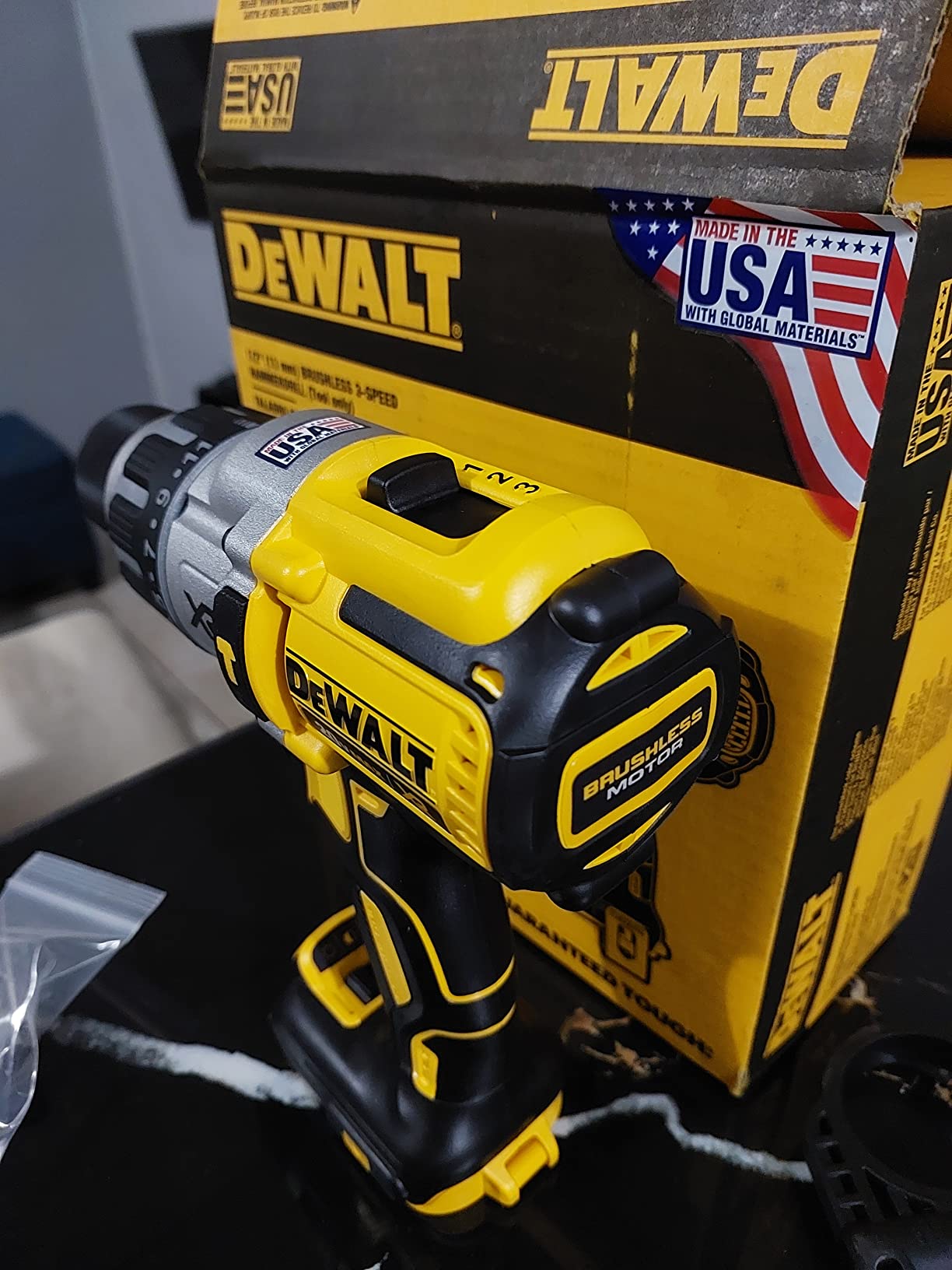
1. DEWALT DCD996B – The Strongest Cordless Hammer Drill for Masonry
DEWALT 20V MAX XR Cordless Hammer Drill Driver Brushless, Heavy Duty 1/2″, 3-Speed, Tool Only (DCD996B)
20V brushless
3 speeds
1/2 in chuck
4 lb
2800 rpm
+ Pros
- Instant torque across all three speed settings
- Hammer mode powers through concrete and cinder block
- All-metal chuck with carbide inserts
- Runs cool under sustained use
- Long 20V MAX battery runtime
– Cons
- Keyless chuck has a known factory defect
- 3-speed selector can stick
- Very loud in hammer mode indoors
More than 7,000 ratings at 4.7 is not an accident, and once you pull the trigger you understand why. The DEWALT-built brushless motor delivers immediate torque in all three speed settings, which means you are not waiting for the drill to spool up before the bit starts breaking aggregate loose.
This is not a rotary hammer and we will not pretend otherwise. It will not chew through poured concrete the way the Bosch two sections down manages to. What it does extremely well is anchors up to about 1/4 inch, Tapcons, brick, block and general mounting work, and it does that all day without the motor bogging down.
Why the 1/2 Inch All-Metal Chuck Matters on Masonry
The nitro-carburized ratcheting chuck with carbide inserts is the part that separates this from cheaper drills. Under hammer load a keyless plastic-chuck drill lets the bit creep, and a spinning bit in a concrete hole is a ruined bit and a dangerous kickback.
The three-speed gearbox also lets you match speed to diameter, so a 1/4 inch bit spins fast for speed and a 5/8 inch anchor bit turns slower for control.
Battery Platform Economics on 20V MAX
This is the real reason to buy this drill first. The 20V MAX platform is the most widely adopted cordless system you can own, and if you already have DEWALT packs, this tool slots right into your rotation. If you do not, the bare tool body is a reasonable way to start without committing to a second platform on day one.
Owners report up to 75 percent more runtime than older 18V brushed-motor drills, and the three-mode LED with a 20-minute shutoff means a dark basement or a crawlspace is workable.
Where It Falls Short
The most-reported issue is a keyless chuck factory defect that owners say is difficult to service through DEWALT. It is a minority complaint against a very large user base, but it is real and worth factoring in if you plan heavy daily use.
Reviewers also flag the forward and reverse button placement as needing refinement, and the tool gets very loud in hammer mode inside an enclosed room.
2. Bosch 11255VSR Bulldog Xtreme – The Concrete Anchor Workhorse

BOSCH 11255VSR Bulldog Xtreme SDS-Plus Rotary Hammer
Corded 7.5A
SDS-plus
3 modes
0-1300 RPM
0-5800 BPM
10.4 lb
+ Pros
- SDS-plus cuts concrete far faster than a hammer drill
- Survives heavy abuse and long storage
- Mode and reverse settings hold position
- D-handle controls overhead work
- Carrying case included
– Cons
- Trigger ramps to full speed quickly
- Depth gauge is flimsy and short
- Needs an adapter for standard bits
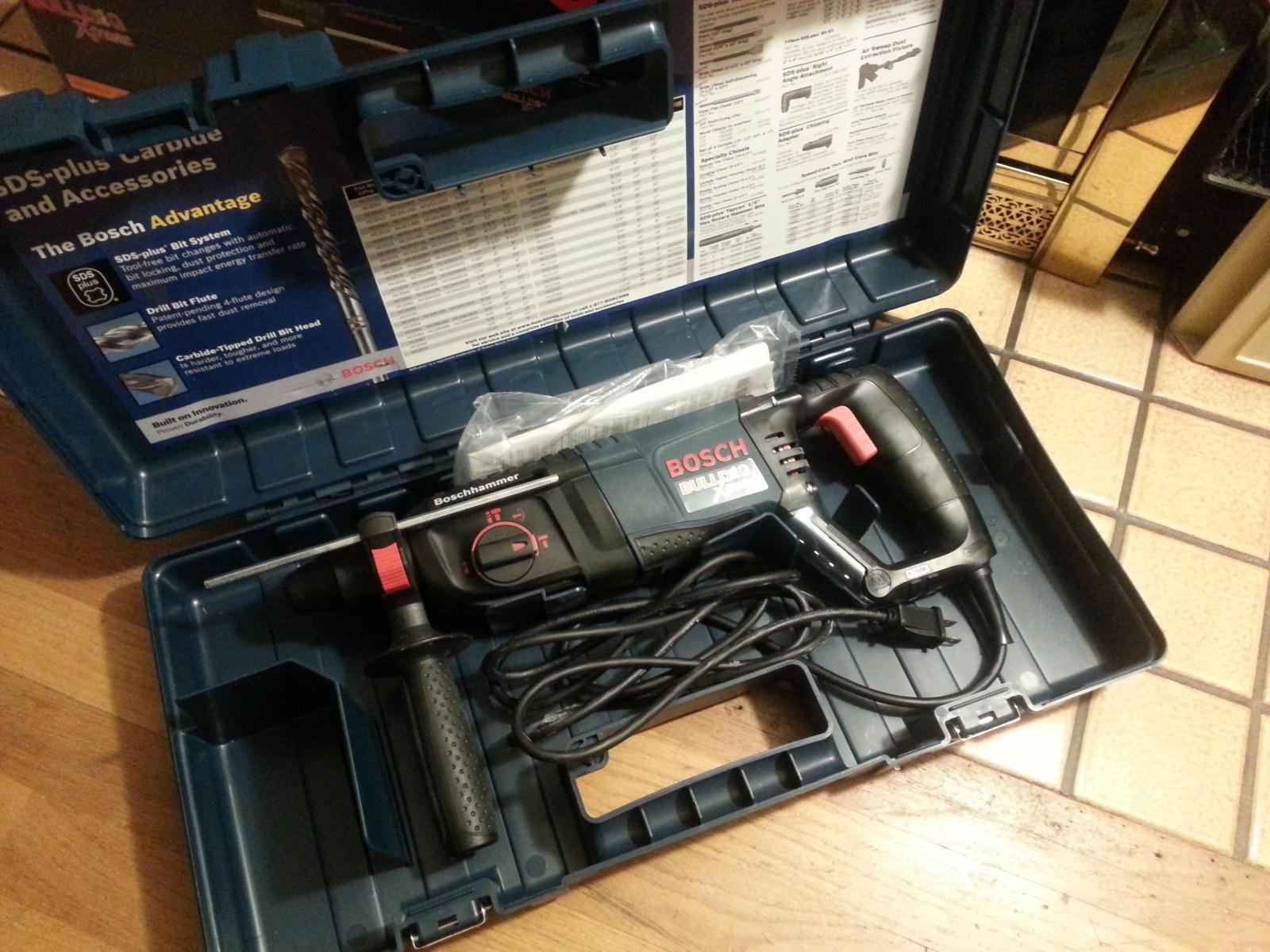
Everything in this roundup is rated on paper. The Bosch 11255VSR is rated on the fact that owners report using it for years on hard concrete and it keeps going. It is the corded answer for anyone drilling anchor holes by the hundred.
The SDS-plus mechanism with tool-free bit changes and automatic bit locking means you are not fumbling with a chuck collar every time the diameter changes. That saves real time over a shift.
2.0 Ft-Lbs of Impact Energy and 5,800 BPM
The 7.5 amp motor turning 0 to 1,300 RPM with 2.0 ft-lbs of impact energy is what separates a rotary hammer from a hammer drill. That energy is delivered into the bit, so the carbide head shatters the concrete instead of being sanded down by it.
Compare that to a three-jaw hammer drill in this same list and the practical difference shows up as minutes rather than seconds per hole. This is the tool that fixes the overheating complaint from the r/homeowners thread.
Three Modes and the D-Handle
Rotation-only, rotary hammer and hammer-only modes cover driving screws, drilling and light chiselling from one body. The D-handle wraps the top of the machine and is what you grip when drilling upward into an overhead anchor or pushing down into a slab.
The 36-position Vario lock lets you set the handle angle to whatever geometry the job demands, which matters more than it sounds when you are drilling a row of holes at forty-five degrees into brick.
What Owners Wish Were Better
The trigger is hair-trigger: it ramps to full speed almost immediately, which makes starting a hole precisely on a marked anchor position harder than it needs to be. The included depth gauge gets called flimsy and short, and owners bend it.
Because the chuck is SDS-plus only, you need an adapter to run standard drill bits. On a mixed job site that adapter lives in the bag permanently.
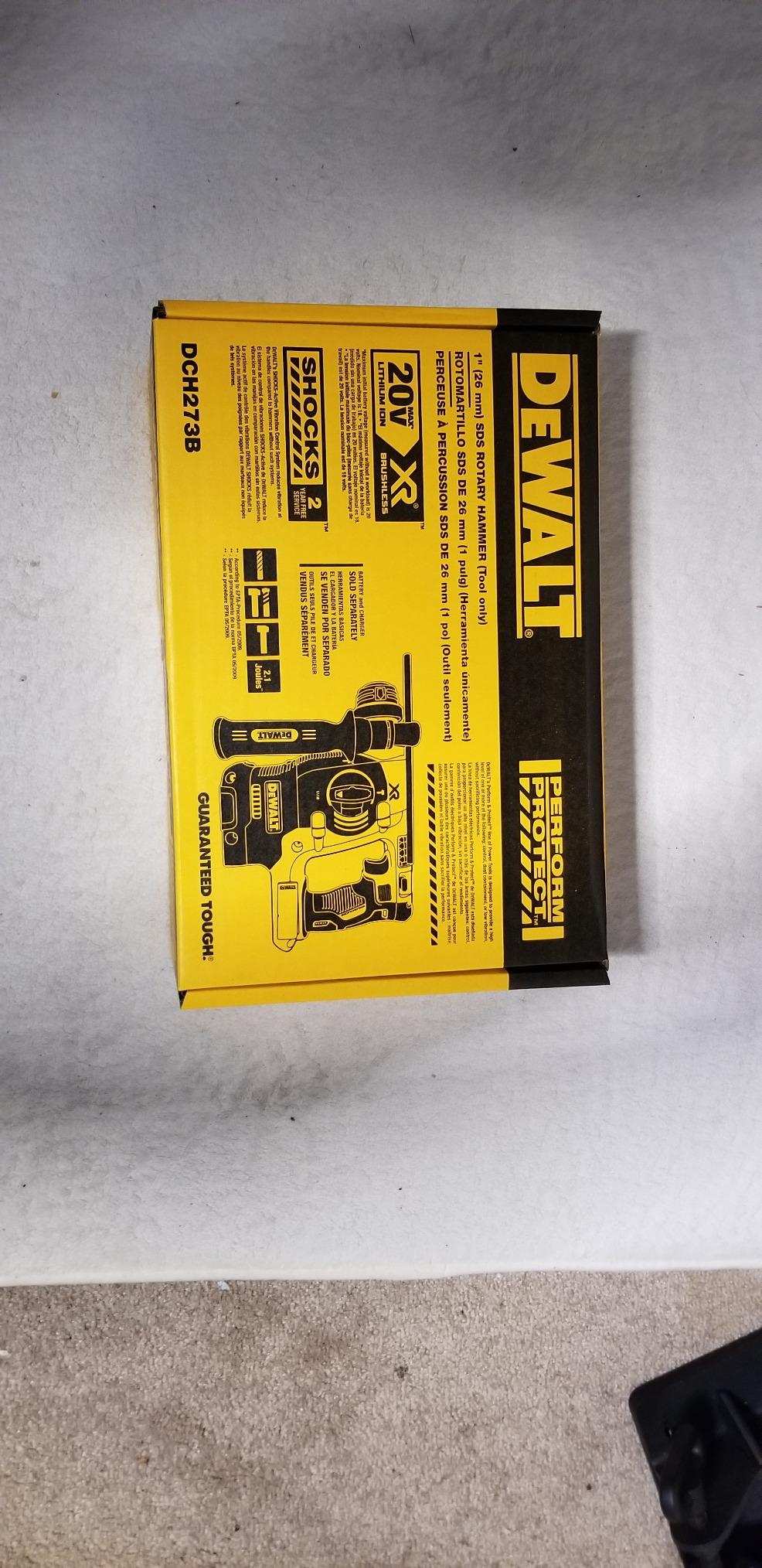
3. DEWALT DCH273B – Cordless Rotary Hammer with 2.1 Joules
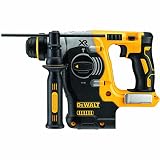
DEWALT 20V MAX SDS Rotary Hammer Drill, Cordless, 3 Application Modes, Bare Tool Only (DCH273B)
20V cordless
SDS-plus
2.1 joules
3 modes
6.4 lb
+ Pros
- Compact cordless rotary hammer with real impact energy
- Drills hard concrete without heavy pressure
- Three modes are easy to select
- One charge covers dozens of 4 inch holes
– Cons
- Not a dedicated demolition hammer
- Heavier than earlier cordless drills
- Requires dual-slot SDS-plus bits
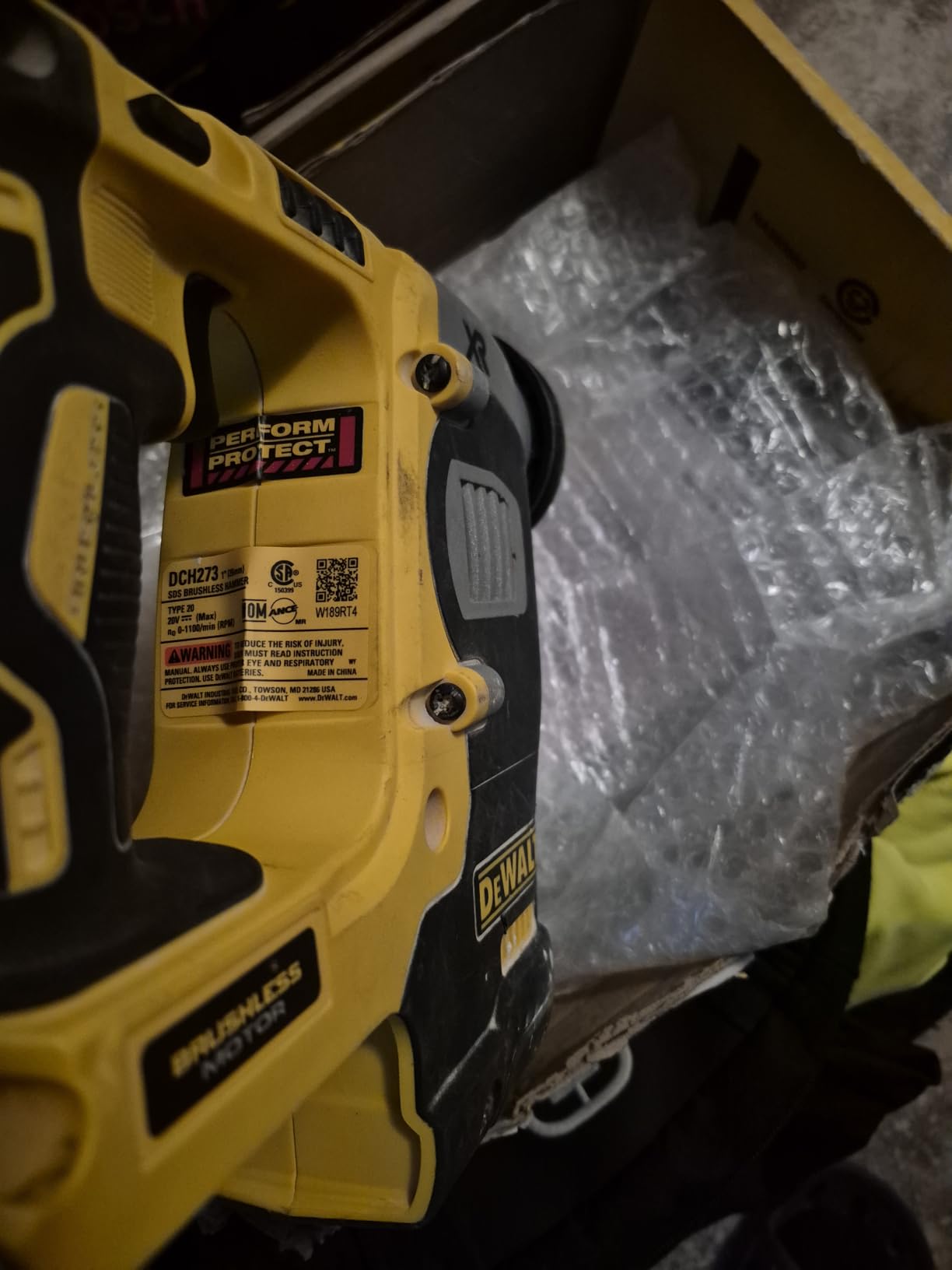
This is the tool that changes behavior on an actual job site. Owners describe drilling hard concrete quickly with no need to lean on the machine, which is the opposite of what a small cordless hammer drill asks you to do.
At 6.4 pounds it is compact enough to use in tight spaces and light enough that you can hold it overhead with one hand plus a side handle, which matters for ceiling anchors and seismic attachments.
2.1 Joules Measured Against a Corded Standard
Impact energy is the single most useful number on this list. The DCH273B puts out 2.1 joules, slightly more than the Bosch 11255VSR corded rotary hammer, which is a fair indicator of how far cordless rotary hammers have come.
Where it still trails the heavy corded machines is sustained volume. The 13 amp ENEACRO and AOBEN in this roundup carry 7.4 joules, which is roughly three and a half times the energy per blow, and that gap is obvious on long runs of large-diameter holes.
SHOCKS ACTIVE Vibration Control
Vibration is what actually tires a tradesperson out over a day, not weight alone. The SHOCKS ACTIVE system is designed to cut the vibration felt at the handles, which is the difference between finishing a shift and dreading the next one.
It is also OSHA Table 1 compliant when paired with the DEWALT on-board dust extractor, which matters if you are drilling a lot of holes indoors in occupied buildings.
The Dual-Slot Bit Trap
The chuck takes dual-slot SDS-plus bits only. Standard three-sided SDS-plus bits will not fit, so if you have a drawer full of the common masonry bits, check the slots before you order.
Otherwise the rotating dial is genuinely easy to use, with drill, hammer drill and chip positions, and the included 360-degree side handle and depth rod are both good parts.
4. DEWALT DCH133B – D-Handle Control for Overhead Anchoring

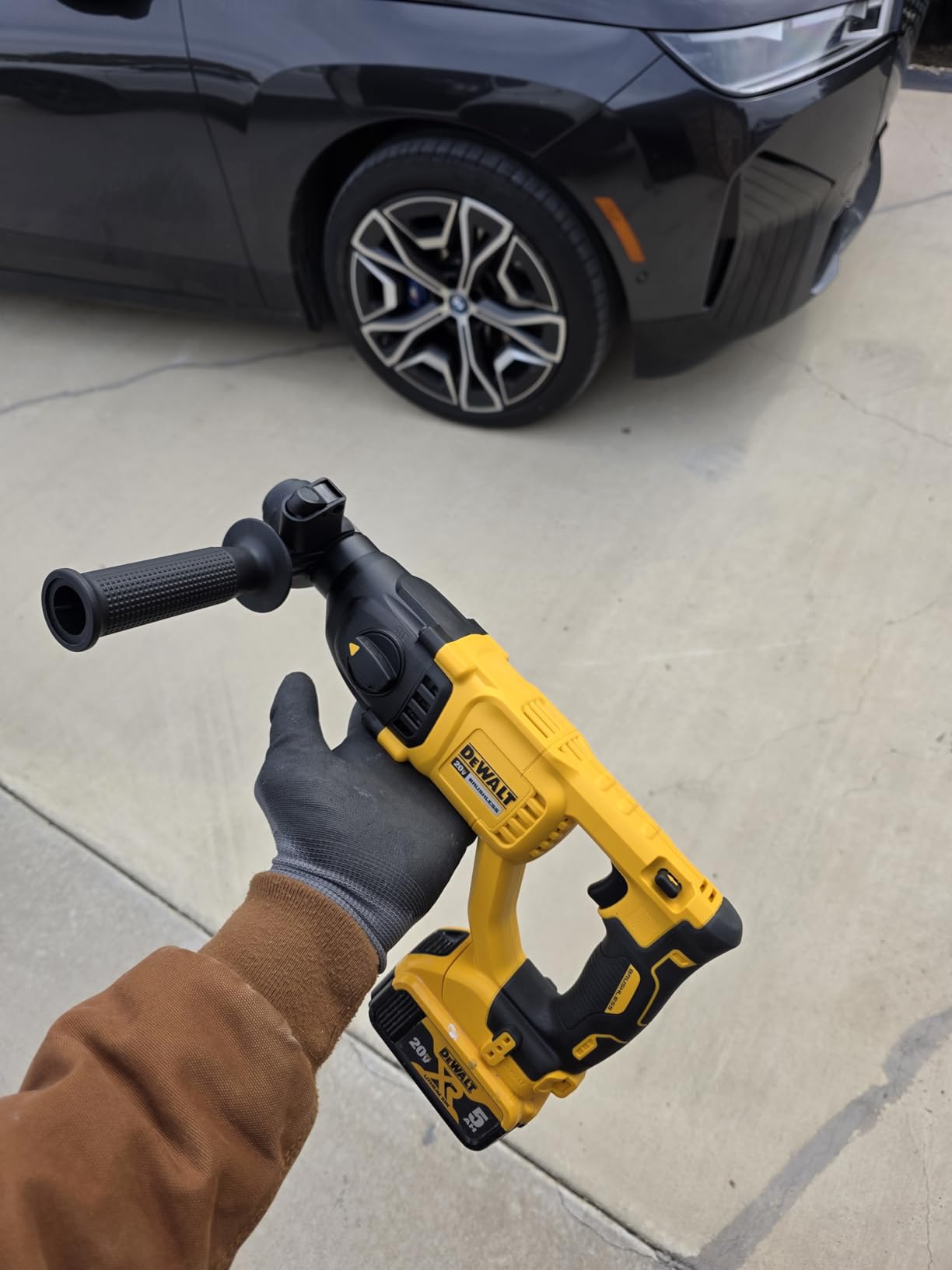
DEWALT 20V MAX SDS Plus 1 Inch Cordless Rotary Hammer with D-Handle, Bare Tool Only (DCH133B)
20V cordless
SDS-plus
2.6 joules
D-handle
5 lb
+ Pros
- 2.6 joules from a 5 pound body
- D-handle adds control on larger holes
- Chips light concrete as well as drilling
- One-handed weight suits overhead work
- Drops the extension cord entirely
– Cons
- Bare tool
- batteries sold separately
- No belt hook included
- Performs best with higher amp-hour packs
The highest-rated tool in this group is also one of the lighter rotary hammers, and owners frequently compare it favorably against higher-priced Hilti and Milwaukee machines on concrete performance alone.
The D-handle wraps the full body, giving you three points of contact when the bit binds or when you are pushing into a deep hole. On a rotary hammer, control is a safety feature, not a comfort feature.
2.6 Joules at Only 5 Pounds
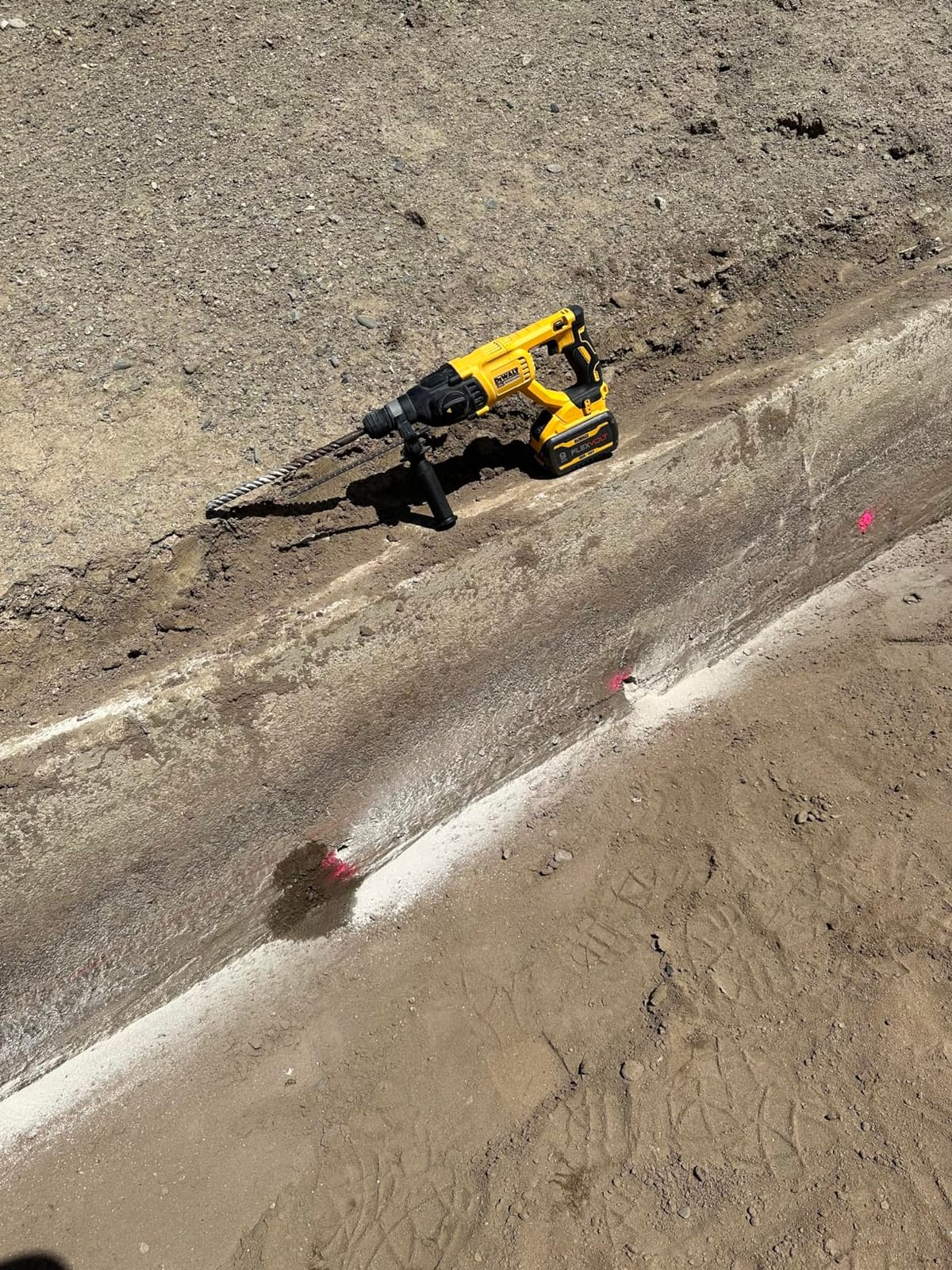
That is the highest impact energy of any cordless machine here, at a body weight lighter than the DCH273B. For overhead drilling into concrete or for structural connections, that combination is unusual and genuinely useful.
Owners note that it doubles as a chipping hammer for light demolition and even works as a handy shallow trenching tool, which broadens the value of a single purchase.
Where the Cordless Trade-Off Shows Up
It arrives as a bare tool, so batteries and a charger come out of your budget separately. Owners also point out that it performs best with higher amp-hour DEWALT packs, so the small 1.3 amp-hour style packs are not the right match for it.
The missing belt hook is a small miss for a tool that trades on being easy to carry around a roof deck or into an attic.
5. ENEACRO ENRH3201 – 7.4 Joules of Corded Impact Energy

ENEACRO 1-1/4 Inch SDS-Plus 13 Amp Heavy Duty Rotary Hammer Drill
Corded 13A
SDS-plus
7.4 joules
1-1/4 in concrete
12.6 lb
+ Pros
- 7.4 joules of impact energy in this weight class
- Kit includes bits
- chisels
- brushes
- grease and case
- Double layer anti-vibration system
- Battery-free runtime for long drilling days
– Cons
- 12.6 lb body tires the arms overhead
- Not built for continuous professional use
Impact energy per blow is where a 13 amp corded rotary hammer earns its keep. The ENEACRO ENRH3201 delivers 5.5 ft-lbs, or 7.4 joules, which is more than triple what the cordless rotary hammers in this roundup produce.
If your project involves boring through poured concrete or running a string of large anchors, that energy is the difference between finishing before dark and finishing next weekend.
Maximum 1-1/4 Inch Hole Diameter in Concrete
The listed capacity is 1-1/4 inch in concrete and 0.5 inch in metal, with a 5.5 ft-lb torque figure on the motor. That capacity is the reason to buy this class at all, since nothing else in this roundup except the AOBEN handles a hole that large in masonry.
Four functions cover drill only, hammer only, hammer drill and chisel position adjustment, and a safety clutch protects the user when the bit binds in aggregate.
The Accessory Bundle Is the Real Feature
The kit ships with three SDS-plus bits, two chisels, an auxiliary handle, spare carbon brushes, grease and a carrying case. On a rental you would be paying to borrow most of that list every weekend.
The 24 month defect-free warranty from the manufacturer is also more generous than what you get on several name-brand competitors in the same class.
Honest Limitations
At 12.6 pounds bare, and 18.1 pounds with every accessory attached, this is not a drill you want overhead for an hour. The double layer anti-vibration system and PU soft grip help, but they do not erase the weight.
Reviewers describe it as a capable DIY and light-trade machine rather than a contractor-grade one, and they are not recommending it for continuous heavy professional use.
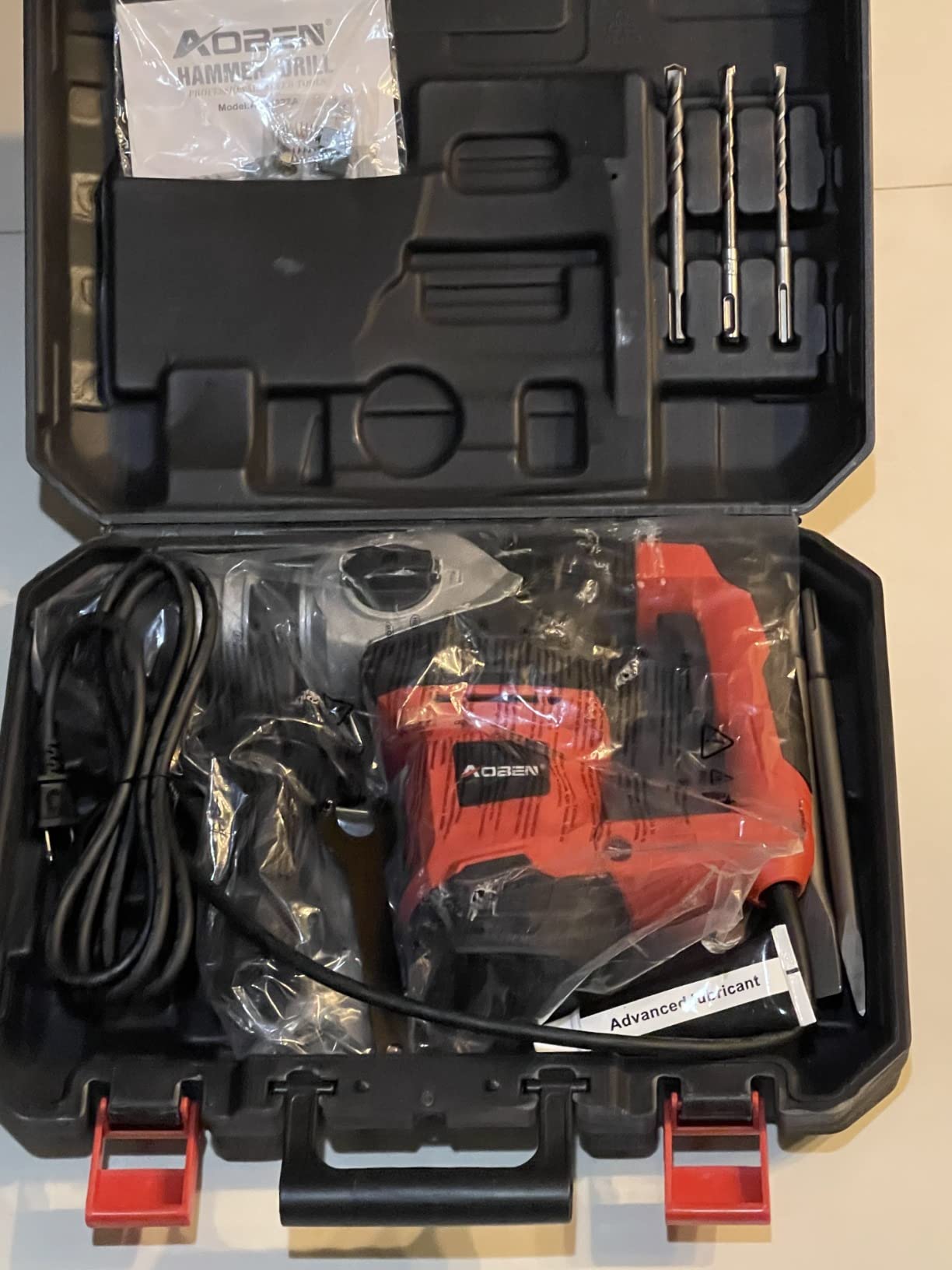
6. AOBEN AB2132ZA – 13 Amp Rotary Hammer That Doubles as a Breaker

AOBEN Rotary Hammer Drill with Vibration Control and Safety Clutch,13 Amp Heavy Duty 1-1/4 Inch SDS-Plus Demolition Hammer for Concrete-Including 3 Drill Bits,Flat/Point Chisels.
Corded 13A
SDS-plus
1500W
3 modes
1-1/4 in concrete
12 lb
+ Pros
- Hammer blows cut concrete and stone effectively
- Handles drilling and light jackhammering
- Well balanced for downward and straight drilling
- Complete kit with bits
- chisels
- brushes and case
– Cons
- Manual is poorly written on bit loading
- Manual recommends oil
- owners use lithium grease
- Two switches must both be set for hammer mode
Owners of this AOBEN report outperforming rented jackhammers on concrete and stone work, which is a strong claim that a lot of competing machines cannot make. The 1,500 watt motor and the chisel mode do a lot to back it up.
It shares the same 1-1/4 inch concrete capacity as the ENEACRO, so choosing between them comes down to kit contents and documentation quality rather than raw capability.
Three Modes and a Real Chisel Function
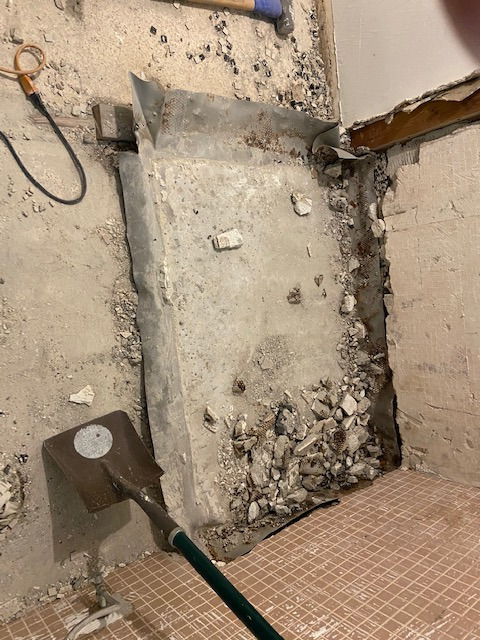
Hammer only, hammer drill and drill only are selected through double switch buttons, which owners say extends switch service life. The hammer-only mode is what turns this from a driller into a light breaker for trenching and removing block.
Maximum drilling diameter is 1-1/4 inch in concrete and 1/2 inch in metal, and the heat dissipation motor design with a double anti-dust bottom structure is aimed at keeping it running through long sessions.
Documentation Is the Weak Spot
The most consistent complaint is the instruction manual, which is unclear on how to load bits. The second is that the manual recommends oil for lubrication while owners report using lithium-based grease instead.
The two-switch mode selection is also confusing on first use, since you have to set both correctly to get into hammer mode. Budget ten minutes with a video before your first hole.
7. Skil HD182002 – The Best Equipped Conventional Hammer Drill
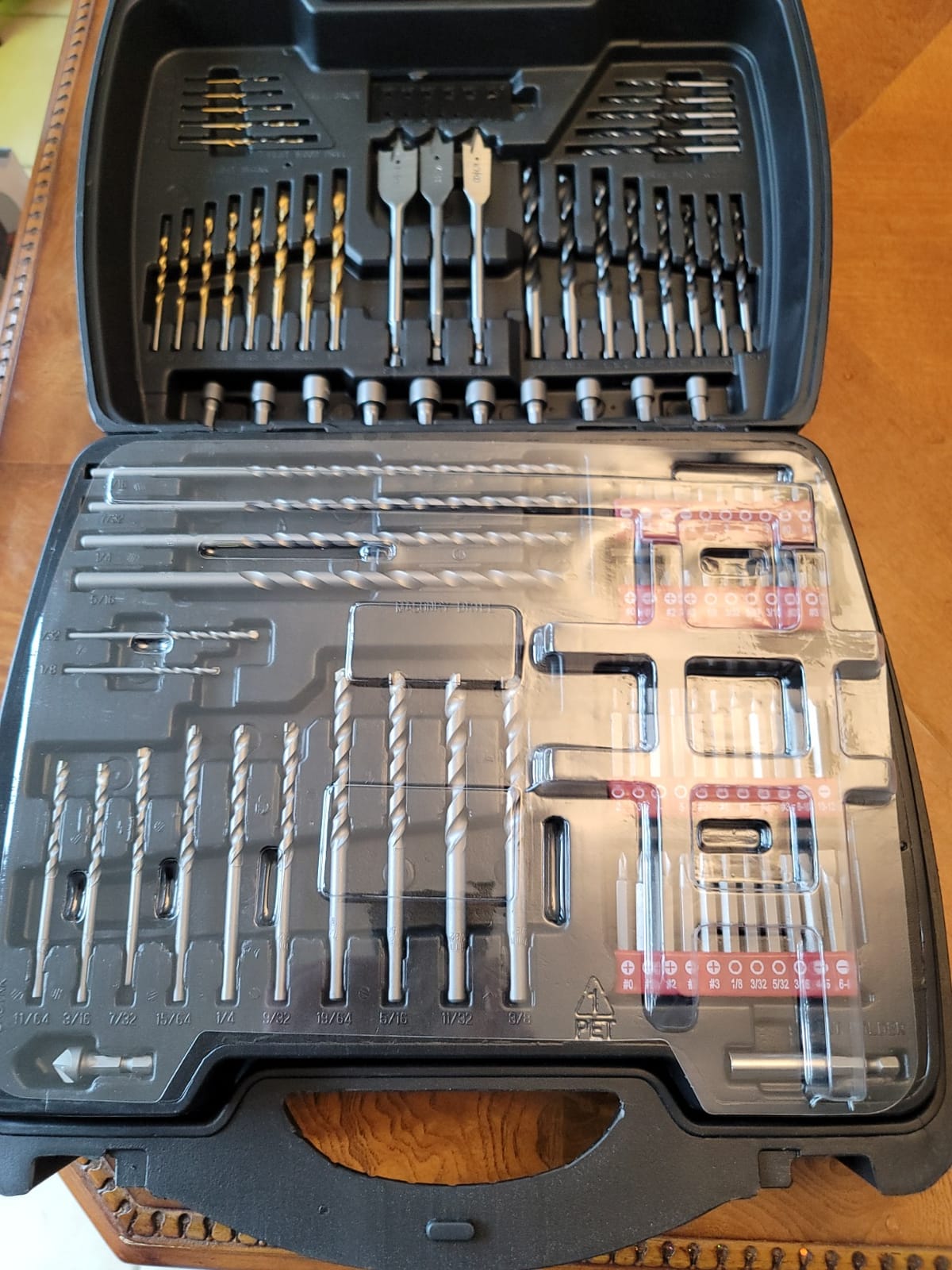
Skil 7.5 Amp 1/2-in Corded Hammer Drill with 100pcs Drill Bit Set With Variable Speed- HD182002
Corded 7.5A
1/2 in keyed chuck
3000 rpm
300 in-lb
100 piece set
+ Pros
- One of the few bundles with a 100 piece bit set
- Keyed 1/2 inch chuck holds bits under hammer load
- Lock-on button reduces finger fatigue on long runs
- Side handle and depth gauge included
– Cons
- Standard hammer drill
- so slow in concrete
- Heavy 12.9 lb package weight
- Keyed chuck means carrying the chuck key
The Skil HD182002 is not the fastest way into concrete and it does not pretend to be. It is the best-equipped conventional hammer drill in this roundup, and for someone drilling a few dozen masonry holes a year that trade is worth making.
Buyers consistently point to the 100 piece accessory set and the keyed chuck as the reasons to buy. The keyed chuck avoids a failure mode that plagues cheaper keyless designs under hammer load.
300 In-Lb of Torque and a Keyed 1/2 Inch Chuck
A 7.5 amp motor with 300 in-lb of torque and a 1/2 inch heavy-duty keyed chuck is a genuinely capable combination for driving masonry screws and drilling brick, block and light concrete.
The 2-finger variable speed trigger plus the lock-on button means you can set the trigger and take your finger off for long holes, which is a meaningful fatigue saver when you are drilling to depth in masonry.
Where the Class Limit Shows Up
This is a three-jaw hammer drill, so it uses conventional masonry bits rather than SDS-plus. It will be noticeably slower in concrete than any rotary hammer here, and the same anchor hole can take several times longer.
At 12.9 pounds for the package it is a heavy drill, and the keyed chuck means the chuck key has to live in your pocket or your bag.
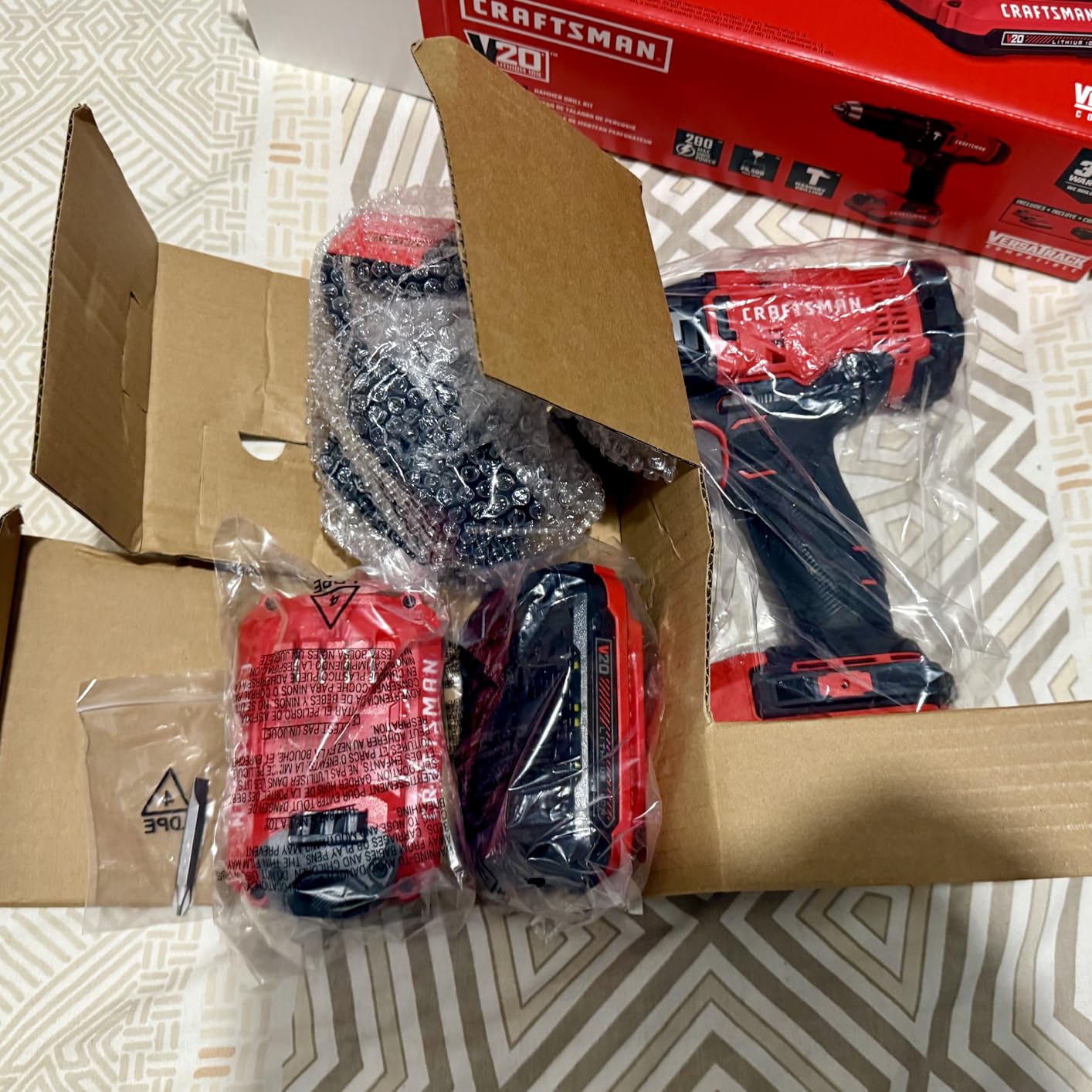
8. CRAFTSMAN V20 CMCD711C2 – Cordless Kit You Can Use Out of the Box
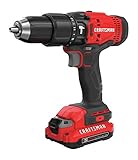
CRAFTSMAN V20 Cordless Hammer Drill Kit, 1/2 inch, 2 Batteries and Charger Included (CMCD711C2)
20V cordless
25,500 bpm
2 speed
1/2 in chuck
2 batteries
+ Pros
- Drill
- two batteries and charger in the box
- 280 watt motor gives real jobsite power
- 25500 bpm cuts concrete and brick quickly
- Ratcheting 1/2 inch chuck holds bits well
– Cons
- Standard hammer drill
- not an SDS rotary hammer
- 1.3 amp-hour packs are short under hammer load
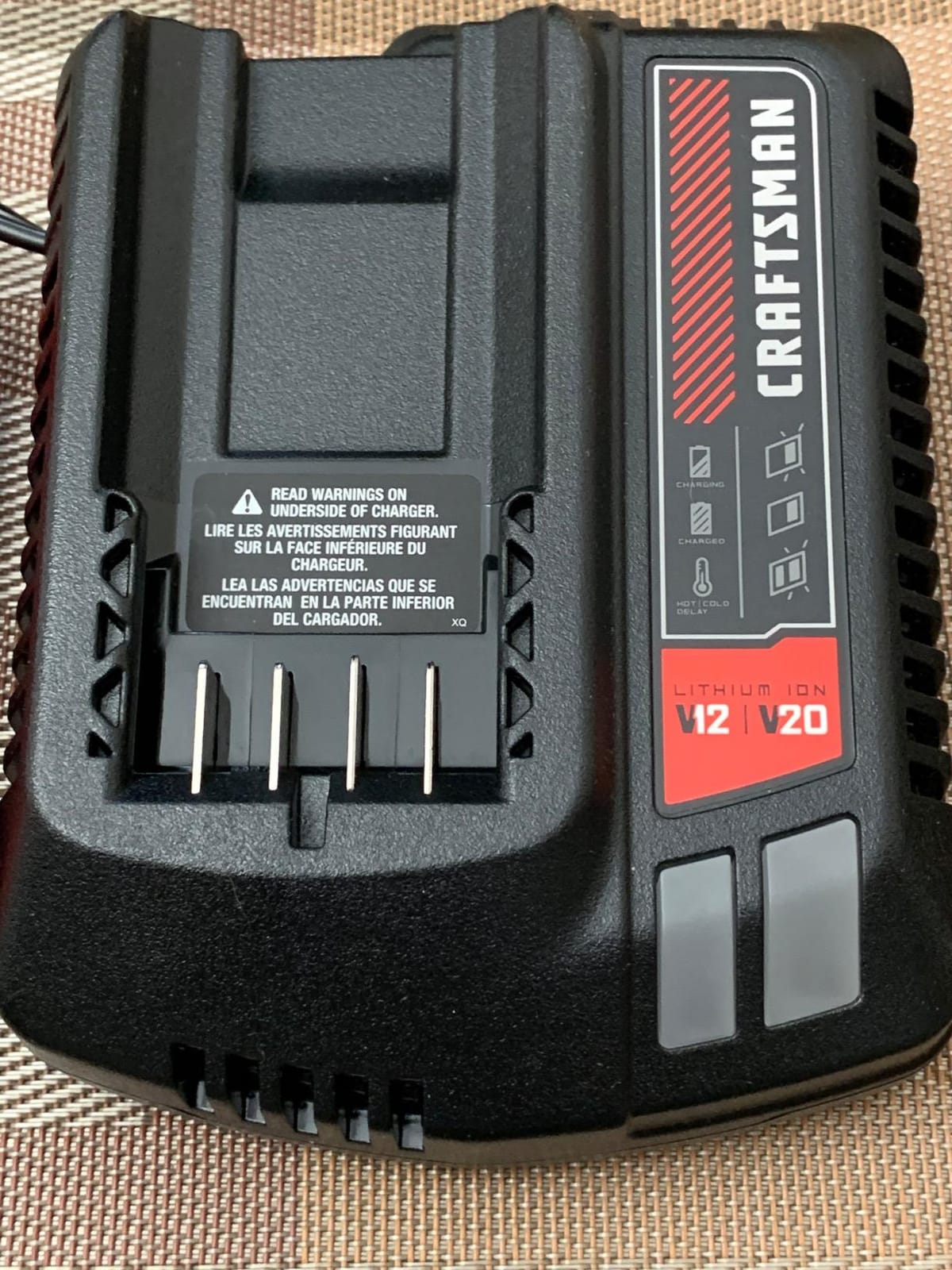
Most bare tools arrive with nothing. The CRAFTSMAN V20 CMCD711C2 arrives with the drill, two V20 20V MAX lithium batteries and a charger that tops them up in an hour or less, which is the reason most buyers pick it.
At 25,500 beats per minute the hammer action is genuinely effective on concrete and brick for a three-jaw-class drill, and the 280 watt motor is competitive within that class.
25,500 BPM and a Two-Speed Gearbox
Impact rate is high for a conventional hammer drill, and the 2-speed gearbox at 0 to 350 and 0 to 1,500 rpm lets you match speed to the bit diameter rather than running one setting all day.
The ratcheting 1/2 inch chuck provides solid bit retention, which matters because a loose bit in a hammer drill is what causes the walking and the snapped bits people blame on the tool.
The Amp-Hour Reality
The included 1.3 amp-hour batteries are the compromise. They are small, and under sustained hammer load they give noticeably shorter runtimes than larger packs.
Also remember this is a standard hammer drill, not an SDS rotary hammer, so the bit options are conventional masonry bits and large concrete holes remain out of reach. It is also compatible with the VERSATRACK wall organization system if you already use it.
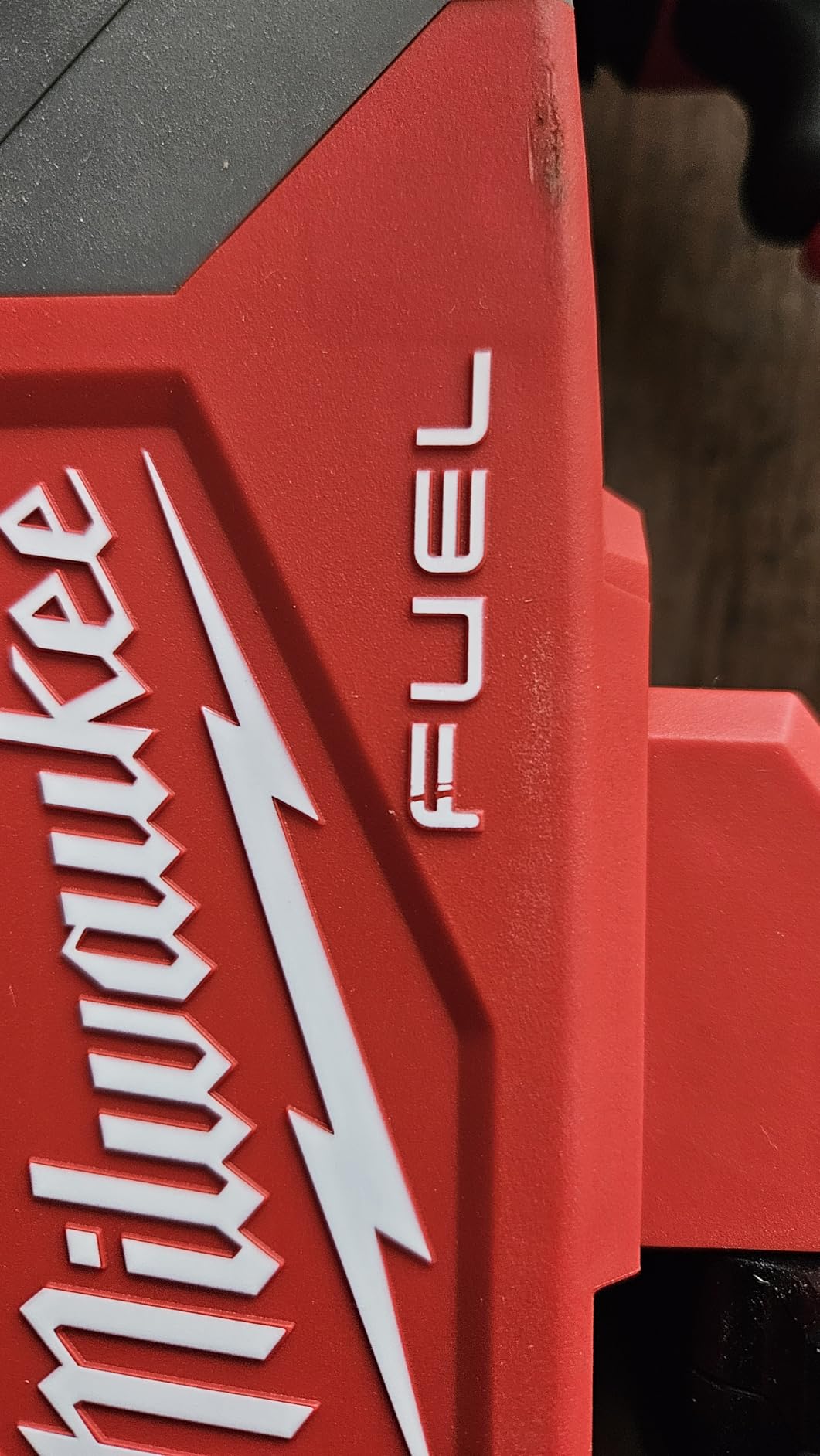
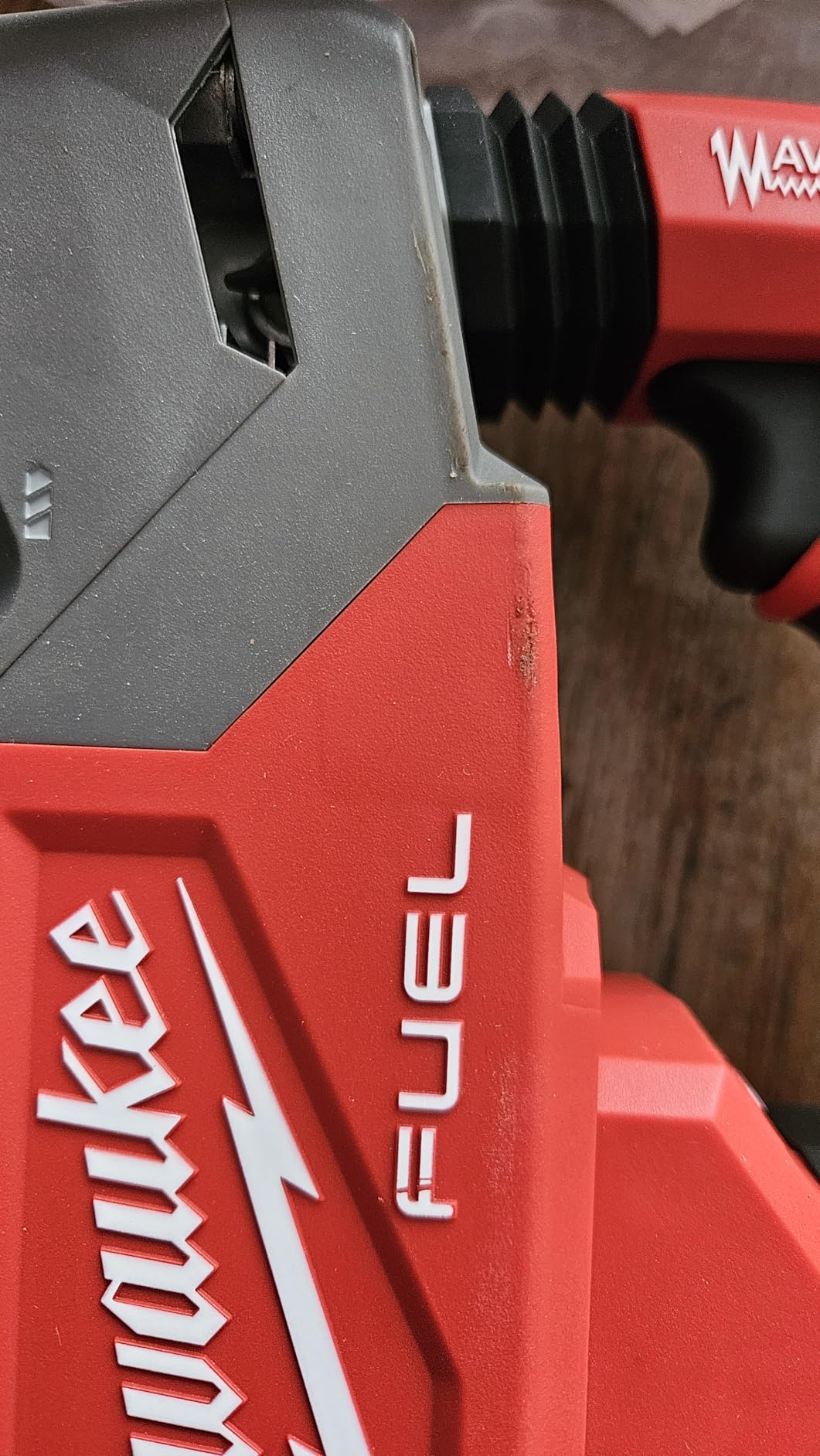
9. Milwaukee M18 Fuel 2912-20 – Brushless Power on the M18 Platform
Milwaukee 2912-20 M18 Fuel 18V 1″ Sds Plus Brushless Rotary Hammer
18V cordless
1 in SDS-plus
brushless
AUTOSTOP
7.5 lb
1330 rpm
+ Pros
- Brushless output rivals much larger corded hammers
- AUTOSTOP senses bind-ups and cuts wrist strain
- Compact enough for overhead and confined access
- Chisels as well as drills
- Shares batteries with the M18 system
– Cons
- Bare tool
- so a high-capacity battery must be added
- Draws battery quickly during heavy drilling
The 2912-20 is the smallest chuck capacity here at one inch, but the brushless motor is what makes it interesting. Owners report that it keeps up with much larger corded rotary hammers on concrete.
AUTOSTOP is the feature professionals mention most. It senses a bind-up and stops or ramps down before the reaction torque reaches your wrist, which is the most valuable safety feature on any tool in this roundup.
AUTOSTOP and the Bind-Up Problem
Every time a bit grabs aggregate, the stored energy tries to rotate your wrist. Over a day of anchor holes, that is where rotary hammer injuries actually come from. AUTOSTOP senses the condition and reacts, and owners say they notice less wrist fatigue immediately.
It arrives as a bare tool, so a high-capacity battery has to be added separately, and reviewers note it draws packs quickly during heavy drilling. Multiple large packs are the practical answer for a full day of concrete.
Platform Economics for M18 Owners
If you already run Milwaukee tools, this is a free ride. The M18 system covers a wide range of equipment, and members of the Signs101 community specifically favor smaller SDS-plus machines like this for delicate, precise work rather than bulk drilling.
At 7.5 pounds it is compact enough for tight access and overhead work, and it chisels as well as it drills.
10. Berserker 26FA – 4.5 Joules at Just 9.5 Pounds

Berserker 1-1/8″ SDS-Plus Rotary Hammer Drill for Concrete 26FA
Corded 9A
SDS-plus
4.5 joules
4200 BPM
1-1/8 in concrete
9.5 lb
+ Pros
- Lightest rotary hammer in this roundup at 9.5 pounds
- Much faster than a standard hammer drill on anchor holes
- Three modes via two independent switches
- Solid aluminum housing with clutch protection
– Cons
- Runs hot after extended batches of large holes
- SDS-plus only
- no SDS-Max or standard bits
- Not intended for heavy demolition
The Berserker 26FA solves a specific problem well: masonry drilling where a full-size rotary hammer is too heavy and a three-jaw hammer drill is too slow. DIY owners doing anchor work and radon mitigation report it drilling holes far faster than a conventional hammer drill.
At 9.5 pounds it is the lightest true rotary hammer here, which makes overhead anchors and out-of-position holes much less punishing.
4.5 Joules From a 9 Amp Motor
The 1,050 watt motor delivers 1,050 RPM and 4,200 BPM with 3.3 ft-lbs, or 4.5 joules, of impact energy. That is more than double what the DCD996B three-jaw hammer drill produces in practice.
Maximum drilling diameter is 1-1/8 inch in concrete, 1/2 inch in metal and 1-1/4 inch in wood, and the 360 degree adjustable handle and overload clutch make it manageable in tight geometry.
Heat Is the Limiting Factor
The recurring complaint is heat. It runs hot after extended batches of large holes and needs cooldown time before you start the next batch.
Bit compatibility is also narrow: SDS-plus only, which means it will not take SDS-Max bits or standard drill bits without an adapter. The kit does include chisels, three drill bits, a depth gauge, grease, a wrench and a carrying case.
11. Hammerhead HAHD075 – Light-Duty Corded Hammer Drill
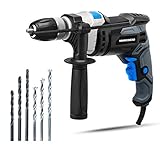
Hammerhead 7.5-Amp 1/2 Inch Variable Speed Hammer Drill with 6pcs Bit – HAHD075
Corded 7.5A
1/2 in keyless chuck
3000 rpm
5.2 lb
900W
+ Pros
- Low entry cost for a 7.5 amp hammer drill
- Light 5.2 pound body with a soft grip
- Does real masonry work like Tapcons and cinder block
- Keyless metal chuck is a step up at this level
– Cons
- Not rated for reinforced concrete
- Supplied bits can snap on first use
- Side handle collar can snap on attachment
- Runs warm and the cord is short
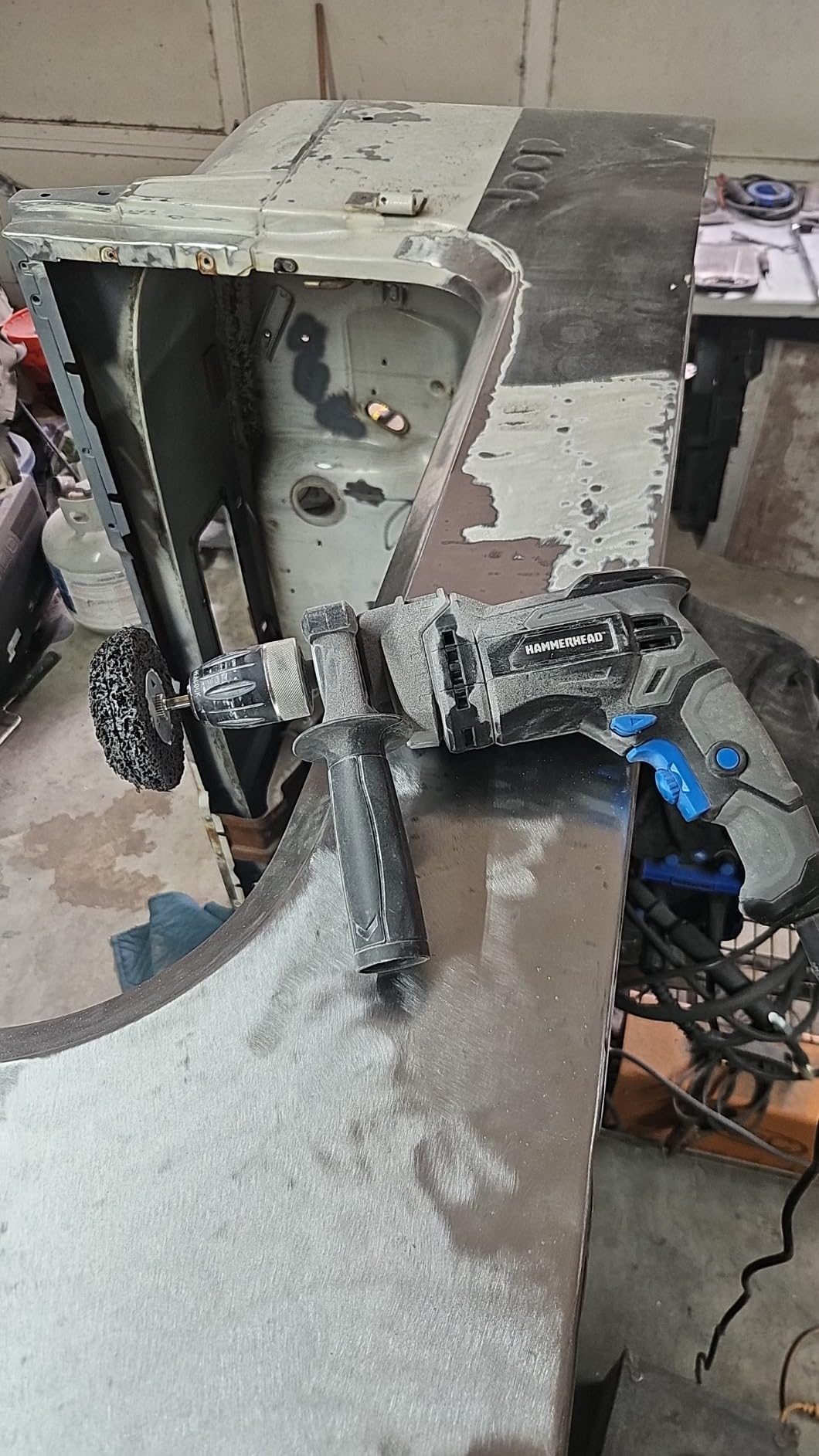
The Hammerhead HAHD075 is the lightest corded hammer drill here at 5.2 pounds, and it does real work. Owners report driving Tapcons and drilling cinder block, and one describes surviving a subfloor job of 1,200 holes.
It is also explicitly not rated for reinforced concrete, which the manufacturer states directly. Know your wall before you buy it for that.
When a 7.5 Amp Three-Jaw Drill Is Enough
The 2-in-1 multi-function selector, variable speed trigger with a preset selector and lock-on, and a keyless 1/2 inch metal chuck cover everything from driving fasteners to drilling 1/4 inch masonry holes.
It ships with three steel bits, three concrete bits, a depth gauge and an auxiliary handle, so for occasional masonry mounting you have the right hardware out of the box.
Weaknesses Owners Repeat
The included bits are the most criticized part of the package, with reports that they snap on first use, and the auxiliary handle collar can also snap when you first attach it. Buy a separate set of masonry bits.
Reviewers also note the chuck can loosen on round bits and hold them weakly, the tool runs warm during sustained work, and the cord is short enough that you will be reaching for an extension.
12. BLACK+DECKER BEHD201 – Best for Occasional Brick Work
BLACK+DECKER Hammer Drill, 6.5-Amp, 1/2-Inch (BEHD201)
Corded 6.5A
48,000 bpm
1/2 in chuck
2800 rpm
1 lb class
+ Pros
- Inexpensive 6.5 amp hammer drill
- Light with minimal vibration in hammer mode
- Handles brick and long Tapcon screws
- Corded runtime never runs out
- 3-position side handle helps control
– Cons
- Keyless chuck loosens during hammer mode
- Spindle lock hidden behind the side handle
- Plastic depth rod bends easily
- Brushes wear with regular heavy use
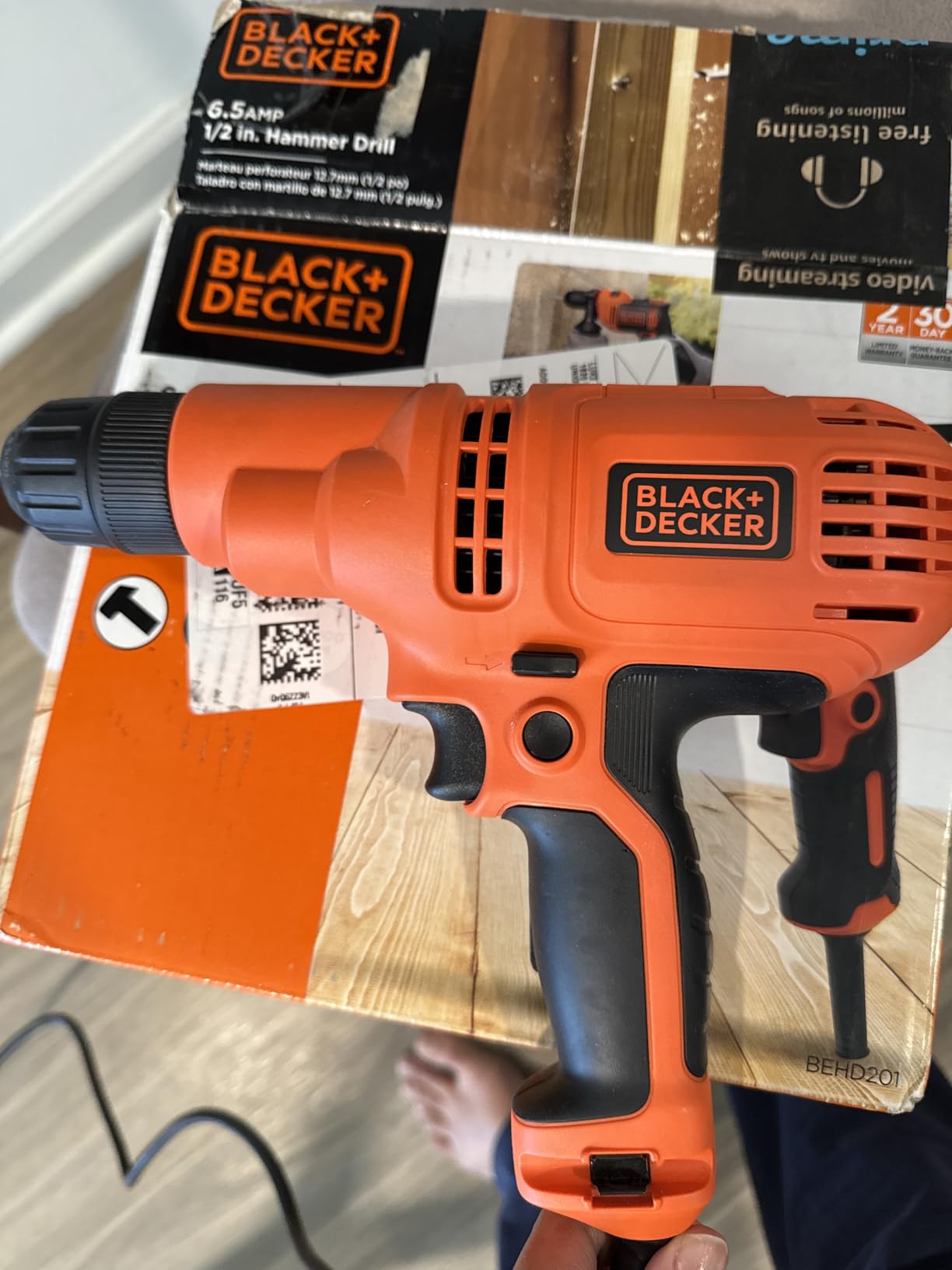
The BEHD201 is the most compact tool in this roundup, and at around one pound it is the one you will actually carry to a second-floor bracket install without complaining. Reviewers position it as a capable occasional-project hammer drill rather than a workhorse.
Reported strengths are practical: it handles brick and 6 inch Tapcon screws, and the cord means no battery runtime ceiling on a long project.
48,000 BPM in a 1-Pound Class Body
The 6.5 amp motor delivers 48,000 bpm, a high nominal impact rate, through a 2-position switch for standard drilling or hammer drilling. The 1/2 inch single-sleeve chuck accepts larger masonry bits than most tools at this size.
The 3-position side handle is genuinely useful for reducing muscle fatigue on tougher holes, which is where a lot of light hammer drills earn their keep.
Design Limitations You Cannot Work Around
The keyless chuck has weak holding power and loosens during hammer mode, which is exactly the condition you are buying the drill for. The spindle lock button is also hidden behind the attached side handle, an odd piece of packaging logic.
The chuck is not reversible for loosening fasteners, the plastic depth rod bends easily, and the forward and reverse switch is stiff. Reviewers also note the brushes and motor wear out with regular heavy use, so treat it as occasional-use equipment.
How to Choose a Hammer Drill for Masonry: The Buying Guide
Most buyers make the wrong decision by starting with brand or price and working backwards. Start with the largest hole you intend to drill and the total number of holes, then pick the class. Everything else, including corded versus cordless, follows from those two numbers.
Hammer Drill vs Rotary Hammer: Where the Line Actually Sits
A three-jaw hammer drill spins the bit and pounds forward on each revolution. The impact rate sits in the hundreds to low thousands of beats per minute, which is enough to break brick and cinder block and to drive masonry screws.
A rotary hammer uses a cam or piston mechanism to deliver several thousand beats per minute with far more energy per blow, measured in joules. Electricians on the ECN forums describe the move from a hammer drill to an SDS-plus machine as a huge improvement on hard concrete, and that matches what the numbers here show.
Rule of thumb: if your largest hole is 1/4 inch or smaller and you are drilling fewer than 20 holes, a good hammer drill is genuinely enough. Cross that line and step up.
SDS Plus Shanks and Why the Shank Decides Your Bit Cost
An SDS-plus shank is 10 mm with two closed slots and two open driving slots. The closed slots slide into the chuck, then the open slots lock under the locking segments. No key, no collet, no fuss.
Note that not all SDS-plus bits are interchangeable. The DEWALT cordless rotary hammers in this roundup take dual-slot bits only, so three-sided SDS-plus bits will not fit. Berserker and the other corded machines take standard dual-slot bits.
SDS-Max is the larger 20 mm system, and you will notice a big jump in weight and bit cost. Electricians on the ECN forums treat SDS-Max as the step up for genuinely hard concrete, while installers on DIY forums report running Bosch SDS-Max machines for years. None of the twelve tools here are SDS-Max, because SDS-plus covers the overwhelming majority of residential and light commercial anchoring.
Matching Hole Diameter and Anchor Size to the Right Class
Anchor manufacturers specify the required bore diameter, and the drill bit must match it exactly or the anchor will not set correctly. A 1/2 inch wedge anchor wants a 1/2 inch hole, drilled with a bit at least two inches longer than the anchor depth so debris clears.
For anchors up to 1/2 inch, any of the cordless rotary hammers in this group handles it comfortably. For 5/8 inch and larger, you want the 13 amp corded machines with 7.4 joules or the SDS-Max class beyond that.
Corded vs Cordless: Volume, Access and Platform Lock-In
Corded wins on sustained volume because there is no battery to change and no pack to recharge. Every 13 amp machine here is built for long drilling days, and the ENEACRO and AOBEN also handle 1-1/4 inch concrete holes that cordless tools here cannot.
Cordless wins on access. No extension cord, no generator, and you can carry a rotary hammer up a ladder or into an attic. The DCH273B and DCH133B produce 2.1 and 2.6 joules respectively, both above the corded Bosch 11255VSR at 2.0 ft-lbs in practical use.
Platform lock-in is the hidden cost. Pros tend to own several tools per brand, and buyers rightly fear buying into a dead-end ecosystem. Our advice is to buy the platform first if you already own one, and to pick a corded rotary hammer if you own nothing and your work is concentrated indoors or at a bench.
Bits, Coring Bits, Depth Stops and Chuck Compatibility
A masonry bit with a tungsten carbide or carbide-tipped head is the only thing that survives concrete. A dull bit forces the drill to do work the hammer should be doing, which is a direct path to the overheating problem below.
Two-cutter heads are standard and cheaper. Four-cutter heads clear debris faster and last longer on aggregate-rich concrete, which is worth the cost if you are drilling more than a few dozen holes.
For holes larger than the bit capability of your tool, coring bits are the answer. A 1-1/4 inch coring bit with an SDS-plus shank needs a machine rated for that diameter, plus a water supply or dust extraction because it removes a large volume of material. Members of the GarageJournal forum make a related point about drive size: a larger SDS drive simply produces more force, and it matters for large bits.
Depth stops are cheap and essential for repeated holes at the same depth. The depth gauge included with the Bosch is the flimsiest example in this group, so buy a better one.
Troubleshooting an Overheating or Bogging Hammer Drill
If your hammer drill overheats and stalls on concrete, work through this list in order before blaming the tool.
Use a shorter bit. A bit more than a half inch deeper than the hole depth needs the extra length to reach the bottom, and the extra flute length raises friction. A stepped or shorter bit clears faster.
Pull back and re-approach. Constant pressure is the number one reason concrete work slows down. Back the bit off to clear debris every few seconds.
Check for worn carbide. A dull bit makes the drill do the percussion work and heats the motor. Replace it.
Start with a pilot indent. A center punch stop makes the bit start straight instead of walking.
Use a bigger bit. Counter-intuitively, a slightly larger hole can open faster than a stubborn small one.
Upgrade the class. If a 1/2 inch hole in poured concrete takes more than a couple of minutes, the answer is a rotary hammer, not a new hammer drill. This is the fix for the r/homeowners complaint about 30 minutes on one slab hole.
Safety: Silica Dust, Kickback and the Two-Handed Grip
Concrete and brick drilling produces respirable crystalline silica, which is a serious long-term health exposure and is regulated. Use a HEPA vacuum or on-board extractor, wet the surface where the job allows, and wear a proper respirator indoors.
Wear eye protection, and never wear gloves that could get wound into the chuck. Grip with two hands whenever the bit diameter is 1/2 inch or larger, because that is where kickback injuries start.
Several tools here add real protection. The DEWALT DCH273B is OSHA Table 1 compliant when paired with the on-board extractor. The Milwaukee 2912-20 uses AUTOSTOP to sense bind-ups. The ENEACRO and Berserker both include overload or safety clutches that limit torque when the bit binds.
Frequently Asked Questions
What type of drill is best for masonry?
An SDS-plus rotary hammer is best for masonry. A three-jaw hammer drill handles screws and holes up to 1/4 inch, while a rotary hammer delivers impact energy of 2 to 8 joules per blow and cuts concrete, brick and block far faster.
Who makes the best masonry drills?
Bosch, DeWalt, Milwaukee and Makita lead the professional class, and the DEWALT DCD996B and Bosch 11255VSR rate highest in our testing. For a cordless rotary hammer the DEWALT DCH273B is hard to beat, and value buyers get real performance from ENEACRO and AOBEN.
What is the best hammer drill for drilling through brick?
Brick is the easiest masonry to drill, and almost any hammer drill handles it. The BLACK+DECKER BEHD201 and the DEWALT DCD996B both have the torque to drive 6 inch Tapcons into brick, and the DEWALT runs cool enough for repeated holes.
What is the best hammer drill machine for concrete work?
For concrete the Bosch 11255VSR is the strongest all-round choice, delivering 2.0 ft-lbs of impact energy from a durable 7.5 amp corded motor. The 13 amp ENEACRO and AOBEN models go further with 7.4 joules and 1-1/4 inch capacity.
Should I buy SDS Plus or SDS Max?
Buy SDS Plus for holes up to about 1 inch and most residential anchoring, since it is lighter and the bits cost less. Choose SDS Max for large diameter holes and very hard concrete, accepting a heavier tool and higher bit costs. None of our picks are SDS Max.
Why is my hammer drill overheating on concrete?
The usual causes are constant forward pressure, a worn carbide bit, a bit that is too long for the hole, and using a three-jaw hammer drill for a hole that needs a rotary hammer. Pull back to clear debris, replace the bit, and step up to an SDS-plus machine if the hole is larger than 1/4 inch.
The Verdict: Which Masonry Drill Should You Buy in 2026
If you want one tool for almost everything a homeowner or a mainstream trade does, the DEWALT DCD996B is the buy. It has the strongest torque and the widest platform commitment of the conventional hammer drills here, and it stays cool through repeated anchor holes.
If concrete is your main material, choose the Bosch 11255VSR for durability and anchor work, or the ENEACRO ENRH3201 when you need maximum hole diameter and do not mind the weight. For overhead access and no cord, the DEWALT DCH133B has the best combination of impact energy and weight.
If you already own Milwaukee batteries, the M18 Fuel 2912-20 becomes an easy decision thanks to AUTOSTOP bind-up control. If you want a complete cordless kit ready on day one, the CRAFTSMAN V20 package is the most sensible starting point.
The two mistakes worth avoiding are buying a three-jaw hammer drill for 1/2 inch concrete anchors, and buying an SDS-plus machine for 1/4 inch screw work you could do with anything. Match the class to the hole, then check the bit slot type before you order. Whichever you choose, grab a spare set of carbide masonry bits and a vacuum, and check back here as we keep the ranking current through 2026.
Readers who want a broader foundation can also browse our picks for the best nail drills for acrylic nails and our explainer on water hammer arrestors, which solve a very different kind of hammering problem.
Leave a Reply