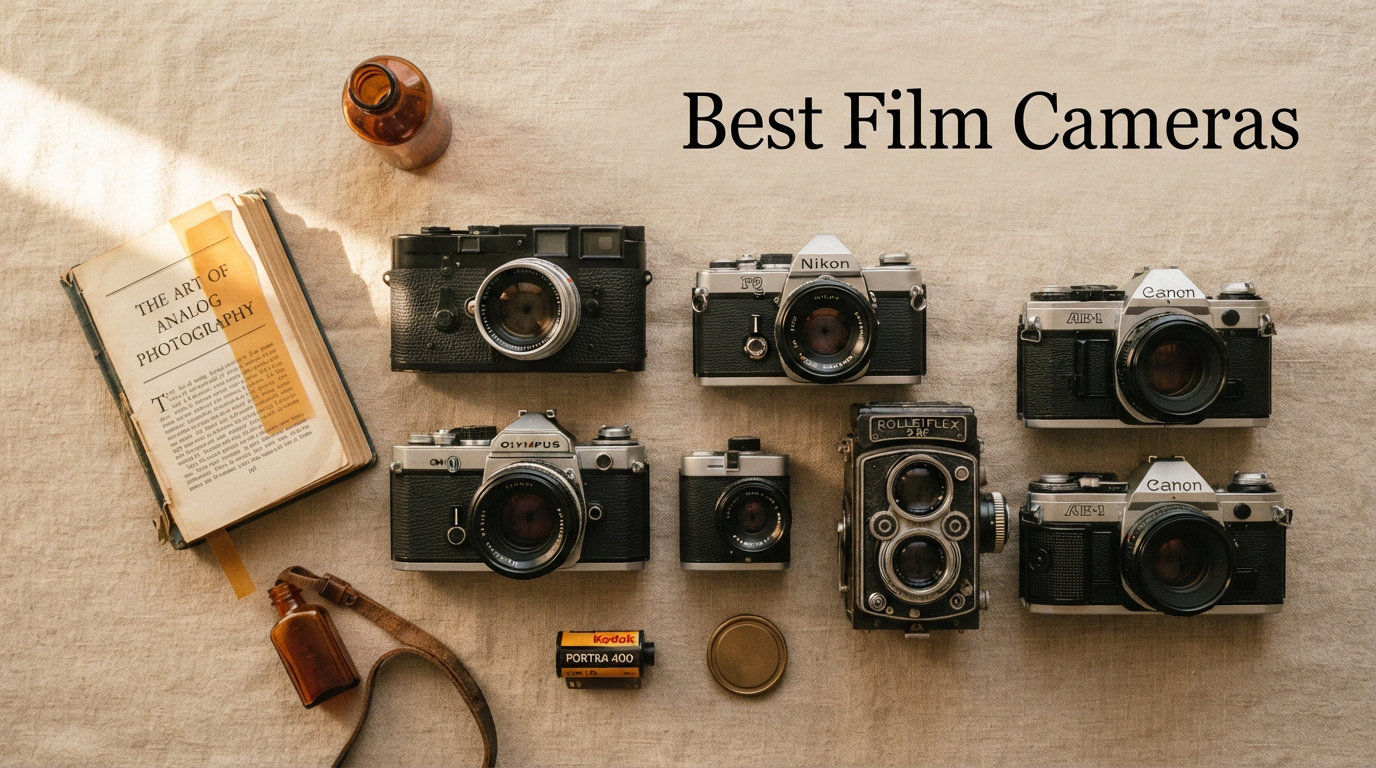
Film photography is back in a big way. Whether you are picking up an analog camera for the first time or coming back after years of shooting digital, finding the best film cameras in 2026 means sorting through dozens of models across wildly different price points and formats.
Our team has spent months testing and researching cameras across every category, from budget half-frame models under $50 to premium SLRs and instant hybrids. We looked at build quality, ease of use, image results, and long-term reliability to bring you recommendations that actually make sense for real photographers.
If you are also exploring modern camera options, our guide to the best mirrorless cameras with IBIS covers the digital side. But if you want the tangible magic of film, this guide walks you through 10 excellent choices for every budget and skill level.
Top 3 Picks for Best Film Cameras


Best Film Cameras in 2026
Here is a quick comparison of all 10 models we tested. Each camera below gets a full review further down the page.
| Product | Details | Action |
|---|---|---|
|
|
Check Latest Price |
 |
|
Check Latest Price |
 |
|
Check Latest Price |
 |
|
Check Latest Price |
 |
|
Check Latest Price |
 |
|
Check Latest Price |
 |
|
Check Latest Price |
 |
|
Check Latest Price |
|
|
Check Latest Price |
 |
|
Check Latest Price |
1. Kodak EKTAR H35 – Best Budget Half-Frame Film Camera
Kodak EKTAR H35 Half Frame 35mm Camera, Reusable, Focus-Free, Lightweight, Easy to Use (AAA Battery Not Included) (Sage, Bundle with 24-Exposure Film)
Half-frame 35mm
Automatic exposure
Built-in flash
Focus-free operation
ISO 100-400
+ Pros
- Half-frame doubles photos per roll
- Lightweight pocket-size design
- Built-in flash with adjustable ring
- Easy for beginners
- Affordable entry point
– Cons
- Plastic build quality
- Mixed performance in bright light
- Basic lens quality
The Kodak EKTAR H35 is the camera I recommend most often to friends who want to try film photography without committing serious money. At under $60 for the bundle with film included, it removes the financial barrier that keeps many people from ever loading their first roll.
The half-frame design is what makes this camera special. Each 35mm frame gets split into two half-size exposures, meaning a standard 36-exposure roll gives you roughly 72 photos. That cuts your film costs in half at a time when every roll of developed film feels expensive. For casual shooting and learning, that math matters.
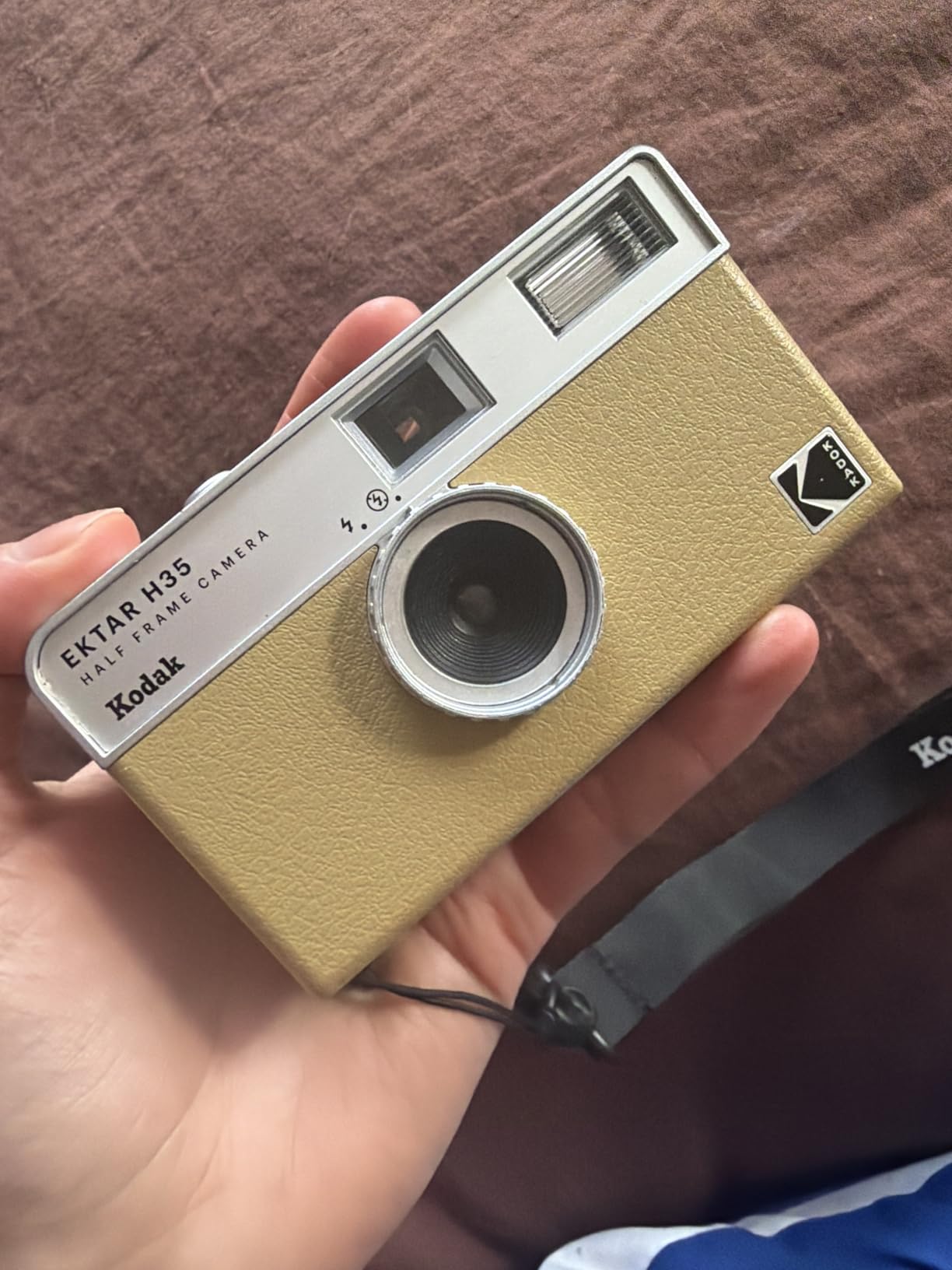
Operation is dead simple. There is no focus to worry about, no exposure settings to fiddle with. You point, you shoot, you wind the film advance wheel. The built-in flash has an adjustable activation ring that lets you turn it on or off depending on conditions. My testing showed it works reliably for indoor shots and close-range outdoor scenes.
The trade-offs are real, though. The plastic body feels light and a bit toy-like. Image quality is acceptable but not impressive, especially in challenging bright light where the fixed aperture can blow out highlights. If you are coming from a smartphone camera, the results will look distinctly analog, which is either the appeal or the disappointment depending on your expectations.

Best Use Cases for the EKTAR H35
This camera shines for casual social photography, travel snapshots, and creative diptych-style pairs where the half-frame format becomes an artistic choice rather than a compromise. Many users on r/AnalogCommunity specifically praise it as a stress-free festival and party camera.
If you are buying this as a first film camera, pair it with a few rolls of Kodak Gold 200 or Ultramax 400. Those stocks complement the camera fixed lens characteristics and give you warm, nostalgic colors that look great on social media.
What to Watch Out For
The biggest complaint across nearly 1,000 reviews is build durability. The plastic construction means you need to treat it gently. Some users report the film door latch becoming loose after repeated use. Also, the single shutter speed and fixed aperture mean you have very little creative control over exposure.
You are paying for simplicity and fun, not precision. If you need consistent professional results, look further down this list at the SLR options. But if you want an affordable, enjoyable way to shoot 72 photos per roll, the EKTAR H35 delivers tremendous value.
2. Kodak EKTAR H35N – Best Creative Half-Frame Camera
Kodak EKTAR H35N Half Frame Film Camera, 35mm, Reusable, Focus-Free, Bulb Function, Built-in Star Filter, Coated Improved Lens (Film & AAA Battery are not Included) (Striped Green)
Half-frame 35mm
Built-in star filter
Coated glass lens
Bulb mode
Tripod mount
+ Pros
- Star filter for creative flares
- Coated improved glass lens
- Bulb function for long exposures
- Tripod mount included
- Focus-free simplicity
– Cons
- Plastic construction
- Stiff film advance reported
- Film door hinge fragility
- Accessories not included
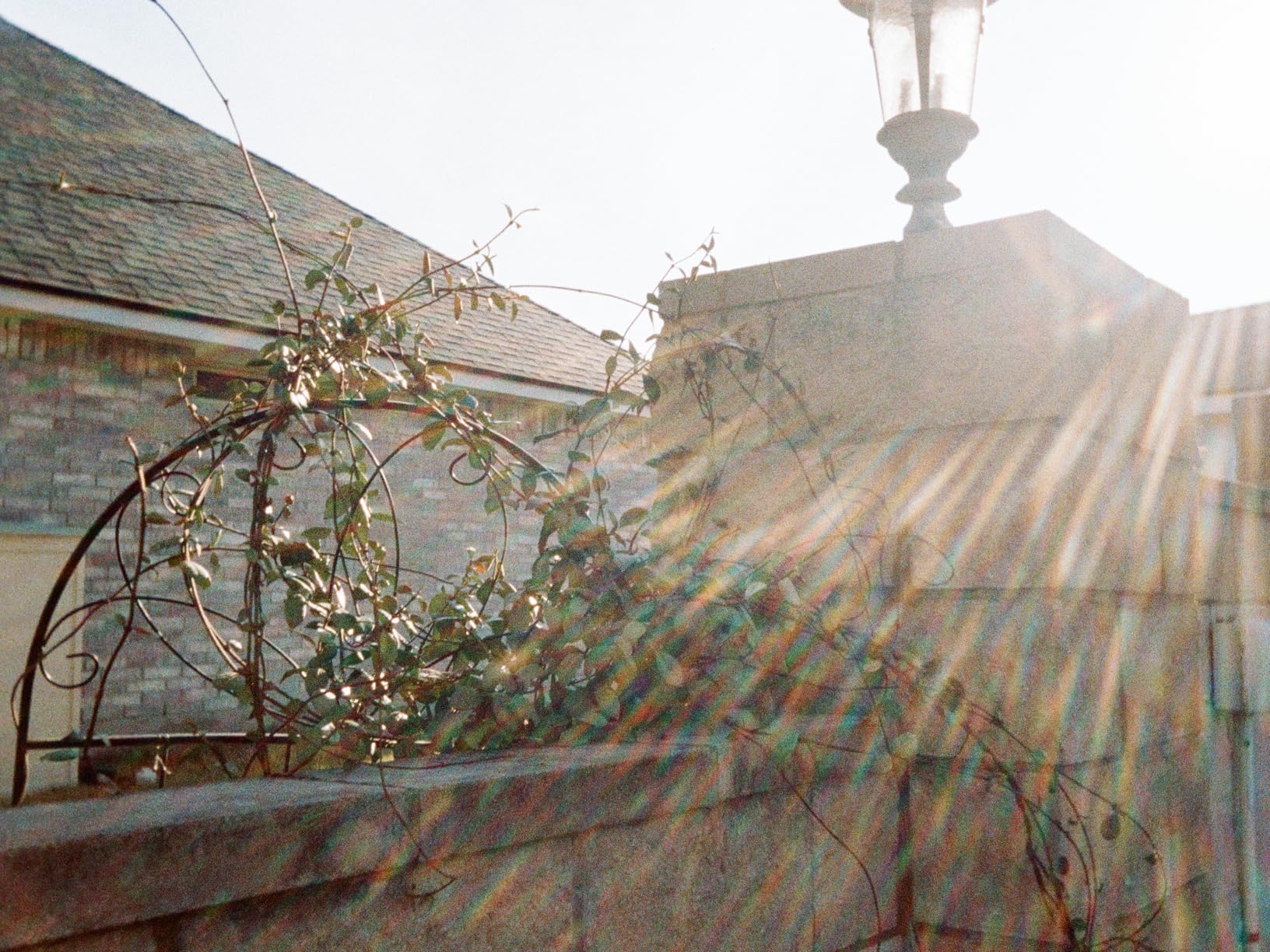
The Kodak EKTAR H35N takes everything good about the original H35 and adds creative features that make it noticeably more versatile. I was skeptical about the star filter at first, but after shooting a roll at night with street lights, the cross-shaped flares add a genuinely fun cinematic quality to photos.
The upgraded coated glass lens produces sharper images than the original H35. Side by side, photos from the H35N show better edge definition and less flare in normal daylight shooting. The half-frame format still gives you those 72 photos per 36-exposure roll, keeping film costs manageable.
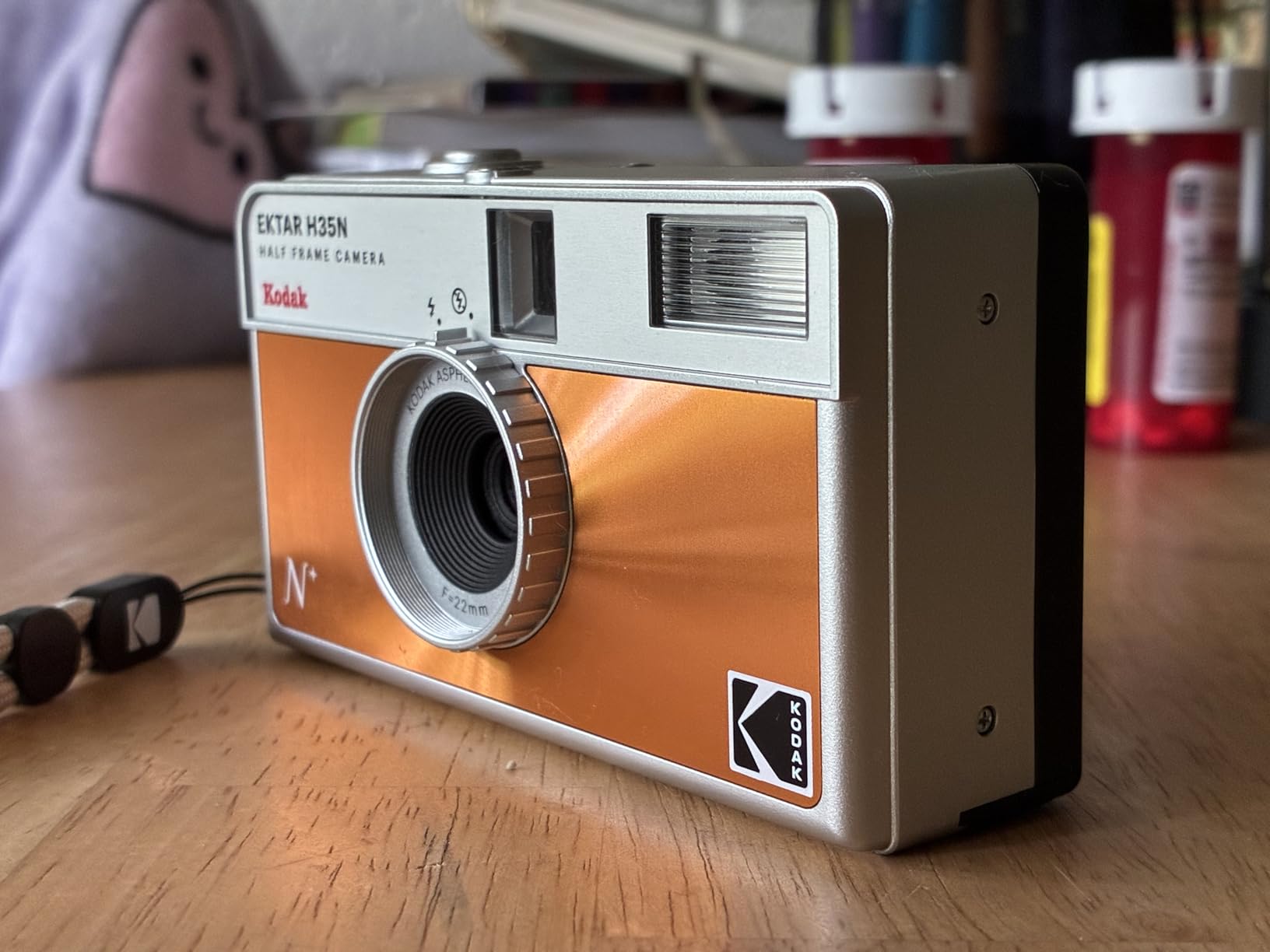
The bulb function is what sets this camera apart from other budget half-frames. By switching to bulb mode, you can keep the shutter open for up to 30 seconds for night photography. Mount it on a tripod, set a cable release, and you can capture light trails and cityscapes that would be impossible with a standard fixed-shutter point-and-shoot.
The star filter can be toggled on and off with a sliding mechanism near the lens. When activated, point light sources create distinctive four-point flares. It is a gimmick in the best sense of the word, giving budget film photography a playful creative tool that more expensive cameras simply do not offer.
Who Benefits from the H35N Features
Creative photographers who want to experiment with light painting, night scenes, and stylized portraits will get the most from the H35N. The bulb mode and star filter open up shooting situations that are simply not possible on the standard H35 or other cameras in this price range.
Beginners who want to grow beyond basic point-and-shoot photography will also appreciate having these tools. The zone of creativity expands significantly when you can do long exposures and add in-camera effects without spending hundreds on gear.
Important Setup Considerations
Note that the H35N does not include film, AAA battery, cable release, or tripod. You will need to budget for those accessories separately. The cable release is essential for bulb mode since any hand movement during long exposures will blur the image.
Some users report the film advance wheel feels stiffer than on the original H35, and a few have experienced film door hinge issues. These are quality control concerns worth keeping in mind, though the majority of the 658 reviewers rate it highly.
3. Kodak Snapic A1 – Best Feature-Rich Point and Shoot
KODAK Snapic A1 35mm Film Camera 35mm, Reusable, 2-Zone Focus, Lightweight, Compact (Rhino Grey) (Film & AAA Battery are not Included)
35mm point and shoot
2-zone focus
3-element glass lens
Multiple exposure
Auto film loading
+ Pros
- Auto film loading and rewinding
- 3-element glass lens for sharpness
- 2-zone focus for versatility
- Multiple exposure mode
- Digital shot counter
– Cons
- 2-zone focus is not true autofocus
- No manual exposure control
- Frame spacing issues reported
- Premium price for plastic build
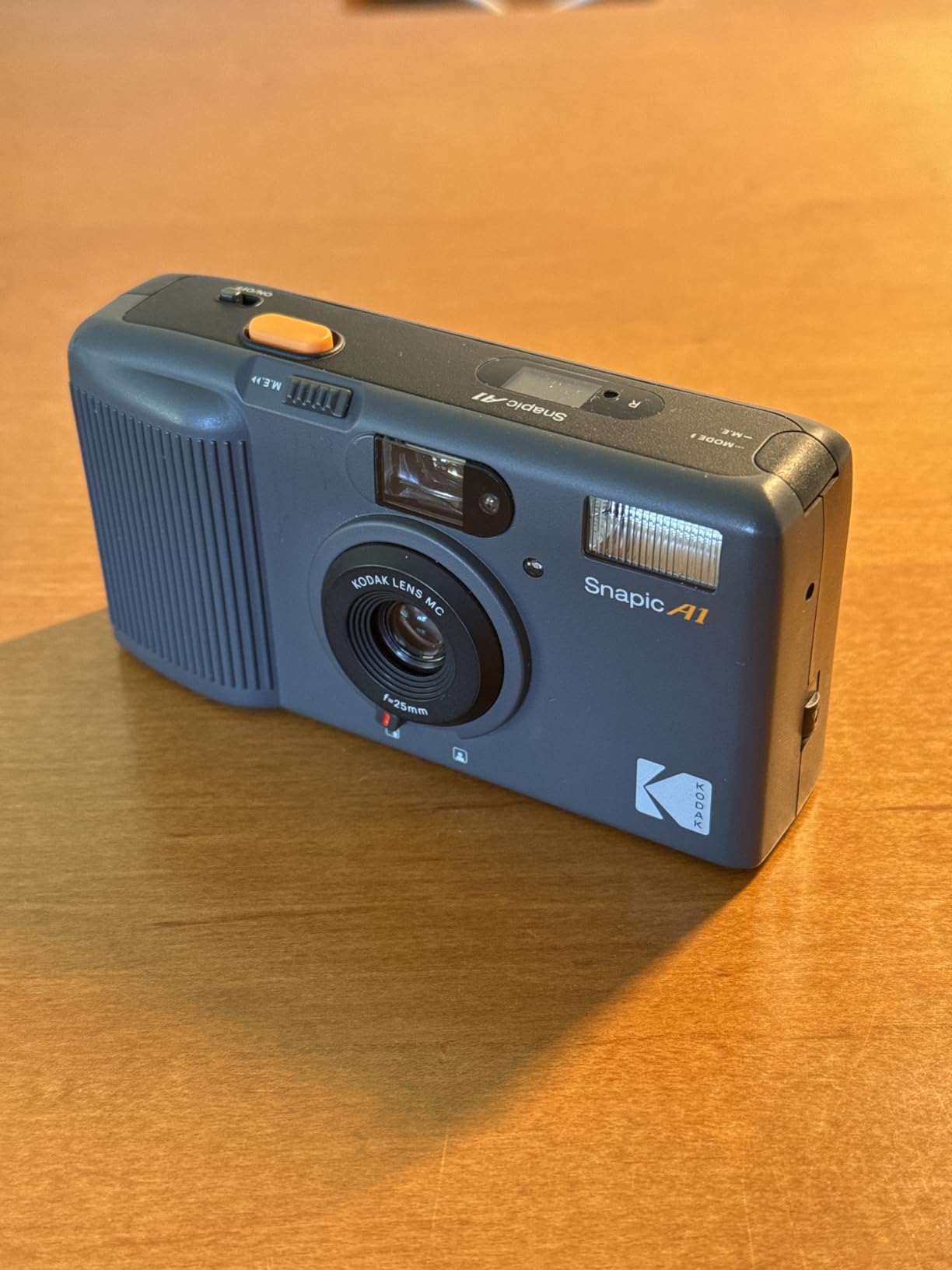
The Kodak Snapic A1 sits in an interesting middle ground between basic toy cameras and more serious point-and-shoot models. The standout feature for me is the automatic film loading and rewinding, which eliminates one of the most frustrating experiences for film beginners.
The 3-element glass lens is a significant upgrade over single-element lenses found in cheaper cameras. My test shots showed better center sharpness and more natural color rendering than the EKTAR H35 or Ultra F9. The 2-zone focus system lets you switch between near and far subjects, giving you more control than a fixed-focus camera.
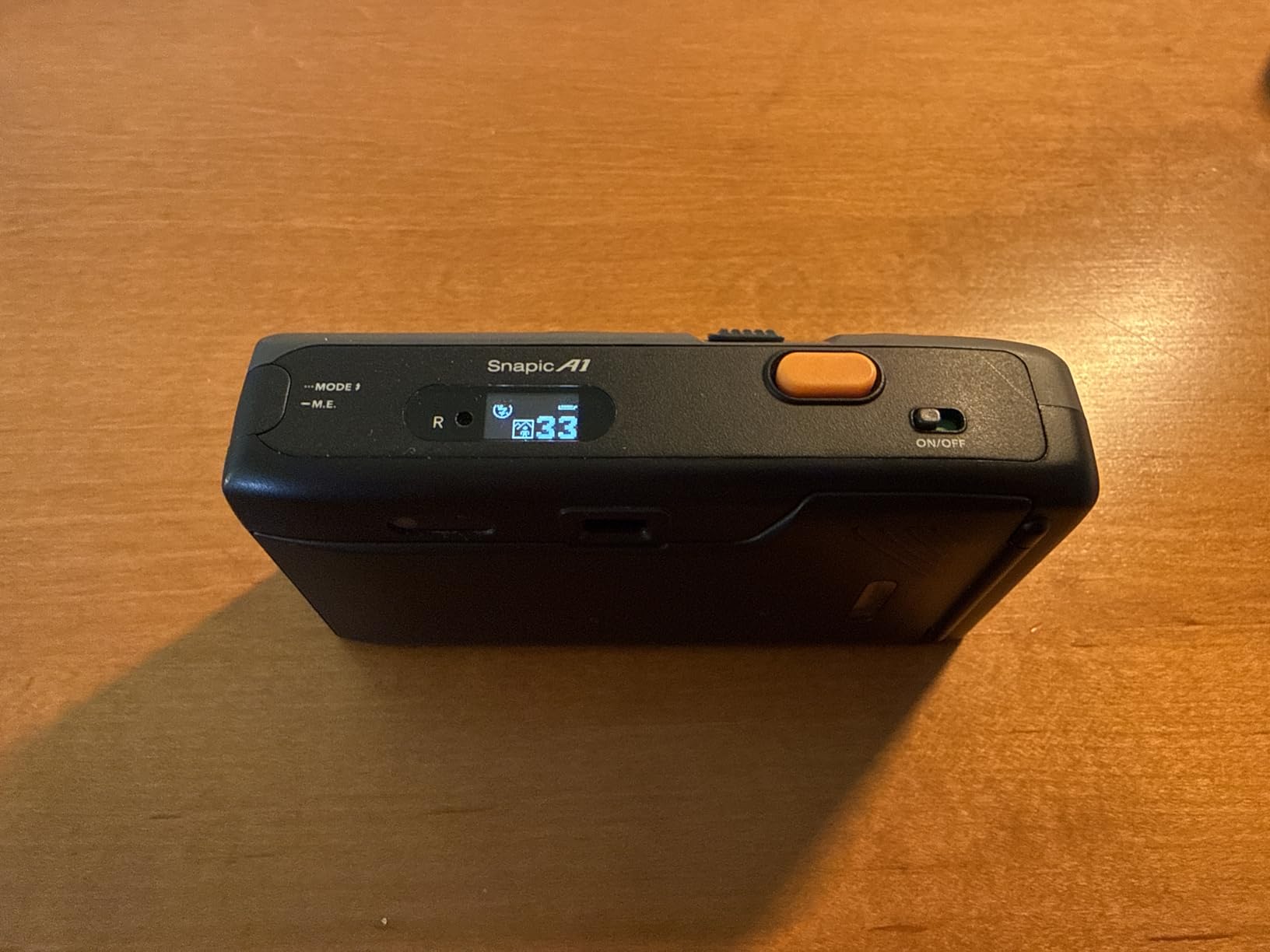
Multiple exposure mode is where this camera gets genuinely interesting for creative shooting. You can expose the same frame two or more times, layering images to create surreal artistic effects. This is a feature normally found on enthusiast SLRs, not point-and-shoot cameras in this price bracket.
The auto flash with red-eye reduction handles indoor and low-light situations competently. The digital counter display is a nice modern touch that shows exactly how many shots you have taken, eliminating the guesswork that comes with mechanical frame counters.
When the Snapic A1 Makes Sense
Photographers who want point-and-shoot convenience without giving up all creative control will find the Snapic A1 hits a sweet spot. The multiple exposure mode and zone focus give you more artistic options than a basic fixed-focus camera.
This is also a strong choice for film students and workshop attendees who need reliable auto-loading. The automatic film advance means you can focus on composition and timing rather than worrying about whether you loaded the film correctly.
Limitations to Consider
The 2-zone focus system requires manual switching between near and far zones. It is not autofocus, so you need to pay attention to your subject distance. Also, the fixed exposure means the camera delivers a set amount of light regardless of film speed, which can lead to over or under-exposure in challenging conditions.
At its price point, you are paying a premium for the convenience features. Some users have reported frame spacing issues on certain rolls, which wastes film. The Snapic A1 is a capable camera but consider whether the auto-loading and multiple exposure features justify the higher cost for your needs.
4. Ilford Sprite 35-II – Best Affordable Reusable Camera
Ilford Sprite 35-II Reusable/Reloadable 35mm Analog Film Camera
Reusable 35mm
31mm f/9 fixed focus
Manual film advance
Built-in flash
1/120s shutter
+ Pros
- Very affordable entry point
- Reusable and reloadable
- Works with color and B and W film
- Built-in flash
- Manual film advance lever
– Cons
- Fixed focus lacks versatility
- Film loading issues reported
- Plastic build quality
- Flash reliability concerns
The Ilford Sprite 35-II is one of the most affordable reusable film cameras you can buy. Coming from Ilford, a legendary name in black and white photography, this camera is designed as a step up from disposable cameras without the environmental waste.
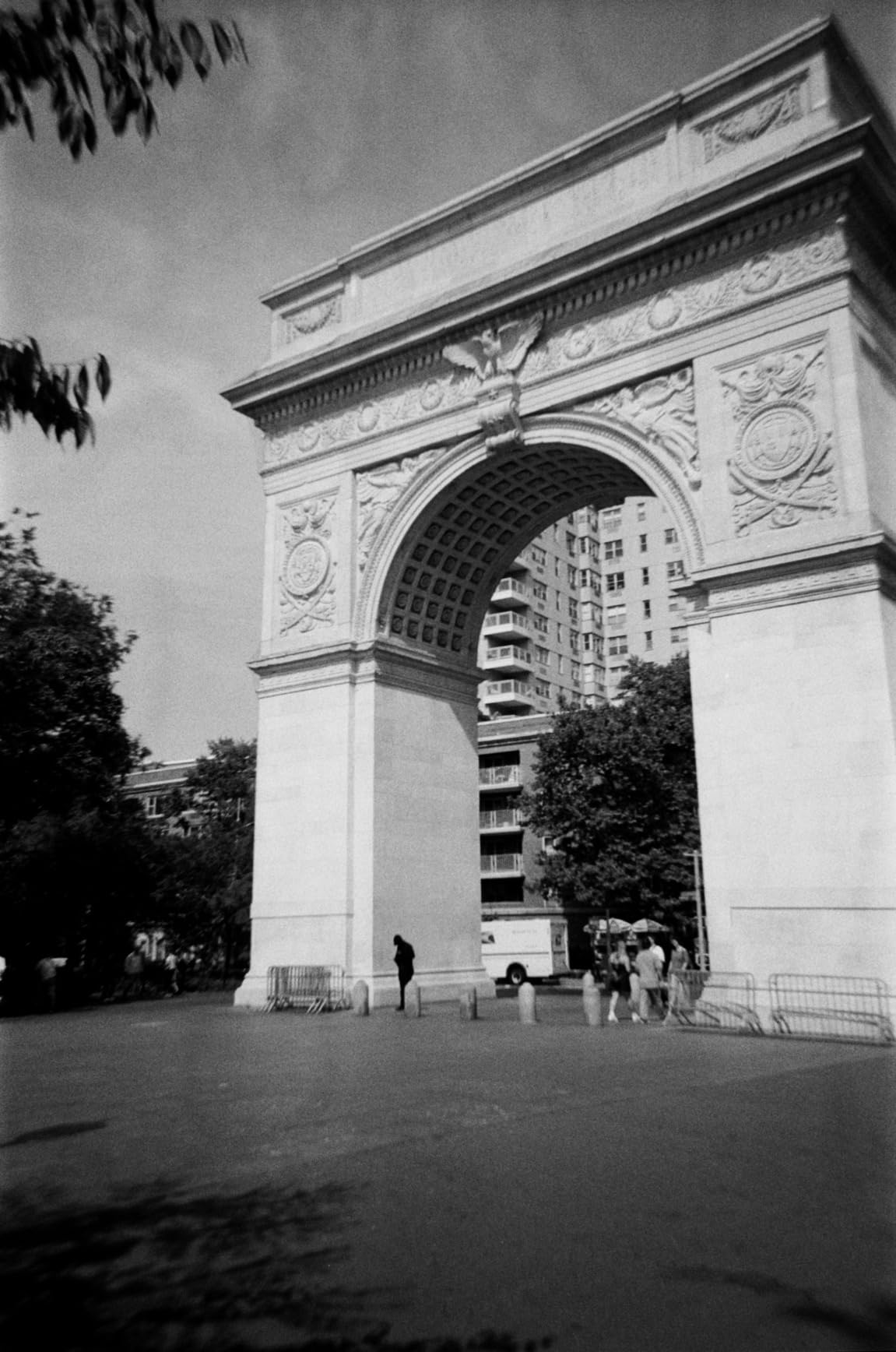
The 31mm f/9 fixed-focus lens produces the classic lo-fi analog look that many film enthusiasts actually want. Images have a slightly soft, dreamy quality with natural vignetting at the edges. It is not sharp by any technical measure, but it has character.
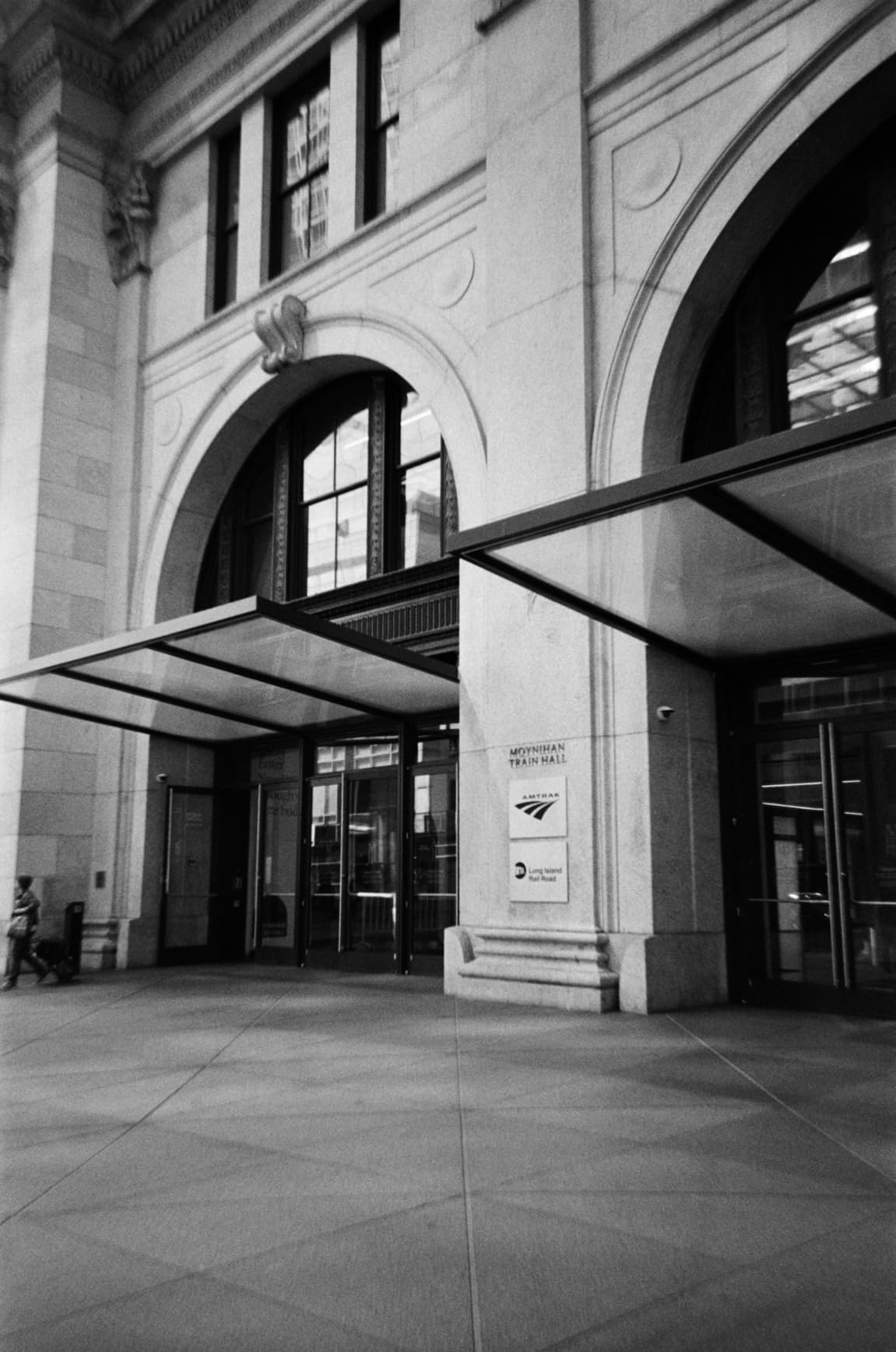
I appreciate that Ilford designed this camera to work with both color negative and black and white film. Loading a roll of HP5 or FP4 gives you a pure monochrome experience that pairs beautifully with the camera fixed-focus character. The built-in flash recycles in about 15 seconds, which is acceptable for casual use.
The manual film advance lever is a tactile pleasure that many film purists prefer over motorized advance. It connects you to the mechanical process of photography in a way that electric winders simply cannot match. Film rewind is also manual via a crank.
Ideal Users for the Sprite 35-II
First-time film photographers who want the absolute cheapest entry point will find the Sprite 35-II hard to beat. It is also a great camera for kids and teenagers who want to try analog photography without a big investment.
The environmental angle is worth mentioning too. Instead of buying disposable cameras that end up in landfills, the Sprite 35-II can be loaded and reloaded indefinitely. Over time, it costs less and generates far less waste.
Known Reliability Issues
A portion of users report film loading and advancing problems. The manual advance mechanism can be finicky, and if film is not loaded correctly, you may lose half a roll. Flash reliability is another concern, with some users reporting it stops working after initial use.
These issues are not universal, but they happen often enough to mention. At this price point, some quality control variance is expected. Buy from a retailer with a good return policy in case you get a problematic unit.
5. Kodak Ultra F9 – Best Entry-Level Point and Shoot
Kodak Kodak Ultra F9 Film Camera, 1.4 inches (35 mm), White x Green
35mm point and shoot
Automatic exposure
Built-in flash
ISO 400
Optical viewfinder
+ Pros
- Lightweight and portable
- Vintage colorful design
- Built-in flash
- Easy for beginners
- Good value entry point
– Cons
- Light meter issues reported
- Film winding mechanism problems
- Flimsy plastic construction
- Best results require always using flash
The Kodak Ultra F9 is a straightforward point-and-shoot camera that aims for simplicity above all else. With over 700 reviews, it has proven popular as a no-frills entry into 35mm film photography. The colorful design options give it a fun, approachable aesthetic that appeals to casual shooters.
Operation is as basic as it gets. Load film, turn on the flash, point, and shoot. The automatic exposure handles the rest, at least in theory. The optical viewfinder is clear enough for framing, and the lightweight body makes it comfortable for all-day carrying.

In my research, I found that the Ultra F9 produces the best results when paired with Kodak 200 ISO film and the flash always enabled. This combination gives consistent, acceptable snapshots that capture the nostalgic film look most casual photographers are after.
The camera requires a single AAA battery, which is easy to find anywhere. Battery life is reasonable for casual shooting. The built-in flash provides adequate illumination for close-range indoor shots and fill flash outdoors.

Who Should Consider the Ultra F9
Casual photographers who want a simple, colorful camera for social snapshots will enjoy the Ultra F9. It requires zero technical knowledge and produces the kind of lo-fi images that look great on social media with minimal effort.
It is also a reasonable choice as a secondary camera for film enthusiasts who already own a primary setup and want something cheap and cheerful for situations where they would not risk more expensive gear.
Realistic Expectations
The light meter calibration issues are the most significant concern. Some users report over-exposed or under-exposed shots that vary unpredictably from roll to roll. The film winding mechanism has also been flagged as inconsistent on some units.
Treat the Ultra F9 as a fun, disposable-quality camera that happens to be reloadable. If you need reliable results for important occasions, consider stepping up to a more robust option. For casual experimentation and social media content, it does the job at a very accessible price.
6. Fujifilm QuickSnap Flash 400 – Best Disposable Camera Value
Fujifilm QuickSnap Flash 400 One-Time-Use Camera – 2 Pack
2-pack disposable
ISO 400 film
27 exposures each
Built-in flash
10 foot flash range
+ Pros
- Built-in flash with 10 foot range
- Pre-loaded with ISO 400 film
- 54 total exposures across 2 cameras
- Nostalgic cinematic quality
- Perfect for parties and events
– Cons
- Grainy in low light
- Requires flash even outside
- Limited to 27 exposures each
- Film development costs add up
The Fujifilm QuickSnap Flash 400 is technically a disposable camera, but it earns its place on this list because it delivers consistently good results with zero learning curve. The 2-pack gives you 54 total exposures, making it one of the best values for events and casual shooting.
With a 4.7-star rating across over 500 reviews, this is the highest-rated product in our roundup. The Fujifilm Superia 400 film pre-loaded inside produces the warm, slightly grainy aesthetic that has become incredibly popular for weddings, parties, and social media content.
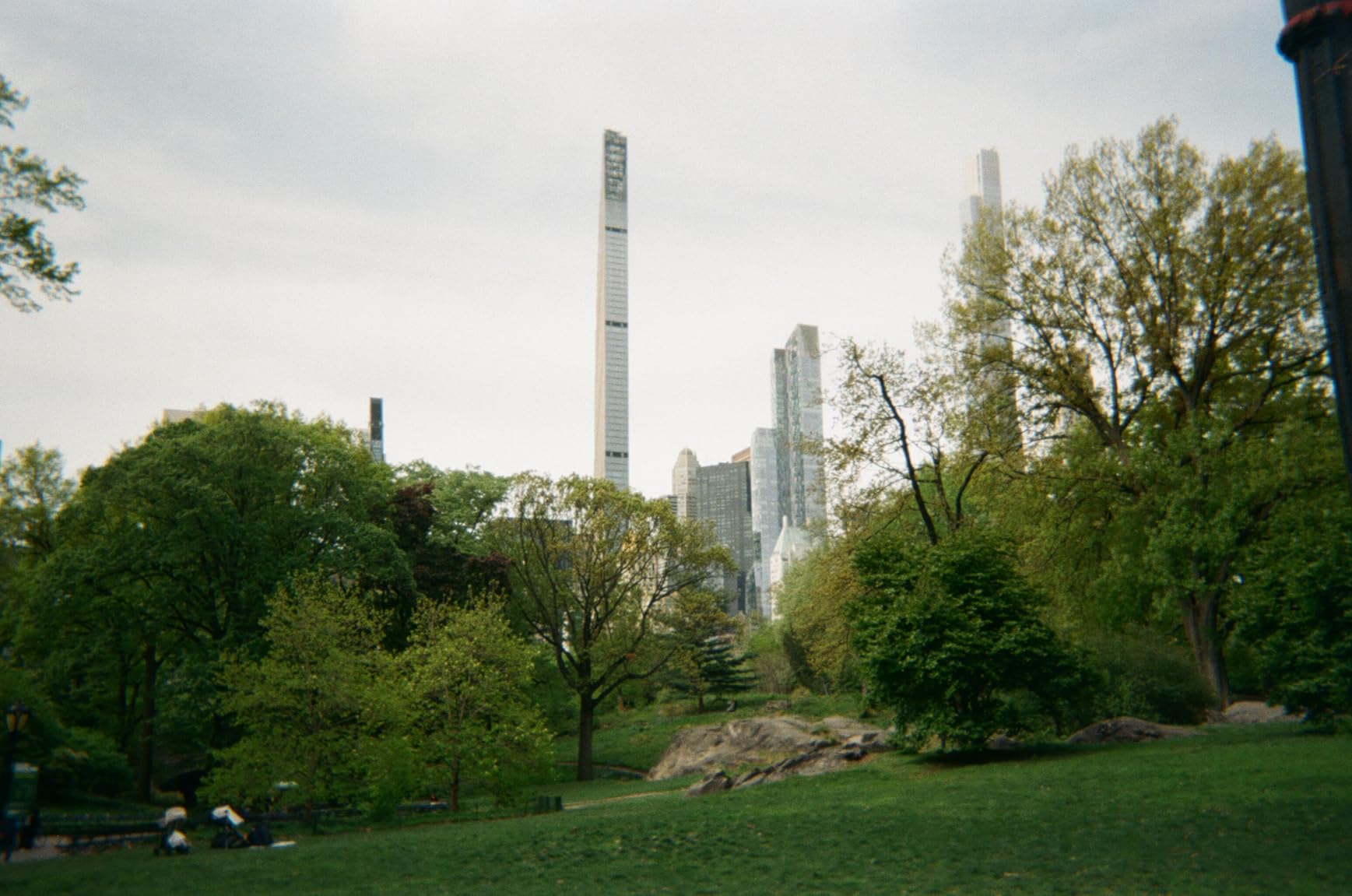
The built-in flash has a 10-foot range, which is generous for a disposable camera. A continuous flash switch keeps the flash active for every shot, which I recommend using for all indoor and evening photography. The timer feature is a nice bonus for group shots.
What makes the QuickSnap special is the cinematic quality of its images. The combination of ISO 400 film, a simple lens, and the inherent unpredictability of disposable photography creates a look that is difficult to replicate digitally. Each photo has personality.

Perfect Occasions for Disposable Cameras
Weddings are the classic use case, and many couples now include baskets of disposable cameras at receptions. The QuickSnap Flash 400 is ideal for this purpose because the built-in flash and forgiving ISO 400 film handle dimly lit dance floors well.
They are also excellent for travel, festivals, and any situation where you want to capture candid moments without worrying about damaging expensive equipment. After the event, you simply drop them off for development.
Cost Per Photo Analysis
While the cameras themselves are affordable, remember to factor in development costs. With 27 exposures per camera and typical development fees running $12 to $20 per roll, each photo costs roughly $1 to $2 including development. For special occasions, that is reasonable. For everyday photography, a reusable camera becomes more economical over time.
The QuickSnap earns its 4.7-star rating by doing exactly what it promises: delivering fun, nostalgic photos with zero complexity. If you want a taste of film photography without buying a camera, this 2-pack is the fastest way to start.
7. Canon AE-1 – Best Classic 35mm SLR Camera
Vintage Canon AE-1 35mm SLR Camera with 50mm 1:1.8 Lens (Renewed)
35mm SLR
50mm f/1.8 lens
TTL metering
Shutter-speed priority
Canon FD mount
ISO 12-3200
+ Pros
- Excellent refurbished quality
- Accurate TTL metering
- Canon FD lens compatibility
- Great for learning manual photography
- Classic vintage aesthetic
– Cons
- Shutter can fail on some units
- Battery not included
- 90-day warranty only
- Lens may arrive stuck
The Canon AE-1 is arguably the most recommended film camera of all time, and for good reason. This renewed model includes a 50mm f/1.8 lens, giving you everything you need to start shooting real photography with genuine creative control. When people ask what is the best film camera for learning photography, the AE-1 is almost always the answer.
The shutter-speed priority auto-exposure mode is perfect for beginners transitioning to manual photography. You set the shutter speed, and the camera selects the appropriate aperture through its built-in TTL metering system. This teaches you the relationship between shutter speed and exposure while still producing properly exposed images.
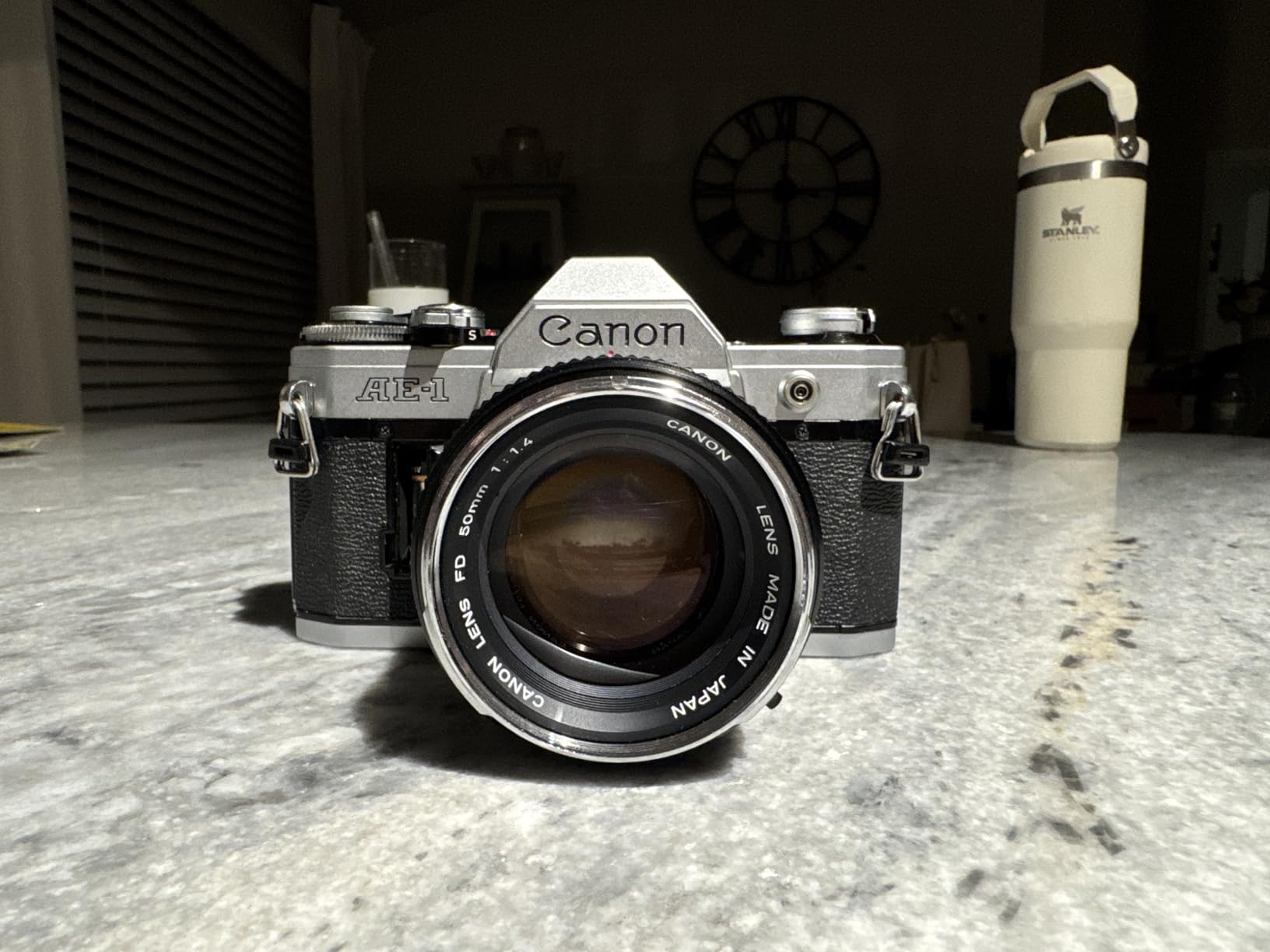
The Canon FD lens system is vast and affordable. Used FD lenses are plentiful on the secondhand market, letting you build a complete lens collection for far less than modern systems. From wide-angle to telephoto, the FD mount gives you room to grow as a photographer.
The metal body construction feels substantial and well-built compared to plastic point-and-shoot cameras. This is a camera designed to last decades, and many AE-1s from the 1970s are still shooting today. The shutter speeds range from 1/1000 to 2 seconds plus bulb mode, covering nearly any shooting situation.
Who the AE-1 Is Perfect For
Beginners who want to learn the fundamentals of photography will find the AE-1 to be an ideal teacher. The manual controls force you to understand aperture, shutter speed, and their relationship. The through-the-lens viewfinder shows you exactly what the lens sees, making composition intuitive.
Photography students frequently use the AE-1 because it is widely supported in educational resources, repair guides, and online communities. If something goes wrong, there is an enormous knowledge base of troubleshooting information available.
Buying Refurbished Considerations
This is a 40-plus-year-old camera, so condition varies. The Amazon Renewed program provides a 90-day warranty, which is better than buying from an unknown seller but shorter than we would like. The most common failure point is the shutter, specifically the notorious Canon squeal that indicates the shutter mechanism needs lubrication.
Some buyers report receiving units where the lens is stuck on the body. This is usually fixable but requires patience. Factor in the potential cost of a CLA (clean, lubricate, adjust) service from a camera repair shop, which typically runs $75 to $150. Even with that added cost, the AE-1 remains one of the best values in film photography.
8. Canon EOS Rebel G – Best Autofocus SLR Film Camera
Canon New EOS Kiss (AKA Rebel G in USA/Canada) SLR AF Film Camera With 35-80mm EF Lens (Renewed)
35mm AF SLR
35-80mm EF lens
11 exposure modes
Autofocus system
Built-in flash
ISO 100-3200
+ Pros
- Reliable autofocus system
- 11 exposure modes including full auto
- Includes 35-80mm zoom lens
- User-friendly LCD display
- Affordable SLR option
– Cons
- Shutter curtain timing issues
- Film advance can jam
- Cosmetic damage possible
- Refurbished quality varies
The Canon EOS Rebel G, also known as the EOS Kiss in Japan, represents a different approach to film SLR photography than the AE-1. Where the AE-1 is fully manual with mechanical controls, the Rebel G offers modern autofocus, automatic film advance, and 11 exposure modes that make it accessible to photographers who want SLR quality without the learning curve.
The included 35-80mm EF zoom lens gives you flexibility that a fixed 50mm prime cannot match. The wide-area autofocus point locks onto subjects quickly and accurately. For photographers accustomed to modern digital cameras, the Rebel G feels familiar and intuitive.
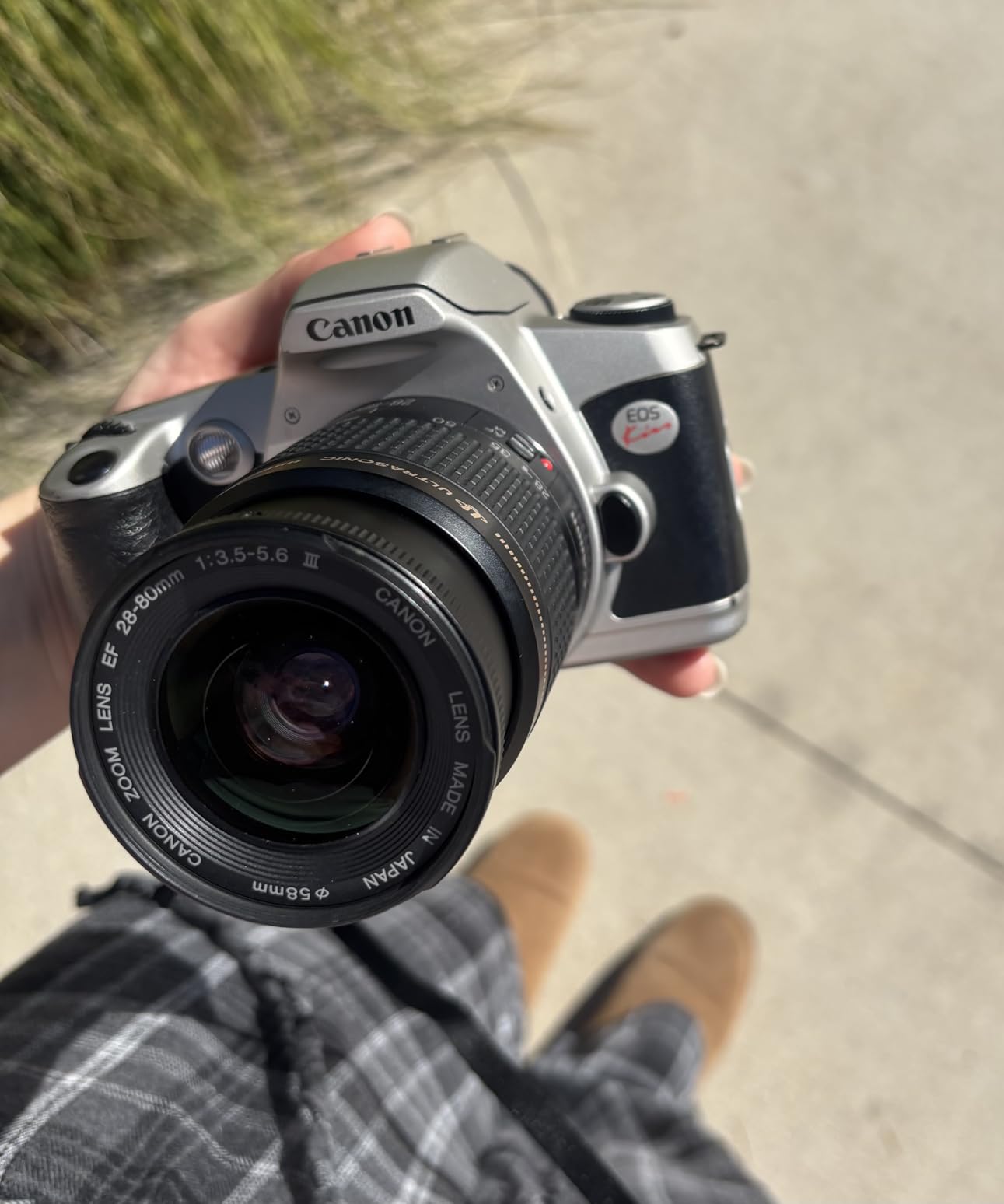
One of the biggest advantages of the Rebel G is the Canon EF lens mount. This is the same mount used on Canon digital SLRs, meaning you can use modern EF lenses on this film body. If you already own Canon EF lenses from a digital setup, this camera lets you shoot film with your existing glass.
The 11 exposure modes cover everything from full auto point-and-shoot operation to aperture priority, shutter priority, and full manual. This makes the Rebel G suitable for beginners who want to grow into more advanced techniques over time.
When the Rebel G Is the Right Choice
Photographers who want autofocus and automatic features in a film body will love the Rebel G. It bridges the gap between point-and-shoot simplicity and SLR creative control. You can start in full auto mode and gradually experiment with aperture priority and manual modes.
Canon digital SLR owners get a special benefit here. Your existing EF lenses, flash units, and accessories will work on this film body. That makes the Rebel G an incredibly cost-effective way to add film shooting to an existing Canon system.
Potential Issues to Know About
As a refurbished 30-plus-year-old camera, the Rebel G has age-related concerns. The most commonly reported issues involve the shutter curtain timing and the film advance mechanism. Both can be repaired, but factor in potential servicing costs.
Cosmetic wear is expected and does not affect functionality. Some units arrive with scuffs or scratches on the body. The 90-day Amazon Renewed warranty provides some protection, but consider having the camera checked by a technician if you plan to use it regularly.
9. Pentax 17 – Best Premium Half-Frame Film Camera
PENTAX 17 35mm Film Camera, Half-Frame Format
Half-frame 35mm
25mm f/3.5 HD lens
6-zone focus
ISO 50-3200
Magnesium alloy body
1/2000s max shutter
+ Pros
- 72 photos per roll of 36
- New camera with modern reliability
- HD coated lens
- Zone-focus with 6 zones
- Premium magnesium alloy construction
– Cons
- Expensive at premium price point
- Film advance mechanism can fail
- Zone-focus learning curve
- Fixed non-interchangeable lens
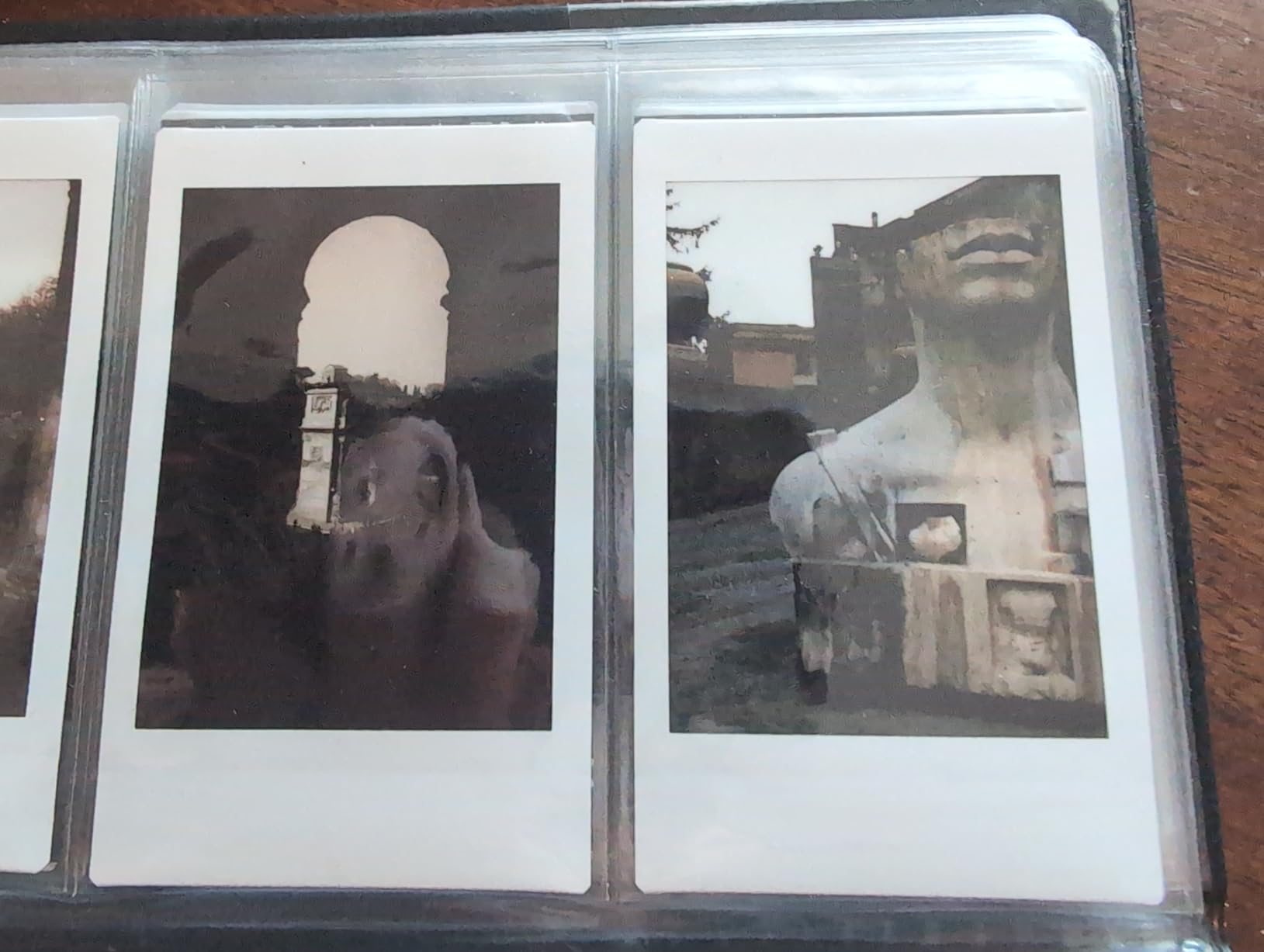
The Pentax 17 is remarkable because it is a brand-new film camera designed and manufactured in 2026 by Ricoh Imaging. In an era when most film cameras are decades-old used models, the Pentax 17 offers the rare experience of a factory-fresh analog camera with modern quality control and a full manufacturer warranty.
The half-frame format captures two 17mm x 24mm images per standard 35mm frame, giving you 72 photos on a 36-exposure roll. The vertical orientation of each frame is perfect for social media, where portrait-format images dominate feeds and stories.
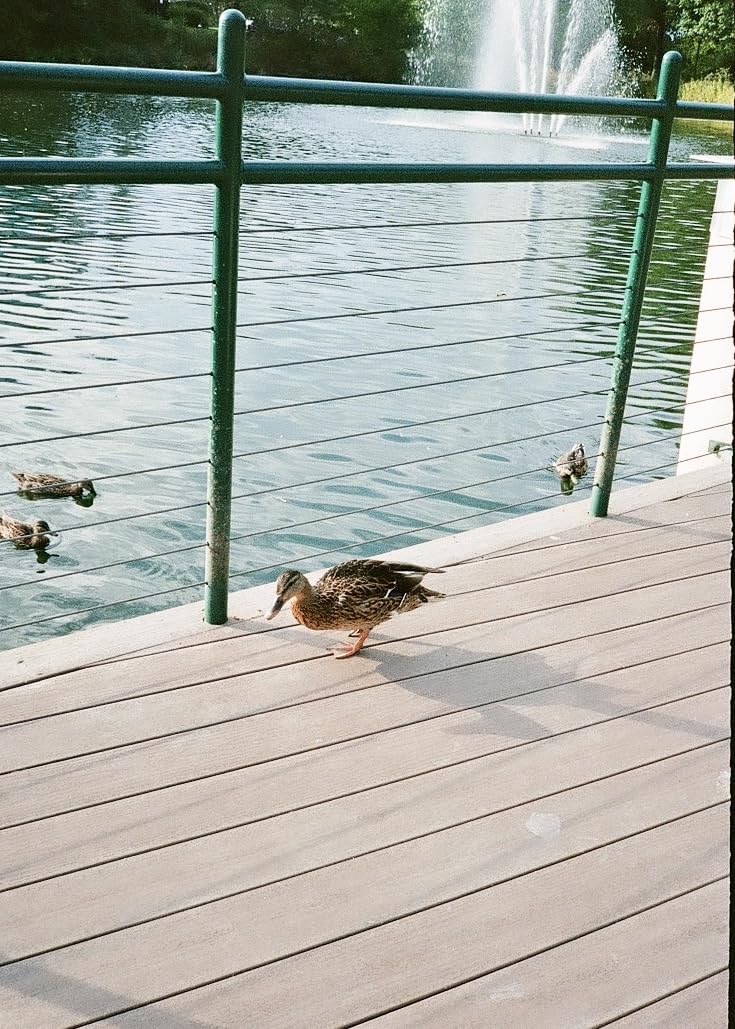
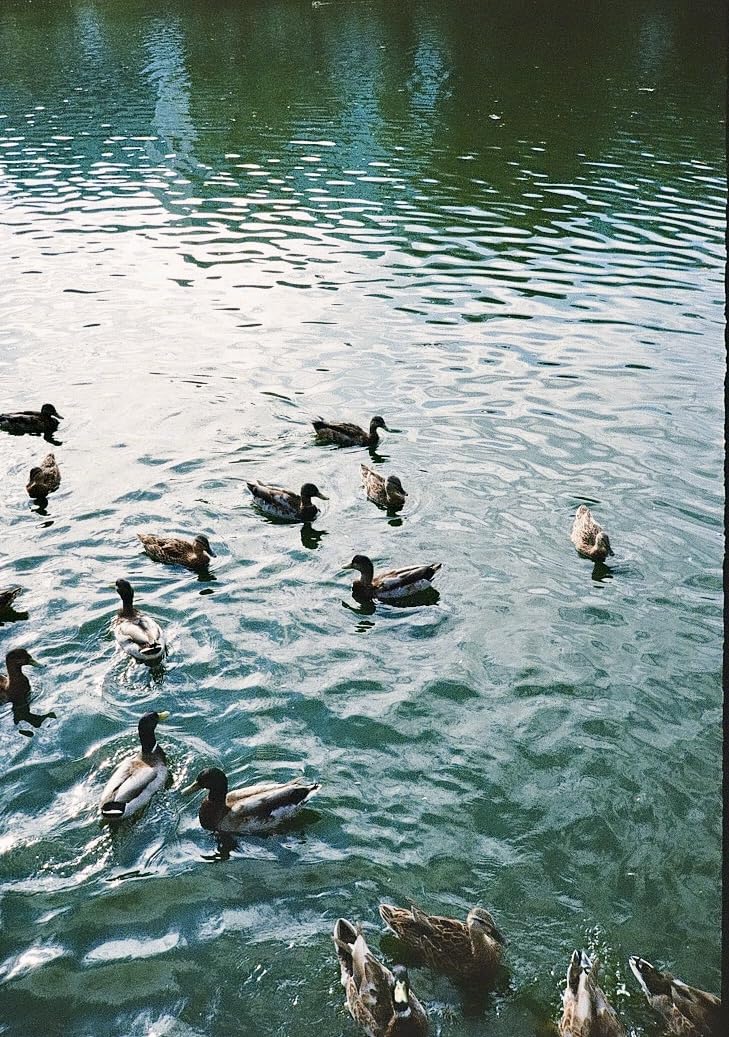
The 25mm f/3.5 lens with HD coating produces images with excellent contrast and color rendition. The coating reduces flare and ghosting, which is especially noticeable in backlit situations. Image quality from this lens exceeds what you get from any budget half-frame camera.
The 6-zone focus system gives you meaningful control over focus distance. Unlike fixed-focus cameras, you can choose between close-up, portrait, group, and landscape zones. This makes the Pentax 17 far more versatile for different shooting scenarios.
Who Justifies the Pentax 17 Investment
Enthusiasts who want a reliable, new film camera with warranty support will find the Pentax 17 worth every penny. There is genuine peace of mind in buying a camera that has never been used, comes with a 1-year warranty, and is supported by a major manufacturer.
Social media creators will appreciate the vertical half-frame format that produces images perfectly sized for Instagram Stories, Reels covers, and TikTok content. You get the authentic film look in a format that requires no cropping for mobile viewing.
Understanding the Trade-offs
The premium price is the obvious barrier. At nearly $500, the Pentax 17 costs significantly more than any other half-frame camera on this list. You are paying for new manufacturing, quality control, and warranty support rather than superior image quality compared to a well-maintained used camera.
The fixed lens means you cannot swap optics for different situations. The zone-focus system requires learning to estimate distances accurately. Some users have reported film advance and shutter reliability issues, which is concerning at this price point, though these appear to be isolated incidents rather than widespread problems.
10. Fujifilm Instax Mini Evo – Best Hybrid Instant Film Camera
Fujifilm Instax Mini EVO Instant Camera
Hybrid instant camera
10 lens x 10 film effects
Bluetooth printing
MicroSD storage
Dual shutter buttons
Selfie mirror
+ Pros
- Hybrid digital and instant film design
- 100 lens and film effect combinations
- Bluetooth smartphone printing
- Saves images to microSD card
- Great for events and everyday moments
– Cons
- Plastic build quality
- Cannot transfer photos without printing
- Low 1 MP sensor resolution
- Film costs add up over time
The Fujifilm Instax Mini Evo occupies a unique space in the film camera world. It is a hybrid that combines digital image capture with genuine instant film printing. With nearly 2,000 reviews and a 4.6-star rating, it has become the go-to instant camera for people who want both the physical print experience and the convenience of digital.
The 10 lens effects and 10 film effect options give you 100 creative combinations. You can preview each effect on the LCD screen before printing, which means you never waste film on a bad shot. This preview capability alone makes the Evo far more practical than traditional instant cameras.
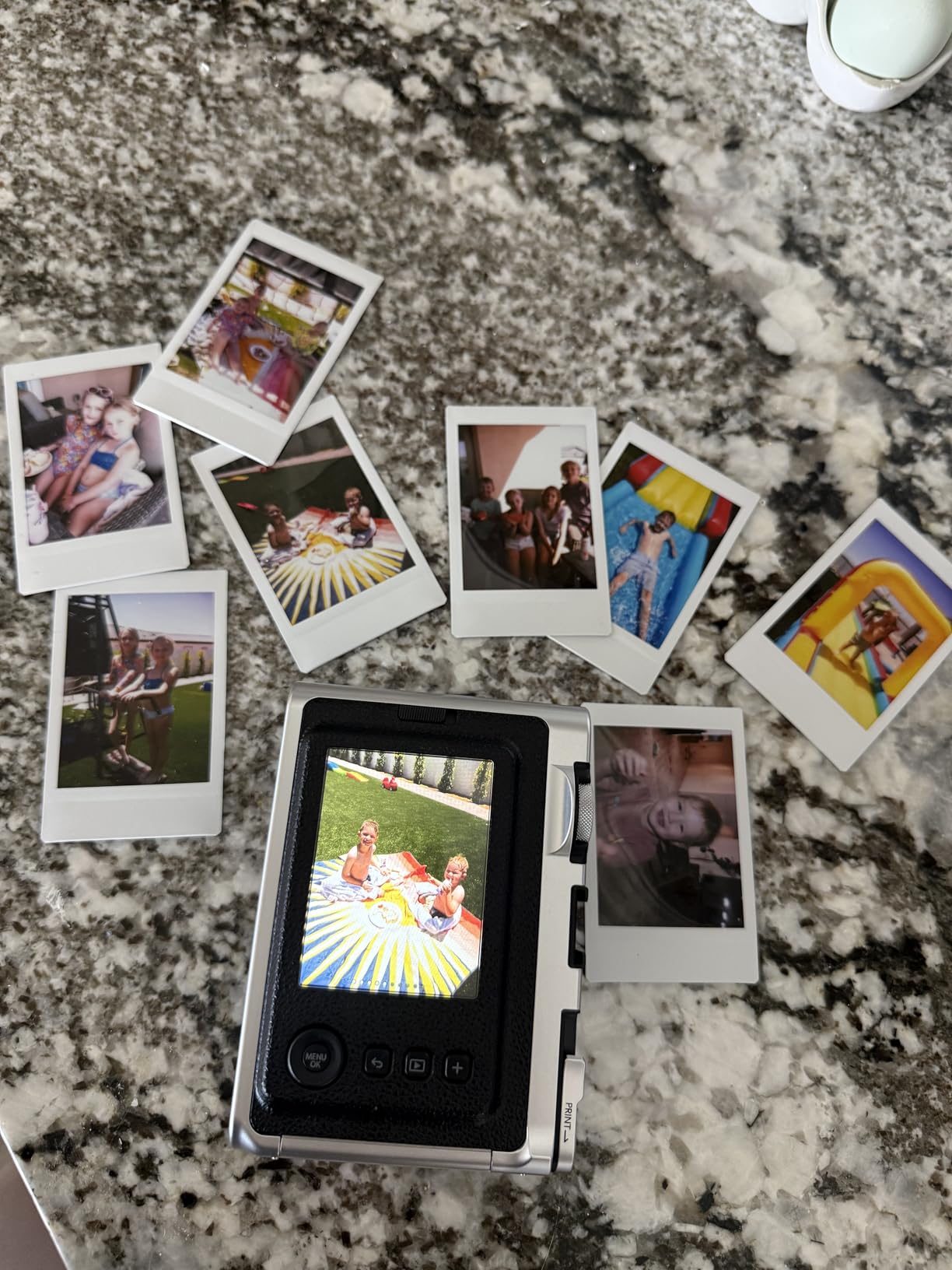
Bluetooth connectivity lets you print photos from your smartphone directly to the Instax Mini film. This turns the Evo into a portable photo printer for your digital images. You can also save your captured images to a microSD card, giving you a digital backup of every print.
The dual shutter buttons, one for portrait and one for landscape orientation, are a thoughtful design touch. The built-in selfie mirror helps with framing self-portraits. Auto-focus handles subject distance automatically, making the Evo genuinely point-and-shoot simple.
Where the Instax Mini Evo Excels
Event photography is where this camera truly shines. Weddings, birthday parties, baby showers, and corporate events benefit enormously from instant prints that guests can take home. The ability to preview and select which shots to print means you only use film on the keepers.
The smartphone printing feature extends the Evo usefulness well beyond the camera itself. You can edit photos on your phone and print them as instant film prints, creating physical copies of your best digital images with that distinctive Instax aesthetic.
Long-Term Cost Awareness
Instax Mini film costs roughly $0.70 to $1.00 per print depending on pack size. Unlike traditional film cameras where development happens off-site, every press of the print button costs money. The hybrid design helps control this by letting you choose which images to print.
The 1 MP sensor means the digital images saved to microSD are low resolution. They are fine for social media but not for large prints. The Evo is best understood as an instant print device with digital convenience features rather than a high-resolution camera that also prints.
How to Choose the Best Film Camera for You
Choosing among the best film cameras means understanding your needs, budget, and willingness to learn. Here is what matters most when making your decision.
Camera Type: SLR, Point and Shoot, or Half-Frame
SLR cameras like the Canon AE-1 and Rebel G offer interchangeable lenses, through-the-lens viewfinders, and full manual control. They are the best choice for learning photography fundamentals and producing high-quality images. The trade-off is size, weight, and complexity.
Point-and-shoot cameras like the Kodak Ultra F9 and Snapic A1 prioritize simplicity and portability. They are perfect for casual snapshots and social photography. You sacrifice creative control and image quality for convenience.
Half-frame cameras like the EKTAR H35, H35N, and Pentax 17 double your photos per roll by splitting each frame in two. This cuts film costs significantly and produces a vertical format that works well for social media. Image quality per frame is lower since each photo uses half the film area.
Budget Tiers: What to Expect at Each Price Point
Under $50: You are looking at basic reusable cameras like the Ilford Sprite 35-II or disposable cameras like the Fujifilm QuickSnap. Expect lo-fi image quality, plastic construction, and minimal creative control. These are for trying film photography without commitment.
$50 to $100: This range includes capable point-and-shoot cameras like the Kodak EKTAR H35, H35N, Ultra F9, and Snapic A1. You get better build quality, more features, and the half-frame option for doubled shots per roll. Ideal for casual and creative film photography.
$150 to $300: Entry into serious SLR territory. The Canon AE-1 and Rebel G offer interchangeable lenses, manual controls, and far superior image quality. This is where film photography becomes a genuine creative pursuit rather than a novelty.
$450 and above: Premium new cameras like the Pentax 17 and hybrid instant cameras like the Instax Mini Evo. You are paying for new manufacturing, warranty support, and advanced features.
Where to Buy Film Cameras and What to Check
Amazon offers convenience and return policies for both new and refurbished cameras. The renewed program provides 90-day warranties on vintage bodies like the Canon AE-1 and Rebel G. Always check seller ratings and read recent reviews before purchasing.
For used cameras from other sources, check the light meter, shutter at all speeds, film advance smoothness, lens glass for fungus or scratches, and foam light seals around the film door. Degraded foam seals cause light leaks that ruin film. Replacement is inexpensive but requires awareness.
Battery Compatibility and Common Issues
Many vintage cameras use discontinued battery types. The Canon AE-1 uses a 4LR44 battery, which is still available. Some older cameras required mercury batteries that are no longer manufactured. Modern alkaline or silver oxide replacements work but may provide slightly different voltage, affecting meter accuracy.
Modern cameras like the Pentax 17 and Instax Mini Evo use standard battery types that are readily available. The Kodak point-and-shoot cameras typically use common AAA batteries. Always check battery requirements before purchasing.
Film Development Costs to Factor In
Film development is an ongoing cost that many beginners underestimate. A typical roll of 35mm color film costs $8 to $12 to buy and another $12 to $20 to develop and scan. That puts each photo at roughly $0.70 to $1.00 per shot. Half-frame cameras halve this cost per image.
Black and white film can be developed at home relatively cheaply with a basic developing kit. This cuts ongoing costs dramatically and gives you full control over the process. Many film photographers eventually set up a home darkroom or at minimum a home development station.
What is the best film camera for beginners?
The Kodak EKTAR H35 is the best film camera for beginners because it is affordable, simple to operate, and its half-frame design doubles your photos per roll to keep costs down. For beginners who want to learn photography fundamentals, the Canon AE-1 is the top SLR choice with its shutter-speed priority mode and TTL metering.
What is the best 35mm film camera for professional use?
For professional 35mm film photography, the Canon AE-1 with its Canon FD lens system offers the manual control, interchangeable lenses, and build quality that professionals need. The Canon EOS Rebel G is another strong option for pros who want autofocus and EF lens compatibility with modern Canon systems.
What film cameras are worth buying?
Film cameras worth buying in 2026 include the Canon AE-1 for classic SLR photography, the Pentax 17 for a brand-new camera with warranty, the Kodak EKTAR H35 for budget half-frame shooting, and the Fujifilm Instax Mini Evo for hybrid instant prints. The best choice depends on your budget and intended use.
How much should I spend on a film camera?
Beginners should spend $35 to $65 on a basic reusable camera like the Ilford Sprite 35-II or Kodak EKTAR H35. Intermediate photographers should budget $100 to $270 for an SLR like the Canon AE-1 or Rebel G. Enthusiasts wanting a new camera should consider the Pentax 17 at around $500. Factor in $15 to $20 per roll for film and development.
Are film cameras hard to maintain?
Film cameras require minimal maintenance if stored properly. Keep them in dry conditions to prevent mold and fungus on lens elements. Vintage cameras may need periodic CLA (clean, lubricate, adjust) services costing $75 to $150. Foam light seals degrade over decades and need replacement. New cameras like the Pentax 17 come with warranties and require no special maintenance.
Final Thoughts on the Best Film Cameras in 2026
Film photography offers something digital cannot replicate: the deliberate, tactile experience of capturing a finite number of images on physical medium. Whether you choose the budget-friendly Kodak EKTAR H35 for casual half-frame fun, the classic Canon AE-1 for learning real photography, or the premium Pentax 17 for brand-new reliability, the best film cameras reward you with images that have genuine character.
Start with your budget and intended use. If you just want to try film photography, the sub-$65 options are perfect. If you want to learn photography as a craft, invest in a Canon AE-1 or Rebel G. And if you want a new camera with modern support, the Pentax 17 is the only recently-manufactured film camera worth your attention in 2026.
For more photography gear recommendations, explore our guide to the best mirrorless cameras with IBIS for the digital side of the equation. Whichever film camera you choose, the most important thing is to load it with film and start shooting.