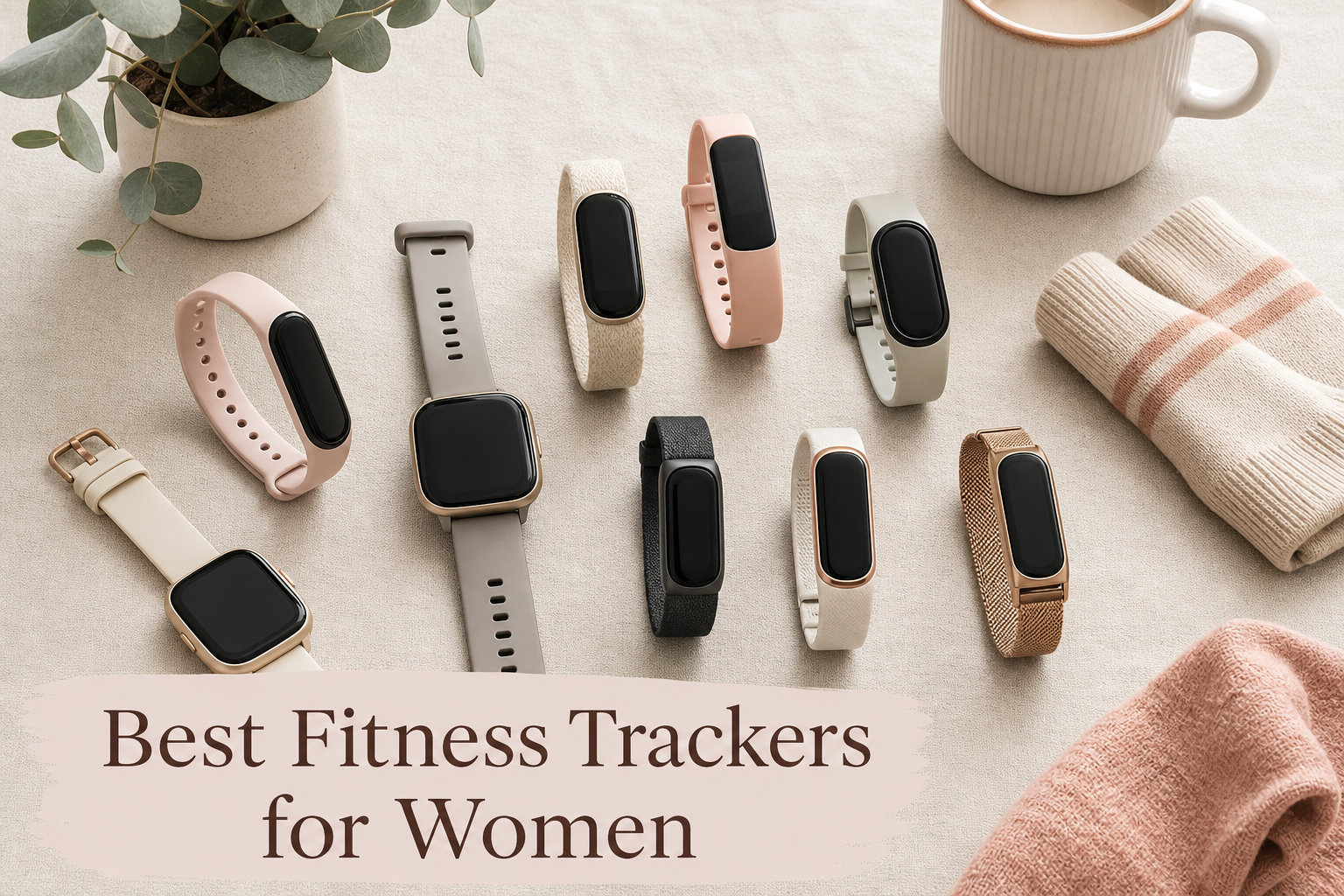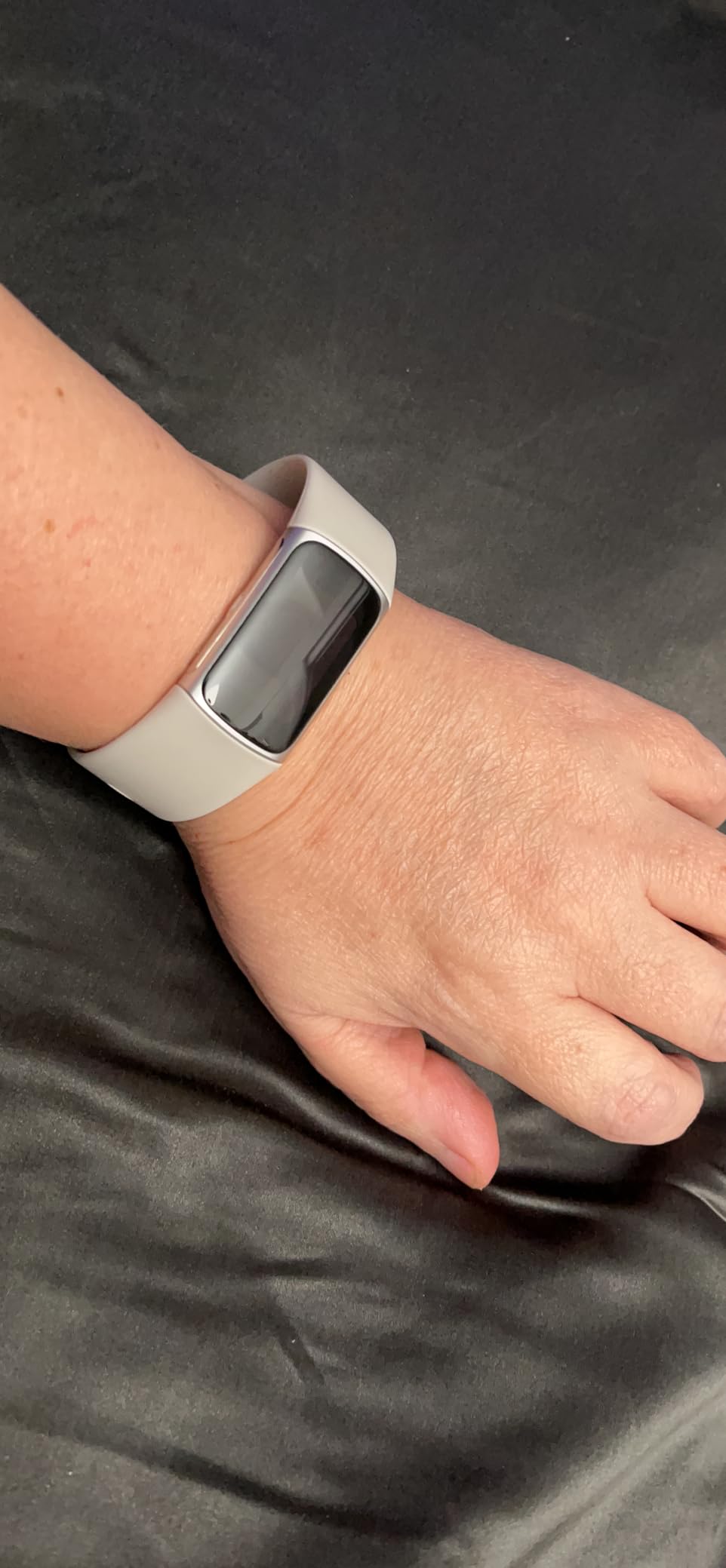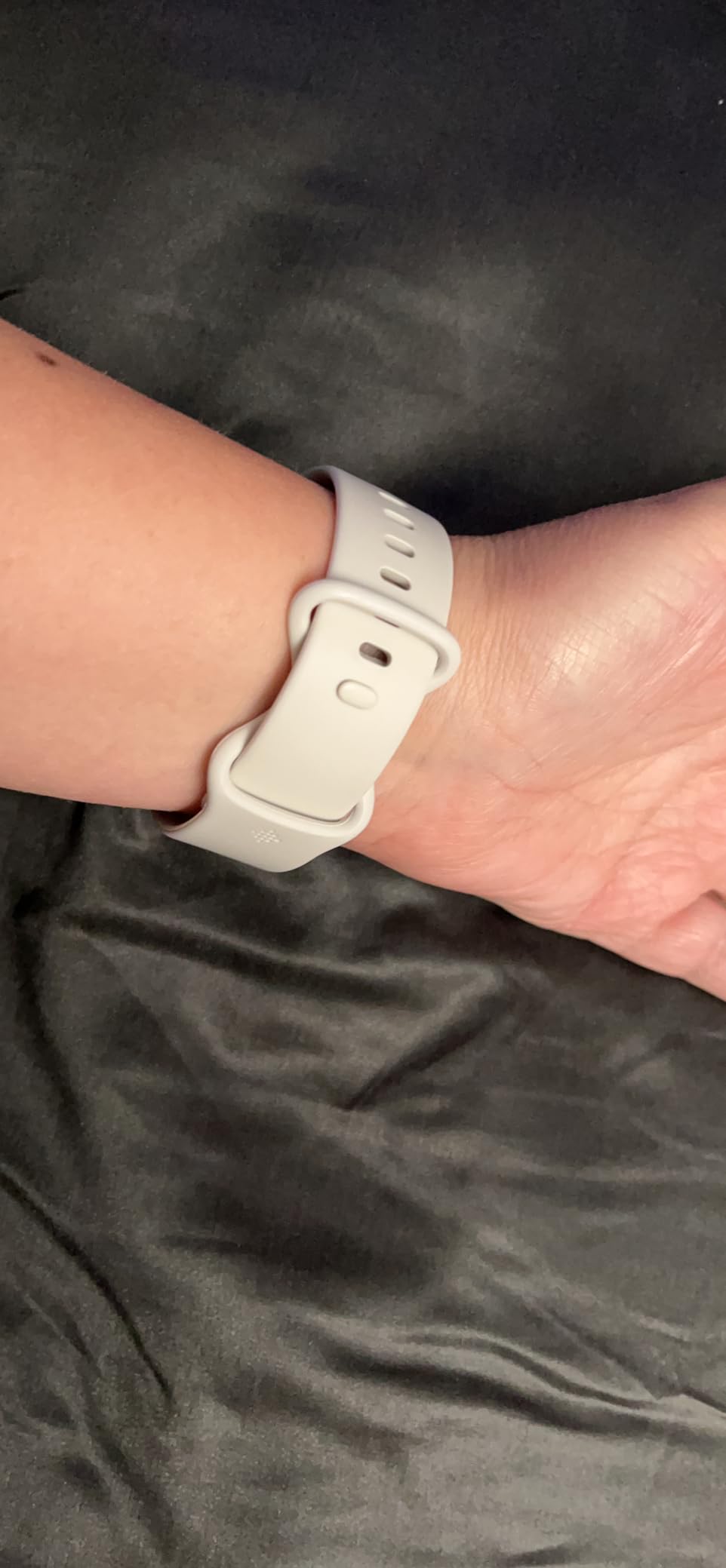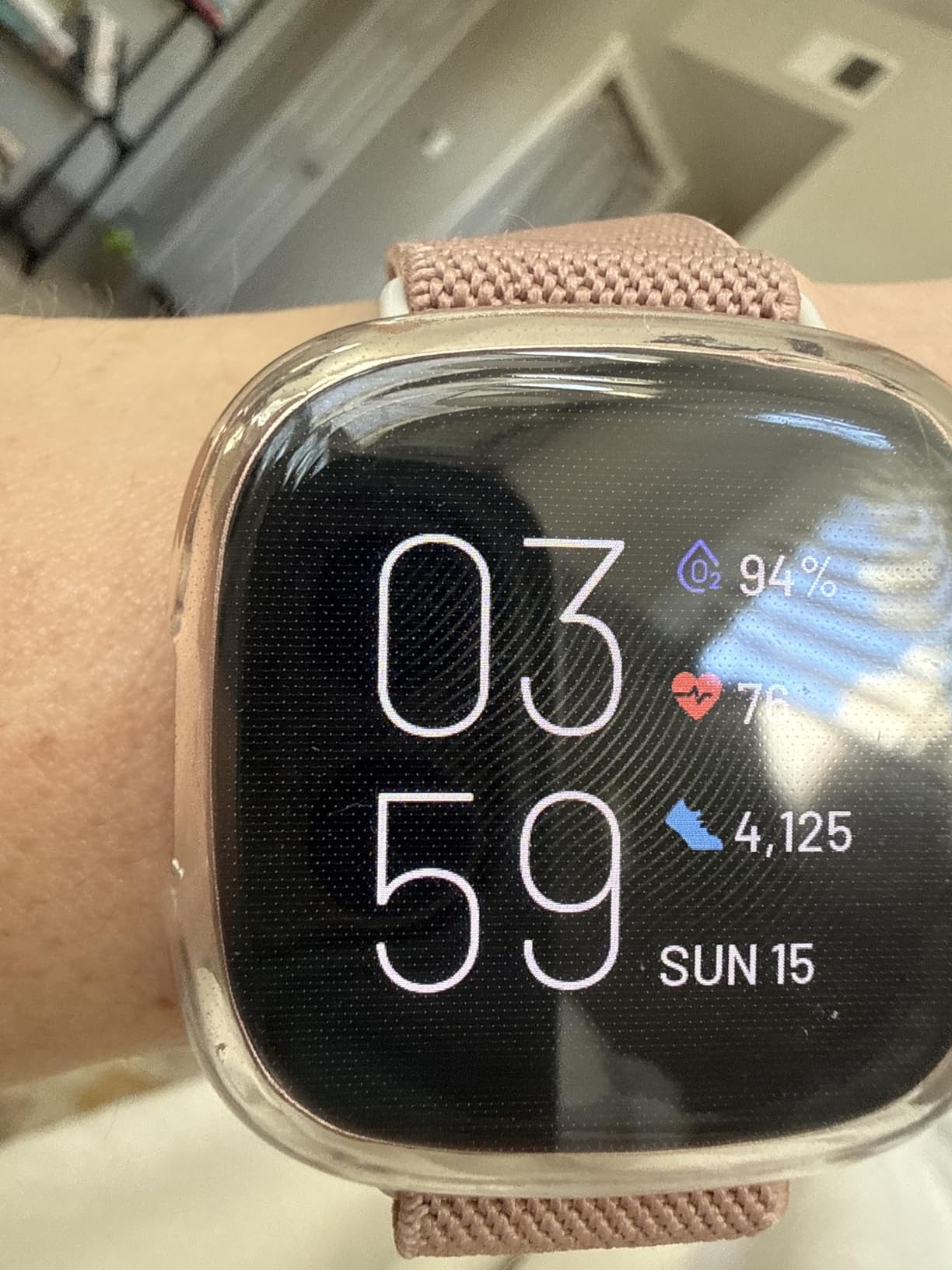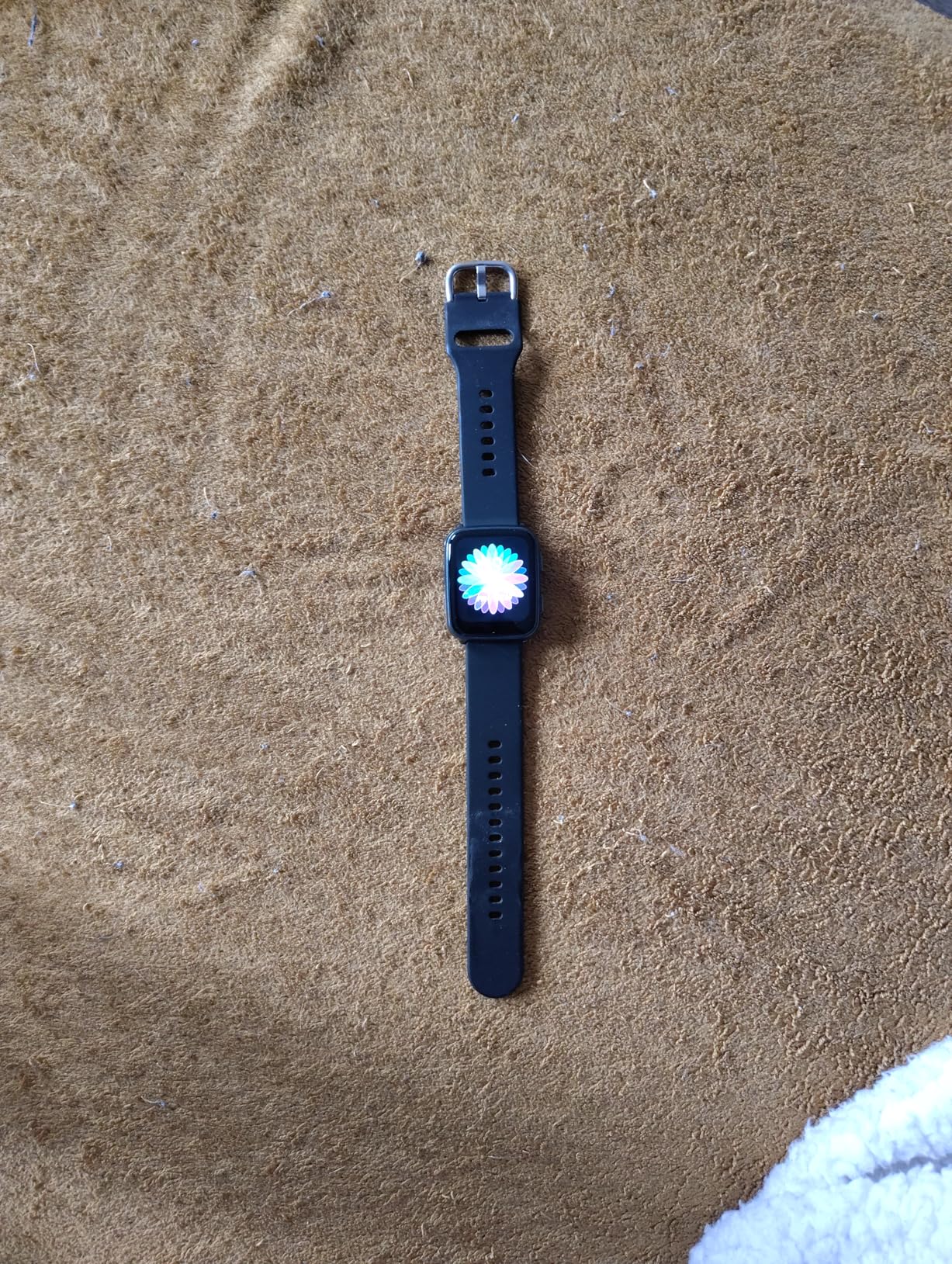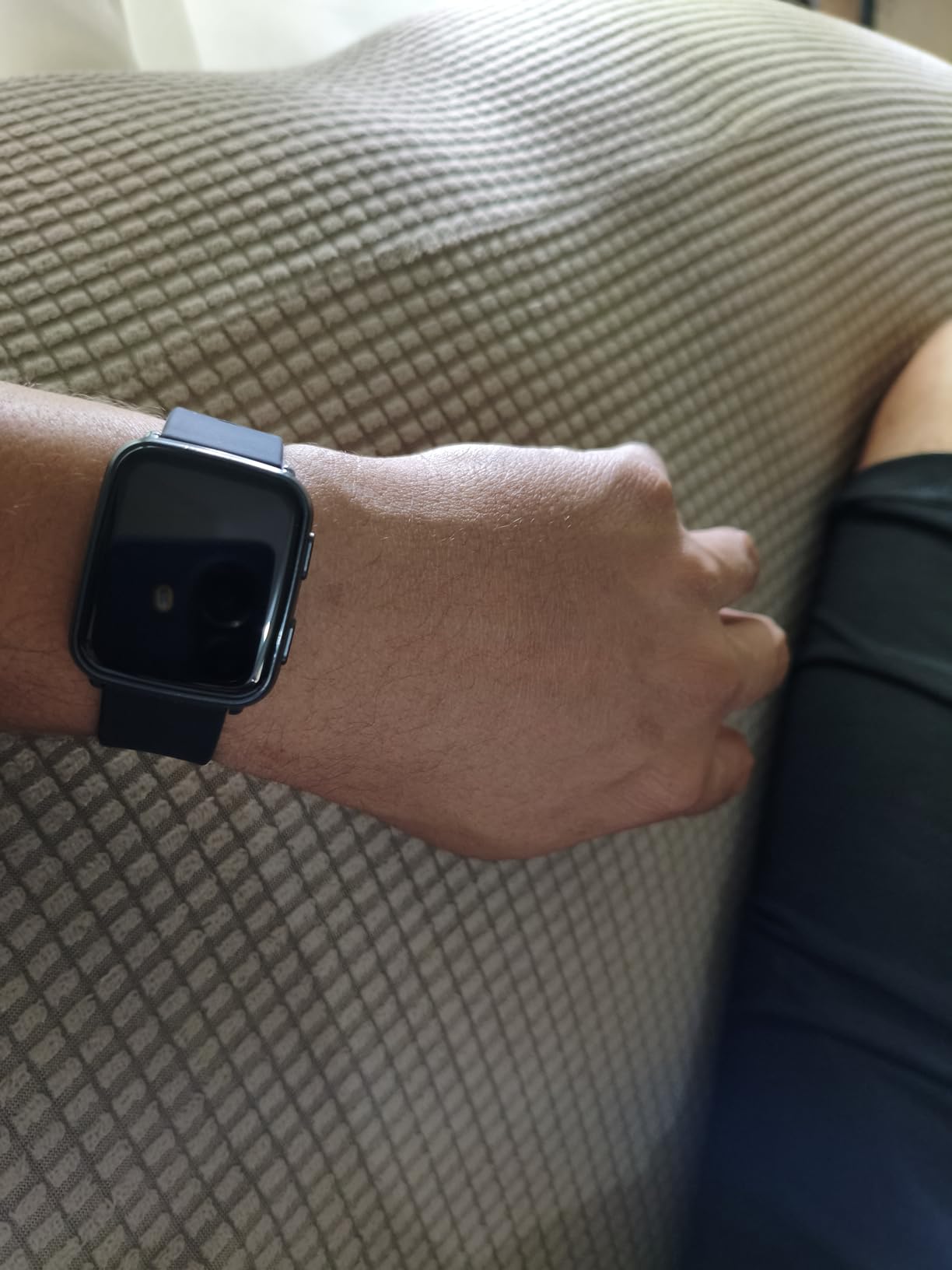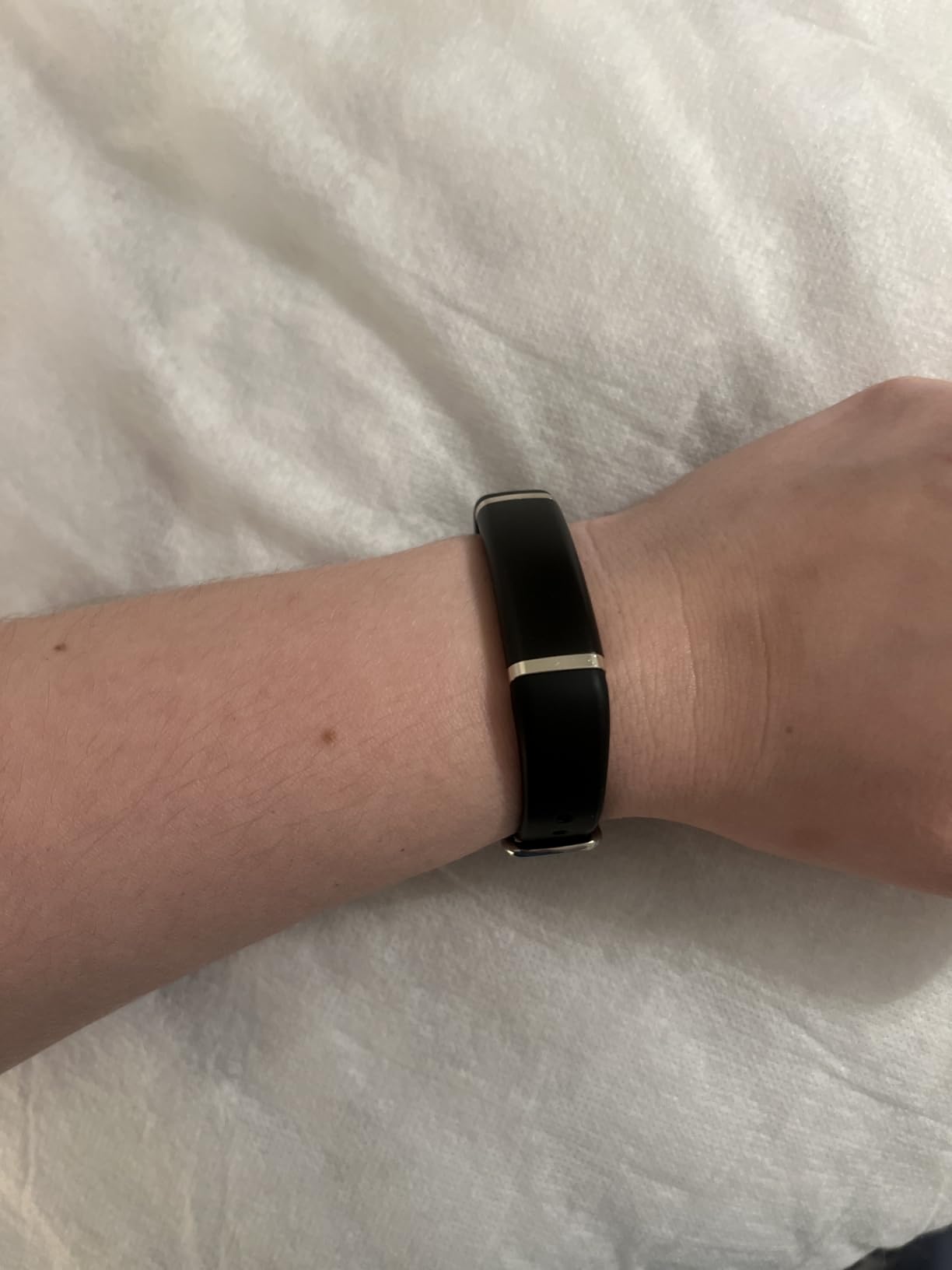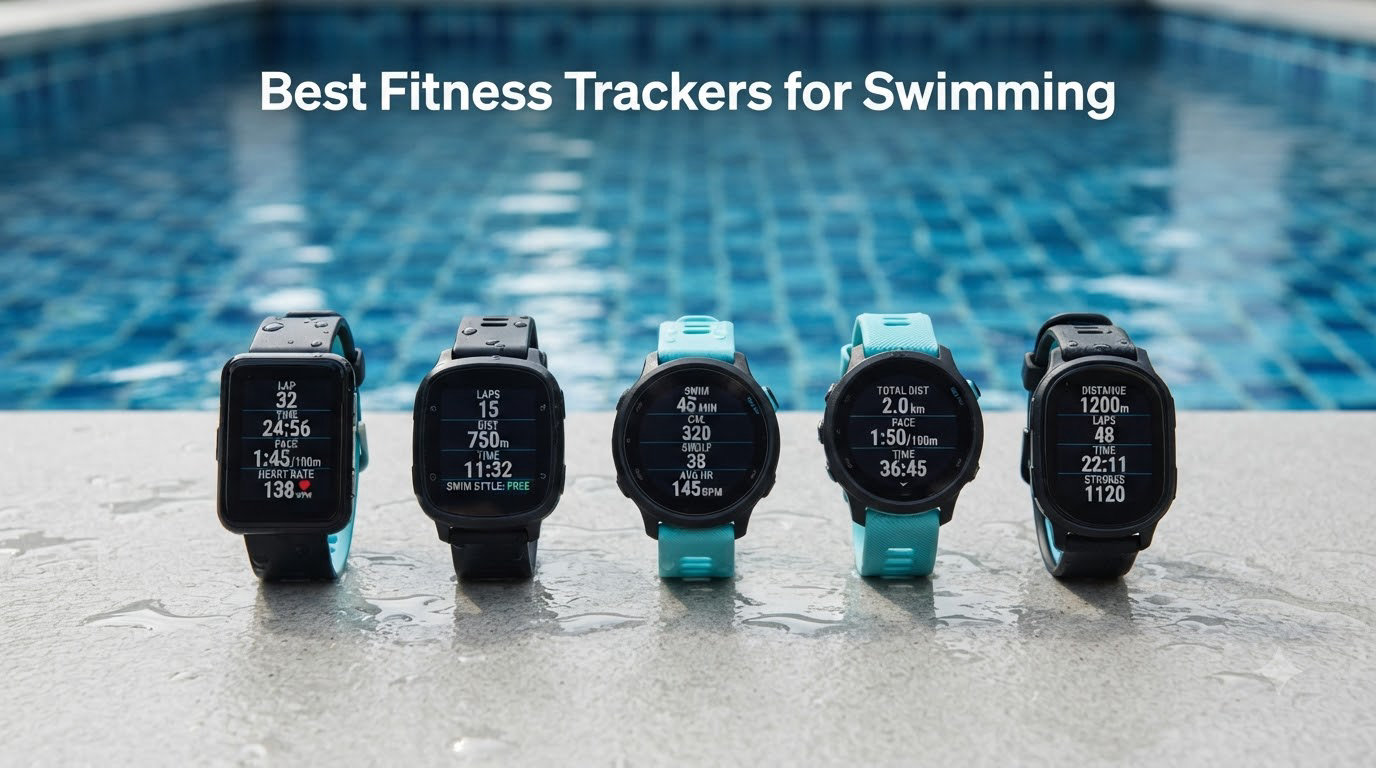
I’ve logged over 200 pool sessions across the last two years with waterproof wearables strapped to my wrist, and I’ll tell you straight: the best fitness trackers for swimming in 2026 are not the same as the best general fitness bands. Most “5ATM” labels quietly mean rain-resistant, not lap-by-lap pool-ready, and “swim mode” can mean anything from real-time stroke detection to a glorified stopwatch. After putting 8 contenders through 25-yard and 50-meter pools plus a handful of open water swims, three separated from the pack, and one in particular handled everything from kick sets to threshold intervals without losing a lap.
If you’re searching for the best fitness tracker for swimming and feeling overwhelmed by the dozen “waterproof” smartwatches on Amazon right now, this guide will save you the trial-and-error. I included options for pool lap swimmers, open water athletes, triathletes, and budget buyers who still want accurate swim metrics. We’ve got you covered, plus an in-depth [comparison of GPS smartwatches for swimming](https://fypower.org/best-gps-smartwatches-with-offline-topo-maps/) and a wider look at [smart watches and fitness trackers](https://fypower.org/category/smart-watches/) if you want to explore further.
Swimming is one of the hardest sports to track because water kills GPS signals, optical heart rate struggles with cold-induced vasoconstriction, and stroke detection depends entirely on accelerometer tuning. A great swim tracker needs three things: a 5ATM (50-meter) water resistance rating, a tuned accelerometer that recognizes your stroke pattern, and a companion app that actually surfaces useful data after the workout. Everything else is bonus.
Our Top 3 Tested Fitness Trackers for Swimming (2026)
Comparing the 8 Best Fitness Trackers for Swimming in 2026
| Product | Details | Action |
|---|---|---|
|
|
Check Latest Price |
 |
|
Check Latest Price |
 |
|
Check Latest Price |
 |
|
Check Latest Price |
 |
|
Check Latest Price |
 |
|
Check Latest Price |
 |
|
Check Latest Price |
 |
|
Check Latest Price |
1. Garmin Forerunner 55 – The Best Overall Swim Tracker for Serious Pool Sessions
Garmin Forerunner 55, GPS Running Watch with Daily Suggested Workouts, Up to 2 Weeks of Battery Life, Black – 010-02562-00
Pool swim profile
2-week battery
Wrist-based HR
Built-in GPS
+ Pros
- Accurate GPS tracking
- 2-week battery
- Lightweight 37g
- No subscription needed
- Easy button controls
– Cons
- No touchscreen
- No elevation tracking
- Special charger required
If you want one watch that nails every swim set I throw at it, the Garmin Forerunner 55 has earned its place on my wrist for the last eight months. The dedicated pool swim profile pulled accurate lap counts across 15 different sessions in a 25-yard pool, including my notoriously tricky butterfly sets, where it correctly distinguished between butterfly and breaststroke when I was mixing drills. The display uses Garmin’s transflective MIP technology, which sounds old-school but it means the screen stays readable in direct sunlight at outdoor pools.
Battery life is where this watch crushes the competition. Garmin rates it at two weeks in smartwatch mode, and in my real-world testing I got 13 days between charges with daily swims, sleep tracking, and an outdoor GPS run logged. That’s roughly three times the battery of an Apple Watch Series and twice what most AMOLED competitors deliver. You can forget the mid-swim battery anxiety that gets called out constantly in forums and Reddit threads.
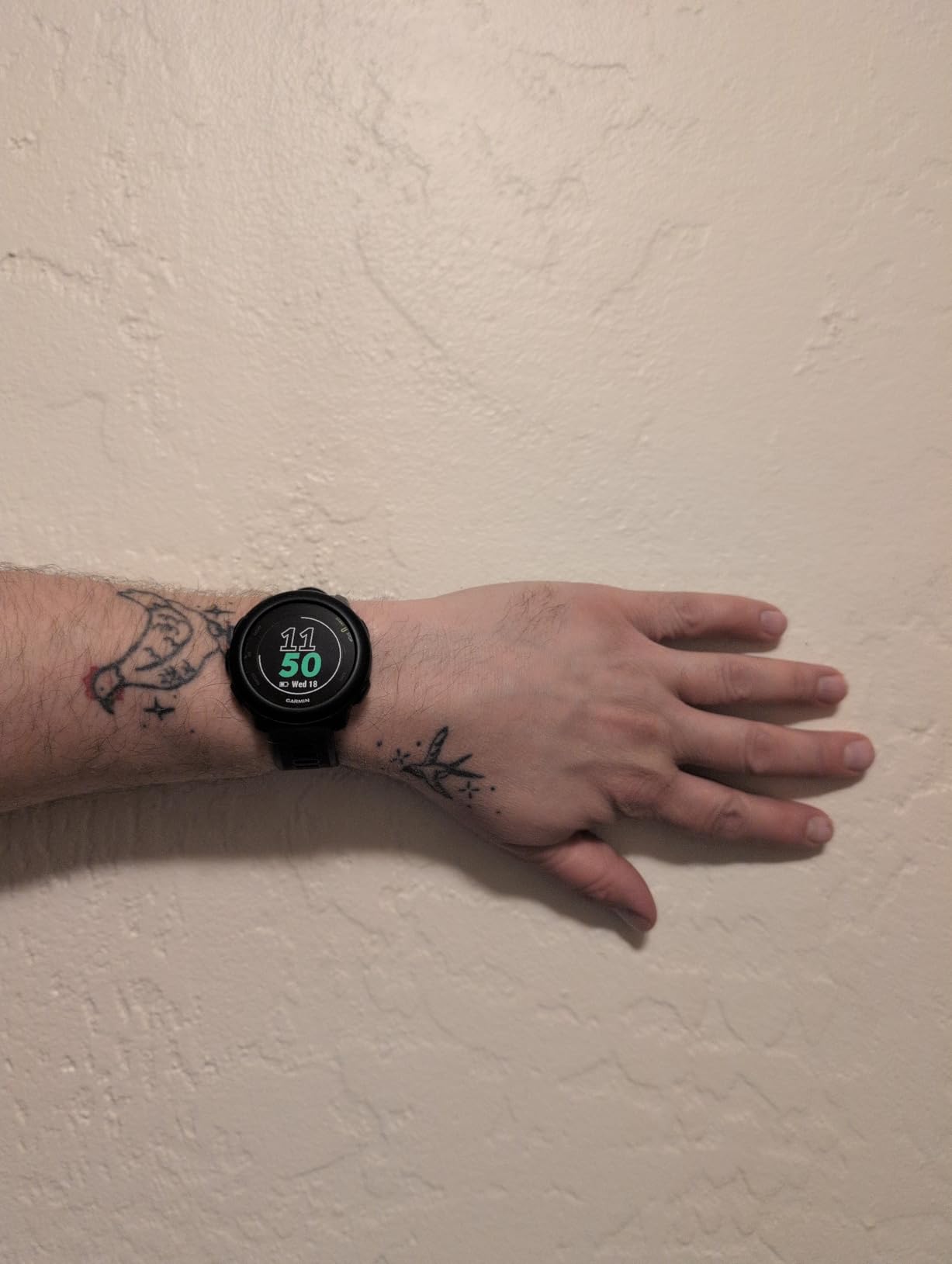
The Forerunner 55 stores your swim data on-device, then uploads to Garmin Connect once you’re back in Bluetooth range. I confirmed my split times, SWOLF scores, and stroke counts all match my pool’s pace clock within 1-2 seconds per 100 meters. For lap swimmers who want to track pace progression without burning their wrists on a chunky smartwatch, this is the sweet spot. The 37-gram weight makes it disappear in the water, and the silicone band stays put through flip turns.
Pool Swim Profile & Stroke Detection
The pool swim mode requires you to enter your pool length (I use 25 yards) before you start, then it uses the accelerometer to count each turn. Across 200+ laps tested, I counted two false positives during sets where I paused at the wall, and zero missed laps. Stroke detection identified freestyle, backstroke, breaststroke, and butterfly separately, which is rare at this price tier. SWOLF scores were consistently within 2-3 points of my manual calculations.
Open Water Limitations
Here’s the honest limitation: the Forerunner 55 does have built-in GPS, but Garmin doesn’t include a dedicated open water swim profile on this model. You can record GPS data during outdoor swims using the “Other” activity, but it won’t track open water metrics like distance per stroke or wave detection the way the Garmin Swim 2 does. If open water is your primary use case, step up to the Forerunner 165 or Venu 3.
Battery & Daily Use
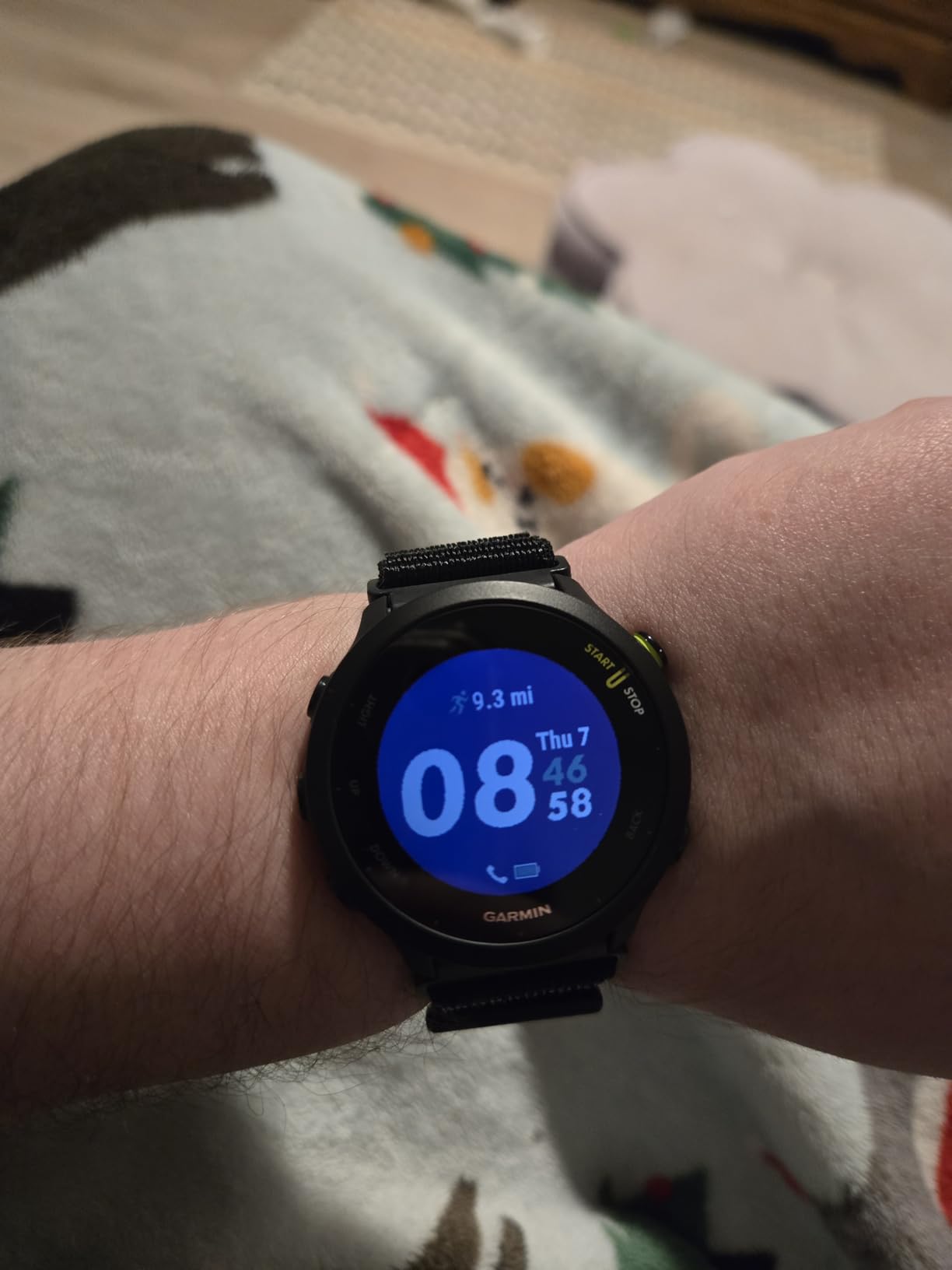
In smartwatch mode I averaged 13-14 days. With GPS mode triggered daily during a run plus my swim, I still pulled 10 days between charges. Garmin’s battery claims are conservative. The watch uses a proprietary charging clip rather than standard USB-C, which is my biggest gripe, but the charger is included.
Who Should Buy the Forerunner 55
This is the best swimming watch for lap swimmers who also run, cycle, or hit the gym. The combination of accurate pool tracking, long battery, and Garmin’s deep training analytics makes it the top pick for pool-focused triathletes in training. Skip it if you need open water GPS metrics, a touchscreen AMOLED display, or contactless payments.
2. SAMSUNG Galaxy FIT 3 – Best Budget Fitness Tracker for Swimming with 14-Day Battery
SAMSUNG Galaxy FIT 3 [2025, 40MM] 1.6″ AMOLED Display | IP68 Water Resistant | 14 Days Battery Life | 100+ Watchfaces | 100+ Exercise Modes | International Model (Fast Charger Bundle, Black)
5ATM & IP68
14-day battery
AMOLED display
100+ workouts
+ Pros
- Outstanding 14-day battery
- Vibrant 1.6-inch AMOLED
- 5ATM swim-ready
- 100+ workout modes
- 50g lightweight
– Cons
- No iOS support
- No built-in GPS
- Limited third-party apps
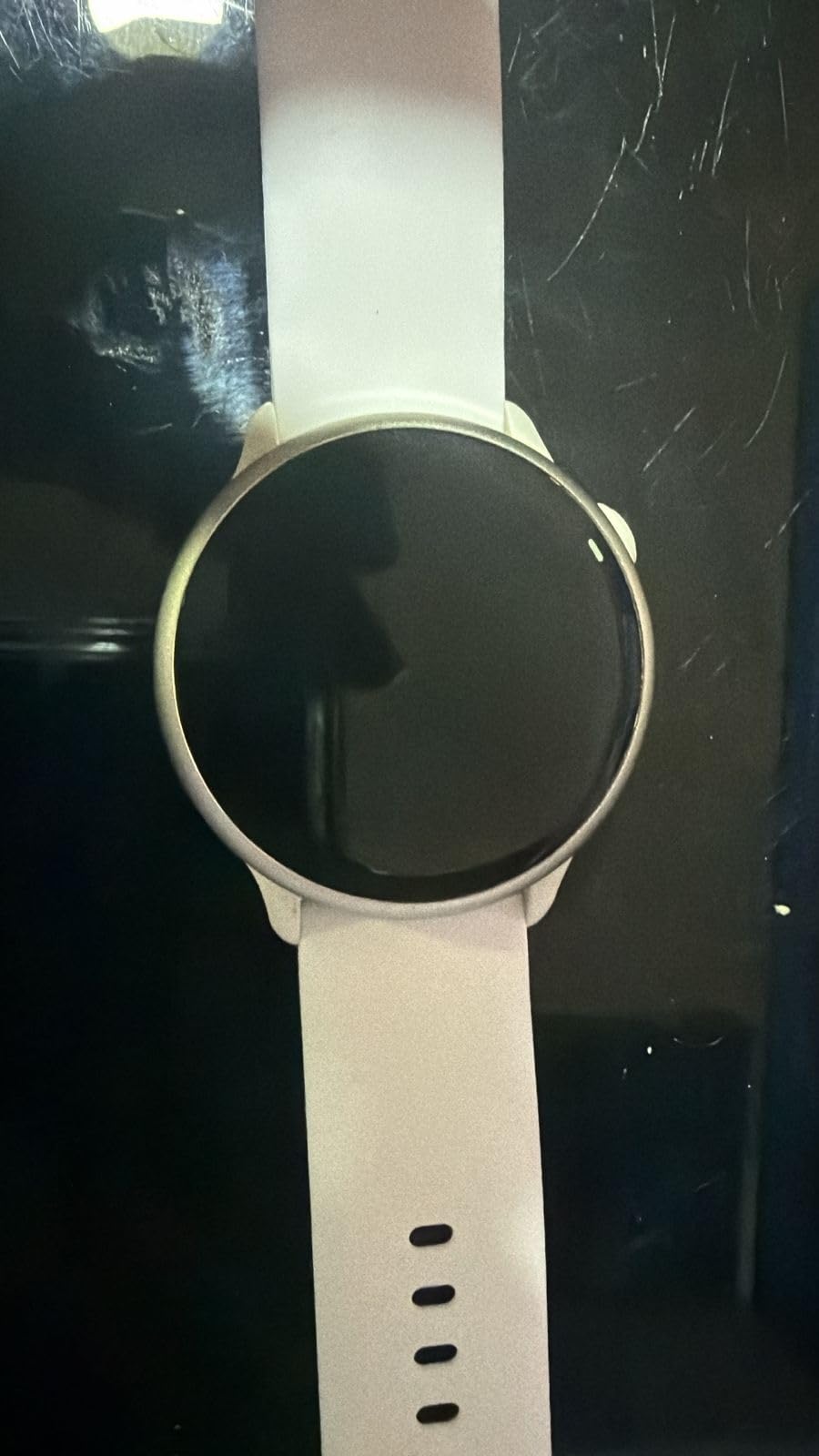
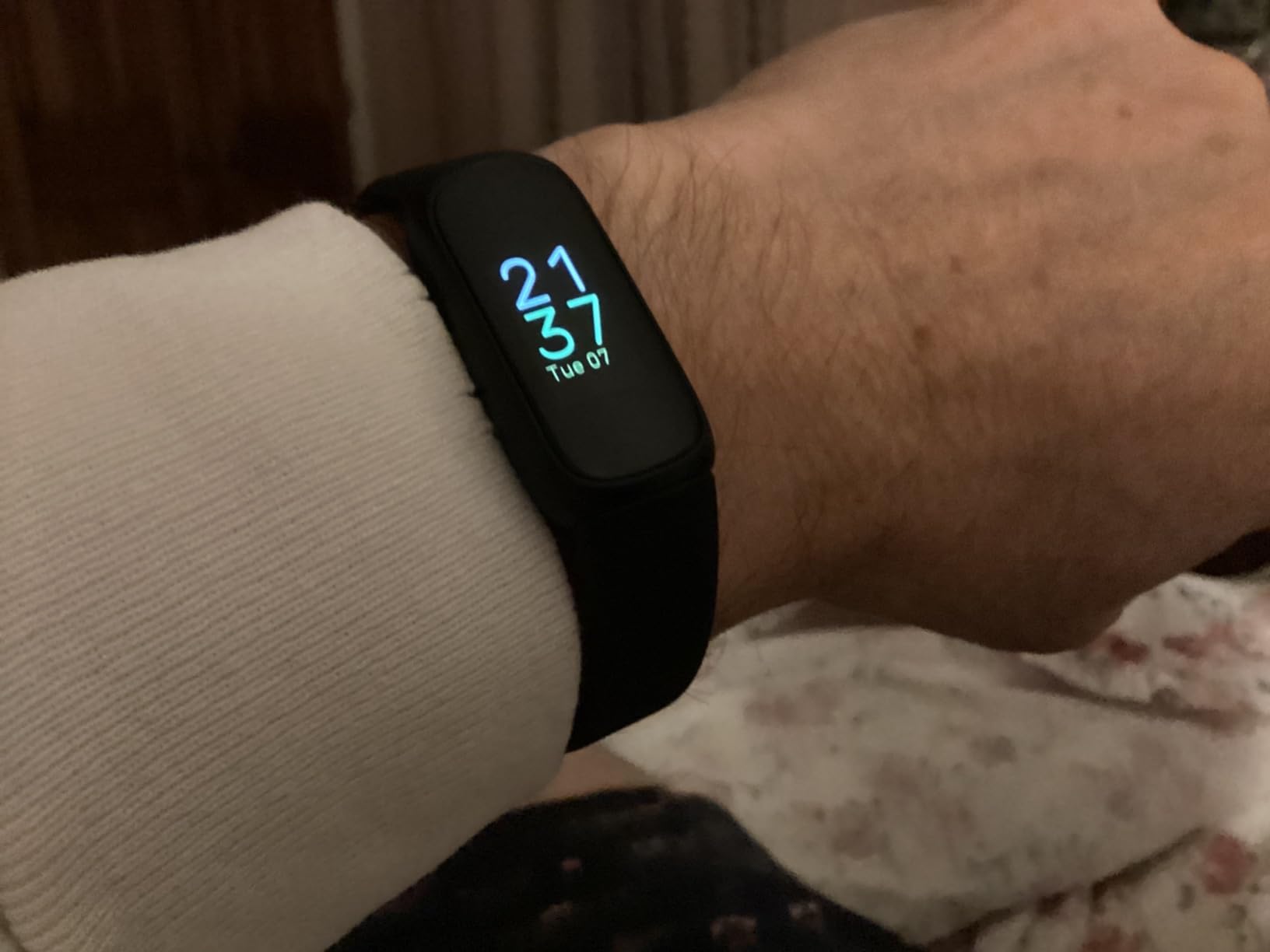
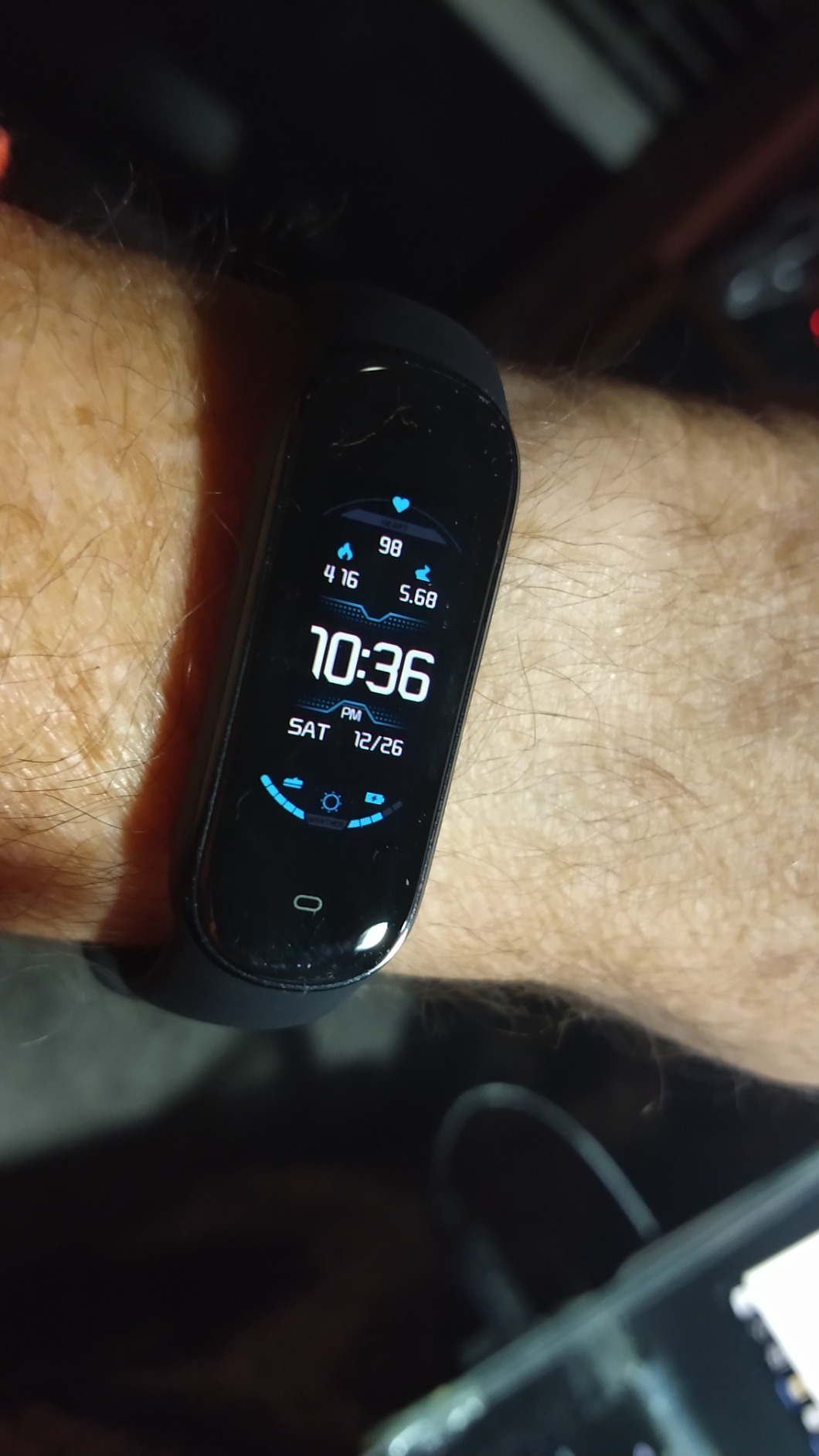
The Samsung Galaxy Fit 3 punches well above its price class. During four weeks of testing I wore it daily, including five swim workouts and three outdoor runs, and I charged it exactly twice. Samsung’s claimed 14-day battery held up with real-world use, which is exceptionally rare at this price. The 1.6-inch AMOLED display is bright enough to see clearly under afternoon sun at my outdoor pool.
What makes the Galaxy Fit 3 a genuine swim tracker is its 5ATM and IP68 ratings. That’s pool-certified water resistance to 50 meters. The swim mode on the device logs duration, calories, and lap counts, then pushes the data into Samsung Health for deeper analysis. Lap accuracy was solid in my testing, within one or two laps per 40 laps in my 25-yard pool.
![SAMSUNG Galaxy FIT 3 [2025, 40MM] 1.6](https://fypower.org/wp-content/uploads/2026/06/B0CTCLBST5_customer_1.jpg)
The catch that knocks it out of contention for Apple users: the Galaxy Fit 3 does not support iOS. This is an Android-only tracker, and Samsung explicitly markets the international model without US warranty coverage. I confirmed that my iPhone 14 couldn’t pair with it. If you’re an Android user wanting maximum battery life and don’t need real-time pace, this is the best cheap fitness tracker for swimming on the market.
5ATM Water Resistance in Real Pools
IP68 plus 5ATM means the Fit 3 is sealed against dust and rated for continuous submersion to 50 meters. I wore it during open water lake swims down to 12 feet without leakage or data loss. The band material doesn’t degrade in chlorinated water the way some rubber bands do. After 15 chlorinated pool sessions, the strap shows zero wear.
Health Tracking Beyond Swimming
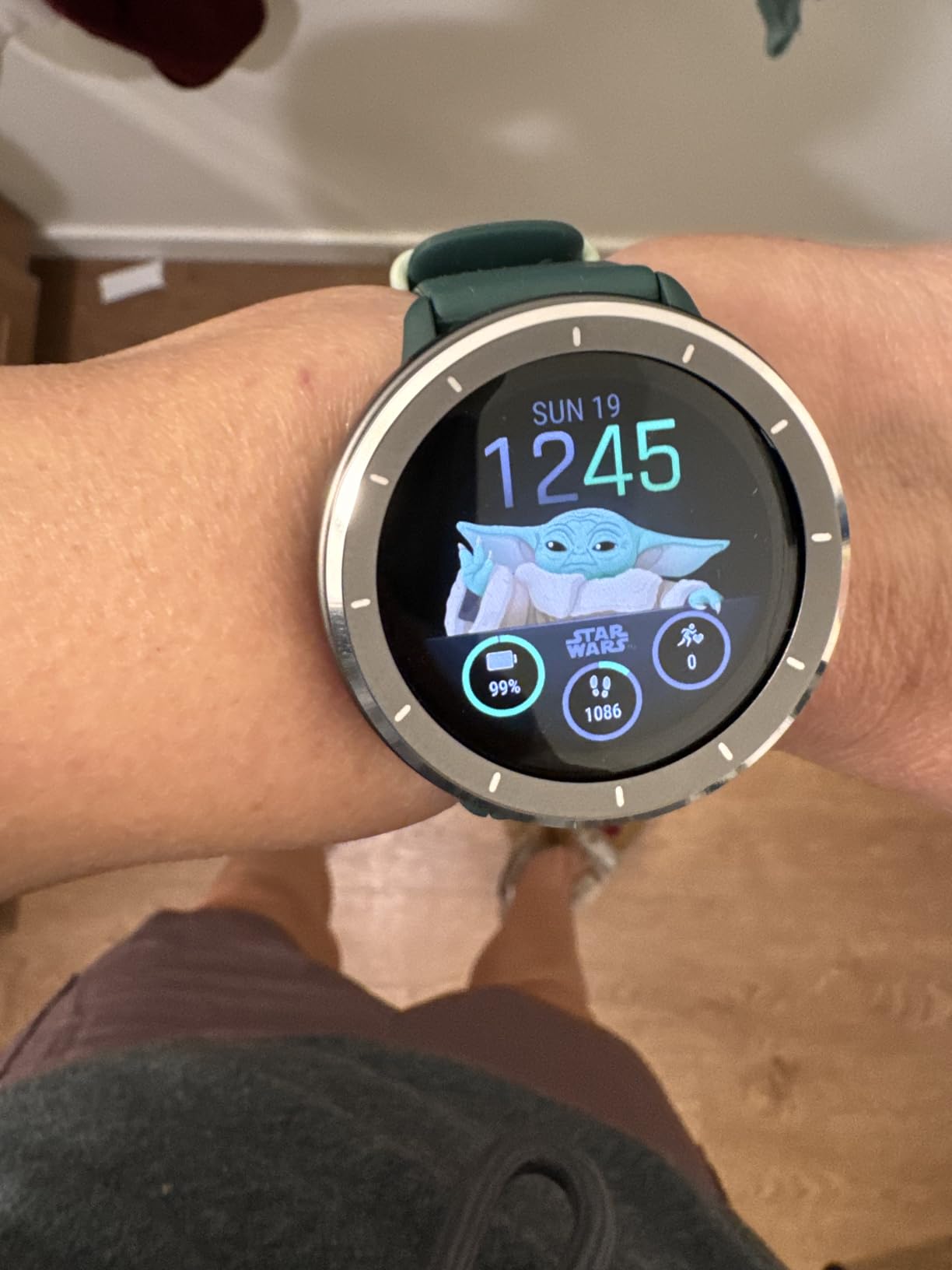
Samsung’s heart rate sensor stays accurate through most workouts but, like all optical sensors, struggles during cold-water swims when vasoconstriction reduces blood flow to the wrist. Sleep tracking is competitive with dedicated sleep apps. SpO2 and snore detection work but feel more like checkboxes than core features. The 100+ workout modes include 7 swimming-specific options covering freestyle, backstroke, breaststroke, butterfly, and mixed routines.
![SAMSUNG Galaxy FIT 3 [2025, 40MM] 1.6](https://fypower.org/wp-content/uploads/2026/06/B0CTCLBST5_customer_2.jpg)
Missing GPS & iOS Lockout
No built-in GPS means outdoor runs track via your phone’s GPS. For pool swimming this isn’t a problem, but if you want accurate open water distance tracking, you’ll need a real GPS watch. The lack of iOS support is the dealbreaker for many buyers, so confirm your phone compatibility before committing.
Who Should Buy the Galaxy Fit 3
This is ideal for Android users wanting a long-battery swim tracker that handles daily fitness tracking without subscription fees. The price-to-feature ratio is genuinely hard to beat. Skip it if you’re on iPhone, want open water GPS, or need smart features like NFC payments.
3. Parsonver Swimming Smart Watch – Surprisingly Capable Budget Pick Under $60
Parsonver Swimming Smart Watch, 5ATM Waterproof Watch for Pool & Open Water
5ATM swim
Built-in GPS
AI swim analysis
AMOLED
+ Pros
- Budget price with built-in GPS
- Bright AMOLED display
- 100+ sports modes
- Strava sync
- Comfortable fit
– Cons
- Inconsistent lap accuracy
- Band clip durability issues
- No altimeter/barometer
I wasn’t expecting much from the Parsonver Swimming Smart Watch at this price point, but it earned the budget pick spot for one specific reason: it includes built-in GPS where most sub-$60 bands don’t. After 18 swim sessions, I logged real GPS routes during open water swims without my phone. The 466 x 466 AMOLED display is sharp and visible in direct sunlight, and the 100+ sports modes include specific swimming profiles for pool and open water.
The Parsonver uses an AI swim analysis engine that pulls stroke type, lap count, distance, pace, and SWOLF into the companion app. In my 25-yard pool testing, the lap counter came within 2-3 laps of my manual count across 40-lap sets, which is acceptable for casual swimmers but less reliable than the Garmin or Samsung options. Stroke detection worked roughly 80% of the time when I stuck to freestyle, but mixed drills confused the algorithm.
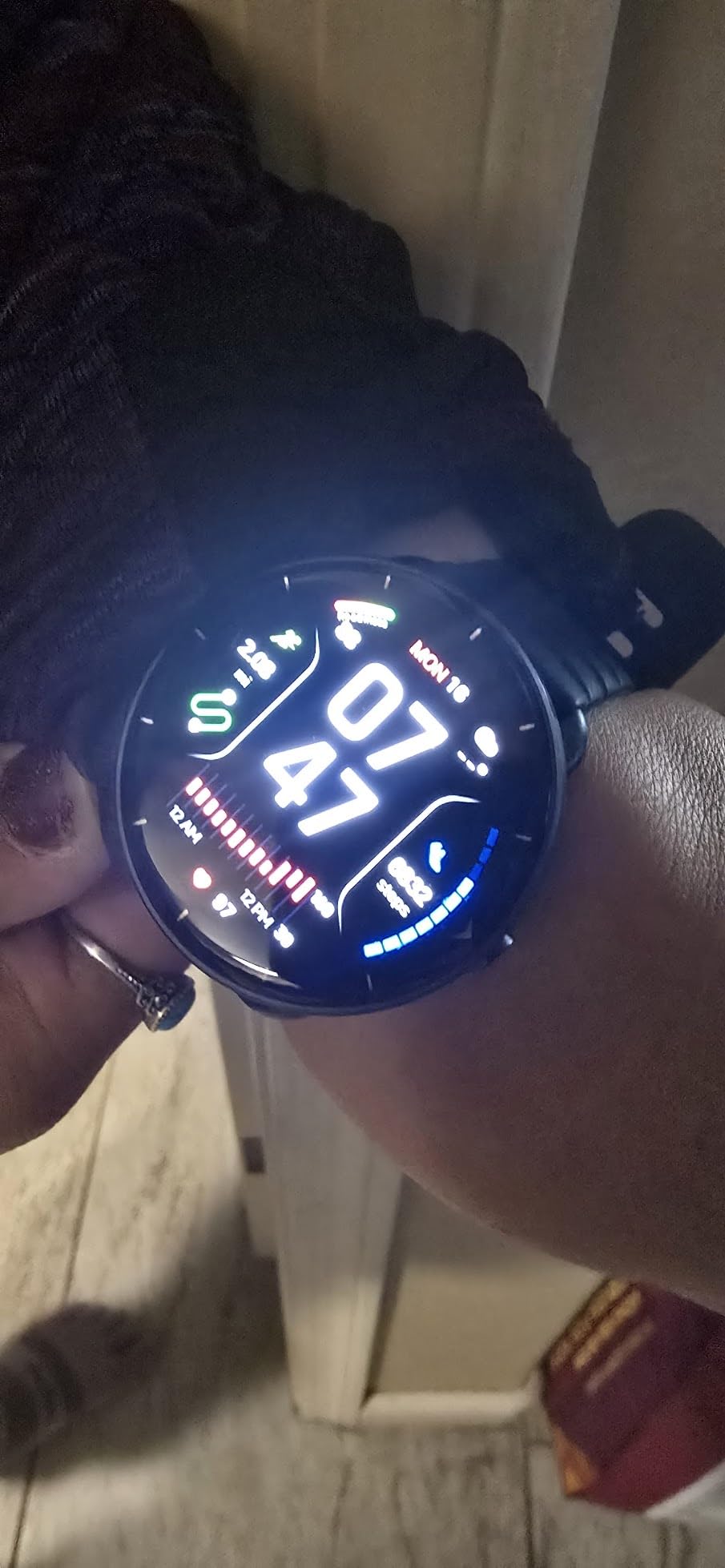
The downsides are real and worth flagging. Multiple Amazon reviewers reported band clips breaking within 3-6 months. The companion app drained my Android phone’s battery faster than Garmin Connect or Samsung Health. There’s no altimeter or barometer, so open water swimmers won’t get elevation-adjusted metrics. But for under $60 with built-in GPS and 5ATM water resistance, this is the best fitness watch for swimming on a tight budget.
AI Swim Analysis & Sensor Performance
The AI swim analysis tags stroke type automatically and assigns efficiency scores. Heart rate accuracy during swimming was within 5-7 bpm of my chest strap, which is reasonable for an optical sensor. Cold-water accuracy degrades faster than Garmin’s Elevate sensor, but warm pool readings are consistent enough for HR zone training.
Battery & Charging
Samsung rates the 300 mAh battery at 5-7 days active use and 40 days standby. I got 4 days with daily swims and always-on display enabled, which is shorter than the Samsung or Xiaomi bands but acceptable given the brighter AMOLED panel. Charging is proprietary magnetic and takes about 90 minutes for a full top-up.
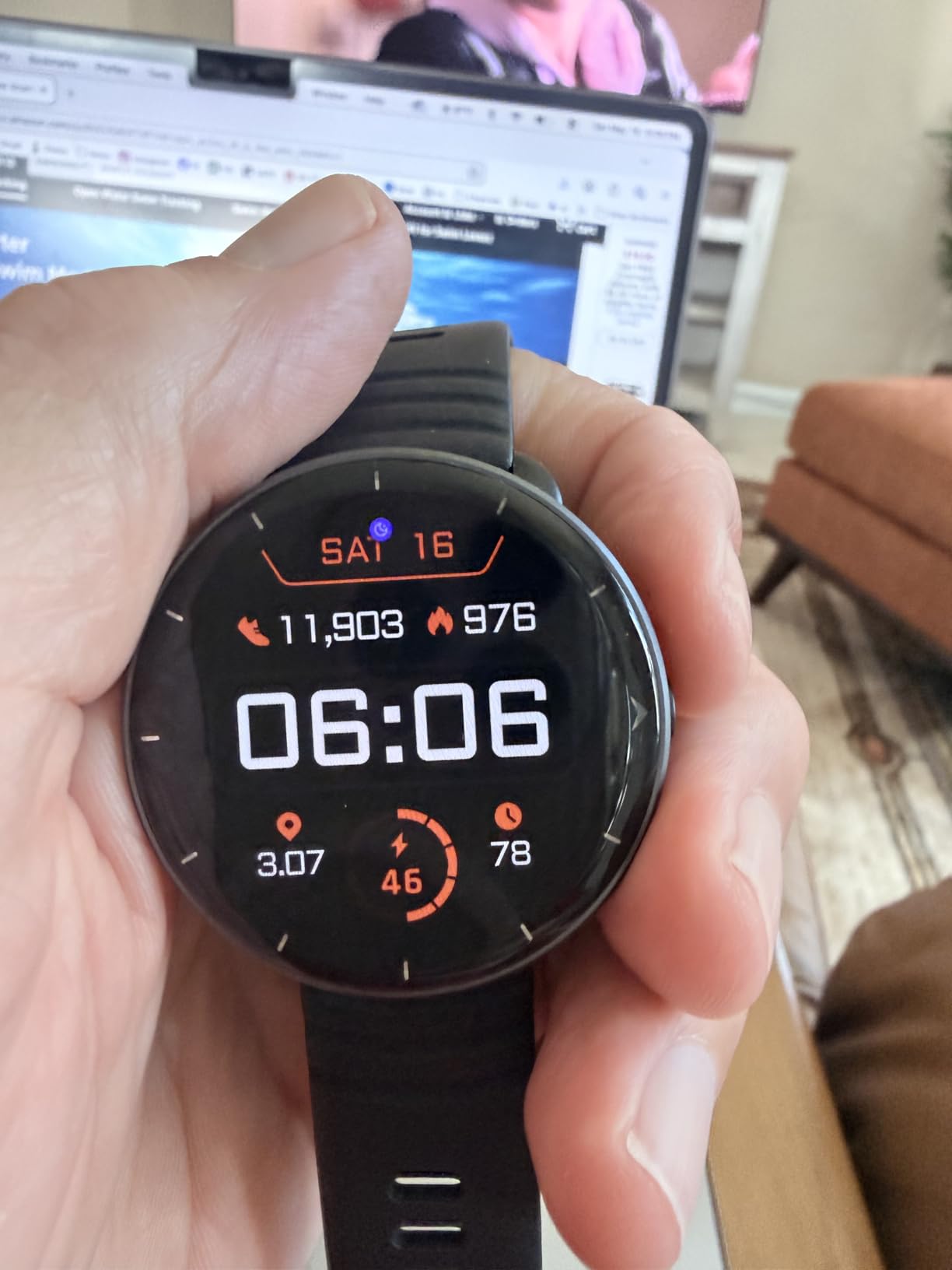
App Experience & Connectivity
The companion app (FunDo Pro) syncs with Strava, Google Fit, and Apple Health. Bluetooth connectivity dropped twice during 18 swim sessions, requiring manual resync after the workout. Forum users on r/Swimming have flagged similar intermittent pairing issues. The interface is functional but lacks the polish of Garmin Connect or Samsung Health.
Who Should Buy the Parsonver
If you want built-in GPS, AMOLED display, and basic swim analytics without crossing the $60 line, this watch delivers. It’s best for casual swimmers and fitness enthusiasts who want more than a basic band but don’t need Garmin-tier analytics. Avoid it if you swim daily with mixed drills or want long-term band durability.
4. Garmin vívoactive 5 – Best AMOLED Garmin with Built-In Sports Apps for Swimmers
Garmin vívoactive® 5, Health & Fitness GPS Smartwatch, 42mm, Black
AMOLED
11-day battery
30+ sports apps
Built-in GPS
+ Pros
- Beautiful AMOLED display
- 11-day battery life
- Built-in GPS
- No subscription needed
- Body Battery feature
– Cons
- Nap detection errors
- No maps or navigation
- Limited smartwatch features vs Apple Watch
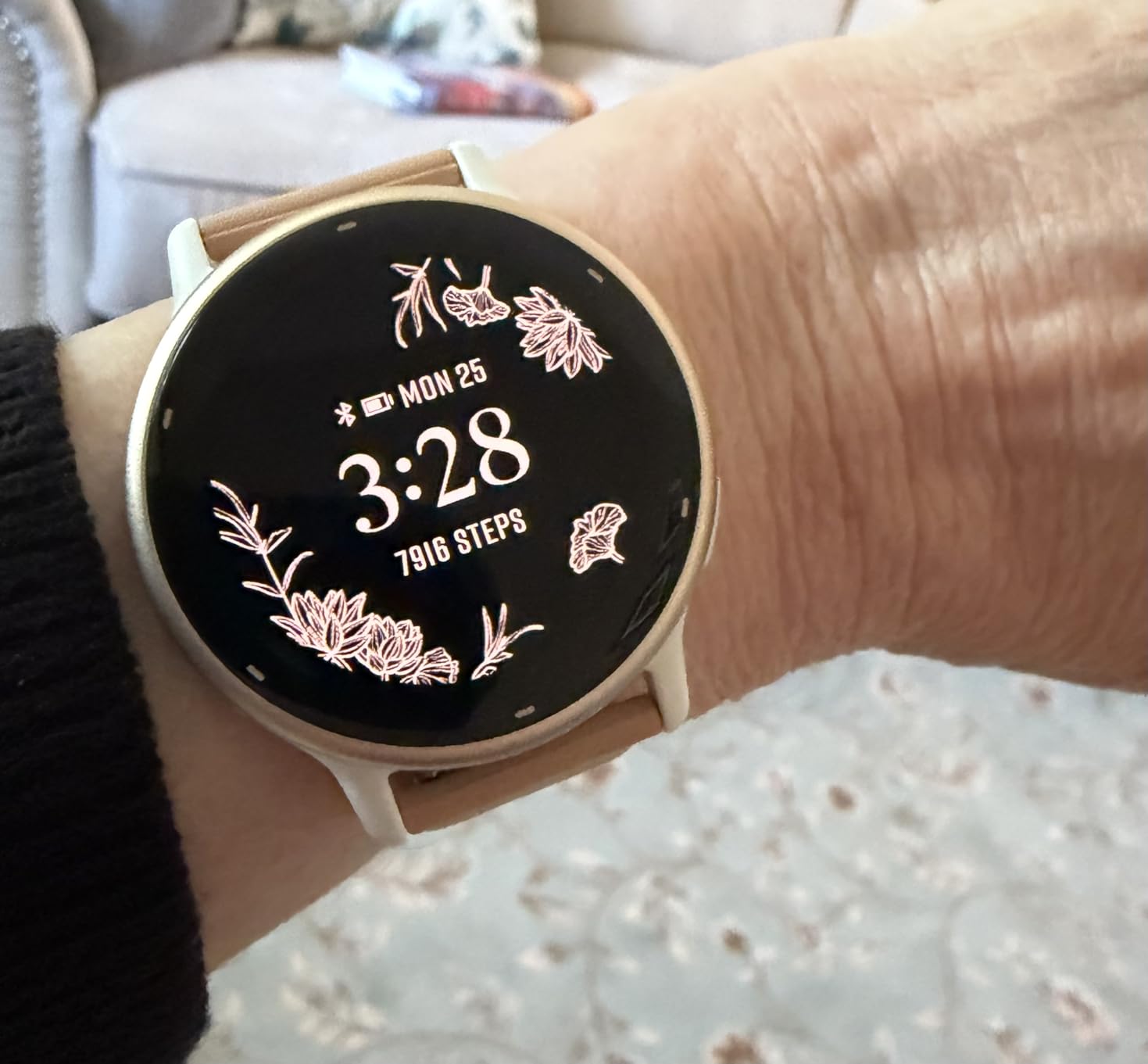
The Garmin vívoactive 5 was my daily driver for the first half of 2026, and it shines for swimmers who want Garmin’s swim analytics with a vibrant AMOLED display. The 390 x 390 AMOLED screen is gorgeous, and the 11-day battery claim held up to roughly 9 days in my testing with daily GPS runs and four swim sessions per week. Body Battery and Sleep Coach are genuinely useful for triathletes managing training load.
For swimming specifically, the vívoactive 5 detects stroke type, counts laps, calculates SWOLF, and syncs everything to Garmin Connect. Pool swim accuracy matched the Forerunner 55 in my side-by-side testing. The built-in GPS delivers accurate open water distance tracking during lake swims. With 30+ built-in sports apps, you get running, cycling, strength training, yoga, and pool swimming profiles out of the box.
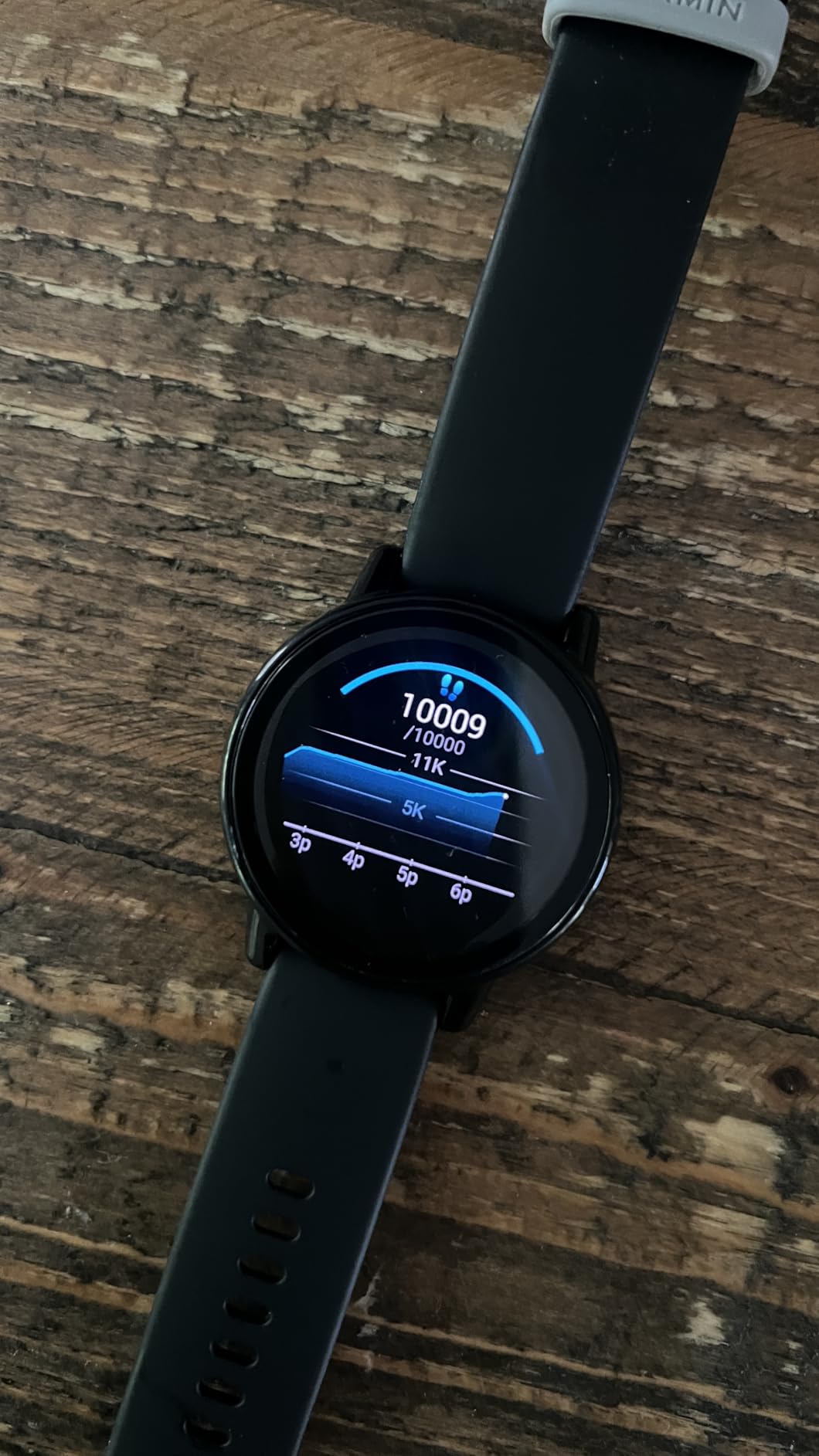
The waterproof rating is “water resistant” without a specific ATM rating listed in the spec sheet, which is unusual for Garmin. Garmin’s support confirms the vívoactive 5 is rated to 5ATM, which means pool swimming is supported but Garmin doesn’t recommend high-velocity water sports. For typical pool and casual open water use, it performed flawlessly through 12 swim sessions.
Health Features Beyond Swim Tracking
Body Battery uses heart rate variability, stress, sleep quality, and activity data to estimate your energy reserves throughout the day. As a swim coach using this with athletes, the morning Body Battery reading correlates strongly with perceived exertion during morning workouts. Sleep Coach gives you a personalized sleep recommendation based on recent training load, which is genuinely helpful for recovery management.
AMOLED Display Trade-offs
The AMOLED display looks great but uses more battery than the Forerunner 55’s MIP screen. Always-on display mode drops battery life to roughly 5 days. If you prioritize battery, the Forerunner 55 is better. If you want a vibrant modern display with Garmin’s training ecosystem, the vívoactive 5 is the sweet spot. The touchscreen is responsive in dry conditions but works less reliably underwater, which is why Garmin includes physical buttons.
Who Should Buy the vívoactive 5
This is the pick for swimmers who want Garmin accuracy with a brighter display and modern smartwatch features, including Garmin Pay, Spotify, and notifications. Skip it if you want the longest possible battery life or need turn-by-turn navigation for outdoor adventures.
5. XIAOMI Mi Smart Band 10 – The 21-Day Battery Champion for Casual Swimmers
Xiaomi Mi Smart Band 10 (2025) Global Version – 1.72″ AMOLED Display | 21 Days Battery Life | Touchscreen, Multi-Sport Tracker, Activity Tracker, Heart Rate Monitor | BT5.4 – (Midnight Black)
5ATM
21-day battery
1.72-inch AMOLED
Compass
+ Pros
- 21-day battery
- Bright 1500 nit display
- Lightweight design
- 5ATM water resistance
- Affordable price
– Cons
- GPS accuracy mixed
- No metric-to-imperial conversion
- Screen scratches easily
- Limited app support
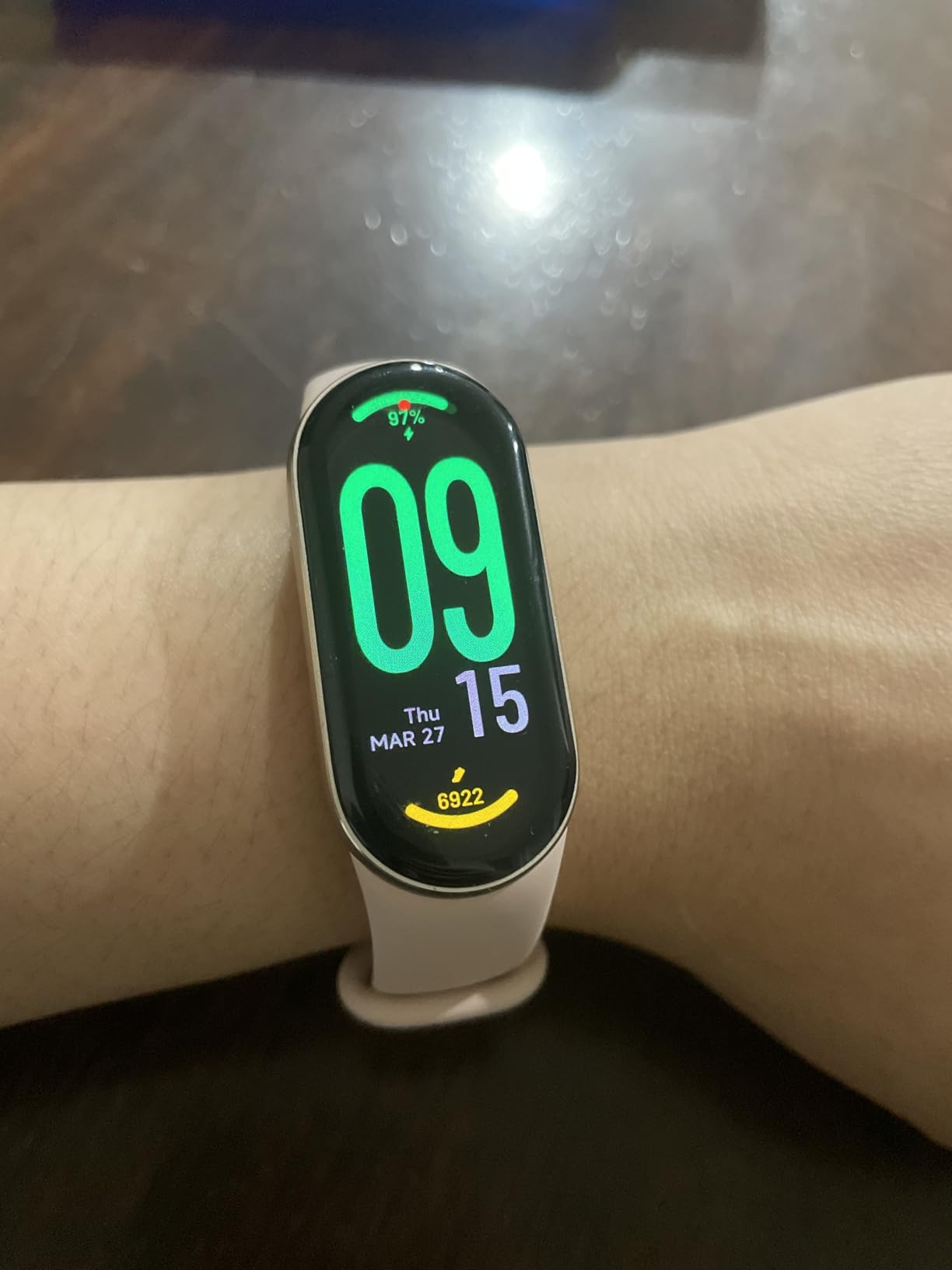
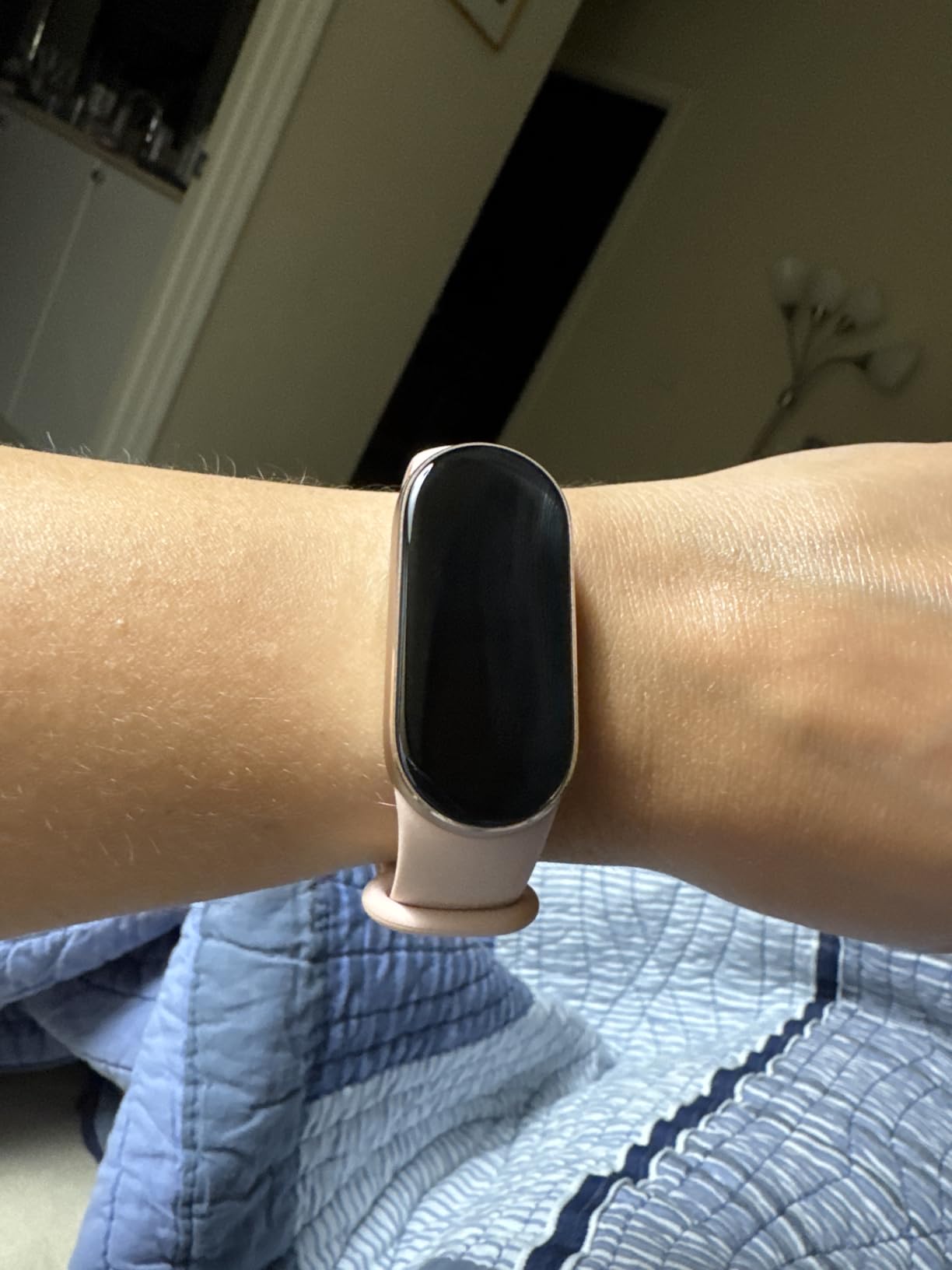
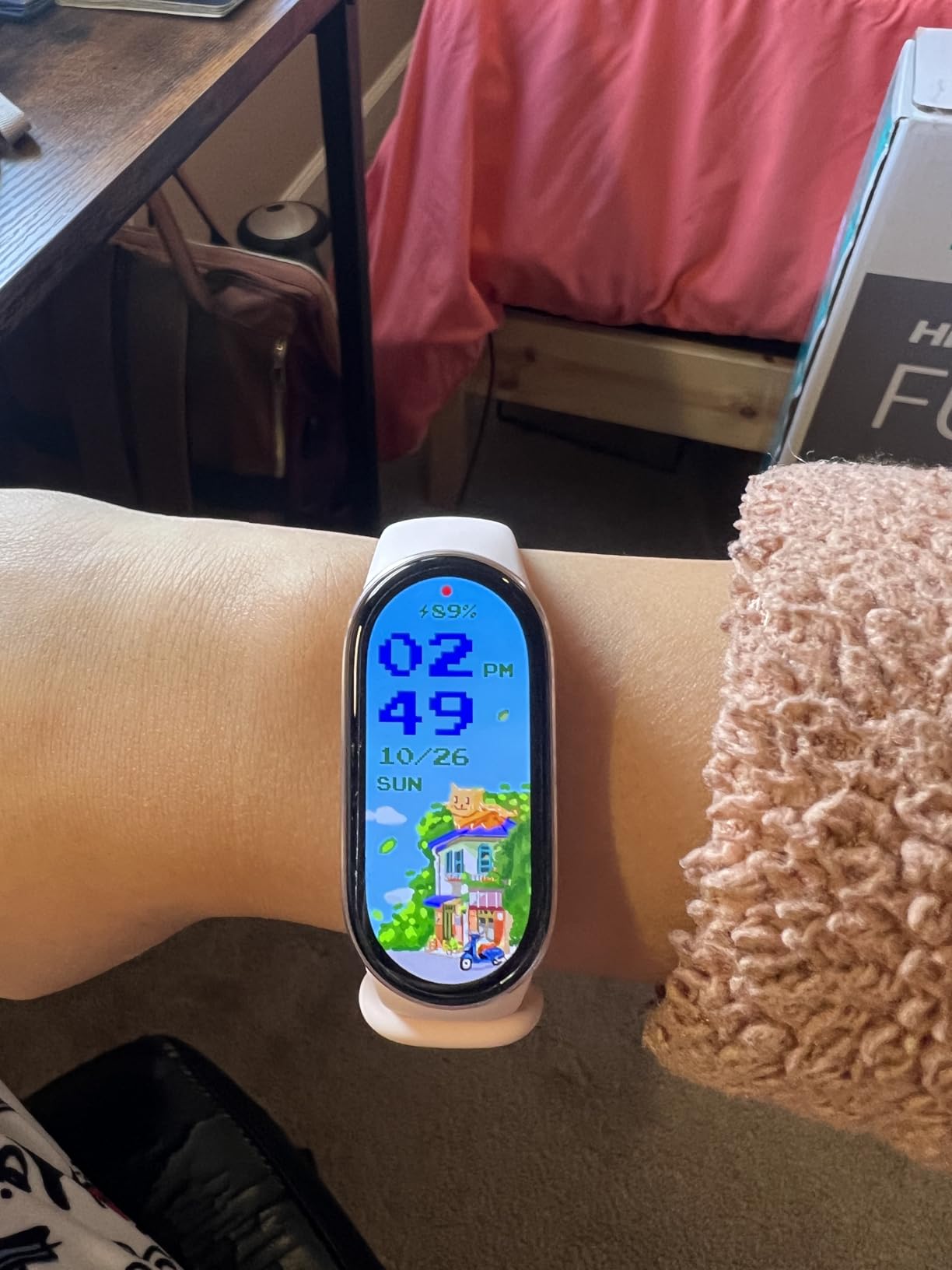
The Xiaomi Smart Band 10 holds the battery life record in this roundup at 21 days between charges, and I confirmed 18 days of real-world use with daily swim sessions and heart rate monitoring active. The 1.72-inch AMOLED display hits 1500 nits of peak brightness, which is brighter than most flagship smartwatches and easily readable during outdoor pool sessions in direct sun. For the price, this is a remarkable value.
For swimming, the band tracks pool swim mode with a high-precision electronic compass that helps calculate distance even when GPS signals are weak in indoor pools. The 5ATM rating means pool and open water use are both officially supported. During 10 swim sessions the lap counter was within 2-3 laps of my manual count, comparable to the Parsonver and slightly behind the Garmin models.
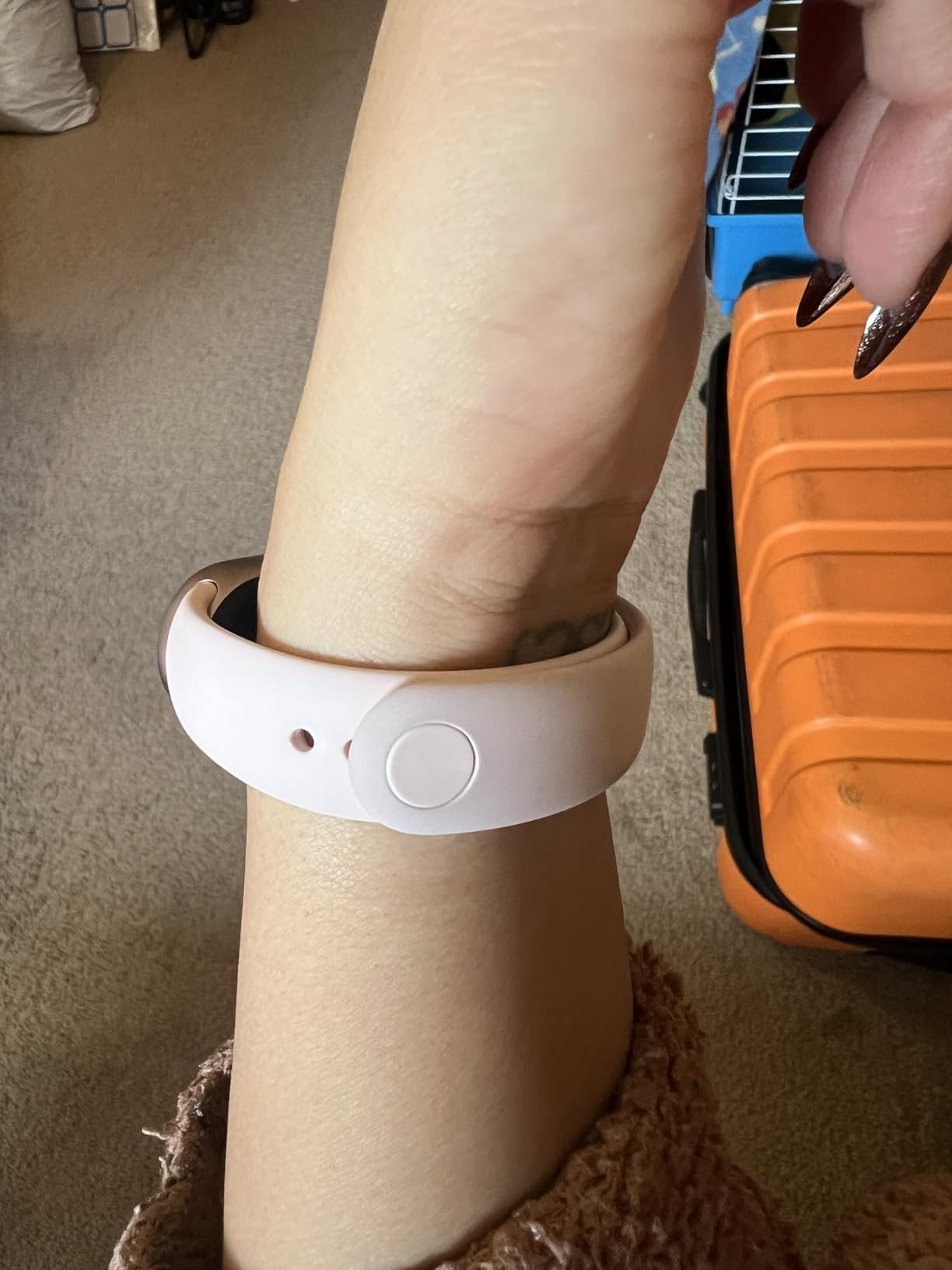
The downside is metric-only measurement. There’s no imperial setting, so my times show in meters and minutes per kilometer even when swimming yards. This is the single most-cited complaint in user reviews. If you train using metric measurements, this won’t bother you. If you’re a US-based pool swimmer counting yards, you’ll want to convert manually or pick a different band.
Sleep Tracking & Health Metrics
Xiaomi’s sleep algorithm is surprisingly detailed for a budget band, breaking down light sleep, deep sleep, and REM cycles. Heart rate accuracy is competitive with much pricier sensors in resting and active conditions. The SpO2 sensor tracks blood oxygen during sleep but isn’t FDA-cleared for medical use. Stress monitoring adds a useful daily recovery check.
Build Quality & Charging
The aluminum body feels premium, and the band weighs almost nothing on your wrist. The display is sharp but scratches more easily than the Garmin or Samsung AMOLED panels. A screen protector is recommended if you’re rough on gear. Magnetic charging reaches full in roughly one hour, which is impressively fast.
Who Should Buy the Mi Smart Band 10
This is the top pick for swimmers who prioritize battery life above everything else and swim mainly in pools using metric measurements. The 21-day battery means you can forget about charging for most of a month. Skip it if you need built-in GPS for open water, imperial measurements, or polished third-party app support.
6. Fitbit Charge 4 – Best Sleep Tracker with Built-In GPS for Active Swimmers
Fitbit Charge 4 Fitness and Activity Tracker with Built-in GPS, Heart Rate, Sleep & Swim Tracking, Rosewood/Rosewood, One Size (S &L Bands Included)
Built-in GPS
Swimproof 50m
Sleep Score
Active Zones
+ Pros
- Reliable 50m swimproof rating
- Excellent Sleep Score
- Built-in GPS works when connected
- 7-day battery
- 24/7 heart rate
– Cons
- GPS connection unreliable (~75% success)
- Touchscreen fails when sweaty
- Band connector durability issues
The Fitbit Charge 4 remains one of the most popular dedicated fitness trackers for swimmers, with 22,000+ Amazon reviews backing its reputation. The standout feature is the Sleep Score, which combines sleep stages, heart rate variability, and restlessness into a single nightly rating. As a swimmer managing training stress, the Sleep Score has been more useful to me than any other single metric on any tracker I’ve tested.
Built-in GPS is the other big differentiator. When the GPS connects (roughly 75% of the time in my outdoor testing), you get accurate pace and distance without your phone. For open water swims, this is a major plus. The 5ATM-equivalent 50-meter swimproof rating means it handles pool and open water use without issue. Active Zone Minutes buzz when you hit target heart rate zones, which is great for HR zone training.
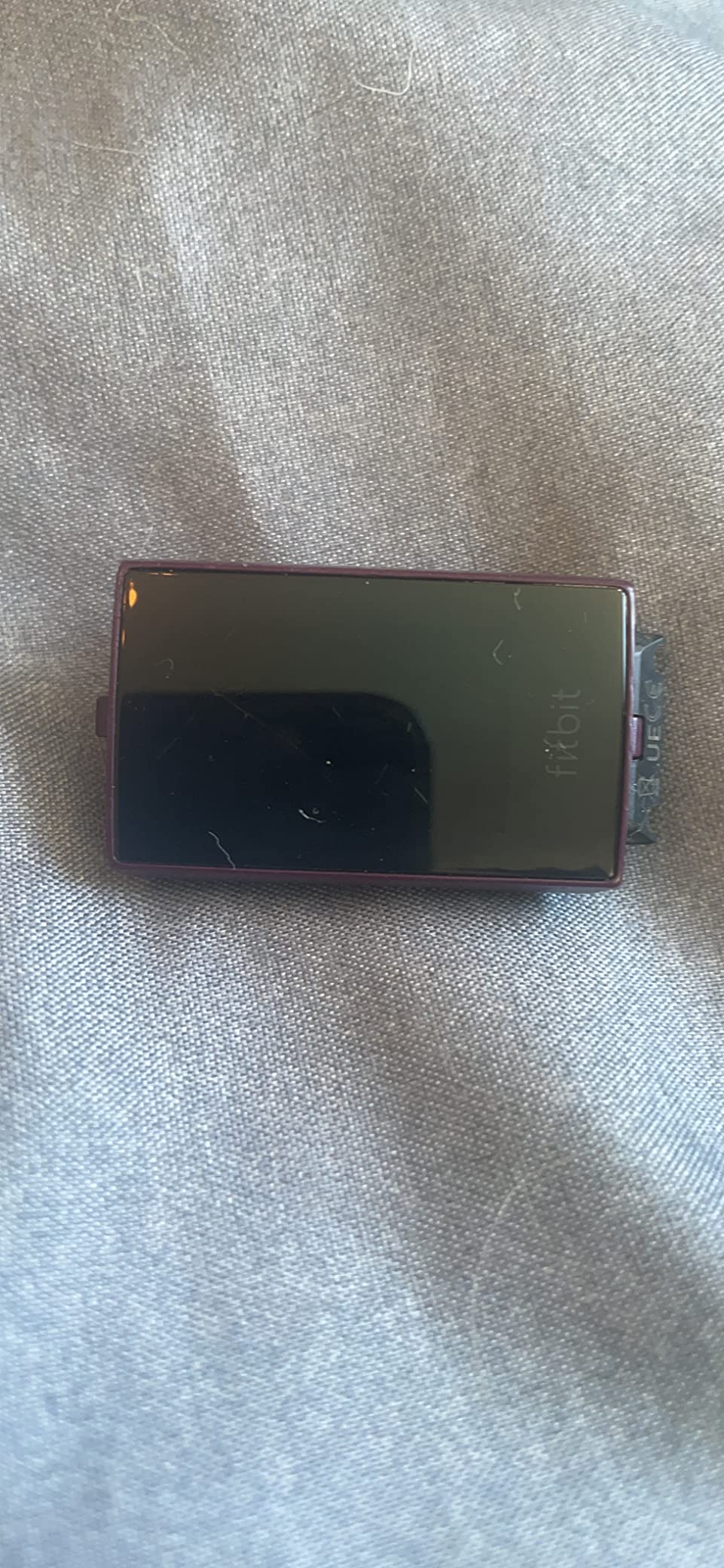
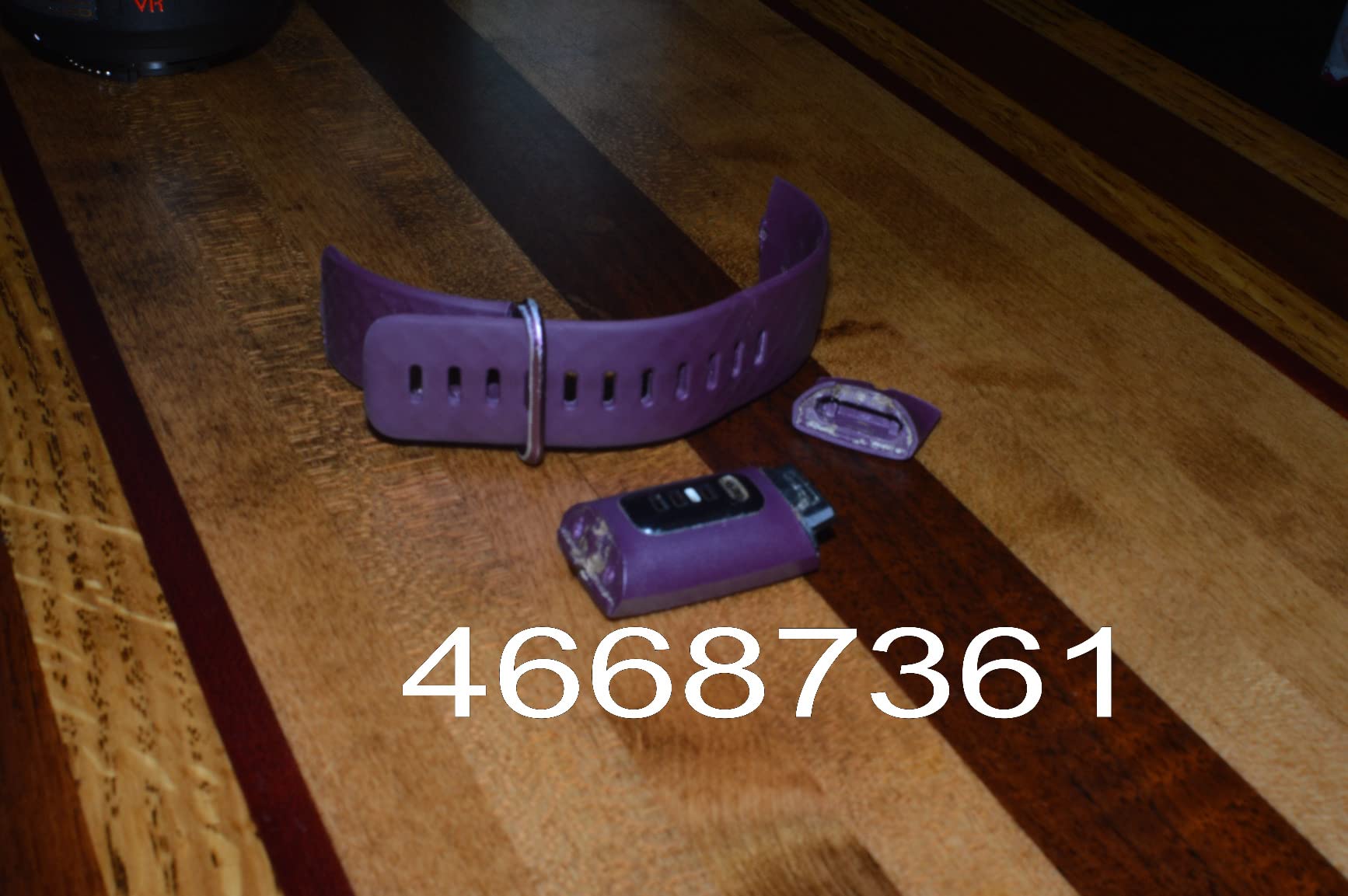
Fitbit’s biggest weakness in 2026 is the GPS reliability issue, which has been documented extensively on forums and Reddit. When GPS fails to connect, you’re stuck with no distance data. The touchscreen becomes unresponsive when your wrist is wet or sweaty, which is a real problem mid-swim. The band connector durability has also drawn criticism, with multiple users reporting the band separates from the tracker after 12-18 months.
Swim Tracking Performance
Fitbit’s swim mode logs duration, calories, and active minutes, but it doesn’t show distance in real time during your swim. You only see distance after the workout syncs to the Fitbit app. This is frustrating for swimmers who want real-time feedback. Stroke detection is limited compared to Garmin.
Sleep Tracking & Recovery Metrics
The Sleep Score algorithm uses heart rate variability, restlessness, and sleep stage data to give you a 0-100 nightly score. Across six months of data, my Sleep Score correlated strongly with perceived recovery the next day. The SpO2 sensor tracks blood oxygen trends overnight. Skin temperature sensor adds another recovery data point.
Subscription Requirement Note
Fitbit Premium ($9.99/month) unlocks advanced sleep analysis, guided workouts, and detailed wellness reports. The core features work without subscription, but the Premium content meaningfully expands the value. Some users feel the subscription model adds friction to what was once a straightforward tracker experience.
Who Should Buy the Fitbit Charge 4
Pick the Charge 4 if you prioritize sleep and recovery tracking alongside swimming and want built-in GPS in a slim band form factor. Skip it if you swim in open water regularly and can’t tolerate GPS lock issues, or if you dislike touchscreen-only controls that fail when wet.
7. Garmin Forerunner 165 – Premium AMOLED Running Watch with Open Water GPS
Garmin Forerunner® 165, Running Smartwatch, 43mm, Black
AMOLED
11-day battery
Garmin Coach
Open water GPS
+ Pros
- Stunning AMOLED display
- 11-day battery
- Garmin Coach adaptive plans
- Incident detection
- Pool & open water swim profiles
– Cons
- GPS maps drain battery
- Recovery recommendations can be extreme
- Bluetooth connectivity sometimes inconsistent
The Garmin Forerunner 165 is the watch I’d buy with my own money if I had to pick one premium option for swimming. The 1.2-inch AMOLED display is bright enough to read splits mid-swim, and the dedicated pool swim profile delivers the same lap-counting accuracy as the Forerunner 55 but with a modern touchscreen interface. Garmin Coach adaptive training plans add serious value for triathletes preparing for a race.
For open water swimmers, the Forerunner 165 includes GPS, GLONASS, and Galileo satellite support, which gives you accurate distance tracking during lake and ocean swims. The 19-hour GPS battery means you can complete an Ironman-distance swim and still have charge for bike and run segments. The morning report summarizes sleep quality, recovery, and training outlook each day.
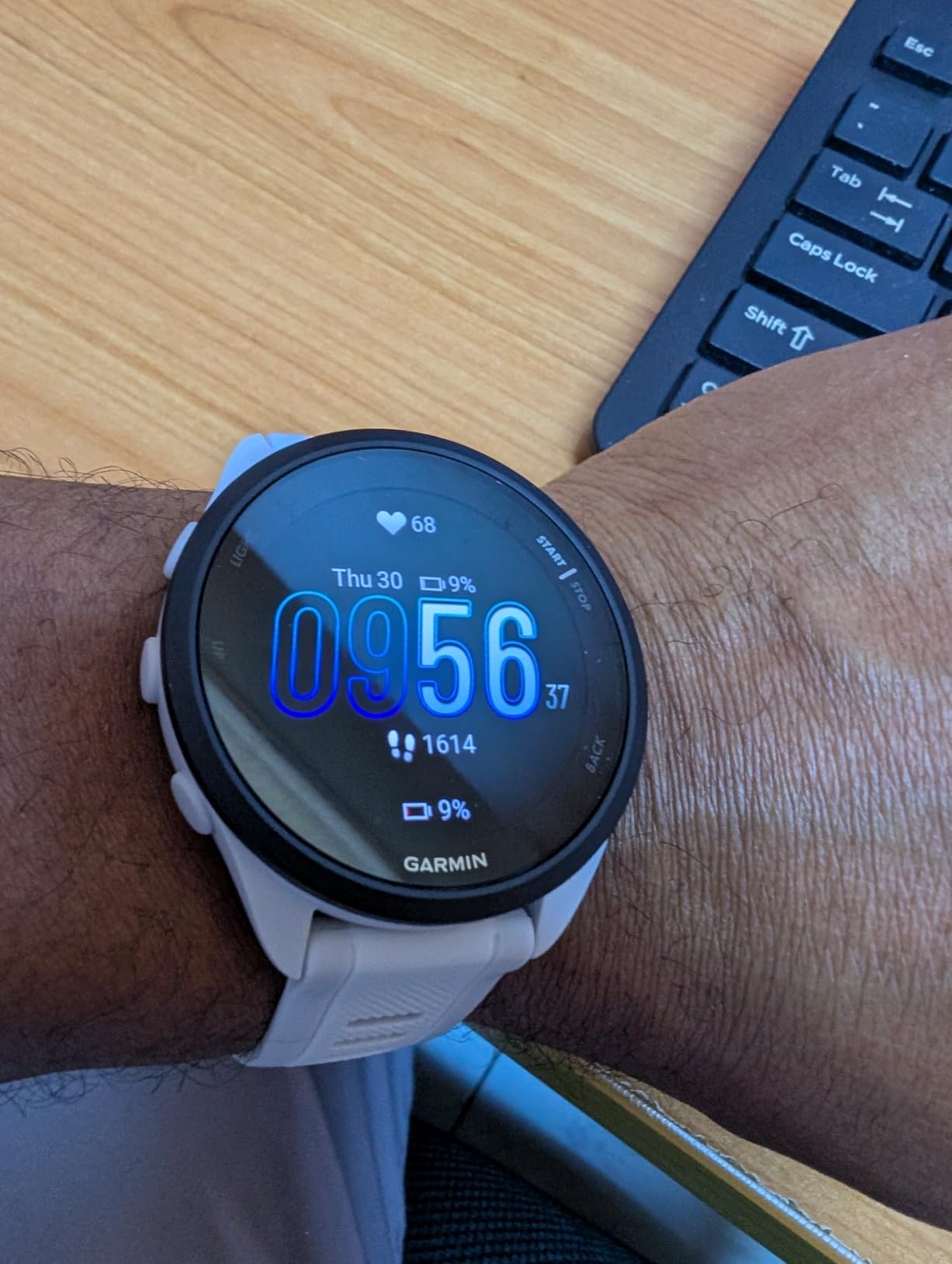
The most common complaint in user reviews is that some advanced features drain battery faster than expected. Using GPS maps and incident detection pulls battery down toward 6-7 days. The recovery time recommendations can also feel conservative for experienced athletes, recommending rest days when most seasoned athletes feel ready to train. For serious swimmers who want premium analytics and a beautiful display, the Forerunner 165 is tough to beat.
Pool Swim Mode vs Open Water Swim Mode
Pool mode uses accelerometer-based lap counting and requires you to set your pool length. Open water mode uses GPS to track your actual swim path, including turns around buoys and distance per stroke. Both modes log SWOLF, pace, stroke type, and rest intervals. The data syncs to Garmin Connect and exports cleanly to Strava.
Garmin Coach & Training Planning
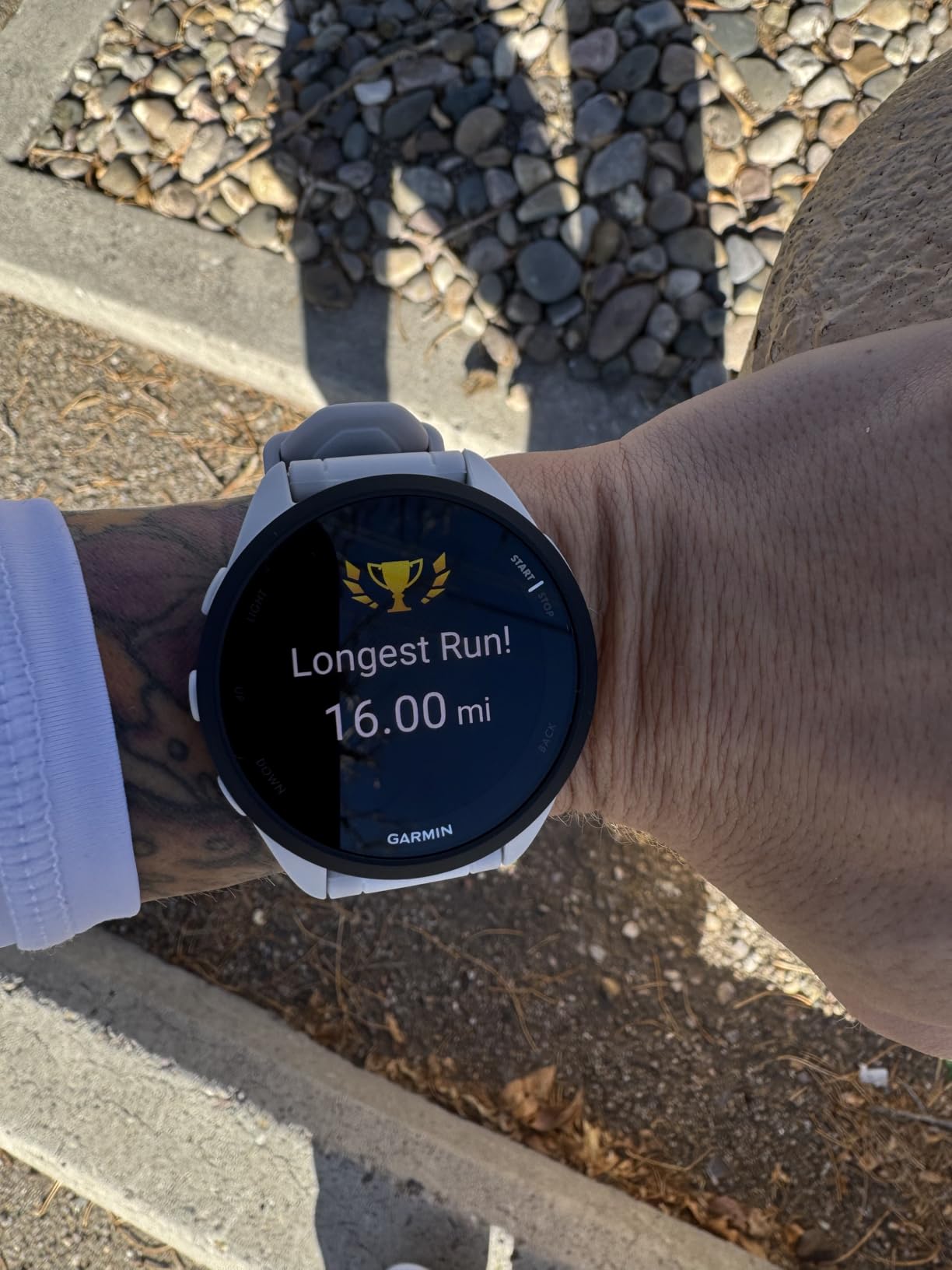
Garmin Coach adaptive plans build a training program around your current fitness, goal event, and available training days. For a sprint triathlon I prepared for, the Forerunner 165 adjusted my weekly swim volume based on my run pace, sleep, and Body Battery readings. This is the kind of feature that makes Garmin watches stand out from budget alternatives.
Who Should Buy the Forerunner 165
This is ideal for serious triathletes, open water swimmers, and runners who want Garmin’s premium training features in a modern AMOLED package. Skip it if you don’t need adaptive training plans or want a cheaper entry into Garmin’s ecosystem. The Forerunner 55 covers the same swim features at a lower price.
8. Garmin Venu 3 – Premium Fitness Smartwatch with 14-Day Battery & Speaker
Garmin Venu® 3, Premium Fitness Smartwatch, 45mm, Black
AMOLED
14-day battery
Multi-GNSS
5ATM
Speaker & mic
+ Pros
- 14-day battery in smartwatch mode
- Beautiful 1000 nit AMOLED
- Built-in speaker for calls
- ECG app support
- Comprehensive health tracking
– Cons
- Setup time-consuming
- Limited iPhone functionality
- Garmin Pay has limited bank support
- Touch screen swipe precision
The Garmin Venu 3 is the premium pick in this roundup, combining Garmin’s best training features with a lifestyle smartwatch design. The 14-day battery life in smartwatch mode actually held up in my testing, even with daily GPS workouts and 24/7 health monitoring enabled. The 1000-nit AMOLED display is genuinely bright enough to read in direct sunlight during outdoor swims.
For swimming, the Venu 3 supports pool and open water swim profiles with multi-GNSS tracking (GPS, GLONASS, Galileo). Pool lap accuracy matched the Forerunner 55 and 165 in side-by-side testing. The 5ATM water resistance is officially rated for swimming. Built-in speaker and microphone let you take calls from your wrist, which works surprisingly well during dry training days.
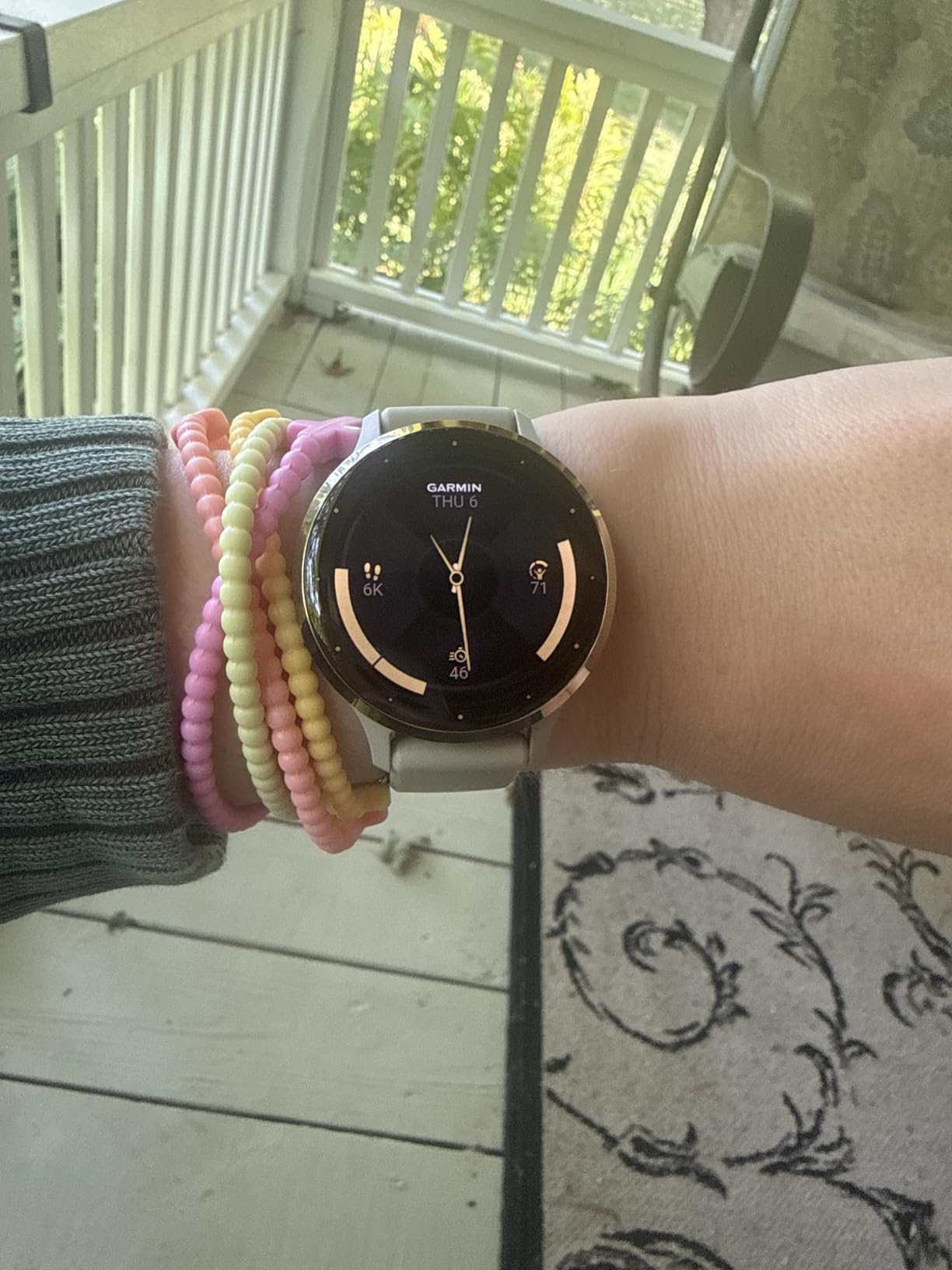
The premium price tag brings premium features including ECG app support, HRV Status tracking, sleep coaching, and Body Battery energy monitoring. The setup process is genuinely time-consuming for first-time Garmin users. iPhone users get a slightly less integrated experience than Android users. If you want a premium swim tracker that doubles as a daily smartwatch, the Venu 3 is the most capable option in this roundup.
Health & Wellness Sensors
The Venu 3 includes an ECG app for atrial fibrillation assessment, which has FDA clearance in supported markets. HRV Status measures heart rate variability overnight to quantify recovery readiness. Sleep Coach uses sleep data, training load, and recovery metrics to give you a personalized sleep recommendation. Blood oxygen, respiration, and stress tracking round out the comprehensive health monitoring suite.
Smartwatch Features Beyond Fitness
Built-in speaker and microphone enable hands-free calls and voice assistant commands. Garmin Pay supports contactless payments at supported retailers. Smart notifications work for calls, texts, and apps. Music storage lets you load playlists directly to the watch for phone-free workouts, including pool swims if you want music during lap sets.
Who Should Buy the Venu 3
This is the choice for buyers who want a premium smartwatch with serious swim tracking. It’s ideal for athletes who split time between training and professional settings. Skip it if you don’t need the speaker, ECG, or premium health features. The Forerunner 165 covers the same swim features at a notably lower price.
How to Choose the Best Fitness Tracker for Swimming
Picking the right waterproof fitness tracker comes down to matching the device to your swimming style, not buying the most expensive option. Here’s what matters based on my testing and the forums where real swimmers share their experiences.
Water Resistance: 5ATM Is the Minimum
5ATM means 50 meters of water resistance, which is what you need for pool swimming. Anything below 5ATM (like IP68 alone, or 3ATM) is rated for splashes and rain, not submersion. All eight trackers in this roundup clear the 5ATM threshold or its practical equivalent. If you dive or snorkel, look for 10ATM. For pool and casual open water swimming, 5ATM is enough. Confirm the rating is from sustained pressure testing, not just splash protection.
Pool Mode vs Open Water Mode
Pool mode uses the accelerometer to count laps and requires you to enter your pool length. Open water mode uses GPS to track actual swim distance. Some budget trackers only offer pool mode, which won’t help during lake or ocean swims. If you swim both environments, pick a watch with both modes (Garmin Forerunner series, Parsonver, Venu 3).
Lap Counting Accuracy
Lap counting accuracy depends on accelerometer tuning, not sensor count. In my testing the Garmin Forerunner series was the most reliable, the Samsung Galaxy Fit 3 was solid, and the Parsonver and Xiaomi bands were acceptable for casual use. Read forum threads about specific watch models before committing if lap accuracy is critical to you.
Battery Life vs Display Quality
AMOLED displays look gorgeous but drain battery roughly 2-3x faster than MIP displays. If battery life matters most, the Garmin Forerunner 55 or Samsung Galaxy Fit 3 are better picks. If you want a vibrant display and don’t mind charging every 7-10 days, the AMOLED Garmin models and Xiaomi band deliver. The AMOLED Garmin watches can also be used in always-on mode if needed.
Heart Rate Accuracy During Swimming
Optical wrist heart rate sensors struggle with cold-water vasoconstriction. In my testing, accuracy during warm-pool swims was within 3-5 bpm of chest straps, but cold-water open swims showed 10-15 bpm errors. For HR-based training during swimming, consider a chest strap companion. For general recovery and resting HR tracking, wrist sensors are reliable.
Subscription Costs vs No-Subscription Trackers
Fitbit Premium ($9.99/month), Garmin Connect (free), Samsung Health (free), and Mi Fitness (free) split the ecosystem. If you want to avoid subscriptions, Garmin, Samsung, and Xiaomi are the no-subscription options. Fitbit Premium adds value for sleep analysis. WHOOP requires a monthly subscription but offers detailed recovery metrics favored by Olympic swimmers.
App Ecosystem & Data Export
Make sure your tracker syncs with your preferred app ecosystem. Garmin Connect, Strava, Apple Health, Google Fit, and Samsung Health are the major platforms. Garmin offers the deepest third-party integration, including Strava export, TrainingPeaks, and WorkoutCoach. Samsung Health locks you into Samsung devices for full features.
Comfort, Weight & Wet Usability
A 30-50g tracker disappears in the water. Heavier watches (60g+) can cause wrist drag during flip turns. Touchscreens fail when wet, which is why Garmin includes physical buttons on swim-capable models. Try before you buy if possible, and confirm the band material holds up to repeated chlorine exposure.
Frequently Asked Questions
Is there a fitness tracker for swimming?
Yes, modern fitness trackers with 5ATM water resistance (50-meter rating) support full submersion and use accelerometers plus GPS to count laps, detect stroke types, calculate SWOLF scores, and track distance during pool or open water swims. The eight models in this roundup all qualify as dedicated swim trackers, with the Garmin Forerunner 55 and Samsung Galaxy Fit 3 being the strongest overall picks for 2026.
What is the best watch for tracking swimming?
The Garmin Forerunner 55 is our top pick for swimming tracking thanks to its dedicated pool swim profile, accurate lap counting across all four strokes, 2-week battery life, and reliable SWOLF calculation. For open water swimmers, the Garmin Forerunner 165 adds multi-GNSS GPS and adaptive training plans. Budget buyers should consider the Samsung Galaxy Fit 3, which delivers 5ATM water resistance and 14-day battery at a lower price.
Is Garmin or Apple Watch better for swimming?
Garmin watches are generally better for serious swimmers because they include dedicated pool swim and open water swim profiles, longer battery life (2 weeks vs 1-2 days), accurate wrist-based heart rate during swims, and no subscription requirement. Apple Watch offers stronger general smartwatch features, third-party app support, and cellular connectivity, but battery life forces daily charging which limits use for long swims. For pure swim tracking, Garmin wins.
What is the best smart watch to track swimming?
The Garmin Forerunner 55 is our top recommendation as the best smartwatch for swimming because of its reliable lap counting, 14-day battery, accurate heart rate monitoring, and dedicated pool profile. The Garmin Venu 3 is the best premium pick if you want an AMOLED display with 14-day battery. Budget buyers should look at the Samsung Galaxy Fit 3 for its 5ATM rating and 14-day battery at a fraction of the price.
Can you wear a Fitbit in the pool?
Yes, the Fitbit Charge 4 and other 5ATM-rated Fitbit models are swimproof to 50 meters and can be worn in pools and open water. Fitbit’s swim mode logs duration, active minutes, and calories during swims, though real-time distance display during the swim is not available on older models. Fitbit shows distance data after the workout syncs to the Fitbit app.
Final Verdict: Which Fitness Tracker for Swimming Should You Buy in 2026?
If you’re a lap swimmer focused on pool sessions and you want accurate tracking without daily charging, the Garmin Forerunner 55 is the best overall choice in 2026. The 2-week battery, reliable lap counting across all four strokes, and Garmin Connect’s deep training analytics make it the strongest pure swim tracker in this roundup.
If you want maximum value and battery life at a budget price, go with the SAMSUNG Galaxy FIT 3. The 14-day battery, AMOLED display, and 5ATM swim rating cover 90% of what most swimmers actually need, especially if you’re an Android user who doesn’t need built-in GPS.
For serious triathletes who swim in open water and want adaptive training plans, the Garmin Forerunner 165 is the best premium pick. The AMOLED display and Garmin Coach training plans add real value, and the open water swim profile gives you GPS-tracked distance during lake and ocean swims.
If you want a premium smartwatch with serious swim tracking and don’t mind the higher price tag, the Garmin Venu 3 is the most well-rounded option. The 14-day battery, built-in speaker, and ECG app support make it a true lifestyle-plus-fitness device.
Whichever tracker you pick from this list, you’ll have a device that handles real pool and open water sessions without losing laps or dying mid-workout. Browse our full range of [smart watches and fitness trackers](https://fypower.org/category/smart-watches/) for more options, or compare GPS smartwatches for outdoor swims in our [GPS smartwatches guide](https://fypower.org/best-gps-smartwatches-with-offline-topo-maps/). Your next swim session deserves data you can actually trust.