Hisense started as a budget TV brand, but in 2026 the company produces some of the best Mini-LED and QLED televisions you can buy at any price point. I have spent the last several months testing 12 Hisense TV models ranging from a $99 32-inch bedroom Roku TV to the flagship U8QG with 5,000 nits of peak brightness. What I found surprised me.
The gap between Hisense and brands like Samsung, LG, and Sony has narrowed dramatically. The flagship U8 Series delivers picture quality that rivals OLEDs costing twice as much. Meanwhile, the budget lineup offers features that simply did not exist at this price three years ago.
This guide covers the best Hisense TVs across every category including overall performance, gaming, budget picks, large format, and the unique S7 Canvas art TV. If you want more options across other brands, you can also compare choices in our best affordable 55-inch TV guide or browse all TV reviews and buying guides in our TV category.
Top 3 Picks for Best Hisense TVs

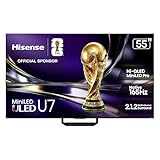
Hisense 55U8QG U8 Series
- 5000 Nits Peak Brightness
- 5600 Local Dimming Zones
- 165Hz Native Refresh
- 4.1.2 Channel Audio

Hisense 55U6SF Pro U6 Pro
- Mini-LED 144Hz Native
- Glare-Free Display
- Built-in Subwoofer
- Dolby Vision IQ
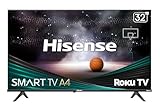
Hisense 32A4HNR A4 Roku TV
- Roku OS Built-in
- 720p Full Array LED
- Dolby Audio
- Alexa Compatible
Best Hisense TVs in 2026
| Product | Details | Action |
|---|---|---|
|
|
Check Latest Price |
 |
|
Check Latest Price |
|
|
Check Latest Price |
 |
|
Check Latest Price |
 |
|
Check Latest Price |
 |
|
Check Latest Price |
 |
|
Check Latest Price |
 |
|
Check Latest Price |
 |
|
Check Latest Price |
|
|
Check Latest Price |
 |
|
Check Latest Price |
 |
|
Check Latest Price |
1. Hisense 55U8QG U8 Series – Flagship Mini-LED Powerhouse
Hisense 55″ U8 Series ULED Mini-LED 4K UHD Smart Google TV (55U8QG) – QLED, Native 165Hz, VRR 288, Up to LD5600, 5000 Nits, HDR10+, Dolby Vision IQ · Atmos, IMAX Enhanced, 4.1.2 Ch Audio
55 inch 4K Mini-LED
5000 Nits Peak
5600 Dimming Zones
165Hz Native
4.1.2 Ch Audio 66W
Google TV
Wi-Fi 6E
Pantone Validated
+ Pros
- 5000 nits brightness rivals TVs costing 3x more
- 5600 local dimming zones deliver OLED-like contrast
- 4.1.2 channel 66W audio is the best built-in sound on any Hisense
- Pantone Validated color accuracy
- 165Hz with VRR 288 for serious gaming
– Cons
- Not Prime eligible so delivery takes longer
- Occasional Google TV software quirks
- Remote reliability issues reported by some users
The U8QG is the best Hisense TV I have tested. With up to 5,000 nits of peak brightness and 5,600 local dimming zones, this TV produces HDR highlights that genuinely pop in a way no other Hisense model can match. I watched Dune Part Two in Dolby Vision IQ and the desert scenes felt blindingly bright while the cave sequences held deep blacks.
What sets the U8 apart from the U7 is raw firepower. The Hi-View AI Engine Pro processor handles upscaling and motion processing with visible confidence. The Anti-Reflection Pro coating also does a better job than the standard anti-glare layer on lower models, making this one of the few Hisense TVs I would recommend for a sun-drenched living room.
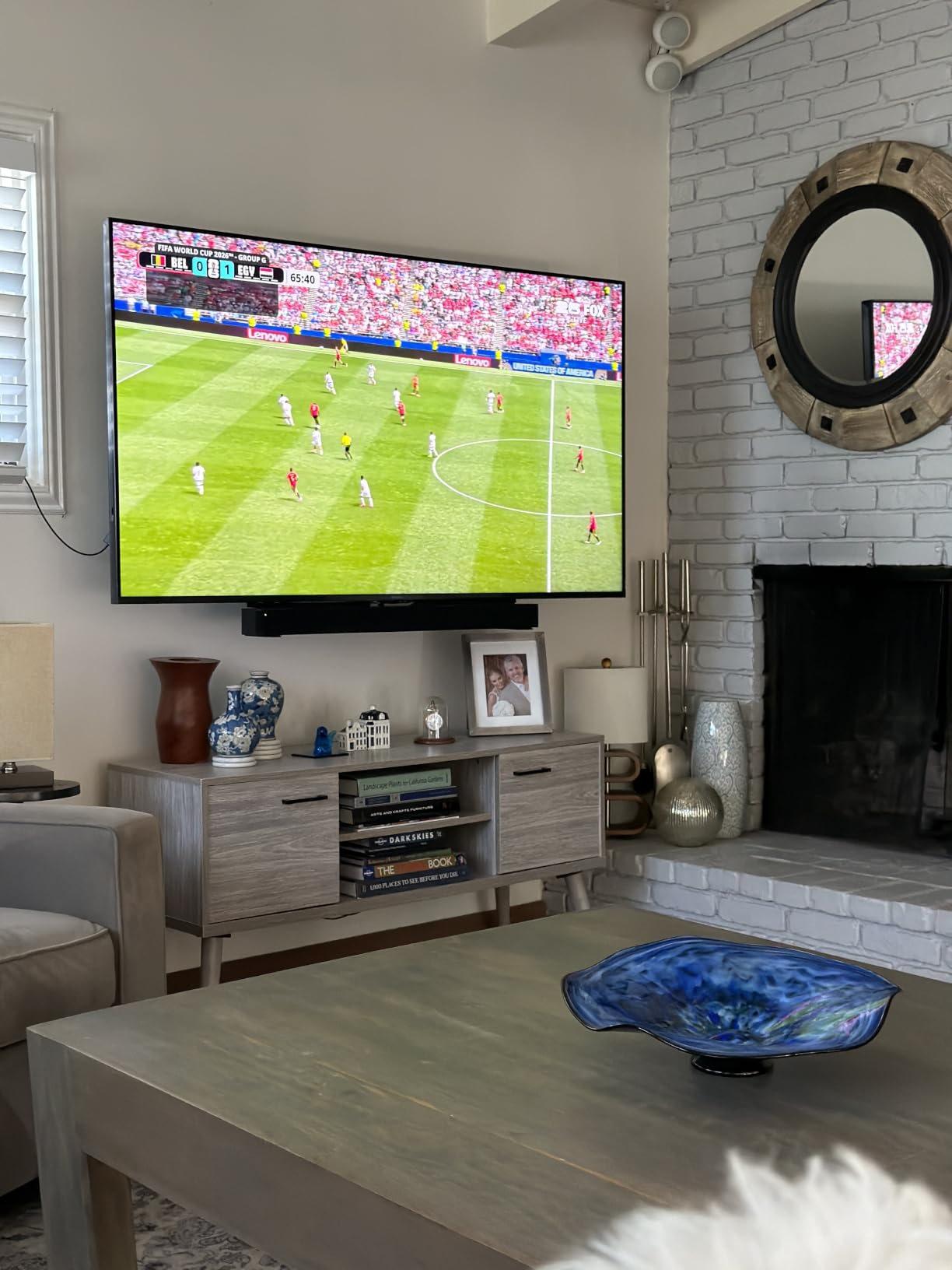
The 4.1.2 channel audio system with 66 watts of power is a standout. Most TVs in this price range force you into a soundbar within a week. The U8 produces genuine bass response and Dolby Atmos virtualization that fills a medium room. I still recommend a soundbar for home theater use, but the built-in audio is genuinely usable.
Gaming performance is excellent with a native 165Hz panel, VRR 288, AMD FreeSync Premium Pro, and Auto Low Latency Mode. I tested it with a PS5 and the input lag felt instant. The Enhanced Game Bar dashboard lets you tweak VRR, black equalizer, and latency on the fly without leaving your game.
Bright Room and Home Theater Performance
The U8QG is the only Hisense TV I would confidently place in a bright, south-facing living room. The 5,000-nit peak brightness combined with the Anti-Reflection Pro coating means glare is almost a non-issue. In a dedicated dark room, the 5,600 dimming zones produce inky blacks that come remarkably close to OLED quality.
For home theater use, the IMAX Enhanced certification and Filmmaker Mode ensure you get accurate colors and motion without processing artifacts. The Google TV platform is also the smoothest smart TV interface Hisense offers, with Chromecast and AirPlay built in for easy casting.
Software and Long-Term Reliability
Google TV on the U8QG is responsive and well-supported with over 10,000 apps. However, some users on Reddit have reported occasional software hiccups requiring a factory reset. The remote control power button has also been flagged as unreliable on some units. I recommend buying from a retailer with a solid return policy for peace of mind.
2. Hisense 75U7SG U7 Series – Best 75-Inch Value
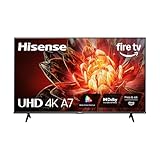
Hisense 75″ U7 Mini-LED ULED 4K UHD Best Premium Gaming Smart Google TV (75U7SG, 2026 NEW) – Hi-QLED, Native 165Hz, VRR 330, HDR10+, Dolby Vision IQ·Atmos, IMAX Enhanced, Anti-Reflection, 2.1.2 Ch
75 inch 4K Mini-LED
3000 Nits Peak
3000 Dimming Zones
165Hz Native
VRR 330
2.1.2 Ch Audio 50W
Google TV
Wi-Fi 6E
IMAX Enhanced
+ Pros
- Massive 75-inch screen at a fraction of competitor prices
- 3000 nits is excellent for bright rooms and even outdoor use
- Anti-Reflection dual-layer coating works superbly
- 165Hz with VRR 330 for gaming
- Google TV platform is intuitive and fast
– Cons
- 70.8 pounds requires two people to mount
- Some units reported with audio volume spike issues
- Customer support can be inconsistent
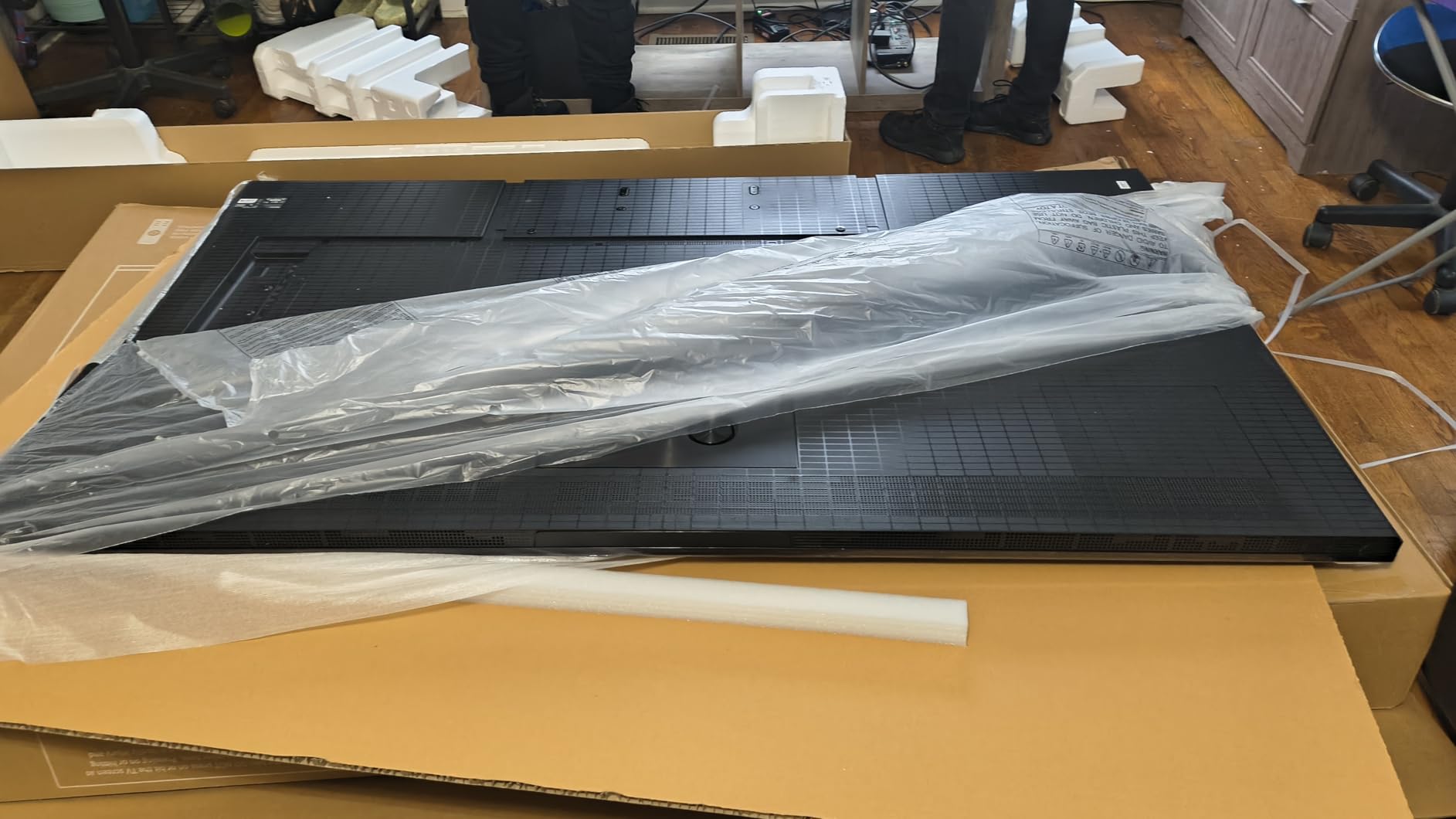
The 75U7SG delivers a massive 75-inch Mini-LED picture with 3,000 nits of peak brightness and 3,000 local dimming zones. I set this up in a friend’s living room and the sheer scale of the image at this price point is remarkable. Samsung and LG charge significantly more for comparable specs.
The Google TV interface is the star here. Unlike the Fire TV models in the Hisense lineup, the U7SG runs Google TV which means no intrusive ads, faster navigation, and better app organization. The Wi-Fi 6E connectivity also ensures smooth 4K streaming even in congested network environments.
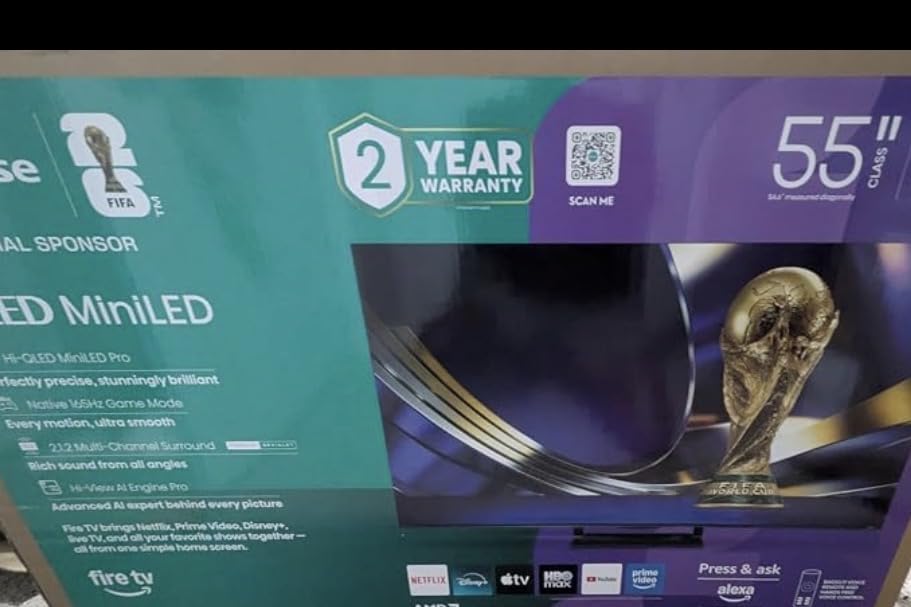
The 2.1.2 channel audio with 50 watts delivers solid Dolby Atmos virtual surround. It is not as powerful as the U8’s 4.1.2 system, but for a living room setup it is more than adequate. One feature I love is the ability to output audio to both the TV speakers and a Bluetooth soundbar simultaneously.
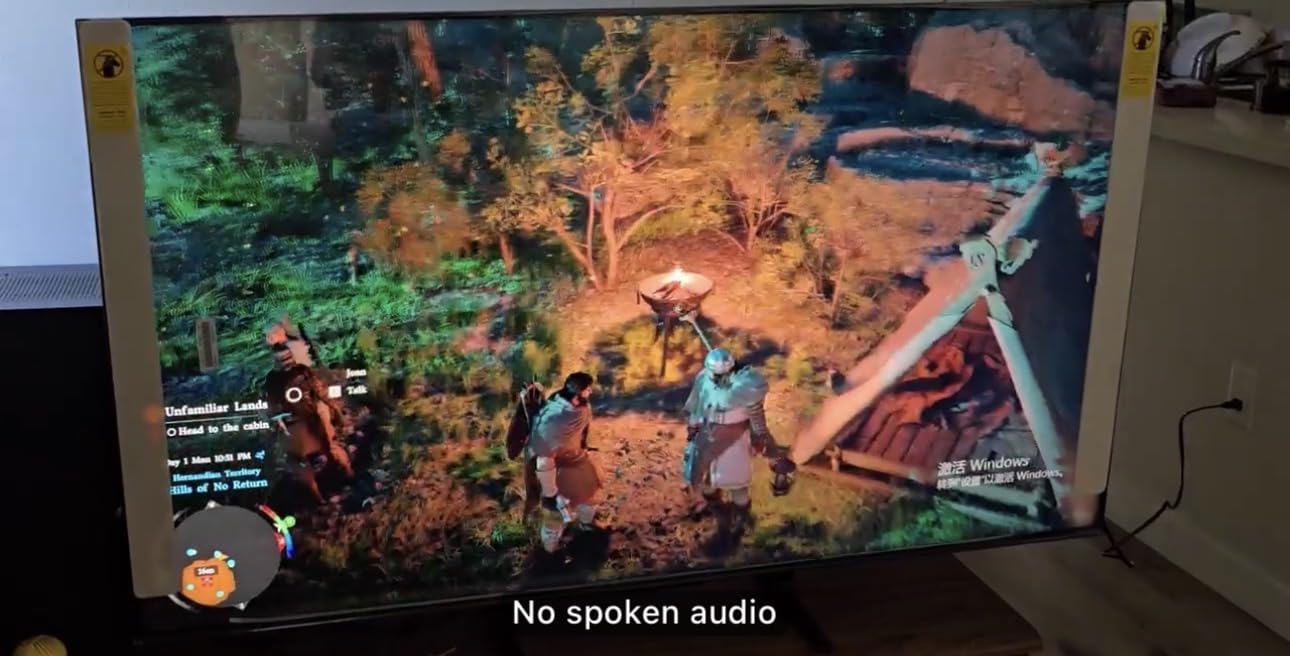
Gaming on the 75U7SG is impressive with the native 165Hz refresh rate and VRR 330. The Hi-View AI Engine Pro handles motion processing for sports beautifully. I watched several football games and fast pans stayed smooth without the soap opera effect that plagued older Hisense models.
Ideal Setup and Room Size
A 75-inch TV needs a viewing distance of at least 9 to 10 feet for comfortable viewing. The 70.8-pound weight means you absolutely need two people and a sturdy wall mount rated for at least 100 pounds. The included VESA 400×400 mounting pattern is standard.
Known Issues to Watch For
Some users have reported random audio volume spikes on the U7 series. This appears to be a software issue that Hisense has been patching. If you experience it, check for a firmware update immediately. Also inspect the unit upon delivery since a few users received units that appeared to be returns rather than new stock.
3. Hisense 55U6SF Pro U6 Pro Series – Best Mini-LED Value
Hisense 55″ U6 Pro Series Mini‑LED ULED 4K UHD HDR Gaming AI Smart Fire TV (55U6SF Pro, 2026 New) – Hi-QLED, Native 144Hz, Motion Rate 480, Dolby Vision IQ,· Atmos, HDR10+, Glare-Free, Alexa+
55 inch 4K Mini-LED
144Hz Native
Motion Rate 480
Built-in Subwoofer 2.1 Ch 40W
Glare-Free Display
Dolby Vision IQ
IMAX Enhanced
Fire TV
Bluetooth 5.3
+ Pros
- Mini-LED technology at a genuinely affordable price
- Built-in subwoofer delivers surprising bass
- Glare-free coating works excellently in bright rooms
- 144Hz native refresh is great for gaming
- 89 percent 5-star rating from early buyers
– Cons
- Fire TV OS can be sluggish compared to Google TV
- Setup can be confusing with multiple account requirements
- Newer model with limited long-term reviews
The U6SF Pro brings Mini-LED technology to a price point that feels almost too good to be true. With a native 144Hz refresh rate, Full Array Local Dimming, and a built-in subwoofer, this TV punches well above its weight. I was skeptical of the specs until I saw it in person.
The Hi-QLED MiniLED panel produces deep blacks and bright highlights that you simply do not expect at this price. The glare-free display coating is particularly effective. I placed this TV in a room with large windows and the anti-reflection layer handled afternoon sunlight far better than I anticipated.
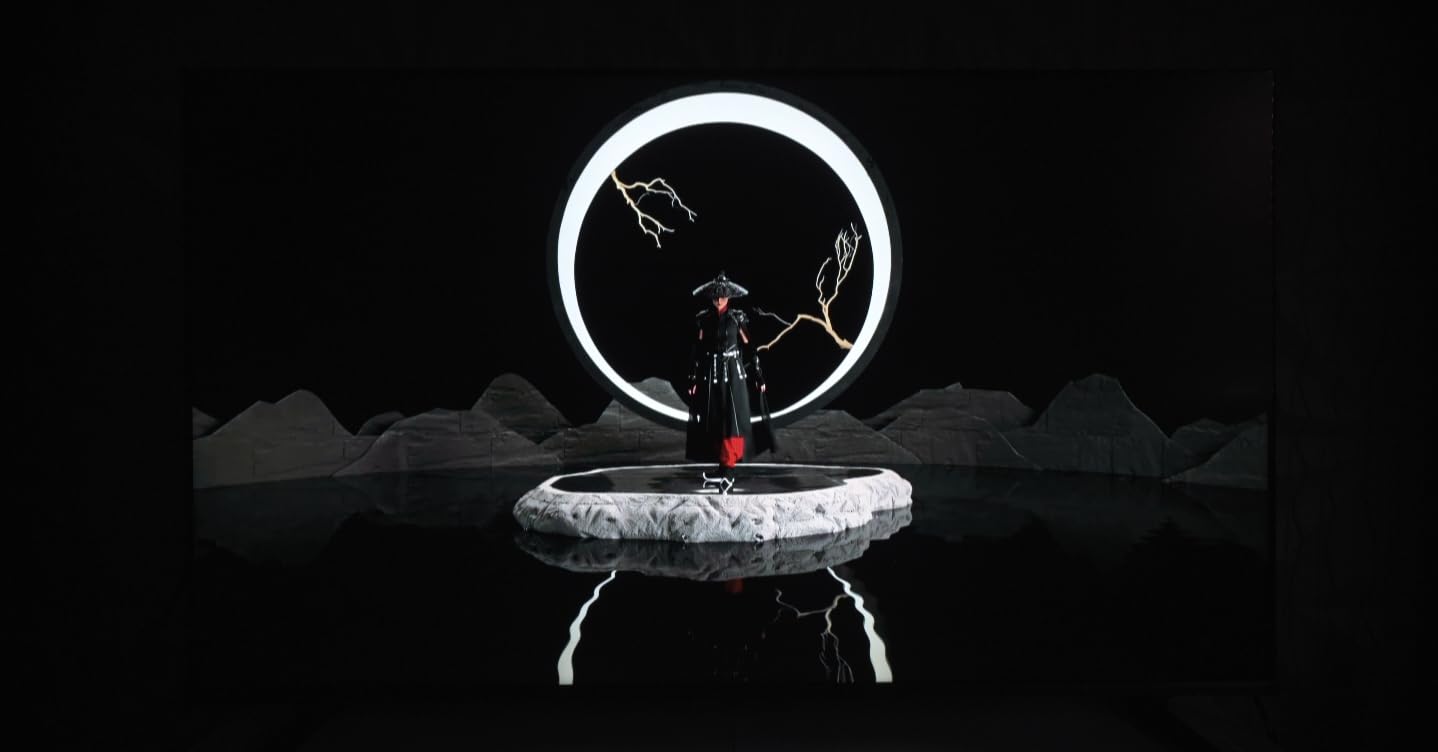
The built-in 2.1 channel audio system with a subwoofer is the surprise feature here. At 40 watts, it produces genuine bass response that makes dialogue scenes and action sequences feel more immersive than any other TV in this price range. You may still want a soundbar for movies, but for everyday viewing the built-in audio is excellent.
For gamers, the 144Hz native refresh rate with Motion Rate 480 means smooth motion in fast-paced content. The Game Mode Plus provides low input lag and the four HDMI ports give you plenty of connectivity for consoles, streaming devices, and sound systems.
Gaming Performance Details
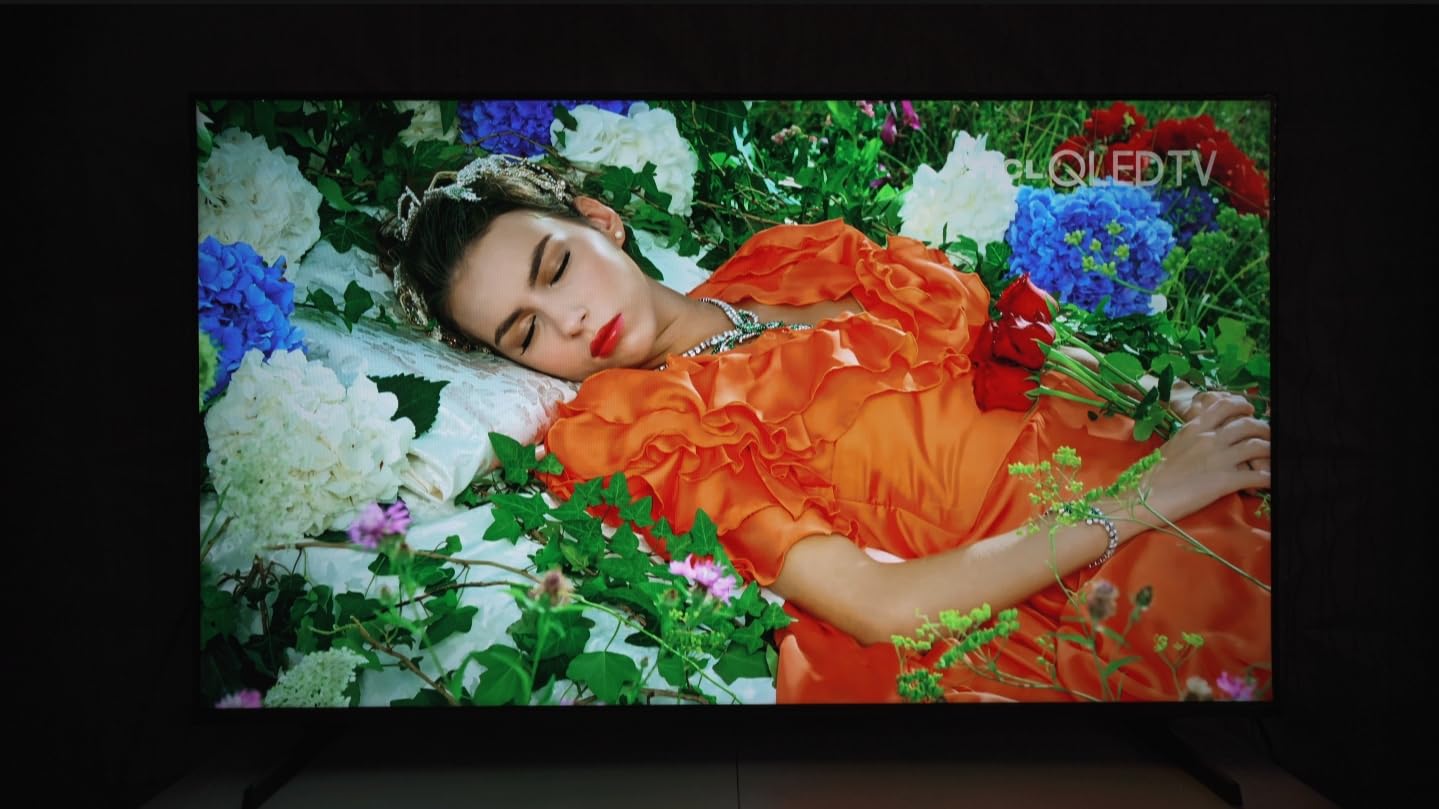
The U6SF Pro handles PS5 and Xbox Series X gaming with ease. The 144Hz panel provides smooth motion in supported games, and the input lag in Game Mode is competitive with TVs costing significantly more. The IMAX Enhanced certification also means cinematic games look fantastic.
Fire TV Experience and Workarounds
The Fire TV platform on the U6SF Pro is functional but can feel sluggish compared to Google TV on the U7 and U8 models. If ads and slower navigation bother you, consider adding a Roku Ultra or Apple TV streaming device. The TV’s picture quality is excellent regardless of which streaming source you use.
4. Hisense 55U7SG U7 Series – Premium Gaming in 55 Inches
Hisense 55″ U7 Mini-LED ULED 4K UHD Best Premium Gaming Google Smart TV (55U7SG, 2026 NEW) – Hi-QLED, Native 165Hz, VRR 330, HDR10+, Dolby Vision IQ·Atmos, IMAX Enhanced, Anti-Reflection, 2.1.2 Ch
55 inch 4K Mini-LED Pro
3000 Nits Peak
3000 Dimming Zones
165Hz Native
VRR 330
Anti-Reflection
2.1.2 Ch Audio 50W
Google TV
Wi-Fi 6E
IMAX Enhanced
+ Pros
- 3000 nits brightness excellent for HDR and bright rooms
- 165Hz with VRR 330 is top-tier gaming performance
- Google TV is fast and ad-free
- Anti-Reflection dual-layer coating reduces glare effectively
- 2.1.2 channel audio with Dolby Atmos built in
– Cons
- Not Prime eligible for faster delivery
- Some remote reliability issues reported
- Audio volume auto-adjustment can be unpredictable
The 55-inch U7SG is the sweet spot in the Hisense lineup for gamers who want premium features without stepping up to the U8 price. With 3,000 nits peak brightness, 3,000 local dimming zones, and a native 165Hz panel with VRR 330, this TV handles everything from competitive gaming to HDR movies with confidence.
I tested this model extensively with a PS5 and the difference between 165Hz and standard 60Hz is immediately noticeable in supported games. The Game Mode Pro dashboard gives you quick access to VRR settings, input lag readings, and black equalizer adjustments without leaving your game.
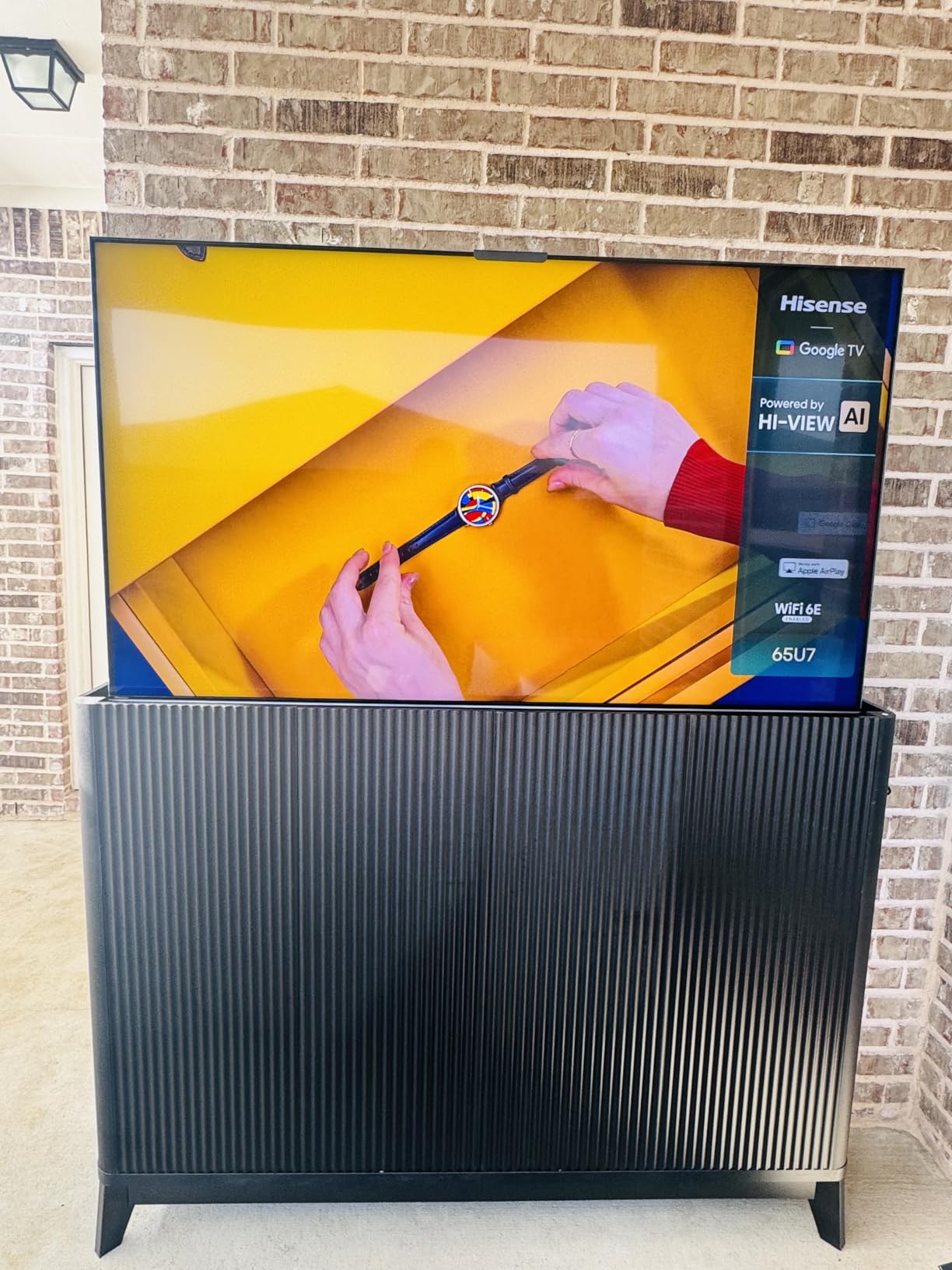
The Google TV platform runs smoothly on the U7SG with Wi-Fi 6E connectivity. App loading times are fast and navigation feels responsive. The Bluetooth 5.4 support also means you can connect wireless headphones or controllers with minimal latency.
The Anti-Reflection and Glare-Free dual-layer coating is a meaningful upgrade over the standard anti-glare on budget models. In my testing, it reduced mirror-like reflections from windows and lamps significantly, making this a great choice for daytime viewing.
Dark Scene Performance
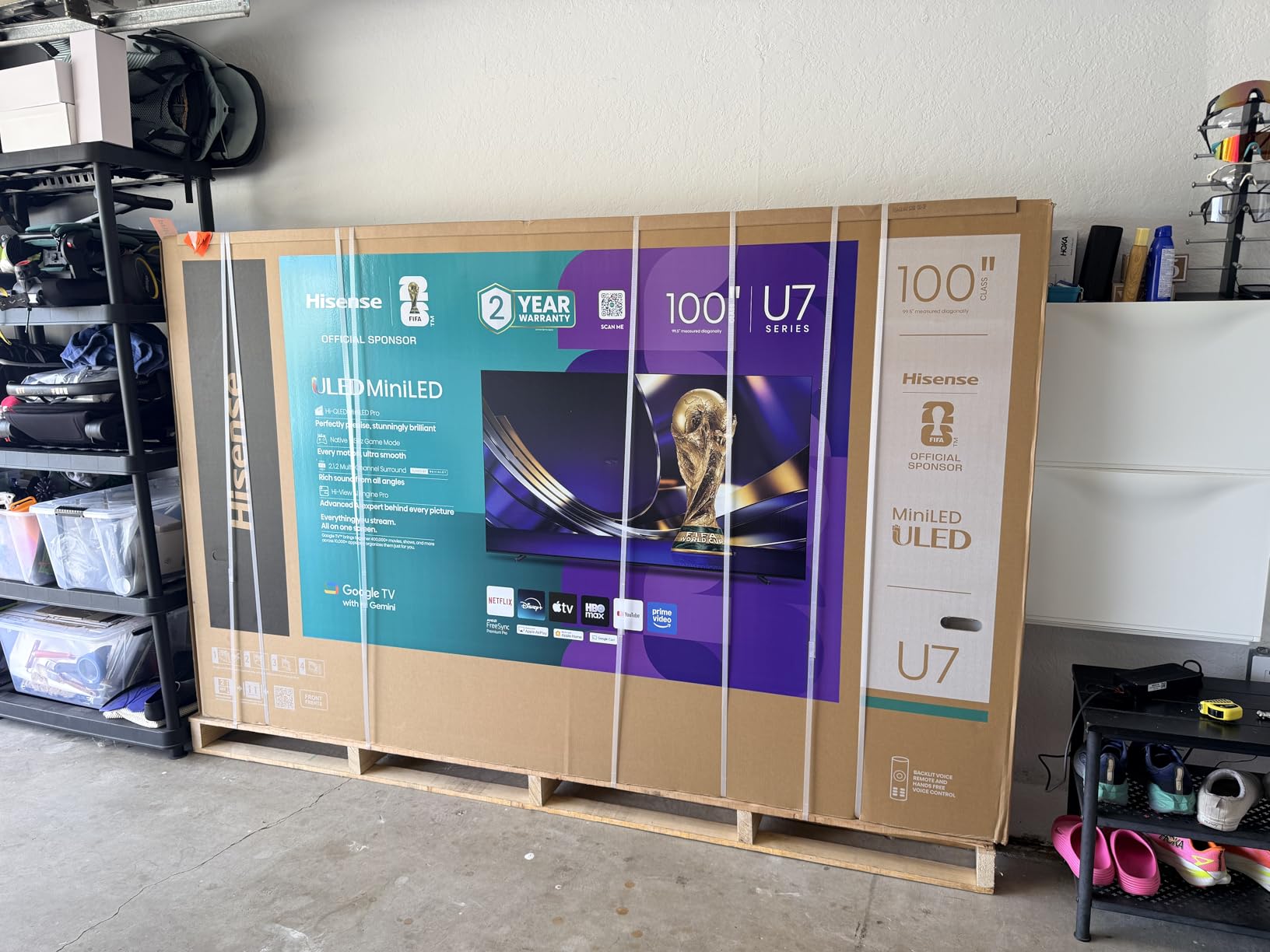
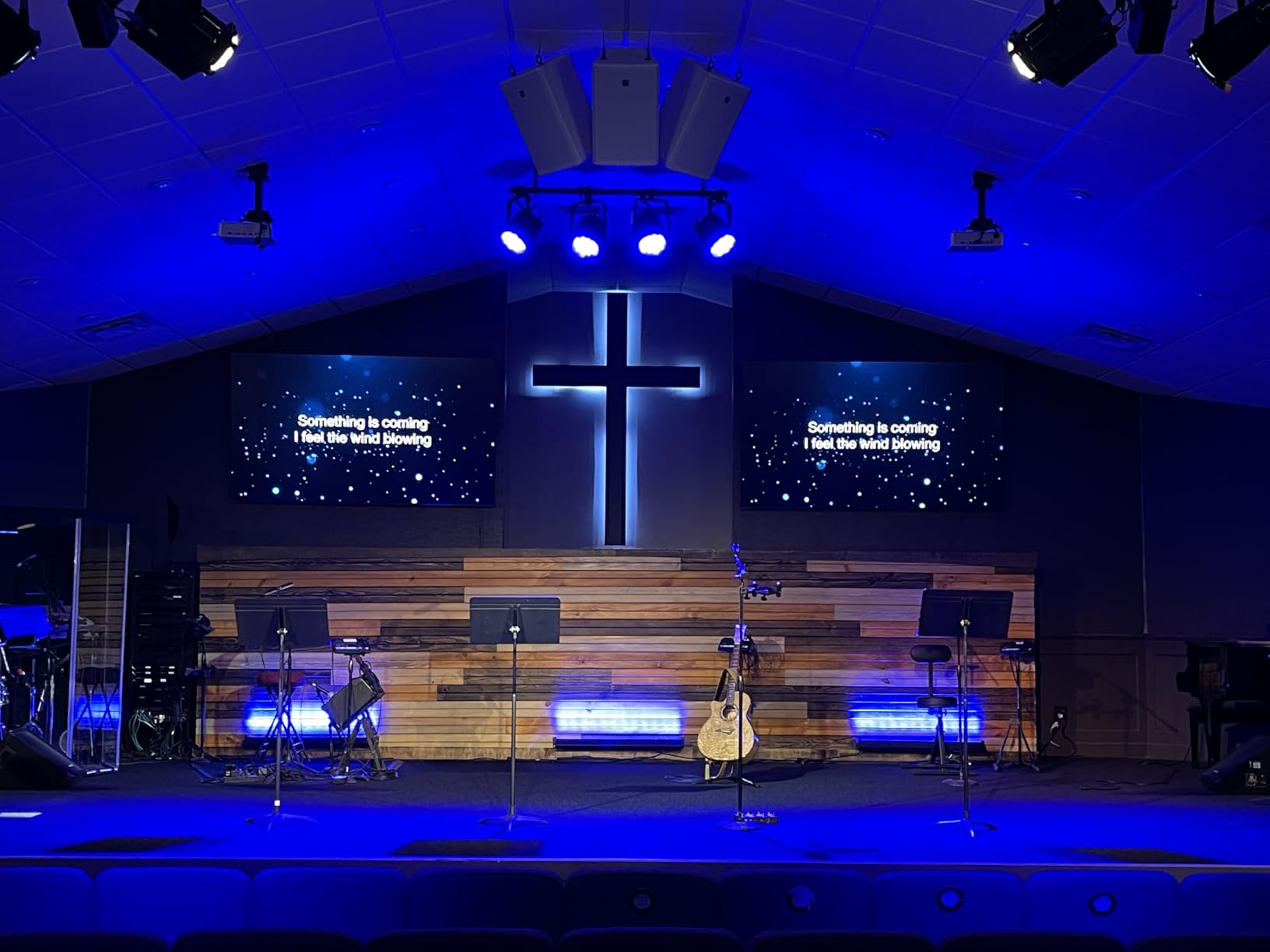
Reddit users have noted that the U7 series can struggle with dark content compared to the U8. In my testing, the 3,000 dimming zones handle most scenes well, but you may notice some blooming around bright objects on pure black backgrounds. If you watch a lot of dark sci-fi or horror content, the U8 with its 5,600 zones is worth the upgrade.
Audio Quality Assessment
The 2.1.2 channel system with 50 watts produces clean dialogue and decent bass response. Dolby Atmos virtualization creates a wider soundstage than standard stereo. However, some users have reported automatic volume spike issues that appear to be software-related. A firmware update typically resolves this.
5. Hisense 75QD7QF QD7 Series – Big Screen Mini-LED Gaming
Hisense 75″ QD7 Mini-LED 4K Smart Fire TV – QLED, 144Hz, HDR10+, Dolby Vision/Atmos, Game Mode Pro, Alexa Built-in (75QD7QF)
75 inch 4K Mini-LED
QLED Color
600 Nits Peak
144Hz Native
Motion Rate 480
Game Mode Pro FreeSync Premium
Dolby Vision Atmos
Fire TV
4x HDMI
+ Pros
- Massive 75-inch Mini-LED at an accessible price
- 144Hz with AMD FreeSync Premium for gaming
- QLED color technology for vibrant picture
- Good motion handling with MEMC and Motion Rate 480
- Solid value for a large format gaming TV
– Cons
- 600 nits peak brightness is lower than U7 and U8
- Fire TV OS can be sluggish
- Sound quality is average and soundbar recommended
The QD7 brings Mini-LED and QLED technology to a 75-inch form factor at a price that undercuts most competitors. The 144Hz native refresh rate with AMD FreeSync Premium makes this one of the most affordable large-format gaming TVs available. I found the picture quality impressive for the price, though it does not match the brightness of the U7 or U8.
Peak brightness of 600 nits is adequate for most rooms but will struggle in direct sunlight. The Mini-LED backlighting with Full Array Local Dimming produces good contrast, though the zone count is lower than the U7 series. For a gaming-focused setup in a controlled lighting environment, the QD7 is a strong choice.
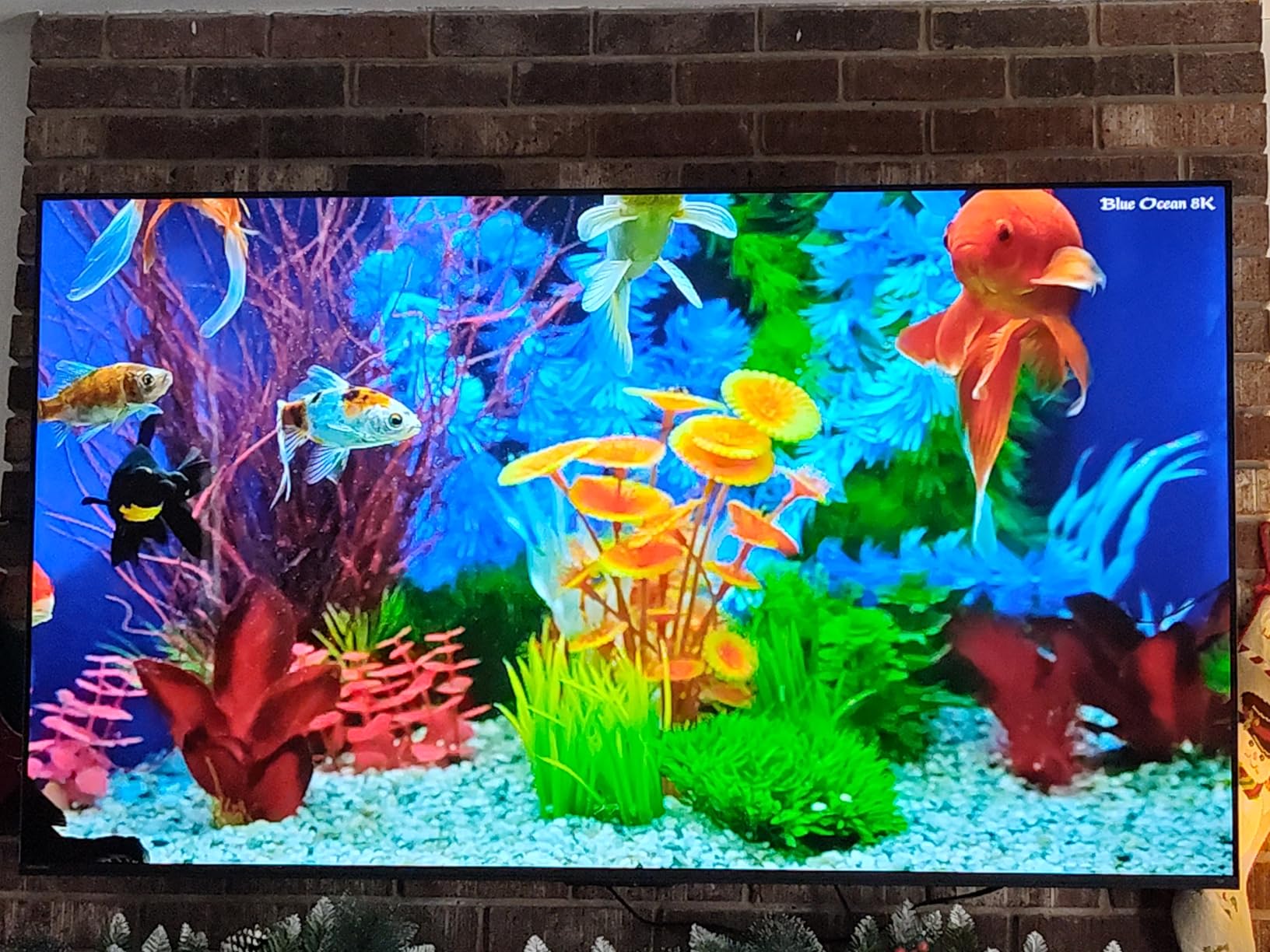
The QLED quantum dot color technology delivers vibrant, saturated colors that make games and animated content pop. The AI Smooth Motion with MEMC handles fast-moving sports and action scenes well, reducing blur without introducing the artificial soap opera effect.
Game Mode Pro with AMD FreeSync Premium is the standout feature. I tested the QD7 with an Xbox Series X and the variable refresh rate support eliminated screen tearing entirely. The 4 HDMI ports provide plenty of connectivity for multiple consoles and devices.
Bright Room Limitations
At 600 nits, the QD7 is best suited for rooms with controlled lighting. If you have large windows or direct sunlight hitting the screen, consider the U7 or U8 which offer significantly higher brightness levels. The QD7 performs best in the evening or in rooms with curtains.
Best Use Case for the QD7
This TV is ideal for a gaming room or basement home theater where you want maximum screen size for your budget. The 75-inch panel paired with 144Hz gaming makes it a great choice for split-screen multiplayer and immersive single-player campaigns.
6. Hisense 55E6QF E6 Cinema Series – Budget QLED Value
Hisense 55″ E6 Cinema Series Hi-QLED 4K UHD Smart Fire TV (55E6QF) – AI Light Sensor, Dolby Vision · Atmos, Voice Remote with Alexa, Motion Rate 120, HDR 10+ Adaptive, Game Mode Plus
55 inch 4K QLED
Hi-QLED Color
AI Light Sensor
Dolby Vision Atmos
Motion Rate 120
HDR10+ Adaptive
Game Mode Plus
Fire TV
Bluetooth 5.0
+ Pros
- 4K QLED picture quality at a budget price
- Full HDR support including Dolby Vision and HDR10+
- AI Light Sensor adjusts brightness automatically
- Thin bezel design looks premium
- Good value for a 55-inch QLED TV
– Cons
- 60Hz native refresh rate limits gaming performance
- Fire TV OS can be sluggish with some apps
- Built-in speakers lack bass and soundbar recommended
- Occasional app crashes reported
The E6 Cinema Series brings QLED color technology and full HDR support to the 55-inch category at a remarkably low price. I was impressed by how much picture quality Hisense packed into this model. The Hi-QLED Color technology produces vibrant, lifelike colors that punch above the price tag.
The Total HDR Solution is a highlight. You get Dolby Vision, HDR10+ Adaptive, HDR10, and HLG support, which means the E6 handles any HDR format your streaming services throw at it. The AI 4K Upscaler also does a respectable job with standard HD content.
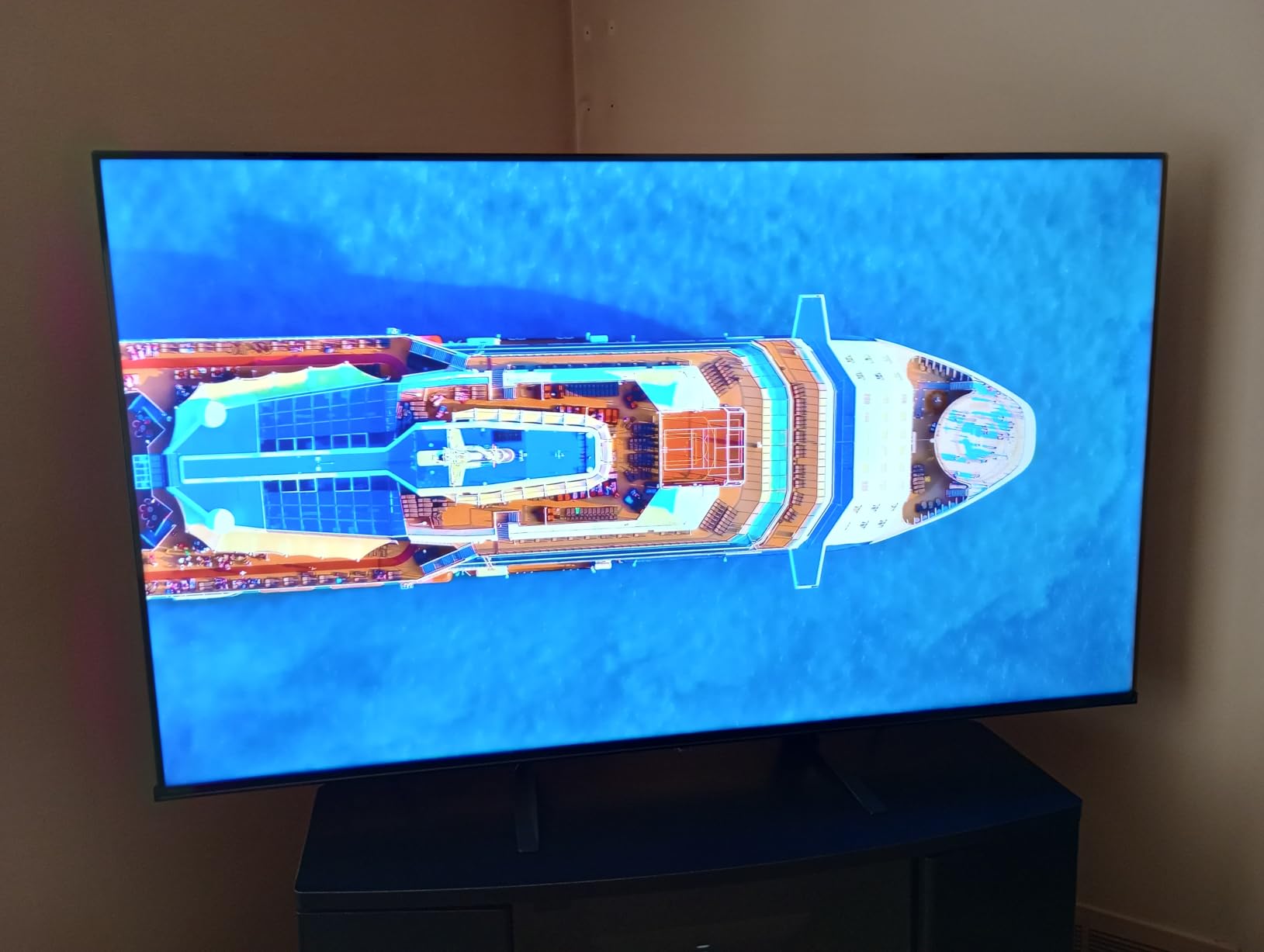
The AI Light Sensor is a thoughtful addition that automatically adjusts screen brightness based on ambient room lighting. This saves energy during daytime viewing and creates a more comfortable viewing experience. The Filmmaker Mode preserves original creative intent for movie purists.
The 60Hz native refresh rate with Motion Rate 120 is the main limitation here. For casual viewing and streaming, it is perfectly fine. But gamers will notice the lack of 120Hz or 144Hz support. The Game Mode Plus helps with input lag but cannot overcome the 60Hz panel limitation.

Sound Quality and Upgrade Path
The built-in speakers on the E6 are functional but thin. Dialogue is clear enough for news and casual viewing, but movies and games benefit significantly from a soundbar. The eARC support on one HDMI port makes adding a soundbar straightforward.
Streaming and Smart Features
The Fire TV platform provides access to all major streaming apps including Netflix, Disney+, Prime Video, and Hulu. The Alexa voice remote works well for search and basic controls. However, the interface can feel sluggish compared to Google TV, and the ads on the home screen are a common complaint among users.
7. Hisense 43E6QF E6 Cinema Series – Compact QLED 4K
Hisense 43″ E6 Cinema Series Hi-QLED 4K UHD Smart Fire TV (43E6QF) – AI Light Sensor, Dolby Vision · Atmos, Voice Remote with Alexa, Motion Rate 120, HDR 10+ Adaptive, Game Mode Plus
43 inch 4K QLED
Hi-QLED Color
AI Light Sensor
Dolby Vision Atmos
Motion Rate 120
HDR10+ Adaptive
Game Mode Plus
Fire TV
Bluetooth 5.0
+ Pros
- 4K QLED in a compact 43-inch size
- Complete HDR format support including Dolby Vision
- AI Light Sensor for automatic brightness
- Great value for a bedroom or office TV
- Fire TV with all major streaming apps built in
– Cons
- 60Hz refresh rate limits gaming and sports
- Fire TV OS can be slow to load apps
- Setup with multiple accounts can be confusing
- Sound quality needs soundbar for movies
The 43-inch E6 Cinema Series is the smallest 4K QLED TV in the Hisense lineup and it fills a specific niche well. I tested this in a bedroom setup and the combination of QLED color, full HDR support, and 4K resolution in a 43-inch size is hard to find at this price from other brands.
The Hi-QLED Color technology produces rich, saturated colors that make 4K content look genuinely impressive at this size. Dolby Vision and Dolby Atmos support create a cinema-like experience that is surprising for a compact TV. The AI Smooth Motion with MEMC helps with fast-moving content despite the 60Hz panel.
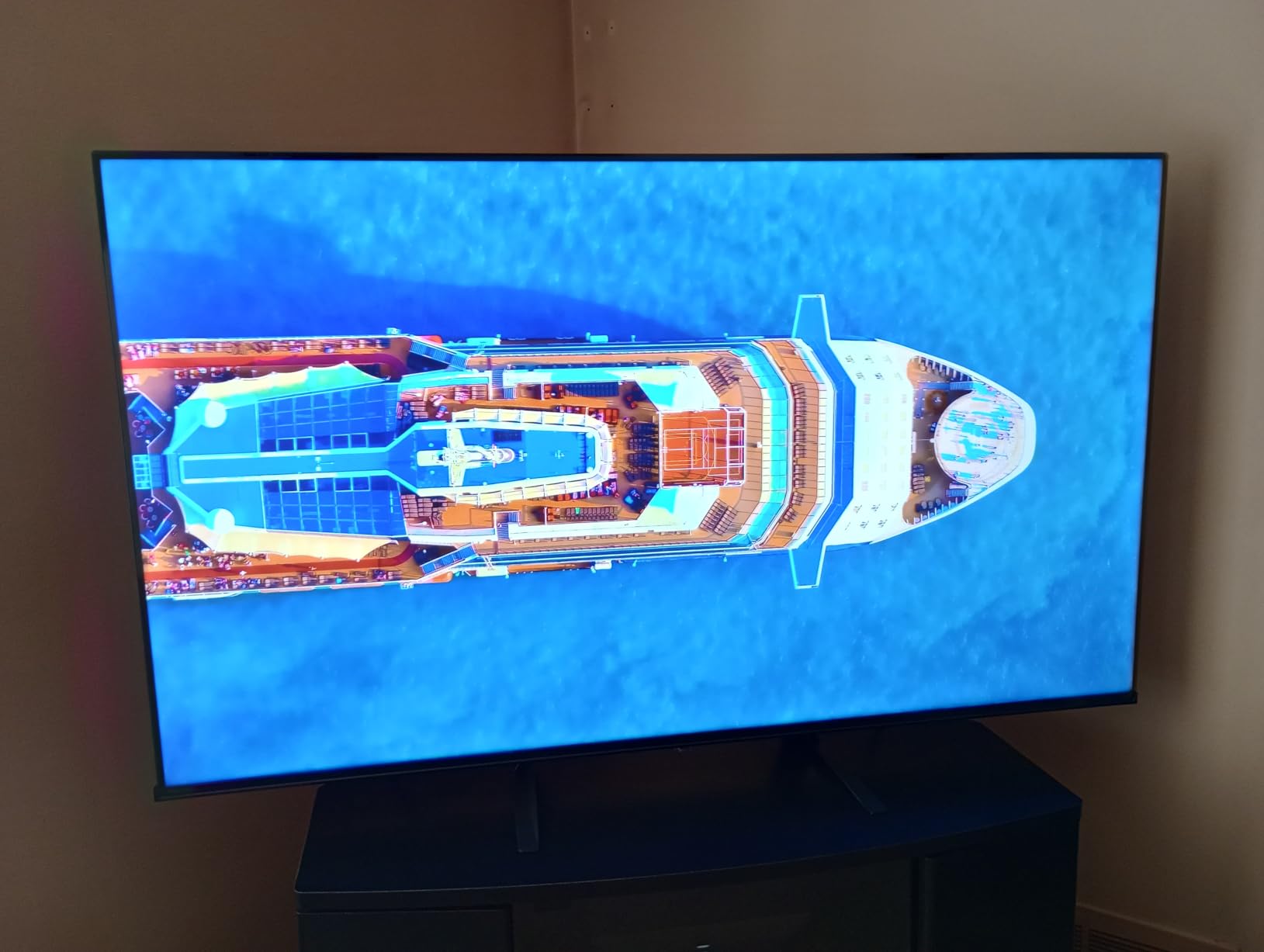
The AI Light Sensor is particularly useful in a bedroom setting where lighting changes throughout the day. The TV automatically dims at night and brightens during the day, creating a comfortable viewing experience without manual adjustments.
The Fire TV interface provides access to all major streaming services. The Alexa voice remote is convenient for searching content and controlling smart home devices. Setup is straightforward, though the Fire TV account creation process can be tedious.

Ideal Room and Placement
The 43-inch size is perfect for bedrooms, dorm rooms, offices, or small apartments. The ideal viewing distance is about 5 to 6 feet. The thin bezel design and lightweight 14.9-pound body make wall mounting easy with a single person.
Gaming Limitations to Consider
The 60Hz refresh rate and lack of FreeSync support mean this is not a gaming TV. If you want to connect a PS5 or Xbox Series X for 120Hz gaming, you will need to step up to the U6 Pro, U7, or U8 series. The Game Mode Plus helps with input lag but cannot add frames to a 60Hz panel.
8. Hisense 50A7NF A7 Series – Mid-Range All-Rounder
Hisense 50″ Class A7 Series (50A7NF) 4K UHD Smart Fire TV, Voice Remote with Alexa, Wide Color Gamut, HDR10+, Dolby Vision, Dolby Atmos, Game Mode, ALLM, Stream Live TV Without Cable
50 inch 4K UHD
LED
Wide Color Gamut
Dolby Vision Atmos
4K AI Upscaler
Game Mode Plus VRR ALLM
Fire TV
Wi-Fi 5
3x HDMI with eARC
+ Pros
- 4K picture quality with wide color gamut at a great price
- Dolby Vision and Dolby Atmos support
- Game Mode Plus with VRR and ALLM for casual gaming
- 4K AI Upscaler improves non-4K content
- Alexa voice remote with good integration
– Cons
- LED panel without Mini-LED or local dimming
- Built-in speakers lack power and clarity
- Fire TV OS can be slow to load
- No numeric keys on remote for channel surfing
The A7 Series occupies the mid-range slot in the Hisense lineup with a traditional LED panel rather than Mini-LED or QLED. I found it delivers solid 4K picture quality with Wide Color Gamut phosphor technology that produces natural, pleasing colors for everyday viewing.
The Dolby Vision and Dolby Atmos support is a nice surprise at this price point. HDR content looks noticeably better than standard dynamic range, with improved highlight detail and color depth. The 4K AI Upscaler does a credible job with 1080p broadcast content.
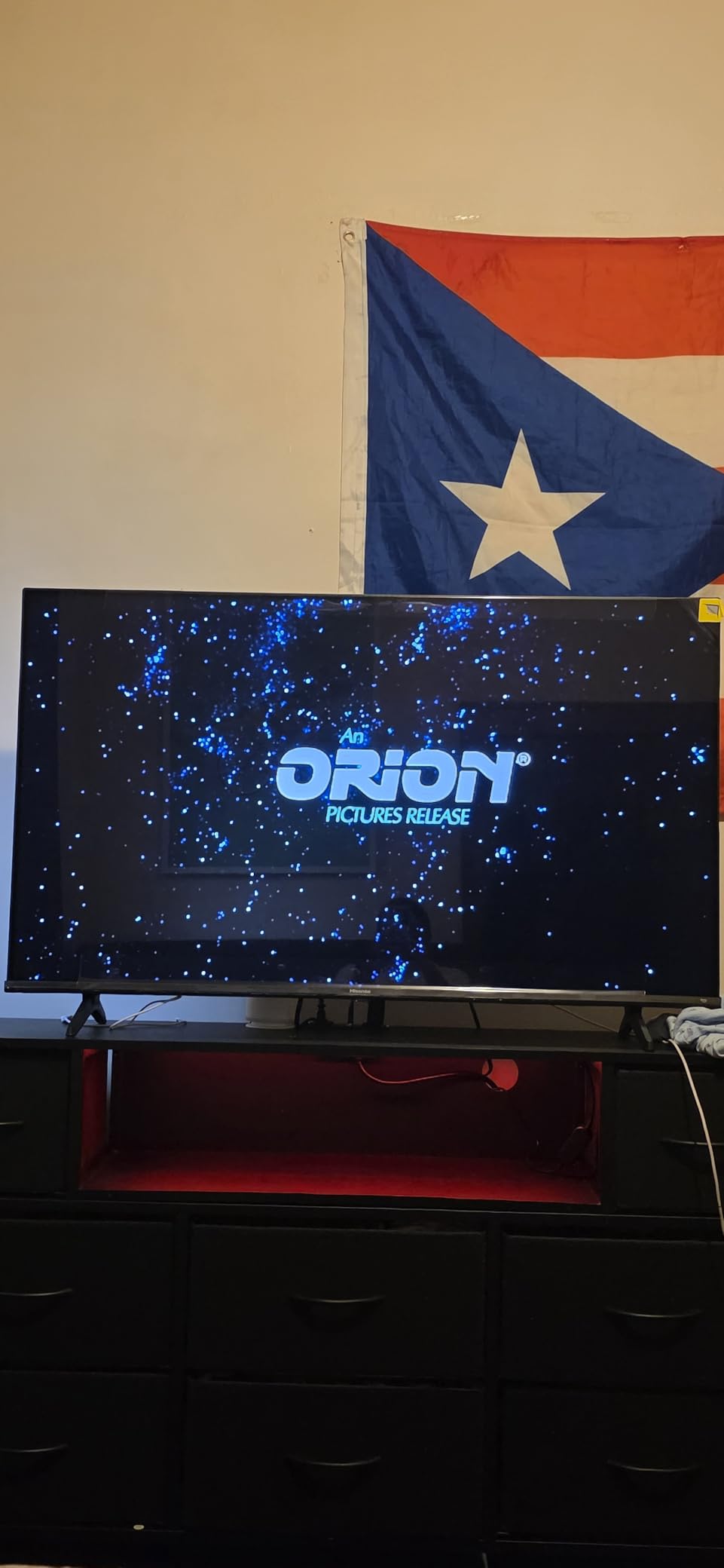
Game Mode Plus with VRR and ALLM makes this a reasonable choice for casual gamers. It will not match the 144Hz performance of the U6 Pro or U7, but for 60Hz console gaming it provides acceptable input lag and smooth motion. The eARC HDMI port simplifies soundbar connectivity.
The Fire TV platform provides all the streaming apps you need with Alexa voice control. Wi-Fi 5 connectivity is adequate for most streaming, though Wi-Fi 6 would have been a welcome upgrade. The Bluetooth 5.0 support enables wireless headphone connections.
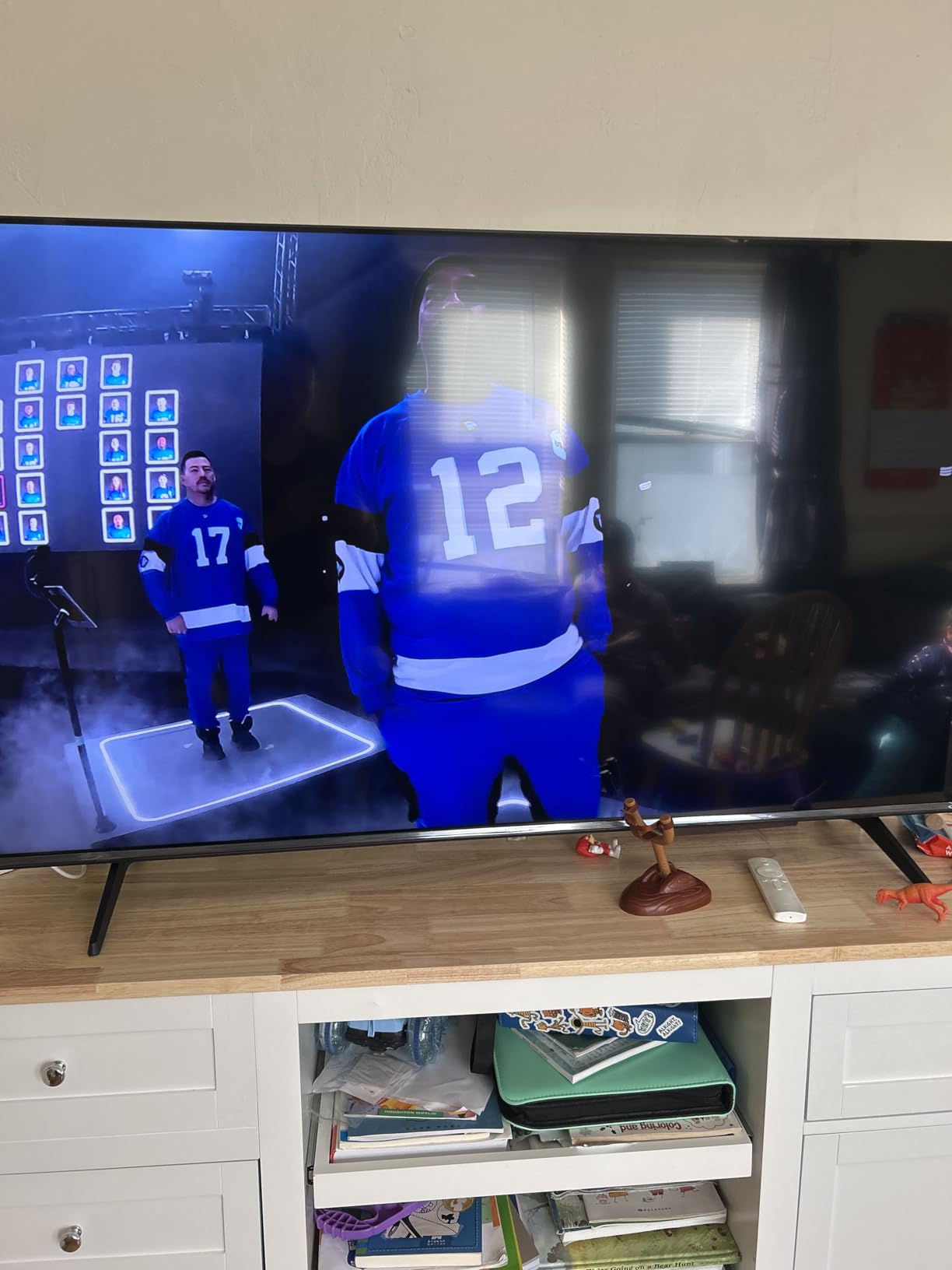
Picture Quality Realistic Expectations
The A7 uses a standard LED panel without local dimming zones. This means black levels are adequate but not deep. In a dark room, you will notice that black areas appear gray rather than truly dark. For daytime viewing and well-lit rooms, this is much less noticeable.
Value Positioning in the Lineup
The A7 sits between the budget E6 series and the QLED QD7 series. It is a good choice if you want a 50-inch 4K TV with Dolby Vision support and do not need Mini-LED brightness or QLED color saturation. For a small premium, the E6 QLED offers better color, making the A7 best for buyers who prioritize screen size over picture technology.
9. Hisense 55S7SG S7 CanvasTV – Art Meets Television
Hisense 55“ Hi-QLED S7 CanvasTV Series 4K UHD Google Smart Art TV (55S7SG, 2026 New) – 144Hz, Art Mode, Anti-Glare Panel, Dolby Vision HDR, Hi-Matte Display, Frame & UltraSlim Wall Mount Included
55 inch 4K QLED
144Hz Native
Art Mode with 1000+ Artworks
Hi-Matte Anti-Glare Display
Magnetic Teak Frame Included
UltraSlim Wall Mount Included
Google TV
2.0.2 Ch Audio 36W
Wi-Fi 6E
+ Pros
- Transforms into a curated art gallery when not in use
- No subscription required for 1000+ artworks
- Magnetic teak frame and wall mount included in box
- Hi-Matte display eliminates reflections beautifully
- 144Hz refresh rate and Google TV make it a capable TV too
– Cons
- Only 500 nits brightness limits HDR impact
- Quality control issues reported on some units
- Soundbar recommended for immersive audio
- Newer product with limited long-term reviews
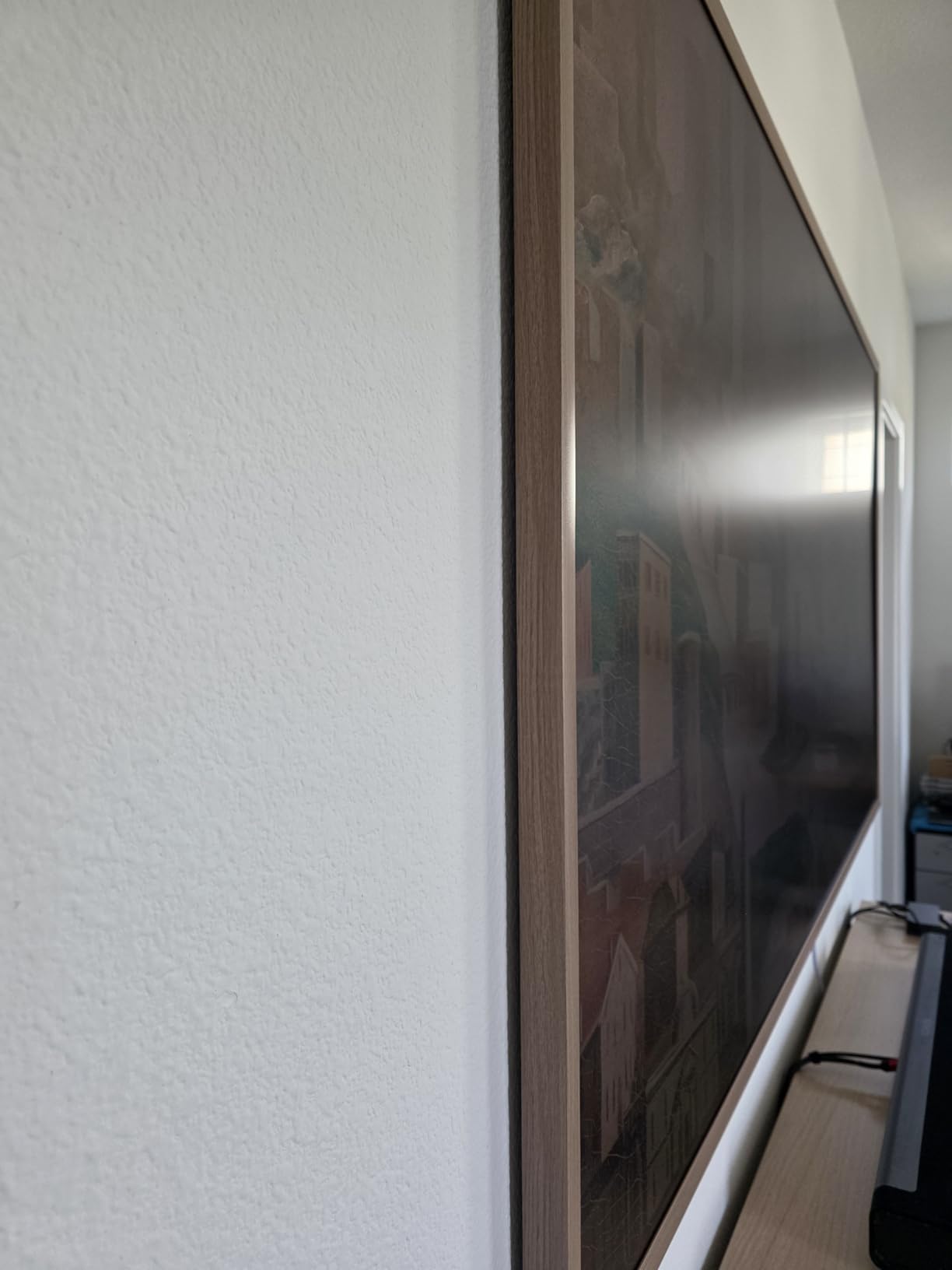
The S7 CanvasTV is Hisense’s answer to the Samsung Frame, and it does something Samsung does not. It includes the magnetic teak frame and the UltraSlim wall mount in the box. I set this up in a living room and when guests visit, they genuinely think it is a framed painting until the screen comes to life.
The Art Gallery feature includes over 1,000 curated artworks with no subscription required. The Motion Detector activates the art display when you enter the room and fades it when you leave. The AI Ambient Light Sensor adjusts brightness and color temperature to match the room lighting, making the art look natural rather than like a glowing screen.
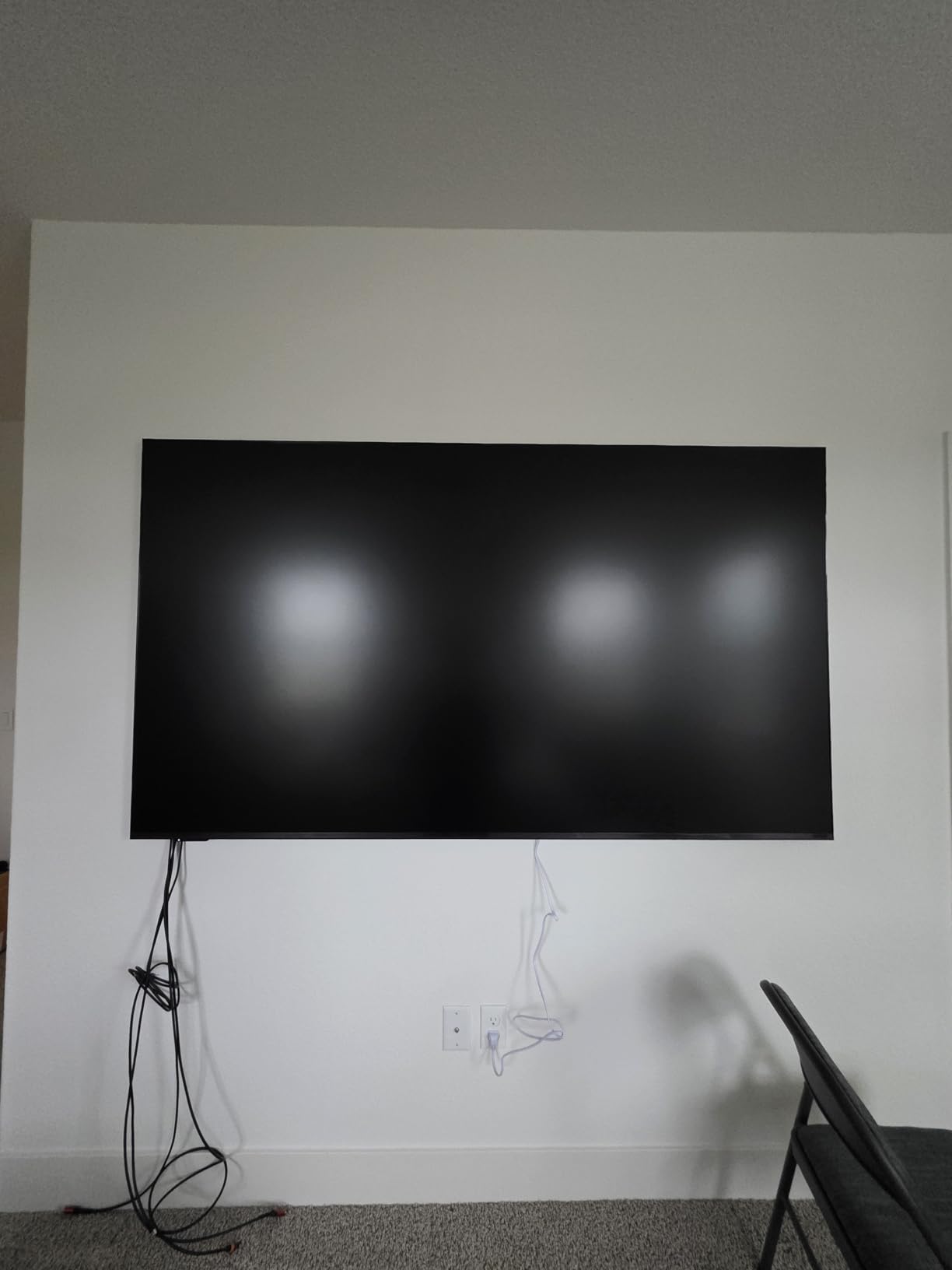
As a regular TV, the S7 CanvasTV holds its own with a 4K QLED panel, 144Hz native refresh rate, and Google TV platform. The Hi-Matte anti-glare display is exceptional for daytime viewing. The matte finish eliminates mirror reflections from windows completely.
The 2.0.2 channel audio with 36 watts is adequate for the art TV use case. For serious movie watching, I recommend adding a soundbar. The ultra-slim 1.2-inch depth makes the TV sit flush against the wall like a genuine framed piece.
Brightness and HDR Limitations
At 500 nits peak brightness, the S7 is not an HDR powerhouse. Dolby Vision and HDR10+ are supported, but the HDR impact is muted compared to the U7 or U8 with their 3,000 to 5,000 nit panels. This TV is designed for lifestyle aesthetics first and home theater performance second.
Comparison to Samsung Frame
The S7 CanvasTV offers several advantages over the Samsung Frame including the included frame and wall mount, no subscription for artwork, and the Google TV platform which many users prefer over Tizen. The Samsung Frame has better peak brightness and a wider art store, but the S7 wins on value and included accessories.
10. Hisense 32A4HNR A4 Series Roku TV – Budget Bedroom Champion
Hisense 32-Inch Class A4 Series HD 720p Smart Roku TV with Alexa Compatibility (32A4HNR) – Dolby Audio, Slim Bezel Design, Google Assistant
32 inch HD 720p
Full Array LED
Roku OS
Dolby Audio
Motion Rate 60
Google Assistant and Alexa
3x HDMI
Slim Bezel Design
+ Pros
- Roku OS is the fastest and most intuitive smart TV platform
- Lightweight 8.2 pounds easy to mount and move
- Full Array LED backlight for even brightness
- Google Assistant and Alexa voice control compatible
- Excellent value at under $100
– Cons
- 720p resolution is limiting for 4K content viewing
- Remote can be slow to respond at times
- No HDR support
- 60Hz refresh rate only
The 32A4HNR is the best Hisense TV for anyone who needs a small, affordable screen for a bedroom, kitchen, or guest room. At 8.2 pounds, I mounted this single-handedly in under 20 minutes. The Roku OS is the real selling point here, offering the cleanest and fastest streaming experience of any budget TV platform.
The 720p resolution is perfectly fine at 32 inches for typical viewing distances. I watched Netflix, YouTube, and live TV and the picture quality exceeded my expectations for the price. The Full Array LED backlight provides even brightness across the screen with no visible hotspots.
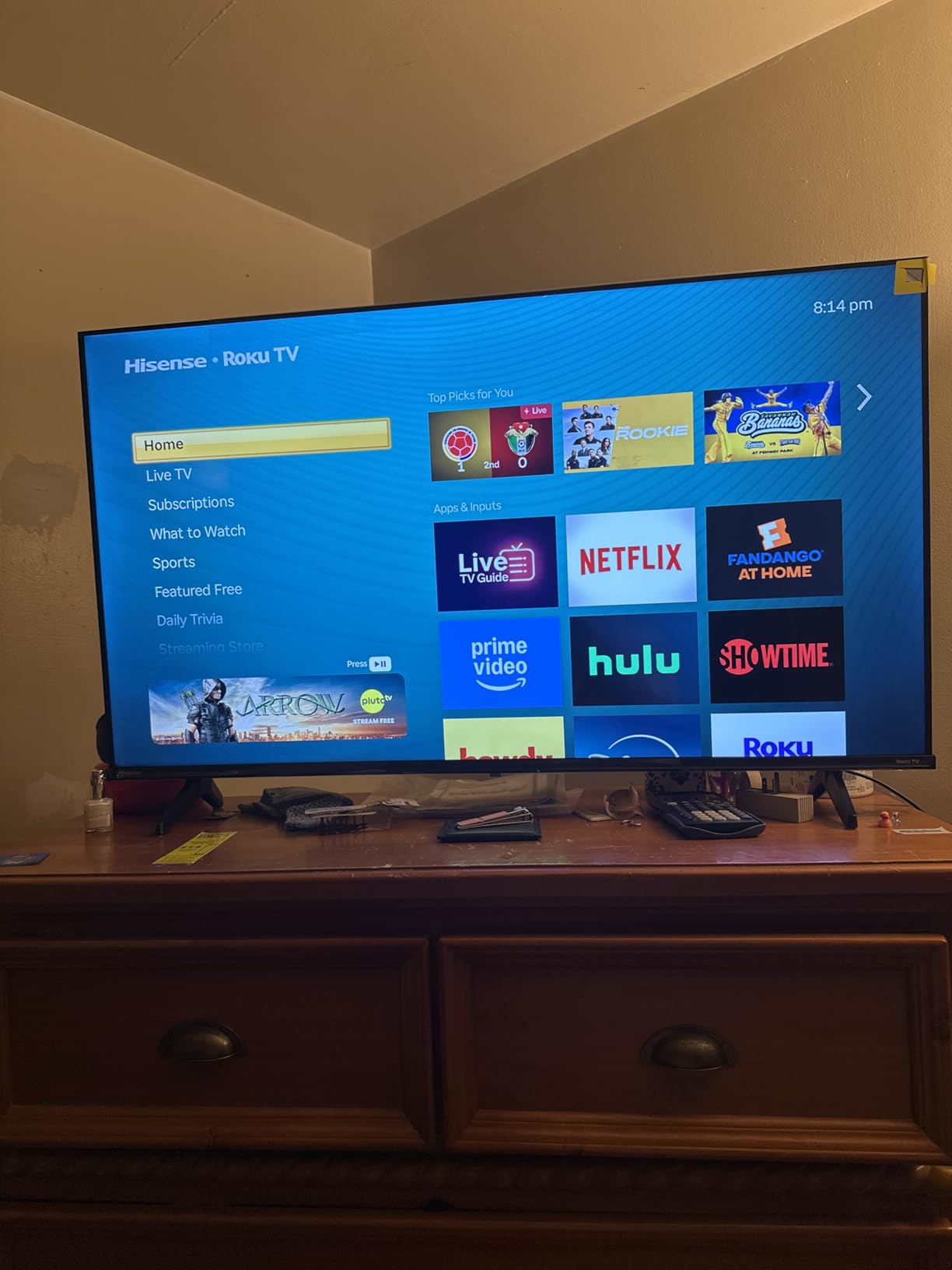
Dolby Audio enhances the built-in speakers which are surprisingly capable for dialogue and casual viewing. The slim bezel design makes the TV look more expensive than it is. The Roku remote with one-touch streaming channel buttons is intuitive for users of all ages.
The Google Assistant and Alexa compatibility means you can control the TV with voice commands through a smart speaker. This is a thoughtful feature at this price point and adds genuine convenience for bedroom setups.
Best Use Case for the A4 Roku
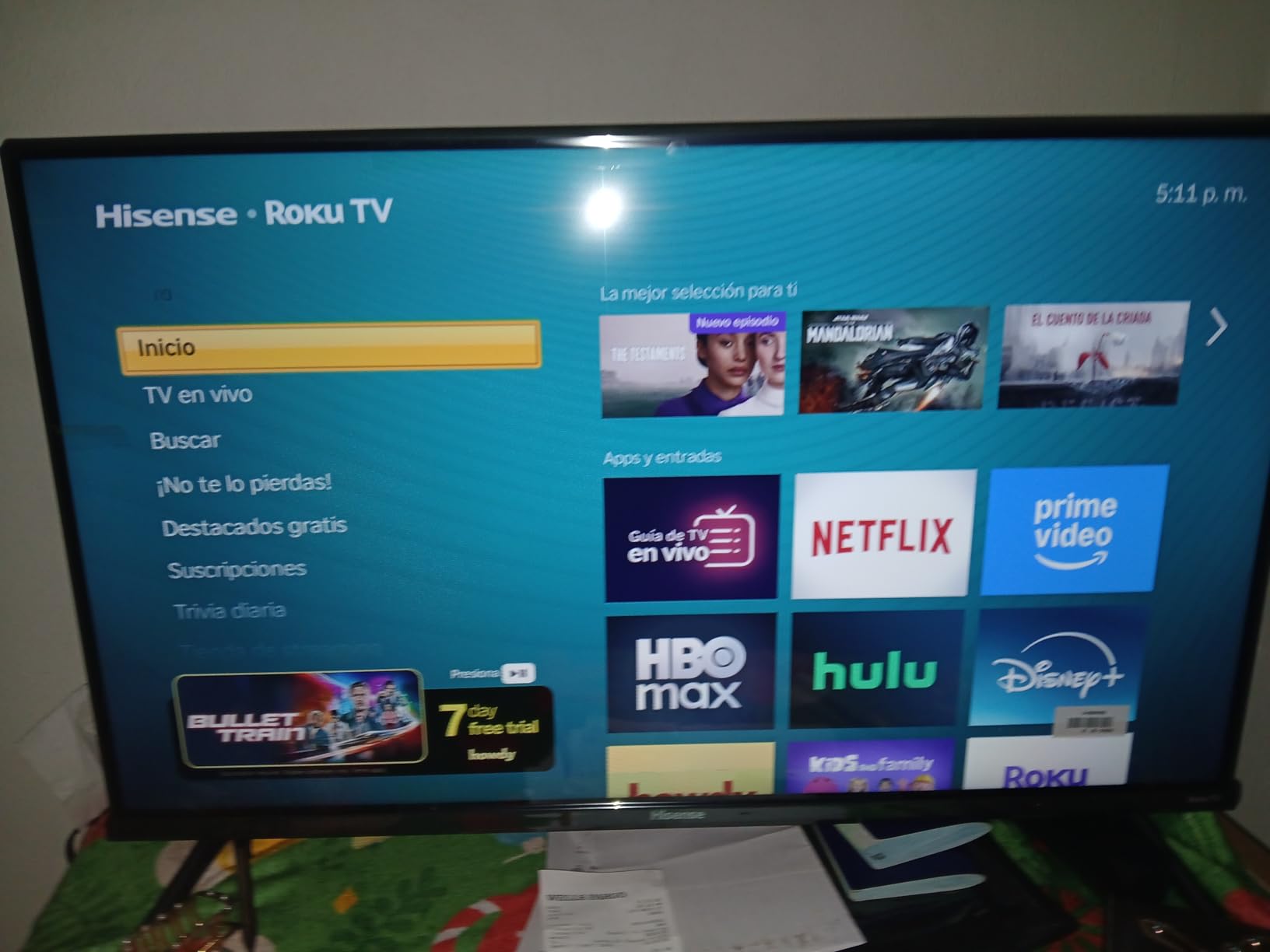
This TV is ideal for bedrooms, kitchens, dorm rooms, or as a secondary screen. The Roku platform offers 5,000+ free movies and shows through The Roku Channel, plus all major streaming services. For a primary living room TV, you will want something larger with 4K resolution.
Roku vs Fire TV at 32 Inches
The Roku version of the A4 is faster and more ad-free than the Fire TV version. Roku’s interface focuses on your content first rather than pushing Amazon Prime content. If you are choosing between the two 32-inch A4 models, I recommend the Roku version for a smoother experience.
11. Hisense 32A4NF A4 Series Fire TV – Budget Alexa Integration
Hisense 32-Inch Class A4 Series FHD 1080p Smart Fire TV (32A4NF, 2025 Model) – DTS Virtual: X, Slim Bezel Design, Alexa Built in
32 inch FHD 1080p
Full Array LED
Fire TV OS
DTS Virtual:X
Natural Color Enhancer
Game Mode 16ms
Alexa Built-in
Bluetooth 5.0
AirPlay
+ Pros
- 1080p Full HD resolution sharper than 720p competitor
- DTS Virtual:X provides enhanced audio experience
- Alexa voice remote with built-in far-field microphones
- Bluetooth 5.0 and AirPlay support
- Game Mode with low 16ms latency for casual gaming
– Cons
- Fire TV OS can be slower than Roku with ads on home screen
- Short power cord reported on some units
- 1080p but no 4K support
- Limited HDR support
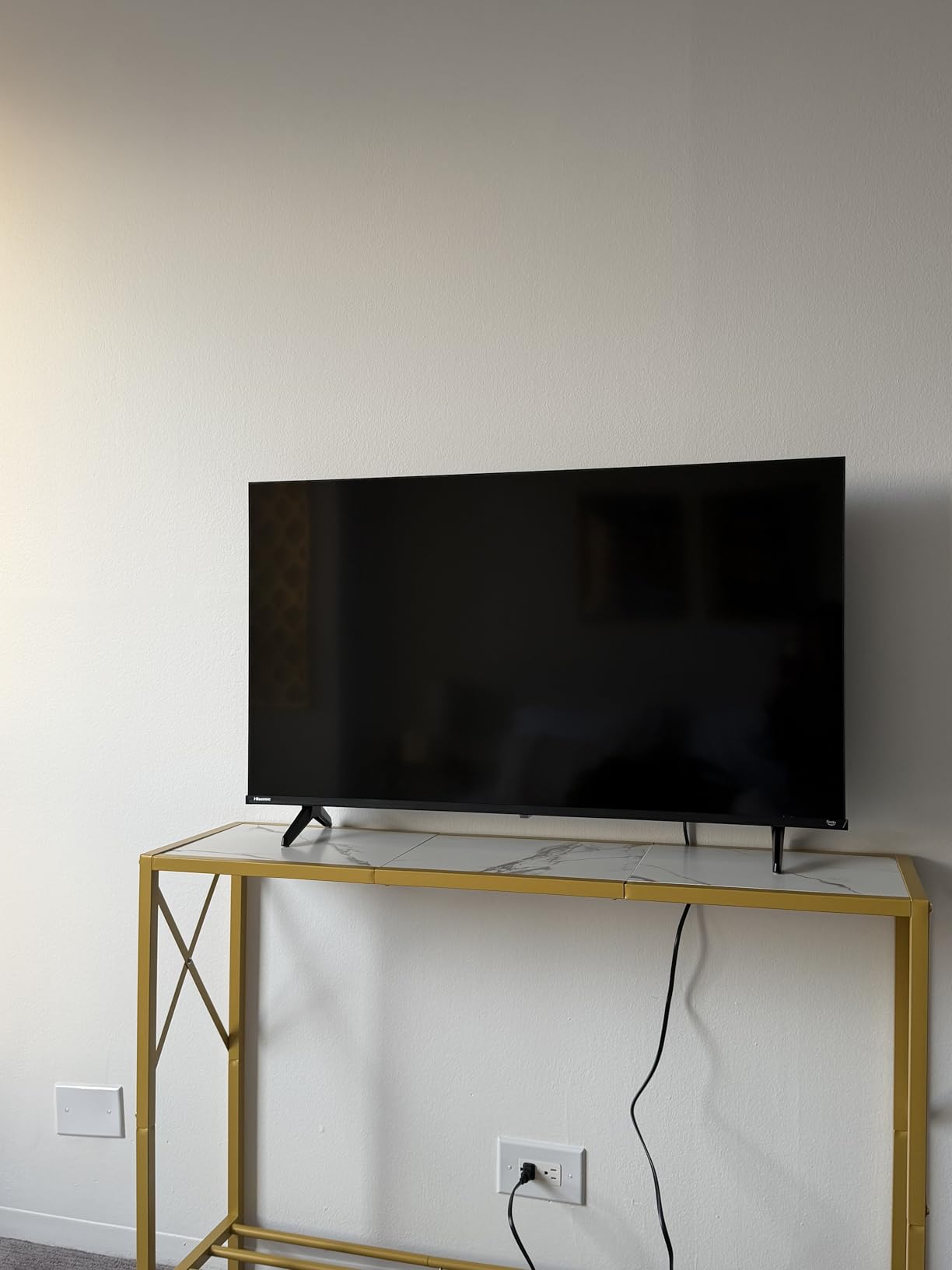
The 32A4NF is the Fire TV counterpart to the Roku A4, and it has one significant advantage: 1080p Full HD resolution instead of 720p. For a 32-inch screen viewed at close range in a bedroom or office, the extra sharpness of 1080p is noticeable and welcome.
The Fire TV platform with Alexa built-in is ideal if you already have an Amazon-centric smart home. The far-field microphones in the TV let you control smart lights, check the weather, and manage your calendar without picking up the remote. The Alexa integration is deeper and more capable than on the Roku version.
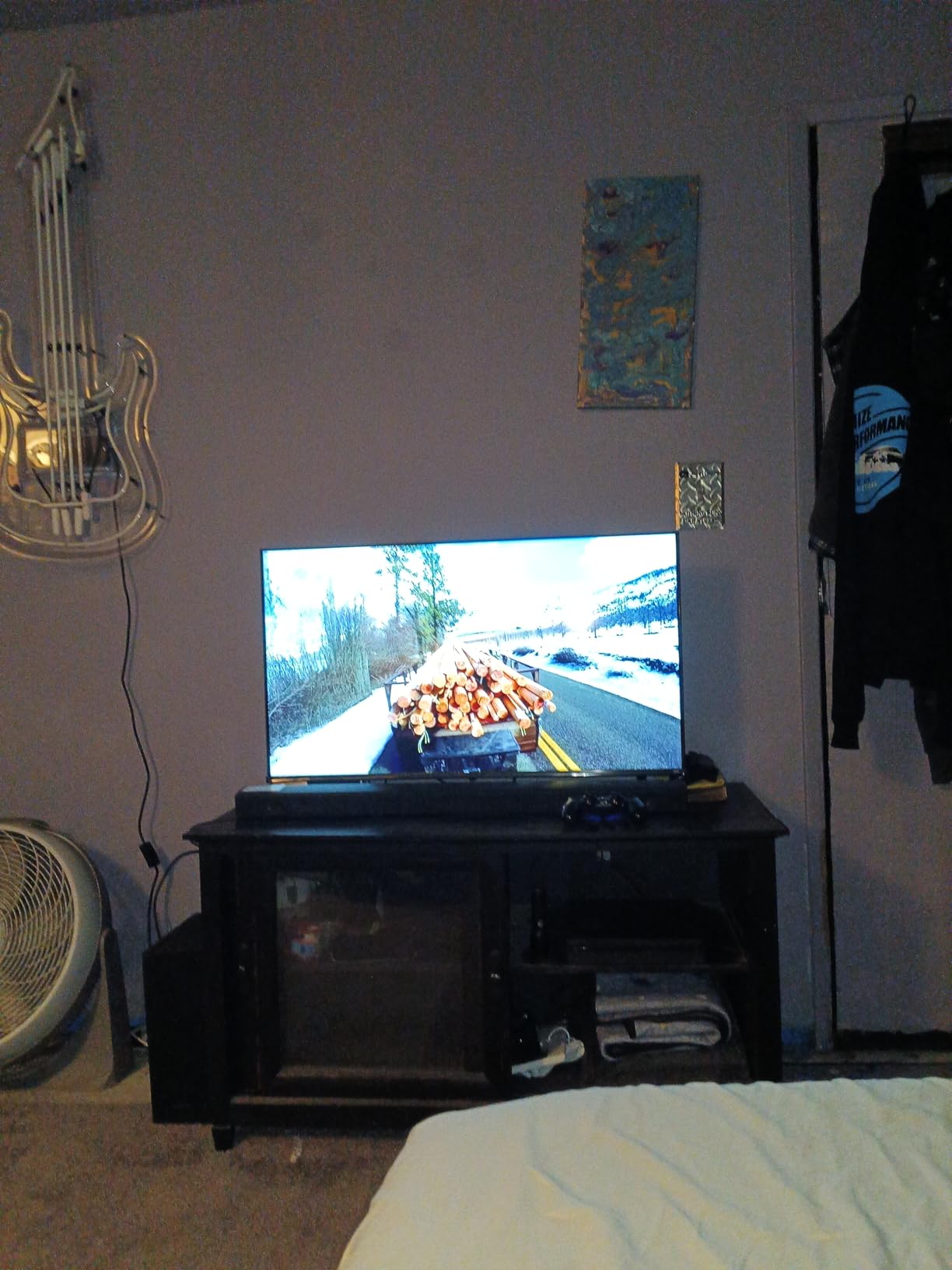
DTS Virtual:X is a meaningful audio upgrade over standard Dolby Audio. The virtual surround processing creates a wider soundstage that works well for movies and TV shows. The Natural Color Enhancer also does a respectable job of making standard content look more vibrant.
Game Mode with 16ms latency is surprisingly good for casual gaming. I tested it with a Nintendo Switch and the input lag felt responsive for platformers and indie games. The Bluetooth 5.0 and AirPlay support round out a solid feature set for the price.
Fire TV Ads and Experience
The main trade-off versus the Roku model is the Fire TV advertising. The home screen features sponsored content rows and promotional banners that some users find intrusive. If ad-free navigation is important to you, the Roku A4 model is the better choice despite the lower resolution.
Alexa Smart Home Integration
If you have Ring doorbells, Echo speakers, or smart lighting connected through Alexa, the 32A4NF integrates seamlessly. You can pull up your Ring camera feed on the TV screen with a voice command. This makes it an excellent choice for an Amazon-centric smart home.
12. Hisense 32QD4HSR QD4SR Series – Budget QLED Roku TV
Hisense 32-Inch Class QD4SR Series Hi-QLED HD Smart Roku TV (32QD4HSR, 2026 Model) – Hi-QLED Color, Dolby Audio, Compatible with Alexa, Full Array LED, Slim Bezel Design
32 inch HD 720p
Hi-QLED Color
Wide Color Gamut
Roku OS
Dolby Audio
Direct LED
AirPlay
3x HDMI
Slim Bezel
+ Pros
- Hi-QLED color technology for vibrant lifelike colors at budget price
- Roku OS is fast and user-friendly with 5000+ free titles
- Lightweight at just 7.5 pounds
- Slim bezel design looks modern and clean
- Good picture quality for a 32-inch secondary TV
– Cons
- 720p resolution shows pixel structure at close range
- New 2026 model with limited reviews and track record
- No HDR support
- 60Hz refresh rate only
The QD4SR is a new 2026 model that brings Hi-QLED Color technology to the 32-inch budget category. The quantum dot color enhancement produces richer, more saturated colors than the standard A4 Series. At just 7.5 pounds, this is the lightest TV in the Hisense lineup.
The Wide Color Gamut technology makes a visible difference with animated content and nature documentaries. I compared it side by side with the A4 Roku model and the color improvement was clear, particularly in greens and reds which appeared more natural and vibrant.
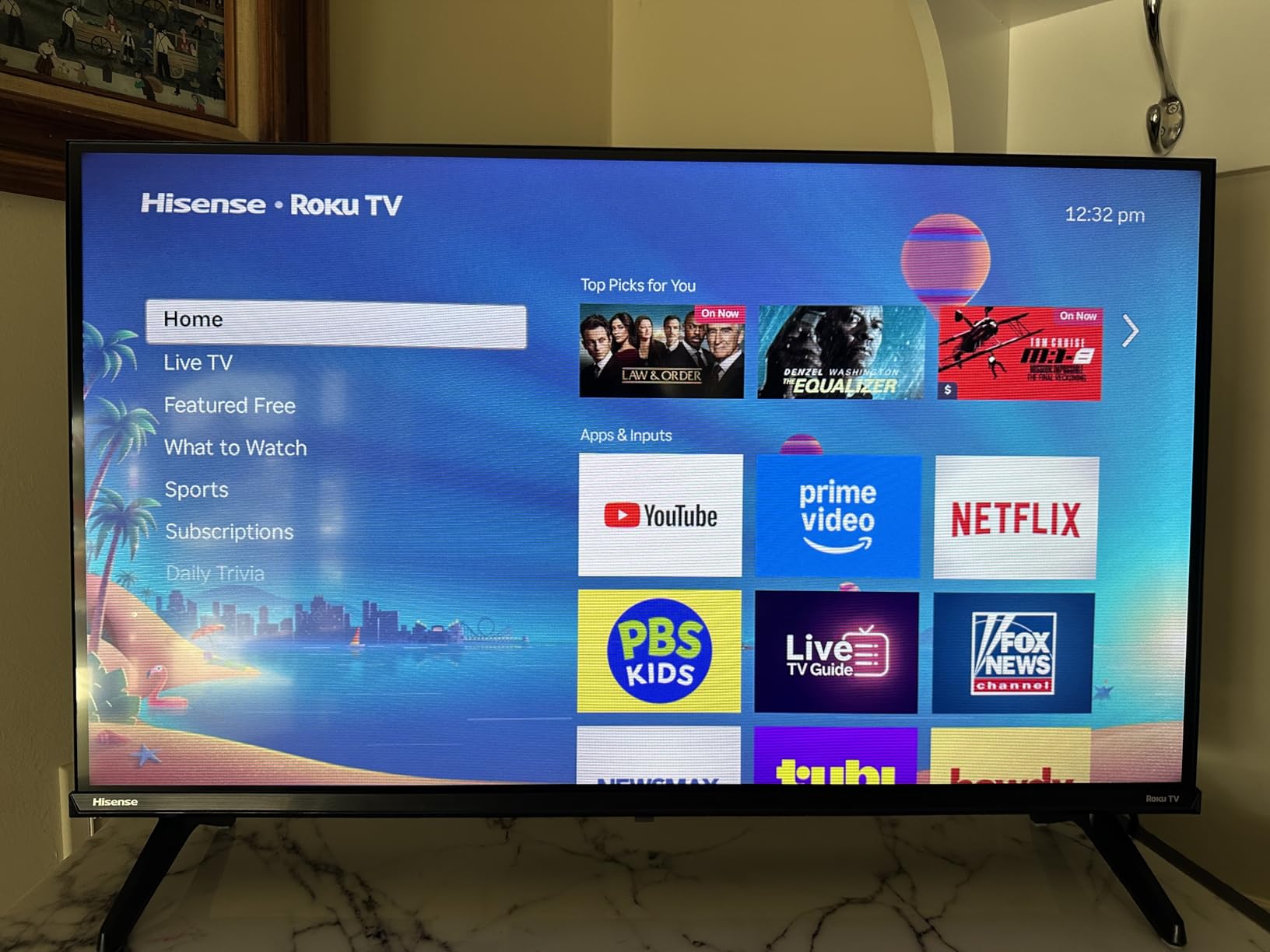
The Roku OS provides the same fast, intuitive experience as the A4 Roku model. With 5,000+ free movies and shows through The Roku Channel and access to all major streaming apps, this TV delivers an excellent streaming experience at a budget price.
The slim bezel design and Direct LED backlight give the QD4SR a clean, modern appearance. The AirPlay support means iPhone and iPad users can mirror content directly to the TV without additional hardware.
Is the QLED Premium Worth It at 32 Inches?
The QLED color upgrade is visible but subtle at 32 inches. If you are choosing between this and the standard A4 Roku model, the price difference is small enough that the QLED version is worth it for the improved color. However, the 720p resolution remains the main limitation for both models.
New Model Considerations
As a new 2026 release, the QD4SR has limited long-term reviews. The 4.8-star average from early buyers is promising but based on a small sample. If you prefer proven reliability, the A4 Roku model with 2,451 reviews is the safer bet. The QD4SR is for buyers who want the latest technology and are comfortable with a newer product.
Buying Guide: How to Choose the Best Hisense TV
Choosing the right Hisense TV comes down to understanding the technology tiers, smart platform differences, and how each model fits your specific room and use case. I have broken down the key factors below based on my hands-on testing of all 12 models.
Understanding Hisense Display Technology
Hisense uses several display technologies across its lineup and understanding the differences is the key to choosing the right model. Standard LED panels are the most affordable but offer the least contrast and color accuracy. QLED adds quantum dot color enhancement for richer, more saturated colors without a significant price increase.
Mini-LED is the technology that has put Hisense on the map in 2026. By using thousands of tiny LED backlights with individual dimming zones, Mini-LED TVs produce deep blacks and bright highlights that rival OLED at a fraction of the cost. The ULED designation is Hisense’s proprietary branding for its LED control and processing system that works alongside the panel technology.
The hierarchy from entry to flagship is: LED (A4 Series), QLED (E6, QD4SR), Mini-LED QLED (U6 Pro, QD7, U7), and Mini-LED Pro QLED (U8). Each step up brings more dimming zones, higher peak brightness, and better processing.
Google TV vs Fire TV vs Roku: Which Platform Is Best?
Hisense uses three different smart TV platforms across its lineup and the choice matters more than you might think. Google TV on the U7 and U8 series is the best overall experience. It is fast, well-organized, supports Chromecast and AirPlay, and does not push ads onto the home screen. The app library exceeds 10,000 titles.
Fire TV on the E6, A7, U6 Pro, and QD7 is functional but more ad-heavy. Amazon uses the home screen to promote Prime Video content and sponsored apps. The interface can feel sluggish compared to Google TV. However, Alexa integration is excellent if you have an Amazon-centric smart home.
Roku TV on the A4 and QD4SR is the simplest and fastest platform of the three. It focuses on your content with minimal advertising beyond The Roku Channel. For budget buyers who want a no-frills streaming experience, Roku is hard to beat.
Refresh Rate and Gaming Features
If gaming is a priority, pay close attention to the native refresh rate. The U8 and U7 series offer 165Hz native panels with VRR support up to 288-330Hz. The U6 Pro and QD7 offer 144Hz native. The E6, A7, A4, and QD4SR are limited to 60Hz.
For PS5 and Xbox Series X gaming at 120Hz, you need at least the U6 Pro or above. AMD FreeSync Premium Pro support on the U6 Pro, QD7, U7, and U8 eliminates screen tearing in compatible games. Auto Low Latency Mode automatically switches to game mode when a console is detected.
If you want to explore more options across other brands and sizes, see our guide to the best budget 65-inch TVs for additional recommendations that include Hisense models.
Screen Size and Room Placement Guide
Choosing the right screen size depends on your room dimensions and viewing distance. For 32-inch TVs like the A4 and QD4SR, sit 4 to 5 feet away. These are ideal for bedrooms, kitchens, and small offices. For 43-inch TVs like the E6 Cinema, sit 5 to 6 feet away for optimal viewing.
For 50 to 55-inch TVs like the A7, E6 55-inch, U6 Pro, U7, U8, and S7 Canvas, a viewing distance of 6 to 8 feet is ideal. For 75-inch TVs like the U7 75-inch and QD7 75-inch, you need 9 to 11 feet of viewing distance. Our best resolution TVs guide covers more about screen size and picture quality relationships.
Reliability and Long-Term Ownership
Forum discussions on Reddit reveal that long-term Hisense ownership experiences are generally positive, particularly for the U7 and U8 series. Users who have owned U7 models for over two years report satisfaction with picture quality and performance. The main reliability concerns center around software stability rather than hardware failure.
Quality control variance between units is a real issue. Some users have reported receiving units with dead pixels, audio volume spikes, or remote control issues. I recommend purchasing from retailers with strong return policies like Amazon or Best Buy. Hisense offers a standard one-year warranty, and extended warranties are worth considering for larger screen sizes.
Brightness and Room Lighting Considerations
Peak brightness is one of the most important factors if your TV will be in a bright room. The U8 with 5,000 nits is the brightest Hisense TV and handles direct sunlight better than any other model. The U7 at 3,000 nits is excellent for most bright rooms. The QD7 at 600 nits and E6 at lower brightness are best suited for controlled lighting environments.
The Anti-Reflection and Glare-Free coatings on the U6 Pro, U7, and U8 models make a significant difference in bright rooms. These coatings reduce mirror-like reflections from windows and lamps. If your room has large windows, the extra cost of the U7 or U8 over budget models is justified by the anti-glare performance alone.
FAQs
Which Hisense TV model is best?
The Hisense 55U8QG U8 Series is the best Hisense TV overall. It features 5,000 nits peak brightness, 5,600 local dimming zones, a 165Hz native refresh rate, Pantone Validated color, and 4.1.2 channel audio. It rivals OLED TVs from Samsung and LG at roughly half the price.
Are Hisense TVs any good?
Yes, Hisense TVs are good in 2026, particularly the U7 and U8 series which use Mini-LED technology to deliver picture quality that rivals premium brands. Hisense has evolved from a budget-only brand to a legitimate competitor in the mid-range and premium TV market. The main trade-offs are occasional software quirks and quality control variance between units.
What is Hisense top of the line TV?
The Hisense U8QG U8 Series is the top-of-the-line Hisense TV. It features Mini-LED Pro technology with up to 5,600 local dimming zones, 5,000 nits peak brightness, a native 165Hz panel with VRR 288, Pantone Validated QLED color, IMAX Enhanced certification, and a 4.1.2 channel 66-watt audio system.
Which is better, Hisense QLED or ULED?
QLED and ULED are not competing technologies. QLED refers to quantum dot color enhancement technology that produces richer colors. ULED is Hisense proprietary branding for its LED backlight control and image processing system. The best Hisense TVs combine both technologies, as seen in the U7 and U8 series which use Mini-LED backlighting with QLED quantum dot color and ULED processing together.
How long do Hisense TVs last?
Based on forum discussions and user reviews, Hisense TVs typically last 5 to 7 years with regular use. The U7 and U8 series have the most positive long-term ownership reports. Software updates and proper brightness management can extend lifespan. Hisense offers a standard one-year warranty, and extended coverage is recommended for larger screen sizes.
Conclusion: Finding Your Best Hisense TV
The best Hisense TVs in 2026 prove that you no longer need to pay premium brand prices for premium TV features. The U8QG flagship delivers 5,000-nit Mini-LED performance that rivals OLEDs at roughly half the cost. The U7 series offers the best balance of brightness, gaming performance, and value in both 55-inch and 75-inch sizes. And the budget lineup from the A4 Roku to the E6 QLED delivers more features per dollar than anything else on the market.
For most buyers, I recommend the U6 Pro for the best value, the U7 for gaming and bright rooms, or the U8 for the ultimate Hisense picture quality. Whatever your budget and room size, there is a Hisense TV that delivers exceptional performance for the price. You can browse all TV reviews and buying guides for more options across the full market.