Category: Informative

  • A Guide To Yamaha Generators Spark Plug Gap and Socket Size

    Are you looking for reliable power solutions? Yamaha generators are a great choice when it comes to providing the necessary power in remote locations or during emergencies.

    But before you can use your generator, there are some important details that you’ll need to know about, like spark plug gaps and socket size.

    This article provides an easy-to-understand guide to determining Yamaha generators spark plug gap and socket size. We also provide helpful tips and advice on common mistakes to avoid when setting up your generator.

    With this information, you can confidently set up your generator to run smoothly and efficiently every time!

    What is the correct spark plug gap for a Yamaha Generator?

    A Yamaha Generator’s correct spark plug gap depends on the specific model. Generally, the spark plug gap should be between 0.6-0.7 mm (0.024″-0.028″ inches).

    Yamaha Generators Spark Plug Gap and Socket Size Guide

    For example, for the EF2000iS Inverter Generator, the standard spark plug is BPR6HS (NGK) with a gap of 0.6–0.7 mm (0.024″–0.028″). Additionally, some models may require a resistor spark plug with a gap of 0.030”.

    What is the correct socket size for a Yamaha Generator?

    When selecting a Yamaha Generator, it is important to know the correct socket size for your needs. The socket size of a Yamaha Generator varies depending on the model.

    Yamaha Generators Spark Plug Gap and Socket Size Guide

    For example, the EF2000IS model has a 13/16″ (21mm) socket size, while the EF2200iS model also has a 13/16″ (21mm) socket size.

    It is important to check the specifications of each generator before purchasing it in order to ensure that you have the correct socket size for your needs. Additionally, some models may require an adapter in order to use certain types of plugs.

    List Of All Yamaha Generators Gap & Socket Size

    1. Yamaha EF12000DE 12000 Watt Generator

    • Type – BPR5ES (NGK) or equivalent
    • Gap – 0.028″– 0.031″
    • Socket size – 13/16″ (21mm)
    • Owner’s manual – https://library.ymcapps.net

    2. Yamaha EF7200DE 7200 Watt Generator

    • Type – BPR4ES (NGK) or equivalent
    • Gap – 0.028″ – 0.031″
    • Socket size – 13/16″ (21mm)
    • Owner’s manual – https://library.ymcapps.net

    3. Yamaha EF7200D 7200 Watt Generator

    • Type – BPR4ES (NGK) or equivalent
    • Gap – 0.028″ – 0.031″
    • Socket size – 13/16″ (21mm)
    • Owner’s manual – https://library.ymcapps.net

    4. Yamaha EF6600D 6600 Watt Generator

    • Type – BPR4ES (NGK) or equivalent
    • Gap – 0.028″ – 0.031″
    • Socket size – 13/16″ (21mm)
    • Owner’s manual – https://library.ymcapps.net

    5. Yamaha EF6600DE 6600 Watt Generator

    • Type – BPR4ES (NGK) or equivalent
    • Gap – 0.028″ – 0.031″
    • Socket size – 13/16″ (21mm)
    • Owner´s manual – https://library.ymcapps.net

    6. Yamaha EF6300iSDE 6300 Watt Generator

    • Type – BPR4ES (NGK) or equivalent
    • Gap – 0.028″ – 0.031″
    • Socket size – 13/16″ (21mm)
    • Owner’s manual – https://library.ymcapps.net

    7. Yamaha EF5500DE 5500 Watt Generator

    • Type – BPR4ES (NGK) or equivalent
    • Gap – 0.028″ – 0.031″
    • Socket size – 13/16″ (21mm)
    • Owner’s manual – https://library.ymcapps.net

    8. Yamaha EF5500D 5500 Watt Generator

    • Type – BPR4ES (NGK) or equivalent
    • Gap – 0.028″ – 0.031″
    • Socket size – 13/16″ (21mm)
    • Owner’s manual – https://library.ymcapps.net

    9. Yamaha EF5200DE 5200 Watt Generator

    • Type – BPR4ES (NGK) or equivalent
    • Gap – 0.028″ – 0.031″
    • Socket size – 13/16″ (21mm)
    • Owner’s manual – https://library.ymcapps.net

    10. Yamaha EF5200D 5200 Watt Generator

    • Type – BPR4ES (NGK) or equivalent
    • Gap – 0.028″ – 0.031″
    • Socket size – 13/16″ (21mm)
    • Owner’s manual – https://library.ymcapps.net

    11. Yamaha EF4600A 4600 Watt Generator

    • Type – BPR4ES (NGK) or equivalent
    • Gap – 0.028″ – 0.031″
    • Socket size – 13/16″ (21mm)
    • Owner’s manual – https://library.ymcapps.net

    12. Yamaha EF4500iSE 4500 Watt Inverter Generator

    • Type – BPR4ES (NGK) or equivalent
    • Gap – 0.028″ – 0.031″
    • Socket size – 13/16″ (21mm)
    • Owner’s manual – https://library.ymcapps.net

    13. Yamaha EF4000DE 4000 Watt Inverter Generator

    • Type – BPR4ES (NGK) or equivalent
    • Gap – 0.028″ – 0.031″
    • Socket size – 13/16″ (21mm)
    • Owner’s manual – https://library.ymcapps.net

    14. Yamaha EF3000iSEB 3000 Watt Inverter Generator

    • Type – BPR4ES (NGK) or equivalent
    • Gap – 0.028″ – 0.031″
    • Socket size – 13/16″ (21mm)
    • Owner’s manual – https://library.ymcapps.net

    15. Yamaha EF2800i 2800 Watt Inverter Generator

    • Type – BPR4ES (NGK) or equivalent
    • Gap – 0.028″ – 0.031″
    • Socket size – 13/16″ (21mm)
    • Owner’s manual – https://library.ymcapps.net

    16. Yamaha EF2600J 2600 Watt Inverter Generator

    • Type – BPR4ES (NGK) or equivalent
    • Gap – 0.028″ – 0.031″
    • Socket size – 13/16″ (21mm)
    • Owner’s manual – https://library.ymcapps.net

    17. Yamaha EF2400iSHC 2400 Watt Inverter Generator

    • Type – BPR4ES (NGK) or equivalent
    • Gap – 0.028″ – 0.031″
    • Socket size – 13/16″ (21mm)
    • Owner’s manual – https://library.ymcapps.net

    18. Yamaha EF2400iSJ 2400 Watt Inverter Generator

    • Type – BPR4ES (NGK) or equivalent
    • Gap – 0.028″ – 0.031″
    • Socket size – 13/16″ (21mm)
    • Owner’s manual – https://library.ymcapps.net

    19. Yamaha EF2200iS 2200 Watt Inverter Generator

    • Type – BPR6HS (NGK) or equivalent
    • Gap – 0.024″– 0.028″
    • Socket size – 13/16″ (21mm)
    • Owner’s manual – https://library.ymcapps.net

    20. Yamaha EF2000iSv2 2000 Watt Inverter Generator

    • Type – BPR6HS (NGK) or equivalent
    • Gap – 0.024″– 0.028″
    • Socket size – 13/16″ (21mm)
    • Owner’s manual – https://library.ymcapps.net

    21. Yamaha EF2000iS 2000 Watt Inverter Generator

    • Type – BPR6HS (NGK) or equivalent
    • Gap – 0.024″– 0.028″
    • Socket size – 13/16″ (21mm)
    • Owner’s manual – https://www.yamahamotorsports.com

    22. Yamaha EF1000iS 1000 Watt Inverter Generator

    • Type – CR4HSB (NGK) or equivalent
    • Gap – 0.024″– 0.028″
    • Socket size – 13/16″ (21mm)
    • Owner’s manual – https://library.ymcapps.net

    How to check the spark plug gap on a Yamaha Generator

    Checking the spark plug gap on a Yamaha generator is an important part of regular maintenance. Here are the steps to follow

    Yamaha Generators Spark Plug Gap and Socket Size Guide
    1. Determine the type of spark plug your generator uses. You can find this information in the owner’s manual or by consulting a Yamaha consumer generator dealer.
    2. Use a spark plug gap tool to measure the gap between the electrodes on the spark plug. The gap should be set to the manufacturer’s recommended size, which can also be found in your owner’s manual or from a Yamaha consumer generator dealer.
    3. If necessary, adjust the gap with a feeler gauge and then re-check it with your spark plug gap tool to make sure it is correct.
    4. Once you have confirmed that the gap is set correctly, reinstall your spark plug into your generator, and you are ready to go.

    How to adjust the spark plug gap on a Yamaha Generator

    Adjusting the spark plug gap on a Yamaha Generator is a relatively simple process. Here are the steps to follow

    1. Locate the spark plug on your generator and remove it from the engine. Mostly, the spark plug is located on the upper side of the engine.
    2. Measure the gap between the two electrodes of the spark plug using a feeler gauge or wire thickness gauge.
    3. If necessary, adjust the gap by bending one of the electrodes with a pair of pliers until it reaches the desired size.
    4. Re-install the spark plug into your generator and tighten it securely with a wrench or socket set.
    5. Start up your generator and check that it is running properly before use.

    Tips for maintaining your Yamaha Generator spark plugs

    Maintaining your Yamaha generator’s spark plugs is essential for keeping it running smoothly. Here are some tips to help you keep your spark plugs in good condition.

    1. Check the gap size of the spark plug regularly. If it’s too wide or too narrow, replace the spark plug with one with the correct gap size.
    2. Clean the spark plug periodically to remove any dirt or debris that may have accumulated on it over time. Use a wire brush and compressed air to remove any buildup on the spark plug’s electrodes.
    3. Inspect the spark plug for signs of wear and tear, such as cracks, chips, or discoloration on its surface, every few months. If you notice any damage, replace it with a new one immediately to ensure the optimal performance of your generator engine.
    4. Replace your spark plugs at least once a year to ensure they work efficiently and provide maximum power output from your generator engine.

    By following these simple tips, you can make sure that your Yamaha generator’s spark plugs are always in top condition and provide reliable performance for years to come.

    Common problems with spark plugs on Yamaha Generators, and how to fix them?

    Spark plugs are an essential part of Yamaha generators, and it is important to keep them in good condition in order to ensure reliable performance. Here are some common problems with spark plugs on Yamaha generators and how to fix them.

    • Fouled Spark Plugs: Fouled spark plugs can be caused by oil or fuel contamination, which can lead to poor engine performance. To fix this problem, the spark plugs should be cleaned or replaced.
    • Worn Spark Plugs: Worn spark plugs can cause misfires and reduce engine performance. To fix this problem, the spark plugs should be replaced with new ones.
    • Incorrect Gap Settings: Incorrect gap settings can cause misfires and reduce engine performance. To fix this problem, the gap settings should be adjusted according to the manufacturer’s specifications.
    • Damaged Spark Plug Wires: Damaged spark plug wires can cause misfires and reduce engine performance. To fix this problem, the spark plug wires should be inspected for damage and replaced if necessary.

    Conclusion

    Maintaining the right spark plug gap and socket size for your Yamaha Generator is essential to ensure its optimal performance.

    The correct spark plug type, gap size, and alternatives can vary depending on your generator model.

    It is important to check the spark plug type and gap according to the manufacturer’s manual or a reliable source.

    Following these steps can help you maintain your generator’s spark plugs so that it continues to run smoothly and efficiently.

  • All Predator Generators Spark Plug Gap and Socket Size Guide

    Are you looking for an easy way to determine the Predator generators spark plug gap and socket size? If so, then this guide is just what you need.

    In this guide, we will provide all the information you need in order to get the correct spark plug gap and socket size for your Predator generator.

    We’ll also explain how to set up a gap gauge correctly so that you can ensure an accurate reading every time. So whether you’re replacing worn-out plugs or simply checking existing ones, this guide has everything you need to know!

    Overview of Spark Plug Gap & Socket Size

    If you own a Predator Generator, it’s important to know the spark plug gap and socket size for your model. Knowing this information can help you maintain your generator and keep it running smoothly.

    Predator Generators Spark Plug Gap and Socket Size

    The type of spark plug used in Predator Generators is the F6TC (Torch) type. The gap should be set at 0.028″ – 0.031″ (0.7-0.8 mm). The socket size is 13/16″ (21mm).

    We recommend you, use an NGK-BPR6EIX Spark Plug for Predator 3500 Inverter Generator as a quick and easy upgrade from the stock spark plug, which is designed to operate over a much wider heat range than ordinary plugs and resists carbon buildup.

    Top Predator Generators Spark Plug Gap And Socket Size

    Predator Generators Spark Plug Gap and Socket Size

    Given below are some of the top models of predator generators and their park plug and socket sizes.

    Predator 3500 Watt Inverter Generator (SN 56720 / 59137 /63584)

    Gap: 0.027″– 0.031″ (0.7-0.8 mm) | Socket size: 13/16″ (21mm)

    Spark Plug Gap

    The Spark Plug Gap of the Predator 3500 Watt Inverter Generator (SN 56720 / 59137 / 63584) is an important feature as it helps to ensure that the engine functions properly.

    The gap size determines how much electricity is transferred from the ignition coil to the engine. This particular model has a quite typical gap size, with a range of 0.027″–0.031″ (0.7-0.8 mm)

    Socket Size

    The socket size of the Predator 3500 Watt Inverter Generator (SN 56720 / 59137/ 63584) is an important component of the overall spark plug design.

    This allows for the appropriate level of electricity to be transferred from the ignition coil to the engine. The socket size is typically 13/16″ (21mm).

    Predator 1800 Watt Inverter Generator (SN 57064)

    Predator Generators Spark Plug Gap and Socket Size

    Gap: 0.028″−0.031″ (0.7-0.8 mm) | Socket size: 13/16″ (21mm)

    Spark Plug Gap

    The spark plug gap in the Predator 1800 Watt Inverter Generator should be set at 0.028″−0.031″ (0.7-0.8 mm). This ensures that the engine receives enough voltage to create a hot, powerful spark and efficient combustion of the air/fuel mixture.

    Socket Size

    The socket size of the Predator 1800 Watt Inverter Generator (SN 57064) is an essential component of its design. It acts as a conduit for transferring electricity from the ignition coil to the engine.

    Which is crucial for proper spark plug operation and engine performance. The socket size recommended for this generator is 13/16″ (21mm).

    Predator 2000 Watt Inverter Generator (SN 59135 /62523)

    Gap: 0.023″– 0.027″ (0.6-0.7 mm) | Socket size:5/8″ (16mm)

    Spark Plug Gap

    The Spark Plug Gap of the Predator 2000 Watt Inverter Generator (SN 59135 /62523) is an essential feature that helps ensure the proper functioning of the engine.

    The gap size determines how much electricity is transferred from the ignition coil to the engine and should be set between 0.023″–0.027″ (0.6-0.7mm).

    Socket Size

    It determines how effectively power is transferred from the generator to your appliances, tools, and other devices. The socket size of this particular model is 5/8″ (16mm).

    Predator 4000 Watt Generator (CARB / EPA III)

    Gap: 0.027″– 0.031″ (0.7-0.8 mm) | Socket size:13/16″ (21mm)

    Spark Plug Gap

    The Predator 4000 Watt Generator (CARB / EPA III) is equipped with a spark plug gap of 0.027-0.031 inches (0.7-0.8 mm).

    This spacing is important for the efficient operation of the generator engine and must be maintained for optimal performance.

    Socket Size

    The Socket Size of the Predator 4000 Watt Generator (CARB / EPA III) is an important factor that must be taken into consideration to ensure proper operation.

    The socket size of this generator is 13/16″ (21mm). This socket size is necessary for the efficient functioning of all electrical components within the generator, such as spark plugs and other connections.

    List Of All Predator Generators Spark Plug Gap And Socket Size

    Predator 9500 Watt Inverter Generator (SN 57080)

    • Type – BPR6ES (NGK) or equivalent
    • Upgrade – BPR6EIX – NGK Iridium Spark Plug
    • Gap – 0.028″– 0.031″ (0.7-0.8 mm)
    • Socket size – 13/16″ (21mm)

    Predator 9000 Watt Generator (CARB / EPA III)

    • Type – F6TC (Torch)
    • Gap – 0.028″ – 0.031″ (0.7-0.8 mm)
    • Socket size – 13/16″ (21mm)

    Predator 8750 Watt Inverter Generator (SN 57480)

    • Type – F6RTC (Torch) or equivalent
    • Gap – 0.028″ – 0.031″ (0.7-0.8 mm)
    • Socket size – 13/16″ (21mm)

    Predator 8750 Watt Generator (EPA III)

    • Type – F6TC (Torch) or equivalent
    • Gap – 0.028″ – 0.031″ (0.7-0.8 mm)
    • Socket size – 13/16″ (21mm)

    Predator 6500 Watt Generator (CARB / EPA III)

    • Type – F6TC (Torch) or equivalent
    • Gap – 0.028″– 0.031″ (0.7-0.8 mm)
    • Socket size – 13/16″ (21mm)

    Predator 4550 Watt Inverter Generator (SN 59303)

    • Type – F6RTC (Torch) or equivalent
    • Gap – 0.028″ – 0.031″ (0.7-0.8 mm)
    • Socket size – 13/16″ (21mm)

    Predator 4400 Watt Inverter Generator (SN 57509)

    • Type – F6RTC (Torch) or equivalent
    • Gap – 0.028″ – 0.031″ (0.7-0.8 mm)
    • Socket size – 13/16″ (21mm)

    Predator 4375 Watt Generator (CARB / EPA III)

    • Type – F6TC (Torch) or equivalent
    • Gap – 0.027″– 0.031″ (0.7-0.8 mm)
    • Socket size – 13/16″ (21mm)

    Predator 4000 Watt Generator (CARB / EPA III)

    • Type – F6TC (Torch) or equivalent
    • Gap – 0.027″– 0.031″ (0.7-0.8 mm)
    • Socket size – 13/16″ (21mm)

    Predator 3500 Watt Inverter Generator (SN 56720 / 63584)

    • Type – F7RTC (Torch) or equivalent
    • Upgrade – BPR6EIX – NGK Iridium Spark Plug
    • Gap – 0.027″– 0.031″ (0.7-0.8 mm)
    • Socket size – 13/16″ (21mm)

    Predator 2000 Watt Inverter Generator (SN 62523)

    • Type – A5RTC (Torch) or equivalent
    • Gap – 0.023″– 0.027″ (0.6-0.7 mm)
    • Socket size – 5/8″ (16mm)

    Predator 1800 Watt Inverter Generator (SN 57064)

    • Type – E6RTC (LG)
    • Gap – 0.028″−0.031″ (0.7-0.8 mm)
    • Socket size – 13/16″ (21mm)

    Predator 1400 Watt Inverter Generator (SN 57063)

    • Type – A5RTC (Torch) or equivalent
    • Gap – 0.024″– 0.028″ (0.6-0.7 mm)
    • Socket size – 5/8″ (16mm)

    Benefits of Setting the Correct Spark Plug Gap & Socket Size

    When it comes to spark plugs, setting the correct gap and socket size is essential for optimal engine performance. Here are some of the benefits of using the right spark plug gap and socket size.

    • Improved fuel efficiency: Setting the correct spark plug gap and socket size helps ensure that your engine is running at its most efficient level, which can help you save on fuel costs.
    • Increased power output: When your engine is running at its peak efficiency, it will be able to generate more power than if it was running with an incorrect spark plug gap or socket size.
    • Reduced emissions: A properly tuned engine will produce fewer emissions than one that is not correctly tuned. This can help reduce air pollution and improve overall air quality.
    • Longer life span: By ensuring that your engine is running at its peak efficiency, you can extend its life span significantly. This means that you won’t have to replace your spark plugs as often and can save money in the long run.

    Overall, setting the correct spark plug gap and socket size for your Predator generator is essential for ensuring optimal performance. Not only will you save on fuel costs and emissions, but you’ll also be extending the life of your engine. So, take the time to make sure that your spark plugs are set up correctly and that your socket size matches

    How to Install a New Spark Plug in Predator Generator?

    Installing a new spark plug in your Predator Generator is an easy task that can be done in just a few steps.

    First, you will need to determine the type of spark plug that is compatible with your generator. The most common type for Predator Generators is the BPR6ES (NGK) or equivalent. You may also want to consider upgrading to an NGK Iridium Spark Plug (BPR6EIX).

    Once you have determined the correct type of spark plug, you will need to adjust the gap between the electrodes. This should be set at 0.028”-0.031” (0.7-0.8 mm). If necessary, use a feeler gauge to measure and adjust the gap accordingly.

    Next, remove the old spark plug from its socket using a ratchet and socket wrench and replace it with the new one. Make sure that it is firmly seated before tightening it securely with your wrench.

    Finally, check all connections and ensure that everything is properly tightened before starting up your generator again.

    Tips on Maintaining your Predator Generator’s Spark Plug

    Maintaining your Predator Generator’s spark plug is an important part of keeping it in good working order. Here are some tips to help you keep your generator running smoothly.

    1. Disconnect the spark plug cap from the end of the plug and clean out any debris that has accumulated around it.
    2. Using a spark plug wrench, remove the old spark plug and replace it with a new one.
    3. Make sure to check the gap between the electrodes on the new spark plug and adjust it if necessary.
    4. Reattach the spark plug cap securely and make sure all connections are tight before starting up your generator.

    These simple steps can help ensure that your Predator Generator runs smoothly and efficiently.

    Conclusion

    The Predator Generator Spark Plug Gap & Socket Size Guide is a helpful resource for anyone looking to replace the spark plug in their Predator generator.

    This guide provided you with information on the type of spark plug, gap size, socket size, and other important details needed to ensure a successful installation.

    It also includes cross-reference charts and links to manuals for specific models. Follow the steps outlined in this guide, and you’ll have a generator that runs smoothly for years to come!

  • Guide To Champion Generators Spark Plug Gap and Socket Size

    Are you looking for the right spark plug gap and socket size to use in your Champion Generator? If so, you’ve come to the right place. In this article, we will provide a comprehensive guide on Champion Generators spark plug gap and socket size.

    We will also explain how these two important pieces of information are related and why they are important for optimal generator performance.

    With this knowledge, you can be sure that your generator is running at peak efficiency and getting the most out of its power output. So read on to learn more about Champion Generators’ spark plug gap & socket size.

    Types of Spark Plugs Used in Champion Generators

    Champion generators use a variety of spark plugs, including copper plus, double platinum, and iridium.

    Champion Generators Spark Plug Gap and Socket Size Guide

    Champion’s copper plus spark plugs are designed to provide superior performance in all types of engines. They feature a nickel-plated shell for corrosion resistance and an improved seal for better heat transfer.

    Double platinum spark plugs offer faster starting, longer-lasting power, and more powerful performance than traditional spark plugs.

    Finally, Champion’s iridium spark plugs provide maximum durability and improved fuel economy for your generator.

    Champion Generators Recommended Spark Plug Gap

    It depends on the model of your Champion Generator. Mostly the spark plug gap used in Champion generators is 0.028″-0.031″ (inches) (0.71-0.08 mm).

    Champion Generators Spark Plug Gap and Socket Size Guide

    It is important to use the correct gap setting, as even a small difference can have an effect on the performance of the engine.

    Be sure to check once before installation, as the gap may vary depending on the manufacturer and type of spark plug.

    Champion Generators Recommended Socket Size

    Champion Generators Spark Plug Gap and Socket Size Guide

    All Champion Generators’ spark plug socket sizes are nearly 5/8 or 13/16 inches. This allows. This gap size ensures that your Champion Generator will run efficiently and safely for years to come.

    Ensure to check the user guide once before installation.

    All Champion Generators Spark Plug Gap And Socket Size

    Given below are the spark plug gap and socket size for all the Champion generator models.

    Champion 12000 Watt Generator

    • OEM type – F6RTC (NHSP)
    • Replacement type – BPR6ES (NGK) or equivalent
    • Gap – 0.028″-0.031″ (0.7-0.8mm)
    • Socket size – 13/16″ (21mm)

    Champion 9500 Watt Generator

    • OEM type – F6RTC (NHSP)
    • Replacement type – BPR6ES (NGK) or equivalent
    • Gap – 0.028″-0.031″ (0.7-0.8mm)
    • Socket size – 13/16″ (21mm)

    Champion 9200 Watt Generator

    • OEM type – F6RTC (NHSP)
    • Replacement type – BPR6ES (NGK) or equivalent
    • Gap – 0.028″-0.031″ (0.7-0.8mm)
    • Socket size – 13/16″ (21mm)

    Champion 9000 Watt Generator

    • OEM type – F6RTC (NHSP)
    • Replacement type – BPR6ES (NGK) or equivalent
    • Gap – 0.028″-0.031″ (0.7-0.8mm)
    • Socket size – 13/16″ (21mm)

    Champion 8750 Watt Inverter Generator

    • OEM type – F6RTC (NHSP)
    • Replacement type – BPR6ES (NGK) or equivalent
    • Gap – 0.028″-0.031″ (0.7-0.8mm)
    • Socket size – 13/16″ (21mm)

    Champion 8500 Watt Dual Fuel Generator

    • OEM type – F6RTC (NHSP)
    • Replacement type – BPR6ES (NGK) or equivalent
    • Gap – 0.024″-0.031″ (0.6-0.8mm)
    • Socket size – 13/16″ (21mm)

    Champion 8000 Watt Tri Fuel Generator

    • OEM type – F7RTC (NHSP)
    • Replacement type – BPR7ES (NGK) or equivalent
    • Gap – 0.028″-0.031″ (0.7-0.8mm)
    • Socket size – 13/16″ (21mm)

    Champion 8000 Watt Dual Fuel Generator

    • OEM type – F6RTC (NHSP)
    • Replacement type – BPR6ES (NGK) or equivalent
    • Gap – 0.028″-0.031″ (0.7-0.8mm)
    • Socket size – 13/16″ (21mm)

    Champion 7500 Watt Dual Fuel Generator

    • OEM type – F6RTC (NHSP)
    • Replacement type – BPR6ES (NGK) or equivalent
    • Gap – 0.024″-0.031″ (0.6-0.8mm)
    • Socket size – 13/16″ (21mm)

    Champion 7500 Watt Generator

    • OEM type – F6RTC (NHSP)
    • Replacement type – BPR6ES (NGK) or equivalent
    • Gap – 0.024″-0.031″ (0.6-0.8mm)
    • Socket size – 13/16″ (21mm)

    Champion 7200 Watt Generator

    • OEM type – F6RTC (NHSP)
    • Replacement type – BPR6ES (NGK) or equivalent
    • Gap – 0.028″-0.031″ (0.7-0.8mm)
    • Socket size – 13/16″ (21mm)

    Champion 6500 Watt Dual Fuel Generator

    • OEM type – F6RTC (NHSP)
    • Replacement type – BPR6ES (NGK) or equivalent
    • Gap – 0.028″-0.031″ (0.7-0.8mm)
    • Socket size – 13/16″ (21mm)

    Champion 6500 Watt Generator

    • OEM type – F6RTC (NHSP)
    • Replacement type – BPR6ES (NGK) or equivalent
    • Gap – 0.028″-0.031″ (0.7-0.8mm)
    • Socket size – 13/16″ (21mm)

    Champion 6250 Watt Dual Fuel Generator

    • OEM type – F6RTC (NHSP)
    • Replacement type – BPR6ES (NGK) or equivalent
    • Gap – 0.028″-0.031″ (0.7-0.8mm)
    • Socket size – 13/16″ (21mm)

    Champion 6250 Watt Inverter Generator

    • OEM type – F6RTC (NHSP)
    • Replacement type – BPR6ES (NGK) or equivalent
    • Gap – 0.028″-0.031″ (0.7-0.8mm)
    • Socket size – 13/16″ (21mm)

    Champion 6000 Watt Generator

    • OEM type – F6RTC (NHSP)
    • Replacement type – BPR6ES (NGK) or equivalent
    • Gap – 0.028″-0.031″ (0.7-0.8mm)
    • Socket size – 13/16″ (21mm)

    Champion 5500 Watt Dual Fuel Generator

    • OEM type – F6RTC (NHSP)
    • Replacement type – BPR6ES (NGK) or equivalent
    • Gap – 0.028″-0.031″ (0.7-0.8mm)
    • Socket size – 13/16″ (21mm)

    Champion 5500 Watt Inverter Generator

    • OEM type – F6RTC (NHSP)
    • Replacement type – BPR6ES (NGK) or equivalent
    • Gap – 0.028″-0.031″ (0.7-0.8mm)
    • Socket size – 13/16″ (21mm)

    Champion 5500 Watt Generator

    • OEM type – F6RTC (NHSP)
    • Replacement type – BPR6ES (NGK) or equivalent
    • Gap – 0.028″-0.031″ (0.7-0.8mm)
    • Socket size – 13/16″ (21mm)

    Champion 5000 Watt Generator

    • OEM type – F6RTC (NHSP)
    • Replacement type – BPR6ES (NGK) or equivalent
    • Gap – 0.024″-0.031″ (0.6-0.8mm)
    • Socket size – 13/16″ (21mm)

    Champion 4650 Watt Dual Fuel Inverter Generator

    • OEM type – F6RTC (NHSP)
    • Replacement type – BPR6ES (NGK) or equivalent
    • Gap – 0.028″-0.031″ (0.7-0.8mm)
    • Socket size – 11/16″ (17mm)

    Champion 4650 Watt Inverter Generator

    • OEM type – F6RTC (NHSP)
    • Replacement type – BPR6ES (NGK) or equivalent
    • Gap – 0.028″-0.031″ (0.7-0.8mm)
    • Socket size – 13/16″ (21mm)

    Champion 4500 Watt Inverter Generator

    • OEM type – F6RTC (NHSP)
    • Replacement type – BPR6ES (NGK) or equivalent
    • Gap – 0.028″-0.031″ (0.7-0.8mm)
    • Socket size – 11/16″ (17mm)

    Champion 4250 Watt Dual Fuel Inverter Generator

    • OEM type – F6RTC (NHSP)
    • Replacement type – BPR6ES (NGK) or equivalent
    • Gap – 0.024″-0.031″ (0.6-0.8mm)
    • Socket size – 13/16″ (21mm)

    Champion 4250 Watt Inverter Generator

    • OEM type – F6RTC (NHSP)
    • Replacement type – BPR6ES (NGK) or equivalent
    • Gap – 0.028″-0.031″ (0.7-0.8mm)
    • Socket size – 13/16″ (21mm)

    Champion 4000 Watt Dual Fuel Inverter Generator

    • OEM type – F6RTC (NHSP)
    • Replacement type – BPR6ES (NGK) or equivalent
    • Gap – 0.028″-0.031″ (0.7-0.8mm)
    • Socket size – 13/16″ (21mm)

    Champion 4000 Watt Inverter Generator

    • OEM type – F6RTC (NHSP)
    • Replacement type – BPR6ES (NGK) or equivalent
    • Gap – 0.028″-0.031″ (0.7-0.8mm)
    • Socket size – 13/16″ (21mm)

    Champion 4000 Watt Generator

    • OEM type – F6RTC (NHSP)
    • Replacement type – BPR6ES (NGK) or equivalent
    • Gap – 0.028″-0.031″ (0.7-0.8mm)
    • Socket size – 13/16″ (21mm)

    Champion 3800 Watt Dual Fuel Generator

    • OEM type – F6RTC (NHSP)
    • Replacement type – BPR6ES (NGK) or equivalent
    • Gap – 0.024″-0.031″ (0.6-0.8mm)
    • Socket size – 13/16″ (21mm)

    Champion 3650 Watt Dual Fuel Generator

    • OEM type – F6RTC (NHSP)
    • Replacement type – BPR6ES (NGK) or equivalent
    • Gap – 0.024″-0.031″ (0.6-0.8mm)
    • Socket size – 13/16″ (21mm)

    Champion 3650 Watt Generator

    • OEM type – F6RTC (NHSP)
    • Replacement type – BPR6ES (NGK) or equivalent
    • Gap – 0.028″-0.031″ (0.7-0.8mm)
    • Socket size – 13/16″ (21mm)

    Champion 3550 Watt Generator

    • OEM type – F6RTC (NHSP)
    • Replacement type – BPR6ES (NGK) or equivalent
    • Gap – 0.028″-0.031″ (0.7-0.8mm)
    • Socket size – 13/16″ (21mm)

    Champion 3500 Watt Dual Fuel Inverter Generator

    • OEM type – F7RTC (NHSP)
    • Replacement type – BPR7ES (NGK) or equivalent
    • Gap – 0.028″-0.031″ (0.7-0.8mm)
    • Socket size – 13/16″ (21mm)

    Champion 3500 Watt Inverter Generator

    • OEM type – F6RTC (NHSP)
    • Replacement type – BPR6ES (NGK) or equivalent
    • Gap – 0.028″-0.031″ (0.7-0.8mm)
    • Socket size – 13/16″ (21mm)

    Champion 3500 Watt Generator

    • OEM type – F6RTC (NHSP)
    • Replacement type – BPR6ES (NGK) or equivalent
    • Gap – 0.028″-0.031″ (0.7-0.8mm)
    • Socket size – 13/16″ (21mm)

    Champion 3400 Watt Dual Fuel Inverter Generator

    • OEM type – F7RTC (NHSP)
    • Replacement type – BPR7ES (NGK) or equivalent
    • Gap – 0.028″-0.031″ (0.7-0.8mm)
    • Socket size – 13/16″ (21mm)

    Champion 3400 Watt Inverter Generator

    • OEM type – F6RTC (NHSP)
    • Replacement type – BPR6ES (NGK) or equivalent
    • Gap – 0.028″-0.031″ (0.7-0.8mm)
    • Socket size – 13/16″ (21mm)

    Champion 3400 Watt Generator

    • OEM type – F6RTC (NHSP)
    • Replacement type – BPR6ES (NGK) or equivalent
    • Gap – 0.028″-0.031″ (0.7-0.8mm)
    • Socket size – 13/16″ (21mm)

    Champion 3250 Watt Generator

    • OEM type – F6RTC (NHSP)
    • Replacement type – BPR6ES (NGK) or equivalent
    • Gap – 0.028″-0.031″ (0.7-0.8mm)
    • Socket size – 13/16″ (21mm)

    Champion 3100 Watt Dual Fuel Inverter Generator

    • OEM type – F7RTC (NHSP)
    • Replacement type – BPR7ES (NGK) or equivalent
    • Gap – 0.028″-0.031″ (0.7-0.8mm)
    • Socket size – 13/16″ (21mm)

    Champion 2500 Watt Dual Fuel Inverter Generator

    • OEM type – E6RTC (NHSP)
    • Replacement type – BPR5HS (NGK) or equivalent
    • Gap – 0.024″-0.031″ (0.6-0.8mm)
    • Socket size – 13/16″ (21mm)

    Champion 2500 Watt Inverter Generator

    • OEM type – E6RTC (NHSP)
    • Replacement type – BPR5HS (NGK) or equivalent
    • Gap – 0.024″-0.031″ (0.6-0.8mm)
    • Socket size – 13/16″ (21mm)

    Champion 2400 Watt Dual Fuel Inverter Generator

    • OEM type – A5RTC (TORCH)
    • Replacement type – CR6HSA (NGK) or equivalent
    • Gap – 0.024″-0.031″ (0.6-0.8mm)
    • Socket size – 11/16″ (17mm)

    Champion 2000 Watt Dual Fuel Inverter Generator

    • OEM type – E6RTC (NHSP)
    • Replacement type – BPR5HS (NGK) or equivalent
    • Gap – 0.024″-0.031″ (0.6-0.8mm)
    • Socket size – 13/16″ (21mm)

    Champion 2000 Watt Inverter Generator

    • OEM type – E6RTC (NHSP)
    • Replacement type – BPR6HS (NGK) or equivalent
    • Gap – 0.024″-0.028″ (0.6-0.7mm)
    • Socket size – 13/16″ (21mm)

    Champion 1400 Watt Generator

    • OEM type – E6RTC (NHSP)
    • Replacement type – BPR6HS (NGK) or equivalent
    • Gap – 0.028″-0.031″ (0.7-0.8mm)
    • Socket size – 13/16″ (21mm)

    Champion 1200 Watt Generator

    • OEM type – E6RTC (NHSP)
    • Replacement type – BPR6HS (NGK) or equivalent
    • Gap – 0.028″-0.031″ (0.7-0.8mm)
    • Socket size – 13/16″ (21mm)

    How to adjust the Spark Plug Gap of Champion Generators

    It is important to follow the steps below to ensure that your generator runs safely and efficiently.

    1. Stop the engine and disconnect the spark plug wire.
    2. Use a spark plug gap tool to adjust the gap of the spark plug.
    3. Gently bend the ground electrode in or out to widen or narrow the gap, respectively. Be careful when adjusting, as too much pressure can damage the spark plug.
    4. Check your manual for specific models and their recommended spark plugs, gap sizes, alternatives, cross-reference charts, and links to manuals.
    5. For iridium spark plugs, use a feeler gauge instead of a wheel type of tool to adjust the gap size, as it is more delicate than other types of plugs.
    6. Reattach the spark plug wire once you have adjusted the gap size accordingly, and restart your generator for testing purposes.

    By following these steps, you can ensure that your Champion Generator will run safely and efficiently for years to come.

    Common problems with Generators while Adjusting the Spark Plug Gap

    Here are some common problems and their solutions while adjusting the spark plug gap.

    1. Spark plugs not reaching their desired gap size: This is usually caused by dirt between the spark plug electrodes or too much pressure applied when adjusting it. To prevent this problem, regularly clean your spark plugs using compressed air and avoid using excessive force when adjusting them.
    2. Insufficient voltage at start-up: If there is an insufficient voltage at start-up, then you may need to reset or replace the battery or check all of the wiring connections for proper connection. If that does not fix the issue, you may need a new spark plug with a wider gap than originally installed.
    3. Excessive vibration during operation: This is typically due to an incorrect gap size or unclean/damaged electrodes on the spark plug that causes misfires inside your generator’s engine. The best way to fix this problem is to properly inspect and clean your spark plugs and take extra care when adjusting their gap size.
    4. Over-tightening the spark plug: When replacing or adjusting the spark plug gap, make sure not to over-tighten it. Over-tightening can cause damage to the threads of both the spark plug and cylinder head, leading to costly repairs.
    5. Use of incorrect spark plug: Using the correct spark plug for your generator model is essential. Using the wrong type or size of the spark plug can affect the engine’s performance and may cause damage to the generator.
    6. Worn or damaged spark plug: Over time, the spark plug can wear down or become damaged, leading to decreased engine performance, misfires, and difficulty starting the generator. It is recommended to replace the spark plug every 100 hours of use or yearly, whichever comes first.

    By following these steps, you can ensure that your Generator operates smoothly and efficiently.

    Conclusion

    Regarding Champion Generators, it is important to know the spark plug gap and socket size guide.

    This guide provides you with all the necessary information to ensure that your generator is running at its best. It is important to check your spark plug regularly and ensure you have the correct socket size for your model.

    Additionally, by following the manufacturer’s recommendations for spark plug gaps and socket size, you can ensure your generator will run smoothly for years to come.

  • Guide To Predator Generator Fuel Types, Capacity & Run Time

    Are you looking to buy a Predator generator but confused by all the different types of fuel, capacities, and run times available?

    If so, then this guide is for you; this will help you make an informed decision about which type of Predator generator fuel types, capacity & runtime best suits your needs.

    It covers everything from fuel types to capacity and runs time in detail so that you can choose the right one for your situation. Whether for home use or commercial purposes, this guide has all the information required to ensure that your purchase meets all your requirements.

    You’ll discover what kind of fuel works best with each type of generator and how much power they can produce at peak times as well as regular running times.

    We’ll also discuss safety tips when using generators and provide helpful advice on maintenance schedules and options available to extend the life span of your new purchase.

    Types Of Fuel Used In Predator Generators

    Predator generators can run on various fuel sources, depending on the model and type. Here are the main types of fuel you’ll find in Predator generators.

    Predator Generator Fuel Types, Capacity & Run Time

    87+ Octane, Stabilizer-treated Unleaded Gasoline

    When it comes to fuel types for Predator generators, one option is 87+ octane, stabilizer-treated unleaded gasoline. This type of gasoline is commonly used in Predator generators, and portable generators as it is readily available at gas stations and has a longer shelf life compared to other gasoline types.

    The stabilizer added to the gasoline helps to prevent the fuel from breaking down and causing engine problems over time.

    Diesel

    Diesel engines are typically the preferred choice for heavy-duty generators as they offer more reliability, durability, and fuel efficiency than other fuel types. These diesel engines can produce much more power than gasoline engines while also being more efficient in terms of fuel consumption.

    Gasoline

    Gasoline is another popular option for home and RV use due to its portability, affordability, and availability of fuel. However, they need regular maintenance and upkeep to ensure optimal performance, as they aren’t as reliable or efficient as diesel engines.

    Natural gas-powered

    Natural gas-powered generators are an excellent choice for large-scale operations as they produce a steady supply of power over long periods with low emissions. These generators require specialized parts and may not be suitable for all locations depending on the availability of natural gas lines

    How to choose the right fuel option for your Predator generatora

    Choosing the right fuel option for your Predator generator is crucial for optimal performance and longevity. Here are the steps to follow.

    Predator Generator Fuel Types, Capacity & Run Time

    Determine your power needs: Assess the wattage requirements of the appliances or equipment you intend to power with the generator. This will help you choose the appropriate generator size and fuel option.

    Consider your usage frequency: Do you plan on using the generator occasionally or regularly? Fuel type and storage requirements can vary based on usage frequency.

    Evaluate fuel availability: Check the availability of various fuel types in your area. If you have easy access to gasoline, it may be a better option than diesel or natural gas.

    Determine maintenance requirements: Different fuel types have varying maintenance needs, which can affect the overall cost of ownership. Gasoline engines require more frequent maintenance than diesel engines, for example.

    Consider emission regulations: Some areas have strict emission regulations that may limit your fuel options. Diesel engines, for instance, are subject to more rigorous emission standards than gasoline engines.

    By following these steps, you can make an informed decision that meets your power needs, usage frequency, fuel availability, maintenance requirements, and emission regulations.

    Factors That Affect The Run Time Of A Predator Generator

    The run time of a Predator Generator is affected by multiple factors. Several factors can affect the run time of a Predator generator, including the factors given below.

    Predator Generator Fuel Types, Capacity & Run Time

    1. Fuel type: Different fuel types burn at different rates, which affects how long the generator can run. For example, diesel engines may run longer than gasoline engines on the same amount of fuel due to their higher fuel efficiency.

    2. Power output: The higher the power output of the generator, the faster it will consume fuel and the shorter the run time will be.

    3. Load: The amount of power being drawn from the generator can also affect the run time. Running a few small appliances will use less power than running larger, heavier appliances.

    4. Temperature: Extreme temperatures can affect the performance of the generator and reduce its run time. In cold weather, the generator may take longer to start up, while in hot weather, it may overheat and shut down.

    6. Maintenance: Regular maintenance of the generator is essential to ensure it runs at peak performance. Neglected generators can run less efficiently, resulting in shorter run times.

    By being aware of these factors and taking steps to optimize the generator’s performance, you can ensure that your Predator generator runs for as long as possible.

    Regular maintenance, monitoring power output, and being mindful of fuel type and load can all help maximize the generator’s run time.

    The Benefits of Using Propane as a Fuel Source for Your Predator Generator 

    The benefits of using propane as a fuel source for your Predator generator include:

    • Portability and convenience, as propane tanks, are easy to transport and refill.
    • Lower emissions compared to gasoline or diesel, making it an environmentally friendly option.
    • Cost savings due to its lower cost per unit of energy produced compared to other fuels.
    • Longer run times than gasoline or diesel-powered models when used at half-load capacity.

    Gasoline Vs Diesel – Which is Best for Your Predator Generator Needs 

    When it comes to powering a Predator generator, selecting between gasoline and diesel can be an important decision. Understanding the advantages and disadvantages of each fuel type is essential in order to determine which is best for your needs.

    Gasoline

    Gasoline-powered generators are generally less expensive than their diesel counterparts and widely available, making them popular for smaller applications such as camping or tailgating events. They’re also highly portable and easy to use, with no need for special equipment or setup.

    Diesel

    Diesel-powered models, on the other hand, have higher efficiency ratings due to their greater fuel economy and can handle heavier loads more effectively than gasoline-powered models. They’re also more reliable and durable due to their higher efficiency rates, making them ideal for heavy-duty applications such as construction sites or industrial facilities.

    Ultimately, the choice between gasoline and diesel depends on what you want out of your Predator generator and how you plan on using it. If you only need light power occasionally or you don’t require heavy-duty performance, then a gasoline model may be sufficient; however, if you need more dependable output, then a diesel model will likely suit your needs better as it offers superior durability and reliability in comparison.

    Advantages and disadvantages of using dual fuel options with Predator generators.

    The use of dual fuel options with Predator generators offers a range of advantages and disadvantages.

    Advantages

    One of the primary advantages is the increased flexibility that comes with using dual-fuel options. This allows the user to switch between gas and propane, depending on their needs and the availability of each type of fuel at any given time. The ability to switch fuels also means that if one type isn’t available, another can be used as an alternative, ensuring power won’t be lost due to the unavailability of one kind of fuel.

    Another advantage is that when running on propane instead of gasoline, the emissions released are significantly lower than those produced by gasoline-powered models. Propane engines emit less carbon dioxide and hydrocarbons than gasoline engines and are, therefore, more environmentally friendly.

    Disadvantages

    The main disadvantage associated with using dual-fuel options is a higher cost initially since these kinds of generators tend to be more expensive than traditional single-fuel models.

    Furthermore, these types of generators are typically quite heavy due to the two tanks they contain, making them difficult to transport and maneuver around if needed.

    Safety Tips When Running A Predator Generator On Alternative Fuels.

    When running a Predator generator on alternative fuels such as propane or diesel, it is important to take proper safety precautions to avoid potential injuries or other damages.

    Safety Tips should be followed when working with these fuel sources.

    Be sure to read and understand the instructions before operating the Predator generator. Familiarize yourself with all of the safety warnings and instructions, as well as any applicable local laws.

    • Always keep the area around the generator free of combustible materials such as gasoline, oil, paper, rags, and other flammable items that can ignite and cause an explosion or fire.
    • Inspect the fuel tanks regularly for signs of leakage or corrosion. If there is any evidence of leaking fuel or rust on the tank, replace it immediately.
    • Make sure that fuel lines are not linked or blocked by debris, which could interfere with fuel flow and cause a dangerous situation.
    • Before starting up your generator, ensure that all connections are secure and properly connected according to the manufacturer’s directions.
    • When adding gasoline or diesel to your generator’s tank, always use a funnel.
    • Never fill up a lit generator, as this can cause it to go out of control very quickly due to excessive heat buildup within the engine casing from combustion occurring inside the tank itself.
    • When storing your Predator generator, always remember to turn off its power switch during extended periods of non-use.
    • In order to prevent overheating, always ensure that there is ample air circulation around your Predator generator while it is in use.
    • Lastly, always make sure you have sufficient supplies on hand before operating a Predator generator so that you know when maintenance needs will arise during its use (i.e., changing oil and filters).

    Conclusion

    The use of Predator generators with fuel options offers a range of advantages and disadvantages, all depending on your needs. Whether you are looking for increased flexibility or reduced emissions, there is something to be said about considering alternative fuels when it comes to powering your home or business.

    However, before making any decisions regarding which type of generator will best suit your needs, make sure that you take into account all safety tips and regulations associated with using these kinds of machines as well as their capacity in terms of run time and fuel types.

    Remember the importance of proper maintenance and take all necessary steps to ensure the longevity and effectiveness of your generator as shown in the above content. By doing so, you can ensure that you get the most out of your investment while keeping yourself safe at the same time.

  • Propane Vs Gas Generators: Pros, Cons, Differences

    Propane Vs Gas Generators are two of the most widely used fuel sources for powering a range of appliances, from home backup systems to industrial-sized power plants. If you’re confused between the two, here’s a quick overview of their advantages and disadvantages.

    Each fuel has its own advantages and disadvantages, so it’s important to consider both before making a decision. Read on to learn more about these generators.

    Propane Generator

    Propane Vs Gas Generators

    Propane is a clean-burning fuel that is easy to store and transport. It produces fewer emissions than gasoline, making it an environmentally friendly choice. Additionally, propane generators tend to be quieter than their gasoline counterparts. On the downside, propane can be more expensive than gasoline and may require more maintenance over time.

    Pros of propane generator

    Propane Vs Gas Generators
    1. Convenience – Propane generators are easy to start and require minimal maintenance. Additionally, propane is readily available and can be stored for long periods without degrading.
    2. Cost-Effective – Propane is typically 30-40% cheaper than other fuel types, making it an economical choice for powering your generator.
    3. Clean Burning – Propane produces fewer pollutants than gasoline or diesel, making it a more environmentally friendly option.
    4. Longer Shelf Life – Unlike gasoline, propane does not degrade over time, so you can store it for longer periods without worrying about losing its effectiveness as a fuel source.
    5. Dual Fuel Technology – Some propane generators can switch between propane and gasoline, giving you more flexibility in terms of fuel sources and allowing you to take advantage of the benefits of both fuels.

    Cons of Propane Generator

    Propane Vs Gas Generators
    1. Expensive Upfront Cost – Propane generators tend to cost more upfront than other types of generators, such as gasoline or diesel. This can make it difficult to afford for some people.
    2. Produces Less Power – Propane generators typically produce less power than gasoline or diesel models, which means they may not be suitable for powering large appliances or multiple devices at once.
    3. Less Fuel Efficient – Propane is not as fuel efficient as other types of fuel, so it may require more frequent refills to keep the generator running.
    4. Requires Heavy Tanks – Propane tanks are heavier than other types of fuel tanks, which can make them difficult to transport and store when not in use.
    5. Fuel is Not Always Available – Depending on where you live, propane may not always be available for purchase, which could limit your ability to keep the generator running if you run out of fuel.

    Gas Generator

    Gasoline is the most common fuel used in portable generators. It’s relatively inexpensive compared to other fuels and readily available at most gas stations.

    Gasoline also tends to have a longer shelf life than other fuels, meaning you won’t need to replace it as often. However, gasoline can produce more emissions than other fuels and may require more frequent maintenance due to its higher volatility.

    Pros of Gas Generator

    1. Cost-Effective: Natural gas is typically less expensive than other fossil fuels, making it an economical choice for powering a generator.
    2. Efficient Operation: Natural gas generators are designed to run more efficiently than other types of generators, resulting in lower fuel consumption and fewer emissions.
    3. Environmentally Friendly: Natural gas produces fewer emissions than other types of generators, making it a more environmentally friendly option.
    4. Versatility: Gas generators can be used virtually anywhere and are suitable for both residential and commercial applications.
    5. Cleaner Fuel Source: Natural gas is one of the cleanest burning fossil fuels, meaning that natural gas generators produce fewer pollutants than other types of generators.

    Cons of Gas Generator

    1. Explosive and Fire Hazard: Natural gas is highly explosive and can cause a fire hazard if the pipeline bursts.
    2. Unreliable Supply: Depending on your location, natural gas supply can be unreliable or expensive.
    3. Dangerous: Natural gas is extremely dangerous and needs to be handled with caution.
    4. Noise Pollution: Gas generators can be quite noisy, making them unsuitable for residential areas.
    5. Costly Maintenance: Gas generators require regular maintenance to keep them running properly.

    Similarities and Differences between Propane & Gas Generators

    Propane and gas generators are both types of portable generators that can be used to provide power in the event of an outage. Both types of generators use fuel to generate electricity. However, there are some key differences between them. Here are some similarities and differences between the propane and gas generators.

    Similarities

    • Both propane and gas generators use fuel to generate electricity.
    • They are both portable, making them easy to transport.
    • Both types of generators have similar noise levels.
    • They both require regular maintenance to ensure they run properly.

    Differences

    • Fuel Type: Propane generators use propane gas as their fuel source, while gas generators use gasoline or natural gas.
    • Cost: Propane generators require a higher initial investment compared to gas generators, but their fuel cost is often lower.
    • Power Output: Gas generators typically produce more power than propane generators, making them suitable for powering larger appliances or multiple devices at once.
    • Fuel Efficiency: Propane generators are generally more fuel efficient than Gas generators, meaning they may require less frequent refills to stay running.
    • Fuel Availability: Gasoline is widely available at most gas stations, while propane may not be available in all areas.
    • Environmental Impact: Propane produces fewer emissions than gasoline, making it the more environmentally friendly option.

    Conclusion

    Both propane and gas generators can be used to power devices in the event of an outage. Propane generators require a higher initial investment but tend to be more fuel efficient and produce fewer emissions than gas generators.

    Gasoline is widely available at most gas stations, making it easier to refuel when needed. Ultimately, the choice between a propane or gas generator will depend on the needs of your particular situation. We have provided you with the information you need to know about propane and gas generators, so you can make the best decision for your individual needs.

  • Honda GCV160 Spark Plug Gap and Socket Size: Detailed Guide

    Are you having trouble figuring out the spark plug gap and socket size for your Honda GCV160 engine? Don’t worry; we’ve got you covered!

    In this article, we’ll provide a comprehensive guide to for you understand the Honda GCV160 spark plug gap and socket size.

    We’ll also provide some helpful tips on how to replace the spark plug. So keep reading to learn more about your Honda GCV160 engine.

    What is the Recommended Spark Plug Gap for a Honda GCV160 Engine?

    Honda GCV160 Spark Plug Gap and Socket Size

    The recommended spark plug gap for a Honda GCV160 engine is 0.028″ 0.030″. The socket size is 13/16″ (21mm). Data for this page is based on official manuals from Honda. It is important to use the correct spark plug and gap size to ensure optimal performance of the engine.

    How to Measure the Correct Spark Plug Gap for a Honda GCV160 Engine

    If you own a Honda GCV160 engine, it is important to measure the correct spark plug gap in order to ensure that your engine runs optimally. The gap should be between 0.028” and 0.030”, and the socket size should be 13/16” (21mm).

    Honda GCV160 Spark Plug Gap and Socket Size

    To measure the spark plug gap correctly, you will need a suitable gauge. Begin by removing the spark plug from the engine using a 5/8 socket if necessary. Then, use the gauge to measure the electrode gap of the spark plug. If it is not within the specified range, adjust it accordingly until it is correct.

    It is also important to use an NGK BPR6ES spark plug for your Honda GCV160 engine. This type of spark plug has been specifically designed for this model of engine and will provide optimal performance when used correctly.

    Selecting the Right Spark Plug for Honda GCV160 Engine

    Honda GCV160 Spark Plug Gap and Socket Size

    Here are some tips on how to choose the best spark plug for your Honda GCV160 engine

    1. Check the Owner’s Manual: The owner’s manual will provide you with the recommended spark plug type for your specific engine. For Honda GCV160 engines, mostly recommended type of spark plug is BPR6ES (NGK) or equivalent (for pressure washer applications) or BPR5ES (NGK).
    2. Consider Quality: When selecting a spark plug, it is important to consider quality and price. Premium quality spark plugs are designed to last longer and perform better than lower-priced alternatives.
    3. Check Compatibility: Before purchasing a spark plug, ensure it is compatible with your Honda GCV160 engine. You can check compatibility by looking at the product description or by contacting the manufacturer directly.

    Tips on Ensuring Proper Installation of the New Spark Plugs in a Honda GCV160 Engine

    Here are some tips on ensuring proper installation of the new spark plugs in a Honda GCV160 engine

    1. Make sure you have the right size socket for removing and installing the spark plug. The old spark plug requires a 5/8 socket, while the new one requires a 13/16 socket.
    2. Before installing the new spark plug, make sure it is clean and free from any debris or dirt that may be stuck on it.
    3. Use anti-seize lubricant on the threads of the new spark plug before inserting it into the cylinder head to ensure a secure fit and prevent corrosion over time.
    4. Tighten the spark plug securely but not too tightly, as this could cause damage to both the threads and the cylinder head itself.
    5. After installation, use a gap gauge to check for an adequate gap between the electrodes of each spark plug so that they can fire properly when needed.
    6. Finally, reconnect all wires and cables back to their original positions before starting up your engine again to ensure everything is working correctly.

    By following these steps, you can ensure the proper installation of your new spark plugs in a Honda GCV160 engine and keep it running smoothly for years to come.

    Common Issues with Incorrectly Gapped and Sized Sparks Plugs in a Honda GCV160 Engine

    One of the most common issues with incorrectly gapped or sized spark plugs in a Honda GCV160 engine is decreased fuel economy.

    When the gap between the electrodes is too wide or too narrow, it can cause misfires which decrease fuel efficiency.

    Finally, an incorrect spark plug gap or size can increase emissions from your Honda GCV160 engine. When the gap between the electrodes is too wide or too narrow, it can cause misfires, leading to incomplete combustion and increased emissions of unburned hydrocarbons and carbon monoxide.

    Benefits of Regularly Replacing Your Spark Plugs on your Honda GCV160 Engine

    Regularly replacing your spark plugs can help keep your engine running smoothly and efficiently while also helping to extend its life. Here are some of the benefits of regularly replacing your spark plugs

    1. Improved Performance: Spark plugs that are in good condition will provide a better spark, which helps to improve the performance of your engine. This means that you’ll get more power and better fuel economy from your engine.
    2. Reduced Emissions: Old or worn-out spark plugs can cause increased emissions from your engine, which can harm the environment. By regularly replacing them, you can help reduce emissions and do your part for the environment.
    3. Longer Engine Life: Spark plugs that are in good condition will help ensure that all the components of your engine are working together properly, which will help extend its life and keep it running smoothly for longer periods.

    When to Replace Your Old Sparks Plugs with new ones

    1. If you notice that the engine needs repeated attempts to start properly, it may be time to replace the spark plugs.
    2. If the engine misfires or fuel consumption is noticeably higher than usual, this could be a sign that the spark plugs need replacing.
    3. Spark plugs should be replaced every two years or after every 100 hours of operation, whichever comes first.
    4. To ensure optimal performance from your Honda GCV 160 engine, use only genuine Honda parts and follow the manufacturer’s instructions when replacing spark plugs.
    5. Before replacing the spark plugs, make sure to check the gap between them and adjust as necessary using a feeler gauge.
    6. Once you have installed the new spark plugs, make sure to tighten them securely but not too tightly, as this can cause damage to the threads in the cylinder head and lead to poor performance from your engine over time.
    7. Finally, check and adjust valve clearance according to the manufacturer’s specifications before starting up your Honda GCV 160 engine with new spark plugs for optimal performance and longevity of your engine components over time.

    Conclusion

    Providing your Honda GCV160 lawnmower with high-quality components like correctly gapped and sized spark plugs will help maintain its performance while reducing emissions over time.

    Knowing what kind of socket size and gap value you need ahead of time will save you time when shopping around for replacement parts, as well as help ensure that your new parts fit properly once installed into place!

    With this guide as reference material, you’ll have all the information needed to keep your Honda running strong.

  • What Can A 7500 Watt Generator Run? | 2026

    Generators are incredibly useful when it comes to powering electrical equipment during a power outage. If you’re in the market for a generator, you may be wondering just how much power a 7500 watt generator can provide. In this guide, we’ll go over how much can a 7500 watt generator run and how it may help you during your next power outage. Read on to learn more.

    How much power does a 7500 watt generator produce?

    A 7500-watt generator can produce up to 62.5 amps at a 120-volt rating or 31.25 amps at a 240-volt rating. This type of generator produces enough power to run large appliances such as refrigerators, sump pumps, and dehumidifiers in your home during a power outage.

    How Much Can A 7500 Watt Generator Run

    It is also useful for powering items such as tools and lights when used on job sites or campsites that lack access to electricity. It’s important to note that the amount of energy produced by your 7500-watt generator is measured in kilowatt-hours (kWh).

    What appliances can a 7500 watt generator run?

    How Much Can A 7500 Watt Generator Run

    With 7500 watts of power, you can easily run an air conditioner, refrigerator, sump pump, water heater, and more. It’s also great for powering tools like saws and drills or even a small RV.

    When it comes to running appliances with a 7500-watt generator, the wattage of each appliance must be taken into consideration.

    Here is the list of appliances mentioned from highest to lowest wattage usage:

    • Electric water heater – 4,000 watts
    • A radial arm saw – 2,000 watts
    • Medium radiant heater – 1,800 watts
    • Bench grinder – 1,400 watts
    • Espresso machine – 1,300 watts
    • Small window AC unit – 1,200 watts
    • Window AC (10,000 BTU) – 1,200 watts
    • Washing machine – 1,150 watts
    • Sump pump (1/2 HP) – 1,050 watts
    • Small well pump (1/2 HP) – 1,000 watts
    • Coffee maker – 1,000 watts
    • Microwave oven – 1,000 watts
    • Hammer drill – 1,000 watts
    • Dishwasher – 1,500 watts
    • Toaster – 850 watts
    • A couple of power tools – 800 watts
    • Fridge with a freezer – 700 watts
    • Pressure Cooker – 700 watts
    • Smaller electric appliances – 400 watts
    • Vacuum Cleaner – 200 watts
    • VCR / DVD Player – 100 watts
    • Small heating system – 500 watts
    • TV – 85 watts
    • Ceiling fan – 60 watts
    • Laptop – 50 watts

    However, it’s crucial to remember that operating all these appliances at once may not be feasible due to their combined power consumption. Each device’s energy usage needs to be accounted for to manage electricity effectively.

    Can a 7500-watt generator power the basic appliances in a household?

    How Much Can A 7500 Watt Generator Run

    When it comes to powering the basic appliances in a household, a 7500-watt generator is more than capable. This type of generator can power up most household appliances such as refrigerators, hot water heaters, freezers, lights, and air conditioners. It can also run power tools and RV & camping appliances.

    However, it’s important to remember that the amount of power you need depends on your specific needs. For example, if you have a larger home or require more energy for certain appliances like an air conditioner or sump pump, then you may need to look into getting a higher-wattage generator.

    With a 7500-watt generator, you can rest assured knowing that most of your basic household needs will be taken care of during an emergency or power outage.

    What kind of load can a 7500-watt generator handle?

    A 7500-watt generator can handle most small household devices and a few large ones. It has enough wattage to run most basic household appliances such as powering your refrigerator, hot water heater, well pump, freezer, lights, microwave, toaster, coffee maker, dishwasher, washing machine, air conditioner, and other tools.

    It’s important to notice that these tools can’t overload the generator capacity because it is maxed out at 7500 watts and can’t exceed this limit.

    It can provide approximately 62.5 amps at 120 volts or 31.25 amps at 240 volts. However, its running capacity may be limited to less than that, depending on the load requirements of the appliances being powered by it.

    Can you use a 7500-watt generator to power your home during an extended power outage?

    Yes, a 7500-watt generator can be used to power your home during an extended power outage. This size of generator is ideal for powering most household appliances, including refrigerators, hot water heaters, well pumps, freezers, lights, and air conditioning units.

    It is also powerful enough to run an RV AC unit (15000 BTU). However, it is important to note that the amount of power needed will depend on the size of your house and how many appliances you are running at one time.

    What kind of tools and appliances can you run with a 7500-watt generator?

    A 7500-watt generator is powerful that can provide enough power to run a variety of tools and appliances. With 7500 starting watts and 6000 running watts, this generator is capable of powering large tools such as saws, drills, air compressors, and other heavy-duty equipment.

    It can also power smaller appliances like refrigerators, freezers, lights, microwaves, TVs, computers, and more. A 7500-watt generator is an ideal choice for emergency situations or when you need to power up your home or job site.

    Is it possible to run central air conditioning with a 7500-watt generator?

    Yes, it is possible to run central air conditioning with a 7500-watt generator. This is because the wattage of a 7500-watt generator is enough to power most household appliances, including air conditioners. Generally speaking, a 7500-watt generator should be sufficient to power a 2-ton or 12-BTU air conditioner. However, it is important to note that portable generators may not be able to handle the load of running an air conditioner for long periods of time.

    When considering whether or not a 7500-watt generator can run your air conditioner, you should always ensure you know your air conditioner’s wattage first. Additionally, it is important to check if the generator has enough outlets and voltage capacity for your appliance. If you are unsure about what size generator to get for your air conditioning unit, it is best to consult an expert in order to ensure that you get the right one for your needs.

    What are some tips for using and maintaining your 7500-watt generator?

    There are some tips you should know about using and maintaining your 7500-watt generator.

    • First, ensure the generator is in a well-ventilated area and away from combustible materials. This will help ensure that the generator runs safely and efficiently.
    • Second, be aware of the wattage requirements of each appliance or tool you plan to use with the generator. It’s important not to exceed the maximum wattage capacity of the generator, as this can cause damage to both the generator and your appliances or tools.
    • Third, be sure to check and change the oil regularly according to manufacturer instructions. This will help keep your engine running smoothly and extend its life span.
    • Fourth, always use high-quality fuel when operating your 7500-watt generator. Low-quality fuel can cause damage to the engine and reduce its efficiency over time.
    • Finally, it’s important to store your 7500-watt generator properly when not in use. Make sure that it is kept in a dry place, away from extreme temperatures or moisture. This will help protect it from rusting or corroding over time.

    By following these tips for using and maintaining your 7500-watt generator, you can ensure that it runs safely and efficiently for many years to come.

    Common Mistakes to Avoid When Choosing A 7500-Watt Generator

    When choosing a 7500-watt generator, there are some common mistakes that people make that can lead to problems down the line. Here are some mistakes to avoid:

    • Not considering the noise level: Generators can be loud, and if you live in a neighborhood or near other people, this can be a problem. When choosing a 7500-watt generator, make sure to consider the noise level and look for models that are designed to be quiet.
    • Choosing the wrong type of fuel: Generators can run on gasoline, diesel, or propane, and each fuel type has its own pros and cons. It’s important to choose the right type of fuel for your needs, as using the wrong type can cause damage to the engine and reduce the generator’s efficiency.
    • Not checking the warranty: A generator is a big investment, so it’s important to make sure that it’s protected by a good warranty. When choosing a 7500-watt generator, make sure to check the warranty and understand what is covered and for how long.
    • Neglecting maintenance: Like any other piece of machinery, a generator needs regular maintenance to keep it running smoothly. Neglecting maintenance can lead to breakdowns and shorten the lifespan of your generator. Make sure to follow the manufacturer’s instructions for maintenance and keep up with regular oil changes, air filter replacements, and other necessary tasks.
    • Overlooking safety features: Generators can be dangerous if not used properly, so it’s important to choose a model that has the necessary safety features. Look for generators with features like automatic shutdown in case of low oil levels, circuit breakers to protect against overloading, and grounding rods to reduce the risk of electric shock.

    By avoiding these common mistakes, you can choose a 7500-watt generator that will meet your needs and serve you well for years to come.

    Conclusion

    A 7500-watt generator can provide enough power for most small appliances throughout your home or office during a power outage. Additionally, these types of generators are capable of providing enough energy to run larger items such as air conditioners or electric heaters as well.

    When selecting which type of generator is right for you, make sure to factor in additional outlets if needed and calculate the wattage required by each appliance before making a decision so that you have enough energy when needed most.

    Remember to follow all safety guidelines shown in the above content and maintenance tips to keep your generator running optimally. With the right care and usage, A 7500-watt generator will provide reliable power for many years to come.

  • Guide To Generac Generators Oil Types and Capacities (2026)

    Generators are essential for providing power when the grid is down or in remote areas. But it’s important to know what type of oil and capacity your generator needs to run properly.

    This guide will provide you with all the information you need to know about Generac Generators oil types and capacities, so you can keep your generator running smoothly. We’ll cover topics such as winter use, summer use, general use, and how much oil a generator takes. Read on to learn more.

    Types of oil use for Generac generators

    Generac generators require oil for optimal performance. Here are the types of oil recommended for Generac generators.

    Generac Generators Oil Types and Capacities
    • 5W-20 GEO Full Synthetic Oil: This oil is made specifically for gaseous engines, like the one found in Generac generators.
    • SAE 30: This type of oil should be used when temperatures are above 32°F.
    • 10W-30: When temperatures drop below 40°F and down to -10°F, this type of oil should be used.
    • 5W-30 Synthetic Oil: This type of oil can be used in all temperatures and is great for Generac generator engines.

    It’s important to use the right type of oil in your Generac generator to ensure peak performance and longevity. Make sure you check with your manufacturer or refer to their guide before choosing an oil type.

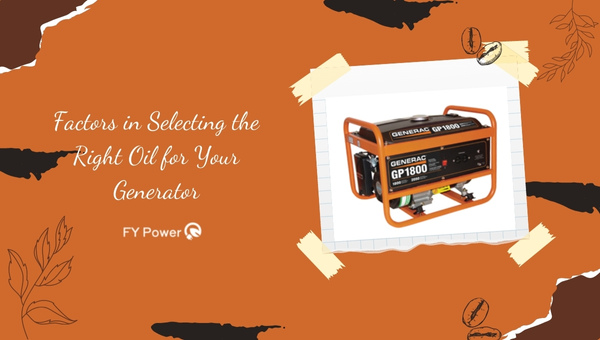
    Factors in Selecting the Right Oil for Your Generator

    When selecting the right oil for your generator, there are a few key factors to consider.

    Generac Generators Oil Types and Capacities
    1. The type of your generator.
    2. Your operating conditions.
    3. The type of fuel you use.
    4. Viscosity and brand of the oil.
    5. Operating temperatures and engine type.
    6. Capacity for the application.
    7. Modularity and portability of the generator.
    8. Quality of base stocks and additive chemistry in the oil.

    What is the oil capacity of Generac generators?

    Generac generators have an oil capacity of 1.1 liters or 1.09 quarts. It is important to check the dipstick and ensure it is very close to High (H). If more oil is needed, just add a bit more until the capacity is reached.

    Generac Generators Oil Types and Capacities

    It is important not to overfill the generator with oil as it can cause problems such as leaks or engine damage.

    What type of oil do Generac generators require and how much do they need?

    Generac generators require oil for proper operation and maintenance. Here are some points to consider when selecting the right oil for your generator.

    1. Generac recommends using 5W-20 GEO Full Synthetic Oil for home standby generators.
    2. For winter use, SAE 10W-30 is recommended (Below 40°F and down to -10°F).
    3. For summer use, SAE 30 is recommended (above 32°F).
    4. For general use, Synthetic 5W-30 is recommended (at all temperatures).
    5. The capacity of the oil needed depends on the size of your generator. Refer to Generac’s Generators Oil Type & Capacity Guide for more information on how much oil you need for your specific model.
    6. Maintenance kits with proprietary 5W-20 Synthetic Oil are available from Generac to help maintain the peak performance of air-cooled home standby generators.

    All Generac Generators Oil Type & Capacity

    1. Generac GP17500E Generator

    • Winter use: SAE 10W-30 (40°F and down to -10°F)
    • Summer use: SAE 30 (above 32°F)
    • General use: SAE 5W-30 (all temperatures)
    • Oil capacity: 1.7 qt. / 1.6 l.
    • Break-in oil change: 20-30 hours of use
    • Regular oil change: Every 6 months / 100 hrs. of use

    2. Generac GP15000E Generator

    • Winter use: SAE 10W-30 (40°F and down to -10°F)
    • Summer use: SAE 30 (above 32°F)
    • General use: SAE 5W-30 (all temperatures)
    • Oil capacity: 1.7 qt. / 1.6 l.
    • Break-in oil change: 20-30 hours of use
    • Regular oil change: Every 6 months / 100 hrs. of use

    3. Generac XT8500EFI Generator

    • Winter use: SAE 10W-30 (40°F and down to -10°F)
    • Summer use: SAE 30 (above 32°F)
    • General use: SAE 5W-30 (all temperatures)
    • Oil capacity: 1.05 qt. / 1.0 l.
    • Break-in oil change: 20-30 hours of use
    • Regular oil change: Every 6 months / 100 hrs. of use

    4. Generac XT8000EFI Generator

    • Winter use: SAE 10W-30 (40°F and down to -10°F)
    • Summer use: SAE 30 (above 32°F)
    • General use: SAE 5W-30 (all temperatures)
    • Oil capacity: 1.05 qt. / 1.0 l.
    • Break-in oil change: 20-30 hours of use
    • Regular oil change: Every 6 months / 100 hrs. of use

    5. Generac XT8000E Generator

    • Winter use: SAE 10W-30 (40°F and down to -10°F)
    • Summer use: SAE 30 (above 32°F)
    • General use: SAE 5W-30 (all temperatures)
    • Oil capacity: 1.06 qt. / 1.0 l.
    • Break-in oil change: 20-30 hours of use
    • Regular oil change: Every 6 months / 100 hrs. of use

    6. Generac XG8000E Generator

    • Winter use: SAE 10W-30 (40°F and down to -10°F)
    • Summer use: SAE 30 (above 32°F)
    • General use: SAE 5W-30 (all temperatures)
    • Oil capacity: 1.5 qt. / 1.42 l.
    • Break-in oil change: 20-30 hours of use
    • Regular oil change: Every 6 months / 100 hrs. of use

    7. Generac XC8000E (49ST/CSA & CARB) Generator

    • Winter use: SAE 10W-30 (40°F and down to -10°F)
    • Summer use: SAE 30 (above 32°F)
    • General use: SAE 5W-30 (all temperatures)
    • Oil capacity: 1.1 qt. / 1.0 l.
    • Break-in oil change: 20-30 hours of use
    • Regular oil change: Every 6 months / 100 hrs. of use

    8. Generac GP8000E (49ST/CSA & 50ST) Generator

    • Winter use: SAE 10W-30 (40°F and down to -10°F)
    • Summer use: SAE 30 (above 32°F)
    • General use: SAE 5W-30 (all temperatures)
    • Oil capacity: 1.1 qt. / 1.0 l.
    • Break-in oil change: 20-30 hours of use
    • Regular oil change: Every 6 months / 100 hrs. of use

    9. Generac GP7500E Generator

    • Winter use: SAE 10W-30 (40°F and down to -10°F)
    • Summer use: SAE 30 (above 32°F)
    • General use: SAE 5W-30 (all temperatures)
    • Oil capacity: 1.1 qt. / 1.0 l.
    • Break-in oil change: 20-30 hours of use
    • Regular oil change: Every 6 months / 100 hrs. of use

    10. Generac XC6500E Generator

    • Winter use: SAE 10W-30 (40°F and down to -10°F)
    • Summer use: SAE 30 (above 32°F)
    • General use: SAE 5W-30 (all temperatures)
    • Oil capacity: 1.1 qt. / 1.0 l.
    • Break-in oil change: 20-30 hours of use
    • Regular oil change: Every 6 months / 100 hrs. of use

    11. Generac XC6500 (49ST/CSA & CARB) Generator

    • Winter use: SAE 10W-30 (40°F and down to -10°F)
    • Summer use: SAE 30 (above 32°F)
    • General use: SAE 5W-30 (all temperatures)
    • Oil capacity: 1.1 qt. / 1.0 l.
    • Break-in oil change: 20-30 hours of use
    • Regular oil change: Every 6 months / 100 hrs. of use

    12. Generac GP6500E (49ST/CSA) Generator

    • Winter use: SAE 10W-30 (40°F and down to -10°F)
    • Summer use: SAE 30 (above 32°F)
    • General use: SAE 5W-30 (all temperatures)
    • Oil capacity: 1.06 qt. / 1.0 l.
    • Break-in oil change: 20-30 hours of use
    • Regular oil change: Every 6 months / 100 hrs. of use

    13. Generac GP6500 (49ST & 50ST) Generator

    • Winter use: SAE 10W-30 (40°F and down to -10°F)
    • Summer use: SAE 30 (above 32°F)
    • General use: SAE 5W-30 (all temperatures)
    • Oil capacity: 1.06 qt. / 1.0 l.
    • Break-in oil change: 20-30 hours of use
    • Regular oil change: Every 6 months / 100 hrs. of use

    14. Generac RS5500 Generator

    • Winter use: SAE 10W-30 (40°F and down to -10°F)
    • Summer use: SAE 30 (above 32°F)
    • General use: SAE 5W-30 (all temperatures)
    • Oil capacity: 1.06 qt. / 1.0 l.
    • Break-in oil change: 20-30 hours of use
    • Regular oil change: Every 6 months / 100 hrs. of use

    15. Generac GP5500 Generator

    • Winter use: SAE 10W-30 (40°F and down to -10°F)
    • Summer use: SAE 30 (above 32°F)
    • General use: SAE 5W-30 (all temperatures)
    • Oil capacity: 1.06 qt. / 1.0 l.
    • Break-in oil change: 20-30 hours of use
    • Regular oil change: Every 6 months / 100 hrs. of use

    16. Generac GP3600 (49ST/CSA & 50ST) Generator

    • Winter use: SAE 10W-30 (40°F and down to -10°F)
    • Summer use: SAE 30 (above 32°F)
    • General use: SAE 5W-30 (all temperatures)
    • Oil capacity: 0.634 qt. / 0.6 l.
    • Break-in oil change: 20-30 hours of use
    • Regular oil change: Every 6 months / 100 hrs. of use

    17. Generac GP3500iO Inverter Generator

    • Winter use: SAE 10W-30 (40°F and down to -10°F)
    • Summer use: SAE 30 (above 32°F)
    • General use: SAE 5W-30 (all temperatures)
    • Oil capacity: 0.634 qt. / 0.6 l.
    • Break-in oil change: 20-30 hours of use
    • Regular oil change: Every 6 months / 100 hrs. of use

    18. Generac IQ3500 Inverter Generator

    • Winter use: SAE 10W-30 (40°F and down to -10°F)
    • Summer use: SAE 30 (above 32°F)
    • General use: SAE 5W-30 (all temperatures)
    • Oil capacity: 0.634 qt. / 0.6 l.
    • Break-in oil change: 20-30 hours of use
    • Regular oil change: Every 6 months / 100 hrs. of use

    19. Generac GP3300 Generator

    • Winter use: SAE 10W-30 (40°F and down to -10°F)
    • Summer use: SAE 30 (above 32°F)
    • General use: SAE 5W-30 (all temperatures)
    • Oil capacity: 0.634 qt. / 0.6 l.
    • Break-in oil change: 20-30 hours of use
    • Regular oil change: Every 6 months / 100 hrs. of use

    20. Generac GP3300i Inverter Generator

    • Winter use: SAE 10W-30 (40°F and down to -10°F)
    • Summer use: SAE 30 (above 32°F)
    • General use: SAE 5W-30 (all temperatures)
    • Oil capacity: 0.6 qt. / 0.6 l.
    • Break-in oil change: 20-30 hours of use
    • Regular oil change: Every 6 months / 100 hrs. of use

    21. Generac GP3250 Generator

    • Winter use: SAE 10W-30 (40°F and down to -10°F)
    • Summer use: SAE 30 (above 32°F)
    • General use: SAE 5W-30 (all temperatures)
    • Oil capacity: 0.634 qt. / 0.6 l.
    • Break-in oil change: 20-30 hours of use
    • Regular oil change: Every 6 months / 100 hrs. of use

    22. Generac GP3000i Inverter Generator

    • Winter use: SAE 10W-30 (40°F and down to -10°F)
    • Summer use: SAE 30 (above 32°F)
    • General use: SAE 5W-30 (all temperatures)
    • Oil capacity: 0.6 qt. / 0.6 l.
    • Break-in oil change: 20-30 hours of use
    • Regular oil change: Every 6 months / 100 hrs. of use

    23. Generac GP2500i Inverter Generator

    • Winter use: SAE 10W-30 (40°F and down to -10°F)
    • Summer use: SAE 30 (above 32°F)
    • General use: SAE 5W-30 (all temperatures)
    • Oil capacity: 0.36 qt. / 0.35 l.
    • Break-in oil change: 20-30 hours of use
    • Regular oil change: Every 6 months / 100 hrs. of use

    24. Generac GP2200i Inverter Generator

    • Winter use: SAE 10W-30 (40°F and down to -10°F)
    • Summer use: SAE 30 (above 32°F)
    • General use: SAE 5W-30 (all temperatures)
    • Oil capacity: 0.36 qt. / 0.35 l.
    • Break-in oil change: 20-30 hours of use
    • Regular oil change: Every 6 months / 100 hrs. of use

    25. Generac IX2000 Inverter Generator

    • Winter use: SAE 10W-30 (40°F and down to -10°F)
    • Summer use: SAE 30 (above 32°F)
    • General use: SAE 5W-30 (all temperatures)
    • Oil capacity: 0.63 qt. / 0.6 l.
    • Break-in oil change: 20-30 hours of use
    • Regular oil change: Every 6 months / 100 hrs. of use

    26. Generac IQ2000 Inverter Generator

    • Winter use: SAE 10W-30 (40°F and down to -10°F)
    • Summer use: SAE 30 (above 32°F)
    • General use: SAE 5W-30 (all temperatures)
    • Oil capacity: 0.4 qt. / 0.38 l.
    • Break-in oil change: 20-30 hours of use
    • Regular oil change: Every 6 months / 100 hrs. of use

    What are the benefits of using synthetic oil in a generator?

    Using synthetic oil in a generator has many benefits, including the given below.

    1. Superior Cleaning Power – Synthetic oil is better at cleaning your engine while in use, which helps to keep it running smoothly and efficiently.
    2. Heat Tolerances – Synthetic oil is designed to handle temperature changes well, which can help extend the life of your generator.
    3. Resistance To Breakdown – Synthetic oils are less likely to break down under high temperatures, meaning they can last longer and provide better protection for your engine.
    4. Thinner Consistency – Synthetic oils are thinner than regular motor oils, allowing them to flow more easily and lubricate your engine more effectively.
    5. Lower Viscosity – Synthetic oils have a lower viscosity than regular motor oils, which can help reduce wear and tear on the engine while providing better fuel economy.

    Overall, using synthetic oil in your generator can help ensure optimal performance and longevity of your unit. It’s important to check with your manufacturer or refer to their

     How to check the oil level in your generator?

    Checking the oil level in your Generac generator is an important part of regular maintenance and can help prevent costly repairs down the road. To check the oil level, follow these steps.

    • Turn off the generator and allow it to cool down for at least a few minutes.
    • Locate the oil dipstick. It is typically located near the bottom of the engine.
    • Now remove your generator’s dipstick and wipe it with a clean cloth or paper towel.
    • Reinsert the dipstick you removed earlier all the way back into the engine.
    • Remove the dipstick again and check the oil level. The oil should be between the “Low” and “High” marks on the dipstick. Check that if the oil level is low, add more oil until it reaches the proper level. Be careful not to overfill the engine, as this can cause damage.
    • Once the oil level is correct, reinsert the dipstick and make sure it is fully seated in the engine.

    It is important to check the oil level in your Generac generator regularly, especially before each use. Running the generator with low oil can cause internal damage to the engine and reduce its lifespan. To maintain the optimal performance of your Generac generator, make sure to use the recommended oil type and capacity as indicated in the manufacturer’s guide.

    What are some common problems with low oil levels?

    Low oil levels can cause a variety of issues in Generac generators. Here are some of the most common problems.

    1. Poor Engine Performance – Low oil levels can cause the engine to run less efficiently and potentially overheat, leading to poor engine performance.
    2. Reduced Lubrication – Low oil levels mean there is less lubrication for moving parts in the engine, causing friction and premature wear of internal components.
    3. Excessive Wear – Without enough lubricating oil, metal parts within an engine can grind against each other more quickly than normal, leading to excessive wear on components such as pistons and cylinders which will need replacing sooner than expected if left unchecked.
    4. Damage To Bearings And Gaskets- Low oil levels also increase the likelihood of damage caused by heat buildup and lack of circulation around critical bearings or gaskets that are essential for the proper cooling down of an engine’s components during operation. This can lead to significant repair bills if not addressed quickly. 
    5. Costly repairs – due to breakdowns caused by low oil levels.

    It is important to check and maintain proper oil levels in your Generac generator regularly to keep it running efficiently and prevent costly repairs. Use the manufacturer’s guide to determine the correct type and amount of oil for you. Be sure to change the oil at least once a year or according to your manufacturer’s instructions to ensure optimal performance.

    What to do if the generator runs out of oil?

    If your Generac generator runs out of oil, you should shut it off immediately and allow the engine to cool down. Once the engine is cooled, use a funnel to add fresh oil back into the engine until it reaches the level indicated by the dipstick. It is important to use only the specified type of oil that is recommended for your generator

    Tips for changing the oil in your generator

    Changing the oil in your generator is an important task of regular maintenance. This will help ensure that your generator runs smoothly and efficiently for years to come. Given below are some tips to help you change the oil in your generator.

    1. Ensure that you have the right type of oil for your generator. Check your owner’s manual or contact the manufacturer to determine what type of oil is recommended for your particular model.
    2. Before you begin, make sure you have all the necessary tools and supplies on hand, including a wrench, a funnel, and an oil pan or other container for draining the old oil.
    3. Locate the drain plug on the bottom of the engine and use a wrench to loosen it. Once it’s loose, twist it out completely and allow the old oil to drain into an appropriate container.
    4. After all the old oil has been drained then replace the drain plug and tighten it securely with a wrench.
    5. Use a funnel to pour new oil into the engine until it reaches its maximum level as indicated in your owner’s manual or by manufacturer instructions.
    6. Start up your generator and let it run for a few minutes to ensure that everything is running smoothly before turning it off again and disposing of any used oil properly according to local regulations.

    By following these steps, you can easily change the oil in your generator yourself without having to take it to a service center or pay someone else to do it for you.

    Conclusion

    Maintaining proper oil levels in your Generac generator is an important step to ensuring its optimal performance and longevity. Be sure to use the recommended type of oil for your specific model, check and fill with the correct amount of oil regularly, and change it at least once a year.

    By following this guide and taking care of your generator, you can avoid costly repairs and ensure that it runs smoothly for years to come. It is important to take proper care of your Generac generator to ensure its optimal performance, so be sure to follow the manufacturer’s instructions and these tips when changing the oil in your generator. Doing so will help maximize its lifespan.

  • What Appliances Can Run With A 5000-Watt Generator?

    What Appliances Can Run With A 5000-Watt Generator?

    Are you looking for an emergency backup plan or just want to be able to power various tools and appliances around your home? If so, having access to a generator that can generate 5000 watts of electricity is incredibly useful.

    In this article, we will explore your question of What Can I run With A 5000-Watt Generator. So that you can make the most out of your investment. We’ll also discuss the types of appliances and tools that are suitable for running on such a generator as well as how much power they may require in order to operate safely and effectively. Read on to learn more.

    What Appliances Can Run With A 5000-Watt Generator? A Quick Note

    A 5000 watt generator can run a compact air conditioner, a refrigerator with a freezer, a modest well pump, and a washing machine. Moreover, it can power your coffee maker, microwave oven, dishwasher, pressure cooker, and toaster, enabling you to prepare meals conveniently. As for entertainment and cleaning, it can power your TV, vacuum cleaner, and even an electric water heater.

    What appliances can a 5000-watt generator run simultaneously without overloading the generator?

    A 5000-watt generator is capable of powering a variety of appliances and tools without overloading. Given below are the types of appliances that can a 5000-watt generator run.

    AppliancePower Consumption (watts)
    Small window AC unit1,200
    Fridge with a freezer700
    Small well pump (1/2 HP)1,000
    Washing machine1,150
    Coffee maker1,000
    Microwave oven1,000
    Dishwasher1,500
    Pressure Cooker700
    Espresso machine1,300
    Toaster850
    Ceiling fan60
    Vacuum Cleaner200
    TV85
    Sump pump (1/2 HP)1,050
    Small heating system500
    Laptop50
    VCR / DVD Player100
    Smaller electric appliances400
    A couple of power tools800
    Medium radiant heater1,800
    Hammer drill1,000
    Radial arm saw2,000
    Bench grinder1,400
    Electric water heater4,000
    Window AC (10,000 BTU)1,200

    Air Conditioners

    Most residential air conditioners require around 3,500 watts for a startup but only about 1,000 watts for continuous running. Many 5000-watt generators can easily handle this load without overloading the unit.

    Home Appliances

    Clothes washers and dryers, as well as refrigerators, can usually be powered by a 5000-watt generator without any issues. These appliances typically require between 900 and 1,300 watts each when running continuously.

    For larger items such as chest freezers, you may need a unit with slightly more capacity in order to run them safely without overloading the circuit breaker or tripping the overload switch on your generator.

    Power Tools

    Power tools such as drills and saws can also be powered by a 5,000-watt generator without any issues. These tools usually only require between 500 and 1000 watts each when running continuously, so they won’t draw too much energy from your unit.

    Other small electronics such as TVs and computers can also be powered by a 5,000-watt generator with no problem since these items generally only draw up to 200 watts each when running continuously.

    How Long Can A 5000-Watt Generator Run Without Refueling?

    The amount of time that a 5000-watt generator can run without needing to be refueled depends on several factors, including the size of the unit, the type of fuel it is using, and how much load is being applied.

    How-Long-Can-A-5000-Watt-generator-run-without-refueling

    Generally speaking a generator with this amount of power can typically run for up to 8 hours before needing more fuel when running at 50% capacity. However, if the generator is running at peak output levels, then it may need to be refueled after just five or six hours.

    Additionally, the type of fuel used will also have an effect on how long the generator can run before needing to refill it. For example, gasoline generators usually have a much shorter runtime than diesel generators.

    Overall, if your 5000-watt generator is properly maintained and used correctly, then it should be able to provide you with enough power for up to 8 hours without requiring refueling, depending on usage and fuel type.

    How Many Amps Does A 5000 Generator Provide?

    The amount of amps that a 5000-watt generator can provide varies depending on the type of generator and its voltage rating. Generally speaking, most 5000-watt generators will be rated for 120 volts and thus have a maximum output of 41.7 amps. However, some generators may have different ratings, such as 20.8 at 240 volts, which would affect the amperage accordingly.

    It’s also important to note that the actual number of amps provided by your generator may vary based on how much load is applied, as well as other factors such as fuel type and maintenance frequency.

    In general, you can expect your 5000-watt generator to provide between 22.73 and 41.7 amps when running at full capacity with an average load applied. This should provide plenty of power for most household appliances and tools without overloading the unit.

    Can 5000-watt generators power multiple large appliances?

    Yes, 5000-watt generators are typically capable of powering multiple large appliances. For instance, a typical 5000-watt generator can easily handle most residential air conditioners, which require around 3,500 watts for a startup and 1,000 watts for continuous running.

    It can also usually power clothes washers and dryers as well as refrigerators with no issues due to their 900 – 1300 watt requirements when running continuously.

    In addition to that, it should be able to provide enough power for larger items, such as chest freezers, without overloading the circuit breaker or tripping the overload switch on the generator. Therefore, a 5000-watt generator is more than capable of powering multiple large appliances simultaneously without an issue.

    Can a 5000-watt Generator Power my House?

    A 5000-watt generator is typically not powerful enough to provide energy for a whole house. Most homes require at least 10,000 watts of power to run all the necessary appliances and electronics while still providing enough power to keep them running continuously.

    However, a 5000-watt generator may be able to provide enough power for select appliances and electronics if they are chosen wisely and the unit is well maintained. Additionally, larger generators can be used in conjunction with small ones such as this one in order to provide the amount of sustained wattage needed for most households.

    Thus, while a 5000-watt generator may not be powerful enough on its own to power your entire home at once it can still help supplement your existing energy source or emergency backup system when needed.

    Can I Use A 5000-Watt Generator For RV Applications?

    Yes, a 5000-watt generator is powerful enough to be used for RV applications. It should easily be able to handle the necessary requirements of most RVs while running on either gasoline or diesel fuel.

    However, it’s important to keep in mind that you may need additional power sources depending on what type of appliances and electronics you are looking to use with your RV.

    Can-I-Use-A-5000-Watt-Generator-For-RV-Applications

    In any case, a 5000-watt generator should still provide more than enough power for most RV applications and can be easily transported due to its relatively small size and weight.

    Therefore, a 5000-watt generator is an excellent choice for anyone looking for power on the go without having to worry about being underpowered.

    Does A 5000-Watt Generator Be Used For Backup Power During An Outage?

    Yes, a 5000-watt generator can be used for backup power during an outage. This type of generator is capable of powering most appliances and electronics in the event of a power outage or emergency situation.

    With a maximum output of 41.7 amps at 120V, this size generator should provide plenty of power for most household appliances and tools without overloading the unit.

    In addition to providing vital backup energy in an emergency, a 5000-watt generator also makes for a great supplement to any existing energy source.

    Overall, choosing a 5000-watt generator as your go-to source of backup power during an outage is an excellent choice.

    What are some other uses for a 5000-watt generator aside from powering your home during an emergency situation?

    A 5000-watt generator is a great source of power for a variety of applications. For instance, it can be used for camping trips, job sites, outdoor events, and more. With the ability to quickly and easily supply electricity to tools, appliances, and other devices in any location with an outlet, this type of generator makes camping trips especially convenient.

    For those looking to host an outdoor event such as a wedding reception or a small concert, a 5000-watt generator can also provide additional lighting and power sources so that your guests can enjoy their time without interruption from inclement weather or lack of energy sources. It can also provide enough energy for large speakers if you plan on playing music during the event.

    Finally, a 5000-watt generator can also be used on job sites to provide temporary power to tools and equipment. These generators are able to handle large loads when necessary and have a much longer run time than smaller units, making them perfect for construction sites or other locations where energy sources may not always be available.

    What are some of the benefits of owning a 5000-watt generator?

    Owning a 5000-watt generator can provide many benefits, both in the short term and long term. some of them are given below.

    1. Provides reliable power for select appliances and electronics

    2. Can be used in conjunction with other generators to provide more sustained wattage

    3. Powerful enough to be used for RV applications

    4. Small size and weight make it easy to transport

    5. Able to provide backup energy during an emergency or power outage

    6. Great source of power for camping trips, job sites, outdoor events, etc.

    7. Large load capacity with long run time makes it suitable for construction sites or locations where energy sources may not always be available

    8. Quiet operation reduces disruption in residential areas

    Owning a 5000-watt generator can also be cost-effective over time due to its efficient fuel consumption and durable design. Furthermore, gasoline-powered generators are typically less expensive than diesel-powered ones upfront but still offer similar performance levels when running at full capacity.

    Conclusion

    In this guide, we have provided an overview of what a 5000-watt generator is and how it can be used. We have also discussed some of the benefits associated with owning such a powerful device, including its cost-effectiveness and versatility.

    For those seeking reliable electricity in any location or during emergency situations, a 5000-watt generator is an excellent choice. With its ability to provide sufficient power for most household appliances and tools, as well as larger loads when necessary, this type of generator can be a vital source of energy in any situation.

    This guide has given you a better understanding of 5000-watt generators and their various uses. With the right information, you can make an informed decision when choosing your own generator to ensure that it is all your power needs.