Category: Lawn Mower Attachments

  • Scag Advantage Deck: Still Worth It?

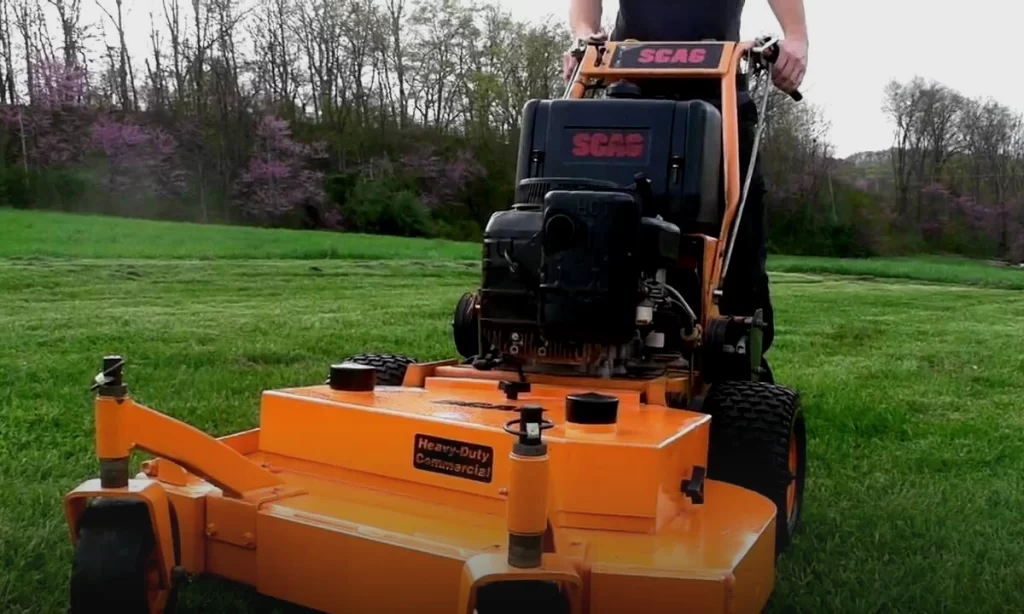
    The Scag Advantage Deck is a commercial mower designed for large properties. Its size, bigger than standard Scag decks, is a key feature. This has led to discussions about its pros and cons. Some users feel its size limits movement in tight spaces. However, others praise its efficiency. They report quicker mowing times because of its wider cutting width.

    What makes the Scag Advantage deck a top choice in 2025 for both professional landscapers and homeowners? Is it simply the deck’s size that makes it so desirable?

    The Scag Advantage Deck is unlike standard mower decks. Its 36-inch design provides exceptional side discharge. A specially designed baffle allows precise performance adjustments for diverse lawn needs. Its strong, multi-plate build guarantees long-term durability and dependable use.

    This in-depth guide examines various Scag mower deck options. We’ll compare them, emphasizing the Scag Advantage deck’s exceptional capabilities. We will also discuss its possible limitations.

    What Is Scag Advantage Deck?

    Scag Advantage Deck: Worth To Buy? 2

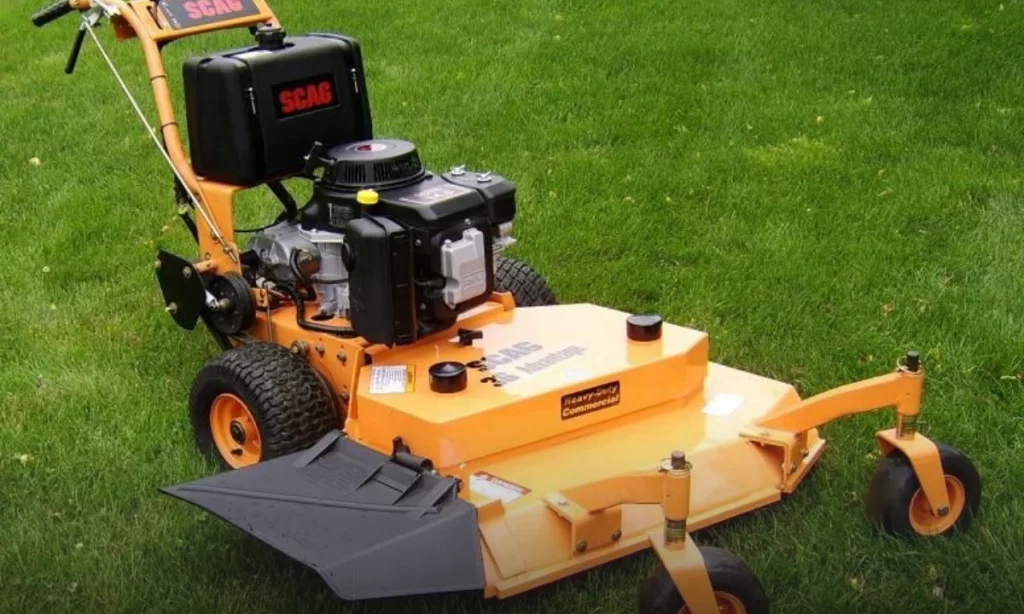
    Scag’s Advantage deck offers superior cutting performance, surpassing rivals in its class. Choose from 32-inch or 36-inch sizes for a perfect mower fit. Built with durable, heavy-duty materials, this deck withstands tough conditions. It’s a great option for those wanting a long-lasting, reliable deck providing years of outstanding service.

    Scag Advantage deck owners, protect your investment with our updated warranty for 2025. Enjoy full coverage on labor and parts for the first two years. Year three includes parts coverage. Important: This warranty is specifically for commercial use. Personal use of your Scag Advantage deck is not covered under this warranty in 2025.

    Scag’s Advantage Deck provides superior cutting performance. It quickly disperses grass clippings, leaving behind a beautifully manicured lawn. Enjoy a clean, precise cut, even at higher mowing speeds. This versatile deck is highly efficient for both bagging and side-discharge operations.

    Types of Scag Deck

    In 2025, expect to see four main categories of Scag mower decks on the market.

  • Advantage cutter deck
  • Velocity Plus rear-discharge deck
  • Velocity Plus cutter deck
  • Hero cutter deck
  • Dive into a comprehensive 2025 analysis of the Scag advantage deck. We’ll uncover its strengths and strategies.

    7 Scag Advantage Deck Features That You Need To Know
    Scag Advantage Deck: Worth To Buy? 3

    High-Velocity Discharge

    The Advantage Cutter Deck is the latest breakthrough in mowing technology. It delivers the exceptional cutting power, precision, and top-tier performance professionals demand. Its rapid discharge system effectively clears away grass, guaranteeing a pristine cut and boosting your efficiency.

    Adjustable Custom-cut Baffle

    In 2025, the Advantage deck continues to be a top choice for managing various grasses and weeds. Its advanced Custom-Cut Front Baffle System allows for tailored performance based on the environment. Adjust the cutting height easily to navigate tough vegetation effortlessly.

    Tri-Plate or Dual-Plate deck

    A strong cutter-blade spindle is key for excellent lawn mowing. The Tri-Plate (36″) or Dual-Plate (32″) design ensures long-lasting reliability. Replaceable trim-side shields protect blades from damage, boosting durability.

    Front Baffle Chamber

    The mower features a redesigned front baffle. It lifts grass before the blade cuts. This guarantees a uniform, clean cut, preventing missed blades. This updated design also reduces blade wear, prolonging its service life.

    Cast Iron Spindle

    As of 2025, cast iron spindles are still the top choice. Their tapered roller bearings provide excellent stability and accuracy. A strong 1 1/8″ hardened shaft ensures long-lasting performance. To further protect your spindle, use a wear pad to reduce wear and tear.

    Wear Pad

    Protect your deck and yard edges from unsightly damage with this edge protector. It prevents scratches and bumps effectively. Easy replacement guarantees your deck’s pristine condition for years. The 2025 model features improved, long-lasting durability.

    Self-Adjusting Belt

    Kevlar-reinforced, self-adjusting belts are the latest advancement in drive belt tech. These belts automatically maintain ideal tension, maximizing performance over their entire lifespan. This provides a major benefit compared to traditional V-belts. V-belts require regular manual adjustments and often experience early wear.

    Kevlar-enhanced belts now incorporate a multitude of thin, strong cords. These cords run the belt’s full length. They automatically adapt, minimizing wear and keeping the belt perfectly aligned. This advanced design provides a longer service life and better performance than standard belts.

    Kevlar-reinforced belts are readily available from many vendors. They perform exceptionally well in various uses. These belts are a leading choice for both industrial and commercial environments. Their dependability and long service life are key benefits.

    What Is the Difference Between Scag Advantage Deck and Other Types of Decking?

    Scag Advantage Deck VS Hero Cutter Deck

    The Advantage cutting deck and the Hero cutting deck each provide unique benefits. The Advantage deck focuses on speed and maneuverability. It’s perfect for navigating thick vegetation and light brush. The Hero deck, however, is built for tough, heavy-duty jobs. It handles difficult landscapes with ease.

    The Scag Advantage Deck remains a top pick for homeowners in 2025. It delivers exceptional power, unmatched precision, and outstanding overall performance. Get a perfectly manicured lawn quickly and cost-effectively with this updated residential model.

    The Hero Cutter Deck represents the pinnacle of professional lawn care equipment. This top-tier model is engineered for users who require maximum power and unparalleled performance. Achieve outstanding results on all terrains and with every type of grass imaginable.

    The Scag Advantage Deck features a bigger cutting area than the Hero Cutter Deck. Its design includes a much wider discharge chute. This wider chute allows for better grass clipping distribution. On the other hand, the Hero Cutter Deck has several patented technologies. These technologies boost its clipping and mulching capabilities. This makes it ideal for users who want the best mulching results.

    Scag Advantage Deck VS Velocity Deck

    Velocity Plus mower decks are available in 48-inch and 52-inch widths. These decks are perfectly suited for Scag Hydro-Drive Walk-Behind, Stand-On, and Zero Turn mowers. The 61-inch rear-discharge Velocity Plus decks are specifically offered on the Cheetah II Zero-Turn Riding Lawn Mower.

    The Velocity Plus deck stands out with its V-shaped design. This unique shape directs grass clippings to the center for efficient discharge. In contrast, the Scag Advantage Deck has a straight edge. This design leads to clippings being discharged to the side.

    The Scag Advantage cutting deck isn’t available in 48, 52, or 61-inch widths. It’s offered in 32 and 36-inch sizes. You’ll commonly see it on Scag SW and SWZ series mowers. It’s also found on the V-Ride II stand-on mower.

    Learn More: 48 vs 54 Mower Deck: 6 Things Need To Consider!

    Scag Advantage decks come in Tri-Plate (36 inches) and Dual-Plate (32 inches). Velocity decks are exclusively Tri-Plate. The Tri-Plate design offers balanced weight. This improves mower stability and handling. Less deck flex means less vibration. Expect a cleaner, smoother cut. However, the Velocity deck’s Tri-Plate isn’t as strong as the Advantage deck in 2025. It’s less suitable for thick, tall grass or weeds.

    Velocity Plus mower decks now boast an expanded discharge chute. This significantly improves clipping dispersal, resulting in a superior, cleaner cut. This enhanced discharge is particularly advantageous when mulching. Clippings are distributed more broadly, effectively preventing clumping. Conversely, the Advantage deck features a more compact discharge opening. This frequently results in clumps of grass remaining near the mower deck.

    For 2025, the Velocity deck typically provides a wider cutting path than the Scag Advantage deck. This advantage positions it as a leading option for professional landscaping. The Scag Advantage still stands as a reliable selection for home lawns.

    Velocity deck

    Expert Insider Tips: Why Scag Advantage Deck Is Best?

    Scag mower decks are celebrated for their superior build and enduring reliability. Opting for a Scag deck guarantees years of consistent performance. Discover why it’s a wise choice for 2025:

    1. Scag Advantage decks are built tough with heavy-duty materials. Their robust design handles even the most challenging mowing tasks, guaranteeing long-lasting reliability.

    2. Designed for top-tier performance, it features a built-in discharge chute. This clever design eliminates the need for a grass catcher, maximizing efficiency.

    3. Maintenance is now incredibly easy. The streamlined design allows for quick and simple cleaning and servicing.

    4. Relax and be worry-free! Our decks include a top-tier warranty, safeguarding your investment for many years.

    Scag Advantage decks still lead the industry for top-tier lawn mowing. Locate a Scag dealer nearby to learn more today.

    7 Most Common Problems of Scag Advantage Deck

    The Scag Advantage cutting deck is still a top choice for lawn care experts in 2025. It offers great flexibility. However, incorrect operation can lead to problems. Here are common issues seen with the Scag Advantage deck:

  • Using the scag advantage deck without proper training can lead to injuries.
  • The deck can cause damage to grass and other plants if not used correctly.
  • The deck can often be too heavy to use effectively.
  • The deck is only perfect for Scag SW series mowers, SWZ series mowers, and V-Ride II Stand-On Lawn Mower. 
  • It did not cut the grass clump perfectly.
  • Also, sometimes it does not perform well on the tall grass and wet grass condition.
  • Sometimes it can cut grass perfectly up to 3 to 4 passes; after that, it can’t perform well.
  • FAQ

    Does Scag Have a Floating Deck?

    In general, the floating deck is connecting with the mower main frame through the suspension. Floating decks are used for commercial use to handle the mowing the toughest mowing deck. The scag has a 36″, 48″ 52″, and 61″ larger floating deck, that build with heavy-duty metal and cut the grass like a pro under any conditions.

    How Thick Is the Scag Mower Deck?

    Scag is one most powerful mower decks that build with heavy-duty metal. To ensure the deck’s durability, it builds with super rigid tri-plated steel and a thickness of nearly 1/2″ thick (0.485″).

    Scag Advantage Deck: Is It Worth Buying?

    In conclusion, the SCAG Advantage deck is still a fantastic choice for homeowners wanting a premium lawn mower in 2025. It performs exceptionally well in good weather. Expect a clean cut and easy navigation across various landscapes. Some users mention the lack of mulching features compared to other decks. However, its dependability makes it a valuable purchase.

    This mower deck offers superior performance compared to the Hero cutter. While it may not quite reach the efficiency of Scag Velocity Plus decks, the Scag Advantage cutter deck continues to deliver an outstanding mowing experience in 2025.

  • Mower Deck Secrets REVEALED! (2025)

    Choosing the perfect mower deck size means balancing pros and cons. Bigger decks usually need stronger engines. Yet, wider decks can be tricky to maneuver in tight spaces. So, in 2025, is a 54-inch or 60-inch mower deck the best fit for your yard?

    54 and 60-inch lawn mowers are perfect for medium to large yards. The 6-inch deck size difference affects mowing capacity. A 54-inch deck works great on 3 to 5-acre properties. Choose a 60-inch deck for larger areas, from 5 to 10 acres.

    Comparison of 54 vs 60 Mower Deck

    Make informed investment choices. Explore this updated 2025 comparison to guide your decision-making process.

    Subject 54 Inch Deck 60 Inch
    Price $5000 $6,000 – $10,000+
    Size of Lawn Up to 5 acres Upto 10 acres
    Engine Power (Minimum) 25HP j25HP
    Engine Displacement 727 cc 727 cc
    Blades Size 18 inches 20 Inches

    54 vs 60 Mower Deck Things to Consider Before Choosing One

    Selecting the right side discharge mower depends on key aspects. Think about your budget first. Then, consider your yard size and terrain. Finally, factor in how often you mow your lawn. These elements will guide your decision in 2025.

    Price

    In 2025, expect to pay $5,000 to $10,000 for a new 54-inch lawn mowing deck. Used decks from leading brands such as John Deere, Toro, Snapper, or MTD can be found for approximately $2,000. A 60-inch deck typically costs between $6,000 and $10,000. Used 60-inch decks, ideal for specialized tasks, are frequently offered for around $3,000. When buying, always choose well-known and reliable brands.

    Lawn Size

    A 54-inch mower deck works great for lawns between 3 and 5 acres. For larger yards, spanning 5 to 10 acres, a 60-inch deck is recommended. It provides efficient cutting with fewer passes, saving you time.

    Mowing Time

    Mowing less frequently results in a larger lawn to maintain. A 60-inch mower deck, being 6 inches wider than a 54-inch one, will clear your yard more efficiently, provided the lawn size remains the same. Anticipate faster lawn maintenance with this wider cutting deck in 2025.

    Maneuverability

    Mowing the lawn can seem daunting. But, the correct tools simplify the task. Opt for a mower that’s simple to control. Excellent turning ability is crucial for navigating obstacles. This saves you valuable time and energy. Get a beautifully trimmed lawn with minimal stress.

    The turning radius of a lawn tractor is key to easy maneuvering. A smaller radius means tighter turns and less damage to your grass. Tractors without zero-turn capabilities can harm your lawn. Zero-turn tractors can rotate 360 degrees within their own length. This greatly reduces stress on your grass.

    Most decks are around 16 feet wide. A 54-inch deck is better than a 60-inch one. It cuts grass lower and more thoroughly. Plus, the 54-inch deck turns tighter. This improved handling makes it easier to move around trees and bushes in your yard.

    Type of Mower

    Lawn mowing duration hinges on your mower’s deck size and belly mower type. Navigating slopes exceeding 10 degrees with a zero-turn mower will noticeably increase mowing time. Controlling the mower downhill becomes difficult due to added rear weight.

    Before you buy, determine if a zero-turn mower is the best fit for your lawn’s size and shape.

    More Horsepower with A Smaller Deck

    A large mower deck doesn’t automatically mean quicker mowing. Engine power is a key factor.

    For 2025, both 54-inch and 60-inch lawn mowers must have engines producing a minimum of 25hp (17.9 KW). This means a 54-inch mower won’t automatically have more horsepower than a 60-inch mower. They both need at least this power level.

    Let’s clarify the blade setup: A 60-inch mower has three 20-inch blades. A 54-inch mower uses three 18-inch blades. The 60-inch mower’s larger cutting width requires a more powerful engine.

    Reasons Why You May Get Confused Considering One Over Another One

    Both the 54-inch and 60-inch mower decks are packed with convenient features. Choosing the right one can be exciting! Each option presents unique advantages. Let’s examine the specific strengths of each mower deck in detail.

    54 Inch Mowing Deck

    Selecting the perfect mowing deck requires careful consideration. The 54-inch deck is still a popular choice in 2025. You’ll often find these decks on riding or zero-turn mowers, powered by gas or diesel engines. This size frequently comes standard with many mower models. Plus, a wide variety of aftermarket options are easily accessible.

    A 54-inch mower deck provides a significant advantage: quicker mowing for bigger yards. Its broad cutting width allows you to cover large spaces rapidly, saving you precious time. Many homeowners consider this size ideal, offering a great mix of maneuverability and accurate cutting.

    These mowers usually have three blades, each about 16 inches long. This length ensures excellent cutting. Their strong power and the three-blade design easily cut through twigs, roots, and small rocks. They handle these obstacles as easily as cutting cake. Remember to check and clean the blades after hitting debris. This keeps each blade section clear and working well.

    Check This Out: 48 vs 54 Mower Deck: The 6 Key Factors to Consider in 2025!

    60 Inch Mowing Deck

    Mowing the lawn can be tiring and time-consuming. A 60-inch mowing deck offers a great solution. It cuts a wide 60-inch path, speeding up your mowing. Plus, it’s highly maneuverable. This makes navigating around obstacles like trees and shrubs a breeze.

    To effectively mow with a 60-inch deck, aim for at least a 25HP engine. This combination lets you swiftly cut 5 to 10 acres.

    This mower boasts a 20-inch, three-blade cutting deck. Its engine efficiently tackles diverse mowing tasks. Achieve a perfectly groomed lawn with each use.

    54 vs 60 Mower Deck Which One to Choose?

    In 2025, both 54-inch and 60-inch mower decks present distinct pros and cons. Prioritize a thorough evaluation of your lawn care requirements before purchasing. The 60-inch deck is generally ideal for large properties. Conversely, the 54-inch deck excels when navigating tight areas is crucial.

  • Mower Deck Secrets REVEALED! (2025)

    A 48-inch mower deck often works well for smaller lawns. For larger properties, especially those with slopes or numerous obstacles, a 54-inch deck could be better. Keep in mind that bigger decks need more storage. In 2025, should you choose a 48-inch or 54-inch mower deck for your yard?

    For expansive properties, consider lawn tractors with 48-inch or 54-inch decks. Both offer great performance, but their size difference matters. A 48-inch deck excels on properties between 1.5 and 3 acres. The larger 54-inch deck is ideal for lawns up to 5 acres, ensuring efficient mowing.

    Choosing the right deck size involves careful consideration. This guide, updated for 2025, helps you make the optimal choice for your specific requirements.

    Comparison of 48 vs. 54 Mower Deck

    Considering a new mower? Let’s examine 48-inch versus 54-inch mower decks. See the comparison chart below for a comprehensive breakdown.

    Subject 48 Inch Deck 54 Inch Deck
    Price $4000 $5000
    Size of Lawn Up to 1.5 to 3 acres Up to 5 acres
    Engine Power (Minimum) 16HP 25HP
    Engine Displacement 700 cc 727 cc
    Blades Size 16 inches 18 inches

    48 vs. 54 Mower Deck Things to Consider Before Choosing One

    Selecting the ideal lawn mower deck size requires careful thought. Factor in your budget, lawn’s dimensions, landscape, and how often you mow for optimal results in 2025.

    Price

    In 2025, a brand-new 48-inch mower deck will likely cost approximately $4000. Alternatively, a pre-owned deck from trusted manufacturers such as John Deere, Toro, Snapper, or MTD could range from $1000 to $2000.

    A 54-inch mower deck typically costs about $5000 in 2025. Used options are often cheaper, sometimes under $2000. If buying used, choose a reputable brand for increased dependability.

    Lawn Size

    Riding mowers feature wide decks, ensuring quick lawn coverage. A smaller deck works well for compact yards. Extensive properties benefit from wider decks for efficient mowing. For lawns over an acre, a riding lawn mower is perfect. It provides fast, easy cutting, saving you valuable time and effort in 2025.

    A 54-inch cutting deck, for example, handles large lawns more quickly. On the other hand, a smaller 48-inch deck provides better handling in tight spaces. The best option depends on your specific needs and lawn size in 2025.

    Mowing Time

    Mowing faster lets you cover more ground per pass. A 54-inch deck cuts 6 inches wider than a 48-inch deck. This means you’ll finish your lawn faster with the larger deck on the same-sized yard. Expect quicker results!

    Opt for a bigger deck for fewer mowing sessions. The mower’s wheel width exceeds the footrest width.

    A 54-inch mower deck cuts a wider path than a 48-inch deck, covering 6 extra inches each time. Choose the 54-inch deck for significantly faster lawn mowing.

    Maneuverability

    Easy maneuverability is key to efficient lawn maintenance. Opt for a mower that’s easy to control, particularly when navigating around trees and flowerbeds. This will dramatically reduce your workload and free up your time.

    The turning radius of a lawn tractor significantly impacts its maneuverability. A smaller radius allows for sharper turns, which is ideal for navigating tight spots. Without a zero-turn capability, accessing challenging areas of your lawn becomes problematic. A zero-turn radius enables the tractor to pivot within its own footprint. This is vital for efficiently maneuvering around obstacles.

    Smaller mowers, those with 48-inch decks or less, typically provide a closer cut and are easier to handle. In contrast, mowers with 54-inch decks or larger may not offer the same level of maneuverability. However, a 54-inch deck on a zero-turn mower can still navigate confined spaces and sharp turns with ease.

    Many John Deere mower owners using 48-inch decks praise their machines. They highlight the excellent trimming and clean, professional-looking finish these mowers provide.

    Type of Mower

    Lawn mowing speed hinges on two main elements. These are the mower deck’s width and overall design. The specific type of mower you operate also plays a significant role.

    Zero-turn mowers experience a considerable speed reduction on lawns with slopes steeper than 10 degrees.

    Mowing on a slope can be tricky. The mower’s weight is mainly on the rear wheels. These wheels also control the steering.

    Prior to selecting a deck size, thoroughly evaluate your lawn’s specific features.

    More Horsepower with A Smaller Deck

    Envision creating a 4-foot wide lawn. Allow for a 6-inch safety zone around your mower. Remember, mower lengths can differ across 54 adjustable settings.

    A broader 54-inch mower deck isn’t always faster. You’ll need more engine power for truly quicker cutting.

    In contrast, a 48-inch mower deck cuts less grass per pass than a 54-inch deck. However, it demands less engine power. This reduced power requirement can allow a 48-inch deck to achieve a faster mowing speed compared to a 54-inch deck in certain conditions.

    Let’s delve deeper into this topic.

    To effectively power a 48-inch mower deck, your lawn mower requires a minimum 16 kW (approximately 16 horsepower) engine. The driving force should also match, at least 16 hp. Lawn tractors using 48-inch mower decks should feature an engine displacement of 700 ccs or higher for optimal performance.

    Conversely, a 54-inch mower deck requires 17 kW of power. This equates to a minimum of 25 horsepower. Look for an engine displacement of at least 727 ccs to ensure sufficient performance in 2025.

    Reasons Why You May Get Confused Considering One Over Another One

    Both the 48-inch and 54-inch mower decks boast impressive features. You might think they’re the same. However, each deck has unique advantages. Let’s explore these individual benefits.

    48 Inch Mowing Deck

    Selecting the perfect mower deck requires evaluating various factors. In 2025, the 48-inch deck continues to be a popular option for both homeowners and landscaping experts.

    These mower decks are frequently found on gasoline or diesel-powered lawn tractors and zero-turn mowers. This deck size is often the standard offering on many mowers. You can also find aftermarket options if you need a different size.

    Opting for a 48-inch mower deck offers a key benefit: a wider cutting path. This proves invaluable for large lawns, enabling quicker mowing. Many users value the balance it strikes. It combines maneuverability with effective cutting.

    A 48-inch mower deck usually has 3 blades. Each blade is about 16 inches long. This is a standard setup for this size deck. These mowers are strong. Their three sharp blades easily handle twigs, roots, and small rocks. Mowing becomes simple. But, be careful not to damage the blades on debris.

    54 Inch Mowing Deck

    Mowing the lawn can be a chore. But a 54-inch mowing deck makes it much simpler! Its wide cutting path drastically cuts down on mowing time. This makes lawn care easier and promotes healthier grass. Fewer passes mean less stress for your lawn.

    These mowers typically boast engines ranging from 20 to 24 horsepower. This offers sufficient power for properties as large as 5 acres. For improved handling, particularly in tight spaces, confirm the tractor has front-wheel assist.

    This updated model features a powerful 18-inch cutting deck with a triple-blade system. The strong, ultra-sharp blades easily cut through thick, wet grass, small stones, and tough garden debris.

    48 vs. 54 Mower Deck Which One to Choose?

    Selecting the ideal lawn mower requires careful attention to the deck size. The deck encloses the cutting blades. A bigger deck trims a broader area with each pass. Consequently, you’ll need fewer passes to mow your entire lawn, which saves valuable time. This is particularly advantageous if you have a large property.

    Many lawn mower deck sizes are available. In 2025, we’re comparing 48-inch and 54-inch mower decks. Which size best suits your needs?

    Choosing the right mower deck size depends on your lawn’s size. A 48-inch deck usually works well for lawns smaller than 1/4 acre. Lawns larger than 1/4 acre often benefit from a 54-inch deck for faster mowing in 2025.

    FAQs

    What Size Is Mower Deck Best?

    When it comes to what size mower deck is best for trimming a lawn, it ultimately depends on the area you are about to cut the lawn.

    For instance, if you use a mower deck on a small area like 1.5 to 3 acres, a 48-inch deck would be the best size. However, if you have a larger area to trim, you may need something larger, like a 54-inch deck. Keep in mind that the size of the mower deck will also affect how well it cuts the grass, so make sure to choose wisely.

    Do Smaller Mower Decks Cut Better?

    Some homeowners believe that smaller mower decks cut better than larger decks. Others say the opposite is true. A study published in the Journal of Agricultural and Food Chemistry subjected 12 different mower decks to several tests to see which produced the best results. The study found that the largest deck, which measured 21 inches wide, yielded the best results.

    What Is the Biggest Lawn Mower Deck Size?

    The biggest lawnmower in the world is 305 cm (120 inches) and is often seen on golf courses and stadiums. It is used to cut large areas of grass quickly and evenly. The mower deck size is important in determining how well a lawn mower can cut grass. A larger deck size allows for more blades to contact the grass at one time, resulting in a cleaner cut.

    What Size Mower Do I Need for 3 Acres?

    If you’re wondering what size lawnmower you need for 3 acres; the answer is a medium-sized lawnmower. A 48-inch lawnmower should be able to handle the job without any problems. If you’re looking for a professional and exquisite finish, then a 48-inch lawnmower is the way to go.

    What Size Mower Deck for 1.5 Acres?

    A mower deck size between 42 to 54 inches is typically suitable for efficiently maintaining a 1.5-acre lawn.

    Can I Put a Bigger Deck on My Mower?

    It is not recommended to put a significantly larger deck on a mower than what it is originally designed for. Mower decks are engineered to match the power and capabilities of the mower, including factors like engine power, blade speed, and overall balance.

    Bottom line

    Selecting a lawn mower? Deck size is key! A 48-inch deck provides superior efficiency and usability over a bigger 58-inch deck. This is particularly relevant for your 2025 lawn maintenance.

    First, smaller decks use less power, improving efficiency. Second, maneuvering around trees and obstacles becomes easier with a compact deck. Third, smaller decks are more affordable than larger ones.

    After extensive analysis, we’ve determined that a 48-inch lawn mower deck provides superior efficiency and usability compared to a 54-inch model. This conclusion is still valid in 2025.

  • John Deere Battery: Get Yours NOW! (2025)

    Explore our 2025 updated size chart for the most current John Deere battery dimensions.

    Find the ideal battery for your John Deere equipment with this comprehensive 2025 guide.

    Modern gadgets demand specific power inputs. Choosing the right battery size is now even more vital for optimal device functionality in 2025.

    Incorrect battery sizes can lead to malfunctions. Always choose the right battery for peak performance in 2025.

    Explore our revised 2025 John Deere battery size chart. Find the perfect replacement battery for your John Deere equipment. Ensure optimal performance and minimize interruptions.

    A car battery failure is incredibly annoying. It’s even worse if you don’t know the right battery size or how to install a new one.

    Discover the revamped 2025 John Deere battery size guide. Effortlessly locate the ideal replacement battery for your John Deere machinery.

    John Deere Battery Chart (BCI, Brand, Part Number, Volts)

    Discover the latest 2025 John Deere Battery Guide. Easily locate the ideal battery for your machine. We provide BCI group, brand, part number, and voltage details. Ensure optimal power for peak performance!

    BCI (Battery Council International) Brand Part Number Volts
    U1 Original Equipment TY25221B 12
    U1 Standard-Duty TY25878B 12
    3ET Original Equipment TY24341B 12
    3ET Standard-Duty TY27794B 12
    4D Original Equipment TY23020B 12
    4D Original Equipment TY21754B 12
    4DLT Original Equipment TY24381B 12
    4DLT Standard-Duty TY27829B 12
    5D Original Equipment TY23025B 6
    5D Standard-Duty TY27793B 6
    22NF Original Equipment TY26498B 12
    22NF Standard-Duty TY27798B 12
    31 Original Equipment TY25879B 12
    31 Standard-Duty TY27796B 12
    31 Original Equipment TY25803B 12
    31T Original Equipment TY24546B 12
    31T Standard-Duty TY27795B 12
    34 Original Equipment TY26442B 12
    34 Standard-Duty TY27797B 12
    51 Original Equipment TY25876B 12
    51 Standard-Duty TY27806B 12

    John Deere Battery Chart (CCA, RC, Ref. AH)

    CCA RC Ref.AH 
    350 38 30
    300 34 25
    620 120 72
    460 120 70
    1400 410 190
    1050 290 135
    1000 220 132
    860 235 120
    1000 300 180
    880 250 130
    500 75 45
    360 58 35
    950 175 90
    925 170 90
    760 170 85
    950 175 90
    925 170 90
    800 115 65
    690 110 60
    500 75 45
    425 70 40

    John Deere Battery Core Units & Dimensions Chart

    Core Units Length Width Height
    0.5 7 3/4 in. (197 mm) 5 3/16 in. (132 mm) 7 5/16 in. (186 mm)
    0.5 7 3/4 in. (197 mm) 5 3/16 in. (132 mm) 7 5/16 in. (186 mm
    1.5 19 5/8 in. (491 mm) 4 3/8 in. (111 mm) 9 13/16 in. (249 mm)
    1.5 19 5/8 in. (491 mm) 4 3/8 in. (111 mm) 9 13/16 in. (249 mm)
    3.0 20 ½ in. (521mm) 8 ½ in. (216 mm) 10 in (254 mm)
    3.0 20 ½ in. (521mm) 8 ½ in. (216 mm) 10 in (254 mm)
    1.5 20 in. (520mm) 8 1/8 in. (206mm) 8 in. (203 mm)
    1.5 20 in. (520mm) 8 1/4 in. (209mm) 8 in. (203 mm)
    1.5 13 3/4 in. (349 mm) 7 1/8 in. (181 mm) 9 3/8 in. (238 mm)
    1.5 13 ½ in. (343mm) 7 1/8 in. (181 mm) 9 3/8 in. (238 mm)
    1.0 9 ½ in. (241mm) 6 7/8 in. (175mm) 9 ½ in. (241mm)
    1.0 9 ½ in. (241mm) 5 ½ in. (140mm) 9 in. (229 mm)
    1.5 13 in. (330 mm) 6 3/4 in. (171 mm) 9 ½ in. (241mm)
    1.5 13 in. (330 mm) 6 3/4 in. (171 mm) 9 ½ in. (241mm)
    1.5 13 in. (330 mm) 6 3/4 in. (171 mm) 9 ½ in. (241mm)
    1.5 13 in. (330 mm) 6 3/4 in. (171 mm) 9 ½ in. (241mm)
    1.5 13 in. (330 mm) 6 3/4 in. (171 mm) 9 ½ in. (241mm)
    1.0 10 3/4 in. (273 mm) 6 7/8 in. (175 mm) 8 in. (203 mm)
    1.0 10 3/4 in. (273 mm) 6 7/8 in. (175 mm) 8 in. (203 mm)
    1.0 9 3/8 in. (238mm) 5 in. (127mm) 8 ¾ in. (222mm)
    1.0 9 3/8 in. (238mm) 5 in. (127mm) 8 ¾ in. (222mm)

    John Deere Tractor Battery Cross Reference Chart

    Need a new battery for your John Deere lawn tractor? A John Deere lawn tractor battery cross-reference chart is your key to finding the perfect replacement.

    Check out our best battery recommendations for popular John Deere tractors, refreshed for 2025.

    John Deere Tractor Model Replacement Batteries
    John Deere 5050 D Amaron AAM-HR-NT600H29R ( 90 Ah), Amaron AAM-HR-NT600H29L ( 90 Ah), Amaron AAM-HR-NT600E41R ( 90 Ah), Amaron AAM-HR-NT600E41L ( 90 Ah), Exide FXP0-XP880 ( 88 Ah )
    John Deere 5045 D The same as above
    John Deere 5036 C The same as above
    John Deere 5042 D The same as above
    John Deere 5038 D The same as above
    John Deere 5075 E Amaron AAM-BL-BL1000RMF ( 100 Ah), Amaron AAM-HW-NT700H29R (100 Ah), Amaron AAM-HW-HC700E41R (100 Ah), Exide FXP0-XP1000 ( 100 Ah ),AAA Premium Battery BCI No. 34 690 A, NAPA The Legend Professional Battery BCI No. 27 710 A, AAA Premium Battery BCI No. 24 725 A
    John Deere – 5055 E Amaron AAM-HR-NT600H29R ( 90 Ah), Amaron AAM-HR-NT600H29L (90 Ah), Amaron AAM-HR-NT600E41R ( 90 Ah), Amaron AAM-HR-NT600E41L (90 Ah), Exide FXP0-XP880 ( 88 Ah), AAA Premium Battery BCI No. 34 690 A, NAPA The Legend Professional Battery BCI No. 27 710 A
    John Deere 1023 E AAA Premium Battery BCI No. 51R 500 A, NAPA The Legend Premium AGM Battery BCI No. 51R 500 A
    John Deere 2023 R The same as above
    John Deere 5725 MFWD Amaron AAM-HW-NT700H29R ( 100 Ah), Amaron AAM-HW-HC700E41R (100 Ah), Exide FXP0-XP1000 ( 100 Ah )

    How To Buy John Deere Replacement Battery: Step-by-Step Guide

    Is your John Deere equipment battery failing? Here’s the updated 2025 guide to finding a replacement:

    Identify Your Equipment Model

    First, pinpoint the exact model of your John Deere machine. This includes lawn tractors, riding mowers, and utility vehicles. Knowing your model is key to finding the perfect replacement battery with the correct size and specs.

    Check Battery Specifications

    Locate your battery’s specifications. Check its label, sticker, or your device’s manual. Look for voltage, capacity (Ah), and terminal type.

    Visit the John Deere Official Website

    Go to the official John Deere website (www.deere.com). Look for the “Parts” or “Parts & Services” section. Find batteries by entering your equipment’s model number. Alternatively, explore the battery options directly.

    Use Online Retailers

    Need a new battery for your John Deere equipment? In 2025, quickly locate replacements on platforms like Amazon and eBay. Battery specialist stores are also excellent resources. Ensure a precise match by using your equipment’s model number and battery details during your search.

    Reach Out to Local John Deere Dealerships or Authorized Service Centers

    Reach out to your nearest John Deere dealers or authorized service centers. They can help you find the perfect replacement battery for your equipment. Be sure to provide your equipment’s details. You might also be able to purchase the battery directly from them.

    Compare Options

    Once you’ve found possible replacement batteries, compare their specs, prices, and reviews. Make sure they fit your needs perfectly. Also, check the warranty for extra security.

    Order and Purchase

    Once you’ve found the perfect replacement battery, complete your purchase through your chosen website or store. Simply follow their provided steps to finalize your order.

    Installation

    When you get your new battery, carefully follow the manufacturer’s installation guide. Double-check that the terminals are connected correctly. Make sure the battery is securely fastened in your device.

    Dispose of the Old Battery

    Old battery kaput? Recycle it responsibly! Follow your local regulations for disposal. Many places now offer battery recycling. Find a location near you!

    Always choose a battery that precisely matches your equipment’s requirements. This guarantees safety and optimal performance. Need help? Contact John Deere customer support. Alternatively, seek advice from a qualified expert.

    Maintaining Your John Deere Battery: Best Practices

    Maintain your John Deere battery for peak performance and extended lifespan. Here are the latest best practices for John Deere battery care, updated for 2025:

    Regular Inspections

    Inspect your car battery frequently for corrosion, leaks, or any physical harm. Confirm all connections are tight and cables are in excellent shape, without any fraying.

    Cleanliness

    Keep your battery and terminals spotless for peak efficiency. Eliminate terminal corrosion with a baking soda and water mix. Prioritize safety: always detach battery cables before cleaning.

    Tight Connections

    Ensure the battery terminals are tightly secured. Loose connections can lead to poor electrical contact, reducing battery lifespan.

    Charging

    If your equipment is unused for extended periods, connect a battery maintainer. This will keep the battery optimally charged and prepared for use. Modern smart chargers now feature a “float” mode. This prevents overcharging, significantly prolonging the battery’s lifespan.

    Avoid Deep Discharges

    Don’t let your battery fully drain. This shortens its lifespan. If your device struggles to start, the battery is probably low. Recharge it promptly.

    Proper Storage

    To store your battery for extended periods, disconnect it from your device. Place the battery in a cool, dry location. Fully charge the battery before storing it. Recharge it periodically to ensure optimal performance.

    Avoid Overloading

    Don’t overload your devices with battery-powered accessories. Too much power drain can quickly deplete and harm your battery.

    Temperature Considerations

    Extreme temperatures drastically reduce battery lifespan. Keep your devices in a climate-controlled environment for best performance. This is especially important during very hot or cold weather.

    Distilled Water

    Maintain your batteries by regularly checking the water levels in each cell. If the water is low, top them off with distilled water. This ensures the plates stay submerged and function correctly.

    Replacement

    Even with careful maintenance, battery replacement is unavoidable. Follow the manufacturer’s suggested replacement timeline. Make sure the new battery precisely matches your equipment’s requirements for the best results.

    Safety

    Safety first when working with batteries! Protect yourself with gloves and safety glasses. Keep sparks and open flames far away.

    Consult the Manual

    Refer to your John Deere equipment’s manual for specific battery care instructions. Always follow the manual’s guidance for the latest and most accurate details.

    Remember, battery care differs based on the type. Lead-acid, AGM, and lithium-ion batteries each require specific attention. Always determine your battery type. Follow the manufacturer’s maintenance instructions for the best performance and a longer lifespan.

    Wrap Up

    Before purchasing a new battery for your John Deere equipment, consult the latest 2025 John Deere battery size guide. Choosing the wrong size can be expensive. Double-check the dimensions and specifications for an exact fit. This research might take a little time, but it’s a smart investment.

    Writing Source

    • John Deere Battery Lineup: JDParts
    • John Deere Batteries Guide: PDF

    Explore More Content:

  • Does John Deere Make An Electric Riding Mower?
  • John Deere X590 Problems: 9 Proven Way to Fix Them
  • John Deere Hy-Gard Equivalents
  • John Deere Lawn Mower Oil Type
  • John Deere Fault Codes List