Category: Portable Generators

  • How Does a Portable Power Station Work? August 2026 Guide

    How Does a Portable Power Station Work? August 2026 Guide

    Imagine you’re camping under the stars, but your phone is dead. Or picture this: a storm knocks out your power, and your refrigerator stops humming. What if you could have electricity anywhere, anytime, without the noise and fumes of a gas generator? That’s exactly what a portable power station does – and I’m about to show you how these amazing devices work.

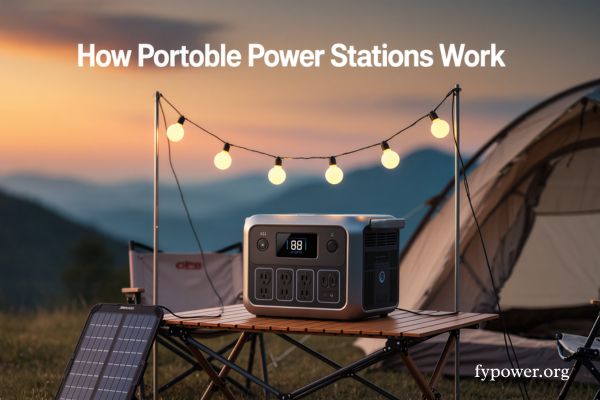
    A portable power station is basically a giant rechargeable battery that stores electricity and lets you use it whenever you need it. Think of it like a super-sized version of the power bank you use for your phone, but powerful enough to run everything from laptops to refrigerators. These devices use special batteries (usually lithium-ion or LiFePO4) to store energy, then convert it into the type of power your devices need through built-in outlets and ports.

    In this guide, you’ll learn exactly how these power stations work, what makes them safe to use indoors (unlike gas generators), and how to choose the right one for your needs. Whether you’re preparing for emergencies, planning outdoor adventures, or just want backup power at home, you’ll find everything you need to know right here.

    What Is a Portable Power Station?

    Portable power stations explained in simple terms: they’re like a box full of batteries that you can take anywhere. Unlike regular generators that burn gas and make lots of noise, these stations run silently and don’t produce any harmful fumes. This makes them perfect for using inside your home, in your RV, or at a quiet campsite.

    These devices go by many names – you might hear them called battery generators, solar generators (when paired with solar panels), or portable battery packs. But they all work the same basic way: they store electricity in a battery and give it back to you when you need it.

    The best part? You don’t need to be an electrician to use one. Just charge it up by plugging it into a wall outlet (or connecting solar panels), and you’re ready to power your devices anywhere.

    Core Components: What Makes It Work

    Understanding portable power stations starts with knowing their main parts. Every portable power station has these essential components working together:

    The Battery: The Heart of the System

    The battery is where all the magic happens. Most modern stations use one of two types of portable power stations batteries:

    Lithium-ion batteries are lighter and smaller, making them great for portable use. They’re the same type you’ll find in your laptop or phone, just much bigger. These batteries can typically handle 500 to 1,000 charging cycles before they start losing capacity.

    LiFePO4 batteries (Lithium Iron Phosphate) are the newer, safer option. They last much longer – often 3,000 cycles or more – and handle heat better. They’re a bit heavier but worth it for the extra safety and lifespan.

    The Inverter: Converting Power

    Here’s where things get interesting. Batteries store DC (direct current) power, but most of your home devices need AC (alternating current) power – the kind that comes from wall outlets. The inverter converts the DC power from the battery into AC power your devices can use.

    Good inverters produce “pure sine wave” power, which is just as clean and stable as what comes from your wall outlet. This means even sensitive electronics like medical equipment or computers will work perfectly.

    Charge Controller: The Safety Guard

    The charge controller is like a traffic cop for electricity. It manages how power flows in and out of the battery, preventing problems like:

    • Overcharging (putting too much power in)
    • Over-discharging (taking too much power out)
    • Overheating (getting too hot)
    • Short circuits (dangerous electrical problems)

    This built-in protection system, called a Battery Management System (BMS), keeps everything running safely and extends the life of your battery.

    How Portable Power Stations Store and Deliver Energy?

    Now let’s talk about how easy portable power station usage really is. The whole process works in three simple steps:

    Step 1: Charging the Station

    You have several ways to charge your power station:

    Wall Outlet Charging: This is the fastest way. Just plug it into any regular outlet at home. Most stations fully charge in 2-8 hours this way.

    Solar Panel Charging: Connect solar panels to charge using free energy from the sun. This is perfect for camping or during extended power outages. It takes longer (usually 6-12 hours in good sunlight) but gives you true energy independence.

    Car Charging: Use your vehicle’s 12V outlet to charge while driving. It’s slower than wall charging but handy for road trips.

    Step 2: Storing the Energy

    Once charged, the battery holds the energy until you need it. Modern stations can hold their charge for months, though it’s best to top them off every 3-6 months if you’re not using them.

    The capacity is measured in watt-hours (Wh). A 500Wh station can theoretically provide 500 watts of power for one hour, or 50 watts for 10 hours. Think of it like a water tank – the bigger the tank (more watt-hours), the longer you can run your devices.

    Step 3: Powering Your Devices

    When you plug something in, the station automatically detects what type of power it needs and delivers it through the right outlet:

    • AC outlets for regular household items
    • USB ports for phones and tablets
    • USB-C ports for laptops and newer devices
    • DC outlets for car accessories
    • Some even have wireless charging pads

    Safety Features: Why They’re Safe for Indoor Use

    One of the biggest questions people ask is: “Are portable power stations safe?” The answer is a definite yes, especially when compared to gas generators. Here’s why:

    No Carbon Monoxide

    Unlike gas generators that produce deadly carbon monoxide fumes, portable power stations create zero emissions. You can run them in your living room, bedroom, or even a small closet without any danger of poisoning. This alone makes them infinitely safer for indoor use.

    Built-in Protection Systems

    Every quality power station includes multiple safety features:

    • Overload protection shuts things down if you try to power too much
    • Temperature control prevents overheating
    • Short circuit protection stops electrical problems before they start
    • Surge protection handles sudden power spikes

    Cool and Quiet Operation

    These stations run almost silently – most make less noise than a refrigerator. They also stay cool to the touch during normal use, though you should still give them space for air circulation.

    Consumer Reports and Buying Considerations

    When looking at consumer reports portable power stations, several factors stand out as most important for buyers. Let’s break down what really matters when choosing your station.

    Portable Power Station Buying Guide Essentials

    Capacity: This is your first decision. Here’s a simple guide:

    • Small (200-500Wh): Perfect for camping, charging phones, running lights
    • Medium (500-1500Wh): Good for small appliances, power tools, mini-fridges
    • Large (1500Wh+): Can run full-size refrigerators, medical equipment, multiple devices

    Power Output: Look at both continuous watts and peak watts. Continuous watts tell you what it can run steadily, while peak watts handle startup surges (like when a fridge compressor kicks on).

    Outlets and Ports: Make sure it has enough of the right connections for your devices. Most people need at least:

    • 2-3 AC outlets
    • Multiple USB ports
    • At least one USB-C port for modern devices

    Weight and Portability: Smaller units (under 20 pounds) are easy to carry camping. Larger units (40+ pounds) often have wheels but are better for home backup.

    Are Battery Generators Any Good? Real-World Performance

    People often wonder, “Are battery generators any good?” Let me share what real users experience:

    What They Excel At?

    Battery generators (portable power stations) shine in several areas:

    • Silent operation makes them perfect for camping or nighttime use
    • Indoor safety means you can use them anywhere in your home
    • Zero maintenance – no oil changes or engine tune-ups needed
    • Instant power at the push of a button, even after months of storage

    Honest Limitations

    They do have some drawbacks to consider:

    • Limited runtime compared to gas generators that can refuel
    • Higher upfront cost than similar-sized gas generators
    • Recharge time can be several hours
    • Battery degradation over time (though modern units last 10+ years)

    For most people, the benefits far outweigh these limitations, especially for emergency backup and recreational use.

    Common Uses and Applications

    Let’s explore what you can actually do with these versatile power stations:

    Emergency Home Backup

    During power outages, a portable power station can keep essential items running:

    • Refrigerators: A medium-sized station can run a fridge for 4-10 hours
    • Medical equipment: CPAP machines, oxygen concentrators stay powered
    • Communications: Keep phones, radios, and internet routers working
    • Lighting: Run LED lights for days on a single charge

    Outdoor Adventures

    For camping and RV life, they’re game-changers:

    • Power camping fridges and coolers
    • Run fans or small heaters in your tent
    • Charge cameras, drones, and outdoor gear
    • Create an outdoor movie setup with projectors

    Remote Work and Job Sites

    Professional uses are growing:

    • Power tools at construction sites without generators
    • Mobile offices with laptops and printers
    • Photography equipment in remote locations
    • Emergency services and disaster relief

    Maintenance and Best Practices

    Taking care of your power station is surprisingly easy. Here’s how to make it last:

    Storage Tips

    • Keep it in a cool, dry place (avoid extreme temperatures)
    • Store with 30-80% charge for best battery health
    • Check and top off the charge every 3-6 months
    • Keep it clean and dust-free

    Usage Best Practices

    • Don’t completely drain the battery if you can avoid it
    • Avoid overloading – stay within rated capacity
    • Give it ventilation space while using
    • Use the right charging method for your situation

    Extending Battery Life

    • Avoid extreme temperatures when possible
    • Use it regularly – batteries like being exercised
    • Don’t leave it plugged in constantly after full charge
    • Follow manufacturer guidelines for your specific model

    Making the Right Choice for Your Needs

    Choosing the perfect portable power station doesn’t have to be complicated. Here’s a simple decision framework:

    For Occasional Camping

    Look for 300-600Wh capacity with:

    • Lightweight design (under 15 pounds)
    • Multiple USB ports
    • At least one AC outlet
    • Solar charging capability

    For Home Emergency Backup

    Consider 1000-2000Wh capacity with:

    • Multiple AC outlets
    • High surge capacity for appliances
    • Fast recharge options
    • Expansion capability

    For Professional Use

    Invest in 2000Wh+ capacity with:

    • High continuous power output
    • Rugged construction
    • Multiple charging options
    • Smart app connectivity

    Connecting to Related Power Solutions

    Understanding portable power stations also helps you explore other renewable energy options. For instance, you can create your own DIY solar charger system to complement your portable station for extended off-grid use. Many users combine portable stations with home solar battery systems for comprehensive energy independence.

    If you’re interested in emergency power solutions, portable power stations work great alongside traditional generators. You might also explore solar generator options that combine panels and stations in one package. For RV enthusiasts, check out our guide on RV power systems to see how portable stations fit into mobile living.

    Want to reduce your energy bills? Learn about home energy storage and how portable stations can work with grid-tie systems. You can even use them with wind power systems for diverse renewable charging options. Don’t forget to explore battery maintenance tips to maximize your investment.

    Frequently Asked Questions

    How long will a portable power station run a refrigerator?

    This depends on two things: your refrigerator’s power use and your station’s capacity. A typical home fridge uses 100-200 watts while running. So a 1000Wh power station could run it for about 5-10 hours continuously. But here’s the good news – fridges don’t run constantly. They cycle on and off to maintain temperature. In reality, that same 1000Wh station might keep your fridge cold for 10-20 hours or even longer if you don’t open it frequently.

    Can I leave a portable power station plugged in all the time?

    While most modern stations have smart charging that prevents overcharging, it’s not ideal to leave them plugged in constantly. The best practice is to charge them to 100%, then unplug them. If you’re storing it long-term, keep it at 30-80% charge and top it off every few months. This approach will help your battery last much longer – potentially 10+ years instead of 3-5 years.

    Do portable power stations work in cold weather?

    Yes, but cold weather does affect their performance. Most stations work fine down to about 32°F (0°C), but below that, you’ll notice reduced capacity and slower charging. The battery might only deliver 70-80% of its normal capacity in freezing temperatures. If you need to use one in very cold conditions, try to keep it warm when not in use – bring it inside your tent or vehicle when possible.

    What’s the difference between a portable power station and a generator?

    The main differences are huge for most users. Portable power stations are silent, produce no emissions (so they’re safe indoors), require zero maintenance, and start instantly. Traditional generators are loud, produce dangerous carbon monoxide (outdoor use only), need regular maintenance like oil changes, and require pull-starting or electric starting. Power stations cost more upfront but save money over time with no fuel costs or maintenance.

    How do I know what size portable power station I need?

    Start by listing what you want to power and for how long. Add up the watts each device uses, then multiply by the hours you need them to run. Add 20% as a safety buffer. For example: if you want to run a 60W laptop for 5 hours and a 10W LED light for 10 hours, that’s (60×5) + (10×10) = 400Wh. With the buffer, look for at least a 500Wh station. For home backup, most families need 1500-3000Wh to cover essentials.

    Can portable power stations be used while charging?

    Yes, most portable power stations support “pass-through charging,” which means you can use them while they’re charging. This is super handy during extended power outages when you have solar panels – you can charge during the day while still running devices. Just know that this might slightly reduce the battery’s lifespan if done constantly, and the station will charge more slowly while powering devices.

    Are portable power stations worth the money?

    For most people, absolutely yes. While the upfront cost seems high ($200-2000+), consider what you get: years of reliable backup power, the ability to use power anywhere, zero maintenance costs, no fuel costs, and complete safety for indoor use. Compare that to a gas generator that needs fuel (expensive over time), regular maintenance, and can only be used outdoors. Plus, with electricity costs rising and power outages becoming more common, having backup power is becoming essential rather than optional.

    Conclusion

    Portable power stations have revolutionized how we think about backup power and off-grid electricity. These silent, safe, and simple devices give you the freedom to have power anywhere – from your living room during an outage to a remote campsite under the stars.

    The technology is straightforward: a big battery stores power, an inverter converts it for your devices, and smart safety systems keep everything running smoothly. Whether you choose a lithium-ion or LiFePO4 model, you’re getting years of reliable, maintenance-free power at the push of a button.

    Remember, the best portable power station is the one that matches your specific needs. Start small if you’re just charging phones and running lights. Go bigger if you need to power refrigerators or medical equipment. And don’t forget – unlike noisy, fumey gas generators, you can safely use these anywhere, anytime.

    Ready to join the millions who’ve already discovered the convenience of portable power? Check out the latest models from trusted brands like Jackery, EcoFlow, or Goal Zero, read user reviews, and pick the one that fits your lifestyle. Your future self will thank you the next time the power goes out or you’re enjoying electricity in the great outdoors!

  • How Does An Inverter Generator Work? Pros and Cons Included

    The inverter generator has become a popular choice when it comes to finding the right generator for emergencies, camping trips, or other off-grid tasks. But what exactly is an inverter generator, and how does it work? Inverter generators combine innovative technology and resourceful design to provide a more efficient and reliable source of power than traditional generators.

    In comparison to conventional generators, which produce a raw form of electrical power called alternating current (AC), inverter generators use advanced technology to convert AC to direct current (DC) and then back to a more stable, clean form of AC power. This process results in a continuous flow of eco-friendly and safe power with sensitive electronic devices, such as laptops and smartphones.

    However, as with any technology, there are pros and cons to using an inverter generator. Some of the key advantages include their lightweight design, portability, fuel efficiency, and quieter operation. On the other hand, the drawbacks involve their higher upfront cost, limited power output, and potential for maintenance and repairs.

    In the end, weighing the benefits and downsides of an inverter generator will help determine if it’s the right power source for your particular needs. Read on to learn more.

    What is an inverter generator?

    An inverter generator is a type of portable generator that provides AC power. It takes in AC power, converts it to DC power, and then gives back the AC power with less Total Harmonic Distortion (THD).

    inverter generator

    This makes the generator more efficient and quieter than traditional fuel-powered generators. Inverter generators are also more fuel efficient, as they can adjust their engine speed to match the load requirement. This allows for smaller fuel tanks and longer run times.

    Inverter generators come in a variety of sizes and can be used for a variety of applications, from powering small appliances during an outage to providing backup power for RV trips.

    When choosing an inverter generator, it’s important to consider the size of your needs and the wattage requirements of your appliances. Additionally, you should ensure that the inverter generator is properly maintained by following manufacturer instructions and performing regular maintenance checks.

    How does an inverter generator work?

    An inverter generator functions by using a multistep process to convert electrical energy from one to another. First, an inverter generator uses a fuel-powered engine to spin a rotor, which creates a magnetic field within the generator.

    inverter generator

    As the magnetic field rotates around a stator with copper wire windings, an electrical current is generated that flows in one direction. Here are the main points about how an inverter generator works.

    1. The inverter generator uses a rectifier to convert the AC power into DC power.
    2. Next, the DC power is passed through an electronic inverter, resulting in a clean and stable current.
    3. The DC electricity is then passed through an inverter, which converts it back into clean AC electricity, with a stable voltage and frequency. 
    4. This clean AC electricity can be used to power appliances, tools, and other electrical items safely and efficiently.
    5. Inverter generators are more fuel efficient than traditional fuel-powered generators, as they only use the amount of fuel needed to generate the required amount of energy needed at any given time.
    6. They also produce less noise than conventional generators, as their engines run at variable speeds depending on the load being placed on them.
    7. Inverter generators also produce less total harmonic distortion (THD) than traditional generators, making them safer for sensitive electronics like computers and TVs.

    Types of inverter generator

    There are two main types of inverter generators.

    inverter generator

    Portable Inverter Generator: These are designed to be portable and are typically quite small and lightweight. These generators generally run on gasoline or diesel and are perfect for camping, tailgating, RVing, or as a backup during power outages.

    Standby Inverter Generator: Standby inverter generators are larger and can only be used with natural gas or liquid propane. They’re usually installed outdoors near the home and provide an alternative source of power in case of emergency.

    What to Consider When Purchasing an Inverter Generator?

    When looking for an inverter generator, keeping some key points in mind is crucial. I’ll walk you through a few important factors that’ll make your decision-making process easier and ensure you’re getting the right device for your needs.

    Power Output

    The first thing to consider is the power output of the generator. You’ll want to make sure it’s sufficient for the devices you plan to power. Inverter generators usually range from 1000 watts to 4000 watts. Keep these rough estimates in mind when thinking about your needs:

    • 1000-2000 watts: Ideal for small appliances, laptops, and phone chargers
    • 2000-3000 watts: Suitable for more demanding devices like an RV air conditioner, refrigerator, or power tools
    • 3000-4000 watts: Perfect for larger devices, multiple heavy-duty tools, or powering an entire small-sized house

    Fuel Efficiency and Runtime

    It’s also essential to take into account a generator’s fuel efficiency and runtime. Inverter generators are known for their excellent fuel efficiency, which means they can run for longer periods on a single tank of gas.

    Look for models that feature Eco-Throttle or Smart-Throttle systems that automatically adjust engine speed, resulting in both improved fuel consumption and quieter operation.

    Noise Level

    Noise levels can vary between different models, so be mindful of this when making a selection. Residential areas might have strict noise regulations, so choosing an inverter generator that operates below certain decibel (dB) limits is vital. Here’s a rough guideline for noise levels:

    • 50-60 dB: Comparable to a refrigerator or air conditioner
    • 60-70 dB: Similar to conversation or background music
    • 70-80 dB: Comparable to a lawn mower or vacuum cleaner

    Portability and Size

    Inverter generators are known for their compact size and ease of transportation. Look for models with built-in handles or wheels for even greater portability. The weight of the device can also impact portability, so make sure to check for that specification in the product details.

    Price and Warranty

    Lastly, it’s important to consider the price and warranty of the inverter generator. Although these devices can be pricier than traditional generators, the benefits often outweigh the costs. Make sure to compare prices and features between different models, and opt for those that offer a solid warranty for extra peace of mind.

    By considering these factors when purchasing an inverter generator, you’ll be better equipped to make an informed decision that meets your specific needs.

    Inverter Generator vs. Conventional Generator

    In this section, I’ll dive into the differences between inverter generators and conventional generators, highlighting their pros and cons. Choosing the right generator depends on various factors like power requirements, budget, and portability.

    Inverter Generators are known for their efficiency, quiet operation, and portability. They convert DC power to AC power using advanced electronic circuitry.

    Here’s a side-by-side comparison highlighting the key differences:

    SpecsInverter GeneratorConventional Generator
    EfficiencyHigh efficiencyLess efficient
    Noise levelQuietNoisy
    Power qualityClean outputLess stable output
    Size and portabilityCompact and lightweightBulkier and heavier
    CostHigher upfront costLower initial cost
    Power outputLimited power outputGreater power output

    After considering these differences, it’s crucial to evaluate your specific needs before deciding on the type of generator that will best suit your requirements.

    Top 5 inverter generators

    1. Honda EU2200I: This is one of the best inverter generators on the market, offering quiet operation and reliable power output in a compact and lightweight package.

    2. Yamaha EF2000IS: This generator is ideal for camping, tailgating, or powering small electronics and appliances during a power outage. It has a designed noise level of 51dB at 25 percent load and is fuel-efficient when running continuously with its Smart Throttle technology.

    3. Champion 3400W Dual Fuel Inverter Generator: This unit can run either natural gas or gasoline, making it versatile enough to meet different needs. It’s also equipped with a start type of Recoil, Electric technology.

    4. WEN56200I Super Quiet 2000-Watt Inverter Generator: This is a budget-friendly option that’s perfect for RVs and camping trips. It has built-in overload protection to help protect your devices in case of an unexpected power surge.

    5. Westinghouse iGen4500DF Dual Fuel Inverter Generator: This unit can run on either gasoline or propane, making it versatile and reliable during emergencies. It also has an electric start, so you don’t have to worry about having to pull-start the engine in case of a power outage.

    Pros of inverter generator

    Inverter generators offer several pros over traditional generators. Here are some of the key benefits.

    • Quieter operation: Inverter generators are much quieter than traditional generators, making them ideal for camping and other outdoor activities.
    • Fuel efficiency: Inverter generators use less fuel than conventional fuel-powered generators, making them more cost-effective in the long run.
    • Cleaner power output: The precision of inverter technology ensures that its power is closer to “line power” than any other generator design. This means that it produces cleaner, more reliable electricity.
    • Portable: The Inverter generators are lightweight and compact, they are easy to transport and store.

    Cons of inverter generator

    Inverter generators are becoming increasingly popular, but there are some cons to consider before investing in one. Here are the main cons of inverter generators.

    1. Cost: Inverter generators are more costly than conventional portable generators.
    2. Lower Power Output: Inverter generators typically have lower power output than conventional portable generators.
    3. Costly Repairs: Because of their complexity, repairs for inverter generators can be expensive.
    4. Not Available in Large Sizes: Inverter generators are not available in large sizes, so they may not be suitable for powering large appliances or tools.
    5. Complicated Design: The design of inverter generators is more complicated than that of conventional portable generators, making them harder to maintain and repair.

    Safety Considerations When Using an Inverter Generator

    Given below are some safety considerations when using an Inverter Generator.

    • Never use or run a generator in an enclosed space or indoors.
    • You should be aware of the possible hazards related to portable generators, such as their production of carbon monoxide (CO).
    • Avoid electric shock or electrocution and fire by using the generator outdoors, more than 20 feet away from doors, windows, vents, and other building openings.
    • Don’t refuel the generator while it’s running or when the engine is hot.
    • Don’t overfill the fuel tank.
    • Don’t put anything flammable near the generator.
    • It’s dangerous to operate a portable or inverter generator while raining, snowing, or in wet conditions.
    • Follow manufacturer instructions for the proper use and maintenance of your generator
    • Be aware that some inverter models require special cords, so make sure you have the right one.
    • Always unplug appliances from the generator before turning it off. Check to make sure the generator is connected properly and securely and that all electrical connections are tight.
    • Never touch any live parts on the generator when checking for a short circuit.

    By following these safety precautions, you will be able to ensure your inverter generator’s safe and efficient operation.

    Common Problems with Inverters generator and Their Solutions

    Inverter generators have numerous benefits over traditional generators, but they also have some common problems that users should be aware of. Here are some of the most common problems with inverter generators along with their solutions.

    1. Overloading

    Inverter generators are designed to provide a specific amount of power. If you try to run too many appliances at once, you can overload the generator and trip the circuit breaker. This can cause your inverter generator to shut down unexpectedly. To avoid overloading, you should only connect appliances that require less power than your inverter generator can provide.

    2. Fuel Problems

    Inverter generators require fresh fuel to operate properly. If you leave old fuel in the tank, it can lead to problems like hard starting, poor performance, and even engine damage. To avoid fuel-related problems, you should always use fresh fuel and empty the fuel tank when you are done using your generator.

    3. Battery Problems

    Inverter generators that have electric starters rely on a battery to start the engine. If the battery is dead or not charged, your inverter generator won’t start. To avoid battery problems, you should keep your battery charged by running your generator for a few hours every few months or installing a battery maintainer.

    4. Low oil shutdown issues

    Inverter generators have a low oil shutdown that will shut off the engine if the oil level is too low. However, this feature can sometimes malfunction and shut off the engine even when the oil level is not low. To avoid low oil shutdown issues, you should regularly check the oil level and change the oil according to the manufacturer’s recommendations.

    5. Spark plug problems

    Spark plugs are essential components of inverter generators. They can sometimes get fouled or corroded, which can cause your generator to start hard or not at all. To avoid spark plug problems, you should replace your spark plug according to the manufacturer’s recommendations and keep your generator clean.

    In summary, inverter generators are reliable and efficient sources of power, but like any appliance, they can develop problems from time to time. By following the above solutions, you can quickly identify and fix the most common problems with inverter generators and ensure their safe and efficient operation.

    Tips for Maintaining an Inverter Generator

    • Regularly check the oil level: Checking the oil level is important to ensure that your generator is running properly and efficiently. It also helps to prevent engine damage due to low oil levels.
    • Change the Oil According to Manufacturer Specifications: Changing the oil regularly keeps your generator in top shape, so make sure you follow the manufacturer’s specifications for how often it should be done.
    • Keep Your Generator Clean: Dirt and debris can block air intakes, causing your generator to run inefficiently or not at all. To keep your generator clean and running smoothly, use compressed air or a damp cloth to remove any dirt or dust from its exterior surfaces on a regular basis
    • Clean the air filter – Cleaning and replacing air filters will help keep your generator running smoothly and efficiently.
    • Check fuel levels – Make sure you always have enough fuel on hand for your generator, as running it out of fuel can cause damage to its engine.
    • Use Fresh Fuel: Old fuel can cause problems like hard starting, poor performance, and even engine damage in inverter generators, so make sure you always use fresh fuel when filling up your tank.
    • Check Battery Status Regularly: Inverter generators with electric starters rely on a battery in order for them to start up properly – if this battery isn’t charged, then you won’t be able to get any power out of it! Make sure you’re checking its level regularly (every few months) and charging it as necessary.
    • Don’t Overload the Generator: Generators can only handle so much power, and if you exceed that, then you’ll trip the circuit breaker and possibly damage the generator. Make sure you only connect appliances that require less power than your inverter generator can provide.
    • Follow the Manufacturer’s Maintenance Schedule: To ensure that your generator runs efficiently and effectively for a long time, make sure to follow the manufacturer’s maintenance schedule. This includes checking and changing the oil, spark plugs, and air filter, as well as other components.
    • Store Properly: Make sure you store your generator in a dry and flat area without exposure to extreme temperatures. This will help keep it in good condition and ensure it is ready to go when you need it!

    Following these tips will help you maintain your inverter generator and keep it running efficiently for years to come. And remember, always follow the manufacturer’s instructions when operating or maintaining your generator! Doing so will help ensure your safety and the performance of your generator.

    Conclusion

    Inverter generators are reliable and efficient sources of power, but like any appliance, they can develop problems from time to time.

    Taking the necessary steps as shown in this guide in the above content can help you identify and fix the most common problems with inverter generators, and maintain them so they will continue to run efficiently.

    Furthermore, always read the manufacturer’s manual before operating, and follow their maintenance schedule to keep your generator in top shape. By following these tips, you can rest assured that your generator will keep on running smoothly and efficiently.