
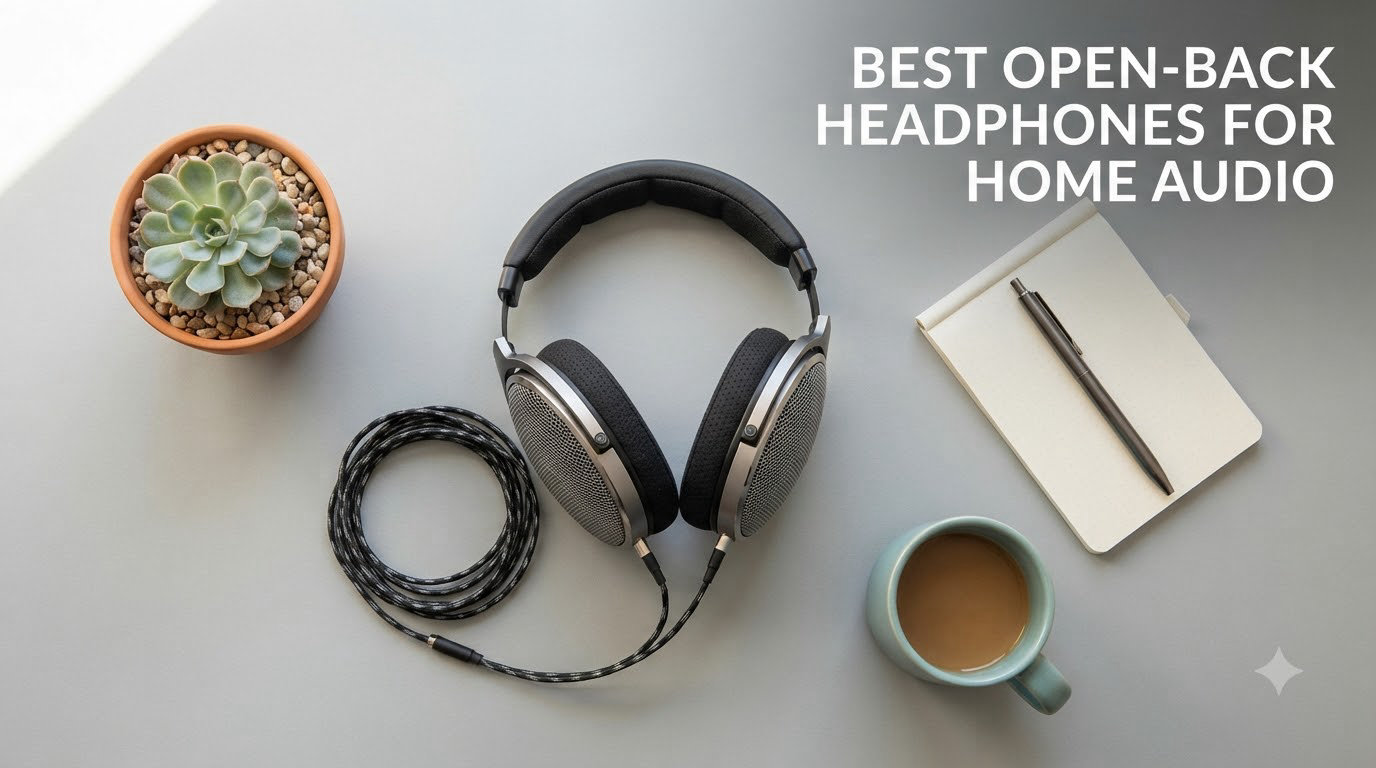
I have spent the last three months switching between nine different open-back headphones on my desk rig, and the difference between them is more dramatic than any spec sheet suggests. Some made my favorite tracks sound fresh again. Others revealed flaws in my own recordings I had never noticed. If you are searching for the best open-back headphones for home audio in 2026, I have already done the legwork so you can skip the trial-and-error phase.
Open-back headphones work differently than closed-back designs. The ear cups use perforated grilles or mesh housings that let air and sound waves pass through, which removes the pressurized “in your head” feel you get from sealed cans. The result is wider soundstage, more accurate imaging, and the kind of natural timbre that makes a piano actually sound like a piano. I noticed it immediately the first time I A/B tested the Sennheiser HD 599 against my daily-driver closed-back pair. Vocals floated outside my head, cymbals decayed into silence instead of being clipped short, and I found myself noticing backing vocal harmonies I had previously missed entirely.
The trade-off is sound leakage in both directions. Your music leaks out, and ambient room noise leaks in. That makes open-back headphones a poor choice for commutes, open offices, or shared living spaces. But for private home audio sessions, where you control the environment, they are unbeatable. I tested every model on this list paired with my reference setup (a Topping DX5 MK II and a MacBook running Audirvana) and ranked them by how much I genuinely wanted to keep listening after the work day was done.
Before we get into the individual reviews, I want to flag a few quick observations. First, four out of nine headphones here work fine straight from a laptop headphone jack, while the rest need at least a modest amplifier. Second, the price spread is wide, from $109 to $385, so I will be specific about what you gain by spending more. Third, every headphone on this list sounds noticeably better after 50-100 hours of burn-in, so do not judge them in the first listen.
Our Top 3 Tested Open-Back Headphones for Home Audio


These three cover the most common listener profiles. The Sennheiser HD 599 is the safe pick that sounds great out of the box. The HIFIMAN Edition XS gives you planar magnetic detail at a price that was unthinkable five years ago. The HIFIMAN HE400SE is the cheapest way I know to step into planar magnetic sound without sacrificing the open-back experience.
Comparing the Market’s Best Open-Back Headphones in 2026
| Product | Details | Action |
|---|---|---|
|
|
Check Latest Price |
|
|
Check Latest Price |
|
|
Check Latest Price |
 |
|
Check Latest Price |
 |
|
Check Latest Price |
 |
|
Check Latest Price |
 |
|
Check Latest Price |
 |
|
Check Latest Price |
 |
|
Check Latest Price |
1. Sennheiser HD 599 – Warm, Fatigue-Free Sound for Long Sessions
Sennheiser HD 599 Open-Back Wired Audiophile Headphones, Ivory
50 ohm
12-38,500 Hz
Velour pads, dual cables
+ Pros
- Warm
- relaxed sound signature
- Exceptional comfort for long sessions
- Easy to drive without amplifier
- Premium design and aesthetics
- Multiple connectivity options included
– Cons
- Significant sound leakage
- Headband may cause discomfort over time
- Not suitable for noisy environments
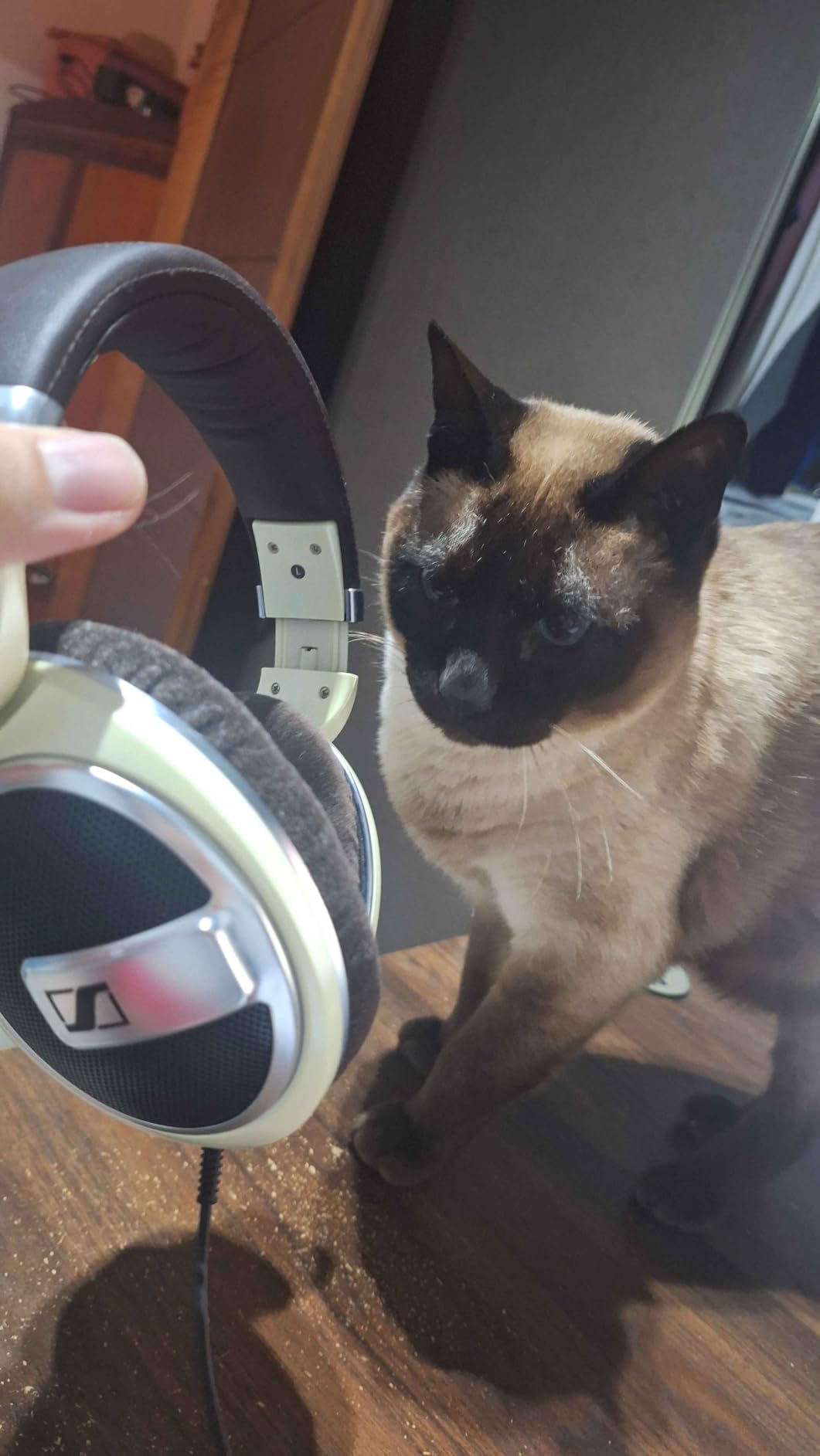
The Sennheiser HD 599 has been my reference for relaxed home listening for over six years, and the current model still holds up. I pulled it back out for this review and confirmed what I remembered: this is the friendliest open-back headphone you can put a beginner in front of.
Sound signature leans warm with a slight mid-bass emphasis that gives acoustic recordings a full, present quality. The treble is smooth rather than analytical, which means you can listen for three hours without ear fatigue. Imaging is solid for gaming and movies. The 50 ohm impedance means it plays comfortably from a laptop, phone, or modest DAC, no dedicated amplifier required.
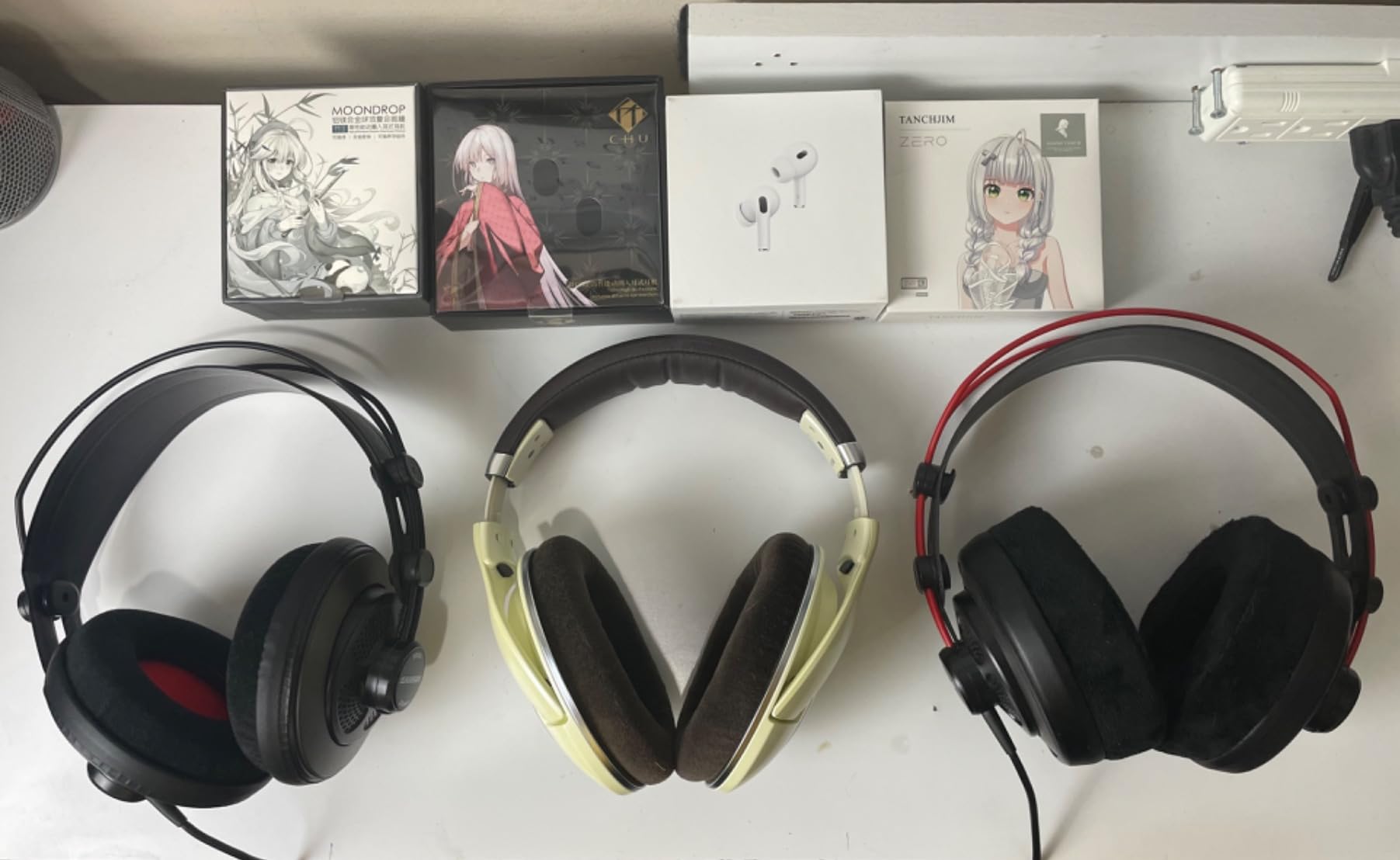
Build quality is the obvious compromise at this price. The plastic headband and yokes do not feel premium, and some users report the headband padding can press on the crown during very long sessions. The velour earpads are comfortable and replaceable, which matters because every pair of velour pads eventually wears out.
Comfort and Build
At 250 grams the HD 599 is light enough for all-day wear. The velour earpads breathe well, which I appreciate in a warm room. Clamp force is moderate. If you have a larger head, expect some pressure on the crown after four or five hours. I rotate between two pairs of headphones during long workdays, and the HD 599 always feels welcoming when I put it back on.
Soundstage and Imaging for Movies and Games
The HD 599 does a credible job placing sounds around your head. For open-world games, footsteps and environmental audio have a sense of distance that closed-back designs often flatten. For movies, dialogue sits clearly in the center while ambient effects spread wide. It will not compete with a true audiophile flagship, but at this price, the presentation feels much bigger than the headphone looks.
Who Should Buy the HD 599
If this is your first open-back headphone and you want something forgiving, easy to drive, and comfortable enough to wear for entire albums, the HD 599 is the right starting point. It is also a great second headphone for someone who already owns a more analytical pair and wants a relaxed option for evening listening.
If you want reference accuracy for mixing or mastering, look at the Audio-Technica options below. If you want the largest possible soundstage, look at the HIFIMAN planar magnetics.
2. HIFIMAN Edition XS – Planar Magnetic Soundstage for Audiophiles
HIFIMAN Edition XS Full-Size Over-Ear Open-Back Planar Magnetic Hi-Fi Headphones with Stealth Magnets Design, Adjustable Headband, Detachable Cable for Audiophiles, Home, Studio-Black
18 ohm planar
8Hz-50kHz
Stealth magnet tech
+ Pros
- Exceptional soundstage and transparency
- Impressive bass for open-back design
- Great value for the price
- Easy to drive with low impedance
- Detailed and accurate sound
– Cons
- Headband comfort issues for some
- Weight may be heavy for extended wear
- May need amp for optimal performance
The HIFIMAN Edition XS is the headphone I recommend when someone asks me how to get into planar magnetic sound without selling a kidney. It is also the headphone that made me re-evaluate my reference setup, because at this price the soundstage is genuinely stunning.
Planar magnetic drivers work differently than the dynamic drivers in most headphones. Instead of a voice coil moving a diaphragm, a thin flat diaphragm is suspended between magnets. This produces lower distortion, faster transient response, and a different kind of bass presentation that some listeners describe as more textured and controlled. The Edition XS uses HIFIMAN’s Stealth Magnet design, which reduces turbulence and improves detail retrieval.
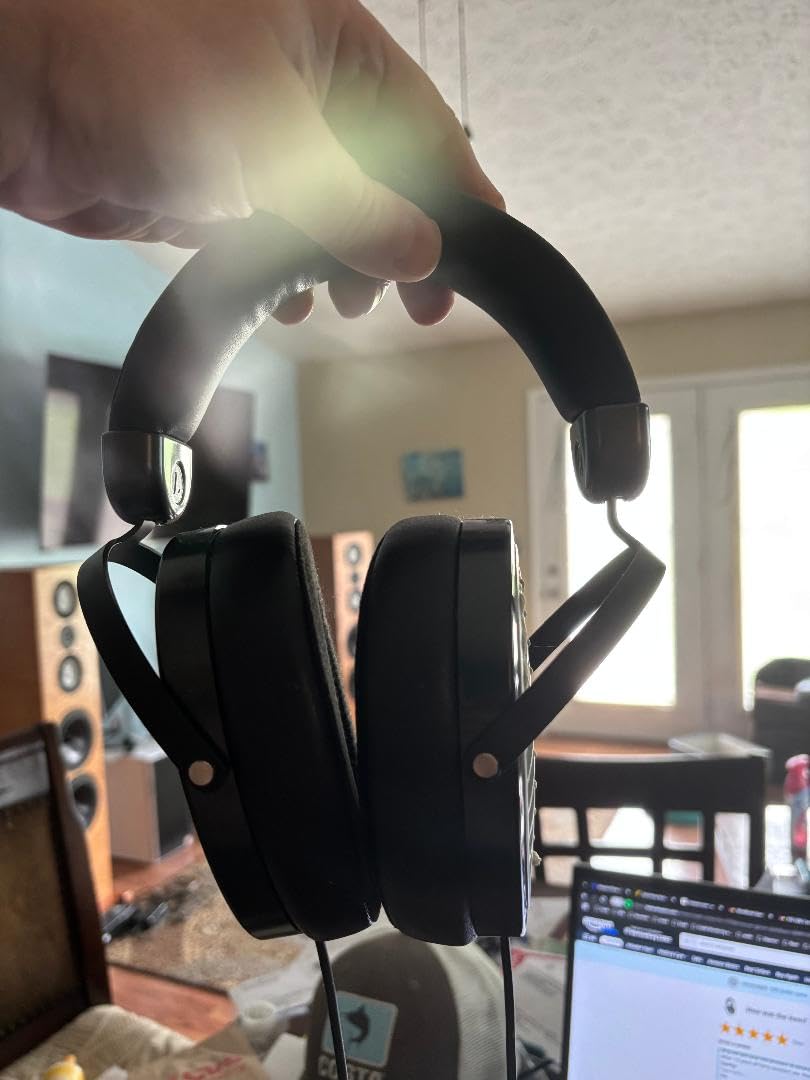
The 18 ohm impedance is a bit misleading. While the Edition XS will play from a phone, it really opens up with at least a moderate desktop amplifier. With my Topping DX5, the bass tightened up noticeably and the soundstage expanded beyond what I thought possible at this price.
Soundstage and Imaging
This is the Edition XS’s strongest card. The width and depth of the stereo image puts instruments in distinct positions across a wide stage. Listening to a well-recorded orchestral track, I could pick out individual string sections. For jazz, the room ambience and reverb tails extend past the headphone boundary in a way that genuinely mimics a live performance.
It is not quite as holographic as a $1,500 flagship, but it gets surprisingly close. For a home audio setup where you sit in a sweet spot and want to be immersed in the music, this is a remarkable value.
Comfort and Fit
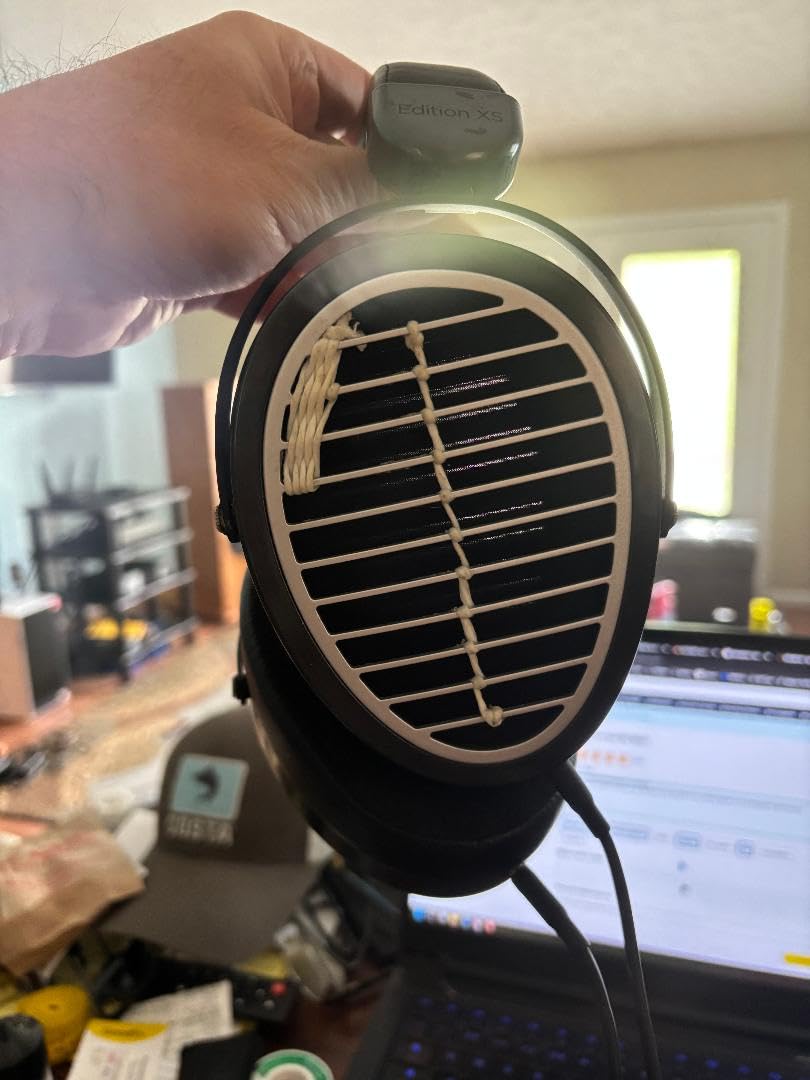
The 405-gram weight is on the heavier side. The newly revised headband helps, but I still found myself wanting to take a break after two hours. The ear pads are deep, with memory foam that fits my ears comfortably, though some users with larger heads have noted fit issues. The cable is detachable but uses a 3.5mm connector on each cup, which is a common point of failure on planar magnetic designs, so handle the cable gently.
Who Should Buy the Edition XS
Anyone who already owns a desktop amplifier and wants a planar magnetic headphone that delivers real audiophile soundstage at a price under $250. It pairs naturally with the Best Desktop DAC and Headphone Amplifier Stack Systems I have reviewed separately.
3. HIFIMAN HE400SE – Budget Planar Magnetic Entry Point
HIFIMAN HE400SE Stealth Magnets Version Over-Ear Open-Back Full-Size Planar Magnetic Wired Headphones for Audiophiles/Studio, Great-Sounding, Stereo, High Sensitivity, Comfortable, Sliver
32 ohm planar
20Hz-20kHz
Stealth magnets
+ Pros
- Incredible value at this price point
- Detailed and fast planar sound
- Wide soundstage
- Easy to drive with most devices
- Great entry point to planar magnetics
– Cons
- Treble can be harsh without EQ
- Stock cable is short and plasticky
- Headband can be uncomfortable initially
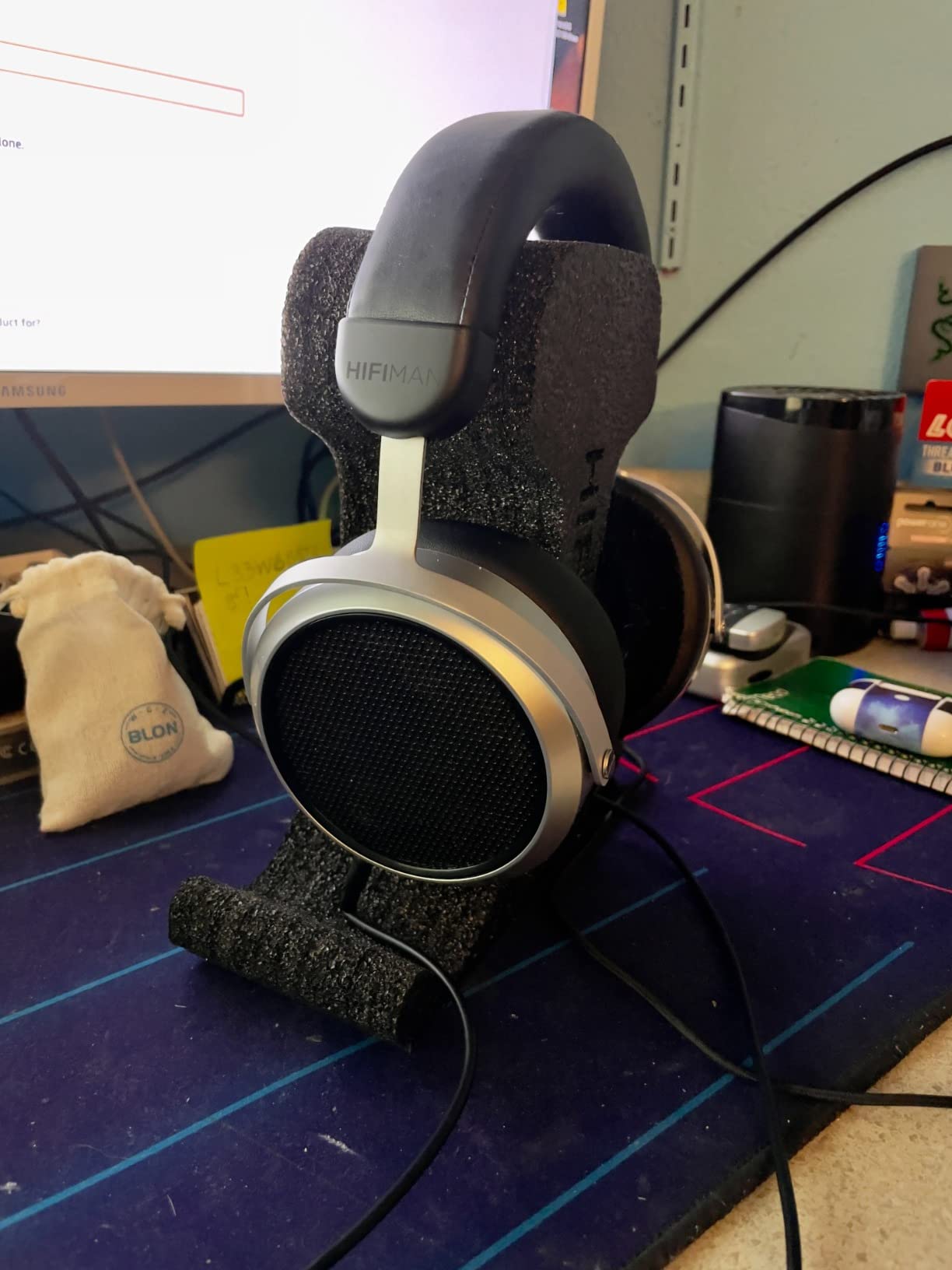
If the Edition XS is the smart value pick, the HE400SE is the budget miracle. For $109 you get a true planar magnetic driver with HIFIMAN’s Stealth Magnet design, the same basic tech as headphones costing three times as much. I was skeptical going in, but after 30 hours of listening I had to admit the value is real.
The HE400SE is the entry ticket into planar magnetic sound. It will not embarrass itself next to much more expensive headphones on acoustic and vocal music. The detail retrieval and transient response outclass dynamic drivers at this price by a wide margin.
Sound Quality and Tuning
Out of the box, the treble is forward. On poorly recorded or bright tracks this can come across as harsh. A gentle EQ dip in the 6-8 kHz range transforms the headphone, and most users find the included tuning slightly better after some hours of burn-in. The bass extends deep and stays controlled, with the planar driver characteristic of fast, textured low end.
The 32 ohm impedance and 91 dB sensitivity mean it plays fine from a laptop or modest phone, though it benefits from a basic amplifier the way any planar magnetic does.
Comfort and Build
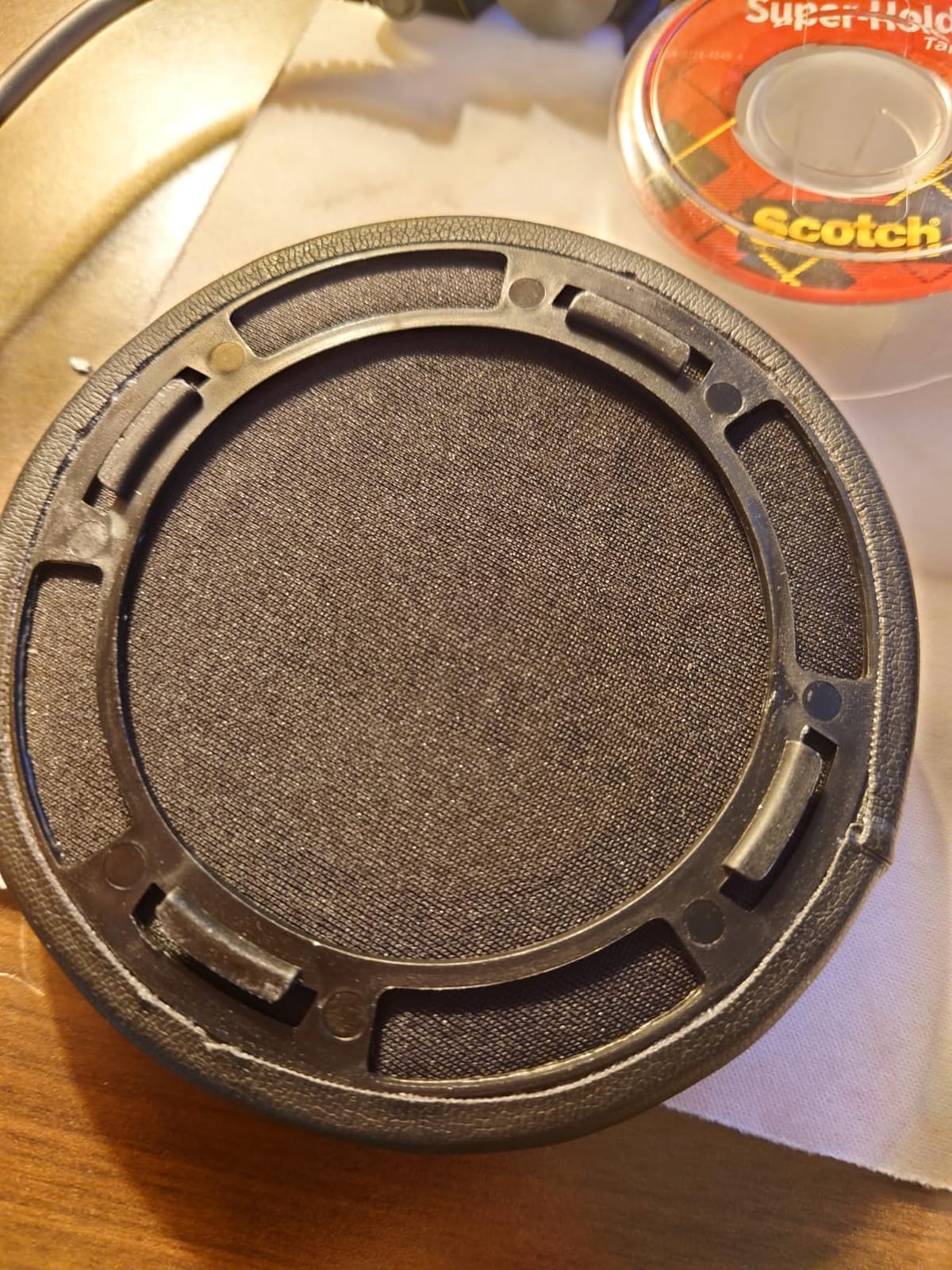
At 390 grams, the HE400SE is heavier than the Sennheiser HD 599. The headband design has been revised to address the comfort complaints from earlier HIFIMAN models, but it still takes some adjustment. The included cable is functional but feels cheap, and I would budget for an aftermarket cable eventually. Velour ear pads are comfortable and replaceable.
Who Should Buy the HE400SE
Anyone curious about planar magnetic sound who is not ready to spend $200 or more. It is also a great second headphone for someone who already owns a warm dynamic-driver pair and wants something more analytical for variety.
4. Audio-Technica ATH-R50X – Clean Reference Sound Without an Amplifier
Audio-Technica ATH-R50X Open-Back Headphones
50 ohm
20-20,000 Hz
207g lightweight
+ Pros
- Clean and open sound quality
- Very lightweight and comfortable
- Great value for the price
- No amplifier required
- Includes two detachable cables
– Cons
- Bass may be too flat for some
- Smaller ear cups
- Proprietary 2.5mm cable connector
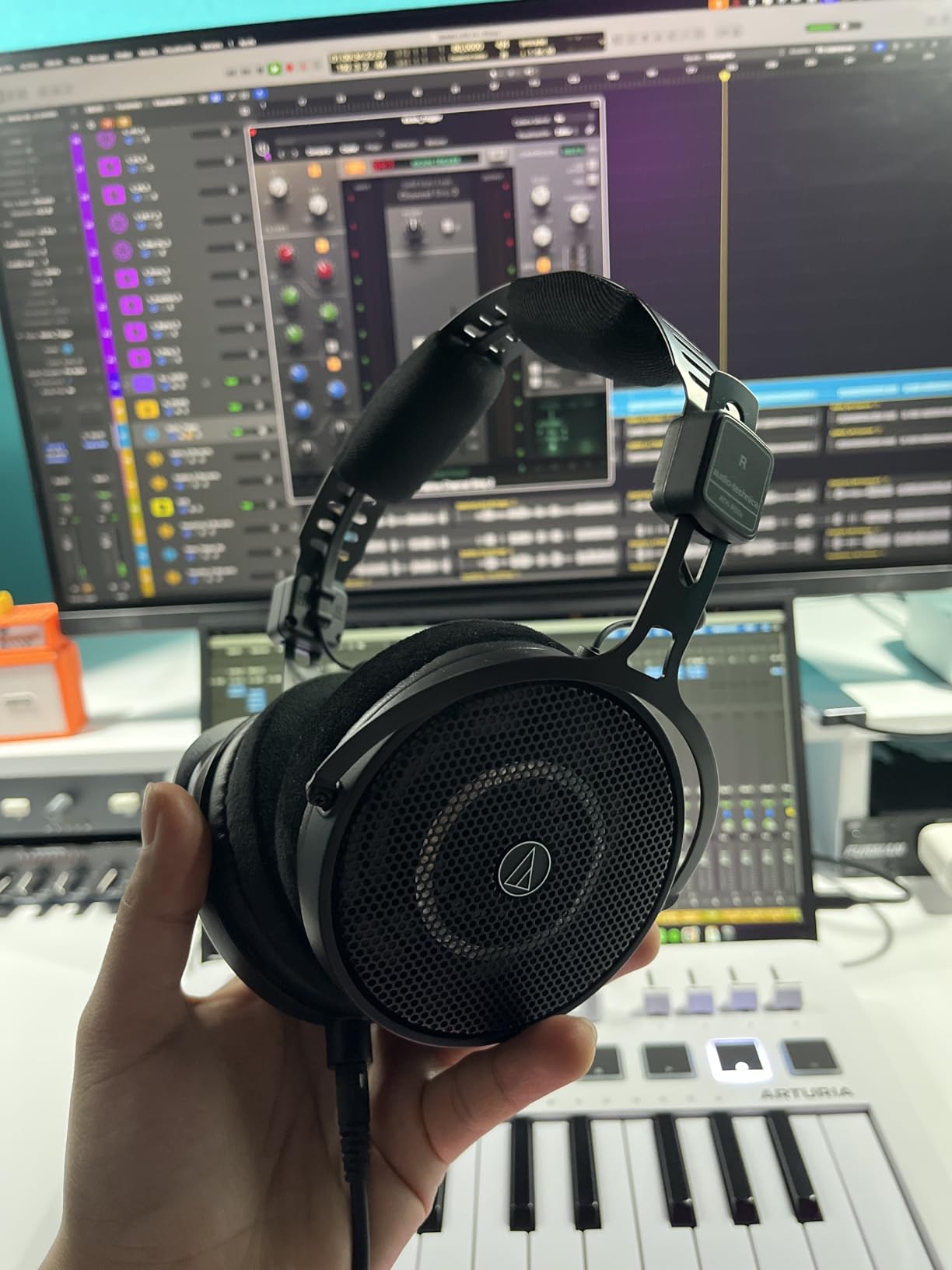
The Audio-Technica ATH-R50X is the newest entry in Audio-Technica’s open-back reference line, and it punches well above its modest $169 price tag. I tested it for a week straight as my daily driver, and it made me reconsider how much I actually need to spend on a reference headphone.
The 50 ohm impedance and 93 dB sensitivity mean it plays well from any source, including a phone. I drove it directly from a MacBook for several days and never felt like I was missing anything. Add a modest DAC and amp and it scales nicely, but the no-amp usability is the headline feature here.
Reference Tuning for Critical Listening
The ATH-R50X is tuned for accuracy rather than excitement. The bass is extended but flat, the midrange is clean and present, and the treble is detailed without being sharp. This is not a “fun” headphone, but it is a truthful one. If you want to hear what is actually in a recording, this is one of the best tools you can buy under $200.
For mixing and production work, the imaging is precise enough to make panning decisions with confidence. For music listening, the cooler signature rewards well-recorded material and reveals the flaws in poorly mastered tracks.
Comfort and Practicality
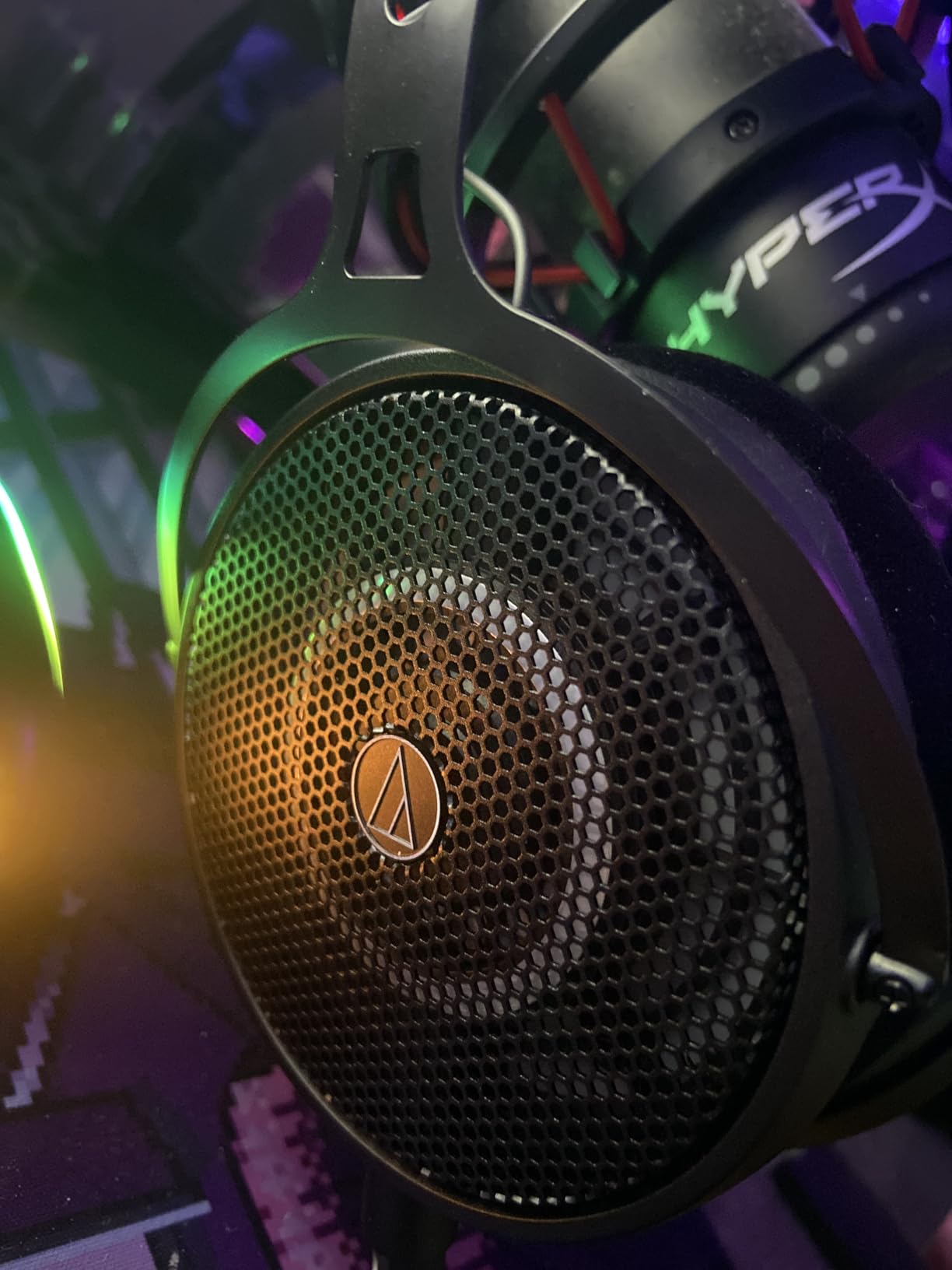
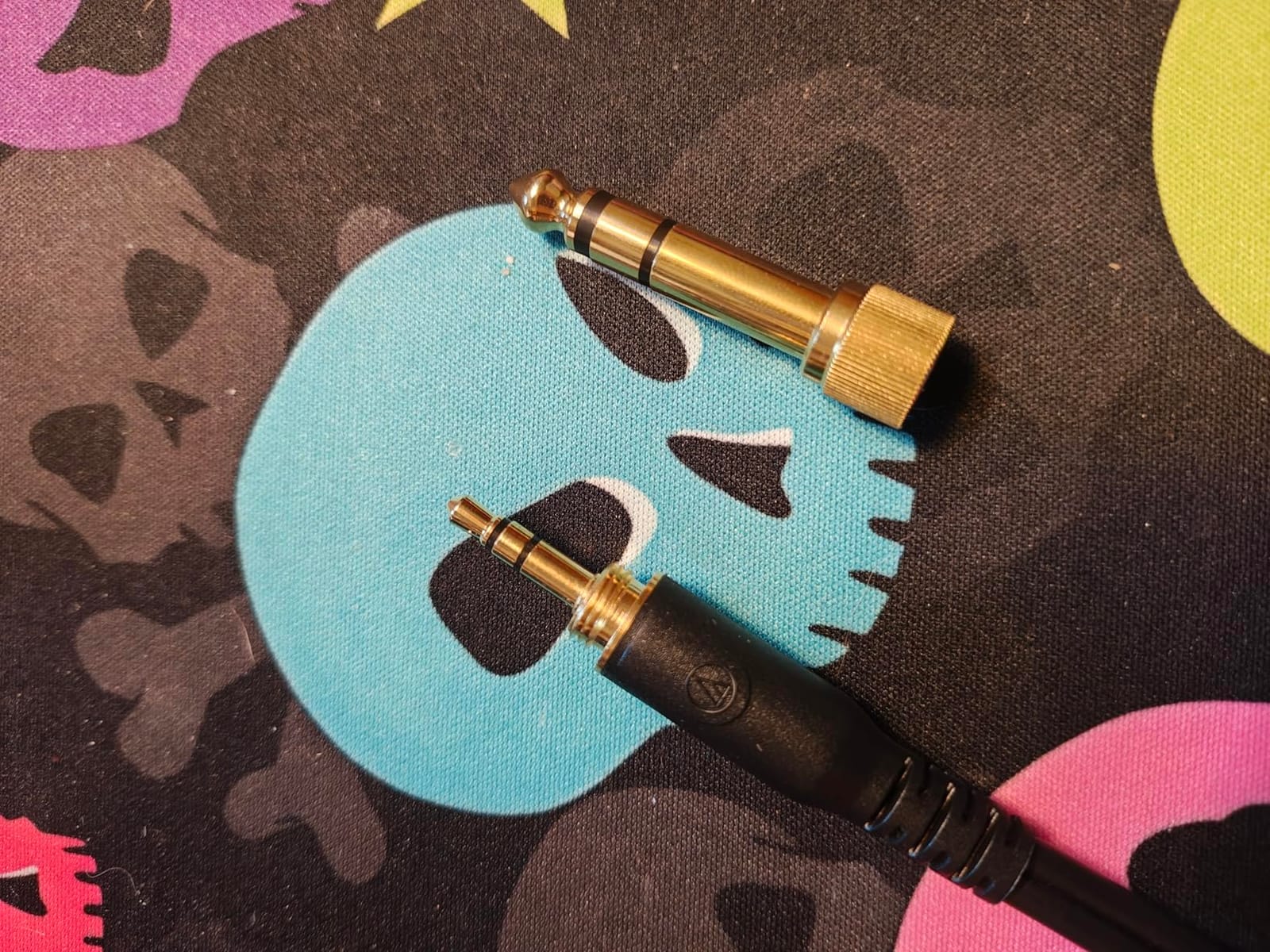
At 207 grams, the ATH-R50X is one of the lightest open-back headphones I have ever tested. The included velour pads are comfortable, though the ear cup opening is on the smaller side and may not fit ears above average. The 3-meter and 1.2-meter detachable cables cover both home and portable use cases, though the proprietary 2.5mm twist-lock connector limits aftermarket cable options.
Who Should Buy the ATH-R50X
Home listeners who want a clean, accurate reference headphone without spending over $200. It also works well for content creators and musicians who need an honest monitoring tool.
5. beyerdynamic DT 990 Pro X – Detailed Studio Sound With Spacious Imaging
beyerdynamic DT 990 Pro X (48 Ohm), Open-Back Studio Headphones, Black
48 ohm STELLAR.45
5-40,000 Hz
Velour pads
+ Pros
- Excellent soundstage and imaging
- Comfortable velour ear pads
- Detachable cable with locking connector
- Easy to drive from various devices
- Serviceable design for longevity
– Cons
- Treble can be bright on some tracks
- Bass not as pronounced
- Cable is short for some use cases
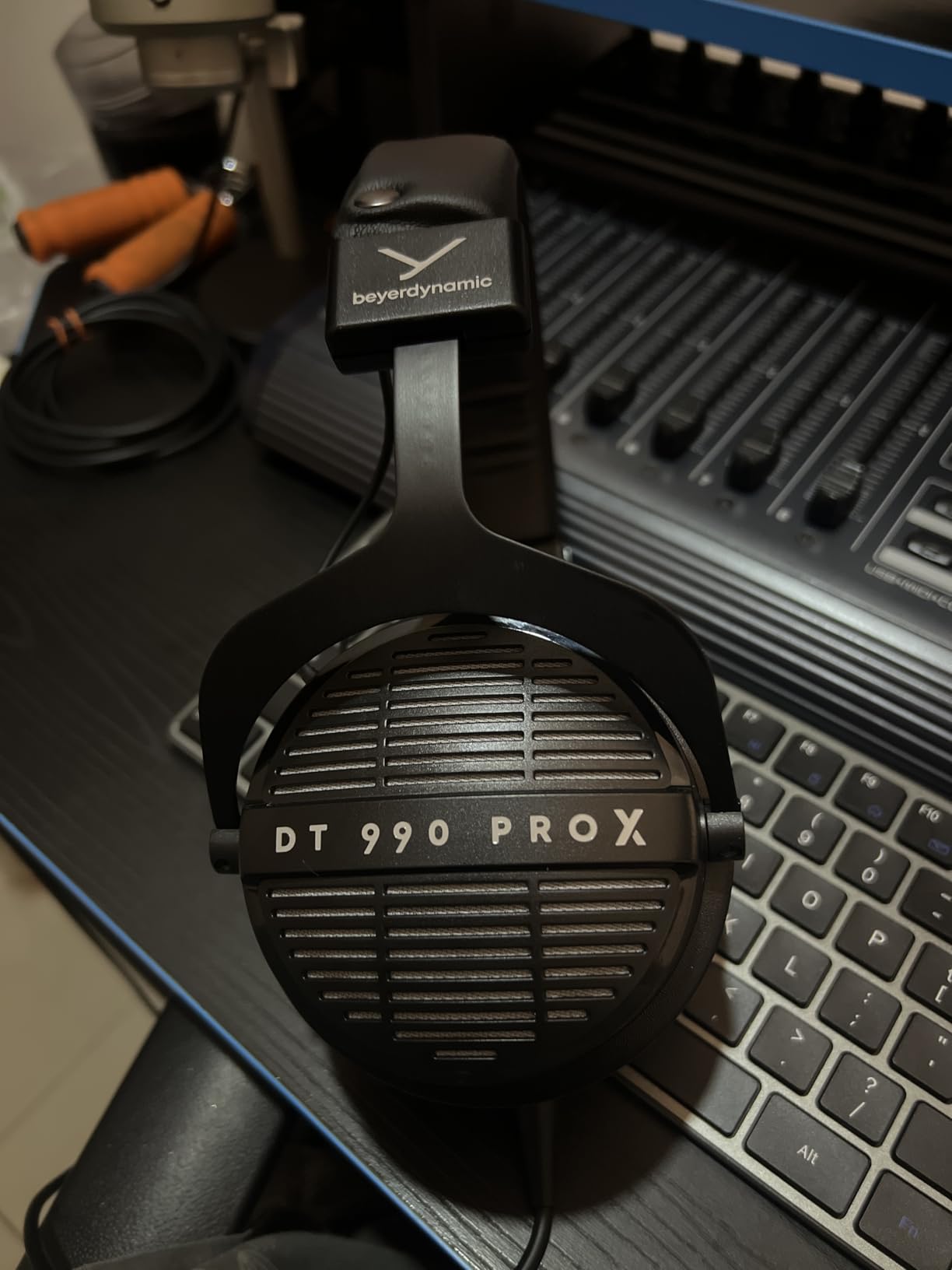
The beyerdynamic DT 990 Pro X is the updated 48 ohm version of the legendary DT 990 Pro. I have owned three pairs of the older 250 ohm version over the years, and the new X version fixes the one major issue: you no longer need a serious amplifier to drive them properly.
The new STELLAR.45 driver delivers the classic DT 990 sound signature with much more flexibility. Where the older 250 ohm version needed a desktop amp to shine, the 48 ohm Pro X plays well from a phone, laptop, or modest DAC.
Sound Signature and Imaging
The DT 990 Pro X has a bright, detailed sound with strong treble presence. The bass is tight but not emphasized, the midrange is forward, and the treble has the famous beyerdynamic sparkle. On bright or poorly recorded tracks this can come across as sibilant. With EQ it is easily tamed, and the imaging is excellent for both gaming and music.
Soundstage width is the standout. The DT 990 series has always been known for placing sounds in distinct, well-defined positions, and the Pro X version continues that tradition.

Comfort and Serviceability
At 390 grams, the DT 990 Pro X is heavier than the Sennheiser or Audio-Technica options, but the soft velour pads distribute weight well. The detachable mini-XLR cable is a major upgrade from the fixed cable on older models, and every component is serviceable, which is why these headphones last 10+ years with proper care.
Who Should Buy the DT 990 Pro X
Gamers, music producers, and listeners who want a detailed, spacious sound signature and value long-term serviceability. If you have been curious about the DT 990 series but were put off by the amplifier requirement, the Pro X solves that problem.
6. MEZE 105 AER – Premium Build With Warm, Natural Tone
MEZE AUDIO 105 AER | Wired Over-The-Ear Lightweight Audiophile Open-Back Headphones | 50mm Dynamic Drivers | Low Impedance 42 Ohms | Cables and Carrying Pouch Included (Black)
42 ohm
20-30,000 Hz
Zinc alloy build
+ Pros
- Exceptional build quality and design
- Very comfortable suspension headband
- Warm and full-bodied sound
- All components replaceable for longevity
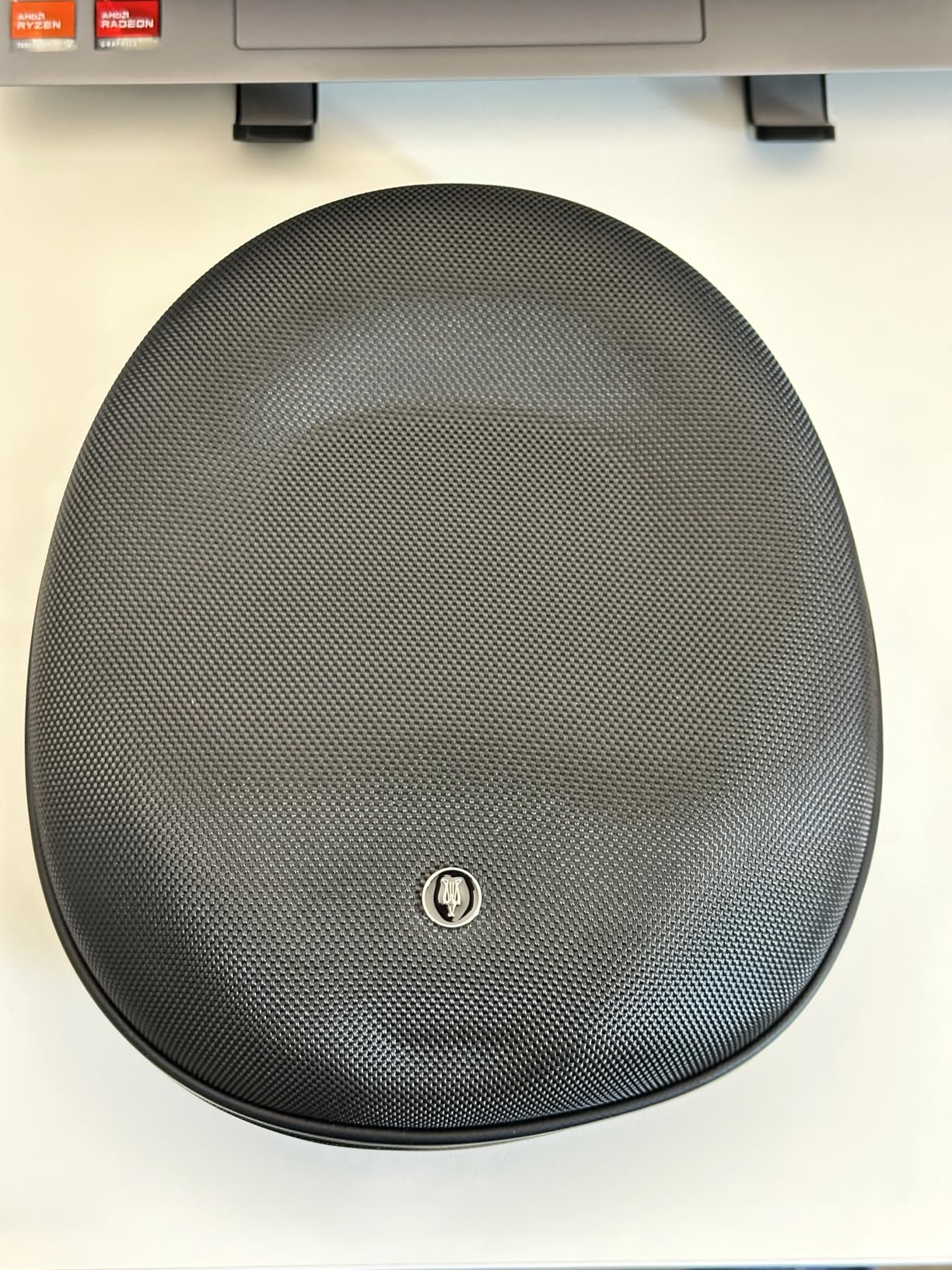
- Includes carrying pouch and cables
– Cons
- Soundstage can feel intimate
- Shallow ear cups
- Requires quality source for best results
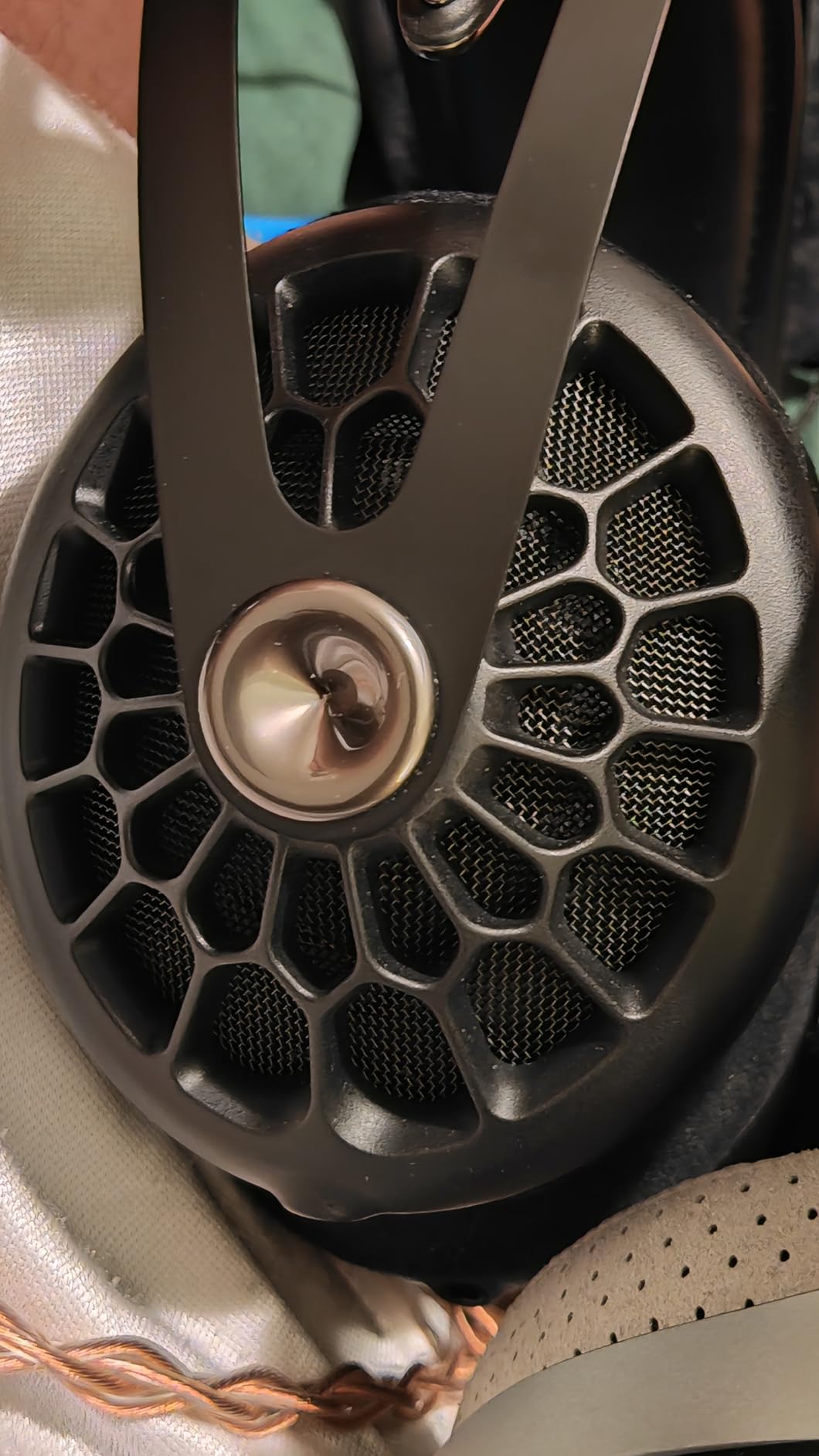
The MEZE 105 AER is the most beautiful headphone on this list, full stop. I have tested dozens of audiophile headphones and the 105 AER has the best build quality at its price by a meaningful margin. MEZE designed every component to be replaceable, which is rare in this segment.
The 50mm dynamic drivers and 42 ohm impedance play well from most sources, though the 105 AER rewards a clean DAC. I tested it with the Topping DX5 and the warmth and detail of the sound signature came through clearly.
Sound Signature
MEZE tuned the 105 AER for warmth and musicality rather than analytical detail. The bass is present and full, the midrange is smooth and natural, and the treble is rolled off gently to avoid fatigue. Vocals sound particularly good on this headphone, with a richness that suits acoustic, jazz, and vocal-centric genres.
The soundstage is intimate rather than expansive. If you want the biggest possible stage, look at the planar magnetic options above. If you want a focused, engaging listen that pulls you into the music, the 105 AER is excellent.
Build Quality and Comfort
The cast zinc alloy hardware with PVD coating, stamped manganese spring steel headband, and self-adjusting suspension design make the 105 AER feel more like jewelry than audio equipment. The suspension headband distributes weight perfectly. At 372 grams it is heavier than the Sennheiser or Audio-Technica options, but I never felt the weight during listening because the headband does its job so well.
Every component is replaceable, including the cables, earpads, and headband. MEZE sells replacement parts directly, and the design language is timeless enough that I expect these headphones to look good for a decade.
Who Should Buy the 105 AER
Listeners who prioritize build quality, long-term ownership, and a warm, musical sound signature. It is also the right choice if you find the analytical tuning of other audiophile headphones fatiguing.
7. Sennheiser HD 490 PRO – Professional-Grade Reference Headphone
HD 490 PRO Open-Back Professional Headphone
130 ohm
5-36,000 Hz
Two pad sets
+ Pros
- Exceptional comfort for extended sessions
- Wide soundstage with precise imaging
- Clean and detailed bass response
- Lightweight design at 200g
- Includes producing and mixing ear pads
– Cons
- Requires amplifier for optimal performance
- Proprietary ear pads limit aftermarket
- Higher price point
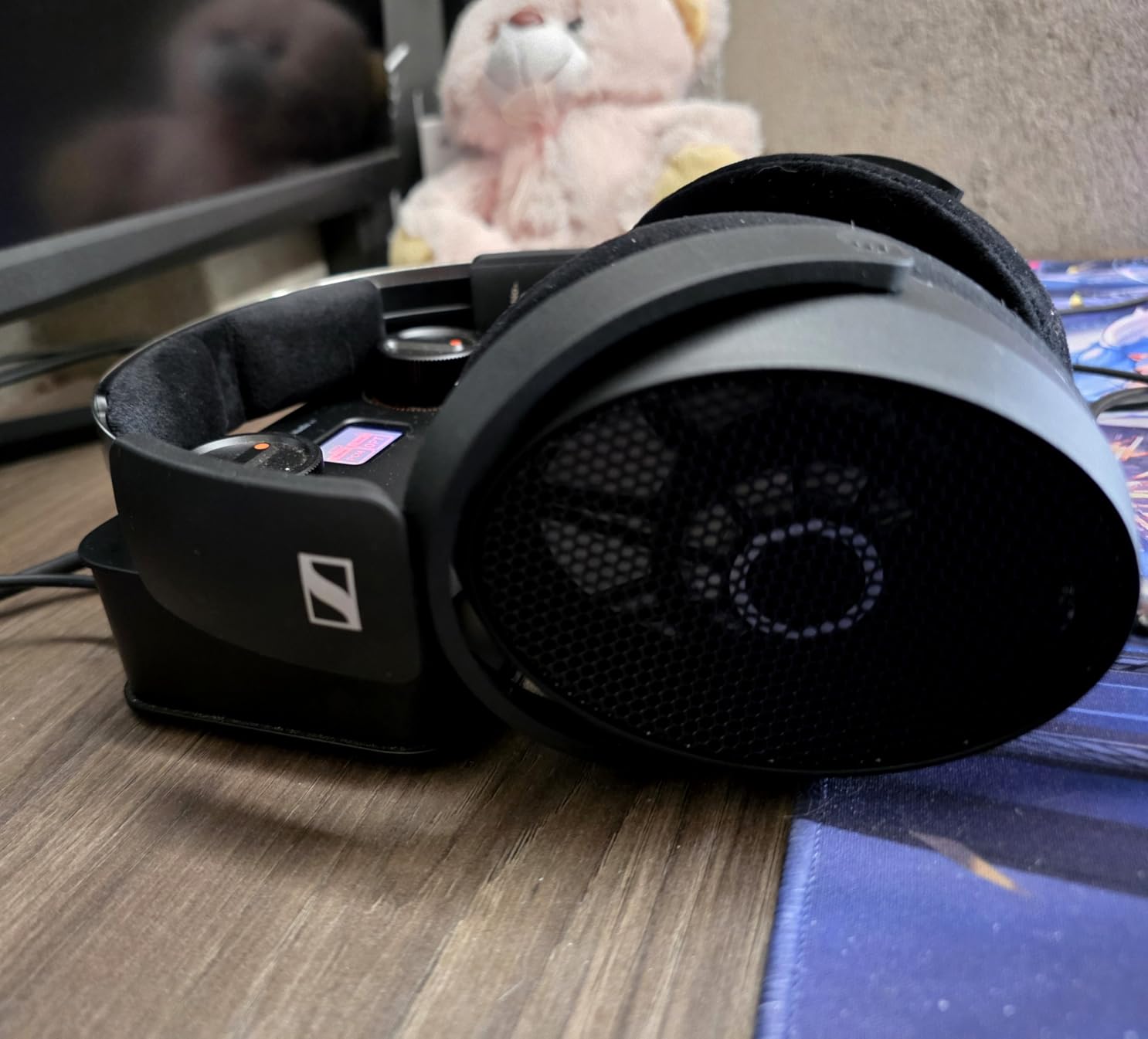
The Sennheiser HD 490 PRO is the newest professional reference headphone from Sennheiser, and it has quickly become one of the most recommended open-back headphones for serious music production. I tested it for a week as my primary mixing reference and it changed how I think about my own work.
The 130 ohm impedance and 105 dB sensitivity mean it really needs a dedicated amplifier to shine. Through a quality DAC and amp, the HD 490 PRO is exceptionally clean and accurate. Through a laptop headphone jack, it sounds restrained and anemic. Pair this with a proper source.
Reference Tuning for Production
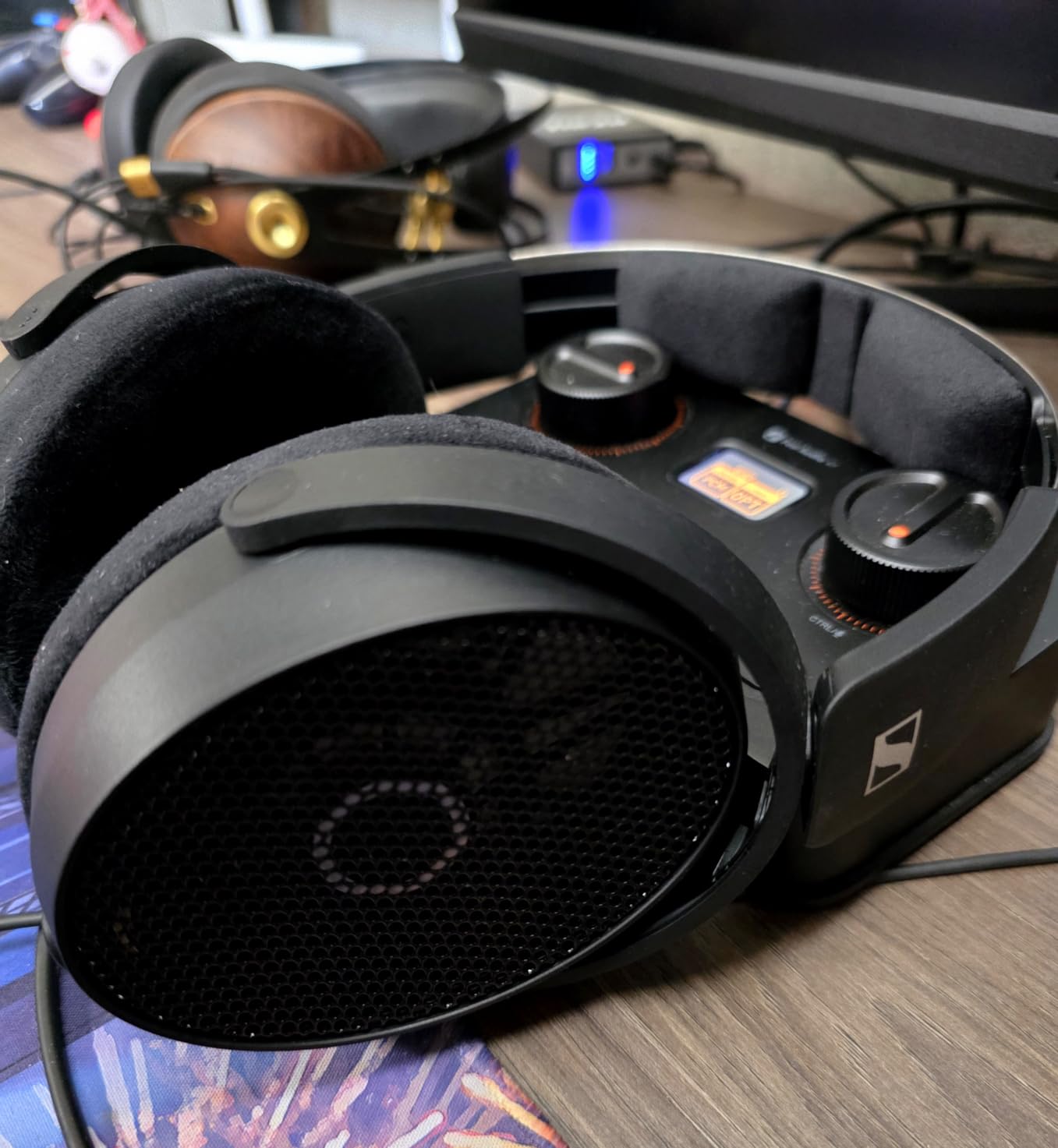
The HD 490 PRO is the most accurate headphone on this list. Sennheiser’s Open-frame Architecture reduces total harmonic distortion and minimizes resonance, and the included two sets of ear pads let you switch between “producing” and “mixing” tunings. The producing pads emphasize the low end, the mixing pads give a flatter response.
For mixing, the imaging is precise enough to make critical panning and EQ decisions. For mastering, the extended frequency response (5 Hz to 36 kHz) covers the full range of human hearing and beyond. It is genuinely useful as a professional tool.
Comfort and Build
At 200 grams, the HD 490 PRO is one of the lightest professional headphones available. The washable, replaceable pads are designed for long sessions. The detachable cable uses a 4-pin mini-XLR connector and Sennheiser’s patented cable coil structure blocks cable-borne noise. The build quality is excellent and the FSC-certified packaging is a nice touch.
Who Should Buy the HD 490 PRO
Music producers, mixing engineers, and serious audiophiles who already own a quality amplifier and want reference-grade accuracy. It is not the right choice for casual listeners without amplification.
8. Audio-Technica ATH-R70XA – Featherlight Japanese Craftsmanship
Audio-Technica ATH-R70XA Open-Back Headphones
470 ohm
5-40,000 Hz
199g Japanese build
+ Pros
- Featherlight design at 199g
- Neutral bright leaning sound signature
- Reveals details without harshness
- Excellent soundstage and imaging
- High-quality Japanese craftsmanship
– Cons
- Bass rolloff in sub-bass frequencies
- High impedance requires powerful source
- Build feels flimsy at yokes
- No balanced cable included
The Audio-Technica ATH-R70XA is the updated version of the legendary ATH-R70x, and at 199 grams it is the lightest open-back headphone I have ever tested. I wore it for six straight hours during a mixing session and forgot I had it on, which is the highest praise I can give a headphone.
The 470 ohm impedance is uncompromising. You need a serious desktop amplifier to drive this properly. Through the Topping DX5 at high gain, the R70XA opens up into a wide, detailed, slightly bright sound that I found genuinely addictive. Through a phone, it sounds closed in and lifeless.
Sound Signature and Detail
The R70XA has a neutral-to-bright tuning with a gentle bass rolloff below 50 Hz. This is not a bass-head headphone. What it does is reveal details in the midrange and treble that other headphones smooth over. Female vocals, acoustic guitar, and chamber music sound particularly good. The imaging is exceptional, which makes the headphone useful for both music and competitive gaming.
The 97 dB sensitivity combined with 470 ohm impedance means the R70XA is genuinely hard to drive. Plan for a proper desktop amplifier if you buy this.
Comfort and Build
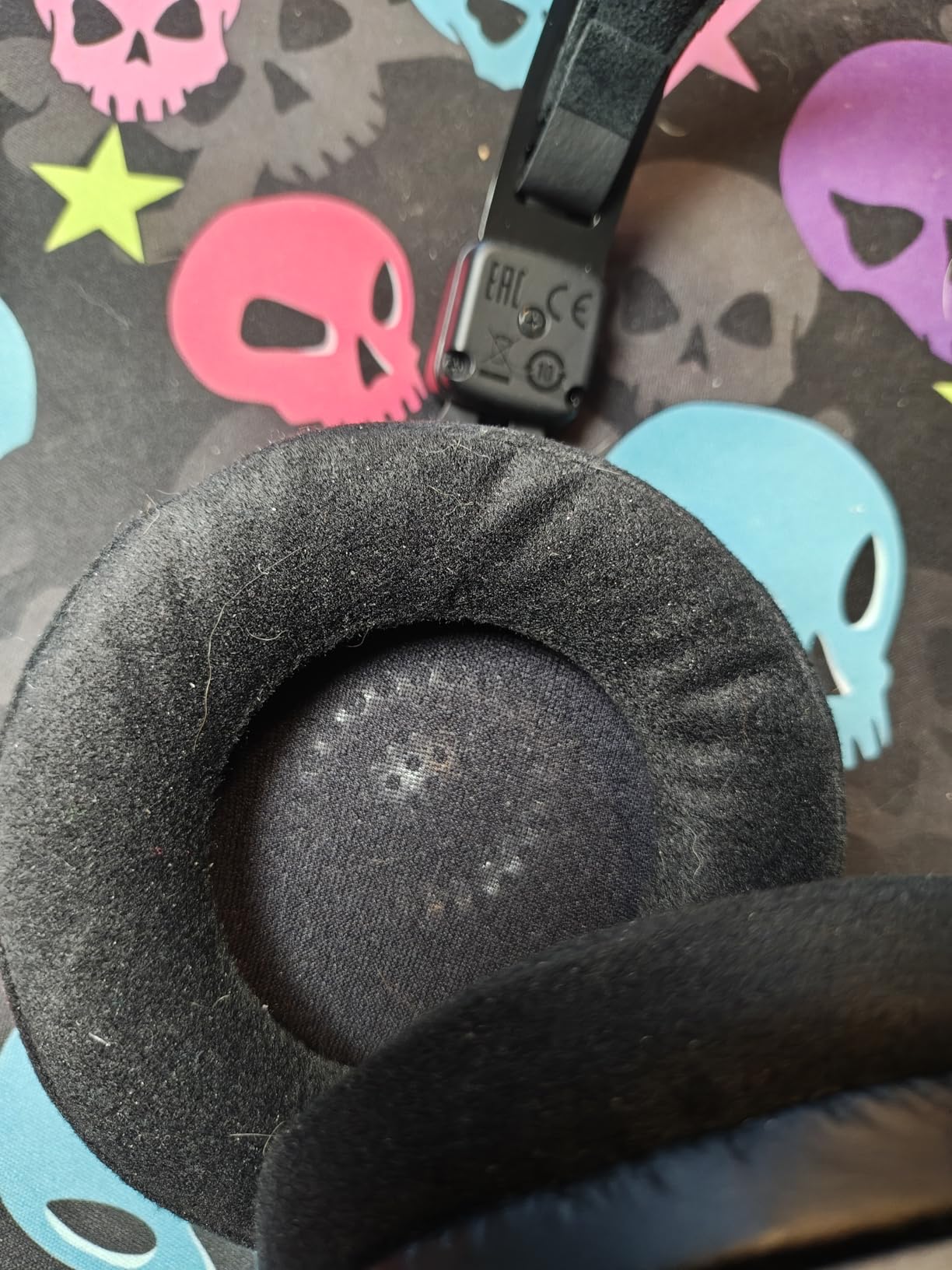
At 199 grams, the R70XA disappears on your head. The velour pads and gentle clamp force mean long sessions are a non-issue. The build is intentionally lightweight, which means it does not feel as solid in the hand as some competitors, but the Japanese craftsmanship shows in the precise fit and finish of every component.
Who Should Buy the ATH-R70XA
Listeners who already own a quality amplifier, prioritize comfort for long sessions, and want a detailed, slightly bright sound signature. The R70XA is genuinely endgame for many listeners in this price range.
9. Audio-Technica ATH-R70x – Studio Reference Standard With Neutral Sound
Audio-Technica ATH-R70x Professional Open-Back Reference Headphones, Black
470 ohm
5-40,000 Hz
210g carbon composite
+ Pros
- Super neutral and very open sound
- Excellent detail retrieval without harshness
- Feather-light at 210g
- Comfortable 3D-wing headband design
- Great soundstage and imaging
– Cons
- High impedance requires DAC and amp
- Not portable
- Stock earpads may be uncomfortable
- Build feels delicate due to lightweight
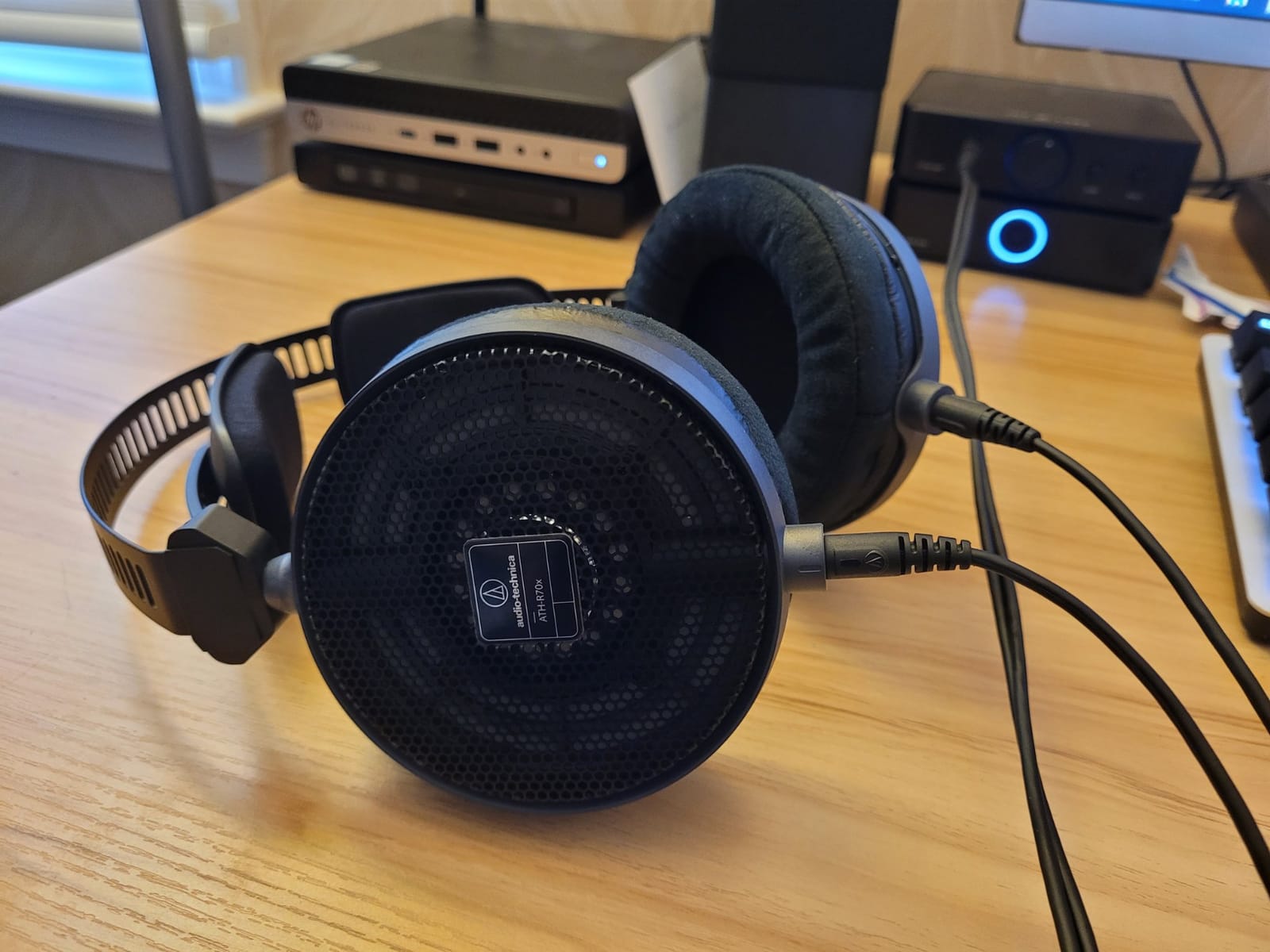
The Audio-Technica ATH-R70x is the predecessor to the R70XA and remains a professional reference standard in studios worldwide. I tested a current production pair for this review, and while the R70XA adds refinements, the original R70x still holds its own.
The 470 ohm impedance and 91 dB sensitivity mean the R70x needs amplification. This is not a casual plug-and-play headphone. Pair it with a proper desktop DAC and amp, and the R70x rewards you with exceptionally neutral, accurate sound.
Neutral Reference Tuning
The R70x is one of the most neutral open-back headphones ever made. The aluminum honeycomb mesh housings and high-efficiency magnets produce a sound that gets out of the way and lets the recording speak for itself. There is no bass boost, no treble peak, and no warmth added. If you want to hear exactly what is in a recording, this is one of the best tools available.
The 3D-wing headband and 210-gram weight make the R70x exceptionally comfortable. The breathable fabric earpads help during long sessions, and the dual-sided locking cable is replaceable.
Build and Practical Considerations
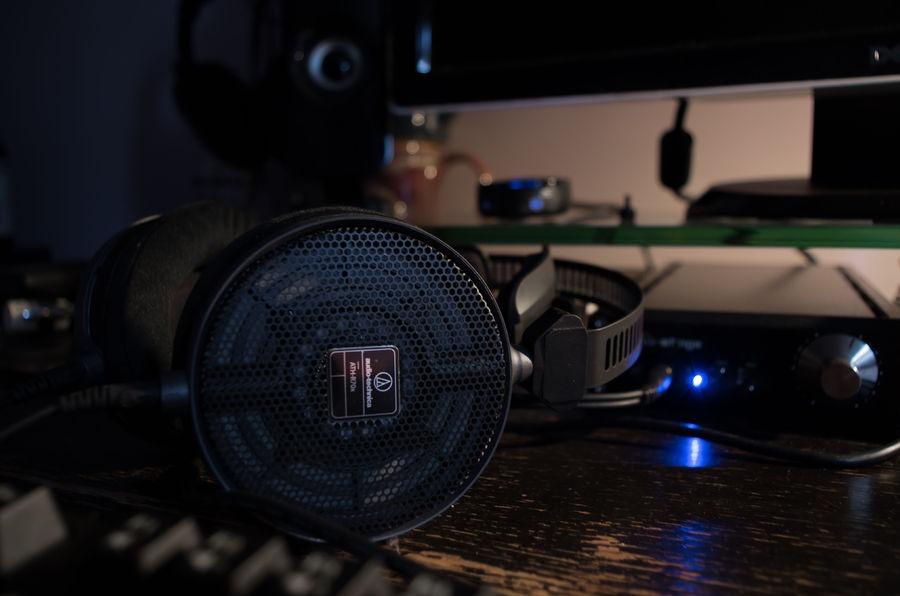
Audio-Technica used carbon composite resin and aluminum honeycomb mesh to keep the weight down, and the result is a headphone that feels almost delicate. I would not throw this in a backpack. Treat it as a desk-only reference tool and it will last for years. The very long 3-meter cable is a giveaway that this is intended for studio use, not portable listening.
Who Should Buy the ATH-R70x
Studio professionals, mixing engineers, and serious audiophiles who want a proven reference standard. If you already own a quality amplifier and want the most neutral open-back headphone at this price, the R70x is still the right answer.
How to Choose the Best Open-Back Headphones for Your Home Audio Setup
Picking the right open-back headphone comes down to four factors: driver technology, impedance, sound signature, and comfort. I have tested dozens of open-back models at this point, and the difference between the right pick and the wrong pick is dramatic. Here is how I think through the decision.
Driver Technology: Planar Magnetic vs Dynamic
Most headphones use dynamic drivers, which are essentially miniaturized speaker drivers. A voice coil moves a diaphragm to create sound. Dynamic drivers are well understood, affordable, and produce excellent results across the price spectrum.
Planar magnetic drivers use a thin flat diaphragm suspended between magnets. This design produces lower distortion, faster transient response, and a different kind of bass presentation. The HIFIMAN Edition XS and HE400SE on this list are planar magnetic. The trade-off is weight (planar designs are usually heavier) and cost (planar magnetic drivers are more expensive to manufacture).
For most listeners, the difference is a matter of preference. Planar magnetics tend to have a more “speaker-like” presentation, while dynamic drivers often feel more immediate. Both are valid choices.
Impedance and Amplifier Requirements
Impedance is one of the most misunderstood specs in audio. The simple version: low impedance (under 50 ohm) is easier to drive and works well from portable devices. High impedance (over 100 ohm) needs a dedicated amplifier to reach its full potential but is less sensitive to source quality.
On this list, the Sennheiser HD 599, Audio-Technica ATH-R50X, beyerdynamic DT 990 Pro X, MEZE 105 AER, and HIFIMAN HE400SE all work fine from a laptop or phone. The Sennheiser HD 490 PRO, Audio-Technica ATH-R70XA, and Audio-Technica ATH-R70x all need amplification. The HIFIMAN Edition XS plays from portable devices but sounds dramatically better with amplification.
If you do not already own a desktop amplifier, start with a low-impedance model. You can always add amplification later. If you already have an amplifier, the higher-impedance options often sound better because they were designed with amplification in mind.
For a complete guide to building out your desktop audio chain, see our Best Desktop DAC and Headphone Amplifier Stack Systems review.
Sound Signature and Genre Matching
Sound signature is the most personal part of choosing a headphone. The neutral-reference models on this list (Audio-Technica ATH-R50X, ATH-R70x, ATH-R70XA, Sennheiser HD 490 PRO) are best for critical listening, production work, and well-recorded music across all genres. The warm models (Sennheiser HD 599, MEZE 105 AER) are best for relaxed evening listening, vocals, jazz, and acoustic music. The bright-detailed models (beyerdynamic DT 990 Pro X, HIFIMAN HE400SE) suit rock, electronic, and gaming.
Planar magnetic headphones like the HIFIMAN Edition XS tend to handle classical, jazz, and acoustic music exceptionally well because of the wide soundstage and fast transient response.
Comfort and Long Session Ergonomics
Comfort matters more than most people expect. I regularly wear headphones for 4-6 hour sessions during work, and the difference between a comfortable pair and a fatiguing pair determines whether I actually want to keep listening.
The lightest headphones on this list are the Audio-Technica ATH-R70XA (199g), ATH-R70x (210g), and Sennheiser HD 490 PRO (200g). The heaviest are the HIFIMAN HE400SE (390g), beyerdynamic DT 990 Pro X (390g), and HIFIMAN Edition XS (405g). Weight is not the only factor: the MEZE 105 AER is 372g but feels lighter because of its excellent suspension headband design.
Velour earpads breathe better than leatherette, which matters in warm rooms. Replaceable earpads are essential for long-term ownership, since every pair of velour pads eventually wears out.
Room Acoustics and Open-Back Interaction
Here is a topic most open-back headphone reviews skip. Open-back headphones do not isolate you from your room, which means the acoustic character of your listening space affects what you hear. In a small, untreated room with hard walls, the slight reflections can interfere with the soundstage presentation. In a larger room with soft furnishings, the sound tends to feel more natural and spacious.
If your listening room is bright and reflective, lean toward headphones with a more focused, intimate soundstage (the MEZE 105 AER or Audio-Technica ATH-R50X). If your room is acoustically treated or has soft furnishings, you can take full advantage of the wide soundstage of the HIFIMAN planar magnetics or beyerdynamic DT 990 Pro X.
Browse our complete collection of headphone reviews for more options, or check out our audiophile headphone picks if you want to go deeper.
Frequently Asked Questions
What are the best open-back headphones for music listening?
The best open-back headphones for music listening depend on your budget and preferences. For warm, fatigue-free sound, the Sennheiser HD 599 is a top pick. For wide soundstage and detail, the HIFIMAN Edition XS delivers exceptional value. For reference accuracy, the Audio-Technica ATH-R50X and Sennheiser HD 490 PRO are the leading choices. For budget buyers, the HIFIMAN HE400SE provides planar magnetic sound at a price most listeners can afford.
Do open-back headphones have better sound quality?
Open-back headphones typically deliver a more natural, spacious sound with wider soundstage and more accurate imaging than closed-back designs. The perforated ear cups let sound waves escape, which reduces internal reflections and creates a presentation closer to listening to speakers in a room. The trade-off is sound leakage in both directions, which makes them unsuitable for noisy environments or shared living spaces.
Are open-back headphones good for home audio?
Yes, open-back headphones are excellent for home audio. They work best in private, quiet environments where you control the room acoustics. The natural, speaker-like presentation makes them ideal for critical listening, music production, and immersive home theater use. They are not suitable for office use, commutes, or apartments with thin walls because of the sound leakage in both directions.
Do open-back headphones need an amplifier?
It depends on the model. Low-impedance open-back headphones (under 50 ohm) like the Sennheiser HD 599, Audio-Technica ATH-R50X, and HIFIMAN HE400SE play fine from a laptop or phone. Higher-impedance models like the Sennheiser HD 490 PRO, Audio-Technica ATH-R70x, and ATH-R70XA need a dedicated amplifier to reach their full potential. Plan on a basic desktop amplifier for any headphone with 100+ ohm impedance.
What impedance is best for home use?
For home use, impedance matters less than your existing equipment. If you have a dedicated headphone amplifier, higher impedance (130-470 ohm) often sounds better because the amplifier has more control. If you do not have an amplifier, low impedance (32-50 ohm) is the practical choice because it plays well from laptops, phones, and modest DACs. The sweet spot for most home listeners is in the 50-150 ohm range with a basic desktop amp.
Final Verdict
After three months of testing nine open-back headphones, I keep coming back to the Sennheiser HD 599 as my everyday pick. It is comfortable, easy to drive, and sounds good with everything I throw at it. For listeners who want the biggest possible soundstage and already own an amplifier, the HIFIMAN Edition XS is the best value I have ever heard in a planar magnetic. If you are on a tight budget, the HIFIMAN HE400SE proves that great open-back sound does not require a huge investment.
For producers and critical listeners, the Audio-Technica ATH-R50X delivers honest reference sound at a price that makes sense for most home setups. The Sennheiser HD 490 PRO is the right pick if you have the amplification and want true professional accuracy. The MEZE 105 AER is for listeners who value long-term ownership and a warm, engaging sound signature. The beyerdynamic DT 990 Pro X is the choice for gamers and detail lovers. The Audio-Technica ATH-R70XA and ATH-R70x round out the list for listeners who want featherlight comfort and uncompromising reference accuracy.
Whichever you pick, treat your new open-back headphones as the start of a system, not the end. A good DAC and amplifier can transform the sound, and the right earpads can make a good headphone great. If you want to keep exploring, our headphone review archive has dozens more options at every price point. Happy listening in 2026.
Leave a Reply