
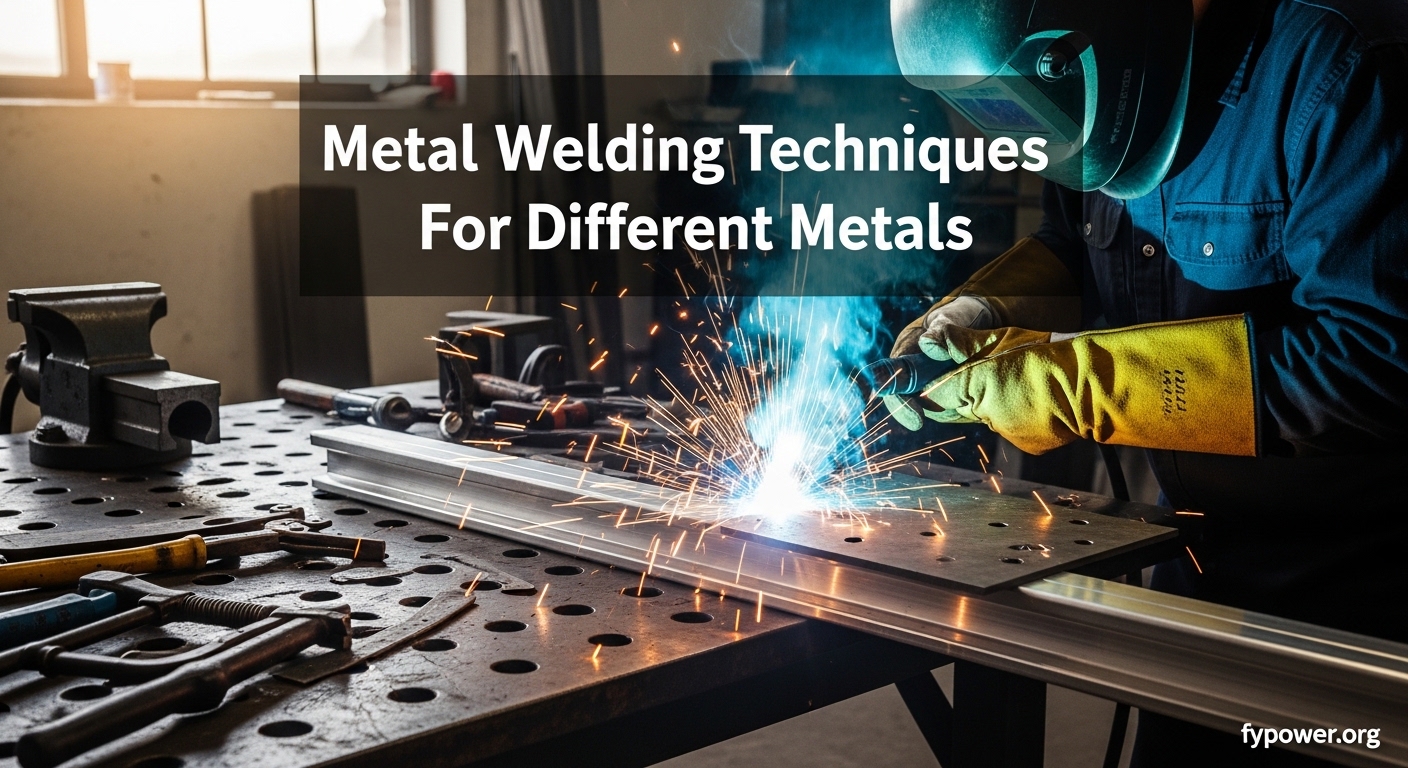
After spending 15 years in metal fabrication, I’ve welded just about everything from thin aluminum sheet to inch-thick steel plate. The truth is, welding metals isn’t about mastering one universal technique. It’s about understanding how each metal behaves under heat and adjusting your approach accordingly.
Welding metals is the process of joining metal pieces through fusion, using heat to melt the base metals and filler material to create a strong bond. The most weldable metals for beginners are mild steel, stainless steel, and aluminum, while challenging metals include cast iron, titanium, and galvanized steel.
I’ve seen beginners waste hundreds of dollars in ruined materials because they treated all metals the same. This guide breaks down exactly how to approach each metal type, the processes that work best, and the techniques I’ve learned through trial and error.
Understanding Metal Weldability
Weldability: The measure of how easily a metal can be welded without causing defects like cracking, porosity, or weakened joints. High weldability means the metal accepts fusion well and produces strong, reliable welds with standard techniques.
Not all metals take to welding equally. Some materials bond beautifully with minimal effort. Others fight you every step of the way. Understanding weldability saves you time, money, and frustration.
The key properties affecting weldability include thermal conductivity, melting point, and chemical composition. Metals with similar thermal properties to steel generally weld more easily. Exotic metals often require specialized processes and strict control.
Key Metal Properties That Affect Welding
Thermal conductivity determines how quickly heat spreads through the metal. Aluminum conducts heat five times faster than steel, which means heat dissipates rapidly from your weld zone. You need more amperage and faster travel speed to compensate.
Melting point differences matter immensely. Steel melts around 2700degF. Aluminum melts at 1220degF. This huge difference means the same welding settings that work for steel will instantly blow through aluminum.
Carbon content changes everything about steel welding. Low carbon steel (mild steel) welds easily. High carbon steel becomes brittle and crack-prone when welded. The carbon equivalent formula helps predict weldability based on composition.
Expansion coefficient causes distortion. Some metals expand significantly when heated and contract as they cool. This movement warps panels and can tear apart welds if not managed properly with proper clamping and welding sequences.
| Metal | Weldability | Best Process | Difficulty |
|---|---|---|---|
| Mild Steel | Excellent | MIG, Stick, TIG | Beginner |
| Stainless Steel | Good | TIG, MIG | Intermediate |
| Aluminum | Good | TIG, MIG | Intermediate |
| Cast Iron | Poor | Stick (Nickel) | Advanced |
| Galvanized Steel | Fair | MIG, Stick | Intermediate |
| Copper/Brass | Fair | TIG | Advanced |
| Titanium | Poor | TIG (Specialized) | Expert |
Welding Carbon Steel
Carbon steel is the most forgiving metal you’ll weld. It’s predictable, readily available, and works with all major welding processes. I always recommend beginners start with mild steel projects before moving to more demanding materials.
Mild steel (low carbon steel) contains less than 0.3% carbon. This low carbon content prevents the metal from becoming hard and brittle in the heat-affected zone. You can weld it with virtually any process without worrying about cracks forming.
Mild Steel Welding Techniques
For thin gauge mild steel (under 1/8 inch), MIG welding shines. Use short-circuit transfer with 75% argon/25% CO2 shielding gas. Set your wire speed around 200-250 IPM and voltage around 17-19 volts for 18 gauge material.
Stick welding excels on thicker mild steel, especially outdoors or in drafty conditions. E6011 electrodes penetrate deep and work through rust, paint, and mill scale. E6013 rods produce smoother, prettier beads but require cleaner material.
TIG welding gives you the most control over mild steel. It’s slower but produces beautiful, precise welds. I use TIG for automotive bodywork and any project where appearance matters. ER70S-2 filler rod matches mild steel perfectly.
High Carbon Steel Challenges
High carbon steel (above 0.5% carbon) requires special attention. The carbon makes the steel hardenable, meaning it becomes brittle in the heat-affected zone. Cracks often appear as the weld cools.
Quick Summary: High carbon steel needs preheating to 300-500degF before welding. Use low-hydrogen electrodes like E7018. Weld in short sections to minimize heat buildup. Consider post-weld heat treatment for critical applications.
Preheating slows the cooling rate, preventing the formation of hard martensite in the heat-affected zone. I use an infrared thermometer to monitor temperature. For thicker sections, maintain interpass temperature between weld passes.
Low-hydrogen electrodes prevent hydrogen-induced cracking. Keep E7018 rods in an oven at 250degF until use. Once opened, use them within 4 hours or moisture absorption defeats the purpose.
Welding Stainless Steel
Stainless steel welding rewards patience and precision. The chromium content that makes stainless “stainless” also creates challenges. Heat can destroy corrosion resistance if you’re not careful.
To weld stainless steel successfully, you need to control heat input and prevent carbide precipitation. Excessive heat causes chromium to combine with carbon, forming chromium carbides at grain boundaries. This depletes chromium from surrounding areas and creates corrosion-prone zones.
Process Selection for Stainless Steel
TIG welding produces the best stainless steel results. The precise heat control maintains corrosion resistance. Use 100% argon shielding gas or argon with 2% hydrogen for better wetting. ER308L filler rod matches standard 304 stainless.
MIG welding works well for thicker stainless sections. Use tri-mix gas (90% helium, 7.5% argon, 2.5% CO2) for better penetration and bead appearance. Short-circuit transfer minimizes heat input. Spray transfer looks beautiful but requires thicker material.
Stick welding stainless requires specialized electrodes. 308L rods match 304 stainless. Remember the “L” designation – it stands for low carbon, which helps prevent carbide precipitation issues during welding.
Stainless Steel Welding Techniques
Back purging prevents sugaring on the backside of stainless welds. Sugaring occurs when chromium oxidizes due to air contact. Purge the back side of the joint with argon gas during welding to prevent this oxidation.
Heat input control matters immensely. Use lower amperage settings than you would for comparable steel thickness. Faster travel speed reduces total heat input. Stringer beads are better than weave techniques for stainless.
Cleanliness is non-negotiable. Stainless must be free of oil, grease, and surface contamination. Use dedicated stainless steel brushes and cleaning tools. Never use carbon steel brushes on stainless – you’ll embed iron particles that will rust.
Filler Metal Selection
Match filler metal to your base stainless grade:
- 304 stainless: Use ER308L filler rod or wire
- 316 stainless: Use ER316L for better corrosion resistance
- 309 stainless: Use for joining stainless to carbon steel
- 310 stainless: Use for high-temperature applications
Welding Aluminum
Aluminum presents unique welding challenges that frustrate many beginners. The oxide layer melts at 3700degF while the base metal melts at 1220degF. This means you must break through the oxide layer before the aluminum underneath starts melting.
To weld aluminum successfully, you need AC TIG or MIG with specialized equipment. The thermal conductivity requires higher amperage and careful heat management. But once you master aluminum welding, the lightweight strong joints open up countless project possibilities.
The Aluminum Oxide Challenge
Aluminum instantly forms an oxide layer when exposed to air. This layer insulates the metal and prevents proper welding. You must remove it immediately before welding.
For TIG welding, the AC balance setting helps. The electrode-positive half of the AC cycle cleans the oxide layer through cathodic cleaning. Set balance around 70% EN (electrode negative) for most applications.
MIG welding aluminum requires thorough mechanical cleaning. Use a dedicated stainless brush to remove oxide right before welding. Don’t clean hours ahead – the oxide reforms quickly.
Thermal Conductivity Issues
Aluminum conducts heat away from your weld zone five times faster than steel. This means you need significantly more amperage to achieve fusion. A 1/8 inch aluminum weld might require 180-200 amps, while the same thickness in steel needs only 120-140 amps.
Preheating aluminum helps overcome this heat loss. I preheat thick aluminum sections to 200-300degF using a propane torch. This reduces the thermal shock and allows better penetration without excessive amperage.
Heat sinking occurs when aluminum clamps or backing plates draw heat away. Use aluminum or copper backing bars designed for welding. Avoid steel fixtures that act as massive heat sinks.
Feeding Aluminum Wire
Aluminum MIG welding presents feed problems. The soft wire tends to birdnest in the drive rolls. You have three main options:
- Spool gun: Best option – holds a small spool of aluminum wire right at the torch, eliminating feed path issues
- Push-pull system: Motor in the gun pulls while cabinet motor pushes – works well for production
- Standard feeder with Teflon liner: Use U-groove drive rolls and a nylon/Teflon liner – budget option that works with patience
Use 100% argon shielding gas for aluminum MIG. Flow rate should be 25-35 CFH, higher than for steel due to aluminum’s higher thermal conductivity.
Aluminum Filler Selection
- 4043: General purpose, easier to weld, good for 6000 series base
- 5356: Stronger, better for 5000 series base, slightly harder to feed
- 1100: For welding pure aluminum (rare in fabrication)
- 4047: Higher silicon content, better for cast aluminum
Welding Cast Iron
Cast iron welding separates experienced welders from novices. The high carbon content (2-4%) makes cast iron brittle and crack-prone when heated. Most cast iron welding involves repair work rather than fabrication.
To weld cast iron, you need nickel electrodes, preheating, and slow cooling. Rush cast iron welding and it will crack – often not immediately, but days or weeks later when you thought the job was done.
Cast Iron Welding Challenges
Cast iron’s graphite structure creates problems during welding. The carbon precipitates out as graphite flakes, creating stress concentration points. When heated and cooled rapidly, these areas become initiation sites for cracks.
Thermal expansion mismatch between weld metal and base metal creates stress. The weld metal contracts differently than the surrounding cast iron. This differential movement tears apart the joint if not managed properly.
Preheating Requirements
Preheating cast iron is not optional – it’s mandatory. I preheat to 500-1200degF depending on the size and complexity of the casting. Small parts need less heat; massive engine blocks require substantial preheat.
Use an infrared thermometer to monitor temperature. Heat slowly and evenly to avoid thermal shock. Wrap the part in welding blankets to maintain heat during the welding process.
Peening each weld pass helps relieve stress. Use a rounded peening tool and lightly tap the weld while it’s still hot but plastic. This mechanical working redistributes stresses and reduces cracking tendencies.
Electrode Selection for Cast Iron
Nickel-based electrodes make cast iron welding possible:
- ENiFe-CI: 55% nickel, 45% iron – general purpose, matches color well
- ENi-CI: 99% nickel – pure nickel, machinable, expensive
- ENiFe-CI-A: For ductile iron and heavy sections
- ESt: Steel electrodes – cheapest option, limited to non-critical repairs
I keep ENiFe-CI rods in my shop for most cast iron repairs. They offer good crack resistance without the extreme cost of pure nickel electrodes.
Alternative: Brazing Cast Iron
Often brazing works better than welding for cast iron repair. Brazing doesn’t melt the base metal – it only flows a bronze filler into the joint at temperatures around 1600degF. This minimal heat input greatly reduces cracking risk.
I’ve repaired many cast iron engine blocks and manifolds with bronze brazing rods. The repair holds up well and the process is much more forgiving than true welding.
Welding Exotic Metals
Exotic metals present unique challenges that require specialized knowledge and often specialized equipment. These materials aren’t for beginners, but understanding them expands your capabilities as a welder.
Copper and Brass Welding
Copper’s incredibly high thermal conductivity makes welding difficult. Heat dissipates so quickly that maintaining a weld pool requires massive amperage. Most copper welding uses TIG with specialized techniques.
Preheating copper is almost mandatory. I preheat to 500-800degF depending on thickness. This reduces the thermal shock and helps maintain a stable weld pool. Use high-frequency start to prevent tungsten contamination.
Brass (copper-zinc alloy) presents additional challenges. Zinc vaporizes at welding temperatures, creating toxic fumes and porosity. Proper ventilation and fume extraction are absolutely essential. Use silicon bronze filler for better results.
Titanium Welding
Titanium welding requires the absolute highest level of welding skill and equipment. The metal becomes embrittled by contamination from oxygen, nitrogen, and hydrogen at welding temperatures. Even brief exposure destroys the weld.
Argon shielding must cover both sides of the weld and extend well beyond the weld zone. A trailing shield follows the torch, providing continued gas coverage as the weld cools. For critical applications, an inert gas chamber encloses the entire work area.
Titanium must be absolutely clean before welding. Any oil, grease, or contamination causes immediate failure. Use only dedicated titanium preparation tools and store materials in clean, dry conditions.
I don’t recommend titanium welding for hobbyists. The material cost alone makes mistakes expensive. Leave titanium work to specialized shops with proper equipment and certification.
Magnesium Welding
Magnesium welds similarly to aluminum but with added danger. Magnesium burns at intense temperatures and is difficult to extinguish once ignited. Never weld magnesium without proper fire suppression equipment nearby.
Use only AC TIG for magnesium. The cleaning action removes oxide. DC processes don’t work. Magnesium requires specialized training and safety protocols beyond typical welding.
Welding Dissimilar Metals
Joining different metals creates unique challenges. The materials have different melting points, thermal conductivities, and expansion coefficients. These mismatches create stress and potential failure points.
Common Dissimilar Metal Combinations
Stainless steel to carbon steel is the most common dissimilar joint I encounter. The key is using 309 filler metal, which bridges the metallurgical differences between the two materials. Use techniques favoring the stainless steel side – lower heat input and faster travel speed.
Copper to steel requires careful planning. The massive thermal conductivity mismatch causes the copper to sink heat while the steel concentrates it. Use buttering techniques – weld a layer of compatible material to each surface before joining.
Aluminum to steel presents the ultimate challenge. These metals form brittle intermetallic compounds when directly welded. Mechanical fastening or specialized transition joints are often better than direct welding. When welding is necessary, use specialized bimetallic transition inserts.
Transition Joints
Transition joints use intermediate materials that are compatible with both base metals. An aluminum-to-steel transition might have a thin layer of explosive-bonded material that gradually transitions from pure aluminum to pure steel through intermediate alloys.
These transition pieces are expensive but necessary for many applications. I’ve used them in marine applications where aluminum structures meet steel components. The factory-bonded transitions provide reliability that field welding cannot match.
Metal Preparation for Welding
Proper preparation separates good welds from bad ones. I’ve watched beginners blame their equipment when poor preparation was the real culprit. Clean metal welds easily. Dirty metal fights you every inch of the way.
Surface Preparation
Remove all paint, rust, oil, and contamination from the weld area. Grind at least 1 inch back from the joint on both sides. For critical welds, clean 2-3 inches back to ensure no contamination pulls into the weld pool.
For stainless steel, use only stainless steel brushes and abrasives. Embedded carbon steel particles will rust and create unsightly spots. Keep dedicated tools for stainless work.
Aluminum requires removal of the oxide layer immediately before welding. Wire brushing works, but I prefer a dedicated stainless brush used only for aluminum. Chemical cleaners can also help remove oxide and provide a clean surface.
Joint Design and Fit-up
Tight fit-up makes welding easier. A gap the thickness of a dime is about right for most MIG and stick welding. Larger gaps require more filler metal and increase the chance of burn-through.
Bevel thick materials to ensure proper penetration. A 60-degree included angle with a slight land (root face) works for most applications. For full penetration welds on thick material, consider a J-bevel or double-V preparation.
Clamping prevents movement during welding. The heat of welding causes significant expansion and contraction. Without proper clamping, parts move and create misalignment. Use magnetic squares, clamping squares, or tack welds to hold everything in position.
Preheating Guidelines
Quick Summary: Preheating slows cooling rates, prevents cracking, and reduces thermal shock. Mild steel generally doesn’t need preheat under 1/4 inch thickness. High carbon steel, cast iron, and thick aluminum sections benefit significantly from preheating.
Preheat temperature depends on material thickness and composition:
- Mild steel under 1/2 inch: No preheat required
- Mild steel over 1 inch: Preheat to 150-200degF
- High carbon steel: Preheat to 300-500degF
- Cast iron: Preheat to 500-1200degF depending on mass
- Aluminum over 1/4 inch: Preheat to 200-300degF
Safety Considerations for Metal Welding
Different metals create different hazards during welding. Understanding these dangers keeps you safe in the shop. I’ve seen welders ignore metal-specific risks with painful consequences.
Galvanized Steel Hazards
Galvanized steel coating vaporizes at welding temperatures, releasing zinc oxide fumes. Metal fume fever causes flu-like symptoms that appear hours after exposure. nausea, headache, and fever are typical.
Always grind off galvanized coating at least 2-4 inches back from the weld zone. If you must weld galvanized material, use local exhaust ventilation positioned to capture fumes at the source. A respirator rated for metal fumes provides additional protection.
I’ve experienced metal fume fever personally. After welding galvanized pipe without proper ventilation, I spent a miserable night with body aches and fever. Learn from my mistake – remove galvanizing or ventilate properly.
Beryllium-Containing Alloys
Some copper alloys contain small amounts of beryllium. Beryllium dust and fumes are toxic and can cause chronic beryllium disease, a serious lung condition. These materials require dedicated ventilation and respiratory protection.
Check material certification before welding unknown copper alloys. If beryllium is present, use appropriate precautions including HEPA filtration and supplied-air respiratory protection.
General Ventilation Requirements
All welding produces hazardous fumes. The base metal, filler metal, and coatings all contribute to the fume plume. Adequate ventilation is non-negotiable for any welding operation.
Natural ventilation works for occasional outdoor welding. Indoor welding requires mechanical ventilation. Cross-draft ventilation pulls fumes away from the welder’s breathing zone. Local exhaust at the weld source provides the best protection.
Your welding helmet protects your eyes from UV radiation. Choose a lens shade appropriate for your welding process. MIG welding at typical amperages requires shade 10-11. TIG welding at lower amperages might use shade 8-9. Higher amperage stick welding may require shade 12-14.
Fire Safety
Welding creates intense heat and sparks that travel surprisingly far. I’ve seen sparks land 20 feet away from the weld site. Clear the area of flammable materials before striking an arc.
Keep a fire extinguisher rated for Class A, B, and C fires nearby. Know where your emergency shut-off is located. Never weld near fuel tanks, chemical storage, or other hazardous materials.
Hot work permits are required in many industrial settings. These permits ensure proper precautions before welding begins. Even in home shops, follow the same safety mindset – check surroundings, protect flammable surfaces, and have fire suppression ready.
Frequently Asked Questions
What is the easiest metal to weld for beginners?
Mild steel (low carbon steel) is the easiest metal for beginners to learn on. It forgives mistakes, works with all welding processes, and provides clear visual feedback. Start with 3/16 inch mild steel plate and MIG welding to build fundamental skills before progressing to more challenging metals.
Can you weld aluminum with a stick welder?
Technically yes, but it’s extremely difficult and produces poor results. Stick welding aluminum requires specialized aluminum flux-coated electrodes and creates significant smoke and spatter. For acceptable results, use MIG with a spool gun or AC TIG welding instead.
Why is cast iron so difficult to weld?
Cast iron contains 2-4% carbon, making it brittle and crack-prone when heated. The rapid thermal cycling of welding creates stresses that cause cracking. Proper cast iron welding requires preheating to 500-1200degF, nickel-based filler rods, and extremely slow cooling to prevent cracks from forming.
Do you need different gas for welding stainless steel?
Yes, stainless steel requires different shielding gas than mild steel. For MIG welding, use tri-mix gas (90% helium, 7.5% argon, 2.5% CO2) for best results. For TIG welding, use 100% argon or argon with 2% hydrogen added. The higher helium content provides better penetration and bead wetting on stainless steel.
What metals cannot be welded together?
Some metal combinations form brittle intermetallic compounds when welded directly. Aluminum to steel is particularly problematic due to rapid formation of brittle iron-aluminum compounds. These combinations require specialized transition joints or mechanical fastening instead of direct welding. Always check compatibility before attempting dissimilar metal welds.
How do you identify unknown metal before welding?
Start with visual inspection and magnetic testing – steel is magnetic while aluminum and stainless are generally non-magnetic. Spark testing on a grinder produces different spark patterns for different metals. Chemical spot tests can identify specific alloys. For critical applications, material testing laboratories provide positive identification through spectroscopic analysis.
Leave a Reply