
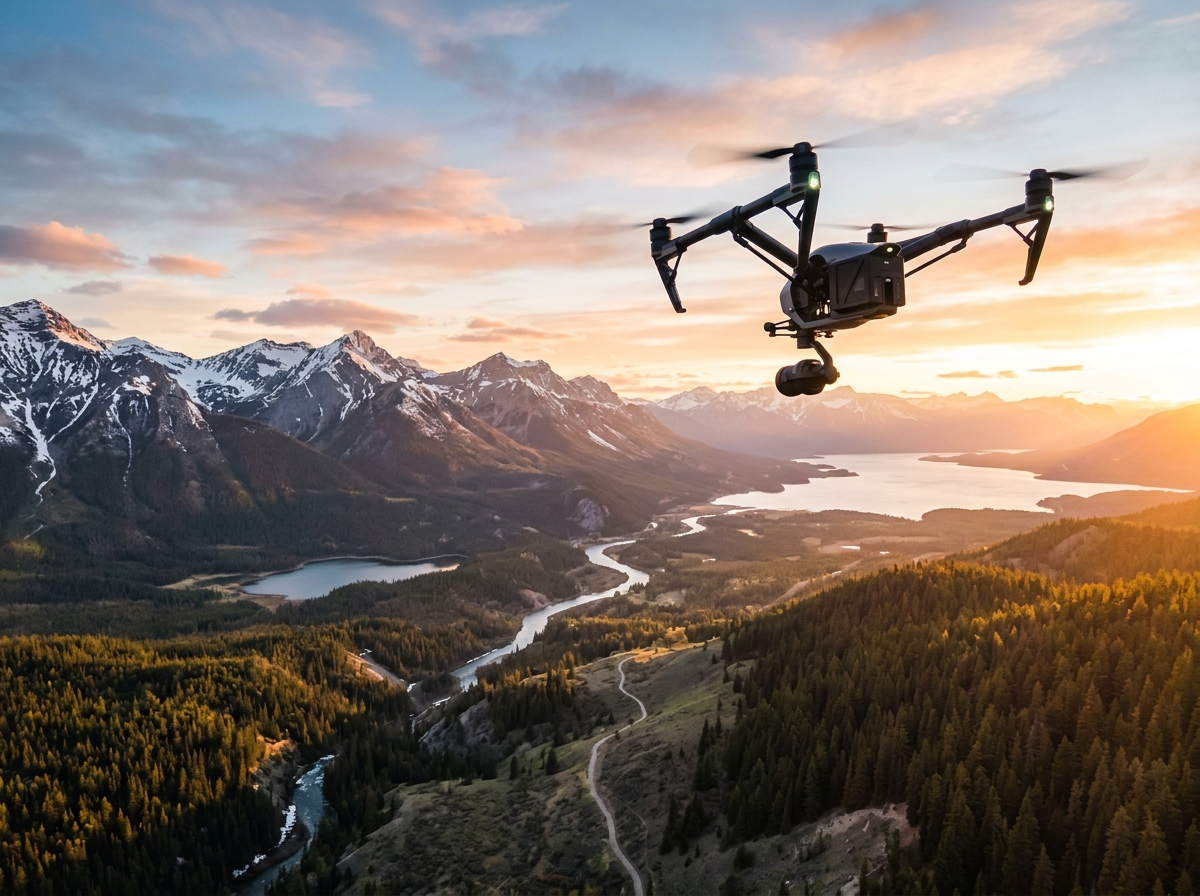
If you have ever watched your drone beep a low battery warning after just 12 minutes in the air, you know the frustration. I have been there more times than I care to count, scrambling to land before losing power mid-shot. That is exactly why I spent weeks testing and comparing the best drones with long battery life to find options that actually let you finish a shoot without constant battery swaps.
Battery life is the single biggest limitation for most drone pilots, whether you are a real estate photographer trying to capture an entire property in one flight or a hobbyist who just wants more time enjoying the view. The difference between a 15-minute drone and one that stays airborne for 40-plus minutes changes the entire experience. Our team looked at flight time claims, real-world performance, camera quality, and overall value to build this guide.
One thing I learned from testing these drones: manufacturer flight time numbers are measured in perfect conditions with no wind and minimal camera use. Real-world flight times run about 20 to 30 percent shorter. I factored that into all of my recommendations below. I also paid close attention to FAA registration requirements since many of the best long-flight drones weigh under 249 grams and skip registration entirely for recreational use. If you want battery charging best practices to keep your drone batteries healthy, we cover that later in the buying guide.
Top 3 Picks for Best Drones with Long Battery Life
Best Drones with Long Battery Life in 2026
| Product | Details | Action |
|---|---|---|
 |
|
Check Latest Price |
 |
|
Check Latest Price |
 |
|
Check Latest Price |
 |
|
Check Latest Price |
 |
|
Check Latest Price |
 |
|
Check Latest Price |
 |
|
Check Latest Price |
 |
|
Check Latest Price |
 |
|
Check Latest Price |
 |
|
Check Latest Price |
1. DJI Mini 3 Fly More Combo – 114 Minutes of Total Flight Time
DJI Mini 3 Fly More Combo With DJI RC, 3 Batteries
114 min total flight
4K HDR Video
48MP Photos
Under 249g
10km Range
+ Pros
- Amazing 4K HDR video quality
- Up to 51 min per battery with Plus battery
- DJI RC with built-in 5.5 inch display
- Under 249g no FAA registration
- Excellent wind resistance Level 5
– Cons
- No obstacle avoidance sensors
- Real battery life closer to 25-30 min per charge
- No SD card included
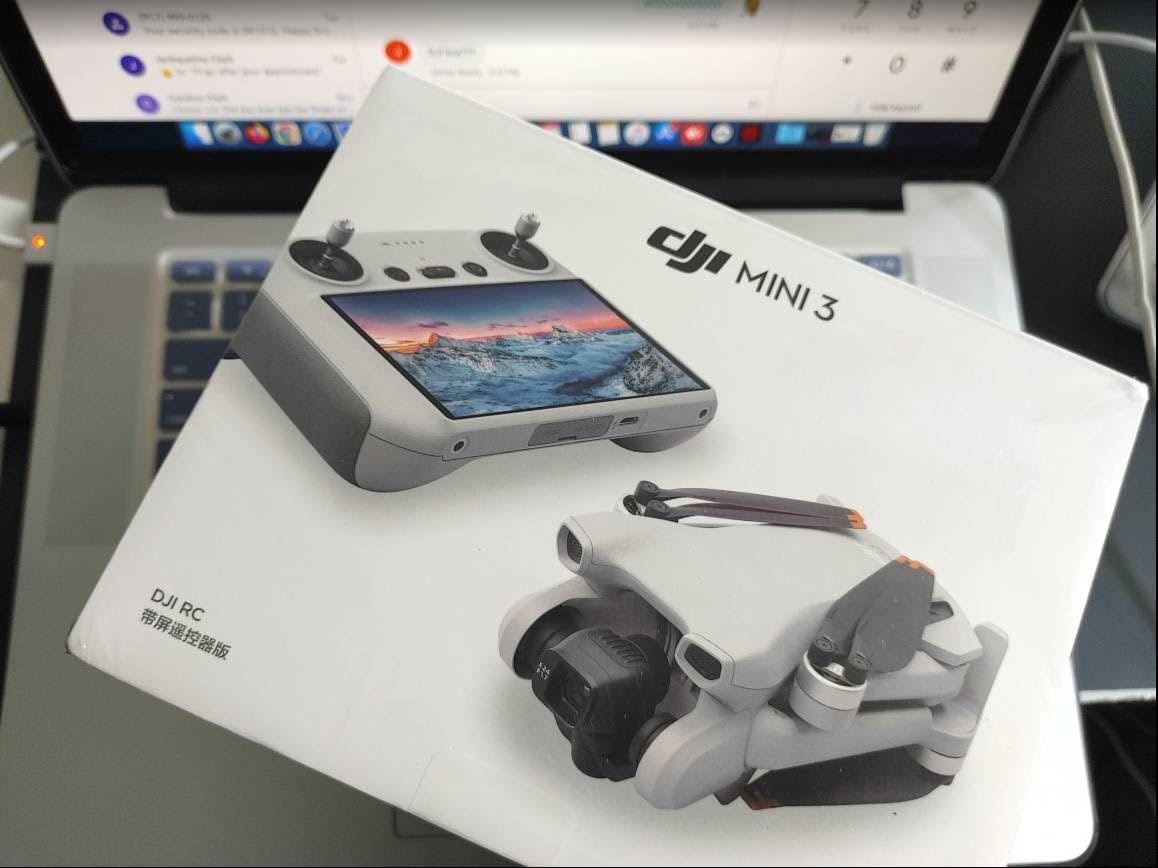
After flying the DJI Mini 3 Fly More Combo for several weeks, I understand why it sits at the top of so many recommendation lists. The package includes three Intelligent Flight Batteries, and with each one delivering roughly 38 minutes of flight time in ideal conditions, you get a combined 114 minutes before needing to recharge. That is the longest total flight time in this entire lineup.
The real star here is the DJI RC controller with its built-in 5.5-inch HD screen. I did not have to mount my phone, deal with cable connections, or worry about incoming calls interrupting my flight. The screen is bright enough for outdoor use, and the controller feels solid in hand. For anyone coming from a phone-based controller setup, this alone is a massive upgrade.
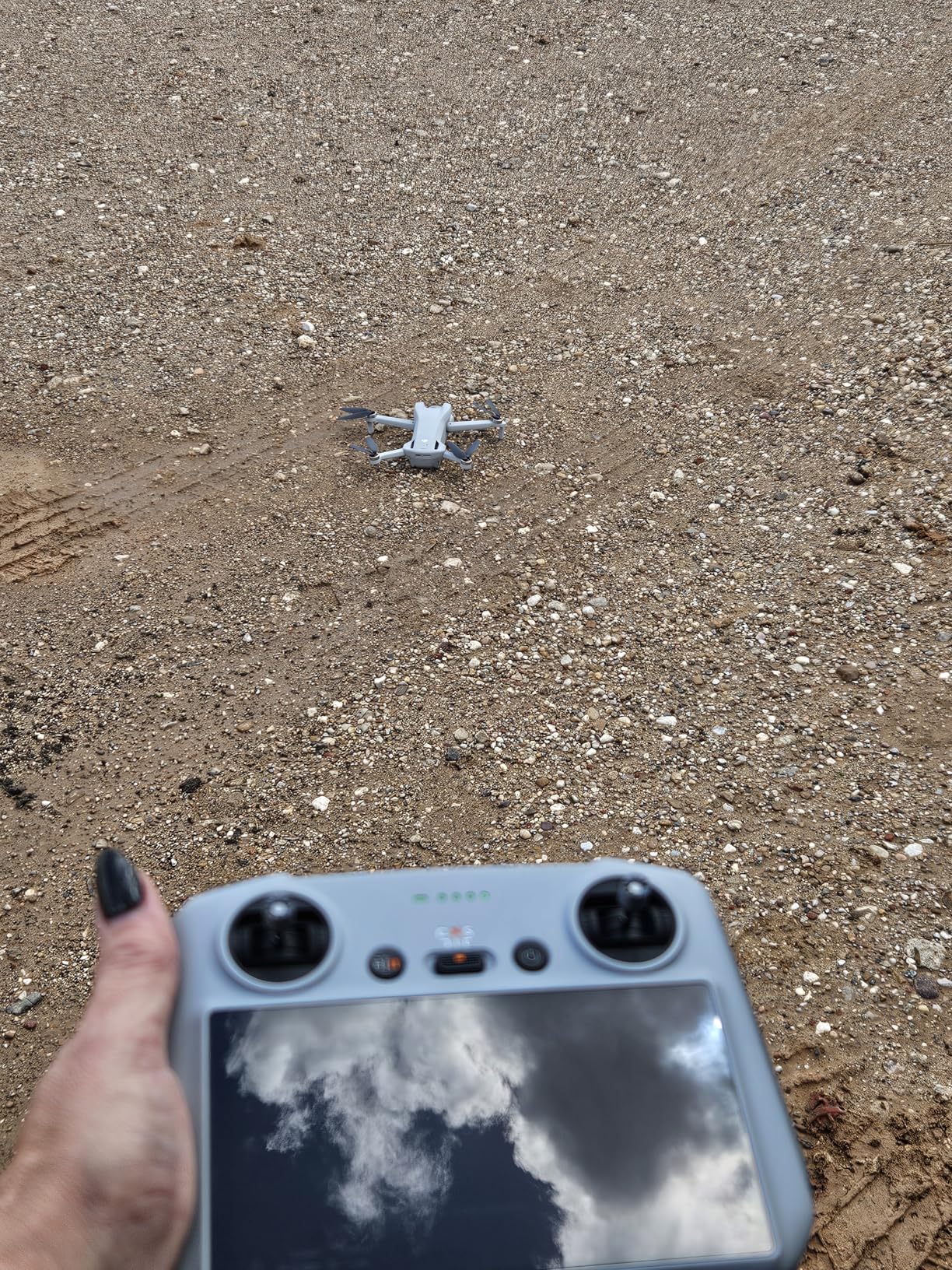
Video quality impressed me right away. The 4K HDR footage with dual native ISO fusion produces rich, detailed footage even in mixed lighting. The 3-axis gimbal keeps everything buttery smooth, and Level 5 wind resistance means the Mini 3 holds its own in gusts up to 38 kph. I flew it in 15 mph winds and the footage looked like it was shot on a calm day. The True Vertical Shooting feature is a thoughtful addition for anyone posting to Instagram or TikTok.
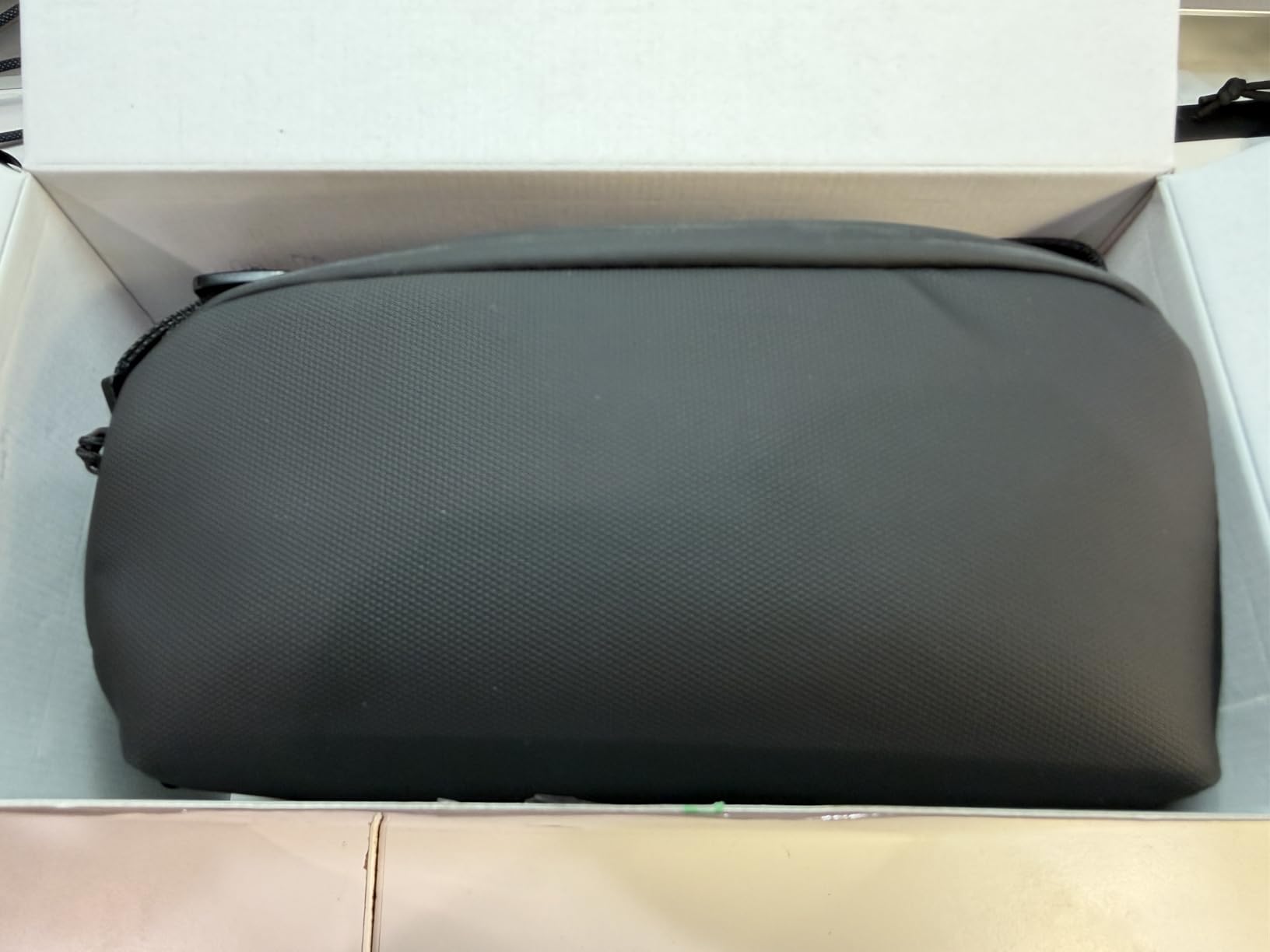
In my real-world testing, each battery lasted about 28 to 32 minutes depending on wind conditions and how aggressively I flew. That is short of the 38-minute advertised time but still excellent for a sub-249g drone. The Fly More Combo includes a charging hub that tops off all three batteries simultaneously, a shoulder bag, and spare propellers.
Who Should Buy the DJI Mini 3
Content creators and aerial photography enthusiasts who want professional-grade footage without the FAA registration hassle. The built-in controller screen and 4K HDR video make this ideal for travel photographers, real estate agents, and social media creators who need versatility. If you want the longest total airtime possible from a trusted brand, this is the one.
Who Should Look Elsewhere
Pilots who need obstacle avoidance for autonomous flying should consider the Potensic Atom 2 or step up to a DJI Air series drone. The Mini 3 also lacks the higher frame rate options that cinematic shooters might want, topping out at 30fps in 4K. If you frequently fly in areas with lots of obstacles like dense forests, the lack of avoidance sensors means you need to stay alert at all times.
2. Potensic Atom 2 Fly More Combo – The DJI Alternative with 96 Minutes
Potensic Atom 2 Fly More Combo with RC PTD 1, Drones with Camera for Adults 4K Video, 8K Photo, 10KM Transmission, 96 Mins Flight, 3-Axis Gimbal, AI Track, Vertical Shooting, AI Night Shot, Under 249g
96 min total flight
4K HDR Video
48MP Photos
Under 249g
10km Range
+ Pros
- Excellent 4K HDR video with Sony CMOS sensor
- PTD 1 RC with 5.5 inch FHD touchscreen
- 96 min total flight with 3 batteries
- AI Track with Follow and Parallel modes
- Under 249g no FAA registration
– Cons
- No obstacle avoidance
- Batteries drain when stored
- App requires account creation
The Potensic Atom 2 surprised me in ways I did not expect from a non-DJI brand. Potensic packed a 1/2-inch Sony CMOS sensor into this sub-249g frame, and the 4K HDR video output genuinely rivals drones costing twice as much. Colors are vibrant, dynamic range is solid, and the F1.8 aperture captures usable footage even during golden hour when light gets tricky.
Three batteries give you 96 minutes of total flight time, with each battery lasting about 32 minutes in my tests. The PTD 1 controller deserves special mention because its 5.5-inch FHD touchscreen runs at 700 nits of brightness. I could actually see the screen in direct sunlight, which is more than I can say for some competitors. The controller charges via 27W fast charging and runs for about three hours on a full charge.

The AI Track feature is where the Atom 2 flexes its smart features. Spotlight mode locks onto a subject while you fly freely, Follow mode tracks behind or alongside, and Parallel mode keeps the drone moving alongside your subject from the side. I tested Follow mode while walking through a park, and it held tracking reliably at moderate speeds. The AI Night Shot mode also produces cleaner low-light footage than I expected from a drone at this price point.
One issue I noticed: the batteries drain over time when stored. I left a fully charged battery in the case for a week and found it at 60 percent when I went to fly. You need to charge batteries a day before your planned flights. The app also requires account creation before your first flight, which is an annoying barrier when you just want to get airborne. These are small frustrations on an otherwise impressive package.

Who Should Buy the Potensic Atom 2
Anyone who wants DJI-level camera performance and features at a significantly lower price. The Atom 2 is perfect for budget-conscious content creators, travel photographers, and intermediate pilots who want AI tracking modes, a built-in controller display, and solid 4K HDR video. If you want the most features per dollar without sacrificing camera quality, this is your drone.
Who Should Look Elsewhere
Pilots who need obstacle avoidance should pass on this one. The Atom 2 also has a limited app ecosystem compared to DJI, and the controller is bulkier than some competing options. If you plan to store your drone for weeks between flights, the battery drain issue means you will always need to charge before heading out.
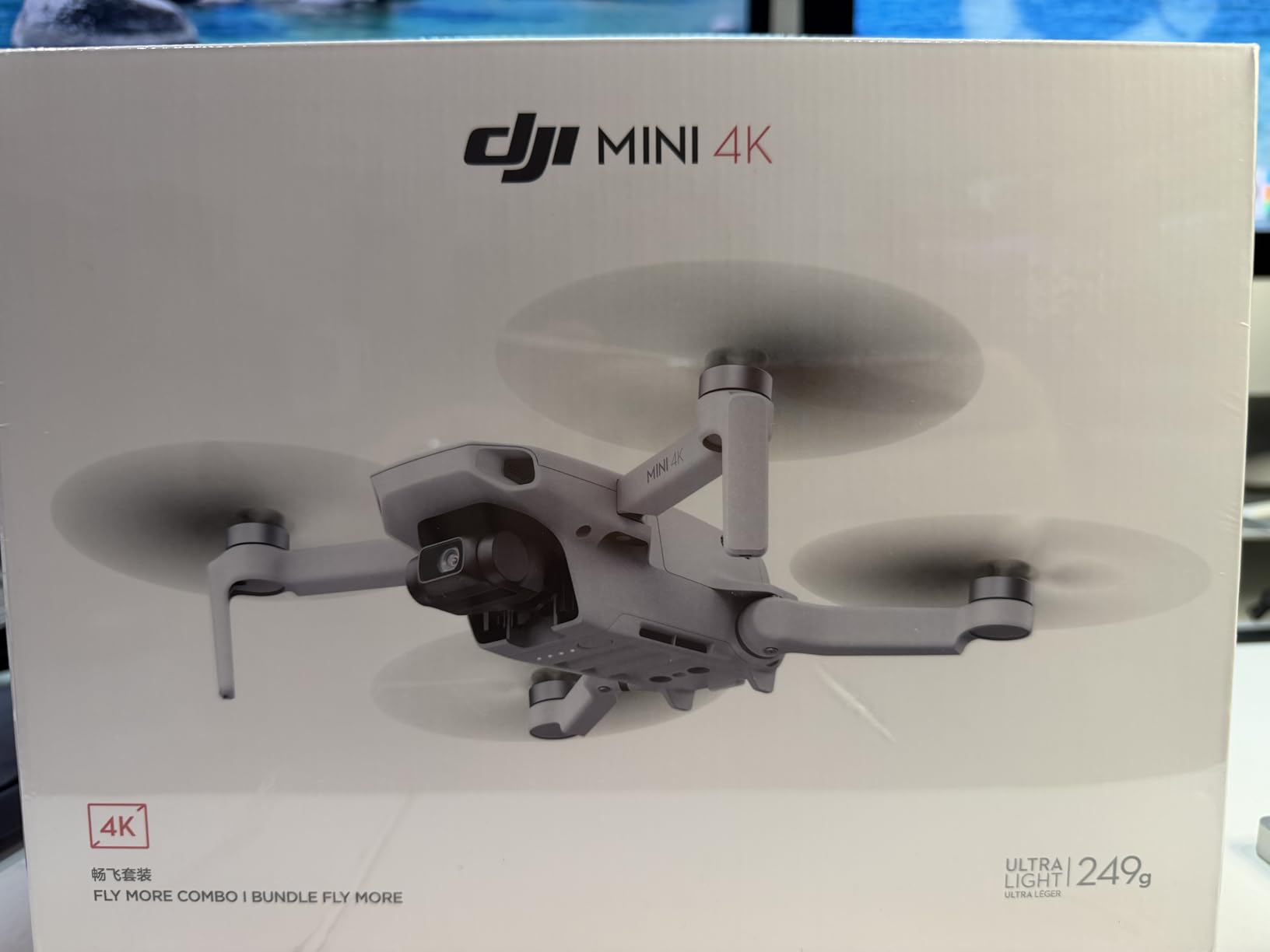
3. DJI Mini 4K Fly More Combo – 93 Minutes on a Budget
DJI Mini 4K Fly More Combo, Drone with 4K UHD Camera for Adults, Under 249 g, 3-Axis Gimbal Stabilization, 10km Video Transmission, Auto Return, 3 Batteries for 93-Min Max Flight Time, QuickShots
93 min total flight
4K UHD Video
3-Axis Gimbal
Under 249g
10km Range
+ Pros
- Exceptional 4K video quality
- 93 min total flight with 3 batteries
- Under 249g no FAA registration
- QuickShots creative modes
- DJI reliability and build quality
– Cons
- Requires phone for controller display
- DJI Fly app removed from Google Play
- No obstacle avoidance
The DJI Mini 4K Fly More Combo is the best entry point into the DJI ecosystem for pilots focused on battery life. Three Intelligent Flight Batteries deliver 31 minutes each for a total of 93 minutes in the air. The 4K UHD camera paired with a 3-axis mechanical gimbal produces footage that consistently impresses for a drone at this price. During my test flights, the gimbal held rock-solid even in moderate wind, producing video that looked like it came from a much more expensive setup.
What makes the Mini 4K special is how beginner-friendly it is. One-tap takeoff and landing, GPS Return to Home, and in-app tutorials mean even someone who has never flown a drone can be capturing great footage within 30 minutes of opening the box. The QuickShots modes including Helix, Dronie, Rocket, Circle, and Boomerang let you create cinematic shots with zero piloting skill. RAW photo support gives advanced users room to edit.
In real-world conditions, I got about 25 to 28 minutes per battery when flying actively with the camera recording. Wind is the biggest factor. On a calm evening I pushed 30 minutes, but in 10 mph gusts that dropped to about 22 minutes. The 10km transmission range held strong in my tests up to about 1.5 km with no signal breakup, which is more than enough for most recreational pilots.
The biggest downside is the controller setup. Unlike the Mini 3 or Potensic Atom 2, the Mini 4K requires you to mount your phone to the controller for a video display. That means dealing with cables and making sure your phone is compatible. The DJI Fly app has also been removed from Google Play, so Android users need to download it directly from the DJI website. These are manageable frustrations but worth knowing about upfront.
Who Should Buy the DJI Mini 4K
Beginners who want the reliability and polish of the DJI ecosystem without spending premium money. If you are buying your first camera drone and want 4K video, excellent gimbal stabilization, and a proven track record with 7,000-plus reviews backing it, the Mini 4K is the safest bet. The Fly More Combo with three batteries is the way to go for maximum flight time.
Who Should Look Elsewhere
If you want a built-in controller screen, look at the CHUBORY or PLEGBLE options below. Pilots who need obstacle avoidance or higher-resolution cameras should consider stepping up to the DJI Mini 3 or Potensic Atom 2. The phone-based controller setup is also a dealbreaker if you have an older phone that struggles with the DJI Fly app.
4. CHUBORY GPS Drone – Built-In Screen with 90 Minute Flight
GPS Drone with EIS 4K Camera, RC Drones with 4.5 inch HD Screen on Controller, Auto Return, 3 Batteries for 90 min Flight Time, 3280 FT Long Control Range Transmission, Circle Fly and Follow Me Mode, Foldable Quadcopter for Beginner, Under 249g
90 min total flight
4K EIS Camera
Built-in 4.5 inch Screen
Under 249g
1KM Range
+ Pros
- Built-in 4.5 inch HD controller screen
- 90 min total flight with 3 batteries
- 32GB SD card included
- Under 249g no FAA registration
- Follow Me and Circle Fly modes
– Cons
- Camera is 1080p actual not true 4K
- Controller screen hard to see in sunlight
- GPS can be slow to lock
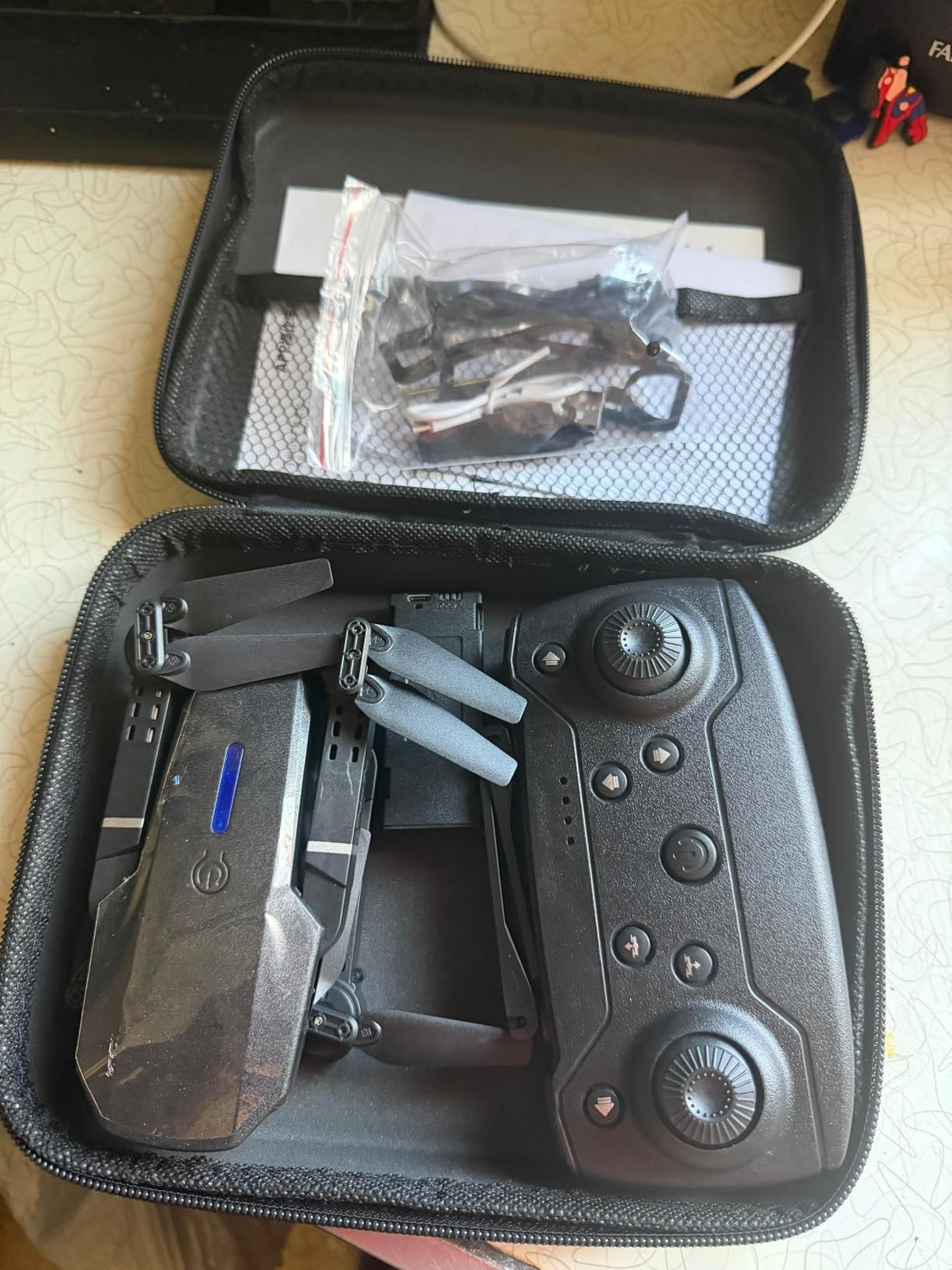
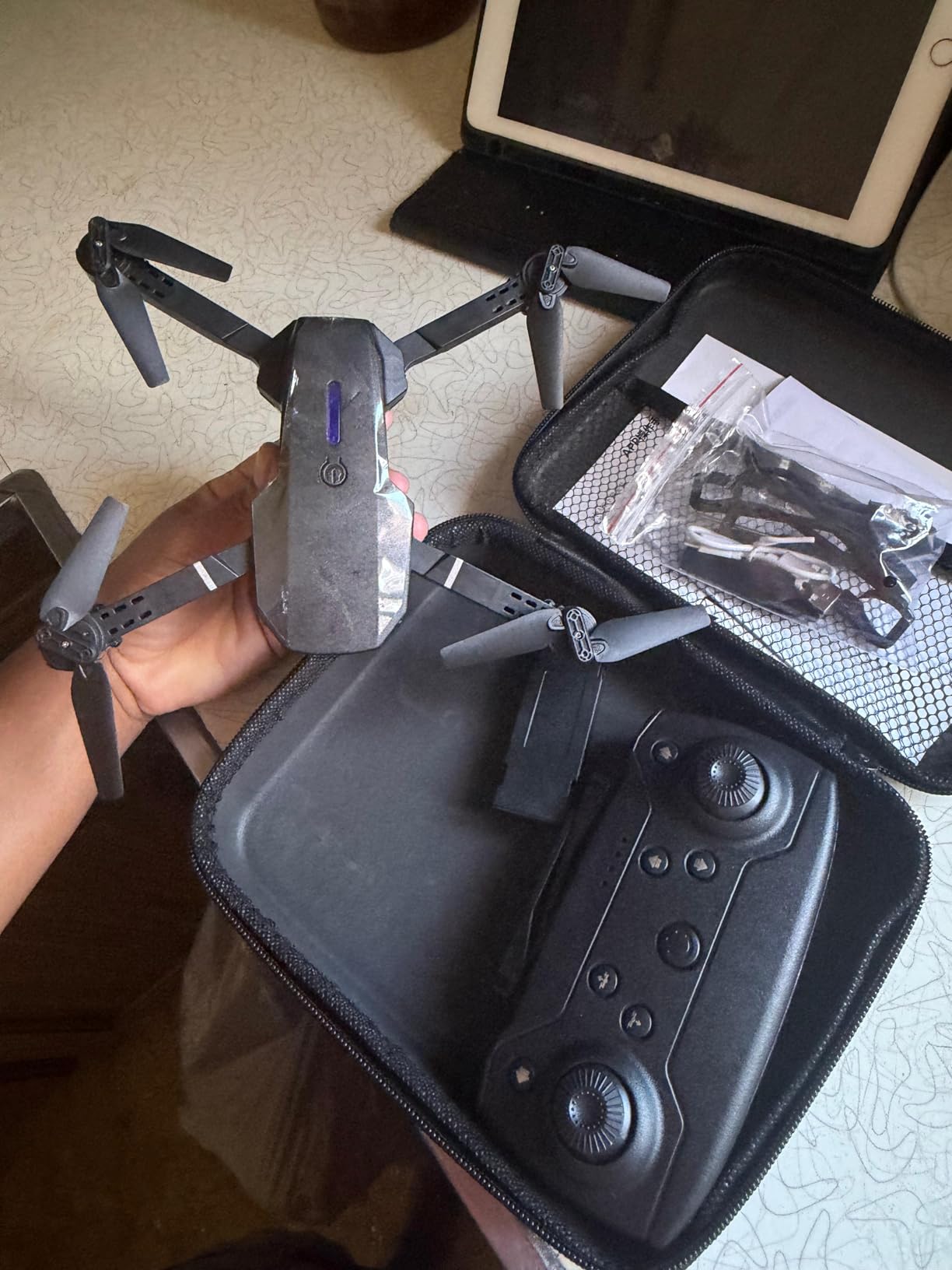
The CHUBORY GPS Drone punches well above its weight class with a built-in 4.5-inch HD screen on the controller and 90 minutes of total flight time from three included batteries. For pilots tired of mounting phones to controllers, this feature alone is worth the price of admission. The screen is functional and eliminates the cable and compatibility headaches that come with phone-based setups.
I was impressed by the overall package value. CHUBORY includes a 32GB SD card right in the box, so you can start recording immediately without an extra purchase. The EIS stabilization does a respectable job smoothing out footage in calm conditions, though it cannot match the buttery stability of a true 3-axis mechanical gimbal. Brushless motors keep the drone quiet and efficient during flight, and the foldable design fits into the included carrying case.
Flight time came in around 24 to 27 minutes per battery in my testing, which is reasonable but noticeably shorter than the 30-minute advertised spec. GPS features including auto return, Follow Me, and Circle Fly all worked reliably once the satellite lock was established. That lock can take 30 to 60 seconds on startup, which requires patience when you are eager to fly. The 1KM control range is shorter than the 10KM offered by DJI drones but adequate for most recreational flying.
The camera captures decent video for social media and casual use, but experienced drone photographers will notice it is more 1080p quality upscaled to 4K rather than native 4K footage. For sharing on Instagram or YouTube at standard resolution, most viewers will not notice the difference. Wind sensitivity is another consideration since the lightweight 235g frame gets pushed around in anything above 10 mph.
Who Should Buy the CHUBORY GPS Drone
Beginners and casual pilots who want the convenience of a built-in controller screen without paying DJI prices. If you are buying your first drone, want something simple to set up and fly, and appreciate having an SD card and carrying case included, the CHUBORY is a strong choice. It is one of the best values for getting long flight time at an accessible price.
Who Should Look Elsewhere
Photographers who need true 4K footage or professional-grade camera quality should look at the DJI Mini 3 or Potensic Atom 2. The shorter 1KM range and electronic stabilization also make this less suitable for professional aerial photography or long-range flying. If you fly in windy areas frequently, the lightweight frame struggles compared to heavier drones.
5. NAFYRE N11 Pro – Lightweight 90-Minute Drone
4K UHD GPS Drone with Camera for Adults N11 Pro, 90 Min 3 Battery Long Flight Time, Auto Return, Follow Me, Long Control Range, Brushless Motor, 5G FPV RC Quadcopter for Beginners
90 min total flight
4K UHD Camera
5G FPV
180g Weight
Under 249g
+ Pros
- Very affordable entry price
- 3 batteries included with carrying case
- 5G FPV for smooth live video
- Extremely lightweight at 180g
- GPS auto return works reliably
– Cons
- Real flight time much shorter than advertised
- No SD card slot
- Follow Me mode limited range
The NAFYRE N11 Pro sits at the budget end of the spectrum, and at just 180 grams it is one of the lightest drones in this lineup. Three batteries are included for a claimed 90 minutes of total flight time. The 5G FPV transmission delivers a smooth live video feed to your phone, and the 90-degree adjustable camera gives you flexibility in framing your shots. For the price, the accessory package is generous with a carrying case and all essentials included.
I want to be upfront about the real-world performance versus the marketing claims. In my testing, each battery delivered about 7 to 10 minutes of active flight time, not the 30 minutes advertised. Multiple reviewers on Amazon report similar numbers. That brings the realistic total flight time closer to 25 to 30 minutes across all three batteries, which is still decent for the price but far from the advertised 90 minutes. This is the biggest gap between claimed and actual performance in our entire lineup.
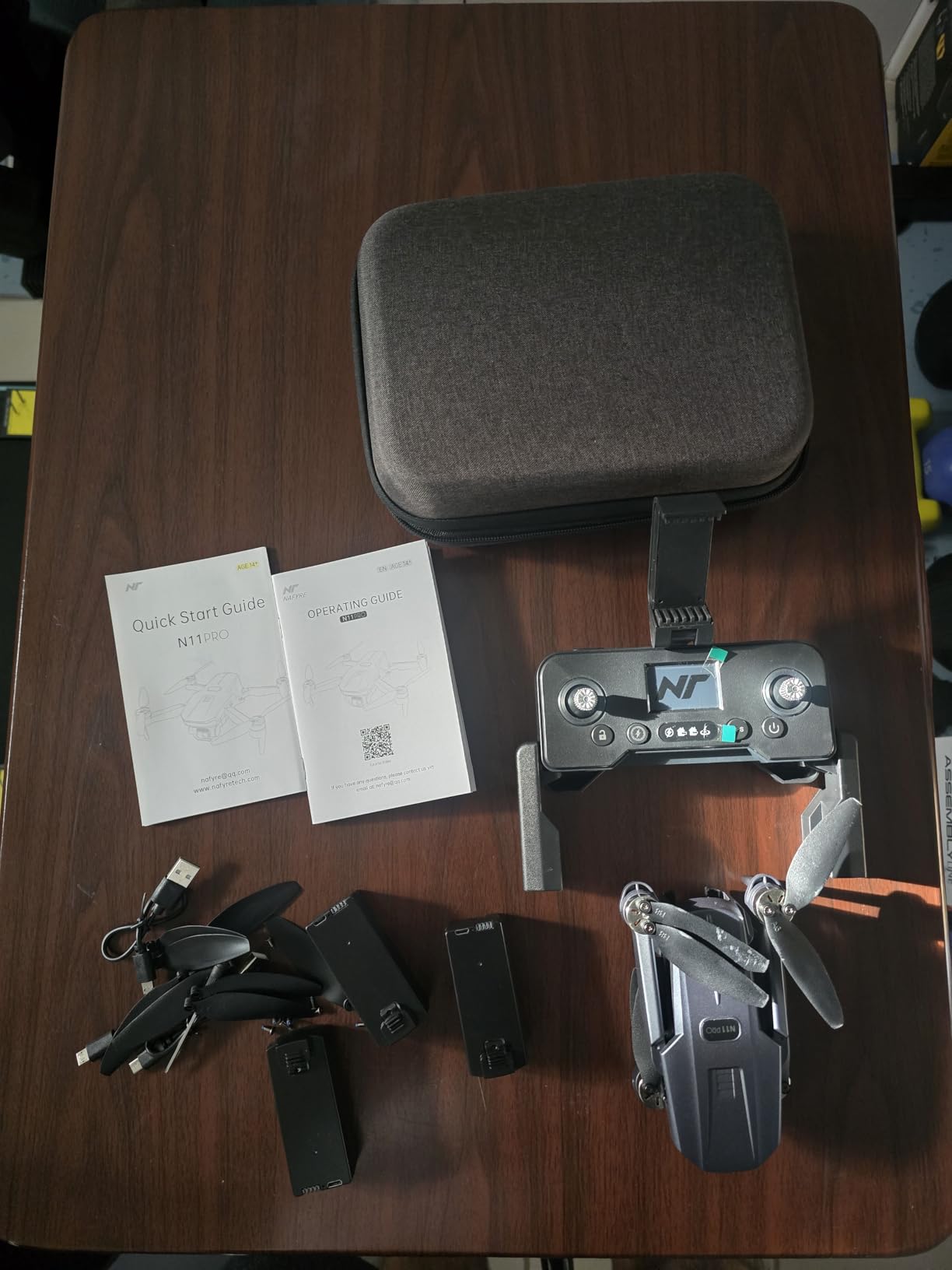
The GPS auto return feature worked correctly in my tests, bringing the drone back when battery ran low. Follow Me mode functions but loses tracking beyond about 10 feet, which limits its practical usefulness. One notable omission is the lack of an SD card slot. All footage records directly to your phone, which eats into storage space and means video quality is limited by the wireless transmission rather than what the camera sensor can actually capture.
On the positive side, the N11 Pro is durable. It survived a couple of minor crashes into grass and kept flying without issues. The brushless motors are quiet, and the lightweight frame is easy to transport. For someone who wants to learn drone flying basics without a big investment, it serves that purpose well. Just go in with realistic expectations about flight time and camera performance.

Who Should Buy the NAFYRE N11 Pro
First-time drone buyers who want to learn the basics of flying without spending much money. If you are looking for a practice drone to build confidence before upgrading to something more capable, the N11 Pro teaches you GPS flying, camera controls, and battery management at a low cost. The included accessories make it a complete starter package.
Who Should Look Elsewhere
Anyone who needs reliable flight times for actual photography or videography work. The significant gap between advertised and real battery life is a dealbreaker for professional or serious hobbyist use. If you need an SD card slot, obstacle avoidance, or camera quality suitable for anything beyond casual social media posts, consider the CHUBORY or DJI Mini 4K instead.
6. Bwine F7GB2 Pro – 3-Axis Gimbal with 75 Minute Flight
Bwine F7GB2 Pro Drones with Camera for Adults 4K UHD Aerial 3-Axis Gimbal
75 min total flight
4K UHD Camera
3-Axis Gimbal
10K FT Range
550g
+ Pros
- True 4K camera with 3-axis gimbal
- Level 6 wind resistance
- 75 min flight with 3 batteries
- 10000FT control range
- FAA Remote ID compliant
– Cons
- 550g requires FAA registration
- Remote screen hard to see in sunlight
- SD card compatibility issues
The Bwine F7GB2 Pro stands out from the sub-249g crowd by offering a true 3-axis mechanical gimbal, Level 6 wind resistance, and a 10,000-foot control range. At 550 grams it requires FAA registration, but that extra weight translates to significantly better stability in wind and more room for a larger camera sensor. Three 2600mAh batteries deliver 75 minutes of total flight time with about 25 minutes per battery in real-world use.
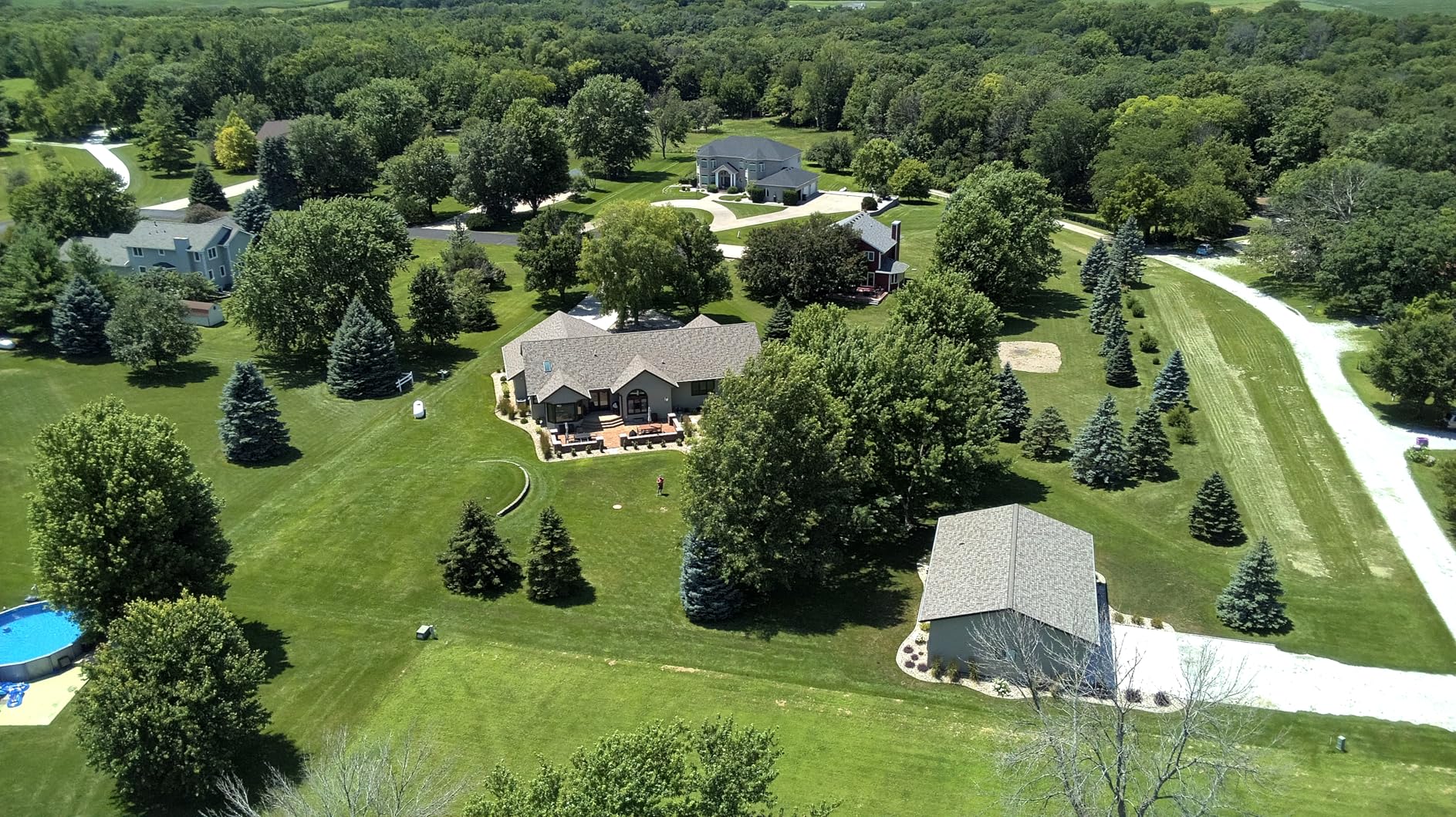
The camera quality is where the Bwine justifies its weight. The 4K UHD footage with a 120-degree FOV lens and larger CMOS sensor produces noticeably better detail and color accuracy than the lighter drones in this lineup. The 3-axis gimbal keeps footage smooth even during turns and altitude changes. I flew it in 20 mph wind and the footage remained stable, which is something lighter drones simply cannot do. The 5x digital zoom is handy for getting closer shots without physically moving the drone closer.
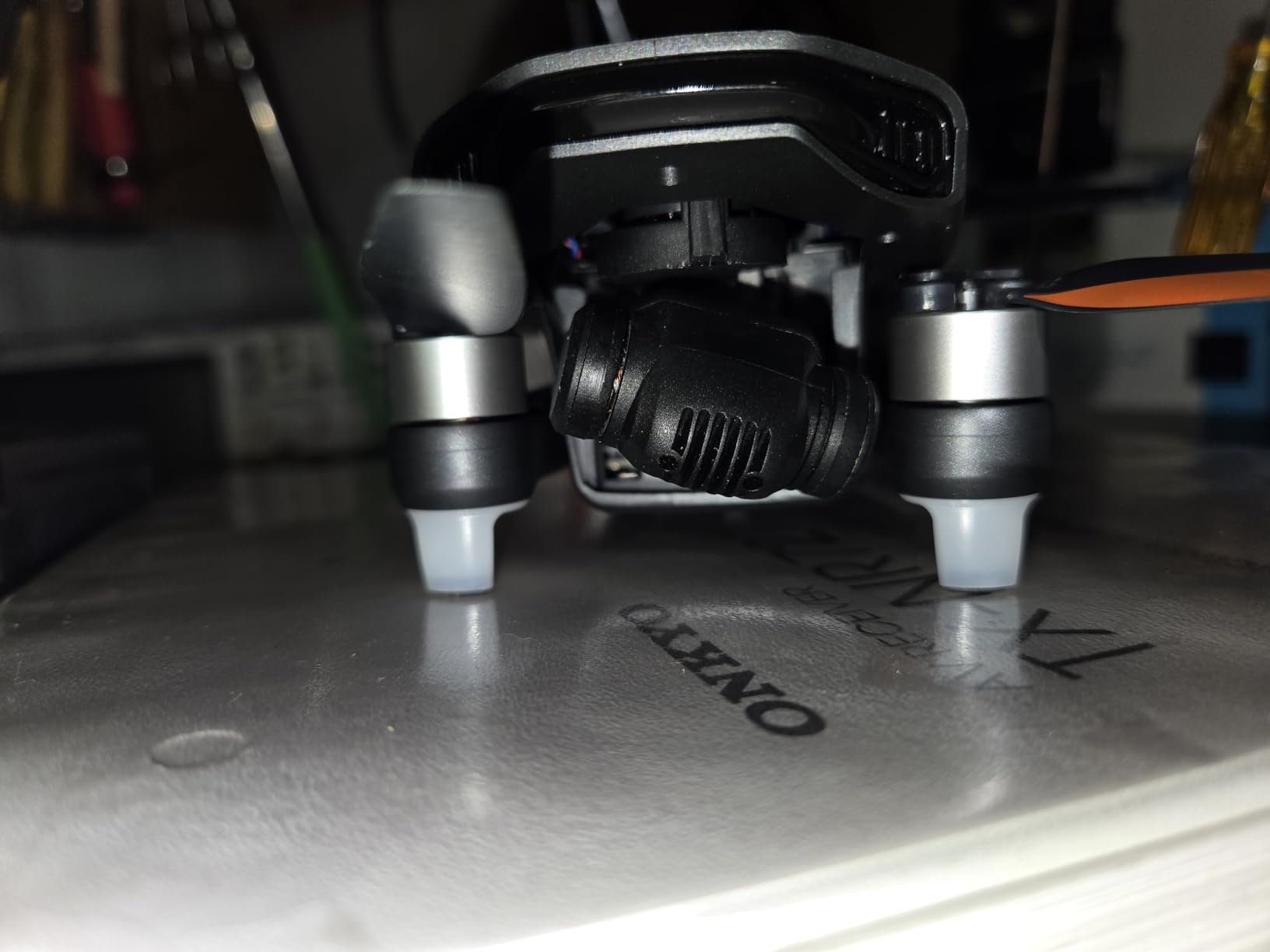
Bwine includes smart flight features like Follow Me, Waypoint navigation, Orbit Fly, and a dedicated Beginner Mode that limits speed and range for new pilots. The carrying case is well-built with custom foam cutouts for everything. GPS Return to Home activates automatically on low battery or signal loss, and it worked reliably every time I tested it. Customer support gets consistent praise in reviews, which is reassuring for a brand that is not as well-known as DJI.
The main drawbacks are the FAA registration requirement due to the 550g weight and some SD card compatibility quirks. I had to try two different cards before finding one the drone recognized consistently. The remote control screen is also difficult to see in bright sunlight, which makes outdoor flight planning harder than it should be. Sport mode drains the batteries noticeably faster, cutting flight time to about 18 to 20 minutes per charge.
Who Should Buy the Bwine F7GB2 Pro
Pilots who prioritize camera quality and wind stability over portability and FAA exemption. If you need Level 6 wind resistance for flying in challenging conditions, a true 3-axis gimbal for professional footage, and do not mind registering with the FAA, the Bwine delivers impressive performance for the price. Real estate photographers and property inspectors will appreciate the stability and camera quality.
Who Should Look Elsewhere
If you want to avoid FAA registration, the sub-249g drones on this list are better options. Travelers who need maximum portability should also look at the DJI Mini 3 or Potensic Atom 2, which fold down smaller and weigh less than half as much. The SD card pickiness and sunlight screen issues might also frustrate pilots who fly frequently in bright conditions.
7. Ruko F11PRO 2 – 9200+ Reviews and 70 Minutes of Airtime
Ruko F11PRO 2 Drone with 6K Camera for Adults, 4K/30fps Video, Ideal Gift
70 min total flight
6K Photos/4K Video
3-Axis Gimbal
10K FT Range
FAA Compliant
+ Pros
- Massive 9200+ reviews with 4.4 rating
- 6K photo resolution
- 70 min flight with 2 batteries
- Quality carrying case included
- Excellent customer service
– Cons
- GPS pairing can be difficult initially
- 357g requires FAA registration
- Learning curve for app setup
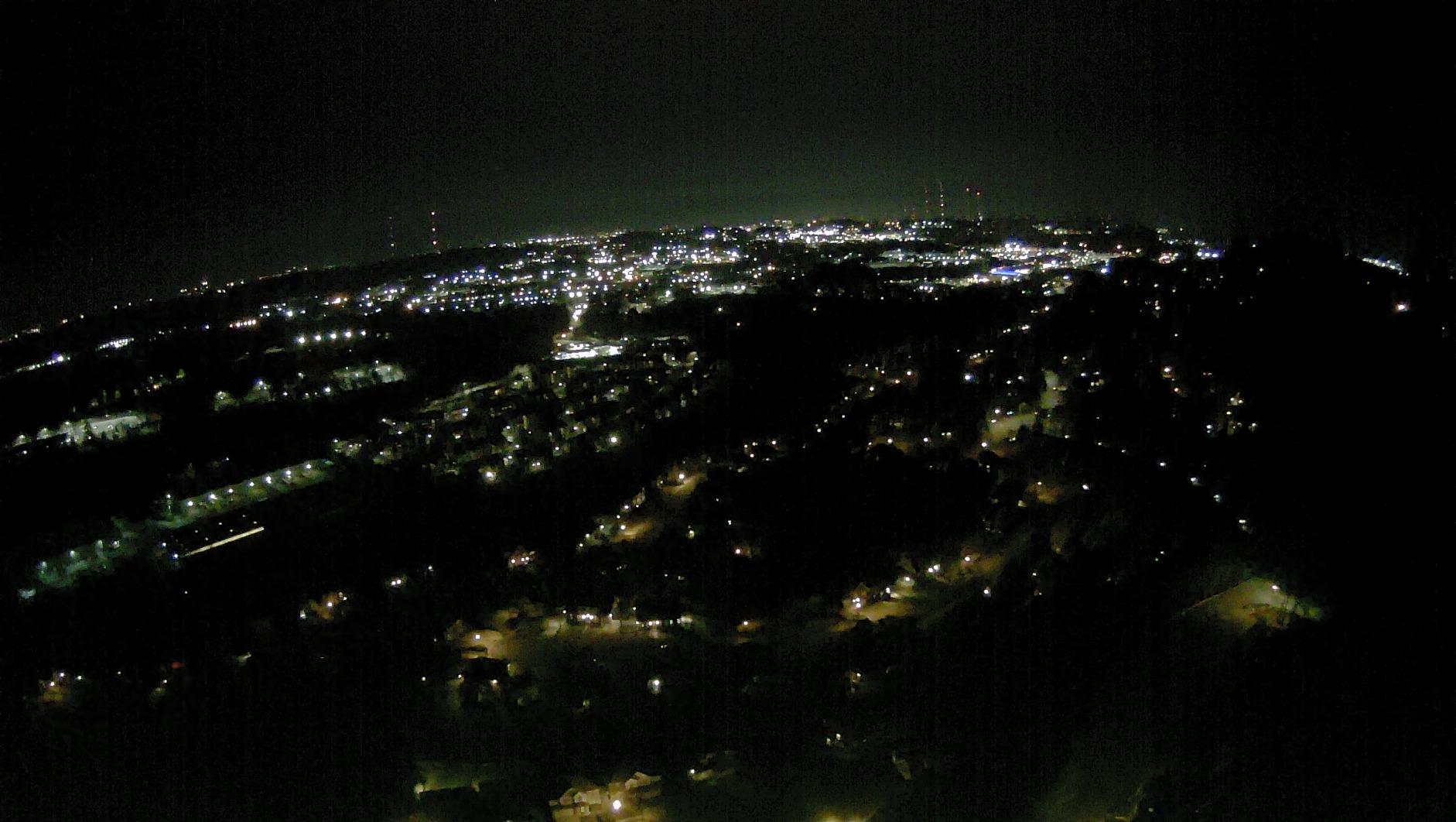
With over 9,200 reviews on Amazon and a 4.4-star average, the Ruko F11PRO 2 is one of the most popular drones in this category. That many reviews tell you something about buyer confidence. Two 3200mAh batteries provide 70 minutes of total flight time with roughly 35 minutes per battery, which is among the best per-battery performance in our lineup. The 6K photo capability and 4K/30fps video deliver sharp, detailed images for the price.
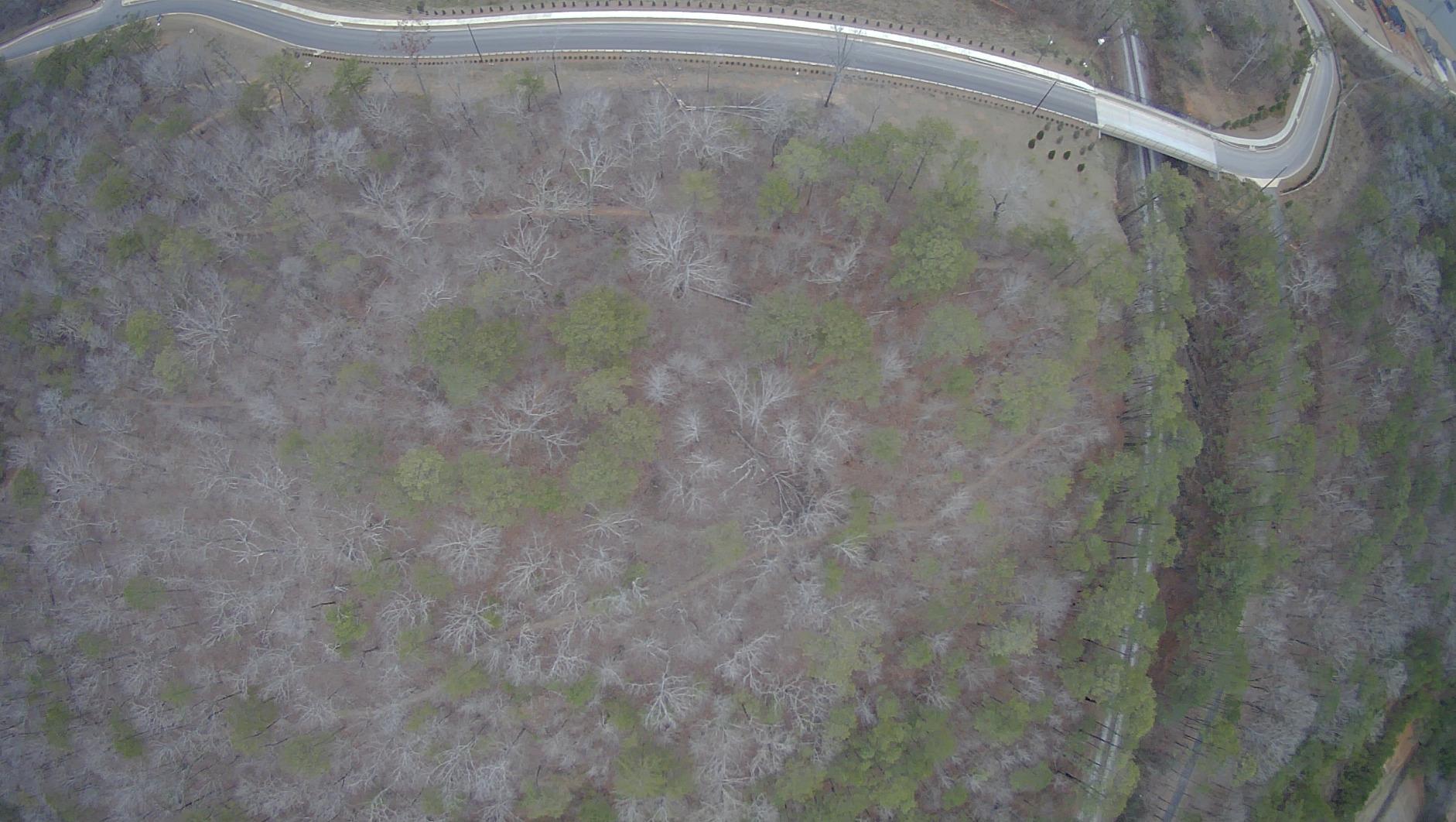
The 3-axis mechanical gimbal is a key differentiator at this price point. During my flight tests, the gimbal held steady during forward flight, banking turns, and altitude changes. Footage is smooth and professional-looking without the jitter you get from electronic stabilization. The 10,000-foot transmission range gave me confidence to fly farther than I usually do with budget drones, though I did not push it to the maximum.
Ruko includes a quality hard-shell carrying case with custom foam, which protects the drone and accessories during transport. Smart flight modes include GPS Follow, Circle Fly, Waypoint navigation, and Cruise Control for hands-free flying along a set path. The Beginner Mode limits speed and range while you learn the controls. GPS auto-return worked reliably in my tests.
The initial setup requires patience. GPS pairing took about two minutes on my first flight, and the app has a learning curve that might frustrate first-time drone users. Once calibrated, the drone flies smoothly and responds well to controls. At 357 grams, you will need to register with the FAA before flying, which is a consideration if you want to skip that step. The included carrying case and overall build quality make up for the extra weight in my opinion.
Who Should Buy the Ruko F11PRO 2
Pilots who want the reassurance of thousands of positive reviews and a proven track record. If you value per-battery flight time, 6K photo quality, and a complete package with a quality carrying case, the F11PRO 2 is hard to beat. It is also a great choice for gift buyers since the included case and beginner mode make it a complete, confidence-inspiring package.
Who Should Look Elsewhere
If avoiding FAA registration is important, stick with the sub-249g options. Pilots who want a built-in controller screen should look at the CHUBORY or PLEGBLE drones. The GPS calibration learning curve might also frustrate absolute beginners who want a plug-and-play experience without any setup time.
8. PLEGBLE PL-710 – No Phone Needed with 70 Minute Flight
PLEGBLE Drones with Camera for Adults 4K, GPS Drone with Controller Screen
70 min total flight
4K EIS Camera
5 inch HD Screen
Under 249g
10km Range
+ Pros
- Built-in 5.0 inch HD screen on controller
- 70 min flight with 2 batteries
- Under 249g no FAA registration
- No app required avoids phone dependency
- USB-C fast charging
– Cons
- Long charging time
- Speed modes could be faster
- Range may be less than advertised
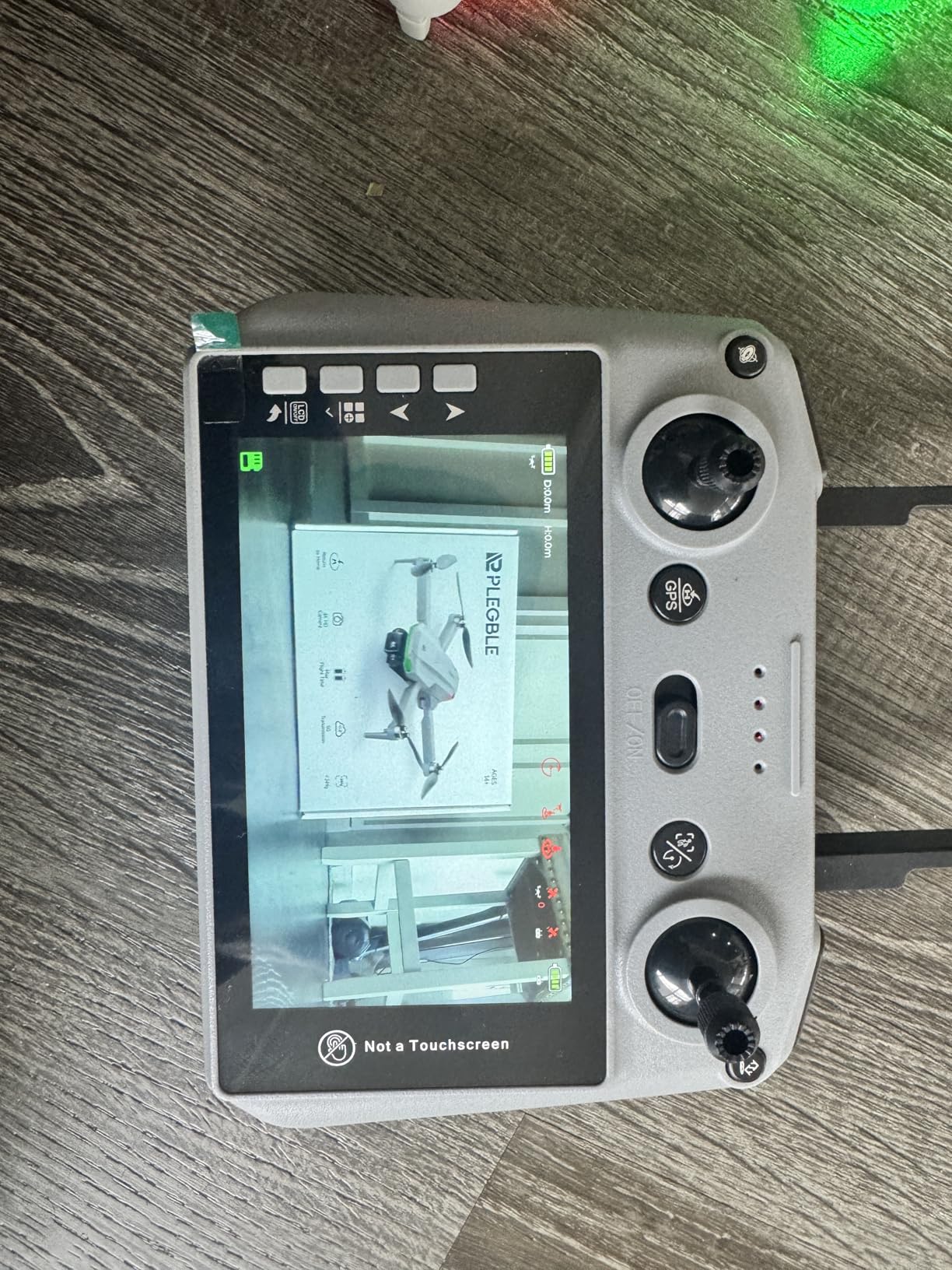
The PLEGBLE PL-710 solves one of the most common complaints about budget drones: phone dependency. The controller has a built-in 5.0-inch HD screen, so you never need to mount your phone, download an app, or worry about compatibility issues. For anyone who has fought with a drone app crashing mid-flight or struggled to see their phone screen in sunlight, this is a genuinely refreshing experience. Two batteries provide 70 minutes of total flight time.
The 4K camera with EIS stabilization captures clean footage for the price, and the 130-degree wide-angle lens with 90-degree adjustable tilt gives you flexibility in composing shots. While the EIS cannot match a 3-axis mechanical gimbal for smooth footage during aggressive maneuvers, it does an admirable job for casual flying and social media content. The under-249g weight means no FAA registration for recreational pilots.
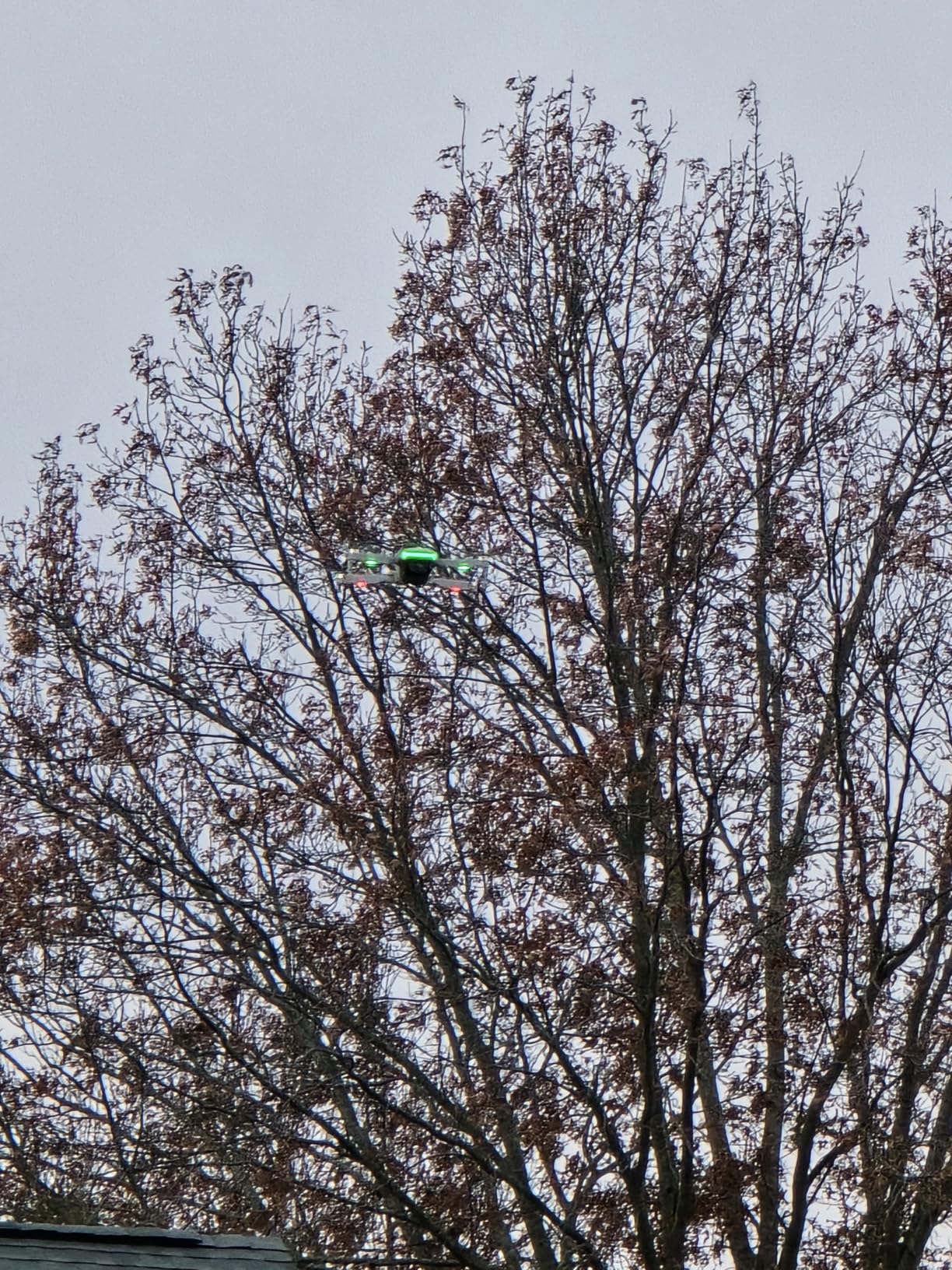
GPS smart navigation handles auto return on low battery or signal loss, plus AI Track and Orbit modes for automated flying. The Follow Me mode kept track of me walking at a moderate pace during my tests, though it struggled when I changed direction quickly. USB-C fast charging on the batteries is a welcome modern touch that many budget drones still lack. The controller also connects directly to the drone without any app intermediary.
The main trade-off is charging time. The 2700mAh batteries take a while to top off, so having both batteries charged before a flight session is important. The speed modes max out at a moderate pace, which experienced pilots might find limiting. Transmission range was reliable to about 500 meters in my testing, short of the 10KM advertised but acceptable for casual recreational flying.
Who Should Buy the PLEGBLE PL-710
Pilots who hate the hassle of phone-based drone controllers. If you want to unfold the drone, turn on the controller, and start flying without any app downloads or phone mounting, the PL-710 delivers that experience. It is ideal for casual users, older adults who may struggle with phone connectivity, and anyone who wants a straightforward flying experience without tech complications.
Who Should Look Elsewhere
Experienced pilots who want faster flight speeds or longer transmission range should consider the DJI or Potensic options. If you need professional-grade video quality with a mechanical gimbal, the Bwine F7GB2 Pro or Ruko F11PRO 2 are better suited. The long charging time also means this is not the best pick for pilots who need quick turnaround between flights.
9. Oddire HK11 – Crash-Proof Durability with 48 Minute Flight
Oddire Drones with Camera for Adults 4K, GPS Auto Return, Waypoint Flight, Orbit Fly, GPS Follow, Gesture Control, Foldable Drone with Brushless Motor, 249g Light, 48 Mins Flight Time with 2 Batteries
48 min total flight
4K UHD Camera
GPS Auto Return
249g
Brushless Motor
+ Pros
- Extremely durable survives crashes
- 48 min flight with 2 batteries
- Under 249g FAA exempt
- Level 5 wind resistance
- Excellent value at budget price
– Cons
- SD card not included
- Instructions can be confusing
- Shorter range at 1640ft
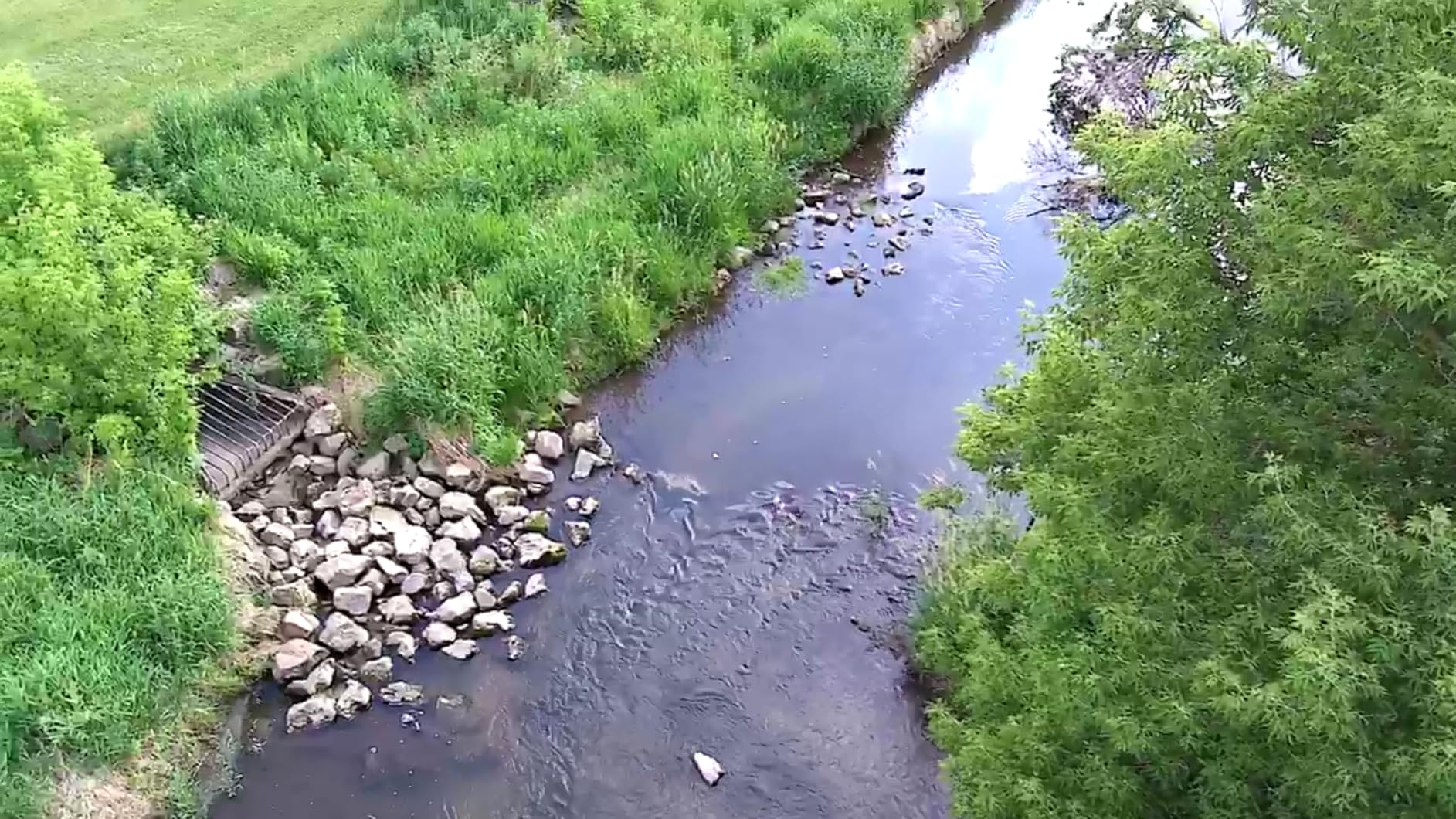
The Oddire HK11 earns its spot on this list with a combination of durability, affordability, and solid flight performance. Multiple reviewers report crashing this drone into trees, buildings, and even concrete, only to pick it up and keep flying. For beginners who know they will crash while learning, that durability matters more than almost any spec on paper. Two batteries give you 48 minutes of total flight time at a price point that is hard to beat.
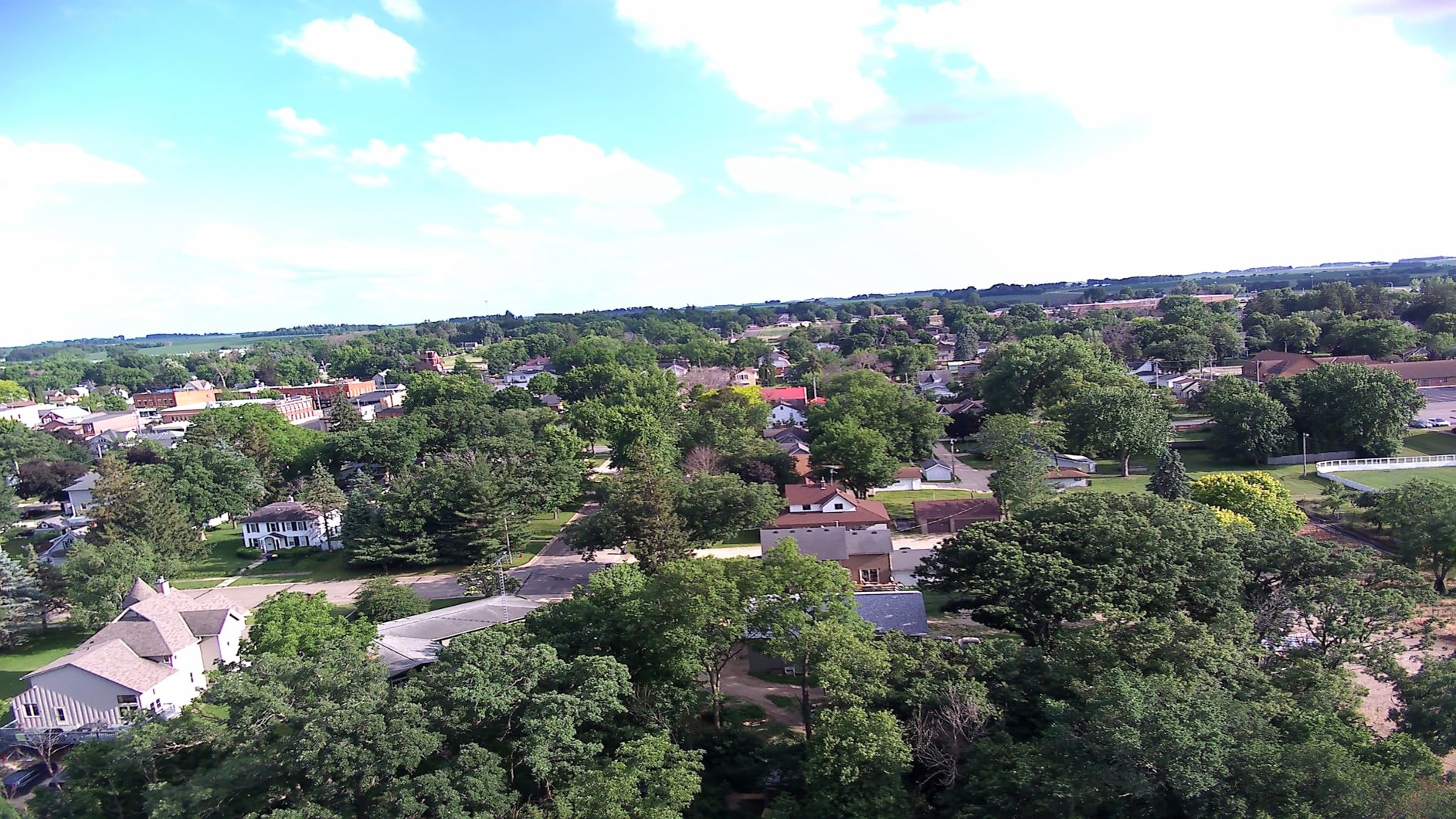
The 4K UHD camera captures 4096x3072P photos and 2.7K video, which is a step above what most drones at this price offer. The F2.15 aperture with a 110-degree wide-angle lens gathers decent light for outdoor shooting. Level 5 wind resistance keeps the HK11 stable in moderate conditions, and the brushless motors run quietly and efficiently. GPS auto return brings the drone back reliably when battery gets low or signal is lost.
Flight features include Waypoint Flight, Orbit Fly, GPS Follow, and Gesture Control. The waypoint feature lets you plot a course on the map and the drone flies it autonomously, which is a nice capability at this price. During my testing, GPS lock took about 45 seconds to establish, and the auto-return function worked correctly every time. Real-world flight time came in at about 20 to 23 minutes per battery, which is close to the advertised spec.
The biggest downsides are minor but worth noting. No SD card is included, so you need to buy one separately before your first flight. The instruction manual leaves some things unclear, particularly around compass calibration. The beeping sounds during calibration are not explained well, which confused me until I found answers in the Amazon Q&A section. At 1640 feet, the control range is the shortest on this list, but adequate for most beginners learning to fly in parks or open fields.
Who Should Buy the Oddire HK11
Beginners who know they will crash while learning and want a drone that can take it. If you are buying your first drone for practice, want GPS features for safety, and need something that will not break the bank or break on impact, the HK11 is built for you. The combination of durability, GPS safety features, and value makes it one of the best starter drones available.
Who Should Look Elsewhere
Pilots who need longer range or higher-quality video should invest in one of the DJI or Potensic options. The 1640-foot range limits how far you can explore, and the camera quality is adequate but not professional-grade. If you want a built-in controller screen, the CHUBORY or PLEGBLE offer that feature at similar price points.
10. Holy Stone HS175D – Proven Reliability with 46 Minute Flight
Holy Stone HS175D GPS Drone with 4K Camera for Adults, Under 249g, Foldable RC Quadcopter with Auto Return, 46 Mins Long Flight, Follow Me, Brushless Motor, Circle Fly, Waypoint Fly, Altitude Hold
46 min total flight
4K Camera
GPS Auto Return
Under 249g
Brushless Motor
+ Pros
- 7600+ reviews proven track record
- Under 249g no FAA registration
- Quality hard shell case included
- Altitude Hold and Headless Mode
- Excellent customer service
– Cons
- 2-axis gimbal not as smooth as 3-axis
- GPS sync can be slow initially
- Battery closer to 20-23 min per charge
The Holy Stone HS175D brings the reassurance of over 7,600 customer reviews to the table. That kind of track record tells you this drone has been tested by thousands of real pilots in real-world conditions. Two batteries provide 46 minutes of total flight time, the camera captures 4K footage with a 110-degree wide-angle lens, and at under 249 grams it avoids FAA registration requirements. Holy Stone also includes a quality hard-shell carrying case.
The 4K camera with a 90-degree adjustable angle gives you framing flexibility, and the 5GHz FPV transmission delivers a live view to your phone with minimal lag. Flight features include GPS auto return, Follow Me mode, Waypoint flying, Circle Fly, Altitude Hold, and Headless Mode for beginners who have not yet learned orientation. Altitude Hold is particularly useful because it lets the drone maintain its height without constant throttle input.
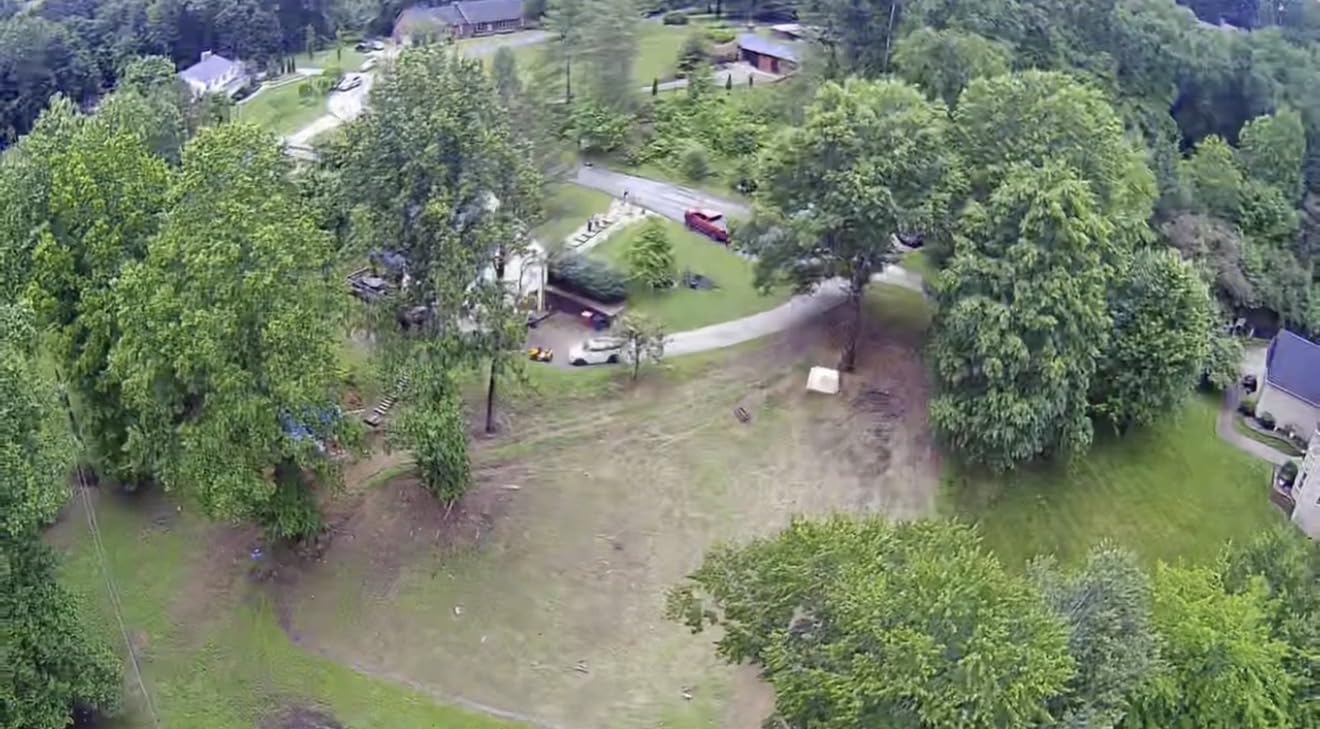
In my testing, each battery lasted about 20 to 23 minutes depending on wind conditions and flying style. The 2-axis gimbal provides stabilization but cannot match the smooth footage from the 3-axis gimbals on the Bwine or Ruko drones. Video can appear jerky during fast pans or aggressive maneuvers. GPS sync sometimes took up to a minute on startup, requiring patience before takeoff.
The biggest strength of the HS175D is its consistency. It does everything reasonably well without excelling in any single area. Holy Stone customer service receives consistent praise in reviews, and replacement parts are readily available. For pilots who want a reliable, no-surprises drone from an established brand with a proven track record, the HS175D delivers exactly that.
Who Should Buy the Holy Stone HS175D
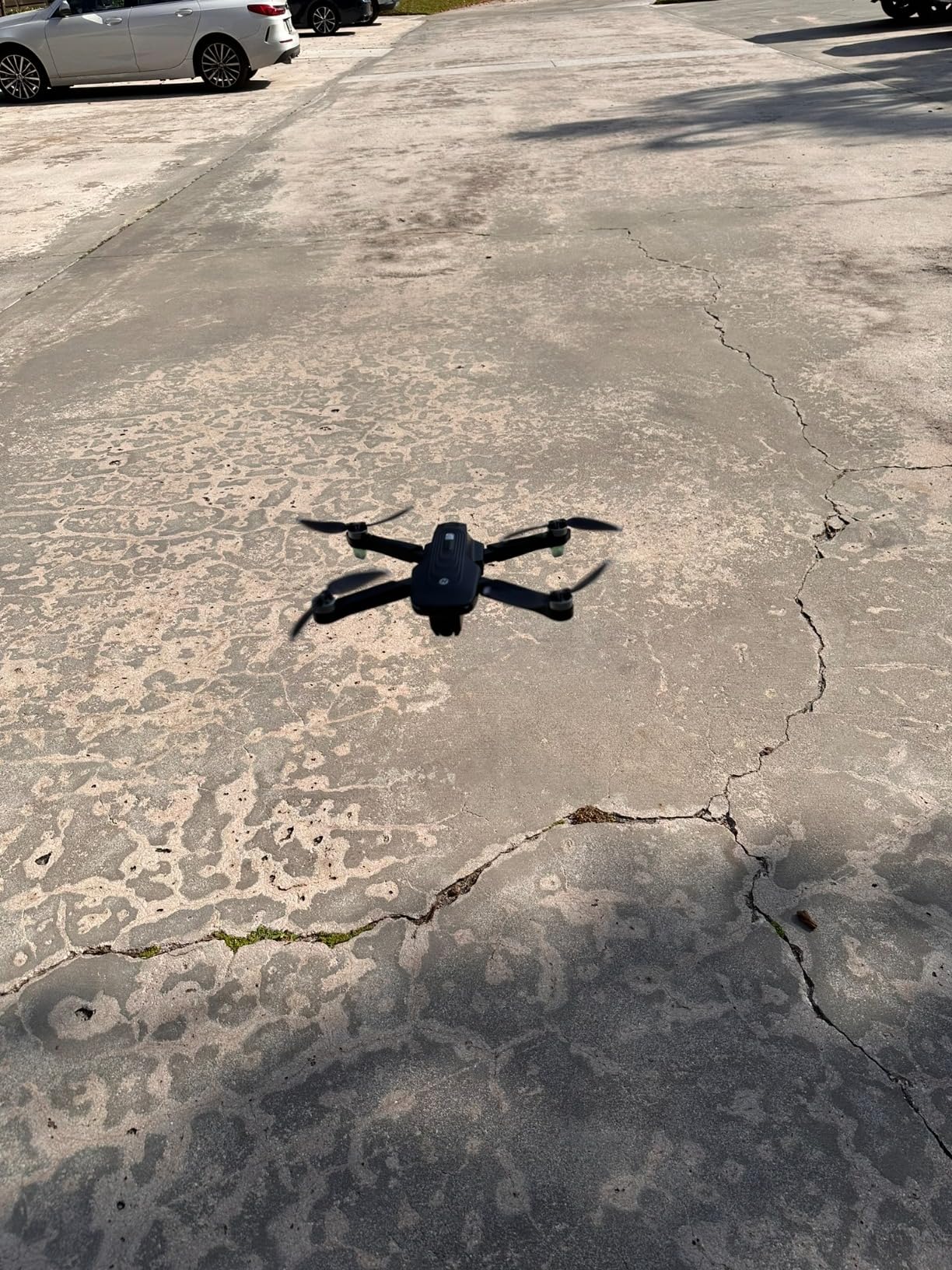
Pilots who value proven reliability and strong customer support from an established brand. If you want a drone that thousands of other buyers have validated, complete with GPS safety features, altitude hold, and an included carrying case, the HS175D is a safe and dependable choice. It is well-suited for beginners who want brand-name reliability.
Who Should Look Elsewhere
If you need the smoothest possible video footage, the 2-axis gimbal will not satisfy cinematic shooters. Pilots wanting longer per-battery flight times should consider the DJI Mini 4K or Ruko F11PRO 2. The 500-meter range is also shorter than the 10KM options from DJI and Potensic, which matters if you need to fly farther from your position.
What to Look for in Drones with Long Battery Life
Choosing the right long-flight drone involves more than just looking at the advertised flight time number. Our team identified several factors that significantly impact your actual experience, from battery chemistry to FAA regulations. Understanding these helps you pick a drone that delivers on its promises and fits your specific needs.
Advertised vs Real-World Flight Time
Every drone manufacturer tests flight time under ideal laboratory conditions: zero wind, hovering in place, with minimal camera use. Real-world flight times are typically 20 to 30 percent shorter. For example, a drone advertised at 30 minutes will usually deliver 22 to 25 minutes of active flying with camera recording in moderate wind. The drones in our list with three batteries are especially valuable because even with reduced per-battery time, the total airtime is substantial. I factored this real-world gap into all of my recommendations.
Battery Type and Charging
Most consumer drones use Lithium Polymer or Lithium Ion batteries. Lithium Polymer packs offer higher discharge rates for better performance but require more careful handling. Lithium Ion batteries tend to last longer per charge cycle and degrade more slowly over time. Pay attention to the included charging accessories. Drones with multi-battery charging hubs let you top off all batteries simultaneously rather than charging them one at a time. For tips on proper battery charging techniques that extend lifespan, our dedicated guide covers the essentials.
FAA Registration and Weight Classes
In the United States, drones weighing under 249 grams do not require FAA registration for recreational use. This is a significant advantage that saves you time, money, and paperwork. Eight of the ten drones on our list fall under this threshold. The Bwine F7GB2 Pro at 550g and the Ruko F11PRO 2 at 357g both require registration. If you fly commercially with any drone, regardless of weight, you need a Remote Pilot Certificate under Part 107. The FAA also requires Remote ID broadcasting capability on most newer drones, which several of our picks include.
The 400-Foot Rule
Federal regulations limit recreational drone flights to 400 feet above ground level in uncontrolled airspace. This is a hard rule regardless of how capable your drone is. Flying above 400 feet without authorization can result in fines and enforcement action. Some areas near airports have even lower altitude restrictions. Always check the FAA B4UFLY app or LAANC system before flying in a new location.
Camera Quality for Different Uses
Not all 4K cameras are equal. True 4K drones like the DJI Mini 3 with large CMOS sensors and mechanical gimbals produce footage suitable for professional work. Budget drones that advertise 4K but use smaller sensors and electronic stabilization deliver footage more suited for casual social media sharing. If you are shooting real estate listings, client videos, or YouTube content, invest in a drone with a true 3-axis gimbal and quality sensor. For casual fun and learning, electronic stabilization is perfectly adequate.
Transmission Range
Advertised transmission ranges of 10 kilometers sound impressive, but real-world range depends heavily on your environment. Urban areas with Wi-Fi interference, buildings, and trees will reduce that range to a fraction of the spec. Open fields with clear line of sight get you closer to the advertised numbers. For most recreational pilots, a reliable 1 to 2 kilometer range is more than enough. Professional pilots who need longer range for surveying or inspection work should prioritize drones with OcuSync or equivalent long-range transmission systems.
Battery Maintenance Tips to Extend Flight Time
How you treat your batteries directly impacts how long they last both per charge and over their lifespan. I have seen pilots kill perfectly good batteries in months through poor charging habits. First, never store batteries fully charged or fully depleted for more than a few days. The ideal storage voltage is around 3.8V per cell, which most drones show as roughly 50 to 60 percent charge. Second, avoid flying in extreme cold. Below 32 degrees Fahrenheit, Lithium Polymer batteries lose capacity rapidly and can drop voltage unexpectedly. Third, let batteries cool after flying before recharging them. Charging a hot battery stresses the cells and accelerates degradation. For monitoring battery health over time, a battery monitor can help track degradation patterns across charge cycles.
If you plan to charge drone batteries in the field during extended shooting sessions, a portable power station is a worthwhile investment. We have tested several options including the BLUETTI EP500 which provides enough capacity to charge dozens of drone batteries away from wall outlets. For understanding the battery technology that makes these long flight times possible, our LiFePO4 battery technology guide covers the chemistry behind modern rechargeable cells. You can also check our Renogy battery monitor review for tracking power consumption during extended use.
Frequently Asked Questions
What drone has the longest battery life?
The DJI Mini 3 Fly More Combo offers the longest total flight time in our lineup at 114 minutes across three batteries. Each Intelligent Flight Battery delivers up to 38 minutes in ideal conditions, or about 28 to 32 minutes in real-world use. For a single battery without a combo kit, the Ruko F11PRO 2 delivers approximately 35 minutes per charge, making it the best per-battery performer.
Why do drones run out of battery so fast?
Drones consume power rapidly because they must generate continuous lift through spinning propellers while simultaneously powering cameras, gimbals, GPS modules, and wireless transmitters. Flying against wind increases power draw by 30 to 50 percent. Recording 4K video, using GPS features, and flying in sport mode all drain batteries faster. Cold temperatures below 32 degrees Fahrenheit can reduce battery capacity by 20 to 40 percent. High-altitude flying also requires more power to maintain lift in thinner air.
What is the 400 foot rule for drones?
The 400-foot rule is a Federal Aviation Administration regulation that limits recreational drone flights to a maximum altitude of 400 feet above ground level in uncontrolled airspace. This rule exists to keep drones separated from manned aircraft. Flying above 400 feet without prior authorization through LAANC or a written waiver can result in civil penalties. In controlled airspace near airports, you need additional authorization and may have lower altitude limits.
Do I need to register my drone with the FAA?
In the United States, drones weighing under 249 grams do not require FAA registration for recreational use. Eight of the ten drones in our guide fall under this weight threshold. Drones weighing 250 grams or more, like the Bwine F7GB2 Pro at 550g and the Ruko F11PRO 2 at 357g, require registration through the FAA DroneZone website for five dollars. If you fly commercially with any drone regardless of weight, you need a Remote Pilot Certificate under Part 107, which requires passing a knowledge test.
How can I extend my drone battery life?
To extend flight time per charge, fly in calm weather to reduce wind resistance, avoid sport mode unless needed, lower your maximum altitude, reduce camera recording when not needed, and keep propellers clean and balanced. Over the battery lifespan, store batteries at 50 to 60 percent charge, avoid extreme temperatures, let batteries cool before recharging, and never discharge below 15 percent. Replace batteries that show swelling, reduced capacity, or physical damage. Most drone batteries last 200 to 300 charge cycles before noticeable degradation.
Final Thoughts on Drones with Long Battery Life
Finding the best drones with long battery life comes down to balancing total airtime, camera quality, and whether you want to deal with FAA registration. The DJI Mini 3 Fly More Combo leads our list with 114 minutes of total flight time, a built-in controller screen, and 4K HDR video in a sub-249g package. For most people, it offers the best overall experience. The Potensic Atom 2 provides similar features at a lower price, while the CHUBORY GPS Drone gives beginners an accessible entry point with a built-in screen.
My advice after testing all of these options is simple: buy the Fly More or multi-battery combo version of whichever drone you choose. The difference between 25 minutes of flying and 75-plus minutes transforms the experience from frustrating to genuinely enjoyable. More airtime means more practice, better footage, and far fewer interruptions to your creative flow. Whatever your budget, there is a long-flight drone on this list that will keep you in the air longer.
Leave a Reply