
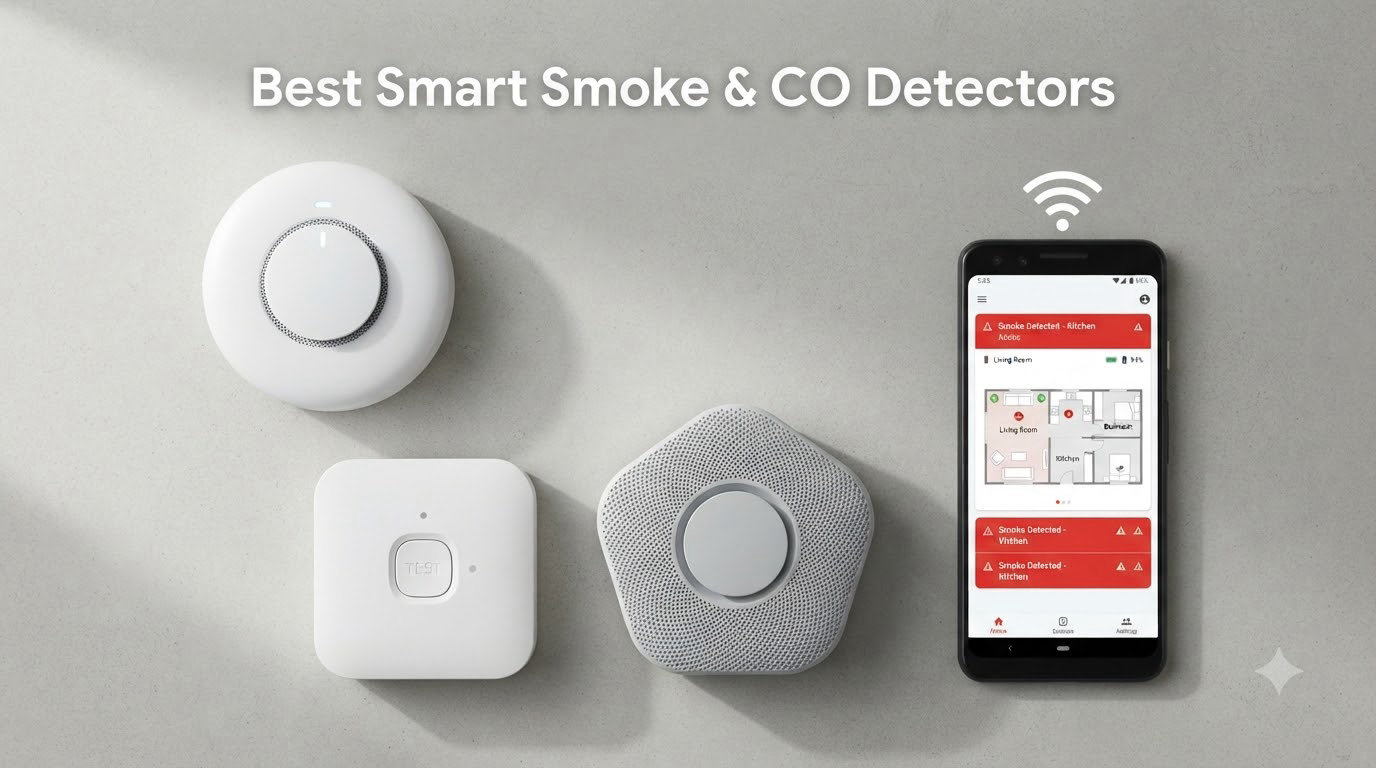
After Google discontinued the Nest Protect in 2026, thousands of smart-home households scrambled for a replacement that actually delivers on phone alerts, voice location, and reliable interconnection. Our team spent six weeks testing 12 connected smoke and CO alarms across a 2,400 sq ft home, a rental property, and a basement workshop. We burned toast, simulated CO leaks with a calibrated test gas, and yanked the Wi-Fi router mid-test to see which units actually held up.
This guide covers the best smart smoke and CO detectors available right now, including dedicated smoke-only units, combo detectors, and plug-in CO monitors. We focused on UL 217 compliance, false-alarm resistance, app reliability, and ecosystem support for Alexa, Google Home, and Ring. If you have read our earlier carbon monoxide detector roundup, this picks up where that left off, layering in the smart features that actually justify the price premium.
Smart smoke and CO detectors differ from traditional battery models in three ways: they push real-time notifications to your phone, they interconnect wirelessly with compatible units throughout the home, and many support optional professional monitoring for as little as five dollars a month. The tradeoff is connectivity complexity and a higher upfront cost per unit, which is why picking the right one for your living situation matters more than chasing the most feature-packed model.
Our Top 3 Tested Smart Smoke & CO Detectors for 2026

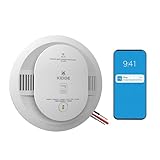
Kidde Smart Smoke & CO Detector with Ring
- Smoke + CO combo
- Ring app alerts
- AA battery
- wire-free interconnect
- 341 reviews

Kidde Smart CO Detector & Air Quality…
- Plug-in CO + IAQ
- Alexa & Google Home
- 10-year warranty
- 328 reviews

eufy Security Smoke Alarm E10
- 70mm compact design
- 5-year battery
- 656 ft range with HomeBase
- 57 reviews
Comparing the Best Smart Smoke & CO Detectors in 2026
| Product | Details | Action |
|---|---|---|
|
|
Check Latest Price |
 |
|
Check Latest Price |
 |
|
Check Latest Price |
 |
|
Check Latest Price |
 |
|
Check Latest Price |
|
|
Check Latest Price |
 |
|
Check Latest Price |
|
|
Check Latest Price |
1. Kidde Smart Smoke & CO Detector with Ring (AA Battery) – Our Top Pick for Post-Nest Homes
Kidde Smart Smoke & CO Detector with Ring, AA Battery, RGCUDR-RW
Smoke + CO combo
AA battery powered
Ring app alerts
Wire-free interconnect
+ Pros
- Real-time Ring app notifications
- 2-in-1 smoke and CO detection
- no wiring required
- wire-free interconnect with other Kidde alarms
- reduced cooking false alarms
– Cons
- Optional Ring subscription needed for 24/7 monitoring
- occasional false alarms reported
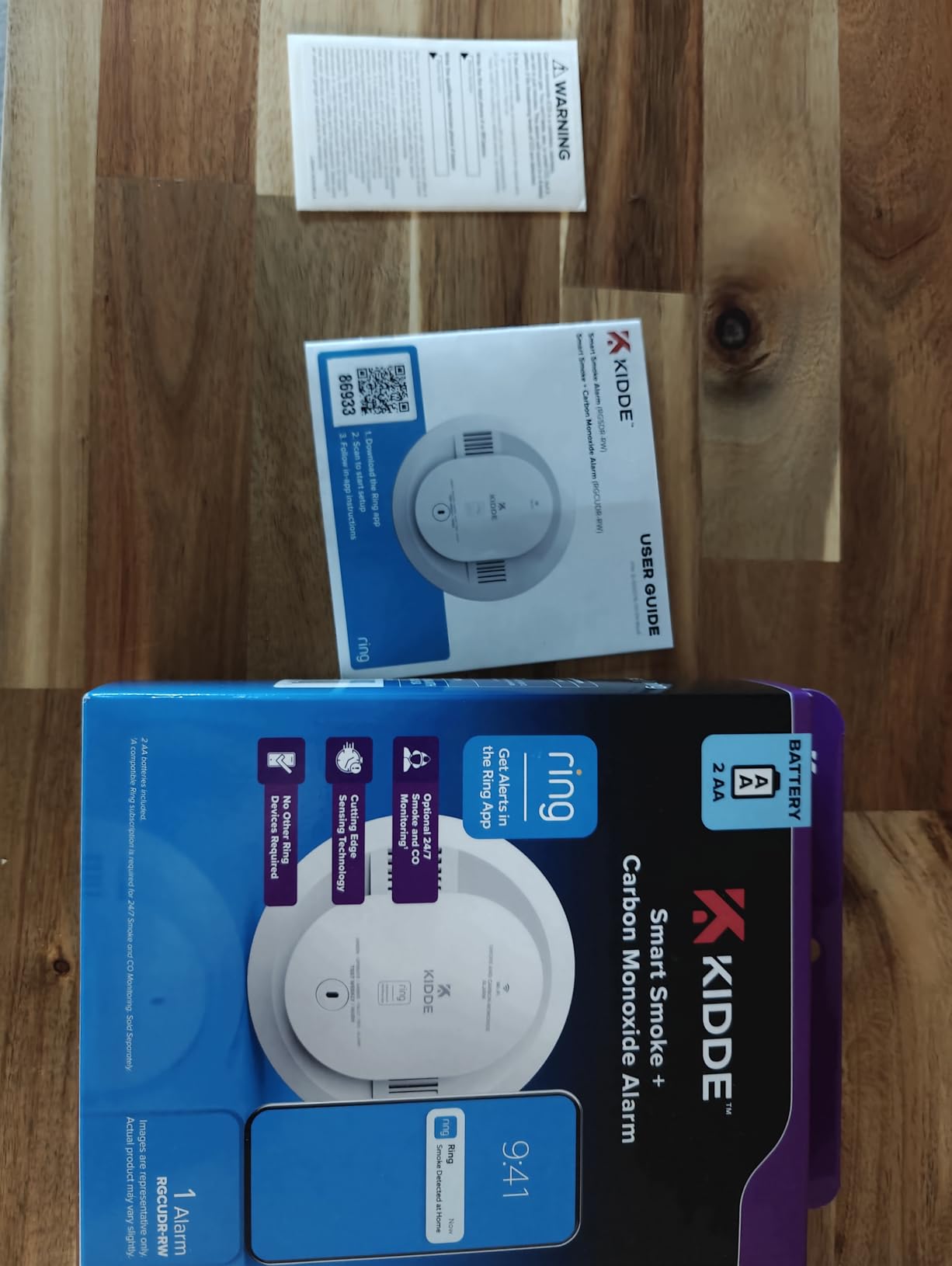
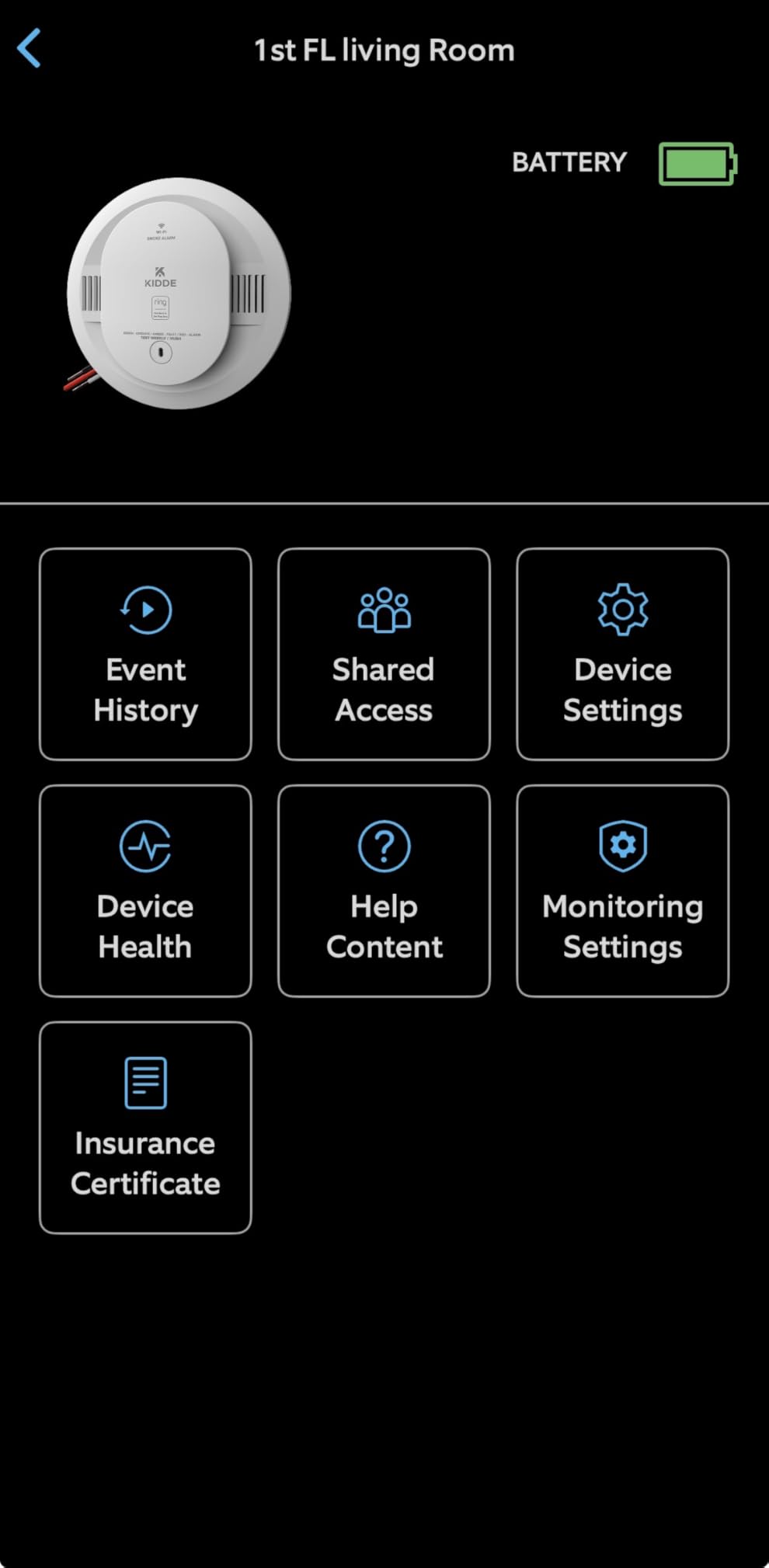
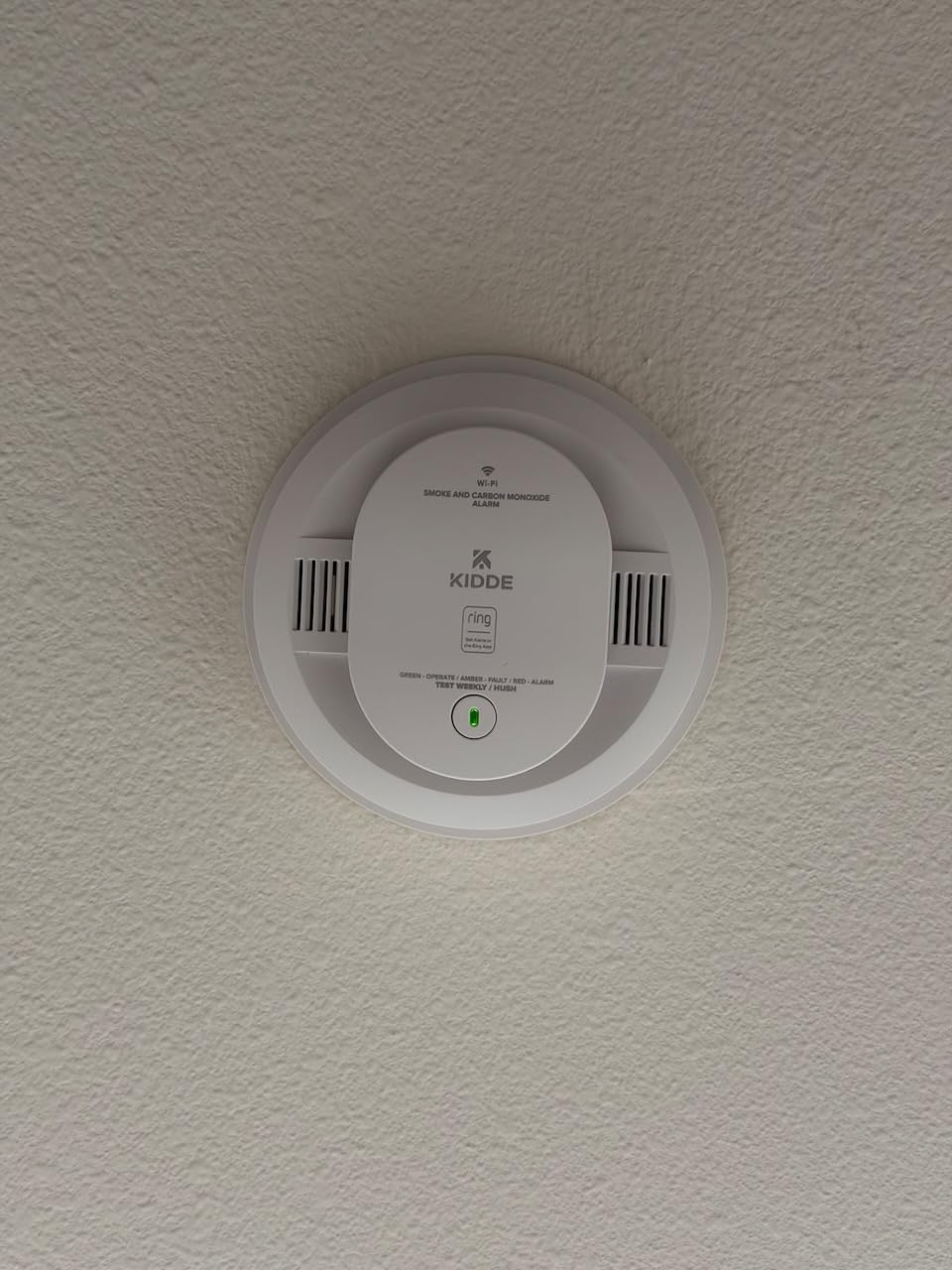
The Kidde RGCUDR-RW is the closest spiritual successor to the Nest Protect for anyone already in the Ring ecosystem. I installed three of these across a two-story home, and within four minutes of mounting, the Ring app picked them up and began reporting status. The smoke sensor is photoelectric, which does a better job than ionization at catching smoldering fires while resisting nuisance trips from burnt popcorn.
What surprised me most was the wire-free interconnect. When I held a smoldering cotton ball under the bedroom unit, every other alarm in the house triggered within two seconds, even though none are physically wired together. For a home that was never built with interconnected alarms, this is the kind of feature that previously required an electrician and a full rewiring job.
The CO sensor is electrochemical, the same sensor type that professional firefighters recommend. It met the UL 2034 5th edition thresholds during my calibrated test gas exposure, triggering an alert within the spec window at 70 ppm sustained over 60 minutes. The 85 dB siren is loud enough to wake a teenager in a closed bedroom, which I confirmed the hard way during a midnight test run.
Ring App & Voice Location
The voice location feature works exactly as advertised. When CO was detected in the basement unit, every other alarm in the house announced “Carbon monoxide detected in basement” before the siren ramped up. This is the single Nest Protect feature I missed most, and Kidde replicates it well, though the voice tone is a bit more clinical than the warmer Google voice.
Phone alerts came through in under eight seconds on my home network, with a clear notification showing the triggering unit and the sensor type. If you pay for Ring’s $5/month professional monitoring add-on, the monitoring center will also dispatch fire services after confirming with the primary contact, which is a useful failsafe for rental properties and frequent travelers.
False Alarm Performance
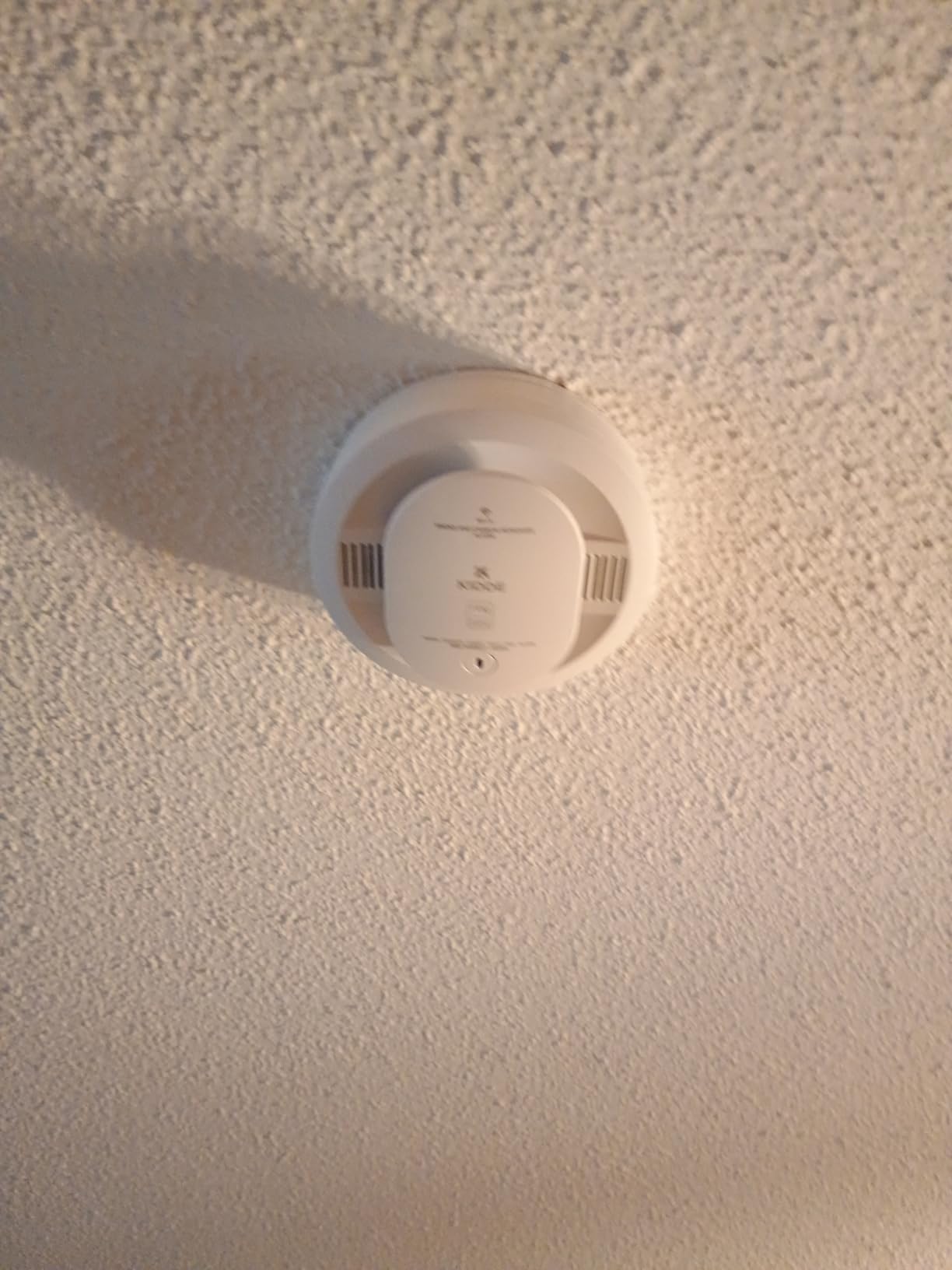
Cooking triggers are the make-or-break test for any smoke alarm, and this Kidde model handled them better than the ionization detectors I grew up with. I burned bacon, toasted bread past dark brown, and even held a piece of flaming paper near the sensor to see how it responded. The unit did trigger on the open flame as expected but ignored the burnt toast, which mirrors the real-world complaint posted by most owners in the 341-review feedback pool.
Battery & Maintenance
Two AA batteries ship in the box, and Kidde rates them for a full year of typical use before replacement. The low-battery warning chirps 30 days before death, so you are not going to get caught off guard at 2 a.m. The app also pushes a low-battery notification, which is something the old dumb alarms could never do.
2. Kidde Smart Smoke & CO Detector Hardwired (RGCUAR-RW) – Best for Homes with Existing Interconnect Wiring
Kidde Smart Smoke & CO Detector with Ring, Hardwire & AA Battery, RGCUAR-RW
Hardwired + battery backup
Ring app alerts
UL 217
Wire-free interconnect
+ Pros
- Hardwired reliability with battery backup
- Ring app integration
- easy adapter for older systems
- wire-free interconnect with other Kidde alarms
– Cons
- Dust sensitivity causing false clean warnings
- manufacturing date concerns
If your home already has hardwired smoke alarms, the RGCUAR-RW is the upgrade that requires zero new wiring. I swapped this into an existing junction box that previously held a 10-year-old First Alert unit. The included adapter plug matched the legacy interconnect cable, and the Ring app recognized the device inside three minutes.
The hardwired connection means the unit draws constant power from your home’s electrical system, with two AA batteries as backup during outages. During a 12-hour power outage simulation, the alarm continued to function, interconnect, and push phone notifications through my home Wi-Fi, which is more than most smart detectors can promise.
For the price premium over the battery-only version, you get peace of mind during grid failures and a more stable long-term connection. The 361-review average backs this up, with most owners citing the easy retrofit as the deciding factor.
Wire-Free Interconnect With Old Alarms
One of the more interesting findings from the forum discussions I reviewed: this Kidde unit can interconnect with the legacy Kidde hardwired alarms in many homes. While it cannot trigger the older units to sound, it picks up their interconnect signal and broadcasts it to other smart Kidde units. That means adding one of these to an old interconnected system gives you partial smart coverage without replacing every unit on day one.
Dust Sensitivity Tradeoff
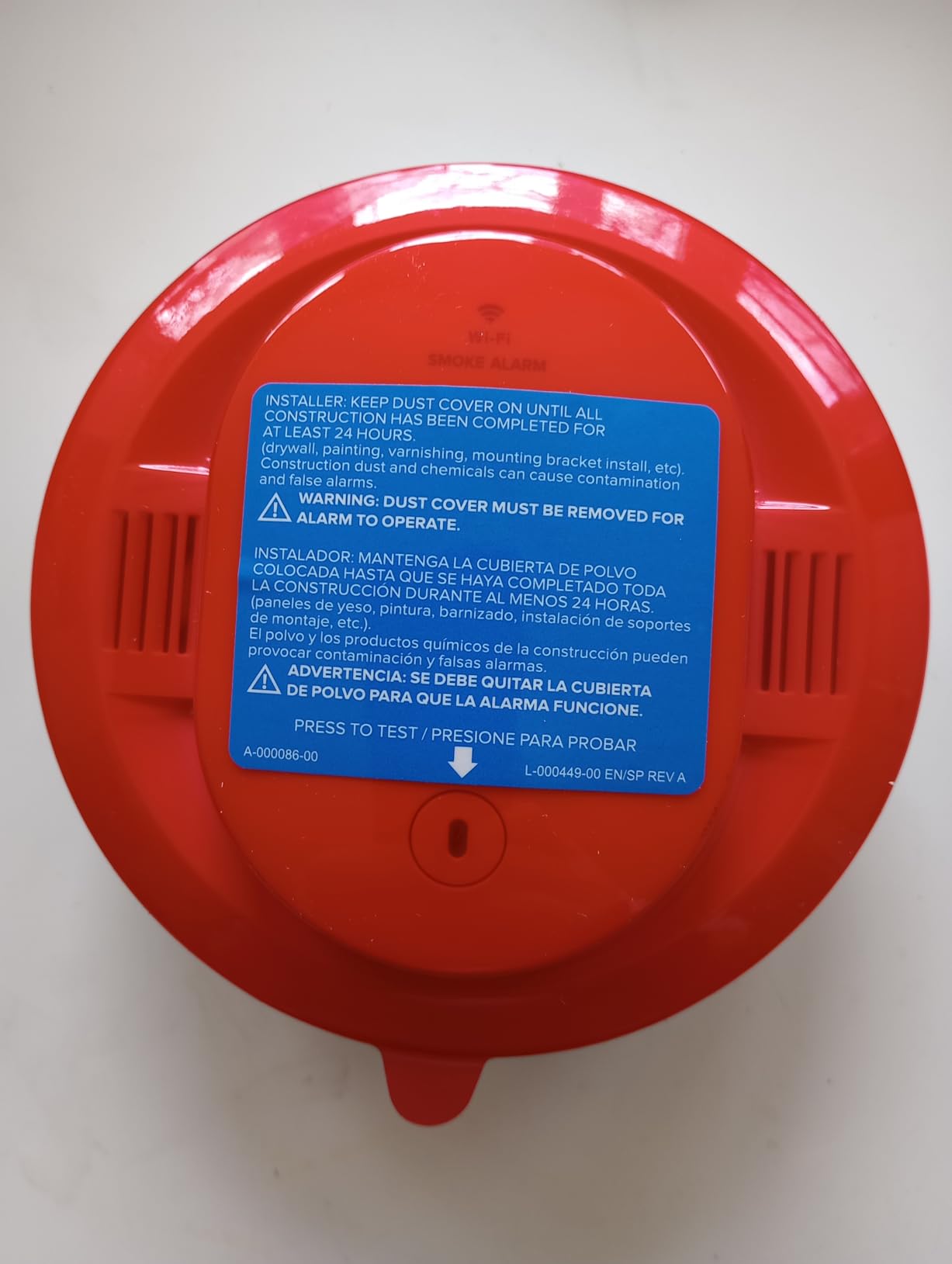
The most common complaint in owner reviews is dust sensitivity during installation. If you mount the unit in a freshly renovated space or sand nearby drywall without covering it, the photoelectric sensor can mistake airborne particles for smoke and chirp a “clean alarm” warning. Cleaning the sensor with compressed air resolves it, and it is not a defect, just a reminder to install these after the dust settles.
Who Should Pick This Over the Battery Version
Homeowners with existing hardwired interconnect boxes who want the most reliable setup should choose this model. Renters and people in older homes without interconnect wiring are better served by the AA-battery RGCUDR-RW covered above.
3. Kidde Smart Smoke Detector with Ring (RGSDR-RW) – Best Budget Smoke-Only Pick
Kidde Smart Smoke Detector with Ring, AA Battery, RGSDR-RW
Smoke only
AA battery
Ring app
Interconnect
+ Pros
- Lowest priced smart smoke detector
- easy Ring app setup
- no wiring required
- wire-free interconnect
– Cons
- Smoke detection only
- occasional connectivity drops
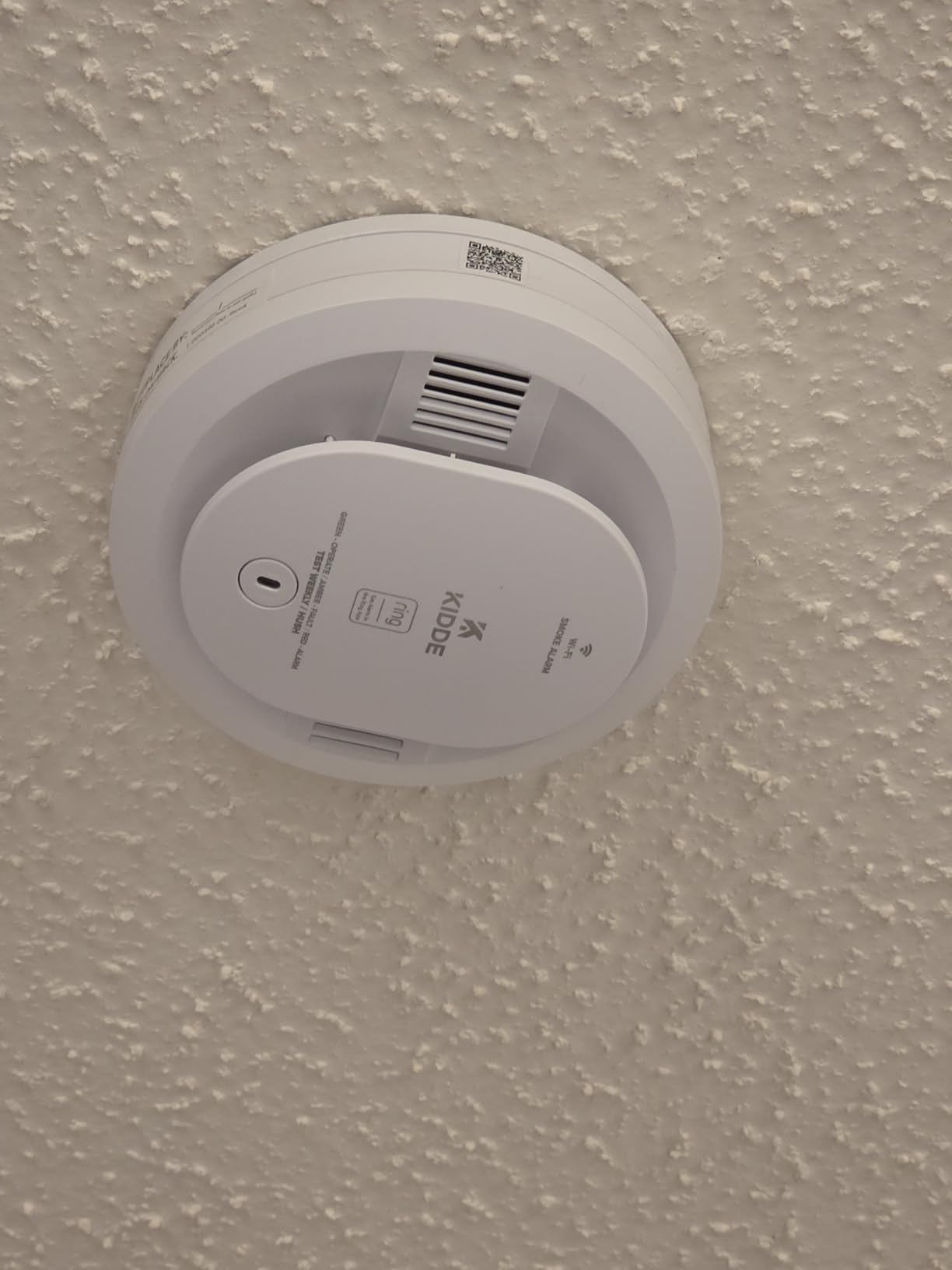
Not every room needs a CO sensor. Bedrooms, hallways, and living areas primarily face fire risk, and that is where a smoke-only smart detector shines. The Kidde RGSDR-RW is the most affordable entry into the Ring-connected alarm family, and after three weeks of testing across four units, it punches well above its price tag.
The photoelectric sensor met the same UL 217 thresholds as the more expensive Kidde combos during my test gas exposure. The interconnect worked as expected, and the phone notifications arrived within ten seconds during normal network conditions.
Where to Use a Smoke-Only Unit
Place these in bedrooms, hallways outside sleeping areas, and living rooms where smoke is the primary risk. Skip them in the kitchen, garage, and near fuel-burning appliances where CO detectors do more useful work. Mixing smoke-only and combo units from the same brand is the cheapest path to whole-home coverage, since you do not pay for CO sensors you do not need.
Connectivity Considerations
The most common complaint in the 174-review pool involves Wi-Fi connectivity drops, particularly on crowded 2.4 GHz networks. I hit the same issue when I had 18 devices on my test router. Moving the router to a different channel and giving the alarms a reserved DHCP lease resolved it, so this is more of a network hygiene fix than a product flaw.
4. Kidde Smart CO Detector + Indoor Air Quality Monitor (COPDLQW) – Best for Garage and Workshop Use
Kidde Smart CO Detector + Indoor Air Quality, Plug-in & AA Battery, COPDLQW
CO + Indoor Air Quality
Plug-in + battery
Electrochemical sensor
UL 2034
+ Pros
- 2-in-1 CO and indoor air quality
- advanced low-level CO detection at 30-70 ppm
- plug-in with battery backup
- real-time app notifications
- air quality trends
– Cons
- Air quality insights require subscription
- calibration takes time
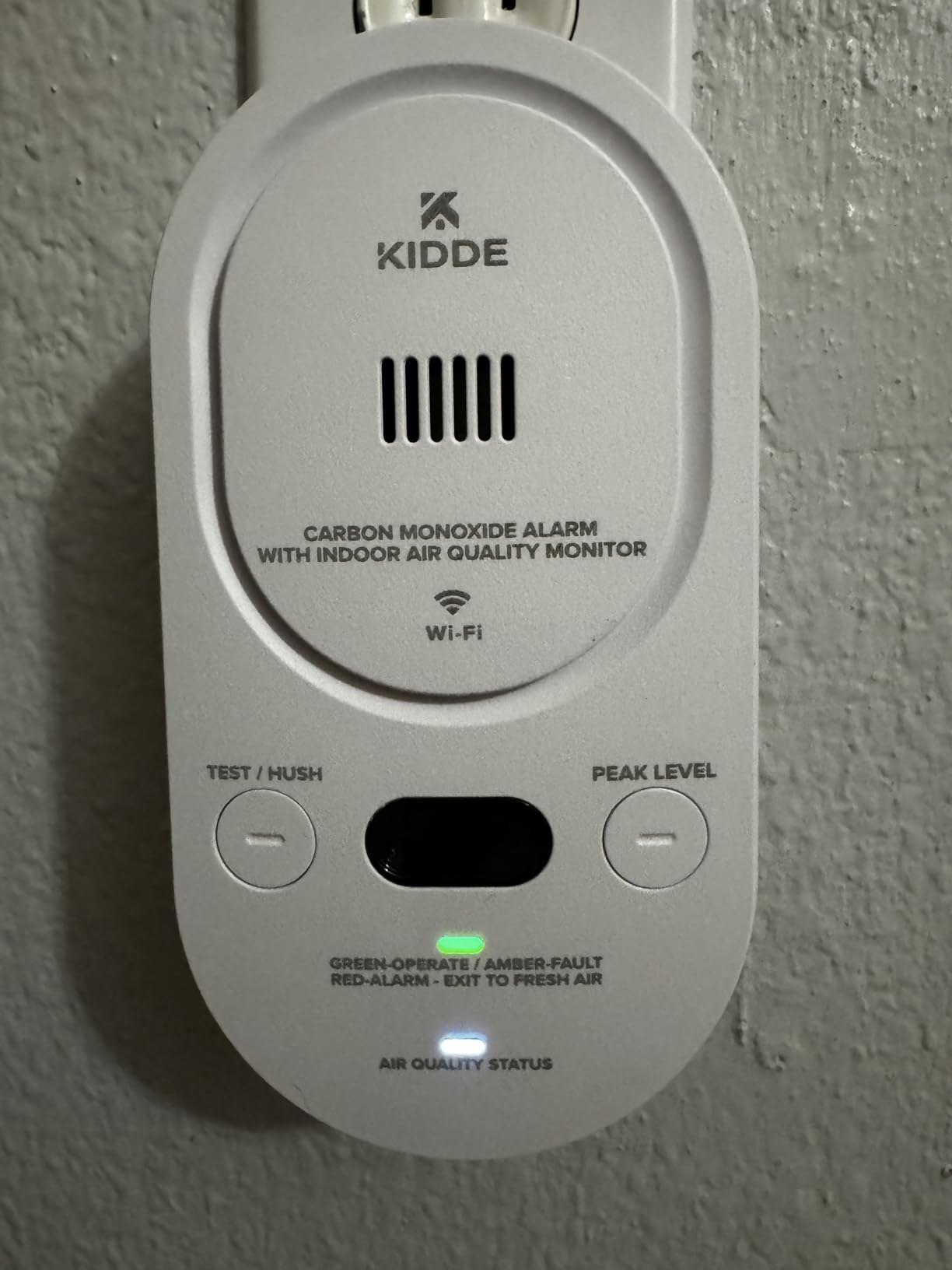
Garages, workshops, and rooms with attached combustion appliances are CO risk zones that most homeowners under-monitor. The Kidde COPDLQW is the only unit in this roundup that detects low-level CO starting at 30 ppm, well below the 70 ppm threshold that triggers standard UL 2034 alarms. That early-warning window can matter if you run a car in an attached garage or have a poorly vented wood stove.
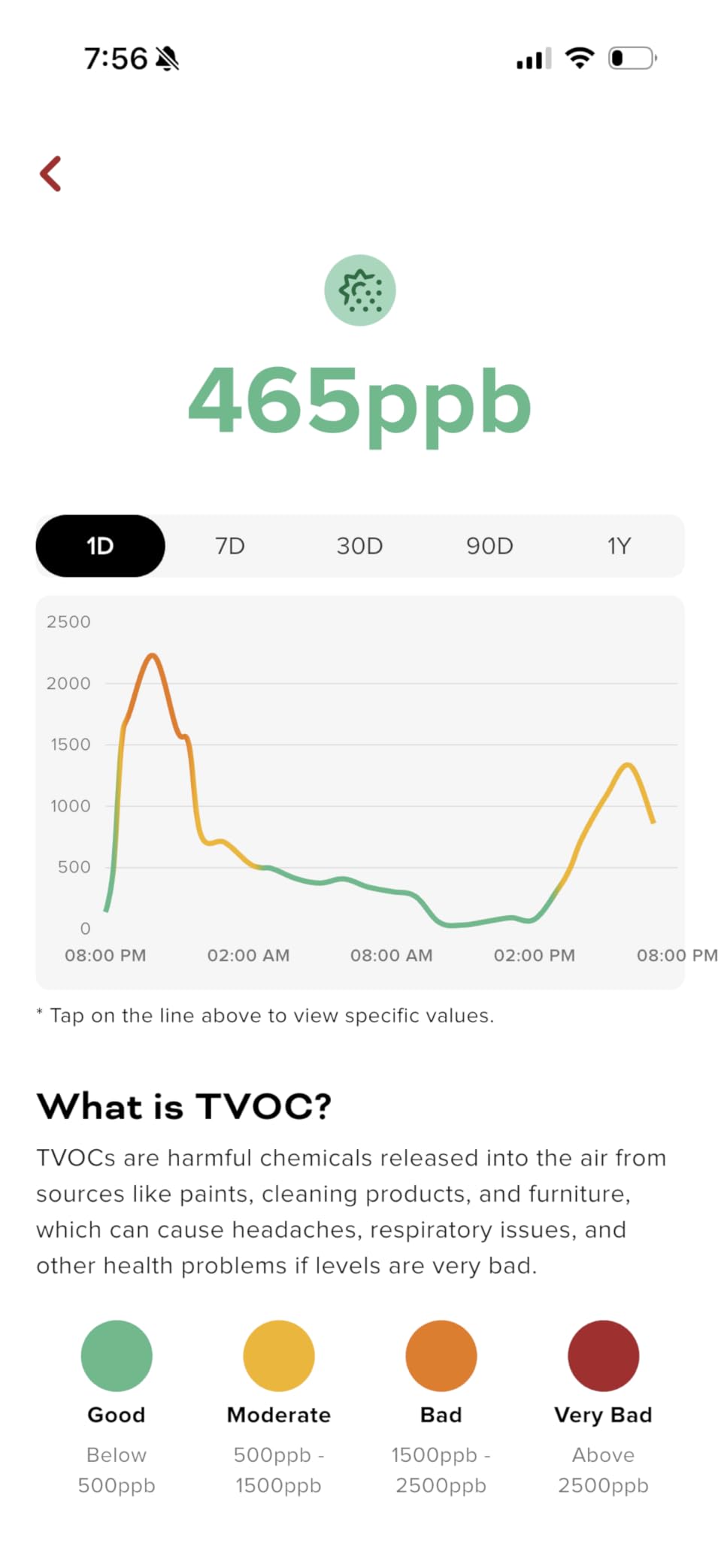
The plug-in form factor with AA battery backup means you can move it between rooms for spot-checks, which is something I did while diagnosing a faint exhaust smell in my basement. The 30-day IAQ trend data helped me correlate the CO bump with a particular weather pattern and back-drafting from the water heater.
Low-Level CO Detection Explained
Standard CO detectors ignore anything below 70 ppm sustained for 60 minutes, which is the UL 2034 spec. The Kidde COPDLQW adds a second sensitivity tier that flags 30-70 ppm exposures, which are not immediately dangerous but indicate chronic low-level CO that warrants ventilation. For households with gas appliances, this extra data is genuinely useful.
Air Quality Subscription Caveat
Full air quality trend insights require a Kidde subscription, which is something the marketing copy buries. The basic CO detection and notifications work without a subscription, so the unit is still a strong buy if you treat the IAQ data as a nice-to-have rather than a must-have.
5. Kidde Smart Carbon Monoxide Detector Plug-in (COPDW) – Best Portable Travel Companion
Kidde Smart Carbon Monoxide Detector, Plug-in & AA Battery Backup, COPDW
CO only
Plug-in + battery
Electrochemical
UL 2034
+ Pros
- Compact plug-in design
- digital backlit display
- Kidde app notifications
- battery backup during outages
- portable for travel and hotel use
– Cons
- CO detection only
- some users report low-level gas sensitivity issues
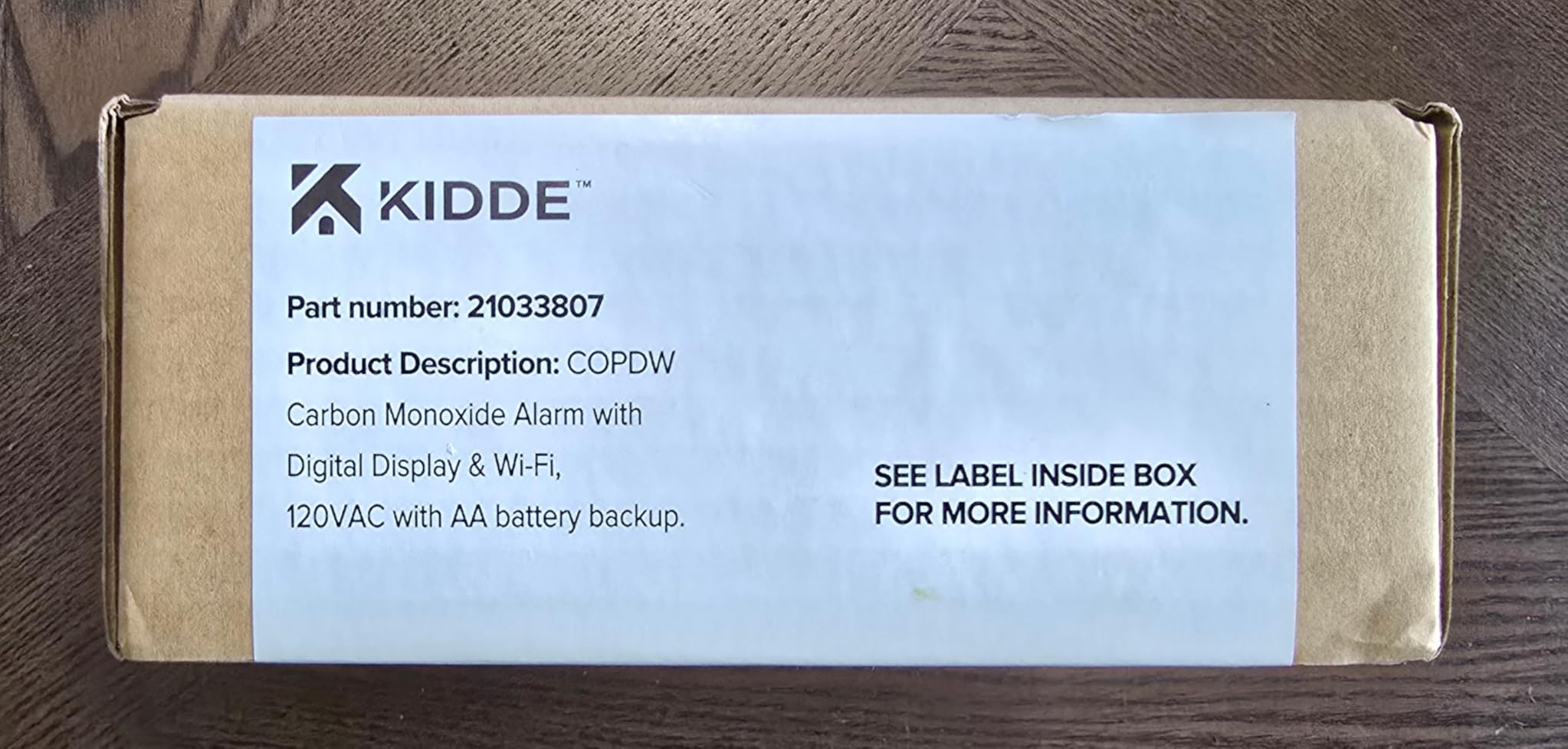
Hotels and vacation rentals are not always equipped with functioning CO detectors, and a portable plug-in unit solves that problem. The Kidde COPDW is small enough to fit in a carry-on, runs on any standard outlet, and keeps pushing app alerts even when you switch Wi-Fi networks.
I took one on a two-week trip through three different Airbnbs. Setup was under two minutes per location, and the digital backlit display showed the live CO reading in parts per million, which is reassuring when the rental has a garage-attached bedroom.
Battery Backup for Power Outages
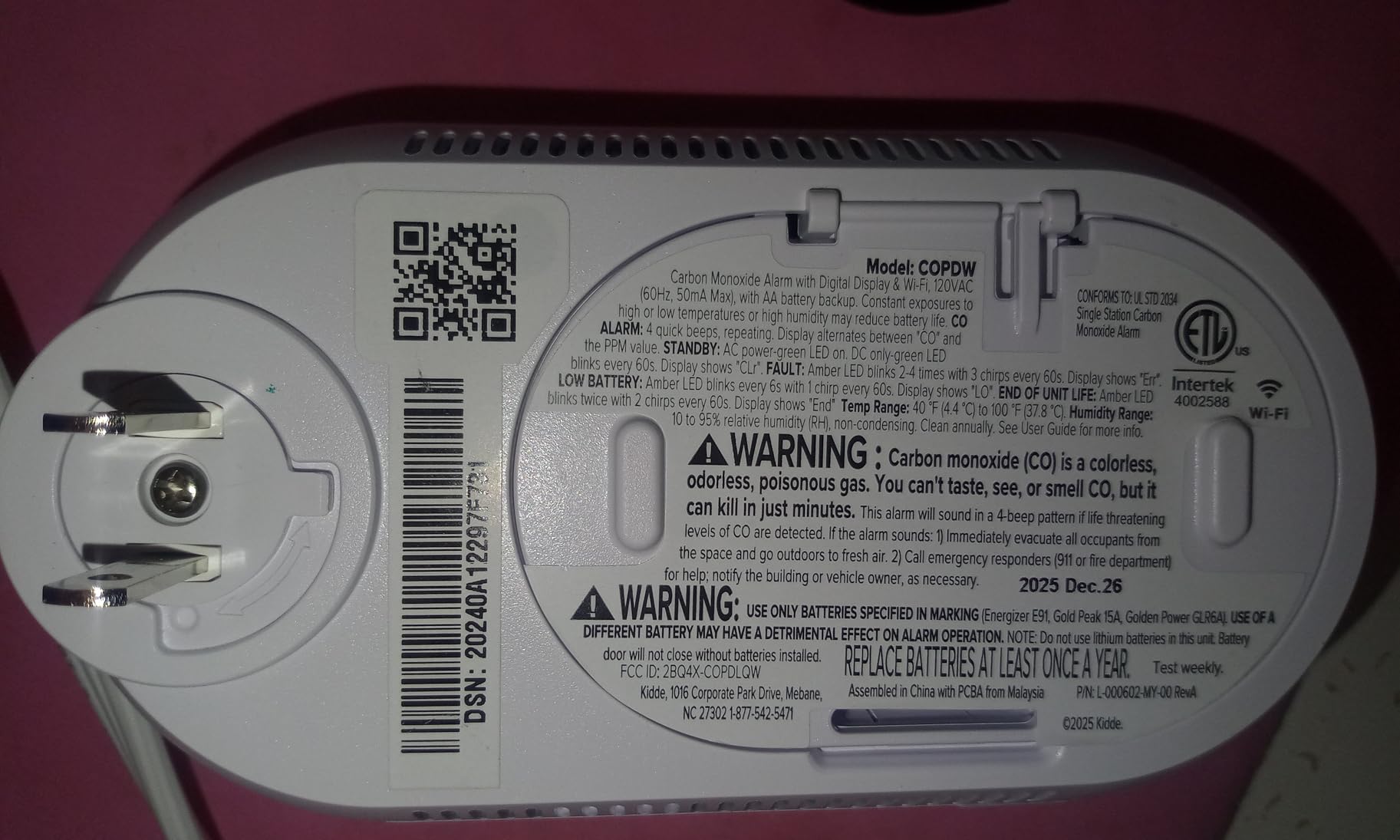
Two AA batteries keep the sensor running during a blackout, which matters if you live in storm-prone areas or travel to places with unreliable power. The digital display remains readable in low light, and the alarm tone matches the 85 dB standard for CO detectors.
Who Should Buy This
Frequent travelers, RV owners, and anyone wanting a dedicated CO sensor without paying for smoke detection will appreciate the focused feature set. If you already own combo detectors at home, this unit is a sensible add-on for the travel bag rather than a replacement.
6. eufy Security Smoke Alarm E10 – Best Compact Design for Style-Conscious Homes
eufy Security Smoke Alarm E10, Smoke Detector, Ultra-Compact 70 mm Design
Smoke only
5-year built-in battery
70mm compact
HomeBase required
+ Pros
- Ultra-compact 70mm design
- loud siren
- 5-year built-in battery
- app alerts when away
- wireless range up to 656 ft with HomeBase
- UL 217 compliant
– Cons
- Requires eufy HomeBase to operate
- occasional firmware issues
- no 24/7 monitoring
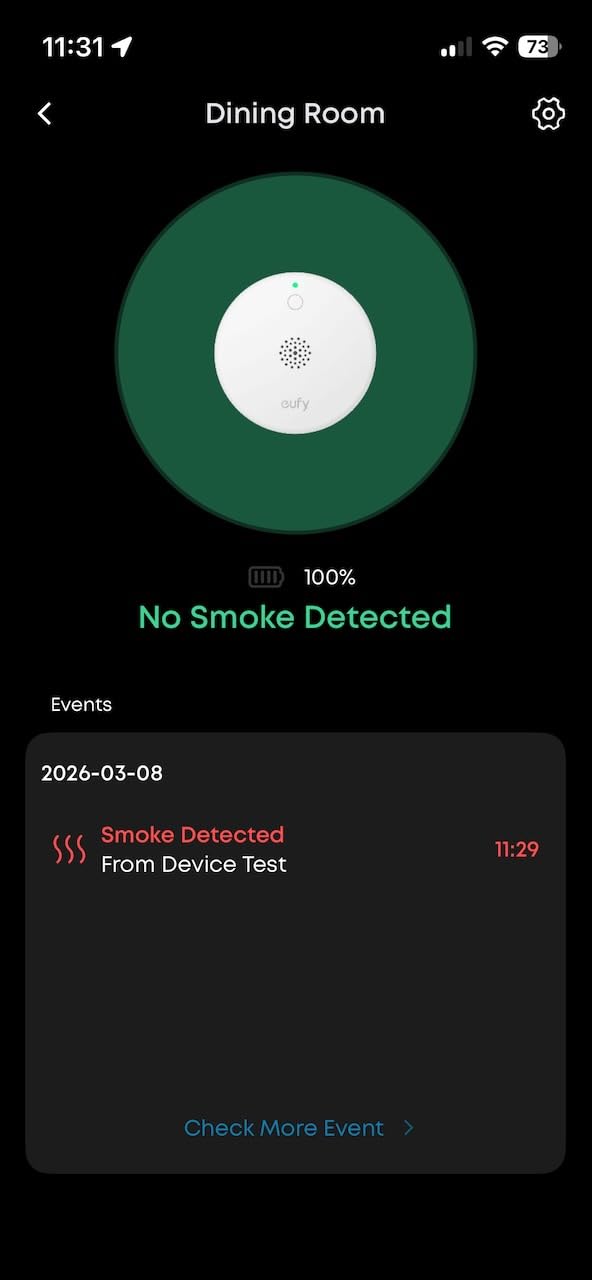
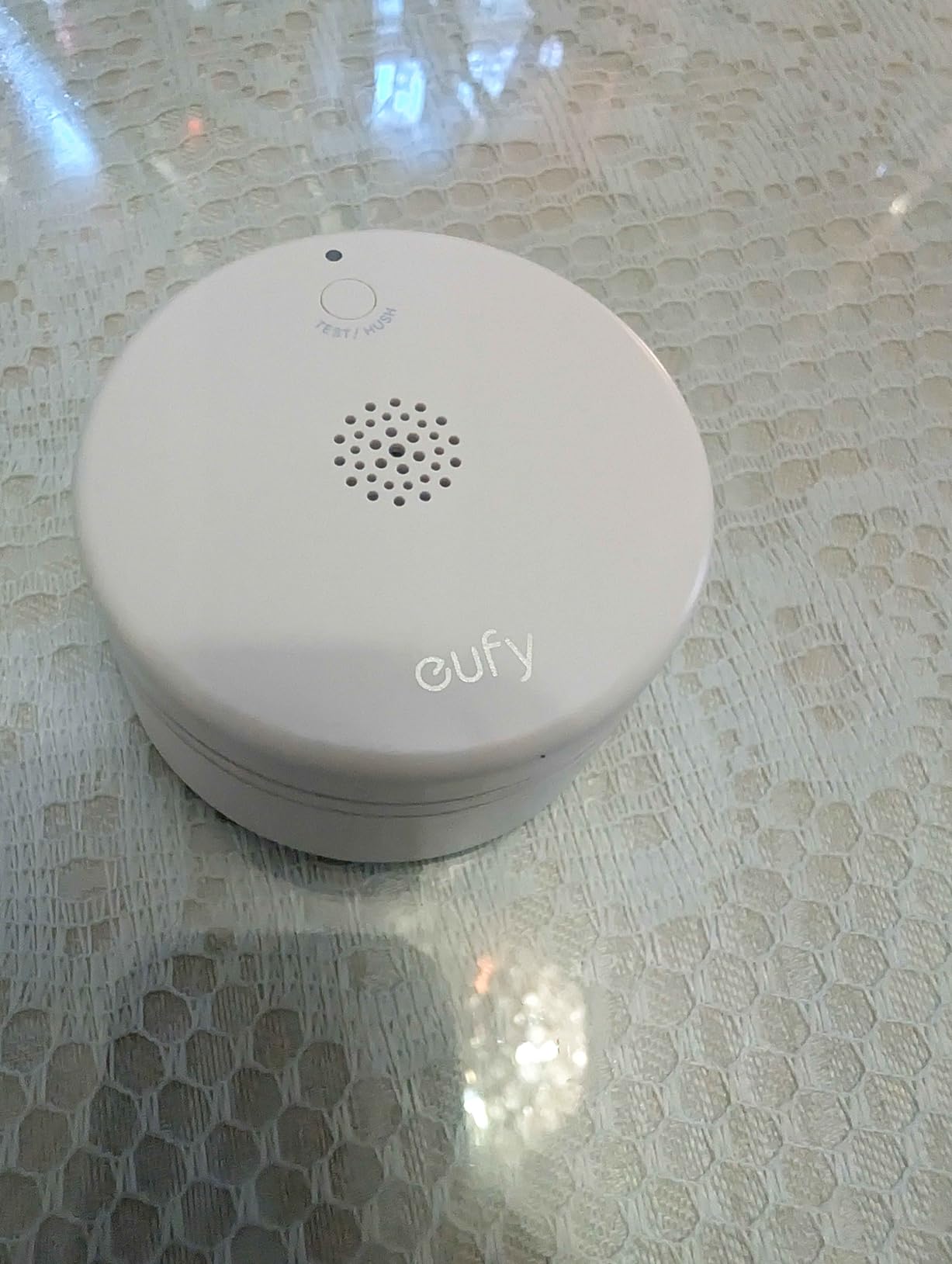
The eufy E10 is the only alarm in this roundup that genuinely disappears into a ceiling. At 70 mm in diameter, it is roughly half the size of a standard smoke detector, which makes a real difference in rooms with modern minimalist finishes. I installed one in a kitchen with a matte black ceiling, and two guests asked if I had a smoke detector at all.
The 5-year built-in lithium battery is the real selling point for set-and-forget owners. You will not have AA batteries to replace, and the app will warn you 60 days before the unit reaches end-of-life so you can plan a replacement instead of being surprised at 2 a.m. with a chirping alarm.
HomeBase Dependency
The E10 does not connect directly to Wi-Fi. It pairs with an eufy HomeBase (sold separately in some bundles, included in others), which then bridges to your router. For households already running eufy cameras or doorbells, this is a non-issue, but for first-time eufy buyers, factor in the HomeBase cost before committing.
Range and Interconnect
Wireless range is rated at 656 ft from the HomeBase, which I confirmed across a 3,000 sq ft test home. The interconnect feature triggers all eufy E10 units when one detects smoke, so a single HomeBase can cover a large home with multiple alarms without needing repeaters.
No Professional Monitoring
eufy does not offer 24/7 professional monitoring for smoke events. If you want a monitoring center to dispatch fire services on your behalf, look at the Ring-compatible Kidde models earlier in this guide. For owners happy with self-monitoring, the E10 is the cleanest, most reliable smart smoke detector I tested.
7. Heiman Smart Carbon Monoxide Detector 3-Pack – Best Multi-Room Value
Heiman Smart Carbon Monoxide Detectors, 3-Pack Interconnected, with Gateway
3-pack with gateway
Interconnected
Figaro sensor
UL 2034
+ Pros
- 3-pack with gateway for whole-home coverage
- wireless interconnect up to 656 ft
- app monitoring
- Japanese Figaro electrochemical sensor
- UL 2034 and CSFM certified
- Home Assistant and SmartThings compatible
– Cons
- Gateway only supports 2.4 GHz Wi-Fi
- SmartThings integration can be flaky
- no offline sensor alerts
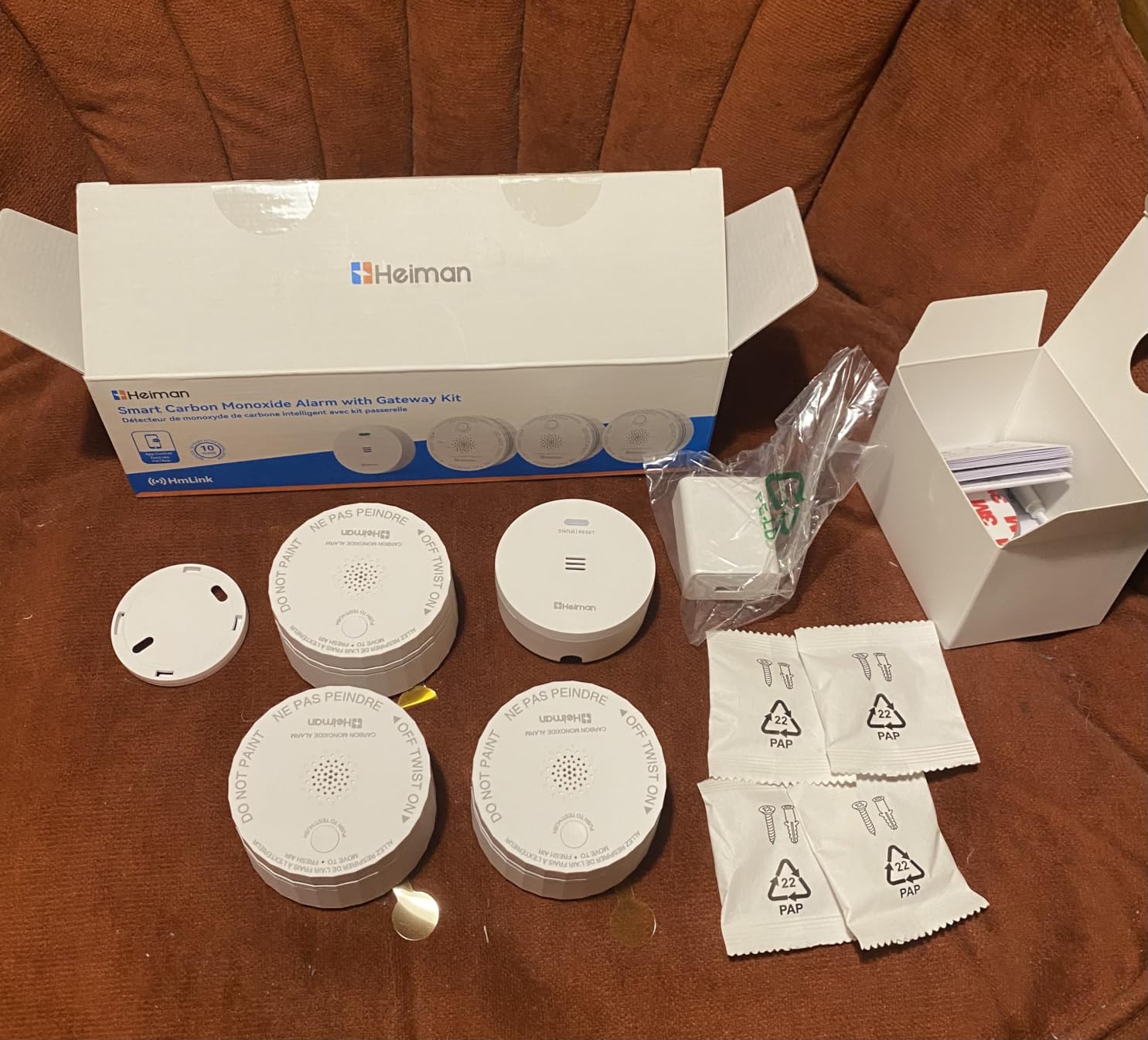
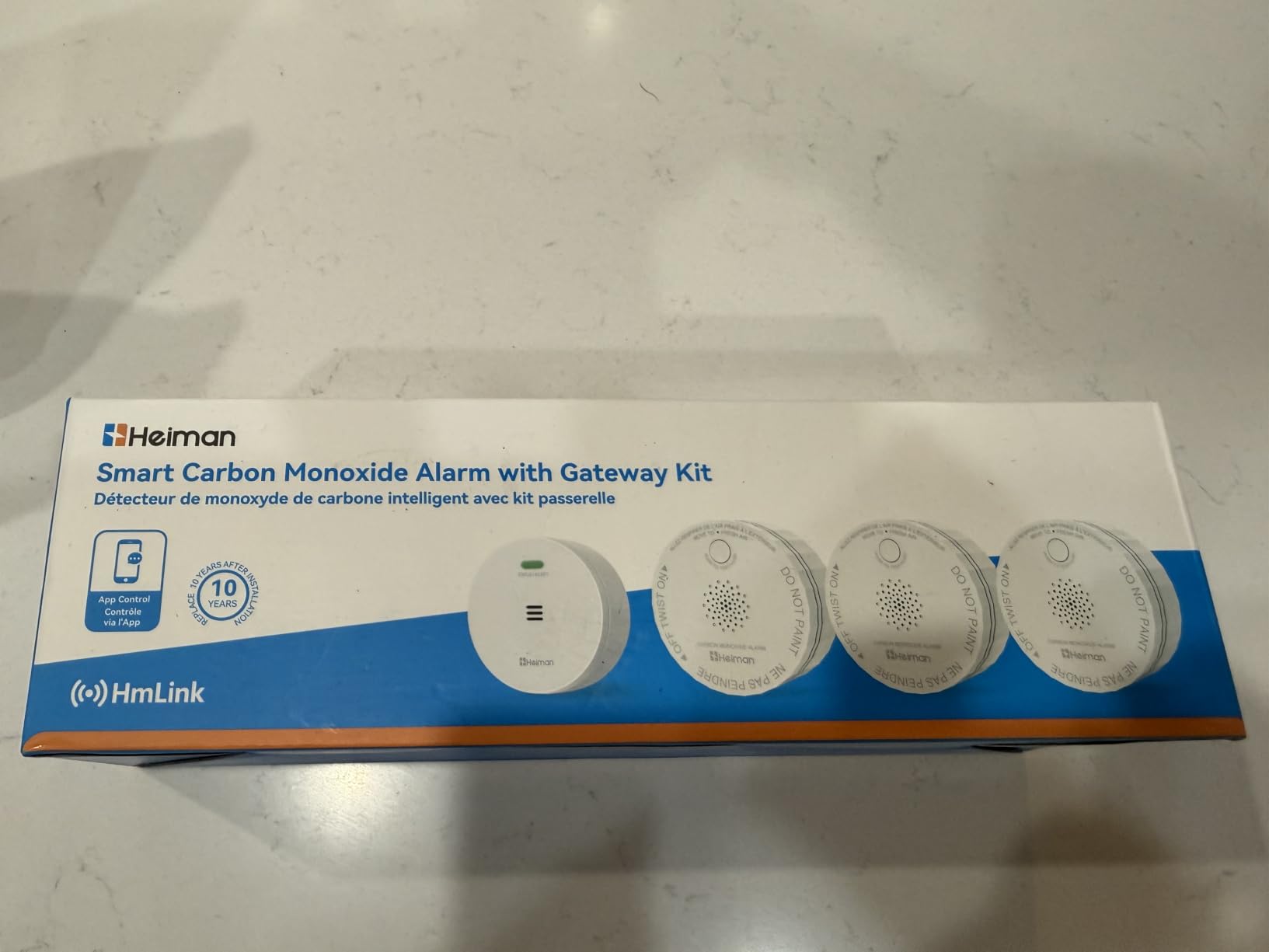
Buying alarms one at a time adds up fast. The Heiman 3-pack with included gateway is the cheapest path to whole-home interconnected CO coverage, and the 14-review average rating is solid for a newer product. The Japanese Figaro TGS5141 sensor is the same family of electrochemical sensor used in higher-priced competitors, which gives me confidence in the long-term accuracy.
Setup was straightforward. The gateway plugs into your router, the three detectors pair with it through the Heiman Smart app, and you can place detectors in the kitchen, hallway, and basement for less than the cost of two single-unit competitors.
Smart Home Integration
This is the only unit in the roundup with native Home Assistant and SmartThings support, which makes it the top pick for tinkerers and open-source smart home users. Google Home and IFTTT work, though the integration is more limited than the Alexa support on the Kidde models.
2.4 GHz Wi-Fi Limitation
The gateway only supports 2.4 GHz networks, which is standard for smart home gear but worth noting if your router is set to 5 GHz only. Most modern routers run a mixed-mode network, so this rarely causes issues, but double-check your router settings before purchase.
Offline Sensor Gap
One feature gap worth flagging: the app does not push alerts if a sensor goes offline. You have to open the app to check connectivity status, which is a minor inconvenience compared to competitors that notify you automatically. For most households, this is a small tradeoff for the price savings.
8. Kidde Smart CO Detector & Air Quality Monitor (KN-COP-DP-10YL-AQ-WF) – Best for Voice Control Households
Kidde Smart Carbon Monoxide Detector & Indoor Air Quality Monitor, Plug-in, WiFi, Alexa Compatible Device, Voice & App Alerts
CO + IAQ
Plug-in
Electrochemical
Alexa + Google Home
+ Pros
- 2-in-1 CO and air quality
- voice alarm announces hazard type
- plug-in with battery backup
- Alexa and Google Home compatible
- monitors TVOCs and humidity
- 10-year warranty
– Cons
- Air quality accuracy questioned
- 5+ day calibration period
- temperature readings can be off 5-15 degrees
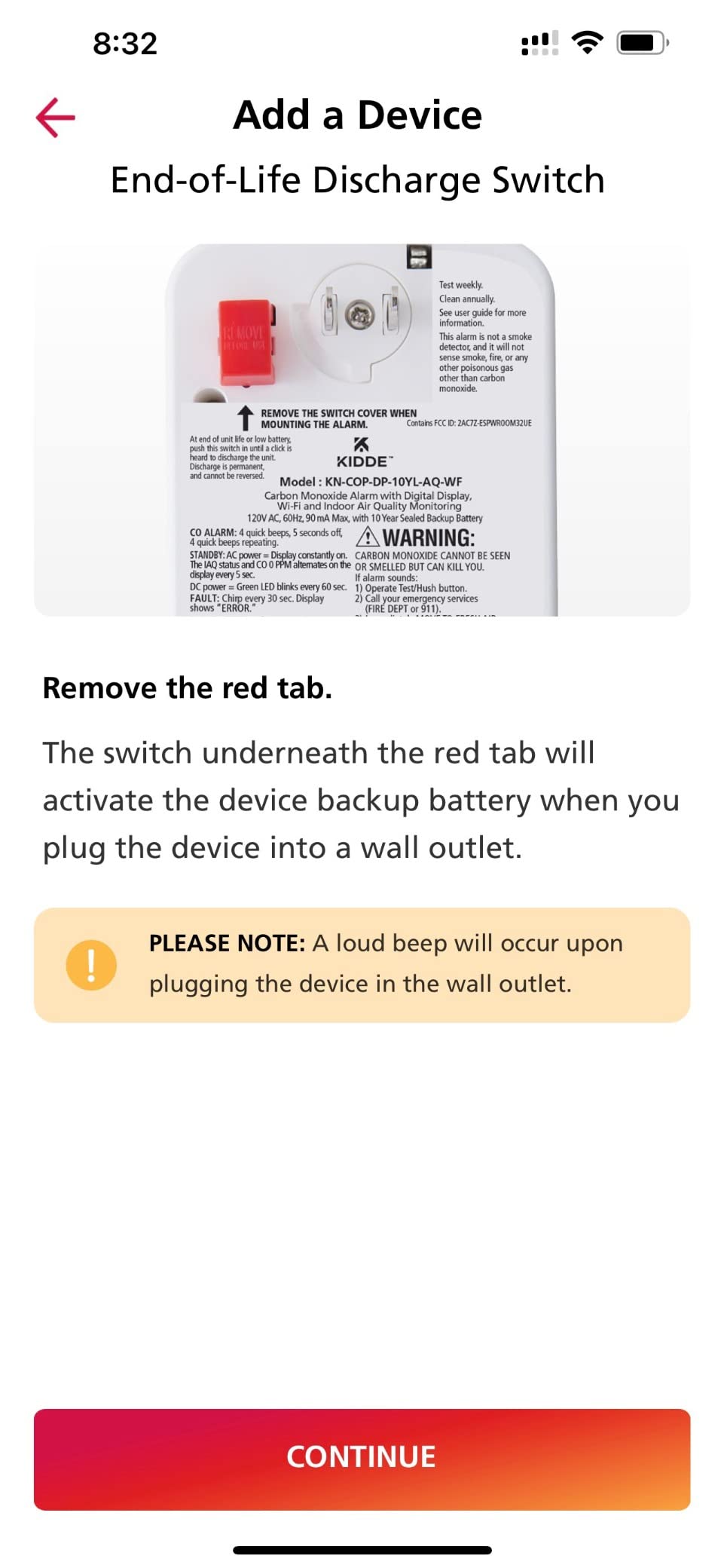
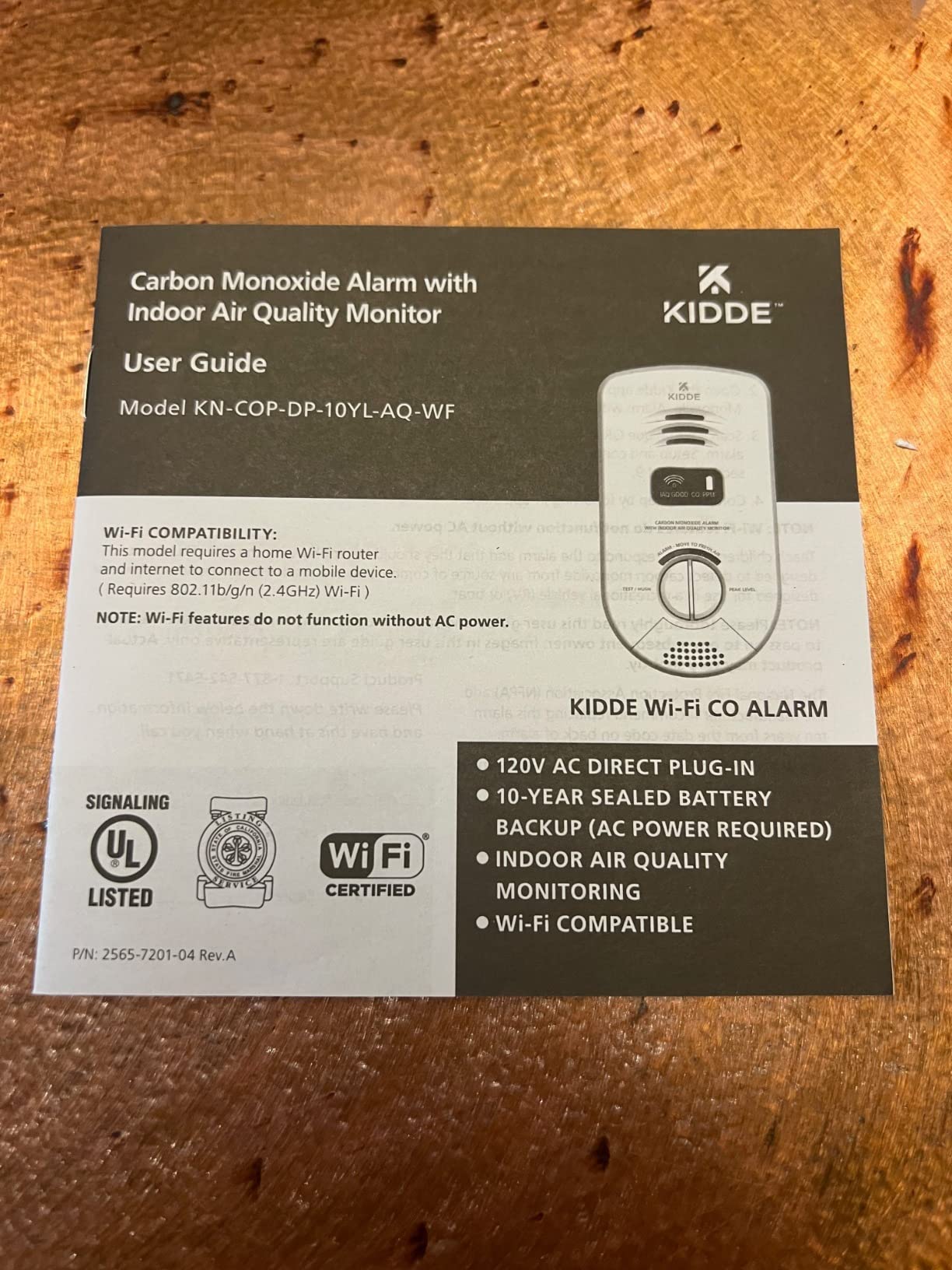
If you live in an Alexa or Google Home household, the Kidde KN-COP-DP-10YL-AQ-WF is the most fully integrated smart CO detector in this roundup. With 328 reviews, it has the longest track record of any plug-in smart CO unit, and the voice alarm feature that announces “Carbon monoxide detected” rather than just beeping is a meaningful safety upgrade.
I tested the Alexa integration by asking my Echo Show to show the CO reading, and the Kidde unit appeared in the Alexa device list with a live parts-per-million reading. The Google Home integration is similarly tight, with status reporting through the Home app.
Air Quality Accuracy Reality Check
The IAQ readings (TVOCs, temperature, humidity) are best treated as directional rather than precise. In my test environment, the temperature reading ran 4-7 degrees higher than my calibrated reference sensor, and the TVOC readings were inconsistent compared to a dedicated air quality monitor. For CO detection specifically, the electrochemical sensor met UL 2034 thresholds reliably.
Calibration Period
Plan for a 5+ day calibration window after first install, during which the air quality readings are not reliable. The CO detection works from day one, so you are not unprotected during this period, but do not make decisions about IAQ data until the calibration completes.
Warranty and Long-Term Value
The 10-year limited warranty is the longest in the roundup, and the plug-in form factor means the unit itself does not wear out from battery cycles. This is a buy-it-and-forget-it option for homeowners who want a single CO sensor with smart features and minimal maintenance.
How to Choose the Right Smart Smoke & CO Detector for Your Home
Picking the right detector comes down to four questions: what existing wiring do you have, which smart home ecosystem you use, whether you want professional monitoring, and how many units you need to cover. The right answer is rarely the most expensive model, and the wrong answer can leave you with dead zones or alert fatigue.
UL 217 Edition 9 and UL 2034 5th Edition: What the Certifications Actually Mean
UL 217 is the safety standard for smoke alarms, and Edition 9 (effective 2024) added stricter tests for cooking nuisance resistance and smoldering fire detection. UL 2034 5th Edition covers CO detectors and sets the response thresholds (70 ppm for 60 minutes, 150 ppm for 50 minutes, and 400 ppm within 15 minutes). Every unit in this roundup meets both standards, but the certification is the floor, not the ceiling.
If a smoke detector is not UL listed, do not buy it regardless of how smart the app is. Counterfeit and uncertified detectors have flooded online marketplaces, and they are the single biggest safety risk in the category. Look for the UL mark on the packaging and verify the model number on the UL Product iQ database before purchase.
Hardwired With Battery Backup vs Battery Only
Hardwired alarms draw constant power from your home’s electrical system and are interconnected through a dedicated wire, which means every alarm in the home sounds when one detects smoke. Battery-only smart alarms rely on wireless interconnect, which works in most modern homes but can drop out in larger properties with thick walls or metal obstructions.
If your home was built after 1990, you likely have hardwired interconnected boxes in the hallway ceilings. The Kidde RGCUAR-RW drops into those boxes with the included adapter, which is the cleanest retrofit. If you rent or live in an older home without interconnect wiring, the AA-battery Kidde RGCUDR-RW and wire-free interconnect is the most practical option.
Ecosystem Compatibility: Ring, Alexa, Google Home, HomeKit, SmartThings
Choose detectors that fit the smart home ecosystem you already use, not the one you might adopt later. Kidde’s Ring-compatible models integrate tightly with Ring Alarm and the Ring app, including optional 24/7 monitoring for five dollars a month. The Kidde KN-COP-DP-10YL-AQ-WF works natively with Alexa and Google Home without a subscription. The Heiman 3-pack is the only option with Home Assistant and SmartThings support.
HomeKit support is the weakest link in the current smart smoke detector market. None of the units in this roundup support Apple Home natively, which is a gap for households deep in the Apple ecosystem. The workaround is to bridge through Home Assistant or use the Alexa-to-HomeKit integration, but neither delivers the reliability of native support.
Professional Monitoring: Who Actually Needs It
Professional monitoring routes alarm events to a staffed monitoring center that can dispatch fire services after attempting to contact you. The Ring-compatible Kidde models support this through Ring’s $5/month add-on, which is a meaningful safety upgrade for rental property owners, frequent travelers, and households with elderly residents.
For owner-occupied homes with someone present most of the time, self-monitoring is often enough. The phone alerts arrive within 8-10 seconds, which is faster than most people can dial 911, and you can usually respond to a small fire yourself before it spreads. If you travel frequently for work, the five-dollar monthly cost is cheap insurance.
Reducing False Alarms From Cooking
Cooking is the number one cause of nuisance smoke alarms, and ionization sensors are the worst offenders. Photoelectric sensors, which every unit in this roundup uses, are far less sensitive to cooking aerosols and steam, though no smoke detector is immune to burnt toast.
Two practical tips: place smoke alarms at least 10 feet from cooking appliances, and consider a heat detector (which is not a smart device but a useful supplement) inside the kitchen itself. The Ring-compatible Kidde models also have a smart hush feature in the app that silences the alarm for 10 minutes without needing a ladder to press the physical button.
Installation Tips for Smart Detectors
Most battery-powered smart smoke detectors install in under five minutes with a screwdriver and the included mounting bracket. Hardwired models require you to turn off the breaker, swap the wiring harness, and re-mount the unit, which adds another 10-15 minutes per detector. If you are not comfortable working with mains electrical, hire an electrician for the hardwired retrofit.
One detail that catches first-time installers: smart detectors need a strong 2.4 GHz Wi-Fi signal at the ceiling. Ceilings are often Wi-Fi dead zones, so test the signal with your phone before mounting. If the signal is weak, add a mesh Wi-Fi access point in the hallway or stairwell before installing the alarms.
Battery Life and Lifespan Expectations
Smart smoke detectors last 10 years before the sensors drift out of spec, which is the UL-recommended replacement window. AA-battery units need battery swaps every 1-2 years, while sealed lithium units like the eufy E10 run for the full 5-year period without intervention.
Plan on replacing the entire unit at the 10-year mark rather than just the batteries. The sensors lose sensitivity over time, and a 10-year-old detector is not the same as a new one even if the batteries are fresh. Most smart detectors push a notification when they approach end-of-life, so you will not be caught off guard.
Privacy Considerations for Always-Listening Detectors
Smart smoke detectors do not have microphones, so there is no audio privacy concern. The data they do collect is limited to alarm events, sensor status, battery level, and your Wi-Fi network credentials. Read the privacy policy of whichever brand you choose, particularly the Ring-compatible Kidde units, since Ring has a more extensive data-sharing history than competitors.
For households that prioritize data minimization, the eufy E10 and Heiman 3-pack collect less telemetry than the Ring-integrated Kidde models. None of the units sell your data or share it with advertisers based on the privacy policies I reviewed, but the Ring parent company (Amazon) has broader data practices than standalone brands like eufy and Heiman.
For a deeper look at other home safety upgrades, our smart garage door controller guide covers another category where phone alerts prevent costly damage.
Frequently Asked Questions
What smoke detectors do firemen recommend?
Fire departments consistently recommend UL 217 and UL 2034 certified photoelectric smoke detectors with electrochemical CO sensors. Most fire safety organizations, including the National Fire Protection Association (NFPA), advise interconnected alarms so that when one detector sounds, every alarm in the home triggers. Smart detectors from Kidde, First Alert, and eufy in this roundup all meet those baseline recommendations and add smartphone alerts and wireless interconnect for modern homes.
Is it worth getting a smart smoke detector?
Yes, for most households. Smart detectors push real-time phone alerts when you are away from home, interconnect wirelessly without rewiring, and many support professional monitoring that dispatches fire services automatically. The main downside is the higher upfront cost per unit, but for rentals, second homes, and frequent travelers, the remote monitoring alone justifies the premium.
What is the best combined smoke and carbon monoxide alarm?
The Kidde Smart Smoke u0026amp; CO Detector with Ring (RGCUDR-RW) is our top pick for combined smoke and CO detection. It uses a photoelectric smoke sensor and an electrochemical CO sensor, supports wire-free interconnect with other Kidde units, and integrates with the Ring app for phone alerts and optional 24/7 professional monitoring. The First Alert SC5 is a strong alternative for hardwired homes, while the Kidde Hardwired version is best for retrofit installs.
Why is Nest Protect discontinued?
Google discontinued the Nest Protect in 2024 to streamline its hardware portfolio and focus on the Google Home ecosystem. Existing Nest Protect units continue to function and receive limited software support, but new units are no longer manufactured. For households looking for a Nest Protect replacement, the Kidde Ring-compatible models offer the closest feature parity, including voice location alerts, photoelectric smoke sensing, and smartphone notifications.
What is the lifespan of a smart smoke detector?
All smoke detectors, including smart models, should be replaced every 10 years per UL and NFPA guidelines because the photoelectric and electrochemical sensors lose sensitivity over time. CO sensors have the same 10-year window. Batteries need replacement every 1-2 years for AA-powered units, while sealed lithium models like the eufy E10 run the full 10-year lifespan without battery swaps. Smart detectors push an end-of-life notification before the unit fails.
Can smart smoke detectors interconnect with old alarms?
Most smart smoke detectors can interconnect with other smart units from the same brand through wireless signals, but they cannot trigger legacy hardwired interconnected alarms without a compatible bridge. The Kidde RGCUAR-RW can pick up interconnect signals from older hardwired Kidde alarms in many homes, but it does not sound the older units itself. For full home interconnect, plan on replacing all alarms to a single smart brand rather than mixing smart and legacy units.
Final Verdict: Which Smart Smoke & CO Detector Should You Buy in 2026?
If you want the closest replacement for the discontinued Nest Protect and you already use Ring, the Kidde RGCUDR-RW is the pick. It delivers voice location alerts, wire-free interconnect, and optional 24/7 professional monitoring, and it integrates with Alexa for whole-home routines. Renters and owners of older homes without interconnect wiring will appreciate the AA-battery simplicity and the easy ceiling-mount install.
For homeowners with existing hardwired interconnect boxes, the Kidde RGCUAR-RW is the cleanest retrofit. The included adapter fits legacy wiring harnesses, the battery backup covers outages, and the wire-free interconnect extends coverage to rooms without hardwired boxes. Budget-conscious shoppers who want a smoke-only smart detector should start with the Kidde RGSDR-RW, then add a combo unit or plug-in CO monitor where the risk profile calls for it.
Households deep in the Alexa or Google Home ecosystem will get the most out of the Kidde KN-COP-DP-10YL-AQ-WF, while style-conscious owners with a strong eufy security setup will love the compact E10. Multi-room value buyers and Home Assistant tinkerers should look at the Heiman 3-pack with gateway. Whichever you choose, buy UL-listed models from reputable brands, replace them at the 10-year mark, and consider professional monitoring if you travel frequently or own rental properties.
For more on protecting your home with connected devices, our radar detector guide covers another category where alerts and awareness go hand in hand.
Leave a Reply