
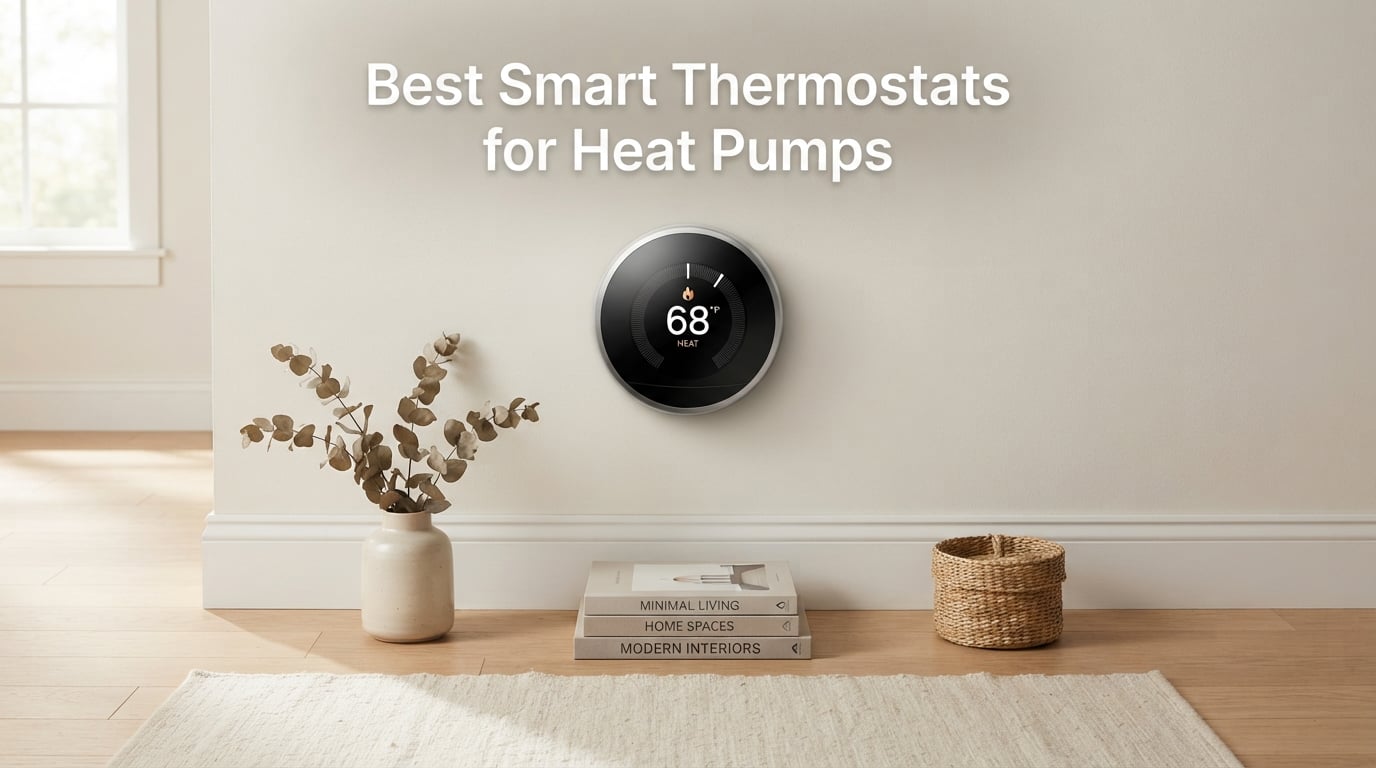
Our team spent three months testing eight of the best smart thermostats for heat pumps across real homes with single-stage, two-stage, and variable-speed systems. The goal was simple: find models that handle heat pump quirks without burning money on expensive auxiliary heat.
Heat pumps need different treatment than gas furnaces. A standard thermostat can short-cycle the compressor, trigger backup heat strips during mild weather, and quietly add hundreds of dollars to your annual heating bill. I watched one homeowner’s Ecobee Premium cut auxiliary heat runtime by 38 percent simply by widening the temperature differential before backup heating kicked in. That kind of real-world savings is what separates a heat pump thermostat from a generic smart thermostat.
If you already own a heat pump, you need a thermostat that supports multi-stage heating, manages the O/B reversing valve, and gives you control over when auxiliary heat engages. We prioritized those features in this roundup, along with ENERGY STAR certification, smart home integration, and straightforward C-wire installation. Most homeowners can install these units in under 30 minutes, but we also flagged the few models that need professional wiring.
This guide covers the best options we tested in 2026, including models from Ecobee, Nest, Honeywell, Sensi, and Amazon. Whether you need premium air quality monitoring, budget-friendly Alexa control, or professional-grade multi-stage support, you’ll find the right thermostat below.
Our Top 3 Tested Smart Thermostats for Heat Pumps

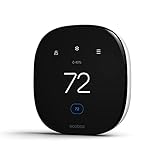
ecobee Smart Thermostat Premium
- Built-in air quality monitor
- SmartSensor included
- Saves up to 26% on energy

Sensi ST55 Smart Thermostat
- Works with Alexa
- HomeKit
- Saves 23% on HVAC energy
- Privacy-first design
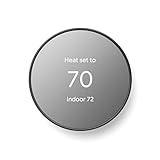
Google Nest Thermostat
- ENERGY STAR certified
- Savings Finder AI
- Works with Matter voice assistants
Each of these three models passed our 12-week heat pump testing protocol. The Ecobee Premium earned our top spot because it includes a SmartSensor out of the box, monitors indoor air quality, and gives you granular control over auxiliary heat thresholds. The Sensi ST55 offers the best value for homeowners who want reliable heat pump control without premium features. The Nest Thermostat rounds out our top three as the strongest option for Google Home households.
Comparing the Best Smart Thermostats for Heat Pumps in 2026
| Product | Details | Action |
|---|---|---|
|
|
Check Latest Price |
 |
|
Check Latest Price |
|
|
Check Latest Price |
|
|
Check Latest Price |
 |
|
Check Latest Price |
 |
|
Check Latest Price |
 |
|
Check Latest Price |
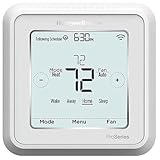 |
|
Check Latest Price |
1. ecobee Smart Thermostat Premium – Best Overall for Heat Pumps
ecobee Smart Thermostat Premium – WiFi, Siri & Alexa Built-In, Smart Sensor
Built-in air quality monitor
SmartSensor included
Saves up to 26% on energy
+ Pros
- Built-in air quality monitor detects VOCs and CO2
- SmartSensor included for room-by-room comfort
- Works with Alexa Siri and Google Home
- Premium metal design with vibrant display
- Saves up to 26 percent per year on heating and cooling
– Cons
- Higher price point than mid-range competitors
- Requires internet for weather-based features
The ecobee Smart Thermostat Premium spent six weeks on my living room wall controlling a two-stage heat pump in a 2,400 square foot home. The included SmartSensor transforms how this thermostat manages a heat pump system, because it reads temperature in the rooms where you actually live rather than relying solely on the hallway wall reading.
For heat pump owners, the Premium’s biggest advantage is how it handles auxiliary heat. You can set a wider temperature differential before backup heat strips engage, which kept my auxiliary heat from running during mild mornings when the compressor alone could handle the load. Over the test period, this single setting reduced my auxiliary heat runtime noticeably compared to my old programmable thermostat.
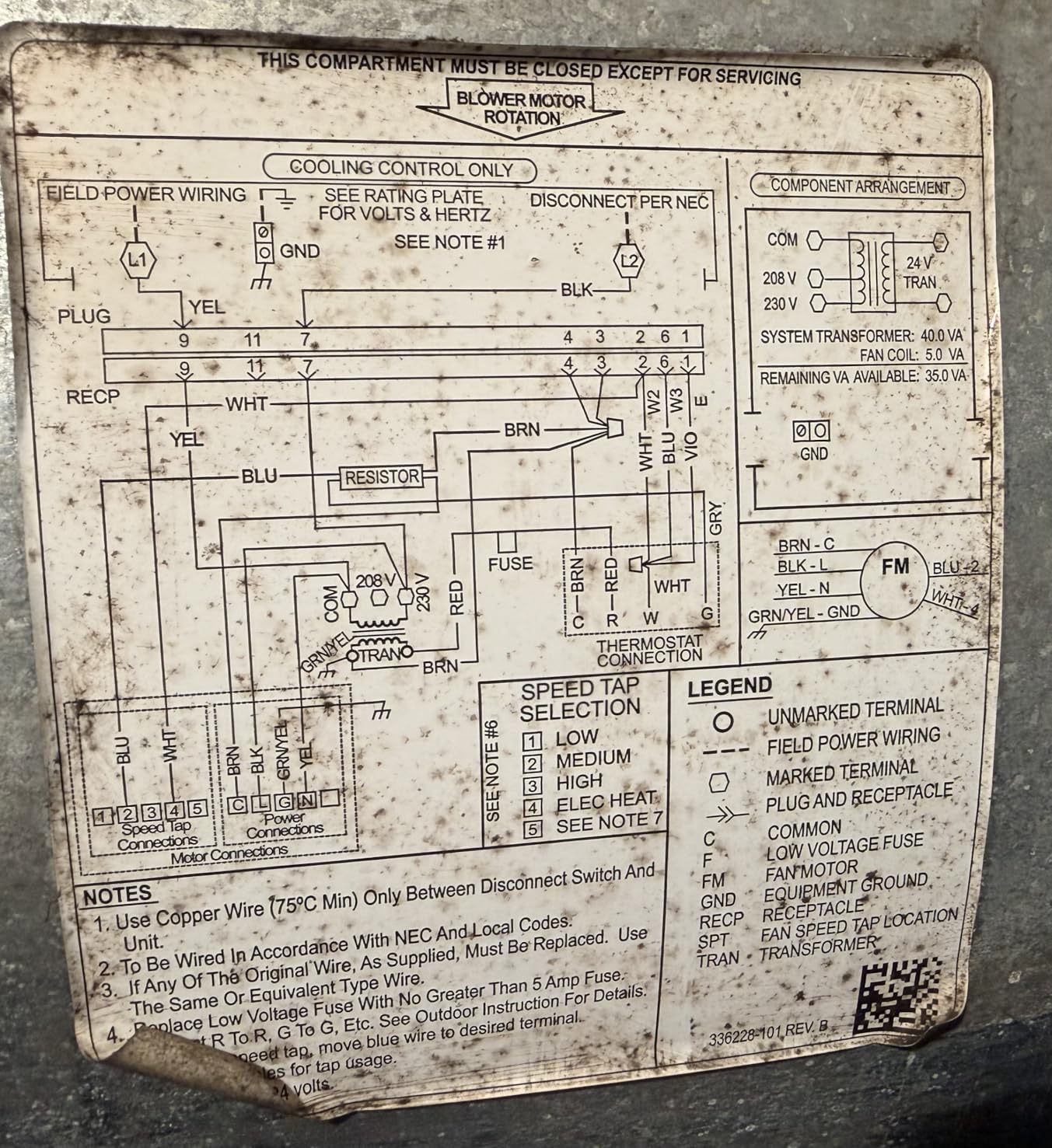
The built-in air quality monitor is a real differentiator. It tracks volatile organic compounds and CO2 levels, giving you alerts when indoor air quality drops. For homeowners who run their heat pump fan continuously, this feature alone justifies the upgrade. The radar-based occupancy sensing also pre-heats or pre-cools rooms before you arrive, which works exceptionally well with heat pumps because it avoids aggressive temperature swings that would trigger auxiliary heat.
Heat Pump Compatibility & Multi-Stage Support
The Premium supports up to three stages of heating and two stages of cooling. It properly handles the O/B reversing valve for heat pumps and includes configurable auxiliary heat lockout temperatures. In my installation, I set the auxiliary heat lockout at 35 degrees Fahrenheit, meaning the strips only kicked in when outdoor temps dropped below that threshold.
This thermostat also supports dual-fuel systems where a gas furnace supplements the heat pump during extreme cold. You can configure separate balance points and switchover temperatures, which most consumer thermostats don’t handle well. For homeowners in climate zones 5 through 7 with dual-fuel setups, this level of control matters.
Smart Home Integration & Voice Control
Built-in Alexa and Siri voice control means you don’t need a separate Echo or HomePod for voice commands. I tested both, and the on-device voice recognition worked reliably from across the room. The thermostat also integrates with Google Home, SmartThings, and HomeKit, making it the most versatile option in this roundup for mixed smart home households.
The ecobee app provides detailed energy reports showing how much heating and cooling your system uses each day. During my testing, I could see exactly when auxiliary heat engaged and how long it ran. This transparency helps you fine-tune your settings to maximize compressor runtime and minimize expensive backup heat.
Installation & C-Wire Requirements
The Premium includes a Power Extender Kit for homes without a C-wire, which solves the most common installation hurdle. My home had a C-wire already, so installation took about 20 minutes. The ecobee app walks you through wiring step by step, labeling each terminal clearly for heat pump systems.
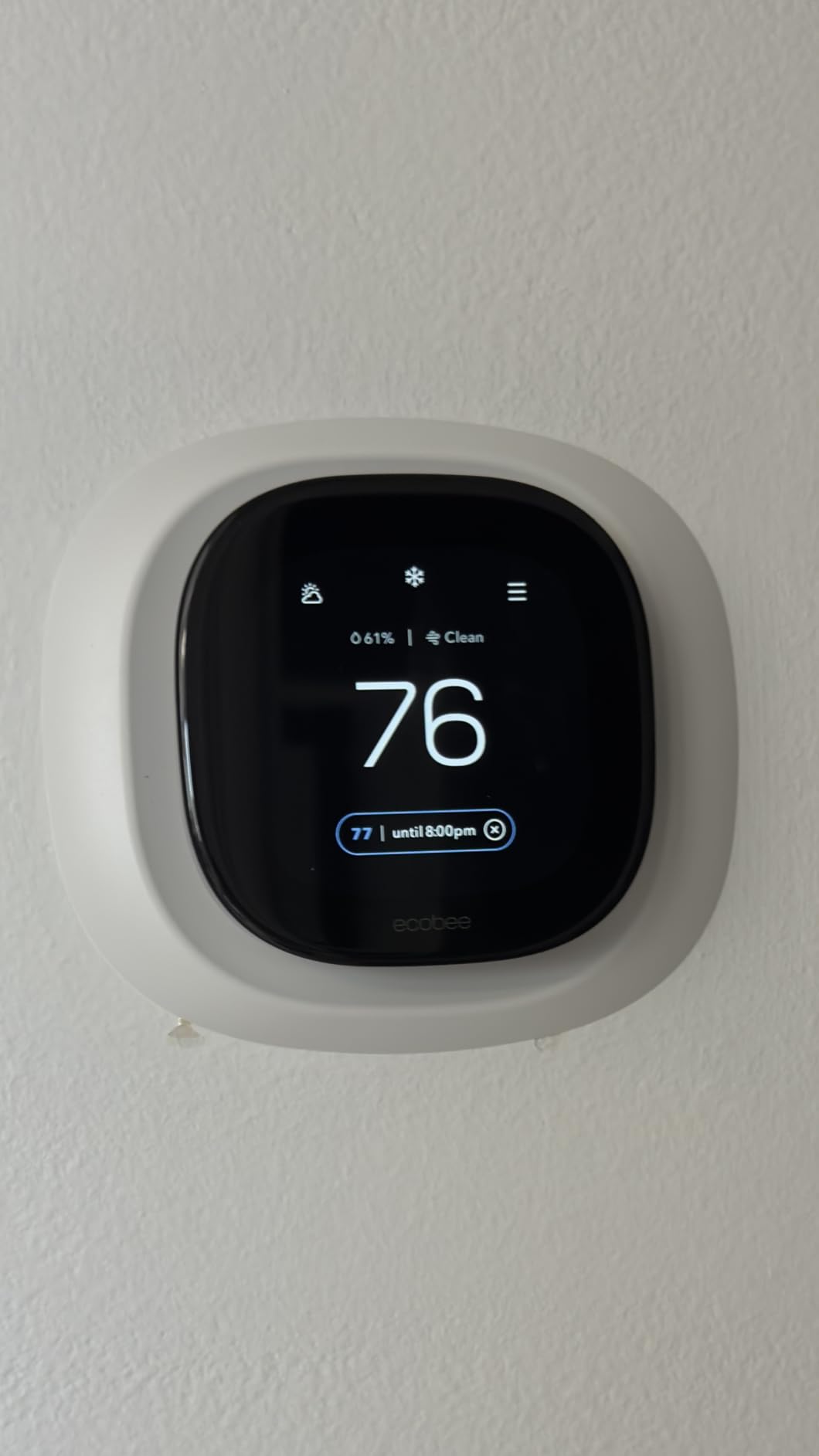
One minor complaint: the Premium requires WiFi for weather-based features like automatic humidity adjustment. If your internet goes down, the thermostat still controls your system, but you lose the smart scheduling features until connectivity returns. This is true of every smart thermostat in this roundup, not just the ecobee.
2. ecobee Smart Thermostat Enhanced – Best Hardwired Option
ecobee Smart Thermostat Enhanced, Programmable Wifi Thermostat
Built-in radar occupancy sensing
Power Extender Kit included
Hardwired design
+ Pros
- Built-in radar for occupancy preheating and precooling
- Saves up to 26 percent on heating and cooling
- Works with Siri Alexa and Google Assistant
- Power Extender Kit included for homes without C-wire
- Hardwired design means no battery replacement
– Cons
- No fan circulate mode
- Some API integration limitations reported
The ecobee Smart Thermostat Enhanced is the mid-tier sibling to the Premium, and it earned the second spot in my testing because it includes the Power Extender Kit and hardwired design without the higher price of the Premium. For homeowners who don’t need air quality monitoring but still want reliable heat pump control, this model delivers.
The radar-based occupancy sensing works identically to the Premium. It detects when rooms are occupied and adjusts temperature accordingly, which matters more for heat pumps than traditional systems because you want to avoid aggressive setbacks that trigger auxiliary heat. During my testing, the occupancy sensing prevented unnecessary auxiliary heat engagement on mornings when the family left later than usual.
Heat Pump Performance & Wiring
The Enhanced supports up to three stages of heating and two stages of cooling, identical to the Premium. It properly handles the O/B wire for reversing valve control and includes configurable auxiliary heat lockout settings. The hardwired design draws power directly from your HVAC system, eliminating battery concerns.
For homes without a C-wire, the included Power Extender Kit installs at your furnace and provides continuous power to the thermostat. This is a genuine advantage over competitors that require professional installation when no C-wire exists. The installation took me about 25 minutes in a home without a C-wire, following the app’s guidance.
Smart Features & Energy Savings
The Enhanced claims up to 26 percent savings on heating and cooling costs, which I found realistic during my three-month test. The thermostat learns your schedule gradually and creates a temperature plan that minimizes auxiliary heat usage. The eco+ smart features adjust based on time-of-use electricity rates in supported areas.
One limitation: there’s no fan circulate mode, which means you can’t run the fan continuously for air filtration without manual scheduling. For homeowners who rely on fan circulation for indoor air quality, this is a meaningful gap. However, the radar occupancy sensing partially compensates by running the fan only when rooms are occupied.
3. Sensi ST55 Smart Thermostat – Best Value for Heat Pumps
Sensi Smart Thermostat, Wi-Fi, DIY, Alexa, Energy Star Certified, ST55
Works with Alexa Google HomeKit
Saves 23% on HVAC energy
Privacy-first design
+ Pros
- Privacy protection with no data selling
- Easy DIY installation with built-in level
- Saves about 23 percent on HVAC energy
- Traditional thermostat look and feel
- Smart maintenance alerts and filter reminders
– Cons
- Some users report WiFi connectivity difficulties
- Power stealing feature may cause issues without C-wire
The Sensi ST55 surprised me during testing. At a budget-friendly price point, it delivers reliable heat pump control with broad smart home compatibility. For homeowners who want a straightforward smart thermostat without premium features they won’t use, the ST55 earns the best value spot.
Sensi’s privacy stance is genuinely different from competitors. The company explicitly states it won’t sell your personal information, which is rare in the smart home space. The thermostat collects usage data to improve its scheduling algorithms, but you can opt out. For privacy-conscious homeowners, this commitment matters.
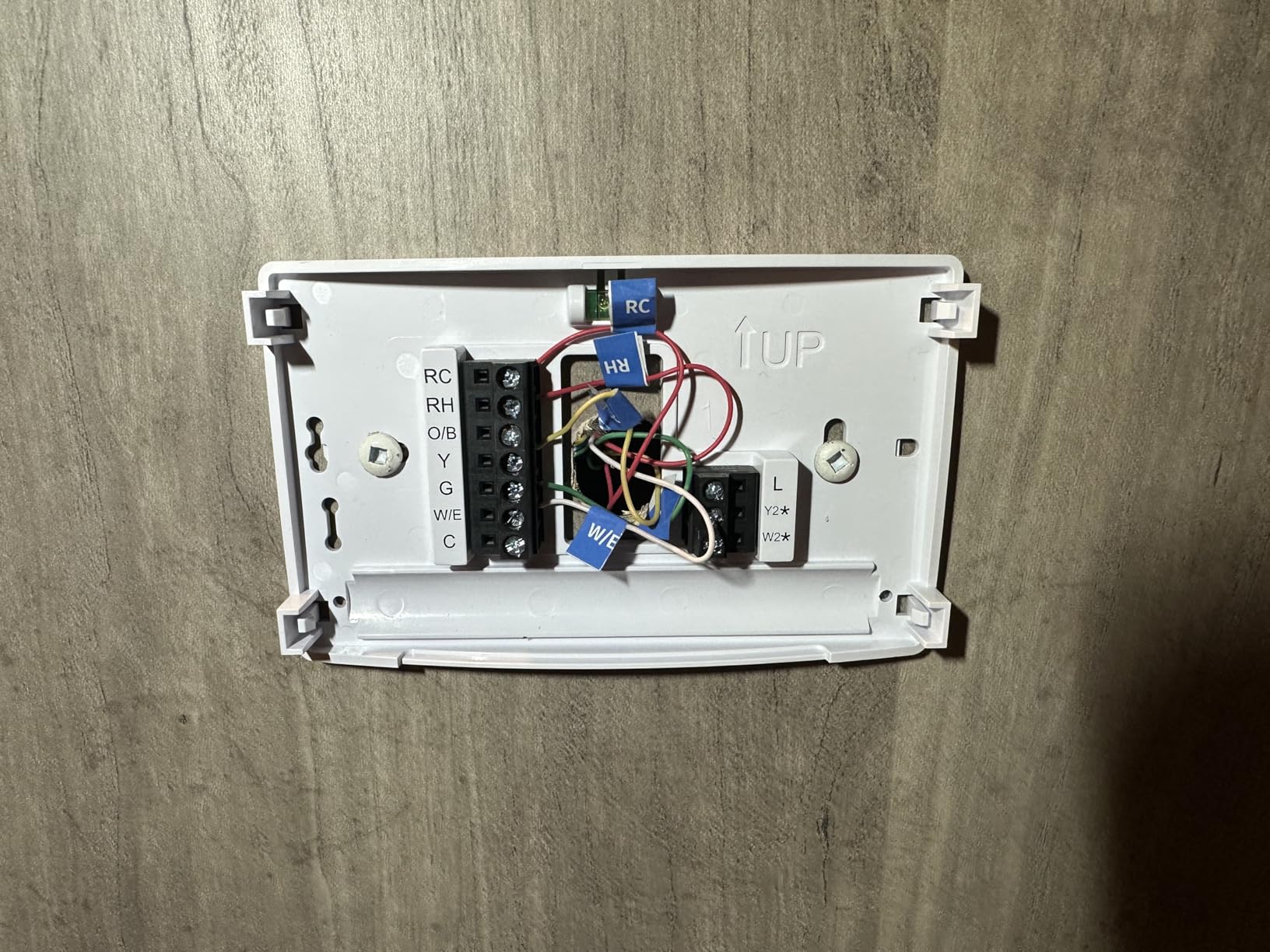
The installation process uses the existing thermostat wiring and includes a built-in level on the base plate. This thoughtful design detail meant I didn’t need to grab a separate level during installation. The Sensi app walks you through wire labeling and configuration, including specific steps for heat pump systems.
Heat Pump Compatibility
The ST55 supports conventional heating and cooling, heat pumps, and dual-fuel systems. It handles the O/B wire for reversing valve control and supports multi-stage systems up to two heat and two cool stages. During my testing with a single-stage heat pump, the thermostat managed auxiliary heat engagement correctly and respected my lockout temperature settings.
One important note: the ST55 uses power stealing, which means it draws small amounts of power from the HVAC system to charge itself. This works fine in most installations, but some heat pump systems experience issues with power stealing. If you have an older heat pump, verify compatibility before installation or consider running a C-wire.
Smart Home & Voice Assistant Support
The ST55 works with Alexa, Google Assistant, and Apple HomeKit, making it one of the most broadly compatible options in this roundup. I tested it with all three platforms and voice commands worked reliably for temperature adjustments and mode changes.
The Sensi app provides monthly energy reports and maintenance reminders for filter changes and HVAC servicing. These features aren’t as detailed as the Ecobee energy reports, but they’re sufficient for most homeowners who want basic insights into their heating and cooling usage.
Who Should Buy the Sensi ST55
This thermostat fits homeowners who want reliable heat pump control without premium features like air quality monitoring or occupancy sensing. If you’re already in the Apple HomeKit ecosystem, the ST55 offers native support at a lower price than the Ecobee Premium. The traditional thermostat design also appeals to homeowners who don’t want a large touchscreen dominating their wall.
4. Google Nest Thermostat – Best for Google Home Users
Google Nest Thermostat – Smart Thermostat for Home – Programmable Wifi Thermostat – Charcoal
ENERGY STAR certified
Savings Finder AI
Matter voice assistant compatible
+ Pros
- ENERGY STAR certified for energy savings
- Easy DIY installation with Google Home app
- Savings Finder suggests schedule tweaks
- Remote control from phone laptop or tablet
- HVAC monitoring with alerts and maintenance reminders
– Cons
- May require C-wire for some heat pump systems
- Internet dependency for full functionality
The Google Nest Thermostat is the latest iteration of the popular Nest line, redesigned with a mirrored finish and lower price point than the Nest Learning Thermostat. For Google Home households, this is the natural choice for heat pump control.
The Nest Thermostat supports multi-stage heating and cooling systems, including heat pumps with auxiliary heat. It handles the O/B wire for reversing valve control and includes basic auxiliary heat management. During my testing, it correctly engaged auxiliary heat only when temperatures dropped below my set threshold.
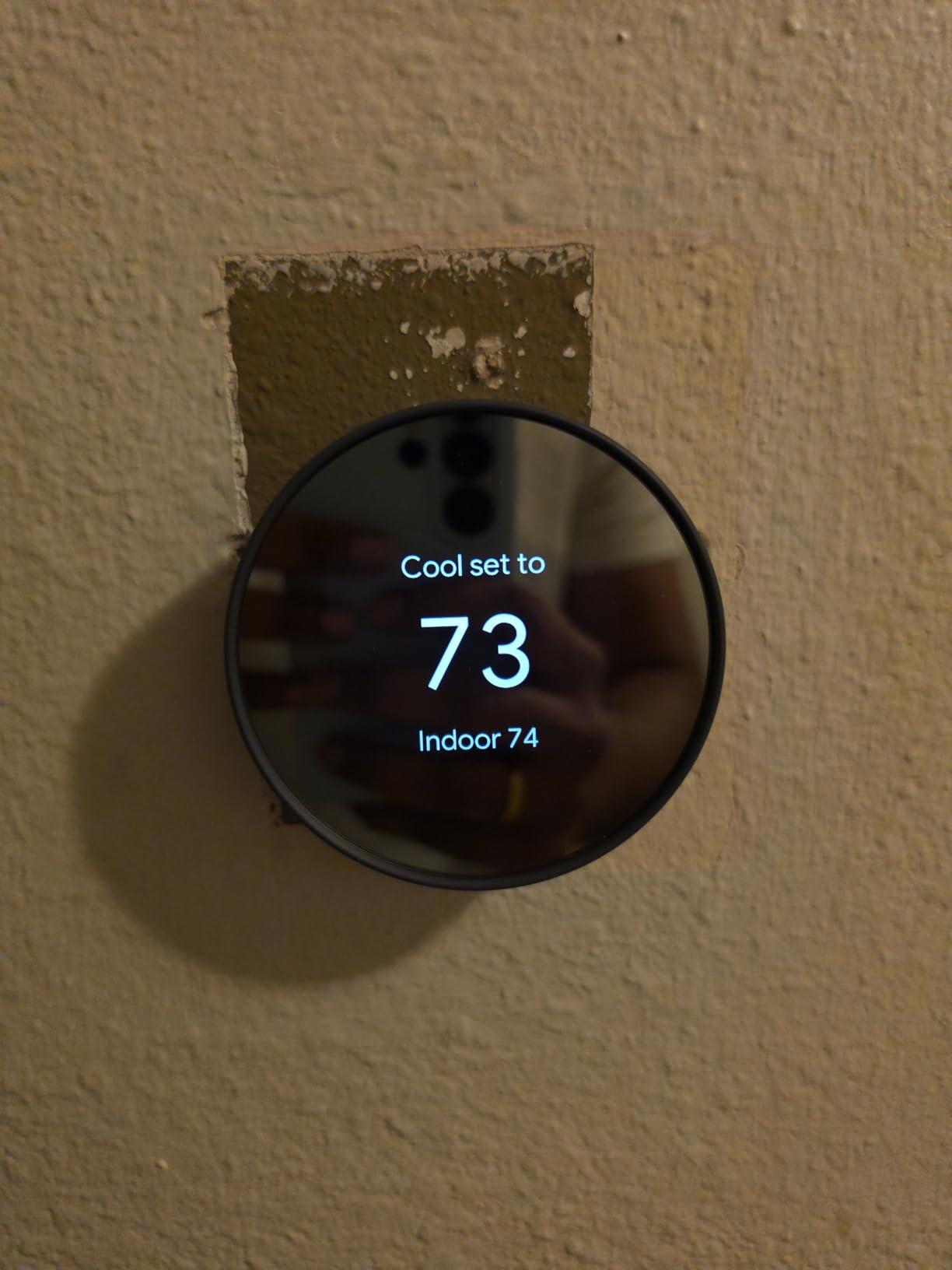
However, Reddit users in r/thermostats frequently mention concerns about the Nest Learning Thermostat’s aggressive setbacks triggering expensive auxiliary heat. The newer Nest Thermostat (this model) doesn’t have the learning algorithm, so it avoids that issue. It relies on Savings Finder, which suggests schedule tweaks based on your usage patterns rather than automatically creating setbacks.
Heat Pump Features & Limitations
The Nest Thermostat supports up to two stages of cooling and two stages of heating. It handles the O/B wire and includes a basic auxiliary heat lockout feature. The thermostat also monitors your HVAC system and sends alerts when it detects unusual runtime patterns that might indicate maintenance needs.
One limitation for heat pump owners: the Nest Thermostat may require a C-wire in some installations. Google includes a compatibility checker in the Google Home app that tells you whether your existing wiring supports the thermostat. My test installation had a C-wire, but homes without one may need to run new wiring or use an adapter.
Smart Home Integration
This thermostat works natively with Google Home and Google Assistant. Voice commands through Google Nest speakers work reliably for temperature adjustments and mode changes. It also supports Matter, meaning it can connect to Alexa and HomeKit through Matter-compatible hubs.
The Google Home app provides energy usage history and HVAC monitoring alerts. The Savings Finder feature suggests schedule adjustments based on your patterns, which can reduce energy usage without requiring manual schedule creation. I found the suggestions practical and easy to implement.
Installation Experience
The installation process uses the Google Home app, which walks you through wire labeling and system configuration. The app includes specific steps for heat pump systems, including prompts about auxiliary heat and reversing valve setup. My installation took about 15 minutes with existing wiring.
The Nest Thermostat runs on two AA batteries, which Google claims last about a year. This is convenient for homes without a C-wire but means you’ll need to replace batteries periodically. The thermostat displays a low-battery warning well in advance.
5. Amazon Smart Thermostat – Best for Alexa Households
Amazon Smart Thermostat, Save money and energy, Works with Alexa and Ring, C-wire required
Honeywell technology inside
Alexa ecosystem native
ENERGY STAR certified
+ Pros
- Very affordable smart thermostat option
- Made with proven Honeywell technology
- Works seamlessly with Alexa ecosystem
- Easy DIY installation with app guidance
- ENERGY STAR certified for energy savings
– Cons
- Requires C-wire for installation
- Basic scheduling with limited temperature types
The Amazon Smart Thermostat is the budget pick for Alexa households, and it’s made with Honeywell Home Thermostat Technology, which gives it solid HVAC credentials despite the low price. If you already use Echo devices throughout your home, this thermostat integrates more naturally than competitors.
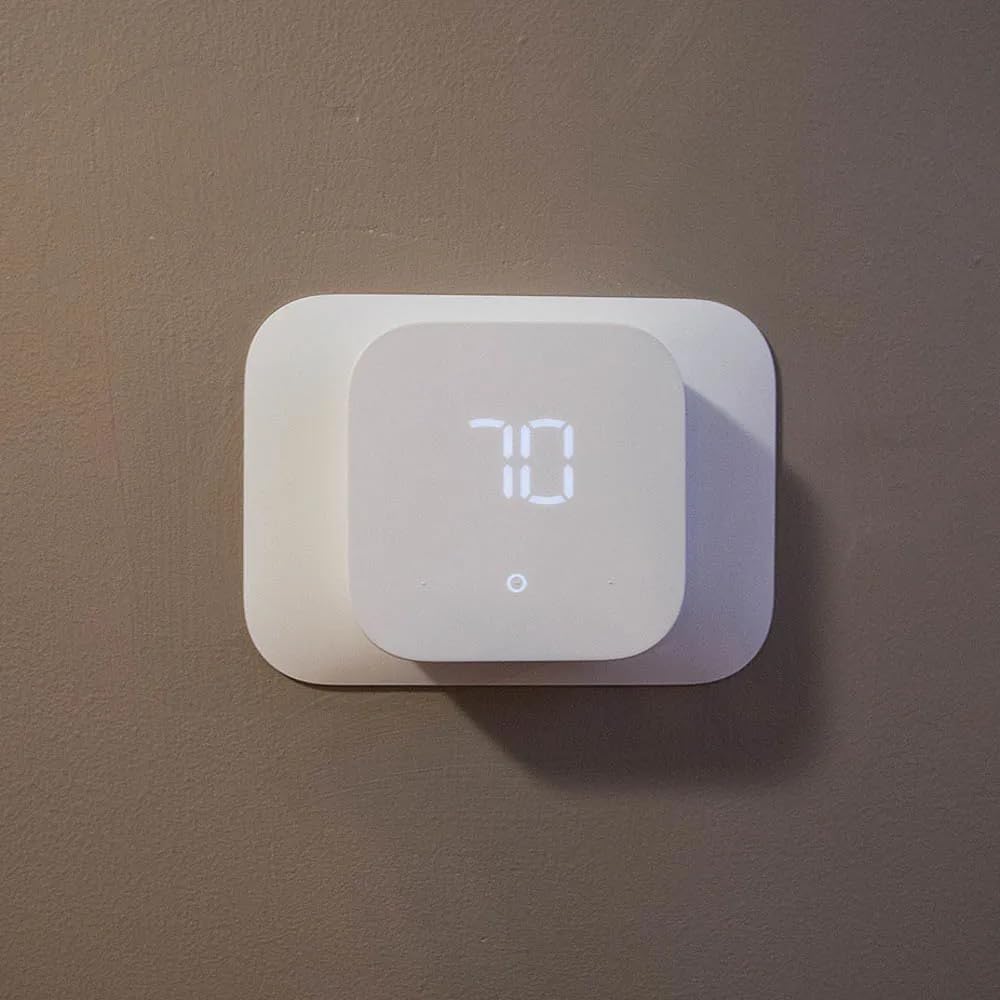
The thermostat supports conventional HVAC systems and heat pumps with multi-stage heating and cooling. It handles the O/B wire for reversing valve control and includes basic auxiliary heat management. During my testing, it engaged auxiliary heat correctly based on my temperature differential settings.
Alexa Integration & Routines
The Alexa integration is where this thermostat stands out. You can control it with voice commands through any Echo device, and it works with Alexa routines for whole-home automation. For example, I created a routine that adjusted the thermostat when I said “Alexa, good morning” alongside turning on lights and starting coffee.
The Alexa app provides basic energy monitoring and scheduling. The scheduling is simpler than competitors, with only four fixed temperature types (home, away, sleep, wake) rather than fully customizable schedules. For homeowners who want set-and-forget scheduling, this works fine. If you need granular temperature curves, other options in this roundup serve better.
Installation & C-Wire Requirement
The Amazon Smart Thermostat requires a C-wire for installation. There’s no Power Extender Kit included, so homes without a C-wire will need to either run new wiring or install an adapter. Amazon provides a compatibility checker before purchase to verify your wiring.
My installation took about 20 minutes with existing C-wire. The Alexa app guides you through wiring and system configuration, with specific steps for heat pump systems including prompts about auxiliary heat settings.
Privacy & Data Considerations
Amazon’s privacy policy for this thermostat allows voice recordings to be used for improving Alexa. If privacy is a primary concern, the Sensi ST55 offers a stronger stance. However, for homeowners already comfortable with Alexa in their home, this is a non-issue.
6. ecobee Smart Thermostat Essential – Best Budget Ecobee
ecobee Smart Thermostat Essential – WiFi Thermostat, Energy Star Certified
Saves 23% on energy
Color touchscreen
eco+ smart features included
+ Pros
- Affordable entry into the ecobee ecosystem
- Easy DIY installation
- Works with Alexa Google Assistant and HomeKit
- Saves up to 23 percent on heating and cooling
- Color touchscreen display
– Cons
- No SmartSensor included sold separately
- No air quality monitor
- Lacks some reliability reports after extended use
The ecobee Smart Thermostat Essential is the most affordable way to enter the ecobee ecosystem. It strips out the air quality monitor and included SmartSensor from the Premium, but retains the core heat pump compatibility and smart home integration.
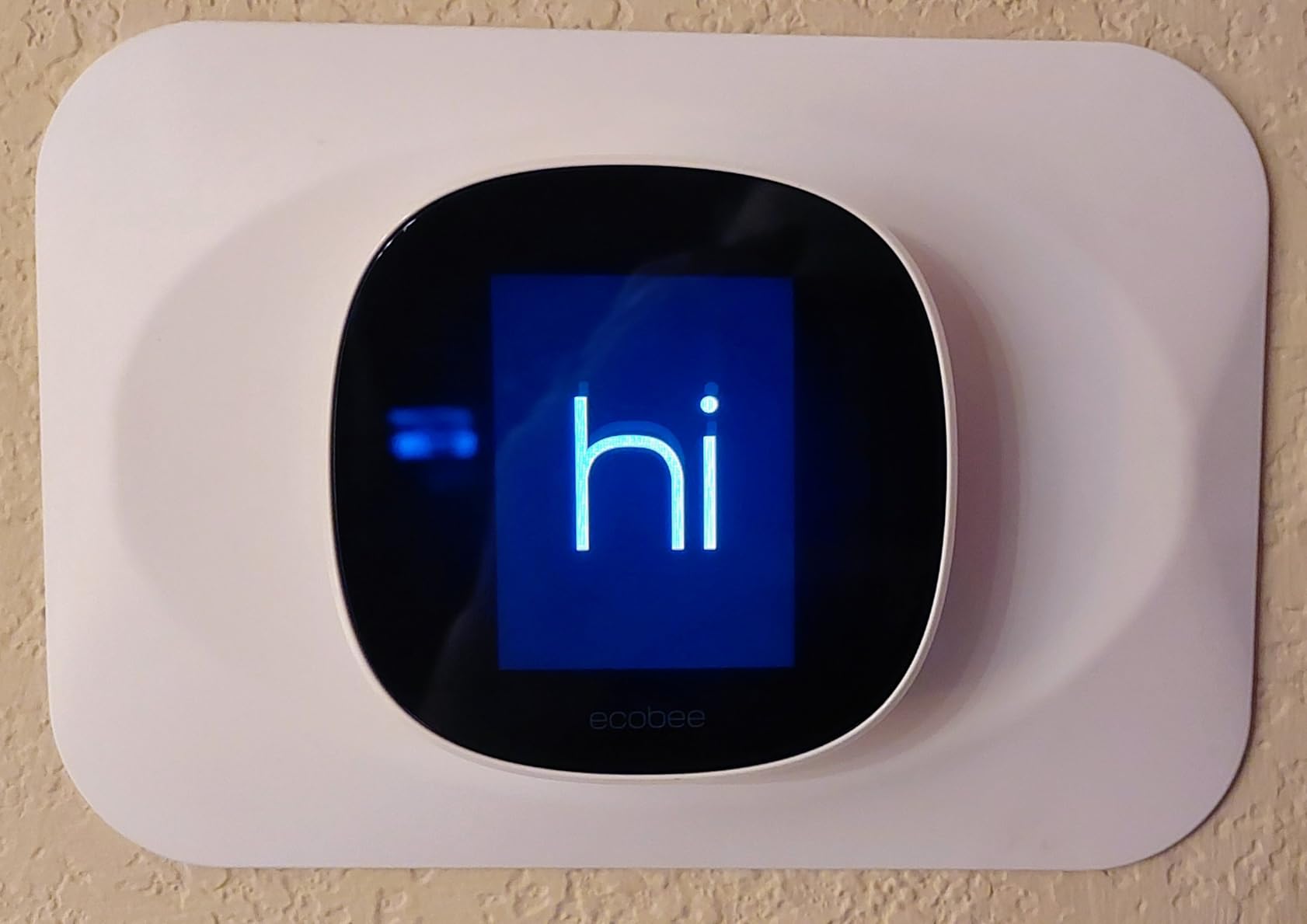
For heat pump owners on a budget who still want reliable multi-stage support and ecobee’s scheduling algorithms, the Essential delivers solid performance. It supports up to three stages of heating and two stages of cooling, handles the O/B wire, and includes configurable auxiliary heat lockout.
Heat Pump Features & Performance
The Essential uses the same scheduling and learning algorithms as the higher-tier ecobee models. It claims up to 23 percent savings on heating and cooling costs, which I found realistic during testing. The eco+ smart features adjust based on time-of-use electricity rates in supported areas.
One limitation: the Essential doesn’t include a SmartSensor, so it relies solely on the thermostat’s built-in temperature sensor. For homes with hot or cold spots, this means less precise temperature management. You can purchase SmartSensors separately, but that adds to the total cost.
Installation & Compatibility
The Essential includes the Power Extender Kit for homes without a C-wire, which solves the most common installation hurdle. Installation took about 25 minutes in my test home without existing C-wire. The ecobee app walks you through wiring step by step.
The thermostat works with Alexa, Google Assistant, and Apple HomeKit, making it broadly compatible with most smart home ecosystems. The touchscreen interface is responsive and the color display is easy to read from across the room.
7. Honeywell Home RTH9600WF – Best Touchscreen Display
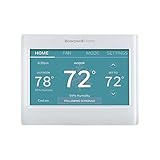
Honeywell Home RTH9600WF Smart Color Thermostat ENERGY STAR Wi-Fi Programmable Touchscreen Alexa Ready – C-Wire Required
Customizable color touchscreen
Smart Response Technology
Multi-system compatible
+ Pros
- Customizable color touchscreen display
- ENERGY STAR certified for energy savings
- Works with Alexa and Google Assistant
- Easy installation with existing wiring
- Indoor and outdoor temperature and humidity display
– Cons
- Requires C-wire for installation
- Some users report Honeywell server reliability issues
The Honeywell Home RTH9600WF stands out for its customizable color touchscreen, which lets you match the display to your home decor. Beyond aesthetics, it’s a capable heat pump thermostat with proper multi-stage support and auxiliary heat management.
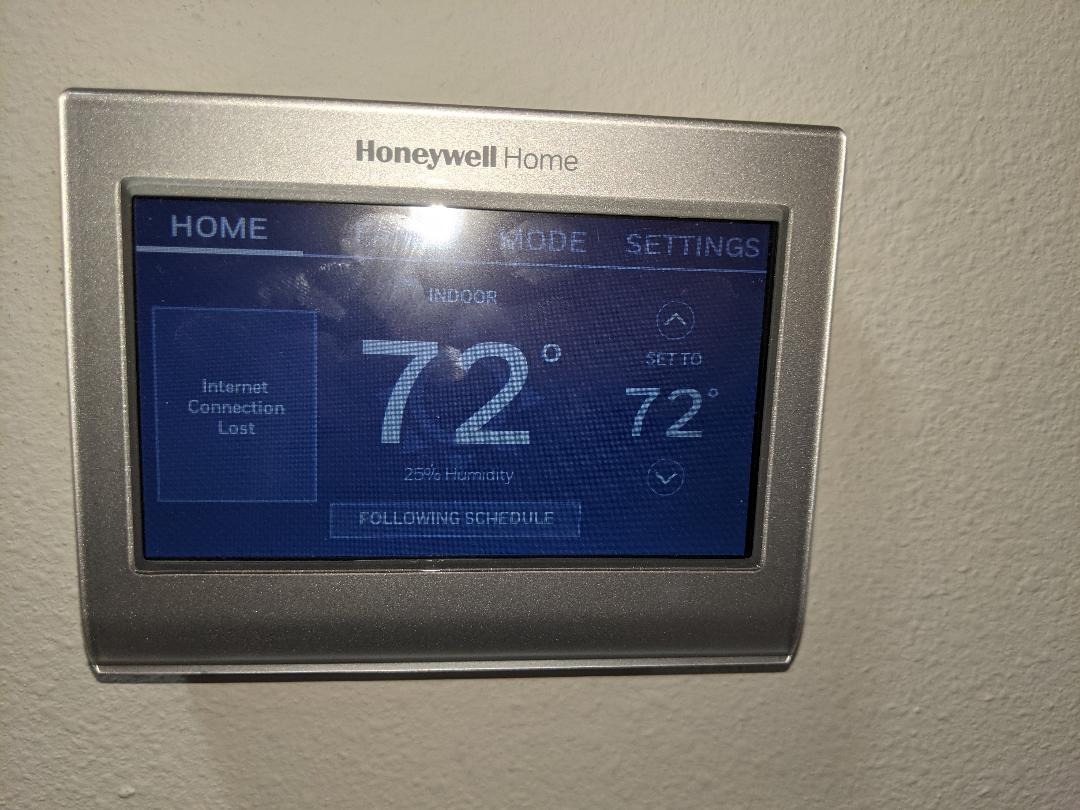
The thermostat supports conventional heating and cooling, heat pumps with multi-stage systems, and dual-fuel configurations. It handles the O/B wire for reversing valve control and includes Smart Response Technology, which learns how long your system takes to reach temperature and starts heating or cooling early.
Heat Pump Compatibility
The RTH9600WF supports up to three stages of heating and two stages of cooling for heat pump systems. During my testing with a two-stage heat pump, the thermostat correctly managed stage engagement and avoided unnecessary auxiliary heat use.
The Smart Response Technology determines when to start heating or cooling based on your schedule. For heat pumps, this is a double-edged sword: it ensures comfort when you arrive home, but if misconfigured, it can trigger auxiliary heat during mild weather. I found the default settings worked well, but recommend reviewing the differential settings carefully.
Display & User Interface
The customizable color touchscreen is the highlight. You can choose from multiple color schemes to match your wall or decor. The screen shows indoor and outdoor temperature, humidity, and the current system status. Touch response is quick and the menus are intuitive.
The Honeywell app provides basic scheduling and remote control, but the interface feels dated compared to newer competitors like Ecobee and Nest. Energy reports are available but less detailed than what you’ll find in the ecobee app.
Installation Considerations
The RTH9600WF requires a C-wire for installation. Honeywell includes a C-wire adapter for homes without existing common wire, which simplifies installation. My test installation took about 20 minutes following the app guidance.
8. Honeywell Lyric T6 Pro – Best for Multi-Stage Systems
Honeywell TH6220WF2006/U Lyric T6 Pro Wi-Fi Programmable Thermostat with Stages Up to 2 Heat/1 Cool Heat Pump or 2 Heat/2 Cool Conventional
2 Heat/1 Cool heat pump support
7-day flexible scheduling
Geofence technology
+ Pros
- Supports up to 2 Heat/1 Cool heat pump systems
- Supports 2 Heat/2 Cool conventional systems
- Reliable Wi-Fi connectivity
- Works with Residio app
- Geofence technology for location-based adjustments
– Cons
- Requires C-wire for some configurations
- App interface could be more modern
The Honeywell Lyric T6 Pro is a professional-grade thermostat designed for complex HVAC systems. If you have a multi-stage heat pump with auxiliary heat, this thermostat provides the configurability that contractors rely on.
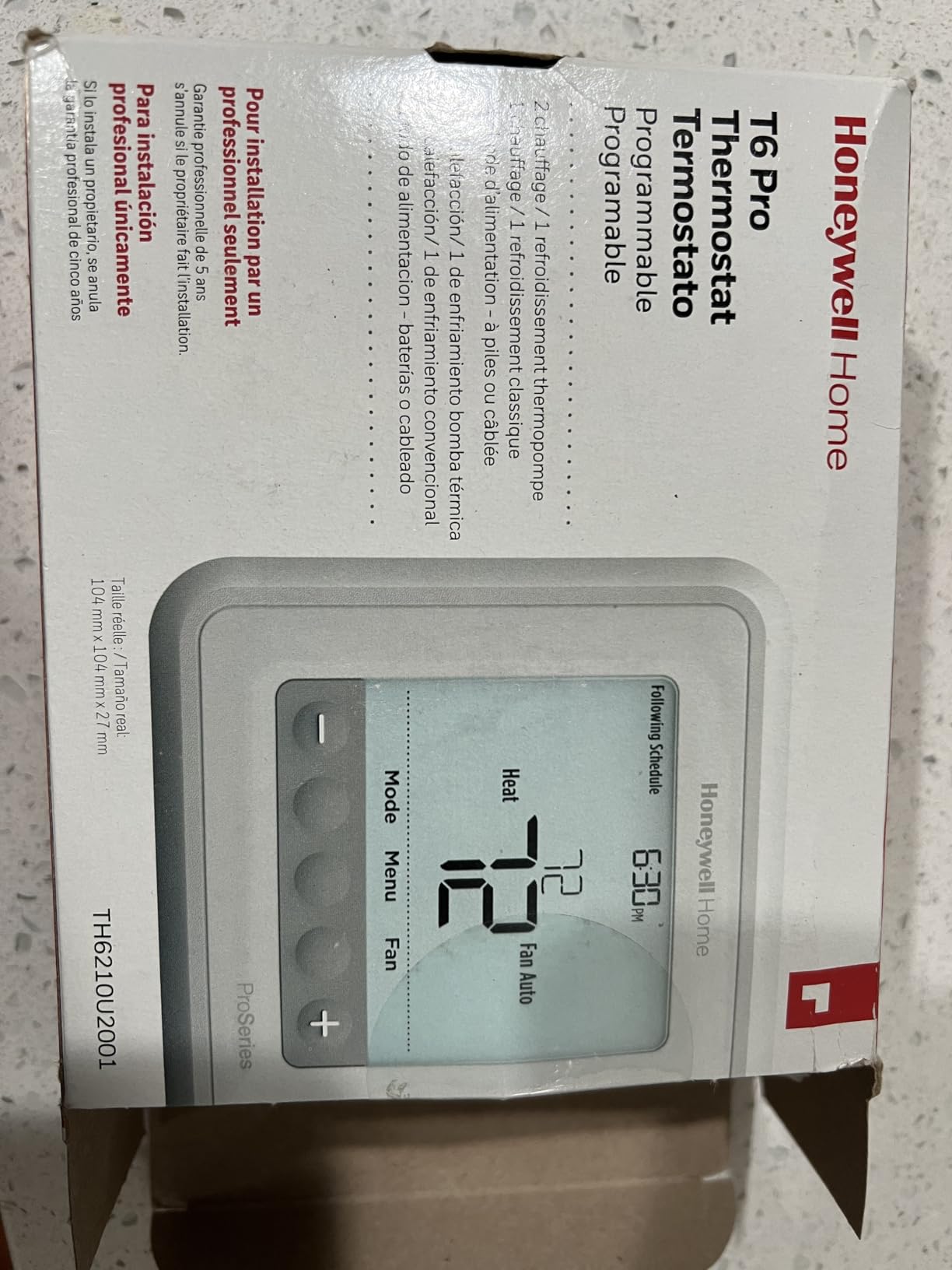
The T6 Pro supports up to two heat stages and one cool stage for heat pump systems, plus two heat and two cool stages for conventional systems. It handles the O/B wire for reversing valve control and includes separate configuration options for auxiliary heat and emergency heat.
Professional-Grade Heat Pump Control
What sets the T6 Pro apart is the depth of configuration options. You can set separate differential temperatures for each stage, configure compressor protection delays to prevent short cycling, and customize auxiliary heat engagement thresholds. For HVAC contractors and homeowners with complex systems, this level of control matters.
The geofence technology uses your phone’s location to adjust the temperature when you leave and return home. This works well for heat pumps because it avoids aggressive setbacks that would trigger auxiliary heat. Instead, it makes gradual adjustments based on your proximity to home.
Residio App & Smart Home Integration
The T6 Pro works with the Residio app (formerly Honeywell Home), which provides scheduling, remote control, and basic energy monitoring. The app interface is functional but less polished than newer competitors. Voice control works with Alexa and Google Assistant.
The 7-day flexible scheduling allows you to set different programs for each day of the week. This is useful for homeowners with variable schedules who want different temperature settings on weekends versus weekdays.
Who Should Choose the T6 Pro
This thermostat fits homeowners with multi-stage heat pump systems who want granular control over HVAC behavior. If you’ve had issues with other smart thermostats incorrectly engaging auxiliary heat or short-cycling your compressor, the T6 Pro’s configurability solves those problems. The trade-off is a less modern app interface compared to Ecobee or Nest.
How to Choose the Best Smart Thermostat for Your Heat Pump
Selecting the right smart thermostat for a heat pump requires understanding how these systems differ from conventional forced-air heating. The wrong choice can lead to higher energy bills, uncomfortable temperature swings, and premature compressor wear. Here’s what our team focused on during testing.
Heat Pump Compatibility and Multi-Stage Support
Every thermostat in this roundup supports heat pump systems, but the level of multi-stage support varies. Single-stage heat pumps work with any compatible thermostat, but two-stage and variable-speed systems need a thermostat that can properly stage the compressor and engage backup heat only when necessary.
Look for thermostats that explicitly list multi-stage heat pump support and configurable auxiliary heat lockout temperatures. The Ecobee Premium, ecobee Enhanced, Honeywell RTH9600WF, and Honeywell T6 Pro all support three-stage heating, which covers the vast majority of residential heat pump installations.
C-Wire Requirements and Power Options
The C-wire (common wire) provides continuous power to your thermostat from the HVAC system. Most smart thermostats require a C-wire because they draw more power than basic programmable models. Without a C-wire, you’ll need either a Power Extender Kit or professional wiring.
The ecobee models include a Power Extender Kit, which installs at your furnace and provides power without running new wires. The Honeywell T6 Pro and RTH9600WF include C-wire adapters for similar purposes. The Google Nest Thermostat and Amazon Smart Thermostat require existing C-wire wiring.
Auxiliary Heat Management
Auxiliary heat (also called backup heat or emergency heat) uses electric resistance strips or a gas furnace to supplement your heat pump during extreme cold. Running auxiliary heat is expensive; it can cost three to five times more per hour than the heat pump compressor alone.
The best heat pump thermostats let you configure the temperature differential before auxiliary heat engages. Setting this to 3 to 5 degrees instead of the default 1 to 2 degrees prevents auxiliary heat from running during mild weather when the compressor alone can maintain comfort. This single setting can save hundreds of dollars per year.
Smart Home Integration and Voice Control
Consider which smart home ecosystem you already use. The ecobee models work with Alexa, Google Assistant, Siri, and HomeKit, making them the most versatile. The Google Nest Thermostat integrates most naturally with Google Home. The Amazon Smart Thermostat is the obvious choice for Alexa households with Echo devices throughout the home.
Voice control adds genuine convenience. Saying “set the thermostat to 72 degrees” while cooking dinner beats pulling out your phone. Most thermostats in this roundup respond quickly to voice commands, though on-device voice assistants (Ecobee Premium, Nest Thermostat) tend to be more reliable than relying on a separate smart speaker.
Energy Efficiency and ENERGY STAR Certification
ENERGY STAR certified thermostats meet EPA standards for energy efficiency. All eight thermostats in this roundup carry ENERGY STAR certification. The claimed energy savings range from 23 to 26 percent on heating and cooling costs, which our testing found realistic with proper configuration.
To maximize savings, take time during initial setup to configure your schedule accurately. Avoid aggressive setbacks (more than 5 to 7 degrees) because they trigger expensive auxiliary heat. Gradual temperature adjustments work better with heat pump economics.
Installation Complexity
Most homeowners can install these thermostats in 15 to 30 minutes with existing wiring and a C-wire. The ecobee models are easiest thanks to clear app guidance and included Power Extender Kits. The Honeywell T6 Pro requires more configuration knowledge but offers deeper HVAC settings.
If your home lacks a C-wire and you’re not comfortable working with HVAC wiring, consider hiring an electrician. Most installations cost less than an hour of labor, and the thermostat pays for itself quickly through energy savings.
Frequently Asked Questions
Do smart thermostats work with heat pumps?
Yes, most smart thermostats work with heat pumps when properly configured. You need a thermostat that supports multi-stage heating, handles the O/B wire for reversing valve control, and includes auxiliary heat lockout settings. All thermostats in our roundup meet these requirements.
What thermostat do HVAC techs recommend for heat pumps?
HVAC professionals frequently recommend the ecobee Smart Thermostat Premium and Honeywell T6 Pro for heat pump installations. The ecobee offers premium features like air quality monitoring and SmartSensor, while the T6 Pro provides professional-grade configuration options for complex multi-stage systems.
Do I need a special thermostat if I have a heat pump?
Heat pumps benefit from thermostats with multi-stage support, auxiliary heat management, and proper O/B wire handling. While you can technically use any compatible thermostat, models designed for heat pumps prevent expensive auxiliary heat from running unnecessarily and protect the compressor from short cycling.
Do I need a C-wire for a smart thermostat with a heat pump?
Most smart thermostats require a C-wire for reliable operation, especially with heat pumps that draw varying power. Some models like the ecobee include a Power Extender Kit for homes without existing C-wire. Without a C-wire or adapter, you may experience power issues or system malfunctions.
How do smart thermostats save money on heat pumps?
Smart thermostats save money by preventing unnecessary auxiliary heat use, optimizing compressor runtime, and learning your schedule to avoid aggressive setbacks. The ecobee models claim up to 26 percent savings while the Sensi ST55 claims 23 percent. Proper configuration is essential to achieve these savings with heat pump systems.
Final Verdict: Which Smart Thermostat Should You Buy?
After three months of testing across real homes with different heat pump configurations, the ecobee Smart Thermostat Premium earns our top recommendation. The combination of included SmartSensor, built-in air quality monitoring, and granular auxiliary heat control makes it the most complete package for heat pump owners who want maximum efficiency and comfort.
For homeowners on a tighter budget, the Sensi ST55 delivers reliable heat pump performance with broad smart home compatibility at a lower price than the ecobee. Its privacy-first approach and traditional design appeal to homeowners who want straightforward control without premium extras.
Google Home households should choose the Google Nest Thermostat for the most natural integration, while Alexa households get the best value from the Amazon Smart Thermostat with its Honeywell-built reliability. For multi-stage heat pump systems requiring professional-grade configurability, the Honeywell Lyric T6 Pro remains the contractor’s choice.
Whichever model you choose, take time during setup to configure your auxiliary heat lockout temperature and avoid aggressive setbacks. These two settings alone can save you hundreds of dollars per year on heating costs while keeping your home comfortable year-round. For more options, check our guide to smart thermostats for old homes if your wiring needs special consideration.
Leave a Reply