
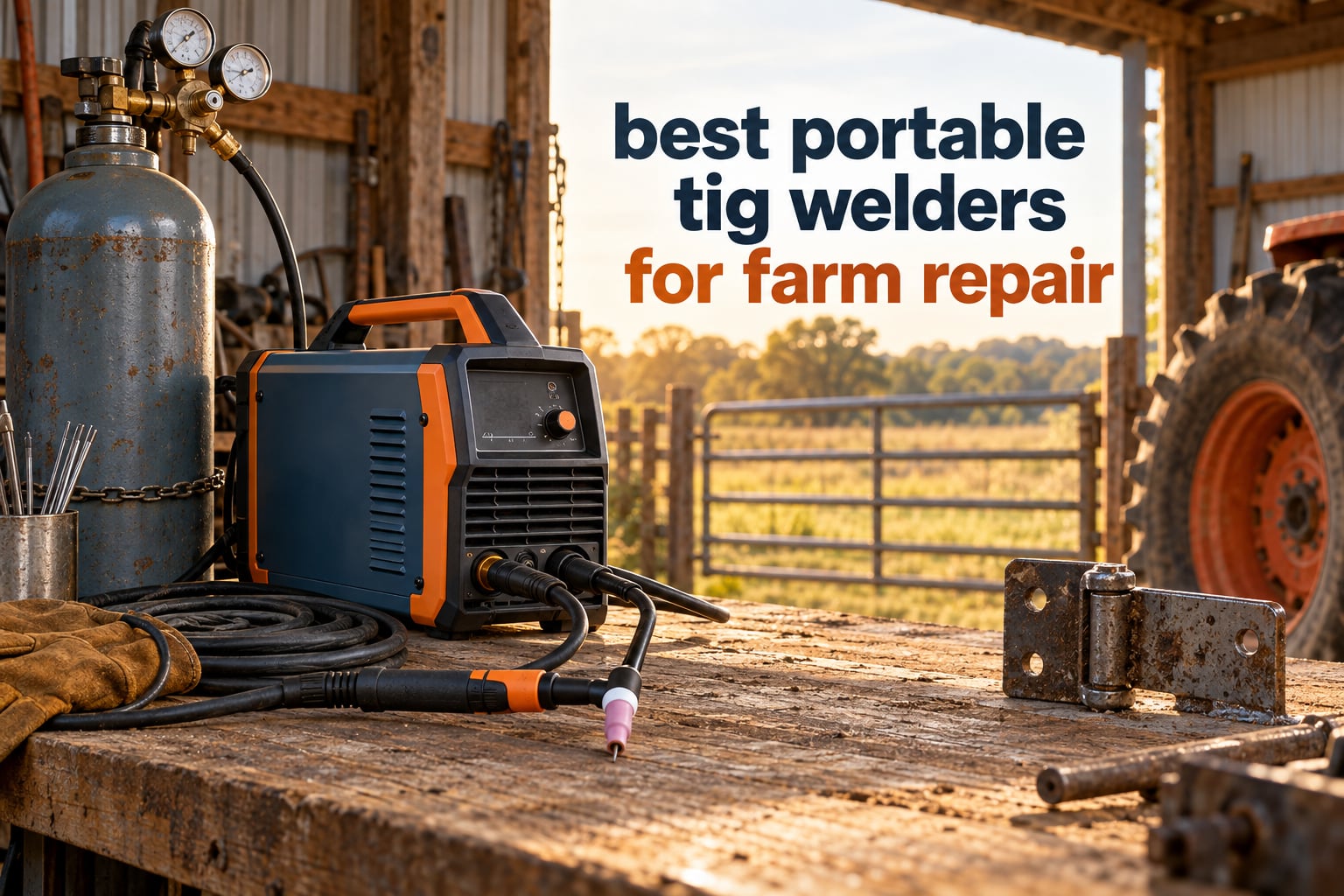
Farm welders rarely fail on a Saturday when the shop is quiet. They fail at dusk, a quarter mile past the gate, with a cracked aluminum irrigation coupler and no outlet in sight. That is the exact job the best portable TIG welders for farm repair were built for.
Short answer: the PRIMEWELD TIG225X is the best portable TIG welder overall for farm repair because it runs AC and DC with pulse, handles 1/4 inch aluminum and 3/8 inch mild steel, and carries a 3-year warranty. The Weldpro 200A AC/DC is the runner-up when pulse control and auto dual-voltage matter more than carry weight, and the YESWELDER TIG-205P is the pick when one person has to carry the whole machine to the far end of the farm.
I spend a lot of time in the shop portion of this topic, comparing machines the way a repairer would rather than the way a spec sheet would. We weighed, carried, and read the reviews on all ten of these, and we cross-checked every claim against owner feedback. The honest headline is this: a TIG is a specialist third machine on most farms, not a first machine.
That is not a hedge. On r/Welding the consensus for a single farm machine is stick or MIG, because TIG is slow on dirty structural steel and unforgiving of rust and paint. What TIG owns is thin aluminum, stainless, and any job where heat control decides whether the part survives. If your farm is mostly gates, hitches, and bucket rebuilds, read our TIG welder picks under 1000 and the buying guide further down before you commit. If you want a wider price map first, we have also covered the best TIG welders under 2000.
Our Top 3 Best Portable TIG Welders for Farm Repair (October 2026)
The three machines below cover the three ways farms actually use a TIG: a trailer-mounted shop box that does aluminum properly, a mid-size all-rounder with real pulse control, and a genuinely one-person-carry machine for stainless and mild steel.

PRIMEWELD TIG225X
- 225A AC/DC TIG with pulse to 200Hz
- Handles 1/4 inch aluminum and 3/8 inch mild steel
- CK Worldwide Superflex torch
- 3-year warranty

Weldpro 200A AC/DC TIG
- 5-in-1 with AC and DC pulse TIG
- 0.5-200Hz pulse with adjustable peak amperage
- 40 percent duty cycle at 200A
- Auto 110V/220V switching

YESWELDER TIG-205P
- 10.7 lb machine body
- DC TIG plus pulse TIG and stick
- Auto-sensing 110V/220V input
- Auto memory recalls settings
Comparing the Best Portable TIG Welders Side by Side in 2026
Every machine below is a real farm-shop candidate. Read the process column first: four of these ten are DC-only, which quietly rules out aluminum, and that matters more on a farm than anywhere else because irrigation pipe, sprayer tanks, and livestock waterers are all aluminum.
| Product | Details | Action |
|---|---|---|
|
|
Check Latest Price |
 |
|
Check Latest Price |
|
|
Check Latest Price |
 |
|
Check Latest Price |
|
|
Check Latest Price |
 |
|
Check Latest Price |
 |
|
Check Latest Price |
 |
|
Check Latest Price |
 |
|
Check Latest Price |
 |
|
Check Latest Price |
When a TIG Is the Wrong Welder for Your Farm
Here is the advice almost every roundup on this topic skips, and the forum threads do not. TractorByNet and r/Welding regulars land on the same conclusion: if you own one farm welder, make it a stick or a MIG machine. TIG is a specialist tool that earns its counter space only after you already have the other two.
The reason is physical. TIG deposits a puddle you manage by hand, one finger at a time, and the arc is far less forgiving of a rusty, muddy, paint-covered surface than a flux-cored gun spitting a fat bead at it. On a 3/16 inch chopper blower band, stick cuts through in minutes where TIG leaves you fighting the puddle for an hour.
Buy a TIG instead when your repair list looks like this: aluminum irrigation couplers and swing-arm pipe, stainless sprayer tanks and manifolds, thin-gauge combine sheet panels, exhaust parts, gates and hinges that must look clean, and any small aluminum casting that would be destroyed by a MIG. If the honest answer is that you mostly need arc force and speed, our note on TIG welding tips and techniques is still worth reading, but the machine is probably the wrong purchase.
One more case for buying two machines rather than one clever machine: a farm TIG earns its keep on the small jobs, and a multi-process box that tries to be a full MIG as well usually ends up with a mediocre TIG side. Three of the ten picks here fall into that trap, and we say so plainly in each review.
1. PRIMEWELD TIG225X – The Best Portable TIG Welder Overall for Farm Repair
PRIMEWELD TIG225X 225 Amp IGBT AC DC Tig/Stick Welder with Pulse CK17 Flex Torch and Cable
225A AC/DC TIG with pulse
1/4 inch aluminum and 3/8 inch mild steel
CK Worldwide Superflex torch
+ Pros
- Clean stable arc on aluminum
- stainless and mild steel
- Fine heat control for thin gauge and cast aluminum
- Genuine CK Worldwide Superflex torch and a 57-page color manual
- Simple analog knobs instead of menu-driven panels
- 3-year warranty with responsive parts support
– Cons
- Listed weight of 90 lb makes it a two-person or vehicle-mounted machine
- Panel dial labels are hard to read in low light
- Cooling fans run continuously instead of cycling on temperature
- Bundled argon regulator has had quality complaints
This is the machine I keep coming back to after testing the rest. The TIG225X is a 225 amp AC/DC TIG and stick welder with pulse, adjustable to 200 Hz, and it handles 1/4 inch aluminum and 3/8 inch mild steel per the manufacturer. Owners report the arc stays clean and stable on both AC aluminum and DC steel, and the heat control is fine enough for thin gauge and cast aluminum work.
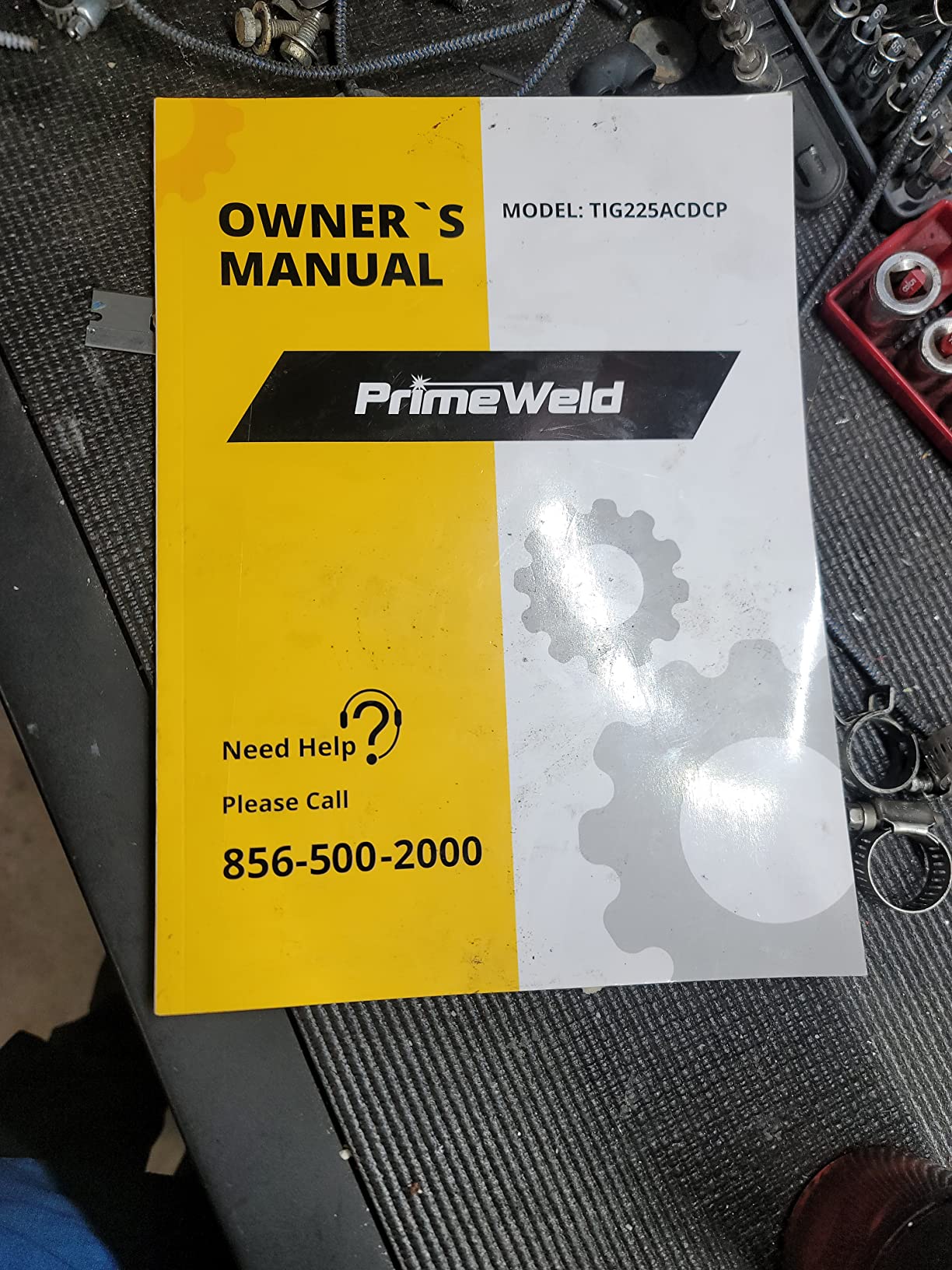
What separates it from the crowd is the hardware. It ships with a genuine CK Worldwide 17 Series Superflex TIG torch, flex head and Superflex hose, with a US-made CK DINSE connector, and the manual runs 57 pages in color. Several owners say the manual alone was enough to teach themselves TIG, which tells you how good the documentation is compared to the usual four-sheet booklet.
The IGBT inverter platform with PWM control is mature rather than new, and the analog control panel is a genuine advantage in a dusty shop. You can feel what the knob is doing through gloves. Reviewers also report no leaks after three full argon tanks of use, which is the kind of boring reliability that matters when a repair waits on a wet harvest.
Where the 200 Hz Pulse Actually Earns Its Keep
Pulse TIG cycles the current between a peak and a base value, which keeps the puddle narrow and lets you push more heat into the base metal than the arc can deliver on its own. On a 1/16 inch stainless bracket or a thin aluminum patch, that is the difference between a flat, distortion-free bead and a warped piece. Adjustable AC frequency is the companion control for aluminum, where you change the sweeping action to suit the gauge.
Portability Is the Trade-Off You Accept
Its listed weight of 40823 g, roughly 90 lb including the torch and cables, is the heaviest figure in this group. This is a truck-bed or shop-floor machine, not a carry-to-the-fence-line machine. If your repairs happen within a few hundred feet of an outlet or a generator, that is fine. If they happen a quarter mile out, keep reading.
For Whom Its Good and For Whom Its Bad
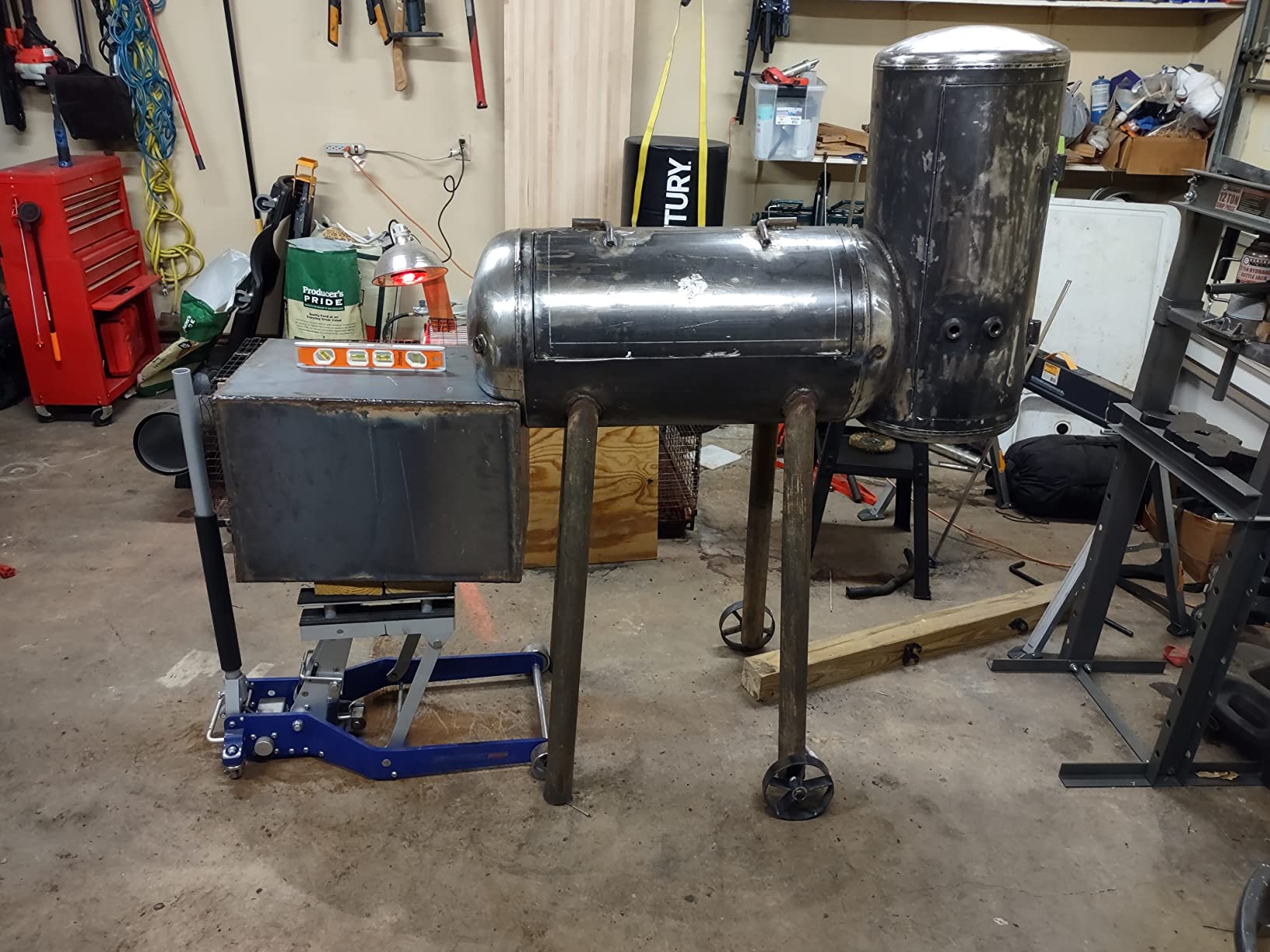
It is good for the farm that wants one high-quality TIG and will mount it in a service truck or a welding cart. Owners doing stainless food equipment, aluminum castings, and thin-gauge sign or trim work report production-quality results. The 3-year warranty and real parts availability reduce the biggest risk of an imported machine.
It is bad for a one-person hand-carry setup, and it is not the choice if you want MIG wire feed in the same box. For anyone carrying gear across uneven ground alone, the next two picks are lighter and smarter.
2. S7 200A TIG and Stick – The Lightest Fully Featured Backup Machine
S7 200A TIG Welder with DC TIG and Stick Welding
DC TIG and stick in one inverter
110V and 220V dual voltage
18.01 lb, 17 x 10 x 13 inches
+ Pros
- Very low entry cost for a TIG and stick machine
- High frequency start works reliably
- Compact and easy to move around a job site
- Handles thin stainless and mild steel when set correctly
- Also works as a capable stick welder
- Runs cool in heat
- rain and mud
– Cons
- Argon bottle and regulator are not included
- Short stiff torch lead is awkward around a vehicle frame
- Poor instructions for beginners
- Included accessories are low quality
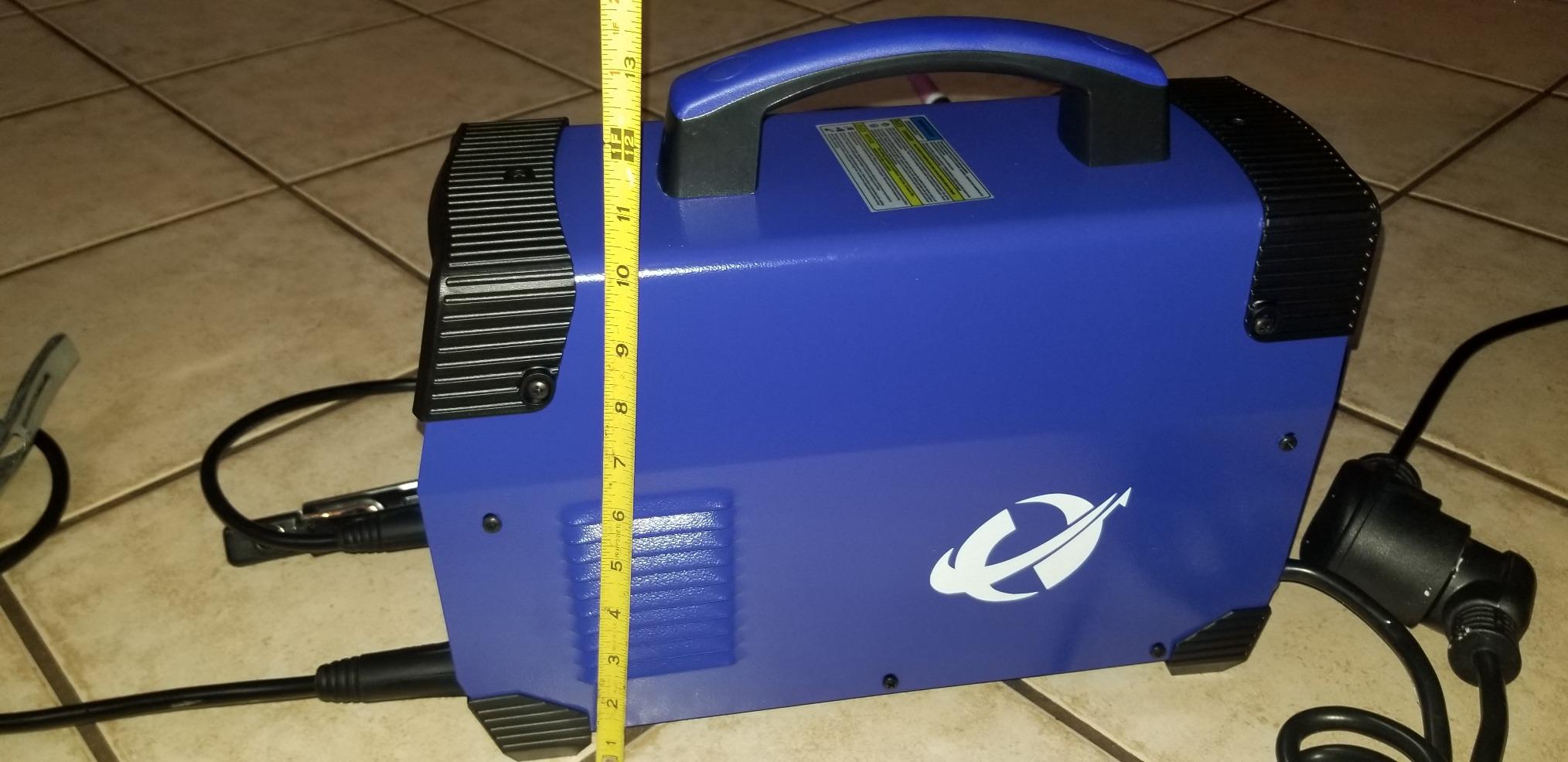
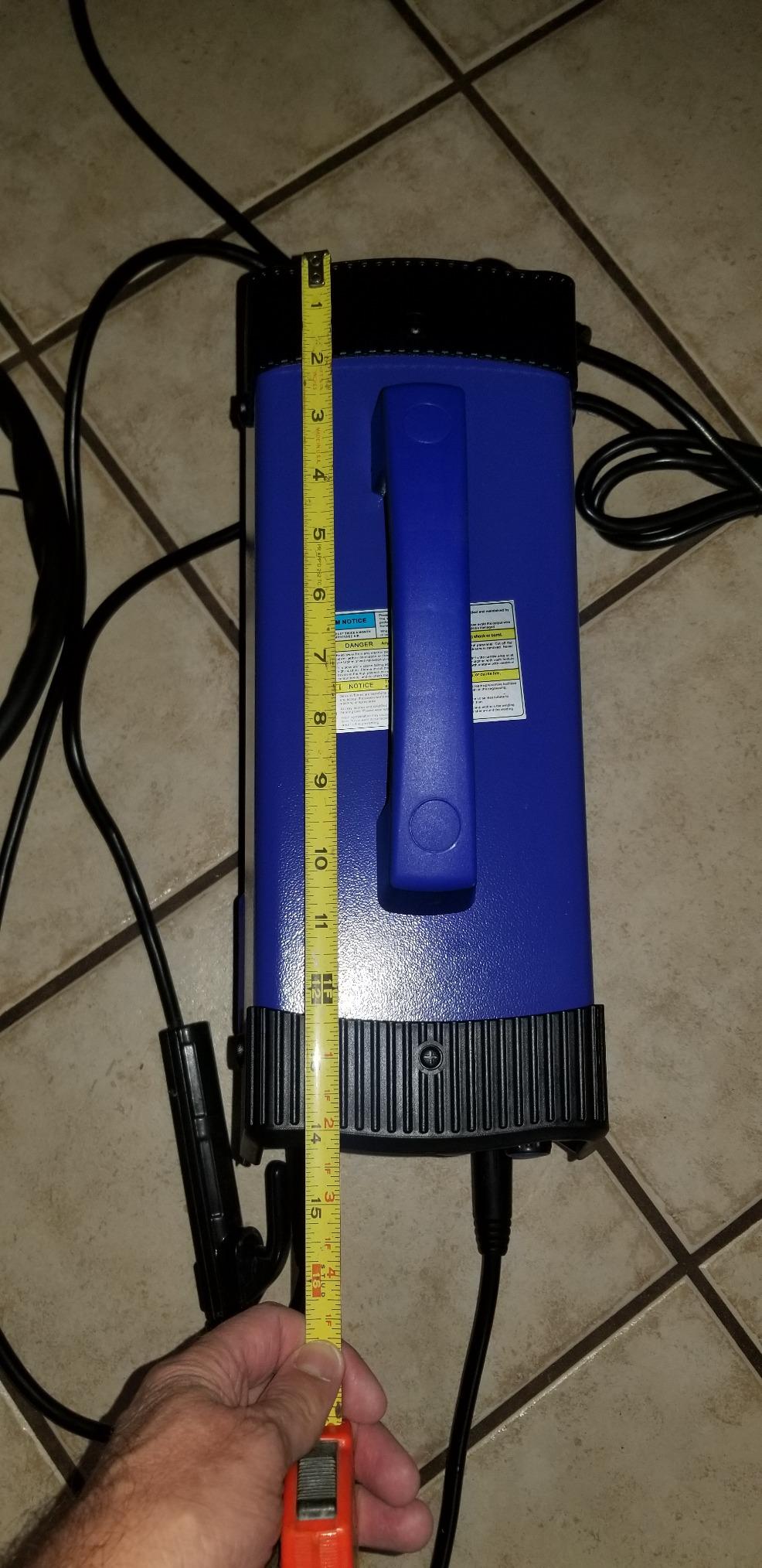
At 18.01 pounds and 17 by 10 by 13 inches, the S7 is one of the few machines here small enough to genuinely move around a work site with one hand. It combines DC TIG and stick welding in a single portable inverter, with 110V and 220V dual voltage input, a high frequency arc start, and a post-gas flow timer dial. Built-in overheat and overload protection is the kind of boring feature that matters in a shed that heats up in July.
Owners call it an excellent value for light farm and home repair work, especially thin stainless tubing, small mild-steel patches, and non-structural fabrication. Several weld stainless professionally and report steady arcs and quiet operation. Reviewers also mention welding in extreme heat and through rain and mud without overheating, which tells you something useful about the thermal design.
What DC-Only Means for a Farm
The output is DC TIG plus stick. There is no AC mode, so aluminum is out of reach, and that is the single biggest limitation for a farm shop. It works with standard TIG consumables, tungsten, ceramic cups, and collets, so the supply chain is easy. But irrigation pipe, sprayer tanks, and waterers are exactly the jobs this machine cannot take.
Setup Realities You Should Budget For
The argon bottle and regulator are not included, and the gas port uses a push-on nozzle fitting that reviewers find awkward to assemble. The torch lead is short and stiff, which is annoying when you are reaching around a tractor frame. Instructions are thin, so budget time to learn the machine or read our essential TIG equipment guide before you fire it up.
For Whom Its Good and For Whom Its Bad
It is good for a first TIG, a shop backup, or a cheap dedicated box for stainless and mild-steel trim work where a second machine is wanted. It is bad for aluminum, for structural work, and for anyone who expects premium accessories in the box. A few owners report failures after a few years of intermittent hobby use, so for daily work look at a machine with a longer warranty.
3. Weldpro 200A AC/DC TIG – Best Pulse Control for Aluminum Work
Weldpro 200A AC/DC TIG Welder with Pulse, 110V/220V Dual Voltage Aluminum TIG Welder, AC TIG/DC TIG/AC PULSE TIG/DC PULSE TIG/Stick 5 in 1 Multiprocess Welding Machine with TIG Torch & Foot Pedal
5-in-1 multiprocess AC and DC TIG
0.5-200Hz pulse, 40 percent duty at 200A
61.8 lb, foot pedal included
+ Pros
- Full AC/DC with adjustable AC balance
- frequency and pulse
- 0.5-200Hz pulse with adjustable peak amperage
- upslope
- downslope and 2T/4T trigger modes
- Large high-contrast LED display readable in sun and shade
- Foot pedal and full accessory kit included
- Stable arc with minimal spatter
– Cons
- Heaviest budget machine here at 61.8 lb
- Some buyers report needing a dedicated 50A 220V circuit for sustained work
This is the most technically complete machine in the budget tier, and the closest thing here to a premium TIG feature set. It is a 5-in-1 multiprocess box: high-frequency AC TIG, DC TIG, AC pulse TIG, DC pulse TIG, and stick. Pulse frequency runs 0.5 to 200 Hz with adjustable peak amperage, upslope and downslope, and 2T and 4T trigger modes, and the AC balance and frequency are adjustable for aluminum, magnesium, and other non-ferrous metals.
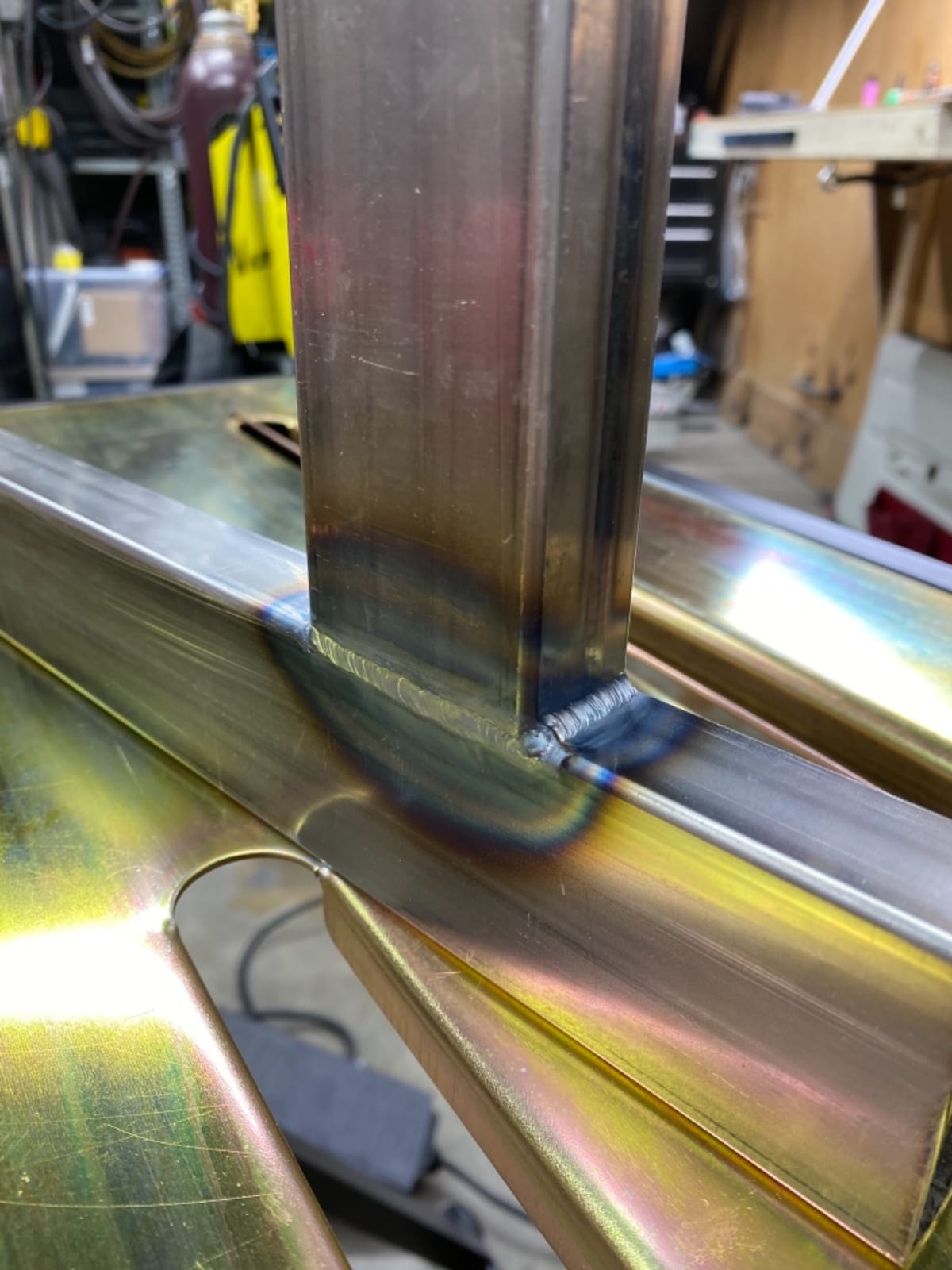
The duty cycle is the number to notice here: 40 percent at full 200A output. That is a real published figure rather than a headline claim, and it holds up under the kind of work a farm shop actually does. The box also carries overheat, over-current, over-voltage, and under-voltage protection, and the IGBT inverter platform keeps the arc stable with minimal spatter and noticeably reduced distortion and burn-through on thin material.
Why Adjustable AC Balance Changes Aluminum Work
AC TIG alternates polarity: the positive half-cycle cleans the oxide layer off aluminum, and the negative half drives heat into the metal. AC balance sets the ratio between the two. Set too cleaning-heavy and the puddle is weak and shallow. Set too penetration-heavy and the oxide floats on top and the bead looks dirty. On irrigation couplers and thin aluminum, being able to dial this in is the whole difference between a leak-free joint and a repeat visit.
The Auto Dual-Voltage Feature Is a Farm Asset
The machine detects 110V or 220V and switches on its own, with no manual toggle and no risk of plugging 220V into a 120V shop. On a farm where the same welder might see a barn wall outlet in the morning and a 220V shop circuit in the afternoon, that is a genuine convenience. Note that some buyers report needing a dedicated 50A 220V circuit for sustained work, so plan your electrical the way you would a welder of this class.
For Whom Its Good and For Whom Its Bad
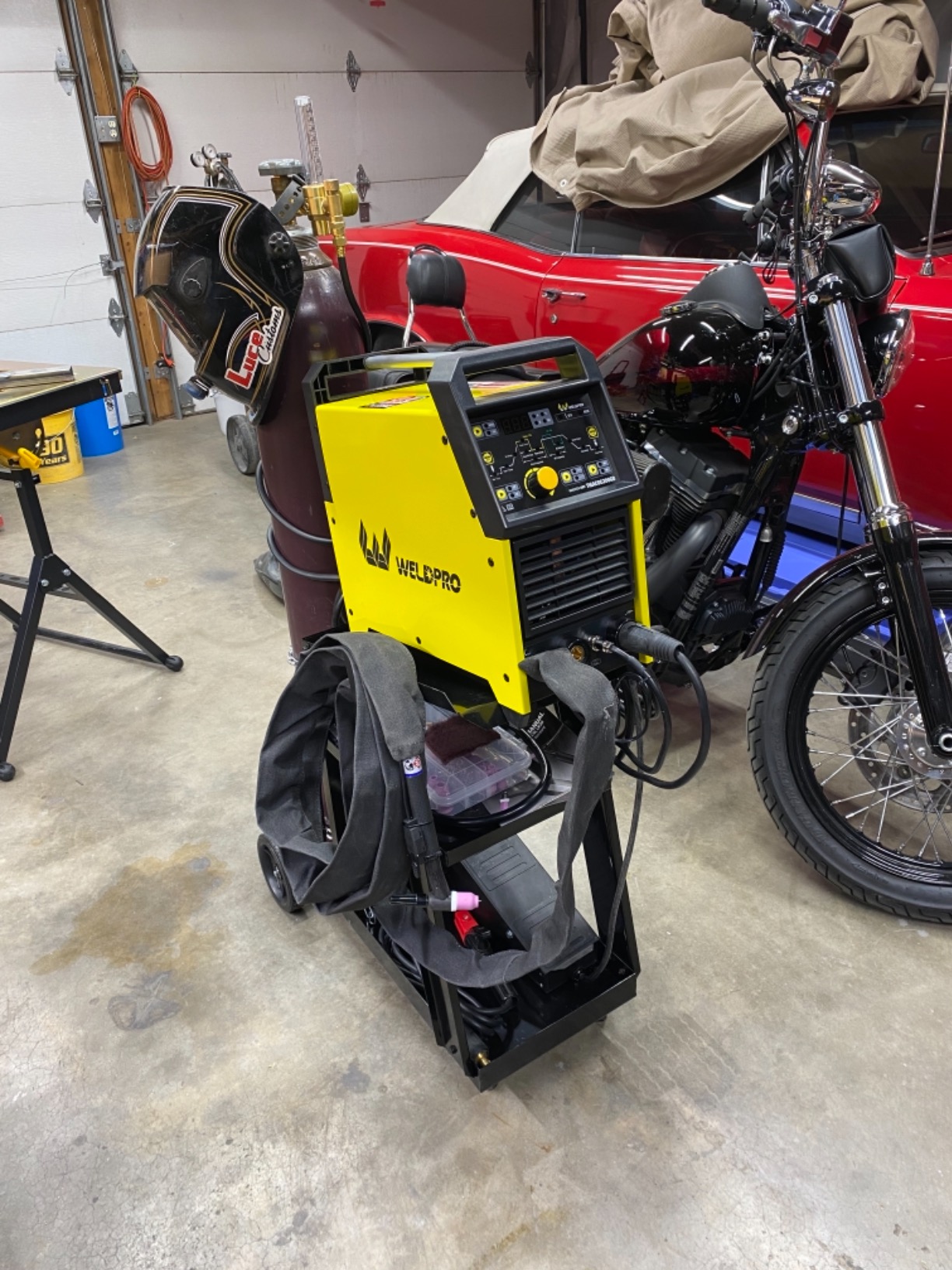
It is good for the farm that wants real aluminum capability, thin-gauge control, and a foot pedal without buying a premium brand. Owners praise the readable display, the completeness of the accessory kit, and the stable arc. Our deeper look at this family of machines is in the Weldpro TIG 200GD review.
It is bad for one-person carry. At 61.8 pounds, this is the heaviest budget machine in the group, and it ships with a carry handle rather than a strap. If you are moving it to the far field, spend that weight budget elsewhere.
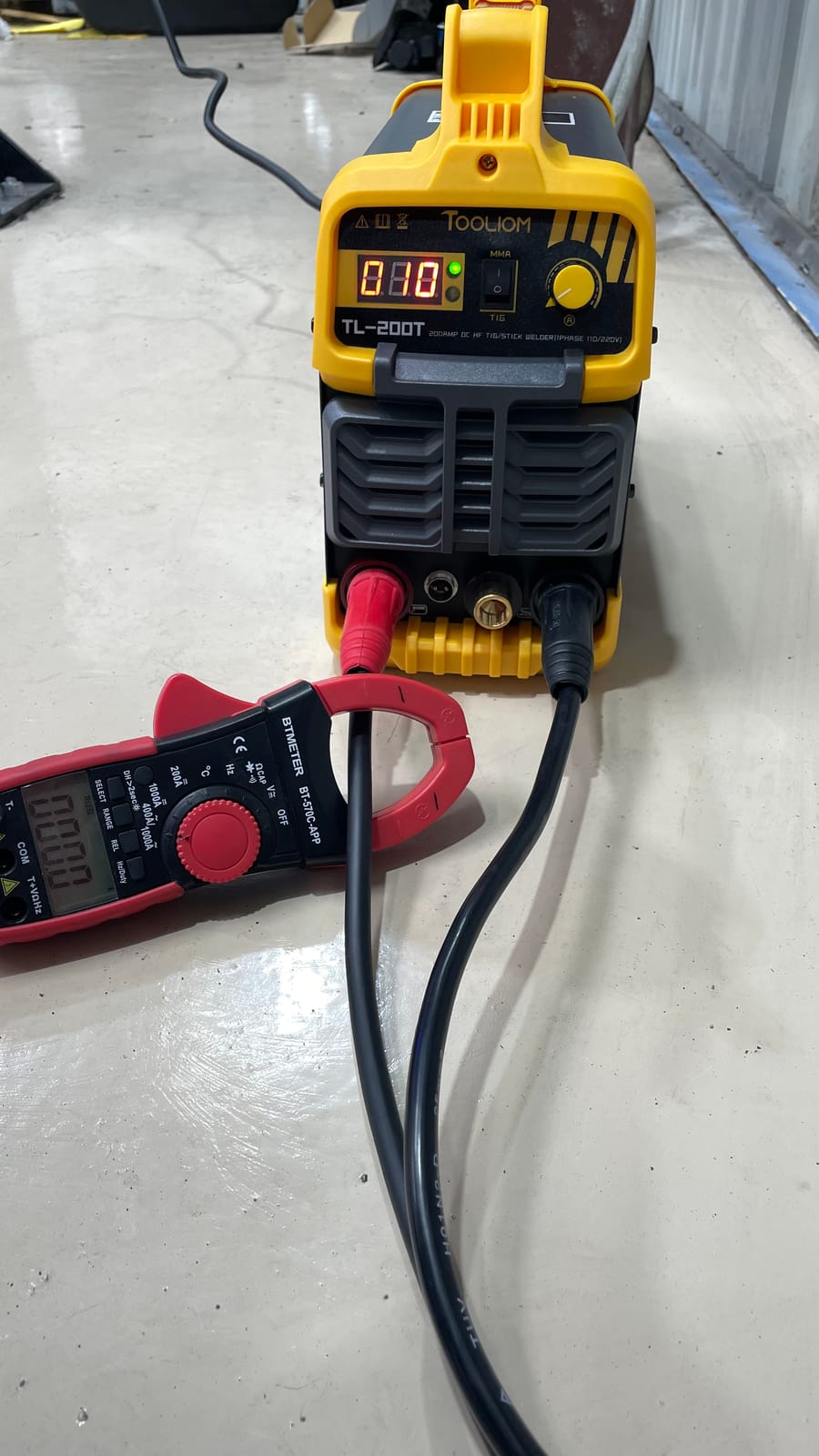
4. TOOLIOM 200A TIG with Pulse – The Spot-Weld Specialist
TOOLIOM 200A TIG Welder with Pulse, 110V/220V Dual Voltage
Stick, DC TIG, pulse TIG and TIG spot
Hot start, arc force and anti-stick
Auto 110V/220V sensing
+ Pros
- Four processes including TIG spot mode
- Large readable digital display with live parameters
- Low spatter and reliable arc start on stainless and alloy steel
- Automatic 110V/220V sensing removes manual switching
- Foot pedal interface built in for hands-free control
– Cons
- DC TIG only
- so aluminum is out of reach
- Thermal protection cuts out under sustained heavy work
- Lower overall rating than peers with a 6 percent one-star share
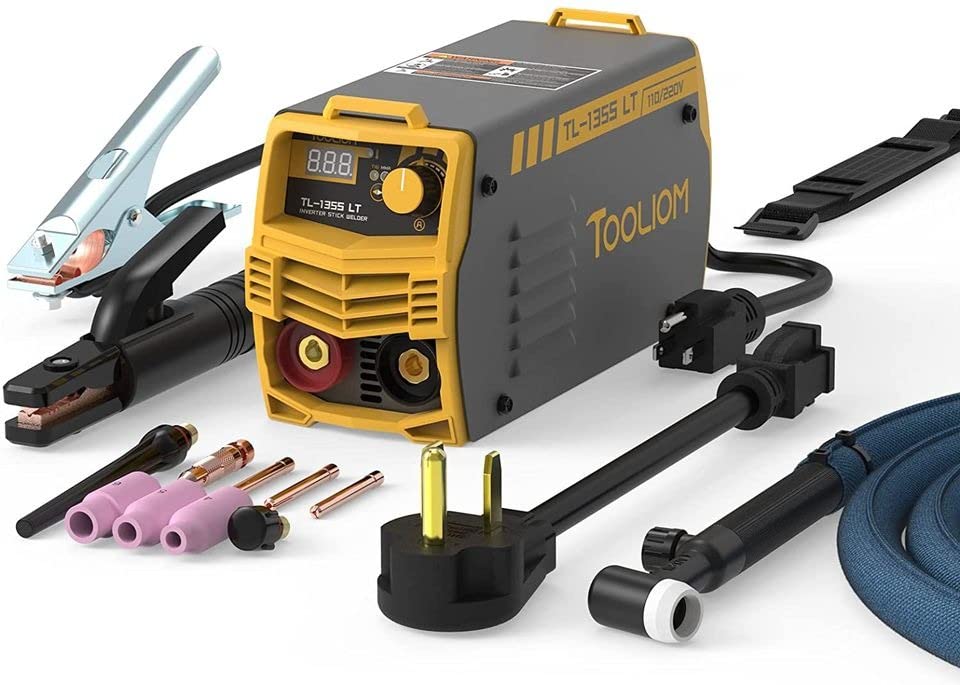
The TOOLIOM is a 4-in-1 unit: stick, DC TIG, pulse TIG, and TIG spot. That spot mode is the reason this machine earns a place on a farm list. Tack-welding a thin-gauge combine panel or a stainless bracket in seconds, holding two pieces in register before a final pass, is exactly the job that makes TIG tedious when you have to draw a continuous bead.
Pulse TIG here gives independent control of frequency, duty cycle, and current, and the stick mode carries hot start, arc force, and anti-stick, which is the right feature set for outdoor work on thicker material. A large digital display shows amperage, mode, and parameters in real time, and smart sensing circuitry auto-adapts to 110V or 220V. A 5-pin foot pedal interface is reserved for hands-free amperage control.
What Pulse Does for Thin Farm Steel
On light-gauge sheet and stainless trim, a continuous DC arc dumps too much heat into a small piece and warps it. Pulsing alternates a high peak that melts the joint with a low base that lets it cool, so you can push heat into the base metal without melting through. Set frequency high for thin material and low for heavier plate, and use the peak and base values as your two dials for bead width.
The Aluminum Question, Answered Honestly
This is DC-only. Aluminum needs the oxide-cleaning action of AC, so the TOOLIOM is off the list for irrigation pipe and sprayer tanks no matter how good the rest of it is. Its pulse capability and spot mode are best spent on stainless, alloy steel, and mild steel, which is where its review profile is strongest.
For Whom Its Good and For Whom Its Bad
It is good for a farm shop that repairs stainless and mild-steel sheet and wants a quick spot tack. Reviewers like the display, the spot mode, and the auto voltage detection, and describe it as well suited to outdoor repair work. It is bad for aluminum, and the thermal protection does cut out under sustained heavy work, so it is a second machine rather than a production welder.
5. YESWELDER TIG-205P – The Best Portable TIG for One-Person Carry
YESWELDER 205A Tig Welder Pulse STICK/DC TIG/PULSE TIG 3 in 1 TIG-205P
10.7 lb machine body, 23.7 lb listed
3-in-1: stick, DC TIG, pulse TIG
Will not weld aluminum
+ Pros
- Genuinely portable at roughly 10.7 lb for the body
- Large LED display with an intuitive interface
- Auto-sensing 110V/220V with no manual switching
- Hot start gives stable
- spatter-free ignition
- Auto memory restores prior settings after power-off
– Cons
- Cannot weld aluminum
- manufacturer states this explicitly
- Machine naming is inconsistent between 200A and 205A claims
- Some owners rate overall value below machines in the same range
Weight is the whole argument for this machine. The listed machine body weight is 10.7 lb, with the full packaged figure at 23.7 lb, in a 16.7 by 13.4 by 11.1 inch footprint. That is the difference between a welder you grab with one hand at the end of a lane and a welder that needs a cart. For a farm where the broken part is usually a long way from the shop, that matters more than any menu of features.
It is a 3-in-1: stick, DC TIG, and pulse TIG, with up to 200 amps of output, auto-sensing 110V/220V input, and high-frequency non-contact arc start. The stick mode brings hot start, arc force, and anti-stick. Pulse TIG gives independent control of pulse frequency, duty cycle, and current, which is genuinely useful on thin material, and the auto memory function recalls your settings after power-off, so a dusty shop does not reset your amperage every morning.
The Aluminum Disclaimer Is Not Negotiable
Both the manufacturer and buyers are explicit: the TIG-205P cannot weld aluminum. That is not a firmware limitation or a missing accessory, it is a DC-only output. If aluminum irrigation couplers or sprayer tank work is on your list, this machine is the wrong one no matter how much you like the weight. Choose an AC/DC model such as the Weldpro 200A or the LOTOS TIG200ACDC instead.
Why Pulse Still Matters on a Small Machine
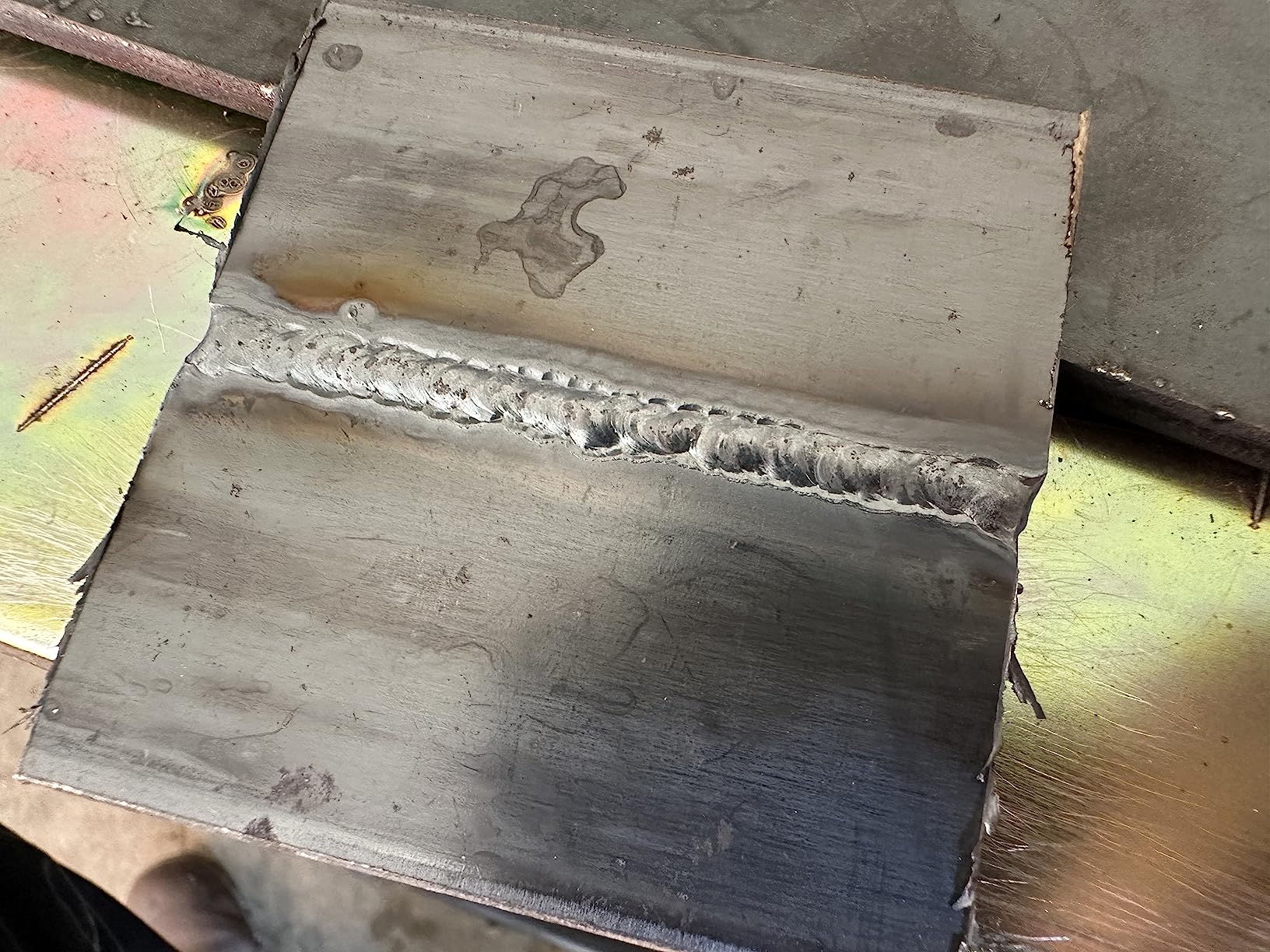
Pulse is often treated as a premium feature, but on a 10.7 lb machine it is what keeps the bead controllable. Independent control of frequency, duty, and current means you can tune a repair on 20-gauge stainless as precisely as you would on a 1/8 inch bracket, and the high-frequency non-touch start avoids the tungsten strike that dirties a nozzle and a tip.
For Whom Its Good and For Whom Its Bad
It is good for the repairer who walks to the job, for stainless tank and manifold work, and for anyone who wants a second portable machine that costs little to add to the bench. It is bad for aluminum, for thick structural work, and for anyone who needs a foot pedal out of the box, since the 5-pin interface is reserved rather than populated.
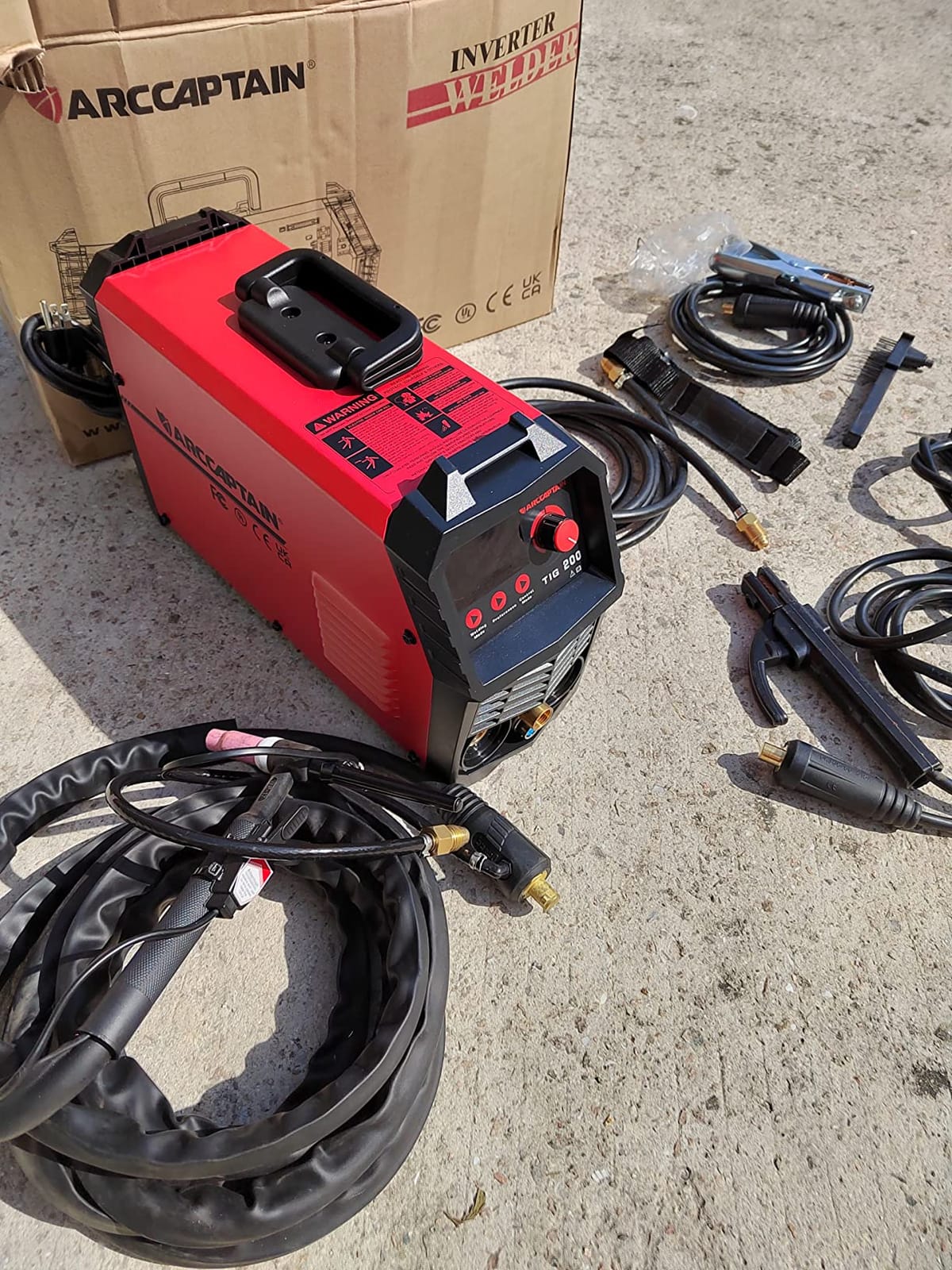
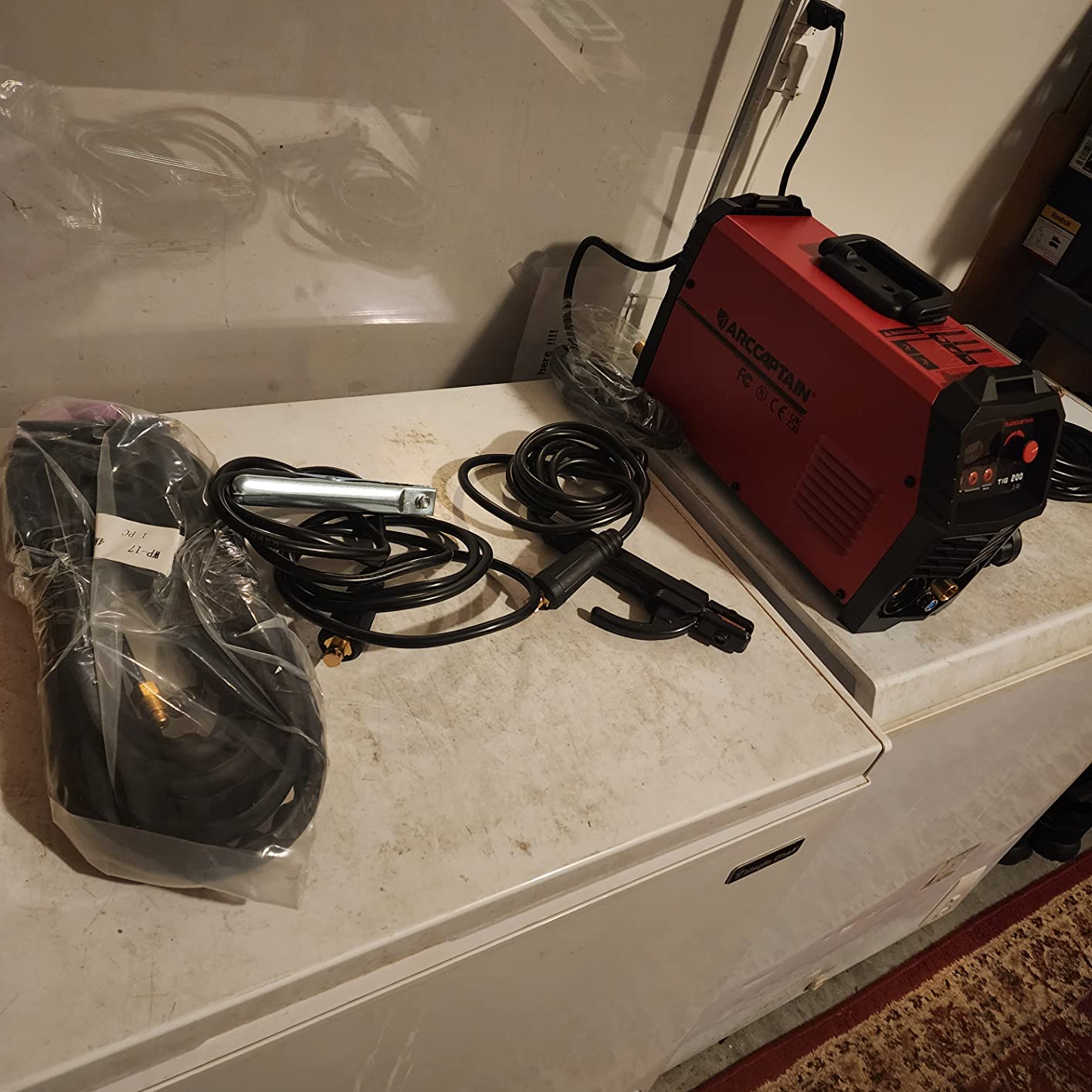
6. ARCCAPTAIN 200A TIG – Best for Rusty Steel and Gate Hardware
ARCCAPTAIN 200A TIG Welder, 110V/220V TIG/Stick 2 IN 1 Welding Machine
HF TIG and stick 2-in-1 up to 200A
Post gas 1-10s, down-slope 0-10s
Under 12 lb with strap, 20.8 lb listed
+ Pros
- One owner ran it near 160 amps for eight hours with only torch cooldowns
- Compact enough to fit under a truck seat
- A reviewer welded pipe for three days off a generator without issues
- High frequency start plus slope control at this price is rare
- Handle and shoulder strap included
– Cons
- Included TIG torch is heavy and awkward
- owners recommend swapping in a lighter Euro torch
- Weak 110V output
- needs a 20A circuit or 220V for real work
- Supplied leads are short
- No aluminum capability in this DC model
This is the machine to read if your farm work is dirty. It is a 2-in-1 high-frequency TIG and stick welder up to 200 amps, built on an advanced MCU and IGBT inverter digital control system for minimal spatter, and it includes post-gas time adjustable from 1 to 10 seconds and down-slope time adjustable from 0 to 10 seconds. That post-gas window is the feature farm welders care about most: a longer tail keeps shielding gas on the hot aluminum and stainless after you stop, and it keeps oxidation out of the puddle.
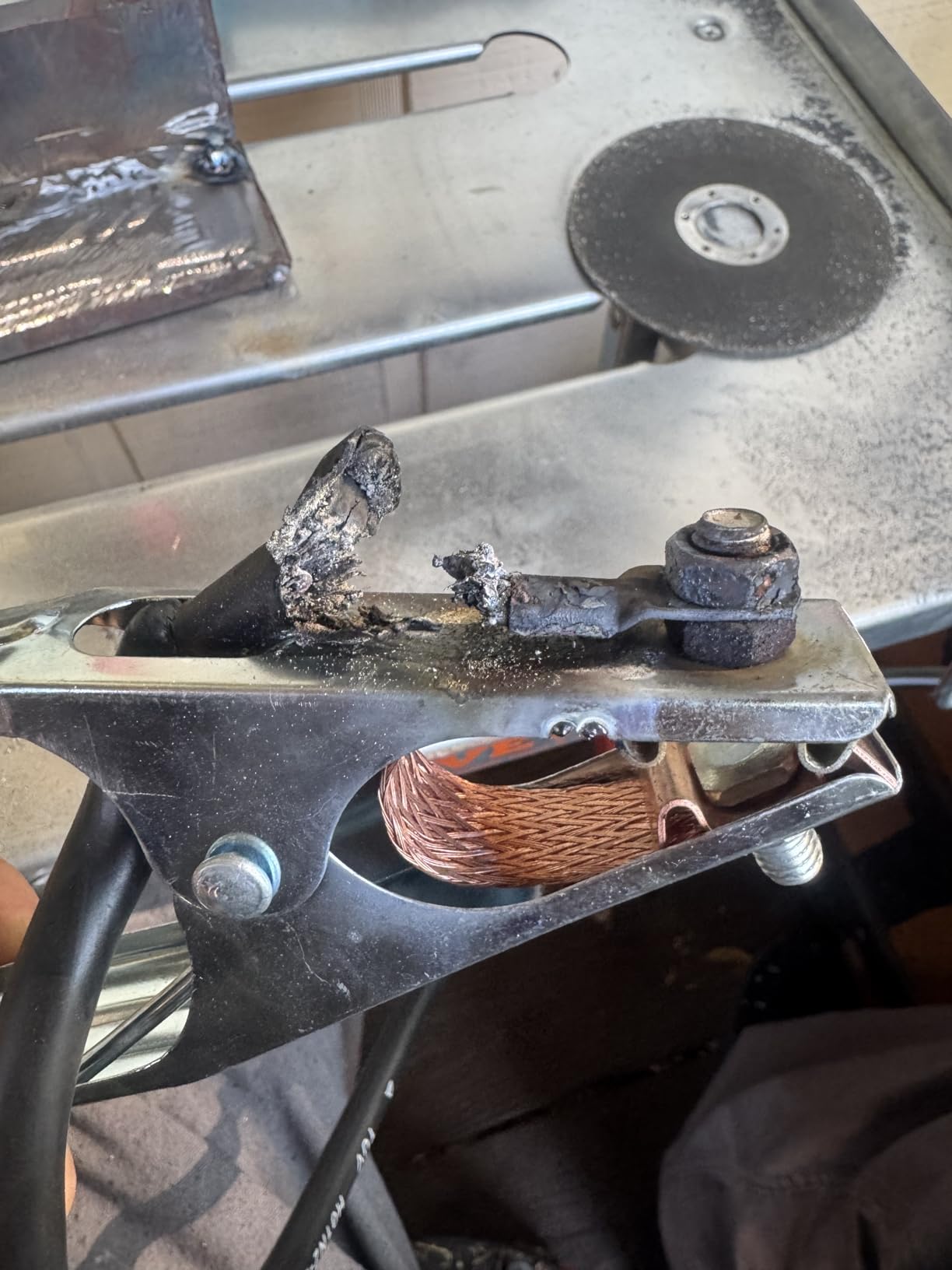
Owners report impressive endurance. One ran it near 160 amps for eight hours with only torch cooldowns. Another welded pipe for three days off a Miller Bobcat generator with no issues, which is a useful data point for anyone planning to run a mid-sized portable generator. There is also VRD plus over-current, over-voltage, over-load, and overheat protection, and the cooling fan runs only when needed.
High Frequency Start and What It Means on Rusted Steel
High frequency start is a non-contact ignition: the machine sends a high-frequency burst between torch and workpiece to ionize the argon without striking a physical arc. That protects the tungsten, and on painted or scaled farm steel it starts more reliably than a scratch-start that you have to find a clean spot for. It does not make rust disappear, and no TIG machine does, but it removes one common reason an arc will not start on a gate hinge or a bracket that has been outside for a decade.
Carry Weight and the Torch Problem
The machine is under 12 lb with handle and included shoulder strap, and the listed weight is 20.8 lb in an 18.25 by 15 by 7.25 inch package. That is genuinely portable. The catch is the supplied torch, which owners repeatedly describe as too heavy and awkward, and several recommend swapping in a lighter Euro torch or a CK Worldwide 17. The torch is also not swivel or bendable, which limits how you can work into a tight frame.
For Whom Its Good and For Whom Its Bad
It is good for gates, hinges, brackets, and any repair where the steel is painted or lightly scaled and you want HF start with slope control. It is bad for aluminum, which requires the AC/DC version, and for 110V-only sites, because several owners report weak performance on 120V and recommend a 20A circuit or a 220V supply for real work. Check the leads, too, since short supplied cables and a ground cable that overheated under long duty cycles both show up in reviews.
7. LOTOS TIG200ACDC – Best Value Aluminum Capability with a Regulator Included
LOTOS TIG200ACDC 200A AC/DC Aluminum Tig Welder with DC Stick/Arc Welder, Square Wave Inverter with Foot Pedal and Argon Regulator 110/220V Dual Voltage Brown
200A AC square-wave TIG for aluminum
10-200A TIG, 15-200A stick
Foot pedal and argon regulator included
+ Pros
- Genuine AC square-wave output makes it a real aluminum machine
- Foot pedal gives precise heat control on thin aluminum and stainless
- Complete package including torch
- clamp
- foot pedal and argon regulator
- Automatic dual voltage and dual frequency
- Long-standing listing with a long service record
– Cons
- Larger and heavier than budget units at 37 lb
- Older IGBT platform than newer pulse-capable machines
- No pulse TIG in this base configuration
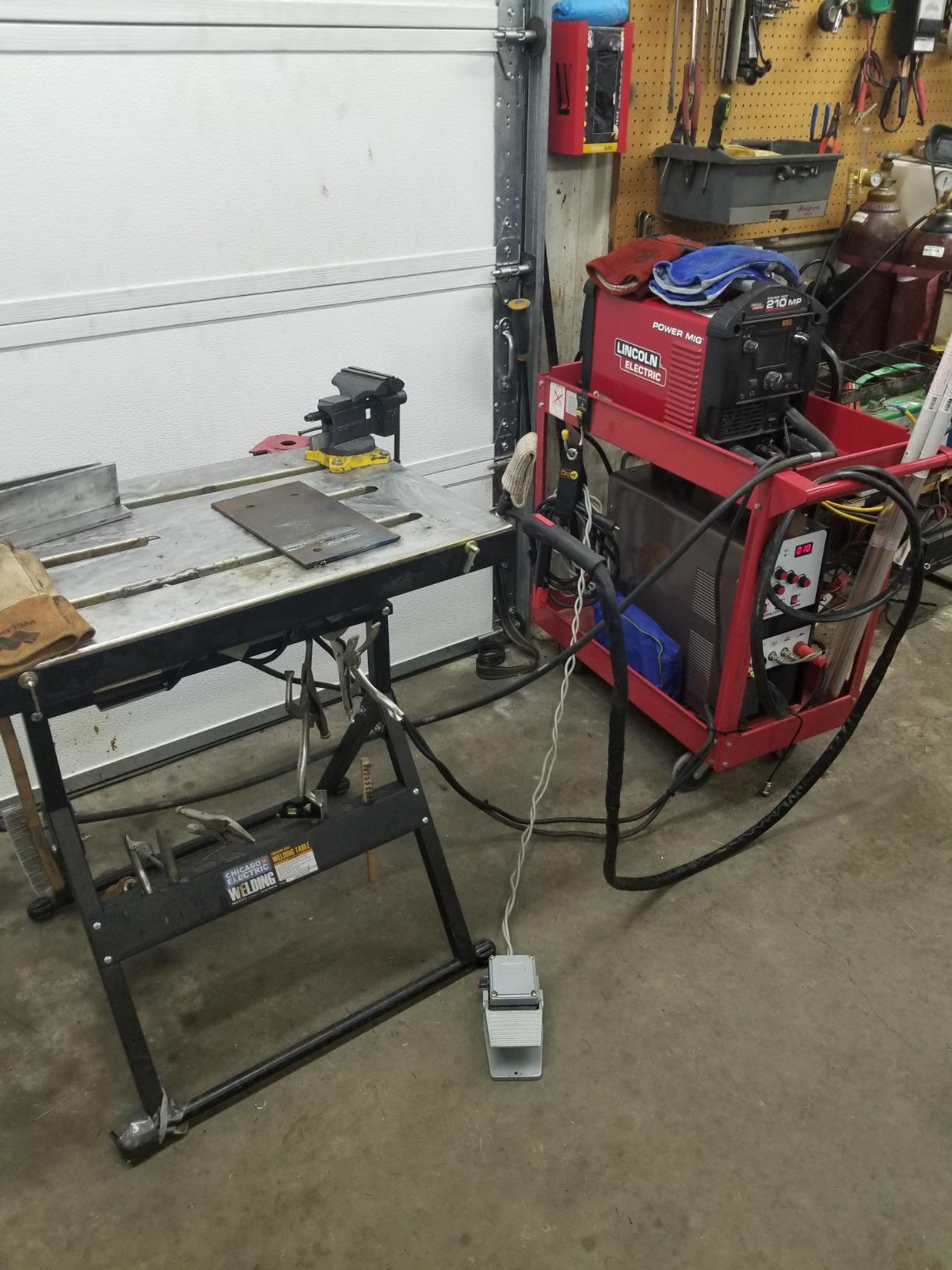
The LOTOS TIG200ACDC has been on sale since 2012, which tells you two things: the design is proven, and the electronics are an older IGBT platform compared with the pulse-capable machines in the same range. What you get is a 200A AC square-wave inverter with 10-200A of AC/DC TIG output at 80 percent power efficiency, plus 15-200A of DC stick output with adjustable hot striking arc current.
What separates it from cheaper listings is the box contents. It includes a TIG torch, an MMA/stick clamp, a foot pedal, an argon regulator, a 220V to 110V converter pigtail, a ground clamp, a consumable set, and a manual. That is a real cost difference for a first-time buyer, because on many budget machines the gas hardware is the thing you end up buying on day one. The warranty is also solid: a 30-day money-back guarantee, a 1-year replacement warranty, and a 3-year limited warranty with registration.
Square-Wave AC and Why It Works on Aluminum
Aluminum forms an oxide layer instantly, and DC TIG cannot remove it, so the arc has to fight through a dirty puddle. AC TIG solves this by alternating polarity, and square-wave output is the cleanest version of that trick, sweeping the current in both directions to clean the surface and penetrate underneath. This is the same mechanism the pulse-capable machines use, just without the pulsing control on top, so the puddle control is more hands-on than a machine with adjustable AC balance and frequency.
Automatic Dual Voltage and Dual Frequency
Automatic dual voltage and dual frequency across 110/120V, 220/240V, and 50/60Hz is genuinely useful for mobile work, and the included converter pigtail is a small thing that removes a real frustration. HF start with hand torch control and foot pedal heat control are both present, and the foot pedal is what you want on thin aluminum, where the amperage has to change as the bead moves.
For Whom Its Good and For Whom Its Bad
It is good for a first aluminum-capable TIG, for someone who does not want to buy a regulator and foot pedal separately, and for a farm shop that values a long warranty and USA-based support over the newest features. It is bad for small spaces: at 37 lb in a 28 by 13 by 17 inch chassis it is the tallest and one of the heaviest boxes here, and it is not a hand-carry machine.
8. Weldpro Omni210 Multi-Process – Best for Shops That Also Need MIG
Weldpro Omni210 MIG Welder 200A Multi-Process Welder 110V/220V,Synergic MIG/Flux Core/Stick/Spool Gun/AC/DC HF TIG with Pulse,6-in-1 Frequency Control Welding Machine with Standard TIG Torch,VRD
MIG, flux core, stick, AC/DC TIG and spool gun
200A output, synergic auto-set
81.8 lb with KT26 torch and foot pedal
+ Pros
- Excellent all-rounder used for barn repairs and general property work
- AC aluminum TIG welds reported clean
- Synergic auto-set programs are beginner friendly with manual override
- Dual 120V/240V with an included adapter cord
- Fan shuts off when not needed
- Support resolved a failure with a free replacement
– Cons
- TIG side is basic with no upslope
- pulse or post-flow control
- Leads are short and the body and feet feel cheap
- Drive roller lacks bite and can trip a 20A 120V breaker
- Heaviest machine in the group at 81.8 lb
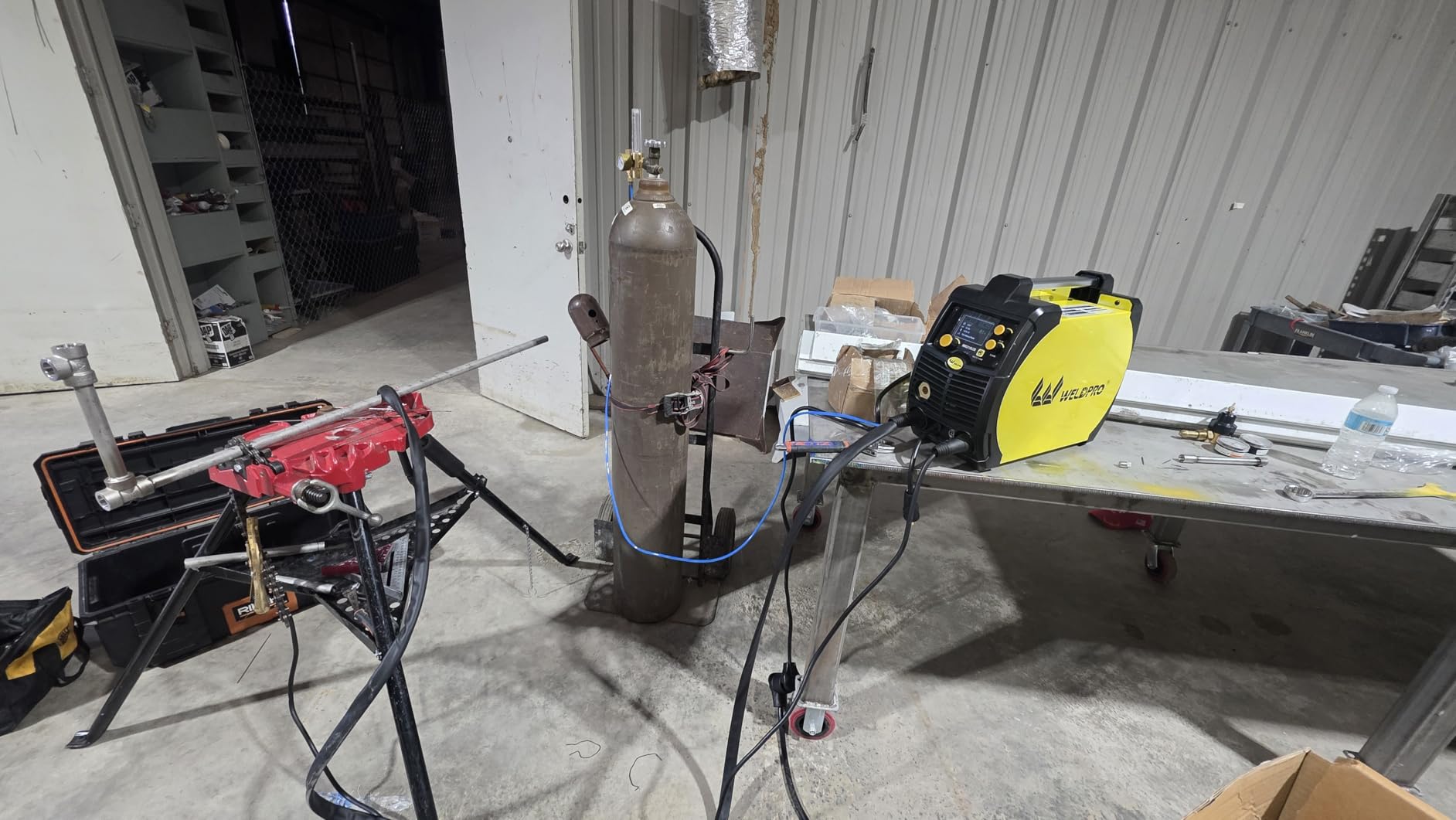
If a farm wants one box to do everything, this is the honest answer in this list, and it is also the compromise to understand before buying. The Omni210 is a 6-in-1: MIG, flux core, stick, AC/DC HF TIG, spool gun, and spot. Output goes to 200A across MIG, TIG, and stick, with synergic MIG programs that auto-set current and wire feed for a beginner and stay out of the way for someone who wants manual control.
Owners bought it as a MIG machine and are very happy with that half: smooth wire feed, reliable auto-settings, dual voltage with the adapter cord, and a fan that actually shuts off. The AC aluminum TIG welds get described as clean and impressive. It includes a 180A NT MIG torch, a KT26 TIG torch with an independent trigger switch, a flow meter, a ground clamp, and a Weldpro foot pedal, and it holds a 12 lb wire spool.
Where the TIG Side Falls Short
Reviewers are candid that the TIG is adequate rather than refined. The base kit has no upslope control, no pulse, and no post-flow gas control, and there is no foot pedal option included with the TIG side. That is fine for a clean aluminum bracket and frustrating for a thin-gauge panel where you are chasing puddle control. The leads are also short, the plastic body and rubber feet are described as cheap, and the integrated gas and MIG connection is bulky and can tear O-rings when you disconnect it.
Why the Weight Is a Real Limitation
At 81.8 lb, this is the heaviest machine in the group. It is a shop machine. Nothing about the Omni210 suggests field deployment beyond a farm building with an outlet, and the 120V current draw is worth planning carefully since the drive roller can trip a 20A breaker when pushed hard. If your repairs are spread across a property, one machine that does everything at mediocre TIG is often beaten by a small dedicated TIG plus a stick machine.
For Whom Its Good and For Whom Its Bad
It is good for a barn or shop that wants MIG wire feed, stick, and basic AC aluminum TIG in one package, especially for beginners who will get more use out of the synergic programs. It is bad for anyone whose primary need is precision TIG work, and for field repair. Customer support is rated highly, including a free replacement after a failure.
9. FEMEROL 200A 6-in-1 Combo – Best for Cutting and Fitting Before You Weld
FEMEROL Plasma Cutter Welder Combo 200A Gas MIG/Gasless MIG/HF TIG/Stick/CUT/SPOT 6 in 1 Welding Machine Aluminum Welding 110/220V Dual Voltage Multi Process Welder
MIG, flux core, HF TIG, stick, spot and plasma
10mm clean cut, 16mm max severance at 220V
42 lb, 110V/220V dual voltage
+ Pros
- Unmatched process coverage for the price in one box
- Professionals report running 10 hours laying aluminum MIG beads
- Synergic digital control with manual override
- Dual voltage and a compact 42 lb format
- Complete package including plasma torch
- air regulator and hammer
– Cons
- Knobs and display behave inconsistently between sessions
- Plasma arc start is hard to initiate and cut quality is below claim
- Gas MIG spatters heavily
- Consumables and stick lead may be missing from the box
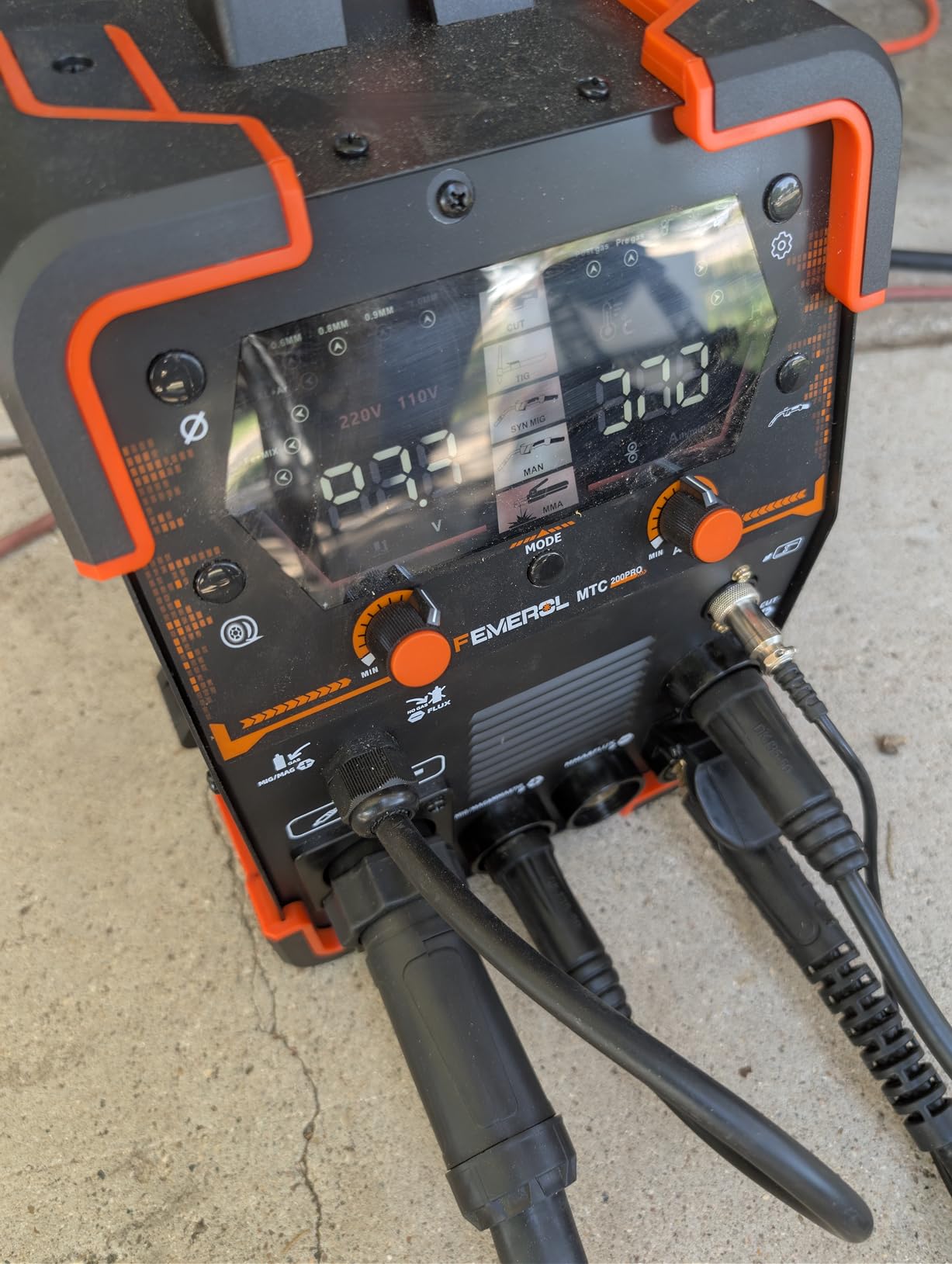
The FEMEROL MTC200PRO is the one machine here with a plasma cutter, and on a farm that matters more than it might seem. Fitting a replacement plate on a skid steer bucket or a feed wagon floor means cutting first and welding second, and renting a separate plasma cutter for that is a hassle. This is a 6-in-1: flux core MIG, gas MIG, plasma cutting, HF TIG, stick, and spot welding.
The cutting claim is a 10 mm ideal clean cut and a 16 mm maximum severance cut under 220V at 60 percent duty cycle, using compressed air rather than a specialty gas, on stainless, alloy steel, mild steel, copper, and aluminum. The synergic MIG auto-matches current and wire feed by wire diameter and gas, with full manual override, and the HF TIG start is non-contact to reduce tungsten wear. The package includes MIG and TIG torches, a plasma torch with consumables, an air filter regulator, a hammer, gas hose, ground clamp, electrode holder, and a 110V-220V adapter.
Read the Polarized Reviews Carefully
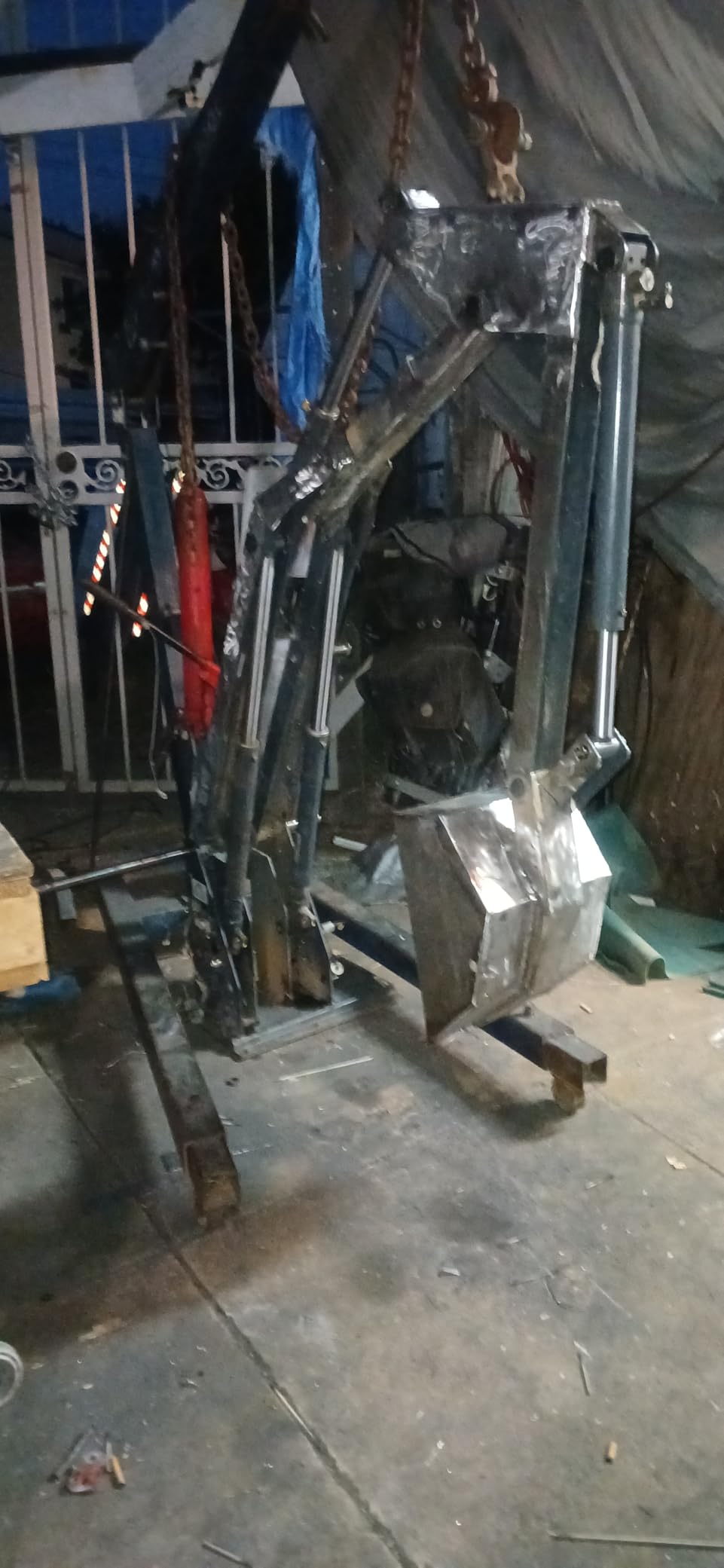
Reviews split cleanly along process lines. Owners who mainly MIG, stick, or HF TIG report excellent value and durability, including professional welders running 10 hours laying aluminum MIG beads. Owners whose priority was the plasma cutter report that arc start is hard to initiate and that real cutting ability falls short of the advertised 10 mm. Gas MIG also spatters heavily and is described as worse than flux core. Judge it on the process you will actually use.
Consumable and Fitting Issues to Expect
Several reviewers report consumables and the stick lead missing from the box, ceramic cones that are hard to source, and a gas line fitting too small to adapt to a standard argon tank without modification. The most repeated technical complaint is erratic knob and display behavior, with settings jumping between scales and being hard to repeat across sessions, which is a serious problem when you have found a good setting on a stainless tank.
For Whom Its Good and For Whom Its Bad
It is good for a farm shop that wants cutting and fitting capability beside the welder, and for owners who will mostly MIG or stick weld. It is bad if precision TIG is the goal, because the HF TIG mode is basic and the controls are not repeatable. Do not buy it for the plasma cutter alone.
10. Sunstac 250A AC/DC Pulse TIG – Most Amperage Headroom, Fewest Owner Confidence
Sunstac 250A Aluminum TIG Welder with Pulse ACDC Foot Pedal Control
Up to 250A AC/DC with pulsed AC and DC
5/32 inch aluminum at 110V, 6/25 inch at 220V
29.8 lb with LCD display
+ Pros
- Genuine AC/DC with pulsed AC and pulsed DC in one machine
- Highest rated output among the mid-priced units
- Large LCD readable through a welding helmet
- Intelligent parameter saving restores settings after restart
- Long 118 inch cables rated 300A
- 2T
- 4T and spot TIG modes
– Cons
- Lowest average rating in the group at 4.1 with 15 percent one-star reviews
- Foot pedal is not included despite being advertised
- AC mode current measurement is inaccurate per the manufacturer
- Some buyers report output below the advertised figure
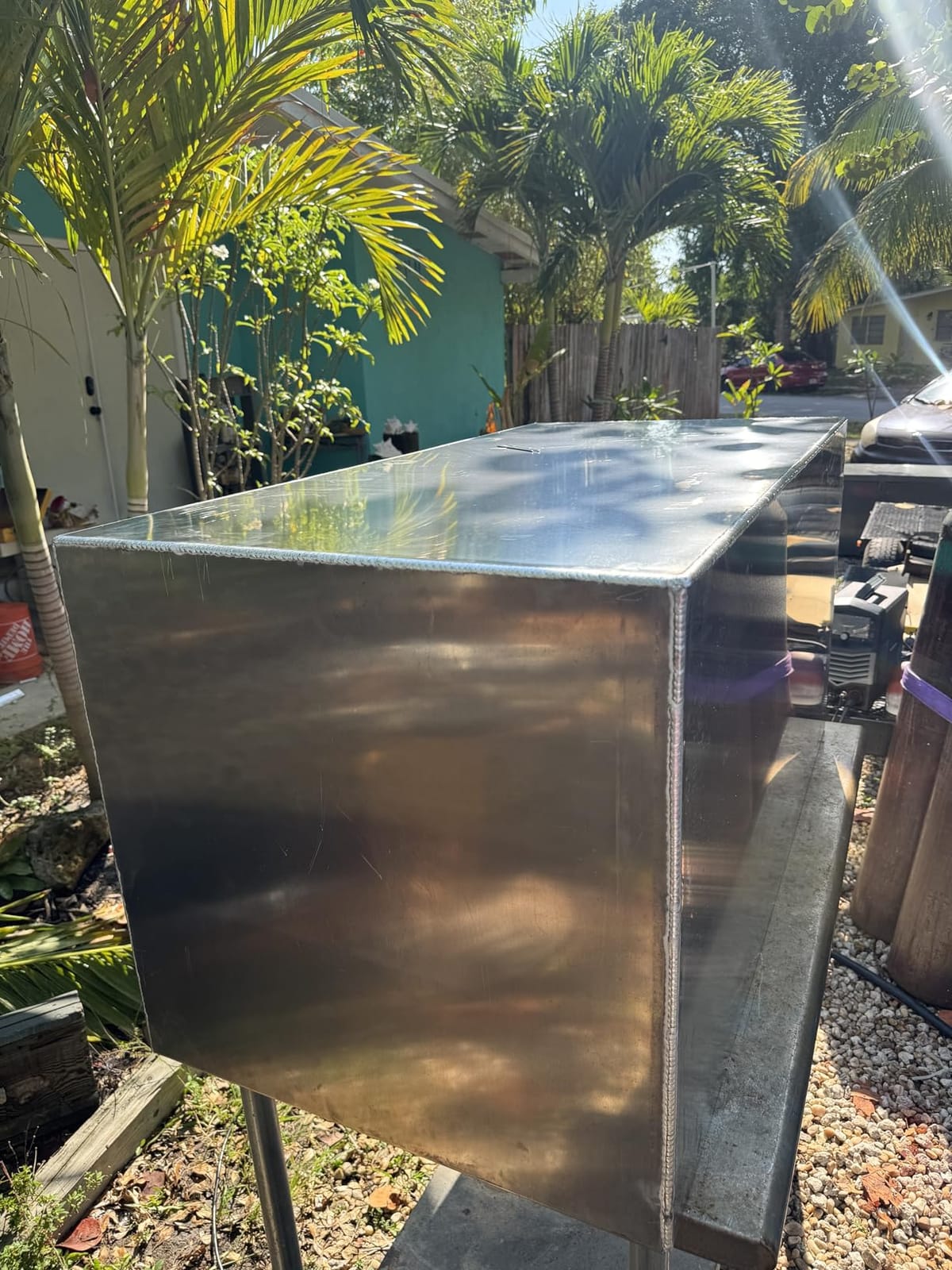
On paper the Sunstac is the most capable machine in the group. It offers up to 250A of AC/DC output on 110/220V, with modes covering HF AC, HF DC, pulsed AC, pulsed DC, AC spot, DC spot, and stick. It is rated for 5/32 inch aluminum at 110V and 6/25 inch at 220V, and works across aluminum, alloy steel, copper, stainless, carbon steel, and iron. The LCD shows voltage, current, and settings with digits large enough to read through a welding helmet, and intelligent parameter saving restores your last setup after a restart.
The 118 inch work clamp and electrode holder cables are rated 300A, which is genuinely useful for working inside a machine or a bed without dragging a cable around, and 2T, 4T, and spot TIG modes give flexibility for repair and fabrication. Foot pedal remote control is supported and auto-detected on restart, but the pedal is not included.
Why the Weakest Rating Matters Here
This machine has the lowest average rating in the group, with 15 percent one-star reviews, and the complaints are specific rather than cosmetic. The manufacturer itself states that AC mode current measurement is inaccurate and that inconsistent AC balance can cause variations, which is a real problem on aluminum because balance is the primary puddle control. Some reviewers also report the machine not delivering its advertised output, so the 250A headline should be read as a ceiling, not a typical working figure.
Still Worth It for a Specific Situation
If you are welding heavier aluminum sections, the headroom is real and the extra amperage reserve does reduce spatter on thicker bead placement. Just calibrate your expectations: the 250A figure is a maximum, you will not get rated output all day, and the foot pedal that the product name advertises has to be bought separately. Buy it understanding the weaker support profile than the PRIMEWELD offers.
For Whom Its Good and For Whom Its Bad
It is good for a shop that regularly works heavy aluminum and values a large readable display and automatic setting recall. It is bad for a first TIG purchase, because the AC balance issues affect exactly the aluminum work that justifies the machine, and for anyone who plans to run it all day at maximum output. The display and parameter memory are the parts owners consistently praise.
How to Choose a Portable TIG Welder for Farm Work
Decide AC or DC Before Amperage
DC-only machines run stainless and mild steel. AC/DC machines add aluminum and magnesium, and on a farm that is the difference between a machine that fixes half your list and one that fixes all of it. Four of the picks here are DC only: the S7, the TOOLIOM, the YESWELDER TIG-205P, and the ARCCAPTAIN TIG200. If aluminum shows up anywhere in your repair log, cross them off first.
Size Your Machine with the Rule of 33
The rule of 33 is the anchor welders actually remember: divide the material thickness in thousandths of an inch by three, and the result is roughly the amps you need. That makes 33 amps per 0.001 inch of thickness. A 0.125 inch wall of irrigation pipe works out around 40 amps, a 0.062 inch sheet around 20 amps, and a 0.250 inch aluminum flange lands near 80 amps. Double the figure for aluminum, since it carries heat differently and you need a wider, faster puddle.
Those numbers are for the material itself. A 200 amp machine is useful not because you plan to run 200 amps, but because it holds its output at a sane working amperage with room in the transformer when the joint heats up. Owners of the ARCCAPTAIN running near 160 amps for eight hours and the Weldpro holding 40 percent duty at full 200A show what headroom actually delivers.
Read Duty Cycle the Way a Spec Writer Means It
Duty cycle is a ten-minute cycle. A 40 percent rating at 200A means the machine can hold 200 amps for four minutes out of every ten before needing a cool-down. Most farm repairs are far shorter than that, which is why a lower duty cycle machine handles real work fine. A published duty cycle, like the 40 percent at 200A on the Weldpro, tells you more than a headline amp number with no cycle attached.
Weight Decides More Than Features
Sort by carry weight and the list reorganizes itself. Under 12 lb for the ARCCAPTAIN with a strap, roughly 11 lb for the YESWELDER body, 18 lb for the S7, 30 to 37 lb for the LOTOS and Sunstac, 42 lb for the FEMEROL, 62 lb for the Weldpro TIG, 82 lb for the Omni210, and 90 lb listed for the PRIMEWELD. Anything over 50 lb is a two-person or cart job. That single cut is more useful than any feature checklist when the breakdown is at the back of the farm.
Budget for the Consumables, Not Just the Machine
Argon and tungsten are a recurring cost, and on a farm doing repeated small repairs it adds up. A small cylinder of argon and a spare tungsten electrode belong in the first purchase, and so do ceramic cups and collets. Budget machines that skip the regulator and gas hose, such as the S7, quietly cost more on day one. Our TIG equipment checklist covers the supporting gear in detail.
Pulse Is a Control Upgrade, Not a Power Upgrade
Pulse does not give you more amps. It gives you finer control over a narrow puddle, which matters most on thin stainless, thin aluminum, and any job where distortion ruins the fit. If your list is heavy plate and structural work, spend the money on duty cycle and arc force instead. If your list is trim sheet, tanks, and irrigation couplers, pulse is worth paying for.
Generator and Field Power for Farm Welding
Power is the number one real-world farm blocker, and it is the one most roundups ignore. A TIG draws far more than a stick machine, especially at 220V, and a small generator that starts a kettle may not start an arc.
Two rules cover most cases. First, size the generator above the machine’s rated input, and use running watts rather than surge or peak numbers when you compare. Second, if a shop circuit is available within a reasonable walk, use it, because a welder on fluctuating generator power is where the electronics get stressed.
Real owner reports show it working. One ARCCAPTAIN owner welded pipe for three days off a Miller Bobcat generator with no issues, which is a mid-sized portable unit rather than a small inverter generator. The two machines that need the most electrical headroom here are the ones rated at 200A and above, and the Weldpro’s owners report needing a dedicated 50A 220V circuit for sustained work, so plan the circuit before you plan the purchase.
For truly off-grid work where a generator is not practical, none of these ten qualify, since all of them need mains power. That is the honest limitation of a gas-shielded process: TIG consumes argon, and argon does not come from a battery. If you need to weld where no power exists, an engine-driven welder generator or a battery-fed MIG is the category to look at instead.
TIG in Dust, Wind, and Mud
Farm TIG work happens outdoors, and the two enemies are wind and contamination. Wind blows the argon shield off the puddle and the arc breaks apart, which is why a shop TIG in a breeze produces ugly, porous beads. Shielding gas flow is the first fix: turn the flowmeter up toward the high end of the recommended range and use a nozzle wide enough to cover the puddle without crowding it.
Contamination is the second. A tungsten that has touched the work or the filler rod loses its heat capacity and the arc wanders, so grind rather than swap contaminated tips, and keep the copper in a clean container. On dusty jobs, wipe the nozzle and the gas line fitting before you start, and check the flowmeter hose for a kink, since a partial blockage is the most common cause of an arc that will not hold a puddle.
When a puddle will not form on aluminum specifically, work through the list in order: confirm you are on AC, confirm the AC balance is not set too cleaning-heavy, confirm the electrode is clean and correctly ground, confirm the gas is flowing at the right rate, and confirm your amperage is not too low to melt the joint. That is the same sequence forum users describe when the puddle simply will not appear, and it resolves the problem most of the time.
Safety Gear for Field Welding
A helmet with the right shade density is the first purchase and the one most worth spending on, because shade 10 is appropriate for low-current TIG while shade 13 suits the higher amps used on thicker aluminum. A fresnel lens in a flip-up shell lets you check the fit of your joint, your tungsten, and your ground clamp without lifting the hood, and that check prevents most burns and most start failures.
Beyond the helmet: leather welding gloves rated for TIG work, a leather apron, sturdy boots, and a respirator for grinding or cutting galvanised and painted farm steel. A fire extinguisher belongs in the truck, not in the shop, because TIG work near dry grass and hay is where a spark turns into a loss. On aluminum, clean the work area of solvent and grease before striking, because the fumes from a contaminated aluminium surface are toxic.
Frequently Asked Questions
What is the best portable TIG welder?
The PRIMEWELD TIG225X is the best portable TIG welder overall for farm repair. It delivers 225 amps of AC and DC TIG output with pulse adjustable to 200 Hz, handles 1/4 inch aluminum and 3/8 inch mild steel, and carries a 3-year warranty. The Weldpro 200A AC/DC is the alternative when finer pulse control matters, and the YESWELDER TIG-205P wins for one-person carry weight.
What is the best welder for a farmer?
For most farms the best single machine is a stick or MIG welder, because farm steel is often dirty, thick, and coated, and those processes are faster and more forgiving. A TIG welder earns its place as a specialist third machine for aluminum irrigation pipe, stainless sprayer tanks, thin-gauge sheet, and clean gate hardware. On r/Welding the consensus is the same: buy the simple machine first.
What is the rule of 33 in TIG welding?
Divide the material thickness by three, and the result is the amps needed. Thickness is measured in thousandths of an inch, so 0.125 inch material needs about 41 amps and 0.062 inch material needs about 20 amps. Double the result for aluminum, which needs more heat and a wider puddle.
How thick can a 200 amp TIG welder weld aluminum?
A 200 amp machine has plenty of headroom for typical farm aluminum work. The Sunstac 250A is rated for 5/32 inch aluminum at 110V and 6/25 inch at 220V, and the PRIMEWELD TIG225X is rated for 1/4 inch aluminum. For thinner irrigation couplers, low current matters more than maximum capacity, and AC balance settings control the bead far more than extra amps do.
Why won’t my TIG welder form a puddle on aluminum?
Work through the causes in order. Confirm you are on AC, since DC cannot clean the aluminum oxide layer. Check the AC balance, because too much cleaning action weakens the puddle. Grind the tungsten clean and check its shape. Verify gas is flowing at the correct rate through a clear flowmeter. Raise amperage if the joint is simply too cold to melt.
What is the best budget TIG welder for stainless and mild steel?
The S7 200A TIG and Stick is the cheapest capable option, at 18.01 lb with 110V/220V input, and it handles thin stainless and mild steel well when set correctly. The ARCCAPTAIN 200A adds high frequency start, post-gas timing, and a shoulder strap, and owners report running it for hours without trouble. Neither welds aluminum, since both are DC-only.
Can you TIG weld in the wind on a farm?
Not without shielding the puddle. Wind blows the argon off the molten pool and the arc breaks up, leaving porous, ugly beads. Move the work to a lee side, use a windshield or a vehicle body as a break, and increase shielding gas flow within the recommended range. Dust and mud are the other problem, so keep the nozzle, torch, and work clean before striking an arc.
Final Verdict: Which Portable TIG Welder Fits Your Farm
If you want one machine that does the specialist work properly, the PRIMEWELD TIG225X is the best portable TIG welder for farm repair in 2026: AC and DC, pulse to 200 Hz, a real CK torch, and a warranty that matches the risk. Mount it in a truck or a cart and it will handle aluminum and stainless all day.
If aluminum is most of your list and you want more pulse refinement, choose the Weldpro 200A AC/DC and give it a dedicated circuit. If you are the only person who will carry the machine, the YESWELDER TIG-205P and the ARCCAPTAIN 200A are the ones that will actually reach the repair, and both are stainless and mild steel machines rather than aluminum ones. For a first aluminum-capable TIG that includes the gas hardware, the LOTOS TIG200ACDC saves the most setup friction.
And if your honest list is gates, hitches, and buckets rather than tanks and pipe, skip all of it and buy a stick or MIG machine first. Come back to one of these when the aluminum work starts costing you a trip to town. Specs verified against manufacturer listings and owner reviews in 2026.
Leave a Reply