
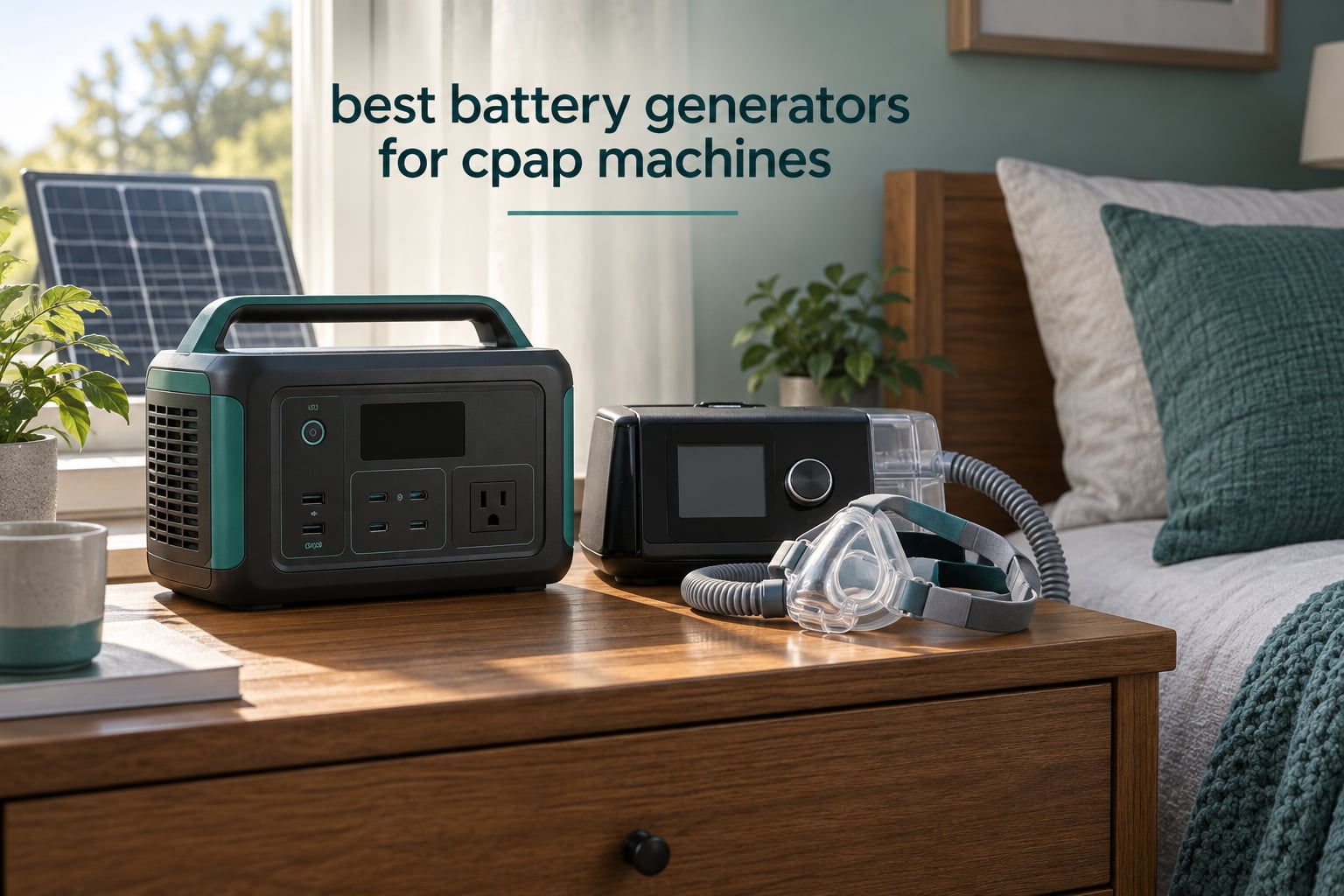
The scariest thread on r/CPAP is not about masks or pressure settings. It is the one where somebody wakes at 3 a.m. to a dead machine, no airflow, and the specific panic of realizing therapy stopped without warning. One writer there described a Loewenstein Prisma delivering only 60 watts to the machine, which is the whole problem: a CPAP is a small load on a big battery, and almost any of them can run one if you buy the right size.
That is the direct answer. Size in watt-hours, not peak watts. A CPAP without a heated humidifier draws around 22 W, so an 8-hour night needs roughly 180 Wh. With a heated humidifier and heated tube you are closer to 60 W, so plan for 500 Wh per night. Anything smaller gets you through a night, not an outage.
We worked through the specifications, output types and owner feedback of 10 battery generators for CPAP machines. Capacity here ranges from 192 Wh to 1070 Wh, chemistry from older lithium-ion to LiFePO4 rated past 4000 cycles, and only some units switch over automatically when your wall power disappears. If you are still shopping for a machine, our guide to the best travel CPAP machines tested and compared covers the units these batteries have to match.
A safety note first. Never stop therapy without talking to your doctor, and never change your pressure settings on your own. Never run a lithium power station in a closed space or under bedding, because these units generate heat under load.
Our Top 3 Best Battery Generators for CPAP Machines (October 2026)

Jackery Explorer 1000 v2
- 1070Wh LFP
- 1500W continuous
- One-hour emergency charge
- 30 dB quiet mode

Anker SOLIX C1000 Gen 2
- 1024Wh LiFePO4
- 2000W output
- 10 ms UPS switchover
- 49-minute recharge
The Explorer 300 wins because it clears a full night at 7.1 lbs with a rating backed by 11273 reviews. The 1000 v2 wins on headroom for multi-night outages, and the Anker C1000 Gen 2 is the only one here with switchover speed documented in milliseconds.
Comparing 10 Battery Generators for CPAP Machines in 2026
| Product | Details | Action |
|---|---|---|
 |
|
Check Latest Price |
|
|
Check Latest Price |
|
|
Check Latest Price |
 |
|
Check Latest Price |
 |
|
Check Latest Price |
 |
|
Check Latest Price |
 |
|
Check Latest Price |
 |
|
Check Latest Price |
 |
|
Check Latest Price |
 |
|
Check Latest Price |
All of these will run a CPAP overnight. The useful comparison is capacity against weight, chemistry against cycle life, and whether output is regulated DC or converted AC. If you also run gear on a 12 V bank, our 12V battery health check guide covers how to tell whether an existing bank still has usable capacity.
How Much Power Do You Actually Need for a CPAP?
You need about 500 Wh for an 8-hour night with a heated humidifier, or 200 to 300 Wh without one. A typical CPAP draws roughly 22 W dry and 60 W with heated humidification running. Multiply watts by hours, add 15 to 20 percent for inverter loss and aging, and buy to that number rather than to the peak-watt headline.
That math explains most of the disappointment in this category. A listing advertising 3000 W surge tells you nothing about duration, because surge rating only describes what the inverter absorbs for a moment at startup. A 230 Wh station and a 1070 Wh station can both run the same machine, and the second one runs it about four times longer.
There is a second trap: amp-hours without a voltage figure are half a specification. A battery advertised as 64000 mAh at 3.7 V works out to 237 Wh. Sellers list the mAh figure large because it reads bigger, so divide mAh by 1000 and multiply by voltage to get the watt-hours that matter.
The third decision is DC versus AC, and this is where you claw back real runtime. Feeding your CPAP from a regulated 12 V DC output skips the inverter, removing roughly 10 to 20 percent of energy otherwise lost as heat. The inverter also idles: the BLUETTI Elite 30 V2 draws 4.5 W in standby, 5 W on DC and 8 W on AC, so a station left plugged in overnight quietly eats its own reserve.
Check whether your machine accepts DC input first. Some models do not, and those are stuck with the AC route and its conversion penalty. Owners in the r/CPAP power-loss threads repeatedly recommend buying the optional DC cable rather than relying on the inverter, and that comes up often enough that we treat it as the default advice.
Finally, the humidifier is the biggest lever you control. Running dry or using a moisture-exchanger filter roughly triples your runtime per watt-hour. The trade-off is condensation and comfort, so talk it through with your care team before changing your setup for a season.
1. Jackery Explorer 300 – The Best Balance of Weight and Runtime
Jackery Explorer 300 Portable Power Station,292Wh
292Wh LiFePO4
300W rated, 600W surge
7.1 lbs
4000+ cycles
+ Pros
- 7.1 lbs makes real-world carrying easy
- LiFePO4 rated past 4000 cycles
- 100W USB-C PD plus two USB-A ports
- Two AC outlets for a machine and a phone
– Cons
- 292Wh is tight for multi-night outages
- No expansion battery option
- Only two AC outlets
This is the one we keep coming back to. It weighs 7.1 lbs, carries 292 Wh of LiFePO4 capacity, and puts out 300 W of rated AC with 600 W of surge headroom. For a machine drawing 60 W with the humidifier running, that is a comfortable night with margin rather than a countdown.
The chemistry matters as much as the capacity number. Cells rated for over 4000 cycles before hitting 70 percent capacity translate to roughly a decade of service, and the 4.6 rating across 11273 reviews is the largest verified sample in this group. Jackery also markets it directly for CPAP use during camping and blackouts.
Weight and carryability for bedside or trail use
At 7.1 lbs with an integrated handle and 9.1 by 5.2 by 7.8 inch dimensions, this is the station you can move from nightstand to car in one hand. That sounds minor until you are doing it in the dark at 3 a.m. during a storm, which is exactly when you want machine, mask and power in the same place.
Port layout and recharge paths for a night
Two AC outlets, a 100W USB-C PD port, two USB-A ports and a 120W car port cover machine, phone and a battery pack charger. The car port is the forgotten one, since a 12 V socket lets you top up from a car or small solar panel while the machine runs.
Full wall recharge takes about 4 hours, and a 100W solar panel reaches 80 percent in roughly 2.8 hours. The panel is sold separately, and the two-year manufacturer warranty is shorter than the five years offered by a couple of units here.
What the runtime math looks like for one night
At 60 W of continuous draw, 292 Wh gives roughly 4.5 hours before losses, or about 7 hours without a heated humidifier. Plan on a single night plus a partial night, and recharge between nights if you expect more. For set-and-forget reserve, the next pick has nearly four times the capacity.
2. Jackery Explorer 1000 v2 – Four Times the Reserve for Long Outages
Jackery Explorer 1000 v2 Portable Power Station,1070Wh,1500W
1070Wh LFP
1500W continuous, 3000W surge
23.8 lbs
One-hour emergency charge
+ Pros
- 1070Wh clears multiple nights with the humidifier
- One-hour emergency charging restores a full night fast
- LFP holds 70 percent after 4000 cycles
- Three pure sine wave AC outlets
– Cons
- Heaviest station here at 23.8 lbs
- Fastest charge mode depends on the app
- Solar charging restricted to Jackery panels
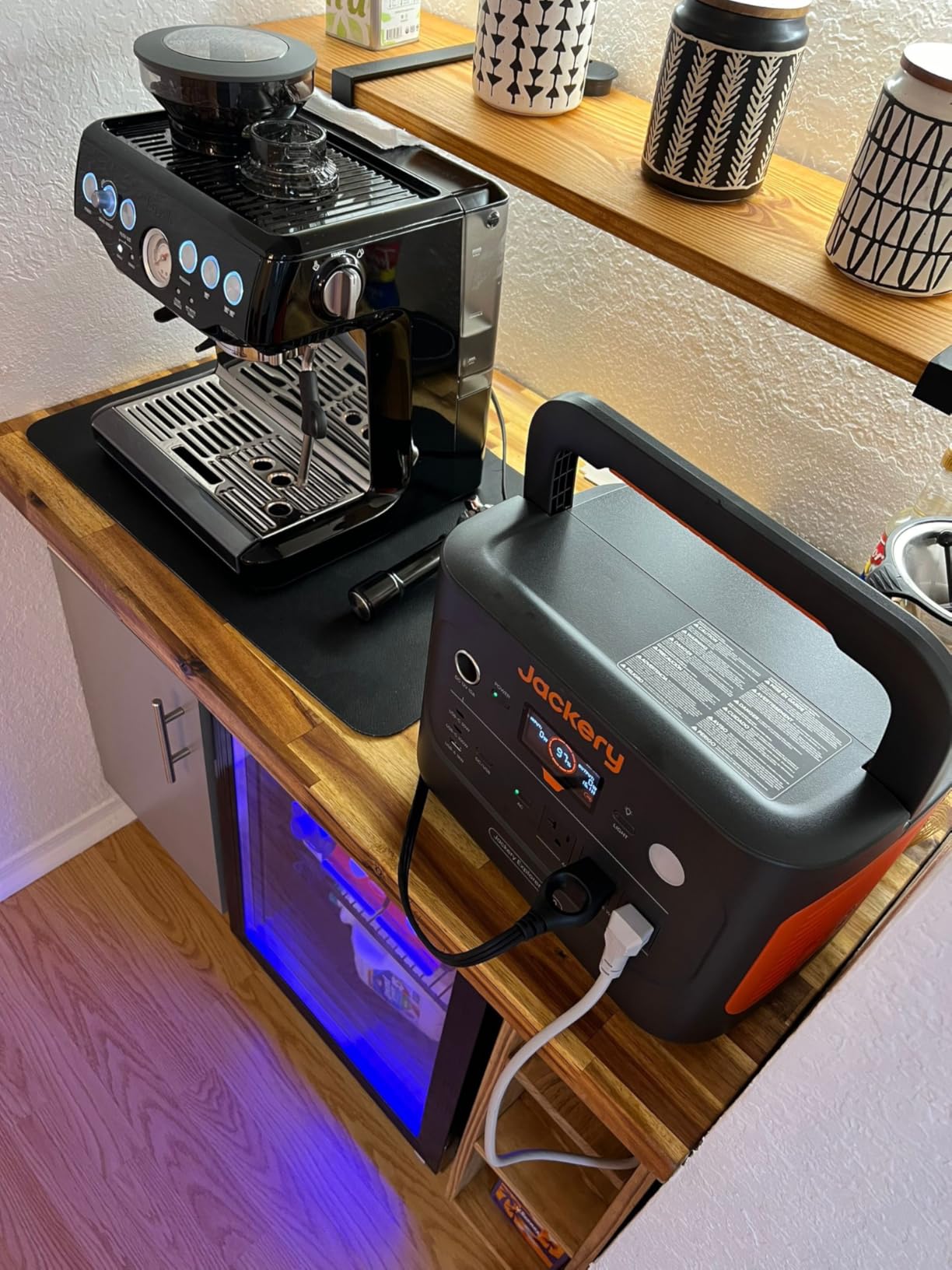
If your concern is a multi-day grid event rather than a single night, capacity stops being a nice-to-have. The Explorer 1000 v2 carries 1070 Wh of LFP capacity and 1500 W of continuous output, holding a 4.7 rating across 3623 reviews with 85 percent five-star.
The feature that changes planning is emergency charging mode. Enabled in the Jackery app, it takes the station from empty to full in about an hour, defaulting to a 1.7 hour charge for battery health. A short evening charge is enough to replace a full night of CPAP draw before bed.
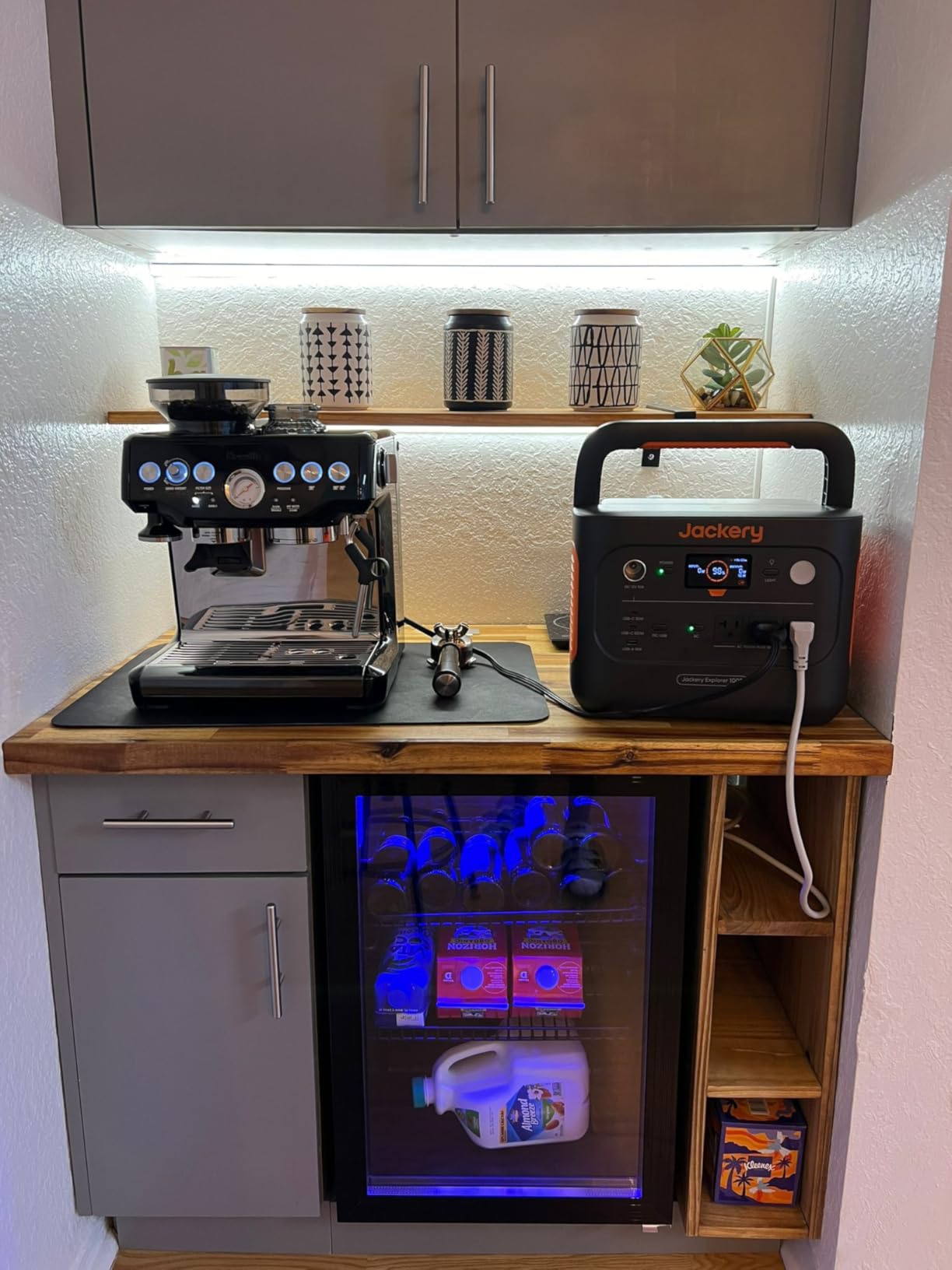
One-hour emergency charging changes the math
Owners describe restoring a night’s worth of energy in roughly the time most people are asleep. That turns a one-night product into a rolling reserve, which matters when the grid is unreliable rather than simply off.
Quiet overnight charging for a bedroom
Jackery documents a 30 dB quiet charging mode alongside an energy efficiency mode, both set through the app. That is the number that matters at 3 a.m., and few manufacturers publish it. Quiet mode trades a little speed for a room you can sleep in.
Three pure sine wave AC outlets, two USB-C, one USB-A and a DC car port cover a CPAP plus router, laptop and phone. At 23.8 lbs and 12.87 by 8.82 by 9.72 inches this is a two-hand carry, so it is a home-outage and vehicle kit rather than a hiking accessory.
Who should stretch up to this capacity
Anyone in a storm-prone area, anyone running more than one medical device, and anyone who wants to ride out an outage without touching a wall outlet. The 4000-cycle rating means it should still hold above 70 percent capacity a decade from now, though the one-year warranty is the shortest in this group.
3. Anker SOLIX C1000 Gen 2 – Fastest Switchover and Fastest Recovery
Anker SOLIX C1000 Gen 2 Portable Power Station
1024Wh LiFePO4
2000W output, 3000W peak
10 ms UPS
49-minute recharge
+ Pros
- 10 ms UPS switchover is documented for CPAP machines
- Reviewers ran AirSense 11 three nights on one charge
- 49-minute full recharge at 1600W
- Five-year warranty and 4000-cycle rating
– Cons
- Gen 2 dropped battery expansion
- About 25 lbs limits portability
- Some harmonic distortion reported on heavy loads
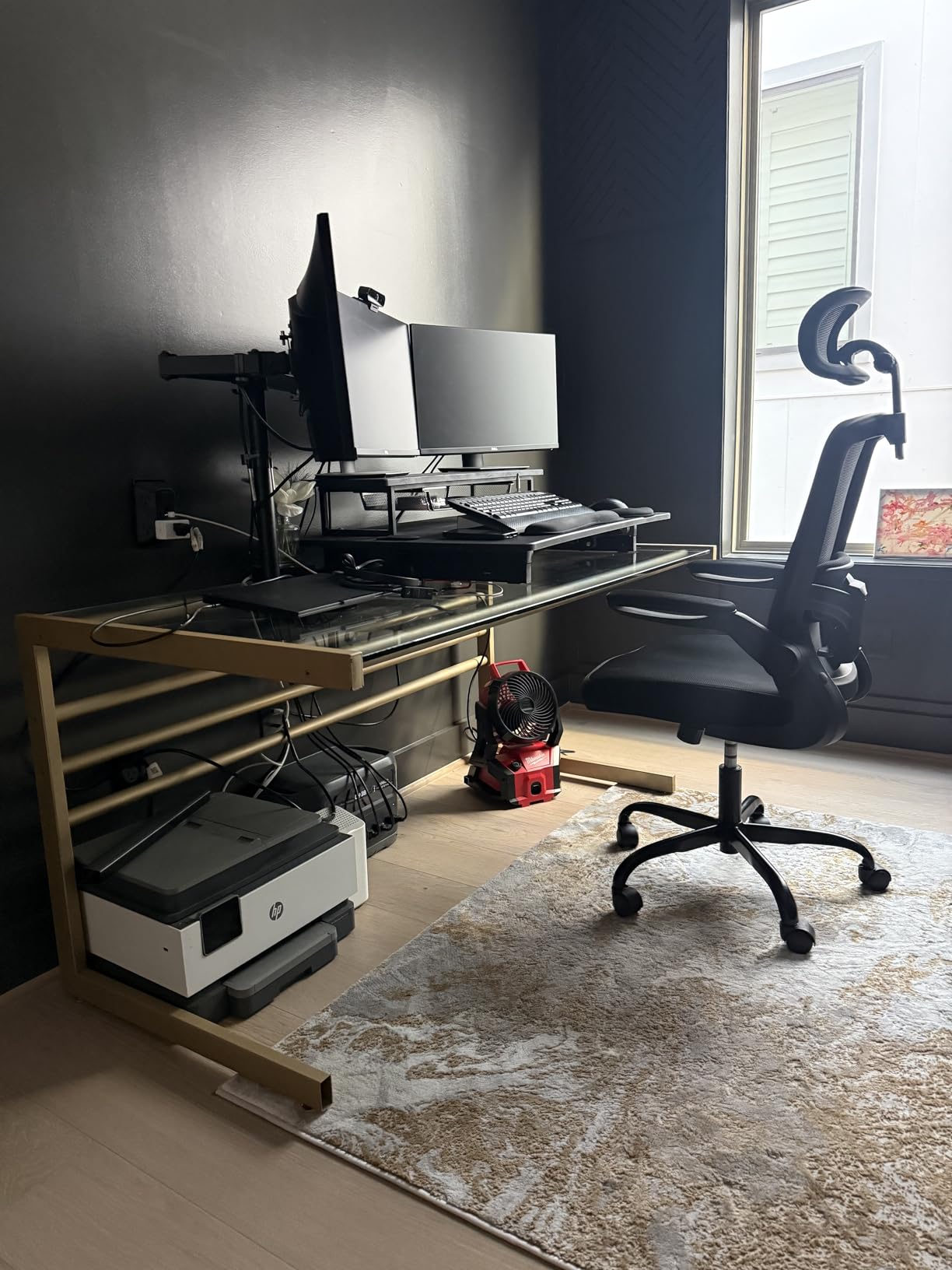
This is the station whose documentation actually names the use case. Anker specifies 10 millisecond UPS switchover to keep CPAP machines and laptops running during outages, and owner feedback followed that brief closely, with multiple buyers running an AirSense 11 for three nights on a single charge.
One reviewer measured about 17 percent of capacity per night of CPAP use and put it back in roughly 15 minutes on wall power. That is the operating pattern we would plan around: a short top-up each evening, indefinitely.
Ten-millisecond switchover versus waking up to silence
Switchover speed is the most requested feature in the r/CPAP outage threads, because it decides whether you wake up to therapy or to nothing. Not every station here advertises UPS behaviour at all, and if uninterrupted therapy through a cut matters to you, this is the specification to filter on.
Recharge speed and ten ports for medical gear
A full charge takes 49 minutes at 1600 W with HyperFlash technology, and solar input accepts up to 600 W at 60 V max, refilling in about 1.8 hours. Two thousand watts across 10 ports covers a CPAP, fridge, router and laptop together, which during an outage often matters more than raw capacity.
One engineering reviewer measured roughly 15 to 20 percent harmonic distortion under a microwave load. A CPAP motor is far gentler, but the inverter is not flawless on heavy inductive loads.
The trade-offs on the second generation
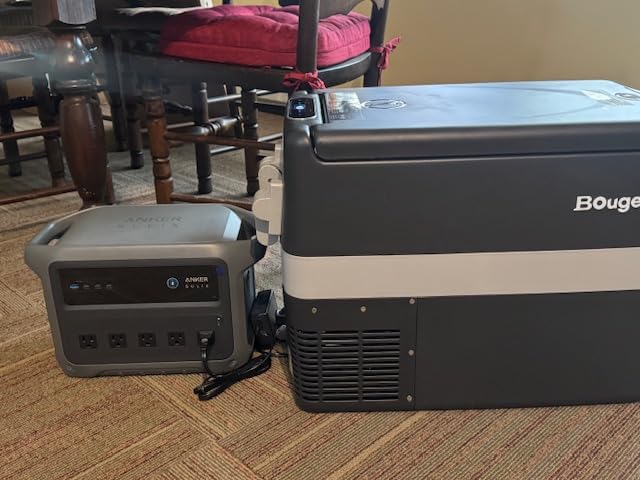
At about 25 lbs and 15.1 by 8.2 by 9.6 inches, Gen 2 is a heavy bedside object, though Anker states it is 14 percent smaller and 11 percent lighter than comparable models. It also removed battery expansion, so 1024 Wh is the ceiling. The five-year warranty and 80 percent retention after 4000 cycles are the strongest long-term commitment here.
4. ALLWEI 300W Solar Generator – Proven Multi-Night CPAP Runtime
ALLWEI Portable Power Station 300W, 256Wh Solar Generator LiFePO4 Battery
256Wh LiFePO4
300W continuous, 600W surge
6.4 lbs
3000 cycle life
+ Pros
- Owners ran a DreamStation 2 for 12 hours with humidifier
- Pure sine wave output suits sensitive devices
- Lightest 300W-class unit at 6.4 lbs
- Recharges by AC car solar or two at once
– Cons
- One owner reported a loud fan from about month eight
- Some reports of the display jumping from 99 percent to empty
- Customer support required heavy troubleshooting first
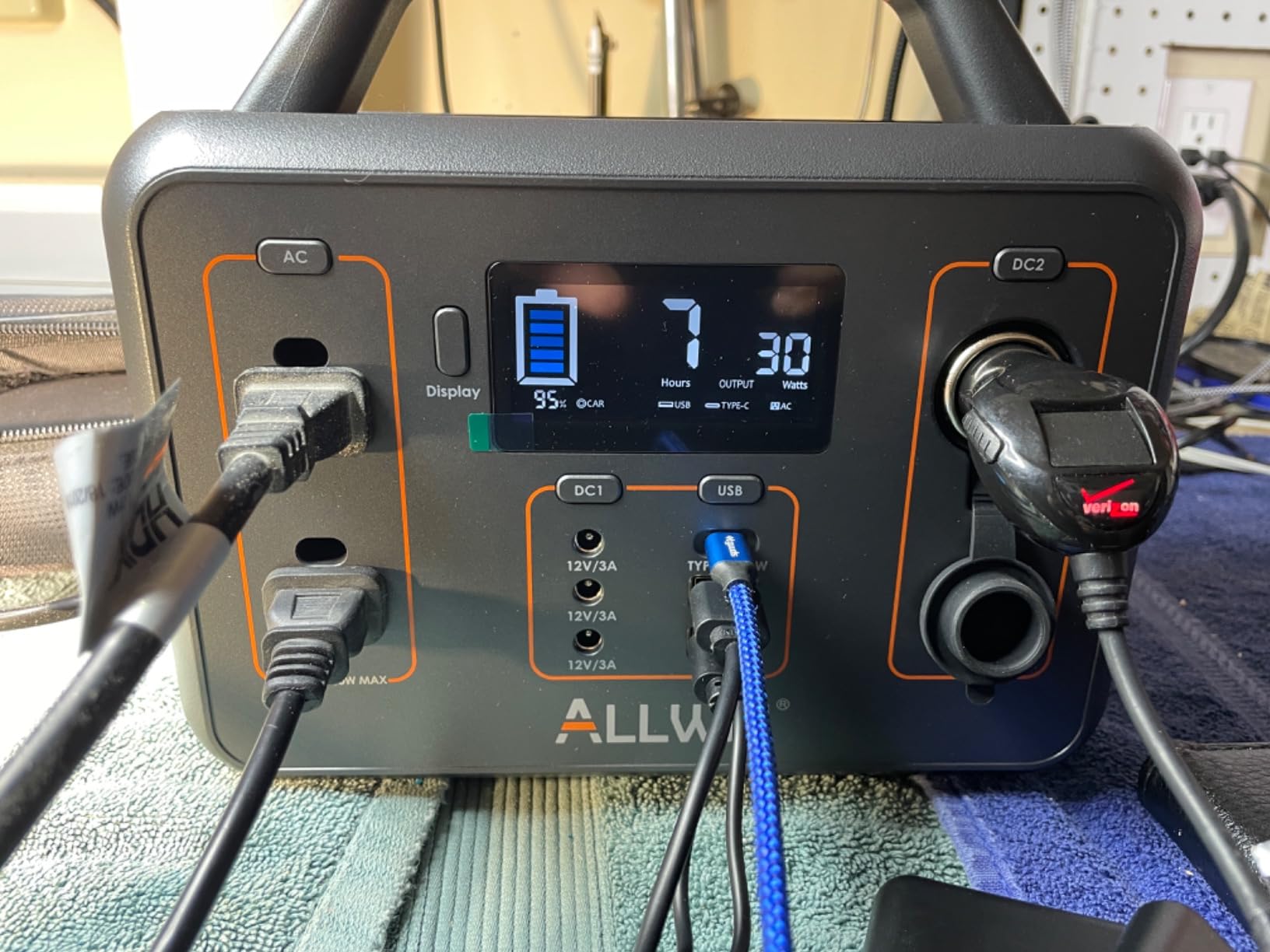
The most valuable CPAP-specific evidence in this roundup comes from this station. Reviewers report running a BMC Luna 2 for 20 hours and a Respironics DreamStation 2 for 12 hours on heated humidifier with no interruption, which tells you more than a capacity number does.
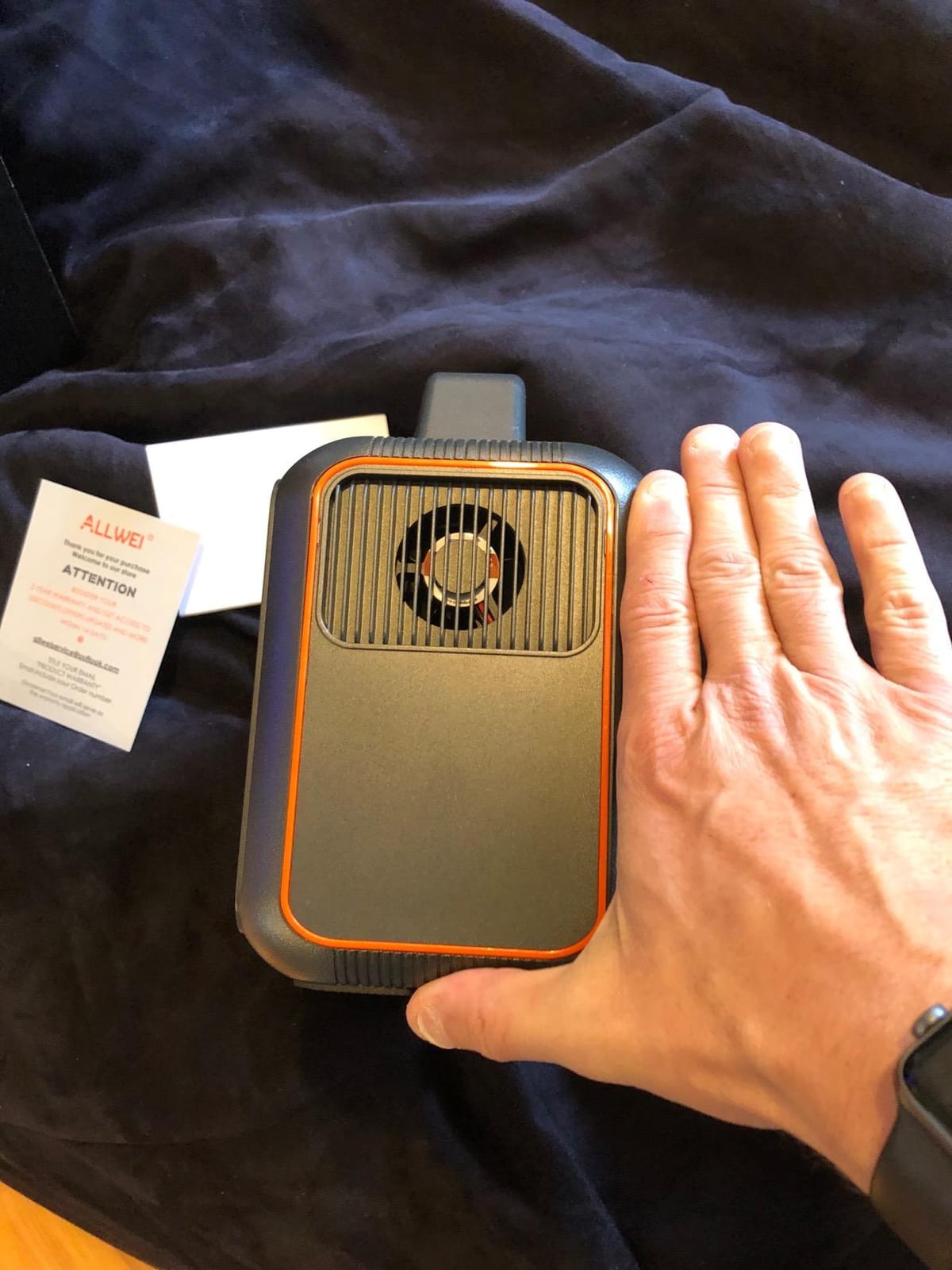
It is also the lightest 300W-class unit we looked at, at 6.4 lbs, and uses LiFePO4 cells rated for 3000 cycles. The 4.4 rating across 2450 reviews sits comfortably above the midpoint of this group.
Multi-night CPAP reports from real owners
A 20-hour run on one machine and a 12-hour run with heated humidification on another is a meaningfully different result from a marketing claim, and it suggests the pure sine wave output cooperates with real therapy machines rather than just powering a lamp.
Six outputs including 60W USB-C PD
One AC outlet, two DC5521 ports, a car port, an 18 W USB-A and a 60 W USB-C PD port cover the machine and a phone. The DC5521 pair matters most, because that is where a machine-specific cable plugs in. Pass-through charging lets the CPAP run while the station recharges from the wall.
AC wall takes 3.5 to 4 hours, a 12 V car socket the same, a 100W solar panel 4 to 5 hours, and both together drops it to 2 to 2.5 hours through a built-in MPPT controller. Users report solar input around 120 W in practice.
The durability complaints you should know about
One long-term owner reported a loud cooling fan that made bedside use impractical from about month eight, and the same owner saw the unit stop holding charge within about a year. Another saw the display read 99 percent and drop suddenly to empty, and reports of USB output glitching while charging through USB-C add to the picture. This argues for a station you keep at 50 percent rather than drain nightly for a decade.
5. BLUETTI Elite 30 V2 – Small Capacity, Serious Power and 10 ms UPS
BLUETTI Elite 30 V2 Portable Power Station 288Wh 600W LFP Solar Generator
288Wh LFP
600W continuous, 1500W lifting
9.4 lbs
0-80% in 45 min
+ Pros
- 600W continuous output is double most 288Wh rivals
- 10 ms UPS switchover protects CPAP machines
- Very low 4.5W standby draw preserves stored charge
- 0-80% in 45 minutes on a 380W wall charger
– Cons
- One CPAP owner measured only 5 hours from full with 16 percent remaining
- Another saw fast drain while charging phones and tablets
- 288Wh drains fast under any real load
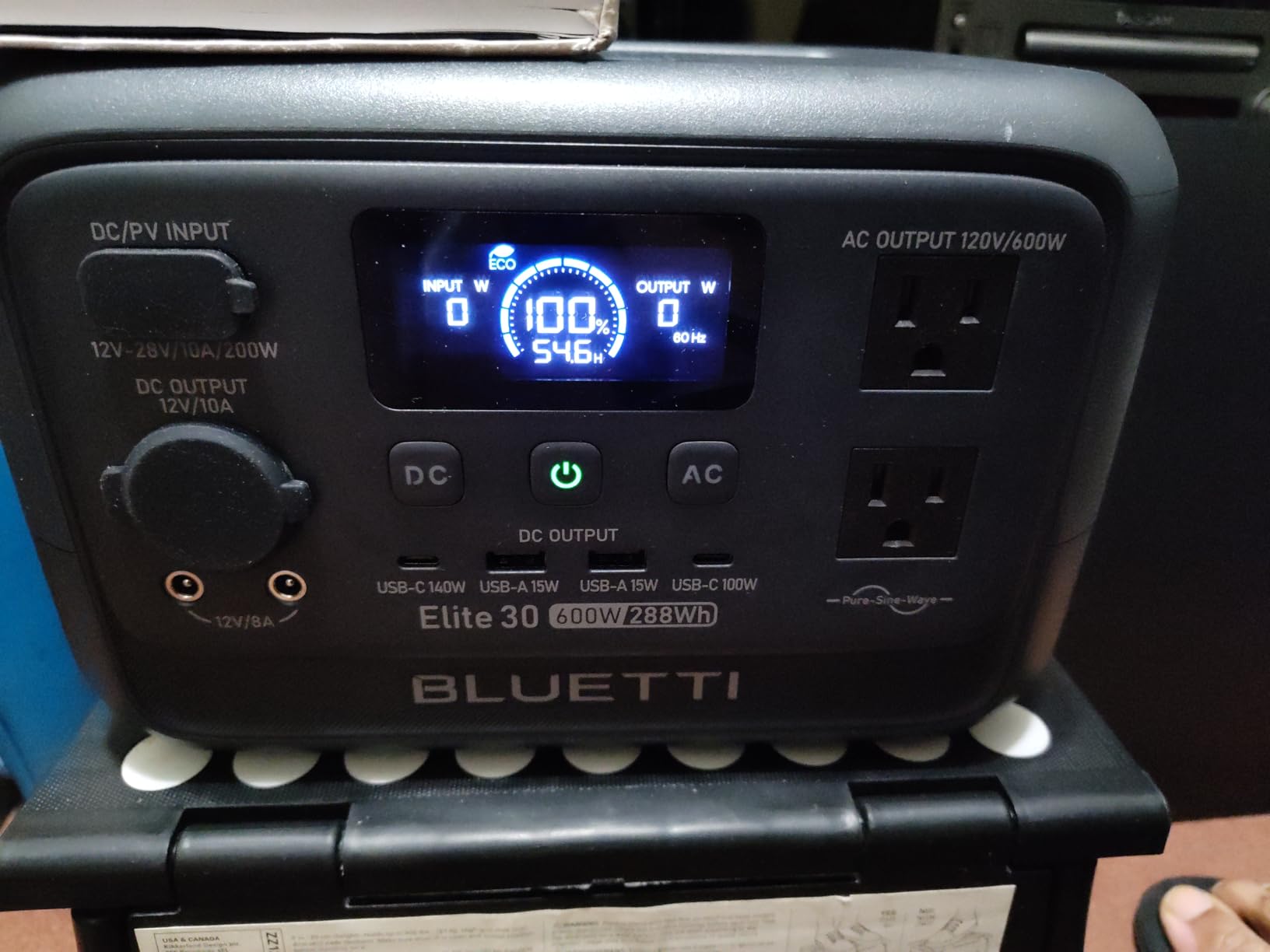
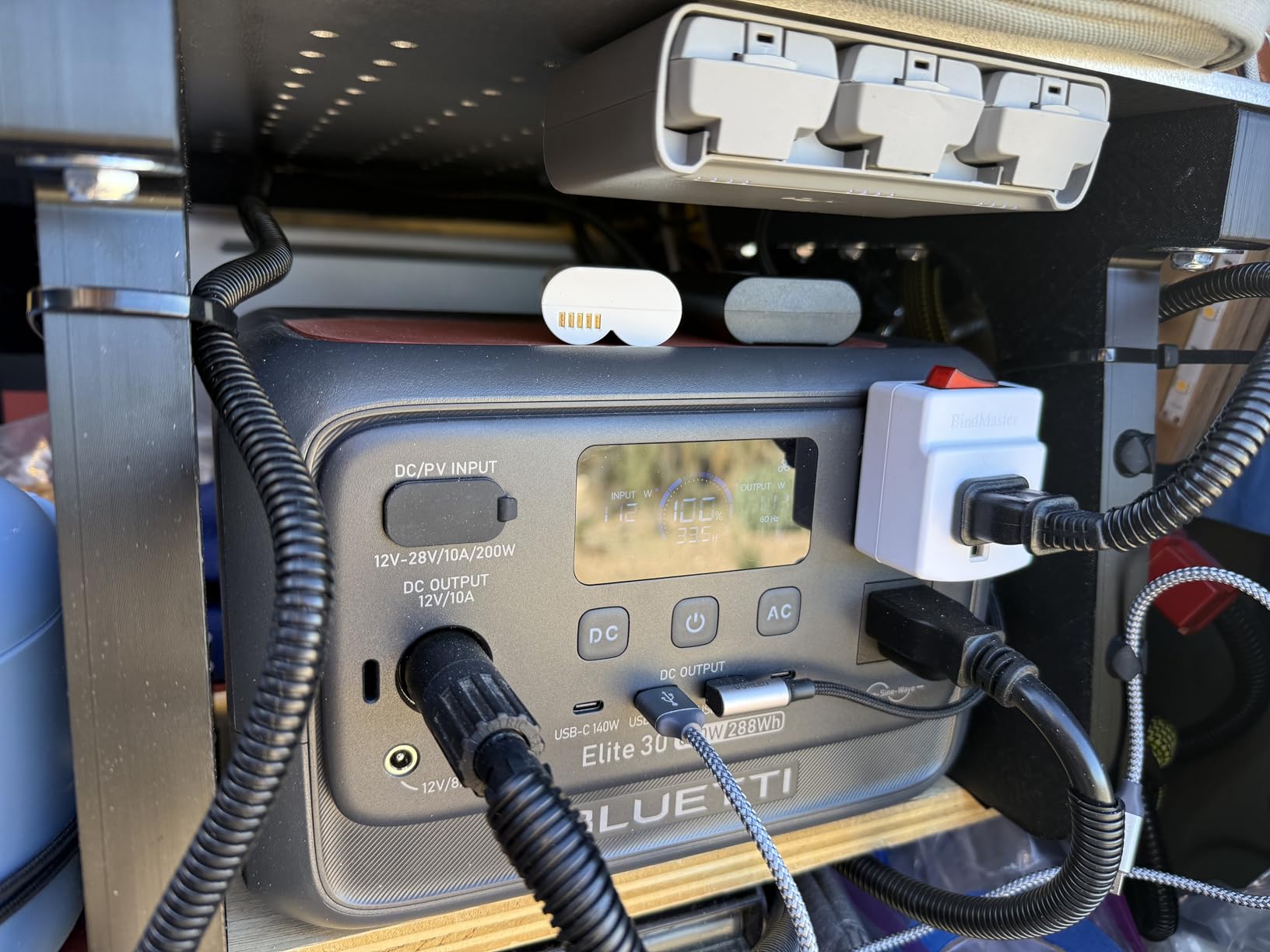
BLUETTI took a 288 Wh battery and gave it 600 W of continuous output, which is unusual in this size class. Add documented 10 ms UPS switchover, a 4.5 W standby draw and a 45-minute top-up to 80 percent, and this is a station built to sit plugged in and wait for a cut.
It earns a 4.5 rating from 1172 reviews with 77 percent five-star, and reviewers treat it mainly as a home server or router UPS. CPAP use is the mixed part.
Low standby draw protects a stored reserve
A backup that is plugged in and idle should not be eating itself. This one draws 4.5 W in standby, 5 W running DC loads and 8 W on AC, which over a week of standing by is a real fraction of a 288 Wh reserve. For a device whose job is to be ready for weeks, idle draw is the specification that matters most.
Wall recharge turnaround between nights
Eight charging modes cover solar, car, lead-acid and generator input, with 0 to 80 percent in 45 minutes and 0 to 100 percent in 70 minutes on the adjustable 380 W or 200 W wall setting. Bluetooth and Wi-Fi app monitoring lets you check state of charge without walking to it, and the standard solar connector avoids brand lock-in.
Nine ports cover DC5521, USB-A, USB-C and 140 W PD across a 9.4 lb body, with a five-year warranty among the strongest here. There is no USB pass-through communication like a rack UPS, which matters for computers but not for a CPAP.
Why 600 W from 288 Wh is a double-edged design
High wattage is a muscle rating that says what the inverter can push, not how long the reserve lasts. One buyer calculated three nights of CPAP use but saw the station drop to 53 percent after a single short night, and another CPAP owner measured only 5 hours from full with 16 percent still showing. Real behaviour is closer to the smaller number.
6. MARBERO 300W M823 – The Lightest Option, With Durability Caveats
Portable Power Station 300W MARBERO 237Wh Camping Solar Generator Backup Lithium Battery with Pure Sine Wave 110V AC Outlet, USB C, USB A, DC for Outdoors Camping CPAP Home Blackout Emergency
237Wh capacity
300W continuous, 375W peak
4.6 lbs
8 output ports
+ Pros
- Lightest option at 4.6 lbs
- 8 ports including two AC outlets at this size
- Dual LED lanterns with SOS and twinkle modes
- Packs down to a small brick for travel
– Cons
- 12 percent one-star rating is the highest in this group
- Proprietary barrel charger rather than USB-C
- Reports of charge-holding failure within one to four years
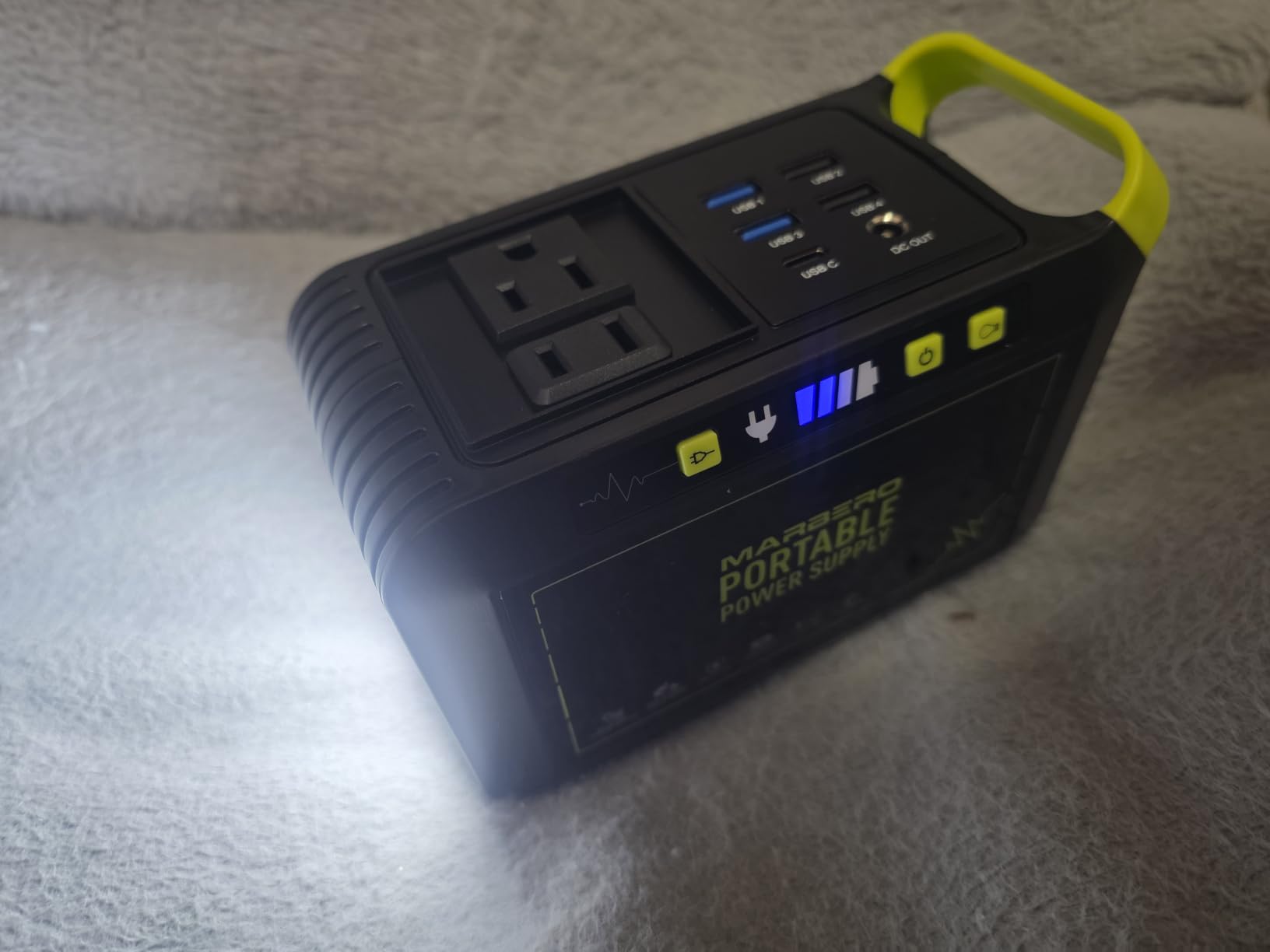
At 4.6 lbs this is the station that fits in a daypack without a thought, and its 9193 ratings make it one of the most owner-tested units in this group. The 237 Wh of capacity is the smallest among the stations here offering pure sine wave AC output, which is where the compromises start.
It is a travel-first machine rather than an outage-first one. Think airline carry-on nights and weekend camping rather than a storm.
Port count that punches above its capacity
Eight outputs is unusual at this size: two AC outlets with two- and three-prong support, two USB-A QC3.0, two further USB-A, an 18 W USB-C PD and a 12 to 16.8 V DC output. The DC output covers a CPAP with the right cable, and two LED lanterns with steady, twinkle and SOS modes are genuinely useful at 3 a.m.
Runtime expectations for a CPAP night
237 Wh gives roughly 3.5 to 4 hours at 60 W, or about 8 hours on a dry run, so this belongs in a weekend kit rather than a storm kit. Owners report reliable phone, laptop and modem charging for days, and one ran a modem for more than 5 hours on a single charge, which is the same range a dry-running CPAP draws.
Wall recharge takes about 6 hours, a car adapter about 8 hours, and solar accepts 16.4 to 24 V at 2.7 A. Slower turnaround means more planning, and the proprietary round barrel charging port is the practical risk: if the adapter is lost, the unit is stranded.
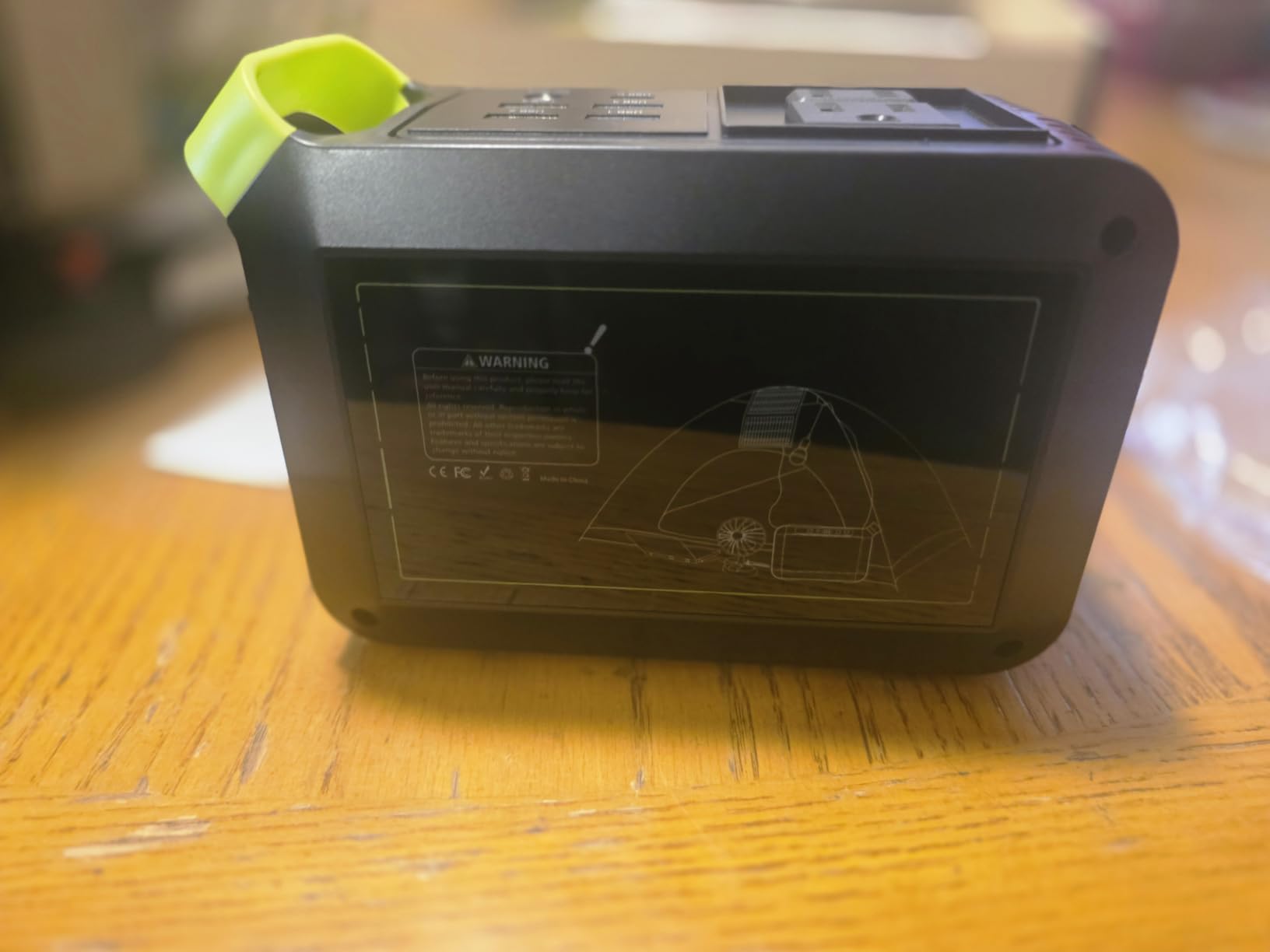
The durability pattern that gives us pause
At 4.1 stars with 67 percent five-star and 12 percent one-star, this is the lowest-rated station here. Buyers describe units that stopped powering a laptop within a year of light use, a 3.5-year owner reporting no charge retention after warranty expiry, and charging time slowing to about 6 hours after a few months. The 12-month warranty is the shortest available.
7. EnginStar 300W – Best DC Output Selection and ETL Certification
EnginStar Portable Power Station 300W 296Wh Solar Generator
296Wh capacity
300W pure sine wave AC
6.5 lbs
8 output ports
+ Pros
- Two regulated 12V and 24V DC outputs expand device compatibility
- ETL certification many budget rivals lack
- Metal frame feels more robust than plastic shells
- 80 percent recharge in about 2 hours from a car socket
– Cons
- Lithium-ion rather than LiFePO4 with only 1000+ rated cycles
- 12-month warranty
- Manufacturer advises a manual recharge every 2 to 3 months
The reason this one earns a place is its DC flexibility. Alongside two 110 V pure sine wave AC outlets, it carries two regulated DC outputs at 12 V and 24 V, plus USB and an 18 W USB-C port. A CPAP on 12 V input runs without the inverter penalty, and the 24 V output covers gear the other stations here cannot.
It is also ETL certified, a safety mark plenty of competing listings do not carry, and the metal frame housing feels sturdier than plastic-only designs. It holds a 4.2 rating from 1836 ratings.
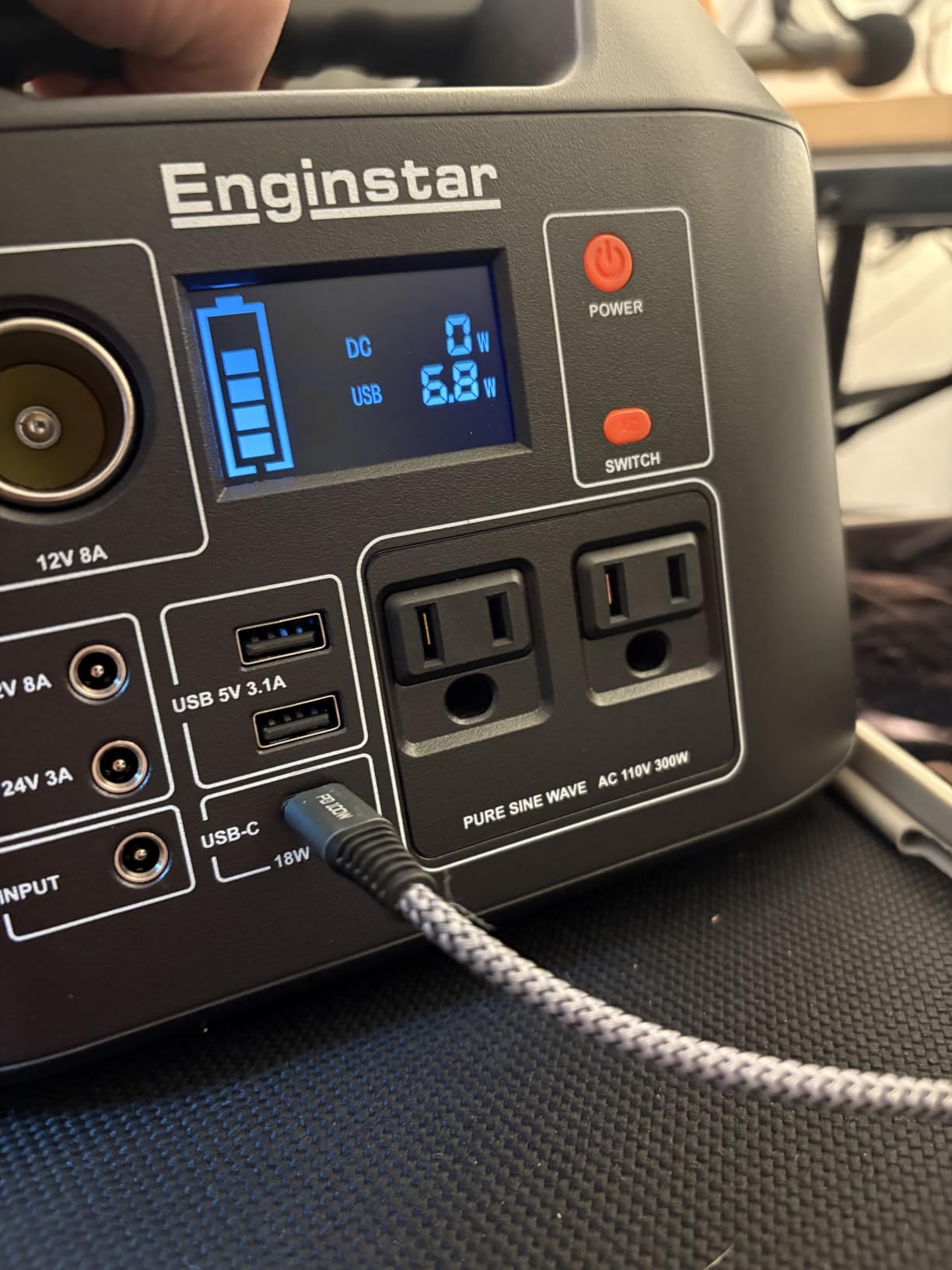
Regulated 12V and 24V DC as the efficiency play
Running a CPAP from regulated DC removes the double conversion, and users consistently report better runtime than the AC inverter route. The 296 Wh then goes further toward actual therapy hours, and the 24 V output is the quiet differentiator if you also run a 24 V device during an outage.
Capacity, weight and older chemistry
296 Wh at 6.5 lbs and 9.1 by 5 by 7.5 inches balances capacity and portability better than most 300 W stations here, giving roughly 4.5 hours at 60 W. The metal frame is worth noting for a device that gets knocked around in a trunk or tent.
The compromise is chemistry. These are lithium-ion cells rated for more than 1000 charge cycles, against 3000 to 4000 for the LiFePO4 models in this roundup, and the 12-month warranty is the shortest here. The manufacturer also recommends a manual recharge every 2 to 3 months.
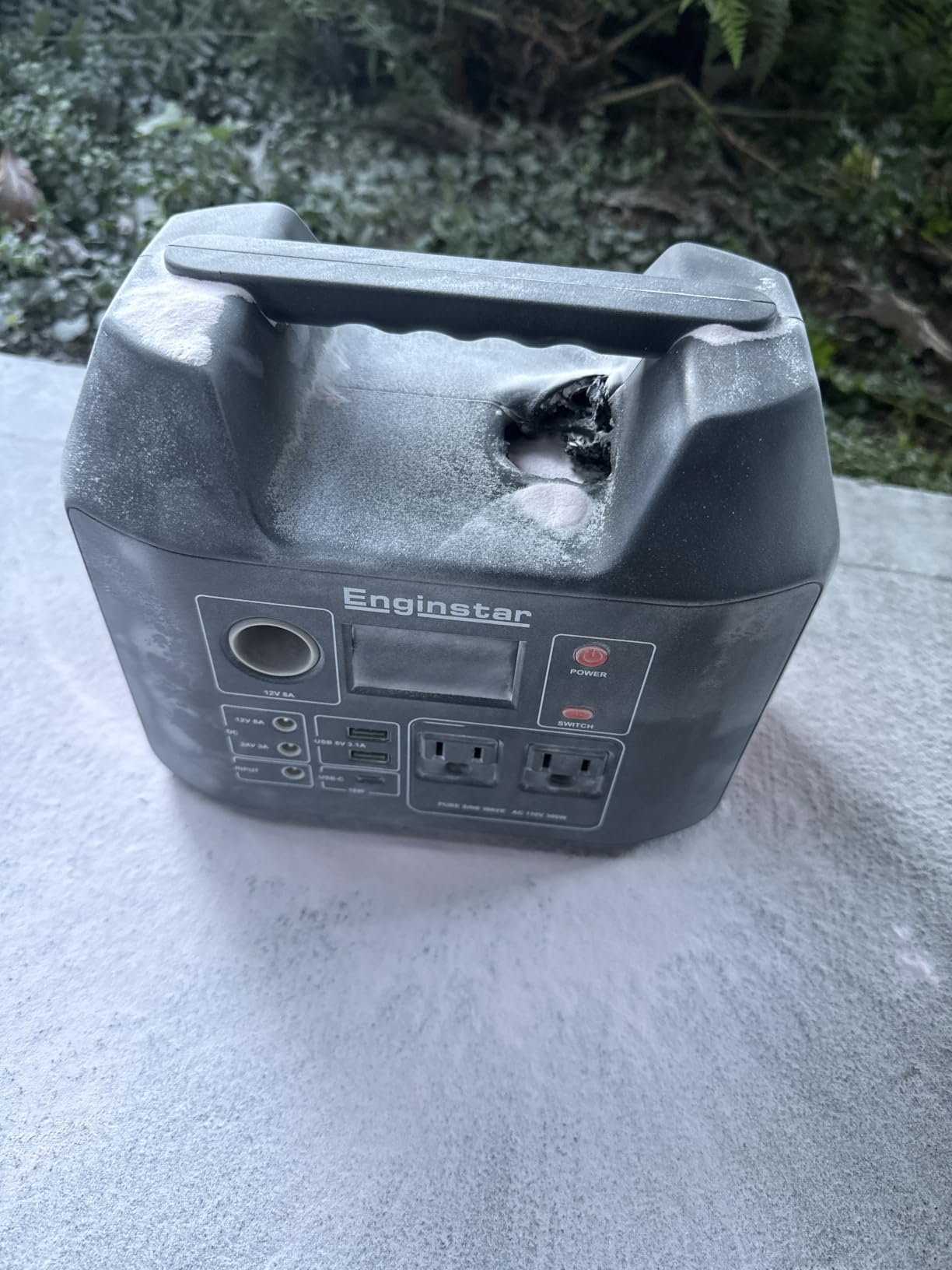
Recharging options and what is missing
It takes 12 to 25 V solar, wall outlet or a 12 V car socket, reaching 80 percent in about 2 hours on car power. A solar panel is not included and there are only two AC outlets, so if you want capacity that survives a decade of standby, pick a LiFePO4 model instead.
8. EASYLONGER ES720 – The Only Station Built Specifically for CPAPs
EASYLONGER ES720 CPAP Battery Backup, 266.4Wh Portable CPAP Power Supply
266Wh CPAP-specific
Four machine DC cables included
3.31 lbs
180W car socket
+ Pros
- Only unit here purpose-built for CPAP machines
- Four machine-specific DC cables in the box
- Works with a wide range of ResMed and Philips models
- FSA or HSA eligible and 3.31 lbs
– Cons
- 180W car socket limits higher-draw loads
- Heated tube on Luna G3 not supported
- Cigarette lighter connection needs a separate converter
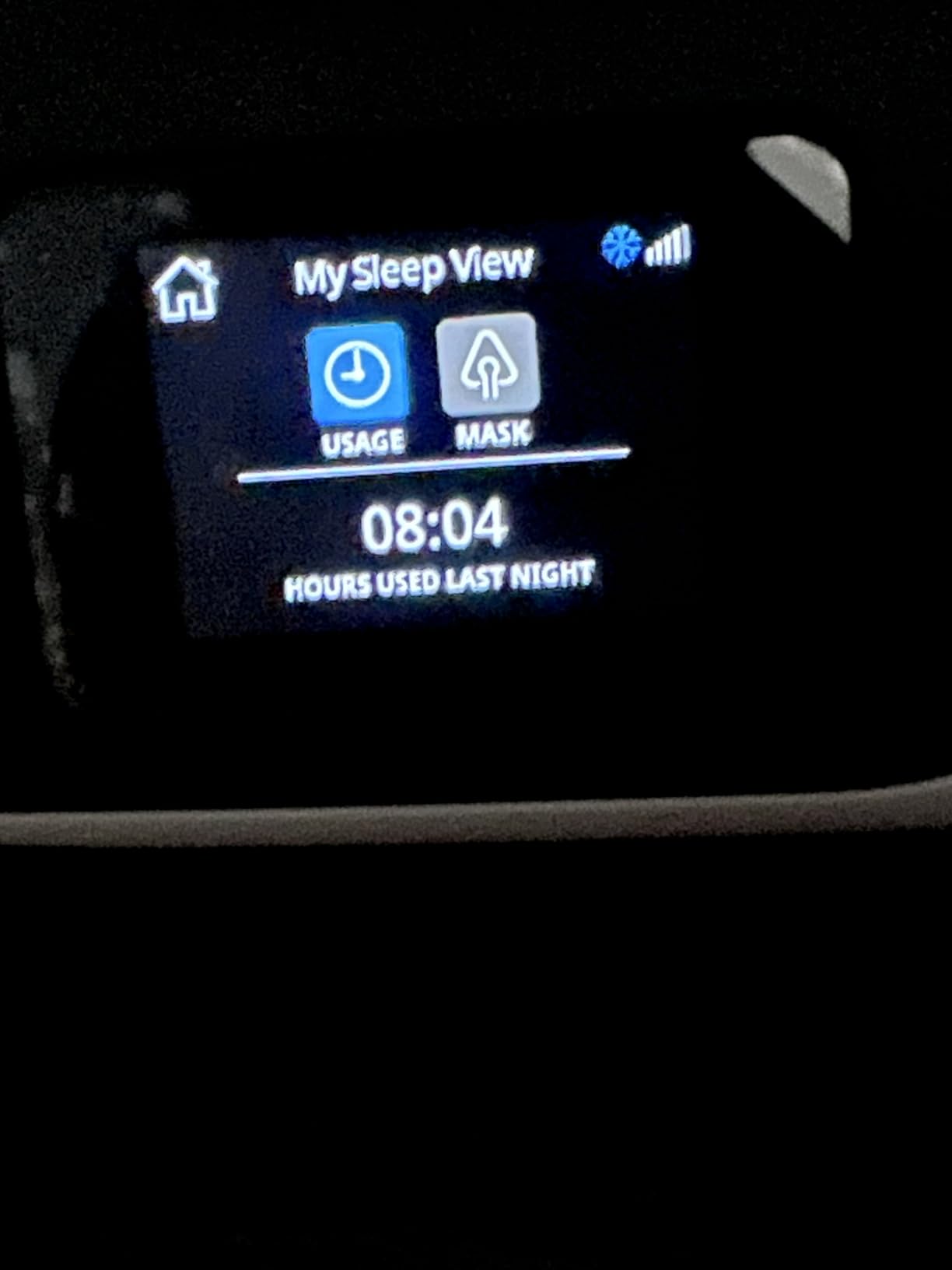
Every other station here is a general power box that should also work with a CPAP. This one is the reverse: a 266.4 Wh battery supply built around sleep therapy, with four DC cables for common ResMed and Philips Respironics machines in the box.
At 3.31 lbs and 1.7 inches thick it is the flattest and lightest option here, thin enough to slide under a bed or live on a nightstand. It is also FSA or HSA eligible, which can offset the cost through that route.
Four included DC cables remove the guesswork
The cables cover ResMed S9, AirSense 10, AirCurve 10, AirMini, AirSense 11, AirCurve 11, Luna G3, and Philips DreamStation and DreamStation 2. A DC port connection needs no voltage converter, which removes the most common setup mistake people make with a CPAP in an outage. The heated tube on the Luna G3 is explicitly not supported, and the cigarette lighter route needs a matching converter.
Output range, pass-through and recharge paths
Beyond the CPAP DC port you get a 180 W cigarette lighter socket, an adjustable DC output at 12 V, 16.5 V, 20 V or 24 V, and four USB ports. That 180 W figure is the limit, so this is not the station for a fridge or a power tool. Pass-through means the machine runs while the battery recharges, which is exactly the overnight behaviour you want.
Recharge options are a 72 W AC adapter in 4 to 5 hours, USB-C PD up to 60 W, 100 W solar, or a car outlet with an 18 to 24 V converter, plus an LED light with SOS function.
Where the small sample shows
The 4.2 rating comes from only 372 reviews, the smallest sample in this group, and 14 percent one-star ratings suggest some early-unit failures. If you want zero cable-shopping and a device designed around your machine, this is it. If you want to power a router and a fridge alongside therapy, buy a general station.
9. VTOMAN FlashSpeed 300 – Best 100W USB-C Recharging
VTOMAN FlashSpeed 300 Portable Power Station, 300W 230Wh LiFePO4 Battery
230Wh LiFePO4
300W output
7 lbs
100W USB-C in and out
+ Pros
- 100W USB-C PD handles both input and output
- LiFePO4 with 3000+ cycle life in a small body
- Two and a half hour wall recharge
- Three-mode LED with SOS
– Cons
- 230Wh is the second-smallest capacity here
- Only 533 reviews for long-term reliability
- Only two AC outlets and no included solar panel
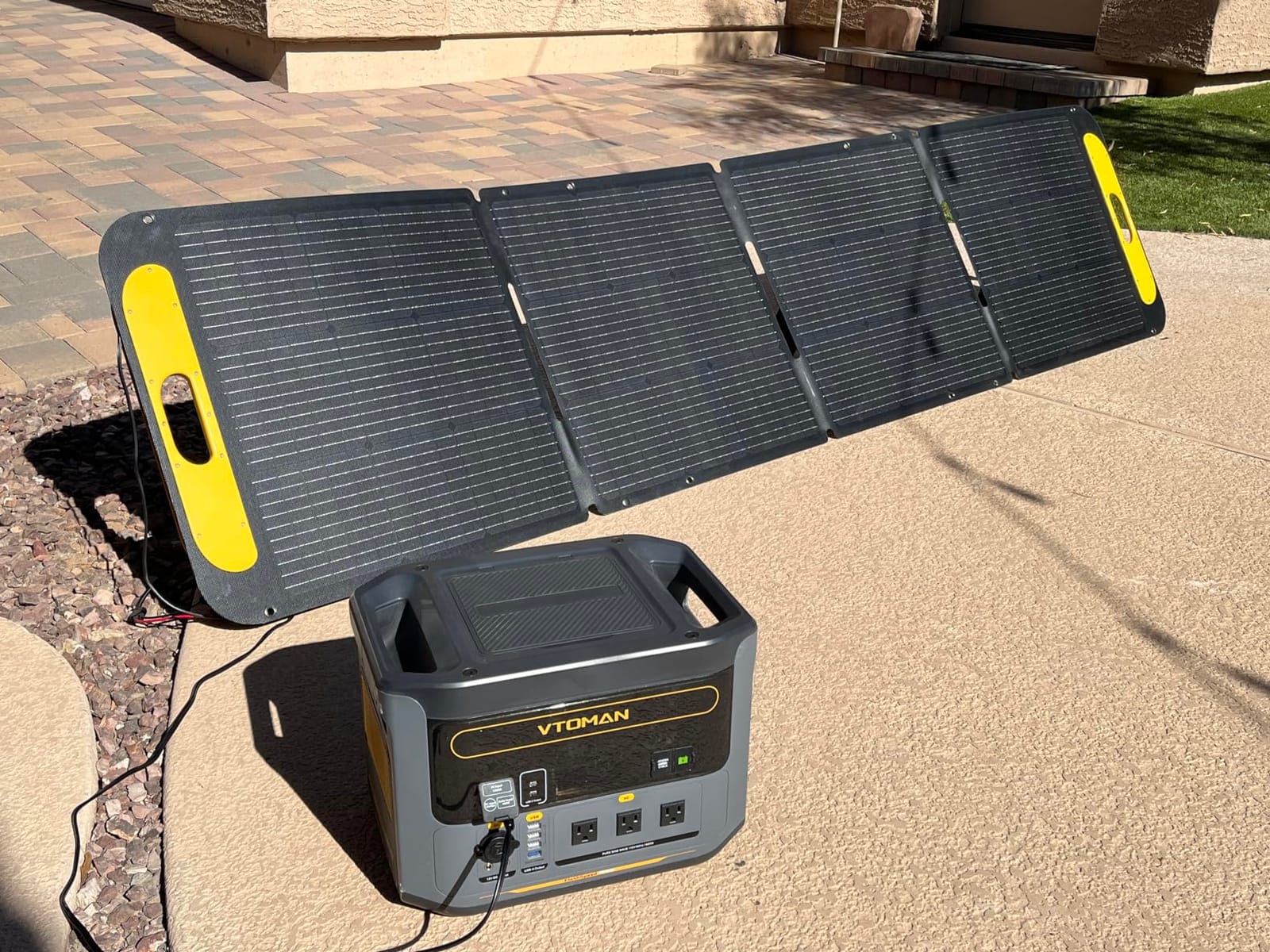
The FlashSpeed 300 solves a specific problem: how do you top up a backup when the only outlet available is a laptop charger? Its 100 W USB-C PD port works as both input and output, reaching 80 percent in about 2 hours from a USB-C source.
Underneath is a 230 Wh LiFePO4 battery rated past 3000 cycles, which is unusual chemistry at this size. Seven outlets, two AC outputs and a 7.4 lb body keep it in travel territory.
Bidirectional USB-C changes the recharge plan
Most stations of this size recharge from a wall brick, car socket or solar panel. This one also takes a laptop-class USB-C supply, which in a hotel room is often the only wall power available, and the included USB-C to USB-C and USB-A to USB-C cables mean you do not need to source anything. Wall recharge is about 2.5 hours.
LiFePO4 durability and runtime reality at 230 Wh
These cells are rated for over 3000 cycles, roughly six times a conventional battery lifespan, and expect a decade of service. For a station that lives in a closet until a storm, that longevity is the feature that matters. At 10.24 by 4.72 by 7.87 inches and 7 lbs it is bulkier than the lightest options here.
At 60 W of humidified draw this gives roughly 3.5 hours, or close to 7 hours running dry, so it suits a planned interruption or a weekend away rather than a multi-day plan. With 533 ratings it carries a 4.4 average and 75 percent five-star, and no solar panel is included.
What a smaller review base tells you
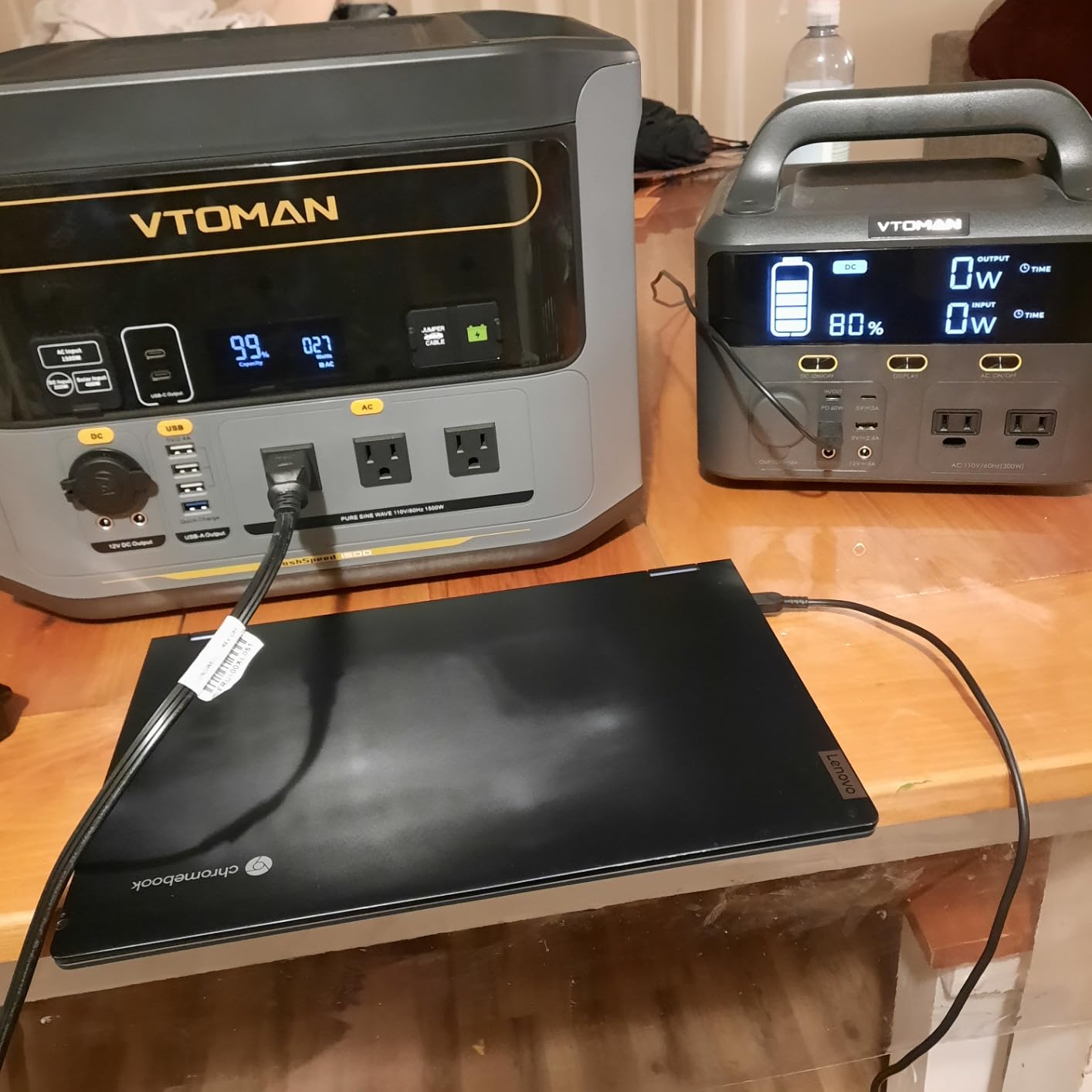
The consistent praise is unusual value: LiFePO4 durability plus a 100 W bidirectional USB-C port in a small unit. Capacity is the limiting factor for anything beyond short sessions, and there are only two AC outlets.
10. DaranEner NEOZ – A Lightweight Starter With a CPAP Test Attached
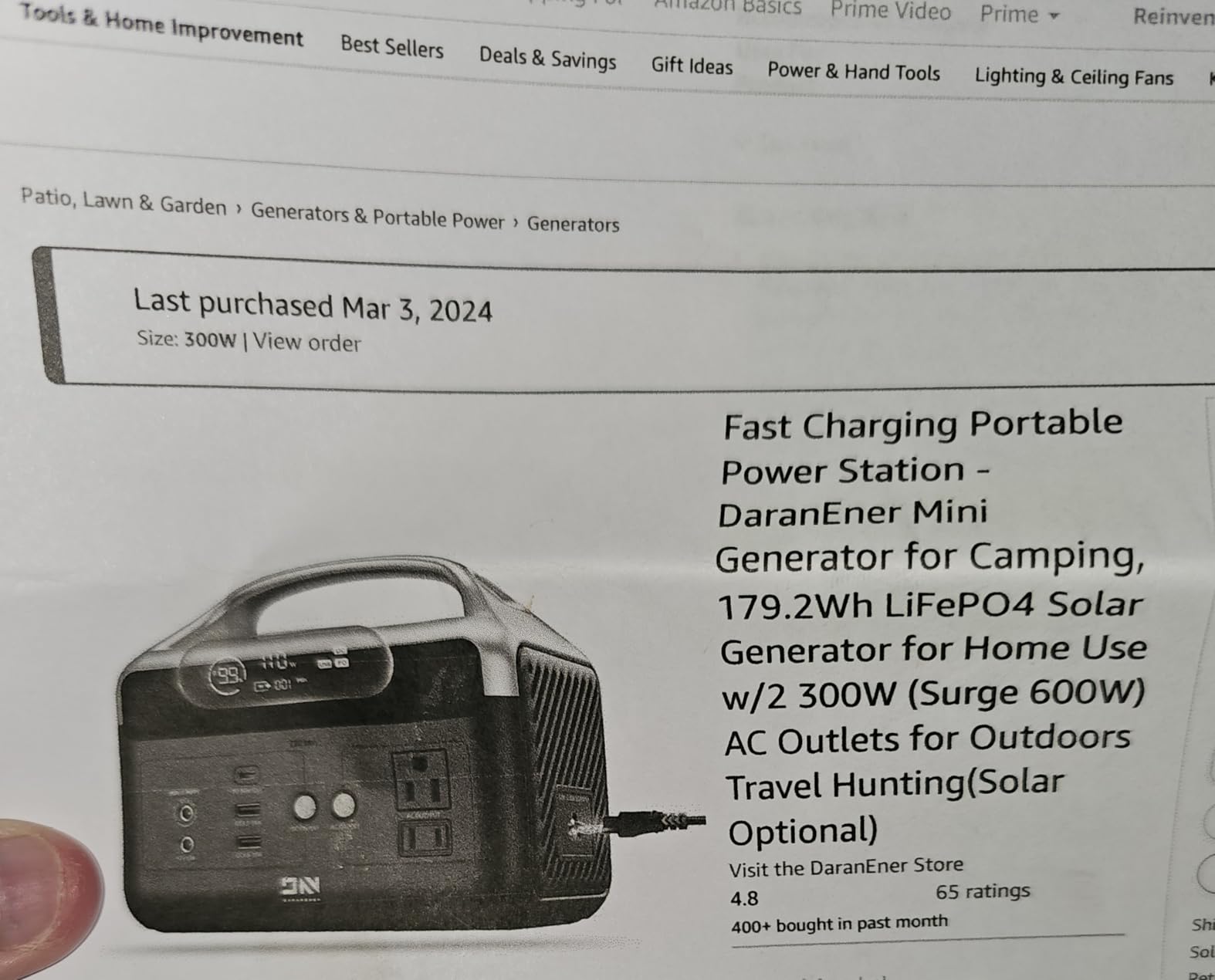
DaranEner Portable Power Station, 192Wh LiFePO4 Battery Backup Solar Generator with w/2 300W (Peak 600W) AC Outlets, USB-C PD 60W Fast Charge, Power Bank for Camping, Outdoor, Home,Emergency
192Wh LiFePO4
2 x 300W pure sine outlets
5.7 lbs
3500+ rated cycles
+ Pros
- LiFePO4 rated 3500+ cycles in a small 5.7 lb body
- Two 300W pure sine wave AC outlets at this capacity
- Recharges to about 80 percent in under 2 hours
- Four-year warranty with two extra years on registration
– Cons
- Smallest capacity here and drains fast under real load
- No car charging cable included
- Solar panel not included
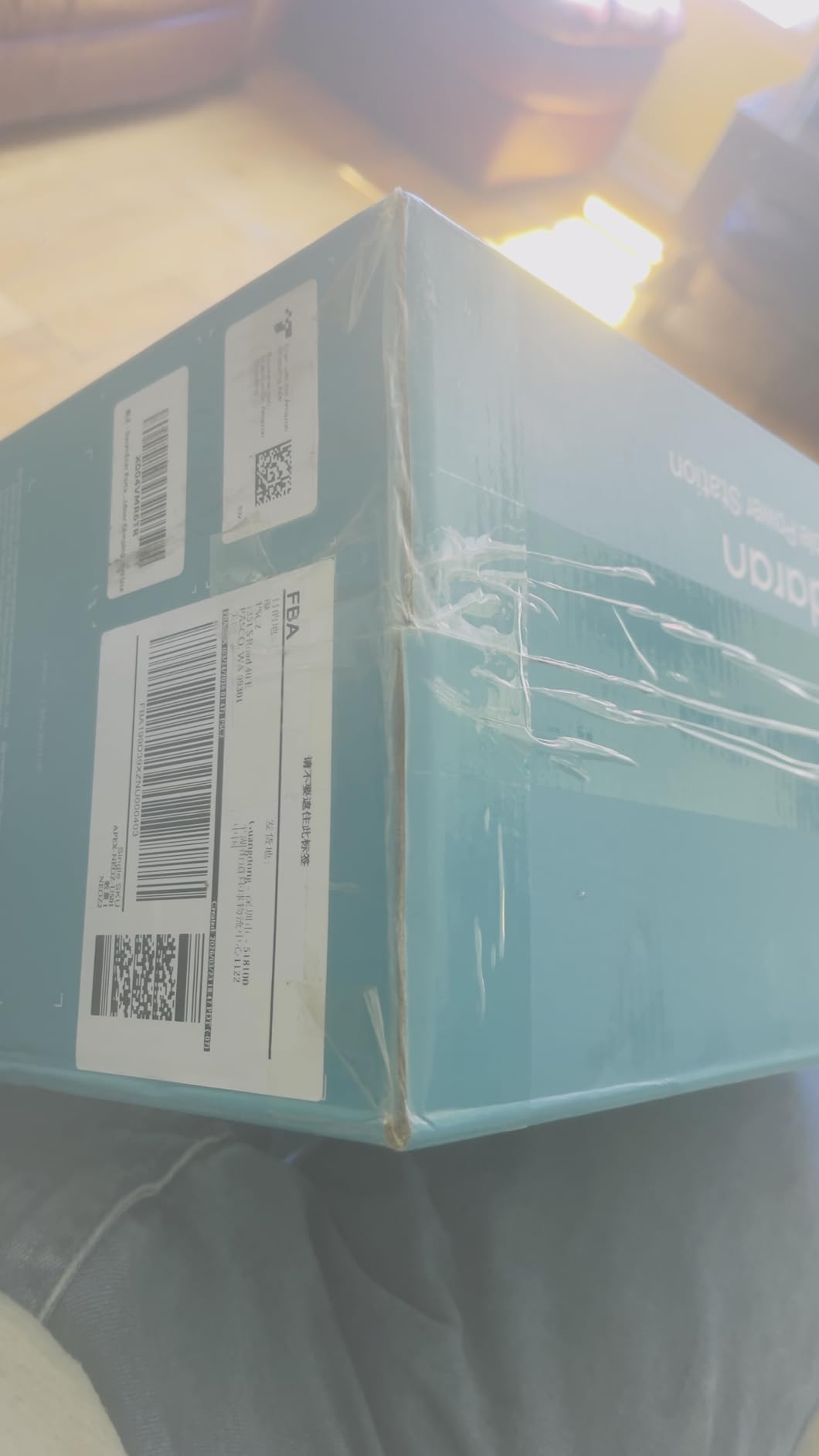
DaranEner is the smallest station here at 192 Wh, and one buyer tested it directly with a CPAP through the AC adapter, measuring 7 to 31 hours depending on where in the breath cycle the display was read, running without a humidifier. That range is itself the lesson: a gauge on a small battery moves fast.
It weighs 5.7 lbs, fits in a .50-cal ammo can, and uses LiFePO4 cells rated for 3500 or more cycles with a four-year warranty that extends by two years on registration. It is a legitimate starter kit rather than a rounding error.
Two 300W pure sine outlets at 192Wh
Two 300 W pure sine wave AC outlets on a 192 Wh battery is unusual, and sine wave output is the right type for a motor-driven device like a CPAP blower. The wattage is a burst capability, not a statement about duration: one buyer drained it with a 75 W fan in about 2 hours, and another emptied it in about 2 hours with a laptop and two tablets.
Recharge speed and a 30V solar ceiling
AC wall charging at 100 W max brings it to about 80 percent in 1.7 to 2 hours, and one owner often reached full in about an hour. The built-in MPPT controller handles solar at up to 60 W DC input, and the 30 V solar input is unusually high, letting you wire smaller panels in series.
Six devices can run at once across two AC outlets, a 60 W USB-C PD port, two 18 W USB-A QC3.0 ports and a 12 V DC output. One buyer reported the percentage gauge did not track actual remaining battery life, which matters when deciding whether to sleep another night.
Support, warranty and missing cables
Customer service replaced a unit with a failed DC side within a week with no return required, and the four-year warranty is the longest commitment in this group. A car charging cable and solar panel are both not included, and the manufacturer states the unit is not suitable for appliances over 300 W.
What to Look for When Buying a CPAP Battery Generator
Watt-hours decide everything
Ignore surge ratings and amp-hour figures without a voltage. A CPAP needs about 180 Wh for a dry night and about 500 Wh with a heated humidifier, so buy 20 percent above your calculation. Peak wattage on the box tells you how hard the inverter can be pushed for a moment, which is not what you need at 4 a.m.
Prefer DC when your machine accepts it
Feeding the CPAP from a regulated 12 V DC output skips the inverter and recovers roughly 10 to 20 percent of capacity, and it removes the risk of a modified sine wave upsetting a motor. Check your machine model first and buy the specific cable rather than improvising an adapter. If you also monitor a fixed battery bank, our battery monitor showdown covers the gauges that tell you what is left.
UPS switchover prevents the 3 a.m. panic
The most common complaint in outage threads is waking to a silent machine and having to plug something in half asleep. A unit with documented switchover, like the Anker C1000 Gen 2 and the BLUETTI Elite 30 V2, resumes therapy on its own. Both specify 10 ms, short enough that the machine does not register the gap.
LiFePO4 for a device that sits idle for years
Lithium-ion cells are typically rated for 1000 or so cycles, while LiFePO4 models here run from 3000 to over 4000. For a backup that charges twice a year, cycle life barely matters, but calendar aging does, and iron-phosphate tolerates cold better. Six of the ten stations here use LiFePO4.
Noise, cold and derating nobody mentions
The station sits roughly a metre from your head, so fan noise is a sleep issue. The Jackery Explorer 1000 v2 publishes a 30 dB quiet charging mode, while one ALLWEI owner reported a fan that became impractical for bedside use after about eight months. Capacity also falls in cold conditions and again as cells age, so budget 15 to 25 percent for cold and a further 10 to 15 percent for age.
Airline rules and what to avoid
Most airlines cap spare lithium batteries at 100 Wh for carry-on, and every station here sits under that limit except the 1070 Wh and 1024 Wh models, which are effectively ground-only. If you fly regularly, keep the travel battery under 100 Wh and treat the larger station as your home unit. If you are replacing the machine itself, start with our travel CPAP comparison.
Skip unrated listings with thin review histories, any unit advertising modified sine wave output, and anything whose mAh figure appears without a watt-hour rating. If a station is under about 150 Wh it will not clear a humidified night. For anyone weighing combustion power instead, our propane versus gas generator comparison covers why a battery unit is the safer choice indoors.
Frequently Asked Questions
What size generator do I need to run a CPAP machine?
A 500 Wh lithium battery is the practical minimum for an 8-hour night with a heated humidifier, and 200 to 300 Wh works if you run without humidification. Size by watt-hours, not by the peak watt rating on the box.
What is the best portable power station for a CPAP machine?
The Jackery Explorer 300 is the best overall pick at 292 Wh and 7.1 lbs. The Anker SOLIX C1000 Gen 2 is best for outages, with 1024 Wh and 10 ms UPS switchover, and the EASYLONGER ES720 is the best dedicated CPAP unit.
Can a CPAP machine run on a 12 volt battery?
Yes, if your machine accepts DC input. Use a regulated 12 V DC cable matched to your model and you skip the inverter entirely, which recovers roughly 10 to 20 percent more runtime. Models that do not accept DC require the AC inverter route.
How many watt hours does it take to run a CPAP?
About 180 Wh for an 8-hour night without a heated humidifier, and about 500 Wh with a heated humidifier and heated tube running. Add 15 to 20 percent for inverter loss and battery age before choosing a capacity.
Will a portable power station run a CPAP?
Yes. Every station reviewed here can run a CPAP overnight, since the machine draws only about 22 W dry and 60 W with humidification. The differences are capacity, chemistry, DC support and automatic switchover.
How can I back up my CPAP during a power outage?
Keep the station charged, place it near the bed, and connect your machine to a DC output if supported. If power cuts mid-night, confirm the machine restarted, check the humidifier chamber has water, and review the therapy data once power returns so your compliance record stays intact.
Which Battery Generator Fits Your Night
If you want one station that covers a normal night and moves easily between bedside and car, the Jackery Explorer 300 is the pick. If your grid fails for days rather than hours, the Jackery Explorer 1000 v2 gives you the reserve to stop thinking about it, and the Anker SOLIX C1000 Gen 2 is the better version of that idea because therapy resumes on its own at 10 ms.
If your machine is a specific ResMed or Philips model and you would rather not research cables, the EASYLONGER ES720 comes with the right ones. If you camp more than you prepare, the VTOMAN FlashSpeed 300 tops up from a laptop-class USB-C supply, and the MARBERO 300W M823 is the lightest thing here that still gives you pure sine wave output.
Whichever you choose, run a 30-minute unplug and replug test before you need it and keep it part-charged. These picks cover the best battery generators for CPAP machines in 2026, and the difference between a good night and a 3 a.m. panic is a capacity number you wrote down before the storm.
Leave a Reply