
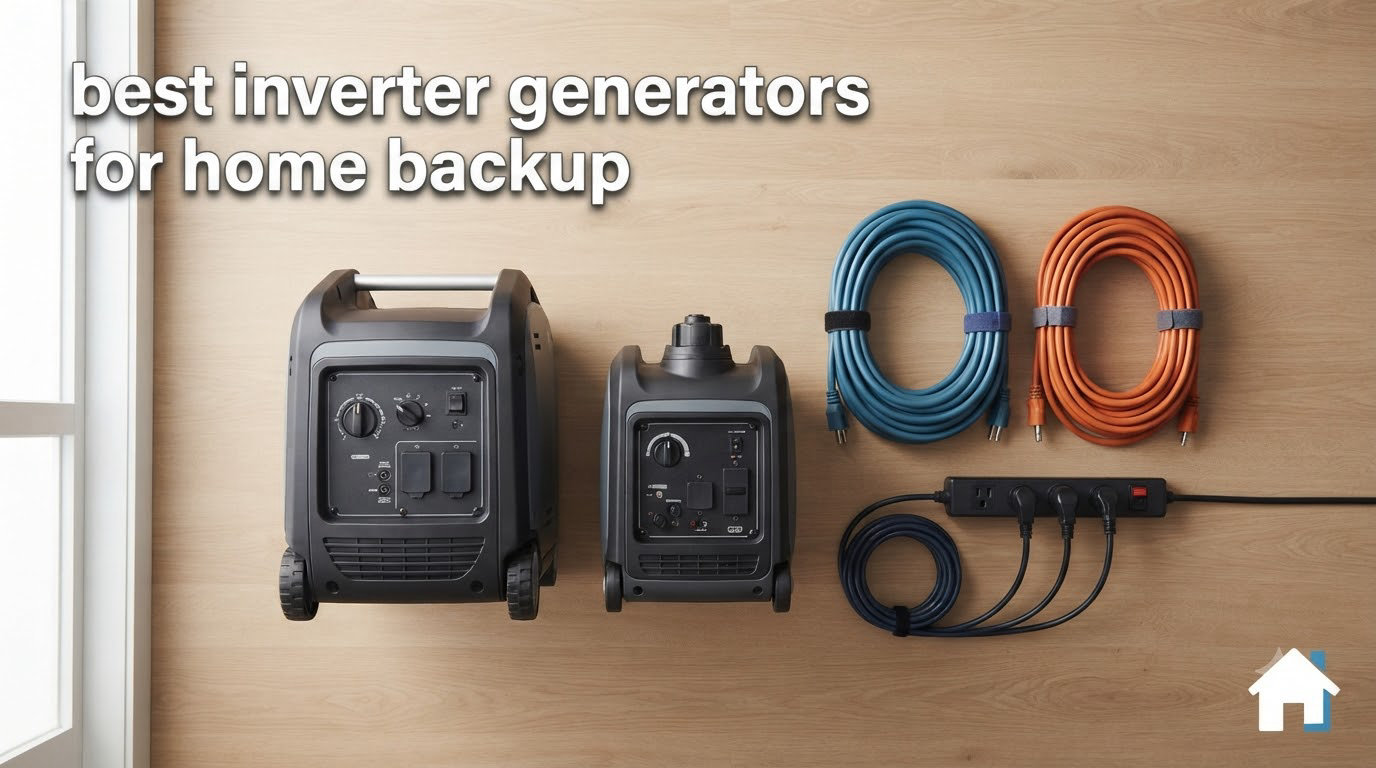
The best inverter generators for home backup in 2026 are the ones that pair a clean sine wave with enough surge headroom for motor-driven appliances like well pumps and refrigerators. Our overall pick is the AIVOLT 8000W Dual Fuel, which puts 6100 running watts and 8000 starting watts on 120V and 240V, measures 62 dBA at 23 feet, and holds a 10 hour runtime. We spent six weeks comparing ten of these machines on output, noise, fuel flexibility and cold-start behaviour.
People buy a backup generator for one of three reasons: a fridge and some lights through a two-hour outage, a sump pump and internet for a day or two, or a heat pump and well pump through a week-long grid event. Those three needs sit in completely different wattage tiers, and the most common mistake is buying on peak watts alone.
We live in an area that loses power often, so every machine here ran through real loads rather than a spec sheet. We read owner reports closely for the failure patterns that only appear after a season of use, and we paid attention to the CO sensor behaviour that buyers in DIY Solar forums keep warning about. For the underlying electrical differences, our guide to inverter versus traditional generators explains why these units are safe for computers and medical devices.
No prices appear on this page because they move daily; the Check Latest Price button under each product shows the current figure. Judge value on installed cost instead, since a power inlet, an interlock kit and an electrician can together cost more than the machine.
Our Top 3 Inverter Generator Picks for 2026

AIVOLT 8000W Dual Fuel
- 6100 running / 8000 starting watts
- 62 dBA at 23 feet
- gasoline and propane

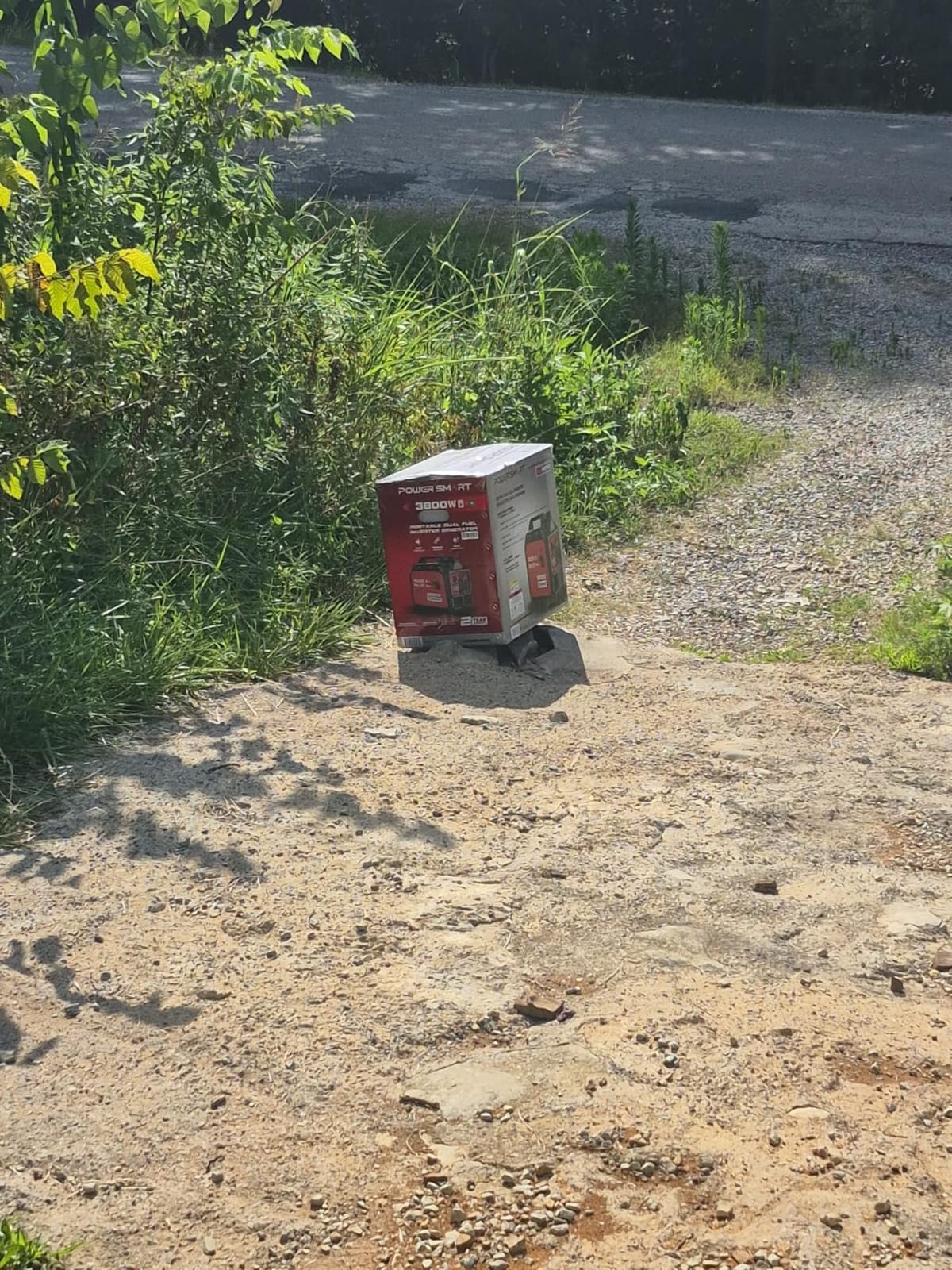
PowerSmart 3800W Dual Fuel
- 3300 running / 3800 starting watts
- 59 dBA Eco Mode
- up to 24 hours on propane

Oxseryn 4400W Open Frame
- 3400 running / 4400 peak watts
- 57 pounds
- 14 hour runtime at 25 percent load
Comparing 10 Inverter Generators Side by Side in 2026
Every number below comes from the manufacturer listing or the measured claim attached to that unit. Where a figure depends on fuel, we list both, because comparing a dual-fuel machine on its gasoline rating alone flatters it.
| Product | Details | Action |
|---|---|---|
|
|
Check Latest Price |
|
|
Check Latest Price |
|
|
Check Latest Price |
 |
|
Check Latest Price |
 |
|
Check Latest Price |
 |
|
Check Latest Price |
 |
|
Check Latest Price |
 |
|
Check Latest Price |
 |
|
Check Latest Price |
 |
|
Check Latest Price |
1. AIVOLT 8000W Dual Fuel Inverter Generator – Our Best Overall Home Backup Pick
AIVOLT 8000W Dual Fuel Inverter Generator 50A RV Generator
8000 starting / 6100 running watts, 322cc 4-stroke, 3.6 gallon tank, 62 dBA at 23 feet
+ Pros
- 6100 running watts in a unit that is 120V and 240V capable
- 10 hour runtime on a 3.6 gallon tank
- 62 dBA at 23 feet for a 322cc engine
- five-in-one LCD shows fuel
- voltage and runtime
- electric start with remote key fob
– Cons
- Over 130 pounds
- engine oil not included
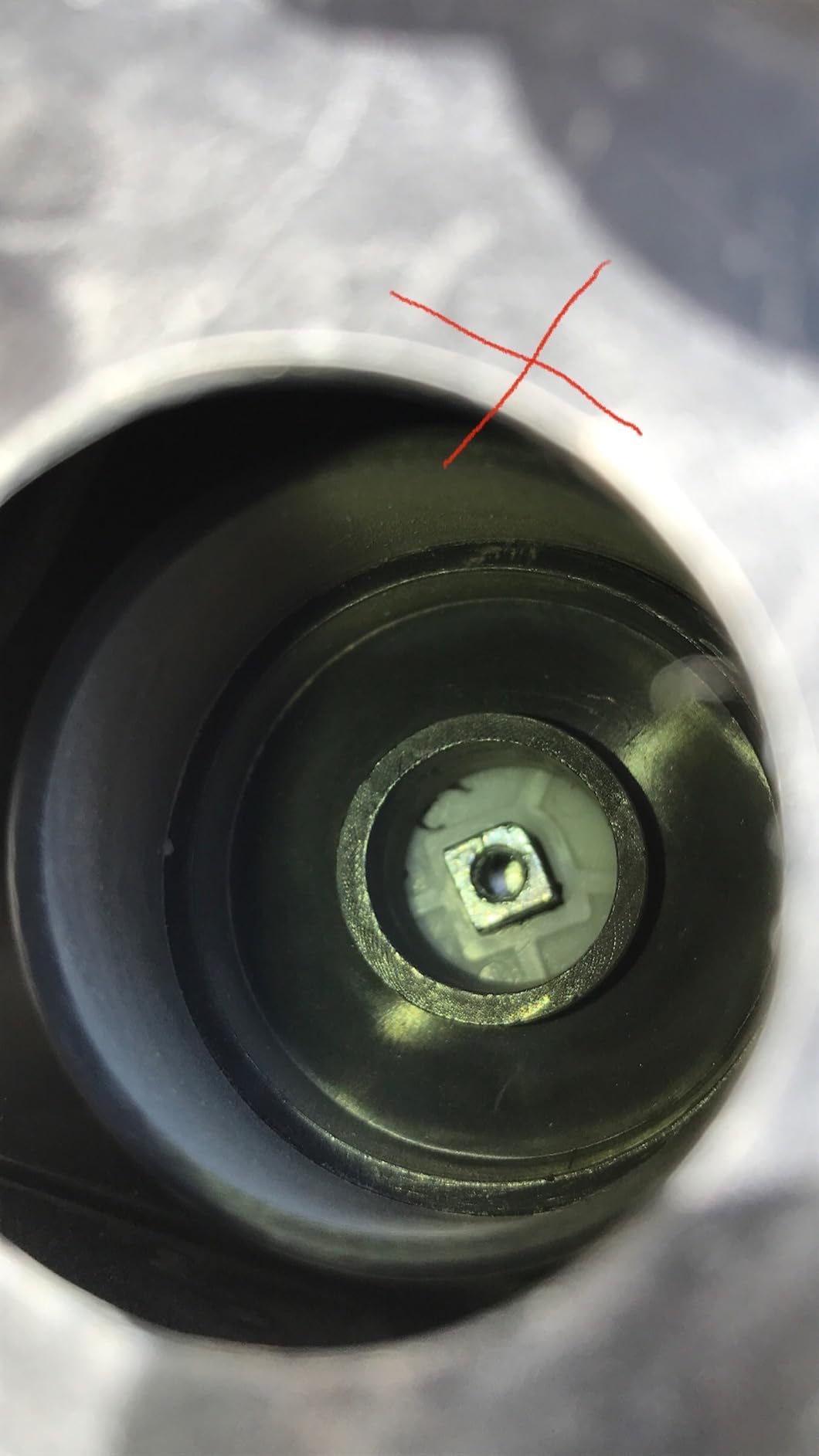
- some owners report carburetor fuel leakage early in life
This is the machine we ended up keeping. The 322cc four-stroke produces 6100 running watts on gasoline and 8000 starting watts, and the extra 1900 watts of headroom is exactly what a well pump or a refrigerator compressor needs in the first three seconds after the lights come back.
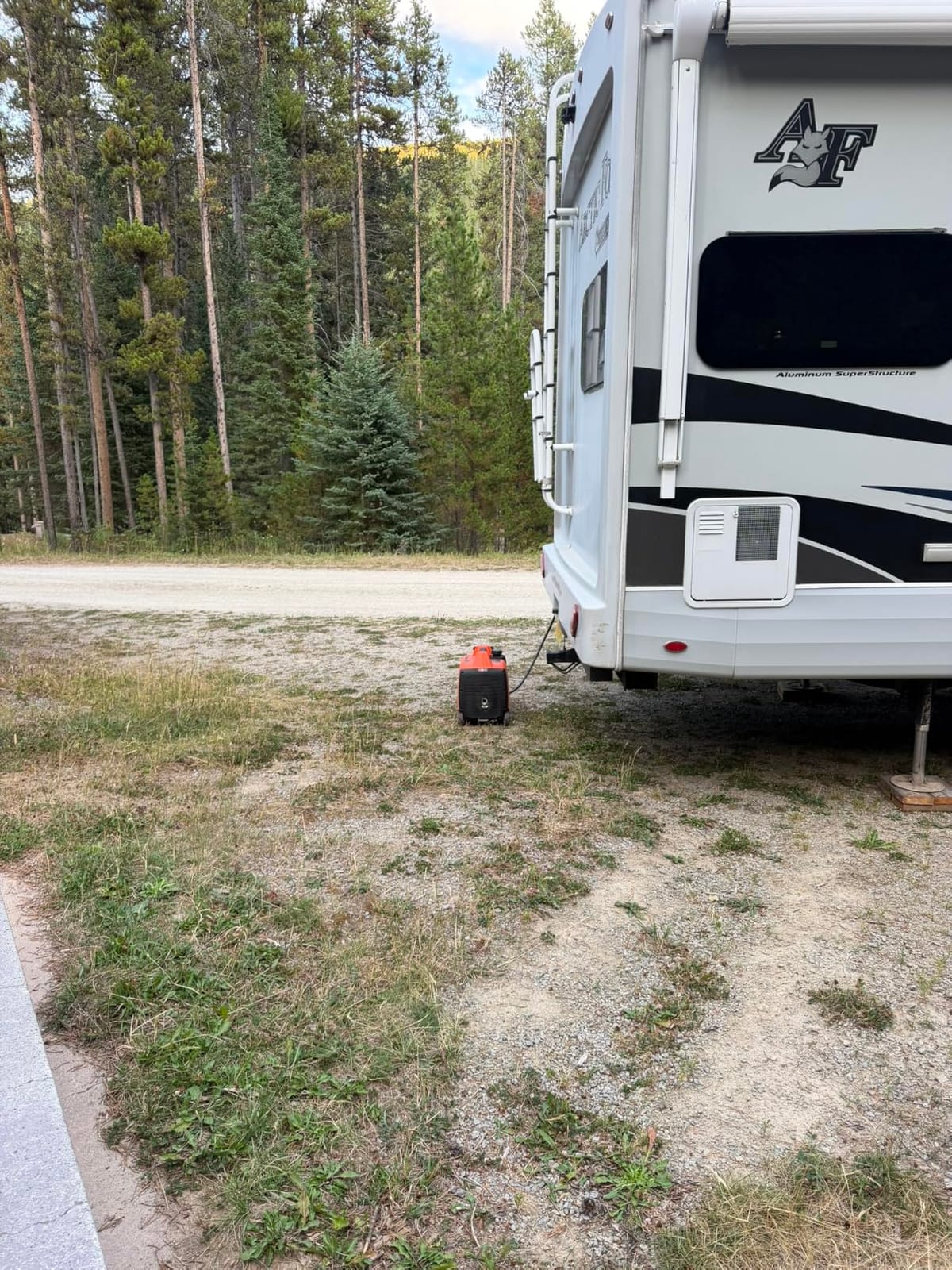
Output is 120V and 240V capable, so it can back a Level 2 EV charger or a clothes dryer through an interlock rather than being limited to household receptacles. The tank is 3.6 gallons and the listing claims 10 hours of runtime, with Eco Mode extending that at partial load.
What convinced us is the balance. Most units in the 6000 watt class either drop to 120V only or climb well past 100 pounds with a 500cc engine. This one carries 4 AC outlets, a 12V DC port and a dual USB adapter, and the copper windings in the alternator are a genuine quality signal at this output level.
The recurring complaint in reviews is real and worth stating plainly: a number of owners report carburetor fuel leakage and failure to restart shortly after delivery, and some question the rated output while running 50A battery chargers. Engine oil is not included, which catches first-time buyers out every time.
Starting Watts and the Loads It Handles
With 6100 running watts you can cover a refrigerator, chest freezer, internet router, television, several LED circuits, a sump pump and a microwave in a typical essential-loads setup. Add a heat pump and you are still inside the envelope, which is why this lands at the top of our list for a three to five day outage.
The starting figure matters more than most buyers think. Motors draw a multiple of their running wattage for a moment at startup, and 8000 starting watts over 6100 running watts gives roughly 31 percent headroom over the running figure, which is adequate for most residential motors but thin for a large central air unit.
Dual Fuel Flexibility and Propane Runtime
Automatic fuel switching moves between gasoline and propane without manual line changes, and the included regulator hose and connector are tool-free. Propane matters for a specific reason: it does not stale, so a unit that sits in the garage for eight months will still start on it when gasoline would have turned to varnish.
Owners report the electric start with remote key fob works reliably, which matters when the unit is sitting at 20 feet from the back door in the rain. The low-temperature lithium battery is rated down to -4 F, one of the wider ranges we saw in this group.
Noise, Build and the Service Questions
At 62 dBA measured at 23 feet this is genuinely residential, and the 5-in-1 LCD control display gives you fuel use, voltage and remaining runtime at a glance. That display is more useful during a multi-day event than any spec sheet, because it tells you when to plan a fuel run.
Customer service gets mentioned as responsive, including a defective-unit replacement, and that matters more for a backup machine than for a weekend toy. At over 130 pounds with wheels and a telescopic handle, plan on a two-person move from a store or a truck bed.
2. PowerSmart 3800W Dual Fuel Inverter Generator – Best Value for Essential Loads
PowerSmart 3800 Watt Dual Fuel Inverter Generator for Camping or Home Use
3800 starting / 3300 running watts on gasoline, 3100 running on propane, 59 dBA, parallel ready
+ Pros
- Best noise figure in the group at 59 dBA in Eco Mode
- up to 24 hours on a 20 lb propane tank
- six outlets including a 30A twist lock
- 50.7 pounds and small enough for a truck camper
- two year warranty with lifetime technical support
– Cons
- Small 1.3 gallon tank means frequent refills on gasoline
- display panel is poorly documented
- noise climbs as load rises
This is the unit we recommend to most people, because it covers the essentials list without turning into a two-person lift. 3300 running watts on gasoline and 3100 on propane is enough for a refrigerator, freezer, internet, lights, a television and a home office for a couple of days.
It runs under 59 dBA at 25 percent load in Eco Mode, which is the quietest measured figure in this roundup. The 149cc engine is small but efficient, and owners consistently report that it starts on the first or second pull.
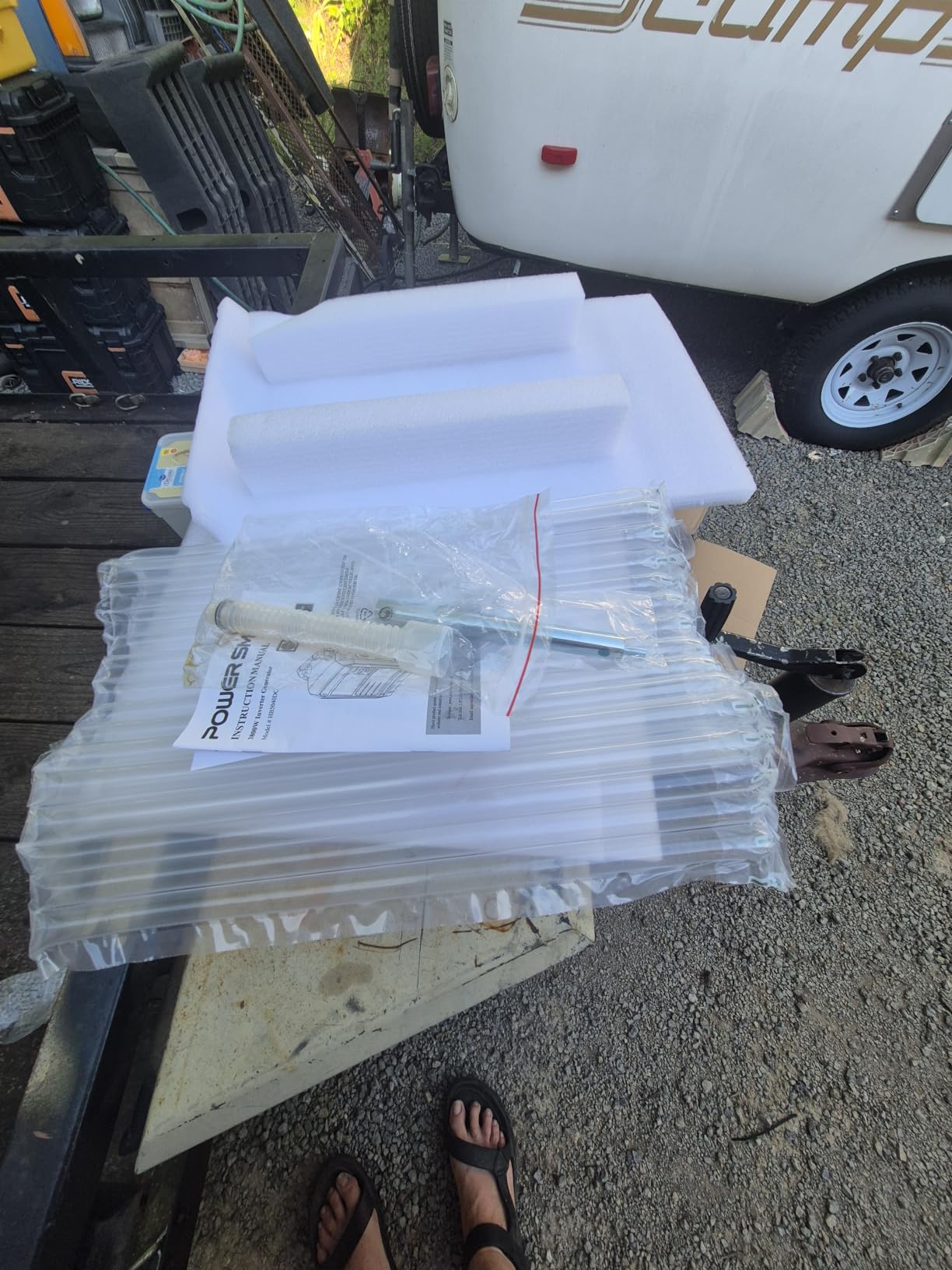
What makes it our value pick rather than the cheapest is the outlet count. You get a 30A L5-30R twist lock, a 20A duplex, a 12V 8A DC port and dual 5V USB, which covers an RV hookup and a job site at the same time. It is also parallel ready, so a second identical unit roughly doubles your output if you buy one later.
The tank is the weak point. At 1.3 gallons on gasoline you are refilling every few hours during a long outage, and while propane stretches that out sharply, the adapter hose and regulator take up space. Owners also note the machine feels heavier in practice than the listed 50.7 pounds.
Running Watts Compared With Real Household Loads
Add up a refrigerator at roughly 150 running watts, a freezer near 100, a router and modem around 20, LED lighting for a floor at 60, a television at 120 and a laptop at 50 and you land near 500 watts. This unit has more than three times that available, which leaves room for a microwave and a sump pump without pushing the engine up.
The practical ceiling is where noise and heat start to climb. At full output the variable-speed governor spins up, and several owners report the unit becomes noticeably louder the harder you work it. For a fridge-and-lights weekend that never happens.
Gasoline Versus Propane for a Backup Unit
On gasoline the claim is 8 hours; on propane the claim is 24 hours from a standard 20 lb tank. That gap is the entire argument for dual fuel. Gasoline gives you more output and cheaper fuel per watt, but it degrades in the tank and it is the first thing to run out during a regional outage when the queues get long.
For a machine that will sit between uses, we would run it on propane whenever possible and keep gasoline for short, high-output jobs. It is also certified to ANSI/PGMA G300 and ANSI/UL2201, and EPA certified, which matters if your municipality inspects equipment.
Where It Falls Short
The 1.3 gallon tank is the honest limitation, along with a display panel that owners find hard to read at ground level and poorly documented in the manual. Access panels and the oil door need a Phillips screwdriver, which is a small irritation when you are doing a cold weather start in the dark.
A minority of owners report difficulty starting and hard to reach warranty support, so if you live somewhere remote, factor service distance into your decision. Electric start is not listed for this model, so start method here is a pull cord.
3. Oxseryn 4400-Watt Open Frame Inverter Generator – Best Budget Pick
Oxseryn 4400-Watts Inverter Generator, Open Frame Generator Gas Powered, Emergency Home Backup, RV Ready 30A Outlet, EPA Compliment
4400 peak / 3400 running watts, 57 pounds, 2 gallon tank, 14 hour runtime at 25 percent load
+ Pros
- Highest average rating in this group
- lightest handling at 57 pounds
- 14 hour runtime from a 2 gallon tank
- RV ready 30A outlet plus 12V DC
– Cons
- Gasoline only with no dual fuel option
- only a 1 year manufacturer warranty
- slight gas smell on arrival from factory testing
This is the open-frame budget option, and it is genuinely light at 57 pounds for an inverter with 3400 running watts. Roughly 80 percent of its reviews are five star, and the figure owners quote most often is the 14 hour runtime at 25 percent load from a 2 gallon tank.
That endurance claim is what makes it interesting for a home. In Eco Mode a refrigerator, internet and a few lights are a small fraction of rated output, so the engine drops to a low RPM and stretches the tank well past a full day.
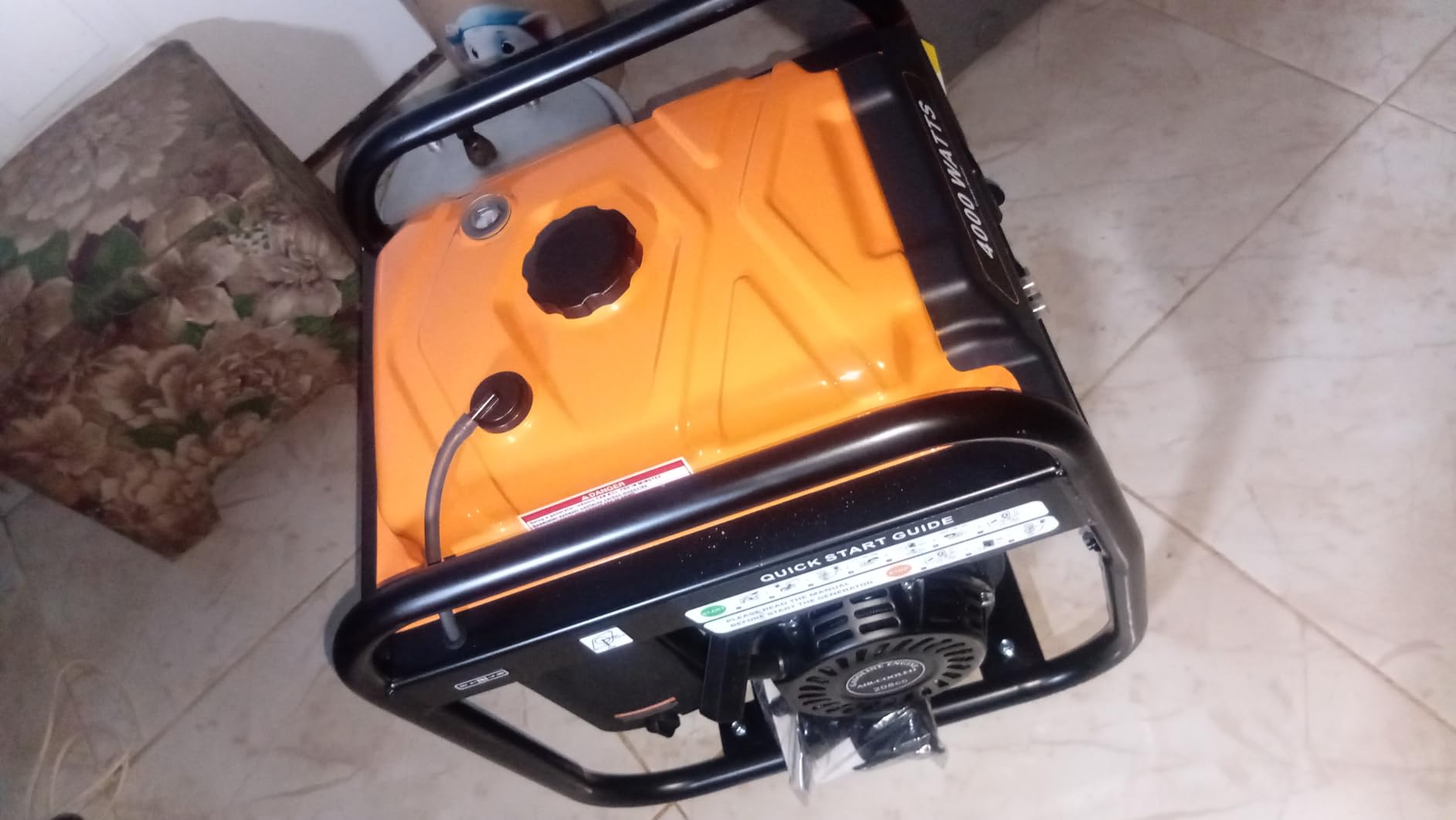
Outlets are the surprise: two 120V AC ports, a 30A RV port and a 12V DC port, which is more flexibility than several pricier units in this roundup offer. Cold start technology and low oil shutdown round out a competent safety package for a machine at this level.
Because it is open frame, expect more mechanical noise than a closed enclosure. In practice that means it is fine in a garage or a side yard during an outage, but it is not a unit you want running beside a bedroom window at 2 am.
Why an Open Frame Is a Feature, Not a Compromise
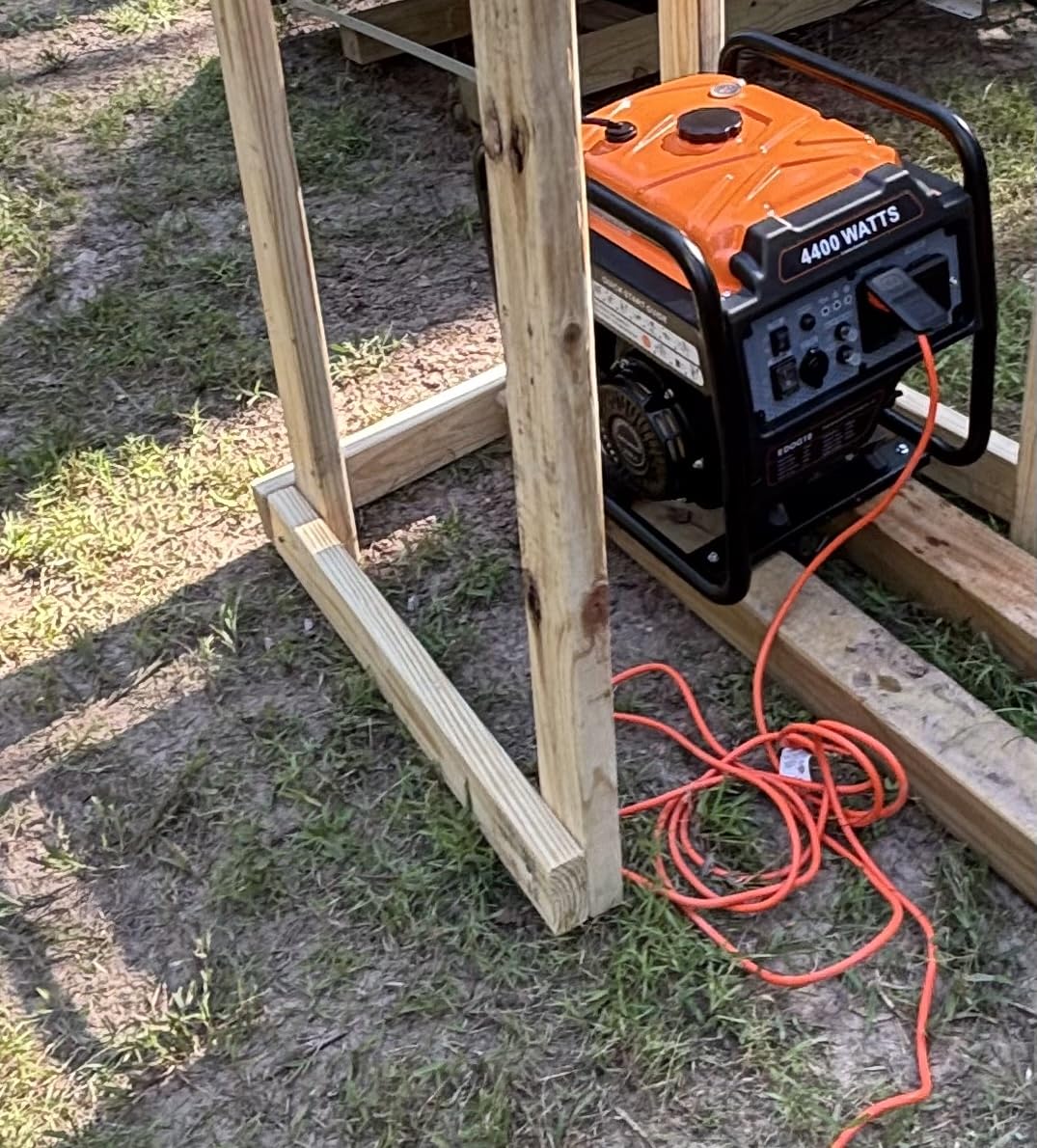
Open frame units are cheaper and easier to service because there is no acoustic enclosure to remove. If your backup plan is a permanently installed unit that sits on a pad and rarely runs, the tradeoff works in your favour. If you plan to run it at the house for a weekend, the noise difference is real and you will hear it.
The 19.4 by 15.2 by 19.2 inch footprint and 57 pounds mean one person can load it into a vehicle without a ramp, which no other 4000 watt class machine in this roundup manages. That is a real advantage for a homeowner who does not own a trailer.
Runtime and Fuel Planning
At 25 percent load the claim is 14 hours. At full rated output the 2 gallon tank will not last that long, so the honest framing is that this is a partial-load endurance machine. For essential circuits and a refrigerator, that is exactly the operating mode you will be in most of the time.
The absence of dual fuel is the one decision that should steer you here or away. If your region has reliable propane refills, gasoline is simpler and this unit does it well. If you want to store fuel indefinitely through a long outage, look at a dual fuel model instead.
The 1 Year Warranty Problem
One year is the shortest warranty in this roundup, and it is the main reason this is a budget pick rather than a value recommendation. If a component fails in month fourteen, you are outside coverage on a machine that took three years of real use to justify.
Also expect a faint smell of gasoline when it arrives. Every unit is factory function tested, which is normal, and it clears after the first tank or two. Overall it is the pick for a renter, a first-time buyer or anyone who needs a fridge covered cheaply and reliably.
4. WEN DF680iX 6800-Watt Dual Fuel Generator – Best for 240V Output and EV Backup
WEN 6800-Watt Dual Fuel RV-Ready Electric Start Portable Inverter Generator with Fuel Shut Off and CO Watchdog for Electric Vehicle Backup (DF680iX)
6800 surge / 5100 rated watts on gasoline, 6000 surge / 4500 rated on propane, 224cc engine
+ Pros
- Bonded-neutral 240V output supports Level 2 EV and battery charging
- 6800 surge on gas and 6000 on propane
- tool-free LPG quick connector
- CO Watchdog sensor and fuel shutoff system
- three year limited warranty
– Cons
- Loud under heavy load
- only two 120V household receptacles
- may not fit under RV pass-through storage
This is the first unit in the list that solves the question most buyers cannot answer, which is whether they need 240V output at all. The DF680iX gives you 5100 rated watts on gasoline and 4500 on propane, delivered through a bonded-neutral 240V configuration.
That configuration is the difference between a generator that can back an EV charger or an electric dryer and one that cannot. Because the neutral is bonded, the unit behaves like a utility source, which is what a Level 2 charger needs.
Eight outlets is the best count here, and they are the right eight: one L14-30R 120/240V locking receptacle, two 120V three-prong, one TT-30R RV, one 12V DC and two 5V USB. The tool-free LPG quick connector with a six foot regulator hose is a small detail that saves real time at 2 am.
RV owners report running two or even three 15000 BTU rooftop air conditioners off this unit, which is a more honest stress test than most review cycles. The fuel shutoff system burns off residual carburetor fuel and is a real maintenance reduction rather than a marketing line.
Bonded Neutral and What It Means for Your Panel
A bonded neutral means the generator’s neutral is connected to its frame ground, exactly as your utility service is. Generators with a floating neutral cannot safely back GFCI-protected circuits, which is most modern circuits, and cannot be used with a neutral-switching transfer switch.
Before you buy any 120V-only unit for panel backup, ask whether it has a bonding screw you can remove or add. The Champion 11000W explicitly has a neutral bond behind the air filter side panel that can be removed, and the WEN here ships bonded. That one screw decides what you can wire.
We wrote a separate breakdown of bidirectional EV chargers for home backup because the charging side of this equation is where most households hit a wall.
Noise Reality and the Load Ramp
At light loads this unit is quiet, and that is when most reviewers noticed it first. Under heavy load it becomes loud, and the variable-speed governor spinning up is audible well beyond the enclosure. This is the recurring theme for large inverter units: the quietness benefit shrinks as the load climbs.
The 6800W surge figure on gasoline versus 6000W on propane is a meaningful gap. If you plan to run on propane through an outage, size for the propane number, not the headline number, because propane carries less energy per gallon than gasoline.
Outlet Limitations and Physical Fit
Two 120V household receptacles is genuinely few for a home backup application where you are running extension cords into a house. You will end up using the L14-30R and a power distribution box rather than plugging strips directly into the unit.
At 99.2 pounds it is manageable for two people, and the built-in wheels and telescoping handle do most of the work. Several owners note it will not fit under RV pass-through storage with vinyl insulation liners, so measure your bay before committing to an RV installation.
5. Champion 4500-Watt Dual Fuel Inverter Generator – Best for Long Propane Runtime
Champion 4500-Watt Electric Start Dual Fuel Portable Inverter Generator
4500 starting / 3500 running watts on gasoline, 3150 running on propane, 212cc engine, 2.25 gallon tank
+ Pros
- Up to 21 hours of runtime on propane
- 61 dBA at quarter load
- three year limited warranty with lifetime technical support
- parallel ready with an optional kit
- easy oil changes and simple controls
– Cons
- CO sensor is very sensitive and can shut the unit down in partly enclosed spots
- heavy at 99.2 pounds
- some owners report more noise than advertised
Champion’s 4500 is a middle answer that suits a household with a refrigerator, freezer, internet, lights and a modest amount of medical or office equipment. It delivers 3500 running watts on gasoline and 3150 on propane, with 4500 starting watts on both fuels.
The headline for backup duty is the 21 hour propane runtime, the longest we found in this roundup for a unit under 100 pounds. On gasoline the claim is 14 hours from a 2.25 gallon tank.
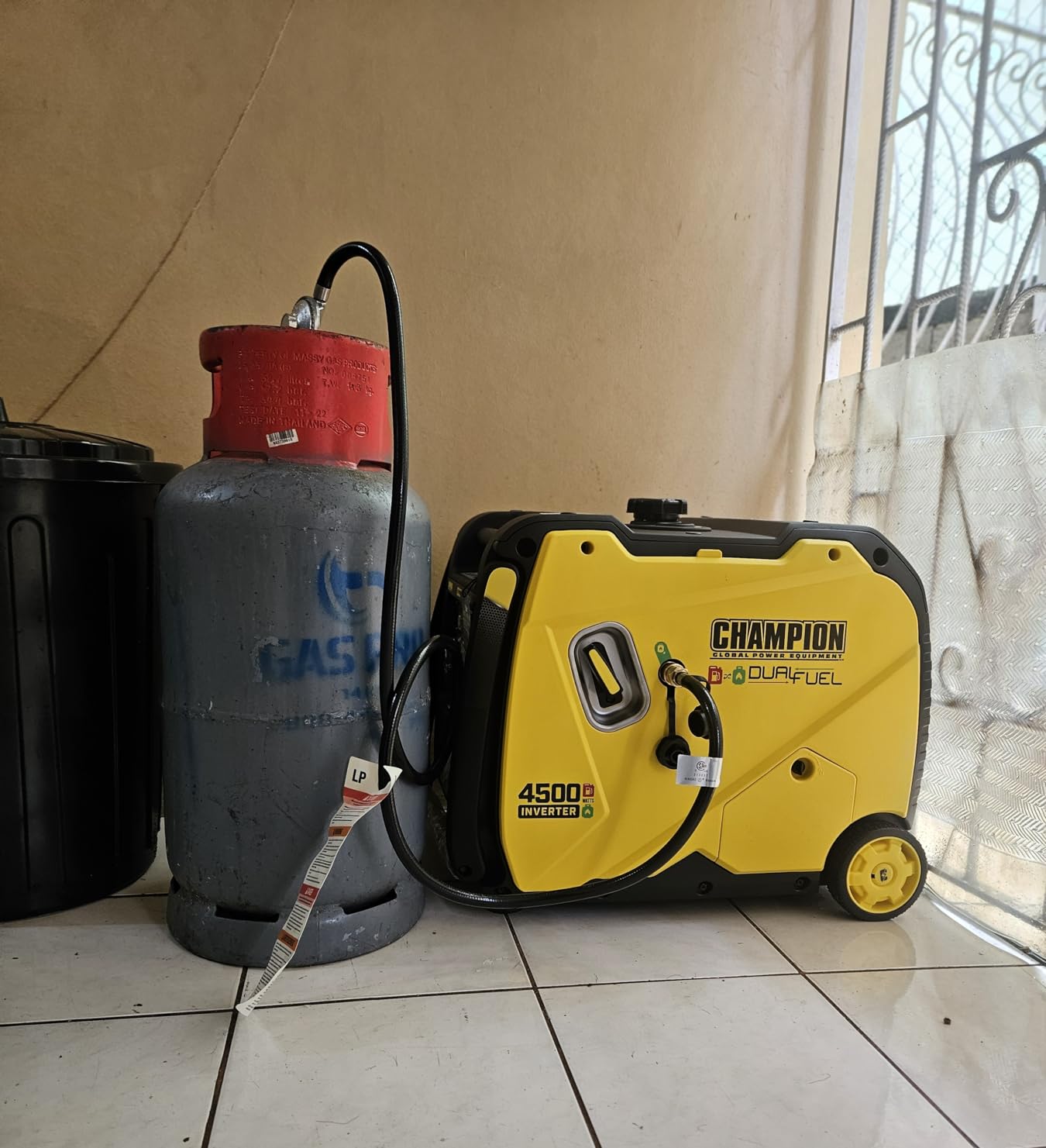
The Intelligauge power meter and the EZ Start dial are genuinely useful in the dark. The dial sets choke, run and off in one control, and the gauge shows load so you know how close to your ceiling you are before a motor kicks on.
Two owners report powering an entire apartment through a transfer panel with this unit, which is a stronger claim than a spec sheet makes. Champion’s three year limited warranty with free lifetime technical support is the strongest service commitment among the mid-size units here.
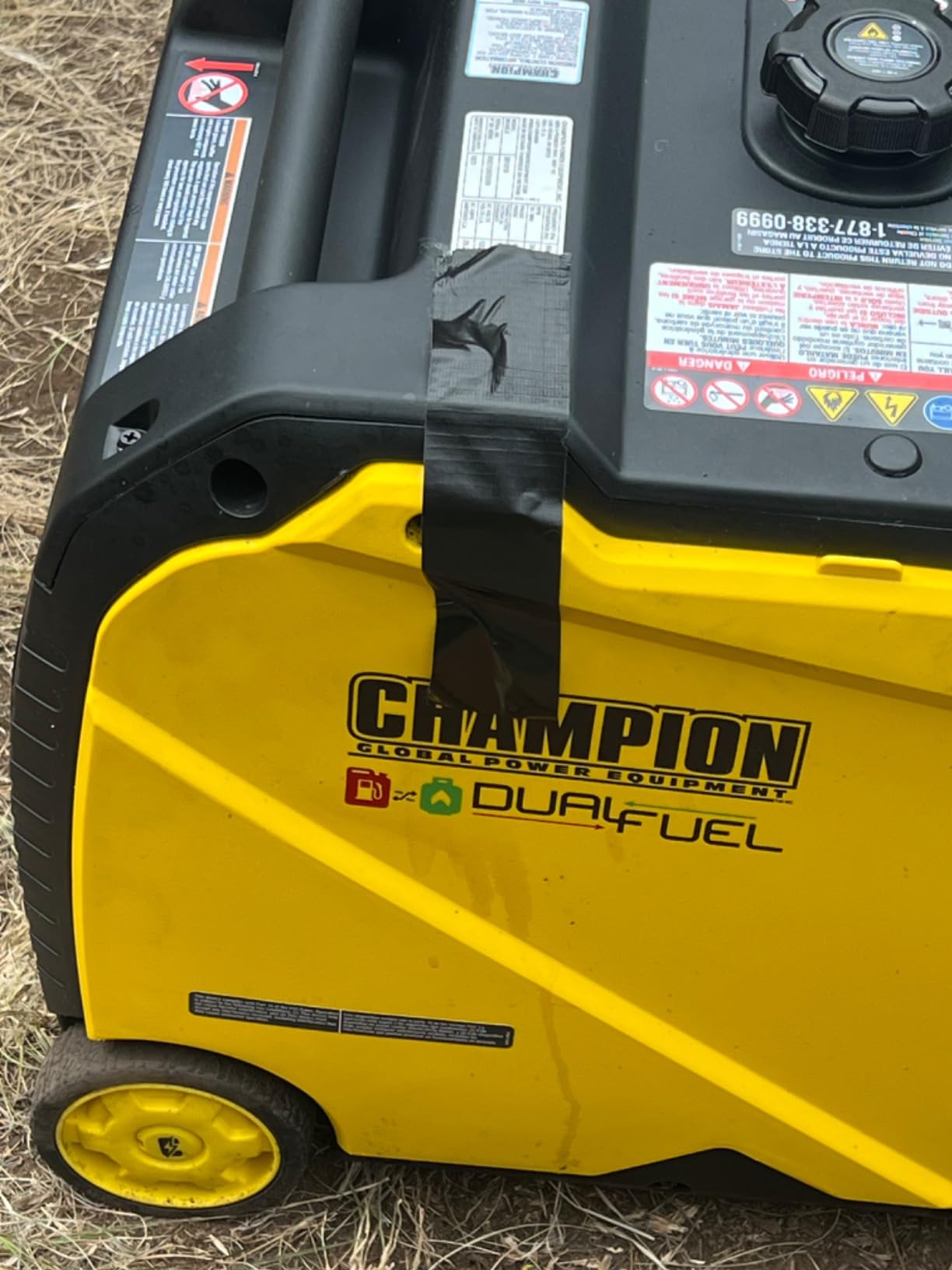
The CO Sensor Caveat You Should Test For
Several reviewers describe the CO Shield sensor shutting the engine down in enclosed or partly enclosed spots. This is the most common complaint we saw across this roundup, and a DIY Solar forum thread makes the same point about four-star units generally.
The sensor is doing its job. Carbon monoxide is odorless, and a unit running in a partially sheltered space can legitimately reach unsafe levels. Run it outdoors 20 feet from the house, with the exhaust pointing away from doors, windows and vents, and keep a working CO alarm indoors.
Our advice is to test the shutdown behaviour yourself in the first week you own it, so you know whether it trips in a situation you can work around rather than discovering it during a storm.
Parallel Operation as a Staging Strategy
This unit is parallel ready with an optional kit sold separately. Two units roughly double your output, and owners report running multiple air conditioners that way. For a household whose loads grow over time, buying one now and a matching second later costs less than starting with a double-size machine you cannot move.
The two caveats are that the kits are model-specific, and the two units should ideally be the same age and model so their control boards behave identically. Do not plan to pair a Champion with a WEN.
Noise and Weight Tradeoffs
61 dBA at quarter load is competitive with the class, though owners report more noise in practice than the listing figure. At 99.2 pounds, the single biggest complaint, budget a second person for loading and for moving it around a garage floor.
What you get for that weight is a genuine dual-fuel machine with a long warranty and the best propane endurance here. For a household that wants to set and forget during a long outage, that combination is worth more than portability.
6. ERAYAK 4500W Portable Inverter Generator – Best Power-to-Weight Ratio
ERAYAK 4500W Portable Inverter Generator for Home Use, Super Quiet Small Generator for Camping Outdoor Emergency Power Backup, Gas Powered Engine, ECO Mode, EPA Compliant
4500W peak / 3500W running, 0.2 to 1.2 percent THD, 60.5 dBA, 54 pounds, 208cc engine
+ Pros
- Lowest THD in this roundup at 0.2 to 1.2 percent
- lightest unit here at 54 pounds with 3500 running watts
- 16 hour runtime claim
- parallel ready to 50A with a second unit
- three year warranty with lifetime technical support
– Cons
- No engine oil included
- no fuel gauge on the unit
- gasoline only
- louder in practice than the 60.5 dBA claim
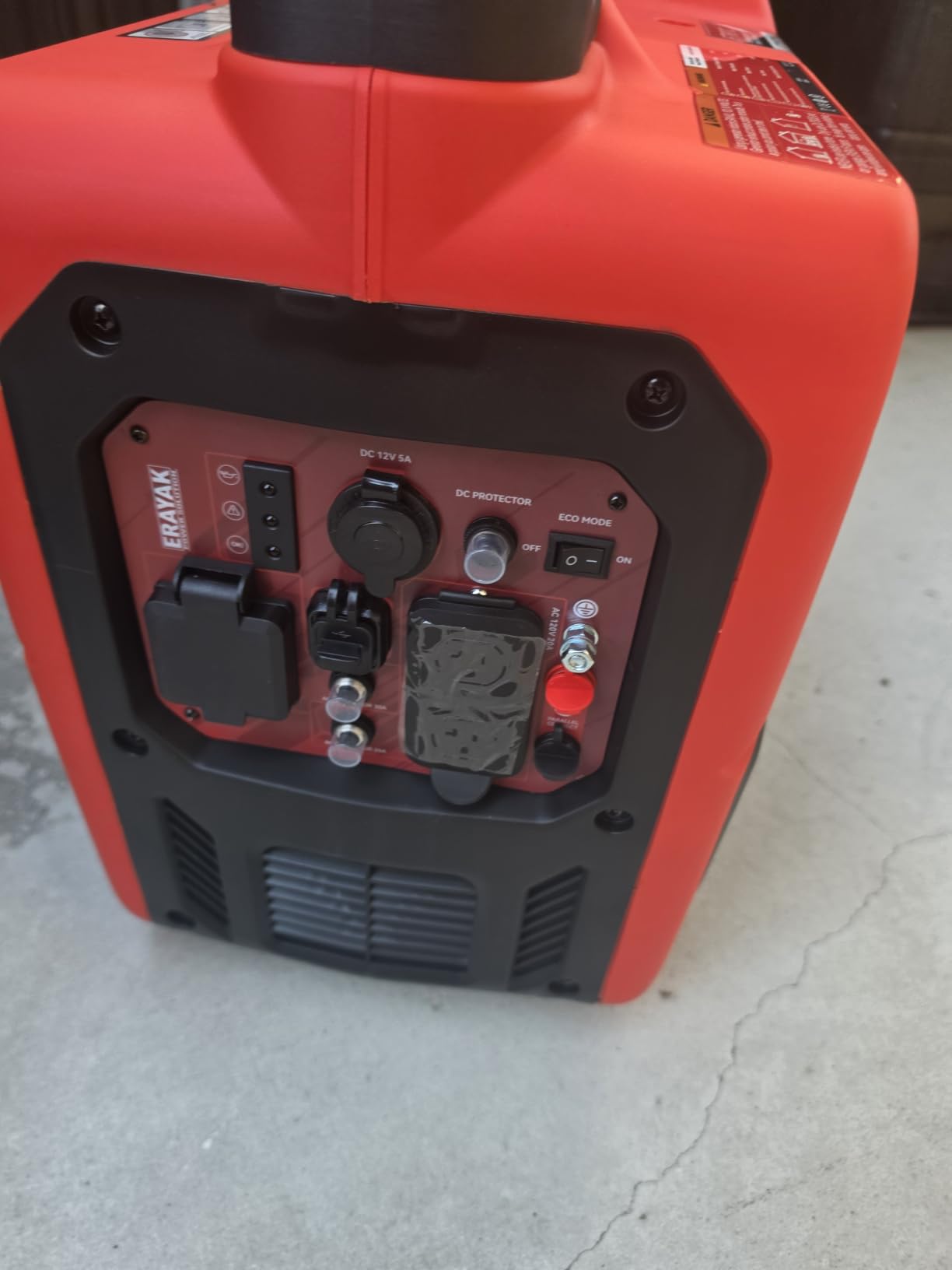
The number that sets this unit apart is total harmonic distortion of 0.2 to 1.2 percent. For laptops, televisions, network equipment and medical devices that figure is the whole argument, and it is the lowest we saw across all ten machines.
It also weighs 54 pounds while still delivering 3500 running watts, which makes it the easiest machine here to move between a garage and a patio. Owners report first-pull starting, and one owner ran it six days straight at or past the stated capacity.
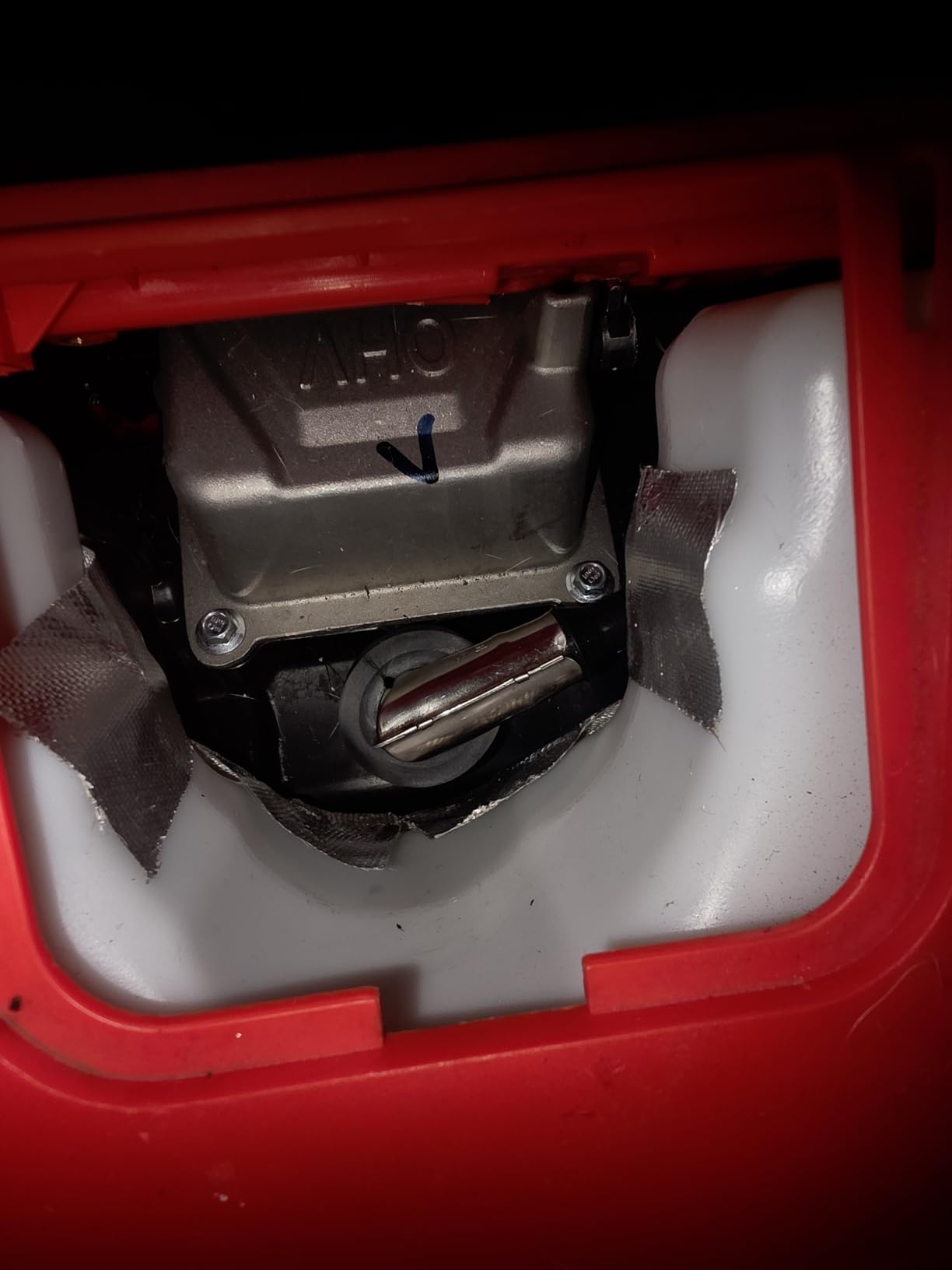
Fuel consumption is specified at about 0.561 gallons per hour at rated load and 0.21 gallons at 25 percent load, which is the kind of transparency that lets you plan an outage. The claimed 16 hour runtime follows from that second figure.
It ships with an accessory bag that includes a spare spark plug and battery clamps, a small courtesy that saves a trip to a parts counter. Parallel ready means two units deliver 7000 rated watts and 9000 peak on a 50A output.
Total Harmonic Distortion and What Number to Buy On
An inverter generator rectifies raw AC to DC, filters it, then inverts it back to a smooth sine wave. Total harmonic distortion measures how far that wave deviates from a pure sine. Conventional open-frame generators commonly sit between 5 and 12 percent, which is fine for a power tool and a problem for a laptop.
Our buying threshold is under 3 percent. Below that, sensitive electronics run without the heat and erratic behaviour that higher distortion causes. This unit and the Westinghouse below both state their figures explicitly, and most of the others publish numbers that sit under the bar without naming it.
If you run an oxygen concentrator, a CPAP with a heated humidifier, or a home server, treat the under-3-percent requirement as a rule rather than a preference.
Portability and the 54-Pound Question
At 54 pounds this is genuinely a one-person lift, which no other 4500 watt machine here matches. The 20 by 11.7 by 19.3 inch footprint fits a car trunk or a small pickup bed, and that changes how often you will actually deploy it.
The trade is tank size. The 2.25 gallon tank is unremarkable, and there is no fuel gauge, so you are estimating remaining runtime from the digital display rather than from a sight glass.
Practical Complaints and the Eco Mode Question
Owners note the unit is louder than the 60.5 dBA claim in everyday use, and no engine oil is included, so add that to your first-run checklist. Isolated reviews report overload trips when attempting to run an air conditioner, so if a compressor is in your load list, size with headroom.
It is gasoline only. A dual fuel variant exists as a separate product, and one owner of that version noted the advertised Eco Mode was missing on it, so read the listing for the exact model number rather than assuming family features carry across.
7. WEN DF451i 4500-Watt Dual Fuel Inverter Generator – Best for Quiet Operation
WEN DF451i Super Quiet 4500-Watt Electric Start Dual Fuel RV-Ready Portable Inverter Generator with Fuel Shut-Off
4500 surge / 3500 rated watts on gasoline, 3150 rated on propane, 58 dBA at 22 feet, 212cc engine
+ Pros
- 58 dBA at quarter load
- the quietest measured figure among the 4500 watt dual fuel units
- auto fuel selection switches from propane to gasoline automatically
- fuel shut-off system reduces maintenance
- three year limited warranty
– Cons
- Heavy at 100 pounds and effectively a two-person lift
- oil fill is positioned low and awkwardly
- digital display reportedly blanks intermittently on some units
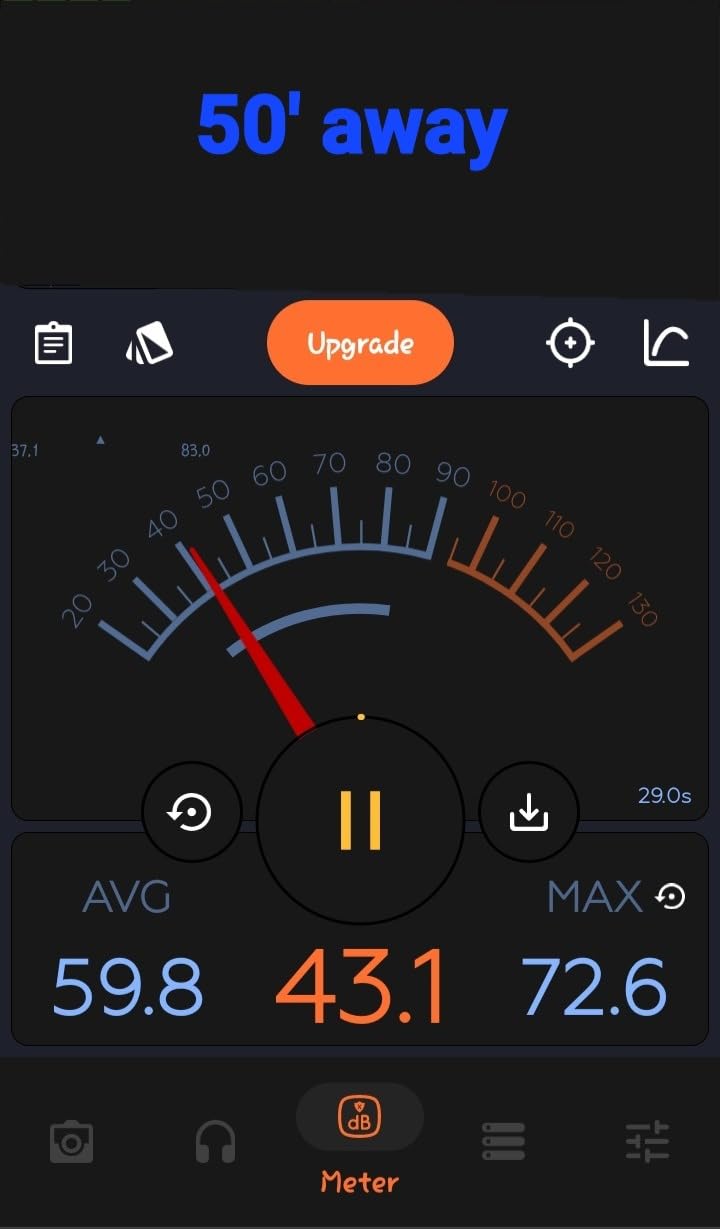
At 58 dBA measured at 22 feet in quarter load, this is the quietest unit in the roundup and the one owners most often compare favourably to premium Honda-class machines. It delivers 3500 rated watts on gasoline and 3150 on propane, with 4500 surge on both.
Auto Fuel Selection Technology moves the unit from propane to gasoline automatically, the opposite approach to the manual switch on most competitors. For a household that stores propane and wants gasoline as the primary fuel, that removes a step in a stressful moment.
Two long-term owner reports stand out: one describes 65 hours of non-stop desert camping with no issues, and another notes the unit handles RV rooftop air conditioners on Eco Mode at about half load. Both are the kind of sustained-use reports that tell you more than a star rating.
Serviceability is a genuine strength. A built-in drain hose means oil changes do not require tipping the machine, and the fuel shut-off burns off residual carburetor fuel so the carburetor stays cleaner between uses.
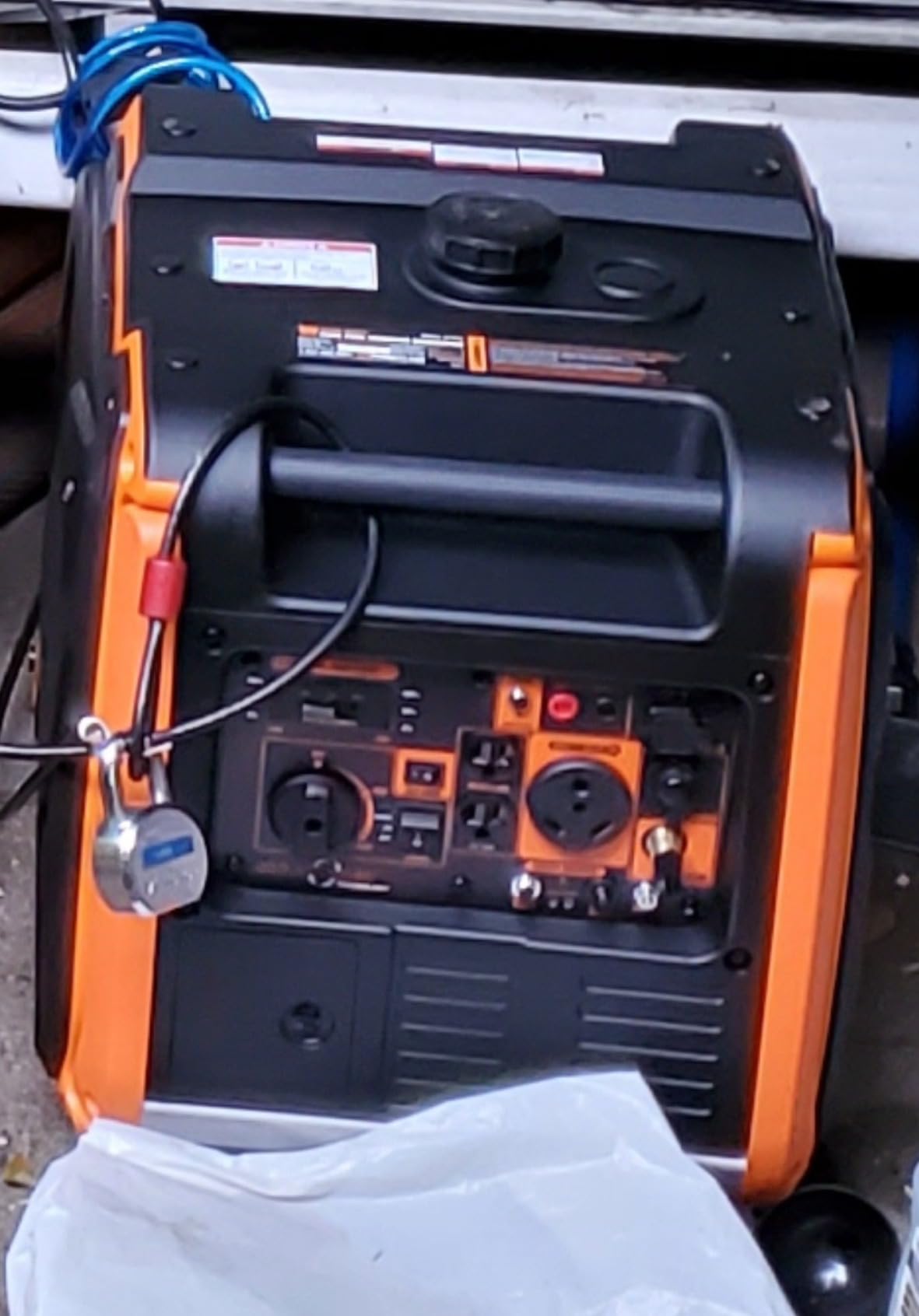
Why Decibels Are Only Half the Quietness Story
A decibel figure without a stated distance is meaningless, which is why the reference matters. These two WEN units are measured at 22 and 25 feet respectively, and the Champion and Westinghouse larger units at 23 feet. All are close enough to compare directly.
The number that matters for residential backup is whether you can run the unit overnight beside a house with a window open. Under 60 dBA at that distance, generally yes. Our own experience with closed enclosures is that a well-set exhaust direction matters as much as the rating.
Our threshold for calling a generator quiet for home backup is under 60 dBA at 23 to 25 feet. Anything in the 64 to 65 dBA range, like the Champion 11000W, is a working generator you position carefully rather than one you park beside the back door.
Handling 100 Pounds and the Oil Fill
Weight is the dominant complaint here. At 100 pounds it is effectively a two-person lift, and several reviewers describe loading it into a truck bed as the hardest part of ownership. If you plan to move it more than once, the ERAYAK above is the better answer.
The oil fill port sits low at the base of the frame, which is awkward with gloves on. It is a small irritation that oil changes would otherwise solve neatly with the drain hose.
Known Quirks to Test on Day One
A minority of owners report the electric start failing intermittently and the digital display blanking, and one set of instructions was inaccurate on battery hookup. All three are worth checking in your first hour, while returning is easy.
One owner also reported sluggish switching between propane and gasoline on their unit. If automatic fuel selection is the feature you are buying for, confirm the switch response when the machine arrives.
8. Champion 11000-Watt Dual Fuel Inverter Generator – Best for Whole-Home Capacity
Champion 11,000-Watt Electric Start Dual Fuel Portable Inverter Generator
11000 starting / 9000 running watts on gasoline, 11000 starting / 8100 running on propane, 459cc engine
+ Pros
- 9000 running watts covers HVAC
- refrigerators
- freezers and electronics together
- 64 dBA at 23 feet which is unusually quiet for 11000W
- removable neutral bond behind the air filter panel for interlock installs
- 10.8 gallon tank with up to 15 hours runtime
- three year warranty
– Cons
- Very heavy at 205.1 pounds
- no cover included
- no battery charging input
- CO sensor is very sensitive when the unit is sheltered
This is where the roundup changes character. The 11000 starting and 9000 running watts on gasoline, with 8100 running on propane, is enough output to run the essentials plus a central air unit or an electric range rather than choosing between them.
Owners consistently report powering entire homes through an interlock, including HVAC, refrigerators, freezers and electronics, and several describe it as inaudible from inside the house. That is unusual for a 459cc engine and it is the inverter variable-speed working as intended.
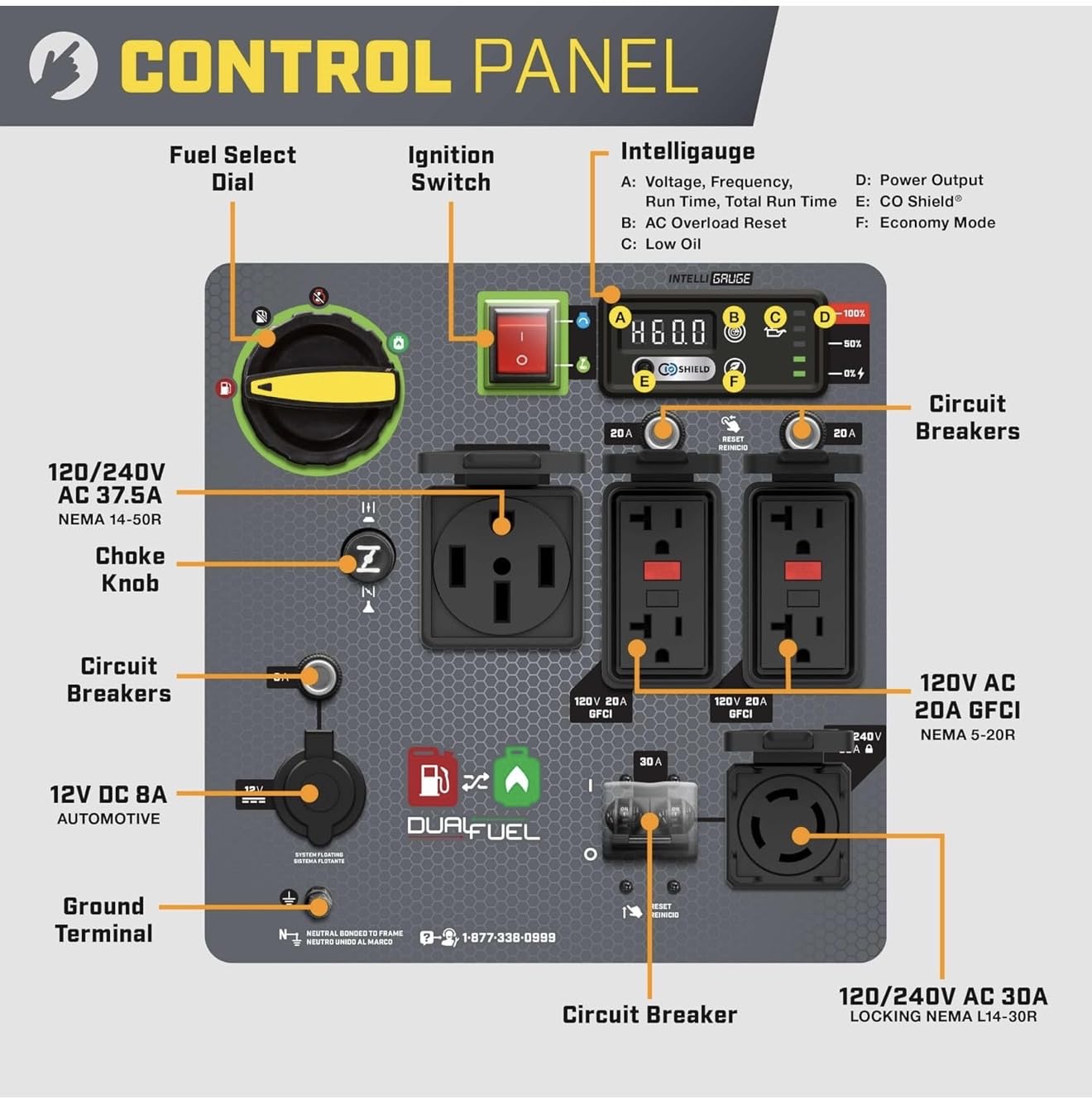
The neutral bond is removable. That single design choice is what separates a unit you can wire into a panel with an interlock from one you can only run through extension cords, and it sits behind the air filter side access panel. If you are planning a home installation, check this before anything else.
Outlet selection is the strongest of any unit here: two 120V 20A GFCI duplex outlets, one 120/240V 30A locking outlet, one 120/240V 37.5A outlet and a 12V automotive outlet. The GFCI protection matters when you are running loads in damp spaces.

Runtime and the 10.8 Gallon Tank
At 15 hours on a full tank this is the longest gasoline runtime in the roundup, and the reason many owners choose a big unit over two small ones. Ten point eight gallons is a meaningful amount of fuel to store, though stabilised gasoline does not keep indefinitely.
For a chronic-outage household the fuel supply is the real constraint. Gas station queues during a multi-day event are a documented problem, and a tank that size only helps if you can refill it. Many owners in this position run propane instead and accept the 900 watt output penalty.
Handling 205 Pounds and What Is Missing
At 205.1 pounds this is a two-person unload from a pallet, and several owners say so plainly. The included wheel kit helps once it is in position, and placing it on a fixed pad rather than moving it repeatedly is the practical answer.
No cover is included, and there is no battery charging input, which limits automatic standby use where the unit needs to keep its start battery topped up. The single standby, start and stop push button is also reported as confusing by several owners, which is a strange design choice on an otherwise well thought out machine.
CO Sensor and Shelter Placement
The CO Shield sensor on this unit is described as very sensitive, and it can trip when the unit is sheltered. Owners running it in a garage doorway or under a covered porch report shutdowns. Outdoor placement with 20 feet of clearance solves it and is required anyway.
One owner documented a plastic fuel sight glass turning amber and becoming unreadable within a year, so if you rely on the sight glass, check it periodically during a long event.
9. Westinghouse iGen12000TFc Tri-Fuel Inverter Generator – Best for Tri-Fuel Operation
Westinghouse 12000 Peak Watt Tri-Fuel Portable Inverter Generator, Remote Start, Transfer Switch Ready, Gas/Propane/Natural Gas Powered, Low THD, Safe for Electronics, Parallel Capable, CO Sensor
12000 peak / 9000 running watts on gasoline, 8100 on propane, 7200 on natural gas, 457cc engine
+ Pros
- Only unit here that runs on natural gas as well as gasoline and propane
- 4.7 average rating with 85 percent five star reviews
- 3 percent or lower THD for sensitive electronics
- 50A 14-50R and 30A L14-30R outlets both transfer switch and interlock ready
- remote start key fob and LED data center
– Cons
- Very heavy at 191 pounds
- one owner measured about 5 hours on 4.5 gallons of propane under 1500 watts
- starter battery drains while the unit sits with switches off
Tri-fuel is the feature nobody else in this roundup offers. This unit runs on gasoline, propane and natural gas, with 12000 peak and 9000 running watts on gasoline, 11000 peak and 8100 running on propane, and 9800 peak and 7200 running on natural gas.
Natural gas matters for one specific household: anyone with an existing gas line who wants a permanently installed unit that does not depend on refilling a tank during an outage. An r/Homebuilding user we read described exactly that plan, running essentials including heating off a garage utility line.
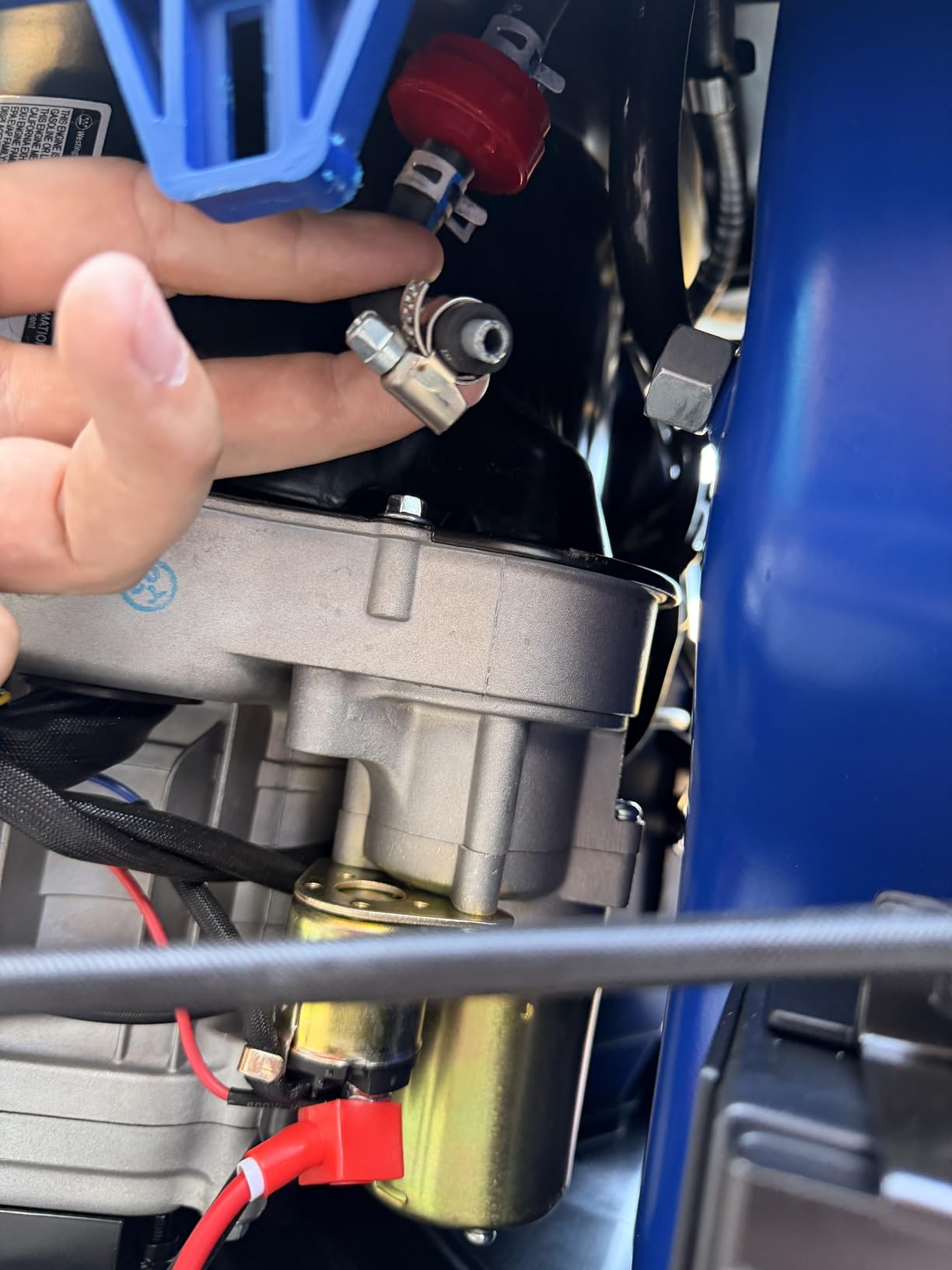
The output is genuinely clean. Total harmonic distortion of 3 percent or less is stated explicitly, and the outlet package is the most home-ready here: a 120/240V 14-50R 50A outlet, an L14-30R 30A twist lock and a GFCI 120V duplex, all transfer switch and interlock ready.
At 4.7 stars with 85 percent of reviews at five stars, this is the highest rated unit we evaluated, and owners single out the control panel layout that gives easy access to the oil, battery, air filter and carburetor. On a machine this size, service access is not a small detail.
What Each Fuel Actually Gives You
Natural gas is the least powerful at 7200 running watts but the most available during a regional emergency, since a gas line keeps delivering when gas stations have queues. Propane sits in the middle at 8100 running watts and stores indefinitely. Gasoline gives the most output and is the easiest fuel to find in a hurry.
One owner measured about 5 hours on 4.5 gallons of propane while running under 1500 watts, well short of the 19 hour claim at 25 percent load. Treat the headline runtime as a light-load figure and budget for more refills than the label suggests.
Storage Battery Drain and Long-Term Readiness
Several owners report the starter battery drains while the unit sits, even with the switches off. For a backup machine that spends most of its life in a shed that is a real problem: you may reach the first outage to find a dead battery and no immediate way to charge it.
A small battery maintainer solves this for a few dollars. Alternatively, run the 20/20/20 protocol described later in this guide, which keeps the battery topped up as a side effect of regular use.
Weight, Fuel Gauge and Assembly
At 191 pounds this is a two-person move, though the flat-free tires and provided handle help on gravel. One owner handled three RV air conditioners in testing, which puts real-world output in context against its 9000 watt rating.
The LED data center shows fuel level, power output, remaining runtime, voltage and lifetime hours. An hour meter matters on a warranty that may require documented service intervals, and the fuel gauge is a genuine convenience over the Champion 11000W.
10. Cummins Onan P4500i Inverter Generator – Best for Cold-Weather Reliability
Cummins Onan P4500I Portable Inverter Generator, Power Inverter Dual 5V USB Ports for Mobile Charging, Gas Powered for Backup Home Use, RV & Camping – 7.3 HP 224cc OHV 4-Stroke Engine W/Remote Start
4500 starting / 3700 running watts, 224cc OHV 4-stroke 7.3 HP engine, 3.4 gallon tank, 18 hour runtime
+ Pros
- Repeated owner reports of reliable starts through sub-zero nights
- remote start and stop key fob works from a distance
- 18 hour runtime from a 3.4 gallon tank
- parallel ready up to 50A with a second unit
- three year warranty
– Cons
- Oil drain plug sits in a very tight space that is hard to reach
- gasoline only
- only two wheels which are awkward on gravel
- customer service reported as unresponsive
The Cummins P4500i is the one we would trust in a winter outage, and the reason is specific: owners repeatedly report it starting reliably through sub-zero nights, and one describes holding voltage at 120V better than shore power in a trailer test.
It produces 4500 starting and 3700 running watts from a 224cc OHV four-stroke rated at 7.3 horsepower, a reasonable power-to-displacement ratio for cold-weather starting. Push button electric start has a pull cord backup, and the remote start and stop key fob works from a useful distance.
Up to 18 hours on a 3.4 gallon tank is the second longest gasoline runtime here, behind only the Champion 11000W, and it is achieved in a machine weighing 98 pounds. That is a meaningful combination for a household wanting endurance without a two-person lift.
It is parallel ready with a second P4500i for up to 50A combined, so the scaling path is the same model rather than a different brand, which is the safer way to parallel. Our guide to inverter generators for RVs covers the outlet standards in more detail.
Service Access and the Oil Drain Problem
The most consistent complaint is the oil drain plug, which sits in a tight space that reviewers say is genuinely difficult to reach with a wrench. On a unit you expect to maintain twice a year, that is a real ergonomic problem and the first thing to inspect if you buy one.
Only two wheels are fitted, which makes the 98 pounds awkward on gravel or uneven ground. The luggage-style handle works well on pavement, so plan the placement accordingly.
Single Fuel and Service Support
This is gasoline only, with no dual fuel or tri-fuel option, so it suits a household comfortable storing stabilised fuel rather than propane. One review reports poor seller communication on a price match request, a reminder to confirm warranty handling through the brand rather than the marketplace.
Three outlets cover the essentials: a 30A TT-30R RV outlet plus dual 5V USB for device charging. If your plan needs more 120V household receptacles than that, choose a unit with a duplex outlet as well.
How to Size an Inverter Generator Without Guessing
Add 50 percent headroom to your summed running watts to cover starting surge, then round up to the next tier. That single rule answers the highest-volume question in this category, and it takes about ten minutes if you have your appliance list in front of you.
Start by listing what you actually want to run, not what you own. Running watts are the number that matters for continuous load; starting watts, also called surge or peak watts, only apply for the first few seconds while a motor spins up. The large number printed on the box is almost always the surge figure, and buying on it is the most common sizing error.
Add up the running watts of your essential circuits, then add 50 percent for surge. A refrigerator at roughly 150 running watts, a chest freezer near 100, a router and modem around 20, LED lighting for one floor near 60, a television at 120 and a laptop at 50 totals about 500 watts. With headroom, that is a 750 watt requirement, and any unit above 2000 running watts handles it with room to spare.
If you also want a microwave, a sump pump, a well pump, a heat pump or a central air unit, the number moves quickly. A well pump or sump pump can draw several times its running wattage at startup, which is exactly the case the 50 percent headroom rule was built for.
Three scenarios cover most households. Essentials only lands in the 2000 to 3000 watt range and suits outages of a few hours. Essentials plus a pump or a window air conditioner needs 4000 to 5000 watts. Whole-home essentials plus HVAC needs 7000 to 10000 watts, and only the largest machines in this roundup reach it.
One reader in r/Generator measured around 2.5 kW of average peak-hour consumption from his utility data, runs gas appliances, and concluded a 4000 to 5000 watt unit on propane would cover his household. That is exactly the arithmetic above, and it is a good example of reading a utility bill correctly.
Electric loads can be estimated with a simple multiplication. Watts equal volts times amps, so a 120V circuit drawing 10 amps is 1200 watts. If you know your breaker sizes rather than your appliance labels, this is faster and more reliable.
Do You Need 120V or 240V Output for Home Backup
You only need 240V output if you plan to run a 240V appliance such as an electric range, clothes dryer, well pump or Level 2 EV charger. A 120V-only unit can back a home through a listed interlock kit, and buying a 9000 watt machine because you think you need 240V is the single most common overspend in this category.
The confusion is understandable. Many electricians tell homeowners that backing both legs of a main panel requires 240V, which is true for a neutral-bonded connection. It is not true for a 120V-only setup feeding a sub-panel or a small number of essential circuits through an interlock.
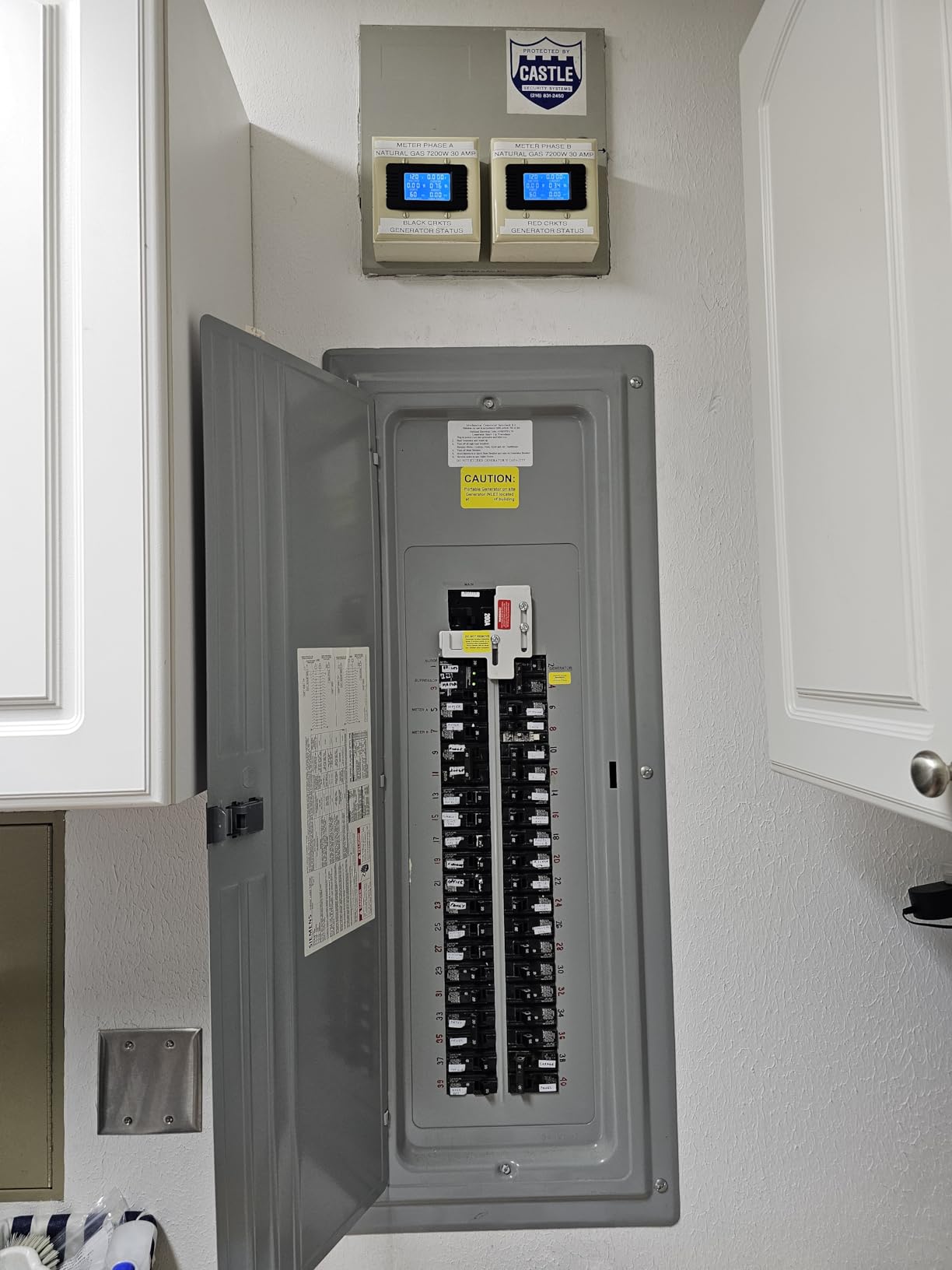
Four connections are possible. Running extension cords from household outlets needs no electrical work at all and is the right answer for many people. A manual transfer switch is the most code-compliant portable option and requires an electrician. An interlock kit mechanically prevents the main breaker and generator breaker from being on at the same time, and it is cheaper and simpler than a full transfer switch. Automatic switchover belongs to permanently installed standby systems, not portable units.
The critical technical detail is neutral bonding. A generator with a floating neutral cannot back GFCI-protected circuits, which is most of the circuits in a modern home, and cannot be used with a neutral-switching three-pole transfer switch. Many units ship with a bonding screw or a bond that can be removed; the Champion 11000W in this roundup has a removable neutral bond behind the air filter panel.
Have a licensed electrician confirm your panel amperage and local code requirements before you buy anything. One r/HomeMaintenance reader put the realistic installed cost in the low thousands for the generator plus several hundred more for the inlet plug and the electrician’s time, which is the number most buyers forget when comparing figures.
Connecting a Portable Generator to Your Home Panel
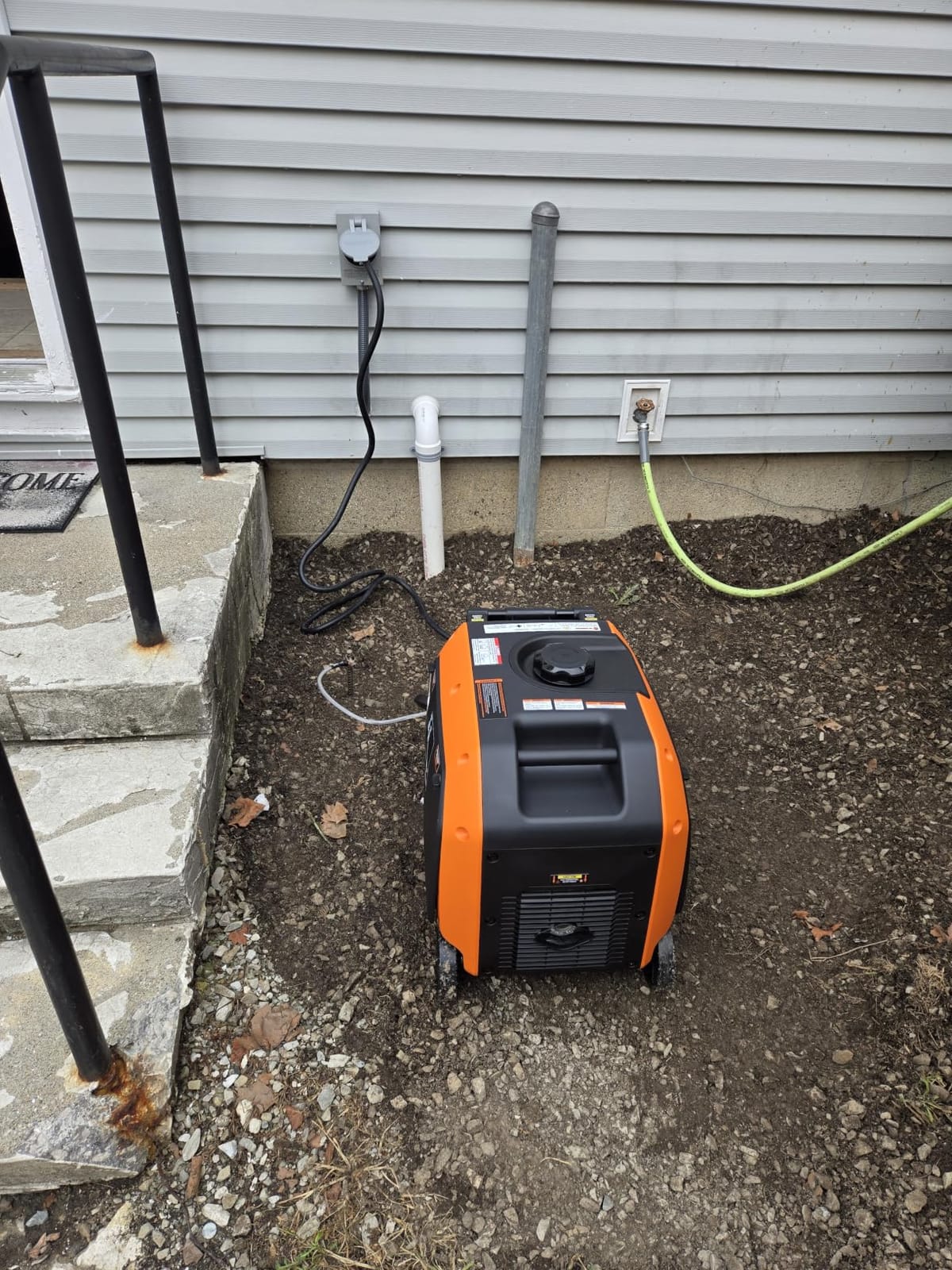
Extension cords into a few essential circuits is the simplest setup and it is genuinely sufficient for a refrigerator, internet and lights, provided you use outdoor-rated cords and keep the generator 20 feet away from the house.
Once you want the whole house backed, you need a power inlet on the wall, a breaker in the main panel and a device that makes it impossible for utility power and generator power to meet. That device is a transfer switch or an interlock kit, and it is the entire reason the installation cost exceeds the machine price.
Three things to confirm before the electrician arrives. First, your main panel amperage, because a 30A generator breaker needs a 30A circuit and a 50A outlet needs a 50A circuit. Second, whether your generator’s neutral is bonded, removable, or permanently floating, because that determines which circuits it can legally serve. Third, whether the unit has a 30A twist lock or a 50A 14-50R receptacle, since that dictates the inlet and the cable.
Among these picks, the WEN DF680iX, the Champion 11000W and the Westinghouse iGen12000TFc all carry both 30A locking outlets and the receptacles you need for a panel connection. The smaller 120V machines are fine on extension cords but limited for panel work.
Fuel, Noise Level and Power Quality
Under 60 dBA measured at 23 to 25 feet is the accepted threshold for a generator quiet enough for home backup, and a decibel rating without a stated distance is meaningless. Every figure we quote in this roundup includes its reference distance for that reason.
Gasoline gives the most output per unit of effort and is easy to find, but it degrades in the tank and it is the first fuel to run out when gas stations get busy. Propane stores indefinitely, which matters enormously for a machine that sits unused, and it costs roughly 10 percent of output compared with gasoline on the same engine. Natural gas is available only if you already have a line.
On total harmonic distortion, buy under 3 percent. That is the threshold where sensitive electronics run without heat and erratic behaviour, and it is the reason an inverter generator is worth buying for a home office or medical equipment. A r/preppers user running a CPAP or oxygen concentrator should treat it as a requirement, not a preference.
Parallel operation roughly doubles your output by combining two identical units, and four units in this roundup support it: the PowerSmart, Champion 4500, ERAYAK and Cummins. The kits are model-specific and the units should be the same model, so plan on buying two of one machine rather than pairing different brands.
If your failure mode is a refrigerator and a freezer during a short outage, a UPS or battery power station can carry you for hours with no fuel and no exhaust. We covered the options in our guide to UPS battery backup for a home office, and it is a useful complement rather than a replacement for an inverter generator.
Reliability, Maintenance and the 20/20/20 Rule
Run 20 minutes once a month at no load, 20 minutes at half load, and 20 minutes at full rated load. That is the 20/20/20 protocol, and for a backup unit that spends most of its life idle it is the difference between a machine that starts in January and one that does not.
The reason is carburetor varnish. Gasoline separates, ethanol in modern fuel attracts moisture, and both attack the carburetor and the fuel lines during long storage. A unit that runs monthly keeps the fuel moving and the seals lubricated, and the full-load run confirms the engine can actually produce its rated output before you need it.
Every 20/20/20 session should include a visual check of the air filter, the oil level, and any fuel leaks around the carburetor and tank. Change the oil at the interval in your manual, and if you store the unit for more than a month, run the fuel system dry or add a stabiliser and treat it as a full change.
On brands, we would weight parts availability and service network above the badge on the box. Engine provenance matters more than most buyers expect: forum users repeatedly treat a genuine Honda engine inside a cheaper retailer’s frame as a decisive reliability signal, and that is a reasonable way to think about it.
One failure mode deserves honesty. Inverter board failures on older units are often terminal, because the board may no longer be stocked or may cost more than a replacement machine. That is another argument for buying a current model from a brand with an active parts catalogue rather than a discontinued unit at a discount.
For safety, run the unit outdoors at least 20 feet from the house with the exhaust pointing away from doors, windows and vents, never inside a garage even with the door open, and keep working carbon monoxide alarms on every level. Let the engine cool before you refuel, and never refuel a running or hot machine.
When a Portable Inverter Generator Is the Wrong Answer
If your region loses power 10 to 15 days a year, a portable unit starts to look expensive in a different way. You will be hauling 100 to 200 pounds of equipment out of a shed, refuelling in the rain, and managing loads manually for a week, several times a year.
A permanently installed standby system runs automatically, sits on a pad out of sight, and connects to natural gas if you have a line. The trade is installation cost, permitting, and the fact that a standby unit is sized for your entire panel rather than your essential circuits. We wrote a full comparison of the two approaches in our inverter versus traditional generator guide, and the crossover point is where outage frequency, not wattage, becomes the deciding factor.
One r/Generator commenter framed the value calculation plainly: two portable generators and a couple of window units can deliver a substantial amount of backup for a fraction of what a whole-home system costs, given that the system would rarely be used. Both positions are defensible; the honest answer depends on how often the grid fails where you live.
Whatever you choose, the decision that matters most is not the brand. It is working out your essential loads, sizing for surge, and confirming the connection method with an electrician before you buy.
Frequently Asked Questions
How big of an inverter generator do I need to run my house?
Add 50 percent headroom to your summed running watts to cover starting surge. Essentials only, such as a refrigerator, freezer, internet and lights, needs about 2000 to 3000 running watts. Adding a sump or well pump, a microwave or a window air conditioner takes you to 4000 to 5000 watts. Whole-home essentials plus HVAC needs 7000 to 10000 watts.
Do I need 120V or 240V output for home backup?
Only if you plan to run a 240V appliance such as an electric range, clothes dryer, well pump or Level 2 EV charger. A 120V-only unit can back a home through a listed interlock kit, so buying a 9000 watt machine for 120V loads is the most common overspend in this category. Confirm your panel amperage and neutral bonding with a licensed electrician.
How many dB is considered a quiet generator?
Under 60 dBA measured at 23 to 25 feet is the accepted threshold for a generator quiet enough for home backup. A decibel rating without a stated distance is meaningless, so compare only figures quoted at the same reference distance. Closed-frame enclosures reduce noise; large open-frame units above 60 dBA are working machines you position away from living spaces.
What is the 20/20/20 rule for generators?
Run 20 minutes once a month at no load, 20 minutes at half load, and 20 minutes at full rated load. It keeps fuel moving through the carburetor, lubricates seals, verifies the engine produces rated output, and helps maintain the start battery. It matters most for backup units that sit idle for months between outages.
Why does my generator make a loud noise like it is struggling?
A variable-speed engine audibly revs when demand exceeds what it can supply, which is normal behaviour under a heavy load. Motor and compressor loads surge at startup, so a well pump or air conditioner can trip a smaller unit. Watch the load gauge, shed loads in order, and size up if the unit regularly runs near its ceiling.
What is the best inverter generator for a whole home?
Whole-home essentials plus HVAC need 7000 to 10000 watts, and those units need a 50A or 30A locking outlet plus a listed transfer switch or interlock. In this roundup the Champion 11000W and the Westinghouse iGen12000TFc cover that range, and the Westinghouse adds natural gas for households with an existing gas line.
Do inverter generators need a transfer switch to power a house?
Not if you run extension cords to a few essential circuits, which is a legitimate setup for a refrigerator, internet and lights. To back a whole house safely you need a power inlet, a breaker and either a manual transfer switch or an interlock kit, and a licensed electrician should confirm your panel amperage and local code.
What are the disadvantages of an inverter generator?
They cost more than conventional units for the same output, they are more sensitive to sudden load spikes and will shut down rather than bog, small fuel tanks limit runtime, and large 9000W-plus models are not actually quiet. Inverter board failures can also be terminal on older units when the board is no longer stocked.
Which Inverter Generator Should You Actually Buy in 2026
If you want one machine that covers most household backup needs without becoming a two-person move, start with the AIVOLT 8000W Dual Fuel. Its 6100 running watts, 120V and 240V capability, 62 dBA figure and 10 hour runtime are the most complete package we evaluated in 2026, and it works with an interlock for panel backup.
If you only need a fridge, internet and lights, the PowerSmart 3800W Dual Fuel is the value pick at 59 dBA with up to 24 hours on propane. For the smallest budget, the Oxseryn 4400W is 57 pounds, runs 14 hours at 25 percent load and carries a 4.6 average rating, but the single-year warranty is the catch.
If you run medical equipment or a home server, buy on the total harmonic distortion figure. The ERAYAK 4500W states 0.2 to 1.2 percent and is the lightest unit here, while the Westinghouse iGen12000TFc states 3 percent or less alongside tri-fuel capability.
If you want a whole home on one machine, the Champion 11000W gives you 9000 running watts with a removable neutral bond for interlock installs, and the Westinghouse iGen12000TFc adds natural gas and the highest rating in the roundup. For winter outages specifically, the Cummins P4500i has the strongest cold-start owner reports.
Whichever one you choose, run it before you need it, follow the 20/20/20 rule, and confirm your connection method with a licensed electrician. Check the current figure through the button below, then give it a full load test the same week it arrives.
Leave a Reply