
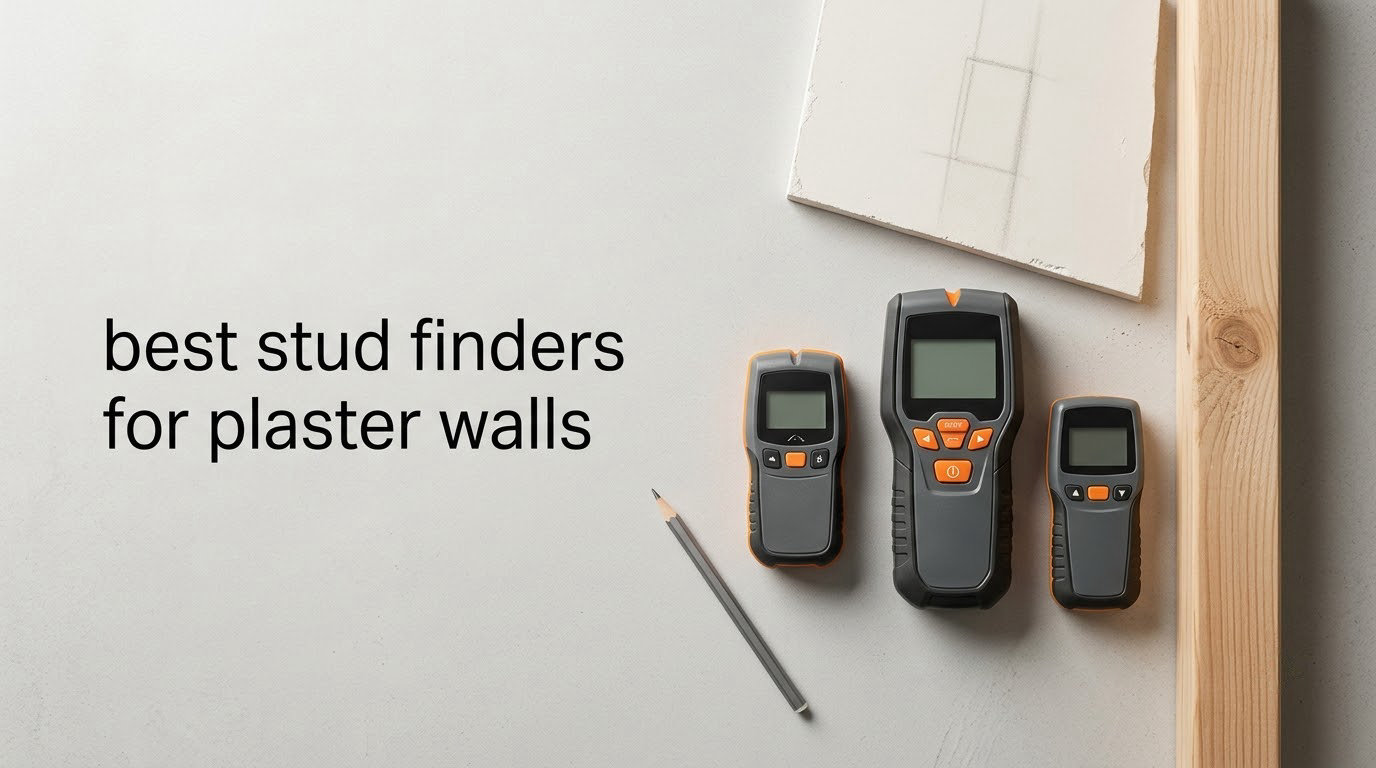
Yes, a stud finder can work through lath and plaster, but only if the tool is built for the extra density. A rare-earth magnet that grabs the lath nails holding the plaster to the framing is the most reliable method in an old house, while a multi-sensor electronic scanner with a wide LED band is the better choice if you want to read stud width and center. This roundup ranks the best stud finders for plaster walls we could justify, and it names the specific failure modes before the specific winners.
Anyone who has drilled into a 1920s wall expecting a stud and hit a narrow strip of wood already knows the problem. What the drill found was lath, not framing. My rule after a few too many patched holes is that no single tool solves an old plaster house, so the picks below are ranked as a working set rather than a trophy shelf.
We put these ten tools through the same criteria: how they behave on a thick, uneven plaster assembly, whether they can confirm a reading a second way, and how much they cost you in holes when they are wrong. Every rating and review count here is the real published figure, not a rounded number. For the drywall-only side of the category, our stud finder roundup for drywall is the companion read.
One warning before any product names appear. If your plaster is applied directly to concrete block or clay tile, there are no studs in that wall at all, and no scanner in this guide will change that. We cover how to identify that wall in the section on why plaster breaks standard finders.
Our Top 3 Best Stud Finders for Plaster Walls (October 2026)

Franklin ProSensor M210 13-Sensor
- 13-sensor array
- 1.7 inch deep scan
- Full stud width and center LED
- Live AC wire warning

StudBuddy Magnetic Stud Finder
- No batteries
- Sticks to wall on a hit
- Pocket sized at 1.6 ounces
CH Hanson 03040 Magnetic Finder
- Rare earth magnet
- Stainless steel body
- Hangs hands-free on the wall
Comparing All 10 Stud Finders for Plaster Walls in 2026
The table below is the whole field at a glance. Detection technology is the column that matters most on plaster, because a density-based scanner and a magnet are solving two different problems on the same wall.
| Product | Details | Action |
|---|---|---|
|
|
Check Latest Price |
 |
|
Check Latest Price |
 |
|
Check Latest Price |
 |
|
Check Latest Price |
 |
|
Check Latest Price |
|
|
Check Latest Price |
 |
|
Check Latest Price |
 |
|
Check Latest Price |
|
|
Check Latest Price |
 |
|
Check Latest Price |
Can a Stud Finder Work Through Lath and Plaster?
Yes, a stud finder can work through lath and plaster, but only with the right technology. Rare-earth magnets detect the steel lath nails that hold the plaster to the framing, and multi-sensor electronic scanners with deep-scan modes read past thicker surfaces. A basic single-sensor drywall finder usually cannot, because it reads the lath strips as if they were studs.
That single paragraph answers the most-asked question on this topic, and the rest of the article explains why the answer is conditional. Plaster is not one material. The assembly can be wood lath, expanded metal lath, furring strips over an existing wall, or plaster laid straight onto masonry, and each one changes which tool wins.
Why Plaster Walls Break Most Stud Finders
Four things happen in a plaster wall that do not happen in drywall, and every one of them produces a false reading.
The lath strips look exactly like framing to a density sensor
A density-based scanner measures how much the material under it resists a signal. Wood lath strips are wood, arranged in narrow horizontal bands, and a scanner with one or two sensors will happily light up across every strip it passes over. The result is a wall covered in parallel false positives that have nothing to do with the studs behind them.
This is such a common experience that a popular thread on r/HomeImprovement is titled around a user whose stud finder was going crazy, only to cut a hole and find the wall made of horizontal pieces of wood. That is the lath, read as framing.
Plaster keys and uneven thickness break calibration
Plaster grips the lath through tapered gaps called plaster keys, and the surface is rarely flat. A tool that must be calibrated against the wall to establish what empty plaster looks like will drift every time the thickness changes across the room. The same spot gives a different result on each pass, which is the calibration-drift complaint that shows up again and again in owner reviews of the electronic units in this roundup.
Metal lath confuses every tool type at once
Where plaster sits on expanded metal lath, a magnet grabs the lath itself and an electronic scanner reacts to the whole mesh as one dense plane. The framing signal disappears into the noise. This is a different failure from wood lath, and it is the reason a magnet that works beautifully in one pre-war home is useless in the next.
Sometimes there are no studs in the wall at all
Plaster applied directly to concrete block or clay tile has no wood framing behind it. A test hole brings up gray or red masonry dust instead of wood, and the correct tool is a masonry anchor, not a stud finder. If you are restoring a wall like that, our guide to working with cinder block walls covers the anchor side of the problem.
A second clue is spacing. Pre-war stud spacing is often wider and less regular than the modern 16 inches on center, so a wall that reads as inconsistent may simply be older than you think.
1. Franklin Sensors ProSensor M210 13-Sensor – The Electronic Pick That Holds Up on Thick Plaster
Franklin Sensors ProSensor M210 13-Sensor Stud Finder, Live Wire Detection
13-sensor array
1.7 inch sensing distance
No calibration required
11.36 ounces
+ Pros
- Widest LED band in the group shows full stud width
- Works straight over a stud with no calibration step
- Deeper 1.7 inch reach than the 9-sensor sibling
- Live AC wire warning before you drill
- Built-in bubble level and pencil caddy
– Cons
- Two AA batteries not included
- Wall composition still limits reach on very thick plaster
- Occasional false readings on non-standard plaster walls
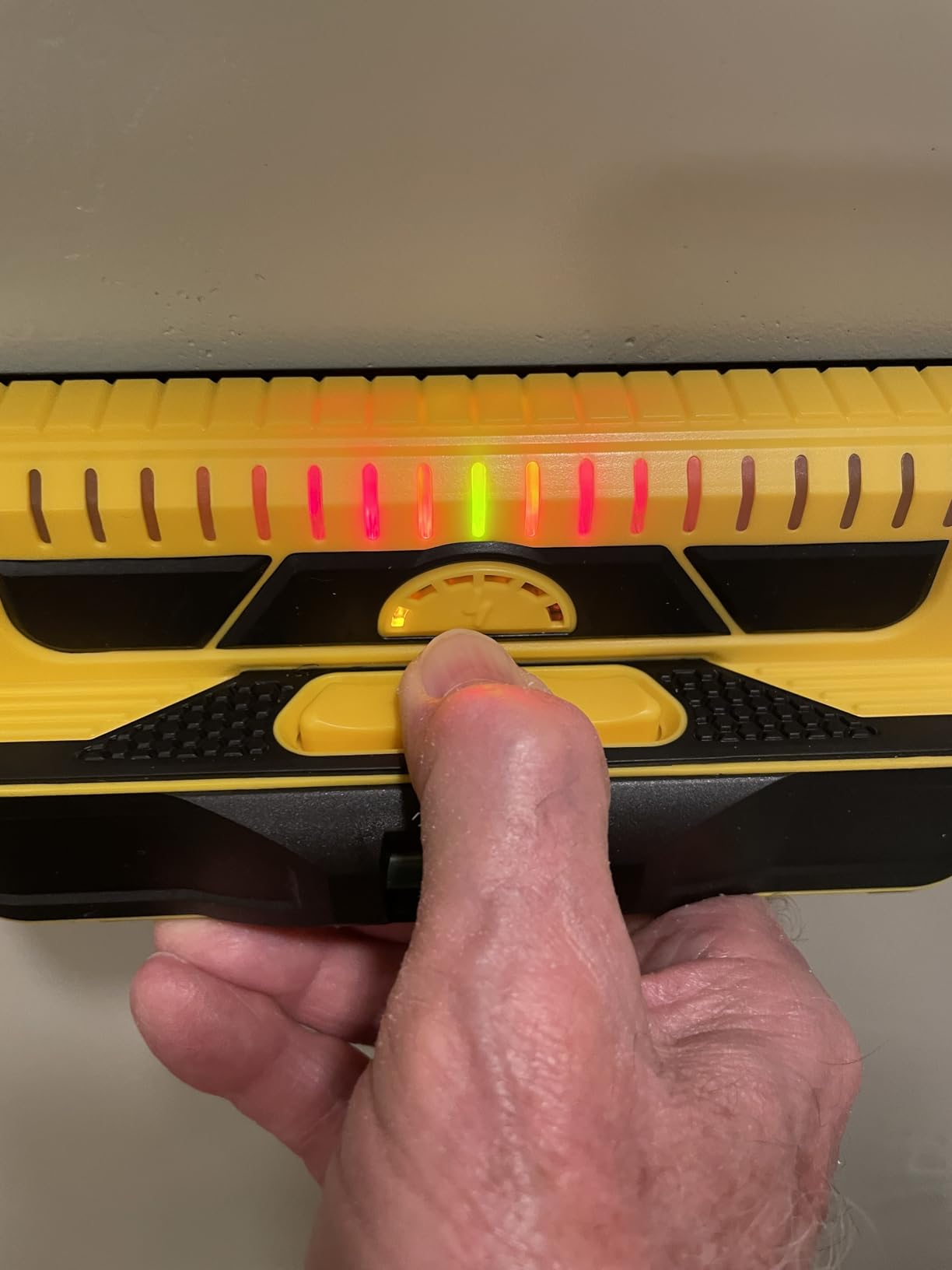
This is the tool I reach for first in an old house, and the reason is the sensor count rather than the brand name. Thirteen sensors across the face means the reading is a band you can see, not a single LED that blinks on and off as you drift past a lath strip. On plaster, that visual width is the whole game, because a lath false positive is also a band, but a narrow one.
It needs no calibration step, which matters more than it sounds. On a wall with uneven plaster thickness, a tool that insists on being calibrated against an empty patch will fight you the entire time. This one starts scanning anywhere, including starting directly over a stud.
The green center LED is the detail I point people toward. Finding the edges of a stud is only half the job, and driving a lag screw into the edge of framing is how people end up with a loose shelf. The center indicator gives you a repeatable spot.
Why 13 sensors matter more on plaster than anywhere else
Sensor count controls how much independent information the tool collects per pass. A one- or two-sensor unit makes a single measurement and gives you a binary answer, so any lath strip produces the same result as a stud. Nine or thirteen sensors measure across a width, and the shape of the reading becomes the signal. A lath strip produces a narrow band; a stud produces a wide one with a center peak.
Owner feedback on this model is heavily concentrated on exactly that: the wide band, the no-calibration workflow, and the full-width display. Roughly 80 percent of its ratings are five stars, and the complaints that repeat are batteries and depth limits, not accuracy in normal use.
1.7 inches of depth against a real plaster assembly
The stated sensing distance is 1.7 inches, and the deep scan is always on rather than a mode you have to remember to select. That matters on plaster because the fastener travels through plaster and lath before it reaches wood, and the studs themselves are often the farthest thing in the wall from the face of the tool.
Owners still report that very thick plaster-lath reduces the practical reach, and I treat 1.7 inches as a realistic figure rather than a guarantee. If your plaster is unusually heavy, pair it with a magnet so you have a second method.
Live wire warning on pre-war walls
Knob-and-tube wiring and buried cloth-sheathed conductors are common in homes of this vintage, and they are the real injury risk when you start drilling. The live wire detection gives you a warning before the bit turns, which is worth more on an old wall than on a modern one.
Small details that get used constantly
The built-in bubble level and pencil caddy are minor features that get used constantly when you are carrying a stud line up a wall or marking across a row of them. The body weighs 11.36 ounces and measures 7.5 by 3.35 by 3.33 inches, which is a comfortable one-handed size with a glove on.
What it will not do for you
It will not tell you whether the wall is lath over wood or plaster over block, and it will not read through metal lath. It also takes two AA batteries that are not included, and rechargeable cells are supported. Budget for the batteries before the first job.
For whom it is good
This suits anyone mounting something that carries real load in a pre-1940 house, especially a wall-mounted television or a floating shelf. r/woodworking is where the strongest recurring endorsement for this brand comes from, with owners specifically citing accuracy in both lath and plaster and in drywall. If you want one tool that gives width, center, and depth, this is it.
2. Franklin Sensors ProSensor M150 9-Sensor – Lighter, Smaller, One Less Thing to Calibrate
Franklin Sensors ProSensor M150/X990 9-Sensor Stud Finder, AC Wire Warning
9-sensor array
1.5 inch sensing distance
5.12 ounces
No calibration
+ Pros
- Compact and light for one-handed scanning
- No calibration step at all
- Green center LED for stud centers
- Single deep-scan mode keeps operation simple
- Live AC wire warning
– Cons
- Two AAA batteries not included
- Not compatible with rechargeable cells
- Shallower 1.5 inch reach on thick plaster
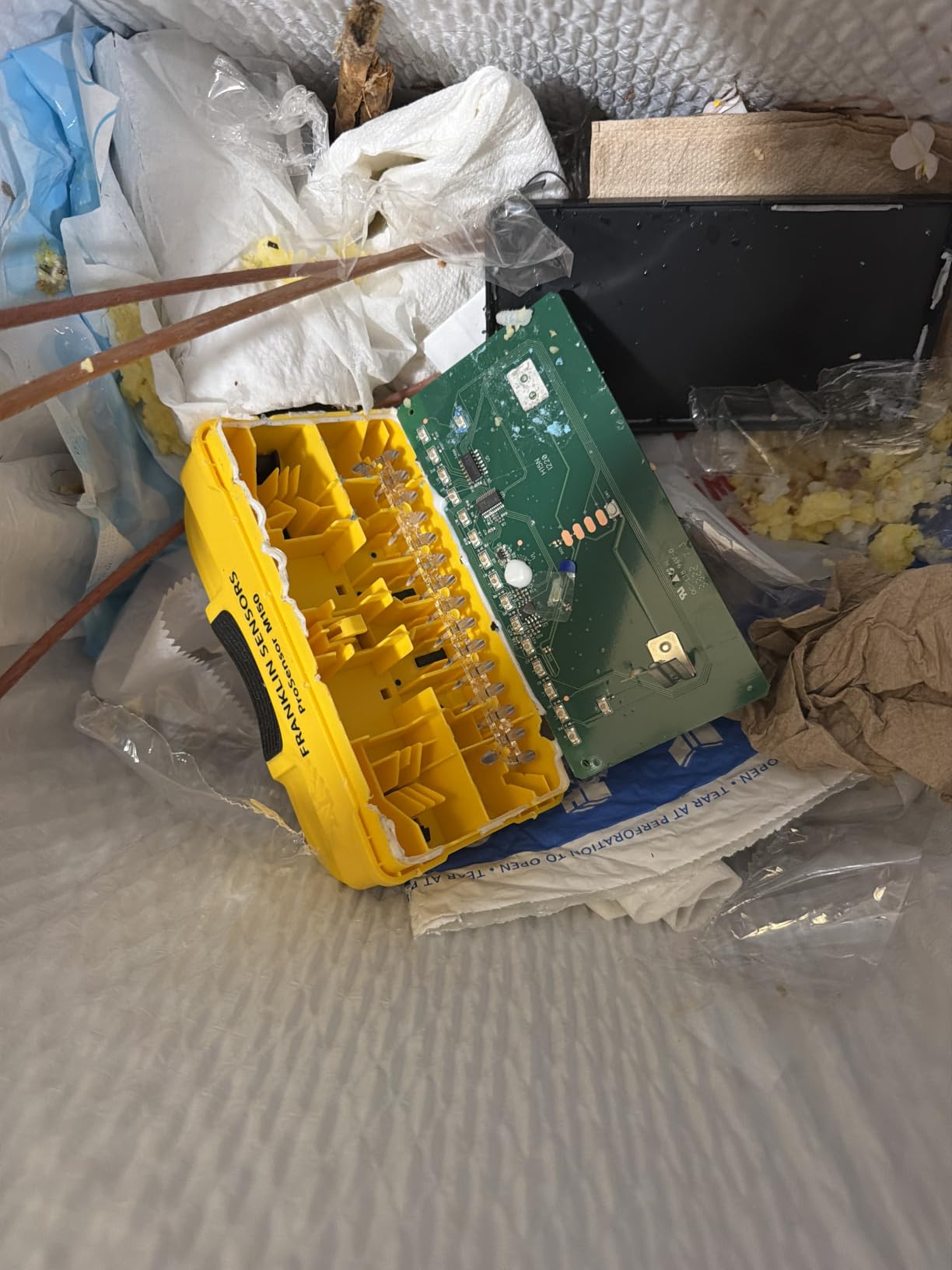
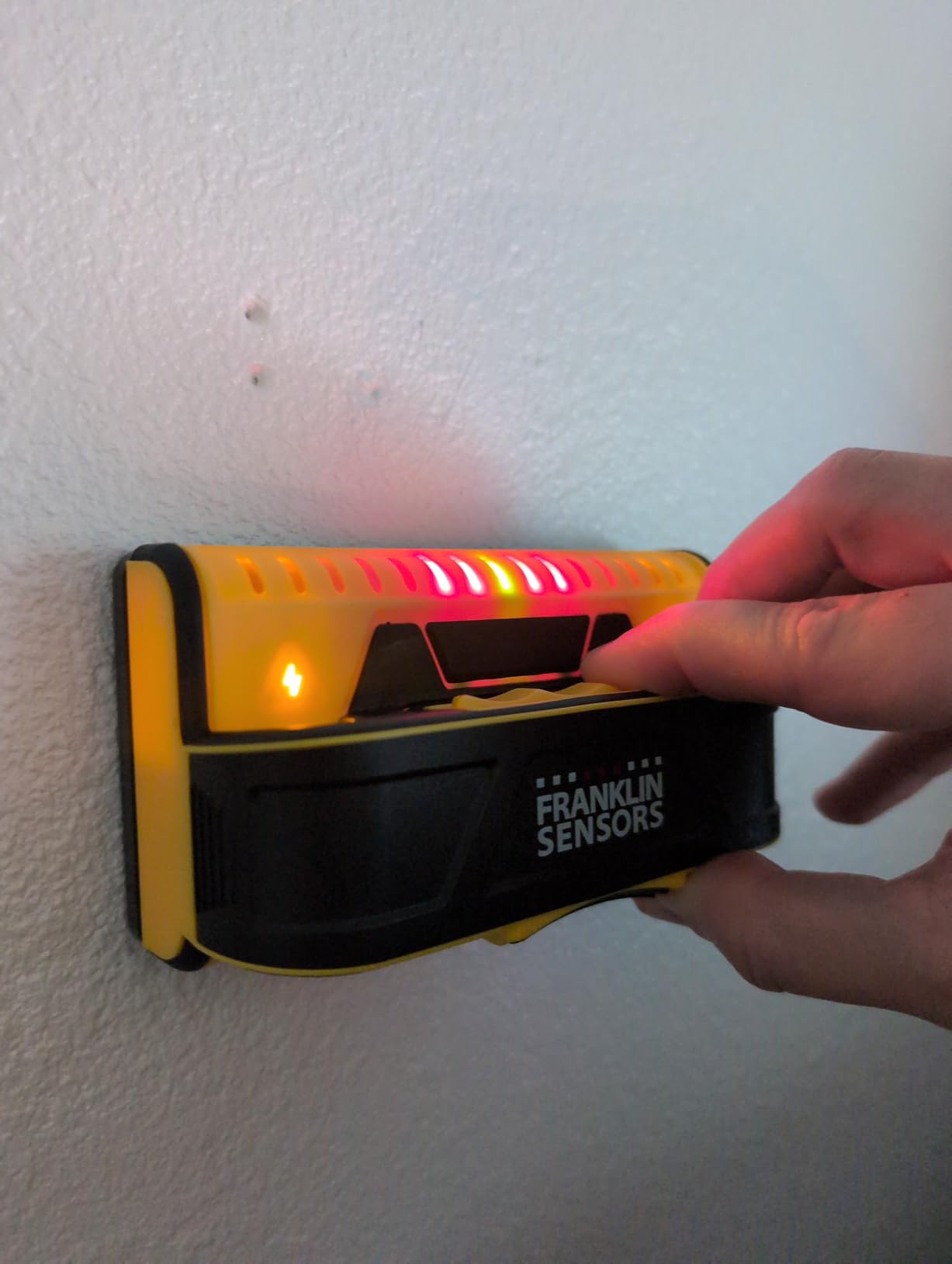
This is the smaller sibling of our top pick, and on a stairwell or an awkward ceiling it is the one I actually finish the job with. At 5.12 ounces and 5.51 by 2.99 by 2.01 inches, it disappears in a hand, which is exactly what you want when you are above shoulder height on a ladder.
Operation is identical in spirit to the 13-sensor model: no calibration, LED band showing whole studs, and a green LED at center. The difference is nine sensors instead of thirteen and 1.5 inches of reach instead of 1.7.
Where 9 sensors is enough and where it shows
Nine sensors is still a wide band, and on drywall or moderate plaster it gives a stable, readable result. Owners consistently like the simple press-and-hold operation and the wire warning. The point where you feel the difference is a thick plaster wall, where the extra sensors and extra two tenths of an inch of depth on the larger model start to matter.
About 74 percent of its ratings are five stars, with roughly 12 percent at four. The four-star complaints are almost always about depth rather than about wrong readings.
Battery choice is the one real annoyance
It takes two AAA batteries that are not included, and the manufacturer does not support rechargeable cells. That is a real constraint if you already keep a bag of rechargeable batteries for the rest of your tools, and it is the single most common complaint in the reviews.
Who should choose this over the 13-sensor
Choose the M150 if your plaster is moderate thickness, you work overhead a lot, and you want the lightest electronic option in this roundup. Choose the 13-sensor if you are hanging something heavy or your plaster is the thick stuff.
For whom it is good
It suits a homeowner doing picture hanging and a single shelf in a pre-war house rather than heavy cabinetry. The same no-calibration advantage applies, so uneven plaster thickness is less of an obstacle than with a calibrating tool.
3. Walabot DIY 2 – The Visual Map, and the One Tool That Is Not Rated for Plaster
Walabot DIY 2 – Visual Stud Finder & Wall Scanner for Drywall. Detects Wood & Metal Studs, Plastic & Metal Pipes, Live & Non-Live Wires
4 inch sensing distance
Radar imaging on a phone
8.16 ounces
Built-in Wi-Fi
+ Pros
- Visual wall map instead of edge-based guesswork
- Deepest stated detection in this group at 4 inches
- Locates stud centers for large fasteners
- Works with iOS and Android over its own Wi-Fi
– Cons
- Manufacturer excludes lath and plaster walls
- Calibration redone at every new wall
- No on-screen center line
I am including this one with a clear warning, because it is the tool people assume will solve plaster and it will not. The manufacturer states the scanning surfaces are limited to drywall and plywood, and specifically excludes lath and plaster, along with concrete, tile, brick, stucco and metal-backed walls. On a plaster wall, budget your time accordingly.
Where it does shine is a modern drywall wall where you want certainty. The radar imaging renders a map of what is behind the surface, and it finds stud centers rather than edges, which is genuinely useful when you are placing a heavy fixture.
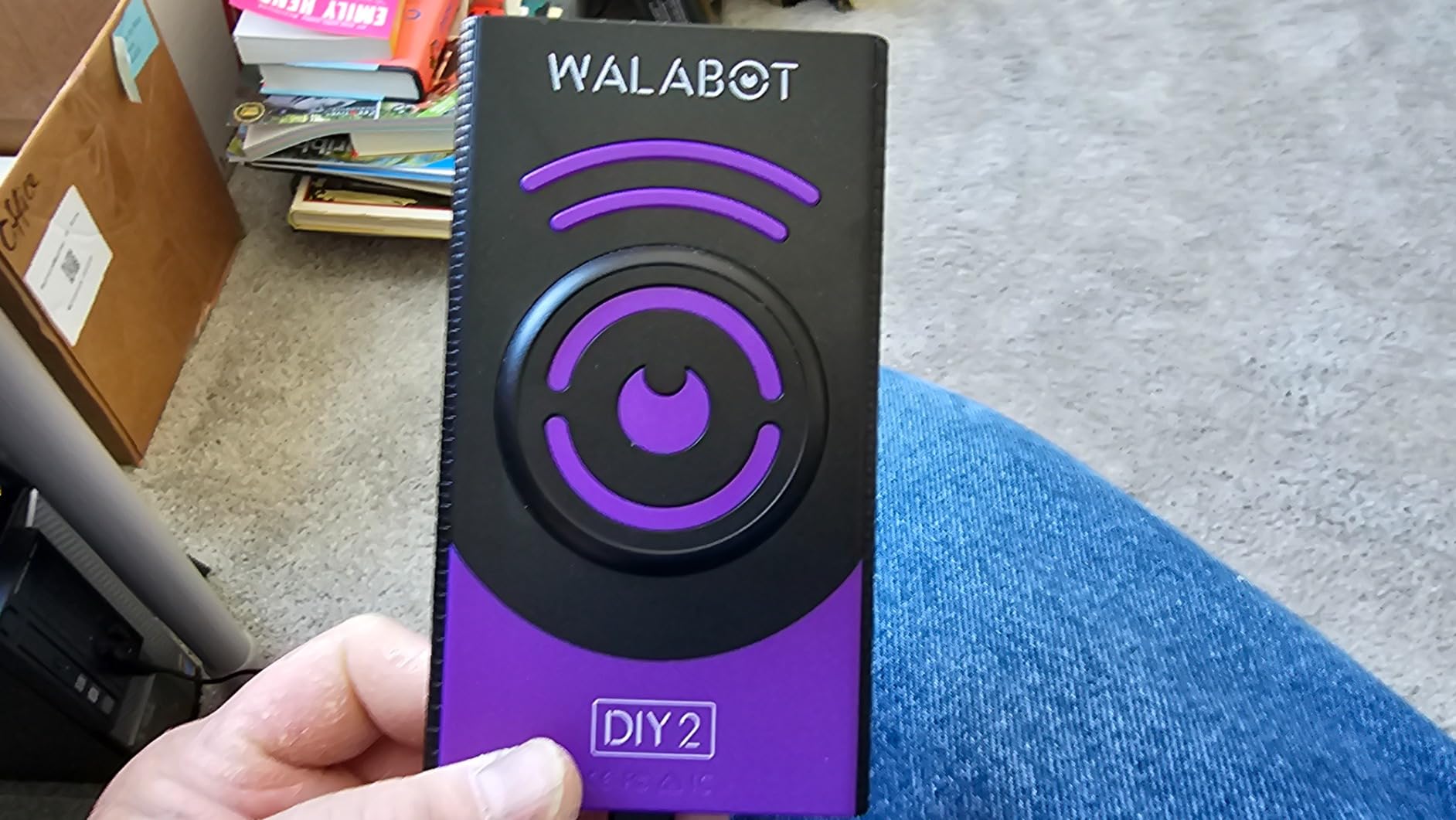
4 inches of depth is real, on approved surfaces
The stated sensing distance is 4 inches, the deepest figure in this roundup by a wide margin. It also detects wood and metal studs, plastic and metal pipes, and both live and non-live wiring. None of that is in question. The question is whether your wall is on the approved list, and for this article’s topic it usually is not.
The phone is both the strength and the weak point
The device runs its own internal Wi-Fi, so no router is required, and it works with both major phone platforms. In practice owners report dropped connections, long startup dialogs, and no saved wall profiles, which means recalibrating at every new wall. From a ladder, that is a real ergonomic cost.
At 4.1 stars it is the lowest-rated tool here, with 11 percent one-star reviews. The recurring criticisms are the app experience and repeated calibration, plus a documented case where a supply pipe behind the wall was not flagged.
For whom it is good
This suits a new-build or remodel with standard drywall where you are running plumbing or wiring and want a visual record. It does not suit the plaster wall this article is about.
4. Jurgen K 5-in-1 Multifunction Scanner – The Most Modes and the Clearest Center Readout
Stud Finder Wall Scanner, 5 in 1 Multifunction Stud Locator with Smart Sensor, HD LCD Display and Audio Alarm for The Center & Edge of Metal, Studs, AC Wire, and Pipe Detection (Tropical Orange)
Five scan modes
Backlit HD LCD
9.6 ounces
9V battery powered
+ Pros
- Five selectable depth and material modes
- Backlit LCD shows material and exact position
- Auto calibration is quick
- Includes a 9V battery so it works immediately
- Several owners of old plastered homes report reliable framing
– Cons
- AC wire mode is hypersensitive and can flag the whole wall
- Metal mode sometimes reports metal everywhere
- Must be started on a known empty area
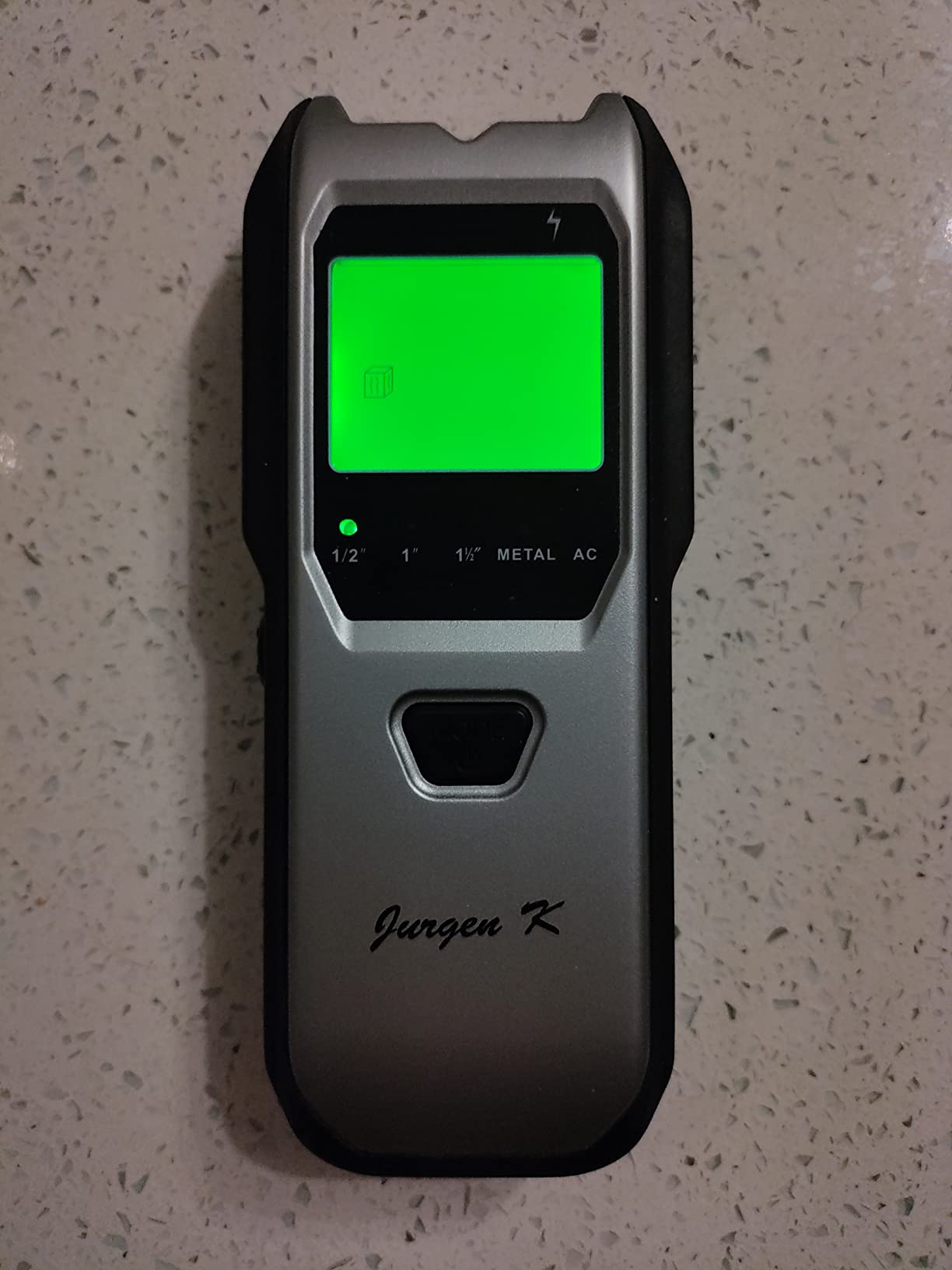
The Jurgen K is interesting on this topic for one reason: several owners of old and plastered homes specifically report that it located framing reliably where their previous scanners had not. It is also the only tool in this roundup with a backlit LCD that names the material it thinks it has found.
Five modes cover half inch, one inch and one and a half inch stud depths, plus a metal mode reaching 60 millimeters and an AC mode reaching 51 millimeters. Audio alerts run alongside the display, and the scan mode stays on between reads rather than requiring a held button.
The center readout is the real feature on plaster
On a plaster wall, the difference between finding a stud and finding the middle of a stud is the difference between a fastener that holds and one that does not. The centre-and-edge readout removes the two-pass measuring guesswork, which is the single most common complaint about simpler LED-only tools in owner reviews.
With 7329 reviews, this is a heavily reviewed tool in the group, and 64 percent of ratings are five stars. Owners often call it the most accurate of the electronic scanners they have owned.
Calibration on an uneven wall
The auto-calibration routine places the tool flat on the wall, powers on, and holds the scan button until the tone and display stop. It is quick, but it still needs a starting point. On uneven plaster, start on a stretch you are confident is empty, and the manufacturer rates the tool for slats, painted walls and soundproof ceilings, all of which are relevant to an old house.
The AC and metal modes are the weak spot
Owners report the AC wire detection is very sensitive to electromagnetic fields and can show the whole wall as live, and that metal mode sometimes reports metal everywhere, including on clearly empty walls. It also needs to be moved slowly. On plaster this tool is promising but requires patience and skepticism.
For whom it is good
It suits a homeowner who wants a readable screen and several depth options in one unit, and who is willing to move slowly and start from a known empty area. If you need a tool you can trust without thinking, the 13-sensor model is steadier.
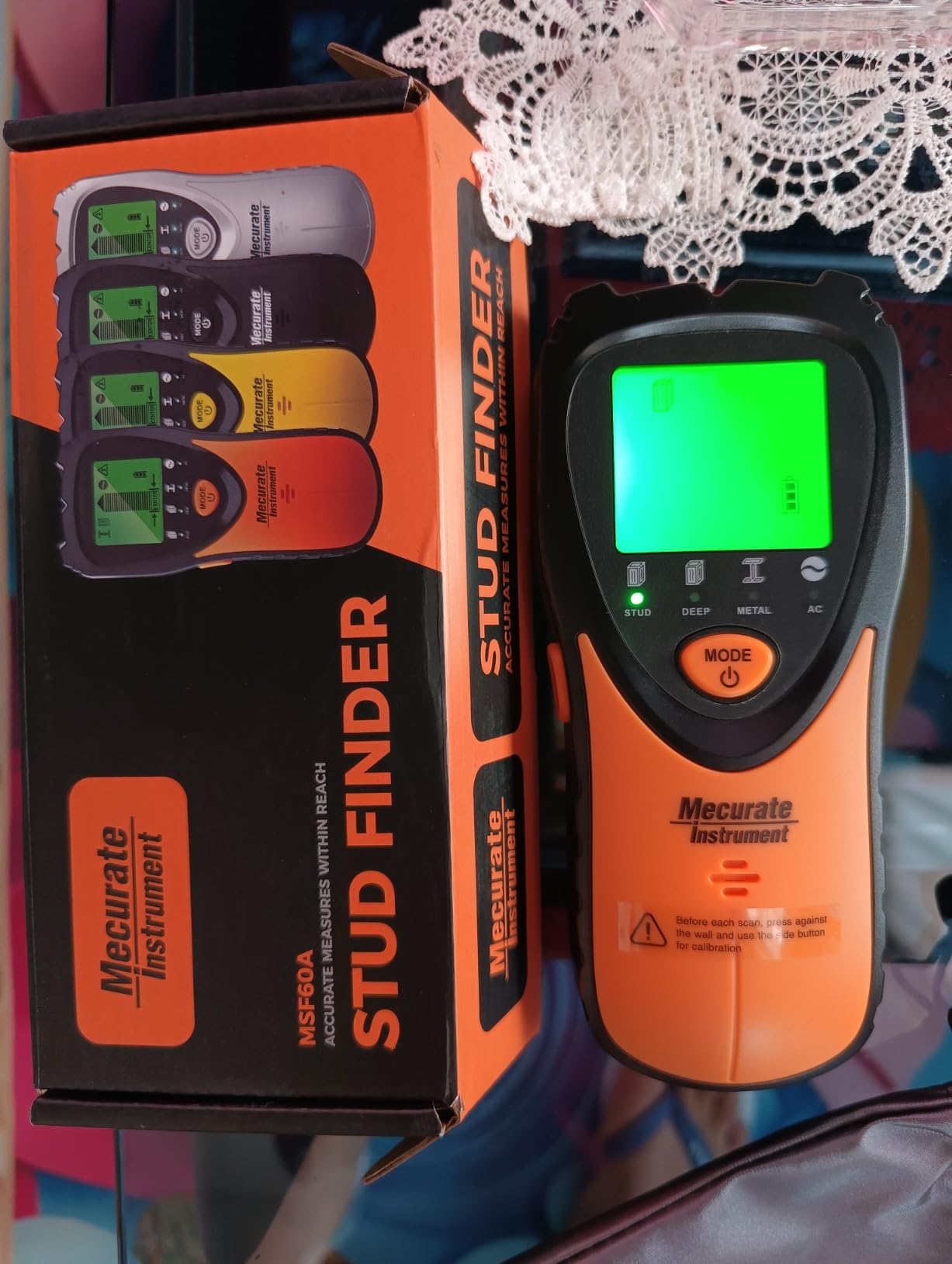
5. Mecurate 5-in-1 Wall Scanner – The Easiest to Learn, With a Documented Drywall Limit
Mecurate 5-in-1 Stud Finder Wall Scanner for Studs, Metal & Live AC Wires
Four scan modes
High-definition LCD
8.3 ounces
9V battery included
+ Pros
- Deep 1-1/2 inch mode for thicker walls
- Clear LCD graphics with audio alerts
- 9V battery and carrying pouch included
- Light enough for comfortable one-handed scanning
– Cons
- Requires recalibration against the wall for every use
- Manufacturer states best performance on single-layer drywall
- Repeat scans of the same wall can differ
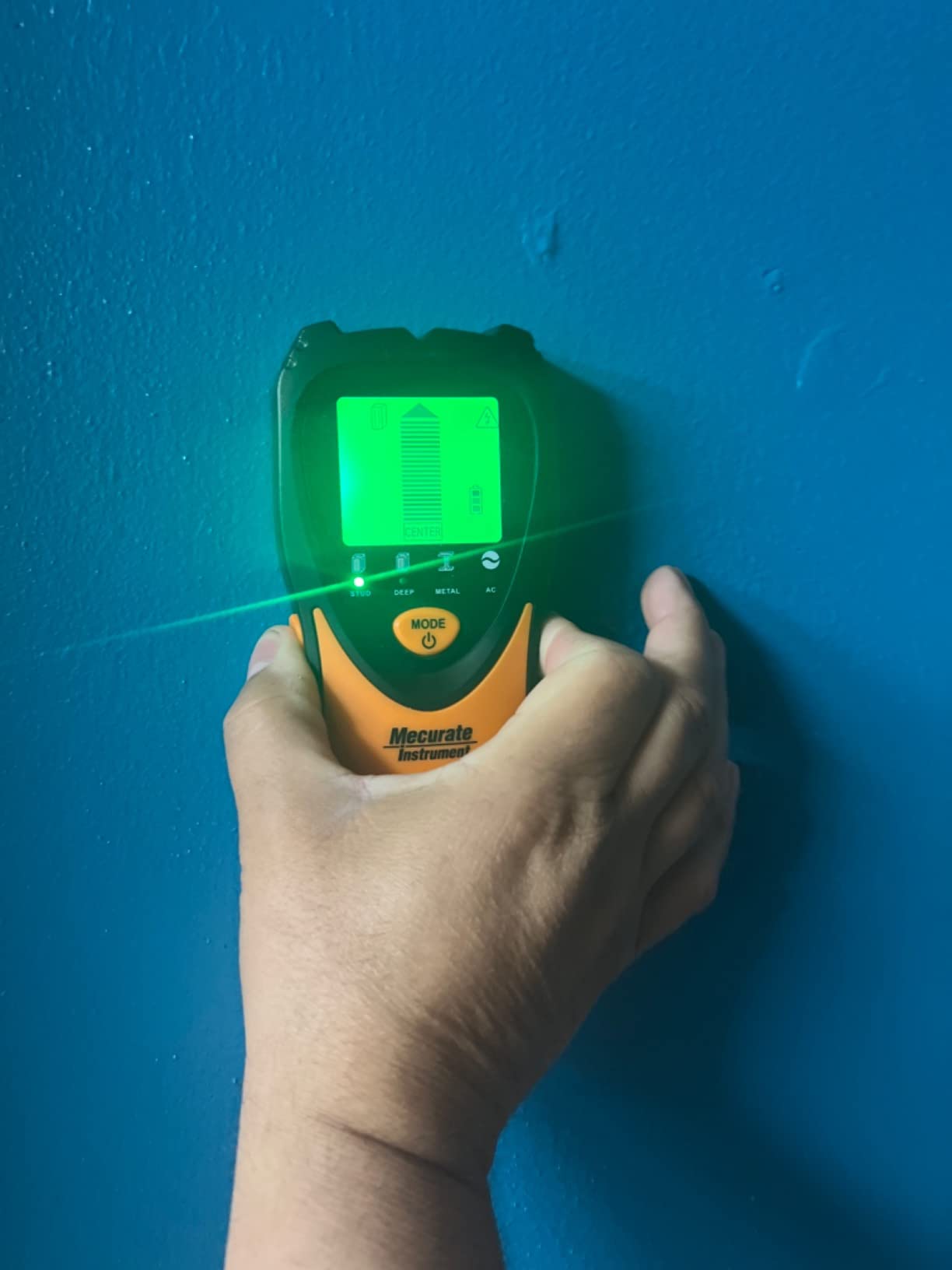
The Mecurate is the tool I hand to someone who has never used a wall scanner and does not want to learn a calibration ritual. Modes cover a standard three quarter inch stud depth, a deep one and a half inch mode, metal detection to two and three eighths inches, and an AC alert to two inches, all on a high-definition LCD with audio cues.
It comes with a 9V battery and a carrying pouch, so it works out of the box. That detail sounds trivial until you are standing in a 1920s house holding a flashlight and a pencil.
The drywall limit is stated plainly by the manufacturer
The product documentation states best performance on single-layer drywall and does not recommend it for concrete, brick or tile. Plaster over lath is closer to a multilayer surface than to single-layer drywall, so treat the deep mode as optimistic here.
That limitation shows up in the reviews. Several owners with thicker plaster or non-standard walls ended up drilling extra holes, and some report repeat scans of the same wall giving different results or missing studs entirely. At 4.2 stars with 10 percent one-star reviews, the complaints cluster in two places: calibration and surface type.
Calibration discipline decides whether it works
The manual recommends calibrating against the wall before each use, and owners who skip the reset after marking a spot report a measurable drop in accuracy. If you buy this, build the calibration step into your habit rather than treating it as optional.
For whom it is good
It suits a beginner on a drywall or lightly plastered wall who wants clear on-screen feedback and audio confirmation. For a genuinely thick plaster wall, I would pair it with a magnet rather than trust the scan alone.
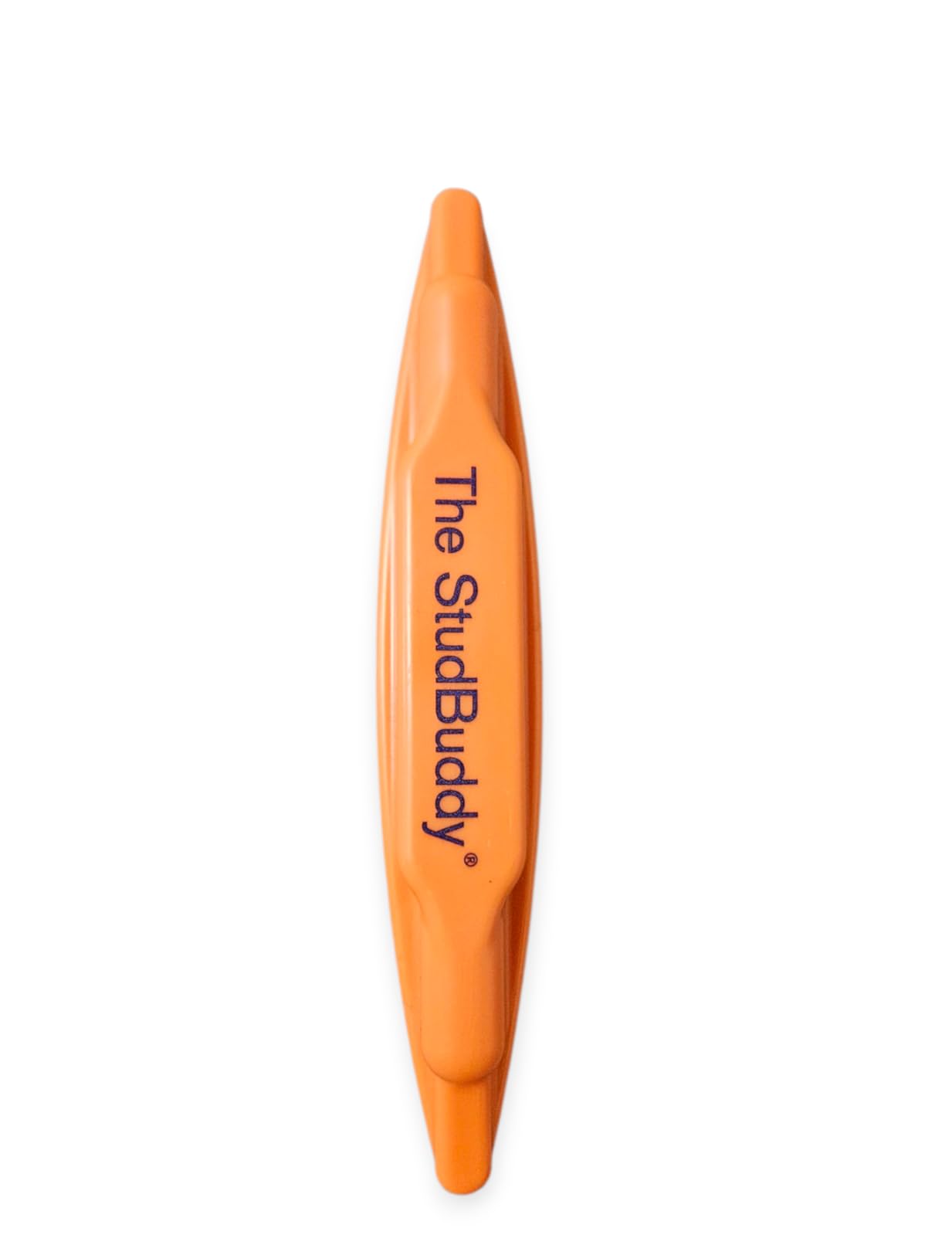
6. The Original StudBuddy Magnetic Stud Finder – The Simplest Answer and the Biggest Review Base
The Original StudBuddy® Magnetic Stud Finder – Made in the USA – Easy to Use Stud Finder – No Batteries Required – Powerful Magnet Stud Finder – Stud Finder for Drywall and Wood
Encapsulated neodymium magnet
No batteries
1.6 ounces
Hands-free on a hit
+ Pros
- Zero setup with no batteries or calibration
- Snaps to the wall the instant it finds a fastener
- Tiny enough to live in a drawer
- Many plaster and lath owners report success where electronics failed
- Fast from start to located stud
– Cons
- Manufacturer states it is not intended for lath and plaster
- Finds fasteners rather than true stud centers
- Some users find the magnet modest on thick plaster
This is the tool I hand to anyone who is done fighting with an electronic scanner, and it is the reason this roundup exists. A magnetic finder does not detect studs at all. It detects the drywall screws or nails that hold the surface to the framing, and in a lath and plaster wall those fasteners are numerous and almost perfectly aligned with the studs behind them.
The confirmation is physical rather than electronic. The tool sticks to the wall when it finds a fastener, which is a yes or no answer with no beeping, no false positives from density, and nothing to interpret. It weighs 1.6 ounces and there is no battery to die mid-project.
Why the mechanical hit beats an electronic reading on plaster
On drywall, a magnetic finder gives you a fastener line, not a stud center, and that limitation is why many people dismiss the category. On lath and plaster it becomes an advantage, because the lath nails are driven into the studs in a regular vertical pattern. Sweep slowly and the hits stack into a line you can follow up the wall.
At 16040 reviews, this is the largest review base in this roundup, with 75 percent five-star ratings. The dominant theme among owners is preference for it over battery scanners because of its certainty and simplicity.
Read the manufacturer limitation honestly
The listing states the tool is not intended for lath and plaster walls and is best suited to drywall and wood construction. That is a stated limitation, and a minority of owners report the magnet is too weak for their particular plaster thickness. What you are really reading is a recommendation aimed at drywall, not a statement that the tool cannot work on a lath wall.
Where the hits are not where you think
Because it finds fasteners, a hit marks a nail or screw position, which can sit away from the center of the stud. For a lag screw carrying a shelf, find several hits vertically, average their position, and drive your fastener between them. That is what makes it a stud-locating method rather than a single-point answer.
For whom it is good
It suits anyone hanging a television or a floating shelf in an old house who wants certainty over data. If you are marking a room full of stud lines before drywall work, it is faster than any electronic option. Our accent wall planning guide is a good example of the kind of project where a full stud map matters.
7. StudPoP Moving Magnet – The Pop-Up You Can Feel Through Thick Plaster
Original StudPoP Moving Magnet Stud Finder, for Any Construction, 1″ Magnet
1 inch moving magnet
Pop-up indicator
1.12 ounces
1.5 inch body
+ Pros
- Pop-up and audible click give visual and tactile confirmation
- Manufacturer rates it for plaster and lath tile and double sheetrock
- No batteries and no calibration
- Only reacts to fasteners so fewer false positives
– Cons
- Smaller than buyers expect and easy to lose
- Magnet still too weak for some very thick plaster
- Marks fastener positions rather than stud centers
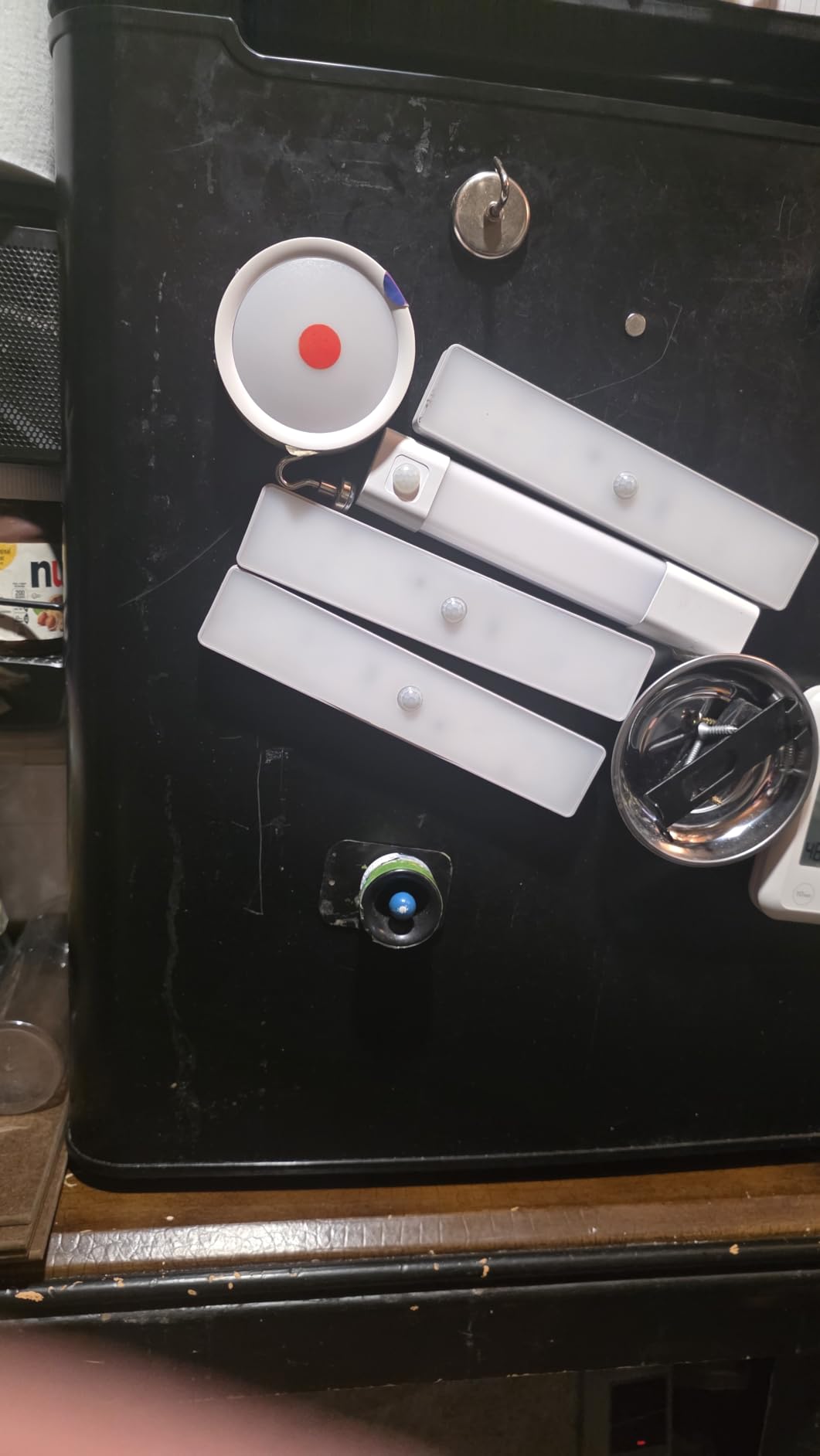
The StudPoP solves the single weakness of a plain magnet, which is that a subtle pull through thick plaster can be easy to miss. The magnet moves inside the body and physically pops up with an audible click when it reaches a fastener, so you get a signal you can feel and hear without watching anything.
On a plaster wall that difference is decisive. If you have ever swept a plain magnet across an old wall and second-guessed whether you felt something, this removes the guesswork entirely.
Built specifically for the awkward surfaces
The manufacturer claims it works on new and old construction, naming wood studs, metal studs, plaster, tile and double-layer sheetrock. Because the mechanism responds only to metal fasteners, pipes and ductwork do not trigger it, which cuts down a whole category of false positive on walls full of services.
Plaster and lath owners repeatedly single out the pop-up as the feature that made the tool work for them when a plain magnet was too subtle. At 74 percent five-star ratings, that is a consistent theme rather than an outlier.
Size and strength, both sides of the ledger
The body is 1.5 inches on a side and weighs 1.12 ounces, smaller than buyers expect and easy to lose in a tool bag. Owners with very thick lath and plaster still find the one inch magnet insufficient in some cases, and it will stick to magnetic-stripe cards and recorded media, so keep it away from your wallet and cassettes.
For whom it is good
This suits someone who works in tight spaces and needs a definite yes or no without looking at a display. It is also the version I keep in my apron for quick picture hanging jobs, where finding one fastener is all you need.
8. Rack-A-Tiers Stud Ball – The Strongest Magnet and the Highest Rating Here
Rack-A-Tiers Stud Ball – Magnetic Stud Finder, Rare Earth Magnet 27 Pounds Pull, Portable Wall Stud Detector, Stud Magnet, Detect Nails, Screws & Metal Through Drywall, No Batteries Required (52300)
Spherical rare earth magnet
27 pound pull
1.6 ounces
Rubber housing
+ Pros
- Highest-rated tool in this roundup at 4.8 stars
- Spherical rare earth magnet focused enough to find stud centers
- Rubber housing avoids scuffing paint
- Portable body makes a full wall fast
- Owners in 1900s plaster houses report it beating electronic scanners
– Cons
- Strong magnet sticks to ferrous objects in the toolbox
- No protective case included
- Product photos make it look much larger than it is
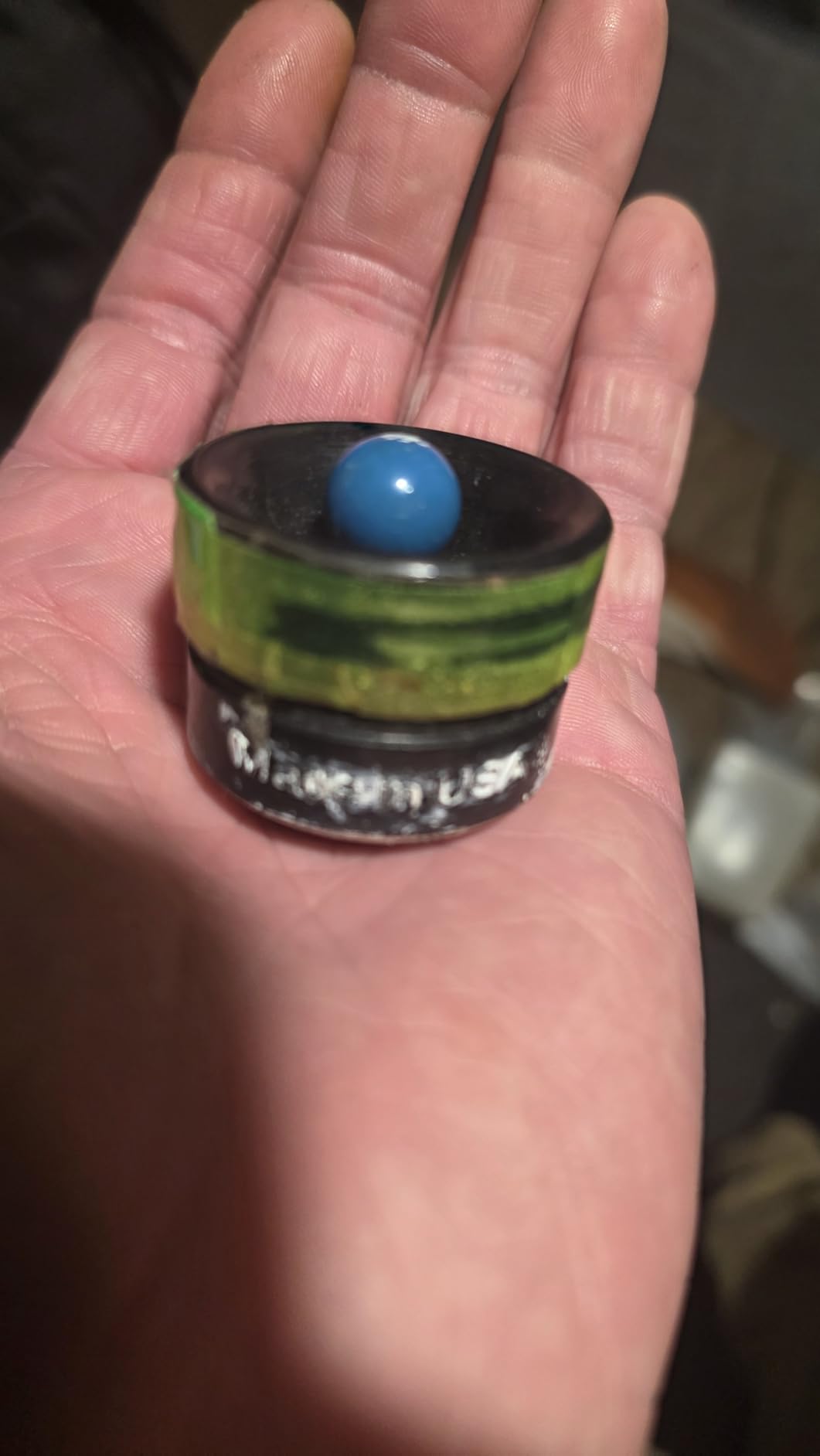
The Stud Ball is the magnet I recommend when a plaster wall is thick enough that a small magnet feels uncertain. At 4.8 stars across 1551 reviews, with 86 percent five-star ratings, it is the highest-rated tool in this roundup, and the review theme is remarkably consistent.
Owners in houses from the 1900s describe it as the tool that finally let them mark stud lines reliably after electronic scanners failed. The spherical rare earth magnet is rated at 27 pounds of pull, and the ball shape produces a more focused field with less flux leakage than a flat disc of the same material.
Why a sphere beats a flat magnet through plaster
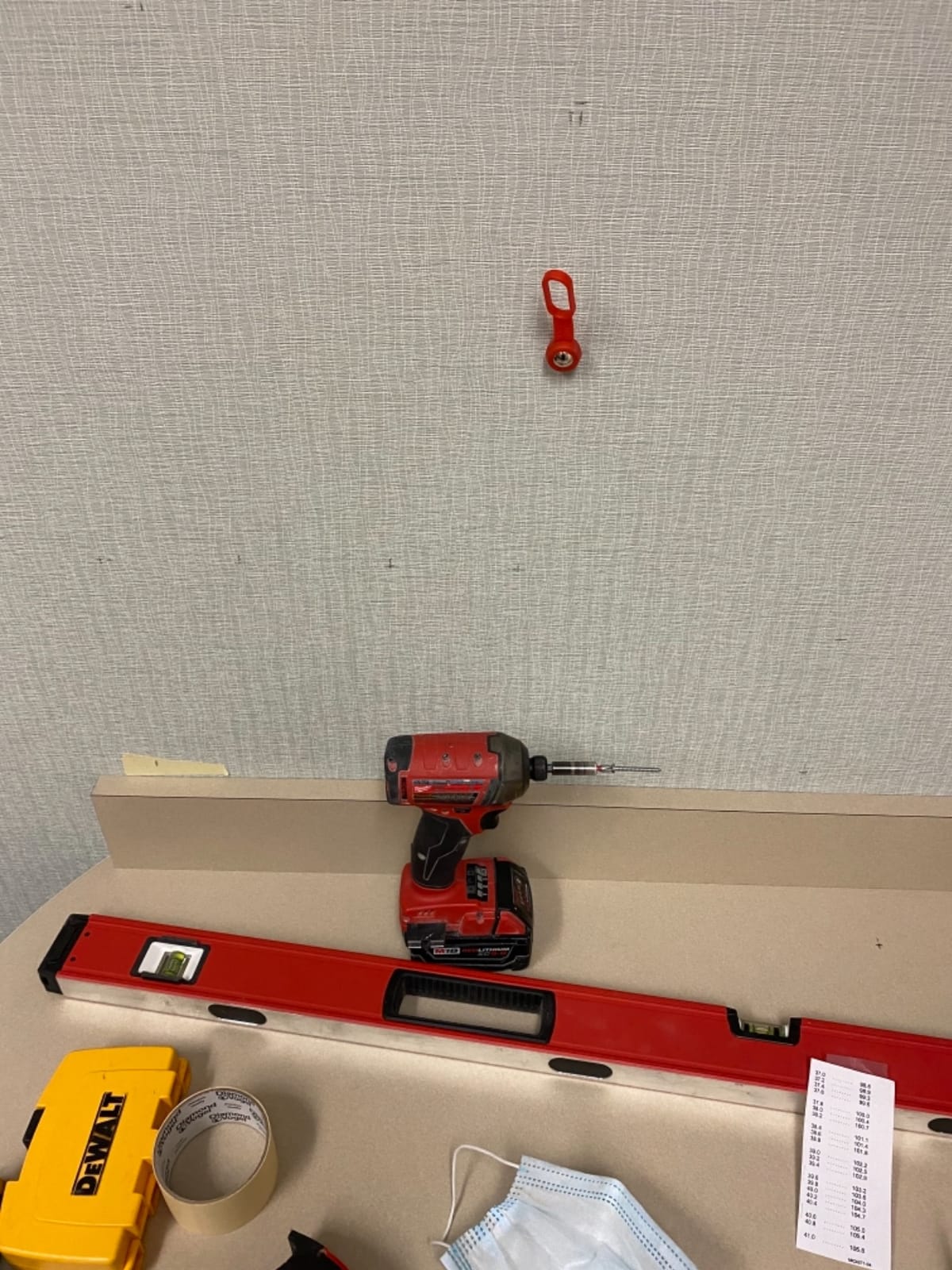
Field strength at a distance is what matters when a fastener is buried under plaster and lath. A sphere concentrates its magnetic field along a short axis and loses less of it outward than a flat cylinder, so the same magnet material reaches further. That is the entire reason this tool works where a smaller magnet does not.
Because the ball rolls rather than needing a specific orientation, you can sweep a wall quickly and stop when it catches. Owners report repeated hits along a vertical line make the stud layout unmistakable, and the manufacturer states it finds more than 40 studs in a five-eighths inch drywall wall in under a minute.
The rubber housing is not a gimmick
Loose magnets drag across paint and leave scuff marks. The rubber housing prevents that, which matters on a wall you are trying to keep intact. It also comes with a one year manufacturer warranty, unusual in this category.
Handling trade-offs
The strength that makes it useful on thick plaster also makes it stick to other steel in your toolbox and makes it easy to lose, and no protective case is included. It also sits in moulded rubber, which some owners find uncomfortable on bare skin during long sweeps. Keep it in a marked pocket or a dedicated tin.
For whom it is good
It suits the thickest plaster in our lineup and the heaviest of the magnetic tools. If your first magnet felt too weak, this is the step up rather than a different technology.
9. CH Hanson 03040 Magnetic Stud Finder – The Tradespeople’s Choice for Lath Nails
SNUNGPHIR CH Hanson 03040 Magnetic Stud Finder, 1 Pack
Rare earth magnet
Stainless steel body
Hands-free use
No batteries
+ Pros
- Strong magnet that holds firmly and hangs on the wall
- Never fails because a battery died
- Soft grip is comfortable and well made
- Owners in older homes report it finding framing electronics missed
- Small and lightweight
– Cons
- One owner could not pick up lath nails through thick 1940s plaster
- Weaker signal through five-eighths inch drywall unless a fastener is near
- Marks fastener positions rather than stud centers
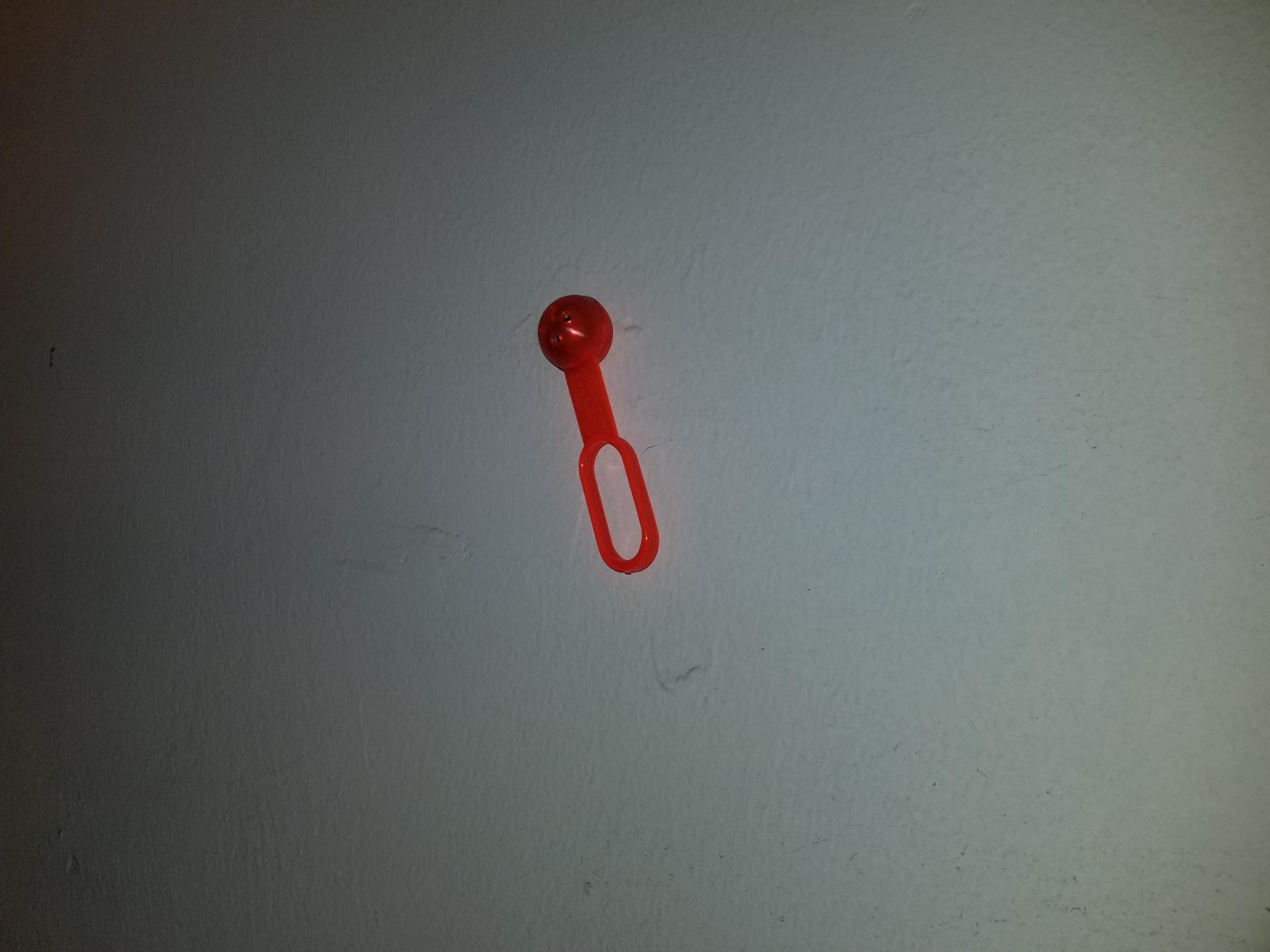
Professionals name this one, and that matters on this particular topic. On the Plasterers Forum, users discussing finding framing behind lath recommend the CH Hanson 03040 by name alongside the lath hammer method, and the recurring homeowner story is the same: it found framing that an electronic scanner could not.
At 4.7 stars across 2757 reviews, with 85 percent five-star and only 2 percent one-star, it has the second-highest rating in this roundup. The mechanism is a rare earth magnet in a stainless steel enclosure with a soft grip, no batteries and no electronics.
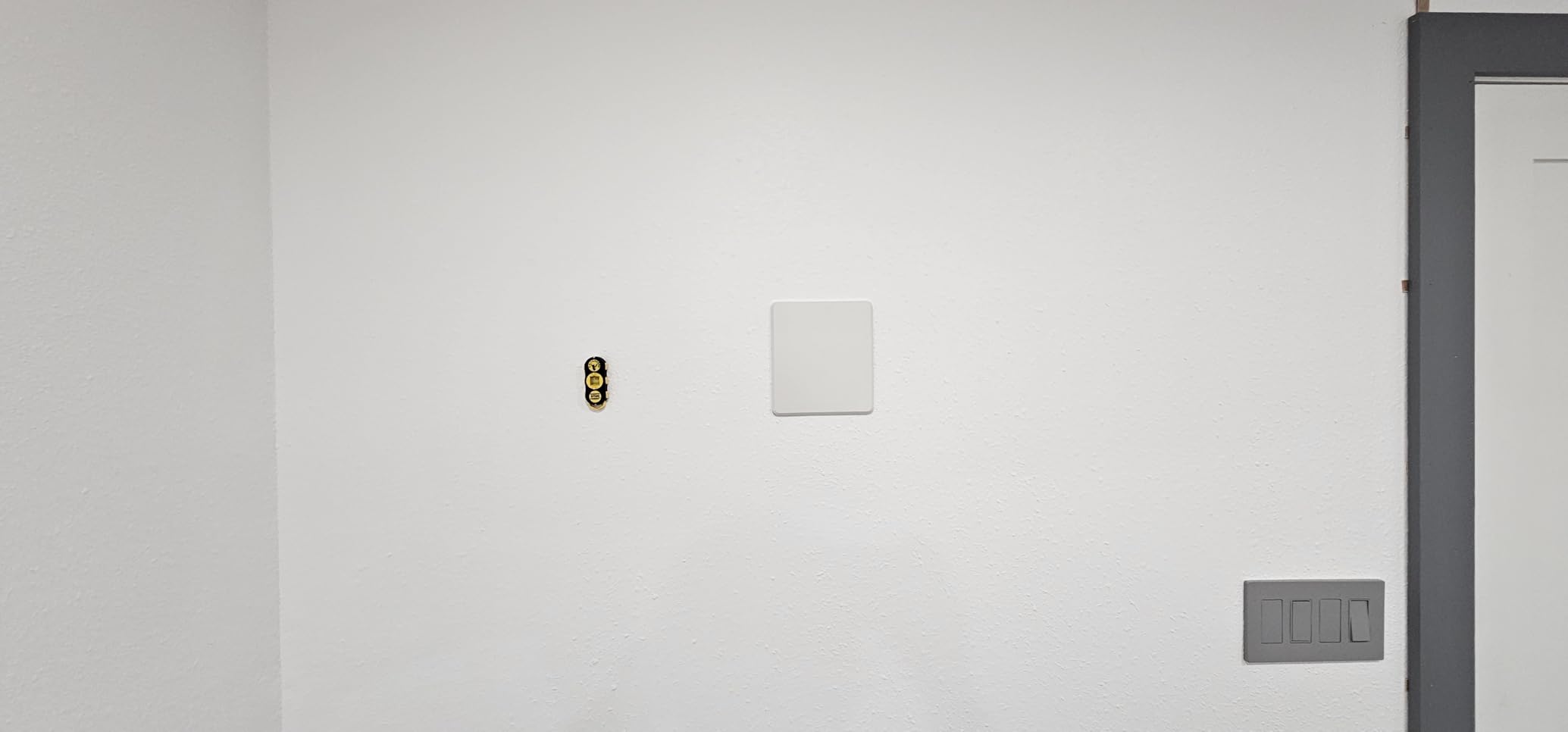
Finding lath nails is the actual job
In a plaster wall, the lath strips are nailed to the studs. Find the nails and you have found the studs, in a straight vertical line at regular spacing. That is why a magnet outperforms a density sensor here, and why the professional workflow treats the magnet as a primary tool rather than a backup.
One review in the set sets a realistic limit better than the marketing does: an owner with thick 1940s plaster could not get the tool to pick up the lath nails. Treat that as the failure case to plan around, and carry a second method.
Sweeping technique matters more than brand
Owners report that the tool slows down if you sweep too quickly. Move deliberately in short passes, let the magnet settle at each stop, and mark every hit with a pencil before you move on. The magnet hangs on the wall by itself on a hit, which frees your other hand for the pencil.
Signal strength depends on wall thickness
Reviews note the signal is weak through five-eighths inch drywall unless a nail or screw is nearby, and stronger in half inch drywall. Depth through plaster is a function of how much material sits between you and the fastener, which is exactly why measuring your plaster thickness matters before you buy.
For whom it is good
It suits a renovator working in pre-war homes who wants a tool that always works and never fails on a dead battery. If you are doing serious work in this category, a magnet plus a 1/16 inch test hole is a complete professional method on its own.
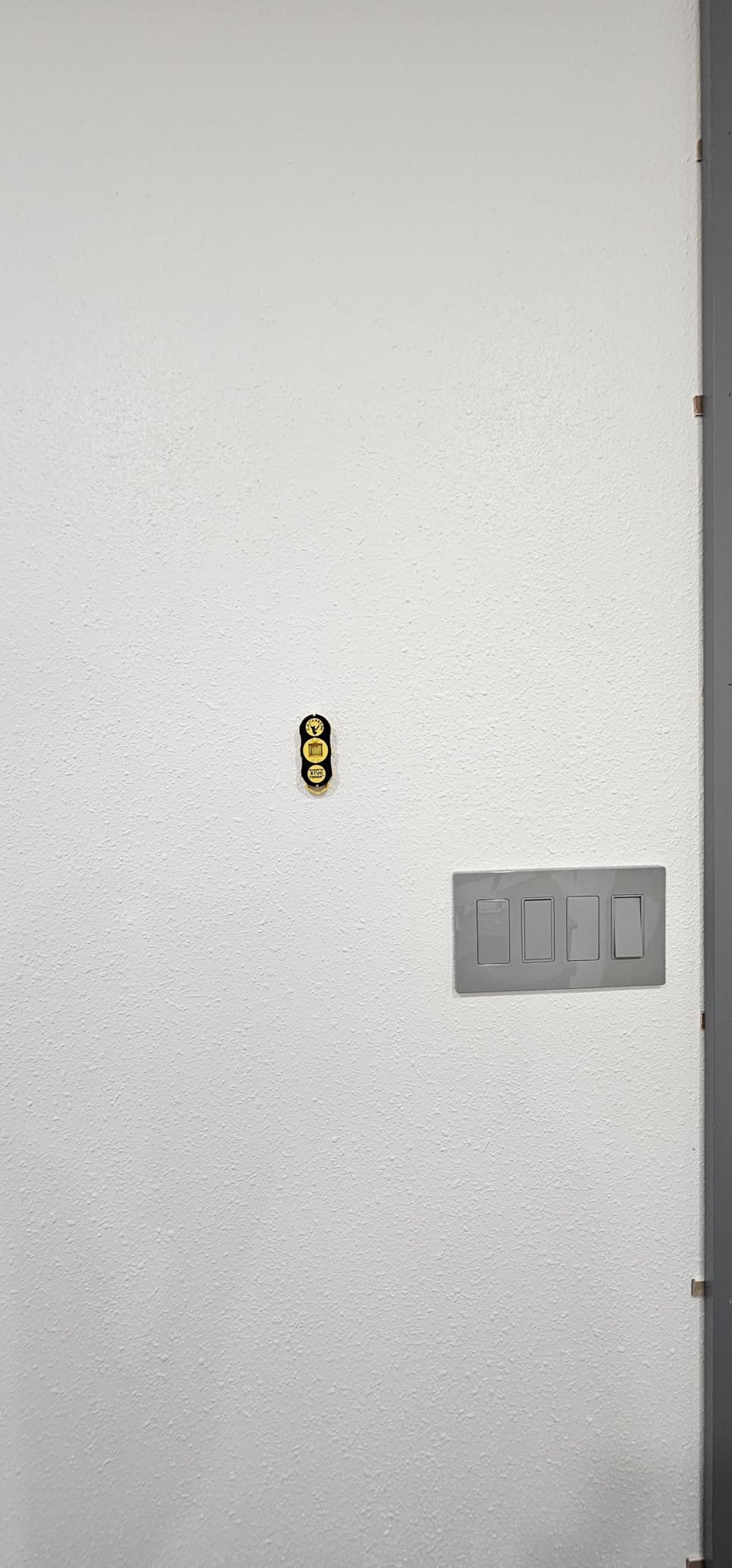
10. Kreg Magnetic Stud Finder with Laser-Mark – For Carrying a Stud Line Across a Room
Kreg KMM1000LZ Magnetic Stud Finder with Laser-Mark for Wood & Metal Studs
Class 2 laser at 1mW or less
Two rare earth magnets
Bubble level
132 g
+ Pros
- Laser projects the stud line up or across the wall
- Combines laser and level so you stop juggling tools
- Hands-free on a hit with two rare earth magnets
- Pocket-sized durable plastic body
- Always ready with no batteries
– Cons
- Magnets reported as fairly weak by several owners
- Laser self-levels only vertically
- Less precise than a multi-sensor scanner since it finds fasteners
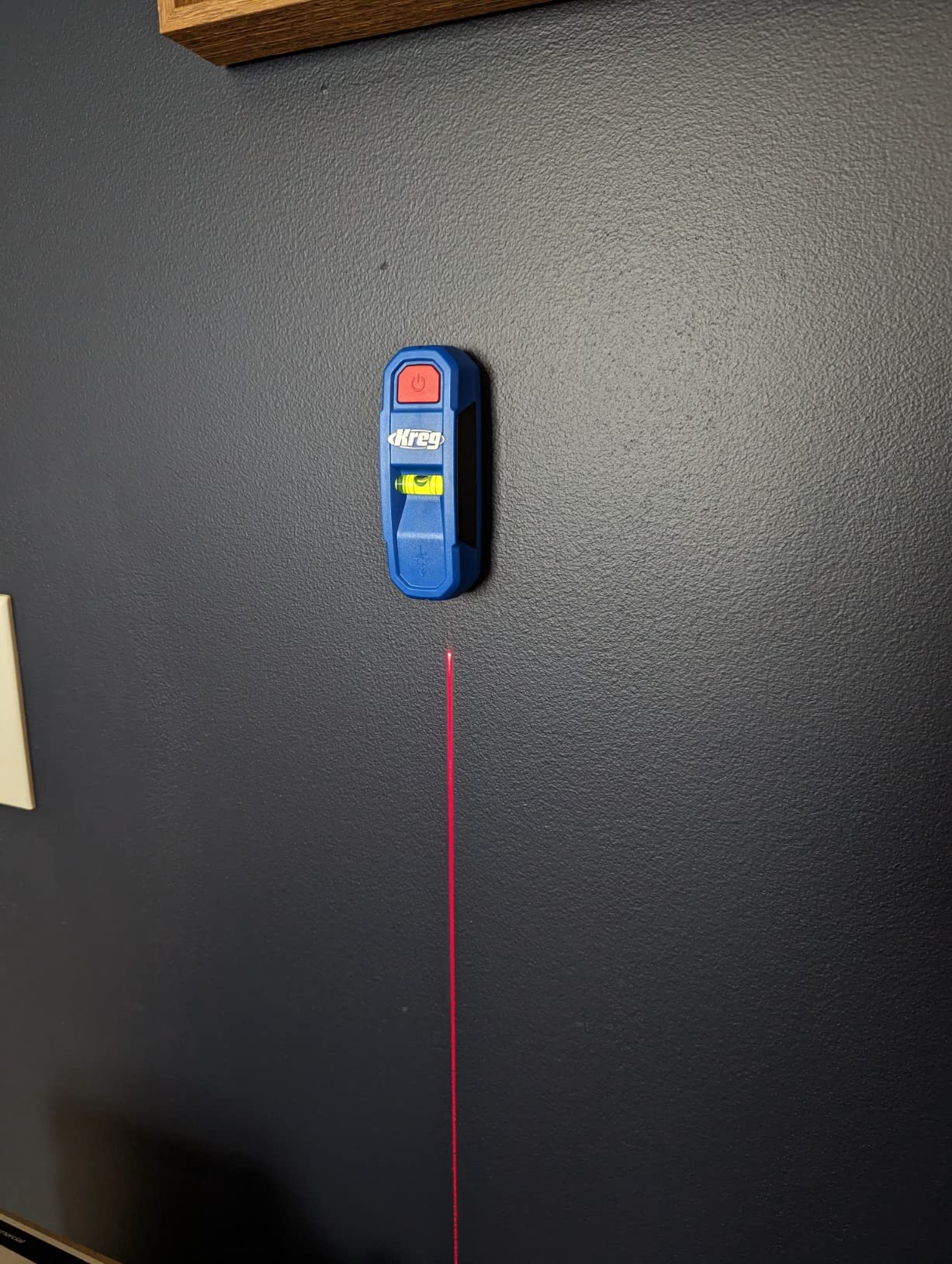
The Kreg is the only tool here that helps with the part of the job that is tedious rather than uncertain. Once you have found a stud with the magnets, a class 2 laser projects that line so you can carry it up to the ceiling or across to a second stud without re-measuring.
For a floating shelf, a wall-mounted television, or a run of cabinets, projecting and snapping one accurate line is faster and straighter than measuring at four heights.
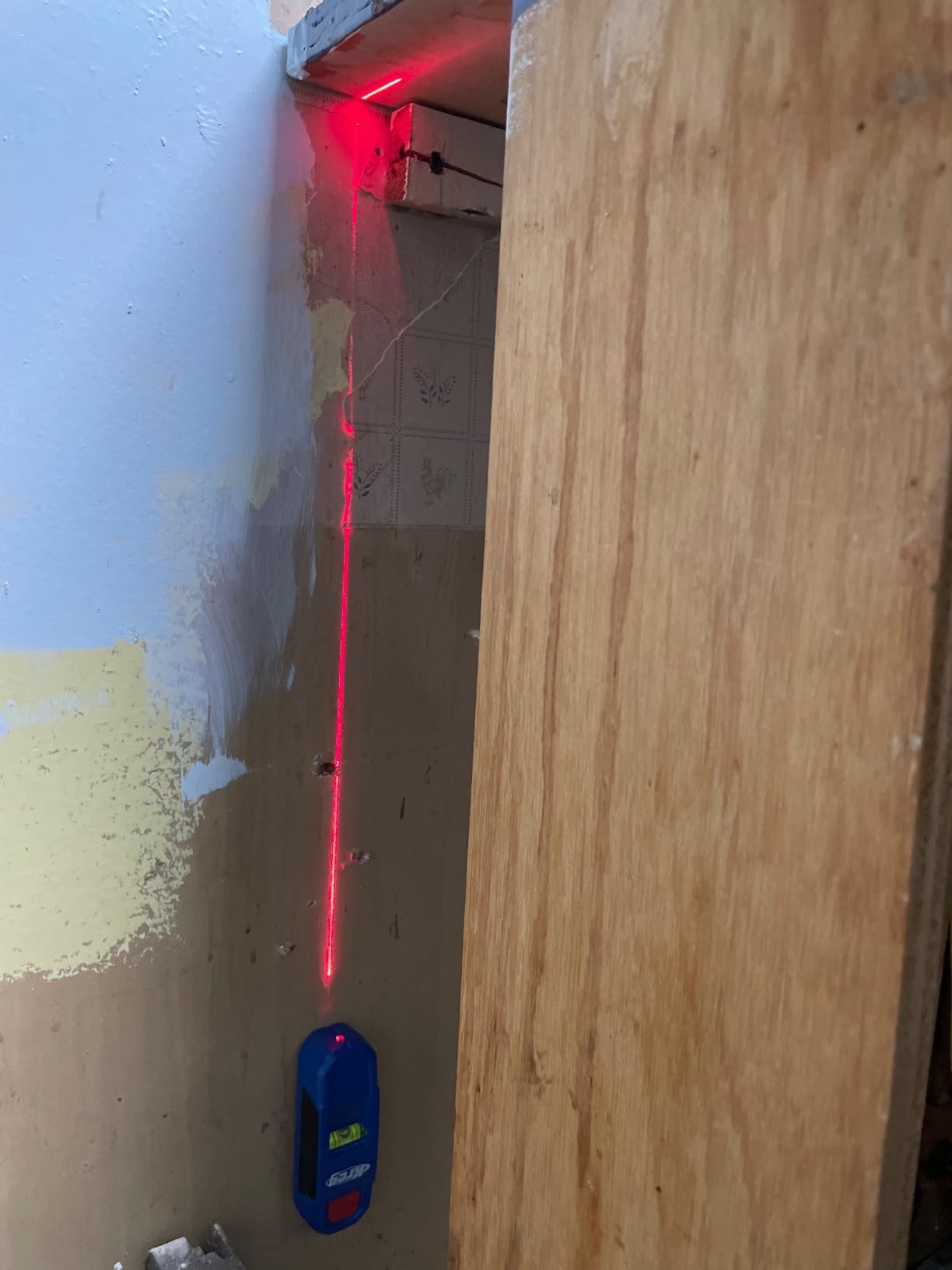
The laser is the reason to own it
The laser is class 2 at 1 milliwatt or less, which is the standard consumer output for this kind of tool, and the body carries precision-centered marking notches for repeatable placement plus a high-visibility bubble level. Owners single out the laser-plus-level combination as the reason to choose it over a plain magnetic finder.
The limitation is that the laser only self-levels vertically. Marking at ninety degrees takes an extra adjustment, and you may still want a separate level for a long horizontal run.
Two rare earth magnets, but reports of weak pull
Several owners describe the magnets as fairly weak, noting the tool gets close to a screw without latching on as firmly as competing finders. That is the honest weakness here, and it is why this sits at the bottom of the ranking for a first magnetic tool in a thick plaster house.
As with all magnets, it finds fasteners rather than stud centers, and it should be kept away from magnetic-stripe cards and recorded media.
For whom it is good
It suits a DIYer who has already confirmed where the studs are with a stronger magnet and now needs to transfer that line accurately across a wall. The marking notches and integrated level make repeat placements consistent, which is what cabinet and shelf layouts need.
How to Find Studs in Plaster and Lath, Step by Step
This is the sequence that works whether you own one of the tools above or nothing at all. It is the professional method, which is to never trust a single electronic reading in a plaster wall.
Step 1: Identify the wall before you buy or scan
Push a thin probe or a long screw into a low-visibility spot. Gritty material followed by softer wood means plaster over lath. Gray, red or dusty masonry means plaster over block or tile, and there are no studs to find. That single test prevents the most common wasted purchase in this category.
Step 2: Start on a known empty area
If your tool requires calibration, calibrate against a stretch of wall you are confident has no framing. On a plaster wall, start at a spot between studs, not on one. Tools that skip calibration, such as the Franklin models, can start anywhere including directly over a stud.
Step 3: Sweep slowly and mark every edge
Move the tool at roughly the speed of a slow brush stroke. A fast sweep skips signal on dense, uneven surfaces. Mark both edges of the reading with a pencil, then mark the center. Repaint nothing until you have confirmed the finding a second way.
Step 4: Confirm the center a second time
Scan the same spot from a different direction and check the result matches. A real stud produces a consistent band with a center indicator. Lath produces a narrow band that shifts as you move, and plaster keys produce nothing repeatable. If two passes disagree, assume there is no stud there.
Step 5: Verify with a 1/16 inch test hole
Drill a small test hole in an inconspicuous spot at the center you marked. You are looking for a sequence: gritty plaster, then a gap or soft lath, then solid wood. If you get wood immediately and consistently, the stud is there. Patch the hole with a dab of plaster compound and a sanding pass once you are done.
Step 6: Use longer fasteners than the wall thickness
Plaster and lath add roughly an inch before the wood, so standard-length screws often end their run in the plaster. For a lag screw, plan on 5/16 by 3-1/2 to 4 inch fasteners with a 3/16 inch pilot, aiming for about two inches of thread bite in solid wood.
Step 7: Check for wiring before you drill
Pre-1940 homes may contain knob-and-tube wiring or buried conductors, and a live wire warning is worth using. On walls without that feature, treat any drilling near an outlet or switch as higher risk and probe first. Electrical boxes and wall plates are themselves a strong clue to framing position.
What to Do When No Stud Finder Works
Sometimes the wall wins. These are the fallbacks that professionals reach for, and several of them cost less than a second scanner.
Use a magnet and accept fastener lines
If density scanning fails, a rare-earth magnet will still find lath nails or drywall screws. Find three or four hits vertically, use the center of that group as your stud center, and drive a longer fastener so it reaches the wood behind.
Install backer board before anything heavy
For a wall-mounted television, floating shelves, or a run of cabinets, cutting in horizontal wood blocking between studs and then screwing through the plaster into it is the most reliable long-term fix. It is more work, and it is the only approach that does not depend on finding a stud at all.
Choose anchors matched to what is actually in the wall
Toggle bolts work but need a relatively large hole. Molly-style anchors with the correct shaft length do well in plaster and lath, because the shaft length must account for the plaster and lath buildup before the cavity. For light items, plaster-specific anchors that grip the lath itself are simpler still.
Switch to masonry anchors when the wall is masonry
If your test hole brought up gray or red dust, the wall has no studs. Masonry anchors, or a screw-in anchor rated for the substrate, are the correct and only answer. Trying to find a stud in that wall is wasted effort.
How to Choose a Stud Finder for Plaster Walls
Plaster changes which specification matters most. Here is what actually decides the outcome, in the order I weigh it.
Match detection depth to your actual wall thickness
Measure how thick the plaster is before you shop. A wall with a half inch of plaster over lath is a different problem from a heavy three-quarter inch plaster coat in an old ballroom. Deeper stated sensing helps, but the honest figure is a ceiling, not a promise, and the products in this roundup range from 1.5 to 4 inches of stated reach.
For lath and plaster, anything under about 1.5 inches of stated depth is a coin flip. The two Franklin models are the only ones here specifically framed around that thickness.
Prefer more sensors and a full-width display
Sensor count is the single best predictor of behavior on plaster. Thirteen sensors beat nine, and nine beats one, because the shape of the reading band is what lets you tell a stud from a lath strip. A tool that displays full stud width and a center indicator is dramatically more useful than one that blinks a single LED.
Decide how you feel about magnets
A magnetic finder is not a worse electronic finder. It is a different question. It locates fasteners, which in a lath wall means locating studs indirectly, and it never gives a false reading from density or plaster keys. Plasterers and finish carpenters treat a magnet as a primary tool, not a consolation prize. If your walls are plaster, plan on owning one.
Magnet strength matters more than shape. A rare earth magnet rated well above what a small disc delivers is the answer when your plaster is thick, and a pop-up or audible click removes the guesswork of a subtle pull.
Treat live wire detection as required, not optional
In a house old enough to have plaster, the wiring risk is real. Any tool you buy should warn on live AC. It is not a feature you can retrofit later, and in this roundup every electronic model except the radar unit offers it, while no magnet can offer it at all, which is a genuine argument for pairing the two.
Check the calibration requirement against your patience and your wall
No-calibration tools can start scanning anywhere, which matters on a wall with uneven thickness. Calibrating tools are more predictable on uniform surfaces but will drift when plaster thickness changes across a room. Neither is universally better, but a no-calibration tool is the safer default for old houses.
Plan for batteries, or pick a tool that has none
Battery-powered tools fail at the worst moment, and several in this roundup ship without their cells or reject rechargeable ones. A magnet has no battery, no calibration, and no electronics to fail. On a renovation where you will use the tool dozens of times, that reliability is worth more than any display.
Think about what happens after you find the stud
Plaster is roughly an inch thick before the wood, so a standard screw is not a fastener. Plan for longer lag screws, a 3/16 inch pilot, and about two inches of thread bite. Tools that help you mark accurately, like the laser-mark model, pay off at this stage rather than during detection.
Frequently Asked Questions
Can a stud finder work through lath and plaster?
Yes, but only with the right technology. Rare-earth magnets detect the steel lath nails that hold plaster to the framing, and multi-sensor electronic scanners with deep-scan modes read past thicker surfaces. A basic single-sensor drywall finder usually fails because it reads lath strips as framing.
What is the best tool for finding studs in plaster walls?
The best overall pick is the Franklin Sensors ProSensor M210 13-Sensor, whose 13-sensor array shows full stud width with a green center LED and a 1.7 inch sensing distance. The best confirmation tool is a rare-earth magnet such as the CH Hanson 03040 or the Rack-A-Tiers Stud Ball, which find lath nails. Use both together on thick plaster.
Do magnetic stud finders work on plaster walls?
They do, because lath strips are nailed directly into the studs, so a magnet finds the nails and therefore the stud line. Two limitations matter: a magnet finds fastener positions rather than true stud centers, and on very thick plaster the signal can be too weak. Owners with thick 1940s plaster have reported the magnet failing to register lath nails at all.
What is the difference between stud scan and deep scan on a stud finder?
A standard stud scan uses lower sensor gain and is tuned for thin surfaces such as single-layer drywall, reaching about half to three quarter inches. Deep scan increases gain to read through thicker buildup, typically one and a half to two and a half inches. On plaster and lath, deep scan is the mode you need, and on some models it is always on rather than selectable.
Why does my stud finder keep giving false readings on plaster?
Usually the tool is reading the wood lath strips as if they were framing, which produces parallel false positives across the wall. Other causes are the tapered plaster keys between lath strips, uneven plaster thickness that breaks calibration, and expanded metal lath, which reads as one dense plane to both electronic and magnetic tools. Scan slowly, calibrate on a known empty area, and confirm every reading a second time.
How do I know if I found a real stud?
Confirm it three ways: scan again from a different direction and check the reading repeats, use a rare-earth magnet to find fasteners along the same line, and drill a 1/16 inch test hole to feel for gritty plaster, then soft lath, then solid wood. Electrical boxes and wall plates are also a reliable clue, since they are fastened to studs. If a test hole brings up gray or red dust, the wall is masonry and there are no studs.
Final Verdict: Which Stud Finder Wins on Plaster in 2026
If you want one tool that reads a plaster wall, the Franklin Sensors ProSensor M210 13-Sensor is the pick: thirteen sensors, a 1.7 inch sensing distance, no calibration, and a green center LED that tells you where to actually drive the screw. It is our editor’s choice for a reason, and it carries the largest verified review base among the electronic units here.
If you are working in a genuinely old house, pair it with a magnet rather than choosing between them. The CH Hanson 03040 is the professionals’ pick for lath nails, and the Rack-A-Tiers Stud Ball at 4.8 stars is the step up when your plaster is thick enough to defeat a smaller magnet. The StudPoP adds a pop-up and click that you can feel through a heavy coat.
If you are a beginner on a lighter plastered wall, the Mecurate or the Jurgen K 5-in-1 both give you a readable screen, though you should calibrate carefully and expect to verify every reading. If you want something with no batteries and no learning curve at all, the StudBuddy is the simplest answer in this roundup and the largest review base overall. The Kreg laser model earns its place for transferring a stud line once you have found it. And the Walabot DIY 2, despite its 4 inch depth, is rated for drywall and plywood and is not the tool for a lath wall.
Whichever you choose, find the studs twice, confirm with a 1/16 inch test hole, and use fasteners long enough to reach the wood behind roughly an inch of plaster. That discipline matters more than any model on this list.
Leave a Reply