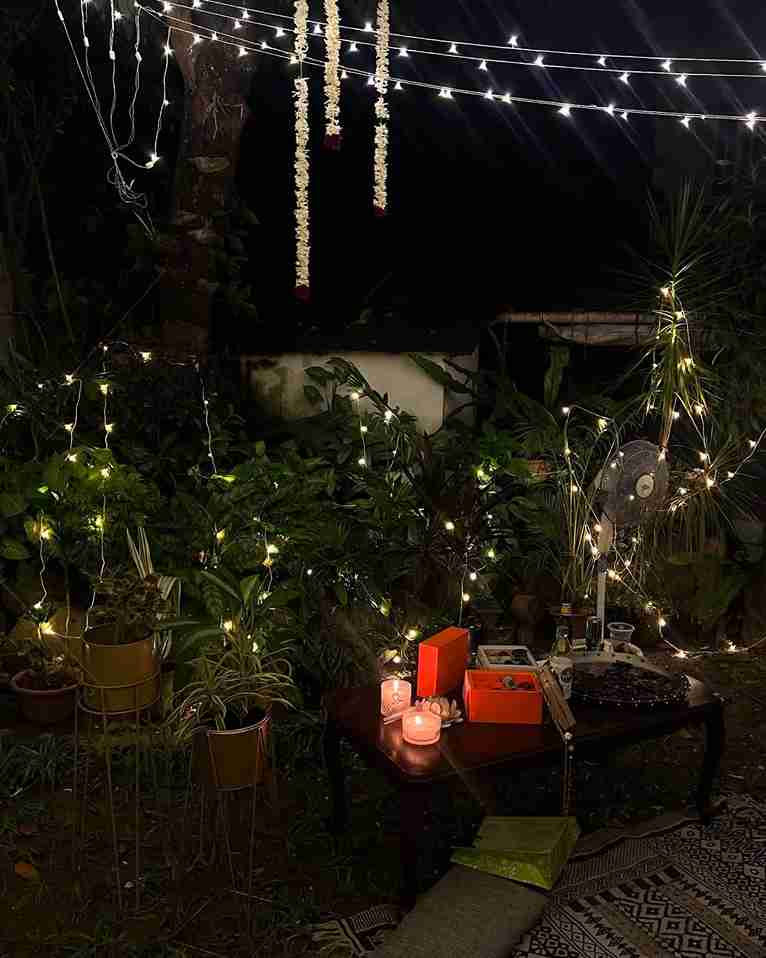
Isn’t there something magical about the glow of lights in a jar? The creative possibilities are endless when you mix creativity, a pinch of effort, and DIY Mason Jar Solar Lights.
Whether for your outdoors or indoors, illuminating your spaces with this DIY project can add an enchanting and warm touch to your environment. Imagine this – sitting under the stars gazing at the shimmering lights that were all handmade by you. Sounds exciting, right?
Creating DIY Mason Jar Solar Lights is not only an exciting task but also a rewarding one. By following just simple steps, you can transform ordinary mason jars into exotic solar lamps that emit warm, inviting light!
All it requires is assembling some accessible materials and investing some love and patience into building them. So why wait? Start adding shine to your home now!
So Much To Discover!
Step-by-step process to craft beautiful mason jar solar lights
Handy tips on sourcing materials economically
Achieve personal touches reflecting your style
Sustainable choices contributing to the environment
Tackling common issues like battery life or water resistance with ease
Essential Materials for Your DIY Project
Tackling a DIY project requires not just skills and creativity, but also the right tools and materials. We have compiled a list of essential items you’ll need to successfully complete any DIY endeavor. Let’s delve right in.
The Must-Have List
Mason jar: The first thing on your list should be a mason jar, and any size will do, depending on the look you’re going for. Remember, these jars will house the light and all the other components.
Solar light unit: These are small devices that collect sunlight during the day using a built-in solar panel, storing it as energy to provide light when it gets dark. They are also known as solar path lights.
Super glue or hot glue gun: This is to ensure all components stay fixed and secure within the mason jar.
Spray paint (optional): Depending on how creative you want to get with your project, choose a color of spray paint to customize your mason jar’s look.
Sourcing Your Materials
Now that we have our must-have list ready, let’s dive into where we can source these materials affordably and conveniently:
Local stores or online marketplaces: Your basic search destinations would include local craft stores or general stores in town as they usually have mason jars available readily in different sizes and shapes. Online marketplaces like Amazon also offer an array of choices, often at competitive prices.
Repurposed materials: Do you remember those old glass jars lying in some corner? See if their size matches what’s required and give them a good wash before use – talk about being sustainable!
Quality over price: When looking for solar light units, make sure you’re sourcing quality items over cheap alternatives as these directly affect how long your lanterns will glow.
Local hardware stores: Your nearest hardware shop would be your best bet for finding a hot glue gun or super glue. These items are staples in such stores.
Step-by-step Guide to Crafting Your Own Mason Jar Solar Light
Making your own DIY Mason Jar Solar Lights is a fun and easy project. By following these instructions, you’ll have a beautiful and practical addition to your home or garden in no time.
Preparing Your Mason Jars
The first step in creating your DIY Mason Jar Solar Lights is to prepare the jars. Ensuring they’re clean and ready for use will provide the best possible outcome for your project.
Step One: Collect as many mason jars as you need. They can be any size, but they need to have a lid.
Step Two: It’s time to clean up those jars! If there are labels or residue on them, soak them in warm soapy water for at least 10 minutes. Also, remember that cleanliness is crucial – the cleaner our jar, the better our solar light will look!
Step Three: Once soaked, gently scrub off any remaining residue with an old toothbrush or soft cloth. Rinse thoroughly.
Step Four: Now we want our jars completely dry before moving on. You can let them air dry or wipe down with a dry towel if you’re eager to get moving with the next steps!
Overall it’s straightforward – collect, clean, rinse, and dry! And though these steps may seem simple — remember that a well-prepared jar sets up success for all of our following steps!
Assembling the Solar Light Unit
Now that we have our mason jars cleaned and dried – it’s time for some real fun! Let’s start assembling!
Step One: Gather solar lights. These are readily accessible online or at any garden store. The important thing is they need to be compact enough to fit into your jar’s lid.
Step Two: Unscrew the lids from your now clean mason jars. We’re interested in the circle part – it’s where we’re going to house our solar light.
Step Three: Now, if you’re wondering how to attach the solar light to the lid, it’s surprisingly simple! Center your light on the lid and trace around it. This will give us a perfect-sized guide for cutting out a hole.
Step Four: Once traced, use any sharp tool to cut down along those lines. Proceed with caution – safety first!
Step Five: Now is the time for us to place our solar light into that freshly cut hole. It should fit snugly. If not, make necessary adjustments until it does.
In short – buy lights, separate lids, trace and cut holes on them accordingly—fit in lights onto those prepared lids—Voila! You have made an amazing Solar Light Unit! These small actions can lead you toward big achievements!
So here ends my walk-through of crafting your own DIY Mason Jar Solar Lights – a wonderful blend of functionality and charm that’ll liven up any space! Keep experimenting with different jar styles or colors – and see what best reflects YOU!
Choosing DIY Mason Jar Solar Lights is a smart move for anyone who loves getting crafty while caring for the environment. They offer a unique blend of eco-friendliness and charming aesthetics, lighting up spaces with a gentle, personalized touch that’s powered simply by the sun.
Sustainability and Eco-friendliness
When I think about lighting up my garden or balcony, I want something that looks pretty but also doesn’t harm the earth. That’s why I like using mason jar solar lights. They are a smart choice for a few reasons. Here, let me tell you why they are good for our planet:
Solar power: These lights use energy from the sun. This means they don’t need electricity that comes from burning coal or gas, which can be bad for our air.
Rechargeable batteries: Inside these solar lights are batteries that can be charged again and again with sunlight. So, we don’t have to keep buying new batteries that end up as trash.
Recycling glass jars: Mason jars are often left over from jams or sauces we buy. By turning them into lovely lights, we are recycling and keeping glass out of landfills.
Less light pollution: Believe it or not, too much light at night can confuse birds and bugs. Since solar jar lights aren’t super bright, they’re friendlier to wildlife.
Aesthetic Appeal and Versatility
Now let’s chat about how mason jar solar lights make everything more beautiful:
Soft glow: The light from these jars is gentle and calming. It gives a cozy feel to any corner of your yard or room without being too sharp on the eyes.
Different colors and designs: You can put colored stones or paint the jars for a splash of color. Some hang them on trees while others place them along pathways – each way adds its special touch.
Use anywhere: These handy jar lights look great both outside in gardens and inside on windowsills or tables.
Customizable theme: Depending on the season – think oranges in fall or reds during Christmas – you can adapt your jars so they always fit right in with your home’s look.
Creating DIY Mason Jar Solar Lights is more than a crafting project; it’s an opportunity to inject a piece of yourself into every light.
Whether you choose to paint, adorn with ribbons, or fill them with colorful trinkets, each jar becomes a reflection of your unique style and creativity—a twinkling expression of personality for everyone to see.
Design Ideas to Reflect Your Style
When I make my own DIY Mason Jar Solar Lights, making them look just right for my space is a must. It’s not just about lighting up a spot; it’s about adding that personal touch that says “me.” Here are some ideas:
First, I can play with colors. Painting the outside of the jars can change how the light spills out into the world. I love using frosty paints for a soft glow or maybe bold, bright colors for a party feel.
Using stickers or stencils before painting can create amazing patterns once the paint dries. When I light up these jars at night, they throw beautiful shapes all around, like stars or leaves dancing on the walls.
Another fun thing to do is fill the jar partway with something that sparkles: glass stones, crystals, even sand and seashells. The light hits these bits and pieces in brilliant ways—like tiny fireflies caught inside.
Ribbons tied around the rim or handles made from twisted wire add even more personality to my jar lights. Some folks like to hang beads and baubles from these wires so they rattle softly in the breeze.
Even though these jars are already special because they use sunlight for power using solar energy, each one can tell its own story depending on how I dress it up.
Outdoor vs. Indoor Usage Tips
When using items either outside or inside, you might need to make changes. These tips help make sure your things work right and last long no matter where you use them.
Outdoor Usage Tips:
Weather Protection:
Cover items to guard against rain and sun.
Use waterproof or UV-resistant materials.
Stability:
Make things heavier or fix them to the ground so the wind can’t blow them away.
Use stakes, sandbags, or bolts for securing.
Maintenance:
Clean often since outdoor stuff gets dirty quickly.
Check for rust on metal parts.
Safety:
Keep things away from fire pits or grill zones to avoid burns or fire hazards.
Have a safe zone for playing stuff so games don’t go into the streets.
Electric Items:
Only use cords and tools meant for outside.
Keep electric gear dry; use outdoor extension cords.
Indoor Usage Tips:
Space Saving:
Choose items that fit your room size. Collapse or fold things when not in use.
Floor Protection:
Put soft pads under heavy stuff to prevent scratches on floors.
Lay rugs down in play areas to save your floor from spills and stains.
Ventilation:
Open windows if you’re using something that makes the air dirty (like paint).
If it smells strong, don’t bring it inside so your air stays nice to breathe.
Noise Management:
If something is loud, try not to use it when people need quiet (like at night).
Put noisy things on thick mats so they make less noise by shaking the floor less.
Lighting Adjustments:
Bright lights are good for reading but soft lighting is better for relaxing times.
Use curtains to control sunlight that comes in which heats up the room too much during hot days.
You might have noticed some extra care goes into using stuff outside because the weather is unpredictable and can be tough on items! Meanwhile, indoors is all about keeping your space comfortable and suitable for different activities while also taking good care of the place where you live, work, or play!
Troubleshooting Common Issues with DIY Mason Jar Solar Lights
When I first got into making DIY Mason Jar Solar Lights, it was so exciting to see them light up without any wires or plugs. They’re really simple and you can place them all over your yard or in your house. But as with anything, sometimes you might run into a little trouble.
Don’t worry, I’ve been there too, and I’ve figured out how to fix these issues. Let’s get those solar lights shining bright again!
Battery Life Woes
One issue that can pop up is with the batteries inside the solar lights. You might notice that over time they don’t stay lit as long at night or maybe they don’t light up at all anymore.
Here are some things you can do:
Change the batteries: Just like a remote control, sometimes you need to put in fresh batteries. Pick the right size and kind of battery for your solar lid.
Clean the solar panel: The small panel on top of the lid needs sunlight to charge up the battery during the day. If it gets dirty or cloudy, it won’t work well. Please give it a gentle wipe with a soft cloth.
Place in direct sunlight: Make sure your jars are sitting where they can soak up lots of sun during the day.
Check for water damage: If water gets inside, it could mess up the battery or other parts of the light unit.
Water Resistance Worries
Another concern for outdoor lights is water getting into your jars when it rains or if they’re near sprinklers. Here’s what you can do to avoid that:
Seal your lids tight: When you put together your jar and lid where all the light bits are, make sure it’s on real tight so water can’t sneak in.
Use outdoor sealant: You know that stuff people use around windows and doors to keep out drafts? It’s called sealant; putting some around where your jar threads meet your lid can help keep water out too.
Pick a spot under cover: If there’s a place outdoors but still protected from rain – like under an eave – that could be a good home for one of these lights.
Conclusion
Crafting DIY Mason Jar Solar Lights has been a wonderful journey. Through every step, from gathering materials to the final touch of personalization, I’ve realized the beauty and benefit these lights bring into our lives.
Not only do they add a charming glow to any setting, but they also demonstrate how we can use sustainable sources of energy in our everyday lives—showcasing eco-friendliness with style.
Imagine harnessing the exceptional energy of the sun at its highest efficiency. As a homeowner looking to install solar panels, you’ve probably researched extensively on how best to position them. One term that might keep popping up is ‘tilt angle for solar panels.’ It’s critical yet somewhat confusing.
A common misconception that floats around is that the latitude of your location corresponds directly to the optimal tilt angle for solar panels. While arguably a general thumb rule, it isn’t entirely accurate.
Furthermore, myriad factors come into play, such as seasonality, the path of the sun, and even roof design! Adjusting your panels correctly can make all the difference between an adequately performing unit and a super-efficient one.
What You Will Discover In This Post:
The truth behind the ‘latitude-equals-tilt-angle’ myth.
Key factors influencing optimal tilt angle.
I recognize ideal tilt angles based on sun paths and seasons.
The advantage of adjustable versus fixed mounts.
How advancements in technology aid in configuration optimization.
Demystifying Solar Panel Angles
There’s a lot of chatter about the right ’tilt angle for solar panels,’ and I’m here to simplify it all. Let’s break the ice with a common belief that’s been doing the rounds – The Misconception of Latitude.
The Misconception of Latitude
Often, people assume that the optimal solar panel tilt is going to be equivalent to their location’s latitude. Sure, it appears logical, as you’d generally want your solar panels angled towards the sun. But look closely – grounding on this theory can hinder your quest for maximizing solar panel efficiency.
Latitude does have a notable influence on your solar panel’s performance. Yet, stating it as the solitary deciding factor for obtaining the ‘optimal tilt for solar energy’ is an overstatement. Mother Earth bestows us with complex climate conditions and variable weather patterns. Thus, sticking solely to latitude can mean you’re losing out on harnessing the maximum solar energy possible.
Factors Influencing Tilt Angle
So, now that we’ve understood that relying only on latitude isn’t wise, let me walk you through other factors that are fundamental in deciding the tilt angle for solar panels:
Orientation: The direction your panels face has a significant effect on their productivity level. Regardless of your geographic position or season, improperly oriented solar panels will not soak up much sunlight.
Time Of Year: As our planet goes around its orbit repeatedly over four changing seasons – adjusting your tilt angle can greatly assist in catching more sunshine during each season.
Roof Tilt: The architectural design of your roof profoundly impacts how you set up any installed panels. Adjusting to your roof’s incline can provide an additional boost in efficiency.
Location’s Climate: Local weather patterns play a crucial role in solar panel efficiency. Areas with more cloud cover year-round might need a different approach from those with abundant sunshine.
Latitude: While not the definitive answer, latitude still plays a part in this puzzle. This factor sets a baseline for the starting point when calculating tilt angles for solar panels.
Solar panels can provide us with a clean and renewable source of energy. However, to make the most of this power source, we need to consider carefully how they are positioned.
Reading Sun Charts
Understanding sun charts is like learning a new language, one where the sun holds conversations with your solar panels.
To effectively learn this language for determining the perfect tilt angle for my solar panels, I took a closer look at sun charts.
A sun chart illustrates how the position of the sun changes throughout different times of day and various seasons. It often includes details such as azimuth (direction) and altitude (height above the horizon) angles of the sun.
Azimuth Angle: This refers to the direction measured from true north towards east on a horizontal plane.
Altitude Angle: It is an angle measured upwards against the horizon.
By reading these charts correctly, I can position my solar panels in such a way that
Changing Angles with Seasons
Seasonal changes also affect our ’tilt angle for solar panels.’ Here’s why:
Summer: During summer months when days are longer, your solar panel should be tilted less than your latitude (15 degrees less precisely). This action will let your panel absorb more direct sunlight.
Winter: Conversely, in winter when daylight hours are fewer, you should raise your ’tilt’ by about 15 degrees compared to your latitude level. By doing this way you capture more light which hits Earth at a lower angle during these months.
Understanding seasonal differences and changing angles accordingly boosts maximizing solar panel efficiency substantially.
Technological Advancements Aiding in Finding the Best Angles
As we move further into a world driven by technology, it’s clear that even the field of solar panels is advancing. The ’tilt angle for solar panels’ is no longer something that needs to be calculated manually or guessed. There are now smart apps and automated mounting systems available to do this job.
Smart Apps
I never thought I’d see the day when an app could tell me the perfect angles for my solar panels. But then again, there’s an app for almost everything these days.
There are quite a few apps out there nowadays that can help us find the ‘perfect tilt angles for Solar Panels.’ Some use NASA data while others use meteorological information to predict where exactly the sun will be throughout the year over specific geographical locations. It seems even technology has jumped onto the solar power train.
These apps utilize your geolocation data to make these predictions more accurate – making their calculation not just achievable but spot on! They bring together all those solar panel orientation tips we’ve ever heard about and compound them into one place, ease of use is their common denominator.
So using a smart app eliminates all the grueling work behind calculating and adjusting your Tilt angle for solar panels. All you need to do is download one of these user-friendly apps on your smartphone or device and follow the recommendations given.
Automated Mount Systems
Now let’s talk about another game-changer – Automated Mounting Systems! As much as an app can help you understand what your optimal tilt should be, it won’t physically climb up on your roof and adjust the panels for you. But guess what? An automated mount can do just that!
These brilliant inventions ensure maximum energy collection for the solar panels. They are designed to follow the sun, adjusting their tilt throughout the day, season, even weather conditions.
This means optimum exposure to sunlight no matter what time of day it is or where the sun is currently positioned in the sky. These mounts automatically tilt themselves according to these environmental factors, guaranteeing optimum energy harvest at any given time.
Automated mounting systems save us time and effort involved in manually altering our solar panels. Although a bit pricey to purchase, they prove their worth over time through enhanced efficiency and lowered utility costs.
Do remember they need regular checks like other technological equipment. You wouldn’t want dust or grit jamming your automatic mount system when it’s performing its solar dance now, would you?
FAQs
Does latitude ever affect the ‘Tilt Angle’ needed by a Solar Panel?
Yes, latitude does influence the ’tilt angle for solar panels’, but it isn’t the only determining factor. Space gives an overall guide, but precise tilt angles should also consider factors like roof tilt and local climate.
Why do the ‘Tilt Angles’ of Solar Panels need to be changed with the seasons?
The sun’s path varies across different seasons. In summer, days are longer with higher sun paths, while in winter, shorter days exhibit lower sun paths. Hence, adjusting your ’tilt angle for solar panels’ according to these changes helps maximize solar energy harvest.
Is it better to have a fixed or adjustable ’tilt angle for solar panels’?
Both options have their pros and cons. Fixed mounts are more cost-effective and require less maintenance than adjustable mounts. However, adjustable mounts offer flexibility as they can adapt to seasonal variations in the sun’s path, thereby optimizing solar panel efficiency.
Conclusion
The optimal tilt angle for your solar panels is more intricate than simply mirroring your location’s latitude. To maximize energy efficiency, consider various factors including orientation, seasonal changes, roof slope, and local weather patterns. While latitude offers a starting point, individual adjustments are crucial for optimal performance.
Utilizing technology such as smart apps and automated mounting systems can provide accuracy and convenience in determining and adjusting these angles. Whether choosing fixed or adjustable mounts, the goal remains clear: align your solar panels strategically to harness the sun’s power effectively, resulting in a sustainable energy solution and potential savings on energy costs.
Searching for a reliable 4000-watt generator can feel like navigating an endless maze. Trust me, I’ve been there, overwhelmed by the countless options and specifications, trying to find a model that’s quiet yet powerful enough.
Good news – your search ends here! This article offers you well-researched recommendations of the best 4000-watt generators on the market in 2026. So, let’s power up your knowledge!
Top 9 4000-Watt Generators for 2026: Comparison Table
Sl No.
Product Name
Starting Watts
Running Wattage
Fuel Type
Fuel Tank Capacity
Weight
1
DuroStar DS4000S
4000 Watts
3300 Watts
Gasoline
3.96 Gallons
92 lbs
2
DuroMax XP4400E Gas Powered
4400 Watts
3500 Watts
Gasoline
3.96 Gallons
122 lbs
3
WEN GN400i RV-Ready
4000 Watts
3500 Watts
Gasoline
1.85 Gallons
70.4 lbs
4
WGen3600CV
4650 Watts
3600 Watts
Gas
4 Gallons
106 lbs
5
GENMAX GM5500i
5500 Watts
5000 Watts
Gasoline
3.6 Gallons
116.6 lbs
6
Champion Power 100522 Generator
4375 Watts
3500 Watts
Gasoline
4.7 Gallons
108.5 lbs
7
AIVOLT Generator
4300 Watts
3450 Watts
Gas
1 Gallons
54.9 lbs
8
POXURIO DK4000iSA Inverter Generator
4000 Watts
3200 Watts
Gasoline
1 Gallon
44.1 lbs
9
Pulsar PGD40ISCO 4000W Portable Gas Inverter Generator
4000 Watts
3200 Watts
Gasoline
1 Gallon
47.3 lbs
1. DuroStar DS4000S
Highlights
Portable gas-powered generator
Output wattage of 4000 watts, voltage of 120 volts
Runs on gasoline with a fuel tank volume of 3.96 gallons
Engine displacement of 208 cubic centimeters, 4 – stroke engine type
Complies with Emissions Standards: This portable generator is both EPA and CARB-approved and meets strict environmental guidelines. By choosing the DuroStar DS4000S, you can have peace of mind knowing that you are using an environmentally friendly generator.
Power Panel for Maximum Compatibility: The power panel on this generator includes a selection of outlets, including 2 120V household outlets and 1 120V 30A twist lock outlet. This means you can connect various appliances and devices easily, providing maximum compatibility for your power needs.
Low Oil Shutoff to Protect Your Investment: With the low oil shutoff feature, this generator automatically shuts off when it senses that the oil is low. This helps protect your investment by preventing damage to the engine and ensuring its longevity.
Powerful Engine for Versatile Use: The DuroStar DS4000S is equipped with a powerful 208cc OHV engine that can handle multiple jobs. Whether you need to power high-voltage appliances or heavy-duty power tools, this workhorse engine has got you covered.
Plenty of Power for Your Needs: This portable generator can handle heavy loads with an impressive peak wattage of 4,000 watts and running wattage of 3,300 watts. From basic necessities like lights and refrigerators to more demanding items like air conditioners and high-amperage power tools – rest assured that there will be enough power to keep everything running smoothly.
The DuroStar DS4000S Portable Generator is ideal for outdoor enthusiasts and DIY homeowners who want reliable power with minimal fuss. Its environmentally friendly practices, powerful engine, low oil shutoff system, and wide range of outlets will make any task easy and enjoyable. Get your hands on a DuroStar today!
Review
As a power tool enthusiast and frequent camper, I’ve found the DuroStar DS4000S to be an exceptional value. Its robust 208cc OHV engine packs quite a punch, delivering 4,000 peak watts and 3,300 running watts of power – more than enough for anything from household appliances during an unexpected blackout to high-demand power tools on my latest project site.
What sets it apart is its compliance with both EPA and CARB standards; this eco-friendly generator truly puts my green-minded conscience at ease.
The DuroStar DS4000S isn’t just about raw power, though—it’s also designed with convenience in mind. The intuitive Power Panel features multiple outlets for maximum compatibility—whether you need to plug in your refrigerator or your drill machine—in addition to a voltmeter that always keeps me informed about voltage output.
Plus, the built-in low oil shutoff function is like having an extra set of eyes watching over things; it automatically turns off the generator when oil levels get too low, saving me from expensive damage down the line.
I’ve tested many portable generators, but none have combined performance, user-friendliness, and environmental awareness quite like the DuroStar DS4000S does—that’s why we put it as our No.1 pick!
Whether preparing for emergencies or planning your next adventure, the compact yet potent yellow-and-black powerhouse has your back.
Pros
Complies with emissions standards set by EPA and CARB.
The power panel includes multiple outlets for maximum compatibility.
The low oil shutoff feature protects the generator from damage.
The powerful engine provides ample power for various applications.
Cons
It may be noisy during the operation.
Some users may find it difficult to start.
The generator does not come with a wheel kit, making it less portable.
2. DuroMax XP4400E Gas Powered
Powerful and Reliable Portable Generator for Camping and RV Trips
Highlights
Gas-powered portable generator with 4400 watts output
Electric ignition system for easy starting
Runs on gasoline fuel for convenience
3500 watts running wattage and 17 starting wattage
Durable metal construction for long-lasting use
Compact design with dimensions of 24″L x 17″W x 17″H
XP4400E Generator, Tool Set, Oil funnel, Spark Plug Wrench, DC Charging Cables, Wheel and handle Kit, and Owners Manual
Features
Fully Featured Power Panel: The DuroMax XP4400E Portable Generator comes with a power panel that includes a wide selection of outlets, making it compatible with various applications. This means you can easily connect your household appliances, RV equipment, or power tools without any hassle.
Low Oil Shutoff: One of the most important features of this generator is its low oil shutoff mechanism. It automatically shuts off the generator when it senses that the oil level is low. This not only protects your investment but also ensures the longevity and performance of the generator.
MX2 Technology: With MX2 Technology, you can get maximum power from each of the 120-volt receptacles. You have the flexibility to choose between operating at both 120V and 240V simultaneously or sticking to 120V only with full power. This feature is especially beneficial for RV owners who require different voltage options.
Powerful Engine: The DuroMax XP4400E boasts a powerful 210cc OHV engine capable of handling multiple jobs effortlessly. Whether you need to run high-voltage appliances or heavy-duty power tools, this workhorse engine provides plenty of power for all your needs.
Plenty of Power: With an impressive starting wattage of 4,400 and running wattage of 3,500, this generator can handle heavy loads without breaking a sweat, from powering essential lights and refrigerators during camping trips to running home air conditioners and high amperage power tools during emergencies or construction projects.
This durable, reliable generator is perfect for the adventurous outdoor enthusiast who needs a dependable source of power for camping trips and RV trips. With 4,400 starting watts and 3,500 running watts, you can trust that it will keep all your high-voltage appliances going with no issue. Get started today and start powering up your next adventure!
Review
The DuroMax XP4400E Gas Powered Portable Generator grabs the No. 2 spot on our list for its outstanding performance and robust features that cater to a variety of user needs.
With an impressive output of 4,400 starting watts and 3,500 running watts, this generator is sufficiently powerful to keep your essential appliances working during power outages or camping outings. The key decision-making factor here has been its gas-powered 210cc OHV engine, known for durability and reliability.
This product shines with its well-equipped power panel, including two standard household outlets and one specialized twist-lock outlet, ensuring compatibility with various applications.
Also notable is the MX2 Technology, enabling you to optimize the usage across both 120V and 240V receptacles depending on your needs – you can run your RV comfortably using just the DuroMax XP4400E! Additionally, it boasts safety functions like a low oil shut-off feature, which preserves lifespan by preventing damage due to low oil levels.
Lastly but importantly, let’s not forget about user convenience – it comes with an electric start function, making it very easy to use even for those who may not be mechanically inclined. Choosing DuroMax XP4400E means opting for a state-approved portable powerhouse that wouldn’t let you down when it really counts.
Pros
Portable and easy to transport for camping and RV trips
Versatile power panel with multiple outlets for various applications
Automatic low oil shutoff to protect the generator
Powerful engine capable of handling heavy loads
Cons
Loud noise during the operation
Heavy and difficult to transport
Limited runtime on a single tank of gas
3. WEN GN400i RV-Ready
Portable Power for Adventurers on the Go.
Highlights
RV-ready: The WEN GN400i is specifically designed for use with RVs, featuring a 120V RV-ready receptacle.
Portable: This generator is lightweight and compact, making it easy to transport and store.
Multiple power outlets: It includes two 120V NEMA 5-20R receptacles, two 5V USB ports, and one 120V TT-30R receptacle.
Long runtime: With a full tank of gasoline, the GN400i can run for up to 7 hours at half load.
Powerful performance: It has a running wattage of 3500 Watts and an output wattage of 4000 Watts, providing ample power for various applications.
Reliable engine: The generator features a durable and fuel-efficient four-stroke engine with an engine displacement of 212 cubic centimeters.
Inverter generator with two 120V NEMA 5-20R receptacles, two 5V USB ports, one 120V RV-ready TT-30R receptacle
Features
Includes two 120V NEMA 5-20R receptacles: You can easily plug in multiple devices and appliances, such as laptops, lamps, or fans, without the need for additional adapters or extension cords. This convenience saves you time and hassle.
Two 5V USB ports: Charge your smartphones, tablets, or other USB-powered devices directly from the generator itself. No need to search for an available power outlet or worry about your devices running out of battery while on the go.
One 120V RV-ready TT-30R receptacle: Perfect for powering up your recreational vehicle (RV) during outdoor adventures. Whether you’re camping or tailgating, this generator provides reliable electricity to keep all your essential RV appliances running smoothly.
Parallel-ready panel: Want even more power? Easily connect two WEN inverter generators together using the parallel-ready panel feature. With increased wattage output, you can confidently run larger appliances like air conditioners or refrigerators without any worries.
Clean power for sensitive electronics: The advanced technology of this generator ensures a stable and clean power supply that won’t damage your delicate electronics. Safely operate phones, tablets, televisions, computers – all your favorite gadgets – without any concerns about surges or fluctuations that could cause harm.
Compact and lightweight design: Measuring just 19.8″ L x 13.8″ W x 18.9″ H and weighing only 66.1 lbs., this open-frame inverter generator is portable
This WEN GN400i RV-Ready Generator is perfect for the person who loves a life of adventure and needs reliable power on the go – from camping to tailgating events. With its 4000 surge-watt output, 7-gallon fuel tank, and portability, this generator offers convenience and dependable power wherever your adventures take you.
So, if you’re looking to stay powered up while exploring exciting new places, get your WEN GN400i RV-Ready Generator today!
Review
As an experienced user of the WEN GN400i RV-Ready 4000-Watt open-frame inverter generator, I can personally vouch for its performance. This black and orange power beast is fitted with a potent 212cc 4-stroke OHV engine that consistently delivers up to 4000 surge watts and 3500 rated watts.
The clean energy output sets it apart; it’s entirely safe to plug in your sensitive electronics like cell phones, laptops, or tablets without the risk of voltage spikes.
Among my favorite features are two three-pronged NEMA receptacles, ample USB ports for convenience, and a special RV-ready outlet. Very thoughtful if you ask me! You get over seven hours of run time from its efficient gallon tank at half-load capacity.
Meanwhile, engage the eco-mode switch for fuel economy–you don’t want gasoline wastage during those camping trips. Uniquely designed to mirror pure sine wave technology minimizes distortions under load, making it ideal for running sensitive devices.
It ranked No3 on our list due to some noticeable features: automatic adjustment of fuel consumption based on connected devices; easy linking capability via WEN Parallel Connection Kit (sold separately) for higher wattage needs, all this backed by an impressive two-year warranty plus comprehensive support network from skilled technicians.
Honestly, isn’t that reassurance enough? The chunky weight might be off-putting, but consider its vast feature set – clearly a solid trade-off!
Pros
Provides ample power output with 4000 surge watts and 3500 rated watts
Offers convenient charging options with two USB ports and multiple receptacles
Enables safe usage of sensitive electronics thanks to its clean power generation
Allows for increased wattage output by connecting two WEN inverter generators together
Cons
It can be quite heavy and bulky, making it less portable compared to smaller inverter generators.
It may produce higher noise levels compared to some other inverter generator models.
A limited number of receptacles may not be sufficient for users with multiple devices or appliances that need to be powered simultaneously.
4. WGen3600CV
Reliable power for outdoor adventures and RV vacations.
212cc Westinghouse 4-Stroke OHV Engine: This powerful engine ensures reliable performance and durability, allowing you to power your devices and appliances during emergencies or outdoor activities.
Automatic Low Oil and Carbon Monoxide (CO) Shutdown: With this safety feature, the generator will automatically shut down if oil levels are too low or if carbon monoxide levels become dangerous, protecting both your equipment and your health.
Plug-and-Play Convenience: The WGen3600CV comes with everything you need to get started right away, including oil, an oil funnel, a tool kit, and a user’s manual. Minimal assembly is required, making it incredibly easy to use right out of the box.
Multiple Receptacles for Versatile Use: Featuring two 5-20R household duplex receptacles, one RV-ready TT-30R 30 Amp receptacle, and one L5-30R 30 Amp receptacle. These outlets allow you to power various devices simultaneously while ensuring safety with rubber covers.
Extended Run Time: With its 4-gallon fuel tank capacity and efficient operation, this generator can provide up to 14 hours of run time per tank. This allows you to keep essential appliances running for longer periods without interruption.
This product is ideal for RV owners, outdoor adventurers, and do-it-yourselfers who need reliable power on the go. With Westinghouse’s trusted quality and performance, the WGen3600CV Portable Generator offers powerful yet portable energy. Get it now to keep your appliances running no matter where you are!
Review
As an outdoor adventure enthusiast, I can confidently say the Westinghouse WGen3600cv Portable Generator is a powerhouse that offers peace of mind. During my last camping trip, this gas-powered generator kept my travel trailer fully functional – from lights to air conditioning.
With 4650 peak watts and 3600 running watts, it efficiently powered all necessary equipment for up to 14 hours with just one four-gallon fuel tank fill! The convenience was only amplified when it effortlessly hooked to the RV-ready TT-30R 30A outlet.
I was especially impressed by its thoughtful design elements, like the built-in fuel gauge and automatic low oil shutdown features. They proved handy during those critical nighttime power needs on our extended weekend campout in Montana woods.
Additionally, rubberized covers on outlets provided extra assurance against harsh weather conditions. Although I’m already quite handy with tools, the user-friendly yellow touchpoints made operations simpler than ever!
Westinghouse went above and beyond with the WGen3600cv’s durability as well, thanks to its robust cast iron sleeve encapsulating a powerful 212cc engine under the hood. This gives me confidence that it will stand up against many adventures yet to come!
Plus, knowing they have a nationwide customer service network backing their product gives me added peace of mind while exploring off-grid locations deep into nature where access may be limited or non-existent.
Pros
4650 peak-watt power provides ample electricity for various needs.
RV-ready 30A outlet allows for easy use while traveling or camping.
CO sensor ensures safety by automatically shutting down in the presence of carbon monoxide.
Comes with oil, a tool kit, and a user’s manual for hassle-free setup and operation.
Cons
It may contain residual oil and fuel odor.
Minimal assembly required.
Recoil start.
5. GENMAX GM5500i
Ultra-lightweight, eco-friendly generator for outdoor adventures and emergencies.
Highlights
Electric start for easy and convenient ignition
Powerful 5000 running watts for a reliable power supply
Lightweight plastic construction for easy portability
Compact dimensions of 24″L x 18.5″W x 21.1″H for space-saving storage
Dual color design in black and orange for a visually appealing look
Gas-powered engine with a 4-stroke system for efficient performance
120V 20A Duplex (5-20R), 120V 30A (TT-30R), 12V DC Automotive
Parallel
No
Gasoline Capacity
3.6 gal.
GFCI Outlets
Yes
Covered Outlets
Yes
Engine Oil Type
10W-30
Gasoline Tank Material
Steel
Covered Circuit Breakers
Yes
Engine Oil Capacity
0.89 qt.
Gasoline Run Time at 1/4 Load
13h.
Low Oil Shut-Off
Yes
Noise Level
62 dBA
Wheels
Yes
Wheel Type
Solid
Wheel Diameter
5.5 in.
DC Operation
USB 5V 2.1A/1A
Voltmeter
Intelligauge with Power Meter
EPA Certified
Yes
Automatic Voltage Regulation
Yes
CARB Compliant
No
Battery
Yes
Length
24.0 in.
Width
18.5 in.
Height
21.1 in.
Net Weight
116.6 lb.
Length (boxed)
27.2 in.
Width (boxed)
21.6 in.
Height (boxed)
24.6 in.
Gross Weight (boxed)
127.8 lb.
Features
CO Detect Shutdown: Includes a sensor that automatically shuts down the generator if it detects dangerous levels of carbon monoxide. This ensures the safety of you and your family, preventing potential poisoning incidents.
Quiet and Lightweight Structure: With its compact design and lightweight construction, this portable generator is incredibly easy to carry around. It also operates at an ultra-quiet level of only 60 decibels, allowing for peaceful use on camping trips or backup power situations without disturbing others.
Multifunctional Power Supply Panel: The power supply panel on this generator includes various useful features such as a low oil alarm, overload alarm, CO warning light, output indicator features, and fault alarm function. These functions ensure that you are always aware of the status of your generator and can take necessary precautions to prevent any issues.
Wide Application: This GENMAX portable generator is perfect for various applications, including home emergency power supply, campgrounds, construction sites, mobile devices, and power outages. Its durable design allows it to easily handle multiple jobs – from powering high-voltage appliances to heavy-duty power tools in different job sites.
Powerful Engine: With 5000 rated watts and 5500 peak watts at less than 3% THD (Total Harmonic Distortion), this generator delivers reliable performance when you need it most. The telescoping handle makes it easy to transport, while the manual or electric start option provides convenience. Additionally, the generous 3.9-gallon fuel tank with a fuel gauge offers up to 10 hours.
This generator is perfect for the environmentally conscious, tech-savvy outdoor enthusiast who requires an ultra-light and quiet power source. The GENMAX GM5500i prepares you for any emergency or recreational activity with its ECO mode feature and CO Detect Shutdown Sensor. Buy now, and rest assured that your energy needs are covered!
Review
The GENMAX GM5500i is a powerful and portable inverter generator with a 5500W ultra-quiet gas engine. It’s designed to be resourceful, featuring an automatic ‘Eco mode’ that adjusts the engine speeds to save fuel and reduce sound emissions.
This feature also enhances its user experience by providing optimum power efficiency, proving advantageous during power outages or when powering high-voltage appliances at home.
One of the standout features of this product is the inclusion of a CO Detect Shutdown sensor, which aids in preventing Carbon Monoxide poisoning – a crucial safety element for any generator user.
Its ease of use is further heightened by its compact suitcase design, making it incredibly lightweight and perfect for backup home use & camping trips. Moreover, it offers up to 10 hours of run time on a full tank, demonstrating strength and longevity.
Designed with the user’s needs in mind, the multifunctional power supply panel comes with useful indicators such as a low oil alarm and overload alert while also incorporating an output indicator feature.
The GENMAX GM5500i confidently demonstrates its adaptability, catering to multiple situations, including construction sites and campgrounds, by including an RV outlet and being perfect for mobile devices during travel. This robust yet versatile generator sets itself apart from other products within the same category due to these thoughtful design choices.
Pros
CO Detect Shutdown for prevention of carbon monoxide poisoning.
Ultra quiet operation with a runtime sound of only 60 decibels.
Lightweight and portable design for easy carrying.
Multifunctional power supply panel with various features such as low oil alarm and overload alarm.
Cons
Limited fuel tank capacity (3.9 gallons) may require frequent refueling in extended-use scenarios.
Higher price point compared to other portable generators with similar power output.
Some users have reported issues with the electric start feature, requiring manual starting instead.
6. Champion Power 100522 Generator
Reliable and powerful energy for your outdoor adventures.
3-year limited warranty with FREE lifetime technical support: With the Champion Power 100522 Generator, you can enjoy peace of mind knowing that it comes with a generous 3-year limited warranty and lifetime technical support. This means that if you ever encounter any issues or have questions about your generator, you can rely on Champion’s dedicated experts to provide assistance at no extra cost.
INTELLIGAUGE for easy monitoring: The INTELLIGAUGE feature allows you to conveniently monitor the voltage, frequency, and operating hours of your generator. This ensures that you are always aware of its performance and can take necessary actions accordingly. Whether you need to check if it’s time for maintenance or want to keep track of usage, the INTELLIGAUGE makes it easy.
Covered outlets for versatility and safety: The Champion Power 100522 Generator is equipped with multiple covered outlets, including a 120V 30A locking outlet, a 120V 30A RV outlet, and two 120V 20A outlets. These outlets not only provide ample options for connecting various appliances and devices but also come with Volt Guard built-in surge protector. This important safety feature prevents overloads and safeguards your valuable equipment from damage caused by power surges.
Reliable and powerful performance: With starting watts of up to 4375 and running watts of 3500, the Champion Power 100522 Generator delivers reliable power when you need it most. It can run continuously for up to 12 hr.
This generator is perfect for campers, tailgaters, and travelers who value reliability and power. With the RV Ready Portable Generator from Champion Power Equipment, you can enjoy peace of mind and have all your power needs taken care of confidently. Get yours today!
Review
Every camping trip or power outage situation could use the Champion Power 100522 Generator. This 4375/3500-watt RV Ready Portable generator is a reliable and powerful machine.
From my experience, it provides all the electrical support you need to keep your appliances running smoothly during an outdoor adventure or during unexpected blackouts at home. One feature that stands out for me is its Intelligauge which has allowed me to monitor voltage, frequency, and operating hours easily.
Operating the Champion Power Equipment 100522 is pretty straightforward, even for someone who isn’t particularly tech-savvy. The first time I used it, I was able to successfully start and run a 15,000 BTU RV air conditioner without any hitches – something I attribute to the unit’s robust single-cylinder OHV engine.
It also features Cold Start Technology, which makes quick starts in cold weather quite effortless. Noise-wise, this generator only hits about 68 dBa from about 23 feet away – just as loud as your average vacuum cleaner.
With its foldaway handle and never-flat tires, transportation of this machine around your compound or campsite becomes incredibly easy, too. During one blackout we experienced last winter, this was our go-to source of backup power for essential home equipment such as lights, sump pump, refrigerator modem/router, etc. – performing excellently until the regular power supply resumed after approximately 12 hours!
Plus, Volt Guard’s built-in surge protector prevents overloads, ensuring all your equipment is safe from spikes in voltage. A purchase like this comes backed by a solid warranty package, including a three-year limited warranty accompanied by FREE lifetime technical support courtesy of Champion Support!
Pros
4375 starting watts and 3500 running watts for reliable and powerful performance.
Up to 12 hours of run time on a full tank of gasoline.
Includes a Volt Guard built-in surge protector to keep appliances and equipment safe.
Low oil shut-off sensor for added safety during operation.
Cons
The noise level may be too loud for some users (68 dBA).
The generator is not dual fuel, meaning it can only run on gasoline.
2-year warranty with lifetime technical support: Have peace of mind knowing that your AIVOLT generator is backed by a reliable 2-year warranty. Plus, you’ll have access to FREE lifetime technical support from experts who can help answer any questions or troubleshoot any issues you may have.
EPA compliant and environmentally friendly: This AIVOLT generator meets the strict emissions standards set by the EPA, ensuring that it is as environmentally friendly as possible. By choosing an EPA-compliant generator, you’re making a conscious effort to reduce your carbon footprint and protect the environment.
CO Protect & Low Oil Shutoff for Safety: The CO Alert technology in this generator automatically shuts down the unit if unsafe levels of carbon monoxide are detected. This feature helps ensure the safety of you and your family while using the generator. Additionally, it has a low oil shutoff feature that protects both your generator and electronics from damage in case of low oil levels.
RV and parallel ready for convenience: With an included RV adapter, this AIVOLT generator is ready to power your RV for all your outdoor adventures. It also comes with a 12V DC battery charging cable so you can easily charge your vehicle’s power supply. And if you need even more power or runtime, connect another 4300W AIVOLT generator (parallel kit not included) to double its capabilities.
Multifunction control panel with LCD display center for ease of use.
This AIVOLT Generator is perfect for outdoor adventurers, RVers, and campers who need reliable power that’s quiet and efficient. Whether you’re at a campsite or preparing for an emergency in your home, this generator will give you peace of mind with features like CO protection, low oil shutoff, and overload protection. Get the ultimate portable power solution today!
Review
Having spent considerable time with the AIVOLT Inverter Generator, I can confidently say it’s one of the best options out there for those in need of a reliable portable power source. It doesn’t matter if you’re planning an adventure-filled camping trip or armoring up against potential power outages at home – this is a generator that comes through when needed most.
What impressed me right off the bat was its remarkable noise control. Churning out 4300 watts yet humming as softly as a casual conversation, working or relaxing next to it was never an inconvenience.
Moreover, weighing in at just 51 pounds and sporting a sturdy carry handle, taking this generator on road trips is almost effortlessly straightforward. Provided RV adapter and parallel connectivity (should you invest in an additional unit down the line) make it even more valuable for those long-haul journeys where a consistent power supply could make all the difference between comfort and inconvenience.
The 5-in-1 LCD display kept me informed about oil levels, fuel statuses, and any looming system overloads while eco-mode nicely balanced performance against optimal fuel efficiency.
But what seals this deal is how seriously AIVOLT takes safety – their implementation of CO Alert technology automatically shuts down operations should unsafe carbon monoxide levels be detected! Additionally, they’ve committed to strict EPA emissions standards, ensuring that our environment pays no price for our convenience.
Summarizing my experience with AIVOLT’s generator – here’s superbly quiet performance blending seamlessly with user-friendly features, exceptional responsiveness during high-demand situations wrapped within environmentally-conscious design philosophy – All reasons why I strongly recommend considering the AIVOLT Inverter Generator your go-to choice when shopping for portable generators today.
Pros
2-year warranty with FREE lifetime technical support.
Meets emissions standards and is approved by the EPA for environmental friendliness.
Equipped with CO Alert technology for safety.
RV and parallel ready, allowing for increased power or runtime.
Cons
Limited runtime of only 5.5 hours at 25% load.
A parallel kit for combining with another generator is not included.
It may be slightly heavier than some other portable generators.
Lightweight Design: The POXURIO DK4000iSA Inverter Generator weighs only 45 pounds, making it incredibly easy to carry and store. No more struggling with heavy equipment when you need backup power for outdoor camping or emergency situations.
Parallel Operation: With the ability to support parallel operation, this generator allows you to connect 2 or 3 machines together, providing a power supply of over 4000W. This means that you can easily meet the needs of multiple electrical appliances or equipment at once.
Gas Powered: Unlike generators that require specific fuel types, the POXURIO DK4000iSA runs on gasoline – one of the most common fuels in people’s daily lives. Gasoline is convenient to store, affordable, and easily obtainable, giving you peace of mind when it comes to fuel availability.
Low Noise: Thanks to advanced sound reduction technology, this inverter generator produces a noise value of only 62 decibels during operation – much lower than traditional generators. This ensures a comfortable environment while using electricity and avoids disturbing your neighbors or fellow campers.
Strong Power: With a starting power of 4000W, the POXURIO DK4000iSA can cater to all your daily electrical needs. Whether it’s for camping trips, outdoor activities, commercial use, or home backup power – this portable generator has got you covered.
This product is perfect for those who need a reliable source of power on the go, whether it’s camping, attending events, or as an emergency backup. With its lightweight design and advanced sound reduction technology, the POXURIO DK4000iSA Inverter Generator is great for outdoor activities and offers powerful yet quiet performance that you can rely on—so why wait? Get yours today!
Review
As an avid camper and frequent outdoor enthusiast, I was on the hunt for a powerful yet quiet generator that can cater to all my needs – enter the POXURIO DK4000iSA Inverter Generator. With its starting power of 4000W, this portable wonder energizes everything from phone chargers to coffee makers effortlessly.
Be it during alfresco dining at a camping site or working with tools in my truck between travels – this powerhouse has constantly delivered reliability.
What stood out for me is its robust performance and how quietly it operates. Even while churning out full power, all you hear is a steady hum equivalent to average conversation noise around us!
This significant reduction in sound levels makes any outing more enjoyable without sacrificing on convenience and electricity access. Moreover, being gas-powered adds another layer of practicality as gasoline is easily available and affordable.
The lightweight design greatly aids usability, too; at 45 pounds, this compact machine is easy to carry wherever you go, fulfilling your energy requirements seamlessly. An added perk – multiple DK4000iSAs can be connected parallelly if needed, which effectively means we have an expandable backup-power solution on hand!
To sum up – robustness packaged with utility-friendly design shifts, the POXURIO DK4000iSA Inverter Generator is way ahead in its league, adding considerable value to our daily lives across various scenarios.
Pros
Lightweight design for easy portability and storage.
Supports parallel operation for increased power supply.
Gas-powered for convenience, affordability, and availability.
Low noise production for a comfortable electricity consumption experience.
Cons
Limited power output compared to larger generators.
It may require multiple units for higher power needs.
Reliance on gasoline as a fuel source may be inconvenient or expensive in certain situations.
Portable, Super light, Super Quiet, Automatic Voltage Regulation, Fuel Efficient
Batteries Required?
No
Warranty Description
3-year Limited Warranty
Features
RV ready, AC ready, Fridge ready: This portable gas inverter generator is specially designed to be compatible with RVs, air conditioners, and refrigerators. You can power up your appliances on the go without any hassle or additional adapters.
3200W Rated / 4000W Peak: With a powerful output of 3200 watts rated and 4000 watts peak, this generator can provide enough electricity to run multiple devices simultaneously. Whether you’re camping or facing a power outage at home, you won’t have to compromise on convenience or comfort.
12oz gas tank: Equipped with a compact 12-ounce gas tank, this generator offers an incredible fuel efficiency that helps you save money on refueling costs. You can enjoy uninterrupted power for up to 4.5 hours at half-load without worrying about running out of fuel quickly.
5 hrs run time @ half load: Thanks to its impressive runtime of approximately 4.5 hours at half load, this generator ensures that you have consistent power throughout the day or night. Say goodbye to frequent interruptions and hello to extended periods of reliable electricity supply.
47.3 lbs [Extreme light weight]: Weighing in at just 47.3 pounds, this ultra-lightweight generator is easy to transport and move around as needed. Its compact size means it won’t take up much space during storage or while traveling in your RV or car. Enjoy the freedom and flexibility of having reliable power wherever you go!
This Pulsar PGD40ISCO 4000W Portable Gas Inverter Generator is perfect for the modern nomad who needs portable electrical power, whether it’s powering up your RV, AC unit, fridge, or small electronics. Get ready to hit the road and enjoy the luxury of uninterrupted power with this ultra-light, quiet generator. Buy now and make life on the road effortless!
Review
As an avid camper, I have personally experienced the power and convenience provided by Pulsar’s PGD40ISCO Ultra Light Quiet 4000W Portable Gas Inverter Generator.
Weighing in at just 47.3 lbs., its extremely lightweight design makes it a breeze to move around campgrounds or job sites. The use of this generator on my backyard projects has been remarkable; it powers tools with ease and runs smoothly.
What sets the PGD40ISCO apart is its RV-ready AC output, making it perfect for road trips where access to electricity can be uncertain at times. It hits peak operation at 4000W, so you can confidently run things like your refrigerator for extended periods without worry.
Moreover, having a compact yet powerful gas tank that keeps everything running for up to 4.5 hours on half load is another great feature that gives peace of mind during longer outings or blackouts.
Despite all these fantastic features, what impressed me most was how quietly the Pulsar generator operates – allowing my family and neighbors undisturbed sleep while we enjoy an uninterrupted power supply throughout our camping adventures or stormy nights at home.
Pros
RV ready, AC, and Fridge ready for convenient use while camping or on the road.
Provides 3200W of rated power and 4000W of peak power for reliable performance.
It weighs only 47.3 lbs, making it extremely lightweight and easy to transport.
Cons
Limited run time at half load (4.5 hours)
Small gas tank capacity (12oz)
May not have enough power for larger appliances or equipment
4000-Watt Generator Buying Guide
When choosing a 4000-watt generator, be sure to consider important factors such as power output, fuel efficiency, noise level, and portability. Find out how these key features can impact your generator selection.
Read more to make an informed choice for your power needs.
Power Output
High power output is a crucial factor in choosing the best 4000-watt generator. These machines typically provide continuous power of up to 3500 operating watts and peak at around 4,000 burst watts, as seen with top picks such as the Westinghouse iPro42000.
That’s enough muscle to keep essential appliances like your refrigerator, furnace, and, in some cases, even central air systems running smoothly during an outage. I’ve found that understanding these numbers can significantly influence your decision on which model suits you best based on your specific needs.
Thus, power output becomes a defining element when browsing for our ideal 4000-watt generator.
Fuel Efficiency
Fuel efficiency plays a crucial role in determining the performance of a 4000-watt generator. High fuel efficiency means that your generator will use less energy to deliver the same amount of power, providing more runtime for every gallon of gas consumed.
For instance, an efficient model can operate at halfload for up to 15 hours on just 3.4 gallons of gas! That’s what makes it ideal for RV use or any other situations where you need continuous power over extended periods.
It provides you peace of mind by saving costs on fuel while also being eco-friendly – a win-win situation indeed!
Noise Level
The best 4000-watt generator for you could hinge greatly on its noise level. Typically, the sound emitted by these generators ranges from 50dB to a more noticeable 75 dB.
Let’s face it; nobody wants their peaceful surroundings disrupted by a loud generator humming! The good news is that quieter models operate at around soothing decibels of 50-60, ensuring serenity even during operation.
However, if you opt for an open frame variant, be prepared to deal with louder noise levels around 69dBA. Lastly, the more compact and mobile portable generators produce less noise than traditional ones.
Portability
Portability is a crucial factor when choosing a 4000-watt generator. These generators are designed to be relatively lightweight, allowing them to be easily carried by 2-3 adults. Additionally, they often come equipped with handles or wheels, making it even easier to transport them over shorter distances.
The portability of these generators enables convenient transportation and use in various locations, which is especially beneficial for those who need to move the generator frequently.
When looking for a portable generator, make sure to consider features like handles or wheels that facilitate easy transportation and save you from unnecessary hassle.
Conclusion
When it comes to finding the best 4000-watt generator for your needs, the DuroStar DS4000S and DuroMax XP4400E Gas Powered are two top recommendations. Both generators offer powerful output wattage and reliable performance.
Whether you need a portable option for construction, home backup or a gas-powered generator with electric ignition, these options have got you covered. Invest in the DuroStar DS4000S or DuroMax XP4400E generators for peace of mind and a reliable power supply whenever you need it.
FAQs
What is the best 4000-watt inverter generator in 2026?
The best 4000-watt inverter generator in 2026 has an efficient fuel system, produces less noise, and offers reliable performance.
Does the best 4000-watt generator come with a remote start?
Yes, some of the top-rated 4000-watt generators offer a remote start feature, making them easy to operate from a distance.
Why should I consider buying a top-ranked 4000-watt generator?
Investing in one of the best-reviewed generators ensures you’re getting high power output, advanced features like remote start, and quieter operation for your needs.
Have you ever wondered if running your generator in the pouring rain is safe? You might think it’s a necessary risk when the power’s out and it’s teeming outside, but let’s delve into the facts before you make any hasty decisions.
Understanding the dynamics of electricity and water is crucial – two elements that don’t mix well. Running a generator in the rain is not just potentially damaging to the unit itself. It can also lead to dangerous, even life-threatening situations.
Please don’t get disheartened thinking you’re left without a power source when it’s raining. There are safe and effective ways to use a generator during wet conditions that won’t compromise your safety.
This article will provide you with a detailed guide to using a generator in rainy weather so you can keep the lights on without putting yourself, your family, or your property at risk. After all, being part of a community means looking out for each other’s safety; sharing knowledge is one of the best ways to do that.
Can You Run a Generator in the Rain?
You can’t run a generator in the rain as it poses significant safety risks. These risks include causing electrical shocks or even starting a fire. Such incidents could turn your stormy night into a dangerous disaster.
It’s not just about the generator getting wet; it’s the potential for water to come into contact with electricity. This combination creates a highly hazardous situation. Water and electricity should never be mixed as they are a volatile combination.
The safety of you and your family is paramount. Understanding the risks associated with rain and generators is essential to that safety consciousness. When you’re part of a community that values safety and well-being like ours, it’s important to be aware of the proper practices and precautions.
Although it may seem like a good idea to have a generator running during a storm to keep the lights on and the heat going, the potential risks far outweigh the benefits.
However, don’t despair because there are ways to use a generator when it’s raining safely. Let’s equip ourselves with the knowledge necessary to navigate these tricky situations safely. We can start with some practical tips for using a generator when it’s raining.
If you’re planning to use a generator in the rain, following a few safety tips is important to ensure smooth operation and prevent accidents.
Designate a solid, dry outdoor space for operating the generator
Just like a knight needs his dry castle to protect his armor from rusting, your generator also requires a solid, dry outdoor space to operate efficiently without the risk of damage from rain or other adverse weather conditions.
It’s not just about keeping your generator dry but also about providing a sturdy base to minimize vibration and ensure stability during operation. Look for a flat, level area that is not prone to flooding.
Keep it away from windows and vents to prevent carbon monoxide from entering your home. Also, avoid placing it near flammable materials to reduce the risk of fire.
Remember, your generator is an integral part of your home’s emergency plan, akin to a loyal watchdog, ready to jump into action immediately. Therefore, it deserves a designated spot to keep it safe and ready to perform when needed.
Keeping the generator in a well-ventilated but covered area can significantly reduce potential problems. An outdoor canopy, for example, can keep your generator dry while allowing for adequate ventilation.
As you secure your generator’s position, another crucial aspect to consider is the power cord connecting your generator to your home, making sure that it’s weatherproof.
Ensure the power cord connected to your home is weatherproof
When ensuring your home’s safety, it’s critical to make sure the power cord connecting to your generator is weatherproof. This isn’t just about running a generator in the rain, it’s about creating an environment where you can rely on your generator to keep you safe and comfortable.
Weatherproof power cords are designed to withstand not just rain but also snow, wind, and other harsh weather conditions. They’re made of durable materials and have special insulation that prevents water from seeping into the electrical connections. Remember, a wet power cord can lead to short circuits, electrical shocks, or even a fire. That’s a risk you don’t want to take.
So, make it a habit to check your power cord before starting your generator. Ensure it’s in good condition and replace it if it’s frayed, damaged, or worn out. Also, consider using a weather-resistant extension cord cover for additional protection. This won’t only ensure the longevity of your power cord but also give you peace of mind, knowing that you’re doing everything you can to keep your home safe.
Ultimately, it’s about creating a sense of security for yourself and your family, a little haven where you can weather any storm. Now, with your generator humming away securely, it’s time to turn our attention to another important aspect – making sure there’s adequate ventilation for your generator.
Always remember that providing ample ventilation for your power source is crucial, as this minimizes risks and ensures smooth operation. Ventilation is not just about fresh air; it’s a vital safety measure to prevent carbon monoxide buildup, which can be lethal.
As a responsible generator owner, you are part of a community that values safety and efficiency. Therefore, ensure your generator’s exhaust is directed away from any enclosed spaces, including homes, garages, or tents. If you’re running your generator in an outdoor setting, choosing a space with good natural airflow is key.
So, while it’s important to keep your generator dry, you also need to prioritize its ventilation. This balance can be difficult to strike, especially when the weather is not cooperating. But remember, you’re not alone in this; we all face these challenges, and we overcome them together. By following these guidelines, you’re contributing to a safer, more efficient use of power generators for everyone.
Speaking of weather, the next thing to consider is how to protect your generator from it. Yes, you guessed it, you need to add an operational cover suitable for the generator. This ensures your generator stays dry and operational, even in adverse weather conditions.
Add an operational cover suitable for the generator
Equipping your power source with a suitable operational cover is essential, ensuring its efficiency and longevity, even in the face of severe weather conditions. A well-fitted, robust cover protects your generator from rain and shields it from snow, dust, and other environmental elements that could damage its components.
And remember, it’s not just any cover that will do. Your generator’s cover should be breathable to avoid overheating, water-resistant to protect against rain, and durable to withstand the test of time and harsh weather. It’s also crucial to ensure that the cover doesn’t obstruct the generator’s ventilation system to prevent the buildup of harmful fumes.
When choosing a cover for your generator, consider one that fits snugly and doesn’t move easily with the wind—this way, you ensure that your generator is always protected, no matter the weather conditions. If possible, opt for a cover with an opening that allows you to access the generator’s control panel without removing the entire cover. This feature will make it easier for you to operate the generator during a downpour.
Now that we’ve covered the importance of equipping your generator with a suitable cover, it’s crucial to remember that it’s not the ultimate solution. In the next section, we’ll discuss why it’s not recommended to run your generator during extreme weather events.
Don’t Run Your Generator During Extreme Weather Events
Surely, we’ve all been tempted to keep our power sources operating, even amidst severe weather, haven’t we? However, there’s a line to be drawn regarding your generator’s performance and safety.
During extreme weather conditions, such as hurricanes, blizzards, hailstorms, and torrential rain, it’s not advisable to operate your generator. These severe conditions can damage the unit, compromise its operation, and potentially create hazardous situations.
It’s all about being part of a community that values safety, prudence, and the longevity of our possessions.
Remember, as a responsible generator owner, your safety and those around you are paramount. It can be frustrating in the face of a power outage, and your first instinct might be to keep your generator running.
However, ensuring your equipment is operating safely and effectively is more important. Don’t let the desire to keep the lights on override your judgment.
So, when Mother Nature is at her worst, take a step back, prioritize safety, and remember there are other ways to handle a power outage without risking your safety or damaging your generator. Speaking of which, wouldn’t it be great if you could still enjoy your day without letting a power outage rain on your parade? You can, and we’ll show you how in the next section.
Don’t Let a Power Outage Rain on Your Parade
Don’t let a power outage dampen your spirits even when it’s pouring outside; you need to be smart about running your generator.
Safety should always be your top priority, especially when dealing with electricity during a rainstorm. Generators are great for keeping the lights on and your household appliances running, but they aren’t designed to be used in wet conditions.
Rain or any form of moisture can easily seep into the outlets and cause a short circuit, leading to generator failure or, in worse cases, a dangerous electrical shock or a fire.
Therefore, you must protect your generator from the elements. Consider investing in a generator tent or a portable generator enclosure. They’re designed to shield your generator from rain, snow, and dust while ensuring proper ventilation to prevent overheating.
You’ll be able to keep the power running safely, even during the harshest weather conditions. Remember, we’re all in this together, navigating the challenges of power outages and unpredictable weather. By taking the necessary precautions, you’ll ensure your comfort, your safety, and that of your loved ones.
What type of fuel should be used in a generator during rainy weather?
You might be wondering about generator fuel in wet weather. Regardless of the weather, use the manufacturer’s recommended fuel for safety. Rain or shine, this rule doesn’t change. It’s all about belonging to a safe, informed community.
How often should a generator be serviced to ensure safe use in the rain?
You should service your generator at least once a year. Regular maintenance ensures it’s in top shape, keeping you safe and connected during rainy weather. Remember, you’re part of a community that values preparedness and safety.
Is it safe to store a generator indoors during a rainstorm?
No, storing a generator indoors during a rainstorm is unsafe. Generators emit carbon monoxide, a deadly gas. Always store them outdoors, away from doors, windows, and vents, to protect your household. Safety first!
Can a generator be used in other types of extreme weather, like snow or high winds?
Nearly 75% of generator failures occur due to improper use in extreme weather. You shouldn’t run your generator in snow or high winds, it’s risky. The safe operation ensures you’re part of the smart, prepared 25%.
What are the potential dangers of running a generator in the rain without proper precautions?
Running your generator in the rain without proper precautions can be risky. You’re risking electrocution, damage to the generator, or even a fire. Always ensure safety measures are taken to protect you and your equipment.
Conclusion
Running a generator in the rain isn’t the safest idea. You risk causing serious harm, such as electrocution, damaging your generator, or even causing a fire.
Imagine you’re at a family gathering when a storm hits and decide to run your generator in the rain. You could end up ruining the event and endangering everyone present.
However, with the right precautions, you can keep the lights on when it’s pouring. Use a weather-resistant enclosure, place it in an elevated position, and never touch it when you’re wet. These tactics can keep you powered up and safe even when the weather’s not on your side.
Firman generators are an increasingly popular choice in the power generator market, but who makes these reliable and powerful machines? Are they any good? In this article, we’ll take a look at Firman Generators and discuss their quality, features, and advantages.
We’ll also cover what sets them apart from other brands of portable generators. By the end of this article, you will have a better understanding of Firman Generators and why they may be the right choice for your needs. Read on to learn more.
Who Makes Firman Generator?
Firman Generators are designed and assembled by Firman Power Equipment, which is a subsidiary of the larger company known as SUMEC Group. SUMEC is a Chinese company that specializes in manufacturing a wide range of power equipment, including generators, garden tools, solar panels, and more.
Firman Power Equipment, the company responsible for making Firman Generators, was established in 1999 and has since become a leading brand in the power generator market. Their headquarters are located in Peoria, Arizona, and they have manufacturing facilities in China.
Firman Generators is a Multinational company that manufactures power generators. They offer a wide range of products, including portable and standby models, inverters, and professional-grade generators. The company focuses on providing customers with exceptional quality, superior performance, and reliable service.
Firman Generators come in a variety of sizes and power outputs to suit your needs. Whether you’re looking for a small portable generator or something more powerful for home use, Firman Generators has you covered.
Their generators are designed to be reliable and easy to use, with features like electric start and tri-fuel capabilities that make them stand out from the competition.
Firman Generators also come with a 3-year warranty, so you can rest assured that your purchase is protected. They have an extensive selection of accessories available as well, including covers and parallel kits that make it even easier to get the most out of your generator.
Overall, Firman Generators are some of the best on the market today. With their reliable performance, easy operation, and long warranties, they’re sure to provide years of dependable service. So, if you need a reliable generator that won’t let you down when you need it most, look no further than Firman Generators!
Here are the different types of generators that are offered by Firman Generators.
Zero-e series
The Zero-E series is a line of professional-grade generators designed for industrial use. These generators are built to last and feature strong engines and durable construction. They are also up to 50 percent quieter than traditional generators due to their advanced noise suppression technology.
Inverter series
The Inverter series is a line of portable inverter models that offer reliable power in any situation. These highly efficient generators are ideal for homes, RVs, camping trips, or other outdoor activities. The Inverter series provides clean, stable power while being light and easy to transport.
Standby series
The Standby series is designed for emergency backup and standby power applications. This line of generators features automatic start-up technology so you can be sure your home or business will stay powered even during an outage. The Standby series. Provides reliable power and peace of mind.
Power mate series
The Power Mate series offers powerful inverter generators that are perfect for camping and tailgating. They are lightweight, quiet, and fuel-efficient, making them an ideal choice for anyone looking to enjoy the outdoors in comfort and style.
Hybrid Series
The Hybrid Series features a unique combination of power and convenience with its portable hybrid models. These generators provide reliable electricity when you need it the most while being compact enough to take anywhere.
Whisper Series
The Whisper Series from Firman Generators is designed to be very quiet. They use advanced noise reduction technology and are much softer than most other generators. These generators are perfect for places where you need power but don’t want the noise of a regular generator.
Performance Series
The Performance Series of Firman Generators is designed to provide power in any situation. They are solid and reliable, so you can trust that they will work when you need them most. The Performance Series also offers quiet operation and advanced noise reduction technology, so you don’t have to worry about loud noises from the generator.
Firman Generators has the perfect solution for you, no matter what type of generator you need. Their exceptional quality and reliable service make them a trusted choice for many users. From industrial-grade models to portable generators, they have something to fit every need and budget.
Given below are the best and most popular generator models of Firman Generators.
Firman H08051 Hybrid Series Portable Generator
This generator is perfect for camping, tailgating, RVing, and more. It features a powerful 10,000 on (Gas) & 9,050 on (LPG) watt peak/8000 on Gasoline 7250 on (LPG) rated output and dual fuel capability, and you can choose between running on gasoline or propane. Its quiet operation, advanced noise-reduction technology, and lightweight construction make it ideal for anyone looking to enjoy the outdoors in comfort.
Firman P08003 Performance Series Portable Generator
This generator offers 10,000 watts of peak/8,000 watts rated output and is equipped with advanced features such as a voltage selector switch, low-oil shutoff protection, and an LCD panel. It’s also quiet enough not to disturb your neighbors while still providing reliable power.
Firman W03081 Whisper Series Inverter Generator
This inverter generator is designed for those who need reliable power without being too loud. It has a 3,300-watt peak/3,000-watt rated output and comes with advanced noise reduction technology to ensure it won’t bother anyone in the area. It’s also fuel efficient, lightweight, and portable so that you can take it anywhere.
No matter what kind of generator you are looking for, Firman Generators has a solution that will fit your needs.
Automatic start-up technology for emergency backups.
Comprehensive warranties for peace of mind.
Advanced noise reduction technology for quiet operation.
Portable and inverter models are available.
Affordable pricing options.
Professional grade generators for industrial use.
Pros and Cons of Using a FIRMAN Generator
Given below are some Pros & cons of Firman Generators.
Pros
Reliable power with a 3-year warranty. FIRMAN generators are backed by a 3-year warranty, so you can be sure you’ll have reliable power for years to come.
Multiple fuel sources. With the ability to run off of gasoline, propane, or natural gas, you can choose the fuel source that works best for your needs.
Electric starter. The electric starter makes it easy to get your generator running quickly and efficiently.
Cons
Price: FIRMAN generators tend to be more expensive than other brands, so they may not fit everyone’s budget.
Availability: Depending on where you live, it may be difficult to find a store that carries FIRMAN generators in stock.
Conclusion
Firman Generators are a great choice for those looking for reliable and powerful generators. They offer a wide range of models, from portable to standby, inverter generators, and dual fuel options. A 3-year warranty backs their products and has been rated highly by customers.
Whether you need a generator for home backup power or recreational use, Firman has something to fit your needs. In this guide, we have provided you with the necessary information you need to know about Firman Generators.
Navigating the world of engine oils can feel like traversing a maze, especially when you’re trying to determine the best choice for your lawnmower or generator. You may have come across SAE 30 and 10W30 oils and wondered what the difference is between these two options.
This article aims to shed light on this topic, comparing these two oil types’ pros and cons in detail. We’ll investigate whether they are interchangeable, if they can be mixed, and their optimal weather conditions.
As we journey through this exploration together, you’ll gain an understanding that will help you make an informed decision about which oil is best suited for your machinery needs. So let’s roll up our sleeves and dive deep into the nitty-gritty of SAE 30 vs 10W30 oil – because knowing your oils can be as important as knowing your tools!
Key Takeaways
SAE 30 oil is thicker and slower flowing, making it suitable for warm weather and single-grade engines, while 10W30 oil is a multi-grade oil that flows smoother in lower temperatures and is better for cold weather conditions and newer complex motors.
SAE 30 oil has superior resistance to thermal breakdown and offers excellent lubrication with reduced friction between engine components, enhancing longevity. On the other hand, 10W30 oil has a reputation for longevity, high resistance to thermal breakdown, and optimal protection for lawnmowers or generators at higher speeds.
Mixing SAE 30 oil and 10W30 oil is not recommended as it can compromise engine performance and lifespan. It is important to choose the right oil based on climate conditions and machine needs, following the user manual guidelines for maintenance schedules and oil types.
Synthetic 5W-30 oil can be used for all temperatures in generators, and initial oil changes for generators should occur after the first 20-30 hours of operation to ensure optimal oil usage and extend the lifespan of the generators.
SAE 30 vs 10W30 Oil: What’s the Difference?
So, you’re probably wondering what exactly sets SAE 30 and 10W30 motor oils apart, right?
Imagine pouring syrup versus water on a cold winter’s morning – that’s essentially the difference in how these two oils flow at low temperatures. It all comes down to oil viscosity. The thicker the oil, like SAE 30, the slower it flows. It’s akin to molasses inching its way out of a jar; it takes its sweet time.
Now let’s consider the temperature impact on these oils. When confronted with colder conditions, SAE 30 behaves more like our syrup, as mentioned above, than an effective lubricant for your engine parts. Because of its single-grade nature, it doesn’t adapt well to fluctuating temperatures.
On the other side of the spectrum is multi-grade 10W30 oil. It has additives that allow it to flow smoother in lower temperatures while maintaining excellent lubrication efficiency across varying temps – think water effortlessly gliding over surfaces.
But remember this: both types have their merits depending on your specific needs and weather conditions at hand. You’re part of a community that values informed decisions, and we trust you’ll make the best choice for your lawn mower or generator based on this knowledge.
You’re about to dive into the world of SAE 30 Oil, weighing its pros and cons to understand its application better.
The Pros of SAE 30 Oil
Imagine the smooth, effortless motion of your lawn mower or generator humming along—that’s the beauty of SAE 30 oil at work.
SAE 30 Efficiency: This non-detergent oil is known for its high efficiency in single-grade engines. It provides optimal lubrication and reduces friction between engine components, ensuring a smoother operation.
Thermal Breakdown Resistance: SAE 30 oil exhibits superior resistance to thermal breakdown compared to multi-viscosity oils. This means it can hold up better under intense heat without losing its viscosity.
Additive Packages: The additive packages in this type of oil help protect your engine from wear and tear, enhancing its longevity.
Stability Under Varied Conditions: SAE 30 maintains stable performance across varied temperature conditions.
Embrace these benefits and feel part of the community that trusts SAE 30 for their machinery needs!
The Cons of SAE 30 Oil
While it’s true that every rose has its thorns, the same principle applies to SAE 30 oil with a few drawbacks to consider.
One of the main SAE 30 limitations is its performance in cold weather. The viscosity of this oil isn’t designed for low temperatures; thus, it can become too thick and struggle to flow properly within your lawn mower or generator. This means when winter rolls around, you might face issues if you’ve filled your engine with SAE 30.
Additionally, another drawback is its temperature sensitivity. Unlike multi-viscosity oils such as 10W30, which can tolerate a range of temperatures, SAE 30 isn’t quite as versatile. In fluctuating conditions, this could pose challenges to your equipment’s performance and longevity.
So while SAE 30 may feel like part of your crew in warmer climes, remember it may not always be the best teammate in colder ones.
When choosing the right oil for your vehicle or machinery, understanding each type’s specific benefits and drawbacks is crucial.
The Pros of 10W30 Oil
Don’t you love it when your lawn mower or generator runs smoothly and efficiently? That’s exactly what 10W30 oil can offer. This particular engine oil boasts several advantages thanks to its unique viscosity. It’s thick enough to provide excellent lubrication but thin enough not to cause energy loss due to drag.
One of the key 10W30 viscosity advantages is its superior cold-weather performance. Unlike thicker oils, it doesn’t become too dense in low temperatures, ensuring your engine starts up with ease even on frosty mornings.
Moreover, this oil has a reputation for longevity. Its high resistance to thermal breakdown means that the quality of protection lasts longer, reducing the frequency of oil changes. With 10W30, you get a reliable companion for your machine’s long life journey.
The Cons of 10W30 Oil
Despite its many merits, 10W30 isn’t without a few drawbacks that could be as colossal as a mountain. For starters, let’s talk about the 10W30 viscosity issues. With overuse or under certain temperatures, this oil may lose its thickness quicker than expected. This can lead to less efficient lubrication and ultimately wear and tear on your machine parts.
Cold weather performance is another hiccup with 10W30 oil. In frigid conditions, it tends not to flow as smoothly as needed, reducing engine efficiency and making those winter tasks feel even more laborious.
Lastly are high-speed concerns. While ideal for standard use, 10W30 might not offer optimal protection for your lawn mower or generator when pushed to higher speeds. It’s a kinship we share in our community of users – wanting the best performance from our machines while keeping them well-protected.
Frequently Asked Questions
Can You Use SAE 30 Oil Instead of 10W30 Oil and Vice Versa?
Think of swapping motor oil types as dancing on a tightrope – it might work for a while, but eventually, the subtle differences can cause you to lose balance and fall. When considering replacement possibilities like using SAE 30 oil instead of 10W30 oil or vice versa in your lawn mower or generator, be aware that the oil choice impact is not trivial.
Your decision must consider the viscosity differences between these two oils. SAE 30 may not flow more easily through the engine during cold starts than its counterpart, leading to increased wear and tear. Moreover, this thicker oil could reduce fuel economy due to its resistance against flow, resulting in lower gas mileage.
The thinner SAE 10W-30 does offer better protection against engine wear by ensuring optimal lubrication under varying temperature conditions. A key detail here is that switching from the recommended oil type risks voiding your warranty should any issues arise.
Remember that manufacturers have engineered their engines for specific types of oils based on rigorous testing protocols. Their recommendations are there to ensure optimal performance and longevity for your machine.
It’s about more than just keeping your engine running; it’s about being part of a community that values care and longevity in its equipment choices.
Can You Mix SAE 30 Oil and 10W30 Oil?
Now, let’s delve into another common question you might be pondering: Can you actually mix SAE 30 oil and 10W30 oil? Technically speaking, yes, you can. However, it isn’t something that’s typically recommended. Why so? Let’s drill down into the details together.
The root of this caution lies in the concept of ‘oil compatibility.’ Simply put, SAE 30 and 10W30 oils have different viscosity levels. This divergence could potentially hamper their ability to blend properly when mixed.
Now remember, we’re all here because we care about our equipment – our lawnmowers or generators – and want them to function at peak capacity for as long as possible.
This leads us to the ‘mixing consequences.’ A poorly blended mix may still lubricate your engine but could compromise its optimal performance over time. The risk involved here is potential damage to your motor due to an inconsistent lubrication process.
So yes, while it may seem convenient or cost-effective to mix these two types of oil, consider whether it’s worth risking the health and lifespan of your machine. Your safest bet is sticking with one type for uninterrupted performance and longevity.
What Is the Ideal Weather for SAE 30 and 10W30 Oil?
Let’s unpack the ideal weather conditions for these two types of motor oil, which could certainly influence your choice depending on where you live and how temperatures fluctuate throughout the year.
The first one we’ll consider is SAE 30 motor oil. This oil thrives in consistently warm weather due to its single-grade viscosity that maintains lubrication efficiency at high temperatures. However, it loses some of its properties when the temperature drops.
SAE 30 Oil:
Ideal in warm climates.
Less effective in cooler temperatures.
As for 10W30 oil, it functions well in a broader range of climates because of its multi-grade viscosity which adjusts based on the current temperature.
10W30 Oil:
Versatile in various weather conditions.
Adapts effectively to both hot and freezing temperatures.
What are the potential impacts on the engine if the wrong oil type is used?
Using the wrong oil type can impact your engine’s longevity. Oil viscosity changes can cause inadequate lubrication, leading to increased wear. The temperature impact may also affect oil flow, compromising your engine’s performance and lifespan.
Are there any specific brands that produce superior SAE 30 or 10W30 oil?
Like a trusted friend, brands such as Valvoline and Castrol offer superior SAE 30 or 10W30 oil. Their reliable products ensure long-lasting performance while minimizing environmental impact. Remember, quality oil is an engine’s lifeblood.
Can other types of oil be used in a lawnmower or generator aside from SAE 30 and 10W30?
Yes, you can use oil alternatives in your lawnmower or generator. However, consider seasonal differences and lubrication efficiency when choosing. Multi-viscosity oils like 10W-40 provide good performance across a range of temperatures.
How often should the oil in a lawnmower or generator be changed?
For optimal performance and to avoid oil contamination, change your lawnmower or generator’s oil every 50 hours of use. Seasonal considerations may also apply, so check your user manual for the best advice.
Is there a significant price difference between SAE 30 and 10W30 oils?
In terms of price comparison, there isn’t a significant difference between SAE 30 and 10W30 oils. However, depending on local prices and promotions, oil availability and budgeting considerations may influence your choice.
Conclusion
Whether you choose SAE 30 or 10W30 oil for your lawnmower or generator, it’s all about matching the oil to the weather and machine requirements.
Imagine your engine purring smoothly on a chilly morning with the right oil coursing through its veins.
Remember, it’s not just about keeping your equipment running—it’s ensuring optimal performance and longevity.
Make an informed choice; consider each oil’s pros and cons meticulously.
Generators are indispensable tools that provide power during outages, outdoor events, or any situation where electricity is not available. Understanding the capabilities of a generator is essential to ensure that it meets your needs.
A 3000-watt generator is a popular choice because it offers a good balance between portability and power output. It’s strong enough to power a variety of common household appliances and tools yet still compact and lightweight enough to be transported and used anywhere.
This guide will help you understand what appliances and devices a 3000-watt generator can run so you can make an informed decision and plan accordingly. Knowing what you can power with a 3000-watt generator is essential, whether you’re preparing for a possible power outage, planning an outdoor event, or packing for a camping trip.
This article will provide you with a comprehensive list of appliances and devices that can be powered by a 3000-watt generator and some tips on how to use your generator efficiently. Keep in mind that the actual number of devices you can run simultaneously will depend on their individual power requirements and the generator’s rated and surge wattage.
Determining your Wattage Requirements
Before purchasing a generator, one needs to determine their specific power requirements. This involves listing all the appliances you intend to power during an outage and the watts required for each.
Remember to account for the surge power that many appliances need when starting up, which can be significantly higher than their running wattage.
A 3000-watt generator can handle a reasonably wide array of appliances. Typical household items such as lights, a refrigerator, a microwave, a sump pump, and several chargers for small electronics are all within its power capacity.
However, keep in mind that this generator might not be sufficient to run multiple high-wattage appliances simultaneously.
FAQs
Will A 3000 Watt Generator Run A Central Air Conditioning?
While this may vary depending on the specific power consumption of your unit, most central air conditioning systems require more than 3000 watts, especially during startup. Thus, running central AC on a 3000-watt generator is generally not recommended.
Will A 3000 Watt Generator Run A Well Pump?
A small well pump, around 1/2 HP, often requires around 1000 watts, so a 3000-watt generator could theoretically run it. However, bear in mind that starting up the pump may require more power.
Will A 3000 Watt Generator Run A Refrigerator?
Yes, a 3000-watt generator should be able to run a refrigerator. Most household refrigerators require between 600-800 watts.
Will A 3000 Watt Generator Run An RV AC Unit?
Many RV AC units require less than 3000 watts, so running one using this generator should be possible.
Will A 3000 Watt Generator Run An Air Compressor?
The wattage required by an air compressor can greatly vary. A smaller unit may run on a 3000-watt generator, but larger models may require more power.
Will A 3000 Watt Generator Run A Sump Pump?
A typical 1/2 HP sump pump requires around 1050 watts, so a 3000-watt generator should be capable of running it.
Which Oil Is The Best For A 3000 Generator?
The oil choice depends on the manufacturer’s recommendations and the climate. Generally, a good quality 10W-30 oil is a safe bet for most climates.
How Many Amps Does A 3000 Generator Provide?
A 3000-watt generator, operating at full capacity at 120 volts, will output about 25 amps.
Which Transfer Switch Is The Best For A 3000-Watt Generator?
The choice of a transfer switch primarily depends on your power needs and your local regulations. For a 3000-watt generator, a manual transfer switch rated for 30 amps would generally suffice. Always consult with an electrician before installing a transfer switch.
Conclusion
In summary, a 3000-watt generator offers a versatile solution for powering a variety of household appliances and tools in situations like power outages, camping trips, or construction sites.
While it won’t run heavy-duty machinery or multiple high-wattage devices simultaneously, it can comfortably handle essential appliances such as fridges, fans, and lights, along with smaller gadgets like laptops and smartphones.
It’s also useful for powering small tools, making it a solid choice for both residential and light commercial needs. To maximize efficiency, it’s important to calculate the cumulative wattage of all intended devices and ensure it stays below the generator’s capacity.
A 10000-watt generator is an extremely powerful and versatile tool that can be used for a variety of purposes.
From powering your home during a power outage to providing backup electricity for large construction projects, this type of generator offers plenty of advantages.
But what exactly is it capable of running?
In this article, we’ll take a look at the capabilities of a 10000-watt generator and explore the various appliances, electronics, and tools that it can power. So read on to find out more about what this powerful machine is capable of!
What appliances can a 10000-watt generator run simultaneously without overloading the generator?
A 10000-watt generator has enough power to run a variety of large and small appliances. It can handle two medium-sized air conditioners, one medium-sized freezer, three TVs (50-inch flat screen), and multiple laptops simultaneously.
It can also power household appliances such as refrigerators, water heaters, and other small electronics, as well as industrial-grade tools like saws or welders.
When selecting a generator, make sure to look closely at both the running and starting watts rating in order to determine what size and type will best suit your needs.
This will ensure you have enough power to get through any emergency or event without overloading the generator.
How long can a 10000-watt generator run without refueling?
The length of time that a 10000-watt generator can run without refueling depends on its capacity and how much power is being drawn from it. Generally speaking, most generators with an engine size of 5.5 to 9 hp can run for up to 8-10 hours on a single tank of fuel at 50% load.
Moreover, if you’re running multiple appliances off the generator at the same time that require higher wattage than 10000 watts total, then the run time will be reduced.
Can 10000-watt generators power multiple large appliances?
Yes, 10000-watt generators can easily power multiple large appliances at once. This is because they typically have enough wattage.
This means that it can provide enough electrical power for multiple large appliances such as air conditioners, freezers, televisions, computers, or even industrial tools like saws or welders simultaneously without overloading or tripping circuits.
Overall, 10000-watt generators are ideal for powering multiple large appliances all at once in emergency situations or during events such as camping trips and tailgating parties.
Where temporary electrical power is needed quickly and efficiently without having to worry about circuit overloads or tripping circuits due to their high wattage output ratings.
A 10000-watt generator is capable of providing up to 83.3 amps of electricity when running on 120 volts and up to 41.7 amps when running on 240 volts.
This is enough power for multiple large appliances such as air conditioners, freezers, televisions, computers, or even industrial tools simultaneously without overloading or tripping circuits.
Although the exact amount of power a generator can provide depends on the model and type of fuel used (gasoline, propane, or diesel), a 10,000-watt generator usually allows for around 8 to 10 hours of continuous operation at 50% load – approximately.
10000 watts or less sustained over a period of 8-10 hours. It is important to note that this run time can vary depending on the specific model as well as the wattage being pulled by the appliance connected to it.
Can a 10000-watt Generator Power my House?
10000-watt generators are not typically designed to power an entire house but can be used to provide temporary power for certain appliances or devices in a home during an emergency situation.
For example, if you have a central air conditioning unit that requires around 6000 watts of power to run, then the generator would need to be able to provide at least that much wattage to run the AC unit.
Can I Use A 10000-Watt Generator For RV Applications?
Yes, a 10000-watt generator can be used for RV applications. It can easily power multiple large appliances such as air conditioners, freezers, televisions, computers, or even industrial tools like saws or welders simultaneously without overloading or tripping circuits.
RVs typically require quite a bit of power to run all the various components within them, such as lights, water pumps, and other appliances.
The range of necessary wattage can vary greatly depending on the specific make and model of the RV, but in general, a 10000-watt generator can easily provide enough power for most RV needs without having to worry about tripping circuits or overloading due to its high wattage output ratings.
Can a 10000-watt generator be used for backup power during an outage?
Yes, a 10000-watt generator can be an excellent solution for backup power during an outage. This type of generator has the capacity to run appliances such as refrigerators, furnaces, and water heaters with ease.
While it is possible to use a smaller generator for this purpose, 10000 watts gives you more peace of mind that all your needs will be met during a power outage.
This makes the 10000-watt generator an ideal choice for backup power when extended outages occur due to storms or other natural disasters.
Because of their high wattage output ratings, these generators offer enough power to keep your home running smoothly with all necessary appliances and devices still operating even in the event of an extended outage.
What are some other uses for a 10000-watt generator aside from powering your home during an emergency situation?
A 10000-watt generator is a versatile and reliable power source that can be used in a variety of situations. Aside from powering your home during an emergency situation, this type of generator can provide temporary electrical power for a wide range of applications.
For instance, they are often used to power large appliances like air conditioners and freezers at events like camping trips and tailgating parties where they may not be accessible to the traditional utility grid.
Another use for a 10000-watt generator is powering industrial tools such as welders, saws, drills, sanders, and grinders. This type of generator is capable of providing enough electricity for multiple large appliances simultaneously without overloading or tripping circuits due to its high wattage output ratings.
What are some of the benefits of owning a 10000-watt generator?
One of the biggest benefits of owning a 10000-watt generator is that it can provide enough power to run multiple large appliances or devices simultaneously without overloading or tripping circuits.
This means that you don’t have to worry about having too many devices plugged into your generator as long as they are within the wattage range of your generator.
Another benefit is that these generators are very versatile and can be used for various applications, from powering a central air conditioning unit in an emergency situation to providing temporary power for a wide range of appliances and tools used at outdoor events.
Such as camping trips and tailgating parties to powering multiple large appliances in recreational vehicles (RVs). A 10000-watt generator has the ability to provide reliable electricity for a variety of needs.
Conclusion
A 10000-watt generator is an excellent choice for those looking for portable power sources for their homes or businesses and those who need reliable power on the go.
With its ability to run home appliances and electronics as well as tools like drills and saws, its portability, and its safety features, it offers a great way to get reliable electricity when needed!
So if you’re looking for a dependable power source in any situation, a 10000-watt generator may be just what you need.
I hope this guide has helped understand the capabilities and benefits of having a 10000-watt generator.
When it comes to maintaining the performance and longevity of your Predator 212 engine, one of the key factors that should never be overlooked is choosing the right oil type and ensuring timely changes. As engines work hard to power your equipment, keeping up with regular oil changes at recommended intervals plays a crucial role in preventing wear, tear, and potential damage.
This guide will provide a detailed understanding of the Predator 212 oil type, capacity, and change interval, as well as maintenance tips. By following this guide, you can keep your Predator 212 engine running at peak performance for years to come.
Understanding the Predator 212 Engine
Understanding the Predator 212 engine is essential before diving into the specifics of oil types, capacities, and change intervals. This particular engine is popular among go-kart enthusiasts, mini-bike riders, and those needing durable equipment for various outdoor tasks. Produced by Harbor Freight Tools, this engine sports a 6.5 horsepower rating and a 212 cc displacement.
One impressive feature of the Predator 212 engine is its affordability. It offers a lot of power and durability for its price, making it a go-to option for those looking for a cost-effective alternative to more expensive engines. Additionally, its simple design means that it’s also easy to modify and maintain.
Here are some key specifications of the Predator 212 engine:
Displacement: 212 cc
Horsepower: 6.5 HP
Fuel Tank Capacity: 0.95 gallons
Oil Capacity: 20 oz.
Cooling: Air-cooled
Shaft Size: 3/4″ diameter, 2.43″ length
Start Type: Recoil
The engine features an overhead valve design (OHV), ensuring efficient operation and improved performance while keeping the engine compact. Its maximum torque reaches up to 9.7 ft-lbs at 2,500 RPM.
When it comes to fuel type, the Predator 212 engine runs on unleaded gasoline with an octane rating of 87 or higher. Using high-quality fuel is important, as it can extend the life of your engine and increase overall performance. To keep your engine safe and reliable, it’s crucial to use the correct oil type and follow the recommended maintenance schedule.
Moreover, the Predator 212 engine is known for its versatility. It can be used in various applications, such as:
Go-karts
Mini bikes
Tillers
Pressure washers
Small wood chippers
Log splitters
Generators
Now that you have a better understanding of the Predator 212 engine, you can make more informed decisions about the type of oil to use, the appropriate capacity, and the ideal change interval. Stay tuned as I delve deeper into these topics in the following sections.
When choosing the right oil for your Predator 212 engine, it’s important to be aware of different factors, including temperature and viscosity requirements. I’ll walk you through some suitable oil types for this engine in this section.
Multi-grade Oils
Multi-grade oils, such as 10W-30 or 10W-40, provide a good range of protection across various temperatures. They’re designed to perform in hot and cold climates, making them suitable for most Predator 212 applications. Here’s a table that demonstrates the various suitable multi-grade oils:
Oil Type
Temperature Range
10W-30
-4°F to 86°F (-20°C to 30°C)
10W-40
14°F to 104°F (-10°C to 40°C)
Single-grade Oils
Single-grade oils can be more cost-effective if you’re operating your Predator 212 engine in a consistent climate. However, it’s essential to choose the correct viscosity for your environment. Some popular single-grade oils include SAE 30 and SAE 40:
SAE 30: Works well in warmer climates, with temperatures ranging from 50°F to 104°F (10°C to 40°C).
SAE 40: Recommended for hotter temperatures, generally above 77°F (25°C).
Keep in mind that single-grade oils don’t offer the same flexibility as multi-grade options, so they’re less versatile when dealing with temperature fluctuations.
Synthetic Oils
Synthetic oils, such as 5W-30 or 5W-40, can offer improved performance, increased mileage, and better protection for your engine. They’re created through a chemical process, allowing for more consistent performance in extreme temperatures than conventional oils. Some advantages of synthetic oils include:
Reduced sludge formation
Quicker oil flow at startup
Improved fuel economy
It’s worth noting that synthetic oils can be more expensive than conventional options, so they might not be the best choice if you’re looking to minimize costs.
Making Your Decision
To choose the right oil for your Predator 212 engine, consider the typical operating temperature and your budget first. A multi-grade oil is likely your best bet if you need a versatile option that performs well across various temperatures. For consistent climates, single-grade oils provide a cost-effective option. Finally, synthetic oils can be a worthwhile investment for those looking for improved performance and protection.
Always consult your engine’s owner manual for specific oil recommendations, change intervals, and capacity before making your final decision. This will ensure the best performance and longevity of your Predator 212 engine.
When it comes to Predator 212 engines, it’s essential to know the proper oil capacity to keep your engine running smoothly. In this section, I’ll break down the key factors in figuring out the right amount of oil for your Predator 212 engine.
To begin, Predator 212 engines typically have an oil capacity of 20 ounces (approximately 0.59 liters). However, it’s always best to consult the owner’s manual that came with your specific engine model to confirm the precise oil capacity. Manufacturers may slightly alter the capacity in different models or revisions, so double-checking is crucial.
It’s worth noting that using the correct oil type plays a significant role in your engine’s performance. For Predator 212 engines, the recommended oil type is SAE 10W-30. This particular oil type provides optimal protection and performance across a wide range of temperatures.
For further clarification, here’s a breakdown of the oil capacity and type information for Predator 212 engines:
Oil Capacity
Oil Type
20 oz (0.59 L)
SAE 10W-30
Ideal Change Intervals for Top Performance
Knowing the proper oil change interval for your Predator 212 engine will keep it running smoothly and at top performance. My experience and research reveal that the change interval really depends on numerous factors, including the type of oil you’re using, engine usage, and your desired level of maintenance.
Here are some guidelines to follow for achieving peak performance:
Break-in Period: Just like any other engine, the Predator 212 also requires a break-in period. After the initial 5 hours or so of runtime, it’s best to change the oil.
Regular Use: An oil change every 20 to 50 operational hours is recommended for standard engine usage. Be attentive to the engine’s performance and the appearance of the oil over time.
Intensive Use: If you’re putting your Predator 212 engine through a rigorous test, it’s wise to change the oil more frequently. Aim for an oil change after every 10 to 20 hours of operation for optimal results.
To give you a better perspective, here’s a markdown table of the recommended oil change intervals:
Use Type
Interval
Break-in Period
First 5 hours
Regular Use
20-50 hours
Intensive Use
10-20 hours
It’s important to note that these are general recommendations and can vary based on the type of oil you use in your engine. Here’s a quick rundown of some popular oil types for the Predator 212:
Synthetic Oil: Known for its superior performance and extended intervals, synthetic oil provides better protection for your engine. You can easily go up to 50 hours on this oil type.
Conventional Oil: Being more prevalent and affordable, conventional oil serves as a standard choice. However, with this oil type, you’d be better off changing it every 20 to 30 hours.
Regardless of the oil type, always be sure to check the oil level before each operation. It’s a good habit to have and will contribute to the engine’s overall health. Remember, it’s better to change the oil more frequently than to risk damaging your engine due to contaminated oil.
Remember, properly taking care of your Predator 212 engine ensures long-lasting and reliable performance. By understanding and following the guidelines for determining oil capacity, type, and change intervals, you’re setting yourself up for success with your engine.
I know that changing the oil in your Predator 212 engine is essential for maintaining its performance and longevity. That’s why I’ve put together this handy step-by-step guide to make the process as smooth as possible.
Before we begin, gather these items:
Clean rags or paper towels
Socket wrench with appropriate socket size
Oil drain pan
A funnel
Fresh oil that matches the recommended oil type
Here’s how to change the oil in your Predator 212 engine:
Allow the engine to cool down. It’s important to let your engine cool down for at least 30 minutes before starting the oil change process. This helps avoid burns and ensures the oil has settled down in the engine.
Locate the oil drain plug. Underneath your Predator 212 engine, you’ll find the oil drain plug. This is typically either on the bottom or side of the engine.
Place the oil drain pan. Put the oil drain pan directly beneath the drain plug to catch the used oil as it drains from the engine.
Remove the oil drain plug. Use the socket wrench to loosen and remove the oil drain plug. Be careful as you take it out, as the oil may start to drain quickly.
Drain the oil. Allow the old oil to drain completely into the oil drain pan. This may take a few minutes.
Clean the drain plug. While the oil is draining, take this opportunity to clean the drain plug with a rag or paper towel.
Reinstall the drain plug. Once the oil has completely drained, reinstall the drain plug and tighten it securely using the socket wrench.
Locate the oil fill cap. You’ll find the oil fill cap on the top of your Predator 212 engine. It’s often marked with an oil can symbol or the word “oil.”
Remove the oil fill cap. Unscrew and remove the oil fill cap and set it aside.
Add fresh oil. Using the recommended oil type, slowly pour new oil into the engine through the oil fill hole, using a funnel to avoid spills. Predator 212 engines typically have an oil capacity of 20 ounces. Be sure not to overfill the engine.
Replace the oil fill cap. Replace the oil fill cap and tighten it securely once you’ve added the appropriate amount of fresh oil.
Clean up and dispose of the used oil. Carefully transfer the used oil from the drain pan into a sealable container. Be sure to dispose of it properly, following local regulations or taking it to a designated recycling facility.
With this simple and easy-to-follow guide to changing the oil in your Predator 212 engine. Regular maintenance is key to ensuring your engine’s performance remains top-notch, so keep this guide handy for future reference.
Regarding the Predator 212 engine, ensuring proper maintenance of the oil system helps maintain top-notch performance. In this section, I’ll address a few common oil-related issues, their possible causes, and potential solutions.
One issue that may occur is oil leaking. Possible causes for this problem include:
Loose bolts on the side cover or oil drain plug
Damaged or worn-out gaskets
To fix these issues, try tightening the bolts and replacing the gaskets with new ones if needed.
Low oil pressure is another commonly encountered problem. It could be caused by:
Insufficient oil level
Incorrect oil type
Clogged oil filter or strainer
Worn-out oil pump
To tackle this problem, ensure the oil level is within the recommended range, use the right oil type (SAE 30) for the Predator 212, and clean or replace the filter and strainer as needed. If the oil pump is worn out, it’s best to replace it.
Next, experiencing excessive oil consumption can be troubling as well. Here are a few possible reasons:
Overfilling the oil tank
Inaccurate oil level reading due to an uneven surface
Worn piston rings or valve seals
To address these issues, double-check the oil level and refill only as needed, making sure the engine is on a level surface when measuring. In the case of worn parts, consult with an expert to replace the necessary components.
Lastly, if you notice bluish or black smoke from the exhaust, it might be another sign of oil-related issues. Common causes include:
Excess oil in the combustion chamber
Worn piston rings or valve seals
Crankcase ventilation system issues
Initially, ensure the oil level is correct and avoid overfilling. Replace worn piston rings or valve seals if necessary, and check the crankcase ventilation system.
Regular oil maintenance is essential for your Predator 212’s performance. Addressing oil-related problems promptly will help prevent more serious issues and keep your engine running smoothly. Don’t hesitate to consult with an expert if you’re unsure about any of the above troubleshooting steps.
Regular maintenance of your Predator 212 engine is essential in ensuring it performs at its best and enjoys a prolonged lifespan. In this section, I’ll share some valuable maintenance tips to keep your engine running smoothly.
1. Regularly check and change the oil
The importance of engine oil can’t be overstated. Using the recommended 20W-50 oil is vital, as it ensures that the engine runs smoothly and efficiently and helps prevent wear and tear. Always check the oil level and make sure to change it according to the manufacturer’s guidelines – commonly every 20 hours or after 100 miles for the break-in period and then after every 100 hours or 500 miles of use.
2. Keep the air filter clean
A clean air filter is key to keeping dust and debris out of your engine. Regularly inspect and clean the air filter, paying close attention to the foam pre-filter. Consider replacing the air filter altogether if you notice excessive dirt or damage.
3. Inspect and clean the fuel system
Maintaining optimal engine performance is crucial to keep the fuel system clean. Check the fuel tank, fuel lines, and carburetor for any signs of dirt or contamination. Consider using a fuel stabilizer to protect the engine and keep the fuel fresh during prolonged storage periods.
4. Adjust the valves
Performing a valve adjustment in accordance with the manufacturer’s guidelines is essential for maintaining proper engine performance. This will ensure the correct valve clearance and prevent potential damage from occurring. Typically, valve adjustments should be done every 100 hours of engine use.
5. Regularly inspect the spark plug
Inspect the spark plug regularly for wear or damage and replace it if necessary. Keep in mind that a poorly functioning spark plug can lead to inefficient engine performance and increased fuel consumption.
6. Keep engine and surrounding areas clean
An accumulation of dirt and debris around the engine can lead to overheating and other issues. Make sure to clean the engine area regularly, cooling fins, and muffler for optimal performance.
Some additional maintenance tips include:
Lubricating the choke and throttle linkage
Inspecting the recoil starter for wear
Checking the engine mounting bolts for tightness
By following these maintenance tips, you’ll ensure that your Predator 212 engine remains in excellent condition, providing a reliable and efficient performance for years to come.
To wrap it up, knowing the correct oil type, capacity, and change interval for the Predator 212 engine is crucial for optimal performance and longevity. This guide provided a comprehensive one-stop reference for effectively operating and maintaining the engine. Let’s go over the key points covered:
Oil type: Stick with good-quality SAE 10W-30 or SAE 30 synthetic oil for ambient temperatures above 32°F (0°C). In colder conditions, it’s better to use SAE 5W-30 synthetic oil.
Oil capacity: The Predator 212 has a capacity of 20 fluid ounces (0.59 liters) of oil for proper lubrication.
Change interval: Regularly check and change the oil for the first 5 hours of engine use, then every 20 hours of use.
I hope I’ve made it easy for you to navigate the world of the Predator 212 engine. By following these guidelines, you will surely have a smooth-operating engine with a long and trouble-free lifespan. Happy riding!
Appliances are essential for modern life, but they can also be a major contributor to energy consumption and costly electricity bills. Knowing how much power each of your household appliances consumes can help you identify the biggest offenders and make adjustments to reduce your energy costs.
In this article, we’ll provide an overview of the power consumption of household appliances so that you can better understand their impact on your electricity bill.
We’ll cover topics such as which types of appliances use the most energy, what factors affect appliance power usage, and tips for reducing appliance power consumption to save money and be more environmentally friendly.
Different Types of Household Appliances & Their Power Consumption
Following are the estimated power consumption of some common household appliances.
Refrigerators
Refrigerators are energy-intensive, consuming up to 7% of a home’s total electricity usage. Refrigerators come in various sizes and have different power ratings, depending on the make and model. Depending on your needs, you can find a refrigerator that consumes anywhere from 350 watts/hour to 780 watts/hour.
Washing Machine And Dryers
Washing Machines and dryers consume around of the total energy used in the average home, depending on the model. Washing machines use between 400 to 1500 watts per hour. Similarly, clothes dryers range from about 1500 and above watts per hour, with most falling somewhere over 1800 watts per hour.
Dishwashers
Dishwashers also require a considerable amount of energy to run efficiently. Standard dishwashers consume 1300 to 1500 watts; newer high-efficiency models range from 700 to 1,100 watts per cycle.
Televisions
Televisions use an average of 180 watts per hour depending on size and type, a relatively low amount compared to other appliances but still worth considering when factoring energy consumption into your daily routine.
LCD or LED televisions tend to be more efficient than their older CRT counterparts, as well as plasma TVs, which generally require higher amounts of energy depending on the type of model.
Air conditioners are one of the most power-hungry appliances in the home due to their cooling capabilities requiring higher energy consumption levels.
The wattage needed for air conditioning units varies greatly depending on size and efficiency rating but can range anywhere from 800 to 3,500+ watts/hour, depending on the type of unit you have.
Central Air Conditioners use between 15 and 60 amps & 240 volts, while a Window AC unit commonly uses anywhere from 3 to 20 amps and 120 volts.
Water Heaters
Water heaters are another common appliance in our homes that require large amounts of power to function properly—anywhere from 500 to 4,500+ watts/hour depending on tank size and insulation levels, amongst other factors like water temperature setting and recovery rate.
Ceiling Fans
Ceiling fans are the most efficient appliances in the home regarding power consumption, consuming just 25-75 watts/hour.
Computers/Laptops
Computers and laptops are essential technology in the modern household, and their power consumption is a crucial factor to consider. Computers and laptops can range from 40 watt-hours to 200 or more depending on the processor and graphics card installed, size, and other components. On average, most computers or laptops consume around 60-90 watt-hours.
Toasters
Toasters are one of the most common kitchen appliances found in homes today, and they generally consume between 1,000 and 1,500 watts of power per hour. Toaster ovens require slightly more energy due to their size and extra features such as convection cooking or broiling.
Ovens
Ovens are one of the most energy-intensive appliances in the home. Gas ovens typically consume around 300 watts per hour, while electric ovens can use between 1,000 to 3,000 watts per hour. Electric ovens with additional features such as convection cooking or broiling can use even more energy due to their size and power requirements.
Microwaves
Microwaves are one of the most common and convenient kitchen appliances found in most homes today. They provide an easy way to quickly heat up food and drinks with minimal effort and energy. On average, most microwaves consume between 700 and 1,200 watts of power per hour.
Vacuum cleaners are also quite common in the average home and consume around 500 to 1,000 watts per hour, depending on the model. Vacuums with additional features such as wet/dry cleaning capabilities or HEPA filtration require more power than traditional vacuums.
Hair dryers
Hair dryers consume a considerable amount of power in order to quickly and efficiently dry hair. Most hair dryers range from 1,200 to 1,250 watts per hour, with professional models utilizing 2,000+ watts/per hour.
Understanding Your Home’s Overall Energy Consumption
It’s essential to understand how your home is using energy so that you can make sure it’s being used efficiently and cost-effectively. Here are some tips for understanding your home’s overall energy consumption.
Know Your Appliances
Keep track of the appliances in your home and how much power they use. Knowing this information can help you to identify which ones are using more energy than necessary and replace them with more efficient models.
Monitor Your Utility Usage
Monitoring your electricity usage over time can help you see where to make changes to lower costs or increase efficiency. Look for any sudden increases in use so you can take action quickly.
Invest In Energy-Efficient Features
Investing in energy-efficient features like double-paned windows, insulation, or smart thermostats can help reduce overall energy consumption and save time.
Change Your Habits
Small changes, such as turning off lights when leaving a room or unplugging electronics when not in use, can significantly reduce energy usage and save money.
Some Facts About The Power Consumption of Household Appliances
The average power consumption of household appliances can range from a few hundred watts to 5,000 or more watts per hour.
Over 20% of the electricity used by residential homes is for lighting, while major appliances such as refrigerators and clothes washers use up to 35%.
Standby mode on electronics can account for 10-20% of the total energy consumed in the home.
Dishwashers typically use 900-2,700 watts of electricity, depending on the size and cycle settings selected.
Heating and cooling account for about 48% of home energy consumption in most climates.
Clothes dryers typically consume 1,200 to 1,250 watts per hour, with professional models utilizing 2,000+ watts/per hour.
By being aware of the power consumption of your household appliances, you can make informed decisions on how to reduce your energy usage and save money.
Being mindful of your energy use is essential to living sustainably and responsibly. With a few changes in behavior, you can quickly begin reducing your home’s power consumption and saving money today.
Conclusion
Understanding your home’s energy consumption is key to living sustainably and responsibly. Knowing how much power each appliance in the home uses can help you identify areas where energy efficiency can be improved.
Additionally, investing in energy-efficient features for the home or changing certain habits can significantly reduce overall energy use and save money. With these tips, shown in this guide in the above content, you can quickly understand how much electricity each appliance uses and how to reduce your home’s energy consumption.
I’ve been researching different generators and have found Predator generators to be a popular and reliable choice for many consumers.
However, it’s important to know where these generators come from and who manufactures them to understand their quality and resilience. In this article, I’ll be revealing the brains behind Predator generators and engines and where they’re made.
Unraveling the Predator Brand
When it comes to Predator generators and engines, it’s essential to understand the brand, its manufacturers, and the production locations. Predator is a well-known brand that falls under Harbor Freight Tools, a California-based home improvement and power tools retail chain.
Predator engines and generators cater to several applications, such as small-scale construction, recreational, and residential use. The brand is highly recognized for its affordability, quality, and reliability, which is often compared to more expensive counterparts such as Honda or Briggs & Stratton.
However, it’s essential to acknowledge that these more expensive brands are designed for higher-end commercial applications and extreme conditions.
The manufacturer behind Predator engines and generators is Jiangdong Group, a Chinese manufacturer known for low-cost, medium-quality power equipment. , Predator-branded products are held to a higher quality standard due to contracts with Harbor Freight Tools, and they undergo stringent testing and monitoring to ensure quality control.
In terms of production, Predator engines and generators are primarily manufactured in China. When it comes to quality, Harbor Freight Tools demands adherence to strict specifications, ensuring that the products maintain the quality and reliability that consumers have come to expect from the Predator brand.
Here are some key facts about the Predator brand:
Owned by Harbor Freight Tools
Manufactured by Jiangdong Group
The production location in China
While the Predator brand might not be at the same level as some high-end alternatives, it has carved a niche for itself in the market due to its cost-effective, reliable, and efficient engines and generators.
The relationship between Harbor Freight Tools and Jiangdong Group has successfully created a competitive and well-regarded product line that continues to address the needs of its target market.
In short, Predator engines and generators are popular choices for customers who want affordable-quality products. By understanding the brand’s origins and manufacturing process, buyers can make informed decisions when choosing a generator or engine that fits their needs.
I’ve taken the time to compile a list of key features that make Predator generators stand out in the competitive power equipment industry. From their powerful engines to convenient outlets and safety features, I’ll outline the main qualities that draw consumers to this reputable brand.
Engine Quality: Predator generators are known for their robust engines, built to ensure long-lasting and efficient operation. They use heavy-duty materials, like 212cc to 8750cc, OHV engines, which provide ample power to meet your energy requirements. These engines promise fuel efficiency and smooth performance time and time again.
Start Features: Predator generators offer both manual (recoil) and electric start options, depending on the model. Electric starts come with a key-turn ignition that makes getting your generator running a breeze. Recoil starts while requiring a bit more physical effort, remain user-friendly thanks to their ergonomic design.
Versatile Outlets: Predator generators come equipped with a variety of outlets to accommodate all your energy needs. Most models include:
120V receptacles
240V receptacle
12V DC output
USB ports
These outlets help power multiple devices at once, making Predator generators invaluable during emergencies or outdoor events.
Extended Running Time: Boasting impressive run times, Predator generators ensure uninterrupted power supply for prolonged periods. Most models come with large fuel tanks and feature fuel gauges that help you monitor consumption. For example, a 3500-watt generator may have up to 11 hours of run time at a 50% load.
Safety Measures: Predator generators prioritize safety with features such as:
Low oil shutdown: This safeguard automatically turns off the generator when oil levels are insufficient to protect the engine from damage.
Overload protection: Built-in circuit breakers prevent overloading, ensuring the safety of connected devices and the generator itself.
Portability: Many Predator generator models are portable, with design aspects such as sturdy wheels and convenient handles that make transportation simple. Additionally, their compact design conserves storage space.
Over the years, I’ve noticed that Predator Engines have set themselves apart from the competition in several ways, as I will highlight below.
For starters, what really grabs my attention is their exceptional performance. With advanced features like the OHV (overhead valve) design and a low oil shutdown system, these engines consistently deliver top-notch output. The OHV design is known for promoting smoother operation and better fuel efficiency, which is a great bonus in my book.
Another thing I’ve noticed is the durability of Predator Engines. They’re made from cast iron, which contributes to their longevity and resistance to wear and tear. When it comes to generators, you want something that can withstand the test of time, and these engines promise just that.
Now, let’s dive into some more specifics about Predator Engines. They offer a wide range of engine sizes, which I believe is a significant advantage to consider.
Engine Size
Horsepower Range
Usage
Small
2.8-9 HP
Recreational & Light Industrial
Medium
11-18 HP
General Purpose & Industrial
Large
20-22 HP
Industrial & Heavy Duty
Having different engine sizes allows for versatile applications, meeting various needs of customers and making it even more appealing.
Not to forget, Predator Engines are known for their affordability. While providing high-quality products, they still manage to offer competitive pricing. I find this as an essential aspect since saving a few bucks never hurts, especially when you don’t have to compromise on quality.
Finally, I must highlight their reliability. Predator Engines undergo comprehensive testing for quality assurance, and they are backed by a strong warranty policy. Users can trust these engines to function smoothly even in demanding situations, which is vital for anyone depending on a generator.
The manufacturing process of Predator generators and engines can be broken down into several key stages. By understanding these processes, we can gain insight into the quality and reliability of Predator products.
Design and Engineering: The first stage I’d like to highlight is the design and engineering of Predator generators and engines. Predator’s team of skilled engineers works diligently to create innovative designs that ensure optimum performance and durability.
Material Selection: Once designs are finalized, the materials for constructing Predator generators and engines are carefully selected. Predator utilizes high-quality materials, including cast iron for engine blocks and copper windings for generators, to ensure their products are built to last.
Manufacturing: The manufacturing process of Predator products largely takes place in the company’s factories in China. These facilities adhere to strict quality control measures to ensure the final products surpass industry standards.
Some of the critical manufacturing steps include:
CNC Machining: Computer numerical control (CNC) machines allow for precise milling and cutting of parts with minimal human intervention.
Assembly: Predator products are assembled using high-quality components and best practices to maintain consistency and reliability.
Quality Control: Each product undergoes thorough quality checks and testing to guarantee exceptional performance for end-users.
Shipping and Distribution: Once manufacturing is complete, Predator generators and engines are shipped to distribution centers worldwide, predominantly in the United States. From there, retailers and customers can receive these products for their power generation needs.
After-Service Support: Last but not least, Predator is committed to providing excellent customer support through their after-service program, so you can feel confident in purchasing their products. They do this by offering:
Repair services: In case of any defects, Predator offers repair services to troubleshoot and fix the issues.
Spare parts: A readily available supply of spare parts ensures that you can maintain and repair your Predator products as needed.
Warranty: Predator offers generators and engine warranties to instill confidence in their products.
From design to after-service support, Predator’s commitment to excellence is evident, making their generators and engines a smart choice for those in need of reliable power generation.
Predator generators and engines are popular for their affordability and reliability among consumers. But who’s behind the production of these well-known powerhouses? That would be Harbor Freight Tools, a privately owned discount tool and equipment retailer. Established by Eric Smidt in 1977, Harbor Freight operates over 1,000 stores across the United States. Their primary focus is on providing customers with affordable products without sacrificing quality.
Predator is a house brand under Harbor Freight, and it’s not the only one. There are several other house brands, which include:
Drill Master: Offers power tools such as cordless drills and angle grinders
Central Machinery: A line of various machines like lathes, saws, and planers
Pittsburgh: A collection of hand tools, automotive tools, and toolsets
Central Pneumatic: A range of pneumatic (air) tools like compressors and nail guns
When it comes to the manufacturing process, Predator generators and engines are produced by a China-based company called RATO. Rato was established in 2007 and has since expanded its reach to over 120 countries. They manufacture engines not just for Predator generators but also for a variety of other equipment in the power, marine, and agricultural sectors.
A common question I come across is whether the quality of these generators and engines meets users’ expectations. Although manufacturing occurs in China, it’s essential to note that RATO follows international standards with rigorous quality control measures. The company, in fact, holds certifications like ISO 9001 for quality management systems and ISO 14001 for meeting environmental management requirements.
Customer Reviews and Common Concerns
I’ve spent some time carefully analyzing customer reviews and gathering information to address the common concerns about Predator generators and engines. It’s essential to get a well-rounded understanding of these products to make an informed decision.
Many users appreciate Predator generators’ affordability and dependability. They often mentioned the generators providing steady power during storms, power outages, or for use on worksites. As for Predator engines, the ease of installation, fuel efficiency, and performance were highlighted in positive reviews.
On the flip side, it’s important to consider some concerns mentioned by customers. Let’s examine the most common issues faced by users:
Noise levels: Although Predator generators offer a range of power output options, certain models might produce more noise than preferred. It’s crucial to check the noise levels of a specific model before purchasing to avoid any inconvenience.
Quality control and manufacturing inconsistencies: A few reviewers expressed their frustration with receiving products with manufacturing defects or quality control issues. This issue can be mitigated by thoroughly examining the product upon arrival and promptly addressing any concerns with the retailer or the manufacturer.
Limited access to service centers and replacement parts: Predator generators and engines are primarily sold at Harbor Freight stores, which might not be conveniently located for some customers. It’s worth noting that replacement parts availability could also be a concern when maintenance or repairs are needed.
Keep in mind these customer reviews and common concerns when planning to purchase a Predator generator or engine. Evaluating which model best suits your needs, environment, and requirements is crucial.
Wrapping It Up
Throughout this article, I’ve explored the origins, manufacturers, and locations where Predator generators and engines are made. To sum up, here’s what we discovered:
Harbor Freight Tools produces Predator generators and engines.
This US-based company designs, manufactures, and sells tools, generators, and engines at affordable prices.
Predator products are made primarily in China and are well-regarded among users for their consistent performance and reliability.
It’s important to note that while Predator generators and engines are made in China, they still offer exceptional performance, making them popular among customers in various industries. If you’re in the market for a cost-effective and reliable generator or engine, the Predator series is worth considering.
If you own a portable generator, you know that it can be a lifesaver during a power outage or when you need to power tools or appliances in remote locations. But when it comes to storing your generator, there are some important things to consider.
Whether you’re storing your generator short-term or long-term, there are steps you can take to ensure that it remains in good condition and is ready to use when you need it.
Short-term storage typically refers to storing your generator for a few weeks or months, while long-term storage refers to storing it for six months or longer. Regardless of how long you plan to store your generator, the first step is to prepare it for storage.
This includes cleaning the generator, checking the oil level, and draining the fuel system. You’ll also want to remove any attachments, such as cords or adapters, and store them separately.
By taking these steps, you can help prevent damage to your generator and ensure that it’s ready to go when you need it.
Key Considerations for Storing Your Generator
As an owner of a portable generator, it’s essential to know how to store it correctly to maintain its longevity and ensure it’s always ready to use when you need it. Whether for short or long-term storage, here are some key considerations to keep in mind:
1. Location
Store your generator in a dry and well-ventilated area. It’s best to keep it indoors to prevent rust, corrosion, and exposure to extreme weather conditions. If you must store it outdoors, make sure to cover it with a waterproof and UV-resistant cover.
2. Fuel
Before storing your generator, make sure to drain all the fuel from the tank and carburetor, especially if you plan to store it for an extended period. Storing the generator with fuel inside can lead to varnish build-up in the carburetor, which can cause starting and running problems.
3. Oil
Change the oil before storing your generator, even if you haven’t reached the recommended number of hours for an oil change. Used oil contains contaminants that can corrode your engine over time. Also, be sure to use oil with the recommended viscosity and type as specified in your generator manual.
4. Battery
If your portable generator has a battery, remove it before storage and store it separately. Batteries can discharge over time, and leaving it attached to the generator can lead to corrosion.
5. Run it occasionally
For long-term storage, consider running your generator occasionally to keep the engine lubricated and prevent corrosion. Running it for 10-15 minutes every month can help keep the engine in good shape.
By following these key considerations for storing your portable generator, you can ensure its readiness and longevity while also preventing any damage. Remember to consult your generator manual for additional storage instructions specific to your generator model.
When storing your generator for a short period, such as a few weeks or months, there are a few things you should consider to ensure that it remains in good condition and is ready for use when you need it.
Here are some essential tips to guide you through the process:
Store your generator in a dry and well-ventilated place, preferably in a garage or shed, to protect it from dust, moisture, and other harmful elements.
Before storing your generator, power it off and let it cool down for at least 15 minutes. Then, drain the fuel tank and the carburetor to prevent the fuel from becoming stale and gumming up the carburetor. Use a fuel stabilizer to avoid clogging the carburetor, too.
Clean your generator’s exterior and remove any debris, dirt, or dust buildup. You can use a soft brush or a vacuum cleaner to get rid of the dirt.
Check your generator’s oil and filter levels and change them if necessary. Dirty oil can damage your engine if you start the generator in the future, so it’s essential to change it regularly.
Finally, cover your generator with a protective covering, such as a tarp, to safeguard it from dust, dirt, and other damages. Ensure to leave enough space for air circulation when covering your generator.
By following these simple short-term storage tips, you can protect your generator from damage and ensure it runs smoothly when needed.
In the next section, I’ll share some long-term storage tips to help you store your generator safely for an extended period.
Long-Term Storage Tips
Proper storage of a portable generator is essential to extend its lifespan and ensure that it functions effectively when needed. If you plan to store your generator for more than 30 days, you need to follow a specific storage process to minimize damage from corrosion, rust, and stale fuel.
Here are some long-term storage tips for your generator:
Clean the Generator
Before storing your generator, make sure to clean it thoroughly using a soft brush and damp cloth. You should remove all debris, dirt, or grime on the surface and ensure that it’s dry before storing it. This will prevent the buildup of dust, which can clog the filters or reduce the generator’s performance.
Change the Oil and Filter
Stale oil can damage your generator’s engine, especially during long-term storage. Before storing your generator, change the oil and oil filter to prevent corrosive damage caused by contaminants, acids, and moisture. Using fresh oil and a clean filter will also protect the engine and ensure that it starts easily when you need it later.
Add Fuel Stabilizer
Fuel stabilizer is an essential additive that helps preserve gasoline in your generator’s fuel system. If you plan to store your generator for more than 30 days, add a fuel stabilizer to the gas tank and run the generator for a few minutes to circulate it through the fuel lines. This process will prevent the fuel from becoming stale, oxidizing, or gumming up in the carburetor.
Empty the Fuel Tank
If you don’t plan to use your generator for several months, it’s better to empty the fuel tank before storing it. You can do this by running the generator until it runs out of gas or by using a fuel siphon to drain the tank. This will prevent condensation from forming inside the tank, which can lead to corrosion or rust.
By following these long-term storage tips, you can ensure that your generator remains in good condition and ready to use whenever you need it. Properly stored generators can last for many years, saving you money and providing you with reliable backup power during blackouts or emergencies.
Things To Look For While Bringing Your Portable Generator Out of Storage
Whether you are planning for short-term or long-term storage, there are different conditions to consider before making your generator operational again.
Short-Term Storage
If you have stored your generator for short-term storage, meaning less than a month, you can bring it out when you need it. However, it is important to perform a few checks before using it to ensure that it is in good working condition. Here is a checklist of things to do:
Check the oil and fuel levels and refill them as necessary.
Inspect the generator for any damage or wear and tear.
Test the generator by starting it up and running a few appliances to make sure everything works properly.
Long-Term Storage
If you have stored your generator for long-term storage, meaning more than a month, there are a few things to consider before bringing it out. Here are some tips to follow:
Check the Battery
If your generator has a battery, it is important to check its condition before using it. A battery that has been left idle for a long time can lose its charge and become damaged. Before starting your generator, check the battery’s voltage level and charge it if necessary.
Inspect the Fuel
When gasoline sits for too long, it can become stale and gum up the carburetor. Drain and refill the tank with fresh gasoline to avoid such problems.
Change the Oil
Change the oil and oil filter to avoid engine damage from old or contaminated oil.
Conduct a thorough Inspection
Check the air filters, spark plugs, fuel hoses, and other parts for any signs of damage, wear and tear, or deterioration.
Run a Load Bank Test
Before using your generator, it is recommended to run a load bank test to ensure that it can handle the expected load. This test will also help to identify any issues with the generator.
By following these tips, you can ensure that your portable generator is always in good working condition and ready to use when you need it.
Conclusion
Storing a portable generator properly is vital to ensure its longevity and optimal performance. Whether you plan on storing it short-term or long-term, there are certain steps you can take to protect your investment.
Firstly, you need to ensure the fuel is properly stabilized to prevent it from going stale or corroding the generator’s carburetor. You can do this by using a fuel stabilizer or draining the fuel entirely.
Secondly, you need to clean the generator thoroughly and protect it from the elements. Covering it with a weatherproof cover and storing it in a dry, cool place will prevent dust, debris, and moisture from damaging the unit.
Lastly, performing regular maintenance checks, such as oil changes and filter replacements, is essential as part of your storage routine. This will help avoid any potential problems or malfunctions when you’re ready to use your generator again.
Following these simple steps will help you store your portable generator properly and ensure it remains reliable and ready for use when you need it most.