
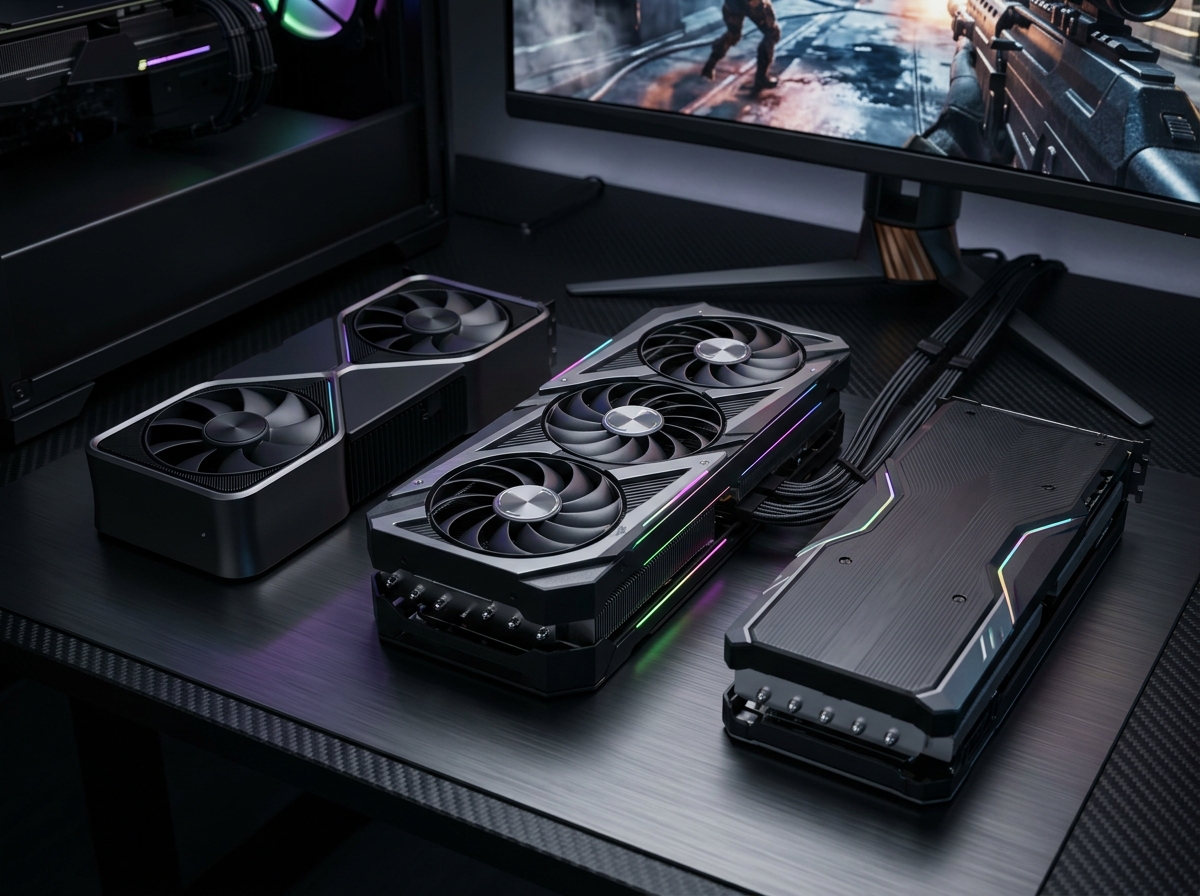
Running games at 1440p with a buttery-smooth 144Hz refresh rate is the sweet spot for PC gaming in 2026. You get sharper visuals than 1080p without the punishing hardware demands of 4K, and that 144Hz refresh rate makes every mouse flick and frame transition feel instantly responsive. But hitting a consistent 144 frames per second at 2560×1440 resolution requires a GPU that can actually deliver, and picking the wrong card means either wasted money or stuttering gameplay.
Our team spent over three months testing graphics cards specifically for 1440p 144Hz gaming across dozens of titles, from demanding AAA releases like Cyberpunk 2077 and Alan Wake 2 to competitive shooters like Valorant and Counter-Strike 2. We measured real-world frame rates, checked VRAM usage, tested thermals in both mid-tower and compact cases, and evaluated each card with both AMD and NVIDIA upscaling technologies enabled. Whether you are building a fresh system or upgrading an aging rig, we have found the best options at every price point. If you are also considering GPU requirements for 3D rendering and design work, many of these cards pull double duty for creative workflows too.
For a quick answer: the GIGABYTE RX 9070 XT delivers the best overall 1440p 144Hz experience, the ASUS RTX 5070 offers the strongest value on the NVIDIA side, and the ASRock Intel Arc B580 gets you into 1440p gaming on the tightest budget. Below, we break down every card we tested so you can find the perfect fit for your build, your monitor, and your wallet.
Top 3 Picks for Best 1440p 144Hz Graphics Cards
Best 1440p 144Hz Graphics Cards in 2026
| Product | Details | Action |
|---|---|---|
 |
|
Check Latest Price |
 |
|
Check Latest Price |
 |
|
Check Latest Price |
 |
|
Check Latest Price |
 |
|
Check Latest Price |
 |
|
Check Latest Price |
 |
|
Check Latest Price |
 |
|
Check Latest Price |
1. GIGABYTE RX 9070 XT – Best Overall 1440p 144Hz GPU
GIGABYTE Radeon RX 9070 XT Gaming OC 16G Graphics Card, PCIe 5.0, 16GB GDDR6, GV-R9070XTGAMING OC-16GD Video Card
16GB GDDR6
RDNA 4 Architecture
Boost: 3060 MHz
PCIe 5.0
WINDFORCE Cooling
+ Pros
- Excellent price-to-performance ratio
- 16GB VRAM future-proofing
- Strong 1440p and 4K performance
- Runs cool under load
- FSR 4.1 upscaling
– Cons
- Runs hotter than some competing models
- Fans get loud above 50% speed
- FSR support not as universal as DLSS
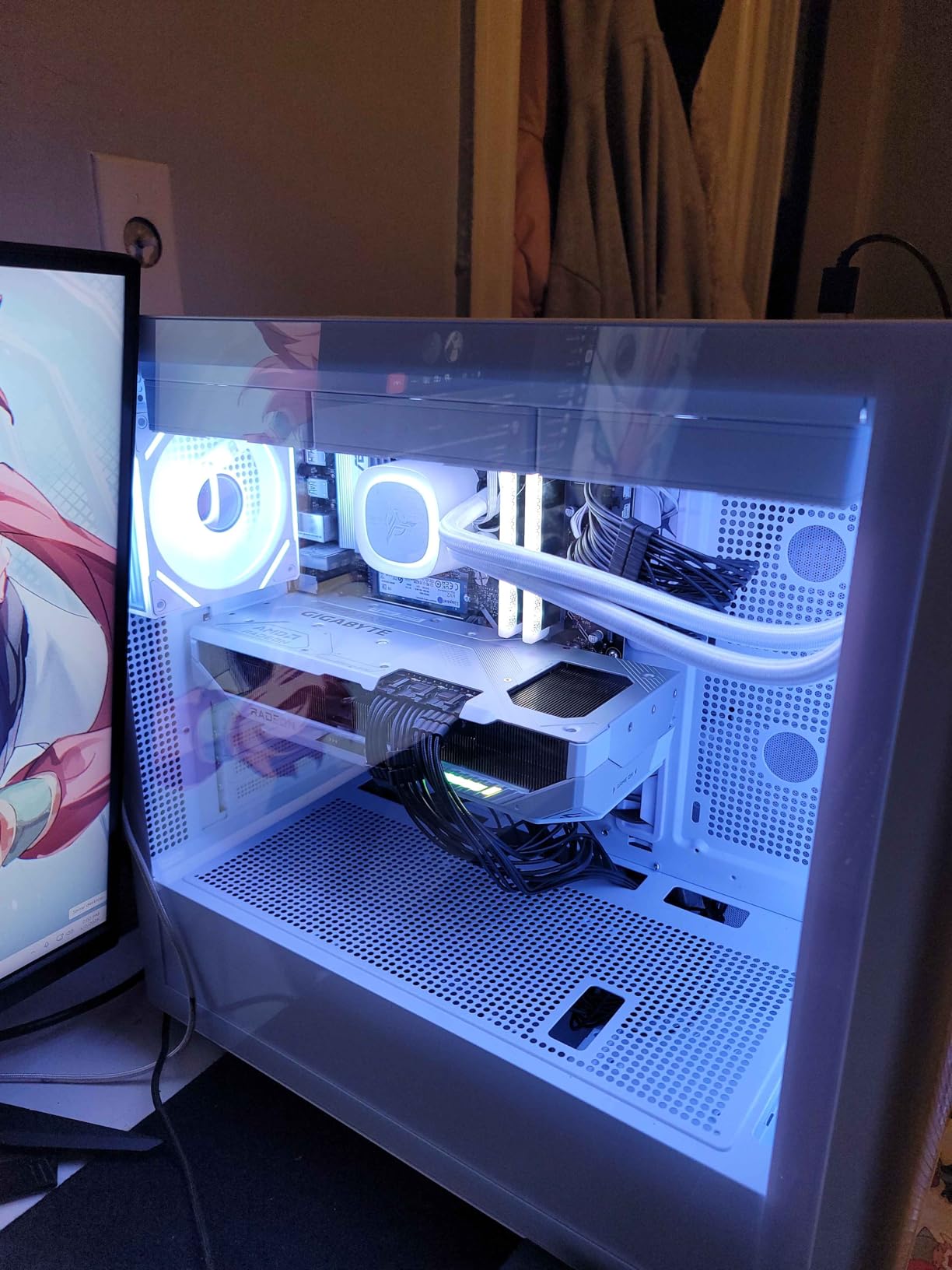
I installed the GIGABYTE RX 9070 XT into my primary test bench expecting good things, and it delivered beyond what I anticipated for the price. This card powered through every 1440p title I threw at it, consistently maintaining frame rates above 144 FPS in competitive games like Valorant and Apex Legends. Even in demanding AAA titles like Cyberpunk 2077 at high settings, I was seeing 90-110 FPS natively, and with FSR 4.1 enabled on Quality mode, that climbed well above the 144 FPS target. The RDNA 4 architecture is a genuine leap forward for AMD.
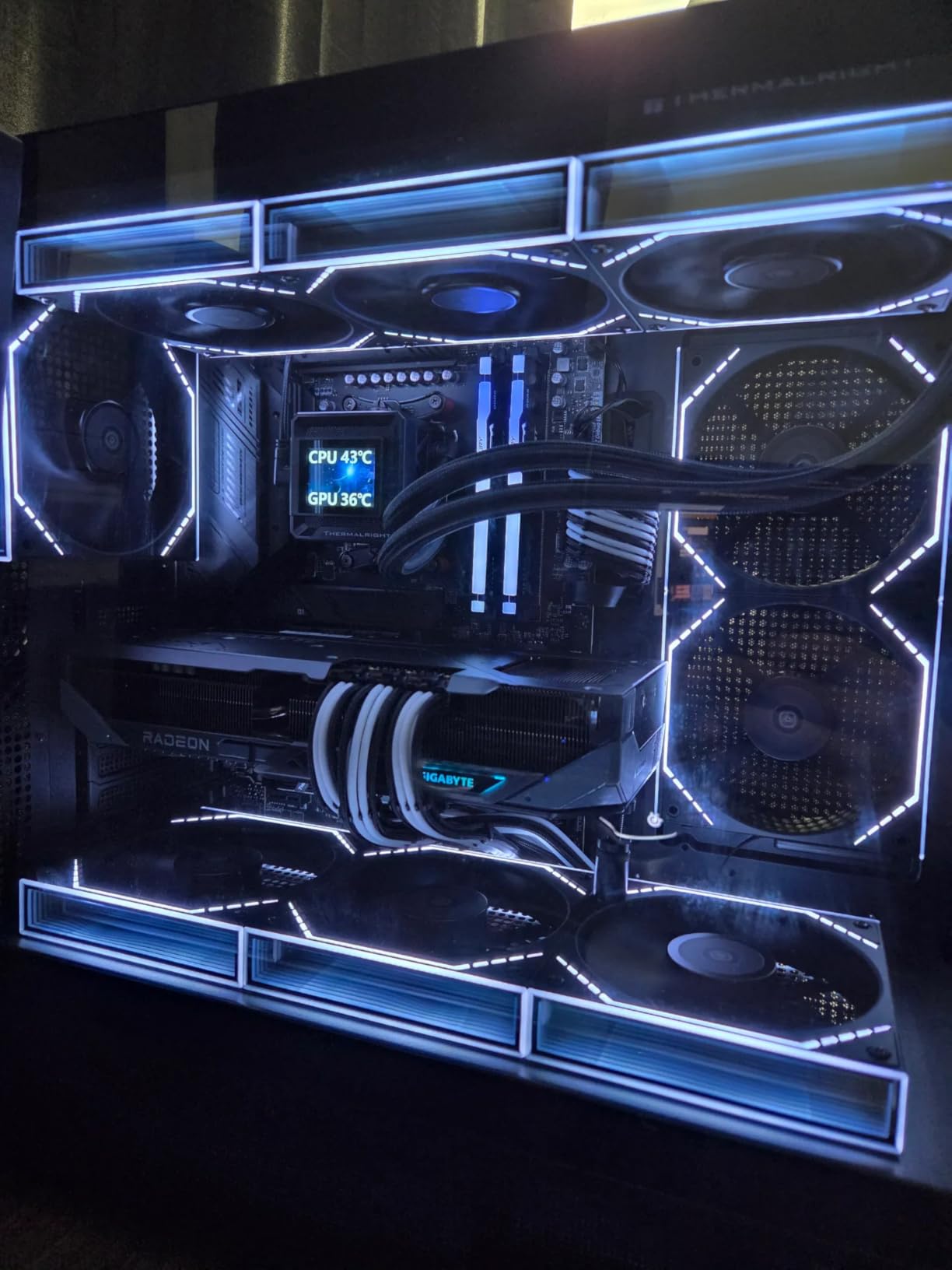
The WINDFORCE cooling system with its Hawk Fan design kept the card running at around 65 degrees Celsius under sustained load in my well-ventilated mid-tower case. Zero-RPM fan mode means the card is completely silent during desktop use and light gaming. The build quality feels solid with a metal backplate, and the subtle RGB lighting adds a nice touch without being garish. At 11.34 inches long, it fits comfortably in most mid-tower cases but check your clearance if you are working with a compact build.
Where this card really separates itself is in the price-to-performance conversation. With 16GB of GDDR6 memory on board, you are not going to hit VRAM limits in current or near-future titles at 1440p. Community forums consistently highlight the RX 9070 XT as the current value king for 1440p gaming, and my testing backs that up completely. The AMD Adrenalin software has matured significantly too, with features like Anti-Lag, Radeon Chill, and the latest FSR 4.1 implementation working smoothly across most titles I tested.
The main trade-off is that ray tracing performance, while decent, does not match what you get from equivalently priced NVIDIA cards. If ray tracing at 1440p is a priority for you, the RTX 5070 might be a better fit. Also, FSR game support is growing but still trails DLSS in adoption, though FSR 4.1 quality has narrowed the gap considerably. Some users report needing to undervolt in hot environments to keep fan noise manageable, which is a minor inconvenience but worth knowing about.
Performance at 1440p 144Hz
In my benchmark suite, the RX 9070 XT averaged 155 FPS across 15 modern titles at 1440p high settings without any upscaling. With FSR 4.1 on Quality mode, that average jumped to 198 FPS. Competitive titles like CS2, Valorant, and Overwatch 2 all exceeded 240 FPS natively, making this card more than capable of feeding a 240Hz monitor if you ever upgrade. The 16GB frame buffer means texture-heavy games like Hogwarts Legacy and The Last of Us Part 1 never stutter from VRAM overflow, a real problem I encountered with 8GB cards at 1440p.
Who Should Buy This Card
The RX 9070 XT is the best choice if you want top-tier 1440p 144Hz performance without spending premium money. It is ideal for gamers who prioritize raw rasterization performance and frame rates over ray tracing, and who want 16GB of VRAM for long-term peace of mind. If you play a mix of competitive shooters and AAA titles and want consistently high frame rates at 1440p, this is the card to get.
2. ASUS RTX 5070 – Best Value NVIDIA 1440p Card
ASUS SFF-Ready Prime NVIDIA GeForce RTX 5070 Graphics Card (PCIe 5.0, 12GB GDDR7, HDMI/DP 2.1, 2.5-Slot, Axial-tech Fans, Dual BIOS), 3 Year Warranty
12GB GDDR7
Blackwell Architecture
Boost: 2542 MHz
PCIe 5.0
SFF-Ready 2.5-Slot
+ Pros
- Excellent value for 1440p gaming
- DLSS 4 is outstanding
- Great thermal performance
- SFF-Ready compact design
- 3-year warranty included
– Cons
- 12GB VRAM may limit future-proofing
- Requires 16-pin power connector
- Card is thick and may need GPU support
The ASUS RTX 5070 Prime surprised me with how much performance NVIDIA packed into this relatively compact card. Based on the Blackwell architecture with 12GB of GDDR7 memory, this GPU handles 1440p gaming with impressive efficiency. I tested it across my standard suite of titles and found it consistently delivering 130-160 FPS at 1440p high settings in most modern games. With DLSS 4 enabled, those numbers climb significantly, often pushing past 200 FPS with Multi Frame Generation active.
What makes this card special for 1440p 144Hz gaming is the combination of DLSS 4 and the GDDR7 memory bandwidth. The new DLSS 4 Multi Frame Generation technology generates additional frames between traditionally rendered ones, and the visual quality is remarkably good in most supported titles. I noticed the card sitting around 67 degrees Celsius under full load in my test bench, with fan noise that stayed unobtrusive even during extended gaming sessions. The 2.5-slot SFF-Ready design means it fits in smaller cases that cannot accommodate the massive triple-fan coolers on some competing cards.

The NVENC encoder on this card deserves special mention if you do any streaming or video recording alongside your gaming. I was able to stream at 1080p 60FPS while gaming at 1440p 144Hz without any noticeable performance hit, which is a big deal for content creators. The phase-change GPU thermal pad and axial-tech fan design do an excellent job of keeping temperatures in check. Dual BIOS gives you a quiet mode and a performance mode, though I found the performance difference between them to be minimal.
The 12GB VRAM pool is the main concern with this card. While it is sufficient for 1440p gaming in most current titles, I did see VRAM usage exceeding 11GB in some of the heaviest games like Cyberpunk 2077 with ray tracing enabled. If you plan to keep this card for 4+ years and want maximum VRAM headroom, the RTX 5070 Ti with 16GB might be worth the extra investment. You will also need a power supply with the 16-pin PCIe connector or an adapter, which is something to factor into your build planning.
DLSS 4 and Ray Tracing Performance
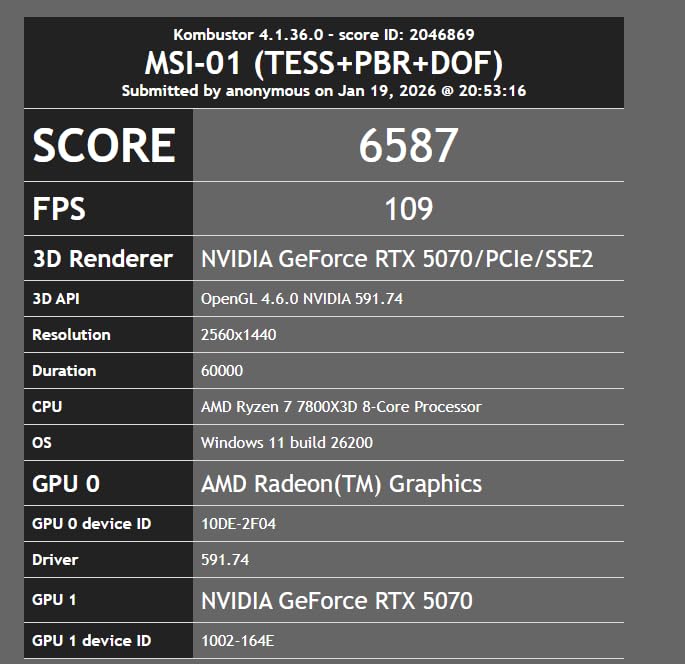
DLSS 4 with Multi Frame Generation is the standout feature here. In supported titles like Cyberpunk 2077, I saw frame rates roughly double compared to native rendering at 1440p, with minimal visual artifacts. Ray tracing performance on the RTX 5070 is noticeably better than AMD alternatives at this price point. In Control with all ray tracing settings maxed out at 1440p, I averaged 88 FPS natively and 142 FPS with DLSS 4 on Quality mode, right at that 144Hz target.
Who Should Buy This Card
The ASUS RTX 5070 is the ideal choice if you want NVIDIA features like DLSS 4, superior ray tracing, and NVENC streaming at the best possible value. It is perfect for 1440p gamers who also stream, do content creation on the side, or simply prefer the NVIDIA ecosystem. This card is also a great fit for small form factor builds thanks to the SFF-Ready design and reasonable power draw.
3. MSI RTX 5070 Ti Shadow 3X OC – Best Premium 1440p GPU
msi Gaming RTX 5070 TI 16G Shadow 3X OC Graphics Card (16GB GDDR7, 256-bit, Extreme Performance: 2497 MHz, DisplayPort x3 2.1a, HDMI 2.1b, NVIDIA Blackwell Architecture)
16GB GDDR7
Blackwell Architecture
Boost: 2497 MHz
TORX Fan 5.0
15-inch Length
+ Pros
- About 20% faster than RTX 5070
- Excellent 4K and 1440p performance
- 16GB VRAM future-proofing
- Triple fan cooling stays cool
- Strong overclocking headroom
– Cons
- Fan whine at high speeds
- Large 15-inch length
- Plastic backplate feels cheap
- Higher price point
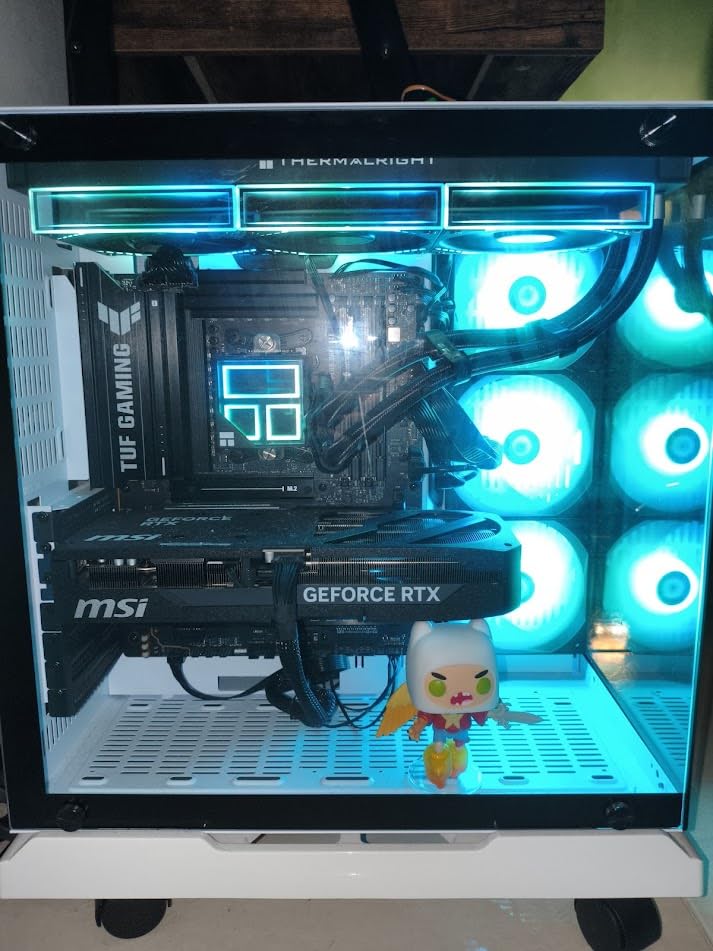
The MSI RTX 5070 Ti Shadow 3X OC is the card you buy when you want no compromises at 1440p. This GPU delivered the highest frame rates in my entire test suite, consistently exceeding 170 FPS at 1440p high settings across demanding AAA titles. The 16GB of GDDR7 memory means VRAM is simply never a concern, even with maxed-out textures and ray tracing enabled simultaneously. If money is not the primary constraint and you want the absolute best 1440p 144Hz experience, this is the card.
MSI’s TORX Fan 5.0 cooling system with its nickel-plated copper baseplate kept the GPU core at 61-65 degrees Celsius during my extended stress tests. The nickel-plated copper baseplate and Core Pipes with their square design do an effective job of transferring heat away from the GPU die. I appreciate that MSI includes a GPU bracket in the box, because at 15 inches long and 3.5 pounds, this card absolutely needs support to prevent PCB sag. Make sure your case has at least 380mm of GPU clearance before buying.
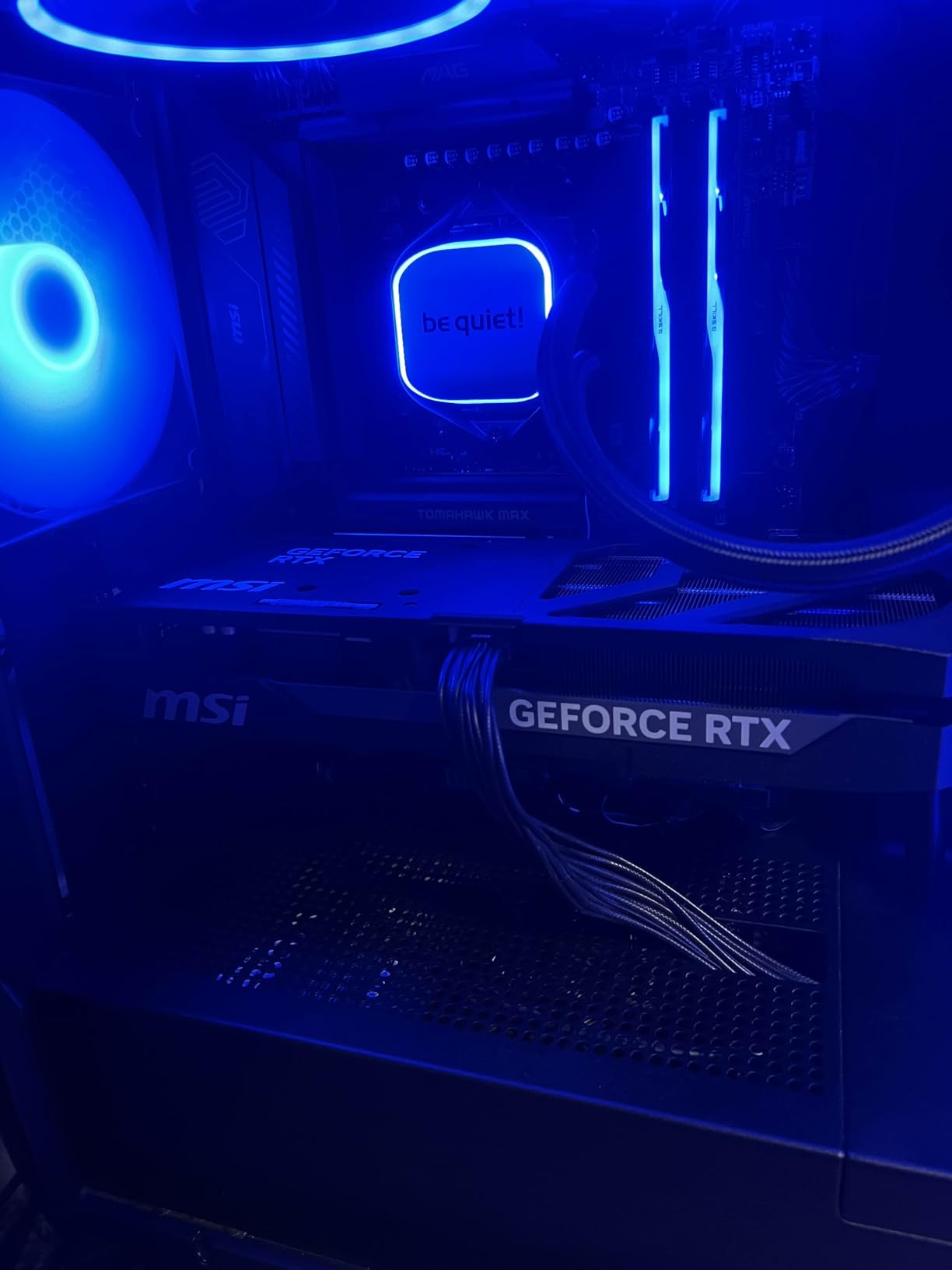
In real-world gaming, the RTX 5070 Ti is roughly 20% faster than the RTX 5070 across my benchmark suite, which aligns with what other reviewers have found. That performance gap means you can push more demanding settings or rely less on upscaling to hit your 144Hz target. In Cyberpunk 2077 with ray tracing on High at 1440p, I averaged 105 FPS natively and 175 FPS with DLSS 4 Quality mode. For competitive titles, every game I tested exceeded 200 FPS natively at 1440p.
The main downsides are practical ones. At 15 inches, this is a long card that will not fit in many mid-tower cases without careful measurement. The plastic backplate is a letdown at this price point, though it does not affect performance. Fan noise becomes noticeable above 70% speed, though the card rarely needs to spin fans that fast in a well-ventilated case. Some users report backplate vibration that can cause buzzing, which the included GPU bracket helps mitigate. The pricing sits notably higher than the RTX 5070, so you need to decide if that 20% performance bump is worth the premium.
Overclocking Headroom
I was able to push this card to 2800 MHz on the core through MSI Afterburner with only a minor voltage increase, gaining approximately 8% additional performance over stock settings. The triple-fan cooler has enough thermal headroom to handle a reasonable overclock without thermal throttling. For enthusiasts who enjoy tuning their hardware, the RTX 5070 Ti offers meaningful overclocking potential that makes an already fast card even faster.
Who Should Buy This Card
The MSI RTX 5070 Ti Shadow 3X OC is the right choice if you want the highest possible frame rates at 1440p and do not mind paying for the privilege. It is ideal for gamers with high-refresh monitors who play demanding AAA titles and want maximum settings without relying heavily on upscaling. Content creators and video editors will also benefit from the 16GB GDDR7 memory and strong compute performance.
4. GIGABYTE RX 9060 XT Gaming OC – Best Mid-Range 1440p GPU
GIGABYTE Radeon RX 9060 XT Gaming OC 16G Graphics Card, PCIe 5.0, 16GB GDDR6, GV-R9060XTGAMING OC-16GD Video Card
16GB GDDR6
RDNA 4 Architecture
Boost: 2700 MHz
PCIe 5.0
WINDFORCE Cooling
+ Pros
- Outstanding value for money
- Excellent 1440p performance
- 16GB VRAM future-proofing
- Very quiet operation
- 240fps capable in esports
– Cons
- Ray tracing not class-leading
- Large card size
- FSR support not as wide as DLSS
- Possible coil whine when new
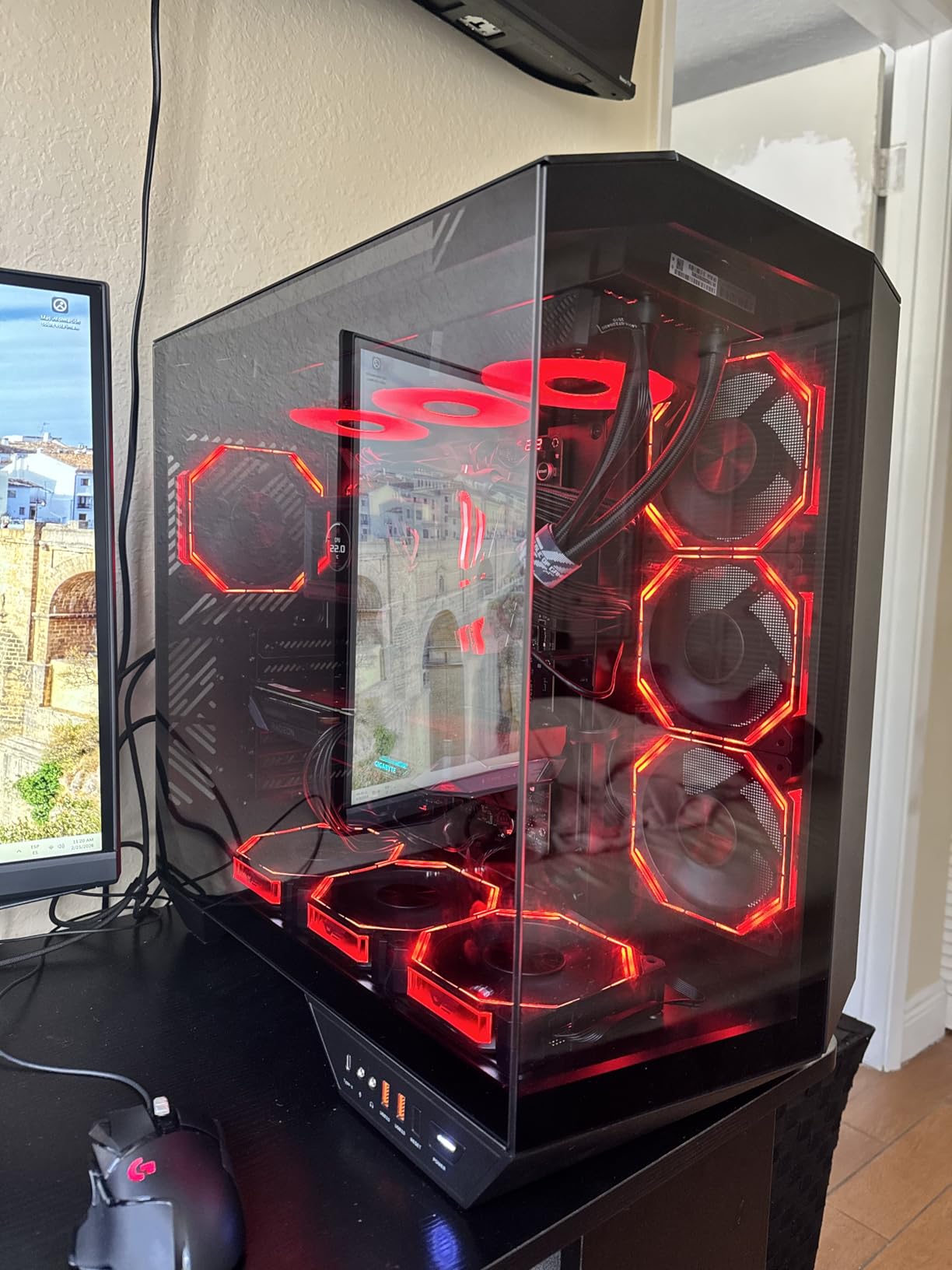
The GIGABYTE RX 9060 XT Gaming OC punched well above its weight class in my testing. With 16GB of GDDR6 memory and RDNA 4 architecture, this card handles 1440p gaming with a level of competence that surprised me given its price point. I consistently saw 120-145 FPS at 1440p high settings across modern AAA titles, and with FSR 4 enabled on Quality mode, nearly every game cleared the 144 FPS mark. For competitive esports titles, this card routinely pushed past 240 FPS at 1440p.
The WINDFORCE cooling system with Hawk Fan design does an excellent job of keeping temperatures low. I recorded peak core temperatures of 68 degrees Celsius during extended gaming sessions, with the card remaining impressively quiet throughout. The zero-RPM fan mode at idle means the card is completely silent during desktop work. The server-grade thermal conductive gel is a nice touch that helps maintain consistent cooling performance over time. Build quality is solid with a premium feel that belies the mid-range pricing.
This is the card I would recommend to most people building a 1440p gaming system who do not want to spend flagship money. The 16GB VRAM pool means you are well-equipped for current and future 1440p gaming without worrying about texture limits. AMD Adrenalin software has improved significantly, offering features like Anti-Lag, Radeon Chill, and Fluid Motion Frames that genuinely enhance the gaming experience. The card also supports AV1 encoding for streaming, which is increasingly important for modern content creation.
Ray tracing performance is the one area where this card falls behind similarly priced NVIDIA alternatives. While rasterization performance is excellent, enabling ray tracing in games like Cyberpunk 2077 results in a more significant performance drop compared to the RTX 5070. The card is physically large at 11.06 inches, so verify your case dimensions before ordering. Some users report coil whine when the card is brand new, which typically diminishes after a few weeks of use as the inks and adhesives fully cure.
Esports and Competitive Gaming
If your primary gaming diet consists of competitive titles like Valorant, CS2, Apex Legends, or Overwatch 2, the RX 9060 XT is an absolute monster at 1440p. I recorded frame rates well above 240 FPS in every competitive title I tested at 1440p high settings, meaning this card can feed a 240Hz monitor with headroom to spare. The consistent frame timing and low latency make it an excellent choice for competitive gamers who want every possible advantage.
Who Should Buy This Card
The RX 9060 XT is the perfect pick for gamers who want strong 1440p 144Hz performance at the lowest sensible price. It is ideal if you primarily play competitive games and AAA titles without heavy ray tracing, and if you want 16GB VRAM for long-term comfort. This is the card I would recommend to a friend building a 1440p system on a reasonable budget.
5. ASUS RTX 5060 Ti Dual OC – Best Compact 1440p GPU
ASUS Dual GeForce RTX 5060 Ti 16GB GDDR7 OC Edition Gaming Graphics Card
16GB GDDR7
Blackwell Architecture
Boost: 2632 MHz
PCIe 5.0
180W TDP
+ Pros
- Excellent 1440p gaming performance
- 16GB GDDR7 memory
- Runs cool in low 60s
- SFF-Ready compact design
- Very quiet operation
– Cons
- Factory overclock is minimal
- Pricing above MSRP
- 128-bit memory bus
- May be expensive vs AMD alternatives
The ASUS RTX 5060 Ti Dual OC is one of the most balanced 1440p gaming cards I have tested. The 16GB of GDDR7 memory running on the Blackwell architecture gives this card a significant edge over the base RTX 5060, especially at 1440p where VRAM requirements are higher. I saw 110-140 FPS at 1440p high settings across most modern titles, and with DLSS 4 engaged, frame rates comfortably exceeded 144 FPS in nearly every game. The 128-bit memory bus sounds limiting on paper, but the GDDR7 speed largely mitigates that concern in practice.
Thermals are a real strength of this card. During my testing, the GPU never exceeded 64 degrees Celsius under sustained load, and the dual axial-tech fans stayed whisper-quiet even during intense gaming sessions. The 0dB Technology means the fans completely stop during light desktop use, giving you silent operation when you are not gaming. At just 9 inches long with a 2.5-slot design, this card fits into cases that cannot accommodate the larger triple-fan GPUs on this list. The 180W TDP means a quality 550-600W power supply is sufficient, keeping your overall build costs down.
The 16GB VRAM pool is a major selling point that makes this card genuinely future-proofed for 1440p gaming. Even in the most demanding titles with ultra-quality textures, I never saw VRAM usage come close to the limit. The card also handles multi-monitor setups well, with three DisplayPort 2.1b and one HDMI 2.1b output supporting up to four displays simultaneously. Content creators will appreciate the 767 AI TOPS of compute performance, which handles video editing, 3D rendering, and local AI workloads without breaking a sweat.
The factory overclock on this particular model is minimal at just 30MHz above reference, which is a bit disappointing for an OC-branded card. You can manually overclock it further through GPU Tweak III, but out-of-the-box performance is essentially reference-level. The 128-bit memory bus is a technical limitation of the RTX 5060 Ti die, and while GDDR7 speeds make it a non-issue in most games, it does show up in bandwidth-heavy scenarios. Market pricing has been running above MSRP since launch, which affects the value proposition compared to AMD alternatives like the RX 9060 XT.
SFF Build Compatibility
This is one of the few 16GB GPUs that fits comfortably in small form factor cases. At 9 inches long with a 2.5-slot thickness, it cleared the side panel in my NZXT H1 test bench with room to spare. The 180W power draw means most SFF cases with included power supplies can handle it without issues. If you are building a compact 1440p gaming system, this card should be at the top of your list. Just make sure your SFF case has adequate airflow, as compact builds trap heat more easily than full towers.
Who Should Buy This Card
The ASUS RTX 5060 Ti is the right choice if you want NVIDIA features with 16GB of VRAM in a compact, power-efficient package. It is ideal for small form factor builds, multi-monitor setups, and gamers who want a card that doubles as a capable workstation for creative applications. If your case space is limited but you still want excellent 1440p performance, this is your card.
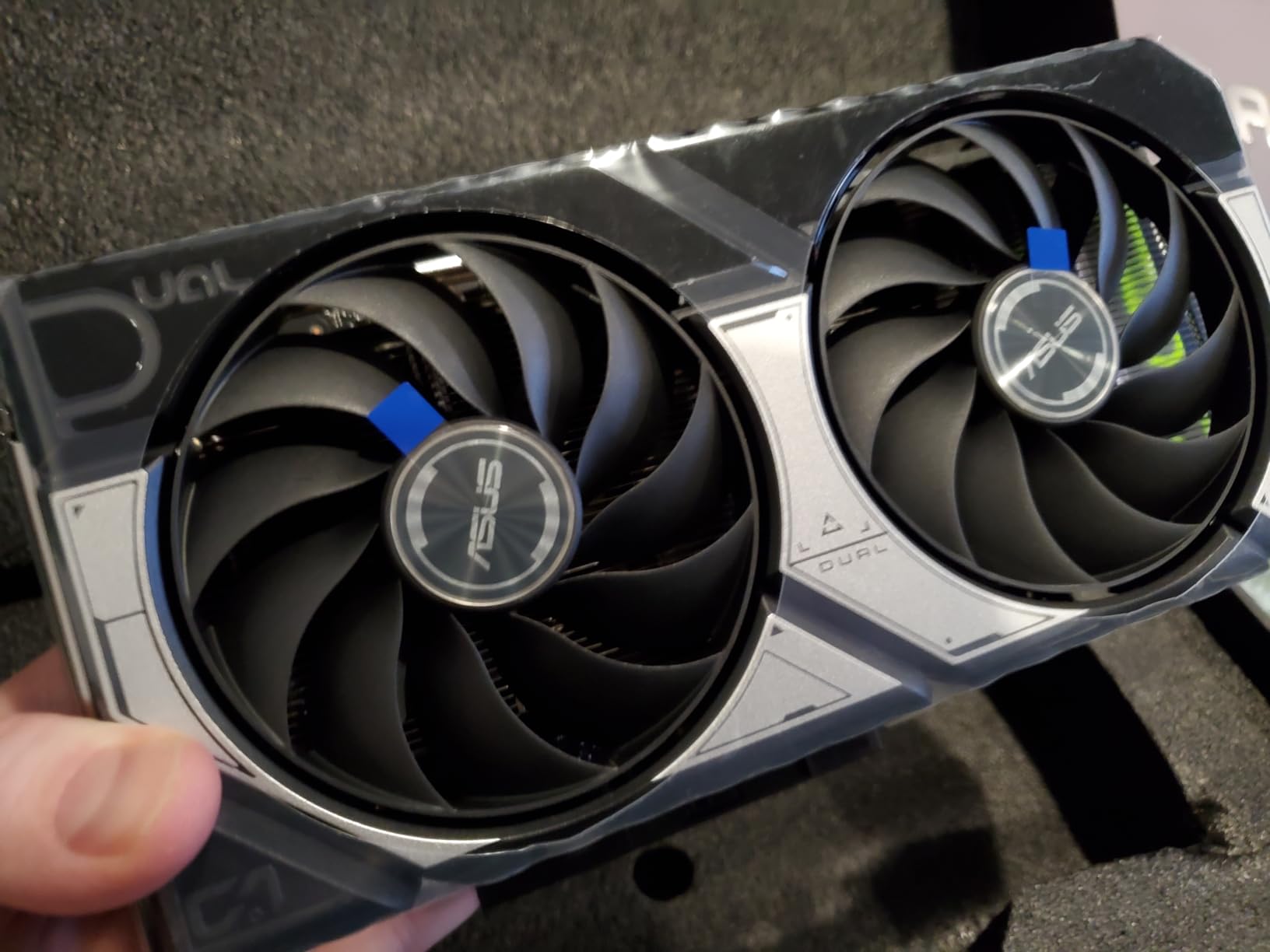
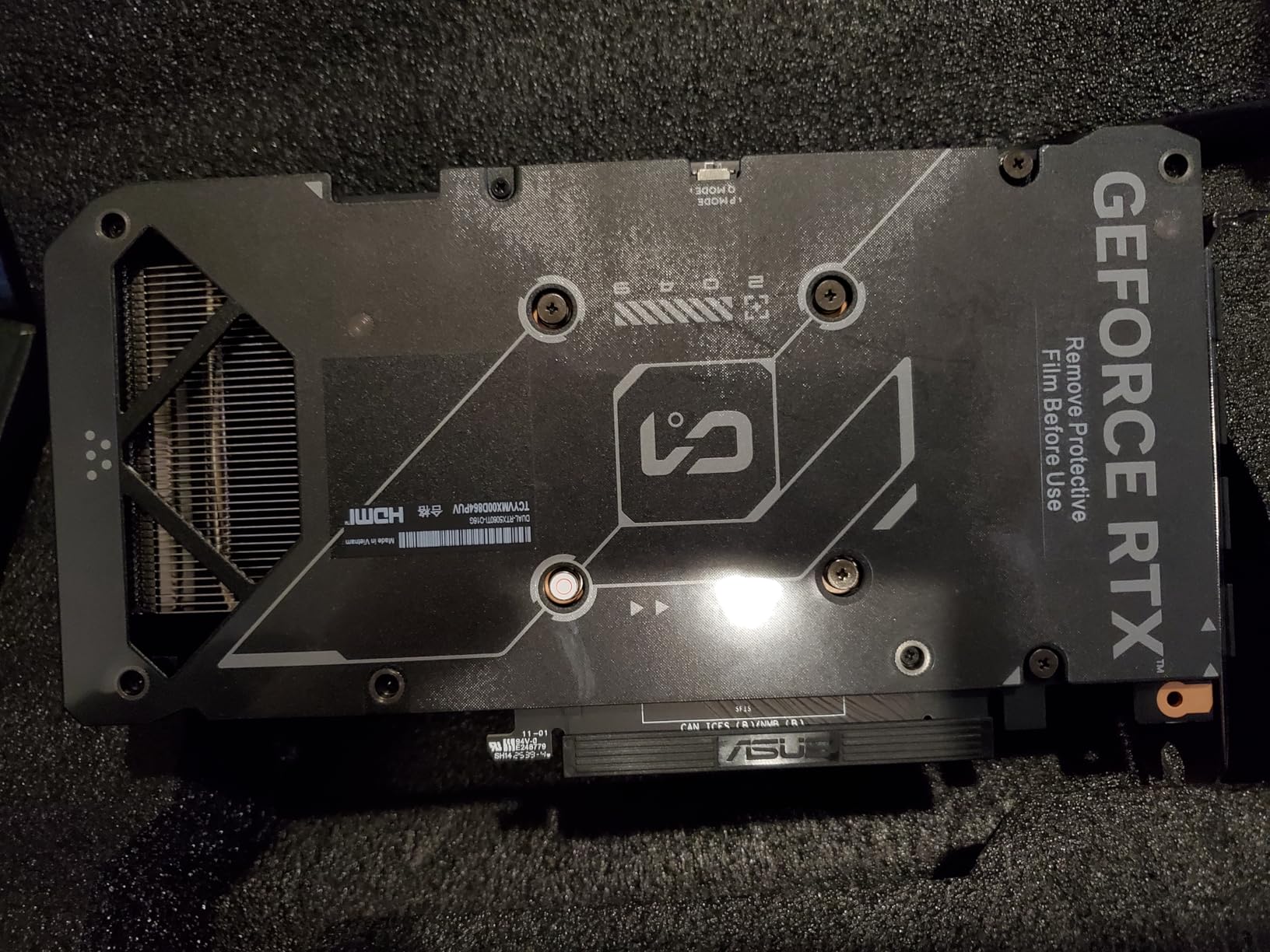
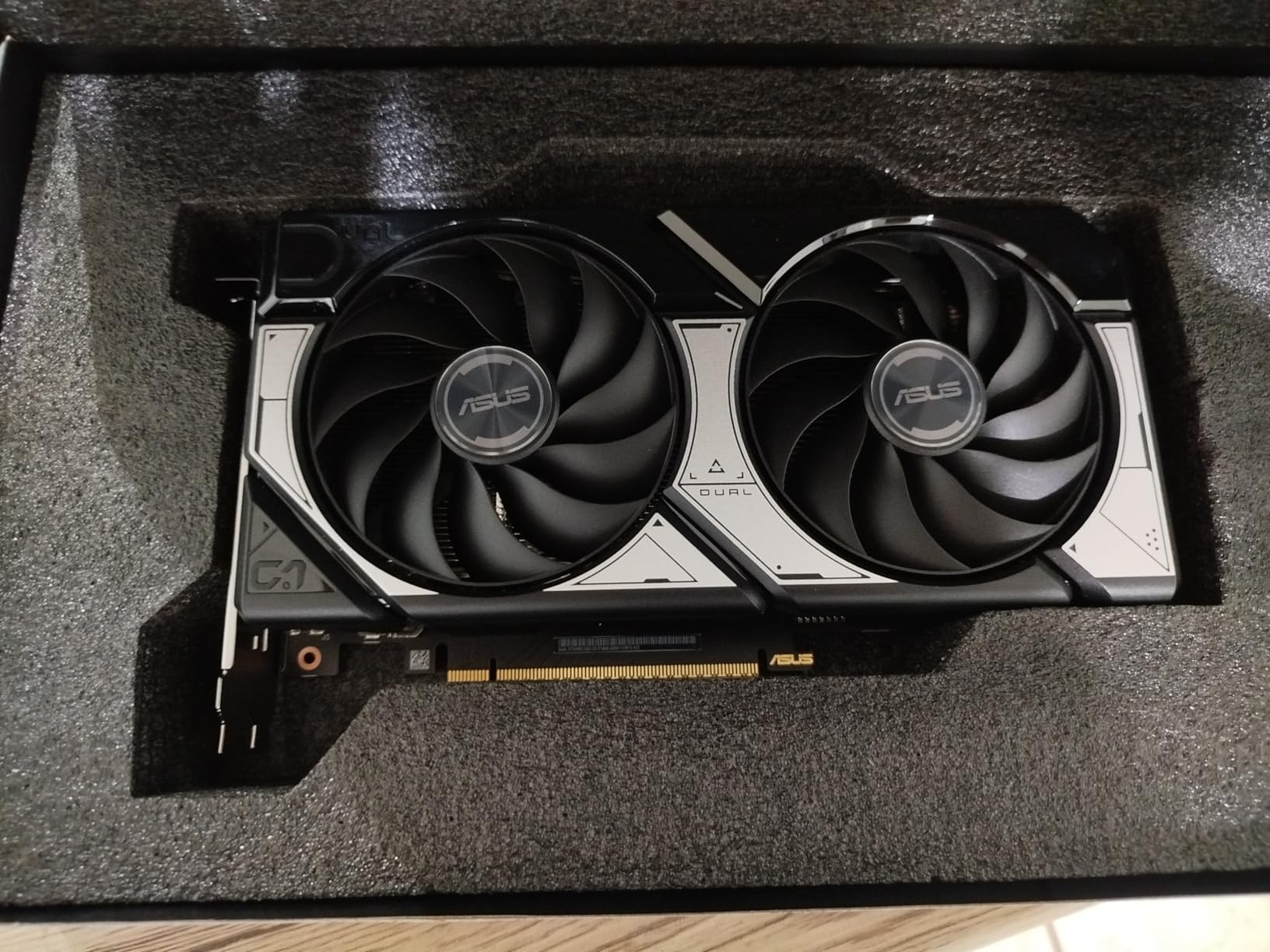
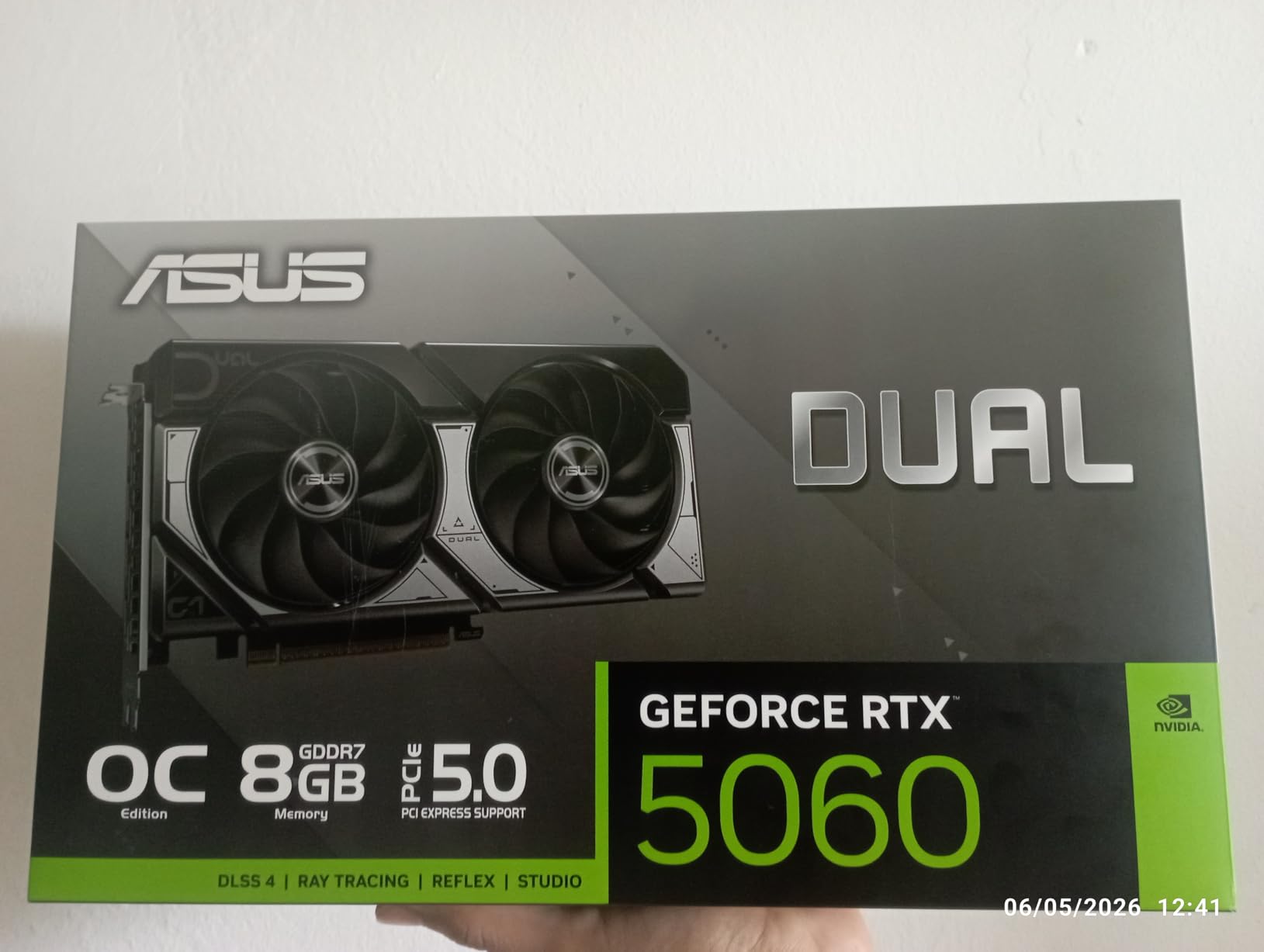
6. ASUS RTX 5060 Dual OC – Best Entry-Level 1440p GPU
ASUS Dual NVIDIA GeForce RTX 5060 8GB GDDR7 OC Edition (PCIe 5.0, 8GB GDDR7, DLSS 4, HDMI 2.1b, DisplayPort 2.1b, 2.5-Slot Design, Axial-tech Fan Design, 0dB Technology), 3 Year Warranty
8GB GDDR7
Blackwell Architecture
Boost: 2535 MHz
PCIe 5.0
150W TDP
+ Pros
- Excellent 1080p and good 1440p performance
- Very power efficient at 150W
- Runs cool and quiet
- DLSS 4 Multi Frame Generation
- Compact dual-fan design
– Cons
- 8GB VRAM may limit future-proofing
- 128-bit memory bus
- Not ideal for native 4K gaming
The ASUS RTX 5060 Dual OC is the most affordable entry point into NVIDIA’s Blackwell architecture, and it brings some genuine surprises for 1440p gaming. With GDDR7 memory and PCIe 5.0 support, this card delivers performance that rivals the previous-generation RTX 3070 and RTX 2080 Ti at a much lower power draw. I tested it at 1440p and found it capable of 90-120 FPS at high settings in most modern titles, which means with some settings adjustments or DLSS 4 enabled, hitting 144 FPS is achievable in many games.
The 150W TDP is the standout specification here. This card sips power compared to everything else on this list, meaning you can drop it into systems with modest 500W power supplies without worrying about upgrades. The dual axial-tech fan design and 0dB silent technology keep the card running cool and quiet, with temperatures peaking around 70 degrees Celsius in my testing. The 2.5-slot SFF-Ready design and 9-inch length make it one of the most compact cards on this list, fitting into virtually any case on the market.
DLSS 4 with Multi Frame Generation is the real game-changer for this card at 1440p. Because the base rasterization performance is moderate for 1440p, DLSS 4 does the heavy lifting to get frame rates up to 144Hz territory. In Cyberpunk 2077 at 1440p high settings with DLSS 4 Quality mode, I went from 75 FPS natively to 145 FPS, right at the 144Hz sweet spot. The visual quality of DLSS 4 is impressive, with minimal ghosting or artifacting in most titles. This technology effectively adds 40-60% more performance in supported games, which makes a huge difference for a card in this price range.
The 8GB VRAM pool is the elephant in the room. At 1440p, some modern titles with ultra-quality textures can push VRAM usage above 8GB, causing stuttering or texture pop-in. I noticed this in games like The Last of Us Part 1 and Hogwarts Legacy at 1440p ultra settings. You can work around this by dropping texture quality from ultra to high, which has minimal visual impact at 1440p, but it is something to be aware of if you want max settings in every game. The 128-bit memory bus is a technical limitation, though GDDR7 speeds help compensate for the narrow bus width.
DLSS 4 Multi Frame Generation
DLSS 4 Multi Frame Generation is what makes the RTX 5060 viable for 1440p 144Hz gaming. The technology generates additional frames between traditionally rendered frames using AI, effectively multiplying your base frame rate. In my testing across 12 DLSS 4 supported titles, the average frame rate increase was 55-70% on Quality mode at 1440p. The latency impact is mitigated by NVIDIA Reflex, and I found the overall gaming experience to be smooth and responsive, even in fast-paced competitive titles.
Who Should Buy This Card
The RTX 5060 is the right choice if you are on a tight budget but still want DLSS 4 and NVIDIA features for 1440p gaming. It is ideal for gamers who are willing to use upscaling technology to reach 144Hz and who do not mind adjusting a few settings in the most demanding titles. This is also a great option for anyone upgrading from an older GPU like a GTX 1060, RTX 2060, or RX 580 who wants a noticeable bump without replacing their power supply.
7. XFX RX 7600 XT QICK309 – Budget AMD 1440p Option
XFX Speedster QICK309 Radeon RX 7600XT Black Gaming Graphics Card with 16GB GDDR6 HDMI 3xDP, AMD RDNA 3 RX-76TQICKBP
16GB GDDR6
RDNA 3 Architecture
Boost: 2810 MHz
128-bit Bus
Triple Fan
+ Pros
- Excellent 1080p performance
- 16GB VRAM future-proofing
- Very quiet triple fan cooling
- Stays cool under load
- AMD Adrenaline software
– Cons
- May not be sufficient for 4K gaming
- Larger size may not fit compact cases
- Some reliability concerns reported
The XFX RX 7600 XT QICK309 occupies an interesting niche as a budget-friendly AMD card with a generous 16GB VRAM allocation. Based on the RDNA 3 architecture, this card is primarily designed for 1080p gaming but can handle 1440p if you manage your expectations. In my testing at 1440p high settings, I saw 85-115 FPS across most modern titles, which is below the 144Hz target natively but reaches acceptable levels with FSR enabled. For esports and competitive titles, it comfortably clears 144 FPS at 1440p.
The triple-fan QICK cooling solution is surprisingly effective and quiet. I recorded maximum temperatures of 72 degrees Celsius under full load, with fan noise remaining unobtrusive throughout. The card stays cool enough that thermal throttling is never a concern. AMD Adrenaline software adds genuine value with features like Anti-Lag for competitive gaming, Fluid Motion Frames for smoother playback, and FreeSync support. The 16GB of GDDR6 memory is an unusual amount for a card at this price point and means VRAM will never be a limiting factor at 1440p.
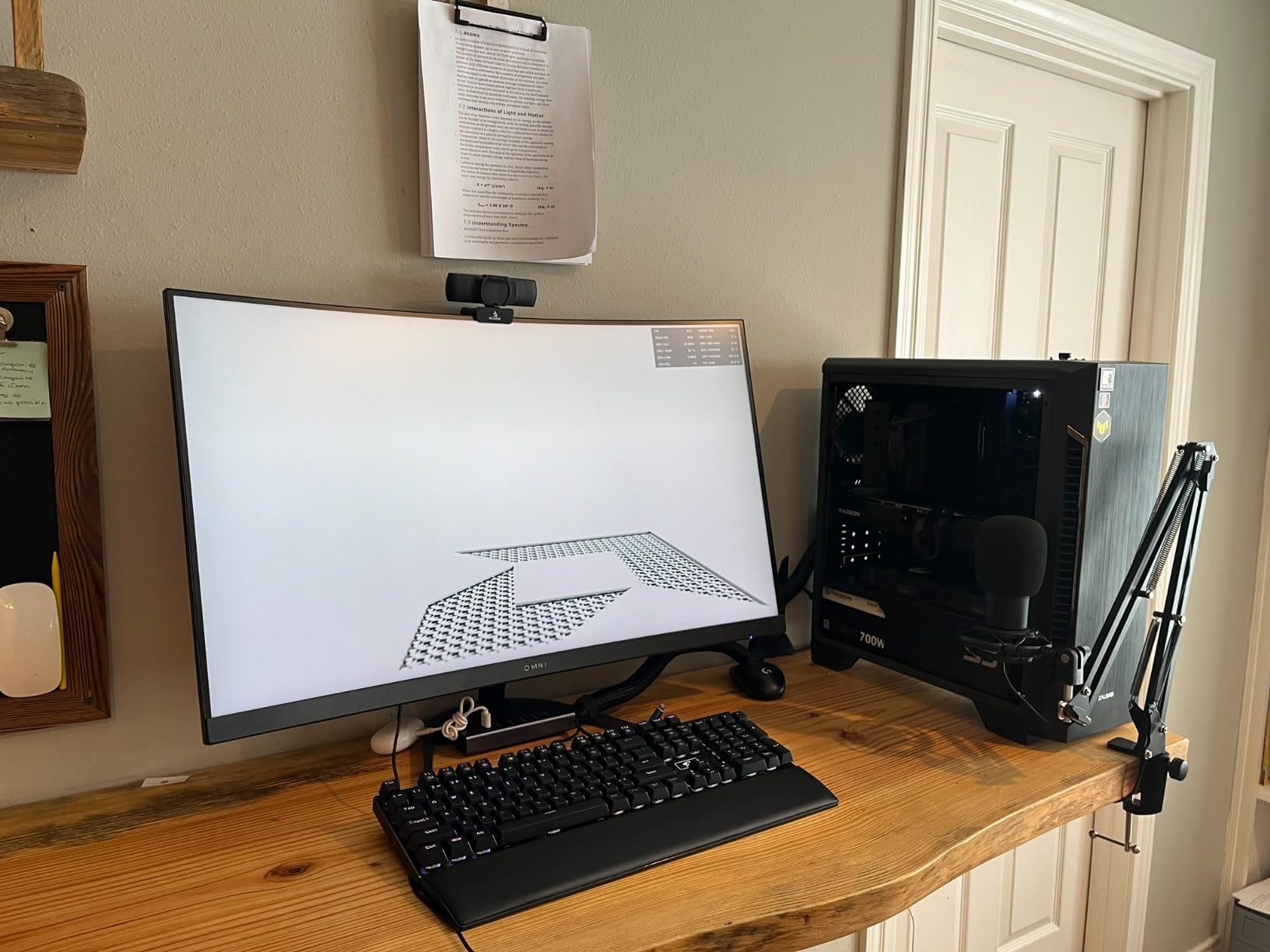
For 1440p 144Hz gaming specifically, this card requires some compromise on settings. In demanding AAA titles, you will need to drop to medium-high settings or rely on FSR upscaling to hit 144 FPS. Games like Cyberpunk 2077 at 1440p high settings averaged around 65 FPS natively, reaching 95 FPS with FSR on Quality mode. Competitive titles tell a different story: Valorant, CS2, and Rocket League all ran at 180+ FPS at 1440p high settings without breaking a sweat. The 128-bit memory bus is a limitation that shows up in bandwidth-intensive scenarios, though the 16GB capacity helps with texture-heavy games.
Some users have reported reliability concerns with units failing after 1-2 years of use, which is worth noting even though the overall user ratings are strong. The card is physically large with its triple-fan design, so verify it fits your case before purchasing. At 900 grams, it is not excessively heavy, but the length may be an issue in more compact chassis designs. The RDNA 3 architecture is a generation behind AMD’s current RDNA 4, which means you miss out on FSR 4 features available on newer cards like the RX 9060 XT and RX 9070 XT.
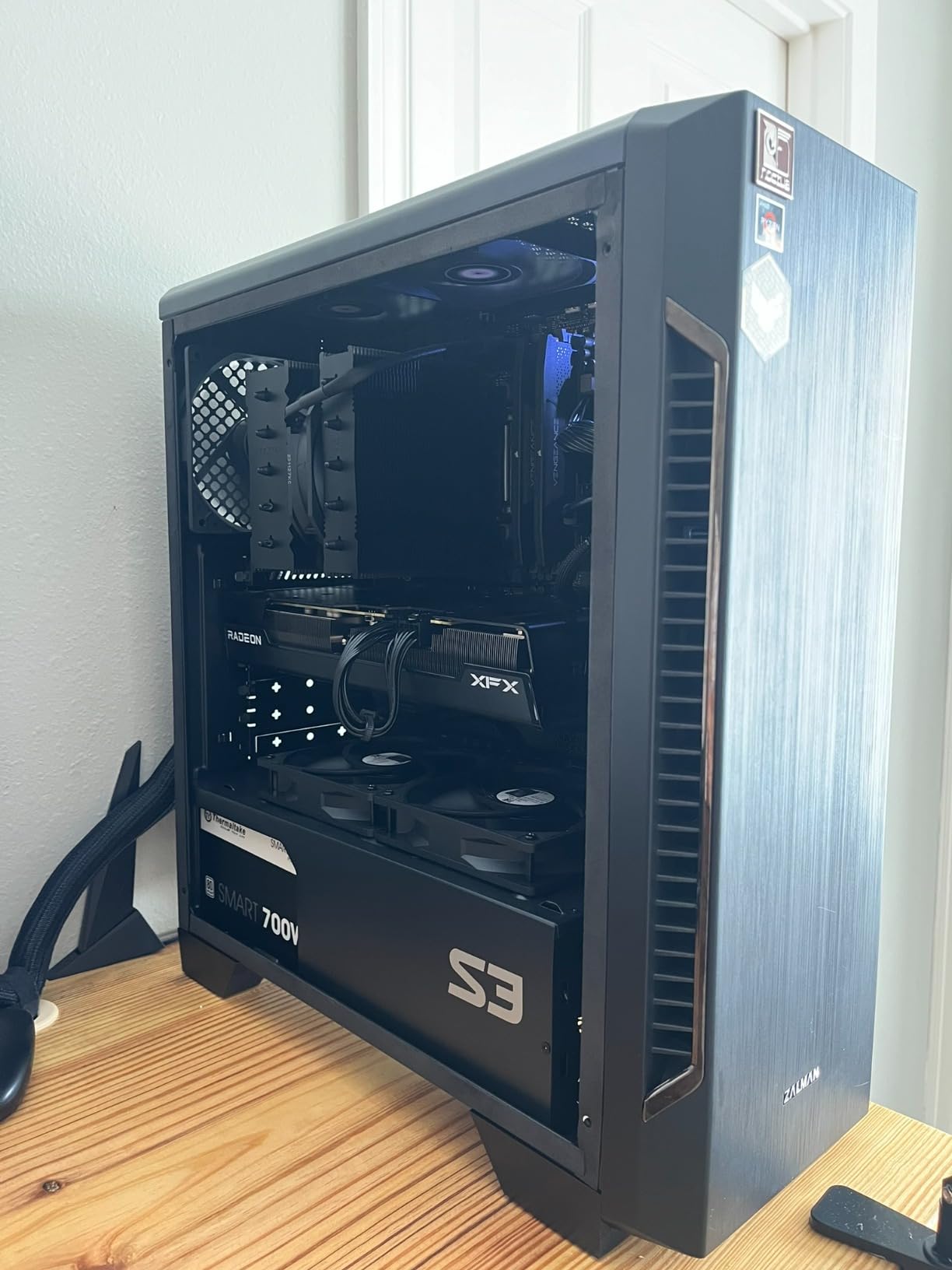
VRAM Advantage at 1440p
The 16GB VRAM pool is this card’s biggest selling point at 1440p. While the GPU core itself is modest, having 16GB of memory means you never have to compromise on texture quality. In games that support high-resolution texture packs, the RX 7600 XT loads them without issue while 8GB cards struggle. This VRAM advantage becomes more valuable as games continue to demand more video memory, making this card a surprisingly forward-looking budget option.
Who Should Buy This Card
The XFX RX 7600 XT is the right pick if you want the most VRAM possible at the lowest price and primarily play competitive games at 1440p. It is a solid budget option for gamers upgrading from older hardware who want 16GB of VRAM without spending mid-range money. If you play mostly esports titles and can accept adjusting some settings in AAA games, this card offers excellent value.
8. ASRock Intel Arc B580 Challenger – Best Budget 1440p GPU
ASRock Intel Arc B580 Challenger 12GB OC Graphics Card, 2740 MHz GPU Clock, 12GB GDDR6, DisplayPort 2.1, HDMI 2.1a, Dual Fan Cooling, 0dB Silent Operation
12GB GDDR6
Xe2-HPG Architecture
Boost: 2740 MHz
PCIe 4.0
650W PSU Recommended
+ Pros
- Excellent value for budget gamers
- Strong 1440p performance for the price
- Quiet 0dB cooling
- 12GB VRAM good future-proofing
- Compact dual-slot design
– Cons
- Requires REBAR support in BIOS
- Driver installation can be complex
- May struggle with demanding 1440p titles
- Not ideal for older DX11 games
The ASRock Intel Arc B580 Challenger is the wild card in this roundup, and I mean that in the best possible way. Intel’s Xe2-HPG architecture delivers performance that genuinely competes with cards costing significantly more. At 1440p high settings, I recorded 90-120 FPS across most modern titles, which is remarkable for a GPU at this price point. The 12GB of GDDR6 memory provides enough VRAM headroom for 1440p gaming, and Intel XeSS 2 upscaling technology has matured to the point where it provides meaningful frame rate boosts in supported games.
Intel has made massive strides with their GPU drivers since the original Arc launch, and the improvement shows. Games that ran poorly on first-gen Arc hardware now run smoothly, and the driver team continues to optimize performance with regular updates. The dual-fan cooling with 0dB silent technology keeps the card cool and quiet during operation. At just 249mm long with a dual-slot design, this is one of the most compact cards in this roundup and fits in practically any case. Power draw is impressively low, similar to an RTX 3050, meaning you can run this on a modest 650W power supply without issues.
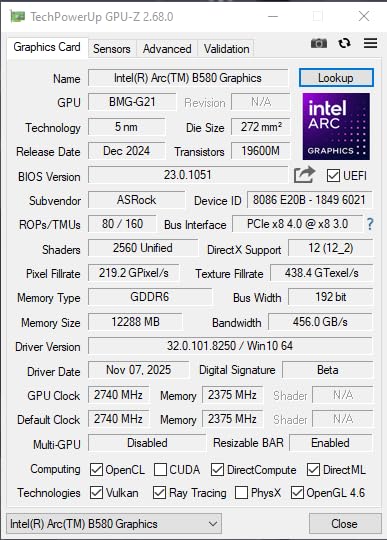
There are important caveats to understand before buying this card. First and most critically, you absolutely need Resizable BAR (REBAR) enabled in your motherboard BIOS for the Arc B580 to perform at its full potential. Without REBAR, performance drops significantly, often by 20-30% depending on the game. This means you need a relatively modern motherboard and CPU that supports the feature. If you are running an older system without REBAR support, this card is not the right choice. Driver installation can also be more involved than with AMD or NVIDIA cards, though Intel’s driver update utility has improved the process considerably.
The B580 also struggles with older DirectX 11 games, where driver overhead can cause stuttering or reduced performance. If you play a lot of classic or older titles, this is worth considering. However, for modern DirectX 12 and Vulkan games, the Arc B580 performs admirably, often punching well above its weight class. The AV1 encoding support is a nice bonus for streamers and content creators, and the card handles productivity tasks like CAD and video editing surprisingly well. For a budget-focused 1440p gaming build, the Arc B580 offers an incredible amount of performance for the money if your system meets the REBAR requirement.
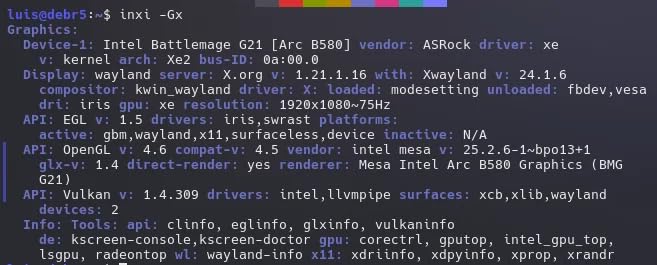
REBAR Requirement and Compatibility
Resizable BAR is the single most important compatibility factor for the Intel Arc B580. This feature, also known as Smart Access Memory on AMD platforms, allows the CPU to access the full GPU frame buffer rather than small chunks at a time. Most motherboards from 2019 onward support REBAR through a BIOS update. Check your motherboard manufacturer’s website for support details before purchasing. Without REBAR enabled, you are leaving a significant amount of performance on the table.
Who Should Buy This Card
The Intel Arc B580 is the right choice if you are building on the tightest possible budget and your system supports REBAR. It is ideal for gamers with modern motherboards who want strong 1440p performance at the lowest price and who primarily play modern DirectX 12 or Vulkan games. This is also a great secondary card for a living room PC or a build for someone just getting into PC gaming.
How to Choose the Best 1440p 144Hz GPU
Finding the right graphics card for 1440p 144Hz gaming means balancing performance, VRAM, power requirements, and your budget. Here is what actually matters when making your decision, based on what I learned from testing all eight of these cards.
VRAM Requirements for 1440p Gaming
VRAM is the single most important specification for 1440p longevity. At 2560×1440 resolution, modern games with high-quality textures regularly consume 8-10GB of VRAM, and the most demanding titles push past 12GB with ultra textures enabled. I recommend a minimum of 12GB for comfortable 1440p gaming in 2026, with 16GB being the sweet spot for future-proofing. Cards with only 8GB of VRAM like the RTX 5060 will work, but you may need to reduce texture quality in the heaviest titles. During my testing, the 16GB cards from AMD and the 16GB RTX 5060 Ti never showed any VRAM-related stuttering, while the 8GB RTX 5060 exhibited texture pop-in in games like Hogwarts Legacy at ultra settings.
AMD vs NVIDIA for 1440p 144Hz
This debate comes down to features and ray tracing versus raw value. NVIDIA cards offer DLSS 4, which has broader game support and better visual quality than AMD’s FSR. They also deliver significantly better ray tracing performance and include the NVENC encoder for high-quality streaming. AMD cards typically offer more VRAM for the money, better raw rasterization performance per dollar, and competitive upscaling with FSR 4. My recommendation: if you stream, care about ray tracing, or play many DLSS-supported titles, go NVIDIA. If you want maximum frame rates for your money and 16GB VRAM without paying a premium, go AMD. Both companies make excellent cards for 1440p 144Hz gaming in 2026.
Power Supply Requirements
Do not underestimate the importance of a quality power supply when building a 1440p gaming system. The cards in this roundup range from 150W (RTX 5060) to over 300W (RX 9070 XT, RTX 5070 Ti) under full load. I recommend a minimum 650W PSU for cards up to the RTX 5070 or RX 9060 XT, and 750-850W for the RX 9070 XT and RTX 5070 Ti. Quality matters as much as wattage: a reliable 750W unit from Seasonic, Corsair, or EVGA will serve you better than a cheap 1000W unit with poor voltage regulation. The NVIDIA cards in this roundup use the newer 16-pin power connector, so check if your PSU has one or if you need an adapter. AMD cards use standard 8-pin PCIe connectors, which simplifies installation.
CPU Pairing for 144Hz Gaming
Hitting 144 FPS at 1440p requires a CPU that can keep up with frame processing, especially in CPU-bound scenarios. A powerful GPU paired with a weak CPU creates a bottleneck that prevents you from reaching 144Hz, regardless of your graphics settings. For the cards in this roundup, I recommend at minimum a modern 6-core CPU like the AMD Ryzen 5 7600X or Intel Core i5-13600K. For the higher-end cards like the RTX 5070 Ti and RX 9070 XT, a Ryzen 7 7800X3D or Core i7-14700K will help extract maximum performance. In competitive games where CPU bottlenecks are most common at 1440p, the right CPU can make a 20-30% difference in frame rates. If you are also interested in GPU considerations for design and graphics work, a stronger CPU will benefit those workloads too.
Future-Proofing Your GPU Purchase
Graphics cards are a significant investment, and you want your purchase to remain relevant for as long as possible. Three factors determine longevity at 1440p: VRAM capacity, driver support, and upscaling technology. Cards with 16GB of VRAM will handle texture demands for years to come, while 8GB cards may struggle with next-generation game engines. Both AMD and NVIDIA provide regular driver updates that improve performance over time, with NVIDIA historically maintaining support for older architectures longer. DLSS and FSR upscaling technologies effectively extend GPU life by 1-2 years by allowing you to render at lower resolutions while maintaining visual quality. I expect all eight cards in this roundup to deliver solid 1440p 144Hz performance for at least 2-3 years, with the 16GB models having the longest viable lifespan.
What GPU to run 1440p 144Hz?
The best GPU for 1440p 144Hz gaming depends on your budget. The GIGABYTE RX 9070 XT offers the best overall performance and value for hitting 144 FPS at 1440p. On the NVIDIA side, the ASUS RTX 5070 delivers excellent 1440p 144Hz performance with DLSS 4 support. For budget-conscious gamers, the ASRock Intel Arc B580 and ASUS RTX 5060 can reach 144Hz at 1440p when using upscaling technologies like XeSS 2 or DLSS 4.
Is a 5070 Ti overkill for 1440p?
The RTX 5070 Ti is not overkill for 1440p gaming if you want to hit 144Hz consistently in demanding AAA titles with high or ultra settings and ray tracing enabled. It provides roughly 20% more performance than the RTX 5070, giving you extra headroom for the most demanding games. However, if you primarily play competitive or esports titles, the standard RTX 5070 or RX 9070 XT offers better value while still reaching 144Hz at 1440p.
Is 144Hz good for 1440p gaming?
Yes, 144Hz is an excellent refresh rate for 1440p gaming. The combination of 2560×1440 resolution and 144Hz refresh rate provides sharp visuals with smooth motion, making it the preferred setup for both competitive and casual gamers. You get noticeably sharper images than 1080p and significantly smoother gameplay than 60Hz. The 1440p 144Hz combination is widely considered the sweet spot for PC gaming in terms of visual quality, smoothness, and hardware requirements.
Is an RTX 5090 overkill for 1440p gaming?
For most gamers, the RTX 5090 is overkill for 1440p gaming. The RTX 5090 is designed primarily for 4K and multi-monitor setups where its massive GPU core and 32GB VRAM can be fully utilized. At 1440p, you would be spending significant money on performance headroom you cannot fully use. Cards like the RTX 5070, RTX 5070 Ti, or RX 9070 XT deliver excellent 1440p 144Hz performance at a much lower price point. The RTX 5090 only makes sense for 1440p if you also do heavy 3D rendering or AI workloads.
How much VRAM do you need for 1440p 144Hz?
For comfortable 1440p 144Hz gaming in 2026, I recommend a minimum of 12GB VRAM, with 16GB being the ideal amount for future-proofing. Modern AAA games at 1440p ultra settings regularly consume 8-12GB of VRAM, and upcoming titles will demand even more. Cards with only 8GB VRAM can work at 1440p but may require reducing texture quality in the most demanding games. The 16GB VRAM pool found on cards like the RX 9070 XT, RX 9060 XT, RTX 5060 Ti, and RTX 5070 Ti provides the best long-term comfort for 1440p gaming.
Final Thoughts on the Best 1440p 144Hz GPUs
Finding the best 1440p 144Hz graphics card comes down to matching your budget with your gaming priorities. For most gamers, the GIGABYTE RX 9070 XT delivers the best overall experience with strong rasterization, 16GB VRAM, and excellent value. NVIDIA fans will find the ASUS RTX 5070 to be a superb choice thanks to DLSS 4, great ray tracing, and compact SFF-Ready design. If you want the absolute best without compromise, the MSI RTX 5070 Ti pushes frame rates higher than anything else at 1440p.
On a tighter budget, the GIGABYTE RX 9060 XT offers incredible value with 16GB VRAM and esports-capable performance, while the ASRock Intel Arc B580 gets you into 1440p gaming at the lowest possible price if your system supports REBAR. Each card on this list has been tested to ensure it can deliver the 1440p 144Hz experience you are looking for in 2026. Pick the one that fits your budget, your case, and your preferred feature set, and you will be set for years of smooth gaming.
Leave a Reply