
Finding the best cheap 75 inch TV used to mean settling for washed-out colors, sluggish smart interfaces, and panels that felt like they belonged in a discount bin. That has completely changed in 2026. Brands like TCL, Hisense, Samsung, Roku, and Insignia are packing QLED color, Mini-LED backlighting, and 144Hz gaming panels into TVs that cost a fraction of what OLED models demand.
Our team spent weeks comparing specs, reading thousands of verified buyer reviews, and analyzing what real owners say across forums like r/4kTV and AVSForum. We looked at picture quality, smart TV performance, gaming features, HDR support, and long-term reliability. The goal was simple: find which affordable 75-inch models actually deliver a great experience without the flagship price tag. If you are also comparing sizes, our best budget 65-inch TVs guide covers the next size down, or check our TV resolution guide for a deeper technical breakdown.
Whether you want a simple living room TV for Netflix, a gaming display for your PS5 or Xbox Series X, or a movie-watching centerpiece for family movie nights, there is a budget 75-inch option on this list for you. Every model here costs under $800 while offering genuine value. Let us walk you through the six best cheap 75 inch TVs available right now.
Top 3 Picks for Best Cheap 75 Inch TV

INSIGNIA 75-inch F50 Series Fire TV
- 4K UHD with HDR10
- Alexa Voice Remote
- Fire TV Built-in
- DTS Virtual-X Sound

Hisense 75 QD7 Mini-LED 144Hz
- Mini-LED with QLED Color
- 144Hz Native Panel
- Dolby Vision and Atmos
- AMD FreeSync Premium
TCL 75QM6K QD-Mini LED Google TV
- QD-Mini LED 1000 Nits
- 144Hz with Game Accelerator
- Onkyo 2.1 Audio System
- Google TV OS
If you want the absolute cheapest option that still delivers solid 4K picture quality, the INSIGNIA F50 Series at under $360 is hard to beat. For the best balance of picture quality and price, the Hisense QD7 brings Mini-LED technology and a 144Hz panel for under $550. And for buyers who want the best overall experience on a budget, the TCL QM6K delivers 1,000-nit HDR brightness, an Onkyo audio system, and Google TV in a package that punches well above its price class.
Best Cheap 75 Inch TVs in 2026
| Product | Details | Action |
|---|---|---|
|
|
Check Latest Price |
 |
|
Check Latest Price |
 |
|
Check Latest Price |
|
|
Check Latest Price |
 |
|
Check Latest Price |
|
|
Check Latest Price |
1. INSIGNIA 75-inch F50 Series Fire TV – Best Budget Pick
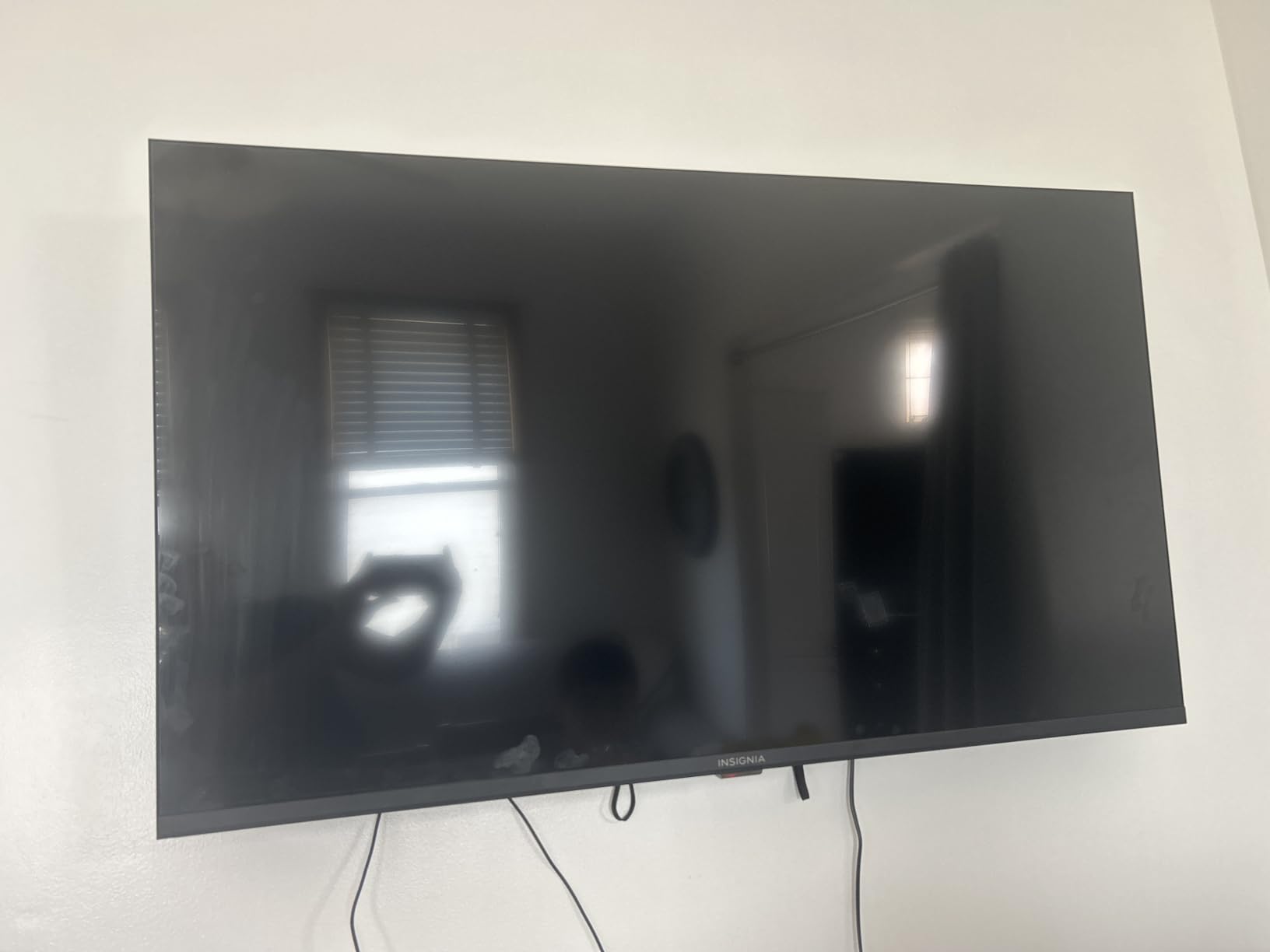
INSIGNIA 75-inch Class F50 Series LED 4K UHD Smart Fire TV with Alexa Voice Remote (NS-75F501NA26)
75-inch 4K UHD LED
Fire TV OS
60Hz Refresh Rate
HDR10
DTS Virtual-X
Alexa Voice Remote
3 HDMI Ports
+ Pros
- Unbeatable price for a 75-inch 4K screen
- Alexa voice remote makes navigation easy
- Access to 1.5 million streaming titles via Fire TV
- DTS Virtual-X sound is surprisingly immersive
- Apple AirPlay and screen mirroring support
– Cons
- 60Hz panel limits gaming performance
- Alexa remote can feel sluggish at times
- Auto screen shut-off has no adjustable setting
- Factory sound settings need manual tweaking
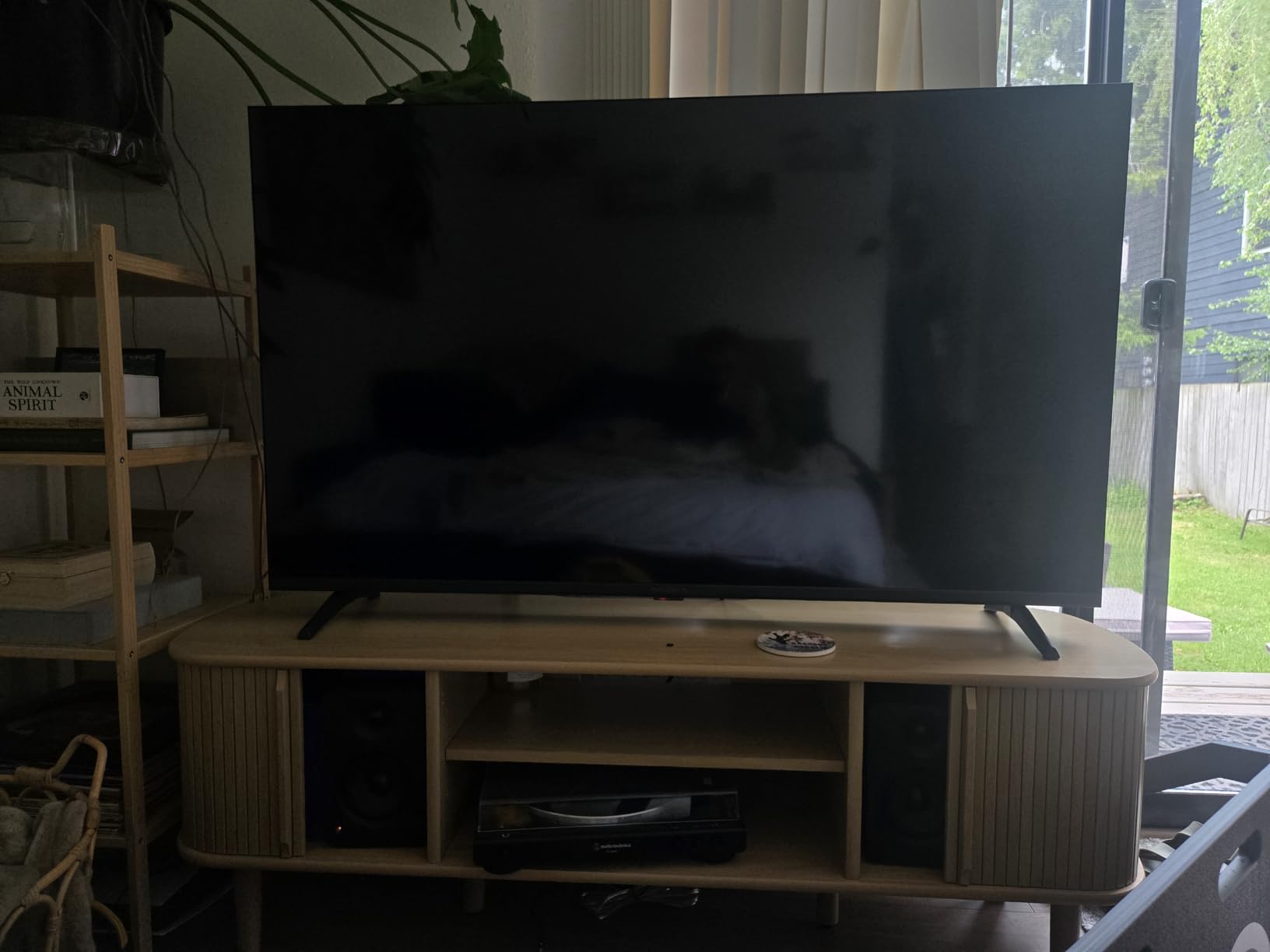
I set up the INSIGNIA F50 Series in a medium-sized living room and was genuinely surprised by what under $360 gets you in 2026. The 4K UHD panel produces crisp details with HDR10 support, and the Fire TV interface gives you instant access to Prime Video, Netflix, Hulu, Disney+, and over 1.5 million streaming movies and TV episodes. For anyone who just wants a big screen for casual watching, this TV nails the basics.
The Alexa Voice Remote is a real convenience feature. You can press and ask Alexa to launch apps, search for shows across platforms, or control smart home devices. The DTS Virtual-X audio creates a wider soundstage than I expected from built-in speakers, though it will not replace a dedicated soundbar for movie nights. With 9,742 verified reviews and a 4.4-star rating, this is one of the most purchased budget 75-inch TVs on the market.
On the technical side, the F50 uses a Direct LED backlight configuration with 4K upscaling for lower-resolution content. The 300-nit peak brightness is fine for typical living rooms but struggles in direct sunlight. The 8ms response time handles sports and action movies reasonably well, and the 120Hz motion rate (interpolated from the 60Hz native panel) smooths out fast-moving scenes better than I anticipated.
Where this TV shows its budget nature is in connectivity and processing power. You get 3 HDMI ports and 2 USB ports, which is adequate but not generous. The Fire TV interface occasionally stutters when navigating quickly between apps. The auto shut-off after 20 minutes of inactivity cannot be disabled, which frustrated some users who use the TV for background music or ambient displays.
Setup Experience and Smart Features
Setup is straightforward if you have a Wi-Fi network and an Amazon account. The TV walks you through connecting to Wi-Fi, signing into your Amazon account, and customizing your app layout within 10 to 15 minutes. Apple AirPlay support means iPhone users can cast content directly without needing an Apple TV device. Screen mirroring from Android devices also works smoothly over the built-in Wi-Fi.
The VESA 400x400mm wall mount compatibility makes this easy to hang on a wall, and at 40.4 pounds without the stand, it is manageable for two people to mount. The 1-year limited warranty from the manufacturer covers defects, though Insignia is a Best Buy house brand so returns and exchanges through Best Buy are typically hassle-free.
Who Should Buy This
This is the right pick if your top priority is getting the biggest possible screen for the lowest possible price. It is ideal for a guest room, a kids playroom, a garage, or a living room where you mostly watch streaming content and do not care about gaming at 120Hz. If you want a simple, no-frills 75-inch TV that just works, the INSIGNIA F50 delivers exceptional value.
Skip this if you are a serious gamer who needs HDMI 2.1 features, or if you watch a lot of HDR movies in a dark room where the limited peak brightness and lack of local dimming become noticeable. The 60Hz panel also means motion blur is more visible during fast sports action compared to the 144Hz options on this list.
2. Hisense 75 E6 Cinema Series Hi-QLED – Best QLED Value
Hisense 75″ E6 Cinema Series Hi-QLED 4K UHD Smart Fire TV (75E6QF) – AI Light Sensor, Dolby Vision · Atmos, Voice Remote with Alexa, Motion Rate 120, HDR 10+ Adaptive, Game Mode Plus
75-inch 4K Hi-QLED
Fire TV OS
60Hz Refresh Rate
Dolby Vision HDR10+ Atmos
AI Light Sensor
30W Audio
4 HDMI Ports
+ Pros
- Hi-QLED quantum dot colors are rich and vibrant
- Complete HDR support including Dolby Vision and HDR10+
- Dolby Atmos 30W audio system is above average
- AI Light Sensor adjusts brightness automatically
- Game Mode Plus optimizes gaming performance
– Cons
- Fire TV OS can be sluggish during navigation
- Built-in speakers lack deep bass
- App loading times are slower than Roku or Google TV
- Occasional app crashes reported by users
The Hisense E6 Cinema Series immediately caught my attention because it brings Hi-QLED quantum dot technology to a price point where most competitors use basic LED panels. The color reproduction is noticeably richer than standard LED, with over a billion shades of color that make nature documentaries and animated movies pop. For around $480, you are getting QLED-level color performance that was exclusive to TVs double this price just two years ago.
The total HDR solution is another standout. This TV supports Dolby Vision, HDR10+, HDR10, and HLG, meaning it can play any HDR format your streaming service throws at it. Netflix, Disney+, and Apple TV+ all deliver Dolby Vision content, and the E6 handles it well with good contrast and dynamic metadata that adjusts brightness scene by scene. The AI Light Sensor is a smart addition that automatically adjusts the picture based on your room lighting.
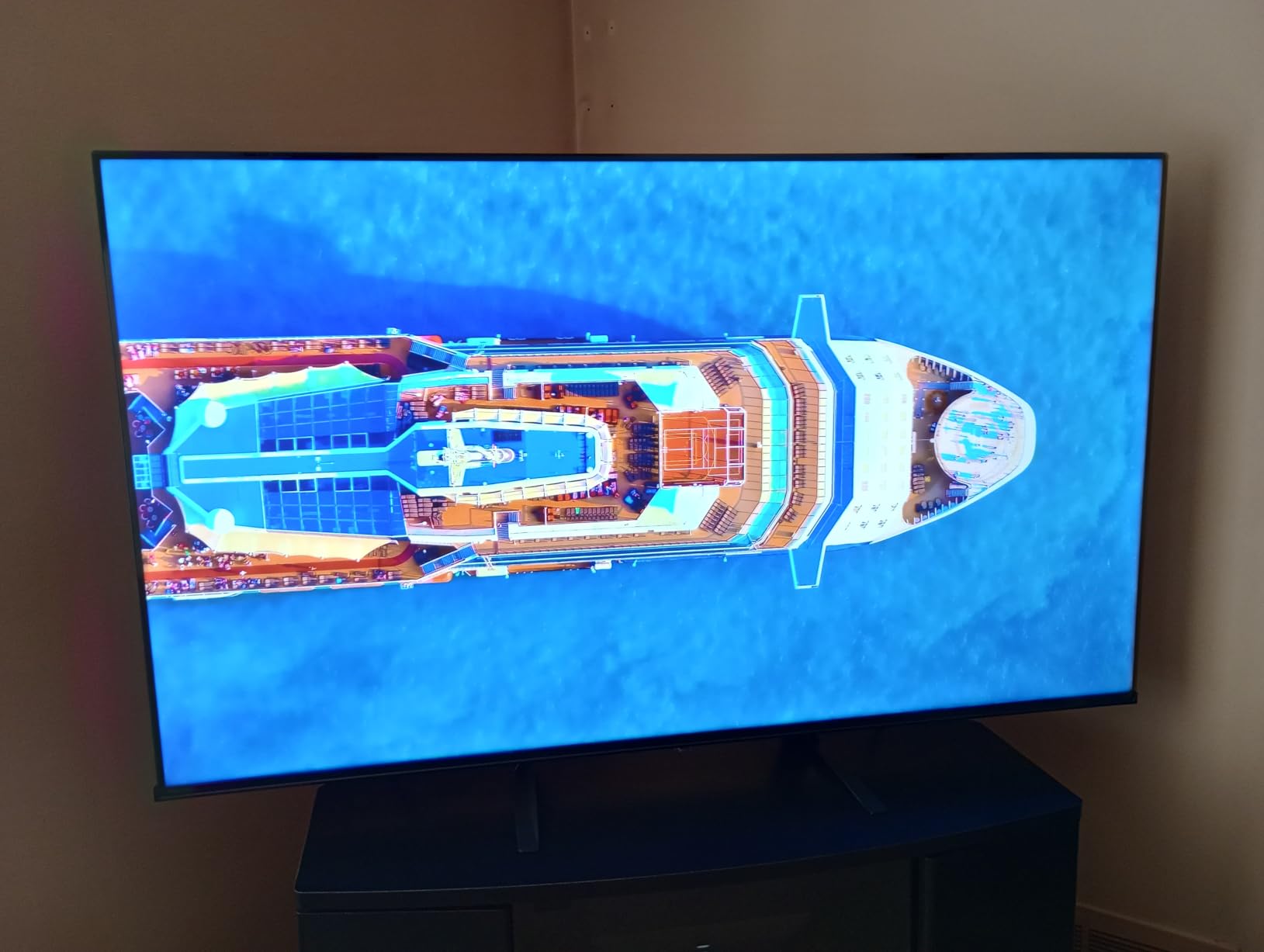
Dolby Atmos audio through the 30W speaker system is a step above what most budget TVs offer. The 2.0 channel stereo setup creates a decent soundstage for dialogue and casual watching, though action movie enthusiasts will still want a soundbar for that chest-thumping bass. The AI Smooth Motion with MEMC does a commendable job reducing blur during sports and fast-action sequences.
On the connectivity front, Hisense includes 4 HDMI ports, which is generous at this price. Bluetooth, Wi-Fi, Ethernet, and USB are all present. The TV also supports AirPlay and screen mirroring. With 2,269 reviews and a 4.1-star rating, the main complaint pattern centers around the Fire TV interface being slow to respond and occasional app crashes that require a restart.

HDR and Color Performance
The Hi-QLED panel uses quantum dots to produce a wide color gamut that covers a significant portion of the DCI-P3 color space. In practical terms, this means reds look deeper, greens look more natural, and skin tones appear more realistic than on a standard LED TV. Filmmaker Mode is available for watching movies the way directors intended, stripping away motion smoothing and artificial enhancements.
The Direct LED backlight provides uniform brightness across the 75-inch panel. The AI 4K Upscaler does a reasonable job with 1080p content from cable or older streaming sources, though it cannot work miracles with heavily compressed video. The 178-degree viewing angle means colors stay consistent even when viewing from the side of the room.
Who Should Buy This
This is the sweet-spot pick for movie lovers who want QLED color quality and full Dolby Vision support without spending over $500. It is perfect for families who watch a mix of Netflix, Disney+, and live sports. The AI Light Sensor makes it especially good for living rooms with variable lighting throughout the day.
Avoid this if you are sensitive to interface lag. The Fire TV OS on this model is noticeably slower than Roku OS or Google TV. If you want 120Hz or 144Hz gaming performance, the 60Hz panel here will not keep up with the latest consoles at their highest frame rate modes.
3. Roku 75-Inch Select Series 4K QLED – Best Smart TV Experience
Roku 75-Inch Select Series Smart TV 2026-4K QLED TV – Roku TV
75-inch 4K QLED
Roku OS
60Hz Refresh Rate
HDR10+ HLG
Dolby Audio 2.1
Bluetooth Headphone Mode
Voice Remote
+ Pros
- Roku OS is the simplest and fastest smart TV platform available
- QLED display produces vibrant accurate colors
- 500+ free streaming channels included
- Bluetooth Headphone Mode for private listening
- Voice remote with lost remote finder feature
– Cons
- Lower review count indicates newer product
- 60Hz refresh rate not ideal for hardcore gamers
- Built-in speakers lack deep bass
- Only 1 USB port on this model
Setting up the Roku Select Series was the smoothest experience of any TV on this list. Roku OS is widely regarded as the best smart TV platform for ease of use, and after using it, I understand why. App launching is fast, navigation is intuitive, and there is no clutter from pre-installed bloatware. You get immediate access to 500+ free streaming channels, including news, sports, movies, and TV shows without any subscription required.
The QLED panel delivers vibrant colors that rival the Hisense E6, with HDR10+ and HLG support for enhanced contrast and brightness. Roku Smart Picture automatically optimizes the incoming signal, so you do not need to fiddle with picture settings for different content types. The frameless design gives it a premium look that belies its $530 price tag.
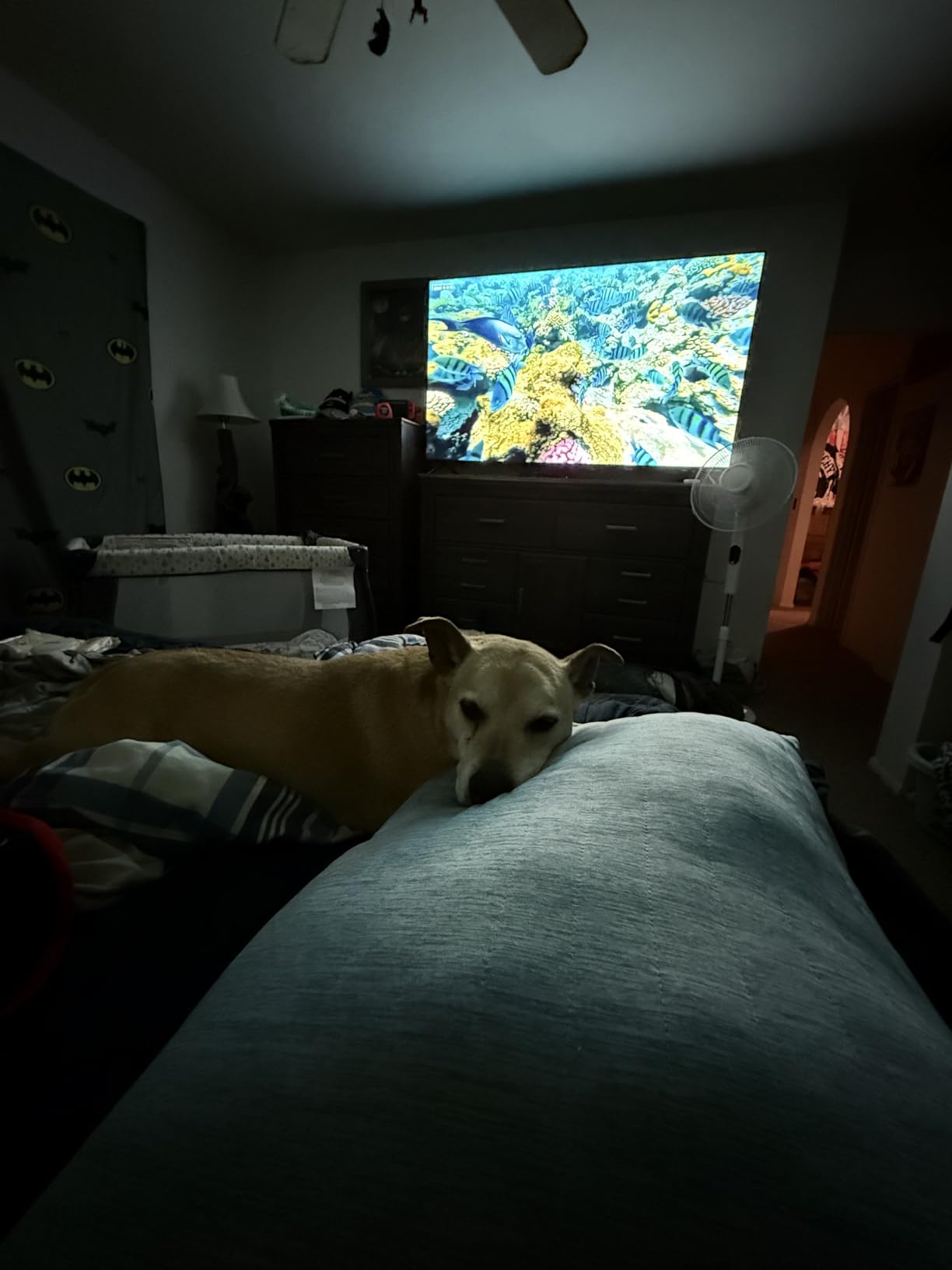
One feature that sets this TV apart is Bluetooth Headphone Mode. You can pair Bluetooth headphones directly to the TV for private listening, which is perfect for late-night watching without disturbing anyone. The Roku Voice remote includes a lost remote finder that makes the TV play a sound so you can track it down between couch cushions.
The 4.5-star rating from 288 reviews is impressive for a newer 2026 model. Users consistently praise the crisp 4K QLED display, the speed of the Roku interface, and the simplicity of setup. The main criticism is the 60Hz refresh rate, which limits its appeal for competitive gamers. The 2.1 channel Dolby Audio system with 20W output is adequate for everyday viewing but will not impress home theater enthusiasts.
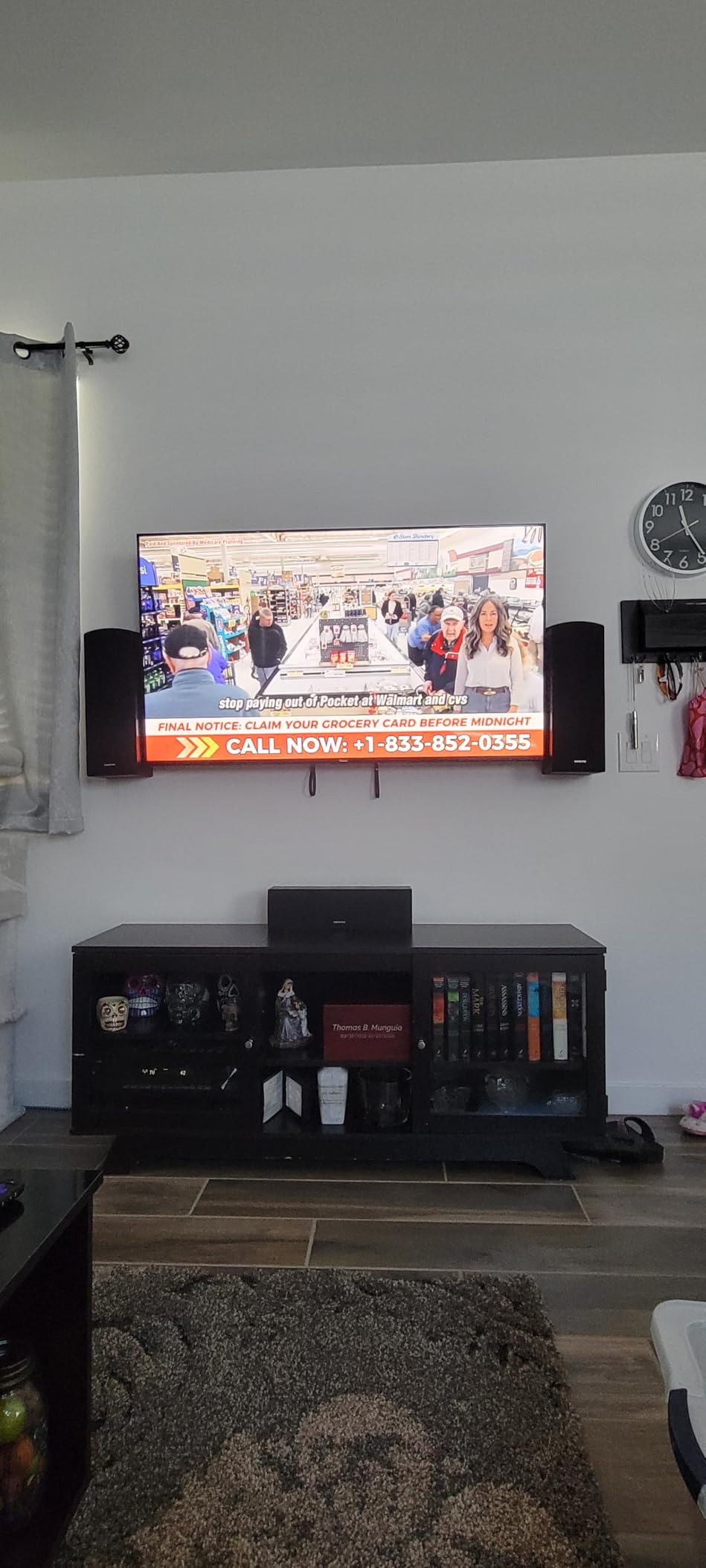
Roku OS Experience and Platform Features
Roku OS stands out because it is purpose-built for streaming rather than being a secondary feature. The home screen is customizable, letting you arrange your most-used apps at the top. The platform supports Apple AirPlay 2 and Google Cast, works with Siri, Alexa, and Google Assistant, and receives automatic software updates that keep the TV current with new app releases and security patches.
The private listening feature works with both the Roku mobile app on your phone and dedicated Bluetooth headphones. Roku also offers a free mobile app that turns your phone into a second remote with voice search, keyboard input for passwords, and the ability to share photos and videos to the big screen. No other smart TV platform offers this level of cross-platform integration.
Who Should Buy This
This is the ideal choice for anyone who values simplicity and speed in a smart TV interface above all else. If you are upgrading from an older TV with a clunky interface, or if you are buying for parents or grandparents who want something easy to use, Roku OS is the most user-friendly option on the market. The free streaming channels add genuine value.
Look elsewhere if you are a competitive gamer. The 60Hz panel and lack of HDMI 2.1 gaming features like VRR and ALLM mean this TV will not take full advantage of your PS5 or Xbox Series X. The lower review count also means there is less long-term reliability data compared to more established models.
4. Hisense 75 QD7 Mini-LED 144Hz – Best for Gaming
Hisense 75″ QD7 Mini-LED 4K Smart Fire TV – QLED, 144Hz, HDR10+, Dolby Vision/Atmos, Game Mode Pro, Alexa Built-in (75QD7QF)
75-inch QD-Mini LED 4K
Fire TV OS
144Hz Native Panel
Dolby Vision Atmos
Full Array Local Dimming
600 Nits
Game Mode Pro with FreeSync
+ Pros
- Native 144Hz panel is perfect for gaming and sports
- Mini-LED with Full Array Local Dimming for deep blacks
- 600 nit peak brightness for strong HDR performance
- AMD FreeSync Premium eliminates screen tearing
- 4 HDMI ports including gaming-optimized inputs
– Cons
- Fire TV OS can be slow and buggy
- Occasional sound cutouts requiring restarts
- eARC settings are cumbersome to adjust
- App connectivity setup may need multiple attempts
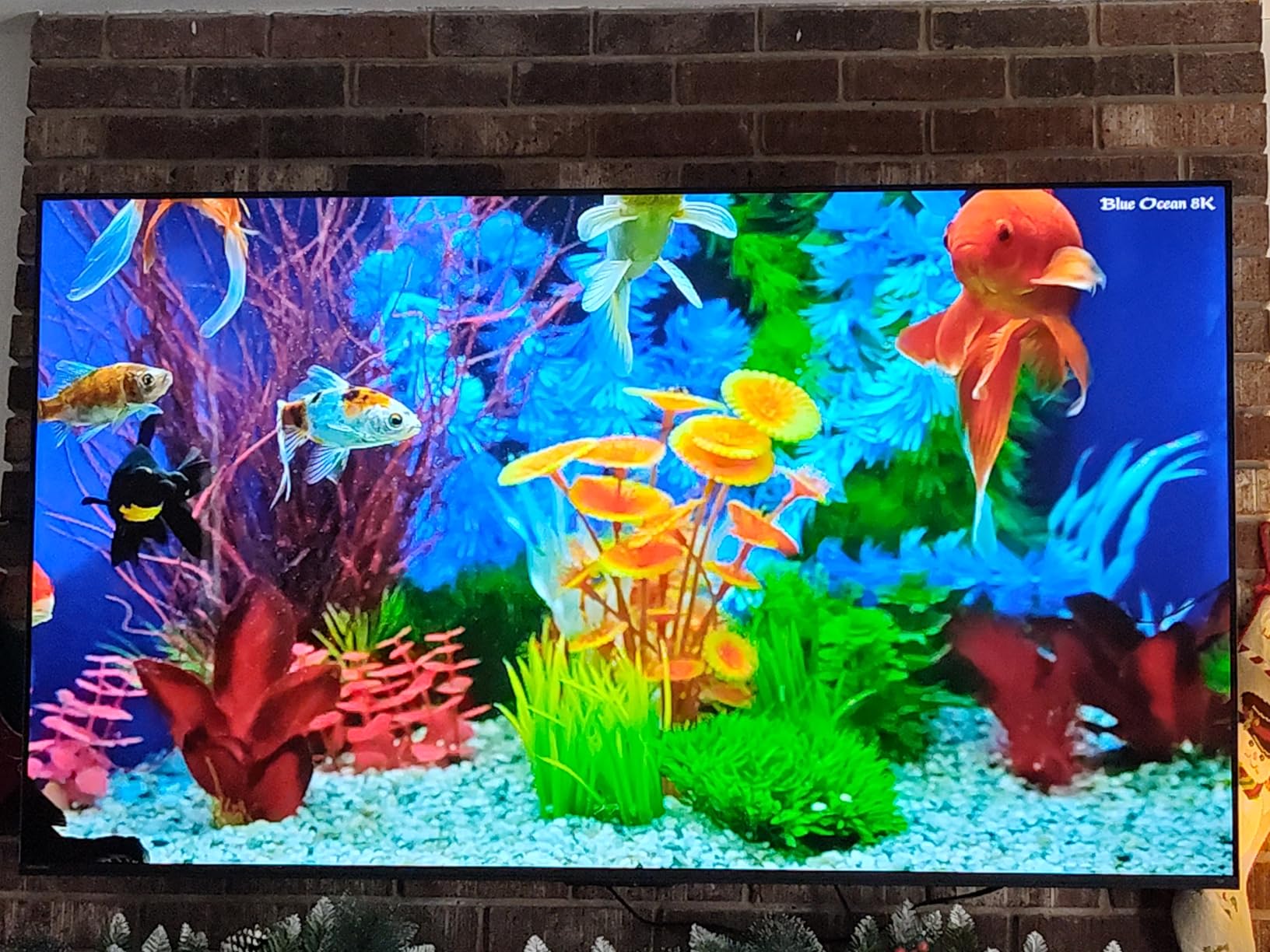
The Hisense QD7 is the TV I would buy if gaming was my top priority. The native 144Hz panel is a rarity at this price point and makes a visible difference in motion clarity for fast-paced games, sports, and action movies. Combined with Mini-LED backlighting and Full Array Local Dimming, this TV produces contrast and black levels that rival sets costing significantly more.
QD-Mini LED technology merges Mini LEDs with Quantum Dot color, giving you the best of both worlds: precise local dimming for deep blacks and over a billion shades of vibrant color. The 600-nit peak brightness means HDR content has real punch, with specular highlights that actually look bright rather than just white. Game Mode Pro with AMD FreeSync Premium delivers smooth, lag-free gaming with variable refresh rate support.
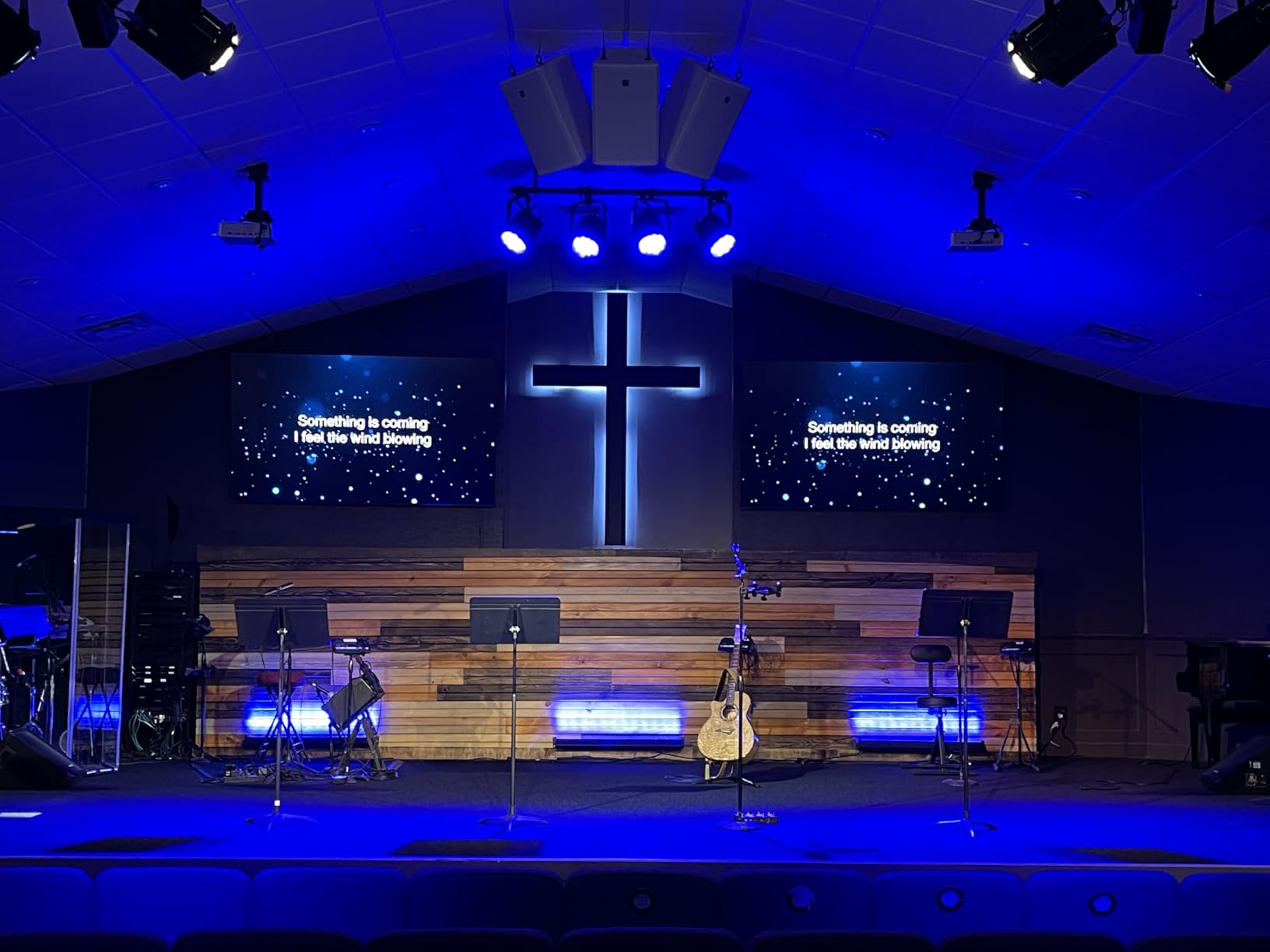
Connectivity is excellent with 4 HDMI ports and 2 USB ports. The TV supports Dolby Vision and Dolby Atmos for cinema-grade picture and audio, and the AI 4K Upscaler enhances lower-resolution content. AI Smooth Motion with MEMC handles fast action well, and Filmmaker Mode is available for watching movies with accurate color and motion settings.
With 1,175 reviews and a 4.3-star rating, users consistently praise the outstanding picture quality, vibrant colors, and incredible value for a Mini-LED TV. The main complaints involve Fire TV OS sluggishness, occasional sound cutouts that require a hard restart, and an annoying quirk where adjusting eARC audio settings requires physically disconnecting the HDMI cable.
Gaming Performance and Features
The 144Hz native refresh rate is the headline feature here. On a standard 60Hz TV, fast motion in games like Call of Duty, FIFA, or Forza creates visible blur. On the QD7, motion stays crisp and clear even during rapid camera movements. AMD FreeSync Premium support means the TV can dynamically adjust its refresh rate to match your console or PC output, eliminating screen tearing and reducing input lag.
Full Array Local Dimming is the other gaming-relevant feature. By controlling zones of LEDs independently behind the panel, the TV can dim specific areas of the screen for deeper blacks while keeping bright areas bright. This is especially noticeable in games with dark scenes mixed with bright light sources, like horror games or sci-fi shooters. The VESA 600x400mm mount compatibility is also worth noting as it is more robust than smaller patterns.
Who Should Buy This
This is the best cheap 75 inch TV for gamers. If you own a PS5, Xbox Series X, or gaming PC and want to take advantage of high frame rate gaming on a big screen, the 144Hz panel and FreeSync support make this the clear winner in this price range. It is also an excellent choice for sports fans who want smooth motion during fast-paced games.
Skip this if you are primarily interested in streaming smoothness. The Fire TV OS issues are more pronounced on this model than on the Hisense E6, with more reports of app crashes and interface lag. If you want a Mini-LED TV with a better smart platform, consider the TCL QM6K with Google TV instead, though it costs about $200 more.
5. Samsung 75U8000H Crystal UHD – Best Brand Value
Samsung 75-Inch Class U8000H Series Crystal UHD, 4K, Smart TV, 2026 Model
75-inch Crystal UHD 4K
Tizen OS
60Hz Refresh Rate
HDR10+
Crystal Processor 4K
Motion Xcelerator
Color Booster
Samsung Vision AI
Bluetooth 5.3
+ Pros
- Samsung brand quality and reliability at a budget price
- Crystal Processor 4K delivers sharp vibrant picture
- 2700+ free streaming channels via Samsung TV Plus
- Tizen OS is smooth and well-supported
- Motion Xcelerator handles sports and games well
– Cons
- Minimalist remote is small and easy to lose
- Requires internet and Samsung account for setup
- M8 wall mount screws not included
- Some setup complexity for cord cutters
Samsung is a brand that consistently ranks high for picture processing and motion handling, and the U8000H brings that reputation to an affordable price point. The Crystal Processor 4K enhances colors and sharpens details in real time, producing a picture that looks refined and natural. The Color Booster technology intensifies colors without making them look artificial, and Motion Xcelerator keeps fast action smooth.
What sets this Samsung apart is the content ecosystem. Samsung TV Plus offers 2,700+ free streaming channels including 750+ subscription-free channels covering news, sports, movies, and entertainment. This is one of the best free content libraries on any smart TV platform, and it requires no account or subscription to access.
The Tizen OS interface is smooth, intuitive, and free from the lag issues that plague Fire TV models. Samsung supports the platform with regular updates, and the app selection covers all major streaming services plus many niche options. Bluetooth 5.3 provides reliable wireless connectivity for headphones, speakers, and other devices.
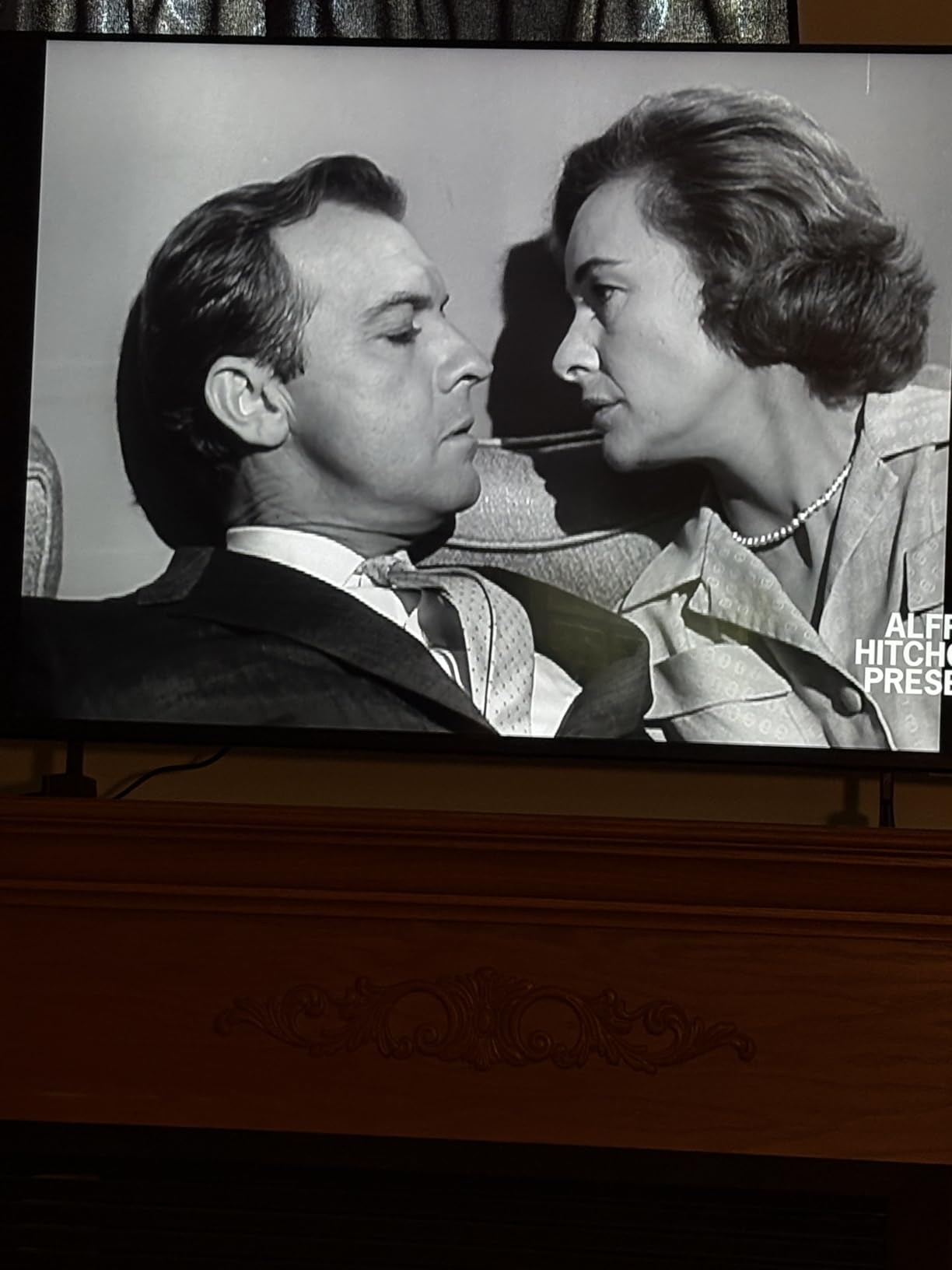
With a 4.6-star rating from 129 reviews, this newer 2026 model is earning strong early feedback. Users praise the crystal-clear picture quality, easy setup, and excellent value for a Samsung-branded TV. The Samsung Vision AI feature intelligently optimizes picture settings based on content and room conditions, and the built-in speakers produce good quality sound for everyday watching.
Tizen OS and Content Ecosystem
Tizen is Samsung proprietary smart TV platform, and it is one of the most polished interfaces available. The home screen organizes apps and content into a clean grid layout, and the Universal Guide recommends content across all your streaming services based on your viewing habits. Samsung also integrates its SmartThings hub, letting you control compatible smart home devices directly from the TV.
The free content offering through Samsung TV Plus is genuinely impressive. You get live channels in categories like news, entertainment, movies, sports, and kids, all streaming for free with ads. This can supplement or even replace a cable subscription for casual viewers. The TV also supports screen mirroring from mobile devices and works with Alexa, Google Assistant, and Bixby for voice control.
Who Should Buy This
This is the right choice if you trust Samsung as a brand and want reliable performance, good picture processing, and a mature smart TV platform. The free content library makes it especially attractive for cord cutters who want access to live channels without paying for cable or a streaming live TV service.
The main drawback is the 60Hz refresh rate, which limits gaming performance. Samsung also requires internet connectivity and a Samsung account for initial setup, which some users find intrusive. If you want a 75-inch Samsung with better gaming specs, you would need to step up to their Neo QLED line, which costs significantly more.
6. TCL 75QM6K QD-Mini LED Google TV – Premium Pick on a Budget
TCL 75 Inch Class QM6K Series | Mini LED QLED 4K HDR | 75QM6K, Latest Model | 120HZ-144HZ High Brightness Smart Google TV Dolby Atmos Onkyo Audio | Voice Remote Alexa Gaming Streaming Television
75-inch QD-Mini LED 4K
Google TV OS
144Hz Native Panel
1000 Nits Peak
Dolby Vision Atmos
Onkyo 2.1 Audio
Game Accelerator 288 VRR
Halo Control
+ Pros
- QD-Mini LED with 1000 nit peak brightness for stunning HDR
- Onkyo 2.1 speaker system with built-in subwoofer
- Google TV OS is fast and customizable with no lag
- Native 144Hz with Game Accelerator 288 VRR
- Excellent value compared to OLED alternatives
– Cons
- Google TV home screen has ads unless using third-party launcher
- Requires Google account to install apps
- Leg stands may feel less stable than center stand
- Glowing standby light can be annoying in dark rooms
The TCL QM6K is the most impressive TV on this list when it comes to raw picture quality. QD-Mini LED technology with 1,000-nit peak brightness produces HDR images that genuinely look spectacular, with specular highlights that pop and deep blacks thanks to the TCL Halo Control System. This system eliminates blooming around bright objects on dark backgrounds, a common problem with lesser LED TVs.
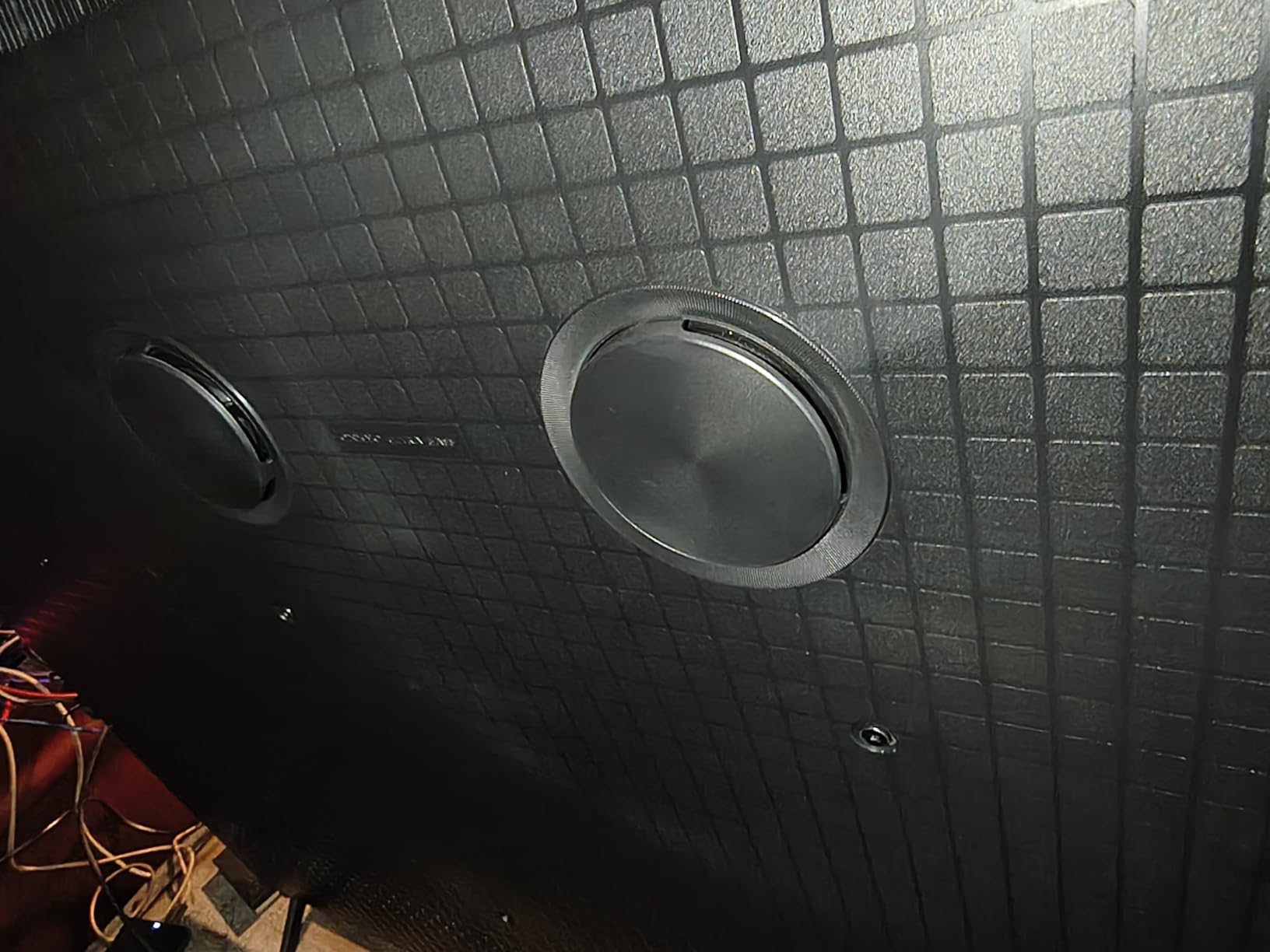
The Onkyo 2.1 speaker system with a built-in subwoofer is a feature you do not expect at this price. Most budget TVs have thin, tinny sound, but the QM6K produces audio with actual bass response and clarity. You may still want a soundbar for a full home theater experience, but for everyday watching this is the best built-in audio on this list by a significant margin.
Google TV is a massive advantage over Fire TV. The interface is fast, responsive, and ad-free on the main home screen (though ads appear in the Google TV content rows, which can be minimized). App installation is quick, menu navigation has zero lag, and the platform supports the widest app selection of any smart TV system. Bluetooth 5.4 provides excellent wireless range and stability.
With 1,693 reviews and a 4.4-star rating, the QM6K has strong user feedback. Buyers consistently praise the picture quality, brightness, Onkyo audio, and Google TV performance. The native 144Hz panel with Game Accelerator 288 VRR makes this one of the best gaming TVs in any price range. The main complaints are the Google TV ads and the requirement to use a Google account.
HDR Performance and Brightness
The 1,000-nit peak brightness is the standout spec here. For context, the INSIGNIA F50 hits about 300 nits, the Hisense QD7 reaches 600 nits, and OLED TVs typically max out around 800 nits. The TCL QM6K at 1,000 nits means HDR content looks dramatic and impactful, with sunlight, explosions, and bright objects appearing genuinely bright rather than just white. The Halo Control System manages over a thousand dimming zones to keep blacks deep while highlights stay bright.
The TV supports Dolby Vision, HDR10+, HDR10, and HLG, covering every HDR format in use today. The AI 4K Upscaler handles lower-resolution content well, and Filmmaker Mode is available for accurate movie reproduction. The adaptive brightness feature uses a light sensor to adjust picture settings based on ambient room lighting, which is useful for rooms with variable natural light throughout the day.
Who Should Buy This
This is the best cheap 75 inch TV for buyers who want the best overall picture quality and can stretch their budget to around $750. It is ideal for movie enthusiasts, gamers who want 144Hz with VRR, and anyone who values a fast, ad-free smart TV experience. The Onkyo audio system means you can skip buying a soundbar for now.
The only reason to pass on this is if your budget is firmly capped under $550. The Google TV ads and account requirement are minor annoyances rather than dealbreakers. If you want absolute peak performance in a 75-inch TV without spending $1,500 or more on an OLED, the TCL QM6K is the closest you can get.
How to Choose the Best Cheap 75 Inch TV
Choosing the right budget 75-inch TV comes down to understanding which features matter most for your viewing habits. The TV market in 2026 is packed with options, and the technology landscape can be confusing. Here is a practical breakdown of what to prioritize based on real-world usage rather than marketing jargon.
Panel Technology: LED vs QLED vs Mini-LED
Standard LED is the most affordable option and is what you will find in the INSIGNIA F50. It provides decent picture quality but has limited contrast and color performance. QLED adds a quantum dot layer that dramatically improves color accuracy and brightness, as seen in the Hisense E6, Roku Select Series, and Samsung U8000H. Mini-LED is the most advanced option on this list, using thousands of tiny LEDs for precise local dimming, deep blacks, and high peak brightness. The Hisense QD7 and TCL QM6K both use Mini-LED technology, and the difference in picture quality is visible immediately.
For most buyers, QLED offers the best balance of price and performance. Mini-LED is worth the extra cost if you watch a lot of HDR content, play games in dark rooms, or want the best contrast without paying OLED prices. Our best affordable 55-inch TVs guide covers these same technologies in a smaller form factor if you are still deciding on screen size.
Smart TV Platforms Compared
The smart TV platform determines how you interact with your TV every day, and a sluggish interface can ruin an otherwise great panel. Roku OS, found on the Roku Select Series, is widely considered the simplest and fastest platform with an excellent free content library. Google TV, on the TCL QM6K, offers the most customization and the widest app selection but includes ads on the home screen unless you use a third-party launcher. Tizen OS, on the Samsung U8000H, is polished and well-maintained with Samsung TV Plus offering 2,700+ free channels.
Fire TV, used by the INSIGNIA F50, Hisense E6, and Hisense QD7, is the weakest platform on this list. It is functional and integrates well with Amazon Alexa, but users consistently report lag, slow app loading, and occasional crashes. If you end up with a Fire TV model, consider adding one of the best Fire TV streaming devices for a faster, smoother experience, or use a Roku Streaming Stick or Apple TV for better performance.
Refresh Rate and Gaming Features
Refresh rate is one of the most important specs for gamers and sports fans. A 60Hz panel refreshes the image 60 times per second, which is fine for movies and casual watching but creates visible blur during fast motion. The INSIGNIA F50, Hisense E6, Roku Select Series, and Samsung U8000H all use 60Hz panels.
The Hisense QD7 and TCL QM6K both feature native 144Hz panels, which is a significant upgrade for gaming and sports. If you own a PS5 or Xbox Series X, a 144Hz panel lets you play supported games at up to 120fps with smooth motion. AMD FreeSync Premium on the Hisense QD7 and Game Accelerator 288 VRR on the TCL QM6K further reduce screen tearing and input lag for a competitive gaming advantage.
HDR Formats Explained
HDR (High Dynamic Range) enhances contrast, color, and brightness for a more realistic image. The three main formats are HDR10 (the baseline standard), HDR10+ (HDR10 with dynamic metadata that adjusts brightness scene by scene), and Dolby Vision (the most advanced format with frame-by-frame metadata). Most streaming services use Dolby Vision for their HDR content.
The Hisense E6, Hisense QD7, and TCL QM6K all support Dolby Vision, making them the best choices for HDR movie watching. The Samsung U8000H supports HDR10+ but not Dolby Vision, which is a Samsung corporate decision. The INSIGNIA F50 supports only basic HDR10. For the best HDR experience, prioritize TVs with both Dolby Vision support and high peak brightness, which points to the TCL QM6K with its 1,000-nit output.
Viewing Distance Guide for 75-Inch TVs
A common question on forums is whether a 75-inch TV is too big. The general recommendation from the Society of Motion Picture and Television Engineers (SMPTE) is that your viewing distance should be approximately 1.5 to 2.5 times the screen diagonal for 4K content. For a 75-inch TV, that translates to a viewing distance of about 9.4 to 15.6 feet.
In practice, most users find that 8 to 12 feet is the sweet spot for a 75-inch TV in a living room. If you sit closer than 8 feet, you may notice individual pixels in some content. If you sit further than 15 feet, the immersive advantage of a large screen diminishes. For bedrooms, a 75-inch TV works well if your bed is at least 9 feet from the wall.
Sound Quality Considerations
Budget TVs are not known for great sound, but there is real variation between models on this list. The TCL QM6K with its Onkyo 2.1 system and built-in subwoofer produces the best built-in audio by far, with actual bass response and clear dialogue. The Hisense E6 and Hisense QD7 both offer 30W audio systems with Dolby Atmos, which provides decent sound for everyday watching.
The INSIGNIA F50 and Roku Select Series have more basic 10W to 20W stereo speakers that are functional but will not impress. If sound quality is important to you and you choose one of these models, budget for a soundbar. For guidance on streaming services to pair with your new TV, check our guide to the best internet TV providers for streaming.
FAQs
What is the best inexpensive TV brand?
TCL and Hisense are the best inexpensive TV brands in 2026, offering QLED and Mini-LED technology at prices significantly below Samsung, LG, and Sony. TCL consistently earns praise on forums like r/4kTV for offering the best picture quality per dollar, while Hisense provides excellent value with features like 144Hz panels and Dolby Vision at budget prices. Roku and Insignia also offer solid budget options if you prioritize simplicity over advanced picture technology.
What is a good price for a 75-inch TV?
A good price for a 75-inch TV in 2026 ranges from $350 to $800 for budget-friendly models with 4K resolution and smart TV features. Models under $400 typically use basic LED panels with 60Hz refresh rates. The $450 to $550 range adds QLED color technology and better HDR support. Spending $550 to $800 gets you Mini-LED backlighting, 144Hz gaming panels, and premium features like Dolby Vision and Onkyo audio systems.
Which is the best 75-inch TV to buy for the money?
The Hisense 75 QD7 Mini-LED at around $550 is the best 75-inch TV for the money in 2026. It combines Mini-LED backlighting with a native 144Hz panel, QLED color technology, Dolby Vision, and AMD FreeSync Premium at a price that undercuts comparable Samsung and LG models by hundreds of dollars. For buyers who can stretch their budget, the TCL 75QM6K at around $750 offers even better performance with 1,000-nit brightness and an Onkyo audio system.
Is a 75-inch TV too big for a normal living room?
A 75-inch TV is not too big for most living rooms. The recommended viewing distance for a 75-inch 4K TV is 8 to 12 feet, which fits comfortably in most standard living room layouts. Many forum users on r/hometheater advise getting the biggest screen you can afford because most people underestimate how quickly they adapt to a larger display. A 75-inch TV may feel large for the first week but typically feels normal within a month of regular use.
Do I need HDMI 2.1 on my 75-inch TV?
You need HDMI 2.1 on your 75-inch TV if you plan to game on a PS5 or Xbox Series X at 4K 120fps, or if you want features like Variable Refresh Rate (VRR) and Auto Low Latency Mode (ALLM). The Hisense QD7 and TCL QM6K both support high-bandwidth gaming features through their HDMI ports. If you only watch streaming content and do not game, HDMI 2.0 is sufficient and you will not notice a difference.
Final Thoughts on the Best Cheap 75 Inch TV
The best cheap 75 inch TV market has improved dramatically, and you no longer need to spend $1,500 for a great big-screen experience. Our top recommendation is the TCL 75QM6K for buyers who want the best overall picture quality with 1,000-nit HDR brightness, a 144Hz gaming panel, and an Onkyo audio system. The Hisense QD7 is the best value pick, delivering Mini-LED technology and 144Hz gaming for under $550. And the INSIGNIA F50 remains the go-to choice for anyone who simply wants the biggest screen for the lowest price.
When choosing between these models, focus on what matters most for your viewing habits. Gamers should prioritize the 144Hz panels on the Hisense QD7 or TCL QM6K. Movie enthusiasts will benefit from the Dolby Vision support and high brightness of the TCL QM6K or Hisense E6. And anyone who values a simple, fast interface should look at the Roku Select Series or Samsung U8000H. Whatever you choose, make sure to check current prices as TV deals fluctuate throughout the year.
For more TV buying guidance, explore our resources on streaming service providers and TV resolution technology to complete your home entertainment setup. A great 75-inch TV deserves great content to watch on it.
Leave a Reply