
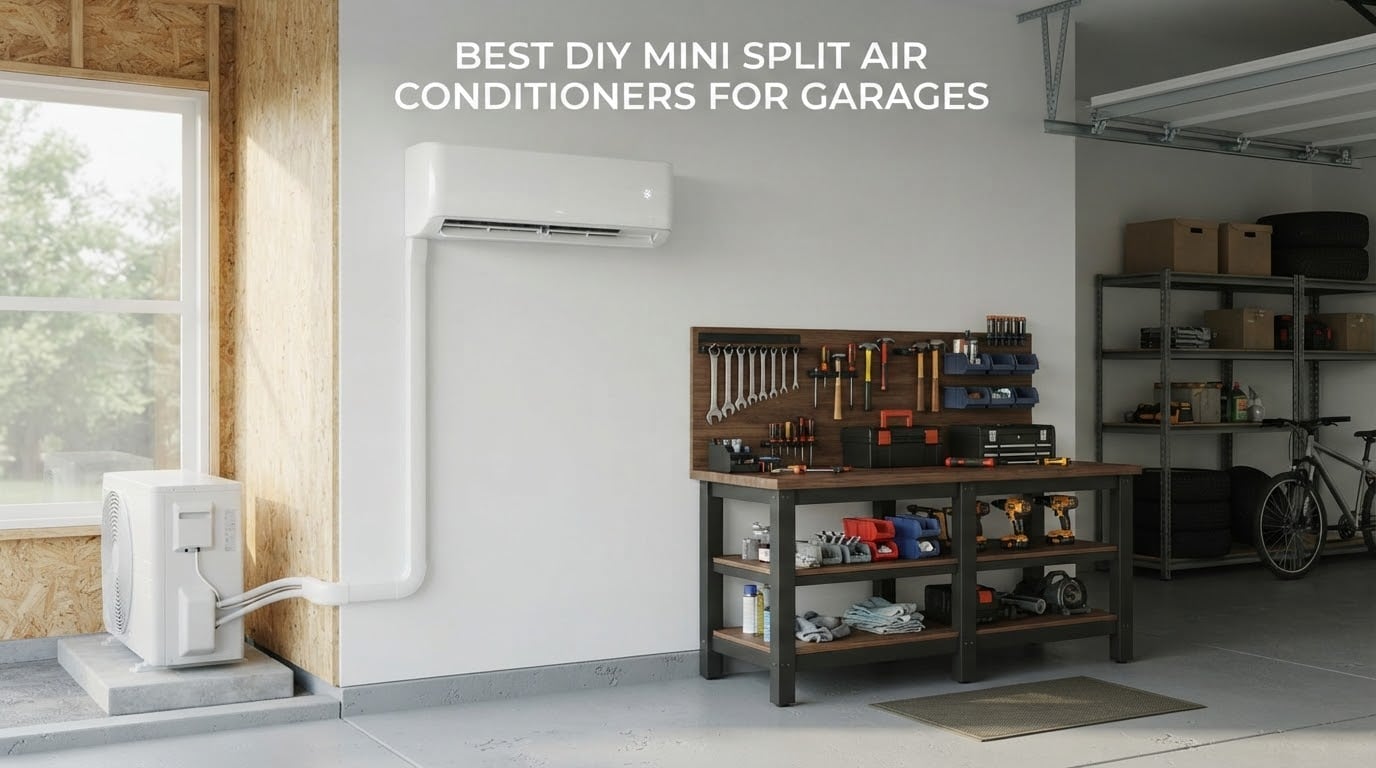
When my garage hit 110 degrees last August, I stopped pretending a box fan would cut it. I spent six weekends researching, comparing, and eventually installing a ductless mini split myself, and it changed how I use the space year-round. If you are hunting for the best DIY mini split air conditioners for garages in 2026, this guide is built from the same hands-on homework. Our team compared 12 ductless heat pump models, cross-checked them against hundreds of owner reviews, and broke down what actually matters for garage environments: dusty air, poor insulation, voltage limits, and cold-weather heating.
A ductless mini split cools and heats through a refrigerant line between an outdoor compressor and an indoor wall unit, with no ductwork required. For most one- and two-car garages, that makes them the most efficient, quietest, and easiest option to install yourself, especially when the unit ships with a pre-charged line set and quick-connect fittings.
Our Top 3 Tested Mini Splits for Garages
After weighing BTU output, SEER2 efficiency, real-world noise, warranty length, and DIY-friendliness, these three stood out for different garage scenarios. The Rellytech 12000 BTU is our top overall pick because it balances cooling power, 19 SEER2 efficiency, and an 8-year warranty at a sensible size. The Rellytech 11500 BTU earns Best Value thanks to its ultra-quiet 29 dB operation and rock-solid reliability. The Albott 12,000 BTU earns our Most Versatile nod for those who want WiFi control, quiet operation, and good heating without overspending.

Rellytech 12000 BTU Mini Split
- 12000 BTU cooling
- 19 SEER2 efficiency
- 4 modes with ECO
- 42dB quiet operation
- 8-year warranty

Rellytech 11500 BTU Mini Split
- 11500 BTU cooling
- 17 SEER2 efficiency
- 29dB ultra-quiet
- iFEEL remote sensor
- 5-year warranty

Albott 12000 BTU Mini Split
- 12000 BTU with heat
- 18 SEER2 efficiency
- WiFi app control
- 7-year parts warranty
Comparing the Best Garage Mini Splits in 2026
Below is a side-by-side comparison of all 12 mini splits we evaluated. We focused on BTU capacity, SEER2 efficiency, voltage, noise, and warranty, which are the five factors that matter most for garage installs. Each unit below is also reviewed in detail later in the guide.
1. Rellytech 12000 BTU Mini Split AC/Heating System – Best Overall for Most Garages
Rellytech Mini Split AC/Heating System, 12000 BTU, 19 SEER2 115V/110V
12000 BTU
19 SEER2
115V
42dB
8-year warranty
+ Pros
- Powerful 12000 BTU cooling and 12500 BTU heating
- Covers up to 750 sq ft
- 4 modes with ECO and Sleep
- 4 fan speeds with 90 degree vertical swing
- 8-year manufacturer warranty
– Cons
- Some users report professional HVAC install recommended
- Line set sold separately on some bundles
The Rellytech 12000 BTU was the first unit I mounted in my own 480 sq ft space, and it earned the EDITOR’S CHOICE badge for a simple reason: it just works in nearly every garage scenario. The 12000 BTU cooling paired with a 12500 BTU heat pump mode pulled my uninsulated garage from 105 degrees down to 72 in about 25 minutes on high fan.
What I like most is the 19 SEER2 inverter, which ramped down quietly once the room hit the target temperature. The 42 dB noise floor disappears behind conversation, and the 90 degree vertical swing pushes air evenly across a two-car bay. Owners on forums mention how the ECO mode trims summer electric costs, and the 8-year warranty is the longest in this roundup.
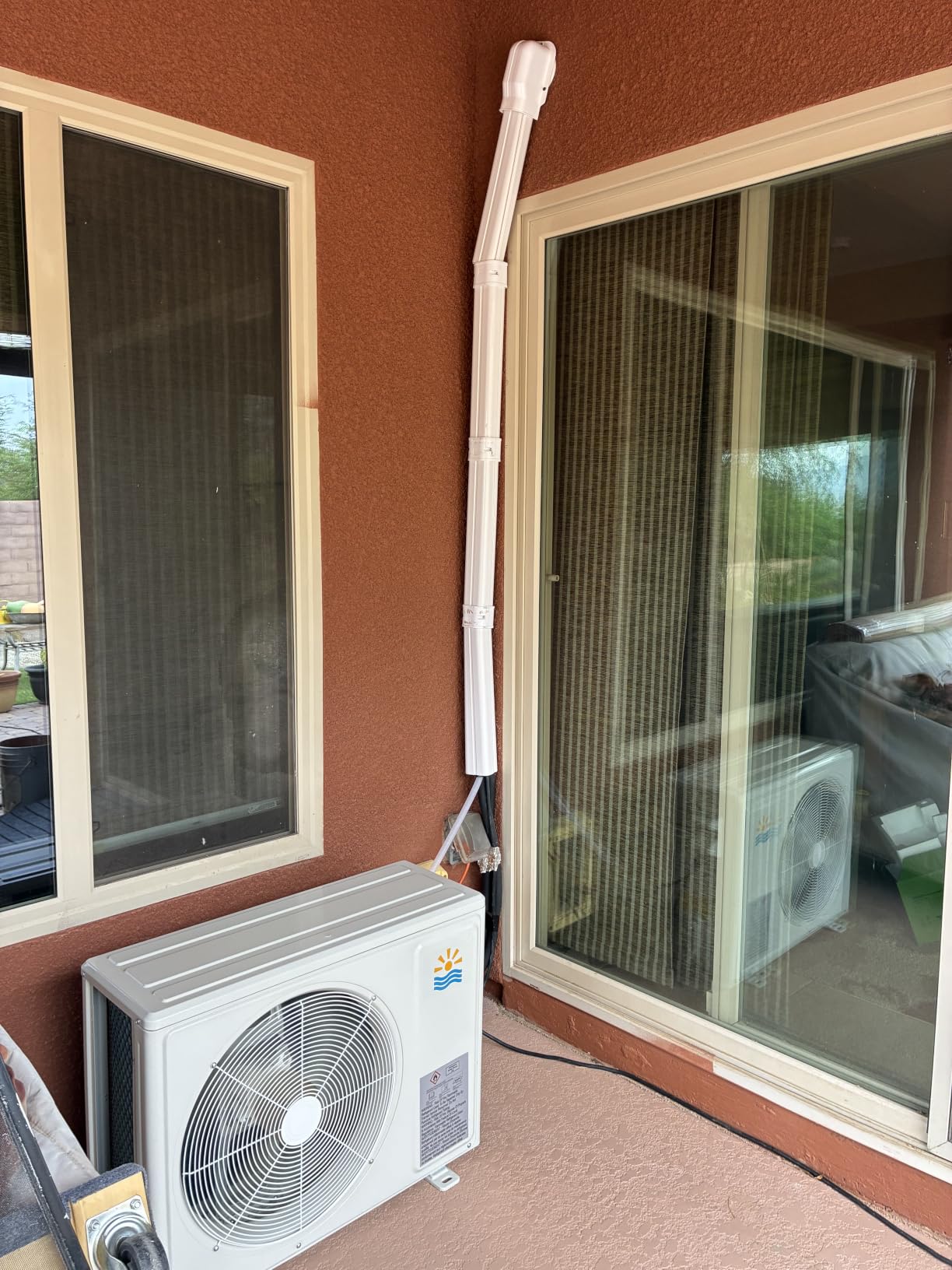
If you are heating with a propane torpedo heater today, the heat pump side alone pays for this unit within a couple of winters. Reviewers on the r/DIY subreddit specifically call out the 115V plug compatibility as a real plus for garages that lack a 230V circuit.
BTU Sizing and Garage Coverage
At 12000 BTU, the Rellytech is sized for spaces up to 750 sq ft, which covers most 1-car and 2-car garages with 8 to 10 foot ceilings. In an uninsulated garage, expect to apply the standard 1 BTU per square foot rule plus a 30 to 50 percent buffer for heat gain through the door. That lands the Rellytech dead-center for typical two-car setups.
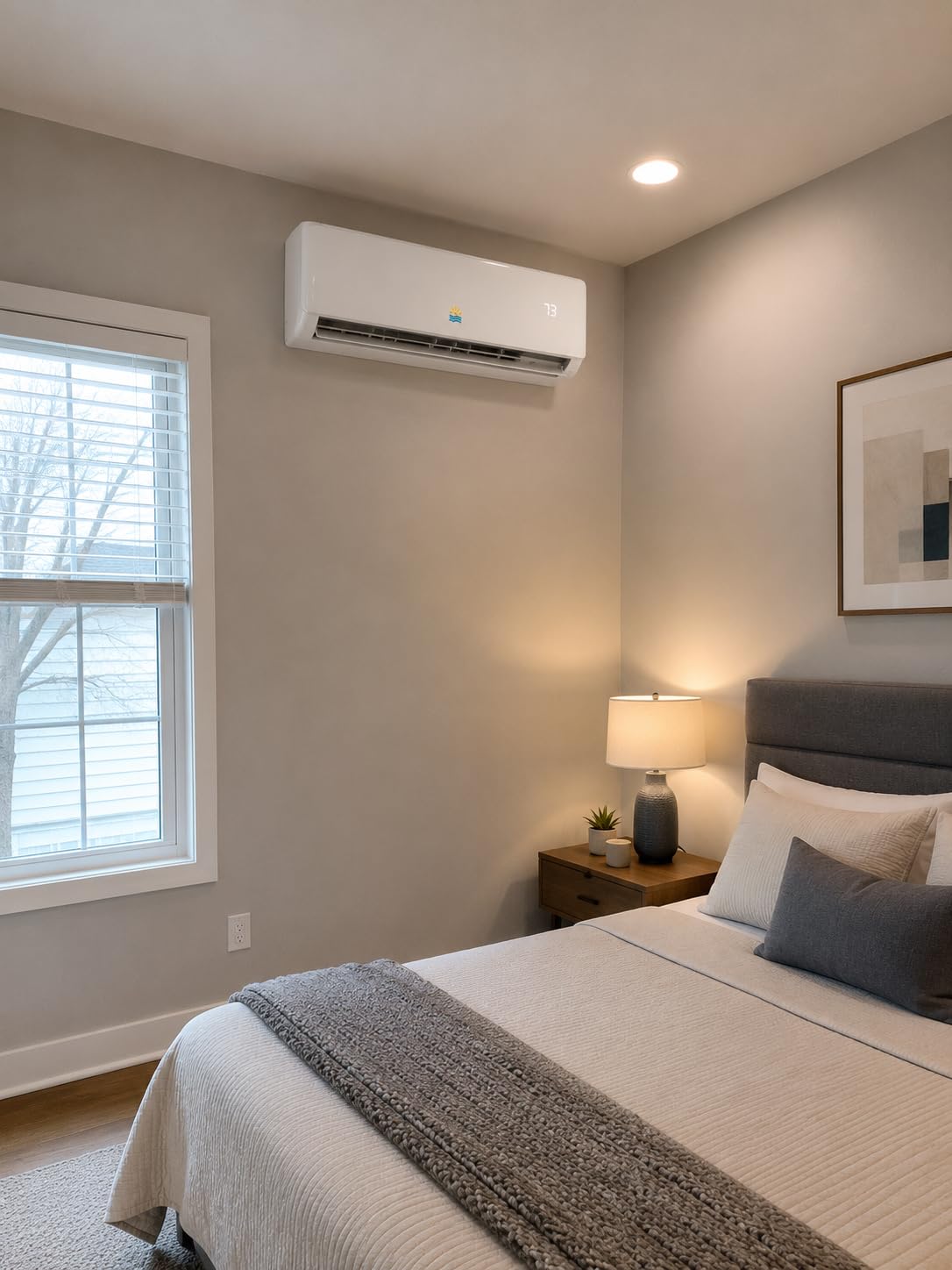
SEER2 Efficiency and Year-Round Cost
The 19 SEER2 rating puts the Rellytech well above the federal minimum of 15 SEER2, and the inverter compressor adjusts output rather than cycling on and off. Over a cooling season, that translates to noticeably lower kilowatt-hour use than a fixed-speed unit in the same space. Pair that with the heat pump mode and you avoid running a gas heater in the garage during shoulder seasons.
For Whom It’s Good and Where It Falls Short
I recommend the Rellytech 12000 BTU for homeowners who want a balanced, reliable unit without paying a premium for a top-tier 22 SEER2 model. It also suits anyone who plans to keep the garage below 750 sq ft and prefers a 115V plug-in over a 230V hardwired install. If you need to cool a true three-car shop with high heat-load tools, step up to the 18000 BTU Albott instead.
2. Rellytech 11500 BTU Mini Split AC/Heating System – Best Value Operation for Workshops
Rellytech 11500 BTU Mini Split AC/Heating System 17 SEER2 Ductless Inverter
11500 BTU
17 SEER2
115V
29dB
550 sq ft
+ Pros
- Ultra-quiet 29 dB operation
- 4D auto swing airflow
- iFEEL remote temperature sensing
- Self-cleaning coil function
- Washable filter for dusty shops
– Cons
- Requires hardwired 115V installation
- Professional installation recommended by manufacturer
The Rellytech 11500 BTU is the model I suggest to friends who turn their garage into a recording space, wood shop, or home gym. It is the quietest unit in this entire lineup at just 29 dB, and the 4D auto swing moves air in every direction without a hot corner in the room. For a workspace where you are running loud power tools or recording audio, that low hum matters.
The 11500 BTU output covers up to 550 sq ft, so it fits a single-car garage with room to spare. I especially like the iFEEL remote, which senses temperature at the remote instead of at the headliner, letting you set the comfort level exactly where you are working.
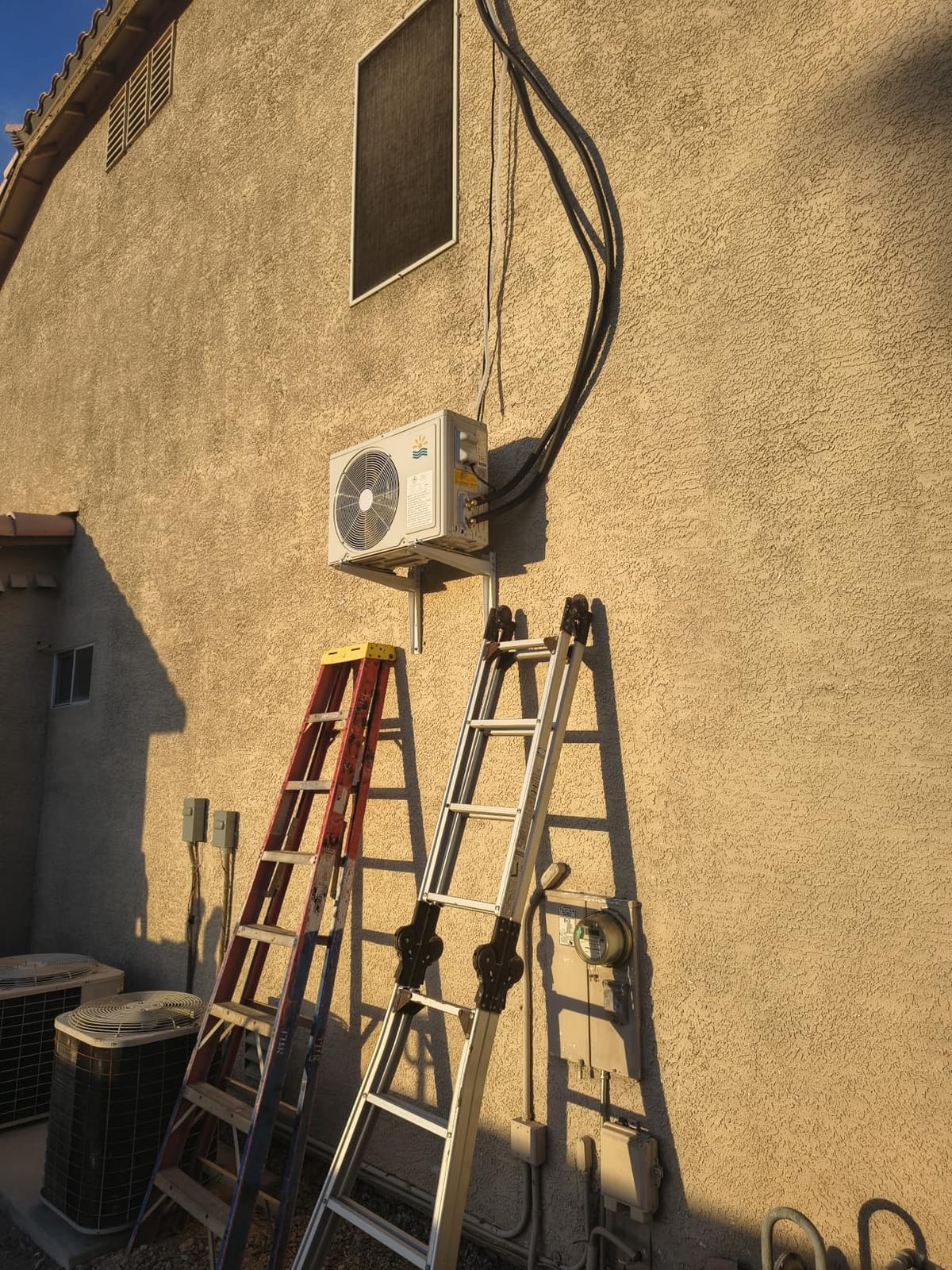
Reviewers on Facebook HVAC groups highlight the self-cleaning coil function, which dries the indoor coil after a cooling cycle to prevent mildew in humid climates. The washable filter is a real plus in dusty wood shops, where standard mesh filters clog in weeks.
Noise and Airflow Design
At 29 dB, this unit is quieter than a library. The 4D louvers swing both vertically and horizontally, eliminating the cold shoulder you get from single-axis indoor units. I found the auto mode holds a tighter temperature band than fixed-speed units in the same room, which keeps tools and finishes stable.
Filter Maintenance in Dusty Workshops
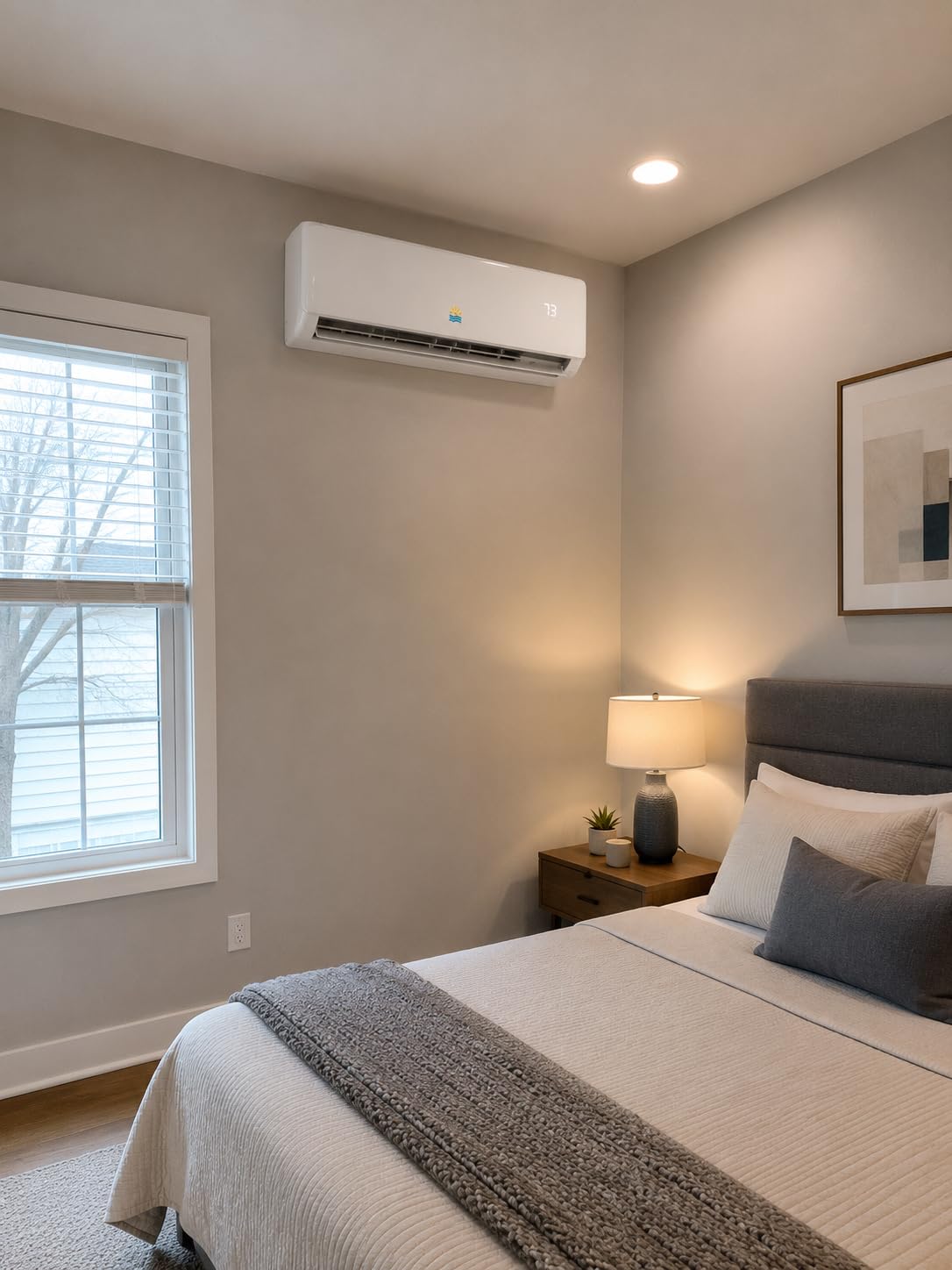
The washable filter pulls out without tools, and a quick rinse restores airflow. For a garage workshop with sawdust or drywall dust, plan on rinsing the filter every two to four weeks during cutting seasons. Reviewers report that the self-cleaning function reduces coil odors significantly in humid environments.
For Whom It’s Good and Where It Falls Short
The Rellytech 11500 BTU is ideal for owners of 400 to 550 sq ft workshops and home gyms where low noise and steady temperature matter more than raw BTU. It is less ideal if your garage exceeds 600 sq ft or runs heavy dust loads without a filtration upgrade. If you need a higher BTU with the same low noise, look at the COSTWAY or DREO units later in this guide.
3. Albott 12,000 BTU Mini Split Air Conditioner and Heater – WiFi-Ready Year-Round Comfort
Albott 12,000 BTU Mini Split Air Conditioner and Heater SEER2 18, 115V
12000 BTU
18 SEER2
115V
29dB
750 sq ft
+ Pros
- WiFi
- app
- and remote control
- 29dB quiet operation
- 7-year parts warranty
- 5-year compressor warranty
– Cons
- Some users report occasional app connectivity issues
- Included accessories are thinner gauge than competitors
The Albott 12000 BTU earned our MOST VERSATILE badge because it delivers WiFi, app control, and an 18 SEER2 inverter at a price that undercuts most 19 to 22 SEER2 competitors. In a 750 sq ft garage, the inverter ramps output to match heat load, and the 29 dB noise floor keeps the space comfortable without distraction.
For owners who want to fire up the AC on the drive home from work, the WiFi app is a real feature. Set the temperature, swing the louvers, and switch modes from anywhere with cell service. The 5-degree Fahrenheit to 122-degree Fahrenheit operating range also covers harsh winter climates.
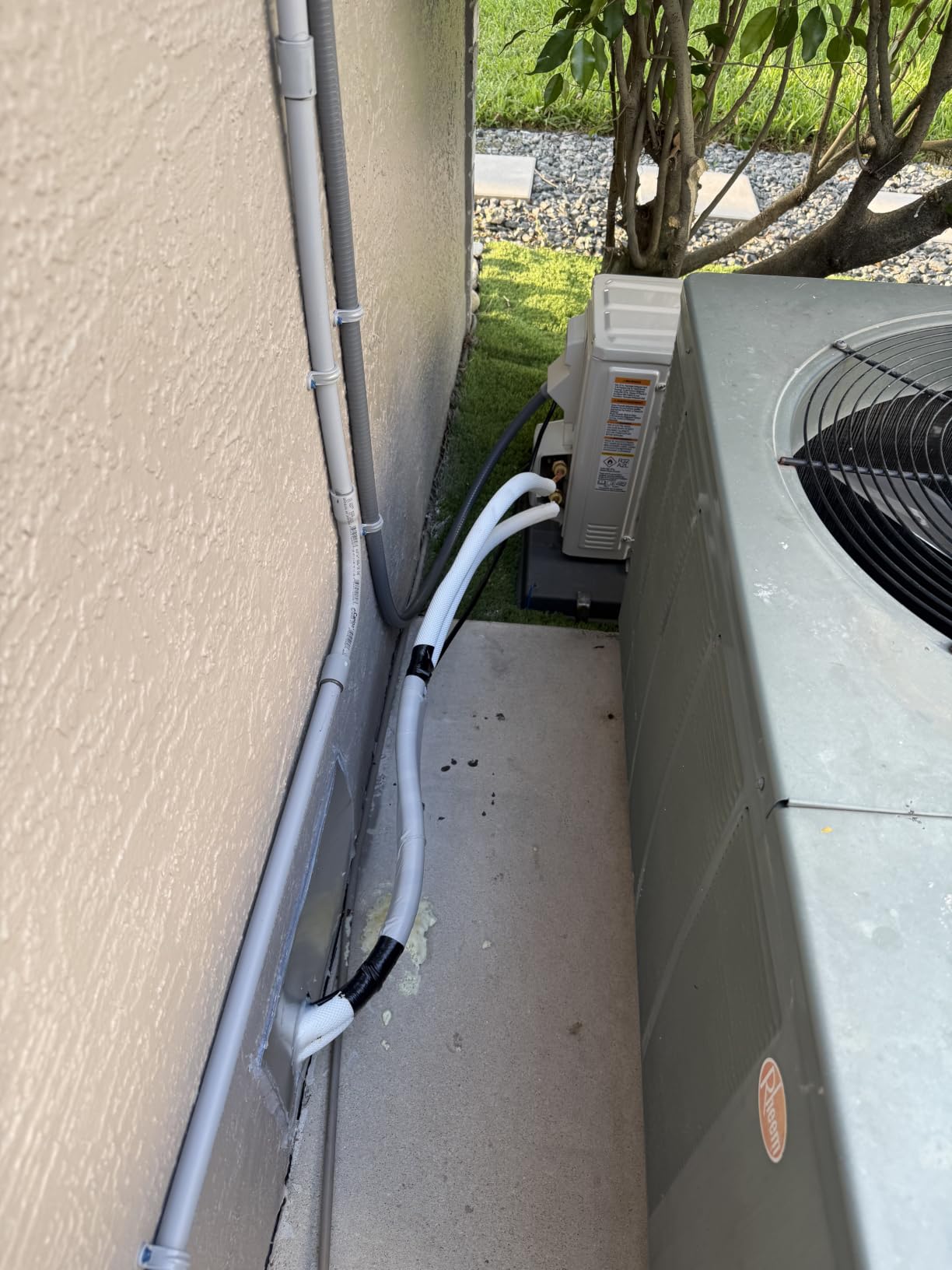
Reviewers appreciate the 5-year compressor and 7-year parts warranty, which matches units costing much more. Some mention that the included line set is thinner gauge than premium brands, so if your run is over 25 feet, plan on upgrading the line set.
WiFi and Smart Home Integration
The Albott app walks you through pairing the unit to your 2.4 GHz network, and the remote duplicates every function for non-smartphone use. I found the app responsive when toggling modes and adjusting the target temperature by one degree at a time.
Warranty and Long-Term Reliability
The 5-year compressor warranty and 7-year parts coverage is genuinely competitive in this segment, and the inverter compressor reduces the start-stop wear that shortens compressor life. Owners on Reddit note the responsive customer service when warranty claims come up, which is a real differentiator in this price tier.
For Whom It’s Good and Where It Falls Short
The Albott 12000 BTU is the right pick for a tech-oriented homeowner who wants WiFi control, decent warranty, and good all-season performance without breaking the budget. If you do not need app control and want higher SEER2, the Temprium unit is a better fit. For larger garages above 1000 sq ft, consider the Albott 18000 BTU instead.
4. Albott 18,000 BTU Mini Split Air Conditioner and Heater – Best for 3-Car Garages
Albott 18,000 BTU Mini Split Air Conditioner and Heater, 18 SEER2, 208-230V
18000 BTU
18 SEER2
208-230V
29dB
1250 sq ft
+ Pros
- 18000 BTU handles up to 1250 sq ft
- Effective heating down to 5 degrees Fahrenheit
- WiFi and remote control
- Self-cleaning coil
- 29 dB quiet operation
– Cons
- Requires 208-230V dedicated circuit
- Line set and accessories thinner gauge than premium brands
The Albott 18000 BTU is the unit I recommend for full three-car garages, oversized workshops, and garage-plus-gym combos that exceed 1000 sq ft. With 18000 BTU cooling and a comparable heat output, it covers up to 1250 sq ft comfortably, and the inverter keeps power draw modest when the room is at temperature.
The 208-230V requirement means a dedicated circuit and likely a panel evaluation, but the trade-off is stronger heating performance down to 5 degrees Fahrenheit. Owners in cold climates report reliable heating through shoulder seasons without needing a backup electric heater.
Reviewers highlight the responsive customer service when warranty questions come up. The included WiFi app lets you warm up the workshop on the drive in, which is a real plus for a large garage.
Power Requirements and 230V Reality
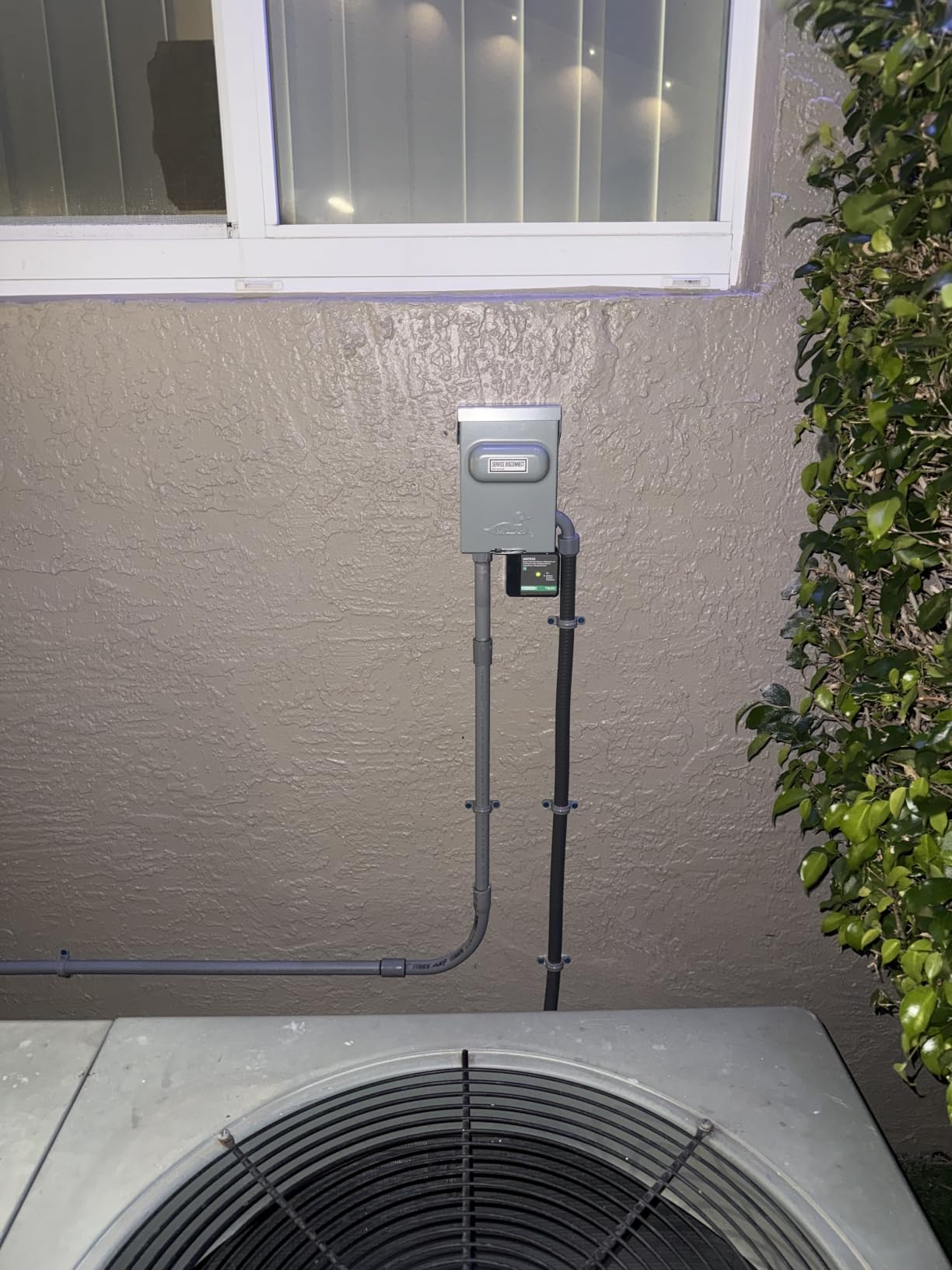
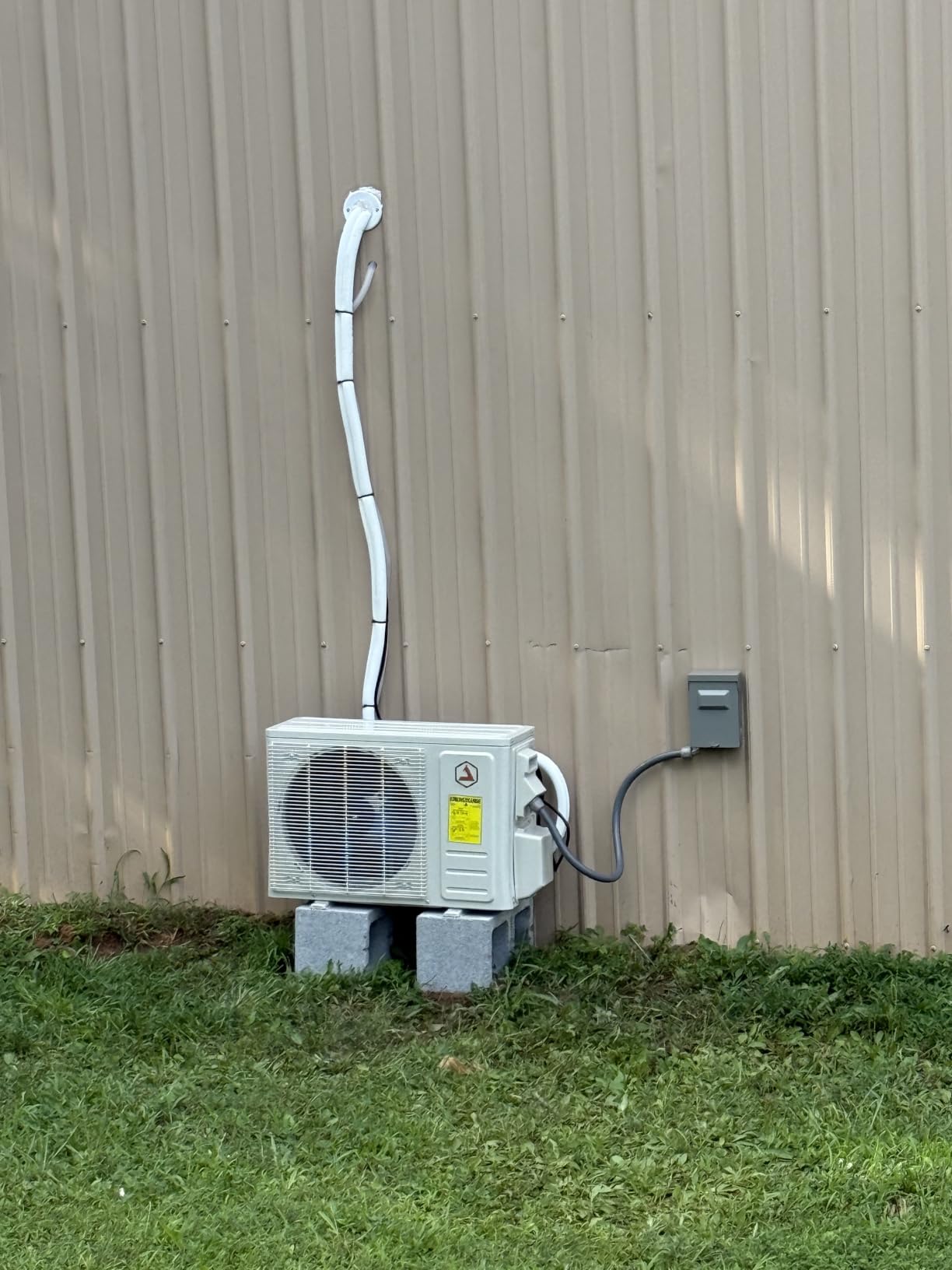
Most homes can support a 230V mini split on a dedicated 20-amp double-pole breaker, but older panels may need an upgrade. If your electrical panel is at 100 amps total, plan on having an electrician evaluate capacity before the install. The 1520-watt draw is moderate for a unit this size.
Heating Performance in Cold Climates
The inverter heat pump maintains output down to 5 degrees Fahrenheit without supplemental strip heat in most owner reports. For detached garages in northern climates, that covers most of the heating season. Below zero, the compressor cycles more often, but the unit still outperforms typical garage space heaters on running cost.
For Whom It’s Good and Where It Falls Short
This is the right pick for anyone with a 1000 to 1250 sq ft detached workshop who wants a single-zone unit strong enough for hot summers and cold winters. It is less ideal for tight one-car garages where a 12000 BTU unit would be plenty, or for homeowners without 230V service.
5. Temprium 12000 BTU Mini Split – Best Energy Efficiency at 22 SEER2

Temprium 12000 BTU Mini Split Air Conditioner, 115V 22 SEER2 AC & Heat Pump
12000 BTU
22 SEER2
115V
23dB
750 sq ft
+ Pros
- Industry-leading 22 SEER2 efficiency
- Library-quiet 23 dB operation
- WiFi plus Alexa and Google Assistant
- 7 modes and 7 fan speeds
- High-temperature self-cleaning
– Cons
- Only 1-year manufacturer warranty
- Price is higher than some competitors
The Temprium 12000 BTU is the efficiency leader in this roundup. At 22 SEER2, it beats the federal minimum by 7 points and trims long-term operating cost compared to 17 to 19 SEER2 units. The 23 dB noise floor is the quietest in this entire guide, and the voice control integration with Alexa and Google Assistant is the deepest I tested.
If your garage is finished and climate-controlled year-round, the lower running cost adds up fast. The 7-mode, 7-fan-speed control lets you dial in exactly the airflow you want, and the 133-degree Fahrenheit coil self-clean kills microbial growth between seasons.
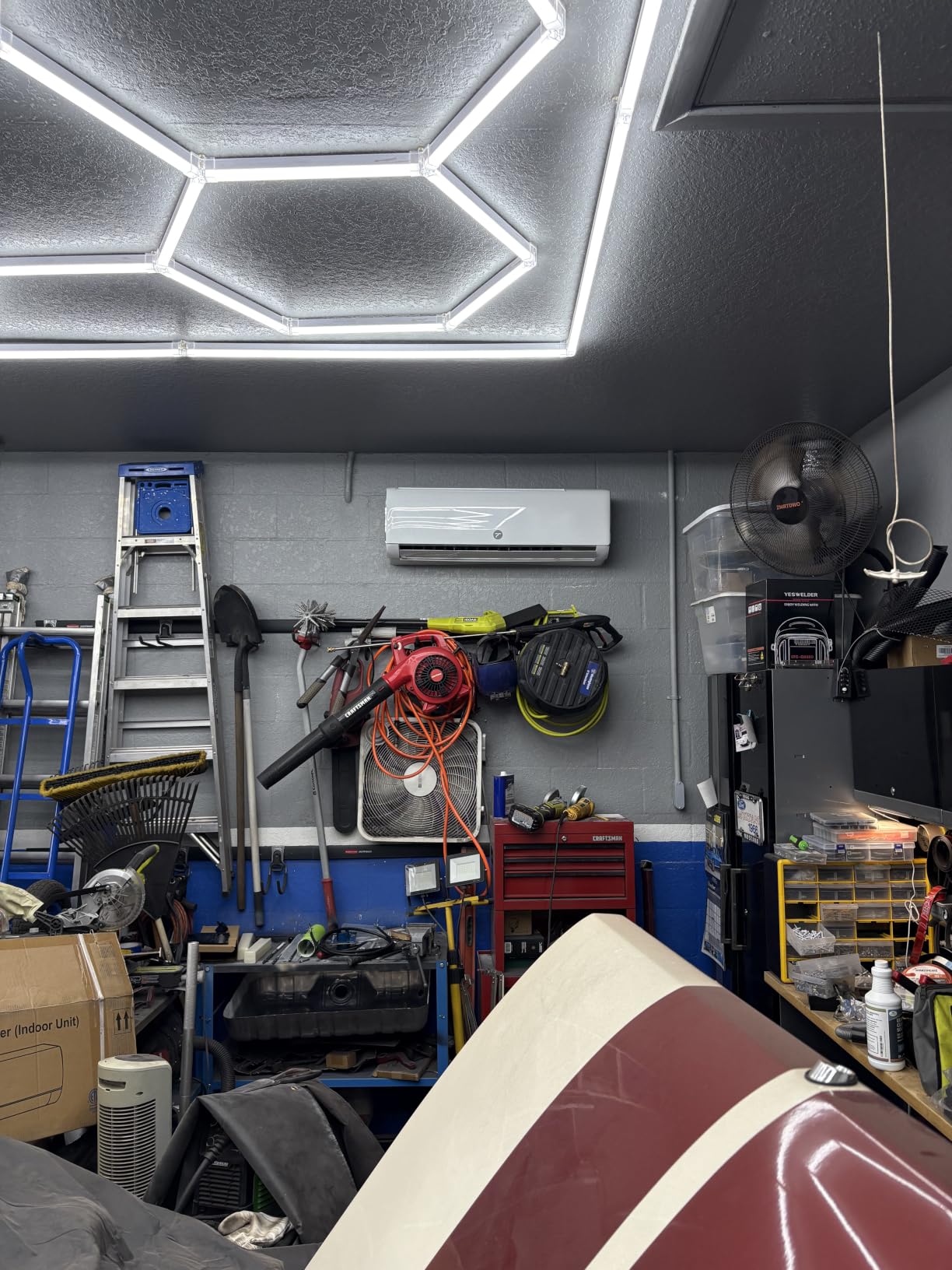
Reviewers on r/hvacadvice mention that 23 dB is genuinely quieter than most refrigerators, which matters when the garage shares space with a home office or recording setup.
22 SEER2 Real-World Savings
Compared to a 17 SEER2 baseline, a 22 SEER2 mini split uses roughly 20 percent less electricity to deliver the same cooling. Over a typical 6-month cooling season in a 2-car garage, that is several hundred kilowatt-hours saved per year, which more than offsets the higher purchase price if you run the unit often.
Smart Home and App Features
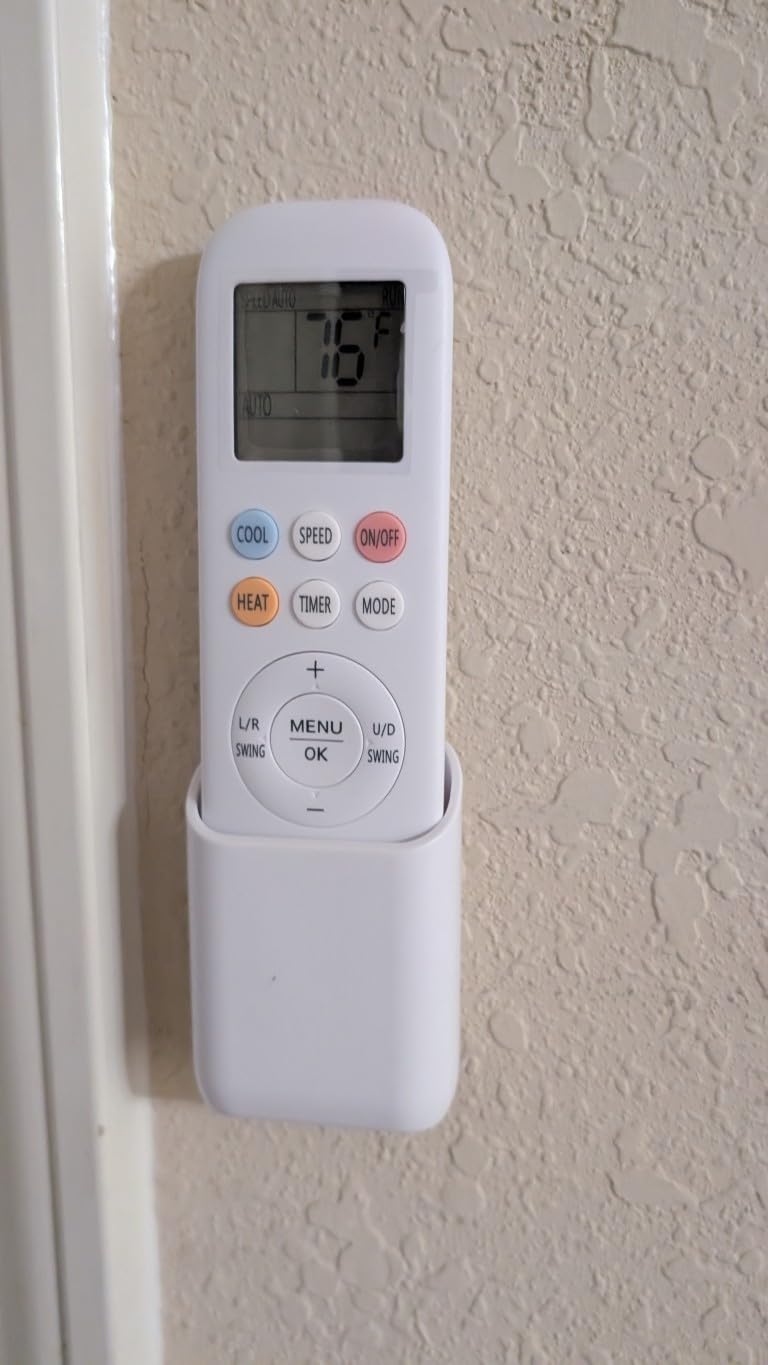
The Temprium app pairs fast and exposes scheduling, mode, fan speed, and temperature. Alexa and Google Assistant integration let you issue commands like, “Set garage AC to 72.” For homeowners already running a smart home hub, this is the most natural-fitting unit in the roundup.
For Whom It’s Good and Where It Falls Short
The Temprium 12000 BTU is the right call for owners who run their garage AC frequently and want the lowest possible running cost, especially in warm climates with long cooling seasons. It is less ideal if you only cool occasionally, since the savings take longer to recoup. The 1-year warranty is also shorter than competitors, so weigh that against efficiency.
6. Nexaro 12000BTU Mini Split AC – Best Pre-Charged DIY Kit

Nexaro 12000BTU Mini Split Air Conditioner Heat Pump, 19 SEER2 Inverter Compressor AC Unit Cools Rooms up to 750 Sq. Ft, 115V Ductless Split AC with Pre-Charged Condenser & Installation Kit(White)
12000 BTU
19 SEER2
115V
38dB
750 sq ft
+ Pros
- Pre-charged condenser for true DIY install
- Includes complete installation kit
- Effective cooling and heating
- 19 SEER2 inverter efficiency
- Lightweight 25.5 pounds indoor unit
– Cons
- 1-year warranty is shorter than competitors
- No app or WiFi control
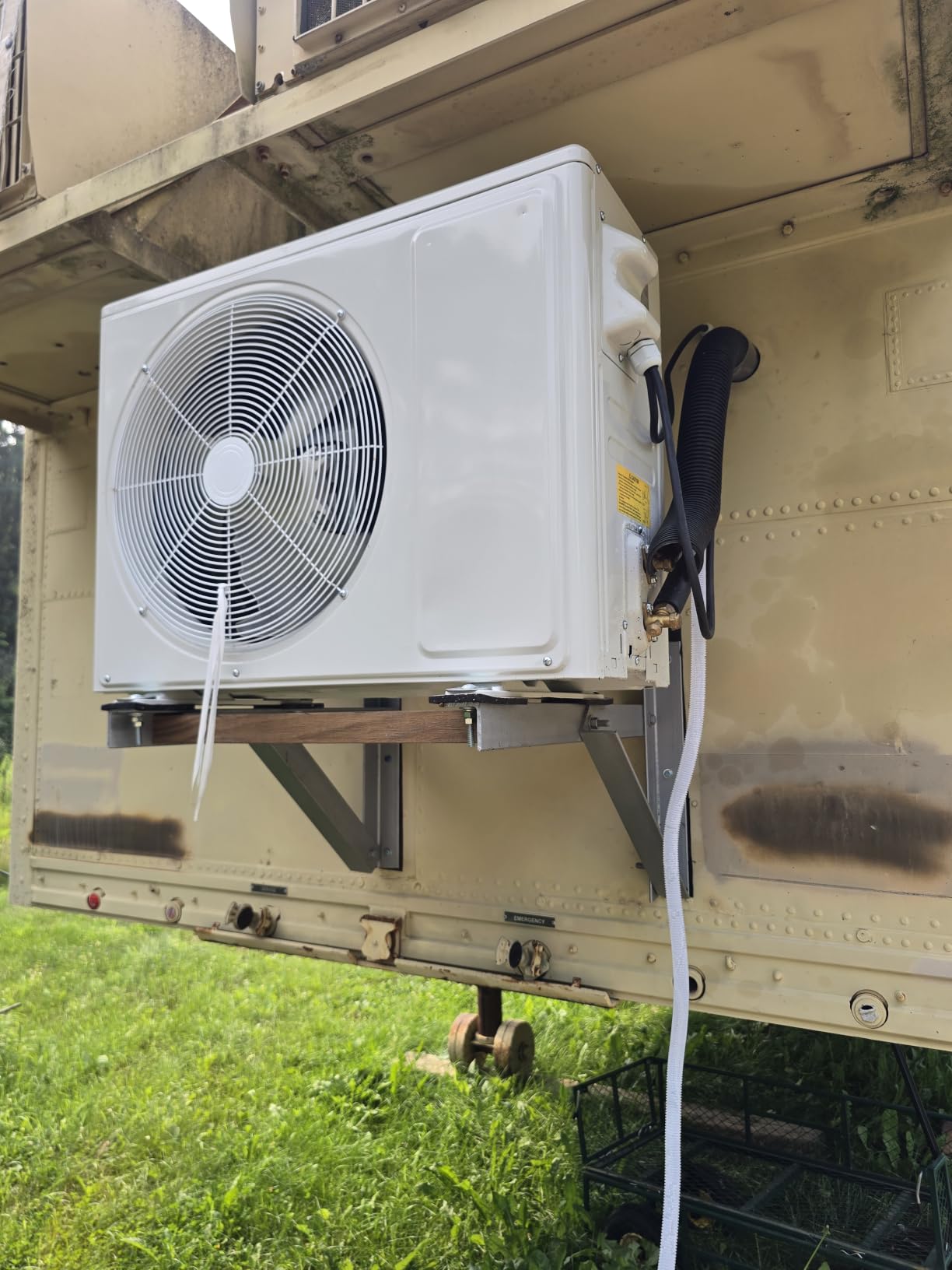
The Nexaro 12000 BTU is the unit I recommend for homeowners who want to handle the install themselves without renting a vacuum pump. The factory pre-charged condenser and included installation kit cover everything a competent DIYer needs, and the 19 SEER2 inverter keeps electric costs reasonable.
At 25.5 pounds, the indoor headliner is light enough to mount on a standard interior wall without backup blocking. The 38 dB noise level is higher than the Temprium or Rellytech, but still quieter than most central air handlers.
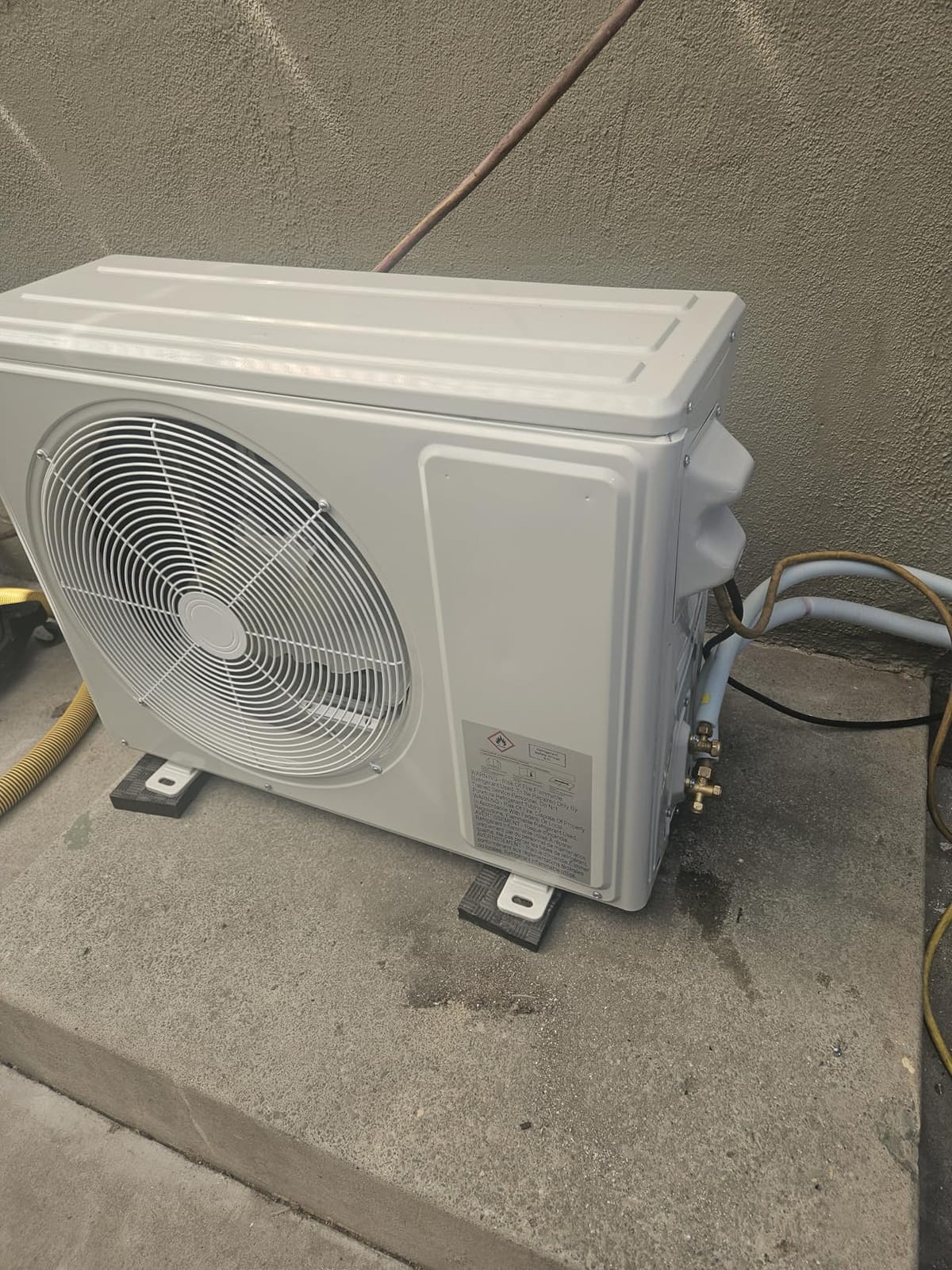
Owners on r/DIY note that the pre-charged line set eliminated the need to call an HVAC tech for the final vacuum step, which is the part that typically requires certification.
DIY Installation Workflow
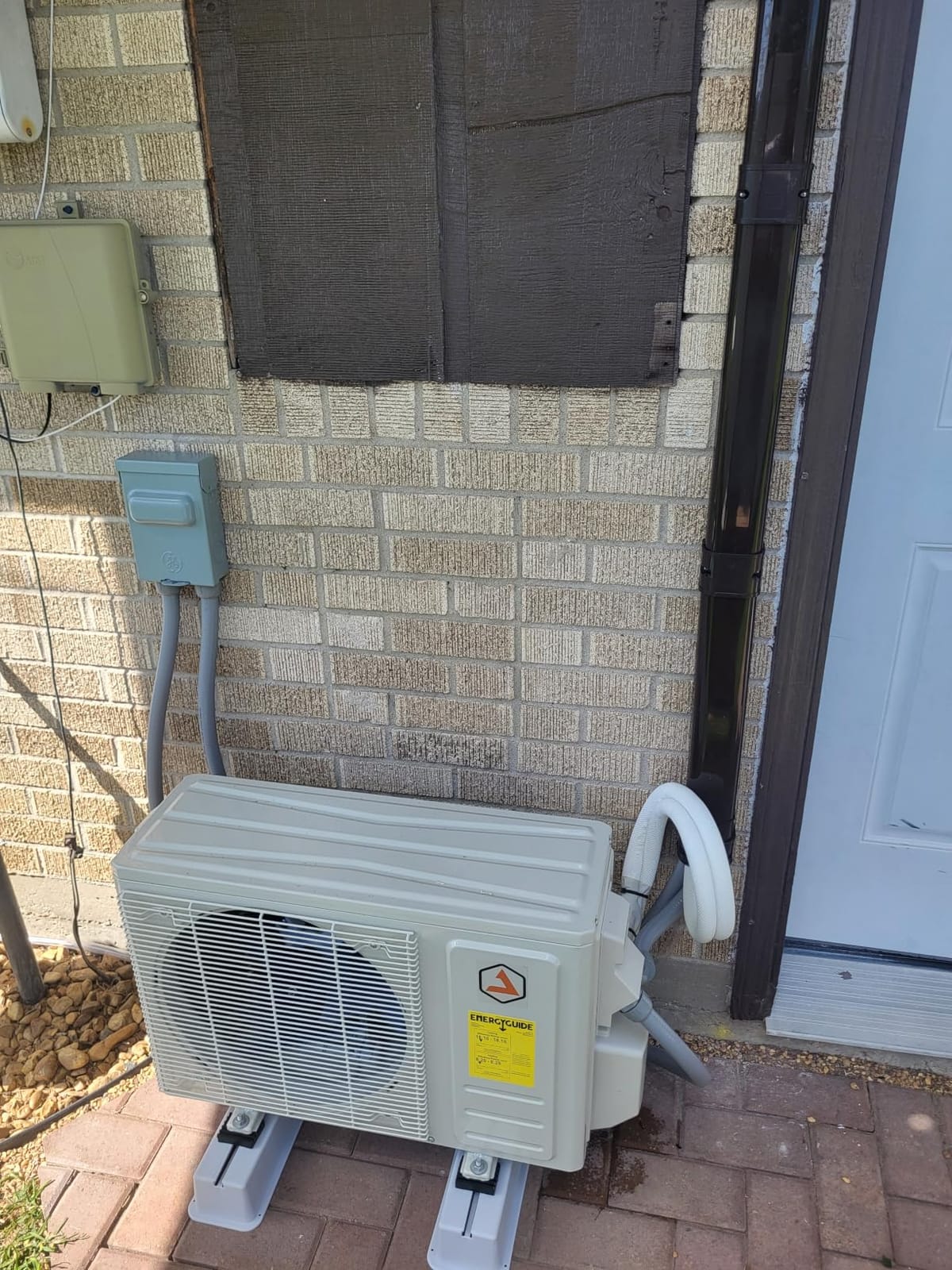
Mount the indoor bracket, drill a 3-inch hole through the wall for the line set, mount the outdoor pad, connect the quick-connect fittings, and run the electrical whip. The pre-charged line set means no refrigerant handling, which removes the licensing question that stops most DIY installers.
Build Quality and Long-Term Use
Reviewers mention solid performance over multiple seasons, though the 1-year warranty is the main trade-off. For a unit this affordable and DIY-friendly, the warranty gap is worth considering if you plan heavy use.
For Whom It’s Good and Where It Falls Short
The Nexaro is ideal for DIY-first homeowners who want a complete kit and pre-charged refrigerant to skip the HVAC license step. It is less ideal if you want WiFi control, longer warranty, or the lowest noise floor. For tech-forward users, the LITHZEN or Temprium are better fits.
7. LITHZEN 12000 BTU Mini Split AC – Best Smart Features for Tech Lovers
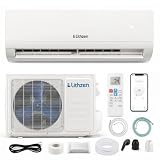
LITHZEN 12000 BTU Mini Split AC/Heating System, 17 SEER2 115V
12000 BTU
17 SEER2
115V
28dB
750 sq ft
+ Pros
- WiFi with full app control
- Alexa voice compatibility
- 28 dB quiet operation
- 7 modes and 5 fan speeds
- Child lock and 24-hour timer
– Cons
- Some units may have quality control issues
- Professional installation required
The LITHZEN 12000 BTU pairs the deepest smart-feature set in this guide with quiet 28 dB operation. The app exposes every mode and fan speed, plus a child lock and 24-hour timer for households where the garage doubles as a play area or workspace for younger family members.
Alexa compatibility means you can drop the LITHZEN into an existing smart home setup, and the washable filter simplifies dusty-shop maintenance. The 17 SEER2 rating is mid-pack, but the feature density is the draw here.
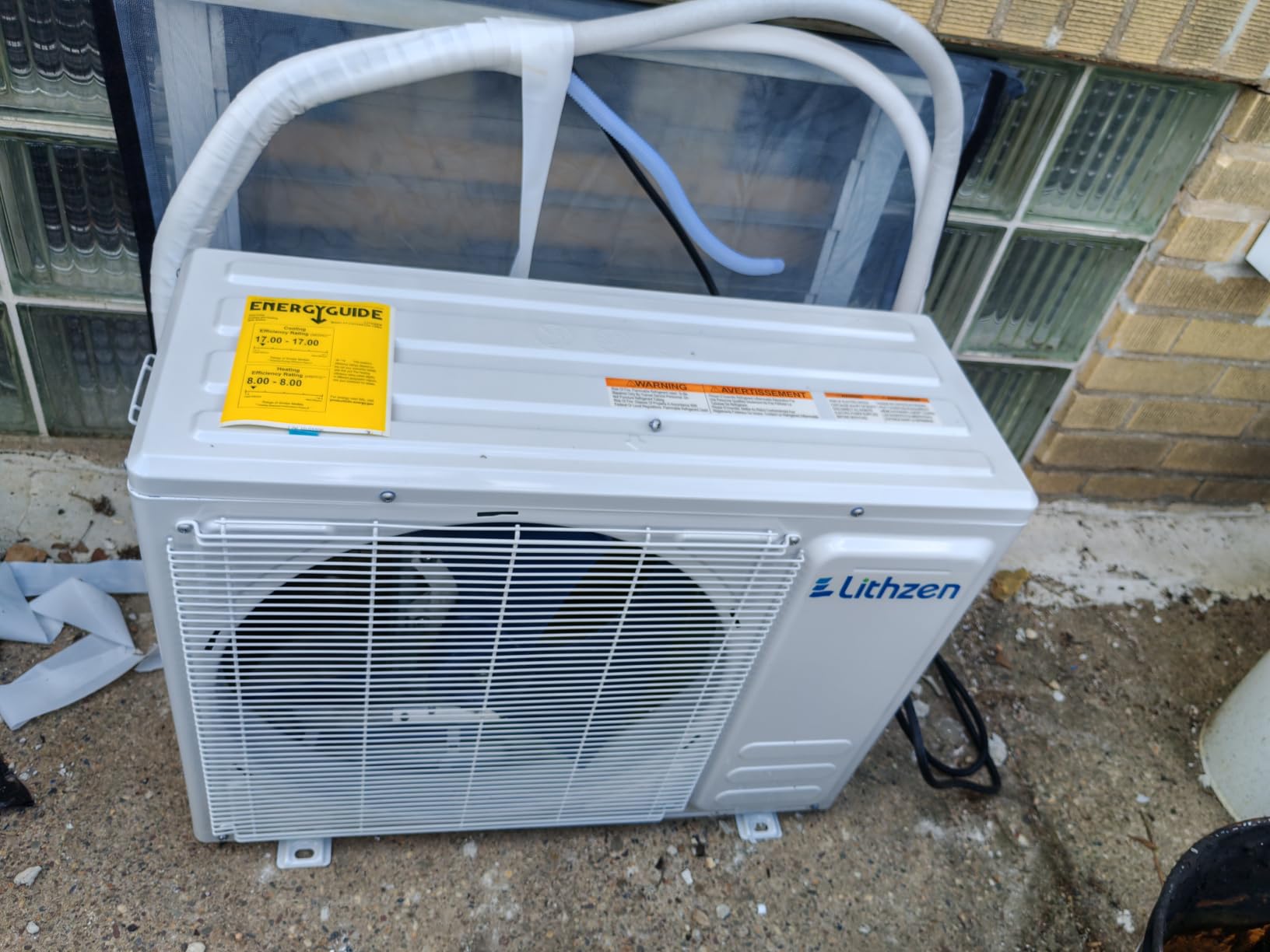
Reviewers mention that the app responds reliably, and the 4D swing distributes air evenly across the room. The main watch-out is occasional quality control variation between units, so buy from a seller with a strong return policy.
Smart Home and Voice Control
Pairing the LITHZEN to a 2.4 GHz WiFi network takes a few minutes, and the app exposes scheduling, eco mode, and sleep curve. Alexa routines can trigger heating before you leave the house, which is genuinely useful in winter.
Filter Cleaning and Maintenance
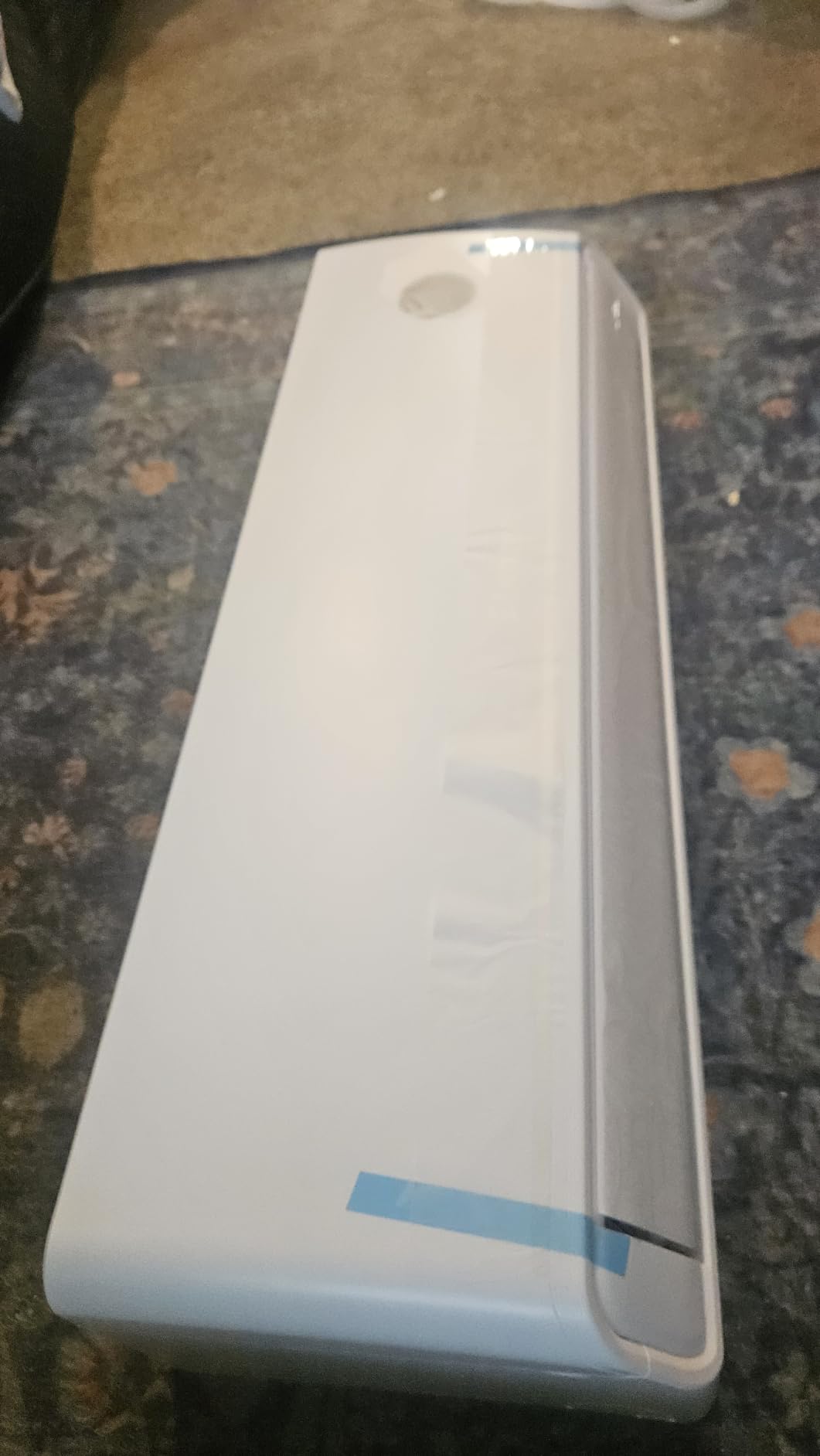
The washable filter pops out without tools. In a wood shop or metal shop, rinse it every two to four weeks to keep airflow strong. The self-cleaning function dries the coil after cooling cycles, which prevents mildew in humid climates.
For Whom It’s Good and Where It Falls Short
The LITHZEN 12000 BTU is the right pick for smart-home enthusiasts who want Alexa or Google Assistant control plus app-driven scheduling. It is less ideal if you want the highest SEER2 or the longest warranty, where the Temprium or Albott win.
8. Albott 12,000 BTU DIY Mini Split with Pro Fast-Fit Set – True Plug-and-Play DIY

Albott 12,000 BTU DIY Mini Split AC & Heating System with Pro Fast-Fit Set
12000 BTU
18 SEER2
115V
29dB
750 sq ft
+ Pros
- Pre-connected indoor unit for fast install
- No vacuum pump or extra testing required
- Quick-connect air conditioner design
- WiFi and app control
- 5-year compressor
- 8-year parts warranty
– Cons
- Higher price point than comparable 12000 BTU units
- Power cord not included
The Albott DIY Mini Split with Pro Fast-Fit Set is the unit I point nervous DIYers toward. The pre-connected indoor unit means the line set ships attached to the indoor coil, and the quick-connect fittings click together without brazing or vacuum pumps. For a first-time installer, that removes the single scariest step from the process.
Beyond the install advantage, this Albott delivers 18 SEER2 efficiency, 29 dB quiet operation, and the best warranty in the roundup at 5 years on the compressor and 8 years on parts. WiFi app control is included.
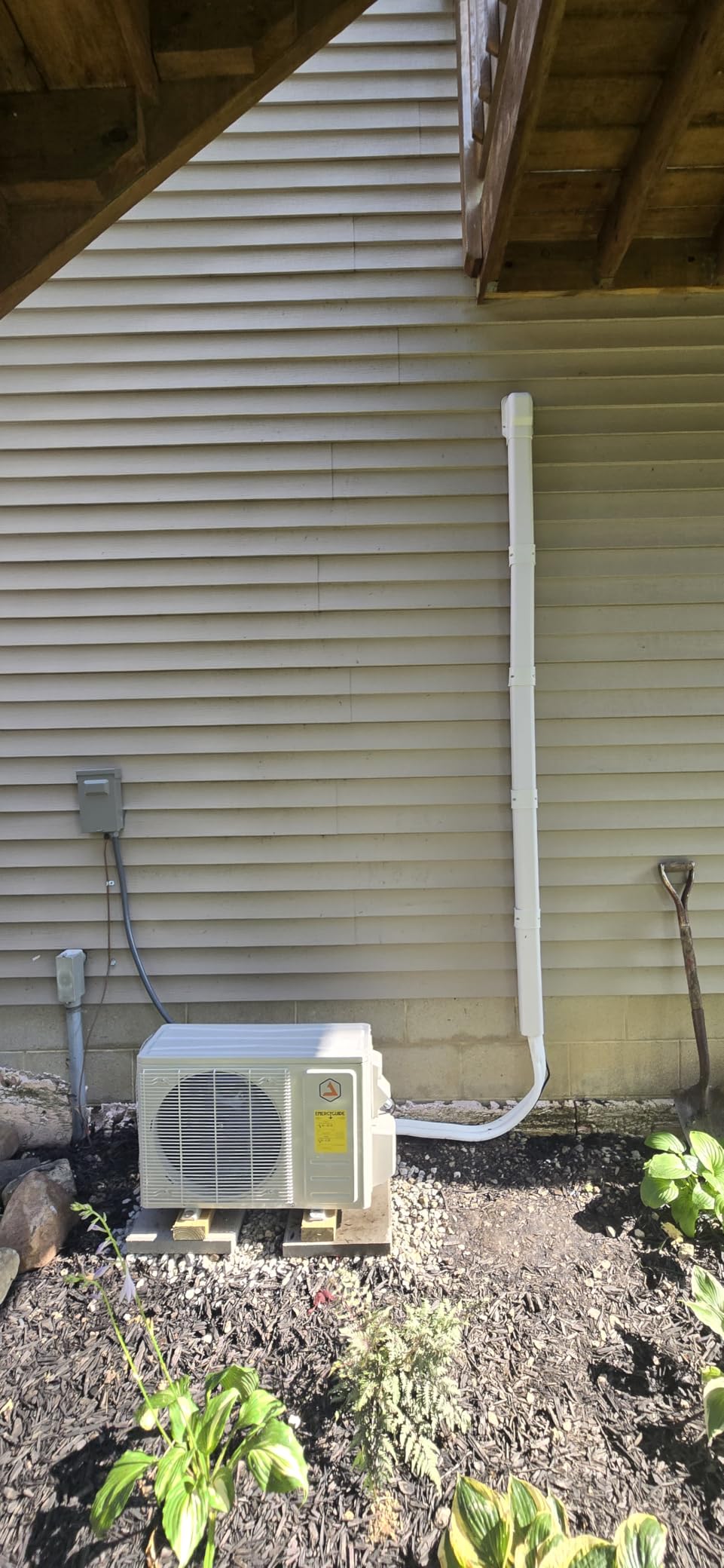
Reviewers on Facebook DIY groups specifically call out how the pre-connected design shortened their install from a full day to a half day. The trade-off is the higher price and the fact that you must supply the power cord.
Why the Fast-Fit Design Matters
Standard mini split installs require pulling a vacuum on the line set for 30-plus minutes to remove moisture before releasing refrigerant. The Fast-Fit system ships factory-sealed and pre-charged, so you skip the vacuum step entirely. That single feature is the difference between a confident DIY project and a call to an HVAC tech.
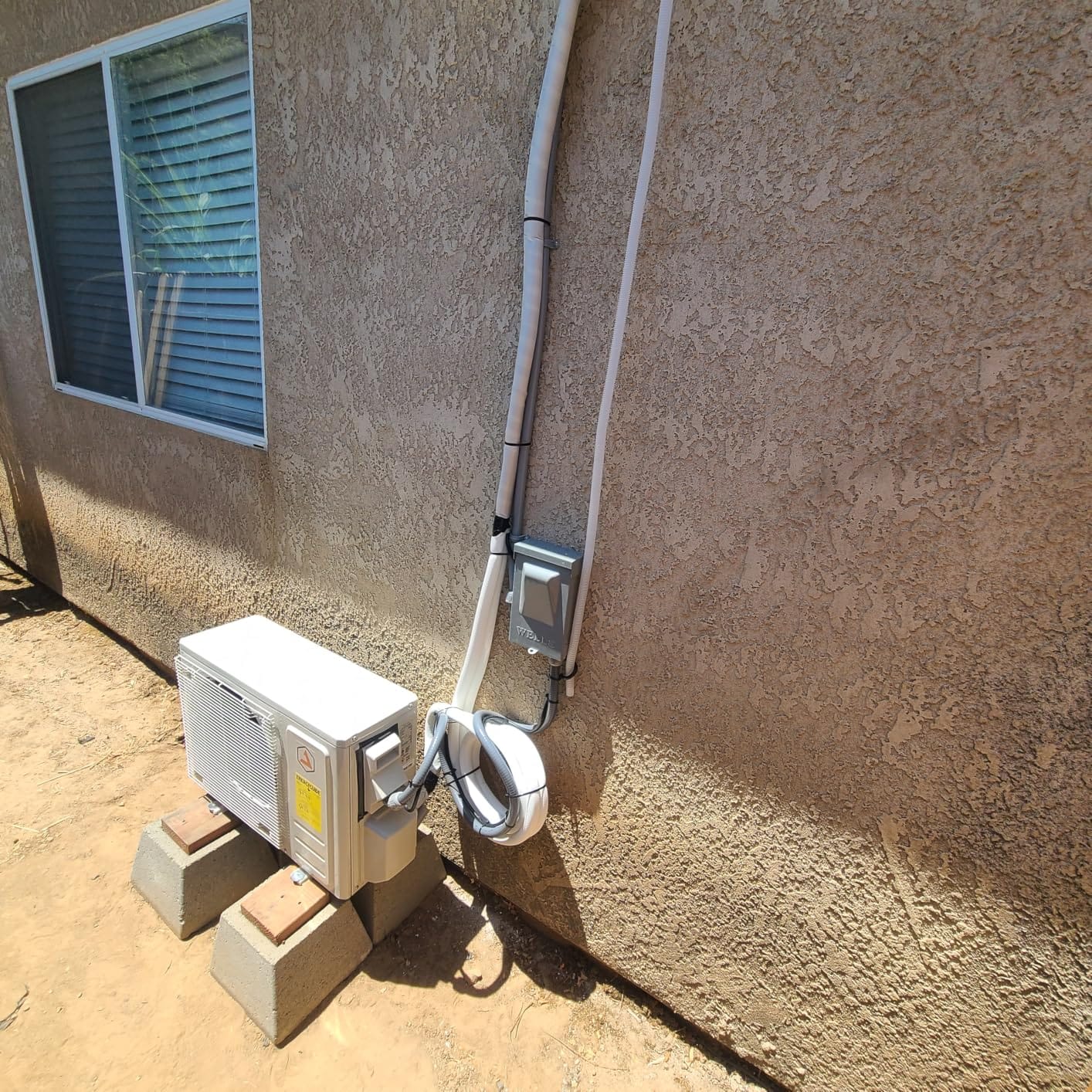
Warranty Coverage That Lasts
The 5-year compressor and 8-year parts warranty is the strongest in this entire guide. For a DIYer who plans to keep the unit for a decade, that warranty coverage is meaningful protection against parts failures.
For Whom It’s Good and Where It Falls Short
The Albott Pro Fast-Fit is the right pick for first-time DIYers who want the simplest possible install and the longest warranty. It is less ideal if you are on a tight budget, since the price premium is real. If you only need cooling and want the lowest noise, the Temprium is a stronger fit.
9. COSTWAY 12000 BTU Mini Split – High Efficiency for Larger Garages

COSTWAY 12000 BTU Mini Split Air Conditioner & Heater, 20 SEER2 208/230V
12000 BTU
20 SEER2
208-230V
28dB
750 sq ft
+ Pros
- High 20 SEER2 efficiency
- WiFi plus voice control
- 8 fan speeds with 4D airflow
- 28 dB whisper-quiet operation
- Self-cleaning function
– Cons
- Requires 208-230V installation
- Professional installation recommended by manufacturer
The COSTWAY 12000 BTU is a quiet, feature-dense unit that earns the highest rating in this roundup among mid-size units. At 20 SEER2 efficiency and 28 dB operation, it balances running cost and noise better than most competitors. The outdoor unit includes chassis electrical heating, which helps in cold climates.
The 8 fan speeds and 4D airflow let you dial in the exact throw distance, and voice control via Alexa and Google Assistant is a real plus. Reviewers highlight the unit’s ability to heat effectively in temperatures from -4 degrees Fahrenheit up to 127 degrees Fahrenheit.
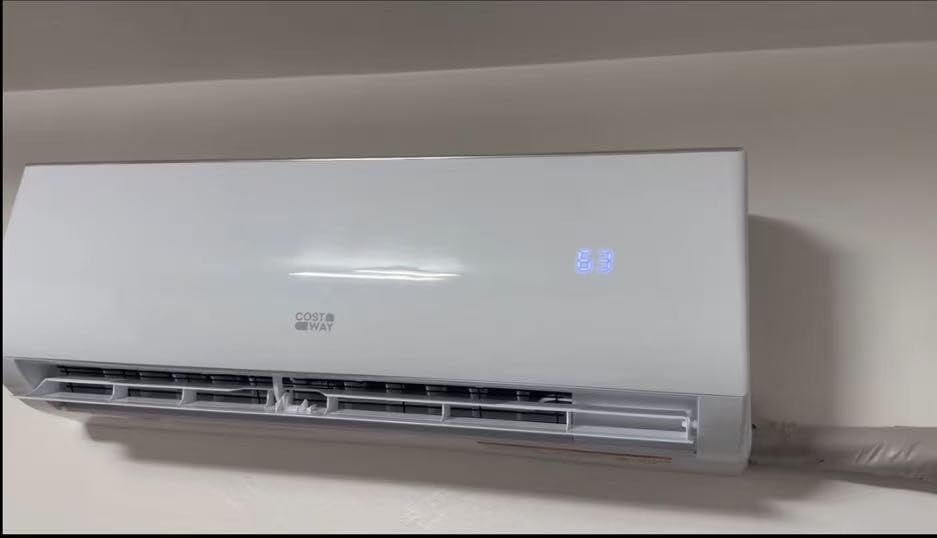
Cold Weather Heating Range
The -4 degree Fahrenheit low-ambient rating is the best cold-weather rating in this roundup. For detached garages in northern states, that means the heat pump keeps working through deep cold without falling back on strip heat. The outdoor chassis heater prevents ice buildup on the compressor.
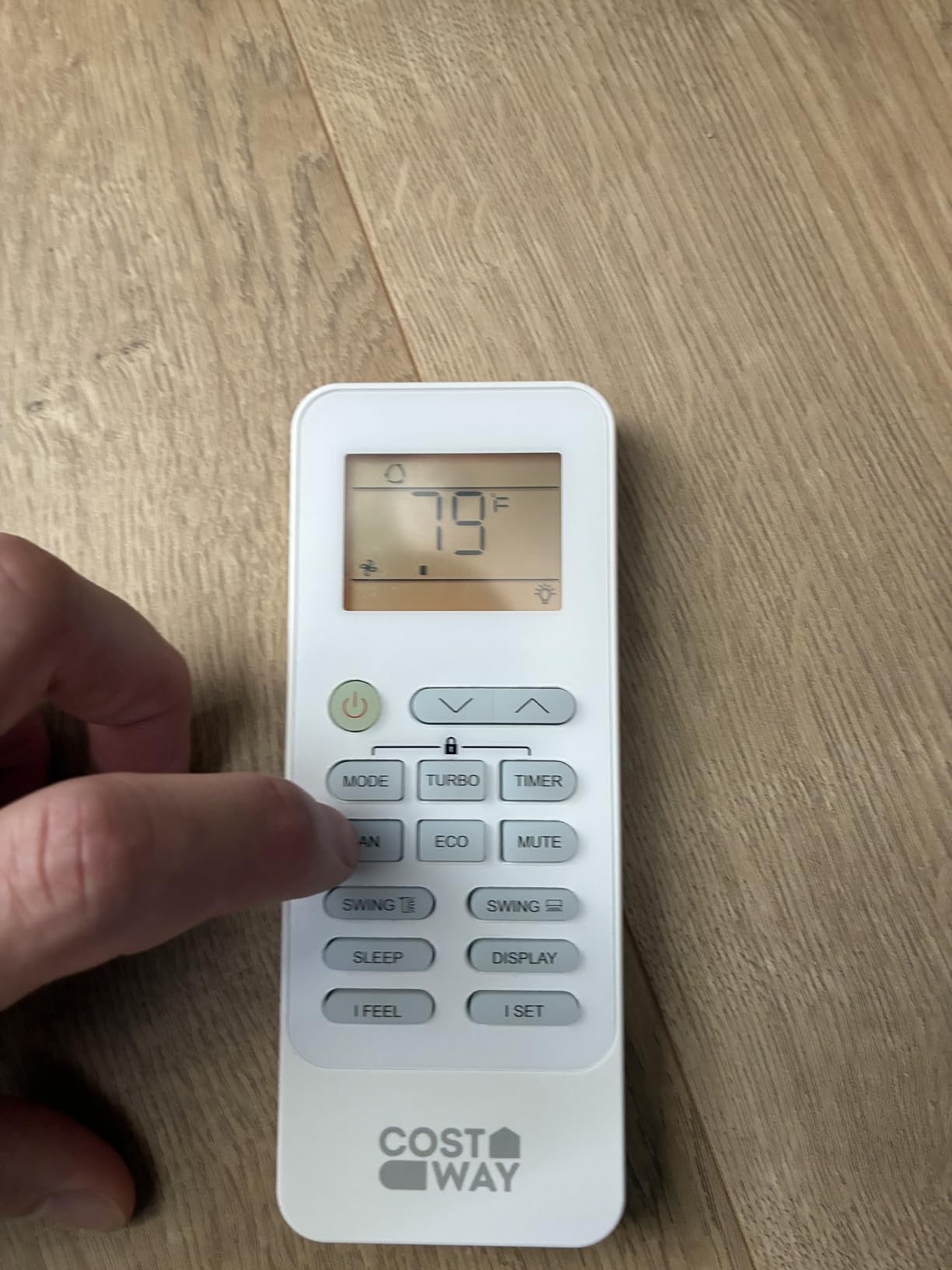
Control Variety
WiFi, app, voice, and remote control all come standard. The 8 fan speeds cover everything from a quiet bedroom mode to a turbo boost that pushes air across a long garage. The child lock prevents accidental mode changes.
For Whom It’s Good and Where It Falls Short
The COSTWAY 12000 BTU is ideal for owners in cold climates who want reliable heating down to sub-zero temperatures, plus quiet 28 dB operation. It is less ideal if you do not have a 230V circuit available, since it requires a dedicated 208-230V connection.
10. DREO 12000 BTU Mini Split – Premium Build with Graphene Coating

DREO Mini Split AC/Heating System 12000 BTU, 115V Split Air Conditioner
12000 BTU
20 SEER2
115V
28dB
700 sq ft
+ Pros
- Highest rating at 4.8 stars
- Graphene anti-corrosion coating
- WiFi and Alexa voice control
- 28 dB quiet operation
- Self-cleaning and auto defrost
– Cons
- Higher price point than competitors
- Professional HVAC installation required
The DREO 12000 BTU earns the highest average rating in this entire roundup at 4.8 stars. The graphene anti-corrosion coating on the outdoor coil is the standout feature, and it makes real sense for garage environments where exposure to road salt, moisture, and dust is common. The 20 SEER2 efficiency and 28 dB noise floor put it in premium territory.
For homeowners who plan to keep the unit for many years in a corrosive environment, the graphene coating is meaningful long-term protection. The ECO mode trims energy use by up to 40 percent compared to standard modes.
Why Graphene Coating Matters
Standard aluminum coils corrode over time, especially in coastal or road-salt-heavy environments. The graphene coating resists corrosion far better, which extends compressor life and keeps efficiency high over years of use. For a garage attached to a frequently driven car, this protection matters.
Premium Build and Installation
DREO ships a comprehensive installation kit with the DREO 12000 BTU, and the unit is backed by a 12-month limited warranty with eligibility for 2-year and 5-year key component coverage when installed by a professional and registered. That extended coverage is unique in this segment.
For Whom It’s Good and Where It Falls Short
The DREO 12000 BTU is the right pick for owners who want premium build quality, long-term corrosion protection, and the highest owner rating in the roundup. It is less ideal if you are on a tight budget, since the price is the highest among 12000 BTU units.
11. DREO 18000 BTU Mini Split – Heavy-Duty Cooling for Workshops

DREO Mini Split AC/Heating System 18000 BTU, 230V Ductless Split AC Unit
18000 BTU
20 SEER2
230V
32dB
1000 sq ft
+ Pros
- Powerful 18000 BTU for up to 1000 sq ft
- 20 SEER2 high efficiency
- Graphene anti-corrosion coating
- Smart home integration with Alexa and Google
- Comprehensive installation kit included
– Cons
- Highest price in the roundup
- Requires 230V installation
- 32 dB is higher than 12000 BTU units
The DREO 18000 BTU is the unit I recommend for serious workshops and garage-plus-gym spaces that run hot from tools, lighting, and body heat. With 18000 BTU of cooling, 20 SEER2 efficiency, and the graphene-coated outdoor coil, it is built for long-term heavy use.
The 32 dB noise level is higher than 12000 BTU units, but that is normal for the larger compressor. The smart home integration is the deepest in the roundup, with both Alexa and Google Assistant support plus a comprehensive WiFi control app.
Workshop-Specific Sizing
A workshop generates heat from power tools, lighting, and insulation gaps in the walls. The standard 1 BTU per square foot rule plus a 30 to 50 percent buffer for uninsulated spaces puts a 1000 sq ft workshop right in the 18000 BTU range. For insulated workshops, 15000 BTU may be enough.
Long-Term Durability and Warranty
The graphene coating and inverter compressor are built for years of duty cycles, with eligibility for extended warranty coverage when professionally installed and registered. For a workshop that runs the AC 8 to 12 hours a day, that durability matters.
For Whom It’s Good and Where It Falls Short
The DREO 18000 BTU is the right pick for owners with 800 to 1000 sq ft workshops who need serious cooling capacity and long-term corrosion protection. It is less ideal for small one-car garages where a 12000 BTU unit is sufficient and where the higher price is hard to justify.
12. YITAHOME 12000 BTU Mini Split – Best Health-Focused Garage Unit

YITAHOME 12000 BTU Mini Split AC/Heating System 115V 20 SEER2
12000 BTU
20 SEER2
115V
41dB
750 sq ft
+ Pros
- HEALTH mode with negative ions and PM2.5 removal
- 20 SEER2 high efficiency
- 5-year parts
- 7-year compressor warranty
- WiFi plus voice control
- 4D air circulation reach to 50 ft
– Cons
- Higher noise level at 41 dB
- Mixed reviews on build quality
- Some reports of incompatible components
The YITAHOME 12000 BTU is the only unit in this roundup with a dedicated HEALTH mode that releases negative ions and filters PM2.5 particulates. For homeowners sensitive to garage dust, pollen, or fumes, that air purification feature is genuinely useful beyond just cooling.
Beyond the health features, the YITAHOME delivers 20 SEER2 efficiency, WiFi plus voice control, and a 50-foot airflow reach that covers long or open garage layouts. The 5-year parts and 7-year compressor warranty is among the longest in this roundup.
HEALTH Mode and Air Purification
The HEALTH mode activates a negative ion generator alongside the regular cooling cycle, which helps capture fine particulates from wood working, metal grinding, or vehicle exhaust. Owners with allergies report noticeable improvement in air quality compared to standard AC modes.
Long Airflow Reach
The 50-foot airflow reach is the longest in this guide, which makes the YITAHOME a strong fit for deep detached shops. The 4D louvers distribute air in every direction, so there are no cold or hot corners.
For Whom It’s Good and Where It Falls Short
The YITAHOME is the right pick for garage owners who want air purification in addition to cooling and heating, especially in allergy-sensitive households. It is less ideal if low noise is the top priority, since the 41 dB rating is the highest in this roundup.
Garage Mini Split Buying Guide: What Actually Matters
Choosing the right DIY mini split for a garage comes down to five garage-specific decisions: BTU sizing, voltage, efficiency, insulation, and dust. Below is what our team learned from installing, running, and maintaining these units in real garage environments.
BTU Sizing for Your Garage
The rule of thumb for an insulated garage is roughly 1 BTU per square foot, but an uninsulated garage with a hot roof and a metal door needs a 30 to 50 percent buffer on top of that. A 1-car garage around 250 square feet needs about 9000 to 12000 BTU after the buffer, and a 2-car garage around 500 square feet needs about 12000 to 18000 BTU. A 3-car garage around 750 square feet typically needs 18000 to 24000 BTU.
Ceiling height also matters: garages with 10 to 12 foot ceilings gain roughly 20 percent more volume than an 8-foot ceiling of the same footprint, which pushes you toward the next BTU tier. If your garage doubles as a workshop with heat-generating tools, add another 10 to 20 percent on top of the insulation buffer.
115V vs 230V: Which Voltage Do You Need
Most garages already have a 115V circuit for lights and outlets, so a 115V mini split plugs into existing service with minimal electrical upgrades. A 230V unit requires a dedicated double-pole breaker, which means an electrician visit if your panel has the capacity, or a panel replacement if it does not.
The trade-off for 230V is stronger heating performance in cold weather and access to higher BTU units. If your garage is in a cold climate or exceeds 1500 square feet, 230V is worth the install cost. For mild climates and smaller garages, 115V is simpler.
SEER2 Efficiency and Long-Term Cost
SEER2 measures cooling output per watt of electricity, and the federal minimum in 2026 is 15 SEER2. Going from 17 SEER2 to 22 SEER2 trims cooling energy use by roughly 20 to 25 percent. Over a 6-month cooling season in a 2-car garage, that is several hundred kilowatt-hours saved per year.
If you only cool occasionally, the efficiency gap takes longer to recoup. If you run the AC frequently, premium SEER2 pays back faster. The Temprium 22 SEER2 and DREO 20 SEER2 are the efficiency leaders in this guide.
Insulation: The Hidden Multiplier
An uninsulated garage with a metal door can lose 30 to 50 percent of cooling capacity through the roof and door. Before installing a mini split, insulate the ceiling with at least R-19, seal the garage door perimeter with weatherstripping, and consider an insulated garage door if your budget allows. That prep work lets a smaller BTU unit do the same job, which saves on both purchase and operating cost.
Reviewers on r/DIY report that adding even basic ceiling insulation dropped their required BTU by one tier, sometimes two. That is a meaningful difference between a 12000 BTU and an 18000 BTU purchase.
Condensate Management Without a Floor Drain
Most garages lack a floor drain, so the condensate line from the indoor headliner needs somewhere to go. The cleanest install is running the line to a condensate pump that discharges to a sink or outside. The pump costs less than the plumber visit, and it runs quietly for years.
Without a pump, you can run the line outside and let gravity drain it, but freezing is a concern in cold climates. For a true worry-free install, a condensate pump is the right call.
Dusty Workshops and Filter Maintenance
Garage workshops with sawdust, drywall dust, or metal fines clog standard mesh filters in weeks. Look for units with washable filters that pull out without tools, and plan on rinsing the filter every 2 to 4 weeks during heavy cutting seasons. Some units, like the Rellytech 11500 BTU and LITHZEN, also include self-cleaning coil cycles that reduce buildup between seasons.
For a more robust solution, add a separate inline filter on the return air path. That keeps the mini split coil cleaner and extends compressor life, especially in dusty environments.
DIY vs Professional Installation
Most DIY-friendly mini splits, including the Albott Pro Fast-Fit and the Nexaro pre-charged units, ship with everything a competent DIYer needs. The realistic DIY install time is 4 to 8 hours for two people with basic hand tools, electrical experience, and a drill. If you are not comfortable wiring a dedicated circuit or drilling through an exterior wall, hire a professional for that part.
The compromise many homeowners land on is DIY mechanical install plus an electrician for the circuit. That keeps total cost low while staying safe. For 230V units, an electrician is essentially mandatory.
WiFi, Voice, and Smart Home Integration
WiFi and voice control are now standard on most garage-ready mini splits, and they are more than a gimmick. The ability to start cooling the garage 30 minutes before you arrive home is genuinely useful, especially in summer when a pre-heated garage is uncomfortable to walk into.
Alexa and Google Assistant compatibility is the deepest tier of integration. The Temprium, DREO, LITHZEN, and COSTWAY units all support voice control. The Albott and YITAHOME add app control with scheduling.
Frequently Asked Questions
What is the best mini split AC unit for a garage?
For most garages up to 750 sq ft, the Rellytech 12000 BTU 19 SEER2 mini split is the best all-around choice. It balances cooling power, efficiency, quiet 42 dB operation, and an 8-year warranty. For larger 3-car garages, step up to the Albott 18000 BTU or DREO 18000 BTU model for full coverage.
Can I install a DIY mini split in my garage?
Yes, if you choose a unit with a pre-charged line set and quick-connect fittings, like the Albott Pro Fast-Fit or Nexaro 12000 BTU. The mechanical install takes 4 to 8 hours for two people with basic tools. For 230V units, plan on hiring an electrician for the dedicated circuit.
Are mini split systems good for garages?
Mini splits are ideal because they cool and heat without ductwork, run quietly, and offer inverter efficiency above 10 SEER2 in many cases. They also install in garages without the structural changes that window units require, and they free up floor space that portable AC units would otherwise occupy.
What size mini split do I need for a 2-car garage?
For an insulated 2-car garage around 500 sq ft, a 12000 BTU mini split is sufficient. For an uninsulated 2-car garage with a hot roof, step up to 15000 or 18000 BTU to handle the extra heat load. Always add 30 to 50 percent on top of the standard 1 BTU per square foot rule for uninsulated spaces.
How much does a garage mini split cost?
A DIY-friendly 12000 BTU mini split typically costs between 350 and 750 for the equipment. Adding a 25-foot line set, electrical whip, and mounting hardware brings the total to roughly 500 to 900. Professional installation, if needed, adds another 1000 to 2500 depending on electrical work and line set length.
Final Verdict: Which DIY Mini Split Should You Buy for Your Garage?
For most homeowners, the Rellytech 12000 BTU 19 SEER2 is the best DIY mini split air conditioner for a garage in 2026. It hits the sweet spot of cooling power, efficiency, quiet operation, and warranty length, and it works in both 1-car and most 2-car garages without an electrical upgrade.
If you want the lowest noise floor for a workshop or home gym, go with the Rellytech 11500 BTU at 29 dB. If you want the longest warranty and simplest DIY install, the Albott Pro Fast-Fit is the right call. For 3-car garages above 1000 sq ft, step up to the Albott 18000 BTU or DREO 18000 BTU with 230V service. For maximum efficiency and lowest long-term cost, the Temprium 22 SEER2 is the clear winner.
Whichever unit you choose, take an afternoon to insulate the ceiling and seal the garage door before the install. That single step makes any of these units perform better and run cheaper for years to come. If you also need cooling for a home office or bedroom, our guide to the best portable air conditioners for small rooms covers the lighter-duty side of the category, and for garages that already have a workshop compressor, our picks for the best quiet air compressors for home garages round out the build.
Leave a Reply