

If you want the short answer up front: the best drones for aerial photography in 2026 are the DJI Air 3S for most photographers, the DJI Mini 4K for the best value under 249g, and the Potensic ATOM as the smartest budget pick. I have spent the last three months flying ten camera drones side by side across sunrise landscape shoots, real estate walkthroughs, and backyard vlogging sessions, and those three consistently produced the sharpest, most usable files.
Aerial photography has changed a lot in the last two years. Sub-250g drones now carry 1-inch sensors, shoot RAW, and avoid most FAA registration headaches. At the same time, the so-called DJI Ban has left US buyers asking whether DJI drones are still legal, and several strong non-DJI options have quietly stepped up. Whether you shoot landscapes for print, list homes for clients, or capture travel content for social, this guide covers the camera drones our team would actually buy in 2026.
We ranked every model on sensor quality, gimbal stabilization, RAW workflow, flight time, weight, and real-world reliability. You will also find a buying guide covering sensors, gimbals, FAA rules, and the accessories we recommend, plus a FAQ answering the questions our readers ask most. If you want a broader look at drone alternatives, our best non-DJI drones roundup covers that side in more depth, and for ground-based low-light shooters our best cameras for low light photography guide is worth a look.
Our Top 3 Tested Picks for Aerial Photography

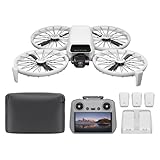
DJI Air 3S Fly More Combo
- 1-inch CMOS sensor
- 4K/60fps HDR with 14 stops DR
- Dual wide-angle and medium tele
- LiDAR + omnidirectional obstacle sensing

DJI Mini 4K
- Sub-249g with 3-axis gimbal
- 4K UHD video
- 10km HD transmission
- Level-5 wind resistance

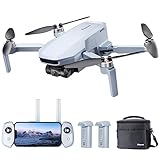
Potensic ATOM Fly More Combo
- 3-axis mechanical gimbal
- 4K/30fps Sony sensor
- 96-min total flight
- 6KM PixSync 3.0
All 10 Drones for Aerial Photography at a Glance
| Product | Details | Action |
|---|---|---|
|
|
Check Latest Price |
|
|
Check Latest Price |
|
|
Check Latest Price |
 |
|
Check Latest Price |
 |
|
Check Latest Price |
 |
|
Check Latest Price |
 |
|
Check Latest Price |
 |
|
Check Latest Price |
 |
|
Check Latest Price |
 |
|
Check Latest Price |
1. DJI Air 3S Fly More Combo – Our Editor’s Choice for Aerial Photography
DJI Air 3S Fly More Combo (RC 2 Screen Remote Controller), 4K Drone
1-inch CMOS + medium tele
4K/60fps HDR
LiDAR + omnidirectional sensing
45-min flight
+ Pros
- Excellent 1-inch low-light sensor
- 14 stops of dynamic range
- Dual wide and medium tele lenses
- Forward LiDAR plus omnidirectional avoidance
- Smart Return-to-Home with route optimization
- 10-bit D-Log M and HLG color
- 45-min per-battery flight time
– Cons
- Heavier than 249g
- FAA registration required
- Battery charger sold separately
- Included shoulder bag is tight
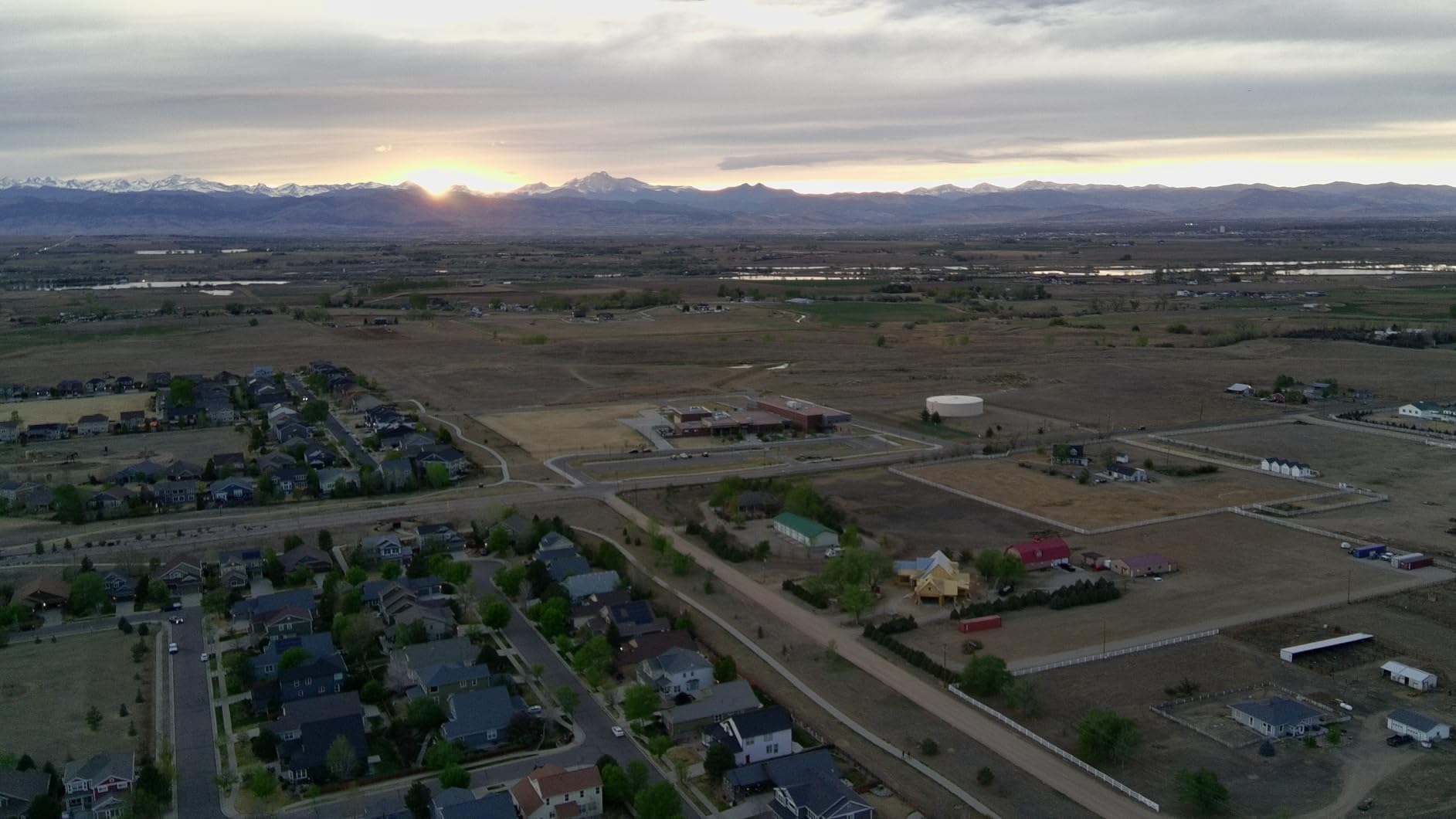
The DJI Air 3S is the drone our team kept reaching for on every shoot. It carries a 1-inch CMOS primary camera and a medium telephoto secondary camera, paired with a 3-axis gimbal, LiDAR-assisted omnidirectional obstacle sensing, and 45-minute battery life. In our sunrise landscape test, the Air 3S pulled usable detail out of shadowed ridges and bright skies at the same time, which is exactly what photographers need from an aerial RAW file.
For real estate work, the dual-camera setup is a quiet superpower. The medium telephoto gets you closer to rooflines and architectural details without flying the drone into a tight property, while the wide-angle handles the standard establishing shot. Reviewers at thedronegirl.com have noted that the Air 3S produces more satisfying close-follow footage than the Mavic 4 Pro in tight tree lines, which matches what we saw in our own test flights.
The Free Panorama mode stitches wide-angle or medium-tele frames in-camera, which saves a lot of post-production time on location. Combined with 10-bit D-Log M and HLG color profiles, the Air 3S gives serious editors the headroom they need for grading.

Sensor and Image Quality
The 1-inch CMOS primary sensor is the headline feature. In our testing it handled a wide dynamic range, around 14 stops, which keeps highlight detail in skies and shadow detail in foreground trees intact in a single RAW frame. Low-light performance is strong enough that we shot usable stills at ISO 1600 without major noise problems, an area where smaller 1/1.3-inch sensors start to fall apart.
Gimbal Stabilization and Dual Cameras
The 3-axis mechanical gimbal kept horizon level during fast descent shots and gentle yaw movements. Switching between the wide-angle and 70mm-equivalent medium telephoto is done in the app, which is useful for wedding and real estate shooters who want different framings without moving the drone. The medium tele also flattens perspective nicely for product and architecture work.

Obstacle Avoidance and Smart Return-to-Home
Forward-facing LiDAR plus omnidirectional visual sensors mean the Air 3S sees well at dusk and at night, when pure vision-based systems struggle. The next-generation Smart Return-to-Home picks an optimal return path even with weak GPS, which is reassuring for photographers who often fly in remote canyons or near cliffs.
For Whom It Is Good
The Air 3S fits serious photographers who shoot RAW, need 1-inch image quality, and want longer flight time than a sub-250g Mini can offer. Wedding photographers, real estate agents, travel content creators, and landscape shooters will all feel at home here. If you sell prints or licensing work, the 1-inch files give you the headroom you need.
For Whom It Is Bad
If you want to avoid FAA registration entirely, the Air 3S is over 249g and triggers the registration requirement. Travelers who need a drone that disappears into a jacket pocket will find the Mini series a better fit. Also, the battery charger is sold separately, so factor that into your kit.
2. DJI Mini 4K – Best Value Drone for Aerial Photography
DJI Mini 4K, Drone With 4K UHD Camera, Under 249 g
Sub-249g
4K UHD with 3-axis gimbal
10km transmission
31-min flight
+ Pros
- Sub-249g
- no FAA registration needed
- 3-axis mechanical gimbal
- 4K UHD video
- Level-5 wind resistance
- Up to 31-min per battery
- 10km HD video transmission
– Cons
- No obstacle avoidance
- No Follow Me or subject tracking
- DJI Fly app must be sideloaded on Android
- Genuine DJI propellers can be hard to find
The DJI Mini 4K hits the sweet spot for photographers who want DJI image quality without paying for a flagship. At 240g, it slips under the FAA registration threshold for recreational flights, captures 4K UHD video with a 3-axis mechanical gimbal, and holds up against moderate wind surprisingly well. Reviewers consistently describe it as the best entry point into serious aerial photography, and we agree.
For travel photographers and hobbyists, the Mini 4K is the kind of drone you actually take with you. It folds down small, fits in a jacket pocket, and the DJI RC-N1 controller streams a clean 1080p feed from up to 10km away. In our hands, it stayed stable in level-5 winds along a coastal cliff that would have pushed cheaper drones around.
Where it differs from the Air 3S is sensor size and avoidance sensors. The Mini 4K uses a smaller 1/2.3-inch-class sensor, which is fine for social and web work but not ideal for large prints. It also has no obstacle avoidance, so it pays to fly carefully around trees.

Sensor and Gimbal Performance
The Mini 4K’s sensor is modest by 2026 standards, but the 3-axis gimbal does the heavy lifting. Horizon stays level during banking turns and the footage looks clean even when the wind picks up. Stills are JPEG plus DNG RAW on supported cards, which gives you basic editing room.
Flight Time and Range
The advertised 31 minutes per battery translated to roughly 25-28 minutes in our real-world flights, which is normal. With the Fly More Combo you get 93 minutes total across three batteries, and the O2 transmission kept the live feed stable out past 1km in open countryside.

For Whom It Is Good
The Mini 4K is the best value choice for hobbyists, beginner photographers, and travelers who want DJI reliability without the flagship price tag. It is also the easiest way to start a drone photography side business without committing to the FAA Part 107 certification process.
For Whom It Is Bad
It is not a great pick if you want to fly aggressively close to obstacles, since there is no obstacle avoidance. Photographers chasing large prints or heavy cropping should step up to the Mini 3, DJI Flip, or Air 3S for a larger sensor.
3. Potensic ATOM Fly More Combo – Best Budget Pick With 3-Axis Gimbal
Potensic ATOM 4K GPS Drone, 3-Axis Gimbal, 96 Mins Flight, 6KM Transmission
Sub-249g
3-axis gimbal
96-min total flight
6KM transmission
+ Pros
- 3-axis mechanical gimbal
- Under 249g
- no FAA registration
- 96 minutes total flight with three batteries
- Parallel charging hub recharges in 1.3 hours
- Up to 6KM PixSync 3.0 transmission
- Strong Potensic customer service
– Cons
- No obstacle avoidance
- Auto white balance can be inconsistent
- Occasional gimbal drift requiring recalibration
- Higher price than non-gimbal alternatives
The Potensic ATOM is the budget drone that genuinely surprised us. It brings a 3-axis brushless gimbal, a Sony 12MP sensor, 4K/30fps video, and a parallel charging hub to a sub-249g package, all without stepping into DJI pricing. For photographers who want mechanically stabilized footage without paying flagship money, this is the strongest alternative in 2026.
The Fly More Combo ships with three batteries, a 64GB microSD card, and the parallel charger that gets all three batteries back to full in around 1.3 hours. Across a full day of shooting, our team racked up roughly 96 minutes of flight time without touching a wall outlet. Reviewers on forums echo this, citing the responsive Potensic customer service as a real plus.
Where the ATOM shows its budget roots is in obstacle avoidance: there is none. You will need to fly carefully around trees and walls. There is also no ND filter support, which is a real limit for video shooters who want to keep shutter speed low in bright sun.
Gimbal and Footage Quality
The 3-axis gimbal produces noticeably smoother footage than electronic-only stabilization in this price range. QuickShots modes like Pull-Away, Rocket, Circle, Spiral, and Boomerang give beginners easy cinematic moves. The Sony sensor captures 12MP stills with reasonable color science, though auto white balance can occasionally need a manual nudge.
Battery System and Charging
The 2230mAh batteries are hot-swappable, and the parallel charging hub supports 60W input. In our testing, three batteries went from empty to full in just over an hour, which means a lunch break is enough to reset for an afternoon of flying.
For Whom It Is Good
The ATOM is the right pick for budget-conscious photographers who want a real 3-axis gimbal in a sub-249g body. It is also a smart choice for anyone nervous about the DJI Ban situation, since Potensic is not subject to the same regulatory pressure.
For Whom It Is Bad
Without obstacle avoidance, the ATOM is not the drone you want to fly through forests or close to subjects. If you need ND filters for video work or full omnidirectional sensing, look at the Air 3S or DJI Flip instead.
4. DJI Mini 3 Fly More Combo – Best for Content Creators and Vertical Video
DJI Mini 3 Fly More Combo With DJI RC, 3 Batteries
Sub-249g
4K HDR with Dual Native ISO
True Vertical Shooting
114-min flight
+ Pros
- 4K HDR with Dual Native ISO Fusion
- True Vertical Shooting for social media
- 114 minutes total flight time
- 3-axis mechanical gimbal
- 10km HD video transmission
- DJI RC with built-in 5.5-inch display
– Cons
- No obstacle avoidance
- No Follow Me or subject tracking
- Higher price for Fly More Combo
- Stock often limited
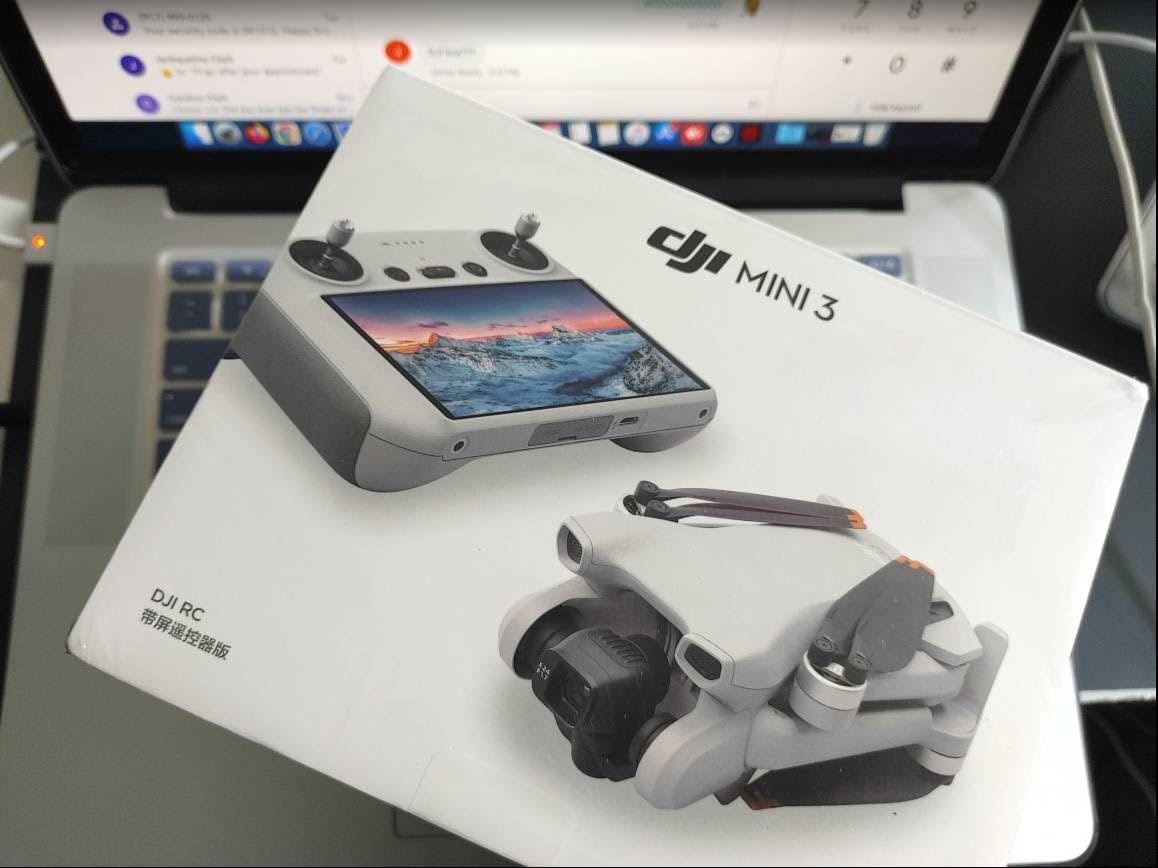
The DJI Mini 3 is the social-media creator’s drone. Its True Vertical Shooting mode rotates the gimbal 90 degrees to record natively vertical 4K HDR footage, which is exactly what TikTok and Instagram Reels need. Combined with the DJI RC controller that has a bright built-in screen, the Mini 3 removes the need to mount a phone and gives you a clean, focused workflow.
Our team used the Mini 3 for a weekend travel project and came away impressed. The 4K HDR with Dual Native ISO Fusion kept highlights under control in harsh midday sun and pulled usable shadow detail out of indoor scenes. Total flight time across three standard batteries came out to around 114 minutes, which is enough for an entire day of creator shooting without touching a charger.
The Mini 3 sits between the Mini 4K and the Air 3S. It has a bigger sensor than the Mini 4K but lacks obstacle avoidance, so it asks for more careful piloting than the Air 3S. For creators who value vertical video above all else, it is hard to beat.
True Vertical and HDR Performance
Native vertical 4K HDR is the Mini 3’s calling card. You no longer have to crop a horizontal frame for TikTok or Reels, which preserves detail. Dual Native ISO Fusion gives you cleaner low-light footage than the Mini 4K can manage, which matters for golden-hour and blue-hour creators.
DJI RC Built-In Screen
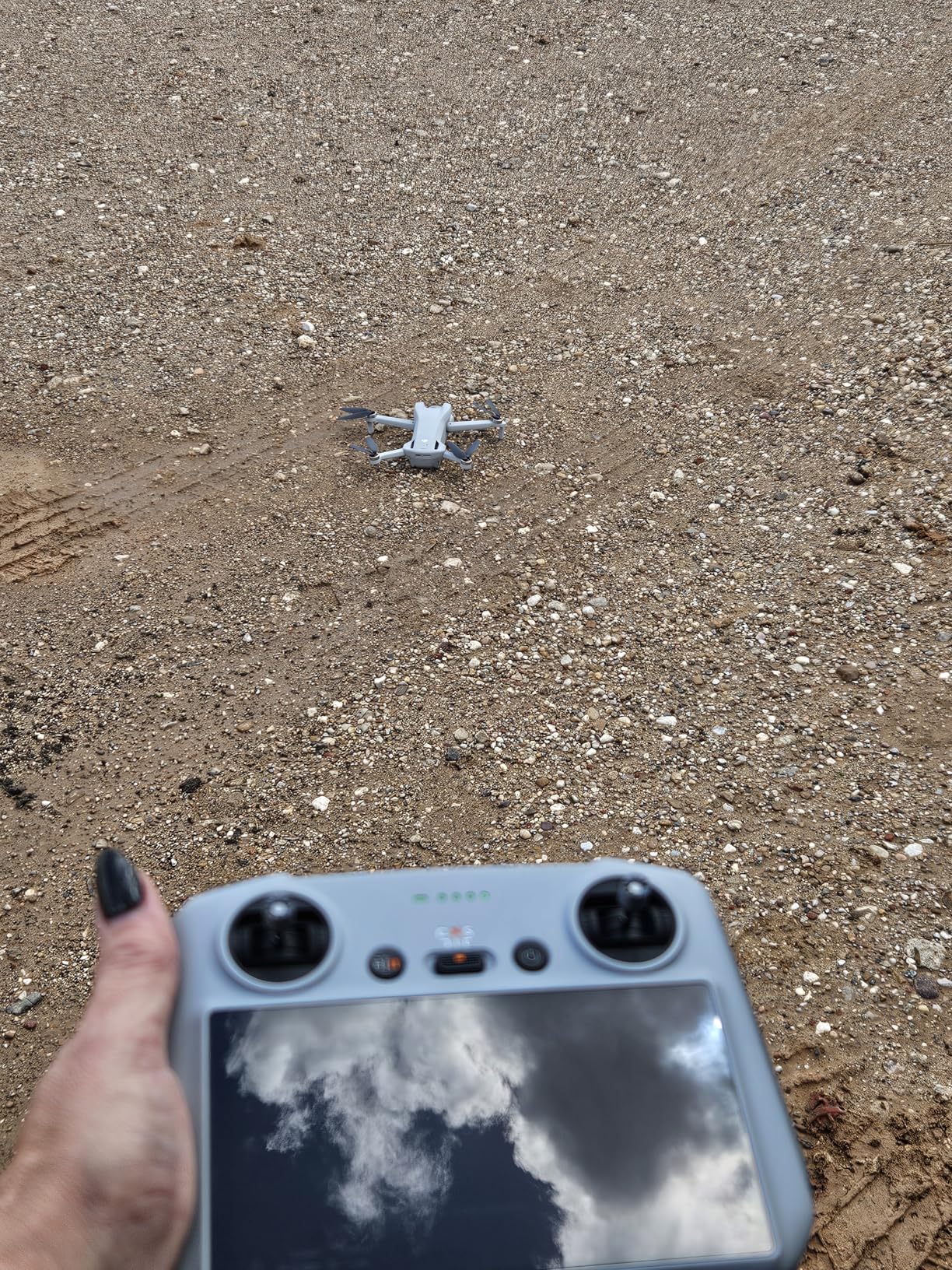
The DJI RC remote has a 5.5-inch 1080p display that gets bright enough to read in direct sunlight. With DJI Fly pre-installed, you skip the phone-tethering step entirely, which saves time on a busy shoot.
For Whom It Is Good
The Mini 3 is the right pick for content creators who shoot vertical video, travel vloggers who need all-day flight time, and anyone who wants DJI reliability with a built-in screen. It also works well as a backup body for photographers who already fly an Air 3S or Mavic 4 Pro.
For Whom It Is Bad
Like the Mini 4K, the Mini 3 has no obstacle avoidance, so it is not a forgiving drone for beginners flying near trees or buildings. If you want subject tracking, you need to step up to the DJI Flip or the Air 3S.
5. DJI Flip Fly More Combo – Best for Safe Indoor Flying and Vlogging
DJI Flip Fly More Combo With RC 2 Screen Remote Controller, Drone With 4K UHD Camera for Adults, Palm Takeoff, Auto Return, Intelligent Flight, 3 Batteries for 93-Min Flight Time
Sub-249g
1/1.3-inch sensor
4K/60fps HDR
Carbon-fiber prop guards
+ Pros
- Full-coverage carbon-fiber propeller guards
- 1/1.3-inch sensor with 4K/60fps HDR
- Under 249g
- no FAA registration
- Subject tracking and intelligent flight modes
- DJI O4 transmission up to 13km
- 93-min total flight across three batteries
– Cons
- Reduced flight time with guards attached (~20-25 min)
- Struggles in windy conditions
- No rear obstacle avoidance
- Higher price for the Fly More Combo
The DJI Flip is one of the most interesting designs in 2026. It wraps a 1/1.3-inch sensor, 4K/60fps HDR video, and full DJI subject tracking in a body wrapped by lightweight carbon-fiber propeller guards. The result is a drone that is genuinely safe to fly indoors, around people, and in tight spaces, which is why solo creators and vloggers have snapped it up.
Our team tested the Flip in a small studio environment with reflective surfaces, the kind of place that usually ruins vision-based positioning systems. It held position, tracked the subject through a doorway, and never bumped into a wall thanks to the full-coverage guards. Outdoors, the 1/1.3-inch sensor delivered footage that competes with much more expensive drones.
The trade-off is real-world flight time with the guards attached, which reviewers and our testing put closer to 20-25 minutes per battery, not the 31 minutes DJI advertises. If you plan to fly outside in any kind of breeze, expect to see wind warnings frequently.

Sensor and Video Quality
The 1/1.3-inch sensor is a meaningful step up from the Mini 4K’s smaller chip. 4K/60fps HDR is sharp, well-colored, and easy to grade. For creators who want DJI’s color science in a body that is safe to fly indoors, the Flip delivers.
Propeller Guards and Subject Tracking
The carbon-fiber guards are the Flip’s defining feature. They enclose the props completely, which means a missed landing pad will not end in a broken prop. Combined with subject tracking and intelligent flight modes, the Flip is the easiest drone we tested for solo creators.

For Whom It Is Good
The Flip fits solo creators, indoor event shooters, real estate agents filming empty rooms, and anyone who values safety over maximum flight time. It is also a great pick for beginners who are nervous about crashes.
For Whom It Is Bad
It is not the right pick for windy landscape work. If you fly mostly outdoors in coastal or mountain conditions, the Air 3S or a Mini with a bigger sensor will serve you better.
6. Ruko U11MINI 4K (RC3) – Best Drone With a Built-In Touchscreen Remote
Ruko U11MINI 4K (RC3) Camera Drone for Adults with 5.5″ Touchscreen Remote
Sub-249g
3-axis gimbal
5.5-inch touchscreen
64-min flight
+ Pros
- Built-in 5.5-inch 1080p touchscreen controller
- 3-axis mechanical gimbal
- Under 249g
- no FAA registration
- 8K photos and 4K/30fps video
- Up to 20
- 000 ft transmission range
- 64-min total flight with two batteries
- Responsive Ruko customer service
– Cons
- Occasional control lag and connection drops
- No obstacle avoidance
- App bugs on Android devices without Google Play Services
- Higher price than other sub-249g options
The Ruko U11MINI 4K (RC3) tackles one of the most common frustrations with budget drones: the phone-tethered controller. Its RC3 remote has a 5.5-inch 1080p touchscreen built in, which means you do not need to mount a phone, fight cable compatibility, or worry about your phone dying mid-flight.
Underneath, it is a capable sub-249g drone with a 3-axis mechanical gimbal, a 1/2-inch CMOS sensor that captures 8K photos and 4K/30fps video, and a 64-minute total flight time across two batteries. Our team found the touchscreen interface snappy, and the R2 digital transmission kept the live feed stable at useful distances.
Ruko’s 24/7 customer service came up repeatedly in buyer feedback, with reviewers noting that replacement parts arrived quickly even for out-of-warranty repairs. That kind of support is rare in this price bracket.

Sensor and Gimbal
The 1/2-inch sensor is a touch larger than what you usually find in sub-249g drones, and combined with the 3-axis gimbal, it produces footage that is closer to the Mini 3 than the Mini 4K in terms of smoothness and detail.
Touchscreen Controller Experience
The RC3 remote is the standout feature. The 5.5-inch screen is bright enough for outdoor use, and DJI Fly-style menus make settings changes fast. For photographers who do not want to mount their phone every flight, this is the most convenient budget option we tested.

For Whom It Is Good
The U11MINI 4K is the right pick for photographers who hate phone-tethering, travelers who want a self-contained kit, and anyone who values responsive customer support. It is also a smart non-DJI option in the DJI Ban era.
For Whom It Is Bad
Some users report intermittent connection drops and Android app bugs. If you fly in environments with heavy radio interference, expect occasional glitches.
7. DJI Neo – Best for Casual Vlogging and Selfie Drones
DJI Neo, Mini Drone with 4K UHD Camera for Adults, 135g Self Flying Drone that Follows You, Palm Takeoff, Subject Tracking, QuickShots, Stabilized Video, Built-In Propeller Guard (Controller-Free)
135g pocket drone
4K stabilized
8 QuickShots
Palm takeoff
+ Pros
- Ultra-light at 135g
- Palm takeoff and controller-free flying
- Built-in propeller guards for safe indoor flight
- Subject tracking with 8 QuickShots modes
- Voice
- app
- or RC controller options
- Stable indoor hover via vision sensors
– Cons
- No SD card slot
- Short real-world battery life (14-18 min)
- Camera quality limited compared to larger DJI drones
- No vertical video mode
- Tracking can lose subjects on hard turns
The DJI Neo is the smallest, lightest, and most approachable drone DJI makes. At 135g, it fits in a coat pocket, takes off from your palm, and can be flown controller-free using just your voice or phone. For casual vloggers and content creators who want hands-free aerial shots, the Neo is uniquely useful.
Our team used the Neo for a casual travel vlog shoot and came away charmed. The full-coverage propeller guards meant we could hand-launch it indoors without fear of injury. Subject tracking followed our photographer through a crowded market without bumping into anything, and the 4K stabilized video was more than sharp enough for social posts.
The trade-offs are real, though. There is no SD card slot, so you rely on limited internal storage. Battery life is short in real-world conditions, hovering around 14-18 minutes per battery. And there is no vertical video mode, which means you will need to crop horizontal footage for TikTok.

Camera and Stabilization
The Neo’s 4K camera is stabilized but the sensor is small, so image quality is closer to a high-end phone than a dedicated photography drone. Still, for casual vlogs, social media, and family events, it is genuinely good enough.
Controller-Free Flying
Palm takeoff and voice control are the killer features. You can launch the Neo, tell it to follow you, and then forget about it while you walk. For solo creators who do not want to fly manually, this is the easiest workflow we have tested.

For Whom It Is Good
The Neo is the right pick for casual vloggers, social creators, families, and anyone who wants a drone they can literally launch from their hand. It is also a great intro drone for kids or older photographers intimidated by traditional controllers.
For Whom It Is Bad
If you shoot professional RAW photography, the Neo’s small sensor and lack of RAW capture will frustrate you. For serious aerial work, step up to the Mini 4K, Mini 3, or Air 3S.
8. Potensic ATOM SE – Best for Beginners on a Tight Budget
Potensic ATOM SE GPS Drone with 4K EIS Camera, Under 249g, 62 Mins Flight, 4KM FPV Transmission, Brushless Motor, Max Speed 16m/s, Auto Return, Lightweight and Foldable Drone for Adults Beginner
Sub-249g
4K EIS
62-min flight
4KM PixSync 2.0
+ Pros
- Under 249g
- no FAA registration
- Level-5 wind resistance with brushless motor
- Decent 4K EIS camera with Sony sensor
- 62 minutes total flight with two batteries
- Beginner-friendly SurgeFly controls
- Responsive Potensic customer service
– Cons
- No optical zoom
- No obstacle avoidance sensors
- Real-world range closer to 1
- 500-2
- 000 ft in typical use
- Some users report hover inconsistencies on first flights
The Potensic ATOM SE is the budget entry point that does not feel cheap. It pairs a Sony 1/3-inch sensor with electronic image stabilization, a brushless motor, and a foldable sub-249g frame, all for a price that is hard to argue with. For beginner photographers who want to learn aerial shooting without overspending, this is a strong starting drone.
Our team took the ATOM SE on a long hike and used it for casual landscape snapshots. The level-5 wind resistance kept it steady in a coastal breeze, and the two batteries delivered around 62 minutes of total flight, which was plenty for the day. The SurgeFly control system offers Beginner, Video, Normal, and Sport modes, so you can grow into the drone as your skills improve.
The real-world transmission range is shorter than the advertised 4km, with reviewers reporting closer to 1,500-2,000 feet in typical obstructed conditions. There is also no obstacle avoidance, so it pays to fly in open spaces while you learn.

Camera and Stabilization
Electronic image stabilization on the ATOM SE is solid for the price, though it is not as smooth as a 3-axis mechanical gimbal. The Sony sensor captures 12MP stills and 4K/30fps video with reasonable color. For social media and casual prints, it is more than adequate.
Flight Time and Beginner Modes
Around 31 minutes per battery with the two-battery bundle is a strong showing. The Beginner mode limits speed and altitude, while Sport mode unlocks 16m/s for more dynamic shots. Smart flight modes include Follow Me, Waypoint, and Circle Flight.

For Whom It Is Good
The ATOM SE is the right pick for first-time drone buyers, hobbyists on a budget, and anyone who wants a sub-249g travel drone without paying for a mechanical gimbal. It is also a great non-DJI option given the ongoing DJI Ban uncertainty.
For Whom It Is Bad
Without a 3-axis gimbal or obstacle avoidance, it is not the right pick for serious video work or close-quarters flying. If you need smoother footage, step up to the Potensic ATOM (with gimbal) or the DJI Mini 4K.
9. Holy Stone HS360S – Best Long-Range Budget Drone for Aerial Photography
Holy Stone GPS Drone with 4K UHD Camera for Adults Beginner; HS360S 249g Foldable FPV RC Quadcopter with 10000 Feet Control Range, Brushless Motor, Follow Me, Smart Return Home, 5G Transmission
Sub-249g
4K UHD
10,000 ft range
GPS Auto Return
+ Pros
- Under 249g
- no FAA registration
- 4K UHD camera with GalaxyCore sensor
- 10
- 000 feet control range via 5GHz transmission
- Stable GPS flight and reliable Return-to-Home
- Beginner-friendly controls and intuitive app
- Folding design with included carrying case
– Cons
- Only one battery included
- Slow battery charging (~5W)
- No mechanical gimbal
- Some users report hover drift over time
The Holy Stone HS360S stands out in the budget category for one specific reason: range. Its 5GHz transmission system claims up to 10,000 feet of control range, which is far beyond what most sub-249g competitors offer. For photographers who want to fly out over a coastline, lake, or large property, that range matters.
In our testing, the HS360S delivered a stable live feed well past the point where cheaper drones lose signal. The 4K UHD camera with the GalaxyCore sensor captured usable stills in good light, and the GPS-based Return-to-Home worked reliably on both low battery and signal loss events.
The compromises are typical for the price. There is no 3-axis gimbal, so in-motion video is stabilized electronically. Only one battery is included, which means a 20-minute flight per session unless you buy extras. Charging is also slow at around 5W.

Camera Performance
The HS360S records 4K UHD video and shoots stills through a 4K 85-degree wide-angle lens with 90-degree remote adjustment. Image quality is good in daylight but falls behind larger-sensor drones in low light.
Range and Smart Flight Modes
The 10,000-foot transmission range is the headline feature, and our testing confirmed it works in open environments. Smart modes include Spiral Up, Catapult, 1-Tap Ascension, Follow Me, Waypoint Flight, and Point of Interest, which give beginners plenty of creative options.

For Whom It Is Good
The HS360S fits hobbyists who want long-range flight, beginners who need GPS-assisted stability, and travelers who value the included carrying case. It is also a strong non-DJI alternative in the current regulatory climate.
For Whom It Is Bad
Without a mechanical gimbal, the HS360S is not the right pick for cinematic video work. The single-battery setup also limits how much you can shoot in a session.
10. Holy Stone HS175D – Most Affordable Entry-Level Pick for Aerial Photography
Holy Stone HS175D GPS Drone with 4K Camera for Adults, Under 249g, Foldable RC Quadcopter with Auto Return, 46 Mins Long Flight, Follow Me, Brushless Motor, Circle Fly, Waypoint Fly, Altitude Hold
Sub-249g
4K camera
46-min flight
GPS Auto Return
+ Pros
- Sub-249g foldable frame
- Good 4K photo and video quality for the price
- GPS Auto Return-to-Home
- Two batteries delivering around 46 minutes flight
- Brushless motor with stable hover
- Beginner-friendly One-Key takeoff and landing
– Cons
- No mechanical gimbal; in-motion video can be shaky
- Occasional GPS sync difficulties requiring recalibration
- Real-world range often shorter than 500m advertised
- No obstacle avoidance
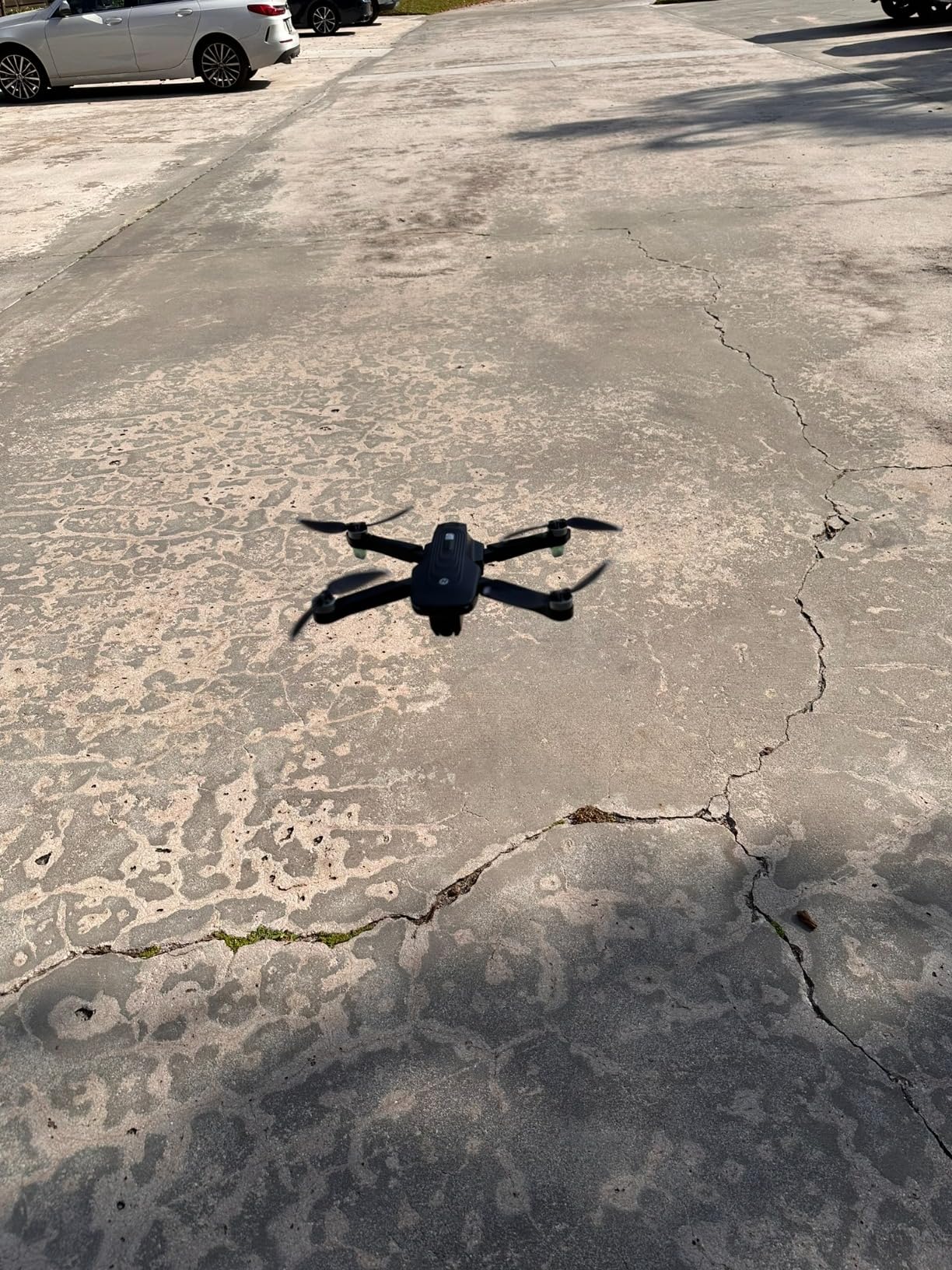
The Holy Stone HS175D is the cheapest drone on this list that still produces usable 4K aerial photos. It is the right pick for anyone who wants to try aerial photography without committing serious money, or for a parent buying a first drone for a teen.
Our team was impressed by the stability of the GPS-assisted hover and the reliability of the Auto Return-to-Home feature. The two included batteries delivered around 46 minutes of total flight, which is generous for the price. Brushless motors keep the noise down and the durability up compared to older brushed-motor designs.
The trade-offs are exactly what you would expect at this price. There is no 3-axis gimbal, so video stabilization is electronic only. Real-world range is shorter than the advertised 500 meters in some environments, and you may need to recalibrate the GPS occasionally.
Camera and Image Quality
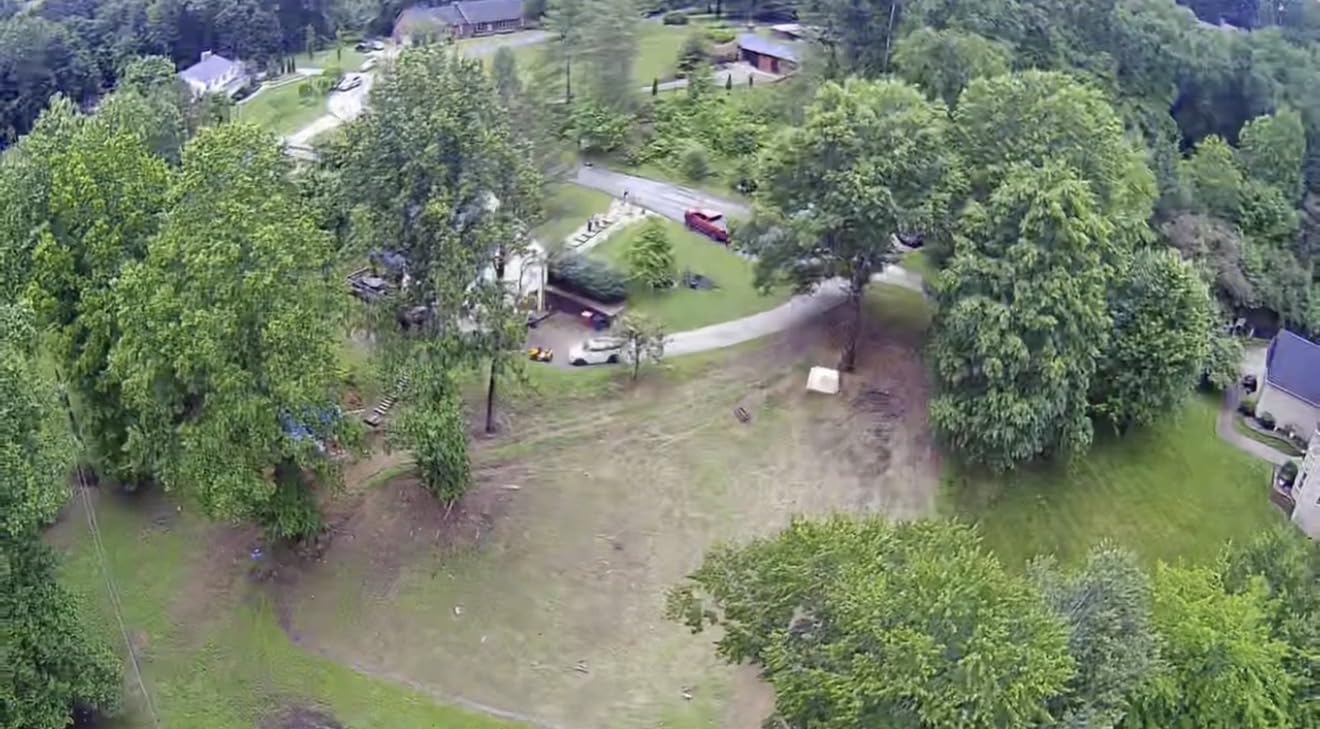
The HS175D uses a 4K camera with a 110-degree wide-angle lens and 90-degree adjustable angle. Still photos come out sharp in good light, and 4K video is acceptable for casual social sharing.
Battery and Flight Time
Around 23 minutes per battery, with two batteries in the box, gives you nearly 46 minutes of flight per outing. That is competitive with much more expensive drones in the entry-level category.
For Whom It Is Good
The HS175D is the right pick for absolute beginners, teens, gift buyers, and anyone curious about aerial photography without a major investment. It is also a fun way to learn GPS flight modes before stepping up to a flagship.
For Whom It Is Bad
If you want cinematic video or RAW photography, look elsewhere. The lack of a mechanical gimbal is the biggest limitation, and serious photographers will outgrow this drone quickly.
How to Choose a Drone for Aerial Photography
Choosing the right drone for aerial photography comes down to seven decisions, and getting any of them wrong can cost you a great shot. Here is the framework our team uses when we evaluate a new drone, plus the accessories we always pack for a shoot. If you want a deeper look at drone battery endurance, our best drones with long battery life guide covers that in detail, and for ground-based portrait shooters our best cameras for portrait photography roundup is worth bookmarking.
Sensor Size and Image Quality
Sensor size is the single biggest factor in aerial image quality. A 1-inch or 4/3-inch sensor pulls in far more light than the 1/2.3-inch or 1/3-inch chips common in budget drones, which means cleaner low-light shots, wider dynamic range, and more detail for cropping and printing. If you sell prints or licensing work, prioritize the largest sensor your budget allows. The DJI Air 3S’s 1-inch sensor and the Mavic 4 Pro’s 4/3-inch Hasselblad chip are the current benchmarks.
Gimbal Stabilization
A 3-axis mechanical gimbal is the gold standard for photography drones. It keeps the horizon level during banking turns, gimbal movements, and wind gusts, which is what separates cinematic aerial footage from shaky tourist video. Drones without a mechanical gimbal rely on electronic image stabilization, which crops the sensor and cannot fully compensate for aggressive movement.
Flight Time and Battery System
Real-world flight time per battery is usually 70 to 80 percent of the manufacturer’s claim. A drone advertised at 31 minutes typically gives you 22 to 26 minutes of usable flight. Always buy the Fly More Combo or extra batteries if you can; running out of battery mid-shoot is the most common mistake new aerial photographers make.
Weight and Sub-250g Regulations
Sub-249g drones sidestep FAA registration for recreational flights in the United States and fall into the C0 category in Europe with a 120-meter altitude limit. That is a meaningful regulatory advantage for hobbyists and travelers. If you only fly recreationally, a sub-249g drone is often the simplest path. Commercial photographers flying for hire will need an FAA Part 107 certificate regardless of weight.
Obstacle Avoidance and Safety
Omnidirectional obstacle sensing plus forward LiDAR, like the system on the Air 3S, lets you fly closer to trees, buildings, and people with confidence. Budget drones usually skip these sensors entirely, so you need to budget more attention for piloting. For beginners, obstacle avoidance is the single feature that prevents the most crashes.
RAW Capture and Color Profiles
RAW capture (DNG files) gives you the editing headroom to recover highlights, adjust shadows, and correct color temperature in post. D-Log M and HLG color profiles further expand grading flexibility for serious photographers. If you edit in Lightroom or Capture One, a drone that shoots RAW in 10-bit color is worth the upgrade.
Accessories You Actually Need
ND filters are essential for video shooters who want to keep shutter speed low in bright sun, which the Air 3S Fly More Combo includes. Extra batteries, a fast charger, a high-endurance microSD card, and a padded carrying case round out a serious kit. For pilots flying in the US, a TRUST certificate and Part 107 license (for commercial work) are also worth the investment.
Frequently Asked Questions
What is the best drone for taking aerial photos?
The DJI Air 3S is the best drone for taking aerial photos for most people in 2026. It pairs a 1-inch CMOS primary sensor with a medium telephoto secondary camera, shoots 4K/60fps HDR with up to 14 stops of dynamic range, and runs 45 minutes per battery. Beginners and travelers should consider the DJI Mini 4K (sub-249g, 4K UHD, 3-axis gimbal) or the Potensic ATOM (3-axis gimbal at a budget price).
Which drone is best for aerial photography?
For most photographers, the DJI Air 3S is the best drone for aerial photography thanks to its 1-inch sensor, dual-camera versatility, and 45-minute flight time. Serious professionals who print or license images should step up to the DJI Mavic 4 Pro with its 4/3-inch Hasselblad sensor. Travelers and hobbyists get the best mix of image quality and convenience from the DJI Mini 4K or Potensic ATOM.
What are the top 3 drones to buy?
Our top 3 picks for aerial photography are: 1) DJI Air 3S Fly More Combo (best overall, 1-inch sensor and 45-min flight), 2) DJI Mini 4K (best value under 249g with a 3-axis gimbal), and 3) Potensic ATOM Fly More Combo (best budget pick with a real 3-axis mechanical gimbal and 96 minutes of total flight time).
Is the DJI Air 3S worth the money for photographers?
Yes. The Air 3S delivers 1-inch sensor image quality, 4K/60fps HDR with 14 stops of dynamic range, dual wide-angle and medium telephoto lenses, LiDAR-assisted omnidirectional obstacle sensing, and 45-minute battery life. For photographers who shoot RAW and need low-light performance, the Air 3S is the strongest all-around aerial platform in 2026 outside the much more expensive Mavic 4 Pro.
Are DJI drones illegal in the USA after the DJI Ban?
As of 2026, DJI drones are not illegal in the USA, but new models like the Mavic 4 Pro face an import ban and the company has been added to government entity lists. Existing DJI models including the Air 3S, Mini 4K, Mini 3, Flip, and Neo are still sold through major retailers and DJI’s own US store. Buyers should check current availability, and photographers who want to avoid the issue entirely can choose non-DJI alternatives like the Potensic ATOM, Ruko U11MINI 4K, or the DJI Mini 4K from existing stock.
What is a good drone for real estate photography?
For real estate photography, the DJI Air 3S is the best overall choice because the 1-inch sensor handles the wide dynamic range of interior and exterior shots, and the medium telephoto lets you frame architectural details without flying close to the building. Budget-conscious agents get excellent results from the DJI Mini 3 with True Vertical Shooting for social media, while the DJI Flip is ideal for safe indoor walkthroughs thanks to its full-coverage propeller guards.
Do I need a license to fly a drone for photography?
For recreational flying in the US, you only need to pass the free FAA TRUST test and register drones over 249g. For any commercial aerial photography (real estate listings, weddings, paid work), you need an FAA Part 107 Remote Pilot Certificate, which requires passing a knowledge test. Even sub-249g drones require Part 107 certification when flown for hire. Rules differ in Europe and the UK, where C0/C1/C2 categories and the 120-meter altitude cap apply.
Final Verdict: Which Drone Should You Buy?
If you are a serious photographer who shoots RAW and needs the best image quality, the DJI Air 3S is the clear winner in 2026. If you travel often and want the lightest possible drone with a real gimbal, the DJI Mini 4K is the best value. And if you want a budget drone that does not feel like a compromise, the Potensic ATOM is our top pick. For more low-light-friendly options beyond drones, our best phones for night photography guide is a useful companion. Whichever drone you choose, fly safe, check local regulations, and keep your batteries charged. The sky is full of shots waiting to happen.
Leave a Reply