
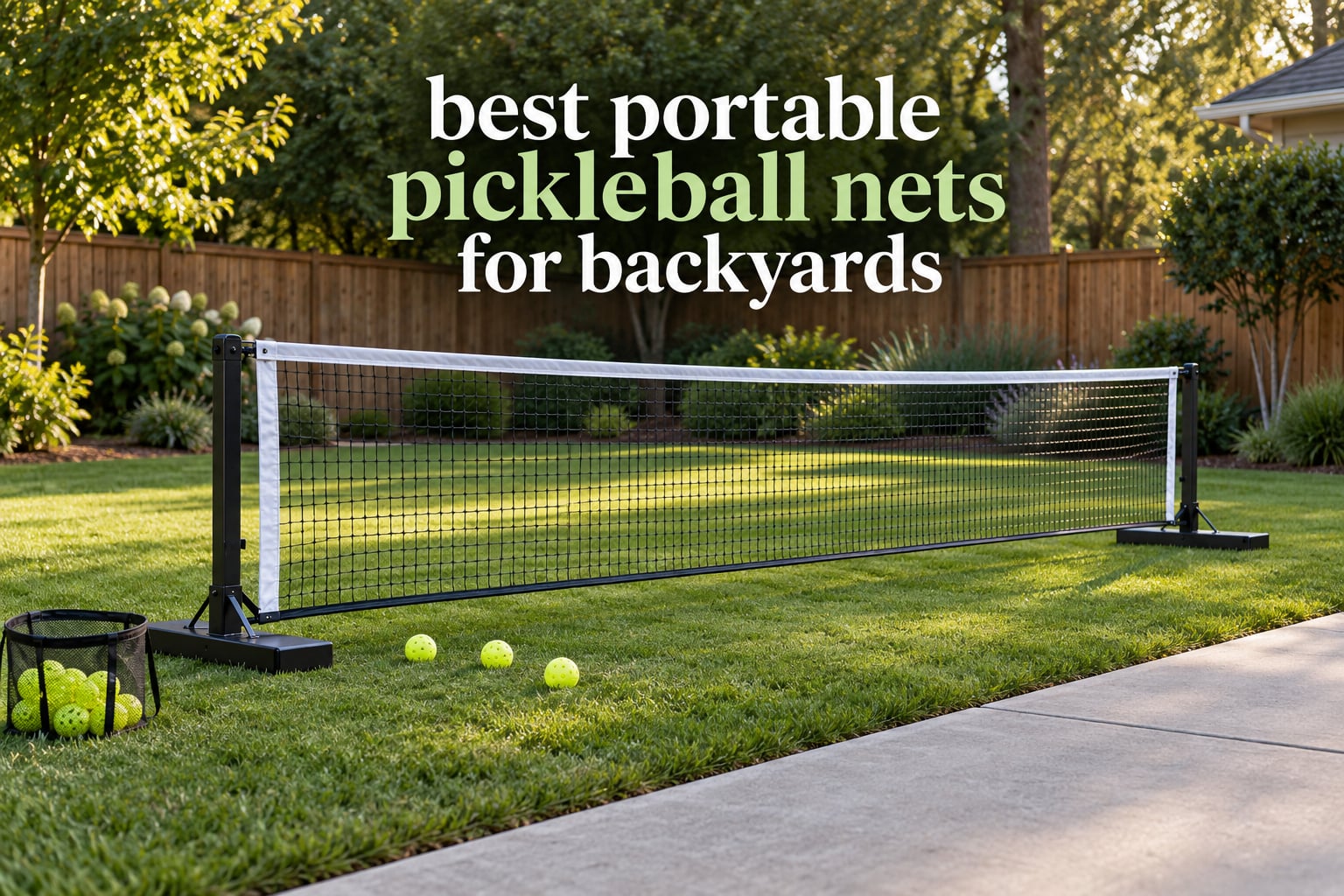
A portable pickleball net turns any flat patch of your yard into a real court in the time it takes to unload a car. After weeks of comparing frames, mesh ply counts, net heights and carry weights, the Pickle-Ball 3.0 Tournament Net is the portable pickleball net we trust most, the Fostoy 22 FT and 11 FT set is the best value, and the Zdgao regulation kit is the cheapest way to start playing this month. We focused on backyard realities: grass, concrete and deck surfaces, wind, rust, and whether one person can carry the thing from the garage to the driveway.
I have been running this comparison the way a buyer actually would. I pulled the listed weight, the net height, the frame material, the mesh ply count and the warranty on every system, then sorted them by the questions that come up most often in pickleball forums. Does it hold 36 inches at the sidelines and 34 inches in the middle. Can a single person move it. Can it survive being set up outdoors through a full season without the frame turning to rust. Is the setup a five-minute job or a Saturday project.
That last question matters more than it sounds. Backyard portable pickleball net reviews usually stop at marketing language, and almost none of them list a real weight in pounds you can check against your own driveway. We fixed that here. Every pick below lists its actual weight, its real net height, its frame material and its mesh specification, and we flag the honest drawbacks rather than pretending each one is flawless.
A note on what we left out. A permanently installed backyard court is a different purchase entirely, and a premium rolling system aimed at club and tournament organizers costs several times what a family needs to spend. If you want multi-sport use, our best golf hitting nets for backyards cover the same ground for a different sport. For pure ball-striking practice without a full net, the batting cage roundup is worth a look too.
Everything in this guide is measured against USAPA and USA Pickleball regulation dimensions, because a net that misses those numbers will frustrate any intermediate player. Updated for 2026.
Our Top 3 Portable Pickleball Nets for Backyards in 2026

Pickle-Ball 3.0 Tournament Net
- True 22 ft regulation size
- Buckle tension system
- Tool-free 5 minute setup

Zdgao Regulation Net Kit
- Regulation 22 ft and 34 in center
- 14 lb carry weight
- Four balls included
Comparing the Best Portable Pickleball Nets for Backyards in 2026
| Product | Details | Action |
|---|---|---|
|
|
Check Latest Price |
|
|
Check Latest Price |
|
|
Check Latest Price |
 |
|
Check Latest Price |
 |
|
Check Latest Price |
 |
|
Check Latest Price |
 |
|
Check Latest Price |
 |
|
Check Latest Price |
 |
|
Check Latest Price |
 |
|
Check Latest Price |
1. Pickle-Ball 3.0 Tournament Net – The Reference Standard for Regulation Tension
Pickle-Ball 3.0 Tournament Pickleball Net with Carry Bag, 22ft
22 ft wide
36 in sidelines and 34 in center
22 lb steel frame
About 5 minute tool-free setup
+ Pros
- True regulation 22 ft width with fiberglass center rod
- Buckle tension system tightens in small increments
- Tool-free setup and breakdown in about 5 minutes
- Carry bag has pockets for paddles and balls
– Cons
- One of the heavier frames here at 22 to 24 lb
- Wide bent legs take more driveway space than slim designs
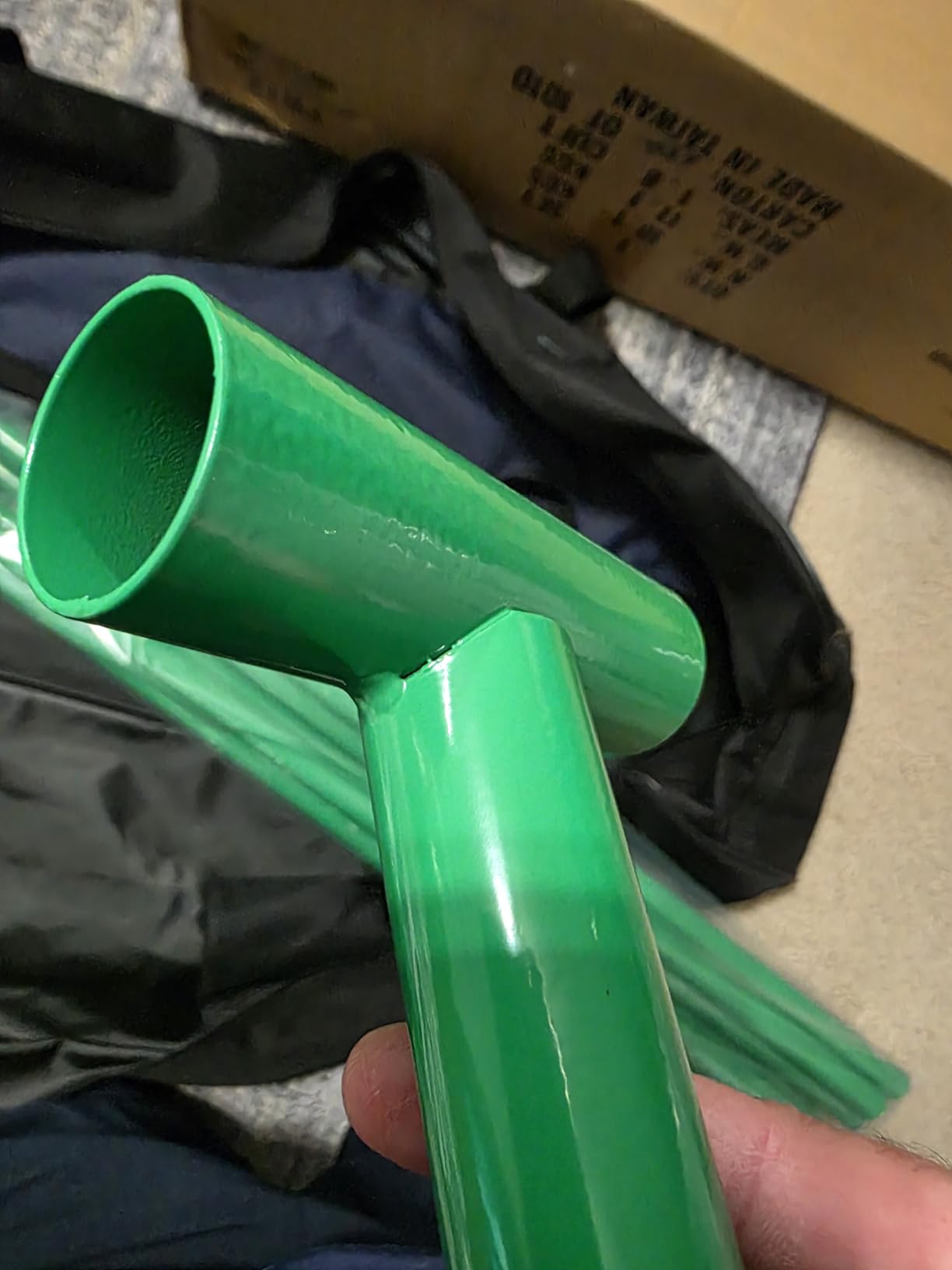
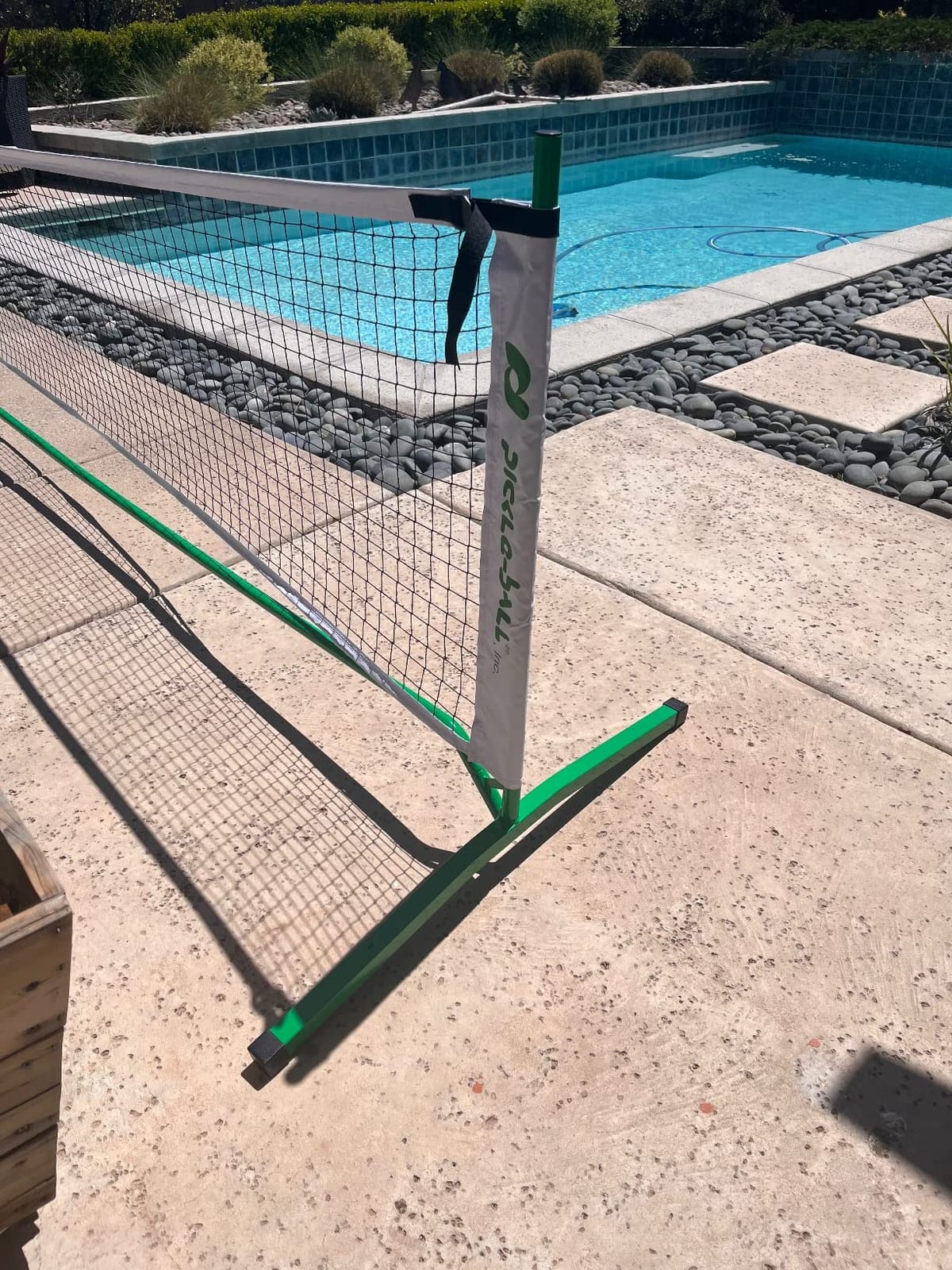
This is the net that most other portable systems get measured against, and after going through the technical details it is easy to see why. It is a true 22 ft regulation frame held by a fiberglass center rod, which means the middle of the net stays at 34 inches instead of drooping the way a strap-only net does after a few sessions. The listed weight is 24 pounds, and the frame tubing itself is called out at 22 lb.
What impressed me most is the no-velcro buckle tension system. Instead of a hook-and-loop strip that stretches out after a month, the buckles let you take up slack one click at a time, so the net stays taut game after game. Setup is two snap-together joints and no tools, roughly five minutes end to end.
Buyers consistently describe it as the standard other nets are judged by, and it shows up in reviews from clubs, YMCAs and tournament organizers rather than only casual backyard players. With 949 ratings averaging 4.8, it carries by far the most review history of anything in this roundup.
Regulation Accuracy and Center Rod Hold
The fiberglass center rod is the part that matters most for real play. A net held only by the top and bottom edges will develop a belly in the middle, and that belly changes ball trajectory. This frame holds 36 inches at the sidelines and 34 inches at the center as specified, so the geometry stays honest through a long session.
That accuracy is why this net shows up at organized events. If you are moving from casual driveway rallies into league nights or club play, having a net that measures true removes an entire category of arguments.
Steel Frame Weight and What It Costs You to Move It
This is one of the heavier frames here, and we want to be straight about that. At 24 pounds it is a two-hand carry, and the wide bent legs on the end bases claim more driveway real estate than a slim 14-pound design does. If your yard is tight or you plan to move the net between the driveway and a park regularly, that is a real tradeoff.
What you get for the weight is stability. A steel frame this size simply does not get pushed around by a crosswind the way light PVC or thin alloy frames do. For most families the extra weight never comes up because the net lives in one spot.
Buckle Tension vs Velcro Straps
This distinction is easy to miss and hard to undo later. Hook-and-loop straps are cheaper to make and lose bite over time, which is why several lighter nets in this roundup show sagging complaints. Buckles retain their hold indefinitely, so incremental tightening stays available for as long as you own the net.
Who Should Buy This and Who Should Not
Buy this one if you play regularly, if net height accuracy matters to your game, or if you plan to keep the frame set up outdoors through wind and sun. It is the pick for anyone who wants one net to grow with rather than replace in two seasons.
Skip it if you are a single player practicing alone, or if you need to carry the net solo across a park lawn. A half court or lighter kit serves that case better, and you can see our other picks below.
2. Fostoy 22 FT and 11 FT Set – Two Court Sizes and the Longest Warranty Here
Fostoy Portable Pickleball Net Set with Wheels, 22 FT & Half Court 11 FT
Converts 22 ft to 11 ft
18-ply PE mesh
7.7 kg total
Iron center rod
+ Pros
- One frame covers full court and half court
- 18-ply PE net outlasts thinner 15 ply and 12 ply rivals
- Iron center rod instead of fiberglass
- Wide 24 inch metal end bases add stability
- 2 year manufacturer warranty
– Cons
- Steel end bases are heavier than slim aluminum designs
- Wheeled base still needs added weight in gusty conditions
The Fostoy set solves a problem most backyard buyers do not think about until it arrives: one net size never fits the whole family. This frame includes both a 22 ft regulation net and an 11 ft half court net, so a beginner working on footwork can use the short setup while two adults play a full court on the same frame.
Two details stand out. The mesh is 18 ply PE, which is rated 20 to 50 percent above 15 ply and thinner material, and the center support is iron rather than fiberglass, which resists bending under tension. Total listed weight is 7.7 kg, or about 17 pounds.
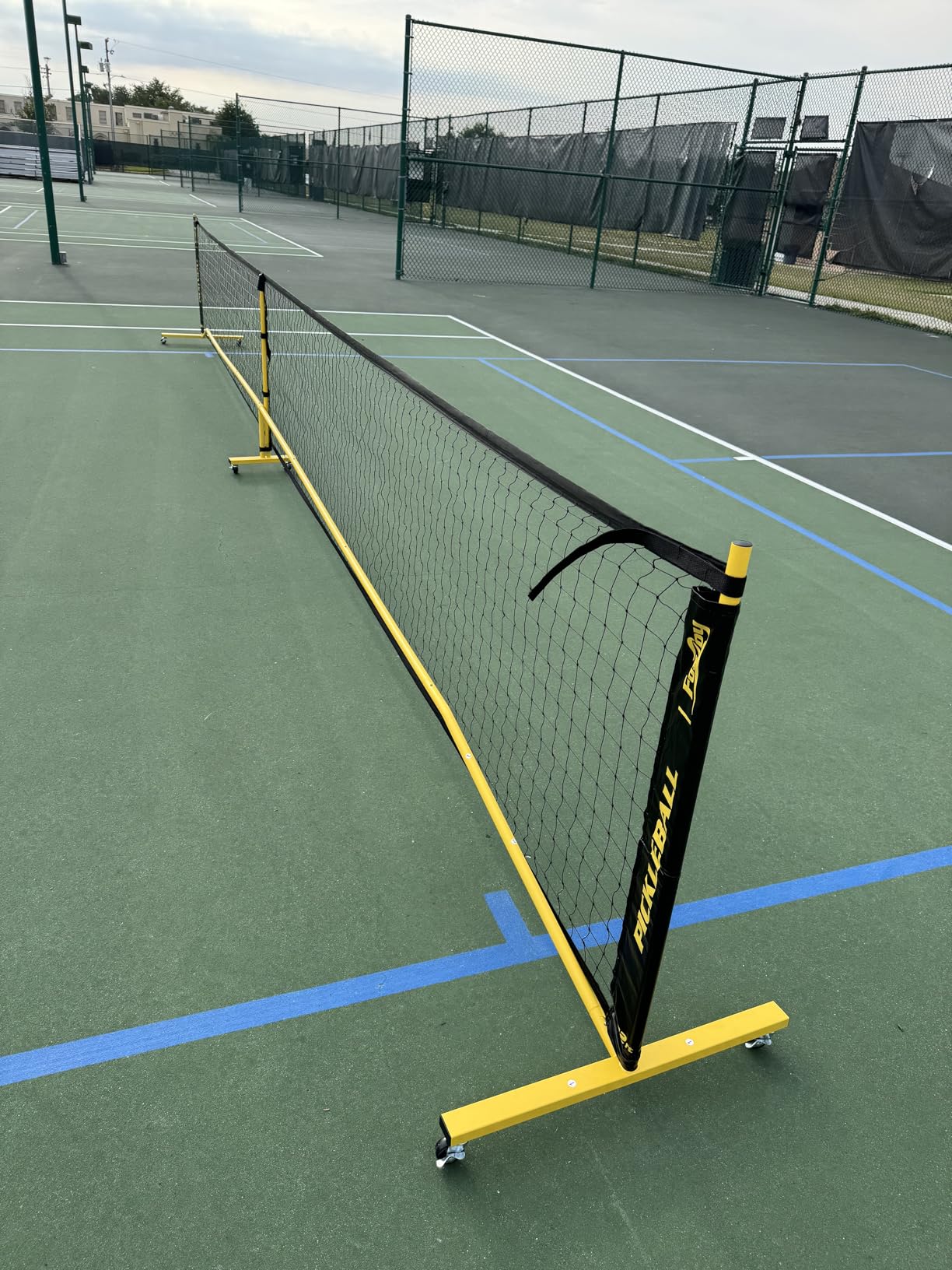
At 767 ratings and a 4.7 average, buyers single this one out for net durability and frame rigidity rather than for any single headline feature. The 2 year manufacturer warranty is the longest of any system in this roundup, which tells you something about how the brand expects the frame to age.
18-Ply PE Mesh and Double-Sewn Side Sleeves
Mesh ply count is the least glamorous spec and the one that decides whether your net survives. An 18 ply PE net has more strands per square inch than a 15 ply net, and the double-sewn side sleeves keep the net from pulling out of the end channels where most failures start. On a backyard net that lives outdoors, that extra margin matters more than any cosmetic upgrade.
The trade is weight. An 18 ply net is heavier than a 6 ply one, so this is not the pick to optimize for ultra light carry. It is the pick for the net you set up and leave.
Wide Metal End Bases and Wind Behavior
The end bases are 24 inch wide metal, with 1 mm wall thickness and a frosted coat finish. That footprint is what keeps the frame from folding sideways in a gust. Reviews do note that even this base wants extra weight added in genuinely windy conditions, so pairing it with sand bags remains worthwhile.
Because the frame is steel, it is heavier to carry than an all-plastic or slim aluminum portable design. If you plan to move the net solo, budget for two trips or a cart.
Converting Between Full Court and Half Court
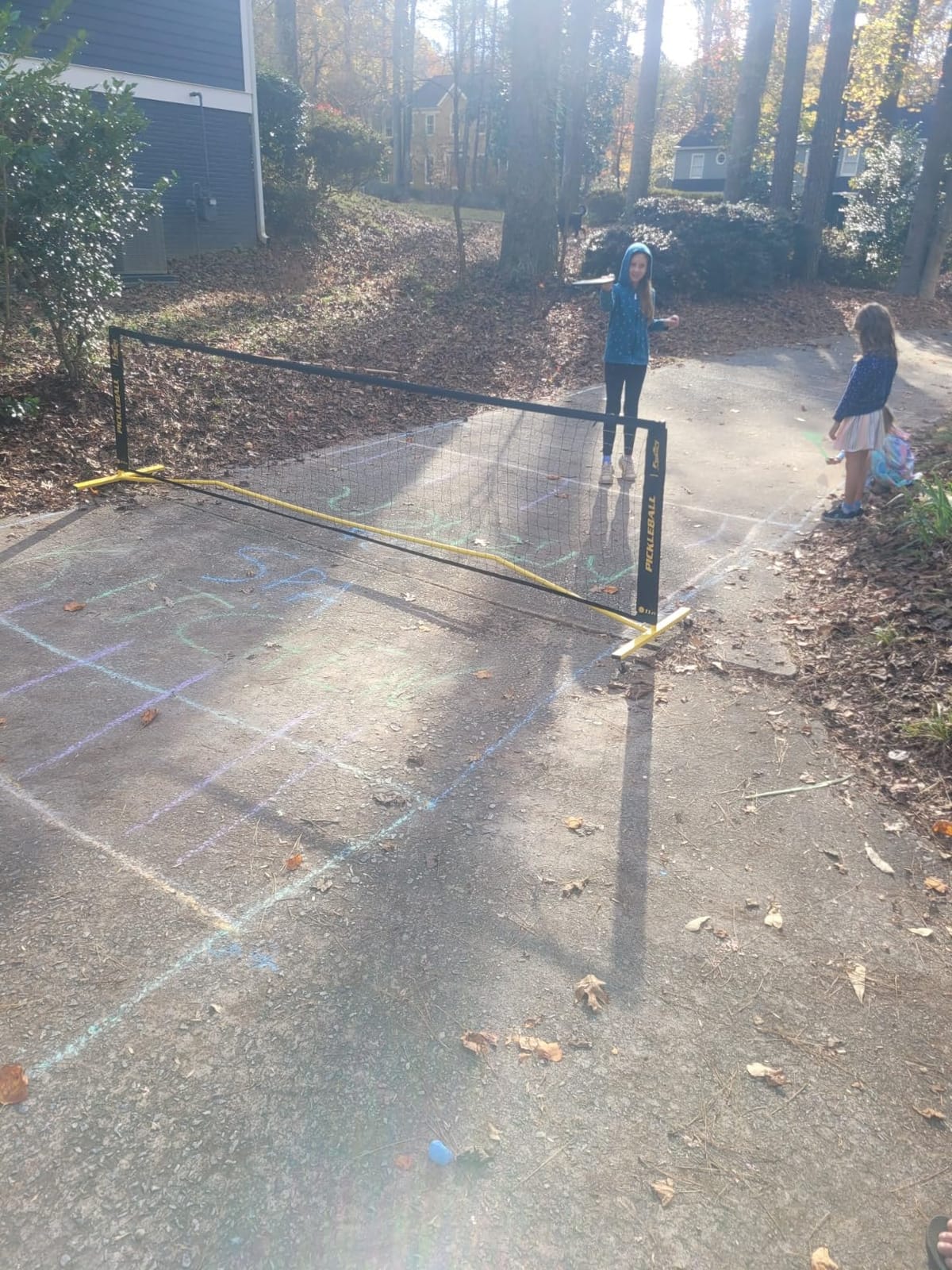
Switching sizes is a matter of using a different net on the same frame. The 11 ft setup is genuinely useful for kids learning to serve and for solo drilling, and it is the single most overlooked feature in this category. A half court net gives you a much smaller target to hit into, which is how most beginners build consistency.
Who Should Buy This and Who Should Not
Buy it if your household includes both new and experienced players, or if you want a frame you can grow into without buying a second net. The 2 year warranty also makes it the safest long-term value in this group.
Pass on it if your priority is the lightest possible carry or if you plan to move the net across a lawn by yourself each session. The steel bases work against that goal.
3. Zdgao Regulation Net Kit – Lightest Regulation Frame With Balls Included
22FT Pickleball Net and Weather-Resistant Steel Frame for Indoor/Outdoor
22 ft regulation width
36 in sidelines and 34 in center
14 lb total weight
Balls and carry bag included
+ Pros
- Assembles in about 2 to 5 minutes and breaks down just as fast
- Light enough to carry anywhere with the included bag
- Four outdoor balls included so you can play immediately
- Holds its shape and looks new after repeated use
– Cons
- Light frame can tip in a gust without added weight
- Some buyers could not fully remove center sag with the supplied strap
- 30 day warranty is the shortest listed
If the question is simply how do I get a regulation backyard court this month with one trip to the car, this is the answer. The Zdgao kit measures a true 22 ft wide at 36 inches on the sidelines and 34 inches in the center, and it lists at 14 pounds, which makes it one of the easier nets to carry solo.
The kit also includes four outdoor pickleballs and a carry bag, so there is nothing else to buy before the first serve. Assembly is an interlocking steel frame that goes together in under five minutes without tools.

At 633 ratings and 4.5 stars, most reviews call it easy, light and good value. The recurring caveat is wind: at 14 pounds the frame is light enough to tip if a gust catches the net, and reviewers recommend rocks or sand bags on the base as a routine step rather than an accessory.
Why Light Weight Cuts Both Ways
Carrying weight is the single most useful spec for a backyard portable pickleball net, and 14 pounds is comfortably carryable by one person from a garage to a driveway. It also means the frame has less mass resisting a gust, so a light net is only a good idea in a sheltered yard or on a calm day.
If your yard is open and exposed, treat a set of sand bags or a couple of patio bricks on each end base as part of the setup, not an optional extra.
Velcro Strap Tension and the Sag Question
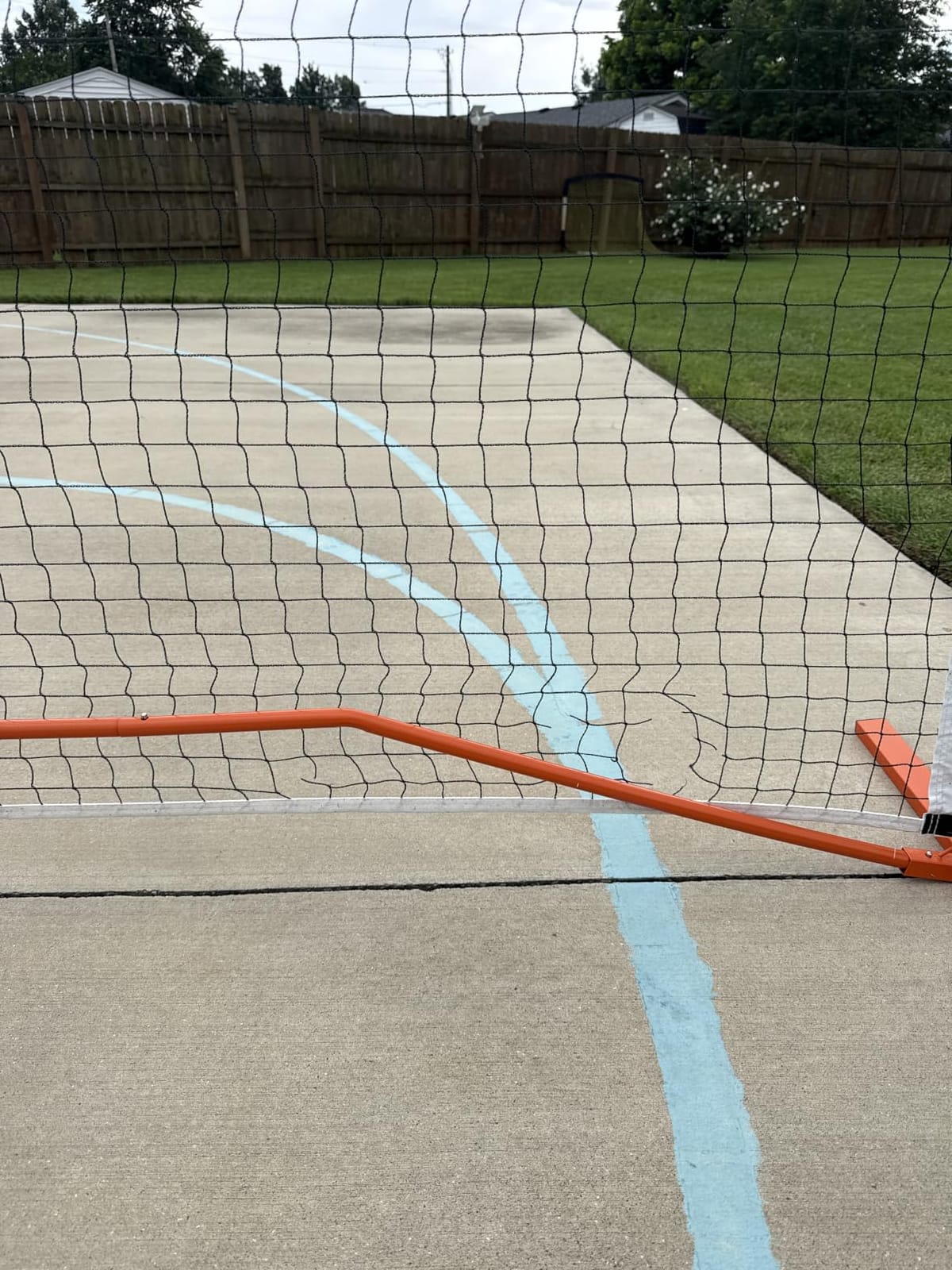
The top strap is hook-and-loop, which is easy to adjust but does lose bite over time. Some buyers reported not being able to fully remove roughly 2 inches of sag between the center and the side posts with the supplied strap alone. Tightening it every few sessions keeps it playable, but this is the flaw to watch on this model.
15-Ply Knotless Mesh Quality
The mesh is 15 ply knotless with double machine-sewn side sleeves and a middle connection, which is a respectable mid-tier specification. It sits below the 18 ply nets on the Fostoy and TYRSEN but well above the thin 6 ply mesh used by the lightest designs, so expect a reasonable service life with normal backyard play.
Who Should Buy This and Who Should Not
Buy it if you are starting out, if you want a full kit in one box, and if you want one of the lightest regulation nets in this roundup. For beginners learning the game in a sheltered yard, the tradeoff is entirely reasonable.
Choose a heavier net if you play in wind or plan to leave the frame outdoors overnight. The 30 day warranty is also the shortest listed here, so register the unit and keep the packaging.
4. PICKLETECH 4.0 Slim – Best Choice When One Person Carries the Net
PICKLETECH 4.0 Slim Portable Pickleball Net 22FT USAPA Regulation
Slim PVC construction
6-ply mesh
Regulation 22 ft width
5 minute tool-free setup
+ Pros
- Noticeably lighter than heavier portable nets
- Net stays tight during play according to multiple reviewers
- Spacious 600D Oxford carry bag fits every piece
- Pieces are numbered and lock only when correctly aligned
– Cons
- Spring button connectors are tight to disconnect by hand
- 6-ply mesh is thinner than the 15 to 18 ply nets
- Some buyers report top straps that are not the most secure
The 4.0 Slim exists for a specific person: the one who has to carry the net from a car to a public court alone, over grass, without a second pair of hands. The slim version uses lighter materials while keeping the regulation 22 ft width, and reviewers consistently describe it as one of the lightest systems in our group.
Two construction details help it feel less flimsy than the spec sheet suggests. Non-slip rubber sleeves on the base ports improve grip on concrete and tile, and an elastic mesh belt along the bottom edge helps the net hold its shape during play.
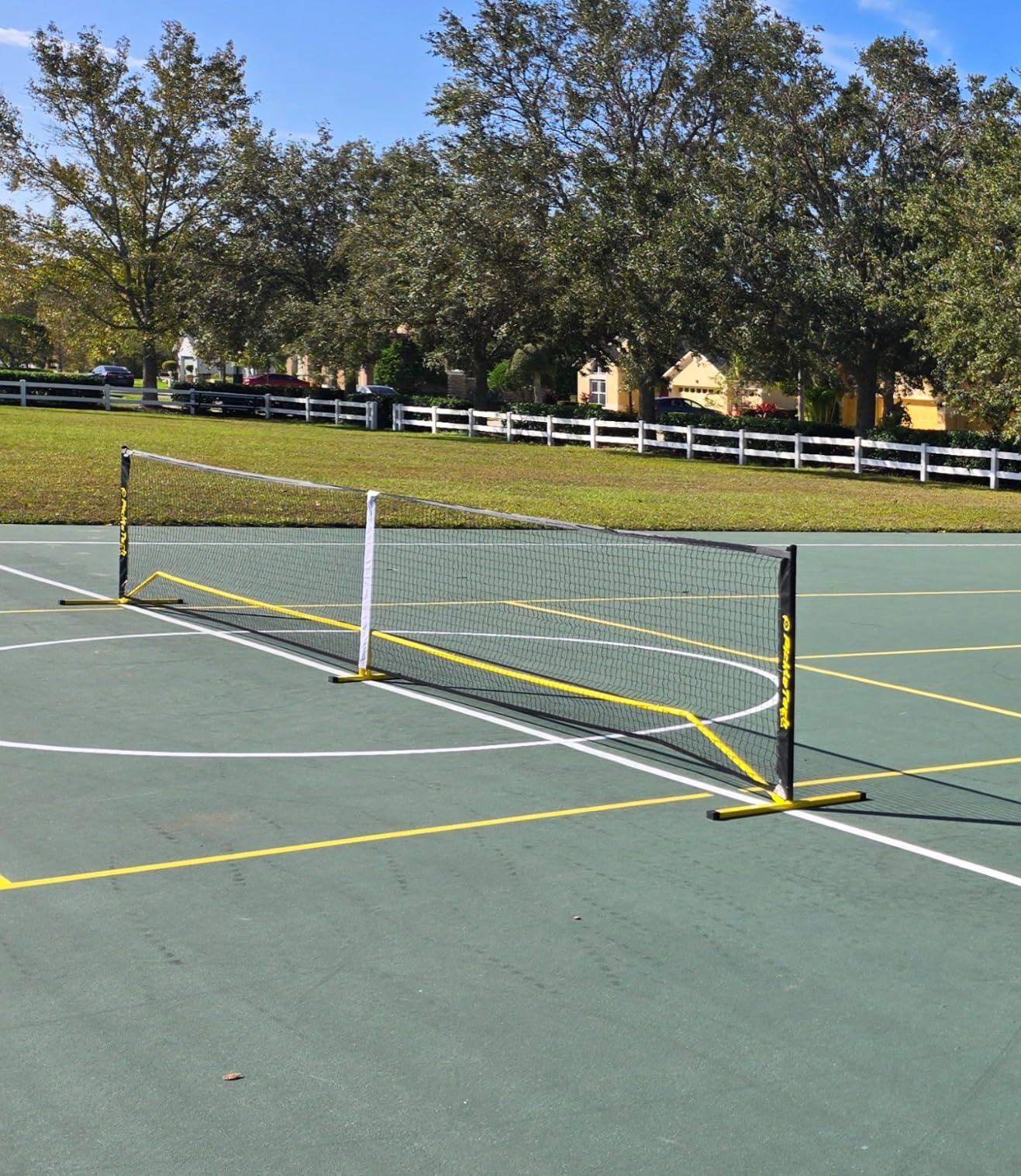
With 303 ratings at 4.6, the praise concentrates on tension and the carry bag. The friction points are mechanical: the spring button connectors can be very tight to disconnect by hand, and the 6 ply mesh is the thinnest net in this roundup.
PVC Frame: Light and Rust Proof
PVC will not rust, which matters for a backyard net that lives near a sprinkler head or gets rained on regularly. The tradeoff is that it flexes more than steel, so a frame left in a strong wind or leaned on by a dog will feel different over time than a powder-coated steel tube.
If you want the lightest possible carry, this is the right material. If you want the frame to stay square for a decade, look at a steel or alloy steel design instead.
Elastic Bottom Belt and Shape Retention
The elastic mesh belt running along the bottom is a clever fix for a common complaint. Most lightweight nets balloon outward in wind because nothing restrains the bottom edge, and the belt gives the mesh somewhere to expand into without pulling the side posts out of alignment. Reviewers mention the net staying tight through play rather than needing a re-tension every session.
Numbered Buckle Parts and Assembly Logic
Assembly is an interlocking buckle system that goes together in about five minutes without tools, and the pieces are numbered so they only lock when correctly aligned. That is a small detail that prevents the bent pin and mismatched frame problems that make cheap nets frustrating. No tool is required for setup or breakdown.
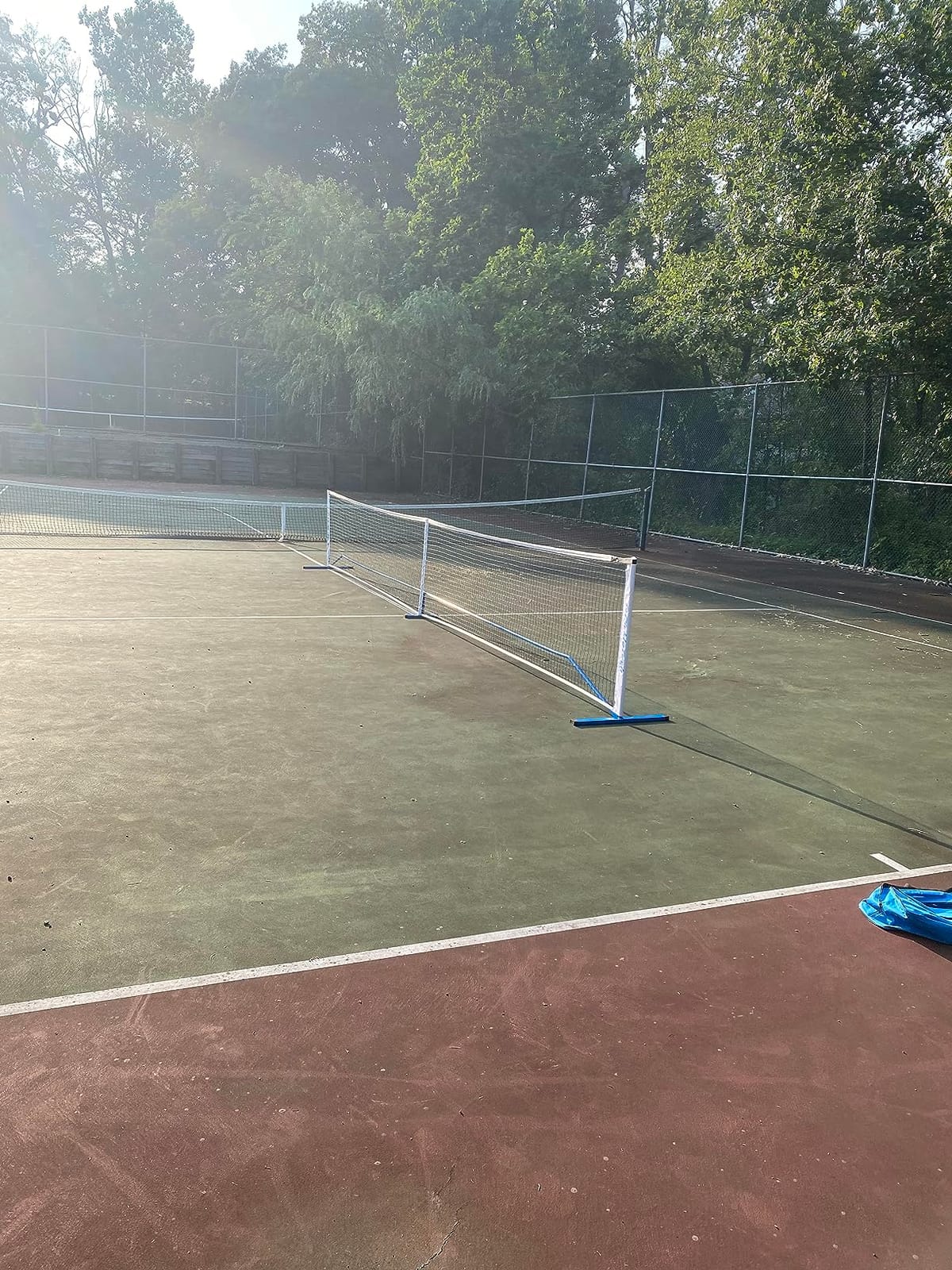
Who Should Buy This and Who Should Not
Buy it if a single person has to move the net regularly, if it will live in a garage or apartment storage, and if you want a set up time under five minutes. It is a strong choice for public court and park sessions.
Pass on it if you play hard, daily, on a windy court. The 6 ply mesh and PVC frame are built for convenience and portability rather than for absorbing constant impact and high wind loads.
5. Hoverphenix 22 FT Kit with Four Paddles – Best Starter Set for Families
Pickleball Set with Net and Paddle Set of 4 for Driveway Family Games
22 ft regulation width
16 lb total weight
11 piece kit
Tool-free 5 minute setup
+ Pros
- Complete kit with net
- 4 paddles
- 4 balls and a carry bag
- Lightweight enough to move solo and sets up in about 5 minutes
- Several buyers report it withstood windy play
- Frame and net are sturdy and well constructed
– Cons
- Included paddles feel cheap with small non-adjustable wrist straps
- Net can tip or shift in strong wind without added weight
- 30 day warranty
Four people learning pickleball at once is a specific and common situation, and this is the kit built for it. You get the net, four paddles, four outdoor balls, a carry bag and instructions in one box, which removes the second shopping trip that usually follows a net purchase.
The net itself measures a regulation 22 ft width at 36 inches on the sidelines and 34 inches in the center. Listed weight is 16 pounds, and the interlocking alloy steel frame assembles in under five minutes with hook and loop straps across the net top.
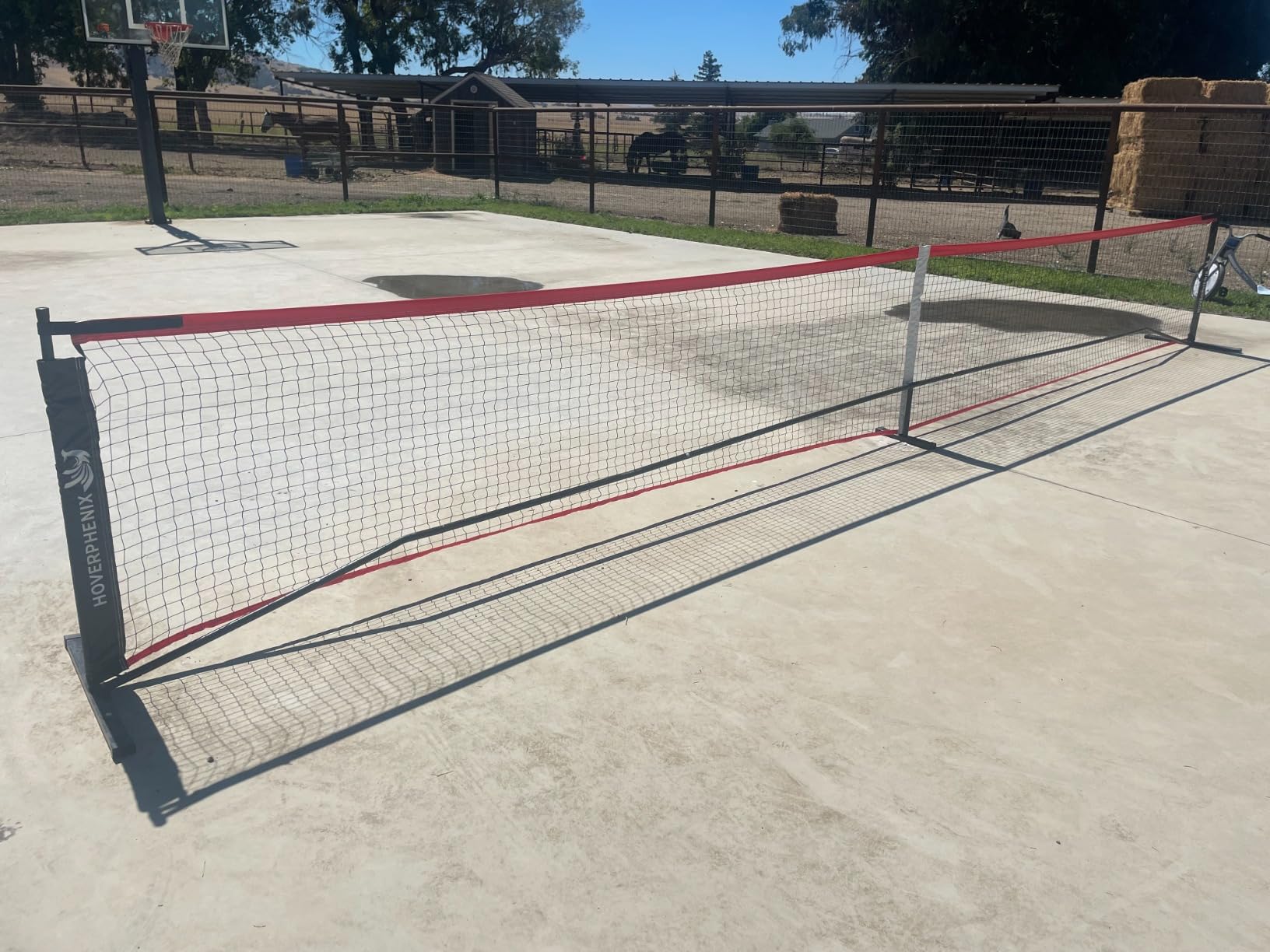
Owners rate the net well and rate the paddles as adequate for beginners only. At 480 ratings and 4.5 stars, the reviews are consistently warm about the net build and lukewarm about the wooden paddles with their small, non-adjustable wrist straps.
Separating the Net From the Paddles
It is worth being clear that the net is the better half of this package. The alloy steel frame and the net width are regulation accurate, and several buyers report the net withstanding windy play that would have toppled lighter kits. If you already have paddles, this is simply a 22 ft regulation net with extras in the box, and a perfectly good reason to buy it.
If nobody in your household owns a paddle, the convenience is real. Just set expectations that the bundled paddles will need replacing within a season or two of regular play.
16 Pounds and Solo Handling
At 16 pounds this sits in the middle of the carry weight range here, light enough for one person to move across a driveway with a bit of planning. The alloy steel construction resists twisting better than PVC, which is why it holds shape through repeated assembly and breakdown.
The one weakness buyers flag repeatedly is tipping in strong wind without added weight. Keep a pair of sand bags or bricks with the bag and the problem disappears.
Kit Contents and What It Replaces
Eleven pieces total covers a full household setup: net, frame, four paddles, four outdoor balls, carry bag and instructions. Nothing in the box requires tools, and the whole kit breaks down into the carry bag for storage in a garage or closet during winter.
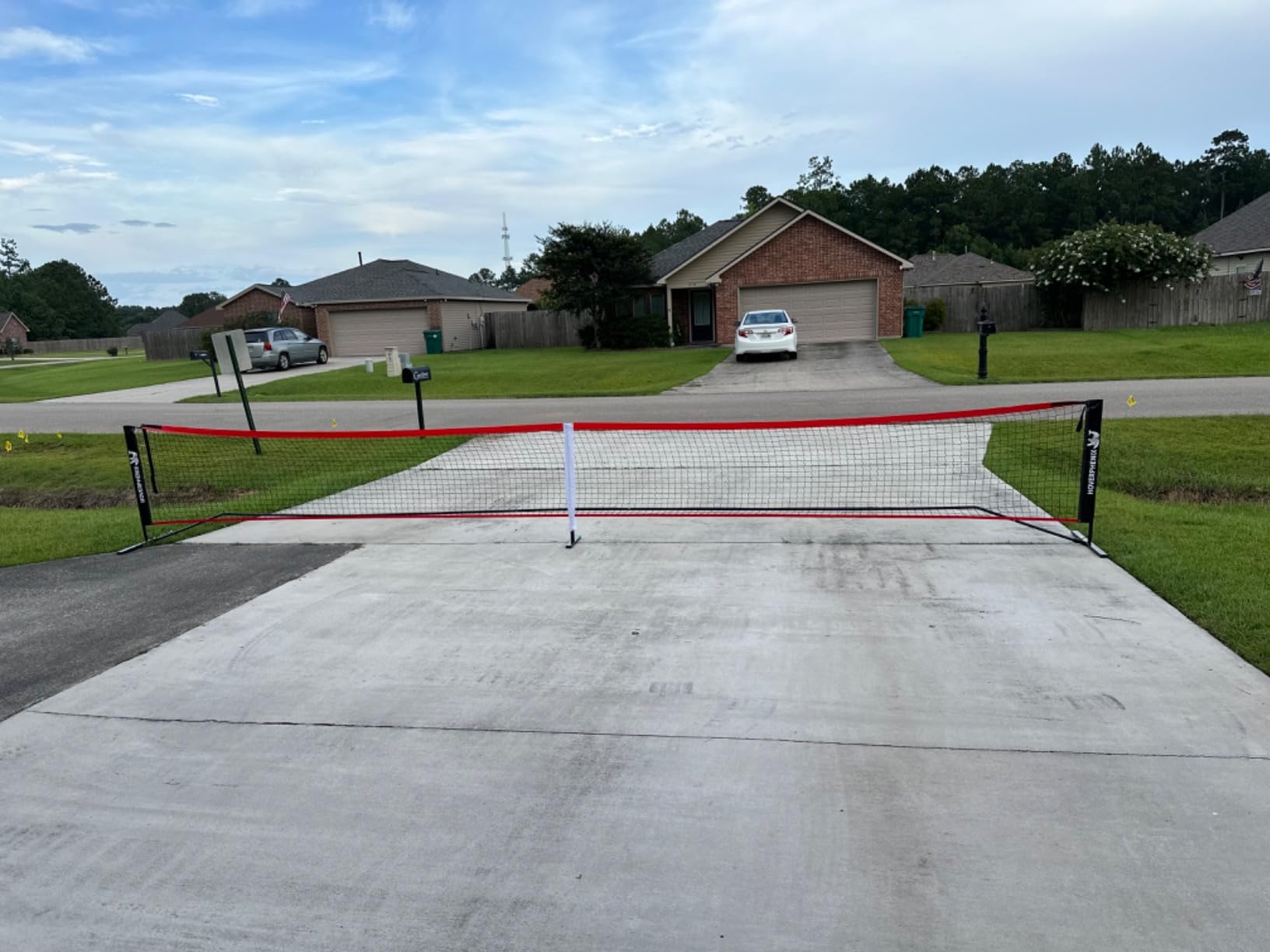
Who Should Buy This and Who Should Not
Buy it if your family is starting from zero and you want to be playing the same afternoon the box arrives. It is also a reasonable choice if you want a solid regulation net with a couple of extras attached.
Choose a different model if you are an experienced player buying for yourself. Payloads of mediocre paddles rarely appeal to someone who already owns a bag, and the 30 day warranty is thin.
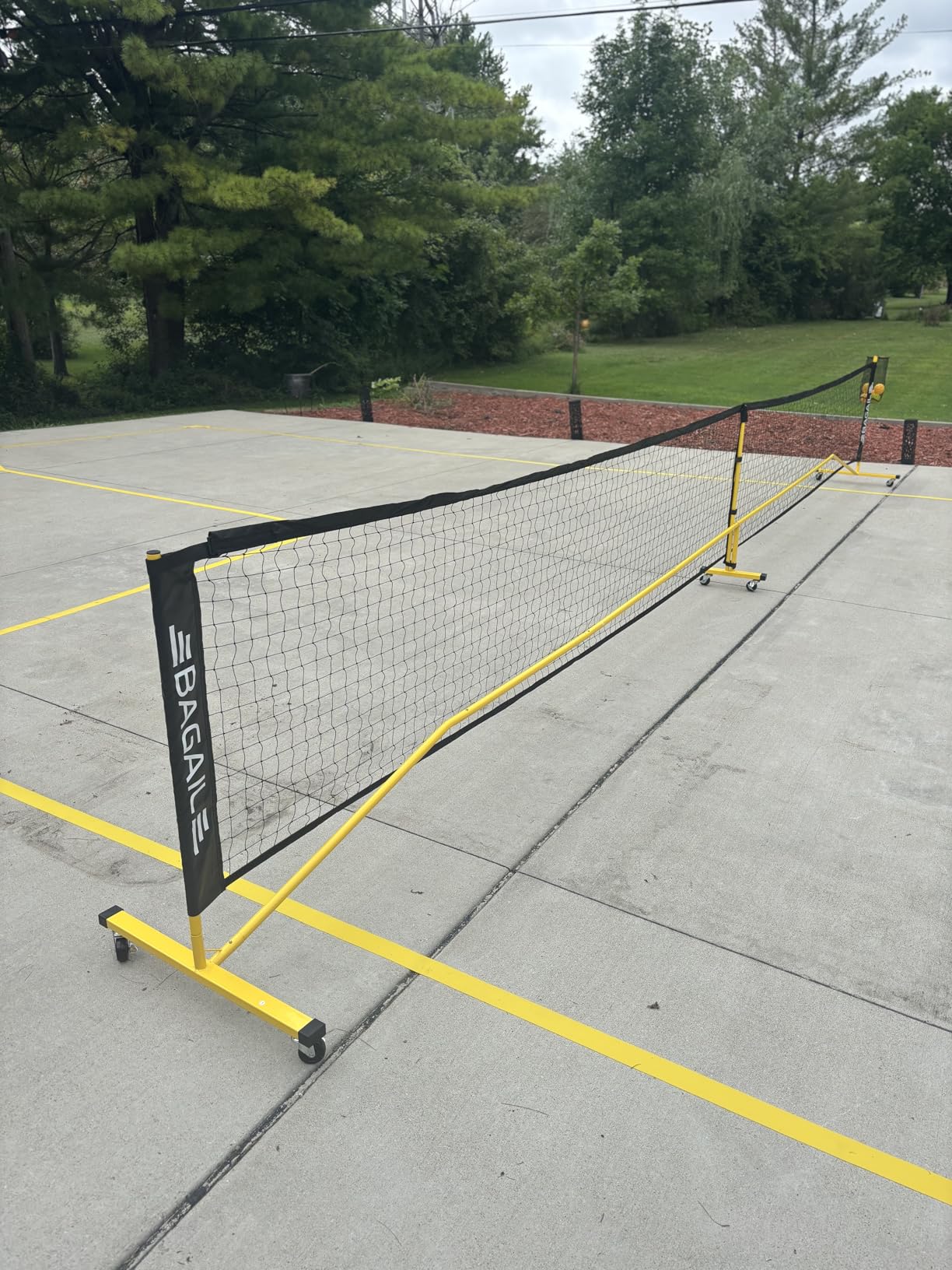
6. BAGAIL 22 FT and 11 FT Set with Wheels and Ball Collector
BAGAIL Portable Pickleball Net Set with Wheels, 22 FT Regulation Size & 11 FT Half Court Size 2-in-1 Pickle Ball Net with Ball Collector, Carry Bag, Easy Setup for Outdoor Indoor Driveway – Yellow
Lockable 360 degree caster wheels
Convertible 22 ft and 11 ft
8.62 kg total
18 month warranty
+ Pros
- Ball collector keeps balls within reach during play
- Lockable 360 degree wheels make the court easy to move and secure
- Convertible full court and half court on one frame
- Tension straps plus a steel center pole limit sag
- 18 month warranty with lifelong assistance
– Cons
- 8-ply net mesh is thinner than the 15 to 18 ply options
- Ball collector and wheel hardware add bulk to pack down
Wheels are the feature backyard owners ask for most, and this is the system where they work best. The 360 degree rotating lockable casters let you roll a regulation court off your driveway in seconds and lock it in place, which is the difference between a net you use daily and a net you rarely bother to set up.
It also converts between 22 ft and 11 ft on one frame, includes a detachable ball collector, and carries an 18 month warranty. Listed weight is 8.62 kg, roughly 19 pounds.
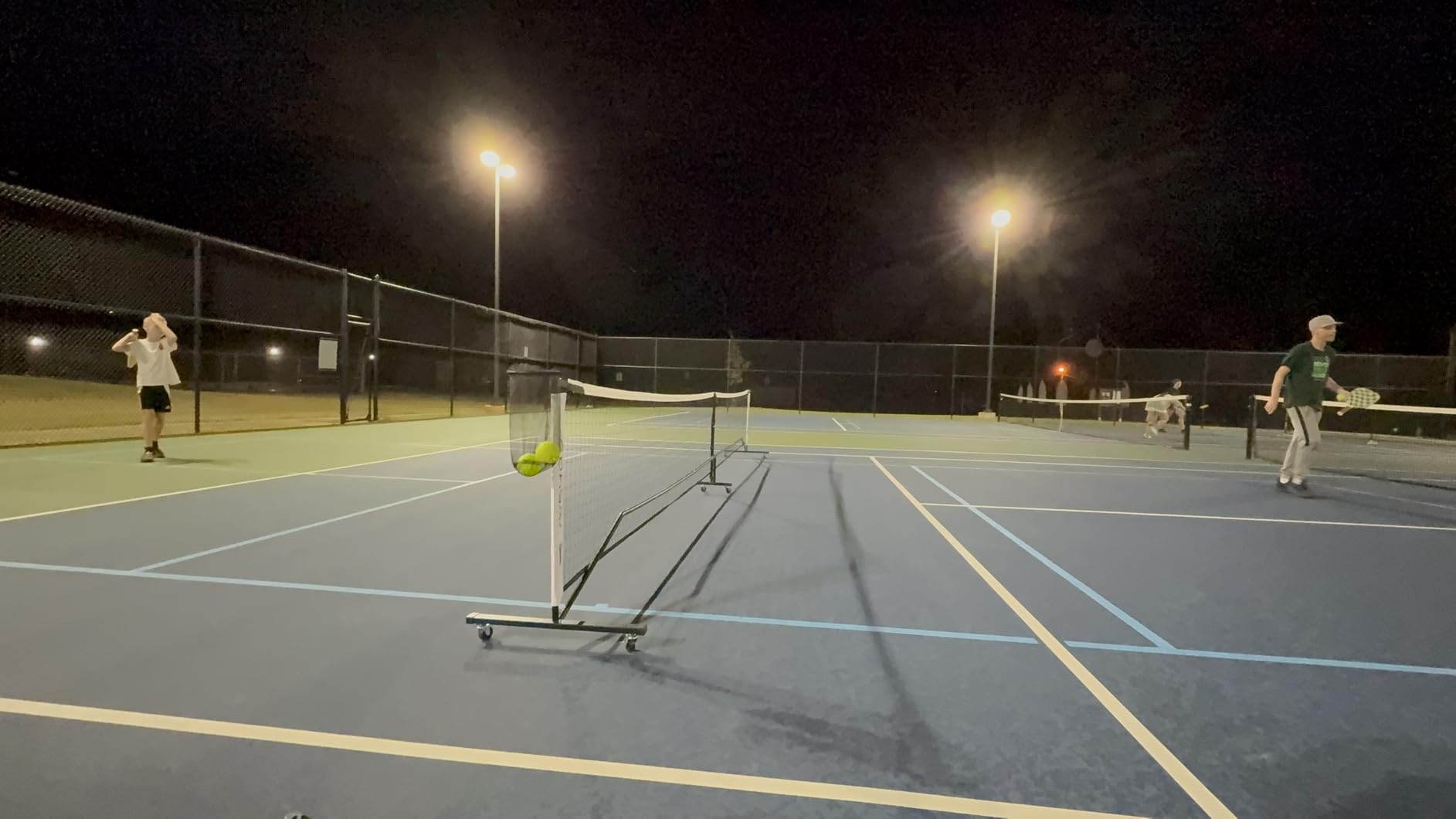
At 471 ratings and 4.6 stars, buyers most often name the ball collector and the rolling wheels as the reasons they chose this over a simpler net. That is a feature-driven purchase, and the feature is the point.
What Locking Casters Actually Change
Most lightweight nets end up parked in a corner because moving them is annoying. Locking casters change the ergonomics completely: you tilt, roll and lock, and the whole footprint moves as one unit. For shared courts, gym floors and driveways that also serve as parking, that is the single most valuable feature in this roundup.
The catch is that wheel hardware and a ball collector add bulk when you pack everything down. This is a roll-it system, not a stuff-it-in-a-backpack system.
Convertible Frame With Two Net Sizes
The same frame carries either a 22 ft or an 11 ft net. Practically, that means a full court when four people play and a half court when the kids are practicing serves alone in the corner of the yard. The push-lock button assembly means one person can build it without tools.
Frame poles are 0.8 mm powder-coated with a rust proof finish, which is the detail that matters for a wheeled system that lives outside.
8-Ply Reinforced Mesh and the Honest Trade
The mesh here is reinforced 8 ply PE, with a listed breaking strength of 550 N. That is thinner than the 15 to 18 ply nets elsewhere in this roundup, and it is the main reason we did not rank it higher despite the feature set. If your group hits hard and often, mesh durability is worth paying more for.
Adjustable tension straps plus a steel center pole do limit sag, which is the correct hardware pairing for an 8 ply net that needs help holding shape.
Who Should Buy This and Who Should Not
Buy it if you want a wheeled system, if you share the court space with parking or a driveway, or if chasing loose balls across the yard annoys you. The ball collector alone justifies it for many families.
Pass on it if you need the thinnest possible carry weight or play a high-volume dinking game where mesh life matters most. For hard hitting, step up to an 18 ply net.
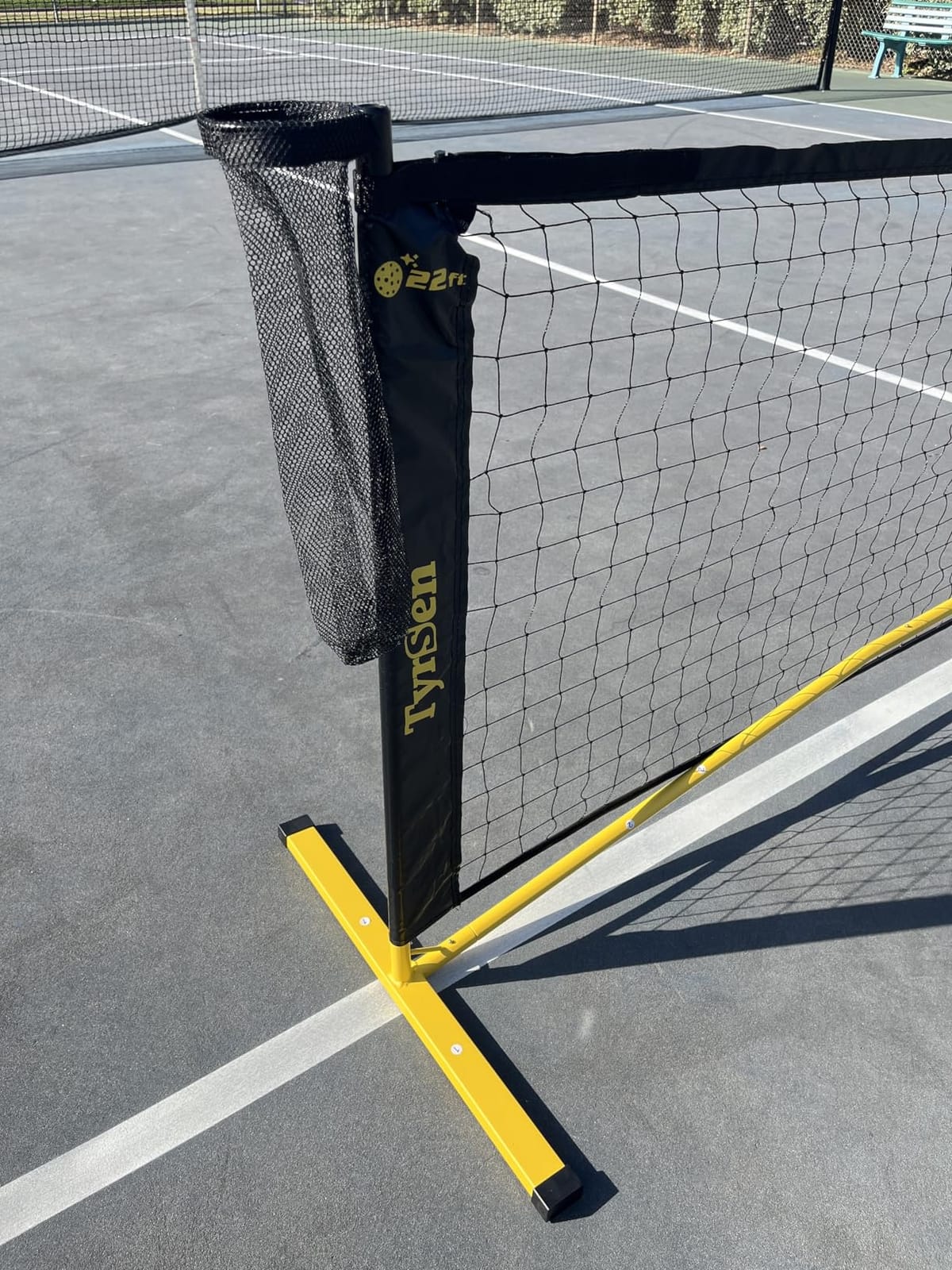
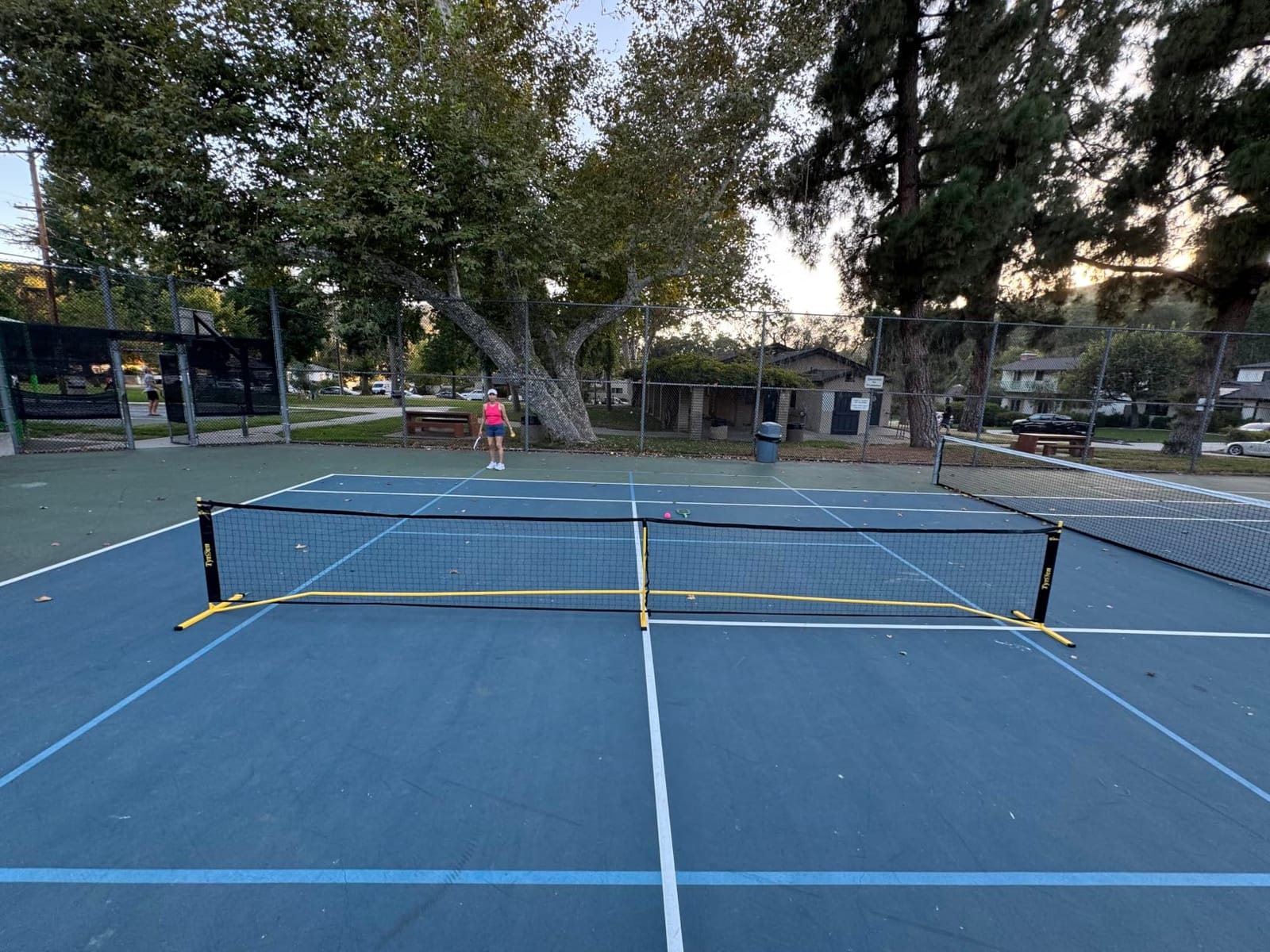
7. TYRSEN 22 FT and 11 FT Set – Dual Nets With a Metal Center Pole
TYRSEN Portable Pickleball Net for Driveway, 22 FT Regulation Size & 11 FT Half Court Size Pickleball Net with Ball Collector, 2-in-1 Pickle Ball Net with Carry Bag for Outdoor Indoor Garages
22 ft and 11 ft nets
18-layer PE mesh
6.58 kg total
Tool-free assembly in 5 to 10 minutes
+ Pros
- Two nets and one convertible frame cover full court and solo practice
- Stands up well and is described as sturdy by multiple buyers
- Lightweight and easy to erect once you learn the pieces
- Metal center pole adds stability versus fiberglass
– Cons
- First-time assembly can be cumbersome and often takes two people
- Center pole holds the middle flat so the net does not dip to regulation center height
- Not as durable as higher-priced nets
- Return turnaround reported as slow by one buyer
Among the lightest systems here at 6.58 kg, or about 14.5 pounds, the TYRSEN pairs a 22 ft net and an 11 ft half court net with a frosted steel frame. It is used regularly for weekly gym and street sessions, and the two size versatility is what owners keep mentioning.
The mesh is 18 layer PE, rated 30 to 60 percent above thinner material, and the carry bag is 600D Oxford. A detachable ball collector comes in the box, and the warranty is one year.
At 246 ratings and 4.6 stars, the reviews are positive on value and versatility, with one recurring technical complaint about the center pole. That complaint is worth understanding before you buy.
Why a Metal Center Pole Is Not Always a Win
Replacing fiberglass with metal makes the center support stiffer, and stiffer means the middle of the net stays flat instead of dipping. That is exactly the opposite of the regulation 34 inch center height, which requires the net to sag slightly at the middle. Owners who care about accurate height should know this before buying.
For pure recreational play, most buyers do not care. For league or tournament preparation, a net with a defined center dip is the one you want.
18-Layer PE Mesh at a Light Weight
This is the rare combination of heavy-duty mesh and low carry weight in this roundup. An 18 layer tear-free PE net gives you a long service life while the frame still lists under 15 pounds, so the net is genuinely portable for its durability class.
That is the main argument for this system over the heavier steel options. You give up a little frame mass and gain a lot of mesh life.
Assembly Realities: Two People the First Time
Assembly is described as taking 5 to 10 minutes with numbered parts and no tools. The first setup is often reported as cumbersome enough to want a second pair of hands, though the same owners say it becomes easy once you know which piece goes where.
Who Should Buy This and Who Should Not
Buy it if you want a durable mesh net that you can still carry by yourself, and if you will use the 11 ft half court setup regularly for drills and for kids. The light weight makes it easy to move between a garage and a court.
Pass on it if height accuracy at the center is critical to your game, or if you want a net that stays outdoors year round, since build durability is rated below the pricier options.
8. A11N SPORTS Pro Net with Wheels – Built to Stay Set Up Outdoors
A11N Sports Pro Pickleball Net with Wheels and Hand Winch, Tournament Regulation Size, Anti-Sag Design, Perfect for Outdoor Court & Indoor Gym Floor
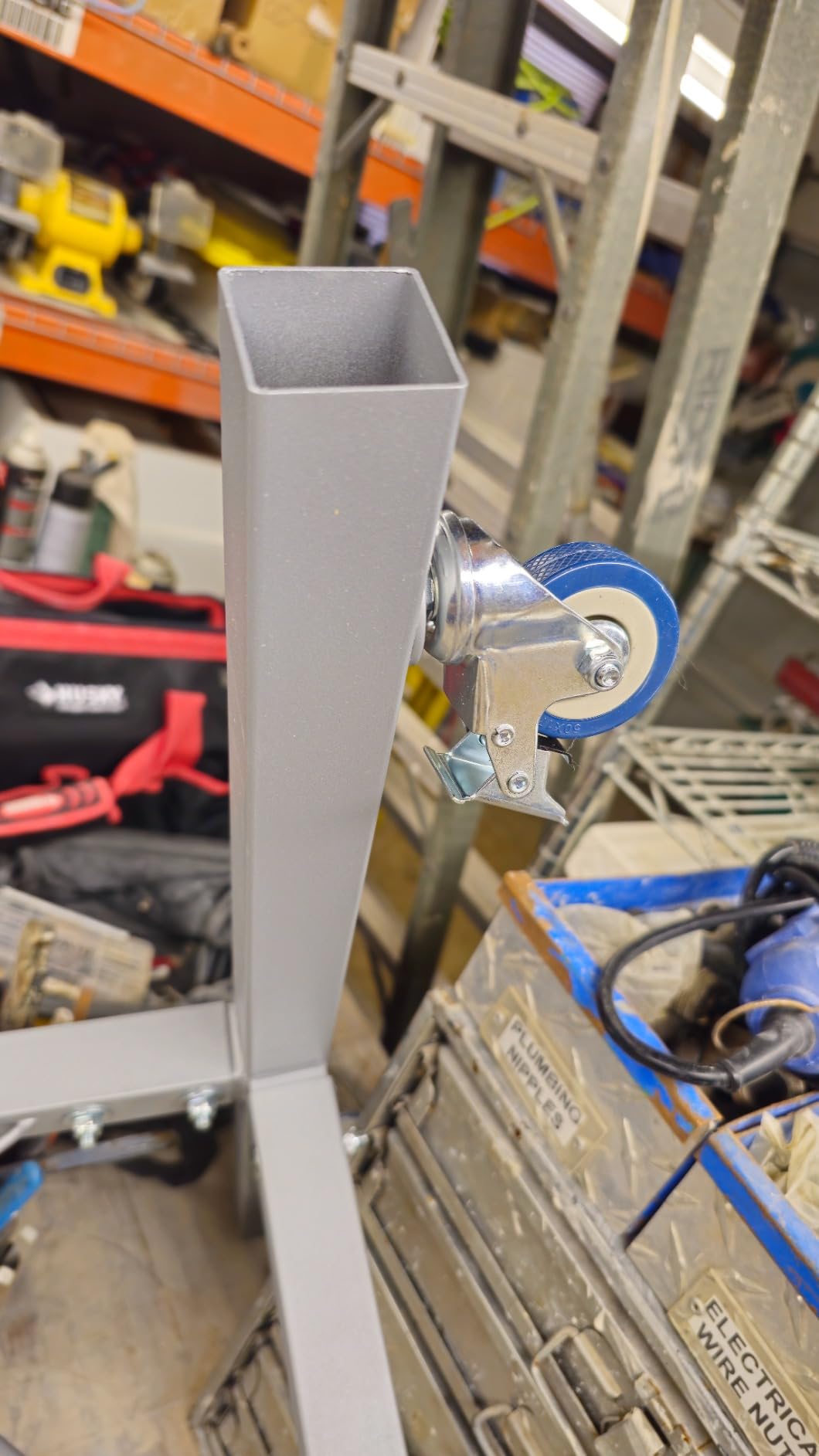
6 lockable caster wheels
Hand winch anti-sag tension
22 ft regulation size
12 month post warranty
+ Pros
- Six caster wheels roll it aside so a shared court stays usable
- Square tubing resists twisting and a diagonal brace keeps the frame square
- Net cord across the full length plays more like a permanent installation
- Heavy frame resists tipping and two sand bags are included
– Cons
- Bolted construction means about 20 minutes to assemble and disassemble
- Net cord is thin compared with professional systems
- Steel tubing shows light surface rust after a season outdoors
- Caster wheel bearings can seize after about a year
This is the one we would put out in April and bring in in November. The frame is bolted rather than knocked down with push pins, the tubing is thick powder-coated steel with wide bent legs, and the tension comes from a hand winch that runs the full length of the net. It behaves like a semi-permanent installation that happens to roll on six lockable casters.
Two empty sand bags are included, which removes the most common excuse for not using a net in wind. Dimensions are regulation: 22 ft wide, 36 inches at the sidelines, 34 inches at the center. Warranty is 12 months on the posts and 6 months on the net.
At 200 ratings and 4.3 stars, this is the lowest rated system here, and the reason is specific rather than general. Buyers with a gym, rec center or dedicated multi-sport court rate it highly. People who wanted a grab-and-go net in the car rate it lower, because you are not supposed to disassemble it more than once.
Bolted Assembly: 20 Minutes, Then Leave It Alone
The trade is deliberate. Bolted joints and a diagonal brace keep the frame square over years instead of months, and the winch tension holds a straight line that push-fit frames cannot match. The cost is that assembly and disassembly take about 20 minutes, so this is not a car trunk net.
If your net lives in one place, that is a feature. If you move between the driveway, the park and the beach every week, it is a serious inconvenience.
Hand Winch Tension and Full-Length Net Cord
The hand winch is the most effective anti-sag system in this roundup. Rather than relying on straps at a few points, the tension runs along the entire length of the net, so it stays flat and straight under ball impact. The diagonal brace reinforces the frame corners against racking.
The counterpoint is the net cord itself, which reviewers describe as thin compared with professional systems. The frame is more durable than the fabric, so budget for a possible net replacement in a few seasons of heavy use.
Leaving It Outdoors and the Rust Question
This is the system to buy if you intend to leave a net up, and the honest caveat is that light surface rust appears on the steel tubing after about a season outdoors. The powder coat slows it considerably, but wiping the frame down and refreshing the coating annually is part of the deal.
Caster wheel bearings can seize after roughly a year of use, so keep the wheels off wet grass and check them seasonally.
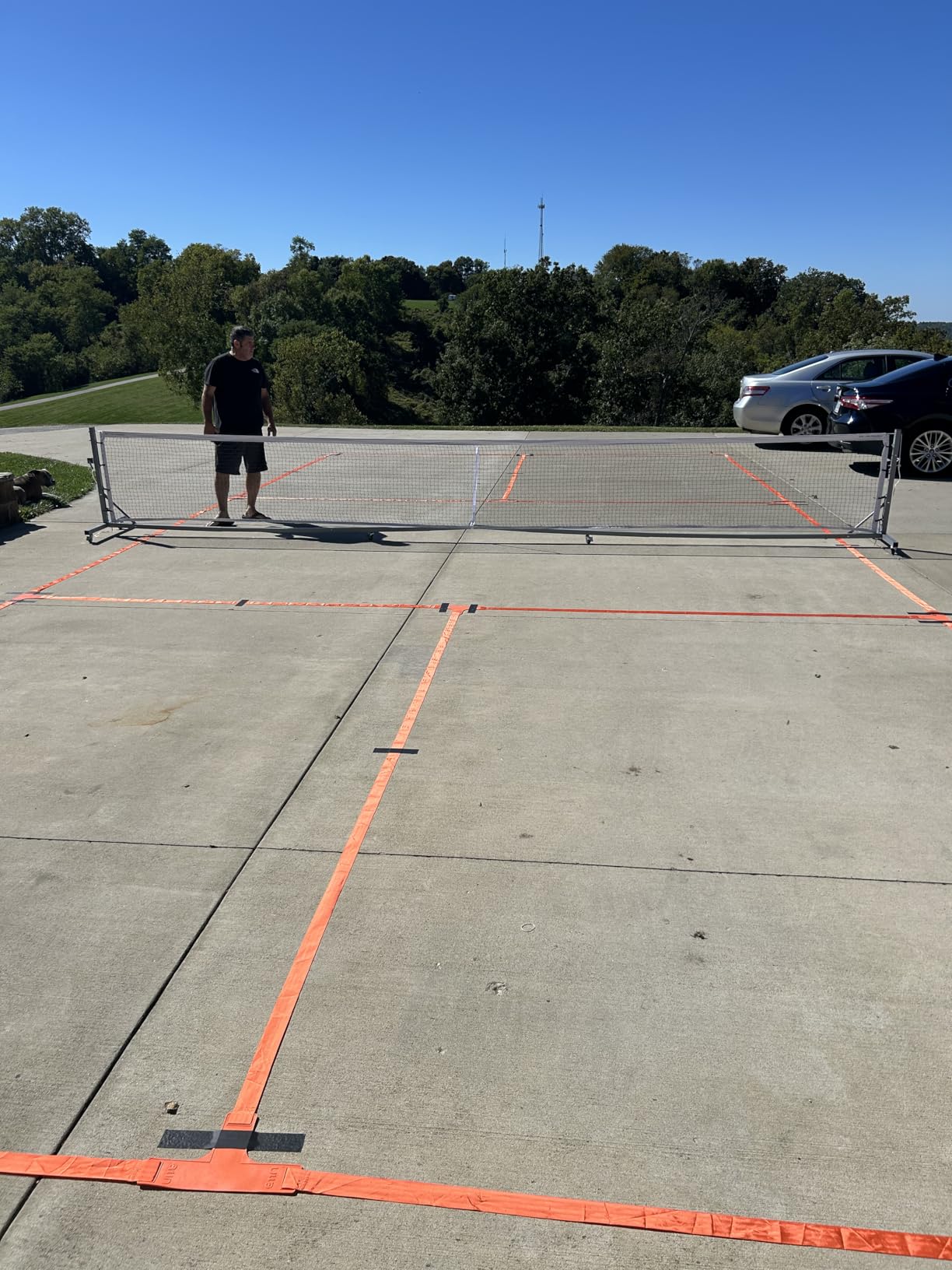
Who Should Buy This and Who Should Not
Buy it if you have a dedicated spot, a garage, a pool deck or a shared court, and if the idea of walking past a standing net appeals to you more than the idea of carrying one. The wheels let it move aside when needed.
Pass on it if you need a car-portable net or play casually once a month. The 20 minute assembly and the thin net cord are not worth it for occasional use.
9. Hoverphenix 22 FT Full Size Kit – Best Two-Size Starter Under a Light Budget
Portable Pickleball Net for Driveway – 22FT Full Court and 11FT Half Court
22 ft plus 11 ft nets
15-ply PE mesh
Alloy steel frame
5 minute tool-free setup
+ Pros
- Two net sizes on one frame for full court or half court play
- Buyers describe it as sturdier than expected for the price
- Easy to assemble and take apart repeatedly
- Regulated 34 inch center height confirmed by buyers
– Cons
- Light frame still tips in strong wind unless weighted down
- Carry bag is thin fabric that may not wear as long as the net
- One buyer received the kit without setup instructions
- Top straps are functional but not the most robust
This kit is a 2 in 1 package: a 22 ft regulation net and an 11 ft half court net on a convertible alloy steel frame, with a carry bag and pickleballs in the box. Buyers report using it for tournament practice on a basketball court, which is a reasonable stress test for a portable system.
At 4.7 stars from 149 ratings, the reviews skew heavily positive, with repeated mentions that the net is sturdier than expected. Adjustable tension straps on both sides plus a fiberglass center pole handle sag, and the frame has a wide base for stability.
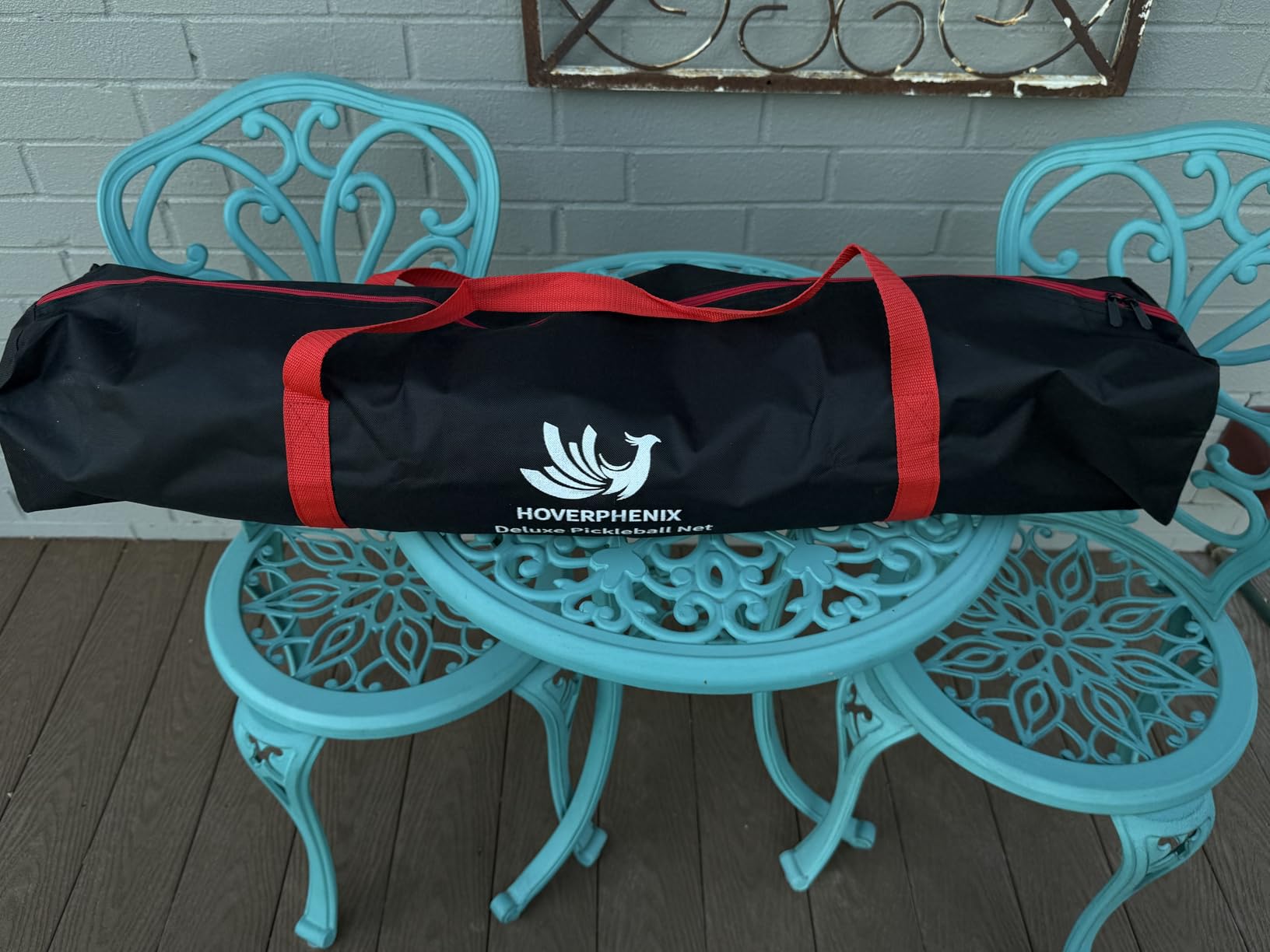
Setup is an interlocking tool-free assembly in about five minutes with numbered parts. The mesh is reinforced 15 ply PE, which sits in the middle of this roundup and should give normal backyard service life.
Dual Size Value for New Players
As with the Fostoy and TYRSEN kits, the 11 ft half court net is the sleeper feature. Beginners can serve into a much smaller space, kids can practice alone while adults play on the full setup, and one purchase covers the whole household. Buyers confirm the 34 inch regulated center height in practice.
Light Frame Wind Behavior
The alloy steel frame with a wide base is more stable than a PVC design, but reviews are consistent that the light frame still tips in strong wind unless weighted. The same advice applies across this list: keep sand bags with the bag.
What you avoid entirely is the rust risk. A coated steel frame stored away between sessions ages better than one that stands in rain and sun for months.
What to Watch in the Box
Two small complaints are worth flagging. One buyer received the kit without setup instructions, which turns a five minute assembly into a guessing game, and the carry bag is thin fabric that may wear before the net does. The top straps work but are not the most robust hardware in this roundup.
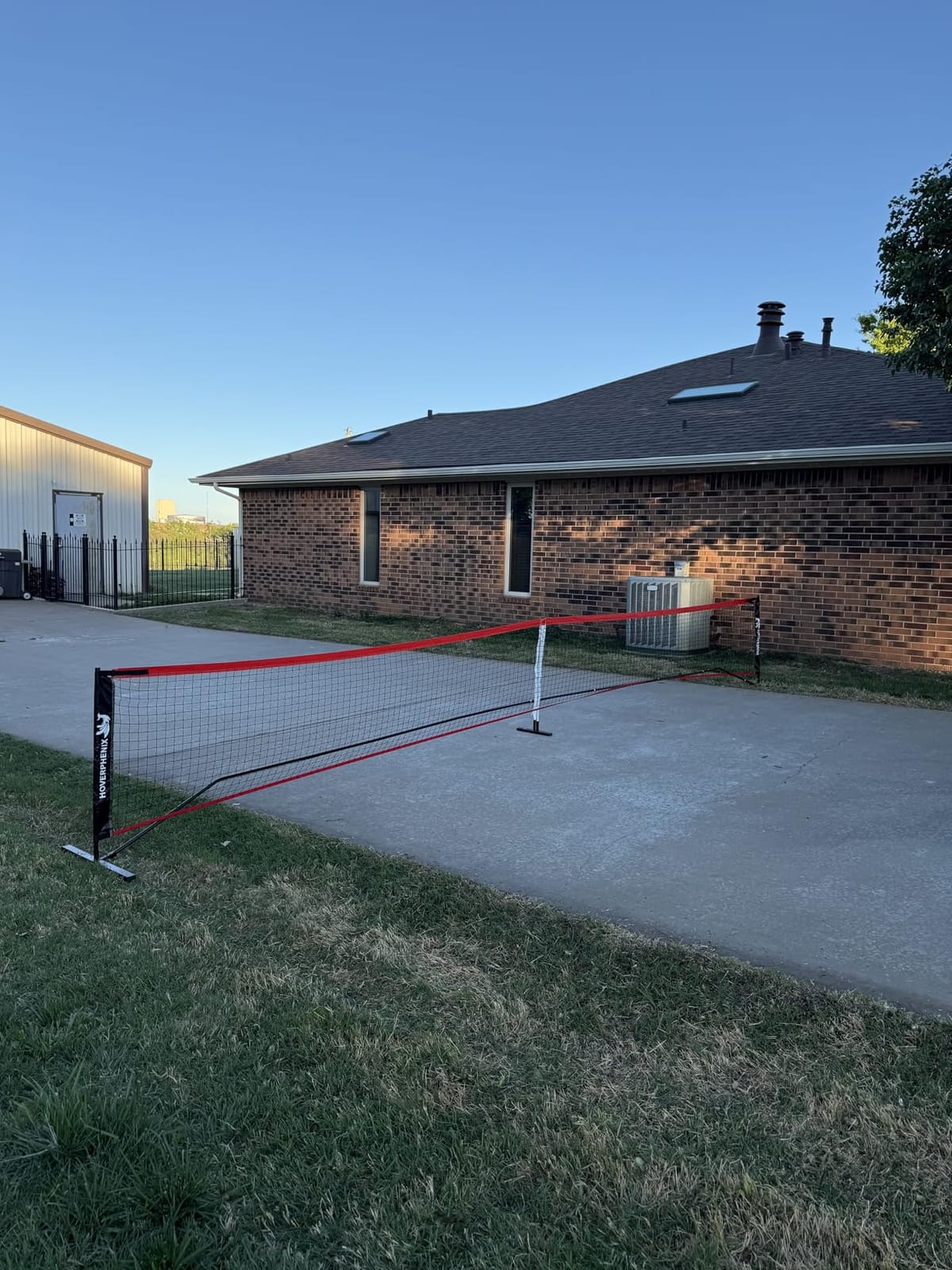
Who Should Buy This and Who Should Not
Buy it if you are building a beginner practice setup, want both a full and half court net, and prefer a system that stores away between seasons rather than standing outside. The two-size flexibility is the reason to pick it.
Pass on it if you need heavy-duty mesh for high-volume play, or if the bag quality matters to you for long term storage outdoors.
10. Franklin Sports 22 ft Wheeled Net – Recognizable Brand for Shared Courts
Franklin Sports Pickleball Net System with Wheels – 22′ Regulation – White
22 ft length with 36 in height
27 lb total weight
Locking caster wheels
Center support rod
+ Pros
- Center support rod keeps the net from sagging
- Locking wheels roll a regulation court onto a driveway
- Velcro straps at the top ends hold the net tight
- Held up well after a full year of desert sun
– Cons
- Locking or unlocking all the wheels is time consuming
- Frame is slightly wider than a regulation court and is not adjustable
- Light gauge end base wheels can bend if pulled
Franklin Sports is a name most buyers already recognize from other court sports, and this 22 ft net brings that familiarity to a backyard setup. It measures 22 ft in length at 36 inches high, with 12 inches of overhang on either side, and rolls on locking casters so you can move it off a driveway when the cars come home.
A center support rod handles sag, and velcro straps at the top ends hold the net tight. Listed weight is 27 pounds, the heaviest here, and a premium travel bag for paddles and balls is included.
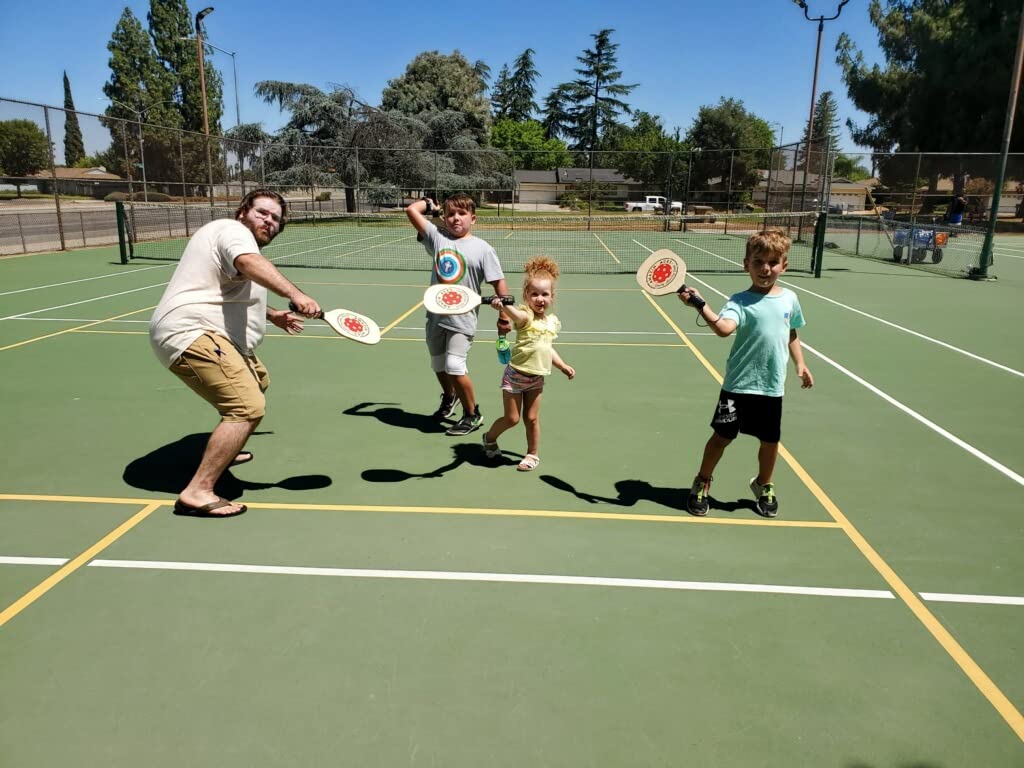
At 134 ratings and 4.4 stars, buyers find it sturdier than the price suggests, with one reporting it held up through a full year of Arizona sun. The recurring gripes are about the wheels and the frame dimensions rather than the net itself.
Rolling Design for Courts That Get Shared
Locking casters solve the same problem they solve on the BAGAIL, but with less refinement. Owners report that locking or unlocking all the wheels takes time, and the light gauge end base wheels can bend if you pull the net by the base rather than the frame. Roll it, do not drag it.
Assembly is tool-free with bungee assisted connections, and experienced users report about three minutes. The bungee approach is fast, though one buyer received a broken bungee cord and a dented rod.
Frame Width and the 12 Inch Overhang
Here is a spec detail that matters if you play seriously. The net is 22 ft long with 12 inches of overhang on either side, and the frame is slightly wider than a regulation court with no adjustment available. For casual backyard play that is irrelevant. For league preparation, check your court lines before buying.
The center support rod is the quality feature. It is the same anti-sag approach used by the heavier systems, and owners praise it at this level.
All-Weather Netting and Sun Exposure
The powder-coated steel posts carry heavy duty all-weather nylon netting, and one buyer reports a full year of desert sun without visible degradation. The coating is the same kind of finish that shows light surface rust on other systems, so the same annual wipe-down applies.
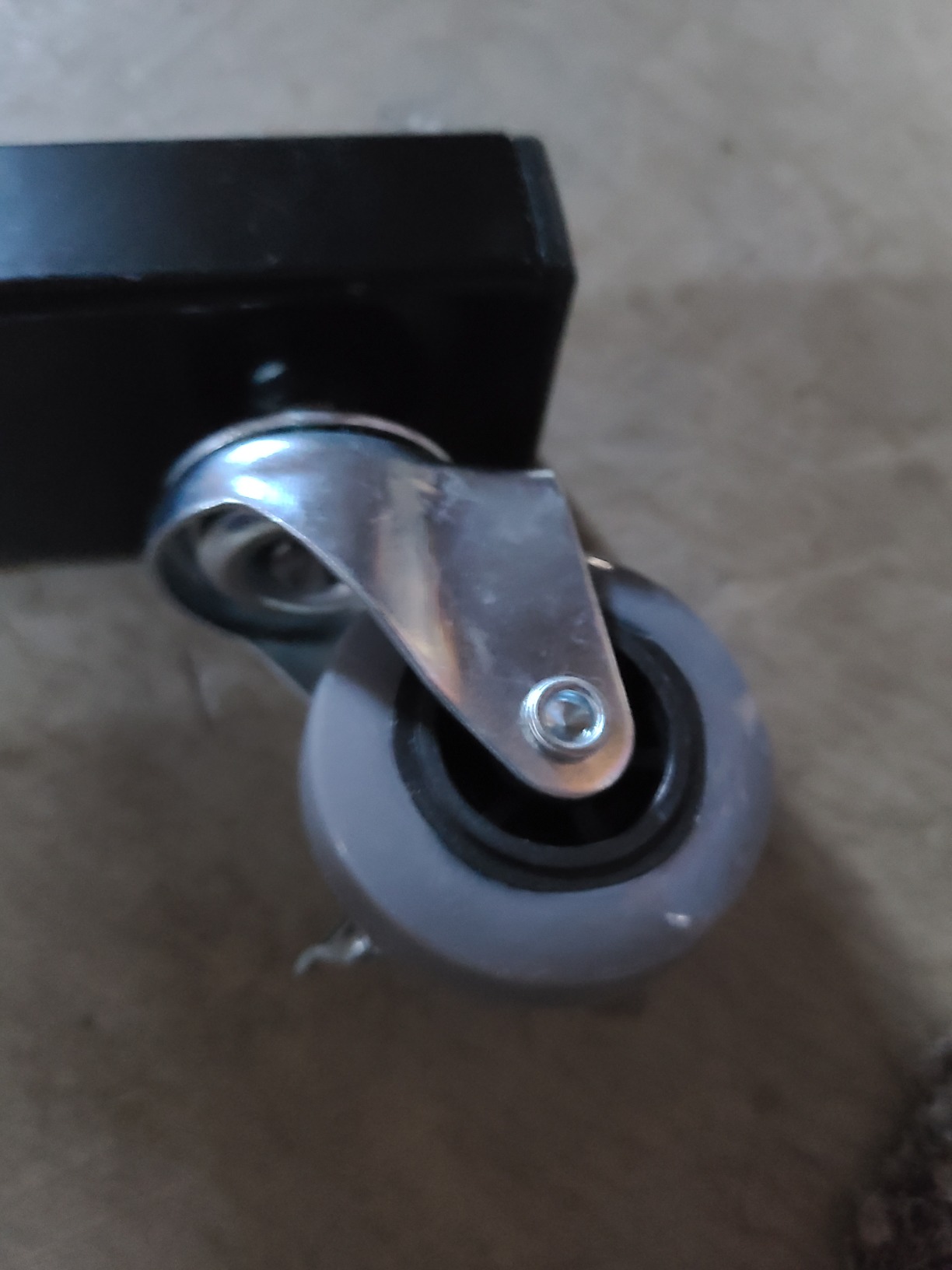
Who Should Buy This and Who Should Not
Buy it if you want a recognizable brand, if your net shares space with a driveway, and if the 27 pound weight is manageable for your household. The travel bag and all-weather netting suit multi-sport yard use.
Pass on it if you need precise frame dimensions, if you want the thinnest possible net, or if two people are needed to move it and only one person is available.
How to Choose a Portable Pickleball Net for Your Backyard
Most buying mistakes in this category come down to three decisions: size, base type and how much the net actually weighs. Get those right and the rest is preference. Get them wrong and you will be dragging a net across the yard every weekend, wondering why your center height keeps dropping.
Regulation Dimensions: 22 ft Wide, 36 in at the Sidelines, 34 in at the Center
A regulation portable pickleball net is 22 feet wide, 36 inches high at the sidelines and 34 inches at the center. The center dip is not a defect. It is the part that makes the ball behave correctly, which is why the TYRSEN metal center pole and other rigid center supports get criticized by players who care about accuracy.
Some nets include 12 inches of overhang on each side beyond the 22 ft playing width, as the Franklin does. That is fine for backyard play, but check the frame width if you intend to line up on a marked court.
Wheeled Rolling Systems vs Carry-Bag Systems
This is the biggest real fork in the category. A carry-bag system breaks down, fits in a trunk, and can be carried solo across a park. A rolling system stays assembled, weighs considerably more, and moves across a flat surface in seconds. A bolted semi-permanent system like the A11N SPORTS goes one step further and should rarely be disassembled at all.
Choose a carry-bag system if you play at different locations, need to store the net in a small space, or share it with people who will not help you move it. Choose a rolling system if the net has one home spot and you want it available every day without an assembly ritual. If you plan to stand it up outdoors permanently, a bolted frame is worth the extra assembly time.
Frame Material and Backyard Weather Resistance
Powder-coated steel is the standard for durability. It is heavier, it resists twisting, and it is the only material in this roundup appropriate for a net that stands outdoors through wind and rain. Expect light surface rust after a season, which a yearly wipe-down prevents.
Alloy steel sits close behind and is noticeably lighter. PVC is the lightest and never rusts, but it flexes and is better suited to casual play and short-term setups. Aluminum is the lightest metal option and the best pick if rust is your main concern, though none of the systems in this roundup use it.
Net Tension, Center Height and Sag Control
Sag is the number one durability complaint in pickleball forums, and it comes down to how tension is applied. Hook-and-loop straps are the weakest and loosen with time. Buckles hold. Hand winches hold best of all, at the cost of a heavier frame.
Check that your net has a defined center support. A fiberglass rod flexes into the regulation center dip while adding stiffness, a steel or iron rod adds more rigidity, and a rigid metal pole can hold the middle flat enough to break regulation height.
Matching the Base to Your Backyard Surface
Grass and turf reward wide end bases with ground stakes or a spike, because the base can sink slightly and grip. Concrete and asphalt reward the opposite: non-slip rubber sleeves or pads, because there is nothing to bite into and a hard surface transmits every impact. Sand and beach setups work with any frame but need extra weight since the surface moves. Wooden decks are the most demanding case, because a hard flat surface means a light frame can rock and tip easily.
Whichever surface you use, adding weight to the end bases is the single most effective stability upgrade available. Sand bags, patio bricks, or a pair of gallon jugs of water solve the problem for a few dollars.
Anchoring in Wind and Leaving the Net Outside Year Round
Light nets blow over. That is not a defect, it is physics, and every owner of a sub-16 pound net eventually learns it. Anchor the end bases with sand bags, with ground stakes on grass, or by positioning the net alongside a fence or wall where the wind is broken.
For nets that stay outside through a full year, add a simple routine. Wipe the frame down once a season and touch up any coating wear. Rinse or brush the mesh to remove pollen and dirt, since trapped debris weakens the fabric over time. Check net height with a tape measure after the first few months outdoors, and re-tension if the center has dropped. If you store a net for winter, dry it fully first, because trapped moisture causes mesh rot and coating failure faster than any weather.
Full Court, 24 ft, or 11 ft Half Court Sizing
Most of the systems here are 22 ft regulation width, which is the standard for a full court playing area. Some kits also include an 11 ft half court net for solo practice and for kids, and that second net is often the most useful thing in the box.
A 24 ft wide system is marketed for extra run-off room around the court. That is useful for competitive practice, and it is unnecessary for most backyards. Judge it by whether you play competitively, not by the number in the listing.
Total Cost Against Building a Permanent Backyard Court
A portable net plus a modest amount of surface preparation is a fraction of the cost of excavating, grading and fencing a permanent court, and it takes an afternoon rather than a construction project. For a family that plays a few times a week, the portable system is the obvious value. Build permanent only if you need a sanctioned court surface, night lighting infrastructure, or fencing for a specific reason.
If you are also planning the rest of your yard, our sun lounger picks for backyards and portable projectors for backyard movie nights cover what surrounds the court.
Frequently Asked Questions
Who makes the best portable pickleball net?
For most backyard families the Pickle-Ball 3.0 Tournament Net is the strongest all-round pick: true 22 ft regulation width, 36 in at the sidelines and 34 in at the center, a buckle tension system and tool-free setup in about five minutes. Fostoy’s 22 FT and 11 FT set is the best value if you want two court sizes and a 2 year warranty. Zdgao’s kit is the cheapest complete way to start.
What is the best portable outdoor pickleball net?
The best portable outdoor pickleball net is one that holds 22 ft width at 36 inches on the sidelines and 34 inches at the center, resists wind, and can be stored between sessions. A bolted powder-coated steel frame with casters, such as the A11N SPORTS Pro, works best when the net stays set up outdoors. For nets that break down and get carried, a coated steel or alloy steel frame under 20 lb is the practical choice.
Which pickleball net is the easiest to set up?
Tool-free interlocking buckle designs assemble in about five minutes, and the PICKLETECH 4.0 Slim and Hoverphenix 22 FT kit are typical examples. The Zdgao regulation kit goes together in two to five minutes. Bolted systems such as the A11N SPORTS Pro take about 20 minutes to assemble, which is the trade for a frame that stays assembled and wheeled.
What size pickleball net should I get?
Get a 22 ft wide net for a full regulation court, with a height of 36 inches at the sidelines and 34 inches at the center. Kits that include an 11 ft half court net add a second practice size on the same frame, which helps beginners and kids. A 24 ft system only matters for competitive practice with extra run-off room.
How many inches should a pickleball net be?
A regulation pickleball net measures 36 inches high at the sidelines and 34 inches at the center. The center dip of 2 inches is required, so a net that stays perfectly flat in the middle is not correct. Nets sold with 12 inches of overhang on each side still measure 22 ft of playing width.
Can you use a volleyball net for pickleball?
You can play on a volleyball net, but it is not regulation. Volleyball nets are generally 8 feet high for men and much wider, so the ball arcs over the top far too much and the game stops resembling pickleball. A tennis net is also the wrong height at 36 inches across the full width with no center dip. For backyard play, a 22 ft portable pickleball net costs less than building a court and plays correctly.
Which Portable Pickleball Net Should You Buy?
If you want one net that plays true and lasts, choose the Pickle-Ball 3.0 Tournament Net. It holds regulation height, uses a buckle tension system that does not loosen, and at 4.8 stars from 949 ratings it is the most proven pick in this roundup.
If your household plays at two levels, the Fostoy 22 FT and 11 FT set gives you a full court and a half court on one frame with an 18 ply net and a 2 year warranty. If you want to spend as little as possible and start this week, the Zdgao regulation kit arrives with balls and a bag already in the box.
If you need to move the net around a driveway or share the court with parked cars, the BAGAIL set has the best lockable casters and the only ball collector worth mentioning. If you plan to stand a net up outdoors through the season, the A11N SPORTS Pro bolted frame and hand winch are built for it, and you should plan on an annual wipe-down. If one person has to carry the net solo, the PICKLETECH 4.0 Slim is the lightest-built regulation frame here.
Whichever you choose, buy a pair of sand bags in the same order. It costs almost nothing and it is the difference between a net you use every week and one that sits folded in the garage. Our picks are current for 2026, and the comparison table above is the fastest way to check the weight, height and mesh against what you already own.
Leave a Reply