Category: Generator FAQs

  • What Can A 7500 Watt Generator Run? | 2026

    Generators are incredibly useful when it comes to powering electrical equipment during a power outage. If you’re in the market for a generator, you may be wondering just how much power a 7500 watt generator can provide. In this guide, we’ll go over how much can a 7500 watt generator run and how it may help you during your next power outage. Read on to learn more.

    How much power does a 7500 watt generator produce?

    A 7500-watt generator can produce up to 62.5 amps at a 120-volt rating or 31.25 amps at a 240-volt rating. This type of generator produces enough power to run large appliances such as refrigerators, sump pumps, and dehumidifiers in your home during a power outage.

    How Much Can A 7500 Watt Generator Run

    It is also useful for powering items such as tools and lights when used on job sites or campsites that lack access to electricity. It’s important to note that the amount of energy produced by your 7500-watt generator is measured in kilowatt-hours (kWh).

    What appliances can a 7500 watt generator run?

    How Much Can A 7500 Watt Generator Run

    With 7500 watts of power, you can easily run an air conditioner, refrigerator, sump pump, water heater, and more. It’s also great for powering tools like saws and drills or even a small RV.

    When it comes to running appliances with a 7500-watt generator, the wattage of each appliance must be taken into consideration.

    Here is the list of appliances mentioned from highest to lowest wattage usage:

    • Electric water heater – 4,000 watts
    • A radial arm saw – 2,000 watts
    • Medium radiant heater – 1,800 watts
    • Bench grinder – 1,400 watts
    • Espresso machine – 1,300 watts
    • Small window AC unit – 1,200 watts
    • Window AC (10,000 BTU) – 1,200 watts
    • Washing machine – 1,150 watts
    • Sump pump (1/2 HP) – 1,050 watts
    • Small well pump (1/2 HP) – 1,000 watts
    • Coffee maker – 1,000 watts
    • Microwave oven – 1,000 watts
    • Hammer drill – 1,000 watts
    • Dishwasher – 1,500 watts
    • Toaster – 850 watts
    • A couple of power tools – 800 watts
    • Fridge with a freezer – 700 watts
    • Pressure Cooker – 700 watts
    • Smaller electric appliances – 400 watts
    • Vacuum Cleaner – 200 watts
    • VCR / DVD Player – 100 watts
    • Small heating system – 500 watts
    • TV – 85 watts
    • Ceiling fan – 60 watts
    • Laptop – 50 watts

    However, it’s crucial to remember that operating all these appliances at once may not be feasible due to their combined power consumption. Each device’s energy usage needs to be accounted for to manage electricity effectively.

    Can a 7500-watt generator power the basic appliances in a household?

    How Much Can A 7500 Watt Generator Run

    When it comes to powering the basic appliances in a household, a 7500-watt generator is more than capable. This type of generator can power up most household appliances such as refrigerators, hot water heaters, freezers, lights, and air conditioners. It can also run power tools and RV & camping appliances.

    However, it’s important to remember that the amount of power you need depends on your specific needs. For example, if you have a larger home or require more energy for certain appliances like an air conditioner or sump pump, then you may need to look into getting a higher-wattage generator.

    With a 7500-watt generator, you can rest assured knowing that most of your basic household needs will be taken care of during an emergency or power outage.

    What kind of load can a 7500-watt generator handle?

    A 7500-watt generator can handle most small household devices and a few large ones. It has enough wattage to run most basic household appliances such as powering your refrigerator, hot water heater, well pump, freezer, lights, microwave, toaster, coffee maker, dishwasher, washing machine, air conditioner, and other tools.

    It’s important to notice that these tools can’t overload the generator capacity because it is maxed out at 7500 watts and can’t exceed this limit.

    It can provide approximately 62.5 amps at 120 volts or 31.25 amps at 240 volts. However, its running capacity may be limited to less than that, depending on the load requirements of the appliances being powered by it.

    Can you use a 7500-watt generator to power your home during an extended power outage?

    Yes, a 7500-watt generator can be used to power your home during an extended power outage. This size of generator is ideal for powering most household appliances, including refrigerators, hot water heaters, well pumps, freezers, lights, and air conditioning units.

    It is also powerful enough to run an RV AC unit (15000 BTU). However, it is important to note that the amount of power needed will depend on the size of your house and how many appliances you are running at one time.

    What kind of tools and appliances can you run with a 7500-watt generator?

    A 7500-watt generator is powerful that can provide enough power to run a variety of tools and appliances. With 7500 starting watts and 6000 running watts, this generator is capable of powering large tools such as saws, drills, air compressors, and other heavy-duty equipment.

    It can also power smaller appliances like refrigerators, freezers, lights, microwaves, TVs, computers, and more. A 7500-watt generator is an ideal choice for emergency situations or when you need to power up your home or job site.

    Is it possible to run central air conditioning with a 7500-watt generator?

    Yes, it is possible to run central air conditioning with a 7500-watt generator. This is because the wattage of a 7500-watt generator is enough to power most household appliances, including air conditioners. Generally speaking, a 7500-watt generator should be sufficient to power a 2-ton or 12-BTU air conditioner. However, it is important to note that portable generators may not be able to handle the load of running an air conditioner for long periods of time.

    When considering whether or not a 7500-watt generator can run your air conditioner, you should always ensure you know your air conditioner’s wattage first. Additionally, it is important to check if the generator has enough outlets and voltage capacity for your appliance. If you are unsure about what size generator to get for your air conditioning unit, it is best to consult an expert in order to ensure that you get the right one for your needs.

    What are some tips for using and maintaining your 7500-watt generator?

    There are some tips you should know about using and maintaining your 7500-watt generator.

    • First, ensure the generator is in a well-ventilated area and away from combustible materials. This will help ensure that the generator runs safely and efficiently.
    • Second, be aware of the wattage requirements of each appliance or tool you plan to use with the generator. It’s important not to exceed the maximum wattage capacity of the generator, as this can cause damage to both the generator and your appliances or tools.
    • Third, be sure to check and change the oil regularly according to manufacturer instructions. This will help keep your engine running smoothly and extend its life span.
    • Fourth, always use high-quality fuel when operating your 7500-watt generator. Low-quality fuel can cause damage to the engine and reduce its efficiency over time.
    • Finally, it’s important to store your 7500-watt generator properly when not in use. Make sure that it is kept in a dry place, away from extreme temperatures or moisture. This will help protect it from rusting or corroding over time.

    By following these tips for using and maintaining your 7500-watt generator, you can ensure that it runs safely and efficiently for many years to come.

    Common Mistakes to Avoid When Choosing A 7500-Watt Generator

    When choosing a 7500-watt generator, there are some common mistakes that people make that can lead to problems down the line. Here are some mistakes to avoid:

    • Not considering the noise level: Generators can be loud, and if you live in a neighborhood or near other people, this can be a problem. When choosing a 7500-watt generator, make sure to consider the noise level and look for models that are designed to be quiet.
    • Choosing the wrong type of fuel: Generators can run on gasoline, diesel, or propane, and each fuel type has its own pros and cons. It’s important to choose the right type of fuel for your needs, as using the wrong type can cause damage to the engine and reduce the generator’s efficiency.
    • Not checking the warranty: A generator is a big investment, so it’s important to make sure that it’s protected by a good warranty. When choosing a 7500-watt generator, make sure to check the warranty and understand what is covered and for how long.
    • Neglecting maintenance: Like any other piece of machinery, a generator needs regular maintenance to keep it running smoothly. Neglecting maintenance can lead to breakdowns and shorten the lifespan of your generator. Make sure to follow the manufacturer’s instructions for maintenance and keep up with regular oil changes, air filter replacements, and other necessary tasks.
    • Overlooking safety features: Generators can be dangerous if not used properly, so it’s important to choose a model that has the necessary safety features. Look for generators with features like automatic shutdown in case of low oil levels, circuit breakers to protect against overloading, and grounding rods to reduce the risk of electric shock.

    By avoiding these common mistakes, you can choose a 7500-watt generator that will meet your needs and serve you well for years to come.

    Conclusion

    A 7500-watt generator can provide enough power for most small appliances throughout your home or office during a power outage. Additionally, these types of generators are capable of providing enough energy to run larger items such as air conditioners or electric heaters as well.

    When selecting which type of generator is right for you, make sure to factor in additional outlets if needed and calculate the wattage required by each appliance before making a decision so that you have enough energy when needed most.

    Remember to follow all safety guidelines shown in the above content and maintenance tips to keep your generator running optimally. With the right care and usage, A 7500-watt generator will provide reliable power for many years to come.

  • Guide To Generac Generators Oil Types and Capacities (2026)

    Generators are essential for providing power when the grid is down or in remote areas. But it’s important to know what type of oil and capacity your generator needs to run properly.

    This guide will provide you with all the information you need to know about Generac Generators oil types and capacities, so you can keep your generator running smoothly. We’ll cover topics such as winter use, summer use, general use, and how much oil a generator takes. Read on to learn more.

    Types of oil use for Generac generators

    Generac generators require oil for optimal performance. Here are the types of oil recommended for Generac generators.

    Generac Generators Oil Types and Capacities
    • 5W-20 GEO Full Synthetic Oil: This oil is made specifically for gaseous engines, like the one found in Generac generators.
    • SAE 30: This type of oil should be used when temperatures are above 32°F.
    • 10W-30: When temperatures drop below 40°F and down to -10°F, this type of oil should be used.
    • 5W-30 Synthetic Oil: This type of oil can be used in all temperatures and is great for Generac generator engines.

    It’s important to use the right type of oil in your Generac generator to ensure peak performance and longevity. Make sure you check with your manufacturer or refer to their guide before choosing an oil type.

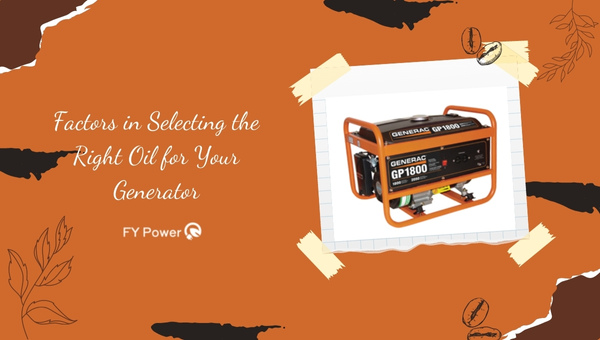
    Factors in Selecting the Right Oil for Your Generator

    When selecting the right oil for your generator, there are a few key factors to consider.

    Generac Generators Oil Types and Capacities
    1. The type of your generator.
    2. Your operating conditions.
    3. The type of fuel you use.
    4. Viscosity and brand of the oil.
    5. Operating temperatures and engine type.
    6. Capacity for the application.
    7. Modularity and portability of the generator.
    8. Quality of base stocks and additive chemistry in the oil.

    What is the oil capacity of Generac generators?

    Generac generators have an oil capacity of 1.1 liters or 1.09 quarts. It is important to check the dipstick and ensure it is very close to High (H). If more oil is needed, just add a bit more until the capacity is reached.

    Generac Generators Oil Types and Capacities

    It is important not to overfill the generator with oil as it can cause problems such as leaks or engine damage.

    What type of oil do Generac generators require and how much do they need?

    Generac generators require oil for proper operation and maintenance. Here are some points to consider when selecting the right oil for your generator.

    1. Generac recommends using 5W-20 GEO Full Synthetic Oil for home standby generators.
    2. For winter use, SAE 10W-30 is recommended (Below 40°F and down to -10°F).
    3. For summer use, SAE 30 is recommended (above 32°F).
    4. For general use, Synthetic 5W-30 is recommended (at all temperatures).
    5. The capacity of the oil needed depends on the size of your generator. Refer to Generac’s Generators Oil Type & Capacity Guide for more information on how much oil you need for your specific model.
    6. Maintenance kits with proprietary 5W-20 Synthetic Oil are available from Generac to help maintain the peak performance of air-cooled home standby generators.

    All Generac Generators Oil Type & Capacity

    1. Generac GP17500E Generator

    • Winter use: SAE 10W-30 (40°F and down to -10°F)
    • Summer use: SAE 30 (above 32°F)
    • General use: SAE 5W-30 (all temperatures)
    • Oil capacity: 1.7 qt. / 1.6 l.
    • Break-in oil change: 20-30 hours of use
    • Regular oil change: Every 6 months / 100 hrs. of use

    2. Generac GP15000E Generator

    • Winter use: SAE 10W-30 (40°F and down to -10°F)
    • Summer use: SAE 30 (above 32°F)
    • General use: SAE 5W-30 (all temperatures)
    • Oil capacity: 1.7 qt. / 1.6 l.
    • Break-in oil change: 20-30 hours of use
    • Regular oil change: Every 6 months / 100 hrs. of use

    3. Generac XT8500EFI Generator

    • Winter use: SAE 10W-30 (40°F and down to -10°F)
    • Summer use: SAE 30 (above 32°F)
    • General use: SAE 5W-30 (all temperatures)
    • Oil capacity: 1.05 qt. / 1.0 l.
    • Break-in oil change: 20-30 hours of use
    • Regular oil change: Every 6 months / 100 hrs. of use

    4. Generac XT8000EFI Generator

    • Winter use: SAE 10W-30 (40°F and down to -10°F)
    • Summer use: SAE 30 (above 32°F)
    • General use: SAE 5W-30 (all temperatures)
    • Oil capacity: 1.05 qt. / 1.0 l.
    • Break-in oil change: 20-30 hours of use
    • Regular oil change: Every 6 months / 100 hrs. of use

    5. Generac XT8000E Generator

    • Winter use: SAE 10W-30 (40°F and down to -10°F)
    • Summer use: SAE 30 (above 32°F)
    • General use: SAE 5W-30 (all temperatures)
    • Oil capacity: 1.06 qt. / 1.0 l.
    • Break-in oil change: 20-30 hours of use
    • Regular oil change: Every 6 months / 100 hrs. of use

    6. Generac XG8000E Generator

    • Winter use: SAE 10W-30 (40°F and down to -10°F)
    • Summer use: SAE 30 (above 32°F)
    • General use: SAE 5W-30 (all temperatures)
    • Oil capacity: 1.5 qt. / 1.42 l.
    • Break-in oil change: 20-30 hours of use
    • Regular oil change: Every 6 months / 100 hrs. of use

    7. Generac XC8000E (49ST/CSA & CARB) Generator

    • Winter use: SAE 10W-30 (40°F and down to -10°F)
    • Summer use: SAE 30 (above 32°F)
    • General use: SAE 5W-30 (all temperatures)
    • Oil capacity: 1.1 qt. / 1.0 l.
    • Break-in oil change: 20-30 hours of use
    • Regular oil change: Every 6 months / 100 hrs. of use

    8. Generac GP8000E (49ST/CSA & 50ST) Generator

    • Winter use: SAE 10W-30 (40°F and down to -10°F)
    • Summer use: SAE 30 (above 32°F)
    • General use: SAE 5W-30 (all temperatures)
    • Oil capacity: 1.1 qt. / 1.0 l.
    • Break-in oil change: 20-30 hours of use
    • Regular oil change: Every 6 months / 100 hrs. of use

    9. Generac GP7500E Generator

    • Winter use: SAE 10W-30 (40°F and down to -10°F)
    • Summer use: SAE 30 (above 32°F)
    • General use: SAE 5W-30 (all temperatures)
    • Oil capacity: 1.1 qt. / 1.0 l.
    • Break-in oil change: 20-30 hours of use
    • Regular oil change: Every 6 months / 100 hrs. of use

    10. Generac XC6500E Generator

    • Winter use: SAE 10W-30 (40°F and down to -10°F)
    • Summer use: SAE 30 (above 32°F)
    • General use: SAE 5W-30 (all temperatures)
    • Oil capacity: 1.1 qt. / 1.0 l.
    • Break-in oil change: 20-30 hours of use
    • Regular oil change: Every 6 months / 100 hrs. of use

    11. Generac XC6500 (49ST/CSA & CARB) Generator

    • Winter use: SAE 10W-30 (40°F and down to -10°F)
    • Summer use: SAE 30 (above 32°F)
    • General use: SAE 5W-30 (all temperatures)
    • Oil capacity: 1.1 qt. / 1.0 l.
    • Break-in oil change: 20-30 hours of use
    • Regular oil change: Every 6 months / 100 hrs. of use

    12. Generac GP6500E (49ST/CSA) Generator

    • Winter use: SAE 10W-30 (40°F and down to -10°F)
    • Summer use: SAE 30 (above 32°F)
    • General use: SAE 5W-30 (all temperatures)
    • Oil capacity: 1.06 qt. / 1.0 l.
    • Break-in oil change: 20-30 hours of use
    • Regular oil change: Every 6 months / 100 hrs. of use

    13. Generac GP6500 (49ST & 50ST) Generator

    • Winter use: SAE 10W-30 (40°F and down to -10°F)
    • Summer use: SAE 30 (above 32°F)
    • General use: SAE 5W-30 (all temperatures)
    • Oil capacity: 1.06 qt. / 1.0 l.
    • Break-in oil change: 20-30 hours of use
    • Regular oil change: Every 6 months / 100 hrs. of use

    14. Generac RS5500 Generator

    • Winter use: SAE 10W-30 (40°F and down to -10°F)
    • Summer use: SAE 30 (above 32°F)
    • General use: SAE 5W-30 (all temperatures)
    • Oil capacity: 1.06 qt. / 1.0 l.
    • Break-in oil change: 20-30 hours of use
    • Regular oil change: Every 6 months / 100 hrs. of use

    15. Generac GP5500 Generator

    • Winter use: SAE 10W-30 (40°F and down to -10°F)
    • Summer use: SAE 30 (above 32°F)
    • General use: SAE 5W-30 (all temperatures)
    • Oil capacity: 1.06 qt. / 1.0 l.
    • Break-in oil change: 20-30 hours of use
    • Regular oil change: Every 6 months / 100 hrs. of use

    16. Generac GP3600 (49ST/CSA & 50ST) Generator

    • Winter use: SAE 10W-30 (40°F and down to -10°F)
    • Summer use: SAE 30 (above 32°F)
    • General use: SAE 5W-30 (all temperatures)
    • Oil capacity: 0.634 qt. / 0.6 l.
    • Break-in oil change: 20-30 hours of use
    • Regular oil change: Every 6 months / 100 hrs. of use

    17. Generac GP3500iO Inverter Generator

    • Winter use: SAE 10W-30 (40°F and down to -10°F)
    • Summer use: SAE 30 (above 32°F)
    • General use: SAE 5W-30 (all temperatures)
    • Oil capacity: 0.634 qt. / 0.6 l.
    • Break-in oil change: 20-30 hours of use
    • Regular oil change: Every 6 months / 100 hrs. of use

    18. Generac IQ3500 Inverter Generator

    • Winter use: SAE 10W-30 (40°F and down to -10°F)
    • Summer use: SAE 30 (above 32°F)
    • General use: SAE 5W-30 (all temperatures)
    • Oil capacity: 0.634 qt. / 0.6 l.
    • Break-in oil change: 20-30 hours of use
    • Regular oil change: Every 6 months / 100 hrs. of use

    19. Generac GP3300 Generator

    • Winter use: SAE 10W-30 (40°F and down to -10°F)
    • Summer use: SAE 30 (above 32°F)
    • General use: SAE 5W-30 (all temperatures)
    • Oil capacity: 0.634 qt. / 0.6 l.
    • Break-in oil change: 20-30 hours of use
    • Regular oil change: Every 6 months / 100 hrs. of use

    20. Generac GP3300i Inverter Generator

    • Winter use: SAE 10W-30 (40°F and down to -10°F)
    • Summer use: SAE 30 (above 32°F)
    • General use: SAE 5W-30 (all temperatures)
    • Oil capacity: 0.6 qt. / 0.6 l.
    • Break-in oil change: 20-30 hours of use
    • Regular oil change: Every 6 months / 100 hrs. of use

    21. Generac GP3250 Generator

    • Winter use: SAE 10W-30 (40°F and down to -10°F)
    • Summer use: SAE 30 (above 32°F)
    • General use: SAE 5W-30 (all temperatures)
    • Oil capacity: 0.634 qt. / 0.6 l.
    • Break-in oil change: 20-30 hours of use
    • Regular oil change: Every 6 months / 100 hrs. of use

    22. Generac GP3000i Inverter Generator

    • Winter use: SAE 10W-30 (40°F and down to -10°F)
    • Summer use: SAE 30 (above 32°F)
    • General use: SAE 5W-30 (all temperatures)
    • Oil capacity: 0.6 qt. / 0.6 l.
    • Break-in oil change: 20-30 hours of use
    • Regular oil change: Every 6 months / 100 hrs. of use

    23. Generac GP2500i Inverter Generator

    • Winter use: SAE 10W-30 (40°F and down to -10°F)
    • Summer use: SAE 30 (above 32°F)
    • General use: SAE 5W-30 (all temperatures)
    • Oil capacity: 0.36 qt. / 0.35 l.
    • Break-in oil change: 20-30 hours of use
    • Regular oil change: Every 6 months / 100 hrs. of use

    24. Generac GP2200i Inverter Generator

    • Winter use: SAE 10W-30 (40°F and down to -10°F)
    • Summer use: SAE 30 (above 32°F)
    • General use: SAE 5W-30 (all temperatures)
    • Oil capacity: 0.36 qt. / 0.35 l.
    • Break-in oil change: 20-30 hours of use
    • Regular oil change: Every 6 months / 100 hrs. of use

    25. Generac IX2000 Inverter Generator

    • Winter use: SAE 10W-30 (40°F and down to -10°F)
    • Summer use: SAE 30 (above 32°F)
    • General use: SAE 5W-30 (all temperatures)
    • Oil capacity: 0.63 qt. / 0.6 l.
    • Break-in oil change: 20-30 hours of use
    • Regular oil change: Every 6 months / 100 hrs. of use

    26. Generac IQ2000 Inverter Generator

    • Winter use: SAE 10W-30 (40°F and down to -10°F)
    • Summer use: SAE 30 (above 32°F)
    • General use: SAE 5W-30 (all temperatures)
    • Oil capacity: 0.4 qt. / 0.38 l.
    • Break-in oil change: 20-30 hours of use
    • Regular oil change: Every 6 months / 100 hrs. of use

    What are the benefits of using synthetic oil in a generator?

    Using synthetic oil in a generator has many benefits, including the given below.

    1. Superior Cleaning Power – Synthetic oil is better at cleaning your engine while in use, which helps to keep it running smoothly and efficiently.
    2. Heat Tolerances – Synthetic oil is designed to handle temperature changes well, which can help extend the life of your generator.
    3. Resistance To Breakdown – Synthetic oils are less likely to break down under high temperatures, meaning they can last longer and provide better protection for your engine.
    4. Thinner Consistency – Synthetic oils are thinner than regular motor oils, allowing them to flow more easily and lubricate your engine more effectively.
    5. Lower Viscosity – Synthetic oils have a lower viscosity than regular motor oils, which can help reduce wear and tear on the engine while providing better fuel economy.

    Overall, using synthetic oil in your generator can help ensure optimal performance and longevity of your unit. It’s important to check with your manufacturer or refer to their

     How to check the oil level in your generator?

    Checking the oil level in your Generac generator is an important part of regular maintenance and can help prevent costly repairs down the road. To check the oil level, follow these steps.

    • Turn off the generator and allow it to cool down for at least a few minutes.
    • Locate the oil dipstick. It is typically located near the bottom of the engine.
    • Now remove your generator’s dipstick and wipe it with a clean cloth or paper towel.
    • Reinsert the dipstick you removed earlier all the way back into the engine.
    • Remove the dipstick again and check the oil level. The oil should be between the “Low” and “High” marks on the dipstick. Check that if the oil level is low, add more oil until it reaches the proper level. Be careful not to overfill the engine, as this can cause damage.
    • Once the oil level is correct, reinsert the dipstick and make sure it is fully seated in the engine.

    It is important to check the oil level in your Generac generator regularly, especially before each use. Running the generator with low oil can cause internal damage to the engine and reduce its lifespan. To maintain the optimal performance of your Generac generator, make sure to use the recommended oil type and capacity as indicated in the manufacturer’s guide.

    What are some common problems with low oil levels?

    Low oil levels can cause a variety of issues in Generac generators. Here are some of the most common problems.

    1. Poor Engine Performance – Low oil levels can cause the engine to run less efficiently and potentially overheat, leading to poor engine performance.
    2. Reduced Lubrication – Low oil levels mean there is less lubrication for moving parts in the engine, causing friction and premature wear of internal components.
    3. Excessive Wear – Without enough lubricating oil, metal parts within an engine can grind against each other more quickly than normal, leading to excessive wear on components such as pistons and cylinders which will need replacing sooner than expected if left unchecked.
    4. Damage To Bearings And Gaskets- Low oil levels also increase the likelihood of damage caused by heat buildup and lack of circulation around critical bearings or gaskets that are essential for the proper cooling down of an engine’s components during operation. This can lead to significant repair bills if not addressed quickly. 
    5. Costly repairs – due to breakdowns caused by low oil levels.

    It is important to check and maintain proper oil levels in your Generac generator regularly to keep it running efficiently and prevent costly repairs. Use the manufacturer’s guide to determine the correct type and amount of oil for you. Be sure to change the oil at least once a year or according to your manufacturer’s instructions to ensure optimal performance.

    What to do if the generator runs out of oil?

    If your Generac generator runs out of oil, you should shut it off immediately and allow the engine to cool down. Once the engine is cooled, use a funnel to add fresh oil back into the engine until it reaches the level indicated by the dipstick. It is important to use only the specified type of oil that is recommended for your generator

    Tips for changing the oil in your generator

    Changing the oil in your generator is an important task of regular maintenance. This will help ensure that your generator runs smoothly and efficiently for years to come. Given below are some tips to help you change the oil in your generator.

    1. Ensure that you have the right type of oil for your generator. Check your owner’s manual or contact the manufacturer to determine what type of oil is recommended for your particular model.
    2. Before you begin, make sure you have all the necessary tools and supplies on hand, including a wrench, a funnel, and an oil pan or other container for draining the old oil.
    3. Locate the drain plug on the bottom of the engine and use a wrench to loosen it. Once it’s loose, twist it out completely and allow the old oil to drain into an appropriate container.
    4. After all the old oil has been drained then replace the drain plug and tighten it securely with a wrench.
    5. Use a funnel to pour new oil into the engine until it reaches its maximum level as indicated in your owner’s manual or by manufacturer instructions.
    6. Start up your generator and let it run for a few minutes to ensure that everything is running smoothly before turning it off again and disposing of any used oil properly according to local regulations.

    By following these steps, you can easily change the oil in your generator yourself without having to take it to a service center or pay someone else to do it for you.

    Conclusion

    Maintaining proper oil levels in your Generac generator is an important step to ensuring its optimal performance and longevity. Be sure to use the recommended type of oil for your specific model, check and fill with the correct amount of oil regularly, and change it at least once a year.

    By following this guide and taking care of your generator, you can avoid costly repairs and ensure that it runs smoothly for years to come. It is important to take proper care of your Generac generator to ensure its optimal performance, so be sure to follow the manufacturer’s instructions and these tips when changing the oil in your generator. Doing so will help maximize its lifespan.