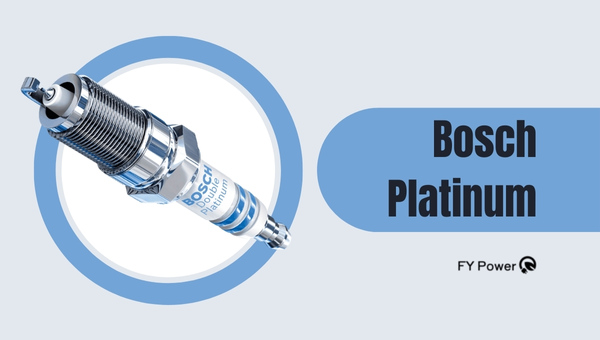
Navigating the labyrinth of engine maintenance can feel like deciphering an alien language. But you’re not alone; we’re here to unravel the mystery.
In your hands-on journey with your Honda GX340, knowing about the spark plug gap, number, and socket size is essential. These seemingly small details play a big role in keeping your engine running smoothly and efficiently.
Spark plugs are vital for ignition – they produce the spark that ignites the air-fuel mixture inside the engine’s cylinders, setting off a chain reaction that powers your machine. The correct gap ensures optimal performance while preventing damage from misfires or incomplete combustion.
Whether you’re an experienced mechanic or just getting started on your DIY journey, this comprehensive guide will walk you through everything you need to know about Honda GX340 spark plug specifications.
So buckle up, and let’s dive into this integral part of automotive knowledge together!
Key Takeaways
The spark plug for Honda GX340 is BPR6ES-11 (NGK) 98079-56145 / W20EPR-U11 (DENSO) 98079-56155 or equivalent.
The spark plug gap should be measured with precision tools and should be between 0.039’– 0.043′.
The socket size required for installation or removal of the spark plug is 13/16′ (21mm).
NGK and DENSO offer high-quality spark plugs suitable for Honda GX340.
For your Honda GX340, you’ll need a spark plug with the number BPR6ES-11 (NGK) 98079-56145 / W20EPR-U11 (DENSO) 98079-56155 or an equivalent, and it should have a gap size of just between 0.039’– 0.043′.
This small but crucial space is where the spark ignites, initiating the combustion that drives your engine.
The accurate setting of this gap is critical to engine performance. Too large a gap may cause misfires during operation; too small can affect ignition timing. Therefore, ensure you use precision tools for precise measurement, adhering strictly to specifications laid out in the owner’s manual.
Finding an exact match for your spark plugs might seem daunting at first glance due to the numerous brands available out there. However, worry less, as NGK and DENSO offer high-quality options that are perfect fits for your engine model.
When replacing these vital components, remember also to check if you have the right socket size – 13/16′ (21mm). It’s essential because using an inappropriate socket could lead to damage during installation or removal.
You’ll find it interesting that the socket size needed for your Honda GX340 engine’s spark plug is 13/16′ (or 21mm), a common size making maintenance tasks easier.
It’s an essential detail when you’re gearing up to replace or clean your spark plugs, ensuring that you have the correct tools on hand. This socket dimension fits snugly around the hexagonal end of the spark plug, facilitating its removal and installation without causing damage.
Having a 13/16′ (21mm) socket in your toolbox allows for efficient and effective tune-ups of your engine. This size is quite standard, meaning you won’t have to hunt around for a specialized tool. Instead, you can focus on providing optimal care for your Honda GX340 engine.
Understanding these nuances about your engine enhances its performance and gives you a sense of belonging within the community of informed motor enthusiasts who take pride in their knowledge and skills.
Knowing the specificities like BPR6ES-11 type spark plug or W20EPR-U11 equivalent, along with having a clear understanding of gap measurement (.039′-.043′), elevates you from being merely an owner to being an integral part of your machine’s life cycle.
So remember, arm yourself with this knowledge and own every inch of your Honda GX340 experience!
What is the typical lifespan of a Honda GX340 spark plug?
Typically, your Honda GX340 spark plug lasts around 300 hours of use. However, this lifespan is influenced by your usage and maintenance habits. Regular checks and cleanings can extend its service life significantly.
How can I tell if the spark plug on my Honda GX340 needs to be replaced?
Check your GX340’s spark plug for signs of wear or damage. Look for a worn electrode, cracked insulator, or carbon buildup. If it misfires, has poor fuel economy, or has difficulty starting, it may need replacing.
Can I use a different brand of spark plug for my Honda GX340?
Sure, you can switch brands for your spark plug. However, it’s like swapping coffee beans – the essence remains, but the flavor changes subtly. Ensure the replacement matches Honda GX340’s specifications to maintain its performance.
How does a worn-out spark plug affect the performance of my Honda GX340?
A worn-out spark plug can seriously hamper your Honda GX340’s performance. It may cause misfires, poor fuel economy, trouble starting, and reduced power. Regularly checking and replacing spark plugs ensures your engine runs smoothly.
What are some common problems associated with the spark plug in a Honda GX340?
Common issues with your Honda GX340’s spark plug could include misfires, poor fuel economy, difficulty starting the engine, and lack of acceleration. These problems usually arise from fouled or worn-out plugs needing replacement.
Conclusion
So, you’ve got your trusty Honda GX340’s plug specs down pat, huh?
Ironically, it’s the tiny details like a spark plug gap and number that keep these beasts roaring.
You’d think something as mundane as a socket size wouldn’t matter much, but it’s everything in the world of engines! That little wrench is your key to smooth rides and pure power.
Remember to keep these golden nuggets handy for your next tune-up.
Did you know that maintaining the correct spark plug gap can increase your Honda GX690 engine’s efficiency by up to 30%? That’s a significant boost you shouldn’t ignore.
In this guide, we’ll discuss everything you need to know about your Honda GX690 spark plug, the number, the ideal gap, and even the socket size required for installation or removal.
These details are vital to keeping your engine running smoothly and efficiently, just like it belongs on top of its performance game all year round!
So gear up as we delve into these technical aspects together, ensuring you get the most out of your Honda GX690 engine’s performance.
Key Takeaways
Maintaining the correct spark plug gap can increase the efficiency of the Honda GX690 engine by up to 30%.
The recommended spark plugs for the Honda GX690 engine are BPR6ES (NGK) or W20EPR-U (DENSO), with a gap of 0.7-0.8 mm (0.028-0.031 in).
The socket size needed for spark plug installation or removal is 20.6mm or 13/16 in.
The recommended spark plug for the Honda GX690 engine is NGK ZFR5F (98079-5587G), and the socket size required is 5/8′ (16mm).
HONDA GX690 SPARK PLUG GAP & NUMBER
For your Honda GX690 engine, you’re gonna need the ZFR5F (NGK) 98079-5587G spark plug or its equivalent, with a gap size just right between 0.028′ and 0.031′.
Honda recommends this specific spark plug for the optimal performance of your machine. The number ‘ZFR5F’ signifies the model of the NGK brand spark plug, while ‘98079-5587G’ is its product code.
The set gap size plays a crucial role in your engine’s ignition system. When correctly gapped, it helps ensure efficient fuel combustion, resulting in smoother running and increased longevity of your engine. If too wide or too narrow, this could lead to misfires or decreased power output.
Now let’s talk about alternatives. Though Honda highly recommends the NGK ZFR5F for use in their GX690 engines, there may be situations where you’ll need an equivalent spark plug that can perform just as well under similar conditions. For these instances, always make sure to match not only the type but also the appropriate gap size.
Remember that proper maintenance of your spark plugs contributes significantly to overall engine health and performance. Regular inspection for wear and correct gapping should be part of your routine checks on all parts – making sure everything’s working together perfectly for you and your trusty Honda GX690 engine!
When it comes to wrenching your engine’s fiery heartbeat, you’ll need a 5/8′ (16mm) tool. This is the socket size required for the spark plug of your Honda GX690 engine. But what does this mean, exactly?
The socket size refers to the dimension of the tool socket that fits over the hexagonal part of the spark plug.
Here are some key points about this:
A 5/8′ (16mm) socket size is standard for many engines, including your Honda GX690.
Socket sizes are crucial for effective maintenance – using an incorrect size can damage both your tools and the spark plug itself.
Ensure you have a high-quality 5/8′ socket wrench or spark plug remover in your toolkit.
Spark plug sockets often come with rubber inserts to protect the ceramic part of your spark plugs during removal or installation.
Always follow manufacturer recommendations when selecting tools and equipment for engine maintenance.
Remember that even though small details like these may seem insignificant, they’re fundamental in maintaining efficient performance.
You’re not just looking after an engine; you’re caring for a vital component of something bigger: Your sense of freedom and adventure on road trips or work projects, powered by Honda’s reliable technology.
Frequently Asked Questions
What are the symptoms of a faulty spark plug in a Honda GX690 engine?
If your GX690’s spark plug is faulty, you’ll notice issues like poor fuel economy, difficulty starting the engine, inconsistent acceleration, and a rough idle. Misfiring or engine surging may also occur.
How often should the spark plug of a Honda GX690 be replaced?
You should replace the spark plug on your Honda GX690 after every 300 hours of use or once a year, whichever comes first. Regular maintenance ensures optimal engine performance and prolongs its lifespan.
Are there specific brands of spark plugs that are recommended for use in a Honda GX690 engine?
Yes, for your Honda GX690 engine, Honda specifically recommends NGK brand spark plugs. They’re designed to provide optimal performance and longevity when used in this specific model of engine.
Will use a spark plug with the wrong gap damage the Honda GX690 engine?
Yes, using a spark plug with an incorrect gap can indeed damage your Honda GX690 engine. It’s like throwing a wrench into the works – it can lead to poor performance and potential internal damage.
Can a spark plug from another engine model be used in the Honda GX690?
While it’s possible to use a spark plug from another engine model in your Honda GX690, it’s not recommended. Using the correct, specified spark plug ensures optimal performance and prevents potential engine damage.
Conclusion
So, you’ve got all the key details on your Honda GX690 spark plug. You know it’s BPR6ES (NGK) or W20EPR-U (DENSO), and it needs a 0.7-0.8 mm gap for prime performance.
You also understand that a 20.6 mm socket is necessary for removal and installation. Isn’t it great to be well-informed?
Remember, check every 100 hours and replace every 300 hours or annually to keep your engine running smoothly!
If you’re on the hunt for a reliable power source, you’ve likely come across WEN generators.
Ever asked yourself who manufactures these powerful machines and where they’re made? Well, you’re not alone. Many folks like you are curious about their origin and the people behind them.
As an enthusiast keen on understanding your equipment, it’s essential to dig deeper into its production details. This article will answer those burning questions and provide further insights into the WEN Products Company, its product line, engine types used in WEN generators, and much more.
We’ll delve into whether these generators are worth investing in by looking at their unique features, durability, and warranty terms, as well as where to purchase them.
So strap in for an enlightening journey that gets you up close with your preferred power solution – the WEN generator!
Key Takeaways
WEN generators are made by WEN Products, an American company.
WEN generators are manufactured in China.
WEN generators are comparable to Yamaha engines in terms of performance and reliability.
WEN Products is an Illinois-based company established in 1951.
Who Makes WEN Generators & Where Are They Made?
Did you know that WEN generators, widely recognized for their quality and reliability, are actually made in China? That’s right, while WEN Products is an American company, the production of these reliable powerhouses happens overseas. It’s a move likely designed to reduce manufacturing costs without compromising the quality and performance you’ve come to expect from the brand.
Now let’s delve into some key details. The engines of WEN generators are Yamaha clones; they share significant similarities in their internal structure and wiring diagrams. This similarity makes it possible to parallel two generators if needed—an aspect appreciated by customers who need more power output.
In online discussions like those on Reddit, users have confirmed that all WEN generators come from the same factory in China. They suggest there’s little difference between these units apart from branding—except for Honda, which seems to command its own unique reputation.
So there you have it! Your trusty WEN generator has journeyed all the way from a Chinese factory before landing in your hands. Yet rest assured knowing it carries with it the promise of American design and quality control standards.
You’re probably wondering what’s under the hood of those powerful machines, right? Well, it’s their own brand of engines that powers each model to meet specific needs. When you buy a WEN generator, you’re not just getting an old engine. No, sir! You are getting a specifically designed and built WEN engine.
Now, these engines aren’t one size fits all. They vary significantly in power, depending on the requirements of the individual generator model. This design approach ensures that every WEN generator performs optimally for its intended use.
Often compared to Yamaha engines in terms of performance and reliability, WEN engines have earned solid respect within industry circles. It’s like being part of an exclusive club when you choose a product with such high standards. That sense of belonging to something special can be pretty comforting.
So next time you hear someone talking about the quality and dependability of WEN generators, know that it comes from their self-manufactured engines. These purpose-built powerhouses are at the heart of why so many people trust and value their WEN generators.
All About the WEN Products Company
Established in 1951, this Illinois-based company has certainly carved out a niche for itself within the power tool industry. WEN Products, your go-to for affordable and quality tools, is nestled in West Dundee, Illinois. Founded by Nick Anton, the company’s name shines bright in the history of innovations like the electric soldering gun and jigsaw.
Your creative visions are at the heart of WEN’s mission. The company aims to help you – woodworkers and artisans – bring your wildest imaginations to life. By providing a comprehensive range of products, from generators and drill presses to tool chests and air compressors, WEN ensures you have all the necessary tools.
The team at WEN doesn’t just make tools; they shape dreams into reality with their commitment to innovation and affordability. Their extensive catalog caters to everyone from hobbyists to professionals alike.
You belong here if you’re looking for high-quality power tools without breaking your bank account. Remember this: When it comes down to making your projects come alive, trust none other than WEN Products!
Offering a broad spectrum of options, from standard portable to dual-fuel and even inverter generators, there’s no doubt that you’re spoilt for choice when it comes to the product line offered by this renowned company.
For instance, the WEN GN6000 is a fantastic example of their standard portable generators. At around $460, it’s an affordable option with rave reviews.
WEN doesn’t stop at just standard portables, though; they also offer dual-fuel generators like the WEN DF472. This versatile device runs on both gasoline and propane, giving you more flexibility in how you power your generator. Plus, at about $430 and capable of running up to 11 hours at 50% load on gasoline, it offers great value for your money.
In terms of specialized options, WEN’s inverter generators stand out too. The WEN 56225i is one such model, priced around $400 and known for its quiet operation and clean power output – perfect for sensitive electronics.
Being part of a community that values such high-quality products gives a sense of belonging. So remember: when considering a generator purchase – don’t overlook the diverse range offered by WEN Products.
Are WEN Generators Any Good?
It’s hard to resist the allure of these powerful machines as they hum quietly in the background, providing a reliable source of energy when you need it most. You see, WEN generators are more than just tools; they’re a lifeline during power outages and an essential companion for off-the-grid adventures.
But you might be wondering – are these generators really any good?
Well, let me reassure you. With their robust design and sturdy construction, WEN generators offer durability that stands up to rigorous use. They’re equipped with high-performing engines that deliver steady power output, ensuring your appliances continue running smoothly during those unexpected blackouts.
Not only that, but also their noise reduction features make them ideal for use in residential areas or campgrounds where silence is golden. The company’s commitment to technological innovation is evident in its line-up of eco-friendly models, which boast low emissions and improved fuel efficiency.
Moreover, user convenience isn’t overlooked either. Many models come with handy features like an electric start and built-in wheel kits for easy mobility. From compact portable units to heavy-duty standbys, there’s a WEN generator designed to fit your specific needs perfectly.
So yes, when it comes down to it – quality-wise and performance-wise – WEN generators truly hold their own against the competition.
Imagine a scenario where you’re facing an unexpected power outage, and your trusty generator springs into action with just a push of a keyless electric start button. That’s the convenience offered by some models of WEN generators.
No more fumbling for keys in the dark or struggling to pull start your machine.
On top of that, many WEN generators come equipped with the Watchdog CO Shutdown Sensor—a feature designed to safeguard you and your family from carbon monoxide poisoning. This sensor is a testament to how WEN values not only functionality but also safety.
Further enhancing their user experience, numerous WEN generators boast detailed digital panels. These displays allow you to monitor crucial aspects such as voltage, frequency, and runtime effortlessly—providing you an insightful snapshot of your device’s operation.
Lastly, if portability ranks high on your list, rejoice! Many WEN generators include wheel and handle kits for easy transportation. Thanks to this feature, moving these machines around becomes less burdensome work and more like rolling luggage through an airport terminal.
So even when power fails unexpectedly, know that with a WEN generator at hand—reliable power is never out of reach.
How Long Do WEN Generators Last?
You’re in luck if you’re wondering about the lifespan of these power-producing marvels. WEN generators are known for their durability and reliability, characteristics that make them a wise investment for anyone seeking dependable power solutions.
With proper care and storage, there’s no reason why your WEN generator shouldn’t be able to serve you faithfully for over two decades. This longevity is contingent upon how frequently it’s used. If its use is sparingly, you’re looking at an impressive 30 to 40 years of operation from your machine. This isn’t just idle talk, this robustness comes from meticulous design and manufacturing processes that prioritize quality above all else.
However, remember that running your portable generator in wet conditions without proper protection can cause serious damage to your unit. To extend its life, consider using a generator cover, steel enclosure, or pop-up canopy when operating under adverse weather conditions.
Still unsure? Feel free to join our community of satisfied customers who have been enjoying the benefits of their WEN generators for many fruitful years. Remember, with the right care and attention, your own model could see you through countless blackouts and emergency situations far into the future too.
After discussing the lifespan of WEN generators, it’s equally important to delve into the warranty provided by the company. When you invest in a WEN generator, you’re not only getting a reliable and durable product but also peace of mind.
This is because all new WEN generators come with a two-year limited warranty. This assurance means that the company stands behind its products and is ready to support you if any issues arise during this period. It’s an affirmation that every part, down to the smallest detail, has been carefully designed and assembled for optimal performance.
But what does this warranty entail? Well, in case any defects are found in materials or workmanship within these two years from your purchase date, they’ll be repaired or replaced free of charge – showing just how much WEN values your confidence in their products.
On top of this guarantee, as a valued customer, you also gain access to WEN Products’ nationwide network of skilled service technicians. Plus, their friendly customer helpline is always ready to assist you whenever needed.
This comprehensive after-sales service ensures that even post-purchase, you remain very much part of the WEN family.
Who Sells WEN Generators & Where to Buy Them?
So, you’re ready to invest in a reliable power source and want to know where’s the best place to snag one? You’ll be glad to hear that WEN generators are available from various sources.
The most straightforward way is ordering directly from the WEN Products website. This option allows you to choose your preferred model without any hassle. It’s like being part of an exclusive club, where you get the first pick at all the finest items.
But if online shopping isn’t your thing, don’t fret! You can also find these robust machines at various brick-and-mortar stores. Large retailers such as The Home Depot, Lowe’s, and Walmart often stock WEN generators. Besides these big-box stores, some local hardware shops might carry them too.
However, keep in mind that stocks can fluctuate wildly at these physical locations. If there’s a specific model you’ve set your heart on owning, it would be wise to call ahead or check online inventories before making a trip.
But whether it’s clicking ‘buy now’ online or having a heart-warming chat with knowledgeable store staff about generator options – remember that getting your hands on a quality WEN generator is just around the corner.
Frequently Asked Questions
How to properly maintain a WEN Generator?
To maintain your Wen generator properly, regularly check and change the oil, keep it clean from dust and debris, ensure fuel is fresh, inspect air filters regularly, and follow all manufacturer-recommended maintenance procedures.
What safety measures should be taken when using a WEN Generator?
Always operate your Wen generator outdoors in well-ventilated areas, away from combustibles. Use a carbon monoxide alarm nearby. Regularly check for fuel leaks and never exceed the wattage limit to prevent overheating or damage.
Are there any accessories or additional parts sold separately for WEN Generators?
Yes, there are various accessories available for WEN generators. You’ll find items like protective covers, wheel kits, and extension cords sold separately. These additional parts enhance your generator’s functionality and longevity.
Do WEN Generators require professional installation or can they be set up by the user?
Wen generators don’t require professional installation. You can set them up yourself with the user manual provided. However, for optimal safety and performance, it’s recommended to consult a professional for larger models.
Conclusion
You’ve learned that WEN generators are made by WEN Products Company and use reliable engines. They offer a broad product line with unique features.
These generators have a good reputation for longevity and come with warranties. You can purchase them from various sellers.
Remember, it’s essential to understand these details before making an investment in a generator.
If you’re on the hunt for a reliable power source, you’ve likely come across PULSAR generators. But have you ever wondered who’s behind these robust machines and where they come from? Well, you’re in the right place!
We’ll delve into who manufactures these powerful generators, discover where they’re produced, and learn about the engines that drive them. With PULSAR PRODUCTS INC. at the helm of this operation, we’ll also explore their product line and determine whether their generators are worth your hard-earned money.
Plus, let’s not forget those unique features that set PULSAR apart from others in the market. And to round off our journey of discovery, we’ll find out how long these generators last and what kind of warranty comes with them.
By the end of this article, you will know more about who makes PULSAR generators and where to purchase one if it fits your needs perfectly!
Key Takeaways
PULSAR generators are manufactured by PULSAR PRODUCTS INC., a rising star in the power tools industry.
They are assembled in Ontario, California, and are known for their reliability and sturdiness.
PULSAR offers a range of generator models, including portable generators, dual-fuel generators, and inverter generators.
PULSAR generators are built with unique features such as push-button start, wireless remotes, and Switch & Go technology for dual-fuel models.
Who Makes PULSAR Generators & Where Are They Made?
Pulsar generators, assembled right in Ontario, California, are brought to life by engines crafted by Ducar, a company based in China. It’s like a coming together of two passionate teams working towards a common goal – delivering top-tier power solutions that you can rely on.
Imagine being part of this global community where everyone has your back and shares your love for these dependable generators.
At the heart of each Pulsar generator lies an engine born out of Chinese ingenuity – Ducar. This well-established manufacturer is a testament to the strength that comes from diversity – merging Asian manufacturing expertise with American assembly skills. You’re not just buying a product; you’re joining us in acknowledging the beauty of this international collaboration.
Your trust in Pulsar generators isn’t misplaced; they’re assembled with care at their California facility. Every single piece, every little detail, gets meticulous attention. That’s what makes them reliable and resilient – qualities we know you value.
So when you choose Pulsar, remember it’s more than just purchasing a generator. It’s about becoming part of our worldwide family that believes in quality products and unwavering reliability without borders or boundaries. Together we make power accessible everywhere!
Curious about what’s powering your trusty generator? It’s most likely a robust and reliable engine from Ducar, a Chinese company renowned for its fuel efficiency and quiet operation. These engines are designed to give you the best performance possible, whether you’re on a camping trip or running essential appliances during an unexpected power outage.
Ducar has been making engines since 1993 and is based in the Qinggang Industry Zone of Bishan, Chongqing. You can feel part of the international community that trusts their reliability as they’ve committed themselves to ‘producing products that satisfy customers.’ They pride themselves on unique innovation, competitive pricing, advanced manufacturing systems, and excellent product quality.
When it comes to Pulsar generators specifically, they use different Ducar engines depending on the model. Some run on two-cycle engines while others have four-cycle ones. But regardless of the type of engine inside your Pulsar generator, you can trust that it will deliver reliable power when you need it most without being overly noisy or consuming too much fuel.
So next time you switch on your generator, know that it’s powered by one of China’s finest – Ducar!
All About the PULSAR PRODUCTS INC.
In your search for innovative and reliable power tools, you’ve likely come across the name Pulsar Products Inc., a rising star in the industry. This relatively new company is quickly making its mark with top-notch portable generators, air compressors, lawnmowers, pressure washers, and powerful hardware tools.
Pulsar Products takes pride in four key aspects:
Quality Innovation: They strive for excellence in every product they craft.
Features: Their products are designed with state-of-the-art features to enhance performance.
Enhanced Performance: With their customer-first approach, each piece of equipment is engineered for optimal functionality.
Customer Experience: Your ease and satisfaction sit at the core of their design philosophy.
The goal of this Ontario-based company isn’t just to provide you with reliable tools; it’s to create an experience where you feel supported and valued as part of the Pulsar community. Whether you’re using a generator or a pressure washer from Pulsar Products Inc., know that these pieces were designed with your needs in mind!
Remember that behind each tool lies an assurance – not only of quality but also of belongingness within the fast-growing family called Pulsar Products Inc.!
The Product Line of PULSAR Generators
Think about the freedom and peace of mind that comes with owning a reliable, powerful generator. Pulsar Products offers you just that, with their impressive range of generators to suit your every need.
Fancy a camping or tailgating trip? You’ll love the standard portable generators like the Pulsar PG2200R. It’s got a 98cc engine and can kick out 1,600 running watts and peak at 2,200 watts. Plus, it runs for up to 12 hours at half load – perfect for powering your outdoor adventures.
Do you appreciate versatility? Then take a look at Pulsar’s dual-fuel generators. The PG5250B model can switch between gasoline and liquid propane at the flip of a switch! Imagine having up to 5,250 peak watts on gasoline and 4,750 on propane – now that’s power!
But if quiet efficiency is more your style, consider one of Pulsar’s inverter generators, such as the PG2200BiS. You’ll be amazed by its whisper-quiet operation while providing clean power safe enough for your sensitive electronics.
Whether you need it for leisure or backup power at home, there’s a Pulsar generator designed especially for you.
Are PULSAR Generators Any Good?
Wondering about the quality and performance of these power-generating machines? Rest assured, you’re in for a treat, as these robust units have proven to be reliable, energy-efficient, and quite sturdy over time. They ensure you’ll always have power when and where you need it.
The beauty of Pulsar generators lies not just in their affordability but also in their ability to provide an excellent balance between durability and portability. These generators are more than just practical; they’re your trusty companions on the road if you love traveling or going on camping trips.
With a Pulsar generator at your side, you become part of a community that values reliability and convenience without compromising value. The lineup offers diversity, too – from gas-powered units, and dual-fuel options to quiet inverter types, there’s something for everyone’s needs.
And remember, choosing the right generator isn’t daunting with our helpful articles at hand. You’re never alone in this journey; we’ve got your back every step of the way!
So why wait? Give yourself peace of mind knowing that with a Pulsar generator, you’ll always belong to a community that prizes efficiency, versatility, and above all else – dependability.
Unique Features of PULSAR Generators
After exploring how well Pulsar generators perform, let’s shift our focus to the unique features that set these machines apart. As a proud owner of a Pulsar generator, you’ll enjoy various innovative functions designed for your convenience and needs.
For starters, many models are equipped with push-button start or wireless remotes. This offers you ease and simplicity when using your generator, making the process as straightforward as possible.
The dual-fuel generators from Pulsar offer an impressive feature known as Switch & Go technology. You can switch between fuel sources even while the device is running without any interruption – giving you the power to adapt according to your energy requirements.
With sturdy never-flat wheels, telescopic handles, and impact-resistant shells, these generators are built to withstand various conditions while remaining easily portable.
The stable sine wave technology ensures a pure and safe electrical power supply – so there’s no need to worry about damaging your sensitive devices when powering them up with a Pulsar generator.
So now you’ve got more reasons why owning a Pulsar generator makes sense!
How Long Do PULSAR Generators Last?
Sure, you’re curious about how many years of service you can squeeze out of these hard machines, and rightly so. After all, a Pulsar generator is not just an investment in equipment; it’s an investment in your peace of mind.
While Pulsar Products is relatively new on the scene, and we lack extensive data on their longevity, these generators are built to last. Your Pulsar generator could potentially serve you faithfully for 20 to 25 years if treated right. Of course, its lifespan hinges heavily on factors such as usage frequency, storage conditions, and maintenance habits.
Now here’s where you come in. Being part of the Pulsar family means understanding the importance of caring for your machine. Proper storage and regular maintenance are key to extending its life. Also crucial? Keeping it dry! Running your generator in wet conditions or letting those power outlets get wet could cause significant damage – something we want to avoid at all costs.
So remember: treat your Pulsar generator with love and respect, and it’ll return the favor by providing reliable power for many years to come. With proper care, who knows how long it will last?
You’ll breathe a sigh of relief knowing that your investment in these power-packed machines comes with a comforting cushion of a one to three-year limited warranty. It’s like being part of a caring community where you are well-protected and valued.
Pulsar truly understands the importance of making sure you feel secure in your purchase.
Upon choosing your preferred Pulsar generator model, always remember to double-check the specifics of the warranty included. It’s not just about reading through the fine print; it’s about understanding what this coverage means for you and how it underscores your bond with the brand.
This warranty period guarantees that if anything goes wrong due to manufacturing defects or other covered problems within two years for most models—or one or three years for certain others—Pulsar will take care of it. They’re committed to ensuring that you benefit from an uninterrupted supply of power and peace of mind.
So rest easy; knowing that Pulsar stands firmly by its generators, you aren’t just buying a machine but becoming part of a broader family that values durability and reliable performance as much as you do.
Who Sells PULSAR Generators & Where to Buy Them?
Looking to invest in a dependable source of power? It’s easy as pie to find where these exceptional units are sold. Unlike other manufacturers, Pulsar Products doesn’t sell their generators directly from their website. But don’t fret, you can easily order them from Amazon.com without leaving the comfort of your home.
If you’re more of a brick-and-mortar shopper, there are plenty of reliable dealers that carry Pulsar products:
The Home Depot – Known for its extensive range of home improvement items.
Lowe’s – Another popular choice for all things related to home care and maintenance.
Bear in mind that different stores may carry different models, so it’s always wise to call ahead and check what they currently have in stock. This way, you’ll be sure not only to find the perfect model for your needs but also to feel part of a well-informed shoppers’ community who take pride in making smart purchases.
Remember, wherever you decide to buy your Pulsar generator from, you’re investing not just in a product but also joining an exclusive club of discerning users who value reliability above all else.
Frequently Asked Questions
How does the price of PULSAR generators compare to other brands?
You’ll find that Pulsar generators are competitively priced. They offer great value for your money compared to other brands. This allows you to be part of a community that values smart, cost-effective choices.
Can PULSAR generators be used for commercial purposes?
Absolutely! You can certainly use Pulsar generators for commercial purposes. They’re designed to deliver reliable, sustainable power in diverse settings, making them a perfect fit for your business’s energy needs.
What safety features are included in PULSAR generators?
Pulsar generators include safety features like automatic low-oil shutdown and circuit breakers. They’re designed to keep you, your team, and your equipment safe while providing reliable power wherever you need it.
Are there any known issues or common problems with PULSAR generators?
Sure, Pulsar generators have been reported to have occasional issues with their voltage regulators and fuel systems. However, these problems aren’t widespread and can typically be addressed with regular maintenance and proper usage.
Conclusion
In summary, Pulsar Products Inc. makes reliable generators with a wide range of unique features. You’ll appreciate their longevity and the solid warranty provided.
They’re sold by various dealers, making them easy to find. Whether you need backup power or something for outdoor adventures, there’s a Pulsar generator designed just for you!
If you’re in the market for a reliable generator, chances are you’ve come across the Westinghouse brand. But who makes these trustworthy machines, and where are they crafted?
In this article, we’ll take a closer look at what goes into making Westinghouse generators so dependable and efficient. We’ll also delve into their product line, unique features, longevity, warranty details, and where you can purchase one of your own.
So buckle up as we embark on this enlightening journey into the world of Westinghouse generators!
Key Takeaways
Westinghouse generators are manufactured by the Westinghouse Electric Corporation, a reputable company with over 130 years of experience in producing quality electrical equipment.
The generators are made in North America, demonstrating a commitment to local manufacturing and high-quality standards.
Westinghouse generators are designed in the USA but manufactured overseas in countries like China and Vietnam, combining American design with international production.
Quality control is a priority, with recall notices for certain models produced in China and Vietnam ensuring that each generator model meets its original design specifications.
Who Makes Westinghouse Generators & Where Are They Made?
You’ll be interested to know that Westinghouse generators are actually crafted by the Westinghouse Electric Corporation, and while they’re designed right here in the USA, they’re manufactured overseas in places like China and Vietnam under the careful watch of Westinghouse.
This blend of American design and international production provides a unique edge – meeting global standards while maintaining local preferences.
The manufacturing process is performed under stringent licensing protocols and supervision from Westinghouse. This ensures that each generator model mirrors its original design specifications, delivering both functionality and longevity. Additionally, every unit destined for foreign markets receives dedicated engineering attention to comply with region-specific regulations.
For example, take a look at this recall notice for certain models (WGen5300DFv & iGen4500DF). It clearly states these units were produced in China and Vietnam. This attests to the fact that despite being made abroad, quality control remains paramount.
To meet your needs as a part of our community, we ensure all products align with customer preferences across varied markets. Our commitment is not just about creating power solutions; it’s about forging relationships through reliability and trustworthiness with you – our valued customers around the globe.
It’s important to note that each generator is fitted with a proprietary, specially designed 4-stroke, overhead valve (OHV) petrol engine, adhering to both Australian and US EPA emissions standards.
The Westinghouse Electric Corporation ensures the highest quality by producing these engines in-house for all their generators. This commitment to quality and environmental responsibility is truly noteworthy.
Here are some key points you should know about these engines:
They’re all custom-designed specifically for Westinghouse generators.
Every engine features a 4-stroke design.
Each one utilizes an overhead valve (OHV) configuration.
All engines comply with stringent Australian and US EPA emissions standards.
Only petrol fuel is used for optimal performance and efficiency.
This meticulous approach to engine design assures you of a reliable power source while also demonstrating respect for our environment. When you invest in a Westinghouse generator, you get superior performance and the peace of mind that comes from knowing your purchase aligns with global emission norms.
As part of the Westinghouse community, you can take pride in this shared commitment towards environmental sustainability without compromising on power needs or reliability. This is what owning a Westinghouse generator feels like – belonging coupled with high performance!
All About the Westinghouse Electric Corporation
Delving into the rich history of the Westinghouse Electric Corporation, we’re transported to an era of groundbreaking technological advancements and innovation that shaped our modern world.
Founded by George Westinghouse in 1886, this company has its roots firmly entrenched in the evolution of electricity and mechanical engineering.
The iconic rotary steam engine, a pivotal invention by George himself, set the foundation for what would become a powerhouse in electrical technology. This innovative spirit led to other technological marvels, such as alternating current (AC) systems and nuclear power generation.
Throughout its journey spanning centuries, Westinghouse has been synonymous with quality and reliability. Whether it’s residential appliances or industrial generators powered by high-performance engines, each product reflects its unwavering commitment to excellence.
You are part of this legacy every time you use a product stamped with the proud Westinghouse logo. When you choose a Westinghouse generator for your needs, you’re not just buying machinery; you’re becoming part of an esteemed tradition that values innovation and durability above everything else.
Westinghouse isn’t just about cutting-edge technology; it’s about belonging to something bigger – a community built on trust, steadfastness, and pure American ingenuity.
When it comes to quality power solutions, you’re spoilt for choice with an extensive range of products that cater to every possible need. Westinghouse stands out, providing a variety of generators that are as reliable as they are versatile.
Their portable generators, like the WGen3600DFv Generator, are perfect if you’re on a budget but still want quality and flexibility. With dual fuel capabilities, it can run on either gasoline or propane while offering 3,600 running watts and 4,650 peak watts when fueled by gasoline. The generator’s core is a strong 212cc 4-stroke OHV Westinghouse Engine.
On the other hand, if your priorities lean toward energy efficiency and quieter operation, Westinghouse offers top-notch inverter generators like the iGen2200. This powerful piece of machinery operates at 30% to 50% higher fuel efficiency than standard models thanks to an adjustable speed setting. It consistently provides 1,800 running watts and peaks at 2,200 watts.
Before making your final decision on which generator fits your needs best, be sure to conduct comprehensive research and consider feedback from trusted sources about these Westinghouse machines. Make an informed choice for a generator truly designed with you in mind!
Are Westinghouse Generators Any Good?
You’re likely wondering, ‘Are these power solutions truly worth the investment?’ Without a doubt, Westinghouse generators live up to their reputation of safety and reliability. They’re crafted with meticulous precision using high-quality parts that ensure longevity and optimal performance.
The brand boasts an impressive range of both budget-friendly and premium options. This makes it possible for you to find a generator that aligns perfectly with your needs without straining your pocket. Each one is designed with user-friendliness in mind, making setup a breeze even for beginners.
When it comes to durability, Westinghouse generators stand out from the crowd. Their rugged construction allows them to withstand demanding environments while maintaining consistent power output. This blend of portability and durability make them ideal for various applications – be it powering your household during blackouts or providing reliable energy on construction sites.
And remember, when you choose Westinghouse, you’re not just buying a generator; you’re joining a community committed to quality and trustworthiness. So next time you think about investing in a generator, consider the value Westinghouse offers – not only will it meet your needs but exceed them as well.
Unique Features of Westinghouse Generators
Looking for a power solution packed with user-friendly features? Let’s dive into the unique characteristics of these top-tier machines.
Whether budget-friendly or premium models, Westinghouse generators, come loaded with an array of distinctive elements that elevate your experience.
One eye-catching feature is the advanced LED display. This isn’t just any old display, but one that offers real-time data on voltage output, frequency, and even the unit’s lifetime hours – all crucial information at your fingertips.
But it’s not solely about high-tech functionality. Westinghouse recognizes your need for portability too. These generators are fitted with sturdy never-flat wheels, making them effortlessly mobile across varying terrains. Plus, their hardened steel frames ensure robust protection for your equipment.
Their innovation doesn’t stop there either. They’ve got you covered with safety measures such as automatic low oil shutdown and carbon monoxide shutdown. And talk about convenience! Remote start and push-button start to make operation a breeze.
Now imagine having these impressive features in one generator! That’s what makes owning a Westinghouse generator feel like you’re part of something truly special — a community of users who value quality and performance above all else.
Reliability and longevity are inherent in these robust machines, often stretching their life expectancy to a remarkable 20-25 years with regular use. If you use your Westinghouse generator sparingly and meticulously maintain it, you could even see it powered on for over three decades.
To increase the overall lifespan of your generator, consider the following tips:
Regular Maintenance: Keep up with regular maintenance checks to ensure optimal operation.
Proper Storage: Store your machine effectively to prevent unnecessary wear and tear.
Protection from Wet Conditions: Ensure that your portable generator is always dry, especially around power outlets and control panels.
Use Quality Fuel: Always fill your generator with high-quality fuel, as poor quality can lead to damage.
By adhering to these guidelines, you’ll not only prolong the life of your Westinghouse generator but also maintain its consistent performance. Remember that taking good care of your equipment directly impacts its lifespan, a testament to the adage ‘You get out what you put in.’
So invest time into caring for this powerhouse machine; it’s an investment that will pay off in reliability and peace of mind through countless storms or power outages.
What Is the Warranty of Westinghouse Generators?
With a solid three-year limited warranty backing its products, Westinghouse stands tall in the market, providing you with a safety net that assures prompt rectifications and lifelong technical support.
The moment you purchase a Westinghouse generator, your association with the brand extends beyond just the transaction itself. This relationship is sealed with trust and security as they provide you with not only high-quality equipment but also enduring after-sales service.
Westinghouse’s warranty offerings are at par with or even surpass those of most other brands in the generator industry. They understand the importance of reliability for their customers and make it their mission to deliver on this aspect consistently.
Moreover, the company’s nationwide customer service and support network further enhances your experience post-purchase. If any issues arise with your equipment, their highly regarded team is ready to assist and resolve them efficiently.
So when you choose Westinghouse generators, you’re not just investing in top-notch power equipment; you’re becoming part of an extensive community that values quality service and long-lasting relationships. Your investment comes packaged with peace of mind knowing that if there’s ever a hiccup, Westinghouse has got your back!
Who Sells Westinghouse Generators & Where to Buy Them?
If you’re in the market for a reliable power source, you’ll find that most hardware stores across the United States stock a variety of these units. Westinghouse generators are no exception to this rule. Typically, You can find them at outlets like Lowe’s, Walmart, and Sam’s Club. However, not every model is available everywhere – some models are exclusive to the Westinghouse website.
Online shopping is another great option if you prefer convenience over physically visiting a store. Renowned e-commerce platforms such as Amazon.com occasionally stock different models of Westinghouse generators.
While these options make buying your preferred generator easy, it’s important to note that there isn’t always an assurance that your desired model will be readily available at any given location. So before heading out or placing an order online, it wouldn’t hurt to pick up the phone and confirm with your chosen store whether they have what you need in stock.
So remember, don’t be discouraged if your first choice doesn’t have what you’re looking for – keep calling around until you’ve found just the right place!
Frequently Asked Questions
What are the safety features included in Westinghouse generators?
Westinghouse generators include safety features like automatic low oil shutdown, overload protection, and built-in surge protectors. These provide peace of mind knowing you’re protected during power outages or any unexpected situations.
How do Westinghouse generators compare to other generator brands in terms of price?
Westinghouse generators offer competitive pricing, often proving to be a more affordable choice compared to other brands. However, they don’t compromise on reliability or performance, ensuring you’re part of a community that values quality and economy.
Are there any special maintenance requirements for Westinghouse generators?
Yes, your Westinghouse generator does require routine maintenance. It’s important you regularly check oil levels, change air filters and inspect spark plugs to ensure optimal performance and a longer lifespan of your unit.
Can Westinghouse generators be used for commercial purposes?
Absolutely, Westinghouse generators can be utilized for commercial purposes. They’re engineered with high-quality materials to deliver reliable power, making them ideal for businesses that need dependable energy solutions. Always ensure proper setup and maintenance.
Conclusion
You can count on Westinghouse generators for reliability and longevity. They’re made with top-notch engines and offer unique features that set them apart from other brands.
With a solid warranty backing them up, you can feel confident in your purchase. Whether you need power for recreational or emergency purposes, Westinghouse has got you covered.
Purchase from trusted retailers to ensure authenticity and quality service.
Whether you’re setting out on a grand adventure in an RV or planning a simple camping trip, your choice of appliances can dramatically influence the experience. The right set of RV and camping appliances can make your outdoor adventure feel like a home away from home.
These devices are specially designed for travel, often being more compact, efficient, and sturdy to endure the rigors of the road and wilderness. From kitchen essentials like portable stoves and coolers to entertainment gadgets like compact televisions and radios to practical tools like portable heaters and washing machines, these appliances cater to a myriad of needs.
This guide delves into the wide array of RV and camping appliances with their power consumption, and how to choose the right ones for your unique adventure.
How to Determine Your Wattage Requirements for RV & Camping Appliances?
Determining your wattage requirements for RV and camping appliances is important to ensure you have adequate power for your needs. Here’s a step-by-step guide to help you calculate your energy requirements:
List All Your Appliances: Start by making a list of all the appliances and devices you plan to use during your RV trip or camping adventure. This could include everything from your RV air conditioner, refrigerator, and microwave, to smaller devices like laptops, phones, and lights.
Identify the Wattage of Each Appliance: Check the wattage rating of each appliance. This information can typically be found on the appliance itself, in the user manual, or online. Remember, there are two types of wattage – running wattage (the power needed to keep the appliance running) and starting wattage (the additional power needed to start the appliance).
Calculate Total Running Wattage: Add up the running wattage of all the appliances you plan to run at the same time. This will give you the total running wattage.
Consider Starting Wattage: Identify the appliance with the highest starting wattage. Only one appliance usually starts at a time, so you don’t need to add up all the starting wattages.
Determine Total Wattage Requirement: Your total wattage requirement is the total running wattage plus the highest starting wattage. This is the minimum power rating you should consider when looking at generators or power supplies.
Remember that this is a general guide. For larger appliances, like air conditioners, the starting wattage can be much higher than the running wattage, and this needs to be taken into account. Also, it’s always better to have some extra capacity to handle unexpected power needs or new appliances.
For convenience and safety, consider investing in a power inverter or generator with a power rating 20-25% higher than your calculated total wattage requirement. This buffer helps ensure that you won’t overload your power source and gives you room for additional appliances or unforeseen power needs.
Essential RV and Camping Appliances with Their Power Consumption
Here is a list of essential RV and camping appliances with their estimated wattage. The actual wattage can vary depending on the specific model and manufacturer.
Appliance
Estimated Wattage
Air conditioner (13,500 BTU)
1500-2000 W
Microwave (1000W)
1000-1500 W
Refrigerator (medium-sized)
400-1000 W
Coffee maker
600-1000 W
Toaster
800-1500 W
Electric grill
1500-2000 W
Television (32″)
100-200 W
Laptop
50-100 W
Radio
50-100 W
Electric fan
50-120 W
Light bulb (60W)
60 W
Cell phone charger
5-10 W
Remember, the actual power usage of any device or appliance can be determined by looking at its nameplate, which should list its rated power consumption.
Also, consider that some appliances, like air conditioners and microwaves, have a higher start-up wattage that can be 2-3 times their running wattage. So, it would be best if you planned your power needs accordingly.
Kitchen Appliances for RV & Camping with Their Estimated Wattage
Here’s a list of common kitchen appliances for RV and camping with their estimated wattage. The actual wattage may vary depending on the specific model and manufacturer.
Kitchen Appliance
Estimated Wattage
RV Refrigerator (medium-sized)
400-1000 W
Microwave (1000W)
1000-1500 W
Electric Grill
1500-2000 W
Coffee Maker
600-1000 W
Toaster
800-1500 W
Electric Kettle
1000-1500 W
Slow Cooker
200-300 W
Electric Stove Single Element
1200-1500 W
Blender
300-1000 W
Electric Can Opener
100-200 W
Food Processor
400-800 W
Remember, the power rating indicated on the appliance label or manual is the best source for accurate wattage information. Also, appliances with motors or heating elements often require more power to start than they do to run, so it’s essential to account for the starting wattage when planning your power needs.
Washing Appliances for RV & Camping with Their Estimated Wattage
Here’s a table providing some examples of washing appliances that one might use while RVing or camping, along with their estimated wattages. Remember, actual wattage can vary based on the specific make and model of the appliance.
Appliance
Estimated Wattage
Portable Washing Machine
200-400 W
Portable Clothes Dryer
800-1000 W
Handheld Fabric Steamer
600-1200 W
Electric Water Heater (6 gal.)
3000-4500 W
Small Electric Kettle (for heating washing water)
1000-1500 W
Please note the above wattages are averages, and the actual power usage may vary depending on the specific model and manufacturer. Additionally, it’s important to consider the starting wattage of appliances, which can be 2-3 times higher than the running wattage.
Entertainment Appliances for RV & Camping with Their Estimated Wattage
Here’s a list of typical RV and camping entertainment appliances and their estimated wattage. Please remember that actual wattage can vary based on the specific model and manufacturer.
Entertainment Appliance
Estimated Wattage
Television (32″)
100-200 W
DVD Player
20-60 W
Satellite Receiver
20-30 W
Game Console
70-200 W
Stereo System
15-50 W
Laptop
50-100 W
Portable Speaker
10-20 W
Projector
150-300 W
Cell Phone Charger
5-10 W
Tablet Charger
10-20 W
The wattage values listed above are approximate and represent average use. Some devices might use more power during start-up or when operating at their highest settings. For the most accurate information, refer to the nameplate or user manual of the specific appliance.
Conclusion
The selection of the best RV and camping appliances can make a significant difference in your outdoor experiences. Choosing the right appliances, based on their functionality, durability, and power consumption, helps ensure seamless convenience and comfort, even while you’re far from home.
Understanding their power requirements is critical in planning your energy usage and selecting the right power source, whether it’s a generator or solar power. It ensures you’ll have ample power supply without overloading your system, providing worry-free operation.
In your quest for adventure, don’t compromise on comfort. Invest in high-quality, energy-efficient appliances that cater to your needs, and you can enjoy the best of both worlds – the thrill of the outdoors with the comforts of home.
Imagine a world plunged into darkness, your home devoid of power, and the only savior is your trusty generator that hasn’t been maintained in ages. The nightmare scenario, right? Well, you’re not alone. Many folks neglect regular generator maintenance until it’s too late.
However, tuning up your generator doesn’t have to be an arduous task. It’s about understanding your machine, taking safety measures before diving in, following a comprehensive step-by-step guide for the tune-up process, and knowing what to do post-maintenance.
We’ve prepared this detailed yet easy-to-follow guide on how to tune up your generator effortlessly with handy maintenance tips and more. Let’s make sure you’re never left powerless when you need it most!
So sit back, relax, and let us take you through the journey of prolonging the life of your faithful energetic companion. After all, we’re all part of the same community where power disruptions should be kept at bay!
Key Takeaways
Regular maintenance is crucial for the longevity and peak performance of your generator.
Understanding your generator’s type and specific needs is important for effective maintenance.
Safety precautions, such as wearing safety gear and creating a safe work environment, are essential during generator maintenance.
Proper cleaning, oil changes, filter replacements, and fuel system checks are key maintenance tasks for optimal generator performance.
Importance of Regular Generator Maintenance
You might not realize it, but keeping up with regular maintenance on your generator is crucial – it’s the secret to ensuring its longevity and peak performance. With frequent use, your generator can experience wear and tear, leading to reduced efficiency. Regular tune-ups help prevent such minor issues from escalating into costly repairs or even replacements.
When you maintain your generator regularly, you keep the maintenance costs down. Minor fixes are usually inexpensive compared to major repairs that may arise due to neglect. If potential problems are caught early enough during routine checkups, they can be addressed immediately, thereby saving you from exorbitant repair bills in the future.
Another vital aspect of regular maintenance lies in preserving your warranty coverage. Many manufacturers require evidence of regular professional servicing as a prerequisite for honoring warranties. Failure to adhere to these conditions could void your warranty and leave you shouldering any repair costs alone.
Professional servicing also guarantees that all parts of your generator are working correctly, enhancing its general output quality and reliability during those times when you need it most. A well-maintained generator will provide a consistent power supply without unexpected breakdowns, leaving you in the dark or disrupting essential operations.
Think of the tuning-up process as a physical check-up for your generator, ensuring it’s in tip-top shape when you need its power the most. It’s about more than just extending your generator lifespan; it’s also about optimizing tuning efficiency and minimizing maintenance costs in the long run. The key is to be proactive, not reactive; taking action before problems arise can save you time, energy, and money down the line.
Now let’s dive into what this tune-up might look like:
Inspection: Begin with an overall visual inspection of your generator. Are there any visible signs of wear or damage? Pay particular attention to parts like the alternator and cooling system.
Cleaning: Dirt and debris can reduce your generator’s efficiency considerably over time, so cleaning is essential. This includes removing dust from air filters and oiling necessary components.
Replacement or Repair: Some parts may need replacement or repair based on your inspection findings. Always prioritize replacing worn-out parts for better performance.
Remember that every single component within your machine plays a vital role in its overall functionality – neglect one part, and you risk compromising the whole system.
Tuning up isn’t just about prolonging your machine’s life – it’s about maintaining that sense of security we all crave when it comes to our power supply needs. By caring for your equipment now, you’re ensuring that when you flick that switch during a power outage – whether tomorrow or five years from now – you’ll know with certainty that light will follow because you’ve done everything possible to ensure reliability through regular tune-ups.
Understanding Your Generator
Understanding your generator isn’t just about knowing how to switch it on and off. It’s about recognizing the different types of generators and understanding the key components that make them function.
It’s also important to get familiar with your specific model through its manual. Armed with this knowledge, you’ll be able to operate your generator more efficiently and potentially troubleshoot minor issues before they become major problems.
Different Types of Generators
Before diving into maintenance tips, it’s crucial to know there are various types of generators, each with its unique needs.
From fuel choices to power output and portability, your chosen generator plays a key role in its care and upkeep.
Firstly, consider the Generator Fuels. Some units run on gasoline, others on propane or diesel – even solar energy is an option. Each fuel type has different implications for maintenance and performance.
Next, think about Power Output. Smaller generators typically produce less power but may be easier to maintain than larger, more powerful models.
Lastly, the Portable vs. Standby debate: portable generators require regular checks due to their mobility, while standby units are permanently installed and demand periodic professional servicing.
Knowing your generator’s specifics will help you tune it up effectively and prolong its lifespan.
When it comes to the nuts and bolts of your generator, you’re dealing with several key components that are essential for its operation. Each part plays a vital role in ensuring optimal power output and maximizing your generator’s lifespan.
Engine: This is the heart of your generator. It converts fuel into mechanical energy, driving the alternator for electricity production.
Alternator: Often known as the ‘Genhead’, it transforms mechanical energy from the engine into electrical energy.
Fuel System: Crucial for powering the engine, this system includes elements like a fuel tank and carburetor.
Voltage Regulator: This maintains an even voltage level, enhancing generator efficiency.
Understanding these core components helps foster a sense of belonging within our community of generator owners who share common goals: efficient performance and long-lasting equipment life.
Understanding Your Generator’s Manual
Diving into the details of your generator’s manual may seem daunting, yet it’s an invaluable tool for getting to grips with your machine. This isn’t just a booklet filled with technical jargon but a guide to understanding and maintaining your generator effectively.
Manual Interpretation is crucial in this process. It helps you decode complex instructions, making User Troubleshooting a breeze. Need to figure out why the engine won’t start or how to replace the oil filter? The answers are all there in your manual.
Always keep an eye out for Manual Updates too. Manufacturers often release new information about their products that can be essential for optimal performance. Remember, mastering your generator’s manual is key to ensuring its longevity and smooth operation.
Pre-Maintenance Safety Measures
Before you delve into tuning up your generator, it’s vital to consider some precautionary steps for your safety.
Don’t overlook the importance of wearing essential safety gear like gloves and eye protection while working.
Additionally, ensuring a safe and clutter-free work environment is crucial to minimize potential hazards during the maintenance process.
Precautionary Steps Before Tuning Up
Just like you wouldn’t start cooking without first washing your hands, taking certain precautionary steps is crucial before tuning up your generator.
Proper generator placement is key; set it in a well-ventilated area, away from combustible materials. We’re all part of the same community here, and safety should be our shared priority.
Handling fuel deserves careful attention too. Always ensure that the generator is cool before refueling to prevent any fire hazards. Remember, we’re in this together; helping each other stay safe matters!
Lastly, before diving into maintenance tasks, troubleshoot for any issues. Listen for unusual noises or look for leaks. Being proactive prevents potential problems down the line. Let’s keep our gear running smoothly and safely as a team!
Don’t skimp on safety gear when working with generators; it’s not just about protecting the machine but safeguarding you too. Being equipped with the right safety gear types is paramount to your well-being.
Safety Glasses: Protect your eyes from sparks or debris. Always keep them clean using proper gear cleaning tips, such as wiping them with a soft cloth. Avoid abrasive materials that could scratch and reduce their effectiveness. Replace them if they become too scratched or damaged to ensure optimal protection throughout their gear lifespan.
Gloves: Insulated ones are best for handling hot parts and preventing electric shocks. Regularly inspect gloves for tears or wear.
Noise-Canceling Headphones: Generators can be loud; these protect your hearing while allowing you to work comfortably.
Remember, safety is an investment that pays off every time you tune up your generator.
Importance of a Safe Working Environment
You’ll discover that creating a safe working environment isn’t only crucial, it’s also easier than you might think.
This involves more than just wearing the right safety gear; it encompasses everything from workplace ergonomics to emergency preparedness.
Proper placement and handling of your generator can drastically reduce the risk of accidents and improve everyone’s overall comfort.
Understanding accident prevention is paramount. Following maintenance instructions, avoiding overloading, and maintaining good ventilation are all part of this.
Regular checks for wear and tear or any unusual sounds can prevent mishaps before they occur.
Emergency preparedness is equally vital. Knowing what to do in case something goes wrong gives you confidence and peace of mind.
So remember, a safe working environment isn’t just about safety—it’s about belonging to a culture where everyone’s well-being matters.
Ready to give your generator the servicing it needs? This comprehensive guide will walk you through each step, starting from cleaning your generator, checking and changing its oil, to examining and replacing air filters.
We’ll also help you understand how to check and replace spark plugs and assess the fuel system for a well-rounded maintenance routine that keeps your generator running smoothly.
Cleaning Your Generator
As a generator owner, it’s essential that you’re well-versed in the necessary techniques to keep your machine running smoothly and efficiently.
This includes understanding how to clean both the exterior and interior of your generator properly.
We’ll guide you through these processes, offering expert advice on effective methods for general maintenance, ensuring your generator remains in top-notch condition for years to come.
Exterior Cleaning
Keeping your generator’s exterior clean isn’t just about aesthetics, it can also extend its lifespan. In a 2019 report by a leading manufacturer, generators that were regularly wiped down and kept dirt-free had notably fewer technical issues compared to those left uncared for.
Here’s how you can maintain yours:
Use pressure washing for deep cleaning
Apply rust prevention methods
Invest in paint protection
Regularly remove dust and debris
Remember, a little effort now means less trouble later!
Interior Cleaning
Don’t overlook the importance of your generator’s interior when it comes to cleaning and care. Dust accumulation impacts its performance, leading to potential breakdowns. Regularly clean the interior for corrosion prevention and optimal functionality.
Remember, a well-cared-for machine is less likely to attract pests. By taking these steps, you ensure you’re part of a community that values preventive maintenance and longevity in their equipment.
You’ll want to make sure your generator’s oil is in top shape, so let’s dive into how to check and change it effectively.
First off, you should understand oil quality indicators. A dark, thick consistency or a low level can signal the need for an oil change.
Choosing between synthetic and conventional oil is another important decision. Synthetic oils are generally more resistant to heat and may extend your generator’s lifespan. However, they’re also pricier.
When changing the oil, make sure you have a container for recycling used oil at hand. Environmentally-friendly disposal is a must in our shared effort to protect the planet.
With regular check-ups and timely changes, your generator will perform optimally when you need it most.
You’re part of this essential maintenance community now – welcome aboard!
Checking and Replacing Air Filters
Just as with your car, your generator’s air filters need regular attention to ensure optimal performance. The role of an air filter is crucial in maintaining airflow optimization and protecting the engine from harmful debris.
Here are four simple steps to check and replace your generator’s air filter:
Inspect Regularly: Look for any signs of damage or excessive dirt on the filter.
Choose the Right Material: Filter material choices can impact performance. Choose a high-quality, durable filter that fits your specific model.
Clean or Replace: Depending on its condition, clean the filter or replace it entirely.
Seasonal Adjustments: Depending on usage and weather conditions, you may need to change filters more frequently during certain seasons.
By following these guidelines, you’ll help ensure your generator runs smoothly when you need it most.
Checking and Replacing Spark Plugs
Now that we’ve sorted your air filters let’s shift our focus to another crucial component: the spark plugs. Much like the human heart, they’re responsible for igniting life into your generator.
The first step is identifying which of the various spark plug types your generator uses. Once you know that, it becomes easier to diagnose potential issues and begin ignition troubleshooting. A faulty spark plug could be the culprit if your generator isn’t starting or running smoothly.
Inspecting and replacing spark plugs regularly will ensure optimal performance. While doing so, don’t neglect the plug wires; these, too, may require replacement over time. Taking care of this intricate system will make you feel like a valued part of our community, dedicated to maintaining power when most needed.
Checking the Fuel System
After tending to your spark plugs, it’s time to peer into the lifeblood of your generator: the fuel system. This part of your equipment plays a vital role in its operation and deserves close attention.
The quality of fuel you use can significantly impact the efficiency and longevity of your generator. Therefore, ensure that you’re using high-quality fuel void of any contaminants.
Part of maintaining a healthy fuel system is knowing how to detect fuel leakage. A simple yet effective method includes inspecting for visible signs, such as pools or stains, near the base of your generator. Regular checks for leaks will help keep things running smoothly.
Lastly, consider investing in upgrades that enhance performance and extend the lifespan of your fuel system. These investments foster a sense of belonging as they assure you’ve made steps towards long-term reliability and effectiveness.
Battery Maintenance
Ensuring the generator’s battery is in tip-top shape can be likened to safeguarding a beating heart, which is vital for the life of your machine.
To extend your battery lifespan, regular check-ups are key. Familiarize yourself with different battery types and their respective maintenance requirements.
Lead-acid batteries, for instance, require distilled water top-ups, while absorbed glass mat (AGM) batteries are virtually maintenance-free but costlier.
Knowledge is power here; understanding these nuances ensures you’re part of a community that values informed decision-making.
Consider eco-friendly options too. Solar-powered batteries might suit your needs, reducing carbon emissions and ongoing costs associated with traditional options.
Battery care isn’t just about preserving an appliance; it’s about participating in a larger effort of environmental stewardship and resource conservation while ensuring reliable performance from your generator.
Testing the Generator
Testing the generator is crucial. It’s important to put your generator through its paces regularly, just like you would with a trusty steed before a long journey. Testing is an integral part of generator maintenance. It helps in troubleshooting any potential issues down the road.
Here are some reasons why regular testing is important:
Generator Troubleshooting: Regular tests can help identify any operational glitches early on. If the generator doesn’t start or run smoothly, it’s time to delve into deeper diagnostics.
Fuel Efficiency: Regular testing ensures optimal fuel use. An inefficiently running generator guzzles more fuel than necessary, increasing your costs.
Noise Reduction: A well-maintained, properly functioning generator operates at low noise levels, enhancing your comfort level.
Remember, inclusivity is key in our community. We aim to empower each other with knowledge for better self-reliance and peace of mind!
Now that you’ve successfully tuned up your generator let’s explore the next critical steps for its longevity – proper storage and a regular maintenance schedule.
Understanding how crucial it is to store your generator correctly when not in use and adhere religiously to a maintenance routine is essential. This will ensure that your machine remains in top condition, ready to provide power whenever you need it.
Properly Storing Your Generator
Believe it or not, about 50% of generator failures can be attributed to improper storage and maintenance. You can avoid this by giving your generator the care it deserves during its downtime.
Start with a quality generator cover, which protects against dust, moisture, and other elements that could damage its components.
Before you tuck your machine away for seasonal storage, fill the tank with fresh fuel and add a fuel stabilizer. This prevents the gas from deteriorating and causing harm to your engine. Additionally, running the generator for a few minutes allows the stabilized fuel to circulate throughout the system.
Remember, proper storage isn’t just about preserving equipment; it’s also about ensuring you’re part of a community that values preparedness and reliability.
Regular Maintenance Schedule
Don’t underestimate the power of a regular upkeep schedule for your generator. This simple habit can make all the difference between being left in the dark during an emergency or having a reliable source of backup power.
Scheduled inspections are key to ensuring its long-term performance. By incorporating preventative measures such as oil changes, filter replacements, and general cleanups in your routine checks, you’re investing not only in uninterrupted power supply but also in reducing hefty upkeep costs down the line.
Establishing this discipline fosters a sense of belonging with your equipment – you’re not just an owner but a caretaker too. So stay ahead by keeping up with maintenance tasks, knowing that your generator will always be ready when you need it most.
Frequently Asked Questions
What are some common issues I might encounter when using my generator?
You may face generator overheating, oil leaks, or starting difficulties. Overheating can harm internal parts, while oil leaks pose a fire risk. Starting issues indicate potential mechanical problems requiring professional attention.
How much does it typically cost to get a professional to tune up my generator?
Cost comparison varies, but professional generator tune-ups typically range from $150 to $300. Your investment in professional expertise reaps significant tune-up benefits like enhanced performance and longer equipment lifespan.
How often should I replace the generator’s fuel filter?
Your generator’s fuel filter lifespan varies, but replacing it every 100-200 hours of use is generally wise. Understand the replacement steps and fuel filter types to ensure a seamless maintenance process.
Can I still use my generator if it has not been tuned up for an extended period?
Yes, you can still use your generator. However, neglected maintenance might shorten its lifespan and compromise usage safety. Regular tune-ups ensure optimal performance and longevity of your generator, fostering a sense of security.
Are there specific brands of generators that are easier to maintain and tune up?
Statistically, Honda and Yamaha’s generators require less frequent maintenance. Brand comparisons show these models promote generator longevity due to their high-quality build, making them ideal for those seeking a long-term power solution.
Conclusion
You’ve done it! Now you’re not only aware of the importance of regular generator maintenance but also proficient in tuning up your own unit. Remember, 85% of generator failures are caused by neglecting regular maintenance.
So, keep up with your routine check-ups to ensure a long-lasting and efficient machine. It’s surprisingly easy once you get the hang of it. Here’s to uninterrupted power – all thanks to your diligence and newfound skill set!
When it comes to the heart of your Honda GX160, the spark plug plays an integral, though often overlooked role. It’s not just about plugging in any old component; you need a specific gap, number, and socket size for optimal performance of your engine.
That’s where we come in. In this guide, we’ll navigate you through Honda GX160 spark plug gap, number, and socket size with ease. We understand that fine-tuning your engine is more than mere mechanics; it’s about being part of a community of Honda GX160 owners who take pride in their machines’ smooth operation.
So let’s dive deep into the world of spark plugs – discussing gaps and numbers and demystifying socket sizes – all tailored specifically for your beloved Honda GX160. Trust us, armed with this knowledge, you’ll be ready to handle any Honda Gx160 spark plug related task like a pro!
Key Takeaways
The spark plug gap for the Honda GX160 engine should be between 0.028′ and 0.031′.
The recommended spark plug number for the Honda GX160 is BPR6ES (NGK) 98079-56846 / W20EPR-U (DENSO) 98079-56855 or an equivalent.
The socket size for the Honda GX160 spark plug is 13/16′ (21mm).
It is important to use the correct spark plug specifications for efficient combustion, better fuel economy, and to avoid stripping the spark plug with the wrong-sized wrench.
You’ll be relieved to know that the Honda GX160 spark plug gap is between 0.028’– 0.031′, with the spark plug number being BPR6ES (NGK) 98079-56846 / W20EPR-U (DENSO) 98079-56855 or equivalent, making your maintenance tasks a breeze.
This information isn’t merely trivial; it’s instrumental in ensuring your engine performs optimally.
Understanding the importance of these specifications, let’s delve deeper into what they imply for you and your Honda GX160 engine. The spark plug gap refers to the distance between the center and side electrodes of your spark plug, which directly impacts how well your spark ignites the fuel-air mixture within your engine’s combustion chamber.
A correctly gapped spark plug ensures efficient combustion, leading to more power and better fuel economy.
Meanwhile, knowing the correct number equips you with invaluable knowledge when replacing worn-out plugs or shopping for spares. The NGK BPR6ES and DENSO W20EPR-U are renowned for their reliable performance and durability; however, any equivalent model would do just fine as long as it meets the specified standards.
Remember this: You’re not just performing routine maintenance – you’re preserving an integral part of a machine that propels you forward every day. So embrace these specifics as vital tools in keeping your Honda GX160 engine running smoothly and efficiently without compromise.
To replace the ignition component in your engine, you’ll need a tool with a 13/16′ (21mm) fitting – it’s just as crucial as having the correct part! The socket size is more than just a random number; it’s an essential detail that ensures you can correctly and safely remove or install your Honda GX160 spark plug.
Having the right socket size means less struggle. It fits snugly to allow a smooth loosening and tightening process.
Using the correct tool reduces the risk of damage. A wrong-sized wrench could strip the spark plug, making future replacements difficult.
Finally, proper tools assure safety during maintenance tasks.
So remember, when dealing with Honda GX160 engines, stick to using sockets that are 13/16′ (21mm). This isn’t just some trivial data point from an owner’s manual – this is about your journey towards becoming proficient in caring for your equipment, something we all aspire to be in our respective fields of interest.
Remembering these small but significant details doesn’t only reflect attention to precision but also respect for your work and passion for maintaining optimal performance of machines under your care. You’re not merely following instructions – you’re ensuring quality workmanship fueled by knowledge and expertise!
What is the average lifespan of a Honda GX160 spark plug?
In the grand symphony of engine maintenance, your Honda GX160 spark plug usually lasts 200 hours. However, remember that frequency of use and care can significantly impact its lifespan.
How do I properly maintain my Honda GX160 spark plug to ensure optimal performance?
To maintain your Honda GX160 spark plug, regularly check its condition and clean off any deposits. Ensure the gap is correctly set for optimal performance. Replace it every year or after 200 hours of use.
What are the signs that I need to replace my Honda GX160 spark plug?
Oh, the joys of engine maintenance! If your Honda GX160 is struggling to start, misfiring, or you’ve noticed a decrease in fuel efficiency, it’s high time to replace that worn-out spark plug.
Can I use a spark plug from a different brand in my Honda GX160 engine?
Yes, you can use a different brand’s spark plug in your Honda GX160 engine. However, ensure it matches the specifications recommended by Honda for optimal performance. Always remember, the right fit makes a difference.
What potential problems could arise if the spark plug gap is incorrectly set on a Honda GX160 engine?
If you incorrectly set the spark plug gap on your Honda GX160, it could lead to poor engine performance, misfires, difficulty starting the engine, and increased fuel consumption. Ensure it’s set correctly for optimal function.
Conclusion
So, you’ve mastered the art of the Honda GX160 spark plug gap and number, huh? You’re practically a pro now!
And who’d have thought that the socket size would be such a crucial piece of info? Well, you did.
Now you can easily navigate through your engine maintenance with ease. So go on, show off your newfound knowledge. After all, not everyone can claim to be a spark plug expert!
Did you know that an improperly gapped spark plug can decrease your Honda GX390’s performance by up to 50%? It’s shocking, but true. That’s why we’ve put together this handy guide for you.
We’re going to dive into the critical details of the Honda GX390 spark plug gap, number and socket size specifically for you. This isn’t just about ensuring optimal performance; it’s about maximizing efficiency and prolonging the life of your beloved machine.
You don’t need to be an expert mechanic to get this right – with our clear, concise instructions, even a novice can achieve perfect results. So let’s gear up and delve into the nitty-gritty of Honda GX390 spark plugs.
Together, we’ll ensure your engine keeps running smoothly as part of our wider mechanical community.
Key Takeaways
Spark plug gap must be maintained within the range of 0.028′-0.031′ for reliable ignition system.
NGK and DENSO are reputable brands for spark plugs, but equivalent brands can also be used as long as they meet specifications.
Improperly gapped spark plugs can significantly decrease engine performance by up to 50%.
Using the correct socket size (13/16′ or 21mm) prevents damage to spark plug threads and ensures proper engine performance.
You’ll need to know that the spark plug number for your Honda GX390 is either BPR6ES (NGK) 98079-56846 or W20EPR-U (DENSO) 98079-56855, and it should have a gap of 0.028″– 0.031″ – pretty neat, right?
This precision in gap measurement ensures optimal performance from your engine.
Delving deeper into this specification, the importance of maintaining this precise spark plug gap can’t be overstated. It’s not just about meeting manual recommendations; it’s about ensuring a reliable and efficient ignition system for your engine. When you get this right, you’ll feel the smooth operation of your Honda GX390 every time you use it.
The two numbers specified are not random either – they represent two renowned brands in the industry: NGK and DENSO. These manufacturers are known for their superior quality products designed to deliver on performance expectations consistently. When using these parts, remember that ‘equivalent’ means any other brand that meets these exact specifications.
Remember, each part plays a critical role in achieving peak performance from your Honda GX390 engine. By taking care of details like the correct spark plug number and its optimal gap size, you’re contributing towards an enduring machine operation experience without unnecessary interruptions or breakdowns.
To remove or install the ignition component in your engine, you’ll need a wrench that measures 13/16′ (21mm). This is the specific socket size for spark plugs used in Honda GX390 engines. It’s important to note that this size is not arbitrary but carefully defined by engineers to ensure optimal performance and ease of maintenance.
Each part of your Honda GX390 engine was meticulously designed with precision and purpose, including the spark plug socket size. The 13/16′ (21mm) measurement isn’t just a random figure; it’s integral to maintaining the high level of performance expected from your Honda engine.
Using the correct socket size ensures that you can easily remove and install spark plugs without causing damage. Incorrect sizes may strip or damage the spark plug threads leading to potential failure or poor engine performance.
Remember, as a member of our Honda family, we want you to feel confident and equipped when performing maintenance on your engine. Knowing you have the right tools at hand empowers you to take care of your equipment effectively.
Ensure you always use a 13/16″ (21mm) wrench when working with the spark plugs in your Honda GX390 engine, respecting its design specifications while nurturing its longevity and reliability.
What are the signs of a bad spark plug in a Honda GX390?
If your Honda GX390’s performance is inconsistent, it’s having trouble starting or the engine idles roughly, these may be signs of a bad spark plug. Misfiring or fuel consumption increase also indicate spark plug issues.
How often should you change the spark plug in a Honda GX390?
You should change the spark plug in your Honda GX390 every 100 hours of use or once per season, whichever comes first. Regular maintenance will keep your engine running smoothly and extend its operational life.
What are the effects of a too wide or too narrow spark plug gap in a Honda GX390?
If your spark plug gap is too wide, it may cause misfires and poor fuel economy. Conversely, a too narrow gap can lead to weak ignition sparks, reducing engine power and performance in your GX390.
Can I use a non-Honda branded spark plug in my Honda GX390?
Yes, you can use a non-Honda branded spark plug in your Honda GX390. However, ensure it’s of the correct specification and is compatible with your engine for optimal performance and to avoid potential damage.
What are the steps to replace a spark plug in a Honda GX390?
First, disconnect the spark plug cap. Then, using a spark plug socket, loosen and remove the old plug. Next, set the new plug’s gap correctly, install it and reattach the cap. Always check your work for safety.
Conclusion
In wrapping up, you’ve got the lowdown on your Honda GX390’s spark plug gap and number. You’ve also learned about its socket size.
So, don’t let a little engine maintenance daunt you; armed with this technical knowledge, you’re more than ready to tackle it head-on.
Remember, with precise information and clear instructions, tinkering with your Honda GX390 becomes less of a chore and more of an accomplishment.
Maintaining the correct spark plug gap and socket size on your pulsar generator is essential for optimal engine performance. Whether you’re a DIY enthusiast or a professional mechanic, it’s important to understand the basics of how these components work together to ensure that your engine runs smoothly and safely.
In this article, we will provide an overview of the Pulsar generators spark plug gap and socket size and their importance.
We will also provide some tips on how to measure them properly so you can make sure your Pulsar generator is running at its best. With this information, you’ll be able to keep your generator performing optimally for years to come!
What Are The Spark Plug Gap And Socket Sizes?
It is essential to select the right spark plug gap and socket size in order to ensure the proper operation of the generator.
Spark plug gap
The spark plug gap is the distance between the two electrodes of a spark plug. This gap must be correctly set for the engine to run efficiently and correctly, as it affects both fuel efficiency and power output.
Socket size
Socket size refers to the size of the socket used to remove and replace the spark plug in a generator. It is important to use the correct socket size, as using an incorrectly sized one can cause damage to the spark plug or even the generator itself.
The spark plug gap and socket size of Pulsar Generators are important factors to consider when using the generator.
Several types of spark plugs are used with the type of Pulsar Generator, each series has a different gap size. Here are some models included.
Bosch Platinum
The Bosch Platinum spark plug is a type of spark plug used in Pulsar Generators. It has several features that make it an ideal choice for optimal engine performance.
The Bosch platinum spark plugs feature a special alloy center electrode which helps extend the life and reduce wear on the unit. This makes it more durable and reliable than other types of spark plugs.
Features Of Boscsh Platinum Spark plug
Long life –The Bosch platinum spark plugs feature a special alloy center electrode which helps extend the life and reduce wear on the unit. This makes it more durable and reliable than other types of spark plugs.
Efficient combustion – The design of the Bosch Platinum Spark Plug allows for efficient combustion, meaning that less fuel is wasted during operation, resulting in improved efficiency and economy for your generator’s engine over time.
Easy installation – These plugs are designed to be easy to install into most generators without any complicated tools or setup procedures required, taking much of the hassle out of maintenance work on your generator system.
NGK Copper
NGK Copper is a non-platinum, copper-core spark plug designed with an upper electrode that increases the surface contact area between the plug and the combustion chamber, providing better heat transfer and improved hot spark power output.
Features of NGK Copper
Non-platinum, copper-core spark plug design.
An upper electrode increases the surface contact area between the plug and the combustion chamber, providing better heat transfer and improved hot spark power output.
Durable and reliable for long service life.
Champion Gold
Champion Gold Series features a gold-plated center electrode designed to offer superior conductivity and ensure maximum energy transfer from the ignition system to the engine’s combustion chambers during ignition events.
Tips For Selecting The Correct Spark Plug & Socket Size for Pulsar Generators
Spark Plug Selecting the right spark plug for your Pulsar generator is crucial for optimal performance. Here are some easy steps to follow to ensure you choose the right spark plug and Socket Size.
Tips For Spark Plug
Consult the owner’s manual: The owner’s manual will contain information about the type of spark plug and socket size required for your Pulsar generator. Make sure to refer to it before purchasing a new spark plug.
Consider manufacturer recommendations: Pulsar Generators may have specific manufacturer recommendations regarding spark plugs, so it’s always best to check with the manufacturer before making a purchase. These recommendations may include specific gap sizes and socket sizes.
Choose the right type of spark plug: Different types of spark plugs offer varying benefits, so it’s important to choose the right one for your needs. For instance, the Bosch Platinum spark plug is durable and reliable, while the Denso Iridium spark plug is ideal for use in hotter temperatures.
Determine the correct gap size and socket size: Use a feeler gauge to measure the gap between the two electrodes of the spark plug. Make sure the gap size matches the recommendations in the owner’s manual. Additionally, check the socket size of your Pulsar generator’s spark plug to ensure it will fit correctly.
Consider environmental factors: If you plan on using your Pulsar generator in a damp environment, consider choosing a spark plug that is resistant to corrosion to ensure optimal performance.
By following these easy steps, you can select the perfect spark plug for your Pulsar generator, ensuring it runs optimally for years to come.
Tips For Socket Size
Choosing the right socket size for your Pulsar generator’s spark plug is essential for a proper fit, which ensures optimal performance. Here are some easy steps to help you select the right socket size.
Consult the owner’s manual: The owner’s manual will provide information regarding the specific socket size required for your Pulsar generator’s spark plug. Make sure to refer to it before purchasing a new spark plug.
Determine the thread size: Thread size refers to the diameter of the screw that screws into the engine. Use a thread gauge or consult the owner’s manual to determine the correct thread size.
Check the depth of the socket: The depth of the socket refers to how far the spark plug sits inside the socket. Ensure that the socket is deep enough to properly fit the spark plug.
Consider the insulation material: The insulation material is the protective material that surrounds the spark plug’s metal body. Some sockets are made of rubber, while others are made of ceramic. Ensure that the socket insulation material is compatible with your Pulsar generator’s spark plug.
Check the drive size: The drive size represents the size of the socket’s connector or square drive, which fits the ratchet or extension. Pulsar generators typically require a 5/8″ (16mm) or 13/16″ (21mm) drive size.
By following these easy steps, you can choose the right socket size for your Pulsar generator’s spark plug, ensuring optimal performance and durability.
How To Check And Adjust Spark Plug Gaps In Pulsar Generators
Checking and adjusting spark plug gaps in Pulsar Generators is a simple process that can help ensure your generator runs efficiently. Here are the steps to follow.
Disconnect the spark plug wire from the generator.
Measure the gap between the electrodes of the spark plug with a feeler gauge or ruler.
If necessary, adjust the gap using a flathead screwdriver or pliers.
Reattach the spark plug wire to the generator and check for proper connection.
Check that the spark plug washer is in good condition and tighten it with a spark plug wrench if necessary.
Start up your generator and check for proper operation before use.
By following these easy steps, you can ensure that your Pulsar generator’s spark plug is set to the correct gap size and functioning properly.
Why checking the spark plug gap and socket size are important?
Checking the spark plug gap and socket size is important for ensuring that your vehicle is running at its optimal performance. The gap between the spark plug electrodes and the contact must be set correctly to ensure that the spark plugs are firing correctly.
If the gap is too wide, it can cause misfires, which can lead to a decrease in fuel efficiency and engine power. Additionally, using the wrong size socket for your spark plugs can damage them, leading to further issues with your vehicle’s performance.
It’s important to use the correct tools when checking your spark plug gap and socket size to ensure that you get an accurate reading.
How To Remove And Install The Pulsar Generators Spark Plug
Removing and installing the spark plug on a Pulsar Generator is a simple process that can be done with basic tools. Here are the steps to follow.
Disconnect the spark plug wire from the generator.
Use a spark plug wrench to remove the old spark plug.
Visually inspect the spark plug area for any damage or wear.
Clean the spark plug area with a rag or brush.
Install a new spark plug, ensuring that it is properly gapped according to the manufacturer’s specifications.
Reconnect the spark plug wire to the generator and secure it in place.
Following these steps will help ensure that your generator is running properly and efficiently. Additionally, make sure to check the spark plug gap and socket size regularly and replace any worn or damaged parts as necessary.
The Benefits Of Using Properly Gapped Spark Plug And Socket Size For A Pulsar Generator
The proper gap size and socket size for a Pulsar generator’s spark plug are essential for ensuring that the generator runs at its optimal performance. Here are some benefits of using a properly gapped spark plug and socket size for a Pulsar generator.
Improved Fuel Efficiency: Using the correct spark plug gap and socket size can significantly improve the fuel efficiency of a Pulsar generator.
Extended Generator Life: By using the proper spark plug gap and socket size, you can extend the life of your Pulsar generator. By using the correct tools, you can ensure that your generator is running smoothly and that it lasts for years to come.
Consistent Performance: By using the proper spark plug gap and socket size, you can ensure consistent performance from your Pulsar generator. This means that the generator will start up easily and run smoothly every time, without any hiccups or issues.
Reduced Emissions: Using the correct spark plug gap and socket size can also reduce emissions from your Pulsar generator. When the spark plugs are firing correctly, the combustion process is more efficient, which leads to fewer emissions being released into the atmosphere.
Overall, using the correct spark plug gap and socket size for your Pulsar generator can lead to improved fuel efficiency, extended generator life, consistent performance, and reduced emissions. It’s important to regularly check and maintain your spark plugs to ensure that your generator is running at its best.
Tips to Ensure Proper Installation of New Spark Plugs in Your Generator
When installing new spark plugs in your Pulsar generator, it is important to ensure that the process is done properly and safely. Here are some tips to help you with a successful installation.
Make sure the cylinder head is cool to the touch before beginning installation.
Start by hand-tightening the spark plug to reduce the risk of damage.
Use a torque wrench with extension and spark plug socket to ensure proper tightening of the spark plug.
Gently insert and thread the spark plug into the cylinder by hand without power tools.
Check that the gasket ring is in place before inserting the spark plug into its socket.
Hold the spark plug vertically when inserting it into its socket, and lightly tighten it by hand or using a plug wrench if necessary.
Refer to the manufacturer’s instructions for recommended torque and tightening angle for your specific generator model and the type of spark plugs used.
Step By Step Guide To Keep Your Generator In Good Condition
Keeping your generator in good condition is essential to ensure it runs reliably when you need it. Here are some tips to help you maintain your generator.
Perform regular maintenance and inspections on your generator, including checking the oil level, spark plugs, air filter, fuel lines, belts, and battery connections.
Make sure you have enough fuel in storage to run the generator for at least 48 hours during an emergency situation.
Keep your generator clean by wiping down its surfaces with a rag or brush regularly.
Store your generator in a dry place away from water sources such as rain or snow to avoid corrosion of any components.
Ensure that all safety features are working properly before starting up the generator each time it is used (e.g., switch off the fuel valve when not in use).
Create a routine schedule for running your generator so that it does not sit unused for extended periods of time without being started up periodically this will help keep all parts functioning optimally over time .
Given above tips should help you to keep your generator in good condition. With proper maintenance and care, your generator should provide reliable power for many years to come.
Conclusion
It is important to make sure that the correct spark plug gap and socket size are used when installing a Pulsar Generator. This will ensure that your generator functions properly, providing you with power for home and recreational use. Taking the time to check these specifications can help save you energy, money, and effort in the long run.
Follow the tips and tricks provided in this article to ensure a successful installation and extended life for your generator. Proper maintenance and care of your generator can help prevent unexpected disasters from occurring. With reliable power, you can be sure that you are ready for any emergency situation that may arise.
Imagine the thrill of perfecting your Honda GX120 engine performance, and the satisfaction in knowing you’ve done it yourself.
This article is your comprehensive guide to understanding every detail about the Honda GX120 spark plug gap, number, and socket size for your. With meticulous attention to detail and precise specifications, you can maximize engine efficiency and ensure long-lasting performance.
You’ll have access to technical insights drawn from extensive hands-on experience and research-based knowledge. So whether you’re a seasoned mechanic or an enthusiastic beginner eager to roll up your sleeves, this guide will equip you with all the know-how needed.
By doing this together as a community of Honda GX120 aficionados, we foster a sense of belonging while empowering each other with practical skills.
Brace yourself for an enriching journey into the world of engine maintenance that’s not just about fixing things but more about mastering them.
Key Takeaways
NGK BPR6ES or DENSO W20EPR-U spark plugs are recommended for the Honda GX120 engine.
The spark plugs are designed to withstand the heat range and compression ratio of the engine.
They offer excellent resistance against fouling and have anti-corrosion characteristics.
It is recommended to use a 13/16′ (21mm) socket size for changing the spark plug.
You’ll need the BPR6ES (NGK) 98079-56846 or W20EPR-U (DENSO) 98079-56855 spark plug for your Honda GX120, and make sure you’ve got that gap set just right between 0.028″– 0.031″—it’s crucial for optimal performance!
It’s not just about picking up any old spark plug; this is about choosing a component that’s compatible with your engine. As every proud Honda GX120 owner knows, each part needs to work harmoniously to ensure smooth operation.
The specified gap between the center electrode and ground electrode of your spark plug plays a key role in the ignition process. This precise distance controls the electric discharge for igniting the air-fuel mixture within the engine cylinders. If you don’t get this right, it could lead to less efficient combustion, potentially reducing power output and fuel economy.
Furthermore, using either NGK BPR6ES or DENSO W20EPR-U ensures perfect compatibility with your Honda GX120 engine. These plugs are specifically designed to withstand its heat range and compression ratio. They also offer excellent resistance against fouling while providing superior anti-corrosion characteristics.
So remember, you’re making an investment in quality parts that’ll help maintain the integrity of your beloved Honda GX120, keeping it running efficiently for years to come.
When it comes to changing your engine’s life force, you’re essentially cracking open a knight’s helmet with a 13/16′ (21mm) tool – the perfect fit for this job. This is no random choice; Honda engineers have meticulously calculated that this dimension will securely grip and maneuver your spark plug without causing undue stress or damage.
Understanding the right socket size is crucial in maintaining your Honda GX120 engine. This isn’t just about replacing an old spark plug, but nurturing an essential component of your machine. The 13/16′ (21mm) socket size ensures that you can properly install or remove the BPR6ES (NGK) 98079-56846 / W20EPR-U (DENSO) 98079-56855 spark plug or its equivalent.
Imagine yourself as part of a community of dedicated Honda enthusiasts who appreciate precision and accuracy as much as speed and performance. You aren’t just executing a routine maintenance task but engaging in an intricate mechanical dance that contributes to keeping your beloved engine humming smoothly.
Remember, using the right tool for this delicate operation allows you to respect and preserve the integrity of your machine. So, when it’s time to service your Honda GX120 engine again, don’t forget: wield that 13/16′ (21mm) socket like a knight wielding his trusty sword!
What is the average lifespan of a spark plug in a Honda GX120?
While it’s not set in stone, your Honda GX120 spark plug should typically last around 2 years. However, this can vary based on usage and maintenance practices. Regular checks are always a good idea.
How does the performance of the Honda GX120 get affected if the spark plug gap is incorrect?
Imagine trying to start a fire with wet kindling; that’s what it feels like when your GX120’s spark plug gap is off. The engine may misfire, run rough, decrease fuel efficiency, or even fail to start.
What are the signs of a faulty spark plug in a Honda GX120?
You might notice a decrease in your GX120’s performance, with symptoms like rough idling, difficulty starting, high fuel consumption or misfires. These are common signs of a faulty spark plug that needs replacement.
Are there any specific brands of spark plugs recommended for use in a Honda GX120?
Navigating the sea of spark plug brands can be challenging. For your Honda GX120, it’s best to stick with NGK or Bosch plugs. They’re top-notch, ensuring optimal performance and longevity for your engine’s needs.
How frequently should the spark plug be replaced in a Honda GX120?
For optimal engine performance in your Honda GX120, it’s recommended to replace the spark plug every 100 hours of use or annually, whichever comes first. Regular maintenance ensures your machine performs efficiently and reliably.
Conclusion
Just like a key is to a lock, the right spark plug gap and number are crucial for your Honda GX120. Ensure you’re using a 0.7-0.8 mm gap with an NGK BPR6ES or equivalent. Your socket size should be 13/16′.
With this guide, you’ll have your engine purring like a well-fed cat in no time! Always remember, accuracy is paramount when dealing with technical specs, it’s your ticket to peak performance.
Just as a key is essential for unlocking a door, the right spark plug is crucial to ignite your Honda GX25 engine. That’s why understanding the specifications of your spark plug, including its gap, number, and socket size can be so beneficial.
This guide will serve as your ‘key’ to that knowledge. You’ll discover not only what these terms mean but also how they impact the performance of your machine. Armed with this information, you’ll feel more connected with your equipment and confident in its maintenance.
We’ll provide all the necessary details about Honda GX25 spark plug gap dimensions, part numbers, and appropriate socket sizes. Plus, we’ll even walk you through how to change out this vital component yourself if needed.
Welcome to an insider’s look at ensuring optimal performance from your Honda GX25 engine – let’s turn that key together!
Key Takeaways
The spark plug gap for the Honda GX25 engine should be set between 0.024″ and 0.028″.
The recommended spark plug types for the Honda GX25 engine are CM5H (NGK) or CMR5H (NGK).
Regular check-ups are necessary to ensure peak performance of the spark plug.
When replacing the spark plug, it is recommended to use NGK models CM5H or CMR5H with a gap setting of 0.024″ to 0.028″.
You’ll be relieved to know that the spark plug gap for your HONDA GX25 engine is a mere 0.024′-0.028′, and the recommended type is either CM5H (NGK) or CMR5H (NGK), making maintenance a breeze!
This specific gap size ensures optimal performance, fuel efficiency, and longevity of your engine.
When replacing your spark plugs, it’s crucial to use the correct specifications as stated in the Owner’s Manual. Using an incorrect spark plug can lead to poor engine performance and potentially serious damage over time.
The right number for your model is either CM5H or its equivalent CMR5H by NGK – trusted names in spark plug technology.
Understanding these numbers may seem daunting at first, but don’t worry, you’re not alone! We understand that everyone wants their Honda engines running smoothly without any fuss. That’s why we provide detailed guides and professional advice based on accurate data from official Honda manuals.
Remember, regular check-ups on your spark plugs are essential for maintaining peak performance of your HONDA GX25 engine. So when it comes time to replace them, reach confidently for NGK models CM5H or CMR5H with a precise gap setting between 0.024’– 0.028′.
You’re part of a community that values quality and precision – embrace it!
To ensure a perfect fit when changing your engine’s spark plug, you’ll find that a 5/8′ (16mm) wrench is just what you need. This size of socket is explicitly recommended by Honda for the GX25 engine model. It provides the exact fit needed to remove and replace the spark plug without damaging it or the surrounding parts.
Here are three key reasons why using this specific socket size matters:
Prevention of Damage: Utilizing an incorrect socket size can lead to improper fitting, which could damage your spark plug or engine.
Efficient Removal and Installation: A 5/8′ (16mm) socket ensures easy removal and installation process, saving time during maintenance.
Ensuring Engine Performance: Correctly installing spark plugs with a suitable tool helps maintain optimal engine performance.
By adhering strictly to these guidelines, you’re not only prolonging the life of your Honda GX25 engine but also ensuring its peak performance. Remember, investing in quality tools like a 5/8′ (16mm) wrench for your spark plug changes is part of taking pride in owning and maintaining such an excellent piece of machinery as your Honda GX25 engine.
Changing your engine’s spark plug isn’t as daunting as it might seem, and we’re here to walk you through every step of the way. With just a few tools and a bit of time, you can efficiently perform this essential maintenance task on your Honda GX25.
Here are the key steps:
Step
Description
Step 1
Disconnect the spark plug wire. Be sure to do this gently to avoid damaging any parts.
Step 2
Use a spark plug socket to remove the old spark plug. Remember, lefty loosey!
Step 3
Gap your new spark plug properly. The gap should be set at 0.7-0.8mm for your Honda GX25 engine.
Step 4
Install the new spark plug with your hands first, then tighten it using a torque wrench for precision fitment.
Remember that practice makes perfect so don’t feel discouraged if it doesn’t go perfectly smooth the first time around; soon enough you’ll be changing these like second nature! You’re part of our community now, and we believe in empowering each other with knowledge and guidance – one step at a time.
What are the signs that indicate a need for Honda GX25 spark plug replacement?
Did you know 75% of engine problems are spark plug related? If your Honda GX25 is struggling to start, misfiring or has reduced fuel economy, it’s likely time for a spark plug replacement.
Can I use a different brand of spark plug for my Honda GX25?
Absolutely, you can use a different brand of spark plug for your Honda GX25. However, ensure it’s compatible and meets the required specifications. Incorrect plugs can lead to poor performance or even engine damage.
How often should I inspect the spark plug on my Honda GX25?
You should inspect your Honda GX25’s spark plug every 25 hours of operation or once a year, whichever comes first. Regular checks help maintain engine efficiency and prevent potential ignition problems.
Is it safe to clean and reuse a spark plug in a Honda GX25?
Yes, it’s safe to clean and reuse a spark plug in your Honda GX25. However, ensure it’s properly gapped. If excessively worn or damaged, replace it. Remember, a well-maintained spark plug optimizes engine performance.
What are the potential issues if the spark plug gap in my Honda GX25 is incorrect?
Even if you think it’s minor, an incorrect spark plug gap can cause engine misfires, power loss, poor fuel economy and even damage in your Honda GX25. So ensure it’s set correctly for smooth performance.
Conclusion
In the world of spark plugs, knowing your Honda GX25’s specifics is like holding the keys to the kingdom. It’s not just important, it’s essential! You’ve mastered the art of identifying the correct gap and number, and even deciphered that elusive socket size.
Now, you’re ready to tackle any spark plug change with gusto! You didn’t just learn something new today; you became a bona fide GX25 guru!