
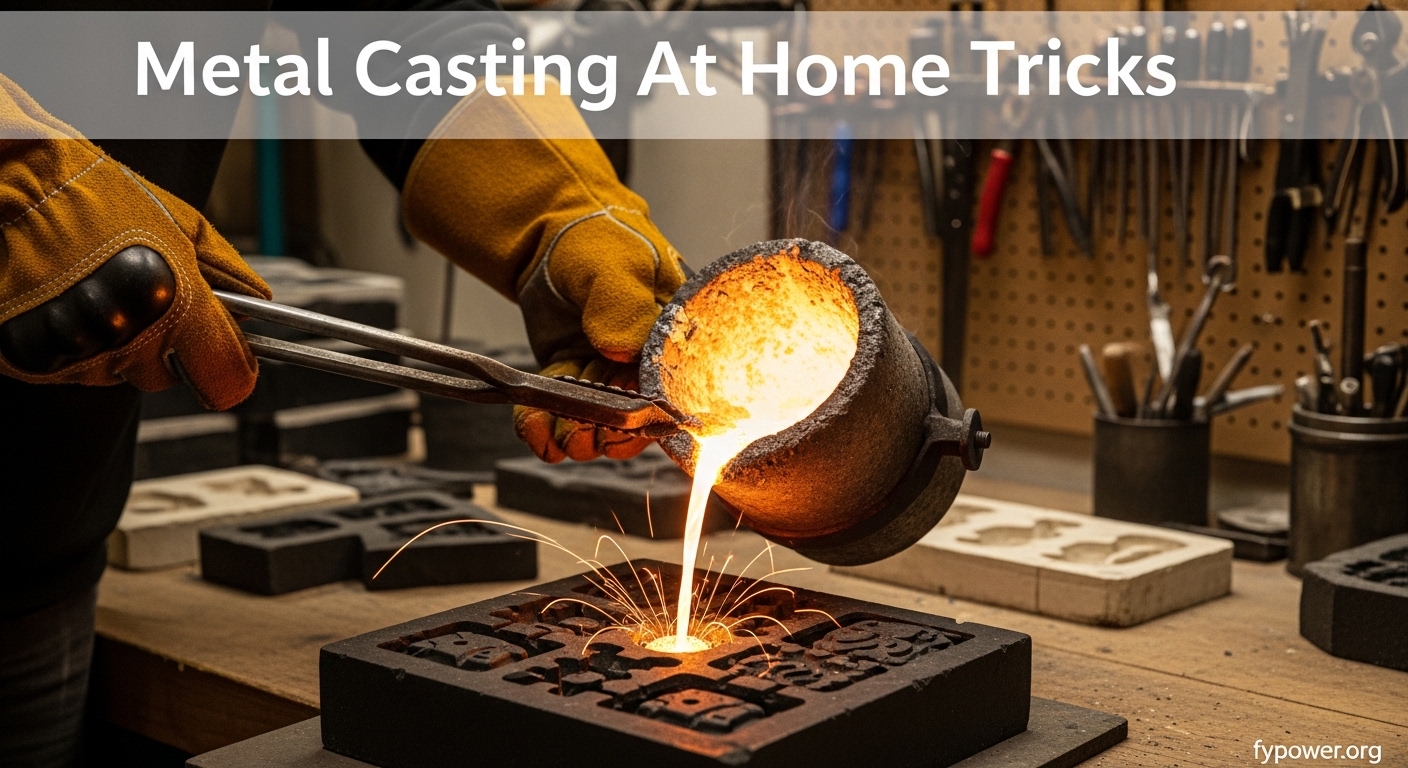
Metal casting has shaped human civilization for seven millennia. From the first bronze weapons to modern aerospace components, this ancient craft transformed how we create tools, art, and machinery. I’ve spent years pouring metal in backyard foundries and professional shops, learning that the fundamentals remain unchanged even as technology advances.
Metal casting is a 7,000-year-old manufacturing process where molten metal is poured into a mold cavity to create complex, durable metal parts and objects. The metal solidifies in the mold, then is removed and finished to create everything from jewelry to engine components. This versatile process allows both mass production and one-of-a-kind creations.
In this guide, I’ll walk you through everything you need to know about metal casting: the main processes, how to choose your first metal, essential equipment, and critical safety practices. Whether you’re a hobbyist setting up a backyard foundry or an engineering student learning manufacturing basics, you’ll find practical guidance drawn from real experience.
Metal Casting: A manufacturing process where molten metal is poured into a mold cavity, cooled to solidify, then removed as a finished metal part. The mold contains a negative impression of the desired shape.
Types of Metal Casting
Metal casting isn’t one single process. Different methods exist for different needs, from backyard hobby projects to industrial production runs. Understanding these methods helps you choose the right approach for your goals.
Quick Summary: The five main casting methods are sand casting (most versatile), investment casting (highest precision), die casting (mass production), permanent mold casting (medium volume), and centrifugal casting (cylindrical parts). Each has specific advantages based on your project needs.
| Method | Best For | Complexity | Cost | Production |
|---|---|---|---|---|
| Sand Casting | Large parts, low volume, prototypes | Beginner-friendly | Low | 1-1000 pieces |
| Investment Casting | Intricate details, jewelry | Intermediate | Medium | 1-1000 pieces |
| Die Casting | High volume, small parts | Advanced (industrial) | High (tooling) | 1000+ pieces |
| Permanent Mold | Medium volume, consistent quality | Intermediate | Medium-High | 100-10,000 pieces |
| Centrifugal Casting | Cylindrical shapes, pipes | Advanced | Medium | Medium batches |
Sand Casting
Sand casting is the oldest and most versatile casting method. It’s perfect for beginners because the materials are inexpensive and mistakes are forgiving. I started with sand casting in my garage using nothing more than a bucket of sand, a simple pattern, and a propane furnace.
The process uses sand mixed with clay (called green sand) packed around a pattern. The sand holds its shape long enough to receive the molten metal. After the metal cools, you break open the mold to reveal your casting. The sand can be reused indefinitely, making this the most economical choice for hobbyists.
Sand casting excels at creating large parts that would be impractical with other methods. Engine blocks, machine bases, and decorative art pieces are typical applications. The surface finish won’t be mirror-smooth, but that’s often acceptable for functional parts or pieces that will be machined further.
Investment Casting (Lost Wax)
Investment casting produces incredibly detailed parts with smooth surfaces. Jewelry makers love this method because it captures intricate designs that sand casting would blur. I’ve used lost wax casting to create bronze sculptures where every finger and facial feature came through crisp and clear.
The process starts with a wax pattern that’s coated with ceramic slurry to create a shell. The wax is melted out (hence “lost wax”), leaving a hollow ceramic mold. Molten metal fills the cavity, producing a detailed replica of the original wax model.
This method costs more and takes longer than sand casting. But when you need precision and fine details, investment casting delivers results that other methods cannot match. It’s the standard for dental implants, jewelry, and aerospace components where tolerances matter.
Die Casting
Die casting is for production, not experimentation. Molten metal is forced into steel molds under high pressure, creating identical parts at high speed. Automotive companies use die casting to produce thousands of engine components per day.
This method requires expensive tooling and specialized equipment. A single die can cost tens of thousands of dollars. But once you have the die, each additional part costs very little. That’s why die casting only makes sense for high-volume production runs.
Die casting produces parts with excellent dimensional consistency and surface finish. The parts often require little to no post-processing. Common applications include alloy wheels, transmission cases, and consumer electronics housings.
Permanent Mold Casting
Permanent mold casting bridges the gap between sand casting and die casting. Instead of sand, reusable metal molds are used. Gravity feeds the molten metal into the mold rather than high-pressure injection.
The molds last for thousands of cycles, making this method cost-effective for medium production runs. Parts have better surface finish than sand casting but less detail than investment casting. I’ve seen permanent mold casting used for automotive pistons and cookware where consistency matters but extreme detail isn’t required.
Centrifugal Casting
Centrifugal casting creates cylindrical parts by spinning the mold while pouring metal. Centrifugal force pushes the metal against the mold walls, creating dense, defect-free cylinders. This method produces pipes, tubes, and rings with excellent structural integrity.
The technique requires specialized equipment but produces parts with superior mechanical properties in the circumferential direction. Industrial applications include pressure pipes, bushings, and cylinder liners.
How to Cast Metal: Step-by-Step Process?
Regardless of the casting method you choose, the basic workflow remains consistent. After teaching dozens of beginners, I’ve found that understanding these seven steps prevents most common mistakes.
- Create a Pattern: Make a model of your desired part using wood, wax, plastic, or metal. This pattern will be used to create the mold cavity. Make it slightly larger than your finished part to account for metal shrinkage during cooling.
- Make the Mold: Pack sand around your pattern (for sand casting) or create a ceramic shell (for investment casting). The mold must be completely dry before pouring—any moisture creates steam explosions when molten metal enters.
- Melt Your Metal: Heat your chosen metal in a crucible using a furnace or torch. Different metals require different temperatures, but most casting happens between 1200degF and 2200degF. Use a pyrometer to confirm you’ve reached the right temperature.
- Pour the Metal: Carefully lift the crucible with tongs and pour molten metal into the mold. Pour steadily but not too slowly—too slow and the metal freezes before filling the mold. Pour too fast and you’ll trap air and create turbulence.
- Cool and Solidify: Let the metal cool completely. Small aluminum parts might be ready in 10 minutes, while large iron castings can take hours. Rushing this step causes cracks and warping.
- Remove the Casting: Break open the mold and extract your casting. For sand casting, this means destroying the mold. For permanent molds, you’ll use ejector pins or carefully pry the part loose.
- Clean and Finish: Cut off the sprue (the metal channel you poured through), grind down rough areas, and sand or machine the part to its final specifications.
Choosing the Right Metal for Casting
Your choice of metal affects everything from equipment needs to success rate. After seeing countless beginners struggle with difficult alloys, I always recommend starting with aluminum.
| Metal | Melting Point | Difficulty | Best For | Cost |
|---|---|---|---|---|
| Aluminum | 1220degF (660degC) | Easiest | Beginners, prototypes | Low |
| Tin/Lead Alloys | 450-600degF | Very Easy | Toy soldiers, fishing weights | Low |
| Zinc | 787degF (420degC) | Easy | Die casting, hardware | Low |
| Brass/Bronze | 1700-1900degF | Intermediate | Art, hardware, bearings | Medium |
| Cast Iron | 2100-2200degF | Difficult | Engine blocks, cookware | Low |
| Steel | 2500-2800degF | Very Difficult | Tools, machinery | Medium |
| Silver/Gold | 1760-1945degF | Intermediate | Jewelry | Very High |
Aluminum: The Best Starting Metal
Aluminum melts at 1220degF—low enough for propane furnaces and even large torches. It’s forgiving, readily available as scrap, and produces good results even when your technique isn’t perfect. I’ve melted aluminum cans, old lawnmower engines, and even broken patio furniture to make castings.
The metal flows well into molds and shrinks predictably during cooling. Aluminum castings are lightweight, corrosion-resistant, and easy to machine afterward. Most hobbyists work exclusively with aluminum for years before attempting other metals.
Brass and Bronze
Brass and bronze alloys require higher temperatures (around 1800degF) and more robust equipment. The results are stunning—brass has a golden color that polishes beautifully, while bronze develops that classic antique patina.
These alloys are more challenging to work with. They oxidize quickly when melted, requiring flux to prevent defects. The higher temperatures also mean more risk and faster equipment wear. But for art castings and decorative hardware, nothing beats the appearance of bronze.
Cast Iron and Steel
Cast iron requires temperatures above 2100degF. At these temperatures, your furnace needs proper refractory lining and your safety game must be excellent. Iron is brittle but machinable, making it ideal for engine blocks and cookware.
Steel casting is even more demanding. The high temperatures and reactive nature of molten steel make it one of the most challenging casting processes. Most hobbyists never attempt steel at home—it’s typically the domain of professional foundries.
Getting Started: Equipment and Budget
One of the most common questions I hear is “How much does it cost to start metal casting?” The answer depends entirely on your approach. Let me break down three realistic budget tiers based on what I’ve actually spent and what my students have used.
Starter Setup ($300-$500)
This minimal setup gets you casting aluminum immediately. I’ve seen students produce excellent results with nothing more than:
- Propane torch: A standard plumbing torch works for small amounts of aluminum. Expect to spend $40-80.
- Steel crucible: A small steel cup or modified fire extinguisher works temporarily. Budget $20.
- DIY sand: Mix playground sand with 10% bentonite clay. About $30 for enough for dozens of casts.
- Basic tools: Tongs ($25), parting dust ($10), a rammer (DIY from wood), and simple flasks (build from wood).
- Safety gear: Face shield ($25), leather gloves ($30), natural fiber clothing.
Total: Around $300-350 for a functional backyard foundry. I’ve built setups like this in an afternoon and poured aluminum the same day.
Intermediate Setup ($800-$1,200)
This tier includes a proper furnace and better tools. After my first year of casting, I upgraded to this level and never looked back:
- Propane furnace: Buy or build a proper furnace with refractory lining. $200-400.
- Graphite crucible: Lasts much longer than steel. $40-80.
- Proper flasks: Steel casting frames in multiple sizes. $100-150.
- Temperature control: Infrared thermometer or pyrometer. $50-100.
- Enhanced safety: Leather apron ($50), high-temperature gloves ($60), respirator ($30).
- Mold materials: Quality casting sand, parting dust, sprue cutters. $100.
Total: $800-1,200 for a serious hobby setup. This equipment will handle aluminum and can be upgraded for higher-temperature metals later.
Advanced Setup ($2,000+)
For serious hobbyists or small businesses, this tier supports brass, bronze, and even limited iron casting:
- High-output furnace: Professional-grade furnace capable of 2200degF+. $800-1,200.
- Multiple crucibles: Various sizes for different pours. $200-300.
- Commercial flasks: Aluminum or steel frames in many sizes. $300-500.
- Wax working equipment: For investment casting: wax injector, vacuum chamber, burnout kiln. $500-800.
- Full safety suite: Including fume extraction or outdoor setup. $200-400.
Metal Casting Safety Guide
Safety isn’t optional in metal casting. After responding to forum posts about accidents and witnessing close calls in my own shop, I can’t emphasize this enough: molten metal deserves absolute respect.
Critical PPE Requirements
Your Personal Protective Equipment (PPE) is your last line of defense. Never cast without:
- Face shield: Safety glasses aren’t enough. Molten metal can splatter. A full face shield protects your entire face.
- Leather gloves: Welding gloves work, but dedicated foundry gloves are better. They should extend past your wrists.
- Natural fiber clothing: Cotton or wool only. Synthetics melt into your skin when hit by hot metal. I’ve seen polyester shirts fuse to skin—don’t let it happen to you.
- Leather boots: Steel toe is optional, but leather is non-negotiable. No sneakers, ever.
- Leather apron: Protects your torso from spills and radiant heat.
The Moisture Hazard
Water is your worst enemy when casting. Even a small amount of moisture in your sand or on your tools can cause a steam explosion. When molten metal hits water, it instantly vaporizes the water into steam, expanding 1,600 times in volume and spraying metal everywhere.
I once witnessed a caster rush a mold and suffer third-degree burns on his arms when trapped moisture flashed to steam. Always dry your molds thoroughly. If a mold looks damp, feels cool, or was made within 24 hours in humid conditions, dry it in an oven or let it sit longer.
Ventilation and Fumes
Melting metal releases fumes. Zinc fumes cause metal fume fever—flu-like symptoms that appear hours after exposure. Aluminum oxide isn’t toxic but irritates lungs. Always work in a well-ventilated area or outdoors.
When casting outside, position yourself upwind of the furnace. When working inside, use fume extraction or at minimum open all doors and windows. I’ve learned that a cheap box fan in a window makes a huge difference.
Fire Safety
ABC fire extinguishers don’t work on metal fires. You need a Class D extinguisher for magnesium, aluminum, and other metal fires. Sand also works for smothering small metal spills. Keep a bucket of dry sand near your pouring area at all times.
Common Casting Problems and Solutions
Every caster experiences failures. The difference between success and frustration is learning from mistakes. Here are the most common problems I’ve encountered and how to fix them.
Porosity and Bubbles
Holes and bubbles inside your casting indicate trapped air or gas. Causes include pouring too fast (turbulence traps air), metal that’s too hot (gas release), or improper venting in your mold. Pour steadily, ensure your mold has vent channels, and avoid overheating your metal.
Mold Collapse
If your sand mold breaks during pouring, the sand lacked binder or wasn’t compacted properly. Add more clay to your sand mix and ram it harder when packing the mold. A collapsed mold ruins both the casting and your day—take your time during mold making.
Incomplete Fills
Metal that doesn’t reach all parts of the mold usually means the metal was too cold or the pour was too slow. Heat your metal a bit longer and pour more quickly. Thin sections also require higher temperatures—design your molds with adequate thickness.
Stuck Castings
When a casting won’t release from the mold, your pattern lacked draft angle (slight taper). All vertical surfaces should angle slightly outward so the casting can be pulled out. I add at least 2-3 degrees of draft to all patterns now.
Surface Roughness
Sand castings naturally have rough surfaces, but excessive roughness indicates sand that’s too coarse or insufficient parting dust. Use finer sand (80-100 grit for most work) and apply parting dust generously between pattern and sand.
Metal Casting Applications
Metal casting appears everywhere in modern life. Understanding where and why different casting methods are used helps you choose the right approach for your own projects.
Automotive Industry
Your car contains dozens of cast parts. Engine blocks, transmission cases, cylinder heads, suspension components, and even wheels are typically cast. Die casting produces high volumes of small parts like brackets and pulleys, while sand casting handles larger engine components.
Aerospace
Aircraft rely on investment casting for turbine blades and complex structural components. The precision and strength-to-weight ratio of investment-cast parts make them ideal for aerospace applications where failure isn’t an option.
Art and Sculpture
Artists have used bronze casting for sculptures for thousands of years. The lost wax process captures incredible detail, making it perfect for figurative work. I’ve seen everything from small jewelry pieces to monumental public sculptures created through investment casting.
Jewelry Making
Most jewelry starts as a casting. Gold, silver, and platinum are cast using investment casting to create intricate designs that would be impossible to fabricate by hand. Modern jewelry workshops often combine 3D printing with traditional casting—printing wax patterns that are then cast in metal.
Tools and Hardware
Hammers, wrenches, pipe fittings, and countless other tools are cast. Cast iron provides excellent wear resistance for machinery parts, while brass casting creates corrosion-resistant plumbing fixtures.
Frequently Asked Questions
Can I cast metal at home?
Yes, you can safely cast metal at home with proper equipment and precautions. Start with aluminum using sand casting in a well-ventilated area. Many hobbyists maintain backyard foundries for decades without incident. The key is starting simple, investing in quality safety gear, and never rushing the process.
What metals are easiest to cast?
Aluminum is the easiest metal for beginners. It melts at only 1220degF, flows well into molds, and is forgiving of technique errors. Tin and lead alloys melt at even lower temperatures but produce soft parts. After mastering aluminum, progress to brass and bronze as your skills and equipment improve.
What equipment do I need for metal casting?
Basic equipment includes a furnace or heat source, crucible to hold melting metal, tongs for handling hot crucibles, molding material (sand for beginners), flasks to contain molds, and safety gear (face shield, leather gloves, natural-fiber clothing, leather boots). A complete starter setup costs $300-500.
Is metal casting dangerous?
Metal casting involves serious risks: molten metal can cause severe burns, moisture in molds can cause steam explosions, and metal fumes can be toxic. However, with proper safety equipment and procedures, these risks are manageable. Never skip PPE, always ensure molds are completely dry, work in well-ventilated areas, and keep a Class D fire extinguisher nearby.
How much does it cost to start metal casting?
A basic starter setup costs $300-500 including propane torch, DIY sand mix, basic tools, and safety gear. An intermediate setup with a proper furnace runs $800-1,200. Advanced setups supporting brass and bronze cost $2,000 or more. Many casters start small and upgrade gradually as their skills develop.
What’s the difference between sand casting and investment casting?
Sand casting uses sand packed around a pattern to create molds. It’s inexpensive, forgiving, and ideal for beginners and large parts. Investment casting uses wax patterns coated in ceramic shell to create highly detailed molds. It produces superior surface finish and intricate details but costs more and takes longer. Choose sand casting for learning and large parts; choose investment casting for jewelry and detailed work.
How hot does the metal need to be for casting?
Different metals require different temperatures: aluminum melts at 1220degF (660degC), zinc at 787degF (420degC), brass and bronze around 1700-1900degF, cast iron at 2100-2200degF, and steel at 2500-2800degF. Always use a pyrometer or infrared thermometer to verify your metal has reached pouring temperature.
Can I use wood patterns for metal casting?
Yes, wood is an excellent material for casting patterns, especially for sand casting. Hardwoods like maple or oak work best because they resist wear and maintain detail. Apply a sealer or varnish to prevent the sand from sticking to the wood, and use parting dust before packing sand around the pattern. Just remember that wood patterns eventually wear out after repeated use.
Leave a Reply