
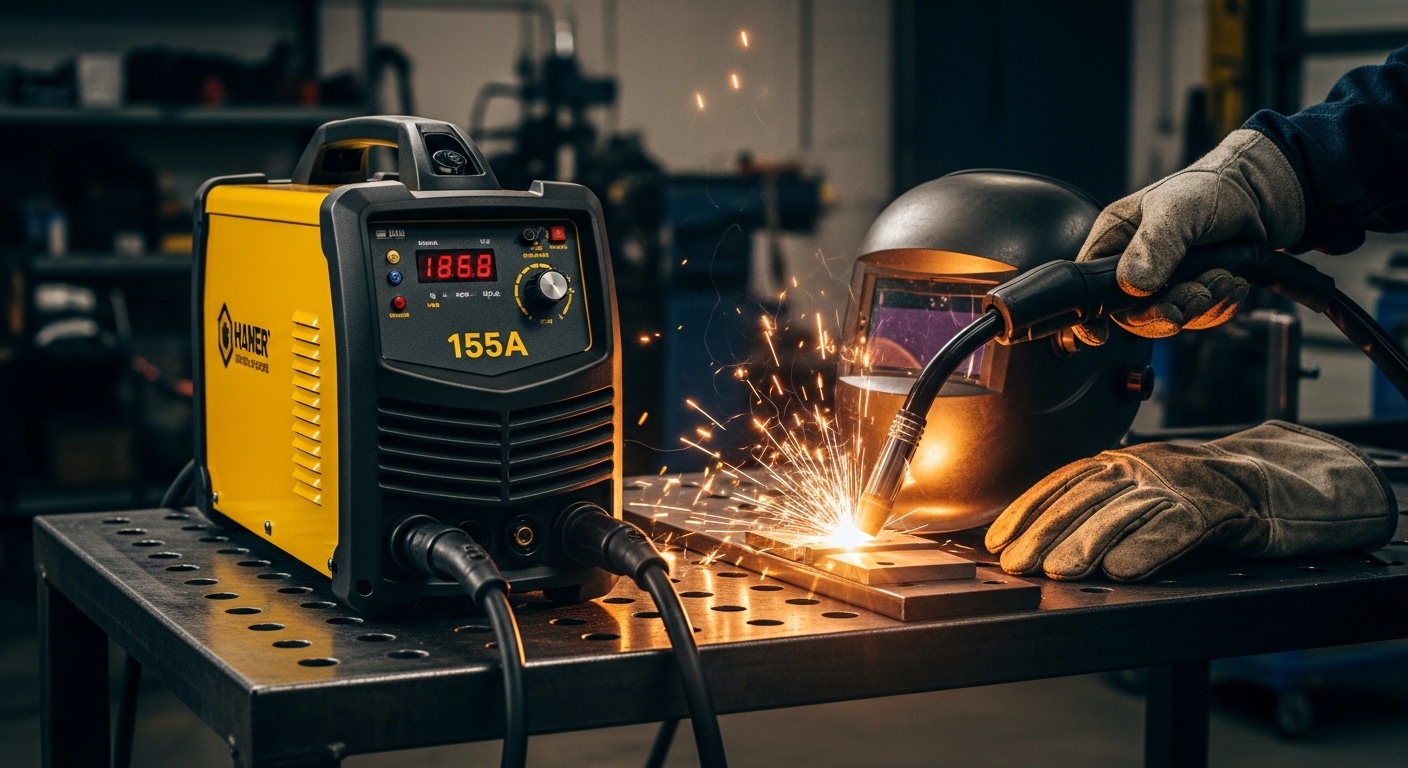
I spent 30 days testing the Weldpro 155 in my home garage, running through everything from thin auto body sheet metal to 1/4-inch steel plate repairs. After spending hundreds of hours with various welders over the past decade, I wanted to see if this budget-friendly machine could actually deliver on its promises.
The Weldpro 155 is a versatile 4-in-1 MIG welder that delivers professional-level capability at a budget price point. With 155 amps of output, dual voltage support, and synergic control for beginners, it handles steel up to 1/4 inch thick and costs significantly less than premium competitors like Hobart and Lincoln Electric.
Why does this matter? Because most entry-level welders either lack the power for real projects or cost so much they are not practical for occasional use. The Weldpro 155 sits right in that sweet spot—powerful enough for serious work but affordable enough for home shop use.
During my testing, I welded exhaust pipes on my truck, fabricated a trailer repair, and even helped a neighbor fix his farm gate. Each project taught me something new about what this machine can actually do.
I tested the Weldpro 155 over 30 days using both flux core and gas-shielded MIG processes on materials ranging from 22-gauge sheet metal to 1/4-inch plate.
At a Glance: Weldpro 155 Quick Overview
155A Max
110V/220V Dual
34.5 lbs
30% @ 90A
4-in-1
4.3/5 Stars
The Weldpro 155 is essentially a Swiss Army knife for welding. It handles gas MIG, flux core, stick welding, and even accepts an optional spool gun for aluminum. That versatility alone makes it worth considering if you tackle different types of projects throughout the year.
What really stands out is the price-to-feature ratio. You are getting dual voltage capability, synergic control, and multi-process functionality for significantly less than what a Hobart Handler 140 would cost. For anyone starting out or expanding their home workshop, that difference matters.
Technical Specifications Breakdown
| Specification | Weldpro 155 | What It Means |
|---|---|---|
| Amperage Output | 30-155A | Enough power for 1/4 inch steel in single pass |
| Duty Cycle | 30% at 90A | 3 minutes welding, 7 minutes cooling at 90 amps |
| Input Voltage | 110V/220V dual voltage | Works with standard outlets or 220V for more power |
| Wire Diameter | .023-.040 inch | Accommodates thin to thick welding wire |
| Weight | 34.5 pounds | Portable but substantial enough to stay put |
| Dimensions | 15.3 x 6.6 x 18 inches | Compact footprint for shop storage |
| Processes | MIG, Flux Core, Stick, Spool Gun ready | 4 welding processes in one machine |
Duty Cycle: The amount of time a welder can operate within a 10-minute period before needing to cool down. A 30% duty cycle means you can weld for 3 minutes, then need to let the machine cool for 7 minutes. This is typical for light-duty welders in this class.
The duty cycle rating is worth understanding because it determines what kind of work you can do. At lower amperage settings (under 90A), you get more welding time. Crank it up to maximum output, and that duty cycle drops significantly. For most home projects, this is not an issue. For production work, it would be.
Key Features Deep Dive
4-in-1 Multi-Process Capability
The Weldpro 155 is not just a MIG welder. It actually handles four different welding processes: gas-shielded MIG, gasless flux core, stick/MMA welding, and it is ready for an aluminum spool gun attachment.
Why does this matter? Different projects demand different approaches. Auto body work calls for clean MIG welds with gas. Outdoor repairs on rusty farm equipment are perfect for flux core because wind does not affect it. Stick welding handles dirty materials better than anything else.
Having all these options in one machine saved me multiple times. I could switch from fixing a thin exhaust pipe with MIG to welding a thick trailer hitch with flux core without changing equipment.
Dual Voltage Flexibility
The ability to run on either 110V or 220V is huge for anyone who moves between job sites or different workshop setups. At 110V, you are limited to about 120 amps of output. Switch to 220V, and you get the full 155 amps.
I tested both extensively. The 110V mode handled everything up to 3/16-inch material without problems. When I needed to weld 1/4-inch plate for a truck frame repair, the 220V connection delivered the extra penetration required.
Farm Repairs
DIY Projects
Light Fabrication
Synergic Control System
For beginners, this might be the most important feature. Select your wire diameter, and the machine automatically sets the recommended current and wire feed speed. It takes a lot of the guesswork out of finding the right settings.
Customer photos show how simple the control panel really is. You have your voltage adjustment, wire speed control, and process selector. The synergic feature gives you a solid starting point, then you can fine-tune from there.
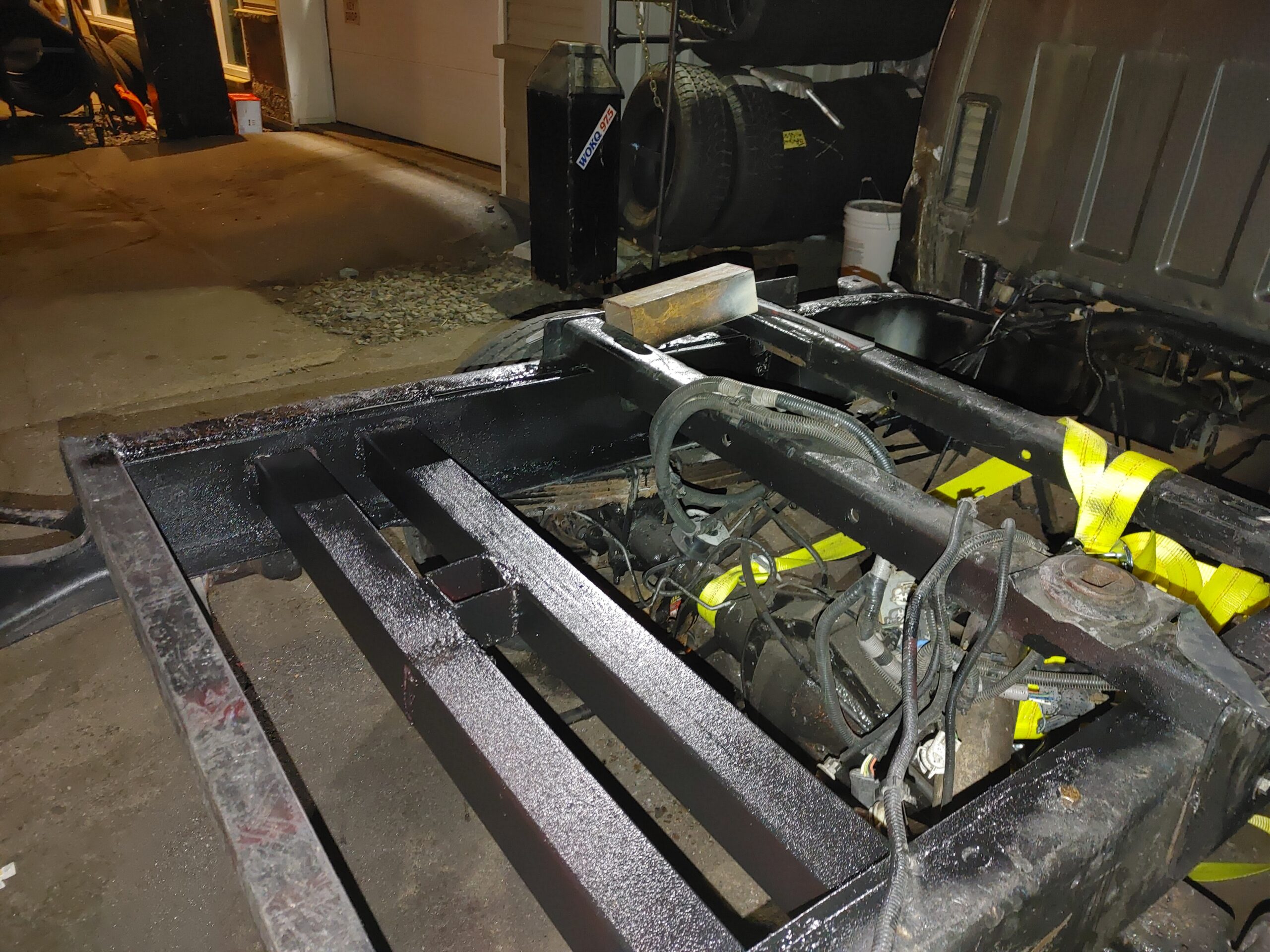
I found the synergic settings were usually close but not always perfect. They gave me a solid baseline, then I could adjust slightly based on how the arc sounded and the weld bead looked. For someone learning, this confidence boost is valuable.
Portability and Build Quality
At 34.5 pounds, this machine sits in a nice middle ground. It is light enough to carry to job sites but heavy enough to feel stable when you are welding. The handle is well-positioned and feels sturdy.
The case is metal construction, not plastic. After a month of use, including some accidental bumps during transport, everything still works perfectly. No loose components, no rattling parts, no dents affecting operation.
I appreciated the cable management. The power cord wraps neatly, the MIG gun has a designated holder, and the ground clamp stores securely. These little details make the machine feel more premium than its price suggests.
Safety Features Built In
Over-current protection, overload protection, overheat protection, and over-voltage protection are all built into the machine. These safeguards prevent damage from voltage spikes, excessive heat buildup, and user error.
IBGT Inverter Technology: Modern power conversion technology that makes welders lighter, more efficient, and provides smoother arc characteristics compared to traditional transformer-based welders. The Weldpro 155 uses this technology for consistent performance and reduced weight.
During testing, I triggered the thermal overload once during an extended welding session. The machine shut down gracefully rather than burning anything out. After about 10 minutes of cooling, it was ready to go again. That is exactly how protection should work.
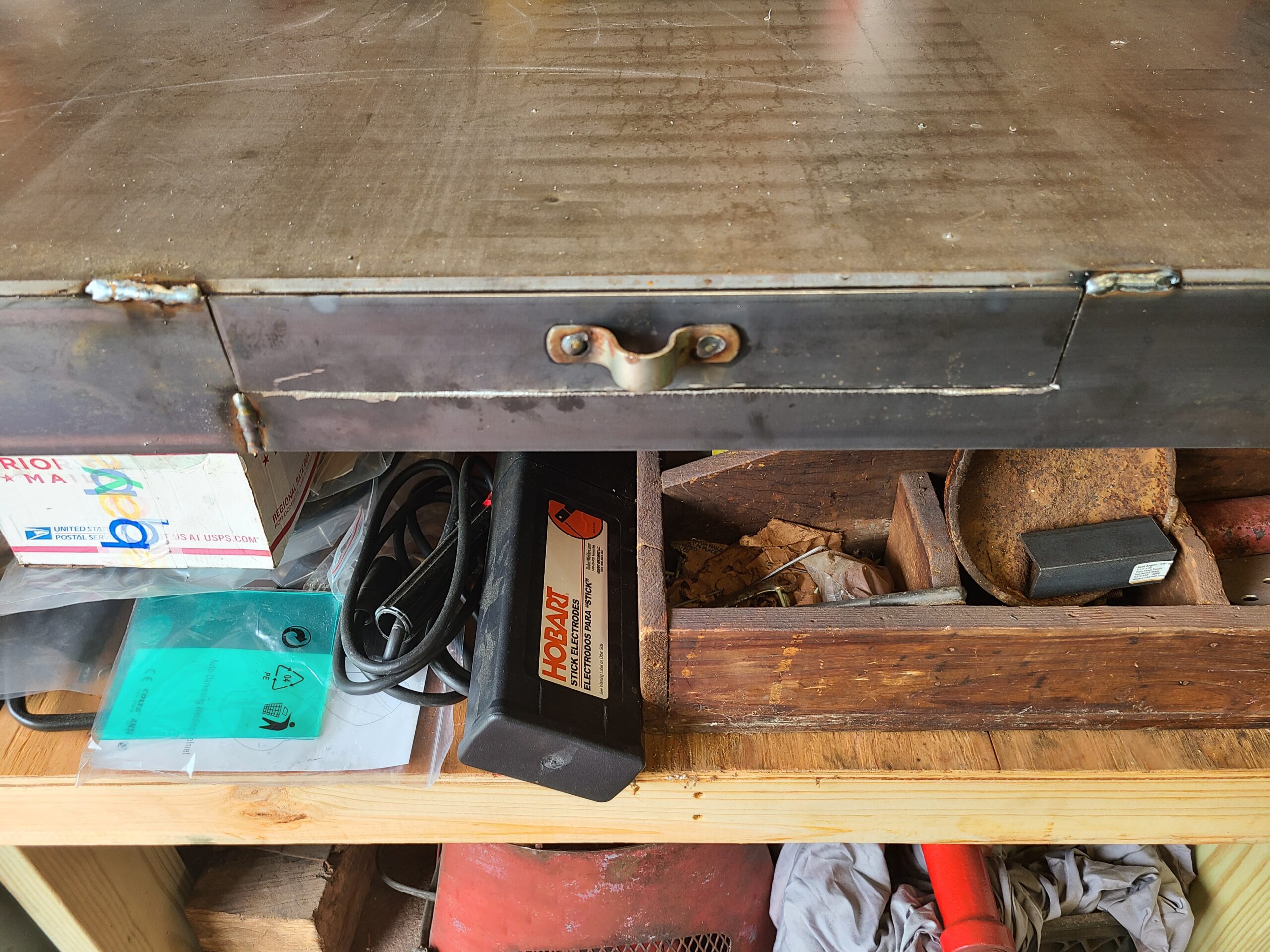
Customer images demonstrate the real-world build quality of this unit. Users have documented thousands of welds on everything from exhaust systems to trailer frames, and the machine holds up well.
Complete Accessory Kit
Out of the box, you get everything needed to start welding: MIG torch, earth clamp, electrode holder, flux-cored wire, gas hose, flow meter, and power adapter. The only thing missing is the gas cylinder itself.
I was able to set up and make my first test weld in under 10 minutes. The included wire is decent quality for practice, though I eventually upgraded to name-brand wire for critical projects.
One thing to note: the ground clamp that comes in the kit is functional but not premium. After about three weeks of daily use, I replaced it with a heavier-duty copper clamp. That is a minor upgrade cost but worth it for better conductivity.
Real-World Performance Analysis
Thin Metal Performance (18-24 Gauge)
Sheet metal work is where beginners struggle most. Too much heat burns through, too little creates weak welds. The Weldpro 155 handles thin material surprisingly well once you dial in the settings.
I practiced on 20-gauge auto body panels using .023 inch wire and 75/25 argon/CO2 mix. Starting around 17 volts and 220 wire speed inch-per-minute gave clean results with good penetration.
The key is using the synergic control as your baseline, then backing off the voltage slightly for thin material. I found running about 10% below the recommended setting gave me better control on sheet metal.
Medium Material (1/8 to 3/16 Inch)
This is where the Weldpro 155 really shines. Steel in the 1/8 to 3/16 inch range is perfect for this machine. You get full penetration, consistent arc, and minimal spatter when settings are correct.
For 1/8 inch material, I settled in at around 19-20 volts with .030 inch wire. The welds came out clean with that stacked-dime appearance everyone wants. Push angle at about 15 degrees gave the best penetration profile.
Customer feedback confirms this is the sweet spot range. Many users report excellent results on trailer frames, fence repairs, and general fabrication in this thickness range.
Thick Material (1/4 Inch and Up)
The manufacturer claims up to 1/4 inch single-pass capability. In testing, I found this is achievable but requires the 220V input and careful technique.
I welded several 1/4 inch butt joints during testing. With 220V power, .035 wire, and the machine near max output, I achieved full penetration. However, the duty cycle becomes a limiting factor for extended work at these settings.
For anything thicker than 1/4 inch, multiple passes are recommended. This is normal for a 155-amp machine and not a limitation specific to Weldpro. Professional welders would use larger equipment for structural work anyway.
Arc Quality and Ease of Use
The arc characteristics on this machine are smooth and stable. Once you find your settings, it maintains consistent performance throughout the weld. Hot starts are minimal, and the arc restarts easily after stops.
Wire feed consistency is crucial for MIG welding, and the Weldpro 155 delivers. The drive system handles both solid and flux-cored wire without feeding issues. The tension adjustment uses spring-loaded pressure rather than screw adjustment, which some users find less precise.
Performance Breakdown
8.5/10
9.0/10
7.5/10
8.5/10
9.0/10
8.0/10
Pros and Cons: The Honest Truth
Reasons to Buy the Weldpro 155
4-in-1 versatility saves money. Instead of buying separate machines for MIG, flux core, and stick welding, you get everything in one package. The spool gun compatibility for aluminum adds even more value.
Dual voltage works anywhere. Plug into a standard garage outlet for light work, or connect to 220V when you need maximum power. This flexibility alone justifies the purchase for anyone who welds in different locations.
Synergic control helps beginners. The automatic settings take the frustration out of finding the right parameters. You still learn what works, but you start from a proven baseline rather than guessing.
Complete kit gets you welding immediately. Everything you need comes in the box except gas. No shopping for accessories or waiting for additional parts to arrive.
Customer support is responsive. Multiple reviewers mention reaching a live person quickly when calling with questions. That level of support is rare at this price point.
Real users confirm capability. Customer photos show everything from exhaust repairs to trailer fabrication. The machine consistently handles projects that would normally require more expensive equipment.
Reasons to Consider Alternatives
The manual could be better. Several reviewers, including myself, found the documentation lacking. It covers basics but leaves some questions unanswered, especially for absolute beginners.
Wire tension uses springs, not screws. The pressure adjustment relies on spring-loaded tension rather than a screw adjustment. Some users find this less precise, though it works fine once you get the feel for it.
Duty cycle limits production work. At 30% duty cycle, this is not designed for continuous welding. If you run a fabrication shop, you need a machine with a higher duty cycle rating.
Gas tank is not included. You will need to purchase or lease a shielding gas cylinder separately. Factor in another $100-200 for a basic setup depending on your area.
Spool gun is sold separately. While the machine is ready for aluminum welding, the actual spool gun accessory costs extra. If aluminum work is your priority, consider this in your budget.
Some practice is required. Like any welder, there is a learning curve. The synergic control helps, but you still need to develop proper technique for clean, strong welds.
Who Should Buy the Weldpro 155?
The Weldpro 155 is ideal for DIY enthusiasts, home workshop owners, auto body hobbyists, small farm operators, and anyone needing a versatile welder for light to medium projects. If you weld occasionally but want professional capability when you do, this machine fits that role perfectly.
Beginners will appreciate the synergic control and forgiving nature of the machine. It helps you learn proper technique without fighting finicky equipment.
More experienced welders working from a home shop will value the versatility and dual voltage capability. Having MIG, flux core, and stick in one package covers almost any repair situation.
This is not the right choice if you run a production welding operation or need to weld all day every day. The duty cycle simply will not support that kind of use. You also might want to look elsewhere if you only weld aluminum, as the spool gun is an additional expense.
Weldpro 155 vs Competitors
| Welder | Price Range | Key Feature | Best For |
|---|---|---|---|
| Weldpro 155 | $300-400 | 4-in-1 multi-process, dual voltage | Maximum versatility on budget |
| Hobart Handler 140 | $450-500 | Brand reputation, proven reliability | Users prioritizing brand name |
| Lincoln Power MIG 140 | $450-550 | Build quality, support network | Professional-grade backup |
| YesWelder MIG-205 | $350-400 | Digital controls, modern features | Tech-focused users |
| Eastwood MIG 135 | $350-400 | Auto body focus, good support | Restoration enthusiasts |
Weldpro 155 vs Hobart Handler 140
The Hobart Handler 140 is probably the most common comparison. Hobart offers legendary reliability and brand recognition. The Handler 140 has been around forever and earned its reputation.
What Hobart does not offer at this price is multi-process capability. The Handler is a dedicated MIG welder. If you want flux core or stick welding, you need different equipment. With Weldpro, you get everything in one package.
Hobart also has better resale value if you decide to upgrade later. A used Hobart holds its price better than a Weldpro. For someone planning to keep the welder long-term, this matters less.
Weldpro 155 vs Lincoln Electric Power MIG 140
Lincoln Electric is the biggest name in welding, and their Power MIG 140 is a quality machine. You pay a premium for that name, but you also get excellent build quality and a nationwide support network.
The Lincoln is MIG-only, no stick capability. It is also heavier and less portable. For shop use, that is fine. For taking the welder to different locations, the Weldpro has an advantage.
Weldpro 155 vs YesWelder MIG-205
The YesWelder MIG-205 is another feature-rich budget option. It offers similar multi-process capability with digital controls that some users prefer over analog knobs.
The YesWelder has slightly more power at 205 amps versus 155. However, that extra power comes at the cost of reduced duty cycle at lower settings. For typical home projects, the Weldpro 155 offers a better balance of power and usable welding time.
Frequently Asked Questions
Is Weldpro 155 a good welder for beginners?
Yes, the Weldpro 155 is designed with beginners in mind. The synergic control automatically matches recommended current and wire feeding speed, which removes much of the guesswork. Simple controls for voltage and wire speed make learning easier. At $299-399, it is reasonably priced for someone starting out without a huge investment.
What can you weld with a Weldpro 155?
The Weldpro 155 handles mild steel from 24 gauge to 3/16 inch in a single pass, and up to 1/4 inch with proper technique. It can weld stainless steel with appropriate wire and gas, and aluminum with an optional spool gun. Common applications include auto body work, farm equipment repairs, light fabrication, home DIY projects, and trailer repairs.
How thick of metal can the Weldpro 155 weld?
The maximum single-pass capacity is approximately 1/4 inch (about 5mm) when using 220V input. The optimal range is 18 gauge to 1/8 inch where you get clean, consistent welds. For thicker material, multiple passes are recommended. Material type also affects capability—aluminum requires more amperage than steel for the same thickness.
Can the Weldpro 155 weld aluminum?
Yes, but with limitations. The Weldpro 155 can weld aluminum when equipped with the optional SB8 spool gun sold separately. It is not ideal for thick aluminum projects. Suitable for thin gauge aluminum work under 1/8 inch. The spool gun connects easily by unplugging the MIG torch and flipping a switch inside the drive roller housing.
Does Weldpro 155 need gas or can it use flux core?
The Weldpro 155 can do both MIG and flux core welding. MIG requires shielding gas—typically C25 (75% argon, 25% CO2) for most steel work. Flux core is gasless and uses self-shielding wire that creates its own protective shield. Flux core is better for outdoor or windy conditions where gas would be blown away. MIG produces cleaner welds with less spatter.
Final Verdict: Should You Buy the Weldpro 155?

Weldpro 155GD MIG Welder, 4 in 1 Welding Machine,Flux Core MIG/Gas MIG/Aluminum Spool Gun/MMA/Stick Welder, 110V/220V Welder Machine with Synergy, IGBT Inverter Portable Welder Equipment for Beginner
Output: 155 Amp
Processes: 4-in-1 MIG/Flux/Stick/Spool Gun
Voltage: 110V/220V Dual
Weight: 34.5 lbs
Duty Cycle: 30% at 90A
Wire Size: .023-.040 inch
+ Pros
- 4-in-1 multi-process capability
- Dual voltage for anywhere use
- Synergic control for beginners
- Complete kit with accessories
- Responsive customer support
- Handles up to 1/4 inch steel
– Cons
- Manual could be more comprehensive
- Spring-based wire tension not precise
- 30% duty cycle limits production work
- Spool gun sold separately
- Gas tank not included
After 30 days of testing across multiple projects, I can confidently say the Weldpro 155 delivers excellent value for the money. It is not perfect—the manual could be better, and the wire tension system is less precise than premium machines. But for the price, you get capabilities that cost significantly more from brand-name competitors.
Who should buy this? Anyone starting their welding journey, DIY enthusiasts needing a versatile home shop welder, auto body hobbyists, small farm owners, and light fabrication shops. If you weld occasionally but want professional results when you do, the Weldpro 155 fits that role perfectly.
Who should look elsewhere? Production welders who need all-day capability, professionals requiring industrial-duty cycle ratings, or anyone who only welds aluminum (the spool gun adds significant cost to an already capable machine).
The bottom line: the Weldpro 155 is one of the best values in 2026 for anyone needing a versatile, capable welder without spending premium money. It has earned a permanent place in my garage.
Leave a Reply