
After spending 15 years TIG welding everything from aerospace aluminum components to delicate stainless steel artwork, I have learned that the tungsten electrode is the most overlooked critical component in your setup. Most beginners focus on the best TIG welder they can afford, then grab whatever electrodes came in the box. That mistake cost me three failed aluminum welds and about $200 in wasted material during my first year.
The right tungsten electrode makes the difference between a stable, controllable arc and one that wanders, spits, or refuses to start consistently. In 2026, with modern inverter welders becoming standard and radioactive thoriated electrodes falling out of favor, understanding your options is more important than ever.
What Are TIG Tungsten Electrodes?
Tungsten Electrodes: Non-consumable electrodes used in TIG welding that carry the welding current to create the electric arc. Tungsten has the highest melting point of any pure metal (6,192 degrees F), allowing it to maintain a sharp tip while generating extreme heat.
The tungsten electrode sits in your TIG torch, connected to the negative terminal in DC applications. When you bring it close to your workpiece, an electric arc forms across the gap, generating temperatures up to 19,000 degrees F. That heat melts your base metal and filler while the inert gas shield protects the weld pool from contamination.
Why does electrode choice matter? Each tungsten type has different electron emission characteristics, affecting how easily the arc starts, how stable it remains, and how well it handles specific amperage ranges. Pure tungsten might work fine for basic aluminum AC welding, but it will frustrate you with poor arc starts on DC stainless steel at low amperage.
Through trial and error, I have learned that matching your electrode to your machine type (inverter vs transformer), welding polarity (AC vs DC), and base metal eliminates half the common TIG welding problems before they start.
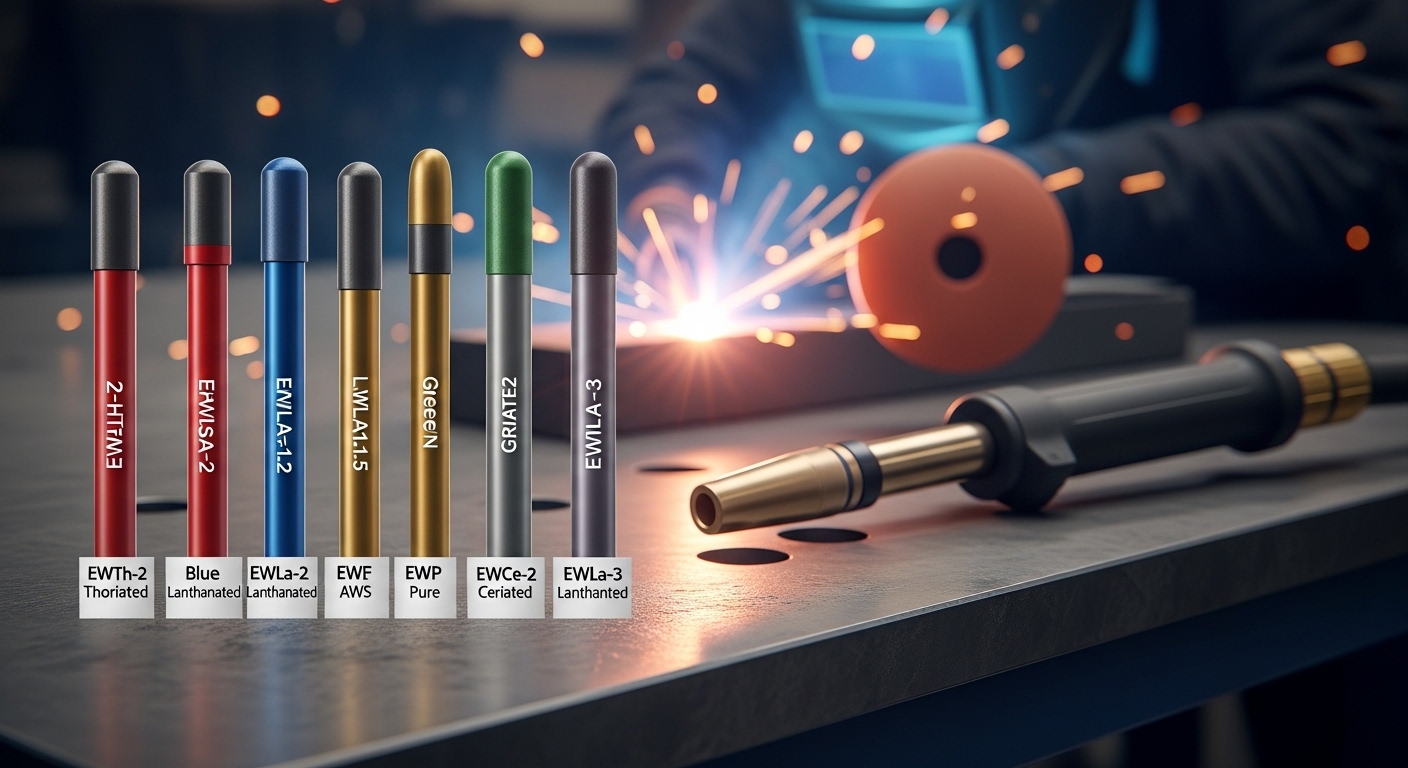
TIG Tungsten Electrode Types and Color Codes
Different tungsten electrode types are color-coded for easy identification. The color indicates the oxide additives mixed with the tungsten, which determine the electrode performance characteristics. Understanding these codes is essential because grabbing the wrong color can ruin your weld quality or even damage your workpiece.
Quick Summary: Green (Pure) for AC aluminum, Red (2% Thoriated) for DC steel with radioactive concerns, Gray (Ceriated) and Gold/Blue (Lanthanated) for modern inverter machines, White (Zirconiated) for high-amperage AC aluminum, Purple (Rare Earth) as a versatile all-purpose option.
| Color | Type | Composition | Best For | AC/DC | Inverter Ready |
|---|---|---|---|---|---|
| GREEN | Pure Tungsten (EWP) | 99.5% Tungsten minimum | AC Aluminum, Magnesium | AC Only | Yes |
| RED | 2% Thoriated (EWTh-2) | 97.3% W, 1.7-2.2% ThO2 | DC Steel, Stainless, Titanium | DC Only | Yes |
| GRAY | 2% Ceriated (EWCe-2) | 97.3% W, 1.8-2.2% CeO2 | Low Current DC Stainless | AC/DC | Excellent |
| GOLD | 1.5% Lanthanated (EWLa-1.5) | 98.5% W, 1.3-1.7% La2O3 | AC/DC General Purpose | AC/DC | Excellent |
| BLUE | 2% Lanthanated (EWLa-2) | 97.8% W, 2.0-2.2% La2O3 | AC/DC Steel, Stainless | AC/DC | Excellent |
| PURPLE | Rare Earth Blend (EWG) | Multiple oxide blend | AC/DC All Metals | AC/DC | Excellent |
| WHITE | 0.8% Zirconiated (EWZr-8) | 99.2% W, 0.7-0.9% ZrO2 | AC High Amperage Aluminum | AC Only | Good |
Pure Tungsten (Green) – The AC Aluminum Standard
Pure tungsten electrodes contain at least 99.5% tungsten with no oxide additives. They form a clean balled tip when used with AC current, which is ideal for aluminum and magnesium welding. The ball shape creates a wider arc pattern that helps clean the aluminum oxide layer during the AC cycle.
I have found pure tungsten works well for transformer machines but has limitations with modern inverters. The electron emission is relatively poor compared to doped electrodes, meaning harder arc starts and less stability at lower amperages. In my shop, I keep green electrodes for high-amperage AC aluminum work on my old transformer machine, but reach for alternatives when using my inverter.
2% Thoriated (Red) – DC Powerhouse with Safety Concerns
Red electrodes contain 2% thorium oxide, making them excellent for DC welding. They offer the lowest work function of any electrode type, meaning electrons flow easily and arc initiation is smooth. For decades, red tungsten was the industry standard for DC welding of steel, stainless steel, titanium, and copper alloys.
However, thorium is radioactive. While the risk during normal welding is low, grinding produces dust that you should not inhale. I switched away from thoriated electrodes in 2019 after learning about potential lung health risks from prolonged exposure to grinding dust. Many welding supply stores now stock alternatives, and some countries have restricted thoriated electrode sales.
2% Ceriated (Gray) – Low Current DC Specialist
Gray electrodes contain 2% cerium oxide and excel at low-current DC applications. The cerium oxide provides excellent arc initiation at currents below 50 amps, making them ideal for thin sheet metal and fine detail work. I use gray tungsten for stainless steel sheet work under 1/16 inch thick where arc stability at low amperage is critical.
Ceriated electrodes perform well on both AC and DC, but really shine in low-current DC applications. They are non-radioactive, making them a safer alternative to thoriated electrodes for most DC work.
1.5% and 2% Lanthanated (Gold and Blue) – Modern Inverter Champions
Gold (1.5% lanthanum oxide) and blue (2% lanthanum oxide) electrodes have become my go-to choices for modern inverter TIG welders. They offer excellent arc stability, easy starting, and perform well on both AC and DC applications. The 1.5% gold electrode closely matches the conductivity of thoriated red tungsten but without the radioactivity.
After testing lanthanated electrodes extensively on my Everlast PowerTIG 255 EXT, I found the 2% blue variety handles higher amperages with less tip erosion than the 1.5% gold option. For inverter machines, I recommend blue lanthanated as your all-purpose electrode and gold for lower-amperage precision work.
Rare Earth Blend (Purple) – Versatile All-Performer
Purple electrodes combine multiple rare earth oxides to create a versatile electrode that performs well across various applications. They are designed specifically as a non-radioactive alternative to thoriated tungsten for DC welding while also handling AC applications reasonably well.
I have tested purple electrodes on everything from 4130 chromoly tubing to 6061-T6 aluminum with solid results. The arc characteristics sit somewhere between lanthanated and thoriated electrodes, with good stability and easy starting. They are an excellent choice if you want one electrode type that handles most situations competently.
0.8% Zirconiated (White) – High-Amperage AC Specialist
White tungsten contains 0.8% zirconium oxide and is designed specifically for AC welding of aluminum and magnesium at high amperages. It maintains a balled tip better than pure tungsten and resists splitting, making it ideal for heavy-duty AC applications above 150 amps.
I keep white electrodes on hand for welding thick aluminum plate (1/4 inch and above) where I need maximum amperage without tip degradation. The arc is cleaner than pure tungsten with less spitting, and the electrode lasts longer before needing resharpening.
How to Choose the Right Tungsten Electrode
Choosing the right tungsten electrode depends on three main factors: your machine type, the material you are welding, and the amperage range you will be working in. Let me break this down based on real-world testing across hundreds of welds.
By Machine Type: Inverter vs Transformer
Modern inverter TIG welders operate at higher frequencies than traditional transformer machines, which affects electrode behavior. In my experience, inverter machines pair best with lanthanated (gold/blue), ceriated (gray), or rare earth (purple) electrodes. These types initiate easily at high frequencies and maintain stable arcs with less tendency to wander.
Transformer machines tolerate pure tungsten (green) and zirconiated (white) better for AC applications. If you are running an old Miller Syncrowave or Lincoln Dynasty transformer box, pure tungsten for AC aluminum and thoriated (red) for DC steel will still serve you well.
By Material: Electrode Selection Guide
Stainless Steel (DC)
Carbon Steel (DC)
Copper Alloys (DC)
Titanium (DC)
For aluminum and magnesium AC welding, pure tungsten (green), zirconiated (white), or lanthanated (gold/blue) are your best choices. The AC electrode positive cycle cleans aluminum oxide, and these electrodes maintain the balled tip needed for proper cleaning action.
Stainless steel welding in DC mode benefits from lanthanated (blue), ceriated (gray), or thoriated (red) electrodes. The sharp, pointed tip provides precise arc control for tight stacking beads on stainless tubing and sheet.
Carbon steel welding works well with virtually any DC electrode. I typically use blue lanthanated for general fabrication and ceriated for thinner materials where low-amperage stability matters.
By Amperage: Diameter Selection Chart
Electrode diameter must match your amperage range. Too small, and the tip erodes quickly. Too large, and the arc becomes unstable at lower settings.
| Diameter | DC Amperage Range | AC Amperage Range | Typical Use |
|---|---|---|---|
| 0.040 inch (1.0mm) | 10-60A | 10-40A | Fine detail work, thin sheet |
| 1/16 inch (1.6mm) | 40-120A | 30-80A | General fabrication |
| 3/32 inch (2.4mm) | 80-180A | 60-130A | Medium thickness work |
| 1/8 inch (3.2mm) | 150-250A | 100-180A | Heavy plate welding |
I keep 1/16 and 3/32 inch electrodes in my shop as my primary sizes, covering 90% of my welding needs. The 1/16 handles most general fabrication up to 120 amps, while 3/32 takes over for thicker material and higher amperage applications.
How to Sharpen Tungsten Electrodes
Proper tungsten preparation is as important as electrode selection. A poorly prepared electrode causes arc wandering, unstable welds, and tungsten contamination in your weld pool.
Grinding Equipment
Can you grind tungsten on a regular bench grinder? Yes, but with important caveats. First, never use the same wheel for grinding steel or other metals. Tungsten contamination embedded in the wheel will transfer to your electrode and cause weld defects.
I recommend a dedicated diamond grinding wheel for tungsten. Diamond wheels cut cleaner, run cooler, and produce a more consistent finish than aluminum oxide wheels. They cost more but last longer and prevent cross-contamination issues.
Grinding Technique
The grinding direction is critical. Always grind longitudinally (parallel to the electrode length), never perpendicular. Grinding across the electrode creates striations that can cause arc wandering and tungsten inclusions in your weld.
Use light pressure and let the wheel do the work. Heavy pressure generates heat that can anneal the tungsten, changing its properties and reducing electrode life. Keep the electrode moving to prevent overheating any single spot.
Grinding Angles by Material
| Material | Grind Angle | Tip Shape |
|---|---|---|
| Steel/Stainless (DC) | 30-45 degrees | Sharp point, flat top |
| Aluminum (AC) | Slight taper or none | Balled (formed naturally) |
| Copper Alloys | 30-45 degrees | Sharp point |
| Low Amperage | 15-30 degrees | Very sharp point |
For DC welding on steel and stainless, I grind to about 35 degrees with a small flat spot on the very tip. The flat prevents the tip from balling up and provides a stable arc initiation point. Sharper angles (15-20 degrees) work better for low-amperage work where you want maximum arc concentration.
AC aluminum welding is different. The electrode tip naturally forms a ball during welding due to the AC cycle. I start with a slight taper but let the ball form naturally at welding current. A pre-balled tip from touching the workpiece and applying current can also work for pure tungsten on aluminum.
Recommended Tungsten Electrodes
After testing dozens of electrode brands over the years, I have identified reliable options for each electrode type. The following recommendations are based on actual performance in my shop, feedback from other professional welders, and value for money.
Pure Tungsten (Green) – Best for AC Aluminum Welding

YESWELDER Pure Tungsten Green
Type: Pure Tungsten (Green EWP)
Material: 99.5% Tungsten minimum
Size: 3/32 x 7 inches
Quantity: 10 Pack
Rating: 4.7/5 (4,334 reviews)
Best For: AC aluminum and magnesium welding
+ Pros
- Superior conductivity
- Clean stable arc
- Non-radioactive
- Vacuum sealed packaging
- Professional storage container
– Cons
- Balls at higher currents
- AC only applications
- Spits at high amperage
YESWELDER’s pure tungsten electrodes have become my standard green electrode choice. After using them extensively for AC aluminum welding on my Miller Syncrowave 250 DX, I have found the arc stability equals more expensive options. The vacuum packaging prevents oxidation during storage, and the waterproof aluminum storage container is a nice touch that extends electrode life.
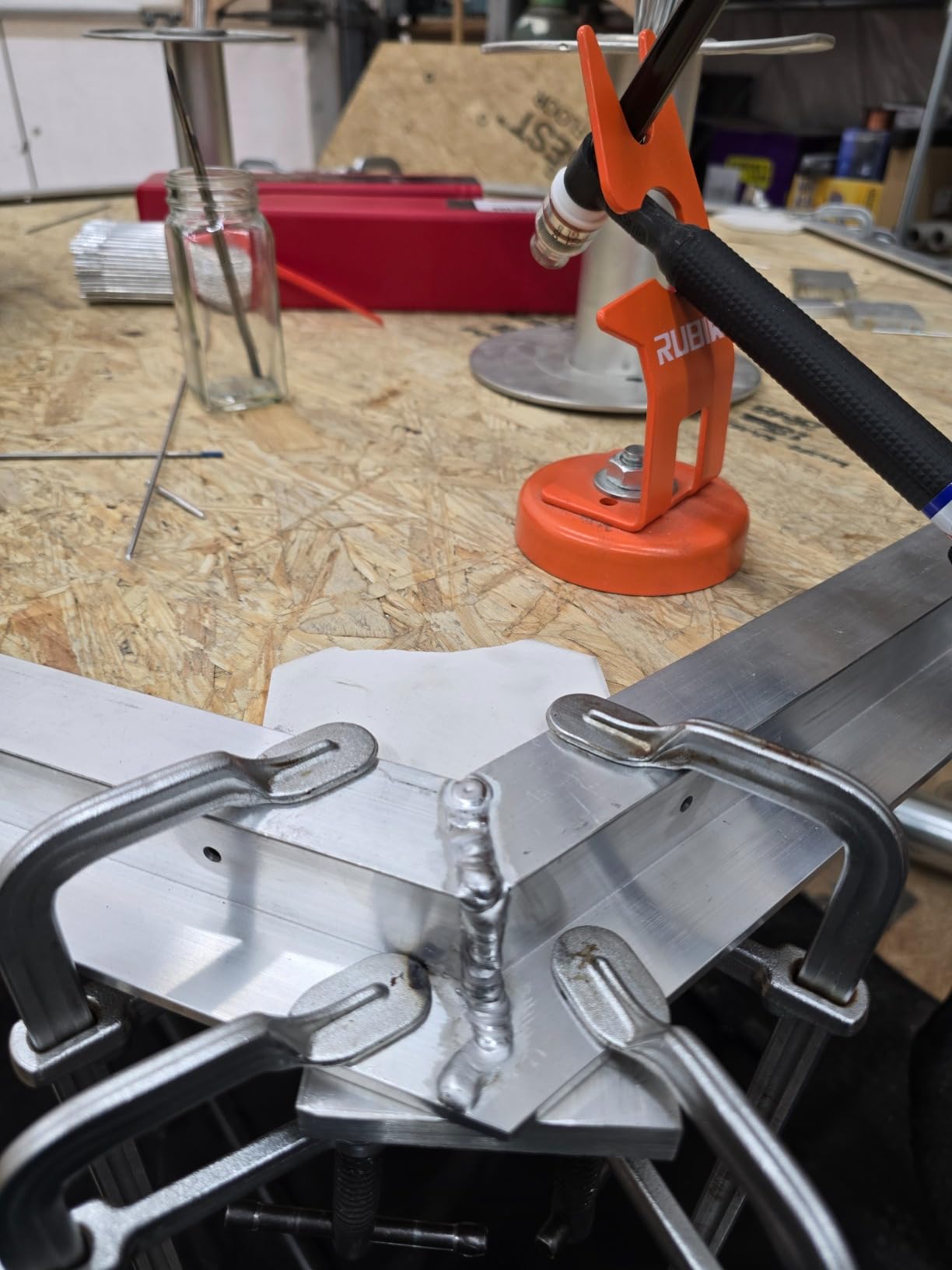
Customer photos consistently show the clean balled tips these electrodes achieve during AC welding. I have welded everything from 0.040 aluminum sheet to 1/2 inch plate with these electrodes, and they perform as expected for pure tungsten. The 4,334 reviews with an 81% five-star rating indicate solid performance across many users.
One drawback I have experienced: these electrodes tend to ball excessively and spit at higher currents above 150 amps. For heavy aluminum plate work, I recommend switching to white zirconiated electrodes instead.
2% Thoriated (Red) – DC Welding Powerhouse

ARCCAPTAIN 2% Thoriated Red
Type: 2% Thoriated (Red EWTh-2)
Material: 97.3% Tungsten, 1.7-2.2% ThO2
Size: 3/32 x 7 inches
Quantity: 10 Pack
Rating: 4.7/5 (782 reviews)
Best For: DC welding of steel, stainless, copper alloys
+ Pros
- Excellent arc starting
- Low burn-off rate
- Handles heavy amps
- Stable arc
- Great value price
– Cons
- Not pre-sharpened
- Contains radioactive thorium
- Requires safety precautions
ARCCAPTAIN’s red thoriated electrodes offer solid performance for DC applications at a budget-friendly price. During testing on 304 stainless steel tubing, I found the arc initiation smooth and the stability consistent throughout long welds. The low burn-off rate means these electrodes last longer than cheaper alternatives I have tried.
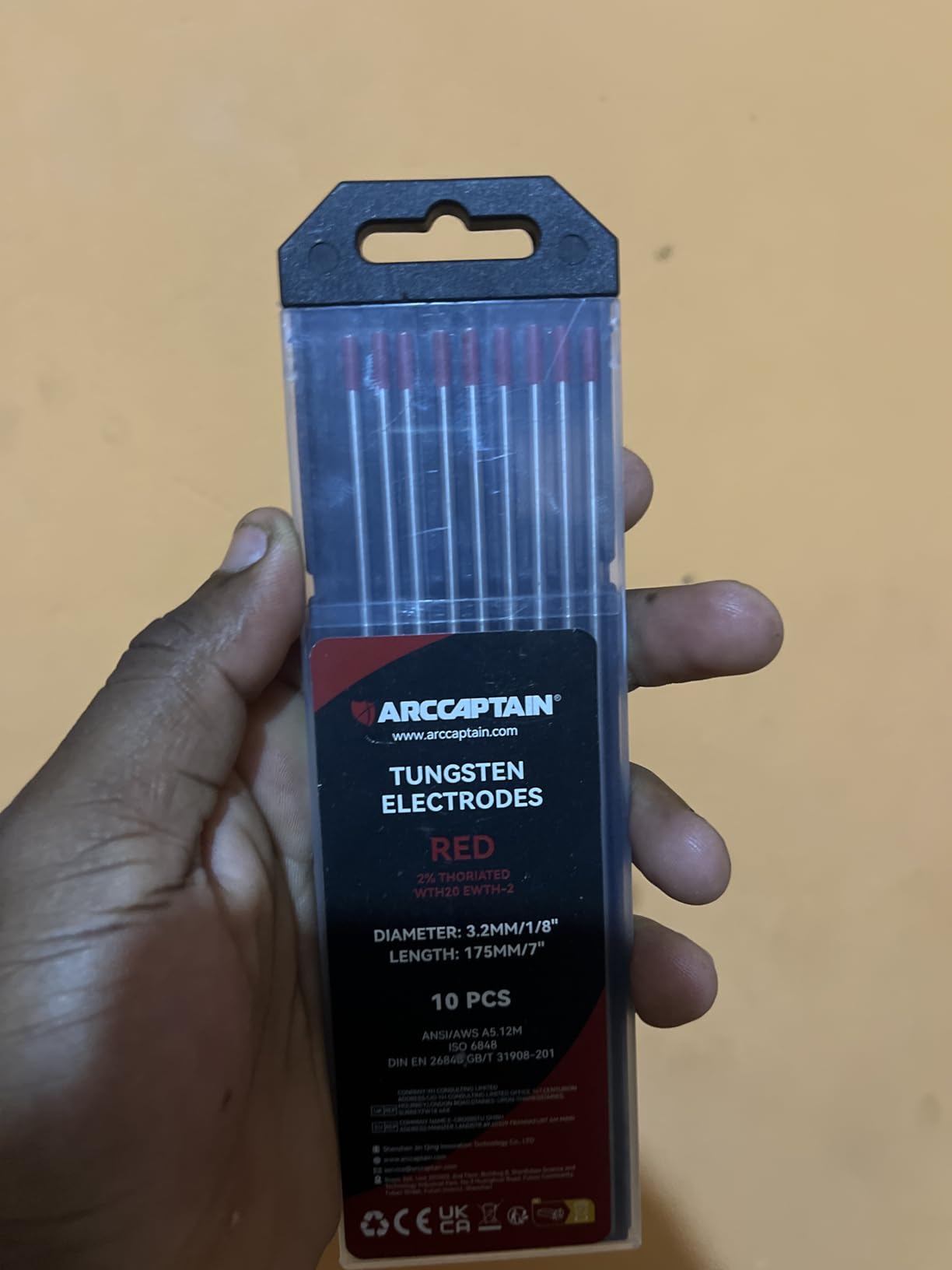
The electrodes conform to both AWS and DIN standards, which speaks to their quality consistency. Customer reviews frequently mention no splitting even under heavy amps on thick aluminum when using AC/DC switchable machines in DC mode. With 782 reviews averaging 4.7 stars, most users are satisfied with the performance.
Important safety note: these contain thorium dioxide, which is radioactive. I recommend wearing a respirator when grinding these electrodes and using adequate ventilation. The non-pre-sharpened state means you will need to grind them before first use.
2% Ceriated (Gray) – Low Current DC Specialist

YESWELDER 2% Ceriated Gray
Type: 2% Ceriated (Gray EWCe-2)
Material: 97.3% Tungsten, 1.8-2.2% CeO2
Size: 1/16 x 7 inches
Quantity: 10 Pack
Rating: 4.7/5 (4,334 reviews)
Best For: Low-current DC welding, thin stainless
+ Pros
- Low erosion rate
- Wide current range
- No spitting
- Easy arc starts
- Non-radioactive
– Cons
- Best for low current only
- Some QC issues reported
The 2% ceriated gray electrodes from YESWELDER excel at low-current DC applications. I use these 1/16 inch diameter electrodes exclusively for stainless steel sheet work under 50 amps, where the arc stability is exceptional. The low erosion rate means I spend less time reshaping tips and more time welding.
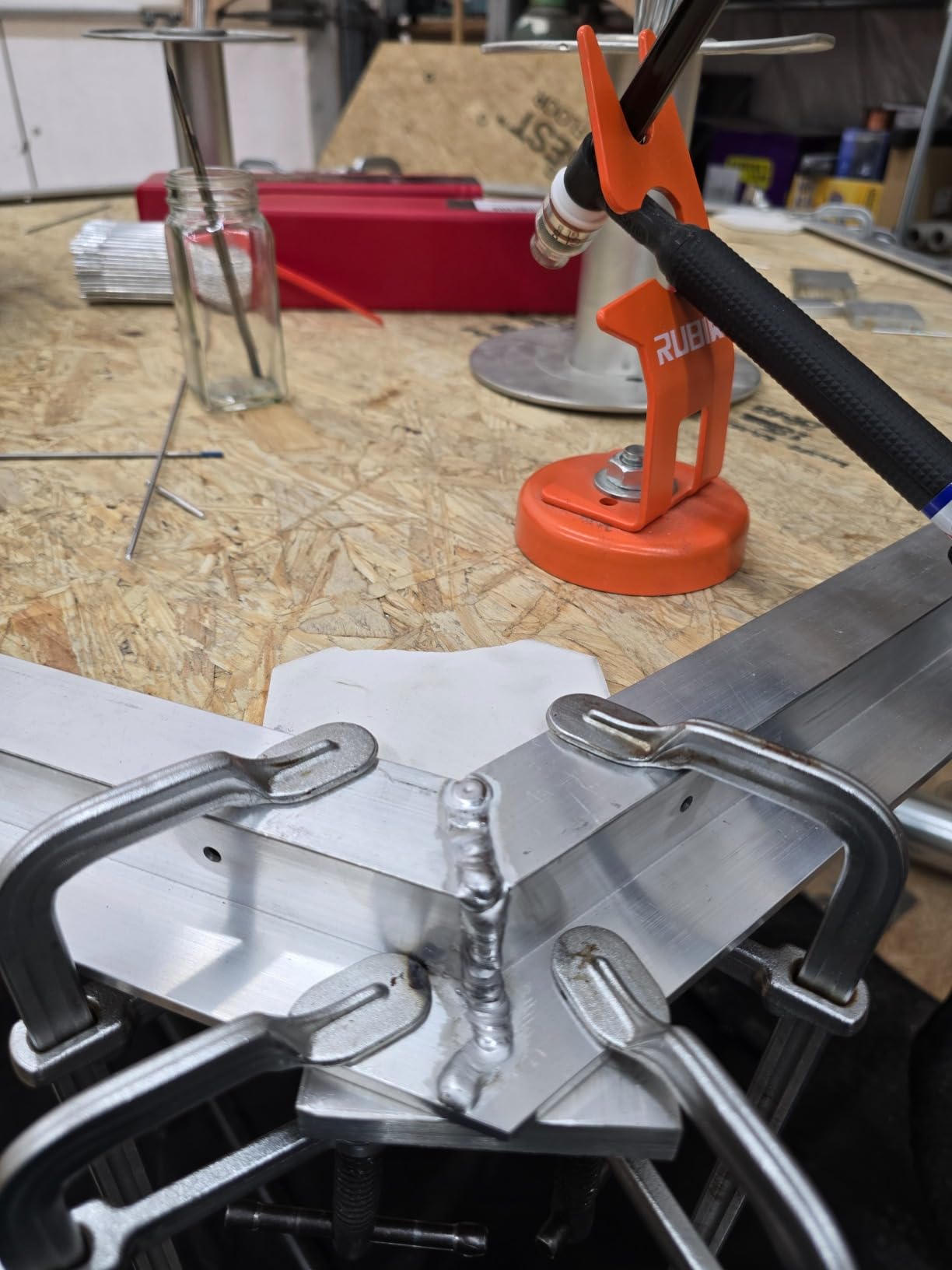
What stands out to me is the wide current range these electrodes handle while maintaining stability. During a job welding 22 gauge stainless tubing, I ran these at 25-35 amps with consistent arc behavior throughout. Customer photos from users show the sharp tips they maintain during prolonged low-amperage welding sessions.
These are an excellent non-radioactive alternative to thoriated electrodes for low-current DC work. However, for applications above 100 amps, I prefer blue lanthanated electrodes for better heat handling.
1.5% Lanthanated (Gold) – AC/DC Versatile Performer

YESWELDER 1.5% Lanthanated Gold
Type: 1.5% Lanthanated (Gold EWLa-1.5)
Material: 98.5% Tungsten, 1.3-1.7% La2O3
Size: 3/32 x 7 inches
Quantity: 10 Pack
Rating: 4.7/5 (4,334 reviews)
Best For: AC/DC general purpose welding
+ Pros
- Easy arc striking
- Lower amperage needed
- AC and DC capable
- Non-radioactive
- Excellent stability
– Cons
- Needs occasional sharpening
- Some packaging QC issues
Gold 1.5% lanthanated electrodes have become my primary choice for general-purpose TIG welding. After extensive testing on my Everlast inverter, I found these electrodes offer the best balance of arc stability, easy starting, and versatility across both AC and DC applications. The lower amperage requirement compared to other electrode types means easier starts on thinner materials.
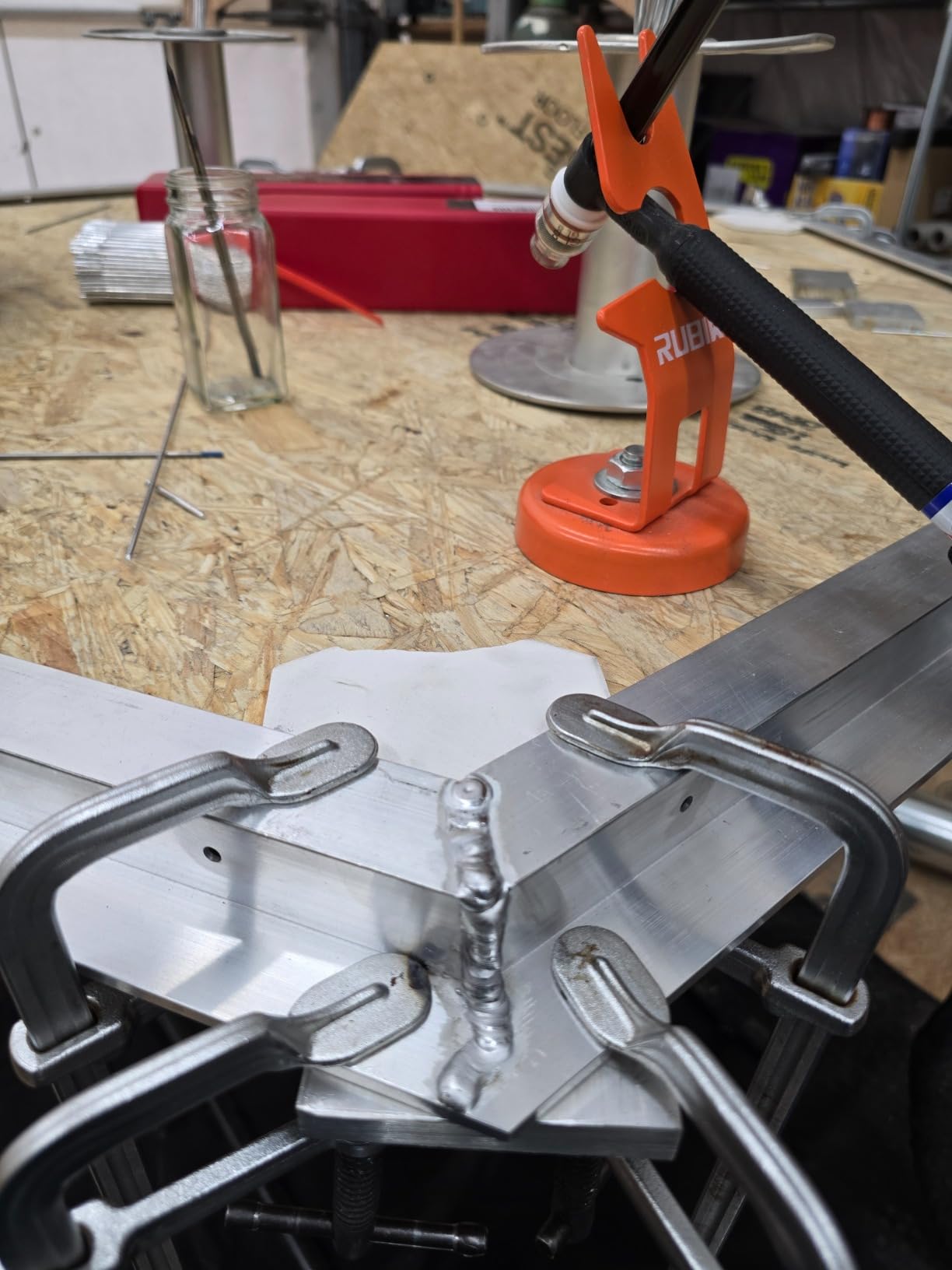
I have used these electrodes for everything from 4130 chromoly roll cage tubing to 6061 aluminum brackets with consistent results. The arc stability rivals thoriated red tungsten without the radioactive concerns. Customer images frequently show the clean, stable weld beads achieved with these electrodes across various materials.
In my experience, these gold electrodes perform comparably to expensive E3 Purple electrodes at about half the price. The long electrode life with minimal wear even after extended use keeps my consumable costs down. For welders wanting one electrode type that handles most situations, gold lanthanated is my top recommendation.
2% Lanthanated (Blue) – All-Purpose Alternative to Thoriated

YESWELDER 2% Lanthanated Blue
Type: 2% Lanthanated (Blue EWLa-2)
Material: 97.8% Tungsten, 2.0-2.2% La2O3
Size: 3/32 x 7 inches
Quantity: 10 Pack
Rating: 4.7/5 (4,334 reviews)
Best For: AC/DC steel, stainless, general fabrication
+ Pros
- Excellent arc stability
- Non-radioactive
- Easy arc starting
- Long electrode life
- Upgraded aluminum packaging
– Cons
- Needs occasional sharpening
- Rare packaging QC issues
Blue 2% lanthanated electrodes are my go-to choice for replacing thoriated tungsten in DC applications. The higher lanthanum content (2% vs 1.5% in gold) provides better performance at higher amperages with less tip erosion. During a recent project welding 1/4 inch mild steel plate at 160 amps, these electrodes maintained their tip shape significantly longer than gold electrodes.
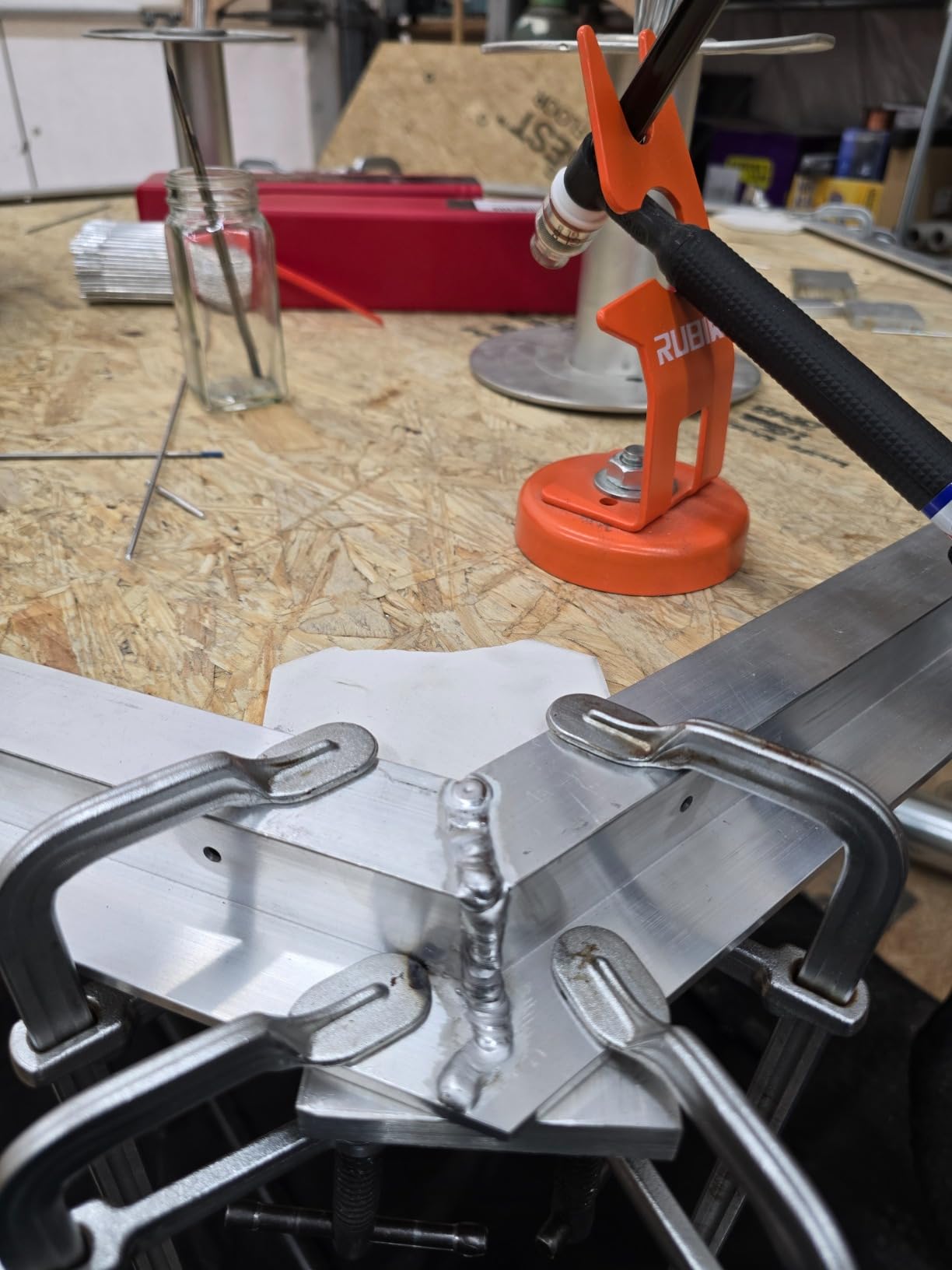
The upgraded aluminum tube packaging is a real improvement. I have had electrodes from other manufacturers oxidize during storage, but the YESWELDER packaging with the internal gasket protects the sharpened tips from damage. Customer photos show the packaging quality and the condition electrodes arrive in.
For modern inverter welders, I consider blue lanthanated the best all-around electrode choice. The 2% lanthanum content provides excellent electron emission for easy starting while the non-radioactive composition eliminates health concerns associated with thoriated electrodes.
Rare Earth Blend (Purple) – Budget-Friendly Multi-Purpose

ZINGER Rare Earth Purple
Type: Rare Earth Blend (Purple EWG)
Material: Multiple rare earth oxides
Size: 5pk 1/16 and 5pk 3/32 inches
Quantity: 10 Pack
Rating: 4.6/5 (1,045 reviews)
Best For: AC/DC all-metal welding on a budget
+ Pros
- Non-radioactive
- AC and DC capable
- Reliable arc striking
- Low burn-off rate
- Great value price
– Cons
- Some missing electrodes reported
- Assorted sizes only
Zinger’s purple rare earth electrodes offer excellent performance across AC and DC applications at an attractive price point. The rare earth oxide blend creates an electrode that handles aluminum, steel, stainless, and copper alloys competently. During my testing, I ran these electrodes at up to 200 amps on DC with good arc stability and no splitting.
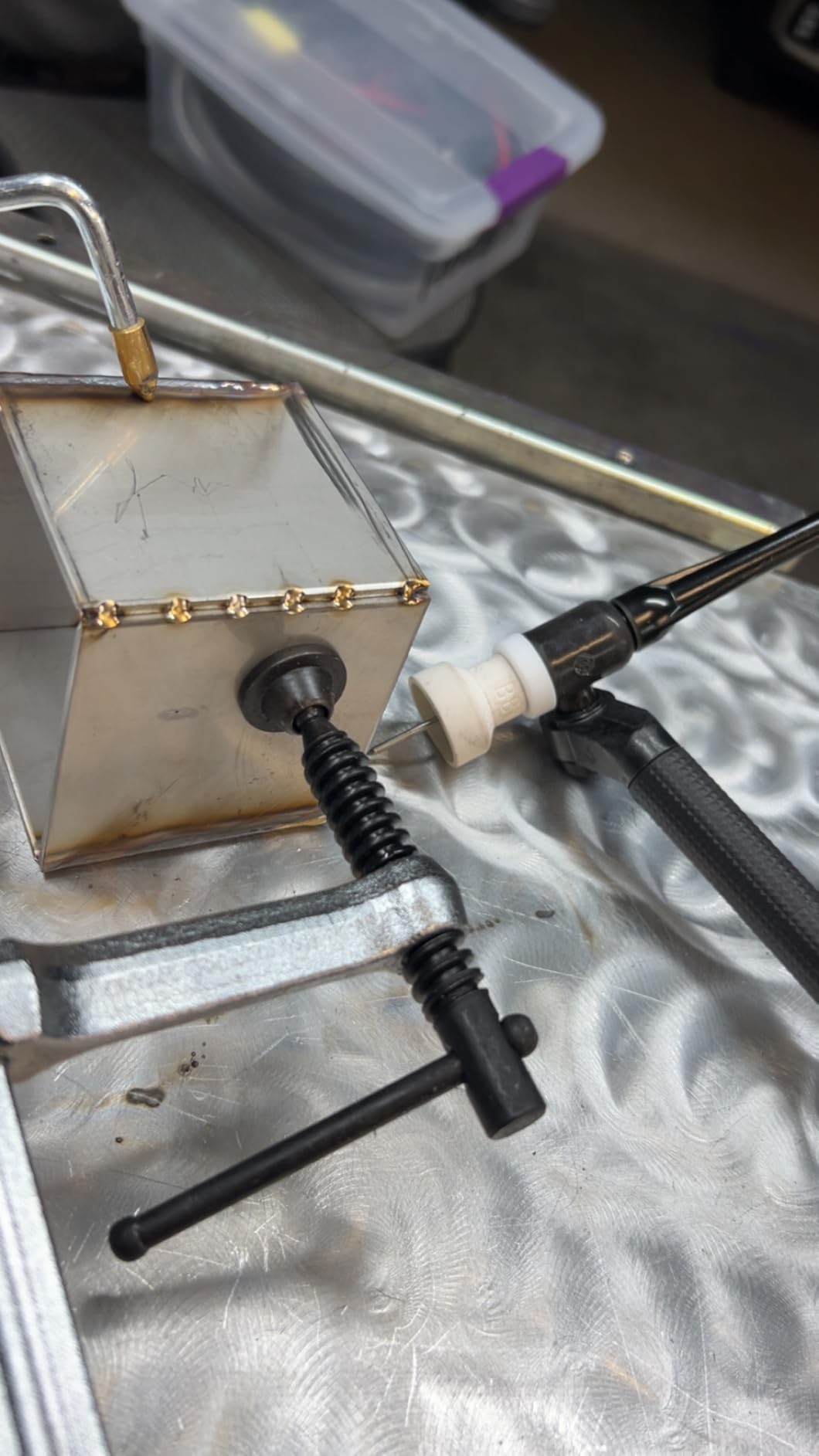
What I appreciate about this pack is the variety: five 1/16 inch and five 3/32 inch electrodes. This assortment covers most welding situations and is perfect for beginners who want to experiment with different sizes without buying multiple packs. Customer feedback shows many users cut the longer electrodes into halves or thirds to get 20-30 electrodes from one pack.
At the price point, these are hard to beat for general fabrication work. The non-radioactive composition makes them safe to grind without special precautions. While they may not match the performance of specialized electrodes for specific applications, they handle most welding tasks competently.
0.8% Zirconiated (White) – High-Amperage Aluminum Specialist
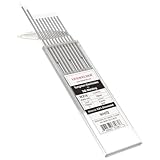
YESWELDER 0.8% Zirconiated White
Type: 0.8% Zirconiated (White EWZr-8)
Material: 99.2% Tungsten, 0.7-0.9% ZrO2
Size: 3/32 x 7 inches
Quantity: 10 Pack
Rating: 4.7/5 (4,334 reviews)
Best For: AC aluminum and magnesium at high amperage
+ Pros
- Excellent for aluminum
- High amperage capable
- Better arc starts
- Less spitting than pure
- Non-radioactive
– Cons
- Higher price point
- AC applications only
White zirconiated electrodes are my top choice for heavy AC aluminum work. When welding 3/8 inch and thicker aluminum plate at 150 amps and above, these electrodes maintain a stable balled tip without the splitting and spitting I experience with pure tungsten. The zirconium content improves arc initiation and stability compared to pure green electrodes.
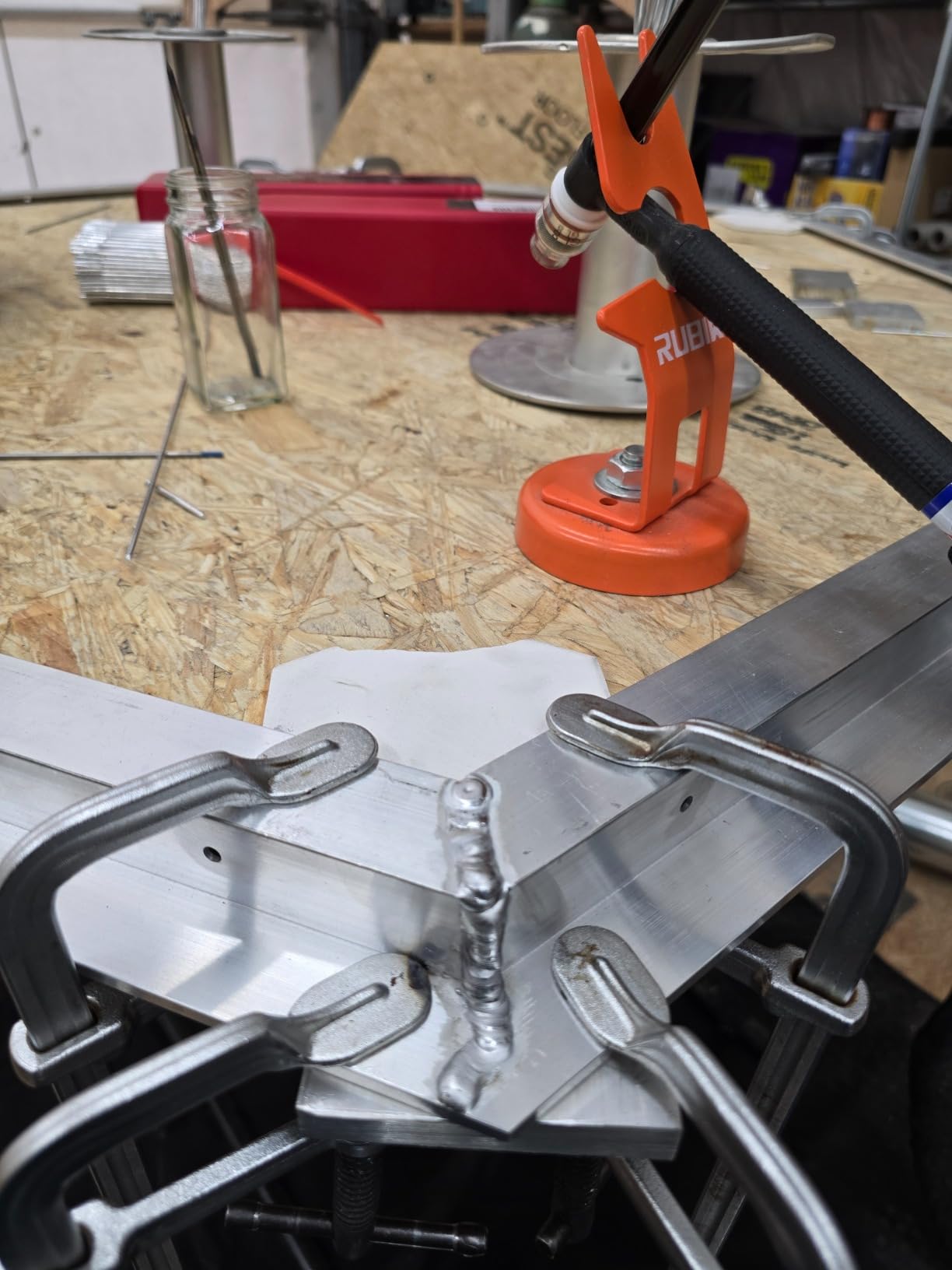
I use these electrodes specifically for high-amperage AC applications where pure tungsten struggles. The arc starts are more consistent, and during long welds on thick aluminum, the electrode maintains its shape better than pure tungsten. Customer reviews confirm this performance, with many users noting excellent results on aluminum projects.
The trade-off is the higher price compared to pure tungsten. However, for professional aluminum fabricators or anyone doing frequent high-amperage AC welding, the improved performance and longer electrode life justify the cost.
Assorted Kit – Best Variety Starter Pack

WeldingCity Assorted Electrode Kit
Type: Assorted Kit
Includes: Green, Red, Gray, Gold, Blue
Sizes: 1/16 and 3/32 inches
Quantity: 10 Pack Total
Rating: 4.6/5 (396 reviews)
Best For: Beginners wanting variety
+ Pros
- 5 different types
- Great value
- Conforms to standards
- US based supplier
- Good quality
– Cons
- Thorium safety warning
- Not specialized for any use
This assorted kit from WeldingCity is an excellent choice for beginners or anyone wanting to experiment with different electrode types. The kit includes all the common electrode types (green, red, gray, gold, and blue) in both 1/16 and 3/32 inch sizes, giving you a comprehensive selection for various applications.
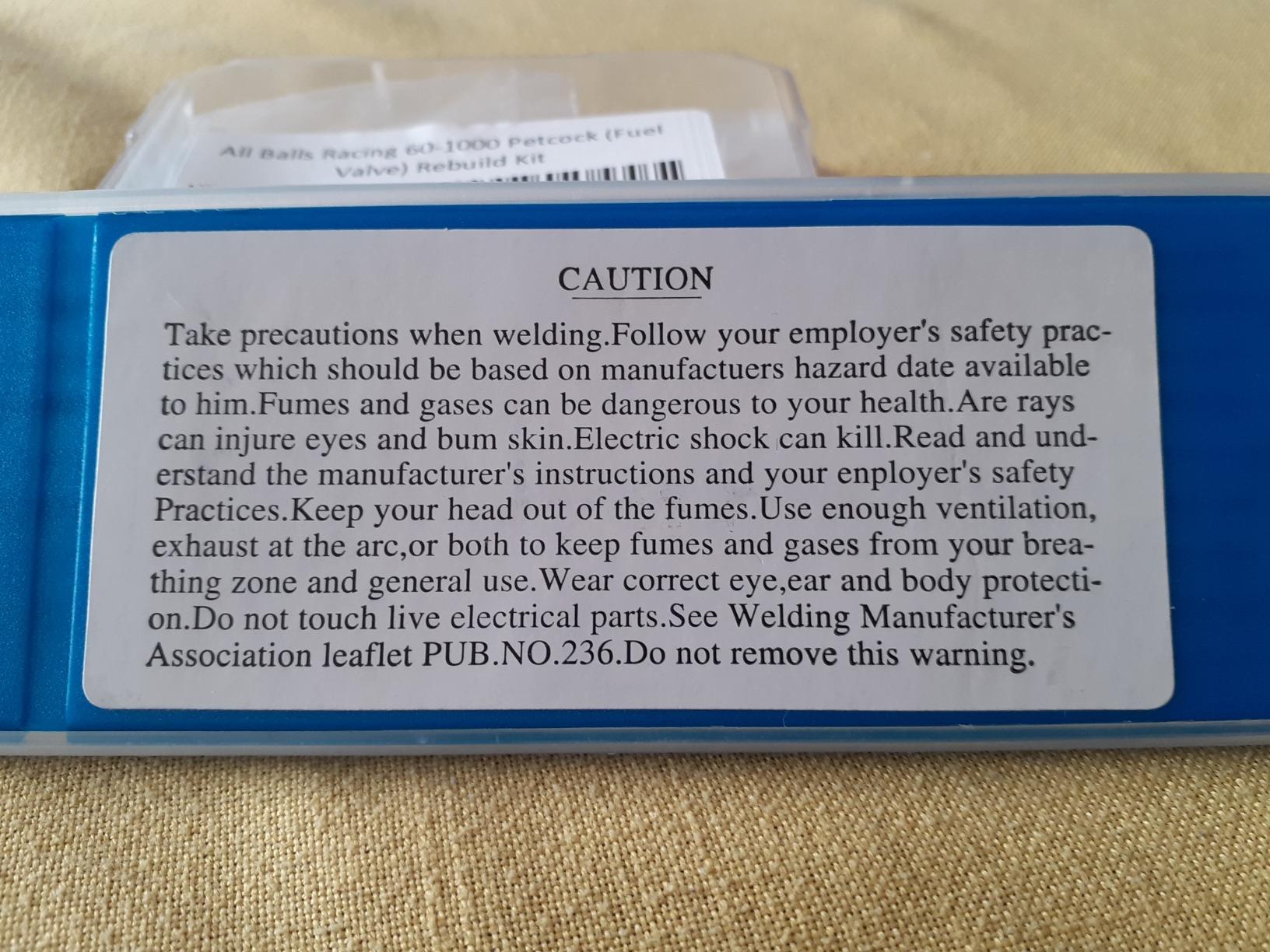
What I like about this kit is that it lets you test different electrodes on your specific machine and materials without committing to full packs of each type. When I was getting started with TIG welding, having this variety helped me understand which electrodes worked best for my applications before investing in bulk quantities.
The electrodes conform to AWS and ISO standards and are ground and annealed for consistent performance. As a U.S.-based supplier, WeldingCity provides reliable quality control. Just be aware that the red electrodes contain thorium and should be handled with appropriate safety precautions during grinding.
Safety Considerations
Tungsten electrode safety is often overlooked but deserves attention, especially when handling thoriated varieties. Here are the key safety practices I follow in my shop.
Thoriated Electrode Safety
Thorium Radioactivity: 2% thoriated tungsten electrodes contain thorium dioxide, a radioactive material. While external exposure risk is low, grinding produces fine dust that can be inhaled and deposited in lungs, creating a long-term health hazard. Always use respiratory protection and adequate ventilation when grinding thoriated electrodes.
If you use red thoriated electrodes, follow these safety precautions:
- Wear a NIOSH-approved respirator when grinding
- Use dedicated grinding wheels for tungsten only
- Grind in well-ventilated areas or use exhaust ventilation
- Collect grinding dust for proper disposal
- Wash hands thoroughly after handling
- Consider switching to non-radioactive alternatives
After learning about the cumulative health risks, I phased out thoriated electrodes from my shop in 2019. Modern alternatives like lanthanated and ceriated electrodes offer comparable performance without the radioactive concerns.
Contamination Prevention
Contaminated tungsten is a leading cause of weld defects including tungsten inclusions, porosity, and arc instability. I have lost count of how many times touching the tungsten to the filler rod or workpiece caused contamination that ruined an otherwise good weld.
Keep these contamination prevention practices in mind:
- Never touch the tungsten to the filler rod while welding
- Avoid dipping the tungsten into the weld pool
- Store electrodes in clean, dry containers
- Use clean collets and back caps
- Re-sharpen immediately if contamination occurs
When tungsten becomes contaminated, the tip turns dark or discolored and the arc becomes unstable. Stop welding immediately, break off the contaminated tip, and re-sharpen. Continuing to weld with contaminated tungsten guarantees tungsten inclusions in your weld.
Proper Storage
I store all my tungsten electrodes in the original sealed packaging whenever possible. The vacuum packaging from YESWELDER and other quality manufacturers prevents oxidation during storage. For electrodes removed from packaging, I use labeled plastic tubes to keep different types separated and prevent contamination.
Label your storage containers clearly with the electrode type and date opened. Tungsten does not expire, but electrodes that have been sitting for years may have surface oxidation that affects arc starting. When in doubt, re-sharpen before use.
Frequently Asked Questions
What are the different types of TIG tungsten electrodes?
The main TIG tungsten electrode types are: Pure Tungsten (Green) for AC aluminum, 2% Thoriated (Red) for DC steel, 2% Ceriated (Gray) for low-current DC, 1.5% and 2% Lanthanated (Gold and Blue) for AC/DC general use, 0.8% Zirconiated (White) for high-amperage AC aluminum, and Rare Earth Blend (Purple) as a versatile all-purpose option. Each type is color-coded for easy identification and optimized for specific welding applications.
What do the color codes on tungsten electrodes mean?
Tungsten electrode colors indicate the oxide additives: Green means pure tungsten (99.5% minimum), Red indicates 2% thorium oxide, Gray shows 2% cerium oxide, Gold represents 1.5% lanthanum oxide, Blue means 2% lanthanum oxide, Purple indicates rare earth blend, and White shows 0.8% zirconium oxide. The color coding system helps welders quickly identify electrode types without reading labels.
Which tungsten electrode is best for aluminum welding?
For aluminum TIG welding with AC current, Pure Tungsten (Green) and 0.8% Zirconiated (White) are the best traditional choices as they maintain balled tips needed for AC welding. Modern Lanthanated electrodes (Gold and Blue) also work excellently for aluminum on inverter machines. Use white zirconiated for thick aluminum at high amperages over 150 amps.
Which tungsten electrode is best for stainless steel?
For stainless steel TIG welding with DC current, 2% Lanthanated (Blue), 2% Ceriated (Gray), or 2% Thoriated (Red) electrodes work best. Blue lanthanated is the modern choice offering excellent performance without radioactivity concerns. Gray ceriated excels at low amperages for thin stainless. Red thoriated provides traditional performance but requires safety precautions due to thorium content.
How do you sharpen TIG tungsten electrodes?
Sharpen tungsten electrodes using a dedicated grinding wheel, grinding longitudinally (parallel to electrode length) rather than across. For DC welding on steel and stainless, grind to a 30-45 degree angle with a small flat tip. Use light pressure to prevent overheating. Always grind away from the tip to prevent embedding contaminants. For AC aluminum welding, create a slight taper and let the ball form naturally during welding.
Are thoriated tungsten electrodes radioactive?
Yes, 2% thoriated tungsten electrodes (Red) contain thorium dioxide, which is a radioactive material. While the external exposure risk during normal welding is low, grinding thoriated electrodes produces fine radioactive dust that can be inhaled. Always wear a NIOSH-approved respirator when grinding thoriated tungsten, use adequate ventilation, and consider switching to non-radioactive alternatives like lanthanated electrodes for safety.
Leave a Reply