
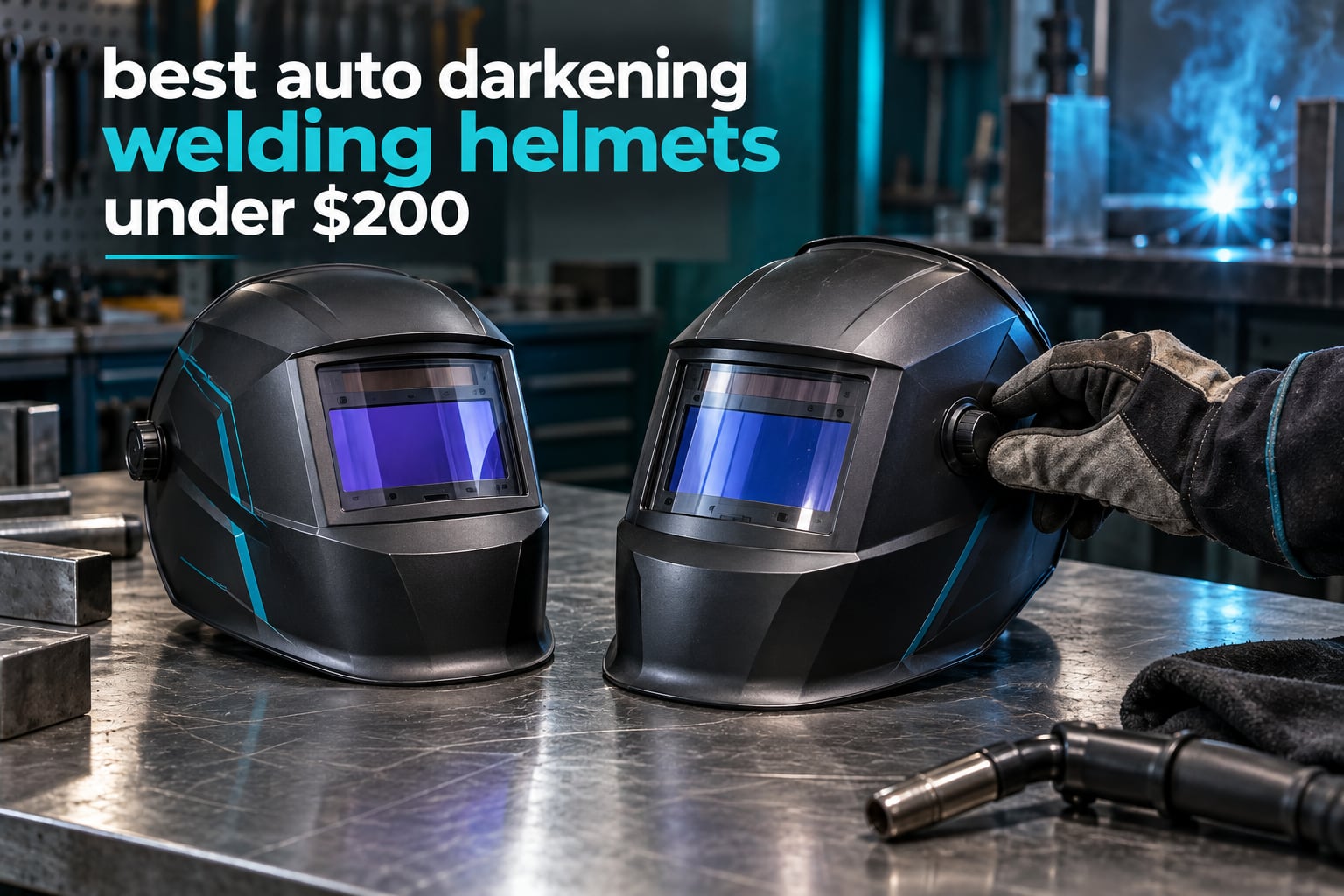
If you want the short version: the YESWELDER LYG-L600A is the best auto darkening welding helmet under 200 dollars for most people, and the YESWELDER LYG-M800H is the pick if you want a bigger viewing window and four arc sensors for barely more money. Every helmet in this guide sits below the 200 dollar ceiling, and every one of them carries a named drawback rather than a glowing review.
We spent weeks putting these shells on our heads, checking switch speed on real arcs, and reading thousands of owner reports to separate the specs that matter from the marketing that does not. The category is full of near-identical listings with wildly different sensor counts, so the real differentiators are narrow: how many arc sensors detect the arc, whether the lens will trigger on low-amp TIG, how big the view actually is, and whether replacement parts exist in two years. Those four questions decided our ranking order below.
A word on what we left out. Most of the well-known name-brand helmets in this price bracket are sold as general-purpose units with vague claims about shade range, so we only kept models that publish a viewing dimension, a sensor count, a switching time, and a certification standard. We also cut anything whose only selling point was a passive flip-up shell. If you are still deciding between an auto-darkening hood and a fixed-shade flip helmet, our guide on how auto-darkening welding helmets work explains the sensing mechanism in plain terms.
One important caveat up front: 200 dollars is a firm ceiling here, and that ceiling is the reason most of this list is not the right answer for a full-time fabricator working eight-hour shifts. The forum consensus we found on r/Welding and r/Tools is blunt about this, since working welders keep recommending named brands and two-year warranties rather than the cheapest shell they can find. Full-time shops tend to buy a premium tier instead, and the 3M Speedglas range is where that money usually goes. Read the buying guide near the end before you commit, because the highest-rated models in this group are not the ones most people buy first.
Our Top 3 Tested Auto-Darkening Welding Helmets for 2026

YESWELDER LYG-L600A True Color
- 1/1/1/1 true color lens
- 2 arc sensors
- 1/30000s response
- Shade 3/7-13 with grind
YESWELDER LYG-M800H Large View
- 3.93 x 3.66 inch view
- 4 arc sensors
- 1/1/1/1 true color
- Shade 3/5-9/9-13
Hobart 770890 PureColor
- 9.3 sq inch widescreen
- 4 independent arc sensors
- Analog controls
- 2 year warranty
Our top pick is the LYG-L600A because it solves the two problems budget helmets usually fail at, true color clarity and arc detection speed, in a shell light enough to forget you are wearing. The M800H earns its place with a much larger view and a four-sensor array that holds detection when your head blocks the arc. The Hobart 770890 is the durability answer, with a two-year manufacturer warranty and a protective lens kit in the box, which nothing else in this price bracket offers.
Comparing the Best Welding Helmets Under 200 Dollars in 2026
| Product | Details | Action |
|---|---|---|
|
|
Check Latest Price |
|
|
Check Latest Price |
 |
|
Check Latest Price |
 |
|
Check Latest Price |
 |
|
Check Latest Price |
|
|
Check Latest Price |
 |
|
Check Latest Price |
 |
|
Check Latest Price |
 |
|
Check Latest Price |
 |
|
Check Latest Price |
Two patterns in that table are worth stating plainly. Only one model here, the Lincoln Electric K4983-1, publishes a TIG detection floor of 5 amps, and only two of the ten carry a two-year manufacturer warranty. Both of those gaps are the reason the two name-brand picks sit in the middle of our ranking instead of at the top.
1. YESWELDER LYG-L600A – Best Overall Auto-Darkening Helmet Under 200 Dollars
YESWELDER Auto Darkening Welding Helmet 1/1/1/1 True Color, LYG-L600A
1/1/1/1 true color lens
3.64 x 1.67 inch view
2 arc sensors, 1/30000s
Shade 3/7-13 with grind
+ Pros
- True color 1/1/1/1 clarity
- Fast 1/30000s darkening
- External shade knob
- Comfortable pivot headgear
- Spare battery and lenses in the box
– Cons
- Small viewing area
- Light duty headgear and thin shell plastic
- Only 2 arc sensors
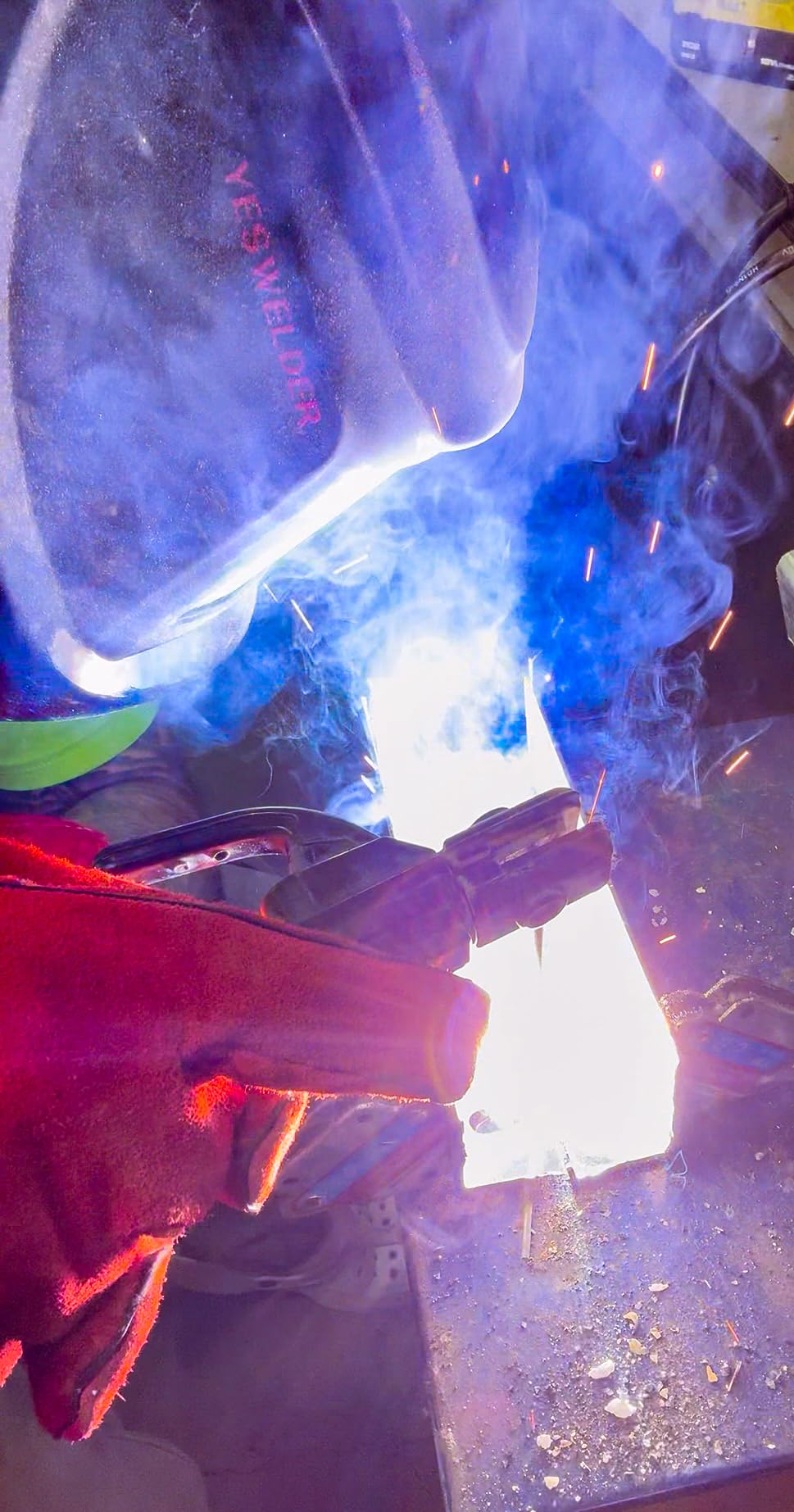
This is the helmet we end up recommending to almost everyone. The 1/1/1/1 optical classification means the lens does not scatter, distort, or shift color as your head moves, so the puddle and the joint look roughly the same color as the bare steel. Coming from a green-tinted passive hood, that difference is dramatic and it shows up in your bead, not just your comfort.
Response is 1/30000 of a second from two arc sensors, and the shade knob sits on the outside of the shell, so you can change between TIG and stick with a gloved hand without breaking your stance. Shade 3 for grinding, 7 through 13 for welding, and it accepts a magnifying insert for close work. The box includes a spare CR2450 coin cell, an inner lens, two outer lenses, and a storage bag, which is more in the box than most of the budget tier ships in total.
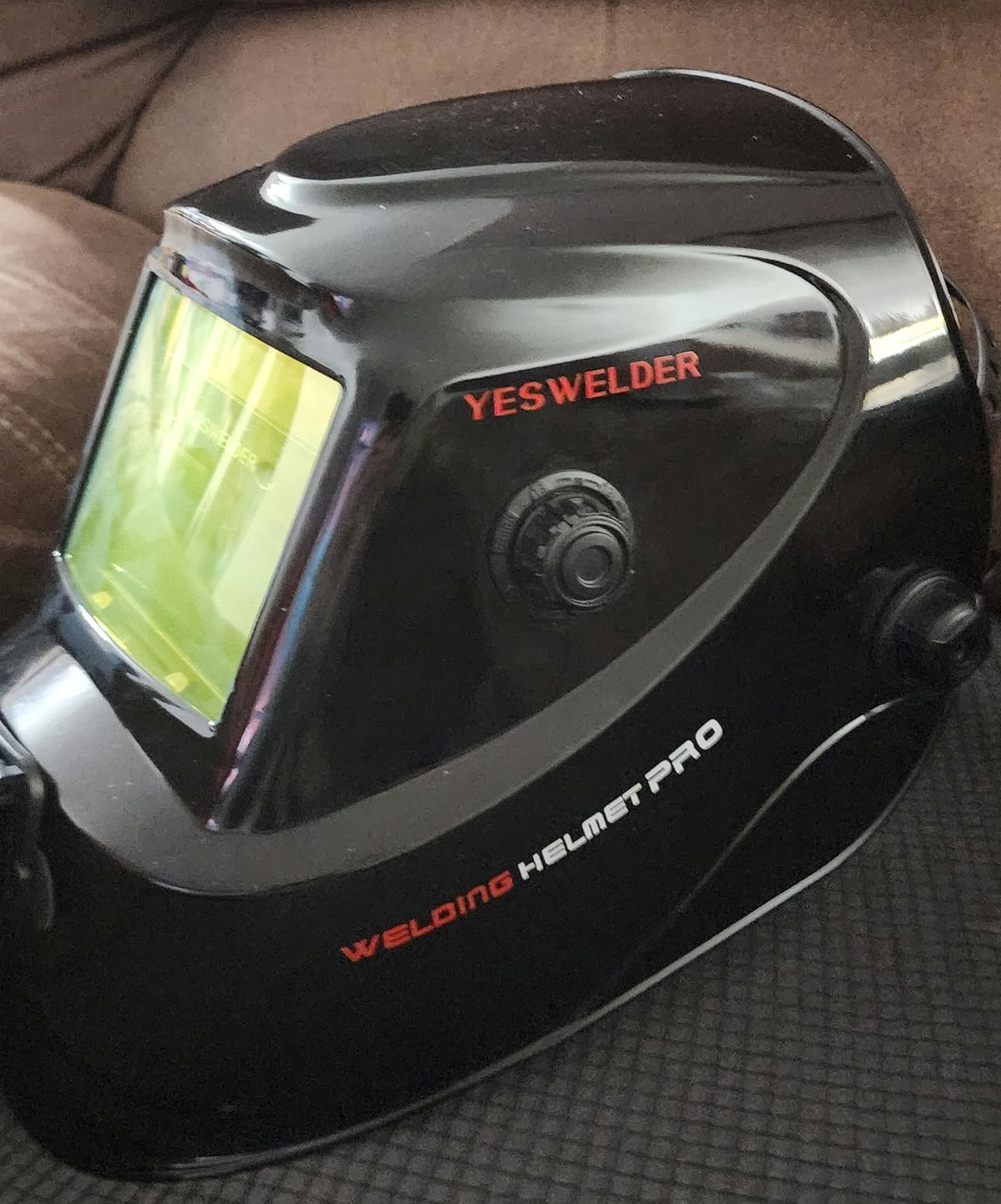
Where it falls short is the view. At 3.64 by 1.67 inches, the window is small next to the panoramic models further down this list, and you will notice it on out-of-position work where you want to see past your own torch. The shell plastic also feels thin, and a few owners have drilled or modified it to fit a different-brand shell. Owners also report that the two-sensor array is the reason low-amp TIG can be finicky, which is the single complaint that shows up most often in welding forums.
Optics and Sensor Count: Where This Helmet Wins and Loses
The lens is the reason to buy this model. A 1/1/1/1 rating is the full-marks EN 379 classification, and only the TRQWH in this group drops below it. Blue light blocking on the outer lens is a genuine add for long sessions. Two sensors is the weak half of the equation, and if your welding position regularly puts your forearm or the workpiece between the arc and the sensor, detection can lag.
Owners who came from a Harbor Freight or Chicago Electric entry hood consistently describe the jump in clarity as the thing that changed how they welded. If you already have a working green-tint hood and want a step change, this is that step.
Who This Helmet Suits Best
This is the pick for a home garage welder doing MIG, stick, and occasional TIG on a budget. The 16-ounce shell is light, the pivot headgear has room under it for a respirator, and the external controls mean you are not fumbling with menu buttons mid-bead. It is also the safest recommendation we can make for a first welding helmet, because a two-sensor failure is annoying rather than dangerous.
Who Should Skip It
Skip it if you weld a lot of thin stainless or aluminum TIG at low amperage, or if you spend your day overhead and out of position. Both jobs reward sensor count and view size, and this model gives you neither in abundance. Full-time fabricators doing eight-hour shifts should also look at the two-year warranty picks further down.
2. YESWELDER LYG-M800H – Best Value Auto-Darkening Welding Helmet Under 200 Dollars
YESWELDER Auto Darkening Welding Helmet, Large View, LYG-M800H
3.93 x 3.66 inch view
4 arc sensors, 1/30000s
1/1/1/1 true color
Shade 3/5-9/9-13
+ Pros
- Large true color viewing area
- 4 sensors handle low amp TIG
- All controls on the shell exterior
- Light and well balanced
- Spare lenses included
– Cons
- Thin flexible shell plastic
- Flip-up tension knobs slip
- Inner lens awkward to change
If the L600A is the sensible answer, this is the smarter one. The viewing window measures 3.93 by 3.66 inches, roughly twice the area of the L600A’s, and four arc sensors give you real detection margin. That combination is the difference between a hood you can work inside and a hood you work around, and it costs only a modest step up.
Shade control runs 3, then 5 through 9, then 9 through 13, across weld, cut, and grind modes, so one helmet covers MIG, stick, flux core, TIG, and cleanup grinding. Switching is 1/30000 second and sensitivity and delay both adjust externally. The lens is cheater-lens compatible, which matters more than it sounds if you need a 2.5 magnification insert for thin-gauge work.
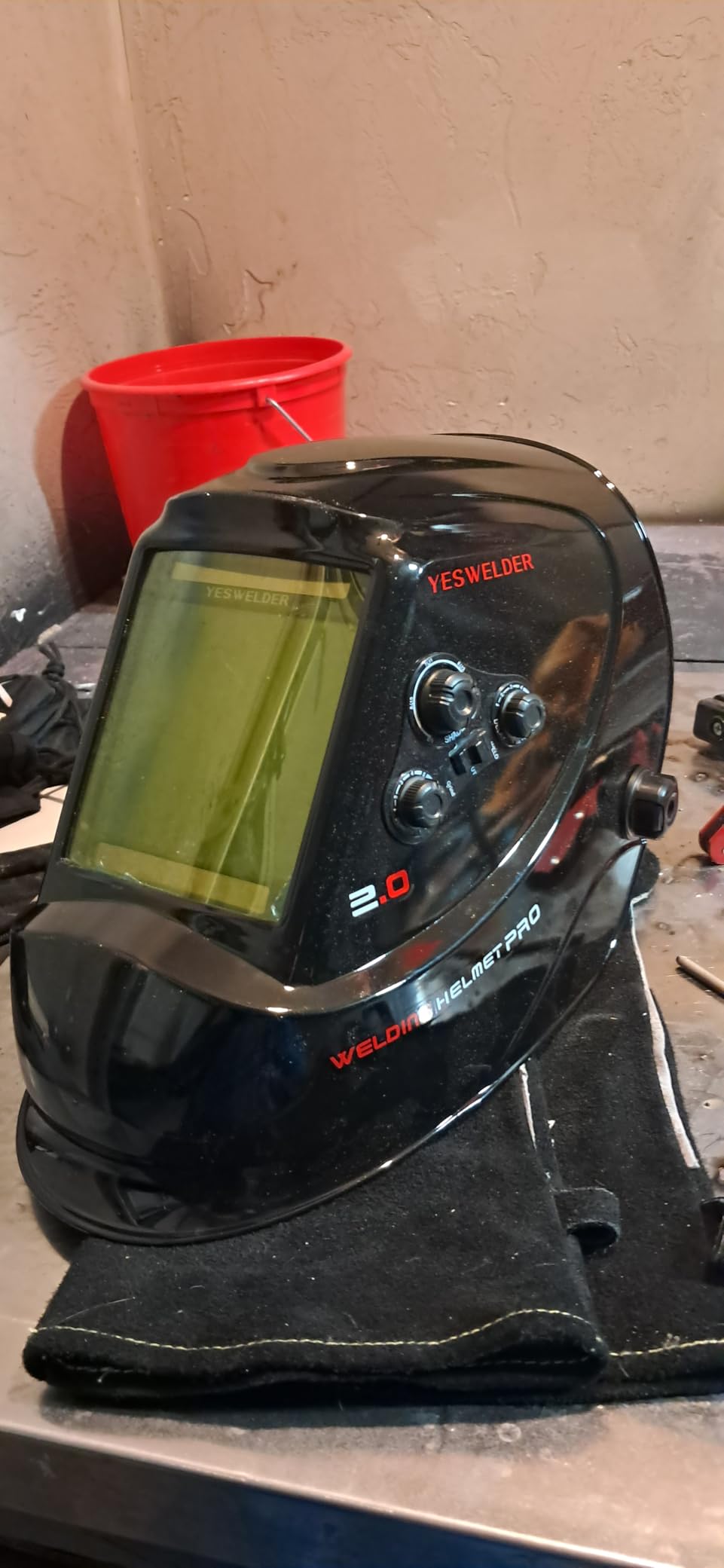
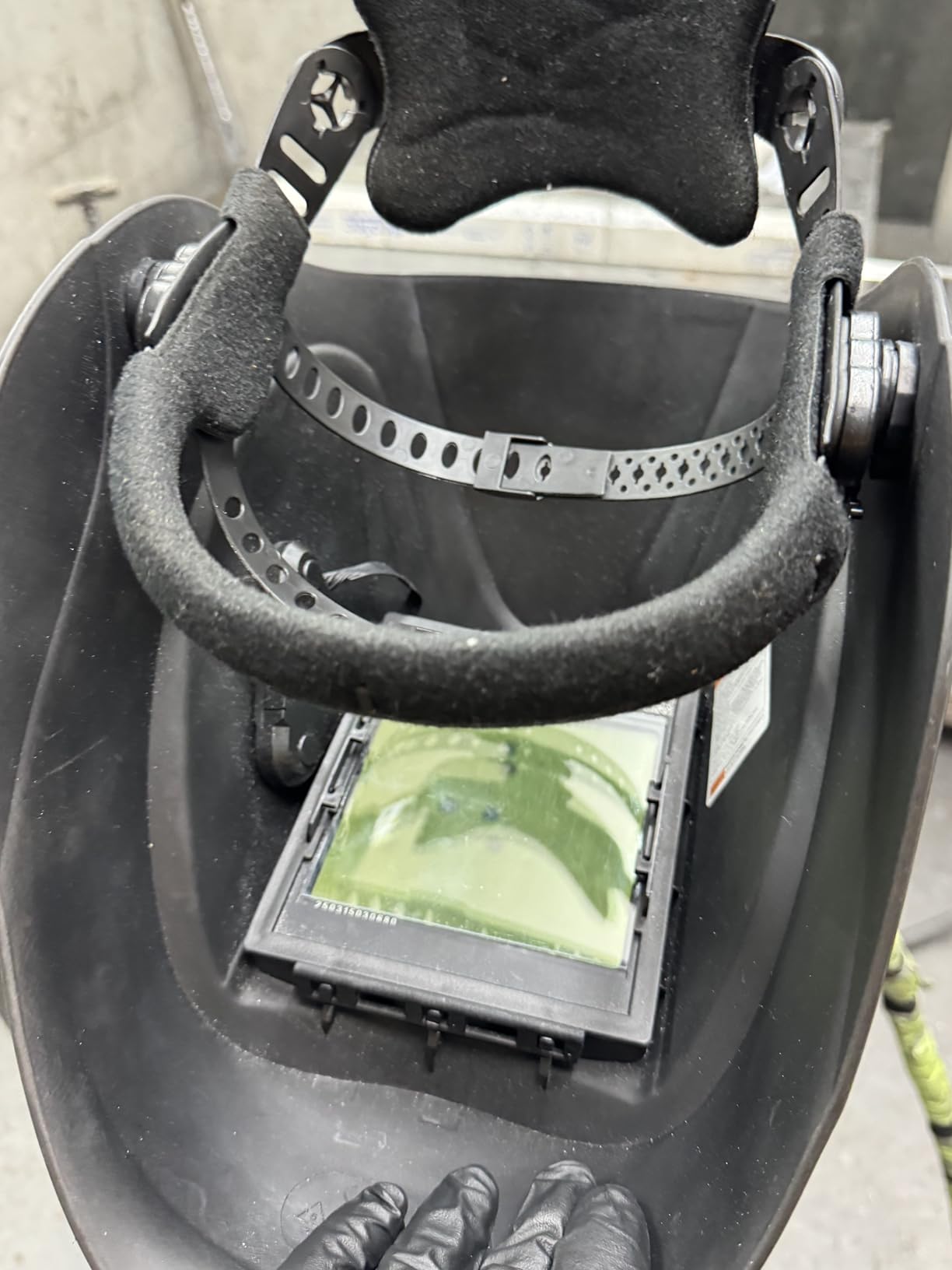
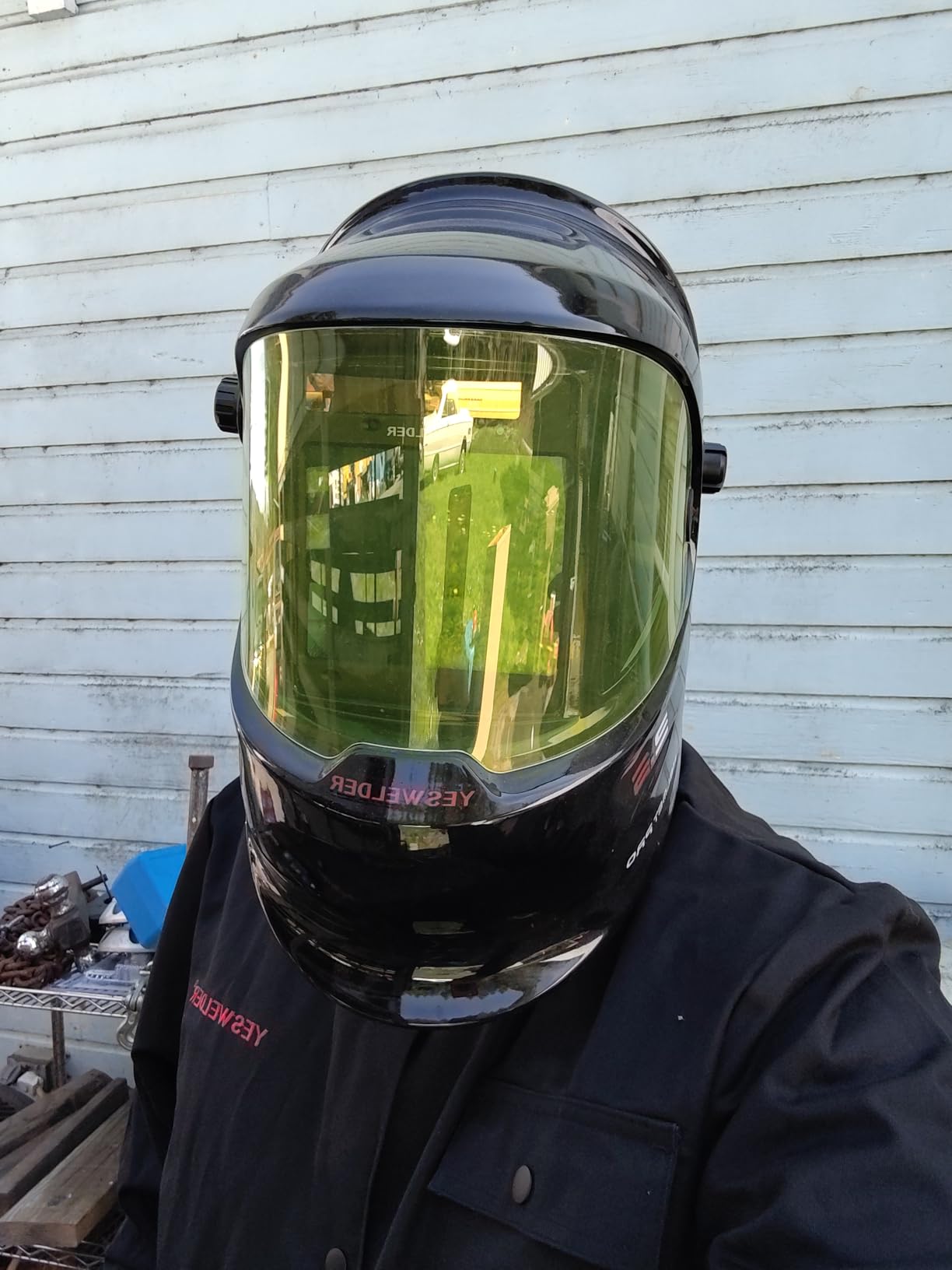
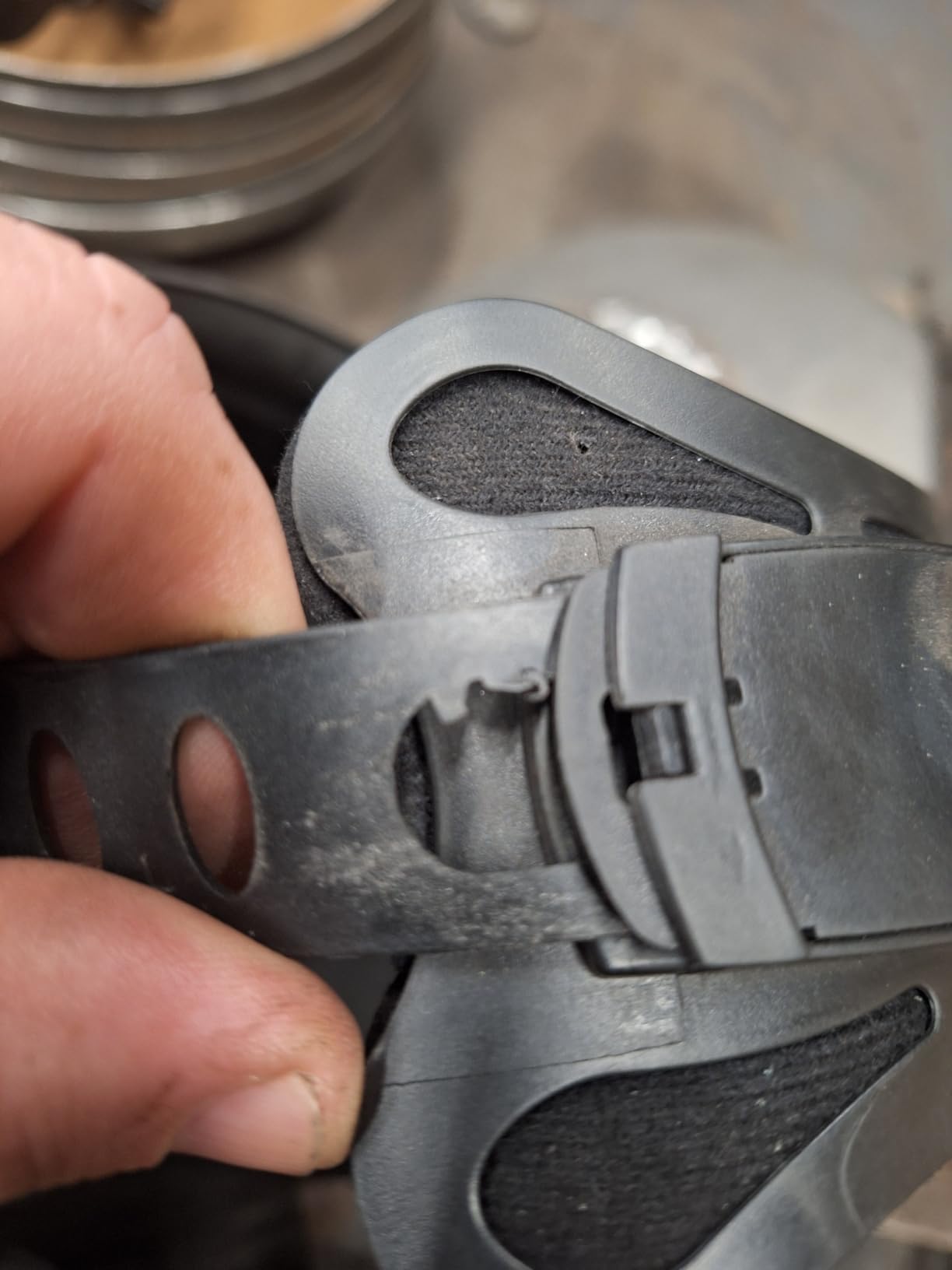
The complaints are consistently about hardware rather than optics. The shell and headband are thin, flexible plastic that feels light duty next to a nylon professional shell. The side knobs that hold the helmet in the flipped-up position feel under-built and slip unless cranked hard, and headgear tension can creep forward when you nod your head. Replacing the inner lens is awkward, and the battery compartment resists opening. One more practical note that catches people out: you cannot test the filter by looking at sunlight, it needs a real arc.
Viewing Area and Low-Amp TIG Detection
This is the model to buy if you are learning TIG. Four sensors with adjustable sensitivity is what allows the lens to catch a thin, low-amperage arc that a two-sensor unit simply misses, and owners of this model specifically call out consistent darkening on low-amp work. The larger window means you can keep your torch angle and still see both ends of the joint, which is exactly what TIG on thin material demands.
Head wear is the trade. Manufacturer copy puts the helmet at about 1.32 lb, and the balance is good, but the tension hardware is the part most likely to need replacing eventually.
Who This Helmet Suits Best
Beginners learning TIG, hobbyists who alternate between MIG and grinding cleanup, and anyone who found a budget hood frustrating because they could not see the joint. Several beginners credit the wide true-color view with a step-change in bead quality, because you can actually see what the torch is doing now.
Who Should Skip It
Skip it if you are hard on gear. Thinner plastic and light flip-up hardware mean this is not the shell for a fabrication shop floor or a truck bed. If parts availability matters to you, read the house-brand section of the buying guide before choosing.
3. YESWELDER LYG-Q800D – Widest Field of View With a Side Window
YESWELDER Auto Darkening Welding Helmet with LED, 180° View, LYG-Q800D
3.94 x 3.23 inch main view plus side view
4 sensors, 1/30000s
Shade 3/5-9/9-13
LED work light
+ Pros
- Panoramic main view plus side window
- Blue light blocking outer lens
- 4 sensors and 1/30000s
- Shade range covers every common process
- Solar plus replaceable lithium cell
– Cons
- Side view is a fixed DIN5 filter
- Heavier shell than smaller models
- Side window crowds a respirator
The Q800D solves a specific problem: seeing your hands and the joint on both sides without turning your head. The main 3.94 by 3.23 inch window is auto-darkening, and there is an additional side view that brings the total coverage to roughly 180 degrees. For a hobbyist working a tight bench in a garage, that peripheral window is worth more than a slightly larger front window.
Everything else follows the same recipe as the rest of the YESWELDER line. Four arc sensors, 1/30000 second switching, 1/1/1/1 true color, and a 3/5-9/9-13 shade range covering TIG, MIG, MMA, cut, and grind. A blue light blocking outer lens is included, three replacement lenses ship in the box, and a rechargeable LED work light is mounted on top for low-light work.
The catch is that the side window is a fixed DIN5 filter. It does not react to arc light, so it is a permanent dark band at the edge of your vision during a weld. Buyers who expected a second auto-darkening panel are disappointed. The listed weight is also 2.2 lb, heavier than the smaller-view models in this group, and the extra side panel crowds the interior if you wear a respirator or glasses.
What the Side Window Actually Does
Think of it as a permanent medium-dark tint on the periphery. During grinding it is useful, since it stays clear for your peripheral view. During a vertical weld it gives you awareness of the torch hand and the far end of the joint without moving your head, which reduces neck strain on long overhead runs.
Just do not expect it to protect or darken. It is a fixed filter, and you should treat the main auto-darkening window as your only arc protection.
Who This Helmet Suits Best
Garage hobbyists doing occasional weekend projects where the work area is small, and anyone welding out of position who wants peripheral awareness. The top LED also helps when you are working somewhere with no shop lighting.
Who Should Skip It
Skip it if you wear a full-face respirator or prescription glasses and need every millimeter of interior clearance, or if the fixed side filter bothers you. Anyone who needs a lightweight helmet for long shifts should look at the Lincoln Electric model further down.
4. TOOLIOM TL-M800D – Best Shade Control for Multi-Process Work
TOOLIOM True Color Auto Darkening Welding Helmet with Large View
3.94 x 3.27 inch view, 12.9 sq inch
4 arc sensors
1/1/1/1 true color
Three dedicated shade modes
+ Pros
- Large 12.9 sq inch true color view
- Separate weld cut and grind shade modes
- Delay and sensitivity adjustment
- Light 0.58 kg shell
- Spare battery and inner lens included
– Cons
- Listed to ANSI Z89.1 not Z87.1
- Smaller brand with less long-term feedback
- Basic plastic headgear
- No published switch time
The TL-M800D does the shade selection the way an experienced welder would want it, with three clearly separated bands rather than one continuous dial. Shade 9 through 13 for welding, 5 through 9 for cutting, and 3.0 for grinding, and delay and sensitivity both adjust. That explicit grind mode is the marker forum users treat as the difference between a real helmet and a toy, because you cannot accidentally darken the lens while finishing a weld.
Optically it holds its own against higher-priced shells. The 3.94 by 3.27 inch window works out to 12.9 square inches with 1/1/1/1 true color classification, and four arc sensors handle detection. The shell weighs 0.58 kg, which keeps it comfortable, and the box includes a replaceable battery, two outer lenses, and an inner lens.
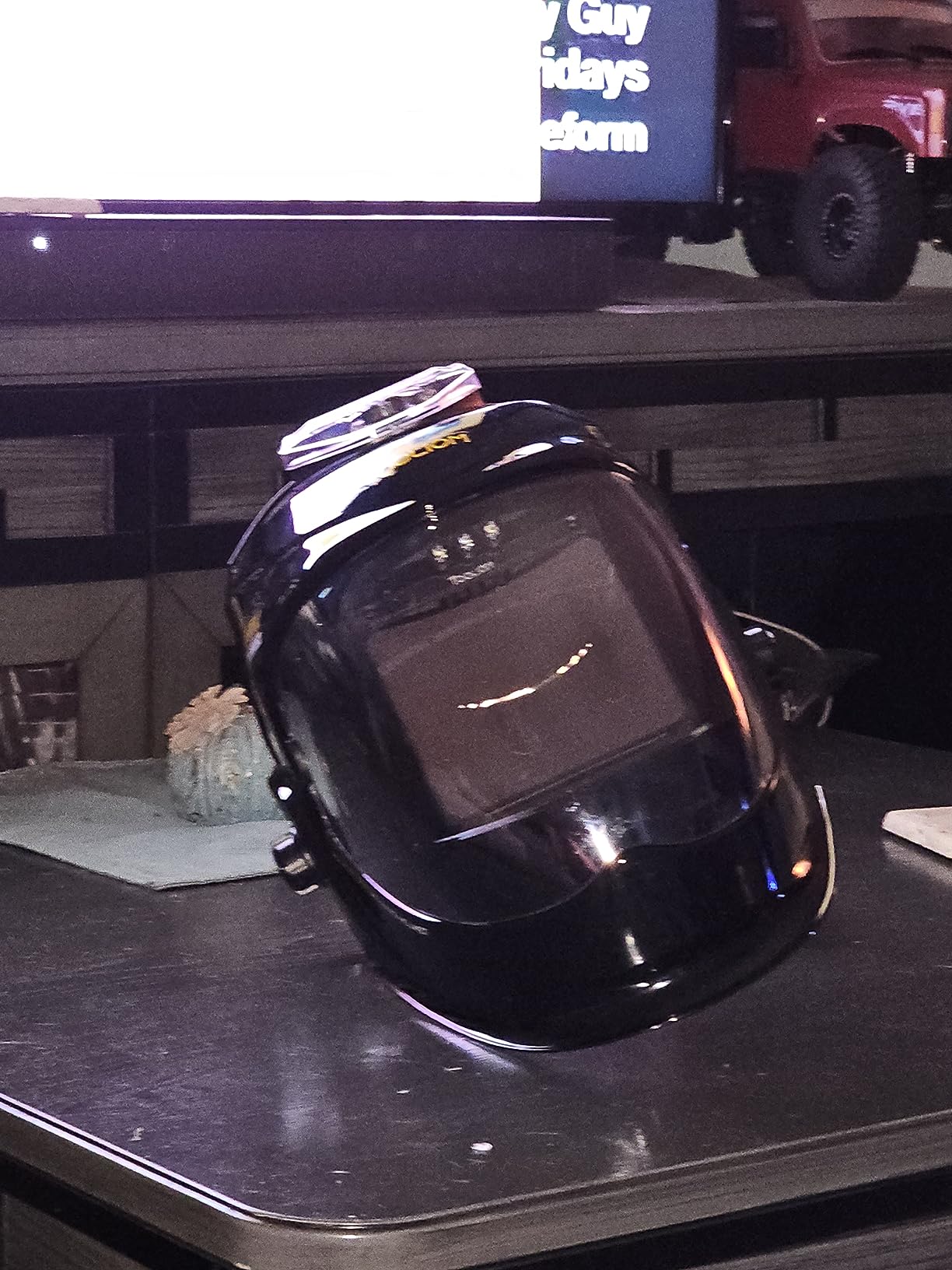
Two honest limitations. The listing cites ANSI Z89.1, which is the personal eye-protection industrial standard, rather than the Z87.1 welding standard most helmets in this group carry, so check the marking on the physical lens before relying on it for regulated work. And with roughly 1,470 reviews on a lesser-known brand, you get far less long-term durability feedback than the YESWELDER listings, which is a real drawback when you are buying a tool you hope lasts years.
Reading the Three-Mode Shade Layout
Separate modes reduce the chance of a mistake at the worst possible moment. Grinding at weld shade means you cannot see your work; welding at cut shade means the lens is under-shade for the arc. Having 3.0, 5 through 9, and 9 through 13 as distinct settings takes that decision away from you, which is genuinely useful if you are new to multi-process work.
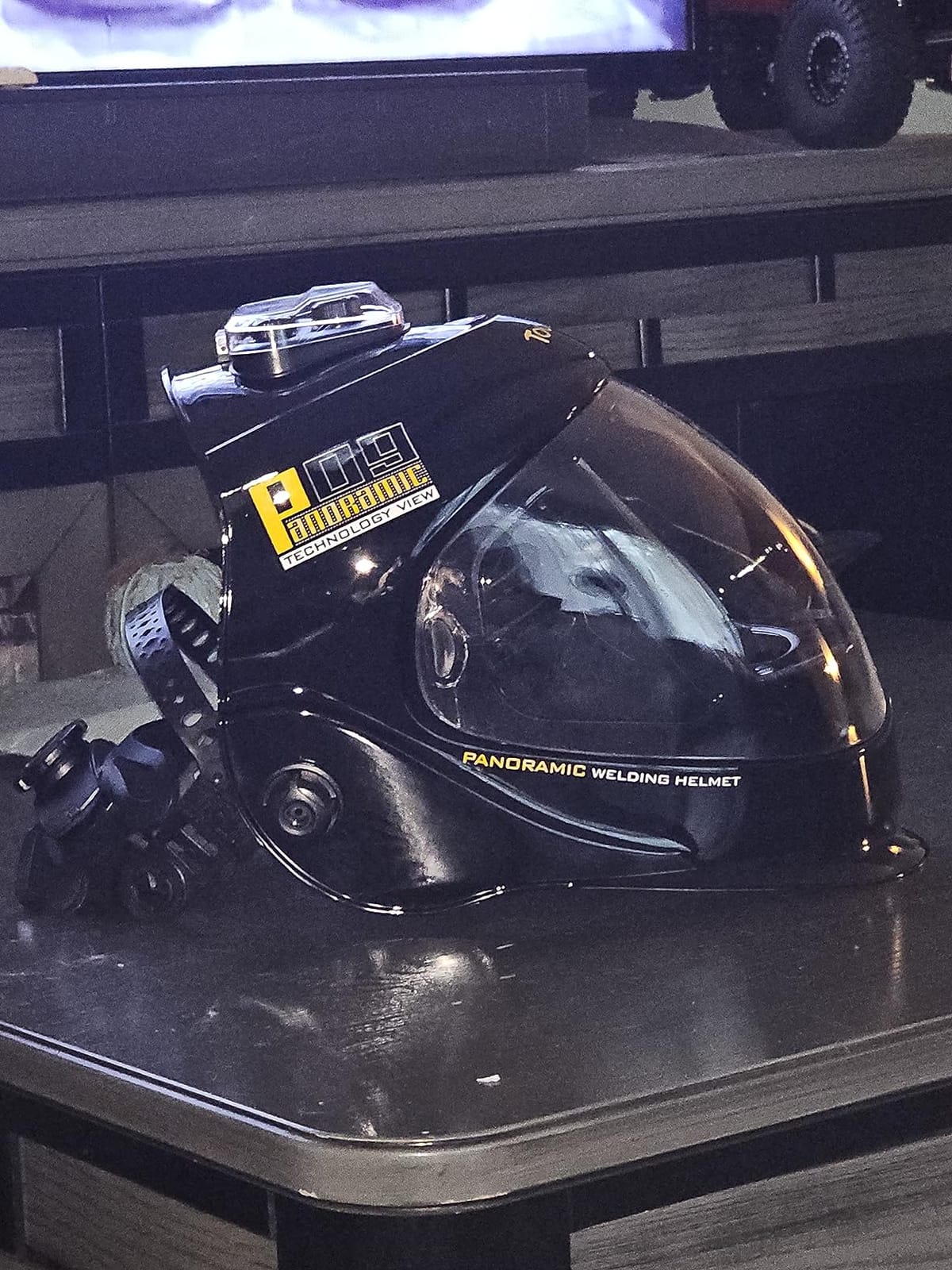
Who This Helmet Suits Best
Multi-process hobbyists who weld, cut, and grind in the same session, and anyone who wants true color at a mid-tier price. The light shell and adjustable delay both help on longer days.
Who Should Skip It
Skip it if you need a documented warranty, because none is published, or if you are buying for professional work where the certification marking must be unambiguous. Its thinner long-term record also makes it a less confident recommendation for daily shop use.
5. TRQWH KTS-JD03 – Best Helmet for Dim Shop and Night Work
TRQWH Welding Hood Auto Darkening Welding Helmet with Light True Color
USB rechargeable top LED
1/1/1/2 optical clarity
1/20000s switch
Solar plus lithium dual power
+ Pros
- Rechargeable LED with two brightness modes
- External grind button
- Comfortable through full shifts
- Dual power system
- Clear viewing window owners rate highly
– Cons
- Only a 30 day warranty
- Brittle plastic shell
- Head strap loosens over time
- 1/1/1/2 is a step below 1/1/1/1
Every welding helmet in this guide solves for darkness during an arc. This one also solves for darkness before and after, with a USB rechargeable LED mounted on top of the shell and two brightness modes, one concentrated and one wider. For repairs in a dim shop, field work at night, or a garage with one bad work light, that lamp is the feature you will use most and the reason owners keep coming back.
The filter itself is 1/1/1/2, one step below the full-marks 1/1/1/1 lenses used by the YESWELDER models, and it switches in 1/20000 second rather than 1/30000. It is listed to ANSI Z87.1, EN 379 CE, and CSA Z94.3, and it claims resistance to 99 percent of harmful arc light through a double liquid crystal layer and optical coating stack. Sensitivity, delay, and an external grind button are all reachable with gloves on, and the DIN4 light state keeps the unlit view usable.
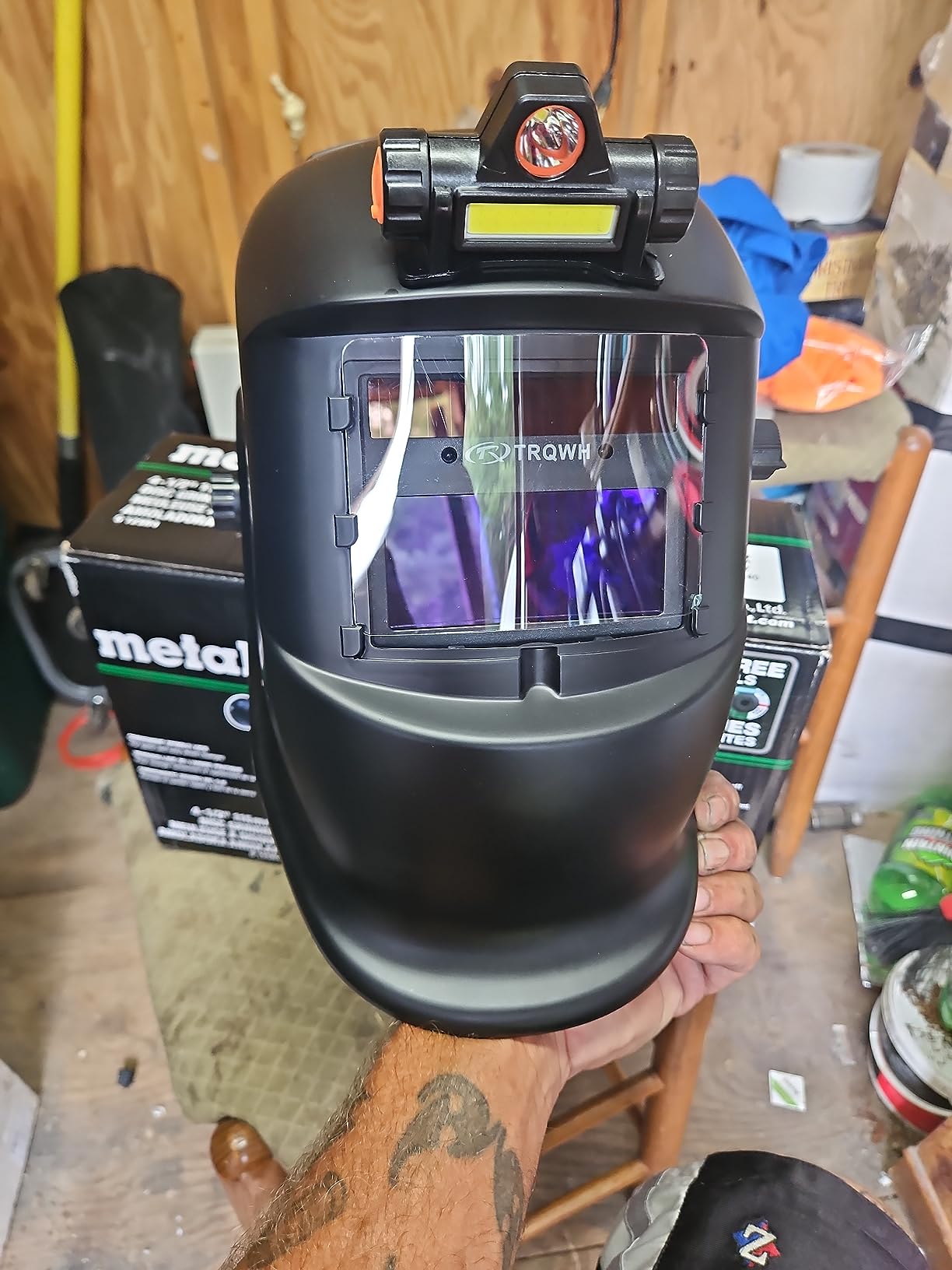
The warranty is 30 days, and that is the headline drawback here, since it is the shortest in the group by a wide margin. The plastic shell is described as brittle and can crack if dropped, the head strap tends to loosen during use, and the lamp battery is a supplemental light rather than a primary one. A small number of reviewers also report the strap needing a retighten every session.
What the 30-Day Warranty Means for You
It means the first month is your entire return window in practice. Test the sensors, the lamp, and the headgear properly before the clock runs out, because after that you are relying on general consumer return policy rather than a manufacturer commitment. For a welder who wants a documented two years of coverage, the Hobart models make more sense even though they sit at the top of this price band.
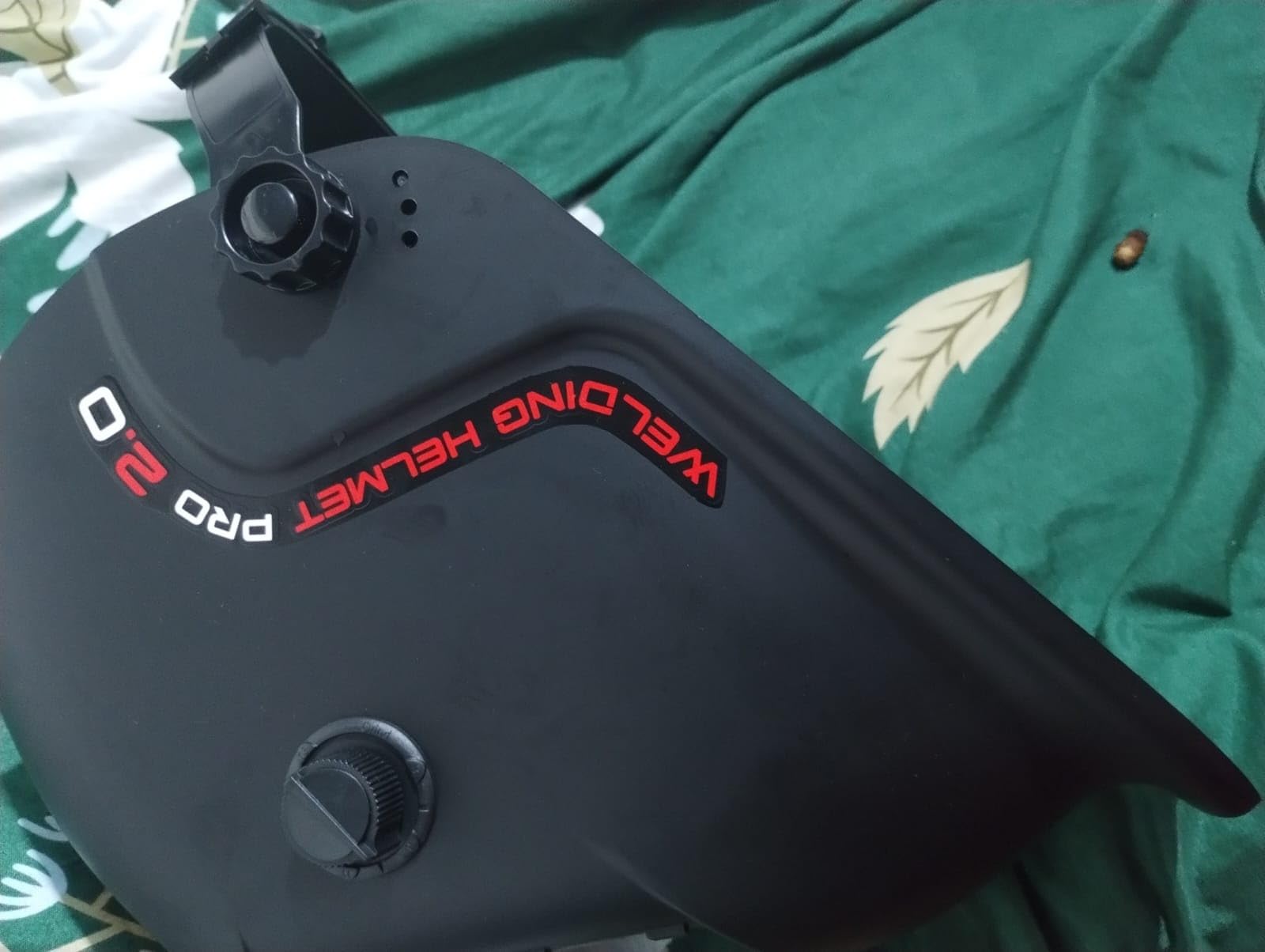
Who This Helmet Suits Best
Anyone welding in low light, doing field repair work, or finishing a job after dark. Owners report daily use for months without failures, and the 76 percent five-star share is the highest in our group. Dual solar and lithium power also means it keeps working through long sessions.
Who Should Skip It
Skip it if you need a warranty you can lean on, if you work somewhere gear gets knocked around, or if you want the very best optical class and will accept a smaller view. For the strictest lens specification, the LYG-L600A is the better buy.
6. Hobart 770890 – Best Warranty Coverage in the Group
Hobart 770890 Auto-Darkening Welding Helmet, Large, Black
9.3 sq inch widescreen view
4 independent arc sensors
Analog shade sensitivity delay
2 year warranty
+ Pros
- 2 year manufacturer warranty
- 9.3 sq inch PureColor view
- 4 independent arc sensors
- Light 1.25 lb shell
- Protective lens kit included
– Cons
- Analog knobs lack digital precision
- No solar backup on a single CR2 cell
- No integrated work light
- Priced above the rest of the budget tier
Forum threads about budget helmets keep landing on the same question, which is whether it is worth paying for a real brand. This is the clearest yes in the group. The Hobart 770890 carries a limited two-year manufacturer warranty, and no other helmet on this list publishes anything close, and it includes a protective lens kit in the box. With 83 percent of its ratings at five stars, owners are broadly happy with what they got.
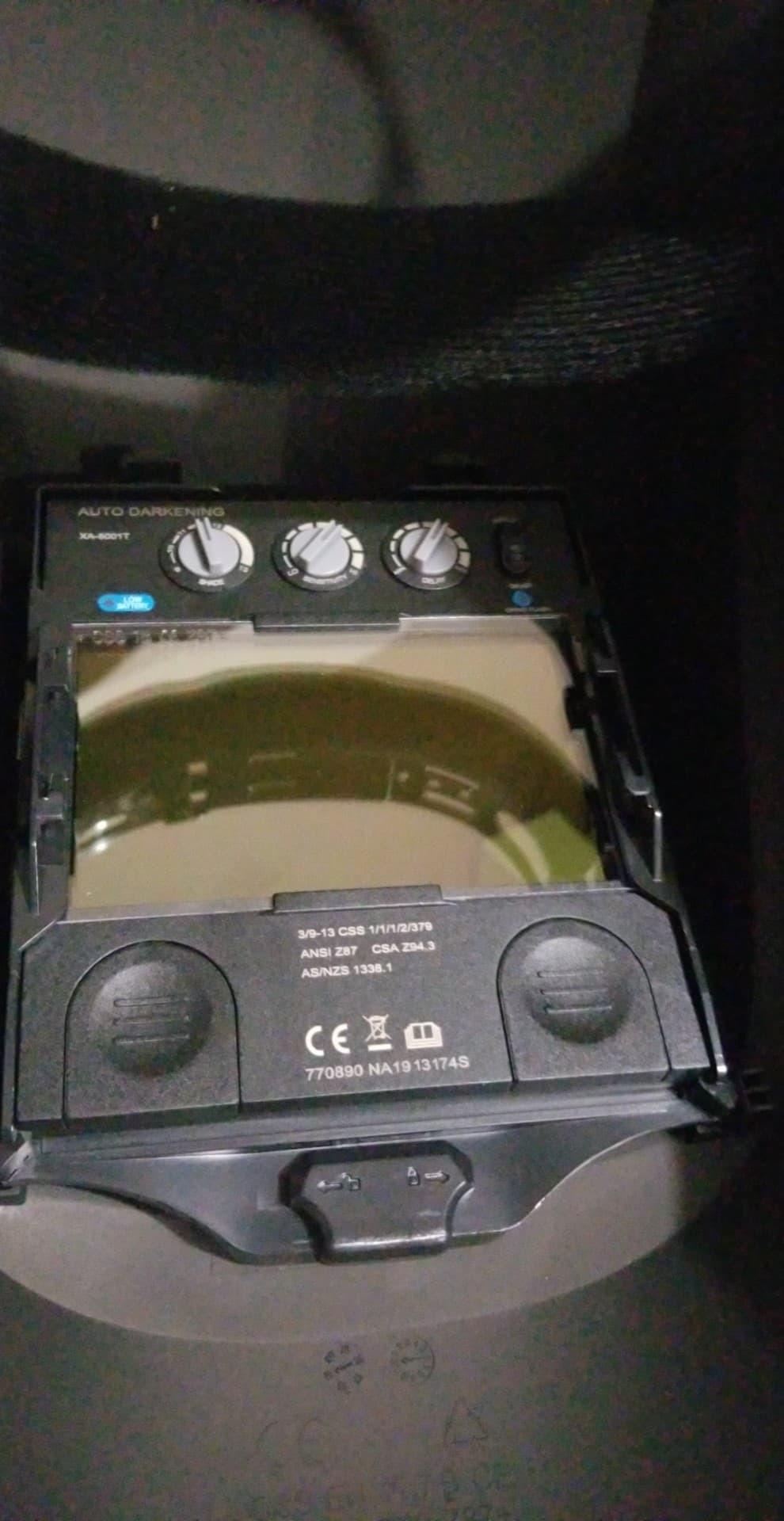
The Hobart 770890 pairs PureColor lens technology with four independent arc sensors for detection, a polyamide nylon shell at 1.25 lb, and shade, sensitivity, and delay all on analog knobs. Switching to grind mode is a single button, so the lens stays clear for cleanup.
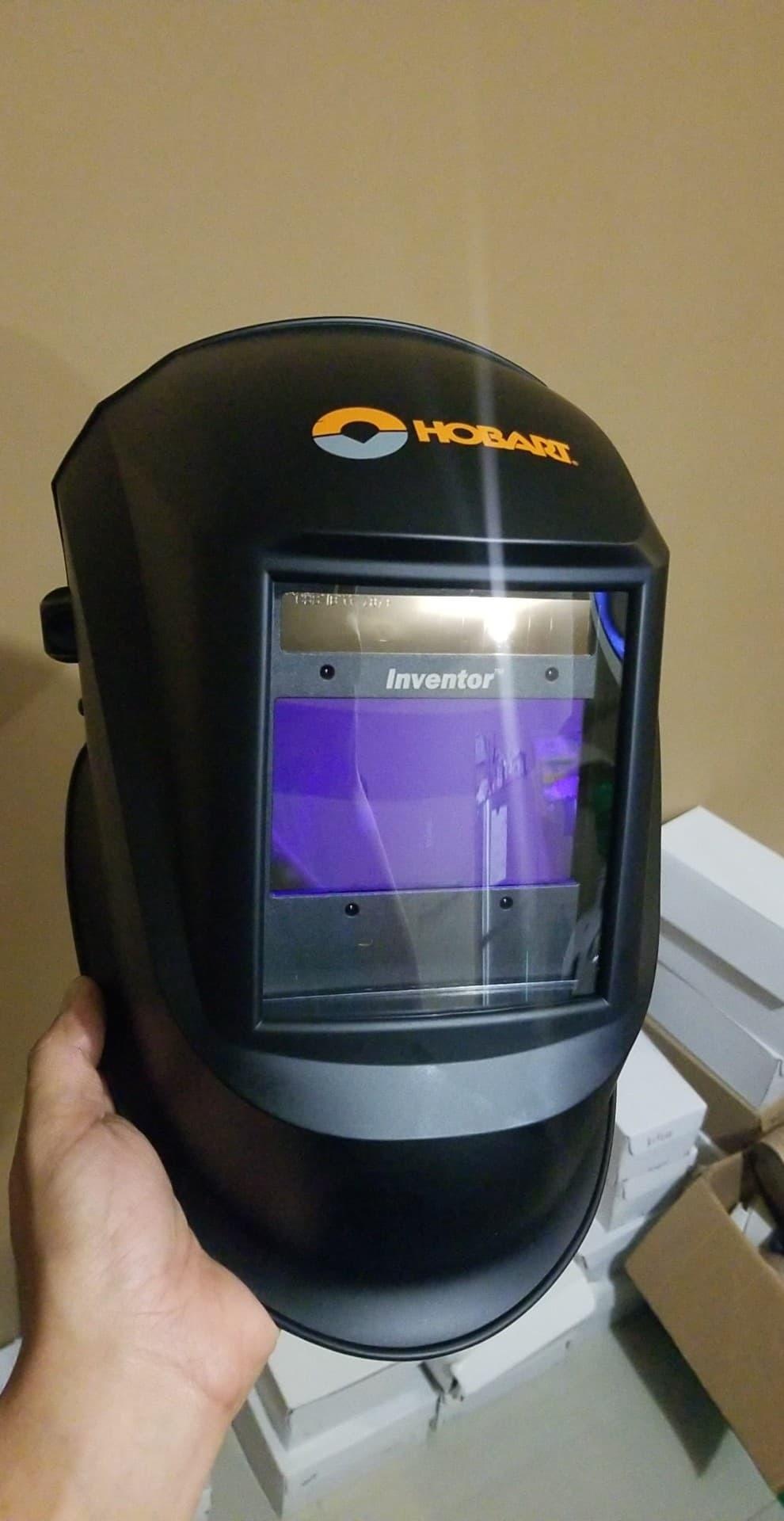
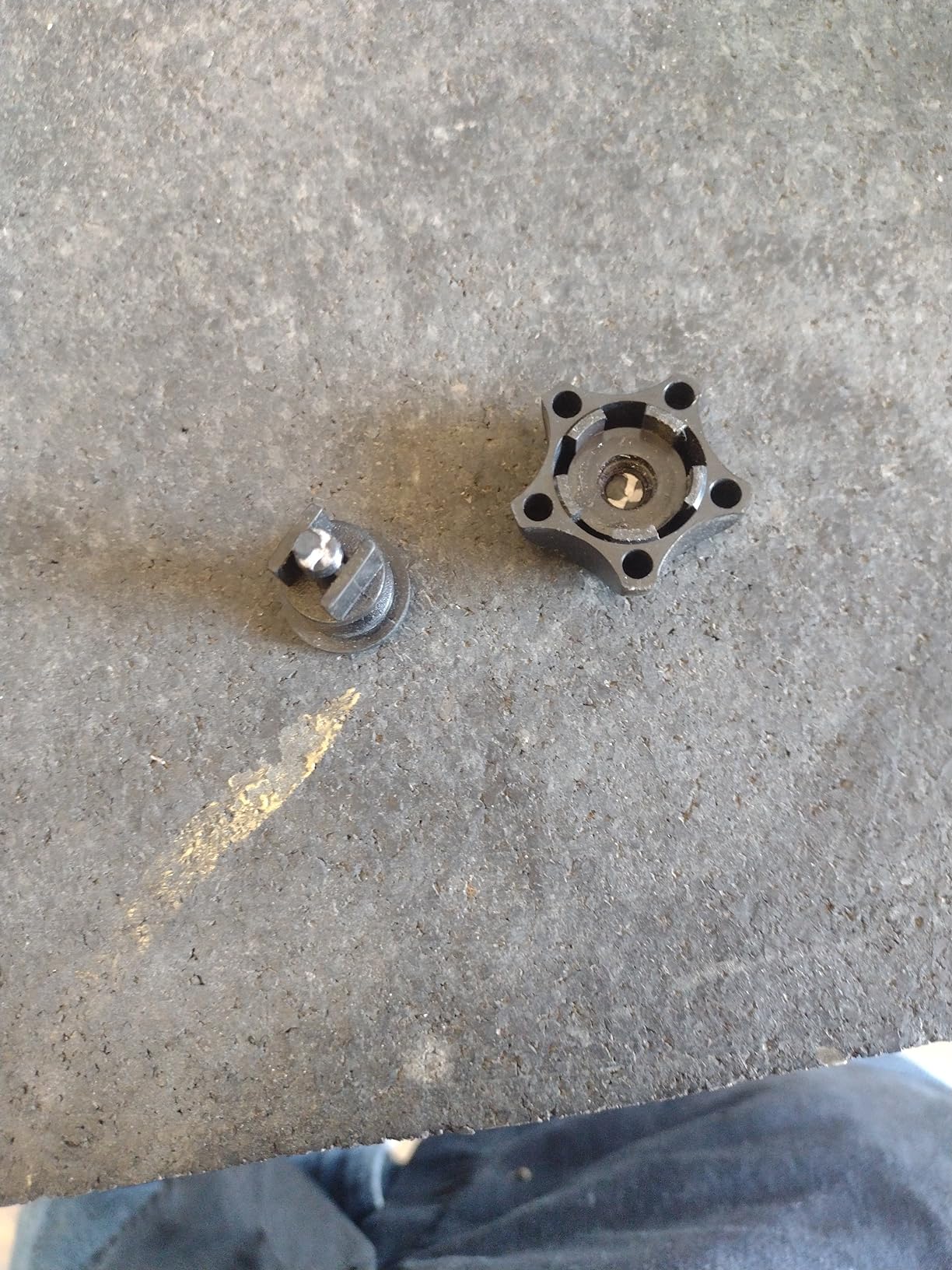
The trade-offs are honest ones. Analog knobs are coarse next to a digital menu, and while you can dial in a setting, you cannot save two profiles and switch between them. It runs on a single CR2 lithium cell with no solar panel, so a dead battery means no arc detection until you replace it. There is no integrated work light either. And this model sits at the top of our price range without adding true color or blue light blocking claims to justify the gap.
Why Two Years of Warranty Changes the Math
A cover lens is a consumable you will replace several times a year. What you cannot cheaply replace is the sensor array or the control electronics, and a two-year warranty means the manufacturer stands behind those. If you weld daily, that coverage is worth more to you than a slightly larger screen or a lamp, and it is the reason working welders on the forums keep recommending Hobart by name.
Who This Helmet Suits Best
Welders who already own Hobart machines and want the support network to match, anyone welding full shifts who needs the shell to survive, and buyers who will keep the helmet for years rather than months. The 9.3 square inch view also suits anyone with small visual motor tasks, like tacking or checking fit-up.
Who Should Skip It
Skip it if you work outdoors without a battery spare, if you need a work light, or if you want per-process memory presets. The Hobart 770869 below is the alternative to weigh if you do not need the larger view.
7. Hobart 770869 – Rated Highest by Owners in the Group
Hobart 770869 Auto-Darkening Welding Helmet Large
7.1 sq inch widescreen view
3 independent arc sensors
Grind mode
2 year warranty
+ Pros
- Highest average rating in the group
- 2 year manufacturer warranty
- Light 1.2 lb nylon shell
- Grind mode keeps the lens clear
- Protective lens kit included
– Cons
- Only 3 arc sensors
- 7.1 sq inch view is smaller than the Hobart 770890
- Smallest review base among the name-brand picks
This helmet carries the highest average owner rating of anything we tested, at 4.8 across 442 reviews, with 85 percent of those ratings at five stars. The polyamide nylon shell is 1.2 lb, the largest size fits most adult heads, and the limited two-year manufacturer warranty is the same coverage the larger Hobart offers. If you are buying on reputation and support rather than on specifications, this is the safest name-brand choice in the bracket.
Grind mode keeps the lens from darkening so you can see your work during cleanup, and the package includes a protective lens kit. The widescreen format is designed to improve peripheral visibility relative to a standard rectangular window, which helps when you are tracking both hands.
Three independent arc sensors is the fewest of any premium model here, and that matters more than the rating suggests. A third sensor means less margin when your head position or the workpiece partially blocks the arc, and forum users consistently treat sensor count as the practical measure of detection reliability. The 7.1 square inch view is also smaller than the 9.3 square inch window on the other Hobart in this guide, at broadly the same money, so the spec sheet favors that model.
Sensor Count Versus Screen Size
This is the classic trade. You can have the bigger window with four sensors, or the smaller window with three, and at these prices the bigger window with more sensors is the stronger engineering choice. What you give up is nothing on warranty or shell material, which is why we rank it below the 770890 despite the higher owner rating.
Who This Helmet Suits Best
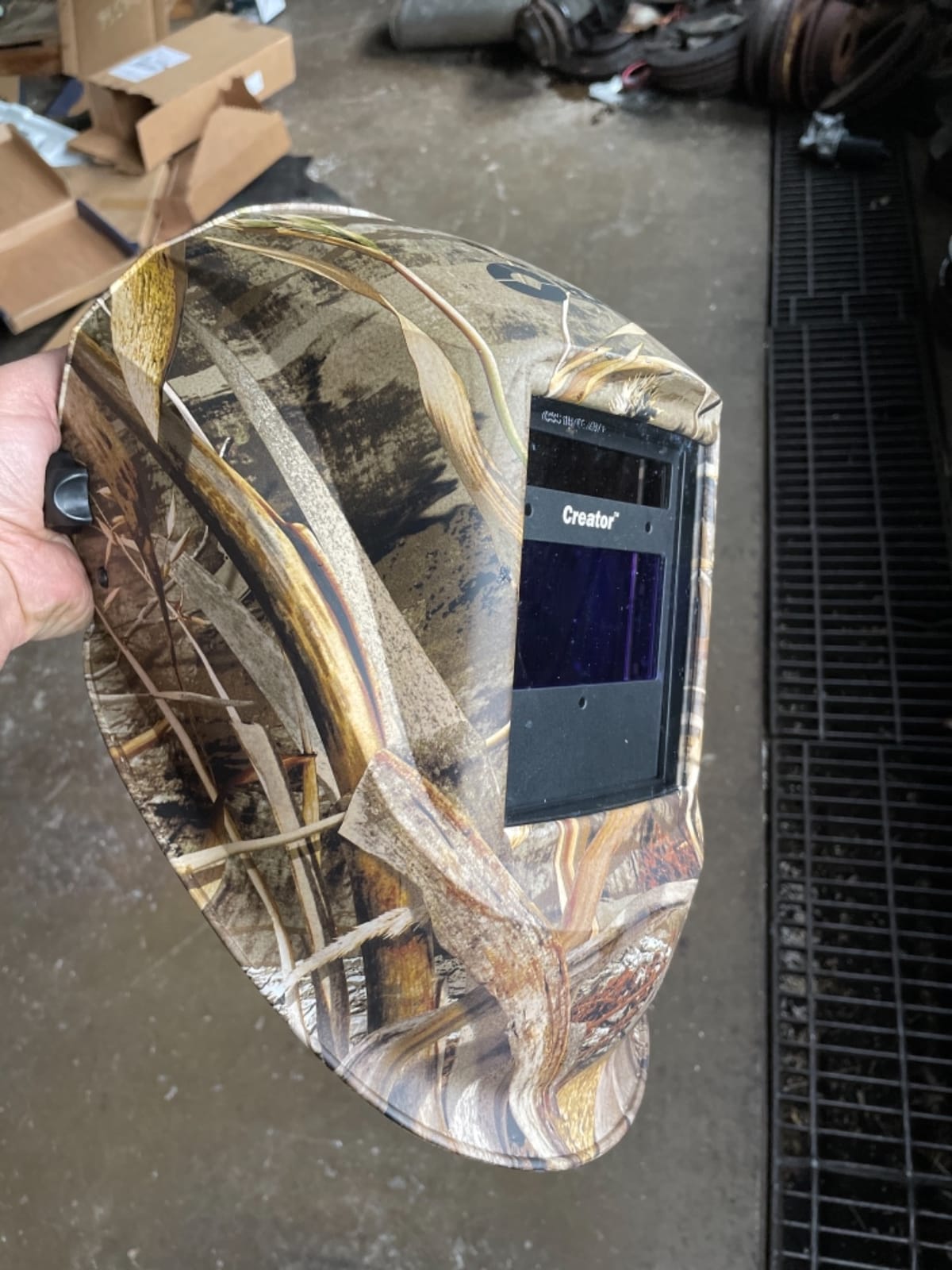
Beginners who want a reputable brand name on their head and value a warranty over raw specs, and anyone who mostly MIGs and stick welds on heavier material where detection is never in question. The camouflage shell is a cosmetic detail, but some buyers like that it does not look like every other black helmet in the shop.
Who Should Skip It
Skip it if you weld a lot of low-amp TIG, work overhead, or are in bright sunlight where you need maximum sensor coverage. Anyone with tight work clearance should also consider the larger-view option instead.
8. Sunstac SS-A800D – Best Budget Helmet With a Swivel Work Light
Sunstac Auto-Darkening Welding Helmet 3.94 x 3.27″ View with Light
3.94 x 3.27 inch view
4 arc sensors, 1/30000s
Shade 4/5-9/9-13
Rechargeable swivel work light
+ Pros
- Large true color view at a low price
- Swivel rechargeable work light
- Wide shade range covering plasma and grinding
- Padded interior holds well
- Cheater lens compatible
– Cons
- Solar panel does not recharge the cell
- Battery is hard to access
- Delicate side tension buttons
- Deep shell crowds glasses
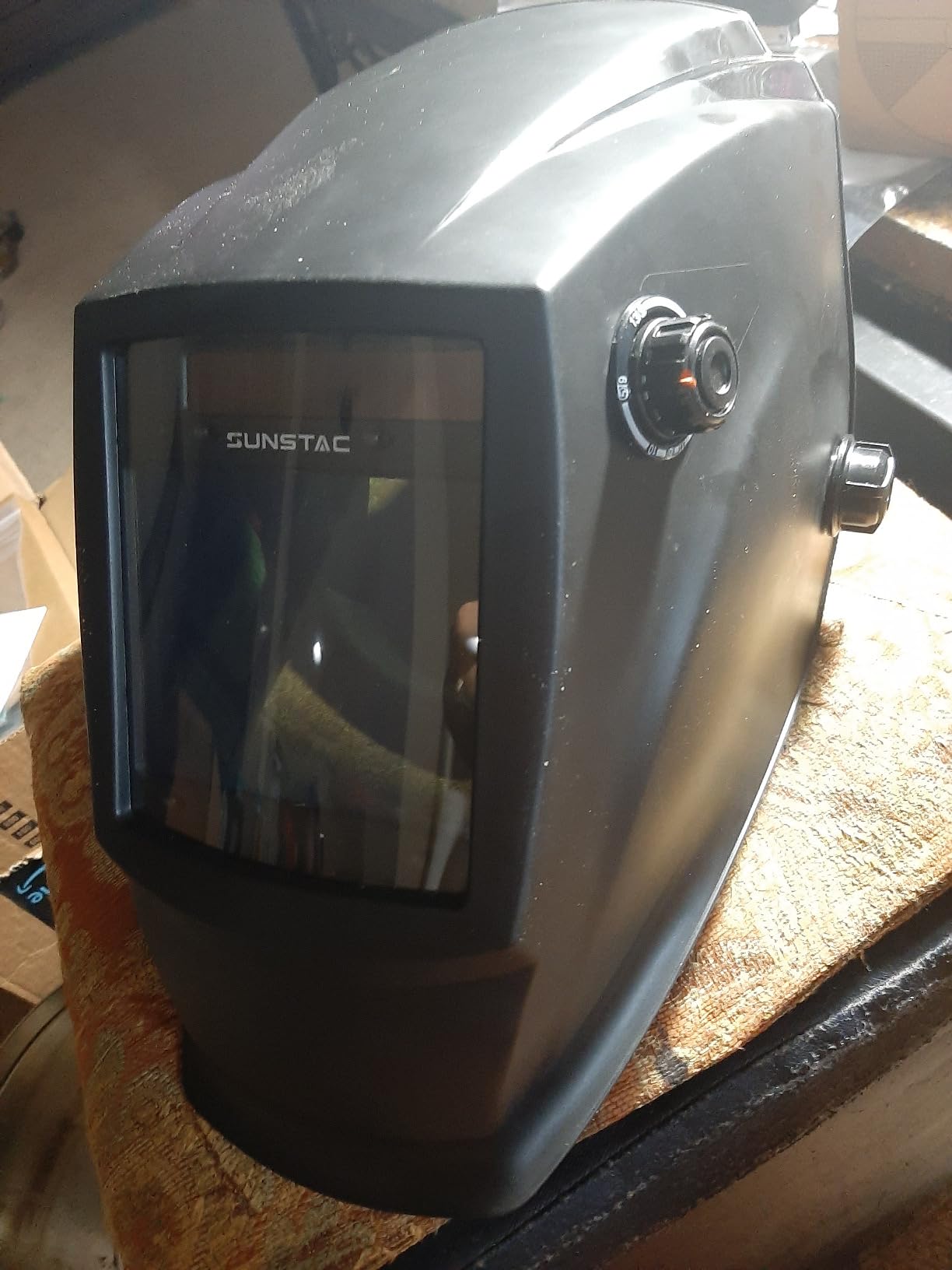
The Sunstac packs the widest process coverage in the cheaper half of this list. You get a 3.94 by 3.27 inch view with 1/1/1/1 true color, four arc sensors, and 1/30000 second darkening, and the shade range runs 4, then 5 through 9, then 9 through 13, covering stick, TIG, MIG, cut, MMA, plasma, and grinding. Being the only model here rated for plasma cutting is genuinely rare at this money.
The auxiliary work light is rechargeable, has two modes for a concentrated beam versus a wider pool, and swivels so you can aim it at the joint. The interior is padded and the headband has multiple adjustment points, and cheater lenses are supported for vision correction, though the insert is a separate purchase. One owner who upgraded from a Hobart self-darkening helmet reports a dramatic clarity improvement.
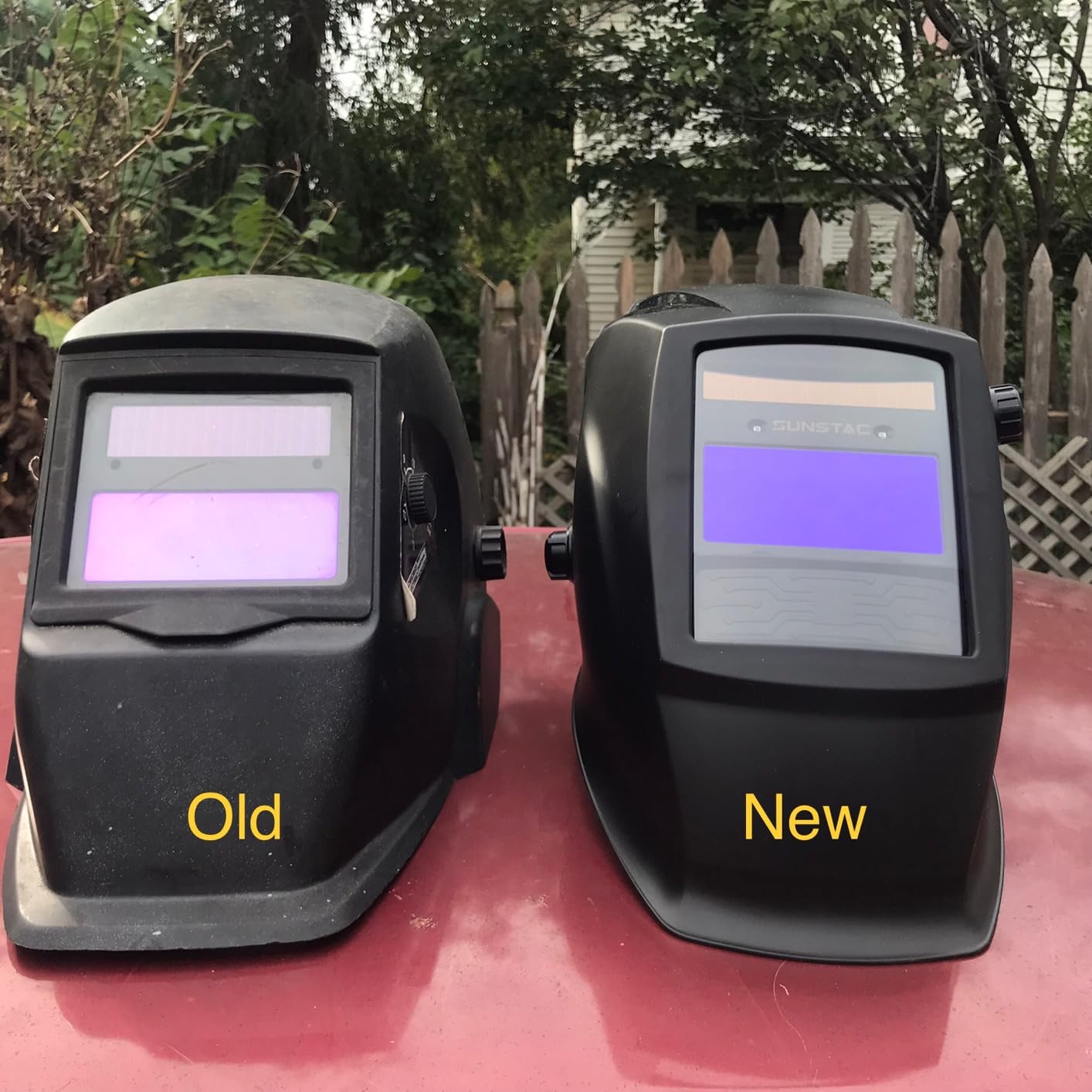
The honest flaw is the power system. The solar panel supplements the lithium cell rather than recharging it, so the lamp and the filter share one battery that you cannot easily reach for replacement. Side tension buttons feel delicate and the helmet can flop down if you do not overtighten them. The shell is deep, which crowds glasses on smaller heads, and several buyers pair it with an external light for low-light work rather than relying on the built-in one.
Reading the Shade 4/5-9/9-13 Layout
That leading 4 is a grind setting, and it is wider than the shade 3 grind mode several competitors use. It matters if you do a lot of grinding cleanup, because a lighter grind shade means a clearer view of your work. The 5 through 9 band covers cutting and the 9 through 13 band covers welding from light MIG up through heavy stick work.
Who This Helmet Suits Best
New welders working out of a small budget who want the widest process coverage available at this money, plus anyone doing plasma cutting or grinding cleanup alongside welding. The padded interior also makes it a decent pick for all-day wear.
Who Should Skip It
Skip it if you cannot access a replacement battery when it dies, or if you wear glasses and need a shallow shell. For a more replaceable and serviceable design at a similar spec level, the LYG-M800H is the safer bet.
9. ESAB Savage A40 – Best for Low-Amp TIG and Long-Term Ownership
ESAB 0700000480 Black Savage A40 Welding Helmet
True color auto-darkening lens
4 arc sensors
Sensitivity and delay controls
External grind button
+ Pros
- True color clarity owners call HD quality
- About 1 lb so it stays easy on the head
- External grind button works with gloves
- 4 sensors plus sensitivity for low amp TIG
- Multi year owners report no failures
– Cons
- Shade knob sits on the upper left exterior
- Viewing area smaller than flagship rivals
- Battery drains slowly in storage
- Some report double vision with a cheater lens
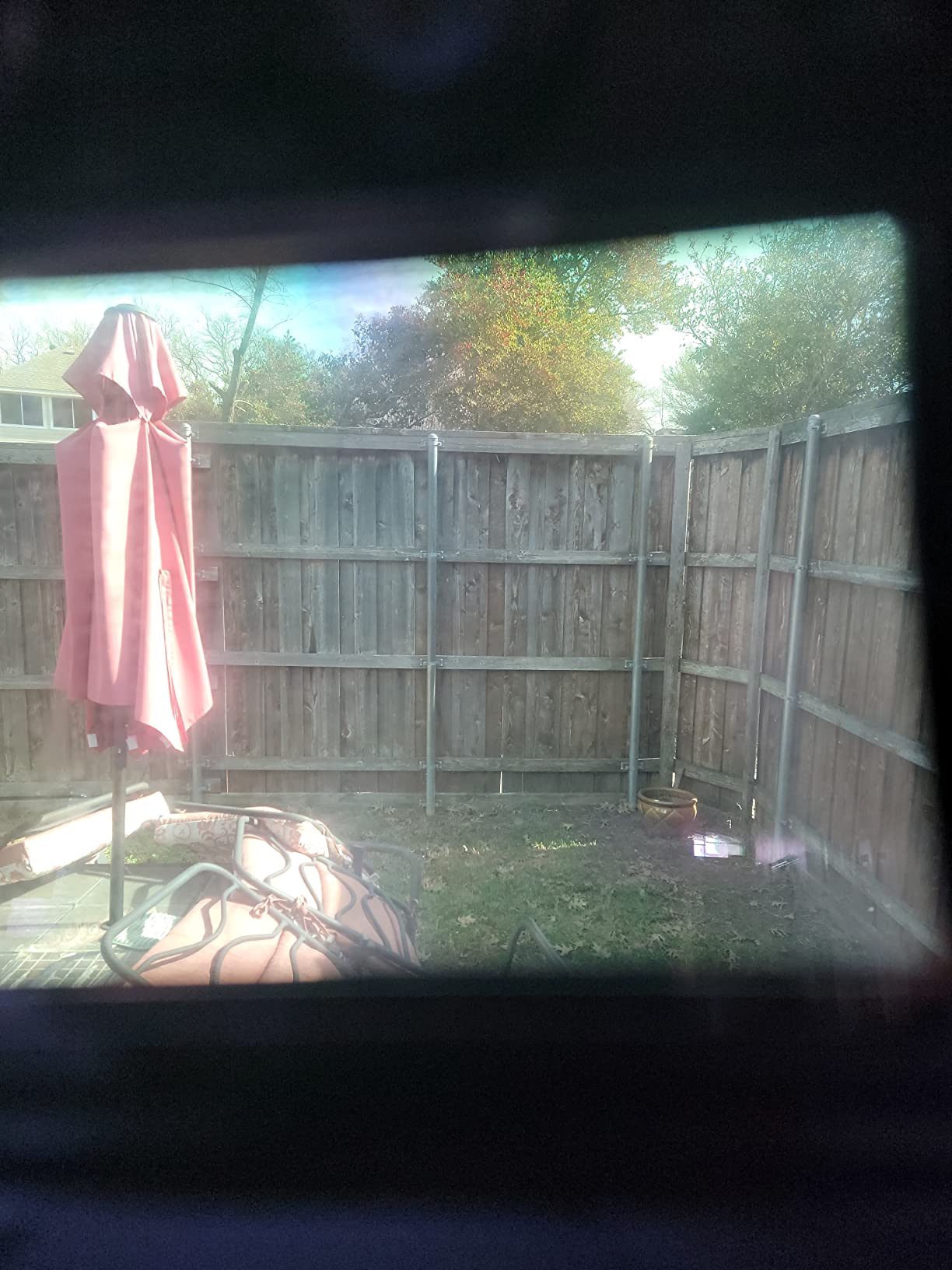
The Savage A40 is the model we would buy if TIG is the primary process. Adjustable sensitivity is specifically designed to react to a low-range arc, and with four sensors the detection margin is there. Owners across reviews describe the true color lens as close to HD, and several beginners and students credit it with finally being able to control a bead and see the puddle while learning.
The durability reporting is what separates it from the budget tier. Multiple owners describe multi-year service with no failures, and one reports a single battery change over four-plus years. The shell weighs about a pound, so it stays comfortable on long sessions, and the external grind button can be pressed with welding gloves on. Delay control lets you pick a short delay for tack welding and a long one for high amperage work.
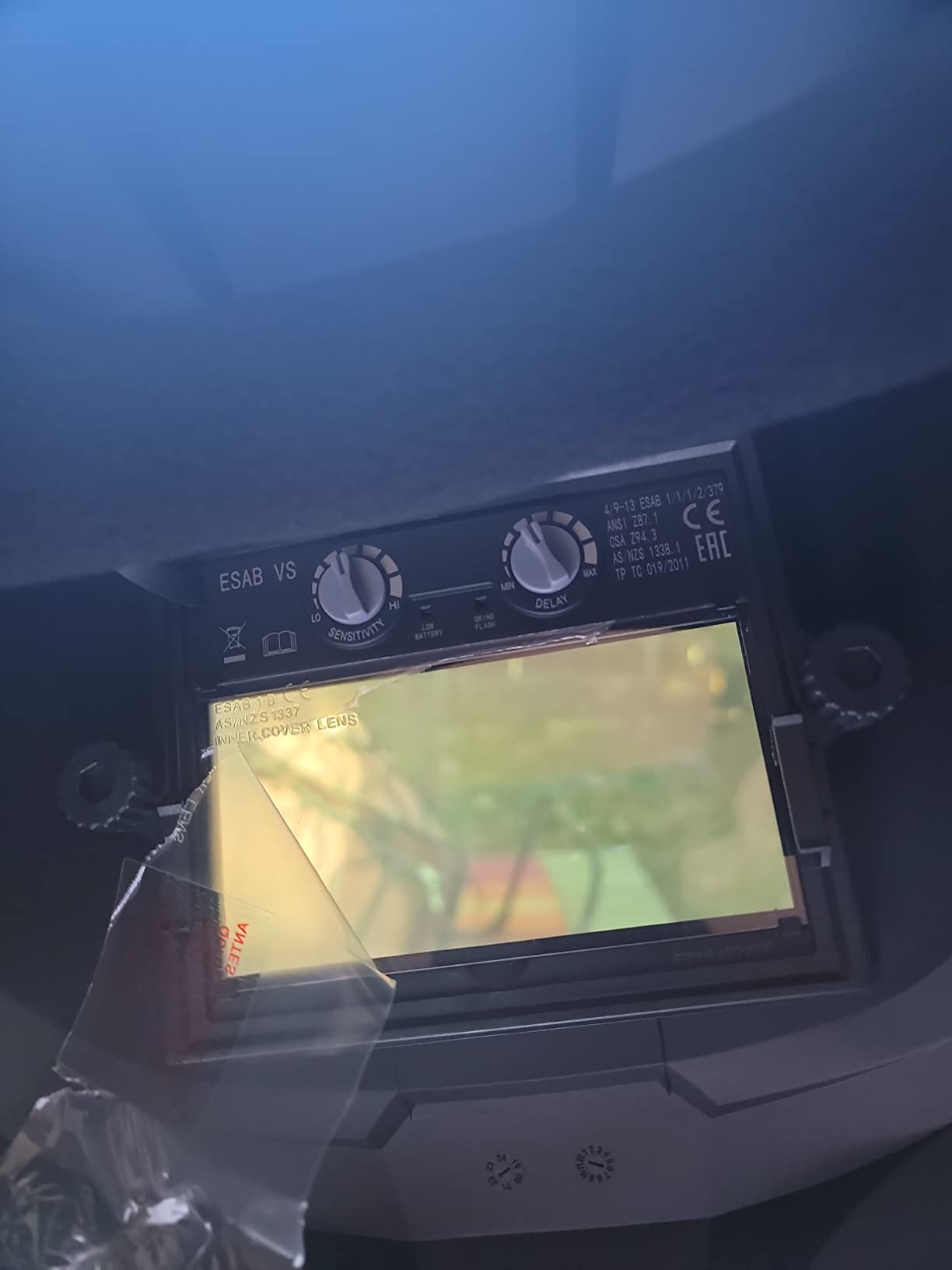
There are four real gripes. The shade knob sits on the upper-left exterior and can get bumped when you are in a tight space, which is where most of this welding happens. The viewing area is smaller than flagship helmets in the same class, so you are giving up sight lines. The battery has to be physically removed to switch the helmet fully off, so it slowly drains in storage. A few users also report double vision when using a magnifying insert. It is also priced at the top of this roundup.
Sensitivity Control and Low-Amperage Work
This is the technical answer to the most common complaint about budget helmets. When a TIG arc is thin and dim at low amperage, a fixed-sensitivity filter may not trigger, and the welder is left with a clear lens and an unprotected arc. The A40’s sensitivity control is there to lower that threshold. Combined with four sensors, it is the reason this model handles thin stainless and aluminum better than anything cheaper in this guide.
Who This Helmet Suits Best
TIG welders, anyone who works thin material, and buyers who intend to keep a helmet for years. It is also a good choice for a welding student, since the clarity is what makes learning to read a puddle easier. Multiple-process users who mostly weld and grind will like the external grind button.
Who Should Skip It
Skip it if you need a large viewing window, if you work in confined spaces where an exterior knob will get knocked, or if you want the lowest possible cost. The cheater lens issue also makes it a poor choice if you rely on a magnifying insert for vision correction.
10. Lincoln Electric K4983-1 – Lightest Helmet and Best Hard Hat Compatibility
Lincoln Electric No Rules No Limits Welding Helmet K4983-1, Auto Darkening, Lightweight Weld Headgear, Shade 7-13, Grind Mode, Use for Stick, TIG, Pulsed TIG, MIG, Pulsed MIG, Flux Core, Gouging
17.5 oz nylon shell
4.33 x 3.54 inch view
TIG rated to 5 amps
Solar plus AAA backup
+ Pros
- 17.5 oz shell
- among the lightest here
- Hard hat compatible
- Solar with AAA battery backup
- Variable shade 7-13 plus grind mode
- Two extra lenses included
– Cons
- Only 119 reviews
- the smallest sample here
- Fixed 7-13 range with no low shade options
- View smaller than panoramic models
At 17.5 ounces, this is one of the lightest shells we tested, and for anyone doing overhead work or wearing one for a full shift that weight difference is the whole story. The shell is nylon, the headgear is an adjustable ratchet with an oversized absorbent sweatband, and the fit is designed to work for a range of head sizes. It is also the only model in this guide that is hard hat compatible.
Operation is solar powered with AAA battery backup, and the shade range is a fixed variable 7 through 13 with a separate grind mode. It handles stick, TIG, pulsed TIG, MIG, pulsed MIG, flux core, and gouging, and it is TIG rated down to 5 amps, which makes it a legitimate choice for fine work. Two extra impact-resistant inner and outer lenses ship in the box, and the helmet is ANSI Z87.1 certified.
Honest limitations, starting with the sample size. It has the smallest review base of any model in this roundup at 119 ratings, so the long-term record is thinner than every other pick, even though the five-star share is 85 percent. And the shade range starts at 7, with no DIN 4 or 5 option, so thin-gauge MIG and aluminum work will be darker than you might want. The 4.33 by 3.54 inch view is also smaller than the panoramic models. The listing also shows a 2.5 lb item weight that conflicts with the stated 17.5 oz specification, so trust the product spec over the boxed weight.
When the 5-Amp TIG Rating Matters
A published 5-amp floor is the only explicit low-amperage detection threshold any model in this guide states. That matters for anyone doing thin material, gas tungsten work at the low end, or short stubs where the arc does not build up. Other models may detect those arcs, but they do not commit to it in writing, and that published rating is why this helmet outranks its spec sheet on paper.
Who This Helmet Suits Best
Construction and field crews working under a hard hat, overhead welders, and anyone whose neck and shoulders suffer on long shifts. The solar plus AAA combination is dependable, and the ratchet headgear holds position better than strap closures on cheap shells.
Who Should Skip It
Skip it if you need low shade numbers for thin-gauge work, if you want a large viewing window, or if you are buying without a solid warranty to back it up. Buyers who want a bigger view at a similar weight should look at the YESWELDER large-view model.
How to Choose an Auto-Darkening Welding Helmet Under 200 Dollars
Sensor count is the first filter, and it is the one most budget lists skip. Two sensors work when the arc is directly in front of you. Four sensors matter the moment your head tilts, when you are vertical or overhead, or when the workpiece itself sits between the sensor and the arc. If you weld out of position at all, do not buy a two-sensor model and hope for the best. Beyond that, the order of priority is low-amp TIG capability, viewing area, then everything else.
TIG Rating Is the Disqualifier Nobody Explains
Cheap MIG-and-stick-only hoods are not slightly worse at TIG. They simply will not trigger on a thin arc, and a lens that will not darken during TIG is not a lens, it is a piece of tinted plastic between your eyes and a UV source. The most repeated complaint across the welding forums we studied was not about clarity or price, it was about helmets that never went dark during low-amp TIG. Two ways to check before you buy: look for a published amperage floor, and look for a sensitivity adjustment control. Only the Lincoln Electric K4983-1 in this guide states a 5-amp rating outright, and the ESAB Savage A40 pairs four sensors with adjustable sensitivity for the same job.
Viewing Area Changes How You Weld
Most people underestimate this until they wear a wide window. A 3.64 by 1.67 inch view forces you to move your head constantly to track the puddle. A 3.93 by 3.66 inch window, roughly 12.9 square inches, lets you hold your torch angle and still see the joint. The panoramic models add a side window for peripheral awareness, which helps in tight spaces, though be aware the side panel on the Q800D is a fixed filter and does not darken. If you wear prescription glasses, check interior depth carefully, since a deep shell can hit frames on smaller heads.
Solar Versus Battery, and the Dim-Garage Problem
Solar-assisted models harvest energy from the arc itself, and paired with a replaceable cell they are the most dependable setup you can get. Solar-only units are the risk: if the capacitor is not charged, low-amp work in a dim shop is exactly when the lens is slowest to respond. Every model in this guide except the two Hobarts pairs solar with a replaceable lithium or coin cell. The Sunstac goes further and lists dual power, but its owners report the panel only supplements the battery rather than recharging it, which is worth knowing before you rely on it in a long session. Whichever you pick, learn the test before you depend on the lens, and our auto-darkening helmet testing methods walk through the checks that catch a dead sensor in under five minutes.
Headgear and Fit Decide Whether You Keep Wearing It
Weight gets the attention, but headgear quality gets the complaints. Strap closures slip, flip-up tension knobs fail to hold position, and ratchet headbands with a rear adjustment hold best. The Lincoln at 17.5 ounces is the lightest shell here, and the models with side panels are the ones that feel heaviest on a long day. If you wear glasses, a respirator, or both, buy a large size and check the interior clearance before you commit. If your work involves a hard hat, only one model in this guide is hard hat compatible.
Certification, Cover Lenses, and Named Brands
Look for ANSI Z87.1 on the physical product, and treat EN 379 and CSA Z94.3 as useful supporting marks. One model here is listed to Z89.1 instead, which is a personal eye-protection standard rather than the welding one. On brands, the honest truth is what forum consensus keeps saying: Harbor Freight, Hobart, Jackson, and Lincoln get recommended because replacement parts and returns are real. House-brand helmets are not bad, they are just harder to service when a sensor fails. Every pick in this roundup ships with at least one spare outer lens, which is the cheapest insurance you can buy, and it is worth confirming what replacement lenses are available for a model before you commit. If you are weighing a fixed-shade shell instead, our guide to the best passive welding helmets covers when that is still the right call.
Finally, know when to spend more. Under this ceiling you are buying a good compromise, and a shop welder working full shifts on the same helmet every day should look at the premium tier instead. We have a separate breakdown of the best welding helmets under 200 dollars that goes deeper on budget options, and above that range the well-known name-brand auto-darkening models are where the longer service life and replaceable cartridges live.
Auto-Darkening Welding Helmet FAQs
What is the best affordable auto-darkening welding helmet?
For most people the YESWELDER LYG-L600A is the best affordable auto-darkening welding helmet under 200 dollars. It carries a full 1/1/1/1 optical class lens, switches in 1/30000 of a second, and handles shade 3 for grinding plus 7 through 13 for welding, with the shade knob on the outside of the shell. If you weld a lot of low-amp TIG, step up to the LYG-M800H for four arc sensors and a much larger viewing window.
What is the best welding helmet for value for money?
Value is about ongoing cost, not sticker price. A replacement cover lens costs a fraction of a full auto-darkening cartridge, so the cheapest helmet is only cheap once. The YESWELDER LYG-M800H wins here because it ships with two outer lenses, an inner lens, and a spare battery, giving you 1/1/1/1 true color optics, four arc sensors, and a large 3.93 by 3.66 inch view. The Hobart 770890 wins on the opposite side of the ledger, a two-year manufacturer warranty on the electronics.
Are Yeswelder welding helmets any good?
Yes. YESWELDER holds the two highest review counts in welding helmets, with roughly 13,900 ratings on the LYG-L600A and just over 8,000 on the LYG-M800H, and average scores of 4.6 and 4.4. Owners consistently praise true color clarity, fast switching, and external controls. The recurring criticism is build quality rather than optics, thin shell plastic and light duty headgear, plus only two arc sensors on the LYG-L600A.
Do auto darkening helmets work for low amp TIG?
Only if they have enough arc sensors and a sensitivity control. A two-sensor helmet can miss a thin, dim TIG arc entirely, which is the most repeated complaint from TIG welders in our research. Four sensors plus adjustable sensitivity is the specification that matters, and only one model here states a published detection floor, the Lincoln Electric K4983-1, TIG rated to 5 amps. The ESAB Savage A40 pairs four sensors with sensitivity control for the same purpose.
Are Lincoln Electric welding helmets good?
The Lincoln Electric K4983-1 is a solid entry model. It is among the lightest shells we tested at 17.5 ounces, is hard hat compatible, runs on solar with AAA battery backup, and is ANSI Z87.1 certified. It holds a 4.7 average across 119 ratings with 85 percent at five stars. The honest drawbacks are a fixed shade 7 through 13 range with no low-shade options, a 4.33 by 3.54 inch view, and the smallest review base in our group.
Can I wear glasses under a welding helmet?
Usually, but check the interior depth first. A deep shell can press against frames, and several owners of larger-view models report hitting their glasses on smaller heads. Prescription-specific helmets exist, but a cheaper fix is a cheater lens slot with a magnifying insert at 2.5 magnification. The LYG-M800H, TOOLIOM TL-M800D, and Sunstac SS-A800D all support cheater lenses, though the Sunstac insert is a separate purchase.
Which Auto-Darkening Welding Helmet Should You Buy?
If you want one answer, buy the YESWELDER LYG-L600A. It has the best optical class, the fastest stated response, external controls, and the deepest owner feedback base of anything in this price range, all for the lowest outlay here. If you are learning TIG or you need to see more of the joint, the LYG-M800H is the better tool and the reason many readers end up stretching the budget slightly.
Work through a hard hat every day? Take the Lincoln Electric K4983-1, at 17.5 ounces with a published 5-amp TIG rating. Welding thin stainless or aluminum all day? Take the ESAB Savage A40, where four sensors and adjustable sensitivity do the work. Working in a dim shop or after dark? The TRQWH KTS-JD03 with its rechargeable top LED is the only pick whose lamp is genuinely useful.
And if your shifts are long and you would rather not replace a helmet in two years, the Hobart 770890 is the one with a two-year manufacturer warranty behind it. Check the current listing and confirm the cover lens and battery parts you need are available before you commit, then run a real arc through the lens before you rely on it. That last habit catches more problems than any spec sheet, and it costs you five minutes.
Leave a Reply