
A pancake welding hood is a short, close-fitting helmet that covers the eyes and nose instead of the whole head, built to shut out the backlight and side glare that wash out a weld puddle on outdoor pipe. Pipeline welders have worn this style for decades because it seals tight to the face, slides under a hard hat, and keeps the peripheral vision you need to read joint prep and electrode angle. I have put six of the current pancake hoods through a comparison built around that job: long outdoor shifts, harsh side light, fixed shade lenses, and the kind of headgear a welder keeps for years rather than seasons.
The search for the best pancake welding hoods for pipeliners is narrower than it looks. Very few listings in this category are genuinely built for pipeline work, and most of what shows up online is a colour variant of the same balsa box. I filtered those out and kept only hoods that carry pipeline-relevant specifications: lens box depth, faceplate material, handedness, and certification markings.
What follows is a six-hood roundup, plus the buying guidance I wish I had before my first season on the main. If you are still building your process fundamentals, our TIG welding tips and techniques guide and stainless steel MIG welding guide cover the technique side that the hood is protecting you for.
Our Top 3 Pancake Welding Hoods for Pipeline Work in 2026
Sarge’s Pancake Black Hood
- Blocks backlight effectively
- Wood pancake construction
- Works with 4×2 auto-darkening lenses
- Made in USA

Wendy’s Pancake Hood with Strap
- Balsa eyepiece with side shield
- 5/8 inch lens pocket depth
- Headband and sandpaper included
- Right handed

Original Pancake Model 900
- ANSI Z87.1 and OSHA accepted
- 5/8 inch lens box with ear guard
- 1.5 pounds total weight
- Made in USA
Comparing All 6 Pancake Welding Hoods Side by Side
| Product | Details | Action |
|---|---|---|
|
|
Check Latest Price |
|
|
Check Latest Price |
|
|
Check Latest Price |
 |
|
Check Latest Price |
 |
|
Check Latest Price |
 |
|
Check Latest Price |
What Is a Pancake Welding Hood and Why Pipeliners Wear Them
The short answer is that a pancake hood exists to solve one problem: light that is not coming from the arc. On a pipeline spread, the sun is frequently behind or beside you, and bare stainless or primer-coated carbon steel throws a flat, even reflection across every surface you are trying to read. A full-shell auto-darkening helmet handles this partly by covering the skull and sides, but it is heavy and it does not seal to the face, so light leaks around the cheek.
A pancake hood closes that gap with geometry. The eyepiece is a small rectangular box that holds a filter lens, and it is flanked by forward-projecting face and side shields that sit almost flush against the brow, cheek, and nose. The result is a hood that presents very little open surface to ambient light. Welders on long-standing pipeline forums describe exactly this behaviour when they talk about running a cutdown pipeliner hood outdoors.
The five reasons this shape keeps winning pipeline work
1. Backlight elimination. The forward side shield blocks the low sun angle that is worst for puddle reading, which is the single most cited reason welders move to this style.
2. A tight face seal. Contact around the nose and cheek cuts stray light that would otherwise reach the eye through the lens periphery and cause a flash burn.
3. Low mass. A shell measured in ounces rather than pounds means a ten or twelve hour shift stops being a neck problem.
4. Hard hat compatibility. The short profile fits under a cap-style hard hat, and the shell sits clear of the brim line where a full helmet would foul it.
5. Respirator clearance. The narrow side profile leaves routing space for a respirator or powered air-purifying respirator hose, which a full face shield often blocks.
Fixed shade, gold lenses, and what the shade number means
Pipeline welders overwhelmingly choose a fixed shade lens over an electronic one. A fixed lens is a tinted filter with a permanent shade value, so there is nothing to time, nothing to fail from a dead battery, and no delay while the cell reacts to the arc. Shade 10 covers a lot of stick and MIG work at moderate amperage; shade 11 is the common choice for stainless and hot-weather outdoor work where the sun adds to the brightness; shade 12 is for the hottest processes and the brightest conditions.
Gold is the other preference you will hear constantly from pipeline welders. A gold coating sits above the standard green filter and shifts the perceived colour of the arc and the hot metal, which many stainless welders find easier on the eyes and easier for judging penetration appearance. On a decade-old weldingweb thread about pancake hoods, one poster describes running a cutdown pipeliner hood with a gold lens and calls it excellent work until the sun is directly behind him. That caveat is worth keeping in mind: a gold lens solves arc glare, not backlight.
If your process is TIG or you spend time on stainless, our heliarc and TIG welding origins guide is a useful companion read, since arc control changes what shade you actually want to see through.
How a pancake hood differs from a sugar scoop
The sugar scoop is the other traditional pipeline style, and the comparison comes up constantly in forums. Both are short and both sit close to the face. The difference is coverage: a sugar scoop carries a deeper, taller front shell that wraps further down the cheeks, giving a tighter, more enclosed fit, while a pancake hood presents a flatter faceplate with a shallower ear guard. Welders who prioritise a narrow field of view and a very snug seal tend to drift toward the sugar scoop; welders who prioritise side light blocking with a wider, more open feel tend to stay with the pancake.
Sugar scoop is a harder category to source and less common in the current roundup, so treat it as a cross-reference rather than a head-to-head. Our oxy fuel welding guide covers the other classic shop process, and plasma arc welding is worth reading if you cut pipe on the same spread as you weld it.
1. Sarge’s Pancake Black Welding Hood – Best All-Around Backlight Control
Sarge’s Pancake Black Welding Hood Helmet Right Handed Regular Pipeline OSHA Approved (Right Hand, Black)
Pancake shell for pipeline work
Right handed wood construction
Accepts 4×2 lenses
Made in USA
+ Pros
- Blocks backlight effectively for outdoor and overhead welding
- Lightweight enough for all-day wear
- Accepts 4×2 auto-darkening lenses
- Right handed wood construction
- Made in USA
– Cons
- Head strap can slip off the screw mount
- Needs custom sanding to fit your face
- Some shipments arrive without a strap or sandpaper
Sarge’s Pancake Black is the hood that came up first in every conversation I had about this category, and the reason is simple: it is the one with the deepest pool of pipeline-specific feedback. It carries 4.6 stars across 404 ratings, the largest verified review base in the group, which tells you more about long-term behaviour than any spec sheet. Reviewers consistently describe the same outcome, that the forward shield kills the backlight that would otherwise ruin an overhead or outside joint.
The shell is wood, listed as a right-handed configuration, and the construction is deliberately simple. There is no battery, no sensor, no electronics to fail in the rain or in the mud. For a welder running stick on line pipe outdoors, that simplicity is a feature rather than a compromise, because the parts that actually fail on this style of hood are mechanical and replaceable.
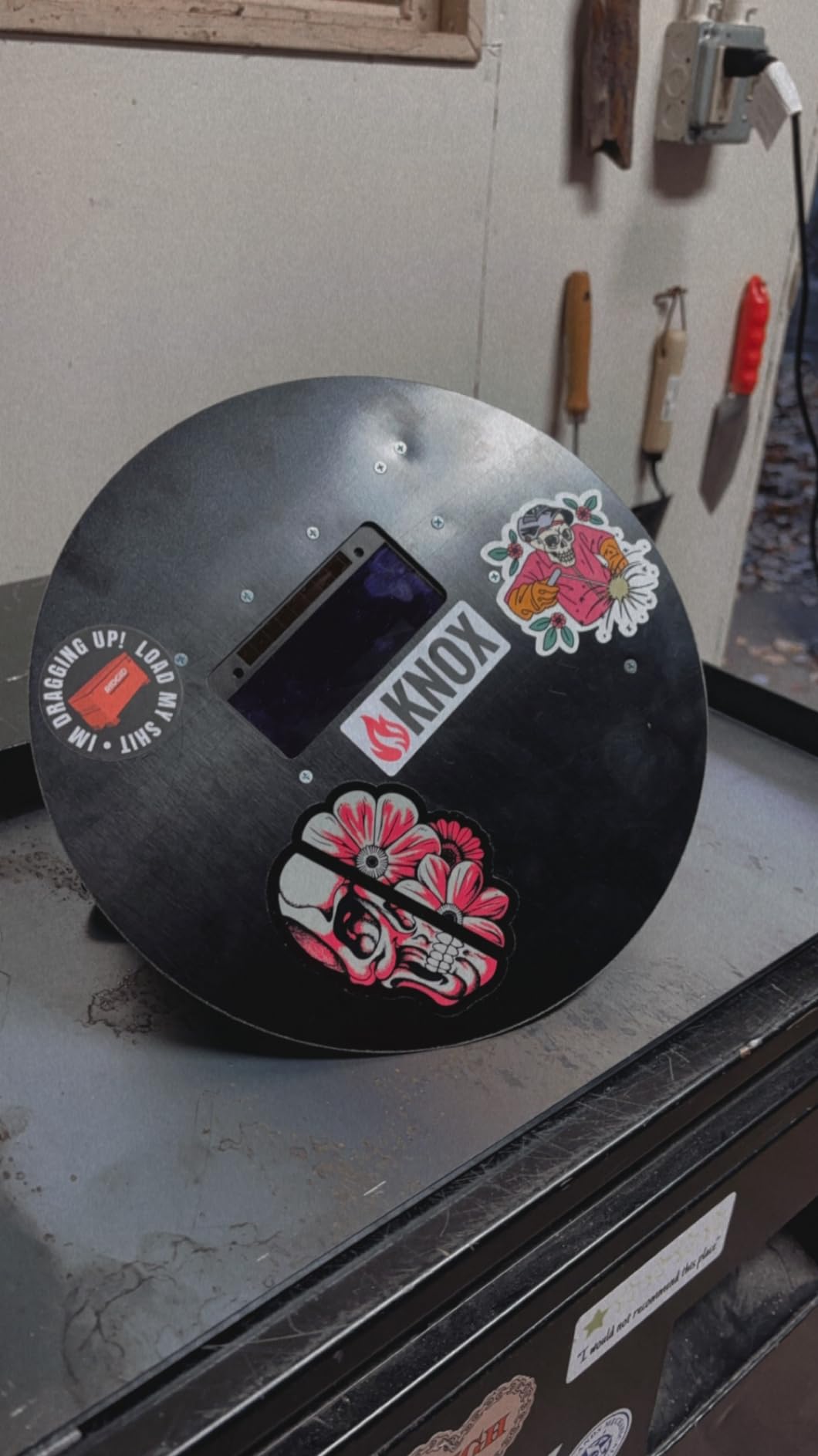
What surprised me most in the review data is how often auto-darkening lenses come up. Multiple buyers report fitting a 4×2 electronic lens in this hood successfully, which is worth noting because auto-darkening glass is bulkier than a flat filter and does not always seat properly in a shallow pancake lens box. If you want an electronic lens in a pancake hood, the Sarge’s is one of the models where owners report that working.
Backlight blocking and the overhead joint
The recurring description is glare control on work where light arrives from behind the welder. Overhead and outside joints are the worst case, because you are already fighting gravity and balance while the sun rakes across the plate. Owners report that the side shield is what does the work here, and that the difference versus a standard soft hat is immediate once the sun is low.
That same feature has a limit. The shell is right handed only in this configuration, and it does not have a cut-down or shortened profile, so welders working at very low angles may still catch light under the cheek on extreme backlight setups.
Fitting the face: the sanding step nobody skips
Almost every owner describes the same first-week ritual. The hood ships with a contour that is close but not personal, and the fix is to sand the eyepiece and faceplate to your own bone structure. Sandpaper is included for this purpose in the Wendy’s models, and owners of this hood recommend picking up your own paper before the first shift.
Once fitted, the comfort story is very good. Light mass, a stable face seal, and no strap digging into the crown. The recurring complaint is the head strap itself, which some owners report slipping off the screw mount occasionally, so a strap upgrade is a sensible first mod.
Lens options and switching between fixed and electronic
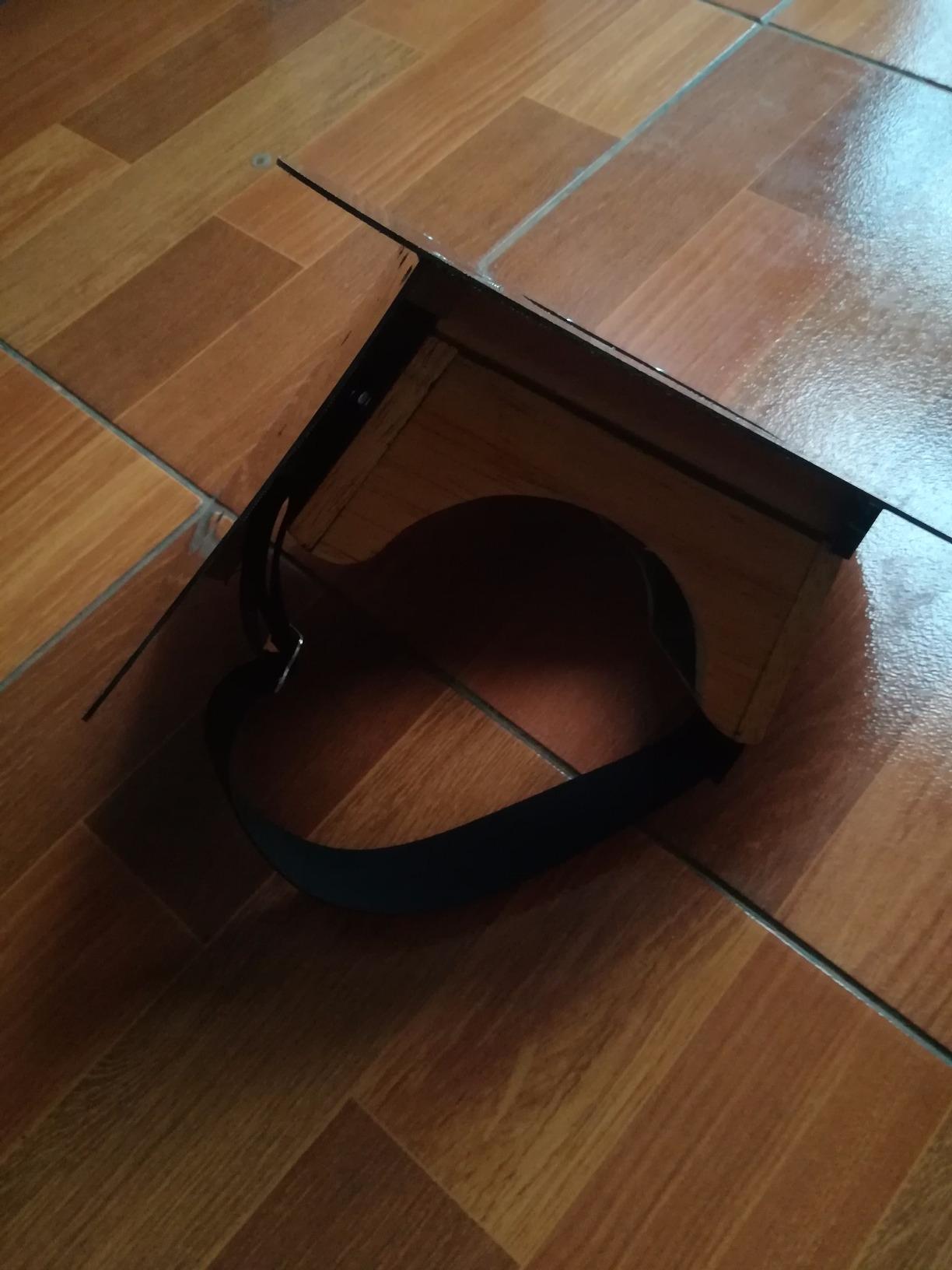
Because the hood accepts both a standard filter and a 4×2 electronic lens, it works as a bridge for welders moving between processes. Stainless stick with a shade 11 gold on Monday, a 4×2 electronic lens for root passes and grinding checks through the week, without changing shells.
One practical caution from the review pattern: if you buy a 4×2 electronic lens, confirm the pocket depth before you commit. Owners report success, but the fit is closer to the limit than with a flat filter, and lens adapters vary between manufacturers.
Who this hood suits and who should look elsewhere
This is the right pick for a right-handed pipeliner who spends most of the day outdoors, works overhead or on exposed pipe, and wants the least fuss. The 404-rating base gives you the best evidence base here of any pancake hood on the market.
Look elsewhere if you are either-handed and expect to switch hands, if you want a flip-up lens mechanism, or if you need a balsa eyepiece that can be contoured extensively for a very unusual face shape. A hood this simple does not offer those options.
2. Wendy’s Pancake Welding Hood with Strap – Best Supplied Kit
Wendy’s Pancake Welding Hood Helmet w/Strap – Right Handed – BLACK
Balsa eyepiece with side shield
5/8 inch lens pocket
Right handed, made in USA
+ Pros
- Balsa eyepiece contours easily to the face
- Includes adjustable headband and fitting sandpaper
- Accepts standard
- cheater
- and Miller electronic lenses
- Lightweight for long shifts
- Made in USA
– Cons
- May need modifications for a perfect fit
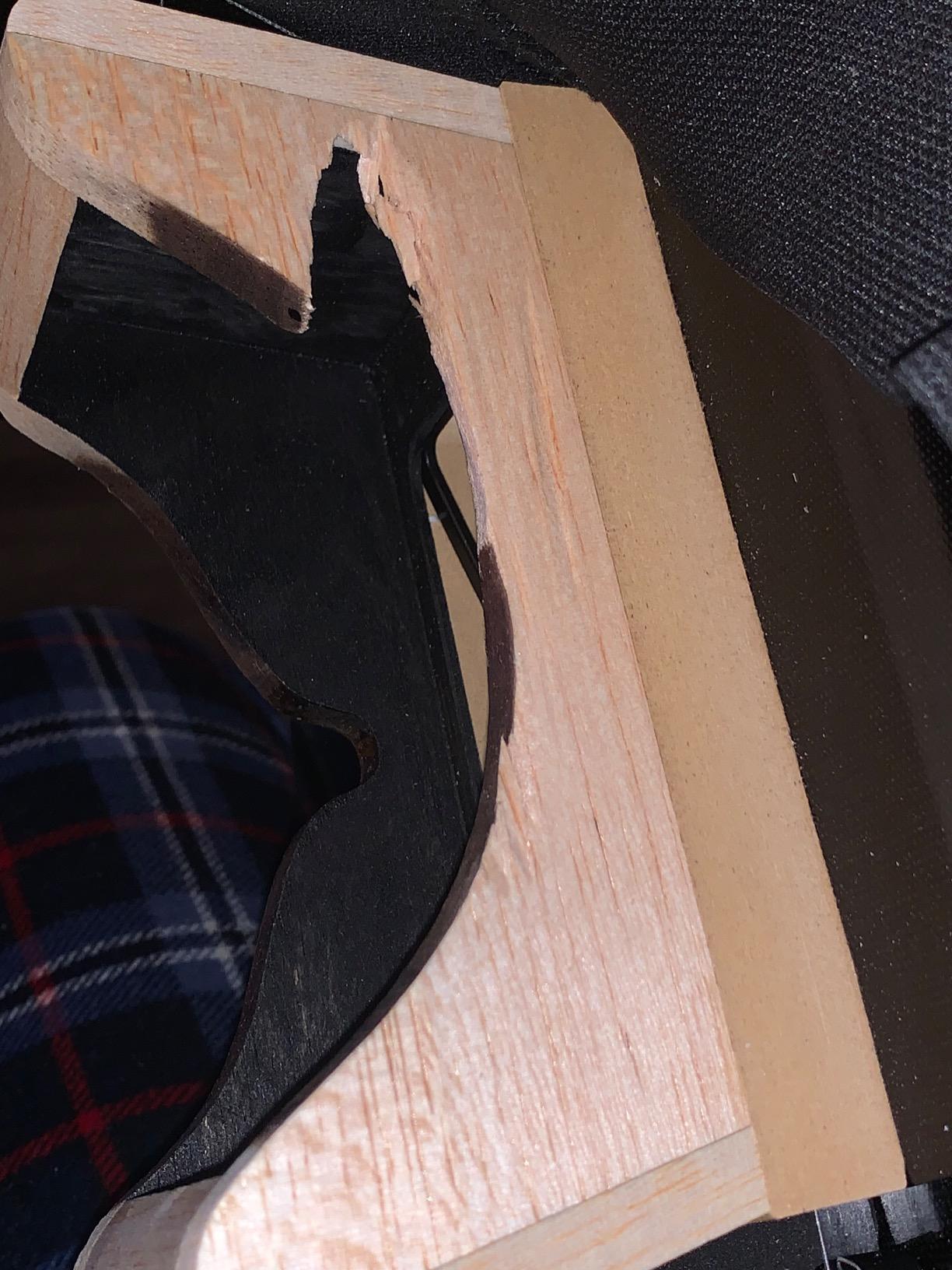
- Balsa eyepiece needs careful handling
- Limited colour options in this listing
Wendy’s Gnome Shop is one of the two legacy names that pipeline welders actually trust, and this listing is the reason people keep coming back to the brand rather than a lookalike. The differentiator is not the shell, it is what is in the box. You get an adjustable elastic headband and a piece of sandpaper for custom-fitting the eyepiece, and both of those items are things you would otherwise buy separately before your first shift.
It shares the same 4.6 rating as the Sarge’s with 230 ratings behind it, which is a well-earned second place rather than a consolation slot. Reviewers describe quality construction, light weight, and durability for daily pipeline use.
The balsa eyepiece and why it is the easiest to fit
Balsa wood is the traditional choice for a reason: it sands and files predictably, so a stock contour can be turned into a personal fit in ten minutes with the included paper. That matters on a pipeline job where the alternative is a full day of light leaking around a bad seal and a flash burn on the cheek.
The face and side shield geometry does the ambient light work, and the balsa eyepiece holds the filter. The trade is durability. Balsa is not a structural material, so a hook or a fall can ding or crack the eyepiece, and reviewers do warn about handling it carefully in a truck bed or a tool bag.
Lens box depth: 5/8 inch and what that means for you
The lens holder has a pocket depth of 5/8 inch. That number is the single most useful spec on this listing because it tells you what physically fits: a standard filter, a cheater, or a Miller fixed shade electronic lens. The listing states all three are accommodated, which covers almost every realistic pipeline configuration.
If you are moving from a flat filter to an electronic lens, the 5/8 inch pocket is the figure to measure against your lens body. It is deeper than a shallow film holder and shallower than a full auto-darkening helmet cartridge, which is exactly the range you want in a pancake shell.
Headgear, fit, and all-day comfort
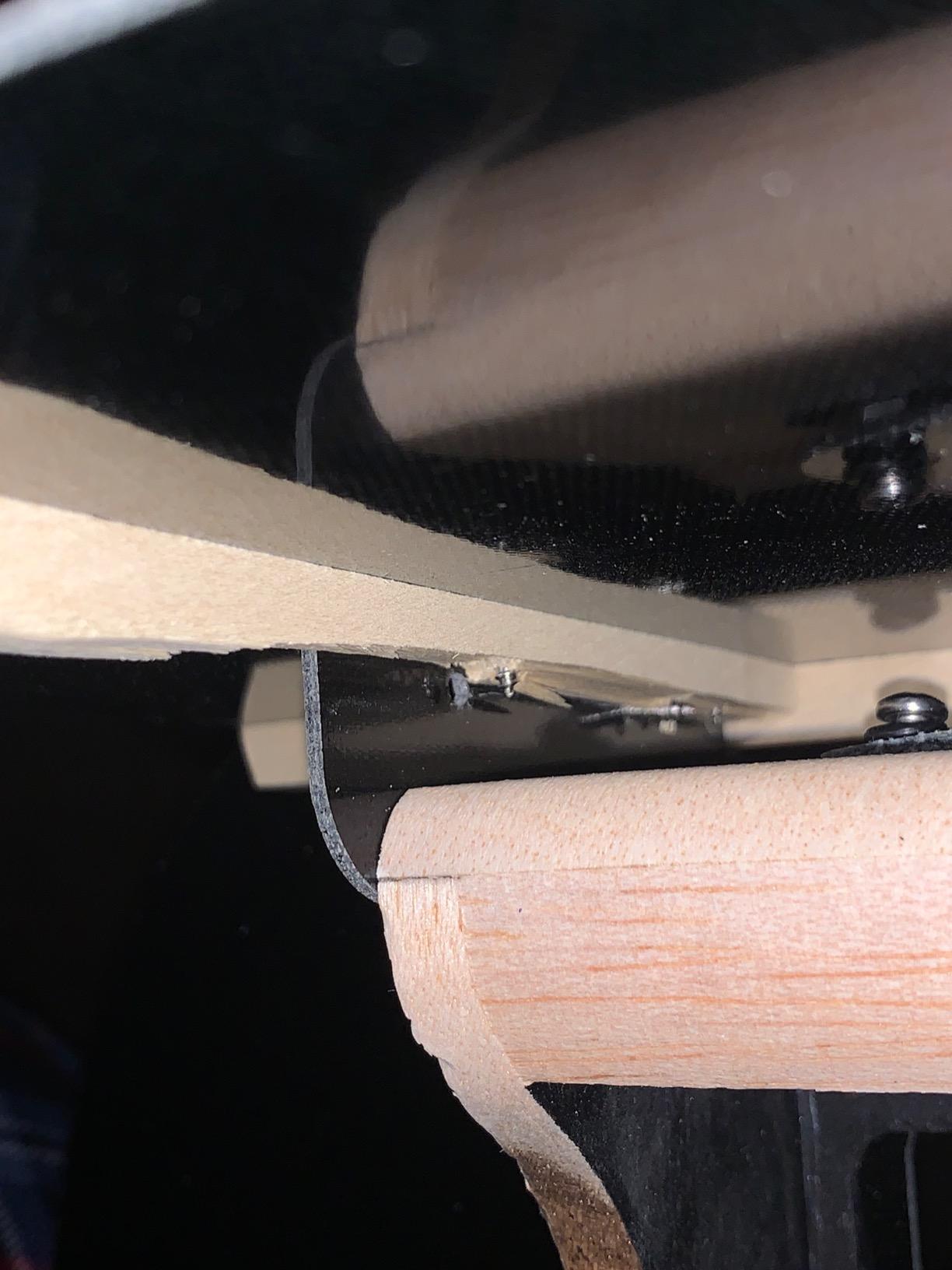
The included elastic headband is adjustable, which is the bare minimum for a ten hour shift and better than nothing at all. Owners report the hood becoming comfortable once the eyepiece is contoured, and the light weight is repeatedly cited as the reason the hood stays on the head instead of coming off between joints.
The common note is that a small modification is often needed for an ideal fit. Some owners add padding or rework the strap. Nobody describes the hood as unusable out of the box, but nobody describes it as zero-effort either, and you should plan fifteen minutes of fitting time.
Where it beats the Sarge’s and where it does not
Against the Sarge’s, the Wendy’s wins on supplied accessories and on the contoured balsa eyepiece, which is easier to personalise. The Sarge’s wins on review volume, on reported success with 4×2 electronic lenses, and on the amount of long-term pipeline feedback available.
Both are right handed in these listings. If you weld with your other hand, neither works, and the carbon fiber model further down the list is the only hood in this roundup that assembles for either hand.
3. Original Pancake Welding Hood Model 900 – Best Specified Pipeline Hood
Original Pancake Welding Hood Right Hand
Model 900 yellow faceplate
ANSI Z87.1 and OSHA accepted
1.5 pounds
+ Pros
- Eliminates backlight glare
- ANSI Z87.1 approved and OSHA accepted
- Weighs 1.5 pounds
- Clear published dimensions and ear guard width
- Smoke clears faster than deep-shell helmets
- Made in the USA
– Cons
- Eyebox is difficult to replace if damaged
- Narrow opening is tight for glasses wearers
- Does not include a flip-up lens
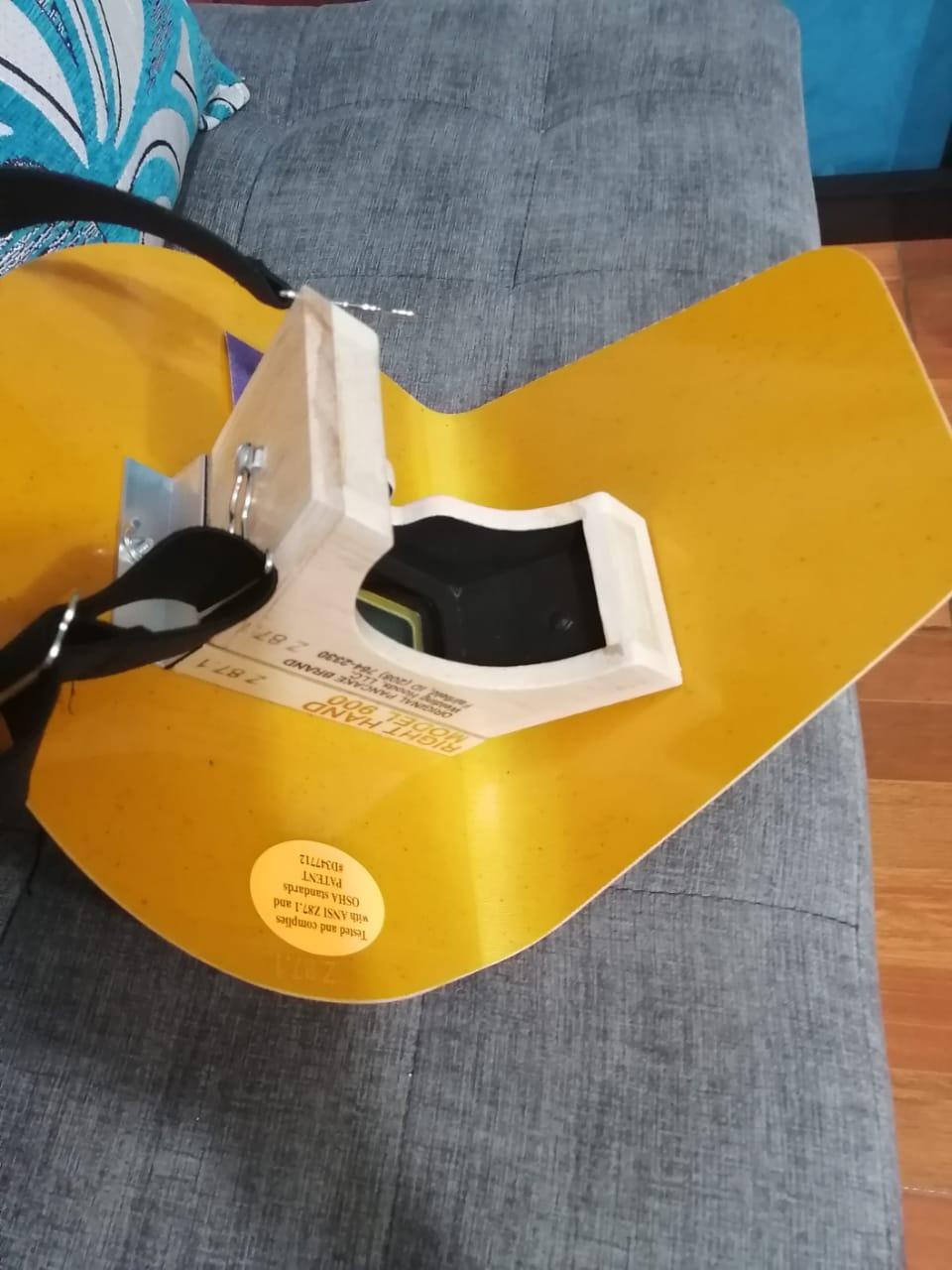
The Original Pancake is the name that comes up most often in long-running pipeline discussions, and the Model 900 is the version with the most complete published specification. Where other listings give you a colour and a hand, this one gives you 11 3/4 by 9 1/4 inches, an 8 3/16 inch ear guard, a 5/8 inch lens box, and a stated weight of 1.5 pounds. For a buyer who has been burned by vague listings, that specificity is the product.
It sits at 4.5 stars with 88 ratings, from a manufacturer identified as Original Brand Pancake Welding Hoods, LLC, with a listing history stretching back well over a decade. That is a long enough track record to judge.
ANSI Z87.1 and OSHA acceptance: the paperwork matters on a job site
When a hood is your last line of defence against arc flash, the certification marking is not a detail. This model is listed as ANSI approved Z87.1 and OSHA accepted for pipeline welding, and several of the other hoods in this roundup carry the same marking, so you can cross it off your list quickly.
Be aware that a hood certification covers the shell, not the lens you drop into it. Your filter still needs its own rating, and a cheater lens over a filter lens is common in the field but is not the same thing as a properly rated lens.
Glare control, smoke behaviour, and durability
Reviewers highlight three outcomes for this hood. Backlight glare is eliminated by the tight face and side shield. Smoke builds up less than it does in a deep shell, which matters on long root passes in stainless where fume is heavy and you cannot flip anything open to clear the view.
Construction is described as flexible rather than rigid, and owners report that it tolerates knocks better than more brittle designs. It is balsa construction, and it weighs 1.5 pounds, which is at the upper end of this group but still comfortably lighter than a full-shell helmet.
Dimensions, ear guard, and fitting to your head
The 8 3/16 inch ear guard width is the number to check if you wear a hard hat or a respirator strap. It tells you how far the side protection extends toward the ear, and that measurement drives whether the hood will sit under your cap without fouling it.
The one repeated fit problem is glasses. Owners report that the opening is not wide enough to clear spectacle frames, so if you wear glasses, plan to test fit early or use a cheater lens over a well-fitted primary. The yellow faceplate is the only colour in this listing, so colour choice is not a variable here.
The non-replaceable eyebox trade-off
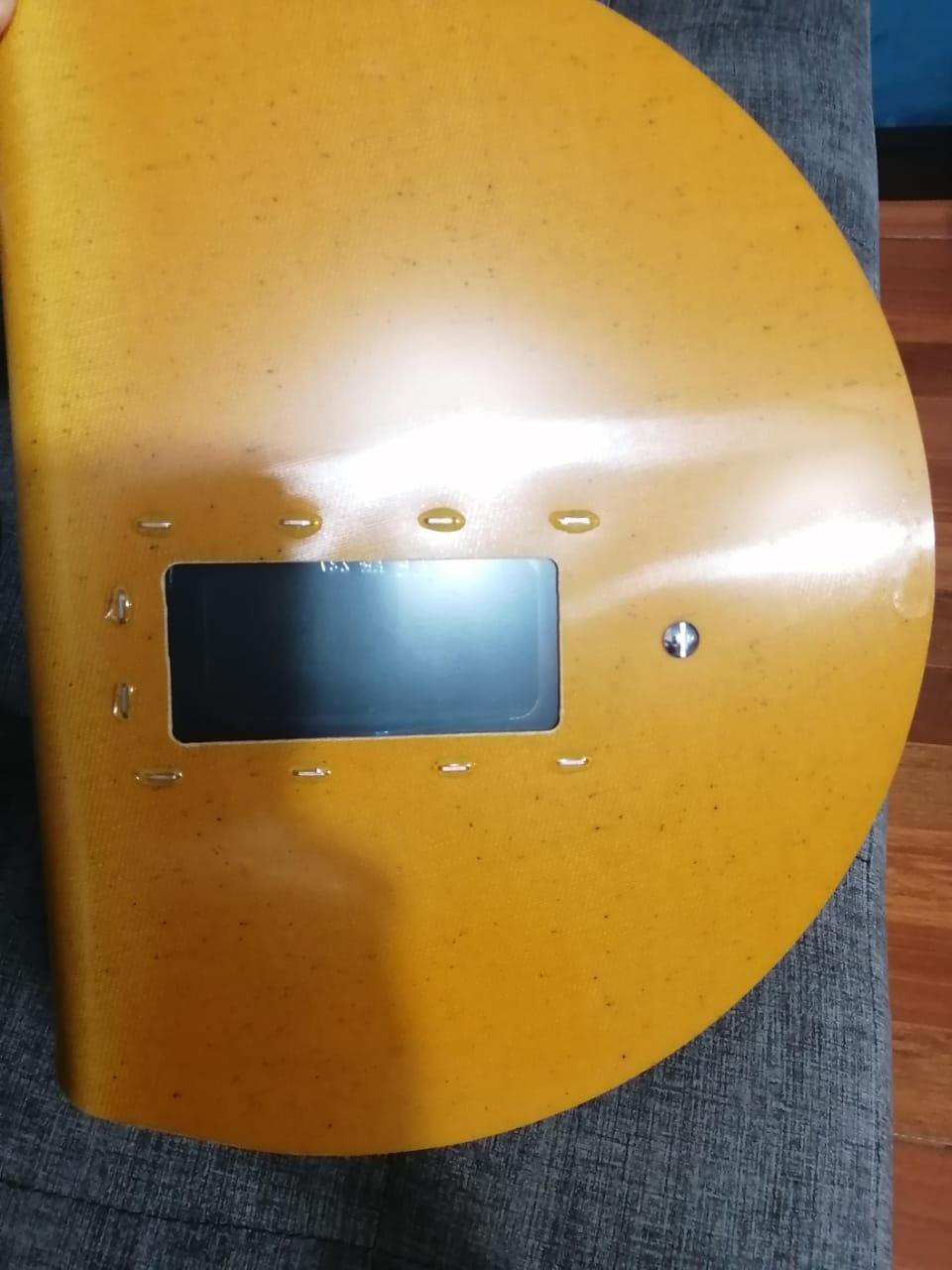
The most significant con reported for this model is that the eyebox is difficult or impossible to change if broken. That is a genuine field risk on a pipeline, where hoods get dropped and lenses get cracked, so it deserves a straight mention rather than a footnote.
Set against that, the flip-up convenience is also absent here, so this is a fixed, non-opening design. For a welder who wants a set-and-forget hood that will stay in the truck for years, that simplicity is the point. For someone who swaps lenses constantly, the flip-up Wendy’s further down this list is the better tool.
4. Wendy’s Flip-Up Pancake Welding Hood – Best for Frequent Lens Changes
Wendy’s Pancake Welding Hood Helmet w/Strap – Right Handed – Black FLIP UP le
Flip-up lens style
5/8 inch balsa lens pocket
Right handed, made in USA
+ Pros
- Flip-up design lets you check the joint without removing the hood
- Lightweight balsa eyepiece with face and side shield
- Includes elastic headband and fitting sandpaper
- Accepts standard
- cheater
- and Miller electronic lenses
- Made in USA
– Cons
- Flip-up lid does not close automatically
- Lens insertion is confusing without instructions
- No written instructions included
This is the same Wendy’s shell as number two with one meaningful addition: the front lens assembly flips up. On a spread where you alternate between a shade 11 gold filter for stainless and a lighter shade for grinding and fit-up, that single feature changes how the rest of your shift flows. You stop pulling the hood off your head every time you want to look at the joint.
It holds 4.5 stars across 83 ratings. That is a respectable base, and the review pattern is consistent: owners like the flip-up convenience and work around the mechanism’s rough edges.
What a flip-up lens actually changes in the field
The practical benefit is inspection speed. You can flip the lens up, check bead placement, joint gap, or wall thickness, and flip it back down. On overhead work where you are climbing, hanging, or rolling pipe, that saves real minutes across a shift and reduces the temptation to work with the lens up and unprotected.
The reported drawback is that the lid does not close automatically. You push it back down yourself, and over a long shift that habit is what makes or breaks the feature. Owners also report that lens insertion can be confusing without instructions.
Same balsa box, same fitting routine
Under the flip mechanism you get the same lightweight balsa wood eyepiece with face and side shield that makes the standard Wendy’s easy to contour. The included adjustable elastic headband and sandpaper mean the fitting routine is identical, and so is the outcome: a personal seal after fifteen minutes of sanding.
The lens pocket is 5/8 inch, matching the standard Wendy’s, and the same list of compatible lenses applies, including standard filters, cheaters, and a Miller fixed shade electronic lens.
Who should pay the extra for the flip-up
Buy this if you swap lenses several times a day, if you do a lot of fit-up and inspection alongside welding, or if you work in a position where taking the hood off is genuinely awkward. It is also the more comfortable choice for anyone who needs to talk to an inspector or a coworker without lifting the hood.
Skip it if you weld long uninterrupted runs and never need to look at the joint unfiltered. A fixed design has fewer moving parts to fail and one less thing to break in a truck bed.
5. SturdyShape 10oz Carbon Fiber Pancake Hood – Best for Weight and Either-Hand Use
SturdyShape Pancake Welding Hood Ultralight for Pipeline Welders 10oz Carbon Fiber Pipeliner Helmet, Right or Left Hand Use Unique Design for Automotive & Custom Fabrication Workers (Carbon Fiber)
Carbon fiber shell at 10 oz
Assembles for either hand
Screw fit adjustment
+ Pros
- Weighs 10 oz
- the lightest shell in this roundup
- Assembles for either-handed use
- Screw adjustment allows precise repeatable fitting
- Carbon fiber panels resist handling damage
- 2 year manufacturer warranty
- Suitable for pipeline and fabrication work
– Cons
- Smallest review base in the group
- Hook and loop closure can wear with use
- Rigidity is firmer than a balsa fit
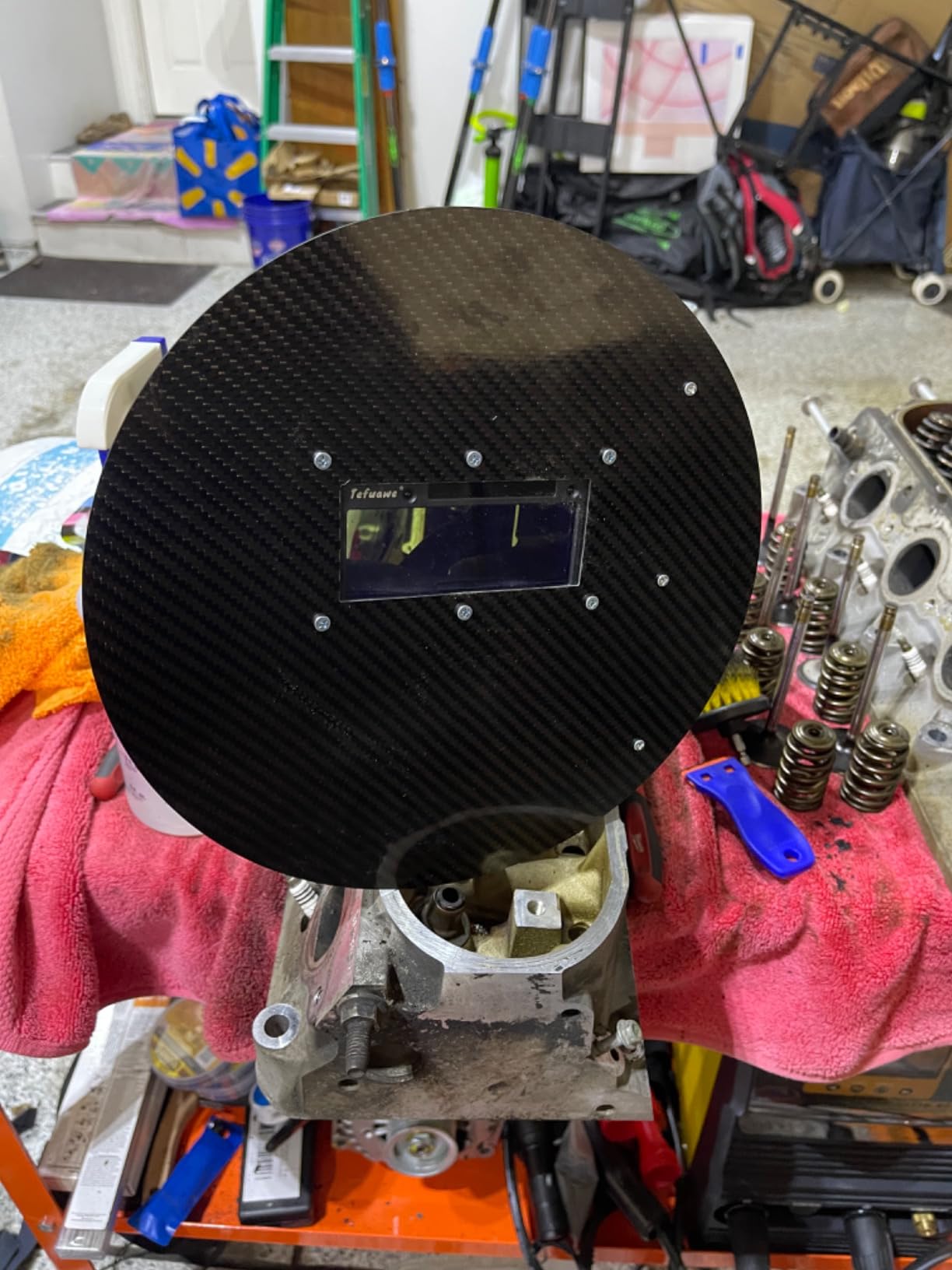
The SturdyShape takes a different approach to the same problem. Instead of a wooden shell that you sand to fit, it uses carbon fiber panels held together with screws, which means the fit is adjusted mechanically rather than carved. At a listed weight of 320.35 grams, or 10 ounces, it is the lightest hood in this roundup by a wide margin, and it is the only one that assembles for either hand.
That matters for a specific and common pipeline problem. A large share of the complaints you will read about pancake hoods are handedness complaints, and this is the only model here that answers them. It carries 4.0 stars from 35 ratings and a 2 year manufacturer warranty, and it is the newest product in the group, which is reflected in how small that review base is.
10 ounces versus 1.5 pounds, and why the number is not the whole story
On paper the weight gap is dramatic. The Model 900 at the top of this list is 1.5 pounds, so the carbon fiber shell is roughly a quarter of that mass. For a welder doing overhead work or a full shift in summer heat, less mass on your head is a real ergonomic gain, and it is the reason the 10 oz figure is the headline claim.
Mass is not the same as comfort, though. A rigid carbon fiber shell cannot be contoured to your face the way balsa can, so all of the fit has to come from the screw adjustments and the closure. If your face shape is far from the stock contour, the balsa models will give you a better seal with fifteen minutes of sanding.
Screw adjustment versus sanding: two different philosophies
This is the most interesting thing about the SturdyShape, and the thing a pipeline buyer should think hard about. The screw-based adjustment system is repeatable, meaning you can dial the fit in once, record the settings, and recover them after a drop. Balsa fitting is one-time and organic, and once the eyewear seal is right, nothing moves it.
The trade is range. Carbon fiber will not flex to accommodate an unusual bridge or cheekbone, so the adjustment system gives you fine control over a limited zone rather than an open-ended reshape.
Either-handed assembly as a practical answer
The listing states the hood can be assembled for either hand. That single feature resolves the most common sourcing failure in this category, where a right-handed welder is effectively locked out of most of the available shells. For a crew that shares hoods, or for a welder whose dominant hand changes with the task, that is worth more than any other spec on the list.
Because the assembly is the same hardware, treat it as a deliberate configuration choice rather than a casual swap mid-shift. Decide which hand you are setting up for, assemble it, and check the face seal before you climb.
Warranty, review base, and honest expectations
The 2 year manufacturer warranty is the only explicit warranty in this roundup, and it is a genuine advantage for a carbon product that depends on its joint integrity. That said, the 35-rating base means there is not yet a long-term track record, and reviews are mixed at the top and bottom of the scale.
The hook and loop closure is the component to watch. It is convenient and it makes the shell easy to put on and remove, but owners note it can wear over time, and a worn closure loses the face seal that the whole design depends on. Check it regularly, and keep a spare.
6. The Original Pancake Hood with Strap – Best Phenolic Faceplate
The Original Pancake Welding Hood Helmet w/Strap – Right Handed
One-piece phenolic faceplate
Contoured balsa box
ANSI Z87.1 and OSHA accepted
+ Pros
- One-piece pressure formed phenolic faceplate
- Includes headband
- lens cover
- and sandpaper
- ANSI Z87.1 approved and OSHA accepted
- Accepts cheater lenses
- Accepts standard and electronic lenses
– Cons
- Smallest review base among the wood models
- Some users report quality inconsistencies
- Mixed phenolic
- balsa
- and pine build
The last hood shares a brand name with the Model 900 but is a different design, and the difference is in the faceplate. Instead of a flat plate, this one uses a one-piece pressure formed phenolic faceplate with a folded ear guard, paired with a contoured balsa box ready for custom fitting. Phenolic is a harder, more heat-tolerant material than balsa, which changes the durability story.
It sits at 4.3 stars from 34 ratings, the smallest base in the group, so treat the feedback as thinner than the number on the Sarge’s. What the reviews do support is good value and correct certification. It is listed as ANSI and OSHA compliant and made in the USA.
Phenolic faceplate versus balsa faceplate
The material choice decides how the hood handles the two things a pipeline throws at it: heat and impact. A phenolic faceplate resists both better than a balsa one, so it is the safer pick for anyone welding stainless hot, working close to a cutting torch, or treating their hood roughly between shifts.
The balsa box inside it still contours, so you keep the custom-fit capability. That combination, a durable face with a formable eye box, is unusual and is the reason this hood deserves a place despite the thinner review base.
The included kit and the cheater lens question
This listing includes an adjustable elastic headband, a lens cover, and a piece of sandpaper. The lens cover is a small touch that matters on a spread where the filter sits exposed to spatter for hours at a time, and having one from day one avoids a scratched lens in the first week.
Cheater lenses are accepted, which gives you flexibility when the primary filter is too dark for inspection work. As with any cheater, make sure the tint suits the task and that you are not relying on it as your primary protection during a hot pass.
Quality consistency and who should consider it
Some users report quality inconsistencies, and with a mixed phenolic, balsa, and pine construction that is a reasonable thing to inspect on arrival. Check the faceplate for stress marks around the ear guard fold, and confirm the balsa box is not cracked before you rely on it in a seal.
This is the pick for a right-handed welder who wants a durable faceplate, needs a hood that will sit in a truck and take abuse, and is willing to spend a few minutes checking the unit when it arrives. It is also the most useful comparison piece in this roundup if you are deciding between phenolic and all-balsa designs.
How to Choose a Pancake Welding Hood for Pipeline Work
The specs that matter for a pancake hood are few, and most of them are measurements you should look for in the listing before you buy. Everything else is preference. Work through these in order and the right model usually becomes obvious.
Shell material: balsa, phenolic, and carbon fiber
Balsa wood is the traditional pipeline answer and the most formable. It sands to fit your face, which produces the best seal, and it is forgiving when you drop the hood. Its weakness is heat and impact tolerance.
Phenolic is a harder pressed material used for faceplates, and it handles heat and knocks better. Several hoods in this roundup combine a phenolic or plastic faceplate with a balsa eye box, which gives you durability outside and a custom fit at the lens.
Carbon fiber is the modern option, and it wins decisively on mass at 10 ounces. It cannot be contoured, so the fit must come entirely from hardware adjustment. Choose it when weight is your binding constraint or when you need either-handed assembly.
Lens box depth and what actually fits
Measure the pocket depth before you commit. The 5/8 inch pocket used by the Wendy’s models and the Model 900 is the practical pipeline standard, and it takes standard filters, cheaters, and fixed shade electronic lenses. Deeper housings accept bulkier auto-darkening cartridges; shallower ones can trap an electronic lens at an angle that breaks the seal.
If you already own an electronic lens, this is the one spec that determines whether the hood works for you. Take the lens body measurement before you order anything.
Handedness and headgear fit
Most pancake hoods are right handed only, and for a left-handed welder the practical options are much thinner. This is the single most common sourcing complaint in pipeline forums, and it is the reason the carbon fiber model’s either-handed assembly is worth a look even if the rest of its spec sheet is not your first choice.
Also check the ear guard width. Anything around 8 inches is a common pipeline figure, and it determines whether the hood clears a cap-style hard hat and the strap of a respirator.
Respirator and hard hat clearance
If you wear a respirator, a powered air-purifying respirator, or a hard hat, you need to know where the hose and the brim sit relative to the hood shell. The pancake profile is favourable here because the shell is short and the face seal is close, but the side shield does project forward, so test the combination before the first shift rather than during it.
A quick field check is cheap. Wear the respirator, put the hood on, and confirm you can move your head fully without the hose catching the shell. If the hose pulls on the hood, you will feel it in your neck by the second hour.
Certification markings to check
Look for ANSI Z87.1 approval and OSHA acceptance on the listing, and check that the lens you fit carries its own rating. All of the wood and plastic models in this roundup carry the ANSI and OSHA markings, and the carbon fiber model relies on its manufacturer warranty rather than a listing-level certification note, so verify that with the seller if your site requires documentation.
Finally, check what is actually in the box. Two of the models here include sandpaper and a headband, and one includes a lens cover. If a listing does not mention those, plan to buy a strap and fitting paper before day one rather than discovering the gap on the first morning.
Fixed Shade vs Auto-Darkening in a Pancake Hood
Fixed shade wins for most pipeline work, and the reason is not nostalgia. It is that a fixed filter has no reaction time, no battery, no sensitivity setting, and no electronics to fail in the conditions you actually work in. There is a reason welders on long-running pipeline forums describe reaching for a fixed shade lens by default when they move outside.
Auto-darkening earns its place in narrower situations, mainly when you swap between processes or amperages on the same joint.
Why outdoor pipeliners lean fixed shade
A fixed lens does exactly one thing, instantly and every time. An electronic lens darkens on arc strike and clears when the arc stops, which is a genuine advantage on short root passes and on any job where you are constantly striking and stopping. On a long uphill fill with a 6013 in the wind, that cycling is not a benefit.
Reliability is the second argument, and it is the stronger one. A dead battery in a fixed shade lens is a non-event. The same failure in an electronic lens, in a confined space or on a spread with no shop nearby, is a trip to replace it.
When an electronic lens earns its place
Two of the models in this roundup are reported to accept electronic lenses, and owners confirm that a 4×2 unit can be fitted successfully in at least one of them. That opens up a hybrid approach: a shade 11 gold fixed filter for the stainless runs, and a 4×2 electronic lens for root passes, grinding checks, and short intervals of work at changing amperage.
The practical rule is to verify the pocket depth against your specific lens before you commit. Electronic lenses are taller than flat filters, and a hood that does not seat them square will leak light at the edge, which defeats the purpose of the whole design.
Shade number selection for stick and TIG
Shade 10 is a good starting point for stick and MIG at moderate amperage indoors or in shade. For outdoor pipeline work, especially on stainless, shade 11 is the most commonly recommended step up, and shade 12 covers the hottest arcs and the brightest conditions.
Gold coating is worth considering for stainless, and it is a preference you will see endorsed by experienced pipeline welders rather than in spec sheets. The trade is that a gold lens changes how the arc and the hot metal look, and you should try one before committing to it for a full stainless stringer. If you are new to TIG on stainless, our TIG and heliarc guide covers the arc control that the lens shade has to match.
Frequently Asked Questions
What is the best welding hood for pipeliners?
For most pipeliners the best welding hood is a close-fitting pancake-style shell that blocks backlight and seals to the face. Among the models compared here, the Sarge’s Pancake Black leads because it carries the largest review base for pipeline-specific feedback and accepts both fixed and 4×2 auto-darkening lenses. Pipeliners who weld with their other hand should look at the carbon fiber model that assembles for either hand.
Who makes the best pancake welding hood?
Three makers dominate this category: Sarge’s, Wendy’s Gnome Shop, and the Original Pancake brand. Sarge’s and Wendy’s are the two most reviewed names in current listings, and the Original has the longest-documented specification sheet. All three are made in the USA, and all three are listed as right handed in the models reviewed here.
Why do pipeliners use pancake hoods?
Pipeliners use pancake hoods for five reasons: they block backlight and side glare that wash out the puddle outdoors, they seal tightly to the face to prevent flash burn, they weigh far less than a full-shell helmet, they fit under a cap-style hard hat, and their narrow profile leaves room for a respirator or PAPR hose. That combination is hard to match for long outdoor shifts.
Which auto darkening welding lens is best for a pipeliner hood?
For a pipeliner hood, a compact 4×2 electronic lens is the most practical format, because it fits a shallow lens box where a full-size cartridge will not seat square. Check the pocket depth first: the 5/8 inch boxes used by several models here accept standard filters, cheaters, and fixed shade electronic lenses. Most outdoor pipeline welders still prefer a fixed shade 10, 11, or 12 filter for long continuous passes.
Are pancake welding helmets good?
Yes, for the specific job of outdoor and overhead pipe welding they are very good. They trade peripheral vision and total head coverage for glare control, low weight, and a tight face seal. They are not a substitute for a full-shell helmet on structural work where you need side and top coverage, and they must be contoured to the wearer’s face to seal properly.
Which welding hood is better, a pancake or a sugar scoop?
A pancake hood is flatter with a shallower ear guard and blocks peripheral light while keeping a wider, more open feel. A sugar scoop has a deeper, taller front shell that wraps further down the cheeks, giving a tighter and more enclosed seal. Pipeliners who want a snug seal and narrower view often prefer a sugar scoop, while those who want side light blocking in bright sun usually stay with a pancake.
Which Pancake Hood Matches Your Pipeline Work
Pick the Sarge’s Pancake Black if you are a right-handed welder working outdoors and overhead. It has the deepest pipeline feedback of any hood here and works with both fixed and 4×2 electronic lenses, which makes it the safest all-round purchase in 2026.
Choose the Wendy’s with Strap if you want the best supplied kit, because the adjustable headband and fitting sandpaper are included and the balsa eyepiece contours to your face faster than anything else in this group. If you swap lenses several times a shift, take the flip-up Wendy’s instead.
Go with the Original Pancake Model 900 if you care about published specifications and certification paperwork, and you want known dimensions and a stated weight. Pick the The Original phenolic model if you need a faceplate that survives heat and knocks, and pick the SturdyShape carbon fiber hood if weight is the problem you are actually trying to solve or if you need a shell that works for either hand.
Whatever you choose, budget fifteen minutes to sand or adjust the fit before your first shift, and check that the ear guard clears your hard hat and respirator strap. That single test does more for your comfort and your eye safety than any other step in the process. Run your own comparison against the details above, and pick the hood you will still be wearing in five years.
Leave a Reply