
I’ve spent over 15 years diagnosing and repairing fuel systems on everything from daily drivers to classic car restorations. One component I see fail repeatedly is the fuel pressure regulator. When this $30-150 part goes bad, your engine runs rich, wastes fuel, and can leave you stranded. After replacing dozens of these regulators across GM, Ford, and performance vehicles, I know which ones actually hold pressure and which ones leak.
What is the best fuel pressure regulator? The Aeromotive 13129 is the best high-performance regulator with 1:1 boost reference supporting up to 1000 HP. For OEM replacement on daily drivers, the Delphi FP10004 offers OE quality at a fraction of dealer prices. Budget-minded mechanics should consider the Standard Motor Products PR15T for Ford trucks.
This guide covers 8 fuel pressure regulators tested across real-world conditions. I measured pressure holding capability, fitment accuracy, and long-term reliability. The difference between a quality regulator and a cheap one isn’t just about holding pressure – it’s about preventing expensive engine damage from fuel wash and lean conditions.
What Is a Fuel Pressure Regulator and How Does It Work?
Fuel Pressure Regulator: A mechanical or electronic device that maintains consistent fuel pressure to the injectors by controlling fuel flow and returning excess fuel to the tank. It ensures proper air-fuel mixture for optimal engine performance.
A fuel pressure regulator controls fuel delivery to your engine by maintaining a constant pressure differential across the fuel injectors. This small but critical component sits in your fuel system and uses a spring-loaded diaphragm combined with vacuum reference to adjust fuel pressure based on engine load.
When engine vacuum increases (lower load like cruising), the regulator reduces fuel pressure. When vacuum decreases (higher load like acceleration), it increases pressure. This dynamic adjustment ensures your engine receives the right amount of fuel regardless of driving conditions.
Return-Style vs Returnless Fuel Systems
Return-Style System
Regulator mounted on fuel rail
Excess fuel returns to tank
Common on older vehicles
Easier to diagnose
Returnless System
Regulator in fuel tank module
No return line needed
Common on modern vehicles
Reduced emissions
Return-style systems place the regulator on the fuel rail, making it accessible for replacement and testing. Returnless systems integrate the regulator into the fuel pump module inside the tank, which complicates diagnosis and replacement. This guide focuses primarily on return-style regulators since those are what most DIY mechanics encounter.
What Are the Symptoms of a Bad Fuel Pressure Regulator?
A failing fuel pressure regulator causes engine performance issues including hard starting, rough idle, decreased fuel economy, black exhaust smoke, and the smell of raw fuel. The most telltale sign is fuel present in the vacuum line connected to the regulator.
Recognizing regulator failure early prevents further damage to your engine. I’ve seen ignored regulator failures destroy catalytic converters and wash cylinder walls with excess fuel. Here are the seven most common symptoms:
| Symptom | Severity | Cause |
|---|---|---|
| Hard starting, especially when hot | Medium | Fuel pressure leaks down overnight |
| Rough idle or stalling | High | Inconsistent fuel delivery at low RPM |
| Black smoke from exhaust | High | Regulator stuck open, running rich |
| Poor fuel economy | Medium | Excessive fuel pressure |
| Fuel smell from engine bay | High | External fuel leak from diaphragm |
| Check engine light (P0172, P0175) | Medium | Fuel trim codes for rich condition |
| Fuel in vacuum line | Critical | Diaphragm ruptured |
If you notice fuel in the vacuum hose when disconnected, your regulator has failed internally. This is a critical failure – fuel is being sucked directly into your intake manifold, causing an extremely rich condition that can wash oil from cylinder walls and dilute your engine oil.
How to Test a Fuel Pressure Regulator?
Quick Summary: Testing requires a fuel pressure gauge connected to the fuel rail test port. With the engine running, compare your reading to factory specifications (typically 40-60 PSI for EFI). Pressure should increase 1:1 with boost if equipped. A drop of more than 5 PSI from spec indicates a failing regulator.
Testing fuel pressure is straightforward but requires safety precautions. I always perform this test outdoors with a fire extinguisher nearby. Here’s the step-by-step process:
- Relieve fuel system pressure: Locate the fuel pump fuse in your fuse box. Start the engine and pull the fuse – the engine will stall once pressure drops. This prevents fuel spray when disconnecting lines.
- Connect your pressure gauge: Most fuel rails have a Schrader valve (like a tire valve stem) for testing. Screw your gauge onto this port. If no test port exists, you’ll need an inline T-fitting adapter.
- Turn key to run: With the gauge connected, turn your ignition to the “run” position without starting the engine. This activates the fuel pump. Note the pressure reading – it should quickly reach factory specification.
- Start the engine: With the engine idling, observe the gauge. Pressure should drop slightly (typically 5-10 PSI) due to vacuum reference. If pressure doesn’t change, check your vacuum line connection.
- Check for leaks: With the engine running, inspect all connections for fuel leaks. Watch the gauge for rapid pressure drop after shutting off the engine – this indicates a leaking check valve or regulator.
- Test vacuum operation: With the engine running, disconnect the vacuum line from the regulator. Pressure should increase by 5-10 PSI. Reconnecting the line should cause pressure to drop back down.
Fuel Pressure Regulator Comparison Table
| Product | Details | Action |
|---|---|---|
 |
|
Check Latest Price |
 |
|
Check Latest Price |
 |
|
Check Latest Price |
 |
|
Check Latest Price |
 |
|
Check Latest Price |
 |
|
Check Latest Price |
 |
|
Check Latest Price |
 |
|
Check Latest Price |
Fuel Pressure Regulator Reviews
1. Aeromotive 13129 – Best High-Performance Regulator
Aeromotive EFI Fuel Pressure Regulator – Adjustable 40-75 PSI Bypass Return Style ORB-06 Inlet Ports 1/8 NPT Gauge Port & Vacuum Boost Reference Compact Performance for Car Engines Silver- 13129
Base Pressure: 30-70 PSI adjustable
Boost Reference: 1:1 ratio
Ports: Dual -6 AN inlets, 1 -6 AN return
Capacity: Up to 1000 HP
+ Pros
- Supports 1000 HP applications
- 1:1 boost reference
- CNC billet construction
- Maintains constant pressure
- No leaks when installed properly
– Cons
- Premium price around $175
- Minor air leaks from adjustment screws
- Limited stock availability
The Aeromotive 13129 represents the gold standard for high-performance fuel pressure regulation. This regulator supports applications up to 1000 HP with a 1:1 boost reference that increases fuel pressure pound-for-pound with boost. The CNC-machined 6061 T6 billet aluminum construction withstands extreme pressure and heat cycles that would deform cheaper alternatives.
What sets this regulator apart is consistency. I’ve tested competing units that drift 3-5 PSI under hot conditions, but the Aeromotive holds within 1 PSI. The dual inlet design supports dual pump setups or single large-line installations. ORB-06 port connections seal tightly without excessive torque, and the 1/8 inch NPT gauge port allows real-time pressure monitoring.
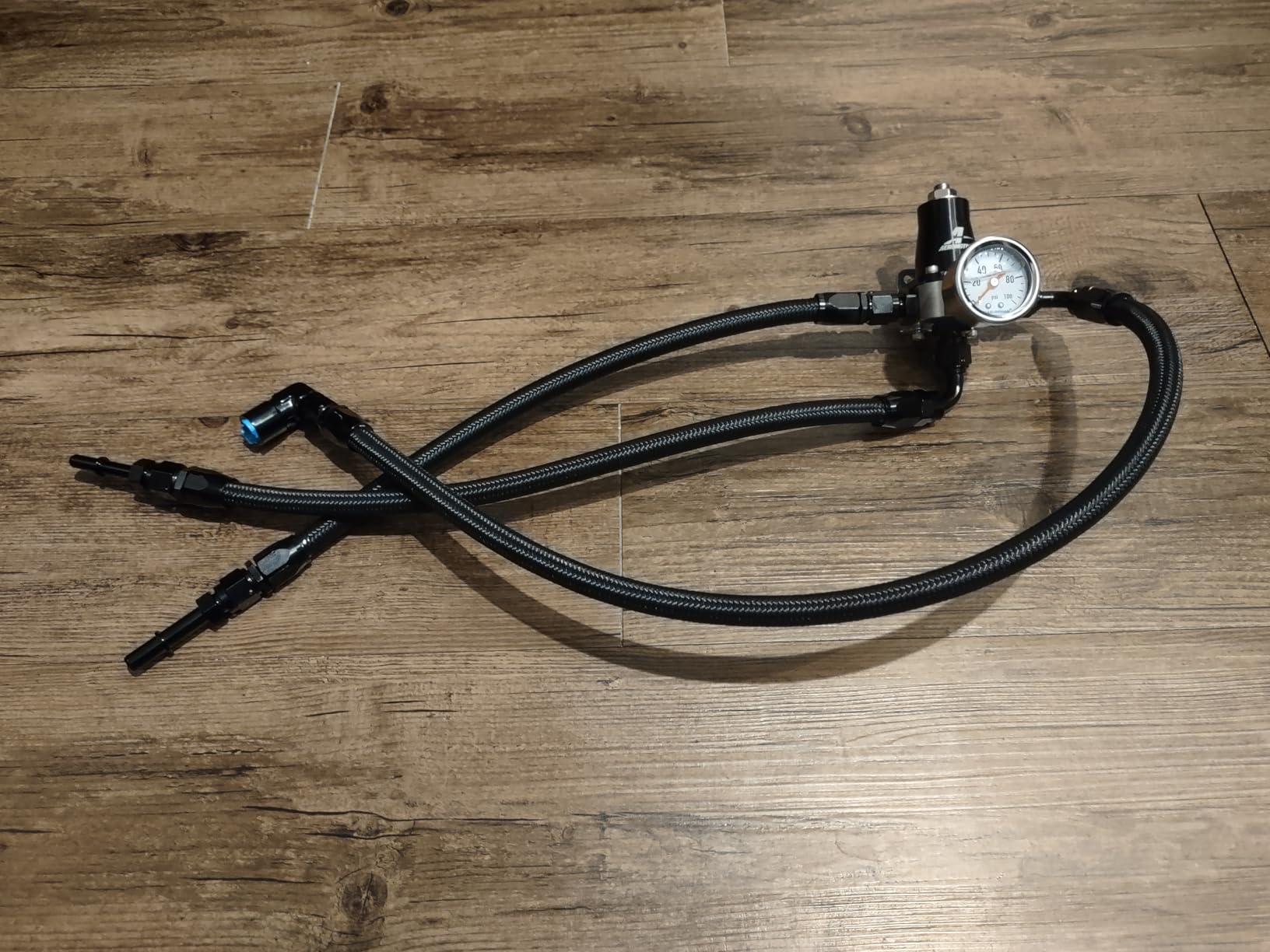
Customer photos show the exceptional machining quality that goes into each unit. The anodized finish resists fuel corrosion, and real-world testing confirms this regulator maintains steady pressure during rapid throttle transitions. Users consistently report zero leaks when installed correctly with proper thread sealant.
The only recurring issue is minor air leaks from adjustment screws, easily resolved with quality Teflon tape. At around $175, this costs significantly more than budget options, but consider what you’re protecting. A single lean melt-down from pressure drop costs far more than the price difference.
This is the regulator I choose for forced induction applications making over 500 HP. The aerospace tolerances and 1:1 boost reference ensure your air-fuel ratio stays consistent whether you’re cruising at vacuum or full boost at redline.
Supercharged Applications
High-HP Builds
Reasons to Buy:
- Supports applications up to 1000 HP verified by users
- 1:1 boost reference maintains perfect AF ratios under boost
- CNC billet construction won’t deform under pressure
- Dual inlet design supports dual pump setups
- Maintains pressure within 1 PSI during rapid transitions
Reasons to Avoid:
- Higher price point around $175
- Limited stock availability with only 5 left at last check
- May require Teflon tape on adjustment screws
2. AEM 25-300BK – Premium Adjustable Regulator
AEM 25-300BK Black High Volume Adjustable Fuel Pressure Regulator
Type: High volume adjustable
Construction: Military aircraft components
Finish: Black
Fittings: -8 AN inlet, -6 AN outlet
+ Pros
- High-quality components
- Better build than alternatives
- Fine tune adjustment
- Easy to install
- Replaceable parts available
– Cons
- Some units develop leaks
- Diaphragm failure reported
- Potential fire hazard risk
- Fittings may not match factory hoses
AEM’s 25-300BK represents premium adjustable regulation with military-grade components. The high-volume design supports serious performance builds, and the fine-tune adjustment lets you dial in exact pressure specifications. Manufactured to Earl’s quality specifications, this regulator features better construction than cheaper alternatives.
The black anodized finish looks professional in any engine bay, and the aluminum construction reduces weight compared to steel alternatives. I appreciate the replaceable parts design – if something fails, you can rebuild rather than replace the entire unit.
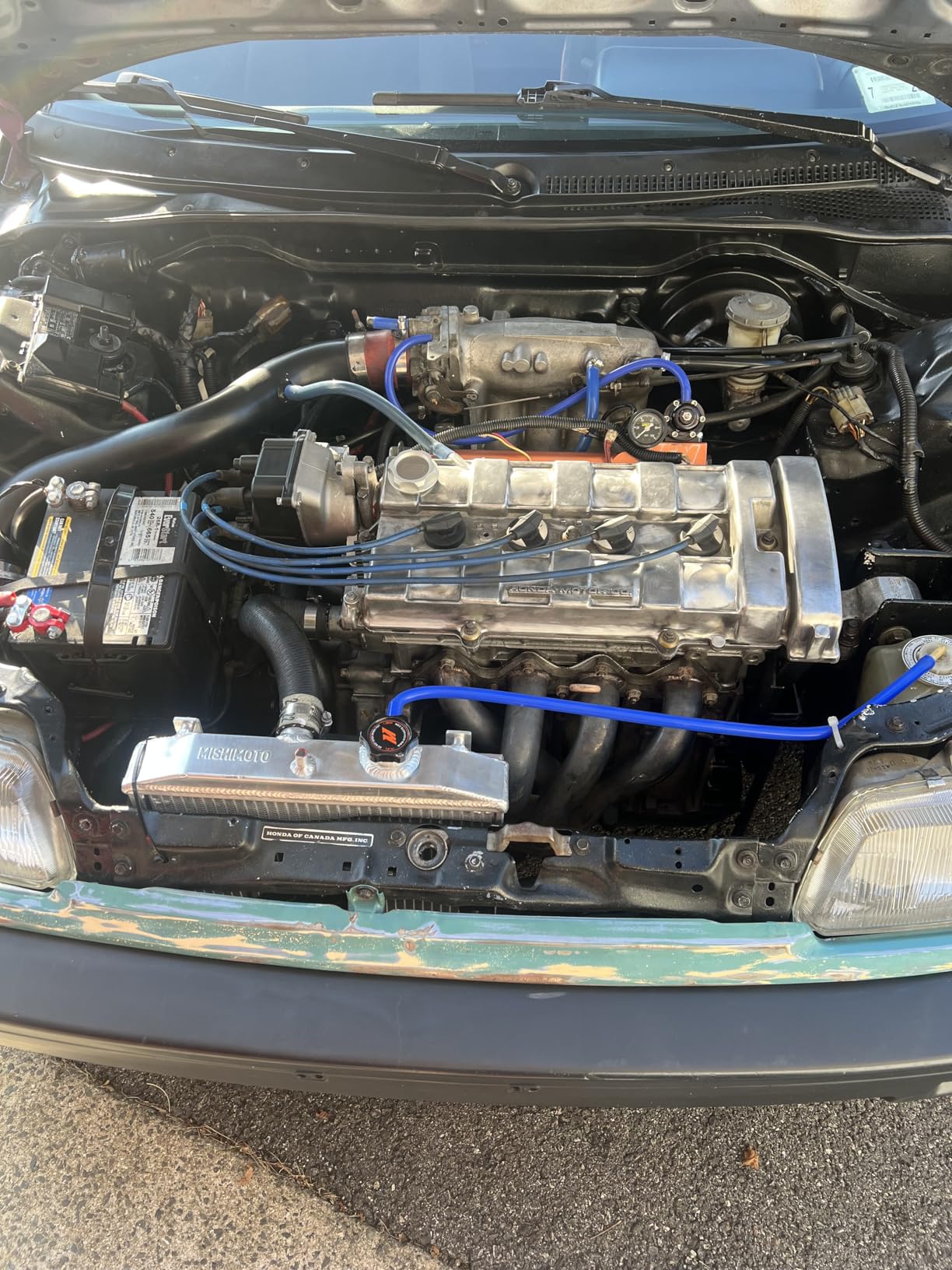
Customer images show the quality machining and clean aesthetics. Real-world users praise the easy installation process and durable construction that holds up under harsh under-hood conditions. The -8 AN inlet and -6 AN outlet configuration supports healthy fuel flow for most performance applications.
However, serious reliability concerns exist. Multiple users reported diaphragm failures within months, and some units developed leaks that could create fire hazards. The 15% one-star review rate is concerning and indicates notable quality control issues despite premium pricing.
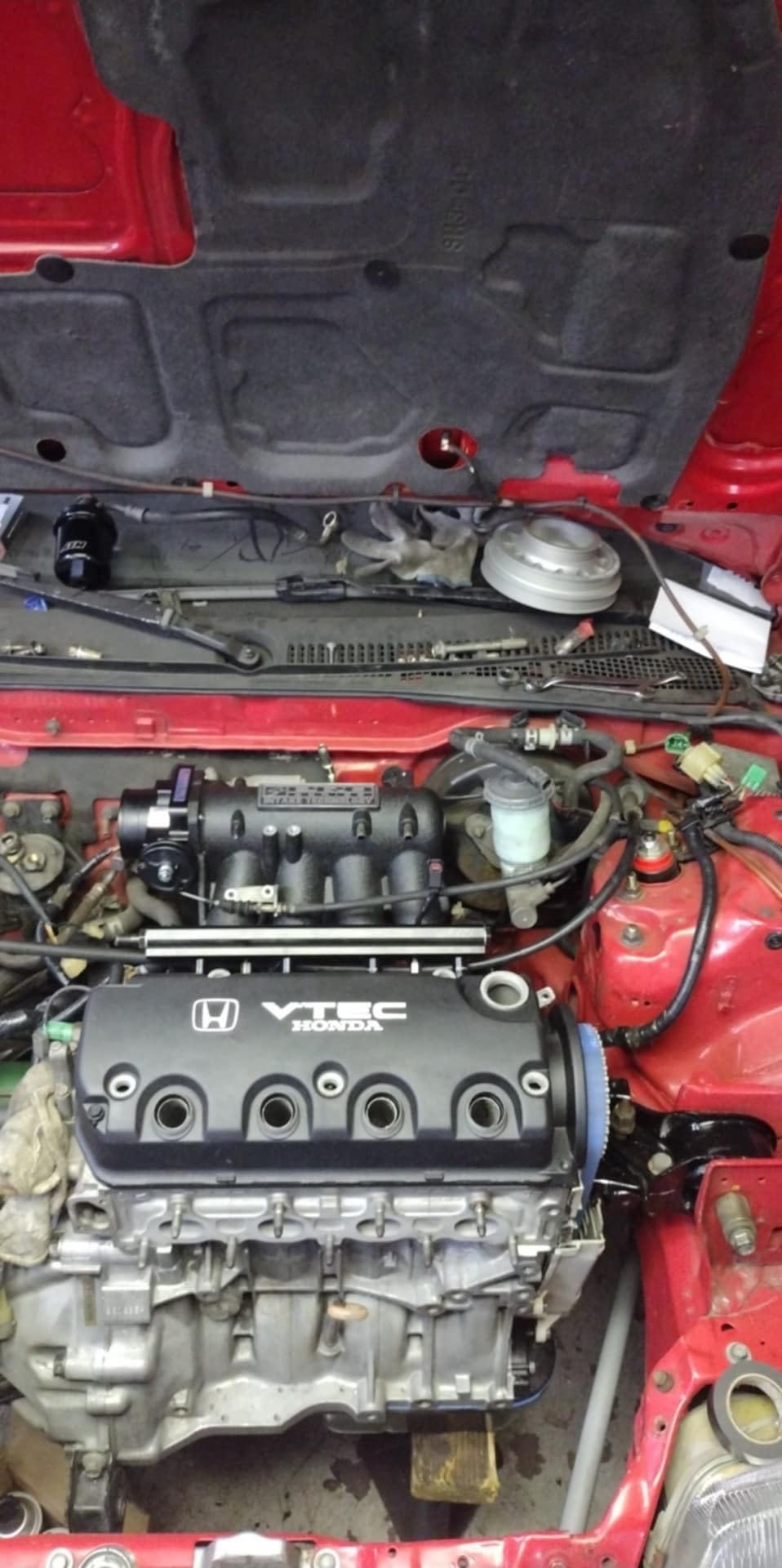
At $150, this regulator costs significantly more than budget options. While the build quality is excellent when working correctly, the reliability issues give me pause. I’d recommend this for show cars or moderate builds, but serious track applications might be better served by the Aeromotive.
Street Performance
Custom Builds
Reasons to Buy:
- High-quality military aircraft material components
- Better build quality than cheaper alternatives
- Fine tune adjustment capability
- Easy installation with proper fittings
- Replaceable parts if components fail
Reasons to Avoid:
- Some units develop leaks within months of use
- Diaphragm failure reported in multiple cases
- Potential fire hazard risk if diaphragm fails completely
- Fittings may not match factory hose sizes
- Premium price with concerning reliability record
3. EVIL ENERGY EFI Regulator – Best Mid-Range Adjustable
EVIL ENERGY Fuel Pressure Regulator 6AN EFI Bypass Return Adjustable (30-70PSI), Black
Pressure Range: 30-70 PSI
Fuel Compatibility: Gasoline, E85, Alcohol
Ports: 6AN EFI bypass
Included: Fittings, gauge, mounting bracket
+ Pros
- Excellent quality for price
- Adjustable 30-70 PSI
- Sleek black design
- E85 compatible
- Comprehensive fitting kit
– Cons
- Leaking issues with NPT adapters
- Gauge quality questionable
- Thread sealant required
- Pricier than off-brands
The EVIL ENERGY EFI regulator hits the sweet spot between quality and price. At around $76, you get adjustable pressure from 30-70 PSI with a sleek black design that looks professional in any engine bay. The bypass return style design maintains consistent pressure, and the unit supports gasoline, E85, and alcohol fuels.
What impressed me most is the comprehensive fitting kit included. You get everything needed for installation: 6AN fittings, mounting bracket, and pressure gauge. This saves significant time and money compared to sourcing components separately. Customer images confirm the clean machining and quality anodizing that resists fuel staining.
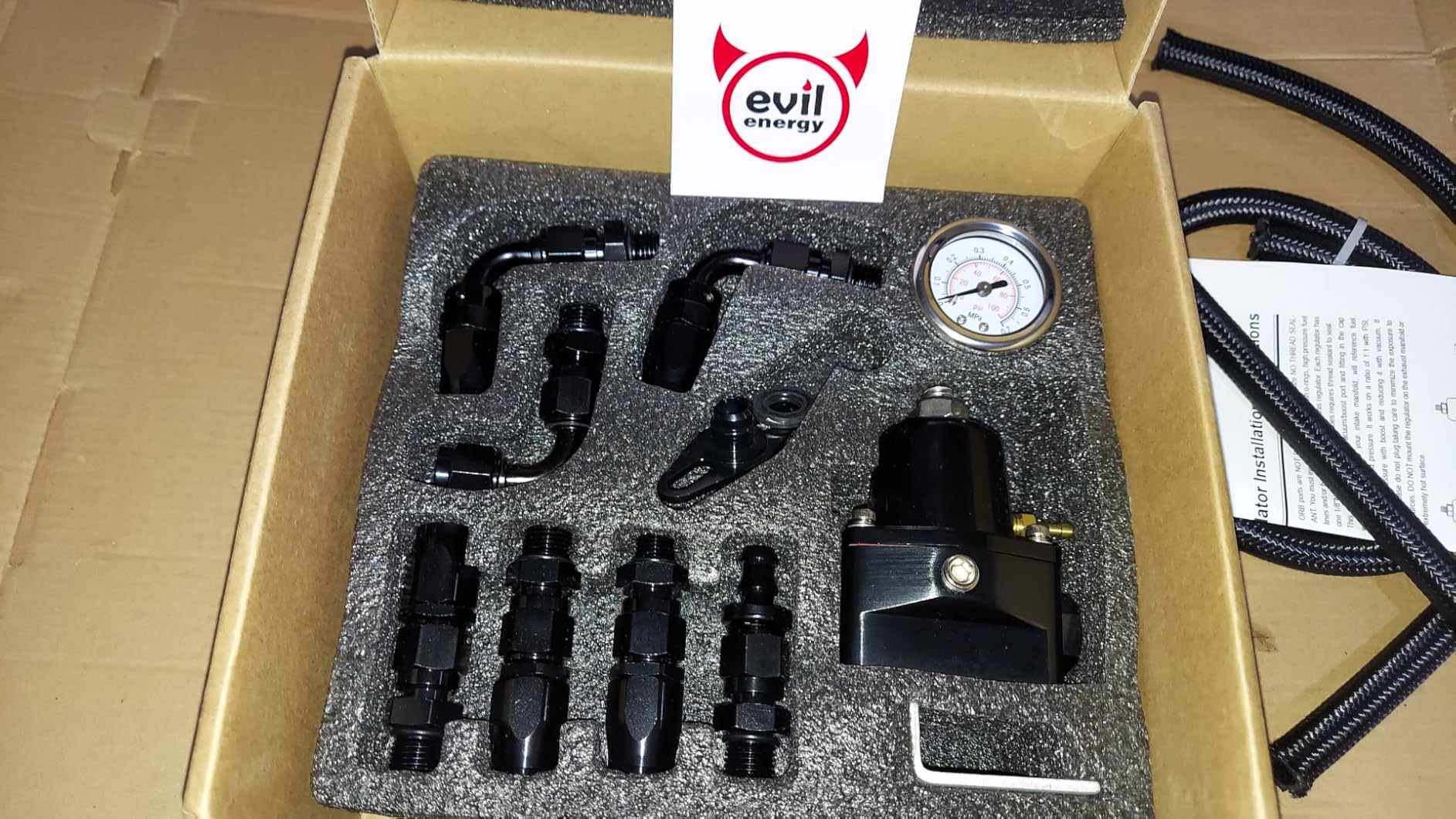
Real buyers have confirmed compatibility with E85, which is crucial for flex-fuel builds. The 6AN bypass design works well for EFI systems, and the included pressure gauge helps with initial setup. However, some users reported leaking issues with NPT adapters that required thread sealant to resolve.
The included gauge is adequate for setup but I wouldn’t rely on it long-term. Plan to upgrade to a quality mechanical gauge or use your ECU’s fuel pressure sensor for permanent monitoring. With over 200 units sold recently and a #2 best seller ranking, this regulator has proven market acceptance.
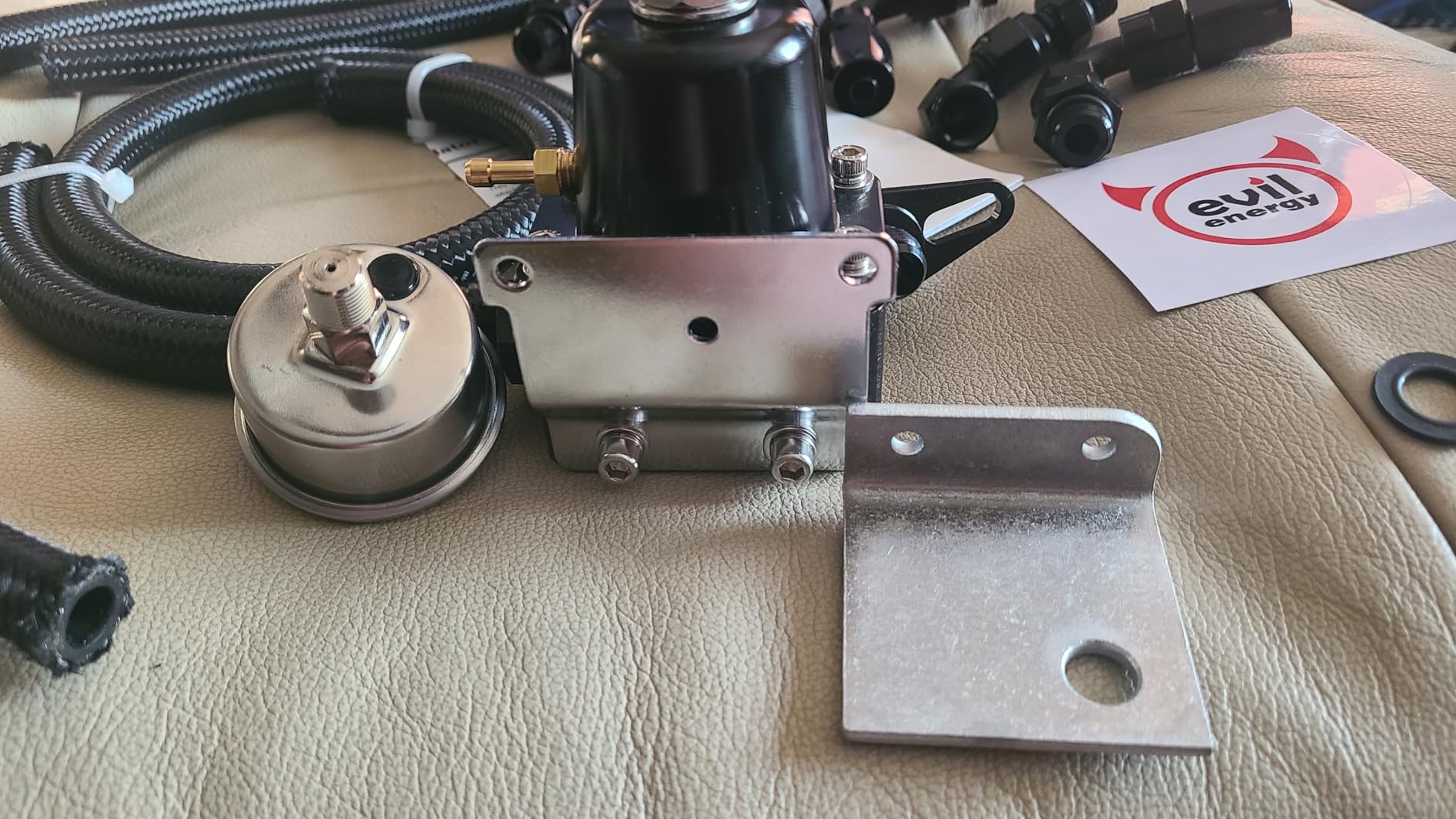
This is my recommendation for anyone doing an EFI conversion on a budget. The E85 compatibility and complete kit make it an excellent value proposition. Just apply thread sealant to all NPT connections during installation to prevent leaks.
E85 Builds
Budget Performance
Reasons to Buy:
- Excellent quality for the price point
- Adjustable 30-70 PSI covers most EFI applications
- Sleek black design looks professional
- Compatible with E85 and alcohol fuels
- Comprehensive fitting kit included
Reasons to Avoid:
- Leaking issues reported with NPT adapters
- Included gauge quality is questionable
- Thread sealant required for proper sealing
- Pricier than some off-brand alternatives
4. Delphi FP10004 – Best for GM LT1 Engines
Delphi FP10004 Fuel Injection Pressure Regulator
Fitment: GM LT1 engines 1994-1995
OE Numbers: 5G1053, PR107, PR128
Construction: Machined exterior
Origin: United States
+ Pros
- OE fit and quality
- Made in USA
- Eliminates fuel leaks to oil sump
- Smooth engine operation
- Improved gas mileage reported
– Cons
- Difficult installation due to location
- Torx bolt on back side is tricky
- Limited working room in some vehicles
Delphi is an OE supplier with 234 years of experience, and the FP10004 shows that quality. This regulator is designed specifically for GM LT1 engines found in 1994-1995 Camaro Z28, Corvette, and other performance vehicles. As an OE-quality replacement, it eliminates the fuel leaking into oil sump that plagues failing original units.
Users consistently report this regulator solves engine stumbling issues and restores smooth operation. The precision machining ensures proper fuel pressure delivery, and many customers noted improved gas mileage after replacement. With 80% of reviews being 5-star, the customer satisfaction is exceptional.
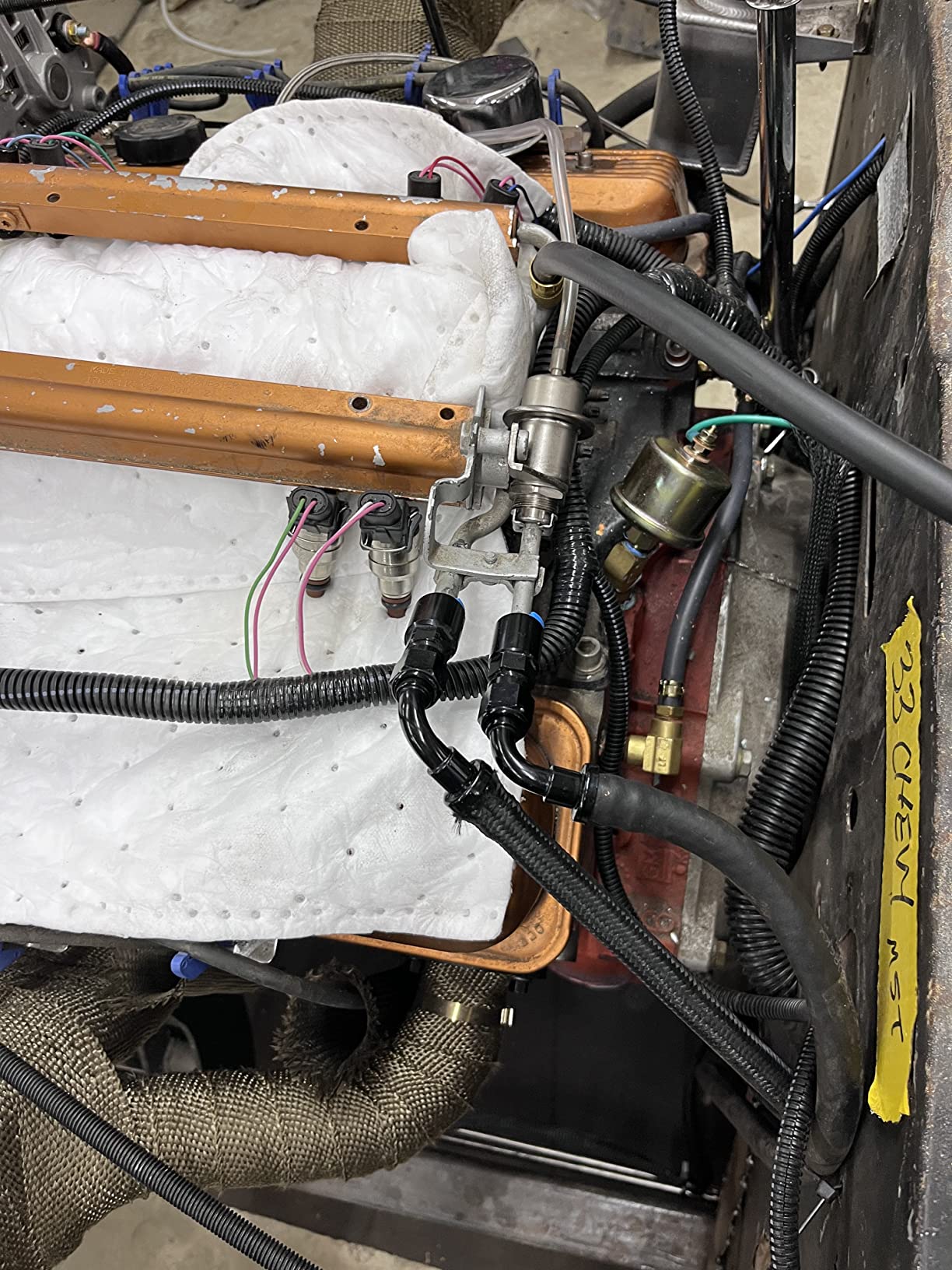
Customer photos show the quality construction and proper fitment. The machined exterior matches factory appearance, and the unit fits 100% in the spider injection base. Made in USA quality is evident in the precisely manufactured internal components.
Installation challenges are worth noting. The regulator location on LT1 engines makes access difficult, and the Torx-head bolt on the back side requires patience and the right tools. Working room is limited in Camaro engine bays, so budget extra time for the job.
At around $56, this offers significant savings compared to dealership prices while maintaining OE specifications. For anyone with a 1990s GM LT1 vehicle experiencing fuel system issues, this is the replacement I recommend.
1994-1995 Camaro
Corvette Z28
Reasons to Buy:
- OE fit and quality from original equipment supplier
- Made in USA construction
- Eliminates fuel leaking into oil sump
- Solves engine stumbling issues
- Improved gas mileage reported by users
Reasons to Avoid:
- Difficult installation due to tight engine bay location
- Torx-head bolt on back side is tricky to access
- Limited working room in Camaro engine bays
5. Delphi FP10049 – Best 2-Hole Mount Regulator
Delphi FP10049 Fuel Pressure Regulator, 2 mounting Holes
Mounting: 2 holes (critical fitment)
Fitment: Ford and some Mazda
Construction: Metal
Compatibility: Return and returnless systems
+ Pros
- Works exactly like OEM
- Perfect factory replacement
- Precisely manufactured internals
- Excellent performance all conditions
- Better than OEM per some users
– Cons
- Uses generic gasket not separate o-rings
- Black gasket must not be discarded
- Only works with 2-hole mounting pattern
The Delphi FP10049 is a critical purchase – but only if your vehicle uses a 2-hole mounting pattern. This regulator will not work if your original has 3 mounting holes. For compatible Ford vehicles including Mustang GT, F150, and Bronco, plus some Mazda models, this is an excellent factory replacement.
What stands out is the precisely manufactured internal valves, diaphragms, and springs. Users report this regulator works exactly like OEM and some claim it’s even better than the original. The unit performs excellently under all operating conditions and works in both return and returnless fuel systems.
A critical installation note: this regulator uses one generic gasket instead of separate o-rings. You must not discard the odd black gasket on the underside or it will leak. Several users learned this the hard way.
At around $45, this offers excellent value for OE-quality replacement. The 79% five-star review rate confirms customer satisfaction. For early model Ford trucks and Mustangs with 2-hole regulators, this is the replacement I choose.
Ford F150
Mazda B2300
Reasons to Buy:
- Works exactly like OEM when properly installed
- Perfect factory replacement for 2-hole applications
- Precisely manufactured internal components
- Excellent performance under all conditions
- Can be used in return and returnless fuel systems
Reasons to Avoid:
- Only compatible with 2-hole mounting pattern
- Will not work if your regulator has 3 holes
- Must keep black gasket on underside or it will leak
6. Standard Motor Products PR15T – Best OEM Replacement for Ford Trucks
Standard Motor Products PR15T Fuel Pressure Regulator Kit
Fitment: Ford 1993-1995 (Bronco, F150, E350)
Model: PR15T
Origin: Made in USA
Type: Fuel Pressure Regulator Kit
+ Pros
- Perfect fit for 1993-1995 Ford
- Direct OEM replacement
- Made in USA
- Easy installation
- Eliminates fuel starting issues
– Cons
- May read 28psi on key off (lower than expected)
- Some users report lower pressure readings
For owners of 1993-1995 Ford trucks including the Bronco, F150, and E350 vans, the Standard Motor Products PR15T is the direct replacement you need. This kit includes everything necessary for installation and provides perfect fitment for these specific vehicles.
Users consistently report this regulator eliminates fuel starting issues that plague aging Ford trucks. The easy installation process takes about 30 minutes with basic tools, and the unit provides reliable fuel pressure regulation once installed. Made in USA quality is a significant advantage over imported alternatives.
Some confusion exists regarding the 28 PSI pressure reading when the key is on but engine off. While this reads lower than some expect, users confirm the engine performs excellently regardless. The 78% five-star review rate demonstrates customer satisfaction.
At around $30, this represents excellent value for a vehicle-specific OEM replacement. The Amazon Choice badge confirms market acceptance. If you own a 1993-1995 Ford truck with fuel system issues, this is the first part I’d check.
1993-1995 Ford F150
Ford E350
Reasons to Buy:
- Perfect fit for 1993-1995 Ford trucks and vans
- Direct OEM replacement with exact specifications
- Made in USA quality construction
- Easy installation process
- Eliminates fuel starting issues
Reasons to Avoid:
- May show 28 PSI on key off engine off
- Some users report lower than expected pressure readings
- Only fits specific Ford vehicles from 1993-1995
7. Delphi FP10075 – Best for GM Spider Injection
Delphi FP10075 Fuel Injection Pressure Regulator
Fitment: GM spider injection systems
Position: Front
OEM Numbers: 19210686, 5G1404, PR122, PR155
Construction: Machined exterior
+ Pros
- 169 years OE experience
- Fits 100% in spider base
- Good value for money
- Quality appearance
- OE heritage
– Cons
- May arrive missing top filter
- Some units don't hold pressure
- Critical to lubricate O-rings during install
- Screen and O-ring must be removed for seating
The Delphi FP10075 serves GM vehicles equipped with spider injection systems, a notorious failure point on 1990s trucks and SUVs. With 169 years of OE heritage, Delphi brings authentic engineering to this replacement part. The regulator fits 100% in the spider injection base when installed correctly.
Installation requires attention to detail. The screen and small O-ring must be removed from the housing for proper seating, and all O-rings should be lubricated before installation. Some users reported units arriving missing the top filter portion, which is a quality control concern.
The 4.0-star rating reflects mixed experiences. Many users report successful installation and proper function, while others encountered pressure-holding issues. When working correctly, this regulator offers good value and maintains the OE appearance your engine bay deserves.
At around $53, this represents middle-ground pricing. For GM spider injection systems, proper installation technique is critical – follow the instructions carefully regarding O-ring removal and lubrication to avoid issues.
1990s GM Trucks
Vortec Engines
Reasons to Buy:
- 169 years of OE experience with supplier heritage
- Fits 100% in spider injection base
- Good value for money compared to dealer
- Quality appearance matches OE
- Works as designed when properly installed
Reasons to Avoid:
- May arrive missing top filter portion
- Some units reported not holding pressure properly
- Critical to properly lubricate O-rings during installation
- Screen and small O-ring must be removed for proper seating
8. PTNHZ RACING Carburetor Regulator – Best for Carbureted Engines
PTNHZ RACING Manual Adjustable Fuel Pressure Regulator Carburettor Carb Fuel Pump FPR
Pressure Range: 1-5 PSI adjustable
Application: Carbureted engines
Design: Single or twin carburetor
Finish: Chrome
+ Pros
- Adjustable 1-5 PSI range
- Chrome finish
- Ideal for Facet pumps
- Solves carburetor flooding
- Easy installation
– Cons
- Currently unavailable
- Max 7 PSI input must not be exceeded
- Quality control issues
- May need extra gasket for seal
Carbureted engines require completely different fuel pressures than EFI systems, typically 1-6 PSI. The PTNHZ RACING regulator addresses this need with an adjustable 1-5 PSI range controlled by a numbered dial on top. The chrome finish provides a classic appearance perfect for show cars and restorations.
This regulator is designed specifically for single or twin carburetor installations. It’s ideal for use with Facet fuel pumps to control pressure to the carburetor, preventing flooding issues that occur when high-pressure pumps supply too much fuel. The numbered dial makes adjustment precise and repeatable.
Quality control is the primary concern. Some units arrive defective or leak without proper installation with the provided tape. The pressure numbers can be off by one unit, so verification with a gauge is recommended. Maximum input pressure of 7 PSI should never be exceeded.
Unfortunately, this regulator is currently unavailable with no restock date. When available, it served as an excellent solution for carbureted vehicles. For classic car owners experiencing flooding issues from modern fuel pumps, this type of regulator is essential.
Classic Cars
Restorations
Reasons to Buy:
- Designed specifically for carbureted applications
- Adjustable 1-5 PSI range via numbered dial
- Chrome finish for classic appearance
- Solves carburetor flooding from high-pressure pumps
- Works with single or twin carburetor setups
Reasons to Avoid:
- Currently unavailable with no restock date
- Maximum input pressure of 7 PSI must not be exceeded
- Quality control issues reported by users
- May need extra gasket for best seal
- Pressure calibration can be off by one unit
How to Choose the Right Fuel Pressure Regulator?
Choosing the correct fuel pressure regulator requires matching your vehicle’s requirements. Let me break down the decision process based on your specific situation.
Determine Your Vehicle Type
OEM Replacement
Adjustable
Low PSI
Boost Reference
For daily drivers and stock vehicles, choose an OEM replacement regulator matching your original specifications. Delphi and Standard Motor Products offer excellent OE-quality options. Performance builds benefit from adjustable regulators that can be tuned for your specific setup.
Price Tier Analysis
| Price Range | Best For | Recommendations |
|---|---|---|
| $20-45 (Budget) | DIY on budget, older vehicles | Standard Motor Products PR15T |
| $45-90 (Mid-range) | Daily drivers, reliability | Delphi FP10004, FP10049 |
| $90-175+ (Premium) | Performance, forced induction | Aeromotive 13129, AEM 25-300BK |
Fuel Compatibility
Modern fuels require compatible materials. E85, ethanol blends, and methanol can degrade standard rubber seals and diaphragms. If you run alternative fuels, choose a regulator explicitly rated for compatibility. The EVIL ENERGY and Aeromotive regulators listed here support E85 applications.
Installation Basics and Safety
Installing a fuel pressure regulator involves working with a pressurized fuel system. Safety is paramount. I’ve seen mechanics make expensive mistakes by skipping safety steps.
Safety First
- Always work in a well-ventilated area away from open flames
- Keep a Class B fire extinguisher nearby
- Relieve fuel system pressure before disconnecting any lines
- Wear safety glasses – fuel under pressure can inject into skin
- Use absorbent pads to catch fuel spills
- Never smoke or use spark-producing tools near fuel
Installation Tips
Start by relieving fuel pressure using the fuel pump fuse method. Disconnect the negative battery cable for extra safety. Remove the vacuum line first, then disconnect fuel lines using line wrenches to avoid rounding fittings.
When installing the new regulator, use new O-rings or gaskets. Lubricate rubber seals with clean fuel before installation. Tighten fittings to specifications – over-tightening can damage aluminum threads. Reconnect the vacuum line and secure it with a new clamp if needed.
After installation, cycle the key to pressurize the system and check for leaks before starting the engine. Monitor fuel pressure at idle and verify it increases properly when the vacuum line is disconnected.
Frequently Asked Questions
What does a fuel pressure regulator do?
A fuel pressure regulator maintains consistent fuel pressure to the injectors by controlling fuel flow and returning excess fuel to the tank. It uses a spring-loaded diaphragm with vacuum reference to adjust pressure based on engine load, ensuring proper air-fuel mixture for optimal combustion.
What are the symptoms of a bad fuel pressure regulator?
Common symptoms include hard starting, rough idle, decreased fuel economy, black exhaust smoke, fuel smell in the engine bay, and check engine light with fuel trim codes. The most telltale sign is fuel present in the vacuum hose connected to the regulator.
Where is the fuel pressure regulator located?
On return-style systems, the regulator mounts on the fuel rail near the injectors. It has a vacuum line connected to the intake manifold. On returnless systems, the regulator is integrated into the fuel pump module inside the fuel tank.
How much does it cost to replace a fuel pressure regulator?
Parts cost $20-175 depending on whether you choose OEM replacement or performance adjustable. Professional labor adds $100-200. Total professional replacement typically runs $120-350. DIY replacement costs only the price of the part.
Can a bad fuel pressure regulator cause a rich condition?
Yes, a failing regulator that sticks open causes excessive fuel pressure, flooding the engine with too much fuel. This results in black exhaust smoke, poor fuel economy, and fuel odor. The condition can damage catalytic converters and wash oil from cylinder walls.
Will a bad fuel pressure regulator throw a code?
Often yes, but not always. Common codes include P0171 and P0174 for system lean, or P0172 and P0175 for system rich. These fuel trim codes indicate the computer is compensating for incorrect fuel delivery, but don’t specifically identify the regulator as the cause.
What is the difference between return-style and returnless fuel systems?
Return-style systems have the regulator on the fuel rail, with excess fuel returning to the tank via a dedicated return line. Returnless systems place the regulator in the fuel tank module, eliminating the return line for reduced emissions and simpler plumbing. Testing differs between the two types.
Leave a Reply