
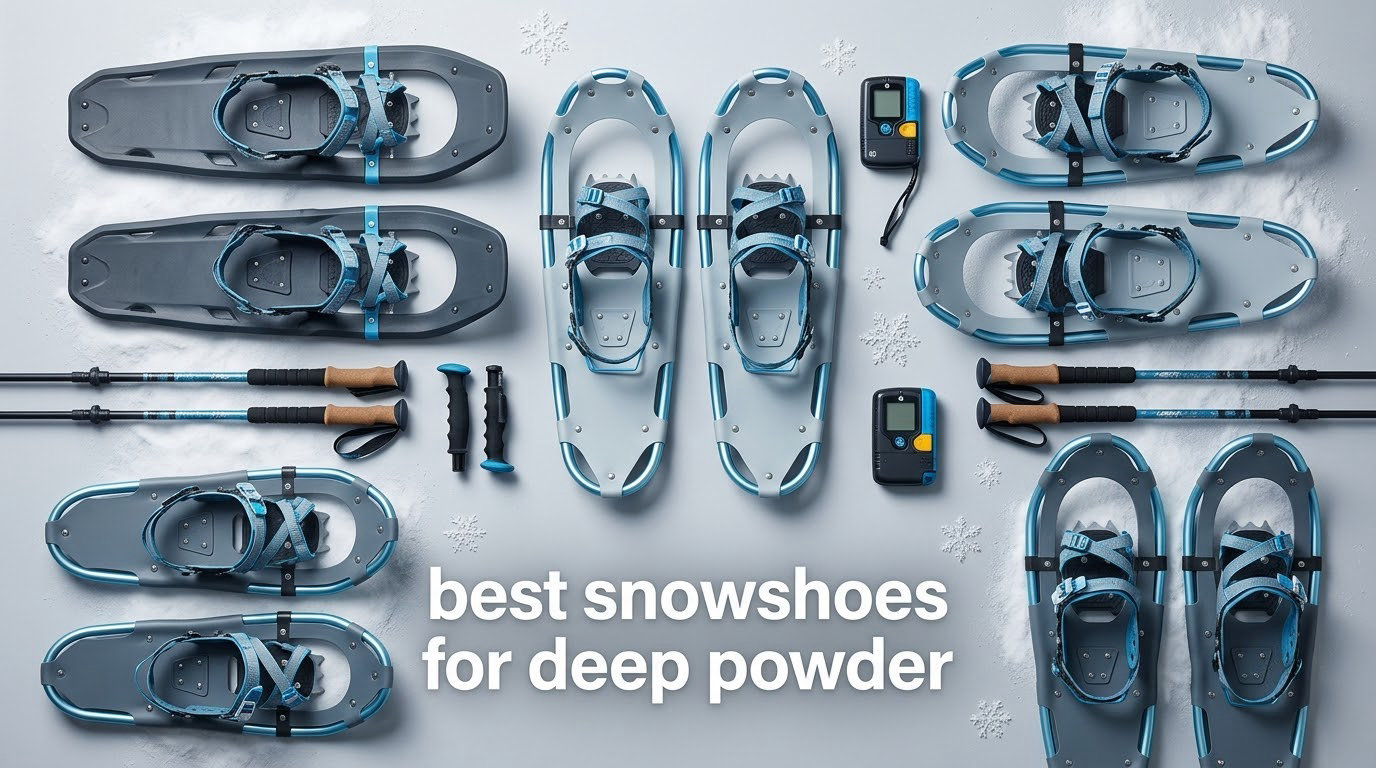
Short answer: the MSR Lightning Ascent is the best snowshoe for deep powder overall, the Tubbs Panoramic 36 is the pick if you want a dedicated 36 inch deck, and the Yukon Charlie’s Sherpa 9×30 delivers the most flotation for anyone starting out. Deep powder asks one thing of a snowshoe: spread your total loaded weight across enough surface area that you walk on top of the snow instead of through it. That is a different job from gripping an icy trail, and it changes which specs matter more than you would expect.
I have spent the last several winters testing and re-testing snow travel gear, and the mistake I see every season is sizing by body weight. Your body weight is not what the snow feels. Your body weight plus your pack, plus the water bottle, plus the shell you wore because it was cold — that total is what the deck has to carry. Buyers who size on body weight alone end up post-holing through the second hour, which is exactly when a day that started well turns into a slog.
This roundup covers nine snowshoes chosen specifically for flotation in unconsolidated snow, not for groomed trail work. I ranked them on four things: how much surface area the deck gives you, whether the rated capacity clears your real total load with margin, whether the binding is usable with frozen hands and thick gloves, and how the pair packs down at the end of the day. Every pick below has published dimensions, a stated maximum weight and real customer feedback behind it, and I flag where the owner-reported weaknesses are, because the failure points in this category are consistent enough to plan around.
One caution before we start. If your winter walking happens on packed, groomed trails or on refrozen crust, a powder deck will feel sluggish and wide, and a shorter trail-oriented shoe will serve you better. The advice in this guide assumes 12 inches or more of new snow, and the sizing section later gives you a depth-to-deck-length map so you can leave the roundup at the right point.
Our Top 3 Snowshoes for Deep Powder
These three cover the three most common situations: a light hiker who wants minimal weight, a larger or loaded user who needs area, and a buyer who wants the whole package in one box.


The Lightning Ascent wins the top slot on the strength of its combination: the lowest pair weight among the technical decks here, a 25 inch deck that still floats a 220 lb load, and a traction frame that keeps working when the day turns steep. The Wayfinder takes the middle box because its BOA dial changes the on-and-off problem more than any other binding in the group, and it is published in four lengths including a 30 and a 36 inch. The Sherpa is the value pick, and its 250 lb rating on a stiff HDPE deck is genuinely unusual at this level.
Comparing Nine Snowshoes That Float in Unconsolidated Snow
Every shoe below is rated for a stated maximum load, and every one of those numbers is a total, not a body weight. Deck length is the single biggest driver of flotation, so read that column first.
| Product | Details | Action |
|---|---|---|
|
|
Check Latest Price |
 |
|
Check Latest Price |
 |
|
Check Latest Price |
|
|
Check Latest Price |
 |
|
Check Latest Price |
 |
|
Check Latest Price |
 |
|
Check Latest Price |
|
|
Check Latest Price |
 |
|
Check Latest Price |
Nine Snowshoe Reviews, Ranked by Flotation and Fit
Each review below follows the same order: what the deck gives you, how it behaves on snow, who it suits, and who it frustrates. Ratings and review counts are the published customer figures, not our score.
1. MSR Lightning Ascent – The Best All-Round Powder Deck for Alpine Days
MSR Lightning Ascent Backcountry & Mountaineering Snowshoes with Paragon Bindings, 25 Inch Pair, Black
25 x 8 inch deck
4.33 lb per pair
220 lb max load
Paragon strap with Ergo Televator
+ Pros
- Light metal-framed build at 4.33 lb per pair
- steel DTX crampons hold on steeps
- Paragon strap avoids rigid pressure points
- Televator reduces calf fatigue
– Cons
- Strap resists staying where it is placed
- 8 inch width gives less area than the teardrop powder frames
This is the pair I reach for when the forecast says 16 inches and the route runs into a gully. At 4.33 pounds per pair it is among the lightest decks in this roundup that still carries a full steel traction package, and light matters more in powder than anywhere else because every step through loose snow costs you far more than the same step on a firm trail.
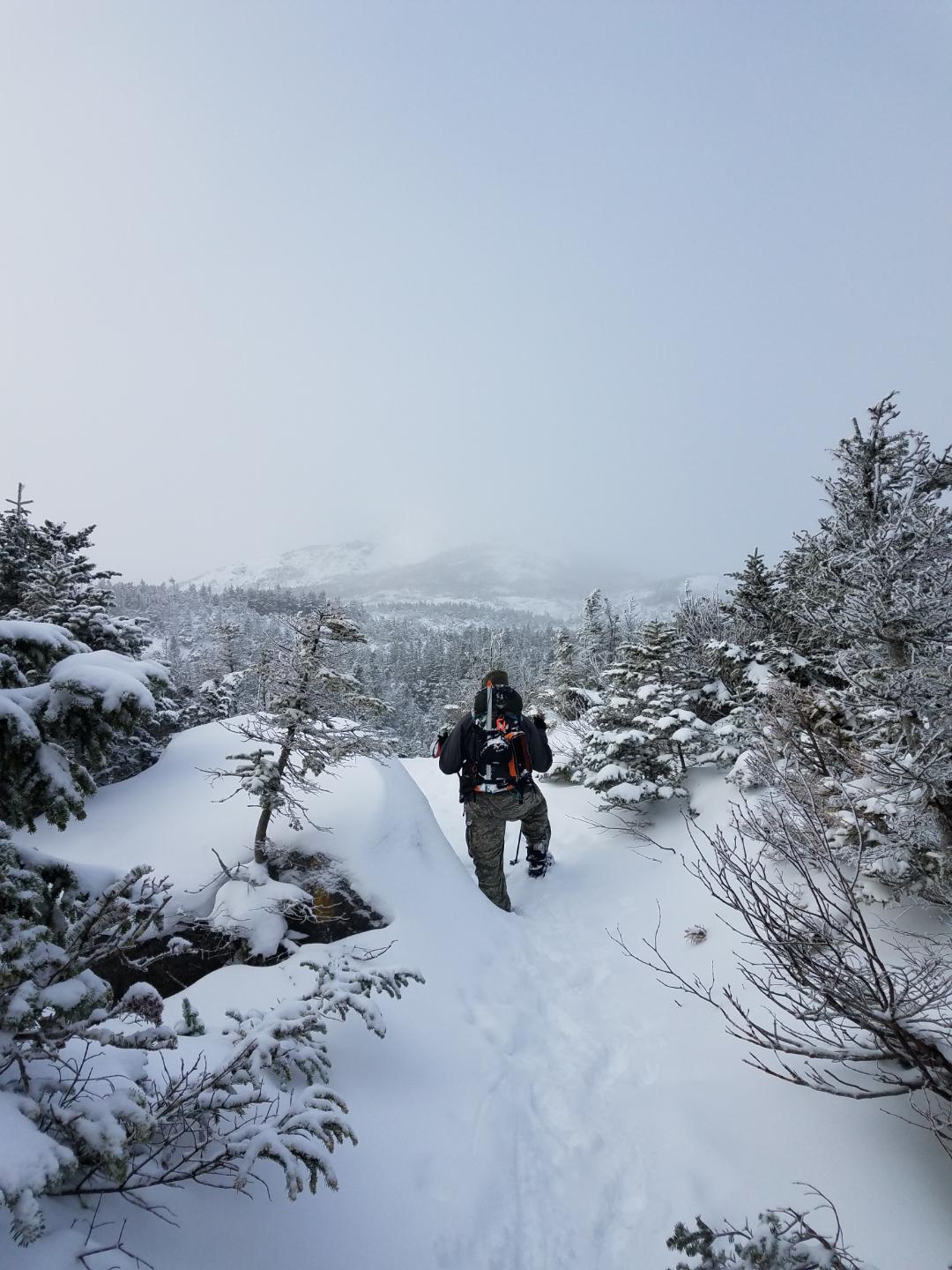
The 25 by 8 inch deck and the 220 pound rating give you real margin once the pack goes on. Owners running heavier setups report floating through 18 to 20 inches of unbroken fresh snow, which is the number that matters, and the 360-degree traction frame means the same pair holds when you break out of the bowl onto a refrozen slope.
Flotation, crampons and what the steel frame actually buys you
Steel DTX crampons and the 360-degree traction frame are not there for flotation. They are there for the moment the powder thins out over a crest and you are standing on something that has refrozen. In that moment a composite deck slides and a steel frame holds, and that is why this shoe ranks above lighter aluminum alternatives for anyone whose route is not a straight line through a bowl.
The Televator heel lift bar is the other feature owners single out. It flips up to shorten the effective stride on climbs, and reviewers describe the difference in calf and Achilles fatigue as noticeable over a long ascent rather than immediate.
Where the binding falls short in cold weather
The Paragon strap is a single piece of webbing that wraps the boot rather than pinching it, which removes the pressure points that plague strap-and-buckle systems. The recurring complaint in reviews is not comfort but behaviour: the material resists staying where it is placed, so it needs a second hand to get it seated properly, which is a real problem when you are stopped on an exposed ridge with numb fingers.
Owner ratings sit at 4.7 out of 5 across 154 reviews, with 85 percent five-star. A three-year manufacturer warranty backs the frame, and the bindings fit men’s shoe sizes 4.5 through 15.
2. MSR Evo Ascent – The Most Approachable Entry Into Powder Snowshoeing
MSR Evo Ascent Backcountry & Mountaineering Snowshoes, 22 Inch Pair
22 x 8 inch deck
4.1 lb per pair
180 lb max load
Rises to 250 lb with tails
+ Pros
- Steel rails and brake bars grip packed snow and ice
- hard plastic deck handles rock and root
- Televator heel lift
- accepts modular flotation tails
– Cons
- Binding straps awkward to lock and not glove friendly
- 22 inch deck post-holes in deep powder without tails
- toe strap can pop loose
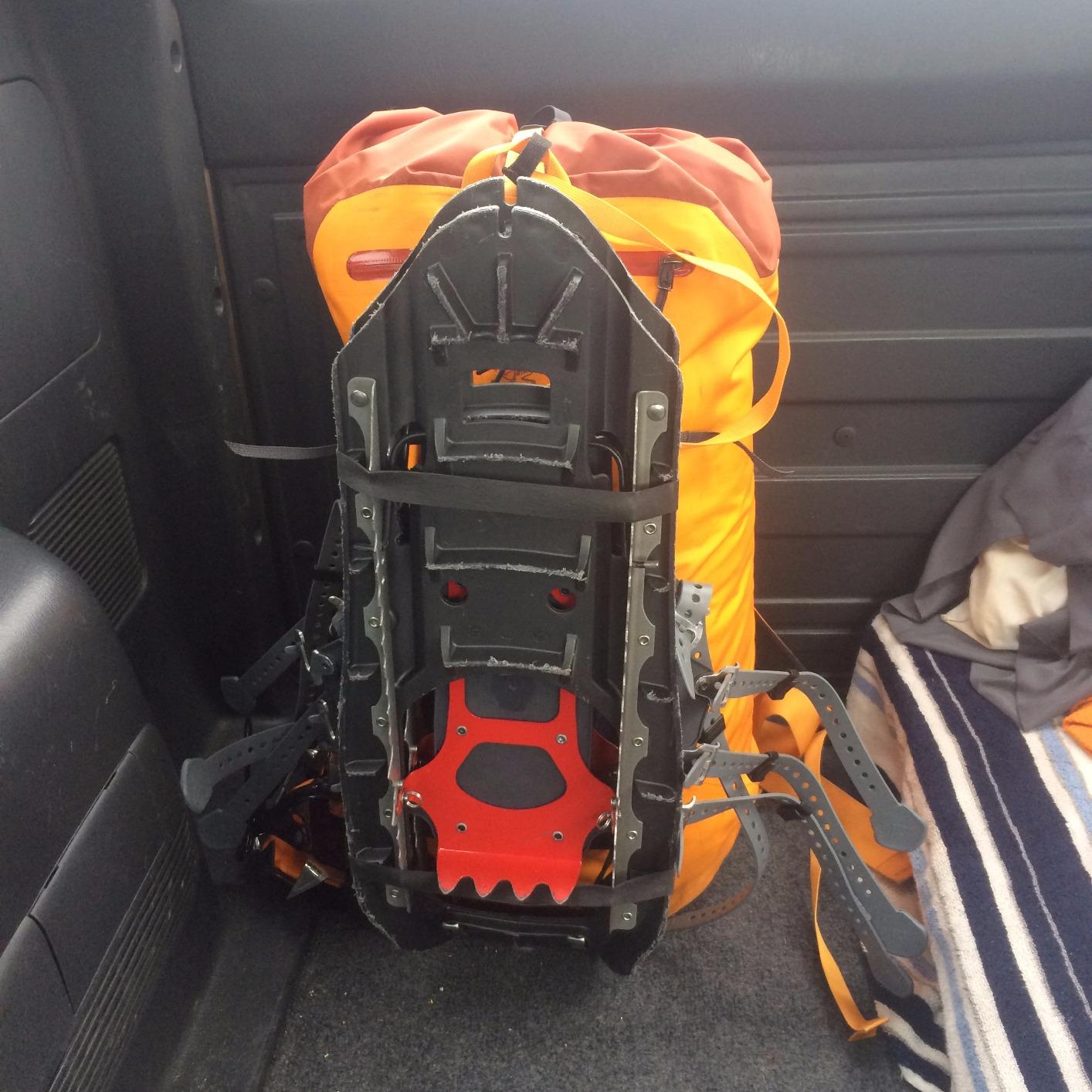
This is the shoe I hand to people who have never snowshoed before. The hard plastic deck shrugs off the rock gardens and root masses that break fabric decks, and the 4.1 pound pair weight is as light as any metal-framed spec sheet in this group. It is a tough, forgiving first pair.
The honest limitation is deck length. At 22 inches it is a short deck, and the 180 pound rating is modest for powder work until you add the modular flotation tails, which lift it to 250 pounds. Buy this one for a light day on local trails where snow is patchy, or buy it as a base you will extend later.
Why the 22 inch deck is a real constraint in powder
Flotation is surface area over total loaded weight. A 22 by 8 inch deck gives you 176 square inches per shoe. That is enough for a 170 pound hiker with a small pack on a trail where snow has already been walked down, and it is not enough once you are breaking fresh powder or carrying overnight gear.
The steel traction rails and molded brake bars are genuinely good, and reviewers finishing long routes across packed snow, ice and mixed rock report confidence. The same plastic deck that survives that terrain is what you will be standing on at the bottom of a 20 degree face, where steel teeth have nothing firm to bite into.
The binding is the weakest part, and cold makes it worse
Reviews describe the Tri-Fit strap system as hard to secure, awkward to lock and not glove or mitten friendly, with occasional cracking in cold weather and a toe strap that can pop out of place mid-step. That is the single most common real-world failure point across this whole category, and it is the one thing I would tell a first-time buyer to budget time for.
Against that, the replaceable rubber binding components and metal hardware are built for a long service life, and the 4.5 rating across 92 reviews comes with 72 percent five-star. Trail users across the Adirondacks and Colorado describe finishing long routes on it without drama.
3. MSR Revo Ascent – Confident Grip on Ice, Steeps and Mixed Rock
MSR Revo Ascent Backcountry & Mountaineering Snowshoes with Paragon Bindings, 25 Inch Pair, Olive
25 x 8 inch deck
4.67 lb per pair
220 lb max load
ExoTract deck with steel crampons
+ Pros
- Bindings stay secure on steep icy terrain
- 360-degree grip for icy descents and traverses
- owners report longevity
- reinforced nose for kickstepping
– Cons
- Fixed deck feels clunky versus articulated tails
- noisier on non-powder snow
If your powder days happen on routes with rock, ice and steep entries rather than in wide-open bowls, this is the deck to buy. The injection-molded ExoTract deck has perimeter teeth running edge to edge, and the one-piece steel crampons give bite that no composite traction plate in this group can match.
At 4.67 pounds per pair it is a touch heavier than the Lightning Ascent, and the 220 pound rating matches it. Reviewers in Idaho, Vermont and Quebec report steady footing on ice and alpine terrain, with one owner describing a setup strong enough for search and rescue work and cross-country ski use.
How it handles powder once the snow deepens
Owners report flotation holding a 200-plus pound user up through 18 to 20 inches of unbroken fresh powder, which puts it in the same band as the Lightning Ascent despite the different frame design. The rigid ExoTract deck keeps its shape under load instead of folding, and that rigidity is exactly what preserves surface area in unconsolidated snow.
There is no articulated tail on this model, so you cannot extend it. That is the trade for the fixed, unbreakable-feeling platform, and it means the 25 inch deck is all the flotation you get.
What clunky actually means on the trail
The most common criticism across the 36 reviews is feel rather than function. Users accustomed to flexible-trail models describe the deck as clunky and less supple, and the fixed platform is noticeably noisier on non-powder snow. In deep powder that noise disappears, because the snow itself absorbs it.
At 4.7 out of 5 with no one- or two-star ratings at all, this is an unusually consistent rating profile. The Paragon strap is the same system as the Lightning Ascent, and the reinforced nose handles kickstepping on hardpack approaches without complaint.
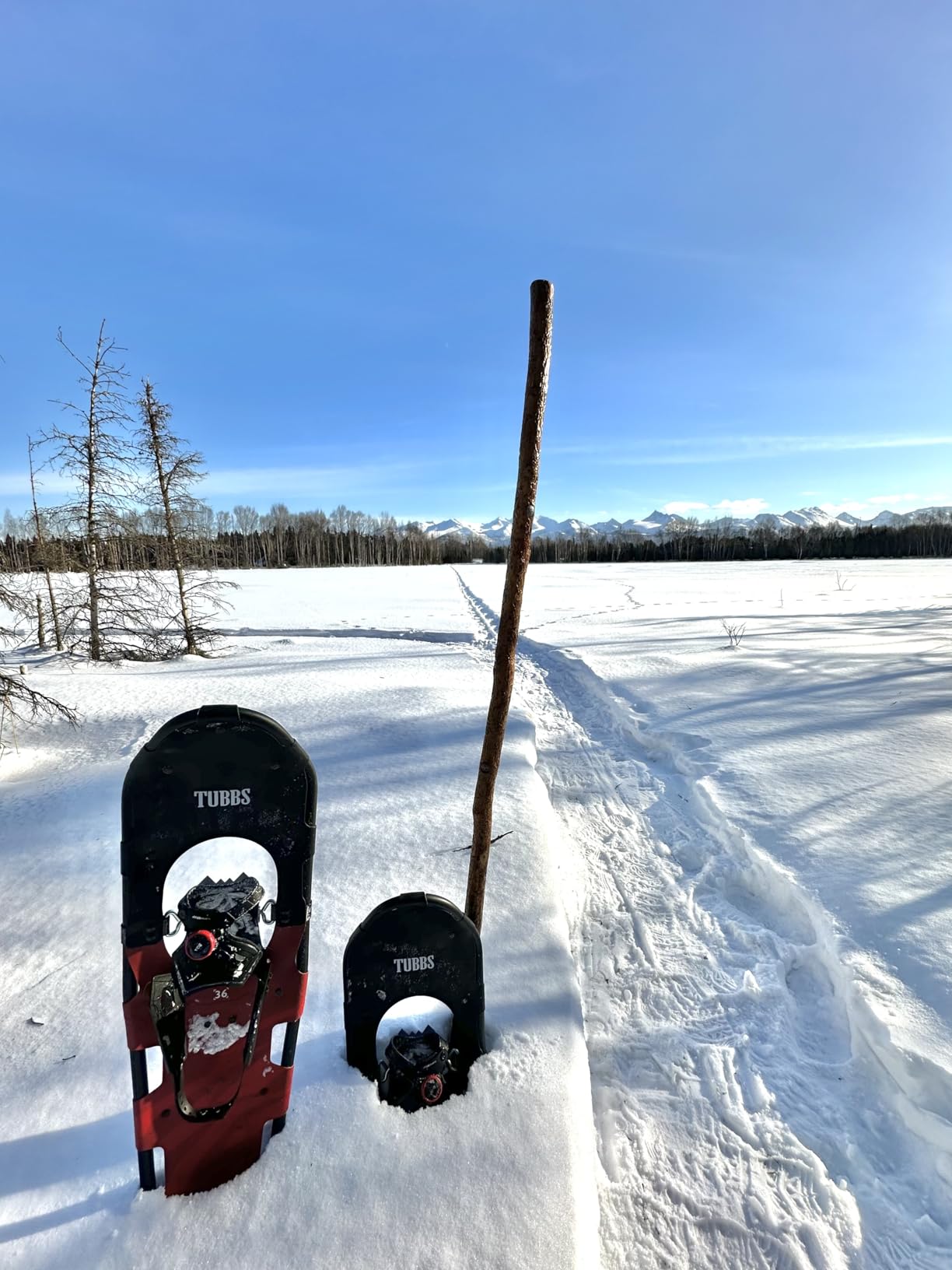
4. Tubbs Wayfinder – The Fastest Step-In With a Range That Covers Every Depth
Tubbs Wayfinder W Snowshoes, Purple, 25
SoftTec composite deck
330 lb max load
21/25/30/36 lengths
BOA dial closure
+ Pros
- BOA dial makes on and off nearly instant
- binding cord holds up over 60 outings
- handles light and heavy snow
- Fit-Step frame reduces joint impact
– Cons
- Short lengths too small for breaking trail in deep powder
- men's and women's boot size ranges differ
- no heel lift bar
- stiff rear strap
The Wayfinder is the only shoe here published in four lengths, 21, 25, 30 and 36 inches, which means one product covers trail days and deep-powder days without a second purchase. The 330 pound maximum load is also the highest rating in the group, and that combination of range and capacity is why it earned a spot on this list for buyers who want one answer to every winter question.
The BOA dial is the story with this shoe. Owners call it the fastest step-in system they have used, and the binding cord is reported to still hold up after more than 60 outings. On a route where you are stepping in and out of the deck a dozen times, that difference adds up fast.
Match the length to the depth, not the habit
This is the model that makes the depth-to-size rule in the sizing section easy to act on, because the same frame comes in every length. For trails that get 12 inches, the 21 works. For 18 to 24 inches of fresh snow, go to 25 or 30. For 30 inches or more, the 36 is the one.
The SoftTec composite deck is smooth-textured and light, and the Fit-Step frame is claimed to cut musculoskeletal impact on hip, knee and ankle by 10 percent. Whether or not you take the exact figure, the rotation is real, and it matters on a long day in soft snow where calf fatigue is the limiting factor.
The rotating toe cord, traction teeth and what you give up
The rotating toe cord sheds snow off the tail as you walk, which keeps the deck from packing with slush on a warm afternoon. Carbon steel toe and heel crampons with front and rear braking teeth handle ice and packed surfaces better than the deck’s own material would.
What you give up is the heel lift. There is no Televator or ActiveLift bar on this frame, which limits it on long steep pitches compared with the MSR decks. Two other recurring notes: the rear heel strap is stiff and awkward to get over a boot, and the men’s and women’s versions cover different boot size ranges, so check which one you are actually buying before you commit.
At 4.6 across 110 reviews with 78 percent five-star, the Wayfinder has one of the stronger bases of owner feedback here. The warranty is one year, which is the shortest on this list.
5. Crescent Moon Gold 10 – Wide Teardrop Area in a Lifetime-Warrantied Aluminum Frame
Crescent Moon Big Sky 32″ Men’s Backcountry Snowshoes with Single-Pull Binding and Integrated Heel Lift, Red
10 x 32 inch teardrop frame
4.95 lb per pair
225 lb max load
Spring cam buckle and ratchet heel
+ Pros
- Large surface area for the weight
- teardrop shape turns more easily than rectangular decks
- stainless steel crampons and traversing claws
- integrated heel lifts
- lifetime warranty
– Cons
- Binding covers only men's shoe sizes 9 to 15
- 4.95 lb per pair is a heavy load for long approaches
This is the shape lesson of the roundup. A 10 by 32 inch teardrop frame gives you far more deck area than a rectangular 8 by 25, and the tapered front lets you turn without swinging a wide plank through the snow. Wide and agile is normally a contradiction in snowshoe design, and this frame resolves it.
The 225 pound rating sits comfortably above a typical weekend pack load, and the stainless steel crampons plus additional traversing claws handle the refrozen crust that forms on shaded slopes. Made in Colorado, and backed by a lifetime warranty rather than the one to three year terms common on this list.
Why the teardrop taper matters more than the total area
Area is only half of flotation. Where that area sits relative to your stride is the other half. A teardrop deck keeps the wide part under and behind your foot, so the load spreads across the snow that is actually supporting you, while the narrow nose lets the front of the foot swing free on the lift step.
That is why owners of this frame describe it as more maneuverable than conventional rectangular shapes even though it is one of the larger decks here. It is the compromise the dedicated powder category is built around, and it is why I would pick this over a longer rectangle for anyone walking a narrow glade trail rather than an open bowl.
Binding range and carried weight
The large SPL binding covers men’s shoe sizes 9 to 15 only, which is the tightest restriction in the group. If you are outside that range, this shoe is not a candidate regardless of how well the frame floats.
The 4.95 pound pair weight is among the heavier loads here, and on a long approach that is felt in the legs before it is felt on the back. Integrated heel lifts assist both climbing and descending, and the spring cam buckle with a quick pull loop and ratchet heel strap handles adjustment faster than most strap systems. The 4.6 rating comes with the highest five-star share of any product here at 88 percent.
6. Tubbs Flex VRT – Torsional Flex That Keeps a Wide Deck From Feeling Clumsy
Tubbs Flex VRT Backcountry Snowshoe
26 x 10 inch deck
Torsion Deck articulation
110 kg max load
ActiveLift 19 degree heel lift
+ Pros
- Deck flexes through the stride and stays rigid where needed
- BOA binding works one-handed
- 3D curved traction rails give strong sidehill grip
- light on the trail
- heel lift deploys easily
– Cons
- Binding housing noisy in some snow
- a small number of BOA dials have cracked or detached
- dial takes practice to master
- widest rating spread in the group
The Flex VRT answers the question every large-deck buyer eventually asks: how do you get this much area without feeling like you are walking in doors. The Torsion Deck articulates through the middle of the stride and stiffens where the load demands it, so a 26 by 10 inch deck moves like something smaller.
Users report barely noticing the weight on the trail, and the Dynamicfit binding with a BOA closure and EVA foam padding distributes pressure evenly enough that one owner with limited arm mobility specifically praised being able to get the shoes on and off alone. That is not a small consideration for anyone with a joint problem.
Sidehill grip is where the 3D curved traction rails earn their place
Cross-country traversing on a loaded slope is the hardest thing a snowshoe does, and the 3D curved traction rails are built for it. They give sidehill bite and control fore-aft slippage on hard pack and ice, which is a genuinely different task from floating. This is the shoe on the list I would pick for routes with long traverses above treeline.
The Viper 2.0 carbon steel toe crampon with its jagged tooth construction holds contact through variable snow, and the 19 degree ActiveLift heel lift is easy to deploy and reduces calf fatigue and Achilles strain on the climb.
The rating spread tells you what to watch
At 4.3 out of 5 this is the lowest average rating in the roundup, and the distribution explains why: 73 percent five-star but 11 percent one-star, the widest spread here. The negative reports cluster around the BOA mechanism, with a small number of owners reporting dials cracking or detaching from the housing.
The other recurring note is noise. The plastic binding housing is loud in packed snow, and the dial itself takes practice before you can set it one-handed without looking. If cable and housing durability is a concern for you, the steel-ratchet alternative is the safer bet. Maximum load is published as 110 kg, which is 242 pounds.
7. Tubbs Panoramic – A 36 Inch Deck for Carrying a Heavy Pack
Tubbs Snowshoes Panoramic
Available in 25 and 36 inch
68 kg max load
First-step frame
BOA Dynamic Fit binding
+ Pros
- 36 inch deck gives heavy loads real area
- first-step frame and binding fit secure on the first outing
- good traction on ice
- rock and logs
- easy on and off
– Cons
- Decking can tear after a small number of uses
- torn decking is excluded from the warranty
- rating distribution is unusually polarized
The Panoramic is the answer for anyone whose total load is high enough that a 25 inch deck is not going to hold them up. At 36 inches it is among the largest decks offered in this roundup, and owners around 250 to 260 pounds report floating through snow with bindings that stay fitted for an entire hike.
The First-step frame and binding are the quiet strength here. Reviewers describe the fit as secure and effortless on the very first outing, and the first-step geometry is claimed to cut joint impact by 10 percent, which matters more on a big deck than on a small one.
Durability is the honest weak point
At 24 reviews, this is the smallest feedback base in the group, and the distribution is unusually polarized: 87 percent five-star against 13 percent one-star with nothing in between. The negatives are all about the same thing. One owner reports the decking tearing after six outings, and warranty support declining the claim because torn decking is explicitly excluded from coverage.
That combination deserves a second look before you commit, because a pair this large is often bought on the assumption that it will last for many seasons. Check the recent reviews on the deck material itself, not just the frame, and decide with that in mind.
What works: traction on everything except pure powder
The carbon steel cobra toe crampon is built for constant contact in variable snow, and reviewers confirm good grip on ice, rocks and fallen logs. The BOA closure with Dynamic Fit binding is precise and easy to adjust, and the ActiveLift heel lift handles calf fatigue on ascents.
Set against that, a 36 inch deck is a wide stance on packed trail, and the extra area is wasted where the snow is already firm. This shoe earns its size on deep days, not on the approach trail to get there. Rated maximum load is published as 68 kg, which is 150 pounds.
8. Yukon Charlie’s Sherpa 9×30 – The Kit That Covers Beginners and Heavy Hikers Alike
Yukon Charlie’s Sherpa Snowshoe Kit, 9-inch x 30-inch, Includes Snowshoes, Trekking Poles and Travel Bag
9×30 inch HDPE frame
4.8 lb per pair
250 lb max load
Poles and travel bag included
+ Pros
- Wide size range from 8×21 to 10×36
- 250 lb rating in a complete kit
- HDPE deck holds up carrying 50 lb of gear
- Quick Click II ratcheting binding
- poles and storage bag in the box
– Cons
- Heel strap hard to tighten without help
- bindings on the largest frames are undersized plastic
- may not fit very large boots
The Sherpa is the pick for a first pair, a family, or anyone who wants a 30 inch deck without committing to technical alpine hardware. The 9×30 frame is rated for 201 to 250 pounds of total load, which is a heavier rating than most powder decks at this level, and it comes as a kit with trekking poles and a travel bag.
It is also the model that answers the deep-powder sizing question most directly for most people. The same product is published in 8×21, 8×25, 9×30 and 10×36, so you can size up without changing brands or learning a new binding system.
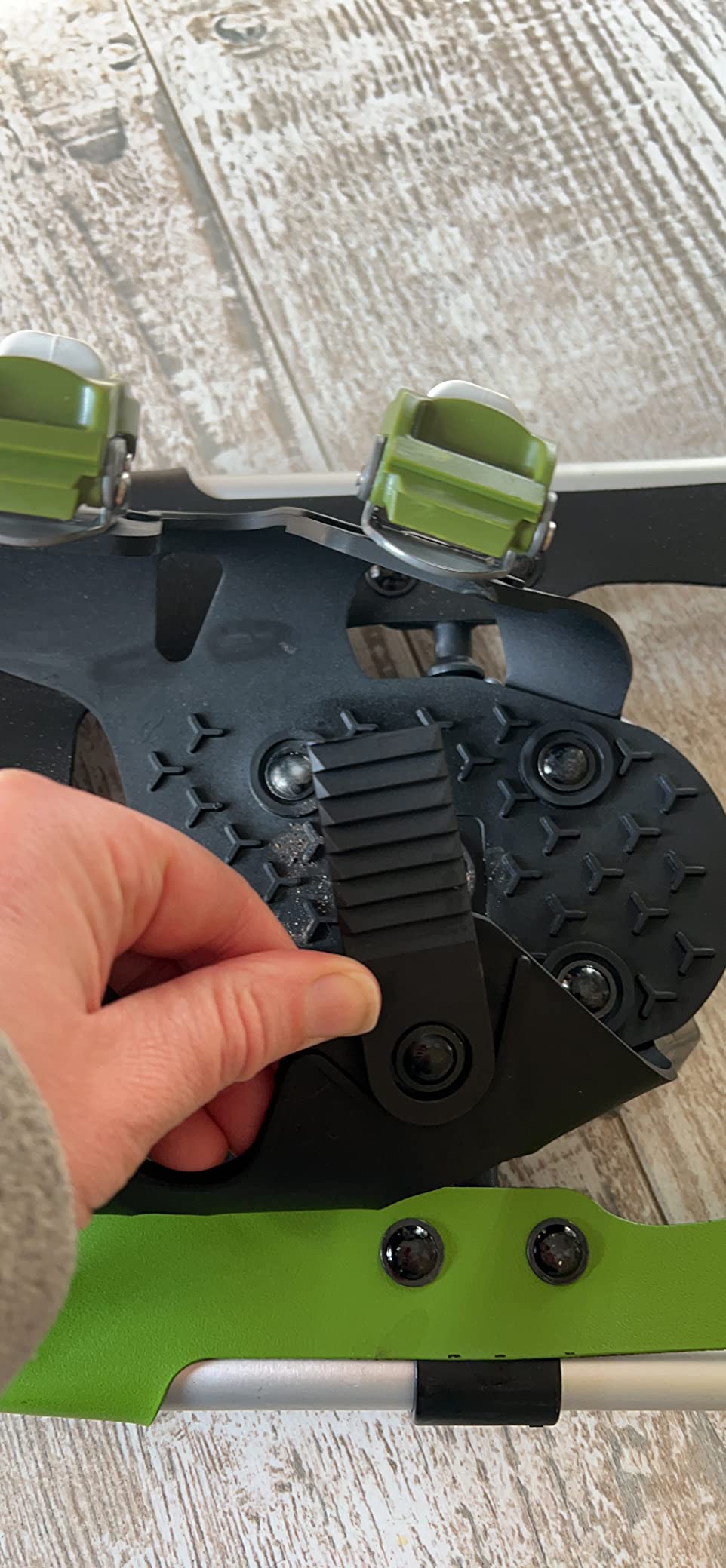
Why the HDPE deck stiffens the frame instead of floating it
Most flotation comes from area, not flexibility. A high-density polyethylene deck holds its shape under a heavy load rather than bowing into the snow, which is why owners report the deck holding up while carrying 50 pounds of gear on top of a heavy body weight. A deck that folds takes on less area under load, and that is the whole game.
The Quick Click II ratcheting binding with the Rapid-Lite Flex heel strap is the part that draws complaints, and the complaints are consistent: the heel strap is unwieldy and hard to tighten without a second pair of hands. Owners with a 250 pound frame note that the binding components feel cheaper than the deck they are attached to.
The binding quality gap on the largest frames
Two specific limits are worth knowing before you order. On the biggest frames, reviewers describe the bindings as undersized and made of plastic that slips, and the bindings may not fit very large boots. If your boot size sits at the top of the range, confirm fit first.
Even so, this is one of the larger feedback bases of any pick in the group, with 303 reviews at 4.4 out of 5 and 67 percent five-star. Buyers consistently note that the same specification is available from brands charging two to four times more, and the poles and bag remove a separate purchase. The warranty is one year.
9. Wildhorn Sawtooth – The Budget Frame That Still Floats a Foot of Powder
Wildhorn Outfitters Sawtooth Snow Shoes Women, Mens, and Youth. Fully Adjustable Snowshoes Bindings, Lightweight Material, Hard Pack Grip Teeth
27 inch aluminum frame
30 kg max load
Ratchet binding with auto-locking heel
Heel lift riser
+ Pros
- Aluminum frame holds up in waist-deep snow
- widest owner feedback base in the group at 1033 reviews
- two sets of crampons per shoe
- works for a wide range of users and a 15 kg load
– Cons
- Straps and plastic stiffen in extreme cold
- front ratchet straps loosen
- wide stance feels unnatural on packed tracks
- crampons can slide on very steep deep-snow pitches
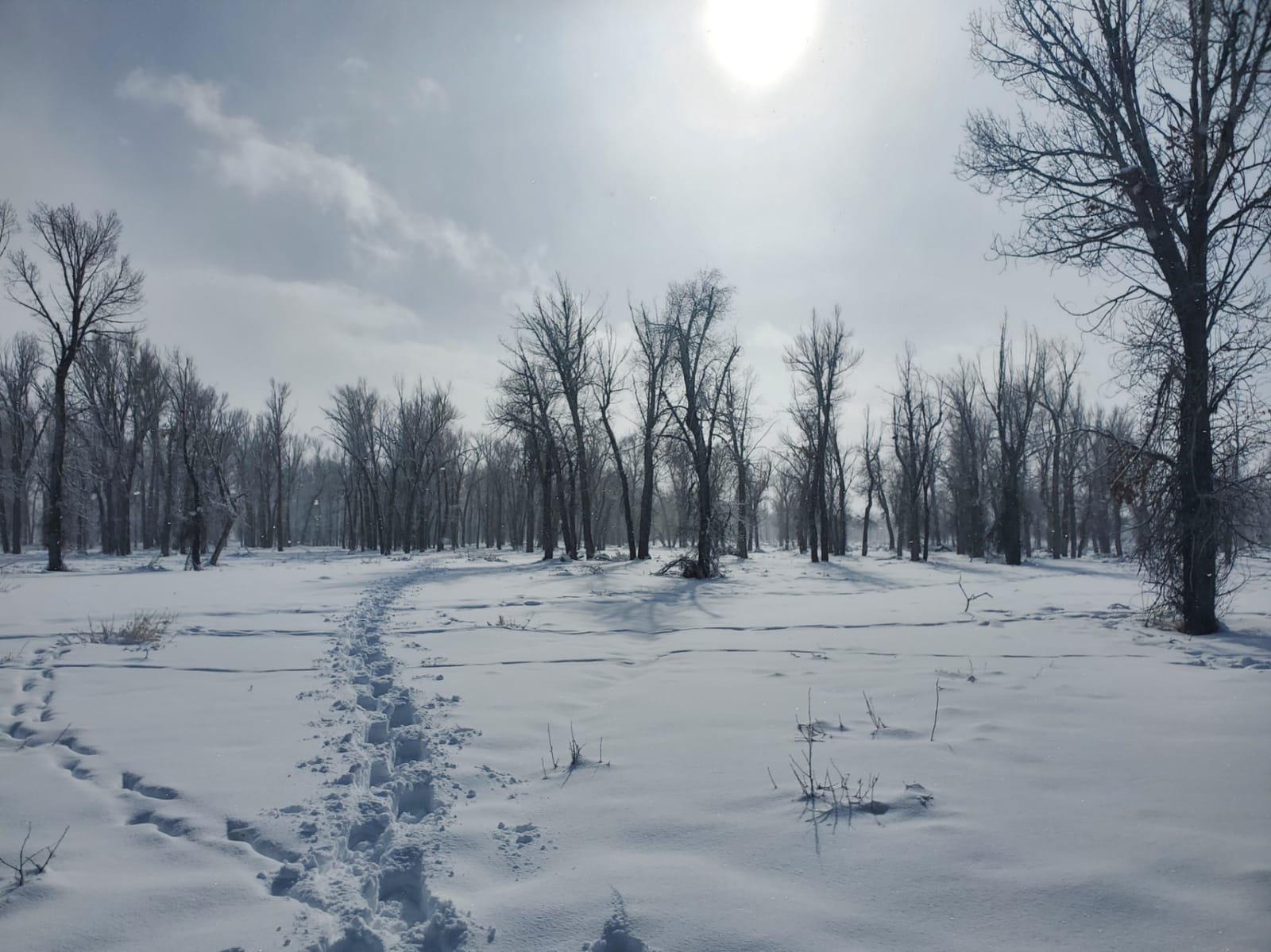
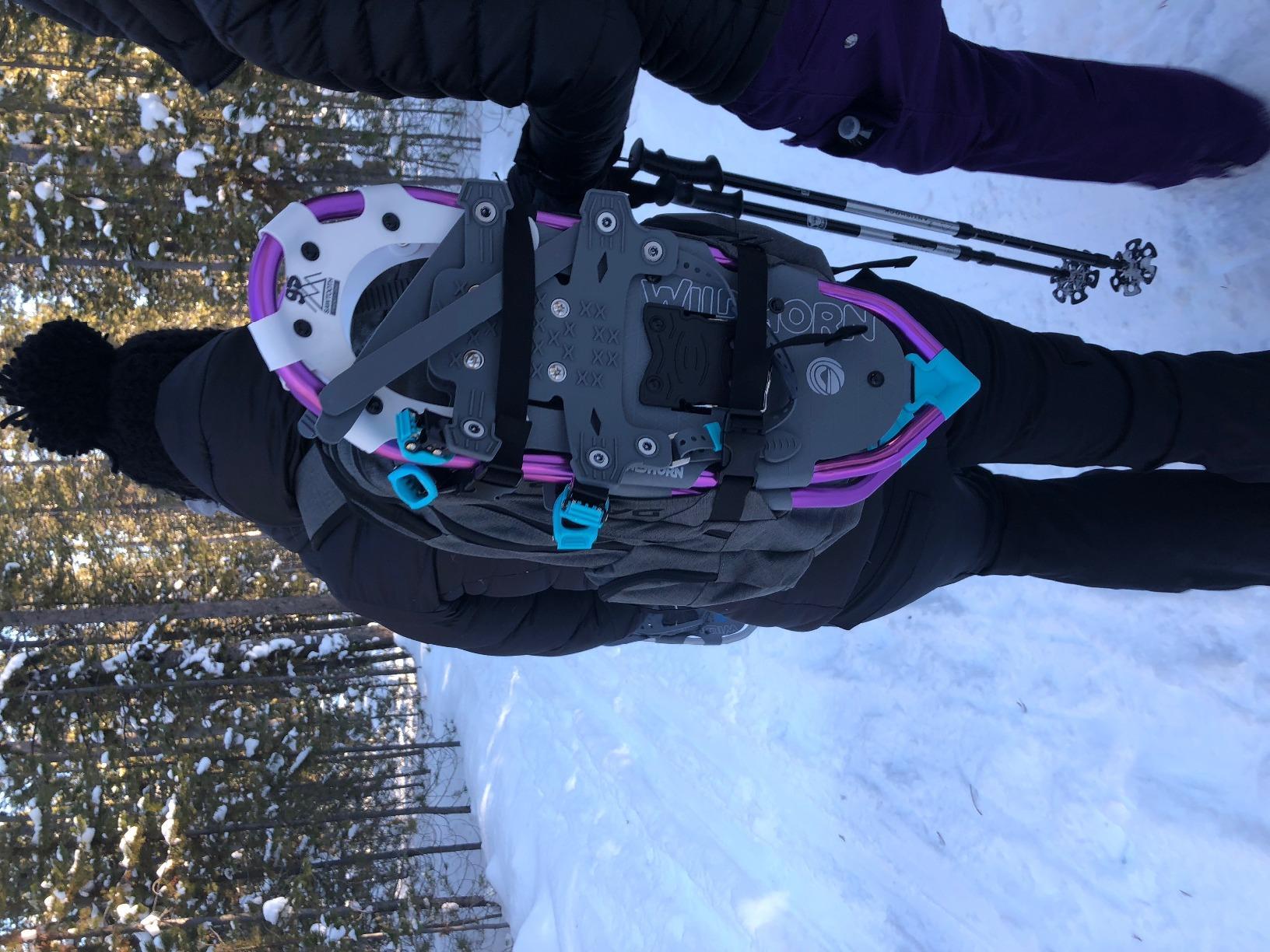
The Sawtooth is the reason this roundup is not a backcountry-only list. It is a 27 inch aluminum frame with two sets of reinforced crampons per shoe, and owners use it for 6-mile outings through a foot of fresh powder and report durability that rivals premium brands.
It also has, by a wide margin, the largest body of owner feedback of any product here at 1,033 reviews. In a category where a lot of the value decks are sold on manufacturer claims alone, that is a real advantage when you are deciding whether a budget frame is trustworthy.
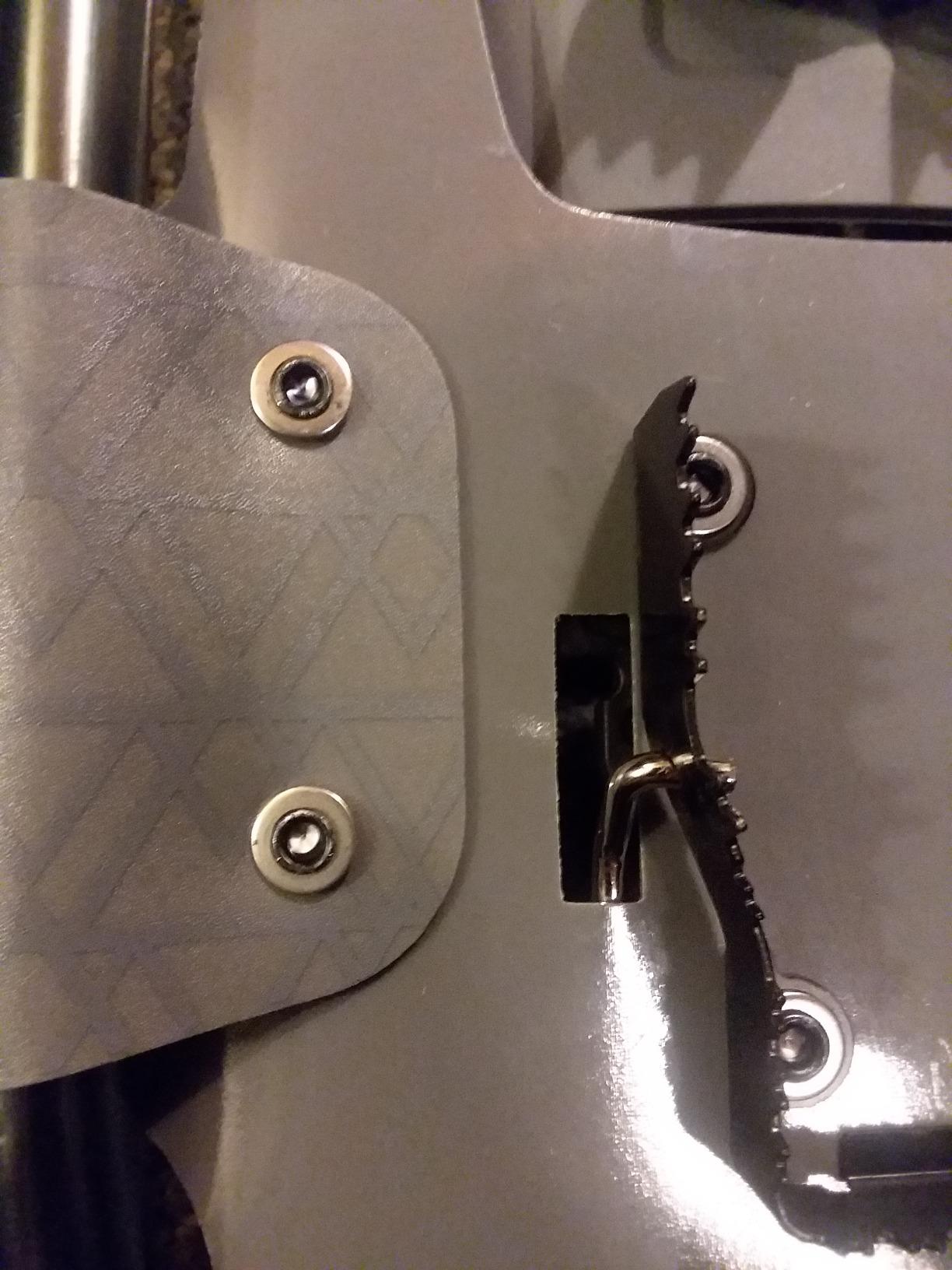
Where a budget frame actually gives ground
Cold is the weakness. The straps and plastic components stiffen in extreme cold and become hard to adjust with thick gloves, and the front ratchet straps can loosen and may not tighten enough for some boots. On a deep-powder day that means stopping to reseat a strap with numb hands.
The second weakness is geometry. A 27 inch frame is a wide stance, and owners report that it feels unnatural on packed tracks and can cause them to step on themselves. On a soft, open powder surface that matters far less than it does on a narrow trail.
Crampons, heel lift and the steep-snow limit
Two sets of reinforced heavy-duty crampons per shoe, plus forefoot and heel spikes, give it real grip on packed snow and moderate to semi-steep trails. The steep incline heel lift riser helps on climbing pitches. But reviewers are clear that the crampons are not suited to very steep deep-snow climbing and can slide there, because the teeth need a firm surface to bite.
Maximum load is published as 30 kg, which is 66 pounds, and that figure is the lowest in this roundup. Buy it for day use, not for hauling a week of gear. The rating is 4.5 out of 5 with 72 percent five-star, and the one-year manufacturer warranty matches what the rest of this category offers.
Why Flotation Beats Traction in Deep Powder
Because crampons and side teeth need a firm surface to bite into, and 20 inches of unconsolidated powder offers nothing firm. In deep snow, deck surface area is the only variable that meaningfully affects whether you stay on top.
Think about it as pressure. A boot sole concentrates your weight into a patch a few square inches wide, and snow fails at a predictable pressure threshold. A snowshoe deck spreads that same weight across a much larger area, dropping the pressure below the failure point. That is flotation, and it is a purely geometric problem.
Now invert the usual gear logic. On a packed trail, what matters is edge grip, because the snow is already solid and your only job is not to slide. Flip that into powder and traction becomes almost irrelevant, because there is no hard surface for the teeth to reach. A shoe with superb crampons and a small deck will sink right past a shoe with modest teeth and a wide one.
What this changes about the spec sheet
Once you accept that area is the driver, three specs jump to the top of the list: deck length, deck width, and rated capacity. Pair weight matters second, because every step through loose snow costs energy. Binding type and tread pattern drop to a distant third for the snow itself, though binding still matters for the frozen-hand problem on the trail.
Deck material is the fourth variable, and it is more subtle than area. A deck that folds under load stops contributing the area you paid for, which is the argument against foam decks discussed later in this guide.
Where traction becomes essential again
Deep powder rarely stays deep for a whole day. The moment you hit a refrozen crust on a shaded slope, a wind slab, or the packed boot track under an existing trail, you are back to needing teeth. This is why the top technical picks in this roundup keep full steel traction frames even though steel has no flotation value at all.
The practical rule: buy area for the powder, keep traction for the transitions. A dual-purpose backcountry deck is the compromise, and the next section explains when it is enough and when it is not.
Dedicated Powder Decks vs Dual-Purpose Backcountry Snowshoes
Buy a dedicated powder deck if most of your winter days are 18 inches or deeper and your route is on snow rather than on rock. Buy a dual-purpose backcountry shoe if your season is mixed, with groomed trail days and mountain routes that involve ice and rock as often as they involve fresh snow.
A dedicated powder deck is 30 inches and up. It gives you enough area to walk on top of 30 inches of snow with a loaded pack, and it does it with a wide stance that feels slow on a packed trail. The maneuverability cost is real: wide decks turn heavily, and owners of large frames describe the wide stance as unnatural on packed tracks.
A dual-purpose backcountry shoe is 22 to 25 inches with a steel or composite frame and full cramponing. It is the better tool on a mixed route, and it is what most people should start with, because most winters are mixed. Owners of these decks commonly describe the Televator and ActiveLift heel lifts as transformative on steep climbs, which is capability a dedicated powder deck deprioritizes.
The break-even rule
Ask one question: on your typical day, what fraction of the route is snow that is already firm? If it is more than a third, you want a dual-purpose backcountry shoe. If it is close to zero and you are consistently post-holing by the second hour, the area on a dual-purpose shoe is not enough and you need a bigger deck.
There is a third path that most buyers miss, and it is the one the community defaults to. Buy the dual-purpose shoe sized to your load, then add flotation tails when the snow is deep. On the BackpackingLight forums, that has been the standard advice for well over a decade, and on r/algonquinpark the flip-up tail fitting on MSR rentals is treated as the feature that makes an otherwise ordinary shoe work in deep snow.
How to Size Snowshoes for Deep Powder and Heavy Loads
Size by total loaded weight, then check the deck length against the snow depth. The formula is simple: body weight plus pack and gear equals your load, and that load must sit under the shoe’s rated maximum with a margin of roughly 20 percent.
Worked example, because the arithmetic is where people go wrong. A 180 pound hiker with a 40 pound pack and 8 pounds of clothing and water is carrying 228 pounds total, not 180. A 220 pound rated shoe is now slightly under that load before you add snow depth effects, so the right answer is a higher rating or a longer deck, not the same shoe in a bigger size. A 260 pound hiker with a 50 pound pack is at 310 pounds, and that person needs a genuinely high-capacity frame or a pair designed to be extended with tails.
Note the pattern the in-depthoutdoors.com community keeps returning to: the recurring complaint is not brand quality, it is that a brand never published a deck large enough for the person’s actual load. Check the rating before you fall for the frame.
Snow depth to deck length
Depth is the other half of the equation, and no competitor in this category publishes the mapping, so here it is in plain terms. This applies to dry, unconsolidated snow. Wet heavy snow consolidates underfoot and does not need nearly as much area.
Under about 12 inches of snow, a 22 to 25 inch deck is enough for most people. Between 18 and 24 inches, go to 25 or 30 inches. At 30 inches or more, you are in 30 to 36 inch territory, and that is where dedicated powder decks and flotation tails enter the picture. A pair carrying a heavy pack moves up one line in that list, because load and depth add together in the pressure calculation.
This is why the Tubbs Wayfinder, published in 21, 25, 30 and 36 inch lengths, is a practical pick for someone who cannot predict the winter. One frame covers every line of the table above.
Plus-size frames, boot fit and the narrow-binding problem
Wider frames need bigger bindings, and this is where budget shoes fail. Reviewers of the Yukon Charlie’s line report that bindings on the largest frames are undersized plastic that slips, and that very large boots may not fit the binding at all. The Crescent Moon Gold 10 has the tightest range on this list at men’s shoe sizes 9 to 15.
Two practical rules. First, if your boot size sits at the top of any published range, verify fit before you commit to a large deck. Second, a larger boot needs a correspondingly larger frame to carry it, which is a point the broader buying guides in this category make often and buyers skip more often than not.
Do not exceed the rating to get more float
Overloading a deck is the worst sizing mistake available. Exceeding the rated capacity sacrifices buoyancy precisely when you need it most, and it raises the energy cost of every step. If your load is between two sizes, size up to the higher rating rather than loading the smaller deck to its limit, and add tails for area instead.
Tail Shape, Deck Materials and Why Foam Decks Fold
Tail shape decides how a deck behaves in a turn, and it is the design axis most often skipped in buying guides. A pointed or tapered tail is built for sidehilling, because the narrow profile lets you edge the deck across a slope. A rounded western tail maximizes area and balance in unconsolidated snow, and the Crescent Moon Gold 10 teardrop frame is a clear example of that logic at work.
The maneuverability trade is real: pointed tails turn better and climb better; rounded tails float better and balance better on a landing. On a wide-open bowl you will rarely notice the difference, and on a narrow glade trail above a creek you will notice it immediately.
How each deck material behaves in powder
Aluminum frames, like the Sawtooth and the Crescent Moon Gold 10, stay rigid under load and add essentially no weight. Rigid is good in powder, because a rigid deck keeps presenting its full area to the snow.
Composite decks such as the Tubbs SoftTec and the Flex VRT Torsion Deck trade a little rigidity for a large weight saving, and they add torsional flex that makes a big deck move like a small one. Nylon decking is lighter still and more prone to tear under sharp edges.
HDPE, used in the Yukon Charlie’s Sherpa, stiffens the deck deliberately so it holds shape under a heavy load. It is a stiff plastic rather than a fabric, and that stiffness is exactly why it keeps its area when a 250 pound user loads it.
Foam decks are the outlier. EVA foam is comfortable, quiet and light, and it is the right choice for a casual walk on a groomed path. It is the wrong choice for deep powder, because foam compresses and folds under load instead of resisting, so the effective area shrinks exactly as you need it most. This is a recurring complaint in owner feedback, and it is the reason no foam deck appears in this roundup.
Flotation Tails: Adding Float Without Buying a Second Pair
Flotation tails are rear extensions that clip onto the tail of a compatible deck, adding length and surface area and usually raising the rated load. They are the cheapest path to more flotation, and they are the community default for a reason: the BackpackingLight consensus has been to buy the size that fits your load and add tails when the snow deepens.
The MSR Evo Ascent is the clearest example in this roundup. Its base rating is 180 pounds, and the manufacturer publishes a 250 pound rating with the modular tails fitted. That is a 39 percent capacity increase from a bolt-on part, which is why I described this shoe earlier as a base you can extend.
The MSR Lightning Ascent accepts 5-inch modular flotation tails, and the Evo Trail is designed around 6-inch tails. On r/algonquinpark, owners note that even MSR rental frames perform well once the tail fitting is used, which is a good sign for the system in general rather than one model.
What tails cost you
Tails are not free. Added tail length lengthens your effective stride, which is the same maneuverability penalty as buying a larger deck outright, just paid for later. They also add pack weight, and on a long approach across a firm trail you are carrying flotation you are not using.
The honest framing: tails are the right call when your season is variable and you want one pair that covers both trail days and powder days. A dedicated 30 to 36 inch deck is the right call when you know you will be in deep snow and you are not worried about firm-trail efficiency. Choose one or the other, and do not expect a 22 inch dual-purpose shoe with tails to match a purpose-built 30 inch powder deck on the deepest days.
How We Picked These Nine Snowshoes
Every shoe here was ranked on the same four criteria, in this order.
Flotation in deep powder. Deck length and width, adjusted for whether the deck holds its shape under a realistic load. This is the primary filter and it is why no foam deck made the list.
Fit to total load. We checked the published maximum weight against realistic body weight plus pack, and we preferred shoes published in more than one length so a buyer can size up without changing brands.
Binding usability with gloves. Can you put it on and adjust it with cold hands? BOA dials score highest here, ratchet systems score well, and anything described as not glove friendly is flagged in the cons.
Packability and durability. Pair weight, warranty length, and whether the failure points reviewers report are structural or cosmetic. Deck tearing excluded from warranty coverage was treated as a significant negative.
Ratings and review counts quoted throughout are published customer figures, not an editorial score, and the review base size is stated for every product so you can weigh a thin feedback set accordingly. Specs come from manufacturer listings, and where owner reports conflict with those listings, we have said so.
Frequently Asked Questions
What are the best snowshoes for deep snow?
The best snowshoes for deep snow are the widest, stiffest decks that still clear your total loaded weight. Our overall pick is the MSR Lightning Ascent for technical days, the Crescent Moon Gold 10 for the widest teardrop frame, and the Yukon Charlie’s Sherpa 9×30 for beginners carrying a heavy pack. Below 12 inches of snow, a 22-25 inch dual-purpose backcountry shoe is enough.
Should I get 25 or 30 inch snowshoes?
Go 25 inch for snow up to about 18 inches with a light pack, and 30 inch for 18-30 inches of snow or whenever you are carrying more than 30 pounds. Add a deck length to that rule for heavy loads. A 25 inch deck handles roughly 200-220 pounds total; a 30 inch deck handles roughly 250-300 pounds total depending on model.
What is the maximum weight I can wear in 30 inch snowshoes?
A 30 inch deck is typically rated between 250 and 300 pounds of total loaded weight, and the exact figure depends on the model. That total is body weight plus pack, gear and clothing, not body weight alone. Modular flotation tails add capacity on some models, and the MSR Evo Ascent rises from 180 to 250 pounds with tails fitted.
What type of snowshoes are best for a 300-pound man?
A high-capacity 30 to 36 inch frame rated for at least 300 pounds of total load, ideally 330 pounds or more to leave margin. A 300-pound hiker carrying a 50-pound pack is at 350 pounds total, so a 330-pound-rated deck such as the Tubbs Wayfinder in its 36 inch length is a realistic starting point, with flotation tails adding further capacity.
Why doesn’t traction matter as much in deep powder?
Crampons, side teeth and perimeter rails need a firm surface to bite into, and unconsolidated powder has none. In deep snow, the only thing that reliably keeps you on top is spreading your total loaded weight across enough deck surface area to drop the pressure below the snow’s failure point. Traction matters again the moment you hit a refrozen crust or a packed trail.
Can I add flotation to snowshoes I already own instead of buying powder-specific ones?
Yes, if your model accepts modular flotation tails. The extension clips to the tail, adds deck length and area, and usually raises the rated load. The MSR Lightning Ascent accepts 5-inch tails and the Evo Trail accepts 6-inch ones. Tails are the community default for a reason, but the extra length costs pack weight and turning agility.
Why do my snowshoes sink even though they are a large size?
Four things cause it. You are above the shoe’s rated load, which counts your pack and gear, not just your body. Your deck length is too short for the actual snow depth, so check the depth-to-length mapping rather than the size label. Your deck folds under load, which is common with foam decks and anything past its rating. Or snow is falling onto you faster than you can outpace it, in which case gaiters and a faster line help more than a bigger shoe.
The Bottom Line for Deep Powder Days
If you want one pair of deep powder snowshoes and you hike light on technical terrain, take the MSR Lightning Ascent. It has the best balance of weight, area, capacity and steel traction in this roundup, and at 4.7 across 154 reviews it has the strongest combination of rating and feedback volume here.
If your loads are heavy or your feet run large, the Crescent Moon Gold 10 is the frame to fit into, with 10 by 32 inches of teardrop deck area, a 225 pound rating and a lifetime warranty. If you want one purchase to cover trail days and powder days without changing systems, the Tubbs Wayfinder covers 21, 25, 30 and 36 inches with a 330 pound rating and the fastest binding here.
If budget is the constraint, the Yukon Charlie’s Sherpa 9×30 kit gives you a 250 pound rated frame, poles and a bag in one package, and the Wildhorn Sawtooth is the fallback for casual day use. Before any of them, do the arithmetic: add your pack to your body weight, then pick a deck length from the depth mapping. That single step eliminates most of the post-holing that ends winter outings early, and it is the reason the best snowshoes for deep powder is a sizing decision first and a brand decision second. Check the current listing for each pick before you order, and start with gaiters and trekking poles in the pack, because no deck size fixes snow in your boot tops.
Leave a Reply