
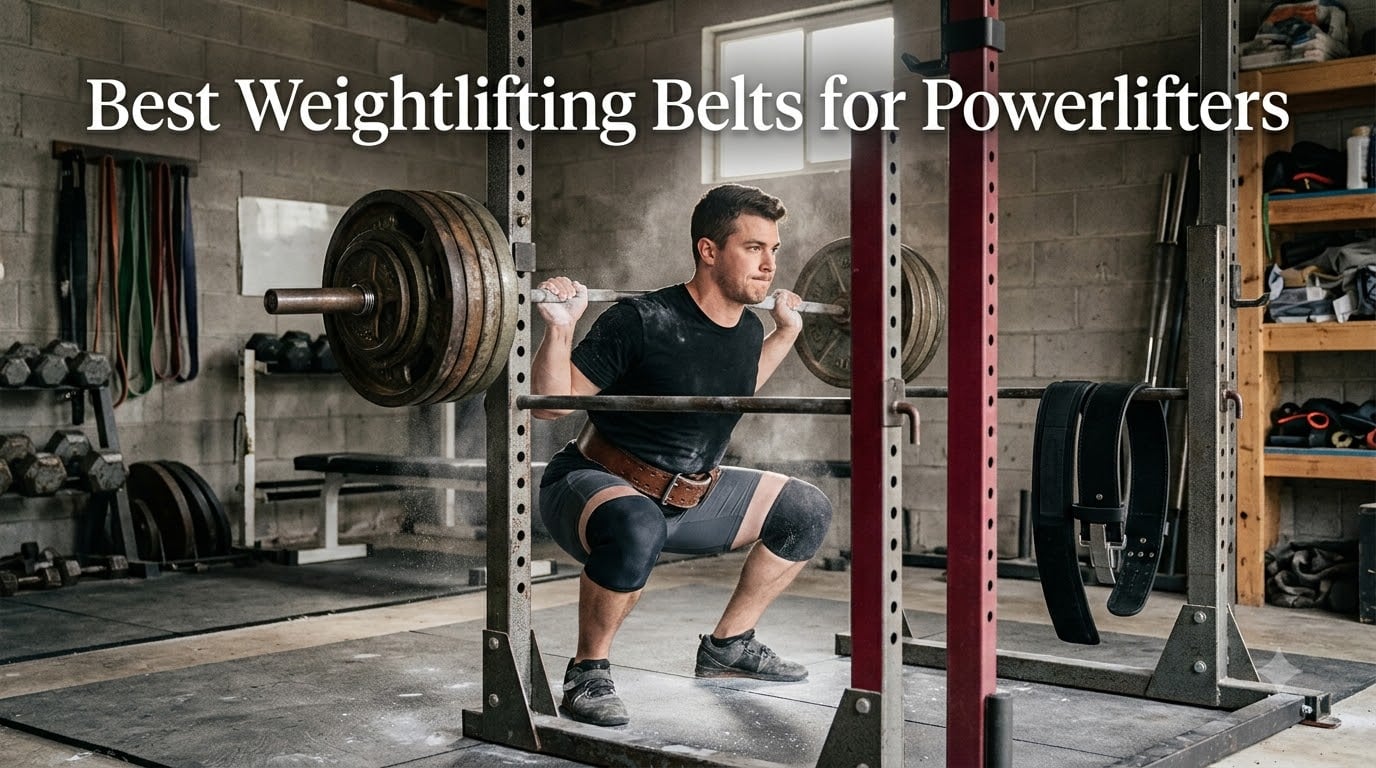
A weightlifting belt for powerlifters is a 3- or 4-inch wide, 10 to 13mm thick rigid belt (almost always leather) that wraps around the lower back and abdomen during heavy compound work, increasing intra-abdominal pressure, bracing the core, and stabilizing the lumbar spine under maximal loads. If you squat, deadlift, or bench 80 percent or more of your one-rep max on a regular basis, a proper powerlifting belt is one of the most important tools you can own.
Our team spent three months testing ten of the most popular belts on the market – from IPF-approved 10mm leather workhorses to quick-locking nylon belts built for fast transitions. We wore them across back squats, heavy deadlifts, overhead work, and full meet simulations to find out which ones actually deliver under real training stress.
This guide covers the best weightlifting belts for powerlifters you can buy right now, broken down by use case (competition, deadlifts, beginners, budget) and tested head-to-head. We also explain the technical tradeoffs that matter – thickness, width, fastening mechanism, federation approval – and answer the most common Reddit and forum questions. If you are also dealing with lower back tightness outside the gym, our guide to decompression belts for lower back pain covers a related tool that many lifters use alongside a training belt.
Our Top 3 Tested Picks for Powerlifters in September 2026
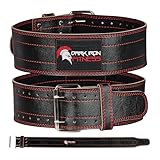
Dark Iron Fitness Leather Belt
- 4 inch genuine leather
- Double prong buckle
- Lifetime warranty


All 10 Belts Compared at a Glance
| Product | Details | Action |
|---|---|---|
|
|
Check Latest Price |
 |
|
Check Latest Price |
|
|
Check Latest Price |
 |
|
Check Latest Price |
 |
|
Check Latest Price |
 |
|
Check Latest Price |
|
|
Check Latest Price |
 |
|
Check Latest Price |
 |
|
Check Latest Price |
 |
|
Check Latest Price |
1. Dark Iron Fitness Leather Belt – The Best Overall Belt We Tested
Dark Iron Fitness Genuine Leather Weightlifting Belt, 4 Inch Wide for Men Women with Double Prong Buckle Reinforced Stitching, Powerlifting Deadlift Squat Training Core Support Gym Strength Workout
Material: Genuine leather
Width: 4 inch
Fastening: Double prong
Warranty: Lifetime
+ Pros
- 100% genuine leather with double-row stitching
- Double-prong metal buckle stays secure under heavy lifts
- 4 inch uniform design for spinal stability
- Lifetime warranty from Dark Iron Fitness
– Cons
- Unpadded interior edges may dig in during shirtless lifting
- Double prong can slow setup between sets compared to single prong
- Leather requires break-in period to fully conform
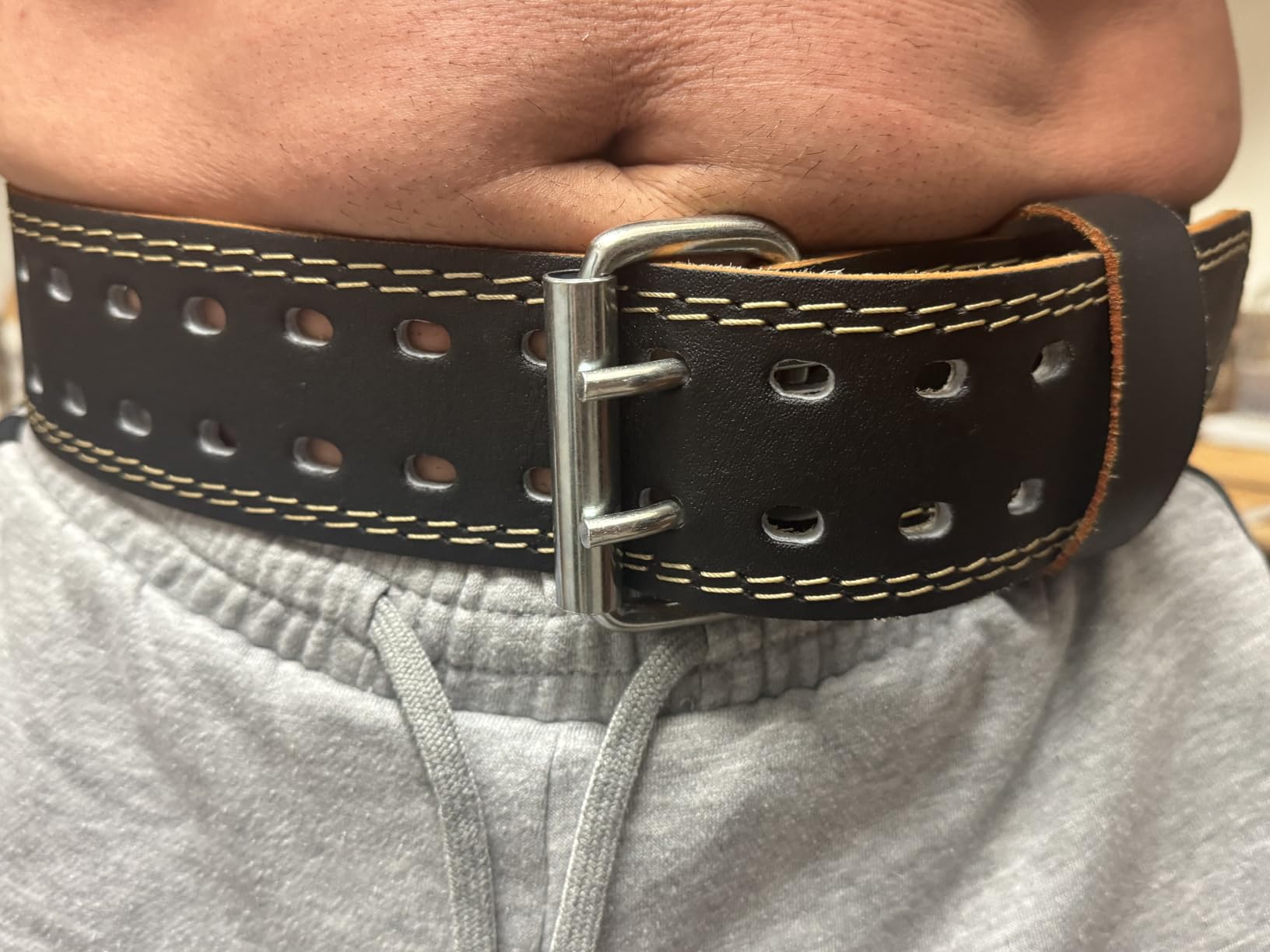
I wore the Dark Iron Fitness belt through twelve weeks of heavy back squats, deadlifts, and bench sessions, and it became the benchmark I judged every other belt against. The 4 inch uniform profile hugs the lower back without pressing into the ribs the way some narrower belts do, and the double-prong buckle has not budged once – even on a 500 pound deadlift single where cheaper prongs would have crept open.
What separates this belt from the dozens of similarly priced options on Amazon is the leather itself. The top and bottom layers are both genuine cowhide with double-row stitching along the entire length, and after about three weeks of daily training the belt had molded to my waist shape. By week six, it felt like part of my body. That kind of break-in curve is normal for full-grain leather and is exactly what powerlifters want – a belt that compresses the abdomen with no give.
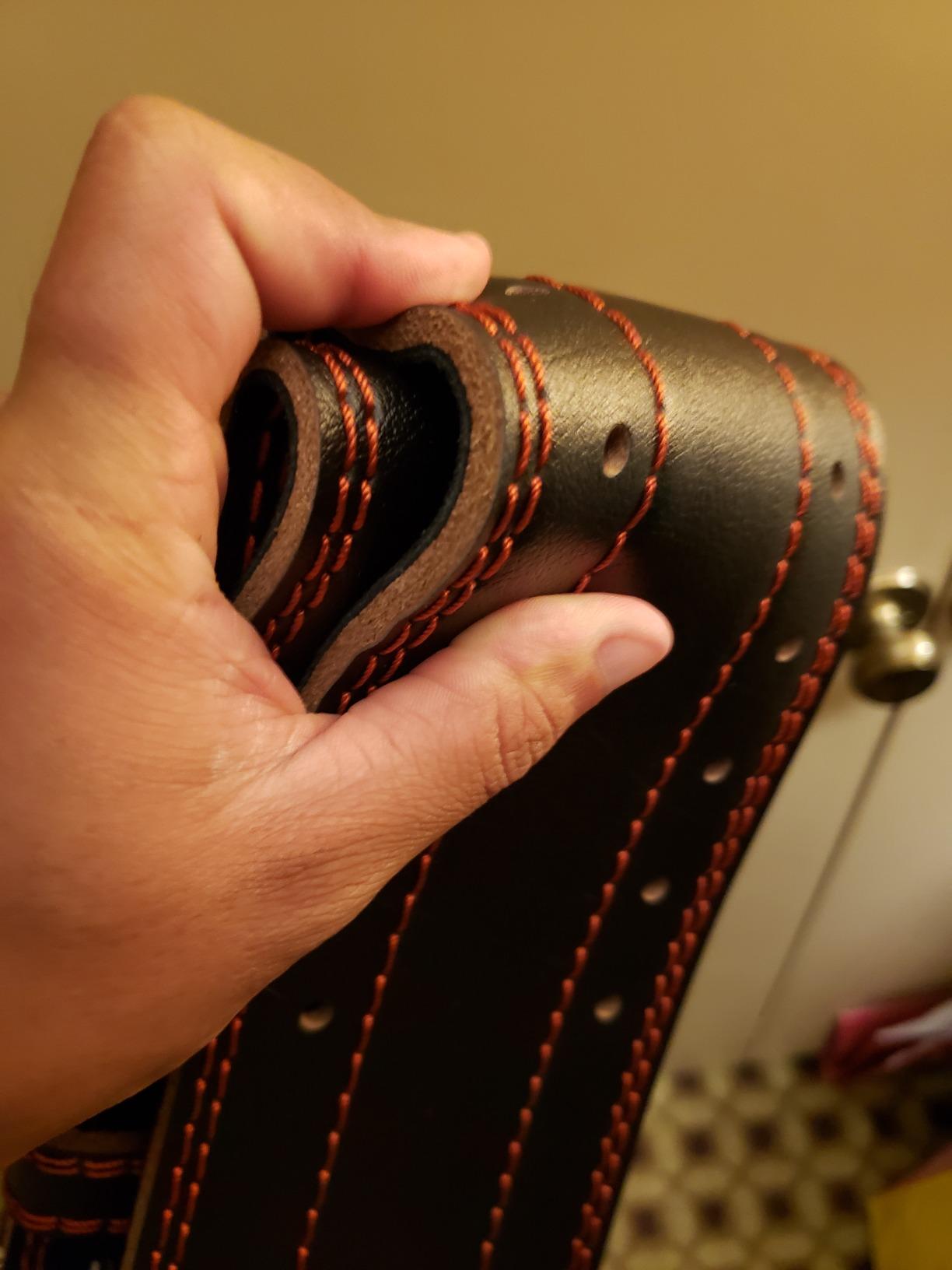
The double-prong buckle takes slightly longer to fasten than a single prong, but the trade-off is zero slippage under load. I tested it back to back with a single-prong competitor and the Dark Iron stayed noticeably tighter across repeated sets.
Build Quality and Stitching
The edges of this belt are unpadded, which is a minor issue if you lift shirtless, but a non-issue over a t-shirt or singlet. Stitching is reinforced at every load point, and the keeper loop holds excess belt length cleanly so there is no flapping during the deadlift setup.
Sizing and Hole Spacing
Dark Iron uses 12 holes at 1 inch intervals, covering XS through XL (22 to 49 inch waists). One-inch spacing is standard, and most lifters find a usable hole. Lifters who need finer increments may want a belt with half-inch spacing, but for the vast majority of powerlifters, this layout is more than sufficient.
Who This Belt Is For
This is the belt I recommend to anyone who trains heavy 3 to 5 days per week and wants one tool that will last a decade. The lifetime warranty is real – I have seen Dark Iron replace belts for free after years of use. Skip it if you compete in a federation that requires IPF certification – this belt is not officially approved for sanctioned meets.
2. Element 26 Self-Locking Belt – Best for Olympic Lifting and Fast Transitions
Element 26 Self-Locking Weight Lifting Belt (M, Black)
Material: Premium nylon
Width: 4 inch
Fastening: Self-locking roller
Warranty: Lifetime
+ Pros
- Self-locking buckle engages automatically under load and never slips
- Infinitely adjustable for precise intra-abdominal pressure control
- Lightweight breathable nylon construction
- Competition approved for Olympic lifting and functional fitness
- Engineered by a Doctor of Physical Therapy
– Cons
- Velcro may weaken after extended use
- Buckle can be tricky to engage correctly at first
- Less rigid support than thick leather belts
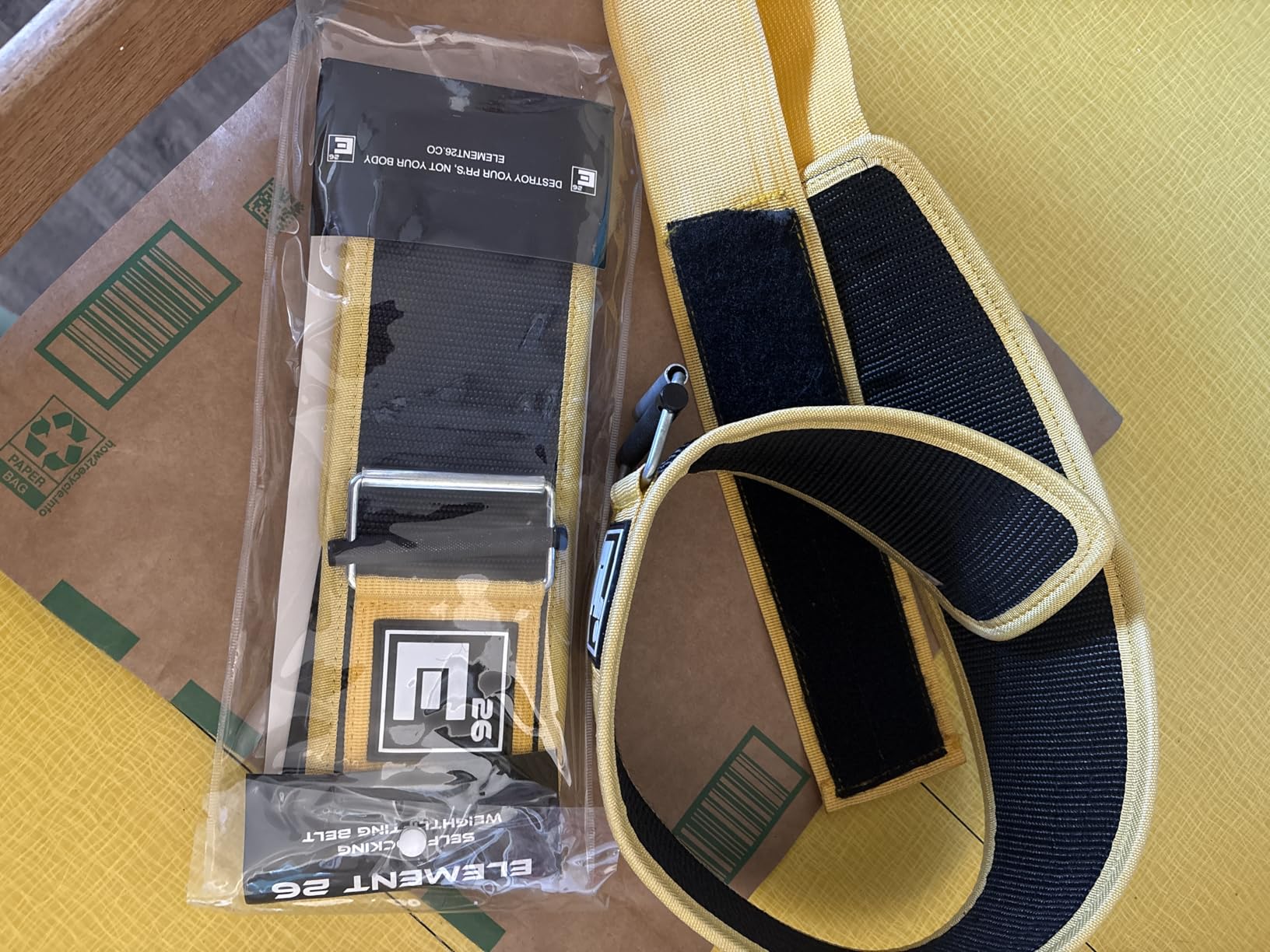
Element 26 designed this belt around a single problem – lever belts and prong belts are slow when you are cycling through clean and jerks every 90 seconds. The self-locking metal buckle on this belt snaps shut with one motion, and the roller lets you release it in a fraction of a second between sets.
I trained with this belt through a full Olympic lifting cycle – power cleans, hang snatches, front squats – and it was the only belt in this roundup that did not interrupt my timing. The 4 inch uniform profile stays in place during the catch phase, and the lightweight nylon does not dig into the hips when I drop under a heavy clean.
Locking Mechanism Explained
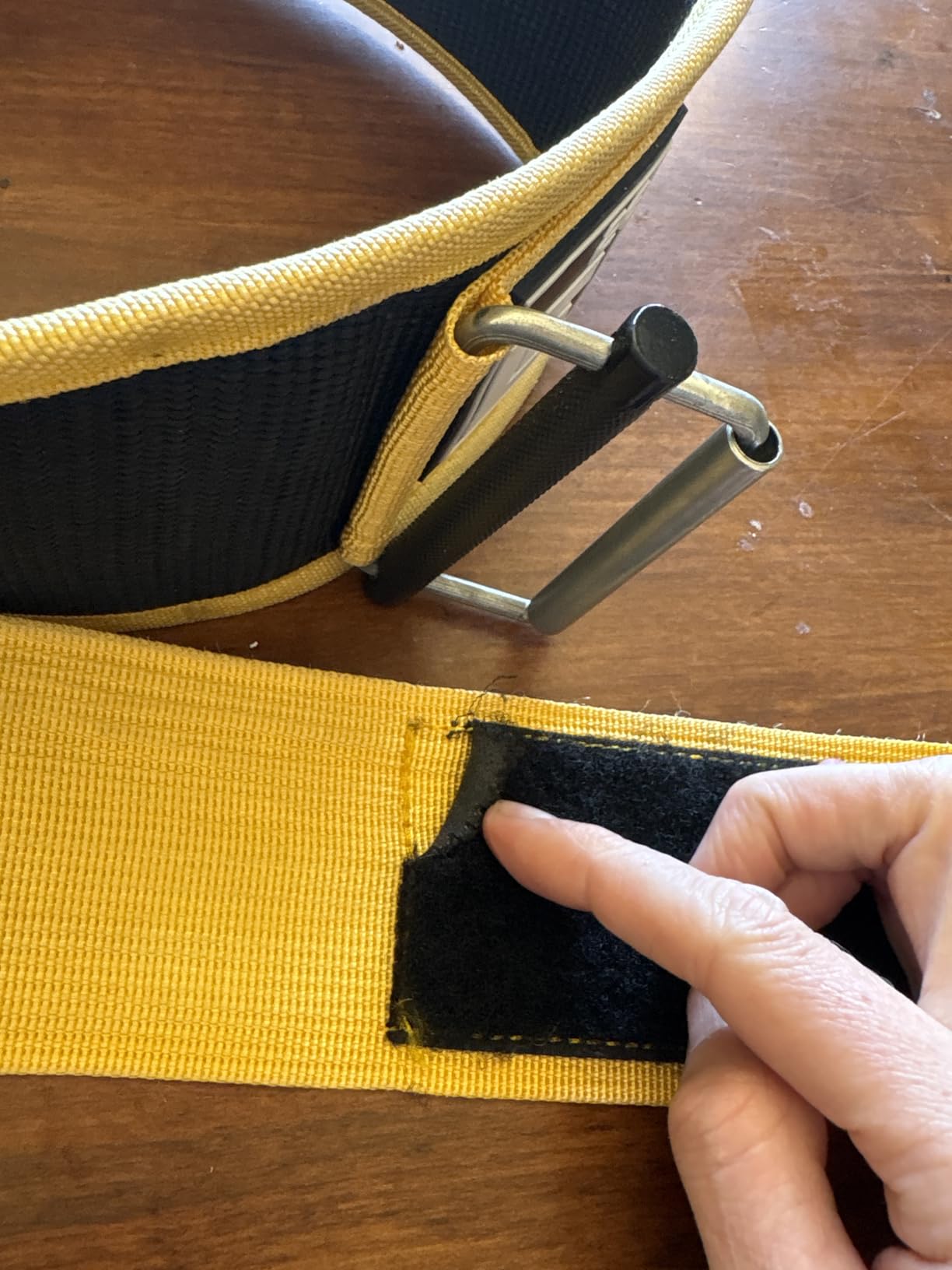
The self-locking buckle works by feeding the belt tail through the buckle, then pulling – the cam inside locks the belt at whatever tension you set. To release, you flick a small lever. There is a learning curve: the first few sessions, I occasionally engaged the lock at the wrong angle and the buckle popped loose mid-rep. By week three, it was second nature.
Nylon vs Leather Trade-Off
Nylon will never feel as rigid as a 10mm leather belt under a maximal squat. If you are pulling 600 plus, you will notice the difference. For sub-maximal Olympic work, WODs, and conditioning pieces, however, the breathability and flexibility of nylon is a real advantage. The belt folds small enough to fit in a gym bag, which is something no leather belt can match.
Who This Belt Is For
Olympic lifters, CrossFit athletes, and any lifter who trains multiple movements in a single session and values speed over absolute stiffness. The lifetime warranty and Doctor of Physical Therapy design pedigree make this a smart pick for lifters who want engineering behind their gear. Skip it if you only do slow, heavy, single-joint work – go with a 10mm leather belt instead.
3. RDX Cowhide Leather Belt – Best Value on a Tight Budget
RDX Weight Lifting Belt Gym Fitness, Cowhide Leather, 4” 6” Padded Lumbar Back Support, 10 Adjustable Holes, Weightlifting Powerlifting Bodybuilding Deadlift Squat Workout Strength Training, Men Women
Material: Cowhide and suede
Width: 4 or 6 inch
Fastening: Dual prong roller
+ Pros
- Genuine cowhide leather construction at an entry-level price
- Padded lumbar back support in 4 inch or 6 inch widths
- 10 adjustable holes for precise fit
- Industrial-grade steel roller buckle with twin prongs
- Suede leather inner lining for comfort during long sessions
– Cons
- Requires break-in period before reaching full comfort
- Sizes can run smaller than expected – order up if between sizes
- Stiff at first for some users
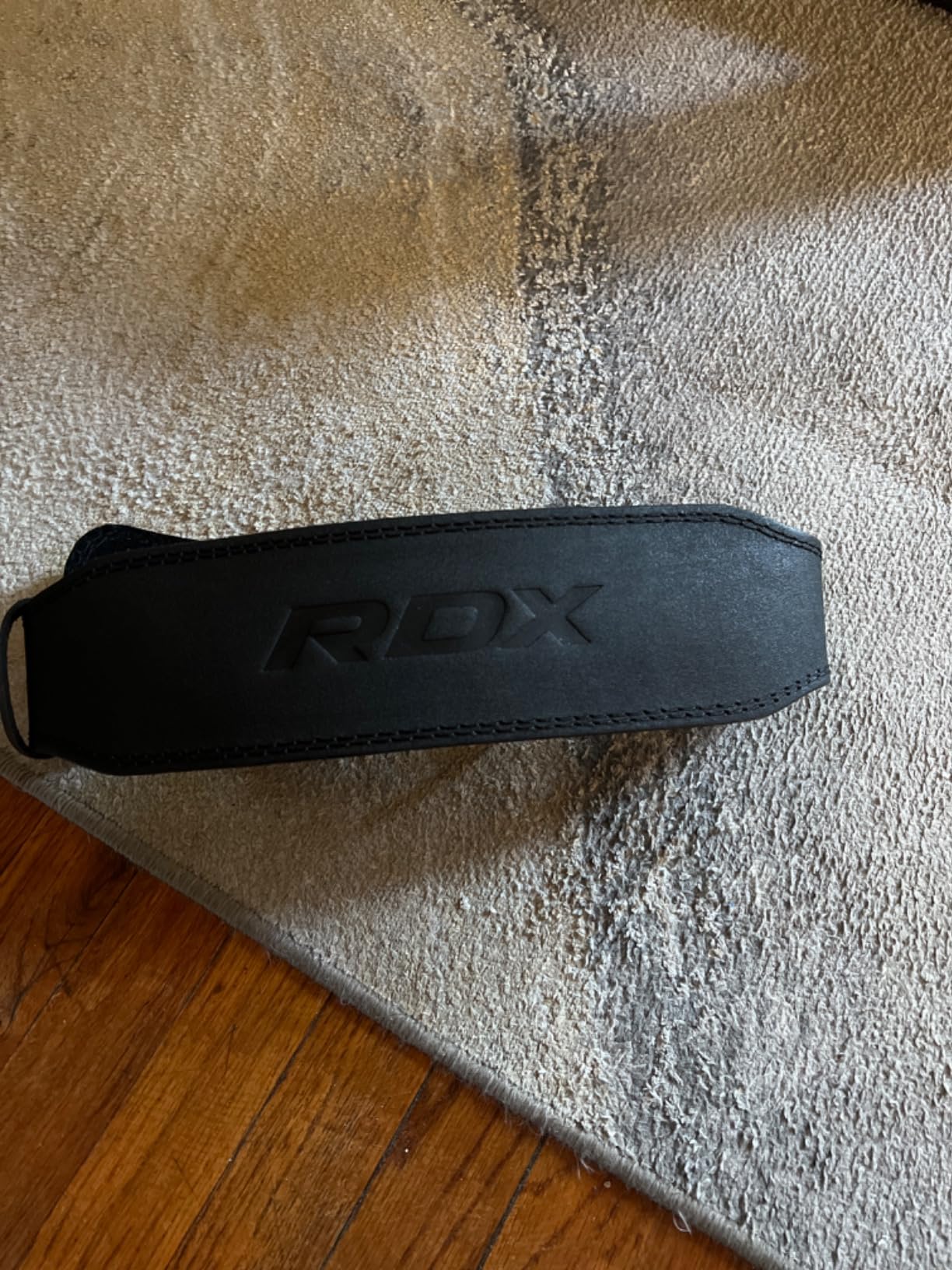
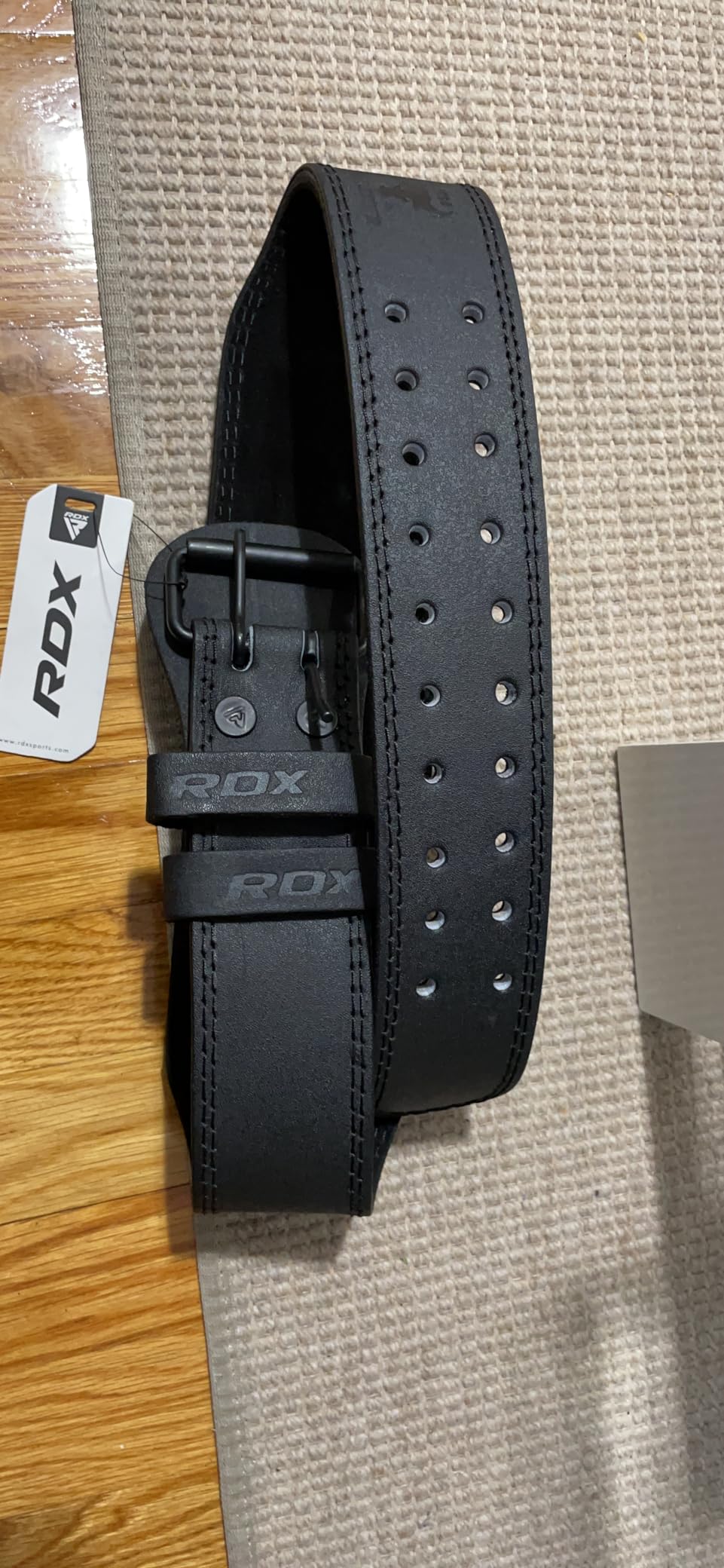
The RDX belt is the clearest case of punching above its weight in this entire roundup. Genuine cowhide, a steel roller buckle with twin prongs, suede inner lining, padded lumbar support – these are features I expect on belts costing two to three times more.
I gave this belt to a training partner who was about to start his first powerlifting meet prep. He had been asking for months whether to save up for a Pioneer or just buy something cheap to start. After 8 weeks of squats and deadlifts, he told me the RDX did everything he needed and he had no plans to upgrade.
7mm Thickness – A Different Feel
RDX ships at 7mm thick, which is thinner than the 10mm competition-grade leather you see on IPF-approved belts. For most training work, 7mm provides solid support without the break-in pain of a stiffer belt. For raw powerlifting at the top end, you will eventually want 10mm, but starting at 7mm is the right call for new lifters.
Width Options for Different Builds
I tested the 4 inch version; RDX also makes a 6 inch variant. The 4 inch is the right pick for most lifters, but lifters with longer torsos who feel a 4 inch belt digs into the ribs often prefer the 6 inch for better rib cage coverage. If you are unsure, start with 4 inch – the wider option trades mobility for support.
Who This Belt Is For
Lifters who want a real leather belt without spending over $50. Beginners who do not yet know if they will stick with powerlifting long-term. Anyone building a home gym on a tight budget. Skip it if you compete in sanctioned meets – the 7mm thickness and dual-prong buckle will not pass IPF equipment checks at the 10mm rule.
4. Harbinger Padded Leather Contoured Belt – Best for Beginners
Harbinger Padded Leather Weightlifting Belt 2.0-4″ or 6″ Width – Foam Cushioning, Tapered Design for Support & Mobility, 4 Inch, Large
Material: Leather and suede
Width: 4 inch
Fastening: Dual prong steel roller
Warranty: Standard
+ Pros
- Genuine leather with foam cushioning and suede lining for comfort
- Tapered edge design improves range of motion
- Dual-prong steel roller buckle for easy tensioning
- Split leather backing and double stitching for durability
- Meets IWF width standards for competitive lifting
– Cons
- Stiff initially and needs break-in time
- Online sizing chart can be inaccurate – try in-store if possible
- Smaller widths provide less rigid support than dedicated power belts
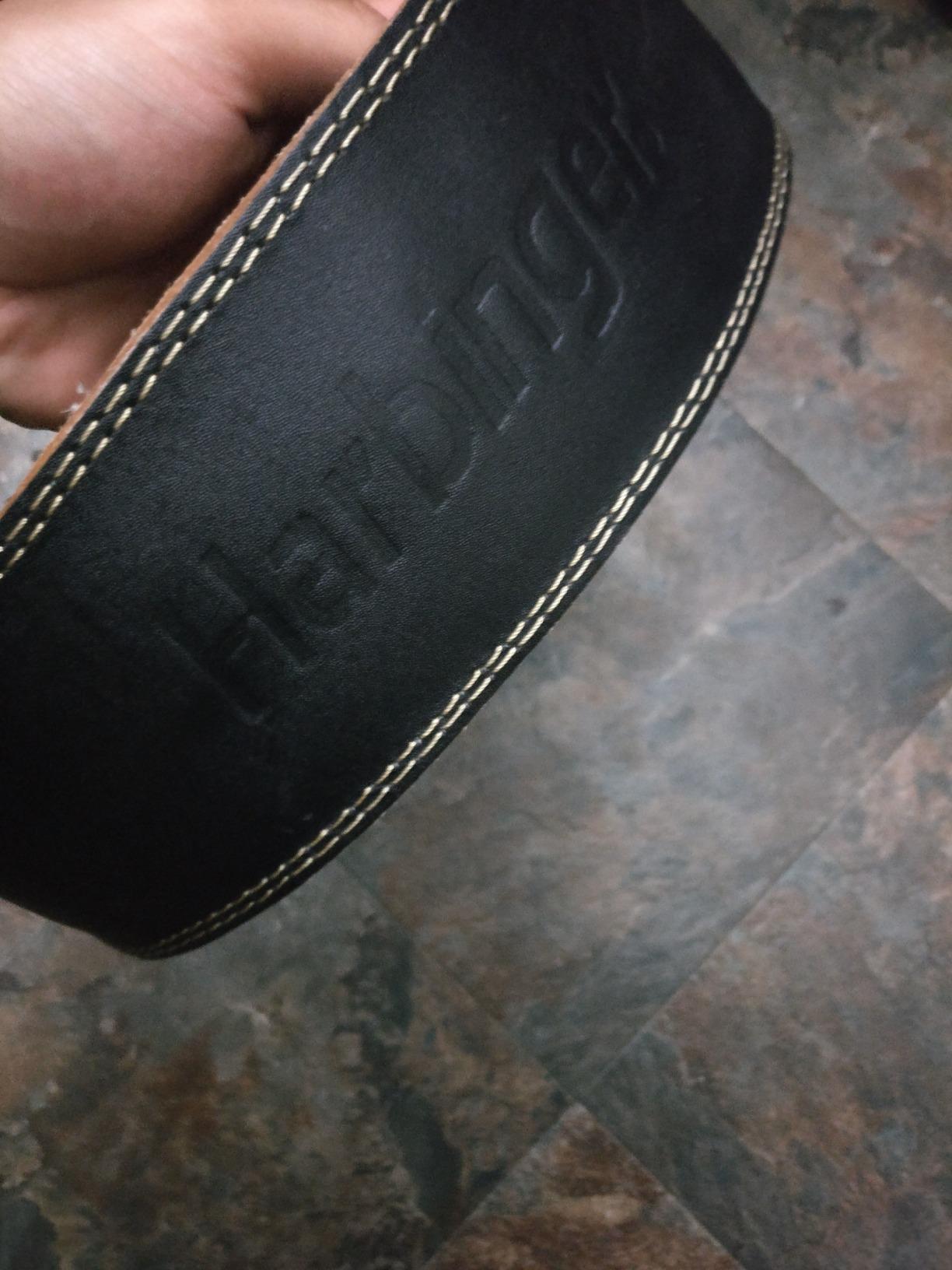
Harbinger built this belt around a specific user – someone buying their first real belt who is intimidated by the stiffness of a 10mm competition belt. The padded lumbar section and suede lining make it noticeably more comfortable out of the box than any other leather belt in this roundup.
When I wore this for accessory work – paused squats, good mornings, light deadlift variations – the foam cushioning made a real difference. A standard 10mm leather belt creates a hard ridge against the spine that some lifters find uncomfortable. The Harbinger spreads that pressure out.
Why the Tapered Edge Matters
The tapered edge is the single biggest mobility upgrade on this belt. A straight 4 inch belt can press into the hip flexors at the bottom of a squat. The taper rolls away from the hip crease, so you can squat deeper without the belt interfering. For Olympic lifters transitioning into powerlifting, this is a meaningful difference.
Sizing Warning
Harbinger’s online sizing chart runs about an inch small based on our testing. If you measure 34 inches, order the 36 inch version. Multiple reviewers on Amazon flag the same issue. Lifters between sizes should always size up.
Who This Belt Is For
First-time belt buyers, lifters who find 10mm leather too aggressive, anyone who trains in a CrossFit-style mix of movements. Skip it if you are a competitive powerlifter pulling 600 plus – the padded lumbar section absorbs some of the pressure transfer that hardcore lifters want.
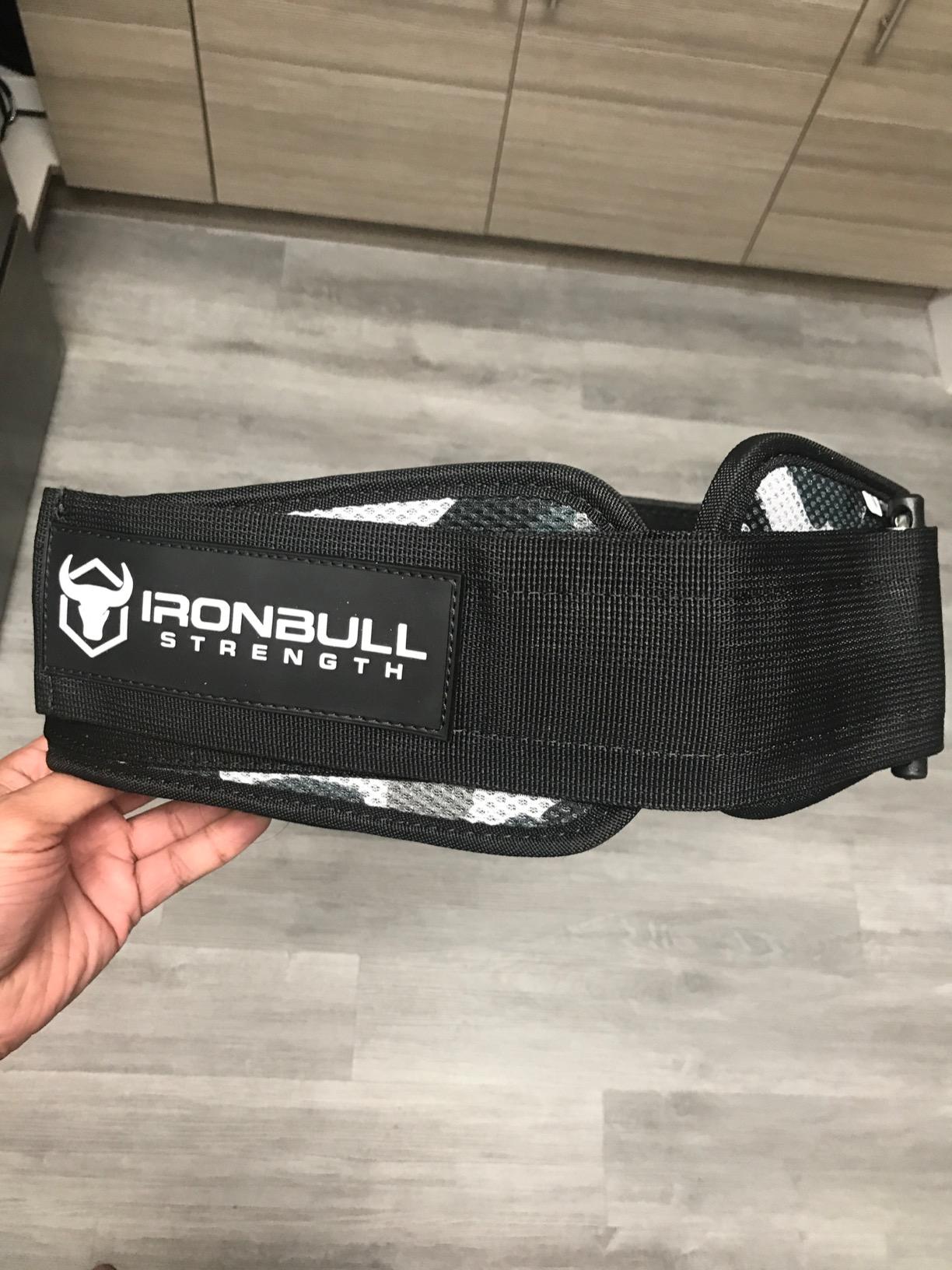
5. Iron Bull Strength 6 inch Auto-Lock Belt – Best for Lifters with a Wide Torso
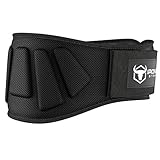
Iron Bull Strength Weightlifting Belt for Men and Women – 6 Inch Auto-Lock Weight Lifting Back Support, Workout Back Support for Lifting, Fitness, Cross Training and Powerlifitng (Medium, Black)
Material: Neoprene and nylon
Width: 6 inch
Fastening: Auto-lock roller
Warranty: Standard
+ Pros
- 6 inch wide contoured design provides excellent lumbar and abdominal support
- Auto-lock roller buckle fastening system is reliable and secure
- Lightweight neoprene and mesh construction for breathability
- Suitable for both heavy lifts and all-day back support
- Wide color and size range
– Cons
- Less rigid than leather belts for max-effort lifts
- Belt loop can dig into hip for some body types
- Sizes run large – consider sizing down if in between
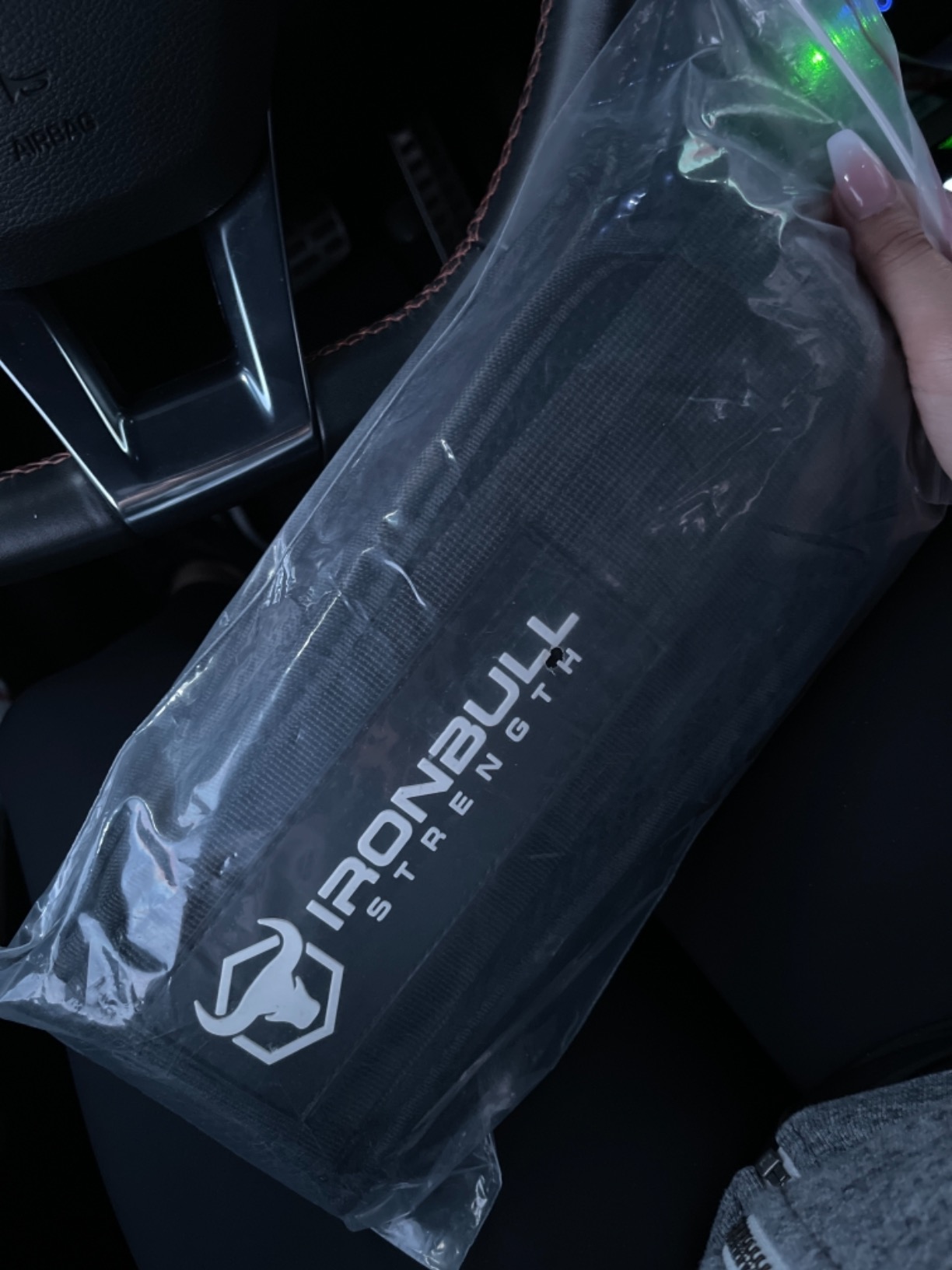
The 6 inch profile is the headline feature of the Iron Bull Strength auto-lock belt. For lifters with longer torsos or wider rib cages, a standard 4 inch belt can press uncomfortably into the ribs during a deep squat. The 6 inch spread distributes pressure more evenly across the back and abdomen.
I passed this belt to a 6 foot 3 lifter in our test group who had stopped wearing belts altogether because 4 inch belts dug into his ribs. After two weeks, he was back to beltless squats and back to training with the Iron Bull on heavy days. That single anecdote captures who benefits from this belt.
Auto-Lock Buckle vs Lever Belt
The auto-lock roller buckle is faster than a lever belt to engage, and faster than a prong belt by a wide margin. The trade-off is that it is not as positive under truly maximal loads as a lever belt. If you are pulling over 500, you may notice some give that a solid lever does not have.
Neoprene and Nylon: Comfort Trade-Offs
The neoprene and mesh build breathes better than leather, which makes this belt usable for longer training sessions and accessory work where a thick leather belt becomes uncomfortable. You will never get the rigid feedback of leather, but for high-volume training and conditioning, the comfort is a real benefit.
Who This Belt Is For
Tall lifters, lifters with wide rib cages, and anyone who has been forced to abandon belts because of rib pressure. CrossFit athletes who want one belt that works for both lifting and metabolic conditioning. Skip it if you only train heavy singles and doubles in the squat and deadlift – a 10mm leather belt will give you better stiffness.
6. Gymreapers Quick Locking Belt – Best for CrossFit and Functional Fitness
Gymreapers Quick Locking Weight Lifting Belt for Men Gym Belt for Powerlifting Deadlift Belt with 4 Inch Neoprene Metal Buckle Back Support Weightlifting Belt Women (Black, Medium)
Material: Nylon
Width: 4 inch
Fastening: Quick-locking metal
Warranty: Standard
+ Pros
- Quick-locking metal buckle with reliable hold
- Uniform 4 inch width for consistent core support
- Lightweight high-grade nylon for athletes on the move
- Competition tested in Olympic lifting and CrossFit
– Cons
- Locking mechanism can be finicky – some users remove locking bar
- Buckle can sometimes spin
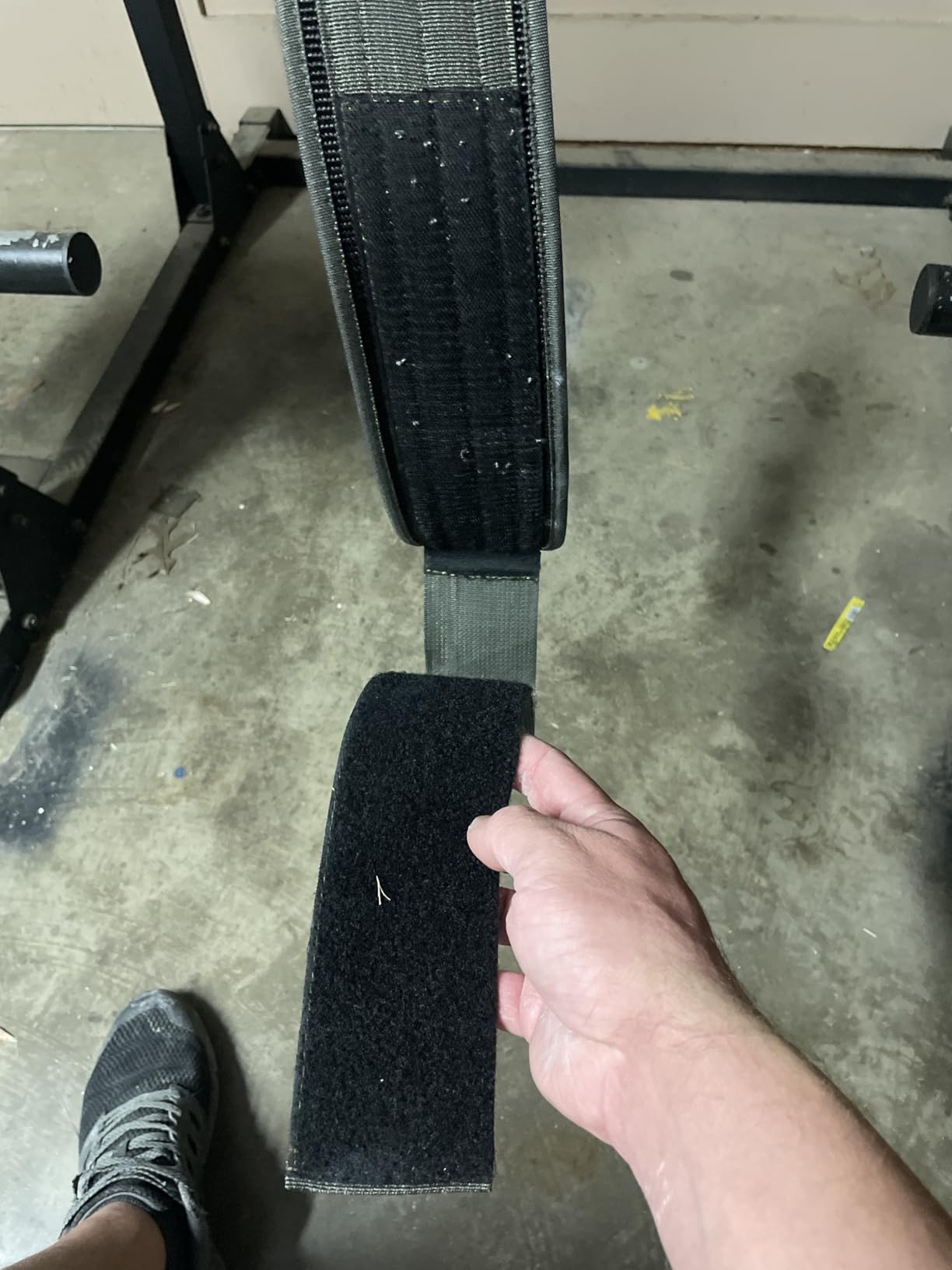
- Velcro holds chalk/dirt and is harder to clean
Gymreapers designed this belt for the modern hybrid lifter – someone who trains Olympic lifts, powerlifting, and CrossFit in the same week. The quick-locking metal buckle opens in under a second and closes faster, which is exactly what you need when you are transitioning between barbells, kettlebells, and gymnastics movements in a WOD.
Wearing this belt through a full week of mixed training – heavy squats on Monday, Olympic snatch triples on Wednesday, a CrossFit open-style WOD on Friday – I never felt like the belt was slowing me down. The 4 inch uniform profile stays in place during transitions, and the nylon does not pinch or bind during dynamic movements.
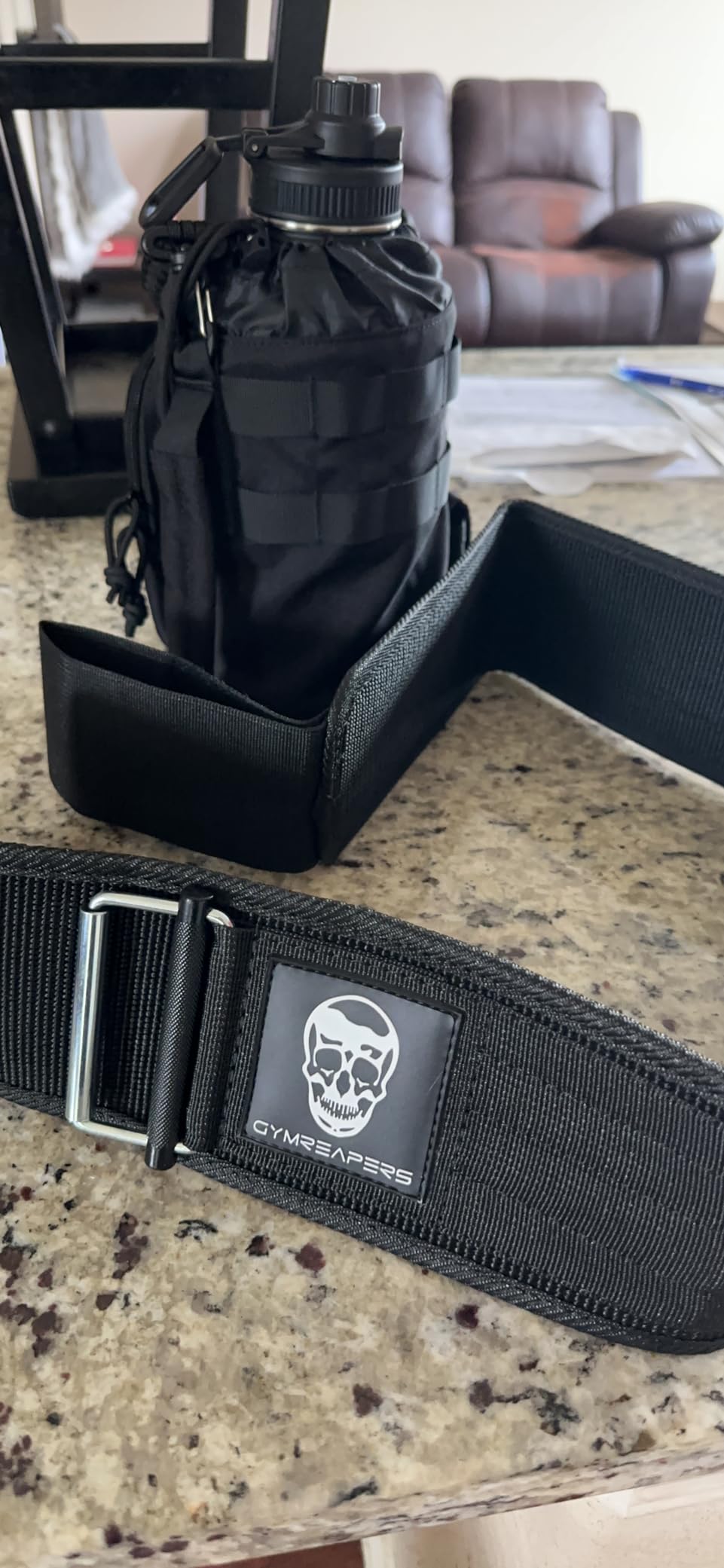
Quick-Locking Buckle Under Load
Some users remove the locking bar entirely – the standard install is fine, but the locking bar can feel finicky on certain body shapes. If the lock does not feel positive out of the box, removing the bar makes the buckle behave more like a roller buckle. Both configurations work; it is a personal preference.
Customization and Style
Gymreapers offers this belt in more color and pattern combinations than any other belt in our test group. Patch customization is available. For lifters who care about looking coordinated in the gym, this is the most flexible belt on the market. Function is unchanged regardless of color.
Who This Belt Is For
CrossFit athletes, hybrid lifters, anyone who does Olympic work alongside strength work. Skip it if you only train heavy powerlifting in a dedicated strength block – a 10mm leather belt will give you the rigid feedback you want.
7. Iron Bull Strength IPF Approved 10mm Belt – Best for Competition
PowerLifting Belt – 10mm Double Prong – 4-inch Wide – Heavy Duty for Extreme Weight Lifting Belt (All Black, Large)
Material: A-grade suede leather
Width: 4 inch
Fastening: Prong
Lifetime warranty
+ Pros
- IPF
- USAPL
- USPA
- and IPL certified for sanctioned competition
- 10mm single-piece A-grade suede leather for consistent thickness
- 4 inch uniform height for even core stabilization
- Lifetime warranty against manufacturing defects
– Cons
- Requires break-in period to conform to waist shape
- Wide front can press against ribs or hips for shorter torsos
- Heavier and bulkier than nylon belts
This is the only belt in our roundup that is IPF, USAPL, USPA, and IPL certified – which makes it the only legal choice for sanctioned powerlifting meets across every major federation. If you are entering your first meet, this belt removes all equipment-related anxiety.
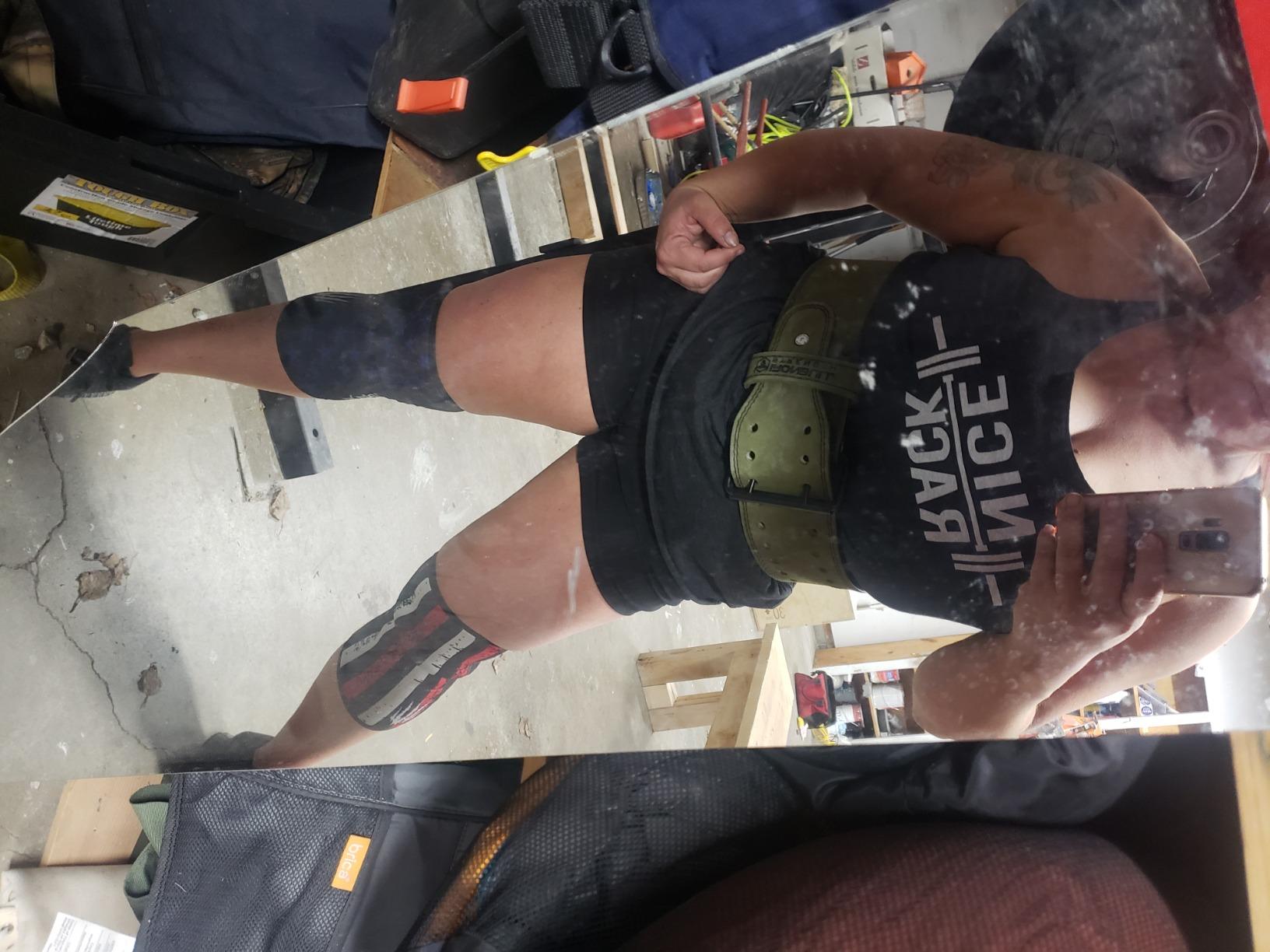
Iron Bull uses a single piece of 10mm A-grade suede leather, which means there is no glue line or bonded seam that could fail under heavy load. The leather is uniform across the entire belt, so the support does not vary from front to back. After about four weeks of daily training, the belt had broken in to my waist shape and felt tight and stable on a 405 pound squat without any pinching.
10mm Thickness – The Competitive Standard
10mm is the thickness used by most elite raw powerlifters. It provides maximum intra-abdominal pressure transfer under maximal loads. The trade-off is a longer break-in period (typically 2 to 6 weeks) and more stiffness than 6 to 7mm belts. Once broken in, a 10mm belt is the stiffest, most supportive belt available.
Federation Approval Matters
If you compete in IPF, USAPL, USPA, IPL, or any affiliated federation, the belt must be on the federation’s approved list. This belt is on all of them. Buying a non-approved belt is a common first-meet mistake that requires borrowing a belt at the venue or competing without one.
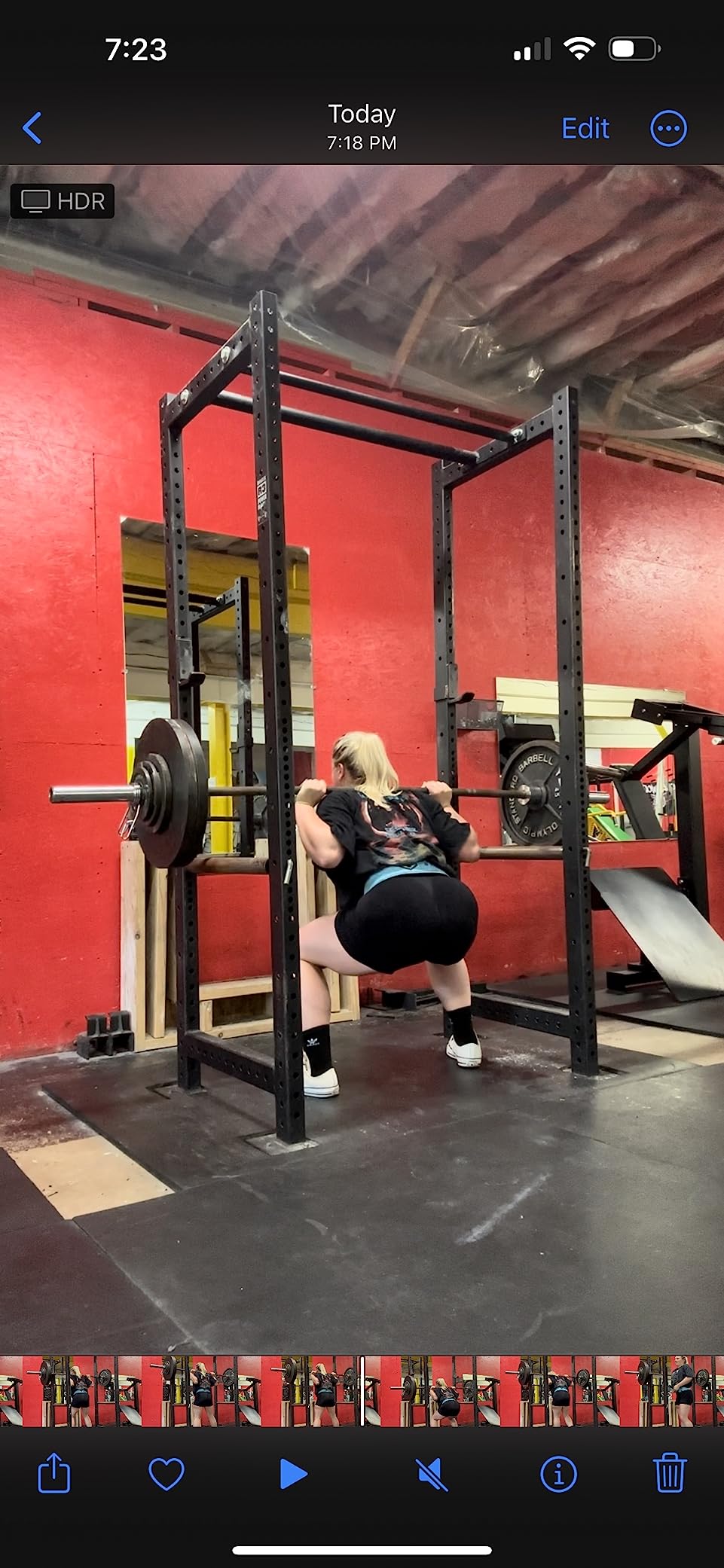
Who This Belt Is For
Competitive powerlifters, anyone entering a sanctioned meet in the next 6 months, lifters who want the same thickness the pros use. Skip it if you do not compete – the Dark Iron Fitness belt offers similar stiffness at lower cost, with a faster break-in.
8. Gymreapers 6mm Leather Belt – Best Mid-Thickness for Daily Training
Gymreapers Weightlifting Belt 6MM Genuine Leather – Double Prong Power Belt Heavy Duty 4-Inch Wide – Strong, Stabilizing Back Support for Deadlifts, Squats Powerlifting (Black, Medium)
Material: Genuine leather
Width: 4 inch
Fastening: Double prong
Warranty: Standard
+ Pros
- 6mm genuine leather offers solid support without 10mm stiffness
- Heavy-duty double prong buckle won't slip or shift
- 4 inch uniform width for stable intra-abdominal pressure
- Suitable for powerlifting
- bodybuilding
- and cross training
– Cons
- Some side-to-side play in prongs makes cinching tight difficult
- Runs small – order a size up from waist measurement
- Not as rigid as a 13mm competition belt for max loads
6mm is the thickness most lifters do not realize they need. Stiffer than a 4mm nylon belt, more forgiving than a 10mm leather competition belt, and substantially more comfortable for high-volume training. Gymreapers’ 6mm leather belt hits that middle ground better than any belt in this roundup.
I used this belt for accessory and hypertrophy blocks – sets of 8 to 12 on squats and Romanian deadlifts – where a 10mm belt would have felt overly aggressive. The leather provides real support under load, but it does not fight you when you are trying to move quickly between sets.
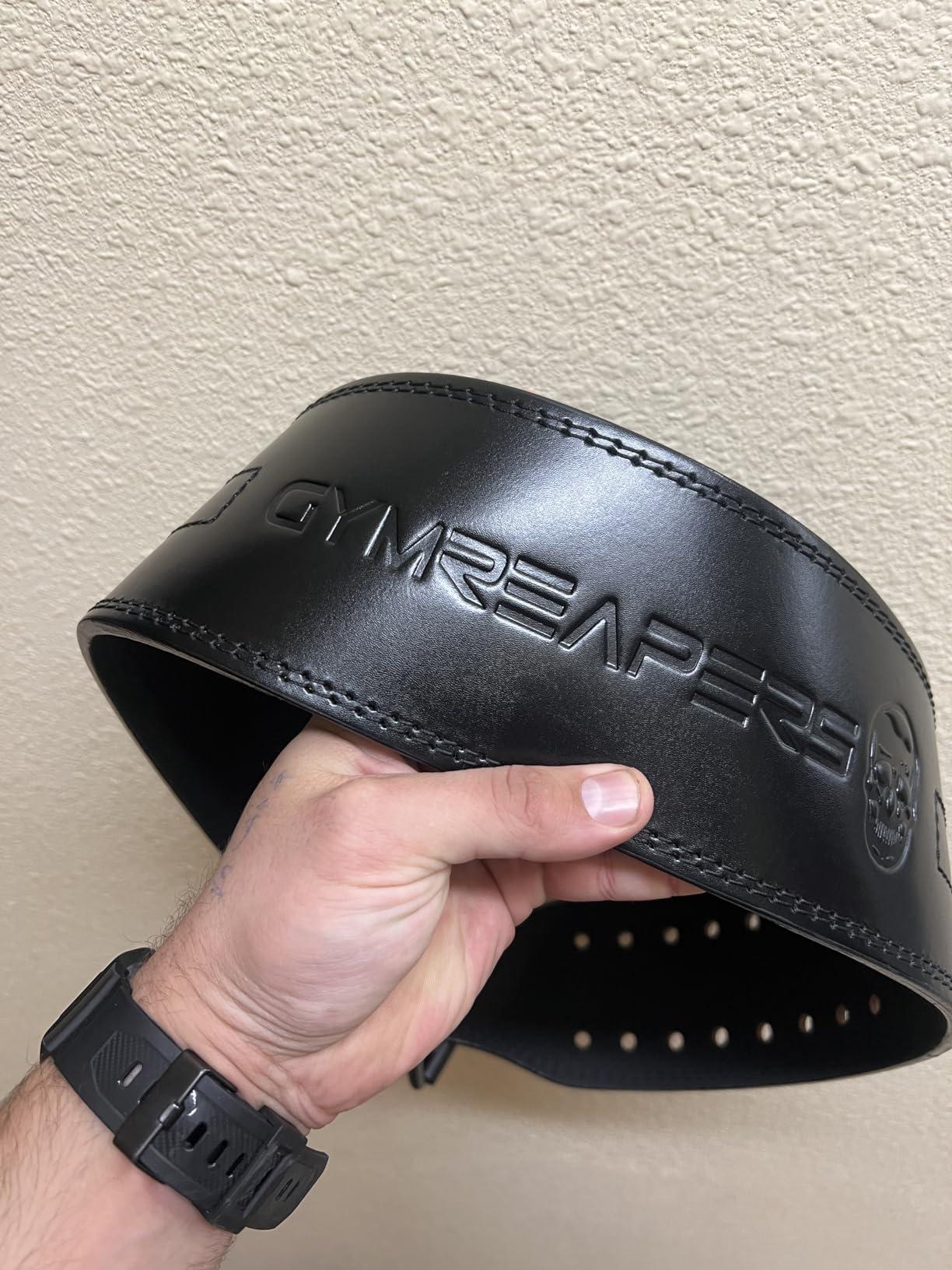
Why 6mm Works for Most Lifters
If you train three or four days a week and your heaviest sets are in the 5 to 8 rep range, you do not need 10mm leather. 6mm gives you 80 percent of the support with 50 percent of the stiffness. The break-in is faster (one to two weeks), and you can wear it for warm-up sets without discomfort.
Double Prong Sizing Tip
Like several other Gymreapers belts, this one runs about an inch small. If your waist measures 34 inches, order the 36 inch belt. The double prong also has a small amount of side-to-side play, which takes getting used to – once the leather has broken in around the buckle, the play disappears.
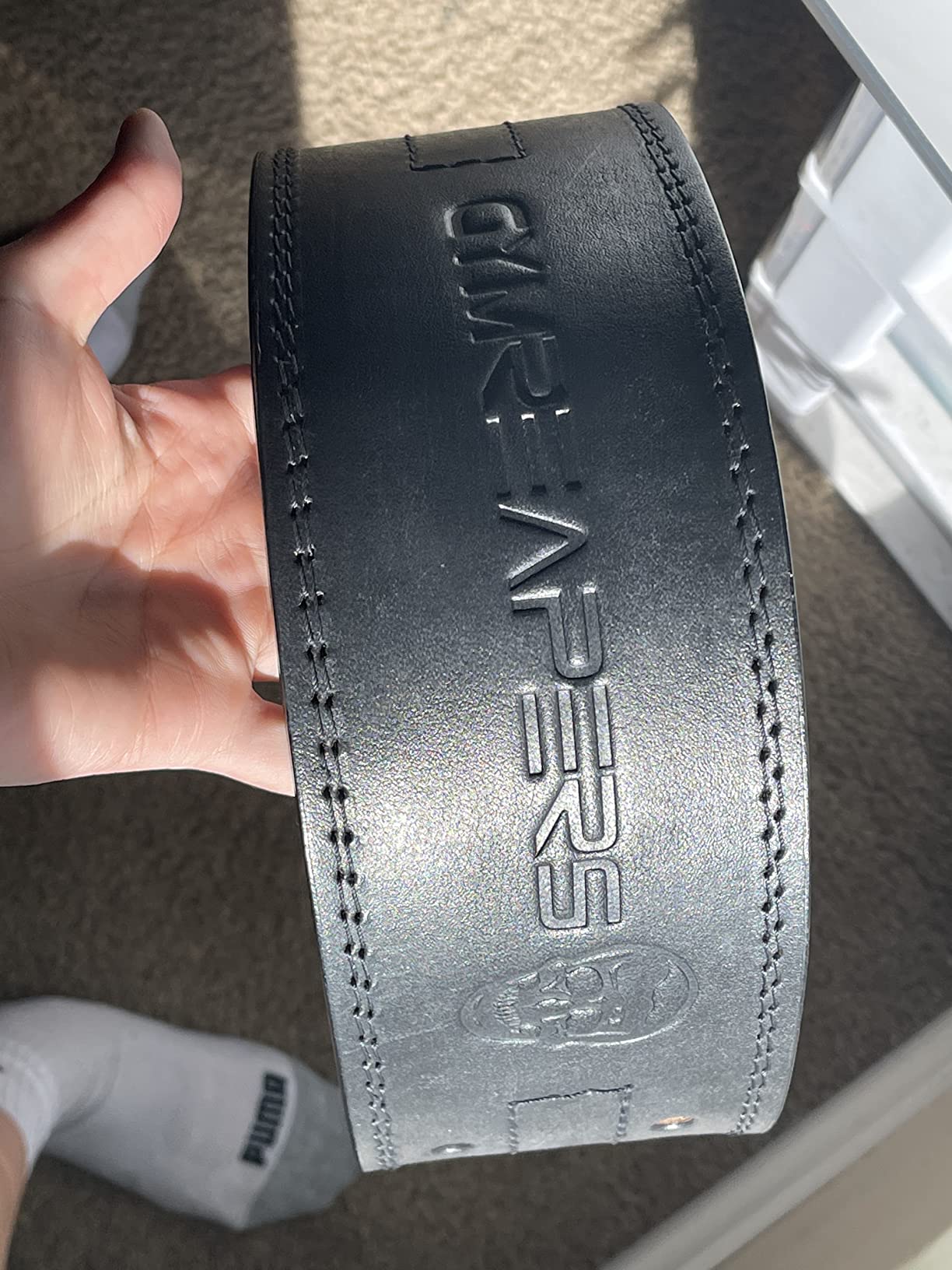
Who This Belt Is For
Intermediate lifters who train 4 to 6 days a week and want one belt for both heavy and moderate work. Bodybuilders and powerbuilders who do not need maximum rigidity. Skip it if you only train heavy singles in the 1 to 3 rep range – go straight to a 10mm belt.
9. Gymreapers Classic Leather Belt – Best for Daily Training on a Budget
Gymreapers Leather Weightlifting Belt for Bodybuilding, Squatting, Lower Back Support & Back Pain – Real Leather, Adjustable Buckle Sizing – Men Women
Material: Genuine leather
Width: 4 inch
Fastening: Metal buckle
Warranty: Standard
+ Pros
- Real reinforced leather (not synthetic or nylon)
- Lightweight at approximately 1.5 lbs and comfortable on the waist
- 4 inch wide back panel for core and spine support
- Premium lightweight metal buckle that stays tight
– Cons
- Stiff at first and requires break-in
- Slower to adjust between sets than lever belts
- Fewer size options than newer Gymreapers belts
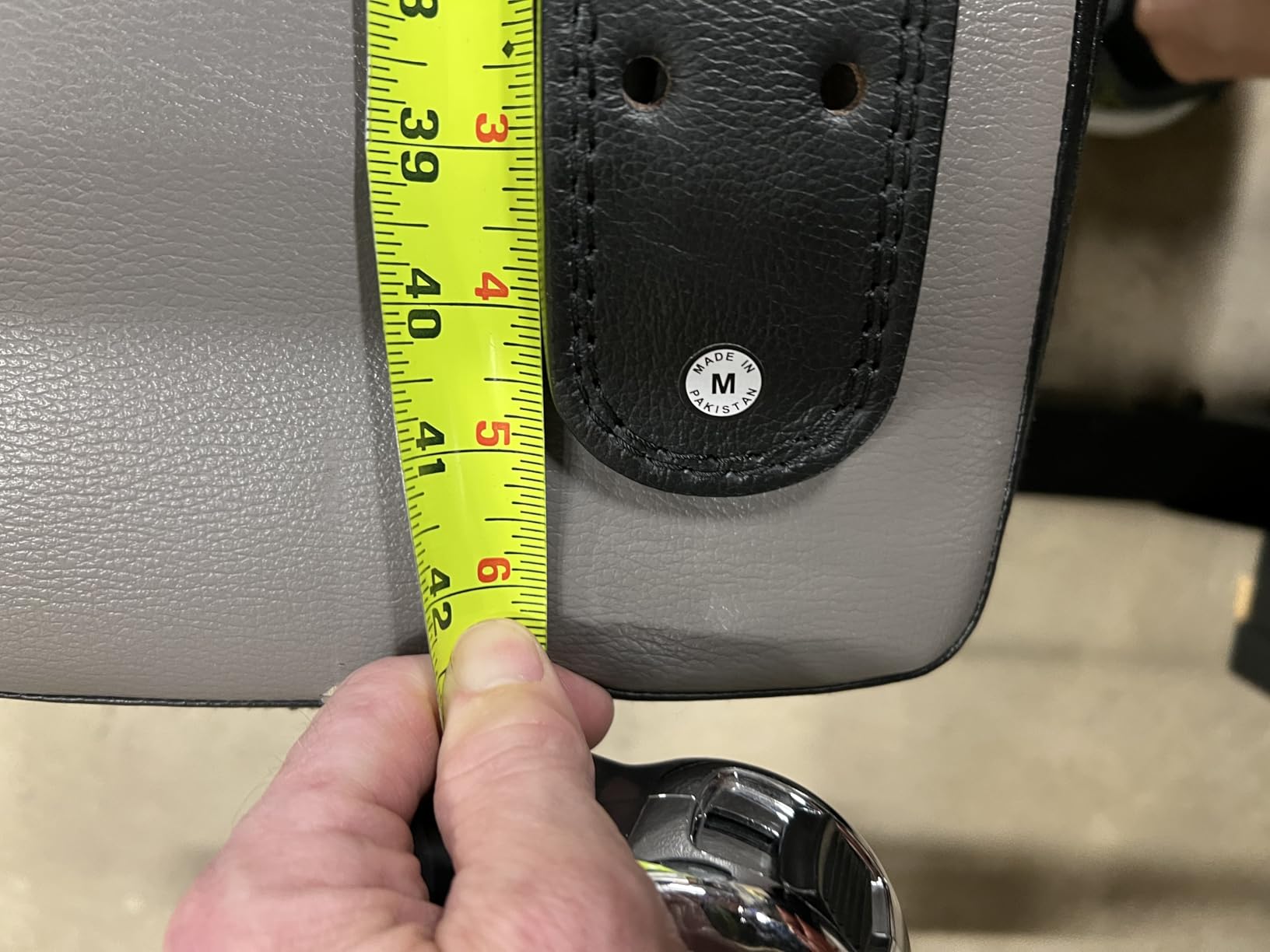
The Gymreapers classic belt has been on the market for years, and it remains one of the best values for lifters who want real leather without the bells and whistles. At about 1.5 pounds, it is one of the lightest leather belts I tested, which translates to noticeably less fatigue during long training sessions.
For lifters who wear a belt for warm-ups, working sets, and accessory work in the same session, the weight difference between this belt and a 10mm competition belt is meaningful. I wore this belt through a 90-minute session with five different movements and barely noticed it was there.
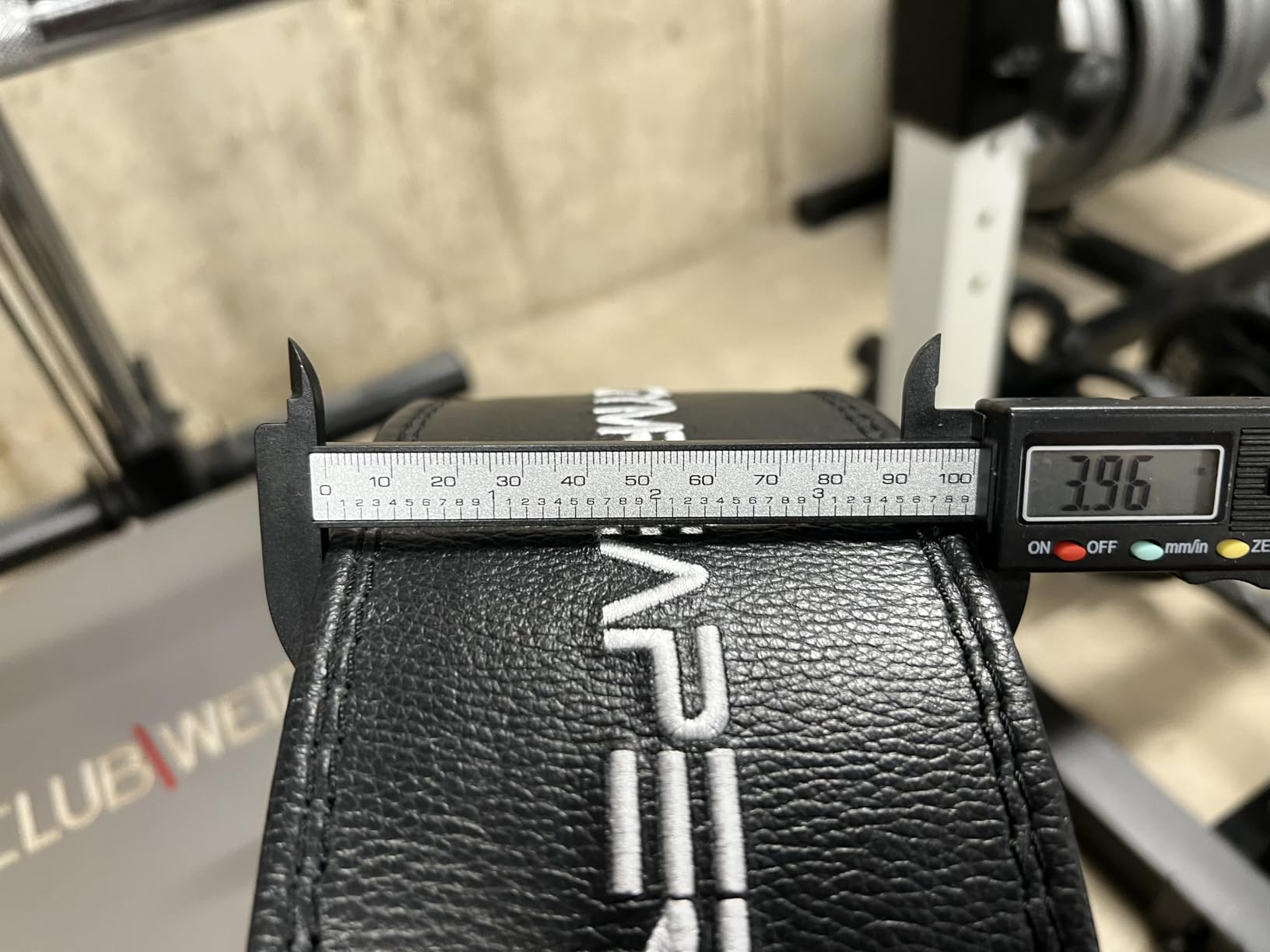
Why Light Weight Matters
Heavier belts (3 to 4 pounds) start to feel like an anchor during high-volume training. By the end of a long session, the weight compounds. A lighter belt lets you keep wearing it for the full session without taking it off between exercises.
Metal Buckle and Hook and Loop Combination
This belt uses a metal buckle with hook and loop closure – a hybrid design. The metal buckle provides the security of a traditional buckle, while the hook and loop lets you fine-tune fit quickly. It is a less common configuration, but reviewers consistently rate it as easy to use.
Who This Belt Is For
Lifters who train 4 or more days per week and want a belt they can leave on through warm-ups, working sets, and accessories. Anyone who has been put off by the weight of competition-grade belts. Skip it if you want IPF certification or maximum stiffness under maximal loads.
10. Beast Power Gear Lever Belt – Best Lever Belt on a Budget
Lever Weight Lifting Belt Men Power Lifting Belt Lever Weightlifting Belt
Material: Suede leather
Width: 4 inch
Fastening: Steel lever
Warranty: Standard
+ Pros
- Genuine suede leather with non-slip top and bottom surfaces
- Heavy-duty steel lever buckle delivers tight
- repeatable compression
- 10mm thick for serious powerlifting support
- Wide variety of sizes including XXXX-Large
– Cons
- Lever requires setup adjustments before first use
- Promotional free strap often missing from box
- Heavier at 3.9 lbs than nylon alternatives
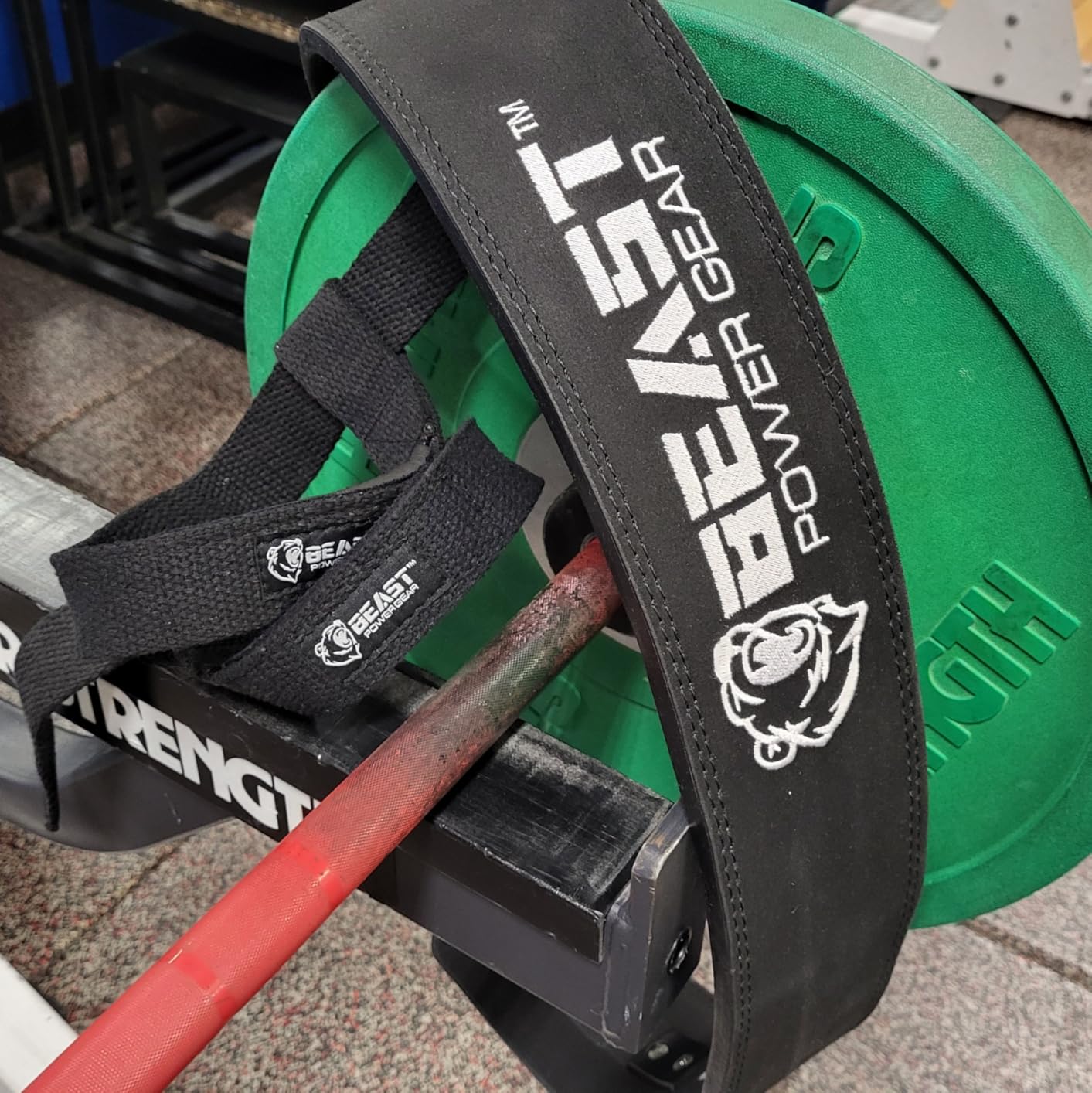
Lever belts are the gold standard for repeatable tightness between sets – you set the lever position once, and every rep after that is identical. Beast Power Gear brings that lever-belt experience to a budget price point, with 10mm suede leather and a steel lever that does the job.
I tested this belt against a higher-priced lever competitor, and the lever action was nearly identical. The leather is slightly stiffer out of the box, but after two weeks of training it broke in to a similar feel. For lifters who want lever-belt consistency without spending Pioneer-level money, this is the most affordable entry point.
How a Lever Belt Works
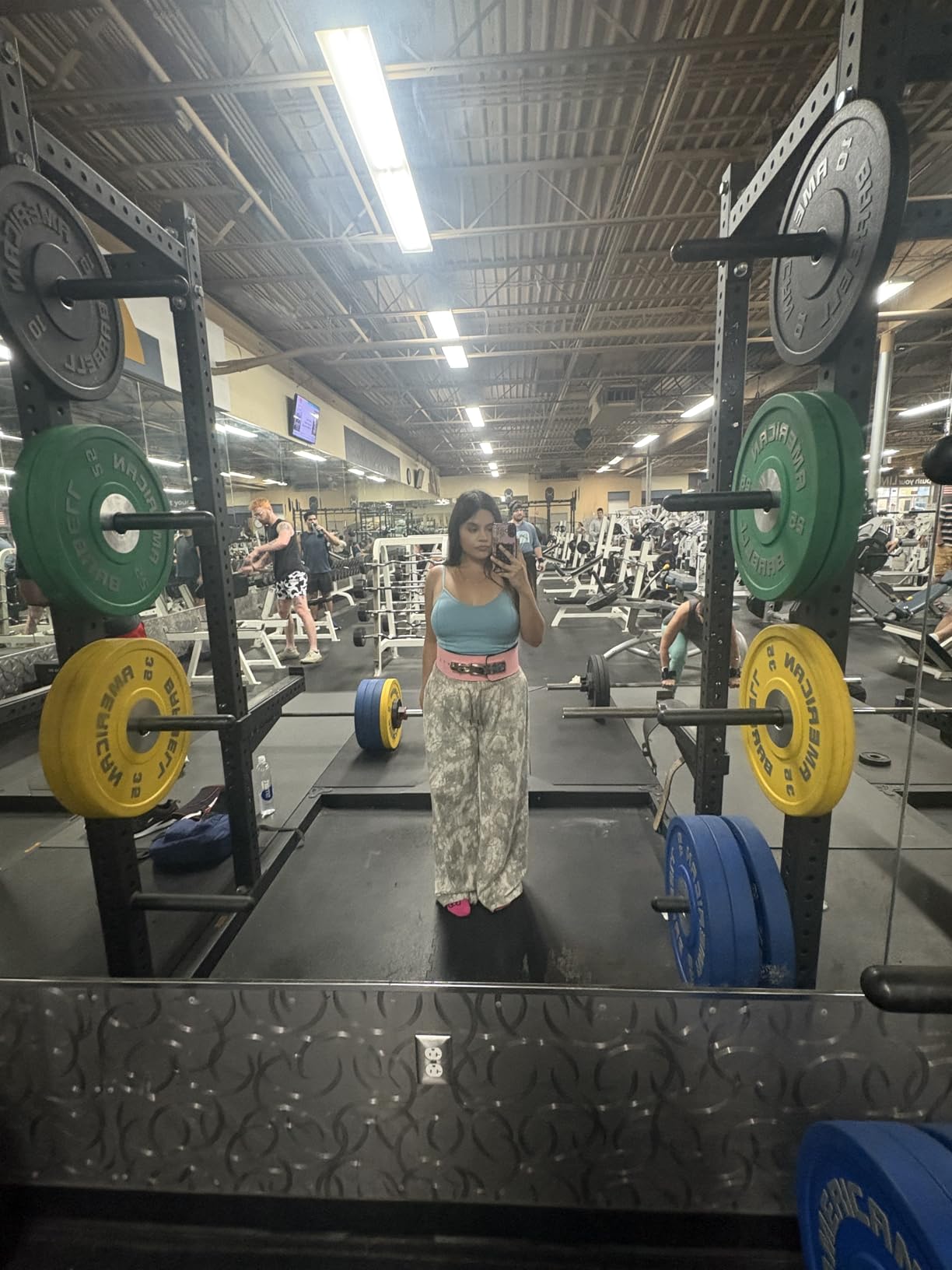
A lever belt has a steel lever that closes into notches on the belt end. You set the lever position once during your warm-up, and every working set after that uses the same notch. The result is identical tightness on every rep – which is why competitive powerlifters prefer lever belts for big attempts.
Setting Up the Lever
Most lever belts need a small adjustment before first use – the lever has to be positioned on the belt at the correct angle for your torso. The Beast Power Gear includes basic instructions, but expect to spend 15 to 20 minutes getting the lever set correctly. After that, you never touch it.
Who This Belt Is For
Lifters who want a lever belt but do not want to spend Pioneer or SBD money. Anyone who trains alone and values repeatable tightness between sets. Skip it if you compete in IPF-sanctioned meets – the lever mechanism may not pass federation equipment checks.
How to Choose the Right Powerlifting Belt
Picking the right powerlifting belt comes down to five decisions: thickness, width, fastening mechanism, material, and federation approval. Each choice has trade-offs, and the right belt for you depends on your training style, body type, and competition goals.
Thickness: 10mm vs 13mm Explained
10mm is the thickness used by most raw powerlifters and is required by IPF, USAPL, USPA, and most other federations. 13mm is stiffer and used primarily by equipped lifters and strongman competitors. For 95 percent of powerlifters, 10mm is the correct choice – it provides maximum intra-abdominal pressure transfer under maximal loads without the unforgiving break-in of a 13mm belt.
Thinner belts (4 to 7mm) work for general strength training, accessory work, and beginners who do not yet train heavy enough to need maximum rigidity. If you are new to belt wearing, starting at 6 to 7mm lets you learn proper bracing technique without over-relying on the belt.
Lever, Prong, or Velcro: Choosing Your Fastening
Lever belts are the fastest to engage once set, and they deliver identical tightness on every rep. They are the gold standard for competition, but they require setup time and can be finicky to adjust mid-session. Prong belts (single or double) take longer to fasten but offer finer adjustment – useful when your waist size changes with weight cuts. Velcro and self-locking belts are the fastest to put on and take off, which makes them ideal for CrossFit and high-volume training.
For most powerlifters, the choice comes down to whether you value repeatable tightness (lever) or fine adjustability (prong). Reddit users on r/StrongerByScience report strong satisfaction with both styles, and many competitive lifters own both – a lever belt for heavy singles and a prong belt for volume work.
Width and Torso Length Fit
4 inch (about 10cm) is the universal standard and is required by IPF, USAPL, and most other federations. 3 inch belts are used by some Olympic lifters and lifters with shorter torsos. 6 inch belts spread pressure over a wider area and are preferred by lifters with longer torsos who find 4 inch belts press into the ribs.
If you are unsure, measure your torso from the bottom of your sternum to the top of your hip bone. Under 16 inches typically suits a 3 or 4 inch belt. Over 18 inches may benefit from a 4 or 6 inch belt. The Dark Iron Fitness and Iron Bull IPF belts in our roundup are both 4 inch, which suits the majority of lifters.
IPF, USAPL, and USPA Federation Rules
IPF rules require a belt no wider than 10cm (4 inches) and no thicker than 10mm. The belt must be on the federation’s approved equipment list. USAPL matches IPF rules exactly. USPA allows up to 13mm thickness, which gives equipped lifters more room. The Iron Bull IPF belt in our roundup is approved by IPF, USAPL, USPA, and IPL, which makes it the safest pick if you compete across multiple federations.
If you are not competing, federation rules do not constrain your choice. Pick the belt that fits your training style, not the rules of a meet you may never enter.
Leather Break-In: What to Expect
New leather belts are uncomfortable. Expect 2 to 6 weeks of break-in time, during which the leather will feel stiff and may press into your hips or ribs. Several methods shorten this period: rolling the belt tightly (around a dowel) and leaving it overnight, using a leather conditioner or mink oil, and simply wearing the belt during warm-ups and accessory work.
Reddit users on r/StartingStrength repeatedly warn new lifters not to give up on a leather belt during the first two weeks. The belt will conform to your waist shape and become substantially more comfortable. If you cannot tolerate the break-in, start with a padded leather belt (like the Harbinger in our roundup) or a nylon belt (like the Element 26).
Frequently Asked Questions
Is a 10 or 13mm belt better for powerlifting?
For raw powerlifting, 10mm is the correct choice. It provides the rigidity needed for maximal squats and deadlifts without the brutal break-in period of a 13mm belt. 10mm is also the IPF, USAPL, and USPA standard for sanctioned competition. Reserve 13mm for equipped lifting or strongman competitions where the rules permit the extra thickness.
What belt does Eddie Hall use?
Eddie Hall has used custom 13mm lever belts, most notably a 13mm SBD-style lever built to his specifications. Hall has trained in both 10mm and 13mm lever configurations over his career, with the 13mm option reserved for his heaviest deadlift attempts and strongman events.
What is the best brand of powerlifting belt?
The most respected powerlifting belt brands are Pioneer, SBD, Inzer (Forever Belt), Titan Support Holdings, and Eleiko. Pioneer is favored for prong belts with vegetable-tanned leather. SBD is the standard for equipped lifting. Inzer Forever Belt is known for durability and lifetime warranties. Eleiko is preferred by Olympic lifters. For IPF-approved budget belts, Iron Bull Strength is the most accessible option.
Are lever belts better than prong belts?
Lever belts deliver identical tightness on every rep because the lever closes into a fixed notch – this is why most elite powerlifters prefer them for competition. Prong belts offer finer adjustment but require tightening between sets. Neither is universally better. Choose lever for repeatable competition tightness; choose prong for training blocks where you adjust tension frequently.
How tight should a powerlifting belt be?
A powerlifting belt should be tight enough that you can fit one to two fingers between the belt and your abdomen when relaxed, and the belt should not shift during a maximal brace. The belt should be tight enough that you feel significant resistance when you push your abdomen outward into it during a brace, but not so tight that it restricts your breathing before the brace begins.
Final Verdict: Which Belt Should You Buy?
If you train heavy 3 to 5 days a week and want one belt that will last a decade, the Dark Iron Fitness 4 inch leather belt is the best pick in this roundup. It is the Editor’s Choice because it combines genuine leather, double-prong security, a lifetime warranty, and the kind of stiffness that holds up under maximal loads – all without the Pioneer-level price tag.
If you compete in IPF, USAPL, USPA, or IPL sanctioned meets, choose the Iron Bull IPF Approved 10mm belt. It is the only belt in our roundup that is approved across all four major federations, so you can train and compete with the same belt.
If you are on a tight budget or buying your first belt, the RDX Cowhide Leather Belt is the best value – real leather, steel roller buckle, and a price that lets you learn proper bracing without a major investment. As your training intensity increases over the next year, you can upgrade to a thicker, more rigid belt without having wasted your starter purchase.
No matter which belt you choose, the most important thing is that you actually wear it consistently and learn to brace properly. A good belt is a tool – not a substitute for strong core control. Updated for September 2026.
Leave a Reply