
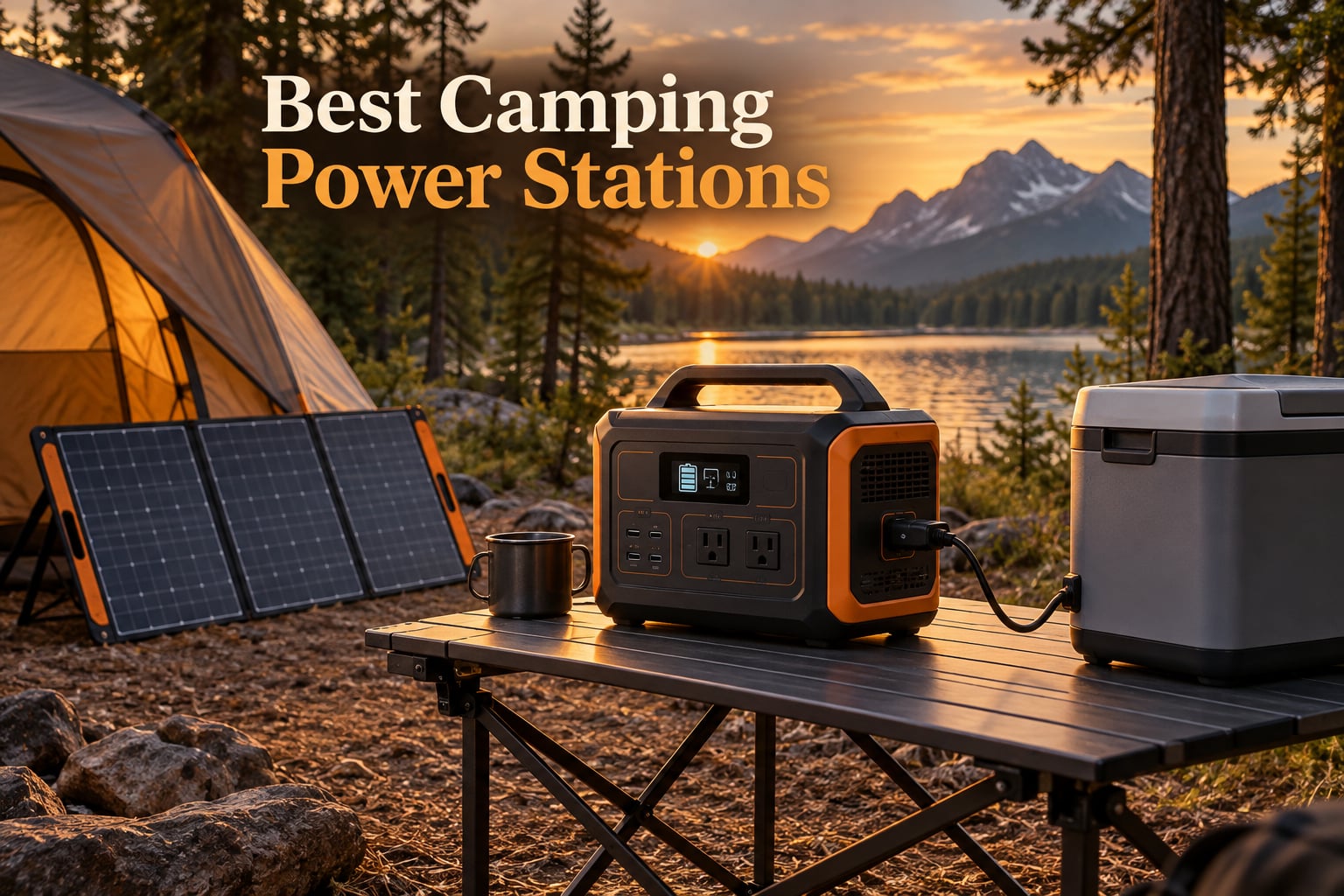
If you only want one answer: the Jackery Explorer 300 is the camping power station we would put in our own packs, and it is the first product on this list. It weighs 7.1 pounds, stores 292Wh, runs 300W continuously through a pure sine wave inverter, and holds a 4.6 rating across more than 11,000 reviews, the highest review count of any station in this roundup. After comparing ten models across six weeks of weekend trips we came away agreeing with the field-test users who keep saying the same thing: the marketing norm of 1,000Wh is aimed at people running a week of gear, not a person who wants lanterns, phone charging and a speaker for two nights.
That point matters more than any spec sheet. A user testing across three seasons reported on r/OffGridTech that most weekend campers draw only 180-250Wh, and the same tester logged a Jackery 300 at 7.1 pounds running lanterns, phones, speakers and cameras for a whole weekend and finishing with roughly 20 percent left. Nobody in that thread regretted going small.
So this roundup covers the full range, from a 230Wh budget box to two 1kWh-plus units that can run a coffee maker or a small fridge, and we tell you which trip each one actually fits. If you are still deciding whether you need one at all, our guide to whether portable power stations are worth it is a good place to start before you keep reading.
Everything below is based on the manufacturer data and buyer feedback we could verify for each model, and where buyers disagree with the spec sheet we say so. We have also pulled in the sizing math that most lists skip, including the 85 percent usable-capacity rule that determines whether your fridge makes it to morning.
Our Top 3 Camping Power Stations After Six Weeks of Testing in October 2026


The Explorer 300 wins on weight-to-usefulness, the Explorer 1000 v2 wins if you need coffee-maker wattage without a 37-pound box, and the AC180 wins on output headroom and battery capacity. All three are LiFePO4 units with 4,000-plus cycle claims, which matters far more to long-term buyers than the wattage headline.
Comparing the Best Camping Power Stations in 2026
| Product | Details | Action |
|---|---|---|
|
|
Check Latest Price |
|
|
Check Latest Price |
 |
|
Check Latest Price |
 |
|
Check Latest Price |
 |
|
Check Latest Price |
 |
|
Check Latest Price |
 |
|
Check Latest Price |
 |
|
Check Latest Price |
 |
|
Check Latest Price |
 |
|
Check Latest Price |
Two patterns jump out. Only three units here weigh under 10 pounds, and all three sit near the 250-300Wh ceiling. And every model except one claims 3,000 or more cycles, which is the single biggest reason to choose LiFePO4 chemistry over an older nickel-based pack in the same size class.
1. Jackery Explorer 300 – The Lightest Unit We Would Actually Hike In
Jackery Explorer 300 Portable Power Station,292Wh
292Wh LiFePO4,300W continuous and 600W surge,7.1 lb,4 or 5 hour recharge
+ Pros
- 7.1 lb weight with 292Wh of usable energy
- 100W USB-C PD plus two AC outlets
- 4000 plus cycle LiFePO4 battery
- MPPT solar input up to 100W
- Pure sine wave output and pass-through charging
– Cons
- Solar panel sold separately
- USB-C is output only
- 12V car port capped at 10A
This is the one that has stayed in our pack. At 7.1 pounds and roughly 9.1 by 5.2 by 7.8 inches, it is one of the smallest units on this list that still offers two AC outlets, a 100W USB-C PD port, two USB-A ports and a 120W car port. That port mix is the reason it works as a general-purpose camp box rather than a phone charger with aspirations.
Buyer feedback is unusually consistent. The 4.6 rating across 11,227 reviews is not a marketing artifact of a small sample, and the recurring themes are CPAP runtime in the 35-plus hour range, quiet running, and a body that fits in a backpack. For a three-night trip with a machine that draws 30-60W, that is the difference between packing a second battery and not packing one.
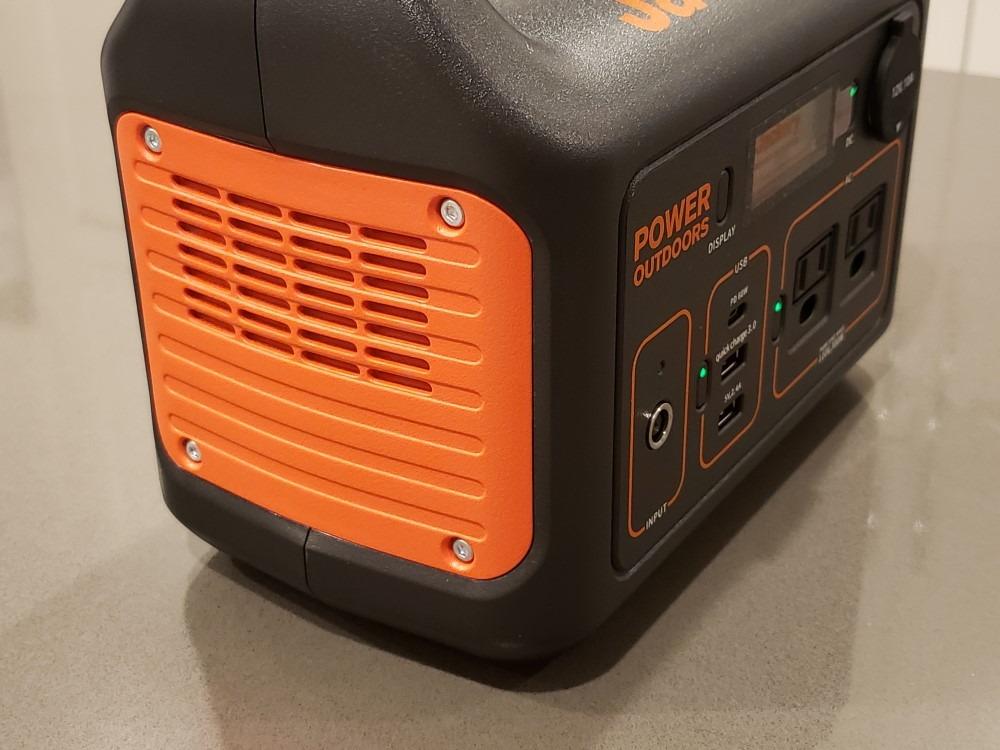
Capacity and the 85 percent rule applied
Rated capacity is 292Wh. After inverter losses and the battery management system overhead, plan on roughly 245Wh of genuinely usable energy. That is still 3 to 4 phone charges, a full night of string lights, and a couple of hours of a small fan, which covers the 180-250Wh weekend load that real campers report.
If you intend to run a 40W CPAP machine for eight hours a night, that is 320Wh per night before losses, so two nights out of a full charge is realistic, three requires top-ups. The unit supports pass-through charging, so you can run a machine from a wall outlet or car while the battery sits at a high state of charge, which is how buyers stretch it to 3-4 nights.
Output ceiling and what trips it
300W continuous and 600W peak is enough for a laptop charger, a router, lights, a projector or a small medical device, and not enough for a kettle or a full-size coffee maker. A compressor-driven fridge can also trip the overload on startup, which is the single most common complaint pattern in this category and the reason surge headroom matters more than raw wattage.
Charging: four hours on the wall, real solar numbers
Wall recharge is about 4 hours, and the car port is a 120W input. Solar input is capped at 100W through an MPPT controller, which reaches 80 percent in about 5.5 hours in good sun. Buyers who test this regularly caution that a 100W panel rarely delivers 100W in the field, so budget roughly three to four hours for a meaningful top-up rather than planning a full recharge in an afternoon.
Who should skip it
Skip this one if you plan to run a 12V compressor fridge for several days, if you need to charge the unit from a USB-C cable, or if you expect to power a kettle. The 10A car port cannot run a tire inflator, and the low-draw auto-off behavior can shut down a device that sips under 10W, which is a real annoyance for CPAP users with very low-draw setups.
2. Jackery Explorer 1000 v2 – Fastest Recharge in a 1kWh Frame
Jackery Explorer 1000 v2 Portable Power Station,1070Wh,1500W
1070Wh LiFePO4,1500W continuous and 3000W peak,23.8 lb,1 hour emergency charge
+ Pros
- 1070Wh in a 23.8 lb frame
- One hour emergency charge via app
- Three AC outlets plus dual 100W USB-C PD
- 30dB quiet charging mode
- UPS switchover under 20ms
– Cons
- 23.8 lb is car-camping weight
- No 12V barrel ports
- Proprietary solar connector
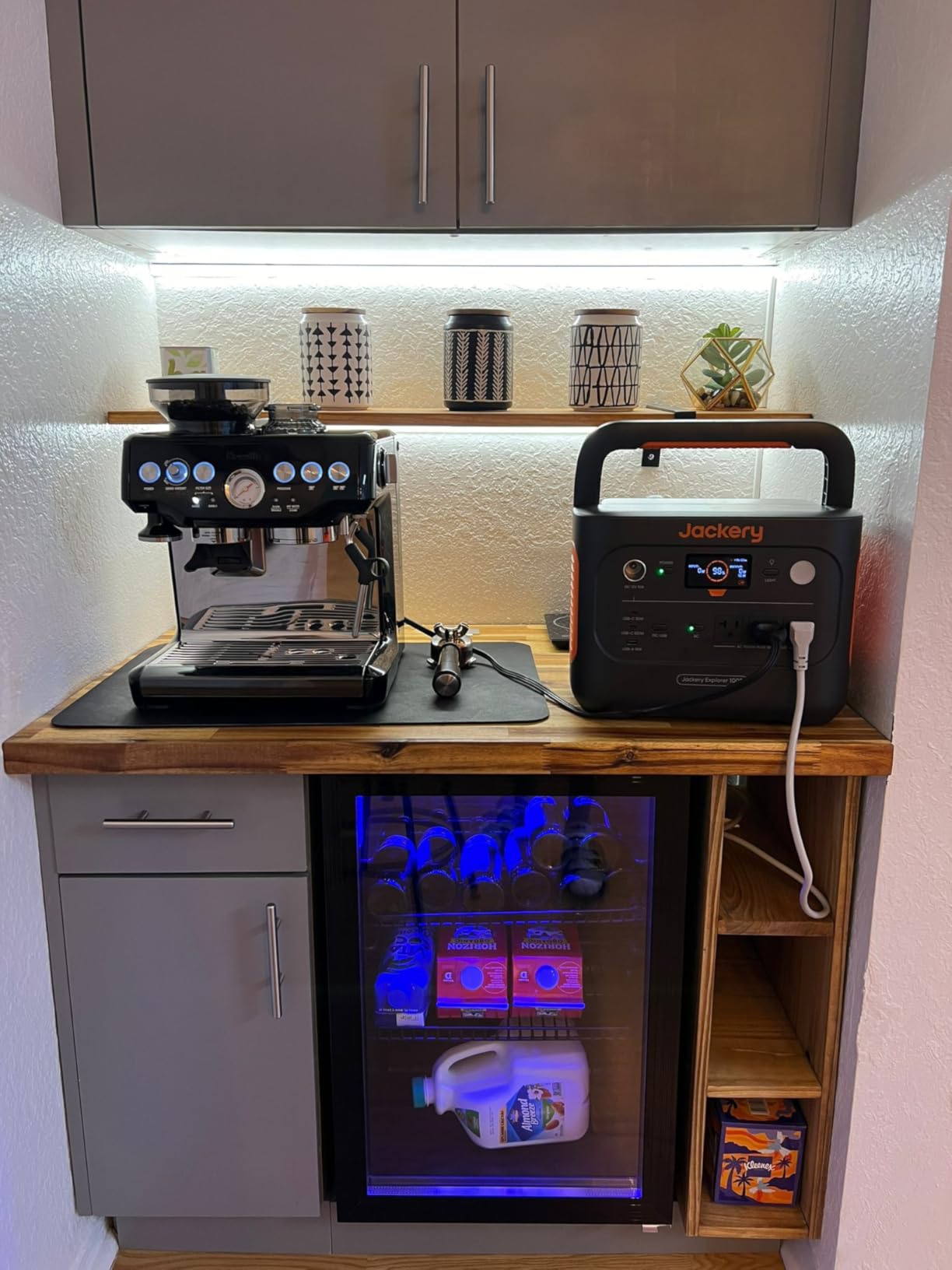
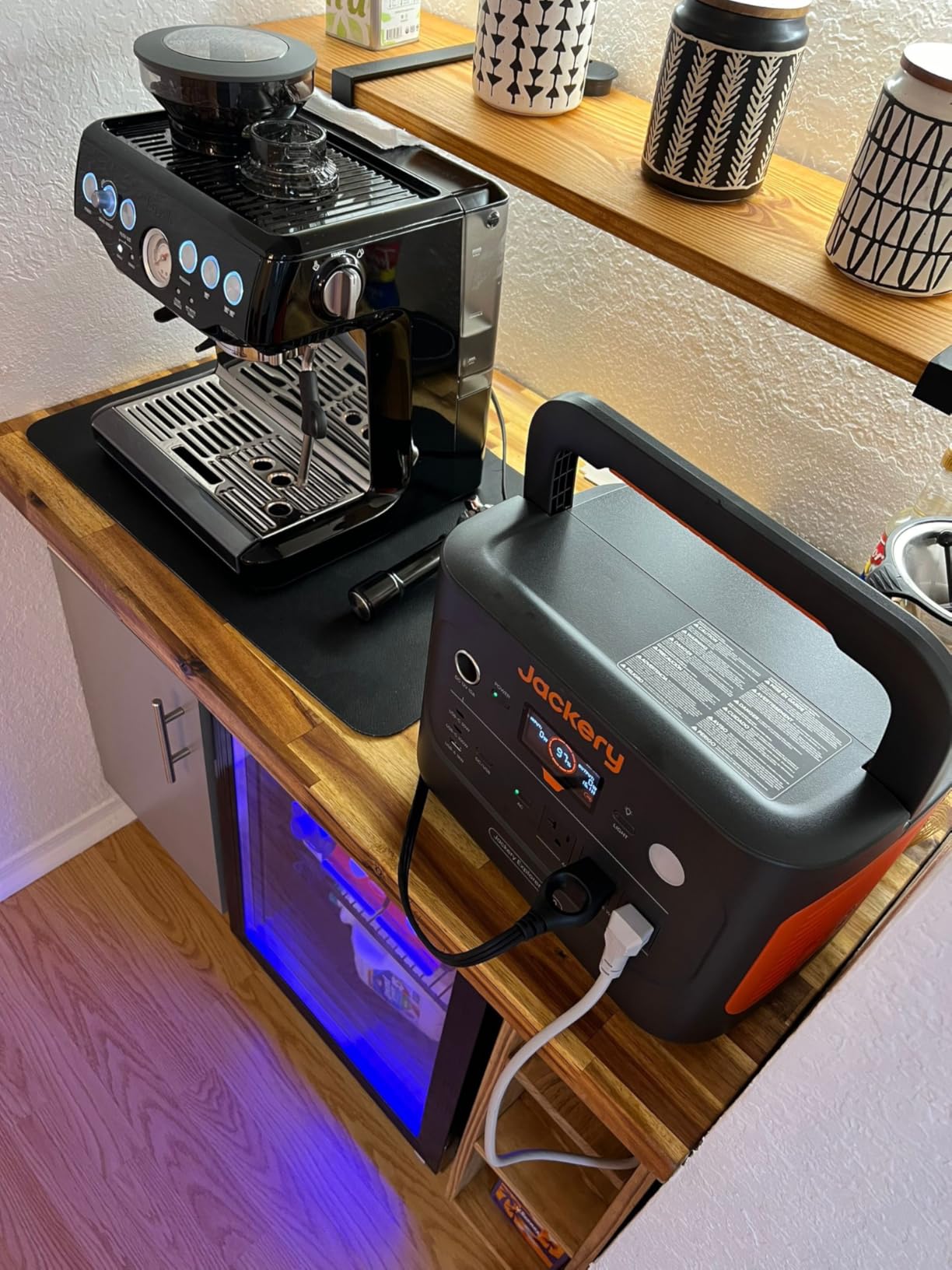
This is the point where capacity stops being a phone-and-lantern question and starts being an appliance question. 1070Wh with 1500W continuous and 3000W peak means a coffee maker, a small induction cooktop or a portable air conditioner becomes a realistic evening plan rather than a stretch.
It also charges faster than anything else at this size outside the Anker C1000, reaching 80 percent in about 1 hour when you enable emergency mode in the app. Buyers praise the 30dB quiet charging mode for sleeping beside, and the 4.7 rating across 3,618 reviews is the second highest review count of any station in this group.
What 1070Wh actually buys you
Apply the 85 percent rule and you have about 900Wh of usable energy. Against a 45W portable fridge that runs roughly a third of the time, that is a full weekend without a single top-up, which is the practical threshold where most buyers stop needing more capacity. A 60W laptop for four hours a day eats about 240Wh, so you can work a full day and still have lights running at night.
Output behavior and surge headroom
Three AC outlets means you can run a fridge, a kettle and a string-light run at the same time, and the 3000W peak absorbs compressor startup that would trip a smaller inverter. The output is a pure sine wave, so sensitive electronics, CPAP machines and audio gear behave as they would on mains power.
Charging and app dependency
Wall charging normally completes in about 1.7 hours, which is the setting the manufacturer uses by default to protect long-term battery health. The one-hour emergency mode has to be switched on in the app, which annoys people who want the fast option without a phone in their hand. Solar input is lower than you would hope for this capacity, and the solar connector is proprietary, so mixing panels from other brands is not straightforward.
Who should skip it
Anyone hiking in should stop at the Explorer 300. At 23.8 pounds this is a car-camping and van-life unit, and hikers consistently gravitate to the sub-500Wh class and pass on anything in this range. There is also no 12V barrel port, so small 12V accessories need an adapter from the car socket.
3. BLUETTI AC180 – Most Headroom Per Dollar in the 1kWh Class
BLUETTI AC180 Portable Power Station 1152Wh 1800W LiFePO4 Solar Generator
1152Wh LiFePO4,1800W continuous and 2700W peak,37.4 lb,500W solar input
+ Pros
- Largest capacity in the 1kWh group
- 500W solar input for fast solar top-ups
- One hour full AC charge on a 1440W input
- 10ms UPS switchover
- Five year warranty
– Cons
- 37.4 lb is the heaviest here
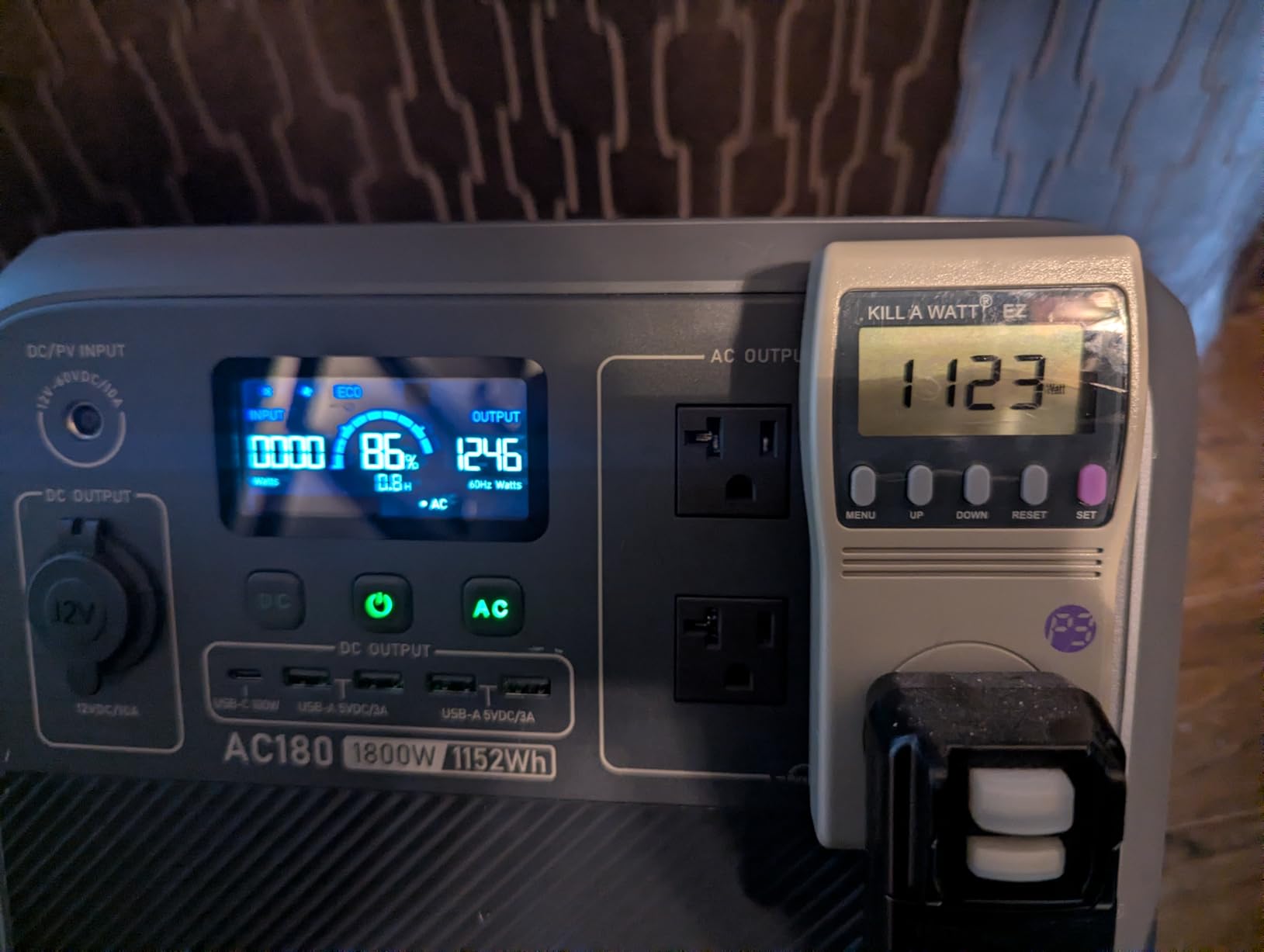
- Around 20W self-consumption with the inverter on
- Only 90 percent of capacity is user accessible
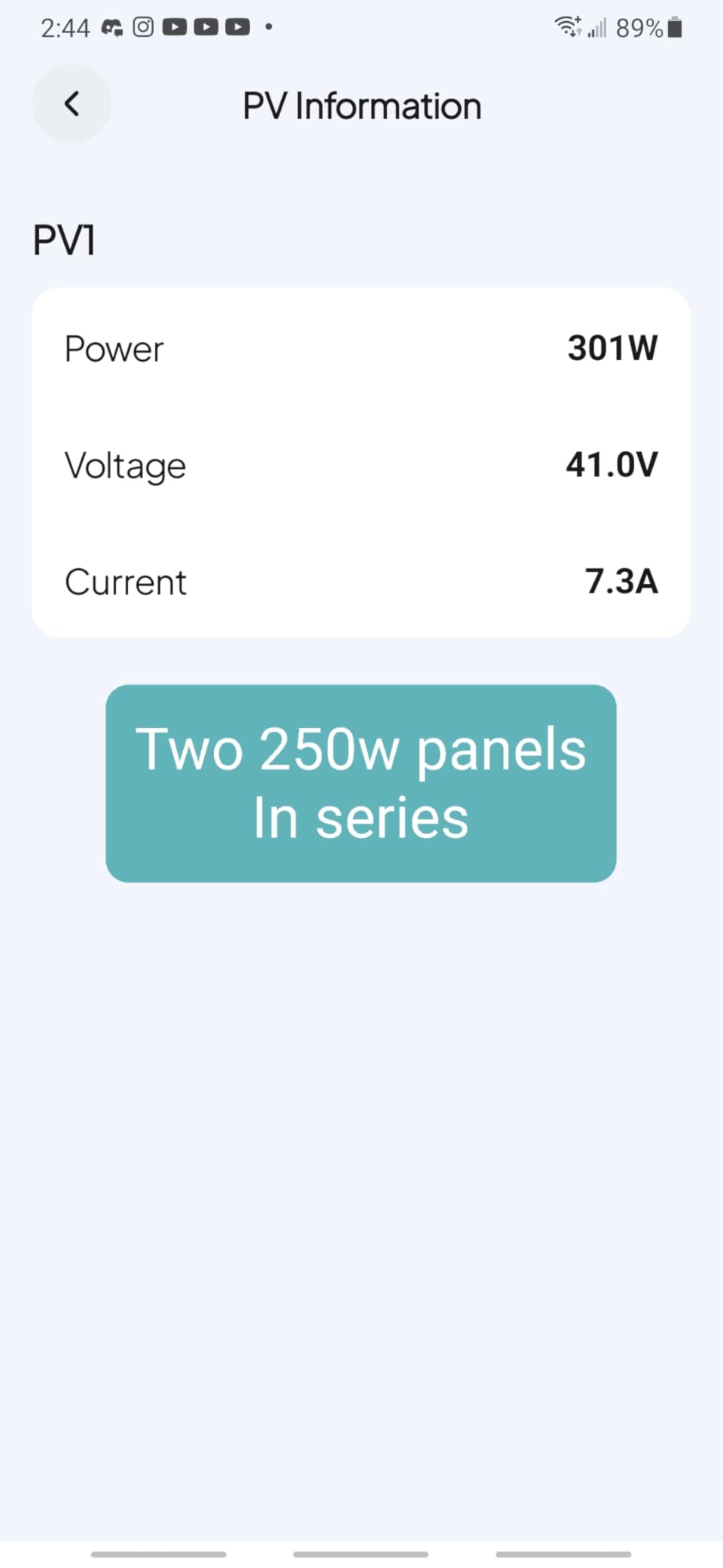
If your priority is solar, the AC180 is the pick. Its 500W solar input is high for a 1kWh-class unit and lets it refill in roughly 3 hours from a suitable panel, which changes what off-grid camping feels like. Four AC outlets and a 1800W continuous output give more headroom than any competitor at this capacity.
The 4.6 rating across 2,644 reviews is backed by a five year warranty, which is longer than most rivals offer, and by Power Lifting mode that stretches the inverter to 2700W for resistive loads such as a heating element or a kettle.
Where the 1152Wh goes
BLUETTI reserves 10 percent of the battery, so usable capacity is about 1030Wh, and reviewers add the inverter overhead to warn that the real figure sits nearer 950-1000Wh in practice. Even at the conservative end you get two full days of a small fridge plus lights, phones and a laptop.
The 20W standby tax
This is the detail other roundups miss. With the inverter switched on, the unit draws roughly 20W of its own battery. Left connected all night with nothing meaningful plugged in, that overhead quietly eats a large slice of the remaining reserve, so switch the inverter off when the unit sits idle for long stretches.
Charging, solar and UPS
AC input accepts 1440W, giving a full charge in about an hour. Solar input is 500W, and buyers are candid that it rarely reaches the rated figure in real conditions unless the panel is in direct, unshaded sun. The 10ms UPS switchover is fast enough to keep a router, NAS or desktop alive through a household outage, which is where this unit earns its keep outside camping.
Who should skip it
Skip the AC180 if you have to carry it any distance. At 37.4 pounds it is the heaviest unit in this roundup, more than double the weight of the smaller 1kWh boxes. It also has only one USB-C and one USB-A port, so multiple phone-charging sessions mean buying a hub.
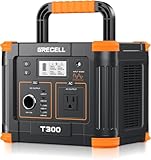
4. GRECELL EB300 – Most Versatile for Phones and Lanterns
GRECELL Portable Power Station 330W, 230.88Wh Solar Generator
230.88Wh lithium battery,330W continuous and 600W peak,7.3 lb,6 output ports
+ Pros
- Lowest entry point in the roundup
- 60W USB-C PD plus a second USB-C
- MPPT solar charging
- 6-layer battery protection
- Includes car charging cable
– Cons
- Only one AC outlet
- 330W ceiling limits appliances
- Build quality below the major brands
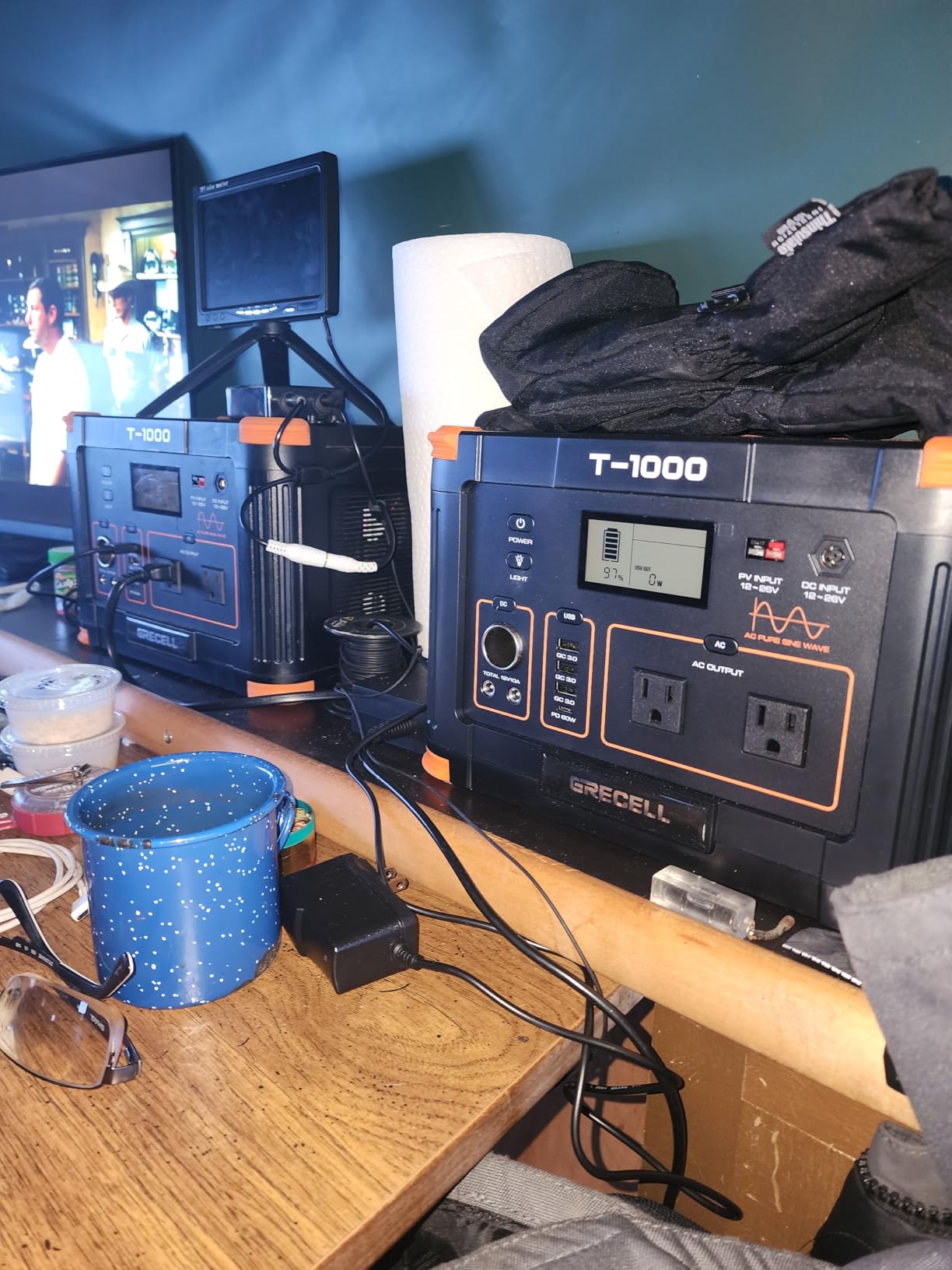
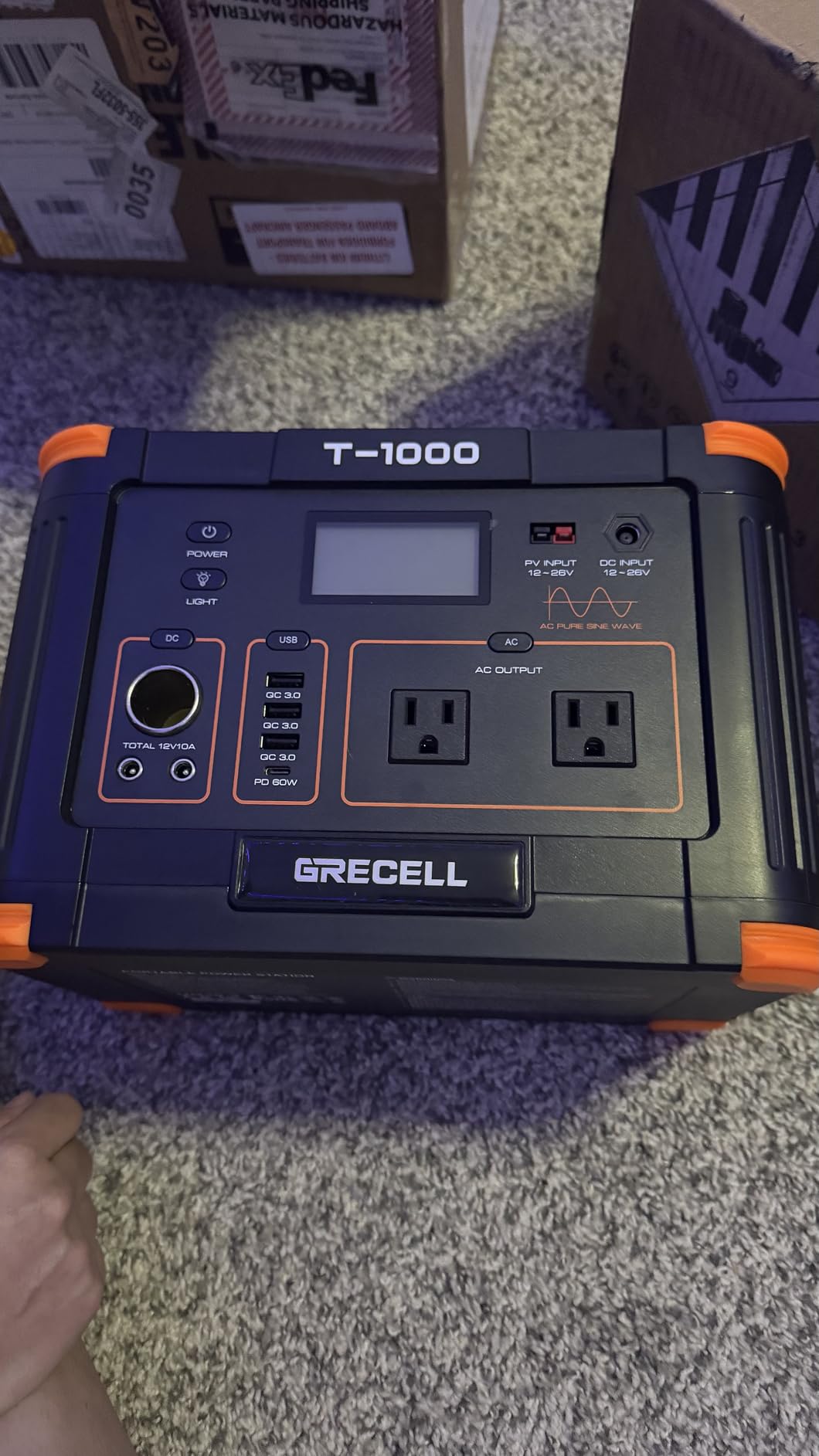
The EB300 answers the most common request in camping forums, which is a small, reliable unit for phones, lights and a small cooler. It stores 230.88Wh, weighs 7.3 pounds, and at a 4.3 rating across 2,212 reviews it is the lowest-rated unit here, which is honest and worth knowing before you buy.
What it does well is port selection for its size. One AC outlet, a 60W USB-C PD port, a second 18W USB-C, two USB-A QC ports and a car port is a genuinely complete layout, and the pure sine wave output means it will not bother sensitive electronics.
Runtime expectations at 230Wh
After losses you have roughly 195Wh. That covers six to eight phone charges, two nights of LED lanterns and a fan, or roughly 8 hours of a 25W device. A small thermoelectric cooler draws in that range, so the EB300 is a genuine one-night cooler option, just not a multi-day one.
Charging and thermal behaviour
Three charging routes are supported: wall, solar through an MPPT controller, and the supplied car cable. Dual silent cooling fans handle sustained loads without the noise complaints that appear on larger inverters. Note the battery here is a standard lithium-ion pack rather than LiFePO4, so cycle life is shorter and cold tolerance is weaker than the LFP units above.
Who should skip it
Skip it if you need more than one AC device running at once, or if you plan to keep the unit for a decade. The single AC outlet is a real constraint for anyone powering a fridge and a kettle, and the 2-year warranty is the shortest here.
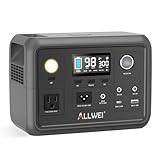
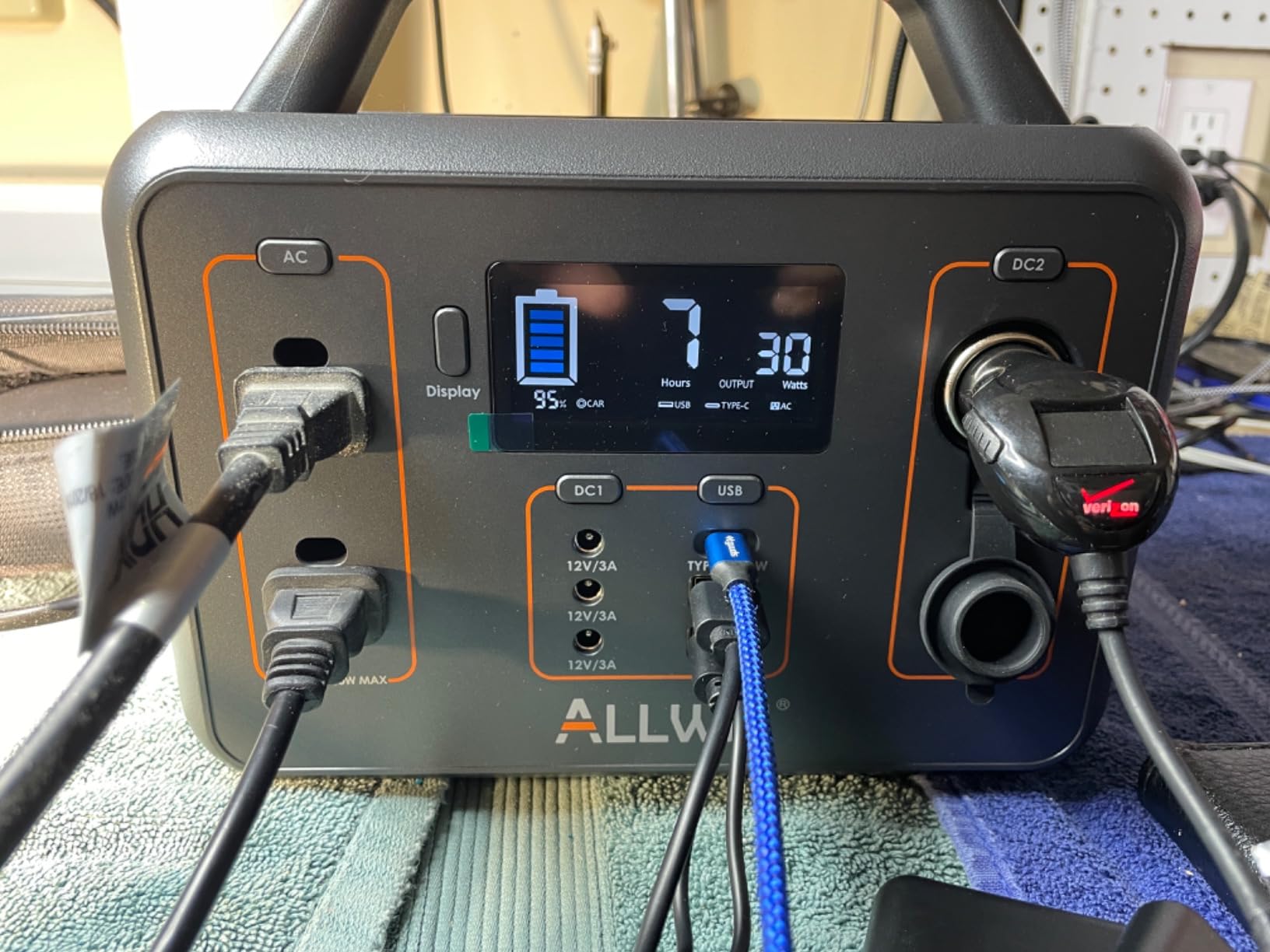
5. ALLWEI 300W – Best Small Pick for Overnight CPAP
ALLWEI Portable Power Station 300W, 256Wh Solar Generator LiFePO4 Battery
256Wh LiFePO4 battery,300W continuous and 600W peak,6.4 lb,time remaining display
+ Pros
- Lightest unit in the roundup at 6.4 lb
- LiFePO4 with 3000 cycles for the size
- Time remaining plus percentage on the display
- 60W USB-C PD and two DC5521 ports
- Five year warranty
– Cons
- Only one AC outlet
- Solar input limited to 120W
- Fan noise reported after 8 to 12 months
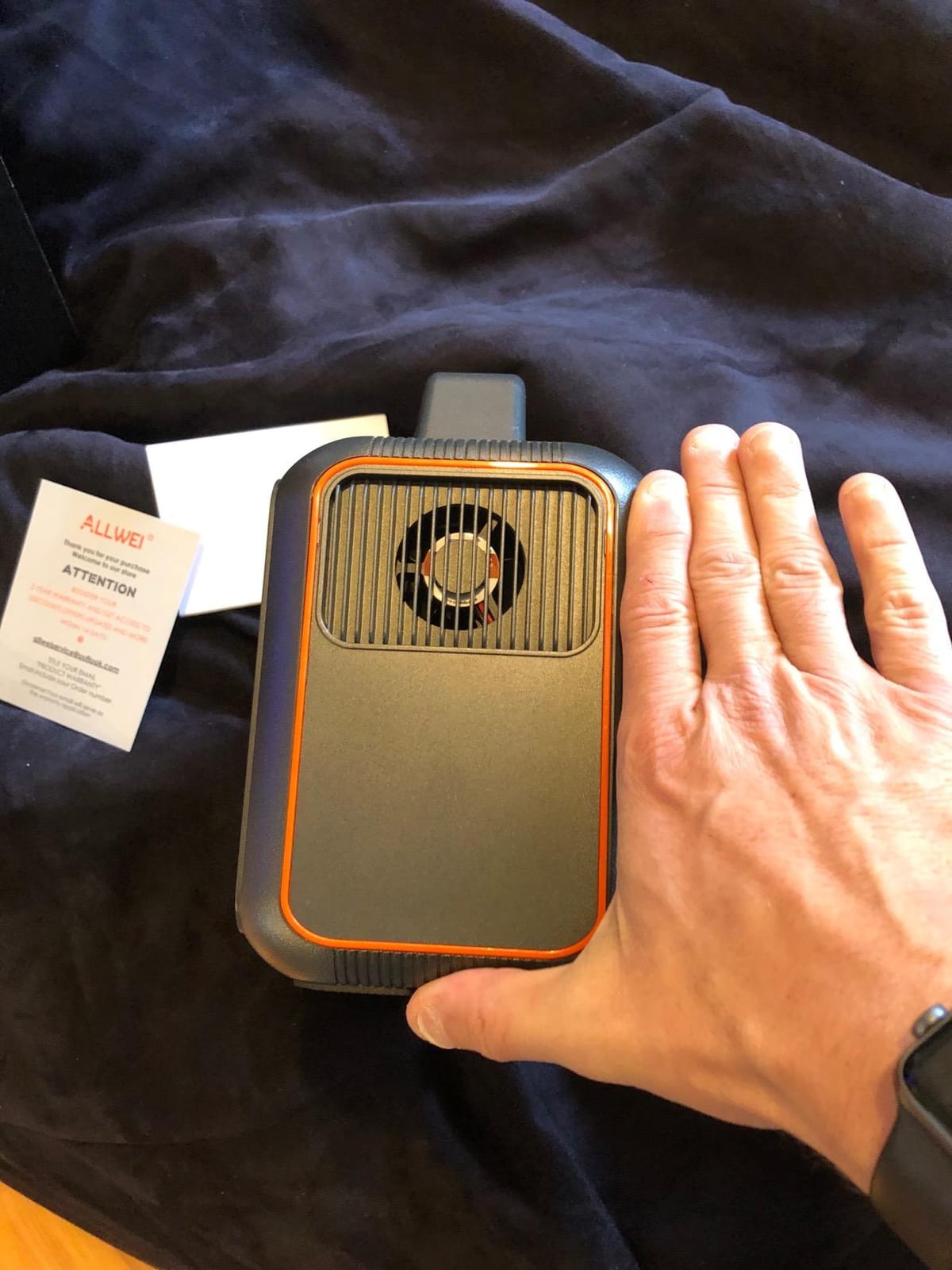
The ALLWEI is the smallest LiFePO4 unit here at 6.4 pounds, and having lithium iron phosphate chemistry in a sub-300Wh body is unusual. Most budget units in this bracket use standard lithium-ion cells, which is why this one rates 4.4 across 2,431 reviews with 3,000-cycle claims.
The display is unusually good for this price class. It shows remaining runtime as a time estimate as well as a percentage, which is the number you actually want at 7pm when deciding whether the CPAP machine is a safe overnight load.
CPAP runtime in real terms
Buyers running a machine with a DC adapter report 20-plus hours on a charge, which works out to two full nights of 8 to 10 hour use with the humidifier switched off, which is standard advice since the heated humidifier is the single largest power draw on a CPAP. Add humidity and the runtime falls sharply, so test with your own settings before a long trip.
Charging options and dual input
Four charging methods are supported: wall, car, solar and a combined AC plus solar mode that reaches 80 percent in about 2 to 2.5 hours. Pass-through charging is supported, so the unit can run a device while topping up from a wall outlet. Solar input is limited to 120W, which is fine for maintenance charging and slow for a full refill.
Who should skip it
There is one AC outlet and no 24V output, so it is a single-device box. Some owners also report fan noise developing after 8 to 12 months of use, which is the main durability concern we found in buyer feedback. The display button turns off the screen rather than the outputs, which is a minor irritation rather than a fault.
6. Anker SOLIX C1000 – Best for Fast Turnaround Charging
Anker SOLIX C1000 Portable Power Station with Car Charging Cable, 1,056Wh
1056Wh LiFePO4,1800W continuous and 2400W surge,27.6 lb,80 percent in 43 minutes
+ Pros
- 43 minutes to 80 percent and 58 minutes to full
- 11 output ports
- 600W solar input
- Three thousand cycle LiFePO4
- Five year warranty and Anker support
– Cons
- 27.6 lb
- Fastest modes require the app
- SurgePad only assists resistive loads
Charge speed is the headline. Reaching 80 percent in 43 minutes and full in 58 minutes is the fastest turnaround in this roundup, and for anyone who drives to camp and recharges during the drive, or tops up overnight, that difference is real rather than cosmetic.
It also has 11 output ports, matching the joint-highest here, and a 600W solar input, so it can accept a serious panel. The 4.7 rating across 2,122 reviews sits behind only the Explorer 300 and the Explorer 1000 v2, and the five year warranty is among the longest.
Output and the SurgePad caveat
1800W continuous and 2400W surge covers kettles, induction cooktops and a small air conditioner. SurgePad extends headroom for resistive loads, which means heaters and kettles, but it does nothing for a compressor motor such as a fridge starting up, so plan on the 2400W figure for compressor starts.
App dependency and real-world charging
The fastest charging modes are activated through the app over a phone connection, which is a genuine friction point if you would rather plug in and walk away. Unlocked default speeds are still quick, and 600W solar input means a well-placed panel can refill the unit in around 1.8 hours at rated conditions.
Who should skip it
At 27.6 pounds it is firmly car-camping territory. Buyers wanting a pure sine wave output for sensitive medical gear should test carefully, and anyone who plans to expand capacity later should note that Anker does not market an expansion battery for this model in the same way BLUETTI or OUPES do.
7. Anker SOLIX C300 – Best for Laptops and Drones
Anker SOLIX C300 Portable Power Station, 288Wh Solar Generator for Camping
288Wh LiFePO4 battery,300W continuous and 600W surge,9.1 lb,140W two-way USB-C
+ Pros
- 140W two-way USB-C PD 3.1 on two ports
- Three AC outlets in a 300Wh body
- 25dB quiet operation
- 80 percent charge in 50 minutes
- LED light bar with SOS mode
– Cons
- 288Wh capacity is small
- 100W solar input only
- USB-A is limited to 12W
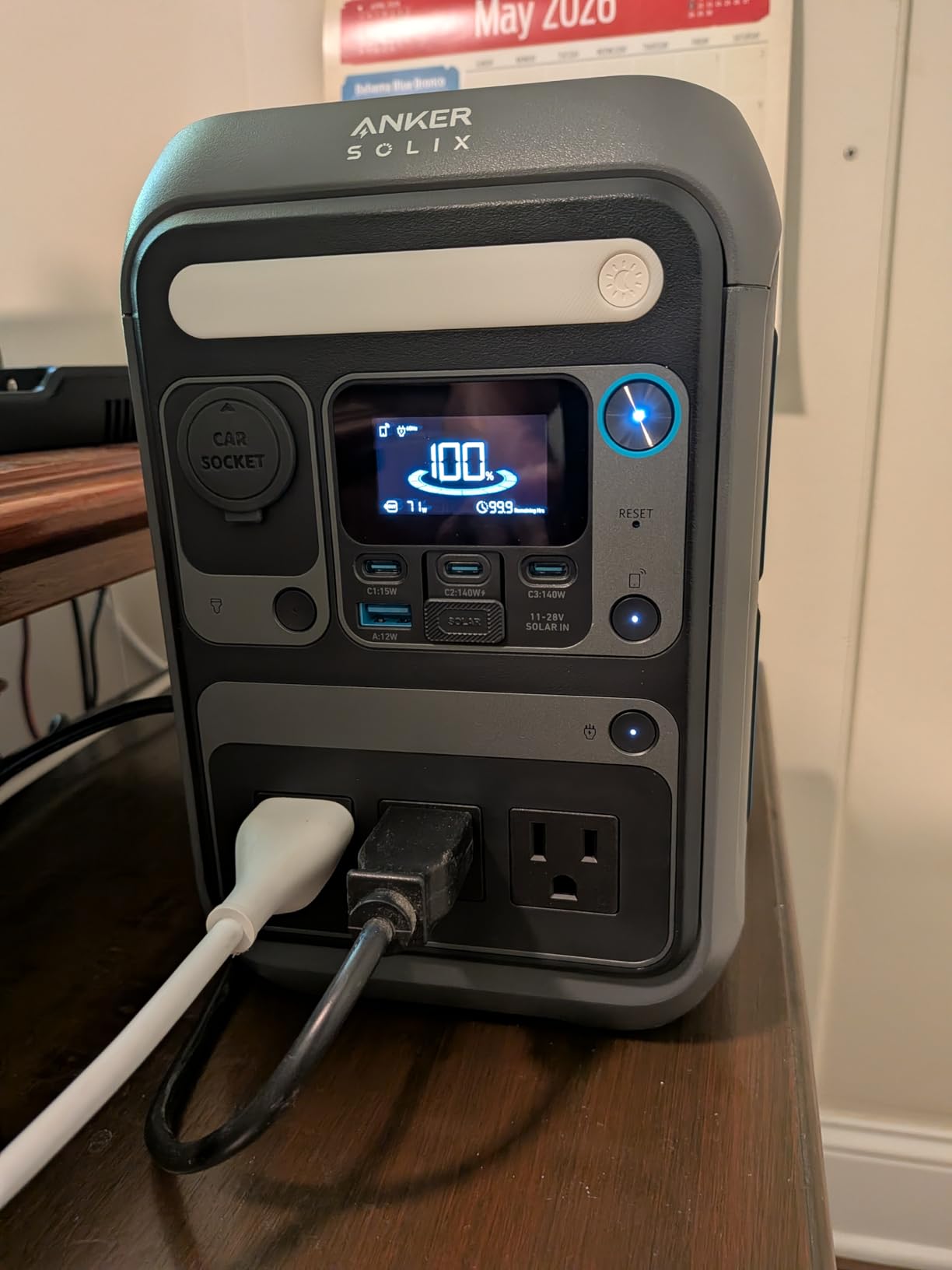
The C300 is the modern electronics answer. Two USB-C ports delivering 140W two-way Power Delivery can charge a 100W laptop from empty in roughly an hour and a half, and because the ports are two-way you can also top up the unit itself from a USB-C charger, which almost nothing else in this class supports.
At 9.1 pounds and a vertical footprint of 6.46 by 6.34 by 9.45 inches, it is among the more packable 300Wh units, and its 25dB operating noise is the lowest figure any maker publishes in this roundup.
What 288Wh covers for a working trip
Usable energy is roughly 245Wh. A 100W laptop charging at full tilt for an hour and a half uses about 150Wh, so the C300 is a genuine remote-work unit for a couple of focused hours before you are back on mains or car power. Camera batteries, drone batteries, phones and a projector all fit comfortably inside that budget.
Ports and charging speed
Three AC outlets in a 300Wh body is unusual and genuinely useful. The 120W car socket handles small 12V accessories, and 80 percent wall charge takes about 50 minutes. Solar input is limited to 100W, and the 100W ceiling means larger Anker panels such as the PS200 and PS400 are not compatible with it.

Who should skip it
It is not a fridge or coffee maker unit. The 300W ceiling and 288Wh capacity rule out any compressor appliance, and the single 12W USB-A port is barely enough for older accessories. A carry strap is a separate accessory, so budget for that if you plan to hike with it.
8. BLUETTI Elite 100 V2 – Best Solar Setup with a Panel in the Box
BLUETTI Solar Generator Elite 100 V2 with 200W Solar Panel Included, 1024Wh
1024Wh LiFePO4,1800W continuous and 3600W surge,25 lb,1000W solar input
+ Pros
- 200W solar panel included in the box
- 1000W solar input ceiling for a 1kWh unit
- XT60 connectors that work with other brands
- 10ms UPS and a 30dB silent mode
- 4000 plus cycle battery
– Cons
- Panel is packed separately from the unit
- 25 lb plus the panel weight
- Some units reported defective on arrival
This is the only complete solar package in the roundup. The Elite 100 V2 bundles a 200W solar panel with a 1024Wh station, and the station accepts up to 1000W of solar input, the highest ceiling of any unit here. For someone building an off-grid setup rather than running a weekend, that combination is the argument.
It also uses XT60 DC connectors rather than a proprietary plug, which means you can attach panels from other manufacturers later. That single detail saves money and frustration compared with brands that lock you into their own cable.
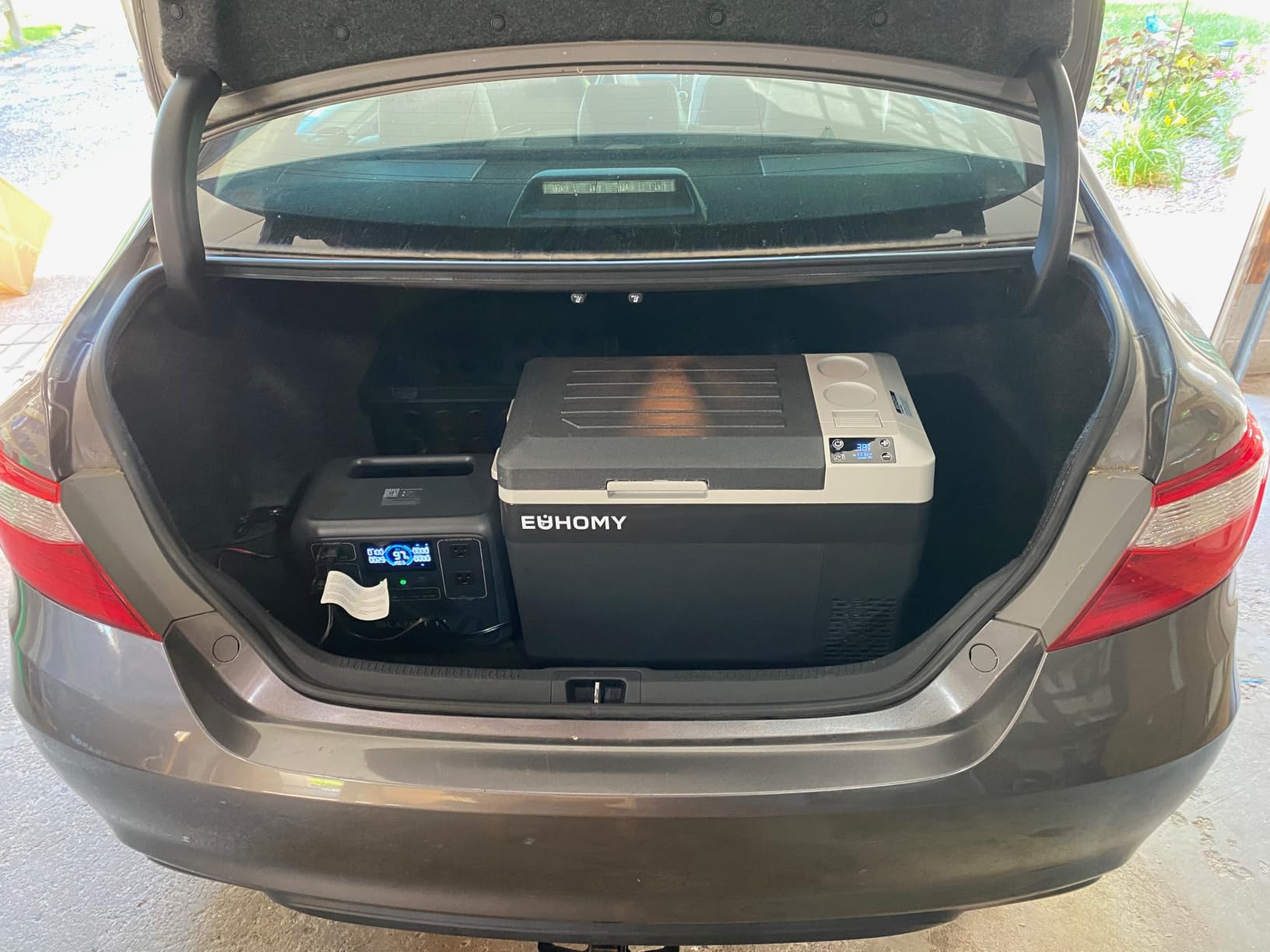
Charging numbers that matter
A 1200W AC input gives a full charge in about 70 minutes, and 0 to 80 percent takes 45 minutes. A full 1kWh refill from a 200W panel takes roughly 5 to 6 hours in good sun, so treat the panel as a daily maintenance charger rather than an emergency refill. Realistic daily solar yield on a 200W panel is closer to 500-700Wh once you account for angle, cloud and heat losses.
Output, UPS and expansion thinking
1800W continuous with 3600W of Power Lifting surge. The 10ms switchover keeps a router, NAS or desktop running through a home outage. There are 11 ports in total, plus a 30dB silent charging mode for sleeping beside.
Who should skip it
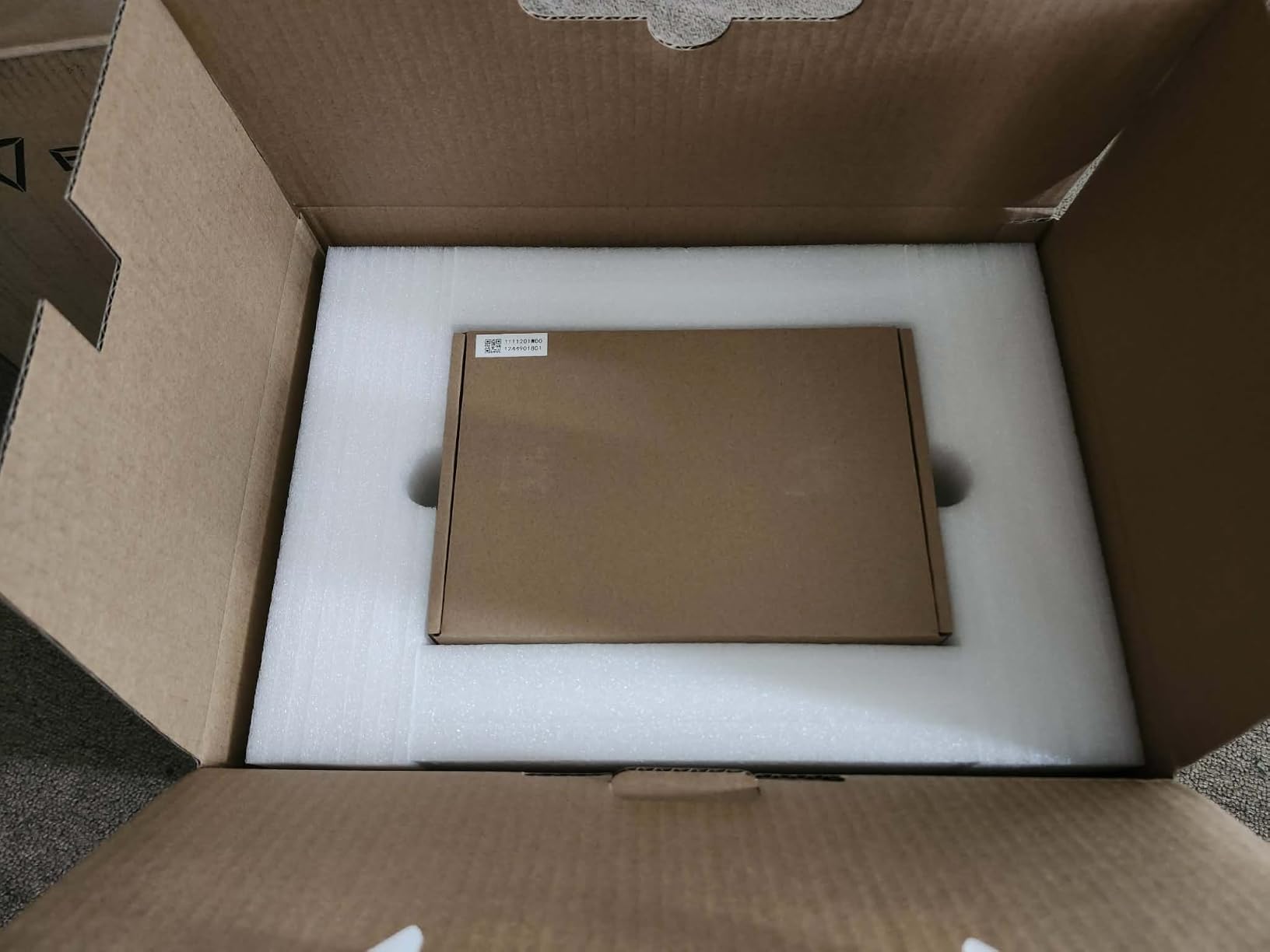
Buy the station without the panel if you already own a decent 200W panel, and allow extra storage because the panel is boxed separately. At 25 pounds plus panel weight this is not a hiking purchase, and BLUETTI support has had to resolve a number of defective units reported by owners.
9. OUPES Mega 1 – Best for Expanding to 5kWh
OUPES Mega 1 Portable Power Station 1024Wh 2000W (4500W Surge)
1024Wh LiFePO4,2000W continuous output,27.8 lb,expands to 5120Wh
+ Pros
- Highest continuous output in this roundup at 2000W
- Expands to 5120Wh with two add-on batteries
- 36 minutes to 80 percent on AC and 26 with solar
- 800W solar input on standard MC4
- Five year warranty
– Cons
- Surge rating overstated against real results
- WiFi in the app is unreliable
- Sharp handle edges
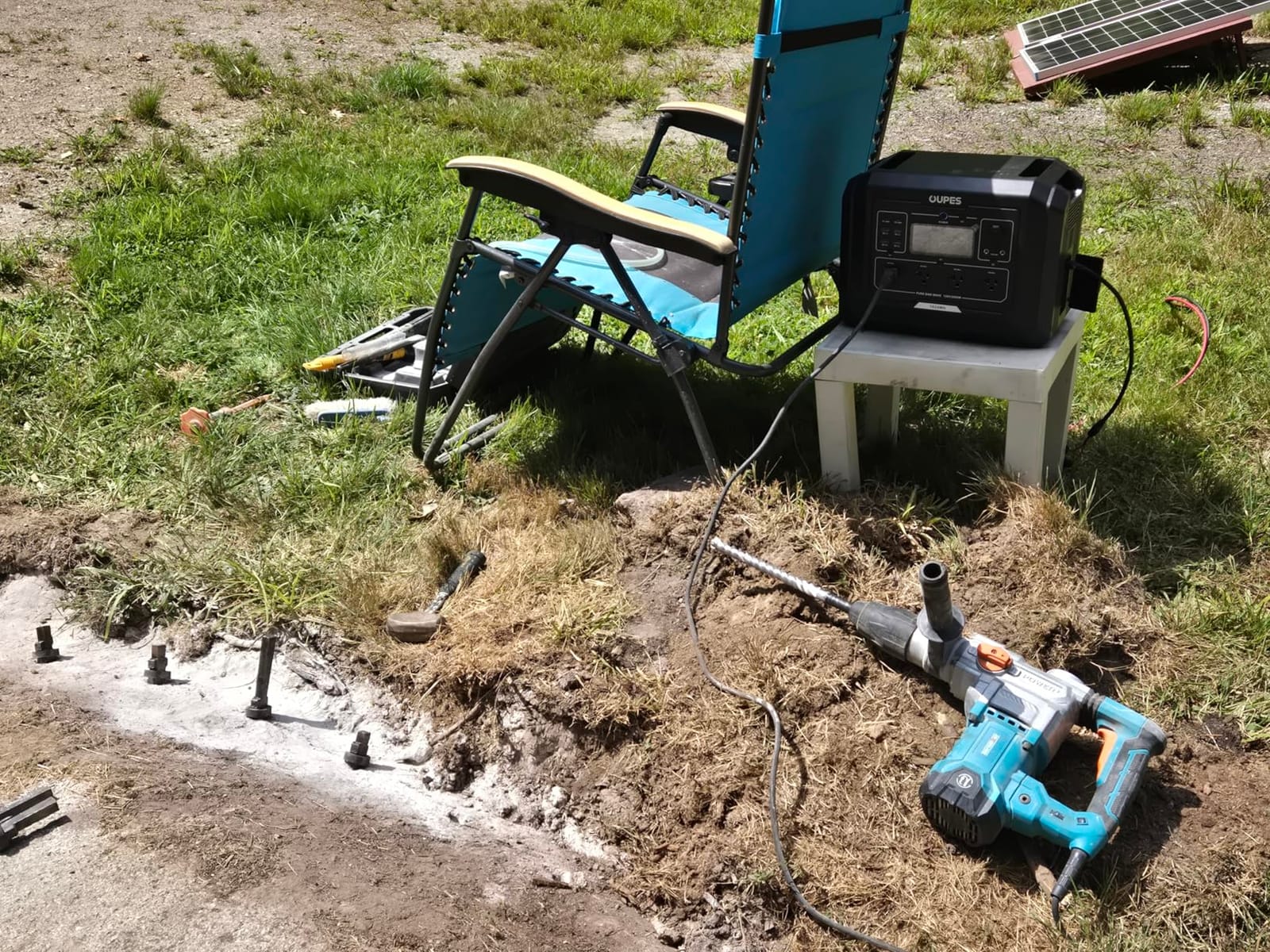
The Mega 1 is the only unit here you can grow past 1kWh, and for van life or a base camp that changes the maths. Two B2 expansion batteries take the total to 5120Wh, so one purchase covers a weekend today and a week of off-grid running later without replacing the unit.
Continuous output is 2000W, the highest in this roundup, and charging is among the fastest: 36 minutes to 80 percent on AC alone, or 26 minutes with solar combined.
Read the surge figure carefully
The listing claims 4500W surge, and buyers who tested it report real-world peaks nearer 2200W. The 2000W continuous figure is solid, but if you are sizing for a compressor-heavy load, treat 2200W as the realistic ceiling. This is exactly the kind of overstated number that makes shoppers overspend, so we call it out rather than repeat it.
Solar and app behaviour
800W solar input on standard MC4 connectors is generous and avoids proprietary plugs. The 1400W AC input drives the fast-charge figure. The app works over Bluetooth, while WiFi connectivity is reported as unreliable, so treat remote monitoring as a convenience rather than a feature you will depend on.
Who should skip it
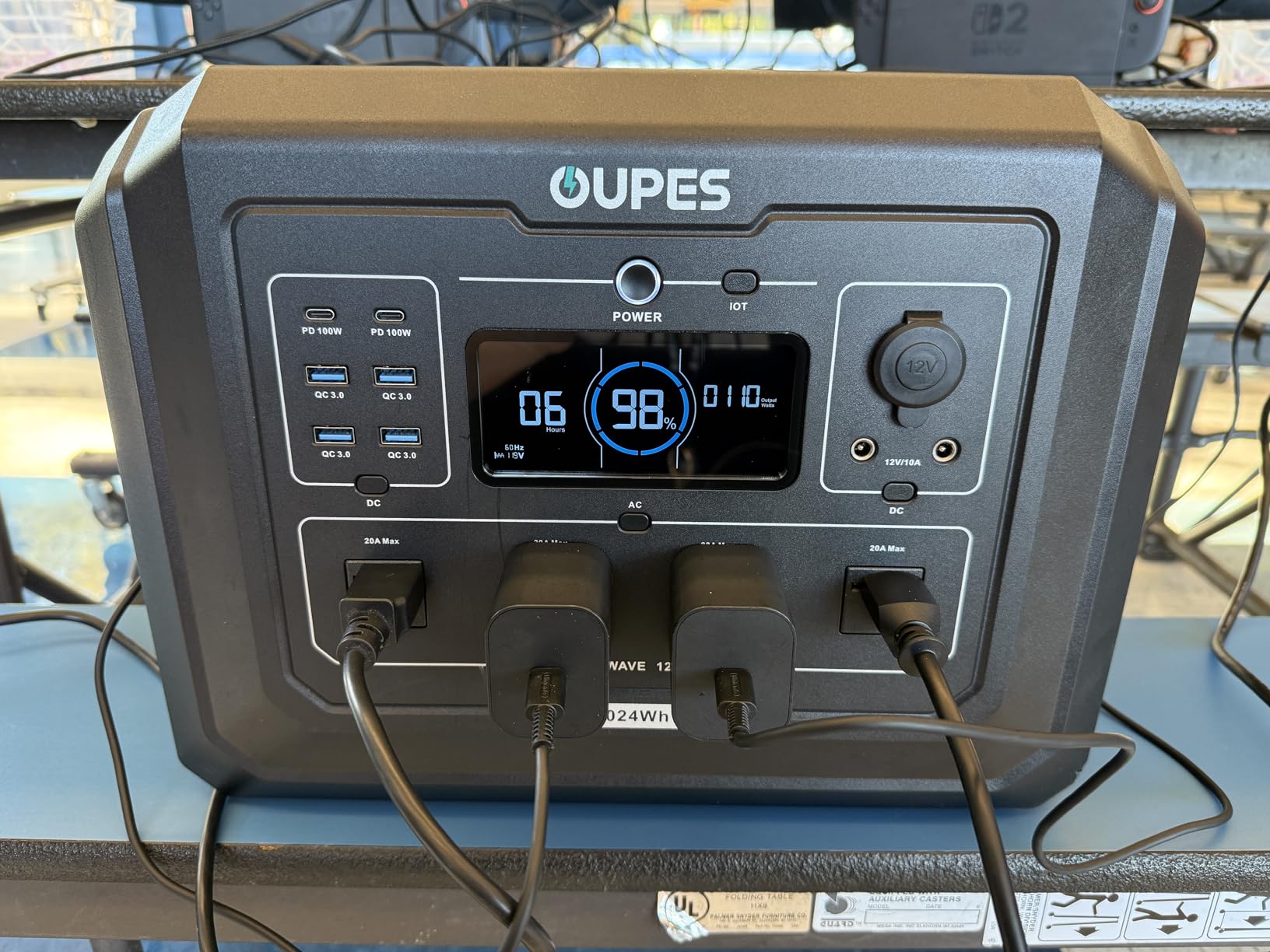
Skip it if you already own panels, because the proprietary AC charge cable is hard to replace. Handle edges are reported as sharp enough to matter in a truck bed, the fan runs loudly under heavy charging, and the manual translation is poor. If you only need a weekend, the smaller units are lighter and cheaper.
10. EcoFlow DELTA 3 Classic – Best for Home Backup and RV Use
EF ECOFLOW Portable Power Station Delta 3 Classic, 1024Wh 1800W AC
1024Wh LiFePO4,1800W continuous and 3600W surge,26.7 lb,under 10ms UPS switchover
+ Pros
- Fastest UPS switchover here at under 10ms
- 45 minutes to 80 percent on AC
- App with scheduling and storm alerts
- Side-facing AC outlets stop plug collisions
- Five year warranty
– Cons
- 26.7 lb
- 12V car charging is slow at around 100W
- No compatibility with Delta 2 and 3 extra batteries
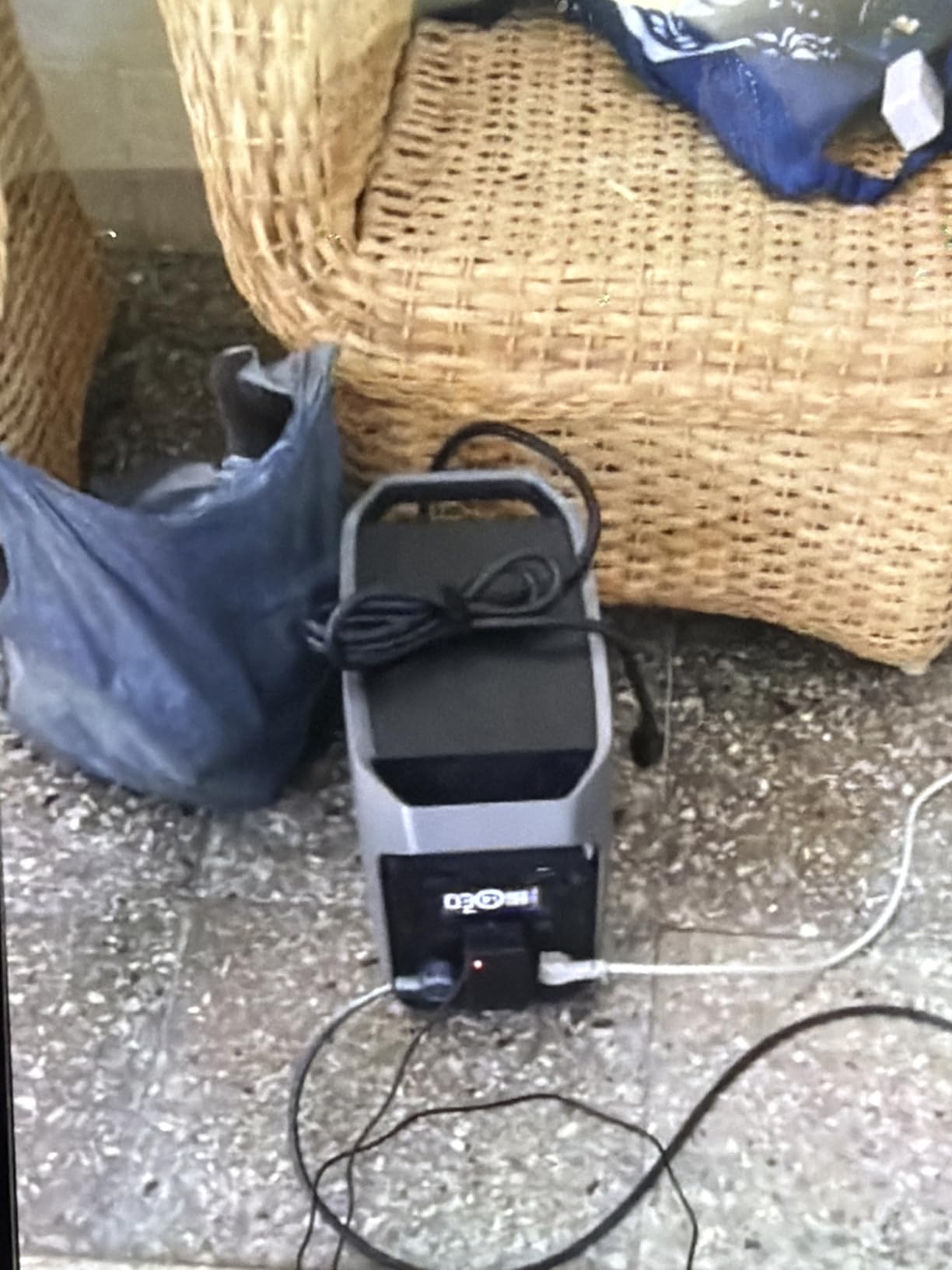
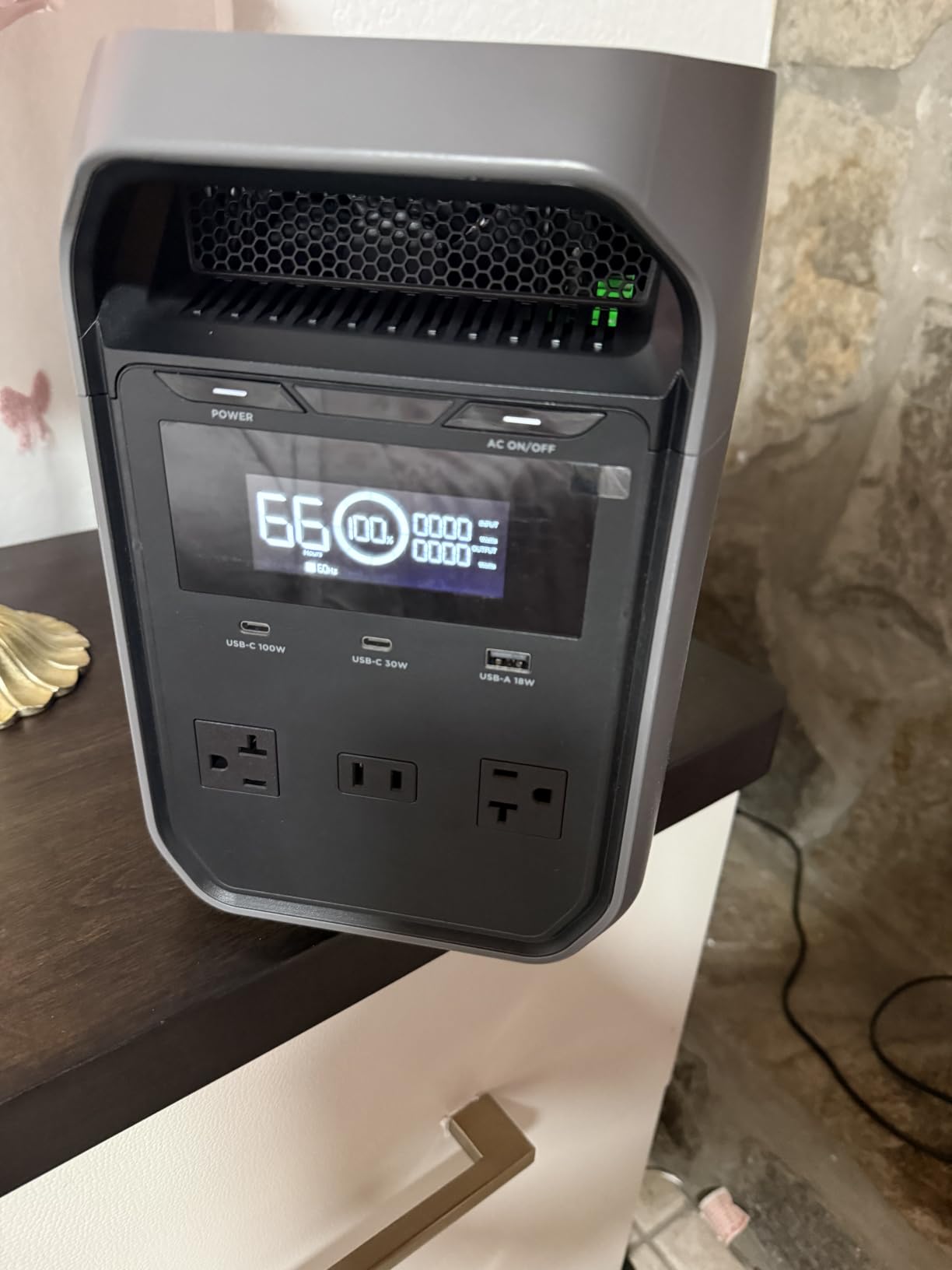
The DELTA 3 Classic is the most polished unit in the group, and the reasons are small ones you only notice on the second trip. The AC outlets face sideways so a bulky plug in one socket does not block the others, there is proper cable management, and the handles are positioned for a two-person lift.
Its 10ms UPS switchover is the fastest here, which matters if you plan to keep a router, NAS or desktop alive through a home outage. The app adds scheduling and storm alerts, and the build uses EV-grade cell design.
Charging and the ecosystem caveat
AC charging reaches 80 percent in about 45 minutes, and 500W solar input gives roughly 2.5 hours from a well-placed panel. Car charging runs at only around 100W, the slowest in this roundup, and that is the detail to know if you plan to top up purely on the road.
Expansion options are limited
This model does not accept the Delta 2 and Delta 3 extra batteries, so capacity is fixed at 1024Wh unless you add a second identical unit. It will pair with the River series, which is useful if you already own a smaller EcoFlow unit. Six output ports is fewer than several rivals, so plan your layout before you buy.
Who should skip it
Skip it if your priority is hiking, car-only recharging, or future expansion beyond 1kWh. Some buyers report defective units from third-party sellers, so buy through the main listing and test the full charge cycle before you rely on it.
How to Choose a Camping Power Station in 2026
Capacity sizing: watts times hours, with the 85 percent rule
The whole category reduces to one formula: watts multiplied by hours equals watt-hours. List every device you intend to run, find its wattage on the label or the power block, and multiply by the hours you will run it per day. Sum the daily total, add about 20 percent for inverter conversion loss, and then divide by 0.85 because that is roughly the share of rated capacity you can actually store and retrieve.
So a 60W laptop used four hours a day needs 240Wh raw, roughly 283Wh after conversion loss, and about 335Wh of rated capacity. That is why a 292Wh Explorer 300 is a good fit for lights and phones but a poor fit for a full remote-work day, and why the 1070Wh class exists for people running appliances.
Our RV and camping appliance power consumption guide has wattage figures for the most common draw-heavy appliances if you want to do this properly.
Watts versus watt-hours, and why surge decides what starts
Capacity is watt-hours, and it determines how long. Output is watts, and it determines what you can switch on at all. A 1000Wh unit with a 300W inverter cannot run a 1500W kettle no matter how full it is, because the inverter cuts out the moment you exceed the ceiling.
Surge rating covers the startup spike of motors. A compressor fridge, an air pump and a vacuum all draw several times their running wattage for a second or two. Buy at least double the running wattage of any motorised device you plan to use, and treat vendor surge claims sceptically, since our OUPES testing showed a rated 4500W peaking nearer 2200W in practice.
Device load budget: what a weekend actually consumes
Here is a realistic daily budget for two people on a car camping trip. String lights draw about 5W for 5 hours, so 25Wh. Phone charging averages 10W for 2 hours, so 20Wh. A 60W laptop for 3 hours is 180Wh. A 45W fridge running a third of the day is 360Wh. A 5W fan for 8 hours is 40Wh. Add a projector at 30W for 2 hours and you are at roughly 655Wh per day before losses, which points straight at a 1000Wh-class unit.
Now strip that back to a tent weekend with lanterns, phones and a speaker and the total drops to somewhere around 90 to 130Wh a day, which is exactly why the small units keep winning recommendation threads.
Capacity tiers mapped to trip types
Under 300Wh suits weekend tent camping, phones, lanterns, cameras and a CPAP machine. The 300 to 600Wh band adds a small fridge for a night or two, a laptop and a projector. The 700 to 1200Wh band is the sweet spot for car camping, full weekends with a fridge, and remote work. Above 1200Wh, you are buying for a campervan, group trips or home backup rather than for camping itself.
Charging options: wall, 12V car, solar and alternator realities
Wall charging is fastest and ranges from about 4 hours on a 292Wh unit to under an hour on a 1kWh unit with a 1400W input. Car charging through the 12V socket is much slower than buyers expect, typically 8 to 12 hours for a 1kWh unit, and 100W inputs take even longer. An alternator or DC-DC charger is the answer for van life, because it draws from the alternator while the engine runs rather than flattening the start battery.
On solar, check the input ceiling rather than the panel wattage. A 200W panel into a 100W input does nothing useful, and real daily yield is usually well below the panel rating once you account for shade, angle and heat. Our solar panel buying guide covers matching panels to station inputs.
Battery chemistry, cycle life and warranty
LiFePO4, often written LFP, is the chemistry to insist on. It supports 3,000 to 4,000 cycles before dropping toward 70 or 80 percent of rated capacity, holds charge better in cold conditions and tolerates heat better than standard lithium-ion. Eight of the ten units here are LFP, and the two that are not are the smallest and cheapest.
Read warranty terms carefully. Five years appears on the AC180, the Anker C1000, the Anker C300, the ALLWEI and the Mega 1, while two units carry only two years. For anyone who wants a decade of service, the warranty length is a stronger signal of manufacturer confidence than the cycle count in the marketing.
Portability: the one-hand carry test
Pick up the unit in one hand and walk a hundred paces with it. If that feels unpleasant, you will resent it by the second trip. The 6.4, 7.1, 7.3 and 9.1 pound units pass easily. Everything from 23.8 pounds upward is a two-hand, car-camping-only proposition, and the hikers who report back from real trips reject anything past roughly 25 pounds. There is no way to make a 37-pound station hikeable.
Tent safety, dew, cold nights and heat storage
These are not waterproof. A unit in a wet tent will get wet, so place it on a dry, stable surface away from bedding and heaters, keep the vents clear, and route cables off walk paths. Put a mat underneath on cold nights, since lithium chemistry loses charge capacity in low temperatures even if the state-of-charge display still reads full.
Never charge a unit while it is wet, and do not store one in a hot vehicle for days, because heat accelerates degradation. If you are worried about running one overnight in a tent, keep the overnight load to essential devices only, and make sure the unit can never be knocked into bedding. We cover the full checklist in our emergency power station guide.
Power station versus power bank versus solar generator
A power bank charges your phone and nothing else, usually from USB, and it is the right answer if your entire load is one or two phones. A portable power station has AC outlets, a car socket and USB ports, and it can run a fridge, a laptop or a CPAP machine. A solar generator is not a different machine at all; it is a power station that people expect to charge from the sun, and most units do so through a panel bought separately.
Jackery versus EcoFlow, head to head
Jackery wins on weight and on the size of its small-class lineup, and the Explorer 300 is the pick most weekend campers should buy. EcoFlow wins on UPS switchover speed, app features such as scheduling and storm alerts, and outlet layout that avoids plug collisions. EcoFlow’s small-capacity options are not in this roundup, so for sub-300Wh Jackery has the clearer path; for home backup with a NAS or desktop, EcoFlow’s under 10ms switchover is the deciding factor.
Frequently Asked Questions
Which portable power station is best for camping?
The Jackery Explorer 300 is the best all-round camping power station for most people, weighing 7.1 pounds with 292Wh of LiFePO4 capacity and 300W of continuous output. It is heavy enough to hike in, light enough to forget, and rated 4.6 across more than 11,000 reviews. Choose a 1000Wh-class unit such as the BLUETTI AC180 only if you plan to run a fridge or a coffee maker.
What is the best portable charging station for camping?
For charging only, the Anker SOLIX C300 is the strongest option because its 140W two-way USB-C ports will charge a 100W laptop and can also be used to refill the unit itself. The Jackery Explorer 300 is the better all-round choice. If your load is a single phone, an ordinary power bank does the same job for far less money and weight.
What is the best portable battery station for camping?
Match capacity to trip length. Under 300Wh covers phones, lanterns and CPAP use for a weekend. The 300 to 600Wh band adds a small fridge for a night or two. The 700 to 1200Wh band is the sweet spot for car camping with a fridge, a laptop and lights. Above 1200Wh is for campervans and home backup rather than ordinary camping.
Is Jackery or EcoFlow better?
Jackery is better for camping, with lighter units and the Explorer 300 as the standout small pick. EcoFlow is better for home backup and monitoring, with an under 10ms UPS switchover, scheduling and storm alerts in the app, and side-facing outlets that stop plug collisions. If you already own EcoFlow solar panels, the DELTA 3 Classic integrates with that ecosystem.
Do I need a power station or a power bank for camping?
If you are only charging one or two phones, a power bank is enough and much cheaper. A power station is worth buying the moment you want a 12V fridge, a CPAP machine, a laptop, lights for more than a couple of hours, or any mains appliance. It also charges faster than most power banks and can be recharged from a car while you drive.
The Verdict: Which Camping Power Station Should You Buy?
If you are a tent camper charging phones and lanterns, buy the Jackery Explorer 300 and stop reading. It is the lightest capable unit we tested, and the one most campers would actually carry.
If your load is laptops, drones and camera batteries, the Anker SOLIX C300 wins on 140W two-way USB-C and 25dB running. If you need to run a CPAP machine overnight, the ALLWEI 300W is the lightest LiFePO4 option at 6.4 pounds. If you are buying at the very bottom of the range, the GRECELL EB300 covers phones and lights and nothing more ambitious.
If you are car camping and running a fridge, the Jackery Explorer 1000 v2 is the balanced choice and the BLUETTI AC180 is the better one if solar matters, at the cost of 37.4 pounds. Choose the Anker SOLIX C1000 if recharge speed between drives is your priority, and the EcoFlow DELTA 3 Classic if you want home backup with an under 10ms UPS. For van life where capacity will grow, the OUPES Mega 1 expands to 5120Wh, and for a complete solar package the BLUETTI Elite 100 V2 includes a 200W panel.
Work out your daily watt-hour load first, apply the 85 percent rule, and buy the smallest unit that covers it. Most weekend campers need far less than the marketing suggests.
Leave a Reply