

Dust collection fittings are the connectors that turn a pile of hoses and a blower into one sealed network. They include reducers, elbows, Y-fittings, blast gates, couplers, flanges, nipples and quick-connect hose adapters, and every one of them either changes the duct diameter or splits the airflow. Because airflow depends on the cross-sectional area of the smallest opening in the run, the fitting layout decides how much suction actually reaches the tool. That makes the best dust collection fittings the cheapest part of the system and the most common failure point.
I have spent more weekends than I care to admit bolting ducts to the ceiling of my own shop, and the mistake I made every time was buying fittings before measuring ports. A nominal 4 inch label rarely means a true 4 inch outside diameter. When one joint leaks, your blower pulls room air instead of tool air, and you lose capture at the source while loading the filter twice as fast.
This roundup covers twelve fittings that cover almost every branch of a working network: hoods, a Y, a blast gate, both elbow angles, a coupler, a splice, a flange, a splitter and a reducer. I pulled the dimensions from the manufacturer specifications rather than the marketing copy, because the under-4 inch actual OD shows up on nearly every one of these parts and it is the single fact that decides whether your joint seals. For the blower end of the system, our shop vacuum guide for fine dust covers the single-machine setups these fittings plug into, and if you also care about what escapes into the room, our air scrubber picks handle that side.
By the end you should be able to map your collector inlet to the correct fittings, decide where you are allowed to step the diameter down, and seal the whole run so it holds suction. Updated for 2026.
Our Top 3 Dust Collection Fittings Picks for a Sealed Shop Network
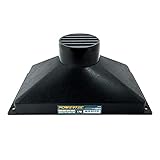
POWERTEC 70169 Mini Gulp Dust Hood
- 4 inch nominal port
- ABS plastic
- Pre-drilled mount holes
- Debris grate


POWERTEC 4 Inch Y Fitting
- Splits one run into two
- ABS plastic
- Band clamp fit
- Works cross-brand
Comparing Every Dust Collection Fitting We Reviewed in 2026
Twelve parts, one table. Diameter, connection method and job are the three columns that decide which fitting belongs in your run.
| Product | Details | Action |
|---|---|---|
|
|
Check Latest Price |
|
|
Check Latest Price |
|
|
Check Latest Price |
 |
|
Check Latest Price |
 |
|
Check Latest Price |
 |
|
Check Latest Price |
 |
|
Check Latest Price |
 |
|
Check Latest Price |
 |
|
Check Latest Price |
 |
|
Check Latest Price |
 |
|
Check Latest Price |
 |
|
Check Latest Price |
One note before the individual reviews: the “nominal 4 inch” ends on most of these parts measure between 3-31/32 and 3-61/64 inch in actual outside diameter. That is not a defect, it is how molded hose cuffs are made, but it is why a rigid 4 inch OD port will not mate to them directly.
1. POWERTEC 70169 Mini Gulp Dust Hood – Wide Mouth Capture With a Built In Debris Grate
POWERTEC 70169 Mini Gulp Dust Hood Collector with 4″ ID Port – ABS Plastic Fitting for Woodworking Dust Collection Hose
13-9/16 x 7-15/16 in hood
4 in nominal port at 3-59/64 in OD
ABS plastic
14.6 oz
+ Pros
- Deep wide mouth catches chips before they travel
- Four pre-drilled holes make mounting fast
- Built in grate protects the blower
- ABS tolerates abrasive dust
– Cons
- Port runs under true 4 in OD so rigid ports need a flex cuff
- Hood is bulkier than the rectangular style
This is the fitting I reach for first on any new machine. It sits behind, underneath or beside the cut and swallows debris before it reaches the duct, and the wide mouth means you can feed an offcut into the saw without pausing to clear the opening.
The build is deliberately plain. Non-threaded black ABS with a 7/8 inch flange, four pre-drilled mounting holes and a grate across the mouth that stops a splitting-off board from reaching the impeller. At 14.6 ounces it is light enough to reposition, and the 4 inch nominal port measures 3-59/64 inch outside.
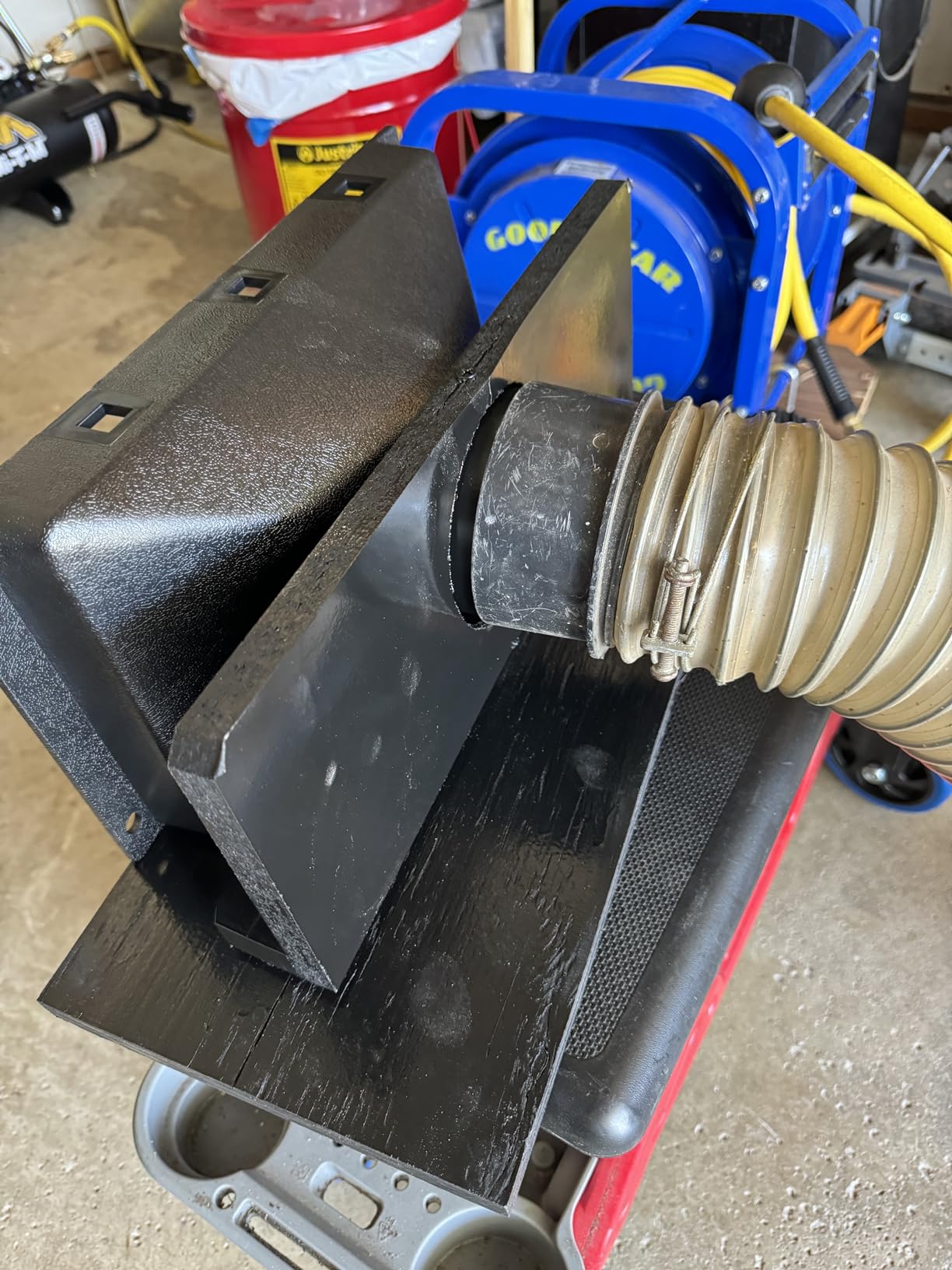
Where it earns its place is on a table saw or a disc sander, where the dust source is wide and messy rather than a neat stream. The hood opening measures 6-15/16 by 11-3/4 inches inside, which is generous enough that I stopped worrying about a hood sitting too close to the blade.
The one thing to plan around is that under-4 inch port. If your machine has a rigid 4 inch OD outlet rather than hose, budget for a flex cuff at that joint, otherwise you will be reaching for tape within a month.
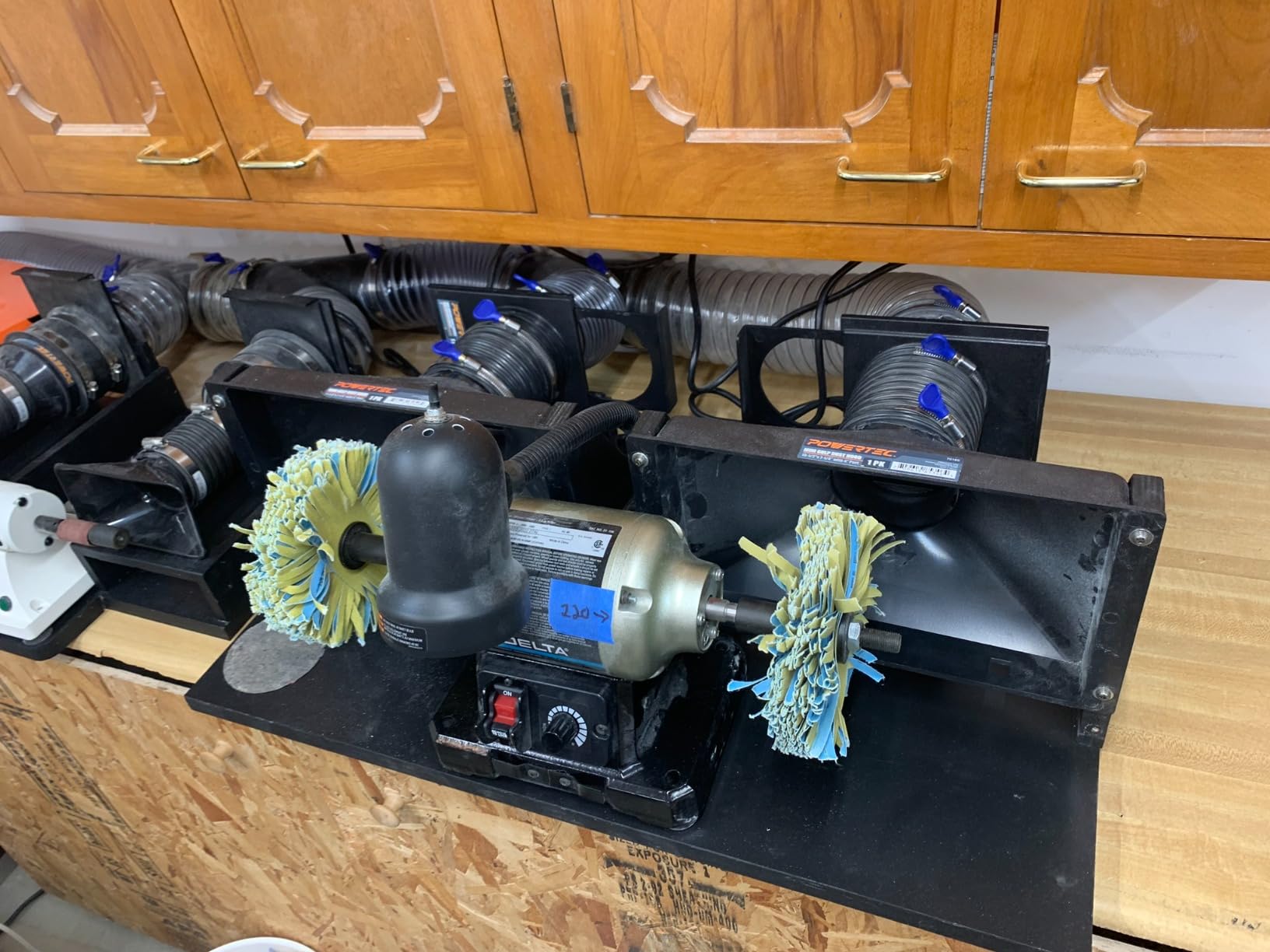
Why the debris grate matters more than it sounds
Collectors fail from impact, not from dust. A grate across the mouth turns a loose offcut or a burst bag into a non-event rather than an impeller strike, and it costs nothing in airflow because it sits on the room side of the port rather than in the duct.
How the hood mounts in a tight corner
The four pre-drilled holes let you bolt the flange to a machine casting, a stand leg or a wall bracket with no drilling pattern to measure. On my setup the hood hangs below the saw so chips fall straight in and the flange takes the weight instead of the port.
Where the 4 inch port gets awkward
Because the port is 3-59/64 inch OD, it mates naturally to 4 inch ID hose. Rigid duct at that same joint needs a rubber cuff and a clamp, and that is the whole reason the cuff in pick three exists.
2. POWERTEC 4 Inch Y Fitting – The Branch Point That Keeps Your Run To One Line
POWERTEC 4 Inch Y Fitting for 4″ Dust Collection Hose, 4 Inch Dust Collection Hose Connector Fittings for Dust Collection System, 1 pack (70106)
Three 4 in nominal ends
3-61/64 in OD, 3-3/4 in ID each
1/8 in wall thickness
ABS plastic
+ Pros
- Combines two machine runs into one trunk line
- Interoperates with hose pipe and Fernco type couplings
- Rugged ABS resists abrasion
- Users report no noticeable airflow restriction
– Cons
- Needs a flex cuff to join 4 in OD pipe or adapters
- 1/8 in wall is thinner than metal equivalents
A Y is the fitting that turns two machines into one duct run, and doing it with hose instead of three separate lines to the collector is where most home shops recover airflow without buying a bigger blower. Two planers feeding one trunk beat one planer per collector inlet every time.
This one has all three ends at 3-61/64 inch OD and 3-3/4 inch ID with a 1/8 inch wall, so it slips inside 4 inch ID hose and locks down with a band clamp. Buyers routinely pair it with other manufacturers’ components without complaint, and one compared it favorably to a 3D-printed equivalent they had made.
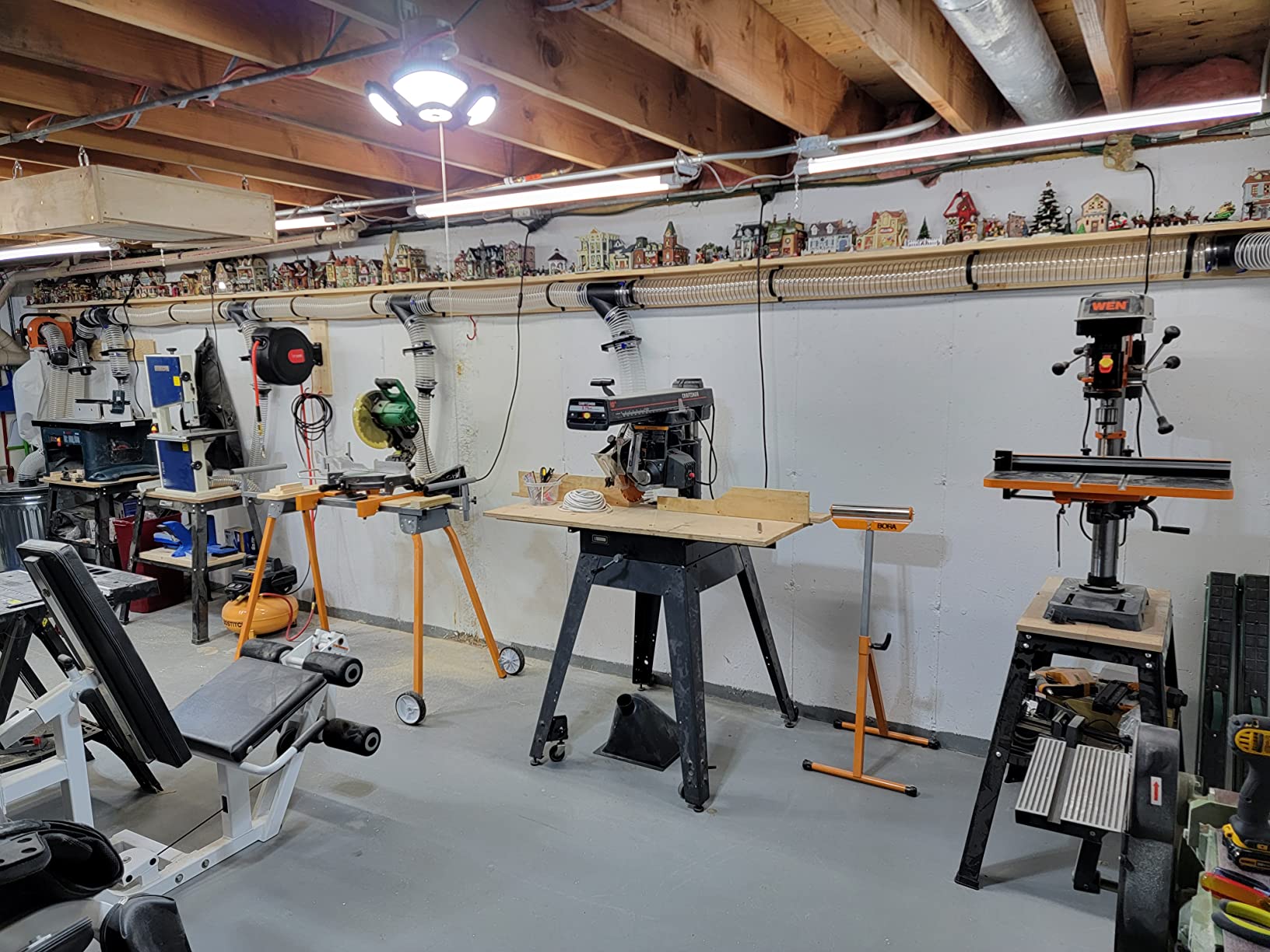
Angle matters here more than the brand. A true wye pushes flow through a gentler turn than a 90 degree tee, and that is why this part performs so close to the rating it carries. Reviews describe it as not noticeably restricting airflow, which is the sentence you want to read about any branch fitting.
The limitation is mating. If you are joining it to rigid 4 inch OD pipe rather than hose, you need a union such as the flex cuff in pick three, because the Y’s ends are sized for hose, not for OD pipe.
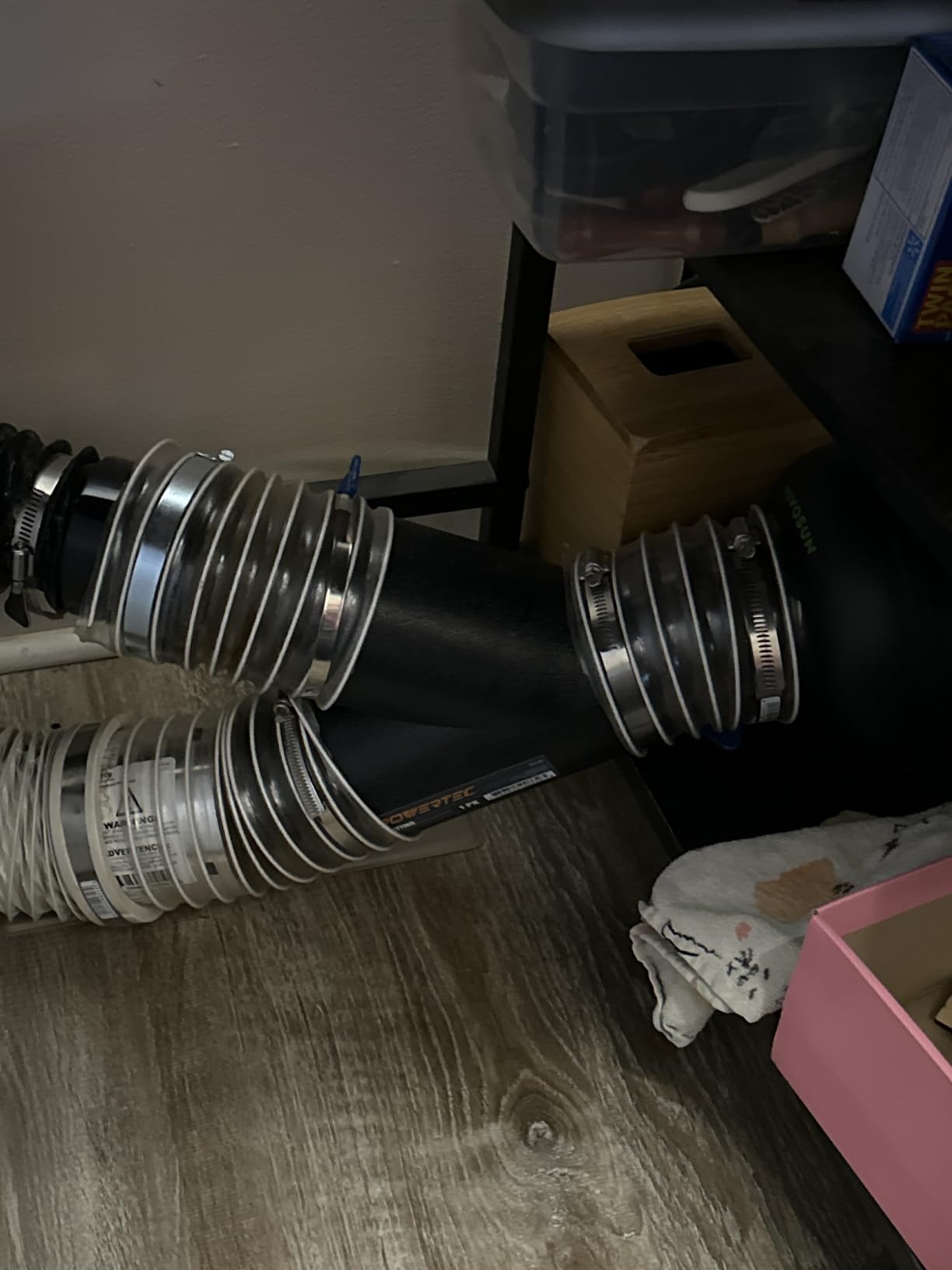
Y versus tee, and why the angle shows up at the filter
A tee forces one branch to make a sharp 90 degree turn, and a sharp turn in a dust stream throws chips at the wall of the duct where they settle. A wye splits the flow along a shallower angle, so more of the material keeps moving and less of it drops out early. In a shop that means fewer clean-outs and a filter that lasts longer.
How to lay out a three machine network around one Y
Run the trunk line from the collector along the wall, terminate at a Y near the two heaviest machines, and blast gate each branch so you can close one machine without starving the other. Add a second Y downstream when you grow past three machines rather than stacking tees, because each added branch costs static pressure that you cannot claw back with a longer hose.
What the 1/8 inch wall means for abrasive dust
Thin ABS will not hold a dent from a stray block, but it will not crack from handling either, and the abrasion resistance is what matters in a wood shop. Inspect ends annually for ovality and any unit that has been crushed under a machine base.
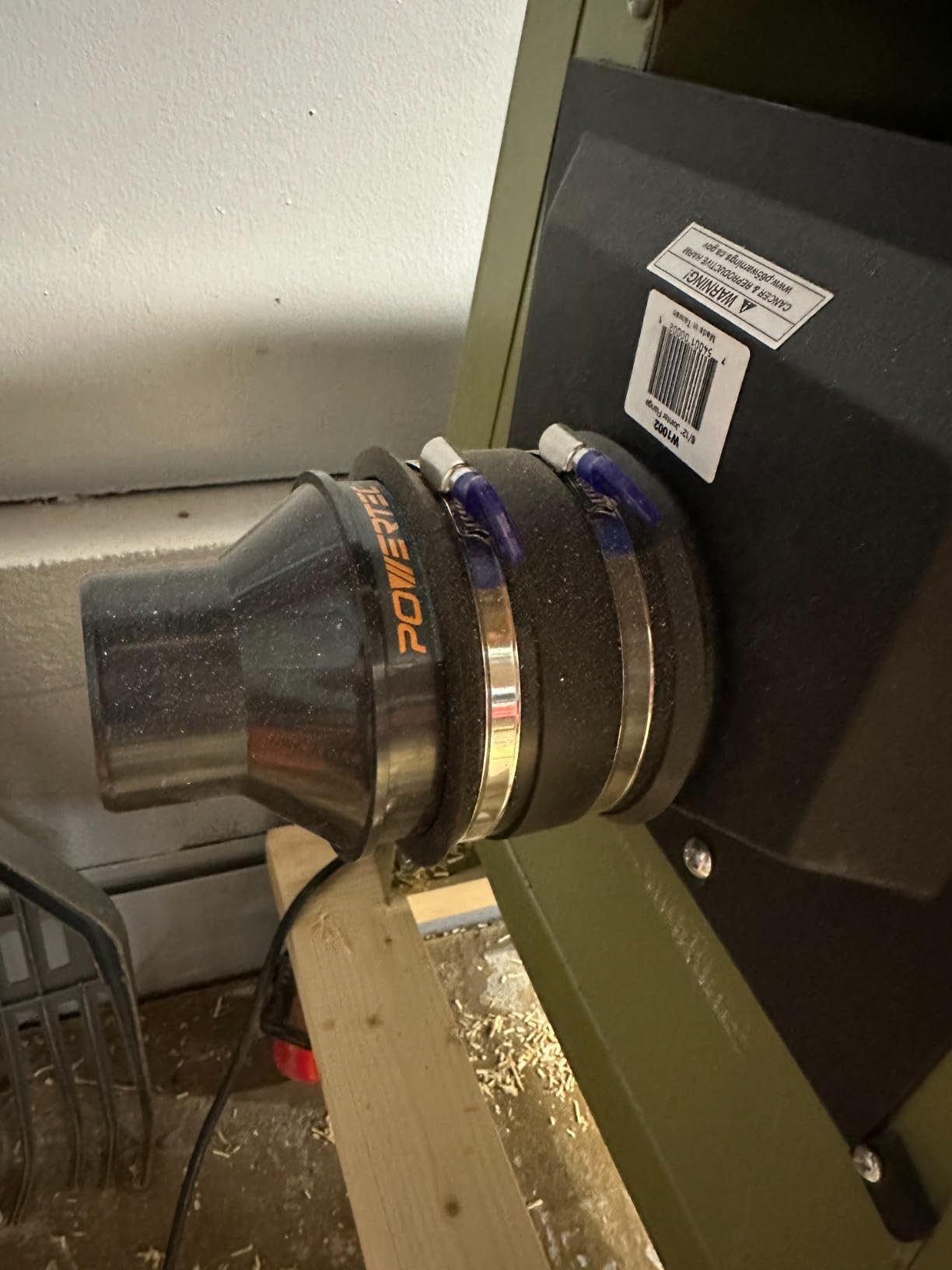
3. POWERTEC 70149 Flex Cuff – The Highest Rated Joint On This List
POWERTEC 70149-P2 4 Inch Dust Control Flex Cuff with Steel Hose Clamps, Hose Connector Rubber Cuff Coupler for Woodworking Dust Collection Fittings, Dust Collector Accessories & Machinery, 2 pack
4-9/16 in OD, 4 in ID, 2-9/16 in long
Durable rubber with steel clamps
Connects two 4 in OD ports
2 pack
+ Pros
- Seals two 4 in OD ports with no tape or screws
- Flexible rubber absorbs diameter differences
- Installs and removes by hand
- Rated 4.8 across more than 2300 reviews
– Cons
- Sold as a 2 pack so single joints leave a spare
- Adds a short length of flexible hose in the run
If you fix one thing in your dust collection system, fix the joints. This cuff is the part that makes two rigid 4 inch OD ports meet airtight, and it carries the highest average rating of anything I reviewed, at 4.8 across more than 2300 reviews.
The construction is simple on purpose. Durable rubber, 4-9/16 inch outside, 4 inch inside, 2-9/16 inches long, with steel hose clamps in the box and a 1/8 inch nominal wall. It slides over one port, slides over the other, and the clamps close it down. No screws, no tape, no mastic.
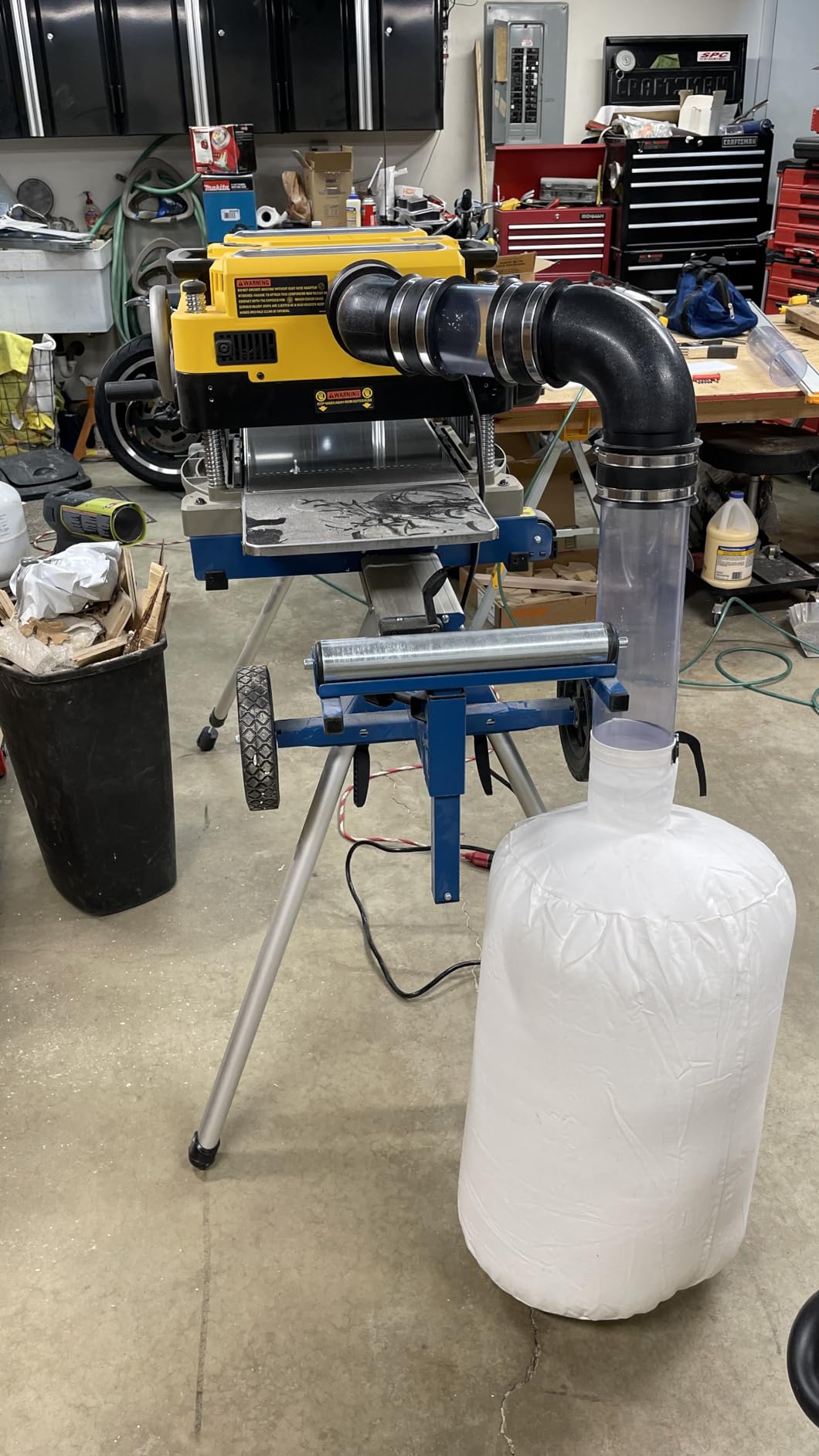
What I like most is that it is reusable. You can take a machine offline for a blade change and put the cuff back on the same two ports in a few seconds, which is not something you can say about sealed metal ductwork.
The rubber is also doing real engineering work. Because it is flexible, it swallows the small diameter differences between a molded ABS fitting and a metal port, which is precisely the mismatch that makes tape-wrapped joints leak. Reviews describe it as the go-to coupler for sealing 4 inch OD ports without duct tape, and it holds the top rating in the group.
Where a cuff saves you airflow and where it costs you
Every 2-9/16 inches of cuff is flex hose, and flex hose is not free. Published duct friction data puts a single foot of 4 inch flex hose at roughly 0.28 inches of water column, so one cuff adds a fraction of that. In exchange you get a sealed joint you can service in seconds instead of one buried in mastic.
How to install a cuff so it actually seals
Push it fully over the first port until it bottoms out, then over the second, then tighten the clamps evenly a quarter turn at a time. Cranking one clamp hard on a rubber cuff just deforms the rubber and creates a gap at the far side. A loose-fitting cuff is not an airflow problem, it is a leak problem, and leaks pull room air instead of tool air.
Why the 2 pack is a feature, not an annoyance
Almost nobody needs exactly one coupler. Networks need them at branch points, at collector inlets and at every machine where rigid pipe meets a fitting, so a 2 pack matches how the part actually gets used.
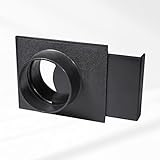
4. POWERTEC 70108 4 Inch Blast Gate – Airflow Control At Every Branch Point
POWERTEC 70108 4 Inch Blast Gate for Dust Collector, Dust Collection Fittings
Slip connector type,4 in nominal ends at 3-61/64 in OD
ABS construction
5.6 oz
Needs a cuff for OD ports
+ Pros
- Lets each machine run at its own airflow setting
- Sliding gate opens and closes easily
- ABS stands up to sawdust and chips
- Cheapest way to balance a multi machine network
– Cons
- Gate keeper can break after a couple of years
- Slide groove needs periodic dust cleaning
- Some units do not close fully
A blast gate is the throttle on your network. Without one, a shop vac or small collector feeding two machines has all of its air going to whichever branch has the least resistance, and the machine with the tightest hood gets nothing.
This one has both ends at 4 inch nominal outside diameter, measuring 3-61/64 inch OD and 3-3/4 inch ID, so it slips into 4 inch ID hose on both sides. It is a slip connector, which means hose goes over it rather than into it, and a clamp locks the hose down.
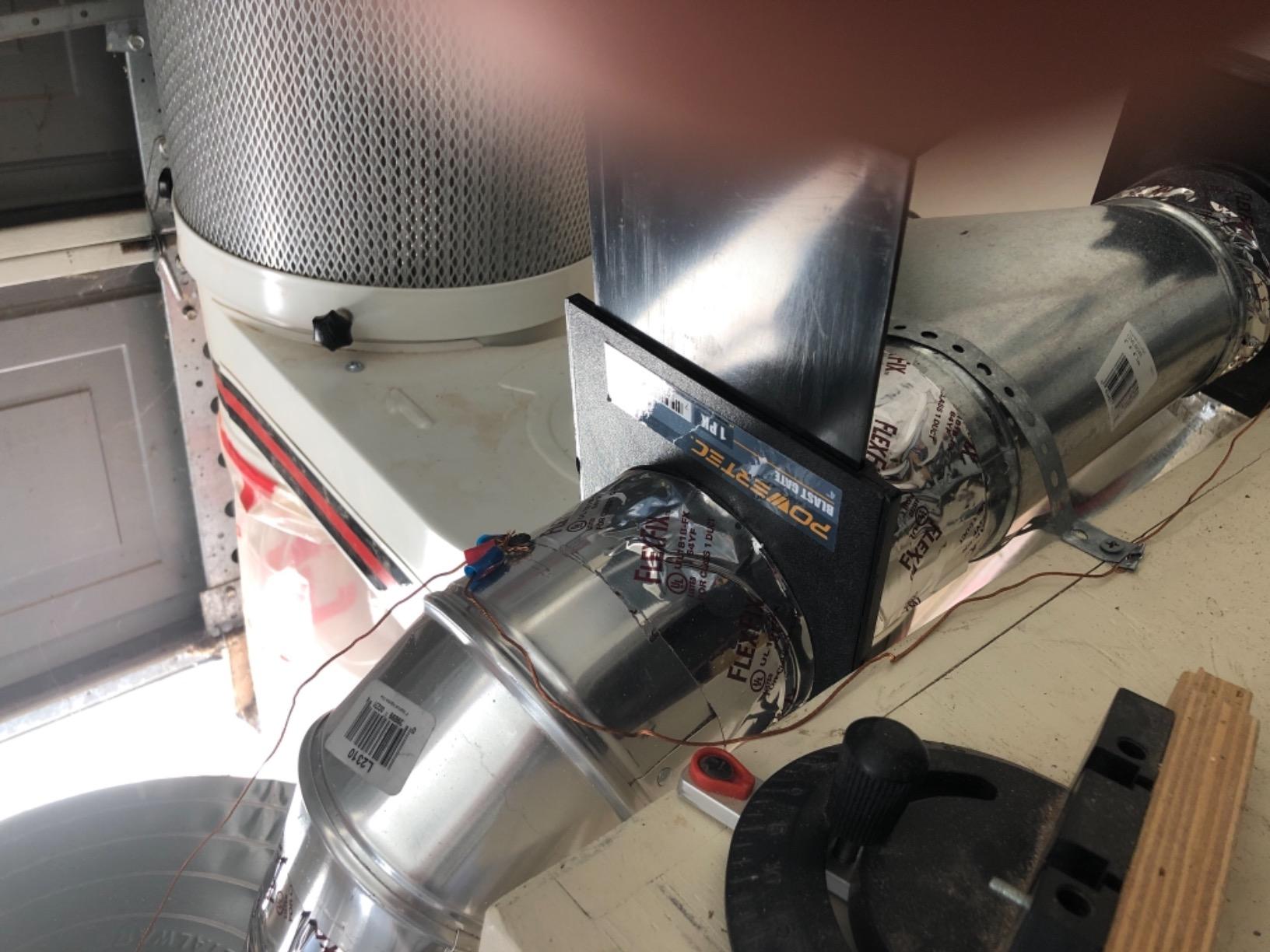
It carries the lowest average rating of the three POWERTEC fittings rated 4.5, and the reason is consistent across reviews: the small keeper that holds the gate open is the weak point. Once that snaps, the gate slides shut on its own and your branch stops receiving air.
The second recurring theme is maintenance. The groove where the gate slides collects dust, and once it packs in, the gate sticks partway open. A dry brush every few months keeps it moving. Neither issue touches the sealing surfaces, which is why the part still works for years.
Why closing one branch helps the others
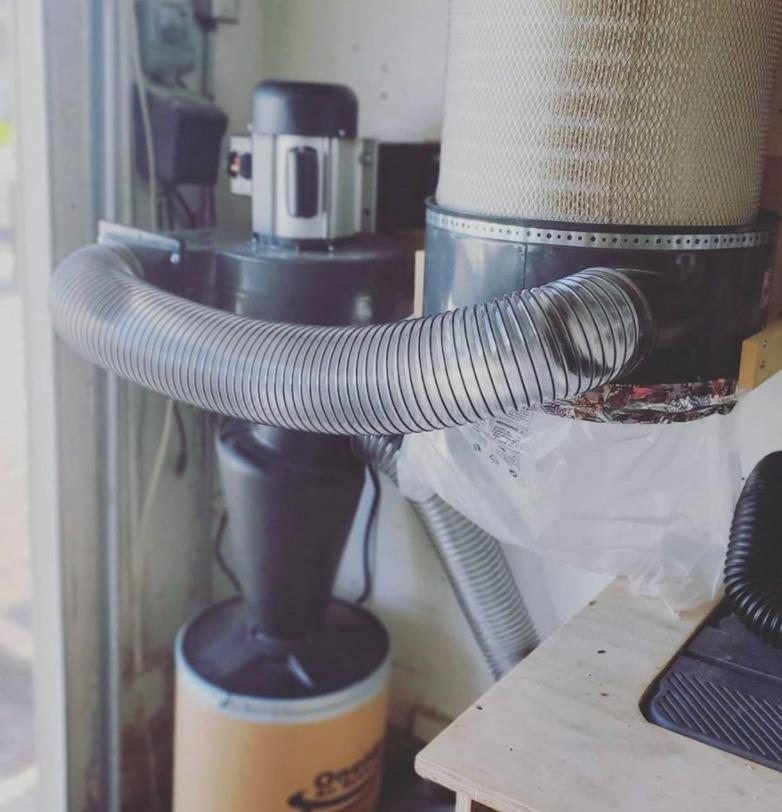
Static pressure in a duct network rises with the number of open branches. Every gate you slide shut removes one opening, and removing openings lets more of the collector’s airflow reach the machine you actually care about. On a two machine setup this is often the difference between a planer that works and a planer that stalls.
What the gate should be set to on a typical network
Open one gate fully, start the machine, then open the second gate until airflow on the first machine stops improving. Back that second gate off a quarter turn and mark it. That setting is your baseline for whatever the machine is cutting, and it is worth writing on the duct with a paint pen.
Diagnosing a blast gate that will not close
If the gate sticks or creeps, take it off the run and clean the groove before you replace anything. In most cases a packed groove is the whole problem. If the gate closes but suction at the connected machine does not rise, the plate may be warped, and no amount of cleaning will fix that.
5. POWERTEC 70150 Rectangular Dust Hood – Flat Footprint For Benchtop Sources
POWERTEC 70150 Rectangular Dust Hood Collector – ABS Plastic, 4 Inch OD Attachment for Woodworking Dust Collection Hose and Fittings
4-1/4 by 7 inch rectangle
4 in nominal end at 3-31/32 in OD
ABS plastic
5 oz
+ Pros
- Rectangular footprint fits where a round hood will not sit
- Very light and easy to reposition
- Four pre-drilled holes for mounting
- Works on a nearby surface or straight on a port
– Cons
- Hose clamp is not included
- Older listing with a smaller opening than the Mini Gulp
Shape is the whole reason this hood exists. When your collection surface is a flat panel, a belt sander bed or a bench top, a rectangular hood sits square and catches what a round one would deflect past.
It measures 4-1/4 by 7 inches overall with a compact wide mouth sized for smaller applications, and it weighs 5 ounces. That is less than a third of the weight of the round hood in pick one, which matters when you are re-aiming it as the cut changes.
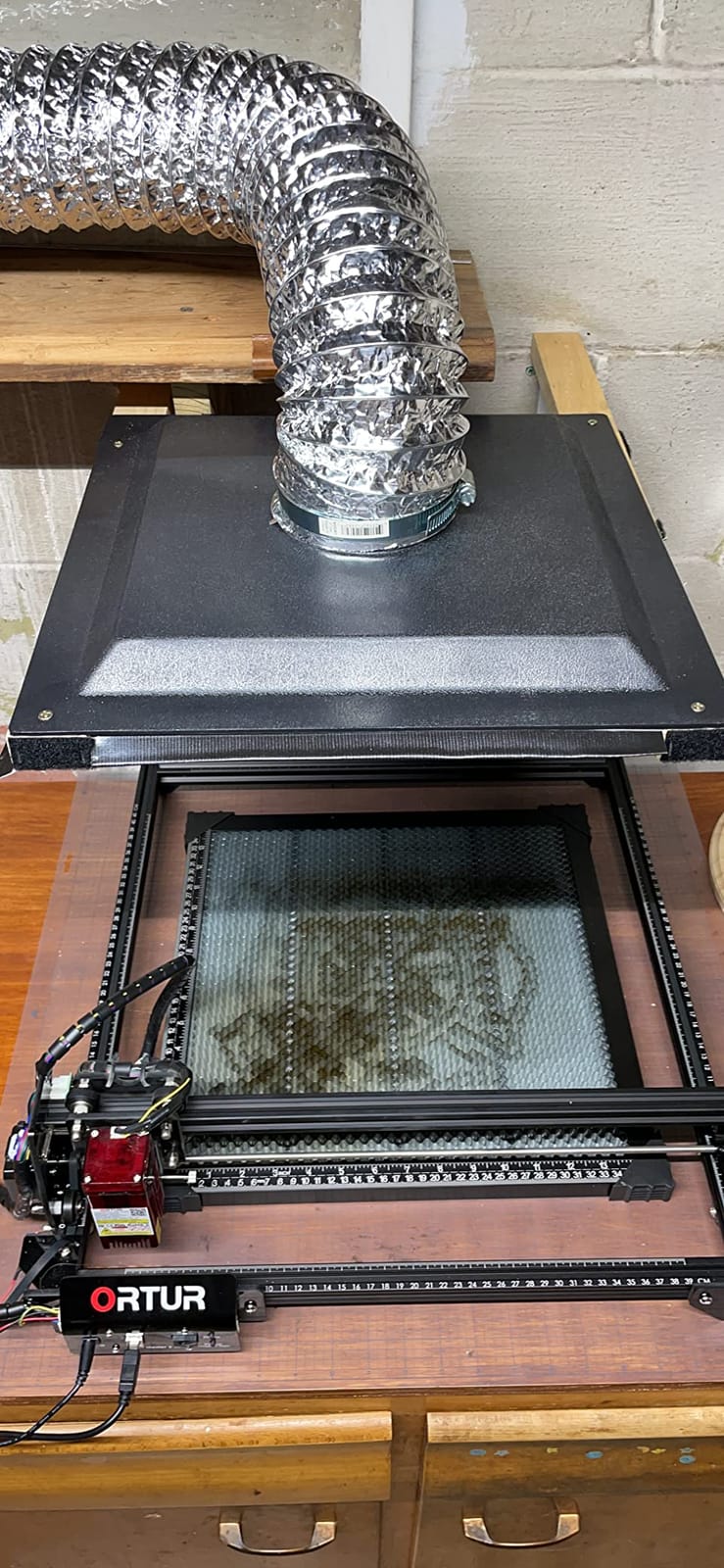
The 4 inch nominal end measures 3-31/32 inch outside and 3-39/64 inch inside, so it is again a hose-side part. Buyers use it in two ways: sitting on a nearby surface close to where dust is produced, or bolting it directly onto a machine port using the four pre-drilled holes.
This is one of the older listings I looked at, with steady satisfaction. The recurring purchase reason is simple, you needed a rectangular hood for a specific machine and nothing else on the shelf fit.
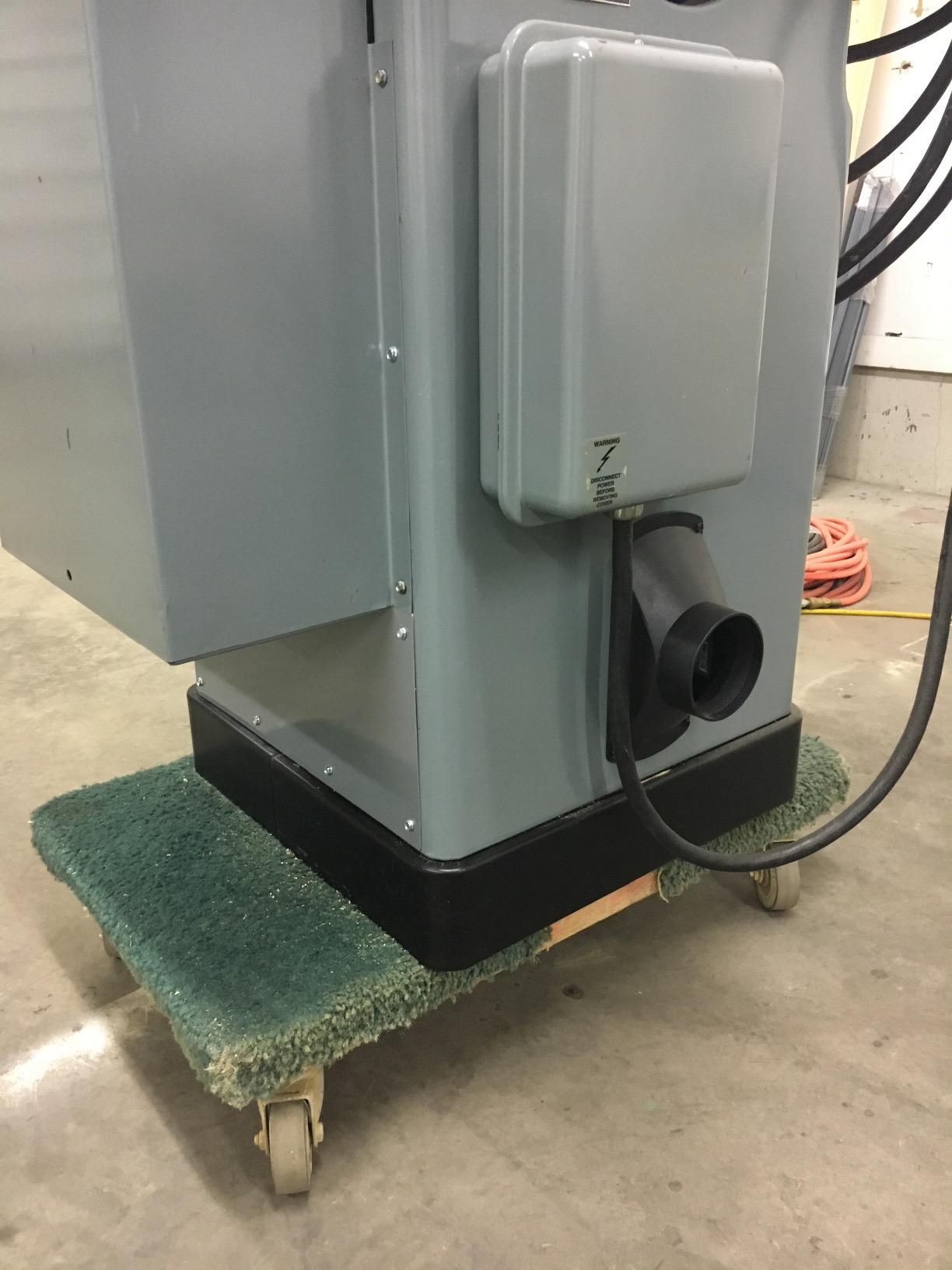
Where a rectangular hood outperforms a round one
A rectangle matches the shape of a sanding belt, a miter saw bed or a planer hood, so the capture area covers the actual dust stream rather than a circle inscribed inside it. More of the opening does useful work, and you can mount the hood closer without losing suction.
The clamp you have to source yourself
No hose clamp is included, and the port is a hair under true 4 inch OD, so you need one on hand to lock the hose down. Plan for a clamp at this joint before you order, not after the first leak.
Choosing between the two hood styles
If the source is a wide open area like a table saw surface, the deep round hood in pick one catches more because the mouth is bigger. If the source is a flat rectangle, this one seals to it properly and stops redirecting chips.
6. POWERTEC 70276 4 Inch To 2-1/2 Inch Splitter – Feeding Hand Tools Off A 4 Inch Trunk Line
POWERTEC 70276 4-Inch to 2-1/2-Inch Dust Collection Splitter Fitting
4 in end at 3.902 in OD, 3.733 in ID
Two 2-1/2 in OD ends at 2.5 in
Impact resistant ABS
NPT threads
+ Pros
- Branches one 4 in main into two 2-1/2 in lines
- Designed for minimal suction loss across the split
- Feeds a shop vac off a 4 in trunk
- Impact resistant ABS for workshop use
– Cons
- Sold as a single piece so multi branch runs need several
- Listed weight figure looks inaccurate
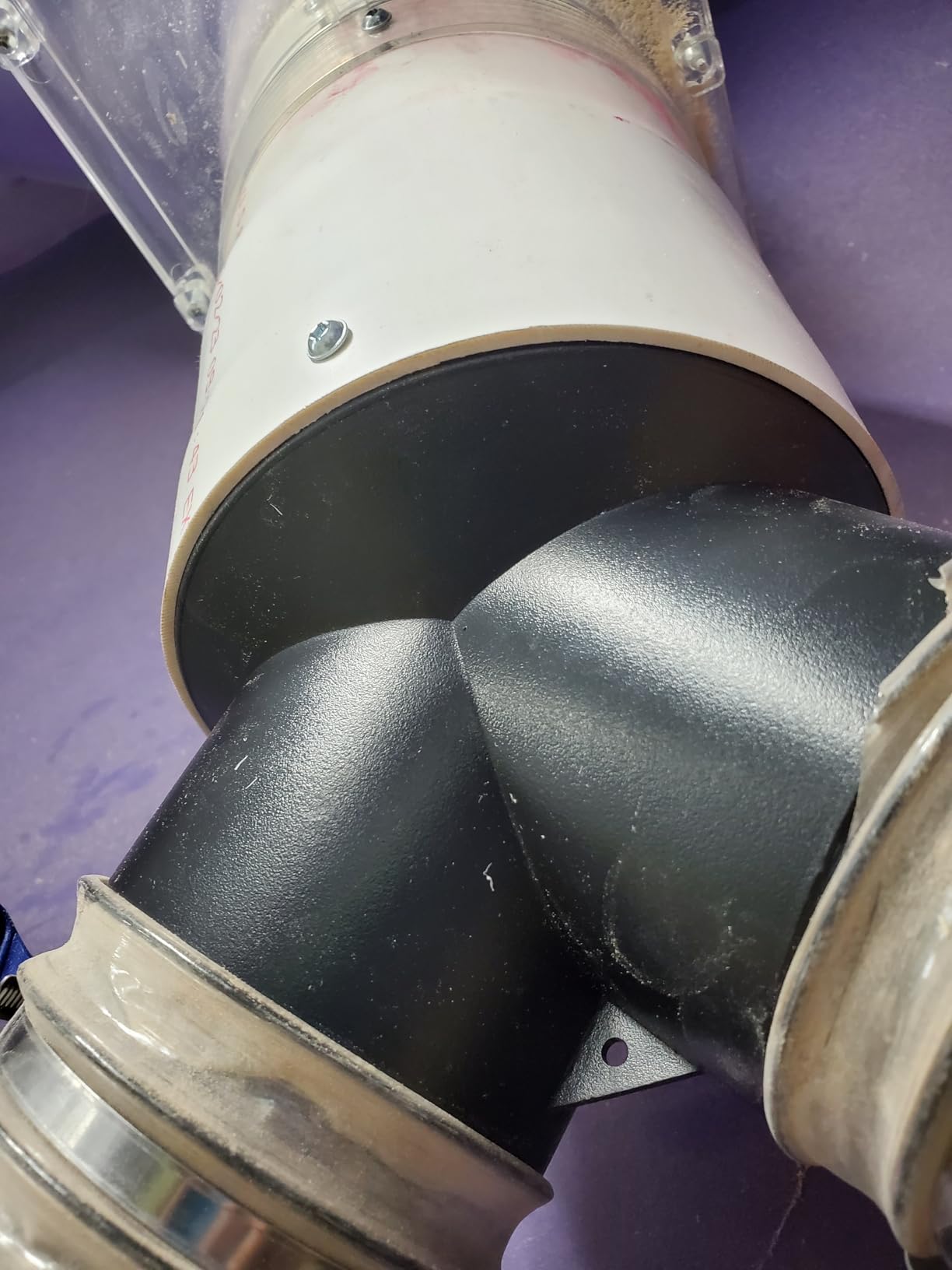
This is the fitting that solves one of the most common beginner questions: how do I get a hand tool or a shop vac onto a rigid 4 inch trunk line. It takes one 4 inch hose in and splits it into two 2-1/2 inch lines.
The dimensions are unusually well specified for this category. The 4 inch nominal end measures 3.902 inch outside and 3.733 inch inside. Both 2-1/2 inch ends measure 2.5 inch outside with 2.32 inch inside. Those numbers are what you need to know whether your hose will slip on.
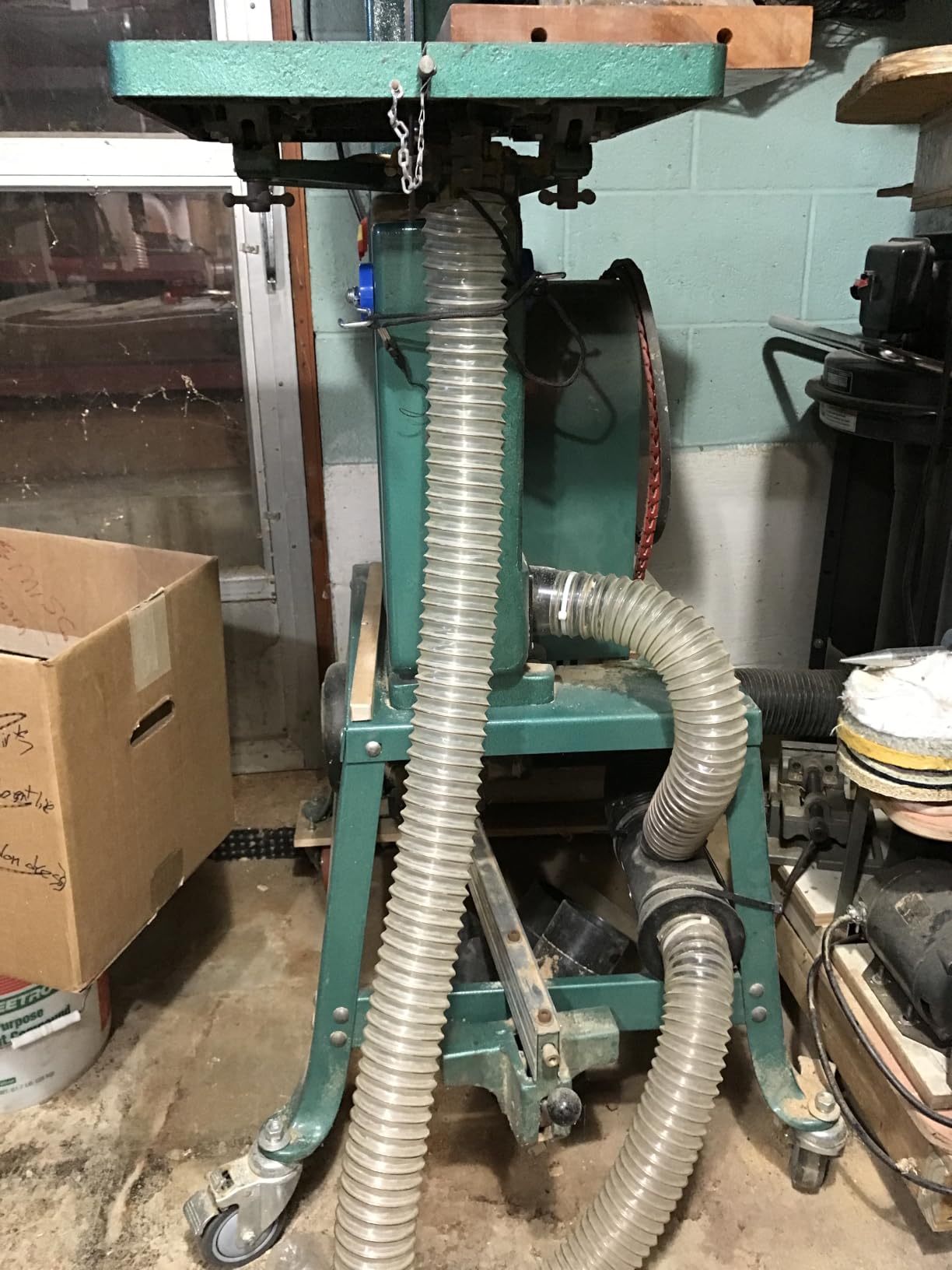
The design intent is stated plainly by the manufacturer: minimal suction loss across the split. That matters more here than on a plain Y, because reducing to 2-1/2 inch already costs airflow, and a poor transition costs it twice. Users report minimal pressure loss once it is in the run.
Buyers pair this with a standard shop vac or a 2.5 inch hose off a 4 inch trunk, which is a genuinely useful arrangement if you do not want a second machine. Just remember that every tool you tap in is another opening, and openings add static pressure.
Where a diameter step-down is safe
The last two feet before the tool is the right place to reduce. A table saw blade throws its dust into a short length of 2-1/2 inch hose right at the port, where capture velocity is highest anyway. Reducing at the collector inlet is the opposite, and it costs you the whole run.
Why a splitter instead of a Y and a reducer
Stack a Y on a reducer and you introduce two extra joints, two extra leak points and two extra pressure losses. A molded splitter does the transition and the branch in one body, so there is one seam to seal instead of four.
What a single-piece package means for your layout
You get one fitting, so a plan requiring two handheld branches means ordering two. Draw the branch layout before you order, because discovering a missing branch after the trunk is up means a second clamp-down of the whole run.
7. POWERTEC 70123 Quick Connect Splice – Joining Two 4 Inch Hoses In Seconds
POWERTEC 70123 4-Inch Dust Hose Connector w/Quick Connect Splice Adapter, ABS Plastic, 1PK
Dual 4 in nominal ends
3-31/32 in OD, 3-11/16 in ID each
3.97 in outside diameter
Raised center grip
+ Pros
- Extends a run or joins two hoses quickly
- Tapered ports ease assembly and disassembly
- Raised middle section gives a solid grip
- ABS resists abrasion and handling wear
– Cons
- Requires a hose clamp at each end for a tight seal
- Shorter bore than some other 4 in couplers
Couplings are the least glamorous fitting in the shop and the one you reach for constantly. When two 4 inch hoses need to become one 6 foot reach, this splice is the part that does it without a fight.
Both ends are 4 inch nominal, measuring 3-31/32 inch outside and 3-11/16 inch inside, and the ports are tapered so the hose starts on easier. The raised middle section exists purely for grip, and it is the feature owners mention most often.
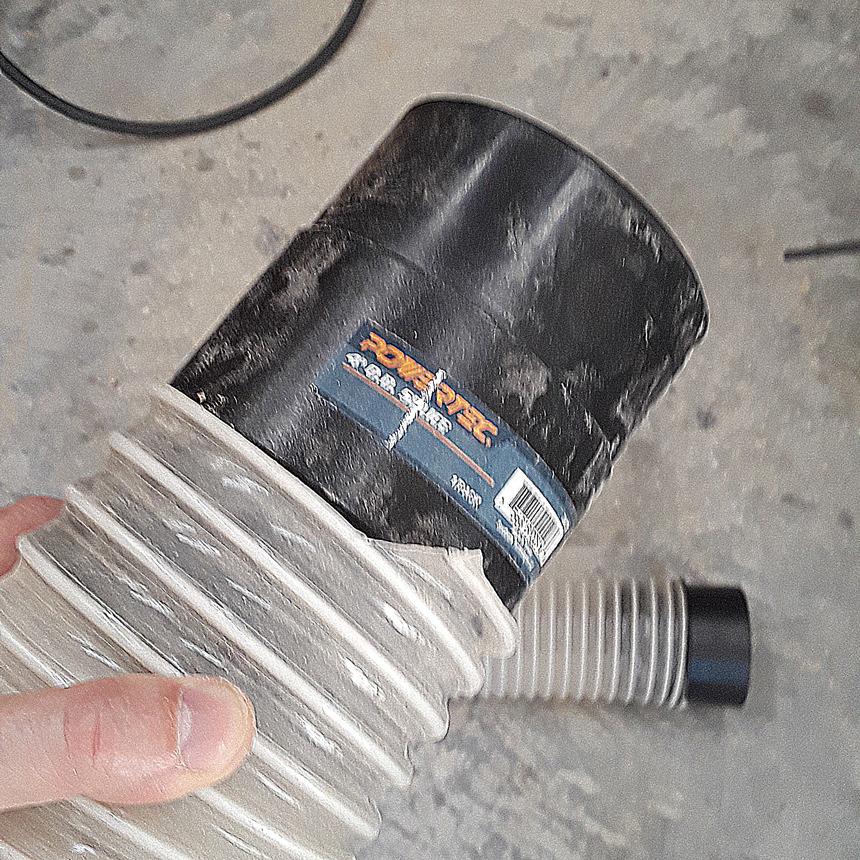
It does one thing and does it predictably. Reviews describe it as a secure, quick connection between two 4 inch ID hoses that extends the reach of most standard dust extraction setups, and the tapered ends are consistently called out as making assembly easier.
The honest limitation is that it needs a clamp at each end to hold a tight seal. Without those clamps the joint is a leak, and a leak on an extension joint is exactly the kind that gets forgotten for years because nothing looks wrong.
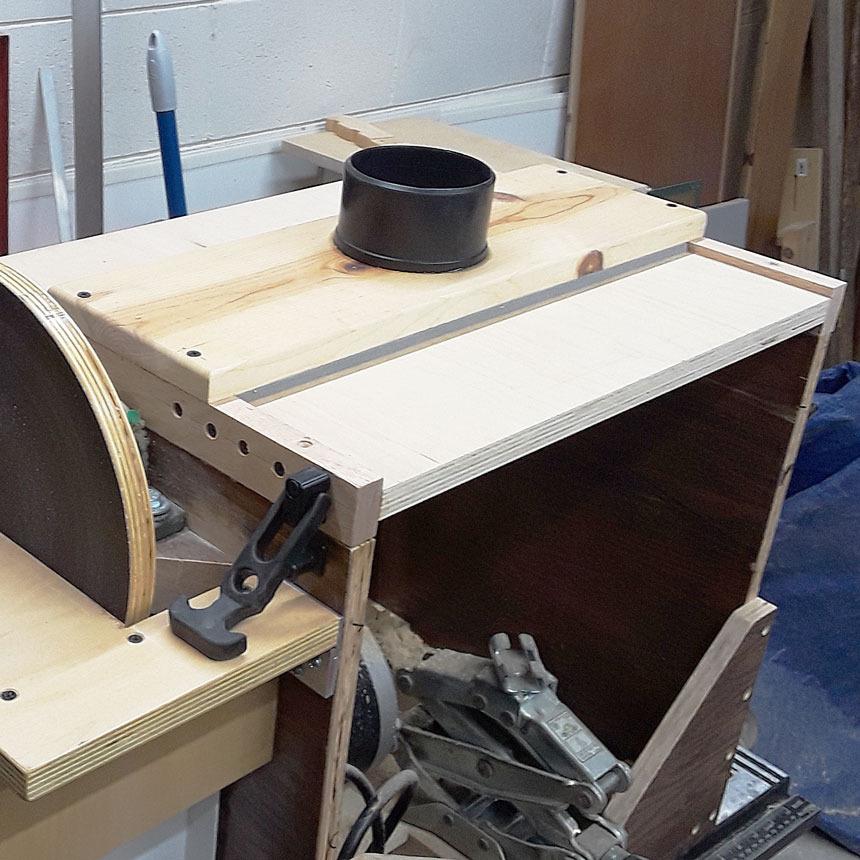
Splice versus flex cuff, and which joint you need
Use the splice for hose to hose, because its tapered ends are sized to grab hose. Use the rubber cuff in pick three when one side is a rigid port or piece of pipe. Putting a hose-only splice on a rigid OD port is how a lot of leaky networks get built.
Why the raised center is worth looking for
A smooth coupler in a dusty shop is a coupler you cannot get a hand on. The raised section gives you something to twist while your other hand holds the hose, which turns a two person job into a one person job.
How to clamp a splice properly
Slide the hose fully down the taper until it bottoms out, then tighten the clamp with the hose ridges aligned straight rather than twisted. A twisted hose under a clamp slowly works itself loose and starts pulling apart at the corner.
8. POWERTEC 70105 4 Inch 90 Degree Elbow – Redirecting Hoses Out Of The Outfeed Path
POWERTEC 70105 4″ Elbow Dust Hose Connector, Black, 4″, 90 Degree Elbow
90 degree right angle
8 x 8 x 4 in overall
Dual 4 in nominal ends
ABS, 9.76 oz
+ Pros
- Airtight 90 degree redirect clears outfeed tables
- Interchangeable with other brands when paired with a cuff
- Thick ABS holds shape under suction
- Advertised dimensions match the real part
– Cons
- Body is bulkier than some buyers expect
- Will not mate to a 4 in OD port without a rubber coupling
Planers and jointers have their dust ports aimed straight up, which puts the hose directly in the path of the board. An elbow fixes that, and this is the one most shops end up owning.
Both ends are 4 inch nominal with a tapered outside diameter of 3-61/64 inch and 3-3/4 inch inside, and the whole part measures 8 by 8 by 4 inches. It is molded from thick black ABS specifically to hold its shape under collector suction, which matters more than it sounds on a rigid run.
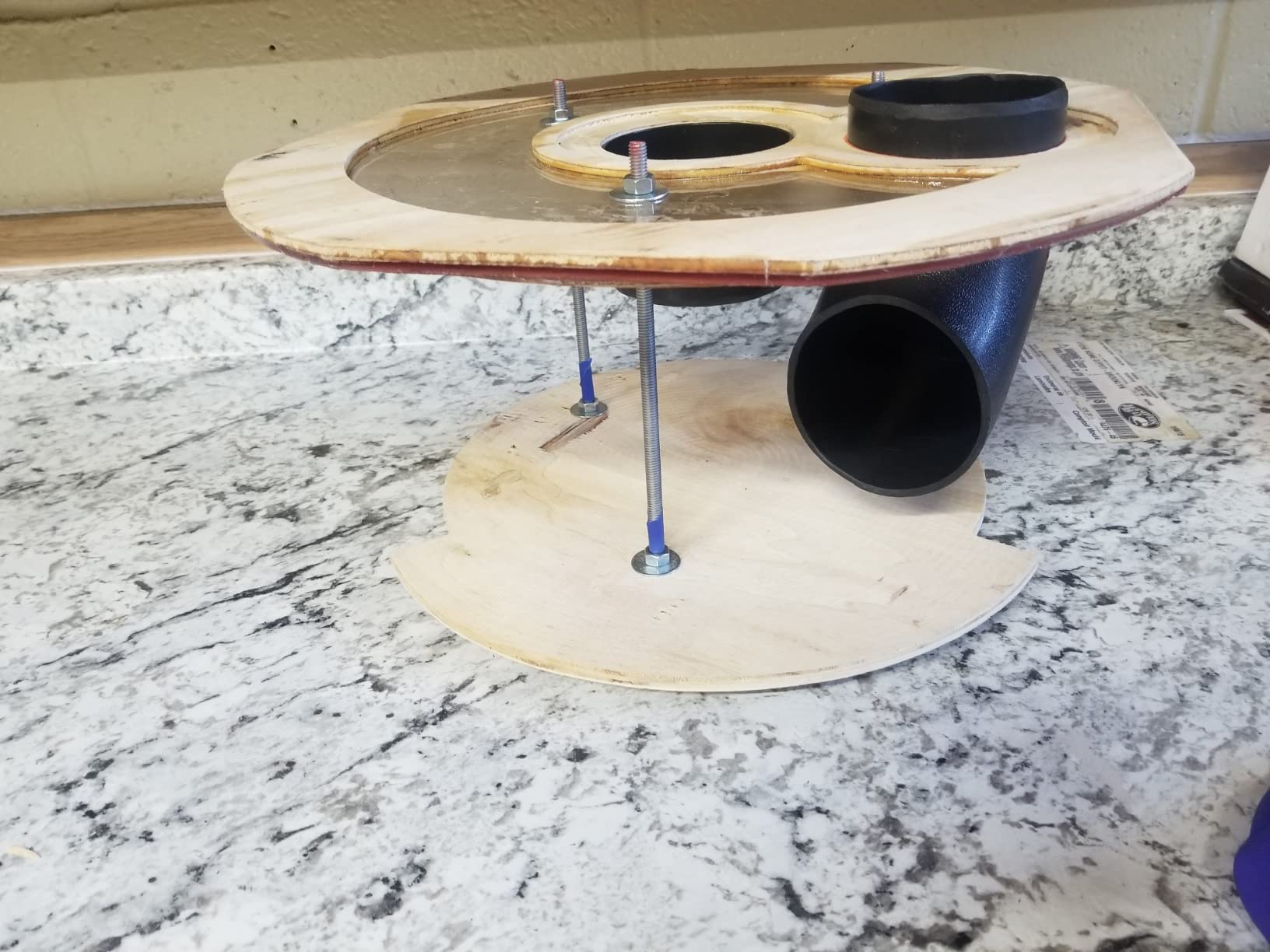
Buyers frame it as the fix for hoses blocking the outfeed, and that is exactly right. Owners of planers with overhead ports connect the elbow at the machine and run the hose down and back instead of up. Reviews note it maintains suction with no noticeable loss through the bend, though 90 degree bends are never free.
Two caveats recur. The body is bulkier than expected, so plan your clearance, and it will not mate to a 4 inch OD port without an extra rubber coupling such as the cuff in pick three.
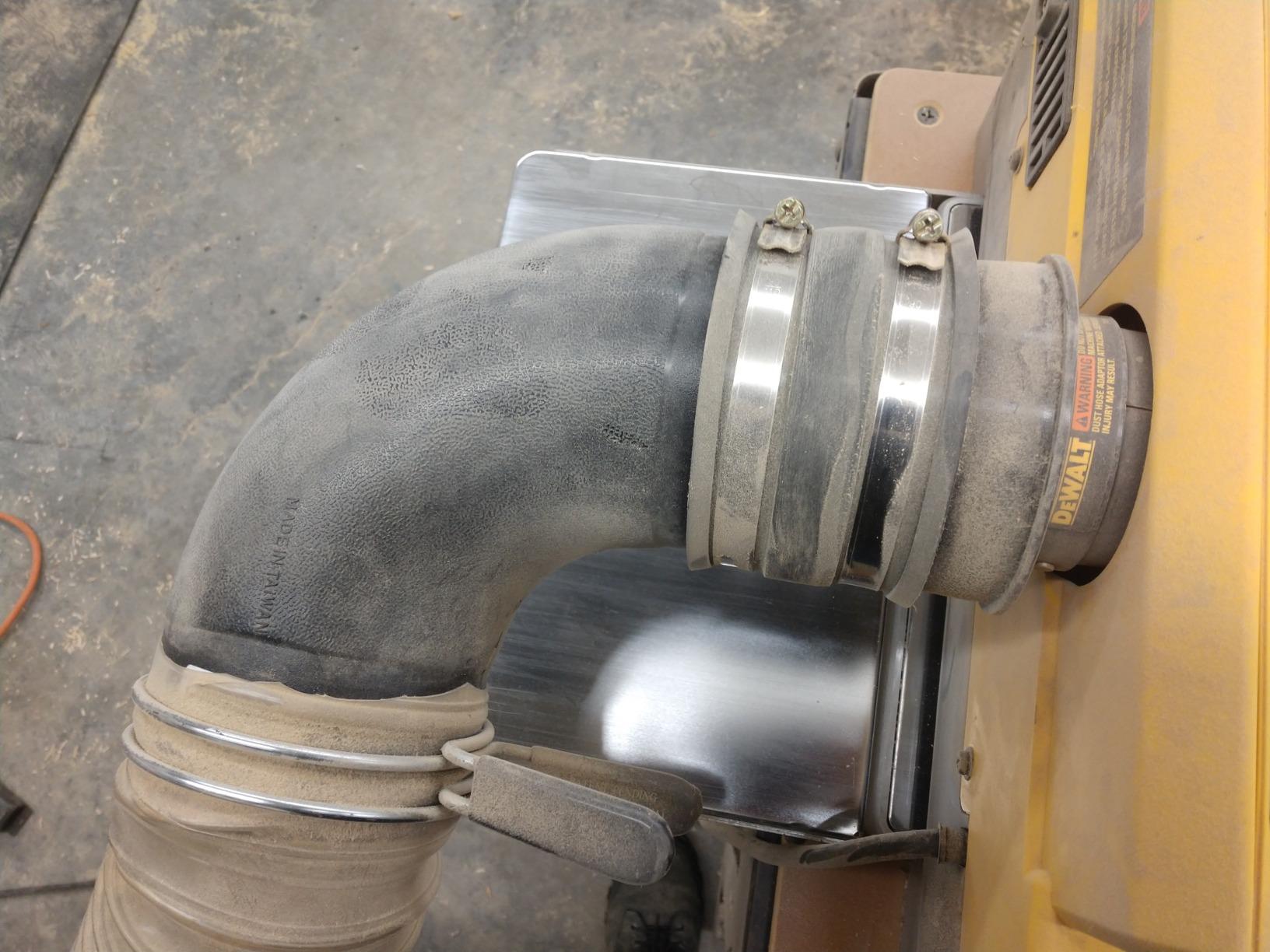
What a 90 degree bend actually costs in static pressure
Published duct friction data puts a single 4 inch 90 degree elbow at roughly 0.45 inches of water column. Two of them in a run can consume more pressure than several extra feet of good rigid duct, which is why experienced builders minimise elbows rather than minimising hose.
Why thick ABS matters under suction
Thin plastic ovalises when the collector pulls on it, and an ovalised port leaks. A part that holds its round shape under load keeps the seal area even, so the joint keeps clamping the same. This is one of the reasons the part is widely described as well built and thick.
Where to put the elbow so it earns its place
Put it at the machine port rather than mid-run. That takes the sharpest turn off the sensitive part of the system and lets the rest of the duct run straight, which is where you get the best return for the pressure it costs.
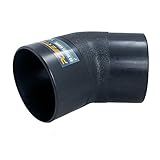
9. POWERTEC 70183 4 Inch 45 Degree Elbow – The Cheaper Way Around A Right Angle
POWERTEC 70183 4” 45 Degree Elbow – ABS Plastic Dust Collector Connector (Black)
45 degree offset
Dual 4 in nominal ends at 3-57/64 in OD
3-21/32 in inside diameter
ABS, 7.04 oz
+ Pros
- Fits 4 inch ports tightly for a reliable seal
- 45 degree angle helps maintain airflow velocity
- Interlocks with other 4 in fittings
- Useful for awkward port placement
– Cons
- Tapered ends run slightly under the nominal 4 in label
- Short body leaves little room between port and hose
Two 45 degree elbows put out less static pressure than one 90 degree elbow, and that is the entire argument for this part. When your duct route has a corner that a right angle will not negotiate, this is the fitting that gets you through it.
The ends are 4 inch nominal with an actual tapered outside diameter of 3-57/64 inch and 3-21/32 inch inside. It is molded ABS at 7.04 ounces and measures 7 by 4 by 4 inches.
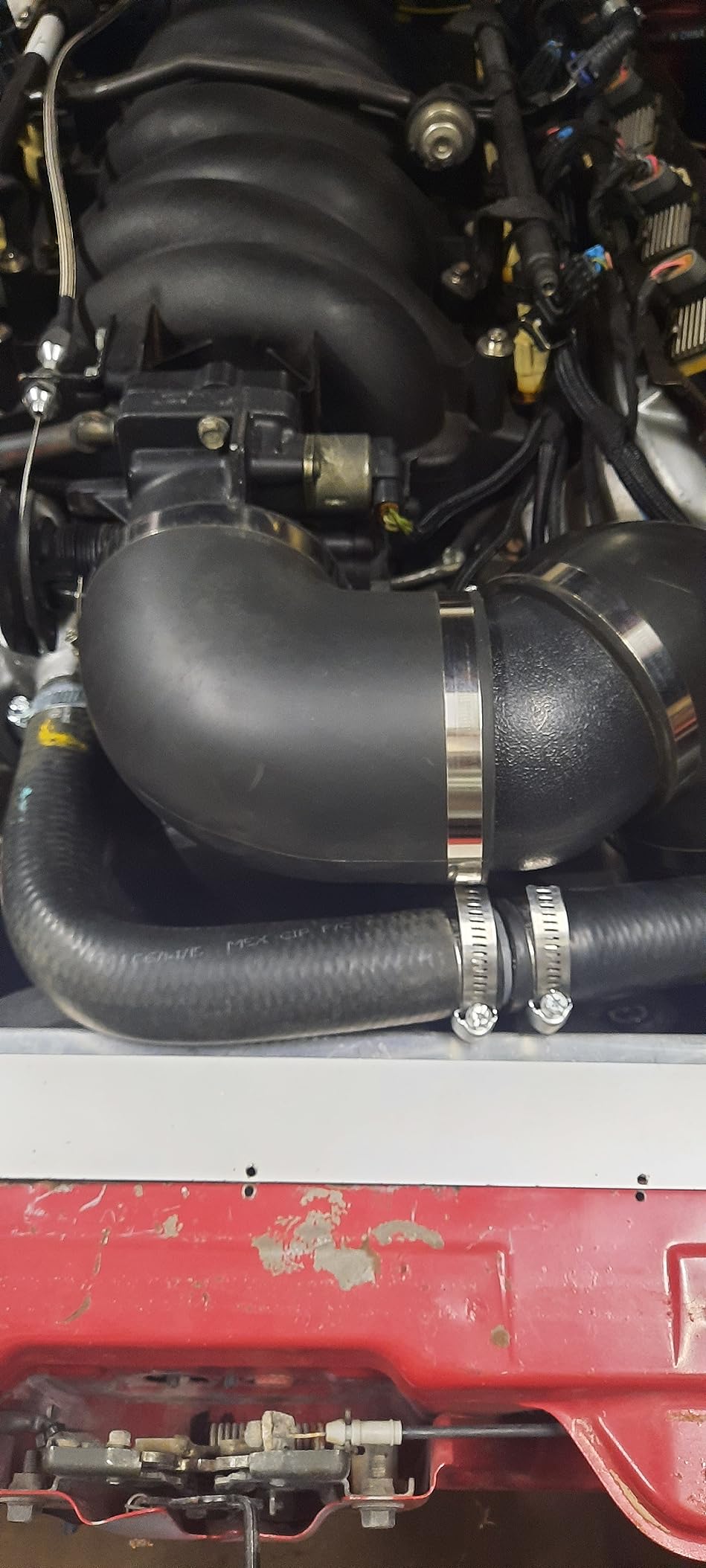
Owners across table saws, planers and custom intake builds praise the precise fit and the rugged plastic. The recurring caveat is that the tapered actual dimensions run a bit small relative to the nominal label, so oversize hose or pipe needs extra clamping. A few users wish the body were longer.
If you have room for two of them, prefer that to one 90. If you have only room for one, the 90 degree elbow in pick eight is the better fit for the job.
45 degrees versus 90 degrees in a tight shop
A pair of 45s lets you turn a corner inside the same square of ceiling space a single 90 would occupy, which is why they show up in shops with joists already in the way. The airflow argument favours them too, since the total pressure cost is lower for the same change in direction.
Why the tapered ends are both a help and a problem
A taper grabs hose more securely than a straight bore and slides on easier, which is exactly what you want. The trade-off is that the outer end is smaller than the nominal label, so a rigid 4 inch OD pipe will not start on it without a clamp and possibly a cuff.
Where a short body works and where it does not
The short body is useful when the machine port sits close to a wall or a fence and you need every inch of clearance. It works against you when the hose needs to make a lazy sweep rather than a sharp turn immediately at the port.
10. Rockler Dust Right 4 Inch Quick Connect Elbow – Sealed Boot And Swivel Clamp In A Tight Corner
Rockler Dust Right 4” Quick Connect Elbow, Dust Collection Hose Fitting Kit
Metal and rubber construction
4 inch NPTF thread
3 pieces including 2 hose clamps
Quick connect elbow
+ Pros
- Rubber boot gives a leak-free seal at the machine port
- Dual clamp lets you swivel without full removal
- Solves hoses blocking the outfeed on planers
- Metal clamp resists blower vibration
– Cons
- Needs a separate Dust Right handle or 4 in hose to complete
- Metal clamp is needed on blower powered systems
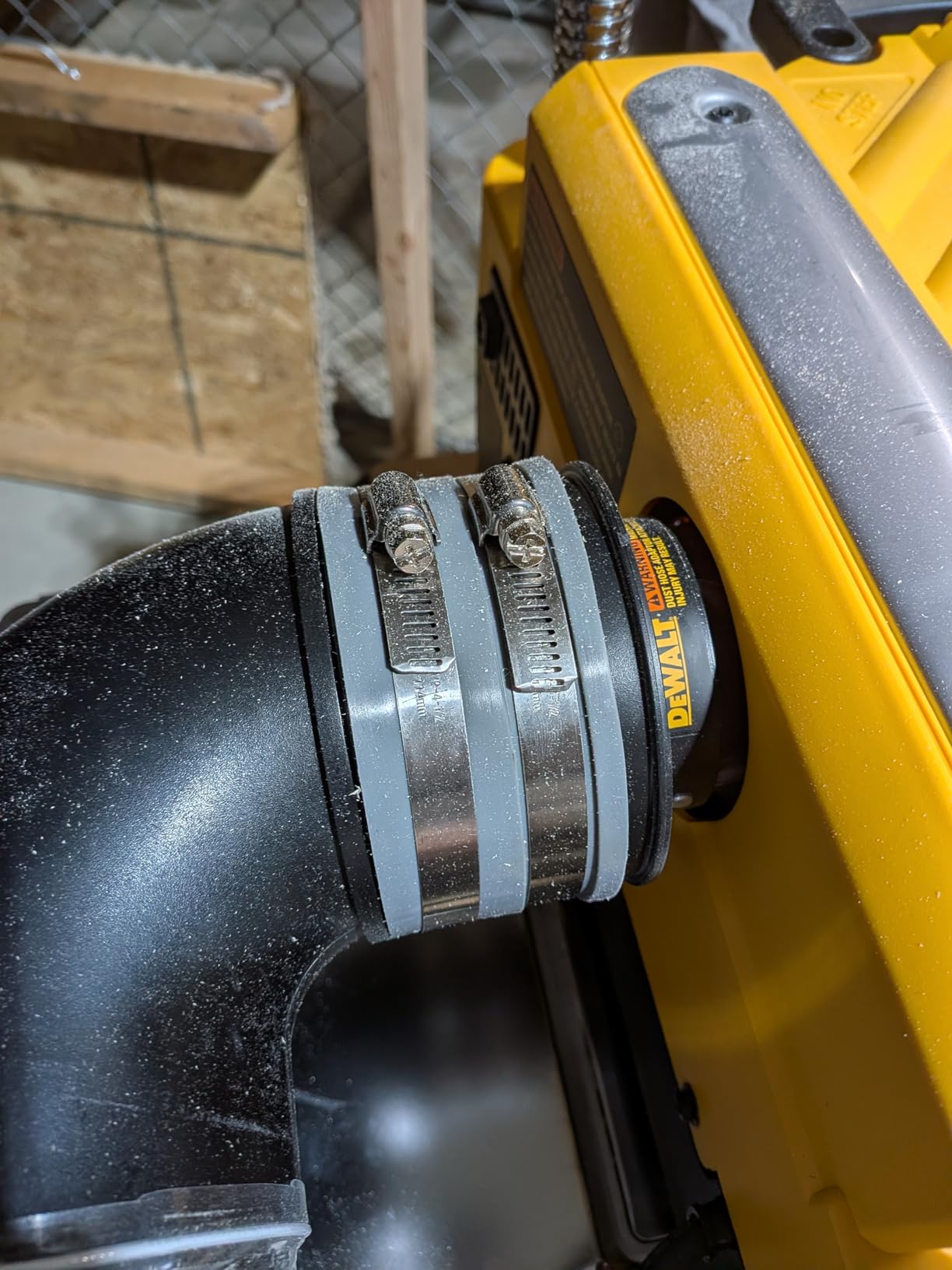
This is the only metal and rubber fitting in the group, and it behaves differently from the all-plastic parts. The 4 inch flat end fastens directly to your machine when space is limited, and a rubber boot provides a tight seal around the collector input.
It is the highest rated item I reviewed, at 4.8 from 203 reviews with 88 percent five-star feedback. Buyers frame it as the fix for hoses blocking the outfeed on planers with overhead ports, and they repeatedly praise the swivel clamp and the sealed boot.
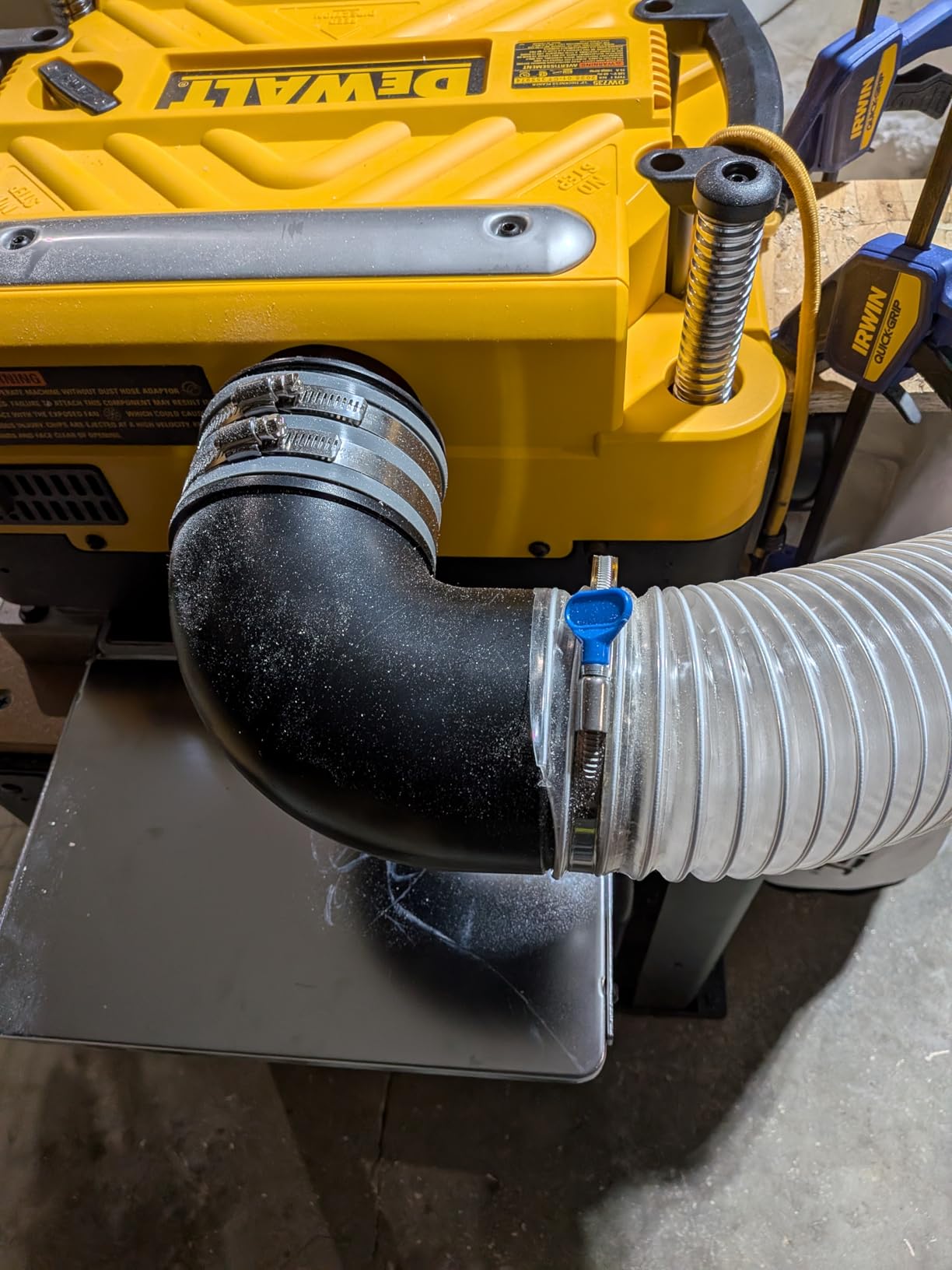
What makes it different is that you can adjust the angle in place. With a dual clamp design you loosen, swivel and retighten without pulling the hose off the machine, which saves a lot of awkward work when the port is behind a cast iron fence or under a table.
Two things to know before you plan around it. It needs the Dust Right handle or a 4 inch hose, sold separately, to complete the run, and on blower powered systems you want the included metal hose clamp to keep it secure against vibration.
Why metal and rubber behave differently under load
Metal does not ovalise, so the clamp stays on an even seal surface and vibration from a blower will not walk it loose. Rubber does not crack in a normal dry shop and takes the diameter differences that trip up rigid plastic joints, which is why the two materials are paired here.
The swivel clamp as a real workflow tool
On a planer the hose direction has to satisfy two constraints that fight each other, clearing the outfeed and reaching the collector. Being able to swing the elbow 90 degrees without disconnecting anything means you can set it, start a cut, and adjust once with the machine running.
When this makes more sense than the plastic elbow
Choose it when clearance is genuinely tight or the port is exposed to vibration. Choose the plastic 90 degree elbow when you are building a hose run on a bench and neither constraint is present.
11. POWERTEC 70126 4 Inch Inlet Flange – Pre-Bored Mounting For Machine Ports
POWERTEC 70126 Inlet Flange, 4 Inch OD Dust Collection Ducting Connector
Flange diameter 5-9/16 in
4 in nominal end at 3-59/64 in OD
Rigid ABS plastic
2.4 oz
+ Pros
- Pre-bored holes simplify mounting to a machine port
- High precision round bore gives a low leak fit
- Rigid ABS resists abrasion and cracking
- Doubles as a dryer duct or HVAC connector
– Cons
- Nominal end runs under 4 in so oversize hose needs a clamp
- Fixed flange orientation leaves little room to rotate
A flange is what you use when the fitting has to be bolted to something rather than slid onto a hose. It is the cleanest way to terminate a run at a machine port or at a collector inlet, and this one has pre-bored mounting holes so there is nothing to measure first.
The flange diameter is 5-9/16 inches and the 4 inch nominal end measures 3-59/64 inch outside and 3-23/32 inch inside. At 2.4 ounces it is the lightest item in the group and it is rigid ABS with a high precision solid round bore.
Owners treat it as a dependable general purpose flange for 4 inch dust hose and even dryer duct runs, with the pre-bored holes and the precise bore cited as the reasons it seals cleanly. It rated 4.7 with 84 percent five-star feedback across 859 reviews, the strongest distribution among the 4.7-rated parts here.
Why a precise bore matters more than the material
The bore is where the seal happens. A consistent round bore means the clamp or the boot presses evenly around the whole circumference instead of pinching one side, and evenly pressed joints are the joints that stay sealed after a year of vibration.
Using a dust fitting outside the dust system
The manufacturer lists it as usable as a dryer duct connector, and that is a legitimate second use given the rigid ABS body and the 4 inch bore. If you are planning a multi-use duct run, this is a reasonable part to standardise on.
The one limitation to plan around
The flange is fixed, so you cannot rotate the connection to suit the angle of your machine. Plan the mount so the port points where you need it, because the bore itself does not swivel and oversize hose still needs a clamp at the 3-59/64 inch outside diameter.
12. POWERTEC 70138 2-1/2 Inch To 1-1/2 Inch Reducer – Small Reductions Without Rebuilding The Line
POWERTEC 70138 2-1/2-Inch OD to 1-1/2-Inch OD Reducer
2-1/2 in OD to 1-1/2 in OD
2-1/4 in and 1-5/16 in inside diameters
Black ABS plastic
No tool installation
+ Pros
- Lets a small shop vac reach larger 2-1/2 in accessories
- No tool installation
- ABS tolerates impact and abrasion
- Adds flexibility to mixed tool setups
– Cons
- OD versus ID sizing confuses buyers and causes wrong orders
- Reducing diameter lowers airflow under high static load
Reducers look trivial until you meet a shop vac that came with a 1-1/2 inch hose and an accessory that needs 2-1/2 inch. This adapter closes that gap in about ten seconds with a clamp.
The dimensions are explicit. The 2-1/2 inch nominal end is 2-1/2 inch outside and 2-1/4 inch inside, and the 1-1/2 inch nominal end is 1-15/32 inch outside and 1-5/16 inch inside. It is black ABS with corrosion and impact resistance and it installs by slipping and clamping.
It carries the lowest average rating in the group at 4.3 across 1668 reviews, with a wider spread than the rest of the set. The pattern is telling: most of the complaints trace back to ordering the wrong OD versus ID configuration rather than to the build, and reviewers flag that reducing the diameter also lowers airflow under high static load.
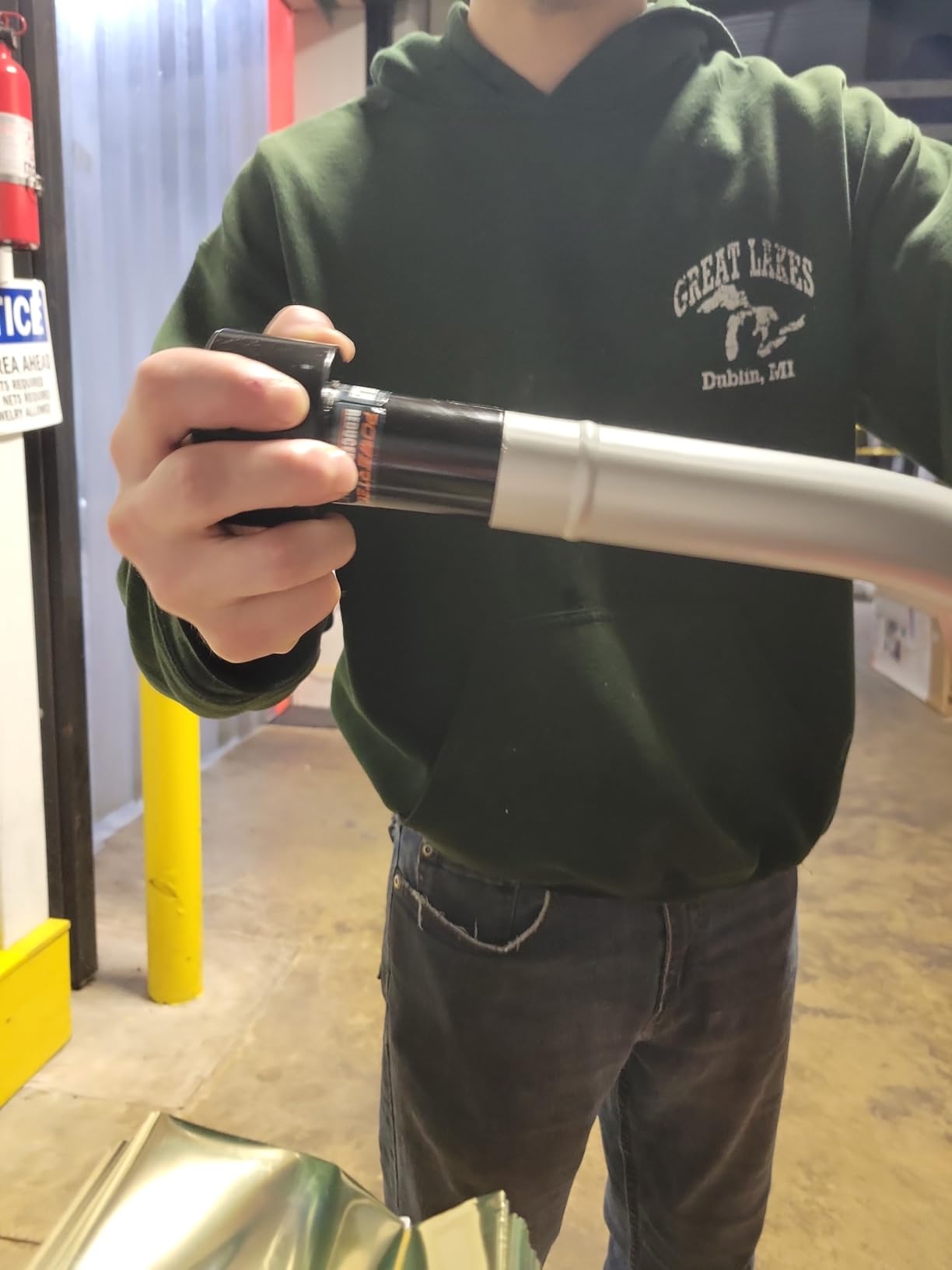
One specification note matters more than the rating does. The 2-1/2 inch OD end suits 2-1/2 inch ID ports. For a 2-1/2 inch OD port you need a different adapter, which is exactly the mix-up behind most of the negative reviews.
How to read the sizing before you order
Measure the outside diameter of the port you want to attach to, not the inside diameter of the hose. If the port measures about 2-1/2 inch across the outside, this reducer is wrong for it. If it measures about 2-1/4 inch inside, this is the part you want.
When a reduction is worth the airflow cost
Reducing is sensible over a very short distance at a machine with a small chip load, and poor idea across a long run where you are already fighting resistance. Every step down raises velocity in the smaller duct, which raises pressure loss faster than most people expect.
How to verify the seal in a minute
Slip the reducer onto both ends, tighten the clamps evenly, then run the machine and hold a tissue near the joint. Any movement of air at the seam means an unevenly seated hose. Push it down further and re-tighten before you reach for tape.
How to Choose Dust Collection Fittings That Do Not Steal Your Airflow
Match the fitting to your collector inlet diameter first
Everything else is secondary. Most 1 HP collectors take a 4 inch inlet, 1.5 HP and 2 HP units commonly take 5 inch, and larger machines move to 6 inch. Buying a 4 inch network for a 5 inch inlet means an adapter that costs you more pressure than anything else in the shop. Measure the inlet flange with a tape measure before you buy a single fitting, and write the number down.
Where you are allowed to step the diameter down
The belief that reducing diameter kills CFM is correct, and the belief that it kills it everywhere is not. Reduce in the last foot or two before the machine, where chip volume is small and capture velocity is highest anyway. Never reduce at the collector inlet, and never run a smaller trunk than the inlet you were given. For context, published duct friction figures put a single 4 inch 90 degree elbow at roughly 0.45 inches of water column and one foot of 4 inch flex hose at roughly 0.28, so a handful of elbows can outweigh several feet of well-run spiral duct.
Threaded and crimp versus clamp versus quick connect
Threaded and crimped metal fittings seal best and cost the most in labour, and crimping needs a press. Clamp-on ABS fittings install with a screwdriver, are the easiest to reconfigure, and are what most home shops standardise on. Quick-connect and magnetic fittings make swaps fastest of all, and the LumberJocks threads on 5 inch fittings show how many builders mix brands, which is exactly where mixing hurts: mismatched receivers leave gaps and weak holds.
Sealing joints and the two minute leak test
Rubber cuffs and properly tightened clamps seal adequately on their own. Metal ductwork wants mastic or rated tape at the seams. Then test before you run anything heavy: start the collector, hold a tissue at each joint, and move along the run. Any movement of air at a seam is a leak pulling room air instead of tool air, and that is the failure that quietly destroys suction while everything still looks installed.
Shop made and 3D printed fittings
Printed fittings are cheap to iterate and easy to size to an unusual port, and reviews in the 4 inch Y thread do compare printed versions favourably against purchased parts. The trade-off is heat and creep. A printed fitting near a drum sander or a sanding drum sees more heat than most filaments enjoy, so keep printed parts in the cool run and use molded parts near the machine.
Grounding continuity across quick connect joints
Every quick connect in a run is a break in the grounding path, and that matters in a dry shop where plastic hose and static are already a concern. Run a dedicated ground wire bonded across the metal ductwork and any collector inlet, rather than assuming the fittings carry it. Metal and rubber fittings like the Rockler elbow make better bonding points than all-plastic assemblies.
Dust Collection Fittings FAQs
What is the best dust collection system for a small shop?
For a one or two machine shop, a compact collector with a 4 inch inlet plus a few hose-side fittings is enough: one hood at the machine, one flex cuff or splice per joint and one blast gate if you run two machines. Buy the fittings before the collector so you know the inlet diameter you have to match.
What type of pipe is best for a dust collection system?
Rigid spiral duct wins on airflow because it holds a smooth full-bore interior, flex hose wins on flexibility and vibration damping, and PVC is easiest to cut but is not rated for every collector. Keep the trunk line rigid and full diameter, then use flex hose only for the last few feet at each machine so a diameter step-down happens right where capture velocity is highest.
Are shop vacs good for dust collection?
A shop vac is fine for handheld tools, a drum sander or a single small machine, but it cannot carry a full duct network and a splitter fitting will let a 2-1/2 inch hose tap off a 4 inch trunk line. If you want two or more machines on one system, a dedicated collector with blast-gated branches gives you more control and stops a shop vac from collapsing under its own suction.
What is the best dust separator for a shop vac?
A drum-style cyclone separator upstream of a shop vac pays for itself by catching chips and fines before they reach the filter, which keeps suction higher for longer between clean-outs. Pair it with a blast gate so you can close the separator off while you empty the drum without losing suction at the tool.
What is the best 4 inch dust collection hose?
Buy hose that matches the fittings you already own, and check the actual bore rather than the label. The fittings in this roundup accept 4 inch ID hose on 3-31/32 to 3-61/64 inch nominal ends, so measure your hose wall and confirm it slides on and clamps tight before you run a full network of them.
Conclusion – Which Fittings Fit Which Shop
If your priority is catching chips at the source with the largest possible mouth, start with the POWERTEC 70169 Mini Gulp Dust Hood, our editor’s choice on the strength of the deepest opening and the largest review base in the group. If your problem is a leaky joint, the POWERTEC 70149 Flex Cuff carries the highest average rating here and fixes the problem that quietly kills suction. If you are branching two machines onto one run, the POWERTEC 4 Inch Y Fitting does it without stacking pressure losses.
For handheld tools off a rigid trunk, add the 4 inch to 2-1/2 inch splitter. For clearance problems at a planer, pick the 90 degree elbow, or the Rockler quick connect elbow when the space is genuinely tight and you want a swivel. Measure your collector inlet and every machine port before you order, and treat the diameter mismatch as the real decision, because that is what separates a sealed network from a leaky one. Those shop air compressors will not fix a leak, but they will fix an underpowered blower that never delivers the airflow the fittings were sized for.
Leave a Reply