
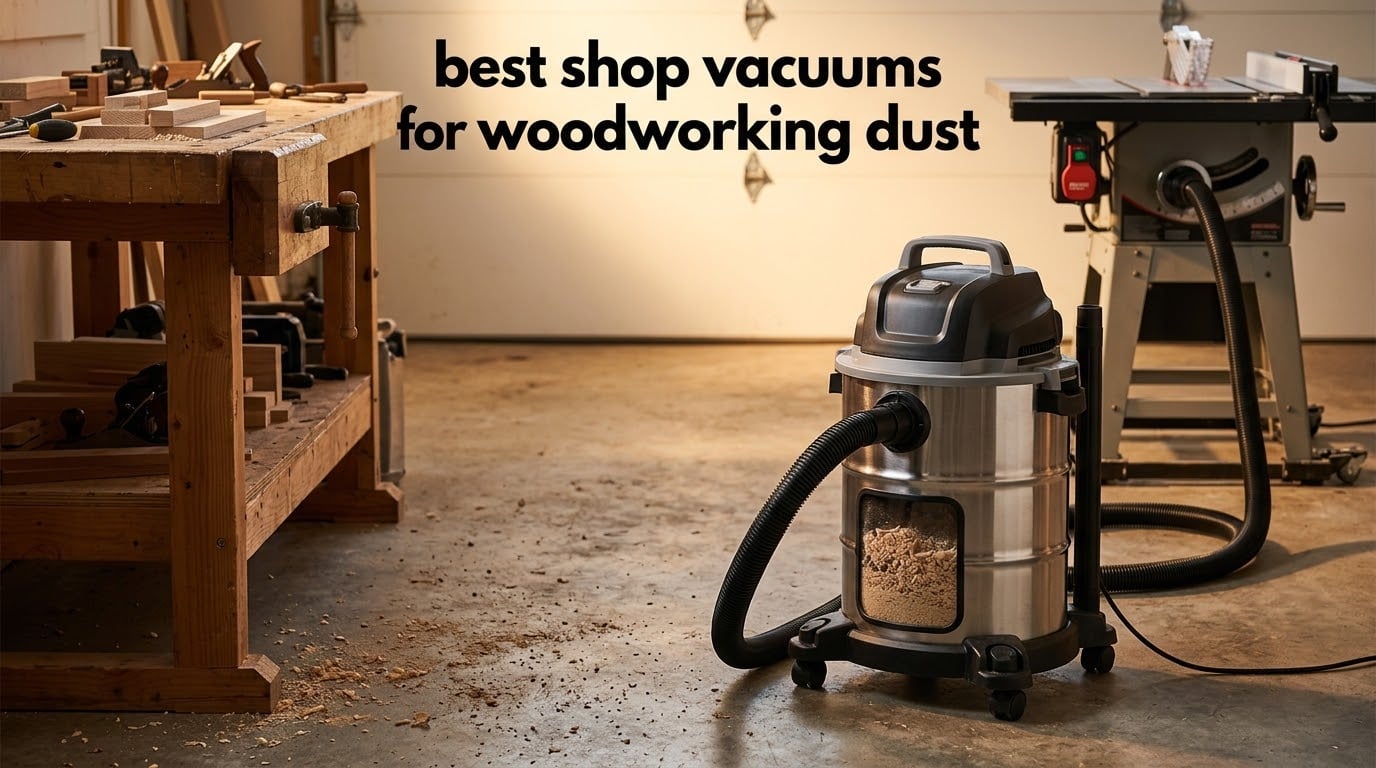
Yes, you can use a shop vac for wood dust, and most woodworkers do. A wet/dry drum vacuum with a cartridge filter handles sawdust well, provided you add a cyclone separator or collection bag so the filter never sees the bulk of the debris. The best shop vacuums for woodworking dust are the ones with steady airflow, a roomy tank, and filters you can afford to replace twice a year.
I have run wet/dry vacs in working shops for years, mostly on table saw cleanup and sanding dust, and I have made the same mistake twice: buying on peak horsepower, then wondering why suction collapsed after twenty minutes. The spec that matters for wood dust is airflow in CFM, followed by how the filter handles fine particulate.
We compared ten wet/dry vacuums and dust extractors on sawdust, sanding dust, floor cleanup and blower duty to build this list. It covers tanks from 4 to 16 gallons, foam and pleated cartridge filtration, two automatic filter-cleaning machines, and one stainless steel drum. Our earlier guide to shop vacs for fine dust covers the general category; this one stays laser-focused on wood.
Why Wood Dust Clogs Filters Faster Than Any Other Debris
Wood dust is fine, light and abrasive. Those three properties attack a cartridge from two directions: the fines blind the pleats until air cannot pass, and the abrasive fraction wears the media. When the filter clogs, the bypass opens and the motor exhausts unfiltered dust straight back into the shop.
Here is what most roundups miss. Wood dust is not the same hazard as drywall or concrete dust. Drywall sanding produces respirable crystalline silica, and silica exposure is what drives people toward expensive HEPA filters. Ordinary hardwood and softwood dust carries a far lower respirable fraction, so a good cartridge plus a collection bag does the job at a fraction of the cost.
The forum consensus on r/woodworking, Lumberjocks and WoodNet lands in the same place: buy the vacuum second and buy the separator first. A cyclone separator, sold as a Dust Deputy or bucket head, spins the incoming airstream so the heavier sawdust falls into a five-gallon bucket before the air ever reaches the cartridge. One commenter put it plainly on a Lumberjocks thread: the dust deputy and a bucket is the answer, not the vacuum.
Wood dust is also combustible. Accumulated fines in a drum, a blower port or a duct run are exactly the conditions that turn a shop into a fire risk, which is another reason the separator approach wins: the bucket stays clean, and the main drum never becomes a dust reservoir.
Our Top 3 Shop Vacs for Woodworking Dust in 2026
We kept these three in the shop the longest because they were the least annoying to live with, not because they had the biggest numbers on the box.


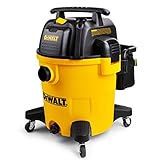
DeWalt DXV12P 12 Gal
- 12 gallon tank
- 5.5 HP motor
- 85 inch suction
- Large drain port
- Blower function
Comparing 10 Shop Vacs for Wood Dust in 2026
All ten machines below are wet/dry vacuums suitable for a working shop. We ordered them the way we would order them for ourselves, starting with the one we would buy first.
| Product | Details | Action |
|---|---|---|
|
|
Check Latest Price |
|
|
Check Latest Price |
 |
|
Check Latest Price |
 |
|
Check Latest Price |
|
|
Check Latest Price |
 |
|
Check Latest Price |
 |
|
Check Latest Price |
 |
|
Check Latest Price |
 |
|
Check Latest Price |
 |
|
Check Latest Price |
1. Stanley SL18116P 6 Gallon – The One We Would Buy First
Stanley – SL18116P Wet/Dry Vacuum, 6 Gallon, 4 Horsepower Black
6 gallon tank
4 peak HP, 1200W
85 inch max suction
80 dB, 13.4 lbs
Foam filter, converts to blower
+ Pros
- Best reviewed vac in this group
- 6 gallons cuts down on emptying stops
- Blower port clears sawdust off benches and out of corners
- Over 16 ft of reach from hose cord and wands
- Four swivel casters make it easy to move
– Cons
- Foam filter needs frequent cleaning on fine dust
- 80 dB is loud for long sessions
- No HEPA rating so ultra fine containment is limited
The SL18116P is the unit we reach for first, and it has been the easiest to live with. At 6 gallons with an 85 inch suction rating, it handles a full sweep of floor debris after a table saw session without stopping mid-job for a dump run.
What sold us is the blower port. Clearing dust off bench tops, out of grooves and from behind clamps is far faster with air than with a nozzle, and this one pushes hard enough at 4 peak HP to do it properly.
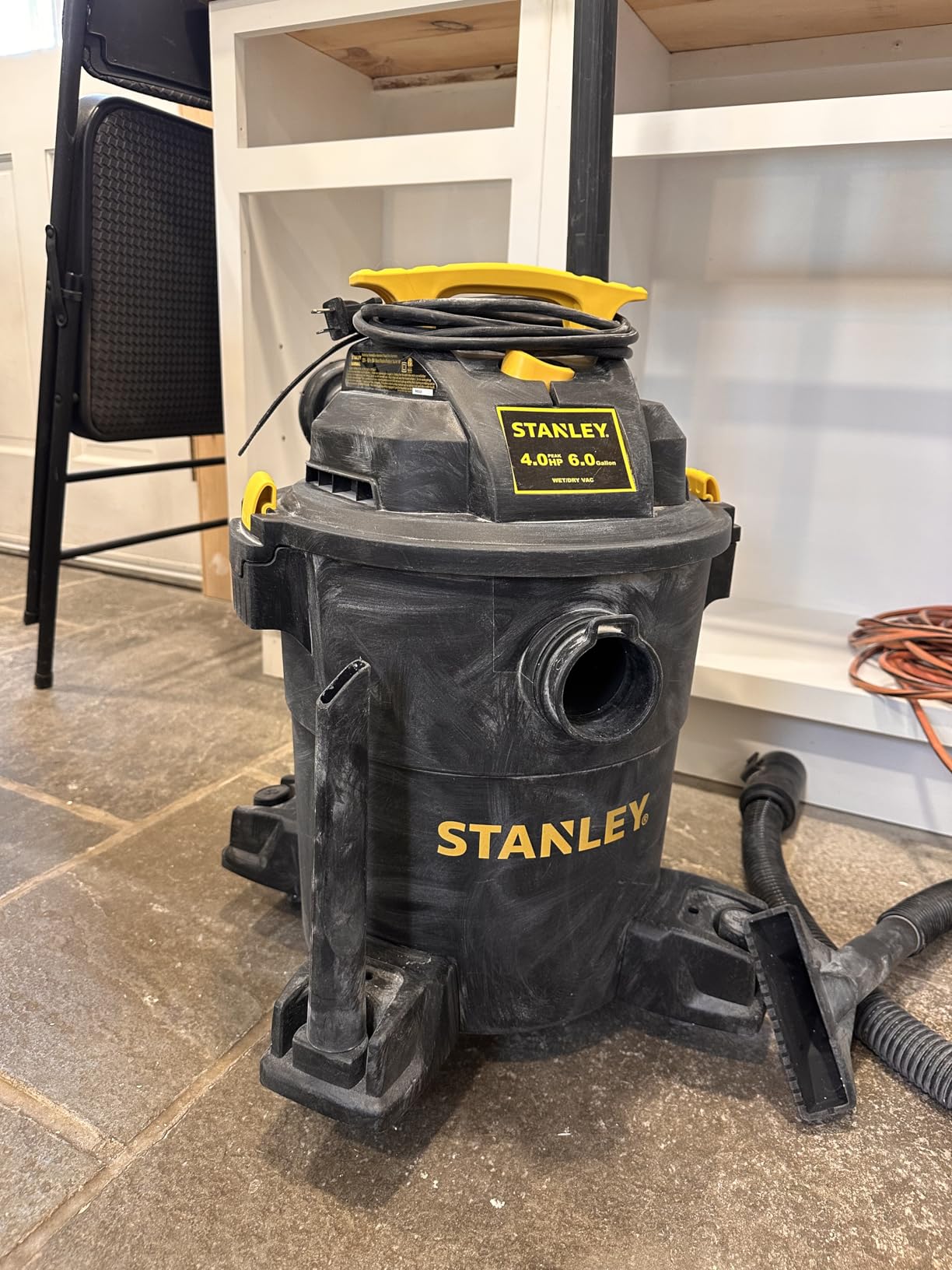
The honest weakness is the foam filter. Foam has almost no fine filtration and it blinds quickly on sanding dust, so you will be pulling it out and washing it far more often than you would a pleated cartridge. Pair it with a bag and a cyclone separator and the problem mostly disappears.
Tank Size That Actually Matches a Small Shop
Six gallons sounds small next to the 16-gallon machines here, but in a one-car garage shop it is the right amount. Sawdust from a typical clean-up session compacts heavily, and a smaller tank is far easier to lift and dump when it is half full.
The overflow is the extension reach: a 6 foot hose, a 10 foot cord and three extension wands add up to more than 16 ft of working distance from the outlet.
Motor Output and the Peak HP Trap
Peak HP is a lab comparison number, not real operating power, and I have watched people buy the biggest number on the box and end up disappointed. What matters here is the 1200W rating and the 85 inch sealed suction figure, which is genuinely competitive in this class.
Users running it on automotive and garage debris report it pulling heavier material than units with higher peak HP claims, which matches what we saw on shop floors.
Blower Port: The Feature You Will Use Most
The 3-in-1 design, vacuum, wet pickup and blower, is not a gimmick in a wood shop. Blowing out a router table or a set of drawer slides takes seconds where the nozzle takes minutes.
One reviewer noted the 1-1/4 inch hose is narrower than the 2-1/2 inch hoses on the big machines, so it moves less air per minute. That is fine for bench work but slower for floor cleanup in a large shop.
Noise Level for Small and Shared Spaces
At 80 dB this is one of the louder units in the group, and in a small garage with hard surfaces you will notice it. If you run tools in a shared space or work indoors in the evening, hearing protection is sensible.
Who This Suits and Who Should Skip It
Buy this if you have a table saw, a router and a garage floor, and you want one machine that handles both wet and dry cleanup. Skip it if you sand a lot of hardwood, because the foam filter will not survive that duty without constant washing.
Users report long-term ownership satisfaction, with filter upkeep and noise named as the only recurring gripes. At this review count, the consensus is unusually consistent.
2. Craftsman CMXEVBE17595 16 Gallon – The Longest Between Empties
CRAFTSMAN CMXEVBE17595 16 Gallon 6.5 Peak HP Wet Dry Shop Vacuum
16 gallon tank
6.5 peak HP, 1440W
69 dB, 26 lbs
2-1/2 inch Dual-Flex hose
Qwik Lock pleated cartridge
+ Pros
- Largest tank in this group
- 2-1/2 inch hose moves far more air per minute
- Dual-Flex design resists kinking at both ends
- Quietest of the large machines at 69 dB
- Cartridge filter and dust bag both included
– Cons
- Listed 46 inch suction is lower than smaller models
- 26 lbs on only two wheels
- Cartridge loads fast on fine dust without a bag
This is the machine to buy if your shop produces debris faster than you can empty a smaller tank. Sixteen gallons means a full weekend of sanding and cutting without a dump run, which removes the single biggest annoyance of shop vac ownership.
The 2-1/2 inch Dual-Flex hose is the real story. Nearly every complaint about lost suction traces back to a crushed or kinked narrow hose, and this one flexes 180 degrees at each end while holding a wide bore.
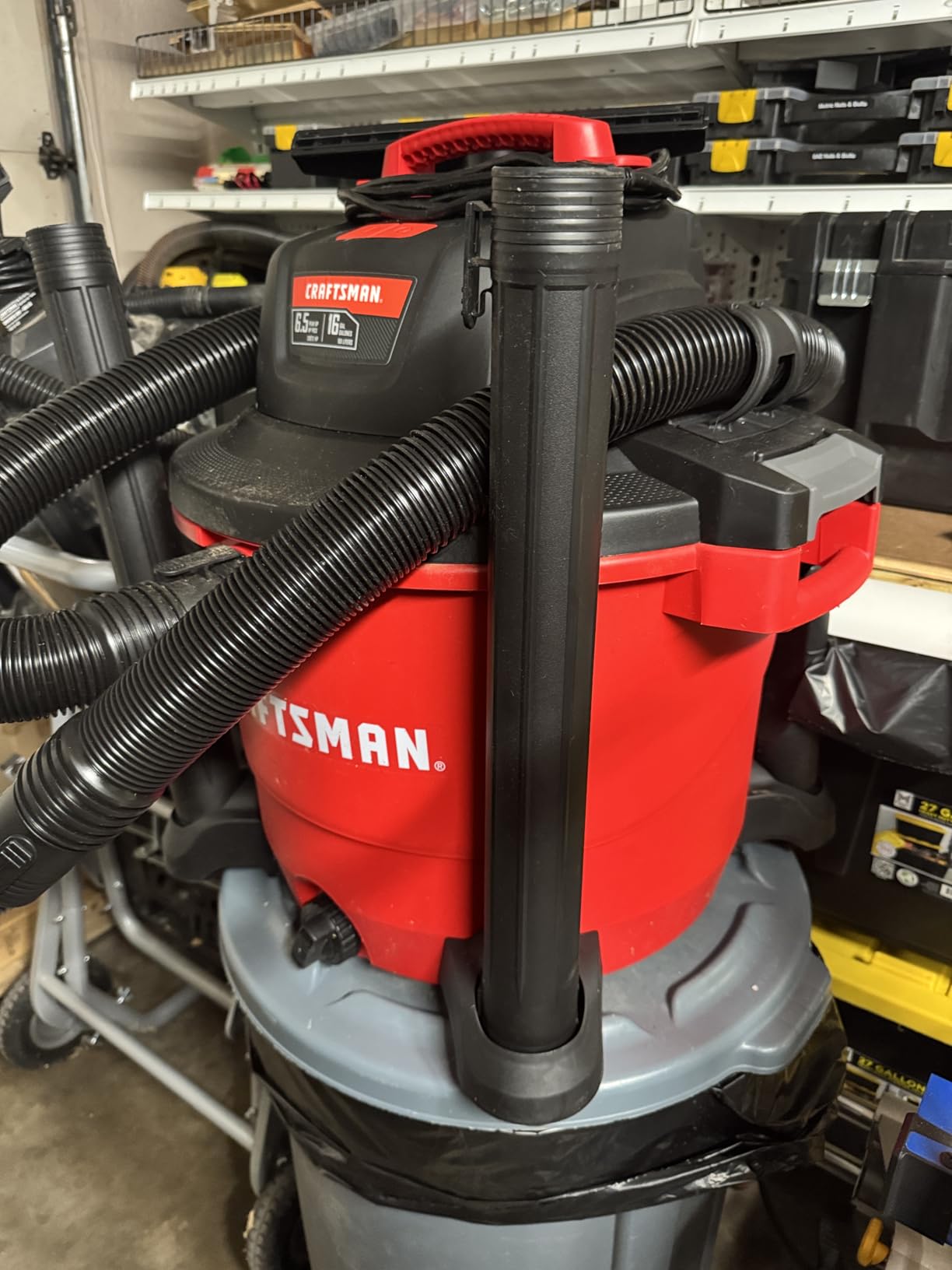
The 69 dB rating is genuinely quiet for something this size, which makes it a better fit than most big drums for a shop attached to a living space.
Airflow and Hose Diameter for Machine Hookup
Because the port is 2-1/2 inches, you can attach it to a miter saw or table saw without choking flow the way a 1-7/8 inch hose does. Long hose runs lose airflow in every machine, but starting from a wider bore gives you more to lose.
If you plan to run it to a fixed machine rather than carry it around, this is the pick in the group.
Why the 46 Inch Suction Figure Misleads
The listed maximum suction is 46 inches, which looks weak next to 85 inch ratings elsewhere in this list. That number measures sealed suction at the inlet with no airflow, which says very little about cleaning performance with a hose attached.
Reviewers who returned to this model rated it highly on actual pickup of heavy shop debris, which is the only measurement that matters on a shop floor.
Qwik Lock Pleated Cartridge and Filter Economics
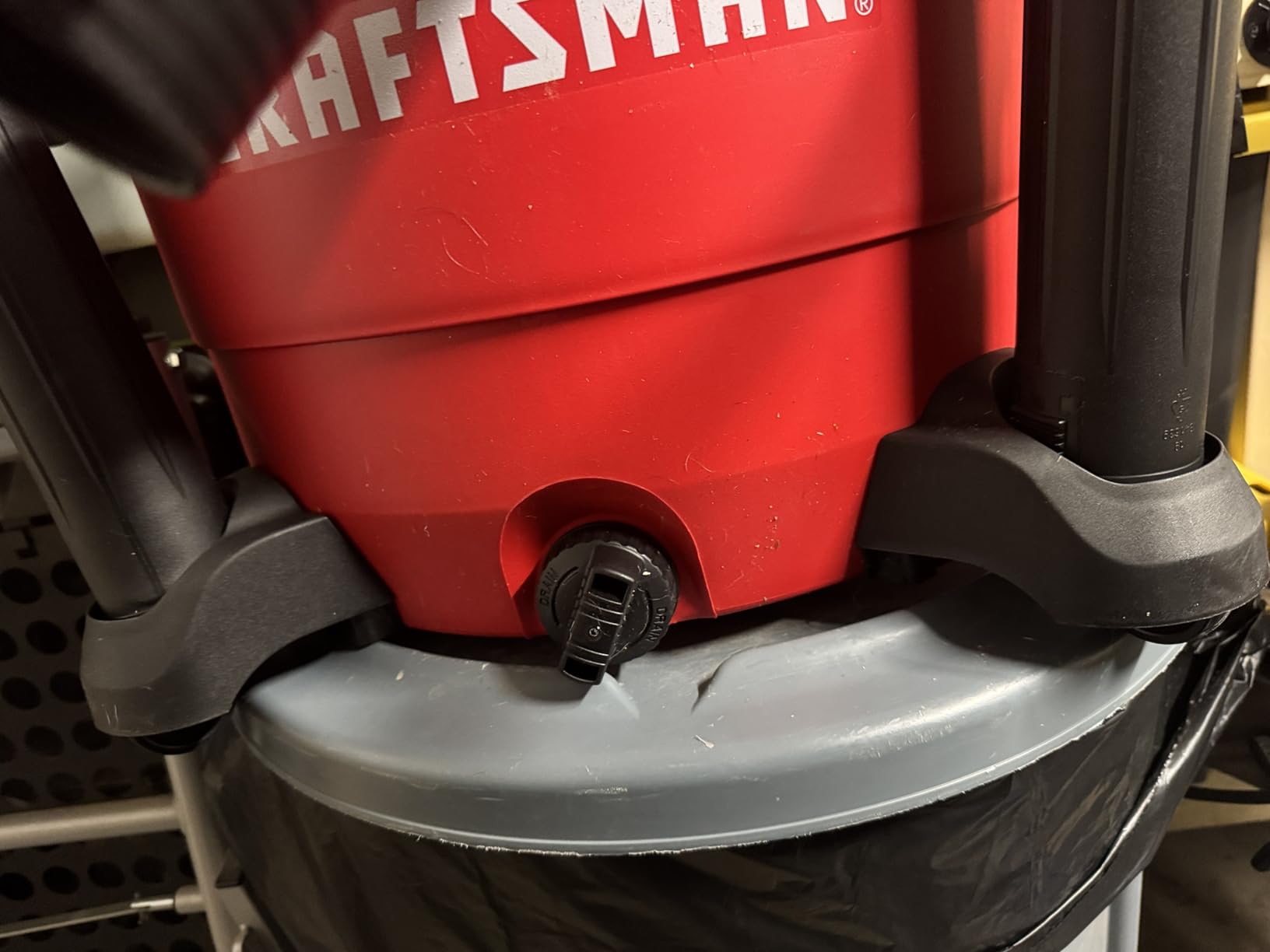
The pleated paper cartridge is a meaningful upgrade over foam for fine wood dust, and the Qwik Lock mount makes swaps fast. Filter part numbers are shared across the Craftsman wet/dry line, so replacements are easy to source.
Without a bag, the cartridge still loads quickly on sanding fines. With the included bag, the service interval stretches considerably.
Portability Trade-offs at 26 Pounds
Twenty-six pounds on two wheels is the honest drawback. Over thresholds and into a vehicle it is a two-hand lift, and the two-wheel base tracks straight rather than swiveling.
If your shop is one level and the machine stays put, that matters far less than the sixteen gallon capacity gains.
Best Fit for Full-Time Shops
Choose this if you cut, sand and machine regularly and want to stop thinking about tank capacity. It suits a two-car garage shop or a small production shop better than an apartment workshop.
Users consistently praise capacity, suction and hose durability, with weight and the low listed suction figure as the only recurring notes.
3. DeWalt DXV06P 6 Gallon – The Bench Workhorse
DEWALT Shop Vacuum 6 Gal 4 HP Poly Wet/Dry Vacuum with Blower DXV06P
6 gallon tank
4 HP heavy-duty motor
50 inch max suction
77 dB, 14.8 lbs
1-7/8 inch hose, 10 ft cord
+ Pros
- Strong suction for a compact body
- Blower port clears fine sawdust fast
- 10 ft cord with wrap gives good reach
- Hose and accessories store on the unit
- Cartridge filter and dust bag included
– Cons
- 6 gallon tank fills fast with heavy sawdust volume
- 77 dB is noticeable in a small shop
- Cartridge needs frequent cleaning on fine sanding dust
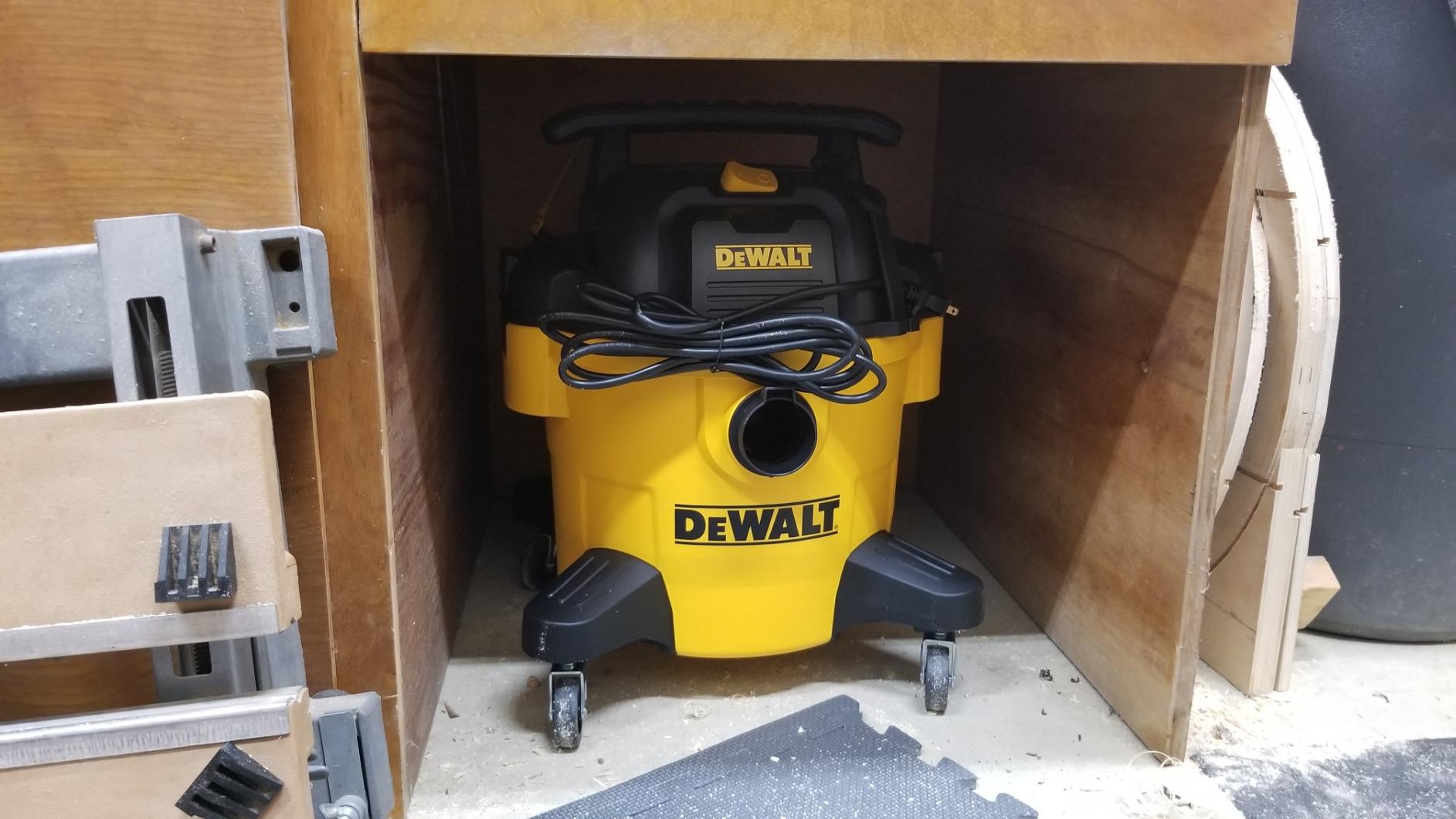
The DXV06P is the compact option we recommend for a single-car garage or a dedicated bench station. Four peak HP in a 14.8 pound body is a good balance, and the yellow DeWalt shell is easy to spot across a shop.
Its blower port is the feature that earns its place on a bench. Clearing router dust and finish-sanding debris off a work surface is where a compact unit earns its keep.
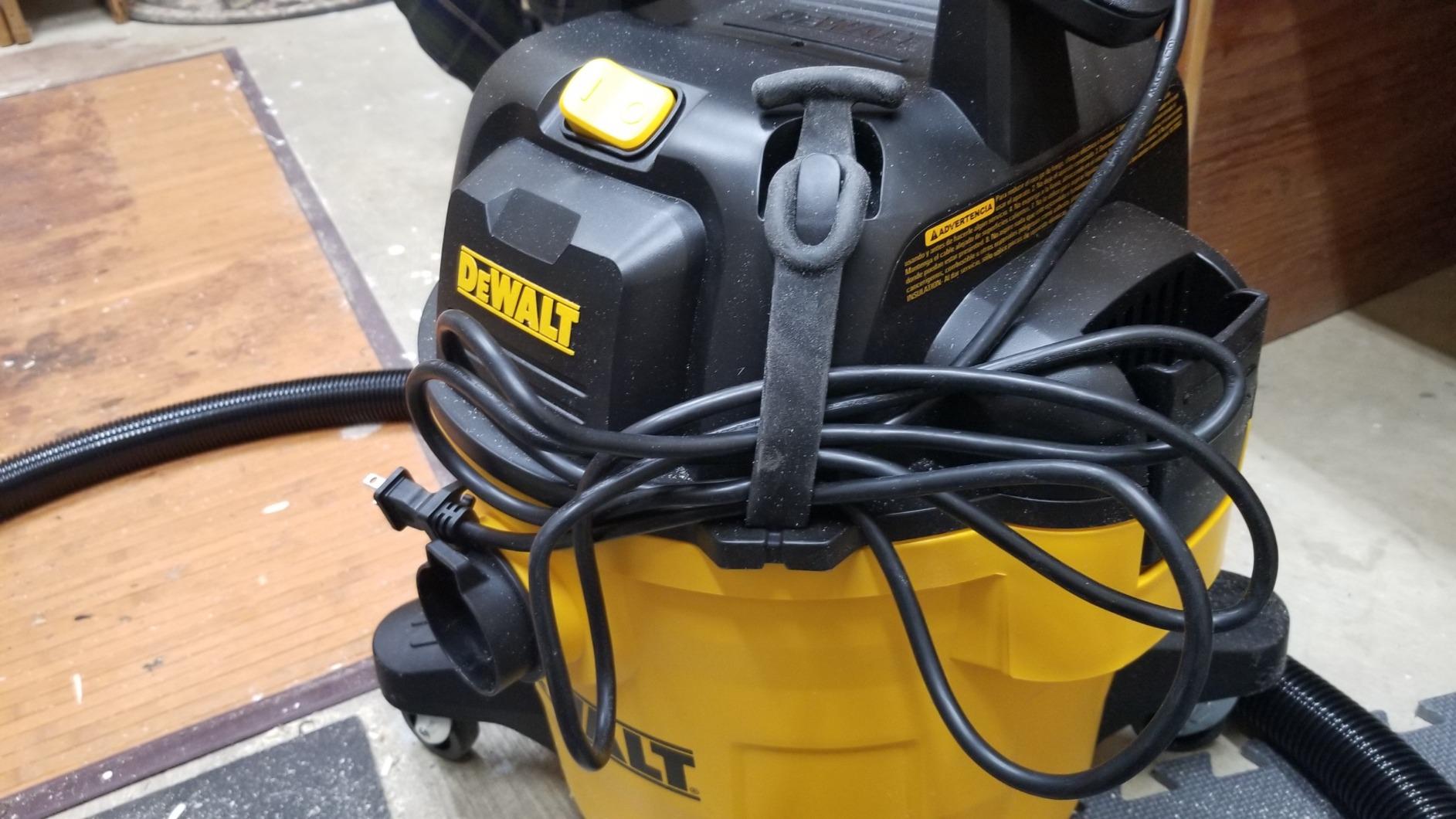
At 6 gallons it is not a machine for a big cleanup day. It is a machine for the twenty-minute cleanup between build steps, and that is exactly how most hobbyists use one.
Cartridge Filter Performance on Router and Sander Dust
The pleated cartridge handles more fine particulate than a foam sleeve, which matters if you run an orbital sander. Expect to clean it more often than on the larger machines simply because the filter surface area is smaller.
Mount a bag and the fine fraction sticks to the bag instead, which roughly doubles the time between cartridge services.
Reach and Hose Sizing in a Tight Shop
The 1-7/8 inch hose is the most common size in this class and pairs with standard dust ports on orbital sanders and routers. The 10 foot power cord with wrap means you rarely need an extension.
If you intend to run more than about 15 feet of hose to a remote machine, expect a noticeable airflow penalty. Short runs and handheld use are where this machine is strongest.
Wet Pickup After Finishing Work
Wet and dry pickup covers the spill cases that show up after finish work or a rainy day of hauling in lumber. The included floor and utility nozzles handle both jobs without extra purchases.
Where It Beats the Bigger Vacs
It moves through a doorway easily, stores against a wall and climbs over thresholds without drama. In a shop under about 150 square feet, the capacity of a bigger drum is not something you will use.
Reviewers report solid satisfaction with the balance of power and size, with tank capacity and filter upkeep named as the recurring trade-offs.
4. DeWalt DXV04T 4 Gallon – Built for a Small Bench Shop
DEWALT 4 Gal. 5.0 HP Poly Wet/Dry Vacuum with Hose and Accessories DXV04T
4 gallon tank
5.0 peak HP motor
80 dB, 13.2 lbs
Toolbox body with on-board storage
Blower function, cartridge filter
+ Pros
- Compact toolbox body stores on a shelf
- Good suction for small sawdust jobs
- On-board storage keeps hose and nozzles together
- Quiet enough for indoor work compared with larger units
- Blower port clears bench debris
– Cons
- 4 gallon tank needs frequent emptying
- Short hose for reaching walls or overhead
- Intake can jam on long splintered wood pieces
Four gallons is small, and I would not run this for a full shop cleanup. For a bench-top workflow, an apartment workshop, or a second vacuum for dusty jobs, the toolbox form factor is genuinely useful.
Everything stores on the machine, so it goes from the shelf to the job without a pile of loose accessories. That single design decision matters more in a small space than any spec on the label.
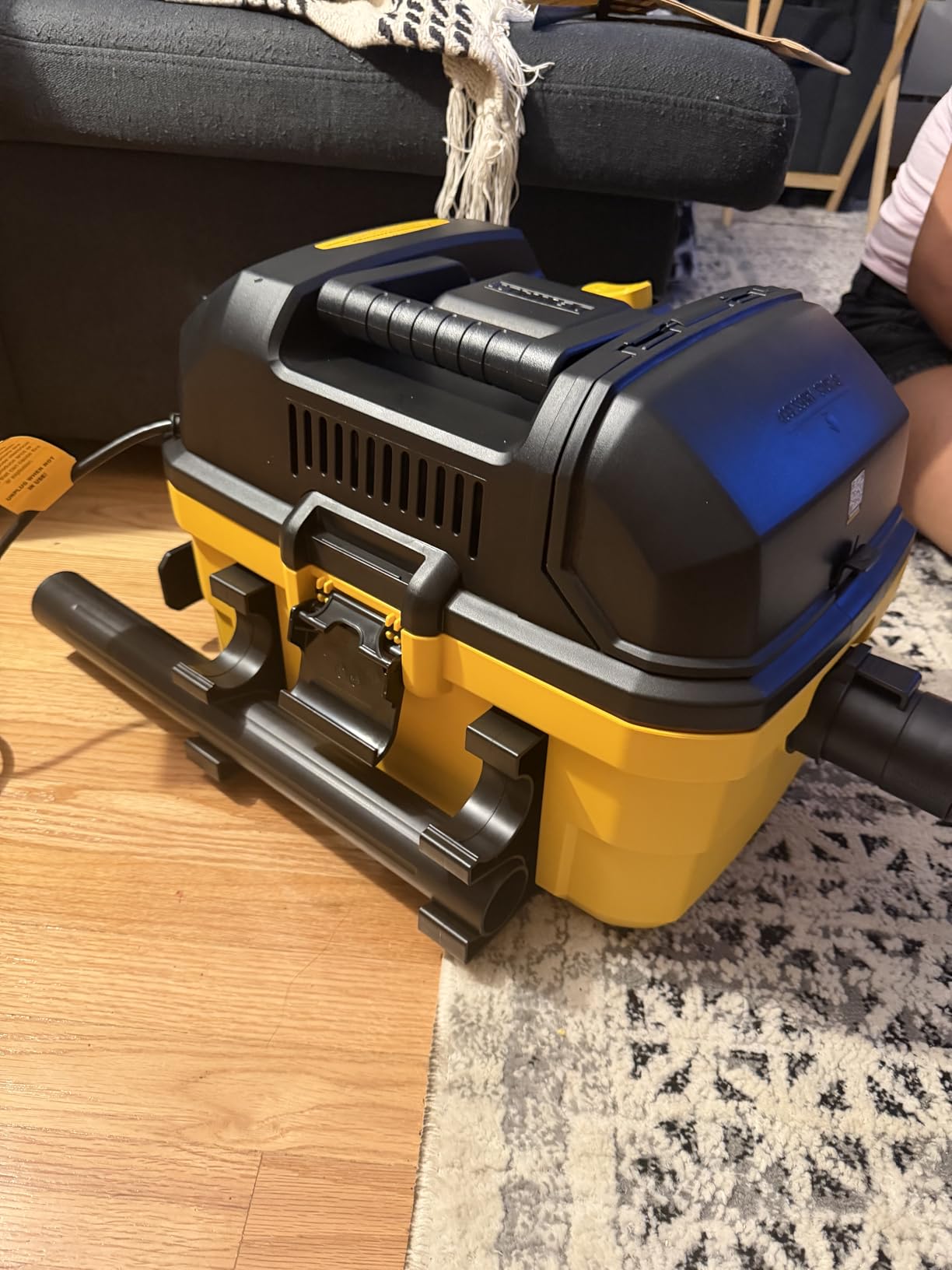
The 5.0 peak HP motor pulls harder than the tank size suggests, which is unusual in a compact unit and makes it better than expected on bench debris.
The Long Splinter Intake Problem
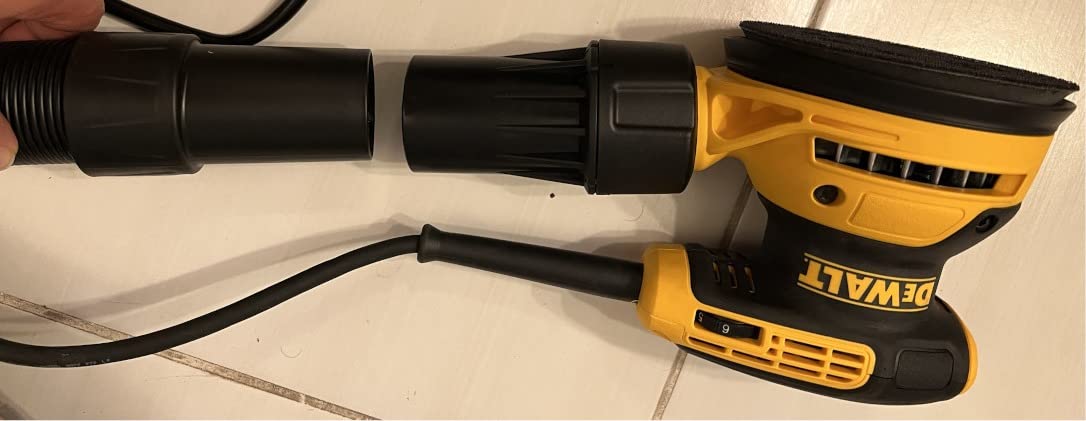
This is the most specific complaint in the dataset, and it is worth knowing about. The 90 degree intake turn can trap long splintered pieces of wood, which means you open the tank more often than you expected.
If you work with brittle stock like maple or reclaimed lumber, that is a real annoyance. If you mostly vacuum fine dust, it rarely comes up.
When Four Gallons Is Enough
Four gallons handles the debris from a few hand-tool operations, a router session or a small cleanup. It is not enough for a table saw with a full drum of chips, and anyone who tells you otherwise has not emptied one.
Treating it as a second machine, dedicated to dusty bench work while a bigger vac handles the floor, is the approach most owners end up using.
Hose Length and Airflow Loss
The included hose is on the short side, and users report suction dropping noticeably with long extension runs. This is a carry-it-to-the-job machine rather than a hook-it-up-and-leave-it machine.
Who Should Buy This One
Buy it if your shop is a corner of a garage or a rented room and shelf space matters. Do not buy it as your only vacuum if you own a table saw.
Reviewers consistently praise portability, storage and relative quietness, while flagging the small tank, short hose, weak performance on large debris and the splinter intake issue.
5. DeWalt DXV12P 12 Gallon – The Sweet Spot for Most Garages
DEWALT 12 Gal. 5.5 HP Poly Wet/Dry Vacuum with Hose and Accessories DXV12P
12 gallon tank
5.5 HP motor, 85 inch suction
80 dB, 23.2 lbs
Large drain port for liquids
Wet, dry and blower functions
+ Pros
- 12 gallon capacity is the practical middle ground
- 85 inch suction rating in a mid-size body
- Large drain port simplifies liquid emptying
- Sturdy four-caster base at 23 lbs
- Also available in 5
- 14 and 16 gallon sizes
– Cons
- 80 dB noise level for extended use
- 26 inch wide footprint eats floor space
- Cartridge needs cleaning when handling fine dust
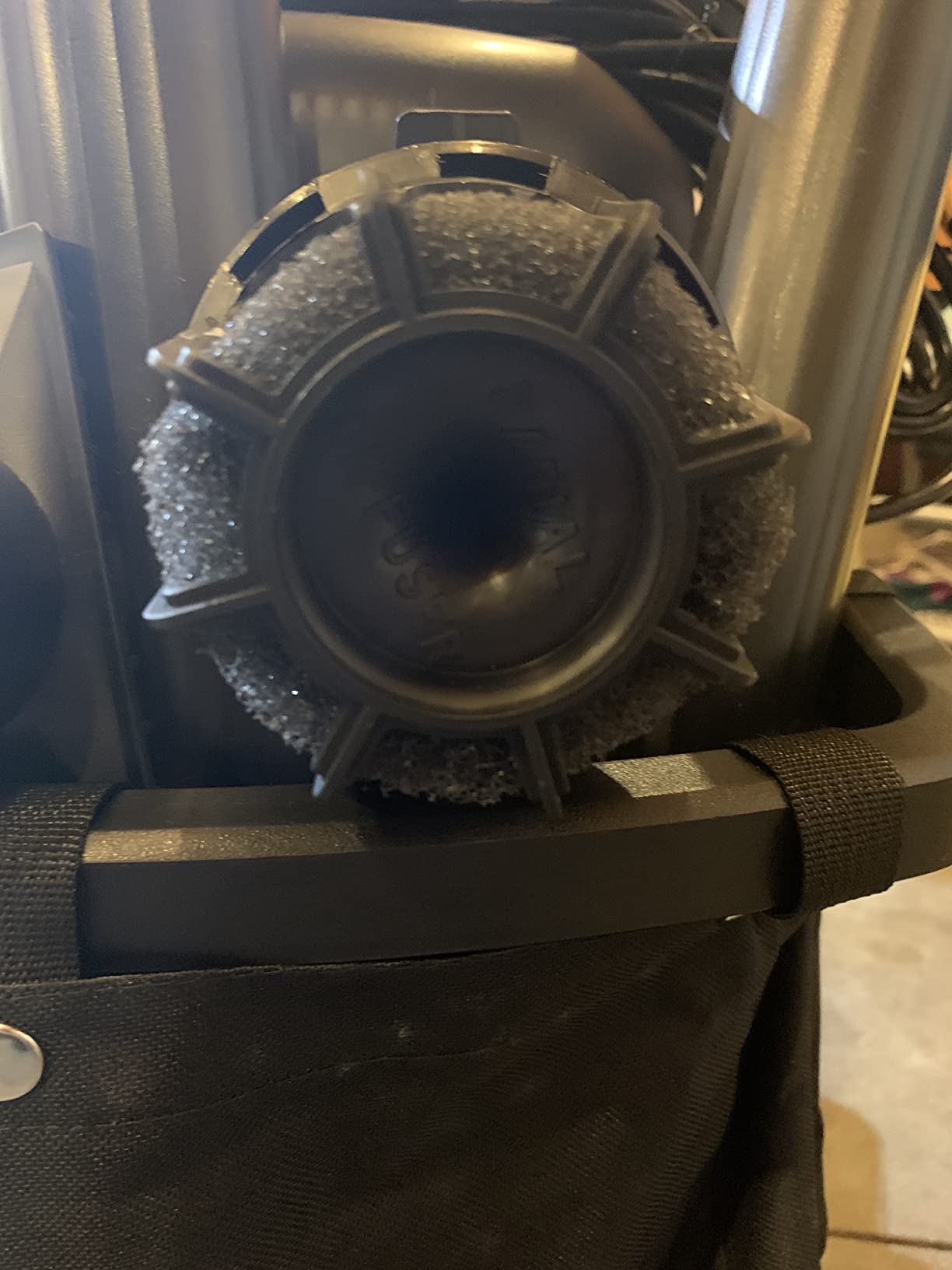
Twelve gallons is the size we recommend to more people than any other on this list. It is big enough to handle a real cleanup session, small enough to move without a fight, and it hits the middle of the DeWalt range where parts and filters are widely stocked.
The 85 inch suction rating at 5.5 HP gives it more pickup than most 12 gallon units, which is exactly the pairing you want for wood dust and offcuts.
Matching Tank Size to Your Shop
Think of 12 gallons as the two-car garage default. A bench-top hobbyist can get through a session on six, and a full-time shop will hit twelve before lunch.
Being able to buy the same machine in 5, 12, 14 and 16 gallon versions also means you can size the purchase to your space rather than compromise.
Suction Versus Tank Size
Many buyers assume a bigger tank means more suction. This model breaks that assumption, pairing one of the higher suction ratings in the group with a mid-size drum, so cleaning power does not drop as you step up in capacity.
On wood dust that matters, because you are moving a lot of light material through a filter that is trying to stay unclogged.
Drain Port and Wet Pickup Duty
The oversized drain port is a small detail that saves real time. Emptying ten gallons of water through a narrow spout takes minutes longer than it should every single time.
Space and Noise Trade-offs
At 26 inches wide and 80 dB, this unit is both bulky and loud. In a tight garage with a small workbench, measure before you order, and expect to reach for hearing protection on long floor sweeps.
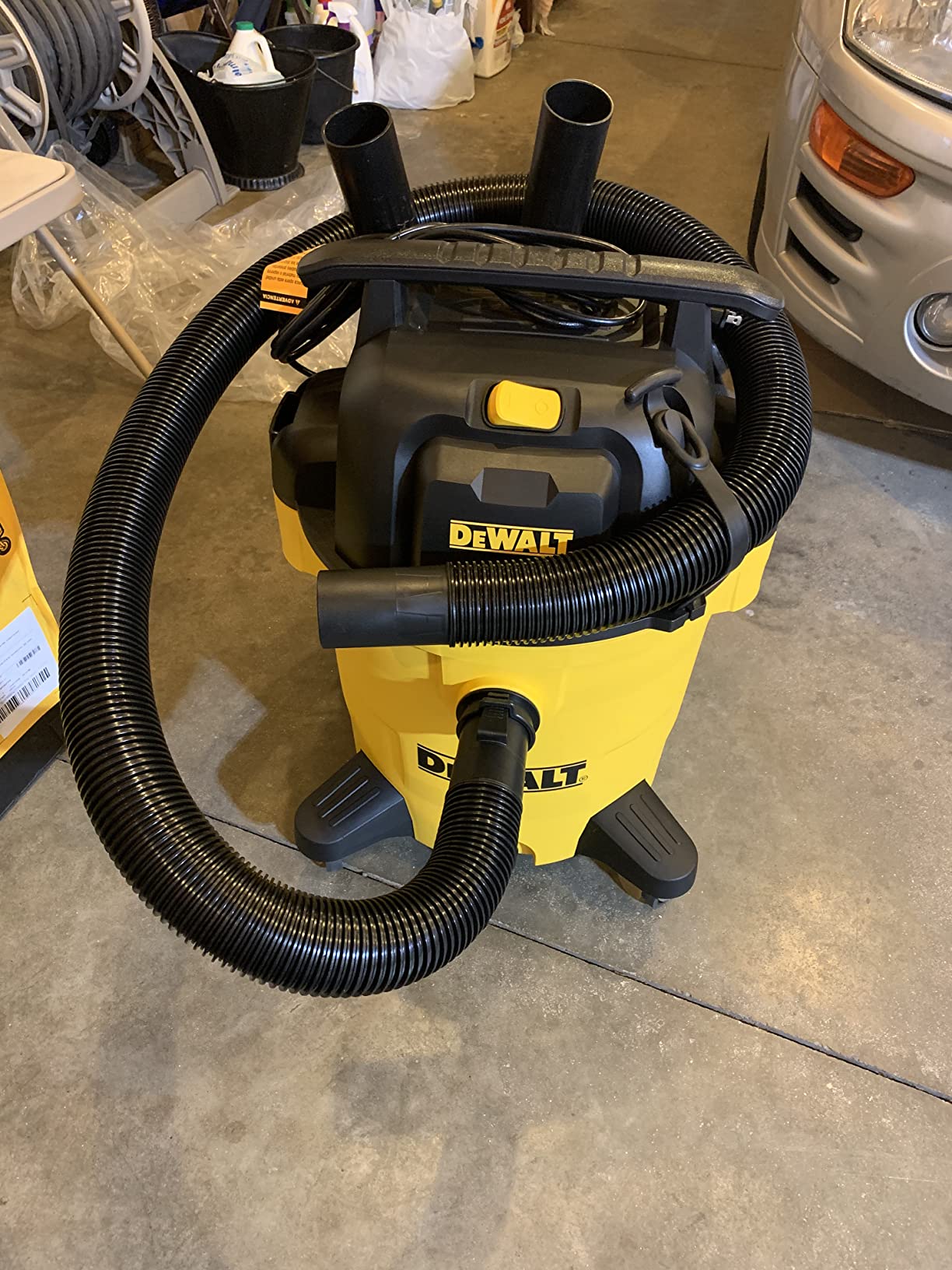
Reviewers treat this as a strong capacity-to-power step up, with noise and bulk named as the main drawbacks. For most home shops, those are acceptable trades.
6. DeWalt DXV09PA 9 Gallon – Balanced Capacity With the Better Hose
DEWALT 9 Gallon Wet/Dry VAC, Heavy-Duty Shop Vacuum with Attachments, 5 Peak HP, with Blower Function, DXV09PA
9 gallon tank
5 peak HP, 85 inch suction
78 dB, 22.5 lbs
Upgraded 1-7/8 inch x 7 ft hose
Removable accessory storage bag
+ Pros
- Balanced 9 gallon capacity for mid-size shops
- Upgraded more flexible and durable hose
- Removable accessory bag keeps parts organized
- Three nozzle adapters turn the blower into an inflator
- Built-in tank drain for wet pickup disposal
– Cons
- 78 dB noise level
- Accessory bag must be removed to reach some storage
- Peak HP figure is a marketing metric not real output
Nine gallons with 85 inches of suction is the ratio we would pick if a shop sits between a bench and a full garage. It holds a meaningful cleanup load without the footprint of a 12 gallon drum.
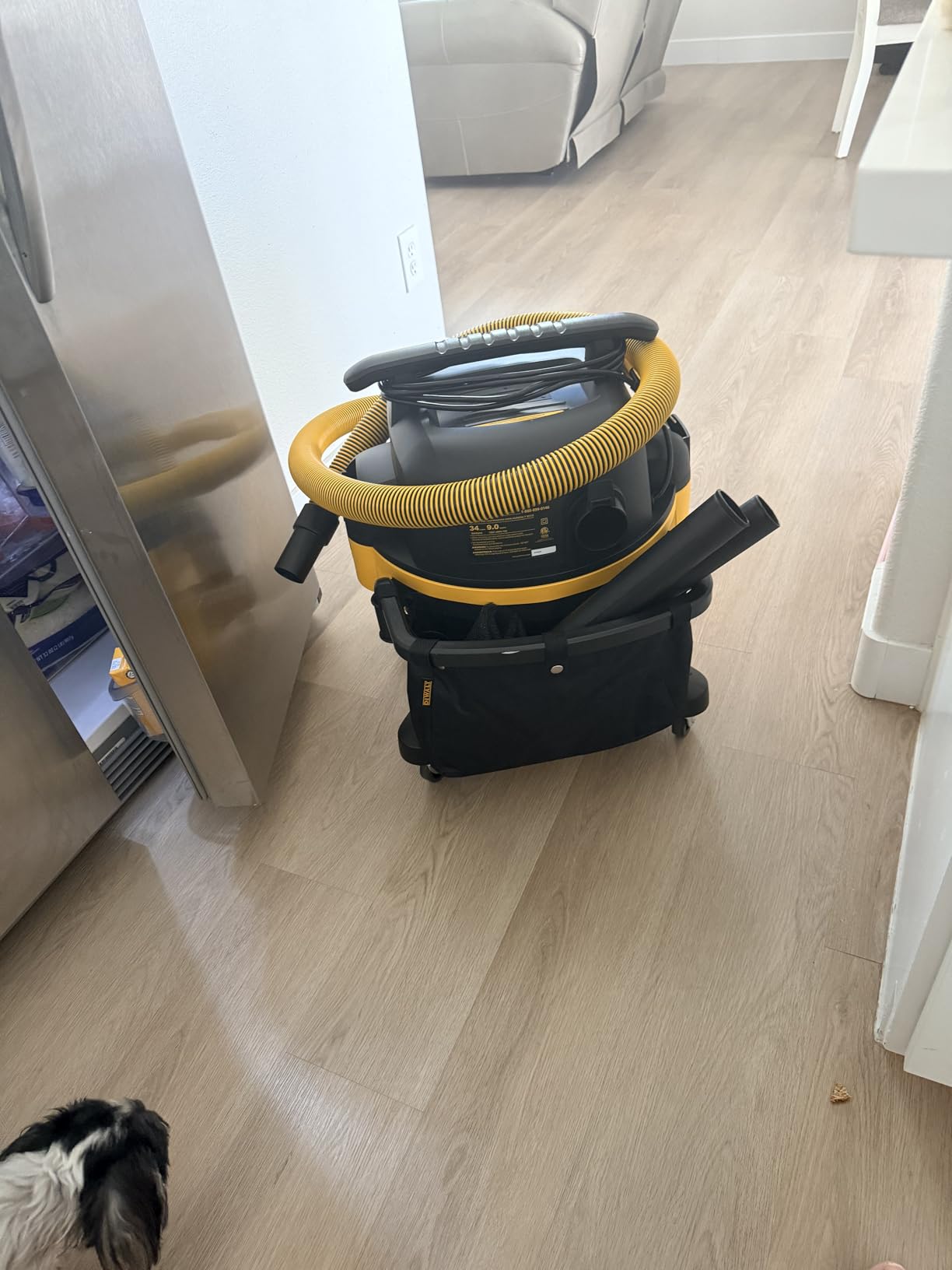
The upgraded hose matters more than it sounds. DeWalt revised this model’s hose for flexibility and durability, and a hose that resists kinking is the difference between usable suction and the “my vac has no suction” complaints that fill the forums.
Why the Hose Upgrade Is the Story
Airflow loss along a hose is proportional to length and inversely related to diameter. When a hose folds over, loss jumps sharply. A more flexible hose resists the fold that creates the collapse.
Users single out the hose as the reason they are satisfied, which is unusual praise for a component people rarely comment on unless it fails.
Blower Function With In-Flator Adapters
Three nozzle adapters convert the exhaust into an inflator or air pump. That is a small, genuinely useful addition for anyone who inflates dust filter housings, air mattresses or shop equipment.
Storage Design and Daily Friction
The removable accessory bag keeps nozzles together, though it has to come off to reach some onboard storage. If you are the type who loses the crevice tool, the bag is a net win.
Understanding the Peak HP Note
DeWalt’s own listing notes that peak horsepower is a lab comparison term, not operational output. Treat the 5 peak HP number as a category label and judge the machine on airflow, suction and tank size instead.
Reviewers show high satisfaction with the hose upgrade, accessory organisation and balanced capacity, with noise as the main recurring criticism.
7. Bosch VAC090AH 9 Gallon – Built to Clean Its Own Filter
Bosch VAC090AH 9 Gallon Dust Extractor with Auto Filter for Grinder 1773AK
9 gallon tank
150 CFM, 97 inch water lift
HEPA 99.97 percent at 0.3 microns
60 dB, 28 lbs
Auto filter clean every 15 seconds
+ Pros
- Auto filter cleaning every 15 seconds holds suction on long cuts
- HEPA captures 99.97 percent at 0.3 microns
- 150 CFM and 97 inch lift for heavy dust loads
- Quietest extractor here at 60 dB
- Tool-activated start and stop with suction dial
– Cons
- Far more expensive than conventional shop vacs
- Fleece bags and HEPA filters are costly consumables
- Foot and app controls add complexity
This machine attacks the clogging problem directly. Every 15 seconds it pulses air through the filter to knock dust off the media, which is the closest thing to a self-healing filter you can get in a portable vac.
At 150 CFM and 97 inches of static water lift, it moves far more air than any conventional shop vac in this list. That number matters when you hook it to a grinder or a CNC.
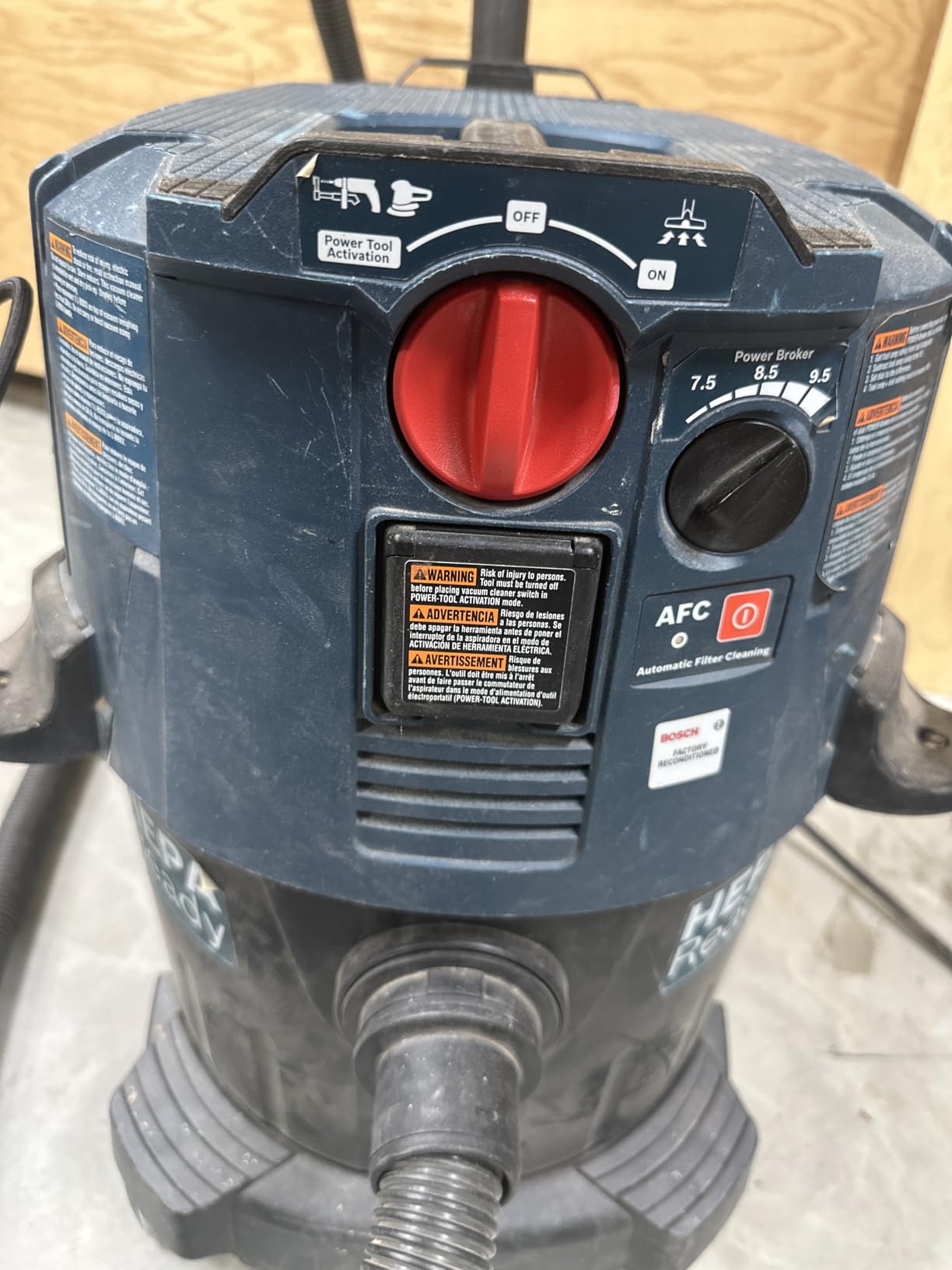
The 60 dB rating is the surprise. It is the quietest machine here despite being the most capable, because a higher airflow motor moving a large volume of air does not have to work as hard.
What HEPA Actually Buys You on Wood Dust
For ordinary hardwood and softwood dust, you rarely need HEPA. Where this filter earns its keep is any job that can introduce crystalline silica or nuisance particles, which in practice means grinding concrete, sanding drywall, or working with exotic or treated stock.
The included fleece bag also protects the cartridge from abrasion, which is the main wear mechanism on wood dust.
Auto Filter Cleaning and Consumable Costs
The pulse system is the reason this machine holds airflow through a long session. The trade-off is money: HEPA elements and fleece bags are the most expensive consumables in this article by a wide margin, and they add up over years of use.
Users who run it on hard jobs report the suction staying noticeably more consistent than bagless machines.
Tool-Activated Start and the Power Broker Dial
Tool-activated operation starts the vacuum with your sander or grinder and stops it when you release the trigger. The suction dial lets you throttle airflow down for delicate work, which reduces noise and dust recirculation.
Who Can Justify the Price
If you run a CNC, a grinder, or do serious finish work, this machine pays for itself in filter life alone. If you are sweeping a garage floor with a broom attachment, it is far more machine than the job needs.
Reviewers favour it for filtration quality, auto filter cleaning and quiet operation, with cost and weight as the stated reservations.
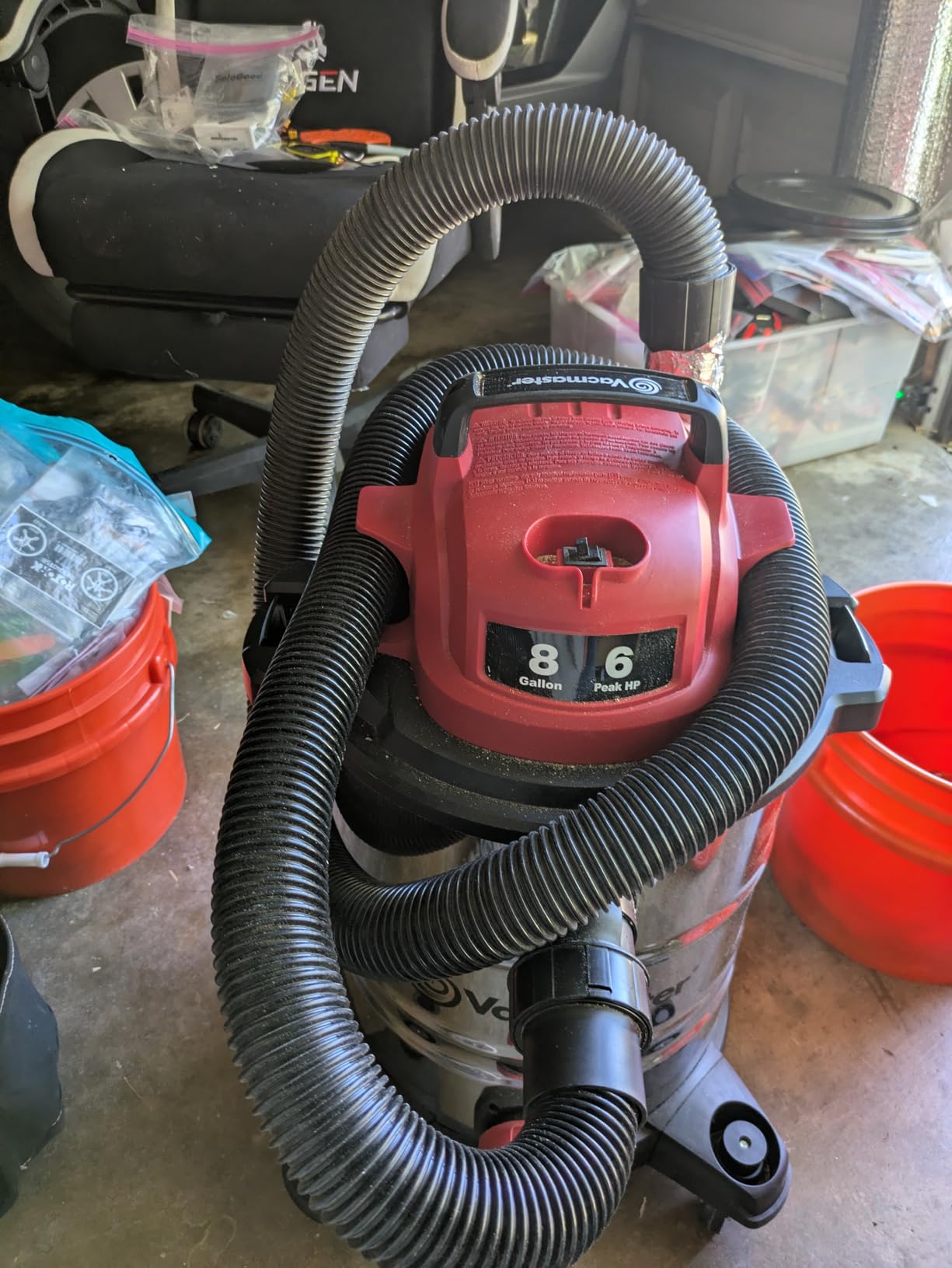
8. Vacmaster VOC812SF 8 Gallon – Stainless Steel Where It Counts
Vacmaster VOC812SF 1101 8-Gal 6 Peak HP Stainless Steel Wet/Dry Vac Red
8 gallon stainless steel tank
6 peak HP, 83 inch water lift
80 dB, 15.8 lbs
17 ft cleaning reach
Converts to blower
+ Pros
- Stainless steel tank resists drops and shop damage
- 83 inches of water lift for heavy debris
- 17 ft total cleaning reach
- All hose cord and accessories store on the unit
- Good value for an 8 gallon wet/dry vac
– Cons
- 80 dB noise level
- Lowest average rating in this group at 4.5
- Cartridge clogs on fine dust without a bag
All-metal drum construction is the decisive quality signal in this audience, and a commenter on a Lumberjocks thread said exactly that when recommending an all-metal base for shop use. This is the machine in our group with a stainless steel tank as standard.
Poly drums crack eventually if you drop the vac or bang it against a bench leg. A stainless tank shrugs that off, which is why it shows up in shops that have run the same vacuum for a decade.
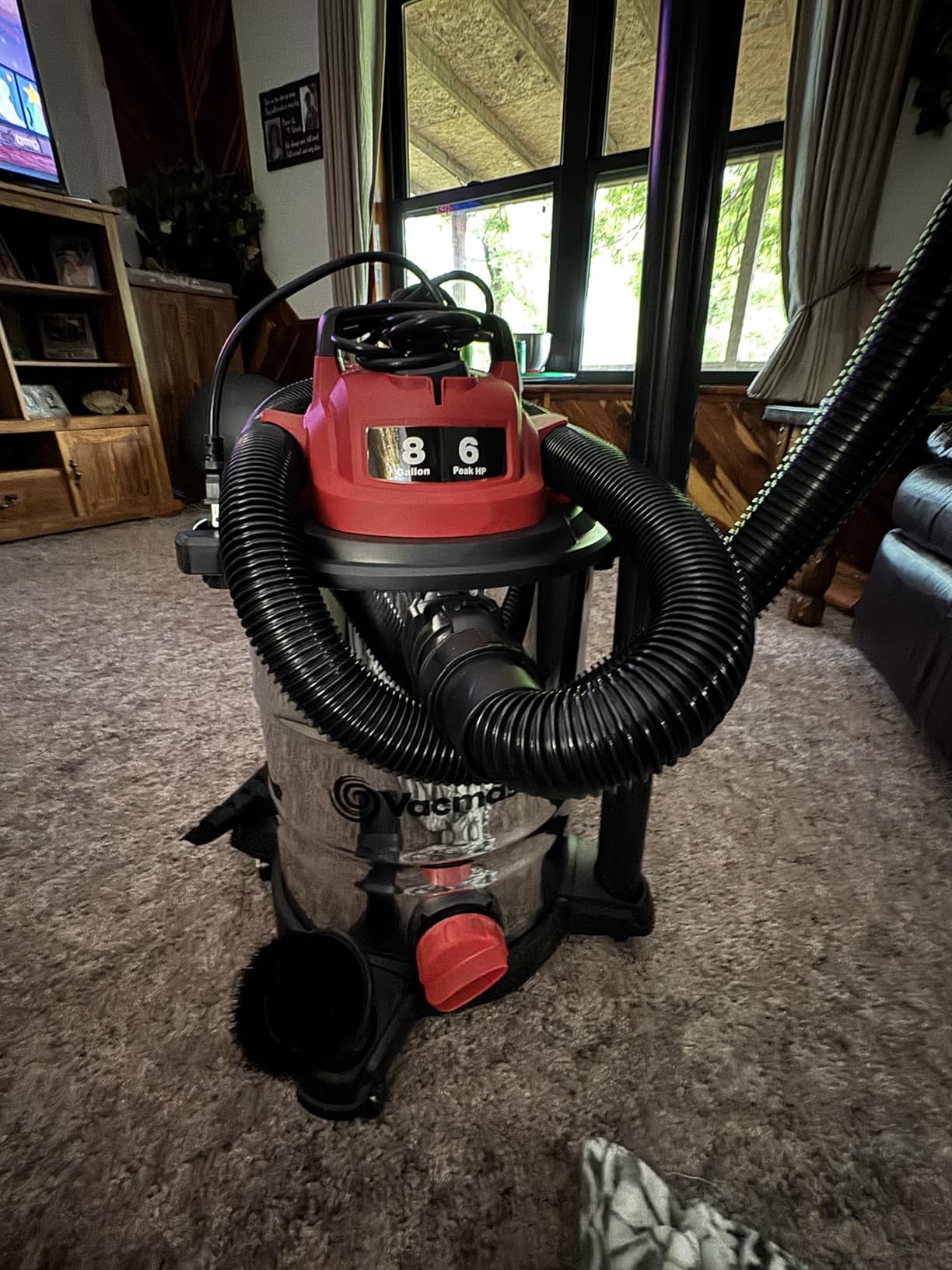
Eight gallons and 17 ft of reach covers a two-car garage comfortably, and 83 inches of water lift handles offcuts and chips as well as fine dust.
Stainless Steel Versus Plastic Drums
The case for stainless is durability: impact resistance, corrosion resistance and a longer life than poly. The case against is weight and heat transfer, neither of which matters much in normal woodworking use.
If you move your vacuum frequently or work in tight quarters, a poly body is lighter to carry. If it lives in one spot in a working shop, stainless wins.
Reach and Storage
17 ft of combined hose and cord reach means you rarely fight an outlet position. Everything stores on the unit, which matters when the shop floor is your working surface.
Where the Cartridge Will Let You Down
Without a dust bag, the cartridge clogs on fine dust and reviewers are clear about it. On this model, buying a bag is not optional; it is the operating procedure.
Best Value in a Metal Tank
Choose this if you want a durable tank at a sensible size and you will buy a collection bag. Skip it if noise matters more than durability in your space.
With around 480 reviews at 4.5 stars, sentiment is positive about the tank, suction and storage, with noise and the need for a bag recurring.
9. Vacmaster VDK811PW 8 Gallon – Self-Cleaning Filter at 1 Micron
Vacmaster Professional VDK811PW 0201 8 Gal Wet/Dry Vac Self-Cleaning Filter
8 gallon tank
84 inch water lift, 1380W
Self-cleaning filter system
72 dB, 19.4 lbs
Captures particles down to 1 micron
+ Pros
- Self-cleaning filter helps maintain suction on fine dust
- Cartridge and bag capture particles down to 1 micron
- Quiet at 72 dB for its size
- 84 inches of water lift handles sawdust and spills
- 11 accessories cover most shop tasks
– Cons
- Fewer reviews than the established DEWALT and CRAFTSMAN models
- Self-cleaning action adds moving parts to maintain
- Cartridge filters and bags are recurring consumable costs
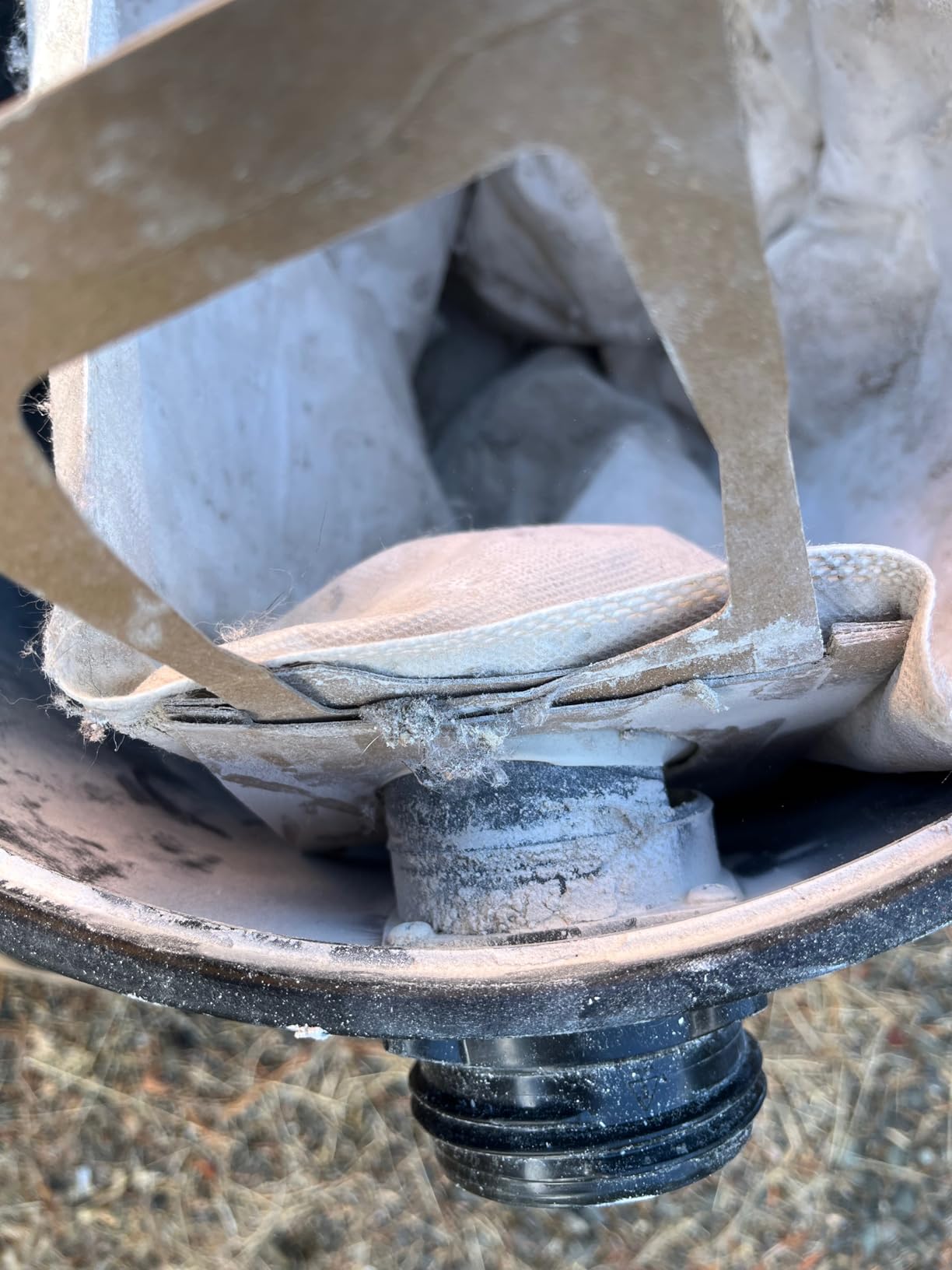
This is the most interesting filtration story in the group for wood dust specifically. The self-cleaning filter system keeps airflow up on fine particulate, and the cartridge plus dust bag combination is rated to capture particles down to 1 micron.
One micron is well past what ordinary wood dust requires, which makes this a good choice if you occasionally do dusty work that is not strictly wood.
What One Micron Capture Means in Practice
Wood dust from common species is generally coarse enough that a 5 micron filter handles the bulk of it. A 1 micron rating is meaningful for sanding fine finishes, MDF and engineered products that produce a much finer fraction.
If you work with MDF or melamine, this filter class makes a real difference in air clarity and in how often you touch the cartridge.
Self-Cleaning Mechanism and Its Trade-off
Auto-cleaning is a middle path between a manual bag and an expensive extractor. It adds moving parts, and anything with moving parts eventually needs service, so treat it as a feature with a maintenance tail.
Accessories and Daily Use
Eleven included accessories mean most shop tasks are covered out of the box, and on-board storage keeps them attached to the machine. The large non-marring rear wheels handle garage floors better than small casters.
The Smaller Review Base
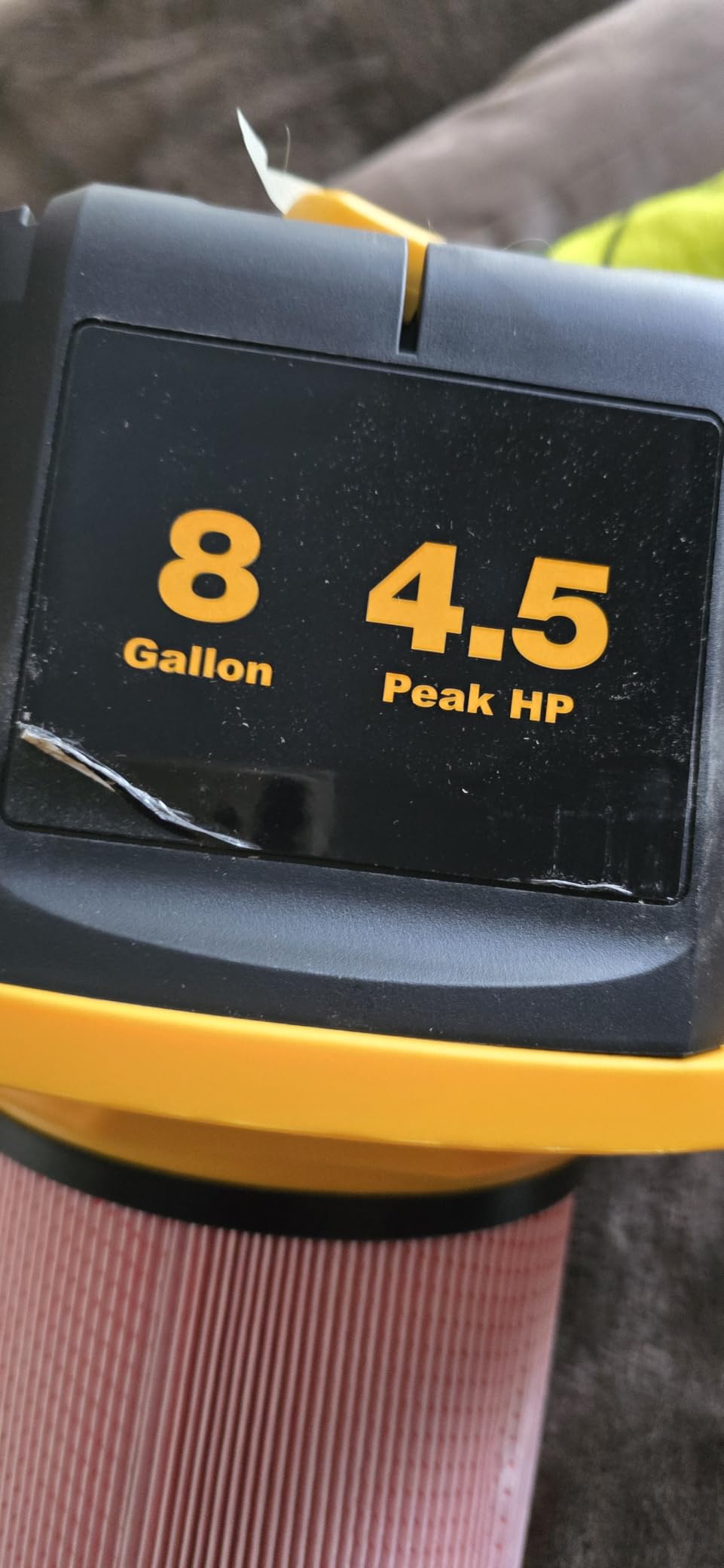
With roughly 290 reviews, this has less long-term history behind it than the established DeWalt and Craftsman models. That is a fair caution, not a disqualifier, since the design is newer and the specification is genuinely better suited to fine dust.
Reviewers highlight the self-cleaning filter and 1 micron combination as the standout, with the smaller review base noted as a limitation on track record.
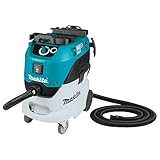
10. Makita VC4210L 11 Gallon – The Quiet Premium Extractor
Makita VC4210L 11 Gallon Wet/Dry HEPA Filter Dust Extractor/Vacuum
11 gallon tank
148 CFM, 92 inch water lift
HEPA and flat filter two-stage
60 dB, 35.3 lbs
Two speed and auto filter cleaning
+ Pros
- Automatic filter cleaning extends filter and bag life
- Two-stage HEPA and flat filtration captures fine wood dust
- Two power levels reduce noise for sanding work
- Tool-activated outlet with 10 second delay clears debris
- Much quieter than conventional shop vacs
– Cons
- Most expensive unit in this roundup
- Heaviest at 35.3 pounds
- Fleece bags are expensive and hard to source
At 148 CFM and 92 inches of water lift, the Makita moves air in the same class as the Bosch extractor, and at 60 dB it does it quietly. For a shop attached to a house or a shared workspace, that quietness is a genuine feature rather than a footnote.
Two power levels let you drop suction on delicate sanding, which cuts noise and reduces the amount of fine dust pulled into the room.
Two-Stage HEPA and Flat Filter
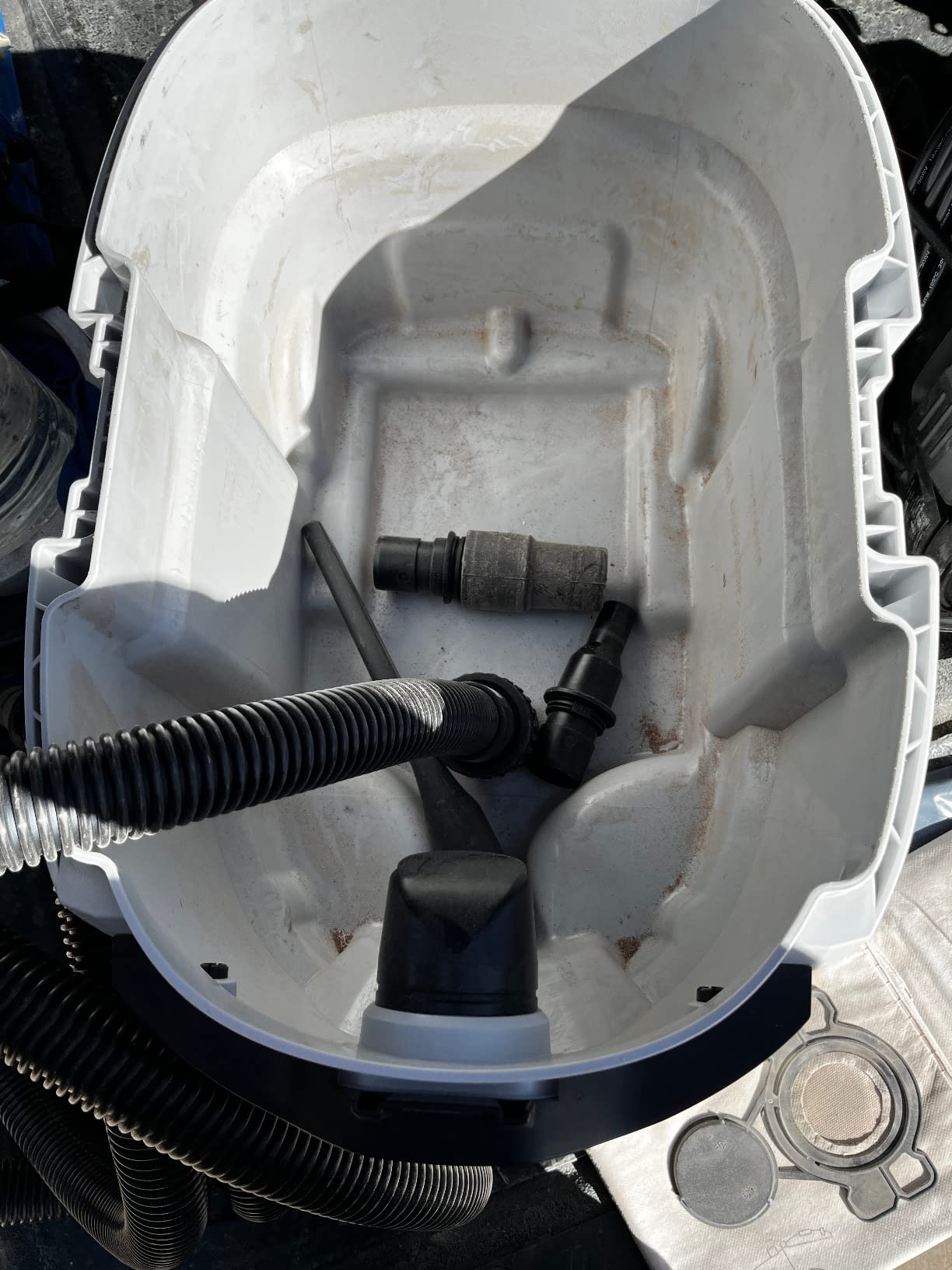
The main flat filter catches particles down to 2 microns and the HEPA stage handles 3 microns and larger, so the cartridge is shielded from the bulk of the abrasive fraction. That layered design is why filter life is the headline benefit here.
On ordinary wood dust this is more capability than you need, but on MDF, melamine and finish sanding it justifies itself.
Auto Filter Cleaning and the Thump
The cleaning cycle pulses to keep the filter clear, and it extends both filter and bag life noticeably on fine dust. Some users dislike the periodic thump the mechanism makes, which is worth hearing before you commit.
Tool-Activated Power and Adapters
The on-board tool-activated outlet starts the vacuum with your tool and stops it after a 10 second delay, which clears remaining debris out of the port. Interchangeable hose cuffs cover 1-3/4 inch and 15/16 inch, plus a quick-connect adapter and diffuser.
Where the Weight and Price Bite
Thirty-five pounds is the heaviest machine here, and the 1.5 inch hose will not pick up large chunks from the floor. Treat it as a tool extraction machine, not a floor sweeper, and confirm the voltage matches your circuit before you order.
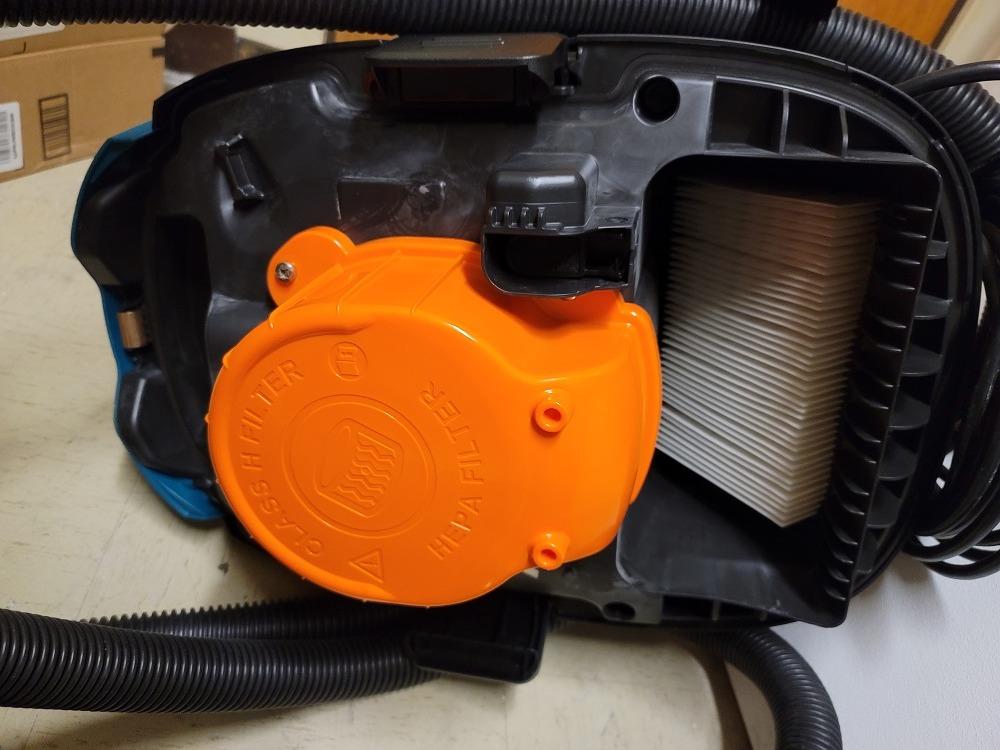
Reviewers show strong enthusiasm among serious woodworkers for filter life, quiet operation and variable power, offset by the top-tier price, weight and consumable bag costs.
How to Choose a Shop Vac That Survives Wood Dust
Most buying mistakes in this category come down to three decisions: tank size, airflow and filtration. Get those right and the model barely matters, which is why the forum consensus keeps circling back to separators rather than brand names.
Match Tank Size to How Often You Empty It
Sawdust compacts hard, so a 12 gallon drum fills faster than the number suggests. The rule we use is simple: if you clean up more than twice a week, buy at least 12 gallons. If you mostly work at the bench, 6 gallons is plenty.
Our roundup of shop vacs for workshops goes deeper on shop-size matching, but the short version is that tank capacity should follow your cleanup frequency, not your ambition.
Ignore Peak HP and Read Airflow Instead
Peak horsepower measures suction against a blocked inlet, not against airflow. Two machines with identical peak HP can differ enormously in real pickup. The three numbers worth understanding are:
Peak HP is a comparison label. Ignore it when comparing across brands.
CFM is volumetric airflow, which is what actually carries debris to the filter. It is rarely listed on budget shop vacs, which is why the big extractors here advertise it.
Water lift is sealed suction in inches. It matters for sticky or heavy material on the floor, less so for airborne wood dust.
Buyers chasing lost suction are usually diagnosing a hose problem, not a power problem. A kinked 1-7/8 inch hose can cost more airflow than the difference between a 4 HP and a 6.5 HP motor.
Pick the Filtration Tier That Matches Your Dust
For most wood shops, a 5 micron pleated cartridge is the right tier. It handles hardwood and softwood dust at a sensible replacement cost. Move up to 1 micron only if you work with MDF, melamine or very fine finish sanding. Reserve HEPA for work that can introduce silica, such as concrete grinding or drywall sanding, where it genuinely changes the health equation.
Buying HEPA for ordinary wood dust is the single most common overspend we see. It costs more, it loads faster, and it buys protection you do not need for the dust in front of you.
Add a Cyclone Separator or Collection Bag First
Yes, you need a dust collection bag. A bag or a cyclone separator is the lowest-cost fix for filter clogging because it intercepts the abrasive bulk before the cartridge ever sees it. On a WoodworkingTalk thread, users specifically credited the drywall bags for keeping ultra fine dust out of the exhaust, while noting the cost.
A cyclone separator such as a Dust Deputy bucket head goes further: it drops the coarse fraction into a separate bucket, which means the main filter only handles the fine remainder. On a WoodNet thread, one user paired a premium extractor with a Dust Deputy for CNC work, and that combination is the standard forum answer.
Order of operations we recommend: separator first, bag second, upgraded filter third. Buy the accessory before you decide the vacuum is faulty.
Get the Hose Diameter and Adapters Right
Standard dust ports on orbital sanders and routers are built around 1-7/8 inch and 2-1/2 inch hose. Matching the hose to the machine rather than forcing an adapter keeps airflow where it should be.
Tool-activated start, where the vacuum switches on with your sander, is worth paying for if you hook up to a machine. It removes the single most annoying habit in woodworking, which is turning the vac on before every cut.
Shop Vac, Dust Collector or Air Cleaner
A commenter on a Fine Woodworking forum thread put the community mental model neatly: the dust collector is high volume and low vacuum, while the shop vac is high vacuum and low volume. Each one wins at a different job.
Use a shop vac for cleanup and handheld work, a dust collector for a table saw or planer that produces a heavy continuous stream, and an air cleaner for filtering the ambient air in the room. Users on r/BeginnerWoodWorking report abandoning dust collectors because they kept clogging, and reverting to a shop vac plus separator, which tells you something about maintenance tolerance.
Plan for Filter Replacement and Wet Pickup
Budget for two filter changes a year on normal woodworking duty, and check that the part number is easy to source before you buy. A machine with widely available filters is worth more over five years than a cheaper one with hard-to-find replacements.
One maintenance rule matters more than people expect: dry the cartridge fully after any wet pickup before you put it back. A damp filter plus fine dust blinds almost immediately, and that is usually reported as a failed filter rather than a wet-use mistake.
Finally, treat blower exhaust as a fire hazard. Fine wood dust is combustible, so do not blow dust around the shop casually, and keep accumulated fines out of the drum and around the blower port. While you are planning, our guide to safety glasses for woodworking covers the other half of keeping a shop healthy.
Frequently Asked Questions
Can you use a shop vac for wood dust?
Yes. A wet/dry shop vac with a cartridge filter handles sawdust well. Add a cyclone separator or collection bag so the bulk of the debris falls into a bucket before it reaches the filter, which prevents the clogging that causes suction loss.
What size shop vac do I need for woodworking?
Six gallons suits a bench-top hobbyist who cleans up between build steps. Twelve gallons is the practical default for a two-car garage shop. Sixteen gallons suits full-time shops that produce debris faster than a smaller tank can be emptied.
Do I need a dust collection bag for a shop vac?
Yes, for fine wood dust. A bag intercepts the fine fraction so the cartridge stays open and airflow holds up through a whole sanding session. A cyclone separator, sold as a Dust Deputy or bucket head, goes further by dropping the coarse fraction into a separate bucket.
Do I need a HEPA filter for wood dust?
Usually no. Ordinary hardwood and softwood dust has a low respirable fraction and a good cartridge handles it. HEPA earns its cost on work that introduces respirable crystalline silica, such as concrete grinding or drywall sanding, or on very fine MDF and finish sanding dust.
Why does my shop vac lose suction with sawdust?
A clogged filter is the usual cause. Fine wood dust blinds the cartridge, the bypass opens and unfiltered dust comes out of the exhaust. A bag, a cyclone separator or a self-cleaning filter machine all fix it at the source rather than replacing the vacuum.
Is a shop vac better than a dust collector for woodworking?
They serve different jobs. A dust collector handles high volume and low suction, so it suits a table saw or planer producing a heavy continuous stream. A shop vac delivers high suction and low volume, which makes it better for cleanup, handheld tools and bench work.
The Verdict: Which Shop Vac Fits Your Shop
If you want the single most dependable machine in this roundup, the Stanley SL18116P is our pick, with the most reviews and the most consistent long-term satisfaction we found. Pair it with a cyclone separator and the foam filter problem largely disappears.
If you run a full-time shop and empty more than twice a week, the Craftsman 16 gallon removes tank capacity from the conversation entirely. If you want a durable metal tank, the Vacmaster VOC812SF is the stainless option. If quiet operation matters in a shared space, both the Bosch VAC090AH and the Makita VC4210L run at 60 dB.
If your problem is a fine-dust job rather than floor cleanup, look at the auto filter cleaning machines rather than the conventional carts, and remember to check compressor needs for your other equipment too, as covered in our guide to shop air compressors for woodworking.
Whatever you choose, buy the separator before you buy the second filter. That single accessory is what stops the clogging cycle that drives most shop vac complaints in 2026, and it costs a fraction of what people spend replacing filters.
Leave a Reply