
Most people searching for the best smart thermostats for multiple zones are not really shopping for a thermostat. They are trying to answer one question first: will this thing work with the wiring I already have? Get that wrong and you end up with a box in a drawer, so every pick below starts with a compatibility verdict instead of a feature list. The Amazon Smart Thermostat two-pack is our overall choice because it ships as a pair, which is the single hardest part of multi-zone control, and it is the only option here that pairs with a second unit without any add-on purchase.
I have spent the last few months working through zone boards, damper counts and thermostat wiring diagrams, and comparing all twelve of these models against each other on the four things that actually decide a multi-zone install: zone count, sensor support, voltage type and ecosystem. What I kept finding is that the category splits into two completely different problems. Homes with a real zone control panel and motorized dampers need one thermostat per duct zone and almost nothing else. Homes with a single central furnace need a different answer entirely, and buying a zone-board thermostat for a single-zone system is the most common expensive mistake in this category.
If your system is older and you are not sure what you have underneath the wall, start with our guide to smart thermostats for old homes before you buy anything. If your heat source is a heat pump rather than a furnace or boiler, our heat pump thermostat roundup covers the stage and backup-equipment requirements in more depth. And if the wireless signal in the far end of the house is marginal, fix that first: our WiFi extender picks for dead zones cover the cases where sensors keep dropping off.
The rest of this guide is organized the way I would organize the decision: what kind of zoning you have, then the compatibility check, then the picks, then the questions nobody answers about sensor counts and cost per zone.
Our Top 3 Picks for Multi-Zone Homes in 2026

Amazon Smart Thermostat 2-Pack
- Two units in one box
- Two zones covered immediately
- C-wire required
- Alexa routines and presence zones

ecobee Smart Thermostat Premium
- SmartSensor included
- Additional sensors supported
- Power Extender Kit included
- Occupancy radar and air quality
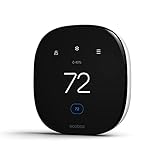
ecobee Smart Thermostat Enhanced
- Occupancy sensing built in
- Add SmartSensors for rooms
- Power Extender Kit included
- Works across major ecosystems
Comparing 12 Multi-Zone Smart Thermostats Side by Side in 2026
Before the individual reviews, here is the whole field in one view. Read the voltage column first, because that single attribute eliminates more incompatible options than any other. Everything on this list is either a 24V low-voltage wall thermostat, a high-voltage line-voltage electric unit, an infrared controller, or a floor-heating controller, and those four groups never interchange.
| Product | Details | Action |
|---|---|---|
|
|
Check Latest Price |
|
|
Check Latest Price |
|
|
Check Latest Price |
 |
|
Check Latest Price |
 |
|
Check Latest Price |
 |
|
Check Latest Price |
 |
|
Check Latest Price |
 |
|
Check Latest Price |
 |
|
Check Latest Price |
 |
|
Check Latest Price |
 |
|
Check Latest Price |
 |
|
Check Latest Price |
Two things stand out. First, the ecobee family appears three times because it is the only brand here with a genuine room-sensor ecosystem at three price points, which means you can mix and match. Second, notice how few of these are interchangeable: the Mysa and Schluter units run on 120V to 240V line voltage, and the Cielo Breez speaks infrared rather than wiring. There is no such thing as the single best multi-zone thermostat for every house.
Which Type of Zoning System Do You Actually Have?
Multi-zone smart temperature control means setting and automating different temperatures for separate rooms or duct zones independently, rather than running the entire home to a single setpoint. A thermostat in a hallway measures the hallway, and the hallway is always the first room to reach temperature, so the bedrooms at the back of the house end up running too hot in winter and too cold in summer. Room-level control fixes that imbalance and stops you paying to condition space nobody is sitting in.
There are two ways to build zones, and picking the wrong one is the expensive mistake. Sensor-based zoning uses one thermostat plus wireless room sensors that the app reads and averages, and it works on a single-zone central system with no ductwork changes at all. System-based zoning uses a zone control board and motorized dampers in the ductwork, and it requires one thermostat per zone, physically wired to the panel.
There is a third route specific to electric systems. For baseboard, radiant floor and fan-forced heaters, each room already has its own circuit, so you install a line-voltage thermostat per room and group those thermostats into named zones in the app. No dampers and no zone board are involved, because the wiring itself is the zoning.
Branch one: you already have a zone board and dampers
If a contractor ever installed a zone control panel in your basement or closet, you have real system-based zoning. Your job is easy: buy one thermostat per zone and confirm each is a standard 24V low-voltage unit with a C-wire, then group them in a single app. The Honeywell T9 and the ecobee Smart Thermostat Premium both handle this pattern well because they support several thermostats under one account and let you weight which room drives the call.
The trap here is assuming you have a zone board when you do not. A house with three existing mechanical thermostats wired in parallel from a single furnace is not zoned, it is just multi-location, and no thermostat in this roundup will make it into a real zone without hardware work. That distinction comes up more than any other in the forums, and it is worth opening your electrical panel to check before ordering.
Branch two: single-zone central forced air
This is the most common case, and the most misunderstood. With one furnace and one air handler feeding every room, you cannot make a second zone by buying a second thermostat; the second unit would just fight the first for the same blower. What you do instead is add remote temperature sensors and let the app prioritize them, which is sensor-based zoning.
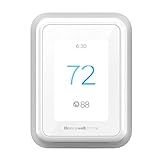
The ecobee Premium is the clearest example because a SmartSensor ships in the box. Buy two more and the thermostat averages or follows whichever room you nominate, so the upstairs bedrooms stop being conditioned off a downstairs reading. The Honeywell T9 does the same thing with optional Smart Room Sensors, and the T9 goes further by letting you assign sensors to specific rooms and time blocks, so the living room leads during the day and the bedrooms take over at night.
Branch three: electric baseboard, radiant or mini-split
Line-voltage electric heating is where most roundups go quiet because 24V thermostats simply cannot do it. The Mysa Smart Thermostat V2 is the only high-voltage option in this list, rated for 120V and 240V baseboards, fan-forced heaters, convectors and radiant ceiling heat up to 1900W at 120V or 3800W at 240V. Its Zones feature ties several of those units together so a group of rooms can share one schedule.
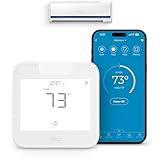
For ductless mini-splits there is a completely different mechanism. There is often no low-voltage control wiring at all, so these systems are controlled by infrared remote, and the Cielo Breez Max replaces the plastic remote with a wall unit that talks to any mini-split, window or portable AC with an IR remote. Its Multi-Zone mode syncs every paired unit to the same setting so the bedrooms cannot end up heating while the living room cools.
One honest gap worth naming: high-voltage central fan-coil systems have no reliable smart solution from anyone in this roundup. If that is what you have, you are looking at a much longer and more specialized project, and no app setting will change that.
1. Amazon Smart Thermostat 2-Pack – The Easiest Path to Two Working Zones
Amazon Smart Thermostat – Save money and energy – Works with Alexa and Ring – C-wire required (Pack of 2)
Pack of 2 units
24V conventional systems
C-wire required
Works with Alexa and Ring
+ Pros
- Two thermostats in one purchase so a second zone needs no second order
- Alexa-native routines and multi-device control
- Honeywell Home hardware platform with app-guided install
- ENERGY STAR certified
– Cons
- C-wire required
- which rules out some older installations
- No dedicated room temperature sensors
- Zoning relies on presence detection rather than temperature readings
The reason this is the overall pick is embarrassingly practical. Every other option on this page requires you to buy a second unit to get a second zone, and that second unit is often sold separately from the first. This one is sold as a two-pack, so the fundamental multi-zone cost problem disappears on day one. It is built on Honeywell Home thermostat technology, which means the wiring conventions and the app-guided install path are the same ones technicians already know.
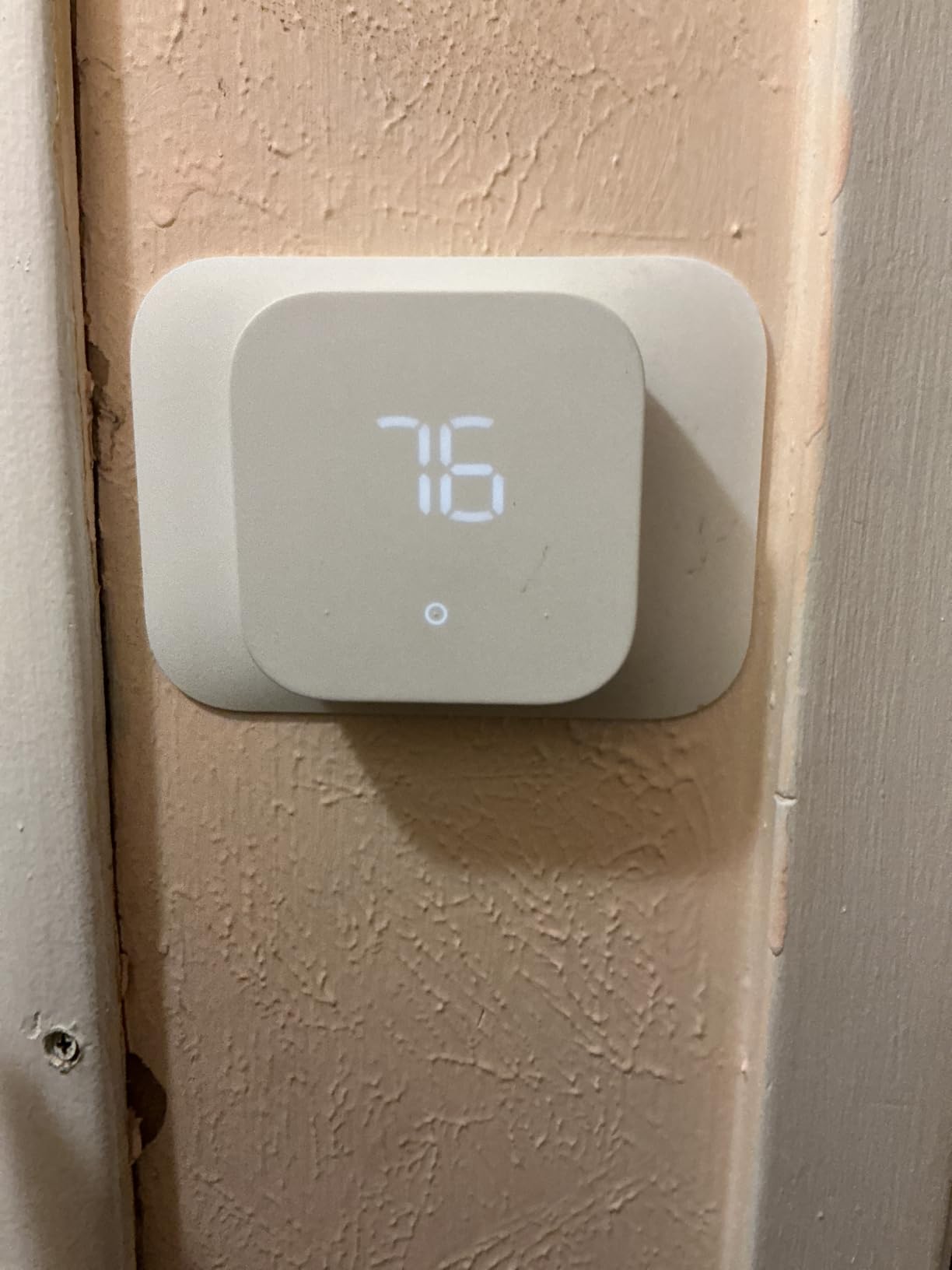
What you give up is precision. There are no remote temperature sensors here, so the system is not reading individual rooms. Instead, the comfort zone feature connects select Alexa devices and adjusts heating and cooling based on presence, which is a genuinely different mechanism from averaging temperatures across a house. Reviewers report the setup is straightforward, but the feature set is thinner than ecobee or Nest and the zoning logic is coarser.
Presence-based zoning versus sensor-based zoning
This is the single most important thing to understand about this pick, because it changes what you can expect. A sensor-based system asks: which room is warmest or coldest right now. A presence-based system asks: is anyone home at all. If your problem is a hot upstairs at night while the downstairs is comfortable, presence detection will not fix it, and you want a sensor platform instead.
Where it does work is vacancy. Home, Away and Sleep schedules plus Alexa automatic control handle the empty-house case cleanly, and a household that is out during the day and home in the evening will get most of the benefit without buying sensors. The ENERGY STAR certification and the EPA estimate of roughly fifty dollars in average annual energy bill savings are manufacturer figures rather than measured results, so treat them as directional.
Requirements and install reality
You need a C-wire, and that is the hard requirement to check first. On a house with a modern HVAC system this is usually already present at the thermostat location. On older installs, running a new C-wire can mean opening walls, and that cost is not something any thermostat brand can absorb for you.
You also need 24V conventional control. That covers standard central gas, oil and electric forced air, but it rules out line-voltage baseboard and radiant systems entirely. This is a good pick for a two-story central-air home that wants two thermostats and one app, and a poor fit if you are chasing individual room temperatures.
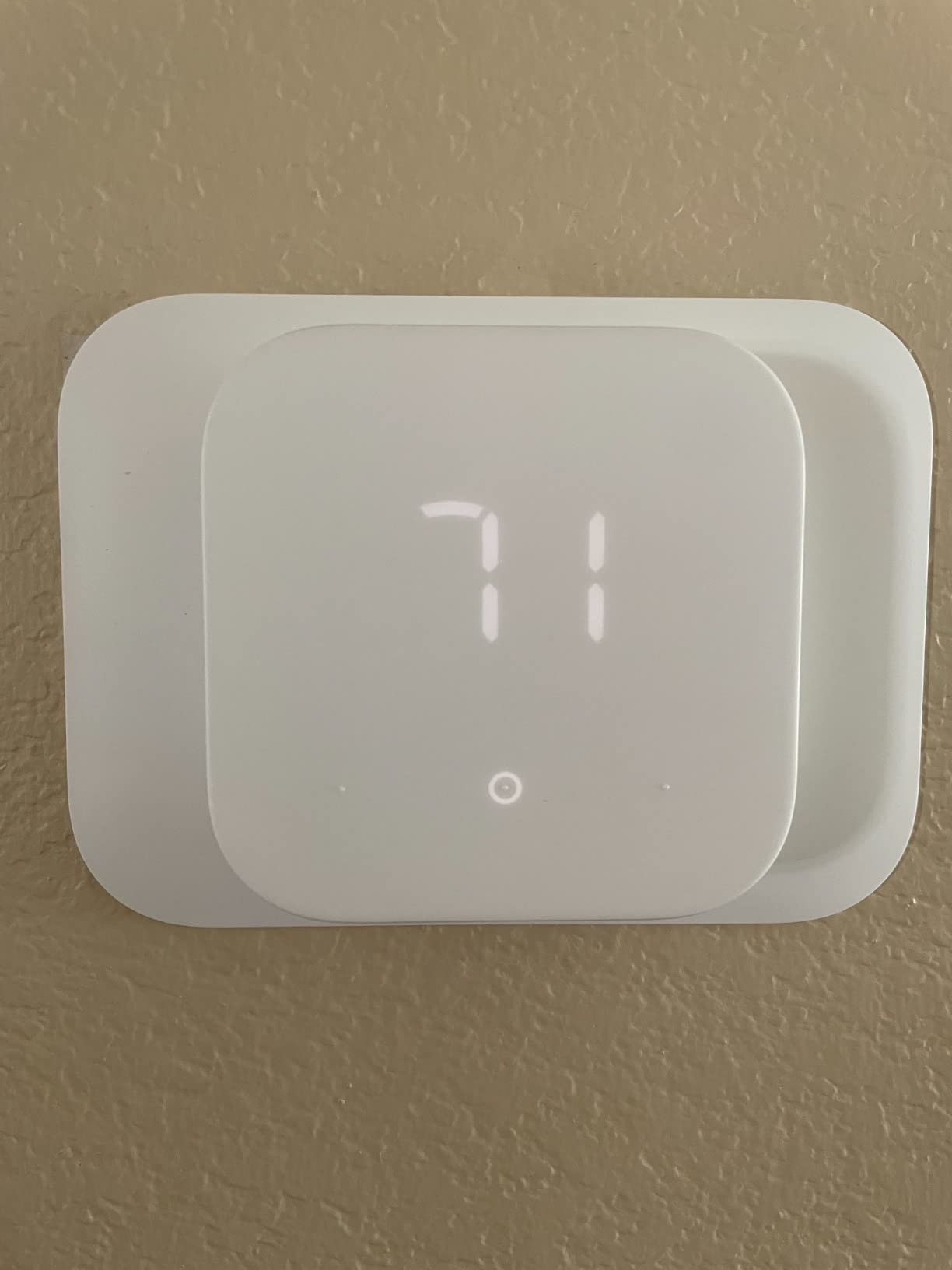
One more thing worth raising, because it comes up constantly: if you are installing this in a house where you plan to add a zone board later, check the wall plate and wiring now. Retrofit conversions are far cheaper when the first thermostat you buy is already compatible with the panel you are planning to have installed.
2. ecobee Smart Thermostat Premium – The Best Sensor-Based Zoning Experience
ecobee Smart Thermostat Premium – WiFi, Siri & Alexa Built-In, Smart Sensor
SmartSensor included
4 inch LCD touchscreen
Power Extender Kit included
3 year warranty
+ Pros
- SmartSensor in the box plus support for extra sensors for real room-by-room zoning
- Built-in radar occupancy sensor preheats and precools
- Air quality monitor with drop alerts and filter reminders
- Power Extender Kit allows install without a C-wire
– Cons
- Most expensive wall-mount model in this roundup
- Smart security and smoke alarm listening need an ecobee subscription
- Siri requires an Apple home hub
Long-time owners on r/smarthome are unusually consistent about this brand, with the common refrain being that Nest and Honeywell were fine but the ecobees are what they stuck with. That long tenure shows up in the details: this is the unit where you add a second and third SmartSensor, place them in bedrooms, and the system starts weighting those rooms. For a single-zone central system that is the entire solution, because the sensors create the zones the ductwork does not have.
It is also the most complete unit physically. The 4-inch LCD touchscreen in a metal finish is the largest display among the wall-mount models here, and it houses a smart speaker, a radar occupancy sensor and an air quality monitor in one housing. The radar detects approach and preheats or precools before you arrive, which is the one automation feature on this list that genuinely changes what you notice on arriving home.
HVAC coverage and the C-wire escape hatch
ecobee rates this model as compatible with 95 percent of HVAC systems, which is the broadest compatibility claim of any unit here. The included components list tells the real story: backplate, wire labels, screws, trim plate, a quick start guide and a Power Extender Kit. That kit is the reason this model can go into a house with no C-wire at all, which removes the single most common install blocker in older homes.
The box dimensions are 2.9 by 4.09 by 4.09 inches and it weighs 1.3 pounds, so plan the wall opening accordingly. The three-year manufacturer warranty is also the longest among the wall-mount models in this roundup, which matters more than it sounds if you plan to add sensors over several years.
Where the subscription boundary sits
Be clear about what the app sells and what it does not. The core functions, scheduling, sensors, occupancy and eco+ optimization, work without paying anything. The subscription sits on the security side: seeing and talking to visitors through a paired ecobee Smart Doorbell Camera and smoke alarm listening are gated. If you only want temperature control, you never touch the paywall.
Siri support needs an Apple home hub in the mix, which is worth knowing before you commit if you are not already in that ecosystem. Otherwise this pairs with the major voice assistants. The manufacturer claim of saving up to 26 percent on energy bills is a modelled figure, not a measured result, so hold it loosely.
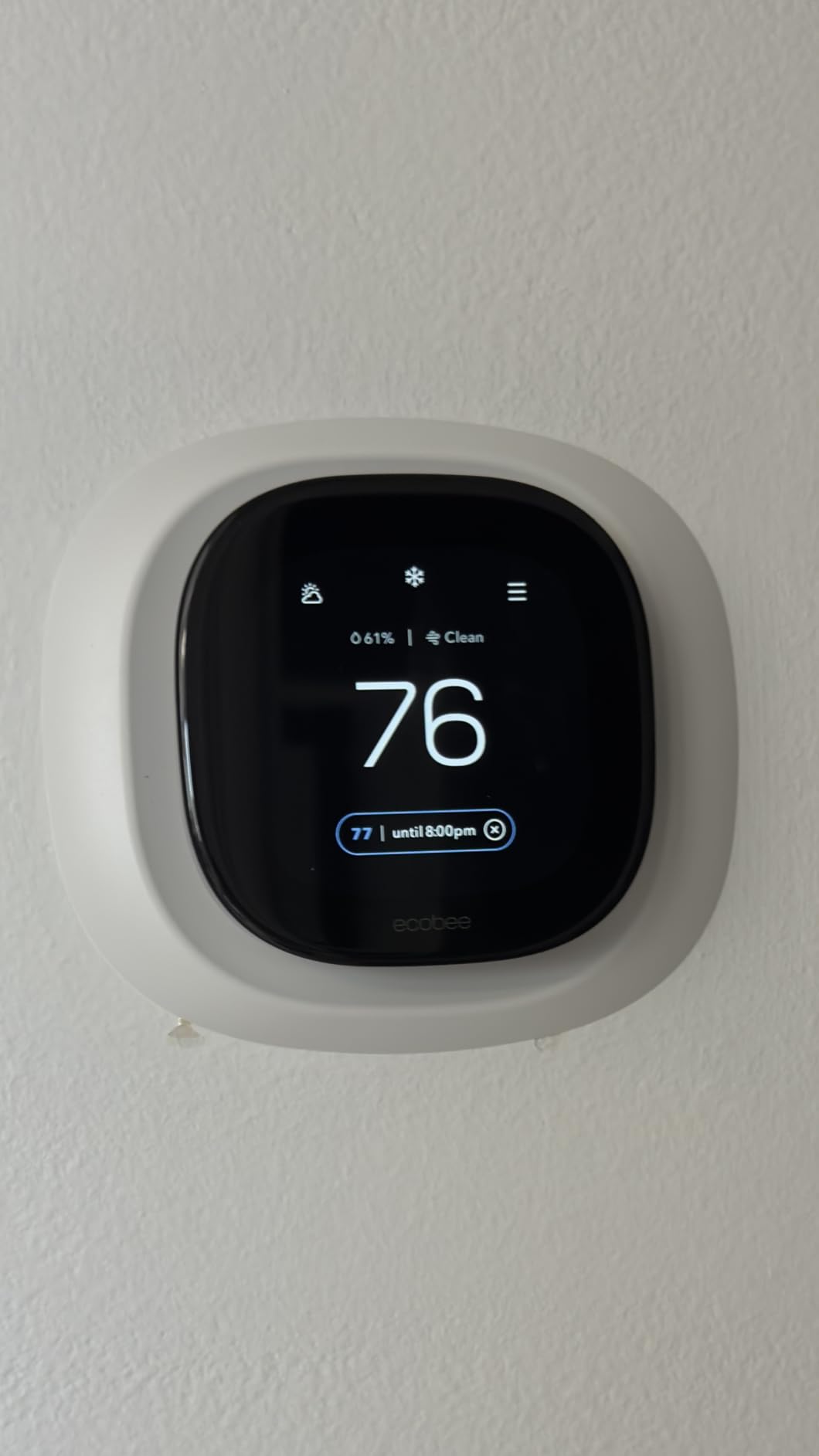
Our honest caveat is ecosystem orientation. The app is built around ecobee hardware and the extra features point back at ecobee cameras and sensors, so the deeper you go the more of your home runs through one vendor. For a multi-zone setup that is often the right trade, since the sensors are what make zoning work.
3. ecobee Smart Thermostat Enhanced – The Best Value Route to Room Sensors
ecobee Smart Thermostat Enhanced, Programmable Wifi Thermostat
Occupancy sensing built in
Power Extender Kit included
4 inch LCD
3 year warranty
+ Pros
- Room-sensor support at a mid-range price
- Works across Alexa
- Google Assistant
- Apple HomeKit and SmartThings
- Power Extender Kit included so no C-wire is strictly required
- Automatic eco+ trimming using weather and grid activity
– Cons
- SmartSensors sold separately for true room-level zoning
- No built-in speaker or camera compared with the Premium
- Glossy rectangular finish is less refined
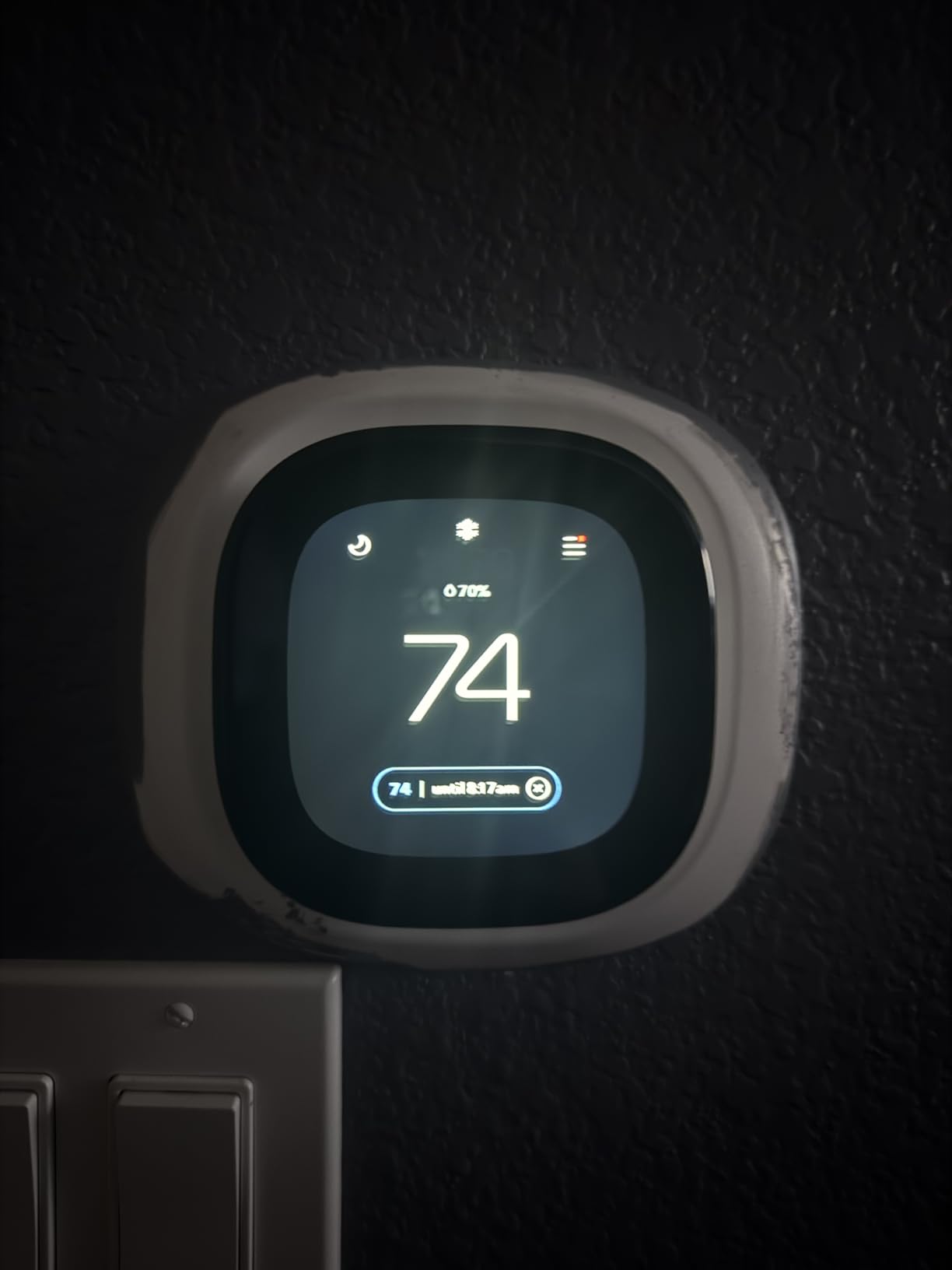
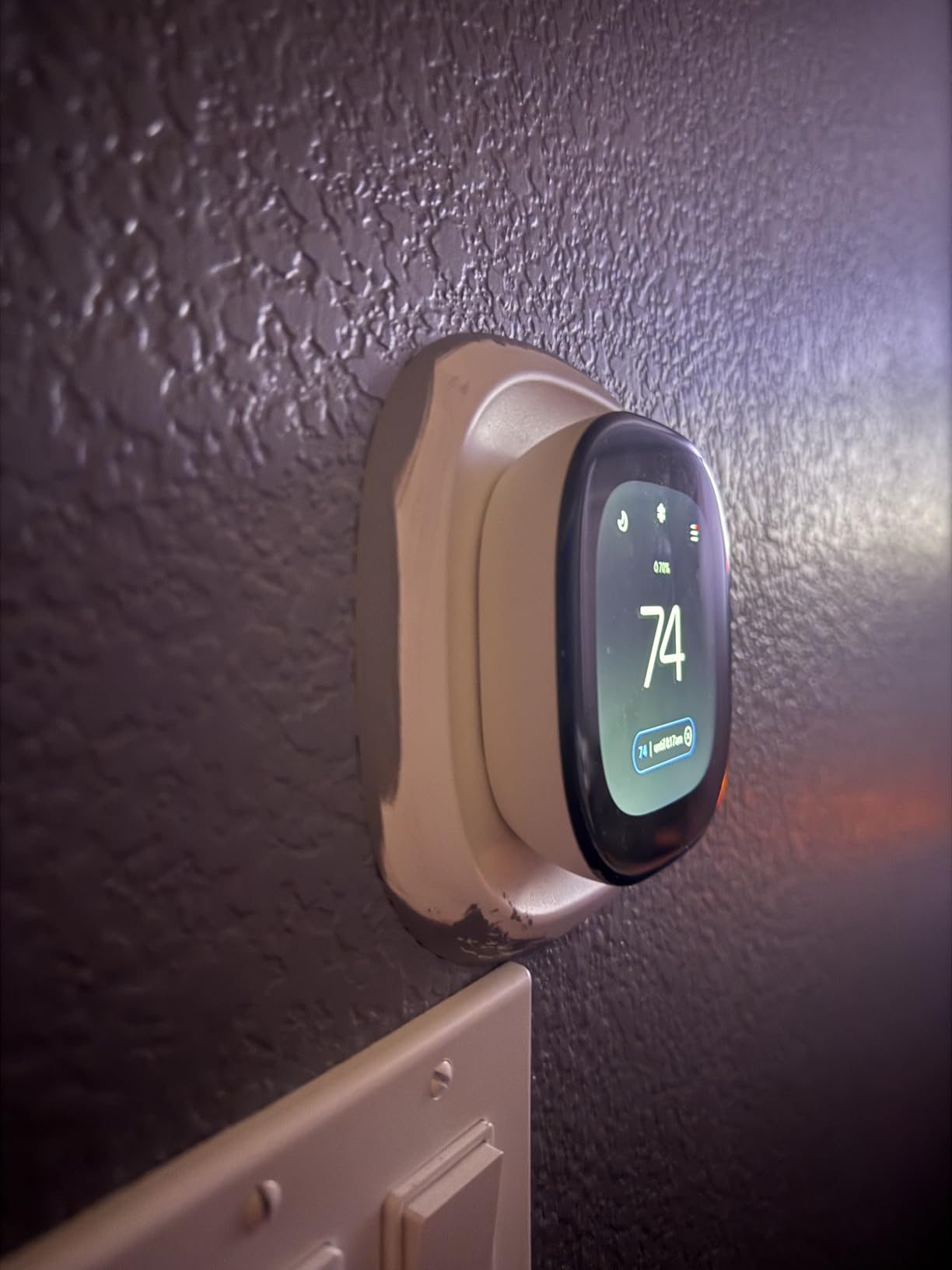
This is the model I recommend to almost everyone who does not need the Premium’s speaker and radar. It carries the same core sensor architecture and the same Power Extender Kit, so a room-sensor setup is identical in practice to the one above. The rating sits slightly higher at 4.4 across 3,709 reviews, and reviewers consistently describe it as strong value once sensors are added.
What you give up is the hardware extras rather than the zoning. There is no built-in smart speaker, no occupancy radar and no air quality monitor, so the preheat and precool behavior is driven by learning your preferences rather than by detecting that you are pulling into the driveway. If your heat is not extremely responsive, that difference is less important than it sounds.
Ecosystem breadth as the deciding factor
This is the one ecobee in the range that lists support for Amazon Alexa, Google Assistant, Apple HomeKit and SmartThings directly. In a mixed-ecosystem household that is a real advantage, because you are not being pushed toward one voice assistant or one automation platform. Remote control works from phone, tablet or Apple Watch.
Compatibility is stated as 90 percent of HVAC systems rather than 95 percent for the Premium, and the difference is mostly about the more exotic staging configurations. For standard single-stage, two-stage and heat pump central systems, this is not the constraint that will decide your install.
Understanding the eco+ engine
eco+ is the layer that uses your routine, local weather and grid activity to shift heating and cooling rather than simply following a fixed timetable. Combined with the built-in occupancy sensing and preference learning, it is why this model does not need much hand-tuning after the first week. The manufacturer claim is up to 26 percent annual savings, again a modelled figure.
The weight is listed at 0.45 kg and the body measures 0.94 by 4.09 by 4.09 inches. It ships with a backplate, wire labels, screws, a power extender kit and a trim kit, so a no-C-wire install is genuinely self-contained.
The limitation to plan around is straightforward. Every sensor you add is a separate purchase, and a proper four-zone setup means the thermostat plus a three- or four-sensor kit. If the per-zone accessory cost is the deciding factor, compare it against the Essential, which reaches the same sensor ecosystem from a lower base price.
4. Google Nest Learning Thermostat 4th Gen – Best When You Will Not Program Schedules
Google Nest Learning Thermostat (4th gen) + Nest Temperature Sensor (2nd gen) – Obsidian
Includes Nest Temperature Sensor
Matter compatible
Polished Obsidian aluminum
1 CR2 battery included
+ Pros
- Learning behavior removes the need to hand-program multi-zone schedules
- Sensors can be grouped and assigned to rooms and times
- Display is 60 percent larger and readable across the room
- Matter compatible and works with Alexa
- Siri and Google Assistant
– Cons
- Fourth gen plate is not backward compatible with third gen installs
- Setup app sometimes reports no power on R wires without a C-wire
- This generation is not ENERGY STAR rated
- Minimalist touch interface is less obvious for non-technical users
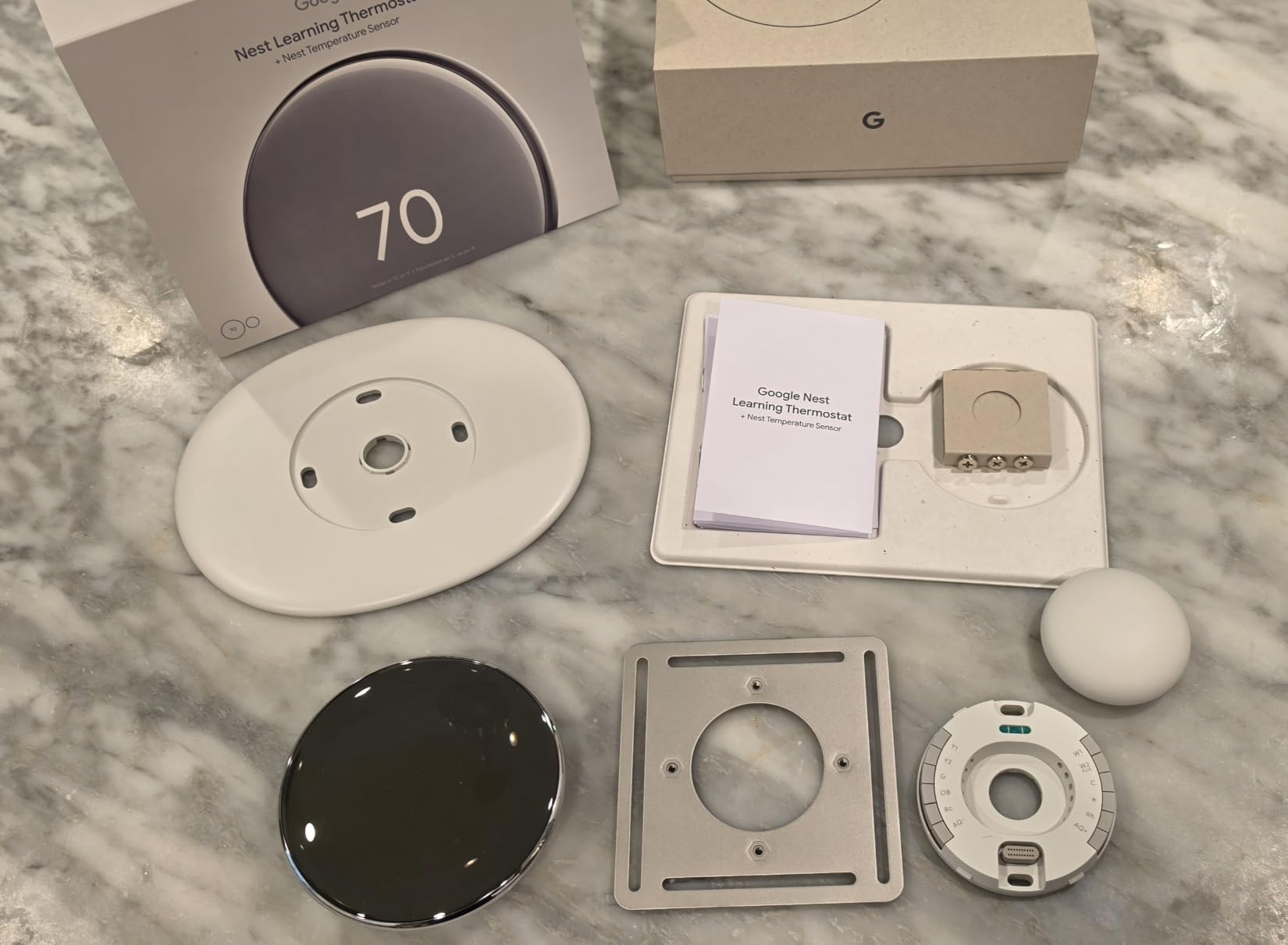
The Nest approach to zones is scheduling rather than sensors. It builds a self-learning schedule from household routine, and a second generation Nest Temperature Sensor ships in the box so you can steer which room the system prioritizes. Reviewers who moved several mechanical thermostats onto this unit describe it as the least effort-intensive conversion in the category, particularly in 1980s homes where the wiring was straightforward.
Adaptive Eco finds an energy-saving away temperature and returns to normal within an hour, and natural heating and cooling learning will pause the system entirely when outdoor conditions make it unnecessary. A detail worth valuing: it asks permission before changing your schedule and notifies you in the Google Home app, which is unusually polite automation for a thermostat.
What the extra sensor actually buys you
The bundled sensor is the difference between a Nest that reads the hallway and a Nest that reads the bedroom you care about. Adding further sensors lets you group them and assign priority by room and time, which is genuine multi-zone behavior on a single-zone system. It is averaging and priority weighting rather than independent per-room setpoints, so all zones move together within the schedule.
That distinction matters more than it first appears. If you want a nursery held at a different temperature from the rest of the house simultaneously, a single thermostat with sensors is the wrong architecture and you need either a zone board or per-room thermostats. Nest is the right answer for balancing comfort, not for independent zones.
Two real installation caveats
First, the fourth generation mounting plate and wiring connector are not backward compatible with third generation Nest installs. If you are upgrading an existing Nest, this is effectively a new install and you should verify the box dimensions before assuming a swap. The unit is also not designed for the UK market, with multiple buyers reporting it does not work there.
Second, this generation is not ENERGY STAR rated, which limits utility rebate eligibility in some regions. If rebates matter to your decision, that is worth checking with your utility before you commit. Connectivity is Wi-Fi with Matter support, and it works with most 24V systems including gas, oil, electric, forced air, heat pump and radiant, with no C-wire needed in most homes.
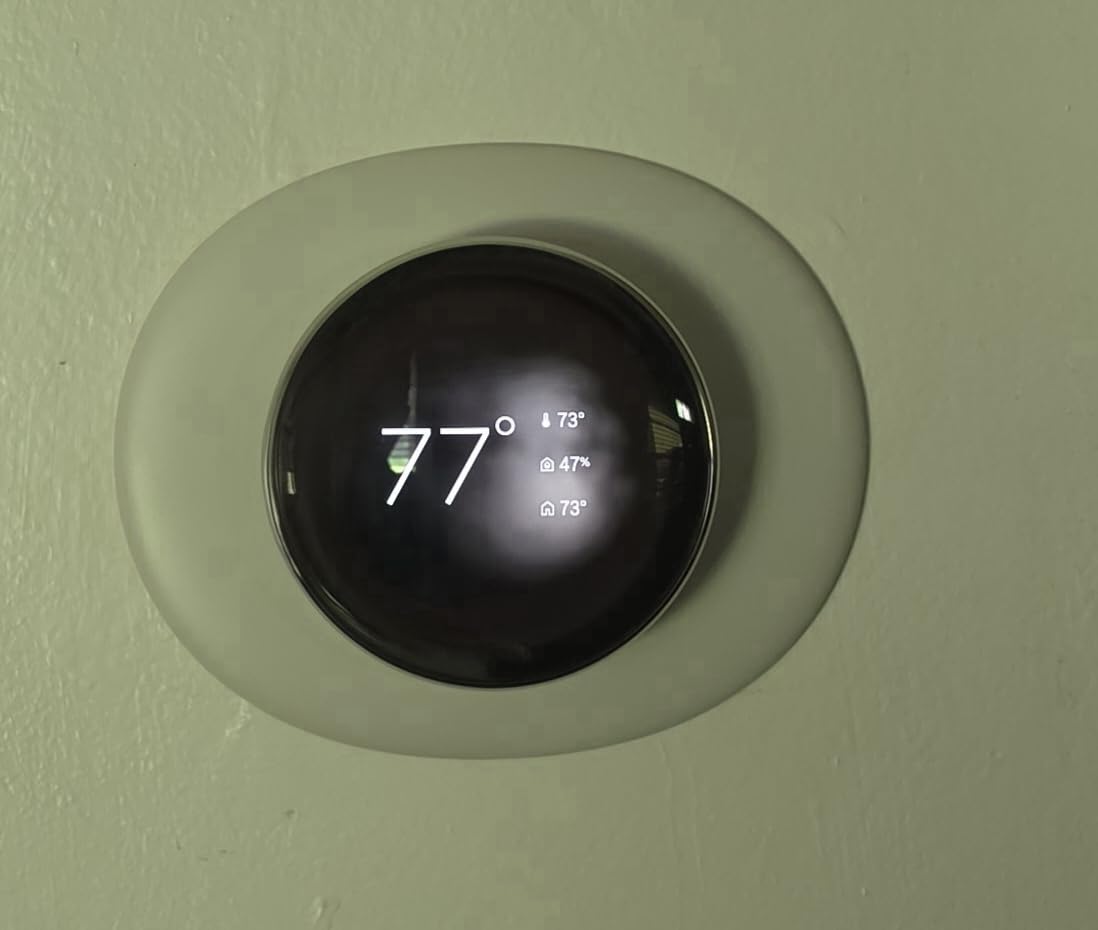
One CR2 battery is included and required, which is unusual for a hardwired unit but means the display stays alive during a power cut. The manufacturer claim of up to 31 percent savings on heating and cooling bills is the highest number in this roundup, and it is a marketing figure rather than a measured outcome.
5. Google Nest Hubless Thermostat – The Simplest Two-Zone Retrofit
Nest T4000ES E Hubless Smart Thermostat
Frosted digital display
Hubless design
2 AAA batteries included
95 percent system compatibility
+ Pros
- Dependable low-cost entry into learning thermostat behavior
- Works with Nest Temperature Sensor for basic room priority
- Installs in 60 minutes or less with everything included
- Energy History tracking and HVAC monitoring alerts
– Cons
- No multi-sensor averaging or room groups like the fourth gen
- Frosted low-resolution display is dated next to newer models
- Sensor is sold separately
- Needs Wi-Fi and a phone or tablet running the app to be useful
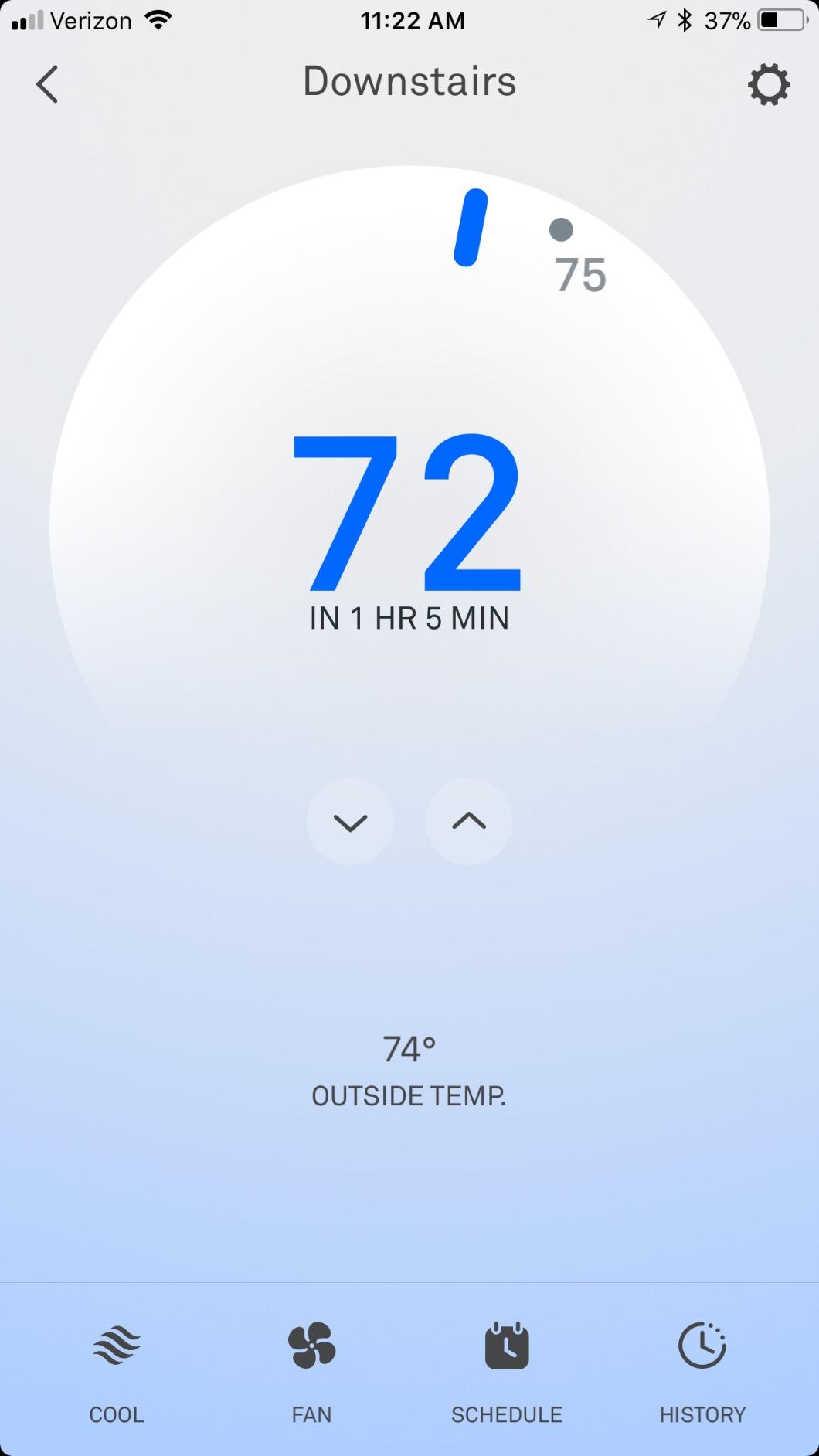
This is the pick for a two-zone job where the two zones are physically identical. Because it is hubless, you do not need a hub, a base station or a Nest account migration, and owners consistently report a sub-hour install with everything in the box. Two of these on one account give you two independent thermostats in one app, which is the cheapest way I know to add a second zone to a central system that already has wiring at two locations.
Home/Away Assist drops to an Eco temperature when everyone leaves, HVAC monitoring catches filter and maintenance issues early, and Energy History gives you a per-day and per-month view in the app alongside the Nest Leaf indicator. It runs on two included AAA batteries, so unlike hardwired competitors it keeps running through a power outage.
Where this model falls short on zoning
Be clear-eyed about the ceiling. Reviewers note there are no room-sensor groups or multi-sensor averaging like the fourth generation, so the zoning here is two separate thermostats rather than one thermostat with distributed sensors. That is a legitimate multi-zone setup, but it only works if you already have wiring in each zone location. On a single-zone central system you would need to run wires back to the furnace, which is a contractor job.
The second limitation is dependency. Because it is hubless, it relies entirely on your Wi-Fi and on a phone or tablet running the Nest app. No hub means no local processing, so if the network drops the unit loses remote control. It also weighs 7.04 ounces and is a plastic body with a frosted display that looks dated next to the color screens on the current generation.
When it beats the newer model
There are two cases where this is the right answer over the Learning Thermostat. First, if you are fitting two units in two physically separate locations such as a main house and a rental unit, the hubless design is genuinely simpler. Second, if budget is the deciding constraint and you want a learning schedule plus basic sensor priority, the feature delta is small enough that most households will not notice it.
Battery behaviour in a power cut
This is the quiet advantage. Two AAA batteries, included, mean the thermostat keeps displaying temperature and holding the schedule if the furnace trips or you lose power. Every hardwired C-wire model on this list goes dark in the same scenario. For anyone in a region with unreliable grid service, that is worth more than it appears.
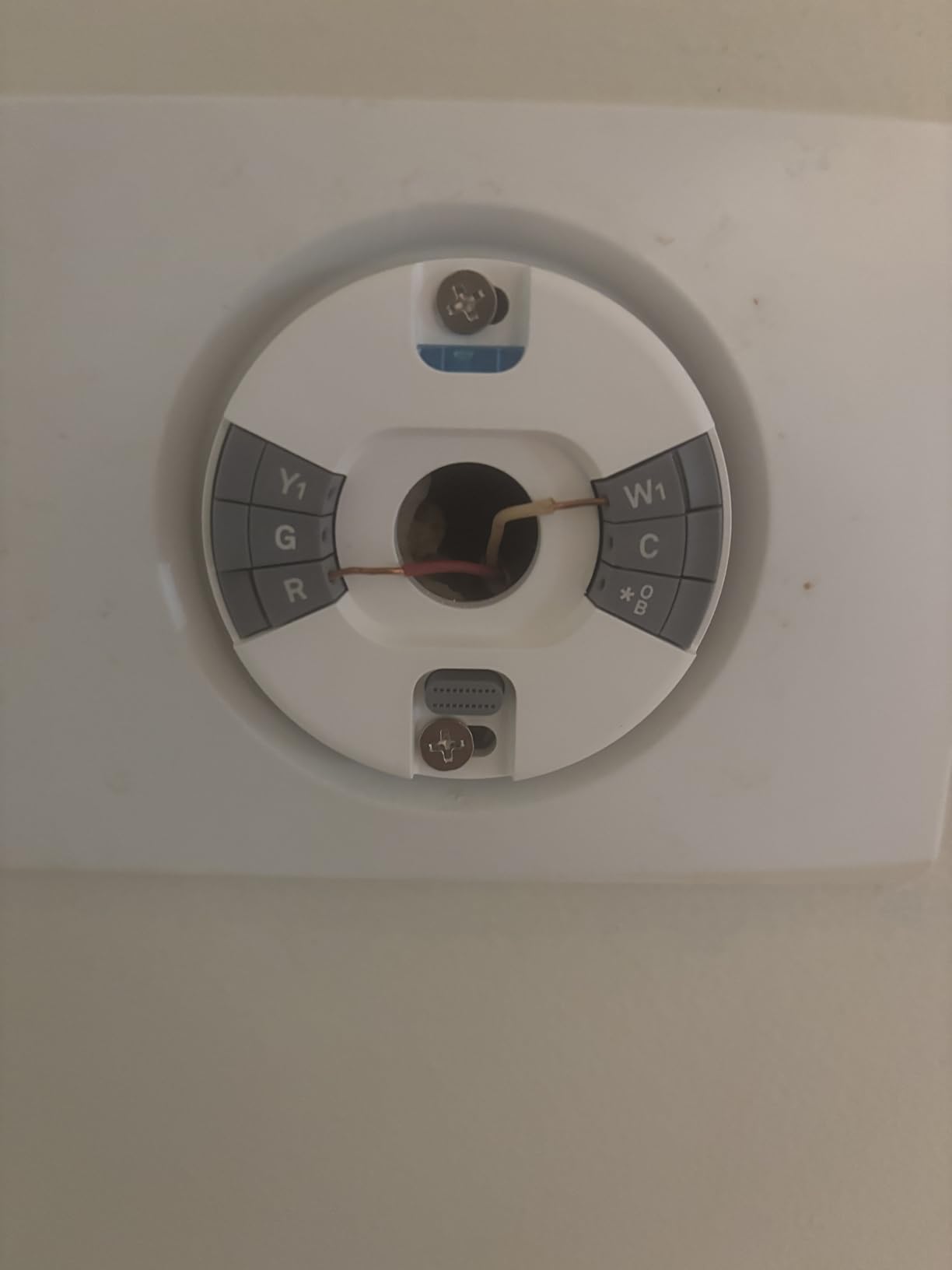
It is compatible with 95 percent of heating and cooling systems and works with Alexa and Google Assistant plus the Nest Temperature Sensor. The one thing to verify before buying is whether you actually have a second set of thermostat wires to work with, because that is what makes the two-zone version of this product possible.
6. ecobee Smart Thermostat Essential – The Cheapest Door Into Sensor Zoning
ecobee Smart Thermostat Essential – WiFi Thermostat, Energy Star Certified
Color touchscreen 3.74 inch
Boiler and heat pump ready
2 heat 1 cool support
3.2 ounces
+ Pros
- Lowest-cost ecobee model that still supports SmartSensors for multi-zone use
- Compatible with boilers and most 24VAC equipment
- eco+ time-of-use scheduling shifts heating and cooling to cheaper utility hours
- Works with Apple HomeKit
- Google Assistant and Alexa
– Cons
- Power Extender Kit and trim kit sold separately
- SmartSensor pack is an additional expense
- No occupancy radar
- speaker or air quality sensor
- Smallest screen in the ecobee range
The Essential is the one to pick if your heat source is a boiler rather than a furnace. Its compatibility list explicitly names gas, oil, electric, dual fuel, forced air, heat pumps and boilers, which makes it the most broadly applicable hydronic-ready model in this roundup. For cold-climate homes running radiators on a boiler, the other wall thermostats are a gamble and this one is not.
It supports up to 2 heat and 1 cool heat pump configurations and conventional 2H/1C systems, which covers the vast majority of installed equipment. Reviewers consistently describe it as an affordable entry into the ecobee sensor ecosystem, with the add-on costs for sensors and the power extender as the main gripes, and those two costs are real.
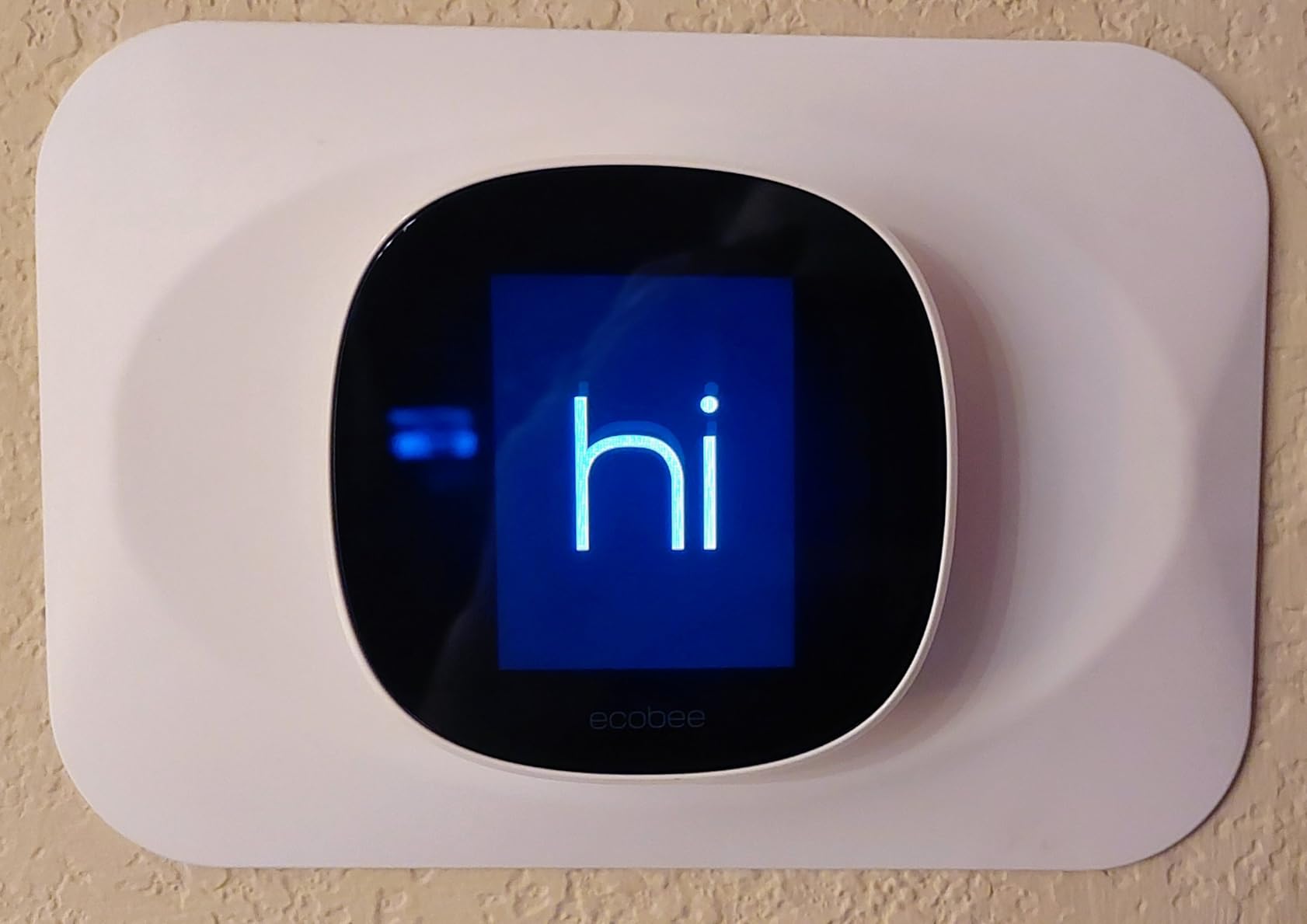
What the cheaper base price really costs you
Two accessories are sold separately here that both pricier ecobee models include. The Power Extender Kit is what makes a C-wire-free install possible, and the trim kit is cosmetic. If your home already has a C-wire, neither matters and this is simply the efficient choice. If it does not, add the extender kit to your cost calculation before comparing this against alternatives that bundle it.
The screen is 3.74 inches, the smallest of the three ecobee models here, and the body is plastic rather than metal. The dimensions are 0.91 by 3.62 by 3.62 inches at 3.2 ounces. None of that is a functional problem, but it is visible from across a room.
eco+ and the time-of-use advantage
Beyond the room sensors, this model adds indoor humidity detection, a schedule assistant and time-of-use preheat and precool. If your utility runs a time-of-use tariff, that last feature genuinely shifts heating and cooling into cheaper hours, which is a savings mechanism independent of how many zones you control. The manufacturer claim here is up to 23 percent per year, lower than the 26 percent claims on the higher models.
Free software upgrades are included, and the app works with Apple HomeKit, Google Assistant and Alexa. The SmartSensor accessory gives you room temperature and motion reading, so the sensor-based zoning path is the same one the Premium and Enhanced use.
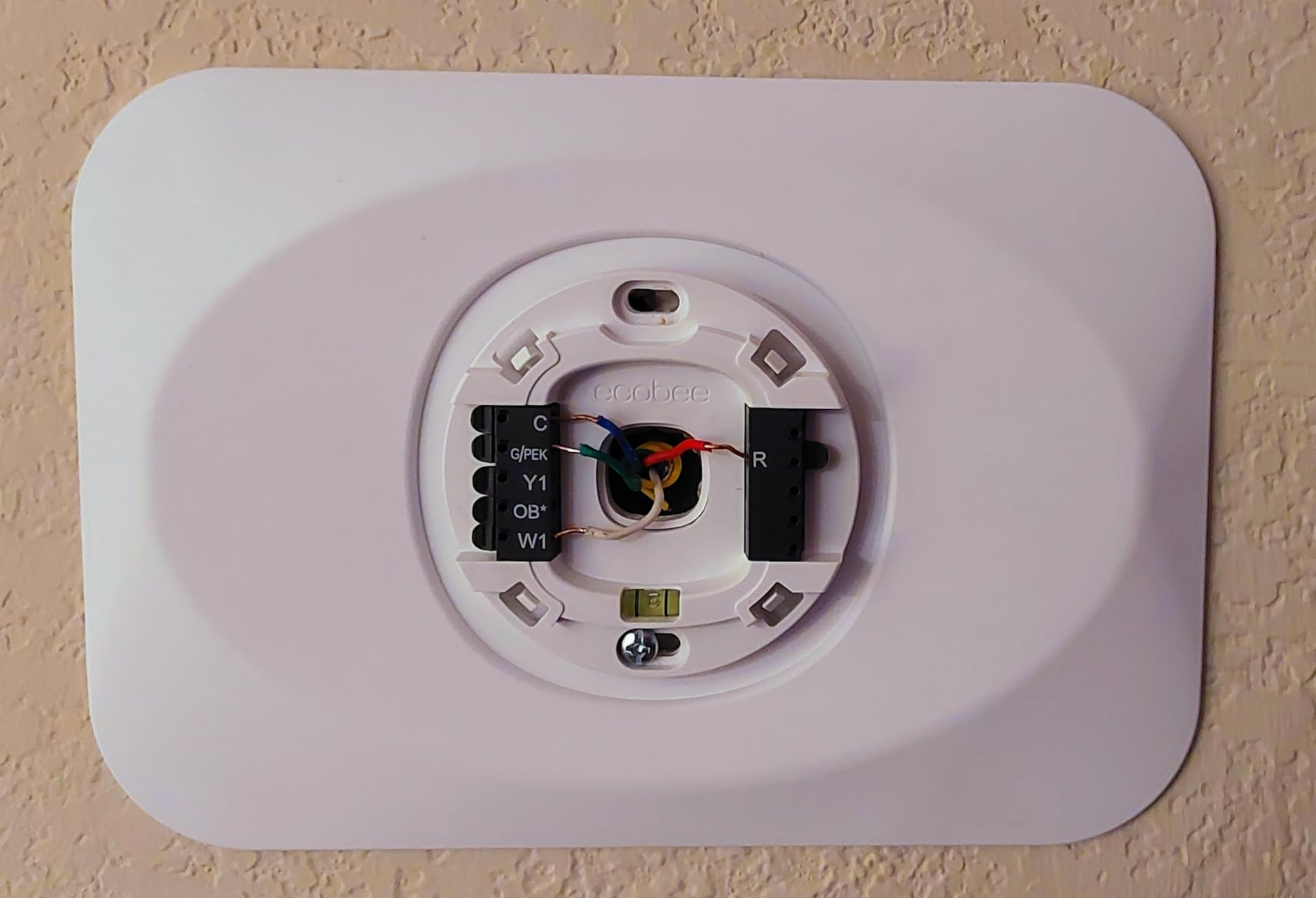
Compatibility is stated as 85 percent of HVAC systems, the lowest of the three ecobee models, and it is the one number here I would actually check against your equipment. If your system is standard, this is the most cost-effective way into room-sensor zoning. If it has unusual staging, look at the 90 percent model instead.
7. Honeywell Home T9 WiFi – The Best Room-by-Room Scheduling Logic
Honeywell Home T9 WiFi Smart Thermostat, Smart Room Sensor Ready, Touchscreen Display, Alexa and Google Assist
Graphical LCD touchscreen
Smart Room Sensor ready
2.4 and 5 GHz WiFi
2 year warranty
+ Pros
- Best multi-room logic available
- with sensors assignable to rooms and time blocks or used by occupancy
- Very reliable Wi-Fi reported after years including on mesh networks
- Works with the Ring app
- Plug-and-play upgrade from a T6 on the same wall plate
– Cons
- C-wire required and diagnostic-heavy when a common wire is missing
- Resideo app sometimes shows wrong temperature and does not say which sensor is driving
- No custom fan run times and no fan speed control
- Dated boxy styling and bulky sensors
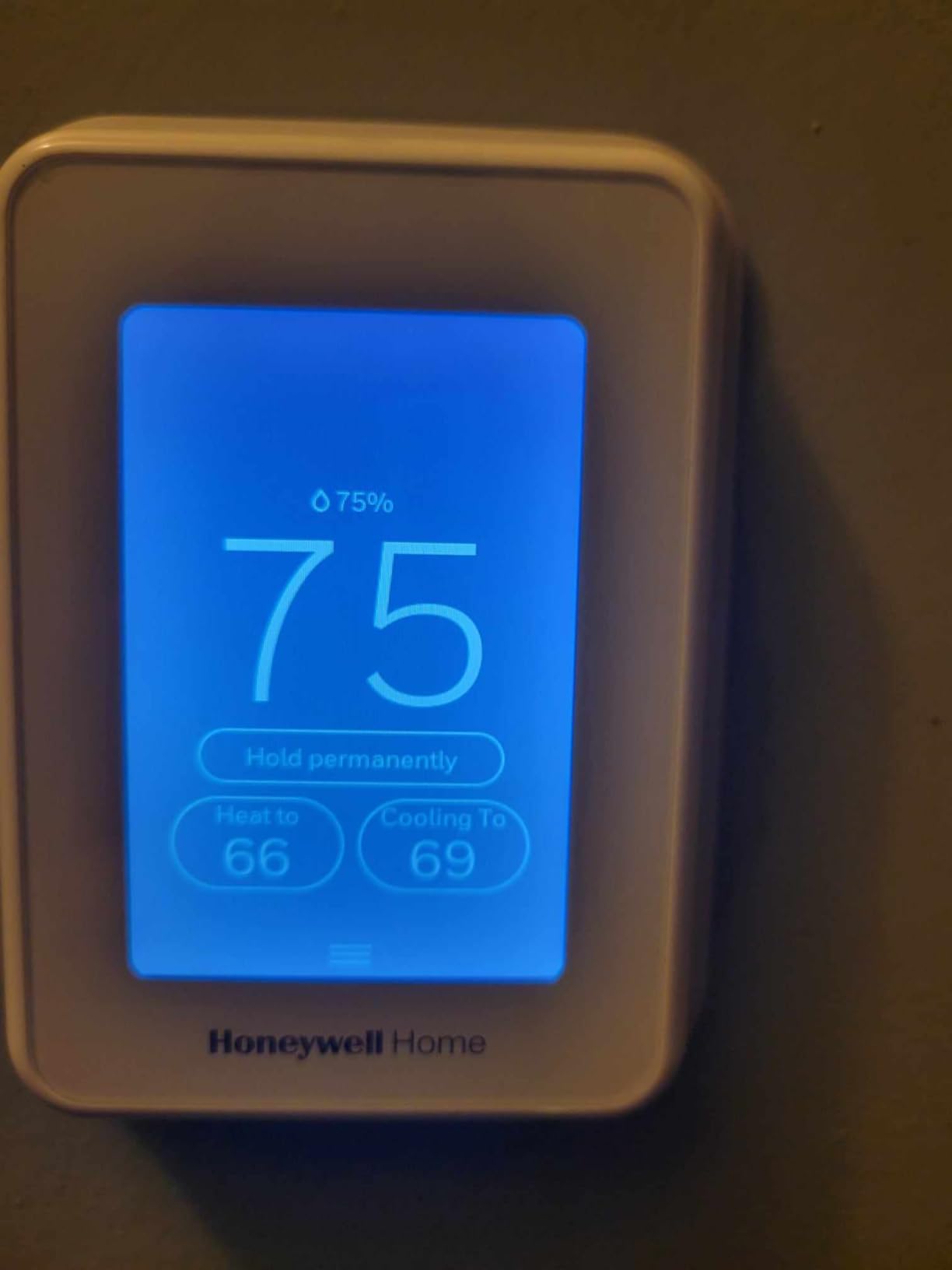
This is the most capable multi-room scheduler in the roundup, and it is why the T9 keeps showing up in zoning discussions years after release. Smart Room Sensors can be assigned to specific rooms and time blocks, or used by occupancy detection, or act as a fixed temperature probe. That third mode matters if you have a room that swings wildly, like a sun-facing loft, because you can pin the sensor as a constant reference instead of a movable vote.
Reliability is the other story. Owners report the Wi-Fi connection holding up over years, including on mesh networks, and it supports both 2.4 GHz and 5 GHz bands, which is more than several competitors manage. If you already run a T6, this unit uses the same UWP wall plate, making the upgrade close to plug-and-play.
Understanding the sensor weighting model
Where other systems average every sensor into one number, the T9 lets you decide which sensor wins and when. Assign a bedroom sensor to the overnight block and a living room sensor to the evening block, and the thermostat follows each in turn. For a family with genuinely different schedules across floors, that is a meaningful upgrade over averaging, and it is why this model gets called out specifically for two-zone and larger systems.
The sensors mount with included 3M Command strips and need no wiring, which keeps a multi-sensor install inside the DIY envelope. They are bulkier than ecobee sensors, and that is visible when several are placed around a house, but they are not difficult to position on a shelf or a table.
Fan control and app limitations you should accept
There are real gaps here. Fan control is limited to auto or a fixed circulate schedule, with no custom run times, and there is no fan-speed control on multi-speed systems, which matters with a variable-speed blower. The Resideo app also draws criticism for showing incorrect temperature and setpoint values and for not indicating which sensor is driving the current reading.
Compatibility is broad for central forced air, hot water and steam, and heat pumps with electric backup, but the T9 is explicitly not compatible with 120V to 240V electric baseboard heat. A C-wire is required. Energy usage data can take several days to populate, and the two-year limited warranty is the shortest among the wall models here.
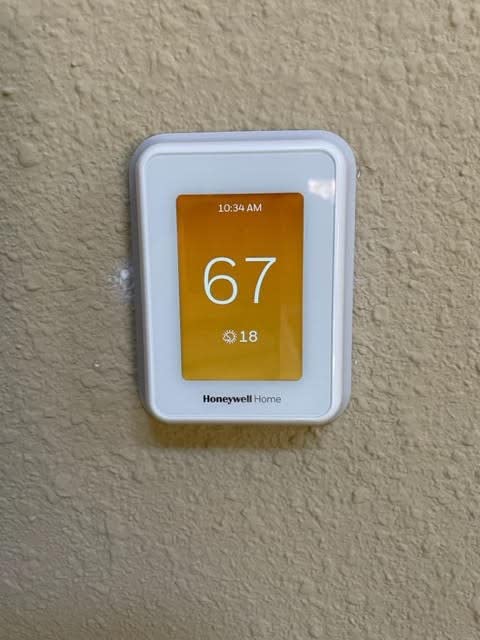
It works with the Ring app, which saves owners from adopting a second app, and Smart Response learns heating and cooling patterns with filter and temperature alerts plus a monthly energy report. If your home has a real zone board and dampers, this is one of the two or three models I would shortlist for per-zone installation.
8. Sensi Touch 2 – The Best Middle-Price Path to Room Sensors
Sensi Touch 2 Smart Thermostat Wi-Fi, Alexa, Energy Star Certified, ST76
LCD touchscreen
Universal Bluetooth setup
ENERGY STAR certified
3 year warranty
+ Pros
- Supports Sensi Room Sensors for balancing temperatures throughout the home
- Universal Bluetooth makes the guided install smoother than competing apps
- Sensi states it does not sell personal information to third parties
- ENERGY STAR certified with reported savings of about 23 percent
– Cons
- C-wire required with no power extender bundled
- Room sensors are an extra purchase
- Smaller review base and less brand recognition than ecobee or Nest
Makepeace from Emerson, and the Sensi Touch 2 sits in the gap between the entry models and the ecobee range. It supports Sensi Room Sensors, so multi-room balancing is available, and the Bluetooth setup path is the part reviewers single out most. The app walks you through installation over universal Bluetooth, which turns a wiring diagnostic into a guided process rather than a guess.
The privacy position is the differentiator. Sensi states plainly that it does not sell personal information to third parties, and for a device that sits in your home and reports occupancy patterns, some households find that meaningful rather than marketing. It works with Alexa, Google Assistant and SmartThings, and it carries a three-year warranty.
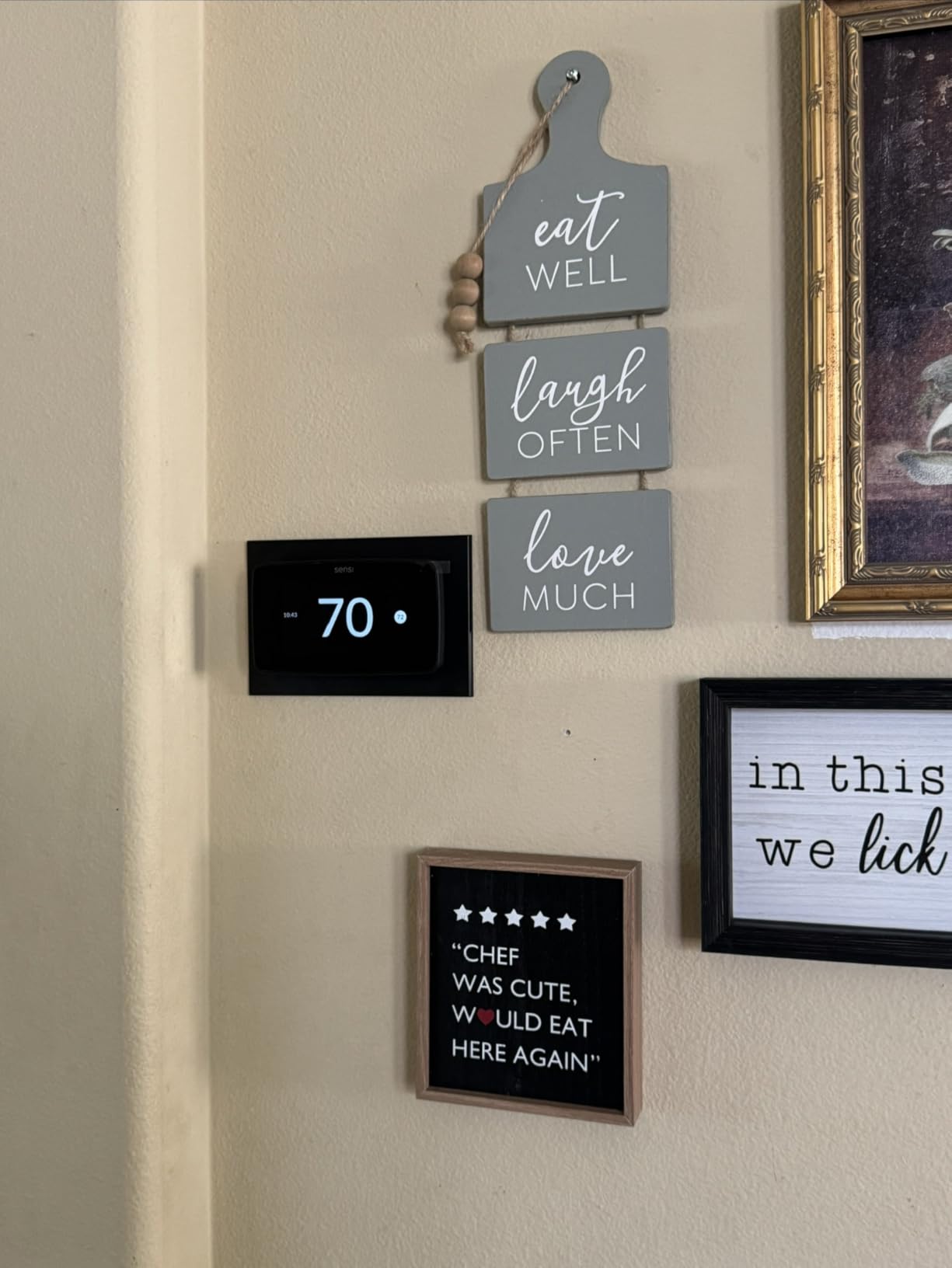
Sensor support and the missing power extender
Sensi Room Sensors give you the balancing behavior, but plan for them as an extra purchase, and there is no bundle that includes them. More important is the C-wire requirement with no power extender kit in the box. On a house that already has a common wire this is a non-issue. On a house without one, the wiring job cost will exceed the thermostat cost several times over, and the ecobee models that bundle the extender become the more realistic option.
Compatibility is stated as covering the HVAC equipment found in most homes, and the unit is 9.92 ounces at 5.6 by 3.25 by 0.77 inches, so it is a slim wall unit. It is a 24V wall thermostat and it is not a line-voltage option.
Smart maintenance and reporting
Beyond zoning, the Touch 2 handles the practical upkeep side well: usage reports, equipment alerts and filter replacement reminders, all in the same app. For a multi-zone system with several units, consolidated maintenance alerts across zones save a lot of walking around with a filter in one hand.
Reported savings of about 23 percent on HVAC energy come with ENERGY STAR certification, which also makes it eligible for utility rebates in most regions. The smaller review base is the honest drawback: at 1,252 reviews it is the least validated of the mainstream picks, so you are relying on a thinner evidence base than the 25,000-review Amazon unit or the 4,000-review ecobees.
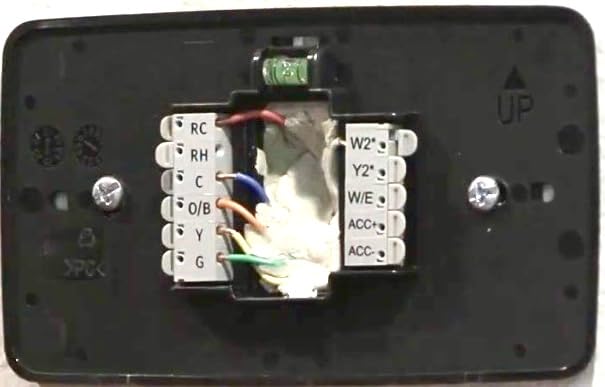
On a frequent question, Sensi versus Honeywell comes down to this. The T9 has the better multi-room scheduling logic, more sensor flexibility in fixed-probe mode and broader Wi-Fi band support. The Touch 2 has the smoother install experience, the privacy stance and a bundled warranty at a lower tier. If your zones have distinct schedules, take the T9; if you want the least painful install, take the Touch 2.
9. Mysa Smart Thermostat V2 – The Only Line-Voltage Option Here
Mysa Smart Thermostat V2 for Electric Baseboard Heaters | Save Up to 26% on Heating Costs | Humidity Sensor + Premium Touchscreen | WiFi Programmable | Scheduling | HomeKit, Alexa, Google | 120V-240V
120V to 240V line voltage
Humidity sensor
3.5 inch LED
3.5 inch wide body
+ Pros
- The only line-voltage unit here
- so it can zone electric baseboard homes 24V thermostats cannot touch
- Zones feature ties multiple rooms together with schedules as granular as five changes a day
- Proportional control modulates heater power instead of simple on-off cycling
- Per-room and whole-home kWh cost tracking
– Cons
- Requires four wires including a neutral
- which excludes older two-wire installs
- 2.4 GHz Wi-Fi only
- Adaptive brightness does not always dim fully for some users
- Geofencing and away mode reported unreliable by some users
If your home is heated by electric baseboards, this is the only pick on the page that will work, and that alone makes it non-negotiable for a large cold-region segment. It handles 120V and 240V baseboards, fan-forced heaters, convectors and radiant ceiling heating, with loads up to 1900W at 120V or 3800W at 240V. Every other wall thermostat here is 24V and simply cannot be wired to that equipment.
The Zones feature is the multi-zone mechanism, and it is a different one from anything else on this list. Because each room already has its own circuit, you install a thermostat per room and the app groups them, letting several units share a schedule. Individual schedules can be as granular as five changes per day, which is the kind of control that makes electric heating affordable rather than merely smart.
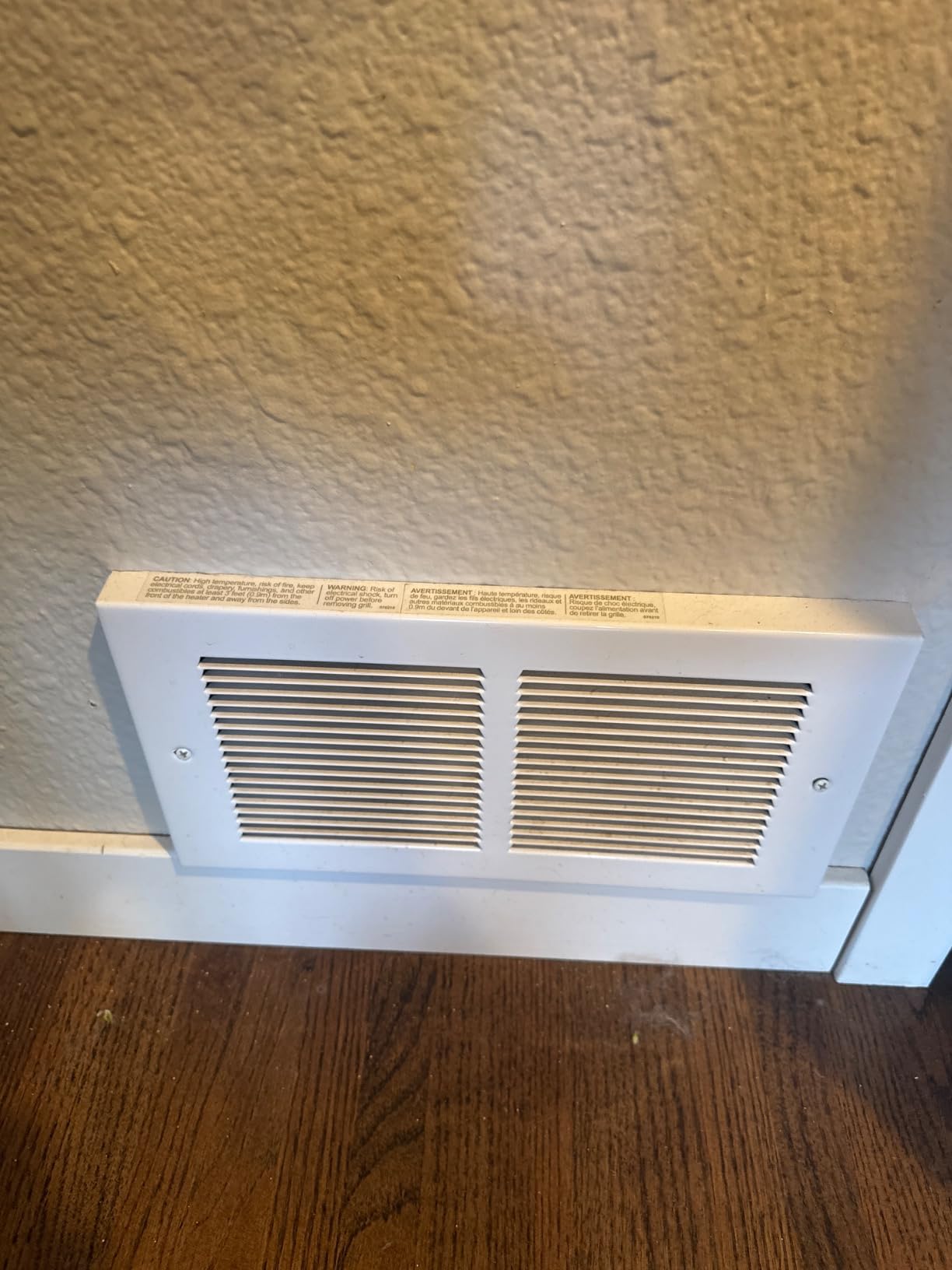
The neutral wire requirement decides the install
This model requires at least four wires including a neutral. Older two-wire baseboard installations do not have one, and wiring a new neutral back to a breaker can mean opening walls across a floor. Check the existing box before you order, because this is the one compatibility question that cannot be worked around with an adapter kit.
The second limit is 2.4 GHz Wi-Fi only, which can be a genuine problem on modern dual-band routers. Reviewers also note that the wiring instructions do not cover every color configuration found in older homes, so budget a call to tech support during the install. On the positive side, support is widely praised, with photo-based wiring help and fast email responses.
Proportional control and cost tracking
Proportional control modulates heater power rather than cycling the element on and off, which produces steadier room temperatures and less overshoot. The app tracks kWh usage and estimated cost per room and per house using a price you enter, so an electric-heating household can attribute actual spend to each room rather than guessing.
Reviewers reporting converted homes describe heating usage dropping by 25 to 40 percent after switching several rooms, though treat that as owner-reported rather than independently measured. The unit is 40 percent smaller than the original model with adaptive brightness, weighs 510 g and measures 0.8 by 3.5 by 5.1 inches. There is no subscription, which is rare in this category.
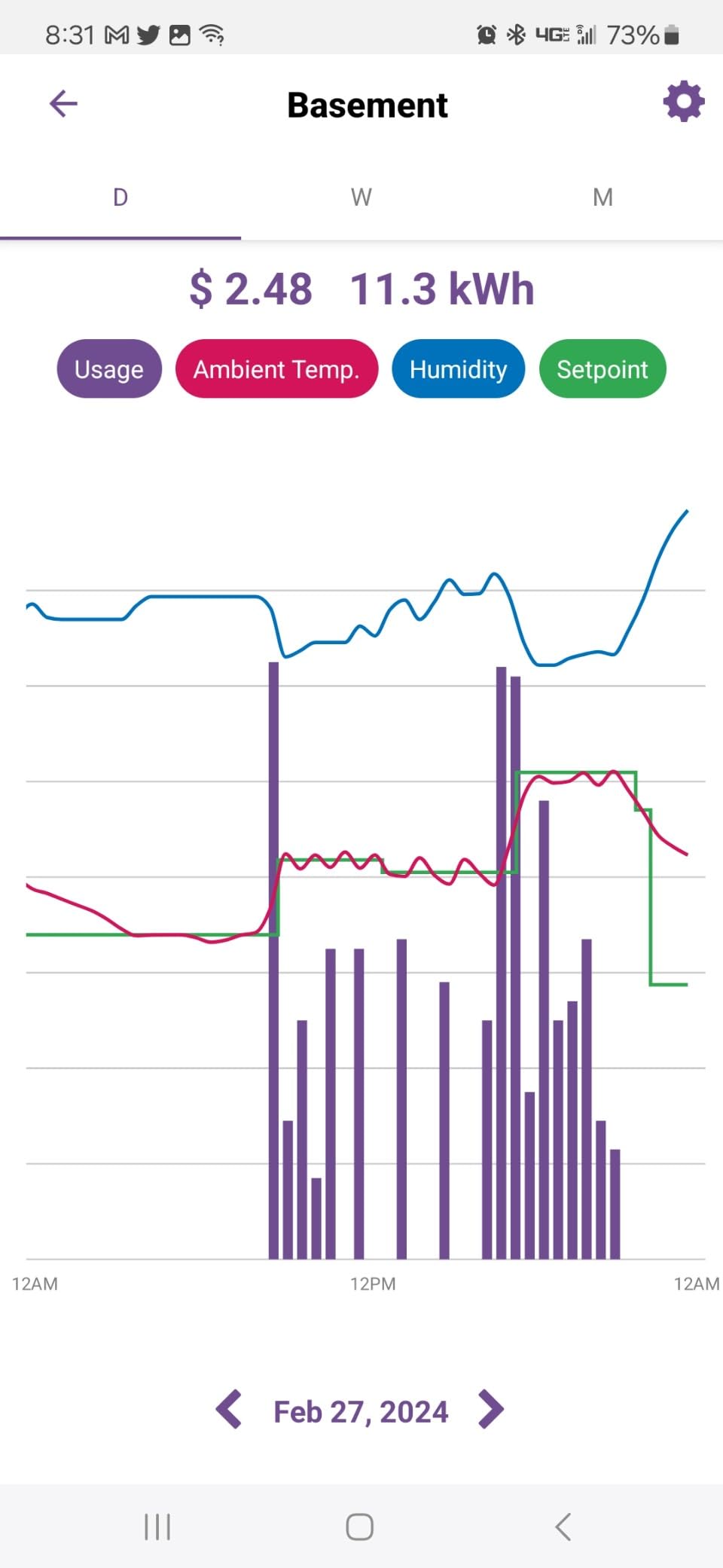
It works with Alexa, Google Assistant and Apple HomeKit, and the built-in humidity sensor is useful in rooms where baseboard heat makes the air feel dry. One honest limitation: because you need one unit per room, the per-unit cost multiplies across a house, so a four-zone electric conversion is a much larger hardware commitment than a four-zone central sensor setup.
10. Cielo Breez Max – The Best Multi-Zone Answer for Mini-Splits
Breez Max Smart WiFi Thermostat for Mini-Split, Window, Portable AC (White)
Infrared control for mini-split and window AC
2.4 GHz WiFi
1.02 inch deep
5.6 ounces
+ Pros
- The only mini-split and portable AC option here
- adding app and voice control to IR-only units
- Multi-Zone Mini-Split Control syncs all paired units to prevent mode conflict
- Comfy Max AI mode prevents the overcooling overshoot common to mini-splits
- Works with Home Assistant
- IFTTT
- SmartThings and Siri Shortcuts
– Cons
- You need one unit per mini-split
- so multi-zone homes mean multiple purchases
- Must sit 6 to 12 feet away and in line of sight for best results
- 2.4 GHz Wi-Fi only
- Short IR signal length often makes line of sight mandatory
Mini-split control is usually treated as a workaround hack, and honestly it usually is: you are replacing a plastic infrared remote with a smarter infrared remote. What makes this unit worthwhile is the multi-zone behaviour. In a house with a multi-head ductless system, three indoor units fighting each other is a real and common problem, and Multi-Zone Mini-Split Control synchronizes every paired unit to the same mode to prevent it.
The other feature worth understanding is Comfy Max AI mode. Mini-splits overshoot badly, cooling well past the setpoint because they cannot modulate finely. This mode transfers control to the thermostat’s own sensor instead of the unit’s, which is a workaround for a hardware characteristic rather than a fix for it. Reviewers report it works well in practice.
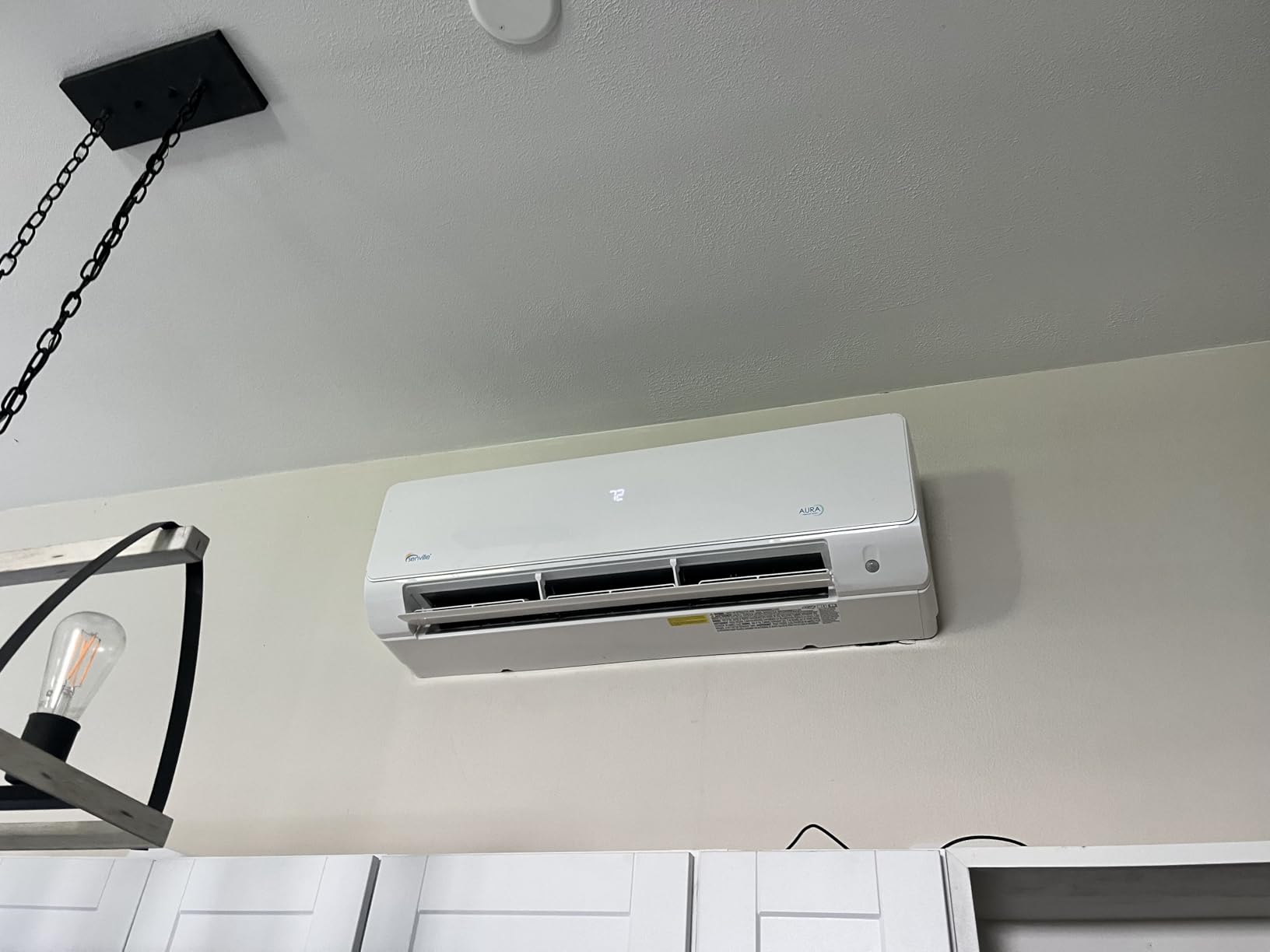
Compatibility breadth and the line-of-sight catch
Auto-detection supports over 20,000 mini-split, window and portable models, and it works with any unit that has an IR remote, which is essentially all of them. The constraint is physical: place it within 6 to 12 feet of the air conditioner and in line of sight. The IR signal length is short, so a thermostat mounted on a far wall may simply not control the unit, and some installations need a support call to get full swing and louver control working.
It is 2.4 GHz Wi-Fi only, measures 1.02 by 3.94 by 3.94 inches and weighs 5.6 ounces, and it can sit on a table using the included stand or mount on the wall with the backplate. Connection is by 5V DC USB adapter and cable.
Scheduling that survives an internet outage
One detail separates this from most IR controllers: weekly scheduling with Home, Away and Sleep presets continues if the internet is lost. For a cooling-only system that is the difference between a thermostat and a paperweight when the connection drops. It also includes freeze protection, turbo mode, geofencing, air filter notifications and usage history, with built-in temperature and humidity sensors that are calibratable in the app.
It was an AHR Product of the Year for smart thermostats for room air conditioners, and reviewers report fast, genuinely responsive support with same-day app fixes. For a ductless home this is the only unit on the list that addresses the problem at all.
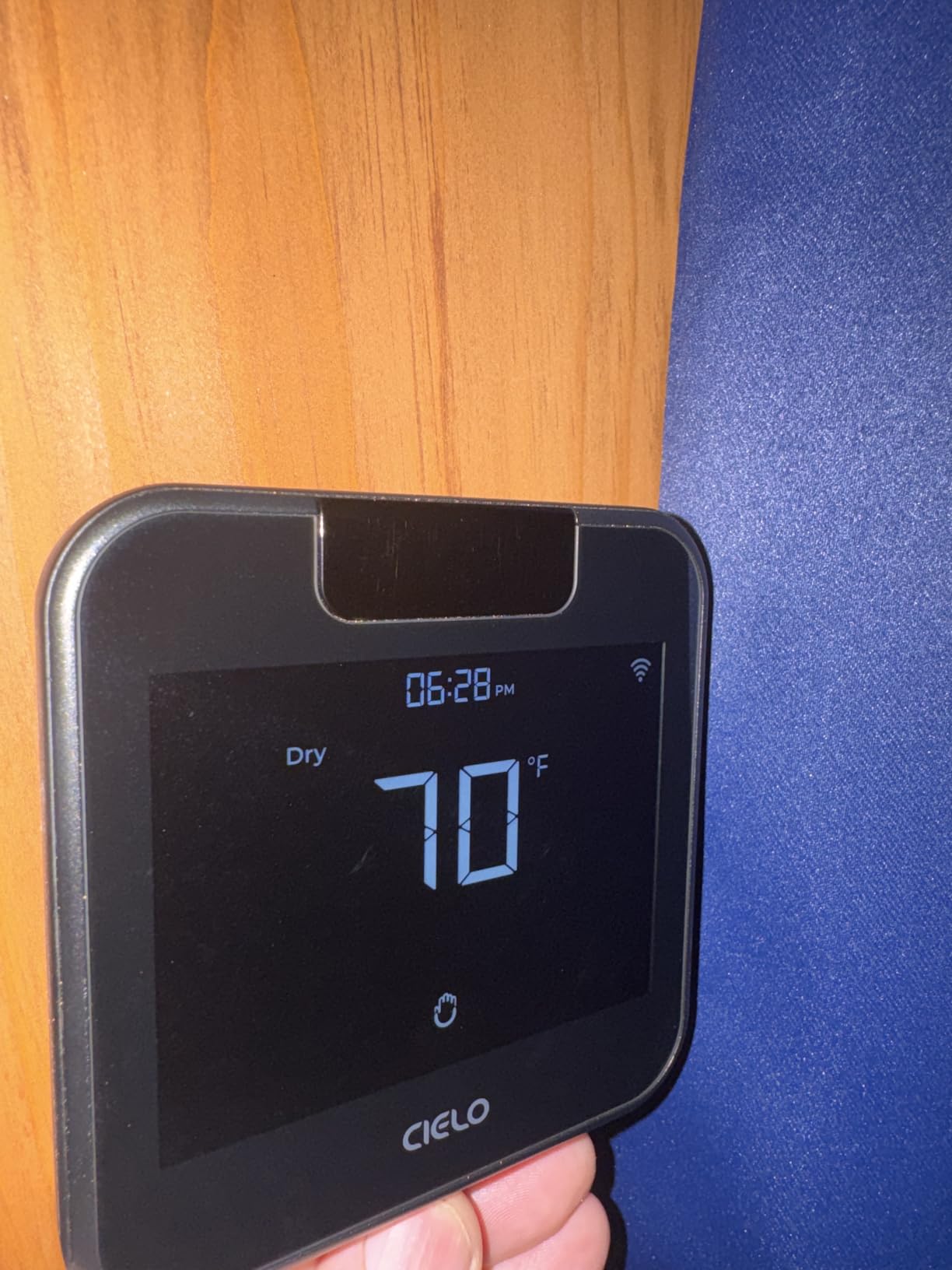
The honest cost note: one unit per mini-split, so a three-zone ductless home means three purchases, and each needs its own placement with line of sight. That is a real per-zone multiplication, though the alternative, leaving the original remotes in charge, gives you none of the scheduling, geofencing or voice control.
11. Honeywell Home X8S Premium – The Best for Local Matter Control
Honeywell Home X8S Premium Smart Programmable Wi-Fi Thermostat with Sensor, Video Doorbell Access, Humidity Control, 5″ Customizable Touchscreen, Energy Star, Works with Alexa, Matter, Apple, Google
5 inch customizable touchscreen
Wireless sensor with 200 ft range
Matter certified
1.1 pounds
+ Pros
- Largest screen in the roundup with a customizable layout and display colors
- Sensor prioritizes living areas by day and bedrooms by night with up to 200 ft range
- Works locally with Home Assistant over Matter and cloud access can be blocked by firewall
- Shares the UWP mounting plate with the Amazon Smart Thermostat
– Cons
- Matching wall plate and trim plate not included and must be bought separately
- Matter setup requires commissioning through the Resideo First Alert app
- Runs an older Matter standard limiting humidity and AQI reporting
- Some owners report frequent Wi-Fi drops
This is the enthusiast pick, and the reason is Matter. Users report it working locally with Home Assistant over Matter, and that cloud access can be blocked via firewall while local control keeps working. For anyone who has been asking on r/homeassistant for Zigbee and Z-Wave multi-zone recommendations and then settling for a cloud-locked unit, local control is the actual feature being bought.
The sensor is the other differentiator. It has up to 200 ft of range, far beyond the other room sensors in this roundup, and it can be self-standing or wall-adhered using AAA batteries. Advanced occupancy and presence detection prioritizes living areas by day and bedrooms by night, which is the closest thing here to a true day/night zone switch.
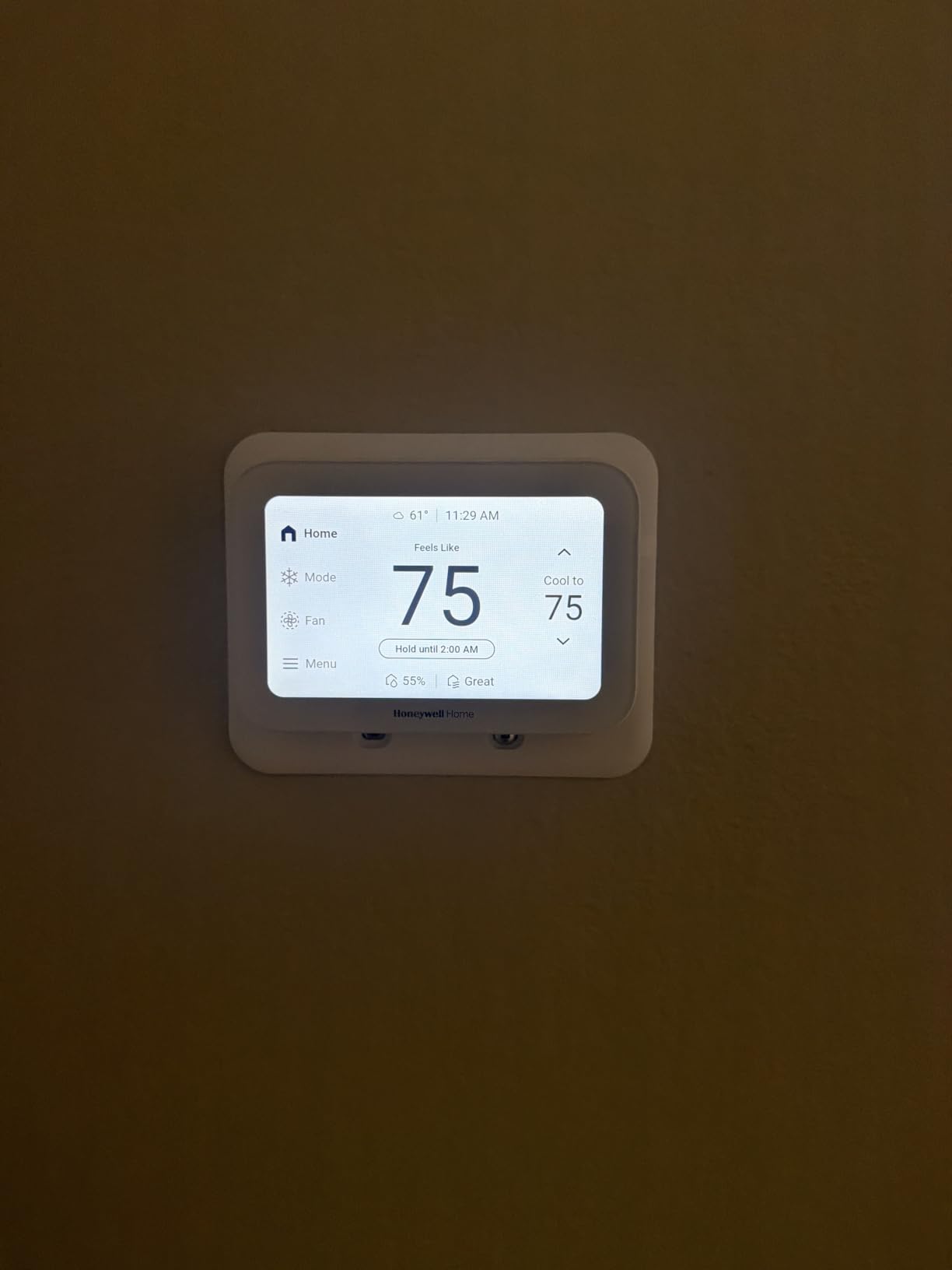
Why the mounting plate detail matters
This unit shares the UWP mounting plate with the Amazon Smart Thermostat. If you are swapping between the two brands, the upgrade is close to trivial. But if you are installing fresh, the matching wall plate and trim plate are not included and have to be bought separately, and reviewers report the Honeywell trim plate does not sit flush.
Staging capability is genuinely broad: up to 3 heat and 2 cool on a heat pump with electric backup, or 2 heat and 2 cool on a conventional system, plus hot water heat and forced air gas, oil or electric. As with the T9, it is not compatible with 120V to 240V electric baseboard heat. A voucher for a free C-wire adapter is included if your system lacks a common wire, which removes one common install blocker.
Connectivity, Matter and humidity control
Connectivity is 2.4 or 5.0 GHz Wi-Fi with Matter certification, and it works with Home Assistant, Alexa, Google Assistant and Apple Home. Doorbell camera view and two-way talk work with a First Alert VX1 or Ring doorbell from the thermostat screen, and humidity and ventilation control handle indoor air quality.
There are three honest caveats. Matter setup requires first commissioning through the Resideo First Alert app rather than an on-device QR code, which defeats part of the point for a local-first buyer. It runs an older version of the Matter standard, which limits humidity and AQI reporting. And some owners report Wi-Fi drops as frequent as 7 to 15 times a day, which breaks schedules and remote control.
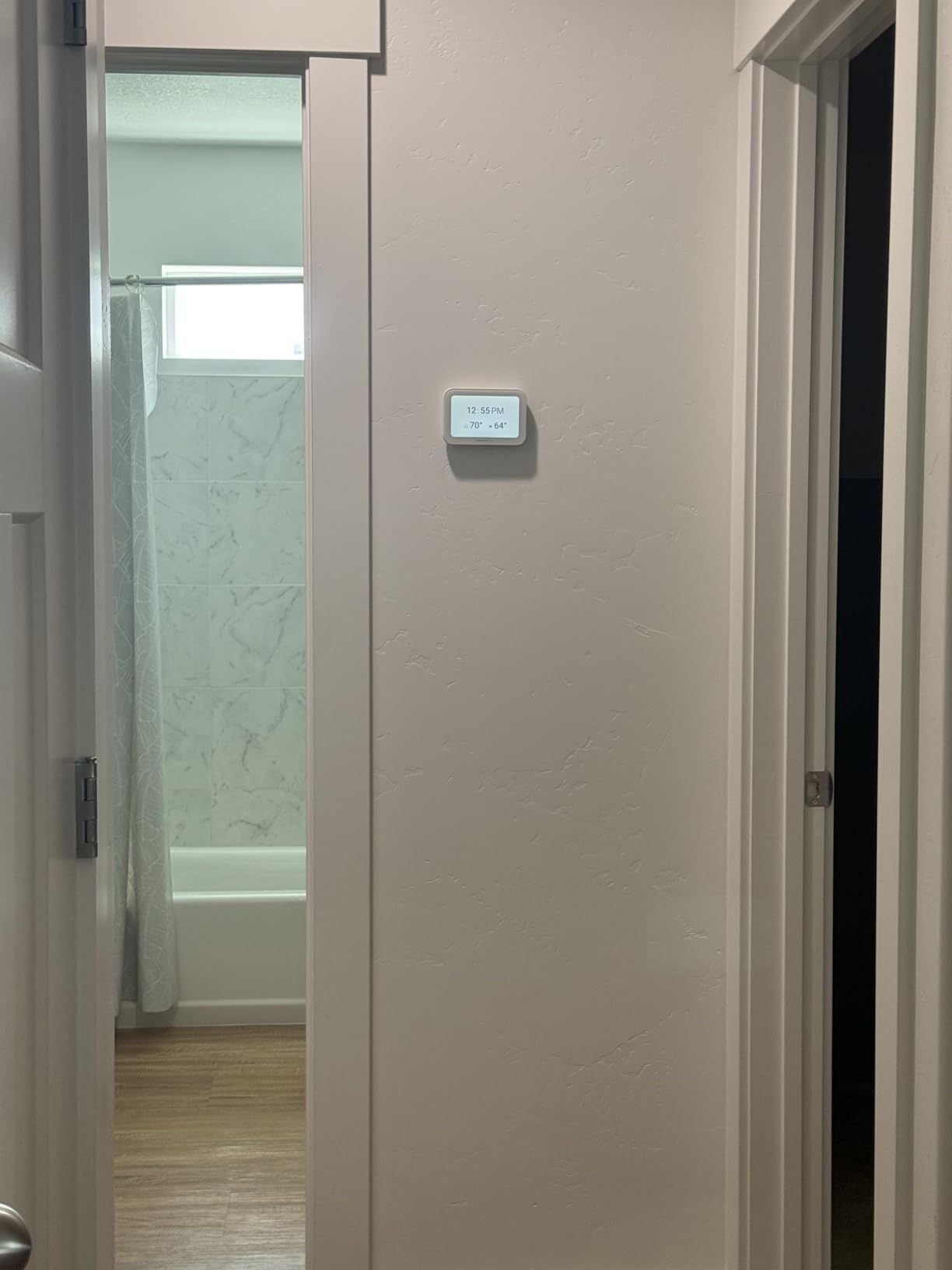
The review base is also the thinnest of the mainstream picks at 148 reviews with a 4.1 rating, so you are buying into less long-term evidence. The display is 5 inches, the largest in this roundup, and the unit is ENERGY STAR certified for rebate eligibility. At 1.1 pounds and 5.24 by 3.54 by 0.96 inches, it is a substantial wall presence.
12. Schluter Ditra-Heat-E-RS1 – The Only Radiant Floor Heating Controller
Schluter Ditra-Heat-E-RS1 Smart Thermostat Floor Warming System Compatible with Control4 Home Automation Platform – Built-in GFCI, App, Voice, Home Assist – DHERT105/BW
Controls 120V and 240V heating cable
Built-in Class A GFCI
5.9 inch deep
3 year warranty
+ Pros
- The only radiant floor heating thermostat here
- covering a category the wall models cannot
- Built-in Class A GFCI adds real electrical protection for wet-area floor installations
- Energy tracking breaks consumption into hourly
- 48-hour
- monthly and year-to-date
- Geofencing warms floors automatically when you arrive home
- Can be locked so settings cannot be changed in a shared space
– Cons
- Not a true touchscreen despite the touch-control specification
- Mirror finish smudges badly and digits can be hard to read
- Some units lose network connectivity and cannot be controlled until reconnected
- Only one floor sensor included contrary to the dual-sensor listing
Radiant floor heating is a category none of the wall thermostats can serve, because the heating element is embedded in the floor and controlled by a floor sensor rather than by air temperature. This unit controls DITRA-HEAT-E-HK heating cables at 120V and 240V up to a 15-amp load per thermostat, with expandability through RRS or RR power modules for heavier loads.
For a multi-room radiant install, you run one of these per room and control them from the Schluter Smart Thermostat app, which makes it a zoning solution in exactly the same way the Mysa is for baseboard. Because a floor has far more thermal mass than air, independent per-room control matters more here than anywhere else on this list, and it is the strongest argument for hardware-level zoning rather than sensor averaging.
Safety and energy reporting as the real selling points
The built-in Class A GFCI with an indicator light is the feature that distinguishes this from a generic smart relay. Heating cable in a wet area, whether a bathroom or an entryway, is exactly where ground-fault protection matters, and installers and owners consistently single it out as the reason for confidence. It is a safety feature that a cheaper relay controller simply does not have.
Energy tracking is unusually granular. It breaks consumption into hourly, 48-hour, monthly and year-to-date views and maps it to actual utility charges, which is more resolution than any other product here reports. For a hydronic or radiant owner trying to work out what a warm floor actually costs, that data is the point.
Display and connectivity shortcomings
The most common complaint is the display. Despite the touch-control specification, this is not a true touchscreen, and the mirror-finish face smudges badly enough that reported digits can be difficult to read. In a bathroom or entryway where the thermostat is touched constantly, that wear pattern is permanent.
Connectivity is Wi-Fi, and some units lose network connection and cannot be controlled at all until reconnected. Wi-Fi configuration was also not straightforward for some buyers, and there is a documented discrepancy in the box contents, with only one floor sensor included despite the dual-sensor listing. It measures 5.9 by 3.94 by 3.15 inches and is corded electric.
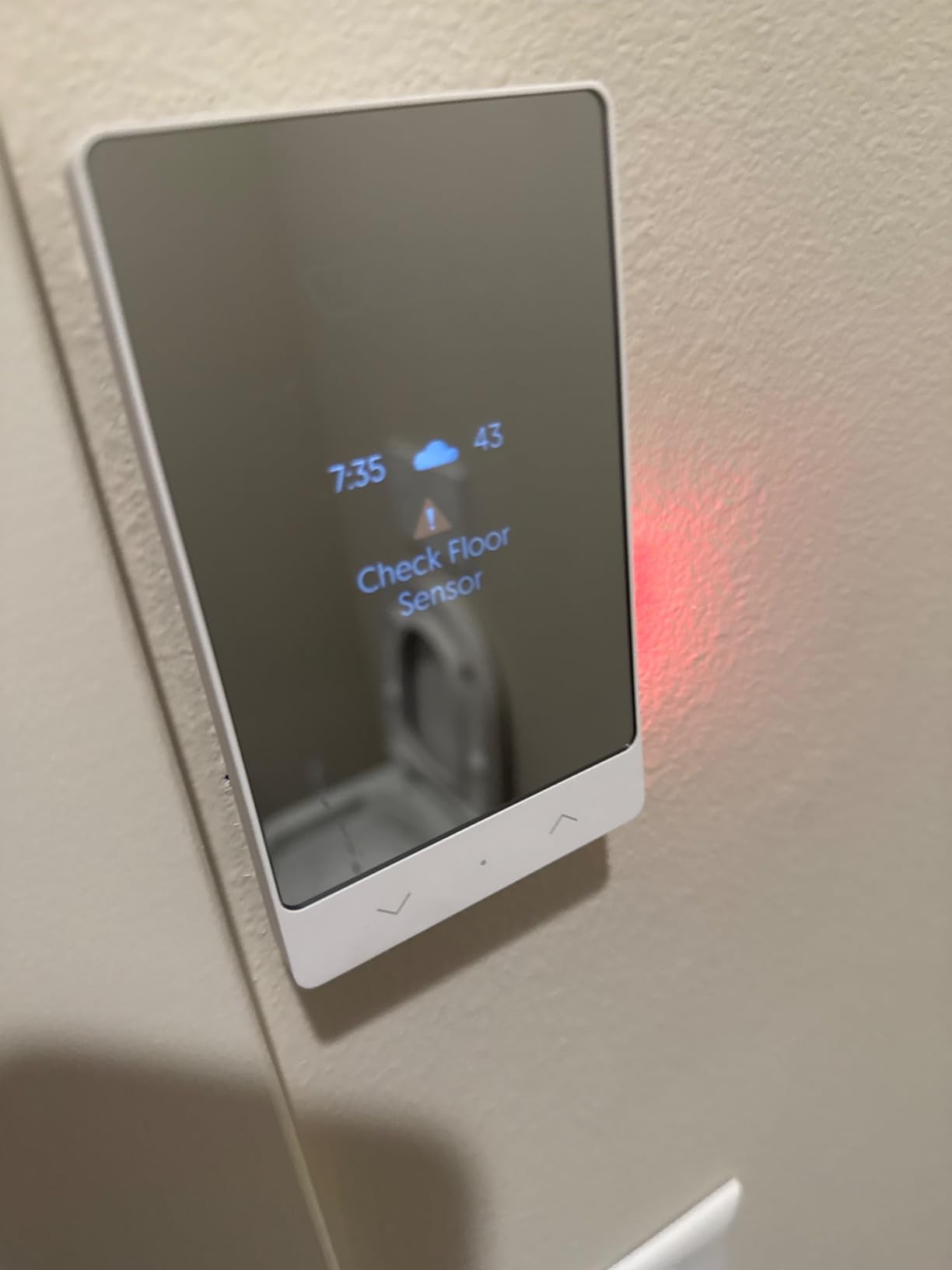
It works with Control4 home automation platforms and voice assistants, carries a three-year limited warranty, and can be locked so settings cannot be changed, which is useful in a rental or shared space. As a floor-heating controller it is expensive relative to generic thermostats, but there is nothing on this list that does the same job.
How to Check Your System Is Compatible Before You Buy
This is the section that saves money. Every question in the forum threads about smart thermostats is really this question wearing a different hat, so here is the diagnostic in numbered order. Do all five before you buy anything, and you will not be the person who opens the box and discovers the wiring is wrong.
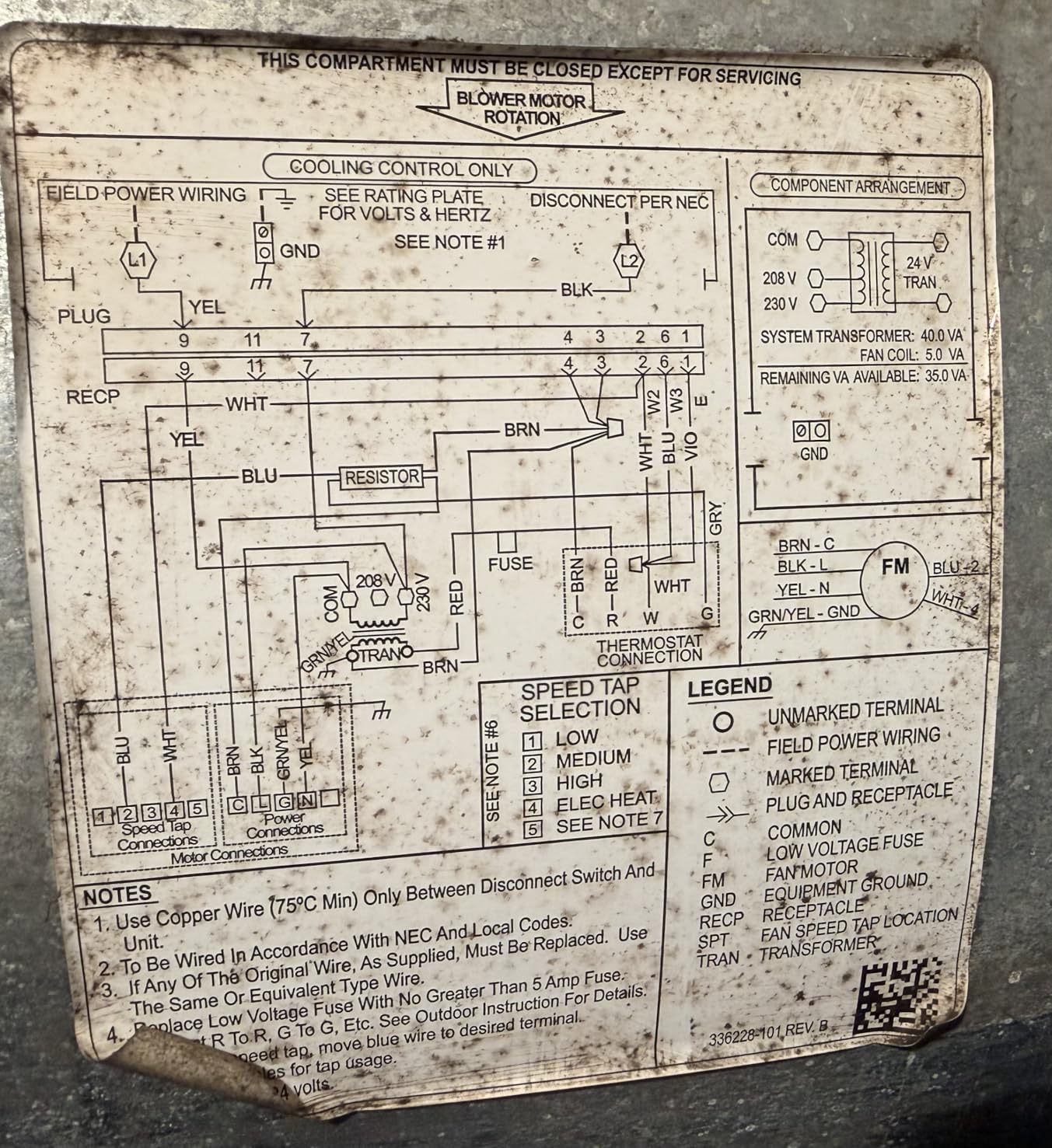
1. Count the wires at the existing thermostat. Remove the cover and count the conductors entering the box, then compare them to a standard 24V set of R, W, Y, G and C. Four wires with no C usually means a transformer or a power adapter is needed; two or three wires total on a 120V or 240V circuit means you have line voltage and a completely different category of thermostat.
2. Inspect the zone control board. Open the panel in your basement, attic or closet and look for a labeled zone panel with multiple zone terminals and, ideally, motorized dampers visible in the ducts. If you find one, you have true system-based zoning. If you find only the furnace control board, you do not have zoning, and no amount of spending on thermostats will create it.
3. Confirm 24V versus line voltage at the equipment. Look at the furnace or boiler and the breaker it is on. A 15-amp or 20-amp double-pole breaker on a heating circuit suggests 240V line voltage, which points you at the Mysa for baseboard and the Schluter for radiant floor. Anything on a standard 15-amp breaker with a 24V control transformer is a conventional system.
4. Check for a C-wire at every thermostat location. The blue or C wire is what powers the thermostat continuously. Models listed here that require it include the Amazon Smart Thermostat, the Honeywell T9 and the Sensi Touch 2. Models with a Power Extender Kit in the box, which are the ecobee Premium, Enhanced and, as a separate purchase, the Essential, can be installed without one.
5. Identify your equipment type and stage count. A heat pump needs stage handling, and some heat pumps have electric backup heat that requires 3H/2C capability, which is what the Honeywell X8S supports. A gas furnace with two stages needs 2H/2C. Write down what you actually have, because this is the number the salesperson will ask for and the number that determines compatibility.
If any of these five steps is unclear, the honest answer from the Home Assistant community applies here: for real zone control with independent setpoints, a wiring change at the zone controller or boiler is necessary. No app makes that go away.
How Many Room Sensors Do You Actually Need, and Where Do They Go?
Nobody agrees on sensor count, and most people overspend by buying one per room. For a 2,000 to 3,500 square foot home, two to four sensors is the working range, not one per bedroom. You need sensors in the rooms that drive comfort, which are usually the rooms you actually use, not the rooms you happen to have.
A practical starting set for a two-story house is one sensor in the room that sets the schedule, usually the main living area, plus one sensor in the room that is consistently wrong, often an upstairs bedroom or a sun-facing room. Add a third only if you have a distinct zone such as a home office or a nursery. More sensors than that and you are averaging in readings that dilute the signal.
Placement rules that actually matter
Place sensors at roughly waist to chest height on an interior wall. Avoid windows, because a sensor near glass reads the glass temperature rather than the room. Avoid sun-facing exterior walls, which swing wildly through the day and will drag the whole system around. Keep sensors away from HVAC supply registers and return grilles, since airflow over a sensor produces a reading that has nothing to do with the room.
Do not place a sensor on the same wall as the thermostat, because then you are reading the same air twice and the averaging logic has nothing to reconcile. Avoid exterior doors that open to cold air, and give a bathroom sensor some distance from the shower. The single most common cause of a disappointing sensor-based system is simply that one sensor was placed badly and dragging the average with it.
Radio range is worth checking before you commit. Most sensors are rated in the tens of feet, so a sensor two floors away from the thermostat may be marginal. The Honeywell X8S sensor is the outlier here with a stated range of up to 200 feet. If your floors are far apart and the signal is weak, solve the network first; our WiFi extender recommendations for dead zones cover that case.
Two HVAC Systems in One Home
Some homes have a central furnace for the main living space and a ductless mini-split, baseboard system or second furnace for an addition, a garage or a lower level. This is a live question on the related searches and no competitor covers it properly, so here is the honest answer.
You control each system with its own thermostat, in its own protocol. The central system takes a 24V wall thermostat, and the mini-split takes an infrared controller like the Cielo Breez. What you are really deciding is whether the two live in the same app, and that is an ecosystem question rather than a hardware one. If both platforms support the same assistant or automation hub, you can see them side by side even if the apps differ.
Two cautions based on what enthusiasts report. First, multiple units from the same budget brand across separate systems generally do not connect to one another, each operating as its own isolated system, so a multi-brand household can end up with several unconnected islands. Second, one thermostat cannot manage two different homes, which matters if you own a primary residence and a rental; each property needs its own controllers and its own account.
Users running dual-zone AC with two separate units are consistently steered toward ecobee as the platform that handles multiple thermostats in one app, which is the practical answer for this scenario. The sensor-based design means the two units share an account and a schedule model without needing to be on the same circuit.
What Drives the Total Cost Per Zone
Nobody on this page publishes total cost per zone, and it is the number that actually decides a multi-zone project. The thermostat is usually the smallest line in the calculation, and the accessory strategy determines everything else. Use the check above to work out your own figure, since the price buttons change daily and we do not quote figures that go stale.
Three cost drivers matter. First, bundled versus sold-separately accessories. The ecobee Premium and Enhanced include a Power Extender Kit, while the Essential and the Sensi Touch 2 do not, so a no-C-wire install is materially more expensive on those two. Second, sensor count. A four-zone sensor-based setup means one thermostat plus a three- or four-sensor pack, and per-room line-voltage systems multiply the hardware across every room instead.
Third, and usually the largest, labour. Running a C-wire, adding a neutral to an old baseboard circuit, or installing a zone board with dampers is electrical or HVAC work, and its cost dwarfs the thermostat. This is the honest dividing line between sensor-based zoning and system-based zoning: the first is a weekend project, the second is a contractor job. A per-room mini-split conversion also multiplies, since you need one Cielo Breez per unit.
Sensor batteries are the running cost people forget. Several sensors here run on coin cells or AAA batteries, which is another reason to follow the placement rules and avoid buying twice as many as you need.
Who Should Skip Multi-Zone Control
Single-story homes under about 1,500 square feet with even temperatures should skip this entirely. One thermostat covers the space, and a second one adds hardware, complexity and maintenance without improving comfort. The same goes if your heating is even throughout and you have no sun-facing rooms.
Renters should usually skip it as well, unless you control the wiring. A C-wire run, a neutral added or a zone panel installed is a landlord conversation, and a battery or plug-powered unit you can remove at move-out is the only version that makes sense. Our programmable thermostat picks for apartments cover the renter case properly.
Finally, skip the expectation of energy savings percentages. Every manufacturer on this page quotes a savings figure between 23 and 31 percent, and all of them are modelled, not measured, and they assume you were previously running a fixed schedule. The r/homeautomation community is blunt about this: the gains come from scheduling and from not conditioning empty rooms, not from the word smart. Set a realistic expectation of comfort improvement first and treat the utility bill as a side effect.
Frequently Asked Questions
Can a smart thermostat control multiple zones?
Yes, but only in one of two ways. If your HVAC already has a zone control board and motorized dampers, you install one 24V smart thermostat per duct zone and control them together in one app. If your system is single-zone central forced air, you install one thermostat plus wireless room sensors and the app averages or prioritizes those sensors to create virtual zones.
What smart thermostat can control multiple zones?
For a single-zone central system, the ecobee Smart Thermostat Premium, ecobee Smart Thermostat Enhanced and Honeywell Home T9 lead because they support remote room sensors. For a house already wired with a zone board, any of those three works one per zone. For electric baseboard or radiant floor heating, the Mysa Smart Thermostat V2 and the Schluter Ditra-Heat controller are the only compatible options. For ductless mini-splits, the Cielo Breez Max controls the units over infrared.
How do I know if my smart thermostat is compatible?
Count the wires at the existing thermostat and check for a C-wire, open the panel to see whether you have a zone control board with dampers, confirm whether the circuit is 24V low voltage or 120V/240V line voltage, and write down your equipment type and stage count such as 2H/2C gas or 3H/2C heat pump. Models listed as requiring a C-wire cannot be installed without one unless a power adapter kit is added.
Do smart thermostats work with zoned systems?
Yes. On a system with a zone control board and motorized dampers, you fit one smart thermostat per zone and wire each to its zone terminal on the panel, then group them in a single app. The important distinction is that a home with several thermostats wired in parallel from one furnace is not zoned, and no smart thermostat will turn it into a real zone without a zone board and dampers being installed.
Why do HVAC guys hate Nest thermostats?
Contractors object mostly to control and cost rather than the device itself. A learning thermostat can change its own schedule, which some installers see as removing their commissioning work, and smart thermostats usually need a C-wire, so a failed install can mean running new wire. Some contractors also dislike having a learning unit or a connected device they cannot service remotely. Buying the right model for your equipment and having the install documented largely removes the friction.
How many room sensors do I need for a multi zone thermostat?
For a 2,000 to 3,500 square foot home, two to four sensors is the working range rather than one per room. Start with one in the room that sets your schedule and one in the room that is consistently the wrong temperature, then add a third only for a genuinely distinct zone such as a home office or nursery. Place sensors on interior walls away from windows, sun-facing walls and HVAC vents.
Which Multi-Zone Smart Thermostat Should You Buy?
Route by your system, not by brand. If you have a two-story central air home with no zone board and want the cheapest path to two working zones, the Amazon Smart Thermostat two-pack is the answer because the second unit is already in the box. If your problem is uneven temperatures between floors, the ecobee Smart Thermostat Premium earns the recommendation: the included SmartSensor creates zones your ductwork does not have, and the Power Extender Kit solves the C-wire problem that blocks older installs.
If you need the most capable scheduling logic and your home has a real zone board, the Honeywell Home T9 is the pick, with sensors assignable to specific rooms and time blocks. If you run a boiler, take the ecobee Smart Thermostat Essential, which is the one model here that explicitly lists boiler support while still accepting SmartSensors. If you heat with electric baseboards, the Mysa V2 is your only option, and if your floors are radiant, the Schluter controller is the only one.
For ductless homes with several mini-splits, the Cielo Breez Max is the answer, and budget for one unit per head. For anyone running Home Assistant who wants local control instead of a cloud round trip, the Honeywell X8S is the one with Matter. And if you want learning behavior with the least programming, the Google Nest Learning Thermostat does that better than anything else here.
Whatever you choose, run the five-point compatibility check first, because it costs an afternoon and saves a returns cycle. Use the price buttons below to compare current pricing, and read our old-home thermostat guide if your wiring is from before 1990.
Leave a Reply