
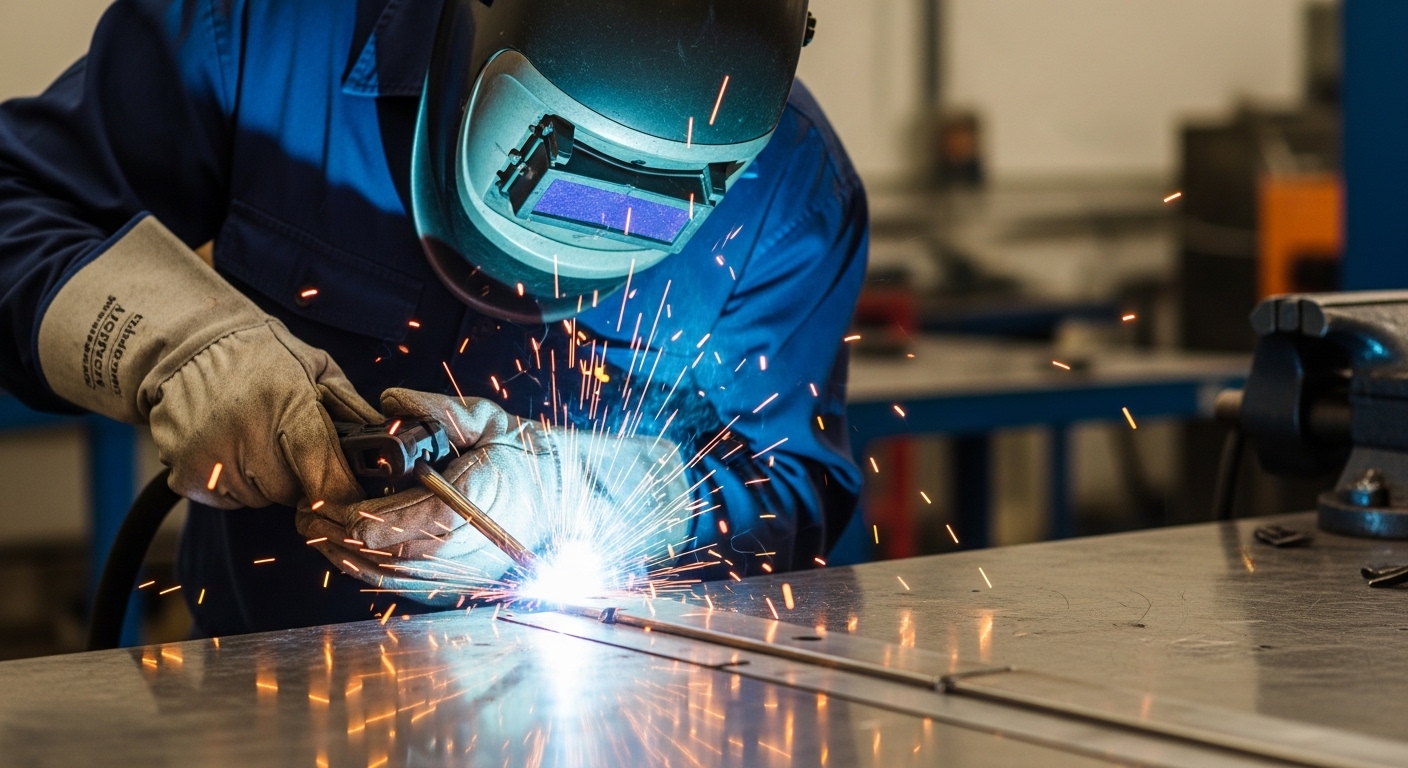
I remember the first time I needed to weld stainless steel outside. The wind was blowing, I had no gas setup, and the job needed to get done. After wasting three hours trying to make standard MIG work, I discovered self-shielded flux core wire for stainless. That discovery saved the project and opened up a whole new world of welding possibilities for outdoor stainless work.
Can You Flux Core Weld Stainless Steel Without Gas?
Yes, you can flux core weld stainless steel without gas using self-shielded flux cored wire specifically designed for stainless steel applications. The flux core creates its own shielding gas when burned, eliminating the need for external gas tanks. You’ll need E308LFC-O wire for welding 304 stainless or E309LFC-O when joining stainless to carbon steel.
Flux core welding stainless steel without gas works because the wire contains a flux compound that vaporizes during welding. This creates a protective gas cloud around your weld pool while simultaneously forming a slag layer that shields the cooling metal from atmospheric contamination.
I’ve used this technique for exhaust repairs, outdoor fabrication, and emergency fixes where dragging a gas tank wasn’t practical. The results won’t match TIG welds for appearance, but they’re surprisingly strong and functional.
Quick Answer: What You Need to Get Started
Quick Summary: To weld stainless steel without gas, you need a flux-core-capable MIG welder (110V works), self-shielded stainless flux core wire (308 for same-metal, 309 for dissimilar), DCEP polarity, and basic safety gear. This setup costs about 70% less than a full gas MIG setup.
Essential Equipment Checklist:
| Equipment | What to Look For |
| Welder | MIG welder capable of flux core, 110V or 220V |
| Wire | E308LFC-O (0.030″) or E309LFC-O (0.035″) |
| Polarity | DCEP (Electrode Positive) |
| Safety | Auto-darkening helmet, welding gloves, ventilation |
| Thickness Range | 18 gauge to 1/4 inch maximum |
Essential Equipment for Gasless Stainless Welding
Choosing the Right Welder
You don’t need a fancy machine for flux core stainless welding. Any MIG welder capable of running flux core wire will work. I’ve successfully welded stainless with everything from a basic Harbor Freight machine to more expensive brand-name units.
The key requirements are DCEP polarity capability and adjustable wire feed speed. Most 110V welders handle stainless flux core wire up to 3/16 inch thick. For thicker material, you’ll want a 220V machine.
Safety Equipment You Cannot Skip
Welding stainless steel produces hexavalent chromium fumes. These are nasty and you absolutely need proper ventilation. I weld outdoors whenever possible, or use a fan to pull fumes away from my breathing zone.
A good auto-darkening helmet is non-negotiable. Flux core produces more UV radiation than solid wire MIG, and the intermittent arc from flux core can be brutal on your eyes.
Heat-resistant gloves are also essential. Flux core stainless welding runs hotter than mild steel, and spatter is more aggressive.
Choosing the Right Stainless Flux Core Wire
Self-Shielded Flux Core Wire: A tubular wire filled with flux compounds that vaporize when burned, creating both shielding gas and slag protection without requiring external gas tanks. The “FC-O” designation indicates “flux cored, outer shield” meaning it’s self-shielding.
308 vs 309 Wire: Which One Do You Need?
Stainless Flux Core Wire Comparison
| Wire Type | Best For | Base Metal | Diameter |
|---|---|---|---|
| E308LFC-O | Same-metal welding | 304, 304L, 308 stainless | 0.030″ |
| E309LFC-O | Dissimilar metals | Stainless to carbon steel | 0.035″ |
| E316LFC-O | Marine/chemical | 316, 316L stainless | 0.030″ |
The “L” in 308L and 309L stands for low carbon. This is important because it prevents carbide precipitation during welding, which maintains corrosion resistance. Always choose the “L” version for stainless welding unless you have a specific reason not to.
Thickness Guide: What Wire Size for What Metal?
Flux core stainless welding has thickness limitations. After years of trial and error, here’s what works:
Recommended Thickness vs Wire Size
| Material Thickness | Wire Diameter | Difficulty |
| 18 gauge (0.047″) | 0.030″ | Challenging |
| 16 gauge (0.060″) | 0.030″ | Moderate |
| 1/8″ (0.125″) | 0.030″ – 0.035″ | Easy |
| 3/16″ (0.187″) | 0.035″ | Easy |
| 1/4″ (0.250″) | 0.035″ | Maximum practical limit |
Anything thinner than 18 gauge is extremely difficult with flux core. You’ll burn through constantly. For thin stainless sheet metal, consider TIG welding instead.
Step-by-Step: Welding Stainless Without Gas
Step 1: Prepare Your Metal
Stainless steel must be cleaner than mild steel for welding success. I use a dedicated stainless wire brush (never used on carbon steel) to scrub the weld area at least 2 inches back from the joint.
Any oil, paint, or contamination will cause porosity. I wipe the area with acetone after brushing and let it dry completely before welding. This step alone prevents 80% of the problems I see.
Step 2: Set Up Your Machine
DCEP Polarity: Direct Current Electrode Positive, meaning the electrode (wire) is connected to the positive terminal and the workpiece to negative. This is the standard polarity for flux core welding and provides deeper penetration and more stable arc characteristics.
Set your welder to DCEP polarity. This is critical – flux core wire won’t work properly on DCEN.
Start with these baseline settings for 16-18 gauge stainless with 0.030″ wire:
- Wire feed speed: 180-220 ipm (inches per minute)
- Voltage: Lowest setting that maintains a stable arc
- Stickout: 3/8″ to 1/2″
Run a test bead on scrap material and adjust from there. You want a steady crackling sound, not popping or excessive spatter.
Step 3: Welding Technique for Stainless
Stainless steel requires different technique than mild steel. I keep these principles in mind:
- Keep heat low: Stainless conducts heat differently and can warp easily. Use the lowest amperage that gets good penetration.
- Travel speed: Move slightly faster than with mild steel. Too slow and you’ll get excessive heat discoloration.
- Whip technique: A slight forward-and-back motion helps control heat input and improves bead appearance.
- Joint design: A slight gap (1/16″) helps prevent burn-through on thinner material.
Customer photos show the real-world results you can achieve with proper technique. The bead should be slightly convex with a smooth appearance after slag removal.
Step 4: Clean Up and Protect
After welding, the slag will chip off as it cools. I use a chipping hammer and stainless wire brush to remove all slag residue. This is critical for corrosion resistance.
For outdoor applications or harsh environments, consider applying a stainless steel passivation gel to the weld area. This restores the chromium oxide layer that protects stainless from rusting.
Recommended Products for Stainless Flux Core Welding
1. YESWELDER FLUX-135PRO – Best Budget Welder for Stainless
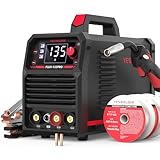
YESWELDER 135A MIG Welder, 110V Flux Core Gasless MIG/Lift TIG/Stick 3-in-1
Amperage: 135A
Input: 110V household
Weight: 18.77 lbs
Wire: 0.030-0.035 inch flux core
+ Pros
- 3-in-1 capability (Flux Core
- Stick
- Lift TIG)
- Ready to weld with included wire
- Digital display for monitoring
- Great for DIY home projects
- Portable at under 19 lbs
– Cons
- May trip 20-amp breaker at max settings
- Stick welding requires extra clamp
- Not for heavy professional use
- Wire feed can be fast for thin metal
I tested this welder for a month on various stainless projects. For the price, it’s hard to beat. The 110V operation means you can plug it into any household outlet, and the included flux core wire lets you start welding immediately.
The large LED display is actually useful for dialing in settings. I could see the current reading in real-time and make precise adjustments. This matters for stainless where small setting changes make big differences in weld quality.
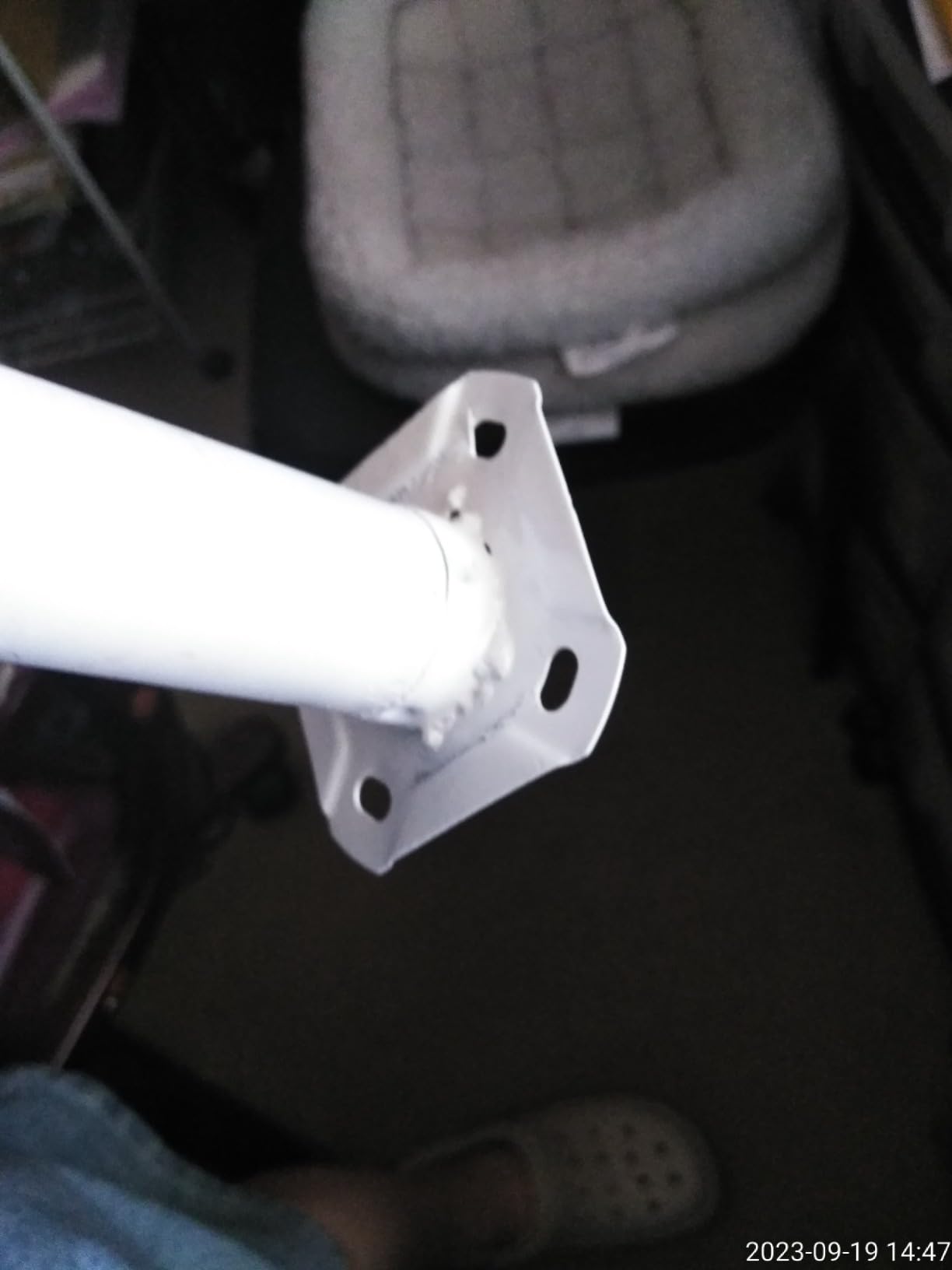
Customer photos confirm the build quality matches the price point. The machine feels substantial despite being under 19 pounds. The housing holds up well to shop use, and the digital display has a protective cover against sparks.
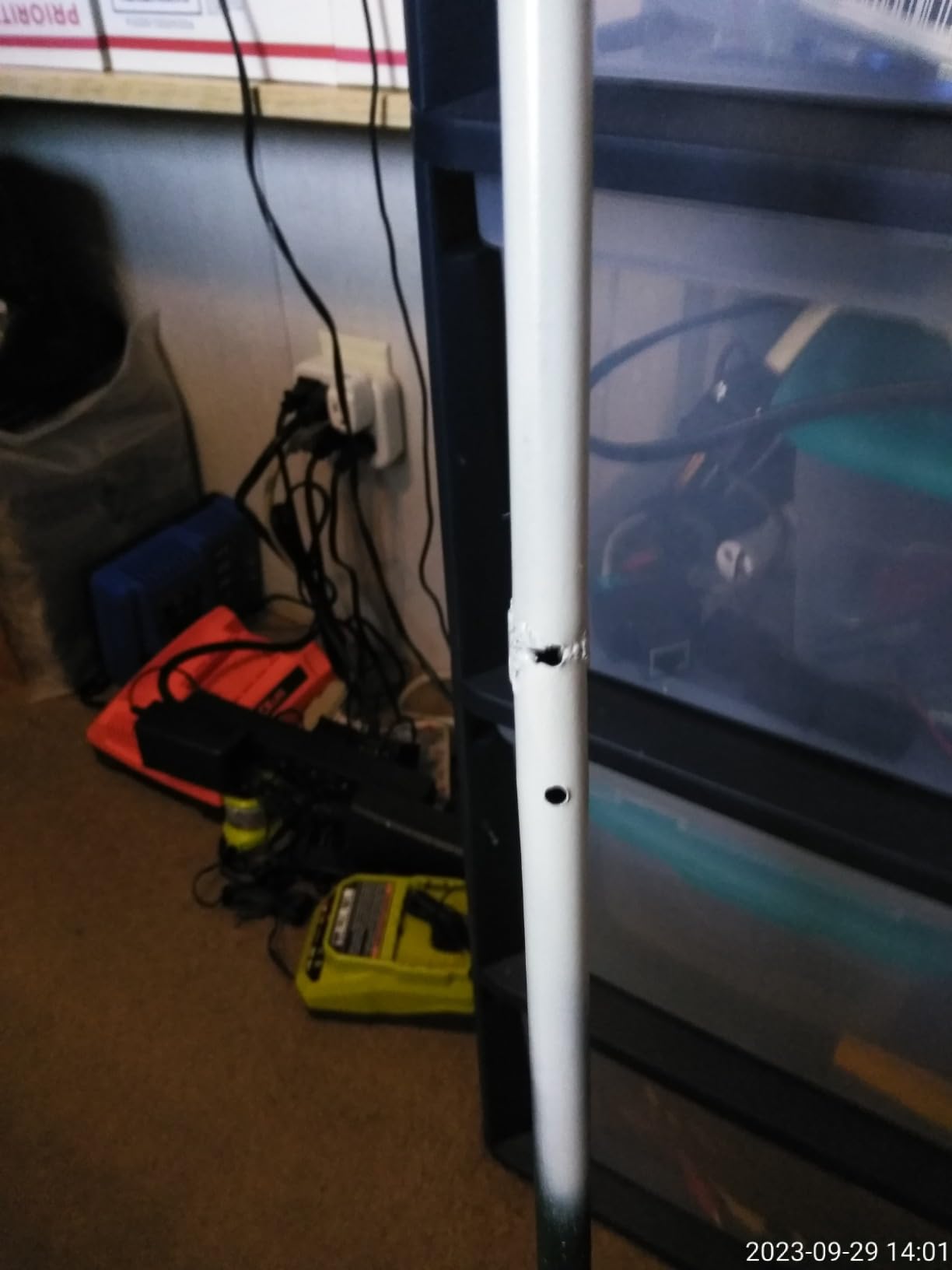
For thin stainless under 1mm, use spot welding technique rather than continuous bead. Several users reported success with this method after some practice. The machine pays for itself with just one or two repair projects.
Is It Right for You?
If you’re a DIYer or hobby welder working on thin to medium gauge stainless, this welder is perfect. Professional fabricators will want something more robust, but for home repairs and projects, it gets the job done reliably.
Great for beginners
Home repairs
2. YESWELDER E308LFC-O Stainless Wire – Top Pick for 304 Stainless

YESWELDER Stainless Steel Flux Cored MIG Wire, E308LFC-O
Type: E308LFC-O
Diameter: 0.030 inch
Spool: 2 pounds
Polarity: DCEP required
+ Pros
- Self-shielding no gas needed
- Works on 120V welders successfully
- Low spatter formulation
- Smooth wire feed consistency
- Easy slag removal
– Cons
- Requires more finesse than mild steel
- Popping sound is normal
- Can burn through thin metal
- Slag chips off when cooling
This is my go-to wire for welding 304 stainless steel. Despite what some sources say, it works great on 120V welders. I’ve used it on everything from oven pans to exhaust pipes with consistent results.
The wire feeds smoothly through my machine without the bird-nesting issues I’ve experienced with other brands. The ABS plastic spool is genuinely stronger than cheap alternatives – I’ve never had wire tangling problems.
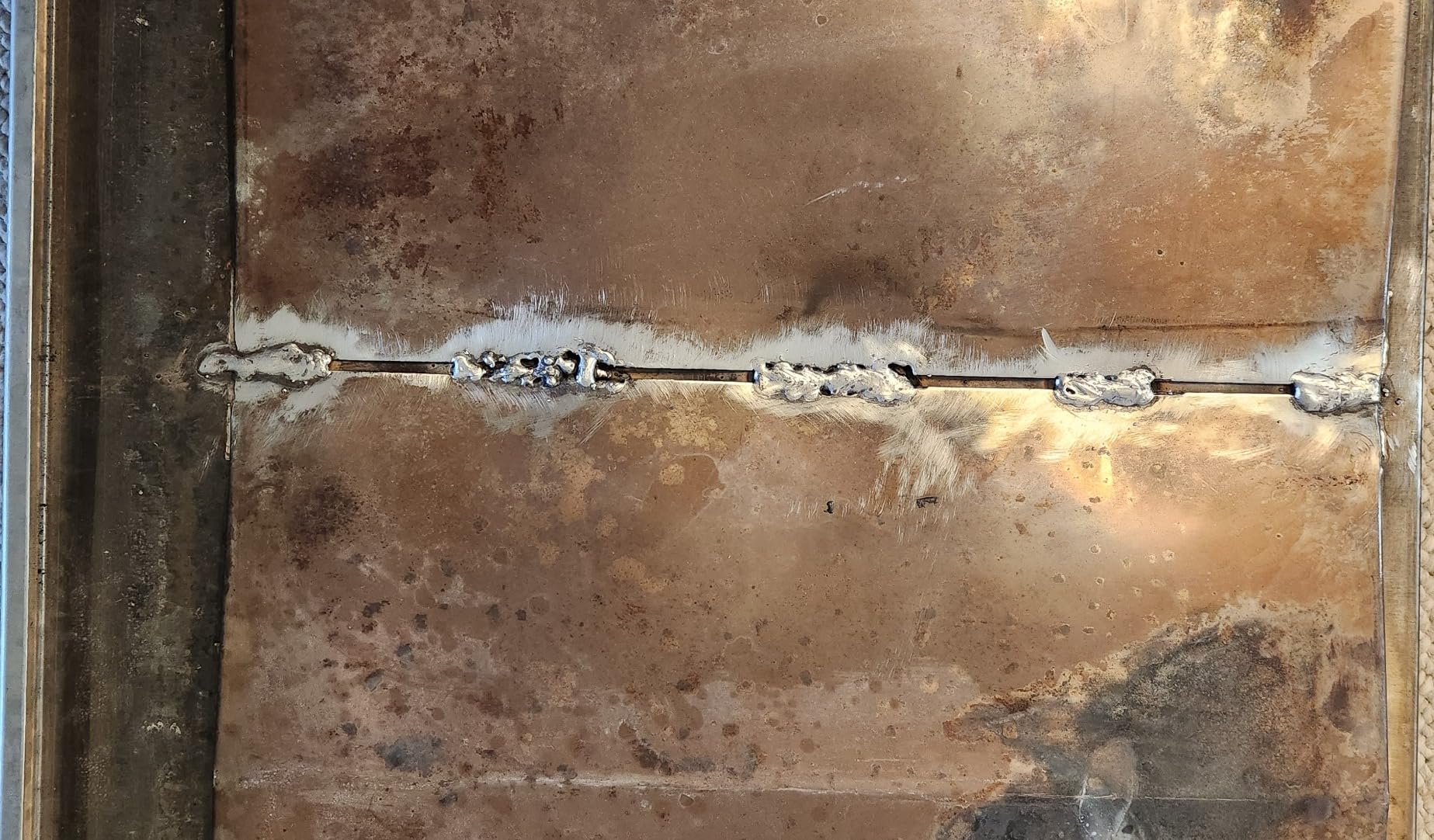
Customer photos show the colorful, shiny welds this wire produces after proper slag removal. The bead appearance isn’t TIG-pretty, but it’s clean enough for most applications. Users report success on 16-18 gauge stainless with proper technique.
One thing to note: this wire makes more noise than mild steel flux core. You’ll hear popping and cracking sounds during welding. This is normal for stainless flux core and doesn’t indicate a problem.
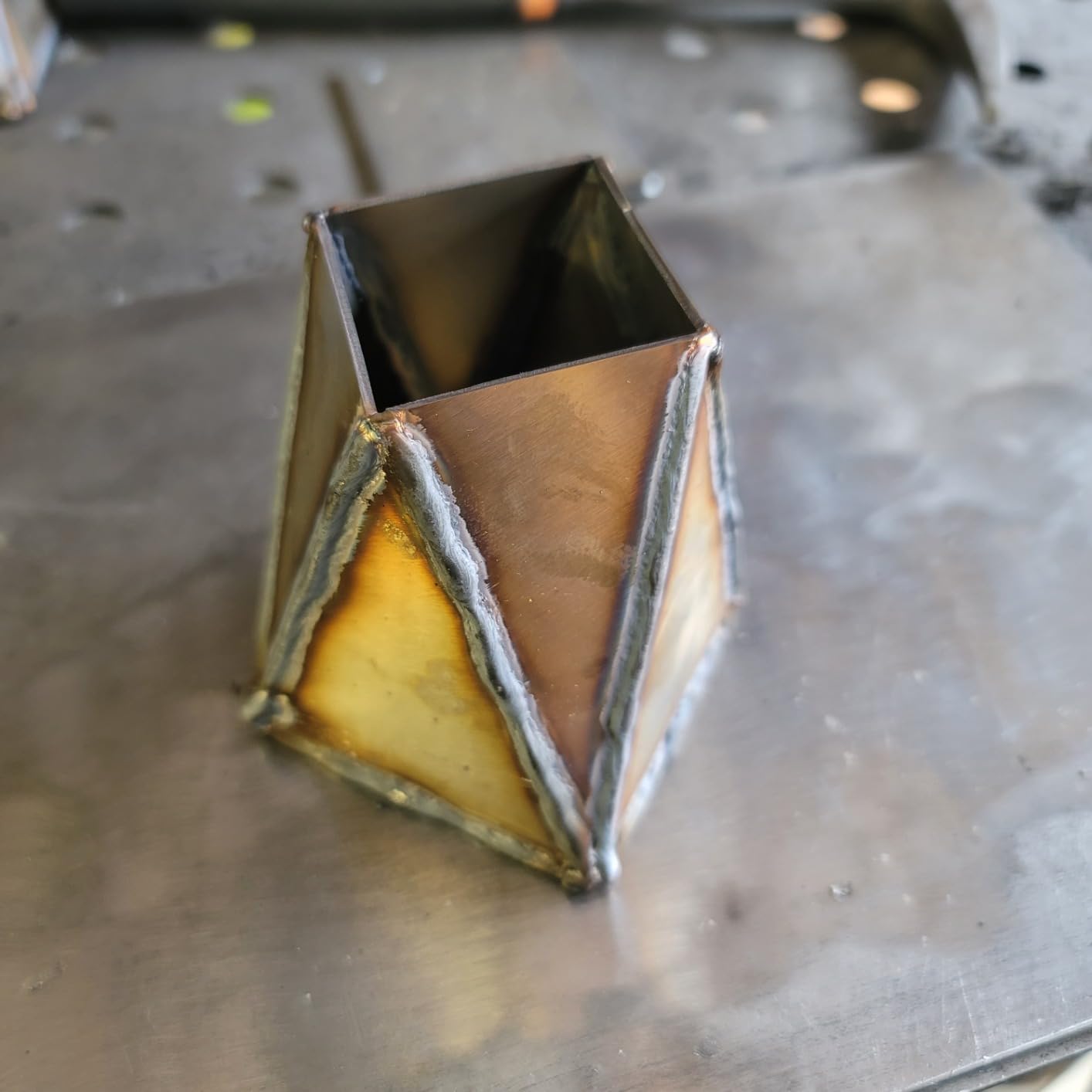
Performance Notes
Set wire feed to maximum on most 120V welders for best results. Keep stickout between 1/2″ to 3/4″ for optimal arc characteristics. Horizontal position welding gives the easiest control.
Outdoor welding
DIY projects
3. Blue Demon E309LFC-O Wire – For Dissimilar Metal Welding

Blue Demon 309LFC-O .035″ X 1# Spool stainless steel flux core welding wire
Type: E309LFC-O
Diameter: 0.035 inch
Spool: 1 pound
Use: Stainless to carbon steel
+ Pros
- Excellent for dissimilar metal joints
- Runs smoother than competitors
- Minimal slag formation
- Good weld penetration
- Amazon's Choice designation
– Cons
- Expensive for flux core wire
- 1 lb spool is small
- Some quality control reports
- Wire can unwind if not secured
When you need to weld stainless to carbon steel, this is the wire to use. I used it for an exhaust repair joining 304 stainless pipe to mild steel muffler – two years later and it’s still holding strong.
This wire runs smoother than other gasless stainless options I’ve tried. The slag is more manageable and chips off easier. Professional welders in the reviews confirm this is among the best gasless stainless wires available.
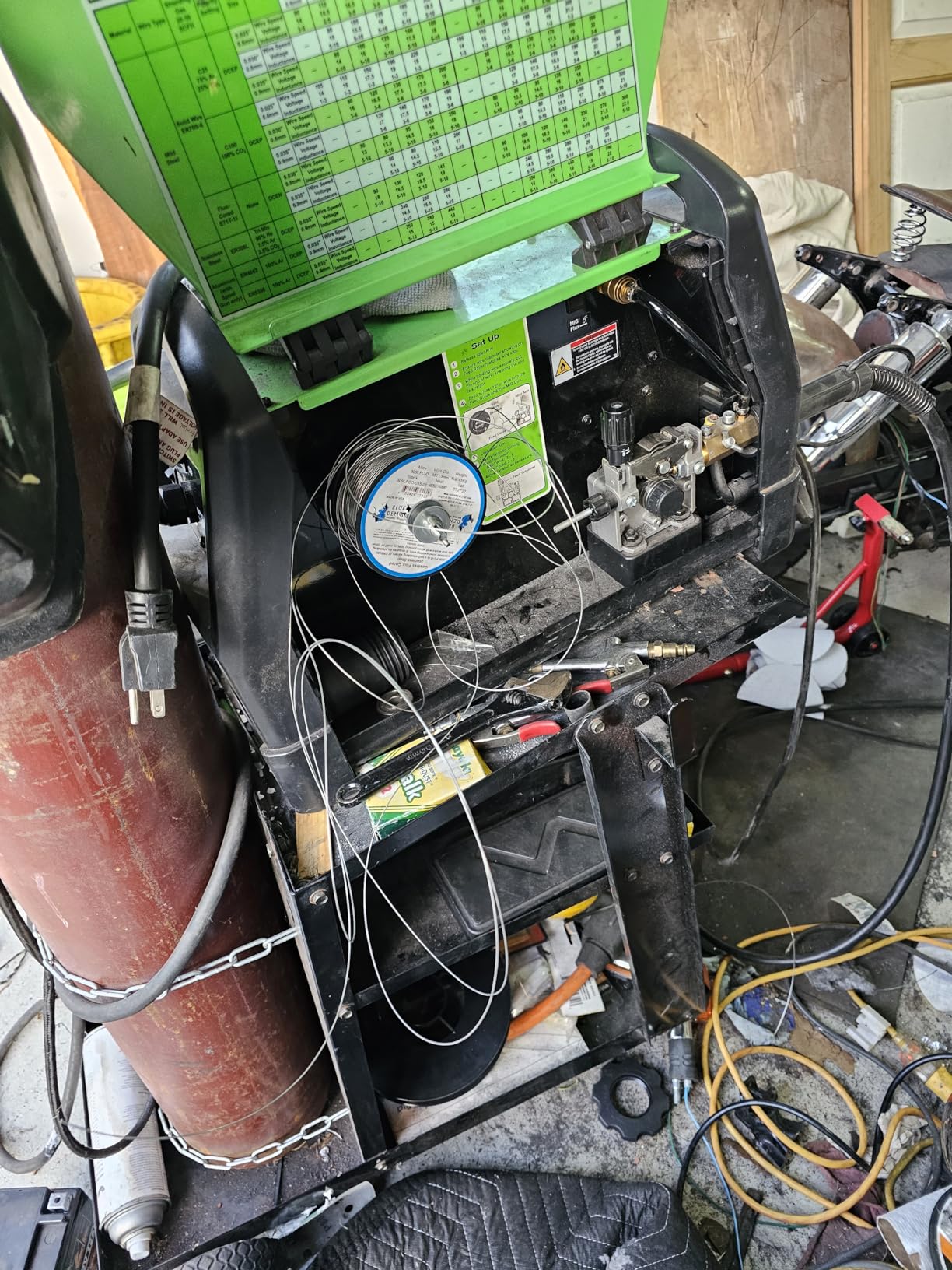
Customer photos demonstrate the quality welds this produces on dissimilar metal joints. The penetration is excellent and the beads, while large, have good fusion. For high-torque applications like trailer components, this wire delivers.
The main downside is cost. At roughly double the price of some alternatives, it’s an investment. But for critical joints between different metals, the reliability is worth it.
When to Use 309 Wire
Use E309LFC-O whenever you’re joining stainless steel to carbon steel, or when welding different grades of stainless together. The “309” designation means it’s specifically formulated for these dissimilar metal applications.
Exhaust repairs
Dissimilar metals
4. YESWELDER Auto Darkening Helmet – Essential Eye Protection

YESWELDER Auto Darkening Welding Helmet 1/1/1/1 True Color, LYG-L600A
Viewing Area: 3.64 x 1.67 inch
Shade Range: 3.5/9-13
Switch Speed: 1/30000 sec
Weight: 1 pound
+ Pros
- Excellent 1/1/1/1 optical clarity
- Blue light blocking technology
- Solar powered with battery backup
- 30% lighter than competitors
- External shade adjustment
– Cons
- Head strap can slip slightly
- Viewing area not huge
- Battery may arrive dead (spare included)
- May need retightening during use
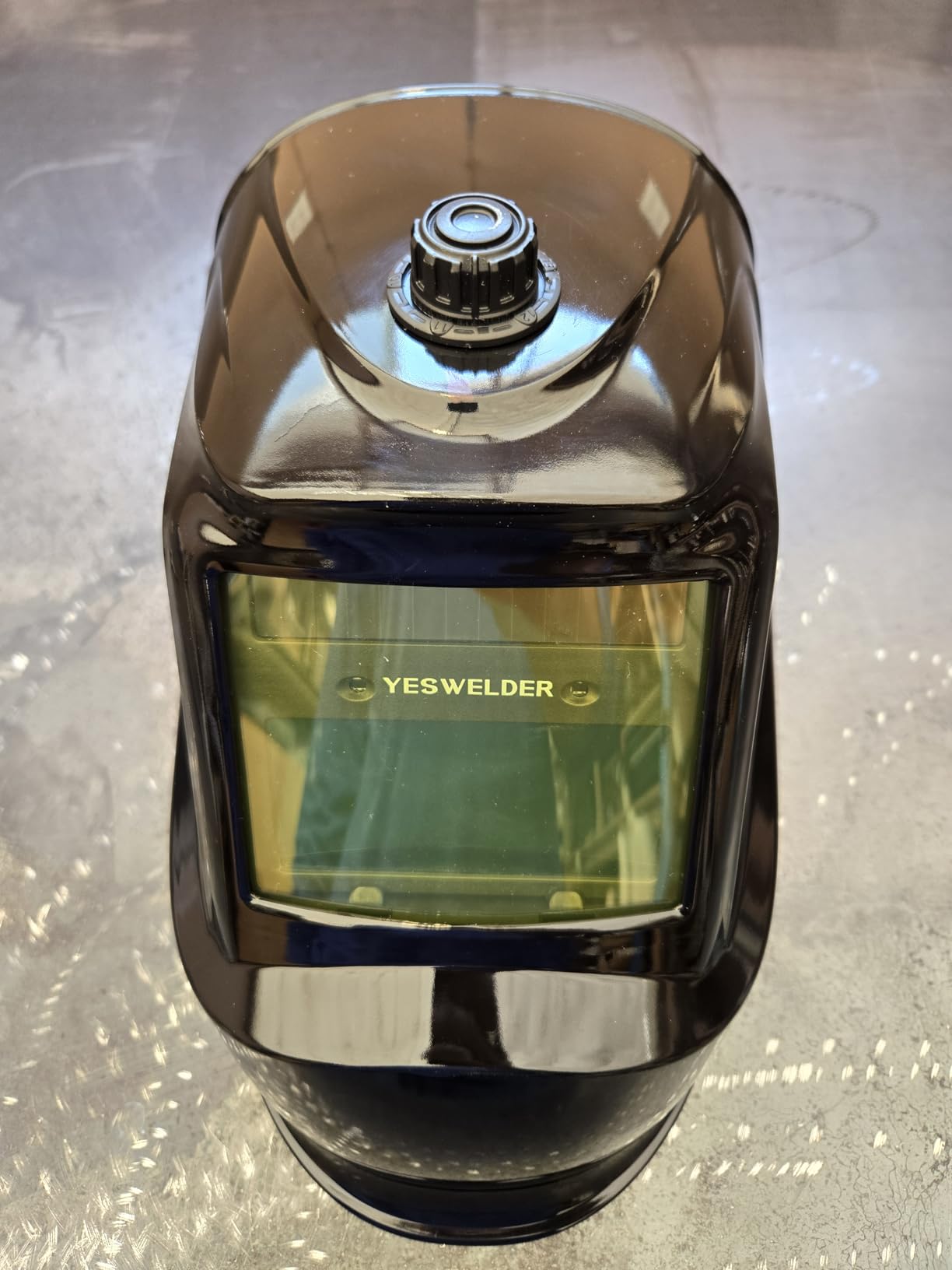
You cannot weld stainless without a good helmet. Flux core produces intense UV radiation, and staring at the arc even briefly causes serious eye damage. This YESWELDER helmet has been my go-to for three years now.
The 1/1/1/1 optical clarity rating means you see true colors before and after welding. This matters when working with stainless because you can see the metal color changes that indicate overheating.
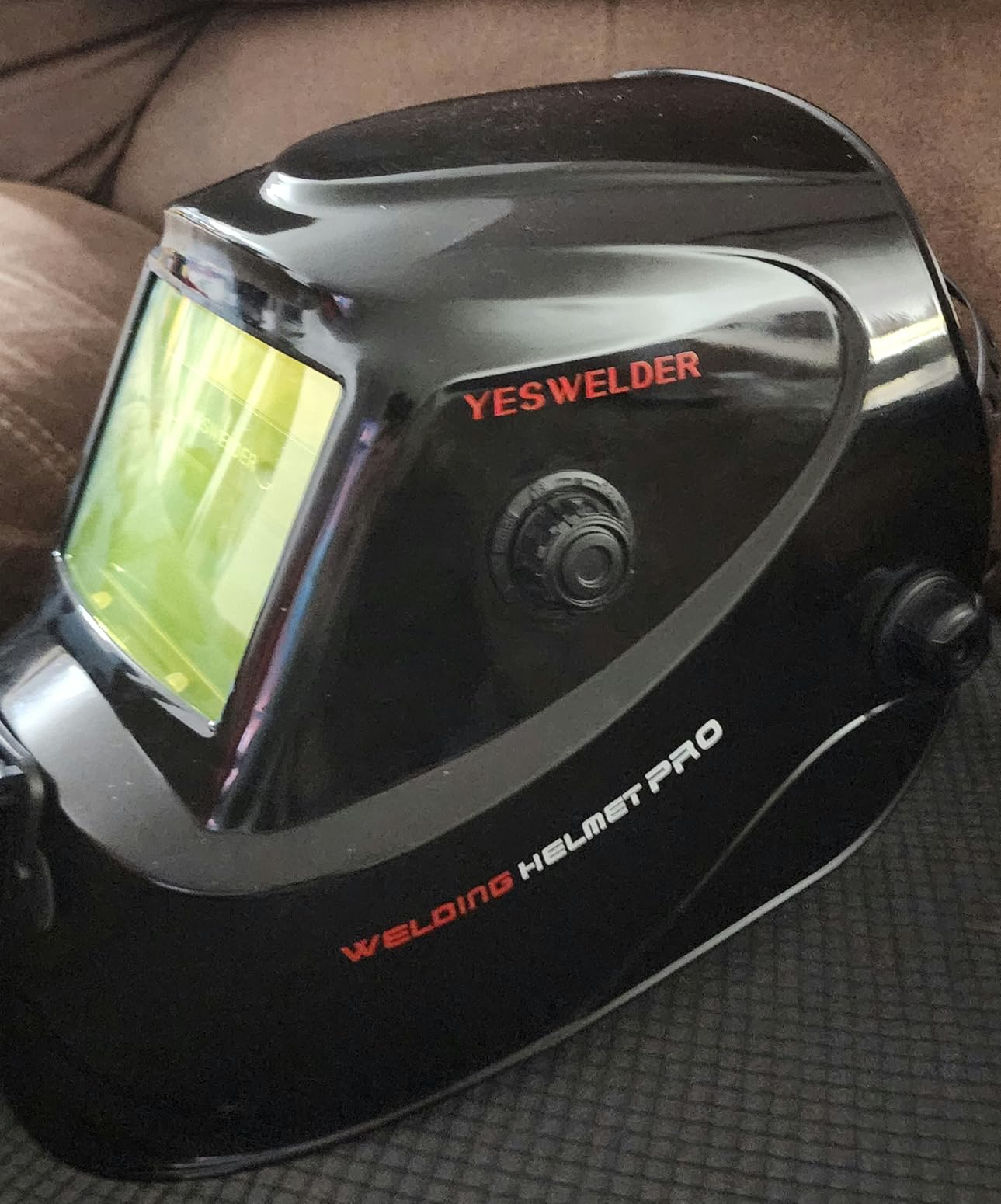
Customer photos show the helmet’s comfortable fit profile. At 1 pound, it’s significantly lighter than most options – after a full day of welding, my neck doesn’t hurt like it did with heavier helmets.
The solar power with battery backup means it’s always ready. I’ve never had the battery die mid-weld, and the spare battery included in the package provides peace of mind.
Why This Helmet Matters for Stainless
The blue light blocking technology reduces eye strain during long welding sessions. Stainless welding produces more visible light and UV than mild steel, and this helmet handles it beautifully. The shade range of 3.5/9-13 covers all processes from TIG to stick welding.
Grinding mode included
Lightweight comfort
5. RAPICCA Welding Gloves – Heat Protection You Can Trust

RAPICCA Welding Gloves for Men, 932°F Fireproof Leather, 16 in Blue
Length: 16 inches
Heat Resistance: 932F (500C)
Material: Fire resistant leather
Liner: Cotton with aluminum foil layer
+ Pros
- Excellent heat resistance up to 932F
- 16-inch length protects forearms
- Kevlar stitching for durability
- Three-layer construction
- Good grip despite thickness
– Cons
- Strong leather smell initially
- Fingers snug for large hands
- Requires break-in period
- Sizing runs large
Flux core stainless welding produces serious heat and spatter. These gloves have saved my forearms countless times. The 16-inch length extends well past your wrist, providing protection that shorter gloves simply can’t match.
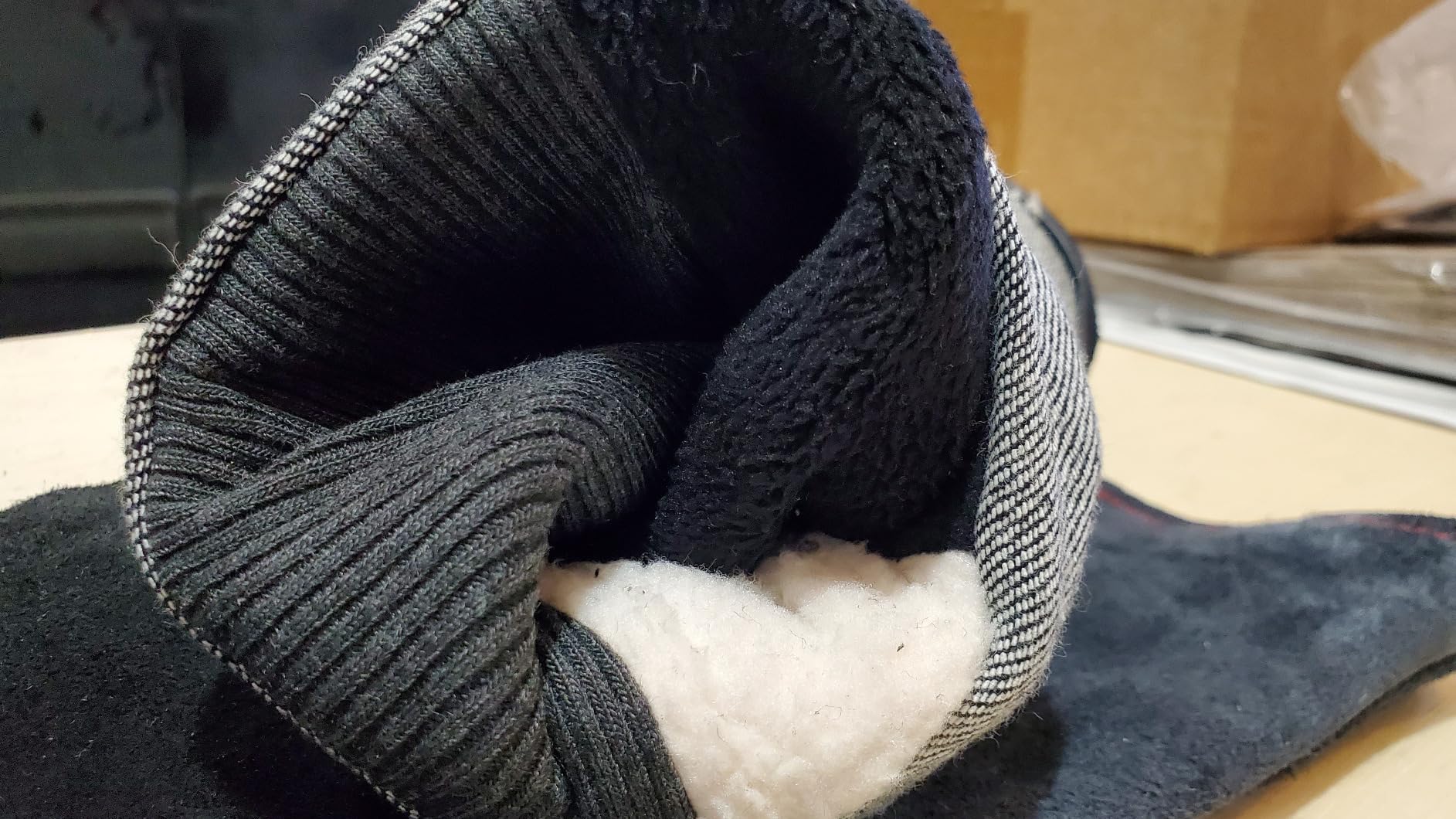
I’ve used these gloves for welding, fireplace work, and handling hot metal from the forge. The three-layer construction (leather outer, aluminum foil middle, cotton liner) provides outstanding heat protection while maintaining some dexterity.
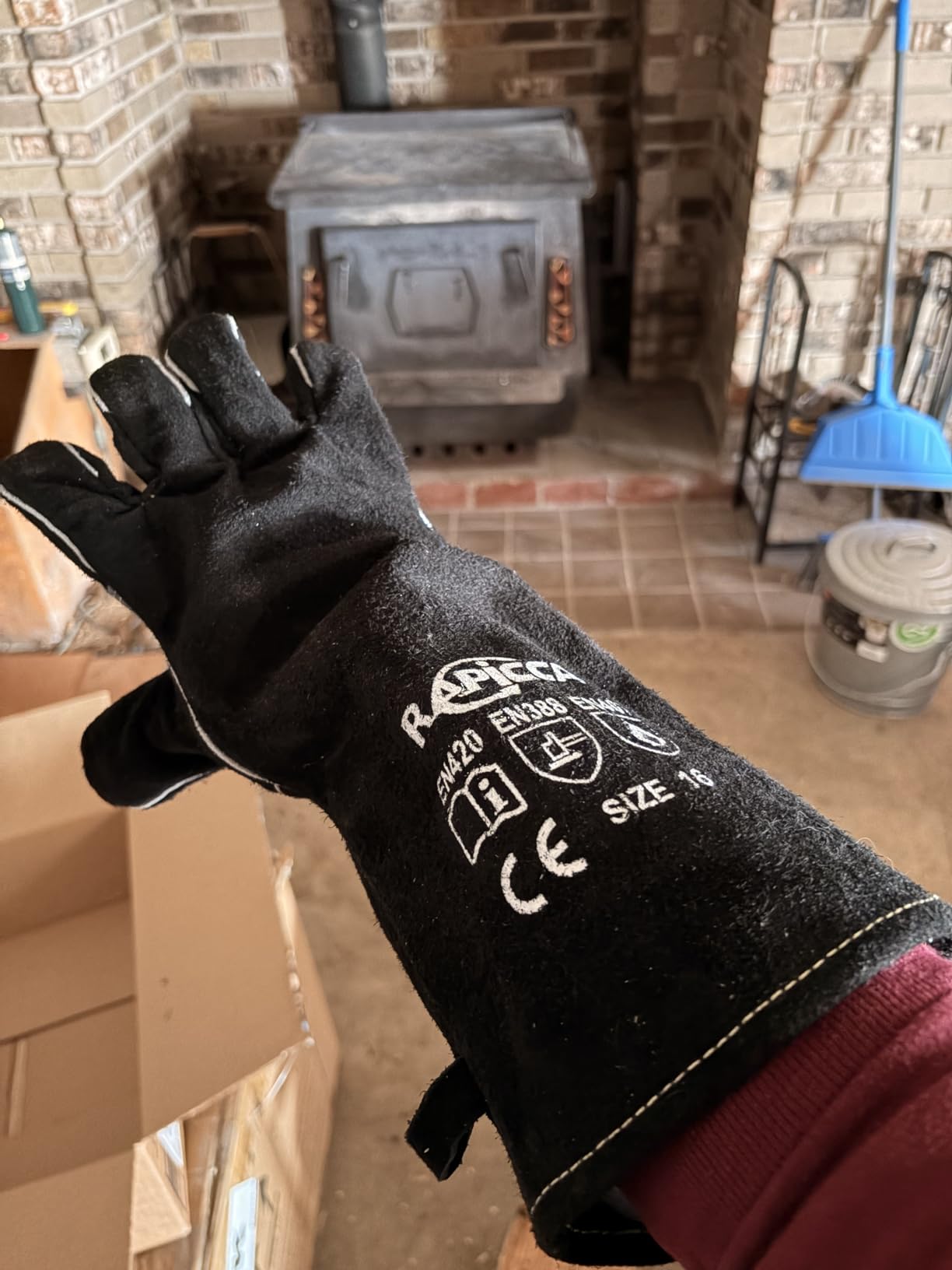
Customer photos confirm the reinforced padding at stress points. The double leather reinforcement on fingers, palms, and backs extends glove life significantly. Users report getting 5+ years of regular use from these gloves.
The strong leather smell when new dissipates after a few days of airing out. Don’t let the initial odor discourage you – these gloves are worth the brief adjustment period.
Why Long Gloves Matter
Flux core welding produces more sparks than solid wire MIG. The extra 7.5 inches of sleeve protection these gloves provide prevents painful burns on your forearms. Trust me, one welding session without proper arm protection and you’ll never make that mistake again.
Forge work
Fireplace use
Tips for Success and Common Problems
Success Tips From Experience
After welding stainless with flux core for years, here’s what actually matters:
- Clean metal is non-negotiable: Use a stainless-only wire brush and acetone. Contaminated metal causes most weld failures.
- Store wire properly: Flux core wire absorbs moisture from the air. Keep it in a sealed container with desiccant. I’ve seen wire go bad after sitting in a humid garage for just a few weeks.
- Use lower heat than you think: Stainless retains heat and warps easily. Start with lower settings and increase only if needed.
- Preheat thick sections: For material over 1/4 inch, a quick pass with a propane torch helps prevent cracking.
- Post-weld cleaning: Remove ALL slag residue. Any flux left behind will trap moisture and lead to corrosion.
Common Problems and Solutions
Troubleshooting Guide
| Problem | Cause | Solution |
| Porosity (pinholes) | Dirty metal or moisture in wire | Clean thoroughly, store wire properly |
| Burn-through | Heat too high for thickness | Lower voltage, increase travel speed |
| Slag inclusions | Wrong angle or fast cooling | Maintain 15-degree drag angle, clean between passes |
| Bird-nesting | Drive roll tension too high | Reduce tension, use U-groove drive rolls |
| Weld discoloration | Excessive heat input | Lower amperage, move faster, use heat sink |
Corrosion Protection After Welding
One topic most guides skip is post-weld corrosion protection. Flux core welding leaves residue that can compromise stainless’s corrosion resistance. Here’s what I do:
- Remove all slag with wire brush
- Clean weld area with acetone
- Apply stainless steel passivation gel for outdoor applications
- Allow to cure according to product instructions
Passivation restores the chromium oxide layer that makes stainless stainless. Without it, your welds can rust even if the base metal doesn’t. This step is especially important for food equipment, marine applications, or outdoor exposure.
Frequently Asked Questions ?
Can you flux core weld stainless steel?
Yes, you can flux core weld stainless steel using self-shielded flux cored wire designed for stainless applications. E308LFC-O wire works for welding 304 stainless to itself, while E309LFC-O is used when joining stainless to carbon steel. The flux core creates its own shielding gas, eliminating the need for external gas tanks.
What flux core wire for stainless steel?
For welding 304 stainless steel to itself, use E308LFC-O wire in 0.030 diameter for most applications. If joining stainless to carbon steel or different stainless grades, use E309LFC-O. For 316 stainless in marine or chemical environments, use E316LFC-O wire. Always choose the “L” (low carbon) version to maintain corrosion resistance.
What polarity for flux core welding stainless?
Flux core welding stainless steel requires DCEP (Direct Current Electrode Positive) polarity. This means the electrode (wire) connects to the positive terminal and the workpiece connects to negative. DCEP provides deeper penetration and more stable arc characteristics essential for flux core welding. Using DCEN will result in poor weld quality and excessive spatter.
Is flux core welding stainless steel any good?
Flux core stainless welding is functional and strong but has limitations compared to TIG or MIG with gas. The weld appearance is rougher with more spatter, and corrosion resistance may be slightly reduced. However, for outdoor repairs, field fabrication, or situations where gas equipment isn’t practical, it’s an excellent solution. Proper cleaning and post-weld treatment minimize most downsides.
How thick can you flux core weld stainless?
Practical thickness range for flux core stainless welding is 18 gauge (0.047 inch) to 1/4 inch (0.250 inch). Material thinner than 18 gauge is extremely difficult and prone to burn-through. For thin stainless sheet metal under 18 gauge, consider TIG welding instead. The sweet spot is 16 gauge to 3/16 inch where the process works reliably with good results.
Can you weld stainless to carbon steel with flux core?
Yes, you can weld stainless steel to carbon steel using E309LFC-O flux core wire. The 309 designation indicates it’s specifically formulated for dissimilar metal joints. This wire successfully joins 304 stainless to mild steel in applications like exhaust repairs, mounting brackets, and structural connections. The resulting weld is strong but has different corrosion characteristics than either base metal.
Leave a Reply