

I’ve spent countless hours in front of welding booths, watching students struggle with one universal problem: choosing the right stick welding rod.
The frustration is real. You set up your welder, prep your metal, strike an arc, and then… nothing works. The rod won’t penetrate, the weld looks like bubble wrap, or you’re fighting to keep the arc alive.
Here’s the truth: choosing between 6010, 6011, 6013, 7018, and 7024 welding rods isn’t complicated once you understand what each number actually means. These five electrodes cover 95% of stick welding applications, and knowing their differences separates confident welders from frustrated ones.
After testing dozens of rod types across farm repairs, structural projects, and beginner practice sessions, I’ve broken down exactly which rod does what and when to use it.
What Do the Numbers on Welding Rods Mean?
The AWS electrode classification system uses the format E-XXY-ZZ where each digit represents a specific property: E stands for electrode, XX indicates tensile strength (in thousands of PSI), Y shows penetration and position capabilities, and ZZ specifies flux coating type and current polarity.
The American Welding Society (AWS) created this numbering system to take the guesswork out of electrode selection. Every digit tells you something important about how that rod will perform.
Whether you’re a hobby welder or working with industrial welding equipment used in manufacturing, understanding electrode classification is essential for quality welds.
Here’s how the E-XXY-ZZ system breaks down:
E: Stands for “Electrode” – the official term for what most welders call a rod or stick.
First two digits (XX): Tensile strength in thousands of PSI. A “60” series rod = 60,000 PSI minimum tensile strength. A “70” series = 70,000 PSI.
Third digit (Y): Welding position capability. “1” means all-position (flat, horizontal, vertical, overhead). “2” means flat and horizontal fillet welds only.
Last digit (Z): Flux coating type and current polarity. This determines penetration depth, arc characteristics, and which power sources work.
Flux Coating Types (The Last Digit)
The flux coating is what makes stick welding work. It creates the shielding gas, adds alloying elements, and controls how the rod melts:
| Last Digit | Flux Type | Penetration | Current |
|---|---|---|---|
| 0 | Cellulose sodium | Deep | DCEP only |
| 1 | Cellulose potassium | Deep | AC or DCEP |
| 3 | Titania (high rutile) | Light | AC, DCEN, or DCEP |
| 8 | Low hydrogen iron powder | Medium | AC or DCEP |
| 4 | High iron powder | Medium | AC or DCEP |
Quick Comparison: All 5 Welding Rods
Before diving into each rod individually, here’s a bird’s-eye view of how they stack up against each other:
| Rod | Tensile | Penetration | Current | Positions | Best For |
|---|---|---|---|---|---|
| E6010 | 60,000 PSI | Deep | DCEP only | All | Pipe, root passes, dirty metal |
| E6011 | 60,000 PSI | Deep | AC or DCEP | All | AC welders, farm repair |
| E6013 | 60,000 PSI | Light | AC/DC any | All | Beginners, sheet metal |
| E7018 | 70,000 PSI | Medium | AC or DCEP | All | Structural, X-ray quality |
| E7024 | 70,000 PSI | Medium | AC or DCEP | Flat/horizontal only | Production speed, thick metal |
Detailed Welding Rod Reviews
E6010 – Deep Penetration DC Champion
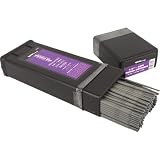
Forney 31610 E6010 Welding Rod, 1/8-Inch, 10-Pound
Strength: 60,000 PSI
Penetration: Deep digging
Current: DCEP only
Positions: All-position
Best: Root passes, pipe, dirty metal
+ Pros
- Burns through rust and paint
- Excellent for pipe welding
- Deep penetration creates strong bonds
- All-position capability
- Light slag for overhead work
– Cons
- DC only – no AC compatibility
- Requires proper OCV machine
- Steeper learning curve
The E6010 is a specialized tool in the welding world. It’s the rod professional pipe welders reach for when they need deep penetration and a digging arc that cuts through contaminants like they’re not even there.
What makes 6010 unique is its high cellulose sodium flux coating. When the rod burns, it creates an aggressive, digging arc that literally forces its way into the base metal. This is why pipe welders love it for root passes – it ensures full penetration even on tight pipe joints.
I’ve seen 6010 weld through light rust, paint, and even galvanized coating (though you should always grind galvanized when possible). The arc is tighter and more forceful than other rods, which takes some getting used to.
Root Passes
Field Repairs
Square Edge Butt Welds
The big limitation with 6010 is that it’s DC-only. If you have a typical AC “buzz box” welder, these rods simply won’t work. You need a DC machine with enough open-circuit voltage to strike and maintain the 6010’s demanding arc.
From my experience running 6010 on various DC machines, I’ve found it works best when you stay in the amperage sweet spot. For 1/8-inch rods on typical 3/16-inch material, I usually set around 95-110 amps depending on joint fit-up.
The slag on 6010 is thin and freezes quickly. This makes it decent for vertical and overhead work, though it takes practice to control the digging arc in position. When you get it right, you get those classic “stacked dimes” with deep penetration underneath.
Why Choose E6010?
Choose 6010 when you need deep penetration through dirty or rusty metal, you’re welding pipe, or you need to make root passes on structural joints. It’s the go-to rod for field work where surface preparation isn’t perfect.
E6011 – AC/DC Farm Repair Favorite

YESWELDER E6011 1/8” 10LB Welding Rods Stick Electrodes
Strength: 60,000 PSI
Penetration: Deep digging
Current: AC or DCEP
Positions: All-position
Best: Farm repair, AC welders, maintenance
+ Pros
- Works with AC and DC welders
- Deep penetration through rust
- Excellent for farm equipment repair
- Easy arc restrike
- Fast-freeze slag for position welding
– Cons
- Slightly less penetration than 6010
- Not ideal for clean structural work
The E6011 is essentially the AC-compatible version of 6010, and that single difference makes it the go-to rod for farm shops, maintenance departments, and anyone welding with an AC machine.
When I first started welding on farm equipment, I was stuck with an old Lincoln AC-225 buzz box. 6010 rods wouldn’t run worth a darn on that machine. 6011 saved the day – similar deep penetration characteristics but formulated to strike and maintain a stable arc on AC power.
Customer photos from YESWELDER 6011 users show exactly why this rod is so popular for agricultural work. You’ll see welds on rusty tractor frames, greasy loader buckets, and painted fence posts. The rod just doesn’t care about surface contamination.
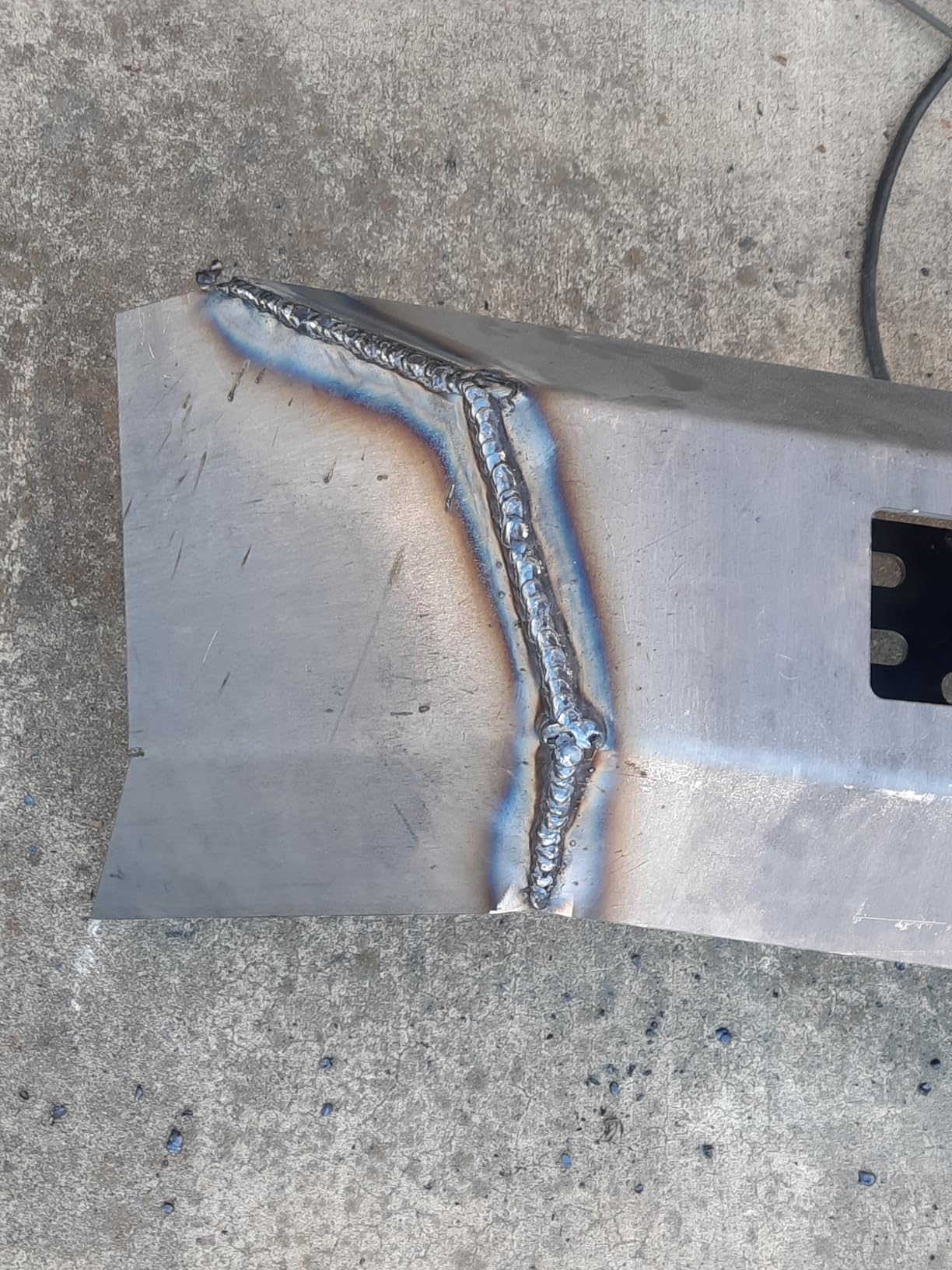
The potassium in the flux coating is what makes the difference. Cellulose potassium flux stabilizes the arc on AC current, where 6010’s sodium coating would make the arc extinguish every half-cycle.
I’ve used 6011 for countless farm repair projects. The deep penetration cuts through years of rust and grime on older equipment. And unlike 6010, you don’t need to worry about your machine’s OCV rating – just about any AC welder can run 6011.
The fast-freeze slag is another advantage for field work. When you’re welding outdoors or in awkward positions, the slag solidifies quickly and won’t drip on you. This makes vertical-up and overhead welding much more manageable.
From reviewing hundreds of user experiences with 6011, the consensus is clear: it’s the farm welder’s best friend. Users consistently report successful repairs on equipment that hasn’t been cleaned in years. The rod’s forgiving nature means you can focus on the weld rather than fighting the arc.
Why Choose E6011?
Choose 6011 if you have an AC welder, you’re working on dirty or rusty metal (farm equipment, outdoor structures), or you need 6010-like penetration with AC compatibility. It’s the most versatile deep-penetration rod for typical home and farm welding.
E6013 – Beginner-Friendly Practice Rod

YESWELDER E6013 1/8” 10LB Welding Rods Stick Electrodes
Strength: 60,000 PSI
Penetration: Light
Current: AC or DC any polarity
Positions: All-position
Best: Sheet metal, practice, beginners
+ Pros
- Very easy to strike arc
- Smooth stable arc
- Low spatter and easy slag removal
- Works on low OCV machines
- Beautiful weld appearance
– Cons
- Shallow penetration
- Not for structural applications
- Requires cleaner metal
The E6013 is where most beginners start, and for good reason. This rod is the most forgiving electrode you can run. It strikes easily, maintains a smooth arc, and produces pretty weld beads even when your technique isn’t perfect.
When I teach someone to stick weld, 6013 is always our starting point. The titania-based flux coating creates a soft, stable arc that doesn’t fight you. Students who struggled for hours with other rods suddenly start laying down decent beads within minutes of switching to 6013.
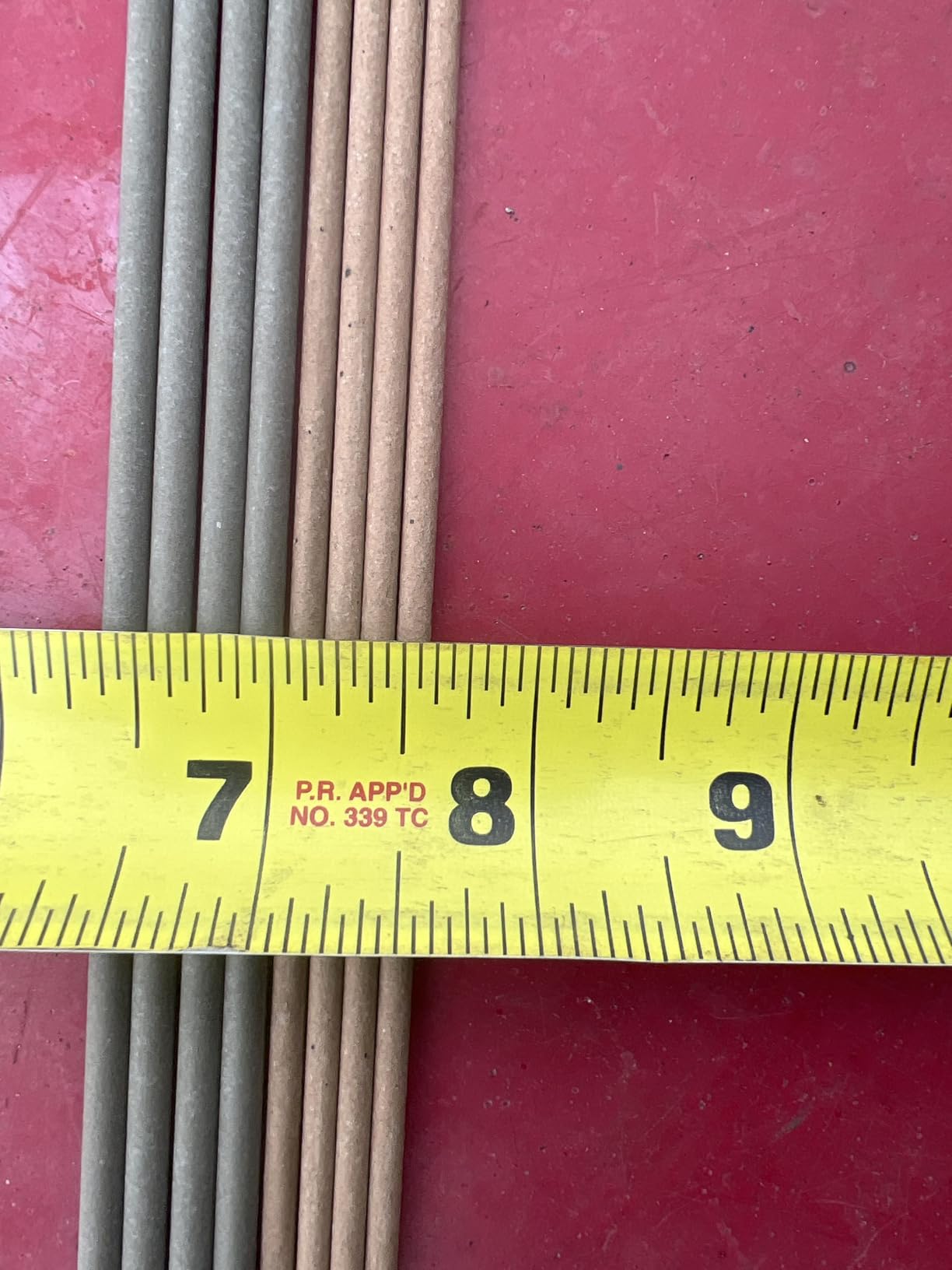
User-submitted photos show why 6013 is so popular for learning. Even imperfect technique produces decent-looking welds. The slag is thick but peels off in long pieces, often self-cleaning as you weld vertical-down.
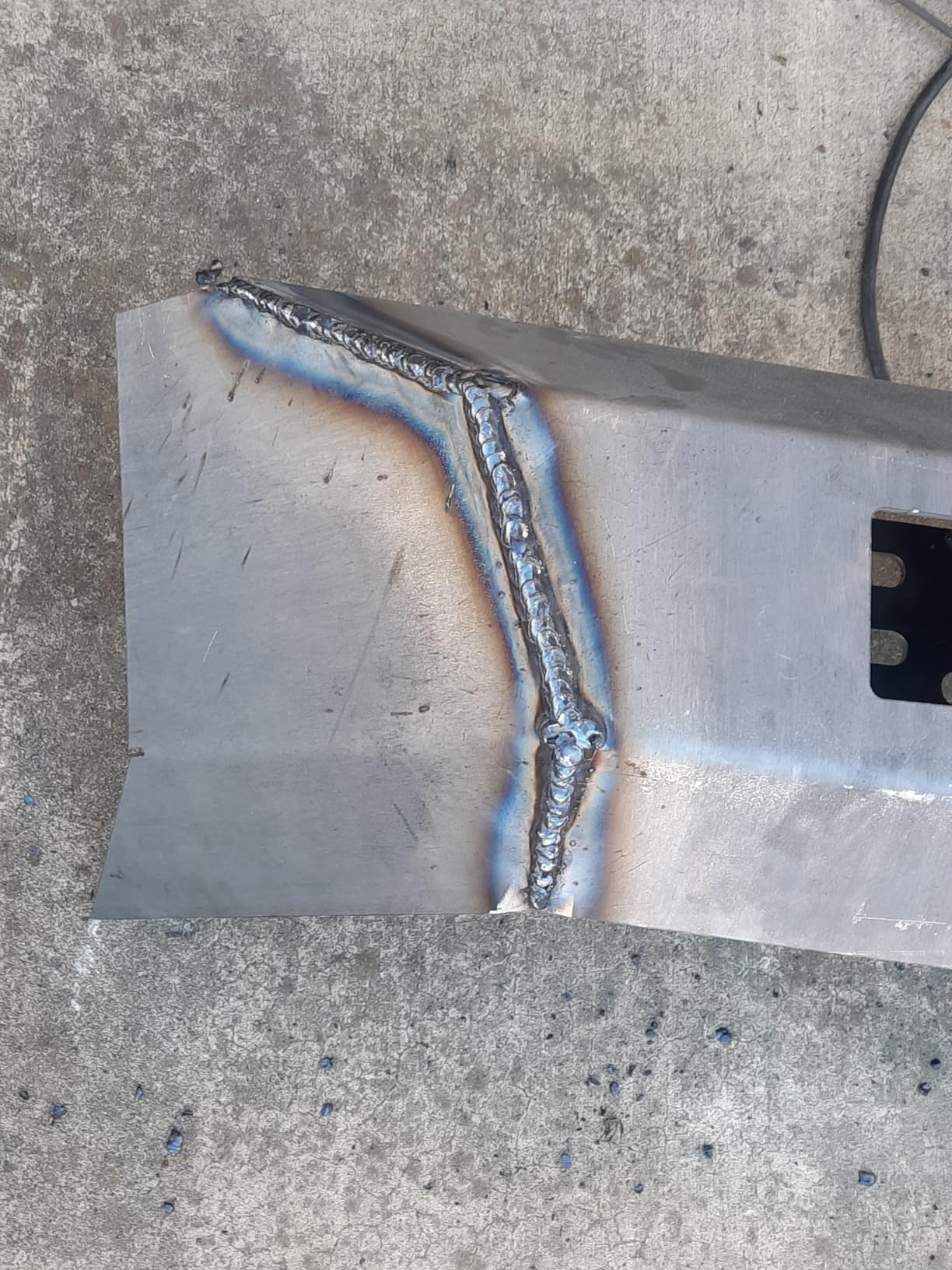
The light penetration is both 6013’s strength and its weakness. On thin sheet metal (16 gauge and below), it’s perfect – you won’t burn through. But try to weld anything thicker than 3/16 inch with 1/8-inch 6013, and you’ll get shallow penetration that looks good but lacks structural integrity.
I’ve seen too many beginners make the mistake of using 6013 for everything. The beads look pretty, but the weld doesn’t penetrate properly for structural applications. For practice and sheet metal work, 6013 is excellent. For building trailers, structural frames, or anything load-bearing, reach for a different rod.
The amperage range on 6013 is wide and forgiving. For 1/8-inch rods, I typically run 80-110 amps depending on material thickness. The rod works well on low-voltage AC machines that struggle with other electrode types.
Why Choose E6013?
Choose 6013 if you’re a beginner learning stick welding, you’re working on thin sheet metal (auto body, ductwork), you have a low-output AC welder, or appearance matters more than maximum strength. It’s also excellent for tacking and fit-up work where you want easy restriking.
E7018 – Low-Hydrogen Structural Standard
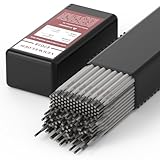
YESWELDER E7018 1/8” 10LB Welding Rods Stick Electrodes
Strength: 70,000 PSI
Penetration: Medium
Current: AC or DCEP
Positions: All-position
Best: Structural steel, X-ray quality, critical welds
+ Pros
- 70
- 000 PSI tensile strength
- Low hydrogen prevents cracking
- X-ray quality welds possible
- Smooth arc with low spatter
- Excellent for cold rolled steel
– Cons
- Requires proper storage (keep dry)
- Clean metal required
- Higher amperage needed
The E7018 is the structural welding standard. When you see critical welds on buildings, bridges, and pressure vessels, 7018 is usually what made them. It’s the rod that separates hobby welders from professionals.
What sets 7018 apart is its low-hydrogen iron powder flux. This coating achieves two things: it produces high-strength welds (70,000 PSI tensile) and it introduces virtually no hydrogen into the weld bead. Hydrogen is the enemy of good welds – it causes cracking, especially in high-strength steels and restrained joints.
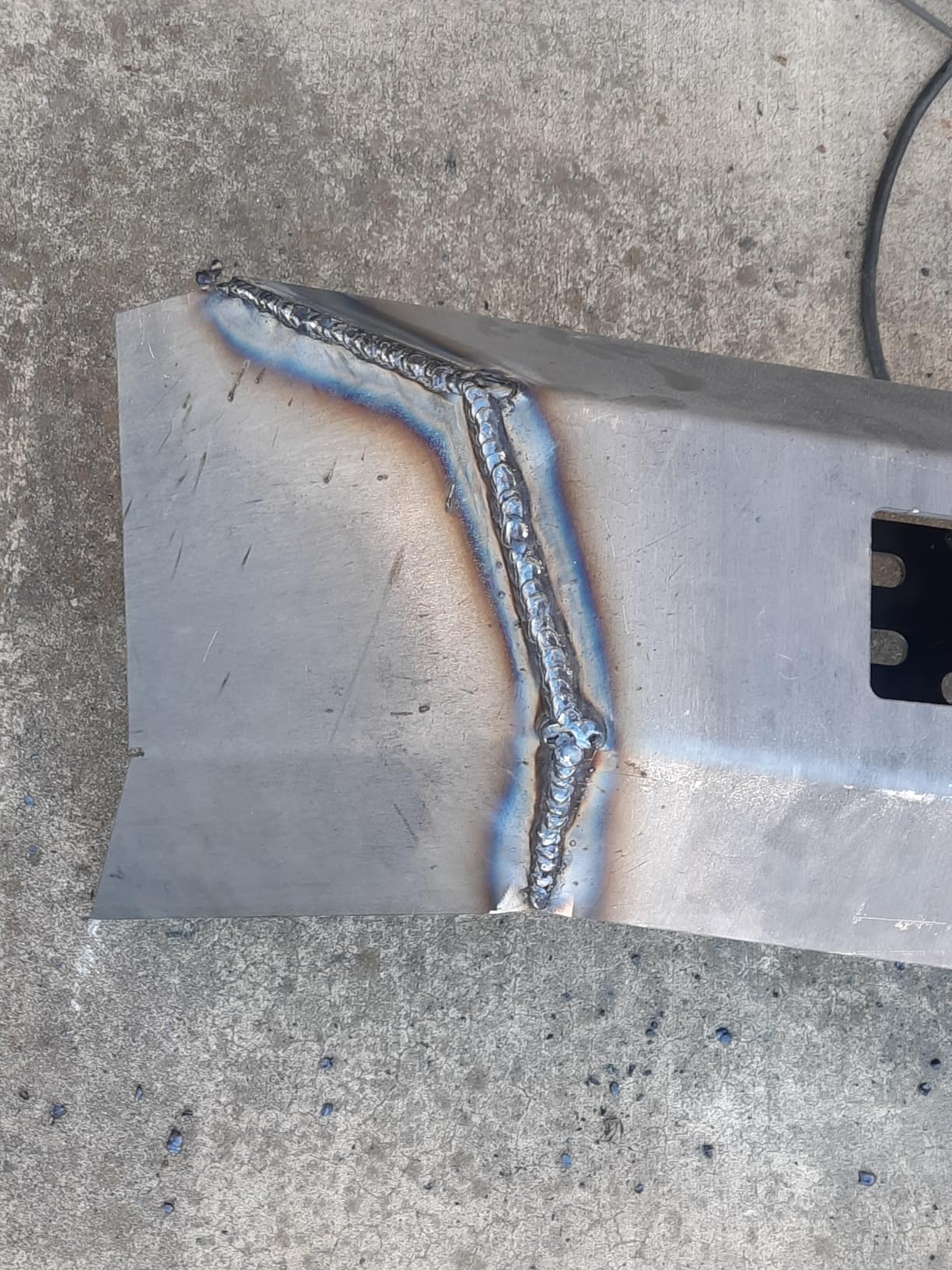
I’ve used 7018 extensively on structural projects. The difference is noticeable immediately. The arc is smooth and steady, almost like a liquid puddle you can manipulate. Spatter is minimal, and the weld bead has a characteristic flat-faced appearance with good reinforcement.
Customer images validate what experienced welders know about 7018. The welds look professional and consistent. Users report success on everything from trailer frames to structural columns to projects that require X-ray inspection.
The iron powder in the flux means higher deposition rates. You’re putting down more metal per inch of weld compared to 6010/6011 rods. This makes 7018 efficient for fill passes and building up welds.
But there’s a catch: 7018 demands clean metal. That digging arc that 6010 has? 7018 doesn’t have it. If you try to weld through rust, paint, or mill scale with 7018, you’ll get porosity and inclusion defects. Every 7018 weld needs proper grinding and cleaning first.
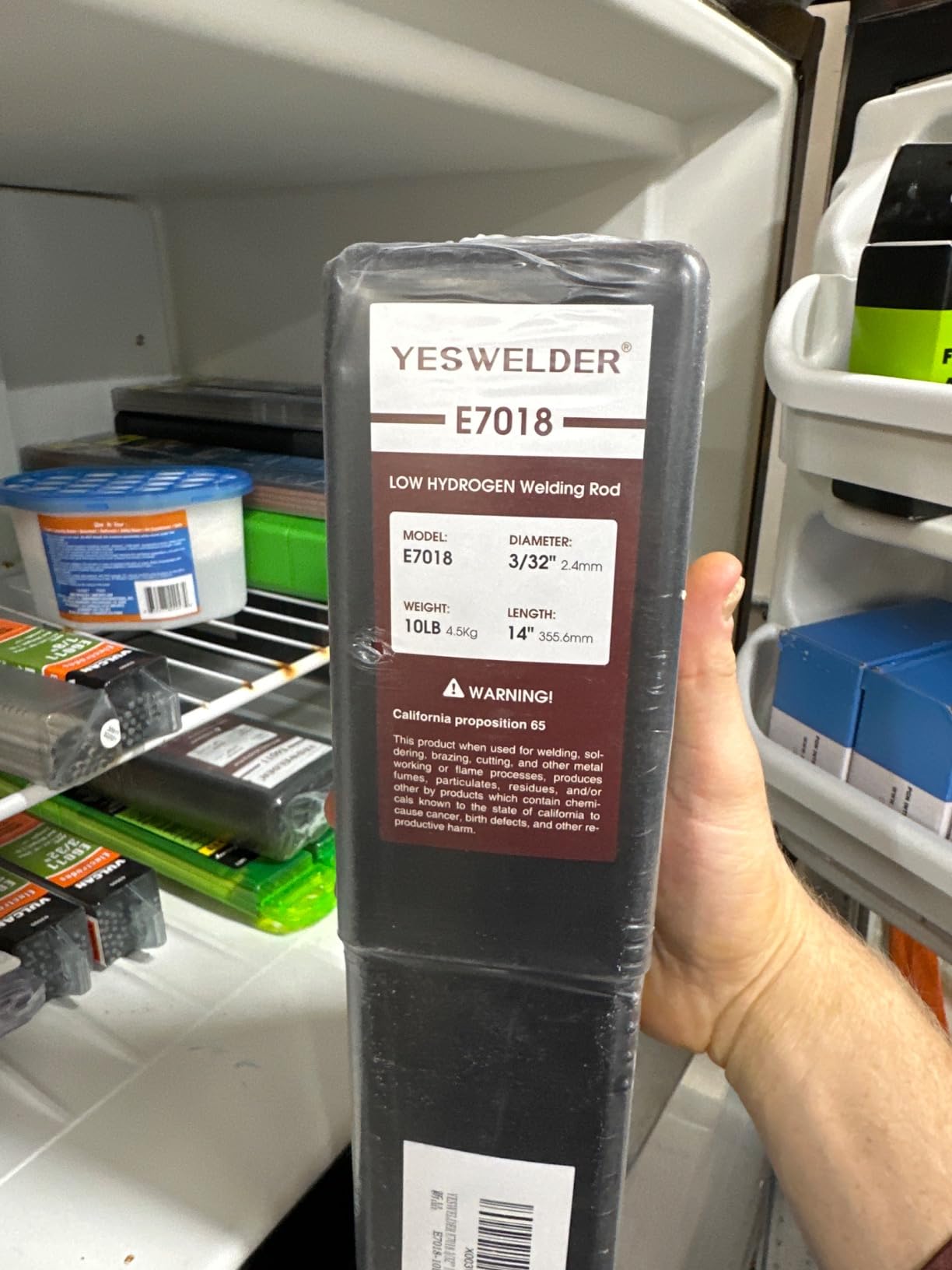
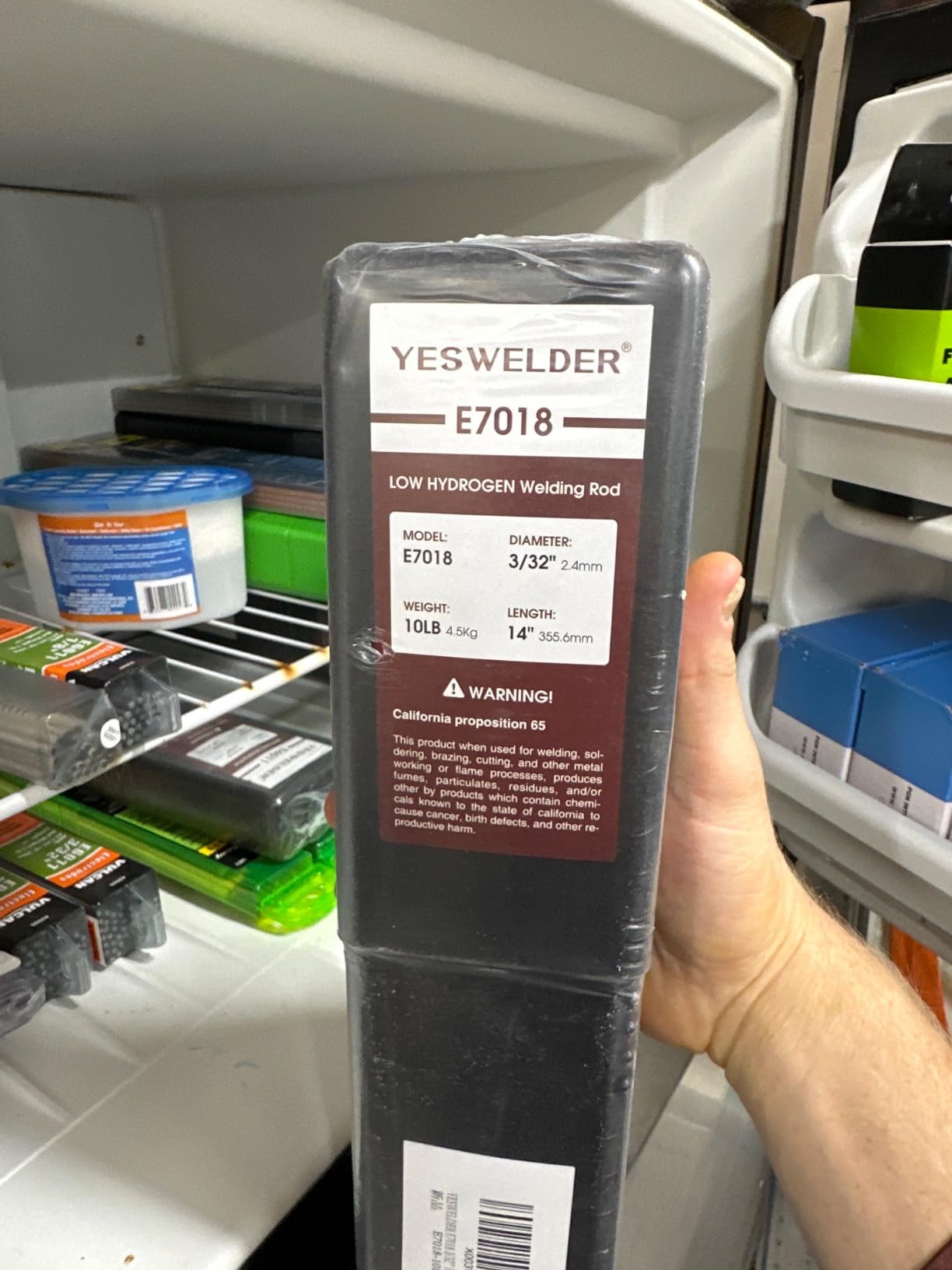
The low-hydrogen coating is also moisture-sensitive. Leave a box of 7018 out in a humid shop for a week, and you’ve ruined them. The flux absorbs moisture from the air, which then gets introduced into your weld as hydrogen. This is why serious 7018 users keep rods in rod ovens or sealed containers.
For 1/8-inch 7018 rods, I typically run 125-145 amps depending on position and joint configuration. The rod likes amperage – too little and you’ll stick frequently. Too much and the weld gets fluid and hard to control.
Why Choose E7018?
Choose 7018 for any structural application, projects requiring X-ray quality welds, welding on cold-rolled steels that typically show porosity, or any application where weld strength and integrity are critical. It’s the professional’s choice for a reason.
E7024 – Fast-Fill Production Jet Rod

E7024 Premium Arc Stick 1/8″ Electrodes 14″ Welding Rods 10 Pound Box
Strength: 70,000 PSI
Penetration: Medium
Current: AC or DCEP
Positions: Flat and horizontal ONLY
Best: Production welding, thick metal, speed
+ Pros
- Extremely fast deposition
- Covered large areas quickly
- Thick cosmetic beads
- Great for AC welders
- High iron powder content
– Cons
- Flat and horizontal ONLY
- Long freeze time drips vertical
- Not for out-of-position work
The E7024 is a specialty rod with one purpose: put down metal fast. Also called “jet rods” or “drag rods,” 7024 electrodes are designed for high-speed production welding where speed matters more than all-position capability.
The heavy iron powder coating on 7024 rods (sometimes up to 50% of the rod’s weight) creates a welding rod that behaves unlike any other. When you strike an arc, the rod doesn’t just melt – it sprays molten metal into the joint at an incredible rate.
I call 7024 the “fun rod” because it’s satisfying to use. You can literally drag the rod along the joint with minimal manipulation, and it fills grooves like nothing else. User reviews consistently mention how quickly they can cover large areas. One user reported covering a 36-inch workpiece in what felt like seconds.
The slag is heavy and thick, almost like a blanket over the weld. It freezes relatively slowly, which is fine in flat position but creates problems out of position. Try to weld vertical with 7024 and the molten slag and metal will drip right off your workpiece.
Horizontal Fillets
Production Speed
Thick Materials
The “2” in 7024 indicates flat and horizontal fillet welds only. This is a hard rule, not a suggestion. The rod simply doesn’t work well in other positions due to the heavy, slow-freezing slag.
For production environments where workpieces can be positioned flat, 7024 is a game-changer. You can fill joints multiple times faster than with 7018. The resulting beads are thick and convex, looking almost like they were built up with multiple passes.
Why Choose E7024?
Choose 7024 when you’re doing high-production flat welding, you need to fill large joints quickly, your workpieces can be positioned flat and horizontal, or you want thick cosmetic welds on non-critical applications. Not suitable for structural work requiring all-position welding.
Head-to-Head Comparisons
6010 vs 6011: What’s the Real Difference?
This is one of the most common questions I get, and the answer is simple: AC compatibility. Both rods have deep penetration and cellulose-based flux coatings. The difference is that 6010 runs on DC only (DCEP), while 6011 is formulated to run on AC or DC.
Here’s how I decide between them:
- DC welder available: I’ll usually choose 6010 for slightly deeper penetration and better arc characteristics
- AC welder only: 6011 is your only option for deep-penetration cellulose rods
- Outdoor field work with mixed power sources: 6011 gives you flexibility
In practice, the penetration difference is minimal. Most welders won’t notice a significant difference unless they’re doing critical pipe work where 6010 is the industry standard.
6011 vs 6013: Farm Work vs Sheet Metal
These two rods represent opposite ends of the penetration spectrum:
- 6011: Deep penetration, digs through contaminants, ugly but strong welds
- 6013: Shallow penetration, needs clean metal, pretty but lighter-duty welds
For farm equipment repair on rusty, greasy metal, 6011 wins every time. The deep penetration cuts through years of contamination and creates welds that hold.
For auto body work, ductwork, or any thin sheet metal where appearance matters and loads are light, 6013 is the better choice. You won’t burn through, and the smooth arc is much easier to control on thin material.
6013 vs 7018: Pretty vs Strong
I see too many beginners fall into the trap of using 6013 for structural work because the welds look nice. Here’s the problem: 6013 has shallow penetration. That pretty bead might only be sitting on top of the metal.
7018 creates deeper penetration and significantly stronger welds (70,000 PSI vs 60,000 PSI). The beads might not be as cosmetically perfect as 6013, but the structural integrity is far superior.
For anything load-bearing – trailers, structural frames, axle repairs, equipment mounts – use 7018 (or 6011 for dirty metal). Save 6013 for practice and sheet metal work.
6010 vs 7018: Pipe vs Structure
This comparison often comes up in professional settings:
- 6010: Deep digging arc, cuts through contaminants, essential for pipe root passes, lower strength (60k PSI)
- 7018: Medium penetration, clean metal required, higher strength (70k PSI), low hydrogen for crack resistance
In pipe welding, you’ll often see both used together: 6010 for the root pass (ensuring full penetration), then 7018 for the fill and cap passes (building strength and creating the final weld profile).
For structural steel fabrication, 7018 is usually the primary rod. 6010 might be used for tacking or root passes on thick material, but 7018 does the heavy lifting.
Which Welding Rod Should You Choose?
Based on your situation, here’s a quick selection guide:
Quick Selection Guide: Match your rod to your power source, metal condition, and application. AC welders need 6011 or 6013. DC welders can use any. Dirty metal requires deep penetration rods (6010/6011). Clean structural work needs 7018.
By Power Source:
- AC welder only: 6011 (dirty metal) or 6013 (clean thin metal) or 7018 (structural)
- DC welder: All options available – choose based on application
- Low OCV machine: 6013 works best on low-voltage machines
By Application:
- Farm/agricultural repair: 6011 (AC) or 6010 (DC) for rusty equipment
- Structural fabrication: 7018 for strength and crack resistance
- Pipe welding: 6010 for root passes, 7018 for fill/cap
- Sheet metal/auto body: 6013 for shallow penetration and pretty beads
- Production flat welding: 7024 for maximum speed
- Beginner practice: Start with 6013, graduate to 6011 and 7018
By Metal Condition:
- Rusty/painted/greasy: 6010 or 6011 – they burn through contaminants
- Clean mill scale: 7018 for structural, 6013 for light work
- Thin sheet metal: 6013 to prevent burn-through
- Thick structural steel: 7018 for full penetration and strength
Storage & Handling Requirements
Most welding rods don’t require special storage – keep them dry and in their original packaging, and they’re fine. But low-hydrogen rods (7018 and 7024) are different.
These rods have flux coatings that absorb moisture from the air. When moisture gets into the flux, it introduces hydrogen into your weld. Hydrogen causes cracking, particularly in high-strength steels and restrained joints. This is why proper storage matters for 7018.
7018 Storage Guidelines:
- Ideal: Store in a rod oven at 250-300 degrees Fahrenheit
- Acceptable: Keep in sealed container with desiccant, use within 6 months
- Absolutely not: Leave open in humid shop for extended periods
Re-Drying Moist 7018 Rods:
If your 7018 rods have been exposed to humidity, you can re-dry them:
- Preheat your kitchen oven to 500-700 degrees F (yes, kitchen ovens work)
- Place rods on a baking sheet (don’t let them touch each other)
- Bake for 1-2 hours
- Remove and let cool slightly before returning to sealed container
- Use within 24 hours for critical welds, or store in rod oven
Don’t re-dry rods more than 2-3 times – the flux coating eventually degrades. If your 7018 has been sitting open for months, it’s probably time for fresh rods.
Frequently Asked Questions ?
What is the difference between 6010 and 6011 welding rods?
6010 runs on DC only (DCEP polarity) while 6011 works on both AC and DC. Both have deep penetration and cellulose flux coatings. Choose 6011 if you have an AC welder, or 6010 for DC-only pipe work where slightly deeper penetration is needed.
What is a 7024 welding rod used for?
7024 rods are designed for flat and horizontal fillet welds only. They have a heavy iron powder coating that creates extremely fast deposition rates, making them ideal for production welding where speed matters. They’re commonly called “jet rods” or “drag rods” and put down thick, cosmetic beads very quickly.
What is the difference between 6011 and 6013 welding rods?
6011 has deep penetration and burns through contaminants like rust and paint – ideal for farm repair and dirty metal. 6013 has shallow penetration and requires clean metal – better for sheet metal and beginners. Both run on AC, but 6011 creates stronger, deeper welds while 6013 produces prettier beads.
What is the difference between 6013 and 7018 welding rods?
6013 is a 60,000 PSI rod with shallow penetration, ideal for beginners and thin sheet metal. 7018 is a 70,000 PSI low-hydrogen rod with medium penetration, designed for structural applications. 6013 is easier to use and makes pretty welds, while 7018 creates stronger, more critical welds but requires clean metal and proper storage.
Which welding rod is best for beginners?
Start with E6013. It has the most forgiving arc, strikes easily, and produces good-looking welds even with imperfect technique. Once you’re comfortable with 6013, progress to 6011 for learning deep penetration, then 7018 for structural welding. 6013 is also excellent for tacking and fit-up practice.
Welding rod selection doesn’t have to be complicated. Now that you understand what the numbers mean and how each rod performs, you can match the right electrode to your specific application. Start with 6013 if you’re learning, move to 6011 for farm repair work, and transition to 7018 when you need structural strength. Each rod has its purpose – the key is knowing which tool to grab for the job at hand.
Leave a Reply