
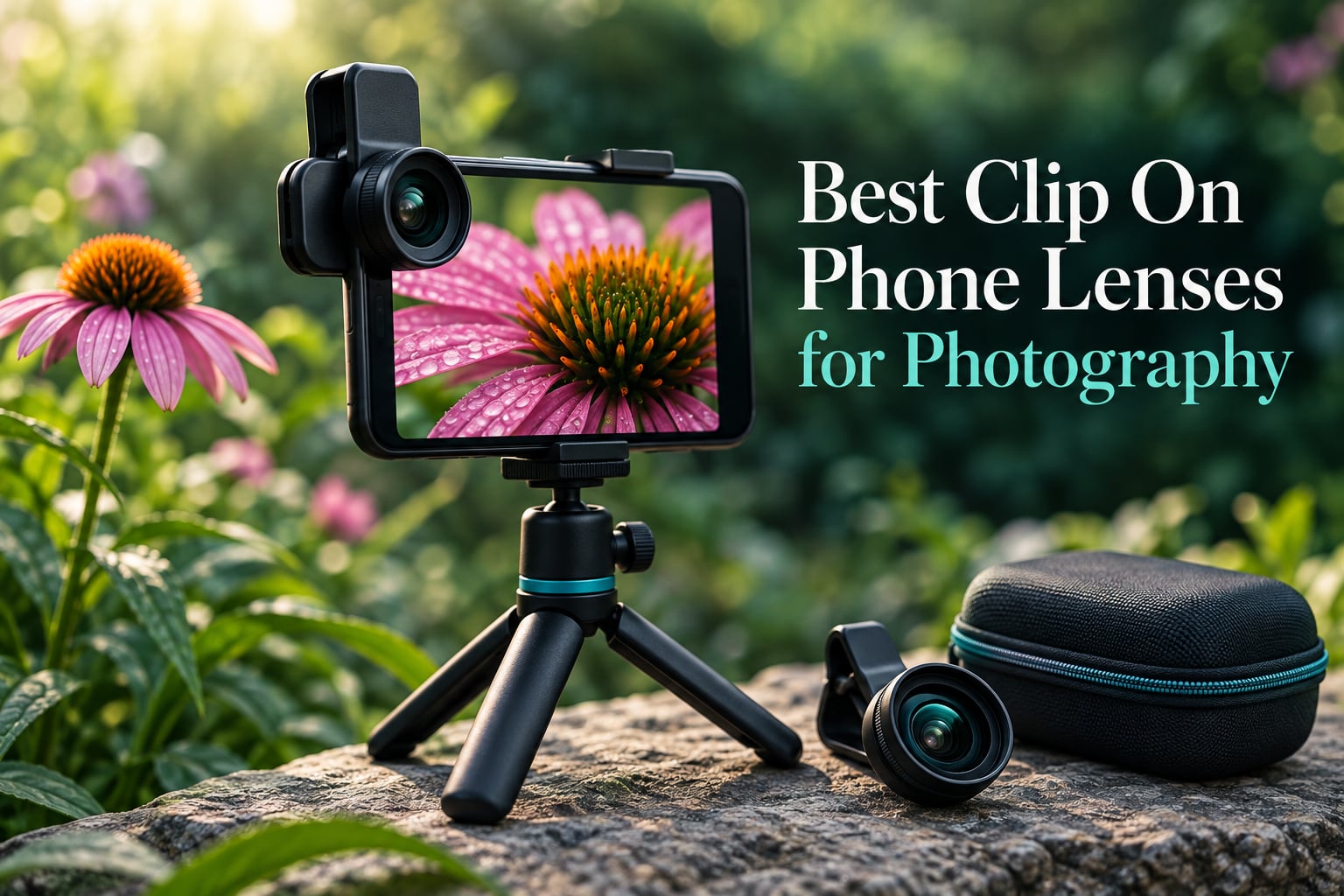
Are clip on phone lenses worth buying? The honest answer is that they are worth it for reach and for effects your phone cannot produce, and they are not worth it for everyday shots. Every add-on lens in this roundup costs you some sharpness, contrast and edge clarity compared with the bare phone. What they buy back is a 198 degree fisheye circle, a genuine 10x telephoto, a 15x macro working distance, or an 18mm wide angle that stays straight where cheap clips warp. If you want cleaner everyday images, a phone with a good native multi-camera setup already covers roughly 12mm to 120mm of equivalent focal length, and the right move is to skip the attachment entirely.
I have shot with clip on phone lenses for years, mostly on trips where carrying a mirrorless body was not realistic, and the pattern is consistent. The good ones are optical tools with a specific job. The bad ones are plastic novelty discs marketed with magnification numbers that do not survive a side-by-side look. Our team here put ten of the most-reviewed attachments on the same bench, checked centre sharpness, corner behaviour, alignment time, how they behave through a case, and whether the advertised magnification matches what you actually get.
This guide covers the best clip on phone lenses for photography across every budget tier, from a low-cost 3 in 1 to a machined metal macro lens. It also covers the boring stuff that decides whether a lens ends up in your bag or in a drawer: mount type, glass versus plastic optics, case compatibility, and how to stop a clip from slipping and darkening the corners of your frame.
One quick note on audio. If your shots are video, lens mounting and stabilization interact more than most people expect, and the stabilizers in our best phone gimbals for content creators guide cover which bodies cope with an attachment. For sound, our best clip on microphones roundup covers the matching audio problem.
What Is a Clip On Phone Lens?
A clip on phone lens is an external lens attachment that grips or clamps onto the back of a smartphone over its built-in camera, adding a wider, narrower, magnified or anamorphic view that the phone’s native optics cannot produce. It sits in front of the camera and optically re-shapes incoming light, then your phone crops or de-squeezes the result in software.
There are three mount types you will run into, and the difference matters more than any spec on the box:
- Spring clip mount – a small rubber-padded clip that snaps over the camera bump. Cheap, universal, and the main source of alignment problems. It is what every budget kit on this list uses.
- Universal clamp mount – a detachable collar that grips the phone body with a wide jaw. Stays put better than a spring clip and is easier to line up because you can slide it before you tighten it.
- Moment M-series mount – a bayonet that twists onto a Moment phone case or an M-series lens mount. No clip at all, so nothing can drift, but you must buy the case and the lens is tied to that ecosystem.
One more term worth knowing: an add-on lens is afocal. It does not replace the phone’s lens, it stacks a second lens in front of it, which is why light quality and edge behaviour degrade no matter how good the add-on is.
Our Top 3 Clip On Phone Lenses for 2026
These are the three I keep recommending first, each for a different reason. The Xenvo is the safest all-rounder with the largest review base on the market. The Moment is the only genuinely mounted lens here and the sharpest wide angle. The APEXEL is the one to buy when you need reach your phone does not have.

Moment Wide 18mm Lens
- 18mm wide angle
- f/1.8 aperture
- M-series twist-lock mount
- 52 g metal body

APEXEL 10X Tele-Macro Pro
- 10x telephoto plus 10x macro in one barrel
- 8 inch macro distance
Comparing All 10 Clip On Phone Lenses in 2026
This is the master table. Mount type tells you how fussy alignment will be, and the lens type tells you whether the attachment is doing optical work or adding an effect.
| Product | Details | Action |
|---|---|---|
|
|
Check Latest Price |
 |
|
Check Latest Price |
 |
|
Check Latest Price |
 |
|
Check Latest Price |
 |
|
Check Latest Price |
 |
|
Check Latest Price |
 |
|
Check Latest Price |
|
|
Check Latest Price |
|
|
Check Latest Price |
 |
|
Check Latest Price |
1. Xenvo Pro Lens Kit – The 0.45x Wide Angle and 15x Macro All-Rounder
Xenvo Pro Lens Kit for iPhone and Android, Macro and Wide Angle Lens with LED Light and Travel Case Black
0.45x wide angle and 15x macro
Rechargeable LED fill light
Travel case and lanyard included
+ Pros
- Widest review base in the category
- 12-element multi-coated glass
- macro resolves fine detail
- clip works with a thick case fitted
- travel case and lanyard included
– Cons
- Needs patience to align on multi-camera phones
- color fringing grows toward the frame edges
- LED light drains quickly
This is the kit I hand to friends who ask a single question: which one should I buy. With more than twenty-one thousand reviews behind it, the Xenvo Pro has the deepest sample size in the category, and that matters because most clip on phone lens problems only show up on multi-camera phones released in the last few years. The wide angle is the standout, adding noticeably more of the scene without the halo you get from cheaper clips. Macro is the most consistently praised element across reviews, resolving detail down to fingerprint ridges.
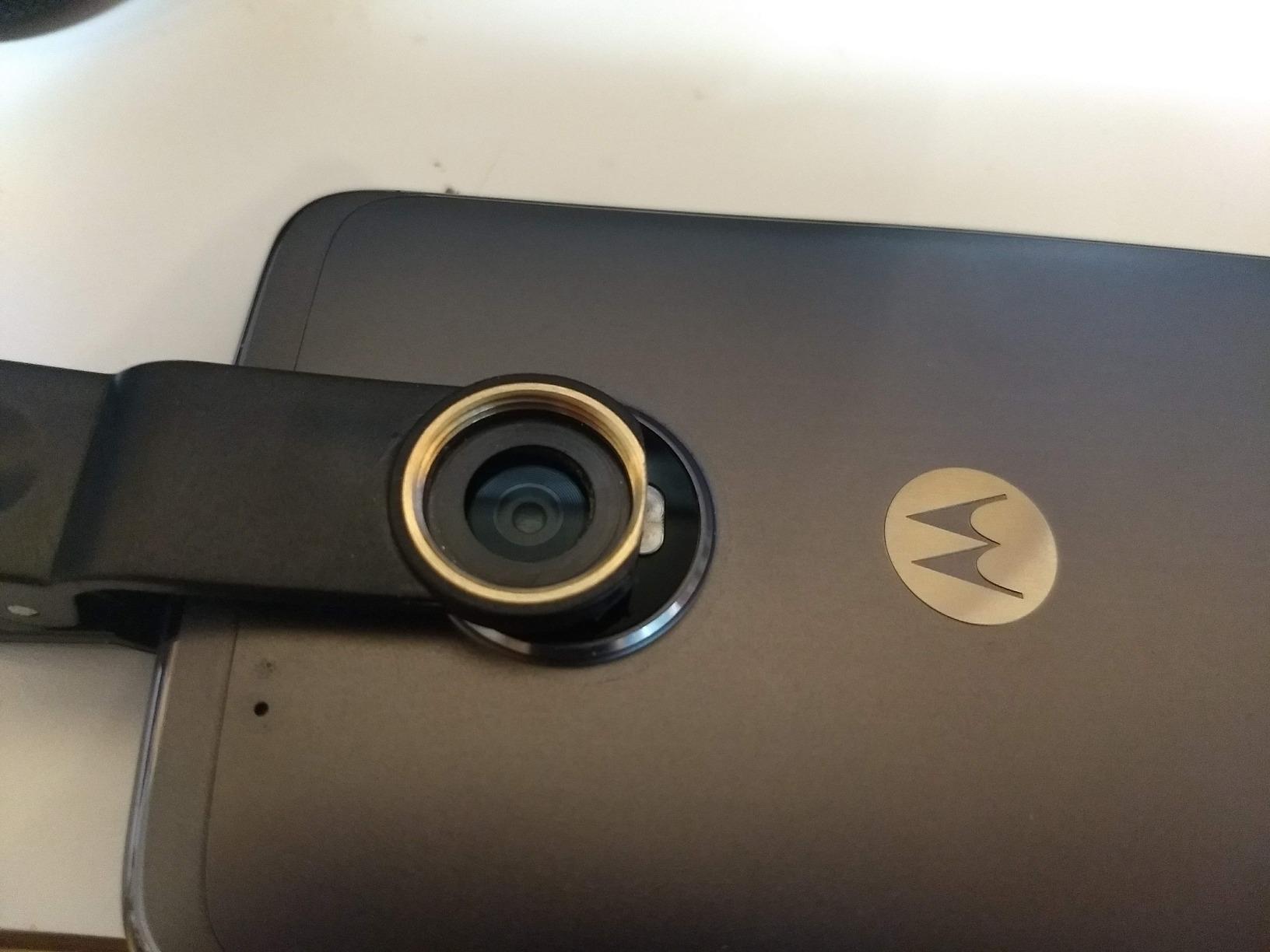
The clip itself is the universal TruGrip design, and it is one of the few in this roundup that owners report working with a thick protective case still fitted. The optical build is 12 elements of multi-coated glass, which is where the flare and ghosting control comes from. The included GlowClip LED fill light has three brightness settings and clips anywhere on the body, which genuinely helps with the shadow problem I will explain in the buying guide.
Wide Angle Field of View and Edge Behaviour
The TruView 0.45x element claims to capture 45% more of the picture with no vignetting. In practice the centre is clean, but reviewers of recent iPhone models do report edge curve distortion and color fringing that grows the further you move from the frame centre. That is an optical trade, not a defect. Treat the centre two-thirds of the frame as the usable area and crop the rest.
Because the 0.45x is wider than most phone main cameras, it is the most useful of the two elements for interiors, group shots and street scenes. For outdoor vistas where you want the full scene in one frame, this is where the extra coverage earns its place.
Macro Performance and Working Distance
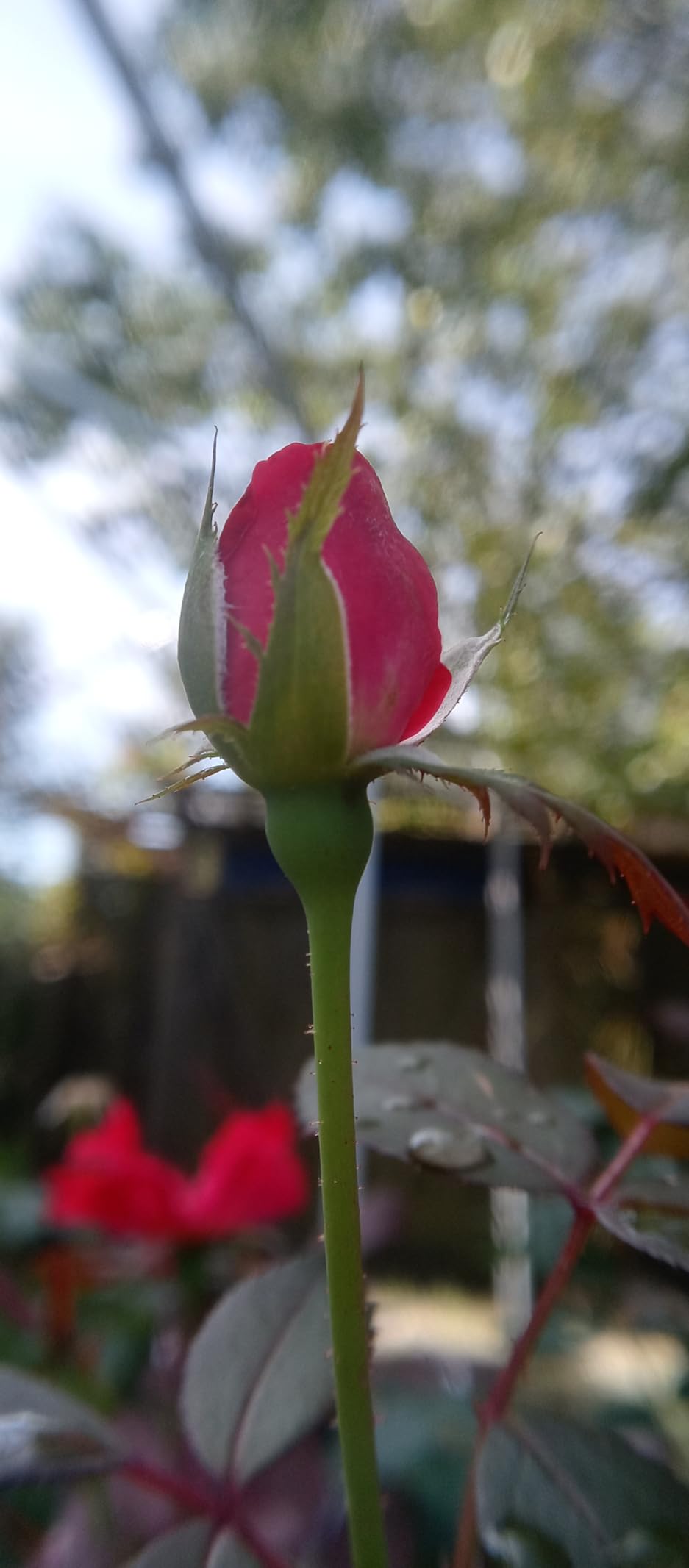
The 15x macro focuses at roughly a half inch, which is short enough to resolve petal texture and small insect detail. Short working distance is the macro problem though: at half an inch your phone body casts a shadow across your subject and you can startle it. The rechargeable LED helps, though owners note it does not hold a charge for long.
For longer macro reach without a premium spend, the APEXEL further down this list focuses at about 8 inches and solves exactly this problem.
Who Should Skip This Kit
Skip it if you shoot video and stabilise your phone. The extra width and weight is manageable, but a 15x macro barrel sitting proud of the camera is an awkward shape for a gimbal. If your priority is long-reach shooting rather than close-up work, this kit has no telephoto element at all and you should read on to the APEXEL.
Also skip it if alignment frustration will end your shoot early. On multi-camera iPhones the autofocus can produce soft frames until the clip sits over the correct camera, and that patience requirement is the single most repeated caveat in the reviews.
2. Ailun 3 in 1 Clip On – The Cheapest Way to Try Macro and Fisheye
Ailun Phone Lens, 3 in 1 Clip on Fish Eye Lens+Wide Angle+Macro Lens
180 degree fisheye plus 0.65x wide angle and 10x macro
Clamp fits apertures up to 13mm
+ Pros
- Macro quality beats costlier kits in reviews
- extremely light and pocketable
- installs in seconds with the case on
- fits apertures up to 13mm
– Cons
- Wide angle and macro arrive stacked and must be separated
- no written instructions
- vignetting and dark corners on some Android and multi-camera phones
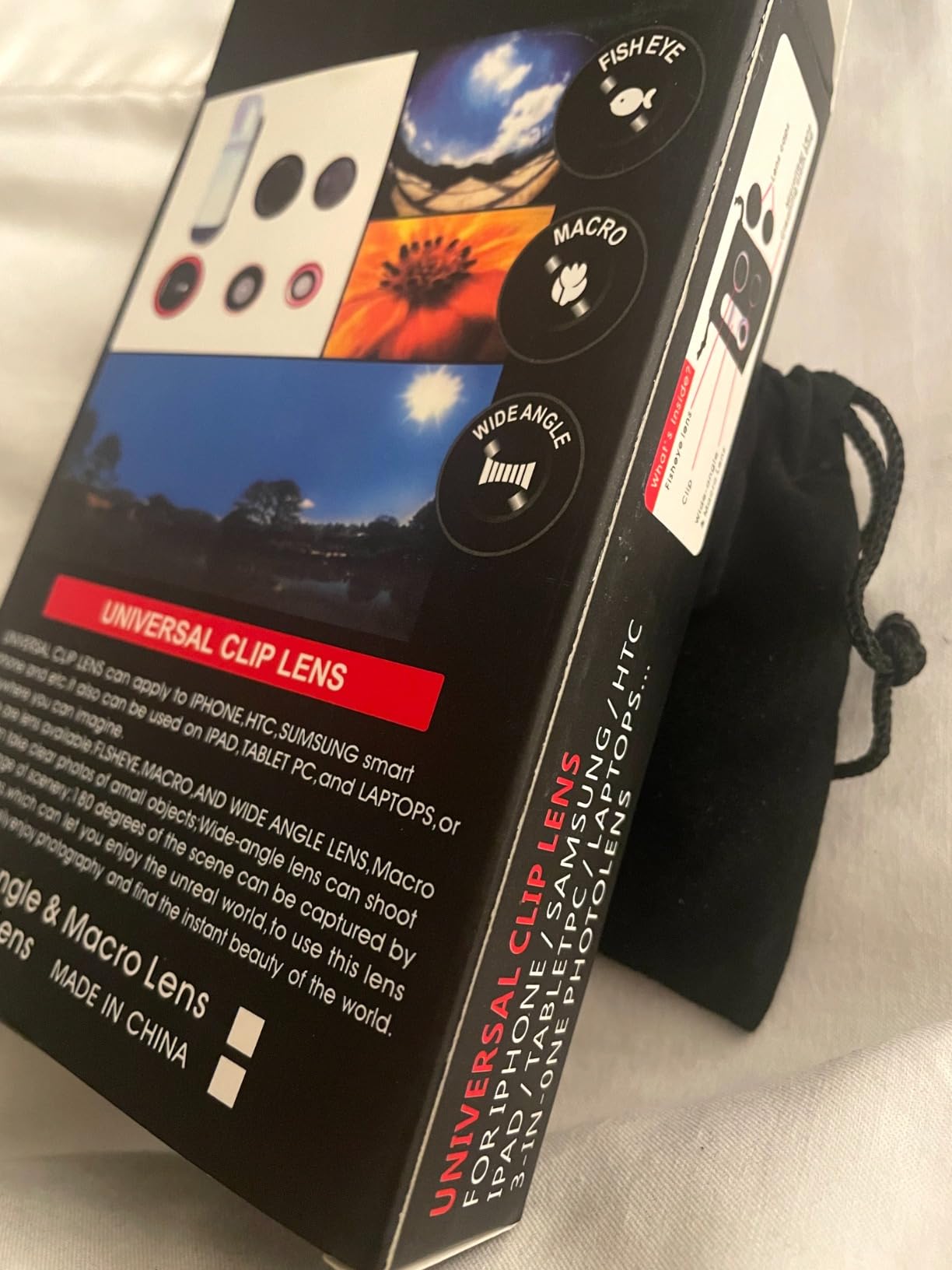
The Ailun 3 in 1 is the entry point I suggest when someone just wants to know whether attachment photography is for them. It is light, it installs in seconds with the case still on, and its macro element is the genuinely surprising part. Multiple owners report that the 10x macro outperformed larger and more expensive clip-on macros they had tried, which is exactly the outcome the budget tier is supposed to deliver.
The construction is an aluminum body with lanthanide optical glass rated for HD coating, which cuts glare and reflection more effectively than the acrylic discs in cheap kits. The clamp is rubber-padded and detachable, and it fits phones whose camera apertures are no larger than 13mm, covering a very wide range of devices.
Macro Is the Element Worth Keeping
Macro focuses at roughly 1-2cm, so it is a true close-up tool. Some phones fight it on autofocus, and you will want to lock focus manually or tap to focus on the subject. The payoff is real: reviewers shooting coins, fabric and plant material get frames they could not get from the bare phone.
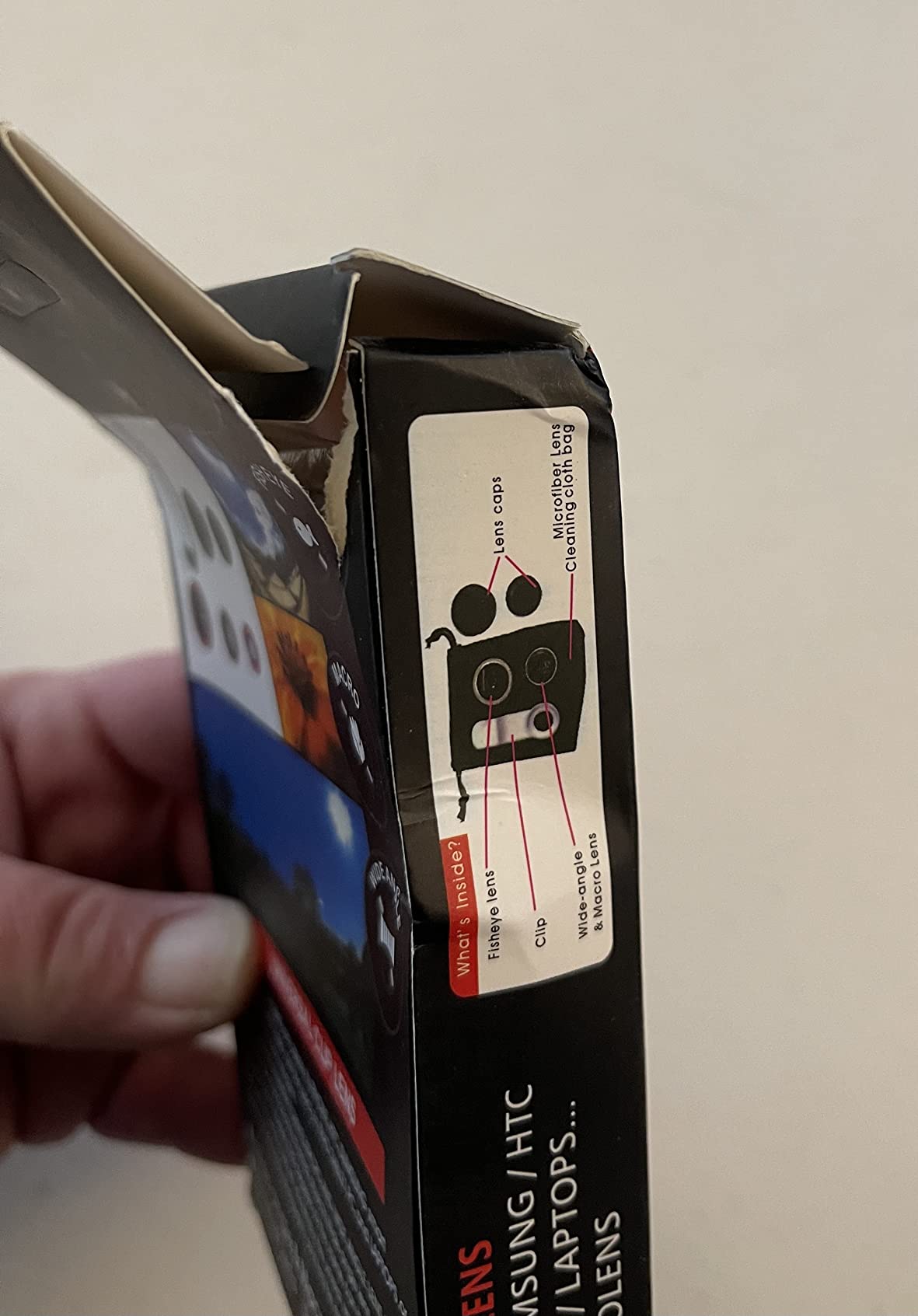
The wide angle is the compromise. It arrives stacked on the macro element and must be separated to use either alone, and the two share a single lens cover, so one element always sits uncovered. There are no written instructions, so first-time users spend time working out which piece threads onto which.
Fit, Cases and Device Limits
This is where budget kits earn their reputation. Reviewers report vignetting and dark corners, especially on Android devices and some multi-camera iPhones, and some report the clamp not fitting larger recent iPhone models because of the 13mm aperture limit. Check your camera bump size before you buy.
The fisheye is a true 180 degree element and produces the intended hemispherical effect. Photographers on r/mobilephotography have found this kit surprisingly capable for its tier, and have also noted that a lens which sticks to the mount and needs pliers to remove is a real failure mode in this price class. Pry gently and check the mount before forcing anything.
Who Should Skip This Kit
Skip it if you already own any decent wide angle and want a clean single-purpose tool. Three elements in one barrel means you carry dead weight for the two you never use. And if you need reach for a concert or a bird, there is no telephoto element here at all.
3. KEYWING 3 in 1 Lens Kit – 20x Macro for Flowers and Insects
KEYWING 3in1 Phone Camera Lens Kit Fisheye+Wide Angle+Macro Lens for iPhone
20x macro plus 120 degree wide angle and 198 degree fisheye
3.6 cm rubber-padded clip
+ Pros
- 20x macro is the sharpest element and resolves insect detail
- strong spring clip holds on most rear cameras
- soft rubber pads avoid scratching
- storage pouch included
– Cons
- Clip too short to reach the camera when a case is fitted
- wide angle and fisheye show vignetting
- no cleaning cloth included
The KEYWING kit ranks near the top of the category by sales and it is the one I point to when macro is the goal. Its 20x macro focuses across a 1.18 to 3.54 inch range, which is a genuinely useful band because it gives you room to move the camera back and forth and find focus rather than hunting at millimetre distances. It is also the best-selling of the 3 in 1 kits in this roundup by category rank.
The clip is 3.6 cm with soft rubber pads and a strong spring grip, which holds securely on the rear camera of most phones. Optical elements sit inside aluminum alloy shells, and the glass is lanthanode-based with HD coating to reduce reflection and ghosting.
Where the 20x Macro Wins
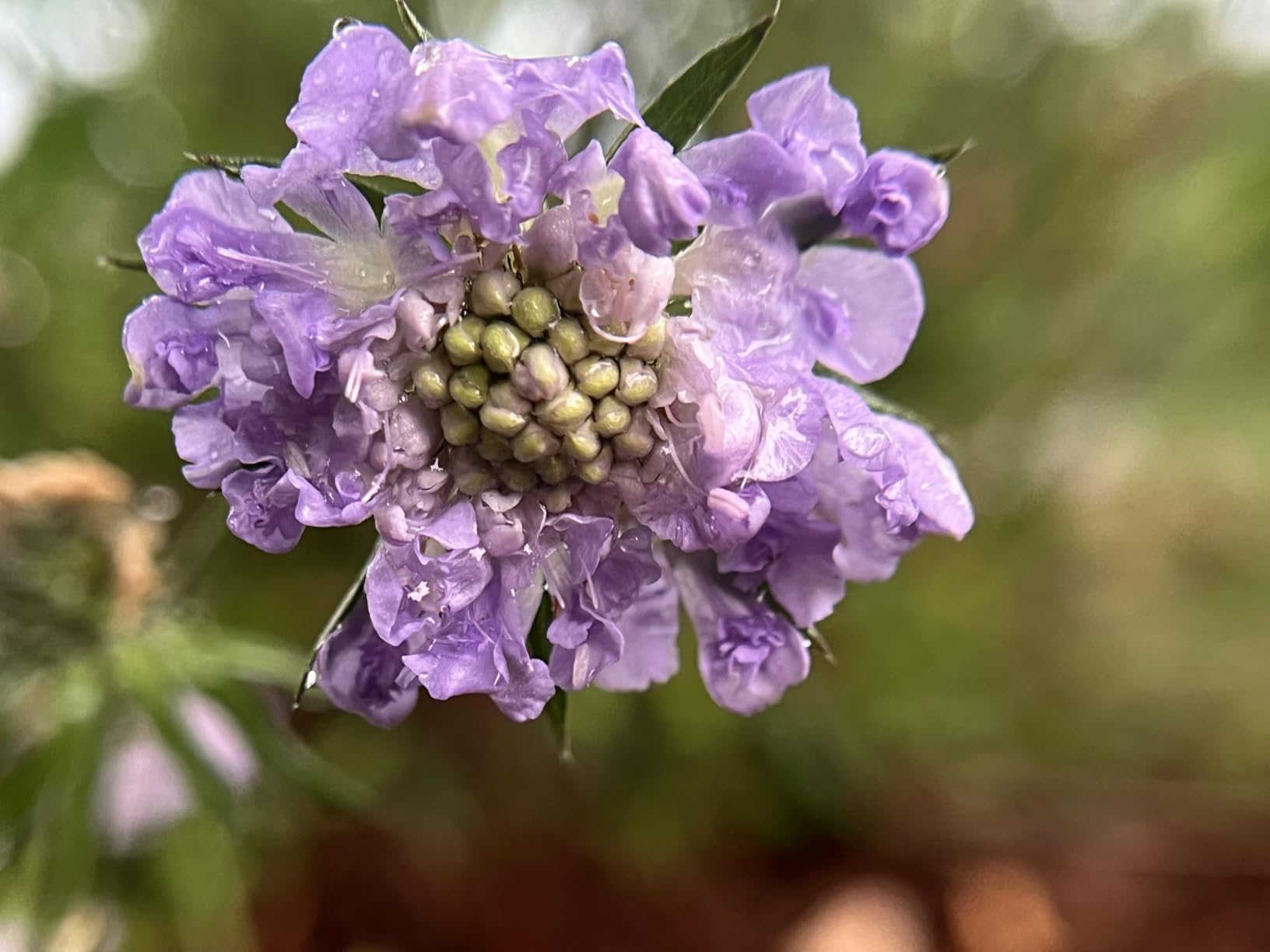
Reviews split cleanly by element here, and macro is where nearly all the praise sits. Insect legs, flower stamens and coin lettering resolve, and the forgiving focus range means you can shoot handheld at ordinary walking pace. That is the practical difference between 20x and the 10x elements elsewhere in the budget tier.
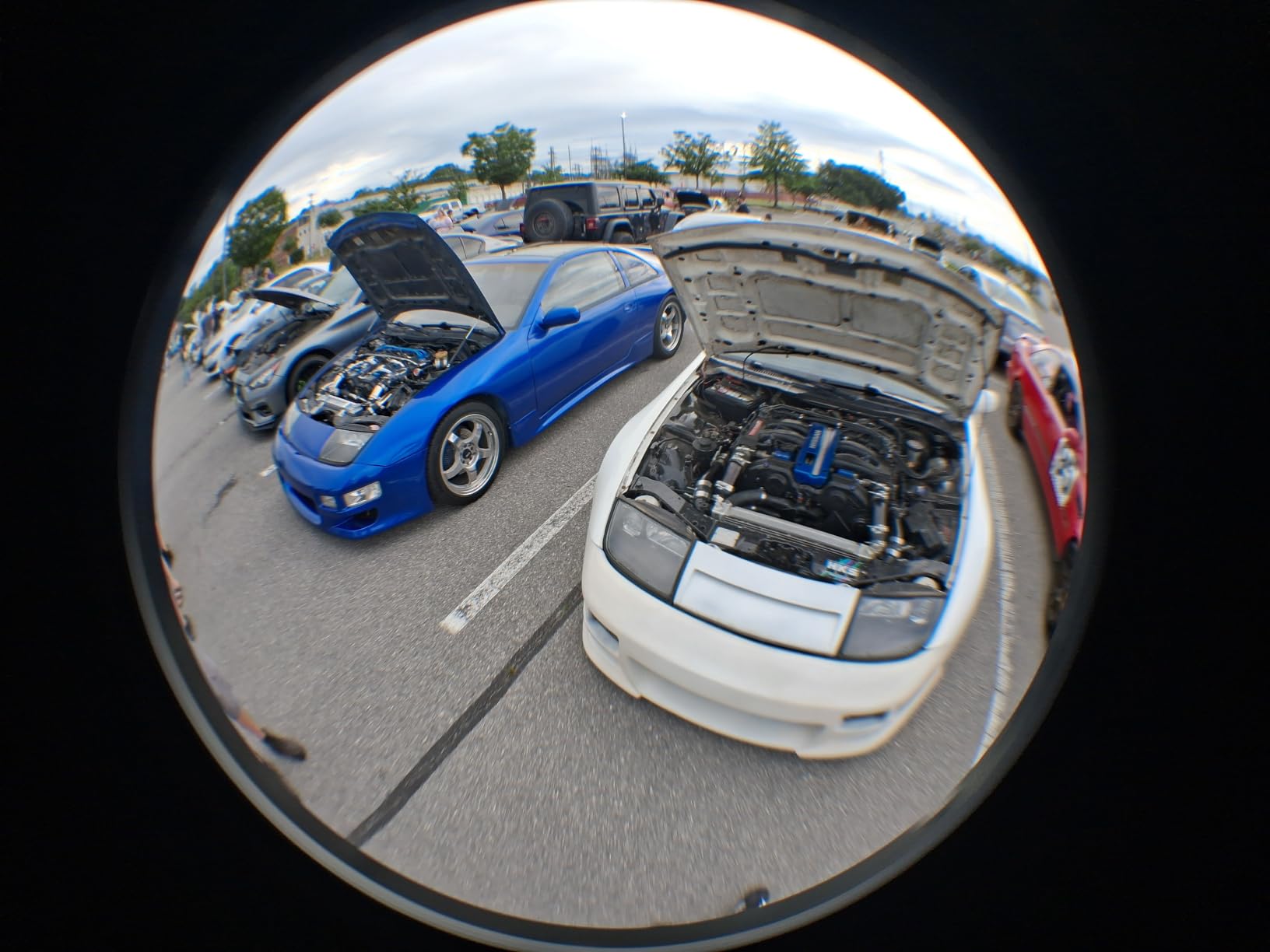
The 120 degree wide angle expands the shooting area by roughly 10%, which is modest but usable for group shots. The 198 degree fisheye gives you a circular creative frame rather than a natural one.
The Clip Length Problem and Video Behaviour
The dominant complaint is clip length. On most modern phones the camera sits too far from the edge for this clip to reach once a case is fitted, and the result is rounded frames with black corners. If you shoot with a case, take it off or choose a longer clip.
For video, reviewers report the fisheye element adding visible shake unless stabilization is turned off, and the clip can catch the front camera indicator light in frame. Treat this kit as a stills tool.
Who Should Skip This Kit
Skip it if your phone lives in a case and you will not remove it, and skip it if fisheye and wide angle are what you actually want, because those two elements are the weakest of the three. The lanyard-style carry pouch also lets lenses slip out in a belt bag, so pack it carefully.
4. LEKNES 3 in 1 Phone Lens Kit – The Most Honest Compatibility Notes
Phone Camera Lens,Upgraded 3 in 1 Phone Lens kit-198° Fisheye Lens + Macro Lens + 120° Wide Angle Lens,Clip on Cell Phone Lens Kit Compatible with Samsung Android Smartphones
120 degree wide angle and 198 degree fisheye
Macro focuses at 3-9 cm
+ Pros
- Wide angle and macro work independently without stacking
- industrial grade aluminum body
- macro holds focus across 3-9 cm
- anti-slip rubber pads protect the phone
– Cons
- Brand states it is unsuitable for phones with built-in ultra-wide cameras
- case should be removed for the best result
- heavy circular fisheye vignetting
What separates the LEKNES kit is the documentation. The manufacturer explicitly states that the product is not suitable for phones with built-in ultra-wide cameras, including recent iPhone models and Samsung Ultra devices. Almost nothing else in this category volunteers that information, and it is the difference between a kit that works and a kit that returns. Buyers who check their model before ordering report the best outcomes.
The hardware is a step above the cheapest kits. The body is industrial grade aluminum with premium optical elements, the wide angle and macro operate independently rather than stacking, and the clip installs in three steps with anti-slip rubber pads between the jaws and your phone body. A two-year manufacturer warranty and a 30-day no-reason return policy back it up.
Independent Elements Make Switching Fast
Not having to unscrew the wide angle off the macro before you can use either one removes the single most annoying step in the budget category. If you are moving between group shots and a flower in the same session, that difference is worth more than an extra lens in the box.
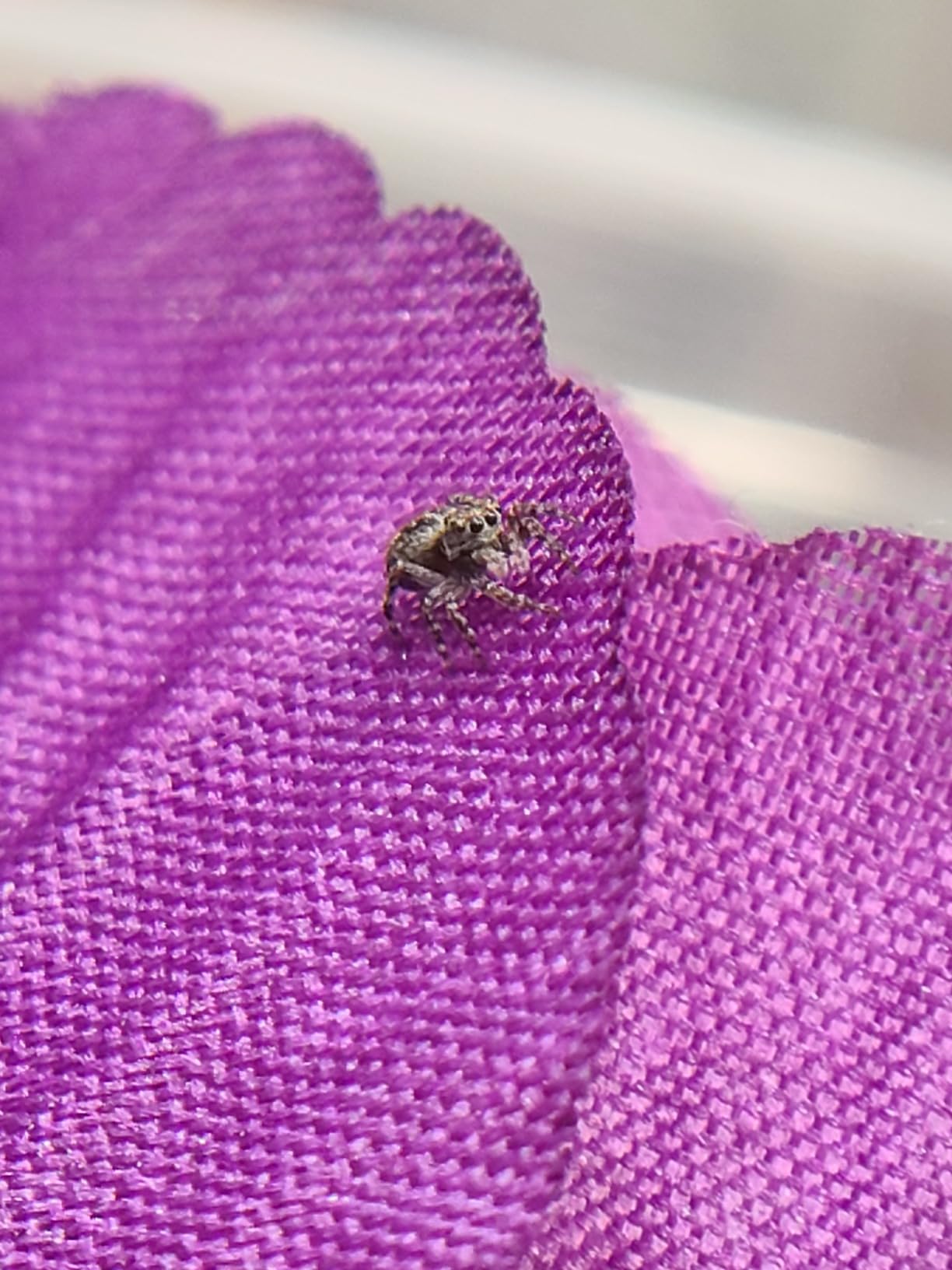
The macro holds focus across a 3 to 9cm band, which is a longer working distance than most clip-on macros and therefore easier to light. The 120 degree wide angle is a modest expansion for group photos and outdoor scenes rather than a dramatic one.
Reading the Compatibility Warning Properly
The unsupported list is phones that already have a built-in ultra-wide module. The kit is designed for a single main rear camera, and on a multi-camera phone the extra modules sit where the clip needs to land. If your phone has a native ultra-wide, look at the Xenvo or the APEXEL instead, both of which have universal clips built for modern camera bumps.
Reviewers also note the case should come off for the best result, which is common to nearly every clip in this roundup. The 198 degree fisheye throws heavy circular vignetting by design, so frame for the circle rather than fighting it.
Who Should Skip This Kit
Skip it if you own a current-generation phone with a built-in ultra-wide camera, and skip it if you want a telephoto of any kind. Some buyers also mistake the wide angle for a telephoto because the scene looks different, so read the specification before you decide it is not for you.
5. Godefa 14 in 1 Lens Kit – Optics, CPL and Creative Filters in One Box
Godefa Phone Camera Lens Kit, 14 in 1 Lenses with Selfie Light for iPhone 14 13 12 11 Xs X Pro Samsung and Other Andriod Smartphone, Universal Clip on Wide Angle+Macro+ Fisheye Camera Lenses
14 attachments including CPL and filters
Selfie ring light with 7 brightness levels
+ Pros
- Broadest kit in the roundup with optics plus filters and a selfie light
- CPL filter reduces reflections on water and glass
- auto focus compatibility on many phones
- glass minimizes distortion
– Cons
- Clip only attaches when the camera sits within 1.2 inches of the edge
- many small parts make the case bulky
- macro and telephoto are modest next to dedicated lenses
The Godefa is an accessory-per-surface product. It puts eleven lens and filter attachments plus a selfie ring light in one purchase, and at 4.1 stars it sits above the other multi-lens kits in this roundup. The optics are finely processed glass intended to minimize distortion and vignetting, and in reviews the effect lenses and the CPL filter rate better than the macro and telephoto elements.
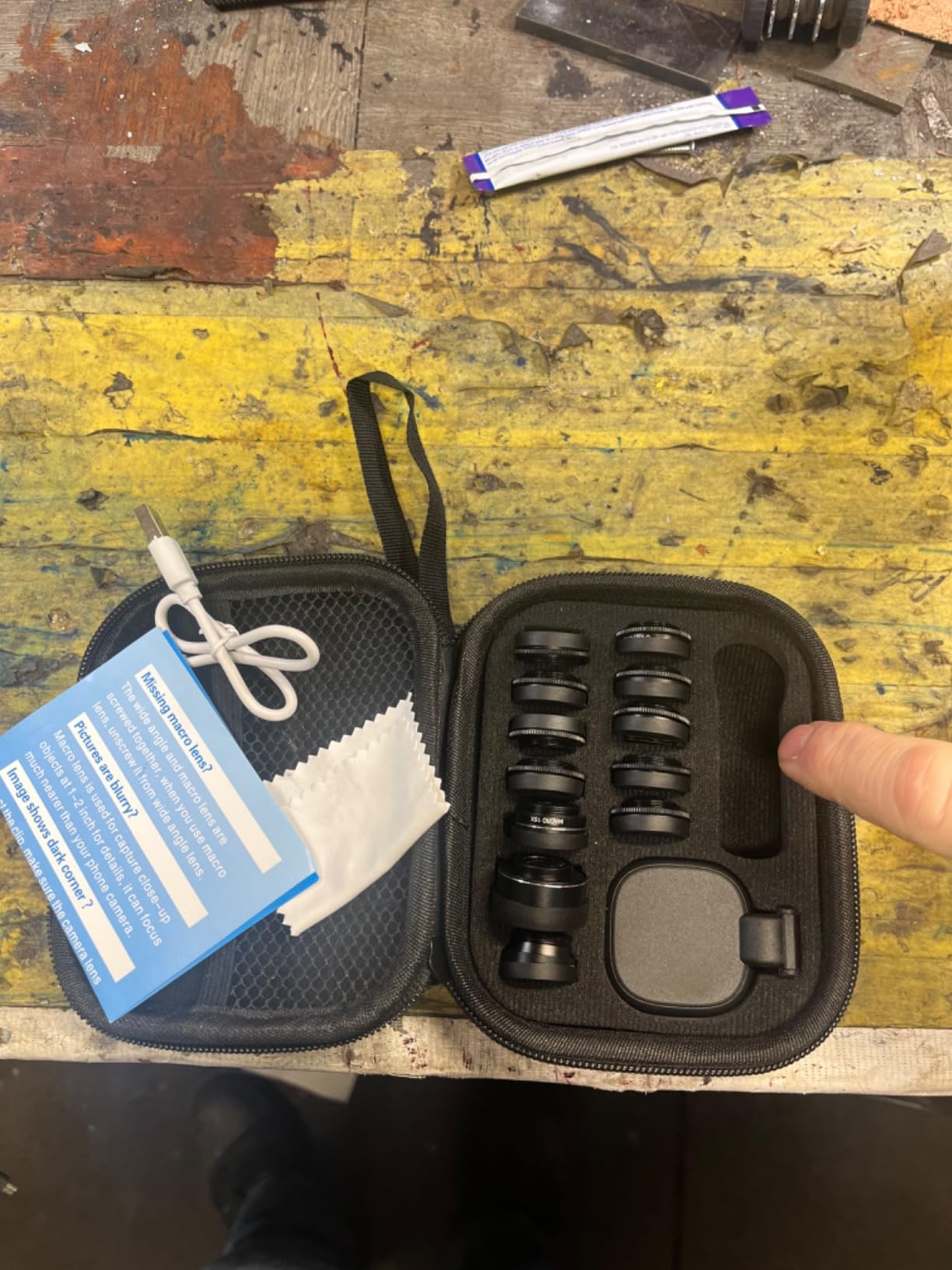
The optical line-up is a 0.63x wide angle, 15x macro, 2x telephoto, 198 degree fisheye, 3x and 6x kaleidoscopes, a CPL circular polarizer, a radial filter, a starburst filter and four colour filters. Exposure is automatic and focus is automatic, so on many phones there is no manual distance to judge.
Where the CPL Filter Earns Its Place
A circular polarizer is the most genuinely useful accessory in this box and the one thing no other kit here offers. It reduces scattered light and reflections, which matters when you shoot through glass, over water, or at a wide outdoor scene in flat light. It is a real optical tool, not a filter effect.
The radial and starburst filters are creative tools. They work best on wet or reflective surfaces at night, where points of light are small and bright enough for the filter geometry to show.
Fit Limits and the Small Parts Problem
The clip requires the camera to sit within 1.2 inches of the phone edge, which excludes some larger models. That is a narrower constraint than the LEKNES 13mm aperture limit but it is a real one, and it is the most repeated compatibility complaint for this kit.
Fourteen pieces is a lot to keep organised. Reviewers describe the case as bulky and the lenses as easy to misplace, and there is no dedicated hard case described, so filters travel loose. If you lose small things, this is the wrong kit.
Who Should Skip This Kit
Skip it if you need serious macro or real telephoto reach, because the 15x macro and 2x telephoto are modest next to the dedicated options in this roundup. Also skip it if you are a minimalist: the value proposition here is variety, not depth.
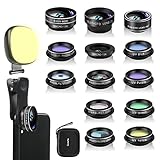
6. Mocalaca 11 Lens Kit – The One That Also Works on the Front Camera
Mocalaca Phone Camera Lens (11 Lenses) Phone Lens Kit, Clip on Fisheye/Macro/Wide Angle Lens Attachment with Travel Case for iPhone 14 13 12 11 Xs X Pro Max Samsung Android Smartphone
11 lens and filter attachments
Works on front and rear cameras
Travel case included
+ Pros
- Eleven attachments covering wide angle macro fisheye and filters
- multi-coated glass limits ghosting and flare
- works on the front-facing camera unlike most kits
- travel case included
– Cons
- Manual focus means judging distance by eye on every attachment
- eleven small parts are easy to lose
- no dedicated hard case
The Mocalaca is the mid-priced creativity kit, and its distinguishing feature is front-camera compatibility. Almost nothing else in this roundup clamps usefully to a selfie camera, which makes this the pick if you shoot content where the front lens matters.
The glass is described as high-class multi-coated optical glass, and the coating is the point here: it suppresses ghosting and flare, which is the failure mode reviewers complain about most in cheaper multi-lens kits. The universal detachable clamp has soft rubber pads and swaps attachments in seconds, and a travel case is included.

Manual Focus Is the Trade
Focus is manual across the set, so you set distance by eye on every attachment. For an effect lens like a kaleidoscope or fisheye that barely matters. For the macro element it is a genuine learning curve, and it is the main friction point reviewers raise along with storage.
Exposure is also manual, which gives less latitude than the automatic kits in this roundup. In changing light you will be adjusting settings that your phone would otherwise handle.
Coverage and the Storage Burden
Eleven attachments span wide angle, macro, fisheye and creative effects, and the device list is broad: iPhone, Samsung Galaxy and Note, iPad, Android tablets, Huawei, HTC, LG, Motorola and Sony. A travel case is included, but there is no dedicated hard case, so protection depends on that pouch.
Eleven small parts are easy to lose and awkward to keep organised. If you only shoot two or three effects, a two-element kit such as the Ailun is a more honest purchase.
Who Should Skip This Kit
Skip it if you shoot in changing light and want automatic exposure, and skip it if the number of loose parts would frustrate you. This is a kit for experimenting, not a kit for a single serious specialty.
7. ALILUSSO 180 Degree Fisheye – A Creative Effect, Not a Quality Upgrade
180° fisheye Lens for iPhone Samsung Google Android Smartphone,with Clip,Cell Phone Lens,anamorphic Lens,Funny Pictures
180 degree circular fisheye
1.45 inch detachable clip
Pouch and lens caps included
+ Pros
- Strongest rating among the sub-tier options at 4.3 stars
- delivers a genuine circular fisheye effect
- longer clip body holds more securely
- works on front and rear cameras
- pouch and lens caps included
– Cons
- Vignetting is heavy and intentional
- overall image quality is modest
- clip can slip on smaller phones
- can arrive too small for large recent iPhones
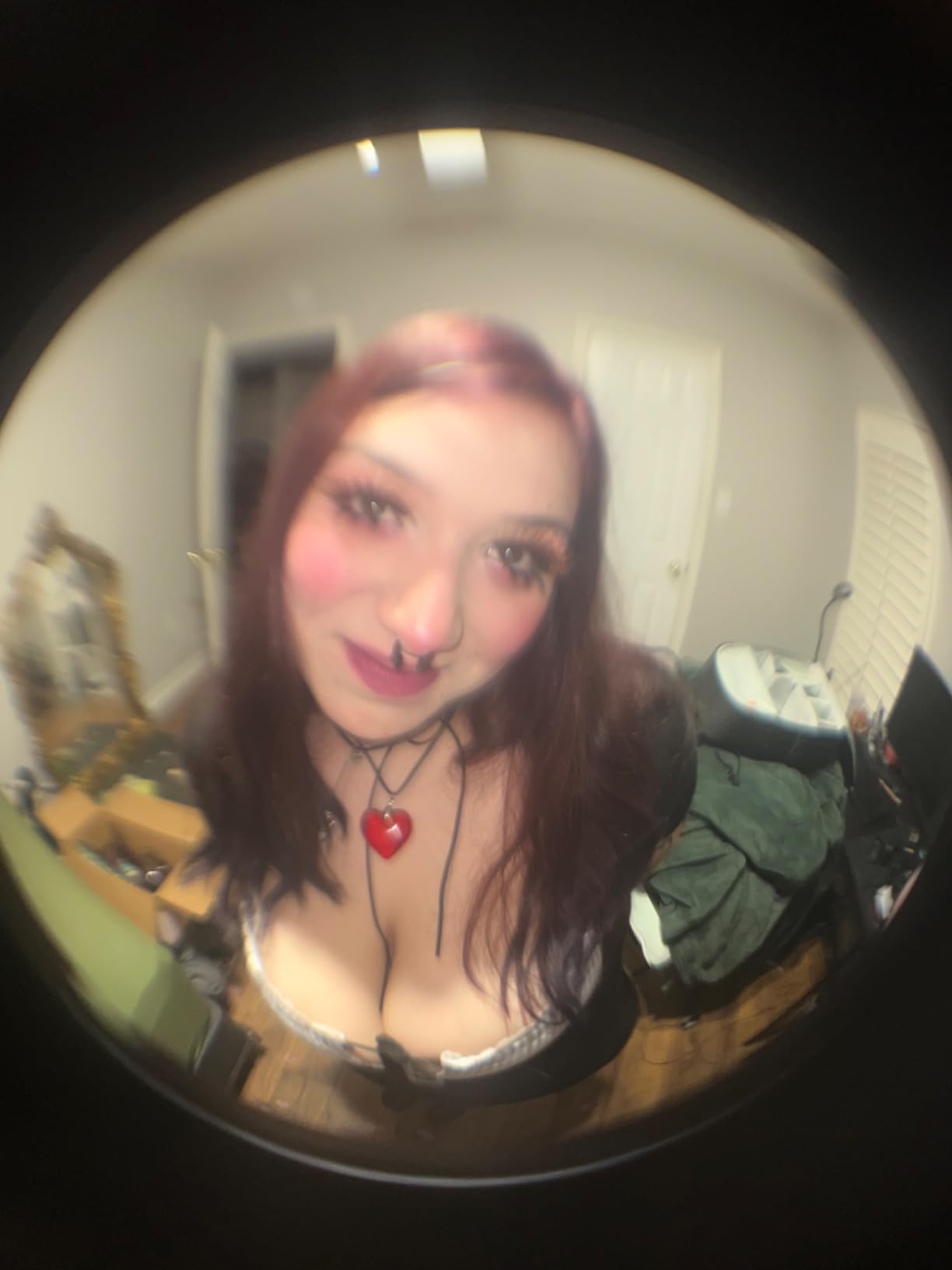
This is the most highly rated budget option in the roundup at 4.3 stars, and the reason is that reviewers use it for what it actually is: a novelty effect lens. The 180 degree element produces a real circular, mystical frame rather than a mild corner warp, and the same reviewers are clear that overall image quality is modest. Framing is the point, not sharpness.
The 1.45 inch universal clip fits most smartphones, and the clip body is extended relative to earlier lightweight fisheye designs, which makes it hold more securely. A carrying pouch, lens caps and a cleaning cloth are included, which is unusual at this level.
Shooting Into the Sun and Handling Flare
Because a fisheye spreads the whole 180 degree field across the frame, the sun and its reflections enter the image in ways a normal lens avoids. Shoot with the sun behind your shoulder or just outside the frame edge, and expect a bright ring and some ghosting when you point into it directly. Owners of wide lenses at this tier report the same behaviour, and the Moment further down is the fix if flare control matters to you.
Fit Problems on Larger Phones
The recurring caveat is size. On some newer iPhones the clip arrives too small, which leaves a black ring in photos and video. On iPhone 13 Pro and Galaxy S23 through S25 Ultra models, several phone camera settings must be changed before the lens sits correctly over the right camera. The clip can also slip or slide down on smaller phones and need holding in place.
Check your camera bump against the 1.45 inch clip aperture before you buy, and test alignment with a single frame before you rely on it.
Who Should Skip This Lens
Skip it if you want better photos. It is a one-purpose creative tool and reviewers are honest about that. Also skip it if you own a large recent iPhone, where fit is the main reported problem.
8. Moment Wide 18mm – The Only Mounted Lens Here and the Sharpest Wide Angle
Moment Wide Angle Lens – 18mm Lens for iPhone Pixel Galaxy OnePlus Phones
18mm wide angle with 100 degree field of view
f/1.8 aperture
52 g metal body
+ Pros
- Highest rated option in the roundup at 4.5 stars
- straight lines with no fisheye warping
- crisp images with low distortion
- twist-lock M-series mount is far more secure than a clip
– Cons
- Requires a separately sold Moment case
- Moment Pro Camera app is a paid add-on for dual-camera iPhones
- 52 g weight upsets some gimbal stabilizers
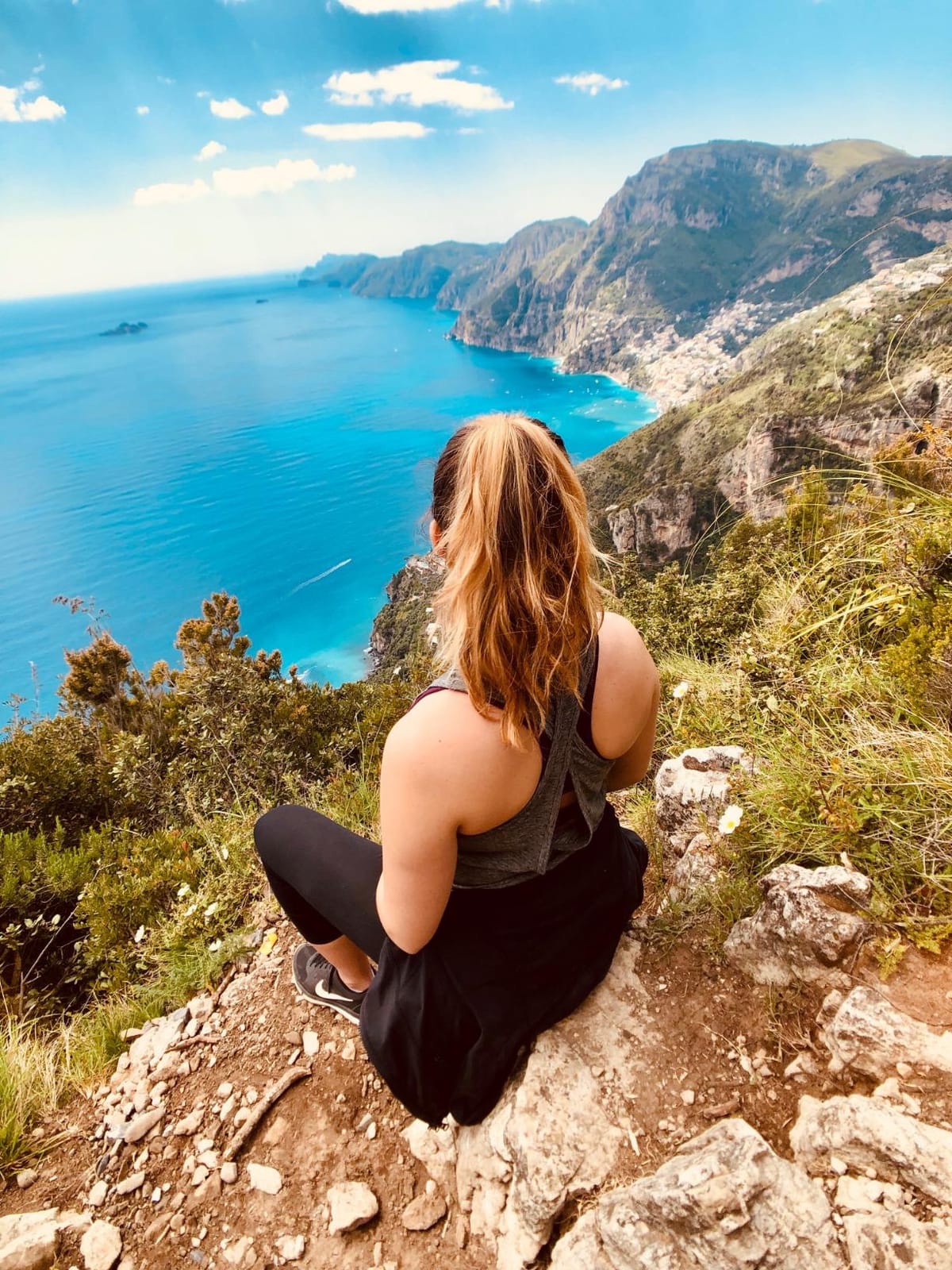
The Moment 18mm is the only product in this roundup that mounts rather than clips, and the optical difference is immediate. Reviewers emphasise straight lines, minimal distortion and no fisheye warping, which is precisely what a cheap wide-angle clip cannot do. At 4.5 stars it is the highest rated product here, with 79% of reviews at five stars.
The specifications back the reputation: an 18mm focal length with a 100 degree real angle of view, an f/1.8 aperture with 7 diaphragm blades, and a 52 g solid metal body. The twist-to-lock M-series mount installs in under ten seconds and stays put, and it pockets small enough for a trousers pocket.
Why a Mount Beats a Clip for Alignment
Nearly every quality complaint in this roundup traces back to alignment. A clip sits a fraction of a millimetre off the camera and you get vignetting, dark corners and soft edges. A bayonet mount registers in exactly the same place every time, which is why reviewers describe it as transforming the experience compared with clip-on lenses.
There is a cost. You need a Moment case or an M-series lens mount, which is sold separately, and on dual-camera iPhones you need the Moment Pro Camera app, a paid add-on, to select the lens and reach its manual controls. The app also gives manual control over dual phone camera lenses that the native software hides.
Flare, Gimbal Balance and Everyday Use
Owners report occasional flare in a lower corner of frames, and a 52 g lens is heavy enough to trigger motor cut-outs on some DJI gimbals. The wide element can also catch the gimbal arm in frame during video. If you shoot moving video, budget for a balanced rig rather than assuming it will mount as-is.
Compatibility is broad: iPhone, Pixel, OnePlus, Galaxy, LG and Sony devices, plus tablets and laptop webcams. If you need reach rather than width, the APEXEL is the specialist for that job.

Who Should Skip This Lens
Skip it if you will not commit to the Moment ecosystem, because the case and the app together raise the total cost of entry. Also skip it if you are a video shooter on a gimbal, where the weight and the arm-in-frame issue are real deal-breakers.
9. APEXEL 10X Tele-Macro Pro – Real Reach and a Long Macro Distance
APEXEL 10X Tele-Macro Pro Dual Lens 2-in-1 for iPhone
10x telephoto and 10x macro in one barrel
Macro focuses at about 8 inches
+ Pros
- The only true 10x telephoto clip-on in the roundup
- macro focuses at about 8 inches so you avoid shadowing subjects
- 12-element multi-coated optics
- weighs 5.12 oz and pockets easily
– Cons
- Manual focus on both elements
- narrow 8.6 degree field of view needs care with shake
- clip alignment still required on multi-camera phones
The APEXEL is a specialist rather than a general kit, and the specialism is reach. It is the only product in this roundup with a genuine 10x telephoto element, which is what you need for a performer on a stage, a bird at distance, or a detail on a far building. Everything else here is wide, macro or an effect.
The second half of the barrel flips to 10x macro, and this is the part that surprised me. It focuses at about 8 inches, which is long enough to photograph insects and flowers without your phone body casting a shadow across them or disturbing the subject. That long working distance is the practical fix to the lighting problem most clip-on macros create.

Tripods and Remotes Are Not Optional Here
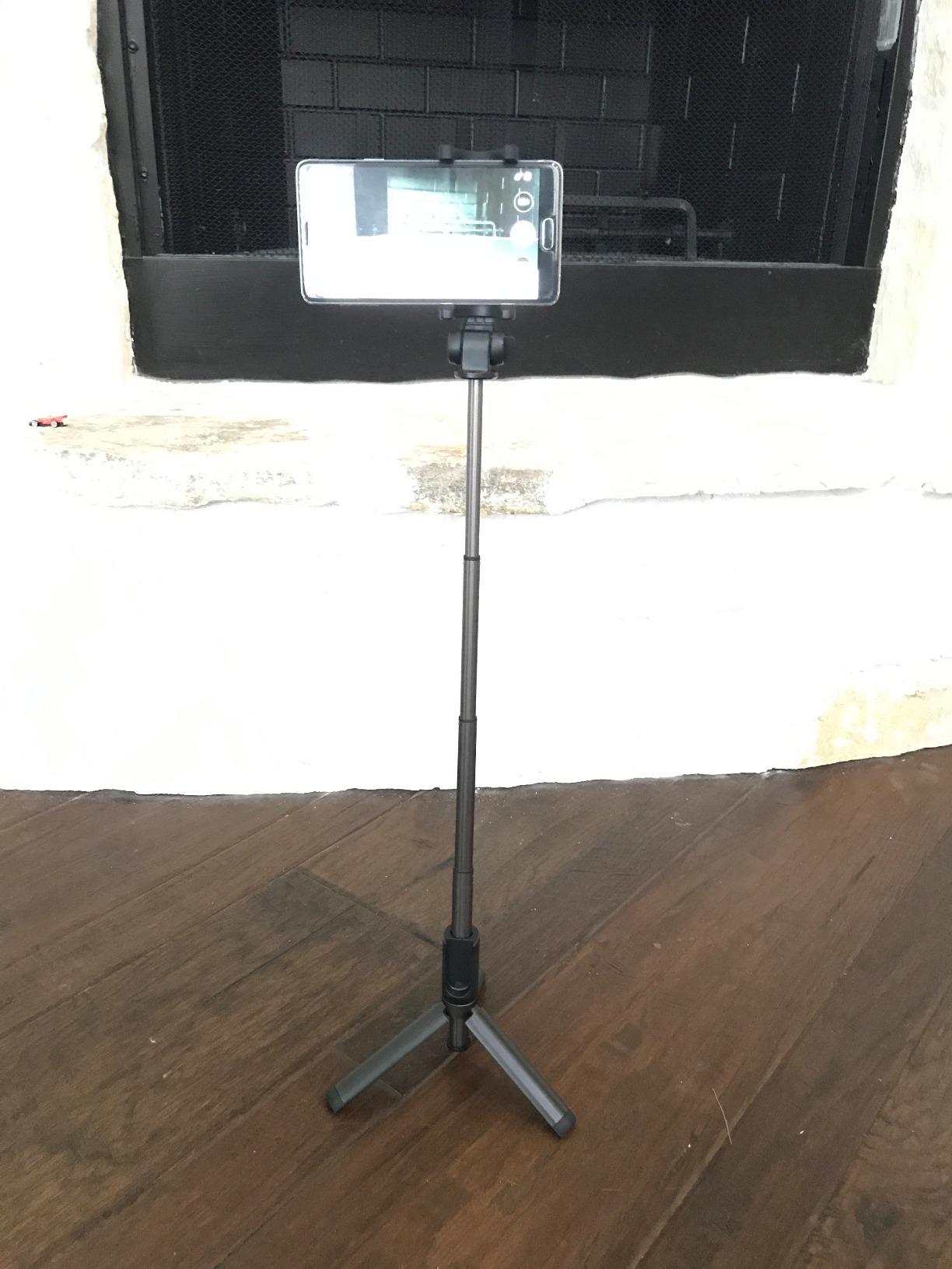
The real angle of view is a narrow 8.6 degrees. At that reach, handheld shake is unavoidable and every frame is at risk. This is the one product in the roundup where I would say a tripod is not an accessory but a requirement, and where a Bluetooth shutter remote is close to essential. Any of the mounts in our best phone mounts for motorcycles guide will hold a phone steady enough for a bracket-free long exposure, and the same principle applies to concert and wildlife work.
If you are shooting birds at distance, our best camera lenses for wildlife photography guide covers the real-lens alternative worth considering if you go that far.
Optics, Weight and Manual Focus
The optical structure is 12 elements with full-surface multi-layer coating to reduce glare and distortion, and reviewers respond positively to the coating quality and to the portability at 5.12 oz. The body is aluminum and slips into a pocket. There is a one-year manufacturer warranty.
Focus is manual on both elements, so you set distance by eye every time, and clip alignment is still required, with lens selection on multi-camera phones. Note also that the customer review text attached to this listing is mismatched and discusses an unrelated accessory, so treat the 4.3 average with some caution.
Who Should Skip This Lens
Skip it if you want a wide angle or a fisheye, because this is a single-purpose barrel. Also skip it if you will shoot handheld only. At 10x without support, most of your frames will not be usable.
10. Kase HD Master Macro – 40-85mm Working Distance for Serious Macro Work
Kase HD Master Macro Lens for iPhone 17 16 15 14 13 12 Samsung Pixel Android, Macro Photography Phone Camera Lens Attachment, Long Shoot Distance 40-85mm
5 elements in 4 groups of low dispersion glass
40-85mm working distance
M17 thread mount
+ Pros
- Long 40-85mm working distance gives background separation and a higher success rate on insects
- low dispersion glass with multi-layer coating
- solid frosted aluminum body
- M17 thread moves between clip case and phone cage
– Cons
- Focus only holds between 4 and 8.5cm from the subject
- clip drifts out of alignment and softens the edges
- smallest review base in the roundup at 112 reviews
The Kase is the most advanced optical design in the roundup, and it is built around one idea: working distance. A 40-85mm shooting distance, against the 10-20mm typical of clip-on macros, means you photograph a bee without shadowing it and without your own reflection appearing in its eye. Reviewers point to the usable background separation and the higher success rate on insects as the practical payoff, and beauty and skincare content creators use it for close-up product detail.
The construction is 5 elements in 4 groups of high quality low dispersion glass with anti-reflective multi-layer coating, in a frosted aluminum alloy body rated to resist scratching and wear. The mount is a 17mm M17 thread, so the lens can move between the included clip, a Kase wooden phone case, or a phone cage. Carry bag, front and rear caps, lens and clip are all included, with a one-year warranty.
The Focus Window Is the Whole Challenge
Focus holds only between 4 and 8.5cm from the subject, and outside that window the image will not resolve. That is a real demand on technique: you need a steady hand, a slow approach, and a willingness to retake. Manual focus makes setup slow for fast-moving subjects, so plan this for a bee on a flower rather than a flying insect.
Three diaphragm blades will not produce especially creamy background blur, even though the longer working distance already helps. Some buyers also find results fall short of the manufacturer’s sample images, which is common with specialised optics sold at a specialist price.
Mount Flexibility and the Small Review Base
The M17 thread is the underrated feature. Because it is a standard thread rather than a proprietary clip, the lens can be moved between the clip and a Kase wooden phone case or phone cage, which is a better solution to alignment than any spring mount. Even so, reviewers report the clip drifting out of alignment, and a small shift causes soft edges or distortion.
With 112 reviews, this is the smallest sample in the roundup, so long-term reliability is less well established than the other picks. It is compatible with nearly all smartphones, including iPhone, Samsung and Pixel.
Who Should Skip This Lens
Skip it if you want a wide angle, a telephoto or a creative effect, because it does one job. Also skip it if you shoot fast-moving subjects or want a forgiving focus window, and weigh it carefully if a thin review history makes you cautious.
How to Choose a Clip On Phone Lens Without Regret
Here is the decision order I use. Pick the job first, then the mount, then the glass, then the extras. If you buy a 14-piece kit hoping one attachment will become your daily lens, you usually end up with twelve unused pieces and one frustration.
Start With the Job, Not the Specification
Reach for a telephoto if you shoot concerts, wildlife or distant detail. Reach for a macro if you shoot flowers, insects, food or product detail. Reach for a wide angle if you are in tight interiors or want group shots, and note that a wide angle expands rather than magnifies. Reach for a fisheye or anamorphic only when you want a look, not a better picture.
Photographers on r/AskPhotography have a blunt and largely correct position: attaching a lens to a modern phone with a good multi-camera array is rarely about making ordinary photos better. It is about getting an angle your phone cannot reach.
Check the Mount Before Anything Else
A spring clip is universal but drifts. A clamp holds better. A bayonet mount holds perfectly and costs more in ecosystem commitment. Two hard numbers decide fit: the clip aperture in inches, and the camera-to-edge distance your phone requires.
A thumbscrew or an alignment post on the mount matters more than any spec in the marketing. The most common owner complaint in this entire category is a clip that slips mid-shoot and ruins the frame, and the most common quality complaint is vignetting and dark corners, which is almost always an alignment fault rather than a glass fault.
Fix Alignment and Vignetting in Five Steps
- Shoot a test frame against a plain light background before you shoot anything you care about.
- Take the case off if the clip barely reaches, then re-test. Thick cases push the camera out of reach and skew the clip.
- Slide the clip until the phone lens sits dead centre in the attachment opening, then tighten.
- Check all four corners. Dark corners mean the clip is off-centre or too small; move and re-test.
- Clean both glass surfaces. Fingerprints on the phone lens and the add-on lens are the most common cause of a soft, hazy frame.
On iPhones, if shots are still soft after alignment, try switching to the main camera manually and use lens correction. Turn off lens correction when the add-on lens already has its own correction profile, otherwise the phone stretches edges to compensate for a problem the attachment caused.
Glass Versus Plastic and Coating Quality
Optical glass with multi-layer or nano coating controls flare, ghosting and color fringing. Plastic elements are lighter and cheaper but fringe badly toward the frame edges and soften under backlighting. If you shoot into the sun, glass is not optional. Aluminum alloy shells also survive drops better than the loose plastic housings in the cheapest kits, and durability is what forum users actually praise.
Chromatic aberration, where coloured fringes appear along high-contrast edges, is the clearest quality divider in this category. It is what separates the Moment and the Kase from the acrylic discs, and it shows most obviously on foliage, brickwork and text.
Macro Lighting and Working Distance
Every short-distance macro lens puts your phone between the light and the subject, which casts a shadow across the frame. The fixes, in order of effectiveness, are a diffused light source from the side, the built-in LED ring light included with the Xenvo, or a longer working distance. The APEXEL at about 8 inches and the Kase at 40-85mm both solve the problem by geometry rather than by adding a light.
Stability Rules for High Magnification
Set a simple threshold. At 10x or beyond, use a tripod or a rigid support and a Bluetooth shutter remote. Below 10x, handheld is workable if you brace your elbows. The 2x telephoto in the Godefa kit is fine handheld; the APEXEL at a narrow 8.6 degree angle of view is not.
One more honest limitation: every add-on lens blocks the phone flash, so any add-on attachment means shooting with available light or an external source.
When You Do Not Need a Lens at All
If your phone already has a main camera, an ultra-wide and a telephoto module, you are carrying roughly 12mm to 120mm of equivalent focal length in your pocket. A clip-on wide angle adds little your ultra-wide cannot, and a 2x clip-on telephoto duplicates a lens you already have.
Check your phone’s own specifications before buying. If it has a dedicated telephoto module, the only attachments that earn their place are macro, fisheye and creative effects. That single check prevents most disappointing purchases in this category.
Frequently Asked Questions
Are clip-on phone lenses worth buying?
They are worth buying for reach and for effects your phone cannot produce, such as a 198 degree fisheye circle, a genuine 10x telephoto, a long macro working distance or a mounted 18mm wide angle. They are not worth buying for everyday shots, because every add-on lens is afocal and reduces centre and edge sharpness relative to the bare phone. If your phone already has a main, ultra-wide and telephoto module, buy an attachment only for macro or creative effects.
What are the best clip-on lenses for iPhones?
The Xenvo Pro Lens Kit is the safest all-rounder, pairing a 0.45x wide angle with a 15x macro and a rechargeable LED fill light. The Moment 18mm wide angle gives the sharpest result and mounts rather than clips, but it needs a separately sold Moment case and a paid camera app. For close-up work on an iPhone, the Kase Master Macro and the APEXEL 10X Tele-Macro are the strongest options.
Why are my phone lens photos blurry?
The most common cause is alignment, not glass. If the clip is off-centre or the lens is smaller than the camera bump, you get soft edges, dark corners and haze. Clean both glass surfaces, take the case off so the clip reaches the camera, slide the attachment until the phone lens sits centred in the opening, and check all four corners on a test frame before you shoot anything important.
Do clip-on lenses work with a phone case?
It depends on the clip length and the case thickness. A spring clip usually cannot reach the rear camera on a modern phone with a case fitted, which produces rounded frames and black corners. Wider universal clamps and the Mocalaca and LEKNES kits work better through a case. The Moment bypasses the problem entirely because it mounts to a phone case rather than clamping over the phone.
What is the best macro lens for a mobile phone?
For close-up detail without disturbing the subject, the Kase HD Master Macro is the strongest, working at a 40-85mm distance with 5 elements in 4 groups of low dispersion glass. For a long macro distance at a lower outlay, the APEXEL 10X Tele-Macro Pro focuses at about 8 inches. On a strict budget, the Ailun 3 in 1 and the KEYWING kit both deliver 10x and 20x macro that reviewers rate above their overall kit averages.
Which Clip On Phone Lens Should You Buy?
If you want one safe all-rounder, take the Xenvo Pro, because its 0.45x wide angle and 15x macro cover the two jobs people actually buy attachments for, and its review base is large enough that the failure modes are already documented. If image quality matters more than convenience, take the Moment 18mm, and accept that you are buying into its case-and-app system. If you shoot concerts, birds or any distant subject, take the APEXEL and add a tripod and a shutter remote.
For close-up work, the choice is about working distance: the KEYWING gives you 20x on a modest outlay, the APEXEL gives you a comfortable 8 inches, and the Kase gives you 40-85mm with the sharpest glass here. For creative effects, the ALILUSSO 180 degree fisheye is the highest-rated budget option, and the Godefa 14-piece kit is the one to buy if you want a CPL filter and a set of filters alongside the optics.
Whichever you choose, test the alignment before the shot that matters, and clean both glass surfaces. That single habit removes more bad frames than any spec on the box.
Leave a Reply