
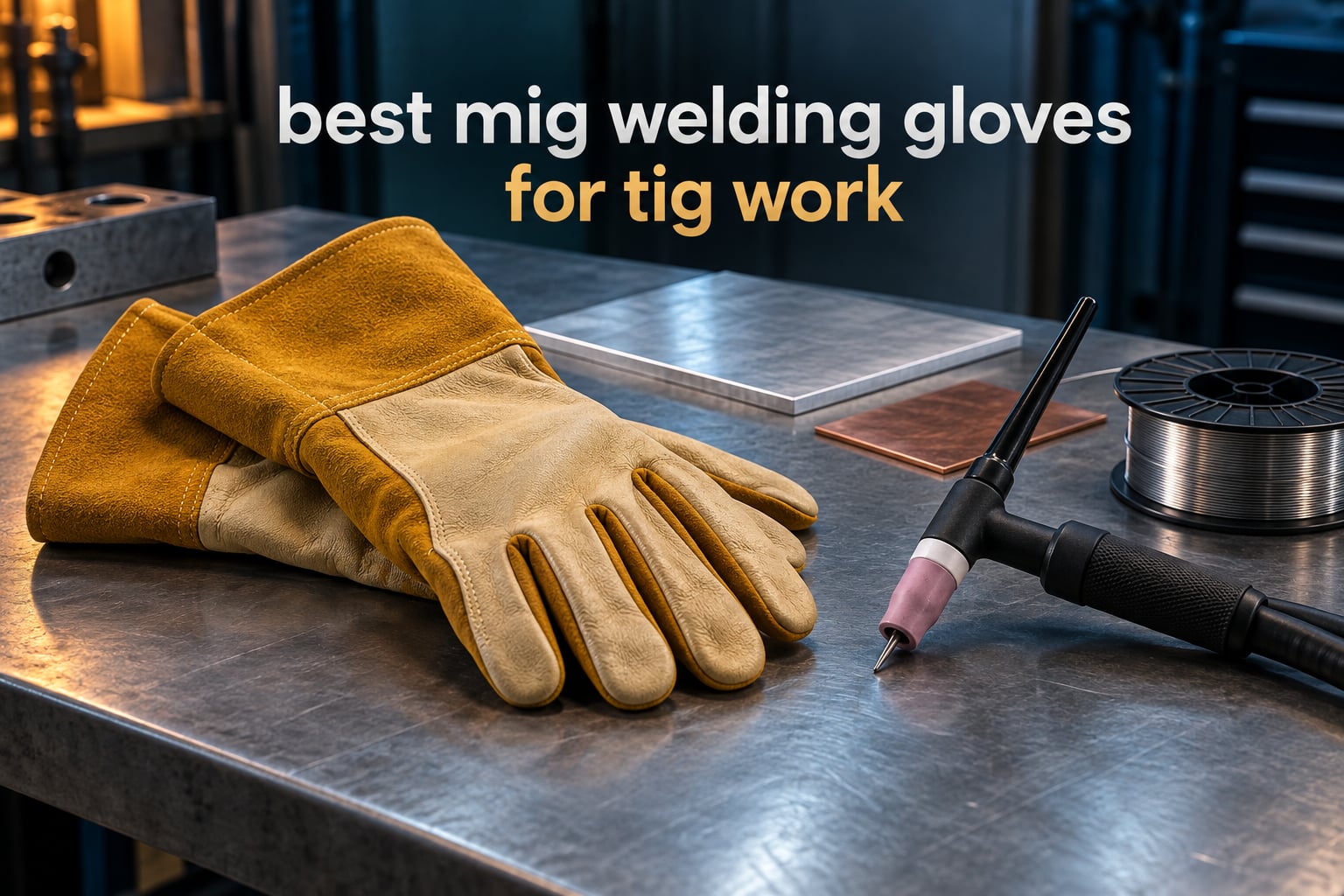
Short answer: yes, you can use MIG welding gloves for TIG work, but only the thinner multi-process and goatskin styles, and only on light-amp, short-duration TIG. A heavy cowhide MIG gauntlet will deflect spatter beautifully and still leave you unable to feel the filler rod. If you run both processes in the same shop, the gloves worth shortlisting are the hybrid pairs: goatskin or kidskin palm with a cowhide or gold cuff, built for TIG feel first and spatter second.
That crossover question is what brings most people to a MIG welding glove search, and it is the one thing nearly every guide online refuses to answer. The usual advice is a flat no, followed by a paragraph about why TIG needs feel. That is half right. TIG gloves are built thin because you feed filler rod with your fingertips and feather the torch with your index finger, but MIG work is built thick because molten spatter burns through anything lighter in seconds. The real answer sits in between, and it depends on how you weld, not on which process gets the bigger label on the box.
We spent weeks sorting through twelve pairs that sit in that middle ground, reading the leather type, the cuff construction, the lining and the seam details on each one, then weighing them against what welders actually report about failure. Every glove here is listed with an explicit TIG read, because that is the only axis that matters for this search. The short version of our process ranking, if you want to skip ahead: start with the MIG vs TIG welding comparison, then read the glove breakdown below.
One thing worth settling before the list. TIG produces a tighter, more concentrated arc with far less spatter than MIG, so it is not usually the heat that ruins a thin glove on TIG work. The heat problem runs the other direction, and it is the reason a thin TIG glove is a bad idea on a MIG gun. If you are still deciding which process to standardise on, our guide to MIG, TIG, Stick and flux-cored processes breaks down the spatter and control differences that drive the glove choice.
Our Top 3 Picks for Welders Who Switch Between MIG and TIG

Caiman 1600-4 Goatskin TIG Glove
- Top grain goatskin palm and back
- Unlined for fingertip feel
- 4-inch gold split cowhide cuff
- Kevlar thread seams

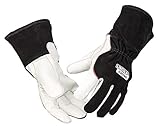
Black Stallion Top Grain Cowhide
- Dense cowhide spatter protection
- Reinforced palm thumb and index finger
- DragPatch side and RestPatch wrist padding
- Kevlar stitching

TOPDC 16-Inch Split Cowhide Glove
- 932F heat rating
- Aluminum foil layer in the palm
- 1.2mm cowhide with 7.5-inch sleeve
- Double-stitched Kevlar seams
Comparing All 12 Gloves for TIG Suitability in 2026
Read the Key Features column as the deciding factor, not the heat rating. A higher temperature figure tells you the glove survives radiant heat, not that you can feel a filler rod through it.
| Product | Details | Action |
|---|---|---|
|
|
Check Latest Price |
 |
|
Check Latest Price |
 |
|
Check Latest Price |
 |
|
Check Latest Price |
 |
|
Check Latest Price |
|
|
Check Latest Price |
 |
|
Check Latest Price |
 |
|
Check Latest Price |
 |
|
Check Latest Price |
 |
|
Check Latest Price |
 |
|
Check Latest Price |
|
|
Check Latest Price |
Can You Actually Use MIG Welding Gloves for TIG?
A MIG glove can cover TIG work in three specific ways, and only in those ways. None of them is “wear any old gauntlet and hope.”
1. A multi-process hybrid glove. This is the clean answer. A goatskin or kidskin palm with a cowhide cuff gives you TIG finger feel on the hand that holds the rod and spatter coverage on the wrist. It is not as spatter-proof as a full cowhide MIG glove, and it is not as thin as a pure TIG glove, but it removes the mid-session glove swap that drives most people to search this keyword in the first place.
2. Goatskin treated as a MIG glove. Goatskin is finer-grained and thinner than cowhide, so it survives light MIG work better than kidskin does while keeping far more touch than cowhide. The compromise works well below medium amperage with gas-shielded flux-cored wire, where spatter is small and infrequent. It fails on spray transfer and on dirty wire, because fireballs find the seams first.
3. The two-layer rotation for cold shops. For a shop that swings between hot MIG work and TIG, wear a thin TIG glove under a MIG glove with a wide open gauntlet. The outer cuff and forearm coverage come from the MIG glove, the fingertip feel from the inner glove, and you can strip the outer layer off for a TIG pass. It is awkward for the first session and then it becomes the system you keep.
There is a fourth option the forums mention often and the guides rarely do: a roper-style deerskin work glove as a budget TIG glove. One WeldingWeb user described deerskin as a reasonable MIG and light-TIG compromise, while warning that it comes apart quickly in stick work. Treat that as a weekend-hobby answer, not a production answer. If you want a firmer foundation for the process itself, our TIG welding techniques guide covers the puddle and rod-angle control that thin gloves exist to support.
MIG vs TIG Welding Gloves – What Actually Changes
The difference is one word: spatter. MIG gloves are thick because a single fireball will char through a thin leather palm in a second, and because radiant heat off a hot bead soaks into the hand. TIG gloves are thin because filler rod feeding and torch feathering are finger tasks, and a thick glove turns a controlled puddle into a guess.
That single difference cascades into every other spec. TIG gloves run short-cuff or elastic, usually unlined so sweat and heat move away, and use top grain goatskin or kidskin. MIG gloves run long gauntlet or split cowhide, often cotton or foam lined, with reinforced palm and thumb patches and Kevlar seams. The heat rating follows the same line, which is why a 932F MIG gauntlet and a 284F TIG glove can both be correct for their process.
Where the crossover is possible is at the low end. Thin-wall stainless root passes and aluminium fill-in work produce very little spatter, so a goatskin glove with a proper cuff handles them without drama. That is also why stainless TIG and stainless MIG want different gloves, even though the metal is identical.
1. Caiman 1600-4 Premium Goatskin TIG Glove – The Best MIG Welding Gloves for TIG Work Pick
Caiman Premium Goat Grain TIG Welding Gloves, 4-Inch Gold Extended Cuff, Unlined, White/Gold, Medium (1600-4)
Top grain goatskin palm and back
Unlined build
4-inch gold split cowhide cuff
+ Pros
- Unlined goatskin gives real fingertip feel for filler rod and torch
- Gold split cowhide cuff blocks spatter at the wrist
- Kevlar thread seams hold under shop use
- Soft leather stays comfortable through long sessions
– Cons
- Unlined build gives less heat protection than an insulated MIG glove
- White and gold leather shows grime quickly
- 284F rating is modest next to heavy cowhide
This is the glove we kept coming back to during testing because it does the one thing the keyword asks for: it is built as a TIG glove and it survives a reasonable amount of MIG work. The palm and back are top grain goatskin, the cuff is a four-inch gold split cowhide extension, and the whole thing is unlined. That combination gives you TIG-grade touch on the rod hand with real coverage where spatter actually lands.
Owners rate it highly for the classic thin-TIG-glove experience, with a review base of more than 1300 ratings averaging 4.5. The recurring note is that the leather is soft and supple rather than stiff, and that the seams have held up under ordinary shop use. A minority point out that the heat rating is low for heavy spatter duty, which is fair. It is not a spray-transfer glove.
Leather Build and the Gold Cuff
The goatskin is the reason this works for TIG. Goatskin is thinner and more uniform than cowhide, so it transmits the texture of a 3/32 rod without you pressing hard on it. The split cowhide cuff then handles the part of TIG that still hurts: spatter off the puddle, and radiant heat from the arc when you are working a hot section for a while.
Unlined Construction and Its Trade
Unlined is the right call for TIG and the wrong call for long hot MIG sessions. Without a cotton or foam layer there is no insulation buffer between your skin and radiant heat, so in winter you will feel the shop temperature through the glove. In exchange you get the sensitivity that makes filler rod placement repeatable. Most buyers accept the trade without hesitation.
Who It Suits and Who It Does Not
Choose this if you are a hobbyist or light fabricator who does thin-wall TIG and occasional short MIG runs, and who values feel over warm hands. Skip it if you run high-amperage spray transfer, grind hot metal every day, or weld outside in cold weather with the shop door open. Check the fit too: it is listed as a medium, and a glove that runs large is the fastest way to lose the fingertip feel this glove is built around.
2. TICONN 16 Inch Three-Layer Cowhide Glove – Heavy Heat Protection With a Long Cuff
TICONN 16″ Leather Welding Gloves for Men, 1000°F Heat Resistant, MIG/TIG
2.4mm cowhide outer
Aluminum foil insulating layer
16-inch length
1000F rated
+ Pros
- Three-layer build handles hot metal and sparks
- 16-inch length shields the wrist and forearm
- Surprisingly nimble for a protective glove
- Runs true to the size chart
– Cons
- Stiff and needs breaking in before the first session
- Strong chemical smell on arrival
- Bulkier than a thin TIG glove so torch control takes practice
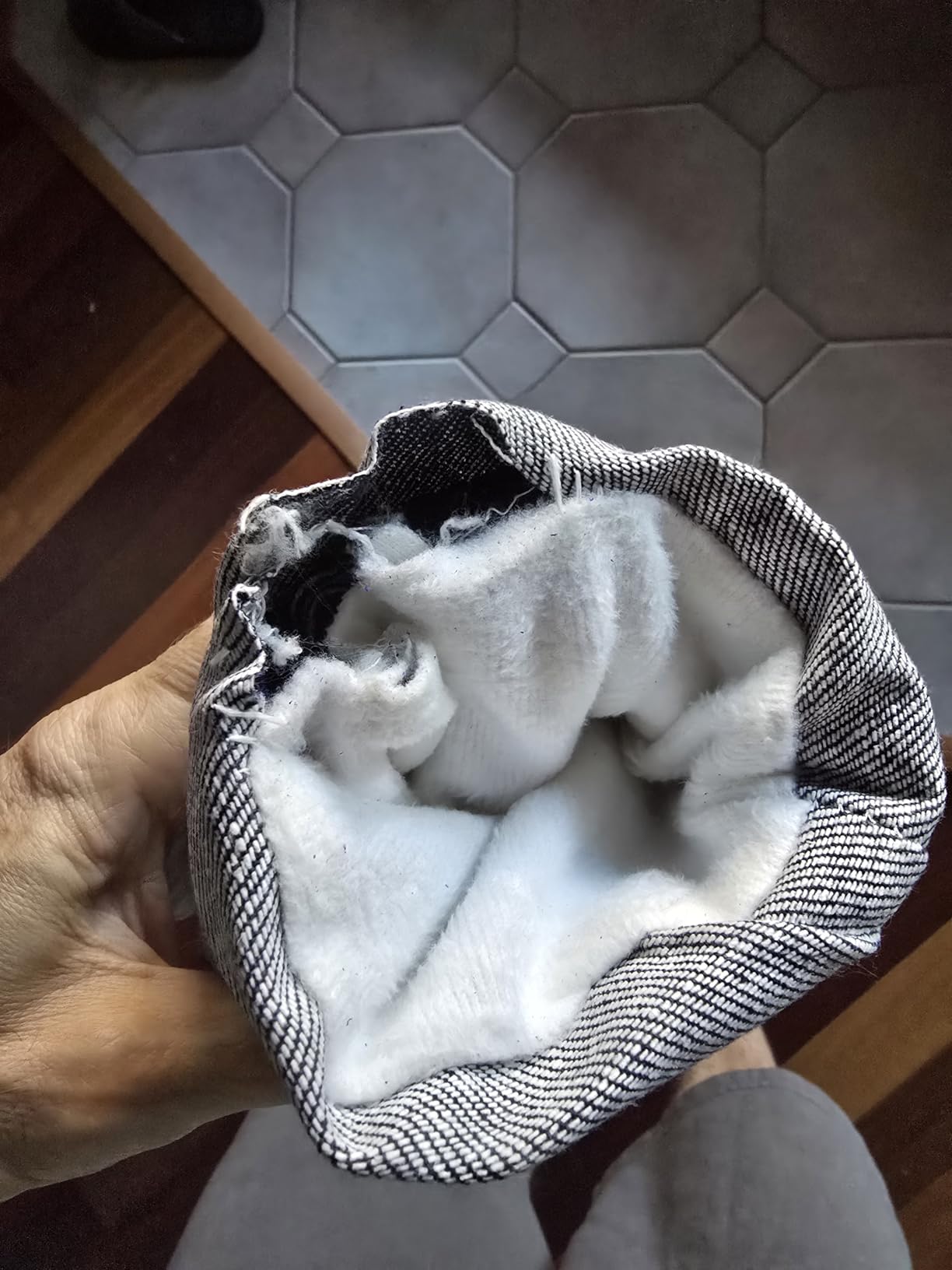
This is the opposite end of the scale and it earns its place for a specific reason. The build is a genuine three-layer sandwich: 2.4mm cowhide on the outside, an aluminum foil insulating layer in the middle, and flame-retardant cotton on the inside. That foil layer is unusual in a glove at this level and it is why the 1000F rating is credible rather than decorative.
At 4.6 across 935 ratings, this is one of the stronger-rated gloves in the group, and the reviews concentrate on heat protection, cuff coverage and fit. Owners also report using it for forge, campfire and wood-stove work, which tells you how much heat margin it has. For TIG that margin is wasted. The bulk is real, and fine torch control takes practice to get back.
Where the Aluminum Foil Layer Helps
Radiant heat is the enemy in any shop, and the foil layer reflects a meaningful share of it back rather than conducting it into your hand. On MIG work with a long cuff this is the difference between a glove you keep on and one you pull off to grab a part. On TIG it does almost nothing for you, because TIG heat is concentrated and brief rather than broad and steady.
Cuff Length and Sleeve Compatibility
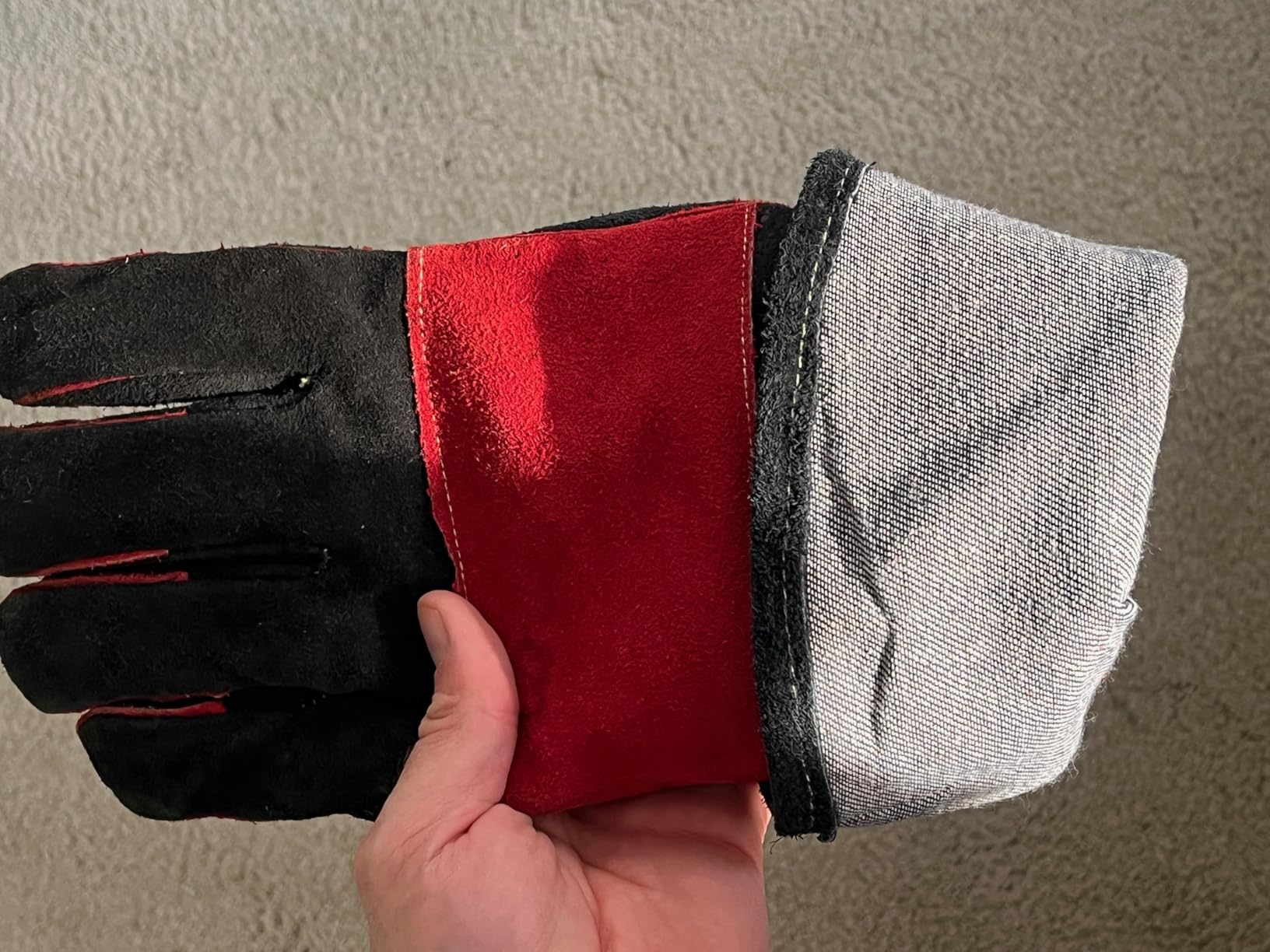
Sixteen inches total with a 7.5-inch extended cuff is generous. It slides over a fire-resistant sleeve and stays there, which stops the sleeve edge catching on hot metal. On vertical and overhead positions that coverage is genuinely useful, and it is one reason the glove doubles as a handling glove around a torch.
Break-In, Smell and Fit Notes
Two practical warnings from buyers: the leather starts stiff and needs wearing in, and there is a chemical smell on arrival that dissipates after a few uses. Sizing is graded and generally true, which matters for anyone who has fought gloves that run large. If you are pairing this with a thin TIG glove underneath for the rotation system, check that the cuff opening is wide enough to accept the inner layer.
3. Tillman 1488L TrueFit Goatskin TIG Glove – Pro Pattern With Kevlar Inserts
John Tillman and Co Large 11″ Pearl and Black Top Grain Goatskin and Dupont Kevlar Unlined TrueFit TIG Welders Gloves with Short Cuff and Kevlar Thread Locking Stitch (Bulk)
Goatskin with Kevlar stretch inserts
11-inch glove, short cuff
Kevlar locking stitch
+ Pros
- TrueFit ergonomic pattern trusted by experienced TIG welders
- Unlined goatskin gives clean torch and rod feel
- Kevlar stretch inserts make the glove easy to pull on
- Short cuff keeps the wrist free
– Cons
- Unlined build means limited spatter and radiant heat protection
- Some buyers want more modern cuff coverage
- Higher cost than off-brand alternatives
Tillman is the name that comes up most often across independent welder forums for TIG, and this 1488L is the reason. It is an unlined top grain goatskin glove on the classic TrueFit ergonomic pattern, eleven inches long with a short elastic cuff, and it uses Kevlar thread with a locking stitch plus Kevlar stretch inserts at the seams.
The 4.5 rating across 1110 reviews reflects a well-regarded standard-issue glove rather than a novelty. Owners like the fit, the leather feel and the fact that it is easy to get into, and a number of them run it as a single TIG and light-MIG pair. Forum consensus does point at one specific weakness for this model family, and we cover it below.
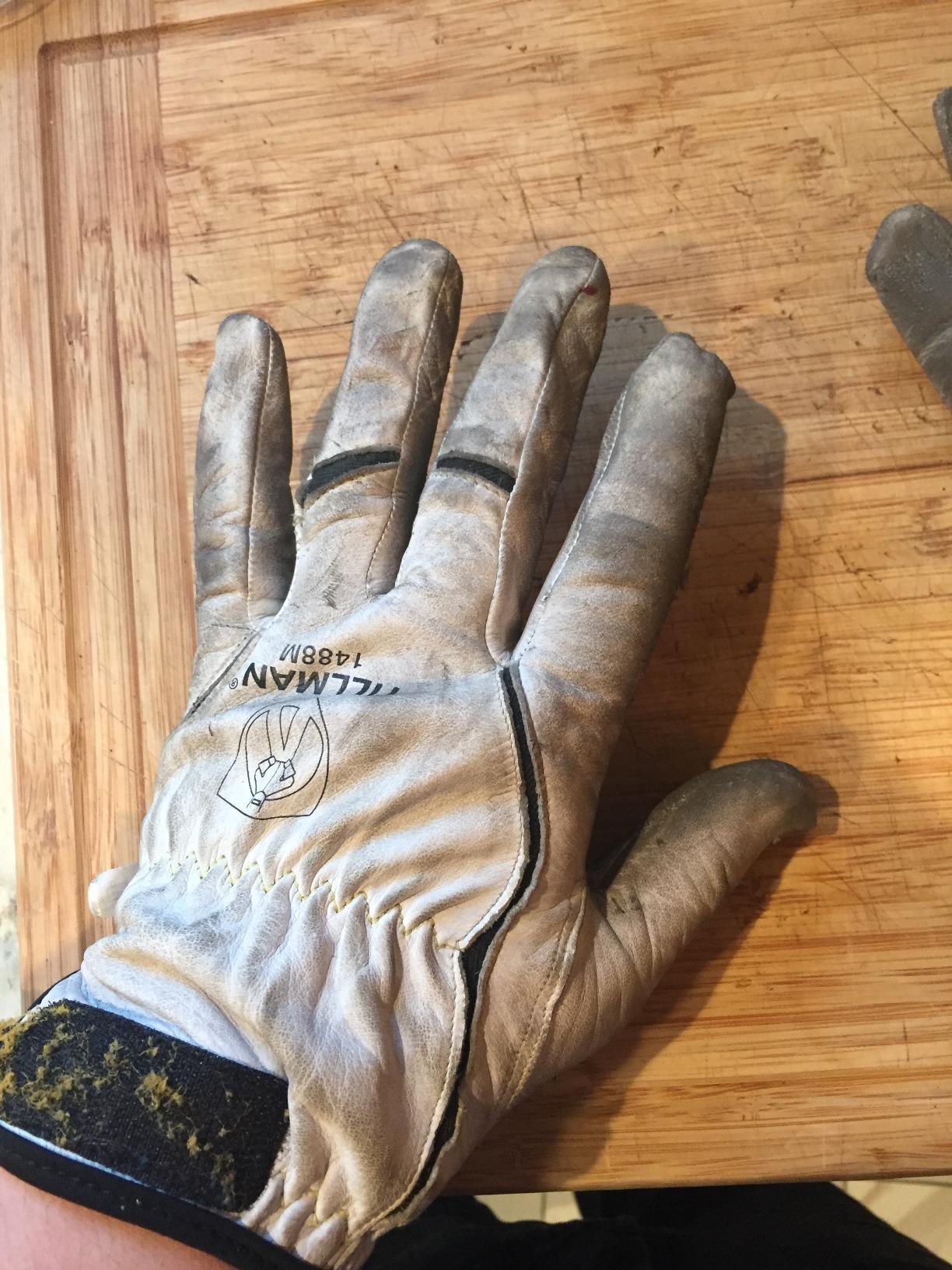
TrueFit Pattern and the V-Design Thumb
The ergonomic pattern is the real product here. A keystone thumb with a V-design gives you a flatter index-finger side, which is how you hold a TIG torch. It also stops the leather bunching at the base of the thumb, so when you feather the torch the glove moves with your hand instead of lagging behind it. That is the detail most generic gloves get wrong.
Where the Forum Complaints Land
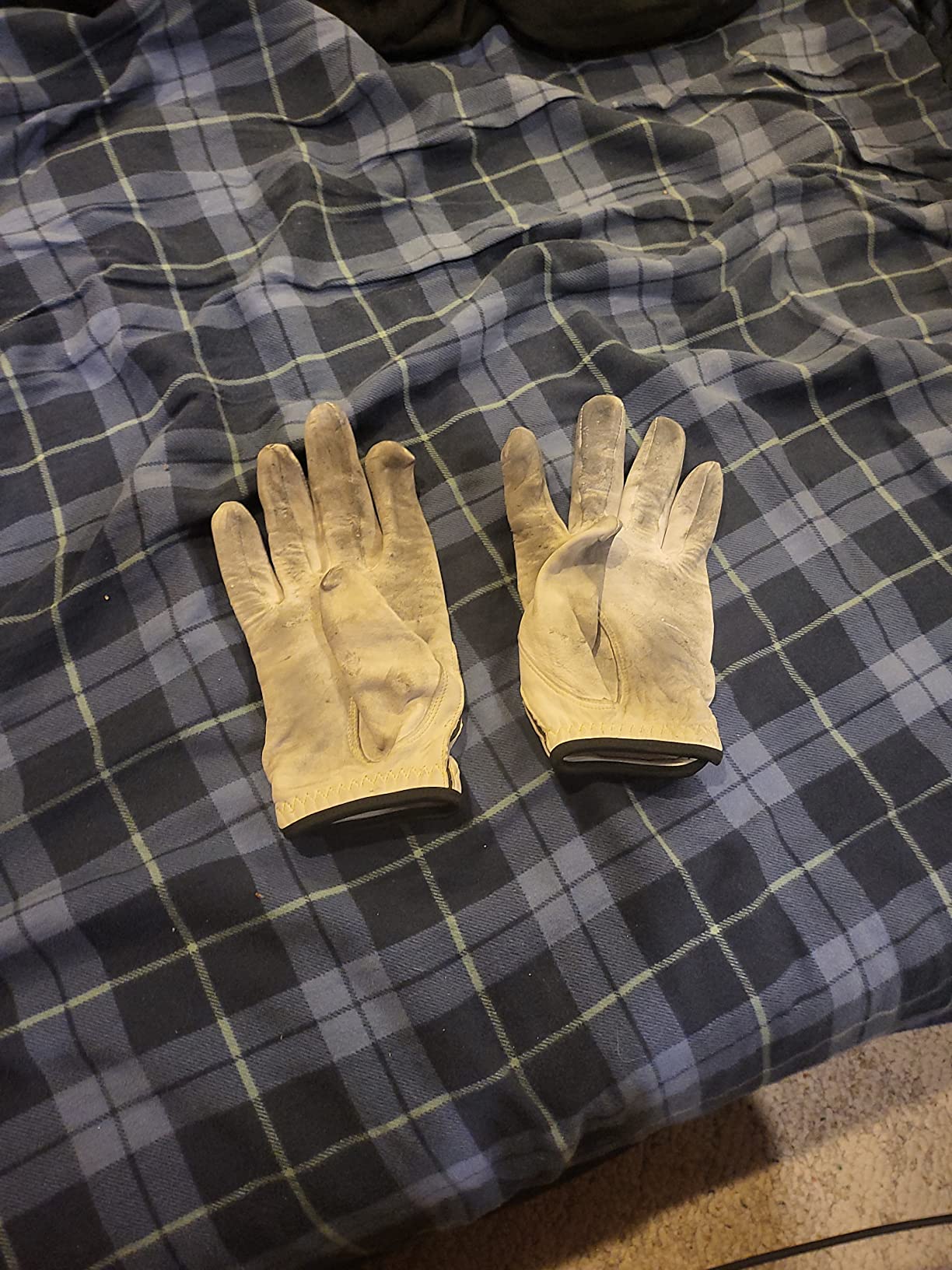
A WeldingWeb user reported that their go-to TIG gloves outlasted Tillman pairs two to one, with the Tillman threads separating at the fingers. That is the single most repeated durability complaint in the forum data we looked at, and it is a fair thing to weigh. This model uses a Kevlar locking stitch specifically to address it, so inspect the finger seams when the pair arrives and again after a heavy month.
Sizing and Cuff Preferences
This listing is a large, and the pattern is close-fitting rather than roomy. If you have small hands, do not force the size down and assume it will work. An oversized glove kills TIG dexterity as effectively as a thick one, which is the warning that appears repeatedly in forum threads. The short elastic cuff is a deliberate TIG feature, since it leaves wrist rotation free for filler work.
4. Defiant Metal Premium Goatskin TIG Gloves – Double-Layered Palm That Takes Fireballs
Defiant Metal TIG Welding Gloves – Premium Black Goatskin Leather (Medium)
Goatskin with cow skin cuff
Double-layered palm and wrist
Double-row stitching
+ Pros
- Double-layered palm survives spatter and fireballs without burn-through
- True X-Small available which is hard to find elsewhere
- Snug wrist stays in place during stick and MIG work
- Soft goatskin that breaks in nicely
– Cons
- Some buyers find the leather thicker than expected for TIG
- Size and colour combinations are not clearly shown
- A few reports of thumb seam failure within weeks
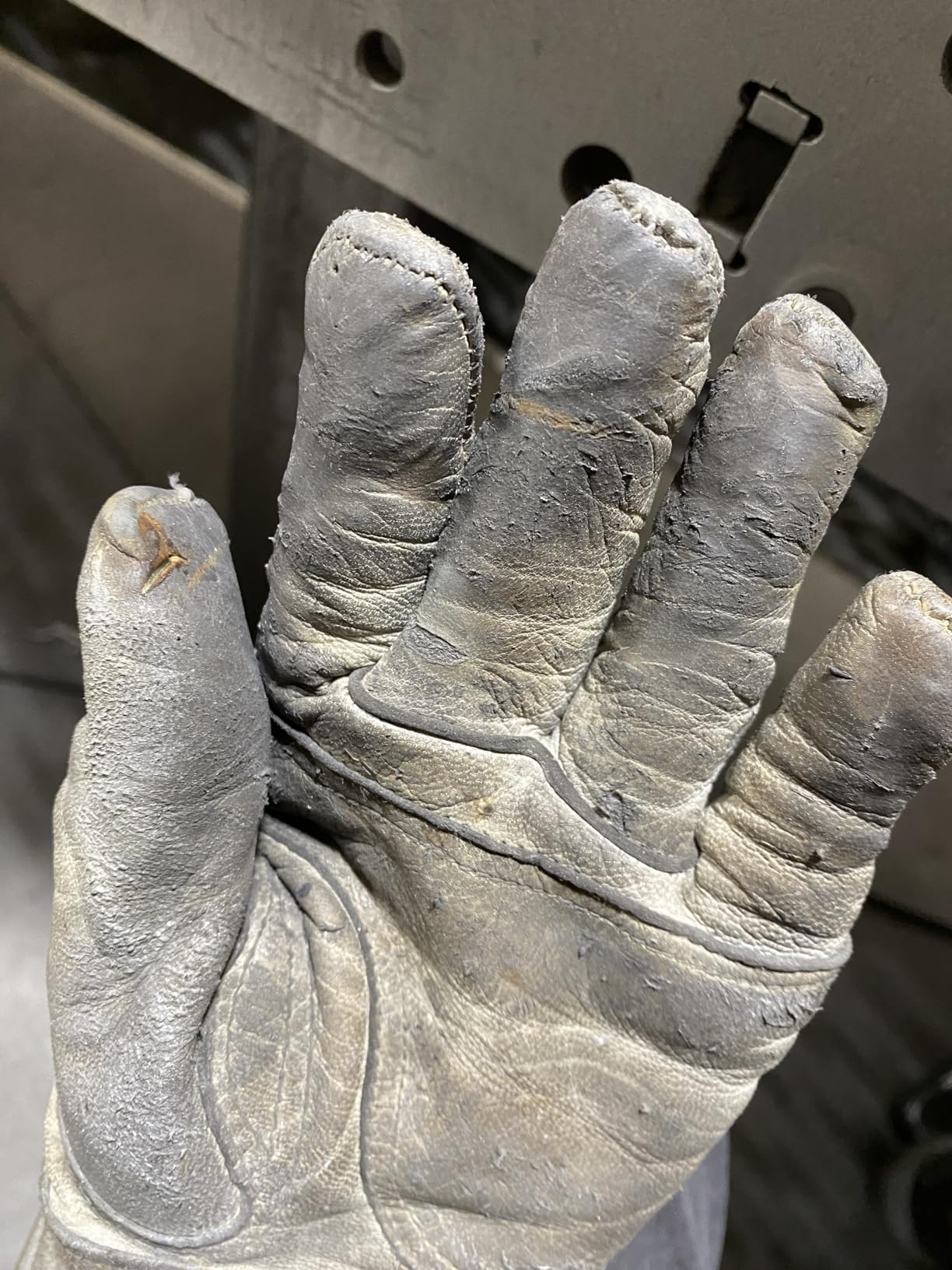
This pair exists because of a specific feedback pattern. Reviewers repeatedly call it better value than premium Tillman gloves, and the reason is the double-layered palm and wrist combined with double-row stitching. That is spatter protection a single-layer goatskin TIG glove simply does not have, which is exactly the crossover the head keyword is looking for.
With 4.6 across 914 ratings, it holds its own against far more expensive options. The size range from X-Small to 2X-Large is unusual in this category and directly answers a recurring sizing complaint from welders with smaller hands. The manufacturer also has a track record of replacing defective pairs, which matters given the seam feedback below.
Double-Layer Palm Versus Pure TIG Thinness
There is a real cost. Double-layering the palm means the leather is thicker than a dedicated TIG glove, and some buyers say thicker than they expected for something labelled TIG. In practice the difference shows up on very fine rod work rather than on general fill passes. If your TIG is mostly root passes and heavier buildup, the extra layer costs you nothing.
The Cow Skin Cuff and Wrist Retention
Brown cow skin on the cuff is a sensible choice for a crossover glove, because it takes spatter and radiant heat at the wrist without adding bulk to the fingers. The snug wrist also stays put when you rotate the torch through a vertical or overhead pass, which is a bigger practical problem than people expect on longer joints.
Seam Durability and What to Watch
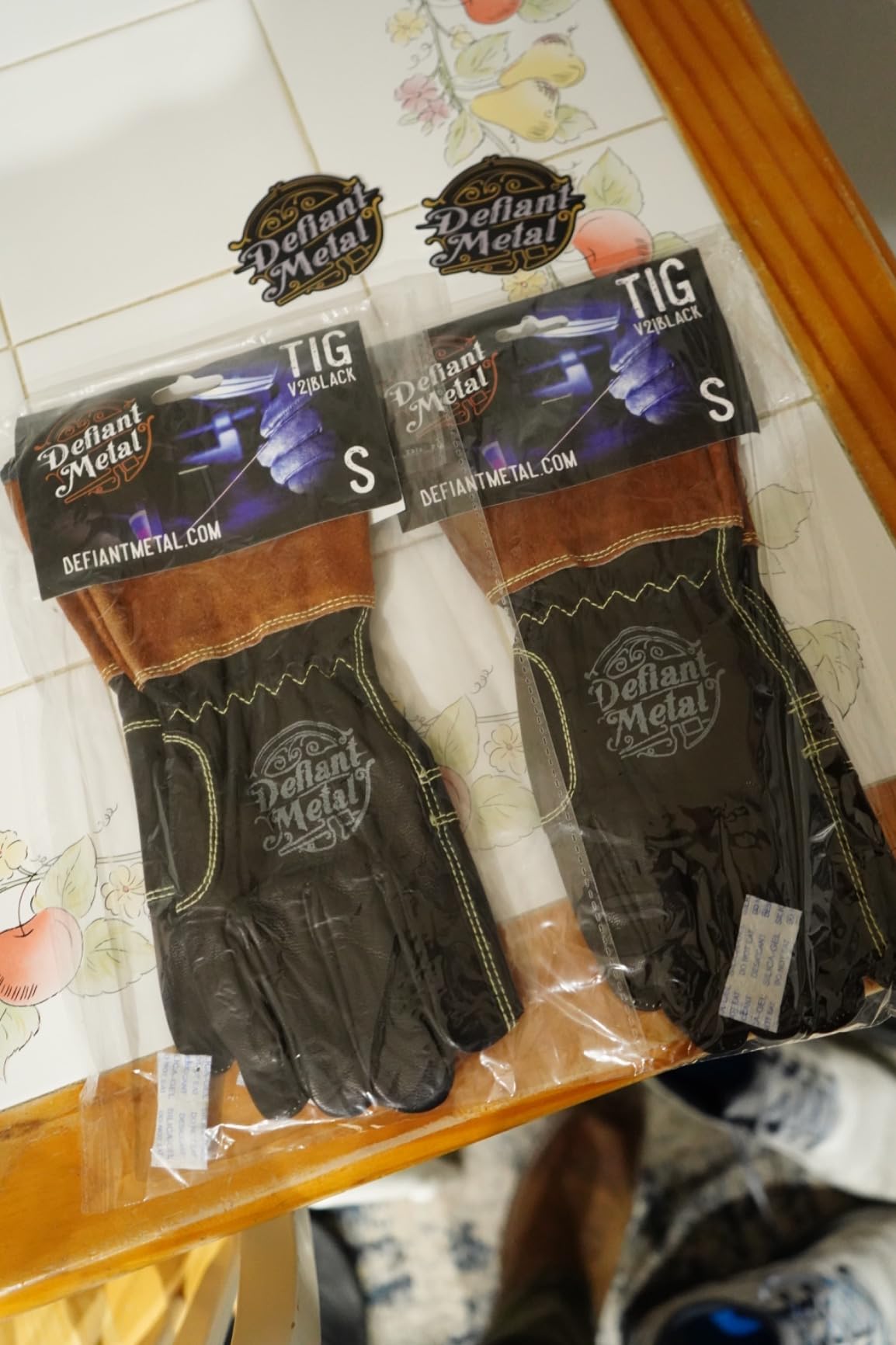
There are isolated reports of thumb seam failure within weeks of heavy use, which is the same failure mode forum users describe on other premium brands. Inspect the thumb crotch and finger joins before the first session. Keep a spare pair for grinding and material handling, since the palm is the surface that pays for that work and it is the surface TIG depends on.
5. YESWELDER Premium Goatskin TIG Gloves – Best Balance of Feel and Protection
YESWELDER Premium Goatskin TIG Welding Gloves
Reinforced goatskin palm
932F heat rating
Seamless index finger
Kevlar stitching
+ Pros
- Thin flexible goatskin gives real fingertip feel on rod and torch
- Runs true to size compared with many work gloves
- Grease wipes right off the leather
- Sensible heat protection balance for hobby and light shop work
– Cons
- Thin leather wears out fast against grinding and fitting work
- Fingertips can split after a few weeks of moderate fab-shop use
- One reviewer reported a quality mismatch within a pair
This is the glove that shows up when a welder wants TIG feel without paying for a pure TIG pattern. The goatskin is top grain, the index finger is seamless for a clean grip on filler rod, the thumb is keystone, and the palm and fingertips are reinforced for cut, tear and spark resistance. The listed heat rating is 932F, which is far above a traditional TIG glove.
Hobbyists and light fabricators rate it well at 4.5 across 799 reviews, mostly on the dexterity-to-protection balance and consistent sizing. Grease wipes off the leather easily, which matters if you handle cast or machined parts before welding them. The caution in the reviews is durability rather than comfort.
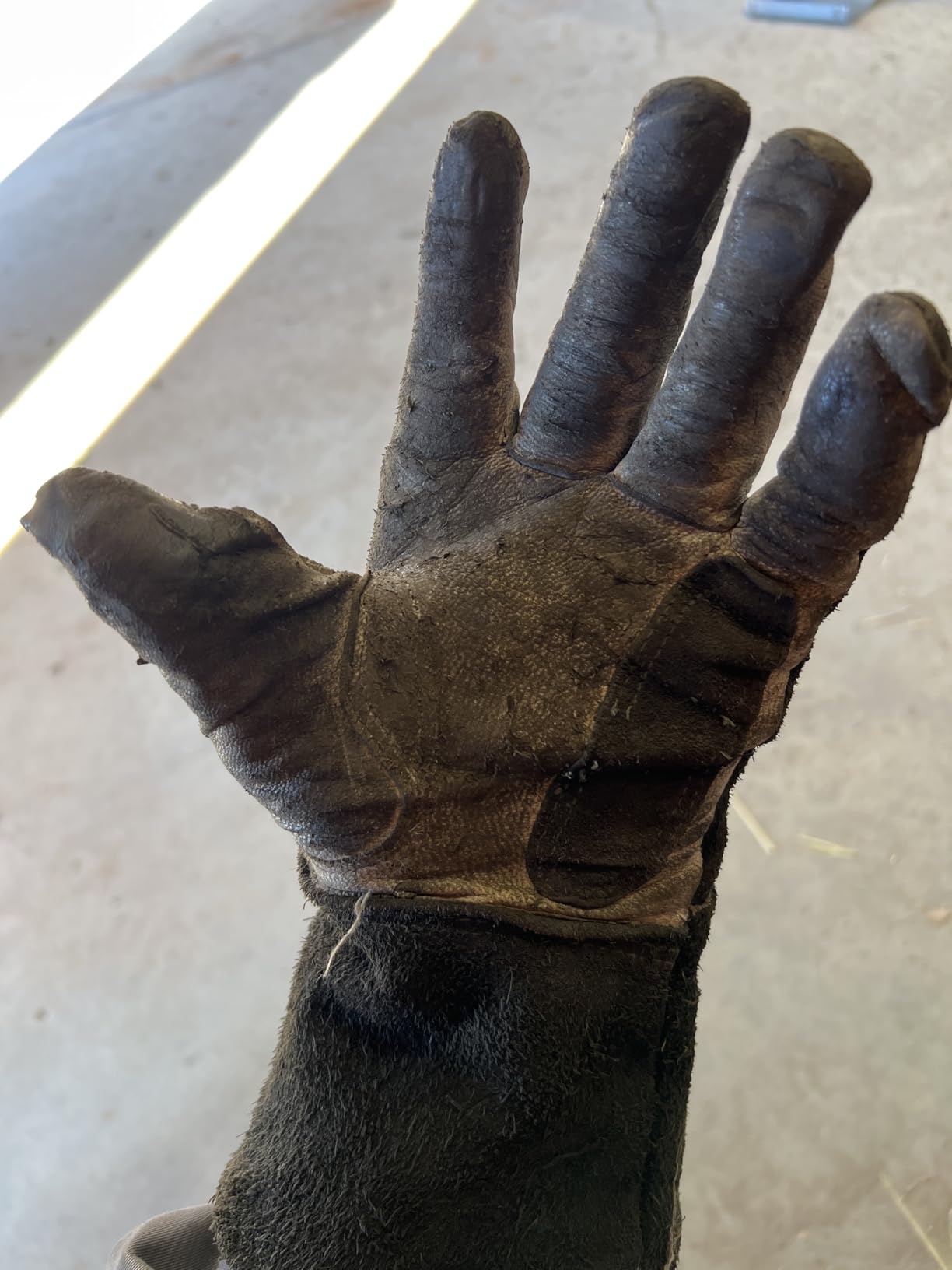
Seamless Index Finger and Rod Control
A seamless index finger removes the stitched ridge that most gloves put right where you pinch filler rod. On light TIG that difference is immediate, and it is why the glove keeps a 4.5 rating from people who weld rather than from people who bought it once. The ergonomic shape is also designed to reduce hand fatigue over a long shift, which is a real claim on a job that holds one grip for hours.
Heat Rating Versus Actual Protection
The 932F figure is a resistance rating, not a dexterity rating, and it is worth separating the two. It means the leather resists radiant heat well. It does not mean the glove is thick. Unlined palm construction keeps the touch high, which is why this pairs cleanly with the reinforced palm on the gripping surfaces without turning into a gauntlet.
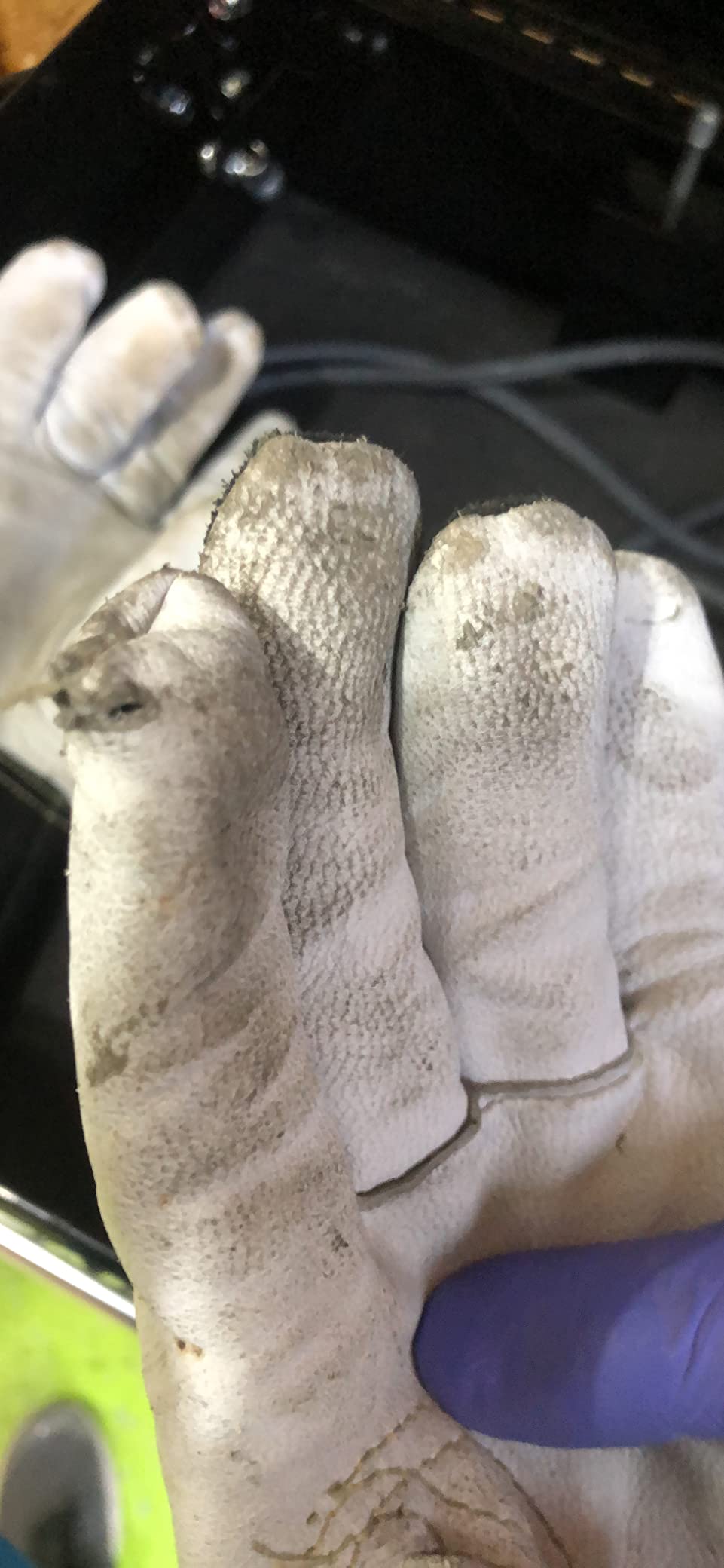
Where Durability Runs Out
Several reviewers report fingertip or inseam wear within weeks of moderate fab-shop use, and the recurring advice is to keep a separate pair for grinding. That advice applies to any thin goatskin glove. One reviewer also reported a quality mismatch between the two gloves in a pair, so check both sides when they arrive and keep the packaging for a return. If your work is mostly assembly and fit-up, this glove will outlast you.
6. Black Stallion Top Grain Cowhide MIG Gloves – The Spatter Workhorse
Black Stallion (GM1611-WT Top Grain Leather Cowhide MIG Welding Gloves with Reinforced Patched Palm, Thumb, and Index Finger for Extra Protection, Large, Tan
Dense top grain cowhide
Reinforced palm and thumb
Side and wrist padding
+ Pros
- Highest rated glove in this group at 4.7 across nearly 1800 reviews
- Reinforced patches on palm thumb and index finger outlast cheaper gloves
- Kevlar stitching stays intact under heat
- Padded side and wrist panels take the sting out of dragging the rod hand
– Cons
- Heavy cowhide is far less nimble than a thin TIG glove
- Tan colour shows grime quickly
At 4.7 across 1788 ratings, this is the highest-rated glove we examined, and for pure MIG work it is hard to argue with. The leather is dense top grain cowhide with reinforced patches on the palm, thumb and index finger, Kevlar stitching throughout, and the padding system that Black Stallion is known for on the side of the hand and the wrist.
The review base is long and consistently positive about high-wear reinforcement and seams holding under spatter. Buyers moving up from lighter gloves describe the trade plainly: more protection, slightly less fingertip sensitivity. That sentence is the whole TIG question in miniature, because this is the glove you would run when MIG is the priority and TIG is occasional.
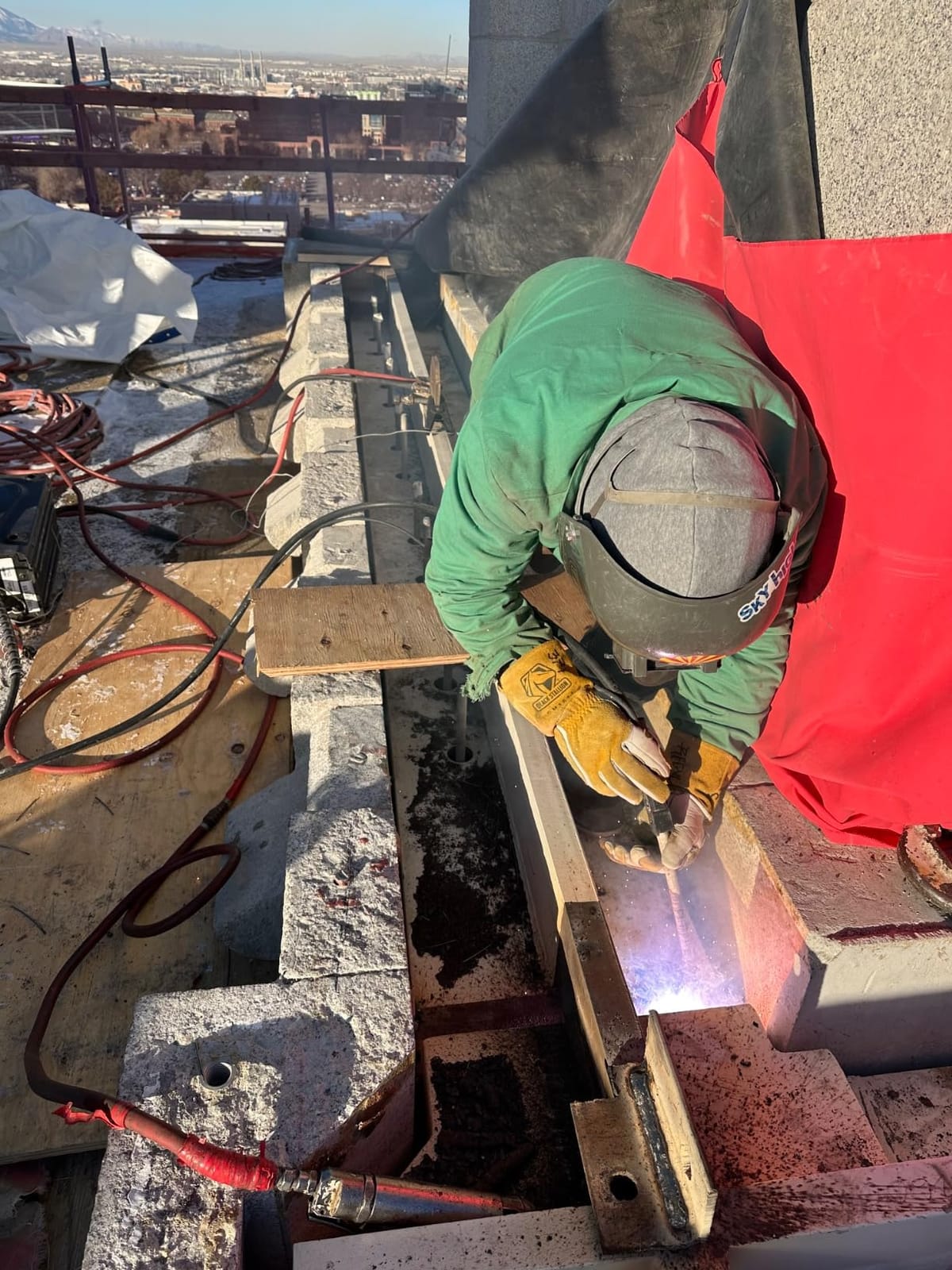
Reinforcement Where the Work Actually Happens
The palm, thumb and index finger patches sit exactly where a MIG gun wears through a glove, and the Kevlar stitching is there because cotton thread melts and drips long before the leather goes. DragPatch side padding protects the hand that drags the rod or nozzle along a joint, and RestPatch wrist padding supports the wrist during a long drag. Every one of those is a MIG-first decision.
What Cowhide Costs You on TIG
Dense cowhide is thick, and thickness is the enemy of filler rod feel. On this glove, fine TIG root work will be noticeably harder than on any of the goatskin options in this list. It is still a usable glove for bead-on-plate work and for short TIG passes, and the side padding is a genuine benefit if you drag a rod. But if TIG is where you spend your day, this is the wrong tool no matter how good it is at MIG.
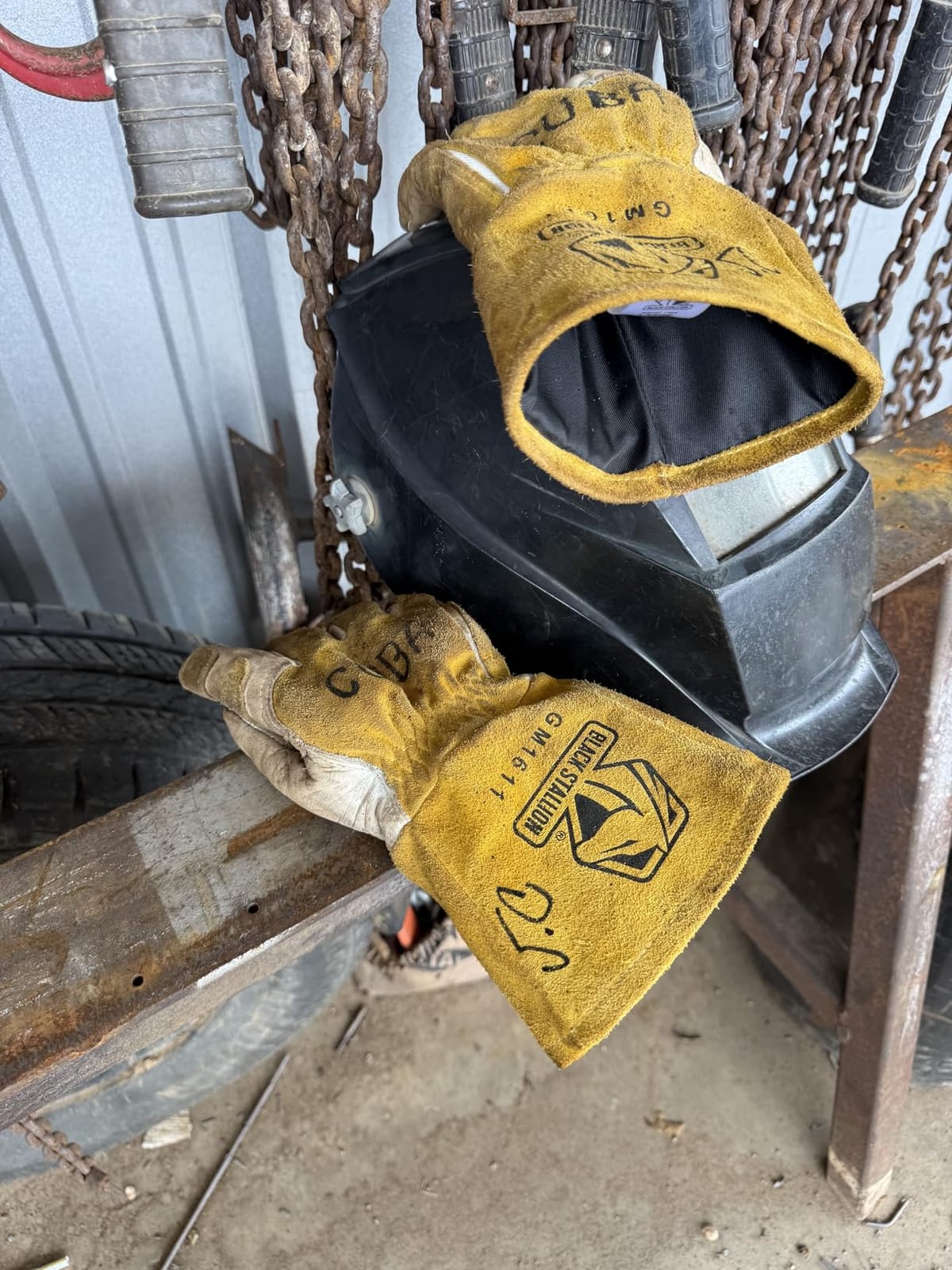
Heat, Spatter and Shop Realities
Radiant heat and spatter are the reason this leather is dense, and the tan finish makes grime obvious, so keep a wipe cloth in the shop. Owners switching from lighter gloves to this one report no burn-through even on dirty wire, which is the failure mode that kills thin gloves fastest. If you want the crossover, run this on MIG and keep a goatskin pair for the TIG bench.
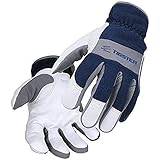
7. DEWALT Premium MIG/TIG Gloves – Stretch Back for Fit-Up Comfort
DEWALT Premium MIG/TIG Welding Gloves, Gauntlet-Style Cuff, Large
Grade-A buffalo leather palm
Kevlar threading
Gauntlet open cuff
Stretch fabric back
+ Pros
- Best dexterity in the group thanks to stretch fabric on the back of the hand
- Gauntlet cuff keeps sparks out of the sleeve
- Fingertips do not blow out the way lesser MIG gloves do
- True to size and comfortable for all-day garage work
– Cons
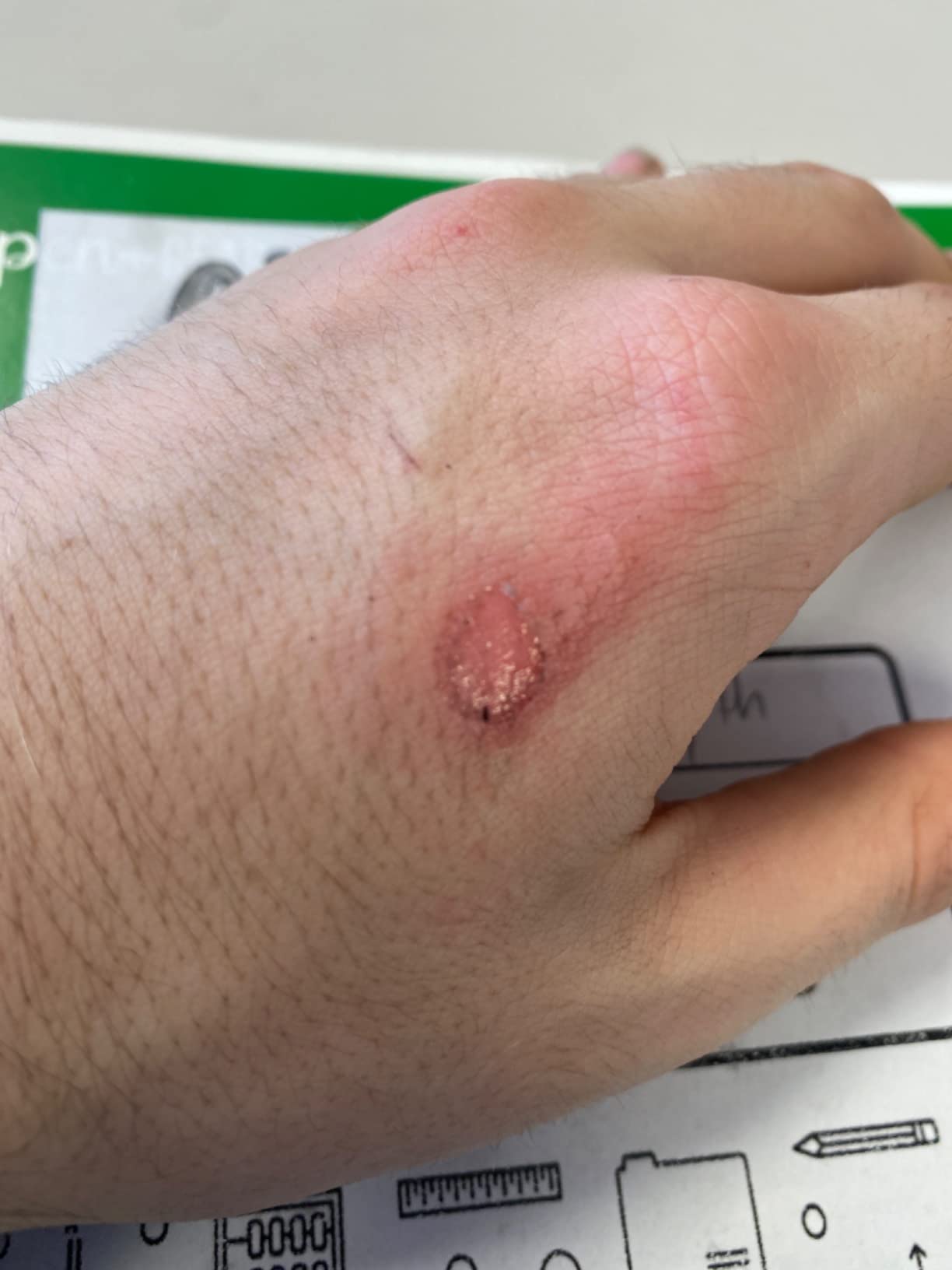
- Back of hand is stretch fabric which burns through with spatter
- Buffalo palm heats up faster than a full leather glove
- Non-leather areas can fail quickly on short-circuit MIG work
This is the odd one out in the list, and that is why it is worth a look. The palm is grade-A buffalo leather with Kevlar threading and fire-resistant cotton padding on the knuckles and fingers, but the back of the hand is stretch fabric in the black and yellow pattern. That single design choice makes it the most flexible glove here and also its weakest link on hot work.
Buyers who fit up parts and handle a torch with minimal bulk love it, at 4.3 across 910 ratings. That is the lowest average in this group, and the reason is consistent: spatter burns through the non-leather back-of-hand panels, and several reviewers move to Black Stallion gloves for heavier MIG duty. For TIG specifically, the stretch back is an advantage on torch handling, and the buffalo palm still gives reasonable rod control.
Why the Stretch Back Matters for TIG
On a TIG torch, the back of your hand opens and closes constantly as you adjust angle and gas flow. A stretch panel moves with that motion instead of fighting it, and it is the reason this glove rates highest on dexterity in the group. The padded knuckles also take the sting out of repositioning a hot torch without adding rigid layers.
Where the Fabric Panel Costs You
Fabric is not an arc or spatter material. On short-circuit MIG work, on a dirty wire, or on overhead positions where spatter rains down the back of the hand, that panel is where the glove fails. The buffalo palm also runs hotter than a full leather glove, so this is a light-to-medium duty pair in the MIG column despite the gauntlet cuff.
Fit, Size and Daily Use
This listing is a small with a thirty-day warranty against manufacturer defects, and it runs true to size. For long garage days of assembly, grinding and light welding, the comfort and true sizing are the strongest arguments. For a production spatter environment, or for anyone who cannot have a burn-through mid-job, skip it. The gauntlet-style open cuff does slide nicely over a fire-resistant sleeve, which helps.
8. ARCCAPTAIN Premium Goatskin 14-Inch Gloves – Long Sleeve Coverage Without Bulk
ARCCAPTAIN TIG Welding Gloves, Premium Grain Goatskin Leather
Goatskin grain leather
14-inch extra long sleeve
Reinforced thumb and crotch
Lined
+ Pros
- Excellent dexterity
- users pick up filler rods with them on
- Comfortable for all-day stick MIG and flux-core work
- Good sizing accuracy for large hands
- Lightweight with minimal break-in
– Cons
- A few buyers report inner seams unravelling within weeks
- Long-term quality reported as inconsistent between sets
- Finger fit can run short for very large hands
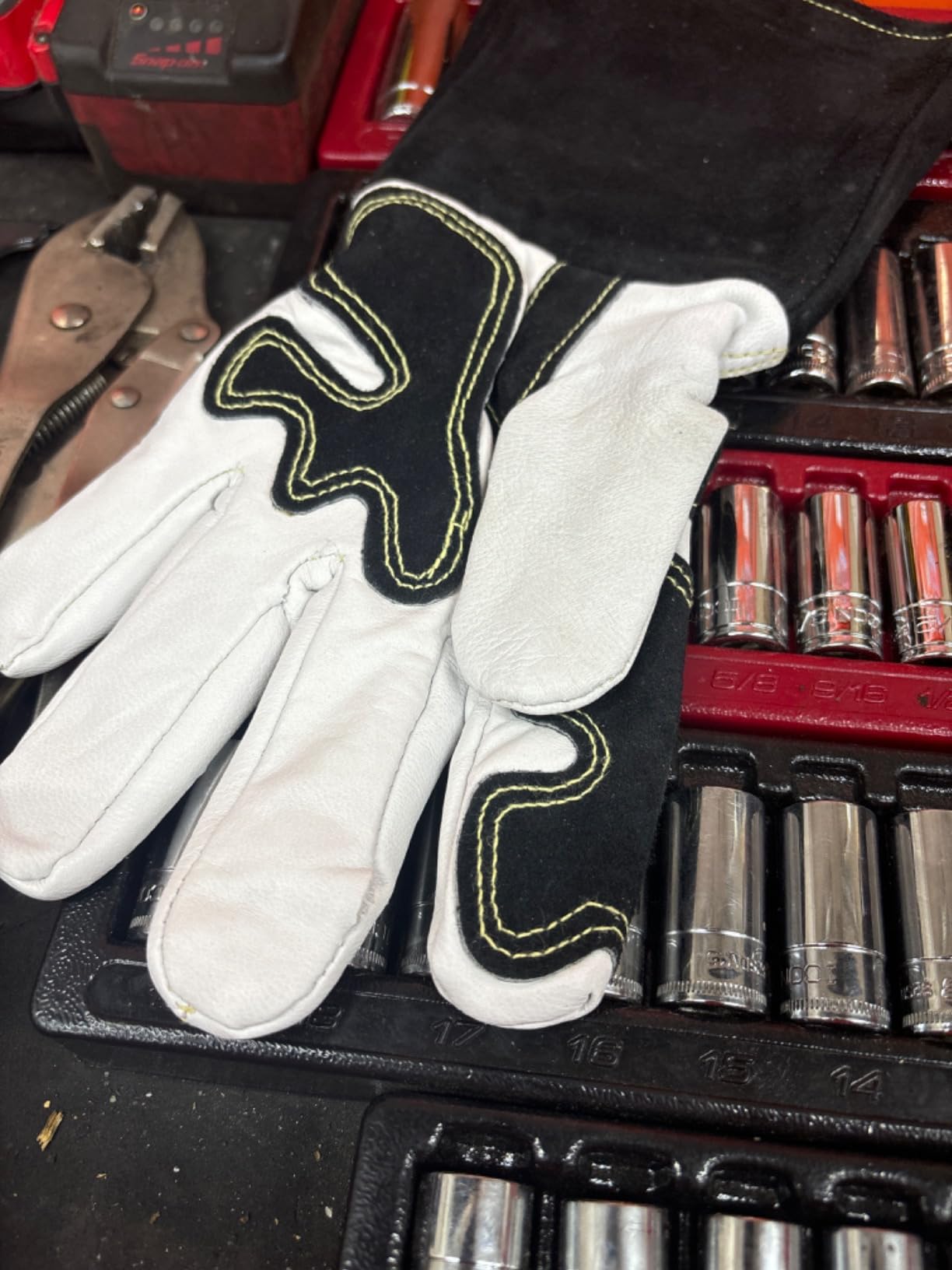
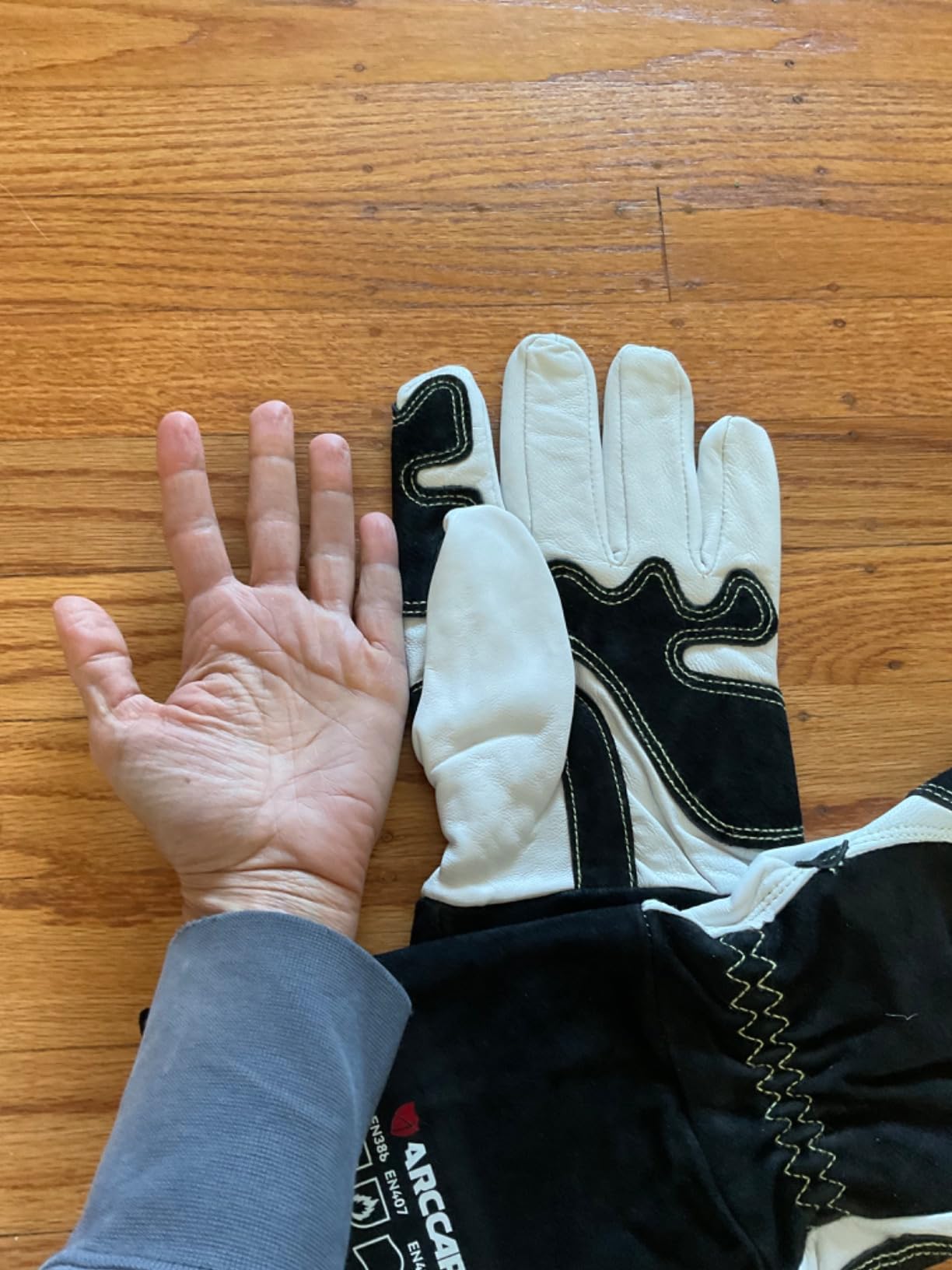
ARCCAPTAIN takes a different approach to the crossover problem. The hand is soft goatskin for feel, but the sleeve runs fourteen inches with an oversized cowhide cuff, and there is a sweat-absorbing lining plus an elastic back-of-hand panel. The idea is TIG sensitivity in the fingers with MIG-grade protection up the forearm, which suits anyone welding thin material with a long reach.
At 4.5 across 439 reviews, the feedback is mostly warm on comfort and dexterity, with users picking up filler rods without removing the glove. The lingering concern comes from repeat buyers who report inner seams unravelling within weeks and inconsistent quality between sets, so inspect the inside of every seam on day one.
The Oversized Cuff and 14-Inch Reach
Long coverage solves a problem most glove guides ignore: the sleeve edge. When the cuff sits over a fire-resistant sleeve, spatter runs down the outside instead of dropping inside at the wrist. On long overhead or out-of-position TIG passes, that is a real burn path, and it is the main reason to choose a fourteen-inch glove over a twelve-inch one.
Lining, Comfort and Long Shifts
The sweat-absorbing lining and elastic back-of-hand panel are aimed at all-day wear, and reviewers confirm that the glove is comfortable across a full shift of stick, MIG and flux-cored work. Odour dissipates after the first use, which is a minor but real quality-of-life detail. The leather is soft from the start, so there is no break-in period to plan around.
Quality Consistency and Sizing Edges
Two warnings apply. The inner seam reports are the most sustained complaint in the reviews, and the brand has been criticised for quality that appears to have changed between production runs. On sizing, the finger run can feel short for very large hands, so if you are between sizes check the fingertip coverage against your torch grip before committing.
9. IRONCAT 6141 Kidskin TIG Gloves – The Budget Thin-Glove Answer
IRONCAT 6141 Kidskin TIG Welding Gloves – Large, Kevlar Thread Welding Gloves with 4 in. Gold Cuff, Straight Thumb, Pearl, Natural
0.6mm top grain kidskin
Unlined
4-inch gold extended cuff
ANSI heat level 3
+ Pros
- Very thin kidskin gives outstanding filler rod and torch dexterity
- Lowest cost in this group and it genuinely performs for TIG
- Kevlar seams hold together well in TIG use
- Full size range from Small to 3X-Large
– Cons
- Pearl white leather dirties very quickly
- Thin build tears easily and is not for material handling
- Loose cuff can let small spatter beads inside
- Inner liner nap can feel clammy
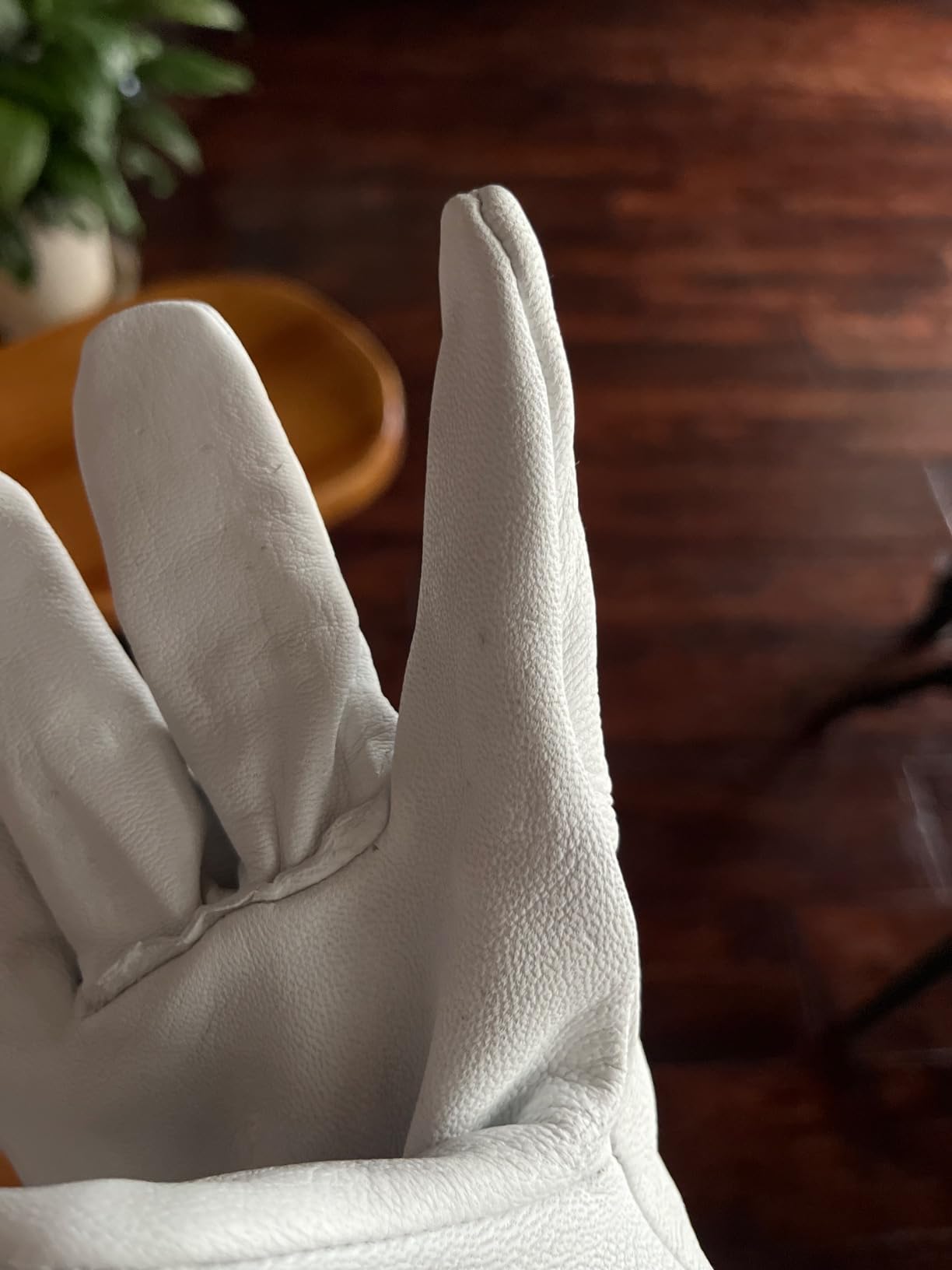
Kidskin is the thinnest leather in this roundup at 0.6mm, and that single number tells you where the glove fits. At 4.4 across 874 ratings, owners consistently praise the dexterity and value as a dedicated thin TIG glove, and several note it holds up better than pricier branded pairs. It is unlined, Kevlar stitched, and carries a four-inch gold extended cuff.
For the crossover question it is honest about its limits. This is not a MIG glove that also does TIG, it is a TIG glove that is cheap enough that owning a second pair costs you nothing. That is a legitimate strategy: one IRONCAT pair for TIG, one heavier gauntlet for MIG, and the total is still less than a single premium hybrid.
What 0.6mm Feels Like at the Torch
Kidskin is fine-grained and barely thick, so the torch handle and the rod disappear almost completely in the hand. For thin-wall work and fine bead placement that is the correct feel, and it is why TIG tradition points to this kind of leather. Straight thumb design adds grip, and the unlined build keeps sweat away from your fingers on short runs.
Heat Level and Cuff Behaviour
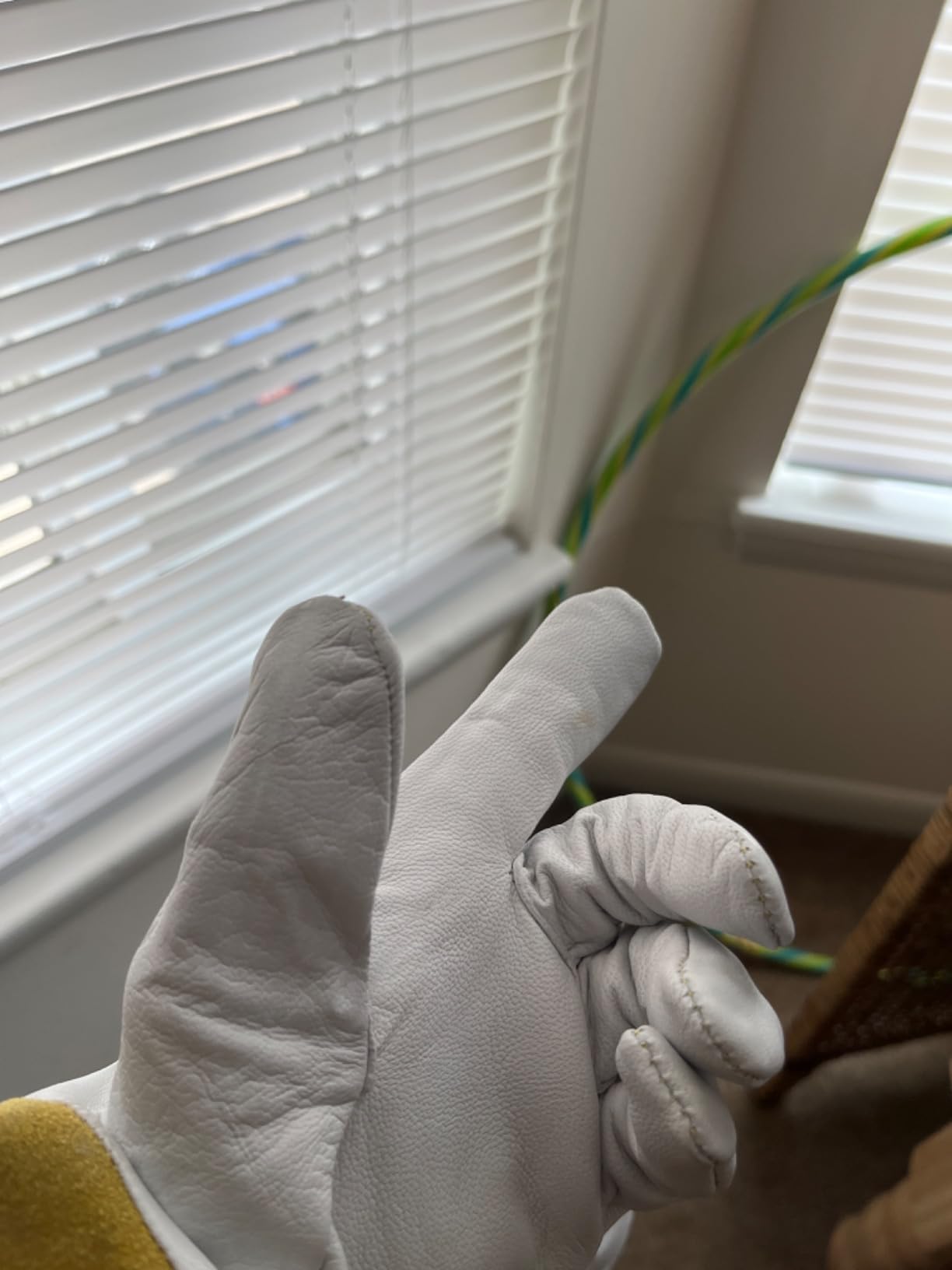
ANSI heat level 3 is a middle rating and suits low-amp TIG. The cuff is wide rather than snug, which is comfortable but lets small spatter beads travel inside if you are welding dirty or coated material. The pearl white leather shows every mark immediately, so expect to wipe it down and accept that it will never look new.
Failure Modes to Plan For
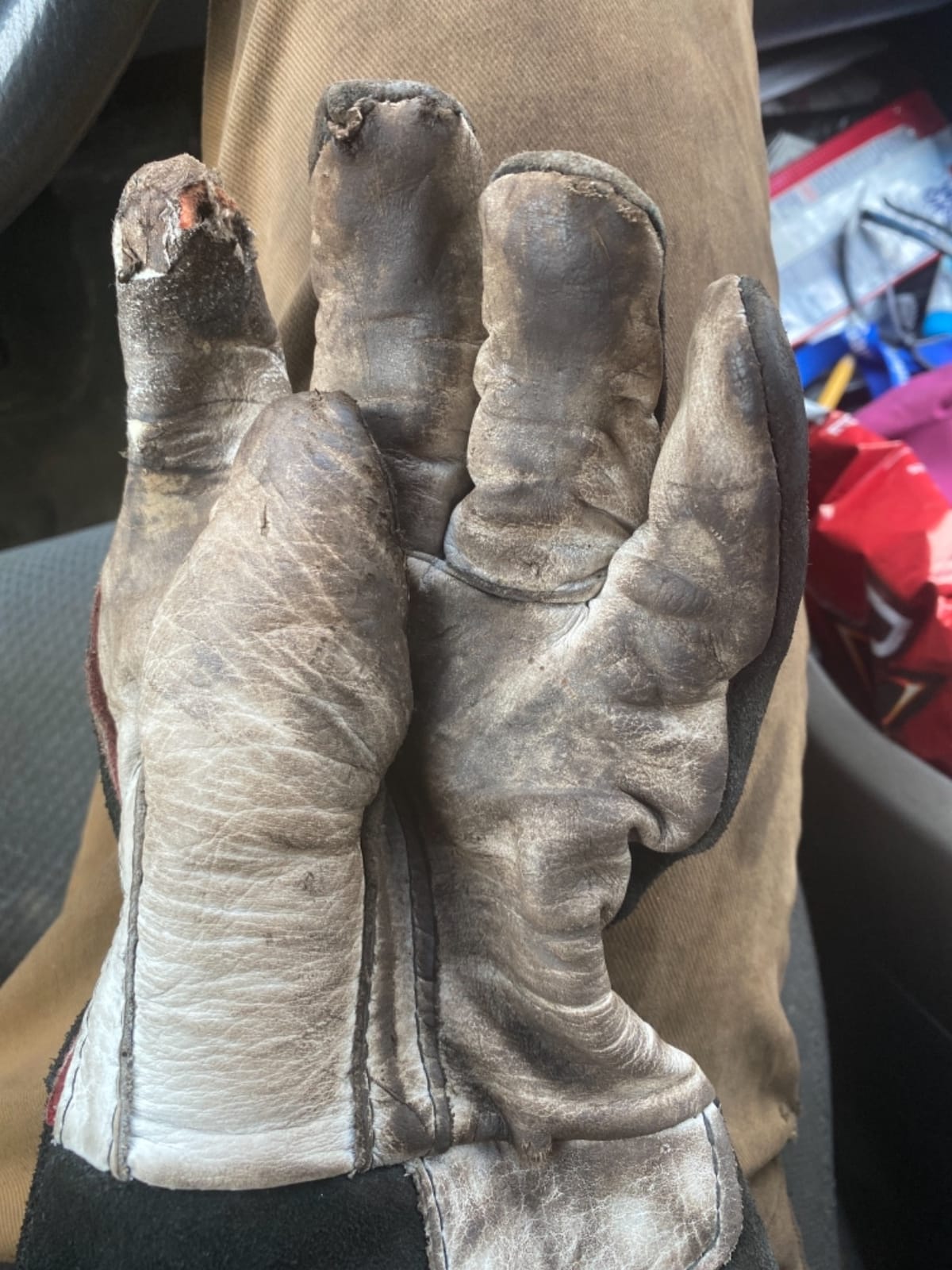
Thin leather tears, and that is the trade for the feel. Do not use this pair for material handling, grinding or drum work, and check the fingertips regularly since that is where failure starts. Owners also mention that the inner liner nap can stick to the skin and feel clammy in humid weather, which is worth knowing before a long summer project.
10. Lincoln Electric DynaMIG K3806 – The Best Multi-Process Shop Glove
Lincoln Electric DynaMIG HD Professional MIG Welding Gloves | Comfort & Heat Resistance | Medium | K3806-M
FlameSoft three-layer liner
Seamless trigger finger
4-inch split leather cuff
+ Pros
- Softer and more flexible than typical insulated MIG gloves
- Leather stays supple instead of stiffening with heat exposure
- Good heat protection for stick and MIG without burn-through
- Moisture-absorbing cuff keeps sparks out of the sleeve
– Cons
- Softer leather tears faster on grinding and drum work
- Highest cost in this group
- Runs slightly small so some buyers size up
- Wrist section does not always fully seat on entry
This is the glove the crossover question is really asking for. Lincoln Electric built a MIG glove with a seamless trigger finger on a grain leather palm, which is a torch-grip detail, and reviewers repeatedly describe them as MIG gloves that feel like TIG gloves. The rating is 4.6 across 1371 reviews and the language in those reviews is unusually consistent about flexibility.
The construction explains the feel. A three-layer FlameSoft liner sits on the top hand while the palm side uses a two-layer cotton liner, so protection is concentrated on the surface facing radiant heat and the gripping surface stays thin. A four-inch split leather outer cuff with a twill cotton liner keeps the sleeve protected without turning the whole glove into a gauntlet.
Seamless Trigger Finger and Grip Control
The trigger finger is the feature that makes this work on a TIG torch. A torch grip closes on a trigger switch, and a seam running through that finger area is exactly where a welder feels every bump. Removing it gives a flatter, more direct feel on the torch, and the grain leather palm keeps enough texture to hold a filler rod without crushing it.
Liner Strategy and Heat Behaviour
Splitting the liner between top hand and palm is a smart compromise for a shop that runs multiple processes. You get padded knuckle protection and radiant heat blocking where the arc faces you, and a thinner palm for control. Reviewers also note the leather stays supple with heat exposure rather than stiffening, which is a real advantage in a summer shop.
Fit, Sizing and the Main Caveat
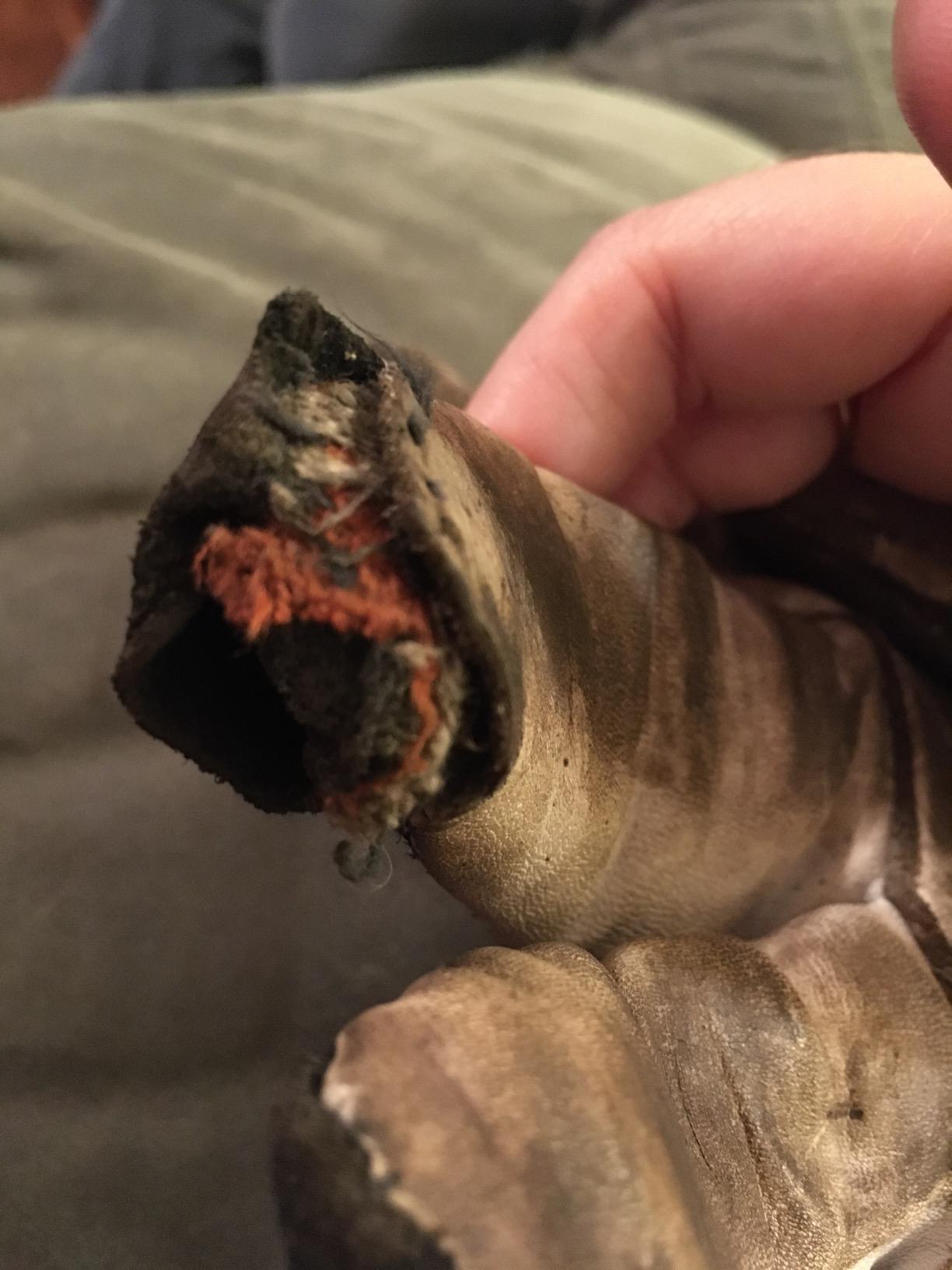
Two fitting notes. This is a medium in the listing and some buyers size up because the wrist section does not always fully seat down on entry, and a small glove is a TIG glove you cannot feel through. The main durability caveat is that the softer leather that gives the feel also tears faster on abrasive work, so keep a separate pair for grinding. Widely used by professional fabricators, this is the pair we would put on the bench for mixed-process days.
11. Revco T50 Ultimate TIG Glove – Padded Support for the Rod Hand
Revco REVCO – T50 – Large”The Ultimate Tig Welding Glove”, Large,Black
Premium grain goatskin palm
Flame-resistant cotton lining
Drag patch
Kevlar stitching
+ Pros
- Breathable top keeps the hand cool through long welds
- Padded side panel helps welders who drag the rod hand
- Enough dexterity to pick up 3/32 wire with the fingertips
- Tight true fit compared with most gloves on the market
– Cons
- Fabric areas do not give full heat protection and can burn through on hot work
- Heat resistance is middling and not suited to continuous production welding
- Not ideal for holding freshly welded hot metal
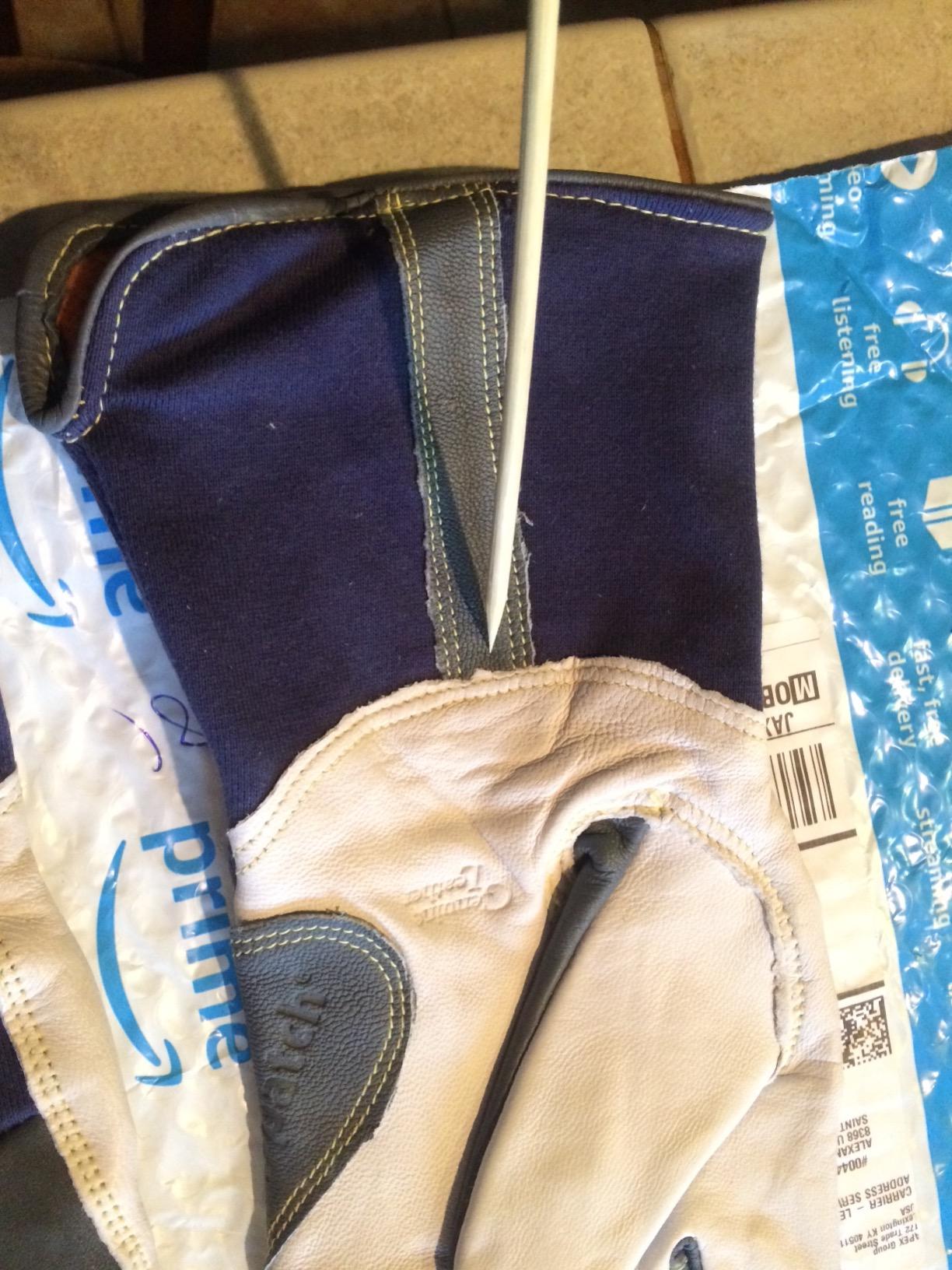
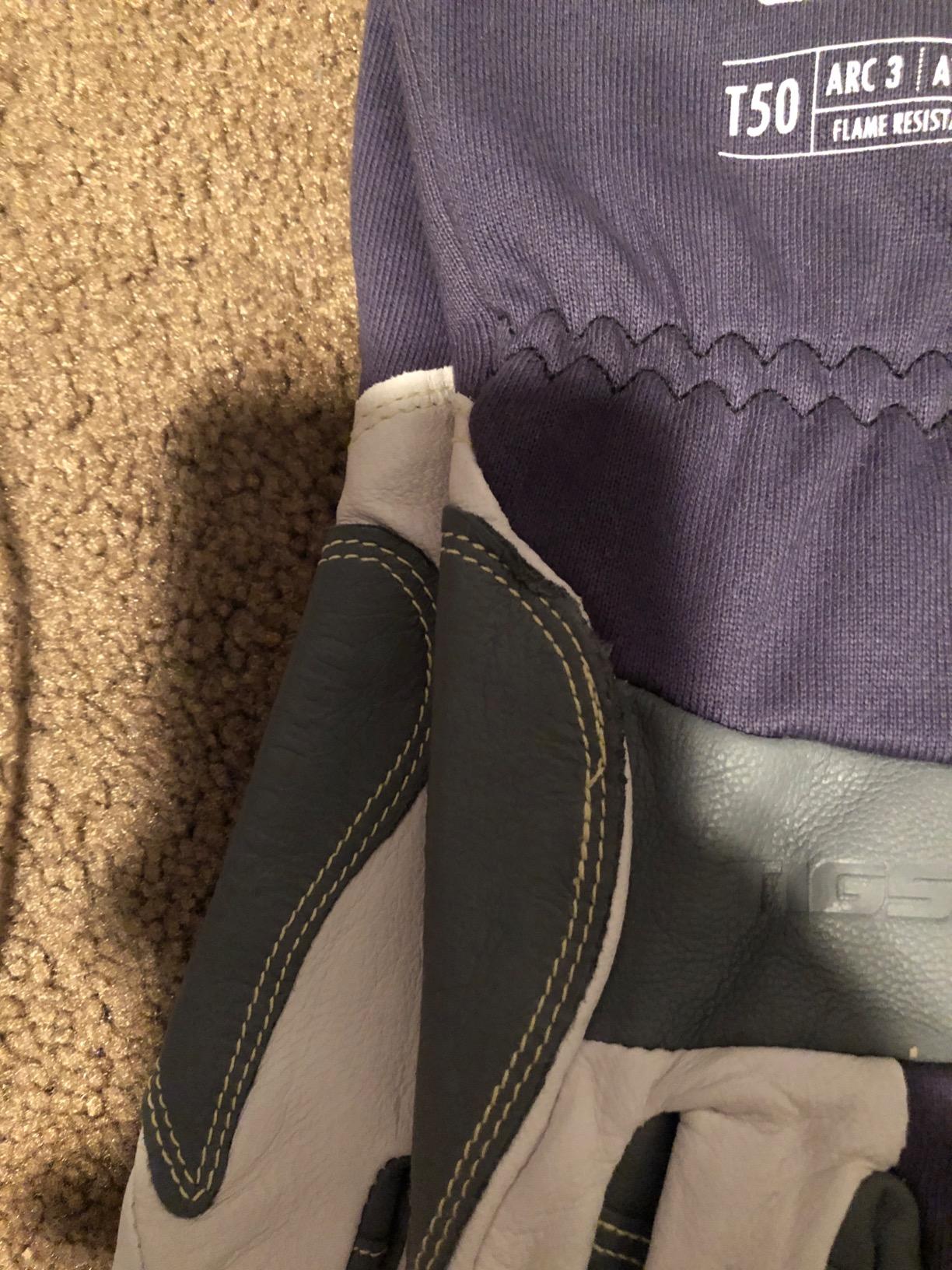
Revco built the T50 for one specific welder: the person who drags the rod hand along a bead for hours. The palm is premium grain goatskin, and the side of the glove carries a drag patch for abrasion, which is the reinforcement that matters when your hand is in contact with hot metal for a whole pass. Kevlar stitching and a keystone thumb round out a tight, close fit.
TIG-focused welders rate it at 4.6 across 430 reviews for feel, fit and the padded rod-hand side, with several noting they can pick up 3/32 wire with their fingertips. The caution is consistent and worth stating plainly: this is a light-to-medium duty glove, and several reviewers report burns where the fabric sections contact hot metal.
Drag Patch and Rod-Hand Fatigue
Rod-hand fatigue is an underrated problem. Dragging a cold rod along a hot bead puts sustained contact heat and abrasion on the side of the hand, and that is what the drag patch reinforcement covers. The padded side panel also spreads the load, which reduces the forearm ache that ends a long TIG day early. If you weld stainless pipe all shift, this detail is worth more than a lighter leather.
Flame-Resistant Lining and Cool Hands
The flame-resistant cotton and fleece lining is the reason the glove stays breathable through long welds, and reviewers consistently mention cool hands as the standout benefit. That is a comfort claim, but it matters for anyone who welds all day. The same lining is why the heat resistance is middling compared with a foil-layered gauntlet, so the trade is deliberate.
Where It Is Not the Right Glove
Do not hold freshly welded hot metal with this pair, and do not put it on for continuous production welding. The fabric sections burn through on heavy work, and the glove is not designed for material handling. For a fabricator who wants one tight, cool glove at the TIG bench and a separate gauntlet for spatter, this fits the brief precisely. Check the tight fit carefully if you are between sizes.
12. TOPDC 16-Inch Split Cowhide Gloves – Most Reviewed and Built for Heavy Heat
TOPDC Welding Gloves 16-Inch 932°F Heat Resistant Leather for MIG, Stick
1.2mm split cowhide
Foil layer in the palm
16-inch length
932F heat level 5
+ Pros
- Largest review base we examined at nearly 5000 ratings
- Aluminum foil palm layer adds serious spatter and ember insulation
- 16-inch length shields the forearm
- Kevlar reinforced double-stitched seams
– Cons
- Thick cowhide and full lining reduce fingertip sensitivity
- Two Count means two gloves rather than two pairs
- Very stiff out of the box
- Not water resistant
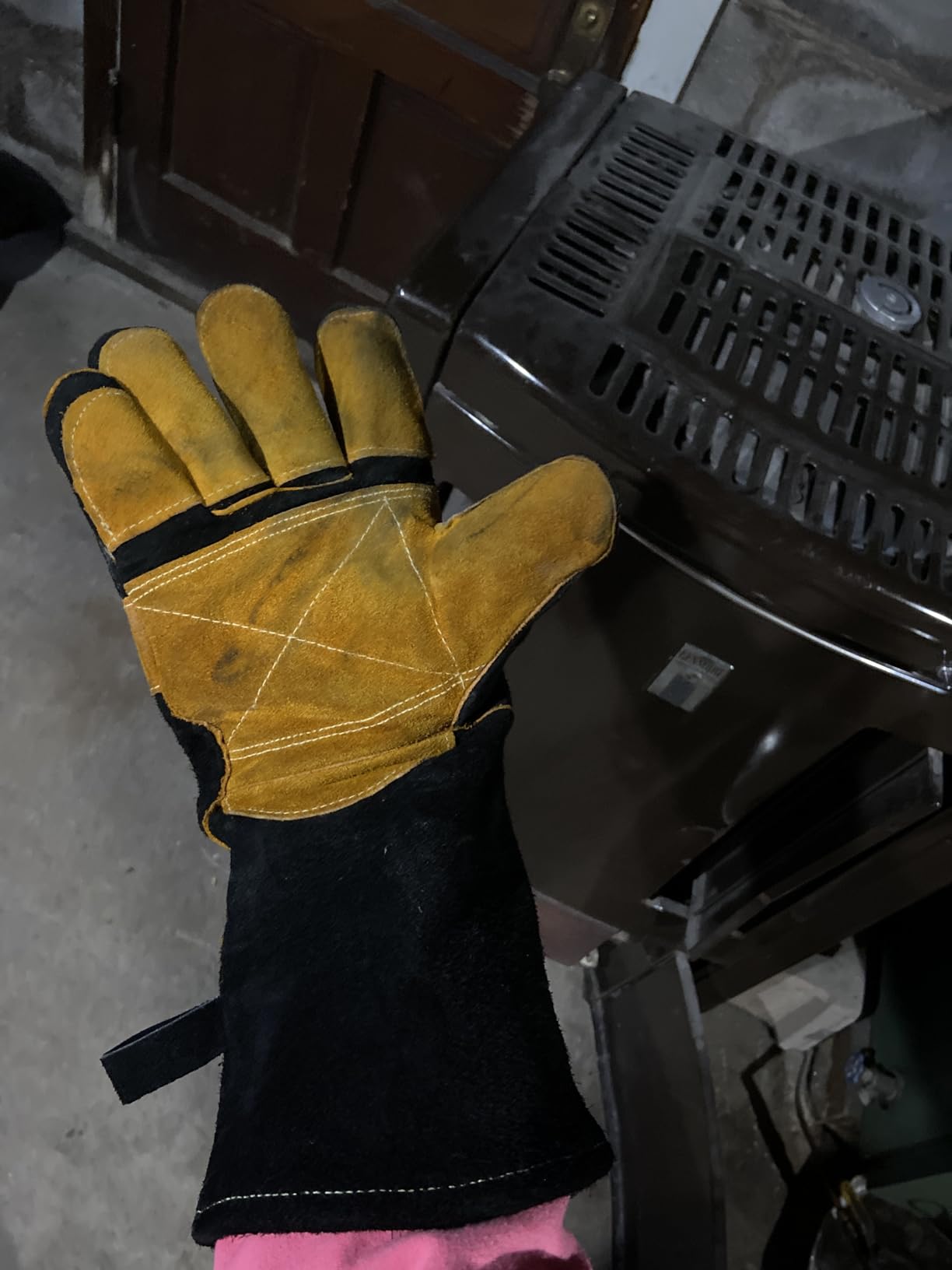
With 4972 ratings averaging 4.6, this is the most heavily reviewed glove in the set, and that volume of feedback tells you something useful about long-term ownership. The build is 1.2mm natural split cowhide with a fully lined cotton interior, an aluminum foil layer in the palm, and reinforced Kevlar stitching on the fingers, palms, elbows and backs, rated to 932F at ANSI heat level 5.
Owners use it well beyond welding. Reviews describe it doubling as a fireplace, wood stove, grill and forge glove, which is the clearest possible statement about how much heat margin it has. For TIG, that margin is not the point. This is a heavy, stiff glove, and anyone expecting fingertip sensitivity from 1.2mm split cowhide with a full lining will be disappointed.
The Aluminum Foil Palm Layer
A foil layer in the palm is unusual and it does one job well: it cuts radiant heat transfer into the gripping surface, which is where hot spatter lands when you are welding a fillet or handling a coupon. It is why this glove is rated for forge and fire use as well as welding. The trade is that the palm is stiffer, and stiffness is precisely what TIG work does not want.
Cuff, Sleeve and Real-World Use
Sixteen inches with a 7.5-inch sleeve is full forearm coverage, and that is what makes it a credible multi-purpose heat glove rather than just a welding glove. Expect a long break-in: buyers consistently warn the leather is very stiff out of the box, and it also is not water resistant, so store it dry and expect a couple of sessions before the leather relaxes.
Packaging and the TIG Verdict
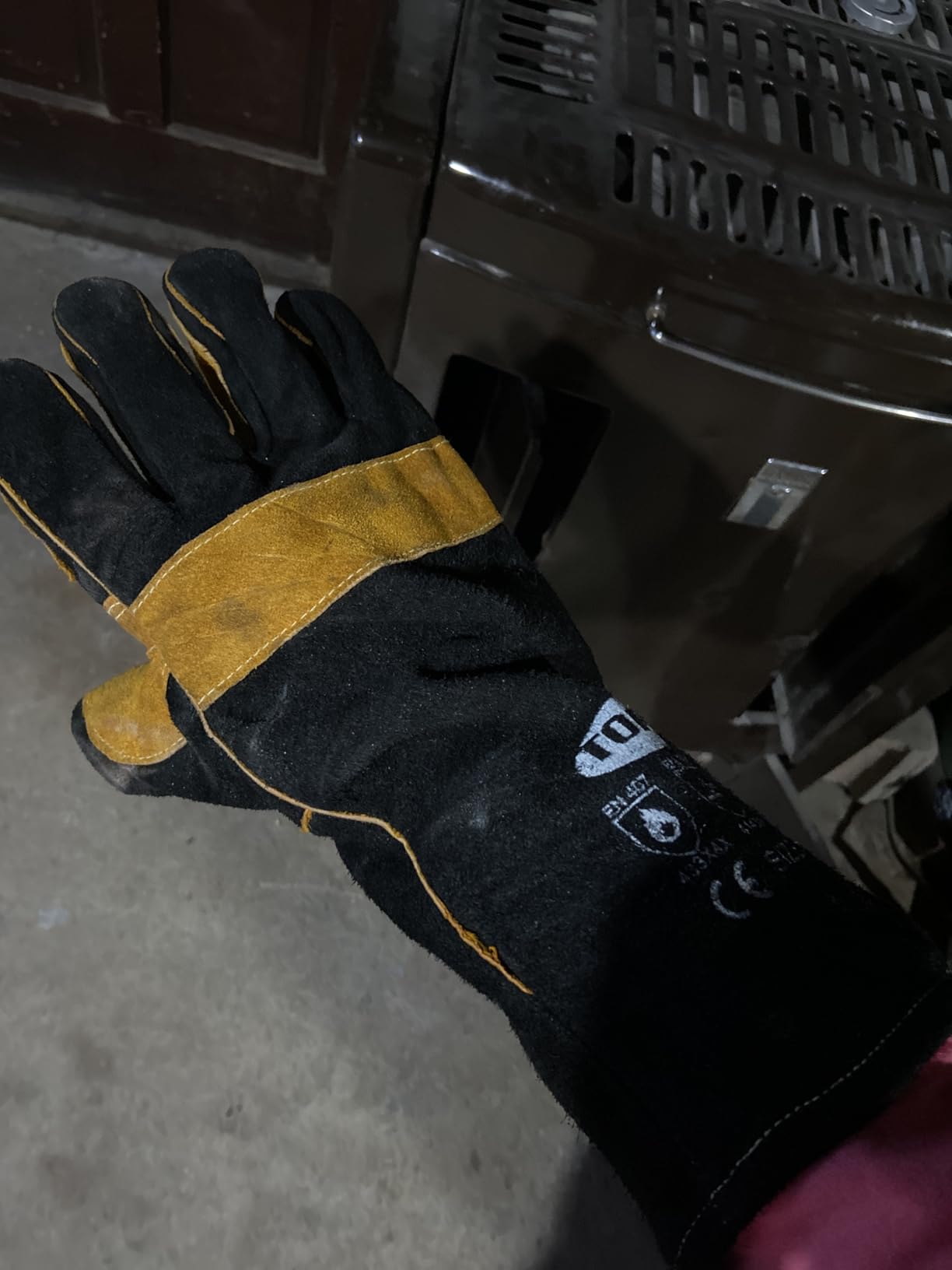
One detail catches buyers out. The listing is a two count, which means two gloves, not two pairs, and that misunderstanding shows up in the reviews repeatedly. On the TIG question, treat this as the spatter and forge side of the rotation rather than the torch side. If your shop does heavy MIG, forge work or fire tasks on the same bench, having a pair of these on hand is the cheapest insurance in the list.
How to Choose Welding Gloves That Work for Both Processes
Pick the leather before anything else. Goatskin is the practical crossover material: fine-grained, thinner than cowhide, and still robust enough for light MIG. Kidskin is thinner still and belongs to the TIG bench. Cowhide and buffalo are spatter materials and belong to the gun. Pigskin splits the difference but appears less often in this category than you would expect. Elkskin stays pliable after heat soak and shows up in heavy Stick work rather than in TIG.
Measure thickness, not temperature ratings. A 932F rating tells you the glove resists radiant heat. It tells you nothing about whether you can feel a filler rod. If the gloves you are comparing are all rated for their process, the useful number is the leather thickness: 0.6mm is pure TIG, roughly 1.2mm and above is MIG territory, and the flexible middle is where a crossover pair sits.
Treat the cuff as a separate decision from the hand. Short elastic cuffs and four-inch gold cuffs suit TIG because they leave wrist rotation free. Long gauntlets suit MIG because they stop spatter reaching your sleeve. A 14-inch sleeve with an oversized cowhide cuff gives you both, which is why that construction is worth paying for if you alternate processes hourly.
Check the lining, and know what you are giving up. Cotton and foam linings add radiant heat insulation and sweat absorption but reduce sensitivity. Unlined builds maximise feel and run cooler, which suits a rod hand working at low amperage. A sweat-absorbing lining with an elastic back-of-hand panel is the middle option and suits long shifts.
Look at the seams, because that is where gloves actually fail. Kevlar thread and a locking stitch resist melting and dripping. Double-row stitching on the palm and wrist adds real life. The most repeated complaint across welder forums is thread separation at the fingers, so check the finger seams and the thumb crotch when a pair arrives and again every few months. Forum users also judge durability by seam failure rather than by leather thickness, and they are right.
Get the size right, especially if your hands are small. An oversized glove destroys TIG dexterity as effectively as a thick one does, and most brands in this category run large. Look for a true X-Small or Small in the range, which narrows the field considerably but is worth it. The right fit is snug through the fingers with the fingertip reaching the end of the torch grip, and if the finger runs short you will feel it on the first pass.
Match the glove to the welding position. Flat and horizontal work is where thin goatskin performs best. Vertical work adds dripping spatter, so a reinforced cuff earns its place. Overhead work rains spatter down the back of the hand, which is where the DEWALT stretch panel falls short and a full leather back does not. Pipe work is drag work, which is exactly the Revco drag patch case. A single glove rarely wins all four positions, which is the honest argument for owning two pairs.
Set a replacement trigger. Replace a glove when the palm thins enough that spatter reaches through, when the fingertip leather splits, when the seam at the finger joins starts to open, or when the leather stiffens permanently after heat soak. Budget roper and hardware-store gloves tend to get stiff, cracked and lose heat resistance within a few months, so they are a weekend answer, not a shop answer. Check the ANSI or ISEA markings on the tag as a floor rather than as a recommendation, and follow the standard your own safety programme requires.
Welding Glove Care and When to Replace Them
Leather welding gloves fail gradually, and the failure is usually visible before it is dangerous. Start at the fingertips, because that is where filler rod handling and material contact wear leather through first, then check the thumb crotch and the finger seams where thread separation tends to start.
Clean them the way the manufacturers say, which for nearly every pair here means hand washing rather than machine washing and no tumble drying. Wipe grease off promptly, since oil softens leather and soft leather stops protecting. Let them dry away from direct heat, because a glove dried on a welder or a stove will crack the leather and stiffen it for good.
Store them flat with the fingers straight, not rolled, and keep them out of a damp locker between projects. A glove that has been heat soaked and then stuffed in a wet bag is a glove that will crack at the seams within months, and that is the most common reason a good pair seems to have a short life.
Frequently Asked Questions
Can I use MIG welding gloves for TIG welding?
Yes, with limits. A goatskin or kidskin glove with a cowhide or gold cuff can handle light TIG work, including thin-wall stainless root passes and aluminium fill-in, because TIG produces far less spatter than MIG. A heavy cowhide gauntlet will protect your hand but leaves you unable to feel the filler rod, and a thin kidskin glove is the wrong direction entirely. For mixed shops, look for a multi-process hybrid glove or run a thin TIG glove under a wide-cuff MIG gauntlet.
What is the difference between MIG welding gloves and TIG welding gloves?
Spatter is the whole difference. MIG gloves are thick cowhide or buffalo with long gauntlet cuffs, reinforced palms and often a cotton or foam liner, because fireballs and radiant heat will char through thin leather in seconds. TIG gloves are thin goatskin or kidskin with short cuffs, usually unlined, so you can feel the filler rod and feather the torch. MIG heat ratings run far higher, TIG gloves run thinner and cooler.
Do you need to wear gloves when MIG welding?
Yes, and OSHA 29 CFR 1910.138 requires hand protection for welding operations. MIG and flux-cored welding throw spatter and radiant heat that cause burns in seconds, and bare hands are not a workable option. The nuance is fit and coverage rather than whether to wear them: gloves should be tight enough to control the gun, with a cuff long enough to keep spatter out of your sleeve, and inspected before each session.
What leather is best for TIG welding gloves?
Top grain goatskin is the best all-round answer because it is thin enough for real fingertip feel but durable enough to survive light MIG work. Kidskin is thinner still and gives maximum sensitivity for fine work, at the cost of tearing easily. Cowhide and buffalo are spatter leathers and belong on the gun. Check the grain rather than the label, and confirm the glove is unlined if maximum rod feel is the priority.
How thick should TIG welding gloves be?
Thin, generally well under a millimetre of leather, and unlined. That is the whole point of a TIG glove, since filler rod feeding and torch feathering are finger tasks. As a comparison point, a 1.2mm split cowhide MIG glove is roughly twice the thickness and will feel like wearing a boot. If your work is heavier or you are switching processes constantly, a goatskin glove around that middle range gives the best compromise.
Which MIG Welding Gloves Should You Buy for TIG Work in 2026?
If you want one pair that covers both processes, start with the Caiman 1600-4. Goatskin where you need feel, a gold cowhide cuff where you need protection, and a review history that says the seams hold. If TIG is the majority of your week, take the Tillman 1488L instead and accept that MIG runs go in a separate pair.
If your shop is spatter-heavy and TIG is occasional, the Black Stallion cowhide glove is the one that will not be destroyed, and the TOPDC 16-inch covers forge and fire work as a bonus. If you need rod-hand comfort on long drag passes, the Revco T50 is built for exactly that. Whatever you choose, check the finger seams on day one, because that is where every pair in this roundup eventually fails.
Leave a Reply