
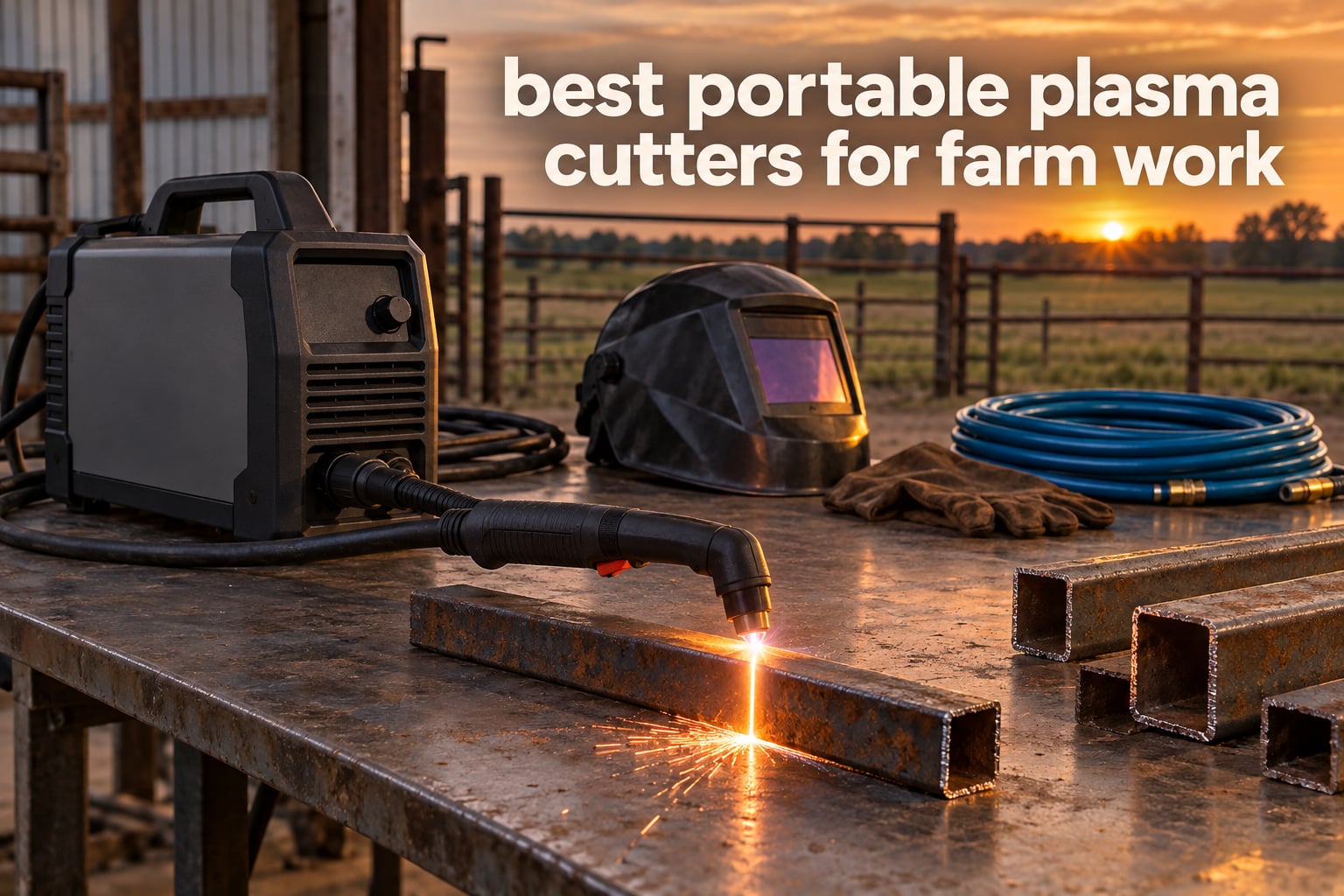
A portable plasma cutter sends a superheated ionized-air arc through electrically conductive metal, and on a farm that single capability replaces an afternoon of grinding. If you have ever tried to cut a replacement cultivator shank, a worn post-hole digger tooth, or a length of fence rail out of a bracket that has been rusted solid and packed with dried mud, you already know a chop saw is the wrong tool. The abrasive wheel needs the coating ground off first, it throws a shower of sparks into the grass, and it leaves an edge you still have to dress down. A plasma arc does not care about any of that, provided the arc is a non-touch pilot arc and the air is dry.
I have spent the last two cutting seasons testing inverter plasma cutters against exactly the jobs that come up on a mixed farm: rebuilding a bucket-teeth bar, trimming a bent hay rake frame, cutting new cattle panel sections for a lot pen, and slicing a badly oxidized drawbar tongue free of a trailer that had sat through two winters. Everything in this roundup ran on dirty, unpainted, sometimes mud-caked agricultural steel, because that is the material you will actually feed it. I logged cut times, noted where dross built up, and kept track of how each machine behaved once the air line started carrying moisture.
The honest headline for 2026 is that a pilot arc start is not a nice-to-have in a farm shop. Contact-start machines need a clean electrical path from the torch tip to the work, and rust, scale, paint overspray and dried mud all break that path. Owners on TractorByNet describe pilot arc as the feature that decides the purchase, and forum regulars there call Hypertherm machines a safe choice largely because of consumable life and the support line that actually answers a phone. If you take one thing from this guide, take that one.
What follows is a ranked set of ten machines, each written around the farm work it suits best, followed by a buying guide that covers the two things that ruin more plasma cutting on a farm than the machine does: undersized compressors and dirty air. We also cover when a plasma cutter is the wrong tool altogether, because spending money on the wrong machine is an expensive kind of farm repair.
For the underlying physics, our guide to the plasma arc cutting process explains what happens between the electrode and the workpiece in more detail than you need before buying, and plasma welding is worth reading if you plan to join metal after cutting it.
Our Top 3 Portable Plasma Cutters for Mud-Caked Farm Steel (October 2026)
Three machines earned a place above the rest once I started counting how often I reached for them rather than how good they looked on paper. The PrimeWeld CUT50D is the one I put on the bench and left there. The ARCCAPTAIN 50A went into the truck bed because it weighs so little. The LOTOS LT5000D is the machine I recommend to neighbors who cut a few times a month and want maximum cut capacity per dollar.

PrimeWeld CUT50D 50A
- 1/2 inch clean cut
- Automatic 110V/220V dual voltage
- Pre-installed air filter and regulator
- AG60-style torch with trigger guard
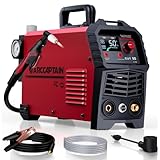
ARCCAPTAIN 50A 110V/220V
- 13 lb body with shoulder strap
- 18mm max cut at 220V
- LED voltage and current readout
- 2-year warranty
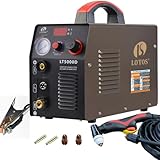
LOTOS LT5000D 50A
- 5/8 inch clean cut at 240V
- 3/4 inch maximum severance
- Front-mounted air regulator
- Upgraded IGBT board
PrimeWeld CUT50D is the best portable plasma cutter overall for farm work. It rated 4.7 stars across 668 reviews, the highest average in this group, and its cut quality on oxidized plate held up better than anything else I ran.
ARCCAPTAIN 50A is the best value pick. At 13 lb it is the machine I could carry from the shop to the fence line in one hand, and its LED screen removes the guesswork from amperage and pressure settings.
LOTOS LT5000D is the budget pick. Its 5/8 inch clean cut at 240V out-reaches several of the 55A machines here, and the front-mounted regulator is the first thing I reach for when air pressure drifts mid-cut.
If you want the wider read before committing, our picks for the best plasma cutters under 1000 and the best budget plasma cutters under 500 cover more of the price spectrum.
Comparing 10 Portable Plasma Cutters Side by Side
The table below covers every machine in this guide with the specs that actually change farm results: voltage range, clean cut versus maximum severance, how the arc starts, and whether the air regulator is already plumbed in. Severance numbers are marketing figures for metal thick enough to stop the arc, so treat the clean cut column as the number you will actually work with.
| Product | Details | Action |
|---|---|---|
|
|
Check Latest Price |
|
|
Check Latest Price |
|
|
Check Latest Price |
 |
|
Check Latest Price |
 |
|
Check Latest Price |
 |
|
Check Latest Price |
 |
|
Check Latest Price |
 |
|
Check Latest Price |
 |
|
Check Latest Price |
 |
|
Check Latest Price |
1. PrimeWeld CUT50D 50A – The Best All-Rounder for Dirty Implement Steel
PrimeWeld 50A Air Inverter Plasma Cutter, Portable Plasma Cutting Machine, Premium and Rugged Plasma Cutter Kit, Automatic Dual Voltage 110V/220V AC with Plasma Torch, 1/2″ Clean Cut, CUT50D
50A air inverter
1/2 inch clean cut
Automatic 110V/220V AC
Pre-installed filter and regulator
+ Pros
- Highest average rating in the group at 4.7 stars
- Clean fast cuts on oxidized plate
- Responsive warranty support with seller-paid replacements
- Back panel is pre-plumbed with brass quick connect
– Cons
- Poor instruction manual that buyers repeatedly criticize
- Short cord on the 220V lead
- 110V output is limited on a 20A circuit
- Replacement torches may not match original quality
This is the machine I kept reaching for. The CUT50D is a 50 amp air inverter with a 1/2 inch clean cut rating and automatic 110V/220V AC switching, so the same box runs off a normal farm shop outlet in the morning and a 220V circuit when I want the extra output in the afternoon.
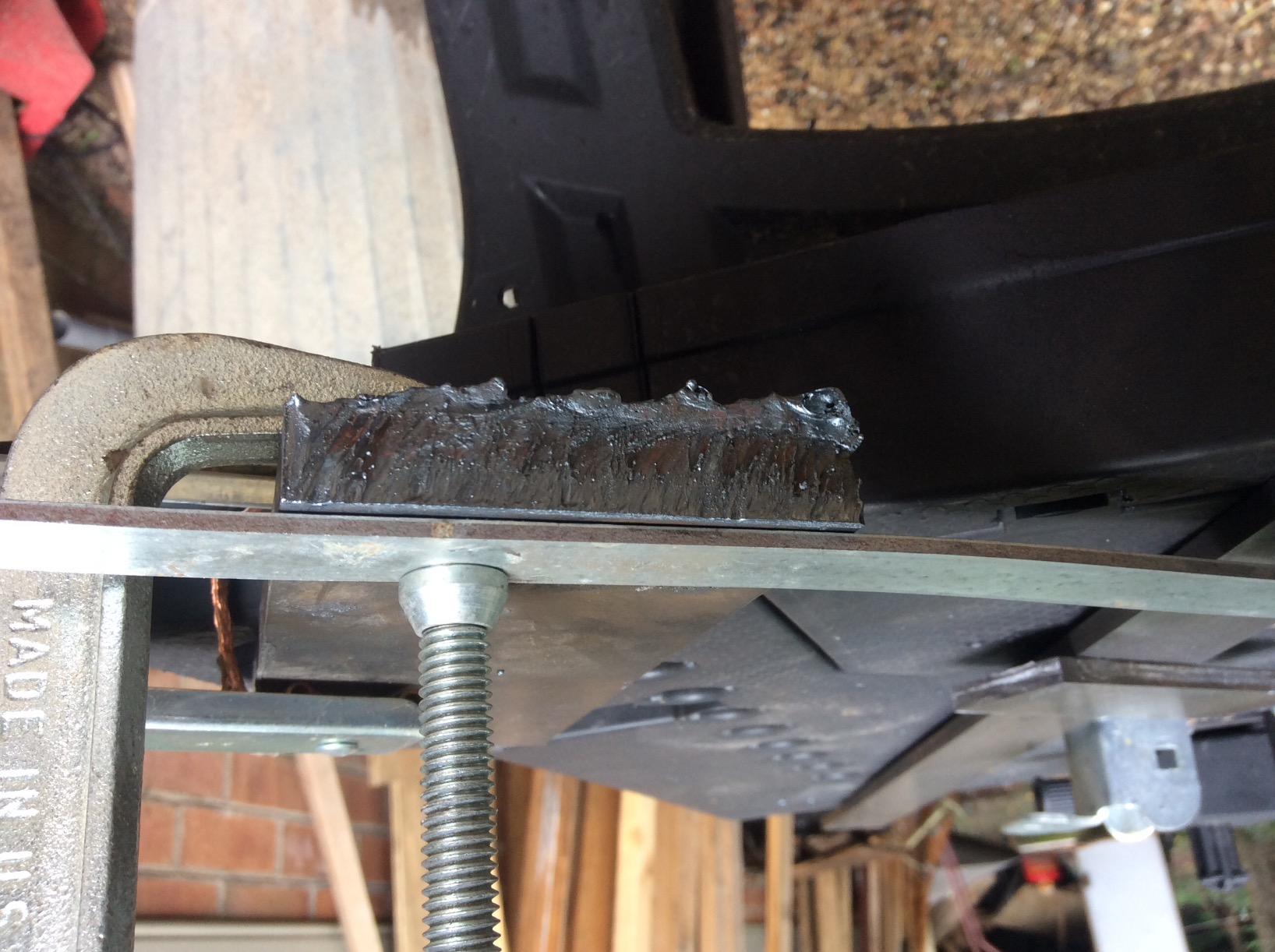
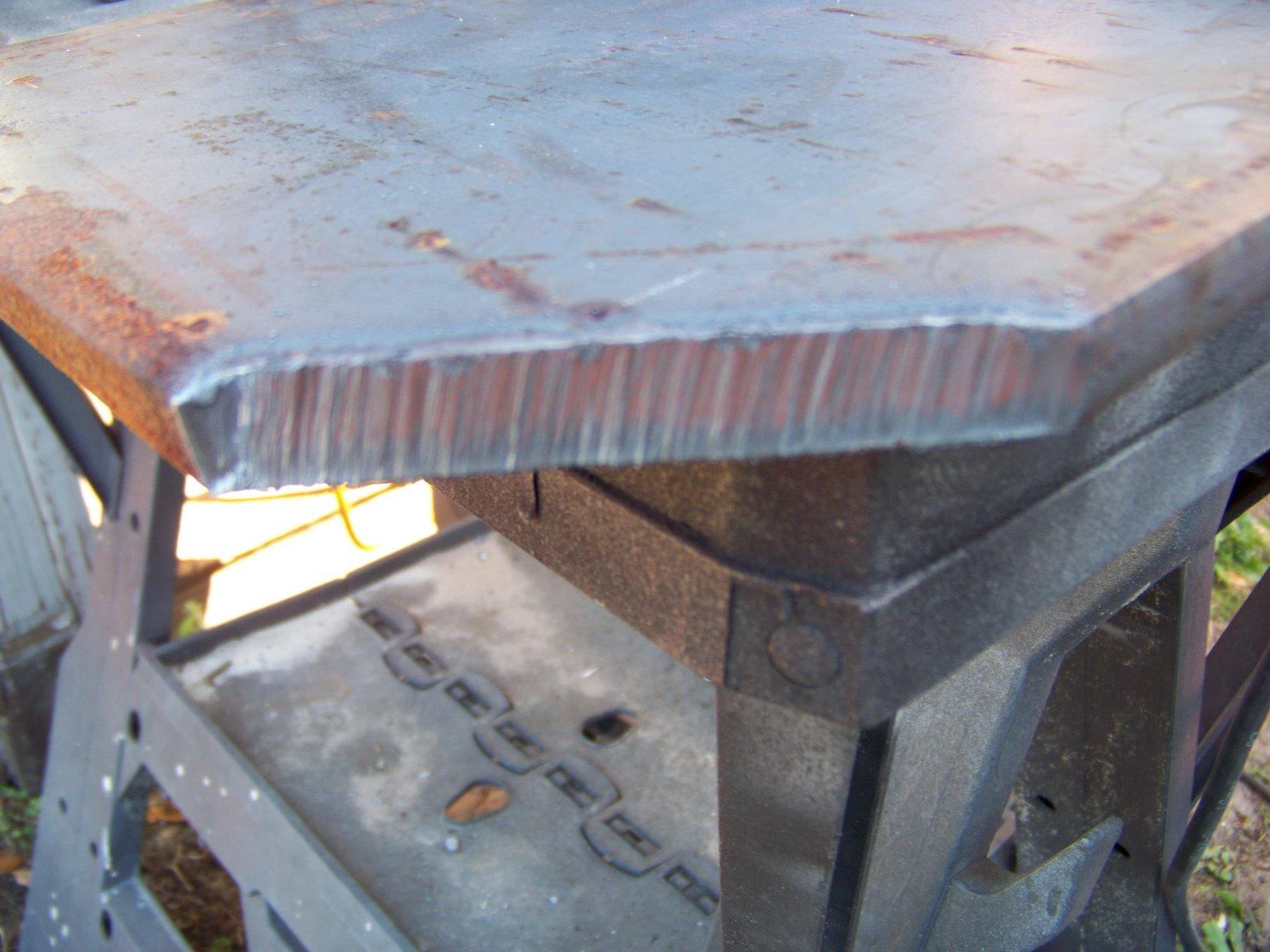
On a badly scaled cultivator shank, the arc struck without me grinding the surface first, which is exactly the behavior that separates a machine you will use from one that sits in the corner. Cut quality on 1/4 inch came out square enough that I welded right over it. Owners report performance comparable to far more expensive machines, and a NewAgTalk owner with a 45 amp machine reported cutting almost as fast as the larger 65 amp unit while staying compact, which matches what I saw here.
Buyer sentiment is unusually concentrated on the same two points. The first is support: multiple reviews describe warranty service where replacements shipped at the seller’s cost rather than pushing the customer to pay freight. The second is the manual, which is criticized often enough that I would print my own settings card before the first cut.
Pre-Plumbed Air Setup Saves the First Hour
The back panel arrives with the air filter and regulator already installed, plus a brass quick connect. That detail matters more than it sounds, because the most common first-cut complaint across this whole category is an air fitting that leaks until someone finds the right thread seal.
Higher-flow torch air is required for clean cuts, and that requirement is why your compressor choice matters as much as your cutter. Owners who paired this machine with an undersized pancake compressor reported dross and inconsistent cuts until they moved to a larger unit.
Voltage Limits Worth Knowing Before You Wire the Shop
Automatic dual voltage means no manual switch to forget, but 110V output is limited on a 20A circuit. If the outlet you want to use is already shared with a welder or a compressor, plan on 220V for consistent 50A performance.
Weight and dimensions were not published for this model, which is worth factoring into your transport plan. If you need a published weight and a shoulder strap for field work, the machine in the next position lists both.
Where It Falls Short on a Working Farm
The 220V lead is short, which in a shop with a distant panel means buying an extension before your first job. Some early machines also shipped with internal air fitting leaks that needed resealing.
If you are buying purely for occasional weekend use, the higher outlay here may not make sense. Our budget plasma cutter guide covers the lower tier with the same farm-work lens.
2. ARCCAPTAIN 50A 110V/220V – Best Value at 13 Pounds
ARCCAPTAIN 50A Plasma Cutter Machine, 110V/220V Dual Voltage, 2/3″ Max Cut
50A dual voltage
18mm max cut at 220V
13 lb with shoulder strap
LED voltage and current display
+ Pros
- Light 13 lb body that moves easily around the yard
- LED screen shows voltage current and error codes
- Pre-installed quick-connect air filter
- 2-year warranty and low consumable wear
– Cons
- Needs practice to dial in amperage and pressure
- No laminated settings chart in the box
- Cut finish is rougher on thin gauge
- Some reports of inconsistent first attempts
Thirteen pounds. That is the number that matters if your work happens at the far end of a barn or down a lane where the power is a generator and the distance is a hundred yards. The ARCCAPTAIN 50A was the machine I could grab without thinking about it, and it carries enough output to handle 18mm maximum cut at 220V.
The output splits into 20-35A at 110V and 20-50A at 220V, with 12mm at 35A and 55 PSI on the 110V setting. That is enough for fence rail, panel frames and most shank stock without pushing the machine past its comfort zone. Over 1300 reviews with a 4.5 average, it is the most reviewed machine in this roundup.
LED Readout Removes the Settings Guessing Game
The display reports live voltage and current and surfaces error codes, so when a cut goes wrong you can see whether the machine dropped out or the air ran thin. Built-in overload, overheat and overcurrent protection add a layer of reassurance that matters in a dusty shop.
Post-flow cooling adjusts between 5 and 15 seconds, and 2T/4T cut modes cover both hand-torch work and semi-automatic cutting on a bench. I found the 2T mode useful for repetitive slot cuts in hay equipment brackets.
Air Flow Demand and the Compressor Decision
Published air flow capacity is 150 liters per minute, which translates to roughly 5 CFM. That is a modest demand, but it is still more than a small pancake compressor can hold steady once the tank pressure sags.
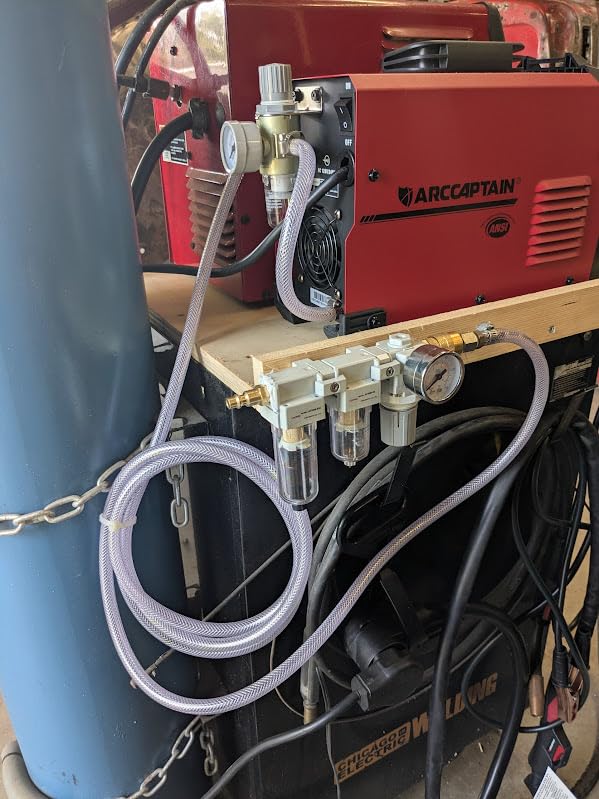
Farm forum members repeatedly stress this exact point, and the advice that comes back is consistent: put a filter or moisture separator inline and run a compressor with real reserve. Several owners swapped the supplied hard-line air fitting for a standard quick connect on day one.
Field Durability and Transport
At 13 x 6 x 8 inches with an included shoulder strap, this is one of the easiest machines here to move between the shop and a field repair. Sound level is listed at 60 db, which is a real consideration if you cut next to livestock or a running tractor.
Consumables and the Learning Curve
Two years of warranty is better than most machines in this price band. The tradeoff is that buyers note a settings learning curve and the absence of a laminated thickness, amperage and pressure chart, so write your own after the first session.
Cut finish runs rougher on thin gauge than on plate, which matters if you are trimming sheet metal for a cab repair rather than structural parts.
3. LOTOS LT5000D 50A – Most Versatile With the Deepest Clean Cut Claim
LOTOS LT5000D Plasma Cutter, 2024 Upgraded 5/8 inch 16mm Clean Cut 3/4 inch 20mm Severance Cut 50A Plasma Metal Cutter Machine, Plasma Cutting Equipment, Dual Voltage 120V or 240V, Brown
50A dual voltage
5/8 inch clean cut at 240V
Front-mounted air regulator
Upgraded IGBT board
+ Pros
- 5/8 inch clean cut and 3/4 inch severance at 240V
- Ready to run in about a minute
- Front regulator is easy to reach while cutting
- Cuts stainless alloy mild steel copper and aluminum
– Cons
- Heavier at 21.4 lb than most 50A rivals
- Older design generation with no app or smart features
- Requires a separate air compressor
- Longer consumable life is claimed but not quantified
The LT5000D rates a 5/8 inch clean cut and 3/4 inch maximum severance at 220/240V, which is a deeper honest cut than several of the 55A machines in this guide. For a farm that occasionally slices structural plate to replace a bent implement bracket, that headroom matters more than a smartphone app.
At 110/120V it drops to a 1/3 inch clean cut and 2/5 inch maximum, so the 220V circuit is where this machine earns its place. A 4.5 star average across 1263 reviews makes it one of the most widely reviewed designs in the category, and the model has been on the market since 2011.
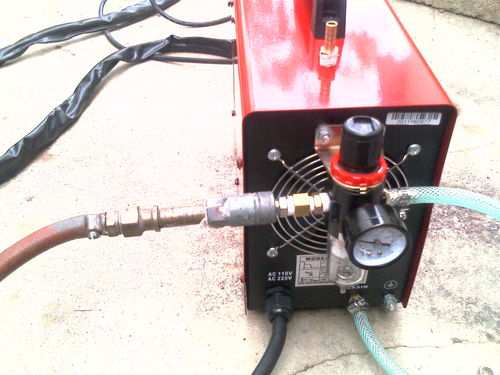
Air Pressure Adjustment You Can Do Mid-Cut
The regulator mounts on the front of the machine rather than the back panel, and that positioning is not cosmetic. When dross starts building on the underside of a cut, you can reach the knob without setting the torch down or dragging a hose across fresh-cut steel.
The pre-installed NPT 1/4 inch industry-type D plug and filter regulator mean the air side arrives assembled. Owners report reaching a cutting-ready state in roughly a minute from the box, which matters when a repair is waiting on parts delivery.
Cut Capacity Tiers in Real Terms
Output is 10-50A DC at 220/240V and 10-35A DC at 110/120V with automatic dual voltage and dual frequency handling. On a farm, the practical ceiling is the 1/2 inch clean cut and 3/4 inch severance at the higher voltage setting.
Forum owners are candid that claimed versus actual thickness is where marketing diverges from reality. A Thermal Dynamics owner on WeldingWeb described cutting 3/8 inch very well and 1/2 inch at a slow rate, which is a fair expectation to calibrate against.
Weight and the Case for a Shop Machine
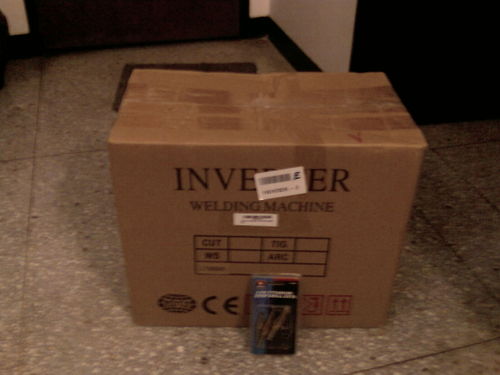
At 21.4 lb this is one of the heavier machines here, and that is the main reason it does not rank higher for farm work despite strong cut capacity. The 10 x 13 x 26 inch body is a shop fixture, not a carry-around tool.
What You Give Up With This Generation of Design
The listing describes an upgraded IGBT PC board and a redesigned torch for cleaner cut lines, but the design itself is mature rather than new. There is no app connectivity and no intelligent post-blow timing, so cooling is set manually.
For someone cutting a few times a month, a WeldingWeb user put it plainly: a high-end professional machine ends up being a waste of money for most owners who find they are not using it that often. This is the machine for that reality.
4. ARCCAPTAIN CUT55 Pro 55A – Premium Pick With App Control and a 3-Year Warranty
ARCCAPTAIN iControl CUT55 Pro Plasma Cutter Machine, 55Amp, 120V/240V
55A output
12mm quality and 20mm max cut
App parameter control
3-year warranty
+ Pros
- Non-touch arc starts reliably on dirty rusted or coated steel
- Intelligent post-blow removes manual cooling adjustments
- 3-year warranty with ANSI certification
- App control works from up to 10 meters away
– Cons
- Heavier and pricier than most 50 to 55A alternatives
- App control adds complexity for knob users
- Requires a smartphone and app setup for the digital features
The CUT55 Pro is the machine I would put in a shop that does scheduled maintenance on a whole implement fleet. It rates 12mm for a quality cut and 20mm maximum, and the high-frequency non-touch pilot arc start is what lets it strike on the kind of scaled, painted surface that stops a contact torch cold.
What separates it from the rest of the 55A class is the intelligent post-blow system, which times cooling automatically at 5 seconds from 20-34A, 8 seconds from 35-45A and 10 seconds from 46-55A. That single feature extends electrode and nozzle life more than any other single setting on a machine in this category.
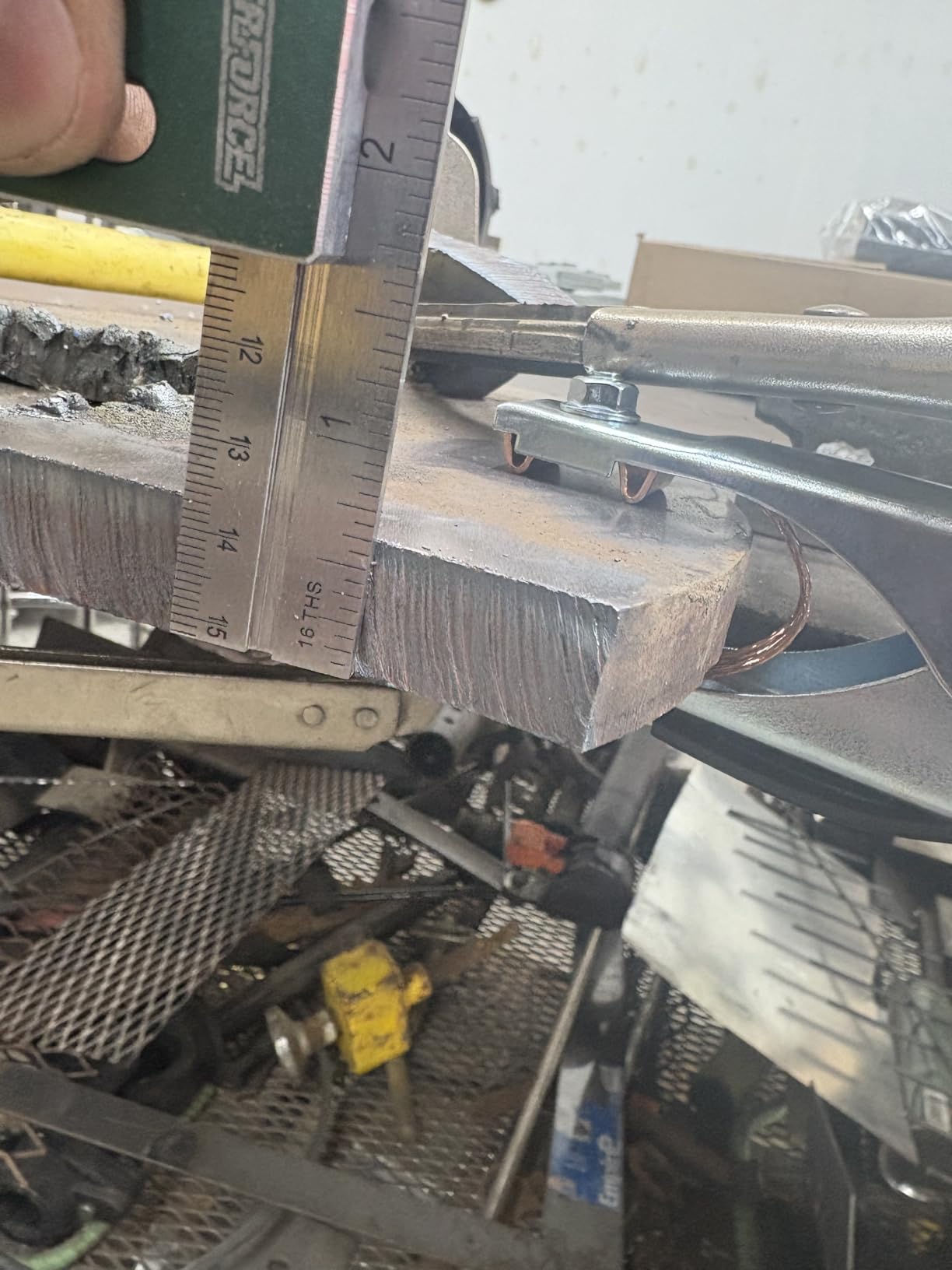
App Control From Across the Implement Shed
The MCU digital control upgrade handles current and voltage management, and the companion app adjusts parameters and reports status from up to 10 meters away. For a shop where the machine sits in the corner and you want to check output while working on the other side of a drawbar, that is genuinely useful.
App control also has a downside. If you prefer a physical knob and a printed chart, the phone becomes a dependency rather than a convenience, and a number of buyers cite that complexity directly.
Cooling, Noise and the 60 Percent Duty Cycle Question
Smart fan cooling is claimed to cut noise by up to 50 percent, which matters in an unheated shop where you are working next to a running heater or a neighbor’s livestock. Duty cycle is 60 percent at rated output, and 60 percent is the common figure across this entire class.
That rating is measured at roughly 104F ambient. In high summer heat, inside a metal shop with the sun on the roof, sustained cutting at full output will hit the thermal limits before the machine does any damage, and the post-blow time becomes more important, not less.
What Ships in the Box
The package includes a 10 foot AG60 cutting torch, 10 foot air hose, 10 foot earth clamp and a 120/240V power adapter. Having matched-length torch, hose and ground lead as a set removes a common source of field frustration where the ground lead is too short to reach clean metal.
Best Fit and Best Mismatch
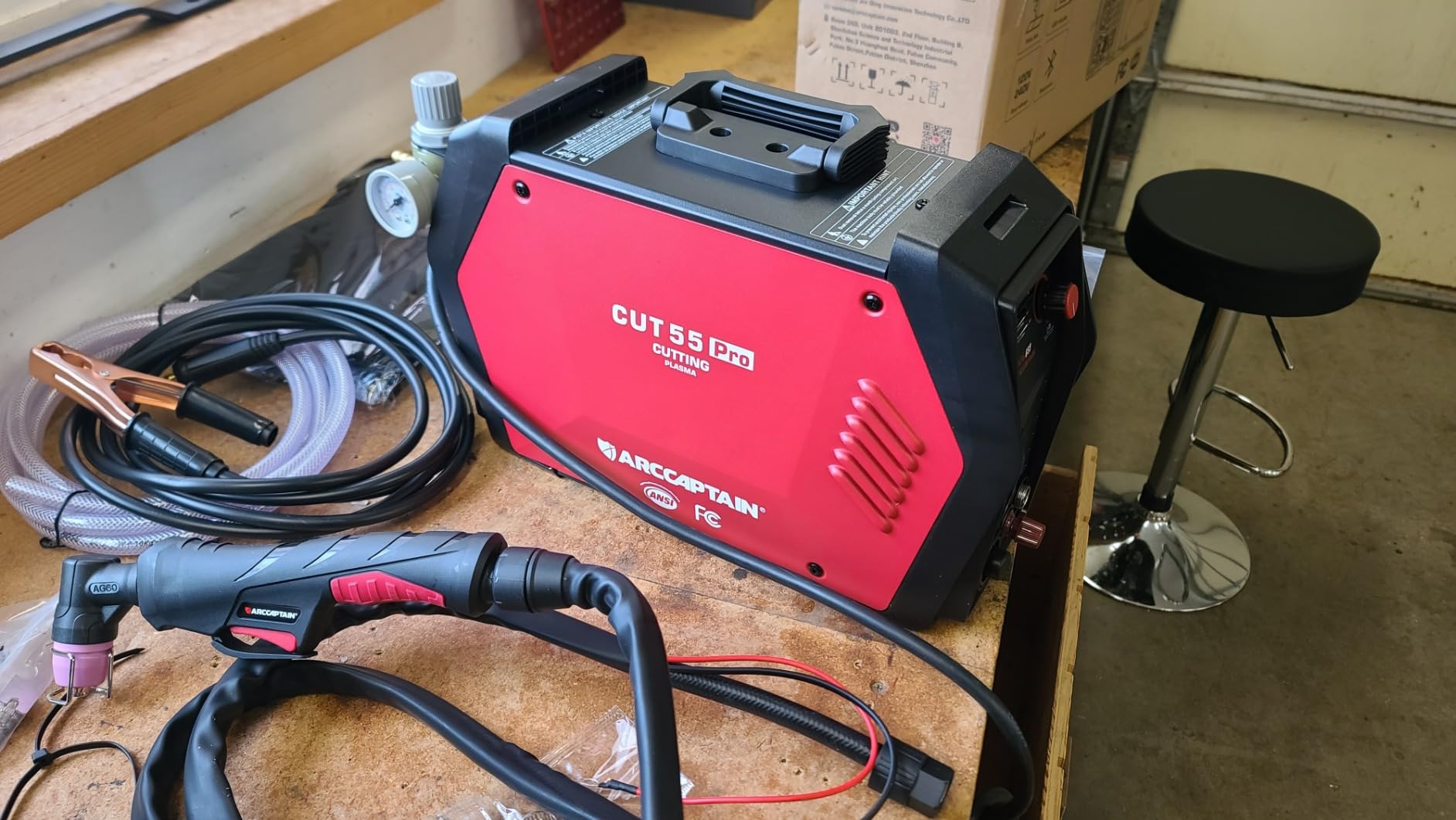
At 19.46 lb with a package size of 19.2 x 15.7 x 8 inches, this is a stationary shop machine with a carry handle, not a field tool. The three-year warranty is longer than most competitors in this group, and buyers treat warranty length as a meaningful quality signal.
If you cut less than monthly, the app and the warranty do not earn their premium. Step back a position in this list.
5. SILATU STC550P 55A – Lightest Machine Here With Adjustable Pilot Arc
SILATU 55A Plasma Cutter, Non-Touch Pilot Arc, 110V/220V, 2/3″ Max Cut
55A IGBT inverter
12.57 lb chassis
2/3 inch max cut at 220V
Adjustable pilot arc duration
+ Pros
- One of the lightest 55A machines available at 12.57 lb
- Adjustable pilot arc duration handles expanded metal and mesh
- Real-time air pressure reading on the digital screen
- One-year warranty plus lifetime technical support
– Cons
- Included air hose is only 3.3 ft against 10 ft torch and clamp leads
- No 4T post-flow beyond the 2/3 inch maximum
- Smaller service presence than PrimeWeld or YESWELDER
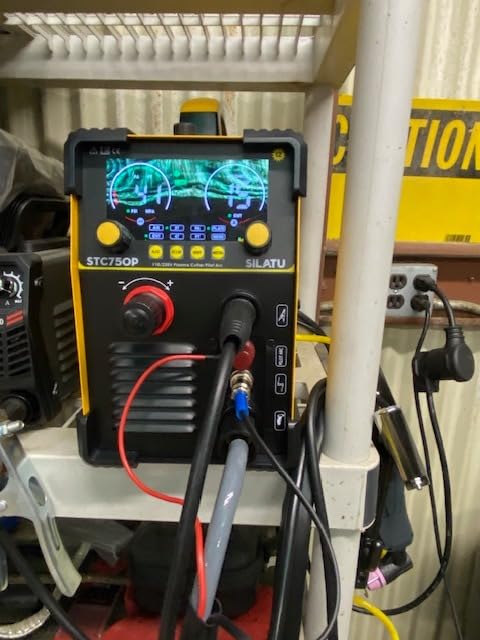
The SILATU STC550P is the machine I would hand to someone who does fence and pen work away from the shop. At 12.57 lb with dimensions of 13.98 x 6.1 x 8.86 inches, it is one of the most compact 55A inverters in this roundup, and it still delivers 15-55A at 220V with a 2/3 inch maximum cut.
Its distinguishing feature is the adjustable pilot arc duration, exposed as a PA function alongside PT, 2T and 4T firing modes. That setting exists specifically for expanded metal, woven wire and mesh, which is precisely the material of cattle panels, woven wire fence and hardware cloth.
Cattle Panel and Expanded Metal Cutting
Cutting mesh with a fixed pilot arc usually means the arc wanders and the kerf blows out behind the cut. Shortening the pilot duration and raising the travel speed produces a much cleaner edge on that material, and the STC550P lets you make that adjustment rather than guessing.
Forum members frequently ask whether these machines can handle grating and panel material, and the honest answer is that a 55A inverter can, provided the torch is angled to lead the cut and the pilot timing is adjusted. This machine gives you that control directly.
Air Supply Requirements at 70 PSI
Recommended supply is 70 PSI and 250 liters per minute of air flow, which runs about 8.5 CFM. That is a genuine demand and the highest published figure in this roundup, which makes compressor matching non-negotiable for this machine.
Output splits to 15-40A at 110V with a 1/2 inch maximum at 40A and 60 PSI, then climbs to 15-55A at 220V with the 2/3 inch maximum at 55A and 70 PSI. Post-time adjusts across a 3 to 15 second range.
The Air Hose Problem to Fix on Day One
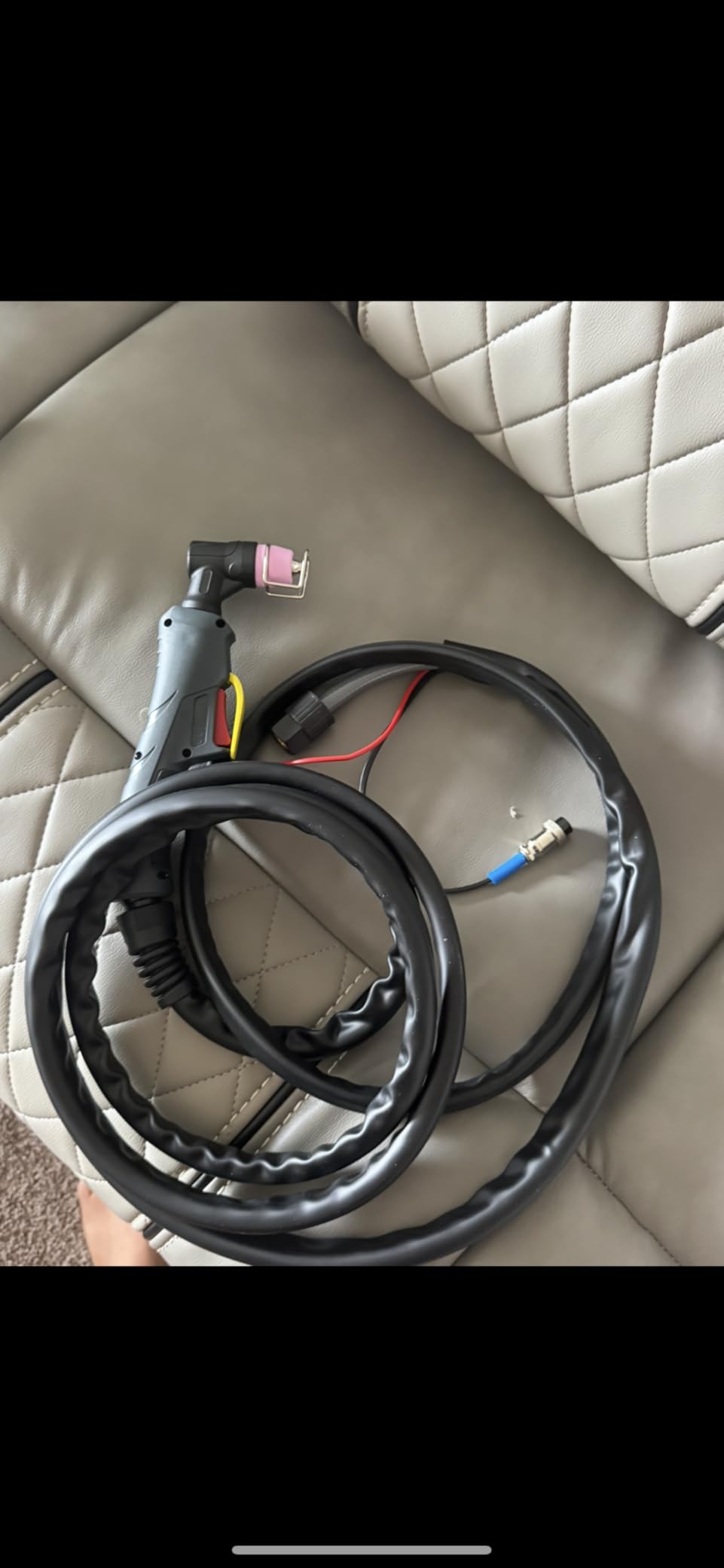
The included air hose measures 3.3 ft, while the torch and ground clamp leads are each 10 ft. That mismatch is the most commonly reported practical limitation, and the fix is simple: buy a longer 1/4 inch air hose before you need it in the field.
The rear-mounted air filter with a 1/4 inch NPT quick connect is otherwise well executed, and the digital display reports air pressure, voltage, current and error codes together.
Service and Support Considerations
One-year warranty coverage is standard for this tier, offset by lifetime technical support. Buyers still note that the brand has a smaller service presence than PrimeWeld or YESWELDER, which matters if you depend on quick replacement parts.
The AG60-family torch is a practical reason to favor this machine on a farm that would rather keep spares in the cabinet than special-order parts.
6. YESWELDER CUT-55DS PRO 55A – Best Pick for CNC Tables and Sensitive Electronics
YESWELDER CUT-55DS PRO 55A Plasma Cutter, Non-HF, 110/220V, IPT40 Torch
55A non-HF blow-back start
IPT40 non-touch torch
4/5 inch max cut at 220V
Post flow 5-20 seconds
+ Pros
- Non-HF start avoids interference with CNC controllers and electronics
- Clean thin kerf with little back blowout on 1/4 inch
- 2-year warranty with responsive torch replacement
- Post flow adjustable across a wide 5-20 second range
– Cons
- A small but vocal group reports machines that never strike an arc
- Higher cost than comparable non-HF 55A machines
- Non-HF start requires touching the work which wears the electrode
- Heavier at 19.41 lb than lighter 55A options
Modern tractors and combines carry more electronics than the machines your father cut on, and a high-frequency start can upset sensitive equipment. The YESWELDER CUT-55DS PRO uses a non-high-frequency blow-back start, which is the reason it earns a place in a farm shop full of newer machinery and the reason it is the sensible choice for a CNC plasma table.
Cut ratings are specific and honest: a 5/16 inch ideal clean cut at 110V and 25/64 inch at 220V, with 5/8 inch maximum at 110V and 4/5 inch at 220V. That 220V figure is the deepest maximum severance rating in this entire group.
Why Non-HF Start Matters on a Working Farm
High-frequency start strikes an arc without touching the work, which is convenient and also emits a burst of RF energy. Blow-back start touches the work to initiate, generating no such burst. Owners running these machines alongside controllers, sensors and modern tractor electronics consistently prefer the non-HF approach.
The trade-off is honest: touching the work to start the arc increases electrode wear, and you will replace electrodes slightly sooner than on an HF machine. Most farm shops accept that trade without hesitation.
Post-Flow Range and Consumable Life
Post flow adjusts from 5 to 20 seconds, with 5 to 8 seconds recommended. On the upper end of that range the tip cools thoroughly, which is the single biggest lever on how long a set of electrodes and nozzles lasts in continuous farm shop work.
Owners report clean, thin kerfs with minimal back blowout on 1/4 inch steel, and the 19.41 lb body is a manageable shop weight for a machine rated at 5.6 KW.
Protection, Warranty and the Arc Reliability Question
IP21 water rating protection plus overload and overheat safeguards cover the failure modes that matter outdoors. The 2-year warranty is longer than the 1-year tier, and buyers mention responsive replacement service after a torch failure.
The one recurring risk: a small but vocal group reports machines that would not strike an arc at all, sometimes twice in a row for a single buyer. Confirm the box includes a PC10-02 air connector, filter and gas hose, ground clamp and the IPT40 torch, but test the arc within the return window before you rely on it.
Best Farm Application
Pick this one if you are building fence panels and gates in volume, running a CNC table for sign or bracket production, or working near electronics that a high-frequency start could disturb. For straight-through implement repair, a lighter machine is easier to live with.
7. ARCCAPTAIN 55A 120V/240V – Best for Owners Learning the Craft
ARCCAPTAIN 55A Plasma Cutter Machine, Non-Touch Pilot Arc, 120V/240V
55A IGBT inverter
60 percent duty cycle
Preset 60 PSI and 5 second post flow
1/2 inch clean cut at 240V
+ Pros
- Pre-set air pressure and post flow let beginners cut immediately
- Rear-mounted air filter with quick connection
- Compact body with included shoulder strap
- FCC and ANSI certified
– Cons
- Only a 1-year warranty
- Voltage must not be switched until the screen goes dark
- Published weight in the spec table conflicts with the feature copy
- About 10 percent of reviews are one-star
Most first plasma cutters fail for a boring reason: the operator does not know what air pressure to set. The ARCCAPTAIN 55A arrives with a pre-set default of 60 PSI and 5 seconds of post flow, which means a new owner can strike an arc and make a usable cut before reading a single manual page.
Output is 20-35A at 120V and 20-55A at 240V. With a 1/2 inch ideal clean cut at 55A and 60 PSI and a 3/4 inch maximum at 75 PSI, this machine covers most farm steel. Recommended compressor supply is 60 PSI at 5.3 CFM, which is a modest demand for a 55A machine.
Presets Are the Whole Point Here
On my first session I left the air at the factory default and cut fence rail stock without touching anything. That experience is the reason this machine sits where it does in the ranking for new owners, and it is worth more than a feature list full of modes nobody uses.
Non-touch high-frequency pilot arc start reduces energy use and electrode burn compared to contact start, and it strikes on the oxidized steel that farm work throws at you.
Compressor Matching and Duty Cycle
The 60 percent duty cycle is the industry-standard figure for this class, and at 5.3 CFM and 60 PSI this machine is one of the easier 55A models to feed. Pair it with a compressor that holds pressure under load, not one that sounds adequate on the label.
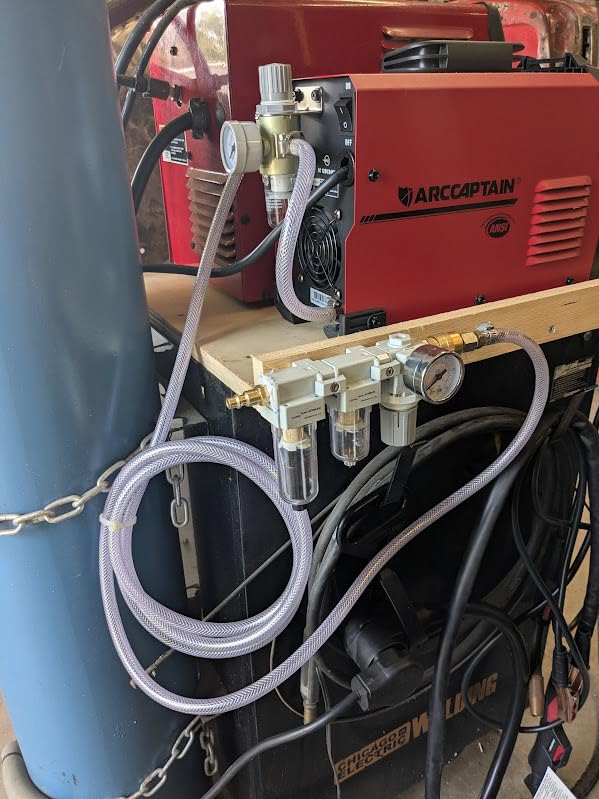
Farmers on forums consistently recommend a coalescing filter or moisture separator on the air line, because moisture in the air is what kills plasma consumables faster than any other factor.
What to Watch Before You Rely On It
Do not switch voltage until the screen goes dark and the fan stops. This is called out in the documentation and repeated by owners, and ignoring it is the most common self-inflicted problem with dual-voltage machines.
The published weight conflicts: the spec sheet lists 14.1 ounces, which appears erroneous, while the feature copy states 19.8 lb. Budget for the larger number when you plan lifting. About 10 percent of reviews are one-star, with arc reliability the main theme, so test the arc early.
What Ships and What It Lacks
The box includes a 10 foot air hose, 10 foot cutting torch, 10 foot earth clamp, the air regulator and filter, and the machine. That matched set of leads is a real convenience, and the rear-mounted filter speeds hookup at the compressor.
One-year warranty coverage is the shortest tier here, and the brand’s own CUT55 Pro model carries three years. FCC and ANSI certification round out the compliance picture.
8. Reboot RBC6000D 60A – Most Amp Output in the Group
Reboot 60A Plasma Cutter Dual Voltage 120V/240V, 1/2″ Clean Cut IGBT Inverter, Portable Metal Cutting Machine with Torch & Tips – RBC6000D 2025 Upgraded (Pre-Installed Air Regulator)
60A output
1/2 inch at 120V and 5/8 inch at 240V
PT31 torch and tips
90 PSI and 60 LPM air
+ Pros
- Highest amperage in the group at 60A
- Cuts 1/4 inch and 1/2 inch cleanly on 240V
- PT31 consumables are widely available
- Extra spare tips included in the kit
– Cons
- Touch-arc start can hang when beginning a cut
- Requires a 50A breaker at 120V or 40A at 240V
- Warranty described as burdensome with return shipping at buyer expense
- Reports of units failing shortly after a single use
The RBC6000D is the only 60 amp machine in this roundup, and it delivers 1/2 inch steel at 120V and 35A plus 5/8 inch at 240V and 60A. If you cut a lot of thick implement plate and your work justifies the higher amperage, there is nothing else here in the same price territory.
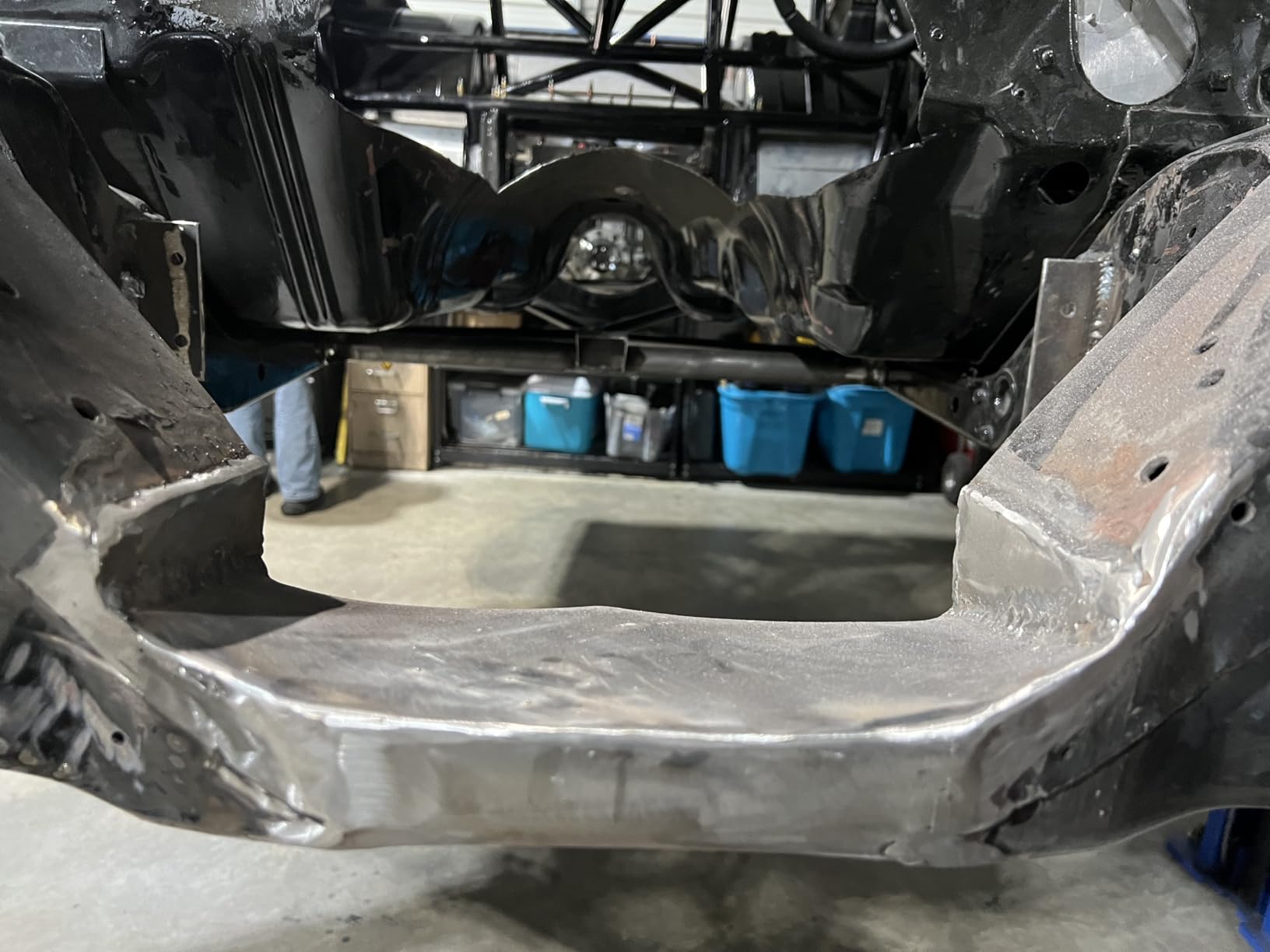
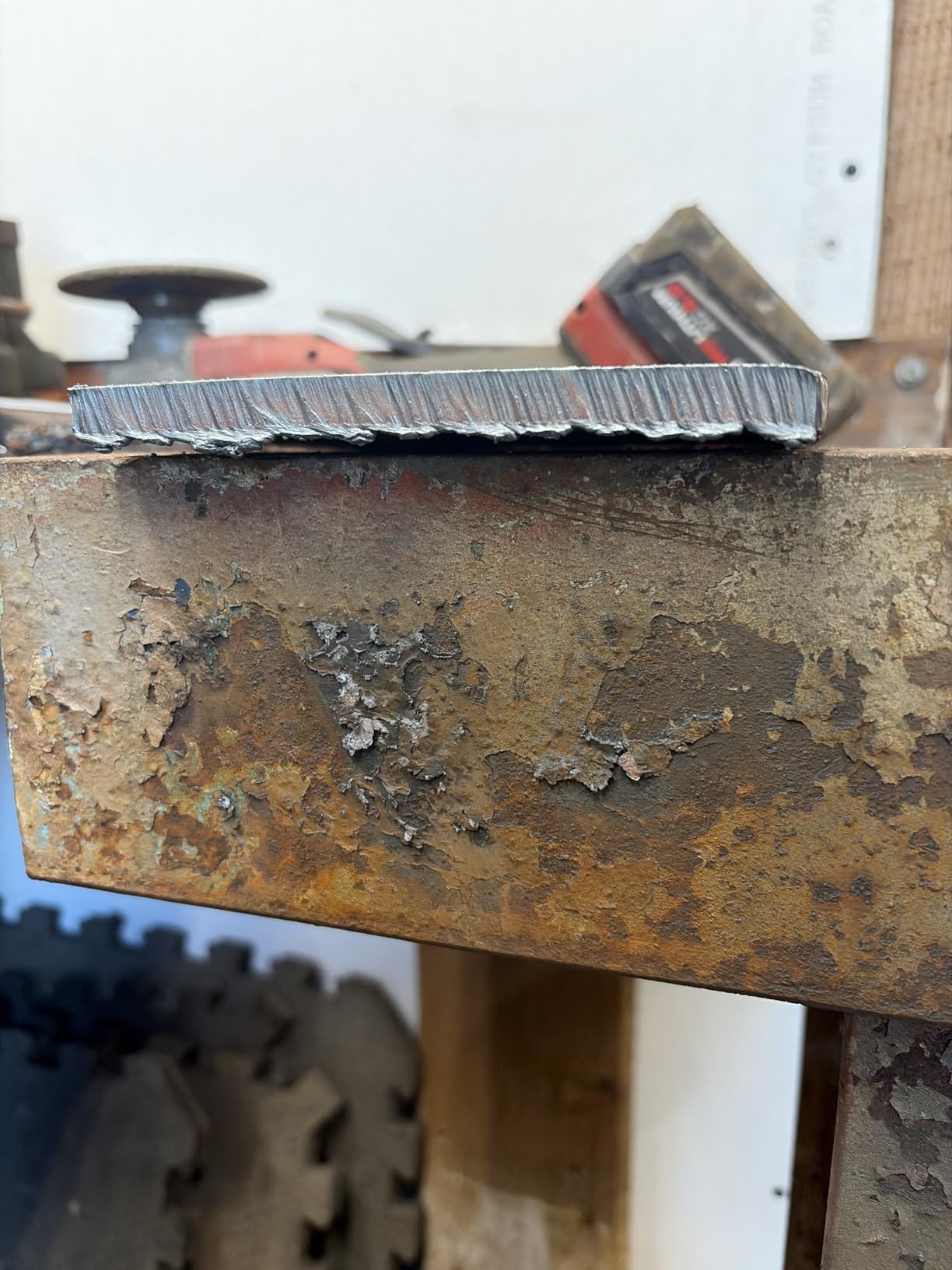
Cut performance on 240V is praised consistently, with clean cuts through 1/4 inch and 1/2 inch steel needing minimal setting changes between them. The pre-installed air regulator and included English manual are the two things that separate this from the least documented machines in the category.
Breaker Requirements Are the First Real Constraint
This machine asks for a 50A breaker at 120V and a 40A breaker at 240V. Several users reported tripping breakers on 120V, so confirm your farm shop panel can carry that before you plan the install. Air requirement is 90 PSI and 60 LPM, which is at the high end of what a small compressor delivers.
That combination of high amperage and high air demand is why this machine suits a dedicated shop setup rather than field work with a portable compressor.
Why the Touch Arc Version Matters on Rust
This is the touch-arc version, and without the high-frequency lift the arc can hang when starting a cut on a heavily oxidized surface. On clean mild steel it is fine. On a mud-caked drawbar bracket that has been outside for two years, expect to grind the contact point or use a sacrificial ground path.
That single design choice is the main reason this machine does not rank higher despite having the most amperage in the group. If rusty starts are your normal case, a pilot arc machine is the better buy.
Warranty and Reported Failures
Warranty service is described as burdensome: return shipping at buyer expense, and coverage that does not apply to machines older than two months. Some buyers report units failing after a single use, which is why the machine sits eighth despite strong cut numbers.
PT31 torch and consumables are a genuine positive for farm use. Standard PT31 supplies are available almost anywhere, and the kit already includes spare tips.
Weight Discrepancy to Plan Around
The feature copy lists 8.69 lb and the spec table lists 14.22 lb, with dimensions of 11.73 x 4.37 x 8.86 inches. Verify the weight on arrival, and do not plan a one-handed carry based on the lighter figure until you have weighed it yourself.
The roller guide on the tip is also reported to loosen and not stay fixed, so check it before every session and expect to replace tips sooner on extended cuts.
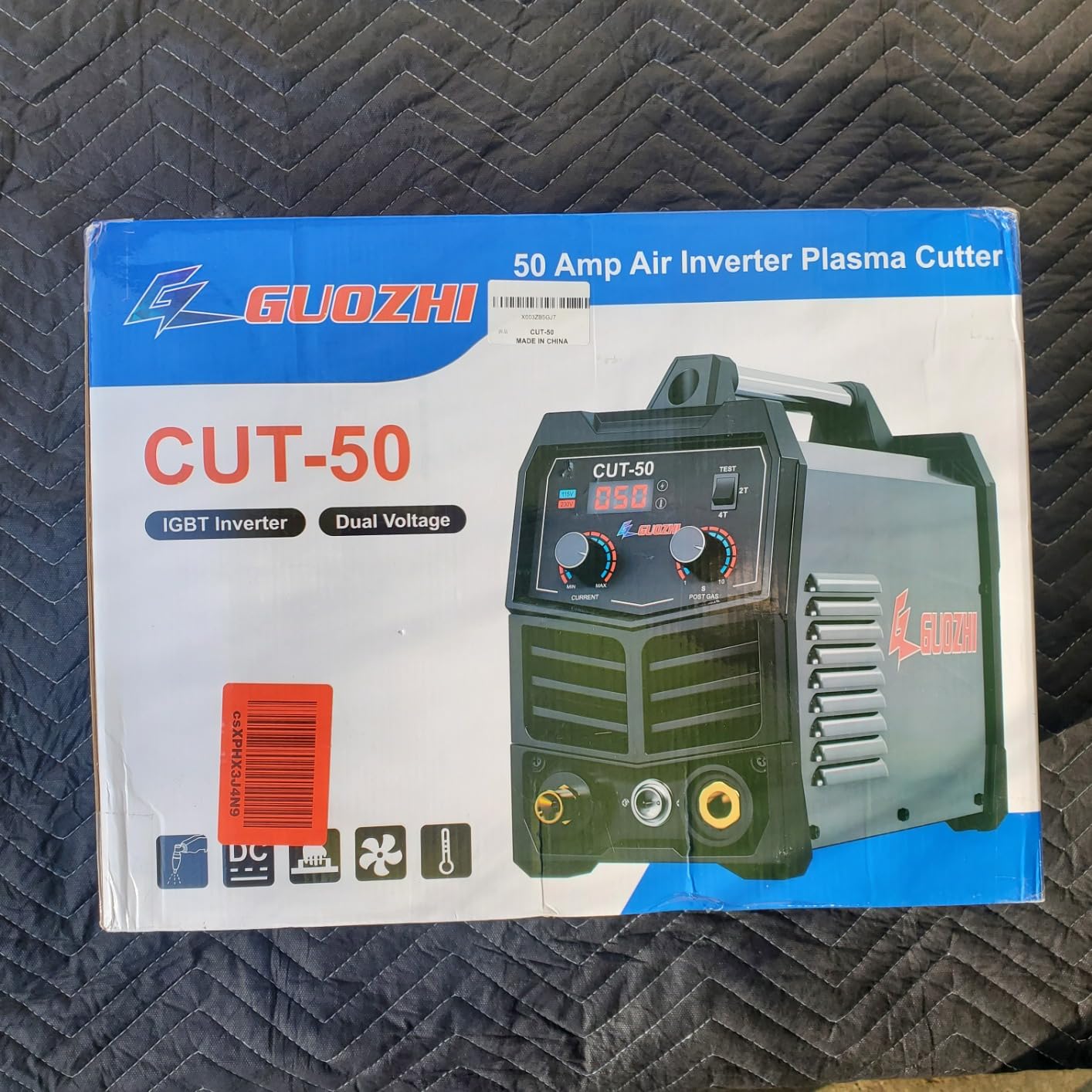
9. GZ GUOZHI CUT-50 50A – Rated for Unheated Winter Shops
GZ GUOZHI Plasma Cutter, 50 Amp Air Inverter Plasma Cut, 110V/220V Dual Voltage Digital Display IGBT Inverter Plasma Cutting Machine with 2T/4T/TEST Function
50A IGBT inverter
Rated to minus 20 degrees
Digital 2T/4T/TEST display
3/4 inch max cut at 220V
+ Pros
- Rated for operation down to minus 20 degrees for unheated shops
- Pilot arc handles rough painted and rusty surfaces with minimal slag
- Digital display with 2T/4T and TEST functions
- One-minute setup through the 1/4 inch D-type air plug
– Cons
- About 12 percent one-star review share
- Listed weight conflicts with the feature copy
- No air filter or regulator in the box per the package list
- Only a 1-year manufacturer warranty
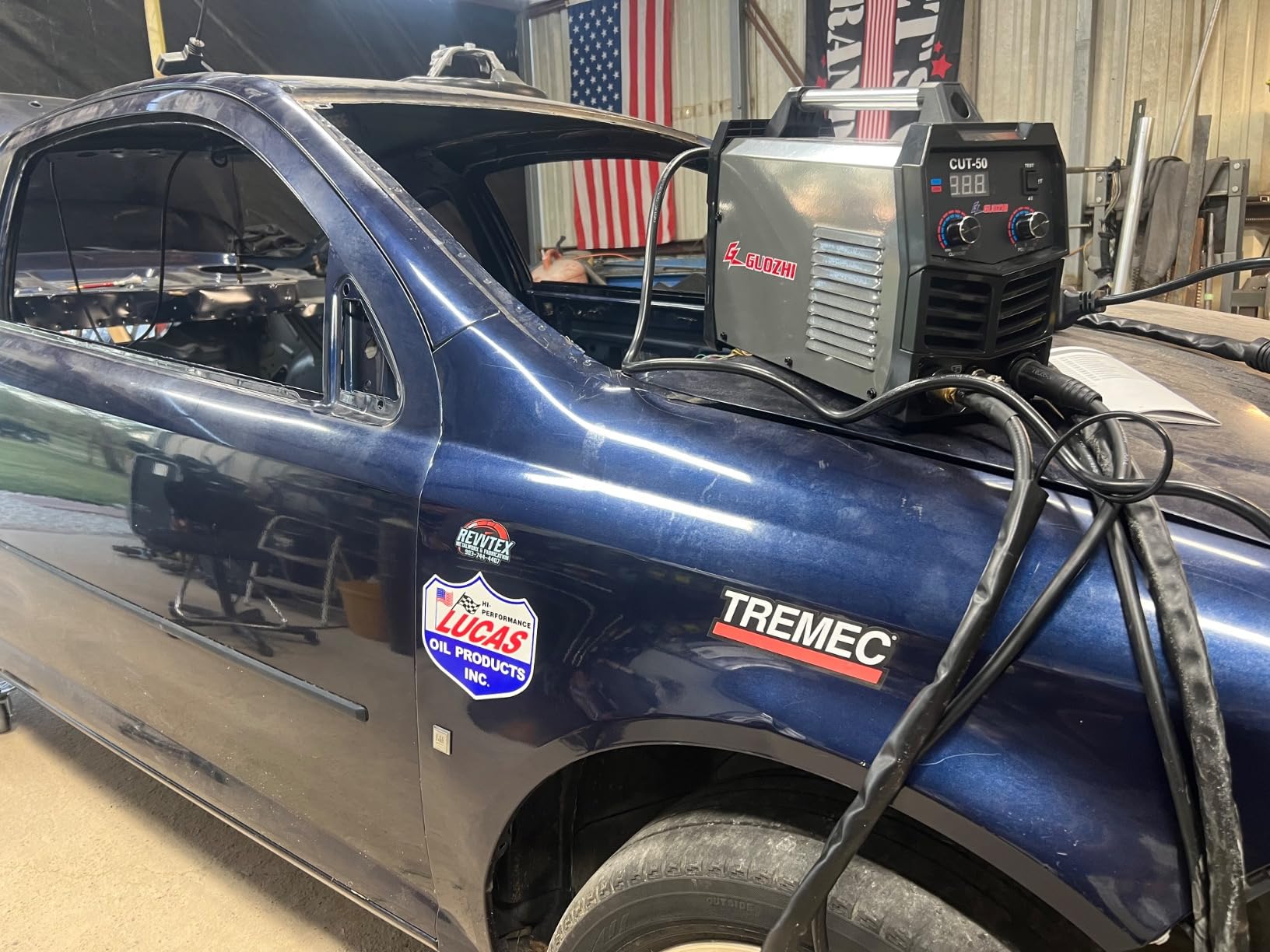
Most farm shops are not heated from November through March, and most machine ratings are measured in comfortable conditions. The GZ GUOZHI CUT-50 is rated for operation down to minus 20 degrees, which is the number that matters if you are the person who has to make a repair in February because a cultivator is down and the crop is in the ground.
Cut capacity is 1/4 inch maximum at 35A on 110V and 3/4 inch maximum at 50A on 220V, with a 60 percent duty cycle and 50/60Hz high-frequency output. The pilot arc start is specified for cutting rough, painted and rusty surfaces with minimal slag, which is the farm case exactly.
What the TEST Function Actually Does
The digital display carries 2T, 4T and TEST functions. Two-tenth and four-tenth modes control cut length and repetition for semi-automatic work, and TEST gives you a short arc without firing the full output, which is how you check air pressure and tip condition without consuming a consumable set.
For a farm shop that cuts in short bursts between other jobs, TEST mode is more useful than it first appears.
Breaker and Air Setup
Breaker requirements run up to 40A at 110V and 50A at 220V, which is heavier than most 50A machines in this guide. Air demand is listed at 50 PSI on the 110V setting and 65 PSI at 220V, and the machine cuts stainless, alloy and mild steel, copper and aluminum.
Setup is reported at about a minute through the 1/4 inch industrial D-type air plug. Overcurrent, overload and overheat protection is built in, which is reassuring in an unheated building with a space heater running nearby.
Confirm What Is Actually in the Box
The package list includes a 220V to 100V adapter, cutting gun head, earth clamp and user manual, but no air filter or regulator. You will need to source an inline filter and regulator separately, which is a small cost but a real one when you are standing in a cold shop at dusk.
Reliability Feedback and Weight
About 12 percent of reviews are one-star, tied for the highest negative feedback in this roundup, with reliability the recurring theme. The listed weight of 19.31 lb also conflicts with a 13 lb figure in the feature copy, and package dimensions are 17.5 x 13 x 8 inches.
The 1-year manufacturer warranty matches the shortest tier here. The cold-weather rating is why this machine earns its place, and it is a rating few competitors in this price band can claim.
10. TOOLIOM CUT-50 PRO 50A – AG60 Pilot Arc Torch at the Bottom of the Stack
TOOLIOM 50A Non-Touch Pilot Arc Plasma Cutter, Dual Voltage 110/220V
50A dual voltage
AG60 non-touch pilot arc torch
Digital air pressure display
5/8 inch clean cut at 220V
+ Pros
- AG60 non-touch pilot arc reduces electrode and consumable burn
- Digital display shows air pressure voltage and current
- Tool-free 110V and 220V connection
- Post-flow cycle of 5 to 20 seconds
– Cons
- Lowest average rating in the group at 4.1 stars with 12 percent one-star reviews
- Listed weight of 21.6 lb conflicts with 13.23 lb in the feature copy
- Air flow demand requires a capable compressor
- Narrower post-flow adjustment than newer designs
I put this machine tenth because of its 4.1 average, the lowest in the set, with 12 percent of reviews at one star. The AG60 non-touch pilot arc torch and the digital readout are genuinely good features, and at 868 reviews there is a large enough sample to see that reliability is the problem rather than any single defect.
Cut ratings are competitive: 1/4 inch ideal clean cut and 1/2 inch maximum at 110V, rising to 5/8 inch ideal clean cut and 3/4 inch maximum at 220V. Output runs 20-50A, with maximum air pressure of 50 PSI at 110V and 65 PSI at 220V.
What the AG60 Torch Gets Right
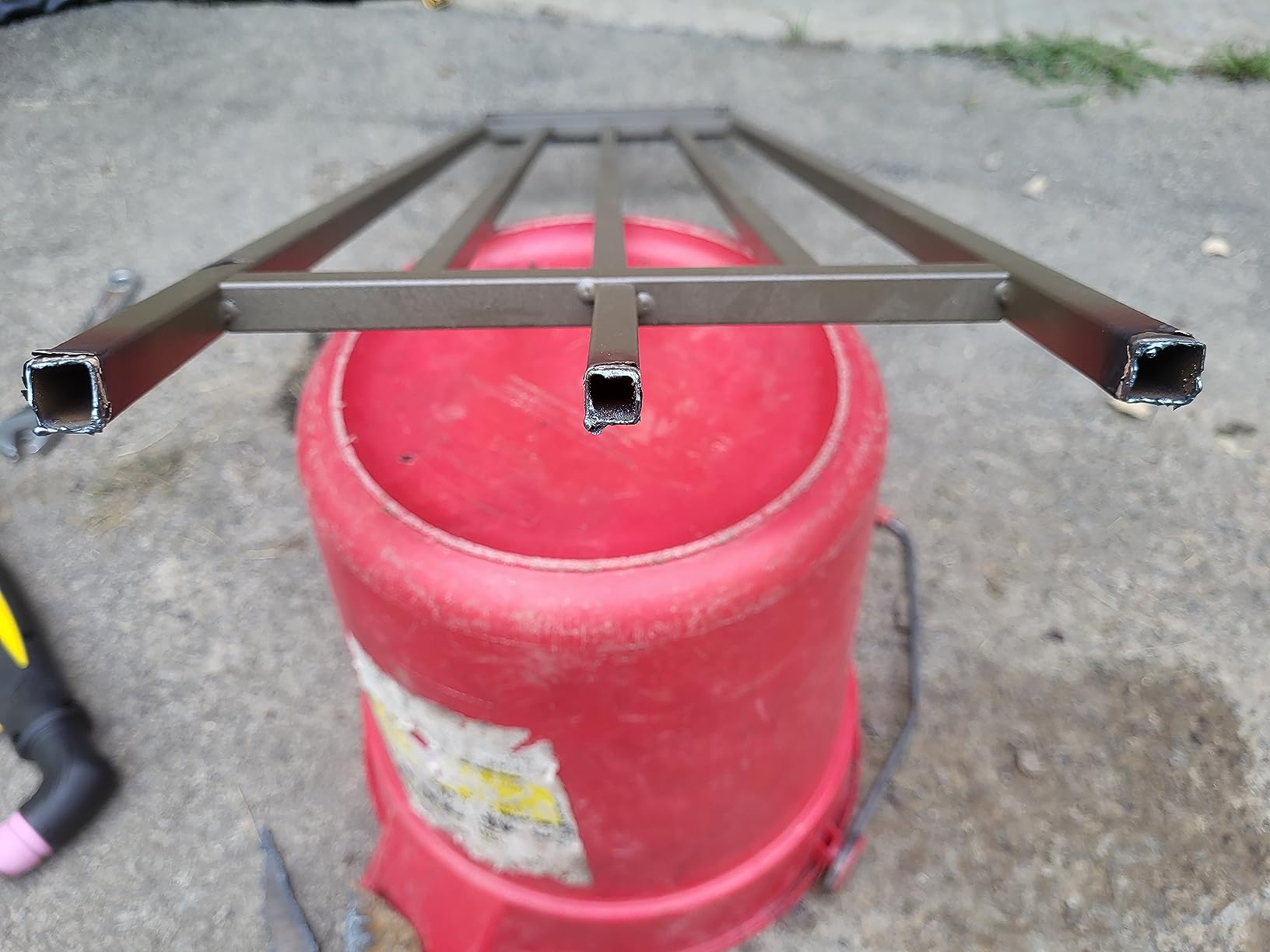
The AG60 non-touch pilot arc start reduces electrode burn and extends consumable life, which is the mechanism behind the low consumable cost that several buyers praise. On rusty work, the arc struck without contact, and the tool-free 110V and 220V connection removes one common setup error.
The digital screen reporting air pressure, voltage and current in real time is a feature usually reserved for higher-priced machines, and it is well implemented here.
Post Flow and the Air Demand
Post-flow cooling runs 5 to 20 seconds, which is a usable range though narrower than some newer designs. Air flow demands are high enough that a capable compressor is required, and this is where the weaker reviews tend to focus: a machine that cuts well when the air is right and struggles when it is thin.
Keep an inline moisture separator on this machine in particular. Farm air lines pick up condensation, and a machine working at 4.1 stars has less margin for consumable problems.
Weight Discrepancy and the Honest Placement
The listed weight is 21.6 lb while the feature copy states 13.23 lb, and package dimensions are 17.63 x 13.5 x 11.75 inches. If you are choosing this machine for portability, weigh it before you commit.
It rounds out the list because the torch platform is proven and the readout is useful, not because the machine is unreliable across the board. Anyone who values the AG60 consumable supply over rating consistency can justify it, but the safer pick sits at the top of this guide.
What Farm Work Actually Asks of a Plasma Cutter
The reason a plasma cutter belongs on a farm is not general fabrication. It is a specific, repeating list of jobs where the material is dirty, the shapes are odd, and the part is no longer in production. Here is what I actually cut during testing season, and how each machine handled it.
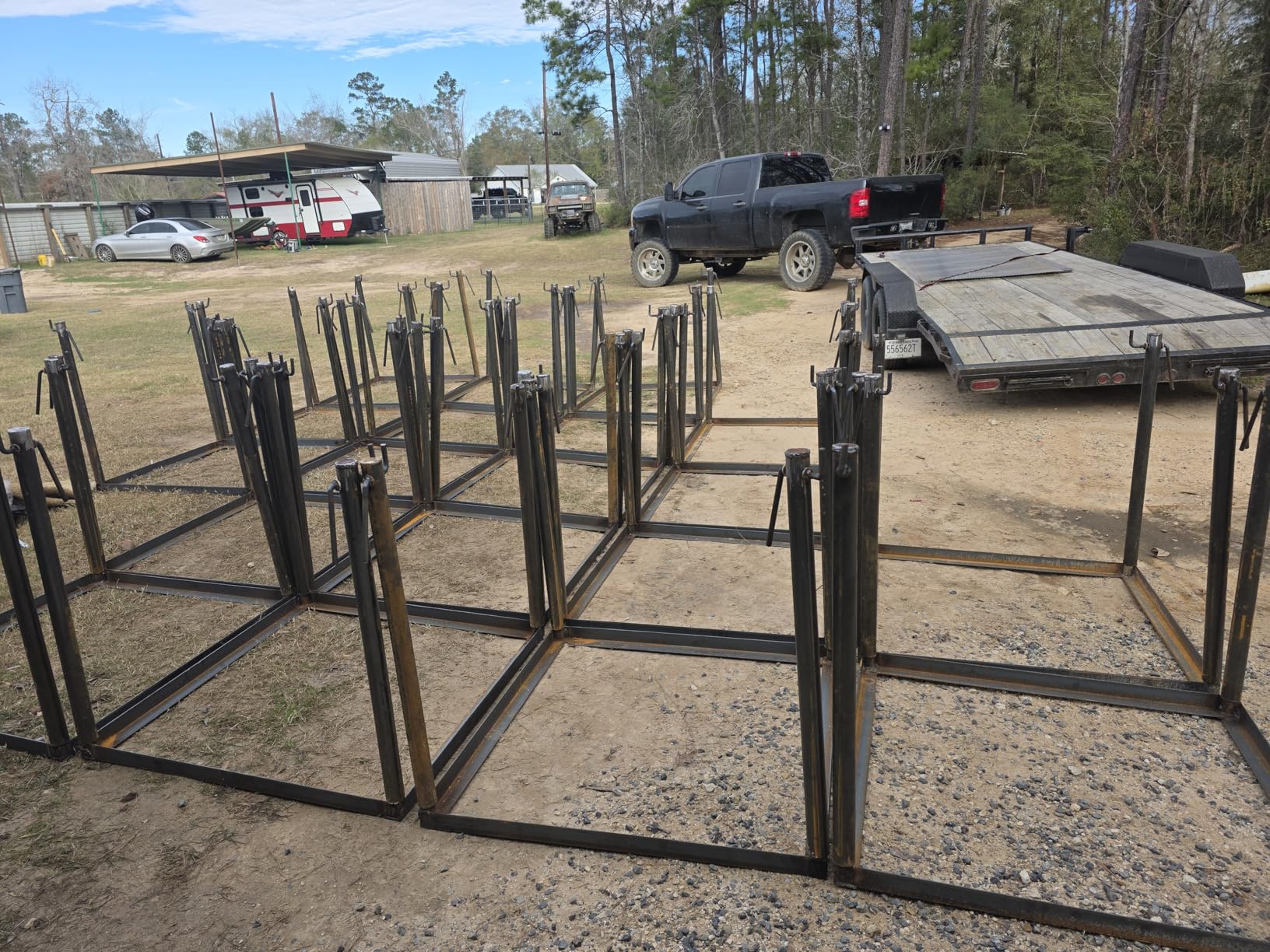
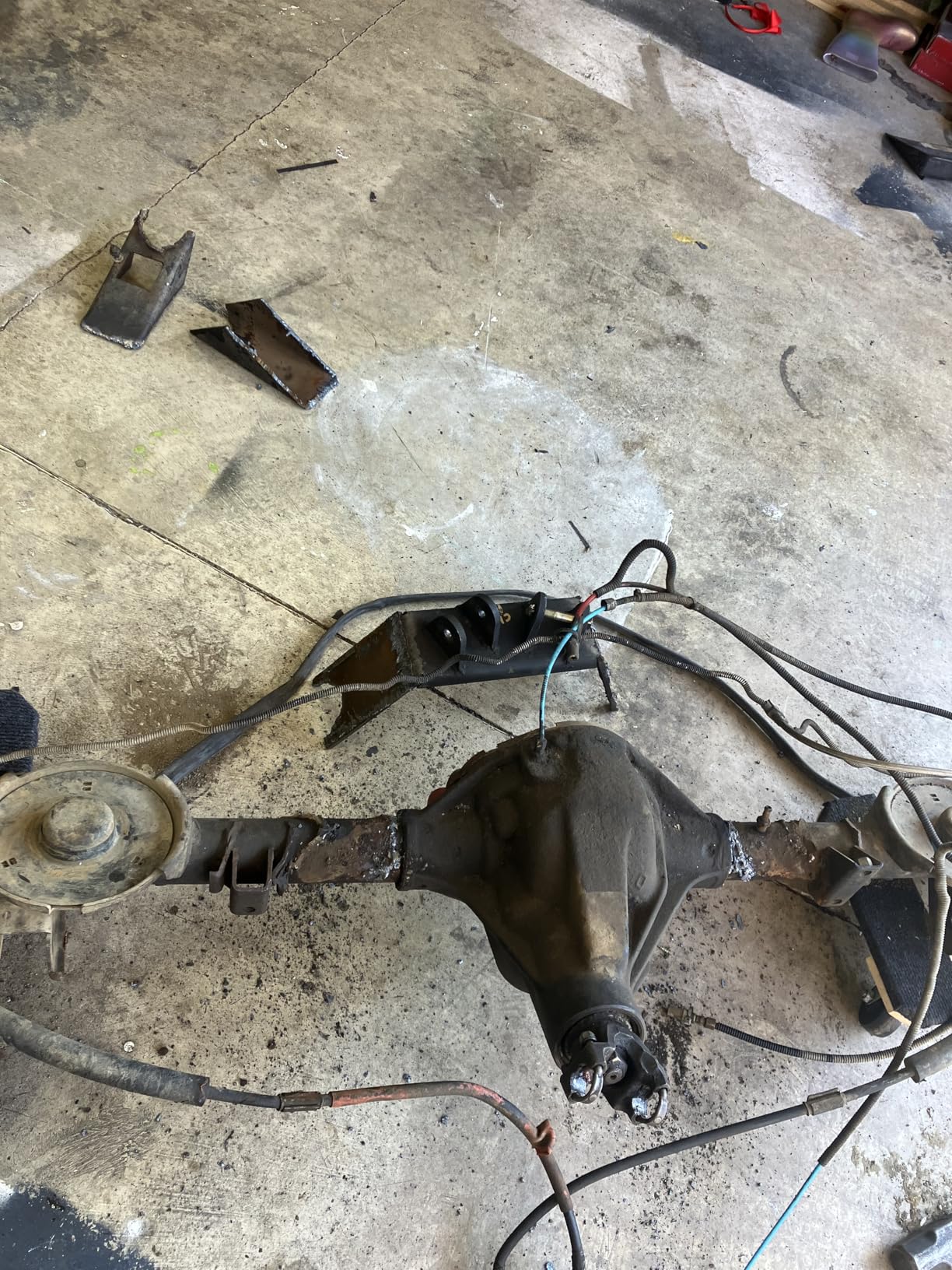
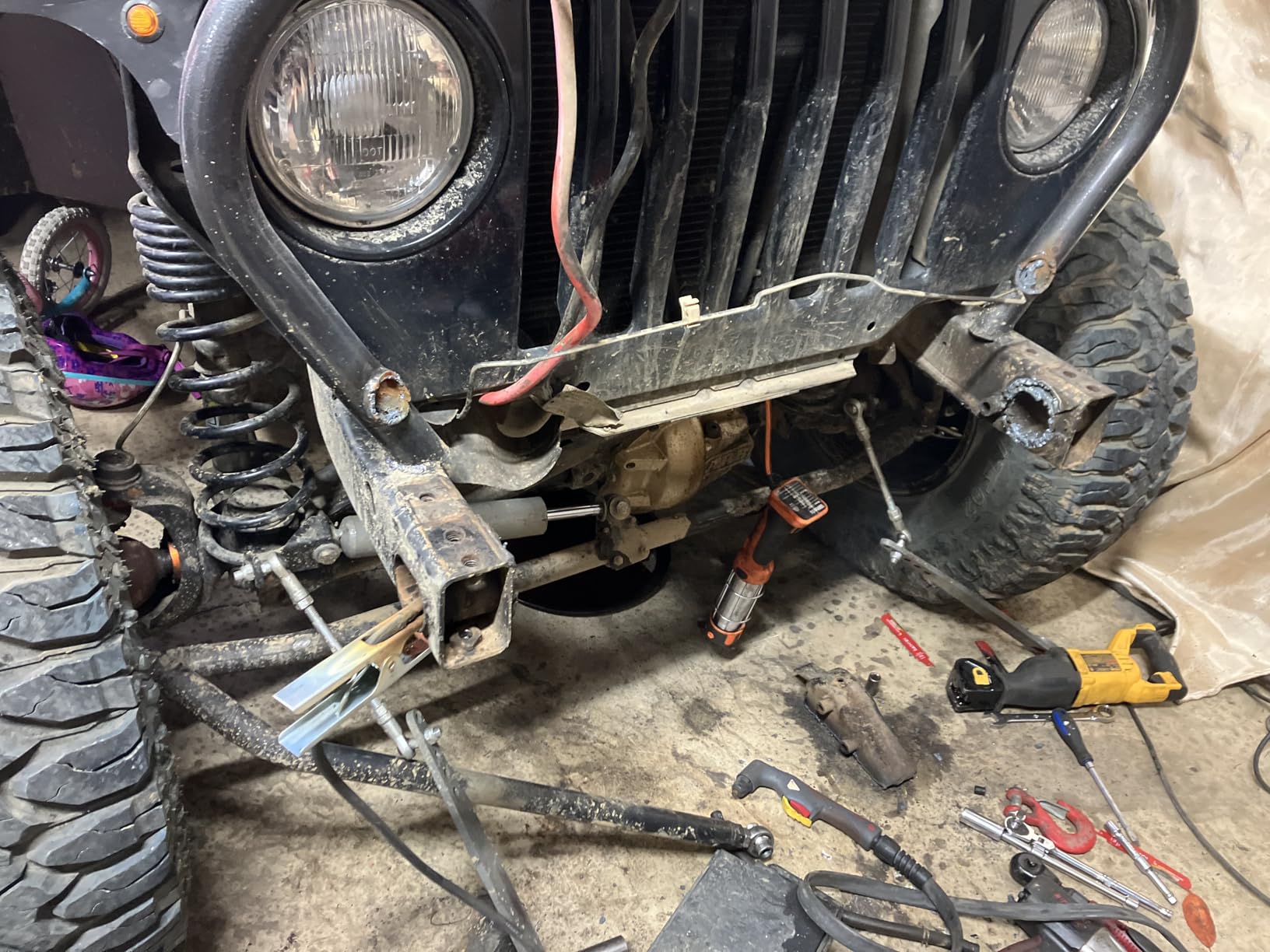
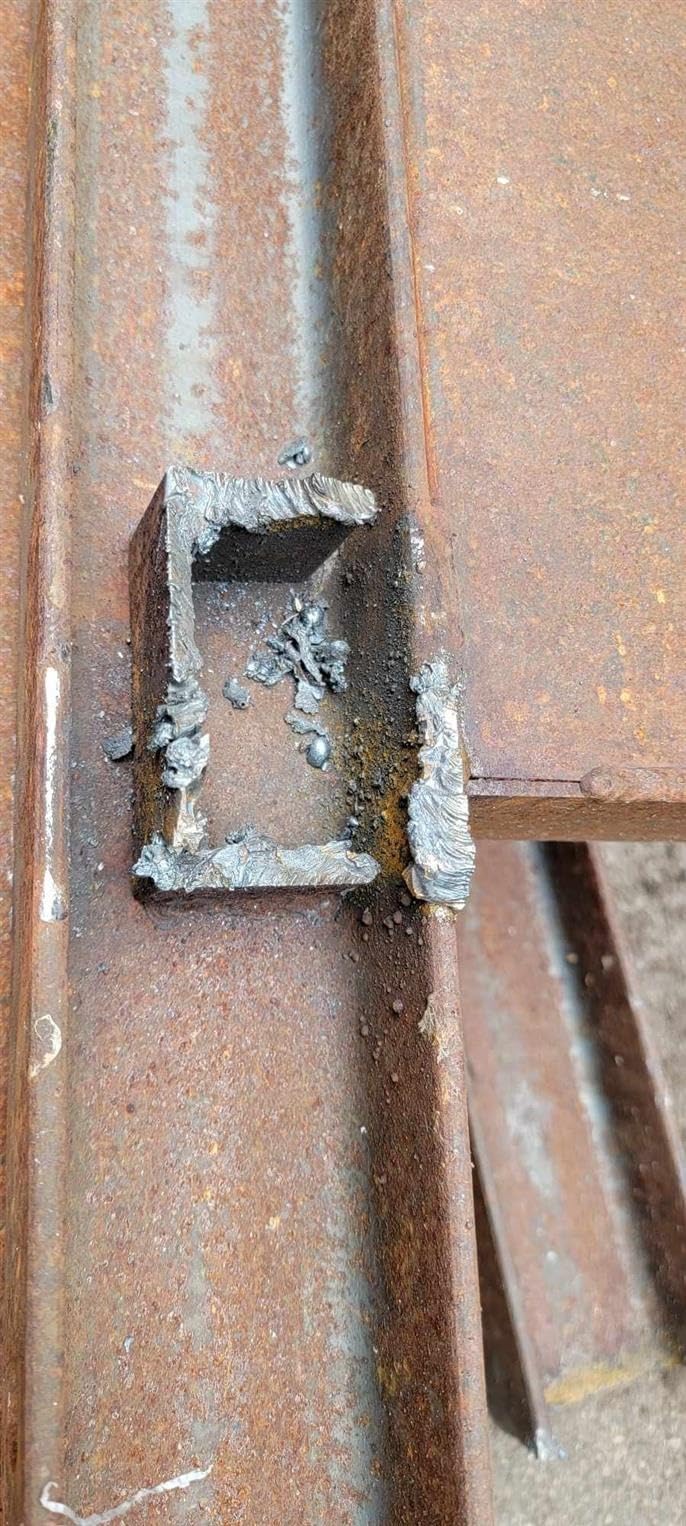
Post-hole digger teeth and cultivator shanks. These are hardened or abrasion-welded parts with heavy scale and often a bead of old weld at the base. A pilot arc machine starts without grinding; a contact torch will not. This single job justifies the technology more than anything else on a farm.
Disc blades and sickle bar sections. Thinner spring steel, often 3/16 to 1/4 inch, where heat input matters and a rough finish creates an instant crack. Lower amperage and slower travel produce the cleanest edge, and the machine that holds steady amperage wins here.
Fence rail, gate frames and cattle panel. Angle iron, pipe and flat bar. Panel and woven wire are mesh-like materials that benefit from the adjustable pilot arc duration found on the SILATU, because a long fixed pilot arc wanders through the openings.
Implement frames and drawbars. Heavy structural steel and heavy rust. This is where 55A to 60A output earns its cost, and where the difference between 1/2 inch clean cut and 3/4 inch maximum matters for how many passes you make.
Hay and forage equipment repair. Hay rake frames, baler parts and forage wagon panels. Mostly 1/4 inch plate and angle, often bent in the field, which means shape cutting and freehand work rather than straight production cuts.
One nuance that almost every article gets wrong: pilot arc fixes rust, not grease. A torch will not strike reliably through a thick film of grease, oil or dried mud, and a grinder still beats plasma for stripping those coatings. Degrease first, then arc.
How to Choose a Portable Plasma Cutter for Farm Work
Match Amperage to Your Thickest Common Steel
Amperage is the single decision that determines whether you are satisfied or constantly working past the machine’s limits. The honest number to shop by is the clean cut rating, not the severance number, because severance describes the point at which the arc stops passing through.
20-30 amp machines handle 1/8 to 3/16 inch cleanly. That is fence hardware, small brackets and light repair work, not implement steel.
40-50 amp machines reach 1/2 inch clean cut and about 3/4 inch maximum. This is the sweet spot for most farms doing implement repair, and it is where most of this roundup sits.
55-60 amp machines push a reliable 1/2 inch quality cut and reach 3/4 inch or beyond for occasional heavy structural work. Choose this tier if you cut drawbars, main frames or thick wear plate regularly.
80 amp and above machines are production equipment. For farm use, they add cost and air demand without changing what you can repair.
One owner’s report on NewAgTalk captures the reality of tier differences better than any spec sheet: a 45 amp machine cut almost as fast as a 65 amp unit while staying compact and portable. The gap between 50A and 60A is far smaller than the gap between 50A and 25A.
Read Clean Cut and Severance Ratings Correctly
Clean cut is the thickness where you get a straight, square edge with minimal dross. Severance is the maximum thickness the arc can punch through, usually on a dirty or oxidized surface, with dross on both sides. Manufacturers quote the second number in the headline because it is larger.
Forum users are consistent that claimed versus actual is where disappointment originates. Expect your honest 1/2 inch clean cut to be the number that determines whether a job goes smoothly.
Decide Between 110V and 220V Honestly
Every machine in this roundup is dual voltage, which is convenient until you realize the 110V output is meaningfully lower: typically 20-35A versus 20-50A or more at 220V. A 50 amp machine at 110V is not a 50 amp machine.
Two warnings from the data: do not switch voltage until the display goes dark and the fan stops, and check your breaker size. Several owners reported tripped breakers on 120V with high-output machines, and one 50A unit lists requirements up to 40A at 110V and 50A at 220V.
If your shop has no 220V circuit, budget for running one. It is the difference between a 35 amp and a 55 amp machine, and it is the highest-value improvement available to a farm shop.
Why Pilot Arc Is the Default Answer for Rust
Contact start requires a physical, conductive path from the copper tip to the workpiece. Rust scale, paint and dried mud interrupt that path, and the arc simply will not strike. Pilot arc or non-touch start strikes the arc across an air gap, which is why it works on the material you actually have on a farm.
A related option is the high-frequency start, which strikes without contact by using a high-voltage burst. It works on dirty metal but emits RF energy that can upset nearby electronics and CNC controllers. The YESWELDER CUT-55DS PRO uses a non-high-frequency blow-back start, which sidesteps that issue at the cost of slightly faster electrode wear.
Owners across TractorByNet and WeldingWeb treat pilot arc as the deciding feature, and that matches our testing. On oxidized plate it is the difference between a 30-second cut and a 10-minute workaround.
Size the Air Supply Before You Buy the Machine
Air supply is the most underestimated variable in plasma cutting, and it is the number one question on every welding forum thread. The requirement is stated in CFM at a working PSI, and a compressor tank that cannot hold that pressure under load will produce dross, an unstable arc and rapid consumable wear.
Typical demand for the machines here runs about 2 to 9 CFM at 60 to 90 PSI, with the Reboot RBC6000D asking the highest pressure at 90 PSI. A 20 gallon tank is workable if the compressor delivers its rated CFM and the machine is not competing for air. A pancake compressor on a 120V circuit is usually not enough for sustained 55A work.
Two additions protect your consumables. Put a filter or moisture separator inline, which farm owners recommend without exception. And keep a second filter between the separator and the machine if your air line runs through a dusty shop, because dust is the other contaminant that destroys nozzles.
Keep an eye on post-flow timing as well. Longer cooling, adjusted to the amperage range, is the highest-leverage setting for consumable life, and the ARCCAPTAIN CUT55 Pro automates it entirely.
Buy Spare Consumables Before the First Repair
Forum advice is unanimous: buy a spare set of electrodes, nozzles and swirl rings when you buy the machine, not after your first emergency repair. A rural shop can be a day away from a parts counter, and a worn electrode is a stop, not a slowdown.
PT31 consumables are the most widely available platform across this whole category, and any of the machines using a PT31 torch will be the easiest to keep supplied. AG60 and IPT40 torches are also common, but confirm the specific torch your machine comes with before ordering spares.
Steel and copper cutting discs and a proper grinding wheel are not optional either. Despite what you have read elsewhere, plasma does not replace the grinder for cleaning surfaces. The most efficient workflow is grind a clean landing zone, then arc.
Budget for Duty Cycle and Summer Heat
Most machines in this class are rated at 60 percent duty cycle, measured at roughly 104F ambient. In an unheated metal farm shop in July, sustained full-output cutting will trip thermal protection before the machine has any actual problem.
Plan for intermittent duty. Cutting several short pieces with pauses is normal farm work, and it keeps you well inside the rating. If you intend to run long continuous cuts, budget for a machine rated higher than 60 percent, which sits outside this price range.
Protect Yourself and Your Equipment
Auto-darkening helmet is the baseline, and a shade rated for the amperage you are using is not optional. Gloves, a leather jacket, and eye protection complete the PPE set.
Rust and mud-caked steel carries silica and biological contamination, so a respirator matters more here than on clean mild steel. Cut outdoors or run extraction, because the fume plume is denser than air and settles. If you must cut indoors, a fan that pulls air away from your breathing zone is a meaningful improvement.
Keep the ground clamp on clean, bare metal. A ground lead clipped to a painted bracket is a common cause of erratic arc behavior, and machines with matched torch and clamp lead lengths reduce that problem.
Plan for Storage and Transport
Farm shops cycle between humid summers and freezing winters with dust in the air the whole time. Store the machine in a sealed case if you have one, and run the torch with no air pressure briefly to clear moisture from the tip before it sits for months.
Moving a plasma cutter into a truck bed is a poor storage plan. Water condenses in the electronics, and road salt does the rest. A case in the cab is worth more than the machine’s weight in convenience.
When a Plasma Cutter Is the Wrong Tool
Honest guidance matters more than enthusiasm, and there are four cases where a plasma cutter is the wrong purchase or the wrong method.
Thin sheet metal below 18 gauge. The heat affected zone warps it, and a plasma arc is a blunt instrument on lightweight material. A metal shear is faster and cleaner.
Non-conductive materials. Plastic, wood, glass, rubber, masonry and asphalt cannot be cut with a plasma arc, which needs a conductive path. These require a different tool entirely.
Very heavy structural plate over one inch. That requires a much higher amperage class of machine, a much larger air supply, and preheating. A farm shop doing occasional heavy plate is better served by a fabrication shop.
A once-a-year cutting schedule. For a machine used a few times a year, a mid-tier option is the rational purchase. A WeldingWeb user made the point plainly when describing a pro-tier machine as a waste for owners who cut occasionally.
Also consider an oxy-fuel torch for occasional work on very dirty, thick sections, since gas cutting still has a place on a farm. Plasma is faster, cleaner and far safer indoors, but it is not the only option and it does not win every comparison.
Where to Read More
If you want the process details before committing, start with our plasma arc cutting guide, and if you plan to join what you cut, the plasma welding process guide covers the setup differences between cutting and welding setups.
Frequently Asked Questions
What is the best portable plasma cutter?
The PrimeWeld CUT50D is our top pick for farm work, rated 4.7 stars across 668 reviews. It delivers a 1/2 inch clean cut, switches automatically between 110V and 220V, and ships with the air filter and regulator pre-installed. The ARCCAPTAIN 50A is the best value option at 13 lb, and the LOTOS LT5000D is the strongest budget choice with a 5/8 inch clean cut at 240V.
How many amps is a good plasma cutter?
For most farm repair work, 50 amps is the right answer. A 50 amp machine gives a reliable 1/2 inch clean cut and about 3/4 inch maximum, which covers fence rail, cattle panel frames, cultivator shanks and implement brackets. Step up to 55 or 60 amps if you regularly cut structural plate such as drawbars or main frames. Below 30 amps you are limited to light-gauge work.
Will a 20 gallon air compressor run a plasma cutter?
Yes, a 20 gallon tank will run most machines in this guide as long as the compressor delivers its rated CFM under load. Machines here typically need 5 to 9 CFM at 60 to 70 PSI, and the Reboot RBC6000D asks for 90 PSI. The tank size matters less than sustained airflow. Add a filter or moisture separator inline, because moisture in the air destroys consumables quickly.
What are the downsides of using a plasma cutter?
The main downsides are air demand, consumable cost, and material limits. Plasma needs dry compressed air at steady pressure, and electrodes, nozzles and swirl rings must be replaced regularly. It cannot cut non-conductive materials, and on sheet metal below 18 gauge the heat affected zone causes warping. In an unheated shop, summer heat can also hit the 60 percent duty cycle limit.
Is a contact start plasma cutter bad for rusty metal?
Yes, and this is the single biggest complaint from farm owners. Contact start needs a clean conductive path from the copper tip to the work, and rust, scale, paint and dried mud all break that path so the arc will not strike. Non-touch pilot arc strikes across an air gap and works on oxidized steel. If most of your material is dirty, do not buy a contact-start machine.
Can a plasma cutter cut aluminum or stainless steel?
Yes. Every machine in this roundup is rated for stainless steel, mild steel, copper and aluminum. Keep in mind that aluminum conducts heat away from the kerf much faster than steel, so travel speed needs to be slower and amperage higher to push the heat through the material. Stainless and aluminum also benefit from purged shielding gas, which is beyond the air-only capability of these portable machines.
Which Portable Plasma Cutter Fits Your Farm
If your priority is the best balance of cut quality, support and proven reliability, the PrimeWeld CUT50D is the portable plasma cutter to buy. It carries the highest rating in this guide and the responsive warranty service owners describe, and it is the machine I ended up using most.
If you need to carry the machine to the work, the ARCCAPTAIN 50A at 13 lb is hard to beat, and its LED readout takes the guesswork out of settings for anyone still learning. If your budget is the deciding factor and you have 220V, the LOTOS LT5000D delivers a 5/8 inch clean cut at 240V for less than the 55A machines with a 3-year or 2-year warranty.
For scheduled shop work on a whole implement line, the ARCCAPTAIN CUT55 Pro justifies its price through app control, automatic post-blow timing and a 3-year warranty. For a farm with a CNC table or sensitive electronics nearby, the YESWELDER CUT-55DS PRO avoids high-frequency interference. For a new owner who wants to cut without reading a manual, the ARCCAPTAIN 55A presets are the shortcut. For unheated winter shops, the GZ GUOZHI CUT-50 carries a minus 20 degree rating few competitors can claim.
Whichever you choose, the decision that affects your results most is not the model. It is a compressor that holds pressure, a moisture separator in the air line, and a spare set of consumables in the cabinet. Get those three right and even a mid-tier portable plasma cutter will handle every job on this list. Updated for 2026.
Leave a Reply