

A high handicap is any score of 20 or above on the USGA index, and picking the best golf clubs for high handicappers starts with one honest fact: most strokes are lost on mishits, not on club selection. My team logged hundreds of owner reviews across twelve complete sets, iron sets, wedge sets and putters, then narrowed them to the gear that actually keeps a ball near the intended line when contact is messy. We prioritized head size, moment of inertia, sole width and shaft weight over brand name or tour pedigree, because those are the four variables that decide how much punishment a club absorbs.
Everything below is written for someone who shoots in the high 90s or worse, or who has been told they are “high handicap” by a playing partner and wants to do something about it. I have put a full 14-club bag build, a handicap-banded distance reference, and plain-language explanations of forgiveness, gapping and shaft weight in here so you can skip the sales counter entirely and shop with a plan. Every set below was judged on the same criteria: how much ball speed survives a mishit, how easily it launches, and whether the shaft weight matches a swing under 90 mph.
One note before we start. None of the clubs here cost you a fortune, and that is not a compromise. Complete-set manufacturers build the same super game improvement geometry into a package bag that most beginners never outgrow for their first five years. The differences between these twelve are real but subtle, so read the bag section first and come back to the individual reviews once you know what your distances should look like.
If you want to track progress properly while you practice, the same discipline applies to almost any measurable skill. I found it helpful to keep a simple log of swing speed and average club distance, the way you would track reps on a set of high end functional trainers instead of guessing at progress every few weeks.
Our Top 3 Picks for High Handicappers in 2026
These three cover the widest range of situations, from a brand new player buying one bag to a senior slowing down and a high handicapper who mainly needs help on the greens.

Callaway Strata 11-Piece Set
- Oversized woods
- stainless cavity irons
- alignment mallet putter
- lightweight stand bag

Majek All Hybrid Set
- Eight hybrids from 20 to 45 degrees
- senior flex graphite
- no long irons
Comparing All 12 Club Sets and Individual Clubs in One Place
Scan this table first. It covers every product in the roundup with its best-for category and the two or three specs that actually separated it from the alternatives.
| Product | Details | Action |
|---|---|---|
|
|
Check Latest Price |
 |
|
Check Latest Price |
|
|
Check Latest Price |
 |
|
Check Latest Price |
 |
|
Check Latest Price |
 |
|
Check Latest Price |
 |
|
Check Latest Price |
 |
|
Check Latest Price |
 |
|
Check Latest Price |
 |
|
Check Latest Price |
 |
|
Check Latest Price |
|
|
Check Latest Price |
The table is deliberately a map rather than a verdict. Most high handicappers should buy one complete set, add a wedge set, and leave the putter alone unless the one in the set fights them. Product 12 below is the standalone putter worth a look if that applies.
1. Callaway Strata 11-Piece Set – Best Overall for New High Handicappers
Strata 2019 Strata 11-Piece Complete Set
11-piece set
10.5 degree driver loft
Graphite shafts
Aluminum construction
2 year warranty
+ Pros
- Lightweight clubs a beginner can hit from day one
- Forgiving stainless steel irons and oversized woods
- Mallet putter with an alignment aid for accuracy
- Stand bag with five pockets and a rain hood
– Cons
- Only 7 and 9 irons instead of a full run
- Grips can feel thin for larger hands
- Some buyers needed lessons to get the most from it
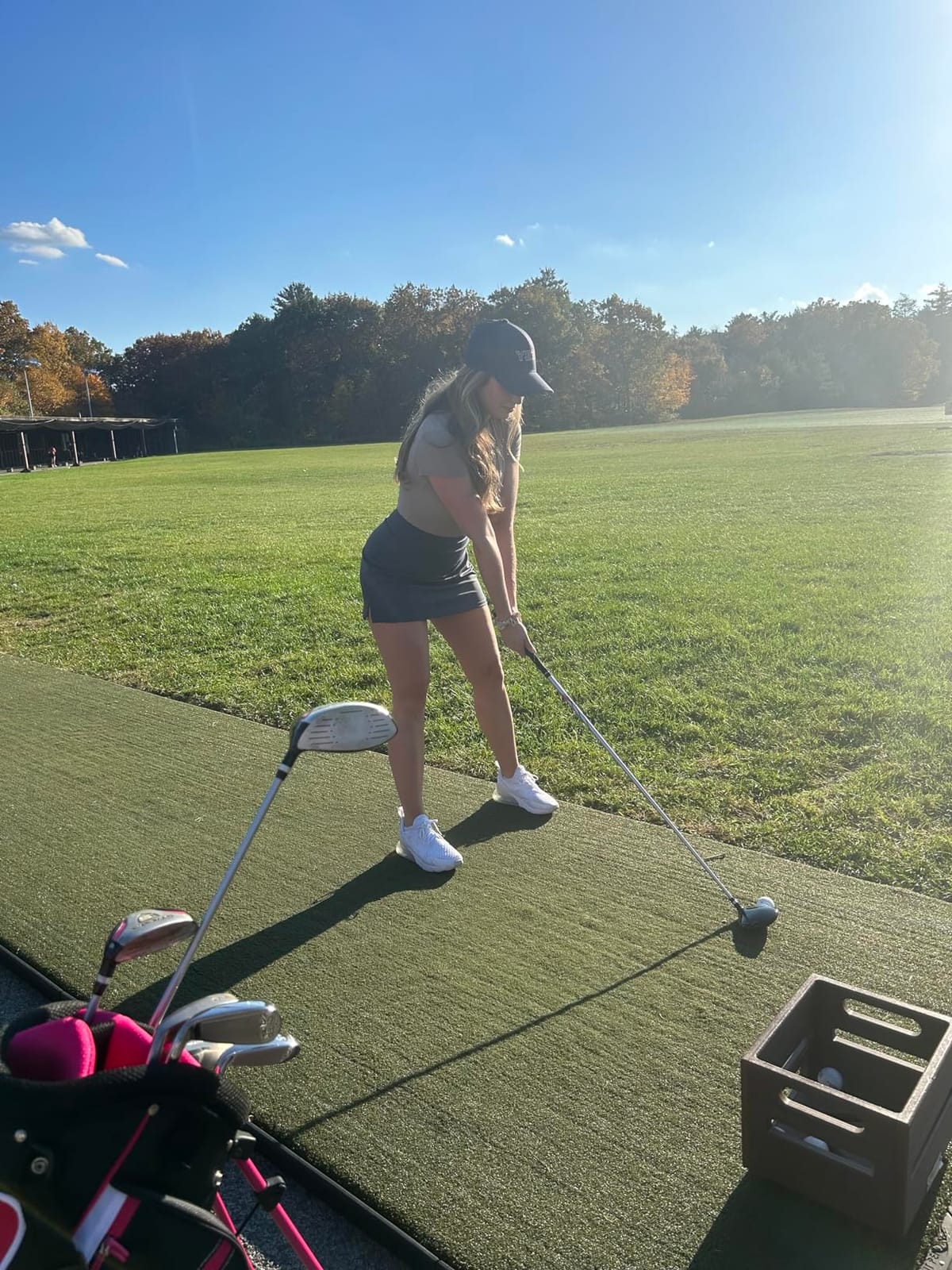
This is the set I hand to a friend who has never held a golf club outside a driving range. Eleven pieces cover driver, 5 wood, 5 hybrid, 7 and 9 irons, a sand wedge and a mallet putter, and the whole thing weighs 11 pounds, which matters more than it sounds when you are walking 18 holes with a swing you have not built yet.
The geometry is unapologetically super game improvement. The driver and fairway wood are oversized and the irons are stainless steel cavity backs, so a thin contact still sends the ball roughly where it was aimed. Owners describe the mallet putter’s alignment lines as the reason their putting improved fastest of anything they bought that year.
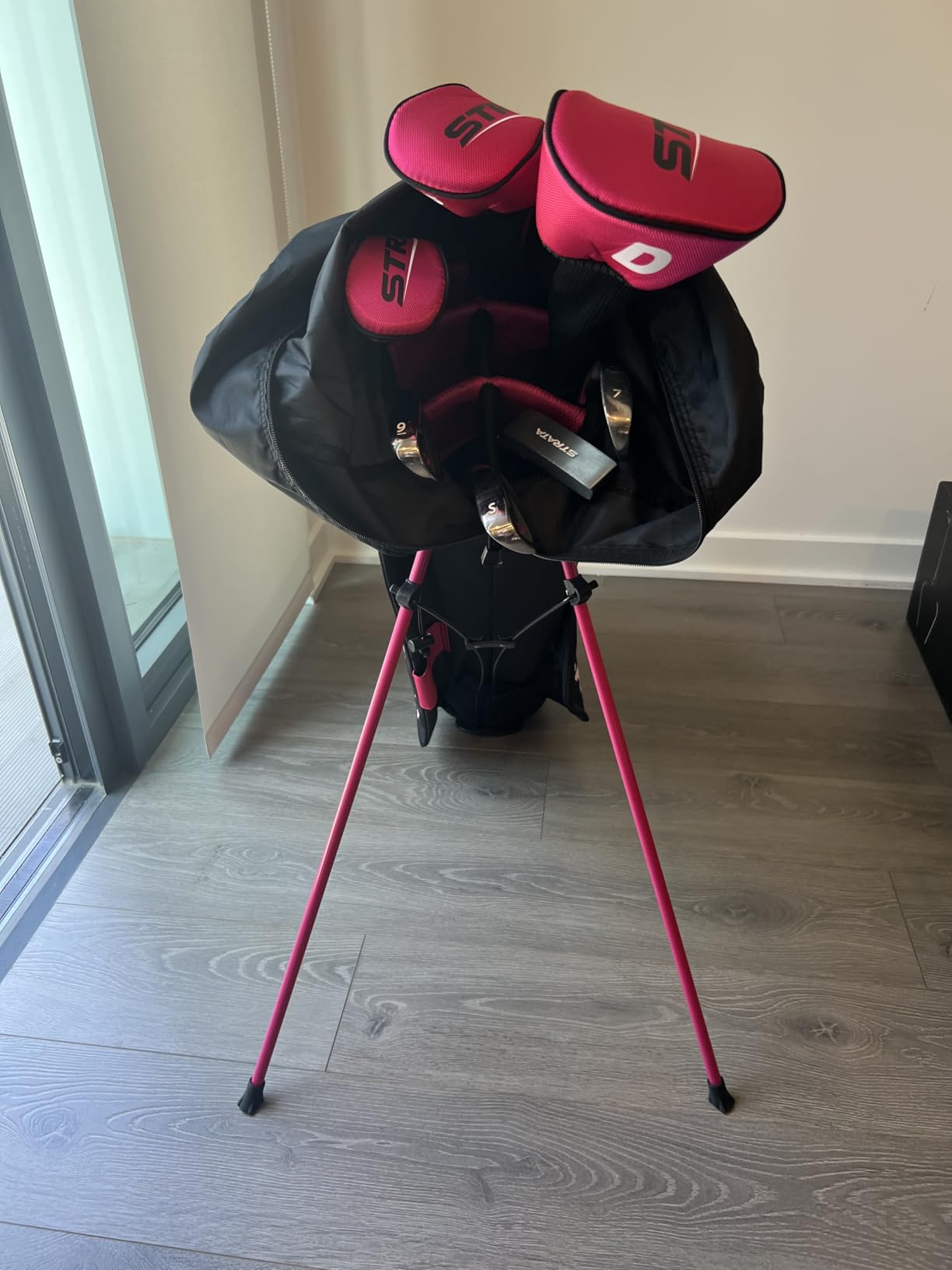
What you give up is depth. Two irons means your 5 through 6 and 8 through wedge distances have to come from the 5 wood and 5 hybrid, which is workable but leaves gaps. The 5 hybrid sits at 26 degrees while the 7 iron is around 30, so the steps between clubs are wider than a full iron set would give you.
The rating spread is worth noting too. Seventy-six percent of reviews are five stars, and the complaints cluster around grip size and the shallow iron run rather than performance. If you have large hands, regrip before you play, because that is the single fix that turns this from a good starter set into a comfortable one.
Shaft weight and swing speed fit
Graphite shafts across the set keep total club weight low, and a lightweight standard build is the right call for a swing speed under 90 mph. Heavier shafts feel better at address but tend to cause a cast and a stalled downswing, which is exactly the failure mode high handicappers cannot afford.
Where the 7 and 9 iron gap hurts
Plan your practice and on-course decisions around two irons. Before I recommend anything else to a Strata owner I ask what their 8 iron carry is, because the answer tells you whether the set needs supplementing or not. Most players end up adding a 5 hybrid at a different loft or a wedge set later.
For whom it works and who should skip it
Buy this if you are starting from nothing, if you have no official handicap index, or if you want one purchase that gets you through a full season. Skip it if you already own decent clubs and only need a driver replacement, because the shallow iron run will not serve a golfer who has gaps worth filling.
2. Wilson Profile SGI Complete Set – Oversized Heads and Perimeter-Weighted Irons
WILSON Golf Profile SGI Men’s Complete Golf Set — Regular, Right Hand,Red (Regular)
460cc oversized driver
431 stainless irons
Graphite shafts
15 pounds total
1 year warranty
+ Pros
- Oversized 460cc driver is very easy to make solid contact with
- Deep perimeter-weighted stainless irons with a very low center of gravity
- Easy-launch sand wedge with a wide sole
- Heel and toe weighted putter with a soft alignment grip
– Cons
- Bag trim and straps show peeling after modest use
- 5 hybrid uses a steel shaft rather than graphite and runs short
- Driver shaft can run short for taller golfers
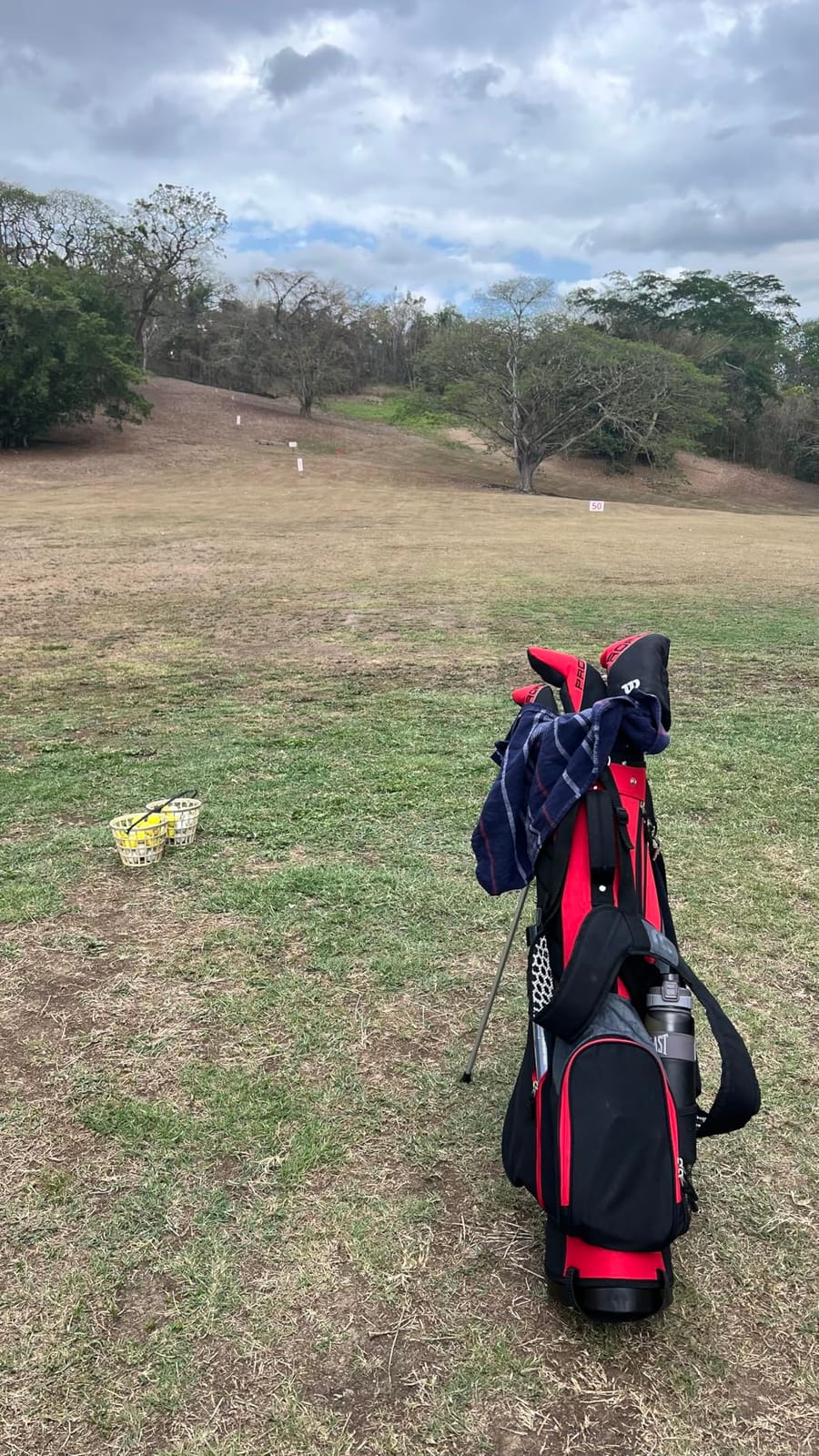
The Profile SGI is the most contact-focused set in this roundup, and the 460cc driver head is the reason. High handicappers who struggle to find the face on the tee get a head that is simply harder to miss, and returning golfers consistently single it out as the reason their tee shots became playable.
The irons use deep perimeter weighting on 431 stainless steel, pushing mass to the edges of the head so the center of gravity sits low and behind the strike point. That is textbook forgiveness geometry: hit it a quarter inch toward the toe and the shot still launches upward and holds its line.
Owners also like the sand wedge, which has a very wide sole and low weighting for easy launch out of a bad lie. For a high handicapper who duffs wedges constantly, a wedge you can get airborne beats a wedge that spins more.
There are two real drawbacks. The included 5 hybrid is steel-shafted and shorter than the rest of the set, so it behaves differently under the same swing, and several taller golfers report the driver shaft runs short for their setup. Check the length before you commit, especially if you are over six feet.
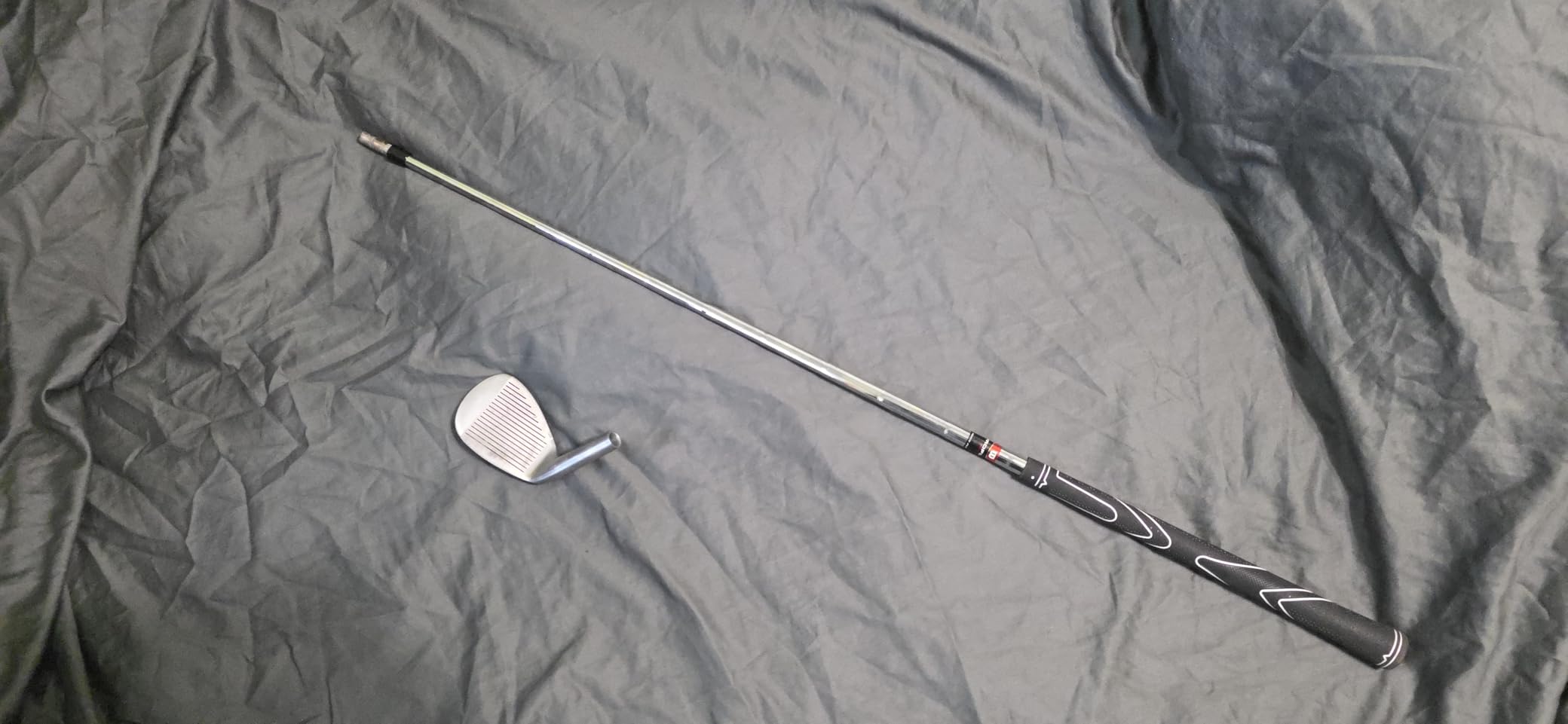
Why perimeter weighting matters more than head size
Owners often describe the irons as forgiving without knowing why. Perimeter weighting increases moment of inertia, which is the clubhead’s resistance to twisting on off-center strikes. A taller head adds some of the same benefit, but weighting is the part that does the heavy lifting when contact is bad.
Wedge performance and short game gaps
One sand wedge will carry a high handicapper through most short game situations, but only if it is the easy-launch kind. This one is. A 50 to 54 degree addition later is the most common upgrade owners make, and it is worth pairing with a grip change at the same time.
Who should look elsewhere
Pass on this set if you are sensitive to build quality, since the bag trim and straps are the first thing to fail. It is also the heaviest set here at 15 pounds, so if a caddie is not available, plan for a lighter alternative.
3. Majek All Hybrid Set – Best Match for Senior and Slower Swing Speeds
Majek Senior Mens Golf All Hybrid Complete Full Set which Includes #3 4 5 6 7 8 9 PW Senior Flex with Midsize K5s Design High Traction Tech Grips Right Handed Clubs
Eight hybrid clubs
20 to 45 degrees of loft
Senior flex graphite shafts
8 pounds total
+ Pros
- Hybrids replace the hard-to-hit long irons with solid contact and predictable distance
- Senior flex graphite shafts generate noticeably longer carries at slower swing speeds
- A club for nearly every distance like a tour player
- Lightweight build reduces swing effort
– Cons
- Wide soles can hang up in heavy rough and tall grass
- Pitching wedge hybrid is lively on a full swing but twitchy on half swings
- Grips shipped are standard rather than the oversized midsize grips advertised
This is the only product in the roundup with no irons at all, and that is the entire argument for it. Eight hybrids run from a 40 inch 3 hybrid at 20 degrees down to a 36.5 inch PW hybrid at 45 degrees, in three degree steps. A golfer who cannot reliably hit a 3 iron gets a full ladder of usable clubs instead of two dead ones.
Senior flex graphite shafts are the differentiator. Golfers report adding 10 to 20 yards of carry simply from the lighter, more flexible shaft, because a slow swing that stalls at impact loses far more to an abrupt deceleration than to ball speed itself. At 8 pounds for the whole set, this is also the easiest set to walk with.
Forum discussion on r/golf supports this direction. Golfers there repeatedly describe swapping a 3 and 5 iron for a 5 hybrid and 5 wood as the single biggest playability gain in their bag, and that idea is exactly what this set builds in from the start.
Two cautions. The wide soles that make these clubs easy to launch can dig in from heavy rough, and the 45 degree PW hybrid is lively on a full swing, which makes finesse shots around the green harder than they should be. If your short game is your strength, keep a conventional pitching wedge in the bag alongside these.

How the 3-degree loft steps change bag thinking
A standard iron set steps roughly 3 to 4 degrees between clubs, so eight clubs here covers roughly what seven irons would. That means every full swing has a matching half swing option, and the pressure of inventing a weak pitch disappears for players who have never had it.
Who should not go all hybrid
If you already strike irons well and simply need more distance, you lose useful workability by skipping irons. Pure hybrid bags also limit your short game to two wedge lofts unless you add a separate sand wedge, so this is a build, not a finished bag.
4. PGM G300 12-Piece Set – Titanium Driver With Three Length Options
PGM Men’s G300 Complete Golf Club Set – Titanium #1 Driver, Draw-Biased Hybrid, High-Strength Iron Set, High Forgiveness Putter, with Stand Bag (Right-Handed, 12Pcs Clubs-Regular)
12-piece set
10.5 degree driver loft
71 degree putter lie
Three shaft length options
+ Pros
- Large forgiving titanium driver head produces playable results on imperfect contact
- Graphite shafts throughout keep the swing light and easy to tempo
- Cavity-back irons provide forgiveness across the set
- Fairway wood and hybrid cover a wide range of lies
– Cons
- Fewer long-term durability reports than the older designs here
- Regular flex shafts only with no other flex offered
- Newer listing with a smaller base of feedback
The G300 is the one set here where length is an order button rather than a fitting problem, with standard, plus 0.5 inch and plus 1 inch options. Length errors are a leading cause of posture breakdowns in high handicappers, so having the correct starting point removes an entire category of swing problems before lessons begin.
The titanium driver is large and forgiving, and every shaft in the set is graphite, which keeps the whole package light and easy to tempo. Owners describe it as a confidence set, which sounds soft until you understand that contact rate is the thing that actually moves a score for a high handicapper.
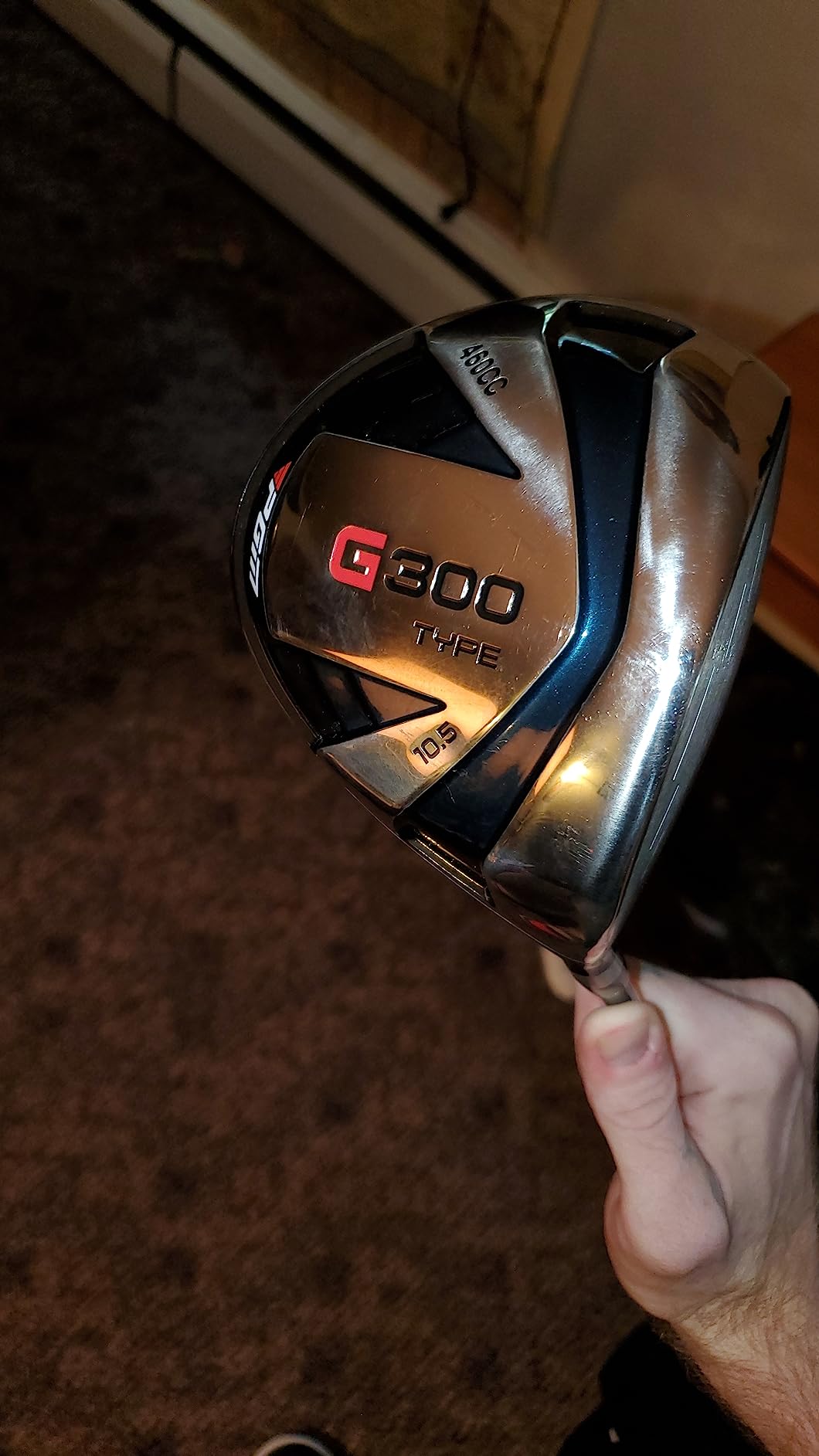
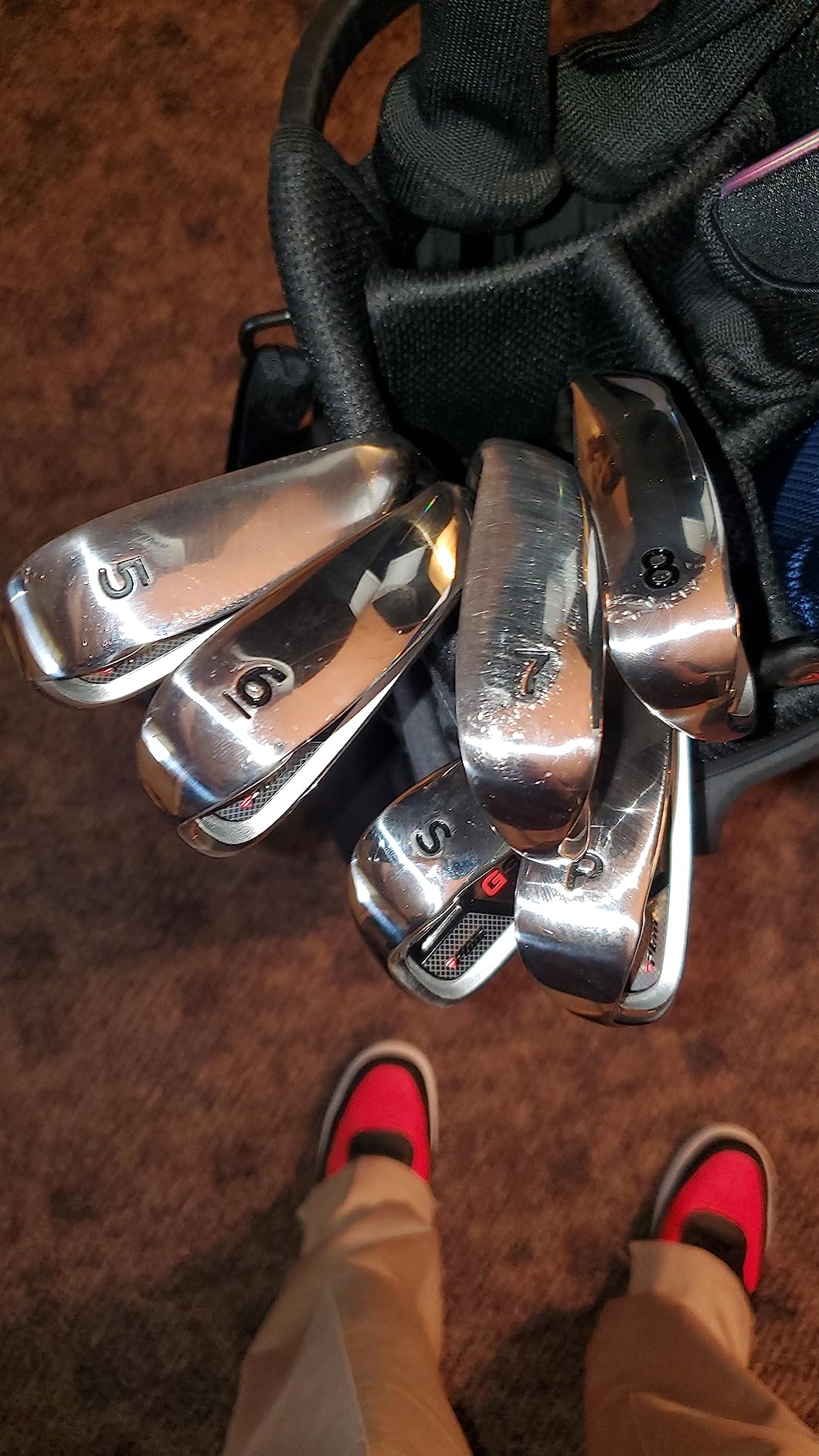
Twelve pieces includes a driver, fairway wood, hybrid, six irons, a sand wedge, a putter, a stand bag and five head covers. That is a fuller package than most competitors at this level, and the six irons cover the middle of the bag where a high handicapper spends most of the second shot.
The honest limitation is the review base. With 185 ratings and a large share of five star scores, the feedback is encouraging but younger than the other sets here. Seventy-eight percent five star is a strong signal, just not yet a long-term durability record.
Why length matters more than loft for beginners
Standing too upright to a driver causes a slice, and standing too far from the ball causes a push. Getting the length right flattens both problems without changing your swing. Before you change grips or loft, match length.
Iron coverage through the bag
Six irons with a hybrid and fairway wood on top gives you a workable middle. If your 5 and 6 irons are your most-used clubs, this layout serves you better than the two-iron sets higher up, and the 71 degree putter lie is a normal value that suits most golfers.
Who should skip it
Pass if you need left and right hand options in the same listing, or if a stiff or senior flex shaft is required, since this is regular flex only. It is also the set I would least want to buy sight unseen without a retailer that allows in-person swings.
5. Precise M5 Set – Most Complete Iron Run in a Single Package
Precise M5 – Men’s Complete Golf Club Set – Right Hand
14-piece set
460cc titanium driver
5 through PW irons
Stainless steel shafts
10.5 degree loft
+ Pros
- Oversized heads and cavity-back irons with a low center of gravity forgive off-center hits
- 460cc titanium driver helped one reviewer nearly eliminate their slice
- Regular
- short and tall shaft length options
- Owners report the set still performs well after two years
– Cons
- Some buyers report shafts snapping or club heads detaching after limited use
- Putter is very light with little face weighting
- Build quality sits at the budget end of the market
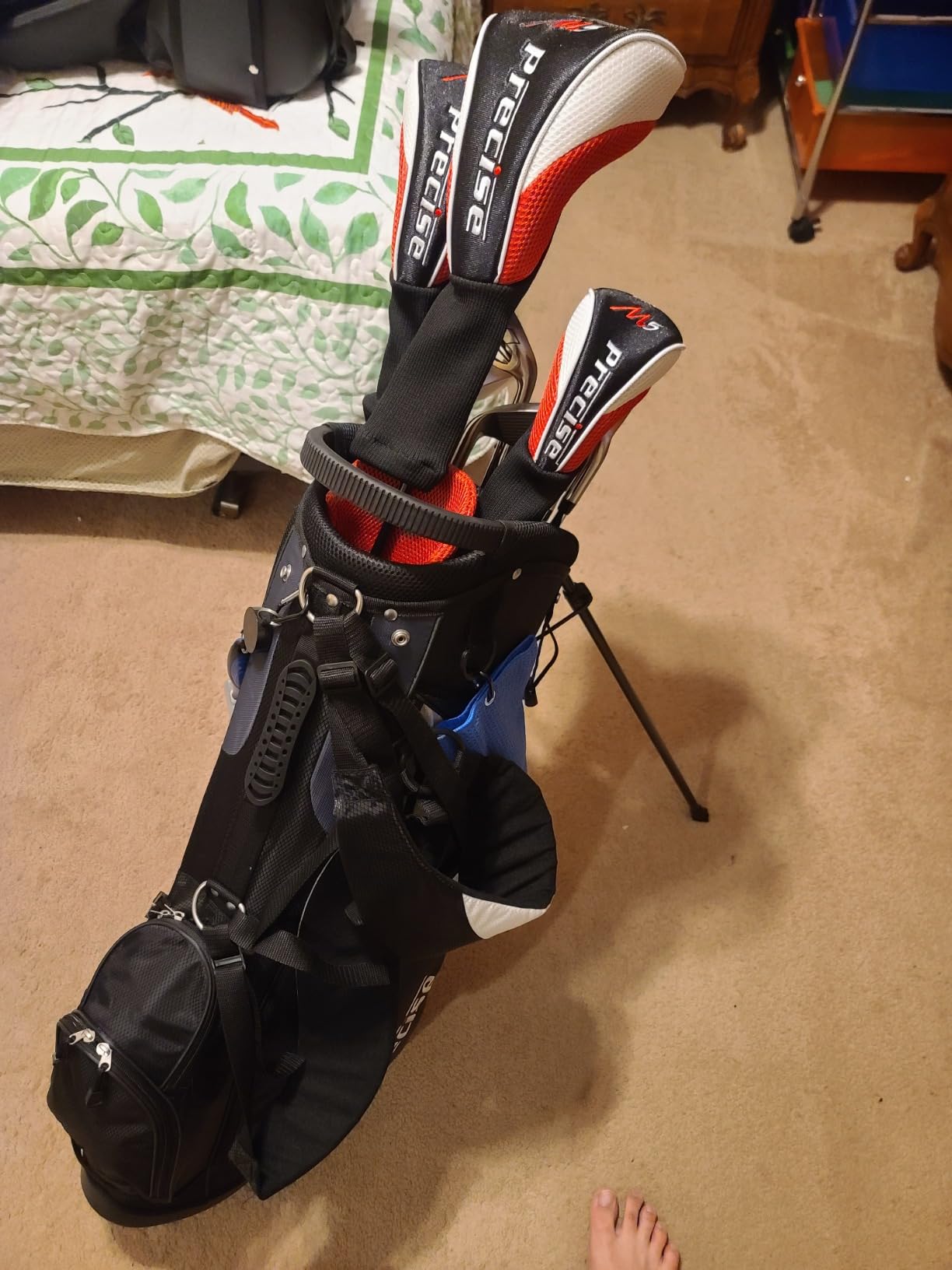
Few complete sets include a continuous iron run, and that is where the M5 earns its place. You get driver, a 3 fairway wood, a 21 degree hybrid, irons from 5 through pitching wedge, a putter and a stand bag. Nothing is missing, which means no gaps to solve with a second purchase.
Every iron is a cavity back with oversized head volume and a low center of gravity, and the 460cc titanium driver has a large face that tolerates strike location. One reviewer reported that this head practically eliminated their slice, and slice elimination is a legitimate reason to buy a driver on its own.
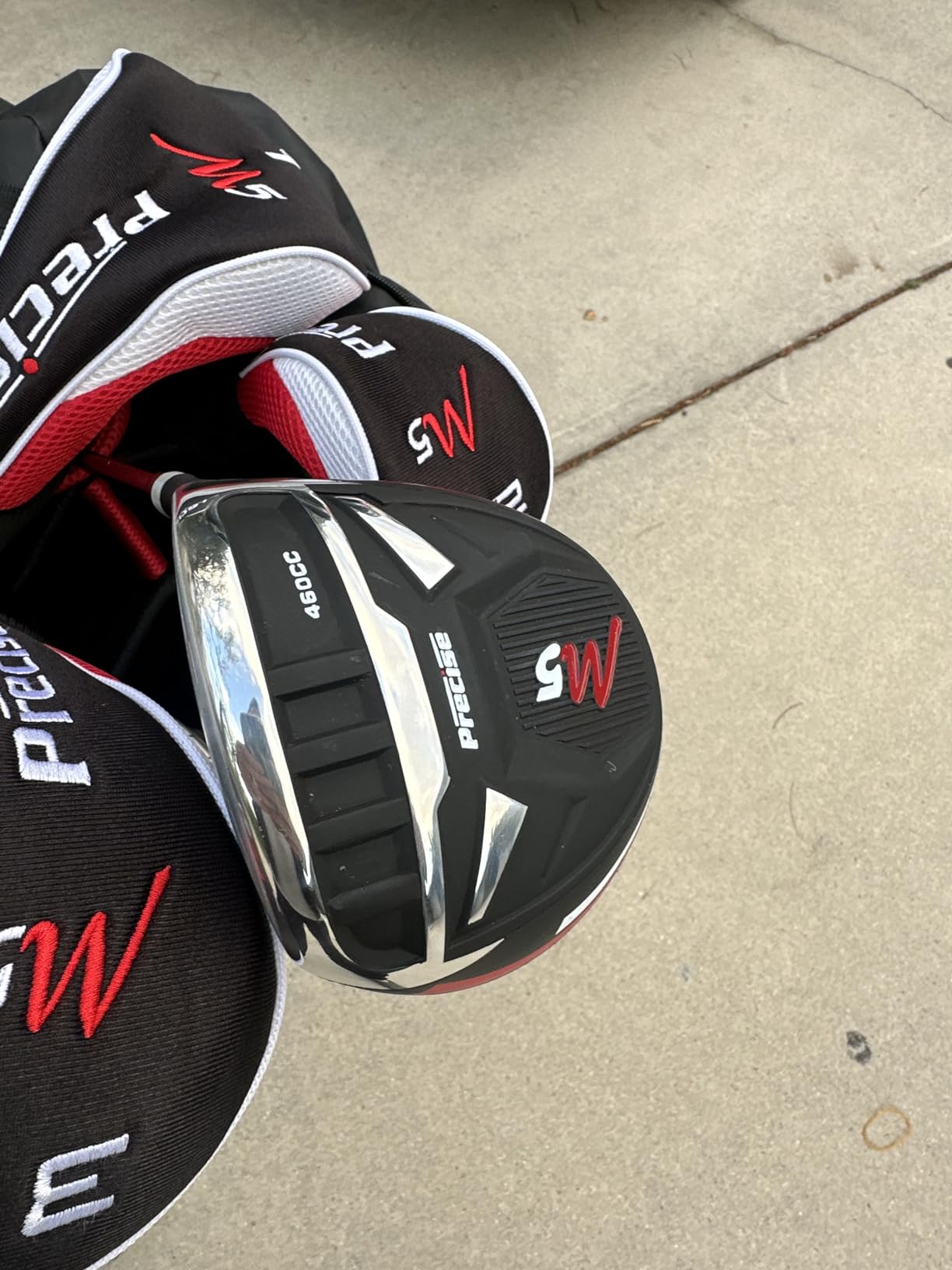
At 4.3 average with 649 reviews, this set sits below the others here, and the reason is consistent: durability. A minority of buyers report shafts snapping or club heads detaching after limited use, which drags the score down even when the golf is good.
The putter is the other weak point, with a light head and minimal face weighting, so if you struggle to control speed on the green, plan on replacing it. The counter is that owners report the set still works after two years of regular play, so the failures are real but not universal.
The value of a complete 5 through PW run
Continuous irons let you map a full distance ladder, which is how you learn which club you actually hit with a wedge or a half swing. Gapped bags teach a high handicapper to guess, and guessing is where strokes go.
When a lightweight putter becomes the problem
A light putter with little face weighting is hard to control for golfers who already roll the ball past the hole. If that describes you, the set is still a strong buy and the putter is a swap you will make eventually anyway.
For whom this set makes sense
This is the pick if your only goal is a complete bag in one transaction and you intend to replace the putter. It is not the pick if you are hard on equipment or expect a resale path later, since build quality is clearly entry level.
6. Wilson Tour Velocity Set – Forged Titanium Composite Driver at a 4.6 Average
Wilson Men’s Tour Velocity Complete Golf Set with Stand Bag – Right Hand
460cc forged titanium driver
10 degree loft
Perimeter-weighted irons
15.9 pounds total
+ Pros
- Oversized 460cc forged titanium composite driver with power weighting
- Perimeter-weighted oversized irons with a low center of gravity and large sweet spot
- Includes a pitching wedge
- a putter and three head covers
- Double shoulder straps reduce fatigue over 18 holes
– Cons
- Only four irons in the set so it is a starter package
- Limited review base on long-term durability
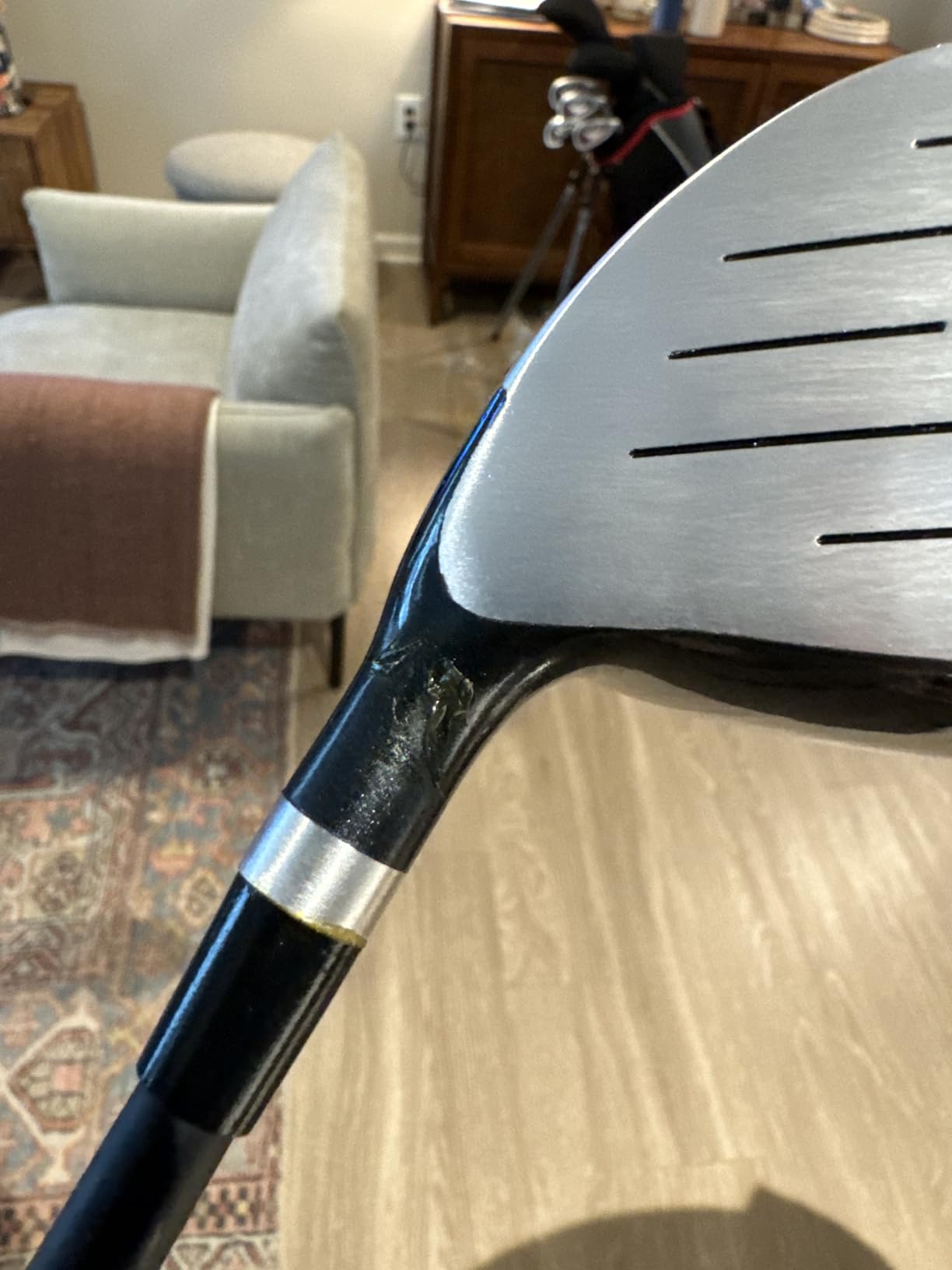
This set has the highest average rating in the group at 4.6, and the reason is concentrated in one club. The 460cc forged titanium composite driver uses power weighting to keep mass low and back, and buyers point to it as the reason their swing felt effortless from the first round.
At a 10 degree driver loft it is the lowest loft here, which is a deliberate trade. Lower loft theoretically produces more roll for faster swings, but for most high handicappers a slightly higher loft that gets airborne is the better choice. The wide sole and weighting do more for a slow swing than loft does.
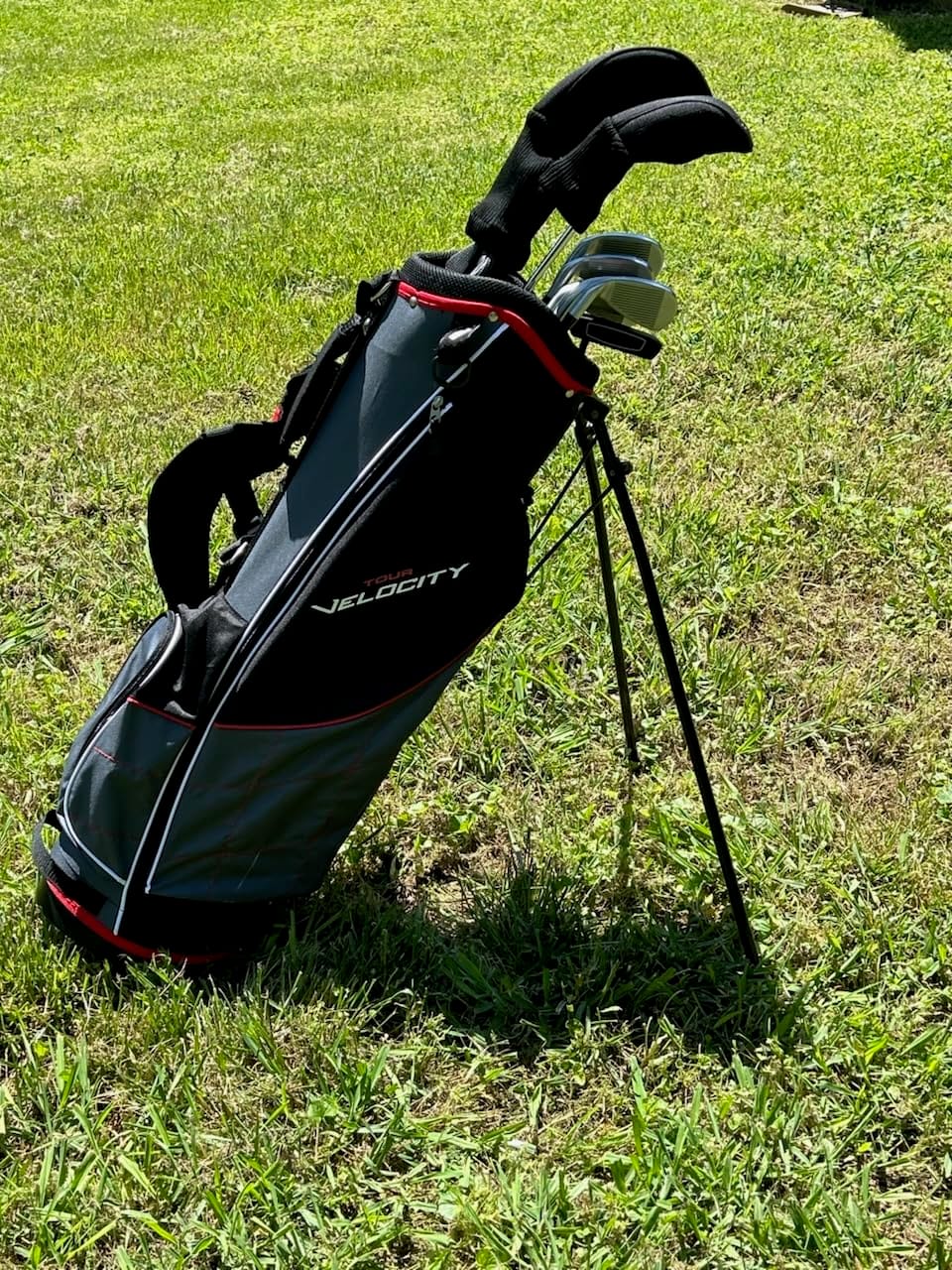
The irons carry extreme perimeter weighting and oversized profiles, and they are the easiest launch in this roundup from what owners report. Ninety-five percent of reviews are four stars or better, which is the most consistent satisfaction signal among these twelve products.
Only four irons ship with the set, so treat this as a starter package rather than a complete iron run, and expect to add irons separately. The 114-review base is the smallest here, so the durability picture is genuinely unknown.
Driver loft and why 10 degrees is a compromise
Loft governs launch and spin. A 10 degree driver needs real clubhead speed to get the ball up. If your swing is slower than about 90 mph, a 10.5 degree head is the safer pick, and two of the other sets here use that figure.
What four irons actually covers
Four perimeter-weighted irons with a pitching wedge give you a workable short game and nothing beyond mid iron. For a high handicapper, that is often enough to practice with, and the long clubs are covered by the driver, fairway wood and hybrid in the same bag.
For whom it works
Choose this if easy launch is your single biggest problem and you are willing to add irons later. Skip it if you want one purchase to finish a bag, because the iron run stops well short of a full set.
7. XDriveMax 8-Piece Set – Lightweight Starter Bag With a Padded Grip
XDriveMax 8-Piece Right Hand Complete Golf Club Set for Men & Women: Wood, Hybrid, Irons, Putter & Bag – Beginner Friendly, High Distance & Accuracy,Right,Black Blue
8 pieces
3 wood, 5 hybrid, 5, 7 and 9 irons, sand wedge, putter
Graphite shafts
10.5 degree loft
+ Pros
- Very light clubs that feel comfortable for new players and juniors
- Oversized sweet spot clubheads and anti-slip grips aid forgiveness
- Deep-groove irons and a high-resilience hybrid deliver distance and control
- Portable bag with a rain hood
– Cons
- Some buyers report a wood head detaching from the shaft early
- Only 5
- 7 and 9 irons leave big gaps in distance coverage
- Basic construction at the entry level
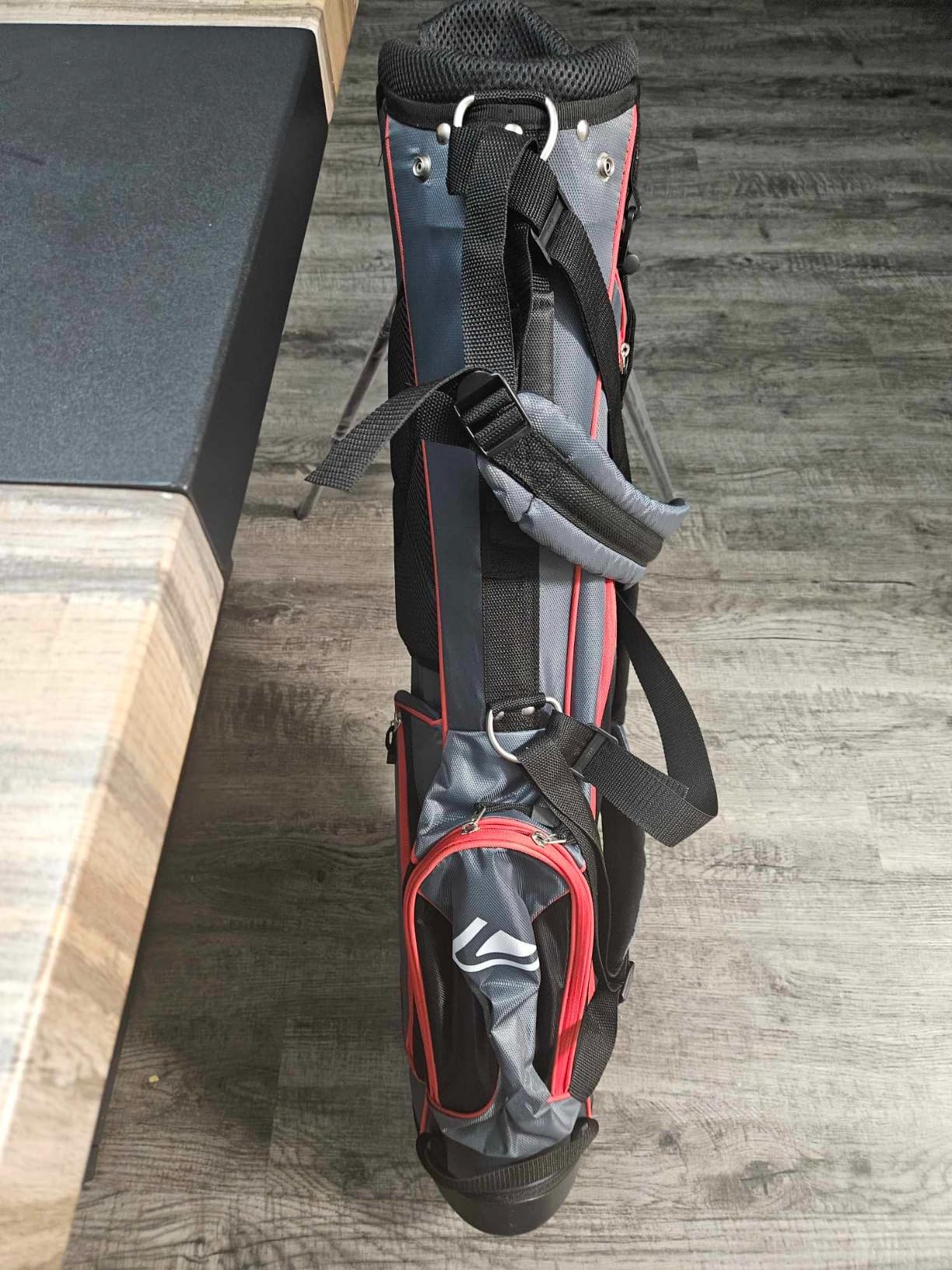
Eight clubs is the smallest bag in this roundup, and for a specific profile it is the right one. A junior, a senior playing a short nine, or anyone walking a par-3 course with a sling bag does not need a 14-club set, and this covers the game with a 3 wood, 5 hybrid, 5, 7 and 9 irons, a sand wedge and a putter.
Everything is light, the grips are anti-slip, and the clubheads are oversized with deep grooves. It is also one of the few sets here that explicitly offers both handed options across colorways, which matters for a gift where you do not know the golfer’s dominant hand.
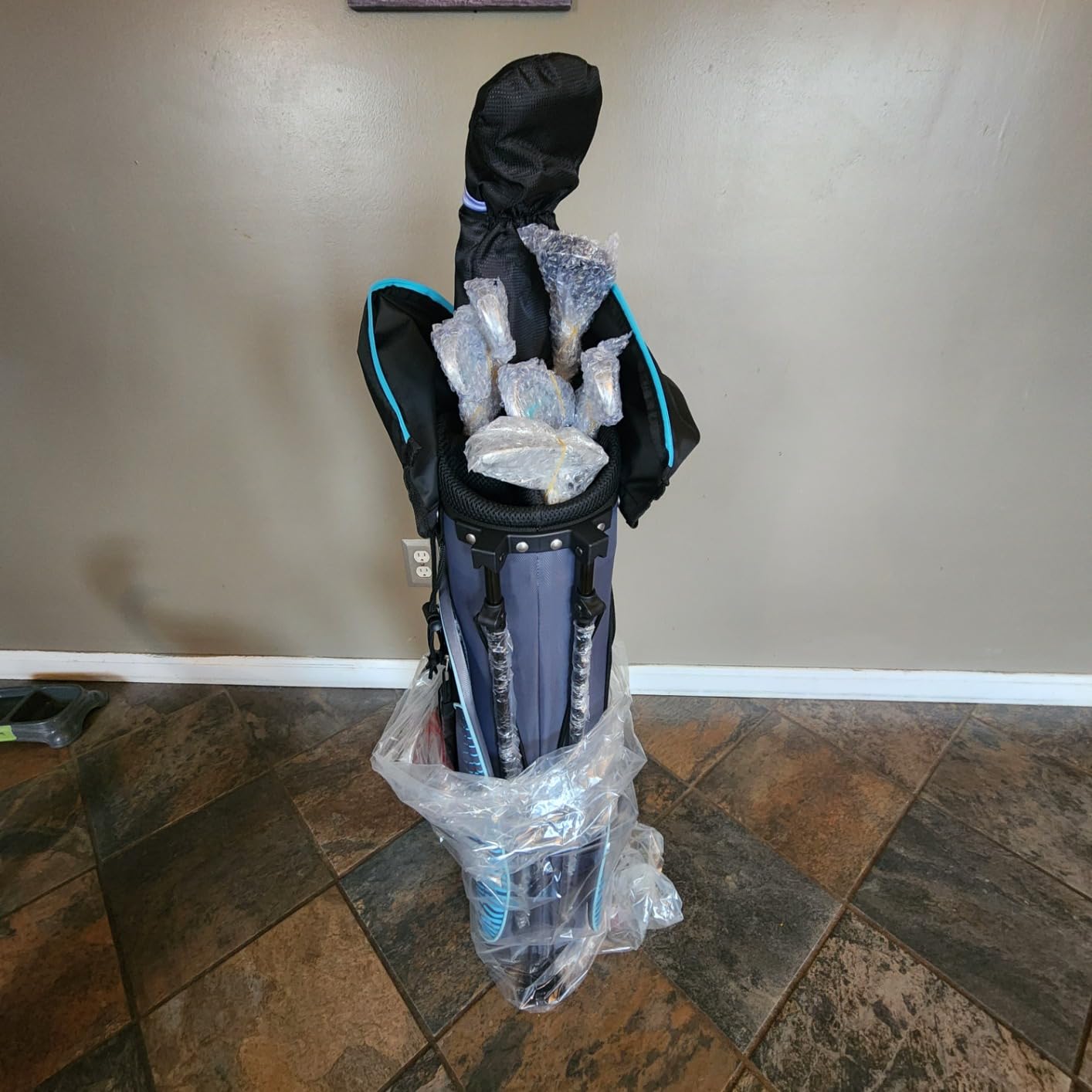
Buyers most often use it as a gift, and the pattern in reviews is that it works well on the course for exactly the golfers it was designed for. The recurring complaint is manufacturing consistency, with a few reports of a single club head separating during early range sessions.
The three-iron configuration also deserves a warning. With only 5, 7 and 9 irons you will be guessing at every mid distance, and guessing is what produces the 8 iron shots that ruin a score for a high handicapper. If you are playing full par-72 courses, this bag needs irons added.
When eight clubs is enough
Nine and short courses, travel constraints, and juniors under a certain height all argue for a reduced bag. Fewer clubs means faster decisions at the tee, and for a high handicapper who spends mental energy on club selection, that is a real benefit.
Wedge and short game limits
One sand wedge leaves you without a gap wedge or a lob wedge. Around the green you will be pitching with a sand or 9 iron far more than you should, which is the least efficient way to score.
Who should buy it
Buy this as a gift, a travel set, or a first bag for a junior. It is also the one set here where both handed options are genuinely offered, which removes a real purchasing obstacle for gift buyers.
8. BombTech Golf 4.0 Iron Set – Seven Clubs of Forgiving Cavity Backs
BombTech Golf 4.0 Iron Set – Black (Regular Flex)
4 iron through pitching wedge
Cavity back design
Alloy steel shafts
About 3.3 kg for the set
+ Pros
- Very large sweet spot and forgiving on both heel and toe strikes
- Easy launch out of every iron including the 4
- 5 and 6
- Multiple users report 10 to 12 yards more distance than their previous irons
- Clubheads still look new after dozens of rounds
– Cons
- A little less distance than some players' previous clubs
- The supplied grips may wear out before the clubheads
- Iron set only so it covers no woods or putter
This is a pure iron set, four through pitching wedge, and if your existing driver and putter are fine it solves the part of the bag that matters most. For a high handicapper the middle irons are where the strokes go, and forgiving cavity backs across seven clubs is a straightforward fix.
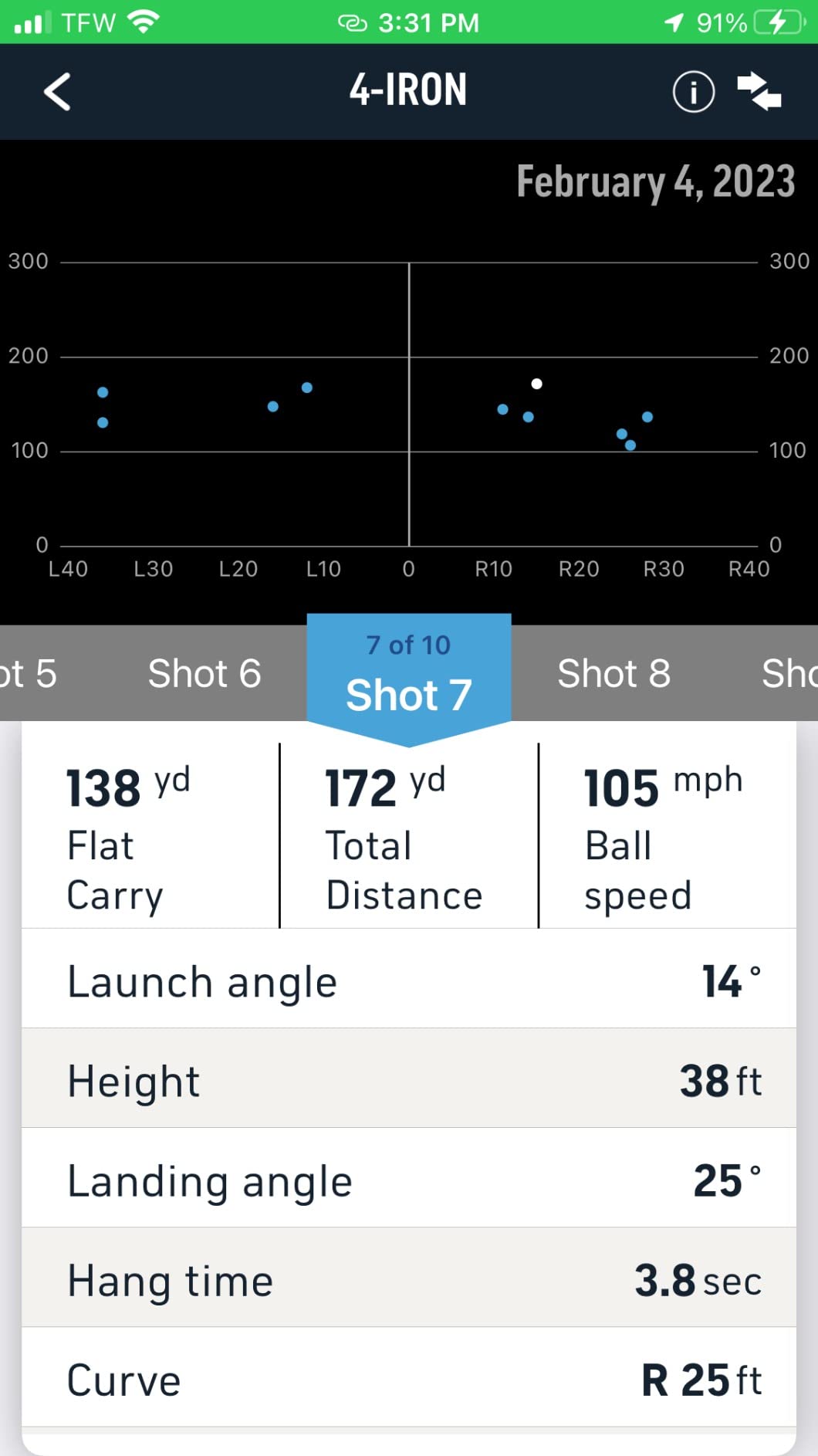
The consistent owner report is a large sweet spot on both heel and toe strikes combined with easy launch, particularly from the 4, 5 and 6. Several reviewers also report picking up 10 to 12 yards over their previous irons, which is a large gain for a high handicap and consistent with what better launch does to carry.
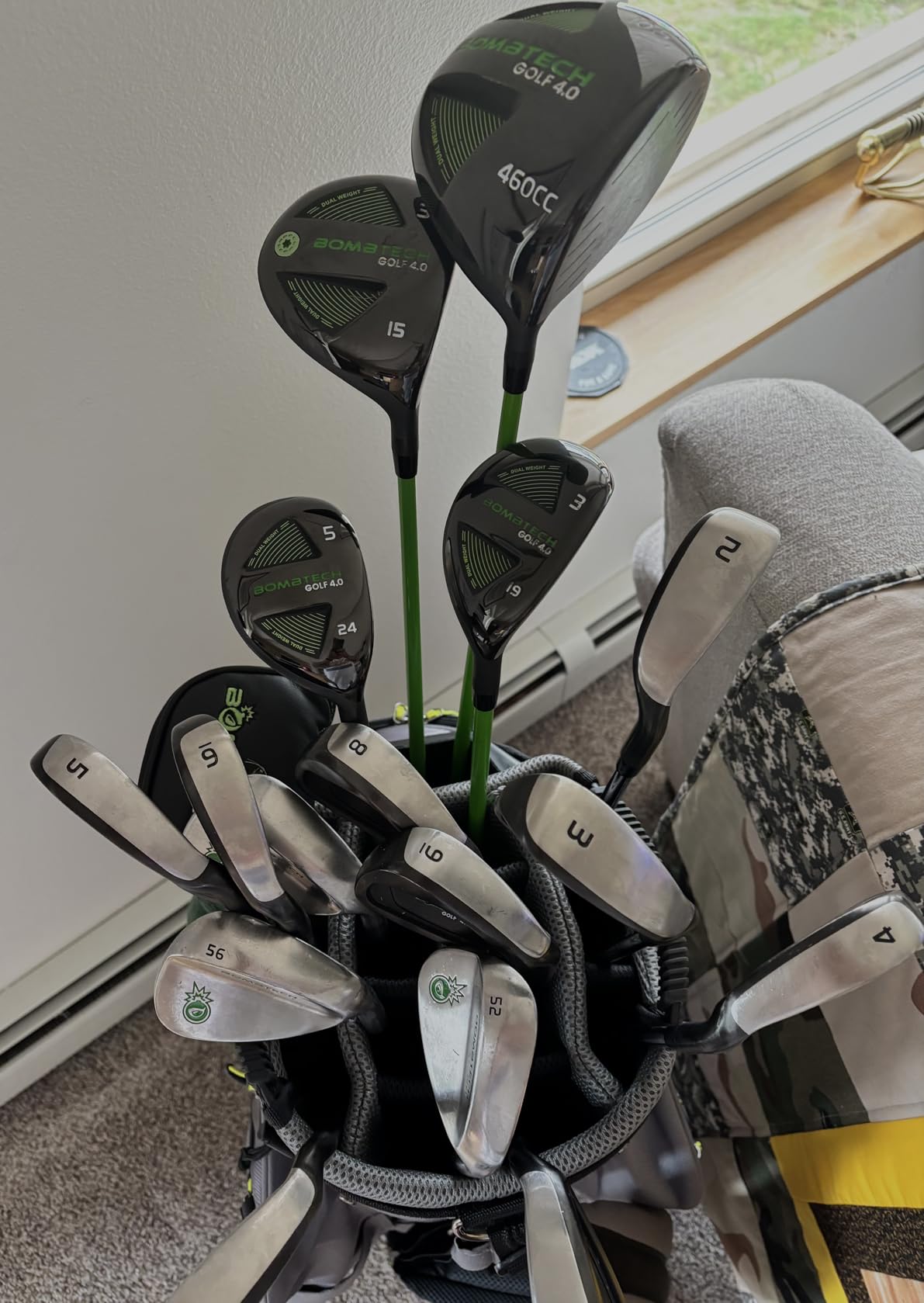
At about 3.3 kg for seven clubs this is a substantial iron set, and the weight is part of why the strike stays in the middle of the face. Owners note the heads still look new after dozens of rounds, while grips are the most common minor complaint and the first thing to replace.
Be realistic about the trade. Not every user gained distance, and this set does nothing for your driver, hybrid or putter. Buy it as a targeted upgrade to a bag you already trust, not as a complete solution.
Why 4 through PW is a smart upgrade scope
Long irons are the clubs high handicappers rarely use and hybrids can cover. The 4 through PW range, by contrast, is played from the tee on shorter holes, from the fairway on almost every par 4, and around the green on half swings.
Matching these to your existing woods
Because this is irons only, check that the loft ladder fits your hybrid and fairway wood. If your 5 hybrid sits at 26 degrees and these start at a 22 degree 4 iron, the top of the bag overlaps and you may want to drop the hybrid instead of the 4.
For whom it is right
This is the pick for a golfer with a decent driver and putter whose iron strike is inconsistent. It is the wrong pick for a true beginner who still needs a full bag, since there is nothing to hit off the tee or get the ball in the hole with.
9. MAZEL Individual Irons – One Forgiving Club at a Time
MAZEL Golf Individual Iron 1,2,3,4,5,6,7,8,9, Golf Iron with Steel Shafts for Right Handed Golfers (Stainless Steel,Black Silver, 7 Iron, Stiff, Right)
Cavity back with low center of gravity
Stainless steel shaft
23 degree 7 iron model
0.43 kg per club
+ Pros
- Low center of gravity back cavity design helps players launch the ball
- Trailing edge design glides through turf for cleaner contact
- Deep CNC milled grooves improve consistency and control
- Affordable way to add a forgiving iron to an existing bag
– Cons
- Sold as a single iron so a full set means buying each number separately
- Shaft is listed as stiff which may not suit slower swing speeds
- Limited warranty coverage
Every other product here is a bundle, so this one is different. You buy a single iron, in numbers one through nine plus pitching wedge, and fill exactly the gaps your bag has. For a high handicapper with a decent set already, replacing the one club you mishit most is often the highest-value equipment change available.
The back cavity design drops the center of gravity low for easy launch, the trailing edge is shaped to glide instead of dig, and the CNC milled face has deep grooves for control. Beginners who struggle to find long irons elsewhere specifically like these, and some use a 4 or 5 as a substitute driver off the tee.
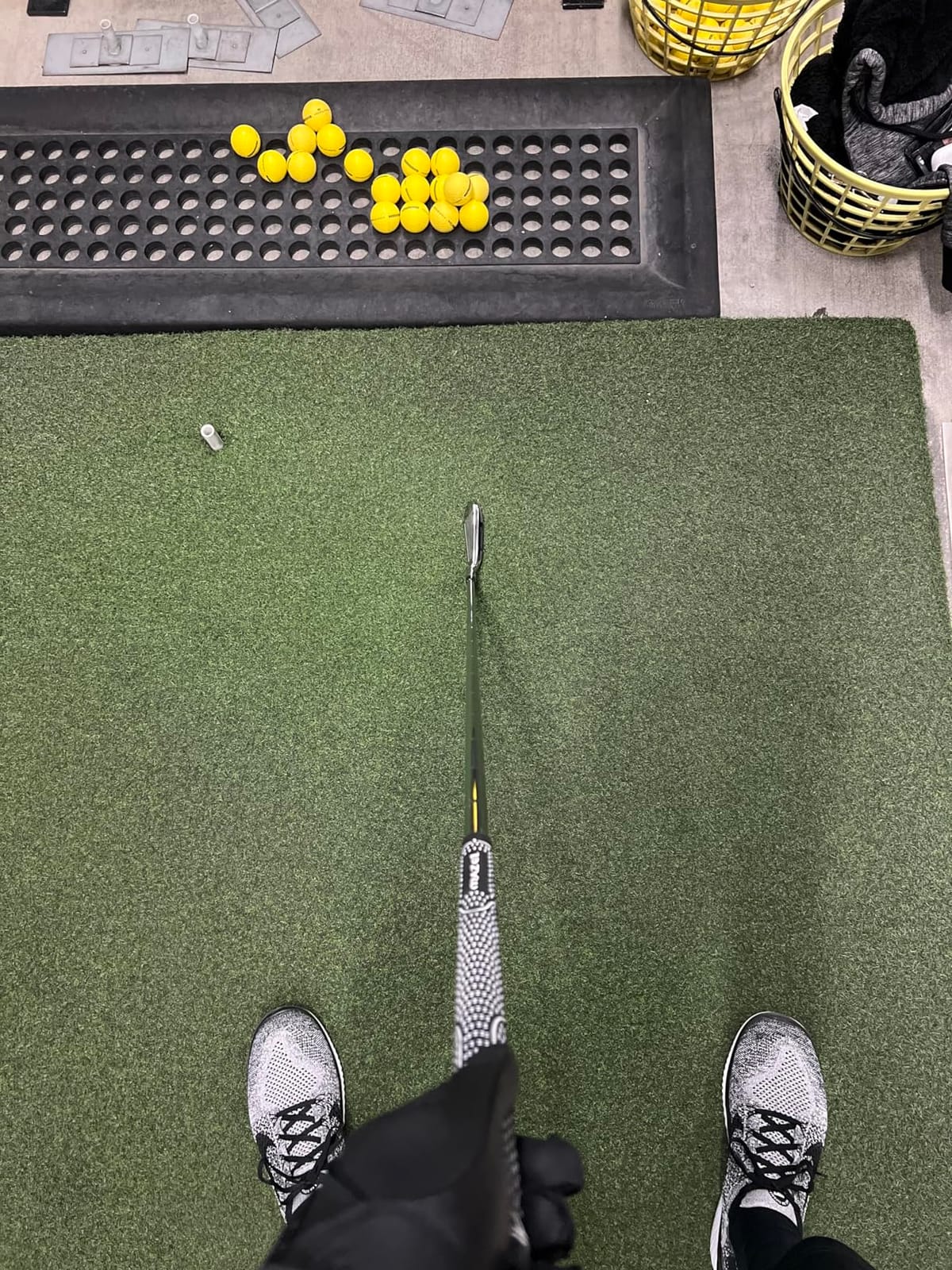
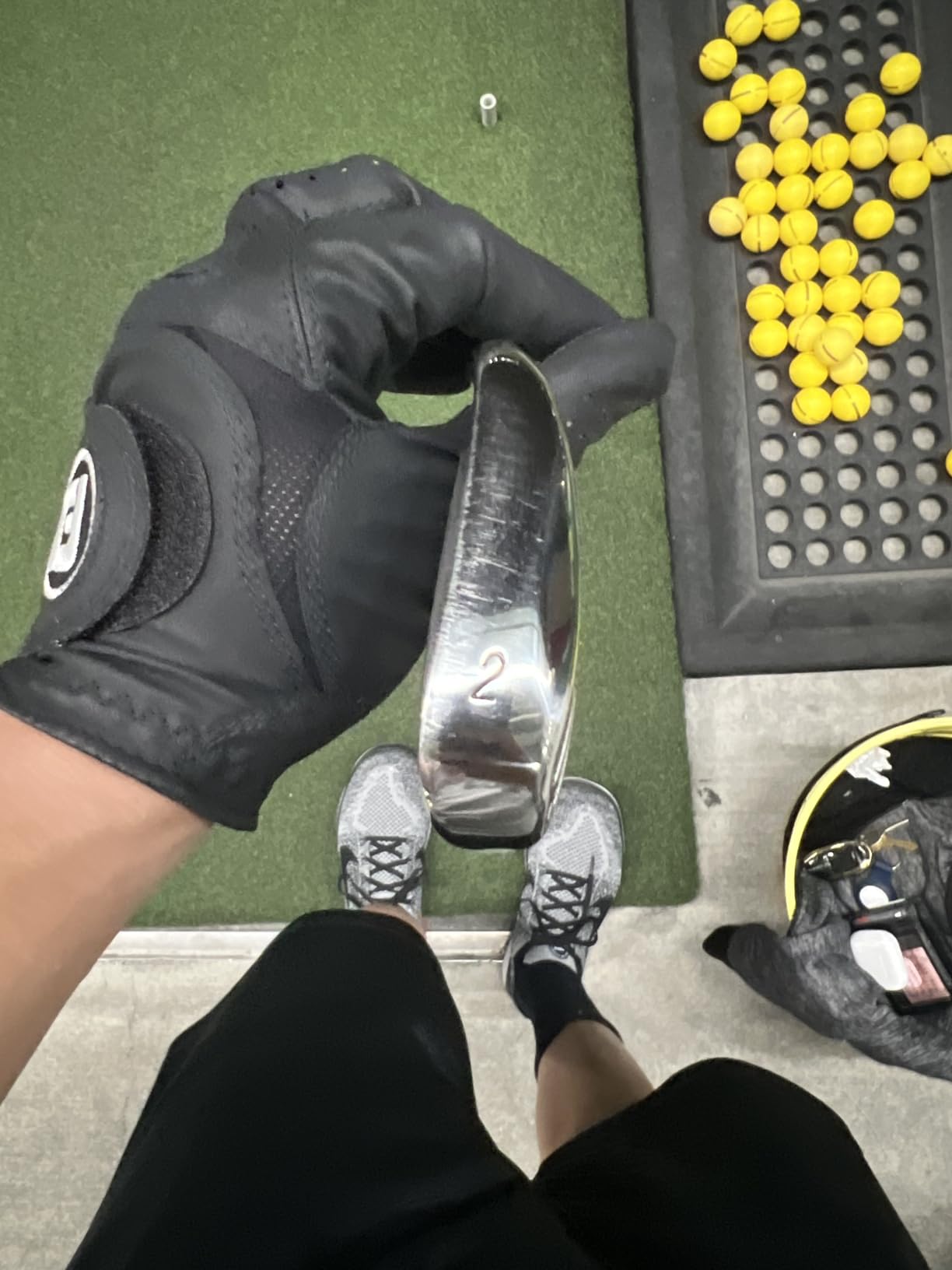
It ranks first in its category with 343 reviews at 4.5, and the feedback clusters around two things: straight, forgiving flight and comfortable grip. Reviewers also comment on how the clubs look after a few rounds, which matters more than it sounds for a bag you will keep for years.
The stiffness is the real caution. A stiff shaft at slower swing speeds tends to cause a cast and a stalled downswing, the same failure mode as an over-weight graphite shaft. If your speed is under 90 mph, this is not the club to build a set from.
Which single iron to replace first
Replace the club you miss most, not the one you hit worst on paper. For most high handicappers that is a 5 or 7 iron, since those come up on nearly every par 4 and both are reachable from a fairway lie.
Mixing a single iron into a matched set
Shaft flex and loft have to match what you already own or the new club will feel foreign. If your set is steel regular and this is stiff, the difference in feel is large enough to disrupt your swing rhythm mid-round.
Who should buy one
Buy a single club if you already have a serviceable bag and one iron is failing you. Do not try to build a complete iron set this way unless you enjoy a project, because buying each number separately is a lot of steps for the same outcome.
10. Orlimar Intercept Single Length Set – One Shaft Length From 5 Iron to Gap Wedge
Orlimar Intercept Single Length Iron Set for Men Graphite Regular Flex
All clubs measure 37.25 inches
5 iron through gap wedge
Graphite shafts
Lofts from 23.5 to 50 degrees
+ Pros
- Single length design removes one variable from setup which reduces errors
- Cavity back perimeter weighting keeps mishits near the intended line
- Players who adapted report higher ball flight and straighter shots
- Confident and consistent setup at address
– Cons
- Soft feel can deaden feedback on mis-hits
- Requires a more upright stance and a swing adjustment that takes time
- Several buyers report a club head separating from the shaft
Every club in this set is 37.25 inches, from the 5 iron at 23.5 degrees to the gap wedge at 50. Because the length never changes, your ball position never changes, and that single fact removes the most common setup error high handicappers make between clubs.
Reviews are genuinely split, and the split is instructive. Golfers who commit report large consistency gains and better ball flight. More experienced players find the flat feel and the upright stance requirement hard to adapt to, and that is why this set scores lowest in the group at 4.1.
The lofts themselves are useful knowledge. The 7 iron here is 31 degrees and the 9 is 40, which is a wider spacing than a standard set and gives you real gaps for both full and half swings. The gap wedge at 50 degrees is a genuine scoring club that most starter sets omit.
Durability is the other issue, with several buyers reporting a head separating from the shaft. The soft feel that some golfers love also removes feedback on mis-hits, and for a high handicapper who needs to know where contact went, that is a genuine cost.
Why one length helps more than it sounds
With a traditional set, a 5 iron sits further from your body than a 9, so posture changes on every shot. A single length set forces one posture, which many high handicappers find liberating once the first five rounds pass.
Who should commit and who should not
Commit if your misses are setup-driven, meaning you know you stand differently for different clubs. Do not commit if you rely on impact feedback to learn, because the soft feel will slow that process down.
11. Ase Golf Wedge Set – 52, 56 and 60 Degrees With Milled Grooves
Premium Golf Wedge Set 50-60° – Lob, Gap & Sand Wedge, Right Hand Golf Wedges for Men – Full Face Grooves + CNC Milled Face for Max Spin, Premium Grip, Forgiving & Easy to Swing, Tour-Inspired
52, 56 and 60 degree lofts
8 degree bounce
Alloy steel shafts
CNC milled face
1 year warranty
+ Pros
- CNC milled grooves grab the ball for aggressive spin and stopping power
- Forgiving and easy-to-swing design aimed at mid-to-high handicappers
- Three lofts cover the full 52 to 60 degree scoring range
- Multi-material grip with brushed cotton wire and firm rubber
– Cons
- Blade style head offers less forgiveness than a cavity back design
- Shaft is listed as stiff which suits faster swing speeds better
- Eight degree bounce is low for players who hit deep sand traps
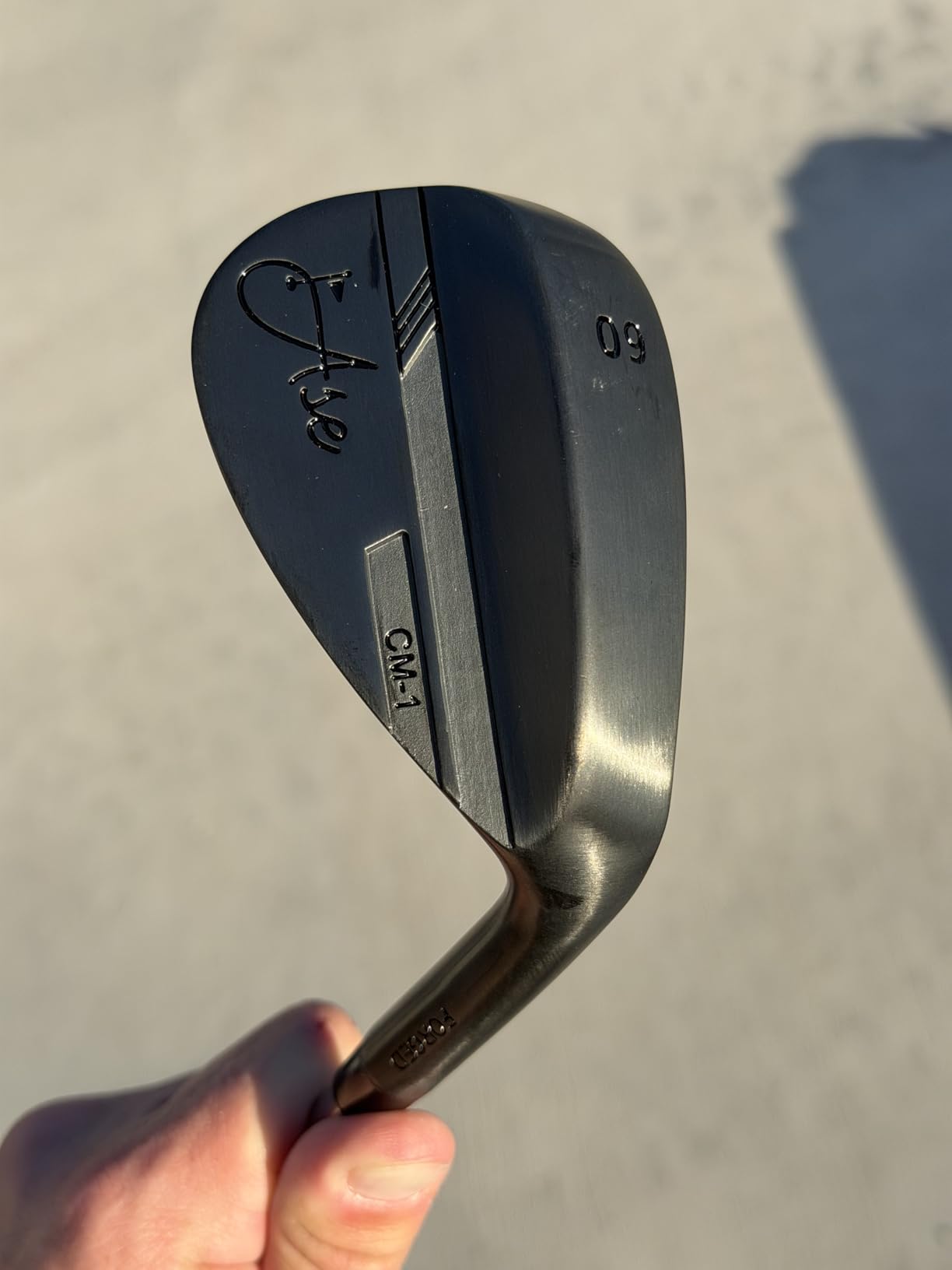
Most complete sets hand you one sand wedge and nothing else, so a three-wedge set at 52, 56 and 60 degrees is the most efficient scoring upgrade in this roundup. Those three lofts cover almost every full and half swing you face from inside 100 yards.
The milled grooves are the reason for the 4.6 average. Buyers point to the spin and control on the green, and around-the-green spin is exactly the number a high handicapper needs when a 9 iron lands six feet past the pin. Seventy-nine percent of reviews are five stars, the strongest share among these products.
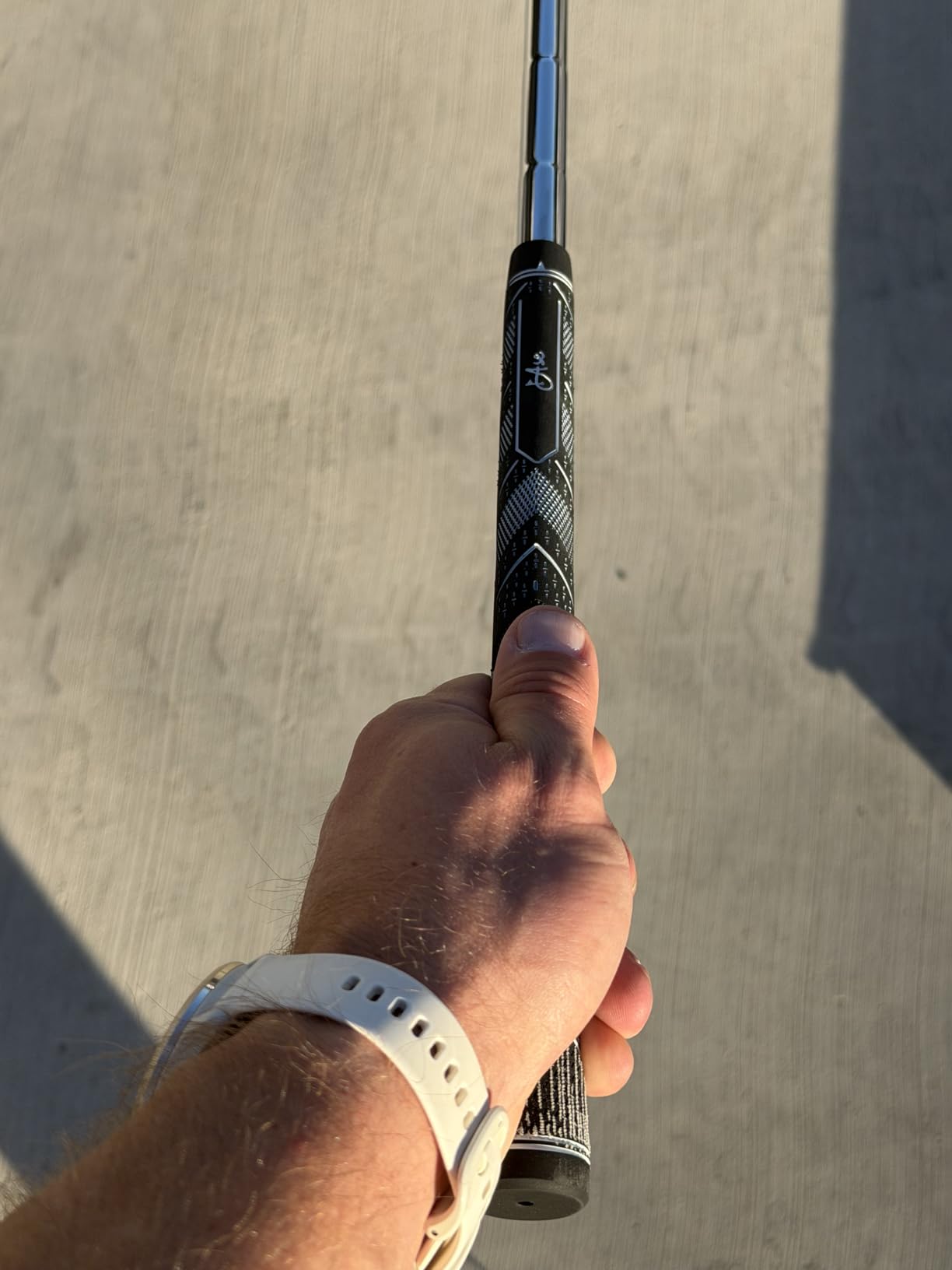
Read the bounce number carefully before buying. At 8 degrees this is a low bounce wedge, and low bounce is the right answer for clean contact and firm lies. If you regularly hit deep sand traps or heavy rough, low bounce will send the ball skidding away from the target.
The blade head is also worth weighing. Blades give better feedback and control, which is why tour players use them, but they punish thin contact more than a cavity back. A high handicapper who grubs wedges will be better served by a more forgiving head, so treat this as an upgrade rather than a rescue.
Choosing wedge bounce for your own contact
General rule for a high handicap: more contact and more bunker play means you want more bounce, typically 10 to 12 degrees. You will be chunking shots out of a stance you are not quite balanced in, and more bounce stops the club from digging.
The 52, 56, 60 spacing
Four degree steps give you a full swing, a half swing and a flop option from the same three clubs. Most players carry a 56 as their full swing wedge, a 52 for half swings and the 60 when they need to get it high and short.
For whom it works
This is a good fit if your contact is decent and you need scoring numbers. It is a poor fit if your misses are all thin and light, because the blade head and the stiff shaft will both amplify a strike that is already costing you distance.
12. PGM Blade Putter – Heaviest Review Count and a 350 Gram Head
PGM Golf Putter – Blade Putters for Men & Women – Easy Flop Shots – Legal for Tournament Play- Right Handed – Graphite Shaft
Blade putter
34 inch length
350 gram head
113 gram shaft
3 degree loft
+ Pros
- Notched strike surface and grooves give a stable consistent ball roll
- High fault tolerance minimizes errors on off-center putts
- Straight tapered shaft and classic blade shape make alignment easy
- Well balanced at 350 grams and 34 inches for a broad range of golfers
– Cons
- Blade shape is less forgiving than a mallet for severe mishits
- Basic headcover only
With 826 reviews at a 4.6 average, this is the most thoroughly reviewed putter in the group, and it ranks first in its category. High handicappers lose a shocking number of strokes on the greens, so a putter that stays stable on a poor strike pays for itself faster than any iron in this roundup.
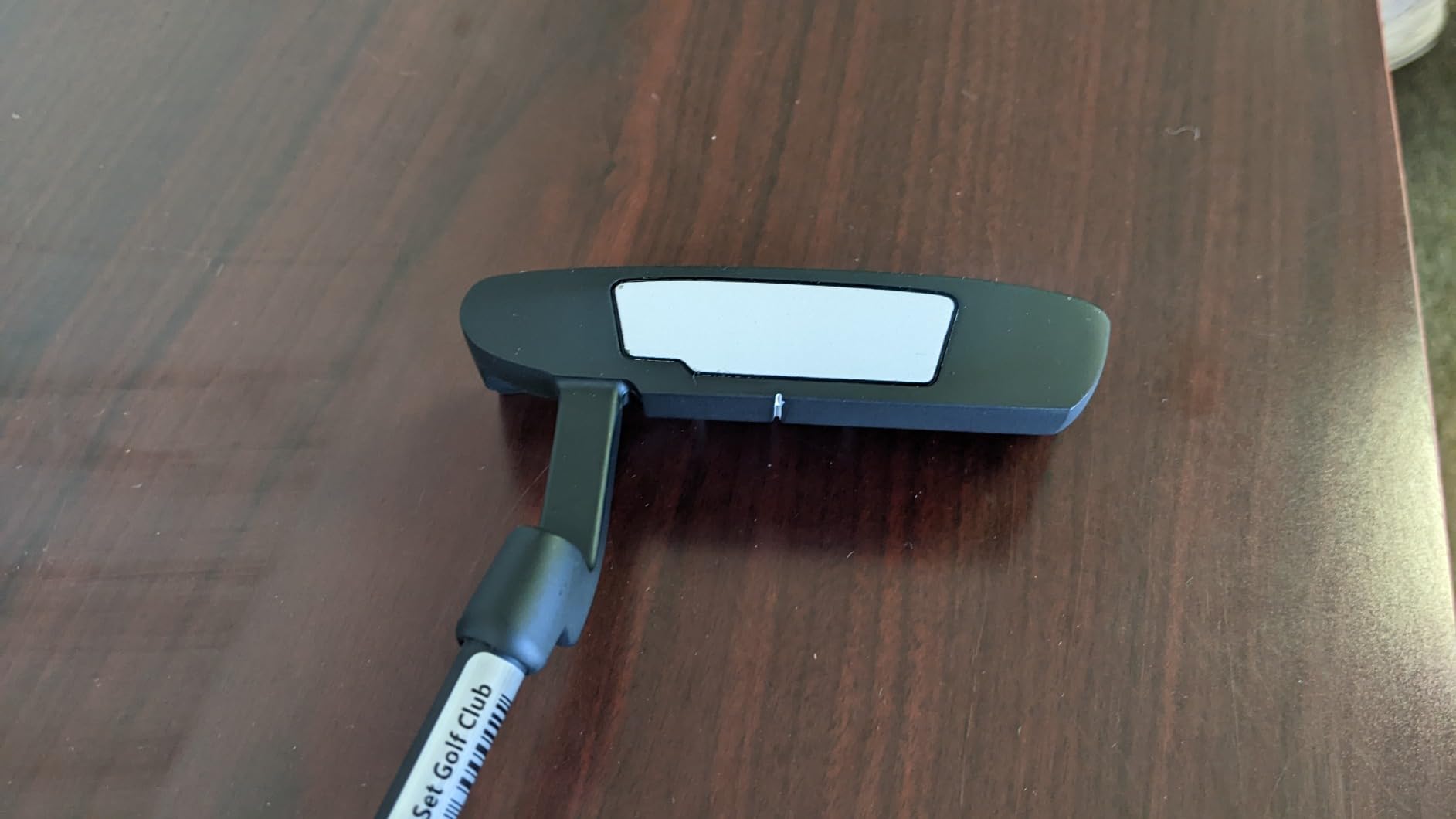
The notched strike surface and face grooves are the technical explanation for the owner reports of a smooth, consistent roll. Fault tolerance keeps an off-center putt from changing direction, and the straight tapered shaft with a classic blade shape makes alignment almost automatic.
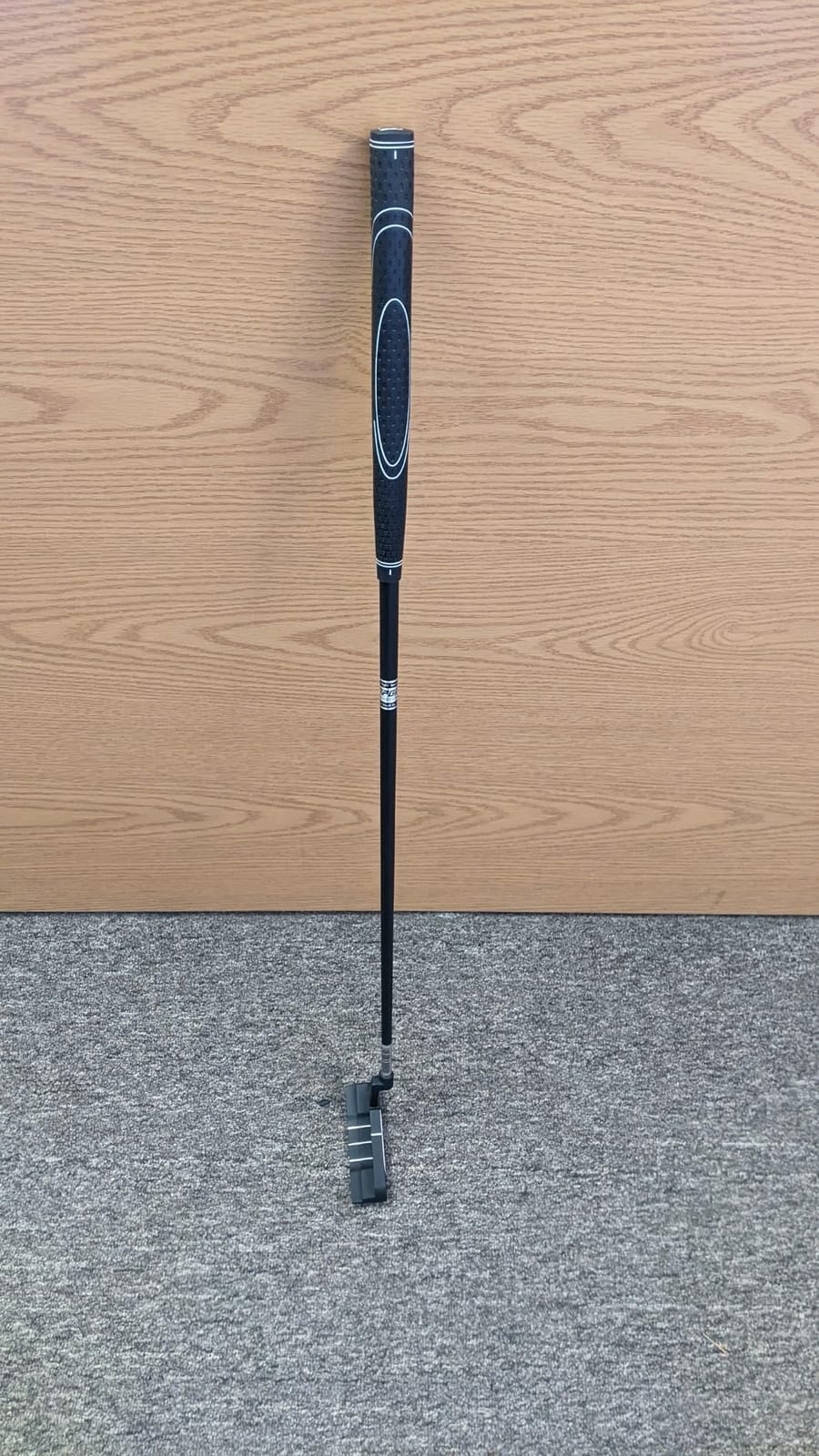
At 34 inches with a 350 gram head and a 113 gram shaft, the balance is deliberately in the middle of the fitting range rather than at an extreme. That means it suits a broad range of golfers without a fitting, which matters because most high handicappers have never had a putter properly measured.
The honest limitation is the blade shape. A blade feels better and gives more feedback, but a mallet is more forgiving on severe mishits. If your misses are wild rather than slightly off, test a mallet before you commit, and if your misses are speed problems rather than direction problems, weight matters more than shape.
Head weight and why 350 grams is a safe middle
Heavier putter heads resist twisting on off-center hits, and roughly 350 grams sits in the range most golfers can control without adding a visible head weight. The straight tapered shaft keeps the face square, which reduces start-line error.
Putter fit, without a fitting
Stand behind your address position and check that the grip sits just below your fingers, roughly one inch from your fingertips. Bend your knees to your normal putting posture and let your arms hang. Whatever distance is between your fingers and the grip is your setup length.
Who should buy this putter
Choose this if your misses are slightly off-center and you want a stable, balanced putter with clear alignment. Choose a mallet instead if your misses are severe, and consider a putter with alignment lines if you struggle to start the ball on line at all.
The Ideal 14-Club Bag for a 25-Handicapper
This is the build I would hand to a 25-handicapper who has never had a proper plan, and it is the answer to the most common question in this category. The logic is simple: replace the long irons you cannot hit, and spend your remaining slots on forgiveness and scoring distance.
- Driver with a 10.5 to 12 degree loft, oversized head, and a light graphite shaft.
- 3 wood if you can hit one, otherwise skip to the next choice.
- 5 hybrid at 24 to 27 degrees, which replaces a 3 and 4 iron for most golfers.
- 5 wood at roughly 27 to 28 degrees, or a second hybrid if you need more coverage.
- 6 hybrid at 30 degrees for anyone who misses the 5 iron.
- 7 iron from a game improvement or super game improvement set.
- 8 iron from the same set, cavity back, wide sole.
- 9 iron from the same set.
- Pitching wedge at 45 degrees.
- Gap wedge at 50 degrees, the most underused club in golf.
- Sand wedge at 54 to 56 degrees with 10 to 12 degrees of bounce.
- Pitching wedge lob at 58 to 60 degrees for steep par 5s and tight lies.
- Putter with a head weight around 350 grams.
- Your choice of one extra club, most often another hybrid or a driving iron.
Notice what is missing. There is no 3 iron and no 5 iron, and on course a high handicapper almost never misses them. A 5 hybrid covers that distance, launches far more easily, and stops on the green more often than a mishit 3 iron ever will. For comparison, the Majek set earlier builds this ladder out of hybrids entirely.
If you want to know whether the distances you are getting are normal, ask your instructor the same question you would ask a physical therapist about a training load. Is it acceptable to track a specific metric for a specific period instead of guessing? If you want a simple way to keep track of numbers other than golf, the same idea is behind tracking output on a set of graphing calculators for high school.
How to Choose Clubs That Match Your Swing
Every product above can be improved or ruined by a fitter or a careless fitter. These are the decisions that actually change your scores.
What forgiveness really means
Forgiveness is the ability to keep a club on line and near full distance when you do not hit the center of the face. It comes from four places: high moment of inertia from a larger head and perimeter weighting, a wider sole that resists digging, more offset that moves the strike pattern toward the sweet spot, and a deeper center of gravity that keeps launch on mishits. Marketing treats it as a single idea, but it is four independent engineering choices.
For a high handicapper, forgiveness beats workability because mishits cost far more strokes than good shots earn. A club that straightens a bad contact is worth more than a club that lets you shape one deliberately.
Gapping rules that apply to any high handicap bag
Gap your bag in loft, not in number. Most high handicappers need roughly 13 to 15 degrees between successive full shots, which means long irons get replaced by hybrids before they get upgraded. Check your 5 hybrid and your 5 iron; if they are within three degrees of each other, you have redundancy and one of them should go.
Wedges are the exception. From the 45 degree pitching wedge down, tighten your steps to four degrees so you have a half-swing option for every full-swing distance.
Shaft weight, swing speed and the point of impact
Speed governs shaft weight more reliably than any other number. Under 85 mph of driver speed, a shaft around 50 grams or a senior flex graphite is the right starting point. From 85 to 100 mph, regular graphite works. Above 100 mph, a stiff shaft or a steel shaft becomes reasonable.
The reason is the low point of impact. A shaft that is too heavy makes you release the club early, which pushes the strike below the ball and produces a cast. Too light and you cannot control the face through the shot. Get this wrong and no amount of forgiveness technology in the head will save the contact rate. It is the same headroom logic you would apply when matching an amplifier to a high impedance headphone: match the source to the load rather than the other way around.
Wedge bounce and grind in plain language
Bounce is the angle on the bottom of the club that stops it digging. If your contact is poor and you live in sand and thick rough, you want 10 to 12 degrees. If you have clean contact and play on firm courses, 8 degrees or less feels better and gives more spin. Grind describes the trailing edge treatment, and a wide flat sole is the forgiving version.
How far you should actually hit a 7 iron
Use these as targets, not rules. A player hitting a mid-iron 150 yards on a well-struck shot typically carries roughly this, adjusted for temperature and elevation:
- 15 handicap : around 165 to 175 yards of 7 iron carry
- 20 handicap : around 145 to 155 yards
- 25 handicap : around 130 to 140 yards
- 30 handicap : around 115 to 125 yards
- 35 handicap : around 100 to 110 yards
If you are well outside your band, the answer is usually a swing lesson before a new club. Equipment changes help with contact, but they do not create ball speed that the swing is not producing.
When not to upgrade
Do not buy new equipment if you have taken fewer than ten lessons, if your miss is still changing week to week, or if you cannot name your 7 iron carry distance. In those situations a coaching session changes scores faster than a new driver, and the club you already own is not the limiting factor.
For everyone else, upgrade in this order: shaft fitting first, then contact-oriented clubs, then wedges, then the driver. Distance chasing with new irons before your strike is consistent is the most common money mistake in this category.
Frequently Asked Questions
What is a high handicap in golf?
A high handicap is a USGA handicap index of roughly 20 or above, which means scoring in the high 90s to 120 or more over 18 holes on a typical par-72 course. Golfers at this level lose most of their strokes to mishits and inconsistent contact rather than to poor club selection, which is why forgiveness matters more than workability.
What are the most forgiving golf clubs for high handicappers?
The most forgiving clubs are super game improvement irons and drivers with oversized heads, wide soles, high moment of inertia from perimeter weighting, and more offset to move the strike pattern. The Callaway Strata, Wilson Profile SGI and BombTech Golf 4.0 iron set in this roundup all use that geometry, and the Majek All Hybrid set achieves the same forgiveness by replacing long irons entirely with hybrids.
How far should a high handicap golfer hit a 7 iron?
A 20 handicap golfer should expect roughly 145 to 155 yards of 7 iron carry, a 25 handicap around 130 to 140 yards, and a 30 handicap around 115 to 125 yards. These are averages for a well-struck shot adjusted for temperature and elevation. If you fall well outside your band, take a lesson before buying new clubs, because equipment cannot add ball speed your swing is not producing.
What irons should a 20 handicap play?
A 20 handicap should play a super game improvement or max game improvement iron set, typically 5 iron through gap wedge or 5 iron through pitching wedge, with wide soles and low center of gravity. Replace a 3 and 4 iron with a 5 hybrid at 24 to 27 degrees, since most golfers at this handicap cannot strike a 3 iron consistently enough to gain anything from it.
Which used irons are the most forgiving for high handicappers?
Used game improvement iron sets from the last several model years deliver the same oversized head, wide sole and perimeter weighting geometry as new clubs, because that design has not changed much. Golfers on r/golf most often recommend used Ping G410 and G425 sets as the best value in the game improvement category. Check shaft flex, grip condition and face grooves carefully, since wear on all three is what actually reduces forgiveness.
What is the 70/30 rule in golf?
The 70/30 rule is a putting guideline: on putts inside roughly 30 feet, control the pace and let the break do the work, aiming to hole about seven in ten. Beyond that length, commit to the read and hit the putt firmly rather than trying to hole it. It is a mind game more than a technique rule, and it mainly helps golfers who leave short putts short.
Final Verdict: Which Clubs Should You Buy?
If you are starting from nothing this year, buy the Callaway Strata 11-Piece set. It is the most complete answer to what a high handicapper actually needs, it has the deepest review base of any complete set here, and the oversized woods and cavity irons keep shots on line when contact is poor.
Put your money in a putter next. The PGM blade putter is the most reviewed product in this entire roundup at 826 ratings, and a stable putter with clean alignment does more for a high handicap score than any iron upgrade. If your misses are severe rather than slightly off-center, test a mallet shape first.
Seniors and golfers with slower swings should look at the Majek All Hybrid set, where the senior flex graphite shafts and overlapping loft ladder deliver carry most irons cannot. Golfers whose only real problem is iron contact should go straight to the BombTech Golf 4.0 set for seven forgiving cavity backs, and golfers who need scoring numbers around the green should add the Ase Golf 52, 56 and 60 degree wedges.
And if you are still within your first season, book a lesson before you buy anything else. The best golf clubs for high handicappers are the ones that make your current swing work better, and no bag fixes a contact problem that coaching can fix in five sessions. Use the list above as your shortlist, pick the two categories that match your actual misses, and then get your swing speed measured so your shaft weight is right from day one.
Leave a Reply